What is Acetal Used For? Essential Guide to Acetal Sheet Applications

Are you exploring engineering materials for your next project? When durability meets precision, acetal sheet stands out as a remarkable solution. Whether you’re an engineer, manufacturer, or product designer, understanding the versatile applications of this high-performance thermoplastic can be a game-changer for your designs.
🎉🎉🎉Limited Time Offer Use code: QR4GNY08SHVR at checkout and enjoy a special discount on your entire order! 👉 POM plastic

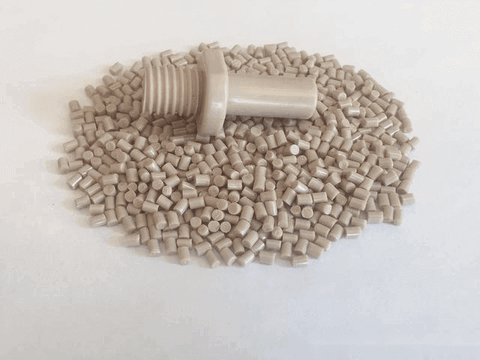
Acetal material, also known as polyoxymethylene (POM) or by its trade name Delrin, has revolutionized various industries with its exceptional combination of properties. From precision mechanical components to sophisticated automotive parts, acetal’s unique characteristics make it an invaluable choice for demanding applications.
But what exactly makes acetal sheet such a sought-after material? In this comprehensive guide, we’ll explore the diverse applications of acetal and uncover why it has become the go-to choice for engineers worldwide. Whether you’re seeking solutions for wear-resistant components or looking to upgrade your manufacturing processes, understanding acetal’s capabilities is crucial for making informed decisions.
Join us as we delve into the world of acetal applications, examining its properties, benefits, and practical uses across different industries. By the end of this guide, you’ll have a clear understanding of how this versatile material can benefit your specific needs.
Primary Applications of Acetal Sheet: Exploring Industrial Excellence to Consumer Innovation
In today’s advanced manufacturing landscape, the versatility of acetal plastic has revolutionized how industries approach their material selection. As we delve deeper into the world of engineering plastics, understanding the comprehensive applications of this remarkable material becomes increasingly crucial for engineers, designers, and manufacturers alike.
Industrial Uses: Where Precision Meets Performance
The industrial sector stands as a testament to acetal sheet’s exceptional capabilities. In modern manufacturing facilities, where precision and reliability are non-negotiable, this material has established itself as an indispensable component. Picture a bustling factory floor where conveyor systems operate continuously, moving thousands of products daily. Here, acetal’s low friction coefficient and outstanding wear resistance prove invaluable.
Manufacturing components crafted from POM plastic showcase remarkable durability in demanding environments. Take, for instance, the precision gear assemblies in industrial machinery. These components operate under intense pressure and frequent use, yet acetal’s inherent properties ensure they maintain dimensional stability and smooth operation even after extended periods of service. This reliability translates directly into reduced maintenance costs and improved operational efficiency for manufacturing facilities.
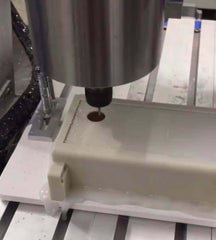
At the heart of precision manufacturing, acetal excels in creating intricate parts that require tight tolerances. Consider automated assembly lines where components must interact flawlessly thousands of times per day. The material’s excellent machinability allows for the production of complex geometries while maintaining crucial dimensional accuracy. This capability has made it particularly valuable in sectors where precision is paramount, such as aerospace and medical equipment manufacturing.

Automotive Applications: Driving Innovation Forward
The automotive industry’s relationship with acetal materials represents a perfect marriage of form and function. Modern vehicles have become increasingly sophisticated, demanding materials that can withstand diverse environmental conditions while maintaining performance integrity. Inside today’s automobiles, delrin material plays a crucial role in both visible and hidden components.
Interior components manufactured from acetal demonstrate exceptional durability in daily use scenarios. From the smooth operation of window regulators to the precise movement of seat adjustment mechanisms, these parts benefit from acetal’s natural lubricity and resistance to wear. More impressively, the material’s ability to maintain its properties across a wide temperature range makes it ideal for components that must perform reliably in both freezing winters and scorching summers.
Under the hood, where conditions are even more demanding, acetal components prove their worth in critical systems. Fuel system components, for example, must maintain their integrity while constantly exposed to aggressive chemicals. Here, acetal’s chemical resistance and dimensional stability ensure consistent performance throughout the vehicle’s lifecycle. Engineers particularly value these properties when designing components that require precise fitment and long-term reliability.
Consumer Products: Enhancing Daily Life
In the realm of consumer products, acetal’s versatility shines through in applications that touch our daily lives. The material’s combination of strength, durability, and aesthetic appeal makes it an excellent choice for products that must balance functionality with visual appeal.
Home appliances represent one of the most significant areas where acetal proves its worth. Consider your modern coffee maker or washing machine. Inside these devices, acetal components work tirelessly, resisting repeated exposure to hot water, detergents, and constant mechanical stress. The material’s food-grade safety certification and resistance to hot water make it particularly suitable for kitchen appliances, where hygiene and durability are paramount concerns.
In the world of electronic components, acetal’s electrical insulation properties and dimensional stability come to the forefront. From protective housings to internal structural components, the material provides reliable performance while meeting stringent safety requirements. Its ability to maintain precise dimensions even in varying humidity conditions makes it especially valuable in electronic applications where component fit and function must remain consistent.
The success of acetal in these diverse applications stems from its unique combination of properties. Its natural lubricity reduces wear in moving parts, while its excellent dimensional stability ensures components maintain their precise fit over time. For manufacturers, this translates into products with longer service lives and reduced warranty claims.
Through these applications, we can see how acetal has earned its place as a preferred material across multiple industries. Its versatility, combined with reliable performance and cost-effectiveness, continues to drive innovation in product design and manufacturing processes.
The journey of acetal from industrial applications to consumer products highlights its remarkable adaptability. As technology advances and new challenges emerge, this versatile material continues to find new applications, proving its worth in increasingly demanding environments.
This exploration of acetal’s applications demonstrates why it remains a crucial material in modern manufacturing. Whether in industrial machinery, automotive components, or consumer products, its unique properties continue to enable innovations that enhance performance and reliability across diverse applications.
Properties and Benefits of Acetal: A Deep Dive into Material Excellence
When we explore the remarkable characteristics of acetal plastic, it becomes clear why this material has become indispensable across various industries. Let’s delve into the core properties that make this engineering plastic stand out from conventional materials, offering solutions that continue to impress engineers and manufacturers worldwide.
Mechanical Properties: The Foundation of Performance
The mechanical properties of POM plastic represent a perfect balance of strength and practicality. Think about the daily stress that industrial components endure – constant friction, repeated impact, and continuous operation. Acetal’s exceptional mechanical properties make it uniquely suited to handle these demanding conditions.
Strength and Durability That Exceeds Expectations
In the world of engineering plastics, strength isn’t just about withstanding force; it’s about maintaining performance over time. Acetal plastic exhibits remarkable tensile strength, typically ranging from 60 to 70 MPa, making it comparable to many metals in certain applications. This inherent strength doesn’t come at the cost of weight – the material remains lightweight while delivering robust performance.
What’s particularly impressive is how this strength translates into real-world applications. Consider a precision gear operating in a high-stress environment. The material’s excellent fatigue resistance means it can withstand millions of cycles without significant degradation in performance. This combination of strength and fatigue resistance makes it an ideal choice for components that require long-term reliability under stress.
Wear Resistance: The Secret to Longevity
One of the most distinctive features of delrin material is its exceptional wear resistance. This property stems from its unique molecular structure, which provides natural lubricity. In practical terms, this means components experience:
- Reduced friction during operation
- Minimal surface wear even under continuous use
- Extended service life compared to traditional materials
- Lower maintenance requirements
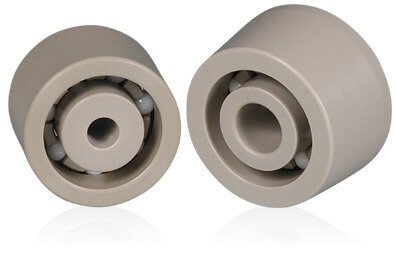
Engineers particularly value this characteristic in applications where metal-to-plastic or plastic-to-plastic contact is frequent. The material’s ability to maintain its dimensional stability while resisting wear makes it ideal for bearings, bushings, and other components subject to constant motion.
Physical Characteristics: Adapting to Environmental Challenges
Chemical Resistance That Protects and Preserves
In today’s industrial environments, materials must withstand exposure to various chemicals while maintaining their structural integrity. Acetal’s chemical resistance profile is particularly impressive, showing excellent resistance to:
- Hydrocarbons and organic solvents
- Neutral chemicals
- Many industrial cleaners and lubricants
- Fuels and automotive fluids
This chemical stability ensures that components maintain their performance even when exposed to harsh operating environments. For instance, in automotive applications, parts made from acetal continue to function reliably despite regular exposure to fuels, oils, and cleaning agents.
Weather Resistance: Performing in All Conditions
The ability to maintain properties across a wide range of environmental conditions sets acetal apart from many other engineering plastics. Its weather resistance characteristics include:
Outstanding performance in temperature extremes (-40°C to 82°C) Excellent dimensional stability despite humidity changes UV resistance for outdoor applications Minimal degradation under normal atmospheric conditions
Performance Advantages: The Economic Perspective
Cost-effectiveness: Beyond Initial Investment
When evaluating materials for industrial applications, cost considerations extend far beyond the initial purchase price. Acetal’s cost-effectiveness stems from several factors:
- Lower maintenance requirements
- Reduced replacement frequency
- Minimal downtime for repairs
- Energy efficiency in processing and operation
For manufacturers, these factors contribute to a lower total cost of ownership, making acetal an economically sound choice for many applications.

Long-term Reliability: The True Measure of Value
Perhaps the most compelling aspect of acetal’s performance advantages is its long-term reliability. This characteristic manifests in several ways:
- Consistent Performance
- Maintains mechanical properties over extended periods
- Predictable behavior under stress
- Reliable operation in varying conditions
- Minimal Maintenance
- Reduced need for lubrication
- Lower frequency of replacement
- Simplified maintenance procedures
- Quality Assurance
- Consistent manufacturing quality
- Reliable material properties
- Predictable performance metrics
The combination of these properties makes acetal an invaluable material in applications where reliability is crucial. Whether in precision machinery or consumer products, its ability to deliver consistent performance over time provides peace of mind for engineers and manufacturers alike.
Understanding these properties and benefits helps explain why acetal continues to be a preferred choice in engineering applications. Its unique combination of mechanical strength, wear resistance, and long-term reliability makes it an ideal material for demanding applications across various industries.
The true value of acetal lies not just in its individual properties, but in how these characteristics work together to provide comprehensive solutions for complex engineering challenges. As we continue to push the boundaries of material performance, acetal remains at the forefront of engineering plastic innovation.
Working with Acetal Sheet: Essential Processing and Maintenance Guide
The art of working with acetal plastic requires not just technical knowledge, but also a deep understanding of its unique characteristics. Through years of experience and continuous innovation in material processing, we’ve discovered that achieving optimal results with this versatile material goes far beyond basic machining techniques.
Processing Methods: The Art of Precision
The journey of transforming acetal into precision components begins with understanding its machining behavior. Unlike conventional materials, POM plastic responds uniquely to different processing methods. The key lies in recognizing how the material behaves under various cutting conditions and adapting your approach accordingly.
When machining acetal, temperature control becomes your greatest ally. The material’s thermal properties require a delicate balance of cutting speed and feed rate. Too aggressive, and you risk heat buildup that can compromise dimensional stability. Too conservative, and you might not achieve the efficiency your project demands. Through careful observation and experience, we’ve found that maintaining moderate cutting speeds around 500-1000 surface feet per minute typically yields the best results.
Heat management during machining deserves special attention. While acetal’s natural properties make it highly machinable, excessive heat can lead to unexpected dimensional changes. Implementing proper cooling strategies isn’t just about preventing material damage – it’s about ensuring the precision and quality of your finished components. Consider how heat dissipation affects not just the immediate cutting zone, but the entire workpiece.
The forming process opens up another realm of possibilities with acetal sheet. Thermoforming, when executed correctly, can create complex geometries that would be challenging or impossible to achieve through machining alone. The process requires an intimate understanding of how the material responds to heat and pressure. Success lies in maintaining uniform heating throughout the sheet while carefully controlling the cooling rate to achieve desired properties in the finished part.

Installation Excellence: Beyond Basic Assembly
Installing acetal components requires more than just mechanical aptitude – it demands an understanding of how the material interacts with its environment. Environmental factors play a crucial role in the success of any installation. Temperature fluctuations, humidity levels, and chemical exposure can all impact the long-term performance of your components.
Consider the example of a precision bearing assembly. The success of the installation doesn’t just depend on the initial fit – it requires consideration of how thermal expansion might affect clearances during operation. Understanding these dynamics helps you make informed decisions about installation tolerances and operating parameters.
Component handling during installation deserves special attention. Acetal’s surface properties can be affected by contamination, making clean handling practices essential. Using appropriate tools and maintaining a clean working environment isn’t just good practice – it’s fundamental to ensuring optimal performance of your installed components.
Maintenance: Ensuring Long-term Performance
Maintaining acetal components is an ongoing process that requires attention to detail and understanding of how the material ages in service. Regular monitoring of component performance can reveal early signs of wear or potential issues before they become critical problems. This proactive approach to maintenance has proven invaluable in extending component life and preventing unexpected failures.
The relationship between maintenance and performance becomes particularly evident in applications involving continuous operation. For instance, in conveyor systems using acetal components, regular inspection of wear patterns can provide valuable insights into system alignment and loading conditions. This information allows for timely adjustments that can significantly extend component life.
Environmental factors continue to play a crucial role throughout the component’s service life. Temperature fluctuations, exposure to chemicals, and varying load conditions all contribute to how acetal performs over time. Understanding these influences helps in developing effective maintenance strategies that address the specific challenges of your application.
Cleaning and care of acetal components require careful consideration of compatible chemicals and cleaning methods. The material’s resistance to many common chemicals makes it versatile, but proper selection of cleaning agents remains important for maintaining surface properties and preventing material degradation over time.
Documentation of maintenance activities, while often overlooked, provides valuable historical data that can help optimize future maintenance schedules and troubleshooting efforts. Recording observations about wear patterns, operating conditions, and maintenance actions creates a knowledge base that becomes increasingly valuable over time.
The long-term success of acetal components in your application depends on this comprehensive approach to processing, installation, and maintenance. By understanding and respecting the material’s properties throughout its lifecycle, you can achieve optimal performance and reliability in your engineering applications.
Remember, working with acetal sheet is both a science and an art. Success comes from combining technical knowledge with practical experience, always staying mindful of how this versatile material responds to different processing methods and operating conditions. Through careful attention to these aspects, you can maximize the benefits of this remarkable engineering plastic in your applications.
Selection Guide for Acetal Sheet: Making Informed Material Decisions
Selecting the right acetal plastic for your application involves more than just choosing a material off the shelf. The decision-making process requires careful consideration of various factors that can significantly impact your project’s success. Let’s explore how to make the best choice for your specific needs.
Understanding Grade Selection
The world of POM plastic offers a diverse range of grades, each engineered to excel in specific applications. When we consider the selection process, it’s crucial to understand how different grades affect performance in real-world scenarios. Superior grades might offer enhanced wear resistance or improved thermal stability, while standard grades could provide excellent general-purpose performance at a more economical price point.
Consider a medical device application, where material purity and biocompatibility are paramount. In such cases, medical-grade acetal becomes the obvious choice, offering the necessary certifications and quality assurance. However, for general industrial applications, standard grades often provide the perfect balance of performance and cost-effectiveness.
Temperature resistance plays a crucial role in grade selection. While all acetal grades offer good temperature stability, some specialized formulations push these boundaries further. We’ve seen remarkable success stories where carefully selected high-temperature grades have solved challenging application problems that standard materials couldn’t handle.
Dimensional Considerations Matter
The size and thickness of acetal sheet significantly influence both performance and processability. When working with larger components, understanding how the material’s properties scale becomes crucial. Thickness variations can affect everything from machining parameters to final application performance.
Material stability across different dimensions requires careful consideration. Larger sheets might require additional support during processing, while thinner sections need special attention to maintain flatness and prevent warping. Through years of experience, we’ve learned that successful projects often start with proper dimensional planning.

Application-Driven Decision Making
Your specific application should ultimately drive the selection process for delrin material. Consider the operating environment – will the component face chemical exposure? What about temperature fluctuations? Understanding these parameters helps narrow down the suitable options.
Let’s explore a real-world scenario: A manufacturer needed components for a high-speed conveyor system operating in a humid environment. The choice wasn’t just about wear resistance; it required considering factors like moisture absorption, friction coefficients, and long-term dimensional stability. By carefully evaluating these requirements, they selected a grade that has performed flawlessly for years.
The loading conditions in your application also play a vital role. Static loads differ significantly from dynamic ones, and impact resistance requirements might push you toward specific grades. We’ve observed that successful material selection often involves mapping these requirements against the performance characteristics of different acetal formulations.
The Economics of Selection
Cost considerations extend far beyond the initial material price. When evaluating different options, it’s essential to consider the total cost of ownership. A slightly more expensive grade might ultimately prove more economical through extended service life or reduced maintenance requirements.
Processing costs vary between grades and sizes. Some formulations machine more easily, reducing tool wear and processing time. Others might require special handling or equipment, adding to the overall project cost. Understanding these nuances helps make more informed decisions that balance performance with economic considerations.
Material availability also affects long-term costs. Standard grades typically offer better availability and shorter lead times, which can be crucial for maintaining production schedules. However, specialized grades might provide performance benefits that outweigh any availability concerns.
The relationship between material choice and production efficiency deserves careful consideration. Higher-performance grades might allow for thinner sections or simplified designs, potentially reducing material usage and processing time. We’ve seen cases where investing in premium grades actually lowered overall production costs through these optimization opportunities.
Making the Final Decision
Successful material selection combines technical knowledge with practical experience. Start by thoroughly analyzing your application requirements, including both primary functions and secondary considerations like regulatory compliance or aesthetic requirements. Consider how different grades might perform not just at launch, but throughout the expected service life.
Remember that material suppliers can be valuable resources during the selection process. Their experience across different applications can provide insights that might not be immediately apparent. Don’t hesitate to request sample materials for testing or prototyping – real-world validation often reveals performance aspects that might not be evident from data sheets alone.
The journey of selecting the right acetal sheet material requires balancing multiple factors. By carefully considering grade options, dimensional requirements, application demands, and economic factors, you can make an informed decision that ensures optimal performance for your specific needs. Success often comes from taking a comprehensive approach to material selection, considering both immediate requirements and long-term performance goals.
Making the Most of Acetal: Your Next Steps
As we’ve journeyed through the remarkable world of acetal plastic and its diverse applications, it’s clear that this versatile material continues to revolutionize modern manufacturing and engineering solutions. The unique combination of mechanical strength, wear resistance, and processing flexibility makes POM plastic an invaluable choice for countless applications.
Understanding acetal’s properties and applications is just the beginning. The real value comes from implementing this knowledge in your specific projects and challenges. Whether you’re designing new components or optimizing existing ones, the insights we’ve explored can help guide your decision-making process.
Ready to Transform Your Next Project?
Take the next step in your material selection journey with our expert team. We offer:
“Discover our extensive range of premium POM plastic sheets and rods engineered for superior performance and reliability.”
“Explore how our custom POM plastic solutions can meet your unique application requirements with precision and excellence.”
“Learn about our advanced manufacturing capabilities for acetal materials and how we can bring your designs to life.”
Let’s Connect
Your project deserves the best materials and expertise. Share your specific requirements with us through our contact form below, and our technical team will provide personalized recommendations tailored to your needs.
By partnering with us, you gain access to:
- Expert material selection guidance
- Custom solutions for unique applications
- Comprehensive technical support
- Quality assurance at every step
Remember, selecting the right material is crucial for project success, and we’re here to ensure you make the best choice for your application.

🎉🎉🎉Limited Time Offer Use code: QR4GNY08SHVR at checkout and enjoy a special discount on your entire order! 👉 POM plastic
Fill out our contact form today to begin your journey toward optimal material solutions. Let our expertise in delrin material guide you to success in your next project.
-
Posted in
acetal sheet, acetal vs nylon comparison, automotive acetal components, chemical resistant plastic, custom acetal solutions, delrin material uses, engineering plastics guide, pom plastic applications, precision plastic machining, wear resistant plastic