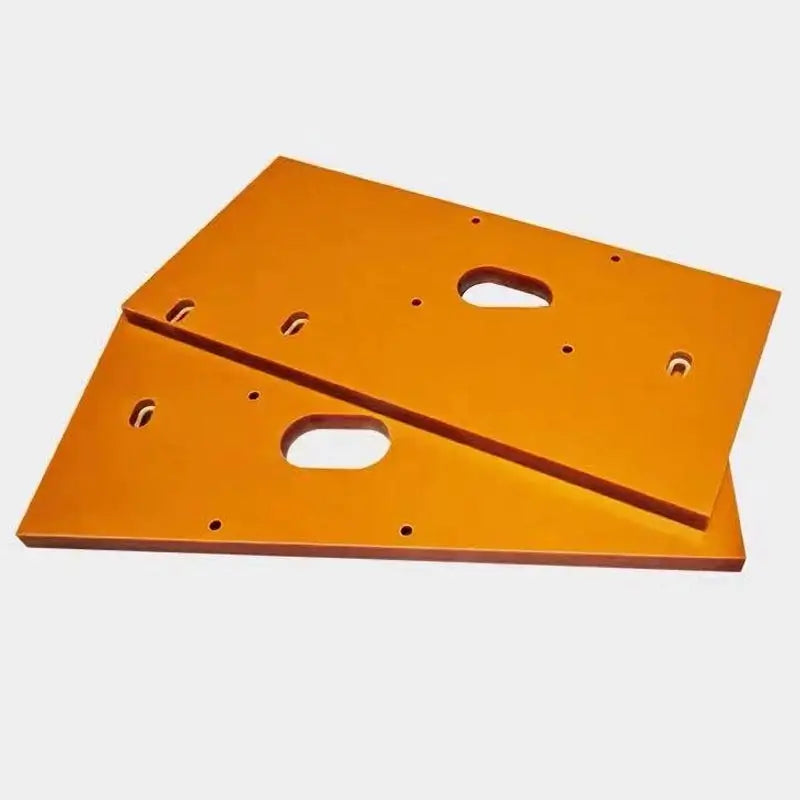
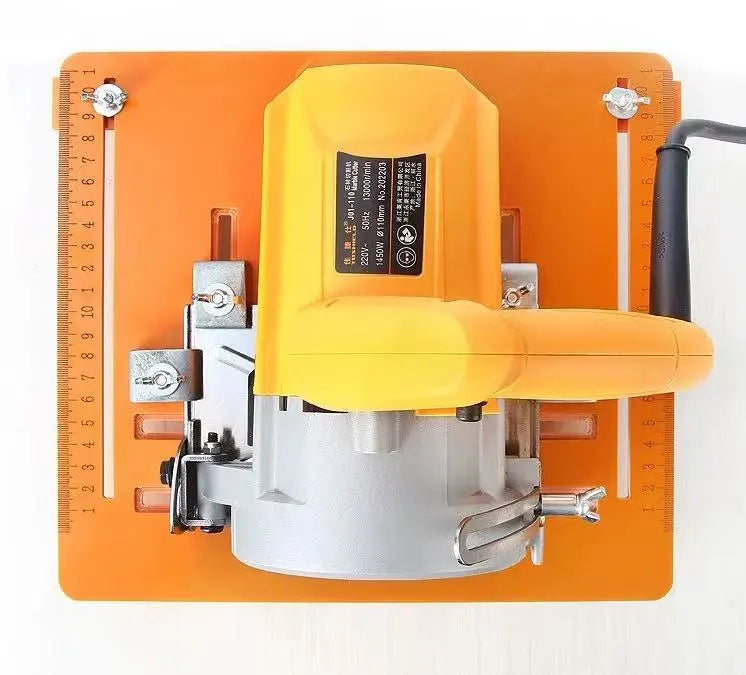
The Complete Buyer’s Guide: Understanding Bakelite Phenolic Sheet Properties and Applications

Bakelite Accessories

In the ever-evolving landscape of industrial materials, few substances have maintained their relevance quite like the versatile Bakelite sheet. Since its groundbreaking invention by Leo Baekeland in 1907, this remarkable phenolic material has revolutionized countless industries, from electrical manufacturing to automotive engineering. But what makes this seemingly simple material so indispensable in today’s high-tech world?

Custom Bakelite Accessories and CNC Machined Parts

Different grades and forms of Bakelite accessories for industrial use

Whether you’re an experienced engineer seeking the perfect electrical insulation solution or a procurement specialist researching bakelite phenolic sheets for your next project, understanding this material’s unique properties and applications is crucial for making informed decisions. As we delve into the world of industrial laminates, you’ll discover why bakelite phenolic resin sheets continue to be the go-to choice for demanding applications across various sectors.

Think about the electronic devices surrounding you right now – chances are, many contain bakelite insulation sheets protecting their vital components. From power distribution panels to precision machinery, this versatile material plays a crucial yet often unseen role in keeping our modern world running smoothly. Its exceptional combination of electrical insulation properties, mechanical strength, and thermal resistance has made it an irreplaceable component in countless applications.

But here’s the challenge: with so many grades, specifications, and applications available, how do you ensure you’re selecting the right bakelite sheet for your specific needs? What factors should you consider when evaluating different options? How can you maximize the value and performance of this time-tested material in your applications?

In this comprehensive guide, we’ll answer these questions and more, breaking down the essential aspects of bakelite phenolic sheets into clear, actionable insights. From understanding fundamental properties to exploring practical applications, we’ll provide you with the knowledge needed to make well-informed decisions about this versatile material.

Join us as we explore the fascinating world of Bakelite sheets, uncovering the secrets behind their enduring success and discovering why they remain a cornerstone of industrial innovation. Whether you’re looking to optimize your current applications or exploring new possibilities, this guide will serve as your roadmap to mastering the potential of bakelite phenolic sheets.

Let’s begin our journey into understanding what makes this remarkable material an indispensable part of modern industry.

Orange Bakelite Phenolic Sheet Plate

1. Understanding Bakelite Phenolic Sheet Fundamentals

Have you ever wondered what gives bakelite phenolic resin sheets their remarkable durability and versatility? The answer lies in their unique composition and manufacturing process, which we’ll explore in detail.

1.1 Chemical Composition and Manufacturing Process

The creation of a bakelite phenolic sheet begins with a precisely controlled reaction between phenol and formaldehyde. This groundbreaking process, developed by Leo Baekeland, transforms simple chemical compounds into a remarkably durable material. Under carefully controlled heat and pressure, these components undergo a transformation that creates a preliminary resin called resol. The manufacturing process then takes an interesting turn as this resin is used to impregnate layers of paper, cotton, or glass fabric. These layers are carefully stacked and subjected to intense heat and pressure, triggering a chemical reaction that permanently hardens the material. This final curing process is what gives bakelite its distinctive properties – once cured, it cannot be reshaped or melted.

1.2 Types and Grades of Phenolic Sheets

When it comes to bakelite sheet specifications, not all varieties are created equal. The most common type uses paper as its base material, offering excellent electrical insulation properties ideal for industrial applications. Fabric-based variants, reinforced with cotton or glass, provide enhanced mechanical strength for more demanding uses. Each grade serves a specific purpose – from general electrical insulation to high-temperature applications. The choice between these options depends largely on your specific needs, whether it’s electrical isolation, mechanical strength, or thermal resistance.

1.3 Standard Dimensions and Available Forms

Bakelite laminated sheets come in various dimensions to suit different industrial needs. The most common sizes found in the market are the standard 1220mm x 2440mm sheets, though custom dimensions are readily available for specific requirements. Thickness options typically range from 0.8mm to 50mm, with the most frequently used thicknesses falling between 2mm and 25mm. This flexibility in sizing makes bakelite sheets adaptable to various applications while maintaining their core properties.

1.4 Color Options and Their Significance

While black and brown bakelite sheets dominate the industrial landscape, color choices in bakelite manufacturing serve both practical and functional purposes. The classic bakelite sheet black remains popular due to its excellent electrical properties and professional appearance. Brown variants offer a cost-effective solution while maintaining high performance standards. The color selection goes beyond aesthetics – it often indicates specific properties or applications, helping professionals quickly identify the right material for their needs.

Understanding these fundamental aspects of bakelite phenolic sheets provides a solid foundation for making informed decisions about their use in various applications. As we move forward, we’ll explore how these basic characteristics translate into the exceptional performance properties that make bakelite sheets an indispensable material in modern industry.

2. Key Properties and Performance Characteristics

What makes bakelite insulation sheets so invaluable in modern industrial applications? The answer lies in their remarkable combination of properties that provide exceptional performance across various demanding environments. Let’s explore these characteristics that make bakelite phenolic sheets a preferred choice for engineers and manufacturers worldwide.

2.1 Mechanical Properties

The impressive mechanical strength of bakelite laminated sheets sets them apart in industrial applications. These materials exhibit exceptional compressive strength, making them ideal for high-pressure environments. Their inherent hardness provides excellent wear resistance, while their impact resistance helps protect vital components in demanding applications.

What’s particularly noteworthy is how these properties remain stable under varying conditions. Whether you’re working with precision machinery or heavy industrial equipment, the dimensional stability of bakelite sheets ensures reliable performance throughout their service life.

2.2 Electrical Properties

When it comes to electrical applications, bakelite sheet for electrical panel use truly shines. Its outstanding insulation properties make it an ideal choice for protecting sensitive electrical components. The material’s high dielectric strength ensures effective electrical isolation, while its low moisture absorption helps maintain these properties even in challenging environments.

Consider how these electrical properties work together: the material’s inherent resistance to electrical tracking combines with its excellent arc resistance to provide comprehensive protection in electrical installations. This is why electrical bakelite sheets remain the go-to choice for switchgear, circuit boards, and high-voltage applications.

Ready-to-Ship Bakelite Insulation

Orange Bakelite Insulation Sheet

Orange Bakelite Phenolic Plate (3-100mm)

High temperature resistance, excellent electrical insulation, and available in custom cuts.

View Product Specs

2.3 Thermal Properties

Heat management is crucial in industrial applications, and bakelite phenolic resin sheets excel in this aspect. They maintain their structural integrity across a wide temperature range, typically performing well from -20°C to +125°C. This thermal stability ensures reliable operation in environments where temperature fluctuations are common.

The material’s low thermal conductivity also makes it an excellent insulator against heat transfer, protecting sensitive components from thermal damage. This combination of thermal resistance and insulation properties makes it particularly valuable in applications where heat management is critical.

2.4 Chemical Resistance

In industrial environments, exposure to chemicals is often unavoidable. Fortunately, bakelite sheets demonstrate remarkable resistance to a wide range of chemical substances. They stand up well against oils, mild acids, and many common solvents, maintaining their structural integrity even under prolonged exposure.

This chemical stability ensures long-term reliability in industrial applications where exposure to harsh substances is common. The material’s low moisture absorption further enhances its chemical resistance, preventing degradation in humid or wet environments.

2.5 Fire Safety

One of the most critical safety features of bakelite sheets is their inherent flame resistance. The material naturally resists flame spread and produces minimal smoke when exposed to fire. This self-extinguishing property makes it particularly valuable in applications where fire safety is paramount.

Moreover, bakelite sheets maintain their structural integrity even when exposed to extreme heat, providing crucial time for safety measures to be implemented in emergency situations. This combination of flame resistance and structural stability under high temperatures makes them an excellent choice for safety-critical applications.

These exceptional properties explain why bakelite phenolic sheets continue to be essential in modern industry. Whether you’re looking for electrical insulation, mechanical strength, or comprehensive safety features, these versatile materials deliver reliable performance across a wide range of applications. As we’ll explore in later sections, understanding these properties is crucial for selecting the right type of bakelite sheet for your specific needs.

Bakelite phenolic resin custom machining for electrical insulation

3. Common Applications and Industry Uses

The versatility of bakelite phenolic sheets has made them indispensable across numerous industries. From powering our cities to keeping our vehicles running, these remarkable materials play a crucial role in our daily lives, often working silently behind the scenes. Let’s explore how different sectors leverage the unique properties of these versatile materials.

3.1 Electrical and Electronics Applications

The electrical industry particularly values bakelite sheet for electrical panel applications, where reliability and safety are paramount. In modern switchgear and distribution panels, electrical bakelite sheets serve as primary insulation components, protecting both equipment and operators from electrical hazards. Their excellent dielectric properties make them ideal for circuit breaker components and transformer insulation.

You’ll find bakelite insulation sheets in various configurations within control panels, where they provide both mechanical support and electrical isolation. Their ability to withstand high voltages while maintaining dimensional stability makes them perfect for applications ranging from small electronic devices to large industrial switchboards. Think about the circuit breaker in your home – there’s a good chance it contains bakelite components working tirelessly to ensure your safety.

Close-up of orange bakelite 3025 surface texture

3.2 Industrial Machinery Components

In industrial machinery, bakelite phenolic sheets prove their worth through exceptional mechanical performance. Manufacturing equipment relies on these materials for various components, from bearing surfaces to gear wheels, where their natural lubricating properties and wear resistance shine. The material’s stability under high temperatures and pressure makes it ideal for mechanical components in industrial processing equipment.

Modern manufacturing facilities utilize bakelite laminated sheets in conveyor systems, packaging machinery, and precision tools. Their combination of strength and electrical insulation properties makes them particularly valuable in environments where mechanical stress and electrical hazards coexist. The material’s resistance to oils and chemicals further enhances its suitability for industrial applications.

3.3 Automotive and Transportation Uses

The automotive industry has embraced bakelite sheets for their unique combination of properties. Under the hood of modern vehicles, these materials serve in various capacities – from electrical insulation in distribution systems to mechanical components in engine compartments. Their ability to maintain performance under extreme temperatures and vibrations makes them ideal for automotive applications.

In the transportation sector, you’ll find bakelite components in everything from railway signaling systems to aerospace applications. Their reliability under demanding conditions and excellent fire-safety characteristics make them a natural choice for safety-critical applications in public transportation systems.

3.4 Construction and Infrastructure Applications

In construction and infrastructure projects, bakelite phenolic sheets demonstrate their versatility in both structural and electrical applications. Building electrical systems rely on these materials for distribution panels and circuit protection, while their mechanical properties make them suitable for various architectural applications.

Infrastructure projects benefit from the material’s durability and weather resistance. Whether it’s in telecommunications equipment housings or power distribution systems, bakelite sheets provide reliable performance even in challenging environmental conditions. Their flame-retardant properties also make them valuable in applications where fire safety is a critical concern.

The widespread use of these versatile materials across such diverse industries testifies to their exceptional performance characteristics. As technology advances and industry requirements evolve, bakelite sheets continue to find new applications while maintaining their importance in traditional uses. This adaptability, combined with their proven reliability, ensures their continued relevance in modern industrial applications.

Assorted bakelite boards and products

4. Processing and Fabrication Guidelines

Working with bakelite phenolic sheets requires both skill and understanding to achieve optimal results. Whether you’re creating electrical components or industrial parts, proper processing techniques ensure the material’s properties remain intact throughout its service life. Let’s explore the essential methods and best practices for working with these versatile materials.

4.1 Cutting and Machining Techniques

Understanding how to cut bakelite sheet properly is fundamental to successful fabrication. The key lies in using the right tools and techniques to prevent chipping or cracking. High-speed steel or carbide-tipped tools work best, and maintaining sharp cutting edges is crucial for clean results. When cutting larger pieces, support the material adequately to prevent stress and potential breakage.

Temperature control plays a vital role during cutting operations. Excessive heat can affect the material’s properties, so proper cooling methods are essential. For precision cuts, consider using a coolant or cutting at lower speeds to maintain material integrity. Remember that bakelite laminated sheets behave differently from metals during machining – they require specific cutting speeds and feed rates for optimal results.

4.2 Drilling and Mounting Methods

Drilling bakelite phenolic sheets demands attention to detail and proper technique. Start with pilot holes for larger diameters, and use sharp, properly ground drill bits to prevent material damage. The right drilling speed is crucial – too fast can cause overheating, while too slow might result in rough edges.

When mounting bakelite sheet for electrical panel applications, consider the material’s expansion characteristics. Allow appropriate clearance for thermal movement, and use suitable fastening methods that won’t create stress points. Countersinking holes can provide better seating for screws, but be careful not to compromise the material’s strength.

Need Custom Bakelite Parts?

Custom CNC Machined Bakelite Parts

Save time and reduce waste. We offer professional CNC cutting, milling, and turning services with no MOQs.

Get a Custom CNC Quote

4.3 Surface Finishing Options

The surface finish of your bakelite components can significantly impact their performance and appearance. While many applications use the natural finish of black bakelite sheet, various finishing techniques can enhance specific properties. Light sanding can improve surface smoothness, but avoid aggressive abrasion that might affect the material’s integrity.

For specialized applications, consider surface treatments that enhance wear resistance or provide better adhesion for coatings. Remember that the original surface of bakelite phenolic sheets often provides optimal performance for electrical applications – excessive finishing might affect their insulation properties.

4.4 Best Practices for Installation

Successful installation of bakelite components begins with proper handling and preparation. Store materials in a clean, dry environment before processing, and allow them to acclimate to workshop conditions. When installing electrical bakelite sheets, ensure proper alignment and support to prevent stress on the material.

Pay special attention to edge clearances and mounting points. Design your installation to accommodate thermal expansion and avoid creating stress concentrations that could lead to material failure. For electrical applications, maintain proper spacing between components and ensure adequate ventilation to prevent heat buildup.

The success of your bakelite sheet applications largely depends on following these processing and installation guidelines. By understanding and implementing these best practices, you can ensure optimal performance and longevity of your components. Remember that proper fabrication techniques are just as important as material selection in achieving the desired results.

Diagram showing key properties of Bakelite components

5. Storage, Handling, and Maintenance

The longevity and performance of your bakelite phenolic sheets largely depend on proper storage, handling, and maintenance practices. Whether you’re working with bakelite insulation sheets for electrical applications or bakelite laminated sheets for industrial use, following these guidelines will help maintain their essential properties throughout their service life.

5.1 Proper Storage Conditions

Proper storage begins with understanding your material’s environmental sensitivities. While bakelite phenolic sheets are known for their durability, they can still be affected by extreme conditions. Store your sheets in a clean, dry environment with consistent temperature control. Avoid areas prone to high humidity or direct sunlight, as these conditions can affect the material’s properties over time.

When storing multiple sheets, lay them flat on a level surface. If you’re working with larger quantities, use appropriate racking systems that provide full support across the sheet’s surface. Remember to maintain adequate ventilation around stored materials to prevent moisture accumulation, which could potentially affect their electrical insulation properties.

5.2 Handling and Transportation Guidelines

The way you handle bakelite sheets can significantly impact their performance and longevity. When moving larger sheets, ensure proper support to prevent flexing or stress. For electrical bakelite sheets used in panel applications, careful handling becomes even more critical to maintain their insulation properties.

During transportation, protect the sheets from impacts and environmental exposure. Use appropriate packaging materials that prevent scratching or damage. If you’re transporting cut pieces, ensure they’re properly separated to prevent surface damage. Remember that proper handling isn’t just about preventing immediate damage – it’s about maintaining the material’s long-term reliability.

5.3 Maintenance Requirements

Regular maintenance of installed bakelite components helps ensure their optimal performance and extended service life. For electrical applications, periodic inspection of mounting points and connections can prevent potential issues. Clean surfaces regularly using appropriate methods that won’t compromise the material’s properties.

Pay special attention to environmental factors that might affect your installed components. In industrial settings, exposure to oils, chemicals, or extreme temperatures might require more frequent inspections. Monitor for any signs of wear or degradation, particularly in high-stress areas or critical applications.

5.4 Lifecycle and Replacement Considerations

Understanding the lifecycle of your bakelite components helps in planning timely replacements and maintaining system reliability. While these materials are known for their longevity, various factors can affect their service life. Regular assessment of critical components helps prevent unexpected failures and maintains system integrity.

When considering replacement, evaluate the current application requirements against the original specifications. Has the operating environment changed? Are there new demands on the system? These considerations help ensure that replacement components meet your current needs while maintaining the reliability you expect from bakelite materials.

By following these storage, handling, and maintenance guidelines, you can maximize the performance and lifespan of your bakelite components. Remember that proper care of these materials isn’t just about preserving their physical condition – it’s about ensuring their continued reliable performance in your critical applications.

6. Procurement Best Practices

Making informed decisions when you buy bakelite sheet materials can significantly impact your project’s success and bottom line. Let’s explore the essential practices that will help you secure the right materials at the right price while ensuring quality and compliance.

6.1 Supplier Evaluation and Selection

Finding reliable suppliers for your bakelite phenolic sheet needs requires careful evaluation of multiple factors. Look beyond just pricing – consider the supplier’s track record in delivering consistent quality materials. Have they been in the industry long enough to understand the nuances of different applications? Can they provide proper documentation and technical support?

When evaluating potential suppliers, pay close attention to their quality control processes. A reliable supplier should be able to provide detailed bakelite sheet specifications and demonstrate compliance with relevant industry standards. Remember, the lowest price isn’t always the best value, especially when dealing with critical electrical insulation materials.

6.2 Price Comparison Strategies

Understanding market pricing for bakelite insulation sheets requires more than simple number comparisons. Consider the total cost of ownership, including factors like delivery reliability, technical support, and material consistency. When comparing prices, ensure you’re looking at equivalent grades and specifications – particularly important when sourcing electrical bakelite sheets for critical applications.

Don’t hesitate to negotiate with suppliers, but maintain a focus on quality and reliability. Building long-term relationships with trusted suppliers often leads to better pricing and service levels over time. Consider factors like payment terms, delivery schedules, and minimum order quantities when evaluating the overall value proposition.

6.3 Order Quantity Optimization

Finding the sweet spot for order quantities involves balancing various factors. Consider your storage capabilities, project timelines, and cash flow requirements. While larger orders might offer better unit pricing, they also tie up more capital and storage space. How much material do you really need, and when do you need it?

Consider implementing a structured inventory management system that helps track usage patterns and optimize order quantities. This approach helps prevent both stockouts and excess inventory while maintaining optimal cost efficiency. Remember that different applications may require different ordering strategies – critical components might warrant higher safety stock levels.

6.4 Documentation and Compliance Requirements

Proper documentation is crucial when procuring bakelite laminated sheets, especially for regulated industries or critical applications. Ensure your suppliers can provide all necessary certification documents, test reports, and material specifications. This documentation should clearly demonstrate compliance with relevant industry standards and specifications.

Keep detailed records of all material certifications and test reports. This documentation proves invaluable for quality assurance and helps track material performance over time. When dealing with electrical applications, ensure that your documentation clearly shows compliance with relevant electrical safety standards.

Successful procurement of bakelite materials requires a balanced approach that considers quality, cost, and reliability. By following these best practices, you’ll be better positioned to make informed purchasing decisions that support your project’s success. Remember that good procurement practices contribute significantly to the overall performance and reliability of your applications.

Bakelite laminated sheets in stock

Key Takeaways

As we’ve explored throughout this guide, bakelite phenolic sheets continue to play a vital role in modern industry, offering an exceptional combination of properties that make them indispensable across various applications. From their robust mechanical characteristics to their outstanding electrical insulation properties, these versatile materials have proven their worth time and time again.

Remember that success with bakelite insulation sheets starts with understanding your specific requirements. Whether you’re selecting materials for electrical panels or industrial components, the key lies in matching the right grade and specification to your application. Take time to consider not just the immediate performance requirements, but also the long-term durability and maintenance aspects of your chosen solution.

When working with electrical bakelite sheets, always prioritize quality and compliance. While cost considerations are important, the reliability and safety of your electrical installations should never be compromised. The right material choice, coupled with proper installation and maintenance, will ensure years of dependable service in your applications.

Looking ahead, the future of bakelite laminated sheets remains bright. As industries continue to evolve and new applications emerge, these materials adapt and prove their continuing relevance. Their combination of reliability, versatility, and performance makes them a cornerstone of modern industrial design and manufacturing.

We hope this comprehensive guide has provided you with valuable insights into selecting, using, and maintaining bakelite phenolic sheets in your applications. Remember that successful implementation relies on attention to detail at every stage – from initial material selection through installation and ongoing maintenance.

For additional guidance or specific application advice, don’t hesitate to consult with qualified suppliers or technical experts. Your investment in understanding these materials will pay dividends in the form of reliable, long-lasting installations that meet your performance requirements.

The journey to mastering the use of bakelite sheets is ongoing, but with the knowledge and insights shared in this guide, you’re well-equipped to make informed decisions that will serve your applications effectively for years to come.

Bakelite phenolic sheets material stack

Optimizing Your Supply Chain?

Don’t miss out on superior performance materials! Discover our industrial-grade bakelite plastic materials, explore durable industrial bakelite sheets, and learn about our professional bakelite fabrication services.

Limited Time Offer: Use code QR4GNY08SHVR at checkout for a special discount!

Leave a comment


Please note, comments must be approved before they are published


Custom Plastic Fabrication

Send your drawing, material and quantity for review

🔧
Precision Machining
CNC milling & turning
✂️
Cutting & Engraving
Laser & waterjet cutting
🏭
Forming & Molding
Thermoforming & injection
🔗
Joining & Assembly
Welding & bonding
📐
Design & Prototyping
CAD design & samples

General

HDPE

PP

PVC

ABS

Engineering

POM

Nylon

PC

PMMA

High-Performance

PEEK

PEI

PTFE

Composites

FR-4

G10

Flexible

TPU

Silicone

Why Choose BeePlastic?

🎯
Perfect Fit
Custom specs eliminate adaptation needs
⚡
Clear Lead Times
Lead time confirmed with every quote
💰
Volume Pricing
Volume pricing available on bulk orders
🤝
Expert Support
Free engineering consultation included
📋
Submit
→
🔍
Review
→
💵
Quote
→
✅
Production
→
📦
Deliver

Request a Quote

Share your project details, selected material and quantity on our quote page. You can add a file link or use the email drawing route shown there.


Request Quote

Industries: Automotive • Medical • Food • Lab • Semiconductor

beeplastic@beeplastic.com


Bakelite Sheets for Sale: Finding the Best Suppliers for Your Bulk Orders

Bakelite is inherently fire retardant

Discover the ultimate guide to Bakelite sheets in my blog post, “Bakelite Sheets for Sale: Finding the Best Suppliers for Your Bulk Orders.” Dive into the fascinating history of Bakelite, the first synthetic plastic, and learn why it remains a vital material in various industries. Explore the key properties of Bakelite sheets that make them ideal for electrical insulation, heat resistance, and mechanical strength.

🎉🎉🎉Limited Time Offer Use code: QR4GNY08SHVR at checkout and enjoy a special discount on your entire order! 👉 Bakelite plastic
Bakelite sheets

Understand the diverse applications of Bakelite across electrical equipment, automotive parts, aerospace components, and more. Get tips on selecting the right Bakelite sheet thickness for your specific needs and compare Bakelite with other insulating materials to see why it stands out.

Find practical advice on sourcing high-quality Bakelite sheets, including how to choose reliable suppliers like BeePlastic.com. Lastly, discover the customization options available to ensure your Bakelite sheets meet the precise requirements of your industrial applications.

Whether you’re in the market for Bakelite sheets for bulk orders or just curious about this timeless material, this blog post provides comprehensive insights to help you make informed decisions.

Understanding Bakelite and Its Historical Significance

The Origins of Bakelite

Bakelite was invented in 1907 by Belgian-American chemist Leo Baekeland, marking a significant milestone in the history of materials science. Baekeland sought to create a synthetic substitute for shellac, a natural resin derived from lac beetles, widely used as an electrical insulator. By experimenting with phenol and formaldehyde, he discovered a new material that could be molded into various shapes under heat and pressure, then retained its form upon cooling. This invention, named Bakelite, became the world’s first synthetic plastic, revolutionizing the plastic industry.

Revolutionizing the Plastic Industry

The introduction of Bakelite transformed manufacturing processes across multiple industries. Unlike natural materials, Bakelite was heat-resistant, electrically non-conductive, and chemically stable. These properties made it an ideal material for electrical insulators, radio and telephone casings, and automotive parts. Bakelite’s ability to be mass-produced and molded into precise shapes reduced production costs and increased efficiency, setting the stage for the modern plastics industry.

Historical Uses of Bakelite

Early Electrical Insulation

In the early 20th century, Bakelite was widely used as an electrical insulator. Its excellent insulating properties and resistance to heat made it the material of choice for electrical switchboards, light sockets, and other components. This use was crucial in the development of safe and reliable electrical systems, contributing to the widespread adoption of electricity in homes and industries.

Bakelite was widely used as an electrical insulator

Automotive and Consumer Goods

Bakelite found extensive use in the automotive industry for parts such as distributor caps, ignition coils, and brake pads. Its durability and heat resistance ensured that these components could withstand the harsh conditions of automotive environments. Additionally, Bakelite’s aesthetic appeal led to its use in consumer goods like kitchenware, radios, and telephones, becoming a symbol of innovation and modernity.

Why Bakelite Remains Relevant Today

Despite the advent of newer plastics, Bakelite retains its relevance due to its unique properties. It is still used in applications requiring high heat resistance and electrical insulation, such as in aerospace and industrial machinery. The vintage appeal of Bakelite also keeps it popular among collectors and in the production of retro-style consumer goods. Its role in the early development of plastics underscores its enduring significance in materials science.

The Timeless Appeal of Bakelite

Bakelite continues to be valued not only for its functional properties but also for its historical and aesthetic significance. Collectors prize vintage Bakelite items for their durability and nostalgic charm. Moreover, modern designers incorporate Bakelite into their work, blending its classic look with contemporary styles. This blend of history and functionality ensures that Bakelite remains a sought-after material in various industries.

The story of Bakelite is a testament to the power of innovation and the impact of synthetic materials on modern manufacturing. From its invention by Leo Baekeland to its wide range of applications, Bakelite has left an indelible mark on the plastic industry. Its unique properties and historical significance continue to make it a relevant and valued material today.

Key Properties of Bakelite Sheets

Excellent Electrical Insulation

One of the most notable properties of Bakelite sheets is their excellent electrical insulation. This material is highly non-conductive, making it an ideal choice for a variety of electrical applications. Bakelite effectively prevents electrical currents from passing through, ensuring the safety and reliability of electrical components. This property is especially crucial for products like switchboards, circuit boards, and transformers, where electrical insulation is paramount to prevent short circuits and electrical failures.

Superior Heat Resistance

Bakelite sheets exhibit superior heat resistance, a critical property for many industrial applications. Unlike many other plastics that can melt or degrade under high temperatures, Bakelite can withstand temperatures up to 300 degrees Celsius without losing its structural integrity. This makes it an excellent material for applications that involve high heat, such as automotive parts like brake pads and clutch plates, as well as electrical insulators that need to maintain performance in high-temperature environments.

Bakelite sheets exhibit superior heat resistance

Chemical Resistance

The chemical resistance of Bakelite sheets is another significant advantage. Bakelite is resistant to many chemicals, oils, and solvents, which makes it suitable for use in harsh industrial environments where exposure to such substances is common. This property ensures that Bakelite components maintain their performance and longevity even when exposed to corrosive chemicals, making them ideal for chemical processing equipment and laboratory countertops.

High Mechanical Strength

Bakelite is renowned for its high mechanical strength and durability. It is a hard, rigid material that can withstand significant mechanical stress without deforming or breaking. This makes Bakelite sheets suitable for use in applications that require robust, wear-resistant components. For instance, Bakelite is often used in industrial machinery parts, gears, and bearings, where mechanical strength is essential to ensure long-lasting performance under heavy loads.

Dimensional Stability

Another critical property of Bakelite sheets is their dimensional stability. Bakelite does not expand or contract significantly with changes in temperature or humidity, which ensures that components made from this material retain their precise dimensions over time. This stability is vital for applications where dimensional accuracy is crucial, such as in electronic components and precision machined parts.

Applications in Various Industries

The combination of these properties makes Bakelite sheets ideal for a wide range of industrial applications. Their electrical insulation and heat resistance make them perfect for electrical and electronic components. The chemical resistance and mechanical strength ensure their suitability for automotive and industrial machinery parts. Furthermore, the dimensional stability of Bakelite makes it an excellent choice for precision components in the aerospace and defense industries.

By understanding these key properties, one can appreciate why Bakelite continues to be a preferred material in various industrial applications. Whether it’s for electrical insulation, heat resistance, or mechanical strength, Bakelite sheets offer unmatched performance and reliability.

Diverse Applications of Bakelite Sheets

Electrical Equipment

Bakelite sheets are highly valued in the electrical industry for their excellent electrical insulation properties. They are commonly used in manufacturing switchboards, circuit breakers, and transformers. Bakelite can withstand high voltages without conducting electricity, making it an ideal material for these components. Moreover, its ability to resist heat and mechanical stress ensures the longevity and reliability of electrical systems. The material’s use in printed circuit boards (PCBs) also highlights its precision and stability, crucial for modern electronics.

Automotive Parts

The automotive industry leverages Bakelite’s heat resistance and mechanical strength in various applications. Bakelite sheets are used to produce brake pads, clutch plates, and distributor caps. These parts must endure high temperatures and mechanical wear, and Bakelite’s properties make it an ideal choice. The material’s durability ensures that automotive components perform reliably under extreme conditions, enhancing vehicle safety and efficiency.

Aerospace Components

In the aerospace industry, Bakelite sheets are used for their lightweight and high-strength properties. Aerospace components require materials that can withstand high temperatures and mechanical stresses while contributing minimal weight to the overall structure. Bakelite is used in aircraft interior panels, insulating components, and structural parts. Its ability to resist chemical corrosion and maintain dimensional stability under varying environmental conditions makes it indispensable in aerospace applications.

Laboratory Equipment

Bakelite is also prominent in the laboratory setting due to its chemical resistance and ease of cleaning. Bakelite sheets are used to construct laboratory countertops, fume hoods, and equipment housings. These surfaces must resist chemicals and solvents commonly used in laboratories. Bakelite’s durability and resistance to contamination make it an ideal material for maintaining a clean and safe laboratory environment.

Industrial Machinery

The industrial machinery sector benefits significantly from the use of Bakelite sheets. The material’s mechanical strength and wear resistance are crucial for producing gears, bearings, and machine housings. Bakelite can withstand the high pressures and mechanical stresses typical in industrial operations, ensuring that machinery components remain reliable and efficient over long periods. Additionally, its ability to maintain dimensional stability under thermal and mechanical loads is vital for precision engineering.

Summary

Bakelite’s diverse applications across multiple industries underscore its versatility and reliability. From electrical equipment and automotive parts to aerospace components, laboratory equipment, and industrial machinery, Bakelite sheets provide unmatched performance and durability. Understanding these applications helps appreciate why Bakelite remains a preferred material in many high-demand sectors.

Bakelite sheets provide unmatched performance and durability

Selecting the Right Bakelite Sheet Thickness for Your Needs

Understanding Bakelite Sheet Thickness Options

Bakelite sheets come in various thicknesses, each suited for different applications. The available options typically range from 1mm to 12mm, and understanding these variations can help you choose the right thickness for your specific project. Let’s explore the most common thickness options and their ideal applications.

1mm Bakelite Sheets

1mm Bakelite sheets are the thinnest available and are perfect for applications requiring flexibility and precision. These thin sheets are often used in printed circuit boards (PCBs) and other delicate electrical components where effective insulation is needed without adding significant bulk. The 1mm thickness allows for easy manipulation and cutting, making it ideal for detailed work.

3mm Bakelite Sheets

3mm Bakelite sheets offer slightly more durability while still maintaining a level of flexibility. These sheets are suitable for small parts and components that need to balance strength and flexibility. The 3mm thickness is commonly used in applications like switchboards, electrical insulators, and motor components, where additional thickness provides better mechanical stability without compromising on ease of use.

5mm Bakelite Sheets

For projects that demand a balance between mechanical strength and flexibility, 5mm Bakelite sheets are an excellent choice. These sheets are robust enough for more demanding electrical applications, such as switchgear panels and transformer housings. The 5mm thickness ensures that the material can handle moderate stress and heat, making it versatile for various industrial uses.

10mm Bakelite Sheets

10mm Bakelite sheets are designed for applications requiring significant mechanical strength and thermal stability. These thicker sheets are often used in the automotive industry for manufacturing components like brake pads and clutch plates. The 10mm thickness provides the necessary durability to withstand high temperatures and mechanical stress, ensuring long-lasting performance in harsh environments.

12mm Bakelite Sheets

For the most demanding industrial applications, 12mm Bakelite sheets offer maximum mechanical strength and thermal resistance. These heavy-duty sheets are ideal for structural components and heavy industrial machinery. The 12mm thickness ensures that the material can endure substantial stress and wear, making it suitable for applications where reliability and durability are paramount.

Choosing the Appropriate Thickness

When selecting the appropriate thickness for Bakelite sheets, consider the specific requirements of your project. Here are some guidelines to help you make an informed decision:

  1. Assess the Application: Determine the primary function of the Bakelite sheet in your project. Thinner sheets (1mm to 3mm) are ideal for electrical insulation and detailed work, while thicker sheets (5mm to 12mm) are better for structural components and high-stress applications.

  2. Evaluate Mechanical Stress: Consider the amount of mechanical stress the Bakelite sheet will need to withstand. For applications involving significant mechanical load or high temperatures, opt for thicker sheets (10mm to 12mm).

  3. Consider Thermal Requirements: If your project involves exposure to high temperatures, choose a thicker Bakelite sheet (5mm to 12mm) to ensure thermal stability and durability.

  4. Precision Needs: For projects requiring high precision and intricate details, thinner Bakelite sheets (1mm to 3mm) offer the necessary flexibility and ease of machining.

By understanding the various thickness options and their specific applications, you can select the right Bakelite sheet thickness to meet the needs of your project, ensuring optimal performance and longevity.

Bakelite sheet thickness

Comparing Bakelite with Other Insulating Materials

Bakelite vs. Ceramics

Ceramics are widely used in electrical insulation due to their excellent thermal stability and high dielectric strength. However, when comparing Bakelite to ceramics, several differences and advantages emerge:

Durability and Mechanical Strength

Bakelite offers superior mechanical strength and impact resistance compared to ceramics. While ceramics are brittle and prone to cracking under mechanical stress, Bakelite can withstand significant mechanical loads without breaking. This makes Bakelite more suitable for applications where mechanical durability is crucial, such as in automotive parts and industrial machinery.

Cost-Effectiveness

In terms of cost, Bakelite is generally more affordable than ceramics. The manufacturing process for Bakelite is less complex and less expensive, making it a cost-effective solution for many applications. This affordability extends to both initial production costs and long-term maintenance, as Bakelite parts are less likely to require frequent replacements due to mechanical failure.

Bakelite vs. Fiberglass

Fiberglass is another common insulating material known for its excellent electrical insulation and thermal resistance. However, Bakelite has distinct advantages in several areas:

Ease of Machining

Bakelite is easier to machine and fabricate compared to fiberglass. The fibrous nature of fiberglass can make it challenging to work with, as it can cause irritation and requires specialized tools for cutting and shaping. In contrast, Bakelite can be easily machined, drilled, and cut using standard tools, making it more convenient for custom applications and rapid prototyping.

Chemical Resistance

While both materials offer good chemical resistance, Bakelite performs better in environments with frequent exposure to oils and solvents. This makes Bakelite an ideal choice for chemical processing equipment and laboratory countertops where durability against chemical exposure is essential.

Bakelite vs. Modern Plastics

Modern plastics such as polyethylene (PE), polypropylene (PP), and polyvinyl chloride (PVC) are widely used for electrical insulation and various industrial applications. Comparing these materials with Bakelite highlights several key differences:

Thermal Stability

Bakelite excels in high-temperature environments where modern plastics might fail. Its ability to withstand temperatures up to 300 degrees Celsius without degrading makes it suitable for applications requiring significant thermal stability, such as in electrical insulators and aerospace components. Modern plastics, on the other hand, typically have lower melting points and can deform or melt under high heat.

Durability and Longevity

In terms of durability, Bakelite is harder and more wear-resistant than many modern plastics. This hardness translates to longer-lasting components that can withstand mechanical wear and tear, making Bakelite a preferred material for industrial machinery and automotive parts where longevity is crucial. Modern plastics, while versatile, may not offer the same level of mechanical robustness and can be more prone to damage under mechanical stress.

Environmental Impact

One disadvantage of Bakelite compared to modern plastics is its environmental impact. Bakelite is a thermosetting polymer, meaning it cannot be remelted and recycled like thermoplastics such as PE and PP. This limitation can be a consideration in industries focused on sustainability and recycling. However, the long lifespan and durability of Bakelite can offset some of these environmental concerns by reducing the frequency of replacements and waste.

Conclusion

When comparing Bakelite to other insulating materials like ceramics, fiberglass, and modern plastics, it becomes clear that each material has its unique advantages and drawbacks. Bakelite’s strengths in mechanical durability, cost-effectiveness, and thermal stability make it an ideal choice for many industrial applications. However, considerations regarding ease of machining and environmental impact should be taken into account when selecting the appropriate material for a specific use case.

Bakelite's strengths in mechanical durability

Tips for Sourcing High-Quality Bakelite Sheets

Identifying Reliable Bakelite Sheet Suppliers

Finding high-quality Bakelite sheets requires careful consideration of various factors to ensure you get the best materials for your needs. Here’s how to navigate the market and select a reliable supplier:

Quality Standards

When sourcing Bakelite sheets, it is crucial to verify that the supplier adheres to high-quality standards. Look for suppliers that provide detailed specifications and testing certifications, such as ISO certification, which indicates that the products meet international quality standards. Ensuring the Bakelite sheets have passed rigorous testing for electrical insulation, heat resistance, and mechanical strength guarantees their performance in demanding applications.

Customization Options

Different projects may require customized Bakelite sheets in terms of size, thickness, and shape. Choose suppliers who offer customization options to meet your specific requirements. For example, BeePlastic.com provides custom cutting services, allowing you to order Bakelite sheets tailored to your project’s dimensions. Suppliers who can accommodate custom orders ensure that you receive materials perfectly suited to your needs.

Pricing and Cost-Effectiveness

While cost is always a factor, it’s essential to balance price with quality. Cheaper options might not always meet the necessary performance standards. Compare prices from multiple suppliers, but prioritize those who offer detailed product information and quality assurances. Bakelite sheets are generally cost-effective due to their durability and long lifespan, but be wary of prices that seem too good to be true.

Supplier Reputation

A supplier’s reputation can provide insight into their reliability and the quality of their products. Look for reviews and testimonials from other customers to gauge the supplier’s credibility. Suppliers with consistently positive feedback, like Amazon and eBay sellers with high ratings, are more likely to provide high-quality Bakelite sheets. Additionally, industry-specific forums and review sites can offer recommendations and warnings about particular suppliers.

Reputable Suppliers and Marketplaces

Several reputable suppliers and marketplaces can be trusted for sourcing Bakelite sheets:

BeePlastic.com

BeePlastic.com specializes in high-quality plastic materials, including Bakelite sheets. They offer a wide range of sizes and thicknesses, along with custom cutting services. Their commitment to quality and customer satisfaction makes them a reliable source for Bakelite.

Amazon

Amazon features a variety of sellers offering Bakelite sheets. While the selection might include vintage and repurposed materials, checking seller ratings and reviews can help ensure you find reputable suppliers. Amazon’s return policies also provide a layer of protection for buyers.

eBay

eBay is a marketplace where you can find Bakelite sheets from various sellers. As with Amazon, pay attention to seller ratings and reviews to avoid low-quality products. eBay is also a good place to find unique or vintage Bakelite pieces that might not be available elsewhere.

Etsy

Etsy is known for handmade and vintage items, including Bakelite sheets. While not a traditional industrial supplier, Etsy can be a source for unique and customized Bakelite materials. Ensure you read product descriptions carefully and check seller reviews to confirm the quality.

Final Considerations

When sourcing Bakelite sheets, thorough research and careful consideration of quality standards, customization options, pricing, and supplier reputation are key. By following these tips and leveraging reputable suppliers and marketplaces, you can ensure you receive high-quality Bakelite materials suited to your project’s needs. Whether you choose specialized suppliers like BeePlastic.com or large marketplaces like Amazon and eBay, informed decisions will lead to successful outcomes for your projects.

Customizing Bakelite Sheets for Specific Industrial Applications

Cutting Bakelite Sheets

Cutting is a fundamental customization option for Bakelite sheets, allowing them to be tailored to specific dimensions required for various industrial applications. Precision cutting ensures that the Bakelite sheets fit perfectly into the intended use, whether for electrical insulation panels, automotive components, or machinery parts. Advanced cutting techniques, such as CNC (Computer Numerical Control) cutting, offer high accuracy and repeatability, which is crucial for applications demanding tight tolerances. CNC cutting also allows for intricate shapes and patterns to be produced, making it ideal for custom parts in industries like aerospace and electronics.

Drilling Bakelite Sheets

Drilling Bakelite sheets is another essential customization process, enabling the creation of holes and apertures necessary for assembly and integration into larger systems. For instance, drilled Bakelite sheets are commonly used in the production of electrical switchboards and circuit boards, where precise hole placement is vital for mounting components and ensuring electrical connections. High-speed steel (HSS) or carbide-tipped drill bits are typically used to drill Bakelite, ensuring clean, accurate holes without causing cracks or damage to the material.

Machining Bakelite Sheets

Machining encompasses various processes, including milling, turning, and routing, which are used to shape and finish Bakelite sheets to exact specifications. Milling allows for the removal of material to achieve the desired thickness or surface finish, while turning can create cylindrical components from Bakelite rods. Routing is used to carve out complex shapes and channels, which are often needed in applications like electrical insulators and mechanical parts. Machining Bakelite requires careful control of cutting speeds and feeds to prevent overheating and ensure a smooth finish.

Benefits of Customization

Meeting Specific Industrial Needs

Customization of Bakelite sheets ensures that the material meets the unique requirements of different industrial applications. For example, in the automotive industry, customized Bakelite components such as brake pads and clutch plates can be designed to fit specific vehicle models, ensuring optimal performance and reliability. In the aerospace industry, customized Bakelite parts can be tailored to withstand the high stresses and temperatures encountered in flight, providing essential insulation and structural support.

Enhancing Performance and Reliability

By tailoring Bakelite sheets to the exact needs of a project, manufacturers can enhance the overall performance and reliability of the final product. Precision cutting and machining ensure that Bakelite components fit seamlessly into larger assemblies, reducing the risk of failure and improving the longevity of the product. Customized Bakelite parts also offer better compatibility with other materials and components, ensuring smooth operation and minimal maintenance.

Finding the Right Supplier

When seeking customized Bakelite sheets, it is important to choose a supplier with the capability to deliver precise and high-quality customizations. Reputable suppliers like BeePlastic.com offer a range of customization services, including CNC cutting, drilling, and machining, to meet the specific needs of various industries. Additionally, marketplaces like Amazon, eBay, and Etsy provide access to suppliers who offer custom Bakelite products, but it is crucial to verify their expertise and quality standards through reviews and ratings.

Customization of Bakelite sheets through cutting, drilling, and machining is essential for meeting the specific needs of various industrial applications. These processes ensure that Bakelite components perform reliably and fit perfectly into their intended uses, enhancing the overall performance and longevity of the products they are part of. By choosing reputable suppliers and leveraging advanced customization techniques, manufacturers can fully harness the benefits of Bakelite for their projects.

Customization of Bakelite sheets

Common Questions and Answers About Bakelite Sheets and BeePlastic Customization

1. What customization options does BeePlastic offer for Bakelite sheets?

Q: What customization options are available at BeePlastic for Bakelite sheets?

A: BeePlastic can undertake any customization, including sample customization and batch customization. This means they can tailor Bakelite sheets to your specific dimensions, shapes, and designs according to your project requirements.

2. What file formats does BeePlastic accept for custom Bakelite sheet orders?

Q: What file formats can I use to submit my custom Bakelite sheet designs to BeePlastic?

A: BeePlastic accepts a variety of file formats, including PDF and CAD. This flexibility allows you to use your preferred design software and ensures that your specifications are accurately communicated.

3. Is there a minimum order quantity (MOQ) for Bakelite sheets at BeePlastic?

Q: Does BeePlastic have a minimum order quantity for Bakelite sheet purchases?

A: No, BeePlastic does not have a minimum MOQ. You can order as few or as many Bakelite sheets as you need, making it convenient for both small projects and large-scale productions.

4. How does BeePlastic manage the production cycle for custom Bakelite sheets?

Q: How is the production cycle managed for custom Bakelite sheet orders at BeePlastic?

A: The production cycle at BeePlastic is carried out according to the amount of orders and the complexity of the process. They communicate the production progress in real-time, ensuring transparency and allowing you to stay updated on your order status.

5. Does BeePlastic provide samples of Bakelite sheets?

Q: Can I request a sample of Bakelite sheets from BeePlastic?

A: Yes, BeePlastic supports the provision of samples. The samples are free of charge; however, the customer is responsible for the shipping costs. This allows you to evaluate the material before placing a larger order.

6. What are the typical uses of customized Bakelite sheets?

Q: What are the common applications of customized Bakelite sheets?

A: Customized Bakelite sheets are commonly used in electrical equipment, automotive parts, aerospace components, laboratory equipment, and industrial machinery. Their excellent electrical insulation, heat resistance, and mechanical strength make them ideal for these applications.

7. How precise can the customizations be for Bakelite sheets at BeePlastic?

Q: How precise are the customizations offered by BeePlastic for Bakelite sheets?

A: BeePlastic uses advanced CNC cutting and machining techniques, ensuring high precision and accuracy in customizations. This precision is crucial for applications requiring tight tolerances and intricate designs.

8. Can BeePlastic handle large batch orders for Bakelite sheets?

Q: Is BeePlastic capable of managing large batch orders for Bakelite sheets?

A: Yes, BeePlastic can handle both small and large batch orders. Their facilities are equipped to manage high-volume productions while maintaining consistent quality across all sheets.

9. What should I consider when choosing the thickness of customized Bakelite sheets?

Q: What factors should I consider when selecting the thickness of customized Bakelite sheets?

A: When choosing the thickness of Bakelite sheets, consider the specific requirements of your application. Thinner sheets (1mm to 3mm) are suitable for electrical insulation and detailed work, while thicker sheets (5mm to 12mm) are better for structural components and high-stress applications.

10. How can I ensure the quality of Bakelite sheets purchased from BeePlastic?

Q: How can I be assured of the quality of Bakelite sheets from BeePlastic?

A: BeePlastic adheres to high-quality standards and provides detailed product specifications and testing certifications. You can request these documents to ensure that the Bakelite sheets meet your quality requirements. Additionally, reviews and testimonials from other customers can offer insights into their product quality and reliability.

These questions and answers should provide a comprehensive understanding of Bakelite sheets and the customization options available at BeePlastic. Whether you’re looking for specific dimensions, detailed designs, or batch production, BeePlastic’s services cater to a wide range of industrial needs.

To Draw A Conclusion

In exploring the multifaceted world of Bakelite sheets, it’s clear why this material remains a staple across various industries. From its historical significance as the first synthetic plastic to its diverse applications in electrical equipment, automotive parts, aerospace components, laboratory equipment, and industrial machinery, Bakelite’s unique properties offer unmatched benefits. Whether you require precise customizations, need reliable electrical insulation, or seek a durable material for high-stress applications, Bakelite sheets provide a versatile and cost-effective solution. By partnering with reputable suppliers like BeePlastic.com and utilizing their comprehensive customization services, you can ensure your projects meet the highest standards of performance and reliability. Embrace the enduring legacy and contemporary utility of Bakelite sheets to enhance your industrial applications today.

Customization of Bakelite sheets

Transform your industrial applications with the exceptional qualities of Bakelite sheets. Fill out the contact form below to connect with us for expert customization and consultation services. For immediate access to our premium Bakelite products, click here and explore our comprehensive selection now!

🎉🎉🎉Limited Time Offer Use code: QR4GNY08SHVR at checkout and enjoy a special discount on your entire order! 👉 Bakelite plastic

Leave a comment


Please note, comments must be approved before they are published


Custom Plastic Fabrication

Send your drawing, material and quantity for review

🔧
Precision Machining
CNC milling & turning
✂️
Cutting & Engraving
Laser & waterjet cutting
🏭
Forming & Molding
Thermoforming & injection
🔗
Joining & Assembly
Welding & bonding
📐
Design & Prototyping
CAD design & samples

General

HDPE

PP

PVC

ABS

Engineering

POM

Nylon

PC

PMMA

High-Performance

PEEK

PEI

PTFE

Composites

FR-4

G10

Flexible

TPU

Silicone

Why Choose BeePlastic?

🎯
Perfect Fit
Custom specs eliminate adaptation needs
⚡
Clear Lead Times
Lead time confirmed with every quote
💰
Volume Pricing
Volume pricing available on bulk orders
🤝
Expert Support
Free engineering consultation included
📋
Submit
→
🔍
Review
→
💵
Quote
→
✅
Production
→
📦
Deliver

Request a Quote

Share your project details, selected material and quantity on our quote page. You can add a file link or use the email drawing route shown there.


Request Quote

Industries: Automotive • Medical • Food • Lab • Semiconductor

beeplastic@beeplastic.com