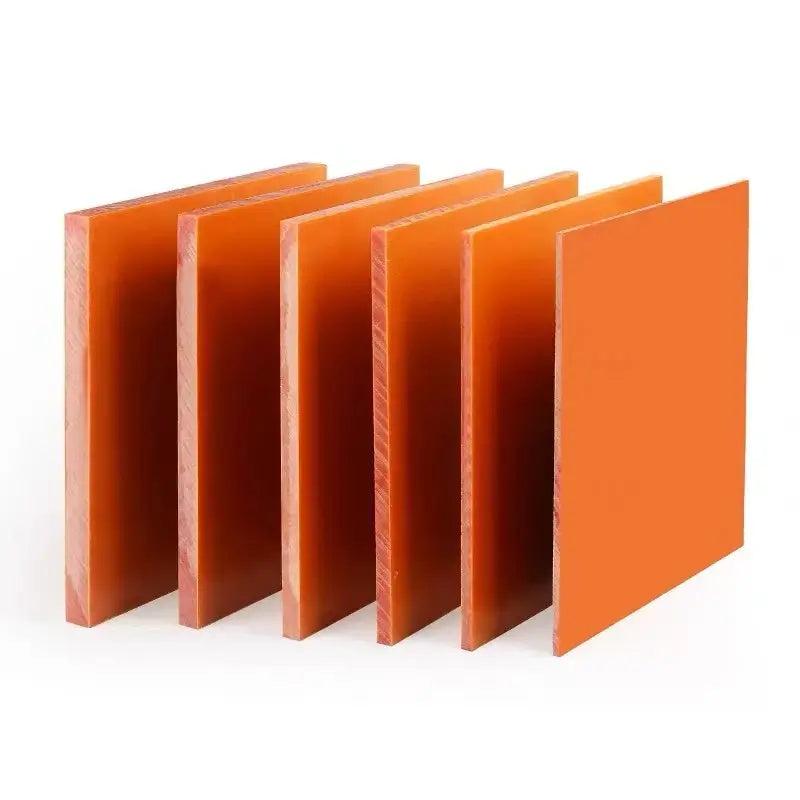
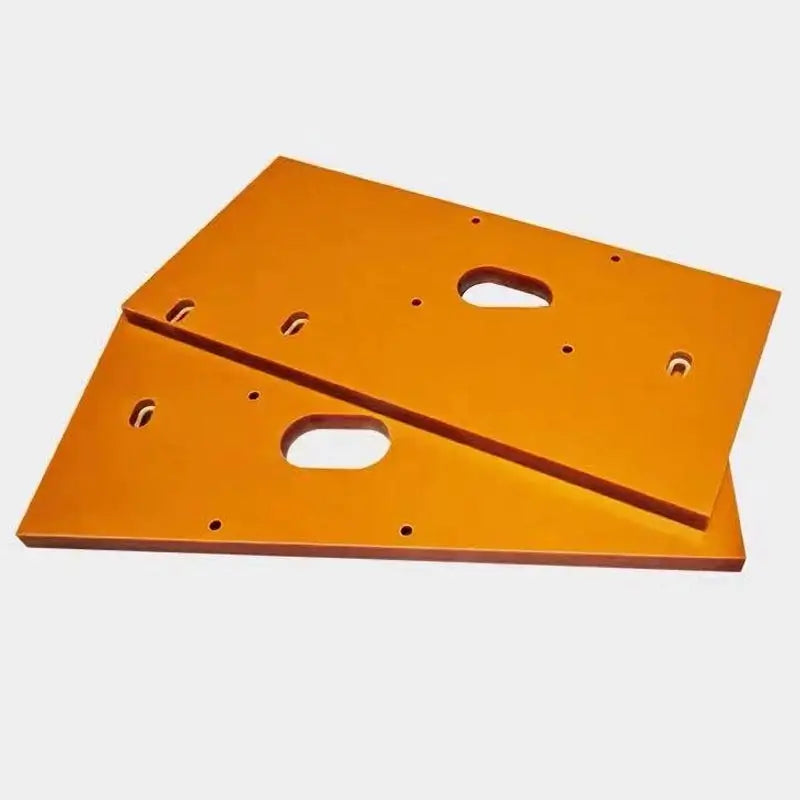
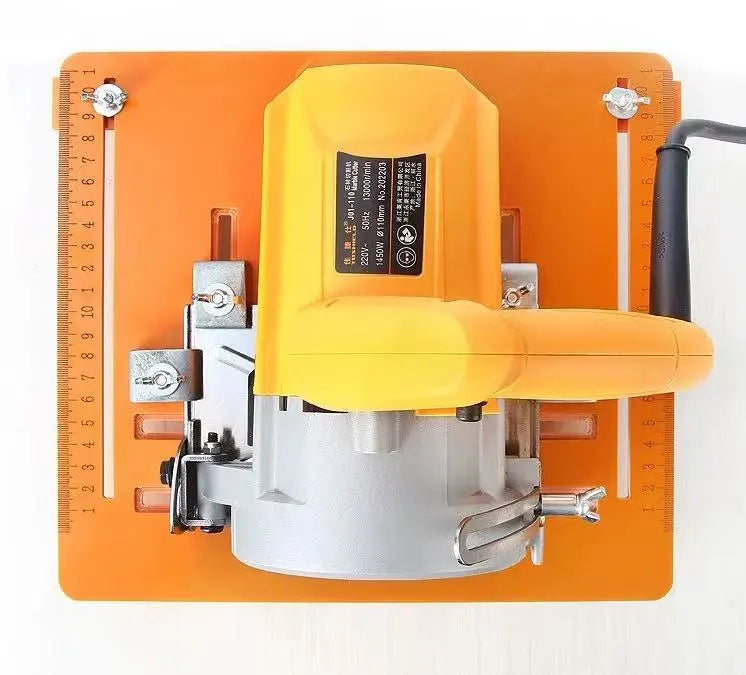
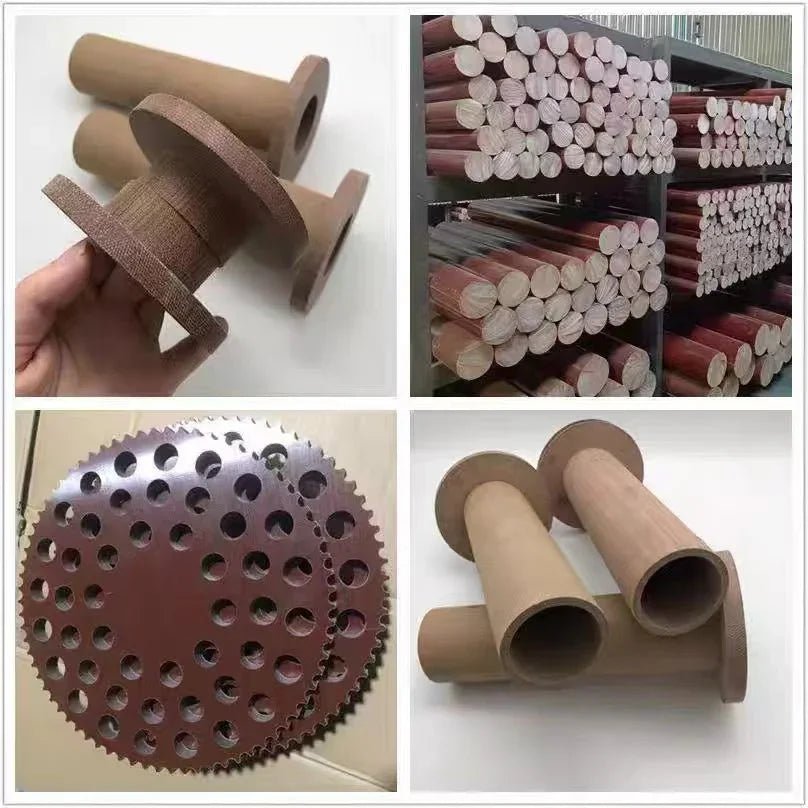
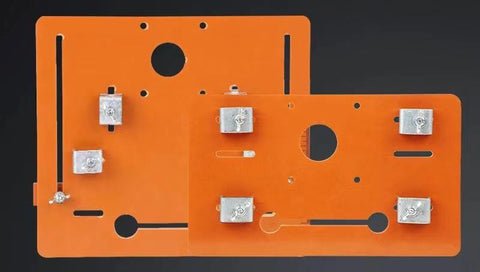
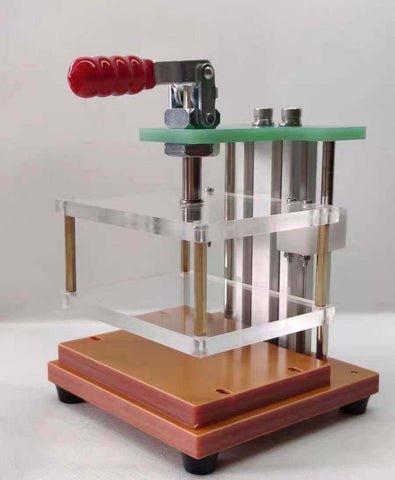
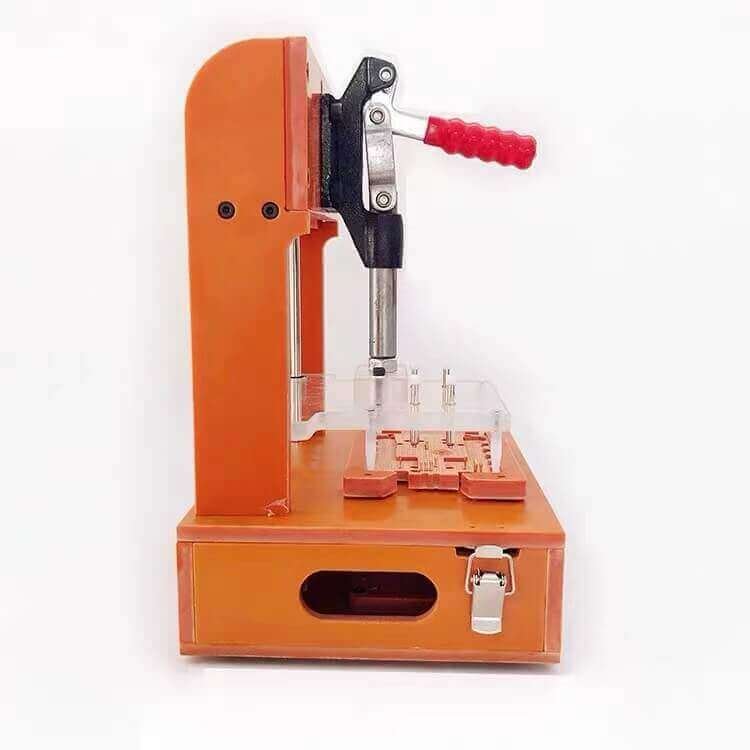
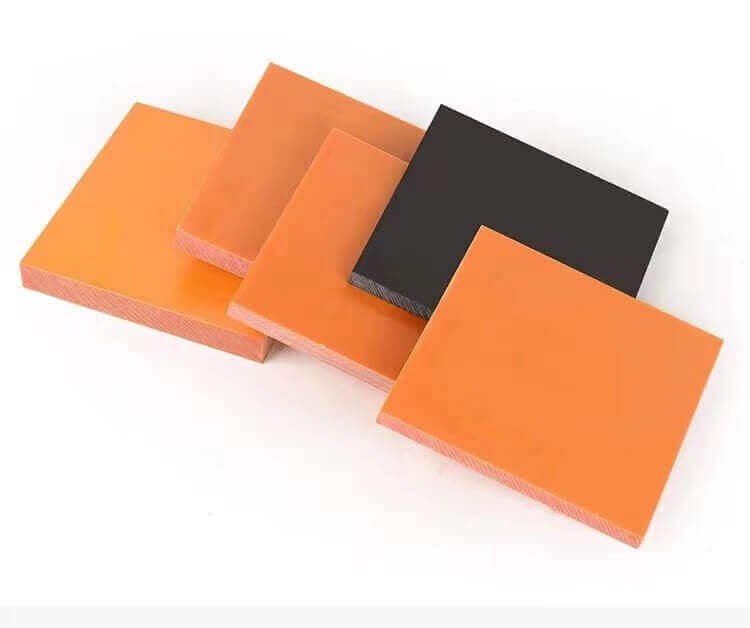
Everything You Need to Know About Insulated Bakelite Parts for Industrial Use

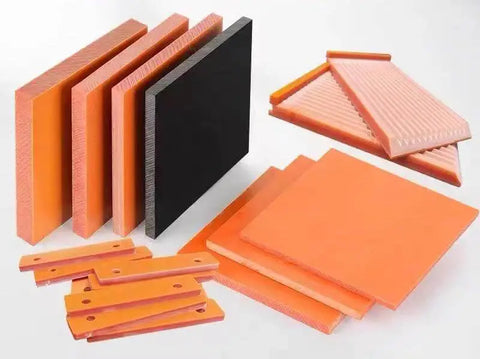
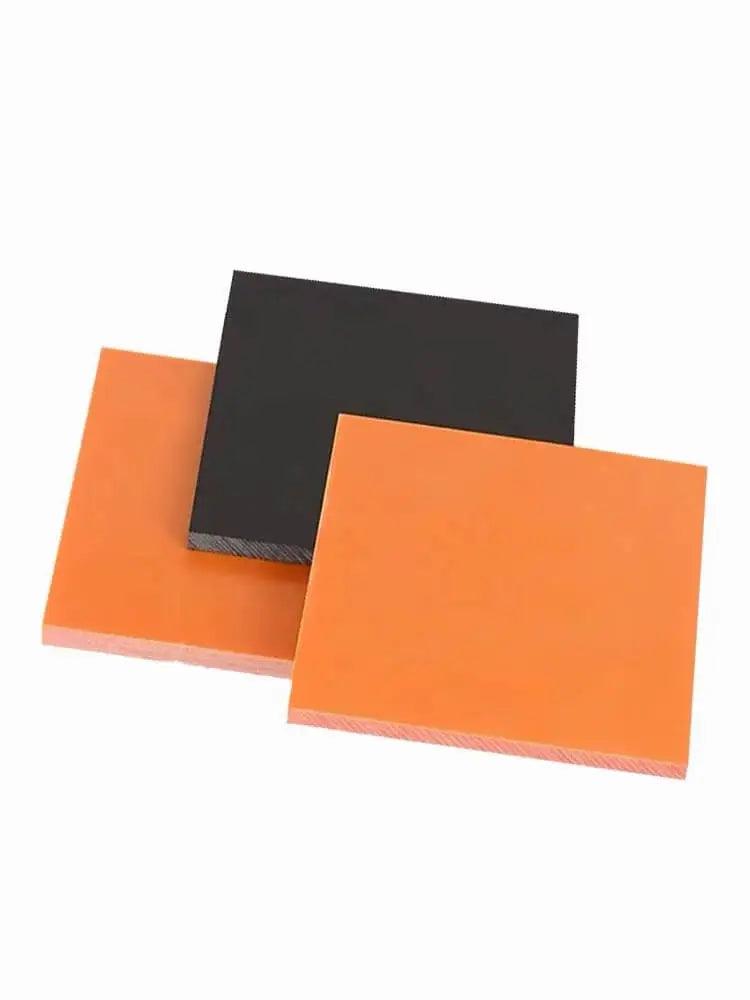
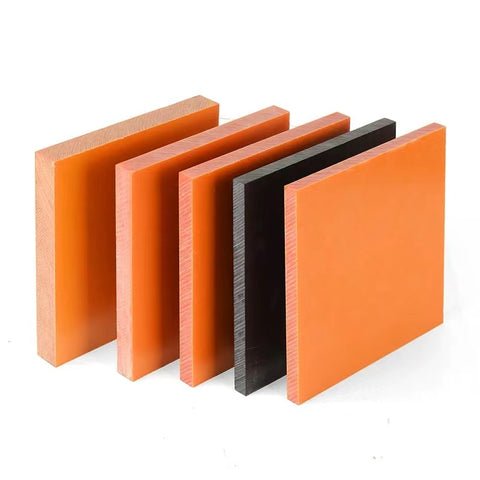
custom Bakelite materials

Why Insulated Bakelite Parts Are Essential for Industrial Applications

When it comes to materials used in high-performance industrial applications, insulated Bakelite parts stand out for their exceptional versatility, reliability, and electrical insulating properties. Whether you’re working with electrical equipment, machinery, or automotive components, Bakelite electrical insulation offers a unique combination of features that make it indispensable in industrial applications.

🎉🎉🎉Limited Time Offer Use code: QR4GNY08SHVR at checkout and enjoy a special discount on your entire order! 👉 Bakelite plastic

insulated Bakelite parts

Bakelite, one of the earliest synthetic plastics, continues to be a preferred material for creating durable, high-performance components. In this blog post, we’ll explore everything you need to know about insulated Bakelite parts for industrial use, from their key features and applications to how they compare with other insulating materials. By the end, you’ll understand why Bakelite parts are crucial for improving safety, reliability, and performance in various sectors.


What Are Insulated Bakelite Parts?

Insulated Bakelite parts are components made from Bakelite, a type of phenolic resin known for its outstanding electrical insulation properties. Bakelite is a thermosetting plastic that hardens when heated, and once it sets, it cannot be remolded. This unique property makes it ideal for use in applications where stability, electrical resistance, and durability are key.

Bakelite Composition and Key Properties

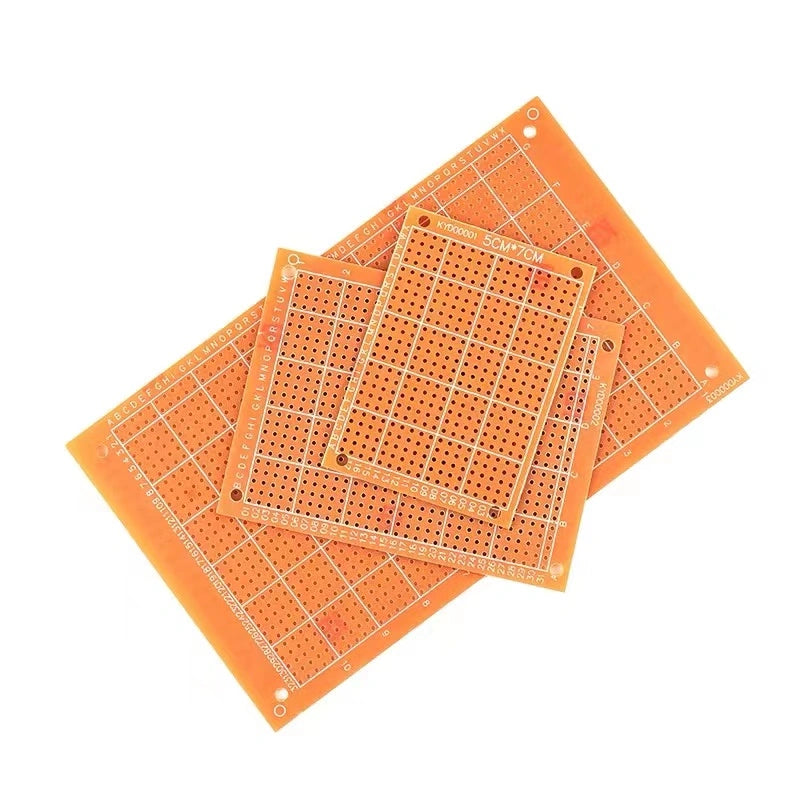
Bakelite is made from phenol and formaldehyde, and it is cured under heat and pressure to form a rigid, durable material. Its high electrical resistance and thermal stability make it ideal for creating Bakelite electrical insulation components. These parts can be used for a variety of applications, from circuit boards to structural supports in electrical panels, offering protection against electrical hazards in high-voltage environments.

Why Bakelite is Used for Insulation

The main reason insulated Bakelite parts are so effective is their electrical insulating ability. Bakelite is highly resistant to electrical currents, making it perfect for use in electrical connectors, switchgear, and other equipment where safety and reliable performance are critical. Additionally, its ability to withstand extreme temperatures (up to 300°C) ensures that insulated Bakelite materials are durable even under harsh conditions.

Key Features of Insulated Bakelite Parts

Bakelite offers several unique characteristics that make it an excellent choice for industrial applications. Here are the key features that set insulated Bakelite parts apart from other materials:

Electrical Insulating Properties

The most important feature of insulated Bakelite parts is their exceptional electrical insulation. Bakelite electrical insulation is crucial for preventing electrical currents from escaping to unintended parts of a system. Bakelite’s ability to resist the flow of electricity makes it ideal for high-voltage equipment, including transformers, circuit boards, and electrical connectors.

Thermal Resistance

In addition to its electrical insulation capabilities, Bakelite is highly resistant to heat. It can handle temperatures up to 300°C without degrading, making it ideal for applications in industries like automotive manufacturing and energy generation, where components are exposed to high temperatures. This makes insulated Bakelite materials a preferred choice in areas where heat management is a concern.

Mechanical Strength

Bakelite is a mechanically strong material, meaning it can endure physical stress, impact, and wear without breaking down. This makes it ideal for Bakelite structural components used in applications that require durability and robustness, such as in automotive or heavy machinery parts.

Cost-effectiveness

Despite its high-performance capabilities, Bakelite remains a cost-effective solution compared to other electrical insulating materials, such as ceramic or epoxy resin. This cost efficiency makes it a popular choice for industries seeking high-quality components without breaking their budgets.

Bakelite structural components

Applications of Insulated Bakelite Parts in Industrial Sectors

The versatility of insulated Bakelite parts makes them suitable for a wide range of industrial applications. Let’s explore how these parts are used in various sectors:

Electrical & Electronics Industry

In the electronics industry, Bakelite electrical insulation is essential for insulating electrical components such as switches, circuit breakers, and connectors. Bakelite parts are crucial in ensuring the safe transmission of electrical currents, protecting equipment from electrical faults and short circuits.

Automotive & Aerospace

Bakelite is widely used in the automotive and aerospace industries for applications that require both electrical insulation and mechanical strength. Components such as electrical connectors, insulating housings, and high-temperature components rely on insulated Bakelite materials to perform reliably under extreme conditions.

Energy and Power

In the energy sector, Bakelite’s ability to withstand high temperatures and resist electrical currents makes it ideal for applications such as high-voltage switches, transformers, and power cables. These components need to be durable, resistant to wear and tear, and able to perform safely over long periods of time, making Bakelite an ideal material for these applications.

Medical Industry

In the medical field, Bakelite is used for creating insulated components in diagnostic machines, medical imaging devices, and other equipment that require electrical insulation to function safely and reliably. Its stability and resistance to high temperatures make it an excellent material for medical devices that need to operate in challenging environments.

Why Choose Bakelite Over Other Insulating Materials?

While there are many materials available for insulation, Bakelite offers distinct advantages that make it the preferred choice in many industrial applications.

Bakelite vs. Epoxy Resin

Both Bakelite and epoxy resin are commonly used in electrical insulation, but they have different strengths. Epoxy resin is often used for bonding and coating, while Bakelite is more robust and provides superior thermal resistance and mechanical strength. Bakelite’s high electrical resistance and durability make it a better choice for components that will be exposed to high temperatures and electrical loads.

Bakelite vs. Ceramic Materials

Ceramics are often used for high-voltage insulation, but Bakelite parts offer several advantages over ceramic materials. Bakelite is significantly lighter, easier to handle, and can be molded into complex shapes, whereas ceramics tend to be rigid and brittle. Additionally, Bakelite is cost-effective, while ceramics can be more expensive and difficult to work with.

Bakelite’s Unique Benefits

The unique combination of electrical insulation, thermal resistance, and mechanical strength makes Bakelite a highly reliable material for industrial applications. Unlike many other insulating materials, Bakelite offers both performance and affordability, making it the go-to material for industries requiring durable, high-performing components.

Bakelite parts

Customizing Insulated Bakelite Parts for Your Industrial Needs

In many industrial sectors, standard Bakelite parts may not meet specific requirements. The good news is that custom Bakelite parts can be designed and manufactured to meet precise specifications. Here’s how you can get customized insulated Bakelite parts:

Customization Process

Bakelite can be molded into various shapes and sizes using techniques like CNC machining, injection molding, and compression molding. These processes allow manufacturers to create custom Bakelite components with precise dimensions and tailored performance features, such as improved heat resistance or electrical insulation for specific applications.

Advantages of Custom Bakelite

Opting for custom Bakelite parts ensures that your components meet the exact specifications of your equipment or machinery. Whether it’s for unique shapes, specific voltage ratings, or tailored temperature tolerances, custom Bakelite insulation can help optimize the performance of your products.

Examples of Custom Applications

Industries like automotive manufacturing, power generation, and electronics often rely on custom Bakelite parts. For example, high-voltage insulators or insulating housings for electrical connectors may need to be customized to withstand specific temperature conditions or to fit within limited space in machines.

How to Choose the Right Insulated Bakelite Parts for Your Project

Choosing the right insulated Bakelite parts for your project can be a challenge, but by considering a few key factors, you can make an informed decision:

Key Factors to Consider

When selecting Bakelite structural components, it’s essential to consider:

  • Temperature resistance: Will the parts be exposed to high heat?
  • Voltage ratings: Does the part need to handle high electrical currents?
  • Mechanical stress: Will the part be exposed to physical pressure or impact?

Size and Fit

Make sure that the Bakelite parts you choose are the right size and shape for your project. Whether you need standard components or custom Bakelite parts, the fit is crucial to ensure optimal performance.

Customization vs. Standard Options

In some cases, standard Bakelite parts may suffice, but if your application requires precise electrical or mechanical properties, custom Bakelite components might be the better option.

Quality Assurance

Always source insulated Bakelite materials from reputable suppliers who ensure their products meet industry standards and specifications.

insulated Bakelite materials

Common Mistakes to Avoid When Using Insulated Bakelite Parts

While insulated Bakelite parts are highly durable and effective, there are common mistakes that can compromise their performance. To ensure you’re getting the most out of your Bakelite electrical insulation and structural components, it’s important to avoid the following pitfalls:

Misunderstanding Material Limits

One common mistake is assuming that all Bakelite parts offer the same level of electrical resistance and thermal tolerance. Different Bakelite formulations have varying properties depending on their intended use. For example, some Bakelite parts may be better suited for low-temperature environments, while others are designed to withstand high heat or high-voltage conditions. Always ensure that the insulated Bakelite materials you choose are rated for the specific demands of your application.

Improper Handling and Installation

While Bakelite is a durable material, it still requires proper handling to maintain its performance. Mishandling, such as dropping or improper storage, can lead to micro-cracks or degradation of its insulating properties. Additionally, improper installation can cause the material to break or fail prematurely. Always follow the recommended guidelines for installing Bakelite structural parts to ensure that they perform safely and reliably.

Incorrect Material Selection

Another common mistake is choosing Bakelite parts when a different insulating material might be more suitable. Depending on your application, epoxy resin, ceramic materials, or even silicone could be better alternatives. If you’re unsure which material is best, consult with an expert or a manufacturer to assess your needs before committing to a material.

The Future of Insulated Bakelite Parts in Industrial Applications

As industries continue to evolve and the demand for high-performance materials grows, the role of insulated Bakelite parts in industrial applications will only expand. Whether you’re looking to improve electrical safety, enhance performance, or create durable structural components, Bakelite parts offer a reliable, cost-effective solution.

With its unique combination of electrical insulation, heat resistance, and mechanical strength, Bakelite remains a trusted material for industries ranging from automotive to energy and electronics. As we look to the future, the demand for customized Bakelite insulation parts will only increase, as industries continue to push for more specialized solutions that meet their precise needs.

If you’re considering Bakelite parts for your next project, be sure to choose the right material, size, and features to meet your application requirements. Whether you’re working with high-voltage insulators, automotive components, or medical devices, Bakelite electrical insulation remains a durable and reliable choice.

FAQ Section

What is Bakelite used for in electrical insulation?
Bakelite is used primarily for its electrical insulation properties in components such as switchgear, circuit breakers, and wiring connectors. Its ability to prevent electrical current from escaping makes it ideal for high-voltage applications.

How does Bakelite compare to other insulators like epoxy resin or ceramic?
Compared to epoxy resin, Bakelite offers superior thermal resistance and mechanical strength. While ceramic materials provide excellent insulation in high-voltage applications, Bakelite is more cost-effective and can be molded into complex shapes, giving it a significant advantage in custom applications.

Can Bakelite parts be customized?
Yes, Bakelite parts can be fully customized using techniques like CNC machining, injection molding, and compression molding to meet specific design, temperature, or electrical requirements. Customization allows for enhanced performance in highly specialized industrial applications.

What industries benefit from insulated Bakelite parts?
Industries such as electronics, automotive manufacturing, energy generation, and the medical sector rely on insulated Bakelite parts. These industries use Bakelite components for applications requiring high electrical insulation, thermal resistance, and mechanical durability.

Contact Us for Custom Insulated Bakelite Parts

If you’re looking for high-quality, customized Bakelite parts to suit your industrial needs, our team at BeePlastic is ready to help. We offer a range of Bakelite structural components and electrical insulation solutions designed to meet your specific requirements. Whether you need insulated Bakelite parts for high-voltage applications or custom-designed parts for other uses, we’re here to provide you with the best solutions tailored to your needs.

customized Bakelite parts

🎉🎉🎉Limited Time Offer Use code: QR4GNY08SHVR at checkout and enjoy a special discount on your entire order! 👉 Bakelite plastic

Contact us today to learn more about our Bakelite insulation options and how we can help you improve the performance and safety of your industrial projects.

Leave a comment


Please note, comments must be approved before they are published


Custom Plastic Fabrication

Send your drawing, material and quantity for review

🔧
Precision Machining
CNC milling & turning
✂️
Cutting & Engraving
Laser & waterjet cutting
🏭
Forming & Molding
Thermoforming & injection
🔗
Joining & Assembly
Welding & bonding
📐
Design & Prototyping
CAD design & samples

General

HDPE

PP

PVC

ABS

Engineering

POM

Nylon

PC

PMMA

High-Performance

PEEK

PEI

PTFE

Composites

FR-4

G10

Flexible

TPU

Silicone

Why Choose BeePlastic?

🎯
Perfect Fit
Custom specs eliminate adaptation needs
⚡
Clear Lead Times
Lead time confirmed with every quote
💰
Volume Pricing
Volume pricing available on bulk orders
🤝
Expert Support
Free engineering consultation included
📋
Submit
→
🔍
Review
→
💵
Quote
→
✅
Production
→
📦
Deliver

Request a Quote

Share your project details, selected material and quantity on our quote page. You can add a file link or use the email drawing route shown there.


Request Quote

Industries: Automotive • Medical • Food • Lab • Semiconductor

beeplastic@beeplastic.com


Bakelite Sheets: The Perfect Choice for Electrical Insulators and Beyond

key properties of Bakelite

Bakelite sheets are more than just a relic of the past—they are a powerhouse material that continues to shine in modern applications, particularly in electrical insulation. In this post, I delve into the remarkable properties of Bakelite material that make it the perfect choice for electrical insulators and a variety of other industrial uses. We’ll explore the unique composition of Bakelite plastic, how it compares to newer synthetics, and why it remains a top choice in high-voltage electrical systems. Whether you’re an industrial manufacturer or searching for Bakelite sheets for sale, this guide will help you understand the value of partnering with a reliable Bakelite board supplier. Discover why Bakelite properties like low water absorption, high thermal stability, and mechanical strength make it a material you can count on for durability and performance.

🎉🎉🎉Limited Time Offer Use code: QR4GNY08SHVR at checkout and enjoy a special discount on your entire order! 👉 Bakelite plastic
Bakelite plastic

This synopsis integrates keywords strategically to optimize search engine visibility while providing a compelling overview of the post’s content.

Understanding the Unique Composition of Bakelite Material for Electrical Insulation

The Chemistry Behind Bakelite Material

Bakelite, also known as phenolic resin, is a thermosetting plastic renowned for its outstanding dielectric properties. The material is synthesized through the polymerization of phenol and formaldehyde, a process that results in a strong, heat-resistant compound. This chemical reaction forms a cross-linked polymer network, which imparts Bakelite material with its characteristic rigidity and stability. The ability of Bakelite plastic to maintain its shape and structure even under high temperatures makes it an excellent choice for electrical insulation.

The Role of Synthetic Resins in Electrical Insulation

The synthetic resin used in Bakelite is crucial to its performance as an insulator. Phenolic resins are known for their high dielectric strength, meaning they can withstand significant electrical voltage without breaking down. This property is essential for materials used in high-voltage applications, such as electrical insulators in transformers, switchgear, and other electrical equipment. The resin is typically reinforced with materials like paper or fabric, which are impregnated with the phenolic resin to create Bakelite sheets. These sheets are then molded into various shapes and sizes, tailored to specific industrial applications.

Why Bakelite Synthetics are Ideal for Electrical Applications

One of the key reasons Bakelite synthetics are preferred for electrical insulation is their resistance to electric current. Unlike other materials that might conduct electricity, Bakelite acts as a barrier, preventing the flow of current and thus reducing the risk of short circuits or electrical fires. Additionally, the low water absorption rate of Bakelite sheets ensures that the material’s insulating properties remain stable even in humid environments. This makes Bakelite particularly valuable in applications where long-term reliability and safety are paramount.

Exploring the Composition and Structure of Bakelite Sheets

Bakelite sheets are produced by applying heat and pressure to layers of paper or fabric impregnated with phenolic resin. The resulting laminate is a dense, hard material with excellent mechanical strength and dimensional stability. These properties make Bakelite sheets not only ideal for electrical insulation but also suitable for use in various other industrial applications, such as automotive and aerospace components.

Advantages of Bakelite in High-Voltage Electrical Systems

In high-voltage environments, the heat resistance of Bakelite becomes particularly important. Unlike other materials that might soften or degrade under high temperatures, Bakelite maintains its integrity, providing consistent performance. The dielectric properties of Bakelite material are also enhanced by its ability to resist moisture and chemicals, further extending its lifespan in challenging conditions.

Conclusion: Why Bakelite Remains a Top Choice for Electrical Insulation

Understanding the unique composition of Bakelite material helps to appreciate why it remains a go-to material for electrical insulation. From its chemical structure to its mechanical properties, Bakelite plastic offers a combination of strength, stability, and safety that few other materials can match. Whether you’re working with high-voltage systems or simply need a reliable insulating material, Bakelite sheets provide a tried-and-true solution that stands the test of time.

Bakelite material

Bakelite vs. Modern Plastics: A Comparative Analysis

In the evolving world of material science, Bakelite continues to stand the test of time, particularly in the realm of electrical applications. While newer plastic materials offer various advantages, they often fall short when compared to Bakelite’s unmatched insulation, heat resistance, and mechanical strength. This comparison highlights why Bakelite remains a go-to material for electrical components, even in today’s advanced industries.

Superior Insulation Properties

Bakelite is renowned for its exceptional dielectric properties, making it a superior insulator. This is particularly important in applications requiring high electrical insulation, where materials need to resist the flow of electric current. While modern plastics like PVC and polyethylene also offer insulation, they cannot match the high-voltage resistance that Bakelite provides. This makes Bakelite the preferred choice for components like transformer coils and switchgear that operate in environments with significant electrical stress.

Unmatched Heat Resistance

The thermal stability of Bakelite is another area where it outperforms modern plastics. Bakelite material can withstand temperatures up to 150°C without losing its structural integrity, making it ideal for components exposed to heat. Plastics like polypropylene and nylon, though versatile, often degrade or lose their effectiveness at lower temperatures, which limits their use in high-temperature environments. This characteristic of Bakelite makes it invaluable for motor housings, circuit boards, and automotive parts that need to maintain performance under heat stress.

Mechanical Strength and Durability

Bakelite sheets are known for their mechanical strength and durability, making them ideal for use in applications where materials are subjected to physical stress. Unlike many modern plastics, which may be more flexible or prone to wear and tear, Bakelite maintains its form and function over extended periods. This rigidity and resistance to deformation are critical in industrial settings where components are expected to withstand constant stress without compromising performance.

The Cost-Effectiveness of Bakelite

While modern synthetic plastics can be more affordable upfront, the long-term costs associated with wear, replacement, and potential failures make Bakelite a more cost-effective solution in the long run. The durability and low maintenance needs of Bakelite translate into reduced downtime and fewer replacements, making it a more economical choice for industrial applications.

Environmental Impact and Sustainability

In addition to its technical advantages, Bakelite also has a lower environmental impact compared to some modern plastics. Bakelite’s durability means that it does not need to be replaced as often, reducing the waste generated from discarded materials. Moreover, its manufacturing process has a smaller carbon footprint compared to some of the more complex processes required for newer synthetic plastics.

Applications Across Industries

Given its superior properties, Bakelite finds applications across various industries, from automotive to aerospace and electrical engineering. Its ability to combine high performance with reliability makes it a material of choice for critical applications that cannot afford failure. Bakelite is also commonly used in the manufacturing of molds and dies, where its precision and wear resistance are highly valued.

The continued relevance of Bakelite in today’s high-tech industries underscores its unmatched combination of insulation, heat resistance, and mechanical strength. As modern industries demand materials that can perform reliably under stress, Bakelite remains a material that engineers and manufacturers can rely on. Whether you’re in electrical engineering, automotive manufacturing, or any other industry that requires high-performance materials, Bakelite stands as a testament to the enduring value of quality engineering.

Bakelite is also commonly used in the manufacturing of molds and dies

The Role of Bakelite Sheets in High-Voltage Electrical Systems

Bakelite Sheets: The Backbone of High-Voltage Insulation

Bakelite sheets play a critical role in the reliable operation of high-voltage electrical systems. Their ability to withstand significant electrical stress while maintaining structural integrity makes them indispensable in components such as transformers and switchgear. These systems, which are vital for power distribution and regulation, require materials that offer both electrical insulation and mechanical strength—qualities that Bakelite material consistently delivers.

Application in Transformers

Transformers are essential for converting electricity from one voltage level to another, and they operate under high-stress conditions that demand exceptional insulating materials. Bakelite sheets are commonly used to insulate the windings in transformers, preventing electrical leakage and ensuring efficient operation. The dielectric strength of Bakelite allows it to resist breakdown even under the high-voltage conditions typical in transformers, thereby reducing the risk of electrical faults and extending the lifespan of the equipment.

Switchgear Insulation with Bakelite

In switchgear systems, which are responsible for controlling, protecting, and isolating electrical circuits, Bakelite sheets are used as insulating barriers and support structures. These components must endure the mechanical forces generated during the switching process, as well as the thermal stresses from electrical current. Bakelite’s combination of mechanical strength and thermal resistance ensures that these systems can operate safely and reliably, even under the demanding conditions of high-voltage environments.

Durability and Long-Term Performance

The long-term reliability of Bakelite sheets in high-voltage systems is one of their key advantages. Unlike many modern plastics, which can degrade over time when exposed to continuous electrical and thermal stress, Bakelite maintains its insulating properties and structural integrity for decades. This durability reduces the need for frequent maintenance or replacement, making Bakelite a cost-effective solution for high-voltage applications.

Comparing Bakelite to Alternative Materials

While other materials like epoxy resins or polyimides are also used in high-voltage systems, Bakelite offers a unique balance of cost-effectiveness and ease of fabrication. For instance, while epoxy might offer higher temperature resistance, it comes at a significantly higher cost and can be more challenging to work with. Bakelite sheets, on the other hand, provide a reliable, durable, and affordable solution for most high-voltage applications.

The use of Bakelite sheets in high-voltage electrical systems underscores their critical role in ensuring the safety and efficiency of power distribution networks. Their ability to withstand high electrical stress, combined with their mechanical strength and thermal stability, makes Bakelite an enduring material of choice for transformers, switchgear, and other critical components in the electrical industry.

Bakelite sheets in high-voltage electrical systems

Bakelite Sheets for Sale: What to Look for When Choosing a Reliable Supplier

When you’re in the market for Bakelite sheets, selecting a reliable supplier is crucial to ensuring you receive high-quality materials that meet your specific needs. Whether you’re using Bakelite for electrical insulation, mechanical components, or any other application, the quality of the sheets you purchase can significantly impact the performance and durability of your final products. Here are some essential factors to consider when choosing a Bakelite board supplier.

Importance of Sheet Thickness

One of the first considerations when selecting Bakelite sheets is the thickness. The thickness of the Bakelite material can affect both its mechanical properties and its suitability for different applications. For instance, thicker Bakelite sheets provide better mechanical strength and are more suitable for applications that require high impact resistance or load-bearing capacity, such as machinery parts or switchgear components. On the other hand, thinner sheets may be more appropriate for electrical insulation where flexibility and precision are important.

When evaluating a supplier, ensure they offer a wide range of thickness options to suit your project requirements. This flexibility is a sign of a well-stocked and experienced supplier who can cater to various industry needs.

Assessing Quality Standards

Quality is paramount when it comes to Bakelite. Not all Bakelite sheets are created equal, and the difference in quality can have a significant impact on the material’s performance, especially in demanding environments. High-quality Bakelite sheets should exhibit consistent dielectric properties, heat resistance, and mechanical stability. Look for suppliers who adhere to strict quality control measures and can provide certifications or documentation that verify the material’s performance standards.

It is also advisable to ask for samples before making a large purchase. Testing these samples in real-world conditions will help you assess whether the Bakelite material meets your specific needs.

The Reputation of the Supplier

Partnering with a trusted and reputable Bakelite board supplier is essential for long-term success. A supplier’s reputation in the industry is often a reflection of their reliability, customer service, and the quality of the products they offer. Look for suppliers with positive reviews, testimonials, or case studies that demonstrate their expertise in providing Bakelite sheets to various industries. A well-established supplier is more likely to have the experience and resources to handle large orders and provide technical support when needed.

Additionally, consider the supplier’s ability to offer customization options. A reliable supplier should be able to provide custom-cut Bakelite sheets to your specifications, ensuring that you get exactly what you need for your project.

Evaluating Pricing and Value

While cost is always a consideration, it should not be the only factor when selecting a Bakelite sheet supplier. Cheaper Bakelite sheets may save money upfront, but if the quality is compromised, it could lead to higher costs in the long run due to material failure or the need for frequent replacements. Instead, focus on finding a supplier that offers a good balance between quality and price. Look for transparent pricing structures that allow you to understand what you are paying for, whether it’s the raw material, custom processing, or additional services.

Availability and Lead Times

The availability of Bakelite sheets and the supplier’s ability to meet your timeline is another critical factor. A supplier with a large inventory and efficient logistics will be able to fulfill your order promptly, minimizing downtime in your production process. In contrast, delays in receiving materials can disrupt your project schedule and increase costs. Before committing to a supplier, confirm their lead times and ensure they can meet your deadlines consistently.

After-Sales Support and Service

Finally, consider the level of after-sales support and service the supplier offers. A reliable Bakelite supplier should provide excellent customer service, including technical support and assistance with any issues that arise after purchase. This is particularly important if you are working on complex projects where material performance is critical. Good after-sales support can make a significant difference in the success of your project and your overall satisfaction with the supplier.

By considering these factors—sheet thickness, quality standards, supplier reputation, pricing, availability, and after-sales support—you can select a Bakelite board supplier that will meet your needs and contribute to the success of your projects. Whether you’re purchasing Bakelite sheets for electrical insulation or other industrial applications, making an informed choice will ensure you get the best value and performance from your materials.

Bakelite sheets for electrical insulation

Industrial Applications of Bakelite: Beyond Electrical Insulation

Automotive Industry: Bakelite’s Role in High-Performance Parts

Bakelite has established itself as a vital material in the automotive industry, where its unique combination of durability and heat resistance is highly valued. Components such as distributor caps, brake pads, and clutch facings often rely on Bakelite due to its ability to withstand extreme temperatures and mechanical stress. The heat resistance of Bakelite material makes it ideal for automotive applications where components are regularly exposed to high temperatures, such as near the engine or braking systems. Moreover, Bakelite’s mechanical strength ensures that these parts maintain their integrity under continuous use, reducing wear and tear and extending the lifespan of the vehicle’s components.

Aerospace Components: Lightweight and Strong

In the aerospace industry, Bakelite is prized for its lightweight properties combined with high strength. Aerospace components demand materials that not only provide structural stability but also contribute to overall weight reduction—a crucial factor in aircraft design. Bakelite sheets are often used in the construction of instrument panels, insulators, and structural components within aircraft. The material’s thermal stability also plays a significant role in aerospace applications, as it can withstand the extreme temperatures encountered during flight without degrading. This ensures the reliability and safety of aerospace systems, where failure is not an option.

Machinery and Industrial Equipment: Durability Under Stress

Bakelite is a staple material in the manufacturing of industrial machinery and equipment due to its robust mechanical properties. It is commonly used in gears, bearings, and machinery housings where mechanical strength and wear resistance are critical. The ability of Bakelite material to endure repeated stress without significant wear makes it an excellent choice for moving parts that must remain functional over long periods. Additionally, Bakelite’s chemical resistance ensures that it performs well in environments where machinery is exposed to oils, solvents, and other harsh chemicals, further extending the lifespan of industrial equipment.

Electrical Components in Industrial Applications

Beyond its well-known role in electrical insulation, Bakelite is also widely used in the production of electrical components within industrial settings. Bakelite sheets and molded parts are used in switches, relays, and circuit breakers, where their dielectric properties ensure safe and efficient operation. The heat resistance of Bakelite is particularly important in these applications, as it allows electrical components to operate at high temperatures without risk of malfunction. The material’s stability under electrical stress also reduces the likelihood of short circuits and electrical failures, making it a reliable choice for industrial electrical systems.

Mold and Die Manufacturing: Precision and Longevity

In the world of mold and die manufacturing, Bakelite is valued for its ability to be precisely machined into complex shapes. Bakelite molds are used to produce a wide range of industrial components, from plastic parts to metal castings. The dimensional stability of Bakelite ensures that molds maintain their precise dimensions over repeated uses, making them ideal for high-volume production. Additionally, Bakelite’s resistance to deformation under heat and pressure allows for the production of consistent, high-quality components, reducing the need for frequent mold replacements.

Versatility Across Industries

The versatility of Bakelite extends beyond these specific applications. Its unique properties make it suitable for a wide range of industries, including medical devices, consumer electronics, and construction materials. Bakelite’s ability to combine mechanical strength, thermal stability, and electrical insulation makes it a go-to material for engineers and designers looking for reliable performance across various demanding environments. Whether used in the automotive or aerospace industry, Bakelite continues to be a material of choice for applications that require a balance of strength, durability, and precision.

Bakelite molds

Customizing Bakelite Sheets for Specific Electrical and Industrial Needs

The Flexibility of Bakelite Sheets in Industrial Applications

Bakelite sheets are renowned for their versatility, particularly when it comes to customization for specific electrical and industrial applications. Given the diverse requirements across industries, the ability to customize Bakelite to meet precise specifications is crucial. From cutting and shaping to fabrication, Bakelite material can be tailored to suit the exact needs of your project, ensuring optimal performance and efficiency.

Cutting Bakelite Sheets to Precision

One of the most common customization processes for Bakelite sheets is cutting. Whether you need sheets in specific dimensions or intricate shapes, Bakelite can be precisely cut using advanced techniques such as CNC machining or laser cutting. The mechanical strength and rigidity of Bakelite ensure that it can be cut with minimal wear on the tools, maintaining accuracy and consistency across large production runs. This is particularly important in industries like electronics and automotive manufacturing, where precision is critical for components like insulators and circuit boards.

Shaping and Molding for Complex Designs

Beyond cutting, Bakelite can be shaped and molded into a variety of forms, making it ideal for complex designs and specialized applications. Through compression molding, Bakelite can be formed into intricate components with tight tolerances, perfect for electrical housings, gears, and valves. The material’s ability to maintain its dimensional stability under heat and pressure makes it a reliable choice for parts that need to retain their shape and function over time. Additionally, Bakelite’s resistance to deformation ensures that once shaped, the components will maintain their integrity even under heavy use.

Fabricating Bakelite for Specialized Applications

Fabrication is another key aspect of Bakelite customization. This process involves combining Bakelite sheets with other materials or incorporating additional features such as drilled holes, slots, or threaded inserts. Fabrication allows for the creation of multi-functional components that can perform in specialized environments, such as chemical processing or high-temperature applications. Bakelite’s compatibility with various adhesives and coatings also expands its range of applications, allowing it to be integrated into systems that require both insulation and structural support.

Customizing Bakelite for Electrical Insulation

In the realm of electrical insulation, Bakelite sheets can be customized to meet specific dielectric strength and thermal resistance requirements. By adjusting the thickness or adding layers of insulating material, Bakelite can be optimized for use in high-voltage systems, transformers, and switchgear. The customization process ensures that the material provides the necessary insulation while maintaining the structural properties required for the application. This level of customization is essential for industries that demand safety and reliability in their electrical components.

Custom-Cut Bakelite Sheets for Industrial Equipment

For industrial applications, custom-cut Bakelite sheets offer a solution that meets the exact specifications of machinery and equipment. Whether you need large panels or small, intricately shaped pieces, Bakelite can be cut to size and fabricated to fit your equipment perfectly. The material’s durability and wear resistance make it suitable for use in gears, bearings, and support structures, where precise fitting and long-lasting performance are critical.

Partnering with a Reliable Supplier for Customization

To fully leverage the customization capabilities of Bakelite sheets, it’s essential to partner with a trusted supplier who understands the specific requirements of your industry. A reliable supplier will offer a range of customization options, including cutting, shaping, and fabrication, along with the technical support needed to ensure that the final product meets your exact specifications. This partnership ensures that you receive high-quality Bakelite sheets that are perfectly tailored to your project’s needs.

Customizing Bakelite sheets offers significant advantages in terms of performance, reliability, and efficiency across various industrial applications. Whether you’re working in electronics, automotive, or industrial machinery, tailored Bakelite components can enhance the functionality and longevity of your products, making them a valuable investment for any high-performance application.

Customizing Bakelite sheets

Why Bakelite Properties Make It the Material of Choice for Electrical Insulators

Low Water Absorption: Ensuring Long-Term Insulation

One of the critical properties that make Bakelite ideal for use in electrical insulators is its low water absorption. Water can significantly degrade the insulating properties of many materials, leading to reduced performance or even failure in electrical systems. Bakelite is highly resistant to water absorption, meaning it can maintain its dielectric properties even in humid or wet environments. This resistance is essential for electrical components that operate in challenging conditions, such as outdoor power lines, marine equipment, or high-humidity industrial settings. By preventing moisture from compromising its insulating capabilities, Bakelite ensures that electrical systems remain safe and reliable over long periods.

High Thermal Stability: Withstanding Extreme Temperatures

Bakelite’s high thermal stability is another reason it is favored for electrical insulators. Electrical components often generate heat during operation, and materials used in these components must be able to withstand high temperatures without degrading. Bakelite material can endure temperatures up to 150°C without losing its structural integrity or insulating properties. This thermal resistance makes Bakelite particularly suitable for applications where heat exposure is a constant, such as in transformers, switchgear, and motor windings. The ability to perform reliably under extreme thermal stress reduces the risk of overheating, ensuring the long-term safety and efficiency of electrical systems.

Strong Mechanical Properties: Durability Under Stress

The mechanical strength of Bakelite is another key property that makes it a preferred material for electrical insulators. Bakelite sheets and components can withstand significant mechanical stress without deforming or breaking, which is crucial in applications where the insulator may be subjected to physical forces. This durability is especially important in industrial environments where machinery and equipment are subject to vibrations, impacts, and other stresses. The robust nature of Bakelite ensures that the insulating components remain intact and functional, even under challenging conditions. This mechanical strength also contributes to the material’s long lifespan, reducing the need for frequent replacements and maintenance.

High Dielectric Strength: Superior Electrical Insulation

Bakelite’s dielectric strength is perhaps its most defining feature as an electrical insulator. This property refers to the material’s ability to resist electrical breakdown and maintain insulation even under high-voltage conditions. Bakelite has a high dielectric strength, which makes it ideal for use in components like circuit boards, transformer coils, and switchgear. The material’s ability to prevent electrical currents from passing through it, even at high voltages, ensures that Bakelite can provide reliable insulation in critical applications. This high dielectric strength is a major reason why Bakelite remains a trusted material in the electrical industry, particularly in safety-critical components where failure is not an option.

Chemical Resistance: Performance in Harsh Environments

In addition to its mechanical and thermal properties, Bakelite is also resistant to many chemicals, making it suitable for use in environments where exposure to corrosive substances is a concern. This chemical resistance ensures that Bakelite insulators can maintain their performance even when exposed to oils, acids, or solvents that might otherwise degrade other materials. This makes Bakelite an excellent choice for electrical components in chemical processing plants, marine environments, and other settings where resistance to corrosion is crucial.

Versatility Across Various Applications

The combination of these properties—low water absorption, high thermal stability, strong mechanical strength, high dielectric strength, and chemical resistance—makes Bakelite a versatile material that can be used across a wide range of electrical and industrial applications. Whether in automotive, aerospace, industrial machinery, or consumer electronics, Bakelite continues to be the material of choice for ensuring safe, reliable, and durable electrical insulation.

By understanding and leveraging these key properties, engineers and designers can utilize Bakelite to its full potential, ensuring that their electrical systems are built to last and perform under the most demanding conditions.

Bakelite is also resistant to many chemicals

Frequently Asked Questions (FAQs) About Bakelite and BeePlastic Customization

1. What customization options does BeePlastic offer for Bakelite sheets?

Answer: BeePlastic offers a wide range of customization options for Bakelite sheets. These include cutting, shaping, drilling, and molding to meet specific project requirements. Whether you need a sample for a small project or a large batch for industrial use, BeePlastic can accommodate your needs. The customization process can be tailored to create insulators, machine parts, and other specialized components.

2. Can BeePlastic provide sample customization before placing a bulk order?

Answer: Yes, BeePlastic can provide sample customization to ensure that the final product meets your specifications. This allows you to evaluate the quality and suitability of the Bakelite material for your application before committing to a larger order. Samples are offered free of charge, with customers only responsible for the shipping costs.

3. What file formats does BeePlastic accept for customization orders?

Answer: BeePlastic accepts a variety of file formats for customization orders, including PDF, CAD, and other common design files. This flexibility ensures that your designs are accurately translated into the final product, whether you’re ordering Bakelite sheets or other materials.

4. Is there a minimum order quantity (MOQ) for customized Bakelite sheets?

Answer: There is no minimum order quantity (MOQ) for customized Bakelite sheets at BeePlastic. Whether you need a single sheet or a large batch, BeePlastic is equipped to handle orders of all sizes, making it convenient for both small-scale projects and large industrial requirements.

5. How does BeePlastic manage the production cycle for customized orders?

Answer: The production cycle at BeePlastic is carefully managed according to the volume of orders and the complexity of the customization process. BeePlastic ensures real-time communication throughout the production process, keeping customers informed about progress and any potential delays. This proactive approach helps maintain transparency and ensures timely delivery of customized products.

6. Can BeePlastic provide real-time updates on the production progress?

Answer: Yes, BeePlastic provides real-time updates on the production progress for all customized orders. This includes regular communication about the status of your order, estimated completion dates, and any issues that may arise during production. This ensures that you are always informed and can plan your projects accordingly.

7. Does BeePlastic support bulk customization for industrial applications?

Answer: Absolutely, BeePlastic supports bulk customization for various industrial applications. Whether you need Bakelite sheets for automotive parts, aerospace components, or machinery, BeePlastic can produce large quantities with consistent quality and precision. The company is well-equipped to handle high-volume orders with tight deadlines.

8. What should I consider when providing a design file for Bakelite customization?

Answer: When providing a design file for Bakelite customization, ensure that the file is in a supported format (such as PDF or CAD) and that all dimensions, tolerances, and specifications are clearly defined. Detailed and accurate design files help BeePlastic deliver a final product that meets your exact requirements.

9. Are there any specific considerations for customizing Bakelite sheets for electrical insulation?

Answer: Yes, when customizing Bakelite sheets for electrical insulation, it’s important to specify the required dielectric strength, thermal resistance, and thickness. BeePlastic can tailor the Bakelite material to meet these needs, ensuring that the customized sheets provide effective insulation and durability in high-voltage applications.

10. How do I request a quote for customized Bakelite sheets from BeePlastic?

Answer: To request a quote for customized Bakelite sheets, you can contact BeePlastic directly through their website, providing details about your project, including design files, quantities, and any specific requirements. BeePlastic’s team will assess your needs and provide a detailed quote, along with recommendations to optimize your order for both cost and performance.

In exploring the versatility and enduring value of Bakelite as a material for electrical insulators and beyond, it’s clear why it remains a preferred choice across various industries. With its low water absorption, high thermal stability, and strong mechanical properties, Bakelite offers unmatched performance in demanding applications. Whether you’re customizing Bakelite sheets for specific industrial needs or leveraging its properties in high-voltage electrical systems, Bakelite provides a reliable, durable, and cost-effective solution. As industries continue to seek materials that combine performance, durability, and precision, Bakelite stands out as a time-tested option that meets these criteria and more. By partnering with a trusted supplier like BeePlastic, you can ensure that your projects benefit from the best that Bakelite has to offer.
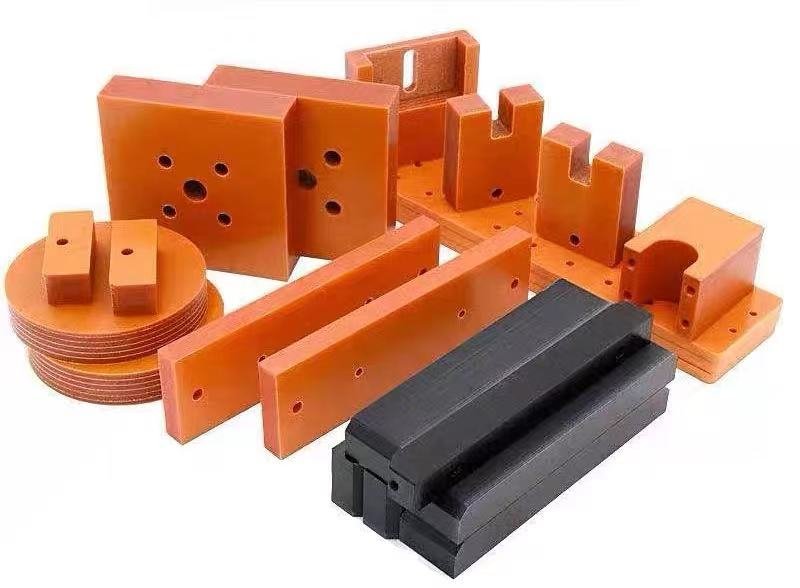
customized Bakelite sheets

Get started with your custom Bakelite order now! Simply fill out the contact form below, and be sure to visit our Bakelite collection page here to see how BeePlastic can bring your ideas to life with precision and quality.

🎉🎉🎉Limited Time Offer Use code: QR4GNY08SHVR at checkout and enjoy a special discount on your entire order! 👉 Bakelite plastic

Leave a comment


Please note, comments must be approved before they are published


Custom Plastic Fabrication

Send your drawing, material and quantity for review

🔧
Precision Machining
CNC milling & turning
✂️
Cutting & Engraving
Laser & waterjet cutting
🏭
Forming & Molding
Thermoforming & injection
🔗
Joining & Assembly
Welding & bonding
📐
Design & Prototyping
CAD design & samples

General

HDPE

PP

PVC

ABS

Engineering

POM

Nylon

PC

PMMA

High-Performance

PEEK

PEI

PTFE

Composites

FR-4

G10

Flexible

TPU

Silicone

Why Choose BeePlastic?

🎯
Perfect Fit
Custom specs eliminate adaptation needs
⚡
Clear Lead Times
Lead time confirmed with every quote
💰
Volume Pricing
Volume pricing available on bulk orders
🤝
Expert Support
Free engineering consultation included
📋
Submit
→
🔍
Review
→
💵
Quote
→
✅
Production
→
📦
Deliver

Request a Quote

Share your project details, selected material and quantity on our quote page. You can add a file link or use the email drawing route shown there.


Request Quote

Industries: Automotive • Medical • Food • Lab • Semiconductor

beeplastic@beeplastic.com


Enhancing Aerospace Components with High-Strength Bakelite Sheets

Bakelite material science

In the demanding world of aerospace engineering, material selection is critical to ensuring performance, safety, and longevity. Bakelite, a pioneering synthetic plastic, has proven to be an indispensable material in this sector due to its unique properties. This blog post delves into the advantages of using Bakelite sheets in aerospace applications, focusing on their exceptional heat resistance and mechanical strength. You’ll discover how Bakelite material provides unparalleled electrical insulation capabilities, making it a top choice for high-frequency electronics in aircraft systems. We also explore the customization options available for Bakelite board suppliers to meet specific aerospace needs and compare Bakelite to alternative materials. Real-world case studies highlight successful implementations, and we look ahead at future innovations in Bakelite properties that could further enhance its role in aerospace. Whether you’re looking for Bakelite sheet for sale or simply interested in learning about Bakelite synthetics in high-performance environments, this comprehensive guide has you covered.

🎉🎉🎉Limited Time Offer Use code: QR4GNY08SHVR at checkout and enjoy a special discount on your entire order! 👉 Bakelite plastic
Bakelite material

The Critical Importance of Thermal Stability in Aerospace Applications

In the aerospace sector, thermal stability is not just beneficial—it’s essential. Aircraft components are routinely subjected to extreme temperatures, particularly in high-stress areas like engines and exhaust systems. To maintain safety and performance, these parts must be crafted from materials that can withstand such conditions without degradation. Bakelite, a robust synthetic plastic, has proven to be an ideal material in these demanding environments.

Bakelite’s Heat Resistance: A Key Asset in Aerospace

One of the standout features of Bakelite material is its exceptional ability to resist heat, enduring temperatures up to 250°C without losing its structural integrity. This is due to the thermosetting phenol-formaldehyde resin that forms the basis of Bakelite. When heated, this resin undergoes a curing process that creates a dense, cross-linked polymer network. This network is what gives Bakelite its impressive heat resistance, making it indispensable in aerospace applications where high temperatures are a constant challenge.

Applications in High-Temperature Aerospace Components

Bakelite sheets are widely used in various aerospace components that are exposed to extreme heat. For instance, Bakelite is a common material in the construction of engine parts and thermal insulation components. These parts must maintain their shape and functionality despite prolonged exposure to high temperatures, and Bakelite’s properties ensure they can do just that.

Bakelite in Engine Parts

In aerospace engines, where temperatures can soar, Bakelite plastic is often chosen for critical components due to its stability and durability under heat stress. This material’s ability to maintain its mechanical properties even in extreme conditions makes it an essential part of the engine’s construction, helping to ensure the safe and efficient operation of the aircraft.

The Role of Bakelite in Thermal Insulation

Beyond mechanical components, Bakelite also excels as a thermal insulator. Its low thermal conductivity and high resistance to heat make it an excellent material for insulating various parts of an aircraft, preventing heat transfer to sensitive areas and maintaining overall system integrity.

Electrical Insulation Properties of Bakelite in Aerospace

Another significant advantage of Bakelite is its electrical insulation capabilities, which are crucial in the aerospace industry. In addition to withstanding high temperatures, Bakelite effectively prevents electrical conductivity, making it ideal for components like connectors, housings, and other electronic systems within aircraft. By providing both thermal and electrical insulation, Bakelite ensures the reliability and safety of the aircraft’s electronic systems.

Incorporating Bakelite into aerospace components not only enhances the thermal stability and durability of the aircraft but also contributes to the overall safety and efficiency of its operations. Learn more about Bakelite sheets for aerospace applications to understand how this material can meet your specific needs.

The Superior Mechanical Strength of Bakelite in Aerospace Applications

The aerospace industry demands materials that can endure intense physical stress without sacrificing performance. Bakelite, a pioneering synthetic plastic, is highly regarded for its exceptional mechanical strength, making it a crucial material in the construction of various aerospace components.

Understanding Bakelite’s Mechanical Strength

Bakelite material is composed of a thermosetting phenol-formaldehyde resin, which forms a highly cross-linked polymer structure. This dense network of bonds gives Bakelite its notable rigidity and durability. Unlike thermoplastics that may soften and lose their shape under stress, Bakelite plastic retains its form and strength even when subjected to continuous mechanical loads. This property is especially important in the aerospace industry, where components must withstand the rigors of flight, including extreme pressure, vibration, and mechanical stress.

Bakelite material is composed of a thermosetting phenol-formaldehyde resin

Applications of Bakelite in High-Stress Aerospace Environments

The mechanical strength of Bakelite makes it ideal for use in components that are exposed to constant stress in aerospace environments. For instance, Bakelite sheets are commonly used in the fabrication of structural elements such as bearings, gears, and insulation plates within aircraft. These parts need to endure the dynamic forces generated during takeoff, flight, and landing without deforming or breaking, and Bakelite provides the necessary durability to meet these demands.

Bakelite in Aircraft Bearings and Gears

Aircraft bearings and gears made from Bakelite benefit from its high tensile strength and resistance to wear. These components are crucial for the smooth operation of various systems within the aircraft, including engines and control surfaces. The ability of Bakelite plastic to maintain its mechanical properties under high stress ensures that these parts function reliably over time, reducing the need for frequent maintenance or replacement.

The Role of Bakelite in Aerospace Insulation Plates

In addition to its use in mechanical parts, Bakelite’s mechanical strength also plays a significant role in its application as insulation plates. These plates must not only insulate but also support other components, often under high pressure. Bakelite sheets are designed to bear such loads without compromising their insulating properties, ensuring both structural integrity and safety in high-stress environments.

Enhancing Aircraft Durability with Bakelite

The use of Bakelite in aerospace components contributes to the overall durability and longevity of aircraft. The material’s ability to withstand physical stress without degradation ensures that critical parts continue to perform effectively throughout the lifespan of the aircraft. This reliability is particularly important in an industry where material failure can lead to catastrophic consequences.

By integrating Bakelite into the design and construction of aerospace components, manufacturers can achieve a balance of strength, durability, and performance, making it an essential material in the advancement of modern aerospace technology. Explore the mechanical properties of Bakelite to understand how it can enhance the durability and safety of your aerospace projects.

Bakelite’s Electrical Insulation Properties for Aircraft Systems

The aerospace industry demands materials that ensure the utmost safety and reliability, especially when it comes to electrical systems. Bakelite, known for its outstanding electrical insulation properties, plays a crucial role in protecting sensitive electronic components within aircraft. Its high dielectric strength makes it an excellent choice for various insulation applications, particularly in high-frequency electronic systems where maintaining signal integrity and preventing electrical failures are paramount.

Bakelite, known for its outstanding electrical insulation properties

The Importance of Dielectric Strength in Aircraft Systems

Dielectric strength refers to a material’s ability to withstand electric stress without breaking down. In the context of aerospace, where electrical components are exposed to high voltages and frequencies, a material’s dielectric strength is critical. Bakelite material excels in this regard, offering a robust barrier against electrical currents. This property is essential for the safe operation of aircraft systems, where even minor electrical failures can lead to significant risks.

Bakelite’s Role in High-Frequency Electronic Systems

Aircraft are equipped with sophisticated electronic systems that operate at high frequencies. These systems require materials that not only insulate but also prevent signal interference and degradation. Bakelite plastic, with its low dielectric loss and high resistance to electrical conductivity, ensures that signals within the aircraft’s electronic systems remain clear and uninterrupted. This is particularly important in radar systems, communication devices, and navigation instruments, where precision and reliability are non-negotiable.

Applications of Bakelite in Aircraft Electrical Insulation

Bakelite sheets are commonly used to insulate electrical components such as transformers, connectors, and circuit boards within aircraft. These components must operate efficiently under high-stress conditions, and Bakelite’s properties provide the necessary protection. For instance, Bakelite is often used in the insulation of high-voltage circuits, where it prevents short circuits and ensures the safe flow of electricity throughout the aircraft.

Insulation in Transformers and Connectors

In aircraft transformers, Bakelite acts as a reliable insulating material, preventing electrical leakage and ensuring that the transformers operate efficiently at high voltages. Similarly, Bakelite insulation in connectors ensures that the connections between different electronic systems are secure and free from electrical faults. This is vital in maintaining the overall integrity of the aircraft’s electrical network.

Ensuring Reliability in Circuit Boards

Circuit boards in aircraft are another critical area where Bakelite is extensively used. The material’s ability to provide both electrical insulation and structural support makes it ideal for this application. By preventing electrical interference and ensuring stable connections between components, Bakelite helps maintain the reliability of the aircraft’s electronic systems, even under extreme conditions.

Enhancing Safety with Bakelite Insulation

The safety of an aircraft is heavily dependent on the reliability of its electrical systems. Bakelite’s high dielectric strength and excellent insulating properties significantly reduce the risk of electrical failures, such as short circuits or insulation breakdowns. By incorporating Bakelite into the design of aircraft electrical systems, manufacturers can ensure that these systems not only perform efficiently but also contribute to the overall safety of the aircraft.

Explore more about Bakelite’s applications in electrical insulation to understand how this material can enhance the safety and reliability of your aerospace projects.

Bakelite's high dielectric strength

Customizing Bakelite Sheets for Specific Aerospace Needs

The diverse requirements of the aerospace industry necessitate materials that can be tailored to meet specific demands. Bakelite sheets, known for their superior thermal stability and mechanical strength, are highly versatile and can be customized in various ways to suit different aerospace applications. This flexibility ensures that Bakelite material remains an integral component in the manufacturing of aerospace parts, providing both durability and reliability.

Customization in Thickness: Meeting Specific Load and Stress Requirements

One of the most important customization options for Bakelite sheets is thickness. The thickness of a Bakelite sheet can significantly impact its performance, particularly in applications where mechanical strength and load-bearing capacity are critical. For instance, thicker Bakelite sheets are ideal for components that must withstand high mechanical stress, such as structural supports or insulation plates within aircraft. These thicker sheets provide enhanced durability, ensuring that the components can endure the intense physical demands of aerospace environments.

Conversely, thinner Bakelite sheets may be used in applications where flexibility and weight reduction are prioritized, such as in electronic components or insulation for less stressed parts of the aircraft. The ability to choose from a wide range of thicknesses allows manufacturers to optimize the material for specific applications, ensuring both performance and efficiency.

Customization in Size: Adapting to Complex Geometries and Space Constraints

The size of Bakelite sheets can also be customized to fit the exact specifications required by aerospace engineers. In the aerospace industry, space is often at a premium, and components must be designed to fit precisely within the available space without compromising functionality. Bakelite sheets can be produced in various sizes, from large panels used in insulation to smaller, precision-cut pieces for specific parts like electrical connectors or circuit boards.

This flexibility in size customization is particularly beneficial in the design of aerospace components that must conform to complex geometries. Whether for large surface areas or intricately shaped components, Bakelite can be fabricated to meet the exact dimensions required, ensuring a perfect fit within the aircraft’s design parameters.

Surface Treatments and Coatings: Enhancing Performance for Specific Applications

Beyond thickness and size, Bakelite sheets can also be customized with surface treatments or coatings to enhance their performance in specific aerospace applications. For example, Bakelite can be coated with additional insulating layers to improve its electrical insulation properties, making it even more effective for use in high-voltage electrical systems. Alternatively, surface treatments can be applied to increase the material’s resistance to environmental factors such as moisture, UV radiation, or chemical exposure, further extending the lifespan and reliability of Bakelite components in harsh aerospace environments.

Precision Machining and Custom Shapes: Tailoring Bakelite for Complex Aerospace Parts

Another significant customization option is the ability to machine Bakelite into precise shapes and configurations. Aerospace components often require complex designs that must meet stringent tolerances. Bakelite plastic can be precisely machined using advanced techniques such as CNC milling or laser cutting, allowing for the creation of custom parts that match the exact specifications of the aerospace application. This capability is essential for producing components like gears, bearings, or electrical insulators, where precision is critical to ensuring the overall performance and safety of the aircraft.

Bakelite plastic

Collaborative Customization: Working with Suppliers for Optimal Solutions

To achieve the best results, aerospace manufacturers often collaborate closely with Bakelite board suppliers. These partnerships allow for the development of custom solutions that address specific challenges in aerospace design and engineering. By working with suppliers, manufacturers can access a broader range of customization options and receive expert guidance on the best ways to tailor Bakelite material to their needs.

Explore the various customization options for Bakelite sheets to find out how this versatile material can be adapted to meet your specific aerospace requirements, ensuring both performance and safety in critical applications.

Comparing Bakelite to Alternative Materials in Aerospace Engineering

In aerospace engineering, selecting the right material for components is crucial, as it impacts the overall performance, safety, and cost of the aircraft. Bakelite, a pioneering synthetic plastic, is often compared to other materials like polyimides and metals due to its unique properties. This section explores how Bakelite stacks up against these alternatives, focusing on key factors such as heat resistance, weight, and cost-effectiveness.

Heat Resistance: Bakelite vs. Polyimides and Metals

Bakelite is renowned for its excellent heat resistance, making it a reliable choice for aerospace components exposed to high temperatures. It can withstand temperatures up to 250°C without losing its structural integrity, making it comparable to high-performance polyimides. Polyimides, known for their ability to resist extreme temperatures, often exceed Bakelite in heat resistance, capable of enduring even higher temperatures, sometimes above 300°C. However, polyimides are significantly more expensive, which can be a limiting factor in their widespread use.

When compared to metals such as aluminum and steel, Bakelite offers a distinct advantage in thermal insulation. Metals, while capable of withstanding high temperatures, tend to conduct heat, which can be a disadvantage in applications where thermal insulation is required. Bakelite, on the other hand, provides both heat resistance and insulation, making it an ideal material for components that need to remain cool under thermal stress.

Weight Considerations: Bakelite’s Lightweight Advantage

Weight reduction is a critical factor in aerospace engineering, as it directly impacts the efficiency and fuel consumption of aircraft. Bakelite is significantly lighter than most metals, providing a clear advantage in applications where reducing weight is essential. For example, aluminum, while lighter than steel, is still considerably heavier than Bakelite plastic. The use of Bakelite in non-structural components can lead to substantial weight savings, contributing to improved fuel efficiency and overall performance.

In comparison to polyimides, Bakelite is similarly lightweight, but its cost advantage makes it a more attractive option for certain applications. Polyimides may be chosen for specific high-performance components where their superior heat resistance is necessary, but Bakelite offers a more balanced solution when both weight and cost are considered.

Cost-Effectiveness: Bakelite’s Economic Benefits

Cost-effectiveness is a major consideration in aerospace material selection, and Bakelite excels in this area. Bakelite material is generally more affordable than polyimides and many metals, making it a cost-efficient choice for large-scale production. The affordability of Bakelite does not come at the expense of performance; it still provides excellent mechanical strength, heat resistance, and electrical insulation properties, making it suitable for a wide range of aerospace applications.

Polyimides, while offering superior performance in some areas, are considerably more expensive, which limits their use to specific, high-demand applications where their properties are absolutely necessary. Metals, depending on the type and application, can also be more expensive to process and integrate into designs, especially when additional insulation or weight reduction measures are required.

Practical Applications: Where Bakelite Shines

In practical aerospace applications, Bakelite is often chosen for components like insulation plates, bearings, and electrical connectors, where its combination of heat resistance, lightweight nature, and cost-effectiveness provide a balanced solution. For structural components or those exposed to extreme heat beyond Bakelite’s capacity, polyimides or metals may be preferred despite their higher costs.

By understanding the strengths and limitations of Bakelite compared to polyimides and metals, aerospace engineers can make informed decisions that optimize both performance and cost, ensuring the safety and efficiency of their designs. Explore more about Bakelite’s benefits in aerospace engineering to determine how it can be effectively integrated into your projects.

Bakelite's benefits in aerospace engineering

Case Studies: Successful Aerospace Applications of Bakelite Sheets

The versatility and reliability of Bakelite sheets have made them indispensable in various aerospace applications. This section presents real-world examples of how Bakelite has been effectively utilized in the aerospace industry, highlighting its role in enhancing the safety, efficiency, and performance of aircraft components.

Electrical Insulation in High-Voltage Systems

One notable application of Bakelite sheets is in the insulation of high-voltage electrical systems within aircraft. In a recent project involving the modernization of avionics in a fleet of commercial airliners, Bakelite was selected for its superior dielectric strength and ability to prevent electrical leakage. Engineers used Bakelite sheets to insulate high-voltage connections and transformers, ensuring that the electrical systems remained stable and free from interference. The material’s excellent electrical insulation properties were crucial in maintaining the reliability of these systems, particularly during takeoff and landing, where electrical demands are highest.

Thermal Insulation in Engine Components

In another case, Bakelite plastic was used as a thermal insulator in the development of advanced aircraft engines. The project required materials that could withstand extreme temperatures without degrading or losing their insulating properties. Bakelite sheets were employed to insulate components within the engine’s high-temperature zones, including areas around the combustion chamber. The heat resistance of Bakelite ensured that these components remained protected from thermal damage, contributing to the engine’s overall efficiency and longevity.

Structural Support in Aerospace Bearings

Bakelite’s mechanical strength was leveraged in a project involving the design of aerospace bearings. These bearings, integral to the operation of various aircraft control systems, needed to withstand continuous mechanical stress without compromising performance. Bakelite sheets were used to construct the bearings, providing the necessary structural support while also reducing the overall weight of the components. The use of Bakelite resulted in bearings that were not only durable but also lightweight, enhancing the aircraft’s performance and fuel efficiency.

Lightweight Components for Aircraft Interiors

The lightweight nature of Bakelite was a key factor in its selection for various aircraft interior components. In a recent interior redesign project for a major airline, Bakelite sheets were used to create lightweight yet durable seat trays, armrests, and overhead bins. These components needed to meet strict weight requirements to optimize the aircraft’s fuel efficiency while also being strong enough to withstand regular use by passengers. The use of Bakelite allowed the design team to achieve both goals, resulting in a more efficient and comfortable cabin environment.

Enhancing Safety with Flame-Resistant Panels

Safety is always a top priority in aerospace engineering, and Bakelite’s flame-resistant properties have been effectively utilized in the creation of fire-resistant panels for aircraft. In a project focused on improving the safety of commercial jets, Bakelite sheets were chosen to construct panels for the aircraft’s electrical compartments. These panels not only provided excellent electrical insulation but also served as a crucial barrier against potential fires. The flame-resistant nature of Bakelite helped prevent the spread of fire within the aircraft, significantly enhancing onboard safety.

High-Performance Applications in Military Aircraft

Bakelite has also been successfully used in military aircraft, where performance and reliability are critical. In a defense project aimed at upgrading the avionics of fighter jets, Bakelite sheets were used to insulate and protect sensitive electronic components. The material’s heat resistance, mechanical strength, and electrical insulation capabilities made it an ideal choice for this high-stakes environment, where even minor failures could have severe consequences. The use of Bakelite contributed to the improved performance and reliability of the aircraft’s systems, ensuring mission success.

Discover more about Bakelite’s applications in aerospace by exploring how this versatile material can meet your specific project requirements, ensuring safety, performance, and cost-efficiency.

Bakelite sheets

Future Trends: Innovations in Bakelite for the Aerospace Industry

The aerospace industry is continuously evolving, and so are the materials that support it. Bakelite, long valued for its mechanical strength and thermal stability, is undergoing significant advancements that promise to enhance its applications in this high-demand sector. Ongoing research and development are focused on improving Bakelite’s properties to meet the increasingly stringent requirements of modern aerospace engineering.

Advancements in Thermal Properties

One of the most exciting areas of innovation in Bakelite material science is the enhancement of its thermal properties. Researchers are working on new formulations that could push Bakelite’s heat resistance beyond its current threshold of 150°C. These innovations involve the integration of advanced additives and fillers that enhance thermal stability without compromising the material’s other properties. This could make Bakelite even more suitable for extreme aerospace environments, such as in high-temperature engine components and thermal shields, where maintaining material integrity under intense heat is critical.

Enhanced Mechanical Strength and Durability

Another key focus of ongoing research is improving the mechanical strength and durability of Bakelite plastic. Advances in polymer chemistry are enabling the development of Bakelite composites that offer superior tensile strength and resistance to wear and tear. These composites incorporate high-strength fibers or nanomaterials that reinforce the Bakelite matrix, resulting in a material that can withstand even greater mechanical stresses. Such innovations are particularly valuable for aerospace applications where components are subjected to continuous mechanical loads and need to maintain their performance over extended periods.

Lightweight Bakelite Composites for Aerospace

Weight reduction is a perpetual goal in aerospace engineering, and recent developments in Bakelite composites are making strides in this area. By incorporating lightweight fillers such as carbon nanotubes or hollow microspheres, researchers are creating Bakelite sheets that maintain the material’s inherent strength while significantly reducing its weight. These lightweight Bakelite composites could be game-changers for aerospace applications, particularly in non-structural components where reducing weight without compromising functionality can lead to significant gains in fuel efficiency and overall aircraft performance.

Improved Electrical Insulation Capabilities

Bakelite’s electrical insulation properties have always been one of its strongest attributes, especially in high-frequency aerospace electronics. Recent research is focused on further enhancing these capabilities by developing Bakelite formulations with even higher dielectric strength and lower dielectric loss. Innovations in this area are exploring the use of novel polymers and hybrid materials that can be integrated into the Bakelite matrix, providing superior electrical insulation while maintaining the material’s thermal and mechanical properties. These advancements could lead to Bakelite sheets that are even more effective in protecting sensitive electronic components from electrical interference and ensuring reliable operation in demanding aerospace environments.

Eco-Friendly and Sustainable Bakelite Formulations

Sustainability is becoming increasingly important in the aerospace industry, and researchers are responding by developing more eco-friendly Bakelite formulations. These innovations involve the use of bio-based resins and recycled materials in the production of Bakelite, reducing the environmental impact of its manufacture. Additionally, new processes are being explored to make Bakelite more recyclable at the end of its life cycle, aligning with the industry’s push towards more sustainable practices. These eco-friendly Bakelite options could soon play a significant role in aerospace manufacturing, helping companies meet their sustainability goals without sacrificing performance.

Customizable Bakelite for Niche Aerospace Applications

Another emerging trend is the development of customizable Bakelite materials tailored for specific aerospace applications. Advances in material science are enabling the fine-tuning of Bakelite’s properties to meet the unique requirements of different aerospace components. Whether it’s adjusting the thermal expansion coefficient for precision parts or enhancing the flame resistance for safety-critical applications, these customizable Bakelite formulations provide aerospace engineers with more flexibility and control over the materials they use.

Explore more about the future of Bakelite in aerospace and discover how these cutting-edge innovations could benefit your next project by ensuring superior performance, reliability, and sustainability in the most challenging environments.

Bakelite board

Common Questions and Answers about Bakelite and BeePlastics Customization

1. What customization options does BeePlastics offer for Bakelite sheets?

Answer: BeePlastics can undertake any customization for Bakelite sheets, including sample customization and batch production. Whether you need a small prototype or a large-scale batch, BeePlastics can tailor the Bakelite material to your specific requirements, ensuring that the final product meets your exact specifications.

2. What file formats does BeePlastics accept for custom Bakelite projects?

Answer: BeePlastics accepts a variety of file formats for custom projects, including PDF and CAD files. This flexibility allows you to submit your designs in the format that works best for you, ensuring seamless communication and accurate production.

3. Is there a minimum order quantity (MOQ) for custom Bakelite sheets at BeePlastics?

Answer: There is no minimum order quantity (MOQ) for custom Bakelite sheets at BeePlastics. Whether you need a single piece or a large batch, BeePlastics can accommodate your order, making it easy to get exactly what you need without unnecessary restrictions.

4. How does BeePlastics handle the production cycle for custom Bakelite orders?

Answer: The production cycle for custom Bakelite orders at BeePlastics is carried out according to the quantity and complexity of the order. BeePlastics will also communicate the production progress in real-time, ensuring you are kept informed every step of the way, from initial design to final delivery.

5. Can BeePlastics provide samples of custom Bakelite products?

Answer: Yes, BeePlastics supports the provision of samples for custom Bakelite products. The samples are provided free of charge, with the customer only responsible for the shipping costs. This allows you to evaluate the quality and suitability of the material before committing to a larger order.

6. What are the typical applications of customized Bakelite sheets provided by BeePlastics?

Answer: Customized Bakelite sheets from BeePlastics are commonly used in aerospace components, electrical insulation, automotive parts, and industrial machinery. The material’s thermal stability, mechanical strength, and electrical insulation properties make it ideal for demanding applications across various industries.

7. How does BeePlastics ensure the quality of custom Bakelite products?

Answer: BeePlastics ensures the quality of custom Bakelite products through strict quality control measures at every stage of production. From selecting the best raw materials to precision machining and final inspection, BeePlastics maintains high standards to deliver products that meet your specifications and industry standards.

8. Can BeePlastics customize the thickness and size of Bakelite sheets?

Answer: Yes, BeePlastics can customize both the thickness and size of Bakelite sheets to meet specific requirements. Whether you need a thin, flexible sheet or a thick, robust panel, BeePlastics can adjust the dimensions to suit your application needs.

9. How long does it take to complete a custom Bakelite order at BeePlastics?

Answer: The time required to complete a custom Bakelite order at BeePlastics depends on the complexity and quantity of the order. BeePlastics prioritizes timely production and keeps you informed of the progress, ensuring that you receive your custom products as quickly as possible without compromising on quality.

10. What are the benefits of choosing BeePlastics for custom Bakelite projects?

Answer: Choosing BeePlastics for your custom Bakelite projects offers several benefits, including flexible customization options, no MOQ, acceptance of multiple file formats, real-time communication during production, and the provision of free samples. These advantages make BeePlastics a reliable partner for delivering high-quality, customized Bakelite solutions tailored to your specific needs.

These questions and answers should provide comprehensive insights into the customization services offered by BeePlastics, making it easier for you to decide on your Bakelite project needs.

As the aerospace industry continues to evolve, the role of Bakelite as a reliable, versatile material becomes increasingly important. Its unique combination of thermal stability, mechanical strength, and electrical insulation properties ensures that it remains an indispensable choice for a wide range of aerospace applications. From insulating high-voltage systems to providing structural support in critical components, Bakelite has proven its worth in real-world scenarios. Moreover, ongoing innovations in Bakelite material science promise to enhance its capabilities even further, making it an even more valuable asset in the future of aerospace engineering. By choosing Bakelite, you’re investing in a material that not only meets the stringent demands of today’s aerospace industry but also positions your projects for success in the years to come.

Bakelite material science

Ready to start your next project with premium Bakelite plastic? Contact us today by filling out the form below or visit our dedicated Bakelite collection here.

🎉🎉🎉Limited Time Offer Use code: QR4GNY08SHVR at checkout and enjoy a special discount on your entire order! 👉 Bakelite plastic

Leave a comment


Please note, comments must be approved before they are published


Custom Plastic Fabrication

Send your drawing, material and quantity for review

🔧
Precision Machining
CNC milling & turning
✂️
Cutting & Engraving
Laser & waterjet cutting
🏭
Forming & Molding
Thermoforming & injection
🔗
Joining & Assembly
Welding & bonding
📐
Design & Prototyping
CAD design & samples

General

HDPE

PP

PVC

ABS

Engineering

POM

Nylon

PC

PMMA

High-Performance

PEEK

PEI

PTFE

Composites

FR-4

G10

Flexible

TPU

Silicone

Why Choose BeePlastic?

🎯
Perfect Fit
Custom specs eliminate adaptation needs
⚡
Clear Lead Times
Lead time confirmed with every quote
💰
Volume Pricing
Volume pricing available on bulk orders
🤝
Expert Support
Free engineering consultation included
📋
Submit
→
🔍
Review
→
💵
Quote
→
✅
Production
→
📦
Deliver

Request a Quote

Share your project details, selected material and quantity on our quote page. You can add a file link or use the email drawing route shown there.


Request Quote

Industries: Automotive • Medical • Food • Lab • Semiconductor

beeplastic@beeplastic.com


Bakelite Sheets for Sale: Finding the Best Suppliers for Your Bulk Orders

Bakelite is inherently fire retardant

Discover the ultimate guide to Bakelite sheets in my blog post, “Bakelite Sheets for Sale: Finding the Best Suppliers for Your Bulk Orders.” Dive into the fascinating history of Bakelite, the first synthetic plastic, and learn why it remains a vital material in various industries. Explore the key properties of Bakelite sheets that make them ideal for electrical insulation, heat resistance, and mechanical strength.

🎉🎉🎉Limited Time Offer Use code: QR4GNY08SHVR at checkout and enjoy a special discount on your entire order! 👉 Bakelite plastic
Bakelite sheets

Understand the diverse applications of Bakelite across electrical equipment, automotive parts, aerospace components, and more. Get tips on selecting the right Bakelite sheet thickness for your specific needs and compare Bakelite with other insulating materials to see why it stands out.

Find practical advice on sourcing high-quality Bakelite sheets, including how to choose reliable suppliers like BeePlastic.com. Lastly, discover the customization options available to ensure your Bakelite sheets meet the precise requirements of your industrial applications.

Whether you’re in the market for Bakelite sheets for bulk orders or just curious about this timeless material, this blog post provides comprehensive insights to help you make informed decisions.

Understanding Bakelite and Its Historical Significance

The Origins of Bakelite

Bakelite was invented in 1907 by Belgian-American chemist Leo Baekeland, marking a significant milestone in the history of materials science. Baekeland sought to create a synthetic substitute for shellac, a natural resin derived from lac beetles, widely used as an electrical insulator. By experimenting with phenol and formaldehyde, he discovered a new material that could be molded into various shapes under heat and pressure, then retained its form upon cooling. This invention, named Bakelite, became the world’s first synthetic plastic, revolutionizing the plastic industry.

Revolutionizing the Plastic Industry

The introduction of Bakelite transformed manufacturing processes across multiple industries. Unlike natural materials, Bakelite was heat-resistant, electrically non-conductive, and chemically stable. These properties made it an ideal material for electrical insulators, radio and telephone casings, and automotive parts. Bakelite’s ability to be mass-produced and molded into precise shapes reduced production costs and increased efficiency, setting the stage for the modern plastics industry.

Historical Uses of Bakelite

Early Electrical Insulation

In the early 20th century, Bakelite was widely used as an electrical insulator. Its excellent insulating properties and resistance to heat made it the material of choice for electrical switchboards, light sockets, and other components. This use was crucial in the development of safe and reliable electrical systems, contributing to the widespread adoption of electricity in homes and industries.

Bakelite was widely used as an electrical insulator

Automotive and Consumer Goods

Bakelite found extensive use in the automotive industry for parts such as distributor caps, ignition coils, and brake pads. Its durability and heat resistance ensured that these components could withstand the harsh conditions of automotive environments. Additionally, Bakelite’s aesthetic appeal led to its use in consumer goods like kitchenware, radios, and telephones, becoming a symbol of innovation and modernity.

Why Bakelite Remains Relevant Today

Despite the advent of newer plastics, Bakelite retains its relevance due to its unique properties. It is still used in applications requiring high heat resistance and electrical insulation, such as in aerospace and industrial machinery. The vintage appeal of Bakelite also keeps it popular among collectors and in the production of retro-style consumer goods. Its role in the early development of plastics underscores its enduring significance in materials science.

The Timeless Appeal of Bakelite

Bakelite continues to be valued not only for its functional properties but also for its historical and aesthetic significance. Collectors prize vintage Bakelite items for their durability and nostalgic charm. Moreover, modern designers incorporate Bakelite into their work, blending its classic look with contemporary styles. This blend of history and functionality ensures that Bakelite remains a sought-after material in various industries.

The story of Bakelite is a testament to the power of innovation and the impact of synthetic materials on modern manufacturing. From its invention by Leo Baekeland to its wide range of applications, Bakelite has left an indelible mark on the plastic industry. Its unique properties and historical significance continue to make it a relevant and valued material today.

Key Properties of Bakelite Sheets

Excellent Electrical Insulation

One of the most notable properties of Bakelite sheets is their excellent electrical insulation. This material is highly non-conductive, making it an ideal choice for a variety of electrical applications. Bakelite effectively prevents electrical currents from passing through, ensuring the safety and reliability of electrical components. This property is especially crucial for products like switchboards, circuit boards, and transformers, where electrical insulation is paramount to prevent short circuits and electrical failures.

Superior Heat Resistance

Bakelite sheets exhibit superior heat resistance, a critical property for many industrial applications. Unlike many other plastics that can melt or degrade under high temperatures, Bakelite can withstand temperatures up to 300 degrees Celsius without losing its structural integrity. This makes it an excellent material for applications that involve high heat, such as automotive parts like brake pads and clutch plates, as well as electrical insulators that need to maintain performance in high-temperature environments.

Bakelite sheets exhibit superior heat resistance

Chemical Resistance

The chemical resistance of Bakelite sheets is another significant advantage. Bakelite is resistant to many chemicals, oils, and solvents, which makes it suitable for use in harsh industrial environments where exposure to such substances is common. This property ensures that Bakelite components maintain their performance and longevity even when exposed to corrosive chemicals, making them ideal for chemical processing equipment and laboratory countertops.

High Mechanical Strength

Bakelite is renowned for its high mechanical strength and durability. It is a hard, rigid material that can withstand significant mechanical stress without deforming or breaking. This makes Bakelite sheets suitable for use in applications that require robust, wear-resistant components. For instance, Bakelite is often used in industrial machinery parts, gears, and bearings, where mechanical strength is essential to ensure long-lasting performance under heavy loads.

Dimensional Stability

Another critical property of Bakelite sheets is their dimensional stability. Bakelite does not expand or contract significantly with changes in temperature or humidity, which ensures that components made from this material retain their precise dimensions over time. This stability is vital for applications where dimensional accuracy is crucial, such as in electronic components and precision machined parts.

Applications in Various Industries

The combination of these properties makes Bakelite sheets ideal for a wide range of industrial applications. Their electrical insulation and heat resistance make them perfect for electrical and electronic components. The chemical resistance and mechanical strength ensure their suitability for automotive and industrial machinery parts. Furthermore, the dimensional stability of Bakelite makes it an excellent choice for precision components in the aerospace and defense industries.

By understanding these key properties, one can appreciate why Bakelite continues to be a preferred material in various industrial applications. Whether it’s for electrical insulation, heat resistance, or mechanical strength, Bakelite sheets offer unmatched performance and reliability.

Diverse Applications of Bakelite Sheets

Electrical Equipment

Bakelite sheets are highly valued in the electrical industry for their excellent electrical insulation properties. They are commonly used in manufacturing switchboards, circuit breakers, and transformers. Bakelite can withstand high voltages without conducting electricity, making it an ideal material for these components. Moreover, its ability to resist heat and mechanical stress ensures the longevity and reliability of electrical systems. The material’s use in printed circuit boards (PCBs) also highlights its precision and stability, crucial for modern electronics.

Automotive Parts

The automotive industry leverages Bakelite’s heat resistance and mechanical strength in various applications. Bakelite sheets are used to produce brake pads, clutch plates, and distributor caps. These parts must endure high temperatures and mechanical wear, and Bakelite’s properties make it an ideal choice. The material’s durability ensures that automotive components perform reliably under extreme conditions, enhancing vehicle safety and efficiency.

Aerospace Components

In the aerospace industry, Bakelite sheets are used for their lightweight and high-strength properties. Aerospace components require materials that can withstand high temperatures and mechanical stresses while contributing minimal weight to the overall structure. Bakelite is used in aircraft interior panels, insulating components, and structural parts. Its ability to resist chemical corrosion and maintain dimensional stability under varying environmental conditions makes it indispensable in aerospace applications.

Laboratory Equipment

Bakelite is also prominent in the laboratory setting due to its chemical resistance and ease of cleaning. Bakelite sheets are used to construct laboratory countertops, fume hoods, and equipment housings. These surfaces must resist chemicals and solvents commonly used in laboratories. Bakelite’s durability and resistance to contamination make it an ideal material for maintaining a clean and safe laboratory environment.

Industrial Machinery

The industrial machinery sector benefits significantly from the use of Bakelite sheets. The material’s mechanical strength and wear resistance are crucial for producing gears, bearings, and machine housings. Bakelite can withstand the high pressures and mechanical stresses typical in industrial operations, ensuring that machinery components remain reliable and efficient over long periods. Additionally, its ability to maintain dimensional stability under thermal and mechanical loads is vital for precision engineering.

Summary

Bakelite’s diverse applications across multiple industries underscore its versatility and reliability. From electrical equipment and automotive parts to aerospace components, laboratory equipment, and industrial machinery, Bakelite sheets provide unmatched performance and durability. Understanding these applications helps appreciate why Bakelite remains a preferred material in many high-demand sectors.

Bakelite sheets provide unmatched performance and durability

Selecting the Right Bakelite Sheet Thickness for Your Needs

Understanding Bakelite Sheet Thickness Options

Bakelite sheets come in various thicknesses, each suited for different applications. The available options typically range from 1mm to 12mm, and understanding these variations can help you choose the right thickness for your specific project. Let’s explore the most common thickness options and their ideal applications.

1mm Bakelite Sheets

1mm Bakelite sheets are the thinnest available and are perfect for applications requiring flexibility and precision. These thin sheets are often used in printed circuit boards (PCBs) and other delicate electrical components where effective insulation is needed without adding significant bulk. The 1mm thickness allows for easy manipulation and cutting, making it ideal for detailed work.

3mm Bakelite Sheets

3mm Bakelite sheets offer slightly more durability while still maintaining a level of flexibility. These sheets are suitable for small parts and components that need to balance strength and flexibility. The 3mm thickness is commonly used in applications like switchboards, electrical insulators, and motor components, where additional thickness provides better mechanical stability without compromising on ease of use.

5mm Bakelite Sheets

For projects that demand a balance between mechanical strength and flexibility, 5mm Bakelite sheets are an excellent choice. These sheets are robust enough for more demanding electrical applications, such as switchgear panels and transformer housings. The 5mm thickness ensures that the material can handle moderate stress and heat, making it versatile for various industrial uses.

10mm Bakelite Sheets

10mm Bakelite sheets are designed for applications requiring significant mechanical strength and thermal stability. These thicker sheets are often used in the automotive industry for manufacturing components like brake pads and clutch plates. The 10mm thickness provides the necessary durability to withstand high temperatures and mechanical stress, ensuring long-lasting performance in harsh environments.

12mm Bakelite Sheets

For the most demanding industrial applications, 12mm Bakelite sheets offer maximum mechanical strength and thermal resistance. These heavy-duty sheets are ideal for structural components and heavy industrial machinery. The 12mm thickness ensures that the material can endure substantial stress and wear, making it suitable for applications where reliability and durability are paramount.

Choosing the Appropriate Thickness

When selecting the appropriate thickness for Bakelite sheets, consider the specific requirements of your project. Here are some guidelines to help you make an informed decision:

  1. Assess the Application: Determine the primary function of the Bakelite sheet in your project. Thinner sheets (1mm to 3mm) are ideal for electrical insulation and detailed work, while thicker sheets (5mm to 12mm) are better for structural components and high-stress applications.

  2. Evaluate Mechanical Stress: Consider the amount of mechanical stress the Bakelite sheet will need to withstand. For applications involving significant mechanical load or high temperatures, opt for thicker sheets (10mm to 12mm).

  3. Consider Thermal Requirements: If your project involves exposure to high temperatures, choose a thicker Bakelite sheet (5mm to 12mm) to ensure thermal stability and durability.

  4. Precision Needs: For projects requiring high precision and intricate details, thinner Bakelite sheets (1mm to 3mm) offer the necessary flexibility and ease of machining.

By understanding the various thickness options and their specific applications, you can select the right Bakelite sheet thickness to meet the needs of your project, ensuring optimal performance and longevity.

Bakelite sheet thickness

Comparing Bakelite with Other Insulating Materials

Bakelite vs. Ceramics

Ceramics are widely used in electrical insulation due to their excellent thermal stability and high dielectric strength. However, when comparing Bakelite to ceramics, several differences and advantages emerge:

Durability and Mechanical Strength

Bakelite offers superior mechanical strength and impact resistance compared to ceramics. While ceramics are brittle and prone to cracking under mechanical stress, Bakelite can withstand significant mechanical loads without breaking. This makes Bakelite more suitable for applications where mechanical durability is crucial, such as in automotive parts and industrial machinery.

Cost-Effectiveness

In terms of cost, Bakelite is generally more affordable than ceramics. The manufacturing process for Bakelite is less complex and less expensive, making it a cost-effective solution for many applications. This affordability extends to both initial production costs and long-term maintenance, as Bakelite parts are less likely to require frequent replacements due to mechanical failure.

Bakelite vs. Fiberglass

Fiberglass is another common insulating material known for its excellent electrical insulation and thermal resistance. However, Bakelite has distinct advantages in several areas:

Ease of Machining

Bakelite is easier to machine and fabricate compared to fiberglass. The fibrous nature of fiberglass can make it challenging to work with, as it can cause irritation and requires specialized tools for cutting and shaping. In contrast, Bakelite can be easily machined, drilled, and cut using standard tools, making it more convenient for custom applications and rapid prototyping.

Chemical Resistance

While both materials offer good chemical resistance, Bakelite performs better in environments with frequent exposure to oils and solvents. This makes Bakelite an ideal choice for chemical processing equipment and laboratory countertops where durability against chemical exposure is essential.

Bakelite vs. Modern Plastics

Modern plastics such as polyethylene (PE), polypropylene (PP), and polyvinyl chloride (PVC) are widely used for electrical insulation and various industrial applications. Comparing these materials with Bakelite highlights several key differences:

Thermal Stability

Bakelite excels in high-temperature environments where modern plastics might fail. Its ability to withstand temperatures up to 300 degrees Celsius without degrading makes it suitable for applications requiring significant thermal stability, such as in electrical insulators and aerospace components. Modern plastics, on the other hand, typically have lower melting points and can deform or melt under high heat.

Durability and Longevity

In terms of durability, Bakelite is harder and more wear-resistant than many modern plastics. This hardness translates to longer-lasting components that can withstand mechanical wear and tear, making Bakelite a preferred material for industrial machinery and automotive parts where longevity is crucial. Modern plastics, while versatile, may not offer the same level of mechanical robustness and can be more prone to damage under mechanical stress.

Environmental Impact

One disadvantage of Bakelite compared to modern plastics is its environmental impact. Bakelite is a thermosetting polymer, meaning it cannot be remelted and recycled like thermoplastics such as PE and PP. This limitation can be a consideration in industries focused on sustainability and recycling. However, the long lifespan and durability of Bakelite can offset some of these environmental concerns by reducing the frequency of replacements and waste.

Conclusion

When comparing Bakelite to other insulating materials like ceramics, fiberglass, and modern plastics, it becomes clear that each material has its unique advantages and drawbacks. Bakelite’s strengths in mechanical durability, cost-effectiveness, and thermal stability make it an ideal choice for many industrial applications. However, considerations regarding ease of machining and environmental impact should be taken into account when selecting the appropriate material for a specific use case.

Bakelite's strengths in mechanical durability

Tips for Sourcing High-Quality Bakelite Sheets

Identifying Reliable Bakelite Sheet Suppliers

Finding high-quality Bakelite sheets requires careful consideration of various factors to ensure you get the best materials for your needs. Here’s how to navigate the market and select a reliable supplier:

Quality Standards

When sourcing Bakelite sheets, it is crucial to verify that the supplier adheres to high-quality standards. Look for suppliers that provide detailed specifications and testing certifications, such as ISO certification, which indicates that the products meet international quality standards. Ensuring the Bakelite sheets have passed rigorous testing for electrical insulation, heat resistance, and mechanical strength guarantees their performance in demanding applications.

Customization Options

Different projects may require customized Bakelite sheets in terms of size, thickness, and shape. Choose suppliers who offer customization options to meet your specific requirements. For example, BeePlastic.com provides custom cutting services, allowing you to order Bakelite sheets tailored to your project’s dimensions. Suppliers who can accommodate custom orders ensure that you receive materials perfectly suited to your needs.

Pricing and Cost-Effectiveness

While cost is always a factor, it’s essential to balance price with quality. Cheaper options might not always meet the necessary performance standards. Compare prices from multiple suppliers, but prioritize those who offer detailed product information and quality assurances. Bakelite sheets are generally cost-effective due to their durability and long lifespan, but be wary of prices that seem too good to be true.

Supplier Reputation

A supplier’s reputation can provide insight into their reliability and the quality of their products. Look for reviews and testimonials from other customers to gauge the supplier’s credibility. Suppliers with consistently positive feedback, like Amazon and eBay sellers with high ratings, are more likely to provide high-quality Bakelite sheets. Additionally, industry-specific forums and review sites can offer recommendations and warnings about particular suppliers.

Reputable Suppliers and Marketplaces

Several reputable suppliers and marketplaces can be trusted for sourcing Bakelite sheets:

BeePlastic.com

BeePlastic.com specializes in high-quality plastic materials, including Bakelite sheets. They offer a wide range of sizes and thicknesses, along with custom cutting services. Their commitment to quality and customer satisfaction makes them a reliable source for Bakelite.

Amazon

Amazon features a variety of sellers offering Bakelite sheets. While the selection might include vintage and repurposed materials, checking seller ratings and reviews can help ensure you find reputable suppliers. Amazon’s return policies also provide a layer of protection for buyers.

eBay

eBay is a marketplace where you can find Bakelite sheets from various sellers. As with Amazon, pay attention to seller ratings and reviews to avoid low-quality products. eBay is also a good place to find unique or vintage Bakelite pieces that might not be available elsewhere.

Etsy

Etsy is known for handmade and vintage items, including Bakelite sheets. While not a traditional industrial supplier, Etsy can be a source for unique and customized Bakelite materials. Ensure you read product descriptions carefully and check seller reviews to confirm the quality.

Final Considerations

When sourcing Bakelite sheets, thorough research and careful consideration of quality standards, customization options, pricing, and supplier reputation are key. By following these tips and leveraging reputable suppliers and marketplaces, you can ensure you receive high-quality Bakelite materials suited to your project’s needs. Whether you choose specialized suppliers like BeePlastic.com or large marketplaces like Amazon and eBay, informed decisions will lead to successful outcomes for your projects.

Customizing Bakelite Sheets for Specific Industrial Applications

Cutting Bakelite Sheets

Cutting is a fundamental customization option for Bakelite sheets, allowing them to be tailored to specific dimensions required for various industrial applications. Precision cutting ensures that the Bakelite sheets fit perfectly into the intended use, whether for electrical insulation panels, automotive components, or machinery parts. Advanced cutting techniques, such as CNC (Computer Numerical Control) cutting, offer high accuracy and repeatability, which is crucial for applications demanding tight tolerances. CNC cutting also allows for intricate shapes and patterns to be produced, making it ideal for custom parts in industries like aerospace and electronics.

Drilling Bakelite Sheets

Drilling Bakelite sheets is another essential customization process, enabling the creation of holes and apertures necessary for assembly and integration into larger systems. For instance, drilled Bakelite sheets are commonly used in the production of electrical switchboards and circuit boards, where precise hole placement is vital for mounting components and ensuring electrical connections. High-speed steel (HSS) or carbide-tipped drill bits are typically used to drill Bakelite, ensuring clean, accurate holes without causing cracks or damage to the material.

Machining Bakelite Sheets

Machining encompasses various processes, including milling, turning, and routing, which are used to shape and finish Bakelite sheets to exact specifications. Milling allows for the removal of material to achieve the desired thickness or surface finish, while turning can create cylindrical components from Bakelite rods. Routing is used to carve out complex shapes and channels, which are often needed in applications like electrical insulators and mechanical parts. Machining Bakelite requires careful control of cutting speeds and feeds to prevent overheating and ensure a smooth finish.

Benefits of Customization

Meeting Specific Industrial Needs

Customization of Bakelite sheets ensures that the material meets the unique requirements of different industrial applications. For example, in the automotive industry, customized Bakelite components such as brake pads and clutch plates can be designed to fit specific vehicle models, ensuring optimal performance and reliability. In the aerospace industry, customized Bakelite parts can be tailored to withstand the high stresses and temperatures encountered in flight, providing essential insulation and structural support.

Enhancing Performance and Reliability

By tailoring Bakelite sheets to the exact needs of a project, manufacturers can enhance the overall performance and reliability of the final product. Precision cutting and machining ensure that Bakelite components fit seamlessly into larger assemblies, reducing the risk of failure and improving the longevity of the product. Customized Bakelite parts also offer better compatibility with other materials and components, ensuring smooth operation and minimal maintenance.

Finding the Right Supplier

When seeking customized Bakelite sheets, it is important to choose a supplier with the capability to deliver precise and high-quality customizations. Reputable suppliers like BeePlastic.com offer a range of customization services, including CNC cutting, drilling, and machining, to meet the specific needs of various industries. Additionally, marketplaces like Amazon, eBay, and Etsy provide access to suppliers who offer custom Bakelite products, but it is crucial to verify their expertise and quality standards through reviews and ratings.

Customization of Bakelite sheets through cutting, drilling, and machining is essential for meeting the specific needs of various industrial applications. These processes ensure that Bakelite components perform reliably and fit perfectly into their intended uses, enhancing the overall performance and longevity of the products they are part of. By choosing reputable suppliers and leveraging advanced customization techniques, manufacturers can fully harness the benefits of Bakelite for their projects.

Customization of Bakelite sheets

Common Questions and Answers About Bakelite Sheets and BeePlastic Customization

1. What customization options does BeePlastic offer for Bakelite sheets?

Q: What customization options are available at BeePlastic for Bakelite sheets?

A: BeePlastic can undertake any customization, including sample customization and batch customization. This means they can tailor Bakelite sheets to your specific dimensions, shapes, and designs according to your project requirements.

2. What file formats does BeePlastic accept for custom Bakelite sheet orders?

Q: What file formats can I use to submit my custom Bakelite sheet designs to BeePlastic?

A: BeePlastic accepts a variety of file formats, including PDF and CAD. This flexibility allows you to use your preferred design software and ensures that your specifications are accurately communicated.

3. Is there a minimum order quantity (MOQ) for Bakelite sheets at BeePlastic?

Q: Does BeePlastic have a minimum order quantity for Bakelite sheet purchases?

A: No, BeePlastic does not have a minimum MOQ. You can order as few or as many Bakelite sheets as you need, making it convenient for both small projects and large-scale productions.

4. How does BeePlastic manage the production cycle for custom Bakelite sheets?

Q: How is the production cycle managed for custom Bakelite sheet orders at BeePlastic?

A: The production cycle at BeePlastic is carried out according to the amount of orders and the complexity of the process. They communicate the production progress in real-time, ensuring transparency and allowing you to stay updated on your order status.

5. Does BeePlastic provide samples of Bakelite sheets?

Q: Can I request a sample of Bakelite sheets from BeePlastic?

A: Yes, BeePlastic supports the provision of samples. The samples are free of charge; however, the customer is responsible for the shipping costs. This allows you to evaluate the material before placing a larger order.

6. What are the typical uses of customized Bakelite sheets?

Q: What are the common applications of customized Bakelite sheets?

A: Customized Bakelite sheets are commonly used in electrical equipment, automotive parts, aerospace components, laboratory equipment, and industrial machinery. Their excellent electrical insulation, heat resistance, and mechanical strength make them ideal for these applications.

7. How precise can the customizations be for Bakelite sheets at BeePlastic?

Q: How precise are the customizations offered by BeePlastic for Bakelite sheets?

A: BeePlastic uses advanced CNC cutting and machining techniques, ensuring high precision and accuracy in customizations. This precision is crucial for applications requiring tight tolerances and intricate designs.

8. Can BeePlastic handle large batch orders for Bakelite sheets?

Q: Is BeePlastic capable of managing large batch orders for Bakelite sheets?

A: Yes, BeePlastic can handle both small and large batch orders. Their facilities are equipped to manage high-volume productions while maintaining consistent quality across all sheets.

9. What should I consider when choosing the thickness of customized Bakelite sheets?

Q: What factors should I consider when selecting the thickness of customized Bakelite sheets?

A: When choosing the thickness of Bakelite sheets, consider the specific requirements of your application. Thinner sheets (1mm to 3mm) are suitable for electrical insulation and detailed work, while thicker sheets (5mm to 12mm) are better for structural components and high-stress applications.

10. How can I ensure the quality of Bakelite sheets purchased from BeePlastic?

Q: How can I be assured of the quality of Bakelite sheets from BeePlastic?

A: BeePlastic adheres to high-quality standards and provides detailed product specifications and testing certifications. You can request these documents to ensure that the Bakelite sheets meet your quality requirements. Additionally, reviews and testimonials from other customers can offer insights into their product quality and reliability.

These questions and answers should provide a comprehensive understanding of Bakelite sheets and the customization options available at BeePlastic. Whether you’re looking for specific dimensions, detailed designs, or batch production, BeePlastic’s services cater to a wide range of industrial needs.

To Draw A Conclusion

In exploring the multifaceted world of Bakelite sheets, it’s clear why this material remains a staple across various industries. From its historical significance as the first synthetic plastic to its diverse applications in electrical equipment, automotive parts, aerospace components, laboratory equipment, and industrial machinery, Bakelite’s unique properties offer unmatched benefits. Whether you require precise customizations, need reliable electrical insulation, or seek a durable material for high-stress applications, Bakelite sheets provide a versatile and cost-effective solution. By partnering with reputable suppliers like BeePlastic.com and utilizing their comprehensive customization services, you can ensure your projects meet the highest standards of performance and reliability. Embrace the enduring legacy and contemporary utility of Bakelite sheets to enhance your industrial applications today.

Customization of Bakelite sheets

Transform your industrial applications with the exceptional qualities of Bakelite sheets. Fill out the contact form below to connect with us for expert customization and consultation services. For immediate access to our premium Bakelite products, click here and explore our comprehensive selection now!

🎉🎉🎉Limited Time Offer Use code: QR4GNY08SHVR at checkout and enjoy a special discount on your entire order! 👉 Bakelite plastic

Leave a comment


Please note, comments must be approved before they are published


Custom Plastic Fabrication

Send your drawing, material and quantity for review

🔧
Precision Machining
CNC milling & turning
✂️
Cutting & Engraving
Laser & waterjet cutting
🏭
Forming & Molding
Thermoforming & injection
🔗
Joining & Assembly
Welding & bonding
📐
Design & Prototyping
CAD design & samples

General

HDPE

PP

PVC

ABS

Engineering

POM

Nylon

PC

PMMA

High-Performance

PEEK

PEI

PTFE

Composites

FR-4

G10

Flexible

TPU

Silicone

Why Choose BeePlastic?

🎯
Perfect Fit
Custom specs eliminate adaptation needs
⚡
Clear Lead Times
Lead time confirmed with every quote
💰
Volume Pricing
Volume pricing available on bulk orders
🤝
Expert Support
Free engineering consultation included
📋
Submit
→
🔍
Review
→
💵
Quote
→
✅
Production
→
📦
Deliver

Request a Quote

Share your project details, selected material and quantity on our quote page. You can add a file link or use the email drawing route shown there.


Request Quote

Industries: Automotive • Medical • Food • Lab • Semiconductor

beeplastic@beeplastic.com


Why Bakelite Sheets Are Essential for Electrical Insulation: The Ultimate Guide

bakelite board electrical

Discover the unmatched benefits of Bakelite sheets in electrical insulation. This comprehensive guide delves into the composition and properties of Bakelite, highlighting its high dielectric strength, thermal stability, and mechanical robustness. Understand why Bakelite is the preferred material for electrical insulation, capable of withstanding high voltages and providing reliable performance in various electrical components like switchboards, circuit boards, transformers, and motor parts.

🎉 Limited Time Offer

Unlock special savings on your next order.

QR4GNY08SHVR
thickness of Bakelite sheets

Various thicknesses of Bakelite sheets available strictly for electrical insulation applications.

Explore the versatility of Bakelite as we compare it to other insulating materials such as ceramics and fiberglass, showcasing its cost-effectiveness and superior performance. Learn how to choose the right thickness of Bakelite sheets for different applications, ensuring you get the best results whether for delicate PCBs or heavy-duty industrial use.

This guide also covers maintenance tips to extend the longevity of Bakelite insulators, emphasizing its durability and low maintenance needs, making it a cost-effective solution for long-term applications. Additionally, uncover the innovative uses of Bakelite beyond electrical insulation, including its applications in the automotive industry, aerospace components, and crafting, showcasing its versatility and durability.

Stay informed and make the best choices for your projects with this ultimate guide on why Bakelite sheets are essential for electrical insulation.

Understanding Bakelite: Composition and Properties

The Chemical Structure of Bakelite

Bakelite, known chemically as phenol-formaldehyde resin, stands out as one of the first synthetic polymers, developed by Leo Baekeland in 1907. The material results from a condensation reaction between phenol and formaldehyde, creating a robust, highly cross-linked polymer structure. This intricate chemical composition provides Bakelite with its exceptional thermal stability and rigidity, making it suitable for numerous industrial applications.

High Dielectric Strength

One of the key attributes of Bakelite is its high dielectric strength. This property ensures that Bakelite can withstand high voltages without electrical breakdown, making it an ideal material for electrical insulation. The high dielectric strength of Bakelite protects electrical components from short circuits and enhances the overall safety and reliability of electrical systems. For more on this topic, check out high dielectric strength of Bakelite.

Custom cut and drilled phenolic Bakelite rods offered by BeePlastic with fast delivery and OEM service

BeePlastic offers custom-cut Phenolic Rods and Sheets.

Thermal Stability

Bakelite exhibits outstanding thermal stability, maintaining its properties even at elevated temperatures. This stability is crucial for applications involving high thermal stress, such as in electrical insulators, circuit boards, and various automotive components. The ability of Bakelite to withstand high temperatures without degrading ensures long-lasting performance and safety in these critical applications. Learn more about thermal stability of Bakelite.

Mechanical Strength

In addition to its electrical and thermal properties, Bakelite is renowned for its mechanical strength. This thermosetting plastic boasts a high strength-to-weight ratio, allowing it to endure significant mechanical stress without deformation. Its rigidity and durability make it an excellent choice for mechanical parts, gears, bearings, and other components that require robust performance under pressure. Explore more about mechanical strength of Bakelite.

Chemical Resistance

Bakelite is also valued for its chemical resistance. It withstands exposure to a variety of chemicals, including acids and bases, without significant degradation. This resistance makes Bakelite suitable for use in harsh chemical environments, adding to its versatility across different industries. For detailed insights, see chemical resistance of Bakelite.

Low Moisture Absorption

Another beneficial property of Bakelite is its low moisture absorption. This characteristic ensures that Bakelite does not swell or lose its insulating properties when exposed to humidity or moisture. This makes it an excellent material for applications in humid or wet conditions, maintaining its structural and functional integrity. Discover more about low moisture absorption of Bakelite.

Versatility in Applications

The unique combination of high dielectric strength, thermal stability, mechanical strength, chemical resistance, and low moisture absorption makes Bakelite an invaluable material in many fields. From electrical insulation to automotive components and industrial machinery, Bakelite’s properties cater to a wide range of applications, ensuring reliability and performance in demanding environments. Learn more about the versatile applications of Bakelite.

The Role of Bakelite in Electrical Insulation

Bakelite is widely recognized for its superior electrical insulation properties. The material’s high dielectric strength ensures it can withstand significant voltages without breaking down, making it ideal for a range of electrical applications. Bakelite’s molecular structure, formed through the polymerization of phenol and formaldehyde, creates a highly cross-linked network that resists electrical currents effectively. This ability to prevent the flow of electricity is crucial for protecting electrical components and ensuring the safety and reliability of electrical systems. Learn more about high dielectric strength in Bakelite.

advantages of Bakelite in electrical systems

Resistance to Electrical Currents

One of the standout features of Bakelite is its resistance to electrical currents. This property is essential for materials used in electrical insulation, as it prevents short circuits and reduces the risk of electrical fires. Bakelite’s resistance to electrical currents is due to its tightly bound molecular structure, which does not allow free movement of electrons. This makes Bakelite an excellent choice for insulating high-voltage components and systems. For further details, explore electrical current resistance of Bakelite.

Durability Under High Voltage

Bakelite’s ability to withstand high voltages without degrading makes it a reliable material for use in electrical insulation. Electrical components that are exposed to high voltages require materials that can endure these conditions without compromising performance. Bakelite’s high dielectric strength ensures that it remains stable and effective even under extreme electrical stress. This durability is crucial for applications such as circuit boards, switchgear, and transformers, where reliable insulation is paramount. Check out more about Bakelite’s voltage durability.

Low Moisture Absorption

Another critical factor contributing to Bakelite’s effectiveness as an electrical insulator is its low moisture absorption. Electrical insulating materials must maintain their insulating properties even in humid or wet conditions. Bakelite’s low moisture absorption means that it does not swell or lose its insulating capabilities when exposed to moisture. This property is especially beneficial in environments where humidity is a concern, ensuring consistent performance and safety. Discover more about low moisture absorption in Bakelite.

Heat Resistance and Stability

Bakelite’s heat resistance further enhances its suitability for electrical insulation. Electrical components often generate heat during operation, and insulating materials must be able to withstand these temperatures without melting or degrading. Bakelite’s thermal stability ensures that it can endure high temperatures, maintaining its structural integrity and insulating properties. This makes it an excellent choice for high-temperature electrical applications, providing reliable insulation and protection. Learn more about Bakelite’s heat resistance.

Versatile Applications in Electrical Systems

The combination of high dielectric strength, resistance to electrical currents, low moisture absorption, and heat resistance makes Bakelite an invaluable material in various electrical insulation applications. It is used in the manufacturing of switchboards, circuit boards, transformers, and motor components, among others. These applications benefit from Bakelite’s robust insulating properties, ensuring the safety and efficiency of electrical systems. Explore the versatile applications of Bakelite in electrical insulation.

By understanding the unique properties and advantages of Bakelite, it becomes clear why this material is essential for electrical insulation. Its ability to withstand high voltages, resist electrical currents, and maintain performance under various conditions makes it a preferred choice for engineers and manufacturers in the electrical industry.

Choose Your Bakelite Solution

📦

Standard Bakelite Sheets

Ready-to-ship orange & black phenolic sheets. Thickness: 1mm – 50mm. No MOQ.

Browse Catalog

⚙️

Custom CNC Machining

Expert manufacturing to your drawings (CAD/PDF). Precision drilling, milling, and turning.

Get a Quote

Applications of Bakelite Sheets in Electrical Components

Bakelite Accessories

Switchboards

Bakelite sheets are widely used in the manufacturing of switchboards due to their exceptional electrical insulation properties. Switchboards, which distribute electrical power within a building, require materials that can handle high voltages and prevent electrical shorts. Bakelite’s high dielectric strength and thermal stability make it an ideal choice. Its ability to withstand high temperatures ensures that switchboards remain safe and functional even under heavy electrical loads. For more details on this, explore Bakelite’s use in switchboards.

Circuit Boards

Another crucial application of Bakelite sheets is in the production of circuit boards. These boards form the backbone of most electronic devices, providing a platform for mounting and connecting various electronic components. Bakelite circuit boards benefit from the material’s rigid structure and excellent insulating properties. This ensures that the electronic circuits remain isolated from external interference, enhancing the performance and reliability of the devices. Learn more about the benefits of Bakelite in circuit boards.

Transformers

Transformers are essential components in electrical systems, used to step up or step down voltage levels. The insulation material within a transformer must withstand high electrical stresses and temperatures. Bakelite sheets provide the perfect solution due to their high dielectric strength and thermal resistance. By using Bakelite, manufacturers can ensure that transformers operate efficiently and safely over long periods. For additional information, see Bakelite’s role in transformers.

Motor Components

In electric motors, various components such as commutator segments, brush holders, and insulating plates are often made from Bakelite. The material’s ability to resist electrical currents and endure high mechanical stresses makes it suitable for these applications. Bakelite motor components ensure reliable operation and longevity, even in demanding industrial environments. Discover more about Bakelite in motor components.

Switchgear

Switchgear systems, which control, protect, and isolate electrical equipment, also benefit from the use of Bakelite sheets. These systems handle high power levels and need robust insulating materials to prevent electrical failures. Bakelite switchgear components offer excellent thermal and electrical insulation, ensuring the safety and efficiency of the system. For more insights, explore Bakelite in switchgear systems.

Electrical Insulators

Electrical insulators made from Bakelite are used extensively in various electrical applications. These insulators prevent the unwanted flow of current, protecting both the equipment and users from electrical hazards. Bakelite insulators are particularly valued for their durability and resistance to moisture, making them suitable for both indoor and outdoor applications. Check out more about Bakelite electrical insulators.

Connectors and Terminals

Bakelite sheets are also used in the production of connectors and terminals. These components require materials that can maintain electrical insulation while providing structural support. Bakelite’s resistance to electrical currents and its mechanical strength ensure that connectors and terminals remain reliable and safe throughout their use. Learn more about the advantages of Bakelite in connectors and terminals.

By understanding the diverse applications of Bakelite sheets in electrical components, it becomes clear why this material is highly regarded in the electrical industry. Its combination of high dielectric strength, thermal stability, and mechanical robustness makes it an invaluable asset for ensuring the safety and efficiency of electrical systems.

Comparing Bakelite with Other Insulating Materials

Cost-Effectiveness

Bakelite is often favored for its cost-effectiveness compared to other insulating materials. The production process of Bakelite involves relatively inexpensive raw materials, and the manufacturing techniques are well-established, leading to lower production costs. When comparing Bakelite to ceramics, for instance, ceramics can be more expensive due to the complexity of their production process and the cost of raw materials. On the other hand, fiberglass can be cost-competitive with Bakelite, but its handling and installation costs might be higher due to the need for protective measures against its fibrous nature. Learn more about cost-effective insulation materials.

Versatility

The versatility of Bakelite makes it suitable for a wide range of applications. It can be easily molded into various shapes and sizes, which is a significant advantage over materials like ceramics and fiberglass. Ceramics are generally brittle and challenging to shape into complex forms without specialized equipment, limiting their versatility in certain applications. Fiberglass, while flexible and moldable, can pose health risks during handling and installation due to the fine glass fibers. Newer synthetic options, such as polyimides and PEEK, offer excellent versatility but often come at a higher cost, making Bakelite a more affordable alternative for many applications. Explore versatile insulating materials for more information.

Bakelite parts

Versatile machined Bakelite parts showing complex shapes.

Performance Under Stress

Bakelite performs exceptionally well under various types of stress, including electrical, thermal, and mechanical stress. Its high dielectric strength ensures it can handle high voltages without breaking down, making it ideal for electrical insulation. Additionally, Bakelite’s thermal stability allows it to withstand high temperatures, which is crucial for components exposed to heat, such as in electrical transformers and motor parts.

In contrast, ceramics also offer excellent thermal and electrical insulation properties but can be brittle under mechanical stress. They are prone to cracking or shattering when subjected to impact or vibration, which can limit their use in applications requiring high mechanical strength.

Fiberglass, while strong and resistant to heat, can degrade over time when exposed to continuous high temperatures and mechanical vibrations. The fine glass fibers can also pose health hazards during manufacturing and installation.

Newer synthetic materials, like polyimides and PEEK, provide superior performance under stress, offering high dielectric strength, thermal stability, and mechanical robustness. However, these materials are significantly more expensive than Bakelite, making them less accessible for cost-sensitive applications. Check out high-performance insulating materials for more details.

Specific Use Cases

Bakelite’s use cases are extensive due to its unique combination of properties. It is commonly used in switchboards, circuit boards, motor components, and transformers. The material’s ability to provide reliable insulation while being cost-effective makes it a preferred choice for many electrical applications.

Ceramics are often used in high-temperature applications such as furnace linings and thermal barriers due to their excellent heat resistance. They are also used in high-frequency electronic components where minimal dielectric loss is required.

Fiberglass is widely used in construction and marine applications for its strength and resistance to corrosion. It is also used in electrical applications where lightweight and durable insulation is needed.

Newer synthetic options, such as polyimides and PEEK, are used in aerospace, medical, and high-performance electronic applications where superior performance justifies the higher cost. These materials are selected for their exceptional mechanical strength, thermal stability, and dielectric properties. Discover more about specific use cases for insulating materials.

By comparing Bakelite with ceramics, fiberglass, and newer synthetic materials, it becomes evident that Bakelite offers a balanced combination of cost-effectiveness, versatility, and performance under stress. This makes it an ideal choice for many electrical insulation applications, providing reliable and durable performance while remaining budget-friendly.

Choosing the Right Thickness of Bakelite Sheets for Your Project

Standard Bakelite plate

Thin Bakelite Sheets (1mm – 3mm)

Thin Bakelite sheets, ranging from 1mm to 3mm in thickness, are ideal for applications requiring precision and flexibility. These sheets are commonly used in printed circuit boards (PCBs) and other delicate electronic components. Their slim profile allows for effective electrical insulation without adding significant bulk, which is crucial for maintaining the compactness and efficiency of electronic devices. The 1mm Bakelite sheets are particularly suited for intricate designs where space constraints are a concern. For more details on their uses, explore thin Bakelite sheets for PCBs.

Medium Thickness Bakelite Sheets (5mm – 10mm)

For projects demanding a balance between mechanical strength and flexibility, medium thickness Bakelite sheets (5mm to 10mm) are an excellent choice. These sheets are robust enough to be used in more demanding electrical applications, such as switchboards, motor components, and electrical insulators. The 5mm Bakelite sheets provide sufficient durability while remaining relatively easy to manipulate, making them suitable for crafting small parts and components that need to maintain a fine balance between strength and flexibility. Check out more about medium thickness Bakelite sheets for electrical components.

Thick Bakelite Sheets (12mm – 20mm)

Thick Bakelite sheets, typically 12mm to 20mm thick, are designed for heavy-duty industrial applications. These sheets offer maximum mechanical strength and thermal resistance, making them ideal for components that must endure significant stress and high temperatures. Applications include industrial machinery parts, structural components, and heavy-duty electrical insulators. The 12mm Bakelite sheets provide the necessary robustness for such applications, ensuring that the components can handle the rigors of industrial use. Learn more about the applications of thick Bakelite sheets in industrial settings.

Very Thick Bakelite Sheets (25mm and Above)

For the most demanding applications, very thick Bakelite sheets (25mm and above) offer unparalleled durability and resistance to mechanical stress. These sheets are used in environments where the material must withstand extreme conditions, such as in high-temperature industrial equipment and heavy structural applications. The thickness of these sheets ensures that they remain stable and perform reliably even under the harshest conditions. Explore the benefits of very thick Bakelite sheets for extreme applications.

Choosing the Right Thickness

When selecting the appropriate thickness of Bakelite sheets for your project, consider the specific requirements of your application. Thin sheets (1mm – 3mm) are perfect for electronic applications where space and precision are critical. Medium thickness sheets (5mm – 10mm) are suitable for electrical components that require a balance of strength and flexibility. Thick sheets (12mm – 20mm) cater to heavy-duty industrial applications, providing the necessary robustness and thermal resistance. For the most extreme conditions, very thick sheets (25mm and above) offer the highest level of durability and performance.

By understanding the unique properties and advantages of each thickness category, you can make informed decisions that ensure the success and longevity of your projects. Whether you’re working on delicate electronic components or heavy industrial machinery, selecting the right thickness of Bakelite sheets is crucial for achieving optimal performance and reliability.

Maintenance and Longevity of Bakelite Insulators

Bakelite boards and products

Routine Maintenance Practices

Bakelite insulators are known for their durability and low maintenance needs, but implementing routine maintenance practices can significantly extend their lifespan. Regular inspection is crucial to identify any signs of wear or damage early. Look for cracks, discoloration, or surface degradation, as these can indicate potential issues. Cleaning the insulators periodically with a soft cloth and mild detergent helps remove dust and contaminants that could compromise their performance. Avoid using abrasive cleaners or tools that could scratch the surface and reduce the insulator’s effectiveness. For more details, see maintenance tips for Bakelite insulators.

Protection from Environmental Factors

To ensure the longevity of Bakelite products, it is essential to protect them from extreme environmental conditions. Direct sunlight can cause Bakelite to discolor and become brittle over time, so it is advisable to store and use Bakelite insulators away from windows or direct UV exposure. Additionally, while Bakelite has low moisture absorption, prolonged exposure to high humidity can still impact its properties. Using Bakelite insulators in controlled environments where temperature and humidity are regulated can help maintain their integrity and performance. Learn more about environmental protection for Bakelite insulators.

Handling and Storage

Proper handling and storage practices are vital for maintaining the durability of Bakelite insulators. When handling Bakelite products, avoid dropping or subjecting them to mechanical shocks, as this can cause cracks or fractures. Store Bakelite insulators in a dry, cool place where they are protected from physical damage and environmental stresses. Use appropriate packaging materials that cushion the insulators and prevent them from coming into contact with abrasive surfaces or substances. Check out handling and storage tips for Bakelite products for more information.

Cost-Effectiveness and Longevity

One of the significant advantages of Bakelite is its cost-effectiveness due to its long-lasting nature and minimal maintenance requirements. Unlike some other materials that require frequent replacement or intensive upkeep, Bakelite’s inherent durability reduces the need for constant maintenance and replacement. This long-term reliability translates into cost savings for businesses and industries using Bakelite insulators, making it an economically sound choice. Explore the cost benefits of Bakelite insulators.

Addressing Wear and Tear

Even though Bakelite insulators are highly durable, they can still experience wear and tear over time. To address minor damages, such as small cracks or surface abrasions, specialized repair kits are available that can restore the insulators to their original condition. Regular monitoring and prompt repair of any damage ensure that Bakelite insulators continue to perform effectively. For more information on this, visit repairing Bakelite insulators.

Long-Term Performance

The longevity of Bakelite insulators is a testament to their robust mechanical properties and chemical resistance. Their ability to withstand high temperatures, resist chemical corrosion, and maintain structural integrity under mechanical stress makes them ideal for long-term applications in demanding environments. These properties ensure that Bakelite insulators provide reliable performance over extended periods, contributing to their widespread use in electrical systems and industrial applications. Learn more about the long-term performance of Bakelite insulators.

By following these maintenance practices and understanding the inherent durability of Bakelite, users can maximize the lifespan and effectiveness of their Bakelite insulators. Whether used in electrical systems, industrial machinery, or other applications, Bakelite’s low maintenance needs and long-term reliability make it a cost-effective solution for various industries.

Innovative Uses of Bakelite Beyond Electrical Insulation

Bakelite Furniture and Decor

Automotive Components

Bakelite has found significant applications in the automotive industry due to its high mechanical strength, thermal stability, and wear resistance. It is commonly used in manufacturing brake pads, clutch plates, and distributor caps. These components benefit from Bakelite’s ability to withstand high friction and temperatures without degrading. Bakelite brake pads, for instance, provide reliable performance under intense braking conditions, ensuring vehicle safety and longevity. Similarly, clutch plates made from Bakelite maintain their structural integrity and effectiveness even with continuous use. Discover more about Bakelite in automotive components.

Aerospace Applications

In the aerospace industry, Bakelite’s lightweight properties and high strength-to-weight ratio make it an ideal material for various applications. It is used in manufacturing aircraft interior panels, insulation parts, and structural components that require high durability and resistance to extreme temperatures. Bakelite’s ability to maintain performance under high stress and thermal conditions ensures the safety and efficiency of aerospace components. Aircraft interior panels made from Bakelite are particularly valued for their fire-resistant properties and mechanical robustness. Learn more about Bakelite in aerospace applications.

Crafting and Decorative Items

Beyond industrial applications, Bakelite is also popular in the world of crafting and decorative items. Its ability to be easily molded and colored makes it a favorite material for creating jewelry, buttons, and collectibles. During the early 20th century, Bakelite became a sought-after material for costume jewelry, including bracelets, bangles, and earrings, due to its vibrant colors and durability. Today, vintage Bakelite items are highly prized by collectors and artisans. The material’s versatility allows crafters to create intricate and unique designs, making it a staple in the crafting community. Explore more about Bakelite in crafting and decorative items.

Industrial Machinery Parts

Bakelite’s durability and resistance to wear make it suitable for industrial machinery parts. It is used in the production of gears, bearings, and bushings that must withstand constant mechanical stress and friction. Bakelite’s low moisture absorption and chemical resistance further enhance its suitability for industrial environments. Gears and bearings made from Bakelite ensure smooth and efficient operation of machinery, reducing maintenance needs and downtime. For more insights, see Bakelite in industrial machinery parts.

Musical Instruments

In the realm of musical instruments, Bakelite has been used to create durable and high-quality components such as clarinet mouthpieces and guitar picks. The material’s ability to be finely machined and polished allows for the production of precise and smooth surfaces, which are essential for musical performance. Bakelite’s resistance to moisture and temperature changes also ensures that these components maintain their shape and functionality over time. Discover more about Bakelite in musical instruments.

Home and Kitchenware

Historically, Bakelite has been used extensively in the production of home and kitchenware items, including utensil handles, radio casings, and telephones. Its heat-resistant properties make it an ideal material for items exposed to high temperatures. Bakelite handles for kitchen utensils provide a comfortable grip and remain cool to the touch, ensuring safety and convenience. The iconic vintage Bakelite radios and telephones are also prized for their durability and aesthetic appeal. Explore more about Bakelite in home and kitchenware.

By exploring these innovative uses of Bakelite, it becomes evident that its versatility and durability extend far beyond electrical insulation. From automotive and aerospace components to crafting and household items, Bakelite continues to be a valuable material in various industries, showcasing its enduring relevance and adaptability.

Common Questions and Answers about Bakelite and BeePlastics Customization

1. What are the main properties of Bakelite that make it suitable for electrical insulation?

Answer: Bakelite is ideal for electrical insulation due to its high dielectric strength, thermal stability, and mechanical robustness. It can withstand high voltages without breaking down, endure high temperatures without degrading, and resist mechanical stress effectively. These properties ensure reliable and safe performance in electrical components.

2. What are some modern applications of Bakelite beyond electrical insulation?

Answer: Beyond electrical insulation, Bakelite is used in automotive components like brake pads and clutch plates, aerospace applications such as aircraft interior panels, crafting and decorative items like jewelry and buttons, industrial machinery parts including gears and bearings, and musical instruments such as clarinet mouthpieces and guitar picks. Its versatility and durability make it valuable in various industries.

3. How does Bakelite compare to other insulating materials like ceramics and fiberglass?

Answer: Compared to ceramics and fiberglass, Bakelite is more cost-effective and versatile. Ceramics offer excellent insulation but can be brittle and expensive. Fiberglass is strong and heat-resistant but can pose handling challenges due to its fibrous nature. Bakelite provides a balance of high dielectric strength, thermal stability, and mechanical strength at a lower cost.

4. What thickness of Bakelite sheets should I choose for my project?

Answer: The appropriate thickness of Bakelite sheets depends on the application. Thin sheets (1mm – 3mm) are suitable for PCBs and delicate electronic components. Medium thickness sheets (5mm – 10mm) are ideal for electrical components like switchboards and motor parts. Thick sheets (12mm – 20mm) cater to heavy-duty industrial applications, while very thick sheets (25mm and above) are used in extreme conditions requiring maximum durability.

5. What maintenance practices are recommended to extend the life of Bakelite insulators?

Answer: To extend the life of Bakelite insulators, perform regular inspections for cracks or discoloration, clean with a soft cloth and mild detergent, and protect them from direct sunlight and high humidity. Proper handling and storage in a dry, cool place are also crucial. Addressing minor damages promptly can further enhance their longevity.

6. Can BeePlastics undertake customizations for Bakelite products?

Answer: Yes, BeePlastics can undertake any customization, including sample customization and batch customization. We can tailor Bakelite products to meet your specific requirements, ensuring you get the best solution for your application.

7. What file formats does BeePlastics accept for customization orders?

Answer: BeePlastics accepts a variety of file formats, including PDF and CAD. This flexibility allows us to work accurately with your design specifications, ensuring the final product meets your expectations.

8. Is there a minimum order quantity (MOQ) for customization at BeePlastics?

Answer: No, there is no minimum order quantity (MOQ) at BeePlastics. We cater to both small and large orders, providing the same level of quality and attention to detail regardless of the order size.

9. How does BeePlastics manage the production cycle for customization orders?

Answer: The production cycle at BeePlastics is carried out according to the amount of orders and the complexity of the process. We communicate the production progress in real-time, keeping you informed at every stage to ensure transparency and timely delivery.

10. Does BeePlastics provide samples for customization orders?

Answer: Yes, BeePlastics supports the provision of samples. The sample is free of charge, but the customer is responsible for the shipping costs. This allows you to evaluate the quality and suitability of the product before placing a larger order.

Conclusion

In exploring the various facets of Bakelite, it becomes evident why this material has remained a staple across numerous industries for over a century. From its unparalleled electrical insulation properties and cost-effectiveness to its versatile applications in automotive, aerospace, and crafting, Bakelite continues to prove its value. BeePlastics’ ability to customize Bakelite products to meet specific needs, combined with their commitment to quality and customer satisfaction, further enhances the material’s appeal. Whether you need thin sheets for delicate electronics or thick, robust sheets for heavy-duty industrial use, Bakelite offers a reliable, durable solution that meets a wide range of demands. With proper maintenance, Bakelite insulators can provide long-term, cost-effective performance, solidifying their place as a preferred choice for both traditional and innovative applications.

Bakelite leaning board

Discover why Bakelite is the top choice for so many industries.

Complete the contact form at the bottom of this page to learn more about how BeePlastics can customize Bakelite products to meet your specific requirements. Click here to browse our extensive range of Bakelite products and get started today!

🎉 Don’t Forget Your Offer!

Code: QR4GNY08SHVR at checkout.

👉 Shop Bakelite Plastic Now

Leave a comment


Please note, comments must be approved before they are published


Custom Plastic Fabrication

Send your drawing, material and quantity for review

🔧
Precision Machining
CNC milling & turning
✂️
Cutting & Engraving
Laser & waterjet cutting
🏭
Forming & Molding
Thermoforming & injection
🔗
Joining & Assembly
Welding & bonding
📐
Design & Prototyping
CAD design & samples

General

HDPE

PP

PVC

ABS

Engineering

POM

Nylon

PC

PMMA

High-Performance

PEEK

PEI

PTFE

Composites

FR-4

G10

Flexible

TPU

Silicone

Why Choose BeePlastic?

🎯
Perfect Fit
Custom specs eliminate adaptation needs
⚡
Clear Lead Times
Lead time confirmed with every quote
💰
Volume Pricing
Volume pricing available on bulk orders
🤝
Expert Support
Free engineering consultation included
📋
Submit
→
🔍
Review
→
💵
Quote
→
✅
Production
→
📦
Deliver

Request a Quote

Share your project details, selected material and quantity on our quote page. You can add a file link or use the email drawing route shown there.


Request Quote

Industries: Automotive • Medical • Food • Lab • Semiconductor

beeplastic@beeplastic.com


Revolutionize Your Projects with Bakelite: Insights into Sheets, Materials, and Boards Selection

Bakelite sheets, boards

Ready to elevate your projects with a material that combines resilience, aesthetic appeal, and versatility? Dive into the fascinating world of Bakelite with our detailed blog post, “Revolutionize Your Projects with Bakelite: Insights into Sheets, Materials, and Boards Selection.” This comprehensive guide covers everything from the basics of Bakelite’s unique composition and benefits to its diverse applications across various industries.

🎉🎉🎉Limited Time Offer Use code: QR4GNY08SHVR at checkout and enjoy a special discount on your entire order! 👉 Bakelite plastic

Bakelite material

We’ll start by exploring the Types and Varieties of Bakelite products, breaking down the differences and uses of Bakelite sheets, boards, and other forms. Understand how to match the right Bakelite material with your specific project needs, whether you’re involved in DIY projects or industrial applications.

Gain practical insights on the innovative uses of Bakelite in sectors such as electronics, automotive, and consumer goods, showcasing how this time-tested material continues to be indispensable. We also provide essential tips on the maintenance and care for Bakelite products, ensuring they last longer and perform better.

Lastly, learn about where to buy Bakelite sheets, boards, and materials, with expert advice on choosing reputable suppliers and verifying product quality. Whether you’re a seasoned engineer or a curious DIY enthusiast, this post will arm you with the knowledge you need to make informed decisions and revolutionize your projects with Bakelite. Join us as we delve into a material that’s as practical as it is revolutionary!

Understanding Bakelite’s Unique Composition

Bakelite holds a prestigious spot as the pioneer of synthetic plastics, discovered in 1907 by Belgian chemist Leo Baekeland. What sets Bakelite apart is its formation from phenolic resin, a result of the polymerization of phenol with formaldehyde. This process is facilitated under heat and pressure, leading to a hard, dense material renowned for its durability and heat resistance.

Chemical Structure and Physical Properties

The robustness of Bakelite stems from its complex chemical structure. It is thermosetting, meaning once it is heated and formed, it cannot be melted down to reshape. This characteristic makes it extremely stable under heat, contributing to its popularity in heat-resistant applications like electrical insulators and automotive components.

Bakelite sheets

Advantages Over Other Materials

One of the most compelling attributes of Bakelite is its non-conductivity. This makes it an ideal material for electrical and electronic applications, ranging from early radio and telephone casings to modern electrical insulators. Additionally, its resistance to chemicals and water makes it suitable for use in kitchenware, jewelry, and as a protective coating in industrial settings.

Each of these properties illustrates why Bakelite remains a valued material in the plastics industry, even more than a century after its creation. Its unique blend of features ensures that it continues to be relevant for a variety of applications, from everyday items to sophisticated industrial products.

Types and Varieties of Bakelite Products: Sheets, Boards, and Beyond

Bakelite stands out not only due to its pioneering status in the synthetic plastics arena but also because of the diverse forms it takes—from sheets to boards and various molded products. Each type has been engineered to meet specific industry requirements, showcasing Bakelite’s adaptability across different sectors.

Bakelite Sheets and Their Applications

Bakelite sheets are known for their robustness and excellent electrical insulation properties, making them ideal for electrical and automotive industries. These sheets can withstand high temperatures and electrical currents without degrading, thus ensuring safety and efficiency in applications that require durable insulating materials. Manufacturers also value these sheets for their mechanical strength and structural integrity in machine parts and industrial applications.

Bakelite Boards: Diverse Uses Across Industries

Moving to Bakelite boards, these are typically thicker and are used in more demanding applications. They are favored in the construction and electronics industries for their fire-resistant properties and durability. You can find Bakelite boards used as backing materials in the construction of counters and tabletops, where strength and resistance to heat are crucial.

Beyond Sheets and Boards: Molded Bakelite Products

Apart from sheets and boards, Bakelite’s moldability allows it to be shaped into various products, ranging from consumer goods like kitchenware and radio casings to industrial gears and automotive components. These molded products benefit from Bakelite’s hardness and resistance to chemical corrosion, features that are essential in harsh environments.

Each form of Bakelite brings with it a set of characteristics suited to particular applications, proving why Bakelite has remained a material of choice for over a century. Its ability to adapt and respond to the needs of different industries is a testament to its enduring value and versatility.

Choosing the Right Bakelite Material for Your Project

Selecting the appropriate Bakelite material for your specific application involves understanding and evaluating various factors such as thickness, size, durability, and heat resistance. Each parameter plays a crucial role in ensuring that the chosen Bakelite product meets the performance requirements of your project.

Bakelite Processing Customization

Assessing Thickness and Size Requirements

The thickness and size of Bakelite materials can significantly impact their usability in different applications. For projects that require high mechanical strength and structural stability, such as in automotive parts or heavy-duty electrical components, opting for thicker Bakelite sheets or boards is advisable. These provide enhanced durability and are better suited to withstand physical stresses. Conversely, thinner Bakelite might be appropriate for applications requiring flexibility and lighter weight, such as in small household appliances or decorative items.

Evaluating Durability Needs

Durability is another critical factor to consider when selecting Bakelite. This material’s ability to resist wear and tear, alongside its structural integrity under various environmental conditions, makes it ideal for both indoor and outdoor applications. For industrial uses, where the material might face harsh chemicals or extreme temperatures, choosing a Bakelite variant known for its resistance to chemical corrosion and thermal stability is essential.

Considering Heat Resistance

Heat resistance is a hallmark of Bakelite, making it a preferred material in electrical and thermal insulations. However, the specific heat resistance needed can vary based on the application. For instance, Bakelite used in high-temperature environments such as around engines or in electrical insulation systems should have a higher resistance to thermal degradation than Bakelite used in less demanding situations. Understanding the maximum temperatures the Bakelite will be exposed to is crucial in selecting the right material.

By carefully considering these factors—thickness, size, durability, and heat resistance—you can make an informed decision that ensures the Bakelite material you choose not only meets but exceeds the performance requirements of your project. This detailed assessment will help ensure that your project benefits from Bakelite’s unique properties, tailored specifically to your needs.

Innovative Uses of Bakelite in Various Industries

Bakelite, with its distinctive properties, finds utility across a multitude of industries, reinforcing its status as a versatile and durable material. This section delves into how sectors such as electronics, automotive, and consumer goods have harnessed Bakelite to enhance their products, incorporating real-world examples that illustrate its widespread applicability.

Bakelite in the Electronics Industry

In the electronics industry, Bakelite is prized for its excellent electrical insulation properties. It is commonly used in the manufacture of electronic components such as switches, sockets, and circuit boards. For example, older radio and telephone casings made from Bakelite were not only stylish but also promoted safety due to the material’s non-conductive nature. Today, it continues to be used in electrical applications where high heat resistance and electrical insulation are paramount.

Bakelite Experiment Board

Bakelite’s Role in the Automotive Sector

The automotive industry benefits significantly from the durability and heat resistance of Bakelite. It is employed in manufacturing components that must withstand high temperatures and mechanical stress, such as brake pads and engine compartments. Bakelite’s ability to resist oil, grease, and other chemicals makes it an ideal choice for under-the-hood applications, where components are exposed to harsh operational conditions regularly.

Consumer Goods and Bakelite

Within the consumer goods sector, Bakelite’s aesthetic flexibility coupled with its physical robustness allows it to be used in a variety of products. From the handles of kitchen utensils to protective gear and costume jewelry, Bakelite adds a vintage yet durable quality to consumer products. Its ease of molding and coloring also means it can be crafted into intricate designs, which is particularly appealing in the fashion and home decor industries.

Through these examples, it’s clear that Bakelite’s application extends far beyond simple plastic use. Its integration into diverse sectors highlights its functionality and the innovative ways in which it continues to serve various industrial needs, adapting to modern demands while maintaining its inherent qualities of heat resistance, electrical insulation, and chemical stability.

Maintenance and Care for Bakelite Products

Proper maintenance and care are essential to extend the lifespan and preserve the properties of Bakelite products. This synthetic resin, known for its durability and aesthetic appeal, requires specific handling and cleaning techniques to maintain its condition. Here, we’ll provide practical advice for caring for your Bakelite, ensuring it continues to serve its purpose and retain its beauty over time.

Cleaning Bakelite Materials

Cleaning Bakelite should be done with care to avoid damaging its surface. It is recommended to use a soft cloth and a mild soap solution for regular cleaning. Harsh chemicals or abrasive cleaners should be avoided as they can strip the shiny finish of Bakelite and cause it to become dull. For tougher stains, a small amount of baking soda can be used gently with a damp cloth. After cleaning, Bakelite should be rinsed with clean water and dried immediately to prevent water spots or streaks.

Handling and Storing Bakelite

Handling Bakelite with care is crucial to preventing chips, cracks, or scratches. When not in use, Bakelite items should be stored in a cool, dry place away from direct sunlight. Exposure to extreme temperatures or UV light can cause Bakelite to warp or discolor. For items like Bakelite jewelry or decorative pieces, it’s advisable to store them in padded boxes to avoid contact with other hard objects that might cause damage.

Preserving the Finish of Bakelite

To preserve the lustrous finish of Bakelite, occasionally applying a small amount of mineral oil can help maintain its shine. This should be done sparingly and always tested on a small, inconspicuous area first to ensure that it does not react adversely with the material. The oil provides a protective layer that helps prevent dirt buildup and makes future cleaning easier.

By following these simple guidelines—regular cleaning, careful handling, and proper storage—you can keep your Bakelite products in prime condition for years to come. These maintenance tips not only help in preserving the functional qualities of Bakelite but also its visual appeal, making sure that it continues to add value and charm to any setting.

Bakelite Test Stand

Where to Buy Bakelite Sheets, Boards, and Other Materials

Finding quality Bakelite materials can be a crucial step in ensuring the success of your projects. Whether you need Bakelite sheets, boards, or other forms, sourcing from reputable suppliers is key to obtaining products that are authentic and meet your specific requirements. Here, we provide essential tips for navigating the market and selecting the best sources for Bakelite.

Identifying Reputable Suppliers

When searching for Bakelite suppliers, it’s important to look for businesses that have a strong track record and positive reviews from customers. Reputable suppliers often provide detailed product specifications and compliance certificates that attest to the material’s quality and authenticity. Websites like ThomasNet or Globalspec can be excellent resources for finding suppliers who specialize in industrial plastics, including Bakelite.

Assessing Quality and Authenticity

Quality and authenticity are paramount when purchasing Bakelite, especially given its historical and application-specific value. To ensure you are buying genuine Bakelite, ask for product samples or the ability to inspect the materials before purchasing. Look for uniformity in color and texture, which are good indicators of quality Bakelite. Additionally, Bakelite has a distinct phenolic smell when rubbed or heated slightly, which can help authenticate the material.

Understanding Product Ranges and Customization Options

Many suppliers offer a range of Bakelite products with different properties and customization options. Depending on your project’s needs, you may require Bakelite with specific characteristics such as enhanced heat resistance, increased electrical insulation, or particular coloration. Discussing your project requirements with suppliers can ensure that you receive the best material for your applications. They may also be able to provide custom solutions, such as pre-cut sizes or specially formulated Bakelite, tailored to your specifications.

By following these guidelines, you can navigate the market more effectively and find Bakelite sheets, boards, and other materials that meet your needs in terms of quality, authenticity, and application suitability. Taking the time to select a reputable supplier and verify the quality of the Bakelite you purchase will contribute significantly to the success of your projects.

Bakelite sheets, boards

Frequently Asked Questions About Bakelite and beeplastics Customization Services

1. What is Bakelite, and why is it used in various industries?

Bakelite is the first synthetic plastic, known for its high resistance to electricity, heat, and chemical action. Its durability and insulating properties make it ideal for use in electronics, automotive components, and consumer goods.

2. Can beeplastics undertake any customization, including sample and batch customization?

Yes, beeplastics offers comprehensive customization services, including both sample customization for prototypes and batch customization for larger production runs. We work closely with our clients to meet specific requirements.

3. What file formats does beeplastics accept for designs?

beeplastics accepts a variety of file formats, including PDF and CAD files. These formats allow us to precisely understand and implement the design specifications required for your projects.

4. Is there a minimum order quantity (MOQ) required at beeplastics?

No, there is no minimum order quantity at beeplastics. We support orders of all sizes, from single prototype pieces to large batch orders, ensuring flexibility for all our clients.

5. What factors affect the production cycle at beeplastics?

The production cycle at beeplastics depends on the order volume and the complexity of the process involved. We ensure to communicate the production progress in real-time with our clients to maintain transparency.

6. Does beeplastics provide samples?

Yes, beeplastics supports providing samples. The samples are free of charge; however, the customer is responsible for the shipping costs.

7. How can I ensure the Bakelite material I purchase is of high quality?

When purchasing Bakelite, look for suppliers who provide detailed product specifications and compliance certificates. You can also ask for samples to inspect the material’s quality and authenticity yourself.

8. What should I consider when choosing Bakelite for my project?

Consider factors like the material’s thickness, size, durability, and heat resistance. These will vary depending on whether your project requires flexibility, high structural integrity, or resistance to extreme conditions.

9. Can Bakelite be used for both industrial and consumer products?

Yes, Bakelite is extremely versatile and can be used in a range of applications, from industrial components like electrical insulators and automotive parts to consumer goods such as jewelry and kitchenware.

10. How do I maintain and care for Bakelite products?

Maintain Bakelite by cleaning it with mild soap and water, avoiding harsh chemicals. For tougher stains, a small amount of baking soda can be used gently. Always dry Bakelite items immediately to prevent water spots.

Bakelite continues to be a remarkably adaptable and practical material, revered for its robustness, insulation properties, and versatility across various industries. Whether you’re considering it for small-scale DIY projects or large-scale industrial applications, understanding the specific properties and benefits of Bakelite will guide your selection process. At beeplastics, we are committed to providing you with high-quality Bakelite solutions tailored to meet your unique needs, from customizable batches to flexible order sizes. By leveraging our expertise and the enduring qualities of Bakelite, you can confidently enhance your projects, ensuring both performance and satisfaction. Let us help you transform your creative and industrial visions into reality with the timeless efficiency of Bakelite.

Bakelite parts

Take the Next Step with Bakelite Solutions!

If Bakelite sounds like the perfect fit for your needs, we’re here to help. Visit our Bakelite product page to see what we offer and use the contact form at the bottom of this page to get personalized advice and solutions tailored just for you. Your project deserves the best – let us provide it!

🎉🎉🎉Limited Time Offer Use code: QR4GNY08SHVR at checkout and enjoy a special discount on your entire order! 👉 Bakelite plastic

Leave a comment


Please note, comments must be approved before they are published


Custom Plastic Fabrication

Send your drawing, material and quantity for review

🔧
Precision Machining
CNC milling & turning
✂️
Cutting & Engraving
Laser & waterjet cutting
🏭
Forming & Molding
Thermoforming & injection
🔗
Joining & Assembly
Welding & bonding
📐
Design & Prototyping
CAD design & samples

General

HDPE

PP

PVC

ABS

Engineering

POM

Nylon

PC

PMMA

High-Performance

PEEK

PEI

PTFE

Composites

FR-4

G10

Flexible

TPU

Silicone

Why Choose BeePlastic?

🎯
Perfect Fit
Custom specs eliminate adaptation needs
⚡
Clear Lead Times
Lead time confirmed with every quote
💰
Volume Pricing
Volume pricing available on bulk orders
🤝
Expert Support
Free engineering consultation included
📋
Submit
→
🔍
Review
→
💵
Quote
→
✅
Production
→
📦
Deliver

Request a Quote

Share your project details, selected material and quantity on our quote page. You can add a file link or use the email drawing route shown there.


Request Quote

Industries: Automotive • Medical • Food • Lab • Semiconductor

beeplastic@beeplastic.com


The Ultimate Guide to Bakelite: For DIY Enthusiasts and OEM Purchasers Alike

custom Bakelite materials parts

Limited Time Offer: Use code QR4GNY08SHVR at checkout for a special discount on your entire order! Shop Now 👉

Embark on a fascinating journey through the world of Bakelite, a material that has captured the imagination of DIY enthusiasts and OEM purchasers alike. Our comprehensive guide, “The Ultimate Guide to Bakelite: For DIY Enthusiasts and OEM Purchasers Alike,” delves deep into the heart of Bakelite materials, sheets, and boards, unraveling the mysteries of this versatile and enduring substance.

Bakelite cut to size electrical insulation materials

We kick off with a captivating exploration of Bakelite’s history and composition, shedding light on its origins as the first synthetic plastic and its evolution into a cornerstone of modern manufacturing and design. Discover the chemical ingenuity that makes Bakelite an unparalleled choice for a myriad of applications.

Dive into the specific qualities of Bakelite sheets, celebrated for their durability and versatility. Learn why these sheets have become indispensable in both industrial settings and personal projects, offering unparalleled heat resistance and insulating properties.

Our guide doesn’t stop there; we spotlight the innovative uses of Bakelite materials in today’s manufacturing landscape. From electrical insulators to automotive parts, see how Bakelite’s reliability and efficiency continue to make it a go-to material for cutting-edge applications.

Selecting the perfect Bakelite board for your project can be daunting. We provide expert guidance on choosing the right board to meet your specific needs, considering factors like thickness, size, and type to ensure your project’s success.

For those ready to get their hands dirty, our section on working with Bakelite offers valuable tips and techniques. Whether you’re a seasoned professional or a crafting newbie, learn how to cut, shape, and finish Bakelite materials with confidence and creativity.

Finally, our guide concludes with a practical buyer’s guide for sourcing Bakelite sheets, materials, and boards. Discover where to find high-quality Bakelite products, how to assess supplier reliability, and ensure you get the best value for your investment.

“The Ultimate Guide to Bakelite: For DIY Enthusiasts and OEM Purchasers Alike” is more than just a blog post; it’s your gateway to mastering Bakelite in all its forms. Whether you’re embarking on a personal project or sourcing materials for large-scale manufacturing, this guide is an indispensable resource for anyone looking to harness the potential of this extraordinary material.

Bakelite boards for sale

Discovering Bakelite: History and Composition

The Birth of Bakelite

The journey of Bakelite takes us back to the dawn of the 20th century, introducing us to the first synthetic plastic to ever grace the world. Invented in 1907 by the innovative Belgian-American chemist Leo Baekeland, Bakelite was not just any material; it was the herald of the age of plastics. Created as an answer to the insatiable demand for an insulating material within the burgeoning electrical industry, Bakelite set the stage for the diverse and ubiquitous world of plastic products we see today.

The Chemical Composition of Bakelite

At its heart, the magic of Bakelite lies in its unique chemical structure. This material is the result of a chemical romance between phenol and formaldehyde, bonded through a condensation reaction known as polycondensation. Baekeland’s patented process transformed these substances into a hard, infusible, and thermosetting polymer, endowing Bakelite with its iconic properties: unparalleled resistance to electricity, heat, and chemical corrosion. It’s these properties that propelled Bakelite into the limelight as the ideal substance for electrical insulators and a myriad of other applications.

Bakelite’s Multifaceted Applications

The adaptability of Bakelite is truly remarkable. Classified under phenolic resins, it not only spearheaded the development of various synthetic polymers but also boasted a wide array of applications. From electrical insulators to automotive components, and even into the realm of household items like radio casings, kitchenware, and jewelry, Bakelite demonstrated its versatility. Its capability to be molded into any desired shape, coupled with its aesthetic appeal – characterized by rich colors and a glossy finish – secured its place in both functional and ornamental domains.

Legacy and Modern Relevance of Bakelite

The legacy of Bakelite extends far beyond its historical inception. Today, it is revered not only for its pivotal role in the advancement of materials science but also as a cherished collectible among vintage enthusiasts. The narrative of Bakelite, labeled as the “material of a thousand uses,” is a testament to the profound impact that thoughtful chemical engineering can have on technological progress and societal trends. As we venture into new territories of material innovation, the story of Bakelite serves as an enduring emblem of the transformative potential inherent in scientific exploration.

This deep dive into the history and composition of Bakelite enriches our understanding of this pioneering material. From its initial development from phenolic resin and formaldehyde to its widespread integration across diverse industries, Bakelite’s journey encapsulates the essence of innovation. Whether you’re a DIY enthusiast eager to infuse your projects with a touch of vintage elegance or an OEM purchaser in search of robust materials, the enduring saga of Bakelite continues to inspire and inform a wide audience.

Customized Bakelite sheets and insulation components

Bakelite Sheets: Versatility Meets Durability

Unveiling the Strength of Bakelite Sheets

Bakelite sheets, known for their remarkable durability and versatility, stand as a testament to the enduring legacy of Bakelite material. These sheets, often referred to as phenolic panels or laminate sheets, are celebrated for their robustness, making them an excellent choice for both DIY enthusiasts and industrial applications. The unique composition of Bakelite lends these sheets exceptional heat resistance and insulating properties, positioning them as an ideal material for a myriad of uses.

Orange Bakelite Sheet Standard Material

Bakelite Sheets & Rods (In Stock)

Standard Phenolic Laminate Sheets available in thicknesses from 3mm to 100mm. Perfect for electrical insulation, jigs, and fixtures.

  • Heat Resistant & Electrical Insulation
  • Custom Cut-to-Size Available
  • No Minimum Order Quantity

Shop Bakelite Sheets →

The Composition and Properties of Bakelite Sheets

At the heart of Bakelite sheets lies their chemical makeup, a harmonious blend of phenol-formaldehyde resin, hardened under high pressure and temperature. This process imbues the sheets with a set of properties that are highly sought after in materials used for electrical and mechanical applications. Notably, their non-conductivity, resistance to heat, and chemical inertness make Bakelite sheets a safe and reliable choice for environments where these properties are paramount.

Applications in DIY Projects and Beyond

For DIY enthusiasts, the appeal of Bakelite sheets extends into their ease of use and the aesthetic qualities they offer. Whether it’s for crafting custom jewelry, creating unique home decor, or building prototype models, these sheets provide a durable yet easily workable material. Their ability to be cut, shaped, and drilled into without compromising their structural integrity allows for endless creativity in projects.

On the industrial front, Bakelite sheets serve a critical role in the manufacturing of electrical components, such as insulators, circuit boards, and switchgear. The material’s inherent fire retardancy and electrical insulation capabilities ensure safety and efficiency in high-stakes applications. Moreover, their use in automotive parts, particularly under the hood, highlights their ability to withstand extreme conditions without degradation.

The Sustainable Choice

In today’s environmentally conscious world, the sustainability of materials is more important than ever. Bakelite sheets offer an advantage in this area as well, being long-lasting and requiring less frequent replacement than less durable alternatives. This longevity contributes to a reduction in waste, positioning Bakelite as a choice that benefits not only the end-user but also the environment.

Bakelite sheets embody the perfect blend of historical significance and contemporary relevance. Their wide range of applications, from artistic DIY projects to critical industrial components, underscores the material’s unparalleled flexibility and endurance. As we continue to explore and innovate within the realms of material science, Bakelite sheets remain a steadfast reminder of the possibilities that arise when durability meets versatility.

custom Bakelite materials

Choosing the Right Bakelite Board for Your Project

Understanding Bakelite Board Varieties

When embarking on a project that requires the unique properties of Bakelite boards, understanding the variety available is crucial. Bakelite boards, known for their durability, heat resistance, and electrical insulation properties, come in a range of thicknesses, sizes, and types. This diversity makes them suitable for a wide array of applications, from electrical engineering projects to decorative pieces. However, selecting the right Bakelite board requires a thoughtful consideration of your project’s specific needs.

Factor 1: Determining the Thickness Required

The thickness of the Bakelite board is one of the first factors to consider. The choice here largely depends on the structural demands of your project. For instance, thicker boards offer greater rigidity and are ideal for high-stress applications such as mechanical supports or heavy-duty electrical insulators. On the other hand, thinner sheets may be preferable for applications requiring flexibility, such as in some types of decorative arts. The thickness will also affect the board’s heat resistance and electrical insulation capabilities, which are critical for safety in electrical applications.

Factor 2: Size Matters

Next, consider the size of the Bakelite board. This decision should be guided by the dimensions of the final product. Larger boards are useful for projects that require single, uninterrupted pieces, offering aesthetic coherence or structural integrity. Smaller sizes, however, may suffice for projects that involve detailed work or where the Bakelite will be used sparingly. Remember, choosing the right size can minimize waste and optimize the cost-effectiveness of your material selection.

Factor 3: Selecting the Appropriate Type

Bakelite boards are not a one-size-fits-all solution. They come in various types, each tailored for specific applications. For example, some boards are reinforced with materials like cotton or glass fibers to enhance their mechanical strength or thermal stability. Others may contain additives that improve their machinability or color. When selecting the type, consider the environmental conditions the board will be subjected to, such as exposure to chemicals, extreme temperatures, or physical stress.

Balancing Project Requirements with Material Properties

Choosing the right Bakelite board boils down to a balance between your project’s requirements and the material’s properties. Consider not only the physical demands of the application but also the aesthetic or regulatory requirements that may apply. For electrical applications, ensuring the board meets the necessary insulation standards is paramount. For decorative projects, the board’s color, texture, and ability to hold a finish could be key considerations.

Material selection is a critical phase in any project’s planning and execution. By carefully evaluating the factors of thickness, size, and type, you can select a Bakelite board that not only meets your project’s demands but also optimizes performance and safety. Whether you’re a hobbyist working on a personal project or an engineer designing for industrial applications, the right choice of Bakelite board can be the cornerstone of your success.

Bakelite plate

Working with Bakelite: Tips and Techniques for DIY and Professional Projects

Getting Started: Understanding Bakelite

Before diving into projects involving Bakelite, it’s crucial to grasp the unique properties of this material. Known for its durability, heat resistance, and electrical insulation capabilities, Bakelite offers a plethora of applications in both DIY and professional settings. However, working with Bakelite requires a certain level of know-how to ensure both the quality of your project and your safety.

Cutting and Shaping Bakelite

When it comes to cutting and shaping Bakelite, selecting the right tools is paramount. High-speed rotary tools and fine-toothed saws are ideal for making precise cuts without causing the material to crack or chip. For shaping, files and sandpaper can be used to smooth edges and create desired contours. It’s important to work in a well-ventilated area and wear protective gear, such as masks and goggles, to avoid inhaling dust particles.

Drilling Bakelite also requires attention to detail. Using drill bits designed for plastics will minimize the risk of cracking or splitting the material. Start with a small pilot hole and gradually increase to the desired size to ensure accuracy and prevent damage.

CNC Machined Bakelite Parts Custom Service

Need Precise Custom Parts?

Don’t have the tools to cut or shape Bakelite? Our professional CNC machining service can turn your drawings into reality with high precision. Milling, Turning, and Drilling services available.

  • Precision CNC Machining
  • Complex Geometries & Tight Tolerances
  • Fast Global Shipping (DHL/FedEx)

Get a Free CNC Quote →

Finishing Techniques for Bakelite

Achieving a professional finish on Bakelite involves several steps. After shaping, start with coarse sandpaper and work your way up to finer grits for a smooth surface. For a glossy finish, buffing wheels and polishing compounds can bring out the material’s natural luster. For those looking to add color or designs, acrylic paints or specialty dyes designed for plastics can be applied. Always test these finishes on a small area first to ensure compatibility with the Bakelite.

Safety Measures and Best Practices

Safety should never be an afterthought when working with Bakelite. The material can produce fine dust when cut or sanded, which is irritating to the lungs and skin. Always use dust masks, safety goggles, and protective clothing. Additionally, work in an area with good airflow or consider using a dust extraction system to minimize airborne particles.

It’s also worth noting that Bakelite can generate heat when being worked on extensively, especially during cutting or drilling. Take breaks to allow the material to cool down and prevent any tools from overheating.

Creative Ideas and Applications

Bakelite’s versatility opens up a world of creative possibilities for both hobbyists and professionals. Its electrical insulation properties make it ideal for custom electronics projects, while its aesthetic appeal can be leveraged in jewelry making, home decor, or restoration of vintage items. With the right techniques, Bakelite can be incorporated into modern design projects, blending its historical charm with contemporary flair.

Working with Bakelite offers a unique opportunity to explore a material that bridges the gap between past and present. By adhering to these tips and techniques, you can unlock the full potential of Bakelite in your DIY or professional projects, ensuring safety, quality, and creativity in every endeavor.

Bakelite materials parts

Where to Buy Bakelite Sheets, Materials, and Boards: A Buyer’s Guide

Navigating the Market: Local Suppliers vs. Online Marketplaces

When on the hunt for Bakelite sheets, materials, and boards, the journey begins with choosing between local suppliers and online marketplaces. Both avenues have their perks, but the key lies in understanding your project needs and balancing them with concerns about quality, pricing, and supplier reliability.

Local suppliers offer the advantage of physical inspection and immediate availability. You can touch, feel, and visually inspect the quality of the Bakelite products before making a purchase, ensuring that the material meets your expectations. Additionally, establishing a relationship with local suppliers can lead to valuable advice and insights specific to your projects, as well as potential discounts for repeat business.

On the flip side, online marketplaces broaden your options significantly, often providing a wider range of products at competitive prices. They allow you to easily compare pricing and product specifications across multiple sellers. However, the inability to inspect the products physically before purchase means you must rely on seller ratings, reviews, and clear return policies to gauge quality and reliability.

Key Considerations for Quality and Pricing

When evaluating Bakelite products, whether online or in person, prioritize quality above all. Look for trusted suppliers known for offering quality phenolic products. Certifications and product specifications can serve as indicators of quality, so don’t hesitate to ask for these details.

Pricing is another crucial consideration. While it’s tempting to opt for the lowest price, remember that this could affect the material’s quality. Competitive pricing is important, but it shouldn’t compromise the quality you need for your project. Consider the long-term durability and reliability of the Bakelite material, as these factors can offset initial costs by reducing the need for replacements.

Bakelite phenolic resin custom machining for electrical insulation and heat-resistant parts

Assessing Supplier Reliability

Supplier reliability is paramount, whether you’re dealing with local vendors or online sellers. Reliable suppliers ensure that you receive the Bakelite materials you need, when you need them, and in the condition you expect. For online purchases, thoroughly review customer feedback and seller ratings. For local suppliers, ask for references or examples of businesses that have successfully used their products.

It’s also wise to evaluate the supplier’s knowledge of Bakelite products. A supplier well-versed in Bakelite can provide invaluable advice on the best type of material for your specific application, ensuring that your project is a success.

Making the Choice

Choosing where to buy Bakelite sheets, materials, and boards ultimately hinges on your specific project needs, preferences for purchasing (in-person vs. online), and the importance of factors like material quality, cost, and supplier reliability. By carefully considering these aspects, you can select a sourcing option that not only meets your immediate project requirements but also supports your long-term success.

Armed with this knowledge, you’re well-prepared to navigate the market for Bakelite products. Whether you opt for the convenience and variety of online marketplaces or the personalized service and immediacy of local suppliers, ensuring the quality and reliability of your Bakelite materials will pave the way for your project’s success.

Embarking on a journey with Bakelite, whether for a personal DIY project or a professional manufacturing endeavor, unveils a world of possibilities. From understanding the rich history and composition of Bakelite to mastering the techniques for shaping and finishing this versatile material, we’ve explored how to make informed choices about thickness, size, and type suitable for any task. Furthermore, navigating the purchasing landscape with insights on where to find quality Bakelite products ensures that your projects not only start on solid ground but are destined for success. Equipped with this comprehensive guide, you’re now ready to harness the full potential of Bakelite, leveraging its timeless qualities to bring your creative visions to life or to solve practical challenges with confidence and skill.

custom Bakelite materials parts

Take the Next Step in Innovation with Bakelite – Your project deserves the best materials and expertise. If you’re eager to explore how Bakelite can elevate your work, we’re here to help. Complete the contact form at the bottom of the page and connect with us today. Let’s make your ideas a reality!

🚀 Ready to Order or Customize?

Use limited time code QR4GNY08SHVR at checkout.

Leave a comment


Please note, comments must be approved before they are published


Custom Plastic Fabrication

Send your drawing, material and quantity for review

🔧
Precision Machining
CNC milling & turning
✂️
Cutting & Engraving
Laser & waterjet cutting
🏭
Forming & Molding
Thermoforming & injection
🔗
Joining & Assembly
Welding & bonding
📐
Design & Prototyping
CAD design & samples

General

HDPE

PP

PVC

ABS

Engineering

POM

Nylon

PC

PMMA

High-Performance

PEEK

PEI

PTFE

Composites

FR-4

G10

Flexible

TPU

Silicone

Why Choose BeePlastic?

🎯
Perfect Fit
Custom specs eliminate adaptation needs
⚡
Clear Lead Times
Lead time confirmed with every quote
💰
Volume Pricing
Volume pricing available on bulk orders
🤝
Expert Support
Free engineering consultation included
📋
Submit
→
🔍
Review
→
💵
Quote
→
✅
Production
→
📦
Deliver

Request a Quote

Share your project details, selected material and quantity on our quote page. You can add a file link or use the email drawing route shown there.


Request Quote

Industries: Automotive • Medical • Food • Lab • Semiconductor

beeplastic@beeplastic.com


Bakelite Brilliance: How to Choose the Best Sheets, Materials, and Boards for Your Projects

Project Stand Out with Bakelite

Dive into the world of Bakelite with “Bakelite Brilliance: How to Choose the Best Sheets, Materials, and Boards for Your Projects,” your ultimate guide to unlocking the potential of this versatile material. From DIY enthusiasts to OEM purchasing business owners, this post covers all bases, ensuring you have the knowledge to select the perfect Bakelite products for any project.

🎉 Limited Time Offer

Use code QR4GNY08SHVR at checkout and enjoy a special discount on your entire order!

Shop Bakelite Plastic →

Orange Bakelite phenolic resin sheets stacked for industrial use

We kick things off with The Fundamentals of Bakelite, where we explore the composition and benefits of this unique thermosetting plastic, making it clear why it’s been a go-to material for over a century. Next, we delve into Comparing Bakelite Variants, helping you navigate through the myriad of options like laminated phenolic sheets and resin boards, ensuring you find the exact match for your project needs.

Understanding the importance of quality, The A-Z of Selecting High-Quality Bakelite Materials offers insider tips on identifying top-tier Bakelite, from assessing density and surface finish to recognizing color uniformity. Then, get inspired with Creative and Practical Applications of Bakelite, showcasing how this material’s versatility extends far beyond its traditional uses, opening new avenues for innovation in various fields.

For the hands-on crowd, DIY Tips and Tricks provides valuable insights on safely and effectively working with Bakelite, ensuring your home projects turn out flawlessly. Lastly, Where to Buy Bakelite guides both individual buyers and OEM business owners through the maze of sourcing the best Bakelite sheets, materials, and boards, whether for small-scale crafts or large-scale manufacturing needs.

This comprehensive post is peppered with SEO-friendly terms like Bakelite, phenolic resin, DIY projects, and more, ensuring you’re well-equipped to make informed decisions about your next project’s materials. Step into the brilliance of Bakelite and discover how to elevate your projects with the right choices in materials.


The Fundamentals of Bakelite: Composition and Unmatched Benefits

Bakelite, a name synonymous with durability and versatility, stands out as the first synthetic plastic, heralding a new era in material science. At its core, Bakelite is a phenolic resin, a polymer that results from the reaction between phenol and formaldehyde. This thermosetting plastic sets the bar high for materials used in a multitude of applications, from electrical insulators to fashionable jewelry.

What Makes Bakelite Unique?

Bakelite’s chemical structure grants it properties that are hard to replicate, even by today’s advanced materials. Its heat resistance and electrical nonconductivity make it an ideal choice for applications that require durability and safety above all. But that’s not all; Bakelite’s resistance to chemicals, water, and wear contribute to its lasting popularity.

Understanding Phenolic Resins

At the heart of Bakelite’s brilliance are phenolic compounds, which give it the strength and heat resistance it’s renowned for. These resins are thermosetting, meaning once they are heated and formed, they cannot be melted and reshaped. This characteristic of thermoset plastics sets them apart from thermoplastics and is a key factor in their widespread use in both industrial and consumer goods.

Bakelite electrical insulation board used in experimental setup
Applications That Benefit from Bakelite

From electrical components like insulators and connectors to household items such as kitchenware and radios, Bakelite’s applications are as diverse as they are numerous. Its ability to withstand high temperatures and not conduct electricity makes it an invaluable material in the electrical and automotive industries. Moreover, the aesthetic appeal of polished Bakelite has made it a sought-after material in jewelry and decorative items.

Why Choose Bakelite?

Opting for Bakelite means choosing a material that offers an exceptional balance of physical properties and versatility. Whether it’s for industrial applications or creative endeavors, Bakelite provides a foundation of reliability and innovation. Its unique blend of heat resistance, electrical insulation, and chemical stability makes it an excellent choice for a wide range of applications, proving that this century-old material still holds a place in modern manufacturing and design.

By understanding the fundamentals of Bakelite, from its phenolic resin base to its practical applications, it’s clear why this material has maintained its relevance and desirability across decades. Its combination of durability, safety, and aesthetic flexibility ensures that Bakelite will continue to be a cornerstone material for inventors, designers, and engineers alike.


Comparing Bakelite Variants: Sheets, Boards, and Beyond

Bakelite’s versatility is showcased in its various forms, including laminated phenolic sheets, resin boards, and more. Each type serves distinct purposes, catering to different project requirements across industries.

Orange Bakelite fixture and phenolic laminate varieties

The Diversity of Bakelite Forms

The selection of Bakelite types is impressive, offering solutions for a wide range of applications. Laminated phenolic sheets, also known as laminated phenolic panels, are renowned for their strength, insulation properties, and moisture resistance. These sheets are ideal for electrical insulation applications and can be found in everything from consumer electronics to industrial machinery.

Standard Orange Bakelite Sheet Product

Featured Product: Standard Bakelite Sheets

High-quality phenolic resin boards available in various thicknesses (1-20mm). Ideal for electrical insulation and mechanical parts.

View All Phenolic Sheets →

Resin boards or resin-infused substrates provide a robust material choice for mechanical and structural components. Their durability and resistance to wear and tear make them perfect for high-stress environments, such as automotive parts and industrial gears.

Choosing the Right Type for Your Project

Selecting the appropriate Bakelite variant depends on understanding the specific requirements of your project. Consider factors such as temperature exposure, mechanical stress, electrical insulation needs, and aesthetic considerations. For instance, if you require a material with excellent electrical insulation properties for electronic components, laminated phenolic sheets might be your best bet.

Exploring Beyond Sheets and Boards

While sheets and boards are among the most commonly used forms of Bakelite, the material’s adaptability doesn’t end there. Bakelite can also be found in powder form for molding into complex shapes, offering even greater versatility for design and manufacturing. This adaptability makes Bakelite an attractive option for a broad spectrum of projects, from industrial applications to creative endeavors.

Navigating the World of Bakelite Variants

Embarking on a project with Bakelite means having a wealth of material options at your disposal. Whether you choose laminated phenolic panels for their insulation properties or resin-infused substrates for their structural strength, understanding the characteristics and benefits of each variant is crucial. This knowledge ensures you select the right Bakelite form to meet the specific demands of your project, enabling success in both functionality and design.

By delving into the diverse world of Bakelite variants, from sheets and boards to other innovative forms, you equip yourself with the information needed to make informed decisions for your projects. This exploration reveals the material’s extensive applications and highlights why Bakelite remains a valuable resource in materials science and engineering.


The A-Z of Selecting High-Quality Bakelite Materials for Your Project

Choosing the right Bakelite material necessitates a keen eye for detail and an understanding of what makes Bakelite such a unique and valuable resource in various applications.

High quality custom machined Bakelite gears and parts

Key Quality Indicators of Bakelite

When it comes to assessing the quality of Bakelite materials, there are several factors to consider that can affect the outcome and longevity of your project.

Density: A Marker of Durability

The density of Bakelite material is a primary indicator of its strength and durability. High-density Bakelite tends to offer superior mechanical strength and a higher resistance to impact and stress. This makes it an ideal choice for applications requiring robust materials, such as industrial gears or electrical components. Evaluating the density ensures you’re getting a material that won’t easily crack or break under pressure.

Surface Finish: Assessing Aesthetics and Functionality

Surface finish is another critical quality metric, especially for projects where the aesthetic appearance of Bakelite is just as important as its functional qualities. A smooth, uniform surface finish not only contributes to the visual appeal of the finished product but can also indicate a well-controlled manufacturing process. Variations in surface integrity can affect not only the look but also the performance of the Bakelite material in certain applications.

Color Uniformity: Indicative of Consistent Manufacturing

Color uniformity across Bakelite sheets, boards, or molded parts is essential for projects requiring a consistent appearance. Uniform coloration is a sign of a controlled manufacturing process and quality raw materials. Inconsistencies in color can be indicative of variances in the material composition, which could affect the material’s physical properties. Paying attention to material consistency in terms of color will ensure that your project has a cohesive and professional finish.

By understanding and applying these criteria—density, surface finish, and color uniformity—you can make informed decisions when selecting Bakelite materials for your projects. These quality indicators are essential in choosing a Bakelite product that not only meets your project’s specific needs but also upholds the standards of durability, aesthetics, and performance that Bakelite is known for.

Identifying high-quality Bakelite materials is crucial for ensuring the success and longevity of your projects. By focusing on density for durability, surface finish for aesthetics and functionality, and color uniformity for consistent appearance, you can select Bakelite materials that provide the best possible outcomes for your applications.


Creative and Practical Applications of Bakelite in Modern Projects

Bakelite’s unique properties have made it a material of choice for a wide range of applications, from industrial components to artistic creations.

Electronics: The Backbone of Modern Devices

In the realm of electronics, Bakelite serves as an excellent electrical insulator, making it an ideal material for components like circuit boards, insulators, and connectors. Its ability to withstand high temperatures and resist electricity ensures the longevity and reliability of electronic devices. This has made Bakelite a staple in both consumer electronics and specialized industrial machinery, embodying the term industrial composites in its application.

Jewelry: Combining Aesthetics with Durability

Bakelite’s foray into jewelry has showcased its aesthetic versatility. Its ability to be dyed in various colors and polished to a high sheen has made it popular among artisans and designers. Bakelite jewelry often features vibrant colors and intricate designs, reflecting the material’s adaptability to artisan crafts. This blend of durability and beauty makes Bakelite jewelry a timeless choice for those seeking unique and lasting pieces.

Thick Bakelite phenolic sheet leaning against wall
Industrial Applications: Enhancing Performance and Safety

In industrial applications, Bakelite’s strength and resistance to chemicals and heat make it an invaluable material. It is used in manufacturing mechanical parts, such as gears, bearings, and seals, which require materials that can endure high stress and harsh environments. Bakelite’s role in improving performance and safety in industrial settings cannot be overstated, highlighting its critical function in creating industrial composites that meet stringent requirements.

CNC Machined Bakelite Parts

Need Custom Machined Bakelite Parts?

BeePlastic specializes in CNC Plastic Machining. We can cut, turn, and mill Bakelite to your exact industrial specifications with high precision.

Art and Design: Unleashing Creative Potential

Beyond its practical uses, Bakelite has found a place in art and design, where its versatility is a boon for creative expression. Artists and designers utilize Bakelite in sculptures, furniture, and decorative items, taking advantage of its malleability and color variability. This material allows for a broad range of artistic exploration, from modernist sculptures to retro-inspired designs, showcasing Bakelite’s ability to bridge the gap between functional material and artistic medium.

By exploring the diverse applications of Bakelite, from its role in electronics and jewelry to its impact on industrial applications and the arts, we can appreciate the material’s adaptability and enduring relevance. Bakelite continues to be a material that not only meets practical requirements but also inspires innovation and creativity across various fields.


DIY Tips and Tricks: Working with Bakelite for Home Projects

Engaging with Bakelite as a material for DIY projects opens a world of creativity. Let’s delve into some essential advice on handling this versatile material.

Safety First: Handling Bakelite with Care

When working with Bakelite, always prioritize safety. Bakelite can produce dust and fumes that may be harmful if inhaled, so wearing a dust mask or a respirator is crucial during cutting or sanding. Ensure proper ventilation in your workspace to avoid inhaling particles. Safety goggles are a must to protect your eyes from sharp chips or dust. Additionally, use gloves to safeguard your hands from rough edges and the heat generated from friction during cutting or polishing.

Cutting and Shaping Bakelite

Cutting and shaping Bakelite requires precision and the right tools. A fine-toothed saw is ideal for cutting, as Bakelite can be brittle. For shaping and refining edges, sandpaper with varying grits comes in handy. Start with a coarse grit for shaping, and gradually move to finer grits for a smooth finish. Remember, patience is key; working too quickly can cause the Bakelite to chip or crack.

Polishing Bakelite: Restoring Shine

Polishing Bakelite can restore its original luster and reveal the depth of its colors. Begin with a gentle cleaner to remove surface dirt. For polishing, use a specialized plastic polish or automotive polish that’s safe for plastics. Apply the polish with a soft cloth in circular motions until you achieve the desired shine. For deep scratches, wet sanding with ultra-fine sandpaper before polishing can help achieve a flawless finish.

Joining and Gluing Bakelite Pieces

When joining Bakelite pieces, choosing the right adhesive is crucial for a durable bond. Epoxy resin designed for plastics works well, offering strength and flexibility. Ensure both surfaces are clean and slightly roughened for the best adhesion. Apply the adhesive sparingly and clamp the pieces together until fully cured, following the manufacturer’s instructions for drying times.

DIY Bakelite crafting project materials

By embracing these DIY tips and tricks, from taking appropriate safety precautions to mastering crafting methodologies, you’ll be well-equipped to tackle Bakelite projects with confidence. Working with Bakelite not only connects you with a material steeped in history but also allows you to create unique, durable items that stand the test of time. Whether you’re a seasoned DIY enthusiast or a beginner, Bakelite offers a rewarding material choice for your creative ventures.


Where to Buy Bakelite Sheets, Materials, and Boards: A Guide for Individual Buyers and OEM Business Owners

Finding the right source for Bakelite materials can significantly impact the success of your projects or products. Here’s how to navigate the purchasing process for both individual and business needs.

For Individual Hobbyists and DIY Enthusiasts

If you’re an individual enthusiast looking to purchase Bakelite for personal projects, focusing on retail suppliers that offer a wide range of Bakelite forms and finishes is essential. Many specialty online stores and marketplaces cater to DIY communities and can provide small quantities of Bakelite sheets, rods, or boards. These suppliers often offer pre-cut sizes and can sometimes customize orders to fit specific project requirements.

Local Craft and Material Shops

Don’t overlook local craft stores or material suppliers in your search for Bakelite. While they might not carry a vast selection, they can be a valuable resource for finding basic pieces or can direct you to specialized suppliers. Engaging with local communities online or in-person can also lead to discovering niche suppliers of Bakelite materials.

For OEM Business Owners and Industrial Purchasers

OEM business owners and purchasers looking for Bakelite materials for manufacturing or large-scale projects should focus on bulk procurement options. Establishing relationships with wholesale suppliers or manufacturers of Bakelite materials can lead to better pricing, consistent supply, and access to customized materials tailored to specific industrial requirements.

Trade Shows and Industrial Material Expos

Attending trade shows and material expos can provide OEM purchasers with direct access to manufacturers and wholesalers of Bakelite materials. These events offer the opportunity to evaluate materials firsthand, negotiate contracts, and establish long-term supply partnerships. Networking in these environments can also reveal insights into new applications of Bakelite materials and innovative product offerings.

Online B2B Marketplaces

Online business-to-business (B2B) marketplaces are becoming increasingly popular for sourcing industrial materials, including Bakelite. Platforms like Alibaba, ThomasNet, and Global Sources connect buyers with manufacturers and wholesalers worldwide, offering a vast selection of Bakelite products suitable for various applications. These marketplaces facilitate easy comparison of suppliers, transparent pricing, and the ability to secure bulk orders efficiently.

By understanding the distinct needs of individual buyers versus OEM business owners, you can better navigate the market for Bakelite materials. Whether seeking small quantities for personal projects or bulk orders for industrial applications, there are ample resources available to source high-quality Bakelite. Establishing solid relationships with suppliers, staying informed about market trends, and leveraging both local and online resources are key strategies to ensure you find the best Bakelite materials for your needs.

Embarking on a journey through the world of Bakelite, from its fundamental properties to its vast array of applications, showcases not only the versatility of this historic material but also its enduring relevance in both traditional and modern projects. Whether you’re a DIY enthusiast crafting with Bakelite for the first time, or an OEM business owner in search of reliable, high-quality materials for large-scale productions, the insights provided herein aim to guide your path to making informed decisions. By understanding the nuances of working with Bakelite, appreciating its unique qualities, and knowing where to source the best materials, you’re well-equipped to leverage this timeless material to its fullest potential. As you embark on your next project or venture, let the brilliance of Bakelite inspire innovation and creativity, proving that even in our advanced technological age, some classics never fade.

Orange Bakelite fixture used for industrial jig

Project Stand Out with Bakelite

Whether you’re an individual enthusiast or an OEM business owner, the right Bakelite materials can elevate your project to new heights. Don’t wait to make your mark.

Fill out the contact form now and join the ranks of creators and innovators who trust in the power of Bakelite.

Leave a comment


Please note, comments must be approved before they are published


Custom Plastic Fabrication

Send your drawing, material and quantity for review

🔧
Precision Machining
CNC milling & turning
✂️
Cutting & Engraving
Laser & waterjet cutting
🏭
Forming & Molding
Thermoforming & injection
🔗
Joining & Assembly
Welding & bonding
📐
Design & Prototyping
CAD design & samples

General

HDPE

PP

PVC

ABS

Engineering

POM

Nylon

PC

PMMA

High-Performance

PEEK

PEI

PTFE

Composites

FR-4

G10

Flexible

TPU

Silicone

Why Choose BeePlastic?

🎯
Perfect Fit
Custom specs eliminate adaptation needs
⚡
Clear Lead Times
Lead time confirmed with every quote
💰
Volume Pricing
Volume pricing available on bulk orders
🤝
Expert Support
Free engineering consultation included
📋
Submit
→
🔍
Review
→
💵
Quote
→
✅
Production
→
📦
Deliver

Request a Quote

Share your project details, selected material and quantity on our quote page. You can add a file link or use the email drawing route shown there.


Request Quote

Industries: Automotive • Medical • Food • Lab • Semiconductor

beeplastic@beeplastic.com


The Complete Guide to Bakelite Sheets: Properties, Uses, and Where to Buy Online

Bakelite Processing Customization

Bakelite is one of the most important plastics in history, as it was the first fully synthetic plastic ever created. Invented by Leo Baekeland in 1907, Bakelite revolutionized product manufacturing across countless industries including electronics, appliances, automobiles, and more.

While Bakelite is not as widely used today as modern plastics, it still maintains importance due to its inherent properties and iconic retro look. One popular form of Bakelite is Bakelite sheet (also known as Phenolic sheet), which offers the same properties as molded Bakelite in a flat, plate form.

🟧 Looking for Bakelite? Choose Your Solution:

Everything from full sheets to custom precision parts.

Orange Bakelite Sheet Phenolic Resin

Standard Bakelite Sheets

Thickness 1-100mm. No MOQ. Fast Shipping.

Shop Sheets →

Custom Bakelite Machining Service

Custom CNC Machining

Cut-to-size, Drilling & Milling Service.

Get a Quote →

🎉 Limited Time Offer: Use code QR4GNY08SHVR at checkout!

In this complete guide, we will cover everything you need to know about Bakelite sheets including:

Let’s start by understanding exactly what Bakelite is and how it came into existence.

A Brief History of Bakelite – The World’s First Synthetic Plastic

Bakelite was invented in 1907 by Belgian-American chemist Dr. Leo Baekeland. At the time, the most commonly used plastic was celluloid, which was highly flammable and unstable.

Dr. Baekeland set out to find a viable plastic alternative that retained the beneficial properties of shellac (an all-natural resin) but without the drawbacks. After years of experiments, he discovered that a combination of phenol and formaldehyde, when mixed together under high heat and pressure, formed a resinous material that could be molded while hot and retained its shape when cool.

The end result was a hard, durable, heat-resistant plastic that Dr. Baekeland named “Bakelite” in honor of himself. Bakelite was distinguished as the first truly synthetic plastic polymer, made entirely from artificial components.

This invention revolutionized the plastics industry and opened the door to the full-scale manufacturing of synthetic polymeric materials. Bakelite was soon mass-produced and used across countless applications including electrical insulators, radios, telephones, clocks, kitchenware, jewelry, children’s toys, and more.

Bakelite gained immense commercial success during the 1920s-1930s. It was known as one of the earliest “wonder materials” and was prized for its heat resistance, mechanical strength, and versatile molding properties. The iconic look of vintage Bakelite products led to its popularity in jewelry and collectibles.

Although Bakelite was eventually surpassed by new plastics like polystyrene and PVC in the 1950s-60s, it still retains an important place in the history of plastics development. Vintage Bakelite products are still cherished today by collectors and decor enthusiasts.

Now that we’ve covered the background of Bakelite, let’s look closer at the properties and characteristics of Bakelite sheets specifically.

Bakelite leaning board

What Are the Properties and Characteristics of Bakelite Sheets?

Bakelite sheets are flat plastic plates made from layers of paper, fabric, or other materials that have been impregnated with liquid Bakelite resin and then cured under high heat and pressure.

The resin permeates the layers and binds everything together into a hard, stiff sheet form. Bakelite sheets demonstrate the same iconic properties as molded Bakelite but in a flat panel form. Some key characteristics include:

  • High Mechanical Strength: Bakelite sheets have very good tensile and compressive strength due to the thermosetting nature of the resin. They are rigid and hold form under load.
  • Heat and Flame Resistance: One of Bakelite’s most desirable traits is its high heat resistance of up to 250°C before softening. It also has low flammability and will self-extinguish when removed from a flame.
  • Electrical Insulation: Bakelite is an exceptionally good electrical insulator and was vital for early 20th century electrical devices. The sheets provide complete dielectric insulation.
  • Chemical Resistance: Bakelite offers good resistance to acids, alkalis, solvents and other chemicals. It has low water absorption as well.
  • Dimensional Stability: Fully cured Bakelite maintains its shape over time and has low creep. The sheets provide stable long-term dimensions.
  • Machinability: Bakelite can be readily machined, cut, drilled, stamped, polished, engraved and more with standard metalworking tools. (Need custom machining? Check our services here).
  • Colorability: Bakelite resin can be produced in various colors by adding mineral or wood filler pigments. Patterned sheets are also possible.

These well-balanced physical and electrical properties make Bakelite a very versatile and useful plastic sheet material for all sorts of demanding applications. It offers a unique set of strengths compared to natural materials like wood, rubber and metal alloys.

Next we’ll look at some of the major uses of Bakelite sheets across different industries.

Bakelite mechanical parts and washers

Major Applications and Uses of Bakelite Sheets

Thanks to its desirable properties, Bakelite sheet has been used across a wide range of applications since its invention over 100 years ago. Some of the primary uses include:

  • Electrical Insulation: Bakelite sheets are commonly used for insulators, bushings, washers, spacers and other electrical components because of their high dielectric strength and heat resistance. They prevent current leakage and electrical fires.
  • Mechanical Parts: Gears, bearings, brake pads, bushings, washers and other mechanical parts depend on Bakelite’s friction and wear resistance, rigidity, and machinability. Bakelite’s low creep retains precision tolerances.
  • Automotive Parts: Distributor caps, insulation pads, and various trim and mechanical components in vintage cars relied on Bakelite’s versatility. Modern auto racing cars still use it for brake pads.
  • Furniture: Bakelite sheets have been used for tabletops, cabinet doors, accents, and other furnishings that benefit from the look and durability of Bakelite. It machines like wood but resists heat and scratches.
  • Architectural Design: Bakelite sheets have been made into counter tops, wall tiles, partitions, signs, decorative accents, and other building elements where a sleek, durable plastic material is desired.
  • Appliances: Bakelite’s heat and electrical insulation properties were invaluable for early irons, toasters, kitchenware, and other home appliances where safety was critical. Many of these products are now collectibles.
  • Jewelry: Bakelite’s retro aesthetic made it popular for jewelry, rings, bracelets, earrings and decorative objects. It can be intricately carved and polished.

Bakelite sheet continues to be valued today for both its functionality as well as iconic vintage style. It occupies an important niche compared to other common plastics.

Now let’s weigh the key pros and cons of Bakelite as a material choice.

🛠 Need Custom-Cut Bakelite Parts or Prototypes?

BeePlastic provides full-service machining, drilling, cutting, CNC prototyping, and assembly. Just upload your design or drawing, and we’ll quote within 1 business day.

📩 Request a Free Quote Today →

Pros and Cons of Bakelite Sheet Material

Bakelite offers some unique advantages but also has some downsides to consider depending on the application:

✅ The Pros

  • Withstands very high temperatures up to 250°C.
  • Does not melt or burn easily like thermoplastics.
  • Excellent electrical insulator.
  • Resists many chemicals, oils, solvents.
  • High mechanical strength and hardness.
  • Maintains precision dimensions.
  • Can be readily machined and fabricated.
  • Vintage aesthetic appeal.

❌ The Cons

  • Not as impact resistant as other modern plastics. Prone to shattering.
  • Brittle over time, susceptible to cracks from stresses.
  • Can be damaged by certain chemicals like nitric acid.
  • Prone to discoloring from UV exposure over time.
  • Limited number of available colors compared to modern plastics.
  • No longer produced in large quantities, may be hard to source.

Overall, Bakelite sheets offer very good performance across a range of mechanical, thermal, and electrical properties that make them suitable for niche applications. However, their brittleness and limited chemical resistance prevent them from being used as a general-purpose plastic for most consumer products today.

They work best for small-scale industrial applications where heat or electrical insulation is critical. For vintage decorative items, the retro styling of Bakelite is a major bonus.

Bakelite Test Stand Application

Now that we’ve covered the key benefits and tradeoffs of Bakelite sheets, let’s look at where you can buy them online.

Where to Buy Bakelite Sheets Online

Since Bakelite is no longer a mass-production plastic, sourcing sheets and raw materials can be a challenge compared to other plastics. Here are some of the top places to find Bakelite sheets available for purchase online:

1. BeePlastic.com (Recommended)

  • Specializes in plastic sheet materials including a large selection of Bakelite sheet sizes and colors.
  • Ships worldwide. Offers custom cutting and CNC milling services.
  • Bakelite sheets available in sizes up to 1000 x 2000 mm and thicknesses from 1 to 20 mm.
  • Orange, black, brown options available. No MOQ.

2. Amazon

  • Marketplace sellers offer a limited selection of small Bakelite sheet sizes and thicknesses.
  • Primarily vintage sheets repurposed from old industrial stock. Few color choices.
  • Order minimums may apply. Check shipping times from individual sellers.

3. eBay

  • Features vintage Bakelite industrial off-cuts and scraps listed by various sellers.
  • Sheet sizes tend to be irregular or smaller cut pieces rather than full sheets.
  • Provides an opportunity to repurpose authentic retro Bakelite at lower costs.

4. Etsy

  • Specialty online marketplace with some handmade jewelry and craft items incorporating Bakelite sheets.
  • Not a consistent source for buying raw sheets, but some sellers may offer materials.
  • Try searching for “Bakelite sheet” or “Bakelite resin” on Etsy to find limited offerings.

The best place to buy Bakelite sheets online is BeePlastic.com due to their dedicated selection of new, precision-grade Bakelite products.

Cotton phenolic cloth CE machining

Conclusion

Bakelite sheet offers a versatile, heat-resistant plastic option thanks to the unique properties of this retro synthetic material invented by Dr. Leo Baekeland over 100 years ago. It continues to fill important niche applications today.

Bakelite sheets can provide electrical insulation, mechanical strength, machinability, chemical and heat resistance well beyond natural materials like wood and rubber. The vintage styling also makes Bakelite popular for jewelry and decorative objects.

However, downsides like brittleness and limited chemical resistance prevent it from being a mainstream plastic for mass consumer products today. It works best for specialty electrical and industrial applications where heat resistance and dimensional stability are critical.

To get your hands on this iconic plastic, BeePlastic.com offers the widest selection of Bakelite sheets available online with worldwide shipping options.

Bakelite material stack

Visit BeePlastic.com today to order your Bakelite sheets and experience this revolutionary early plastic material.

Ready to Start Your Project?

Whether you need raw Bakelite sheets or custom CNC machined parts, we ship globally with no MOQ.

Browse Bakelite Catalog →

Request a Custom Machining Quote

Leave a comment


Please note, comments must be approved before they are published


Custom Plastic Fabrication

Send your drawing, material and quantity for review

🔧
Precision Machining
CNC milling & turning
✂️
Cutting & Engraving
Laser & waterjet cutting
🏭
Forming & Molding
Thermoforming & injection
🔗
Joining & Assembly
Welding & bonding
📐
Design & Prototyping
CAD design & samples

General

HDPE

PP

PVC

ABS

Engineering

POM

Nylon

PC

PMMA

High-Performance

PEEK

PEI

PTFE

Composites

FR-4

G10

Flexible

TPU

Silicone

Why Choose BeePlastic?

🎯
Perfect Fit
Custom specs eliminate adaptation needs
⚡
Clear Lead Times
Lead time confirmed with every quote
💰
Volume Pricing
Volume pricing available on bulk orders
🤝
Expert Support
Free engineering consultation included
📋
Submit
→
🔍
Review
→
💵
Quote
→
✅
Production
→
📦
Deliver

Request a Quote

Share your project details, selected material and quantity on our quote page. You can add a file link or use the email drawing route shown there.


Request Quote

Industries: Automotive • Medical • Food • Lab • Semiconductor

beeplastic@beeplastic.com


How Bakelite Sheets Can Be Used for Various Purposes

Bakelite Experiment Board

Do you need a plastic material that can handle high heat and still look good? If so, you should check out Bakelite sheets. Bakelite sheets are flat sheets of Bakelite, which is the world’s first synthetic plastic. Bakelite was invented over a century ago, and it has many awesome features. Bakelite sheets have high strength, low moisture absorption, good electrical insulation, and good chemical resistance. You can use Bakelite sheets for various purposes in different industries and applications. In this post, we’ll show you how Bakelite sheets can be used for different things and why they are useful.

🎉🎉🎉Limited Time Offer Use code: QR4GNY08SHVR at checkout and enjoy a special discount on your entire order! 👉 Bakelite plastic
Bakelite Experiment Board

How to Use Bakelite Sheets for Electrical and Electronic Stuff

One of the main things you can use Bakelite sheets for is electrical and electronic stuff. Bakelite sheets can be used for making electrical and electronic products, such as switchboards, circuit boards, connectors, switches, etc. These products need to be able to prevent electric currents from passing through or causing sparks, protect the electronic components from heat, moisture, or impact, and provide a smooth and durable surface.

Bakelite sheets are great for these purposes because they have good electrical insulation and low moisture absorption. They don’t conduct electricity or cause electric shocks. They also don’t swell or shrink when exposed to water or humidity. Bakelite sheets are also resistant to heat and can withstand temperatures up to 150°C without melting or burning. They can also protect the electronic components from damage or malfunction.

Bakelite sheets are also easy to work with and can be cut, drilled, milled, or turned into various shapes and sizes by using CNC machining. CNC machining is a way of making precise and complex parts from plastic materials by using machines that are controlled by computers. CNC machining of Bakelite sheets has many benefits over other methods such as injection molding or 3D printing, such as high accuracy, fast production, cost-effectiveness, and flexibility.

Bakelite Fixture

How to Use Bakelite Sheets for Mechanical and Industrial Stuff

Another thing you can use Bakelite sheets for is mechanical and industrial stuff. Bakelite sheets can be used for making mechanical and industrial products, such as gears, bearings, housings, fittings, etc. These products need to be able to reduce friction, wear, or noise, maintain dimensional stability and rigidity under high loads or temperatures, and resist corrosion or abrasion.

Bakelite sheets are perfect for these purposes because they have high strength and low friction. They can withstand high loads without breaking or deforming. They also have low friction and wear resistance, which means that they don’t cause much noise or damage when rubbing against other surfaces. Bakelite sheets are also resistant to chemicals and solvents and don’t corrode or react with acids, bases, or solvents. They also have good thermal stability and can withstand temperatures up to 150°C without melting or burning.

Bakelite sheets are also easy to work with and can be cut, drilled, milled, or turned into various shapes and sizes by using CNC machining. CNC machining of Bakelite sheets has many benefits over other methods such as injection molding or 3D printing, such as high accuracy, fast production, cost-effectiveness, and flexibility.

Bakelite Test Stand

How to Use Bakelite Sheets for Decorative and Artistic Stuff

A third thing you can use Bakelite sheets for is decorative and artistic stuff. Bakelite sheets can be used for making decorative and artistic products, such as jewelry, radio and telephone casings, laminates, etc. These products need to be able to create colorful and stylish designs, preserve the vintage and retro appeal of Bakelite products, and provide a smooth and glossy finish.

Bakelite sheets are ideal for these purposes because they have a wide range of colors, textures, and patterns. They can be dyed, painted, or printed with different colors, textures, and patterns to create unique and attractive designs. Bakelite sheets also have a vintage and retro charm that makes them appealing to collectors and vintage lovers. They can evoke nostalgia and curiosity with their distinctive shape, sound, and feel. Bakelite sheets also have a smooth and glossy finish that makes them look elegant and refined.

Bakelite sheets are also easy to work with and can be cut, drilled, milled, or turned into various shapes and sizes by using CNC machining. CNC machining of Bakelite sheets has many benefits over other methods such as injection molding or 3D printing, such as high accuracy, fast production, cost-effectiveness, and flexibility.

Bakelite handle

Bakelite sheet is a flat sheet of Bakelite that can be cut, drilled, milled, or turned into various shapes and sizes. Bakelite is the world’s first synthetic plastic, and it has many awesome features. Bakelite sheet has many properties and performance that make it useful for various purposes in different industries and applications.

If you want to learn more about Bakelite sheet and how to use it for your projects, you can visit our website or contact us today. We are happy to help you with your questions and inquiries.  😊

If you are interested in using bakelite plate for your project or want to know more information, please feel free to harass us. We are a professional supplier of custom processing and production of a wide range of plastics, with a team of professional engineers and precision equipment we are happy to be bothered and help you with your needs. Do you need a free quote or help with any questions or materials?

🎉🎉🎉Limited Time Offer Use code: QR4GNY08SHVR at checkout and enjoy a special discount on your entire order! 👉 Bakelite plastic

Our website: www.beeplastic.com
Click to contact: customized bakelite plate

Bakelite

Leave a comment


Please note, comments must be approved before they are published


Custom Plastic Fabrication

Send your drawing, material and quantity for review

🔧
Precision Machining
CNC milling & turning
✂️
Cutting & Engraving
Laser & waterjet cutting
🏭
Forming & Molding
Thermoforming & injection
🔗
Joining & Assembly
Welding & bonding
📐
Design & Prototyping
CAD design & samples

General

HDPE

PP

PVC

ABS

Engineering

POM

Nylon

PC

PMMA

High-Performance

PEEK

PEI

PTFE

Composites

FR-4

G10

Flexible

TPU

Silicone

Why Choose BeePlastic?

🎯
Perfect Fit
Custom specs eliminate adaptation needs
⚡
Clear Lead Times
Lead time confirmed with every quote
💰
Volume Pricing
Volume pricing available on bulk orders
🤝
Expert Support
Free engineering consultation included
📋
Submit
→
🔍
Review
→
💵
Quote
→
✅
Production
→
📦
Deliver

Request a Quote

Share your project details, selected material and quantity on our quote page. You can add a file link or use the email drawing route shown there.


Request Quote

Industries: Automotive • Medical • Food • Lab • Semiconductor

beeplastic@beeplastic.com