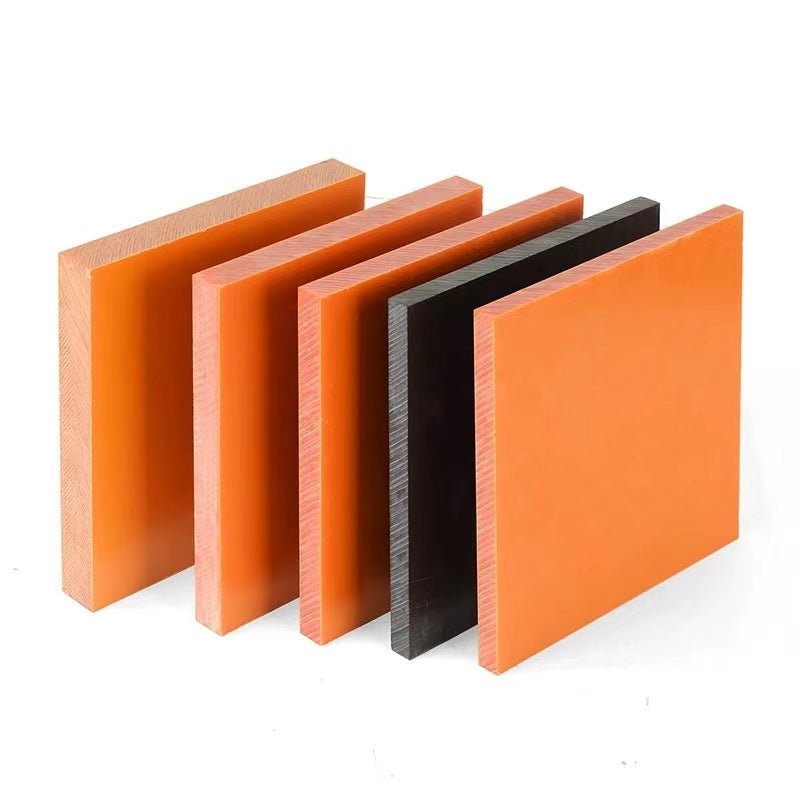
10 Essential Facts About Bakelite Insulation Sheets for Electrical Panel Design

When it comes to electrical panel design, have you ever wondered why certain materials stand the test of time? In the ever-evolving world of electrical engineering, Bakelite sheets remain a cornerstone of reliable insulation solutions. As an electrical engineer with over a decade of experience in panel design, I’ve witnessed countless materials come and go, but the versatility of bakelite insulation sheets continues to impress industry professionals worldwide.
Picture this: You’re tasked with designing an electrical panel that must withstand extreme temperatures, provide superior electrical isolation, and maintain its structural integrity for decades. Sounds challenging, right? This is where the remarkable properties of bakelite sheet for electrical panel applications come into play. Whether you’re a seasoned engineer or a procurement specialist, understanding these essential characteristics can make the difference between a good design and an exceptional one.
🛒 Ready-to-Ship Bakelite Insulation Sheets
- ⚡ High dielectric strength for reliable electrical panel design
- 🔧 Easy to drill, tap, and cut to your required size
- 🚚 Fast dispatch on popular thicknesses and sizes

In today’s industrial landscape, where safety standards are increasingly stringent and performance requirements more demanding than ever, choosing the right insulation material isn’t just about meeting specifications – it’s about ensuring long-term reliability and safety. The electrical bakelite sheet has earned its reputation through decades of proven performance in countless applications, from simple terminal block mounting to complex switchgear assemblies.
But what makes this material so special? Why do engineers consistently specify bakelite insulation sheets in their designs? And more importantly, how can you ensure you’re making the most informed decisions when it comes to selecting and implementing these materials in your projects?
In this comprehensive guide, we’ll dive deep into the ten essential facts that every professional should know about Bakelite insulation sheets for electrical panel design. From thermal performance to installation best practices, we’ll explore the critical aspects that make this material an indispensable component in modern electrical systems. Whether you’re looking to optimize your current designs or exploring options for upcoming projects, this information will prove invaluable in your decision-making process.
Get ready to discover why Bakelite continues to be the gold standard in electrical panel insulation, and how understanding its properties can enhance the quality and reliability of your electrical installations.

1. Fundamental Properties of Bakelite Insulation Sheets
Have you ever wondered why bakelite phenolic sheet remains the go-to choice for electrical panel insulation despite newer materials entering the market? The answer lies in its remarkable fundamental properties that continue to set industry standards. Let’s explore these characteristics that make bakelite phenolic resin sheet an exceptional material for electrical applications.
1.1. Superior Heat Resistance Capabilities
The heat resistance capabilities of bakelite insulation sheets stand as one of their most distinguished features in industrial applications. In continuous operation, these sheets maintain their structural integrity and insulating properties across an impressive temperature range of -20°C to 125°C. This remarkable thermal stability isn’t just about surviving high temperatures – it’s about maintaining consistent performance throughout temperature fluctuations.
What makes this heat resistance particularly valuable is the material’s ability to handle temperature spikes without compromising its core properties. During brief exposure periods, quality bakelite sheets can withstand temperatures up to 180°C without significant degradation. This thermal resilience becomes crucial in electrical panels where unexpected heat surges can occur during operation.
1.2. Exceptional Electrical Insulation Properties
The electrical insulation properties of electrical bakelite sheet represent a perfect balance between performance and reliability. With a dielectric strength ranging from 15 to 20 kV/mm, these sheets provide robust protection against electrical breakdown. This impressive dielectric strength isn’t just a laboratory specification – it translates into real-world reliability in high-voltage applications.
Perhaps more impressive than the raw numbers is how these insulation properties remain stable under varying environmental conditions. The material maintains its volume resistivity between 10^12 and 10^14 ohm-cm even when subjected to humidity and temperature variations. This consistency in performance makes it particularly valuable in environments where conditions aren’t always ideal.
1.3. Mechanical Strength and Durability
The mechanical properties of bakelite phenolic sheet extend far beyond basic strength measurements. The material exhibits exceptional compressive strength, particularly noteworthy in its perpendicular-to-laminations performance, ranging from 150 to 300 MPa. This strength characteristic proves essential in applications where the material must support substantial mechanical loads while maintaining its insulative properties.
Beyond pure compressive strength, the material demonstrates remarkable flexural and tensile properties. With flexural strength ranging from 100 to 150 MPa and tensile strength between 60 and 70 MPa, these sheets provide the structural integrity needed for long-term reliability. This combination of strength characteristics ensures that panels maintain their structural integrity even under the combined stresses of mechanical loads and thermal cycling.
1.4. Chemical Resistance Characteristics
The chemical resistance of bakelite insulation sheets adds another layer to their versatility in industrial applications. These sheets demonstrate exceptional resistance to a broad spectrum of industrial chemicals, including most oils, greases, and common solvents. This resistance proves particularly valuable in industrial environments where exposure to various chemical agents is a daily reality.
However, it’s important to understand the limitations of this chemical resistance. While the material shows excellent resistance to most industrial chemicals, concentrated oxidizing acids and strong alkaline solutions can potentially affect its properties. Understanding these limitations allows engineers to make informed decisions about protective measures in particularly aggressive chemical environments.
In industrial settings, this chemical stability translates into extended service life and reduced maintenance requirements. The material’s resistance to moisture absorption, with less than 0.5% absorption after 24-hour immersion, further enhances its long-term reliability in humid environments. This combination of chemical resistance and moisture stability makes it an ideal choice for applications where environmental protection is crucial.

2. Industry Standards and Specifications
Understanding industry standards and specifications is crucial when selecting bakelite sheet specification for your electrical applications. These standards ensure consistency, reliability, and safety across different manufacturers and applications. Let’s explore the key aspects that define quality and performance in the industry.
2.1. Key Industry Certifications
The reliability of bakelite laminated sheet products is validated through rigorous certification processes. The most significant industry certifications reflect compliance with international safety and performance standards. NEMA (National Electrical Manufacturers Association) grades remain the primary reference point for specification, while IEC (International Electrotechnical Commission) standards provide global validation.
Essential certifications for electrical applications include UL 94 V-0 flame retardancy rating, which demonstrates the material’s self-extinguishing properties. Additionally, ISO 9001 certification of manufacturing processes ensures consistent quality across production batches. These certifications provide crucial verification of performance characteristics and manufacturing excellence.
2.2. Grade Classifications and Their Applications
The bakelite sheet specification system defines several grades, each optimized for specific applications. Understanding these classifications is essential for selecting the right material for your project. The most common grades include:
- XX Grade (Paper-Based): This grade offers excellent electrical insulation properties and mechanical strength at a competitive price point. Typically used in low to medium voltage applications, XX grade materials excel in general-purpose electrical insulation where cost-effectiveness is a priority.
- XXX Grade (Cotton-Based): Featuring enhanced mechanical properties and superior machinability, XXX grade materials find their place in applications requiring precise cutting and drilling. These sheets offer improved strength and moisture resistance compared to XX grade, making them ideal for humid environments.
- C Grade (Cotton-Based with Higher Resin Content): Developed for applications demanding superior mechanical and electrical properties, C grade materials provide exceptional performance in high-stress environments. The increased resin content results in better moisture resistance and electrical insulation properties.
2.3. Standard Thickness Options
When specifying bakelite sheet for electrical panel applications, thickness selection plays a crucial role in both performance and cost-effectiveness. Standard thickness options have evolved to meet diverse application requirements while maintaining manufacturing efficiency.
Common thickness ranges include:
| Thickness Range | Typical Applications |
|---|---|
| 0.5mm – 1.0mm | Ideal for basic insulation and liner applications |
| 1.5mm – 3.0mm | Most commonly used in electrical panel components |
| 4.0mm – 6.0mm | Preferred for high-voltage applications |
| 8.0mm – 50mm | Specialized applications requiring extreme mechanical strength |
The selection of appropriate thickness depends on various factors including voltage requirements, mechanical loads, and installation constraints. Each thickness option undergoes specific testing to ensure compliance with relevant electrical and mechanical standards.

2.4. Size Specifications and Tolerances
Size specifications and tolerances for electrical bakelite sheet products reflect the precision requirements of modern electrical applications. Standard sheet sizes typically range from 1220mm x 2440mm to 1000mm x 2000mm, though custom dimensions are available for specific applications.
Manufacturing tolerances have become increasingly stringent to meet the demands of automated assembly processes. Current industry standards specify:
For sheets up to 6mm: ±0.15mm
For sheets 6mm to 12mm: ±0.20mm
For sheets above 12mm: ±0.30mm
Dimensional Tolerance:
Length and Width: ±5mm for standard sheets
Squareness: Maximum 0.2% of the nominal dimension
Surface Flatness: Maximum deviation of 0.2% of length
These precise tolerances ensure consistent performance and compatibility across different manufacturing batches and suppliers. The ability to maintain these tolerances consistently represents a significant aspect of quality control in bakelite sheet production.
A critical consideration in modern applications is the relationship between tolerances and automated assembly processes. As manufacturing becomes increasingly automated, the importance of consistent material dimensions has grown. This has led to enhanced quality control measures during production, ensuring that each sheet meets the specified tolerances.
Quality assurance in dimensional specifications involves regular measurement and documentation of key parameters. Modern manufacturing facilities employ advanced measurement techniques, including laser scanning and digital imaging, to verify compliance with dimensional requirements. This level of precision control ensures that each sheet meets the exacting standards required for electrical applications.
When selecting bakelite sheets for your application, consider not only the nominal dimensions but also the tolerance requirements of your specific use case. Some applications may require tighter tolerances than standard specifications, particularly in cases involving precision fitting or automated assembly processes.
3. Thermal Performance in Electrical Panels
The thermal performance of bakelite insulation sheet in electrical panel applications represents one of the most critical aspects of system design. As electrical systems become more compact and power-dense, understanding how these materials behave under various thermal conditions becomes increasingly important for ensuring long-term reliability and safety.
3.1. Maximum Temperature Ratings
When selecting bakelite sheet for electrical panel applications, maximum temperature ratings serve as a crucial starting point for design considerations. The continuous operating temperature range typically extends from -20°C to 125°C, but this tells only part of the story. The material’s ability to maintain its electrical and mechanical properties throughout this range sets it apart from alternative solutions.
Modern electrical bakelite sheet formulations incorporate advanced phenolic resins that provide enhanced thermal stability. These materials demonstrate remarkable property retention even at elevated temperatures. However, it’s essential to understand that maximum temperature ratings represent more than simple thermal limits. They indicate the point at which the material maintains its full complement of electrical and mechanical properties without degradation.
Understanding the relationship between temperature exposure duration and material performance is crucial. While brief excursions above rated temperatures may not cause immediate failure, they can impact the long-term reliability of the installation. Engineers should consider both steady-state operating temperatures and potential thermal excursions when selecting materials for specific applications.
🛠 Custom‑Machined Bakelite Components
📏 Cut‑to‑size with precise dimensions
⚙ CNC machining, drilling, tapping, chamfering, slotting, UV printing
🛡 Low MOQ and fast engineering review

👇 Click the image above to request your custom quote.
💡 Drawings and CAD files welcome. Engineers reply within 1 business day.
3.2. Heat Dissipation Properties
Heat dissipation characteristics of bakelite insulation sheet play a vital role in maintaining optimal operating temperatures within electrical panels. The material’s thermal conductivity, typically ranging from 0.2 to 0.4 W/m·K, provides a balanced approach to heat management. This moderate thermal conductivity offers sufficient insulation while allowing controlled heat dissipation where necessary.
The effectiveness of heat dissipation depends not only on the material’s inherent properties but also on its application within the panel system. Surface finish and sheet thickness significantly influence heat transfer rates. Smoother surfaces generally provide better heat dissipation through improved thermal contact with heat sinks or mounting surfaces. Thickness selection becomes a critical balance between electrical insulation requirements and thermal management needs.
Consider a typical industrial control panel where multiple heat-generating components mount to a bakelite sheet backing. The material’s heat dissipation properties help prevent localized hot spots while maintaining necessary electrical isolation. This balance between thermal management and electrical insulation represents a key advantage of bakelite materials in panel applications.
3.3. Thermal Expansion Considerations
Thermal expansion characteristics of bakelite sheet for electrical panel applications demand careful consideration during design and installation phases. The material’s coefficient of thermal expansion typically ranges from 20 to 25 × 10^-6 per °C, a value that proves particularly favorable in electrical applications. This moderate expansion rate helps maintain dimensional stability while accommodating thermal cycles without creating excessive stress on mounted components.
The importance of accounting for thermal expansion becomes particularly evident in large panel installations. When designing mounting systems and component layouts, engineers must consider not only the expansion of the bakelite sheet itself but also its interaction with other materials in the assembly. Proper mounting techniques and adequate clearance allowances help prevent warping or stress concentration during thermal cycling.
Successful management of thermal expansion often requires a systematic approach to panel design. This includes careful consideration of mounting point locations, the use of appropriate fastening methods, and allowance for thermal movement without compromising electrical clearances or mechanical integrity.

3.4. Impact on Panel Ventilation Design
The thermal characteristics of electrical bakelite sheet significantly influence panel ventilation design requirements. While the material itself provides excellent thermal stability, proper ventilation remains essential for maintaining optimal operating conditions within the panel. Understanding how bakelite components interact with airflow patterns helps optimize overall thermal management strategies.
Several key factors influence ventilation design when working with bakelite sheet materials:
Strategic Component Placement: The arrangement of heat-generating components on bakelite mounting surfaces requires careful consideration of airflow patterns. Optimal placement facilitates natural convection while minimizing heat accumulation in critical areas. The material’s thermal properties complement proper component spacing and orientation to enhance overall cooling effectiveness.

Ventilation Requirements: Panel ventilation systems must account for both the heat generated by electrical components and the thermal characteristics of the bakelite insulation materials. While these sheets demonstrate excellent thermal stability, proper air circulation remains essential for maintaining optimal operating temperatures. Design considerations should include both natural convection and forced-air cooling options where appropriate.
Integration with Cooling Systems: Modern electrical panels often incorporate active cooling systems. The interaction between bakelite components and these cooling systems requires careful consideration during the design phase. The material’s stable thermal properties support consistent cooling performance, but proper integration remains essential for optimal results.
The effectiveness of panel ventilation directly impacts the long-term reliability of both the bakelite components and the electrical systems they support. Regular monitoring of operating temperatures and periodic evaluation of ventilation system performance help ensure continued reliable operation throughout the installation’s service life.
4. Installation Best Practices
The successful implementation of bakelite sheet for electrical panel applications heavily depends on proper installation techniques. While the material’s inherent properties provide excellent electrical insulation and mechanical stability, achieving optimal performance requires careful attention to installation details. Let’s explore the essential practices that ensure long-term reliability and safety.
4.1. Proper Cutting and Machining Techniques
Understanding how to cut bakelite sheet properly is fundamental to achieving precise installations while maintaining material integrity. The process requires specific techniques and tools to prevent material damage and ensure accurate dimensions. When approaching any cutting operation, maintaining the correct cutting speed and feed rate becomes crucial for achieving clean edges without chipping or delamination.
High-speed steel cutting tools typically provide the best results when working with bakelite materials. The cutting speed should remain moderate to prevent heat buildup, which can affect the material’s properties near the cut edges. For precise cuts, maintaining tool sharpness is essential – dull tools can create excess heat and pressure, leading to material damage.
For complex panel layouts, consider these machining guidelines: Creating pilot holes before larger diameter drilling helps prevent material stress and potential cracking. When drilling, use sharp HSS bits with a point angle of 90-100 degrees, applying moderate pressure and maintaining steady feed rates. Cooling during extended machining operations helps preserve material properties and extend tool life.

4.2. Mounting and Fastening Methods
The installation of electrical bakelite sheet requires careful consideration of mounting techniques to ensure both mechanical stability and electrical integrity. Proper mounting methods not only secure the material effectively but also maintain its insulative properties throughout the installation’s service life. The selection of appropriate fastening systems depends on several factors, including panel design, load requirements, and environmental conditions.
Through-bolting remains one of the most reliable mounting methods, providing secure attachment while maintaining electrical isolation. When implementing through-bolt mounting, consider using insulating washers and bushings to preserve electrical isolation. The spacing between mounting points requires careful calculation to prevent material stress while ensuring adequate support.
Adhesive mounting systems offer an alternative in specific applications, particularly where drilling holes might compromise the panel’s integrity. However, when using adhesives, selecting products compatible with phenolic materials becomes crucial. The adhesive system must maintain its properties across the installation’s operating temperature range while providing adequate mechanical strength.
4.3. Edge Treatment Requirements
Edge treatment of bakelite insulation sheet plays a vital role in ensuring long-term reliability and safety. Proper edge finishing prevents moisture ingress, reduces the risk of edge chipping, and enhances overall appearance. The selection of appropriate edge treatment methods depends on the application environment and specific installation requirements.
Direct exposure edges often benefit from sealing treatments that prevent moisture absorption and potential delamination. A properly sealed edge helps maintain the material’s electrical properties while extending service life. Common edge treatment methods include:
Chamber finishing provides enhanced edge strength while reducing the risk of chipping during handling and service. The chamfer angle typically ranges between 30 and 45 degrees, offering a balance between material removal and edge protection. This treatment proves particularly valuable in high-traffic areas or where frequent maintenance access occurs.
Radius edge treatments offer another effective approach, particularly in applications where reduced stress concentration becomes important. A smooth radius reduces the likelihood of edge damage while providing improved handling safety. The radius size selection depends on material thickness and application requirements.
4.4. Safety Considerations During Installation
Safety considerations during bakelite sheet installation encompass both immediate handling requirements and long-term operational safety. The installation process must address both worker safety during assembly and the ongoing safety of maintenance personnel who will interact with the installation throughout its service life.
Personal protective equipment requirements deserve careful attention when working with bakelite materials. Dust generated during cutting and machining operations requires appropriate respiratory protection. Eye protection becomes essential during all fabrication processes, while proper hand protection helps prevent injuries from sharp edges and tools.
Long-term safety considerations extend beyond initial installation:
Environmental safety measures require attention to proper ventilation during machining operations. While bakelite materials generally produce minimal harmful emissions during normal handling, dust control during fabrication helps maintain a safe working environment. Proper cleanup and disposal of machining waste ensures workplace safety and environmental compliance.
Electrical safety verification following installation ensures that all clearances and isolation requirements meet applicable standards. This includes checking mounting point isolation, verifying edge clearances, and confirming proper installation of any required barriers or shields. Regular inspection protocols help maintain safety standards throughout the installation’s service life.
Quality assurance during installation plays a crucial role in long-term safety and reliability. This includes verifying proper tool selection and maintenance, confirming accurate dimensioning and alignment, and documenting all installation procedures. Maintaining detailed records of installation methods and materials used supports future maintenance and modifications while ensuring consistent safety standards.

5. Electrical Safety Features
When it comes to electrical safety in panel design, the properties of bakelite insulation sheet play a crucial role in protecting both equipment and personnel. Understanding these safety features helps engineers and designers make informed decisions that ensure long-term reliability and compliance with safety standards. Let’s explore the critical electrical safety characteristics that make electrical bakelite sheet an industry standard for insulation applications.
5.1. Dielectric Strength Specifications
The dielectric strength of bakelite sheet for electrical panel applications represents its fundamental safety barrier against electrical breakdown. This crucial property determines the material’s ability to withstand high voltage stress without compromising its insulative properties. Modern bakelite formulations achieve impressive dielectric strength ratings, typically ranging from 15 to 20 kV/mm, depending on grade and thickness.
Understanding dielectric strength involves more than just knowing the numbers. Environmental factors significantly influence this property’s effectiveness. Temperature variations, humidity levels, and surface contamination can all affect the material’s ability to maintain its dielectric properties. High-quality bakelite materials maintain consistent dielectric strength even under challenging environmental conditions.
Long-term reliability of dielectric properties depends on proper material selection and application. When designing electrical panels, engineers must consider not only the initial dielectric strength but also its retention over time. The material’s ability to maintain these properties under various operating conditions ensures continued safety throughout the installation’s lifecycle.
5.2. Arc Resistance Properties
Arc resistance represents another critical safety feature of bakelite phenolic sheet in electrical applications. This property measures the material’s ability to withstand electrical arcing without degradation or surface tracking. The superior arc resistance of bakelite materials helps prevent the formation of conductive paths that could compromise insulation integrity.
The arc resistance of bakelite materials derives from their unique molecular structure and composition. When exposed to electrical arcing, the material’s surface carbonization resistance helps prevent the formation of conductive carbon tracks. This resistance proves particularly valuable in applications where temporary arc events might occur during normal operation or fault conditions.
Testing protocols for arc resistance typically involve exposure to high-voltage arcs under controlled conditions. The material’s performance in these tests helps determine its suitability for various voltage levels and operating environments. Modern bakelite formulations often exceed standard requirements for arc resistance, providing an additional safety margin in critical applications.
5.3. Tracking Resistance Index
The Tracking Resistance Index (TRI) of electrical bakelite sheet provides a quantitative measure of the material’s ability to resist the formation of conductive paths under electrical stress and environmental contamination. This property becomes particularly important in environments where surface contamination and moisture might create conditions conducive to tracking.
Several factors influence tracking resistance performance:
Surface Chemistry: The molecular composition of bakelite materials creates a surface resistant to carbonization and tracking. This inherent resistance helps maintain insulation integrity even under adverse conditions. The material’s surface properties actively resist the formation of conductive paths that could compromise safety.
Environmental Resistance: High-quality bakelite materials maintain their tracking resistance even when exposed to industrial contaminants and varying humidity levels. This environmental stability ensures consistent performance across a wide range of operating conditions. Regular maintenance and surface cleaning help preserve these protective properties throughout the installation’s service life.
5.4. Voltage Rating Guidelines
Establishing appropriate voltage ratings for bakelite insulation sheet applications requires careful consideration of multiple factors. While the material’s inherent properties provide excellent insulation capabilities, proper application of voltage rating guidelines ensures safe and reliable operation. These guidelines help engineers select appropriate materials and thicknesses for specific voltage requirements.
Voltage rating considerations extend beyond simple dielectric strength calculations:
Operating Environment Impact: Environmental factors significantly influence effective voltage ratings. Temperature variations, humidity levels, and altitude all affect the material’s voltage handling capability. Designers must consider these factors when selecting materials and establishing safety margins.
Safety Factor Implementation: Industry best practices recommend implementing appropriate safety factors when establishing working voltage limits. These factors typically range from 2 to 5 times the nominal operating voltage, depending on application requirements and environmental conditions. The selection of appropriate safety factors helps ensure reliable long-term operation.
The establishment of proper voltage ratings also requires consideration of transient voltage conditions. While bakelite materials demonstrate excellent resistance to voltage surges, understanding potential transient conditions helps in selecting appropriate grades and thicknesses. This consideration becomes particularly important in applications where switching surges or lightning impulses might occur.
Modern electrical systems often require careful coordination of insulation levels throughout the installation. Bakelite materials’ predictable and stable electrical properties facilitate this coordination, helping ensure comprehensive system safety. Regular monitoring and maintenance of insulation systems help verify continued compliance with voltage rating requirements throughout the installation’s service life.

6. Environmental Performance Factors
The environmental performance of bakelite plastic sheet in electrical applications extends far beyond basic durability. In today’s demanding industrial environments, understanding how these materials respond to various environmental challenges becomes crucial for ensuring long-term reliability and sustainable operation. Let’s examine the key environmental factors that influence performance and longevity.
6.1. Moisture Resistance Properties
Moisture resistance stands as one of the most critical environmental performance factors for bakelite sheet for electrical panel applications. The material’s inherent resistance to moisture absorption plays a vital role in maintaining electrical and mechanical properties under varying humidity conditions. This characteristic becomes particularly important in environments where condensation or high humidity levels pose constant challenges.
The moisture resistance mechanism in quality bakelite materials stems from their unique molecular structure. The cross-linked phenolic resin network creates a highly effective barrier against moisture penetration. Even after prolonged exposure to humid conditions, properly manufactured bakelite materials typically show moisture absorption rates below 0.5% by weight, ensuring dimensional stability and electrical property retention.
Modern electrical installations often face challenging environments where moisture control becomes critical. The superior moisture resistance of bakelite materials helps maintain insulation integrity in these conditions. Regular monitoring of moisture exposure levels and implementation of appropriate maintenance protocols helps preserve these protective properties throughout the installation’s service life.
6.2. UV Stability Characteristics
The UV stability of bakelite insulation sheet materials significantly influences their performance in outdoor installations and environments with high UV exposure. Understanding these characteristics helps in predicting long-term performance and implementing appropriate protective measures where necessary. The material’s response to UV radiation affects both its physical properties and appearance over time.
Several factors contribute to UV stability performance:
Surface Protection Mechanisms: High-quality bakelite materials incorporate specialized additives that enhance UV resistance. These additives work by absorbing or reflecting harmful UV radiation, protecting the underlying material structure. The effectiveness of these protection mechanisms helps maintain material integrity even in direct sunlight exposure.
Long-term Color Stability: While color stability might seem merely aesthetic, it often indicates the material’s overall UV resistance. Brown bakelite sheet and black bakelite sheet variants typically show excellent color stability, with minimal fading even after years of UV exposure. This stability serves as a visual indicator of the material’s continued protective capabilities.
6.3. Temperature Cycling Effects
Temperature cycling represents a significant challenge in many electrical applications. The ability of electrical bakelite sheet to maintain its properties through repeated temperature changes demonstrates its reliability in real-world applications. Understanding these effects helps in designing installations that remain stable and safe throughout their operational life.
The response of bakelite materials to temperature cycling involves several aspects:
Dimensional Stability: Quality bakelite materials maintain excellent dimensional stability through temperature cycles. The material’s low thermal expansion coefficient, typically ranging from 20-25 × 10^-6/°C, helps minimize stress on mounted components and maintaining critical clearances. This stability proves particularly valuable in applications where precise dimensional control remains crucial.
Property Retention: Through repeated temperature cycles, bakelite materials demonstrate remarkable retention of both mechanical and electrical properties. This consistency ensures reliable performance even in environments with frequent temperature variations. Regular assessment of installations subject to severe temperature cycling helps verify continued material integrity.
6.4. Environmental Impact Considerations
Contemporary electrical panel design must consider not only operational performance but also environmental sustainability. The environmental impact of bakelite laminated sheet materials encompasses their entire lifecycle, from manufacturing through disposal. Understanding these impacts helps engineers and designers make informed decisions that balance performance requirements with environmental responsibility.
Several key factors influence the environmental profile of bakelite materials:
Manufacturing Efficiency: Modern production processes for bakelite materials emphasize resource efficiency and waste minimization. Manufacturers continue to develop techniques that reduce energy consumption and material waste during production. These improvements help minimize the environmental footprint of bakelite products while maintaining their essential performance characteristics.
Lifecycle Performance: The extended service life of quality bakelite materials contributes significantly to their environmental sustainability profile. Their durability and stability mean fewer replacements and less waste generation over time. This longevity helps offset initial environmental impacts through reduced maintenance and replacement requirements.
End-of-Life Management: While bakelite materials present challenges for recycling due to their thermoset nature, proper end-of-life management strategies help minimize environmental impact. Current research continues to explore innovative approaches to material recovery and repurposing. Understanding available disposal options helps organizations implement responsible end-of-life practices.
The implementation of environmental performance monitoring helps ensure continued compliance with both regulatory requirements and sustainability goals. Regular assessment of installed materials helps identify potential environmental impacts and opportunities for improvement. This proactive approach supports both environmental responsibility and long-term operational reliability.

7. Cost-Effectiveness and Longevity
When considering electrical panel materials, the decision to buy bakelite sheet represents more than just an initial purchase – it’s a long-term investment in reliability and performance. Understanding the complete cost picture helps decision-makers evaluate the true value proposition of bakelite materials in electrical applications.
7.1. Initial Investment vs. Long-term Benefits
The initial cost of bakelite insulation sheet often appears higher compared to some alternative materials, but this perspective tells only part of the story. When evaluating the total cost of ownership, several factors contribute to the material’s superior economic value over time.
The cost advantage becomes particularly evident when considering:
System Reliability: High-quality bakelite phenolic sheet installations typically demonstrate exceptional reliability, reducing costly downtime and emergency maintenance requirements. This reliability translates directly into operational cost savings, often offsetting the initial investment within the first few years of service.
Installation Efficiency: While the material cost might be higher, the installation process often proves more straightforward and reliable compared to alternative materials. The dimensional stability and machinability of bakelite materials reduce installation time and minimize the risk of installation-related failures, contributing to overall cost efficiency.
7.2. Expected Lifespan
The longevity of electrical bakelite sheet installations stands as one of their most compelling advantages. Under proper installation and maintenance conditions, these materials regularly achieve service lives exceeding 25 years in many applications. This extended lifespan significantly influences the total cost of ownership calculation.
Several factors contribute to this impressive longevity:
Material Stability: The inherent chemical and physical stability of bakelite materials ensures consistent performance over extended periods. This stability manifests in retained mechanical properties and continued electrical insulation effectiveness throughout the installation’s life cycle.
Environmental Resilience: Quality bakelite materials maintain their essential properties even when exposed to challenging environmental conditions. This resilience contributes significantly to their extended service life, particularly in industrial applications where environmental stresses can be severe.
7.3. Maintenance Requirements
The maintenance profile of bakelite sheet for electrical panel applications represents another significant advantage in the total cost equation. These materials typically require minimal routine maintenance to maintain their performance characteristics, contributing to lower operational costs over time.
Key maintenance considerations include:
Regular Inspection Protocols: While maintenance requirements remain minimal, implementing regular inspection schedules helps ensure optimal performance. These inspections typically focus on checking for physical damage, monitoring surface conditions, and verifying mounting security. The simplicity of these maintenance procedures contributes to reduced operational costs.
Preventive Measures: Simple preventive maintenance steps, such as periodic cleaning and inspection of mounting points, help extend service life while maintaining optimal performance. These routine activities require minimal time and resources yet contribute significantly to long-term reliability.
7.4. Replacement Indicators
Understanding when replacement becomes necessary helps organizations plan effectively and minimize unexpected disruptions. While bakelite materials demonstrate excellent longevity, certain indicators suggest when replacement should be considered.
Critical evaluation factors include:
Physical Condition Assessment: Regular evaluation of the material’s physical condition provides early warning of potential issues. Surface degradation, discoloration patterns, or changes in material hardness may indicate approaching end-of-life conditions. Early recognition of these indicators enables planned replacement rather than emergency response.
Performance Monitoring: Tracking key performance metrics helps identify gradual degradation that might warrant replacement:
Surface Resistance Changes: Regular monitoring of surface resistance provides insight into material condition. Significant changes from baseline values may indicate deterioration requiring attention.
Mechanical Integrity: Assessment of mounting point condition and overall mechanical stability helps identify potential replacement needs before failure occurs. This proactive approach supports effective maintenance planning and cost management.
Environmental Impact: Extended exposure to severe environmental conditions may accelerate aging processes. Regular assessment of environmental effects helps predict replacement timing more accurately.
Real-World Cost Analysis: When evaluating replacement decisions, consider both direct and indirect costs:
Direct Costs:
- Material procurement expenses
- Installation labor requirements
- Associated hardware and accessories
- Disposal costs for removed materials
Indirect Benefits:
- Improved system reliability
- Enhanced safety margins
- Reduced maintenance requirements
- Potential energy efficiency improvements
Understanding these cost factors helps organizations make informed decisions about timing and scope of replacement projects. This knowledge supports effective budget planning and ensures optimal use of maintenance resources throughout the installation’s lifecycle.

8. Common Applications in Panel Design
The versatility of bakelite sheet for electrical panel applications becomes evident when examining its wide range of implementations in modern electrical systems. Understanding these common applications helps engineers and designers make informed decisions about material selection and implementation strategies. Let’s explore the key applications where bakelite materials excel in panel design.
8.1. Terminal Block Mounting Plates
Terminal block mounting represents one of the most critical applications for electrical bakelite sheet in panel design. These mounting plates serve as the foundation for organizing and securing terminal connections, playing a vital role in system reliability and maintenance accessibility.
The implementation of bakelite insulation sheet in terminal block applications offers several distinct advantages:
Mounting Stability: The material’s excellent mechanical properties provide stable mounting surfaces for terminal blocks, ensuring consistent connection reliability over time. This stability becomes particularly important in applications subject to vibration or thermal cycling, where connection integrity must be maintained under challenging conditions.
Layout Flexibility: The ease of machining and modifying bakelite materials allows for customized terminal block layouts that optimize space utilization and accessibility. This flexibility enables designers to create efficient panel layouts that facilitate both initial installation and subsequent maintenance activities.
8.2. Bus Bar Support Structures
The application of bakelite phenolic sheet in bus bar support structures demonstrates the material’s capability to handle high electrical loads while maintaining structural integrity. These critical components require materials that combine excellent electrical insulation properties with superior mechanical strength.
Key considerations for bus bar support applications include:
Load Distribution: The material’s compressive strength and dimensional stability ensure proper support for heavy bus bar assemblies. This structural integrity remains crucial for maintaining proper clearances and preventing conductor movement under both normal operation and fault conditions.
Thermal Management: The thermal properties of bakelite materials prove particularly valuable in bus bar applications, where heat dissipation and thermal cycling resistance become critical factors. The material’s stability under elevated temperatures helps maintain proper spacing and support throughout various operating conditions.
8.3. Component Isolation Barriers
Component isolation represents another crucial application where bakelite sheet for electrical panel design demonstrates its value. These barriers provide essential separation between different voltage levels and components, ensuring safety and proper system operation.
The implementation of isolation barriers requires careful consideration of several factors:
Clearance Requirements: The excellent dielectric properties of bakelite materials enable compact yet effective isolation barrier designs. This characteristic proves particularly valuable in modern panel designs where space optimization becomes increasingly important while maintaining required safety clearances.
Physical Protection: Beyond electrical isolation, these barriers provide physical protection against accidental contact and debris. The material’s durability ensures long-term effectiveness in protecting both equipment and personnel, maintaining safety standards throughout the installation’s service life.
8.4. Switch Gear Applications
Switchgear applications present some of the most demanding requirements for electrical insulation materials. The application of bakelite insulation sheet in these systems demonstrates the material’s capability to perform under challenging conditions while maintaining safety and reliability.
Several aspects make bakelite particularly suitable for switchgear applications:
Arc Resistance: The superior arc resistance of bakelite materials proves essential in switchgear applications where arc flash events may occur. This resistance helps maintain insulation integrity even under fault conditions, contributing to overall system safety and reliability.
Mechanical Durability: Switchgear components often require materials capable of withstanding repeated mechanical operations while maintaining electrical isolation. The mechanical properties of bakelite materials provide the necessary durability for these demanding applications.
Operating Environment Considerations: Modern switchgear installations often face challenging environmental conditions. The material’s resistance to various environmental factors ensures reliable performance across different installation scenarios:
Indoor Installations:
- Temperature stability in controlled environments
- Resistance to dust and debris accumulation
- Maintenance of insulation properties under varying humidity
Outdoor Applications:
- UV resistance for exposed components
- Weather resistance capabilities
- Temperature cycling tolerance
Integration Considerations: The successful implementation of bakelite materials in switchgear applications requires careful attention to several factors:
Design Integration: Understanding how bakelite components interact with other switchgear elements helps ensure optimal performance. This includes consideration of:
- Mounting methods and clearances
- Ventilation requirements
- Access for maintenance and inspection
Safety Features: The implementation of bakelite materials in switchgear applications must align with relevant safety standards and requirements. This includes:
- Proper creepage and clearance distances
- Arc flash protection considerations
- Emergency access provisions

9. Comparison with Alternative Materials
In the evolving landscape of electrical panel design, understanding how bakelite phenolic sheet compares to alternative materials becomes crucial for making informed decisions. While new materials continue to emerge, the enduring advantages of bakelite merit careful consideration. Let’s explore how these time-tested materials stack up against modern alternatives.
9.1. Performance vs. Other Phenolic Materials
When comparing bakelite insulation sheet with other phenolic materials, several key performance characteristics deserve attention. The molecular structure and manufacturing processes of traditional bakelite materials often provide advantages in critical applications.
Performance Differentiation: Traditional bakelite materials typically demonstrate superior thermal stability compared to newer phenolic formulations. This stability manifests in several ways:
Heat Resistance: Traditional bakelite materials maintain their properties at higher temperatures, typically offering consistent performance up to 125°C in continuous operation. Modern alternatives might show property degradation at lower temperatures, potentially limiting their application range.
Dimensional Stability: The cross-linking density in traditional bakelite sheet for electrical panel applications often exceeds that of alternative phenolic materials. This higher density results in:
- Enhanced dimensional stability under thermal stress
- Improved resistance to chemical degradation
- Better long-term performance retention
9.2. Cost Comparison with Modern Alternatives
When evaluating costs, the analysis must extend beyond simple material pricing. The electrical bakelite sheet often demonstrates superior value when considering total lifecycle costs compared to modern alternatives.
Initial Investment Considerations: While initial material costs might be higher than some alternatives, several factors influence the total cost equation:
Manufacturing Efficiency:
- Established production processes
- Consistent quality control
- Reliable supply chains
Installation Advantages:
- Proven installation methods
- Reduced labor requirements
- Lower rejection rates
Long-term Value Factors:
The extended service life and minimal maintenance requirements often result in lower total ownership costs:
- Reduced replacement frequency
- Minimal maintenance interventions
- Lower system downtime
9.3. Environmental Impact Comparison
Environmental considerations have become increasingly important in material selection. Bakelite plastic sheet materials present both advantages and challenges when compared to modern alternatives.
Lifecycle Assessment:
Production Phase:
Traditional bakelite manufacturing processes have been optimized over decades, often resulting in:
- Efficient resource utilization
- Controlled emissions
- Minimal waste generation
Service Life:
The extended durability of bakelite materials contributes positively to their environmental profile:
- Reduced replacement frequency
- Lower resource consumption
- Minimized disposal impact
End-of-Life Considerations:
While thermoset materials present recycling challenges, several factors mitigate their environmental impact:
- Extended service life reducing disposal frequency
- Potential for repurposing in less demanding applications
- Ongoing research into recycling technologies
9.4. Application-Specific Advantages
Different applications demand different material characteristics. Bakelite materials often demonstrate distinct advantages in specific applications compared to alternative materials.
Electrical Panel Applications:
The combination of properties makes bakelite particularly suitable for electrical panels:
Insulation Performance: Compared to modern alternatives, bakelite materials often provide:
- Superior voltage breakdown resistance
- Better arc resistance characteristics
- More consistent long-term performance
Mechanical Requirements: The mechanical properties of bakelite often exceed those of alternative materials:
- Higher compressive strength
- Better dimensional stability
- Improved impact resistance
High-Temperature Applications:
In environments with elevated temperatures, bakelite materials demonstrate several advantages:
Thermal Stability:
- Consistent property retention at high temperatures
- Lower thermal expansion rates
- Better resistance to thermal cycling
Chemical Resistance: Traditional bakelite materials often outperform alternatives in challenging chemical environments:
- Superior resistance to industrial chemicals
- Better long-term stability
- Reduced degradation under exposure
Application-Specific Selection Criteria:
When choosing between bakelite and alternative materials, consider:
Performance Requirements:
- Operating temperature range
- Voltage requirements
- Mechanical load conditions
Environmental Factors:
- Exposure to chemicals
- Humidity levels
- UV exposure
Cost Considerations:
- Initial material costs
- Installation expenses
- Maintenance requirements
- Expected service life
The selection process should weigh these factors against specific application requirements to determine the most appropriate material choice for each situation.

10. Quality Control and Testing Methods
Quality control and testing procedures play a vital role in ensuring that bakelite sheet specification meets the demanding requirements of electrical applications. Understanding these methods helps engineers and procurement professionals make informed decisions about material selection and verification. Let’s explore the comprehensive approach to quality assurance in bakelite materials.
10.1. Standard Testing Procedures
The evaluation of bakelite insulation sheet properties involves a series of standardized tests designed to verify key performance characteristics. These procedures ensure consistency and reliability across different production batches and manufacturers.
Electrical Property Testing: Testing of electrical properties forms the foundation of quality assurance for insulation materials. Key tests include:
Dielectric Strength Testing:
- Measurement of breakdown voltage under standardized conditions
- Evaluation of voltage resistance across varying temperatures
- Assessment of performance under different humidity levels
Surface and Volume Resistivity: Comprehensive testing procedures examine both surface and volumetric electrical resistance properties. These measurements provide crucial data about the material’s insulative capabilities under various environmental conditions.
Mechanical Testing: The verification of mechanical properties ensures that bakelite sheet for electrical panel applications meets structural requirements:
Flexural and Tensile Testing: Regular evaluation of mechanical strength characteristics helps verify material integrity. This includes:
- Measurement of flexural strength under standardized conditions
- Assessment of tensile properties across different temperature ranges
- Verification of impact resistance capabilities
10.2. Quality Inspection Criteria
Quality inspection of electrical bakelite sheet products encompasses multiple criteria designed to ensure consistent performance and reliability. These criteria establish baseline requirements for material acceptance and implementation.
Visual Inspection Parameters: Physical examination reveals important quality indicators:
Surface Quality Assessment:
- Evaluation of surface smoothness and uniformity
- Detection of any visual defects or irregularities
- Verification of color consistency and finish quality
Dimensional Verification: Precise measurement of physical dimensions ensures compliance with specifications:
- Thickness uniformity across sheets
- Length and width tolerances
- Squareness and flatness verification
10.3. Performance Verification Methods
Performance verification extends beyond basic testing to evaluate how bakelite phenolic sheet materials function under actual application conditions. These methods help predict long-term reliability and suitability for specific applications.
Environmental Performance Testing: Comprehensive evaluation of environmental resistance capabilities includes:
Temperature Cycling:
- Assessment of property retention through temperature changes
- Verification of dimensional stability under thermal stress
- Evaluation of mechanical integrity after thermal cycling
Humidity Resistance: Testing under controlled humidity conditions helps verify:
- Moisture absorption characteristics
- Dimensional stability in humid environments
- Electrical property retention under moisture exposure
10.4. Documentation Requirements
Proper documentation of quality control processes and test results ensures traceability and compliance with industry standards. This documentation plays a crucial role in material validation and regulatory compliance.
Material Certification Documentation: Comprehensive documentation includes:
Test Reports:
- Detailed results of all standardized tests
- Environmental performance data
- Mechanical property verification
Manufacturing Documentation: Production process documentation ensures consistency:
- Raw material verification records
- Process control parameters
- Quality control checkpoints
Traceability Requirements: Maintaining proper traceability helps ensure quality consistency:
Batch Identification:
- Unique identification numbers for material batches
- Manufacturing date and location information
- Process parameter documentation
Quality Records: Maintaining detailed quality records supports long-term reliability:
- Inspection results for each production batch
- Non-conformance reports and resolutions
- Corrective action documentation
Field Performance Monitoring: Documenting field performance provides valuable feedback:
- Installation verification reports
- Performance monitoring data
- Maintenance and inspection records
Implementation Guidelines: Clear documentation of implementation requirements ensures proper material usage:
- Storage and handling specifications
- Installation procedure documentation
- Maintenance requirement documentation
Record Retention: Proper retention of quality control documentation supports:
- Long-term traceability requirements
- Regulatory compliance verification
- Performance history analysis

Making Informed Decisions About Bakelite Insulation Materials
As we’ve explored the comprehensive world of bakelite sheet for electrical panel applications, it becomes clear why this material continues to set industry standards despite the emergence of modern alternatives. The unique combination of electrical properties, mechanical strength, and long-term reliability makes bakelite insulation sheet an enduring choice for demanding electrical applications.
Key Takeaways for Industry Professionals
Throughout our discussion, we’ve uncovered several crucial aspects that demonstrate why electrical bakelite sheet remains a preferred choice:
Outstanding Performance Characteristics: The material’s exceptional dielectric properties, combined with superior mechanical strength and thermal stability, provide a reliable foundation for electrical panel design. These characteristics ensure consistent performance across a wide range of operating conditions and applications.
Long-Term Economic Benefits: While initial costs might seem higher compared to some alternatives, the extended service life and minimal maintenance requirements of bakelite phenolic sheet make it a cost-effective choice for long-term installations. The material’s durability and reliability translate into reduced replacement frequency and lower maintenance costs over time.
Environmental Considerations: In an era of increasing environmental awareness, understanding both the advantages and limitations of bakelite materials helps make informed decisions about their application. Their exceptional durability and long service life contribute positively to environmental sustainability by reducing replacement frequency and associated waste.
Future Considerations
As electrical panel design continues to evolve, several factors will influence the ongoing role of bakelite materials:
Technological Advancements: Continued research and development in material science may bring improvements to traditional bakelite formulations, potentially enhancing their already impressive performance characteristics. These advances could expand the material’s application range while maintaining its core benefits.
Industry Standards Evolution: As safety and performance standards continue to evolve, the proven track record of bakelite materials positions them well for meeting future requirements. Their established performance characteristics provide a solid foundation for compliance with emerging regulations.
Making the Right Choice
When selecting materials for electrical panel applications, consider these final thoughts:
Evaluate Your Specific Needs:
- Operating environment requirements
- Performance specifications
- Budget constraints
- Long-term maintenance considerations
Think Long-Term: Consider not just the initial investment but the total lifecycle cost and performance benefits that quality bakelite materials provide. Their proven reliability and minimal maintenance requirements often result in superior long-term value.
Seek Expert Guidance: When in doubt, consult with material specialists and experienced engineers who can provide insights based on practical experience with bakelite applications in similar environments.
By understanding these essential aspects of bakelite materials, you’re better equipped to make informed decisions that ensure optimal performance and reliability in your electrical panel applications. Remember, successful implementation relies not just on material selection but also on proper installation, maintenance, and monitoring practices.
The enduring presence of bakelite materials in electrical applications testifies to their exceptional value proposition. As we continue to push the boundaries of electrical system design, the fundamental properties that have made these materials successful for decades remain as relevant as ever.
What’s your next step in implementing or upgrading your electrical panel systems? Remember that careful material selection today can lead to decades of reliable performance tomorrow.
Technical Solution Focus
Upgrade your electrical insulation performance today! Connect with our technical team to discuss your project.
Explore our precision production processes to ensure optimal material selection.
-
Posted in
bakelite, Bakelite applications, Bakelite benefits, Bakelite material, bakelite plastic, Bakelite plate, Bakelite procurement, Bakelite properties, bakelite sheet, Bakelite Uses