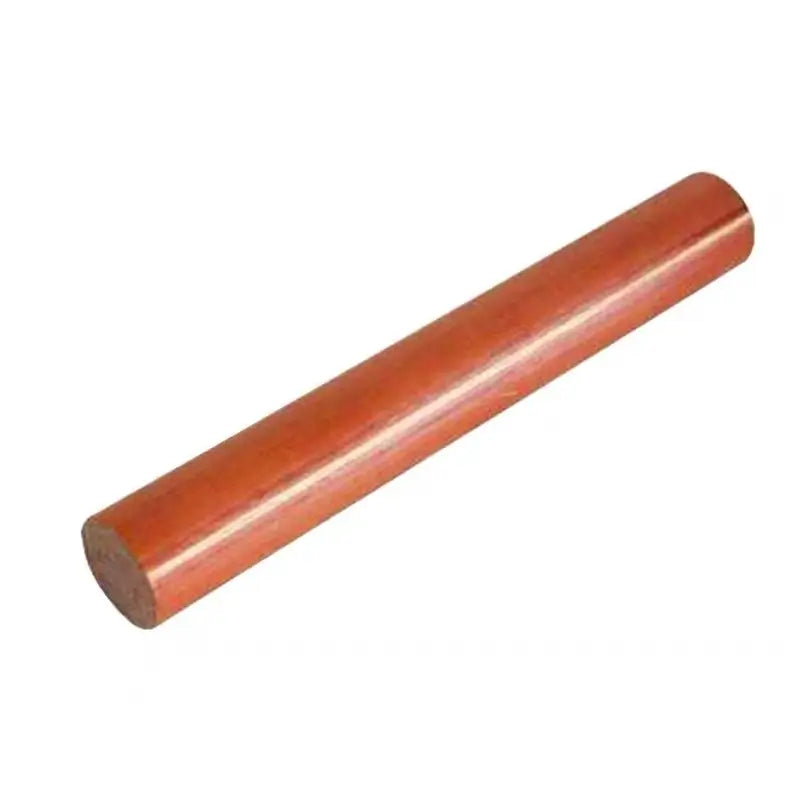
If you’re looking for a versatile, heat-resistant solution for industrial or electrical applications, you’ve likely come across both Bakelite rods and Phenolic rods. But what are the key differences between these materials, and which one is better suited for your needs? In this blog, I’ll dive deep into the properties of Bakelite and phenolic resin rods, exploring their mechanical strength, high-temperature resistance, and electrical insulation capabilities. I’ll also discuss Bakelite rod applications and how they stack up against custom phenolic rods when it comes to durability and versatility. From industrial Bakelite rods used in transformers to
in precision engineering, this guide will help you make an informed decision. By the end, you’ll understand why these materials continue to dominate insulation rod markets across various industries.
🎉🎉🎉Limited Time Offer Use code: QR4GNY08SHVR at checkout and enjoy a special discount on your entire order! 👉 Bakelite plastic
Understanding the Composition of Phenolic and Bakelite Rods
The Base Material: Phenolic Resin
At the core of both Phenolic rods and Bakelite rods is phenolic resin, a type of thermosetting plastic known for its excellent heat resistance and durability. Phenolic resins are created through a chemical reaction between phenol and formaldehyde, forming a material that cannot melt or deform after it has been set. This makes it a perfect material for industrial applications requiring high-temperature resistant rods.
The Role of Fillers in Bakelite Rods
While both Bakelite and Phenolic rods share a similar base material, the distinction lies in the fillers used in Bakelite rods. Bakelite typically incorporates fillers such as cotton cloth or wood flour, which are pressed into the resin under high pressure and heat. These cotton cloth Bakelite rods offer greater mechanical strength, making them more suited for structural applications where added durability is essential. The inclusion of fillers not only improves the strength of Bakelite rods but also enhances their insulating properties, making them suitable for electrical insulation rod applications.
Mechanical Strength of Bakelite vs. Phenolic Rods
When comparing Phenolic rods to Bakelite rods, the key difference comes down to the filler content. While phenolic resin rods possess excellent high-temperature resistance and dimensional stability, they are typically less rigid than Bakelite rods, which are reinforced with fillers like fabric or wood. This added rigidity makes Bakelite rods particularly well-suited for applications that demand mechanical strength rods, such as industrial machinery and high-pressure electrical components.
Phenolic Rods in High-Temperature Applications
Phenolic rods, on the other hand, offer versatility and are widely used for electrical insulation and industrial applications. With a higher heat resistance and lower thermal expansion compared to other plastics, they are ideal for environments that require a heat-resistant Bakelite alternative. These rods are often used in electrical components, bearings, and bushings, where their insulation properties and mechanical performance shine under extreme conditions.
Choosing the Right Material for Your Application
If you’re deciding between Phenolic rods and Bakelite rods, consider your specific application needs. For electrical insulation rod uses or projects requiring high mechanical strength, Bakelite rods are a robust choice, thanks to their filler-reinforced structure. On the other hand, Phenolic rods provide a more flexible solution for applications where high-temperature resistance and dimensional stability are critical but don’t require the added rigidity provided by fillers.
Customization Options for Industrial Applications
For those seeking custom Bakelite rods, manufacturers often offer a variety of options, including different sizes, lengths, and filler materials. These custom Bakelite rods are tailored to meet specific industrial requirements, making them highly versatile for various uses, from insulating electrical circuits to supporting high-temperature industrial machinery.
In understanding the properties of Bakelite and phenolic resin, it becomes clear that each material offers unique advantages depending on the application’s demands. Whether you’re looking for a phenolic resin rod with superior heat resistance or a Bakelite rod enhanced with fillers for extra mechanical strength, both options have proven to be valuable in industrial Bakelite rod applications.
Key Properties: Heat Resistance and Electrical Insulation
The Heat Resistance of Bakelite
When it comes to heat resistance, Bakelite rods are widely recognized for their ability to withstand high temperatures without warping or losing their structural integrity. This makes Bakelite the preferred choice for applications in environments where heat-resistant materials are essential. The unique structure of Bakelite material, which incorporates phenolic resins combined with fillers like cotton cloth or wood, significantly enhances its resistance to heat.
Bakelite can endure temperatures up to 130°C, making it an ideal material for electrical insulation rod applications in industries like automotive and electrical engineering. Additionally, Bakelite’s non-conductive nature ensures that it remains stable even in high-temperature environments, providing heat resistance while also maintaining its insulation properties.
Electrical Insulation Capabilities of Bakelite
One of the standout features of Bakelite is its excellent electrical insulation. As a non-conductive material, Bakelite is often used in the manufacturing of electrical components, such as switches, sockets, and insulation boards. This quality is a result of its phenolic resin base, which creates a barrier against electrical currents. This property, coupled with its heat resistance, makes Bakelite rods highly desirable in high-temperature electrical insulation applications, where both thermal stability and insulation are critical.
Phenolic Rods: Balancing Heat Resistance and Strength
Phenolic rods, like Bakelite, also exhibit high heat resistance, but they excel in providing a balanced combination of mechanical strength and dimensional stability under high-temperature conditions. The phenolic resin used in these rods ensures they can handle extreme heat while retaining their form. Unlike Bakelite, which includes fillers to boost mechanical strength, Phenolic rods are generally used in applications that require materials to endure high temperatures without compromising on dimensional stability.
Phenolic rods are often the material of choice for industrial applications such as bearings, bushings, and electrical components that need to maintain their structural integrity at elevated temperatures. Their heat-resistant properties make them ideal for use in equipment that generates heat or operates in high-temperature environments, such as transformers and electric motors.
Comparing the Heat-Resistant Properties of Bakelite and Phenolic Rods
While both Bakelite rods and Phenolic rods offer significant heat resistance, their applications differ based on the specific needs of the project. Bakelite, with its filler-enhanced structure, tends to have higher mechanical strength, making it ideal for industrial machinery where both heat and pressure are constant factors. In contrast, Phenolic rods offer superior dimensional stability, which is crucial for applications where maintaining exact measurements and shapes is critical despite high temperatures.
Electrical Insulation: Which is More Effective?
In terms of electrical insulation, Bakelite rods are the clear winner. The non-conductive properties of Bakelite material make it particularly effective in environments where electrical insulation is paramount, such as in switchgears or electrical distribution systems. However, Phenolic rods also offer good insulation and are frequently used in applications requiring both electrical insulation and mechanical durability. These rods are especially useful in high-voltage electrical equipment where dimensional stability is as important as insulation.
By comparing these heat-resistant materials, it becomes clear that Bakelite rods are preferable for electrical insulation applications requiring mechanical strength, while Phenolic rods offer a more balanced solution for high-temperature industrial uses. Whether you’re looking for custom Bakelite rods or industrial-grade Phenolic rods, understanding their key properties helps in selecting the right material for your needs.
al Insulation and Mechanical Strength
Bakelite Rods in Electrical Insulation
Bakelite rods have long been a staple in the electrical industry due to their excellent insulating properties and resistance to high temperatures. Their non-conductive nature makes them an ideal material for components such as switches, sockets, and insulation boards. In fact, Bakelite was historically one of the first materials used to insulate early electrical devices. Today, it remains a top choice for electrical insulation rods in power distribution systems and transformers. Because Bakelite material is resistant to heat, it can operate safely in high-voltage environments without losing its structural integrity, making it an indispensable material for protecting sensitive electrical components from overheating or electrical faults.
Additionally, custom Bakelite rods can be designed to meet specific insulation requirements, allowing industries to tailor their applications for maximum safety and efficiency. Industries that deal with high-temperature resistant rods continue to rely on Bakelite’s unique properties to meet stringent safety standards.
Phenolic Rods in Industrial Applications
While Bakelite rods excel in electrical insulation, Phenolic rods are known for their mechanical strength and versatility in industrial applications. Due to the properties of phenolic resin, these rods maintain their shape and durability even when exposed to high temperatures. This makes them a common choice for structural components such as bearings, bushings, and gears in heavy machinery.
Phenolic rods provide superior mechanical strength rods in applications requiring materials that can withstand significant wear and tear. Their use in industrial applications ranges from mechanical spacers in equipment to support structures for large-scale industrial projects. Phenolic rods can also be machined easily, allowing for precise customization in manufacturing processes. The use of fabric Bakelite rods, made with cotton cloth fillers, adds even greater mechanical resilience, making them suitable for demanding mechanical applications where impact resistance is crucial.
Phenolic and Bakelite in Automotive Components
Both Bakelite and Phenolic rods play a critical role in the automotive industry. For example, Bakelite rods are often used in the ignition systems and distributor caps of older vehicles due to their non-conductive and heat-resistant properties. Phenolic rods, on the other hand, are used in engine components, where they provide thermal stability and resist wear from friction. The mechanical strength of phenolic resin rods ensures that they can endure the constant pressure and heat within automotive engines, making them a trusted material for parts that demand long-lasting durability.
Circuit Boards and Electronic Applications
Another important application of both Bakelite and Phenolic rods is in the production of printed circuit boards (PCBs) and other electronic devices. Phenolic resin rods are frequently used as substrates for PCBs because of their dimensional stability and ability to provide insulation for electronic circuits. They ensure that electrical insulation remains intact even under high-voltage conditions. Bakelite sheets are also widely employed in electrical insulators for these devices, preventing electrical currents from damaging sensitive components.
This dual-use of Bakelite and Phenolic materials in electronic insulation highlights their importance in modern technology, particularly in industries where heat resistance and electrical insulation are of paramount importance. Whether it’s through custom Bakelite rods for transformers or industrial phenolic rods for high-voltage applications, these materials continue to provide critical solutions across the electrical and mechanical sectors.
Comparing Durability: Phenolic Rods vs. Bakelite Rods
Impact Resistance and Chemical Durability of Phenolic Rods
One of the key advantages of Phenolic rods is their impressive impact resistance and chemical durability. The phenolic resin used in these rods makes them highly resistant to various forms of wear and tear, making them suitable for applications in harsh industrial environments. Whether exposed to chemical agents or physical impacts, phenolic rods maintain their structural integrity. This makes them a preferred material for use in heavy-duty mechanical components such as bushings, gears, and bearings.
Phenolic materials are particularly well-known for their ability to resist chemical corrosion, making them ideal for use in chemical processing plants and oil refineries. Their non-reactive nature allows them to function well even when exposed to acidic or alkaline environments. This durability extends the lifespan of components made from phenolic resin rods, reducing the need for frequent replacements.
High-Pressure and High-Temperature Performance of Bakelite Rods
While phenolic rods excel in terms of impact resistance, Bakelite rods are specifically designed to withstand high-pressure and high-temperature environments. The unique combination of phenolic resin and reinforcing fillers such as cotton cloth or wood flour gives Bakelite rods an edge in applications where thermal stability and mechanical strength are crucial. This makes them a top choice for industrial machinery components that operate under constant stress, such as transformers and high-voltage electrical systems.
Bakelite rods offer superior thermal resistance, allowing them to retain their shape and properties even in environments exceeding 130°C. This makes them indispensable in applications where both heat resistance and dimensional stability are non-negotiable. The ability of Bakelite material to perform under such extreme conditions has made it the go-to choice for electrical insulation rods, especially in industries like automotive and aviation.
Comparing the Long-Term Durability of Phenolic and Bakelite Rods
When comparing the long-term durability of Phenolic rods and Bakelite rods, it’s essential to consider the specific environment in which each material will be used. Phenolic rods, with their strong chemical resistance and impact strength, are ideal for applications that require mechanical durability in corrosive or physically demanding environments. Their ability to withstand repeated stress without cracking or degrading makes them a reliable option for heavy machinery and industrial applications.
On the other hand, Bakelite rods are unmatched when it comes to high-temperature and high-pressure applications. The fillers used in Bakelite enhance its structural integrity, allowing it to endure the stress and heat generated in high-voltage electrical components and industrial machines. These rods are often used in environments where temperature fluctuations and electrical currents could otherwise degrade other materials.
Mechanical Applications: Phenolic vs. Bakelite
In mechanical applications, phenolic rods are frequently chosen for their superior wear resistance and machinability. They are commonly used in precision parts like gears and rollers, where both impact resistance and the ability to maintain fine tolerances are crucial. The low friction of phenolic rods makes them suitable for bearings and other components subjected to constant motion.
On the other hand, Bakelite rods excel in applications where high-pressure resistance and thermal stability are critical. These rods are ideal for insulating parts in transformers, motors, and other electrical equipment. The combination of mechanical strength and heat resistance makes Bakelite rods indispensable in applications where failure could result in significant operational risks.
Both phenolic resin rods and Bakelite rods provide unique advantages depending on the specific demands of the application. Whether you need increased impact resistance or thermal stability, understanding the strengths of each material will help you make an informed decision for your industrial or electrical projects.
Customization Options for Industrial Applications
Tailoring the Size and Thickness of Bakelite and Phenolic Rods
One of the standout features of both Bakelite rods and Phenolic rods is the wide range of customization options available to meet specific industrial needs. Manufacturers offer rods in various sizes and thicknesses, allowing businesses to tailor the material for highly specialized applications. Bakelite rods, for instance, are available in diameters ranging from as small as 8mm to larger custom diameters exceeding 200mm. This makes them adaptable for both fine precision applications, such as circuit boards, and heavy-duty uses in industrial machinery where durability is key.
Phenolic rods are similarly available in a wide range of sizes, with thicknesses that can be adjusted based on the required application. These rods are frequently used in industries that demand high-temperature resistance and mechanical strength, such as automotive manufacturing and electrical insulation. The ability to customize both size and thickness ensures that phenolic resin rods can be seamlessly integrated into custom machinery and complex industrial systems.
Specialized Applications of Custom Bakelite and Phenolic Rods
Beyond basic size and thickness customization, both Bakelite and Phenolic rods can be further tailored for specialized industrial applications. For example, custom Bakelite rods are frequently used in transformers, motors, and switchgears, where precise dimensions and superior insulating properties are crucial. These rods are often machined to exacting specifications, ensuring they fit seamlessly into high-performance electrical systems.
On the other hand, Phenolic rods are commonly customized for high-wear components such as gears, rollers, and bushings. Their mechanical strength and ability to withstand friction and chemical exposure make them ideal for environments that experience heavy loads and constant movement. Industries such as aerospace, oil and gas, and manufacturing often require these customized rods to ensure the longevity and efficiency of their machinery.
Material Enhancements for Increased Performance
Customization doesn’t stop at size or shape; both Bakelite and Phenolic rods can be enhanced with different fillers or coatings to improve their performance in specific environments. Bakelite rods often feature cotton cloth fillers, which increase their mechanical strength and make them more resistant to wear and abrasion. This type of customization is particularly useful in applications that demand durability and high-pressure resistance, such as industrial insulation and mechanical spacers.
In contrast, Phenolic rods can be enhanced with graphite, glass fibers, or mineral fillers, giving them additional resistance to chemicals and high temperatures. These modifications make phenolic resin rods an excellent choice for chemical processing plants, refineries, and other industrial settings where exposure to harsh chemicals and extreme heat is a constant challenge. By selecting the right combination of fillers, businesses can ensure that their custom phenolic rods deliver maximum performance in the toughest environments.
The Importance of Precision Machining for Custom Rods
Both Bakelite and Phenolic rods are highly machinable, which allows for further customization after the initial manufacturing process. Precision machining can be used to adjust the diameter, length, or threading of rods to suit the specific needs of electrical insulation or mechanical components. This flexibility ensures that the rods meet exact specifications, whether they are used in industrial equipment, high-voltage systems, or automotive parts.
Custom machining also allows for the creation of intricate parts, such as bushings or gears, which are critical in high-performance systems. This level of customization ensures that custom Bakelite rods and phenolic resin rods can be tailored to suit the specific demands of high-precision machinery in industries ranging from electronics to heavy manufacturing.
Selecting the Right Material for Your Custom Applications
Ultimately, choosing between custom Bakelite rods and Phenolic rods depends on the specific needs of your application. Bakelite rods are the go-to material for applications requiring heat resistance and electrical insulation, while phenolic resin rods excel in environments that demand chemical durability and mechanical strength. By working with manufacturers to select the right size, thickness, and material enhancements, businesses can ensure that their custom rods deliver reliable performance and longevity in even the most demanding industrial environments.
Whether you’re looking for customized Bakelite rods for electrical insulation or phenolic resin rods for mechanical components, understanding the customization options available will allow you to choose the best material for your specific needs.
Why Choose Bakelite or Phenolic Rods for Heat-Resistant Applications?
Evaluating Heat Resistance: Bakelite vs. Phenolic Rods
When it comes to heat-resistant applications, both Bakelite rods and Phenolic rods offer excellent thermal stability. However, choosing between the two depends on the specific requirements of your project. Bakelite rods are well-known for their ability to withstand high temperatures without deforming or losing structural integrity, making them ideal for electrical insulation applications where heat resistance is paramount.
For applications that operate in extreme heat, such as transformers or industrial furnaces, Bakelite material proves reliable due to its high resistance to thermal breakdown. On the other hand, Phenolic rods offer comparable heat-resistant properties but also provide enhanced mechanical strength, which makes them a better fit for applications that involve both high heat and mechanical stress, such as engine components or aerospace parts.
Machinability and Customization Options
In addition to heat resistance, machinability is another critical factor when selecting between Bakelite and Phenolic rods. Phenolic rods are highly machinable, allowing for precision cutting and shaping into complex parts like gears, bushings, and rollers. If your project involves custom machining or the need for parts with intricate geometries, Phenolic resin rods are likely to be the better choice.
Meanwhile, Bakelite rods are also machinable but tend to be used in applications where thermal resistance and dimensional stability take precedence over complex shaping. Custom Bakelite rods can be molded into specific shapes for electrical insulation components, making them highly versatile for customized electrical parts like switches, sockets, and insulators. When selecting a material for your application, consider whether you need the superior machinability of Phenolic rods or the high-heat endurance and dimensional stability of Bakelite.
Electrical Insulation: Bakelite for High-Voltage Applications
If electrical insulation is a key requirement for your project, Bakelite rods should be your go-to material. Bakelite was one of the first materials used for electrical insulators, thanks to its exceptional non-conductive properties and resistance to both heat and electrical currents. Custom Bakelite rods are widely used in high-voltage electrical equipment, from power distribution systems to transformers, where electrical insulation and thermal resistance are critical.
Although Phenolic rods also provide electrical insulation, Bakelite’s historical use and proven reliability make it the preferred choice in applications where high voltage and thermal stability are required. Whether it’s insulating high-voltage circuits or protecting sensitive electrical components, Bakelite rods ensure long-term performance in demanding electrical environments.
Mechanical Strength: Phenolic Rods for Heavy-Duty Applications
For applications that require a combination of heat resistance and mechanical strength, Phenolic rods are a superior choice. Phenolic resin is known for its impact resistance and toughness, making it ideal for heavy-duty industrial applications like machinery components, bearings, and structural parts. The phenolic material can endure not only high temperatures but also mechanical stresses, providing durability in environments that experience wear and tear.
If your project involves mechanical components that operate under high pressure or constant motion, Phenolic rods are likely the better option. Their tensile strength and ability to resist chemical exposure make them well-suited for use in chemical processing plants, refineries, and automotive parts.
Selecting the Right Material Based on Application
Ultimately, the decision between Bakelite and Phenolic rods should be based on your application’s specific needs. If you prioritize heat resistance and electrical insulation, especially in high-voltage systems, Bakelite rods will deliver the performance required. On the other hand, if your project demands mechanical strength, machinability, and chemical resistance, Phenolic rods are a better choice for industrial applications where durability and precision are key.
By understanding the unique properties of both Bakelite and Phenolic rods, you can select the best material to ensure longevity and performance in even the most demanding heat-resistant applications.
Frequently Asked Questions About Bakelite and Phenolic Rods, Including Beeplastics Customization Services
1. What is the difference between Bakelite and Phenolic rods?
Answer: Bakelite rods and Phenolic rods are both made from phenolic resin, but Bakelite often includes fillers like cotton cloth or wood to enhance mechanical strength. Bakelite rods are primarily used for electrical insulation due to their non-conductive and heat-resistant properties. Phenolic rods, on the other hand, offer increased impact resistance and chemical durability, making them ideal for heavy-duty mechanical applications.
2. Where are Bakelite rods commonly used?
Answer: Bakelite rods are widely used in electrical insulation for components such as switches, sockets, and transformers. Their heat resistance and non-conductive nature make them perfect for high-voltage applications. They are also found in automotive and industrial machinery, where high-temperature stability is required.
3. Why are Phenolic rods preferred for industrial applications?
Answer: Phenolic rods are often preferred for industrial applications due to their excellent mechanical strength, impact resistance, and ability to withstand high temperatures. They are commonly used in bearings, gears, and bushings, where wear resistance and dimensional stability are critical. Additionally, Phenolic rods resist chemical corrosion, making them ideal for chemical processing plants and refineries.
4. Can Bakelite or Phenolic rods be customized for specific applications?
Answer: Yes, both Bakelite and Phenolic rods can be customized for specific applications. Beeplastics offers customization services where you can request custom sizes, diameters, and thicknesses to fit your industrial needs. Whether you need high-precision parts for electrical insulation or mechanical strength components, these rods can be tailored to your exact specifications.
5. Does Beeplastics offer sample customization for Bakelite or Phenolic rods?
Answer: Yes, Beeplastics can handle sample customization as well as batch customization for Bakelite and Phenolic rods. Whether you are prototyping or placing a large order, Beeplastics can accommodate your needs with tailored solutions. This service allows you to test the material before committing to full-scale production.
6. What file formats does Beeplastics accept for custom designs?
Answer: Beeplastics accepts a wide range of file formats for custom rod designs, including PDF, CAD, and other industry-standard formats. This flexibility ensures that your customizations are as precise and accurate as possible. You can upload your design directly, and Beeplastics will work with you to manufacture the rods to your specifications.
7. Is there a minimum order quantity (MOQ) when ordering custom rods from Beeplastics?
Answer: No, there is no minimum order quantity (MOQ) at Beeplastics. Whether you need a single custom Bakelite rod for a specific application or a large batch of phenolic rods for industrial use, Beeplastics can meet your requirements. This flexibility makes it easy to order exactly what you need, regardless of the size of your project.
8. How long is the production cycle for custom Bakelite or Phenolic rods?
Answer: The production cycle for custom rods at Beeplastics depends on the order volume and the complexity of the design. However, Beeplastics provides real-time communication on production progress to keep you updated on your order’s status. This ensures that your project stays on track and that you receive your custom rods within the expected timeframe.
9. Does Beeplastics provide free samples of custom Bakelite or Phenolic rods?
Answer: Yes, Beeplastics offers free samples for custom Bakelite and Phenolic rods. Customers are only responsible for shipping costs, while the sample itself is provided free of charge. This allows you to evaluate the material and design before committing to a larger production run.
10. What are the most common applications for customized Bakelite and Phenolic rods?
Answer: Customized Bakelite rods are commonly used in electrical insulation applications, such as switchboards, transformers, and motors. They are also found in automotive components that require high heat resistance. Phenolic rods are frequently customized for mechanical applications, such as bearings, gears, and rollers, where wear resistance and chemical durability are important.
These FAQs cover the most common questions about Bakelite rods, Phenolic rods, and Beeplastics’ customization services, helping you make informed decisions for your projects.
When deciding between Bakelite rods and Phenolic rods for your heat-resistant applications, it’s essential to consider the specific demands of your project. Bakelite rods offer unmatched electrical insulation and thermal stability, making them the ideal choice for high-voltage electrical systems. On the other hand, Phenolic rods excel in mechanical strength and chemical resistance, making them perfect for industrial applications that require both durability and precision. By understanding the unique properties of each material and working with Beeplastics’ customization services, you can confidently choose the best solution to meet your specific needs, ensuring optimal performance and longevity in even the most demanding environments.
🎉🎉🎉Limited Time Offer Use code: QR4GNY08SHVR at checkout and enjoy a special discount on your entire order! 👉 Bakelite plastic
Get started now! Whether you’re looking for custom Bakelite rods or need more information about our products, fill out the contact form below. Be sure to visit our Bakelite products page here to browse through our high-quality materials!