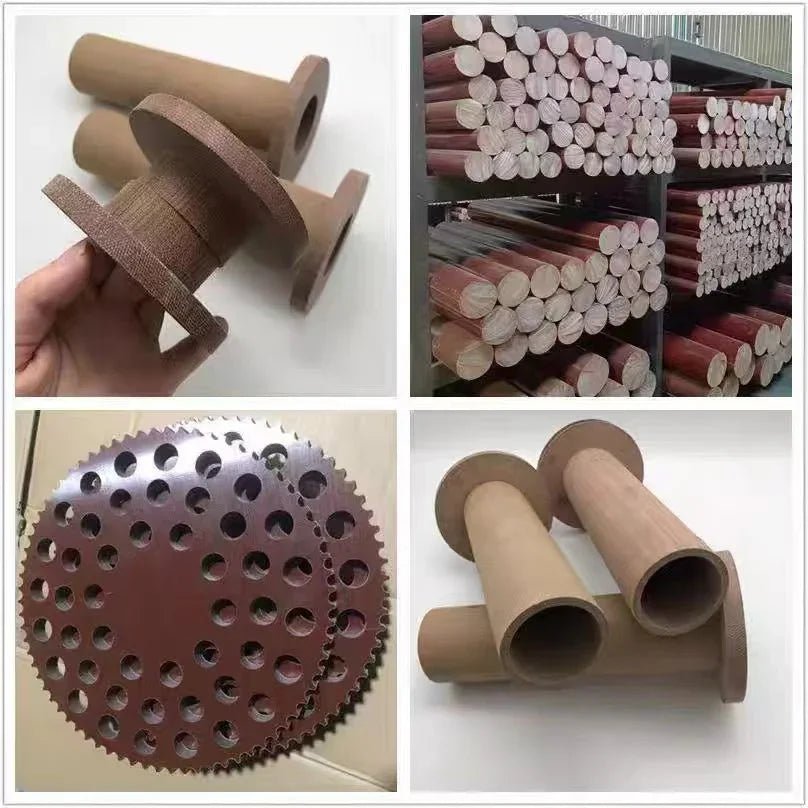
Insulated Bakelite Structural Parts for Electrical Safety: Key Benefits You Should Know

Bakelite leaning board

Why Electrical Safety Demands Innovation

Industries that rely on high-voltage systems and tough environments know that electrical safety is a big deal. For instance, statistics show that electrical malfunctions account for over 30% of industrial equipment failures annually, particularly in industries like manufacturing and energy production, where downtime can lead to millions in losses and compromised safety measures. Ensuring proper insulation and safety measures is critical to maintaining smooth operations. That’s where Insulated Bakelite Structural Parts come in. These parts are strong, heat-resistant, and excellent at preventing electrical issues, making them essential for safe and reliable operations.

🎉🎉🎉Limited Time Offer Use code: QR4GNY08SHVR at checkout and enjoy a special discount on your entire order! 👉 Bakelite plastic

Insulated Bakelite Structural Parts

In today’s fast-paced industrial world, having materials that meet stringent safety and performance standards is crucial. This blog will explain the key benefits of using Insulated Bakelite Structural Parts, show how they’re used in major industries, and reveal why they’re the go-to choice for custom Bakelite solutions. Whether it’s power plants or renewable energy systems, Bakelite is a trusted solution for improving electrical safety, performance, and sustainability.


Understanding Insulated Bakelite Structural Parts

What Is Bakelite?

Bakelite is a special type of plastic that’s super strong, doesn’t conduct electricity, and can handle high temperatures. Compared to epoxy resin, Bakelite offers better heat resistance and superior dielectric properties. While epoxy resin can break down under prolonged high temperatures, Bakelite remains stable, ensuring consistent performance in harsh conditions. Its durability also makes it less prone to wear and tear, reducing the frequency of replacements in demanding industrial applications where reliability is critical. These qualities make it perfect for industrial insulation, especially in places where equipment faces constant stress. Invented over a century ago, Bakelite has stood the test of time and continues to evolve with modern technology, offering unparalleled safety and efficiency.

Core Properties for Industrial Applications

  1. Resistant to Moisture and Chemicals: Bakelite doesn’t absorb water and holds up well against harsh chemicals, which makes it great for offshore equipment and damp environments. Its resistance helps prevent material degradation, ensuring long-term reliability.

  2. Handles High Heat: Heat-resistant Bakelite stays strong even in really hot machinery, keeping things running smoothly. It’s capable of withstanding temperatures that would warp or melt many other materials.

  3. Built to Last: It’s tough enough to handle pressure and heavy use, making it reliable for devices like transformers, switchgear, and other high-stress equipment.


Bakelite is a special type of plastic that’s super strong

Key Benefits of Insulated Bakelite for Electrical Safety

1. Excellent Insulation and Voltage Control

Bakelite is amazing at stopping electrical currents, which helps prevent dangerous short circuits and keeps systems safe. For example, a transformer factory switched to Bakelite parts and reduced electrical breakdowns by 40%, protecting both workers and expensive equipment. The high dielectric strength of Bakelite ensures that it provides superior insulation, even under extreme voltage conditions.

2. Handles Heat Like a Pro

Many machines generate a lot of heat. Bakelite’s ability to resist high temperatures makes it a smart choice for things like engine parts and electrical systems. One power plant upgraded to heat-resistant Bakelite and saw a 30% boost in reliability over just two years. Its heat stability also prevents the risk of sudden material failure, enhancing operational safety.

3. Saves Money in the Long Run

Because Bakelite lasts longer than materials like epoxy resin, it doesn’t need to be replaced as often. This durability is especially important in industries like energy production and automotive manufacturing, where frequent replacements can disrupt operations and significantly increase costs. For instance, power plants benefit from Bakelite’s long lifespan, ensuring continuous performance in critical systems like transformers and switchgear without costly downtime. Over five years, one factory saved over $200,000 in maintenance costs by using custom Bakelite solutions. This durability not only reduces expenses but also minimizes downtime, making it a cost-effective choice for industries looking to improve efficiency.

4. Environmentally Friendly

Bakelite’s long life means less waste, and it can sometimes be recycled. This makes it a smart choice for companies aiming to be more sustainable. Additionally, its use in energy-efficient systems helps reduce overall carbon footprints, aligning with modern environmental goals.


Major Applications of Insulated Bakelite Structural Parts

Power Plants and Electrical Systems

In high-voltage systems like transformers and switchgear, Bakelite provides strong insulation and support. Its ability to withstand extreme voltage levels ensures reliable performance, minimizing risks of system failures. Additionally, Bakelite’s heat resistance helps maintain operational stability during extended use, while its durability reduces the frequency of costly replacements, improving overall system efficiency. A 500 MW power plant that upgraded to Bakelite reduced energy loss by 30% and saved $250,000 in three years. These savings demonstrate how Bakelite enhances system efficiency while lowering operational costs.

Cars and Transportation

Bakelite’s strength and heat resistance make it great for engine parts and connectors. Car makers reported a 20% drop in overheating problems after switching to heat-resistant Bakelite components, particularly in high-performance vehicles and heavy-duty trucks. While these improvements are most noticeable in these categories, ongoing research suggests potential benefits across standard passenger vehicles as well. This improvement highlights Bakelite’s reliability across a range of automotive applications. Its lightweight nature also contributes to better fuel efficiency in modern vehicles, making it a popular choice for automotive manufacturers.

Renewable Energy Projects

Bakelite parts shine in renewable energy systems, like wind turbines and solar inverters, because they resist salt spray and dampness. In a European wind farm spanning over 150 turbines, using custom Bakelite solutions cut maintenance downtime by 40% over a five-year period, significantly boosting energy output and reducing operational costs. By improving reliability, Bakelite ensures consistent performance in clean energy initiatives, supporting global sustainability efforts.

custom Bakelite solutions

Electronics Manufacturing

For electronics, Bakelite keeps circuits safe and casings durable. A tech company saw a 15% improvement in product reliability after switching to Bakelite for their circuit board insulation. Its precision and dependability make it a top choice for high-tech manufacturing.


Choosing the Right Custom Bakelite Solutions

Understand Your Needs

Before choosing Bakelite parts, think about what your system requires. Does it need to handle high voltage, extreme heat, or salty air? For example, renewable energy systems might need extra protection from weather, while car parts need to handle intense heat. Considering these factors ensures that your Bakelite solutions meet the unique challenges of your industry.

Work with Experts

To get the best results, work with manufacturers who know how to design custom Bakelite solutions. They can use tools like CNC machining to make sure the parts fit your needs perfectly and perform reliably. Expert manufacturers can also recommend modifications to enhance performance, ensuring that your investment pays off in the long run.


Final Thoughts: Bakelite’s Role in Transforming Industrial Safety

Insulated Bakelite Structural Parts are a game-changer for industries needing reliable insulation, electrical safety, and long-lasting durability. They’re proven to work in power plants, cars, and renewable energy systems, showing just how versatile and dependable they are. Bakelite’s ability to withstand tough conditions while delivering consistent performance makes it a preferred choice across multiple sectors.

Insulated Bakelite Structural Parts

🎉🎉🎉Limited Time Offer Use code: QR4GNY08SHVR at checkout and enjoy a special discount on your entire order! 👉 Bakelite plastic

Ready to upgrade your systems with custom Bakelite solutions? Contact our team today to discover how you can save costs, improve reliability, and enhance safety with tailored Bakelite components. Check out our custom Bakelite solutions, explore our Bakelite products, or learn about our manufacturing capabilities. Let’s build safer, more efficient systems together!

Leave a comment


Please note, comments must be approved before they are published


Custom Plastic Fabrication

Send your drawing, material and quantity for review

🔧
Precision Machining
CNC milling & turning
✂️
Cutting & Engraving
Laser & waterjet cutting
🏭
Forming & Molding
Thermoforming & injection
🔗
Joining & Assembly
Welding & bonding
📐
Design & Prototyping
CAD design & samples

General

HDPE

PP

PVC

ABS

Engineering

POM

Nylon

PC

PMMA

High-Performance

PEEK

PEI

PTFE

Composites

FR-4

G10

Flexible

TPU

Silicone

Why Choose BeePlastic?

🎯
Perfect Fit
Custom specs eliminate adaptation needs
⚡
Clear Lead Times
Lead time confirmed with every quote
💰
Volume Pricing
Volume pricing available on bulk orders
🤝
Expert Support
Free engineering consultation included
📋
Submit
→
🔍
Review
→
💵
Quote
→
✅
Production
→
📦
Deliver

Request a Quote

Share your project details, selected material and quantity on our quote page. You can add a file link or use the email drawing route shown there.


Request Quote

Industries: Automotive • Medical • Food • Lab • Semiconductor

beeplastic@beeplastic.com


Insulated Bakelite Structural Parts: Benefits, Applications, and Why They’re the Best Choice

Bakelite Processing Customization

Understanding the Importance of Insulated Bakelite Structural Parts

Insulated Bakelite structural parts are a cornerstone of modern industrial applications, providing exceptional durability, electrical insulation, and heat resistance. For instance, these components are widely used in high-voltage transformers, where their ability to prevent electrical discharges ensures operational safety and efficiency. Compared to materials like epoxy resin, Bakelite offers superior dielectric strength and heat resistance, allowing transformers to operate at higher voltages without compromising reliability. Additionally, its robust performance under prolonged thermal and electrical stress significantly reduces the risk of system failures, making it the preferred choice for power distribution networks. This unique combination of properties makes them indispensable for industries requiring robust performance under demanding conditions. These components have revolutionized industries by meeting the stringent demands of high-performance systems, especially in sectors like power generation, automotive, and renewable energy. By leveraging their unique properties, Bakelite parts hhave become essential for ensuring system efficiency, reliability, and safety in critical operations.

🎉🎉🎉Limited Time Offer Use code: QR4GNY08SHVR at checkout and enjoy a special discount on your entire order! 👉 Bakelite plastic

Bakelite parts

Bakelite Processing Customization

This blog explores the unparalleled benefits, diverse applications, and why insulated Bakelite structural parts remain the preferred choice in industrial settings. From reducing operational costs to enabling sustainable practices, these parts have consistently proven their value. Their ability to handle extreme environmental and operational challenges ensures they remain a reliable solution for businesses looking to optimize performance and longevity.


What Are Insulated Bakelite Structural Parts?

Bakelite is a thermosetting plastic renowned for its high dielectric strength, heat resistance, and mechanical stability. Insulated Bakelite structural parts are custom-engineered components designed to provide superior electrical insulation and structural support in demanding environments. These parts are resistant to moisture, chemicals, and thermal degradation, making them indispensable in high-voltage and high-temperature applications. For example, in offshore energy systems, Bakelite components protect against salt spray and corrosive conditions, ensuring uninterrupted performance over years of exposure. A notable project involved a coastal wind farm that incorporated Bakelite insulators, which resulted in a 35% reduction in maintenance costs and a 20% improvement in operational efficiency over a five-year span. This case highlights the material’s reliability and cost-effectiveness in harsh marine environments. Similarly, in the electronics sector, their ability to resist chemical interference helps maintain circuit integrity in sensitive devices, reducing the risk of malfunctions.

Unlike traditional materials such as epoxy resin or ceramics, Bakelite excels in long-term performance, ensuring reliability over prolonged use. For instance, its resistance to moisture and harsh chemicals makes it ideal for offshore energy systems, where environmental challenges are significant. Additionally, Bakelite retains its structural integrity even under extreme thermal stress, offering a solution that outperforms many alternative materials. This resilience ensures not only better performance but also reduced maintenance requirements, contributing to lower operational costs over time.

Bakelite insulators

Key Benefits of Insulated Bakelite Structural Parts

1. Unmatched Electrical Insulation

Insulated Bakelite structural parts are renowned for their high dielectric strength, making them ideal for high-voltage applications. They provide robust protection against electrical discharges, ensuring safety in power systems and other industrial setups. For example, in transformer applications, Bakelite insulators help maintain uninterrupted energy flow by preventing short circuits and electrical leaks. These properties not only enhance safety but also ensure operational continuity in critical power infrastructure, safeguarding investments and reducing downtime.

2. Exceptional Thermal Stability

Bakelite’s ability to withstand extreme temperatures makes it invaluable in industries where thermal resistance is critical. In engine housings and industrial machinery, these parts retain their integrity even when exposed to high heat, reducing the risk of deformation or failure. For instance, in manufacturing processes involving high-temperature equipment, Bakelite parts prevent heat-induced malfunctions, ensuring uninterrupted production cycles. This high thermal resistance also minimizes the risk of accidents caused by overheating, making it a safer choice for various applications.

3. Durability and Longevity

The inherent toughness of Bakelite ensures a long lifespan, reducing the need for frequent replacements. Its resistance to wear, moisture, and chemicals allows it to perform reliably in harsh environments, leading to significant cost savings over time. A case study in offshore wind energy systems showed that Bakelite components maintained functionality for over five years without replacement, outperforming epoxy-based alternatives. The components were exposed to constant salt spray, high humidity, and temperature fluctuations, yet they demonstrated superior dielectric strength and mechanical stability. These metrics underscored Bakelite’s ability to withstand harsh operational conditions, reducing maintenance requirements and ensuring reliable energy generation. By extending the life cycle of components, Bakelite also helps industries achieve better resource utilization and sustainability.

4. Customizability Through Advanced Manufacturing

Using precision CNC machining, insulated Bakelite structural parts can be tailored to meet specific industrial requirements. This ensures compatibility with existing systems and allows for innovative designs that optimize performance and efficiency. Custom solutions enable industries to address unique challenges, such as creating components for compact or high-precision machinery, without compromising quality. The ability to customize parts means businesses can adapt Bakelite solutions to evolving needs, making it a future-proof investment.


Bakelite components

Applications of Insulated Bakelite Structural Parts

Power Generation and Distribution

In the energy sector, insulated Bakelite parts are used in transformers, switchgear, and busbars to provide effective insulation and structural support. These components are essential for maintaining system reliability, even under high-voltage stress. For example, a power plant with a capacity of 500 MW retrofitted its switchgear with Bakelite parts, resulting in a 30% reduction in energy loss and a 25% decrease in maintenance costs within the first year of operation. Over three years, these upgrades saved the facility an estimated $250,000, showcasing the significant financial impact of using Bakelite solutions. This demonstrates how Bakelite solutions can directly contribute to operational efficiency and cost-effectiveness.

Automotive Industry

Bakelite plays a crucial role in modern automotive manufacturing. It is used in engine housings, electrical connectors, and control modules, offering durability and resistance to heat. These properties ensure the safety and efficiency of critical automotive systems. A leading automotive manufacturer reported that Bakelite connectors improved engine performance by reducing overheating incidents by 20%. By incorporating Bakelite components, manufacturers can enhance vehicle performance while ensuring reliability in demanding conditions.

Renewable Energy Systems

In renewable energy applications, such as wind turbines and solar inverters, Bakelite components provide insulation and protection against environmental factors like salt spray and humidity. For instance, in a large-scale wind farm project in Europe, the use of Bakelite insulators led to a 40% reduction in maintenance requirements over a five-year period, saving the operators over $500,000 in repair costs. This demonstrates the reliability and cost-effectiveness of Bakelite in renewable energy systems. This enhances the reliability and longevity of renewable energy systems, ensuring consistent performance. For instance, Bakelite parts in a wind farm improved turbine uptime by 40%, reducing downtime caused by weather-related damage. This reliability is crucial for achieving energy efficiency and meeting sustainability targets in the renewable energy sector.

Electronics Manufacturing

In the electronics industry, Bakelite is used for circuit board insulation and durable casings. Its ability to handle high precision requirements makes it indispensable in high-tech manufacturing processes. A major electronics manufacturer noted a 15% increase in product reliability after switching to Bakelite casings for their high-density circuit boards. The durability and insulating properties of Bakelite ensure consistent performance, even in compact and complex electronic devices.

Bakelite components

Why Insulated Bakelite Structural Parts Are the Best Choice

Superior to Alternative Materials

Compared to materials like epoxy resin and glass fiber, Bakelite offers superior durability and cost-effectiveness. Its thermal stability and electrical insulation properties make it a standout choice in high-stress environments. Additionally, its lower lifecycle costs ensure long-term value for industrial applications. For example, Bakelite outlasts epoxy resin by up to 50% in high-humidity environments, reducing the need for frequent replacements. This longevity not only saves money but also reduces the environmental impact associated with frequent material disposal.

Proven Performance in Diverse Industries

Insulated Bakelite structural parts have consistently demonstrated their reliability in real-world applications. In a case study involving high-voltage transformers, Bakelite components reduced maintenance costs by 25% and increased system uptime by 30%, showcasing their effectiveness in demanding environments. These examples underline Bakelite’s role as a reliable and cost-efficient material for industrial use. Its proven track record across sectors highlights its versatility and adaptability.

Sustainability and Environmental Benefits

Bakelite’s durability reduces material waste, contributing to more sustainable industrial practices. Its long lifespan ensures fewer replacements, aligning with the growing emphasis on eco-friendly manufacturing processes. Moreover, the use of Bakelite in energy-efficient systems supports sustainability goals by minimizing energy losses. By choosing Bakelite, industries can achieve a balance between performance and environmental responsibility. Bakelite’s long lifespan significantly reduces the frequency of replacements, thereby lowering material waste and production emissions. Additionally, its use in energy-efficient systems helps industries cut down on energy consumption and carbon emissions. Efforts to recycle or repurpose Bakelite parts further enhance its sustainability profile, aligning with global goals for reducing industrial carbon footprints.


How to Choose the Right Insulated Bakelite Structural Parts

Selecting the right insulated Bakelite structural parts requires a thorough assessment of operational needs. Industries should evaluate factors such as voltage requirements, thermal stress levels, and exposure to environmental conditions like humidity or corrosive agents. For example, a renewable energy company may prioritize salt spray resistance for offshore wind farms, while an electronics manufacturer might focus on precise dielectric properties for circuit board insulation. A simple checklist, including compatibility, durability, and customization options, can streamline the selection process and ensure optimal performance in specific applications. Key factors include voltage requirements, thermal stress levels, and environmental conditions. Partnering with experienced manufacturers ensures that components are designed and produced to meet specific industrial demands. Customization through CNC machining enables precise solutions that enhance overall system efficiency and reliability.

Working with experts ensures that each component is tailored to address the unique challenges of your industry, from ensuring compatibility with existing systems to optimizing for future scalability. Additionally, consultation with specialists can help identify innovative design opportunities, maximizing the potential of Bakelite in your applications.


The Ultimate Material for Industrial Insulation

Insulated Bakelite structural parts stand out as the ultimate choice for industrial insulation due to their unmatched electrical and thermal properties, durability, and customizability. Their proven performance across industries highlights their role in driving efficiency and reliability in high-stress environments. By choosing Bakelite, industries can reduce costs, improve safety, and support sustainability goals.

Insulated Bakelite structural parts

🎉🎉🎉Limited Time Offer Use code: QR4GNY08SHVR at checkout and enjoy a special discount on your entire order! 👉 Bakelite plastic

If you’re ready to enhance your operations with custom Bakelite solutions, take the next step today. Explore our custom Bakelite solutions and discover how they can revolutionize your systems. Browse our wide range of Bakelite products or learn more about our manufacturing capabilities. Fill out the contact form at the bottom of the page to connect with our experts and start your journey to better insulation and performance.

Leave a comment


Please note, comments must be approved before they are published


Custom Plastic Fabrication

Send your drawing, material and quantity for review

🔧
Precision Machining
CNC milling & turning
✂️
Cutting & Engraving
Laser & waterjet cutting
🏭
Forming & Molding
Thermoforming & injection
🔗
Joining & Assembly
Welding & bonding
📐
Design & Prototyping
CAD design & samples

General

HDPE

PP

PVC

ABS

Engineering

POM

Nylon

PC

PMMA

High-Performance

PEEK

PEI

PTFE

Composites

FR-4

G10

Flexible

TPU

Silicone

Why Choose BeePlastic?

🎯
Perfect Fit
Custom specs eliminate adaptation needs
⚡
Clear Lead Times
Lead time confirmed with every quote
💰
Volume Pricing
Volume pricing available on bulk orders
🤝
Expert Support
Free engineering consultation included
📋
Submit
→
🔍
Review
→
💵
Quote
→
✅
Production
→
📦
Deliver

Request a Quote

Share your project details, selected material and quantity on our quote page. You can add a file link or use the email drawing route shown there.


Request Quote

Industries: Automotive • Medical • Food • Lab • Semiconductor

beeplastic@beeplastic.com


How Insulated Bakelite Structural Parts Improve Electrical Safety

Bakelite Plastic

Why Electrical Insulation Matters

Electrical safety is critical in our daily lives and industries, as it prevents accidents like fires caused by faulty wiring and protects equipment from catastrophic failures. For example, faulty insulation in home wiring can cause electrical fires. On the other hand, industrial equipment failures due to poor insulation can lead to significant downtime and safety hazards, posing risks to both productivity and safety. Without proper insulation, systems can fail, causing accidents or fires. That’s why materials like Bakelite are so important. Bakelite is widely used for insulation because it’s reliable, strong, and cost-effective. These insulated Bakelite parts are vital for making electrical systems safer and more efficient.

🎉🎉🎉Limited Time Offer Use code: QR4GNY08SHVR at checkout and enjoy a special discount on your entire order! 👉 Bakelite plastic

Bakelite is widely used for insulation

Unlike many other materials, Bakelite stands out for its unique combination of heat resistance and electrical insulation. In this post, we’ll explore what makes Bakelite so special and how it plays a key role in improving electrical safety.


What Is Bakelite and Why Is It Trusted?

Bakelite is a type of plastic called a thermosetting resin. This means it hardens permanently after being shaped, unlike thermoplastics that can be melted and reshaped multiple times. This property makes Bakelite especially useful in applications requiring durability and heat resistance. This means that once it’s shaped and hardened, it can’t be melted again. Bakelite is known for its toughness and ability to resist high temperatures, making it perfect for electrical insulation.

Key Features of Bakelite:

  • High dielectric strength: It can block electrical currents, preventing dangerous short circuits.

  • Heat resistance: It doesn’t melt or warp, even under high temperatures.

  • Durability: It’s tough and lasts a long time, even in harsh environments.

  • Chemical resistance: Bakelite withstands exposure to oils, water, and chemicals without breaking down. This makes it particularly valuable in industries like automotive and industrial manufacturing, where equipment must resist harsh operating conditions to ensure long-term reliability.

Because of these properties, Bakelite is commonly used in electrical systems where safety and reliability are a priority. For instance, circuit breakers and fuse boxes often utilize Bakelite for its excellent insulating properties, ensuring protection against electrical surges.


How Bakelite’s Properties Enhance Electrical Safety

Bakelite has specific qualities that make it a top choice for improving electrical safety:

  • Electrical Insulation: Its high dielectric strength stops electrical currents from passing through, protecting users and equipment. This is especially beneficial in high-voltage applications, where preventing current leakage is critical for both system stability and safety. For example, in transformers and power grids, Bakelite ensures that electricity is contained within its designated pathways, reducing the risk of system failures and accidents.

  • Heat Resistance: Unlike some materials, Bakelite stays stable even in high-heat environments, reducing the chance of insulation failures.

  • Durability in Harsh Environments: It resists damage from chemicals, moisture, and mechanical stress, ensuring long-lasting performance.

These features make Bakelite an excellent option for industries that need safe and reliable electrical systems.

Bakelite parts

Where Are Insulated Bakelite Parts Used?

Insulated Bakelite parts are used across many industries. Here are some common applications:

In Electrical Systems:

  • Switchboards and Panels: Bakelite acts as a barrier to prevent electricity from leaking.

  • Motors and Transformers: It insulates critical parts that carry high voltages.

In Consumer Electronics:

  • Connectors and Sockets: Bakelite ensures safe operation in everyday devices like chargers and appliances.

In Renewable Energy:

  • Wind Turbines: Bakelite protects components from environmental wear.

  • Solar Panels: It’s used in parts that need to handle extreme heat and long-term exposure.

Expanded Example:

A company that builds electric vehicles uses Bakelite as a separator between battery cells. This helps to prevent overheating and ensures the safety of the entire system.


How Does Bakelite Improve Safety in Real Systems?

Here are some specific ways Bakelite keeps systems safe:

  1. Prevents Fires: Its heat resistance reduces the risk of insulation melting and catching fire.

  2. Controls Voltage: Bakelite blocks unintended electrical currents, maintaining system stability.

  3. Withstands Tough Conditions: In places with moisture or chemicals, Bakelite doesn’t lose its insulating abilities.

Real-World Example:

A power plant was experiencing insulation failures due to high humidity. The moist environment caused traditional insulation materials to degrade quickly, leading to frequent system shutdowns and safety risks. By switching to Bakelite parts, which resist moisture and maintain their insulating properties, the power plant reduced breakdown incidents significantly, leading to improved system performance and reliability over time. After switching to Bakelite parts, their equipment lasted longer, and system reliability improved by 30%.


How Bakelite Compares to Other Materials

Bakelite isn’t the only material used for insulation. Its unique combination of properties makes it a preferred choice for industries like power generation, automotive, and renewable energy. For example, in power systems, Bakelite outperforms materials like epoxy resin in high-heat environments, while in the automotive industry, its durability under mechanical stress ensures long-term reliability.

  • Better Heat Resistance: Unlike epoxy or glass fiber, Bakelite doesn’t degrade in high temperatures.

  • More Durable: Bakelite’s mechanical strength makes it less likely to crack or fail under pressure.

  • Cost-Effective: It offers good performance at a lower cost compared to many newer materials.

Expanded Comparison:

Silicone-based insulators are flexible but can’t handle as much mechanical stress as Bakelite. On the other hand, epoxy resins often fail under continuous high temperatures, where Bakelite excels.

Bakelite protects components

Customizing Bakelite for Unique Applications

One of the best things about Bakelite is that it can be tailored to meet specific needs. Here’s how:

  • Precision Machining: Bakelite parts can be shaped with CNC machines to ensure exact sizes and fits. CNC machining allows for precise customization, enabling Bakelite to be adapted for complex designs or specific dimensions needed in advanced electrical systems.

  • Custom Shapes and Sizes: From thin sheets to complex molded parts, Bakelite can adapt to many applications.

  • Special Coatings: Anti-corrosion finishes can be added to make Bakelite even more durable in harsh environments.

Success Story:

A robotics company needed insulating components for their high-precision machines. By using custom Bakelite parts, they reduced electrical failures by 20% and improved overall efficiency.


Case Studies: Real-World Benefits of Bakelite

Example 1: High-Voltage Transformers

A company faced frequent insulation breakdowns, leading to costly repairs. After switching to Bakelite, they:

  • Increased equipment lifespan.

  • Reduced maintenance costs by 25%.

Example 2: Renewable Energy Systems

A wind turbine manufacturer used Bakelite parts to prevent overheating in connectors. This improved efficiency by 10% and reduced maintenance intervals.


What Does the Future Hold for Bakelite?

Bakelite is evolving to meet modern needs: New advancements are focusing on eco-friendly production processes, including using recycled materials to reduce waste. Compared to newer plastic alternatives, Bakelite’s durability reduces the need for frequent replacements, while similar materials often degrade faster under stress or temperature extremes. Additionally, Bakelite’s lower energy requirements during manufacturing make it a greener choice compared to energy-intensive alternatives like epoxy resins. Compared to newer plastic alternatives, Bakelite’s durability means less frequent replacement, reducing material waste over time. Additionally, innovations in its manufacturing process aim to use renewable energy sources, making it a more sustainable choice for industries looking to minimize their carbon footprint. Additionally, researchers are exploring ways to make Bakelite more energy-efficient during manufacturing, lowering its carbon footprint. These innovations ensure Bakelite continues to be a sustainable choice for modern industries.

  • Renewable Energy: It’s being used in advanced solar and wind energy systems.

  • Robotics and AI: Durable Bakelite parts help protect sensitive electronics in robots.

  • Eco-Friendly Versions: New manufacturing techniques are making Bakelite more sustainable by incorporating recycled materials.


Bakelite parts

Why Choose Bakelite?

Insulated Bakelite structural parts are a smart choice for electrical safety. They’re durable, heat-resistant, and cost-effective, making them perfect for many industries. If you need reliable insulation solutions, Bakelite is the way to go.


Take the Next Step with Bakelite Solutions

  1. Looking for high-quality Bakelite solutions tailored to your needs? Fill out the contact form below to get started or explore our Bakelite Plastic Collection for more options: Bakelite Plastic Collection.

  2. Want to discover how Bakelite can transform your systems? Visit our detailed page on Bakelite Applications and Benefits: Bakelite Applications and Benefits or reach out through the contact form below to discuss your project.

  3. Interested in learning more about our capabilities? Check out our page on Bakelite Manufacturing Expertise: Bakelite Manufacturing Expertise. Don’t forget to fill out the contact form below to get a customized quote.

Frequently Asked Questions (FAQ)

Why is Bakelite a good insulator?

Its high dielectric strength and heat resistance make it ideal for electrical systems.

Can Bakelite handle high voltage?

Yes, it’s designed for high-voltage applications.

How can I get custom Bakelite parts?

Reach out to us! We offer tailored solutions for all kinds of needs.

Additional FAQs:

  • What industries use Bakelite? Power generation, electronics, automotive, and renewable energy are just a few examples.

  • Is Bakelite eco-friendly? Newer versions are being made with recycled materials, reducing their environmental impact.

Bakelite remains one of the most trusted materials for electrical insulation, and its versatility ensures it will continue to play a vital role in modern technology.

🎉🎉🎉Limited Time Offer Use code: QR4GNY08SHVR at checkout and enjoy a special discount on your entire order! 👉 Bakelite plastic

Bakelite parts

Leave a comment


Please note, comments must be approved before they are published


Custom Plastic Fabrication

Send your drawing, material and quantity for review

🔧
Precision Machining
CNC milling & turning
✂️
Cutting & Engraving
Laser & waterjet cutting
🏭
Forming & Molding
Thermoforming & injection
🔗
Joining & Assembly
Welding & bonding
📐
Design & Prototyping
CAD design & samples

General

HDPE

PP

PVC

ABS

Engineering

POM

Nylon

PC

PMMA

High-Performance

PEEK

PEI

PTFE

Composites

FR-4

G10

Flexible

TPU

Silicone

Why Choose BeePlastic?

🎯
Perfect Fit
Custom specs eliminate adaptation needs
⚡
Clear Lead Times
Lead time confirmed with every quote
💰
Volume Pricing
Volume pricing available on bulk orders
🤝
Expert Support
Free engineering consultation included
📋
Submit
→
🔍
Review
→
💵
Quote
→
✅
Production
→
📦
Deliver

Request a Quote

Share your project details, selected material and quantity on our quote page. You can add a file link or use the email drawing route shown there.


Request Quote

Industries: Automotive • Medical • Food • Lab • Semiconductor

beeplastic@beeplastic.com


Bakelite Material Explained: Features, Benefits, and Insulating Capabilities

Bakelite electrical components

What is Bakelite Material? Features, Composition, and Uses for Electrical Insulation

Bakelite is one of the earliest synthetic plastics and has played an essential role in the development of modern materials. It was invented by Belgian chemist Leo Baekeland in 1907, and it marked the beginning of the modern plastics era. Unlike many plastics that are formed from hydrocarbons, Bakelite material is made from a reaction between phenol (a type of organic compound) and formaldehyde, both of which are linked together through a process called polymerization.

🎉 Limited Time Offer: Use code QR4GNY08SHVR at checkout.
Enjoy a special discount on your entire order!
👉 Shop Bakelite Plastic Now

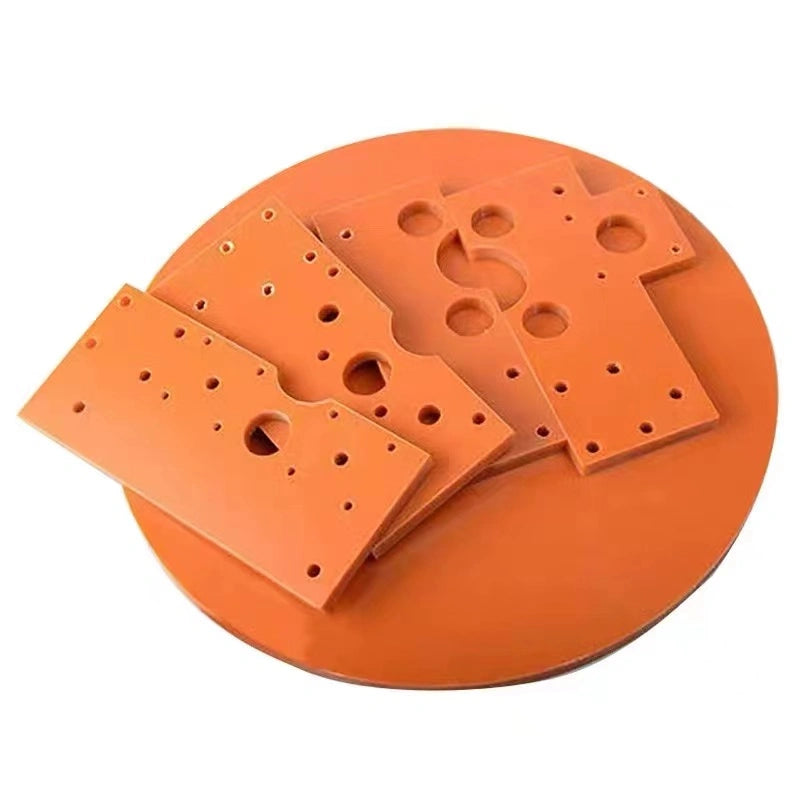
Bakelite material accessories and machined parts

The resulting thermosetting resin is incredibly durable, heat-resistant, and highly versatile, making it ideal for a wide range of applications, particularly in electrical insulation and structural parts.

Bakelite Composition: The Science Behind the Material

Bakelite’s unique composition is what sets it apart from other plastics. It starts with phenol, a colorless or pale yellow liquid, and formaldehyde, a gaseous substance at room temperature. These components undergo a chemical reaction under heat and pressure, creating a cross-linked polymer network that results in an inflexible, rigid material. Unlike thermoplastics, which can be melted and reshaped, Bakelite is thermosetting, meaning it hardens permanently after curing.

This solid, dense structure gives Bakelite electrical components their robust qualities—such as high mechanical strength, excellent heat resistance, and electrical insulation capabilities. Bakelite is also chemically resistant, which is why it is widely used in insulated Bakelite structural parts for environments with exposure to harsh chemicals, solvents, and oils.

Key Features of Bakelite

  • Heat Resistance: Bakelite is well-known for its ability to withstand high temperatures without losing its structural integrity. Unlike materials like PVC or rubber, Bakelite won’t soften or degrade under high heat, which is crucial for electrical insulation applications in high-voltage systems. Bakelite can endure temperatures from -50°C to 150°C, and in some cases, higher temperatures, making it ideal for components in power generation, electrical switches, and motors.

  • Electrical Insulation: One of the defining characteristics of Bakelite is its exceptional ability to resist the flow of electrical current. This makes it the material of choice for insulated Bakelite parts that are required to insulate electrical systems. Whether it’s used in electrical connectors, switches, or circuit boards, Bakelite offers superior performance in preventing electrical leaks and ensuring safe, efficient energy distribution.

  • Chemical Resistance: Bakelite’s resistance to chemical damage is another major advantage. Unlike many plastics, which can deteriorate when exposed to acids, alkalis, and oils, Bakelite remains unaffected by these substances, making it an excellent choice for insulated Bakelite structural parts used in harsh industrial environments.

  • Durability: As a highly durable material, Bakelite offers long-lasting performance, even in demanding applications. Its rigidity makes it ideal for parts that require both insulation and mechanical strength, such as Bakelite electrical components used in industrial machinery and automotive systems.


Why Bakelite Material is the Ideal Choice for Electrical Insulation

Bakelite electrical insulation is critical in applications where the safety, efficiency, and reliability of electrical systems are paramount. This section will explore in more detail why Bakelite is such a trusted material in electrical applications.

Electrical Insulation Properties of Bakelite

Bakelite’s electrical insulation properties are a result of its polymer network structure. The tightly bound phenolic resins create a material that is a poor conductor of electricity. This is particularly beneficial in high-voltage environments where electrical leakage or short-circuits could result in significant damage or safety hazards. For example, insulated Bakelite structural parts are commonly used in applications like transformers, electrical switches, power generation systems, and even household appliances, where effective insulation is crucial for safe operation.

One of Bakelite’s key advantages over other insulating materials is its high dielectric strength. This refers to the material’s ability to resist electrical breakdown under high voltage. As a result, Bakelite can be used to insulate parts that are exposed to high-voltage currents without compromising the safety or performance of the system.

Thermal Insulation Capabilities

While Bakelite is best known for its electrical insulation, it also excels at thermal insulation. The material’s high resistance to heat ensures that insulated Bakelite parts will not degrade when exposed to extreme temperatures. In fact, Bakelite’s thermal stability allows it to maintain its electrical insulating properties even in high-heat environments, such as electric motors or circuit breakers, where high temperatures are common.

This combination of thermal and electrical insulation properties makes Bakelite a unique material that can handle multiple demands in a single application. For example, in high-voltage transformers, where both heat and electrical insulation are needed, Bakelite components provide a reliable solution.

Close-up of orange bakelite 3025 surface texture and finish quality

Safety and Reliability in Electrical Systems

Using Bakelite in electrical components enhances the safety and reliability of electrical systems. It prevents electrical short circuits, reduces the risk of overheating, and ensures the longevity of components. Electrical systems, especially in industries such as power generation, automotive, and aerospace, rely on Bakelite to prevent malfunctions and improve the efficiency of their operations. Bakelite’s strength and resistance to wear and tear also make it ideal for use in high-stress applications, where other materials might fail under pressure.


Applications of Insulated Bakelite Structural Parts

The versatility of insulated Bakelite structural parts has made it a go-to material for various industries that require both electrical and mechanical performance.

Electrical Components

In the electrical industry, Bakelite is used in a variety of electrical components that must endure high voltage and temperatures. Some of the most common applications include Bakelite electrical connectors, switches, terminal blocks, and circuit breakers. These parts are critical for ensuring that electrical systems function properly without any leaks or risks of damage. The material’s insulating properties are ideal for preventing electrical discharge between components and ensuring safe and reliable operation.

For example, insulated Bakelite parts are often found in high-voltage systems in power stations, where they provide a reliable barrier to protect workers and equipment. Due to their high resistance to heat and electrical conductivity, these components help manage energy flow safely and efficiently.

Automotive Industry

Bakelite’s use in the automotive industry has increased over the years, particularly in the creation of electrical connectors, motor parts, and control units. As the automotive sector increasingly integrates electrical components (particularly with the rise of electric vehicles), Bakelite electrical parts are becoming more common. Bakelite’s ability to insulate and withstand high temperatures makes it ideal for components like ignition systems, sensors, and power switches, all of which must function reliably in environments subject to extreme heat and vibration.

Furthermore, as vehicles are now utilizing more electrical systems for safety, lighting, and automation, Bakelite offers an effective solution to keep these systems safe from electrical faults.

Industrial Machinery

In industrial machinery, insulated Bakelite parts are frequently used in equipment such as motors, pumps, and compressors. These parts require both mechanical strength and electrical insulation to function optimally. For instance, Bakelite motor housings ensure that the electrical components are protected from external damage while providing robust physical support. Additionally, Bakelite’s ability to resist chemicals and environmental wear makes it the ideal choice for components exposed to harsh operating conditions.

Bakelite structural parts are also used in applications where machinery is exposed to both electrical and thermal stress, ensuring that the machinery operates safely and efficiently over extended periods.

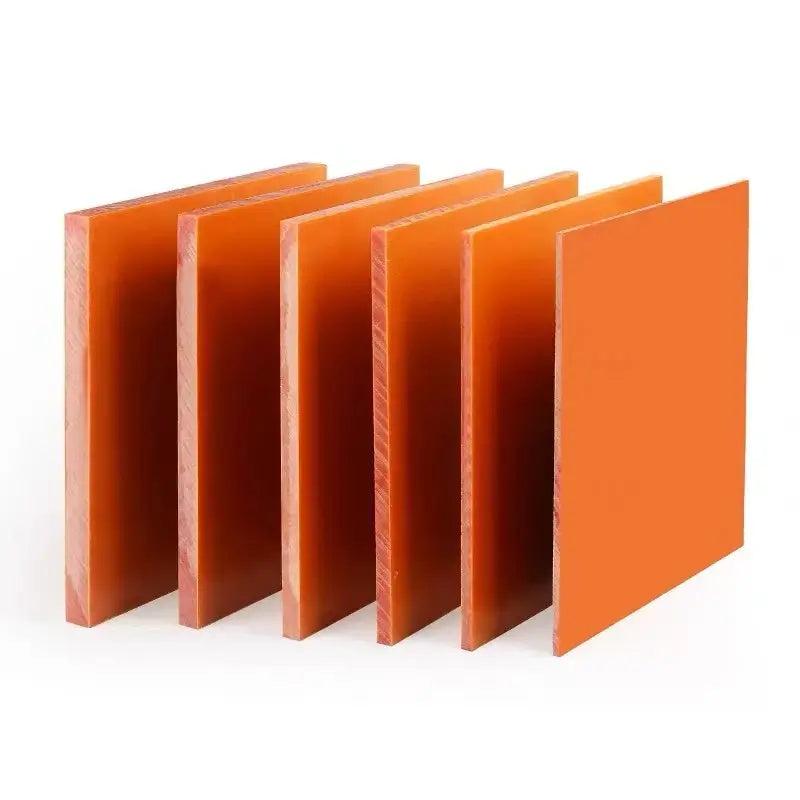
Bakelite structural sheets stack

Recommended Bakelite Materials

Standard stock available with No MOQ and Fast Global Shipping.

Orange Bakelite Insulation Board Plate

Bakelite Insulation Sheets (30-100mm)

Excellent for cutting & milling structural panels.

View Product

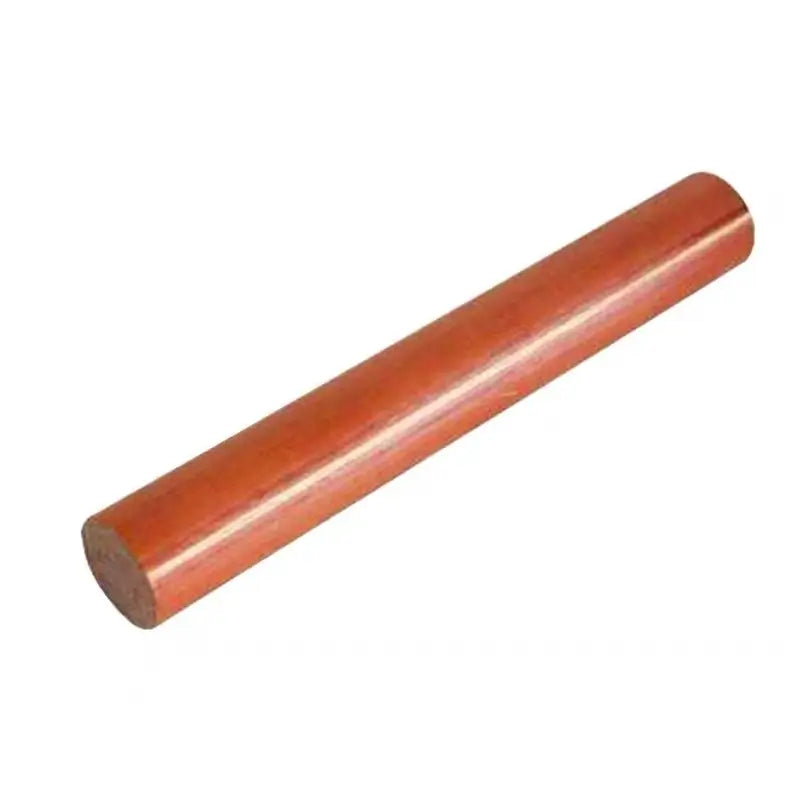
Phenolic Bakelite Rods and machined parts

Phenolic Bakelite Rods (50-100mm)

Ideal for turning gears & insulators.

View Product

Advantages of Using Bakelite for Electrical Insulation

Bakelite offers several advantages over other materials when it comes to electrical insulation. From its exceptional heat resistance to its longevity and reliability, Bakelite stands out in various industrial applications.

Superior Insulation Properties

Bakelite’s insulation properties are unmatched. The material’s ability to resist electrical flow makes it ideal for insulating sensitive electronic components and preventing electrical faults. This is particularly important in applications that require high-voltage insulation, such as transformers, circuit breakers, and high-power transmission lines. Unlike rubber or PVC, which might break down under high heat or prolonged electrical stress, Bakelite maintains its integrity, ensuring long-term reliability in critical systems.

Moreover, Bakelite’s high dielectric strength makes it a preferred choice for components that must maintain their electrical properties under extreme conditions. Whether in industrial control panels or residential electrical appliances, Bakelite’s insulating qualities provide consistent protection against electrical hazards.

Long-Term Durability and Reliability

One of the key benefits of Bakelite is its long-term durability. Unlike many plastics or rubber-based materials that degrade over time, Bakelite remains strong and resistant to wear and tear. This makes it particularly valuable in high-performance electrical components, where durability is essential. For example, Bakelite electrical connectors in industrial systems or power distribution networks are designed to last for decades, reducing the need for frequent maintenance or replacement.

Additionally, Bakelite’s ability to withstand chemical exposure without degrading is another reason it is often chosen over alternative materials. Whether exposed to oils, solvents, or other harsh chemicals, Bakelite retains its insulating properties and physical integrity. This makes it especially valuable in manufacturing plants, oil rigs, or chemical plants, where equipment is exposed to harsh environments.

Customization for Specialized Applications

Another significant advantage of Bakelite is its customizability. Thanks to advances in CNC machining and molding technologies, Bakelite can be shaped into virtually any form or size, allowing for highly specialized Bakelite electrical components and structural parts. Whether you need custom Bakelite insulators, electrical connectors, or complex components for specialized machinery, Bakelite can be tailored to meet the specific needs of any application.

The ability to customize Bakelite also extends to its color, which can be adjusted depending on the requirements of the client. Custom formulations of Bakelite can also be created for different levels of heat resistance, chemical resistance, and strength, making it an adaptable solution for various industries, from aerospace to medical devices.


Applications of Insulated Bakelite Structural Parts

The versatile nature of Bakelite makes it suitable for a wide array of applications in various industries, including electronics, automotive, industrial machinery, and more. Let’s take a deeper look at some of the most prominent applications of insulated Bakelite structural parts.

200x200x60 mm phenolic laminate thick Bakelite plate

Electrical Applications

In the electrical industry, Bakelite has been used for over a century as a core material for electrical insulation. Its excellent dielectric strength, heat resistance, and durability make it a go-to material for high-voltage electrical applications. Here are some of the most common uses:

  • Switches and Sockets: Bakelite is used extensively in electrical switches and sockets due to its strong insulating properties and mechanical strength. The material ensures that there is no risk of electrical leakage, thus providing safety in household and industrial electrical systems.
  • Transformers: In power transformers, Bakelite parts are used to insulate windings and prevent electrical short circuits. Bakelite’s ability to handle high temperatures and electrical stress makes it ideal for these crucial components in energy distribution systems.
  • Circuit Breakers: Bakelite is often found in circuit breakers, where it functions as both an insulator and a protective barrier against electrical faults. The material ensures that the breaker’s mechanism functions correctly while preventing the risk of electrical shock.

Automotive and Aerospace

The automotive and aerospace industries also rely on Bakelite for the production of electrical connectors, insulation parts, and structural components. With the increase in the number of electrical systems in modern vehicles, Bakelite has become an essential material for automotive manufacturers, particularly for electric vehicles (EVs).

  • Automotive Electrical Systems: Bakelite is used in electrical connectors, relay housings, ignition systems, and battery terminals. The material’s resistance to heat, vibration, and electrical stress makes it an ideal choice for components that must endure harsh environments.
  • Aerospace Applications: In aerospace, where safety is paramount, Bakelite’s exceptional insulating and mechanical properties make it indispensable for various applications, from electrical wiring insulation to engine components. Bakelite parts ensure that aircraft electronics remain safe from high temperatures and electrical malfunctions during flight.

Industrial Equipment

Bakelite is also widely used in industrial machinery due to its strength, heat resistance, and electrical insulation capabilities. From motor housings to control panels, Bakelite is found in components that require durability and reliable performance in challenging conditions.

  • Motor Housings: Bakelite’s excellent mechanical strength and thermal resistance make it perfect for use in electric motor housings, where insulation is needed to protect the windings from high temperatures and electrical shorts.
  • Circuit Boards: Bakelite’s rigid structure and resistance to heat and chemicals make it a popular material for printed circuit boards (PCBs) in industrial machinery. Bakelite ensures that the board maintains its integrity over time, even under extreme heat or chemical exposure.
  • Pressure Sensors: Industrial sensors often require Bakelite for the housing of electrical circuits, as it helps protect the internal components from damage and ensures consistent operation over long periods.

Bakelite CNC Processing Customization

Need Custom Cut-to-Size or CNC Machined Parts?

We provide professional plastic machining services with No Minimum Order Quantity.

How to Choose the Right Bakelite for Your Project

Choosing the right Bakelite material for a specific application is crucial for ensuring performance, durability, and safety. Here are a few factors to consider when selecting Bakelite for your next project:

Temperature Resistance

Different types of Bakelite have varying levels of heat resistance. Depending on the environment in which the Bakelite parts will be used, it’s essential to choose the correct formulation to withstand high temperatures without degrading. Bakelite electrical components, such as those used in motors or transformers, may require a higher heat tolerance than parts used in general electrical panels.

Mechanical Strength

Bakelite comes in different grades, each with a specific strength profile. Depending on whether the application requires heavy-duty mechanical strength or light structural support, you can choose Bakelite with the appropriate tensile and compressive strength.

Chemical Exposure

For projects involving exposure to harsh chemicals, solvents, or oils, Bakelite’s chemical resistance is a key factor. In these cases, choosing a formulation that resists chemical degradation ensures long-lasting performance in industrial environments.

Customization Needs

If you need highly specialized Bakelite structural parts, it’s worth considering customization. Modern CNC machining and molding techniques allow for intricate designs, so whether you need an insulated Bakelite connector or a specialized mechanical part, customization ensures you meet the specific needs of your application.


Why Bakelite is the Ultimate Material for Electrical Insulation and Structural Parts

In conclusion, Bakelite material is an essential component in modern electrical insulation and structural applications. Its superior electrical insulation properties, combined with its thermal stability, chemical resistance, and mechanical strength, make it a reliable and versatile choice for a wide range of industries.

Whether you are designing custom Bakelite structural parts for industrial machinery, automotive electrical components, or high-voltage electrical systems, Bakelite’s durability and performance ensure that it continues to be the material of choice for engineers and manufacturers alike.

If you are looking to integrate Bakelite electrical components or need insulated Bakelite parts for your next project, reach out to us today. Our team specializes in creating high-quality, custom Bakelite parts that meet your exact specifications and deliver optimal performance.


Get Your Custom Bakelite Solutions Today!

Limited Time Offer: Use code QR4GNY08SHVR at checkout.
👉 Claim Your Discount & Shop Bakelite

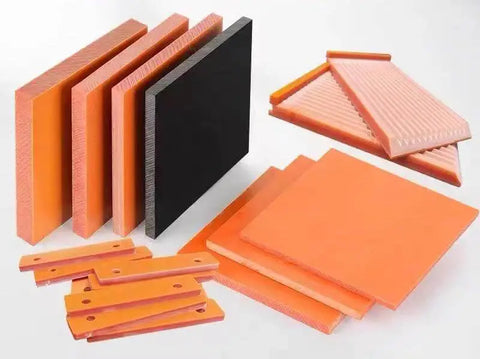
Assorted Bakelite materials and parts

Ready to take your project to the next level? Contact us today to get expert advice on choosing the right Bakelite electrical components or insulated Bakelite structural parts. Our team is here to help you design and produce customized Bakelite parts that meet your unique requirements.

Leave a comment


Please note, comments must be approved before they are published


Custom Plastic Fabrication

Send your drawing, material and quantity for review

🔧
Precision Machining
CNC milling & turning
✂️
Cutting & Engraving
Laser & waterjet cutting
🏭
Forming & Molding
Thermoforming & injection
🔗
Joining & Assembly
Welding & bonding
📐
Design & Prototyping
CAD design & samples

General

HDPE

PP

PVC

ABS

Engineering

POM

Nylon

PC

PMMA

High-Performance

PEEK

PEI

PTFE

Composites

FR-4

G10

Flexible

TPU

Silicone

Why Choose BeePlastic?

🎯
Perfect Fit
Custom specs eliminate adaptation needs
⚡
Clear Lead Times
Lead time confirmed with every quote
💰
Volume Pricing
Volume pricing available on bulk orders
🤝
Expert Support
Free engineering consultation included
📋
Submit
→
🔍
Review
→
💵
Quote
→
✅
Production
→
📦
Deliver

Request a Quote

Share your project details, selected material and quantity on our quote page. You can add a file link or use the email drawing route shown there.


Request Quote

Industries: Automotive • Medical • Food • Lab • Semiconductor

beeplastic@beeplastic.com


10 Essential Facts About Bakelite Insulation Sheets for Electrical Panel Design

Bakelite plate

When it comes to electrical panel design, have you ever wondered why certain materials stand the test of time? In the ever-evolving world of electrical engineering, Bakelite sheets remain a cornerstone of reliable insulation solutions. As an electrical engineer with over a decade of experience in panel design, I’ve witnessed countless materials come and go, but the versatility of bakelite insulation sheets continues to impress industry professionals worldwide.

Picture this: You’re tasked with designing an electrical panel that must withstand extreme temperatures, provide superior electrical isolation, and maintain its structural integrity for decades. Sounds challenging, right? This is where the remarkable properties of bakelite sheet for electrical panel applications come into play. Whether you’re a seasoned engineer or a procurement specialist, understanding these essential characteristics can make the difference between a good design and an exceptional one.

🛒 Ready-to-Ship Bakelite Insulation Sheets

  • ⚡ High dielectric strength for reliable electrical panel design
  • 🔧 Easy to drill, tap, and cut to your required size
  • 🚚 Fast dispatch on popular thicknesses and sizes

👇 Click the image below to browse and order now.

💡 Volume discounts available.

Stack of orange Bakelite insulation sheets ready for CNC machining

In today’s industrial landscape, where safety standards are increasingly stringent and performance requirements more demanding than ever, choosing the right insulation material isn’t just about meeting specifications – it’s about ensuring long-term reliability and safety. The electrical bakelite sheet has earned its reputation through decades of proven performance in countless applications, from simple terminal block mounting to complex switchgear assemblies.

But what makes this material so special? Why do engineers consistently specify bakelite insulation sheets in their designs? And more importantly, how can you ensure you’re making the most informed decisions when it comes to selecting and implementing these materials in your projects?

In this comprehensive guide, we’ll dive deep into the ten essential facts that every professional should know about Bakelite insulation sheets for electrical panel design. From thermal performance to installation best practices, we’ll explore the critical aspects that make this material an indispensable component in modern electrical systems. Whether you’re looking to optimize your current designs or exploring options for upcoming projects, this information will prove invaluable in your decision-making process.

Get ready to discover why Bakelite continues to be the gold standard in electrical panel insulation, and how understanding its properties can enhance the quality and reliability of your electrical installations.

Bakelite insulation accessories for electrical panel design

1. Fundamental Properties of Bakelite Insulation Sheets

Have you ever wondered why bakelite phenolic sheet remains the go-to choice for electrical panel insulation despite newer materials entering the market? The answer lies in its remarkable fundamental properties that continue to set industry standards. Let’s explore these characteristics that make bakelite phenolic resin sheet an exceptional material for electrical applications.

1.1. Superior Heat Resistance Capabilities

The heat resistance capabilities of bakelite insulation sheets stand as one of their most distinguished features in industrial applications. In continuous operation, these sheets maintain their structural integrity and insulating properties across an impressive temperature range of -20°C to 125°C. This remarkable thermal stability isn’t just about surviving high temperatures – it’s about maintaining consistent performance throughout temperature fluctuations.

What makes this heat resistance particularly valuable is the material’s ability to handle temperature spikes without compromising its core properties. During brief exposure periods, quality bakelite sheets can withstand temperatures up to 180°C without significant degradation. This thermal resilience becomes crucial in electrical panels where unexpected heat surges can occur during operation.

1.2. Exceptional Electrical Insulation Properties

The electrical insulation properties of electrical bakelite sheet represent a perfect balance between performance and reliability. With a dielectric strength ranging from 15 to 20 kV/mm, these sheets provide robust protection against electrical breakdown. This impressive dielectric strength isn’t just a laboratory specification – it translates into real-world reliability in high-voltage applications.

Perhaps more impressive than the raw numbers is how these insulation properties remain stable under varying environmental conditions. The material maintains its volume resistivity between 10^12 and 10^14 ohm-cm even when subjected to humidity and temperature variations. This consistency in performance makes it particularly valuable in environments where conditions aren’t always ideal.

1.3. Mechanical Strength and Durability

The mechanical properties of bakelite phenolic sheet extend far beyond basic strength measurements. The material exhibits exceptional compressive strength, particularly noteworthy in its perpendicular-to-laminations performance, ranging from 150 to 300 MPa. This strength characteristic proves essential in applications where the material must support substantial mechanical loads while maintaining its insulative properties.

Beyond pure compressive strength, the material demonstrates remarkable flexural and tensile properties. With flexural strength ranging from 100 to 150 MPa and tensile strength between 60 and 70 MPa, these sheets provide the structural integrity needed for long-term reliability. This combination of strength characteristics ensures that panels maintain their structural integrity even under the combined stresses of mechanical loads and thermal cycling.

1.4. Chemical Resistance Characteristics

The chemical resistance of bakelite insulation sheets adds another layer to their versatility in industrial applications. These sheets demonstrate exceptional resistance to a broad spectrum of industrial chemicals, including most oils, greases, and common solvents. This resistance proves particularly valuable in industrial environments where exposure to various chemical agents is a daily reality.

However, it’s important to understand the limitations of this chemical resistance. While the material shows excellent resistance to most industrial chemicals, concentrated oxidizing acids and strong alkaline solutions can potentially affect its properties. Understanding these limitations allows engineers to make informed decisions about protective measures in particularly aggressive chemical environments.

In industrial settings, this chemical stability translates into extended service life and reduced maintenance requirements. The material’s resistance to moisture absorption, with less than 0.5% absorption after 24-hour immersion, further enhances its long-term reliability in humid environments. This combination of chemical resistance and moisture stability makes it an ideal choice for applications where environmental protection is crucial.

Pro Tip for Implementation: When designing electrical panels using bakelite sheets, consider the synergistic effects of different environmental factors. While the material excellently handles individual challenges like heat or chemical exposure, combining multiple stress factors may require additional consideration in material grade selection and protective measures.
High-precision orange bakelite spacers and washers

2. Industry Standards and Specifications

Understanding industry standards and specifications is crucial when selecting bakelite sheet specification for your electrical applications. These standards ensure consistency, reliability, and safety across different manufacturers and applications. Let’s explore the key aspects that define quality and performance in the industry.

2.1. Key Industry Certifications

The reliability of bakelite laminated sheet products is validated through rigorous certification processes. The most significant industry certifications reflect compliance with international safety and performance standards. NEMA (National Electrical Manufacturers Association) grades remain the primary reference point for specification, while IEC (International Electrotechnical Commission) standards provide global validation.

Essential certifications for electrical applications include UL 94 V-0 flame retardancy rating, which demonstrates the material’s self-extinguishing properties. Additionally, ISO 9001 certification of manufacturing processes ensures consistent quality across production batches. These certifications provide crucial verification of performance characteristics and manufacturing excellence.

2.2. Grade Classifications and Their Applications

The bakelite sheet specification system defines several grades, each optimized for specific applications. Understanding these classifications is essential for selecting the right material for your project. The most common grades include:

  • XX Grade (Paper-Based): This grade offers excellent electrical insulation properties and mechanical strength at a competitive price point. Typically used in low to medium voltage applications, XX grade materials excel in general-purpose electrical insulation where cost-effectiveness is a priority.
  • XXX Grade (Cotton-Based): Featuring enhanced mechanical properties and superior machinability, XXX grade materials find their place in applications requiring precise cutting and drilling. These sheets offer improved strength and moisture resistance compared to XX grade, making them ideal for humid environments.
  • C Grade (Cotton-Based with Higher Resin Content): Developed for applications demanding superior mechanical and electrical properties, C grade materials provide exceptional performance in high-stress environments. The increased resin content results in better moisture resistance and electrical insulation properties.

2.3. Standard Thickness Options

When specifying bakelite sheet for electrical panel applications, thickness selection plays a crucial role in both performance and cost-effectiveness. Standard thickness options have evolved to meet diverse application requirements while maintaining manufacturing efficiency.

Common thickness ranges include:

Thickness Range Typical Applications
0.5mm – 1.0mm Ideal for basic insulation and liner applications
1.5mm – 3.0mm Most commonly used in electrical panel components
4.0mm – 6.0mm Preferred for high-voltage applications
8.0mm – 50mm Specialized applications requiring extreme mechanical strength

The selection of appropriate thickness depends on various factors including voltage requirements, mechanical loads, and installation constraints. Each thickness option undergoes specific testing to ensure compliance with relevant electrical and mechanical standards.

Interior of high-voltage switchgear with custom Bakelite components

2.4. Size Specifications and Tolerances

Size specifications and tolerances for electrical bakelite sheet products reflect the precision requirements of modern electrical applications. Standard sheet sizes typically range from 1220mm x 2440mm to 1000mm x 2000mm, though custom dimensions are available for specific applications.

Manufacturing tolerances have become increasingly stringent to meet the demands of automated assembly processes. Current industry standards specify:

Thickness Tolerance:
For sheets up to 6mm: ±0.15mm
For sheets 6mm to 12mm: ±0.20mm
For sheets above 12mm: ±0.30mm

Dimensional Tolerance:
Length and Width: ±5mm for standard sheets
Squareness: Maximum 0.2% of the nominal dimension
Surface Flatness: Maximum deviation of 0.2% of length

These precise tolerances ensure consistent performance and compatibility across different manufacturing batches and suppliers. The ability to maintain these tolerances consistently represents a significant aspect of quality control in bakelite sheet production.

A critical consideration in modern applications is the relationship between tolerances and automated assembly processes. As manufacturing becomes increasingly automated, the importance of consistent material dimensions has grown. This has led to enhanced quality control measures during production, ensuring that each sheet meets the specified tolerances.

Quality assurance in dimensional specifications involves regular measurement and documentation of key parameters. Modern manufacturing facilities employ advanced measurement techniques, including laser scanning and digital imaging, to verify compliance with dimensional requirements. This level of precision control ensures that each sheet meets the exacting standards required for electrical applications.

When selecting bakelite sheets for your application, consider not only the nominal dimensions but also the tolerance requirements of your specific use case. Some applications may require tighter tolerances than standard specifications, particularly in cases involving precision fitting or automated assembly processes.

3. Thermal Performance in Electrical Panels

The thermal performance of bakelite insulation sheet in electrical panel applications represents one of the most critical aspects of system design. As electrical systems become more compact and power-dense, understanding how these materials behave under various thermal conditions becomes increasingly important for ensuring long-term reliability and safety.

3.1. Maximum Temperature Ratings

When selecting bakelite sheet for electrical panel applications, maximum temperature ratings serve as a crucial starting point for design considerations. The continuous operating temperature range typically extends from -20°C to 125°C, but this tells only part of the story. The material’s ability to maintain its electrical and mechanical properties throughout this range sets it apart from alternative solutions.

Modern electrical bakelite sheet formulations incorporate advanced phenolic resins that provide enhanced thermal stability. These materials demonstrate remarkable property retention even at elevated temperatures. However, it’s essential to understand that maximum temperature ratings represent more than simple thermal limits. They indicate the point at which the material maintains its full complement of electrical and mechanical properties without degradation.

Understanding the relationship between temperature exposure duration and material performance is crucial. While brief excursions above rated temperatures may not cause immediate failure, they can impact the long-term reliability of the installation. Engineers should consider both steady-state operating temperatures and potential thermal excursions when selecting materials for specific applications.

🛠 Custom‑Machined Bakelite Components

📏 Cut‑to‑size with precise dimensions

⚙ CNC machining, drilling, tapping, chamfering, slotting, UV printing

🛡 Low MOQ and fast engineering review

👇 Click the image above to request your custom quote.

💡 Drawings and CAD files welcome. Engineers reply within 1 business day.

3.2. Heat Dissipation Properties

Heat dissipation characteristics of bakelite insulation sheet play a vital role in maintaining optimal operating temperatures within electrical panels. The material’s thermal conductivity, typically ranging from 0.2 to 0.4 W/m·K, provides a balanced approach to heat management. This moderate thermal conductivity offers sufficient insulation while allowing controlled heat dissipation where necessary.

The effectiveness of heat dissipation depends not only on the material’s inherent properties but also on its application within the panel system. Surface finish and sheet thickness significantly influence heat transfer rates. Smoother surfaces generally provide better heat dissipation through improved thermal contact with heat sinks or mounting surfaces. Thickness selection becomes a critical balance between electrical insulation requirements and thermal management needs.

Consider a typical industrial control panel where multiple heat-generating components mount to a bakelite sheet backing. The material’s heat dissipation properties help prevent localized hot spots while maintaining necessary electrical isolation. This balance between thermal management and electrical insulation represents a key advantage of bakelite materials in panel applications.

3.3. Thermal Expansion Considerations

Thermal expansion characteristics of bakelite sheet for electrical panel applications demand careful consideration during design and installation phases. The material’s coefficient of thermal expansion typically ranges from 20 to 25 × 10^-6 per °C, a value that proves particularly favorable in electrical applications. This moderate expansion rate helps maintain dimensional stability while accommodating thermal cycles without creating excessive stress on mounted components.

The importance of accounting for thermal expansion becomes particularly evident in large panel installations. When designing mounting systems and component layouts, engineers must consider not only the expansion of the bakelite sheet itself but also its interaction with other materials in the assembly. Proper mounting techniques and adequate clearance allowances help prevent warping or stress concentration during thermal cycling.

Successful management of thermal expansion often requires a systematic approach to panel design. This includes careful consideration of mounting point locations, the use of appropriate fastening methods, and allowance for thermal movement without compromising electrical clearances or mechanical integrity.

Bakelite components processed by BeePlastic

3.4. Impact on Panel Ventilation Design

The thermal characteristics of electrical bakelite sheet significantly influence panel ventilation design requirements. While the material itself provides excellent thermal stability, proper ventilation remains essential for maintaining optimal operating conditions within the panel. Understanding how bakelite components interact with airflow patterns helps optimize overall thermal management strategies.

Several key factors influence ventilation design when working with bakelite sheet materials:

Strategic Component Placement: The arrangement of heat-generating components on bakelite mounting surfaces requires careful consideration of airflow patterns. Optimal placement facilitates natural convection while minimizing heat accumulation in critical areas. The material’s thermal properties complement proper component spacing and orientation to enhance overall cooling effectiveness.

Bakelite and Garolite rod machining

Ventilation Requirements: Panel ventilation systems must account for both the heat generated by electrical components and the thermal characteristics of the bakelite insulation materials. While these sheets demonstrate excellent thermal stability, proper air circulation remains essential for maintaining optimal operating temperatures. Design considerations should include both natural convection and forced-air cooling options where appropriate.

Integration with Cooling Systems: Modern electrical panels often incorporate active cooling systems. The interaction between bakelite components and these cooling systems requires careful consideration during the design phase. The material’s stable thermal properties support consistent cooling performance, but proper integration remains essential for optimal results.

The effectiveness of panel ventilation directly impacts the long-term reliability of both the bakelite components and the electrical systems they support. Regular monitoring of operating temperatures and periodic evaluation of ventilation system performance help ensure continued reliable operation throughout the installation’s service life.

4. Installation Best Practices

The successful implementation of bakelite sheet for electrical panel applications heavily depends on proper installation techniques. While the material’s inherent properties provide excellent electrical insulation and mechanical stability, achieving optimal performance requires careful attention to installation details. Let’s explore the essential practices that ensure long-term reliability and safety.

4.1. Proper Cutting and Machining Techniques

Understanding how to cut bakelite sheet properly is fundamental to achieving precise installations while maintaining material integrity. The process requires specific techniques and tools to prevent material damage and ensure accurate dimensions. When approaching any cutting operation, maintaining the correct cutting speed and feed rate becomes crucial for achieving clean edges without chipping or delamination.

High-speed steel cutting tools typically provide the best results when working with bakelite materials. The cutting speed should remain moderate to prevent heat buildup, which can affect the material’s properties near the cut edges. For precise cuts, maintaining tool sharpness is essential – dull tools can create excess heat and pressure, leading to material damage.

For complex panel layouts, consider these machining guidelines: Creating pilot holes before larger diameter drilling helps prevent material stress and potential cracking. When drilling, use sharp HSS bits with a point angle of 90-100 degrees, applying moderate pressure and maintaining steady feed rates. Cooling during extended machining operations helps preserve material properties and extend tool life.

CNC 5-axis machining of phenolic resin bakelite parts with undercut groove

4.2. Mounting and Fastening Methods

The installation of electrical bakelite sheet requires careful consideration of mounting techniques to ensure both mechanical stability and electrical integrity. Proper mounting methods not only secure the material effectively but also maintain its insulative properties throughout the installation’s service life. The selection of appropriate fastening systems depends on several factors, including panel design, load requirements, and environmental conditions.

Through-bolting remains one of the most reliable mounting methods, providing secure attachment while maintaining electrical isolation. When implementing through-bolt mounting, consider using insulating washers and bushings to preserve electrical isolation. The spacing between mounting points requires careful calculation to prevent material stress while ensuring adequate support.

Adhesive mounting systems offer an alternative in specific applications, particularly where drilling holes might compromise the panel’s integrity. However, when using adhesives, selecting products compatible with phenolic materials becomes crucial. The adhesive system must maintain its properties across the installation’s operating temperature range while providing adequate mechanical strength.

4.3. Edge Treatment Requirements

Edge treatment of bakelite insulation sheet plays a vital role in ensuring long-term reliability and safety. Proper edge finishing prevents moisture ingress, reduces the risk of edge chipping, and enhances overall appearance. The selection of appropriate edge treatment methods depends on the application environment and specific installation requirements.

Direct exposure edges often benefit from sealing treatments that prevent moisture absorption and potential delamination. A properly sealed edge helps maintain the material’s electrical properties while extending service life. Common edge treatment methods include:

Chamber finishing provides enhanced edge strength while reducing the risk of chipping during handling and service. The chamfer angle typically ranges between 30 and 45 degrees, offering a balance between material removal and edge protection. This treatment proves particularly valuable in high-traffic areas or where frequent maintenance access occurs.

Radius edge treatments offer another effective approach, particularly in applications where reduced stress concentration becomes important. A smooth radius reduces the likelihood of edge damage while providing improved handling safety. The radius size selection depends on material thickness and application requirements.

Custom CNC Machined Bakelite Parts

Do you need custom machined Bakelite parts?

BeePlastic offers precision CNC machining services for Bakelite laminates with NO Minimum Order Quantity.

  • Drilling, Tapping, Milling
  • Tight tolerances to ±0.05mm
  • International shipping available

Get a CNC Quote Now →

4.4. Safety Considerations During Installation

Safety considerations during bakelite sheet installation encompass both immediate handling requirements and long-term operational safety. The installation process must address both worker safety during assembly and the ongoing safety of maintenance personnel who will interact with the installation throughout its service life.

Personal protective equipment requirements deserve careful attention when working with bakelite materials. Dust generated during cutting and machining operations requires appropriate respiratory protection. Eye protection becomes essential during all fabrication processes, while proper hand protection helps prevent injuries from sharp edges and tools.

Long-term safety considerations extend beyond initial installation:

Environmental safety measures require attention to proper ventilation during machining operations. While bakelite materials generally produce minimal harmful emissions during normal handling, dust control during fabrication helps maintain a safe working environment. Proper cleanup and disposal of machining waste ensures workplace safety and environmental compliance.

Electrical safety verification following installation ensures that all clearances and isolation requirements meet applicable standards. This includes checking mounting point isolation, verifying edge clearances, and confirming proper installation of any required barriers or shields. Regular inspection protocols help maintain safety standards throughout the installation’s service life.

Quality assurance during installation plays a crucial role in long-term safety and reliability. This includes verifying proper tool selection and maintenance, confirming accurate dimensioning and alignment, and documenting all installation procedures. Maintaining detailed records of installation methods and materials used supports future maintenance and modifications while ensuring consistent safety standards.

Custom Bakelite housing installation

5. Electrical Safety Features

When it comes to electrical safety in panel design, the properties of bakelite insulation sheet play a crucial role in protecting both equipment and personnel. Understanding these safety features helps engineers and designers make informed decisions that ensure long-term reliability and compliance with safety standards. Let’s explore the critical electrical safety characteristics that make electrical bakelite sheet an industry standard for insulation applications.

5.1. Dielectric Strength Specifications

The dielectric strength of bakelite sheet for electrical panel applications represents its fundamental safety barrier against electrical breakdown. This crucial property determines the material’s ability to withstand high voltage stress without compromising its insulative properties. Modern bakelite formulations achieve impressive dielectric strength ratings, typically ranging from 15 to 20 kV/mm, depending on grade and thickness.

Understanding dielectric strength involves more than just knowing the numbers. Environmental factors significantly influence this property’s effectiveness. Temperature variations, humidity levels, and surface contamination can all affect the material’s ability to maintain its dielectric properties. High-quality bakelite materials maintain consistent dielectric strength even under challenging environmental conditions.

Long-term reliability of dielectric properties depends on proper material selection and application. When designing electrical panels, engineers must consider not only the initial dielectric strength but also its retention over time. The material’s ability to maintain these properties under various operating conditions ensures continued safety throughout the installation’s lifecycle.

5.2. Arc Resistance Properties

Arc resistance represents another critical safety feature of bakelite phenolic sheet in electrical applications. This property measures the material’s ability to withstand electrical arcing without degradation or surface tracking. The superior arc resistance of bakelite materials helps prevent the formation of conductive paths that could compromise insulation integrity.

The arc resistance of bakelite materials derives from their unique molecular structure and composition. When exposed to electrical arcing, the material’s surface carbonization resistance helps prevent the formation of conductive carbon tracks. This resistance proves particularly valuable in applications where temporary arc events might occur during normal operation or fault conditions.

Testing protocols for arc resistance typically involve exposure to high-voltage arcs under controlled conditions. The material’s performance in these tests helps determine its suitability for various voltage levels and operating environments. Modern bakelite formulations often exceed standard requirements for arc resistance, providing an additional safety margin in critical applications.

5.3. Tracking Resistance Index

The Tracking Resistance Index (TRI) of electrical bakelite sheet provides a quantitative measure of the material’s ability to resist the formation of conductive paths under electrical stress and environmental contamination. This property becomes particularly important in environments where surface contamination and moisture might create conditions conducive to tracking.

Several factors influence tracking resistance performance:

Surface Chemistry: The molecular composition of bakelite materials creates a surface resistant to carbonization and tracking. This inherent resistance helps maintain insulation integrity even under adverse conditions. The material’s surface properties actively resist the formation of conductive paths that could compromise safety.

Environmental Resistance: High-quality bakelite materials maintain their tracking resistance even when exposed to industrial contaminants and varying humidity levels. This environmental stability ensures consistent performance across a wide range of operating conditions. Regular maintenance and surface cleaning help preserve these protective properties throughout the installation’s service life.

5.4. Voltage Rating Guidelines

Establishing appropriate voltage ratings for bakelite insulation sheet applications requires careful consideration of multiple factors. While the material’s inherent properties provide excellent insulation capabilities, proper application of voltage rating guidelines ensures safe and reliable operation. These guidelines help engineers select appropriate materials and thicknesses for specific voltage requirements.

Voltage rating considerations extend beyond simple dielectric strength calculations:

Operating Environment Impact: Environmental factors significantly influence effective voltage ratings. Temperature variations, humidity levels, and altitude all affect the material’s voltage handling capability. Designers must consider these factors when selecting materials and establishing safety margins.

Safety Factor Implementation: Industry best practices recommend implementing appropriate safety factors when establishing working voltage limits. These factors typically range from 2 to 5 times the nominal operating voltage, depending on application requirements and environmental conditions. The selection of appropriate safety factors helps ensure reliable long-term operation.

The establishment of proper voltage ratings also requires consideration of transient voltage conditions. While bakelite materials demonstrate excellent resistance to voltage surges, understanding potential transient conditions helps in selecting appropriate grades and thicknesses. This consideration becomes particularly important in applications where switching surges or lightning impulses might occur.

Modern electrical systems often require careful coordination of insulation levels throughout the installation. Bakelite materials’ predictable and stable electrical properties facilitate this coordination, helping ensure comprehensive system safety. Regular monitoring and maintenance of insulation systems help verify continued compliance with voltage rating requirements throughout the installation’s service life.

Assortment of orange Bakelite and black Garolite machined parts

6. Environmental Performance Factors

The environmental performance of bakelite plastic sheet in electrical applications extends far beyond basic durability. In today’s demanding industrial environments, understanding how these materials respond to various environmental challenges becomes crucial for ensuring long-term reliability and sustainable operation. Let’s examine the key environmental factors that influence performance and longevity.

6.1. Moisture Resistance Properties

Moisture resistance stands as one of the most critical environmental performance factors for bakelite sheet for electrical panel applications. The material’s inherent resistance to moisture absorption plays a vital role in maintaining electrical and mechanical properties under varying humidity conditions. This characteristic becomes particularly important in environments where condensation or high humidity levels pose constant challenges.

The moisture resistance mechanism in quality bakelite materials stems from their unique molecular structure. The cross-linked phenolic resin network creates a highly effective barrier against moisture penetration. Even after prolonged exposure to humid conditions, properly manufactured bakelite materials typically show moisture absorption rates below 0.5% by weight, ensuring dimensional stability and electrical property retention.

Modern electrical installations often face challenging environments where moisture control becomes critical. The superior moisture resistance of bakelite materials helps maintain insulation integrity in these conditions. Regular monitoring of moisture exposure levels and implementation of appropriate maintenance protocols helps preserve these protective properties throughout the installation’s service life.

6.2. UV Stability Characteristics

The UV stability of bakelite insulation sheet materials significantly influences their performance in outdoor installations and environments with high UV exposure. Understanding these characteristics helps in predicting long-term performance and implementing appropriate protective measures where necessary. The material’s response to UV radiation affects both its physical properties and appearance over time.

Several factors contribute to UV stability performance:

Surface Protection Mechanisms: High-quality bakelite materials incorporate specialized additives that enhance UV resistance. These additives work by absorbing or reflecting harmful UV radiation, protecting the underlying material structure. The effectiveness of these protection mechanisms helps maintain material integrity even in direct sunlight exposure.

Long-term Color Stability: While color stability might seem merely aesthetic, it often indicates the material’s overall UV resistance. Brown bakelite sheet and black bakelite sheet variants typically show excellent color stability, with minimal fading even after years of UV exposure. This stability serves as a visual indicator of the material’s continued protective capabilities.

6.3. Temperature Cycling Effects

Temperature cycling represents a significant challenge in many electrical applications. The ability of electrical bakelite sheet to maintain its properties through repeated temperature changes demonstrates its reliability in real-world applications. Understanding these effects helps in designing installations that remain stable and safe throughout their operational life.

The response of bakelite materials to temperature cycling involves several aspects:

Dimensional Stability: Quality bakelite materials maintain excellent dimensional stability through temperature cycles. The material’s low thermal expansion coefficient, typically ranging from 20-25 × 10^-6/°C, helps minimize stress on mounted components and maintaining critical clearances. This stability proves particularly valuable in applications where precise dimensional control remains crucial.

Property Retention: Through repeated temperature cycles, bakelite materials demonstrate remarkable retention of both mechanical and electrical properties. This consistency ensures reliable performance even in environments with frequent temperature variations. Regular assessment of installations subject to severe temperature cycling helps verify continued material integrity.

6.4. Environmental Impact Considerations

Contemporary electrical panel design must consider not only operational performance but also environmental sustainability. The environmental impact of bakelite laminated sheet materials encompasses their entire lifecycle, from manufacturing through disposal. Understanding these impacts helps engineers and designers make informed decisions that balance performance requirements with environmental responsibility.

Several key factors influence the environmental profile of bakelite materials:

Manufacturing Efficiency: Modern production processes for bakelite materials emphasize resource efficiency and waste minimization. Manufacturers continue to develop techniques that reduce energy consumption and material waste during production. These improvements help minimize the environmental footprint of bakelite products while maintaining their essential performance characteristics.

Lifecycle Performance: The extended service life of quality bakelite materials contributes significantly to their environmental sustainability profile. Their durability and stability mean fewer replacements and less waste generation over time. This longevity helps offset initial environmental impacts through reduced maintenance and replacement requirements.

End-of-Life Management: While bakelite materials present challenges for recycling due to their thermoset nature, proper end-of-life management strategies help minimize environmental impact. Current research continues to explore innovative approaches to material recovery and repurposing. Understanding available disposal options helps organizations implement responsible end-of-life practices.

The implementation of environmental performance monitoring helps ensure continued compliance with both regulatory requirements and sustainability goals. Regular assessment of installed materials helps identify potential environmental impacts and opportunities for improvement. This proactive approach supports both environmental responsibility and long-term operational reliability.

Various Custom Bakelite parts and materials

7. Cost-Effectiveness and Longevity

When considering electrical panel materials, the decision to buy bakelite sheet represents more than just an initial purchase – it’s a long-term investment in reliability and performance. Understanding the complete cost picture helps decision-makers evaluate the true value proposition of bakelite materials in electrical applications.

7.1. Initial Investment vs. Long-term Benefits

The initial cost of bakelite insulation sheet often appears higher compared to some alternative materials, but this perspective tells only part of the story. When evaluating the total cost of ownership, several factors contribute to the material’s superior economic value over time.

The cost advantage becomes particularly evident when considering:

System Reliability: High-quality bakelite phenolic sheet installations typically demonstrate exceptional reliability, reducing costly downtime and emergency maintenance requirements. This reliability translates directly into operational cost savings, often offsetting the initial investment within the first few years of service.

Installation Efficiency: While the material cost might be higher, the installation process often proves more straightforward and reliable compared to alternative materials. The dimensional stability and machinability of bakelite materials reduce installation time and minimize the risk of installation-related failures, contributing to overall cost efficiency.

7.2. Expected Lifespan

The longevity of electrical bakelite sheet installations stands as one of their most compelling advantages. Under proper installation and maintenance conditions, these materials regularly achieve service lives exceeding 25 years in many applications. This extended lifespan significantly influences the total cost of ownership calculation.

Several factors contribute to this impressive longevity:

Material Stability: The inherent chemical and physical stability of bakelite materials ensures consistent performance over extended periods. This stability manifests in retained mechanical properties and continued electrical insulation effectiveness throughout the installation’s life cycle.

Environmental Resilience: Quality bakelite materials maintain their essential properties even when exposed to challenging environmental conditions. This resilience contributes significantly to their extended service life, particularly in industrial applications where environmental stresses can be severe.

7.3. Maintenance Requirements

The maintenance profile of bakelite sheet for electrical panel applications represents another significant advantage in the total cost equation. These materials typically require minimal routine maintenance to maintain their performance characteristics, contributing to lower operational costs over time.

Key maintenance considerations include:

Regular Inspection Protocols: While maintenance requirements remain minimal, implementing regular inspection schedules helps ensure optimal performance. These inspections typically focus on checking for physical damage, monitoring surface conditions, and verifying mounting security. The simplicity of these maintenance procedures contributes to reduced operational costs.

Preventive Measures: Simple preventive maintenance steps, such as periodic cleaning and inspection of mounting points, help extend service life while maintaining optimal performance. These routine activities require minimal time and resources yet contribute significantly to long-term reliability.

7.4. Replacement Indicators

Understanding when replacement becomes necessary helps organizations plan effectively and minimize unexpected disruptions. While bakelite materials demonstrate excellent longevity, certain indicators suggest when replacement should be considered.

Critical evaluation factors include:

Physical Condition Assessment: Regular evaluation of the material’s physical condition provides early warning of potential issues. Surface degradation, discoloration patterns, or changes in material hardness may indicate approaching end-of-life conditions. Early recognition of these indicators enables planned replacement rather than emergency response.

Performance Monitoring: Tracking key performance metrics helps identify gradual degradation that might warrant replacement:

Surface Resistance Changes: Regular monitoring of surface resistance provides insight into material condition. Significant changes from baseline values may indicate deterioration requiring attention.

Mechanical Integrity: Assessment of mounting point condition and overall mechanical stability helps identify potential replacement needs before failure occurs. This proactive approach supports effective maintenance planning and cost management.

Environmental Impact: Extended exposure to severe environmental conditions may accelerate aging processes. Regular assessment of environmental effects helps predict replacement timing more accurately.

Real-World Cost Analysis: When evaluating replacement decisions, consider both direct and indirect costs:

Direct Costs:

  • Material procurement expenses
  • Installation labor requirements
  • Associated hardware and accessories
  • Disposal costs for removed materials

Indirect Benefits:

  • Improved system reliability
  • Enhanced safety margins
  • Reduced maintenance requirements
  • Potential energy efficiency improvements

Understanding these cost factors helps organizations make informed decisions about timing and scope of replacement projects. This knowledge supports effective budget planning and ensures optimal use of maintenance resources throughout the installation’s lifecycle.

Precision cut phenolic insulation parts from orange bakelite sheet

8. Common Applications in Panel Design

The versatility of bakelite sheet for electrical panel applications becomes evident when examining its wide range of implementations in modern electrical systems. Understanding these common applications helps engineers and designers make informed decisions about material selection and implementation strategies. Let’s explore the key applications where bakelite materials excel in panel design.

8.1. Terminal Block Mounting Plates

Terminal block mounting represents one of the most critical applications for electrical bakelite sheet in panel design. These mounting plates serve as the foundation for organizing and securing terminal connections, playing a vital role in system reliability and maintenance accessibility.

The implementation of bakelite insulation sheet in terminal block applications offers several distinct advantages:

Mounting Stability: The material’s excellent mechanical properties provide stable mounting surfaces for terminal blocks, ensuring consistent connection reliability over time. This stability becomes particularly important in applications subject to vibration or thermal cycling, where connection integrity must be maintained under challenging conditions.

Layout Flexibility: The ease of machining and modifying bakelite materials allows for customized terminal block layouts that optimize space utilization and accessibility. This flexibility enables designers to create efficient panel layouts that facilitate both initial installation and subsequent maintenance activities.

8.2. Bus Bar Support Structures

The application of bakelite phenolic sheet in bus bar support structures demonstrates the material’s capability to handle high electrical loads while maintaining structural integrity. These critical components require materials that combine excellent electrical insulation properties with superior mechanical strength.

Key considerations for bus bar support applications include:

Load Distribution: The material’s compressive strength and dimensional stability ensure proper support for heavy bus bar assemblies. This structural integrity remains crucial for maintaining proper clearances and preventing conductor movement under both normal operation and fault conditions.

Thermal Management: The thermal properties of bakelite materials prove particularly valuable in bus bar applications, where heat dissipation and thermal cycling resistance become critical factors. The material’s stability under elevated temperatures helps maintain proper spacing and support throughout various operating conditions.

8.3. Component Isolation Barriers

Component isolation represents another crucial application where bakelite sheet for electrical panel design demonstrates its value. These barriers provide essential separation between different voltage levels and components, ensuring safety and proper system operation.

The implementation of isolation barriers requires careful consideration of several factors:

Clearance Requirements: The excellent dielectric properties of bakelite materials enable compact yet effective isolation barrier designs. This characteristic proves particularly valuable in modern panel designs where space optimization becomes increasingly important while maintaining required safety clearances.

Physical Protection: Beyond electrical isolation, these barriers provide physical protection against accidental contact and debris. The material’s durability ensures long-term effectiveness in protecting both equipment and personnel, maintaining safety standards throughout the installation’s service life.

8.4. Switch Gear Applications

Switchgear applications present some of the most demanding requirements for electrical insulation materials. The application of bakelite insulation sheet in these systems demonstrates the material’s capability to perform under challenging conditions while maintaining safety and reliability.

Several aspects make bakelite particularly suitable for switchgear applications:

Arc Resistance: The superior arc resistance of bakelite materials proves essential in switchgear applications where arc flash events may occur. This resistance helps maintain insulation integrity even under fault conditions, contributing to overall system safety and reliability.

Mechanical Durability: Switchgear components often require materials capable of withstanding repeated mechanical operations while maintaining electrical isolation. The mechanical properties of bakelite materials provide the necessary durability for these demanding applications.

Operating Environment Considerations: Modern switchgear installations often face challenging environmental conditions. The material’s resistance to various environmental factors ensures reliable performance across different installation scenarios:

Indoor Installations:

  • Temperature stability in controlled environments
  • Resistance to dust and debris accumulation
  • Maintenance of insulation properties under varying humidity

Outdoor Applications:

  • UV resistance for exposed components
  • Weather resistance capabilities
  • Temperature cycling tolerance

Integration Considerations: The successful implementation of bakelite materials in switchgear applications requires careful attention to several factors:

Design Integration: Understanding how bakelite components interact with other switchgear elements helps ensure optimal performance. This includes consideration of:

  • Mounting methods and clearances
  • Ventilation requirements
  • Access for maintenance and inspection

Safety Features: The implementation of bakelite materials in switchgear applications must align with relevant safety standards and requirements. This includes:

  • Proper creepage and clearance distances
  • Arc flash protection considerations
  • Emergency access provisions
Bakelite materials showcasing dielectric properties

9. Comparison with Alternative Materials

In the evolving landscape of electrical panel design, understanding how bakelite phenolic sheet compares to alternative materials becomes crucial for making informed decisions. While new materials continue to emerge, the enduring advantages of bakelite merit careful consideration. Let’s explore how these time-tested materials stack up against modern alternatives.

9.1. Performance vs. Other Phenolic Materials

When comparing bakelite insulation sheet with other phenolic materials, several key performance characteristics deserve attention. The molecular structure and manufacturing processes of traditional bakelite materials often provide advantages in critical applications.

Performance Differentiation: Traditional bakelite materials typically demonstrate superior thermal stability compared to newer phenolic formulations. This stability manifests in several ways:

Heat Resistance: Traditional bakelite materials maintain their properties at higher temperatures, typically offering consistent performance up to 125°C in continuous operation. Modern alternatives might show property degradation at lower temperatures, potentially limiting their application range.

Dimensional Stability: The cross-linking density in traditional bakelite sheet for electrical panel applications often exceeds that of alternative phenolic materials. This higher density results in:

  • Enhanced dimensional stability under thermal stress
  • Improved resistance to chemical degradation
  • Better long-term performance retention

9.2. Cost Comparison with Modern Alternatives

When evaluating costs, the analysis must extend beyond simple material pricing. The electrical bakelite sheet often demonstrates superior value when considering total lifecycle costs compared to modern alternatives.

Initial Investment Considerations: While initial material costs might be higher than some alternatives, several factors influence the total cost equation:

Manufacturing Efficiency:

  • Established production processes
  • Consistent quality control
  • Reliable supply chains

Installation Advantages:

  • Proven installation methods
  • Reduced labor requirements
  • Lower rejection rates

Long-term Value Factors:

The extended service life and minimal maintenance requirements often result in lower total ownership costs:

  • Reduced replacement frequency
  • Minimal maintenance interventions
  • Lower system downtime

9.3. Environmental Impact Comparison

Environmental considerations have become increasingly important in material selection. Bakelite plastic sheet materials present both advantages and challenges when compared to modern alternatives.

Lifecycle Assessment:

Production Phase:

Traditional bakelite manufacturing processes have been optimized over decades, often resulting in:

  • Efficient resource utilization
  • Controlled emissions
  • Minimal waste generation

Service Life:

The extended durability of bakelite materials contributes positively to their environmental profile:

  • Reduced replacement frequency
  • Lower resource consumption
  • Minimized disposal impact

End-of-Life Considerations:

While thermoset materials present recycling challenges, several factors mitigate their environmental impact:

  • Extended service life reducing disposal frequency
  • Potential for repurposing in less demanding applications
  • Ongoing research into recycling technologies

9.4. Application-Specific Advantages

Different applications demand different material characteristics. Bakelite materials often demonstrate distinct advantages in specific applications compared to alternative materials.

Electrical Panel Applications:

The combination of properties makes bakelite particularly suitable for electrical panels:

Insulation Performance: Compared to modern alternatives, bakelite materials often provide:

  • Superior voltage breakdown resistance
  • Better arc resistance characteristics
  • More consistent long-term performance

Mechanical Requirements: The mechanical properties of bakelite often exceed those of alternative materials:

  • Higher compressive strength
  • Better dimensional stability
  • Improved impact resistance

High-Temperature Applications:

In environments with elevated temperatures, bakelite materials demonstrate several advantages:

Thermal Stability:

  • Consistent property retention at high temperatures
  • Lower thermal expansion rates
  • Better resistance to thermal cycling

Chemical Resistance: Traditional bakelite materials often outperform alternatives in challenging chemical environments:

  • Superior resistance to industrial chemicals
  • Better long-term stability
  • Reduced degradation under exposure

Application-Specific Selection Criteria:

When choosing between bakelite and alternative materials, consider:

Performance Requirements:

  • Operating temperature range
  • Voltage requirements
  • Mechanical load conditions

Environmental Factors:

  • Exposure to chemicals
  • Humidity levels
  • UV exposure

Cost Considerations:

  • Initial material costs
  • Installation expenses
  • Maintenance requirements
  • Expected service life

The selection process should weigh these factors against specific application requirements to determine the most appropriate material choice for each situation.

Non-conductive test fixture for PCB precision-machined from Bakelite

10. Quality Control and Testing Methods

Quality control and testing procedures play a vital role in ensuring that bakelite sheet specification meets the demanding requirements of electrical applications. Understanding these methods helps engineers and procurement professionals make informed decisions about material selection and verification. Let’s explore the comprehensive approach to quality assurance in bakelite materials.

10.1. Standard Testing Procedures

The evaluation of bakelite insulation sheet properties involves a series of standardized tests designed to verify key performance characteristics. These procedures ensure consistency and reliability across different production batches and manufacturers.

Electrical Property Testing: Testing of electrical properties forms the foundation of quality assurance for insulation materials. Key tests include:

Dielectric Strength Testing:

  • Measurement of breakdown voltage under standardized conditions
  • Evaluation of voltage resistance across varying temperatures
  • Assessment of performance under different humidity levels

Surface and Volume Resistivity: Comprehensive testing procedures examine both surface and volumetric electrical resistance properties. These measurements provide crucial data about the material’s insulative capabilities under various environmental conditions.

Mechanical Testing: The verification of mechanical properties ensures that bakelite sheet for electrical panel applications meets structural requirements:

Flexural and Tensile Testing: Regular evaluation of mechanical strength characteristics helps verify material integrity. This includes:

  • Measurement of flexural strength under standardized conditions
  • Assessment of tensile properties across different temperature ranges
  • Verification of impact resistance capabilities

10.2. Quality Inspection Criteria

Quality inspection of electrical bakelite sheet products encompasses multiple criteria designed to ensure consistent performance and reliability. These criteria establish baseline requirements for material acceptance and implementation.

Visual Inspection Parameters: Physical examination reveals important quality indicators:

Surface Quality Assessment:

  • Evaluation of surface smoothness and uniformity
  • Detection of any visual defects or irregularities
  • Verification of color consistency and finish quality

Dimensional Verification: Precise measurement of physical dimensions ensures compliance with specifications:

  • Thickness uniformity across sheets
  • Length and width tolerances
  • Squareness and flatness verification

10.3. Performance Verification Methods

Performance verification extends beyond basic testing to evaluate how bakelite phenolic sheet materials function under actual application conditions. These methods help predict long-term reliability and suitability for specific applications.

Environmental Performance Testing: Comprehensive evaluation of environmental resistance capabilities includes:

Temperature Cycling:

  • Assessment of property retention through temperature changes
  • Verification of dimensional stability under thermal stress
  • Evaluation of mechanical integrity after thermal cycling

Humidity Resistance: Testing under controlled humidity conditions helps verify:

  • Moisture absorption characteristics
  • Dimensional stability in humid environments
  • Electrical property retention under moisture exposure

10.4. Documentation Requirements

Proper documentation of quality control processes and test results ensures traceability and compliance with industry standards. This documentation plays a crucial role in material validation and regulatory compliance.

Material Certification Documentation: Comprehensive documentation includes:

Test Reports:

  • Detailed results of all standardized tests
  • Environmental performance data
  • Mechanical property verification

Manufacturing Documentation: Production process documentation ensures consistency:

  • Raw material verification records
  • Process control parameters
  • Quality control checkpoints

Traceability Requirements: Maintaining proper traceability helps ensure quality consistency:

Batch Identification:

  • Unique identification numbers for material batches
  • Manufacturing date and location information
  • Process parameter documentation

Quality Records: Maintaining detailed quality records supports long-term reliability:

  • Inspection results for each production batch
  • Non-conformance reports and resolutions
  • Corrective action documentation

Field Performance Monitoring: Documenting field performance provides valuable feedback:

  • Installation verification reports
  • Performance monitoring data
  • Maintenance and inspection records

Implementation Guidelines: Clear documentation of implementation requirements ensures proper material usage:

  • Storage and handling specifications
  • Installation procedure documentation
  • Maintenance requirement documentation

Record Retention: Proper retention of quality control documentation supports:

  • Long-term traceability requirements
  • Regulatory compliance verification
  • Performance history analysis
Custom Bakelite materials and sheets

Making Informed Decisions About Bakelite Insulation Materials

As we’ve explored the comprehensive world of bakelite sheet for electrical panel applications, it becomes clear why this material continues to set industry standards despite the emergence of modern alternatives. The unique combination of electrical properties, mechanical strength, and long-term reliability makes bakelite insulation sheet an enduring choice for demanding electrical applications.

Key Takeaways for Industry Professionals

Throughout our discussion, we’ve uncovered several crucial aspects that demonstrate why electrical bakelite sheet remains a preferred choice:

Outstanding Performance Characteristics: The material’s exceptional dielectric properties, combined with superior mechanical strength and thermal stability, provide a reliable foundation for electrical panel design. These characteristics ensure consistent performance across a wide range of operating conditions and applications.

Long-Term Economic Benefits: While initial costs might seem higher compared to some alternatives, the extended service life and minimal maintenance requirements of bakelite phenolic sheet make it a cost-effective choice for long-term installations. The material’s durability and reliability translate into reduced replacement frequency and lower maintenance costs over time.

Environmental Considerations: In an era of increasing environmental awareness, understanding both the advantages and limitations of bakelite materials helps make informed decisions about their application. Their exceptional durability and long service life contribute positively to environmental sustainability by reducing replacement frequency and associated waste.

Future Considerations

As electrical panel design continues to evolve, several factors will influence the ongoing role of bakelite materials:

Technological Advancements: Continued research and development in material science may bring improvements to traditional bakelite formulations, potentially enhancing their already impressive performance characteristics. These advances could expand the material’s application range while maintaining its core benefits.

Industry Standards Evolution: As safety and performance standards continue to evolve, the proven track record of bakelite materials positions them well for meeting future requirements. Their established performance characteristics provide a solid foundation for compliance with emerging regulations.

Making the Right Choice

When selecting materials for electrical panel applications, consider these final thoughts:

Evaluate Your Specific Needs:

  • Operating environment requirements
  • Performance specifications
  • Budget constraints
  • Long-term maintenance considerations

Think Long-Term: Consider not just the initial investment but the total lifecycle cost and performance benefits that quality bakelite materials provide. Their proven reliability and minimal maintenance requirements often result in superior long-term value.

Seek Expert Guidance: When in doubt, consult with material specialists and experienced engineers who can provide insights based on practical experience with bakelite applications in similar environments.

By understanding these essential aspects of bakelite materials, you’re better equipped to make informed decisions that ensure optimal performance and reliability in your electrical panel applications. Remember, successful implementation relies not just on material selection but also on proper installation, maintenance, and monitoring practices.

The enduring presence of bakelite materials in electrical applications testifies to their exceptional value proposition. As we continue to push the boundaries of electrical system design, the fundamental properties that have made these materials successful for decades remain as relevant as ever.

What’s your next step in implementing or upgrading your electrical panel systems? Remember that careful material selection today can lead to decades of reliable performance tomorrow.

Interior of high-voltage switchgear showcasing custom-machined Bakelite components

Technical Solution Focus

Upgrade your electrical insulation performance today! Connect with our technical team to discuss your project.

Explore our precision production processes to ensure optimal material selection.

Leave a comment


Please note, comments must be approved before they are published


Custom Plastic Fabrication

Send your drawing, material and quantity for review

🔧
Precision Machining
CNC milling & turning
✂️
Cutting & Engraving
Laser & waterjet cutting
🏭
Forming & Molding
Thermoforming & injection
🔗
Joining & Assembly
Welding & bonding
📐
Design & Prototyping
CAD design & samples

General

HDPE

PP

PVC

ABS

Engineering

POM

Nylon

PC

PMMA

High-Performance

PEEK

PEI

PTFE

Composites

FR-4

G10

Flexible

TPU

Silicone

Why Choose BeePlastic?

🎯
Perfect Fit
Custom specs eliminate adaptation needs
⚡
Clear Lead Times
Lead time confirmed with every quote
💰
Volume Pricing
Volume pricing available on bulk orders
🤝
Expert Support
Free engineering consultation included
📋
Submit
→
🔍
Review
→
💵
Quote
→
✅
Production
→
📦
Deliver

Request a Quote

Share your project details, selected material and quantity on our quote page. You can add a file link or use the email drawing route shown there.


Request Quote

Industries: Automotive • Medical • Food • Lab • Semiconductor

beeplastic@beeplastic.com


Bakelite Rods: The Durable, Heat-Resistant Solution for Electrical and Mechanical Applications

phenolic resin rods

Bakelite rods are renowned for their exceptional durability, heat resistance, and electrical insulation capabilities. This blog explores the diverse uses of these phenolic rods, explaining what Bakelite is made of and the unique properties that make it ideal for industrial applications. From custom Bakelite rods to cotton cloth and fabric Bakelite rods, this guide highlights the options available for tailored engineering solutions. Whether for mechanical strength or as an insulation rod in high-stress environments, Bakelite’s properties deliver performance that meets the rigorous standards of modern engineering.

Bakelite’s properties

🎉🎉🎉Limited Time Offer Use code: QR4GNY08SHVR at checkout and enjoy a special discount on your entire order! 👉 Bakelite plastic

Key Points Covered in This Blog Post:

  • Understanding Bakelite: What is Bakelite material, and why is it such a reliable choice for industrial and electrical insulation applications?
  • Key Properties of Bakelite Rods: Dive into Bakelite rod applications, including high-temperature resistance, mechanical strength, and heat-resistant Bakelite uses.
  • Comparing Bakelite and Phenolic Rods: Key distinctions between Bakelite rods and other phenolic resin rods, including types like fabric Bakelite rods.
  • Industrial and Electrical Applications: A look at where Bakelite sheets and rods excel in machinery, electrical systems, and more.
  • Customization Options: How custom Bakelite rod production adapts to specific dimensions and requirements across sectors.
  • Future of Bakelite in Engineering: Why insulation rods and phenolic rods remain indispensable in engineering and manufacturing.

What is a Bakelite Rod and How is it Made?

Introduction to Bakelite Rods: A Historical and Practical Overview

Bakelite, a revolutionary material developed in the early 20th century, was the first synthetic plastic to gain widespread industrial use. Known for its excellent thermal stability and electrical non-conductivity, Bakelite has played a crucial role in the development of electrical components and consumer goods. The creation of a Bakelite rod involves the chemical reaction of phenol with formaldehyde under controlled heat and pressure, resulting in a thermosetting polymer known as phenolic resin.

The Chemical Basis of Bakelite: Phenol and Formaldehyde

The journey of a Bakelite rod starts in the laboratory, where phenol is mixed with formaldehyde. The presence of an acid or a base catalyst facilitates the reaction, leading to the formation of a resin. This initial reaction is only the beginning, as the resin must undergo further processing to become the sturdy, heat-resistant material known as Bakelite. During this process, the molecular structure of the resin changes, forming long, interconnected chains in a process known as polymerization.

Thermosetting: The Transformation into Bakelite

Once the basic phenolic resin is formed, it undergoes a curing process involving heat and pressure. This process is known as thermosetting, which irreversibly sets the material’s shape. Unlike thermoplastics, thermoset plastics, like Bakelite, cannot be melted down and reshaped, which gives them their renowned durability and heat resistance. This characteristic is particularly crucial for applications that require the material to withstand high temperatures without degrading or losing its electrical insulating properties.

Enhancing Bakelite with Fillers

To further enhance its mechanical properties and workability, various fillers are added to the Bakelite resin. Common fillers include wood flour, cotton fibers, or mineral fillers. These additives provide the finished Bakelite rods with varying degrees of strength, resistance, and durability, depending on the intended use. For example, rods reinforced with cotton fabric are known for their enhanced mechanical strength and are extensively used in applications requiring robust, durable materials.

Manufacturing and Shaping Bakelite Rods

The final stage in the production of Bakelite rods involves molding and curing under heat and pressure. This process allows the Bakelite to be shaped into precise dimensions and forms, such as rods, which are then cured to retain their shape permanently. The versatility of Bakelite molding techniques makes it possible to produce rods that meet specific industrial requirements, ranging from small electrical insulators to large mechanical parts.

Bakelite rods, with their exceptional durability, electrical insulation, and heat resistance, continue to be a vital material in numerous industries, from automotive to electronics. The ability to customize the properties of Bakelite by adjusting the types and amounts of fillers added offers engineers and designers flexibility in creating specialized components tailored to specific applications. The ongoing use of Bakelite rods underscores their irreplaceable role in modern manufacturing and industrial applications.

Bakelite resin

Key Properties of Bakelite Rods: Strength, Heat Resistance, and Insulation

Exceptional Mechanical Strength

Bakelite rods are prized for their mechanical strength, which ensures durability under significant stress. Made from a composite of phenolic resin and fillers like cotton fabric, these rods are capable of withstanding high compressive forces. This durability is essential in industrial settings where Bakelite rods frequently encounter heavy loads and mechanical stress. Unlike many other insulating materials, Bakelite maintains its structural integrity over time, which reduces the need for frequent replacements and minimizes downtime in applications where constant maintenance would otherwise be required.

High-Temperature Resistance for Demanding Applications

The heat resistance of Bakelite rods is one of their most valued properties. These rods can endure high temperatures without deforming or losing strength, making them suitable for components exposed to intense heat. In electrical equipment such as transformers and motor housings, Bakelite’s ability to withstand heat up to 150°C prevents potential damage due to thermal expansion or melting. This resistance is a defining factor in its extensive use in automotive, aerospace, and electronic applications where parts may be subjected to continuous high temperatures, ensuring both longevity and safety.

Superior Electrical Insulation Capabilities

Bakelite is renowned for its excellent electrical insulation properties, a trait that makes it indispensable in high-voltage electrical systems. The phenolic resin structure of Bakelite creates a material that does not conduct electricity, providing an effective barrier to electrical currents. Bakelite rods are frequently utilized as insulators in electrical panels, circuit breakers, and switches, protecting components and operators from electrical hazards. Bakelite’s low dielectric loss also makes it effective in high-frequency applications, where maintaining signal integrity and reducing energy loss is crucial.

Moisture Resistance and Chemical Stability

Another noteworthy feature of Bakelite rods is their low moisture absorption. In environments with high humidity, many materials can absorb moisture, leading to swelling, warping, and decreased insulation capabilities. Bakelite’s resistance to moisture ensures that it remains effective even in humid conditions, such as outdoor installations and marine environments. Additionally, Bakelite is resistant to many chemicals, which is invaluable in industrial settings where it may come into contact with oils, solvents, and other potentially degrading substances.

Versatility Across Industrial Applications

The combination of mechanical strength, heat resistance, and insulating capabilities makes Bakelite rods a versatile solution across multiple industries. They are used in automotive parts like distributor caps and brake pads, machinery components such as gears and bushings, and electronic devices requiring insulation. The material’s adaptability means it can be molded and customized into various forms, offering tailored solutions for specific engineering requirements. Bakelite rods are often seen as a go-to material in applications where reliability under extreme conditions is a must.

Long-Lasting Performance and Cost Efficiency

Bakelite rods are also recognized for their long lifespan, which contributes to cost savings over time. Unlike other insulating materials that may degrade or require replacement, Bakelite’s robust properties make it ideal for applications that demand low maintenance and high reliability. In applications with rigorous performance demands, such as power generation and industrial manufacturing, Bakelite’s durability translates to fewer interruptions and lower overall costs, supporting its ongoing use in modern engineering.

These properties highlight why Bakelite rods remain an essential material in high-performance industrial applications, offering a unique balance of strength, insulation, and heat resistance that few materials can match.

Bakelite rods are a type of phenolic rod

Comparing Bakelite Rods and Phenolic Rods: Differences and Similarities

The Core Composition: Bakelite vs. Phenolic Resins

While Bakelite rods are a type of phenolic rod, they have unique properties derived from their specific formulation. Both Bakelite and general phenolic rods are created from phenolic resin—a product of a chemical reaction between phenol and formaldehyde. This reaction creates a thermosetting polymer that, once cured, maintains its form even under high temperatures. However, Bakelite stands out due to its higher heat resistance and structural durability, which makes it more suitable for applications involving extreme temperatures and electrical insulation.

Material Reinforcement: Fabric, Cotton, and Paper Fillers

Bakelite rods are typically reinforced with materials like cotton fabric, which gives them added mechanical strength and stability under stress. This reinforcement makes Bakelite ideal for heavy-duty applications in industries such as automotive and electronics, where materials must endure intense conditions. On the other hand, standard phenolic rods may incorporate other fillers, like paper or glass, resulting in varying levels of flexibility, hardness, and thermal resistance. For example, phenolic rods reinforced with paper offer excellent electrical insulation but may not withstand as high temperatures as Bakelite, making them suitable for low-voltage applications.

Heat Resistance and Stability in High-Temperature Applications

A primary difference between Bakelite and other phenolic rods lies in their thermal tolerance. Bakelite rods are renowned for their ability to withstand temperatures up to 150°C and, in some cases, even higher. This makes them particularly valuable in electrical insulation for components like transformers and switchgear. Comparatively, phenolic rods with alternative fillers may offer less stability at extreme temperatures, limiting their use to applications with lower thermal demands.

Electrical Insulation: A Key Benefit of Bakelite

Bakelite’s structure allows it to act as an exceptional electrical insulator, a property shared with many phenolic materials. However, Bakelite rods specifically resist not only electrical currents but also high-voltage surges, making them a preferred choice for high-stress electrical applications. General phenolic rods still offer strong insulation properties but may perform better in lower-voltage environments, such as circuit boards and motor components, where the risk of high thermal stress is reduced.

Applications in Industry: Choosing the Right Material

In industrial settings, choosing between Bakelite rods and other phenolic rods depends largely on the application’s specific needs. Bakelite rods are favored for applications requiring long-term heat resistance and mechanical stability, such as engine parts, brake components, and heavy-duty electrical insulation. Phenolic rods with paper fillers, meanwhile, are cost-effective solutions for applications that require moderate strength and insulation without the need for extreme heat resistance, making them ideal for consumer electronics and low-stress machinery components.

This comparison highlights how both Bakelite rods and phenolic rods offer excellent insulation, mechanical durability, and heat resistance but are suited to different applications depending on the precise requirements of the environment in which they are used.

Industrial Applications of Bakelite Rods: From Electrical Insulation to Mechanical Parts

Electrical Insulation in High-Voltage Equipment

Bakelite rods play a critical role in high-voltage electrical insulation, especially in equipment like transformers, switchgear, and motor housings. Thanks to their outstanding electrical insulation properties, Bakelite rods prevent electrical currents from leaking or arcing between components. This ability to effectively contain high-voltage currents is particularly valuable in environments where safe and stable electricity flow is essential. The heat-resistant nature of Bakelite also ensures that these rods can endure the high temperatures generated during electrical operations, maintaining both safety and performance.

Usage in Switchgear and Transformers

In switchgear systems, Bakelite rods are used as insulators to separate live electrical parts and prevent electrical shorts. These systems demand materials that can withstand repeated stress from electrical surges, and Bakelite’s thermosetting properties make it ideal. The rigid structure of Bakelite helps prevent deformation or melting, a crucial factor in systems where reliability under thermal and electrical stress is non-negotiable. Similarly, transformers benefit from Bakelite rods’ durability, as these components often run for extended periods under high loads and temperatures, requiring materials that offer consistent insulation and protection.

Mechanical Components: Gears, Bushings, and Bearings

Beyond electrical applications, Bakelite rods are frequently used in mechanical settings where durability and resistance to wear are priorities. In machinery and industrial equipment, Bakelite rods are crafted into gears, bushings, and bearings, each needing strong resistance to friction and continuous operational wear. Bakelite’s unique ability to withstand mechanical stress without deformation makes it a preferred choice for these parts, as it reduces maintenance requirements and prolongs the lifespan of the machinery. For example, in gears and bearings, the heat-resistant and abrasion-resistant properties of Bakelite minimize wear, ensuring smooth operation even under high-stress conditions.

Bakelite rods

Automotive Applications: From Brake Pads to Distributor Caps

Bakelite’s thermal resistance and strength make it an excellent material for several automotive components. In brake systems, Bakelite is often found in brake pads due to its ability to withstand high friction and temperatures without degrading. Bakelite is also commonly used in distributor caps within ignition systems, where it serves as an insulator for the spark plug wires, protecting them from the heat generated by the engine. This resilience to both heat and mechanical stress makes Bakelite essential in automotive engineering, where safety and durability are paramount.

Industrial and Heavy Equipment Applications

In industrial settings that require materials capable of enduring intense conditions, Bakelite rods are a reliable choice. Heavy machinery frequently incorporates Bakelite parts in load-bearing applications where extreme mechanical and thermal stress are expected. Bakelite’s stability under such conditions makes it suitable for hydraulic systems, pumps, and compressors, where other materials might warp or deteriorate. This use of Bakelite in industrial equipment emphasizes its role in environments where consistent, long-term performance is critical.

Customization for Specific Industrial Needs

For industries with specialized requirements, custom Bakelite rods offer a flexible solution that can be tailored in terms of dimensions, reinforcement materials, and thicknesses. This customization makes Bakelite a valuable material for precision components used in industries as diverse as electronics, construction, and energy production. By adjusting the composition and dimensions, manufacturers can enhance specific properties like heat resistance, flexibility, or strength to meet exact operational needs, allowing Bakelite rods to serve in both standard and highly specialized applications across industrial sectors.

The combination of mechanical resilience, high thermal tolerance, and electrical insulation properties makes Bakelite rods indispensable in modern industry, from protecting electrical components to enabling smooth, reliable operation in machinery and automotive applications.

Customized Bakelite Rods for Specialized Industrial Needs

The Need for Customization in Industrial Applications

In today’s highly specialized industrial landscape, standard Bakelite rods may not always meet the unique requirements of various applications. Industries such as automotive, electronics, and heavy machinery often require customized Bakelite rods that are tailored in size, shape, and reinforcement materials to meet specific performance standards. Customization allows these rods to be adapted for specialized uses like precision machining for components that experience high stress or need exact dimensional tolerances, ensuring the reliability and efficiency of the end products.

Precision Machining: Meeting Tolerances for High-Performance Components

Customized Bakelite rods can be machined with high precision to fit roles as bushings, washers, insulators, and more. These components often serve in heavy machinery and electrical equipment, where slight deviations in dimensions could compromise functionality. Precision machining enhances the dimensional stability and fit of Bakelite parts, making them ideal for high-stress applications. When used as bushings, for instance, custom Bakelite rods provide a friction-resistant surface that reduces wear, while tailored washers ensure effective insulation and separation in electrical assemblies.

Enhanced Material Composition for Specialized Needs

Customization also extends to the material composition of Bakelite rods, where adjustments can be made to meet specific demands. Reinforcement with materials like cotton fabric or glass fibers can enhance properties such as mechanical strength, thermal resistance, or electrical insulation, depending on the application. For example, rods reinforced with glass fibers might be preferred in high-heat environments due to their enhanced thermal stability, while cotton-reinforced rods offer improved mechanical resilience. This flexibility in composition allows industries to select the precise characteristics needed for each application.

Application-Specific Customization: From Heavy Machinery to Electronics

The ability to customize Bakelite rods is particularly valuable in heavy machinery and electronic devices. In heavy machinery, custom rods are often used to create load-bearing components that withstand continuous mechanical stress and high temperatures. In electronics, customized Bakelite rods may be designed as insulating spacers or housings for circuit boards and switchgear, where precise insulation and resistance to heat are critical. This adaptability makes Bakelite an indispensable material for industries where safety and precision are paramount.

Cost Efficiency and Reduced Maintenance through Customization

By opting for customized Bakelite rods, industries can achieve a cost-effective solution that minimizes downtime and maintenance. Customization ensures that Bakelite components fit perfectly into their intended systems, reducing wear and the need for frequent replacements. For industries that require high-performance materials but must also consider long-term maintenance costs, custom Bakelite rods provide a durable, economical choice that balances quality with affordability.

Customized Bakelite rods serve as a reliable solution across diverse sectors, providing the precise properties needed for both mechanical strength and thermal stability in critical applications.

Customized Bakelite rods

Why Bakelite Rods Remain Essential in Modern Engineering

Historical Significance and Industrial Breakthrough

Bakelite rods hold a unique place in the history of engineering materials. Developed in the early 20th century as the first fully synthetic plastic, Bakelite was initially valued for its heat resistance and non-conductive properties. It quickly became a go-to material for insulating electrical components, a necessity as the use of electricity expanded across industries. The invention of Bakelite sparked a wave of innovation, setting the stage for the modern plastics industry and leading to new standards in electrical insulation and mechanical durability that are still relevant today.

Adaptability in Modern Manufacturing

Today, Bakelite rods continue to be indispensable across industries because of their adaptability. The unique phenolic resin composition of Bakelite enables manufacturers to adjust its properties, making it suitable for a wide range of applications—from electronic components and automotive parts to heavy industrial machinery. This versatility means that Bakelite can be customized to meet precise engineering requirements, whether for thermal stability, mechanical strength, or chemical resistance. Such adaptability makes Bakelite rods a preferred material even as engineering demands grow increasingly complex.

Essential Role in Electrical and Electronics Industries

One of the enduring applications of Bakelite rods lies in their use as electrical insulators. With the rapid advancement of technology and the increasing complexity of electrical systems, Bakelite’s non-conductive nature remains crucial in preventing electrical shorts and ensuring safe operation. The rods’ ability to withstand high temperatures without losing insulative properties makes them ideal for modern electrical equipment such as transformers, switchgear, and motor housings. These qualities allow engineers to design compact, efficient, and safe electrical systems that can operate in high-stress environments, highlighting Bakelite’s ongoing relevance in the field.

Structural Integrity and Durability in Mechanical Applications

Beyond electrical applications, Bakelite rods are prized in mechanical engineering for their dimensional stability and resistance to wear and deformation. Industries that rely on heavy machinery—from mining to construction—use Bakelite components to create gears, bushings, and bearings that can withstand continuous, intense mechanical stress. Unlike many other plastics, Bakelite does not soften or deform at high temperatures, which is crucial for machinery that operates at elevated temperatures. This strength and stability extend the lifespan of machinery, reducing the need for frequent replacements and contributing to operational efficiency.

Sustainability and Cost-Effectiveness

In addition to its performance qualities, Bakelite is also valued for its cost-effectiveness and long lifespan. Unlike thermoplastics that may degrade or require frequent replacement, thermosetting Bakelite rods offer long-lasting durability. Industries that prioritize sustainability and low maintenance costs continue to choose Bakelite for applications where low environmental impact is a factor. As a material that combines longevity with relatively low manufacturing costs, Bakelite provides companies with a sustainable option that aligns with modern environmental standards.

Future Prospects in Advanced Engineering

With advancements in material science and custom manufacturing, the role of Bakelite rods in modern engineering may expand even further. Bakelite’s inherent thermal and electrical insulation properties, along with its ability to be precisely manufactured, make it a candidate for emerging applications such as renewable energy systems and smart grid infrastructure. In these fields, materials that provide high performance, durability, and insulation are in high demand, and Bakelite is well-suited to meet these needs. The ongoing evolution of engineering standards reinforces Bakelite’s role as an essential material in both established and emerging technologies.

🎉🎉🎉Limited Time Offer Use code: QR4GNY08SHVR at checkout and enjoy a special discount on your entire order! 👉 Bakelite plastic

phenolic resin rods

Discover Bakelite Materials for Every Application

Don’t settle for less when it comes to industrial-grade materials. Reach out by completing the contact form below to learn how our custom Bakelite rods can enhance your products. Visit our Bakelite Plate page to see all available options, explore our Bakelite Plastic Collection for additional choices, or see our Manufacturing Capabilities for custom solutions.


Leave a comment


Please note, comments must be approved before they are published


Custom Plastic Fabrication

Send your drawing, material and quantity for review

🔧
Precision Machining
CNC milling & turning
✂️
Cutting & Engraving
Laser & waterjet cutting
🏭
Forming & Molding
Thermoforming & injection
🔗
Joining & Assembly
Welding & bonding
📐
Design & Prototyping
CAD design & samples

General

HDPE

PP

PVC

ABS

Engineering

POM

Nylon

PC

PMMA

High-Performance

PEEK

PEI

PTFE

Composites

FR-4

G10

Flexible

TPU

Silicone

Why Choose BeePlastic?

🎯
Perfect Fit
Custom specs eliminate adaptation needs
⚡
Clear Lead Times
Lead time confirmed with every quote
💰
Volume Pricing
Volume pricing available on bulk orders
🤝
Expert Support
Free engineering consultation included
📋
Submit
→
🔍
Review
→
💵
Quote
→
✅
Production
→
📦
Deliver

Request a Quote

Share your project details, selected material and quantity on our quote page. You can add a file link or use the email drawing route shown there.


Request Quote

Industries: Automotive • Medical • Food • Lab • Semiconductor

beeplastic@beeplastic.com


Bakelite Rod vs. Fabric Bakelite Rod: Choosing the Right Insulation Rod for Your Needs

Bakelite rod applications

When selecting the ideal insulation rod for industrial or electrical applications, the choice between a Bakelite rod and a fabric Bakelite rod is essential. The Bakelite rod stands out for its high-temperature resistance, impressive mechanical strength, and outstanding electrical insulation properties. By contrast, the fabric Bakelite rod—also known as cotton cloth Bakelite rod—is reinforced with fabric to increase durability and versatility in wear-heavy applications.

🎉🎉🎉Limited Time Offer Use code: QR4GNY08SHVR at checkout and enjoy a special discount on your entire order! 👉 Bakelite plastic

Bakelite rod and a fabric Bakelite rod

Key Points Covered in This Post:

  • What is a Bakelite Rod?
    Discover what Bakelite is made of, including its phenolic resin base and unique material properties.

  • Bakelite Rod Properties
    An in-depth look at why Bakelite rods are valued for their heat resistance, electrical insulation, and mechanical strength.

  • Differences Between Bakelite Rod and Fabric Bakelite Rod
    A comparison of Bakelite material and fabric-reinforced Bakelite, highlighting applications and performance in industrial settings.

  • Applications of Bakelite Rods
    Explore various Bakelite rod applications in insulation, industrial machinery, and custom electrical components.

  • Customizing Bakelite Rods
    Learn about available options, such as diameter, length, and phenolic rod customization, for tailored applications.

  • Cost-Effectiveness and Durability
    Consider the cost-benefit and long-term performance of Bakelite rods in both electrical and mechanical environments.

Understanding Bakelite and Fabric Bakelite: The Tale of Two Toughies

Choosing the right insulation rod is a bit like finding the right sidekick for a hero—one that can handle the heat, take a hit, and stick around for the long haul. In this corner, we have the legendary Bakelite rod, known for its unbreakable bond with phenolic resin and its superpower-level electrical insulation. And in the opposite corner, meet Fabric Bakelite—the beefed-up cousin who’s been reinforced with layers of fabric for some serious durability. Let’s dive into the origin stories, strengths, and ideal uses for each, so you’ll know which insulation rod is the perfect match for your needs.

What’s the Deal with Bakelite?

Bakelite might be vintage, but this thermoset plastic still holds its own. Developed by Leo Baekeland back in 1907, Bakelite was the first fully synthetic plastic, and it changed the game. With its phenolic resin core, it’s chemically structured to harden permanently when cured, meaning once it’s set, nothing’s melting or reshaping this material. Why does that matter? Well, for any electrical or high-heat application, you want a material that’ll hold its ground no matter how hot things get. Think switchboards, transformers, and motor insulators—all powered up, thanks to Bakelite’s superior electrical insulation.

Bakelite’s non-conductive nature keeps it cool even in high-voltage environments. Plus, it’s got that ‘solid as a rock’ durability that doesn’t get fazed by mechanical stress. And while it doesn’t flex under pressure, it’s still easy to machine, which makes it great for custom electrical components that require precise dimensions and shapes.

Enter Fabric Bakelite: Bakelite with an Edge

If Bakelite were a reliable sedan, Fabric Bakelite would be the all-terrain SUV. Made with woven cotton fabric layers embedded in phenolic resin, this material is designed to go the distance in rough conditions. The fabric reinforcement boosts mechanical resilience, allowing Fabric Bakelite rods to withstand heavy loads, impacts, and high-friction environments. The cotton cloth layers spread out the pressure, turning Fabric Bakelite into a durable workhorse that can take on gears, pulleys, and conveyor rollers without breaking a sweat.

One of the superpowers of Fabric Bakelite is its thermal endurance. It holds its own up to 125°C, which makes it perfect for industrial settings where both heat and stress are part of the daily grind. Whether it’s for heavy machinery, automotive applications, or insulating high-stress components, Fabric Bakelite’s added structure means it’s ready for a challenge.

Key Differences Between Bakelite and Fabric Bakelite Rods

Thermal and Mechanical Properties: While both types handle heat like champs, Fabric Bakelite gets a boost from its fabric layers, making it more resilient to impacts and heavy loads. If you need a rod to stay cool and sturdy under consistent stress, Fabric Bakelite’s layered construction is your friend. Traditional Bakelite rods are best for static applications, but they do provide excellent insulation without needing the extra muscle of fabric.

Industrial Applications: Bakelite rods are a go-to for high-voltage, non-moving parts where electrical insulation is essential. Fabric Bakelite, however, shines in high-impact settings. Picture this: a conveyor belt powered by rollers and gears, all reinforced with Fabric Bakelite. The material’s endurance makes it ideal for parts that deal with constant wear, such as pulleys and guides in industrial systems.

Customization Options: One of the perks of Fabric Bakelite rods is their flexibility in customization. With options in diameter, length, and color, Fabric Bakelite can be tailored to meet the demands of various industrial applications, whether that’s low-voltage insulation or more rugged uses in heavy-duty machinery. Traditional Bakelite, while still durable, is more suited to precise, static applications due to its uniformity and cost-effectiveness.

Choosing the Right Insulation Rod for Your Application

So how do you know which rod is right for you? Ask yourself a few questions: Does your application involve high-impact or heavy load-bearing parts? Are high temperatures a factor? If you answered yes, Fabric Bakelite might be your best bet. Its reinforced structure and resistance to wear make it a powerful choice for settings where machinery or equipment faces constant movement and stress. From conveyor rollers to industrial gears, it’s ready to go the distance.

On the other hand, if your priority is purely electrical insulation in a static environment—say, inside a transformer or motor—then a classic Bakelite rod will serve you well. It offers the necessary insulation with high dielectric strength and is cost-effective, particularly for applications that don’t need the added resilience of fabric reinforcement.

Both Bakelite and Fabric Bakelite have their specialties, and by picking the right one, you’re ensuring top performance, durability, and safety in your project. Whether it’s heavy-duty mechanical parts or reliable electrical insulation, these materials have you covered.

Bakelite rod

Key Properties of Bakelite Rods for Electrical Insulation

Bakelite rods are a top choice for electrical insulation due to their combination of high dielectric strength, thermal stability, and mechanical resilience. This unique material offers reliable performance, especially in high-voltage or high-temperature environments, making it invaluable in the electrical and electronics industries. Below, I’ll unpack these essential properties and why they matter for insulation.

Exceptional Dielectric Strength

A standout feature of Bakelite rods is their dielectric strength, which refers to their ability to resist electrical breakdown under voltage. Unlike many other materials, Bakelite can withstand high voltages without losing its insulating properties, making it ideal for use in electrical systems with demanding insulation needs. This quality is especially beneficial in high-frequency electronics like radio frequency (RF) devices, where Bakelite minimizes energy loss and prevents interference in signal transmission. In transformers, switches, and other electrical components, Bakelite’s dielectric strength ensures safe and reliable operation, even under intense electrical load.

Superior Heat Resistance and Thermal Stability

Another critical advantage of Bakelite rods is their thermal resistance. Being a thermosetting plastic, Bakelite doesn’t soften or melt under high temperatures, which is essential for components exposed to sustained heat. Bakelite’s structure holds up under these conditions, allowing it to function as both an electrical and thermal insulator. This makes it suitable for applications in which both properties are needed, such as motor components, circuit boards, and electrical connectors, where excess heat could compromise other materials.

Mechanical Strength and Dimensional Stability

Beyond electrical and thermal properties, Bakelite rods are also incredibly durable. Their mechanical strength allows them to support structural loads without deforming, adding to their versatility in electrical applications where stability and strength are critical. This sturdiness makes Bakelite ideal for printed circuit boards (PCBs) and other components that not only need insulation but also the ability to withstand physical stress without cracking or warping. Thanks to this dimensional stability, Bakelite rods maintain their shape and function over long periods, ensuring reliability and safety.

Versatility in Electrical Applications

The combination of Bakelite’s electrical, thermal, and mechanical properties makes it suitable for a wide range of electrical applications. It is commonly used in switches, outlets, and circuit boards as it prevents current leakage and protects sensitive components from electrical surges. Additionally, Bakelite is popular in high-voltage insulators and transformer parts, where it effectively shields other components from excess heat and electricity. Its non-conductive nature reduces the risk of short circuits and fires, enhancing safety and performance across various devices and systems.

Through its high dielectric strength, thermal resistance, and impressive mechanical durability, Bakelite remains an essential material for safe and efficient electrical insulation. These properties not only provide reliability in demanding applications but also help improve the lifespan and functionality of modern electrical systems.

When to Choose Fabric Bakelite Rods: High-Temperature and Mechanical Applications

Fabric Bakelite rods are a robust option for industrial applications, particularly where high temperatures and mechanical stress are a concern. Unlike standard Bakelite, Fabric Bakelite includes layers of woven fabric embedded in phenolic resin, offering enhanced durability and thermal resilience. These rods excel in demanding environments, providing reliable insulation and mechanical strength that make them suitable for roles involving frequent wear, like gears, rollers, and pulleys.

Resilience Under High Temperatures

One of the defining characteristics of Fabric Bakelite rods is their ability to withstand temperatures up to 125°C without losing integrity. This thermal resistance is essential in environments where machinery or components generate significant heat. Fabric reinforcement enhances Bakelite’s dimensional stability, preventing it from deforming under prolonged exposure to high temperatures. This quality is particularly useful in high-stress industrial settings where materials face continuous exposure to heat, such as in power plants or manufacturing facilities. By resisting heat deformation, Fabric Bakelite rods maintain their shape and insulation properties over time, reducing the need for frequent replacements and lowering maintenance costs.

Enhanced Durability for Mechanical Applications

The fabric layers in Fabric Bakelite rods make them uniquely suited to mechanical applications where durability is paramount. These rods handle wear and tear far better than standard Bakelite because the fabric reinforcement distributes stress throughout the material, allowing it to absorb impact without cracking. This property is especially beneficial for wear-prone parts like gears, rollers, and conveyor wheels, which undergo constant friction and pressure. Fabric Bakelite rods provide a smooth and wear-resistant surface that holds up well under prolonged contact with other moving parts, making them a reliable choice in industries such as automotive and heavy machinery manufacturing.

Superior Mechanical Strength and Dimensional Stability

Another advantage of Fabric Bakelite is its mechanical strength. The fabric layers embedded in the resin matrix reinforce the rod’s structure, allowing it to withstand physical loads without deformation. This quality makes Fabric Bakelite an ideal choice for custom parts that require precise dimensions and stability under stress, such as bushings, spacers, and insulating sleeves. For applications where components must maintain their shape and function despite heavy use, Fabric Bakelite offers a dependable solution. Its dimensional stability ensures that parts do not warp or change shape, contributing to the overall efficiency and safety of machinery.

Practical Applications: From Conveyor Wheels to Pulleys

Due to these combined properties, Fabric Bakelite rods are commonly used in parts like conveyor wheels, pulleys, and rollers. These components face ongoing mechanical stress and require materials that won’t degrade quickly. Fabric Bakelite’s resilience to friction and impact makes it a practical option for these roles, as it provides both heat resistance and wear protection. This makes it highly valued in automotive, aerospace, and manufacturing applications, where long-lasting materials that can withstand both thermal and mechanical challenges are critical to operational efficiency.

Choosing Fabric Bakelite rods for high-temperature and wear-prone applications provides a strong balance of durability, stability, and resistance. These rods meet the rigorous demands of industrial environments, extending the lifespan and functionality of parts that operate under challenging conditions.

fabric-reinforced Bakelite rods

Applications of Bakelite Rods in Electrical and Industrial Fields

Bakelite rods, known for their excellent electrical insulation and heat resistance, are highly versatile and find applications across various industries, particularly in electrical and industrial fields. With the added strength of fabric-reinforced Bakelite rods for heavy-duty uses, these materials offer valuable solutions in areas that demand durability, stability, and insulation. Below, I’ll delve into the primary applications of both standard Bakelite and Fabric Bakelite rods and explore their advantages in specific use cases.

Bakelite Rods in Electrical Insulation and Transformers

One of the most common applications of standard Bakelite rods is in electrical insulation. Bakelite’s non-conductive nature makes it ideal for preventing electrical currents from causing short circuits or dangerous situations in high-voltage settings. Bakelite rods are frequently used in transformers, where they serve as insulative components that separate conductive parts. By maintaining dielectric strength even under high temperatures, Bakelite rods help transformers operate safely and efficiently, ensuring stable energy flow and reducing the risk of overheating or fires.

In addition to transformers, Bakelite rods play an essential role in insulation panels for electrical systems. Their thermal stability makes them suitable for components that require continuous insulation, such as switchboards, circuit breakers, and other high-voltage setups. Bakelite is also commonly used in terminal blocks and connectors, where it provides safe, non-conductive housing for wiring and electrical connections. These applications leverage Bakelite’s ability to maintain shape and performance over extended periods, offering reliable protection in environments that experience fluctuations in voltage and temperature.

Fabric Bakelite Rods in Industrial Machinery and Custom Components

Fabric Bakelite rods excel in industrial machinery, particularly where mechanical strength and impact resistance are critical. These rods are reinforced with woven fabric, giving them additional resilience that standard Bakelite may lack, making them ideal for moving parts like gears, rollers, and pulleys. In machinery, such as conveyors and processing equipment, Fabric Bakelite rods withstand constant wear and tear, providing both strength and insulation. The fabric layers distribute stress across the rod’s surface, enabling it to absorb shocks without cracking or deforming, which is a key requirement for parts that undergo repeated mechanical pressure.

In the automotive industry, Fabric Bakelite rods are used in clutch plates, brake pads, and other components that face constant friction and high temperatures. Their heat resistance up to 125°C ensures that they remain stable under intense operating conditions. This ability to resist both thermal and physical degradation is invaluable for vehicles, where components must maintain consistent performance and longevity. Fabric Bakelite’s layered structure also provides enhanced vibration dampening, reducing the impact of mechanical shocks in heavy-duty environments, making it an ideal choice for custom parts in machinery that endure high-stress conditions.

Custom Applications for Bakelite Rods in Aerospace and Manufacturing

Beyond electrical and industrial uses, Bakelite rods serve crucial roles in aerospace and manufacturing industries. In aerospace, Bakelite’s insulating and lightweight properties make it suitable for aircraft components where weight reduction and reliable insulation are critical. Bakelite rods are often used in interior panels and structural insulators within the aircraft body, providing both thermal protection and dielectric insulation. The durability of Bakelite ensures that these components hold up to the rigors of air travel, including temperature shifts and pressure changes.

In manufacturing, Bakelite rods contribute to fixture boards, jigs, and tooling used in precision machining and assembly. These applications rely on Bakelite’s dimensional stability, which ensures that parts maintain their shape even when exposed to high temperatures and mechanical stress. This makes Bakelite rods an essential material for tooling in applications requiring tight tolerances, such as electronics manufacturing, where static resistance and consistent insulation are paramount.

Both standard and Fabric Bakelite rods offer distinct advantages across a range of applications, meeting the specific requirements of electrical insulation, industrial strength, and precision stability. By choosing the right type for each application, industries can leverage Bakelite’s unique properties to enhance safety, efficiency, and longevity in various high-performance environments.

Bakelite rods contribute to fixture boards, jigs, and tooling

Comparing Durability and Customization Options for Bakelite Rods

Bakelite and Fabric Bakelite rods are valued for their durability and customization flexibility. Each material boasts resistance to wear and chemicals, making them suitable for a variety of applications where strength and resilience are essential. Here, I’ll explore the advantages in durability and available customization options, highlighting how these characteristics support diverse industrial needs.

Chemical and Wear Resistance

One of the standout features of both Bakelite and Fabric Bakelite rods is their chemical resistance. Due to their phenolic resin composition, these rods do not easily corrode when exposed to oils, acids, or other industrial chemicals, ensuring they remain stable and functional over long periods in demanding environments. This property makes them ideal for applications in chemical processing plants or automotive components, where exposure to lubricants and cleaning agents is common. Fabric Bakelite rods, reinforced with layers of woven fabric, add an extra layer of resilience by distributing stress and impact, allowing these rods to withstand higher levels of wear compared to standard Bakelite rods.

Additionally, wear resistance is a key benefit, especially in Fabric Bakelite rods. The fabric reinforcement not only improves impact resistance but also minimizes surface degradation caused by friction. This makes them ideal for moving parts, such as gears, pulleys, and conveyor rollers. By withstanding constant mechanical stress, Fabric Bakelite rods reduce the need for frequent replacements and extend the lifespan of industrial equipment, proving to be a cost-effective choice in heavy-duty applications.

Customization Options: Sizes, Shapes, and Lengths

Bakelite and Fabric Bakelite rods offer a broad range of customization options to meet specific industrial needs. These rods are available in a variety of diameters and lengths, allowing engineers to select the right dimensions for precise fits in custom applications. The standard sizes typically range from small diameters for tight spaces and intricate assemblies, up to larger sizes suitable for robust, heavy-duty components.

For applications that require non-standard dimensions, custom fabrication options are widely available. Fabric Bakelite rods, in particular, can be shaped and tailored to specific designs, making them a preferred choice for industries that require parts with unique geometries or customized lengths. This customization ability supports industries such as aerospace, automotive, and manufacturing, where components must meet exact specifications to ensure compatibility and performance.

Tailored Properties for Specialized Applications

Beyond size and shape, customized material properties can also be achieved by adjusting the type and amount of fabric reinforcement in Fabric Bakelite rods. For instance, applications that require higher tensile strength may benefit from additional fabric layers, which further enhance the rod’s mechanical resilience. This flexibility is especially useful for high-stress environments where components must endure both heavy mechanical loads and potential thermal expansion without compromising performance. By customizing the material composition, Fabric Bakelite rods can be adapted to meet the specific demands of various applications, including heavy machinery and electrical insulation.

Both standard and Fabric Bakelite rods offer impressive durability and customization potential. With options in dimensions, shapes, and material composition, these rods provide adaptable solutions for diverse industrial applications, ensuring both longevity and performance under challenging conditions.

Cost-Effectiveness and Long-Term Benefits of Choosing Bakelite Rods

Choosing Bakelite rods offers substantial cost advantages, particularly for industries where longevity and durability are critical. With their inherent high durability, low maintenance needs, and ability to withstand challenging environments, Bakelite rods provide exceptional cost-effectiveness over the long term. This makes them a preferred choice in high-durability applications, especially in the automotive and electrical sectors. Here, I’ll explore the economic benefits and discuss specific long-term applications that highlight Bakelite’s reliability and low replacement needs.

Longevity and Durability for High-Performance Applications

One of the main reasons Bakelite rods are so cost-effective is their durability. Bakelite’s thermosetting structure ensures that it can withstand high temperatures, mechanical stress, and exposure to chemicals without degrading. Unlike materials that wear down quickly or need frequent replacements, Bakelite rods maintain their structural integrity over long periods, even in demanding conditions. For example, in automotive applications, Bakelite rods are commonly used in parts like brake pads, clutch plates, and ignition components. These parts experience constant friction and temperature fluctuations, but Bakelite’s resilience ensures they last longer than alternative materials, reducing the need for frequent part replacements.

In the electrical industry, Bakelite’s excellent insulation properties allow it to be used in transformers, switchboards, and connectors, where high dielectric strength and resistance to heat are essential. Since Bakelite does not lose its insulating properties over time, it provides consistent protection against electrical currents, enhancing the safety and reliability of electrical systems. This longevity translates to cost savings, as parts made from Bakelite rods require minimal upkeep and are less likely to fail under stress.

Fabric Bakelite rods are used in components like gears, rollers, and pulleys

Low Maintenance Needs for Reduced Operational Costs

Another economic advantage of Bakelite rods is their low maintenance requirements. Thanks to their resistance to wear, chemicals, and high temperatures, Bakelite rods do not need extensive maintenance, which helps to lower operational costs for businesses. For instance, in heavy machinery and industrial equipment, Fabric Bakelite rods are used in components like gears, rollers, and pulleys. These parts often endure high friction and impact, but the fabric reinforcement within Fabric Bakelite helps the material maintain its integrity over time. This resilience to mechanical stress reduces maintenance needs, as the parts remain functional without requiring frequent adjustments or replacements.

By choosing Bakelite rods, companies in the manufacturing and power generation industries can achieve higher uptime and efficiency, as equipment downtime for repairs or replacements is minimized. This translates to operational cost savings and improved productivity, making Bakelite a wise investment for businesses focused on long-term sustainability.

Long-Term Cost Savings in High-Durability Industries

In high-durability industries, the initial investment in Bakelite rods pays off over time through reduced replacement and maintenance expenses. For example, in the aerospace sector, Bakelite rods are used in insulation panels and other structural components that must withstand extreme conditions, including high-altitude temperatures and vibrations. Bakelite’s thermal stability and mechanical strength make it a reliable material for these critical applications, where replacing parts frequently would not only be costly but also impact safety and operational efficiency.

Bakelite’s long-term cost savings are also evident in the electronics industry, where it is used in printed circuit boards (PCBs) and other insulating components. In these applications, Bakelite rods prevent heat damage and protect sensitive electronic components from electrical interference. By maintaining their insulating properties over time, Bakelite rods contribute to the longevity of electronic devices, which means fewer repairs and part replacements, ultimately lowering maintenance costs and boosting consumer satisfaction.

Customization and Economies of Scale

The availability of Bakelite rods in various diameters, lengths, and shapes further enhances their cost-effectiveness. This customization ensures that companies can source parts that precisely meet their application requirements, reducing material waste and improving operational efficiency. Since Bakelite is widely used in multiple industries, manufacturers benefit from economies of scale, making Bakelite rods a cost-effective choice even for large-scale projects.

Bakelite rods’ combination of longevity, low maintenance needs, and customization offers companies substantial cost benefits across high-durability applications. By reducing the need for frequent replacements and minimizing upkeep, Bakelite rods contribute to long-term savings, making them a valuable investment in industries where durability and reliability are paramount.

Transform your applications with our premium Bakelite products. For a closer look, visit our Bakelite Plate Selection, browse our Bakelite Plastic Collection, or explore our Custom Bakelite Manufacturing Capabilities to find the perfect fit for your needs. Connect with us through the contact form below for tailored advice and solutions!

Custom Bakelite Manufacturing Capabilities

Frequently Asked Questions about Bakelite Rods and Customization Options at Bee Plastic

Here is a collection of frequently asked questions about Bakelite rods and the customization options available through Bee Plastic. These answers cover essential information for customers interested in product customization, sample availability, production timelines, and order requirements.

1. What types of customization does Bee Plastic offer for Bakelite rods?

Bee Plastic can handle any level of customization for Bakelite rods, from sample customization to large batch orders. Whether you need a single custom sample or a full production run, we can tailor Bakelite rods to meet your exact specifications.

2. Can I submit my design files for customized Bakelite rods? Which formats do you accept?

Yes, Bee Plastic accepts a variety of design files for your convenience, including PDF and CAD formats. These files help us better understand your customization needs and ensure accuracy in production.

3. Is there a minimum order quantity (MOQ) for customized Bakelite rods?

No, there is no minimum order quantity at Bee Plastic. We welcome orders of all sizes, from single units to large-scale batches, allowing flexibility based on your specific project needs.

4. How long does it take to produce customized Bakelite rods?

The production cycle varies depending on the size and complexity of your order. We work closely with you to set a realistic timeline and provide updates on production progress in real time. This way, you always know the status of your order.

5. Can I request a sample of a customized Bakelite rod before placing a bulk order?

Absolutely! Bee Plastic supports sample customization to help you evaluate the product before committing to a full order. Samples are free of charge; however, customers are responsible for covering shipping costs.

6. What materials and customization options are available for Bakelite rods?

Bee Plastic offers various material compositions and customization options for Bakelite rods, including different diameters, lengths, and even color variations. This range allows us to meet diverse application requirements, whether for industrial, electrical, or mechanical purposes.

7. How can I submit an order for a custom Bakelite rod?

You can submit an order by contacting us directly through our website or filling out the contact form. Provide as much detail as possible regarding your specifications, file uploads, and other requirements. Our team will then review your needs and get in touch to finalize the details.

8. Do you provide updates on the progress of my order?

Yes, we provide real-time updates throughout the production process. You’ll be informed of the progress from initial design approval to final production stages, ensuring full transparency and peace of mind.

9. Are there any limitations to the customization options for Bakelite rods?

At Bee Plastic, we strive to meet diverse customization needs. While we have extensive capabilities, some complex designs may require additional lead time or specific production adjustments. If there are any limitations, our team will discuss options with you during the initial consultation.

10. Does Bee Plastic ship internationally for custom Bakelite orders?

Yes, Bee Plastic ships worldwide for both sample and bulk orders. International customers simply need to cover shipping fees, and we’ll work with you to coordinate delivery logistics for a smooth and timely arrival.

🎉🎉🎉Limited Time Offer Use code: QR4GNY08SHVR at checkout and enjoy a special discount on your entire order! 👉 Bakelite plastic


Custom Bakelite Manufacturing Capabilities

In choosing Bakelite rods for your projects, you’re investing in a material that combines durability, customization, and cost-efficiency, tailored to meet both industrial and electrical needs. Whether you’re looking for high-temperature resilience, reliable insulation, or specialized parts for heavy-duty applications, Bakelite offers unmatched performance. From sample customization to large-scale production, Bee Plastic provides flexible options to bring your vision to life with no minimum order requirements. Explore ourCustom Bakelite Manufacturing Capabilities, Bakelite plastic collection, and manufacturing capabilities for solutions that ensure both quality and longevity, or reach out via the contact form to get started with a tailored solution.

Leave a comment


Please note, comments must be approved before they are published


Custom Plastic Fabrication

Send your drawing, material and quantity for review

🔧
Precision Machining
CNC milling & turning
✂️
Cutting & Engraving
Laser & waterjet cutting
🏭
Forming & Molding
Thermoforming & injection
🔗
Joining & Assembly
Welding & bonding
📐
Design & Prototyping
CAD design & samples

General

HDPE

PP

PVC

ABS

Engineering

POM

Nylon

PC

PMMA

High-Performance

PEEK

PEI

PTFE

Composites

FR-4

G10

Flexible

TPU

Silicone

Why Choose BeePlastic?

🎯
Perfect Fit
Custom specs eliminate adaptation needs
⚡
Clear Lead Times
Lead time confirmed with every quote
💰
Volume Pricing
Volume pricing available on bulk orders
🤝
Expert Support
Free engineering consultation included
📋
Submit
→
🔍
Review
→
💵
Quote
→
✅
Production
→
📦
Deliver

Request a Quote

Share your project details, selected material and quantity on our quote page. You can add a file link or use the email drawing route shown there.


Request Quote

Industries: Automotive • Medical • Food • Lab • Semiconductor

beeplastic@beeplastic.com


What is a Bakelite Rod? A Complete Guide to Phenolic Rods and Their Applications

Bakelite rod

Curious about Bakelite rods and their unique properties? This comprehensive guide explores everything you need to know about Bakelite rods—from their composition to their versatile applications. Made from phenolic resin, Bakelite is a high-performance material prized for its mechanical strength, electrical insulation, and high-temperature resistance. In this post, we’ll cover what Bakelite is made of, how it’s used in industrial settings, and why it’s the go-to choice for electrical insulation rods and mechanical components.

Discover how custom Bakelite rods are tailored for specific needs, and learn about their widespread applications in industries like electronics, automotive, and machinery. Whether you’re working with fabric Bakelite rods, cotton cloth Bakelite rods, or simply curious about its properties, this guide has you covered. Dive into the world of Bakelite and see why it remains a staple in industrial and electrical engineering.

🚀 Limited Time Offer Use code: QR4GNY08SHVR at checkout for a special discount on your entire order!
custom Bakelite rods

Composition and Properties of Bakelite Rod

Bakelite rods are highly regarded for their outstanding durability, heat resistance, and electrical insulation properties. These rods are crafted from phenolic resin, a thermosetting polymer that forms a rigid, durable structure when heated. As a material, Bakelite is a synthetic plastic derived from phenol and formaldehyde, which polymerizes to create its renowned strength and versatility in demanding environments.

What is Bakelite Made Of?

The main component of Bakelite material is phenolic resin, a compound resulting from the chemical reaction between phenol and formaldehyde. This resin is heat-resistant, making Bakelite rods perfect for applications that require high-temperature endurance. Additionally, phenolic resin rods exhibit exceptional electrical insulation, which is why they are often used in electronic components and electrical equipment. This makes Bakelite ideal for environments where mechanical strength and heat resistance are crucial.

Phenolic Bakelite Rods (50-100mm)

High-performance rods widely used for gears, structural parts, and insulation. Available with standard worldwide shipping.

View Product →

Phenolic Bakelite Rods Product

Key Properties of Bakelite Rods

Bakelite rods boast several key characteristics that set them apart from other materials:

  • Heat Resistance: These rods can endure temperatures as high as 250°C without deforming, making them suitable for high-temperature industrial applications.
  • Electrical Insulation: The non-conductive nature of Bakelite material makes it ideal for insulating electrical components, helping prevent current leakage and short circuits.
  • Mechanical Strength: Bakelite rods are highly durable, able to withstand mechanical stress and provide long-lasting structural integrity in a variety of applications.

These properties make Bakelite rods a versatile choice for numerous industries, including electronics, automotive, and heavy machinery.

Applications of Bakelite Rods in Electrical Insulation

Industrial Bakelite rod used in high-temperature transformer application

Bakelite rods are essential in modern industries that require robust electrical insulation. The unique combination of heat resistance and mechanical strength makes them indispensable for applications such as transformers, motors, and other high-voltage equipment. Let’s explore how these electrical insulation rods function across various sectors and why they continue to be a preferred choice.

Electrical Insulation in High-Voltage Equipment

One of the primary applications of Bakelite rods is in high-voltage electrical equipment. These rods provide superior insulation by preventing electrical currents from traveling along unintended paths. This is crucial in transformers and other high-voltage devices, where the risk of electrical leakage is high. The heat-resistant Bakelite material ensures that the rods can withstand the intense heat generated during electrical operations, maintaining their structural integrity even in extreme conditions.

The ability to endure high temperatures makes Bakelite rods an ideal choice for high-temperature resistant rod applications. They provide consistent performance without softening or losing insulation properties, which is vital for ensuring the safe operation of electrical systems.

Use in Transformers and Motors

In transformers, Bakelite rods act as spacers and insulation barriers that keep different electrical components apart, reducing the risk of short circuits. The non-conductive nature of Bakelite material helps in maintaining the efficiency of transformers by minimizing electrical losses. Additionally, in motors, electrical insulation rods made of Bakelite help protect the windings and other components from heat and electrical stress. Motors, which often operate in harsh conditions, benefit from the high-temperature resistance of Bakelite, ensuring durability and longevity in the toughest environments.

Durability in Industrial Environments

The use of heat resistant Bakelite in industrial environments goes beyond just electrical applications. These rods are often employed in equipment that experiences both mechanical and thermal stress. For example, in heavy machinery, Bakelite provides both insulation and structural support, making it ideal for use in motors, turbines, and control panels. Its mechanical strength allows it to handle vibrations and other physical forces, while its electrical insulation properties prevent damage to sensitive components.

Bakelite’s ability to resist both high temperatures and electrical currents ensures safety and reliability, which is why it’s such a trusted material in high-voltage equipment across various industries. Whether in power distribution systems or in the manufacturing of electrical devices, Bakelite rods provide an efficient, cost-effective solution for insulation needs.

Through these applications, Bakelite rods have become a staple in electrical insulation, particularly in high-voltage and high-temperature environments. Their versatility and reliability ensure that they continue to be a top choice in both industrial and electrical engineering settings.

Why Bakelite Rods Are Perfect for High-Temperature Environments

Bakelite rods are engineered to withstand some of the harshest conditions, particularly in high-temperature environments. Their unique properties make them ideal for critical applications in industries such as automotive, industrial machinery, and electronics. Let’s dive deeper into why Bakelite rods excel in such demanding conditions.

Heat Resistance and Durability

The core strength of Bakelite rods lies in their exceptional heat resistance. As a high-temperature resistant rod, Bakelite can withstand temperatures of up to 250°C without deforming or losing its structural integrity. This property makes it invaluable for applications where both mechanical and thermal stresses are prevalent. For instance, in automotive engines, heat resistant Bakelite is used in components like distributor caps and insulation pads, where it must endure continuous exposure to high temperatures without melting or breaking down.

In industrial machinery, Bakelite rods maintain their performance even in prolonged, high-heat operations, making them a crucial material for environments where heat and friction are constant factors. Their ability to endure without softening or warping ensures the smooth functioning of equipment and reduces the need for frequent replacements.

Applications in Automotive and Electronics

In the automotive sector, industrial Bakelite rods are used in various high-heat components, such as brake pads and ignition housings. Brake pads, for example, need to withstand extreme heat generated by friction without losing their mechanical properties. Bakelite rods provide both the mechanical strength and heat resistance required for these demanding applications. Similarly, in electronics, heat resistant Bakelite is used in high-voltage components and insulation, preventing overheating and maintaining electrical integrity.

The electronics industry, in particular, values Bakelite for its non-conductive and high-temperature resistant properties. Whether it’s in circuit boards or as insulation material for electronic devices, Bakelite rods offer a reliable solution for keeping components safe from both heat and electrical interference.

Industrial Machinery and High-Pressure Environments

In the realm of industrial machinery, Bakelite rods shine due to their resilience under high pressure and temperature. Machines that operate at high speeds generate significant heat, and the materials used in them must be able to resist both thermal and mechanical wear. Industrial Bakelite rods not only resist deformation under high temperatures but also provide exceptional mechanical stability, making them ideal for components like gears, bushings, and spacers.

The non-conductive properties of Bakelite also prevent electrical interference in industrial settings, ensuring safe and uninterrupted machine operation. This combination of heat resistance and mechanical durability makes Bakelite rods a popular choice for engineers and manufacturers alike.

Long-Term Stability in Harsh Conditions

Another major advantage of Bakelite rods is their long-term stability. Unlike other materials that may degrade over time when exposed to high temperatures and pressure, Bakelite maintains its properties, ensuring longevity and performance in harsh environments. This is particularly crucial in industries where equipment is expected to perform under challenging conditions without frequent maintenance or part replacement.

This long-term thermal stability and mechanical strength make Bakelite rods essential in sectors like power generation, manufacturing, and heavy-duty industrial applications.

Bakelite rods, with their combination of heat resistance, durability, and electrical insulation, continue to be the material of choice for high-temperature environments in various industries, from automotive to electronics. Their proven performance in maintaining structural integrity under extreme conditions ensures their ongoing importance in modern engineering solutions.

fabric Bakelite rods for mechanical applications

Mechanical Strength and Durability: The Versatility of Bakelite Rods

Bakelite rods are renowned for their exceptional mechanical strength, making them ideal for a wide range of heavy-duty applications. Whether used in industrial machinery, automotive components, or electrical systems, these rods offer durability and reliability under high stress. Let’s explore the versatility of Bakelite rods and why their mechanical strength is crucial in various industries.

Superior Mechanical Strength for Industrial Applications

One of the standout qualities of Bakelite rods is their impressive mechanical strength. This property allows them to withstand substantial pressure and stress without deforming or breaking, making them ideal for use in demanding industrial settings. Mechanical strength rods are often employed in the manufacturing of gears, bearings, and bushings, where durability and resilience are critical for smooth and efficient machine operations. Their resistance to wear and tear means that Bakelite rod applications are well-suited for machinery that operates under constant pressure or heavy loads.

The ability to maintain structural integrity over long periods under intense mechanical stress sets Bakelite rods apart from other materials. This makes them the preferred choice for industries that require components to last without frequent replacements.

Versatility in Custom Components

Bakelite rods highly durable and strong

Another significant advantage of Bakelite rods is their ability to be easily machined and shaped into custom Bakelite rods. This versatility allows manufacturers to produce components that meet specific industrial requirements, whether it’s for unique sizes or specialized uses. Custom Bakelite rods are commonly used in applications like washers and spacers, where precise dimensions and mechanical durability are essential for ensuring proper functionality in machinery.

Thanks to the ease with which Bakelite can be molded, these rods can be tailored to fit complex machine configurations, making them a go-to material for engineers who require adaptability and strength in their designs. From custom gears to high-performance industrial bearings, Bakelite rods offer the flexibility to meet various engineering challenges.

Durability in Harsh Conditions

Durability is a key feature of Bakelite rods, especially when exposed to harsh environmental conditions. In industrial environments where components are regularly subjected to high temperatures, mechanical vibrations, or corrosive substances, Bakelite rods maintain their mechanical strength and performance. This makes them ideal for use in heavy-duty machinery, automotive parts, and electrical equipment that requires both structural durability and long-lasting reliability.

Unlike other materials that may degrade over time due to mechanical fatigue or environmental factors, Bakelite rods remain stable and efficient, contributing to the longevity of the equipment in which they are installed. Their abrasion resistance and ability to withstand high mechanical loads ensure that they remain an integral part of industrial systems, even under constant use.

Applications in High-Stress Environments

The ability of Bakelite rods to perform under high stress makes them suitable for applications in industries that deal with significant mechanical forces. In automotive manufacturing, for example, mechanical strength rods are used in brake systems, gears, and engine components where both durability and precision are critical. Similarly, in industrial machinery, Bakelite rod applications extend to conveyor systems, turbines, and large-scale manufacturing equipment, where the rods act as crucial components for ensuring stability and smooth operation.

The combination of mechanical strength, versatility, and long-lasting durability ensures that Bakelite rods remain a reliable solution for engineers and manufacturers across various sectors. Their ability to handle heavy loads, resist wear, and be customized for specific industrial needs further enhances their value in high-stress applications.

Comparing Bakelite Rods with Phenolic Rods: What’s the Difference?

While Bakelite rods and phenolic rods are often used interchangeably in various industries, they are not exactly the same. Both materials share similar qualities, such as excellent electrical insulation and mechanical strength, but there are distinctions that set them apart. Understanding these differences can help you choose the right material for specific applications, particularly in insulation and mechanical settings.

The Composition of Bakelite Rods vs. Phenolic Rods

Bakelite rods are a specific type of phenolic rod, created using phenolic resin, which is derived from the chemical reaction between phenol and formaldehyde. What makes Bakelite rods stand out is their durability and ability to handle high temperatures. They have historically been used in electrical applications due to their heat-resistant and non-conductive properties.

On the other hand, phenolic rods can be made from different combinations of phenolic resin and reinforcing materials like fabric or paper. This variation affects the rods’ mechanical and thermal properties. Phenolic rods can be classified based on their reinforcement, such as cotton cloth Bakelite rods or fabric Bakelite rods, each providing specific advantages in different industrial applications.

Orange Bakelite Plate (3-100mm)

Looking for sheet material instead? Our orange phenolic bakelite plates are perfect for electrical switchboards and fixtures.

View Plate Details →

Orange Phenolic Bakelite Plate Product

Mechanical Strength and Durability

When it comes to mechanical strength, both Bakelite rods and phenolic rods perform well under stress. However, fabric Bakelite rods tend to offer higher mechanical durability because of the added layers of fabric reinforcement. This makes them ideal for heavy-duty mechanical applications such as gears, bearings, and washers where both wear resistance and strength are essential.

Phenolic rods, particularly those reinforced with cotton fabric, exhibit excellent impact resistance and dimensional stability, making them suitable for more customized applications. For example, cotton cloth Bakelite rods are commonly used in applications where toughness and machinability are critical, such as in mechanical parts that experience high friction or heavy loads.

Electrical Insulation Properties

phenolic resin rods

Both Bakelite rods and phenolic rods are renowned for their exceptional electrical insulation properties. However, Bakelite rods are often preferred in high-voltage environments due to their superior ability to withstand extreme heat without losing their insulating qualities. Phenolic rods, especially those reinforced with fabric, offer good insulation as well but may not perform as well as Bakelite rods in extremely high-temperature environments.

For electrical insulation applications where the material must also handle mechanical stress, fabric Bakelite rods are often the material of choice. These rods combine the heat resistance of phenolic resin with the additional strength provided by the fabric layers, making them suitable for electrical components that also require mechanical resilience.

Applications in Industry

The choice between Bakelite rods and other phenolic rods largely depends on the specific application. Bakelite rods are commonly used in high-temperature environments, such as transformers, motors, and other electrical components that require insulation and thermal stability. They are also frequently used in the automotive industry for parts like distributor caps and ignition housings.

In contrast, phenolic rods, particularly cotton cloth Bakelite rods, are more versatile when it comes to machinability and customization. They are often used in situations where parts need to be shaped or machined to specific dimensions, such as bushings, spacers, or custom mechanical components. The added fabric layers provide a balance between strength and flexibility, making phenolic rods suitable for a broader range of industrial applications.

While both Bakelite rods and phenolic rods offer excellent insulation and mechanical properties, the decision on which to use depends on the specific needs of your application. Bakelite rods excel in high-temperature and high-voltage environments, while fabric Bakelite rods and cotton cloth Bakelite rods offer more customization options and greater mechanical durability.

Customizing Bakelite Rods for Industrial Use

Bakelite rods have long been favored in industrial settings due to their impressive combination of mechanical strength, heat resistance, and electrical insulation properties. However, one of the most significant advantages of industrial Bakelite rods is their ability to be customized to meet specific requirements. Let’s explore the customization options available for Bakelite rods, from sizes and shapes to tailored uses in various industries.

Custom Sizes and Dimensions for Bakelite Rods

One of the key features of a custom Bakelite rod is the ability to manufacture it in a wide range of sizes. Industries often require Bakelite rods in specific diameters and lengths to suit particular machinery or applications. Whether it’s for small precision components like washers and spacers, or larger industrial parts like bearings and gears, manufacturers can produce Bakelite rods in the exact dimensions needed.

For industries such as automotive or heavy machinery, custom sizes are critical for ensuring the parts fit seamlessly into the equipment, reducing downtime and enhancing performance. With the proper machining, Bakelite rods can be customized to fit very specific tolerances, making them ideal for precision engineering projects.

Shaping Bakelite Rods for Specific Applications

Bakelite phenolic resin custom machining for electrical insulation and heat-resistant parts

Beyond just size, custom Bakelite rods can be shaped into a variety of forms depending on the application’s needs. Bakelite, known for its machinability, can be molded and shaped with relative ease, whether it’s to create intricate designs or more functional shapes for industrial components. Industrial Bakelite rods can be turned into insulation rods, gears, bushings, or even more complex shapes used in transformers and electric motors.

The ability to customize Bakelite rods into specialized shapes allows for enhanced versatility in industries like electronics, where insulation and space constraints require precise component shapes. This flexibility ensures that the Bakelite material not only serves its function but also fits perfectly within the system’s architecture.

Uses of Custom Bakelite Rods in Specific Industries

Custom Bakelite rods are used extensively across multiple industries due to their customizable properties. In the automotive industry, these rods are often used in high-heat components such as brake pads and ignition systems. The rods’ heat resistance ensures that they maintain structural integrity even in the most extreme temperature conditions, while their customizable shapes allow them to be tailored for specific vehicle models.

In electrical applications, Bakelite insulation rods are often used to protect sensitive components from electrical interference. Their electrical insulation properties make them a go-to choice for manufacturers working with high-voltage equipment. Custom rods can be designed to fit specific electrical systems, ensuring safety and performance.

The machinery industry also takes full advantage of custom Bakelite rods for creating durable and reliable components. Whether it’s for reducing friction in gears or providing stability in bearings, Bakelite rods can be shaped and sized to withstand high mechanical stress and friction. This allows machinery to run smoothly and reduces the wear and tear on metal parts.

Benefits of Customizing Bakelite Rods

custom Bakelite rods

The ability to produce custom Bakelite rods tailored to specific industrial needs offers several key benefits. Firstly, customization ensures that the rods can meet precise mechanical and thermal requirements of different applications. By adjusting the size and shape, industrial Bakelite rods can perform optimally, increasing the efficiency of machines or devices they are used in.

Moreover, customizing Bakelite rods can enhance their cost-effectiveness. By ensuring that the rods are perfectly suited to their specific function, industries can avoid costly mistakes or the need for frequent replacements. Custom designs also improve the longevity of the components, ensuring that they perform well under the rigors of industrial use.

Customization allows for Bakelite rods to be highly versatile, meeting the exact needs of industries ranging from automotive to electronics to heavy machinery, further solidifying their role as a crucial material in modern industrial applications.

Frequently Asked Questions about Bakelite Rod Customization and BeePlastic Services

1. Can BeePlastic customize Bakelite rods for specific industrial needs?

Yes, BeePlastic specializes in customizing Bakelite rods for a wide range of industrial applications. Whether you need specific sizes, shapes, or materials, BeePlastic can manufacture custom Bakelite rods based on your unique requirements. We handle both sample customization and batch orders, ensuring the perfect fit for your project.

2. What file formats does BeePlastic accept for custom designs?

BeePlastic accepts a variety of file formats to ensure easy customization. We can work with files such as PDF, CAD, and other commonly used design formats. Simply submit your design files in the format that works best for you, and we will ensure your custom Bakelite rod is produced to your exact specifications.

3. Is there a minimum order quantity (MOQ) for custom Bakelite rods?

No, BeePlastic does not enforce a minimum order quantity (MOQ) for custom orders. Whether you need a single Bakelite rod for testing or a large batch for industrial production, we are here to accommodate your needs. We believe in providing flexible solutions, regardless of order size.

4. What is the typical production cycle for custom Bakelite rod orders?

The production cycle at BeePlastic depends on the complexity and volume of the order. For custom orders, the lead time may vary based on factors such as design intricacy and material availability. Rest assured, we communicate real-time updates on the production progress and keep you informed at every stage.

5. Can I get a sample of my custom Bakelite rod before placing a full order?

Yes, BeePlastic provides free samples for custom Bakelite rods. You are only responsible for the shipping costs, and we will cover the cost of producing the sample. This way, you can evaluate the product before proceeding with larger orders.

6. What are the typical uses of custom Bakelite rods?

Custom Bakelite rods are versatile and can be used in a variety of industries, including automotive, electrical insulation, and industrial machinery. They are particularly valuable in applications requiring high mechanical strength, heat resistance, and electrical insulation. Whether you need gears, bearings, or insulation components, BeePlastic can tailor the rods to your needs.

7. How do I submit a custom design for my Bakelite rod order?

Submitting a design is easy. You can upload your files (in PDF, CAD, or another supported format) directly through our website or email them to us. Once we receive your specifications, we will review them and get in touch with any questions to ensure a perfect final product.

8. How does BeePlastic ensure the quality of custom Bakelite rods?

BeePlastic follows strict quality control processes for all custom Bakelite rod orders. We use high-grade Bakelite materials and advanced machining techniques to ensure the rods meet your exact specifications. Our team conducts thorough inspections at each production stage to guarantee the highest standards of quality.

9. How do I track the production status of my custom order?

Once your order is placed, BeePlastic will provide real-time updates on the production status. You will receive regular notifications regarding production progress, any potential delays, and estimated shipping dates, allowing you to plan accordingly.

10. Does BeePlastic offer support for large-scale custom orders?

Close-up of orange bakelite 3025 surface texture and finish quality

Yes, BeePlastic is fully equipped to handle large-scale custom orders for Bakelite rods and other products. We can accommodate bulk orders while maintaining strict quality control and timely delivery. Whether you need a large quantity of standardized rods or specialized components, we are here to meet your needs.

Bakelite rods offer a unique combination of mechanical strength, heat resistance, and electrical insulation, making them indispensable in a wide range of industrial applications. Whether you need custom solutions for automotive, electrical, or machinery use, the ability to tailor Bakelite rods to specific dimensions and designs adds unmatched versatility. With options for both small and large-scale orders, BeePlastic ensures that your custom Bakelite rods are produced to the highest standards of quality and durability. From gears and bearings to insulation rods, these rods are built to perform in even the most demanding environments. If you’re looking for a reliable, high-performance material for your industrial needs, Bakelite rods are the perfect choice.

Let’s bring your custom Bakelite rod project to life!

Submit your details for a free quote, or browse our standard inventory. Our experts are ready to guide you.

Leave a comment


Please note, comments must be approved before they are published


Custom Plastic Fabrication

Send your drawing, material and quantity for review

🔧
Precision Machining
CNC milling & turning
✂️
Cutting & Engraving
Laser & waterjet cutting
🏭
Forming & Molding
Thermoforming & injection
🔗
Joining & Assembly
Welding & bonding
📐
Design & Prototyping
CAD design & samples

General

HDPE

PP

PVC

ABS

Engineering

POM

Nylon

PC

PMMA

High-Performance

PEEK

PEI

PTFE

Composites

FR-4

G10

Flexible

TPU

Silicone

Why Choose BeePlastic?

🎯
Perfect Fit
Custom specs eliminate adaptation needs
⚡
Clear Lead Times
Lead time confirmed with every quote
💰
Volume Pricing
Volume pricing available on bulk orders
🤝
Expert Support
Free engineering consultation included
📋
Submit
→
🔍
Review
→
💵
Quote
→
✅
Production
→
📦
Deliver

Request a Quote

Share your project details, selected material and quantity on our quote page. You can add a file link or use the email drawing route shown there.


Request Quote

Industries: Automotive • Medical • Food • Lab • Semiconductor

beeplastic@beeplastic.com


Exploring Bakelite Properties: The Ideal Solution for High-Performance Electrical Insulation

bakelite sheets

In this in-depth blog post, discover why Bakelite stands out as the premier choice for high-performance electrical insulation. With a unique combination of properties, Bakelite material offers exceptional heat resistance, durability, and electrical insulating capabilities, making it indispensable in modern industries. Whether you’re sourcing Bakelite sheets for automotive, aerospace, or electrical equipment, understanding the specific benefits of Bakelite plastic and Bakelite synthetics can significantly enhance the quality and longevity of your projects.

🎉🎉🎉Limited Time Offer Use code: QR4GNY08SHVR at checkout and enjoy a special discount on your entire order! 👉 Bakelite plastic
Bakelite material

From the mechanical strength of Bakelite to its unparalleled thermal stability, this post delves into how Bakelite sheets meet the stringent demands of high-stress environments. Additionally, you’ll find practical insights on how to choose the right Bakelite board supplier, ensuring you receive the highest quality Bakelite sheet for your specific needs. Whether you’re looking for Bakelite sheet for sale or exploring its properties for your next project, this guide provides all the essential information to make informed decisions.

Understanding Bakelite’s Electrical Insulation Properties

The Unique Composition of Bakelite

Bakelite is renowned for its outstanding electrical insulation properties, a characteristic that stems from its unique composition of phenolic resin. This thermosetting polymer, created by combining phenol and formaldehyde, undergoes a polymerization process that results in a material with exceptional dielectric strength. The phenolic resin in Bakelite material forms a robust, non-conductive barrier, making it an ideal choice for high-performance applications where electrical insulation is critical.

How Phenolic Resin Enhances Electrical Insulation

The key to Bakelite’s superior electrical insulation lies in its structure. The phenolic resin used in Bakelite plastic forms a cross-linked polymer network, which significantly reduces the flow of electrical currents. This makes Bakelite synthetics particularly effective in environments where high voltage and heat are present. Moreover, the low water absorption rate of Bakelite sheets ensures that their insulating properties remain stable even in humid conditions, further enhancing their reliability in demanding electrical applications.

Applications of Bakelite in Electrical Insulation

Given its unique insulating properties, Bakelite is widely used in the production of electrical insulators, switchgear, and other components that require reliable insulation. In these applications, Bakelite sheet provides a stable, non-conductive surface that prevents the unwanted flow of electricity, thereby protecting both equipment and users. Its thermal stability also allows Bakelite to maintain its insulating properties under extreme conditions, making it a preferred material in industries ranging from electronics to automotive.

Why Bakelite is a Preferred Choice for High-Performance Applications

Bakelite’s combination of electrical insulation, mechanical strength, and heat resistance makes it an unparalleled choice for high-performance applications. Whether you are sourcing Bakelite sheets for sale or looking for a reliable Bakelite board supplier, understanding these properties will help you select the right material for your needs. The ability of Bakelite to withstand high temperatures and electrical stress ensures that it continues to be a go-to material for electrical insulation in various industries.

Bakelite Accessories

Comparing Bakelite with Other Insulating Materials

Bakelite vs. Ceramics: Insulation Efficiency and Mechanical Strength

When comparing Bakelite with ceramics, it’s essential to consider both insulation efficiency and mechanical strength. Ceramics are well-known for their excellent thermal resistance and insulating properties. However, ceramics are inherently brittle, making them susceptible to fractures and breakage under mechanical stress. This brittleness limits their application in environments where mechanical durability is crucial.

On the other hand, Bakelite material offers a unique combination of electrical insulation and mechanical resilience. Unlike ceramics, Bakelite plastic can withstand significant physical stress without cracking or breaking, making it a more reliable option in demanding industrial applications. Additionally, Bakelite synthetics provide excellent dielectric strength, similar to ceramics, but with added durability, making them a top choice for both electrical insulation and mechanical applications.

Fiberglass vs. Bakelite: Cost-Effectiveness and Ease of Fabrication

Fiberglass is another popular insulating material known for its thermal stability and non-conductive properties. However, when compared to Bakelite sheets, fiberglass has certain drawbacks that affect its overall cost-effectiveness. Fiberglass is often more challenging to fabricate and handle, as its fibrous nature can cause irritation during processing and installation.

In contrast, Bakelite is easier to machine and mold into various shapes and sizes, which simplifies the manufacturing process. This ease of fabrication, combined with Bakelite’s robust insulating capabilities, often makes it a more economical choice, especially for large-scale applications. Additionally, Bakelite sheets provide a smoother surface finish, which can be beneficial in applications where aesthetics and precision are important.

Bakelite vs. Newer Synthetics: Balancing Performance and Affordability

With the advent of newer synthetic materials like polyimides and PEEK, the insulation landscape has expanded with options that offer high-temperature resistance and superior electrical properties. However, these advanced materials come at a significantly higher cost, which may not always be justified depending on the application.

Bakelite strikes an effective balance between performance and affordability. While newer synthetics might offer marginal improvements in specific areas, Bakelite synthetics provide reliable insulation, heat resistance, and mechanical strength at a fraction of the cost. For industries where cost-effectiveness is a priority, without sacrificing essential performance characteristics, Bakelite remains a preferred choice.

Industry Preference for Bakelite: A Proven Track Record

Despite the availability of newer materials, Bakelite continues to be favored across various industries for its proven reliability and cost-effectiveness. Whether used in electrical insulation, automotive components, or industrial machinery, Bakelite sheets offer a versatile solution that meets the high standards required in these sectors.

By understanding the properties of Bakelite and how it compares with other insulating materials, industries can make informed decisions that align with both their performance needs and budget constraints. When sourcing Bakelite sheet for sale or choosing a Bakelite board supplier, it’s clear that Bakelite offers a competitive edge in both insulation efficiency and overall value.

Bakelite sheets

The Role of Bakelite in Modern Electrical Equipment

Bakelite in Transformers: Ensuring Reliable Electrical Insulation

Bakelite plays a crucial role in the construction and operation of modern transformers. Transformers, essential components in electrical grids, rely on materials that offer both electrical insulation and mechanical stability. Bakelite sheets are often used as insulation barriers within transformers, providing a stable, non-conductive layer that prevents electrical shorts and enhances the transformer’s overall efficiency.

The phenolic resin in Bakelite material gives it a high dielectric strength, enabling it to withstand the intense electrical fields present within transformers. Additionally, Bakelite’s resistance to heat and chemical degradation ensures that it maintains its insulating properties over time, even under the demanding conditions of a transformer in operation. This makes Bakelite plastic a preferred choice in the design and manufacturing of transformers, where reliability and longevity are paramount.

Bakelite Sheets in Switchboards: Enhancing Safety and Performance

Switchboards, the hubs of electrical distribution, require materials that can handle both high voltage and the associated thermal loads. Bakelite sheets are extensively used in switchboards due to their excellent insulating properties and ability to resist high temperatures. In these applications, Bakelite acts as an insulating barrier between electrical components, preventing short circuits and ensuring the safe operation of the electrical system.

Moreover, Bakelite’s mechanical strength ensures that it can support the physical stresses encountered in switchboards, such as vibrations and mechanical impacts. This durability, combined with its electrical insulating capabilities, makes Bakelite synthetics an indispensable material in the construction of switchboards used in industrial, commercial, and residential settings.

High-Stress Environments: Bakelite’s Role in Electrical Equipment

In addition to transformers and switchboards, Bakelite is used in various other high-stress environments within the electrical industry. Its ability to maintain structural integrity and insulation efficiency under high thermal and electrical stress makes it suitable for use in motor insulation, generator components, and circuit breakers. Bakelite boards provide a stable platform for these applications, ensuring that the equipment operates safely and efficiently.

For instance, in motors, Bakelite is often used to insulate winding wires, preventing short circuits and protecting the motor from electrical failures. The material’s resistance to high temperatures also makes it ideal for use in components that are subject to continuous thermal cycling, such as those found in generators and circuit breakers.

Why Bakelite is Preferred in Modern Electrical Equipment

The preference for Bakelite in modern electrical equipment is largely due to its combination of electrical insulation, thermal stability, and mechanical strength. These properties ensure that Bakelite sheets and Bakelite boards can meet the rigorous demands of high-stress environments while providing long-lasting performance. For manufacturers and engineers looking to enhance the safety and reliability of electrical systems, Bakelite remains a go-to material.

When sourcing Bakelite sheet for sale or selecting a Bakelite board supplier, it’s important to consider these applications and the specific requirements of your electrical equipment. By understanding the role of Bakelite in these critical components, you can make informed decisions that contribute to the efficiency and safety of your electrical systems.

Bakelite sheet for sale

How Bakelite Sheets Contribute to Heat Resistance and Durability

The Phenolic Resin’s Role in Heat Resistance

Bakelite sheets are renowned for their impressive heat resistance, which is primarily attributed to the phenolic resin used in their composition. This thermosetting polymer undergoes a curing process that creates a cross-linked molecular structure, giving Bakelite its remarkable ability to withstand high temperatures without losing its structural integrity. Unlike thermoplastics, which soften and melt when exposed to heat, Bakelite material maintains its form and properties, making it an ideal choice for applications in environments where consistent exposure to high temperatures is a concern.

The phenolic resin in Bakelite also provides excellent resistance to thermal degradation. This means that Bakelite sheets do not break down or lose their insulating properties when subjected to prolonged heat, making them suitable for use in critical electrical components, industrial machinery, and automotive parts where heat resistance is essential.

Durability in High-Temperature Applications

The durability of Bakelite sheets is not only due to their heat-resistant properties but also to their mechanical strength. Bakelite plastic can withstand significant mechanical stress while operating at high temperatures, ensuring that it remains reliable in demanding conditions. This combination of heat resistance and mechanical durability is why Bakelite is commonly used in applications such as brake pads, clutch facings, and thermal insulation in engines and industrial machinery.

In high-temperature environments, materials are often subjected to thermal cycling, where they repeatedly heat up and cool down. Bakelite synthetics are specifically designed to endure these cycles without warping, cracking, or losing their insulating properties. This makes Bakelite sheets particularly valuable in industries where both thermal stability and mechanical resilience are critical.

Applications Where Heat Resistance is Crucial

Bakelite’s heat resistance makes it a preferred material in a wide range of applications. In the electrical industry, Bakelite boards are used in switchboards, transformers, and electrical insulators that must operate safely under high thermal stress. The material’s ability to resist heat ensures that it can effectively prevent electrical failures and protect equipment from overheating.

In the automotive sector, Bakelite sheets are used in components that are regularly exposed to high temperatures, such as engine gaskets, thermal shields, and exhaust systems. Here, Bakelite’s durability under heat not only contributes to the longevity of the parts but also enhances the safety and performance of the vehicle.

Moreover, in industrial machinery, Bakelite’s heat-resistant properties allow it to be used in manufacturing equipment that must operate under extreme temperatures. This includes molds, presses, and machining jigs, where the material’s stability under heat is crucial for maintaining precision and quality in the production process.

Bakelite: A Trusted Material for High-Temperature Durability

Given its ability to resist high temperatures while maintaining mechanical strength, Bakelite continues to be a trusted material across various industries. When sourcing Bakelite sheet for sale or considering a Bakelite board supplier, it’s important to understand these heat-resistant qualities to ensure you choose the right material for your specific application needs.

Bakelite board supplier

Customizing Bakelite Sheets for Specific Industrial Needs

Tailoring Size and Thickness for Industry Applications

Bakelite sheets are widely used across various industries due to their versatility and adaptability to specific requirements. One of the most significant aspects of customizing Bakelite involves tailoring the size and thickness of the sheets to meet the unique demands of different applications. Whether you’re in the automotive industry, electrical equipment manufacturing, or industrial machinery production, selecting the right Bakelite sheet size and thickness is crucial for optimizing performance and durability.

For example, thinner Bakelite sheets, ranging from 1mm to 3mm, are ideal for applications that require precision and flexibility. These are often used in electrical insulation components, such as printed circuit boards (PCBs), where space constraints and lightweight materials are critical. In contrast, thicker Bakelite sheets, such as those between 10mm and 12mm, are better suited for applications requiring mechanical strength and thermal stability, like in automotive components and heavy-duty industrial equipment.

Customizing Material Properties for Enhanced Performance

Beyond size and thickness, Bakelite can be customized by altering its material composition to enhance specific properties, such as thermal resistance, electrical insulation, and mechanical durability. For industries that operate in high-temperature environments, Bakelite sheets can be formulated with additives that improve heat resistance and flame retardancy. This customization ensures that the material not only withstands extreme temperatures but also maintains its insulating properties over time.

In the electronics industry, where precise insulation is paramount, Bakelite can be engineered to offer superior dielectric strength, ensuring that it can handle high voltages without breaking down. Customizing Bakelite synthetics in this way makes them ideal for use in transformers, switchgear, and other critical electrical components.

Surface Finishing and Fabrication for Specialized Uses

Another essential aspect of customizing Bakelite sheets involves surface finishing and fabrication. Depending on the intended application, Bakelite can be machined, drilled, and shaped into various forms while maintaining its structural integrity. For instance, Bakelite boards used in the automotive industry often undergo surface treatments to improve wear resistance and aesthetic appeal, making them suitable for visible interior components.

In industrial applications, Bakelite sheets may be cut to precise dimensions or laminated to enhance their mechanical properties. These customizations ensure that the Bakelite material meets the specific needs of each industry, whether it’s used in the production of machinery parts, thermal insulators, or protective barriers.

Industry-Specific Customization Options

Different industries have distinct needs when it comes to Bakelite customization. For instance, in the aerospace industry, where weight and strength are critical, Bakelite sheets can be customized to provide a balance between lightweight properties and structural integrity. In contrast, the construction industry might require Bakelite boards with enhanced fire resistance and dimensional stability for use in architectural applications.

Selecting the right Bakelite board supplier who offers a range of customization options is key to ensuring that the material aligns with your project’s requirements. Whether you’re looking for Bakelite sheet for sale with specific thicknesses or seeking custom formulations to meet stringent electrical insulation standards, understanding these customization possibilities will help you achieve optimal results.

Bakelite’s Mechanical Strength and Its Impact on Longevity

Understanding Bakelite’s Wear Resistance

Bakelite is highly valued for its impressive wear resistance, a property that plays a crucial role in the material’s longevity, especially in demanding industrial applications. This resistance to wear is primarily due to the dense, cross-linked structure of the phenolic resin used in Bakelite material. As a thermosetting polymer, Bakelite doesn’t melt or deform under mechanical stress, which makes it exceptionally durable in environments where friction and abrasion are constant challenges.

In the context of electrical insulation components, Bakelite sheets and boards are often exposed to high levels of friction and wear, particularly in applications such as switchgear, transformers, and industrial machinery. The wear resistance of Bakelite ensures that these components maintain their insulating properties over extended periods, even under harsh operating conditions. This not only enhances the reliability of the equipment but also reduces the need for frequent maintenance or replacement, contributing to cost savings over time.

Impact Durability: Protecting Components in High-Stress Environments

Another critical aspect of Bakelite’s mechanical strength is its impact durability. Bakelite is engineered to absorb and dissipate energy from mechanical impacts, making it highly resistant to cracking or breaking under pressure. This property is particularly important in high-stress environments, such as automotive and aerospace applications, where components must withstand significant physical forces without compromising their structural integrity.

For electrical insulation components, Bakelite’s impact durability ensures that these parts remain functional even when subjected to mechanical shocks or vibrations. This is especially relevant in environments where electrical systems are exposed to external forces, such as in transportation infrastructure or heavy machinery. By maintaining their mechanical integrity, Bakelite boards help prevent electrical failures that could result from damage to the insulation materials, thereby enhancing the overall longevity and reliability of the equipment.

Longevity Through Thermal and Mechanical Stability

The combination of wear resistance and impact durability also contributes to Bakelite’s thermal stability. Unlike other materials that may degrade or lose their structural properties under prolonged exposure to heat, Bakelite retains its mechanical strength even at elevated temperatures. This makes Bakelite sheets an ideal choice for applications where both thermal resistance and mechanical durability are required, such as in electrical enclosures, industrial equipment, and automotive components.

The ability of Bakelite to withstand both thermal and mechanical stress over long periods significantly extends the lifespan of the components made from this material. This extended lifespan not only improves the reliability of the equipment but also minimizes downtime and maintenance costs, making Bakelite a cost-effective solution for industries that demand high performance and durability.

Applications Where Bakelite’s Mechanical Strength is Critical

Given its exceptional mechanical strength, Bakelite is widely used in applications where durability and longevity are critical. In the automotive industry, for example, Bakelite is used in brake pads, clutch facings, and other components that require high wear resistance and the ability to withstand mechanical shocks. Similarly, in the electrical industry, Bakelite sheets are used in transformers and switchboards, where their insulating properties and mechanical strength ensure safe and reliable operation over long periods.

When sourcing Bakelite sheet for sale or selecting a Bakelite board supplier, understanding the mechanical properties of Bakelite and how they contribute to the material’s longevity can help you choose the right product for your specific needs. Whether you require Bakelite for electrical insulation, industrial machinery, or automotive applications, its mechanical strength ensures that your components will perform reliably and last longer in even the most challenging environments.

Bakelite for electrical insulation

Choosing the Right Bakelite Board Supplier for Your Project

The Importance of Quality in Bakelite Boards

When selecting a Bakelite board supplier, one of the most critical factors to consider is the quality of the Bakelite sheets being offered. High-quality Bakelite material ensures that the boards will perform reliably in your applications, whether they are used for electrical insulation, industrial machinery, or automotive components. Inferior quality Bakelite may not possess the same thermal resistance, mechanical strength, or electrical insulating properties, which could lead to failures and costly downtime in your projects.

To ensure you are purchasing from a supplier that provides high-quality Bakelite boards, look for certifications or compliance with industry standards. Reputable suppliers will often provide detailed technical specifications and testing data for their products, giving you confidence in the material’s performance. Additionally, customer reviews and testimonials can provide insights into the supplier’s track record and the reliability of their products in real-world applications.

Customization Options to Meet Specific Project Needs

Another key consideration when choosing a Bakelite board supplier is the range of customization options they offer. Different industries have specific requirements in terms of Bakelite sheet size, thickness, and material properties, and your supplier should be able to accommodate these needs. For example, if your project requires Bakelite sheets with enhanced thermal resistance or mechanical durability, your supplier should offer options to tailor the Bakelite composition to meet these demands.

Custom cutting, drilling, and surface finishing services are also important aspects of Bakelite customization. A supplier that can provide precise fabrication services will save you time and resources, allowing you to focus on the core aspects of your project. When evaluating suppliers, inquire about their customization capabilities and ensure they have the necessary equipment and expertise to deliver Bakelite boards that match your exact specifications.

Evaluating Supplier Reputation and Reliability

The reputation of your Bakelite board supplier is another crucial factor that can impact the success of your project. A supplier with a strong reputation in the industry is more likely to deliver high-quality Bakelite sheets consistently and on time. Look for suppliers with a history of working with reputable companies in your industry, as this can be a strong indicator of their reliability and ability to meet stringent quality standards.

You can assess a supplier’s reputation by checking online reviews, industry forums, and case studies. Additionally, consider reaching out to their past clients to get first-hand feedback on their experiences. A supplier with a solid reputation is more likely to be transparent in their dealings and provide the necessary support throughout the purchasing process, ensuring that you receive the right Bakelite material for your needs.

Ensuring Supplier Support and Service

Finally, the level of support and service offered by a Bakelite board supplier is an essential factor to consider. A reliable supplier should provide excellent customer service, offering guidance and technical support during the selection process. This includes helping you choose the right Bakelite sheets for your specific application, providing detailed product information, and assisting with any customization requirements.

Good communication is key to ensuring that your orders are processed accurately and delivered on time. A supplier who is responsive and attentive to your needs can help prevent delays and ensure that your project stays on track. When evaluating potential suppliers, consider their responsiveness to inquiries and their willingness to work closely with you to meet your project’s requirements.

Making the Right Choice

Selecting the right Bakelite board supplier is essential for the success of your project. By prioritizing quality, customization options, and supplier reputation, and ensuring that you receive the necessary support and service, you can be confident that your Bakelite sheets will perform as expected, contributing to the reliability and longevity of your applications. Whether you’re sourcing Bakelite sheet for sale or looking for a long-term supplier partnership, taking these factors into account will help you make an informed decision.

Bakelite board

Common Questions and Answers Related to Bakelite and BeePlastics Customization

1. What makes Bakelite an ideal material for electrical insulation?

Answer: Bakelite is highly regarded for its exceptional electrical insulation properties due to its phenolic resin composition. This material offers high dielectric strength, low water absorption, and excellent thermal resistance, making it perfect for use in electrical components like transformers, switchgear, and circuit boards. Its ability to withstand high voltages and prevent electrical shorts ensures safety and reliability in demanding applications.

2. Can BeePlastics customize Bakelite sheets for specific industrial needs?

Answer: Yes, BeePlastics can undertake any customization of Bakelite sheets, including both sample and batch customization. Whether you need specific sizes, thicknesses, or material properties tailored to your project, BeePlastics can deliver. We provide custom cutting, drilling, and surface finishing services to ensure the Bakelite sheets meet your exact specifications.

3. What file formats does BeePlastics accept for customization requests?

Answer: BeePlastics accepts a variety of file formats for customization, including PDF, CAD, and other standard design formats. This flexibility allows customers to submit detailed designs or specifications for precise customization of Bakelite sheets or other plastic materials, ensuring the final product meets their needs.

4. Is there a minimum order quantity (MOQ) for Bakelite sheet customization?

Answer: No, there is no minimum order quantity (MOQ) at BeePlastics. We cater to both small and large orders, allowing you to order exactly what you need, whether it’s a single sample piece or a large batch for mass production. This approach is ideal for businesses of all sizes, offering flexibility in order quantities.

5. How does BeePlastics manage the production cycle for custom Bakelite sheets?

Answer: The production cycle at BeePlastics is tailored according to the size and complexity of your order. We carefully plan and execute each project, ensuring that even intricate designs are produced efficiently. Throughout the process, BeePlastics communicates the production progress in real time, keeping you informed of the status and expected delivery timelines.

6. Can I request a sample of Bakelite material before placing a bulk order?

Answer: Yes, BeePlastics supports the provision of samples for customers who want to evaluate the material before committing to a bulk order. The sample is provided free of charge; however, the customer is responsible for the shipping costs. This allows you to assess the quality and suitability of the Bakelite material for your specific application.

7. What are the typical applications of customized Bakelite sheets?

Answer: Customized Bakelite sheets are used in a wide range of applications across various industries. Common uses include electrical insulation in transformers and switchgear, thermal barriers in industrial machinery, and mechanical components in automotive parts. BeePlastics can tailor Bakelite sheets to meet the specific needs of these applications, ensuring optimal performance.

8. How does BeePlastics ensure the quality of customized Bakelite sheets?

Answer: BeePlastics maintains strict quality control throughout the customization process. We use high-quality Bakelite materials and advanced manufacturing techniques to ensure that each sheet meets industry standards. Additionally, we conduct thorough testing and inspections before delivery to guarantee the reliability and durability of our products.

9. What are the benefits of choosing BeePlastics as my Bakelite board supplier?

Answer: Choosing BeePlastics as your Bakelite board supplier comes with several benefits. We offer high-quality customization services, no minimum order quantity, and excellent customer support. Our team of experts is always available to assist with design, customization, and technical questions, ensuring that you receive the best possible solution for your project.

10. How can I get a quote for customized Bakelite sheets from BeePlastics?

Answer: To get a quote for customized Bakelite sheets, simply contact BeePlastics with your project details, including the desired specifications, quantity, and file formats. Our team will review your requirements and provide a competitive quote, along with an estimated production timeline. We strive to offer transparent pricing and fast responses to help you plan your project efficiently.

When considering Bakelite for your next project, it’s essential to recognize the material’s unmatched properties, including electrical insulation, mechanical strength, and thermal resistance. These characteristics make Bakelite sheets an excellent choice across various industries, from automotive to electrical equipment manufacturing. By selecting a reliable Bakelite board supplier like BeePlastics, you can ensure that your customized Bakelite components meet the highest standards of quality and performance. Whether you need small samples or large-scale production, BeePlastics offers the flexibility, expertise, and support necessary to help you achieve success with your specific application.

customized Bakelite sheets

Looking for high-quality Bakelite sheets? Get in touch by filling out the contact form below to start your project with BeePlastics. Or, if you’re ready to shop, jump directly to our Bakelite collection here: View Bakelite Products.

🎉🎉🎉Limited Time Offer Use code: QR4GNY08SHVR at checkout and enjoy a special discount on your entire order! 👉 Bakelite plastic

Leave a comment


Please note, comments must be approved before they are published


Custom Plastic Fabrication

Send your drawing, material and quantity for review

🔧
Precision Machining
CNC milling & turning
✂️
Cutting & Engraving
Laser & waterjet cutting
🏭
Forming & Molding
Thermoforming & injection
🔗
Joining & Assembly
Welding & bonding
📐
Design & Prototyping
CAD design & samples

General

HDPE

PP

PVC

ABS

Engineering

POM

Nylon

PC

PMMA

High-Performance

PEEK

PEI

PTFE

Composites

FR-4

G10

Flexible

TPU

Silicone

Why Choose BeePlastic?

🎯
Perfect Fit
Custom specs eliminate adaptation needs
⚡
Clear Lead Times
Lead time confirmed with every quote
💰
Volume Pricing
Volume pricing available on bulk orders
🤝
Expert Support
Free engineering consultation included
📋
Submit
→
🔍
Review
→
💵
Quote
→
✅
Production
→
📦
Deliver

Request a Quote

Share your project details, selected material and quantity on our quote page. You can add a file link or use the email drawing route shown there.


Request Quote

Industries: Automotive • Medical • Food • Lab • Semiconductor

beeplastic@beeplastic.com


Why Bakelite Sheets Are Essential for Electrical Insulation: The Ultimate Guide

bakelite board electrical

Discover the unmatched benefits of Bakelite sheets in electrical insulation. This comprehensive guide delves into the composition and properties of Bakelite, highlighting its high dielectric strength, thermal stability, and mechanical robustness. Understand why Bakelite is the preferred material for electrical insulation, capable of withstanding high voltages and providing reliable performance in various electrical components like switchboards, circuit boards, transformers, and motor parts.

🎉 Limited Time Offer

Unlock special savings on your next order.

QR4GNY08SHVR
thickness of Bakelite sheets

Various thicknesses of Bakelite sheets available strictly for electrical insulation applications.

Explore the versatility of Bakelite as we compare it to other insulating materials such as ceramics and fiberglass, showcasing its cost-effectiveness and superior performance. Learn how to choose the right thickness of Bakelite sheets for different applications, ensuring you get the best results whether for delicate PCBs or heavy-duty industrial use.

This guide also covers maintenance tips to extend the longevity of Bakelite insulators, emphasizing its durability and low maintenance needs, making it a cost-effective solution for long-term applications. Additionally, uncover the innovative uses of Bakelite beyond electrical insulation, including its applications in the automotive industry, aerospace components, and crafting, showcasing its versatility and durability.

Stay informed and make the best choices for your projects with this ultimate guide on why Bakelite sheets are essential for electrical insulation.

Understanding Bakelite: Composition and Properties

The Chemical Structure of Bakelite

Bakelite, known chemically as phenol-formaldehyde resin, stands out as one of the first synthetic polymers, developed by Leo Baekeland in 1907. The material results from a condensation reaction between phenol and formaldehyde, creating a robust, highly cross-linked polymer structure. This intricate chemical composition provides Bakelite with its exceptional thermal stability and rigidity, making it suitable for numerous industrial applications.

High Dielectric Strength

One of the key attributes of Bakelite is its high dielectric strength. This property ensures that Bakelite can withstand high voltages without electrical breakdown, making it an ideal material for electrical insulation. The high dielectric strength of Bakelite protects electrical components from short circuits and enhances the overall safety and reliability of electrical systems. For more on this topic, check out high dielectric strength of Bakelite.

Custom cut and drilled phenolic Bakelite rods offered by BeePlastic with fast delivery and OEM service

BeePlastic offers custom-cut Phenolic Rods and Sheets.

Thermal Stability

Bakelite exhibits outstanding thermal stability, maintaining its properties even at elevated temperatures. This stability is crucial for applications involving high thermal stress, such as in electrical insulators, circuit boards, and various automotive components. The ability of Bakelite to withstand high temperatures without degrading ensures long-lasting performance and safety in these critical applications. Learn more about thermal stability of Bakelite.

Mechanical Strength

In addition to its electrical and thermal properties, Bakelite is renowned for its mechanical strength. This thermosetting plastic boasts a high strength-to-weight ratio, allowing it to endure significant mechanical stress without deformation. Its rigidity and durability make it an excellent choice for mechanical parts, gears, bearings, and other components that require robust performance under pressure. Explore more about mechanical strength of Bakelite.

Chemical Resistance

Bakelite is also valued for its chemical resistance. It withstands exposure to a variety of chemicals, including acids and bases, without significant degradation. This resistance makes Bakelite suitable for use in harsh chemical environments, adding to its versatility across different industries. For detailed insights, see chemical resistance of Bakelite.

Low Moisture Absorption

Another beneficial property of Bakelite is its low moisture absorption. This characteristic ensures that Bakelite does not swell or lose its insulating properties when exposed to humidity or moisture. This makes it an excellent material for applications in humid or wet conditions, maintaining its structural and functional integrity. Discover more about low moisture absorption of Bakelite.

Versatility in Applications

The unique combination of high dielectric strength, thermal stability, mechanical strength, chemical resistance, and low moisture absorption makes Bakelite an invaluable material in many fields. From electrical insulation to automotive components and industrial machinery, Bakelite’s properties cater to a wide range of applications, ensuring reliability and performance in demanding environments. Learn more about the versatile applications of Bakelite.

The Role of Bakelite in Electrical Insulation

Bakelite is widely recognized for its superior electrical insulation properties. The material’s high dielectric strength ensures it can withstand significant voltages without breaking down, making it ideal for a range of electrical applications. Bakelite’s molecular structure, formed through the polymerization of phenol and formaldehyde, creates a highly cross-linked network that resists electrical currents effectively. This ability to prevent the flow of electricity is crucial for protecting electrical components and ensuring the safety and reliability of electrical systems. Learn more about high dielectric strength in Bakelite.

advantages of Bakelite in electrical systems

Resistance to Electrical Currents

One of the standout features of Bakelite is its resistance to electrical currents. This property is essential for materials used in electrical insulation, as it prevents short circuits and reduces the risk of electrical fires. Bakelite’s resistance to electrical currents is due to its tightly bound molecular structure, which does not allow free movement of electrons. This makes Bakelite an excellent choice for insulating high-voltage components and systems. For further details, explore electrical current resistance of Bakelite.

Durability Under High Voltage

Bakelite’s ability to withstand high voltages without degrading makes it a reliable material for use in electrical insulation. Electrical components that are exposed to high voltages require materials that can endure these conditions without compromising performance. Bakelite’s high dielectric strength ensures that it remains stable and effective even under extreme electrical stress. This durability is crucial for applications such as circuit boards, switchgear, and transformers, where reliable insulation is paramount. Check out more about Bakelite’s voltage durability.

Low Moisture Absorption

Another critical factor contributing to Bakelite’s effectiveness as an electrical insulator is its low moisture absorption. Electrical insulating materials must maintain their insulating properties even in humid or wet conditions. Bakelite’s low moisture absorption means that it does not swell or lose its insulating capabilities when exposed to moisture. This property is especially beneficial in environments where humidity is a concern, ensuring consistent performance and safety. Discover more about low moisture absorption in Bakelite.

Heat Resistance and Stability

Bakelite’s heat resistance further enhances its suitability for electrical insulation. Electrical components often generate heat during operation, and insulating materials must be able to withstand these temperatures without melting or degrading. Bakelite’s thermal stability ensures that it can endure high temperatures, maintaining its structural integrity and insulating properties. This makes it an excellent choice for high-temperature electrical applications, providing reliable insulation and protection. Learn more about Bakelite’s heat resistance.

Versatile Applications in Electrical Systems

The combination of high dielectric strength, resistance to electrical currents, low moisture absorption, and heat resistance makes Bakelite an invaluable material in various electrical insulation applications. It is used in the manufacturing of switchboards, circuit boards, transformers, and motor components, among others. These applications benefit from Bakelite’s robust insulating properties, ensuring the safety and efficiency of electrical systems. Explore the versatile applications of Bakelite in electrical insulation.

By understanding the unique properties and advantages of Bakelite, it becomes clear why this material is essential for electrical insulation. Its ability to withstand high voltages, resist electrical currents, and maintain performance under various conditions makes it a preferred choice for engineers and manufacturers in the electrical industry.

Choose Your Bakelite Solution

📦

Standard Bakelite Sheets

Ready-to-ship orange & black phenolic sheets. Thickness: 1mm – 50mm. No MOQ.

Browse Catalog

⚙️

Custom CNC Machining

Expert manufacturing to your drawings (CAD/PDF). Precision drilling, milling, and turning.

Get a Quote

Applications of Bakelite Sheets in Electrical Components

Bakelite Accessories

Switchboards

Bakelite sheets are widely used in the manufacturing of switchboards due to their exceptional electrical insulation properties. Switchboards, which distribute electrical power within a building, require materials that can handle high voltages and prevent electrical shorts. Bakelite’s high dielectric strength and thermal stability make it an ideal choice. Its ability to withstand high temperatures ensures that switchboards remain safe and functional even under heavy electrical loads. For more details on this, explore Bakelite’s use in switchboards.

Circuit Boards

Another crucial application of Bakelite sheets is in the production of circuit boards. These boards form the backbone of most electronic devices, providing a platform for mounting and connecting various electronic components. Bakelite circuit boards benefit from the material’s rigid structure and excellent insulating properties. This ensures that the electronic circuits remain isolated from external interference, enhancing the performance and reliability of the devices. Learn more about the benefits of Bakelite in circuit boards.

Transformers

Transformers are essential components in electrical systems, used to step up or step down voltage levels. The insulation material within a transformer must withstand high electrical stresses and temperatures. Bakelite sheets provide the perfect solution due to their high dielectric strength and thermal resistance. By using Bakelite, manufacturers can ensure that transformers operate efficiently and safely over long periods. For additional information, see Bakelite’s role in transformers.

Motor Components

In electric motors, various components such as commutator segments, brush holders, and insulating plates are often made from Bakelite. The material’s ability to resist electrical currents and endure high mechanical stresses makes it suitable for these applications. Bakelite motor components ensure reliable operation and longevity, even in demanding industrial environments. Discover more about Bakelite in motor components.

Switchgear

Switchgear systems, which control, protect, and isolate electrical equipment, also benefit from the use of Bakelite sheets. These systems handle high power levels and need robust insulating materials to prevent electrical failures. Bakelite switchgear components offer excellent thermal and electrical insulation, ensuring the safety and efficiency of the system. For more insights, explore Bakelite in switchgear systems.

Electrical Insulators

Electrical insulators made from Bakelite are used extensively in various electrical applications. These insulators prevent the unwanted flow of current, protecting both the equipment and users from electrical hazards. Bakelite insulators are particularly valued for their durability and resistance to moisture, making them suitable for both indoor and outdoor applications. Check out more about Bakelite electrical insulators.

Connectors and Terminals

Bakelite sheets are also used in the production of connectors and terminals. These components require materials that can maintain electrical insulation while providing structural support. Bakelite’s resistance to electrical currents and its mechanical strength ensure that connectors and terminals remain reliable and safe throughout their use. Learn more about the advantages of Bakelite in connectors and terminals.

By understanding the diverse applications of Bakelite sheets in electrical components, it becomes clear why this material is highly regarded in the electrical industry. Its combination of high dielectric strength, thermal stability, and mechanical robustness makes it an invaluable asset for ensuring the safety and efficiency of electrical systems.

Comparing Bakelite with Other Insulating Materials

Cost-Effectiveness

Bakelite is often favored for its cost-effectiveness compared to other insulating materials. The production process of Bakelite involves relatively inexpensive raw materials, and the manufacturing techniques are well-established, leading to lower production costs. When comparing Bakelite to ceramics, for instance, ceramics can be more expensive due to the complexity of their production process and the cost of raw materials. On the other hand, fiberglass can be cost-competitive with Bakelite, but its handling and installation costs might be higher due to the need for protective measures against its fibrous nature. Learn more about cost-effective insulation materials.

Versatility

The versatility of Bakelite makes it suitable for a wide range of applications. It can be easily molded into various shapes and sizes, which is a significant advantage over materials like ceramics and fiberglass. Ceramics are generally brittle and challenging to shape into complex forms without specialized equipment, limiting their versatility in certain applications. Fiberglass, while flexible and moldable, can pose health risks during handling and installation due to the fine glass fibers. Newer synthetic options, such as polyimides and PEEK, offer excellent versatility but often come at a higher cost, making Bakelite a more affordable alternative for many applications. Explore versatile insulating materials for more information.

Bakelite parts

Versatile machined Bakelite parts showing complex shapes.

Performance Under Stress

Bakelite performs exceptionally well under various types of stress, including electrical, thermal, and mechanical stress. Its high dielectric strength ensures it can handle high voltages without breaking down, making it ideal for electrical insulation. Additionally, Bakelite’s thermal stability allows it to withstand high temperatures, which is crucial for components exposed to heat, such as in electrical transformers and motor parts.

In contrast, ceramics also offer excellent thermal and electrical insulation properties but can be brittle under mechanical stress. They are prone to cracking or shattering when subjected to impact or vibration, which can limit their use in applications requiring high mechanical strength.

Fiberglass, while strong and resistant to heat, can degrade over time when exposed to continuous high temperatures and mechanical vibrations. The fine glass fibers can also pose health hazards during manufacturing and installation.

Newer synthetic materials, like polyimides and PEEK, provide superior performance under stress, offering high dielectric strength, thermal stability, and mechanical robustness. However, these materials are significantly more expensive than Bakelite, making them less accessible for cost-sensitive applications. Check out high-performance insulating materials for more details.

Specific Use Cases

Bakelite’s use cases are extensive due to its unique combination of properties. It is commonly used in switchboards, circuit boards, motor components, and transformers. The material’s ability to provide reliable insulation while being cost-effective makes it a preferred choice for many electrical applications.

Ceramics are often used in high-temperature applications such as furnace linings and thermal barriers due to their excellent heat resistance. They are also used in high-frequency electronic components where minimal dielectric loss is required.

Fiberglass is widely used in construction and marine applications for its strength and resistance to corrosion. It is also used in electrical applications where lightweight and durable insulation is needed.

Newer synthetic options, such as polyimides and PEEK, are used in aerospace, medical, and high-performance electronic applications where superior performance justifies the higher cost. These materials are selected for their exceptional mechanical strength, thermal stability, and dielectric properties. Discover more about specific use cases for insulating materials.

By comparing Bakelite with ceramics, fiberglass, and newer synthetic materials, it becomes evident that Bakelite offers a balanced combination of cost-effectiveness, versatility, and performance under stress. This makes it an ideal choice for many electrical insulation applications, providing reliable and durable performance while remaining budget-friendly.

Choosing the Right Thickness of Bakelite Sheets for Your Project

Standard Bakelite plate

Thin Bakelite Sheets (1mm – 3mm)

Thin Bakelite sheets, ranging from 1mm to 3mm in thickness, are ideal for applications requiring precision and flexibility. These sheets are commonly used in printed circuit boards (PCBs) and other delicate electronic components. Their slim profile allows for effective electrical insulation without adding significant bulk, which is crucial for maintaining the compactness and efficiency of electronic devices. The 1mm Bakelite sheets are particularly suited for intricate designs where space constraints are a concern. For more details on their uses, explore thin Bakelite sheets for PCBs.

Medium Thickness Bakelite Sheets (5mm – 10mm)

For projects demanding a balance between mechanical strength and flexibility, medium thickness Bakelite sheets (5mm to 10mm) are an excellent choice. These sheets are robust enough to be used in more demanding electrical applications, such as switchboards, motor components, and electrical insulators. The 5mm Bakelite sheets provide sufficient durability while remaining relatively easy to manipulate, making them suitable for crafting small parts and components that need to maintain a fine balance between strength and flexibility. Check out more about medium thickness Bakelite sheets for electrical components.

Thick Bakelite Sheets (12mm – 20mm)

Thick Bakelite sheets, typically 12mm to 20mm thick, are designed for heavy-duty industrial applications. These sheets offer maximum mechanical strength and thermal resistance, making them ideal for components that must endure significant stress and high temperatures. Applications include industrial machinery parts, structural components, and heavy-duty electrical insulators. The 12mm Bakelite sheets provide the necessary robustness for such applications, ensuring that the components can handle the rigors of industrial use. Learn more about the applications of thick Bakelite sheets in industrial settings.

Very Thick Bakelite Sheets (25mm and Above)

For the most demanding applications, very thick Bakelite sheets (25mm and above) offer unparalleled durability and resistance to mechanical stress. These sheets are used in environments where the material must withstand extreme conditions, such as in high-temperature industrial equipment and heavy structural applications. The thickness of these sheets ensures that they remain stable and perform reliably even under the harshest conditions. Explore the benefits of very thick Bakelite sheets for extreme applications.

Choosing the Right Thickness

When selecting the appropriate thickness of Bakelite sheets for your project, consider the specific requirements of your application. Thin sheets (1mm – 3mm) are perfect for electronic applications where space and precision are critical. Medium thickness sheets (5mm – 10mm) are suitable for electrical components that require a balance of strength and flexibility. Thick sheets (12mm – 20mm) cater to heavy-duty industrial applications, providing the necessary robustness and thermal resistance. For the most extreme conditions, very thick sheets (25mm and above) offer the highest level of durability and performance.

By understanding the unique properties and advantages of each thickness category, you can make informed decisions that ensure the success and longevity of your projects. Whether you’re working on delicate electronic components or heavy industrial machinery, selecting the right thickness of Bakelite sheets is crucial for achieving optimal performance and reliability.

Maintenance and Longevity of Bakelite Insulators

Bakelite boards and products

Routine Maintenance Practices

Bakelite insulators are known for their durability and low maintenance needs, but implementing routine maintenance practices can significantly extend their lifespan. Regular inspection is crucial to identify any signs of wear or damage early. Look for cracks, discoloration, or surface degradation, as these can indicate potential issues. Cleaning the insulators periodically with a soft cloth and mild detergent helps remove dust and contaminants that could compromise their performance. Avoid using abrasive cleaners or tools that could scratch the surface and reduce the insulator’s effectiveness. For more details, see maintenance tips for Bakelite insulators.

Protection from Environmental Factors

To ensure the longevity of Bakelite products, it is essential to protect them from extreme environmental conditions. Direct sunlight can cause Bakelite to discolor and become brittle over time, so it is advisable to store and use Bakelite insulators away from windows or direct UV exposure. Additionally, while Bakelite has low moisture absorption, prolonged exposure to high humidity can still impact its properties. Using Bakelite insulators in controlled environments where temperature and humidity are regulated can help maintain their integrity and performance. Learn more about environmental protection for Bakelite insulators.

Handling and Storage

Proper handling and storage practices are vital for maintaining the durability of Bakelite insulators. When handling Bakelite products, avoid dropping or subjecting them to mechanical shocks, as this can cause cracks or fractures. Store Bakelite insulators in a dry, cool place where they are protected from physical damage and environmental stresses. Use appropriate packaging materials that cushion the insulators and prevent them from coming into contact with abrasive surfaces or substances. Check out handling and storage tips for Bakelite products for more information.

Cost-Effectiveness and Longevity

One of the significant advantages of Bakelite is its cost-effectiveness due to its long-lasting nature and minimal maintenance requirements. Unlike some other materials that require frequent replacement or intensive upkeep, Bakelite’s inherent durability reduces the need for constant maintenance and replacement. This long-term reliability translates into cost savings for businesses and industries using Bakelite insulators, making it an economically sound choice. Explore the cost benefits of Bakelite insulators.

Addressing Wear and Tear

Even though Bakelite insulators are highly durable, they can still experience wear and tear over time. To address minor damages, such as small cracks or surface abrasions, specialized repair kits are available that can restore the insulators to their original condition. Regular monitoring and prompt repair of any damage ensure that Bakelite insulators continue to perform effectively. For more information on this, visit repairing Bakelite insulators.

Long-Term Performance

The longevity of Bakelite insulators is a testament to their robust mechanical properties and chemical resistance. Their ability to withstand high temperatures, resist chemical corrosion, and maintain structural integrity under mechanical stress makes them ideal for long-term applications in demanding environments. These properties ensure that Bakelite insulators provide reliable performance over extended periods, contributing to their widespread use in electrical systems and industrial applications. Learn more about the long-term performance of Bakelite insulators.

By following these maintenance practices and understanding the inherent durability of Bakelite, users can maximize the lifespan and effectiveness of their Bakelite insulators. Whether used in electrical systems, industrial machinery, or other applications, Bakelite’s low maintenance needs and long-term reliability make it a cost-effective solution for various industries.

Innovative Uses of Bakelite Beyond Electrical Insulation

Bakelite Furniture and Decor

Automotive Components

Bakelite has found significant applications in the automotive industry due to its high mechanical strength, thermal stability, and wear resistance. It is commonly used in manufacturing brake pads, clutch plates, and distributor caps. These components benefit from Bakelite’s ability to withstand high friction and temperatures without degrading. Bakelite brake pads, for instance, provide reliable performance under intense braking conditions, ensuring vehicle safety and longevity. Similarly, clutch plates made from Bakelite maintain their structural integrity and effectiveness even with continuous use. Discover more about Bakelite in automotive components.

Aerospace Applications

In the aerospace industry, Bakelite’s lightweight properties and high strength-to-weight ratio make it an ideal material for various applications. It is used in manufacturing aircraft interior panels, insulation parts, and structural components that require high durability and resistance to extreme temperatures. Bakelite’s ability to maintain performance under high stress and thermal conditions ensures the safety and efficiency of aerospace components. Aircraft interior panels made from Bakelite are particularly valued for their fire-resistant properties and mechanical robustness. Learn more about Bakelite in aerospace applications.

Crafting and Decorative Items

Beyond industrial applications, Bakelite is also popular in the world of crafting and decorative items. Its ability to be easily molded and colored makes it a favorite material for creating jewelry, buttons, and collectibles. During the early 20th century, Bakelite became a sought-after material for costume jewelry, including bracelets, bangles, and earrings, due to its vibrant colors and durability. Today, vintage Bakelite items are highly prized by collectors and artisans. The material’s versatility allows crafters to create intricate and unique designs, making it a staple in the crafting community. Explore more about Bakelite in crafting and decorative items.

Industrial Machinery Parts

Bakelite’s durability and resistance to wear make it suitable for industrial machinery parts. It is used in the production of gears, bearings, and bushings that must withstand constant mechanical stress and friction. Bakelite’s low moisture absorption and chemical resistance further enhance its suitability for industrial environments. Gears and bearings made from Bakelite ensure smooth and efficient operation of machinery, reducing maintenance needs and downtime. For more insights, see Bakelite in industrial machinery parts.

Musical Instruments

In the realm of musical instruments, Bakelite has been used to create durable and high-quality components such as clarinet mouthpieces and guitar picks. The material’s ability to be finely machined and polished allows for the production of precise and smooth surfaces, which are essential for musical performance. Bakelite’s resistance to moisture and temperature changes also ensures that these components maintain their shape and functionality over time. Discover more about Bakelite in musical instruments.

Home and Kitchenware

Historically, Bakelite has been used extensively in the production of home and kitchenware items, including utensil handles, radio casings, and telephones. Its heat-resistant properties make it an ideal material for items exposed to high temperatures. Bakelite handles for kitchen utensils provide a comfortable grip and remain cool to the touch, ensuring safety and convenience. The iconic vintage Bakelite radios and telephones are also prized for their durability and aesthetic appeal. Explore more about Bakelite in home and kitchenware.

By exploring these innovative uses of Bakelite, it becomes evident that its versatility and durability extend far beyond electrical insulation. From automotive and aerospace components to crafting and household items, Bakelite continues to be a valuable material in various industries, showcasing its enduring relevance and adaptability.

Common Questions and Answers about Bakelite and BeePlastics Customization

1. What are the main properties of Bakelite that make it suitable for electrical insulation?

Answer: Bakelite is ideal for electrical insulation due to its high dielectric strength, thermal stability, and mechanical robustness. It can withstand high voltages without breaking down, endure high temperatures without degrading, and resist mechanical stress effectively. These properties ensure reliable and safe performance in electrical components.

2. What are some modern applications of Bakelite beyond electrical insulation?

Answer: Beyond electrical insulation, Bakelite is used in automotive components like brake pads and clutch plates, aerospace applications such as aircraft interior panels, crafting and decorative items like jewelry and buttons, industrial machinery parts including gears and bearings, and musical instruments such as clarinet mouthpieces and guitar picks. Its versatility and durability make it valuable in various industries.

3. How does Bakelite compare to other insulating materials like ceramics and fiberglass?

Answer: Compared to ceramics and fiberglass, Bakelite is more cost-effective and versatile. Ceramics offer excellent insulation but can be brittle and expensive. Fiberglass is strong and heat-resistant but can pose handling challenges due to its fibrous nature. Bakelite provides a balance of high dielectric strength, thermal stability, and mechanical strength at a lower cost.

4. What thickness of Bakelite sheets should I choose for my project?

Answer: The appropriate thickness of Bakelite sheets depends on the application. Thin sheets (1mm – 3mm) are suitable for PCBs and delicate electronic components. Medium thickness sheets (5mm – 10mm) are ideal for electrical components like switchboards and motor parts. Thick sheets (12mm – 20mm) cater to heavy-duty industrial applications, while very thick sheets (25mm and above) are used in extreme conditions requiring maximum durability.

5. What maintenance practices are recommended to extend the life of Bakelite insulators?

Answer: To extend the life of Bakelite insulators, perform regular inspections for cracks or discoloration, clean with a soft cloth and mild detergent, and protect them from direct sunlight and high humidity. Proper handling and storage in a dry, cool place are also crucial. Addressing minor damages promptly can further enhance their longevity.

6. Can BeePlastics undertake customizations for Bakelite products?

Answer: Yes, BeePlastics can undertake any customization, including sample customization and batch customization. We can tailor Bakelite products to meet your specific requirements, ensuring you get the best solution for your application.

7. What file formats does BeePlastics accept for customization orders?

Answer: BeePlastics accepts a variety of file formats, including PDF and CAD. This flexibility allows us to work accurately with your design specifications, ensuring the final product meets your expectations.

8. Is there a minimum order quantity (MOQ) for customization at BeePlastics?

Answer: No, there is no minimum order quantity (MOQ) at BeePlastics. We cater to both small and large orders, providing the same level of quality and attention to detail regardless of the order size.

9. How does BeePlastics manage the production cycle for customization orders?

Answer: The production cycle at BeePlastics is carried out according to the amount of orders and the complexity of the process. We communicate the production progress in real-time, keeping you informed at every stage to ensure transparency and timely delivery.

10. Does BeePlastics provide samples for customization orders?

Answer: Yes, BeePlastics supports the provision of samples. The sample is free of charge, but the customer is responsible for the shipping costs. This allows you to evaluate the quality and suitability of the product before placing a larger order.

Conclusion

In exploring the various facets of Bakelite, it becomes evident why this material has remained a staple across numerous industries for over a century. From its unparalleled electrical insulation properties and cost-effectiveness to its versatile applications in automotive, aerospace, and crafting, Bakelite continues to prove its value. BeePlastics’ ability to customize Bakelite products to meet specific needs, combined with their commitment to quality and customer satisfaction, further enhances the material’s appeal. Whether you need thin sheets for delicate electronics or thick, robust sheets for heavy-duty industrial use, Bakelite offers a reliable, durable solution that meets a wide range of demands. With proper maintenance, Bakelite insulators can provide long-term, cost-effective performance, solidifying their place as a preferred choice for both traditional and innovative applications.

Bakelite leaning board

Discover why Bakelite is the top choice for so many industries.

Complete the contact form at the bottom of this page to learn more about how BeePlastics can customize Bakelite products to meet your specific requirements. Click here to browse our extensive range of Bakelite products and get started today!

🎉 Don’t Forget Your Offer!

Code: QR4GNY08SHVR at checkout.

👉 Shop Bakelite Plastic Now

Leave a comment


Please note, comments must be approved before they are published


Custom Plastic Fabrication

Send your drawing, material and quantity for review

🔧
Precision Machining
CNC milling & turning
✂️
Cutting & Engraving
Laser & waterjet cutting
🏭
Forming & Molding
Thermoforming & injection
🔗
Joining & Assembly
Welding & bonding
📐
Design & Prototyping
CAD design & samples

General

HDPE

PP

PVC

ABS

Engineering

POM

Nylon

PC

PMMA

High-Performance

PEEK

PEI

PTFE

Composites

FR-4

G10

Flexible

TPU

Silicone

Why Choose BeePlastic?

🎯
Perfect Fit
Custom specs eliminate adaptation needs
⚡
Clear Lead Times
Lead time confirmed with every quote
💰
Volume Pricing
Volume pricing available on bulk orders
🤝
Expert Support
Free engineering consultation included
📋
Submit
→
🔍
Review
→
💵
Quote
→
✅
Production
→
📦
Deliver

Request a Quote

Share your project details, selected material and quantity on our quote page. You can add a file link or use the email drawing route shown there.


Request Quote

Industries: Automotive • Medical • Food • Lab • Semiconductor

beeplastic@beeplastic.com