Material Bakelite: Why It Outshines Plastic in Industrial Applications

Material Bakelite

When it comes to industrial manufacturing, selecting the right material can significantly influence performance, durability, and cost-efficiency. Material Bakelite, known for its unique properties such as exceptional heat resistance, electrical insulation, and unmatched durability, has consistently proven to be a better choice over traditional plastics in various industrial applications. Its versatility, reliability, and unmatched features make it indispensable for industries such as automotive manufacturing, where precision components demand durability, and electronics, where safe and efficient insulation materials are critical to operational success. Let’s explore why Bakelite stands out and how it can enhance your operations in detail.

🎉🎉🎉Limited Time Offer Use code: QR4GNY08SHVR at checkout and enjoy a special discount on your entire order! 👉 Bakelite plastic

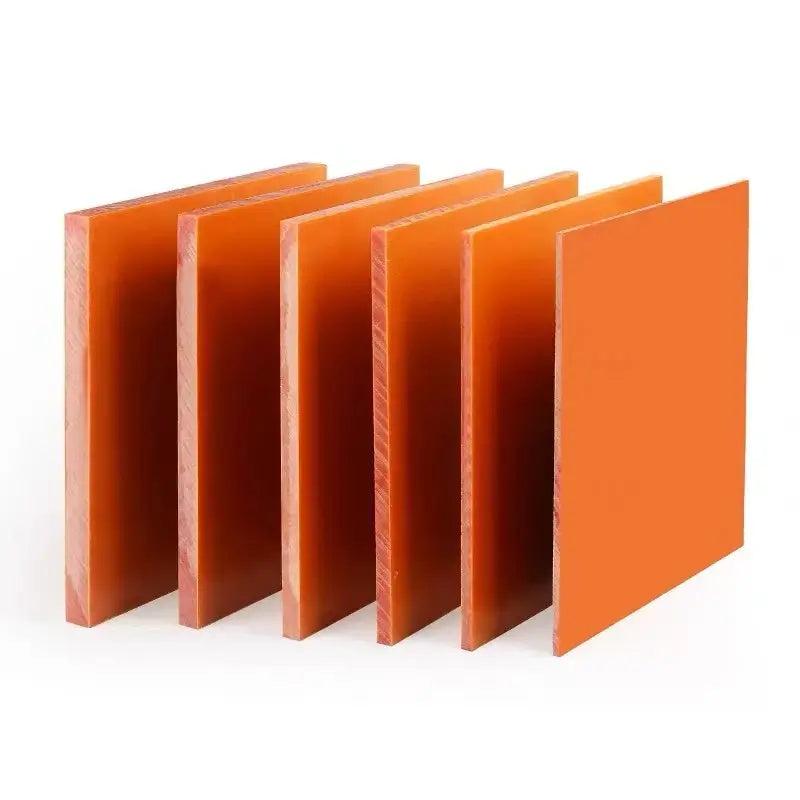
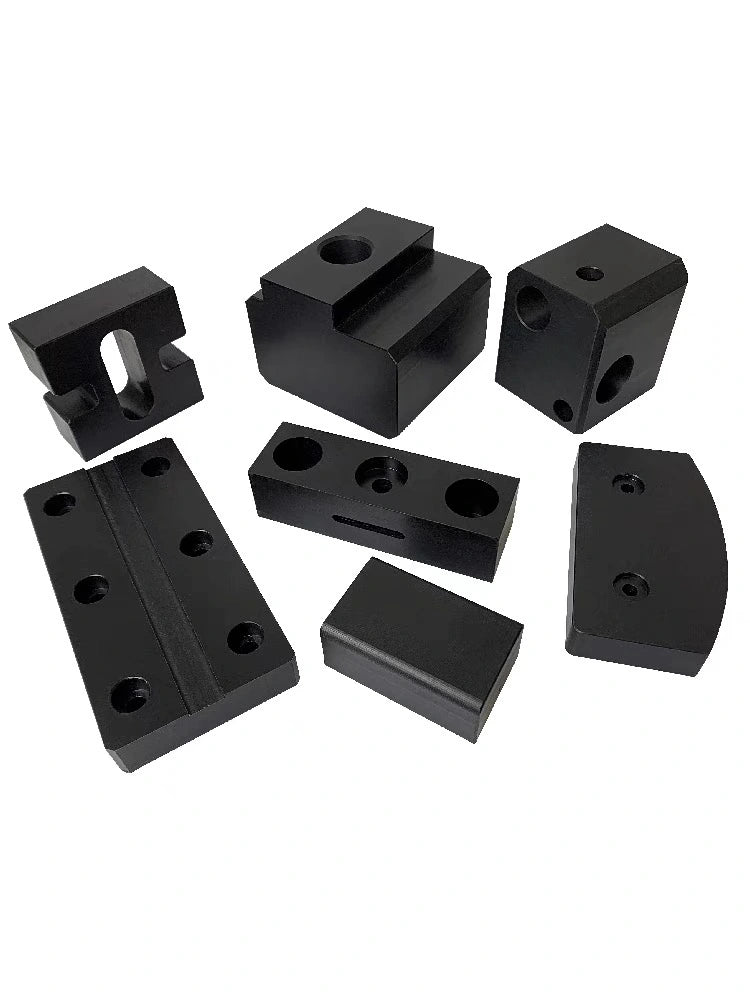
An assortment of custom-machined orange Bakelite (phenolic paper) and black Garolite (phenolic cloth) parts, showcasing Beeplastic's expertise in fabricating robust thermoset components.

Unmatched Heat Resistance: A Key Advantage of Material Bakelite

One of the most notable properties of material Bakelite is its exceptional heat resistance. Unlike traditional plastics that may warp, melt, or degrade under high temperatures, Bakelite maintains its structural integrity, even under extreme conditions. This makes it an ideal choice for applications in high-temperature environments, such as industrial ovens, furnaces, and heavy machinery used in manufacturing plants. Industries that depend on thermal stability, like metallurgy or automotive production, rely on Bakelite to ensure safety and consistent performance in demanding conditions.

For example, in industrial equipment, components often face prolonged exposure to heat, especially in processes involving heavy machinery or thermal applications. Bakelite’s resilience ensures that these components function reliably without the risk of failure or deformation. For example, in heavy machinery, Bakelite is often used in bearings and heat shields, where its ability to withstand extreme temperatures and mechanical stress is critical to maintaining operational stability. Similarly, in electrical manufacturing, insulation materials must resist the intense heat generated by electrical currents. Bakelite’s superior performance in these scenarios is unparalleled, reducing the risk of equipment malfunctions, enhancing safety protocols, and improving overall operational efficiency.

Furthermore, Bakelite’s heat resistance extends the lifespan of equipment, making it a cost-efficient solution for businesses. By choosing Bakelite, manufacturers can avoid frequent replacements and costly downtime caused by overheating, ensuring smooth and uninterrupted production processes.

A non-conductive test fixture for a printed circuit board (PCB), precision-machined by Beeplastic from a Bakelite sheet for excellent dimensional stability and insulation.

Electrical Insulation Superiority of Material Bakelite

Material Bakelite is widely recognized for its superior electrical insulating properties. Its non-conductive nature makes it indispensable in the electronics and electrical industries, where safety and efficiency are paramount. For example, Bakelite is commonly used in circuit breakers, ensuring reliable insulation and preventing electrical faults even under high-voltage conditions. Unlike many plastics that may allow some level of electrical conductivity, Bakelite provides consistent and reliable insulation.

For instance, Bakelite is extensively used in switchboards and other electrical panels, where its insulating properties protect against electrical interference and reduce the risk of short circuits. Additionally, casings for electronic devices often rely on Bakelite to safeguard internal components from potential damage caused by voltage fluctuations or external interference.

Compared to plastics, Bakelite offers enhanced reliability, particularly in high-voltage settings, making it the material of choice for critical applications. For instance, Bakelite is widely used in power transformers, where its insulating properties prevent energy loss and ensure safe operation under intense electrical loads. Its ability to withstand intense electrical stress without compromising performance makes it a cornerstone material in modern electrical engineering, especially in applications requiring stringent safety measures.

Durability and Longevity: Why Material Bakelite Outlasts Plastic

Durability is another area where material Bakelite significantly outshines plastics. Its high resistance to wear, chemicals, moisture, and environmental factors ensures a long lifespan, even in harsh conditions. This robustness makes it suitable for industries requiring materials that can endure repeated stress and challenging operational environments.

In automotive manufacturing, for example, Bakelite is frequently used in gears, clutch plates, and other precision components. These parts must endure significant mechanical stress while maintaining their structural integrity over extended periods. Similarly, industrial parts production benefits from Bakelite’s ability to withstand continuous use without degradation, ensuring consistent performance and reliability.

By opting for Bakelite, manufacturers can reduce maintenance costs, minimize disruptions caused by material failures, and extend the lifecycle of their products. For example, in the automotive industry, the use of Bakelite in clutch plates and brake systems has significantly reduced repair frequency and enhanced overall vehicle reliability. This cost-effective solution is particularly valuable in industries where downtime and repair expenses can have significant financial implications. Additionally, its chemical resistance ensures that Bakelite components remain unaffected by exposure to oils, solvents, or corrosive substances, further enhancing its utility across various sectors.

the use of Bakelite in clutch plates and brake systems

Economic Value of Material Bakelite in Manufacturing

In addition to its physical properties, material Bakelite provides significant economic advantages. Its long lifespan, durability, and low maintenance requirements make it a cost-effective option for manufacturers looking to optimize their operations.

For instance, reduced downtime due to fewer material failures translates to higher productivity and lower operational costs. Businesses can avoid frequent interruptions in production caused by component replacements, ensuring smoother workflows. Furthermore, the durability of Bakelite means fewer replacements are needed over time, resulting in lower overall expenses and improved cost management.

These benefits make Bakelite a preferred material in sectors like electrical component production and industrial equipment manufacturing, where cost-efficiency is a top priority. Manufacturers seeking to balance performance with budget considerations often turn to Bakelite for its proven reliability and exceptional value.

Sustainable Manufacturing with Material Bakelite

As industries focus more on sustainability, material Bakelite offers an environmentally friendly alternative to traditional plastics. While it is not biodegradable, Bakelite’s long lifespan contributes to reduced waste generation, aligning with the principles of sustainable manufacturing.

Unlike disposable plastics that require frequent replacement, Bakelite components last significantly longer, minimizing environmental impact. For instance, the automotive industry has adopted Bakelite for parts like gears and insulators, reducing waste by extending product life cycles. This durability not only decreases the need for frequent replacements but also aligns with industry trends toward sustainable materials that support circular manufacturing processes. This durability ensures that fewer resources are consumed in the production and replacement of materials, supporting eco-friendly practices in manufacturing. By integrating Bakelite into operations, manufacturers align with broader sustainability goals such as reducing carbon footprints and promoting resource efficiency. Industries striving for greener supply chains and circular economy initiatives can greatly benefit from Bakelite’s long-lasting nature, which reduces waste and conserves energy.

Moreover, advancements in recycling techniques are enabling the reuse of Bakelite in new applications, further enhancing its sustainability profile. For industries aiming to adopt greener practices without compromising performance, Bakelite presents a viable solution that combines efficiency with environmental responsibility.

Bakelite’s long-lasting nature

Discover the Potential of Material Bakelite for Your Business

Material Bakelite clearly outperforms plastic in numerous industrial applications. From its unmatched heat resistance and superior electrical insulation to its durability and cost-effectiveness, Bakelite provides a reliable solution for manufacturers seeking high-performance materials.

If you’re ready to leverage the benefits of Bakelite for your industrial applications, explore our comprehensive resources:

For personalized assistance, fill out the contact form at the bottom of this page. Let’s work together to bring your vision to life with the superior performance of material Bakelite, a material that aligns with current industry needs for sustainability, durability, and efficiency. By choosing Bakelite, you’re investing in solutions that meet the demands of modern manufacturing and ensure long-term operational success. Discover how material Bakelite can elevate your industrial applications and transform your operations for lasting success.

Bakelite plastic products
🎉🎉🎉Limited Time Offer Use code: QR4GNY08SHVR at checkout and enjoy a special discount on your entire order! 👉 Bakelite plastic

Leave a comment


Please note, comments must be approved before they are published


Custom Plastic Fabrication

Send your drawing, material and quantity for review

🔧
Precision Machining
CNC milling & turning
✂️
Cutting & Engraving
Laser & waterjet cutting
🏭
Forming & Molding
Thermoforming & injection
🔗
Joining & Assembly
Welding & bonding
📐
Design & Prototyping
CAD design & samples

General

HDPE

PP

PVC

ABS

Engineering

POM

Nylon

PC

PMMA

High-Performance

PEEK

PEI

PTFE

Composites

FR-4

G10

Flexible

TPU

Silicone

Why Choose BeePlastic?

🎯
Perfect Fit
Custom specs eliminate adaptation needs
⚡
Clear Lead Times
Lead time confirmed with every quote
💰
Volume Pricing
Volume pricing available on bulk orders
🤝
Expert Support
Free engineering consultation included
📋
Submit
→
🔍
Review
→
💵
Quote
→
✅
Production
→
📦
Deliver

Request a Quote

Share your project details, selected material and quantity on our quote page. You can add a file link or use the email drawing route shown there.


Request Quote

Industries: Automotive • Medical • Food • Lab • Semiconductor

beeplastic@beeplastic.com


Exploring UHMW-PE in Automotive Manufacturing: Durable Solutions for Transportation Equipment

UHMWPE plastic

Dive into the world of UHMW-PE (Ultra-High Molecular Weight Polyethylene) and discover how this high-performance material is revolutionizing automotive manufacturing. This blog post covers the extensive benefits of UHMW-PE, from its exceptional durability and high impact resistance to its superior abrasion resistance and chemical inertness. Learn why UHMW-PE is increasingly preferred over traditional materials in the automotive industry and how it enhances vehicle safety and performance. Explore its applications in vehicle interiors, and understand the significant role it plays in reducing maintenance costs. Stay updated with the latest innovations in UHMW-PE processing techniques and discover successful case studies that highlight its impact on the industry. Whether you’re interested in safety components, interior applications, or cost-efficiency, this comprehensive guide provides valuable insights into the transformative potential of UHMW-PE for automotive and transportation equipment.

🎉🎉🎉Limited Time Offer Use code: QR4GNY08SHVR at checkout and enjoy a special discount on your entire order! 👉 UHMWPE plastic
UHMW-PE for automotive and transportation equipment

Introduction to UHMW-PE and Its Importance in Automotive Manufacturing

Understanding UHMW-PE: The Basics

Ultra-High Molecular Weight Polyethylene (UHMW-PE) is a type of thermoplastic polymer known for its remarkable properties. It stands out due to its extremely high molecular weight, which imparts unique characteristics that make it ideal for automotive applications. The molecular structure of UHMW-PE provides exceptional durability, high impact resistance, and impressive abrasion resistance.

Extreme Durability of UHMW-PE

One of the most significant advantages of UHMW-PE is its extreme durability. This material can withstand intense stress and strain without deforming or breaking. Its high molecular weight results in enhanced toughness, allowing automotive parts made from UHMW-PE to endure harsh operating conditions over extended periods. This durability is critical for components that are subjected to repetitive motions and heavy loads, such as gears and bushings.

High Impact Resistance

UHMW-PE exhibits superior impact resistance, which is crucial for automotive safety components. This property enables the material to absorb and dissipate energy upon impact, thereby reducing the risk of damage and enhancing the overall safety of the vehicle. For example, bumpers and dashboards made from UHMW-PE can better protect passengers during collisions. The material’s ability to withstand high-impact forces without cracking ensures that critical parts maintain their integrity under stress.

Abrasion Resistance: A Key Benefit

Another notable feature of UHMW-PE is its abrasion resistance. This characteristic is essential for automotive components that encounter continuous friction and wear. UHMW-PE’s low coefficient of friction means that it can resist wear from rubbing against other surfaces, prolonging the lifespan of parts such as wear strips, guides, and liners. This property reduces the need for frequent replacements, thereby lowering maintenance costs and downtime for automotive manufacturers.

Why UHMW-PE is Ideal for Automotive Applications

Combining these properties—extreme durability, high impact resistance, and abrasion resistance—makes UHMW-PE a superior choice for various automotive applications. Its performance exceeds that of many traditional materials, including metals and standard plastics. Furthermore, UHMW-PE is lightweight, which contributes to overall vehicle efficiency and fuel economy, an increasingly important factor in today’s automotive industry.

Advantages of UHMW-PE Over Traditional Automotive Materials

Superior Wear Resistance

UHMW-PE (Ultra-High Molecular Weight Polyethylene) excels in applications requiring materials that endure repetitive motion and friction. Unlike traditional metals and standard plastics, UHMW-PE boasts exceptional wear resistance, which significantly extends the lifespan of automotive components. This superior wear resistance is attributed to UHMW-PE’s high molecular weight, allowing it to withstand abrasion and mechanical stress without degrading. Components such as gears, bearings, and wear strips benefit greatly from UHMW-PE, reducing the frequency of replacements and maintenance costs.

UHMW-PE for automotive and transportation equipment

Enhanced Safety Benefits

Safety is paramount in the automotive industry, and UHMW-PE offers distinct advantages over traditional materials. Due to its high impact resistance, UHMW-PE can absorb and dissipate energy more effectively during collisions. This characteristic enhances the safety of critical components like bumpers and dashboard panels, ensuring they remain intact and protect passengers in the event of an accident. Additionally, UHMW-PE’s non-splintering nature means it doesn’t shatter into sharp fragments, unlike certain metals and plastics, thereby reducing the risk of injury.

Lightweight and Fuel Efficiency

UHMW-PE is significantly lighter than metals, contributing to overall vehicle weight reduction. This reduction in weight directly impacts fuel efficiency, an essential factor in today’s environmentally-conscious automotive industry. Vehicles utilizing UHMW-PE parts can achieve better mileage and lower emissions, aligning with global efforts to reduce carbon footprints. The lightweight nature of UHMW-PE does not compromise its strength, making it an ideal material for structural components and under-the-hood applications.

Chemical and Corrosion Resistance

One of the standout properties of UHMW-PE is its chemical resistance. In automotive applications where exposure to various chemicals, oils, and fuels is common, UHMW-PE maintains its integrity without reacting adversely. Unlike metals that may corrode or plastics that might degrade, UHMW-PE remains unaffected by harsh environments, ensuring the longevity and reliability of automotive parts. This makes UHMW-PE particularly useful for components like fuel tanks, chemical containers, and piping systems.

Low Coefficient of Friction

The low coefficient of friction of UHMW-PE reduces wear on moving parts, enhancing the efficiency of components such as conveyor belts, chain guides, and sliding elements. This property minimizes the energy required to operate these parts, further contributing to the overall efficiency and performance of the vehicle. Moreover, the self-lubricating nature of UHMW-PE eliminates the need for additional lubricants, simplifying maintenance and reducing operational costs.

Environmental and Economic Benefits

Adopting UHMW-PE in the automotive industry presents both environmental and economic benefits. Environmentally, the use of a durable and lightweight material helps in reducing the vehicle’s carbon footprint. Economically, the longevity and low maintenance requirements of UHMW-PE parts lead to cost savings over the vehicle’s lifespan. The reduced need for replacements and repairs translates into lower ownership costs for consumers and higher profitability for manufacturers.

By integrating UHMW-PE into automotive manufacturing, the industry can leverage these advantages to produce vehicles that are safer, more efficient, and environmentally friendly. For more information on UHMW-PE and its applications, explore resources like Celanese’s guide on UHMW-PE and OwnPlastics’ comprehensive overview.

UHMW-PE in the automotive industry

UHMW-PE in Vehicle Safety Components

High Impact Strength of UHMW-PE in Automotive Safety

Ultra-High Molecular Weight Polyethylene (UHMW-PE) is renowned for its high impact strength, a crucial characteristic for automotive safety components. This material can absorb significant energy upon impact, making it an ideal choice for safety-related components like bumpers and dashboard panels. When a vehicle experiences a collision, the energy absorption capability of UHMW-PE helps to mitigate the impact force, thereby reducing the potential damage to the vehicle and its occupants. This makes UHMW-PE an indispensable material in the quest for safer automotive designs.

Energy Absorption Capabilities

The energy absorption capabilities of UHMW-PE are paramount in the design of safety components. Traditional materials such as metals and standard plastics often fail to provide the same level of energy dissipation. In contrast, UHMW-PE’s unique molecular structure allows it to deform under high stress, effectively absorbing and dispersing the energy from impacts. This property is particularly beneficial for bumpers, which are designed to protect the vehicle’s front and rear ends during low-speed collisions. By using UHMW-PE, manufacturers can create bumpers that not only withstand impacts but also minimize damage to the vehicle’s frame and other critical components.

Applications in Bumpers

Bumpers made from UHMW-PE offer several advantages over those made from traditional materials. The high impact resistance of UHMW-PE ensures that bumpers can handle repeated impacts without cracking or breaking. Additionally, UHMW-PE’s lightweight nature contributes to overall vehicle weight reduction, which can improve fuel efficiency. The durability and reliability of UHMW-PE bumpers enhance the vehicle’s safety profile, providing a cost-effective solution for automotive manufacturers. For more details on bumper applications, visit Thyssenkrupp Materials NA.

Dashboard Panels and Interior Safety

Dashboard panels are another critical application of UHMW-PE in vehicle safety. In the event of a collision, the dashboard needs to remain intact to protect the vehicle’s occupants and the internal components behind it. UHMW-PE’s high impact resistance and energy absorption properties make it an excellent material for this application. Unlike traditional plastics that can shatter and pose a risk of injury, UHMW-PE dashboards maintain their integrity, reducing the likelihood of sharp fragments causing harm.

Enhancing Passenger Protection

UHMW-PE components in the interior of vehicles contribute significantly to passenger protection. The material’s ability to absorb energy without breaking reduces the risk of injury during accidents. For instance, door panels and side impact beams made from UHMW-PE can better withstand collisions, providing an added layer of safety for passengers. The use of color UHMW-PE can also enhance the aesthetic appeal of these safety components, without compromising on their protective functions.

Longevity and Maintenance Benefits

The longevity and low maintenance requirements of UHMW-PE also play a crucial role in its suitability for vehicle safety components. UHMW-PE’s resistance to wear and tear means that safety features such as bumpers and dashboards will maintain their protective qualities over the vehicle’s lifespan. This durability reduces the need for frequent replacements and repairs, offering long-term cost savings for both manufacturers and vehicle owners. Additionally, the material’s resistance to chemicals and UV light ensures that it remains effective even under harsh environmental conditions.

Conclusion

Integrating UHMW-PE into automotive safety components such as bumpers and dashboard panels offers numerous advantages, from enhanced impact resistance and energy absorption to improved passenger protection and reduced maintenance costs. These benefits make UHMW-PE an invaluable material in the ongoing efforts to design safer, more efficient vehicles. For further reading, explore Celanese’s guide on UHMW-PE and OwnPlastics’ comprehensive overview.

UHMW-PE in the automotive industry

Role of UHMW-PE in Enhancing Vehicle Performance

Reducing Vehicle Weight with UHMW-PE

Ultra-High Molecular Weight Polyethylene (UHMW-PE) plays a crucial role in reducing vehicle weight, which is vital for enhancing overall vehicle performance. Traditional materials like steel and aluminum, while strong, add significant weight to the vehicle. UHMW-PE is much lighter, which directly contributes to the reduction of the vehicle’s total weight. This weight reduction is especially important for new energy vehicles, including electric and hybrid cars, where efficiency and range are critical factors. By using UHMW-PE for components such as gears, bushings, and panels, manufacturers can achieve substantial weight savings without compromising on durability or strength.

Improved Fuel Efficiency

The reduction in vehicle weight achieved through the use of UHMW-PE leads to improved fuel efficiency. Lighter vehicles require less energy to move, which translates to lower fuel consumption. This is particularly beneficial for internal combustion engine vehicles, where reducing the weight can lead to significant fuel savings over the vehicle’s lifespan. For electric vehicles (EVs), a lighter weight means extended battery life and greater driving range, which are key selling points for consumers. The material’s inherent properties help maintain structural integrity while reducing the overall weight, making UHMW-PE an ideal choice for enhancing fuel efficiency.

Lower Emissions

Reducing vehicle weight with UHMW-PE also has a positive impact on lowering emissions. Lighter vehicles emit fewer greenhouse gases because they require less fuel to operate. This reduction in emissions aligns with global efforts to combat climate change and adhere to stricter environmental regulations. For new energy vehicles, lower weight not only improves efficiency but also supports sustainability goals by minimizing the environmental impact. By incorporating UHMW-PE into various components, automotive manufacturers can contribute to a cleaner environment and meet regulatory requirements more effectively.

Versatile Applications in New Energy Vehicles

UHMW-PE is versatile and can be used in a wide range of applications within new energy vehicles. Its lightweight nature makes it suitable for parts that benefit from weight reduction, such as battery casings, cooling systems, and underbody shields. The material’s chemical resistance ensures that it can withstand exposure to various fluids and chemicals used in EVs, while its high impact resistance protects critical components from damage. This versatility helps manufacturers design more efficient and durable vehicles, ultimately enhancing performance.

Enhancing Structural Integrity

Despite being lightweight, UHMW-PE offers excellent structural integrity. Its high molecular weight provides superior strength and durability, ensuring that components made from UHMW-PE can withstand the demands of automotive use. This combination of light weight and strength is particularly beneficial for structural components like chassis parts and body panels. These components require materials that can handle stress and impact without adding unnecessary weight, and UHMW-PE meets these requirements perfectly.

Cost Efficiency and Sustainability

Using UHMW-PE can also lead to cost efficiency for manufacturers. The material’s durability reduces the need for frequent replacements and maintenance, resulting in lower long-term costs. Additionally, the production processes for UHMW-PE are often more energy-efficient compared to those for traditional materials, further supporting sustainability goals. By choosing UHMW-PE, manufacturers can create vehicles that are not only high-performing but also economically and environmentally sustainable.

Incorporating UHMW-PE into automotive manufacturing offers numerous advantages, from reducing weight and improving fuel efficiency to lowering emissions and enhancing structural integrity. These benefits make it a valuable material in the ongoing development of efficient and sustainable vehicles. For further information, explore resources such as Celanese’s guide on UHMW-PE and OwnPlastics’ comprehensive overview.

UHMW-PE into automotive manufacturing

UHMW-PE in Automotive Interior Applications

Enhancing Ergonomics with UHMW-PE

Ultra-High Molecular Weight Polyethylene (UHMW-PE) plays a pivotal role in enhancing the ergonomics of vehicle interiors. The material’s versatility and moldability allow for the creation of ergonomic components that significantly improve driver and passenger comfort. Seat backs made from UHMW-PE can be designed to conform to the natural contours of the human body, providing superior support and reducing fatigue during long drives. The flexibility of UHMW-PE also enables the incorporation of various ergonomic features, such as lumbar supports and adjustable headrests, which further enhance comfort and support.

Durability of UHMW-PE in Interior Components

The durability of UHMW-PE makes it an excellent choice for interior components that are subjected to frequent use and wear. Dashboard panels, which are constantly exposed to varying temperatures, sunlight, and physical contact, benefit from UHMW-PE’s resistance to UV radiation and thermal degradation. This ensures that the dashboard remains intact and aesthetically pleasing over time, without cracking or fading. Additionally, UHMW-PE’s abrasion resistance protects interior components from scratches and scuffs, maintaining their appearance and functionality even in high-traffic areas of the vehicle.

Lightweight Solutions for Interior Design

UHMW-PE is significantly lighter than traditional materials such as metals and some plastics, which contributes to the overall weight reduction of the vehicle. This lightweight characteristic is particularly beneficial for interior components like seat frames, door panels, and console parts, where reducing weight can improve fuel efficiency and vehicle performance. By using UHMW-PE, manufacturers can design sleek and lightweight interior features that do not compromise on strength or durability, enhancing both the aesthetics and efficiency of the vehicle.

Chemical Resistance and Easy Maintenance

The chemical resistance of UHMW-PE is another key advantage for automotive interiors. This property ensures that interior components are resistant to stains, spills, and cleaning agents, making them easier to maintain. For instance, cup holders, armrests, and door handles made from UHMW-PE can withstand exposure to various chemicals and liquids without degrading or losing their structural integrity. This resistance to chemicals and easy maintenance is especially important for maintaining a clean and hygienic vehicle interior.

Safety and Impact Resistance

Safety is a crucial consideration in automotive design, and UHMW-PE offers significant benefits in this area. The high impact resistance of UHMW-PE ensures that interior components can absorb and dissipate energy in the event of a collision, reducing the risk of injury to occupants. For example, door panels and dashboard components made from UHMW-PE can help protect passengers by minimizing the impact forces during an accident. Additionally, the non-splintering nature of UHMW-PE prevents the formation of sharp fragments, further enhancing the safety of interior components.

Versatility in Design and Aesthetics

UHMW-PE offers versatility in design, allowing manufacturers to create aesthetically pleasing and functional interior components. The material can be easily colored and textured to match the desired interior design theme, providing a seamless and attractive finish. Components such as seat backs, dashboard panels, and trim pieces can be customized to meet specific design requirements, enhancing the overall look and feel of the vehicle’s interior.

Cost-Effectiveness and Sustainability

The cost-effectiveness of UHMW-PE is an important consideration for automotive manufacturers. The material’s durability and low maintenance requirements translate into long-term cost savings, as components made from UHMW-PE have a longer lifespan and require fewer replacements. Furthermore, the lightweight nature of UHMW-PE contributes to improved fuel efficiency, which can lead to additional cost savings for consumers. The sustainability of UHMW-PE, with its potential for recycling and reduced environmental impact, also aligns with the growing emphasis on eco-friendly automotive design.

Ultra-High Molecular Weight Polyethylene (UHMW-PE) offers numerous benefits for automotive interior applications, enhancing ergonomics, durability, safety, and aesthetics. Its versatile and durable nature makes it an ideal material for creating high-performance, comfortable, and attractive vehicle interiors. For more insights on UHMW-PE applications, visit Celanese’s UHMW-PE page and OwnPlastics for comprehensive guides.

Ultra-High Molecular Weight Polyethylene (UHMW-PE) offers numerous benefits for automotive interior applications

The Impact of UHMW-PE on Automotive Maintenance Costs

Durability and Longevity of UHMW-PE

Ultra-High Molecular Weight Polyethylene (UHMW-PE) is renowned for its exceptional durability. This material’s high molecular weight provides significant strength and resistance to mechanical stress, making it ideal for various automotive components. UHMW-PE can withstand harsh conditions without degrading, which means parts made from this material have a prolonged lifespan. For example, gears, bushings, and sliding elements made from UHMW-PE exhibit minimal wear and tear over time, reducing the frequency of replacements and associated maintenance costs.

Resistance to Wear

The wear resistance of UHMW-PE is a key factor in reducing automotive maintenance costs. This material’s low coefficient of friction means that it resists abrasion and surface damage even under continuous use. Components like wear strips, chain guides, and conveyor belts benefit from this property, as they are less likely to experience the kind of wear that necessitates frequent maintenance. By maintaining their integrity longer than components made from traditional materials, UHMW-PE parts help in lowering maintenance expenditures.

Corrosion Resistance

UHMW-PE exhibits excellent corrosion resistance, which is particularly advantageous in automotive applications exposed to various chemicals, oils, and environmental conditions. Unlike metals, which can rust and degrade when exposed to moisture and corrosive substances, UHMW-PE remains unaffected. This property is crucial for parts such as fuel tanks, chemical containers, and piping systems, where corrosion could lead to significant maintenance issues and costs. The use of UHMW-PE in these components ensures longevity and reliability, further driving down maintenance expenses.

Cost Savings through Reduced Downtime

By reducing the need for frequent maintenance and part replacements, UHMW-PE contributes to less downtime for vehicles. This is particularly important for commercial vehicles and fleets, where downtime translates directly into lost revenue. With UHMW-PE’s enhanced durability and resistance to wear and corrosion, vehicles can remain operational for longer periods without the need for significant repairs. This reliability not only reduces direct maintenance costs but also improves overall operational efficiency.

Self-Lubricating Properties

Another cost-saving feature of UHMW-PE is its self-lubricating nature. This material’s ability to reduce friction without the need for additional lubricants simplifies maintenance routines and reduces the cost associated with purchasing and applying lubricants. Components such as sliding bearings, gears, and conveyor belts made from UHMW-PE can operate smoothly with minimal maintenance. This self-lubricating property also reduces the risk of mechanical failures due to insufficient lubrication, further lowering maintenance costs.

Application in High-Stress Components

UHMW-PE is particularly effective in high-stress automotive components, where its impact resistance and toughness ensure that parts can endure extreme conditions without failing. For example, impact-resistant bumpers, protective panels, and chassis components benefit from UHMW-PE’s properties, reducing the need for frequent repairs and replacements. The material’s ability to absorb shocks and impacts without cracking or breaking is crucial for maintaining the integrity of these components under strenuous conditions.

Environmental and Economic Benefits

The use of UHMW-PE also aligns with broader environmental and economic benefits. The material’s longevity means fewer parts are needed over the vehicle’s lifespan, reducing the environmental impact associated with manufacturing and disposing of automotive components. Economically, the reduced need for maintenance and part replacements translates into significant cost savings for vehicle owners and manufacturers. This makes UHMW-PE an attractive material for those looking to enhance vehicle performance while minimizing operational costs.

By leveraging the unique properties of UHMW-PE, automotive manufacturers can achieve substantial reductions in maintenance costs, improve vehicle reliability, and enhance overall performance. For more insights into UHMW-PE applications, visit Celanese’s guide on UHMW-PE and OwnPlastics for comprehensive overviews.

UHMW-PE

Innovations in UHMW-PE Processing for Automotive Uses

Enhancing UV Resistance

Recent advancements in the processing techniques of Ultra-High Molecular Weight Polyethylene (UHMW-PE) have significantly improved its UV resistance, making it more suitable for automotive applications. Traditional UHMW-PE can degrade when exposed to ultraviolet (UV) light, leading to a reduction in its mechanical properties. However, new processing methods incorporate UV stabilizers into the UHMW-PE matrix during manufacturing. These stabilizers absorb and dissipate UV radiation, preventing the polymer chains from breaking down. This enhancement extends the lifespan of UHMW-PE components used in exterior automotive applications, such as bumpers, side panels, and roof racks, which are continuously exposed to sunlight.

Anti-Static Capabilities

Another critical innovation in UHMW-PE processing is the development of anti-static capabilities. Static electricity can pose significant risks in automotive environments, potentially causing electronic malfunctions or even fires. By incorporating conductive additives into UHMW-PE, manufacturers can produce anti-static UHMW-PE that dissipates static charges effectively. This property is particularly beneficial for components like fuel system parts, electronic housings, and interior panels, where static buildup must be minimized. The anti-static properties ensure the safe operation of these parts and enhance the overall reliability of the vehicle’s electronic systems.

Improved Chemical Resistance

Advances in UHMW-PE processing have also led to improved chemical resistance. By modifying the polymer structure and incorporating specific additives, UHMW-PE can now resist a broader range of chemicals and solvents. This enhancement is crucial for automotive applications where parts are exposed to various fluids, such as fuel lines, coolant systems, and oil reservoirs. Improved chemical resistance ensures that UHMW-PE components maintain their integrity and functionality even in harsh chemical environments, reducing maintenance needs and prolonging part lifespan.

Enhanced Mechanical Properties

Innovations in processing techniques have enabled the production of UHMW-PE with enhanced mechanical properties, such as higher tensile strength and greater impact resistance. Techniques such as cross-linking and reinforcement with fibers or nano-particles have been employed to achieve these improvements. Cross-linking creates covalent bonds between polymer chains, resulting in a material that is tougher and more durable. The addition of fibers or nanoparticles further enhances the material’s strength and rigidity, making it suitable for high-stress applications such as structural components, engine mounts, and chassis parts.

Customized Additives for Specific Applications

The ability to tailor UHMW-PE properties through the use of customized additives is another significant innovation. Depending on the specific requirements of the automotive application, different additives can be introduced during the processing of UHMW-PE. For instance, adding lubricants can improve the material’s self-lubricating properties, reducing wear in moving parts such as gears and bearings. Similarly, incorporating flame retardants can enhance the safety of UHMW-PE components used in high-temperature environments, such as engine compartments.

Eco-Friendly Processing Methods

Recent advancements have also focused on eco-friendly processing methods for UHMW-PE. Techniques that reduce energy consumption and minimize environmental impact during production are becoming more prevalent. For example, advancements in recycling technologies allow for the reprocessing of UHMW-PE waste into high-quality material, promoting sustainability in the automotive industry. Additionally, the development of bio-based UHMW-PE from renewable resources is an emerging area of research, offering a greener alternative to traditional petroleum-based UHMW-PE.

Conclusion

These innovations in UHMW-PE processing techniques significantly enhance its suitability for automotive applications, offering improved UV resistance, anti-static capabilities, chemical resistance, and mechanical properties. By incorporating customized additives and adopting eco-friendly methods, UHMW-PE can meet the evolving demands of the automotive industry, providing durable, safe, and sustainable solutions. For more detailed information, explore resources such as Celanese’s guide on UHMW-PE and OwnPlastics for comprehensive overviews.

Case Studies: Successful Automotive Applications of UHMW-PE

Toyota: Reducing Vehicle Weight with UHMW-PE

Toyota has successfully integrated Ultra-High Molecular Weight Polyethylene (UHMW-PE) into their production lines, particularly in components designed to reduce overall vehicle weight. By utilizing UHMW-PE for parts such as fuel tanks and underbody shields, Toyota has managed to achieve significant weight savings. These components, traditionally made from metals, have benefited from UHMW-PE’s lightweight properties, contributing to improved fuel efficiency and lower emissions. The transition to UHMW-PE has also enhanced the corrosion resistance of these parts, ensuring longevity and reducing maintenance costs. For more information on Toyota’s innovative use of UHMW-PE, visit Toyota’s sustainability page.

Ford: Enhancing Durability and Safety

Ford has adopted UHMW-PE in various safety components within their vehicles. By using UHMW-PE for bumpers and door panels, Ford has leveraged the material’s high impact resistance and energy absorption capabilities. This integration has significantly improved the safety of their vehicles, as these components can better withstand collisions without compromising structural integrity. Additionally, the durability of UHMW-PE ensures that these safety parts remain effective over time, reducing the need for frequent replacements. For detailed insights into Ford’s use of advanced materials, check out Ford’s research on safety technologies.

General Motors: Advanced Material Handling Solutions

General Motors (GM) has implemented UHMW-PE in their material handling systems. UHMW-PE’s low coefficient of friction and high wear resistance make it ideal for conveyor belts and chain guides used in GM’s assembly lines. These components experience less wear and tear, which minimizes maintenance requirements and operational downtime. The self-lubricating properties of UHMW-PE also reduce the need for additional lubricants, further cutting down on maintenance costs. For more on GM’s manufacturing innovations, explore GM’s manufacturing processes page.

Tesla: Innovation in Battery Casings

Tesla has incorporated UHMW-PE into the design of battery casings for their electric vehicles (EVs). The material’s lightweight and high impact resistance provide robust protection for the batteries while contributing to the overall weight reduction of the vehicle. This integration enhances the driving range of Tesla’s EVs by improving energy efficiency. Moreover, UHMW-PE’s chemical resistance ensures that the battery casings remain unaffected by potential exposure to various chemicals and solvents. For more details on Tesla’s materials engineering, visit Tesla’s technology page.

BMW: UHMW-PE in Interior Components

BMW has utilized UHMW-PE for various interior components, including dashboard panels and seat backs. The ergonomic benefits of UHMW-PE, combined with its durability, have improved the comfort and longevity of these interior parts. BMW’s focus on using UHMW-PE has also enhanced the aesthetic appeal of their vehicle interiors, as the material can be easily colored and textured. The result is a high-quality, durable interior that maintains its appearance and functionality over time. For more on BMW’s interior innovations, check out BMW’s interior design advancements.

Nissan: Corrosion-Resistant Fuel Systems

Nissan has integrated UHMW-PE into their fuel systems, particularly in components such as fuel lines and fuel tanks. The material’s excellent resistance to chemicals and corrosion ensures that these critical parts remain reliable and safe throughout the vehicle’s lifespan. This application has reduced the incidence of fuel system failures and maintenance, providing a more dependable driving experience. For further reading on Nissan’s material applications, visit Nissan’s technology page.

These real-world examples demonstrate the diverse applications and significant benefits of UHMW-PE in the automotive industry, highlighting how innovative processing techniques and material properties contribute to improved vehicle performance and safety. For more detailed information on these case studies, explore the respective manufacturers’ technology and innovation pages.

UHMW-PE in the automotive industry

Common Questions and Answers About UHMW-PE and BeePlastics Customization

1. What are the key properties of UHMW-PE that make it suitable for automotive applications?

Answer: Ultra-High Molecular Weight Polyethylene (UHMW-PE) is highly valued in the automotive industry for its exceptional durability, high impact resistance, and abrasion resistance. Its lightweight nature contributes to improved fuel efficiency, while its resistance to chemicals and corrosion ensures longevity and reliability of automotive components.

2. How does UHMW-PE improve vehicle safety?

Answer: UHMW-PE improves vehicle safety by providing high impact resistance and energy absorption capabilities. It is used in bumpers and dashboard panels to absorb and dissipate energy during collisions, protecting passengers and minimizing damage.

3. In what ways does UHMW-PE contribute to reducing maintenance costs in automotive applications?

Answer: UHMW-PE’s durability and resistance to wear and corrosion reduce the need for frequent part replacements and maintenance. This leads to lower maintenance costs and less vehicle downtime, enhancing overall operational efficiency.

4. What advancements in UHMW-PE processing have been made for automotive uses?

Answer: Recent advancements in UHMW-PE processing include improved UV resistance, anti-static capabilities, and enhanced mechanical properties through techniques like cross-linking and reinforcement with fibers or nanoparticles. These innovations make UHMW-PE more suitable for a wide range of automotive applications.

5. How is UHMW-PE used in automotive interior components?

Answer: UHMW-PE is used in automotive interiors for seat backs, dashboard panels, and other components due to its ergonomic benefits, durability, and resistance to wear. Its ability to be easily colored and textured also enhances the aesthetic appeal of vehicle interiors.

6. What are the customization options available with BeePlastics for UHMW-PE products?

Answer: BeePlastics can undertake any customization, including sample customization and batch customization. They accept a variety of file formats, including PDF and CAD, ensuring precise and tailored manufacturing to meet customer specifications.

7. Does BeePlastics have a minimum order quantity (MOQ) requirement for UHMW-PE products?

Answer: No, BeePlastics does not have a minimum order quantity (MOQ) requirement. This allows customers to order the exact amount they need, whether it’s a single sample or a large batch, providing flexibility and cost-effectiveness.

8. What is the production cycle for customized UHMW-PE products at BeePlastics?

Answer: The production cycle at BeePlastics depends on the order amount and the complexity of the process. They communicate the production progress in real-time, ensuring transparency and timely delivery of orders.

9. Can BeePlastics provide samples of UHMW-PE products?

Answer: Yes, BeePlastics supports the provision of samples. The samples are provided free of charge, with customers only responsible for the shipping costs. This allows customers to evaluate the quality and suitability of the product before placing a larger order.

10. What file formats does BeePlastics accept for customization requests?

Answer: BeePlastics accepts a variety of file formats for customization requests, including PDF and CAD. This flexibility ensures that they can work with different design specifications and deliver precisely tailored products.

These questions and answers address the key aspects of UHMW-PE in automotive applications and the customization options provided by BeePlastics, helping customers make informed decisions. For more detailed information, explore BeePlastics’ comprehensive customization services and product offerings.

Conclusion

Incorporating Ultra-High Molecular Weight Polyethylene (UHMW-PE) into automotive manufacturing presents a multitude of advantages that enhance vehicle performance, safety, and cost-efficiency. From reducing vehicle weight and improving fuel efficiency to providing superior impact resistance and longevity, UHMW-PE proves to be an invaluable material in the automotive industry. The real-world examples of leading automotive manufacturers like Toyota, Ford, General Motors, Tesla, BMW, and Nissan highlight the diverse applications and significant benefits of UHMW-PE. Furthermore, the innovative processing techniques that enhance UV resistance, anti-static capabilities, and mechanical properties make UHMW-PE even more suitable for modern automotive needs. For those seeking customized UHMW-PE solutions, BeePlastics offers comprehensive services, including sample and batch customization, no minimum order quantities, and real-time production updates. Embracing UHMW-PE not only drives innovation but also contributes to more sustainable and efficient automotive manufacturing. For more information on UHMW-PE applications and customization options, visit Celanese’s guide on UHMW-PE and OwnPlastics for comprehensive overviews.

UHMW PE CNC processing customization

Unlock the Benefits of UHMW-PE for Your Automotive Needs!

Ready to enhance your vehicle performance with durable, efficient, and cost-effective UHMW-PE components? Fill out our contact form below to get started on your customized solution. For more details, visit our comprehensive customization page at BeePlastics UHMW-PE Customization.

🎉🎉🎉Limited Time Offer Use code: QR4GNY08SHVR at checkout and enjoy a special discount on your entire order! 👉 UHMWPE plastic

Leave a comment


Please note, comments must be approved before they are published


Custom Plastic Fabrication

Send your drawing, material and quantity for review

🔧
Precision Machining
CNC milling & turning
✂️
Cutting & Engraving
Laser & waterjet cutting
🏭
Forming & Molding
Thermoforming & injection
🔗
Joining & Assembly
Welding & bonding
📐
Design & Prototyping
CAD design & samples

General

HDPE

PP

PVC

ABS

Engineering

POM

Nylon

PC

PMMA

High-Performance

PEEK

PEI

PTFE

Composites

FR-4

G10

Flexible

TPU

Silicone

Why Choose BeePlastic?

🎯
Perfect Fit
Custom specs eliminate adaptation needs
⚡
Clear Lead Times
Lead time confirmed with every quote
💰
Volume Pricing
Volume pricing available on bulk orders
🤝
Expert Support
Free engineering consultation included
📋
Submit
→
🔍
Review
→
💵
Quote
→
✅
Production
→
📦
Deliver

Request a Quote

Share your project details, selected material and quantity on our quote page. You can add a file link or use the email drawing route shown there.


Request Quote

Industries: Automotive • Medical • Food • Lab • Semiconductor

beeplastic@beeplastic.com


Why PC Plastic Sheets Are a Game-Changer for Automotive Manufacturers

 PC plastic sheets in automotive manufacturing

Discover why PC plastic sheets are revolutionizing the automotive industry in this comprehensive guide. Learn about their enhanced durability and impact resistance, making them an ideal choice for automotive manufacturers. Understand how their lightweight benefits contribute to improved fuel efficiency. Explore the customizable solutions offered by PC sheets, perfect for innovative automotive designs. Find out how PC sheets can significantly reduce production costs. Dive into the advantages of UV protection and weather resistance with PC roofing sheets for vehicle exteriors. See how these sheets add superior aesthetic appeal to both automotive interiors and exteriors. Finally, discover the innovative applications of PC ABS sheet stock in advanced automotive components.

🎉🎉🎉Limited Time Offer Use code: QR4GNY08SHVR at checkout and enjoy a special discount on your entire order! 👉PC board

PC sheets

Enhanced Durability and Impact Resistance of PC Plastic Sheets

Unmatched Strength of PC Sheets

PC sheets are renowned for their unmatched strength and durability, making them an excellent choice for automotive applications. These sheets can withstand significant impact forces without cracking or breaking, ensuring the safety and longevity of vehicle components. This high impact resistance is particularly beneficial in critical areas such as bumpers, dashboard panels, and exterior trim.

Superior Impact Resistance

One of the standout features of PC plastic sheets is their superior impact resistance. Unlike traditional materials, PC sheets can absorb and dissipate energy, reducing the likelihood of damage during collisions. This property is crucial for automotive manufacturers who prioritize vehicle safety and reliability. By incorporating PC sheets into their designs, manufacturers can enhance the overall structural integrity of vehicles.

Long-Term Durability

The long-term durability of PC sheets also makes them a preferred material in the automotive industry. These sheets resist wear and tear, maintaining their structural integrity over time. This longevity is essential for vehicle parts that endure constant stress and exposure to harsh environments. By choosing PC plastic sheets, manufacturers ensure that their products remain reliable and functional throughout the vehicle’s lifespan.

Applications in Automotive Design

PC sheets find applications in various automotive components due to their durability and impact resistance. They are used in interior parts such as instrument panels, center consoles, and door panels, where durability is paramount. Additionally, PC sheets are ideal for exterior components like grilles, light covers, and window glazing, where impact resistance and aesthetic appeal are crucial.

The Role of PC Sheets in Enhancing Safety

Incorporating PC plastic sheets into vehicle designs enhances occupant safety. The toughness of these sheets ensures that they do not shatter upon impact, reducing the risk of injury to passengers. This characteristic makes PC sheets a vital component in safety-critical applications, such as windshields and side windows, where maintaining visibility and protection is essential.

The enhanced durability and impact resistance of PC plastic sheets make them indispensable in the automotive industry. Their ability to withstand high impact forces, coupled with their long-term durability, ensures that vehicles remain safe, reliable, and aesthetically pleasing. As automotive manufacturers continue to seek materials that offer superior performance, PC sheets will undoubtedly play a pivotal role in the future of vehicle design and manufacturing.

PC plastic sheets

Lightweight Benefits: Improving Fuel Efficiency with PC Sheets

The Importance of Lightweight Materials in Automotive Design

In the quest for better fuel efficiency, automotive manufacturers continuously seek out lightweight materials that do not compromise on strength or durability. PC sheets stand out in this regard, offering a perfect balance of lightweight properties and robust performance. By incorporating PC plastic sheets into vehicle design, manufacturers can achieve significant reductions in overall vehicle weight, which directly translates to improved fuel efficiency.

Advantages of Using PC Sheets

PC sheets are exceptionally lightweight compared to traditional materials like metal and glass. This characteristic makes them an ideal choice for various automotive components, from interior panels to exterior body parts. The use of PC sheet 1mm in particular allows for even greater weight savings, without sacrificing the structural integrity of the vehicle parts. These lightweight benefits are crucial in enhancing the fuel economy of modern vehicles.

Enhancing Fuel Efficiency

The use of lightweight PC sheets significantly contributes to fuel efficiency improvements. Lighter vehicles require less energy to accelerate and maintain speed, which reduces fuel consumption and lowers emissions. This is particularly important in the context of stricter environmental regulations and the growing demand for eco-friendly vehicles. By adopting PC sheets, automotive manufacturers can create more fuel-efficient cars that meet regulatory standards and consumer expectations.

Practical Applications in Automotive Manufacturing

PC sheets find extensive applications in automotive manufacturing due to their lightweight properties. They are used in windows, sunroofs, and panoramic roofs, where reducing weight can lead to substantial fuel savings. Additionally, PC sheet 1mm is often utilized in instrument panels and trim pieces, where lightweight materials are essential for achieving optimal fuel efficiency.

The Role of PC Sheets in Electric Vehicles

As the automotive industry shifts towards electric vehicles (EVs), the importance of lightweight materials like PC plastic sheets becomes even more pronounced. Electric vehicles benefit greatly from reduced weight, as it enhances their range and performance. By using PC sheets, manufacturers can produce lighter EVs with longer driving ranges and better overall energy efficiency.

The lightweight benefits of PC sheets make them a crucial material in the quest for improving fuel efficiency in the automotive industry. Their ability to reduce vehicle weight without compromising on strength or durability positions PC plastic sheets as an essential component in modern vehicle design and manufacturing.

lightweight benefits of PC sheets

Customizable Solutions: The Versatility of PC Sheets in Automotive Design

The Adaptability of PC Sheets

PC sheets are known for their exceptional adaptability in various automotive applications. These sheets can be easily customized to meet specific design requirements, making them an ideal choice for automotive manufacturers seeking versatile solutions. The ability to tailor PC sheets to precise dimensions and shapes ensures that they fit seamlessly into different vehicle components.

Customization Capabilities

One of the key advantages of PC sheets is their customization capabilities. Whether it’s adjusting the thickness, color, or surface finish, these sheets can be modified to suit various aesthetic and functional needs. PC ABS sheet stock, in particular, offers a blend of polycarbonate and ABS, providing a unique combination of strength and flexibility. This makes it perfect for interior and exterior automotive parts where both durability and appearance matter.

Applications in Automotive Interiors

In the realm of automotive interiors,PC sheets are invaluable. They are commonly used in dashboard panels, center consoles, and door trims. The customizable nature of these sheets allows manufacturers to create sleek, modern designs that enhance the overall aesthetic appeal of vehicle interiors. Additionally, PC ABS sheet stock is often chosen for its smooth finish and resistance to wear, ensuring that interior components remain pristine over time.

Enhancing Exterior Components

PC sheets also play a crucial role in automotive exterior components. These sheets can be used for grilles, headlight covers, and body panels, offering a high degree of flexibility in design. The customizability of PC sheets allows manufacturers to produce complex shapes and detailed features that are both aesthetically pleasing and functional. The incorporation of PC ABS sheet stock in exterior parts enhances their impact resistance and durability, making them suitable for various environmental conditions.

Benefits of Customization in Automotive Design

The ability to customize PC sheets provides numerous benefits in automotive design. It allows for the creation of unique vehicle features that can set a brand apart in a competitive market. Customization also enables manufacturers to address specific consumer preferences and market trends, ensuring that their vehicles meet the highest standards of quality and innovation. By leveraging the versatility of PC sheets and PC ABS sheet stock, automotive companies can produce cutting-edge designs that cater to diverse customer needs.

The versatility and customization options of PC sheets and PC ABS sheet stock make them indispensable in the automotive industry. Their ability to be tailored to specific requirements ensures that they can meet the demands of modern automotive design, providing both functional and aesthetic advantages.

Cost-Effective Manufacturing: Reducing Production Costs with PC Sheets

The Economic Advantages of PC Sheets

PC sheets offer significant economic advantages for automotive manufacturers looking to reduce production costs. As a cost-effective alternative to traditional materials like glass and metal, PC plastic sheets provide the same level of performance while being more affordable. This cost-efficiency makes them an attractive choice for a wide range of automotive applications.

Lower Material Costs

One of the primary benefits of using PC sheets is the reduction in material costs. PC plastic sheets are generally less expensive than many other materials used in automotive manufacturing. By sourcing from a reliable PC sheet supplier, manufacturers can take advantage of competitive pricing and high-quality materials. This cost savings can be passed on to consumers, making vehicles more affordable.

Efficient Production Processes

The use of PC sheets can streamline production processes, further reducing costs. PC plastic sheets are easier to handle, cut, and shape compared to traditional materials. This ease of fabrication translates into shorter production times and lower labor costs. Manufacturers can produce automotive components more quickly and efficiently, boosting overall productivity and profitability.

Lightweight Properties and Cost Savings

The lightweight properties of PC sheets contribute to cost savings in several ways. Lighter materials reduce transportation costs, as vehicles with PC plastic sheets require less fuel to transport. Additionally, the reduced weight of PC sheets can lead to lower manufacturing costs due to decreased wear and tear on production equipment. These cumulative savings make PC sheets a cost-effective solution for automotive manufacturers.

Versatility and Reduced Waste

The versatility of PC sheets means they can be used in a variety of applications, reducing the need for multiple types of materials. This versatility minimizes waste, as manufacturers can optimize their use of PC plastic sheets across different components. By working with a reputable PC sheet supplier, manufacturers can ensure they receive materials that meet precise specifications, further reducing waste and associated costs.

Long-Term Savings with PC Sheets

Investing in PC sheets offers long-term savings for automotive manufacturers. The durability and longevity of PC plastic sheets mean that components require less frequent replacement and maintenance. This reliability reduces long-term operational costs and enhances the overall value of the materials used in vehicle production. Partnering with a trusted PC sheet supplier ensures consistent quality and long-term cost benefits.

The cost-effective manufacturing benefits of PC sheets make them a valuable asset for automotive manufacturers. Their economic advantages, from lower material costs to efficient production processes, contribute to significant cost savings. By leveraging the benefits of PC plastic sheets, manufacturers can produce high-quality vehicles while maintaining profitability.

lightweight benefits of PC sheets

UV Protection and Weather Resistance: The Role of PC Roofing Sheets in Vehicle Exteriors

Importance of UV Protection in Automotive Design

UV protection is crucial for maintaining the longevity and appearance of vehicle exteriors. Prolonged exposure to UV rays can cause materials to degrade, leading to discoloration, cracking, and weakening. PC roofing sheets are specifically designed to offer superior UV resistance, making them an ideal choice for automotive applications. By incorporating PC sheets with UV protective coatings, manufacturers can ensure that vehicles remain durable and aesthetically pleasing over time.

Superior Weather Resistance

PC roofing sheets are not only excellent for UV protection but also provide outstanding weather resistance. These sheets can withstand extreme temperatures, heavy rainfall, and harsh environmental conditions without compromising their structural integrity. This makes PC sheets highly suitable for vehicle exteriors, where they face constant exposure to the elements. The ability to resist weather-induced damage ensures that vehicles maintain their performance and appearance throughout their lifespan.

Applications in Vehicle Exteriors

The versatility of PC roofing sheets allows them to be used in various automotive exterior components. These sheets are commonly applied in sunroofs, panoramic roofs, and window panels, where UV protection and weather resistance are paramount. The use of PC sheets in these applications helps to protect the vehicle’s interior from UV radiation and maintain a comfortable cabin temperature. Additionally, PC roofing sheets are used in body panels and trim pieces, enhancing the vehicle’s overall durability and resilience against the elements.

Enhancing Vehicle Durability

Incorporating PC roofing sheets into vehicle exteriors significantly enhances the durability of the vehicles. The combination of UV protection and weather resistance ensures that the exterior components remain intact and functional, even under harsh conditions. This durability translates to fewer repairs and replacements, reducing maintenance costs for vehicle owners. Manufacturers who use PC sheets can provide a higher-quality product that meets the demands of today’s consumers.

Benefits of PC Roofing Sheets for Consumers

Consumers benefit greatly from vehicles equipped with PC roofing sheets. The UV protection offered by these sheets prevents the interior fabrics and materials from fading and degrading, maintaining the vehicle’s resale value. Furthermore, the weather resistance of PC sheets ensures that vehicles can withstand various climates, making them suitable for use in different geographical regions. By choosing vehicles with PC roofing sheets, consumers can enjoy enhanced durability and longevity, resulting in a better overall ownership experience.

Partnering with Reliable Suppliers

To maximize the benefits of PC roofing sheets, it is essential for manufacturers to partner with a reliable PC sheet supplier. A trusted supplier provides high-quality PC sheets that meet the necessary standards for UV protection and weather resistance. Consistent quality ensures that automotive manufacturers can produce durable and reliable vehicles that stand up to consumer expectations and environmental challenges.

Superior Aesthetic Appeal: Using PC Sheets for Automotive Interiors and Exteriors

The Importance of Aesthetic Appeal in Automotive Design

Aesthetic appeal plays a crucial role in automotive design, influencing consumer preferences and brand perception. PC sheets offer a versatile solution for enhancing the visual appeal of both interior and exterior components of vehicles. Their ability to be molded into various shapes and finishes allows designers to create sleek and modern designs that stand out in a competitive market.

PC sheets

Customizable Aesthetics with PC Sheets

PC plastic sheets are highly customizable, making them ideal for creating unique and visually striking automotive components. Whether it’s a glossy finish for dashboard panels or a matte texture for door trims, PC sheets can be tailored to achieve the desired aesthetic effect. PC sheet 1mm provides the flexibility to craft intricate details and smooth surfaces, enhancing the overall look and feel of the vehicle.

Enhancing Interior Designs

In the automotive interior, PC sheets are used to create stylish and functional elements. From center consoles to instrument panels, the ability to mold PC plastic sheets into various shapes and finishes allows designers to integrate advanced features while maintaining a cohesive design theme. The lightweight nature of PC sheet 1mm also contributes to an elegant and uncluttered interior design.

Elevating Exterior Components

PC sheets also play a significant role in enhancing the aesthetic appeal of automotive exteriors. They are commonly used for grilles, light covers, and body panels, offering a combination of durability and visual appeal. The ability to produce PC sheets in a variety of colors and finishes ensures that exterior components not only look great but also withstand environmental stresses. PC sheet 1mm is particularly useful for creating sleek, thin profiles that enhance the vehicle’s aerodynamic performance and visual attractiveness.

Benefits of Using PC Sheets for Aesthetics

The use of PC plastic sheets provides numerous benefits in terms of aesthetic design. Their transparency and ability to be tinted or colored make them ideal for light covers and windows, adding to the vehicle’s overall design. Additionally, the scratch resistance and UV stability of PC sheets ensure that the aesthetic appeal of the vehicle remains intact over time. PC sheet 1mm offers designers the flexibility to experiment with innovative designs without compromising on strength or durability.

Practical Applications and Consumer Appeal

Consumers are increasingly drawn to vehicles that offer both performance and aesthetic appeal. By incorporating PC sheets into interior and exterior designs, automotive manufacturers can meet the demands of discerning customers. The versatility and customization options of PC plastic sheets allow for the creation of vehicles that are not only functional but also visually stunning. This dual appeal enhances the marketability and brand image of automotive manufacturers.

Working with Trusted Suppliers

To achieve the best results in aesthetic design, it is crucial to work with a trusted PC sheet supplier. Reliable suppliers provide high-quality PC sheets that meet the stringent requirements of automotive applications. Consistent quality and availability of PC plastic sheets ensure that manufacturers can maintain design integrity and production efficiency, ultimately delivering superior aesthetic products to the market.

Innovative Applications: How Automotive Manufacturers Use PC ABS Sheet Stock for Advanced Components

The Unique Properties of PC ABS Sheet Stock

PC ABS sheet stock combines the best properties of polycarbonate (PC) and acrylonitrile butadiene styrene (ABS), resulting in a material that offers both strength and flexibility. This combination makes PC ABS sheet stock ideal for creating advanced automotive components that require durability and resilience. The unique properties of this material allow manufacturers to design and produce parts that meet the high standards of the automotive industry.

Applications in Interior Components

Automotive manufacturers utilize PC ABS sheet stock extensively in the production of interior components. Its moldability and aesthetic appeal make it perfect for parts such as dashboard panels, center consoles, and door trims. These components benefit from the durability and scratch resistance of PC ABS sheet stock, ensuring that the vehicle interior remains pristine and visually appealing over time.

Exterior Components and Structural Parts

The use of PC ABS sheet stock extends beyond the interior of the vehicle. This versatile material is also employed in the creation of exterior components such as grilles, mirror housings, and bumper covers. The impact resistance and weather durability of PC ABS sheet stock make it an excellent choice for parts exposed to harsh environmental conditions. Additionally, PC ABS sheet stock is used in structural parts that require both strength and lightweight properties.

Advanced Technology Integration

PC ABS sheet stock is integral to the integration of advanced technology in vehicles. This material is used in the production of housings and mounts for electronic components, including displays, control units, and sensor systems. The thermal stability and electrical insulation properties of PC ABS sheet stock ensure the reliable performance of these critical components. By choosing PC ABS sheet stock, manufacturers can seamlessly incorporate cutting-edge technology into their vehicle designs.

Enhancing Safety Features

Safety is a paramount concern in the automotive industry, and PC ABS sheet stock plays a vital role in enhancing vehicle safety. The material’s impact absorption capabilities make it suitable for components such as airbag housings and reinforcement structures. These applications help protect occupants during collisions, showcasing the importance of PC ABS sheet stock in creating safer vehicles.

Partnering with a Reliable PC Sheet Supplier

To fully leverage the benefits of PC ABS sheet stock, it is crucial for manufacturers to partner with a reliable PC sheet supplier. A trusted supplier provides high-quality PC ABS sheet stock that meets the stringent requirements of automotive applications. Consistent quality and availability of materials ensure that manufacturers can produce advanced components efficiently and effectively. By working with a reputable PC sheet supplier, automotive companies can maintain high standards of innovation and performance.

The innovative applications of PC ABS sheet stock demonstrate its significance in the automotive industry. Its unique properties and versatility make it an ideal material for creating advanced components that enhance both the functionality and safety of vehicles. Partnering with a reliable PC sheet supplier ensures that manufacturers can continue to innovate and deliver high-quality automotive products to the market.

Frequently Asked Questions About PC Sheets and BeePlastics Customization

1. What types of customization does BeePlastics offer?

BeePlastics can undertake any customization, including sample customization and batch customization. Whether you need a single prototype or a large production run, BeePlastics can accommodate your needs.

2. What file formats does BeePlastics accept for customization projects?

BeePlastics accepts a variety of file formats, including PDF and CAD. This flexibility ensures that your designs can be seamlessly integrated into their production process, regardless of the software you use.

3. Is there a minimum order quantity (MOQ) for customization at BeePlastics?

No, there is no minimum MOQ at BeePlastics. They are committed to providing flexible solutions that cater to both small-scale and large-scale projects, making them an ideal partner for businesses of all sizes.

4. How does BeePlastics manage the production cycle for custom orders?

The production cycle at BeePlastics is managed according to the amount of orders and the complexity of the process. They ensure real-time communication about the production progress, so you are always informed about the status of your order.

5. Does BeePlastics provide samples before full production?

Yes, BeePlastics supports the provision of samples. The samples are free of charge, but the customer is responsible for the shipping costs. This allows you to evaluate the quality and suitability of the products before committing to full production.

6. What are the benefits of using PC sheets in automotive manufacturing?

PC sheets offer several benefits in automotive manufacturing, including enhanced durability, impact resistance, and lightweight properties. These characteristics contribute to improved fuel efficiency and vehicle safety.

7. How do PC ABS sheet stocks enhance automotive components?

PC ABS sheet stock combines the strength of polycarbonate with the flexibility of ABS, making it ideal for creating advanced automotive components. It is used in both interior and exterior parts for its durability and aesthetic appeal.

8. Why are PC roofing sheets used in vehicle exteriors?

PC roofing sheets provide UV protection and weather resistance, which are crucial for maintaining the longevity and appearance of vehicle exteriors. They help protect the vehicle from environmental damage and ensure a longer lifespan.

9. Can BeePlastics customize products for specific industries?

Yes, BeePlastics can customize products for a wide range of industries, including automotive, construction, signage, and industrial equipment. Their versatile capabilities make them a valuable partner for industry-specific needs.

10. How does BeePlastics ensure the quality of their custom products?

BeePlastics ensures the quality of their custom products through strict quality control measures and real-time communication with clients throughout the production process. This commitment to quality ensures that the final products meet or exceed customer expectations.

The innovative use of PC plastic sheets in automotive manufacturing is transforming the industry by enhancing durability, improving fuel efficiency, and offering customizable solutions that meet the evolving needs of manufacturers and consumers alike. With the added benefits of UV protection, weather resistance, and superior aesthetic appeal, PC sheets are proving to be an indispensable material in both interior and exterior vehicle components. As automotive manufacturers continue to seek out materials that provide cost-effective, high-performance solutions, the versatility and reliability of PC sheets ensure their place at the forefront of modern vehicle design. Partnering with a trusted PC sheet supplier guarantees consistent quality and innovation, enabling manufacturers to produce vehicles that excel in both function and form.

PC plastic sheets in automotive manufacturing

Looking for high-quality, customizable PC sheets for your next project? Contact us by filling out the form below, and one of our specialists will get back to you shortly. Don’t forget to visit our PC sheet page to discover the full range of products we offer.

🎉🎉🎉Limited Time Offer Use code: QR4GNY08SHVR at checkout and enjoy a special discount on your entire order! 👉PC board

Leave a comment


Please note, comments must be approved before they are published


Custom Plastic Fabrication

Send your drawing, material and quantity for review

🔧
Precision Machining
CNC milling & turning
✂️
Cutting & Engraving
Laser & waterjet cutting
🏭
Forming & Molding
Thermoforming & injection
🔗
Joining & Assembly
Welding & bonding
📐
Design & Prototyping
CAD design & samples

General

HDPE

PP

PVC

ABS

Engineering

POM

Nylon

PC

PMMA

High-Performance

PEEK

PEI

PTFE

Composites

FR-4

G10

Flexible

TPU

Silicone

Why Choose BeePlastic?

🎯
Perfect Fit
Custom specs eliminate adaptation needs
⚡
Clear Lead Times
Lead time confirmed with every quote
💰
Volume Pricing
Volume pricing available on bulk orders
🤝
Expert Support
Free engineering consultation included
📋
Submit
→
🔍
Review
→
💵
Quote
→
✅
Production
→
📦
Deliver

Request a Quote

Share your project details, selected material and quantity on our quote page. You can add a file link or use the email drawing route shown there.


Request Quote

Industries: Automotive • Medical • Food • Lab • Semiconductor

beeplastic@beeplastic.com


Mastering UPE CNC Machining for Automotive Excellence: A Guide for Manufacturers

black UHMWPE parts

In “Mastering UPE CNC Machining for Automotive Excellence: A Guide for Manufacturers,” we delve into the intricate world of UPE (Ultra-High Molecular Weight Polyethylene) and its pivotal role in automotive manufacturing. This comprehensive guide begins with “The Basics of UPE Processing in Automotive Part Manufacturing,” offering a foundational understanding of UPE’s benefits in creating wear-resistant and impact-resistant parts. We then guide you through “Selecting the Right UPE Machining Facility for Your Automotive Needs,” emphasizing the importance of technology, expertise, and production capabilities in achieving top-tier results.

🎉🎉🎉Limited Time Offer Use code: QR4GNY08SHVR at checkout and enjoy a special discount on your entire order! 👉 UPE plastic

UPE CNC Machining for Automotive Excellence

Further, the post navigates the nuances of “Cost-Effective Strategies for UPE CNC Machined Automotive Parts,” where we share invaluable insights on balancing quality with affordability. The journey continues with a look into “Innovations and Trends in UPE CNC Machining for the Automotive Sector,” highlighting the latest advancements that are setting new standards in precision and efficiency. Lastly, “From Quote to Completion: Navigating Your UPE CNC Machining Project” offers a practical roadmap for managing your project from inception to delivery, ensuring success at every turn.

This guide is a must-read for manufacturers eager to leverage the robustness of UPE in their automotive components, enhancing durability while optimizing costs. Whether you’re new to UPE CNC machining or looking to refine your processes, this post is your gateway to achieving automotive excellence.

Understanding the Role of UPE in Automotive Part Manufacturing

The automotive industry’s continuous pursuit of materials that blend durability, efficiency, and innovation has brought Ultra-High Molecular Weight Polyethylene (UPE) into the spotlight. This guide dives deep into the essence of UPE processing within the realm of automotive part manufacturing, illuminating the reasons behind its rising prominence for components designed to endure rigorous conditions.

Why UPE Stands Out for Automotive Applications

Exceptional Durability and Resistance

UPE distinguishes itself with extraordinary wear and impact resistance, making it a prime choice for automotive parts exposed to extreme stress. Its superior durability not only extends the lifespan of components but also significantly cuts down maintenance efforts and costs.

Unparalleled Lubricity

The natural lubricity of UPE minimizes the necessity for external lubrication, offering a smoother operation of moving parts and further contributing to the material’s wear resistance. This characteristic is particularly beneficial in automotive applications where efficiency and longevity are paramount.

Chemical and Corrosion Resistance

Automotive parts crafted from UPE exhibit an impressive resistance to chemicals and corrosion, enabling them to withstand harsh operational environments. This resilience ensures that vehicles retain their integrity and performance over time, even under adverse conditions.

The Advantages of CNC Machining for UPE Components

Precision and Flexibility

CNC machining plays a pivotal role in transforming UPE into the intricate components required by the automotive industry. This technology allows for the production of parts with strict tolerances and complex designs, which are often challenging to achieve with traditional manufacturing methods.

Consistency and Quality

Through CNC machining, manufacturers can achieve a high level of consistency and quality in UPE components, contributing significantly to the reliability and performance of automotive vehicles. This process ensures that every part meets exact specifications, eliminating the variability that can compromise vehicle safety and functionality.

The Future of UPE in Automotive Manufacturing

The automotive industry is on a constant trajectory toward innovation and sustainability, increasing the demand for materials that not only meet but exceed current performance and environmental standards. UPE, with its unmatched combination of durability, resistance, and manufacturing efficiency, is poised to play a critical role in the future of automotive manufacturing. Its ability to contribute to fuel efficiency, coupled with its environmental resilience, makes UPE a material of choice for forward-thinking automotive manufacturers targeting the European and American markets.

Ultra-High Molecular Weight Polyethylene (UPE)

Selecting the Right UPE Machining Facility for Your Automotive Needs

Choosing the optimal UPE CNC machining facility is crucial for manufacturers aiming to produce high-quality, durable, and efficient automotive parts. The process involves careful consideration of various factors, including technology, expertise, and production capabilities, to ensure the chosen facility can meet the specific requirements of automotive applications.

Evaluating Technological Capabilities

Cutting-Edge CNC Machinery

When assessing a UPE machining facility, the first criterion should be the technology they utilize. A facility equipped with the latest CNC machinery is likely to offer higher precision, faster turnaround times, and superior quality in the final product. It’s essential to ensure that their technology can accommodate the specific properties of UPE, which requires precise control and understanding to machine effectively.

Advanced Design and Prototyping Tools

Beyond machinery, the facility’s proficiency with advanced design software and prototyping tools is also vital. These capabilities enable the creation of accurate and complex designs, crucial for automotive components where every detail matters. Facilities that leverage Computer-Aided Design (CAD) and Computer-Aided Manufacturing (CAM) systems should be prioritized, as they can streamline the machining process from conception to production.

Assessing Expertise and Experience

Specialization in UPE Machining

The complexity of working with UPE demands a machining facility with specialized knowledge and experience. Look for evidence of their expertise, such as a portfolio of previous projects or case studies, particularly those related to the automotive sector. Facilities that have a proven track record in UPE machining are more likely to understand the nuances of working with this material and can offer invaluable insights into optimizing the design and machining process.

Industry Certifications and Standards

Certifications such as ISO 9001 can be indicative of a facility’s commitment to quality and consistency. Facilities adhering to automotive industry standards, like IATF 16949, demonstrate an understanding of the stringent quality requirements of automotive manufacturing. These certifications are a testament to their capability to meet high standards of production and quality control, making them reliable partners for automotive manufacturers.

Production Capabilities and Scalability

Ability to Meet Demand

The chosen machining facility must have the production capacity to meet your demand without compromising on quality or delivery timelines. This includes having enough machinery, skilled operators, and the ability to scale up production as needed. Facilities that offer flexibility in order quantity, whether for small batch prototypes or large-scale production runs, provide a significant advantage.

Quality Control Processes

A robust quality control (QC) process is essential in automotive part manufacturing. Facilities that employ thorough QC measures at every stage of production ensure that each component meets the stringent requirements of the automotive industry. Inquire about their QC protocols, inspection methods, and how they handle non-conformities.

Making the Right Choice

Selecting the ideal UPE machining facility is a decision that influences the quality, efficiency, and reliability of automotive components. By prioritizing technology, expertise, and production capabilities, manufacturers can establish a partnership that not only meets but exceeds their automotive manufacturing needs. This collaboration is foundational in achieving excellence in automotive part production, driving the industry forward with innovative and durable solutions.

UPE machining facility

Cost-Effective Strategies for UPE CNC Machined Automotive Parts

In the realm of UPE CNC machining for automotive components, balancing cost efficiency with high-quality output is paramount. This segment offers a comprehensive overview of strategies to manage costs effectively while ensuring the quality of UPE machined parts remains uncompromised.

Negotiating with Suppliers for Better Rates

Building Long-Term Partnerships

One of the first steps toward cost reduction is establishing long-term relationships with UPE material suppliers and machining services. Suppliers are more likely to offer competitive rates and favorable terms to loyal customers. Demonstrating a commitment to future business can open discussions for bulk purchase discounts, or loyalty pricing, which can significantly lower material costs over time.

Material Selection and Alternative Solutions

While specific grades of UPE may be preferred for their properties, being open to supplier recommendations for alternative materials or grades can lead to cost savings. Suppliers with extensive experience in the industry may suggest comparable materials that offer similar performance at a lower cost, without sacrificing the integrity of the final product.

Optimizing Design for Manufacturability

Simplifying Designs Without Compromising Functionality

Design optimization plays a critical role in reducing costs. By simplifying designs without affecting functionality, you can reduce machining time and material waste. Engage with CNC machining experts early in the design process to identify areas where costs can be minimized. For example, reducing the complexity of parts, when possible, or designing components to be machined from a single UPE block can lower production expenses.

Utilizing CAD and CAM for Efficiency

Advanced Computer-Aided Design (CAD) and Computer-Aided Manufacturing (CAM) tools offer opportunities for cost savings by streamlining the manufacturing process. These tools help in creating precise designs that minimize errors and material waste. Additionally, they enable the simulation of the machining process to identify and correct potential issues before production begins, saving both time and resources.

Embracing Lean Manufacturing Principles

Waste Reduction and Process Optimization

Adopting lean manufacturing principles can lead to significant cost savings in UPE CNC machining projects. Focus on identifying and eliminating waste throughout the production process, from raw material handling to final inspection. Implementing strategies like just-in-time (JIT) production can minimize inventory costs and reduce the capital tied up in unused materials.

Continuous Improvement

Commit to a philosophy of continuous improvement by regularly reviewing and optimizing production processes. Gather feedback from the production floor, quality control, and even customers to identify areas for enhancement. Small, incremental improvements can lead to substantial cost savings over time, without compromising the quality of the machined parts.

Making Cost-Effective Choices

Incorporating these strategies into your UPE CNC machining projects can significantly reduce costs while maintaining the high standards required for automotive parts. Negotiating with suppliers, optimizing design for manufacturability, and adhering to lean manufacturing principles are foundational to achieving cost efficiency in the competitive automotive industry. By making informed decisions at every step of the production process, manufacturers can deliver superior quality automotive components that meet both budgetary and performance expectations.

UPE machining facility

Innovations and Trends in UPE CNC Machining for the Automotive Sector

The automotive industry is at the forefront of adopting innovative technologies to enhance the performance, efficiency, and sustainability of its products. UPE (Ultra-High Molecular Weight Polyethylene) CNC machining is no exception, with continuous advancements in precision, speed, and material properties driving the sector forward. This exploration into the latest innovations and trends reveals how cutting-edge technologies and methodologies are shaping the future of UPE machining in automotive applications.

Advancements in CNC Machining Precision

Ultra-Precise Cutting Techniques

The evolution of CNC machining technology has enabled unprecedented levels of precision in shaping UPE components. Modern machinery, equipped with sophisticated sensors and control systems, can now achieve tolerances that were once thought impossible. This ultra-precision is crucial for automotive parts, where even the slightest deviation can significantly impact performance and safety.

Integration of AI and Machine Learning

Artificial intelligence (AI) and machine learning are playing pivotal roles in enhancing the precision of CNC machining processes. By analyzing data from the machining process in real-time, these technologies can predict and compensate for potential errors before they occur, ensuring each UPE component is machined to perfection.

Speed Enhancements in UPE Machining

High-Speed Machining Techniques

To meet the automotive industry’s demands for rapid production without sacrificing quality, UPE CNC machining has embraced high-speed techniques. These methods not only shorten production times but also improve the surface finish of UPE parts, reducing the need for post-machining processes.

Automated Tool Change Systems

The implementation of automated tool change systems in CNC machines has significantly reduced downtime between machining operations. This innovation allows for seamless transitions between different machining stages, further accelerating the production of UPE automotive components.

Developments in Material Properties

Enhanced UPE Formulations

Scientific advancements in polymer chemistry have led to the development of enhanced UPE formulations. These new variants of UPE offer improved wear resistance, higher impact strength, and greater thermal stability, making them even more suitable for demanding automotive applications.

Sustainable Manufacturing Practices

Sustainability is a growing trend in the automotive sector, and UPE CNC machining is adapting to this shift. Efforts to minimize waste and recycle UPE scraps are becoming standard practice, aligning with the industry’s commitment to environmental responsibility.

Embracing the Future of UPE Machining in the Automotive Industry

The innovations and trends in UPE CNC machining underscore the automotive industry’s dedication to embracing new technologies and methodologies. From achieving unprecedented levels of precision and speed to developing UPE materials with superior properties, these advancements promise to elevate the quality and performance of automotive components. As the sector continues to innovate, the future of UPE CNC machining looks brighter than ever, driving the automotive industry towards a more efficient, sustainable, and high-performing future.

UPE CNC machining

From Quote to Completion: Navigating Your UPE CNC Machining Project

Successfully managing a UPE CNC machining project in the automotive sector requires meticulous planning and execution. This step-by-step guide provides automotive manufacturers with a roadmap to navigate their UPE machining projects from the initial quote phase to the final delivery, ensuring that timelines, budgets, and quality standards are consistently met.

Initial Consultation and Quote

Understanding Your Needs

The journey begins with a thorough consultation process. It’s essential to clearly communicate your specific needs, including the part design, material specifications, and any critical tolerances. Providing detailed drawings or CAD models can significantly enhance the accuracy of the quotes you receive.

Evaluating Quotes

When reviewing quotes, look beyond the bottom line. Consider the supplier’s capabilities, experience with UPE, and their track record in the automotive industry. A detailed quote should outline not just the cost, but also the timelines, material use, and any additional services like finishing or assembly.

Design Optimization and Prototyping

Collaborative Design Optimization

Working closely with your chosen CNC machining facility, explore opportunities for design optimization. This might involve tweaking designs to improve manufacturability or reduce costs without compromising the part’s functionality or performance.

Prototyping Phase

Before full-scale production, prototyping is crucial. It allows you to test the design, fit, and function of the UPE part in a real-world setting. Feedback from the prototyping phase can lead to revisions that further optimize the product before final production commences.

Production Planning and Execution

Setting Realistic Timelines

Clear communication with your machining partner about production timelines is vital. Ensure there is an agreed-upon schedule that includes milestones for design approval, prototype evaluation, and final production. Buffer time for quality checks and potential adjustments should also be factored in.

Monitoring Production Quality

Throughout the production process, maintaining a high standard of quality is paramount. Establish checkpoints where parts are inspected for adherence to specifications. Advanced facilities may offer real-time monitoring capabilities, providing transparency and peace of mind.

Final Inspection and Delivery

Rigorous Quality Control

Before the final delivery, a comprehensive quality control (QC) process should be in place. This includes dimensional checks, material property verification, and functionality tests. Ensuring that the final UPE parts meet all automotive industry standards is essential for a successful project outcome.

Coordinating Delivery

Coordinate with your machining partner to establish a delivery schedule that aligns with your project timeline. Discuss packaging, shipping methods, and any import/export considerations if applicable. A reliable delivery plan minimizes the risk of project delays.

Ensuring Success Through Partnership

Effective management of a UPE CNC machining project hinges on a strong partnership between automotive manufacturers and their machining providers. By following this guide from quote to completion, manufacturers can navigate the complexities of UPE machining projects, ensuring that every step is executed with precision and efficiency. This collaborative approach not only meets but often exceeds the project’s timelines, budgets, and quality expectations, driving towards successful outcomes in automotive manufacturing.

UPE CNC machining project

Frequently Asked Questions about Beeplastics UPE CNC Machining Services

Navigating the intricacies of UPE CNC machining, especially for automotive parts, involves a plethora of questions. Beeplastics, with its comprehensive services ranging from customization to production, has compiled a list of the most common inquiries to assist you. Below are detailed answers to help you understand our capabilities and how we can meet your project needs.

Can Beeplastics undertake any form of customization, including samples and batch orders?

Yes, Beeplastics specializes in both sample and batch customization. Our team works closely with clients to bring their concepts to life, ensuring that every detail is accounted for, from the initial prototype to full-scale production.

What file formats does Beeplastics accept for project designs?

Beeplastics accepts a wide range of file formats, making it convenient for clients to submit their designs. The most commonly used formats include PDF and CAD files, but we are equipped to work with others as well. Please contact us if you have a different format.

Is there a minimum order quantity (MOQ) requirement for projects?

At Beeplastics, we believe in serving clients with varying needs, which is why we have no minimum order quantity (MOQ). Whether you need a single prototype or a large batch, we are here to accommodate your project requirements.

How does the production cycle work at Beeplastics?

The production cycle at Beeplastics is tailored according to the volume of orders and the complexity of the processes involved. We maintain open communication with our clients, providing real-time updates on production progress to ensure transparency and satisfaction.

Does Beeplastics offer sample support?

Yes, Beeplastics supports the provision of samples. We understand the importance of assessing part quality before committing to a larger order. Samples are provided free of charge; the only cost to the client is the shipping fee.

Can Beeplastics machine complex parts for automotive applications?

Absolutely. Our state-of-the-art CNC machining equipment and experienced technicians are well-equipped to handle complex designs specific to automotive applications. We ensure precision and adherence to specifications, regardless of complexity.

What measures does Beeplastics take to ensure quality control?

Quality control is paramount at Beeplastics. We employ rigorous inspection protocols at various stages of the production process, from raw material selection to final inspection, ensuring that every part meets the highest quality standards.

How does Beeplastics manage urgent or expedited orders?

For urgent orders, Beeplastics offers expedited production options. While the feasibility depends on the current production schedule and the complexity of the order, we strive to meet our clients’ timelines without compromising quality.

Are international shipping options available for overseas clients?

Yes, Beeplastics caters to a global clientele and offers international shipping options. We work with reliable logistics partners to ensure timely and safe delivery of your parts, regardless of your location.

How can clients get a quote for their projects?

Getting a quote from Beeplastics is simple and straightforward. Clients can submit their design files and project requirements through our website or contact our customer service directly. Our team will review the information and provide a detailed quote promptly.

Beeplastics is committed to exceeding client expectations by offering flexible, high-quality UPE CNC machining services tailored to the automotive industry’s needs. Whether it’s a prototype or a large-scale production run, our team is ready to bring your vision to fruition.

In the dynamic world of automotive manufacturing, the integration of UPE CNC machining stands as a beacon of innovation and efficiency. Beeplastics is at the forefront, offering unparalleled customization capabilities, state-of-the-art technology, and a client-centric approach to every project. From the initial concept to the final delivery, we ensure a seamless, transparent, and quality-driven process, tailored to meet the unique needs of our clients. With no MOQ restrictions, a commitment to real-time production updates, and a fervent dedication to quality control, Beeplastics is your ideal partner in navigating the complexities of automotive part manufacturing. Embrace the future of automotive excellence with Beeplastics, where your visions are meticulously transformed into reality, setting new benchmarks in the industry.

UPE CNC machining

Take Your Project From Concept to Reality

Are you ready to push the boundaries of automotive manufacturing with Beeplastics? Click off the jump to our specialized UHMW-PE material page, and get a closer look at what makes our custom solutions the choice of industry leaders. Fill out our contact form now and embark on a path to unmatched manufacturing success with Beeplastics.

🎉🎉🎉Limited Time Offer Use code: QR4GNY08SHVR at checkout and enjoy a special discount on your entire order! 👉 UPE plastic

Leave a comment


Please note, comments must be approved before they are published


Custom Plastic Fabrication

Send your drawing, material and quantity for review

🔧
Precision Machining
CNC milling & turning
✂️
Cutting & Engraving
Laser & waterjet cutting
🏭
Forming & Molding
Thermoforming & injection
🔗
Joining & Assembly
Welding & bonding
📐
Design & Prototyping
CAD design & samples

General

HDPE

PP

PVC

ABS

Engineering

POM

Nylon

PC

PMMA

High-Performance

PEEK

PEI

PTFE

Composites

FR-4

G10

Flexible

TPU

Silicone

Why Choose BeePlastic?

🎯
Perfect Fit
Custom specs eliminate adaptation needs
⚡
Clear Lead Times
Lead time confirmed with every quote
💰
Volume Pricing
Volume pricing available on bulk orders
🤝
Expert Support
Free engineering consultation included
📋
Submit
→
🔍
Review
→
💵
Quote
→
✅
Production
→
📦
Deliver

Request a Quote

Share your project details, selected material and quantity on our quote page. You can add a file link or use the email drawing route shown there.


Request Quote

Industries: Automotive • Medical • Food • Lab • Semiconductor

beeplastic@beeplastic.com