The Ultimate Guide to Bakelite: Electrical Insulation and Beyond

Discover the Multifaceted World of Bakelite with “The Ultimate Guide to Bakelite: Electrical Insulation and Beyond”! This comprehensive guide dives deep into the history and chemical composition of Bakelite (phenolic resin), the first synthetic plastic. Learn about the various types of Bakelite products, including Bakelite sheets, phenolic sheets, and laminated sheets available for cut-to-size and precision machining.
🎉 Limited Time Offer
Looking for high-quality Phenolic or Bakelite materials? Use code QR4GNY08SHVR at checkout and enjoy a special discount on your entire order!

The Birth of Synthetic Plastics
Pioneering material in the world of synthetic plastics, known for its role in revolutionizing various industries. In 1907, Belgian-American chemist Dr. Leo Baekeland invented Bakelite. Seeking an alternative to shellac, which was commonly used for electrical insulation at the time, Baekeland’s innovation addressed the need for a more durable and versatile material.
The Impact on Industrial Applications
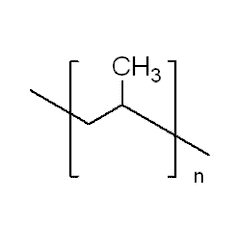
Baekeland’s creation, Bakelite, was the first plastic made from synthetic components, marking a significant milestone in the field of chemistry. This material, a phenol-formaldehyde resin, was produced through a process of polymerization that resulted in a hard, moldable substance. Its introduction heralded the age of synthetic plastics, providing a foundation for the development of countless other materials.
The invention of Bakelite revolutionized many industries. Its unique properties made it an ideal choice for various applications, from electrical insulators to automotive parts. Bakelite’s durability, heat resistance, and electrical insulating properties ensured its widespread adoption and lasting impact on industrial manufacturing.
Chemical Composition and Properties

Electrical Insulation
One of the most celebrated properties of Bakelite is its excellent electrical insulation. This makes it invaluable in the production of electrical components such as circuit boards, switches, and insulators. Bakelite’s ability to prevent electrical conduction and withstand high temperatures ensures the safety and efficiency of electrical systems.
Mechanical Strength and Machinability
Bakelite’s mechanical strength is another key attribute. It is a rigid material that can be easily machined into various shapes and sizes using CNC plastic milling services. This makes it ideal for manufacturing intricate components and detailed designs. Its machinability, combined with its strength, has made Bakelite a staple in many industrial and consumer applications.
Versatility in Applications
The versatility of Bakelite is evident in its wide range of applications. From automotive parts to household items and industrial machinery, Bakelite’s unique properties have made it a preferred material for diverse uses. Its ability to be molded or CNC machined into complex shapes and its durability make it suitable for both functional and decorative purposes.
By understanding the history, invention, and chemical properties of Bakelite, we can appreciate its lasting impact and continued relevance in modern industries. Whether used for its insulating properties, mechanical strength, or heat resistance, Bakelite remains a material of choice for many applications.

Types of Bakelite Products
Before diving into specific types, explore our most popular standard Bakelite stock available for immediate shipping. At BeePlastic, we offer cut-to-size services for all sheets and rods.
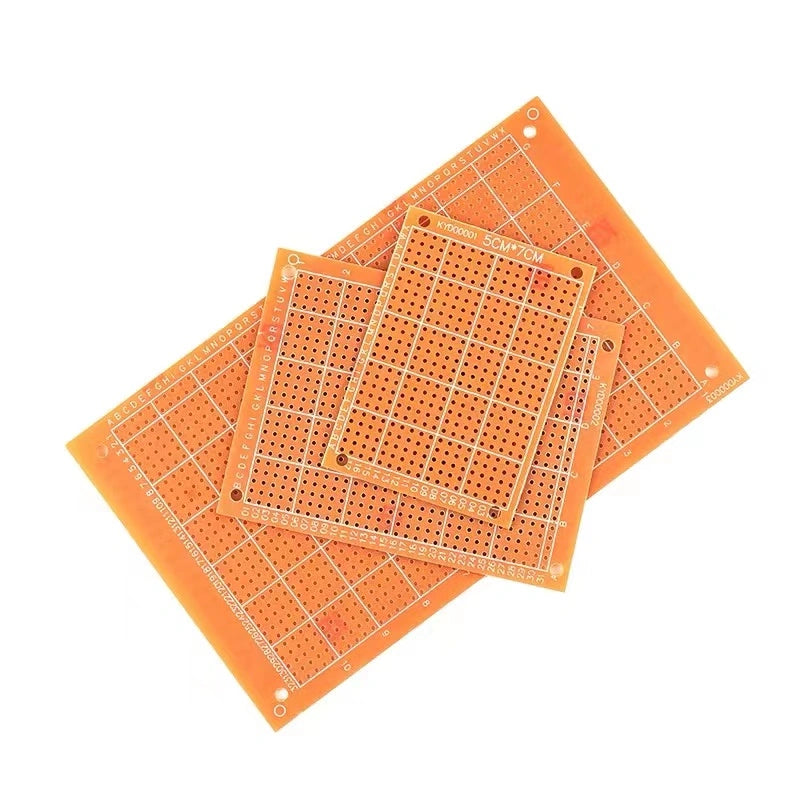

Bakelite Sheets
Bakelite sheets are among the most versatile and widely used forms of Bakelite products. These sheets come in various types, each tailored to specific applications and industries.
Electrical Bakelite Sheets
Electrical Bakelite sheets are designed specifically for insulating electrical components. These sheets exhibit exceptional electrical insulation properties, making them ideal for use in circuit boards, switchgear, and other electrical apparatus. The sheets can withstand high temperatures and prevent electrical conduction, ensuring safety and efficiency in electrical systems.
Phenolic Bakelite Sheets
Phenolic Bakelite sheets are known for their high mechanical strength and thermal stability. These sheets are created by impregnating layers of fabric or paper with phenolic resin and then curing them under heat and pressure. This process results in a material that is not only strong and durable but also resistant to heat and chemicals. Phenolic Bakelite sheets are widely used in applications requiring robust performance and long-term reliability.
Laminated Bakelite Sheets
Laminated Bakelite sheets, often referred to in the industry as phenolic laminates or Garolite, are formed by layering multiple sheets of Bakelite together, enhancing their strength and rigidity. These sheets are particularly useful in applications where additional mechanical support is needed. The lamination process also improves the sheet’s resistance to warping and cracking, making them suitable for demanding environments such as industrial machinery and structural components.
Bakelite Components
In addition to sheets, Bakelite is also used to manufacture a variety of components. These components leverage Bakelite’s unique properties to provide durable and reliable solutions for various applications.
Bakelite Rods
Bakelite rods are cylindrical pieces made from Bakelite resin. These rods are known for their high dimensional stability and machinability, making them suitable for precision parts in electrical and mechanical applications. Bakelite rods are often used in the production of bushings, spacers, and insulating sleeves.
Bakelite Tubes
Bakelite tubes are hollow cylinders that offer excellent insulation and heat resistance. These tubes are commonly used in electrical insulation, where they provide a protective barrier for wiring and other conductive elements. Bakelite tubes are also utilized in mechanical applications for bearing sleeves and protective covers.
Molded Bakelite Parts
Molded Bakelite parts are custom-shaped components created by molding Bakelite resin into specific forms. This process allows for the production of intricate and detailed parts, such as switches, knobs, and handles. Molded Bakelite parts are valued for their durability, heat resistance, and aesthetic appeal, making them a popular choice in both industrial and consumer products.
Bakelite in Automotive Applications
Bakelite’s properties make it an excellent material for various automotive components. Its high heat resistance and mechanical strength ensure that parts such as distributor caps, insulation pads, and trim pieces remain reliable under the demanding conditions of automotive use. Bakelite’s durability also makes it ideal for vintage car restoration, where maintaining the authenticity and performance of original components is crucial.
By understanding the different types of Bakelite products and their specific applications, it’s clear why Bakelite remains a preferred material across various industries. Its unique combination of properties—electrical insulation, mechanical strength, and heat resistance—makes it a versatile and reliable choice for numerous applications.
BeePlastic offers advanced CNC machining services to turn these standard materials into your custom parts.
For more detailed information on Bakelite products, you can explore resources from Bee Plastic.
Applications in the Electrical and Electronics Industry
Insulation Properties of Bakelite
Examples of Usage in Electrical Insulation
Circuit Boards: Bakelite circuit boards are a prime example of its application in electrical insulation. These boards provide a stable, non-conductive platform for mounting electronic components. The high mechanical strength and thermal resistance of Bakelite ensure that circuit boards remain robust and reliable, even under strenuous conditions. Bakelite’s insulating properties prevent short circuits and ensure the safe operation of electronic devices.
Switches and Relays: Bakelite is widely used in the manufacture of switches and relays due to its ability to insulate electrical contacts. The material’s rigidity and durability allow it to endure the mechanical stresses of repeated use, while its insulating properties ensure that electrical contacts remain isolated.
Transformers and Capacitors: In transformers and capacitors, Bakelite plays a critical role in insulation. Its high dielectric strength ensures that these components can handle high voltages without risk of breakdown. Bakelite is used to insulate windings and internal structures, preventing electrical arcing and ensuring efficient operation.
Protective Covers and Insulating Barriers: Bakelite is also used to manufacture protective covers and insulating barriers for various electrical components. These covers and barriers provide an additional layer of insulation, preventing accidental contact with live electrical parts and enhancing overall safety.
Motor Components: In electric motors, Bakelite is used for components such as commutator segments and insulating plates. These parts are critical for the motor’s operation, providing electrical insulation while withstanding the mechanical stresses of rotation and thermal loads generated during operation. Bakelite’s properties ensure that motor components remain reliable and efficient throughout their service life.
Bakelite’s unique combination of electrical insulation, thermal stability, and mechanical strength makes it an indispensable material in the electrical and electronics industry. From circuit boards to motor components, Bakelite continues to play a crucial role in ensuring the safety and reliability of electrical systems. For more detailed information on Bakelite applications, you can explore resources from Bee Plastic.
Bakelite in the Automotive Industry

Modern Applications in High-Performance Vehicles
Continued Use in Modern Vehicles: Despite the advent of newer materials, Bakelite continues to find applications in modern vehicles, especially in high-performance and racing cars. The material’s thermal stability and mechanical strength make it suitable for components that need to perform reliably under extreme conditions. For example, brake pads in racing cars often use Bakelite due to its ability to handle the intense heat generated during high-speed braking.
Innovative Uses in Racing Cars: In the realm of racing, where performance and reliability are paramount, Bakelite is used for components such as insulating panels and engine components. These parts benefit from Bakelite’s ability to maintain structural integrity at high temperatures and its excellent electrical insulating properties. This ensures that the electrical systems in racing cars function correctly, even under the most demanding conditions.
Bakelite in Electric Vehicles: With the rise of electric vehicles (EVs), Bakelite’s properties are once again proving invaluable. EVs require materials that can handle high electrical loads and provide reliable insulation. Bakelite’s dielectric strength and heat resistance make it an ideal choice for components such as battery housings and charging infrastructure. As the automotive industry continues to evolve, Bakelite remains a versatile and reliable material, adapting to new technologies and applications.
Bakelite’s unique combination of durability, heat resistance, and electrical insulation properties ensures its continued relevance in the automotive industry. Whether in classic cars or cutting-edge electric vehicles, Bakelite remains a material of choice for critical components that demand high performance and reliability. For more detailed information on Bakelite applications, you can explore resources from Bee Plastic.
Musical Instruments and Bakelite

Benefits for Musicians
Durability: One of the key benefits of Bakelite for musicians is its durability. Bakelite is a hard and rigid material that can withstand the wear and tear of regular use. Unlike other materials that may crack or degrade over time, Bakelite remains intact, ensuring that musical instruments maintain their functionality and appearance for many years.
Aesthetic Appeal: Bakelite’s aesthetic appeal is another significant advantage. The material can be molded into various shapes and designs, allowing for customization and creativity in instrument design. Bakelite can also be colored and polished, giving instruments a unique and attractive finish. This versatility in appearance makes Bakelite a popular choice among musicians who want their instruments to stand out visually.
Acoustic Properties: While Bakelite is primarily valued for its durability and appearance, it also offers favorable acoustic properties. The material’s density and rigidity contribute to the resonance and tone quality of the instruments. For example, Bakelite pickguards and knobs do not dampen the vibrations of the guitar body, allowing for a clear and bright sound. Musicians appreciate this feature as it enhances the overall performance of their instruments.
Vintage Appeal: Bakelite’s vintage appeal adds to its desirability among musicians. Many classic guitars and musical instruments from the mid-20th century featured Bakelite components, giving them a distinct and recognizable look. Modern musicians and collectors often seek out instruments with Bakelite parts for their historical significance and unique charm.
By understanding the various applications and benefits of Bakelite in musical instruments, it is clear why this material remains a popular choice among musicians. Its combination of durability, aesthetic appeal, and acoustic properties ensures that Bakelite continues to play an essential role in the world of music. For more detailed information on Bakelite applications in musical instruments, you can explore resources from Bee Plastic.
Industrial and Household Uses
Heat-Resistant Components
Bakelite is renowned for its exceptional heat resistance, making it an indispensable material in both industrial machinery and household items. In industrial settings, Bakelite (often referred to as phenolic laminate or Garolite) is often used for manufacturing heat-resistant components such as bearings, brake pads, and electrical insulators. These components benefit from Bakelite’s ability to withstand high temperatures without degrading, ensuring reliable performance even in harsh conditions.
Industrial Machinery: In industrial machinery, Bakelite’s thermal stability and mechanical strength are crucial. For example, bearings and bushings made from Bakelite can endure the friction and heat generated by moving parts. Bakelite’s resistance to wear and its insulating properties make it ideal for electrical insulators in high-voltage equipment, ensuring safety and efficiency in industrial operations.
Household Items: Bakelite is also widely used in household items due to its heat resistance and durability. Kitchen utensils such as handles for pots and pans, as well as appliance handles, are often made from Bakelite. These items need to withstand high temperatures and frequent use, and Bakelite’s properties ensure they remain functional and safe over time. Additionally, Bakelite’s ability to maintain its shape and appearance under heat makes it a popular choice for these applications.
Architectural and Decorative Uses
Furniture and Countertops: Beyond its industrial and household applications, Bakelite plays a significant role in architectural and decorative uses. Its versatility and aesthetic appeal make it an excellent material for furniture and countertops. Bakelite can be molded and polished to a high sheen, giving it a luxurious appearance. It is also available in a variety of colors and patterns, allowing for creative and custom designs.
Decorative Items: Bakelite is popular in the creation of decorative items due to its malleability and durability. It can be crafted into intricate shapes and designs, making it suitable for jewelry, buttons, and art pieces. The material’s ability to hold fine details and its resistance to wear and tear ensure that decorative items made from Bakelite remain beautiful and intact for many years.
Architectural Accents: In architecture, Bakelite is used for wall panels, trim pieces, and decorative accents. Its robustness and resistance to environmental factors make it suitable for both interior and exterior applications. Bakelite panels can add a touch of elegance and sophistication to any space, while also providing functional benefits such as insulation and durability.
Historical Significance and Modern Revival: Bakelite holds a significant place in design history, often associated with the Art Deco movement of the early 20th century. Its unique blend of functionality and aesthetic versatility made it a favorite among designers and architects of that era. Today, there is a renewed interest in Bakelite for its vintage appeal and sustainable qualities. Modern designers and architects are rediscovering Bakelite’s potential, using it in contemporary projects that blend retro charm with modern innovation.

For further reading on Bakelite’s applications and benefits, you can explore resources from Bee Plastic.
Maintenance and Care of Bakelite Products

Repair and Restoration
Restoring vintage Bakelite items is particularly important for antique collectors and hobbyists. Here are some tips to repair and restore Bakelite products:
Repairing Cracks and Chips: For minor cracks or chips in Bakelite, use a high-quality epoxy resin or super glue. Apply a small amount to the damaged area and allow it to set according to the manufacturer’s instructions. Once the adhesive is dry, you can gently sand the area with fine-grit sandpaper to smooth it out.
Removing Surface Scratches: To remove surface scratches, you can use a fine abrasive polish. Apply the polish to a soft cloth and gently rub it into the scratched area using a circular motion. This will help to blend the scratch with the surrounding surface. For deeper scratches, start with a coarser polish and gradually move to a finer one for the best results.
Restoring Color and Shine: Over time, Bakelite can lose its color and shine due to oxidation. To restore the color, you can use a mixture of baking soda and water to create a mild abrasive paste. Apply the paste to the Bakelite surface with a soft cloth and gently rub in a circular motion. Rinse with clean water and dry thoroughly.
Professional Restoration Services: For significant damage or valuable vintage items, consider seeking the help of a professional restoration service. These experts have the tools and experience to restore Bakelite items to their original condition, ensuring they retain their value and appearance.
Proper care and maintenance are crucial for preserving the beauty and functionality of Bakelite products. By following these tips, you can ensure your Bakelite items remain in excellent condition for years to come. For more detailed information on maintaining and restoring Bakelite, you can explore resources from Bee Plastic.
Frequently Asked Questions about Bakelite and BeePlastics
1. What is Bakelite and why is it significant?
Bakelite is the first synthetic plastic, invented by Dr. Leo Baekeland in 1907. It is known for its high heat resistance, electrical insulation properties, and mechanical strength. These properties make it suitable for a wide range of applications, including electrical insulators, automotive components, and household items.
2. What types of Bakelite products are available?
There are various types of Bakelite products, including:
- Bakelite sheets (electrical, phenolic, and laminated/Garolite)
- Bakelite rods and tubes
- Molded Bakelite parts (such as switches, knobs, and handles)
- Automotive components (like distributor caps and insulation pads)
- Musical instrument parts (such as guitar pickguards and knobs)
3. Why is Bakelite used in the electrical and electronics industry?
Bakelite is used in the electrical and electronics industry because of its excellent electrical insulation properties, thermal stability, and resistance to moisture and chemicals. It is commonly used in circuit boards, switches, transformers, capacitors, and protective covers.
4. How does Bakelite benefit the automotive industry?
In the automotive industry, Bakelite is valued for its durability and heat resistance. It is used in components such as distributor caps, insulation pads, and various trim pieces. Bakelite’s ability to withstand high temperatures and mechanical stress makes it ideal for automotive applications.
5. What are the uses of Bakelite in musical instruments?
Bakelite is used in musical instruments for making guitar pickguards, knobs, and other components. Its durability, aesthetic appeal, and favorable acoustic properties make it a popular choice among musicians.
6. How should I clean and maintain Bakelite products?
To clean Bakelite products:
- Use a soft, dry cloth to dust the item.
- Clean with a mild soap solution and a soft cloth.
- Rinse with clean water and dry thoroughly.
- Avoid harsh chemicals and abrasive cleaners.
For polishing, use a specialized Bakelite polish or a mild abrasive like Brasso.
7. Can Bakelite items be repaired or restored?
Yes, Bakelite items can be repaired or restored. For minor cracks or chips, use high-quality epoxy resin or super glue. Surface scratches can be removed with fine abrasive polish. For significant damage or valuable items, consider professional restoration services.
8. What customization services does BeePlastics offer?
BeePlastics can undertake any customization, including sample customization and batch customization. They accept various file formats, including PDF and CAD for CNC milling, and support the provision of free samples, with customers only responsible for shipping costs.
9. Is there a minimum order quantity (MOQ) for customization at BeePlastics?
No, BeePlastics does not have a minimum order quantity (MOQ) requirement. They cater to both small and large orders, providing flexibility for all customers.
10. What is the production cycle for customized orders at BeePlastics?
The production cycle at BeePlastics depends on the order volume and the complexity of the process. They communicate with customers in real-time about the production progress to ensure transparency and timely delivery.
For more detailed information about Bakelite and customization services, visit BeePlastic.
In exploring the multifaceted applications and benefits of Bakelite, it’s evident that this pioneering material continues to play a crucial role in various industries. From its origins as the first synthetic plastic to its enduring use in electrical insulation, automotive components, musical instruments, and household items, Bakelite’s unique properties of durability, heat resistance, and mechanical strength ensure its relevance and utility.
Additionally, the customizable solutions provided by BeePlastics offer unmatched flexibility, catering to a wide range of customer needs with no minimum order quantity and real-time production updates. Whether for industrial use, decorative purposes, or innovative new applications like custom cut-to-size plastic panels, Bakelite remains a material of choice for its reliability and versatility. For more information and to explore customized Bakelite products, visit BeePlastics.

Have specific requirements or need a custom solution?
Contact us now by filling out the form on the right, and let us help you find the perfect Bakelite product for your needs. We specialize in Cut-to-Size and CNC Plastic Machining.
-
Posted in
alternatives, applications, bakelite, electrical insulation, electronics, history, plastic, properties, radios, telephones