The Ultimate Guide to PEEK Sheets: Applications in Aerospace and Aviation

Unlocking the Potential of PEEK Sheets in Aerospace and Aviation
Dive into “The Ultimate Guide to PEEK Sheets: Applications in Aerospace and Aviation”, where I explore how PEEK sheets are revolutionizing the industry. Discover the advantages of PEEK sheets, including their high-temperature resistance, mechanical strength, and chemical stability, making them indispensable for aerospace applications.

Compare PEEK sheets to traditional materials like aluminum and titanium, highlighting the weight savings and cost-efficiency benefits. Learn about specific applications of PEEK sheets in aircraft manufacturing, from engine components to interior fittings.
Explore the role of PEEK sheets in spacecraft and satellite components, capable of withstanding the harsh conditions of space. Uncover the latest innovations in PEEK sheet manufacturing, such as 3D printing and CNC machining, enhancing design flexibility and production efficiency. Understand the environmental and economic benefits of using PEEK sheets, including reduced carbon emissions and long-term cost savings. Finally, get insights into future trends in aerospace materials and the expanding role of PEEK sheets in the industry.
Join me as I delve into these topics, providing a comprehensive and engaging overview of how PEEK sheets are driving advancements in aerospace and aviation.
Advantages of PEEK Sheets in Aerospace
Unique Properties of PEEK Sheets
PEEK sheets (Polyetheretherketone) offer exceptional properties that make them ideal for aerospace applications. One of the most notable attributes is their high-temperature resistance. PEEK can continuously function at temperatures up to 260°C (500°F) and withstand short-term exposure to temperatures as high as 300°C (572°F). This high thermal stability ensures that PEEK components maintain their mechanical integrity under extreme conditions, such as those found in aircraft engines and external components subjected to high temperatures during flight.
Mechanical Strength and Durability
PEEK plastic sheets are renowned for their outstanding mechanical strength. They feature a high strength-to-weight ratio, providing substantial strength without adding excessive weight to the aircraft. This characteristic is crucial in aerospace applications, where every kilogram saved significantly impacts fuel efficiency and overall performance. Additionally, PEEK sheets exhibit excellent fatigue resistance, meaning they can endure repetitive stress and strain without failing. This durability ensures a longer service life for components, reducing the need for frequent replacements and maintenance.
Need High-Performance PEEK Sheets?
We offer custom cuts (2mm – 4mm+) with no minimum order quantity. Perfect for aerospace prototyping.
Chemical Stability and Resistance
Another critical property of PEEK sheets is their chemical stability. PEEK is highly resistant to a wide range of chemicals, including aviation fuels, hydraulic fluids, and solvents. This resistance makes it ideal for use in environments where exposure to harsh chemicals is common, such as in fuel systems and hydraulic components. The chemical stability of PEEK also contributes to its long-term reliability, as it does not degrade or weaken over time when exposed to these substances.

Enhancing Performance and Safety
The unique combination of high-temperature resistance, mechanical strength, and chemical stability makes PEEK sheets invaluable for enhancing the performance and safety of aerospace components. For instance, using PEEK in engine components can lead to improved efficiency and reliability, as the material withstands high temperatures and corrosive environments without compromising its integrity. Similarly, PEEK’s strength and durability make it an excellent choice for structural components, contributing to the overall safety and longevity of the aircraft.
Design Flexibility with PEEK Sheets
PEEK sheets offer unparalleled design flexibility, which is a significant advantage in aerospace engineering. The material can be easily machined, molded, and thermoformed into complex shapes, allowing engineers to create intricate and customized components that meet specific design requirements. This flexibility is further enhanced by PEEK’s compatibility with advanced manufacturing techniques such as 3D printing and CNC machining. These technologies enable the production of lightweight, high-performance parts with precision and efficiency, reducing production times and costs.
Weight Reduction and Fuel Efficiency
In the aerospace industry, reducing weight is a constant goal. PEEK sheets are significantly lighter than traditional materials like aluminum and titanium, leading to considerable weight savings. This reduction in weight directly translates to improved fuel efficiency, lower emissions, and the ability to carry larger payloads. For instance, PEEK sheet material can replace metal components in aircraft interiors, engines, and structural parts, reducing overall weight and enhancing performance.
Long-Term Economic Benefits
While the initial cost of PEEK sheets may be higher than other materials, the long-term economic benefits are substantial. The durability and low maintenance requirements of PEEK components lead to reduced downtime and lower replacement costs. Additionally, the fuel savings achieved through weight reduction can offset the initial investment in PEEK materials. As aerospace companies continue to prioritize efficiency and sustainability, the use of PEEK plastic sheets is likely to become even more prevalent.
By leveraging the unique properties of PEEK sheets, the aerospace industry can achieve significant advancements in performance, safety, and efficiency. This high-performance material is paving the way for the future of aerospace engineering, offering solutions that meet the demanding requirements of modern aircraft and spacecraft.
PEEK Sheets vs. Traditional Materials
Weight Savings with PEEK Sheets
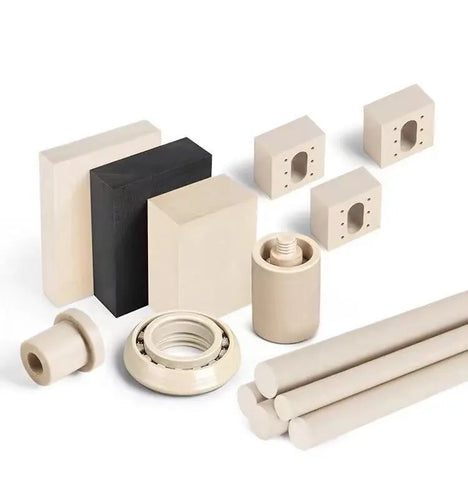
One of the most significant advantages of PEEK sheets over traditional aerospace materials like aluminum and titanium is their weight savings. PEEK (Polyetheretherketone) is a high-performance thermoplastic with a specific gravity of approximately 1.3 g/cm³, compared to aluminum at 2.7 g/cm³ and titanium at 4.5 g/cm³. This substantial difference in density means that components made from PEEK sheets are significantly lighter, which is crucial in the aerospace industry where reducing weight directly impacts fuel efficiency and payload capacity.
Replacing metal components with PEEK can lead to weight reductions of up to 50% or more, depending on the application. This weight savings translates into improved fuel efficiency, allowing aircraft to operate more economically and with lower emissions. Additionally, lighter aircraft can carry more passengers or cargo, enhancing overall operational efficiency.
Durability and Longevity
PEEK sheets also offer remarkable durability and longevity compared to traditional materials. While metals like aluminum and titanium are prone to corrosion and fatigue, PEEK exhibits excellent resistance to chemical and environmental degradation. PEEK plastic sheets are highly resistant to aviation fuels, hydraulic fluids, and other harsh chemicals commonly encountered in aerospace applications. This resistance helps extend the lifespan of components, reducing the frequency of replacements and maintenance.
Furthermore, PEEK maintains its mechanical properties over a wide temperature range, from -50°C to 250°C, without significant degradation. This stability under extreme conditions ensures that PEEK components remain reliable and functional throughout their service life. The ability of PEEK sheets to withstand high temperatures and mechanical stress makes them ideal for critical aerospace applications, such as engine parts and structural components.
Cost-Efficiency
While the initial cost of PEEK sheets may be higher than traditional materials, the overall cost-efficiency of using PEEK in aerospace applications is notable. The reduced weight of PEEK components leads to significant fuel savings over the operational life of the aircraft. These fuel savings can offset the higher initial material costs, making PEEK a cost-effective choice in the long term.
Additionally, the durability and resistance of PEEK plastic sheets result in lower maintenance and replacement costs. Aircraft components made from PEEK require less frequent servicing and have longer service intervals compared to those made from metals. This reduction in maintenance downtime translates to increased aircraft availability and operational efficiency, further enhancing the cost benefits of using PEEK sheets.
Improved Fuel Efficiency and Reduced Maintenance Costs
The combination of weight savings, durability, and cost-efficiency makes PEEK sheets an excellent alternative to traditional materials like aluminum and titanium. By replacing metals with PEEK, aerospace manufacturers can achieve significant fuel efficiency improvements. Lighter aircraft consume less fuel, leading to reduced operational costs and lower environmental impact.

Moreover, the enhanced durability and resistance to corrosion and fatigue of PEEK components result in reduced maintenance costs. Aircraft operators can benefit from longer service intervals and fewer replacements, minimizing downtime and maximizing the utilization of their fleets. This overall improvement in operational efficiency makes PEEK sheets a valuable material for the aerospace industry, driving advancements in aircraft design and performance.
Applications of PEEK Sheets in Aircraft Manufacturing
Engine Components
PEEK sheets are widely used in the manufacturing of engine components for both commercial and military aircraft. The high thermal stability and mechanical strength of PEEK make it an ideal material for parts that must endure extreme temperatures and stresses. For instance, PEEK is commonly used in engine casings, seals, and thrust washers. These components benefit from PEEK’s ability to maintain its properties at temperatures up to 260°C (500°F) and its resistance to wear and corrosion. PEEK engine parts have been successfully implemented in various aircraft models, improving their performance and durability.
Structural Parts
The mechanical strength and lightweight nature of PEEK sheets make them suitable for various structural components in aircraft. PEEK is often used in brackets, bearings, and fasteners that require high strength but must also contribute to weight reduction. The use of PEEK in these structural parts not only helps in reducing the overall weight of the aircraft, which improves fuel efficiency, but also ensures that these components can withstand the mechanical stresses encountered during flight. In some commercial aircraft, PEEK has replaced traditional metals, leading to significant weight savings and enhanced performance.

Interior Fittings
PEEK sheets are extensively used in the interior fittings of aircraft due to their excellent flame retardance and low smoke emissions. Components such as seat frames, tray tables, and luggage bins are often made from PEEK to ensure passenger safety and comfort. The material’s ability to resist high temperatures and its compliance with stringent fire safety regulations make it an ideal choice for interior applications. Real-world implementations have shown that PEEK interior fittings not only enhance safety but also reduce maintenance requirements due to their durability and resistance to wear and tear.
Insulation Materials
In addition to mechanical and structural applications, PEEK sheets are used as insulation materials in aircraft. PEEK’s excellent electrical insulation properties and its ability to withstand harsh environmental conditions make it suitable for insulating electrical components and wiring. This application is particularly important in military aircraft, where reliable insulation can be critical to the performance of electronic systems. PEEK insulation helps protect sensitive electronics from temperature fluctuations and electromagnetic interference, ensuring their optimal functioning.
Real-World Case Studies
One notable example of PEEK sheet implementation is in the Boeing 787 Dreamliner. In this aircraft, PEEK is used for various interior and structural components, contributing to weight reduction and increased fuel efficiency. Another example is the Airbus A350 XWB, which utilizes PEEK in its brackets and clamps to enhance performance and durability while reducing overall weight. These case studies highlight the successful integration of PEEK into modern aircraft designs, demonstrating its value in achieving superior performance and efficiency.
By leveraging the unique properties of PEEK sheets, aircraft manufacturers can achieve significant advancements in the design and performance of both commercial and military aircraft. The material’s versatility, combined with its superior mechanical and thermal properties, makes it an indispensable component in the aerospace industry.
PEEK Sheets in Spacecraft and Satellite Components
Harsh Conditions of Space
PEEK sheets (Polyetheretherketone) are becoming increasingly vital in the construction of spacecraft and satellite components due to their exceptional ability to withstand the harsh conditions of space. Space presents extreme challenges, including extreme temperatures, radiation exposure, and vacuum conditions, all of which can significantly affect the performance and longevity of materials. PEEK excels in these environments, making it a preferred choice for various critical components.
Extreme Temperature Resistance
One of the key advantages of PEEK sheets is their outstanding thermal stability. In space, temperatures can vary drastically, from the intense heat of direct sunlight to the frigid cold of shadowed regions. PEEK maintains its mechanical properties and dimensional stability across a wide temperature range, typically from -50°C to 260°C (-58°F to 500°F). This temperature resistance ensures that PEEK components do not become brittle or lose strength, making them reliable for long-term use in space missions.

Radiation Resistance
Spacecraft and satellites are continuously exposed to high levels of cosmic radiation and solar radiation. These radiation levels can degrade many materials, leading to structural failures and reduced functionality. PEEK offers excellent resistance to radiation, maintaining its properties even after prolonged exposure. This radiation resistance makes PEEK sheets ideal for use in critical components such as external panels, housings, and shields that protect sensitive equipment from radiation damage.
Lightweight and High Strength
In the aerospace industry, reducing weight is crucial for improving efficiency and reducing launch costs. PEEK sheets provide an excellent balance of lightweight and high strength. With a specific gravity of around 1.3 g/cm³, PEEK is much lighter than traditional metals like aluminum and titanium, yet it offers comparable strength and stiffness. This weight reduction translates into lower fuel consumption and higher payload capacity, which are essential for successful space missions.
Versatile Applications
PEEK sheets are used in a variety of applications within spacecraft and satellite construction. These include:
- Structural components: Frames, brackets, and supports that require high strength and durability.
- Thermal insulation: Insulation panels and thermal barriers that protect against extreme temperature fluctuations.
- Electrical insulation: Insulating materials for electrical systems and wiring to prevent short circuits and electrical failures.
- Radiation shielding: Shields and covers that protect sensitive instruments and electronics from harmful radiation.
Real-World Implementations
Several successful space missions have demonstrated the effectiveness of PEEK sheets. For instance, components made from PEEK have been used in the construction of the Mars Rover, providing both structural support and insulation for electronic systems. Additionally, satellite manufacturers have utilized PEEK for its lightweight and durable properties, enhancing the performance and longevity of satellites in orbit.
The unique combination of thermal stability, radiation resistance, lightweight, and high strength makes PEEK sheets an indispensable material for spacecraft and satellite components. As space exploration and satellite technology continue to advance, the use of PEEK is likely to expand, offering reliable solutions to the challenges of space environments.
Innovations in PEEK Sheet Manufacturing for Aerospace
3D Printing Advancements
3D printing has revolutionized the manufacturing of PEEK sheets, bringing unprecedented design flexibility and efficiency to aerospace component production. With 3D printing, manufacturers can create complex geometries that were previously impossible or highly impractical using traditional methods. This technology allows for the production of lightweight, high-strength parts with intricate designs tailored to specific aerospace applications.
Additive manufacturing with PEEK offers several advantages:
- Reduced Material Waste: Traditional subtractive methods, such as CNC machining, often result in significant material waste. 3D printing builds components layer by layer, minimizing waste and making more efficient use of raw materials.
- Customization and Prototyping: 3D printing enables rapid prototyping and customization. Engineers can quickly produce and test multiple iterations of a component, refining the design before full-scale production. This agility is crucial in the aerospace industry, where precision and performance are paramount.
- Lightweight Structures: The ability to design and print lattice structures and other weight-saving geometries enhances the overall performance of aerospace components. These designs reduce weight without compromising strength, leading to improved fuel efficiency and payload capacity.
CNC Machining Precision
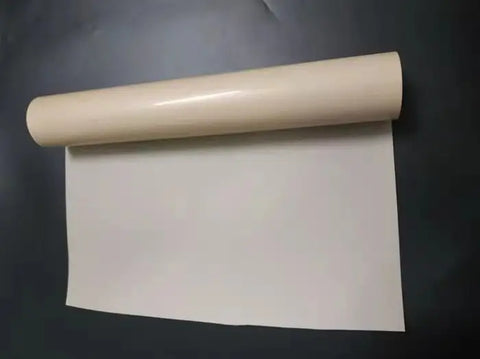
CNC machining remains a vital technology in the production of PEEK sheets, especially for components that require high precision and tight tolerances. Computer Numerical Control (CNC) machining uses computer-aided design (CAD) software to control the movement of machinery and tools, ensuring consistent and accurate production of parts.
Key benefits of CNC machining with PEEK include:
- High Precision: CNC machines can achieve extremely tight tolerances, which is essential for aerospace components that must fit and function perfectly within larger systems. This precision ensures the reliability and performance of critical parts such as bearings, bushings, and gears.
- Surface Finish: PEEK components produced via CNC machining often exhibit superior surface finishes, reducing the need for additional processing. This high-quality finish is crucial for parts that interact with other components and require smooth surfaces to minimize friction and wear.
- Scalability: Once a design is finalized, CNC machining can easily scale up production to meet high-volume demands. This scalability is vital for aerospace manufacturers who need to produce large quantities of components with consistent quality.

Precision CNC Machining Services
From PEEK rods to complex components, we provide high-precision CNC turning and milling services.
Hybrid Manufacturing Techniques
Combining 3D printing and CNC machining leverages the strengths of both technologies to produce high-performance PEEK components. This hybrid approach starts with 3D printing to create the initial complex geometries, followed by CNC machining to refine critical dimensions and achieve the desired surface finish.
Enhancing Design Flexibility and Efficiency
The integration of advanced manufacturing technologies like 3D printing and CNC machining enhances the design flexibility and efficiency of producing aerospace components. These innovations enable:
- Complex Designs: Engineers can push the boundaries of design, creating parts that are lighter, stronger, and more efficient. The ability to incorporate complex internal structures, such as cooling channels and weight-saving lattices, optimizes performance and functionality.
- Rapid Iteration and Development: The speed at which prototypes can be produced and tested accelerates the development process. Engineers can quickly iterate on designs, incorporating feedback and making improvements in real-time.
- Cost Savings: By reducing material waste and streamlining the production process, these technologies lower overall manufacturing costs. The long-term savings from improved fuel efficiency and reduced maintenance further justify the investment in advanced PEEK manufacturing methods.
Real-World Applications
PEEK components manufactured using these advanced techniques are already being implemented in various aerospace applications. For example, GE Aviation uses 3D-printed PEEK parts in its engines, while Airbus employs CNC-machined PEEK components in its aircraft interiors and structural parts. These real-world applications demonstrate the transformative impact of innovative manufacturing on the aerospace industry.
Embracing these innovations in PEEK sheet manufacturing not only enhances the performance and efficiency of aerospace components but also drives the industry towards greater sustainability and technological advancement.
Environmental and Economic Benefits of Using PEEK Sheets

Reducing Carbon Emissions through Weight Savings
PEEK sheets (Polyetheretherketone) play a significant role in reducing the carbon emissions of aircraft. One of the primary advantages of PEEK is its lightweight nature compared to traditional aerospace materials such as aluminum and titanium. Aircraft components made from PEEK are significantly lighter, which directly translates to lower fuel consumption. Reduced fuel consumption leads to fewer greenhouse gas emissions, thereby decreasing the carbon footprint of aircraft.
For instance, replacing metal components with PEEK in critical areas such as engine parts, structural supports, and interior fittings can result in substantial weight savings. These weight reductions enhance fuel efficiency, allowing aircraft to travel further on the same amount of fuel or carry additional payloads without increasing fuel consumption. This not only benefits the environment by reducing emissions but also aligns with the aviation industry’s goals of improving fuel efficiency and sustainability.
Long-Term Durability and Low Maintenance Requirements
The durability of PEEK sheets significantly contributes to their economic benefits. PEEK exhibits excellent resistance to high temperatures, chemicals, and wear, which ensures that components made from this material have a long service life. This durability is particularly advantageous in aerospace applications where reliability and longevity are critical.
PEEK components require less frequent maintenance and replacement compared to those made from traditional materials. For example, PEEK does not corrode like metals, reducing the need for anti-corrosion treatments and frequent inspections. Additionally, its high fatigue resistance means that PEEK parts can withstand repeated stress and strain without failure, leading to fewer breakdowns and maintenance interventions.
Cost Savings from Reduced Maintenance and Longer Service Life
The economic benefits of using PEEK sheets extend beyond initial material costs. While PEEK may be more expensive upfront compared to some metals, the long-term savings are substantial. The reduced need for maintenance and longer service intervals result in lower operational costs for airlines and aerospace manufacturers. This is particularly important in an industry where downtime can be extremely costly.
For instance, the extended service life of PEEK components reduces the frequency of replacements, which not only saves on the cost of parts but also minimizes labor costs associated with maintenance. Furthermore, the reliability of PEEK enhances the overall safety and efficiency of aircraft operations, contributing to lower overall lifecycle costs.
Environmental Impact of Sustainable Manufacturing
The manufacturing process of PEEK sheets also has environmental benefits. PEEK production involves fewer harmful chemicals and generates less waste compared to some traditional metalworking processes. Additionally, the ability to use additive manufacturing (such as 3D printing) with PEEK further reduces material waste, as components are built layer by layer with minimal excess.
Case Studies Demonstrating Environmental and Economic Benefits
Several aerospace companies have successfully implemented PEEK in their designs, showcasing both environmental and economic advantages. For example, Boeing and Airbus have integrated PEEK components into their aircraft, achieving significant weight reductions and improved fuel efficiency. These implementations demonstrate the material’s potential to drive sustainable practices in aerospace manufacturing while delivering long-term cost savings.
The use of PEEK sheets in aerospace applications offers substantial environmental and economic benefits. The reduction in carbon emissions due to weight savings, coupled with the material’s durability and low maintenance requirements, makes PEEK a valuable asset in advancing the sustainability and efficiency of the aerospace industry.
Future Trends in Aerospace Materials: The Role of PEEK Sheets
Increasing Adoption of PEEK Sheets
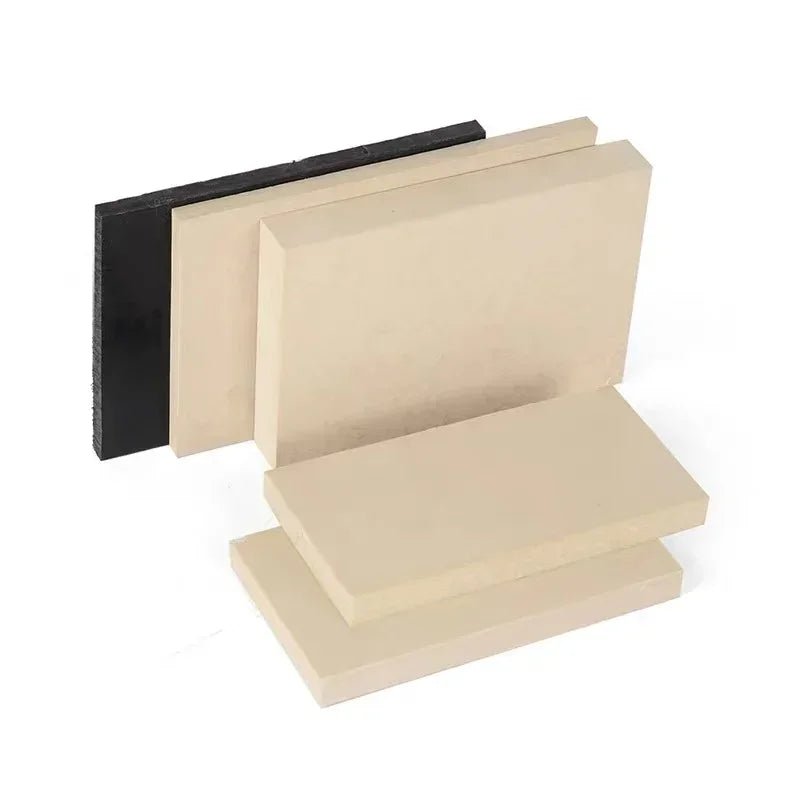
PEEK sheets (Polyetheretherketone) are poised to play a significant role in the future of aerospace materials due to their exceptional properties and versatile applications. The aerospace industry is increasingly adopting PEEK for its high strength-to-weight ratio, excellent thermal stability, and resistance to chemicals and radiation. As the demand for more efficient and sustainable materials grows, PEEK is becoming a go-to solution for both commercial and military aerospace applications.
Ongoing Research and Development
Advanced Manufacturing Techniques
Ongoing research is focused on enhancing the properties and applications of PEEK sheets through advanced manufacturing techniques. 3D printing and additive manufacturing are at the forefront of these developments. By utilizing these technologies, manufacturers can create complex, lightweight structures that were previously impossible to produce with traditional methods. The ability to design and print intricate parts with PEEK not only reduces material waste but also significantly lowers production costs and time.
Research is exploring new ways to optimize the 3D printing process for PEEK, improving its mechanical properties and expanding its range of applications. For example, advancements in high-temperature 3D printers enable the production of PEEK components with enhanced thermal and mechanical performance, suitable for critical aerospace applications.
Nanocomposites and Enhanced PEEK Materials
Another exciting area of research involves the development of PEEK nanocomposites. By incorporating nanoparticles such as carbon nanotubes or graphene into PEEK, researchers aim to create materials with superior strength, conductivity, and thermal properties. These enhanced PEEK materials could lead to the production of even lighter and more durable aerospace components, further improving fuel efficiency and performance.
Potential Future Applications
Lightweight Structural Components
As the aerospace industry continues to push the boundaries of performance and efficiency, the use of PEEK sheets for lightweight structural components is expected to increase. PEEK’s high strength-to-weight ratio makes it ideal for applications where reducing weight is critical. Future aircraft designs may incorporate more PEEK parts in the fuselage, wings, and other structural elements, contributing to overall weight reduction and fuel savings.
Electrical and Thermal Insulation
PEEK sheets are also expected to see broader use in electrical and thermal insulation applications. The material’s excellent insulating properties make it suitable for protecting electronic components and wiring from extreme temperatures and electromagnetic interference. As the demand for advanced avionics and more sophisticated electrical systems grows, PEEK’s role in ensuring the reliability and safety of these systems will become increasingly important.
Space Exploration and Satellite Technology
The future of space exploration and satellite technology will likely see a greater reliance on PEEK sheets. The material’s resistance to radiation and extreme temperatures makes it ideal for use in spacecraft and satellite components. As missions to more distant and harsh environments become more common, PEEK will be essential in building reliable and long-lasting equipment capable of withstanding the rigors of space.
Collaborative Research and Industry Partnerships
Academia and Industry Collaborations
Collaborative research between academia and industry is driving innovations in PEEK sheet manufacturing. Universities and research institutions are partnering with aerospace companies to develop new PEEK-based materials and manufacturing techniques. These collaborations are essential for translating laboratory discoveries into practical applications that can be implemented in commercial and military aircraft.
Government and Private Sector Initiatives
Government agencies and private sector initiatives are also playing a crucial role in advancing the use of PEEK sheets in aerospace. Funding and support for research and development projects focused on high-performance materials are helping accelerate the adoption of PEEK. These initiatives aim to enhance the competitiveness of the aerospace industry by providing access to cutting-edge materials and technologies.
The increasing adoption of PEEK sheets in aerospace applications, combined with ongoing research and development, is set to revolutionize the industry. The continued exploration of advanced manufacturing techniques, the development of PEEK nanocomposites, and the expanding range of applications will ensure that PEEK remains at the forefront of aerospace innovation. As the industry evolves, PEEK sheets will play a crucial role in meeting the demands for higher performance, greater efficiency, and improved sustainability.

Common Questions and Answers about PEEK Sheets and BeePlastics Customization
Answer: PEEK sheets (Polyetheretherketone) are ideal for aerospace applications due to their high-temperature resistance, mechanical strength, and chemical stability. They can withstand temperatures up to 260°C (500°F) continuously, resist a wide range of chemicals, and maintain their properties under mechanical stress. These properties ensure the reliability and longevity of aerospace components.
Answer: PEEK sheets offer significant weight savings compared to aluminum and titanium, which improves fuel efficiency and reduces emissions. They also exhibit excellent durability and require less maintenance due to their resistance to corrosion and fatigue. While the initial cost may be higher, the long-term economic benefits of using PEEK make it a cost-effective choice for aerospace manufacturers.
Answer: PEEK sheets are used in various aircraft components, including engine parts, structural components, interior fittings, and insulation materials. They provide high strength, lightweight, and durability, making them suitable for critical areas that require reliability and performance.
Answer: PEEK sheets are used in spacecraft and satellite components due to their ability to withstand extreme temperatures, radiation, and vacuum conditions. Applications include structural components, insulation materials, and radiation shields. These properties ensure the durability and reliability of spacecraft and satellite systems.
Answer: Recent advancements include the use of 3D printing and CNC machining. 3D printing allows for the creation of complex geometries with minimal material waste, while CNC machining ensures high precision and tight tolerances. These technologies enhance the design flexibility and efficiency of producing aerospace components.
Answer: PEEK sheets contribute to reducing carbon emissions through significant weight savings in aircraft, leading to improved fuel efficiency. Additionally, their durability and low maintenance requirements reduce the environmental impact associated with frequent replacements and repairs.
Answer: Future applications of PEEK sheets include increased use in lightweight structural components, electrical and thermal insulation, and space exploration. Ongoing research into PEEK nanocomposites and advanced manufacturing techniques promises to further expand their use in the aerospace industry.
Answer: Yes, BeePlastics can handle any customization needs, from sample customization to batch customization. Whether you need a prototype or a large production run, BeePlastics has the capabilities to meet your requirements.
Answer: BeePlastics accepts a variety of file formats for customization projects, including PDF and CAD files. This flexibility ensures that your designs can be accurately and efficiently translated into high-quality plastic components.
Answer: No, there is no minimum order quantity (MOQ) at BeePlastics. You can order as few or as many parts as you need, making it convenient for both small and large projects.
Answer: The production cycle at BeePlastics is managed according to the volume of orders and the complexity of the process. They will communicate with you in real-time about the production progress to ensure transparency and timely delivery.
Answer: Yes, BeePlastics supports the provision of samples for customization projects. The samples are free of charge, with the customer only responsible for the shipping costs. This allows you to evaluate the quality and suitability of the components before committing to a larger order.
Incorporating PEEK sheets into aerospace applications offers numerous advantages, from enhancing fuel efficiency through weight savings to ensuring the reliability and durability of critical components. The ongoing innovations in PEEK sheet manufacturing, such as 3D printing and CNC machining, provide unprecedented design flexibility and production efficiency, enabling the aerospace industry to meet ever-evolving demands for performance and sustainability. By embracing these advanced materials and technologies, the aerospace sector is well-positioned to achieve significant advancements, paving the way for a future of more efficient, reliable, and environmentally friendly aviation and space exploration. As research and development continue to push the boundaries of what PEEK can achieve, its role in the aerospace industry will undoubtedly expand, driving further innovation and excellence.

Design Your Aerospace Components Today
Experience the unmatched performance of PEEK sheets in your next project.
Whether you need standard PEEK sheets or valid prototypes, we are ready to assist.
Complete the contact form to discuss your needs. Visit our PEEK page.
-
Posted in
aerospace, aircraft, aviation, checklists, efficiency, maintenance, peek sheets, pilots, procedures, safety, technical manuals