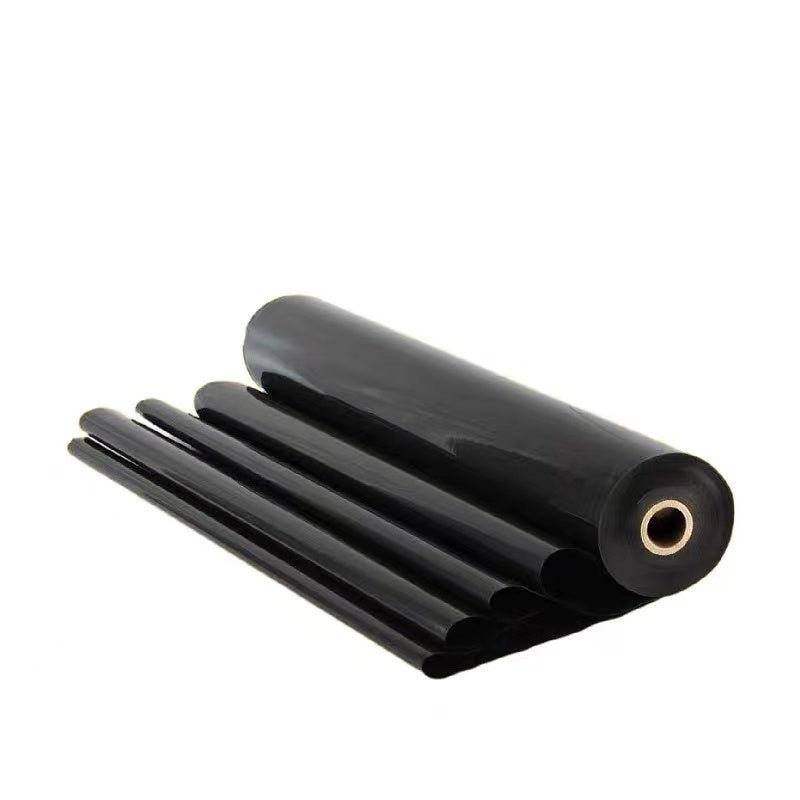
PC Roofing Sheets: Durable and Weather-Resistant Solutions for Greenhouses

Discover the durable and weather-resistant advantages of PC roofing sheets for greenhouses. In this comprehensive guide, you’ll learn about the benefits of PC sheets, how they compare to traditional materials, and the best practices for choosing the right PC sheet thickness. Get practical installation tips and explore how PC ABS sheet stock can enhance greenhouse efficiency. Find out where to source high-quality PC roofing sheets from reliable suppliers and get inspired by real-life case studies of successful greenhouse projects. Transform your greenhouse with the unmatched durability and performance of PC roofing sheets.
🎉🎉🎉Limited Time Offer Use code: QR4GNY08SHVR at checkout and enjoy a special discount on your entire order! 👉PC board
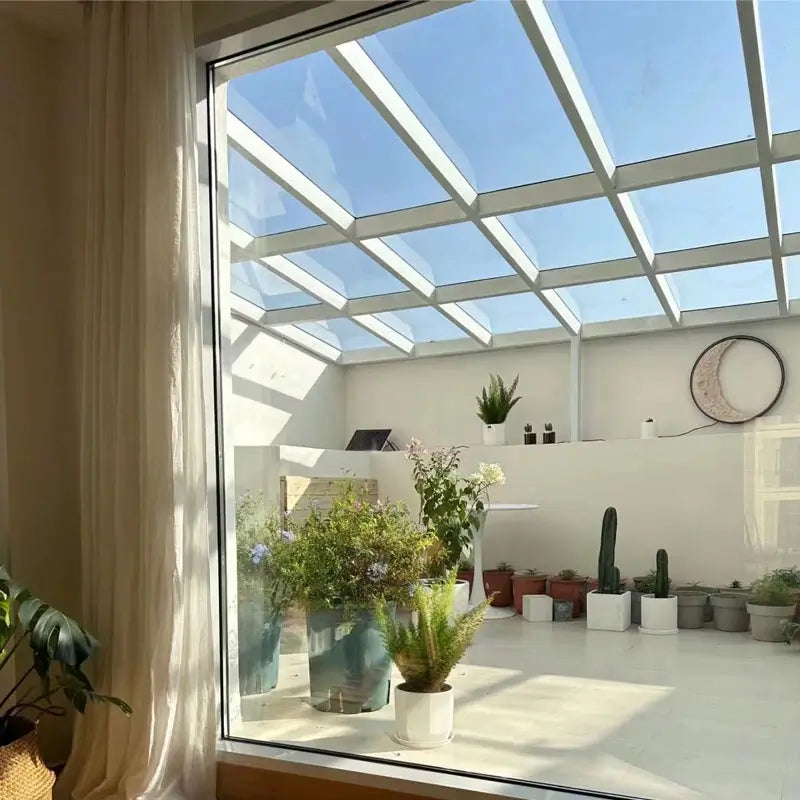
Understanding the Advantages of PC Sheets for Greenhouse Roofing
When it comes to greenhouse roofing, PC sheets offer a range of compelling advantages that make them an excellent choice for many applications. These polycarbonate sheets are designed to provide exceptional durability, UV resistance, and light transmission, ensuring that your greenhouse remains effective and efficient throughout the year.
Durability
One of the primary benefits of PC sheets is their outstanding durability. Unlike traditional materials such as glass, polycarbonate sheets are highly resistant to impact and can withstand harsh weather conditions. This resilience makes them ideal for greenhouses, where they need to endure everything from heavy rain to strong winds and hail.
UV Resistance
PC sheets also excel in UV resistance. These sheets are designed to block harmful UV rays, protecting both the plants inside the greenhouse and the sheet itself from degradation. Over time, exposure to UV light can cause some materials to become brittle and discolored, but polycarbonate roofing sheets maintain their integrity and appearance, ensuring long-term performance.
Light Transmission
Another significant advantage of using PC sheets for greenhouse roofing is their superior light transmission. These sheets allow a high percentage of natural light to pass through, creating an optimal growing environment for plants. The clear, bright light that penetrates through the PC roofing sheets ensures that plants receive the necessary light for photosynthesis, promoting healthy growth and higher yields.
Energy Efficiency
PC sheets contribute to the energy efficiency of greenhouses. Their excellent thermal insulation properties help maintain a consistent internal temperature, reducing the need for additional heating or cooling. This not only creates a stable environment for plants but also helps reduce energy costs for greenhouse operators.
Ease of Installation
PC sheets are also known for their ease of installation. They are lightweight and can be easily cut and shaped to fit any greenhouse design. This makes them a practical option for both new constructions and retrofitting existing structures. Additionally, their flexibility allows for creative architectural designs, enhancing the overall aesthetic appeal of the greenhouse.
Cost-Effectiveness
Considering their durability, energy efficiency, and low maintenance requirements, PC sheets are a cost-effective solution for greenhouse roofing. While the initial investment may be higher compared to some other materials, the long-term savings on energy, maintenance, and replacements make them a wise choice for many greenhouse operators.
Environmental Benefits
Using PC sheets can also have positive environmental impacts. Their durability and long lifespan mean fewer replacements and less waste. Additionally, their ability to improve energy efficiency can contribute to a reduction in greenhouse gas emissions, supporting more sustainable agricultural practices.
By choosing PC sheets for your greenhouse roofing, you can take advantage of these numerous benefits, ensuring a durable, efficient, and sustainable growing environment. Whether you are building a new greenhouse or upgrading an existing one, polycarbonate roofing sheets offer the performance and reliability you need.

Comparing PC Roofing Sheets to Traditional Greenhouse Materials
When selecting materials for greenhouse roofing, it’s crucial to consider the strengths and weaknesses of each option. PC roofing sheets offer several advantages over traditional materials like glass and acrylic. Understanding these differences can help you make an informed decision for your greenhouse project.
Strength and Durability
PC sheets are renowned for their exceptional strength and durability. Unlike glass, which is prone to breaking and shattering, polycarbonate sheets can withstand significant impact without damage. This makes them ideal for greenhouses in areas prone to hail, strong winds, or other extreme weather conditions. Acrylic, while more durable than glass, still doesn’t match the impact resistance of polycarbonate sheets.
Weight and Ease of Handling
Another major advantage of PC sheets is their lightweight nature. Polycarbonate sheets are significantly lighter than both glass and acrylic, making them easier to handle and install. This not only reduces labor costs but also minimizes the structural requirements for the greenhouse frame. A lighter roofing material means you can use a less robust frame, saving on materials and overall construction costs.
Light Transmission
Light transmission is a critical factor for greenhouse roofing materials. PC sheets offer excellent light transmission, allowing up to 90% of natural light to penetrate. This is comparable to glass, which also provides high light transmission but comes with the added risk of overheating and creating hotspots. Acrylic sheets offer good light transmission as well but are more prone to yellowing over time, reducing their effectiveness.
UV Protection
PC sheets come with built-in UV protection, safeguarding both the plants inside the greenhouse and the roofing material itself from harmful UV rays. While glass can block UV rays, it often requires additional coatings or treatments to achieve this, increasing the cost. Acrylic sheets, although they can also be UV-resistant, tend to degrade more quickly under constant sun exposure compared to polycarbonate.
Thermal Insulation
Thermal insulation is another area where PC sheets outperform traditional materials. Polycarbonate sheets have better insulating properties than glass, helping to maintain a stable internal temperature within the greenhouse. This improved insulation can lead to energy savings by reducing the need for supplemental heating or cooling. Acrylic sheets offer moderate insulation but, again, do not match the efficiency of polycarbonate.
Cost Considerations
While PC sheets may have a higher initial cost compared to some traditional materials, their long-term benefits often outweigh this upfront investment. The durability, energy efficiency, and low maintenance requirements of polycarbonate can result in significant savings over time. Glass, while cheaper initially, requires more frequent maintenance and potential replacement due to breakage. Acrylic sits in the middle ground in terms of cost but lacks the longevity and impact resistance of polycarbonate.
Environmental Impact
Choosing PC sheets can also have a positive environmental impact. Their long lifespan means fewer replacements, reducing waste. Additionally, the energy savings from better insulation can contribute to lower greenhouse gas emissions. Glass, being heavier and more fragile, has a higher transportation and replacement footprint, while acrylic, though recyclable, often doesn’t last as long as polycarbonate.
By comparing these key attributes, it’s clear that PC roofing sheets provide several advantages over traditional materials like glass and acrylic, making them a superior choice for modern greenhouse construction.

Choosing the Right PC Sheet Thickness for Your Greenhouse
Selecting the appropriate PC sheet thickness for your greenhouse is crucial for ensuring optimal performance and durability. The thickness of the polycarbonate sheets you choose will impact factors such as insulation, strength, and light transmission. Here’s a detailed guide to help you make the best choice based on your greenhouse requirements.
Importance of Thickness in PC Sheets
The thickness of PC sheets affects their ability to insulate, their structural integrity, and how well they transmit light. Thicker sheets generally provide better insulation and strength, but they may also reduce light transmission slightly. It’s essential to strike the right balance to meet your specific needs.
Common Thickness Options
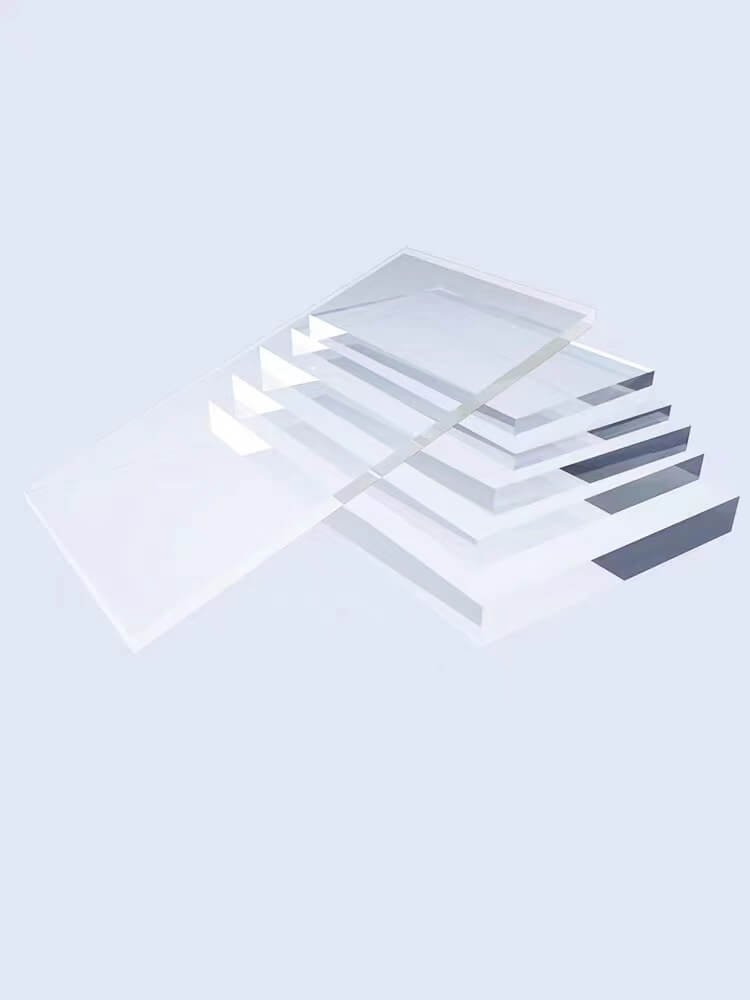
PC Sheet 1mm
PC sheet 1mm is one of the thinnest options available. It’s lightweight and offers excellent light transmission, making it ideal for greenhouses where maximizing natural light is crucial. However, due to its thinness, it offers less insulation and may not be suitable for regions with extreme weather conditions.
PC Sheets 4mm – 6mm
For a good balance between light transmission and insulation, PC sheets with a thickness of 4mm to 6mm are commonly used. These sheets provide better insulation compared to 1mm sheets while still allowing a significant amount of natural light to pass through. They are suitable for moderate climates and can handle mild weather variations.
PC Sheets 8mm – 10mm
PC sheets with a thickness of 8mm to 10mm offer superior insulation and structural strength. They are ideal for greenhouses in regions with harsher climates, where temperature regulation is critical. These sheets also provide better resistance to impact and wind, ensuring long-term durability.
PC Sheets 16mm and Above
For maximum insulation and durability, PC sheets with a thickness of 16mm or more are used. These thick sheets are perfect for greenhouses in very cold or hot climates, where maintaining a stable internal temperature is essential. They are also highly resistant to impact, making them a durable choice for areas prone to severe weather.
Factors to Consider When Choosing Thickness
Climate
Consider the climate in your area when choosing the thickness of your PC sheets. Thinner sheets are suitable for mild climates, while thicker sheets are necessary for extreme weather conditions to provide adequate insulation and protection.
Structural Requirements
The structural design of your greenhouse will also influence the appropriate PC sheet thickness. Thicker sheets may require a more robust frame to support their weight, whereas thinner sheets are lighter and can be supported by a less sturdy structure.
Budget
While thicker PC sheets offer better performance, they are also more expensive. Balance your budget with your performance requirements to choose the most cost-effective option that meets your needs.
Desired Light Transmission
If maximizing light transmission is a priority, you might opt for thinner PC sheets. However, if insulation and durability are more important, thicker sheets will be a better choice despite the slight reduction in light transmission.
Consulting with Suppliers
When deciding on the right thickness, it’s beneficial to consult with PC sheet suppliers. They can provide expert advice based on your specific greenhouse requirements and the local climate. Reliable suppliers can also offer a variety of thickness options and help you choose the best solution for your project.
Choosing the right PC sheet thickness is essential for creating an effective and durable greenhouse. By considering factors such as climate, structural requirements, budget, and light transmission, you can select the ideal thickness to ensure your greenhouse thrives in any conditions.

Installation Tips for PC Roofing Sheets in Greenhouse Projects
Installing PC roofing sheets in greenhouse projects can be straightforward with the right techniques and tools. Whether you’re a contractor or a DIY enthusiast, following these practical tips will ensure a secure and efficient installation.
Preparing for Installation
Planning and Measurements
Before starting the installation, carefully plan the layout and take precise measurements of the greenhouse roof. Accurate measurements will help you determine the exact number and size of PC sheets needed, minimizing waste and ensuring a snug fit.
Choosing the Right Tools
Ensure you have the necessary tools for the installation process. Basic tools include a measuring tape, utility knife or sheet cutter, drill, screws, and sealant. Having the right tools on hand will make the installation process smoother and more efficient.
Cutting and Drilling
Cutting PC Sheets
Cutting PC sheets to the required size is a critical step. Use a fine-tooth saw or a utility knife for precise cuts. Make sure to support the sheet adequately while cutting to prevent cracking or chipping. Always wear protective gear, such as gloves and safety glasses, to avoid injuries.
Drilling Holes
When drilling holes in PC sheets, use a drill bit specifically designed for plastics. Drill the holes slightly larger than the screws to allow for thermal expansion and contraction of the sheets. This will prevent stress cracks and ensure a long-lasting installation.
Securing the Sheets
Using Proper Fasteners
Choose appropriate fasteners for securing the PC sheets to the greenhouse frame. Stainless steel screws with rubber washers are ideal as they provide a secure hold and prevent water leakage. Place the screws at regular intervals along the edges and across the surface of the sheets for even distribution of pressure.
Sealing Joints and Edges
To ensure a weather-tight installation, apply a high-quality sealant to all joints and edges of the PC sheets. This will prevent water infiltration and maintain the insulation properties of the greenhouse. Use clear or compatible colored sealant for a clean and professional finish.
Thermal Expansion Considerations
Allowing for Expansion
PC sheets expand and contract with temperature changes. To accommodate this, leave a small gap between each sheet and the frame or adjoining sheets. This gap will allow the sheets to move without causing buckling or cracking.
Maintaining Cleanliness and Safety
Keeping Sheets Clean
During installation, keep the PC sheets clean and free from dust and debris. Contaminants can affect the adhesive properties of the sealant and may lead to leaks. Clean the sheets with a mild detergent and water if necessary.
Ensuring Safety
Safety is paramount when working with PC roofing sheets. Use stable ladders or scaffolding to reach higher areas, and never work alone. Always follow safety guidelines and wear appropriate personal protective equipment.
Final Inspection
Inspecting the Installation
After securing the PC sheets and applying sealant, conduct a thorough inspection of the installation. Check for any loose screws, gaps, or areas where the sealant may need additional application. Ensuring everything is properly secured will help maintain the longevity and efficiency of your greenhouse roof.
By following these practical installation tips for PC roofing sheets, you can achieve a durable and weather-resistant greenhouse roof. Proper planning, cutting, drilling, and sealing are essential steps to ensure a successful installation. Whether you are a professional contractor or a DIY enthusiast, these guidelines will help you install PC roofing sheets efficiently and securely, creating an optimal environment for your greenhouse plants.

Maximizing Greenhouse Efficiency with PC ABS Sheet Stock
Enhancing the efficiency and durability of greenhouses is essential for optimal plant growth and sustainability. Using PC ABS sheet stock in conjunction with PC roofing sheets can significantly improve the overall performance of your greenhouse. Here’s how these materials can work together to create a more efficient and resilient structure.
Enhancing Structural Integrity
Durability of PC ABS Sheet Stock
PC ABS sheet stock combines the best properties of polycarbonate and acrylonitrile butadiene styrene (ABS), resulting in a material that is both strong and lightweight. This hybrid material offers excellent impact resistance, making it ideal for applications where durability is crucial. When used in greenhouse construction, PC ABS sheet stock can reinforce the structure, ensuring it can withstand harsh weather conditions and heavy use.
Supporting PC Roofing Sheets
By integrating PC ABS sheet stock into the greenhouse framework, you can provide additional support for PC roofing sheets. This combination enhances the overall stability and strength of the greenhouse, reducing the risk of damage from wind, hail, or other environmental factors. The improved structural integrity also helps maintain the greenhouse’s shape and form over time.
Improving Thermal Insulation
Thermal Properties of PC ABS
One of the key benefits of PC ABS sheet stock is its excellent thermal insulation properties. This material helps regulate the internal temperature of the greenhouse, keeping it warm in the winter and cool in the summer. When paired with PC roofing sheets, which also offer good thermal insulation, you can create a more energy-efficient environment for your plants.
Energy Savings
Using PC ABS sheet stock to enhance insulation can lead to significant energy savings. By maintaining a stable internal temperature, you reduce the need for supplemental heating or cooling systems, which can be costly and energy-intensive. This not only lowers operational costs but also minimizes the greenhouse’s environmental impact.
Enhancing Light Diffusion
Light Transmission Benefits
While PC roofing sheets provide excellent light transmission, PC ABS sheet stock can be used to further optimize light diffusion within the greenhouse. This ensures that plants receive even lighting, reducing shadows and promoting uniform growth. Proper light diffusion is essential for maximizing photosynthesis and improving plant health.
Versatility in Design
Customizable Solutions
PC ABS sheet stock is highly versatile and can be easily cut, shaped, and molded to fit various design requirements. This flexibility allows you to create customized solutions for your greenhouse, whether it’s for additional wall panels, partitions, or other structural elements. The ability to tailor the material to specific needs ensures optimal performance and efficiency.
Aesthetic Enhancements
In addition to functional benefits, PC ABS sheet stock can also enhance the aesthetic appeal of your greenhouse. Its smooth surface and availability in various colors and finishes allow for creative design possibilities. A visually appealing greenhouse can improve the overall user experience and potentially increase the value of your property.
Long-Term Durability
Weather Resistance
Both PC ABS sheet stock and PC roofing sheets offer excellent weather resistance, ensuring long-term durability. These materials can withstand UV exposure, moisture, and temperature fluctuations without degrading. This longevity reduces the need for frequent repairs or replacements, resulting in cost savings and less environmental waste.
Maintenance Ease
Greenhouses constructed with PC ABS sheet stock and PC roofing sheets are easier to maintain. The materials’ resistance to common environmental stressors means they require less frequent cleaning and upkeep. This allows you to focus more on plant care and less on structural maintenance.
By utilizing PC ABS sheet stock alongside PC roofing sheets, you can significantly enhance the efficiency, durability, and overall performance of your greenhouse. This combination offers a range of benefits, from improved thermal insulation and light diffusion to greater structural integrity and aesthetic appeal. Embracing these advanced materials will help you create a more resilient and productive greenhouse environment.
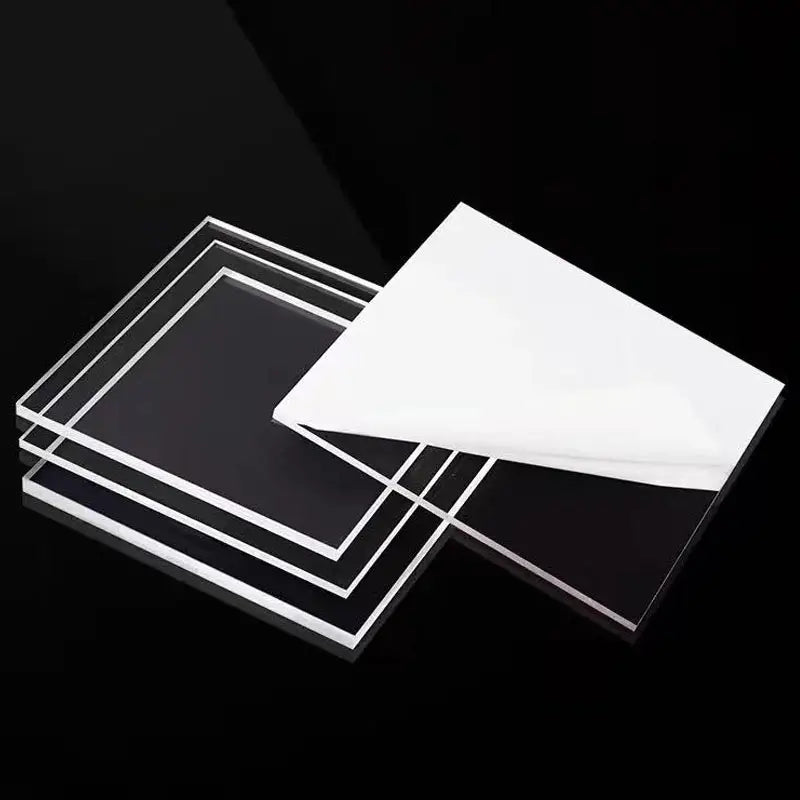
Where to Source High-Quality PC Roofing Sheets for Greenhouses
Selecting the right supplier for PC roofing sheets is crucial for ensuring the quality and reliability of your greenhouse construction. High-quality materials lead to better performance, longevity, and overall satisfaction. Here’s how to find reputable PC sheet suppliers and why their reliability matters.
Importance of Quality and Reliability
Ensuring Durability and Performance
High-quality PC roofing sheets offer superior durability and performance. Reliable suppliers provide materials that can withstand harsh weather conditions, UV exposure, and physical impacts, ensuring your greenhouse remains intact and functional for years. Choosing a supplier known for quality reduces the risk of frequent repairs and replacements.
Consistent Product Standards
Reputable suppliers adhere to stringent quality control processes, ensuring that every sheet meets consistent standards. This uniformity is essential for maintaining the structural integrity and aesthetic appeal of your greenhouse. Suppliers who prioritize quality control deliver products that consistently perform as expected.
Top Suppliers for PC Roofing Sheets
Global Manufacturers
Global manufacturers such as Sabic and Covestro are renowned for producing high-quality PC sheets86. These companies have established reputations for innovation and reliability, offering a range of products suitable for various greenhouse applications. Their extensive distribution networks also make it easier to source materials worldwide.
Specialized Distributors
Specialized distributors like Plaskolite and Palram focus on plastic sheets, including polycarbonate. These companies often provide a broader selection of PC sheets, including different thicknesses, finishes, and custom sizes. Working with specialized distributors can give you access to more tailored solutions for your greenhouse needs.
Local Suppliers
Local suppliers can offer the advantage of quicker delivery times and personalized service. Companies like Curbell Plastics and Total Plastics, Inc. have regional offices and distribution centers, ensuring fast and efficient service. Building a relationship with a local supplier can also provide ongoing support and easier access to replacement materials.
Evaluating Supplier Reliability
Customer Reviews and Testimonials
Check customer reviews and testimonials to gauge the reliability of potential suppliers. Positive feedback from other greenhouse operators or contractors can indicate a supplier’s commitment to quality and service. Look for reviews that highlight consistent product performance and reliable delivery.
Certifications and Standards
Reputable suppliers often have certifications such as ISO 9001, indicating adherence to international quality management standards. These certifications can provide additional assurance that the supplier maintains high-quality production processes and consistently delivers reliable products.
Sample Requests
Requesting samples before making a bulk purchase can help you evaluate the quality of the PC sheets firsthand. Reliable suppliers are usually willing to provide samples, allowing you to assess the material’s durability, clarity, and overall quality.
Additional Considerations
Pricing and Value
While it’s important to consider pricing, focus on the overall value rather than just the cost. High-quality PC sheets may have a higher upfront cost, but their durability and performance can result in long-term savings. Evaluate the cost in relation to the material’s lifespan and maintenance requirements.
Customer Support
Strong customer support is a hallmark of a reputable supplier. Look for companies that offer comprehensive support services, including technical advice, installation guides, and responsive customer service. Good support can make a significant difference in the overall success of your greenhouse project.
By selecting reputable suppliers, you ensure that your greenhouse is constructed with the best PC roofing sheets available. Prioritize quality and reliability to achieve a durable, efficient, and visually appealing greenhouse that meets all your agricultural needs.

Real-Life Case Studies: Successful Greenhouse Projects Using PC Sheets
Exploring real-life examples of greenhouse projects that have successfully utilized PC roofing sheets can provide valuable insights into the practical benefits and outcomes of using this material. Here are some notable case studies that highlight the effectiveness of PC sheets in various greenhouse applications.
Case Study 1: Urban Community Greenhouse
Project Overview
An urban community greenhouse in New York City faced the challenge of creating a durable and energy-efficient structure that could withstand the harsh urban environment. The project aimed to provide a year-round growing space for local residents and educational programs.
Implementation of PC Sheets
The designers chose PC roofing sheets for their exceptional durability and UV resistance. The lightweight nature of polycarbonate made it easier to install on the rooftop of an existing building. The PC sheets provided excellent thermal insulation, maintaining a stable internal temperature throughout the year.
Outcomes and Benefits
The greenhouse successfully operated through both hot summers and cold winters, demonstrating the weather resistance of PC sheets. The community enjoyed a consistent supply of fresh produce, and the educational programs flourished. The project also saw a reduction in energy costs due to the improved insulation provided by the PC roofing sheets.
Case Study 2: Commercial Greenhouse in the Netherlands
Project Overview
A commercial greenhouse in the Netherlands needed a roofing solution that could maximize light transmission while providing robust protection against the region’s frequent rain and wind. The greenhouse focused on growing high-value crops that required optimal growing conditions.
Implementation of PC Sheets
PC sheets were selected for their superior light transmission and impact resistance. The greenhouse used multiwall polycarbonate sheets to enhance insulation and reduce energy consumption. The design included strategically placed vents to ensure proper airflow and temperature control.
Outcomes and Benefits
The use of PC sheets resulted in increased crop yields due to better light diffusion and temperature management. The greenhouse reported a significant decrease in heating costs during the winter months. The impact resistance of the PC sheets protected the crops from hail damage, ensuring consistent production and profitability.
Case Study 3: Educational Greenhouse in California
Project Overview
A university in California developed an educational greenhouse to serve as a hands-on learning facility for students studying agriculture and environmental sciences. The project required a durable, transparent roofing material that could facilitate both plant growth and educational activities.
Implementation of PC Sheets
The project team chose PC roofing sheets for their clarity and durability. The sheets were installed with a slight angle to optimize light penetration and minimize water accumulation. The greenhouse also incorporated PC ABS sheet stock for additional structural components, enhancing the overall stability.
Outcomes and Benefits
Students benefited from a bright, clear learning environment, and the greenhouse effectively supported various plant species. The PC sheets provided excellent UV protection, safeguarding both the plants and the structural materials. The facility became a centerpiece for the university’s agricultural program, attracting interest and funding for further development.
Case Study 4: Research Greenhouse in Canada
Project Overview
A research institution in Canada needed a greenhouse with precise climate control to conduct experiments on plant genetics and climate adaptation. The greenhouse had to withstand extreme cold and heavy snowfall while maintaining a controlled internal environment.
Implementation of PC Sheets
PC roofing sheets were chosen for their high thermal insulation and impact resistance. The installation included double-walled polycarbonate sheets to enhance insulation and reduce heat loss. The greenhouse also featured automated climate control systems integrated with the PC sheets.
Outcomes and Benefits
The research greenhouse successfully maintained a stable internal climate, enabling year-round experiments. The PC sheets withstood heavy snow and ice without damage, proving their durability in extreme conditions. The institution noted improved research outcomes and extended growing seasons, contributing to significant advancements in plant science.
Case Study 5: Horticultural Greenhouse in Australia
Project Overview
A horticultural greenhouse in Australia required a roofing solution that could protect plants from intense sun and heat while allowing sufficient light for growth. The greenhouse focused on cultivating ornamental plants sensitive to temperature and light fluctuations.
Implementation of PC Sheets
The project utilized PC roofing sheets with a UV-blocking layer to reduce heat buildup while maintaining high light transmission. The greenhouse design included adjustable shading systems to further control light and temperature. PC ABS sheet stock was used for additional structural support, ensuring the greenhouse could withstand the region’s high winds.
Outcomes and Benefits
The greenhouse experienced optimal growing conditions for the ornamental plants, leading to higher quality and increased production. The UV-blocking PC sheets prevented heat stress on the plants, while the robust design protected the structure from weather-related damage. The facility reported a reduction in cooling costs and improved plant health.
These case studies demonstrate the versatility and effectiveness of PC roofing sheets in various greenhouse applications. From urban community projects to advanced research facilities, polycarbonate sheets have proven to be a reliable and efficient choice for enhancing greenhouse performance and sustainability.
Common Questions and Answers about Beeplastics Customization
Here are some of the most frequently asked questions and their answers related to Beeplastics customization, focusing on the flexibility and benefits offered by Beeplastics.
1. What types of customization can Beeplastics undertake?
Question: Can Beeplastics handle various customization projects, including sample customization and batch customization?
Answer: Yes, Beeplastics can undertake any customization project, whether it is sample customization or batch customization. We work closely with our clients to understand their specific needs and provide tailored solutions accordingly.
2. What file formats does Beeplastics accept for customization projects?
Question: What types of file formats can I submit for my customization project with Beeplastics?
Answer: Beeplastics accepts a variety of file formats, including PDF and CAD. This flexibility allows you to provide your designs in the format that best suits your project requirements.
3. Is there a minimum order quantity (MOQ) for customization projects with Beeplastics?
Question: Does Beeplastics have a minimum order quantity requirement for custom orders?
Answer: No, there is no minimum order quantity (MOQ) at Beeplastics. We cater to both small and large orders, providing the same level of attention and quality regardless of the order size.
4. How is the production cycle determined for custom orders at Beeplastics?
Question: How does Beeplastics determine the production cycle for custom orders?
Answer: The production cycle at Beeplastics is determined based on the order amount and the complexity of the process. We ensure to communicate the production progress in real-time, keeping you informed every step of the way.
5. Does Beeplastics support the provision of samples for custom orders?
Question: Can Beeplastics provide samples for my custom order?
Answer: Yes, Beeplastics supports the provision of samples. The samples are free of charge; however, the customer is responsible for the shipping costs. This allows you to evaluate the product quality before proceeding with larger orders.
6. How does Beeplastics ensure the quality of customized products?
Question: What measures does Beeplastics take to ensure the quality of customized products?
Answer: Beeplastics employs stringent quality control measures throughout the production process. We use high-quality materials and advanced manufacturing techniques to ensure that every product meets our rigorous standards.
7. Can Beeplastics handle large-scale production runs?
Question: Is Beeplastics capable of managing large-scale production runs for customized products?
Answer: Yes, Beeplastics is equipped to handle large-scale production runs. Our facilities are designed to manage high-volume orders efficiently, ensuring timely delivery without compromising on quality.
8. How does Beeplastics communicate with clients during the production process?
Question: How will Beeplastics keep me updated about the progress of my custom order?
Answer: Beeplastics maintains open and continuous communication with clients throughout the production process. We provide real-time updates on the progress of your order, ensuring you are always informed about the status and any developments.
9. What industries does Beeplastics serve with its customization services?
Question: What types of industries can benefit from Beeplastics’ customization services?
Answer: Beeplastics serves a wide range of industries, including automotive, electronics, construction, medical, and consumer goods. Our versatile customization capabilities allow us to cater to diverse industry needs.
10. How can I request a quote for a custom project with Beeplastics?
Question: How do I get a quote for my custom project with Beeplastics?
Answer: To request a quote for your custom project, simply contact us with your project details and specifications. You can submit your design files in PDF or CAD format, and our team will provide you with a detailed quote based on your requirements.
These questions and answers cover the most common inquiries related to Beeplastics customization services, providing a comprehensive understanding of what to expect when working with us.
Conclusion
Choosing the right materials and suppliers for your greenhouse construction is essential for achieving optimal performance and durability. By understanding the benefits of PC roofing sheets, comparing them to traditional materials, and knowing where to source high-quality options, you can create a greenhouse that stands the test of time. Whether you’re a contractor, a DIY enthusiast, or an industry professional, the insights and practical tips provided in this guide will help you make informed decisions for your next greenhouse project. Embrace the versatility and efficiency of PC sheets to enhance your greenhouse’s productivity and sustainability.
Ready to transform your greenhouse with high-quality PC sheets? Fill out the contact form below to get started with your custom order. For more information, visit our detailed product page here.
🎉🎉🎉Limited Time Offer Use code: QR4GNY08SHVR at checkout and enjoy a special discount on your entire order! 👉PC board
-
Posted in
agriculture, durability, gardening, greenhouses, horticulture, light transmission, PC roofing sheets, UV protection, weather resistance