Unlocking the Potential of FR4 Fiberglass Sheets in Accessory Design

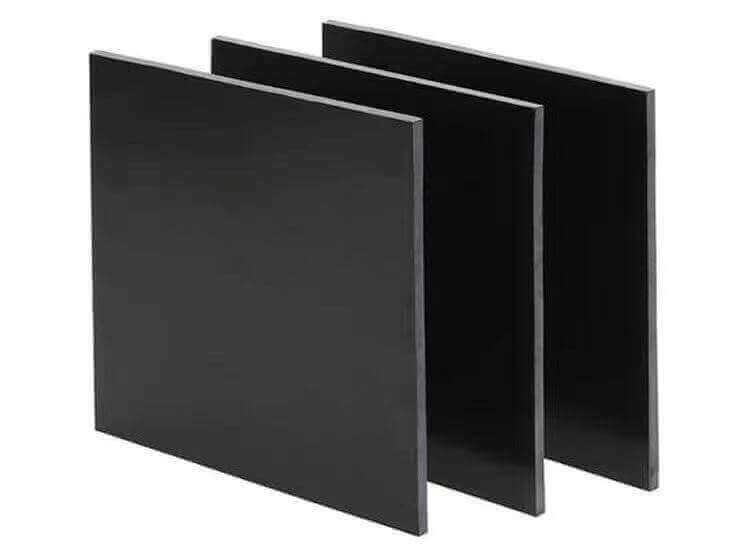
Black Glass Fiberboard

In the captivating blog post “Unlocking the Potential of FR4 Fiberglass Sheets in Accessory Design,” we delve deep into the versatile world of FR4 fiberglass sheets, a cornerstone material in the realm of accessory manufacturing. This comprehensive guide begins by Understanding FR4 Fiberglass Sheet Properties, highlighting their unparalleled durability, electrical insulation capabilities, and resistance to fire and moisture, laying the foundation for why FR4 is the material of choice for designers.

🎉🎉🎉Limited Time Offer Use code: QR4GNY08SHVR at checkout and enjoy a special discount on your entire order! 👉 FR4 fiberglass plastic
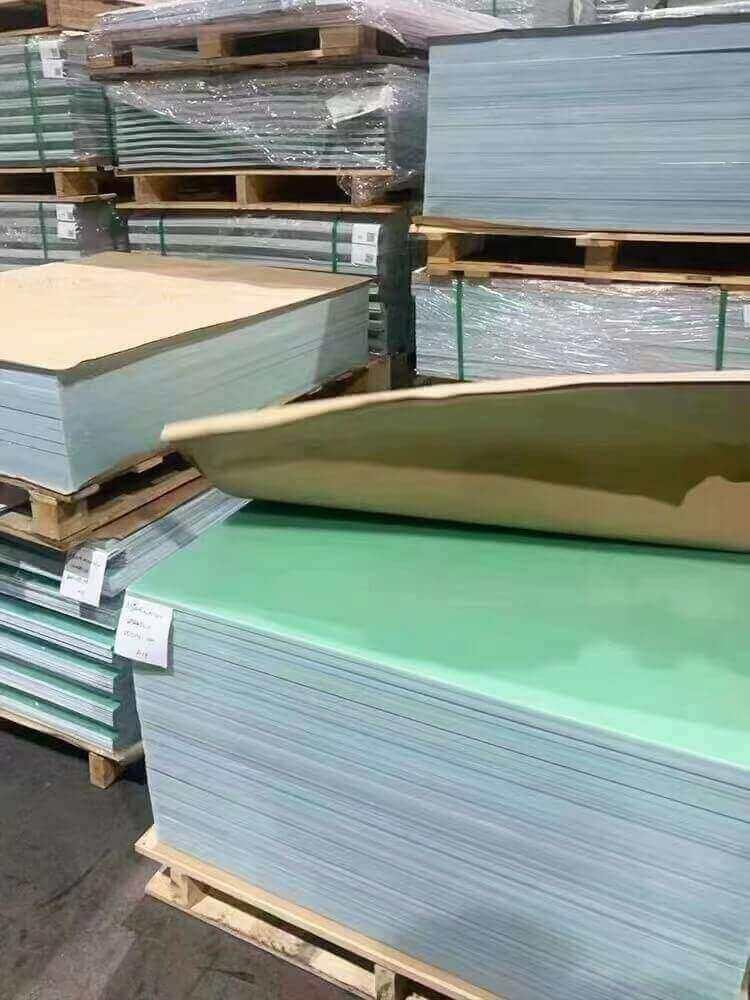
FR4 Fiberglass Sheets

We then journey into Innovative Uses of FR4 Fiberglass Sheets in Accessory Design, showcasing the material’s flexibility across a spectrum of creative applications. From high-tech gadgets to everyday wearables, discover how FR4 is shaping the future of accessory design.

Navigating the selection process, The Process of Selecting the Right FR4 Fiberglass Sheet offers invaluable insights into choosing the perfect grade and type of FR4 for your project needs, ensuring your design not only meets but exceeds expectations.

For those ready to get their hands dirty, Tips for Working with FR4 Fiberglass Sheets provides a treasure trove of practical advice. Learn the best practices for cutting, shaping, and finishing FR4, enabling you to transform this robust material into your next innovative accessory.

Lastly, we tackle the important topic of Sustainability and Recycling of FR4 Fiberglass Sheets in Accessory Manufacturing. This section underscores the importance of eco-friendly practices in the design process, from sourcing to recycling, ensuring that your creations are as kind to the planet as they are cutting-edge.

Join us as we explore the endless possibilities of FR4 fiberglass sheets in accessory design, offering a blend of technical insight, practical advice, and a commitment to sustainability. Whether you’re a seasoned designer or a curious newcomer, this post will inspire you to unlock the full potential of FR4 in your next accessory project.

Understanding FR4 Fiberglass Sheet Properties

FR4 fiberglass sheets stand at the forefront of accessory design, offering a unique blend of properties that cater to a wide range of applications. This material, known for its durability, electrical insulation capabilities, and resistance to fire and moisture, has become a staple in the manufacturing world. Let’s delve deeper into these properties to understand why FR4 is so highly valued in the accessory design industry.

FR4 fiberglass sheets

Durability

One of the hallmark features of FR4 fiberglass sheets is their exceptional durability. These sheets are engineered to withstand the test of time, resisting wear and tear under a variety of conditions. This makes FR4 an ideal choice for accessories that require long-lasting strength and stability, from electronic gadgets to automotive components. The robust nature of FR4 ensures that products retain their integrity and functionality over extended periods, making it a preferred material for designers looking to combine aesthetics with longevity.

Electrical Insulation Capabilities

In the realm of electronic accessories, the electrical insulation capabilities of FR4 fiberglass sheets are unparalleled. This material provides excellent insulation, preventing electrical currents from unintended paths, which is crucial for the safety and efficiency of electronic devices. Whether it’s for circuit boards, insulators, or connectors, FR4’s ability to insulate against electrical hazards while maintaining its structural integrity under high temperatures is a key reason for its widespread use in the electronics industry.

Resistance to Fire and Moisture

Another significant advantage of FR4 is its resistance to fire and moisture. These sheets are inherently flame-retardant, meaning they can slow down or halt the spread of fire, adding an extra layer of safety to accessories that might be exposed to high temperatures or flames. Additionally, FR4’s moisture resistance makes it suitable for use in environments where humidity or direct contact with water could compromise the integrity of other materials. This resistance is particularly beneficial for outdoor accessories or devices used in varying climates, ensuring that they remain functional and safe regardless of the conditions.

FR4 fiberglass sheets embody a perfect synergy of physical and chemical properties, making them an indispensable material in the accessory design landscape. Their durability, electrical insulation capabilities, and resistance to fire and moisture not only ensure the safety and longevity of products but also open up new avenues for innovation and creativity in design. As we continue to explore the potential of FR4 in accessory manufacturing, it’s clear that this material will remain a cornerstone of the industry, driving forward advancements in both functionality and aesthetic appeal.

FR4 in accessory manufacturing

Innovative Uses of FR4 Fiberglass Sheets in Accessory Design

The versatility of FR4 fiberglass sheets has opened up a world of possibilities for accessory designers, pushing the boundaries of creativity and functionality. This material’s unique properties have made it a go-to choice for developing innovative products across various industries. Let’s explore some of the creative ways in which designers are leveraging FR4 fiberglass sheets to bring their visionary accessories to life.

Revolutionizing Wearable Technology

One of the most exciting applications of FR4 fiberglass sheets is in the realm of wearable technology. Designers are using FR4 to create lightweight, durable components for smartwatches, fitness trackers, and wearable medical devices. The material’s durability and electrical insulation capabilities make it ideal for these applications, where flexibility and safety are paramount. For instance, FR4’s use in the circuit boards of wearable devices ensures they remain functional and reliable, even under the stress of daily wear and physical activity.

Enhancing Automotive Accessories

In the automotive sector, FR4 fiberglass sheets are being used to innovate accessories that enhance both performance and safety. From high-performance engine components to advanced interior electronics, FR4’s resistance to fire and moisture makes it an excellent choice for applications that require robustness and reliability. A notable example is the use of FR4 in the development of lightweight, fire-resistant panels that contribute to the overall safety and efficiency of vehicles.

Pioneering in Drone Technology

The drone industry has also benefited from the application of FR4 fiberglass sheets. Designers are utilizing FR4 to construct drone frames and components, capitalizing on the material’s strength-to-weight ratio. This not only makes drones lighter and more efficient but also improves their durability, allowing them to withstand the rigors of flight and harsh outdoor conditions. The incorporation of FR4 in drones exemplifies how the material’s properties can be harnessed to elevate the performance and longevity of cutting-edge technology.

Advancing Sports Equipment

Another innovative use of FR4 fiberglass sheets is in the design of sports equipment. The material’s durability and resistance to environmental factors make it an excellent choice for creating lightweight, high-strength components for sports gear. From skateboards to surfboards, FR4 is being used to enhance the performance and durability of sports accessories, enabling athletes to push the limits of what’s possible.

The diverse applications of FR4 fiberglass sheets in accessory design underscore the material’s adaptability and potential to revolutionize product development. Whether it’s in wearable tech, automotive enhancements, drone technology, or sports equipment, FR4 continues to inspire designers to explore new horizons and create accessories that are not only innovative but also practical and sustainable. As we look to the future, the role of FR4 in accessory design is set to grow, promising a new era of products that blend form, function, and forward-thinking design.
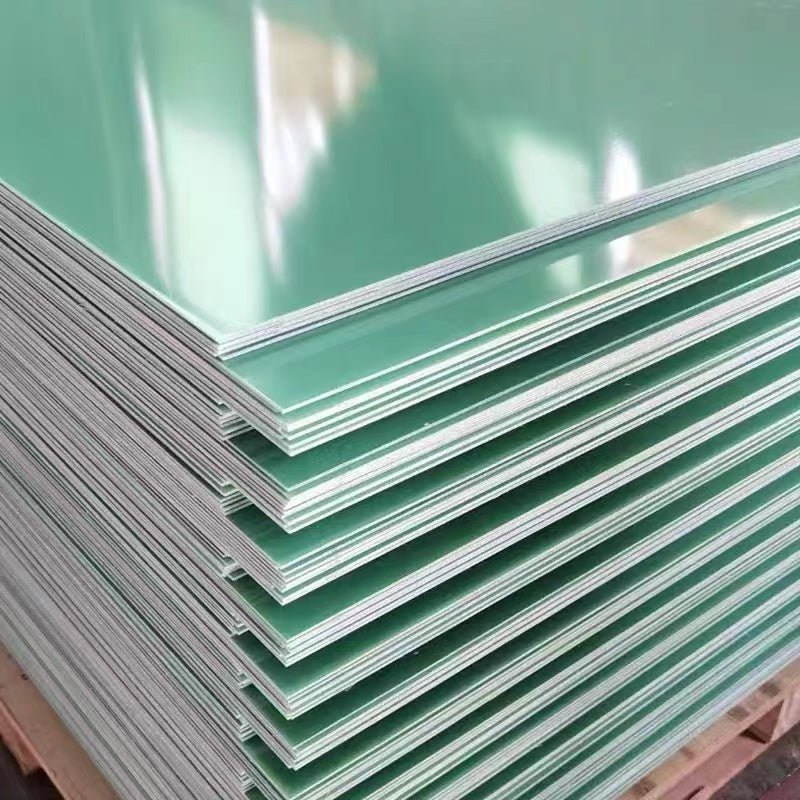
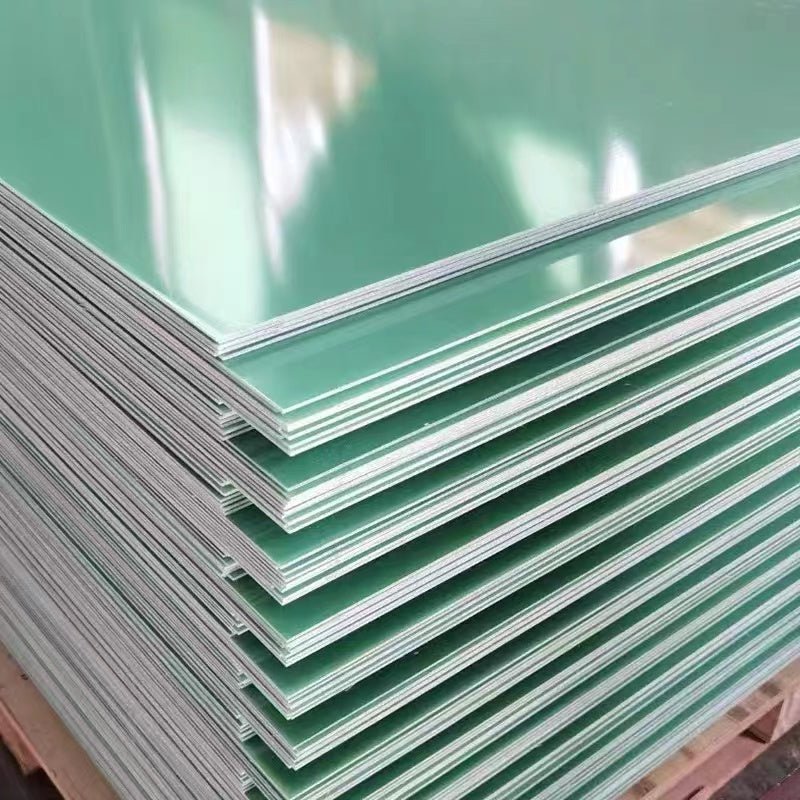
FR4 fiberglass sheets in accessory design

The Process of Selecting the Right FR4 Fiberglass Sheet

Choosing the appropriate FR4 fiberglass sheet for your accessory project is a critical step that can significantly impact the performance, durability, and aesthetics of the final product. With a variety of types and grades available, understanding how to navigate these options is essential for designers and manufacturers alike. This guide will walk you through the key factors to consider when selecting FR4 fiberglass sheets, ensuring that you make the best choice for your specific needs.

Understanding Thickness and Size Requirements

The thickness and size of the FR4 sheet are among the first considerations in the selection process. The thickness required will largely depend on the application’s demands for strength and flexibility. For instance, thinner sheets might be preferred for lightweight, flexible electronic accessories, while thicker sheets are better suited for structural components in automotive or sports equipment that require higher rigidity and impact resistance. Similarly, the size of the sheet must be chosen based on the dimensions of the final product, with efficiency in material usage and minimal waste as key considerations.

Assessing Application-Specific Requirements

Each accessory project comes with its own set of requirements, making it crucial to assess the specific needs of your application. This includes considering the environmental conditions the product will be exposed to, such as moisture, temperature extremes, and potential chemical exposures. For accessories that will be used outdoors or in harsh environments, selecting FR4 sheets with enhanced resistance to fire and moisture is paramount. Additionally, for electronic accessories, prioritizing sheets with superior electrical insulation capabilities is essential to ensure safety and functionality.

Evaluating Mechanical and Thermal Properties

The mechanical and thermal properties of the FR4 fiberglass sheet are also vital factors to consider. This includes the material’s tensile strength, flexural strength, and thermal expansion coefficient. These properties will dictate how well the material can withstand physical stresses and temperature variations without degrading or failing. For high-performance applications, such as in automotive or aerospace accessories, selecting FR4 sheets with optimal mechanical and thermal properties is crucial for ensuring reliability and longevity.

Consulting with Suppliers and Experts

Finally, consulting with FR4 fiberglass sheet suppliers and industry experts can provide valuable insights into the best materials for your project. Suppliers can offer detailed information on the specifications and capabilities of different FR4 grades, as well as advice on the most cost-effective options for your requirements. Additionally, leveraging the expertise of professionals who have extensive experience with FR4 can help in making informed decisions, especially for complex or innovative projects.

Selecting the right FR4 fiberglass sheet is a nuanced process that requires careful consideration of various factors, including thickness, size, application-specific requirements, and the material’s mechanical and thermal properties. By taking these elements into account and seeking expert advice when necessary, designers and manufacturers can ensure that their accessories not only meet but exceed expectations in terms of performance, durability, and aesthetic appeal.
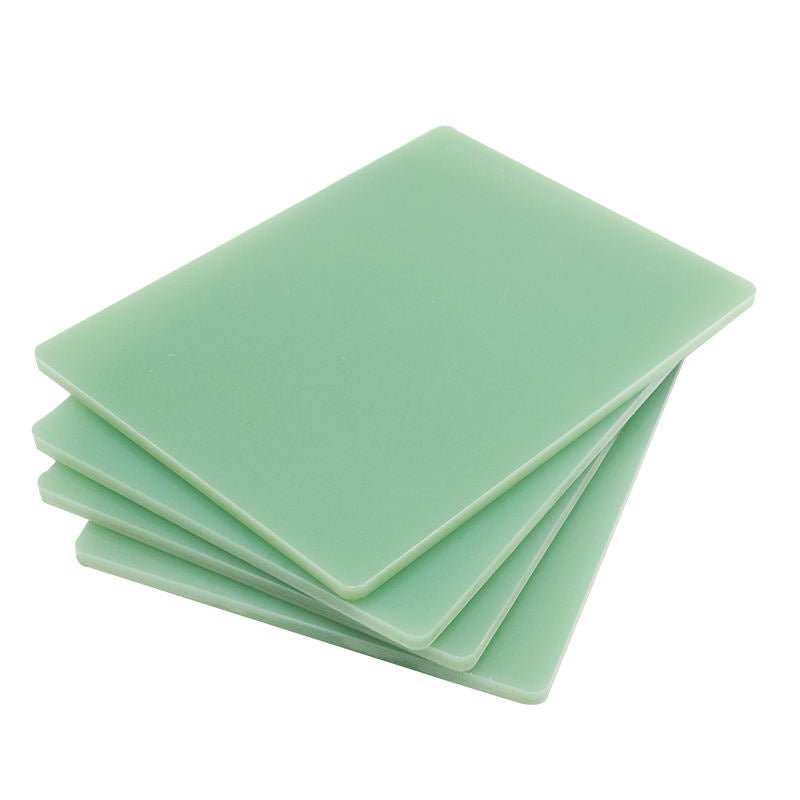
FR4 fiberglass sheet

Tips for Working with FR4 Fiberglass Sheets

Working with FR4 fiberglass sheets requires a blend of precision, care, and the right techniques to ensure the final accessory meets the desired standards of quality and functionality. From cutting and shaping to finishing, each step in the manipulation of FR4 sheets plays a crucial role in the overall design process. Here, we provide practical advice for handling FR4 fiberglass sheets, aiming to help designers and fabricators achieve the best results.

Cutting Techniques

When it comes to cutting FR4 fiberglass sheets, choosing the right tools is paramount. High-speed rotary tools, laser cutters, or CNC machines are often preferred for their precision and ability to handle the material’s rigidity. It’s important to use a blade or bit that is specifically designed for cutting fiberglass to reduce wear on the tool and prevent fraying or chipping of the material. Always ensure that measurements are accurate and that you’re working in a well-ventilated area, as cutting FR4 can produce harmful dust.

Shaping and Forming

Shaping FR4 fiberglass sheets can be challenging due to their high strength and rigidity. For minor adjustments or curves, gentle heating with a heat gun may allow for some flexibility, but this must be done cautiously to avoid weakening the material. When bending or shaping FR4, use molds or forms to ensure consistency and accuracy. For more intricate designs, CNC machining offers unparalleled precision, allowing for complex shapes and details that would be difficult to achieve by hand.

Finishing Techniques

Achieving a smooth and aesthetically pleasing finish on FR4 fiberglass sheets is essential, especially for accessories where the visual aspect is as important as functionality. Sanding is a critical step in the finishing process, starting with coarser grits to remove any major imperfections and gradually moving to finer grits for a smooth finish. Protective gear, including masks and gloves, is essential during this process to protect against fiberglass dust. For a polished look, applying a coat of epoxy or varnish can enhance the appearance and durability of the FR4 surface. This not only improves the aesthetic appeal but also provides an additional layer of protection against environmental factors.

Safety Precautions

Working with FR4 fiberglass sheets demands strict adherence to safety precautions. The material’s dust and fibers can be harmful if inhaled or if they come into contact with the skin. Always wear protective clothing, including gloves, long sleeves, and a respirator mask, when cutting, sanding, or handling FR4. Ensuring good ventilation in the workspace is also crucial to minimize exposure to airborne particles.

Handling FR4 fiberglass sheets with the right techniques and safety measures is key to successfully incorporating this material into accessory design. By following these tips for cutting, shaping, and finishing, designers and fabricators can maximize the potential of FR4, creating accessories that are not only functional and durable but also visually appealing. Remember, patience and attention to detail are your best tools when working with this versatile material.

epoxy sheet

Sustainability and Recycling of FR4 Fiberglass Sheets in Accessory Manufacturing

The use of FR4 fiberglass sheets in accessory manufacturing brings to the forefront the importance of sustainability and environmental responsibility. As the demand for durable and high-performance materials like FR4 continues to grow, so does the need to address their environmental impact. This section explores how to responsibly source, use, and recycle FR4 fiberglass sheets to minimize the ecological footprint of accessory production.

Responsible Sourcing of FR4 Materials

The journey towards sustainability begins with the responsible sourcing of FR4 fiberglass sheets. Choosing suppliers who prioritize eco-friendly practices, such as using recycled materials or renewable energy in their production processes, is crucial. Manufacturers should look for certifications that indicate a commitment to environmental standards, ensuring that the FR4 sheets they purchase are produced in a way that reduces harm to the environment. This not only helps in lowering the carbon footprint of the manufacturing process but also aligns with the growing consumer demand for sustainable products.

Efficient Use and Waste Minimization

Efficiency in the use of FR4 fiberglass sheets is key to reducing waste and conserving resources. Designing accessories with material optimization in mind can significantly decrease offcuts and unused portions of FR4. Employing precise cutting techniques and planning layouts that maximize the use of each sheet can lead to a substantial reduction in material waste. Additionally, reusing and repurposing scrap FR4 materials in other projects can further minimize environmental impact, turning potential waste into valuable resources.

Recycling and End-of-Life Management

Recycling FR4 fiberglass sheets presents certain challenges due to their composite nature, but it is a critical aspect of sustainable manufacturing. Research and development into recycling technologies are making it increasingly possible to reclaim and repurpose the fiberglass and resin components of FR4. Manufacturers and designers should stay informed about recycling programs and initiatives that accept FR4 materials. Encouraging and facilitating the recycling of end-of-life products by providing information and resources to consumers can also enhance the sustainability of accessories made with FR4.

Advocating for Environmental Awareness

Beyond the direct actions taken in sourcing, using, and recycling FR4 fiberglass sheets, advocating for environmental awareness within the industry is essential. Sharing best practices, success stories, and challenges in sustainability efforts can inspire others to adopt more eco-friendly approaches. Collaboration between manufacturers, suppliers, and recycling entities can lead to innovative solutions that further reduce the environmental impact of FR4 in accessory manufacturing.

The commitment to sustainability and recycling of FR4 fiberglass sheets in accessory manufacturing is a multifaceted endeavor that encompasses responsible sourcing, efficient use, waste minimization, and active participation in recycling efforts. By addressing these environmental aspects, manufacturers can not only reduce the ecological footprint of their products but also meet the growing consumer demand for sustainable and responsibly made accessories. As the industry moves forward, the focus on environmental responsibility will continue to shape the future of accessory design and production, ensuring a healthier planet for generations to come.

Embracing FR4 fiberglass sheets in accessory design and manufacturing not only unlocks a realm of innovation and durability but also presents an opportunity to lead the industry towards a more sustainable future. By meticulously selecting the right materials, employing efficient design and production techniques, and prioritizing recycling and environmental responsibility, we can significantly mitigate the ecological impact of our creations. This journey towards sustainability with FR4 is not just about adhering to environmental standards but also about inspiring a shift in how we conceive and produce accessories. As we continue to explore the vast potential of FR4, let us also commit to practices that ensure our innovations contribute positively to the world, blending functionality, aesthetics, and ecological consciousness into every product we bring to life.

Black Glass Fiberboard

Join the Revolution in Accessory Manufacturing! Are you eager to explore the endless possibilities of FR4 fiberglass sheets? Connect with us now by filling out the contact form below. Let’s create something extraordinary together!

🎉🎉🎉Limited Time Offer Use code: QR4GNY08SHVR at checkout and enjoy a special discount on your entire order! 👉 FR4 fiberglass plastic

Leave a comment


Please note, comments must be approved before they are published


Custom Plastic Fabrication

Send your drawing, material and quantity for review

🔧
Precision Machining
CNC milling & turning
✂️
Cutting & Engraving
Laser & waterjet cutting
🏭
Forming & Molding
Thermoforming & injection
🔗
Joining & Assembly
Welding & bonding
📐
Design & Prototyping
CAD design & samples

General

HDPE

PP

PVC

ABS

Engineering

POM

Nylon

PC

PMMA

High-Performance

PEEK

PEI

PTFE

Composites

FR-4

G10

Flexible

TPU

Silicone

Why Choose BeePlastic?

🎯
Perfect Fit
Custom specs eliminate adaptation needs
⚡
Clear Lead Times
Lead time confirmed with every quote
💰
Volume Pricing
Volume pricing available on bulk orders
🤝
Expert Support
Free engineering consultation included
📋
Submit
→
🔍
Review
→
💵
Quote
→
✅
Production
→
📦
Deliver

Request a Quote

Share your project details, selected material and quantity on our quote page. You can add a file link or use the email drawing route shown there.


Request Quote

Industries: Automotive • Medical • Food • Lab • Semiconductor

beeplastic@beeplastic.com


The Insider’s Guide to Sourcing FR4 Fiberglass Sheets for Accessories

epoxy platees

Dive into the world of accessory manufacturing with “The Insider’s Guide to Sourcing FR4 Fiberglass Sheets for Accessories,” your ultimate resource for navigating the complexities of FR4 fiberglass sheet procurement. This comprehensive guide begins by exploring the properties and benefits of FR4 sheets, highlighting their unmatched durability and versatility in accessory design. Learn how to distinguish high-quality FR4 fiberglass sheets from the rest, with practical tips on assessing thickness uniformity, resin content, and glass weave patterns.

🎉🎉🎉Limited Time Offer Use code: QR4GNY08SHVR at checkout and enjoy a special discount on your entire order! 👉 FR4 fiberglass plastic
high-quality FR4 fiberglass sheets

Embark on a journey through effective sourcing strategies, where you’ll discover how to select reliable suppliers, negotiate favorable prices, and ensure a steady supply of materials. We delve into the crucial cost considerations and budgeting tactics that can help you manage your project finances without sacrificing quality.

Finally, be inspired by innovative uses of FR4 sheets in accessory design. This section showcases creative applications that leverage FR4’s unique properties, pushing the boundaries of what’s possible in accessory manufacturing. Whether you’re a seasoned professional or a curious newcomer, this guide is packed with insider knowledge and practical advice to elevate your sourcing strategy and bring your accessory projects to life.

Understanding FR4 Fiberglass Sheet Properties and Benefits

FR4 fiberglass sheets stand at the forefront of materials used in accessory manufacturing, renowned for their exceptional material properties and durability. This guide delves into the core of what makes FR4 not just a material choice but a strategic advantage for designers and manufacturers alike.

high-quality FR4 fiberglass sheets

The Composition of FR4 Fiberglass Sheets

At its core, FR4 is a composite material composed of woven fiberglass cloth with an epoxy resin binder. This combination results in a high strength-to-weight ratio, making FR4 sheets remarkably durable and resistant to physical impact, moisture, and chemical corrosion. The unique composition of FR4 allows it to maintain its structural integrity under a wide range of temperatures, which is crucial for accessories that may be exposed to varying environmental conditions.

Advantages of FR4 in Accessory Manufacturing

Superior Durability and Reliability

One of the most compelling reasons to choose FR4 fiberglass sheets for accessory manufacturing is their superior durability. Accessories crafted from FR4 can withstand harsh conditions without succumbing to wear and tear as quickly as those made from other materials. This durability extends the lifespan of products, offering better value to consumers and reducing the need for frequent replacements.

Versatility Across Applications

FR4’s versatility is another significant advantage. Its excellent electrical insulation properties make it an ideal choice for electronic accessories, while its resistance to fire and heat suits applications requiring high safety standards. Whether for consumer electronics, automotive components, or even sports equipment, FR4’s adaptability makes it a go-to material for a wide array of accessory designs.

Cost-Effectiveness

Despite its high-quality attributes, FR4 remains a cost-effective option for manufacturers. Its widespread availability and the efficiency of its manufacturing process mean that FR4 fiberglass sheets can be procured and utilized without significantly inflating production costs. This balance between quality and affordability allows manufacturers to produce superior accessories while maintaining competitive pricing.

Why FR4 Stands Out

In the realm of accessory manufacturing, the choice of material plays a pivotal role in the success of the final product. FR4 fiberglass sheets offer a unique blend of durability, versatility, and cost-effectiveness, setting them apart from traditional materials. Their ability to meet diverse design and functional requirements while ensuring longevity and reliability makes FR4 an unparalleled choice for manufacturers aiming to deliver high-quality accessories.

By choosing FR4, manufacturers can not only elevate the quality of their products but also embrace the innovation and sustainability that come with this advanced material. As we continue to explore the capabilities and applications of FR4, it’s clear that its role in accessory manufacturing is not just beneficial but transformative.

How to Identify High-Quality FR4 Fiberglass Sheets

Selecting high-quality FR4 fiberglass sheets is crucial for ensuring the durability, functionality, and aesthetics of finished accessories. Understanding the characteristics that distinguish superior FR4 sheets from inferior ones can significantly impact the success of your manufacturing projects. This guide provides essential insights into the factors you should consider when evaluating FR4 fiberglass sheets.

Assessing Thickness Uniformity

The Importance of Consistent Thickness

One of the first indicators of a high-quality FR4 sheet is its thickness uniformity. Consistent thickness across the sheet ensures uniform performance, especially in applications where precision is critical, such as in electronic accessories. Variations in thickness can lead to uneven thermal management, electrical insulation failures, or mechanical weaknesses, compromising the integrity of the final product.

To assess thickness uniformity, use precise measuring tools at various points across the sheet. Manufacturers should provide specifications detailing the tolerance levels for thickness variation, allowing you to determine if the sheet meets the necessary standards for your application.

Evaluating Resin Content

Balancing Strength and Flexibility

The resin content of an FR4 sheet significantly affects its mechanical and electrical properties. A higher resin content typically results in better electrical insulation and moisture resistance, while a lower resin content can enhance the material’s mechanical strength and heat resistance. The optimal resin content depends on the specific requirements of your accessory design.

To evaluate resin content, inquire about the manufacturer’s specifications and testing results. High-quality FR4 sheets should have a balanced resin-to-fiberglass ratio that aligns with the intended use of the product, ensuring optimal performance in both structural and functional aspects.

Analyzing Glass Weave Patterns

Impact on Performance and Aesthetics

The glass weave pattern of FR4 sheets not only influences their mechanical properties but also affects their appearance. A uniform and tight weave pattern enhances the sheet’s structural integrity, providing better support and stability for accessories. Additionally, a consistent weave pattern ensures a smoother surface finish, which is particularly important for accessories where aesthetics are a priority.

Inspect the FR4 sheet visually and tactilely to assess the weave pattern. High-quality sheets should exhibit a uniform weave with no gaps or distortions, indicating meticulous manufacturing processes and attention to detail.

Why These Factors Matter

Identifying high-quality FR4 fiberglass sheets involves a careful examination of thickness uniformity, resin content, and glass weave patterns. These factors collectively determine the sheet’s suitability for various accessory manufacturing applications, affecting everything from performance to aesthetics. By prioritizing these quality indicators, manufacturers and designers can ensure that their products meet the highest standards of excellence, durability, and functionality.

Choosing the right FR4 sheet is a critical step in the manufacturing process, one that influences the success of the final accessory. Armed with the knowledge of what to look for, you can make informed decisions that enhance the quality and appeal of your products, setting a benchmark for excellence in accessory manufacturing.

high-quality FR4 fiberglass sheets

Sourcing Strategies for FR4 Fiberglass Sheets

Navigating the procurement landscape for FR4 fiberglass sheets requires a strategic approach to ensure you secure high-quality materials from reliable sources. This segment offers a deep dive into effective sourcing strategies, emphasizing the selection of dependable suppliers, price negotiation techniques, and the critical role of certifications and standards in the procurement process.

Selecting Reliable Suppliers

Building a Network of Trusted Vendors

The foundation of a successful sourcing strategy lies in identifying and partnering with reliable suppliers. Look for vendors with a proven track record of delivering high-quality FR4 sheets, timely shipments, and excellent customer service. Assessing supplier reliability involves evaluating their operational history, financial stability, and customer feedback. Establishing long-term relationships with a select few suppliers can lead to better service, improved pricing, and a more reliable supply chain.

Importance of Certifications and Standards Compliance

Certifications such as ISO 9001 or specific industry standards related to FR4 materials, like UL 94V-0 for flame resistance, are indicators of a supplier’s commitment to quality and regulatory compliance. Suppliers who adhere to recognized standards and certifications ensure that their FR4 sheets meet rigorous quality, safety, and environmental benchmarks. Requesting and reviewing these certifications should be a non-negotiable aspect of your supplier selection process.

Negotiating Prices

Strategies for Achieving Competitive Pricing

Effective negotiation is key to obtaining FR4 sheets at competitive prices without compromising on quality. Equip yourself with market knowledge, including current price trends and factors influencing costs, to strengthen your negotiating position. Consider leveraging volume discounts by consolidating your purchases or entering into long-term contracts with suppliers. Transparent communication about your budget and requirements can also open the door to customized pricing solutions that benefit both parties.

Ensuring a Consistent Supply

Planning for Continuity and Flexibility

A consistent supply of FR4 sheets is vital to maintaining uninterrupted production lines and meeting project timelines. Develop a supply chain strategy that includes multiple suppliers or a primary supplier with proven backup options to mitigate the risk of shortages. Implementing a just-in-time (JIT) inventory system can reduce storage costs and minimize the risk of material obsolescence, while still ensuring that materials are available when needed.

high-quality FR4 fiberglass sheets

Leveraging Technology and Partnerships

The Role of Digital Platforms and Industry Associations

Utilize digital procurement platforms and industry associations to discover new suppliers, compare offerings, and stay informed about market developments. These resources can provide valuable insights into supplier performance, emerging trends, and opportunities for bulk purchasing or group buying agreements, further optimizing your sourcing strategy.

Why a Strategic Approach Matters

Adopting a strategic approach to sourcing FR4 fiberglass sheets is crucial for securing high-quality materials at competitive prices, ensuring compliance with industry standards, and maintaining a steady supply. By carefully selecting suppliers, negotiating effectively, and planning for supply chain continuity, manufacturers can support the success and growth of their accessory production endeavors, ultimately leading to superior products and satisfied customers.

Cost Considerations and Budgeting for FR4 Sheet Procurement

Navigating the financial intricacies of FR4 fiberglass sheet procurement is essential for manufacturers aiming to balance cost-efficiency with quality. This guide outlines strategic approaches to budgeting, understanding pricing structures, and implementing cost-saving measures without sacrificing the integrity of your projects.

Understanding FR4 Pricing Tiers

The Dynamics of Material Costs

FR4 fiberglass sheets are subject to a variety of pricing tiers, influenced by factors such as material quality, sheet dimensions, and order volume. Recognizing these variables is the first step in developing a cost-effective procurement strategy. Suppliers may offer lower prices for larger volumes, making bulk purchases an attractive option for projects with significant material requirements. Additionally, prices can vary based on the FR4 grade and specific properties like thickness, resin content, and glass transition temperature.

Budgeting for FR4 Projects

Allocating Resources Wisely

Effective budgeting for projects involving FR4 sheets requires a comprehensive understanding of all potential costs, including material, shipping, and any additional processing or customization fees. Start by obtaining detailed quotes from multiple suppliers to gauge the market rate for FR4 materials matching your specifications. Incorporate a contingency fund into your budget to cover unexpected expenses, ensuring that your project remains on track even in the face of unforeseen costs.

Minimizing Costs Without Compromising Quality

Strategic Approaches to Cost-Saving

Minimizing costs while maintaining quality is a delicate balance in FR4 sheet procurement. Consider exploring alternative suppliers or negotiating longer-term contracts to secure better pricing. Implementing design optimizations that reduce waste or allow for the use of standard sheet sizes can also lead to significant savings. Engage with your suppliers to understand the cost drivers of FR4 materials and work collaboratively to identify areas where expenses can be reduced without affecting the final product’s performance or appearance.

Black Fiberglass Sheet

Leveraging Supplier Relationships

Partnering for Mutual Benefit

Building strong relationships with your FR4 sheet suppliers can unlock opportunities for cost savings. Suppliers may offer insights into more cost-effective material options or suggest design modifications that reduce costs. Regular communication and partnership with suppliers can also lead to preferential pricing, early access to discounts, and improved terms, which can be particularly beneficial for long-term projects or recurring needs.

The Importance of Quality Assurance

Ensuring Value for Money

While minimizing costs is important, ensuring that cost-cutting measures do not compromise the quality of FR4 sheets is paramount. Implement quality assurance processes to inspect materials upon delivery, verifying that they meet your specifications and standards. Investing in high-quality FR4 sheets from reputable suppliers may carry a higher upfront cost but can result in lower overall expenses by reducing the need for replacements and minimizing production delays.

Navigating the Financial Landscape

Understanding the financial landscape of FR4 fiberglass sheet procurement is crucial for manufacturers. By carefully considering pricing tiers, budgeting accurately, and seeking cost-saving opportunities without compromising quality, manufacturers can optimize their procurement strategy. This approach not only ensures the financial viability of projects but also supports the production of high-quality accessories that meet or exceed customer expectations.

Innovative Uses of FR4 Fiberglass Sheets in Accessory Design

The versatility and durability of FR4 fiberglass sheets have made them a staple in various industries, but their application in accessory design is where creativity truly flourishes. This section explores groundbreaking ways designers and manufacturers are leveraging FR4’s unique properties to craft exceptional and innovative products.

Revolutionizing Wearable Tech with FR4

Crafting Durable and Flexible Electronics

One of the most exciting applications of FR4 sheets is in the realm of wearable technology. Designers have harnessed the material’s excellent electrical insulation properties and mechanical strength to create flexible, durable components for smartwatches, fitness trackers, and wearable medical devices. FR4’s ability to withstand moisture and resist chemical corrosion makes it ideal for gadgets that are exposed to the elements and worn close to the body.

Elevating Sports Equipment to New Heights

Enhancing Performance and Safety

In the sports industry, FR4 fiberglass sheets are being used to innovate equipment design, enhancing both performance and safety. For example, high-end skateboard and snowboard manufacturers incorporate FR4 in their decks and boards for its superior strength-to-weight ratio, providing riders with unmatched durability and control. This application not only showcases FR4’s physical resilience but also its ability to be molded into complex shapes, opening new avenues for design aesthetics and functionality.

FR4 fiberglass sheets

Transforming Automotive Accessories

Driving Innovation in Vehicle Customization

The automotive sector has also seen a surge in the use of FR4 sheets for both interior and exterior accessories. From custom dashboard panels to lightweight body components, FR4’s thermal resistance and structural integrity make it a preferred choice for enthusiasts and manufacturers alike. Its ability to be precision-cut and shaped allows for bespoke accessory designs that stand out for their quality and uniqueness.

Pioneering in the World of Music

Crafting Instruments with Unparalleled Sound Quality

Perhaps one of the most unexpected applications of FR4 is in the music industry, where its properties are used to enhance the sound quality of instruments. Electric guitar manufacturers, for instance, have experimented with FR4 in the construction of pickguards and circuit boards, finding that it contributes to a cleaner, more consistent sound. This innovative use not only highlights FR4’s versatility but also its potential to cross boundaries into artistic domains.

Why These Innovations Matter

The innovative uses of FR4 fiberglass sheets in accessory design demonstrate the material’s vast potential beyond traditional applications. By pushing the limits of what’s possible with FR4, designers and manufacturers are not only creating products that stand the test of time but are also setting new standards in aesthetics, functionality, and performance. These examples serve as inspiration for future projects, encouraging a reimagining of how materials can be used to solve design challenges and meet consumer needs in novel ways.

The exploration of FR4 in accessory design is just beginning. As technology advances and creative minds seek out new materials to bring their visions to life, FR4 fiberglass sheets are poised to play a pivotal role in the next generation of innovative products.

As we’ve journeyed through the multifaceted world of FR4 fiberglass sheets, from understanding their core properties and benefits to navigating the complexities of procurement and marveling at their innovative applications in accessory design, it’s clear that FR4 stands as a cornerstone material in the manufacturing realm. Its unparalleled blend of durability, versatility, and cost-effectiveness makes it an indispensable asset for designers and manufacturers alike, pushing the boundaries of creativity and functionality in product development. Embracing FR4 not only elevates the quality and performance of accessories but also opens the door to endless possibilities for innovation and design excellence. As we continue to explore and leverage the potential of FR4 fiberglass sheets, the future of accessory design and manufacturing looks brighter and more promising than ever, heralding a new era of products that are as enduring as they are extraordinary.

epoxy platees

Ready to Elevate Your Project with High-Quality FR4 Sheets? Don’t Miss Out on Unleashing Your Creative Potential. Fill Out Our Contact Form Below and Let’s Transform Your Ideas into Reality Together!

🎉🎉🎉Limited Time Offer Use code: QR4GNY08SHVR at checkout and enjoy a special discount on your entire order! 👉 FR4 fiberglass plastic

Leave a comment


Please note, comments must be approved before they are published


Custom Plastic Fabrication

Send your drawing, material and quantity for review

🔧
Precision Machining
CNC milling & turning
✂️
Cutting & Engraving
Laser & waterjet cutting
🏭
Forming & Molding
Thermoforming & injection
🔗
Joining & Assembly
Welding & bonding
📐
Design & Prototyping
CAD design & samples

General

HDPE

PP

PVC

ABS

Engineering

POM

Nylon

PC

PMMA

High-Performance

PEEK

PEI

PTFE

Composites

FR-4

G10

Flexible

TPU

Silicone

Why Choose BeePlastic?

🎯
Perfect Fit
Custom specs eliminate adaptation needs
⚡
Clear Lead Times
Lead time confirmed with every quote
💰
Volume Pricing
Volume pricing available on bulk orders
🤝
Expert Support
Free engineering consultation included
📋
Submit
→
🔍
Review
→
💵
Quote
→
✅
Production
→
📦
Deliver

Request a Quote

Share your project details, selected material and quantity on our quote page. You can add a file link or use the email drawing route shown there.


Request Quote

Industries: Automotive • Medical • Food • Lab • Semiconductor

beeplastic@beeplastic.com


How to Choose the Right FR4 Fiberglass Sheet for Your Accessory Needs

 FR4 fiberglass sheets in accessory design

In the quest for the perfect accessory, the choice of materials can make or break your project. “How to Choose the Right FR4 Fiberglass Sheet for Your Accessory Needs” is your essential guide to navigating the complexities of FR4 fiberglass sheets, ensuring you select the best material for your unique requirements. This comprehensive blog post delves into the technical specifications of FR4 sheets, highlighting the importance of understanding thickness, size, and thermal resistance to match your project’s demands.

🎉🎉🎉Limited Time Offer Use code: QR4GNY08SHVR at checkout and enjoy a special discount on your entire order! 👉 FR4 fiberglass plastic
FR4 fiberglass sheets

We’ll explore the critical role of quality in your selection process, providing insights on how to identify high-quality FR4 materials that promise durability and optimal performance. The discussion extends to comparing FR4 fiberglass sheet suppliers, offering practical advice on evaluating reliability, cost, material consistency, and customer service to find a supplier that meets your standards.

Understanding the versatile applications of FR4 sheets in accessory design is crucial. This post showcases innovative uses of the material, demonstrating how its characteristics can enhance various types of accessories. Finally, we share tips for working with FR4 sheets, covering essential techniques for cutting, drilling, and finishing, ensuring you can maintain material integrity and achieve your desired aesthetic and functional outcomes.

Whether you’re a seasoned accessory maker or embarking on your first project, this blog post will arm you with the knowledge to make informed decisions about FR4 fiberglass sheets, elevating the quality and uniqueness of your accessories.

Understanding FR4 Fiberglass Sheet Specifications

When embarking on any project that requires FR4 fiberglass sheets, understanding the material’s technical specifications is crucial. These specifications not only determine the sheet’s suitability for your specific application but also its performance and durability. Let’s delve deeper into the key aspects you should consider.

FR4 fiberglass sheets

Thickness and Size

The thickness and size of FR4 fiberglass sheets are among the first specifications to consider. Thickness can vary widely, typically ranging from as thin as 0.1mm to over 3.0mm. The choice of thickness directly impacts the rigidity and strength of the final product. For instance, thinner sheets might be preferred for lightweight accessories where flexibility is a benefit, while thicker sheets are ideal for more robust applications requiring higher mechanical strength.

Size is another critical factor. FR4 sheets come in various standard sizes, and some suppliers offer custom cutting services to meet specific project dimensions. It’s essential to select a size that minimizes waste while accommodating your design’s dimensions.

Thermal Resistance

Thermal resistance is a key feature of FR4 fiberglass sheets, making them suitable for a wide range of applications, including those exposed to high temperatures. This specification is particularly important for electronic accessories, where heat dissipation is a concern. The thermal resistance of FR4 ensures that it can withstand and protect components from the heat generated by electronic operations without degrading.

Understanding the thermal properties of FR4 is crucial for ensuring the longevity and reliability of your project. It’s not just about withstanding high temperatures but also about ensuring that the material’s integrity remains intact over its intended lifespan, even in fluctuating environmental conditions.

Selecting the Right FR4 Sheet for Your Project

Choosing the right FR4 fiberglass sheet involves balancing these specifications with your project’s requirements. Consider the environment in which the final product will be used, the mechanical stresses it will endure, and any electrical properties it needs to support.

For those new to working with FR4, consulting with suppliers can provide valuable insights. They can offer guidance on the most appropriate specifications for your application and may suggest custom solutions that perfectly fit your needs. Additionally, exploring online resources and forums can help you gain a deeper understanding of how others have successfully utilized FR4 sheets in similar projects.

By paying close attention to the thickness, size, and thermal resistance of FR4 fiberglass sheets, you can ensure that your project not only meets but exceeds expectations. This foundational knowledge empowers you to make informed decisions, leading to the successful completion of high-quality, durable accessories tailored to your specific needs.

The Importance of Quality in FR4 Fiberglass Sheets

Selecting high-quality FR4 fiberglass sheets is paramount for anyone involved in the manufacturing of accessories. The quality of these sheets directly influences the durability, performance, and overall success of the final product. Understanding the characteristics of high-quality FR4 materials and how to identify them is essential for ensuring your projects stand out in terms of reliability and longevity.

high-quality FR4 fiberglass sheets

Identifying High-Quality FR4 Materials

High-quality FR4 sheets are characterized by their uniformity in thickness, consistency in color and texture, and absence of defects such as bubbles, wrinkles, or delaminations. These attributes are critical as they affect the material’s mechanical strength and electrical insulation properties, which are vital for many accessory applications, especially in the electronics industry.

Uniformity in Thickness: A consistent thickness across the entire sheet ensures that the material behaves predictably during machining and in its final application. Variations can lead to weaknesses in the material, affecting the structural integrity of the finished product.

Consistency in Color and Texture: While aesthetic considerations might not be the primary concern for all projects, consistency in color and texture can be an indicator of the material’s quality. Inconsistencies may suggest variations in the manufacturing process, which could impact the material’s performance.

Absence of Defects: Defects such as bubbles or delaminations compromise the structural integrity of FR4 sheets. These flaws can significantly reduce the material’s strength and its ability to function as an electrical insulator.

Ensuring Durability and Performance

The durability and performance of accessories manufactured with FR4 fiberglass sheets hinge on the material’s quality. High-quality FR4 sheets offer excellent mechanical strength, making them resistant to cracking or breaking under stress. This is particularly important for accessories that will be subjected to physical impacts or need to support weight.

Moreover, the thermal and electrical insulation properties of FR4 are crucial for electronic accessories. High-quality FR4 materials maintain their insulating properties over a wide range of temperatures, ensuring the safety and functionality of the device they are used in. This thermal resistance also contributes to the longevity of the product by protecting it from heat-related damage.

Selecting the Right Supplier

Identifying and procuring high-quality FR4 fiberglass sheets often comes down to selecting the right supplier. Look for suppliers with a strong reputation in the industry, known for their commitment to quality and consistency. It’s beneficial to request samples or detailed specifications and, if possible, visit the supplier’s manufacturing facility to witness their processes firsthand.

Engaging with suppliers who are transparent about their manufacturing processes and quality control measures can provide assurance that the FR4 sheets you purchase will meet your high standards. Additionally, suppliers who are willing to provide technical support and advice can be invaluable partners in selecting the right materials for your projects.

By prioritizing the quality of FR4 fiberglass sheets, manufacturers can ensure that their accessories stand the test of time, both in terms of physical durability and performance. High-quality materials lead to high-quality products, satisfying both the maker and the end user.

Black Glass Fiberboard

Comparing FR4 Fiberglass Sheet Suppliers

Choosing the right supplier for FR4 fiberglass sheets is a critical decision that can significantly impact the quality and success of your projects. When comparing suppliers, it’s essential to evaluate several key factors, including reliability, cost, material consistency, and customer service. These elements play a pivotal role in ensuring you receive high-quality materials that meet your specifications and are delivered in a timely and cost-effective manner.

Evaluating Supplier Reliability

Reliability is a cornerstone of any supplier relationship. A reliable supplier not only delivers products on time but also ensures that each delivery meets the agreed-upon quality standards. Assessing a supplier’s reliability involves looking at their track record, including their history of on-time deliveries and their ability to maintain quality over time. Seeking feedback from current or past customers can provide valuable insights into a supplier’s reliability.

Understanding Cost Implications

While cost is an important consideration, it should not be the sole factor in selecting a supplier. The lowest price might not always equate to the best value, especially if it compromises quality or reliability. Consider the total cost of ownership, which includes not just the purchase price but also any additional costs related to shipping, handling, and potential quality issues. A supplier that offers competitive pricing without sacrificing quality or service can offer the best value in the long run.

Assessing Material Consistency

Material consistency is crucial for ensuring that every FR4 fiberglass sheet you receive performs as expected. Inconsistent materials can lead to production issues, increased waste, and potentially defective products. Evaluate suppliers based on their ability to provide consistent quality across batches. This may involve reviewing quality control processes, asking for samples from different batches, or even visiting the supplier’s facility to observe their manufacturing and quality assurance practices firsthand.

Prioritizing Customer Service

Excellent customer service is another critical factor to consider. A supplier that is responsive, knowledgeable, and willing to go the extra mile can make a significant difference, especially when unexpected issues arise. Look for suppliers that offer strong technical support, are transparent about their processes, and are proactive in communicating any potential delays or issues. A partnership approach, where the supplier is willing to work closely with you to meet your specific needs, can be highly beneficial.

customer service

Making the Right Choice

Comparing FR4 fiberglass sheet suppliers requires a balanced approach, weighing each of these factors carefully. Start by shortlisting suppliers that meet your basic requirements in terms of product specifications and delivery capabilities. From there, conduct a more in-depth evaluation based on reliability, cost, material consistency, and customer service.

Requesting quotes, samples, and references from each supplier can provide a comprehensive view of what each can offer. Additionally, consider the long-term aspects of the partnership, such as the supplier’s capacity to grow with your business and their commitment to ongoing quality and innovation.

Selecting the right supplier is not just about finding a source for FR4 fiberglass sheets; it’s about establishing a partnership that will contribute to the success of your projects and the satisfaction of your customers. By carefully considering each of these factors, you can make an informed decision that aligns with your business goals and quality standards.

FR4 Fiberglass Sheet Applications in Accessory Design

The versatility of FR4 fiberglass sheets has made them a material of choice in a wide range of accessory design applications. Known for their excellent mechanical strength, thermal resistance, and electrical insulation properties, FR4 sheets offer designers and manufacturers a robust foundation for innovative and durable products. Let’s delve into the diverse applications of FR4 sheets in accessory design, highlighting how their unique characteristics can benefit specific types of accessories.

The versatility of FR4 fiberglass sheets

Electronics Enclosures and Components

One of the most common applications of FR4 sheets is in the design and manufacture of electronics enclosures and components. The material’s inherent electrical insulation properties make it ideal for protecting sensitive electronic circuits from both physical and electrical interference. Accessories such as custom PCB (Printed Circuit Board) mounts, protective casings for wearable technology, and drone components benefit from FR4’s durability and thermal stability, ensuring reliable performance even under extreme conditions.

Custom Mechanical Parts

FR4’s mechanical strength and ease of machining also make it suitable for creating custom mechanical parts for accessories. This includes gears, brackets, and structural components in robotics, automotive accessories, and even musical instruments. The material’s resistance to moisture and chemicals further enhances the longevity and reliability of these parts, making FR4 a preferred choice for accessories exposed to harsh environments.

Heat-Resistant Barriers and Insulators

The thermal resistance of FR4 fiberglass sheets is a critical feature for accessories requiring heat insulation. This makes FR4 an excellent choice for creating heat-resistant barriers in consumer electronics, such as laptops and smartphones, where managing internal heat is crucial for performance and safety. Additionally, FR4 is used in designing insulators for kitchen appliances and other high-temperature environments, protecting users and sensitive components from heat exposure.

Aesthetic and Functional Design Elements

Beyond its functional benefits, FR4 can also be used to add aesthetic and tactile elements to accessories. Its surface can be treated, painted, or printed on, allowing for a range of visual designs. This versatility opens up possibilities for incorporating FR4 into fashion accessories, decorative elements in tech gadgets, and even in the creation of durable, lightweight jewelry pieces. The ability to customize the appearance of FR4 sheets meets the growing demand for personalized and unique accessory designs.

Prototyping and Customization

The ease of machining and fabricating FR4 fiberglass sheets makes them an excellent material for prototyping new accessory designs. Designers can quickly and cost-effectively create prototypes to test form, fit, and function, accelerating the development process for innovative accessories. This capability is invaluable in custom accessory design, where each piece may require a unique approach or fit.

Leveraging FR4 in Accessory Design

The applications of FR4 fiberglass sheets in accessory design are as varied as the imagination of the designers who use them. From creating durable components that withstand extreme conditions to adding unique design elements that set products apart, FR4 offers a combination of physical and aesthetic properties that can enhance a wide range of accessories. Its role in the development of innovative, high-quality accessories continues to grow, driven by the material’s versatility, durability, and adaptability to various design needs.

FR4 fiberglass sheets in accessory design

Tips for Working with FR4 Fiberglass Sheets

Working with FR4 fiberglass sheets requires a thoughtful approach to maintain material integrity and achieve the high-quality finishes that are essential for professional accessory manufacturing. From cutting and drilling to the final finishing touches, each step in the process demands specific techniques to ensure the best outcomes. Here are practical tips for handling and machining FR4 sheets effectively.

Cutting FR4 Fiberglass Sheets

When cutting FR4 sheets, using the right tools is crucial to prevent chipping and fraying, which can compromise the material’s structural integrity. Carbide-tipped cutting tools are recommended due to their hardness and resistance to wear. A CNC machine provides precision cuts for complex shapes and sizes, but if you’re using manual tools, a fine-toothed saw blade is preferable. Always secure the sheet firmly to minimize vibrations and ensure a clean cut.

Drilling Techniques

Drilling into FR4 fiberglass sheets requires precision to avoid cracking or delamination. Begin with a small pilot hole to guide the drill bit and reduce the risk of slipping. Using drill bits made for working with fiberglass or carbide-tipped bits can significantly improve the quality of the holes and extend the life of your tools. Keep the drill speed moderate to prevent overheating, which can damage both the material and the drill bit.

Finishing Techniques

Achieving a smooth finish on FR4 fiberglass sheets is essential for both aesthetic and functional reasons. Sanding is a common finishing technique, but it should be done with care. Start with a coarse grit sandpaper to remove any major imperfections and gradually work your way up to a finer grit for a smooth finish. Wet sanding can be used to minimize dust, which is particularly important when working with fiberglass due to its potential health hazards. Always wear protective gear, including a dust mask or respirator, and work in a well-ventilated area.

Maintaining Material Integrity

Maintaining the integrity of FR4 sheets during machining is paramount. Avoid excessive force or speed during cutting and drilling, as this can cause heat buildup and damage the material. Additionally, supporting the sheet adequately during these processes can prevent unwanted bending or breaking. When gluing or bonding FR4 parts, use adhesives compatible with fiberglass to ensure a strong bond without damaging the material.

Achieving Desired Outcomes

To achieve the desired outcomes when working with FR4, planning and precision are key. Always measure and mark your cuts and drill points accurately to ensure that the final product meets your specifications. Test your machining processes on scrap pieces before working on your final piece to fine-tune your technique and tool settings.

Working Safely with FR4

Safety should always be a priority when working with FR4 fiberglass sheets. The material can produce sharp edges when cut and hazardous dust when sanded or drilled. Wearing protective gloves, eye protection, and a respirator can protect you from injuries and health risks associated with fiberglass particles. Ensuring a clean and organized workspace can also help prevent accidents and improve the quality of your work.

By following these tips for cutting, drilling, and finishing FR4 fiberglass sheets, you can enhance the quality and durability of your accessories while maintaining a safe working environment.

Navigating the intricacies of working with FR4 fiberglass sheets is a journey that combines art with precision engineering. By understanding the material’s specifications, prioritizing quality, selecting the right supplier, exploring innovative applications, and mastering machining techniques, you can unlock the full potential of FR4 in accessory design and manufacturing. Embracing these insights ensures not only the success of your projects but also their distinction in the competitive landscape of accessory manufacturing. Armed with this knowledge, you’re well-equipped to push the boundaries of creativity and durability, crafting accessories that stand the test of time and captivate the market.

FR4 fiberglass sheets

Unlock Your Project’s Potential Now!

Take the first step towards turning your visionary ideas into reality. If you’re looking for premium FR4 fiberglass sheets that promise durability and performance, we’re here to help. Complete the contact form at the bottom of this page, and let’s discuss how we can elevate your accessory designs together.

🎉🎉🎉Limited Time Offer Use code: QR4GNY08SHVR at checkout and enjoy a special discount on your entire order! 👉 FR4 fiberglass plastic

Leave a comment


Please note, comments must be approved before they are published


Custom Plastic Fabrication

Send your drawing, material and quantity for review

🔧
Precision Machining
CNC milling & turning
✂️
Cutting & Engraving
Laser & waterjet cutting
🏭
Forming & Molding
Thermoforming & injection
🔗
Joining & Assembly
Welding & bonding
📐
Design & Prototyping
CAD design & samples

General

HDPE

PP

PVC

ABS

Engineering

POM

Nylon

PC

PMMA

High-Performance

PEEK

PEI

PTFE

Composites

FR-4

G10

Flexible

TPU

Silicone

Why Choose BeePlastic?

🎯
Perfect Fit
Custom specs eliminate adaptation needs
⚡
Clear Lead Times
Lead time confirmed with every quote
💰
Volume Pricing
Volume pricing available on bulk orders
🤝
Expert Support
Free engineering consultation included
📋
Submit
→
🔍
Review
→
💵
Quote
→
✅
Production
→
📦
Deliver

Request a Quote

Share your project details, selected material and quantity on our quote page. You can add a file link or use the email drawing route shown there.


Request Quote

Industries: Automotive • Medical • Food • Lab • Semiconductor

beeplastic@beeplastic.com