Unlocking the Potential: How PEEK Parts Are Revolutionizing CNC Machinin

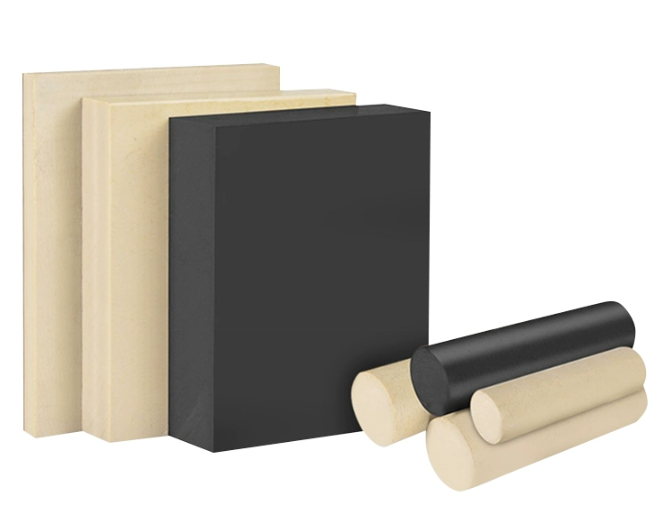
PEEK material

Dive deep into the revolutionary world of PEEK parts and discover how they’re setting new benchmarks in the realm of CNC machining. Our latest blog post, “Unlocking the Potential: How PEEK Parts Are Revolutionizing CNC Machining,” sheds light on the unparalleled strengths and applications of PEEK material in precision engineering. Starting with an exploration of PEEK’s composition and capabilities, we unravel the secrets behind its extraordinary thermal stability and chemical resistance, which make it a top choice for high-performance machined components.

🎉🎉🎉Limited Time Offer Use code: QR4GNY08SHVR at checkout and enjoy a special discount on your entire order! 👉 PEEK plastic
PEEK plastic CNC machining

Delving further, we share expert insights on the best practices for PEEK machining, from selecting the right tools to fine-tuning machining parameters for flawless results. Through engaging case studies, we illustrate PEEK’s transformative impact across diverse sectors, highlighting its role in advancing aerospace, medical devices, and automotive engineering.

A special focus is given to the innovation of PEEK bearings, showcasing their superiority in reducing friction and enhancing durability in mechanical systems. Lastly, we peer into the future, discussing emerging trends and how ongoing advancements in CNC machining technologies are poised to unlock even greater possibilities with PEEK.

Join us as we navigate the exciting landscape of PEEK CNC machining, where the fusion of material science and cutting-edge technology is driving the evolution of industries worldwide. This post is not just a journey through the technicalities of PEEK parts but a glimpse into the future of manufacturing excellence.

The Anatomy of PEEK: Understanding Its Composition and Capabilities

PEEK (Polyether Ether Ketone) stands as a beacon of innovation in the realm of thermoplastics, known for its remarkable blend of features that cater to high-demand applications across various industries. This section delves into the core attributes of PEEK, shedding light on why it’s increasingly becoming the material of choice for precision CNC machining and the creation of durable machined components.

PEEK CNC machining

What Sets PEEK Apart?

At its core, PEEK is a semi-crystalline thermoplastic with a unique set of properties that distinguishes it from other materials in its category. The first thing that catches the eye of engineers and designers is its high thermal stability. PEEK can withstand continuous exposure to high temperatures, typically up to 250°C (482°F), and in some cases, even higher. This resilience makes it an ideal candidate for applications where components are subjected to harsh thermal environments, such as in the aerospace and automotive sectors.

Moreover, PEEK’s resistance to chemicals is unparalleled. It exhibits an innate ability to resist degradation when exposed to a wide range of chemicals, including hydrocarbons, acids, and solvents. This characteristic ensures that PEEK components maintain their integrity and performance even in aggressive chemical environments, making them perfect for use in the chemical processing industry, as well as in medical devices where sterilization processes are rigorous.

Mechanical Properties that Matter

When it comes to mechanical properties, PEEK is nothing short of impressive. It combines high strength and stiffness with outstanding wear and fatigue resistance. These qualities not only allow PEEK parts to endure the stresses of mechanical processes and environmental factors but also contribute to their longevity and reliability. For industries like medical, aerospace, and automotive, where durability and performance are paramount, PEEK offers a solution that few other materials can match.

Ideal for CNC Machining

CNC machining of PEEK parts is where this material truly shines, thanks to its excellent machinability. Despite its toughness, PEEK can be precisely machined to tight tolerances, which is crucial for the production of complex components used in high-tech applications. The ability to machine PEEK with precision allows for the creation of parts with intricate geometries and detailed features, all while maintaining the material’s inherent benefits.

This adaptability to CNC machining opens up a world of possibilities for designing and manufacturing high-performance parts. Whether it’s custom gears, seals, bearings, or electronic connectors, PEEK can be tailored to meet the specific requirements of the application, ensuring optimal performance and longevity.

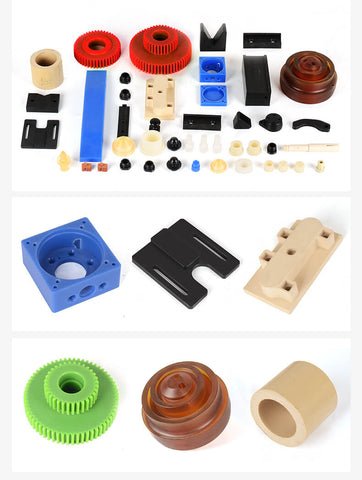
PEEK plastic gears

A Material for the Future

The exploration into PEEK’s composition and capabilities underscores its position as a leading material in the engineering and manufacturing sectors. Its combination of thermal stability, chemical resistance, and mechanical strength, paired with its machinability, makes PEEK an invaluable resource for innovators looking to push the boundaries of what’s possible with CNC machined components.

As industries continue to evolve and demand more from the materials they use, PEEK stands ready to meet those challenges head-on. Its versatility and durability not only make it a practical choice for today’s applications but also a cornerstone material for the future of manufacturing and design.

PEEK Machining Mastery: Techniques and Tools for Optimal Results

Mastering the art of machining PEEK parts requires an in-depth understanding of the specific methods and machinery that yield the best outcomes. This detailed exploration sheds light on the essential techniques and tools that are pivotal for achieving precision in CNC machining of PEEK, ensuring the material’s integrity is preserved throughout the manufacturing process.

Selecting the Right Tools for PEEK Machining

When it comes to machining PEEK, the choice of tools plays a significant role in the quality of the final product. Utilizing sharp, high-speed steel or carbide tools is crucial for maintaining a clean cut and preventing material degradation. The inherent toughness of PEEK means that dull tools can lead to poor surface finishes and diminished part accuracy. Therefore, selecting tools with the right geometry and sharpness is paramount to optimize the machining process and achieve the desired precision in machined components.

Optimizing Machining Parameters for PEEK

The machining parameters, including speed and feed rates, are vital factors that influence the efficiency and quality of PEEK machining. Finding the perfect balance is key; too high speeds can cause thermal degradation of PEEK, while too slow speeds may lead to suboptimal cutting action and excessive wear on the tooling. Adjusting these parameters to suit the specific characteristics of PEEK can significantly enhance the machining process, resulting in parts that meet tight tolerances and have excellent surface quality.

Cooling Strategies to Preserve PEEK Integrity

Maintaining the integrity of PEEK during machining also involves the effective management of heat generated during the process. Employing a suitable cooling strategy is essential to prevent overheating, which can adversely affect the material’s properties. Coolants or air blasts can be used to dissipate heat, ensuring the PEEK does not reach temperatures that could lead to melting or warping. This approach helps in preserving the dimensional accuracy and mechanical properties of the machined PEEK parts.

PEEK Aerospace Applications

The Importance of Expertise in PEEK Machining

Achieving mastery in PEEK machining is not just about having the right tools and parameters; it also requires a deep understanding of the material’s behavior under different machining conditions. The expertise of the machinist plays a crucial role in navigating the challenges posed by PEEK’s unique properties. Experienced machinists can make informed decisions on tool selection, parameter adjustments, and cooling techniques, all of which are critical for producing high-quality PEEK machined parts.

Machining PEEK to precision demands a comprehensive approach that encompasses the selection of appropriate tools, optimization of machining parameters, and the implementation of effective cooling strategies. By focusing on these aspects, manufacturers can ensure the production of PEEK parts that not only meet but exceed the expectations of high-performance applications across various industries.

Innovations in Engineering: Case Studies of PEEK in Action

The remarkable properties of PEEK have found applications across a spectrum of industries, illustrating its ability to drive innovation and exceed performance expectations. These real-world case studies demonstrate the transformative impact of PEEK machined parts in aerospace, medical devices, automotive engineering, and beyond, showcasing the material’s unparalleled versatility and efficacy.

Aerospace Applications: Soaring with PEEK

In the aerospace sector, PEEK stands out for its high strength-to-weight ratio, thermal stability, and resistance to chemicals and wear. A notable application is in the construction of aircraft components where weight reduction without compromising durability is critical. For instance, PEEK composites are used in the manufacturing of door and window frames, providing significant weight savings over traditional materials like aluminum. Additionally, PEEK‘s inherent flame retardancy and low smoke and toxic gas emission make it an ideal choice for interior cabin components, enhancing passenger safety in the event of a fire.

Medical Device Innovation: PEEK’s Role in Advancing Healthcare

In the medical field, PEEK‘s biocompatibility and stability under sterilization processes make it a prime material for medical devices and implants. A groundbreaking application is in spinal fusion devices, where PEEK cages are utilized to promote bone growth while providing the necessary structural support. This use of PEEK not only improves patient outcomes but also offers a more natural fusion process compared to metal implants, showcasing PEEK‘s potential to revolutionize surgical procedures and patient care.

Automotive Engineering: Driving Forward with PEEK

The automotive industry benefits from PEEK‘s thermal resistance and mechanical strength in developing components that can withstand high temperatures and stresses. A compelling use case is in the creation of engine components, such as piston parts, seals, and bearings, where PEEK‘s durability significantly extends the lifespan and reliability of these critical parts. Furthermore, the material’s resistance to automotive fluids ensures long-term performance, marking a significant advancement in materials engineering within the automotive sector.

Pushing Boundaries Across Industries

The versatility of PEEK extends beyond these industries, finding innovative applications in electronics for connectors and insulators, in the oil and gas sector for seals and back-up rings, and even in the food and beverage industry for components that require high purity and compliance with strict hygiene standards. Each of these case studies underscores PEEK‘s ability to meet diverse challenges, pushing the boundaries of what’s possible in engineering and manufacturing.

Through these examples, PEEK‘s role in advancing technology and improving the quality of products across various sectors is unequivocally demonstrated. Its unmatched blend of thermal stability, mechanical strength, chemical resistance, and versatility not only enables the development of superior machined parts but also drives innovation, setting new benchmarks for performance and durability in engineering.

PEEK Bearings: Revolutionizing Mechanical Movements

PEEK bearings are at the forefront of engineering innovation, offering a groundbreaking alternative to traditional bearing materials. Their remarkable combination of low friction, wear resistance, and longevity sets new standards in the performance of mechanical components. This exploration highlights the specialized use of PEEK as a bearing material and its significant advantages in demanding applications.

Unparalleled Durability and Performance

One of the standout features of PEEK bearings is their exceptional durability. Unlike metal bearings, which can corrode, or plastic bearings that may lack strength, PEEK offers the best of both worlds. Its wear resistance ensures that bearings maintain their integrity and functionality over long periods, even under the stress of continuous operation. This durability translates to reduced maintenance requirements and lower lifecycle costs, making PEEK bearings a cost-effective solution for many industries.

Thriving Under Extreme Conditions

PEEK bearings excel in environments that would compromise lesser materials. Their ability to withstand high-temperature environments is particularly noteworthy. PEEK maintains its mechanical properties at temperatures up to 250°C (482°F), making it an ideal choice for applications in the aerospace, automotive, and manufacturing industries where components are exposed to high heat.

Moreover, PEEK‘s chemical resistance allows it to perform reliably in situations where exposure to harsh chemicals is a concern. This makes PEEK bearings suitable for use in the chemical processing industry, medical devices, and even in food processing equipment, where resistance to cleaning agents and food substances is required.

Reducing Friction, Enhancing Efficiency

The low friction coefficient of PEEK not only contributes to the longevity of the bearings but also improves the efficiency of the machinery in which they are used. This reduction in friction means that less energy is required to move or rotate parts, leading to greater energy efficiency and lower operational costs. Additionally, the low friction nature of PEEK bearings minimizes the generation of heat during operation, further enhancing their performance and durability.

A Versatile Solution for Diverse Applications

The benefits of PEEK bearings are not limited to a single industry or application. They are making significant performance improvements in a variety of settings. From the high-speed rotors in aerospace engines to the precision components in medical diagnostic equipment, and the heavy-duty machinery in automotive manufacturing, PEEK bearings are providing solutions that traditional materials cannot match.

The integration of PEEK bearings into these diverse applications not only demonstrates their versatility but also their potential to revolutionize mechanical movements. By offering a combination of durability, efficiency, and performance under extreme conditions, PEEK bearings are setting a new benchmark for what is possible in bearing technology.
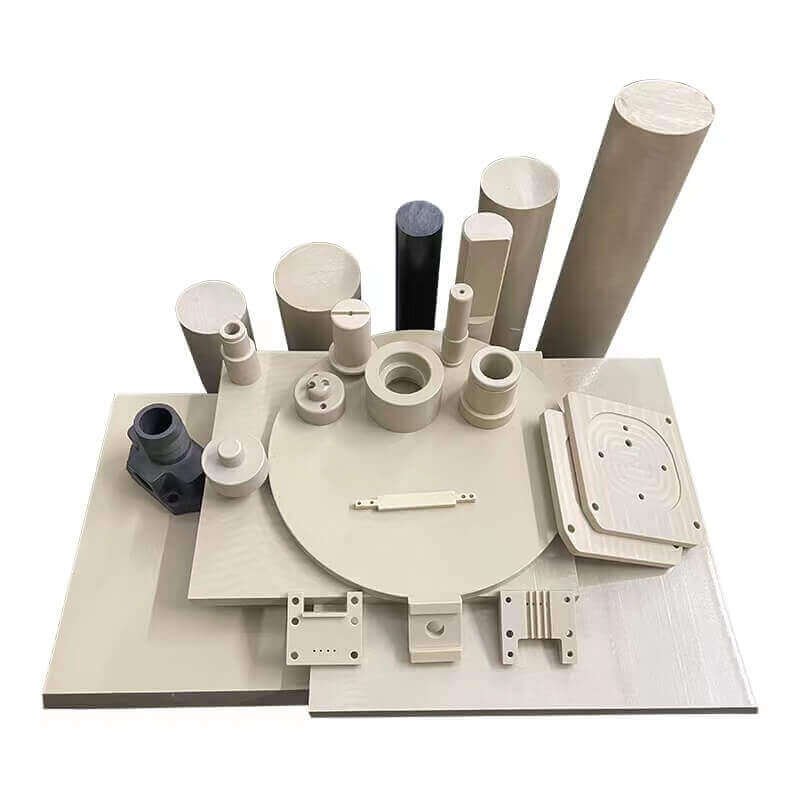
Navigating the Future with PEEK: Trends and Predictions in CNC Machining

The landscape of CNC machining is witnessing a transformative shift with the integration of PEEK parts, propelled by continuous technological advancements and material science innovations. As we look towards the future, it’s evident that PEEK is set to play a pivotal role in shaping next-generation machining solutions. This discussion delves into the emerging trends, potential applications, and how engineers and designers are leveraging PEEK‘s exceptional properties for futuristic applications.

Technological Advancements Enhancing PEEK Machinability

Recent technological advancements in CNC machining equipment and techniques have significantly improved the machinability of PEEK, making it more accessible for a broader range of applications. Innovations in tool design, cutting fluids, and machine programming have enabled more precise and efficient machining of PEEK, reducing waste and improving the overall quality of the machined parts. These advancements not only enhance the economic viability of using PEEK but also expand its applicability to industries seeking high-precision components.

Emerging Material Science Trends in PEEK

Material science is at the heart of PEEK‘s evolution, with research focused on developing new blends and composites that enhance its already impressive properties. By incorporating fillers such as glass fibers, carbon fibers, or proprietary nano-materials, scientists are enhancing PEEK‘s mechanical strength, thermal resistance, and electrical conductivity. These material innovations open up new avenues for PEEK applications, from more efficient electric vehicle components to advanced aerospace structures that withstand extreme environmental conditions.

The Rise of Customization and Complex Geometries

One of the most exciting trends in CNC machining of PEEK is the push towards customization and the production of complex geometries that were previously impossible to achieve. Engineers and designers are now able to exploit PEEK‘s versatility to create bespoke parts tailored to specific application requirements. This capability is particularly beneficial in industries like healthcare, where customized medical implants or devices can significantly improve patient outcomes. Similarly, the aerospace and automotive sectors are exploring complex PEEK components that contribute to lighter, more efficient designs.

PEEK in Sustainable Manufacturing Practices

As sustainability becomes a driving force in manufacturing, PEEK is emerging as a material of choice due to its durability and recyclability. The long lifespan of PEEK parts reduces the need for frequent replacements, lowering the environmental impact of industries that rely on high-performance components. Furthermore, the ability to recycle PEEK waste from the machining process into new products aligns with the circular economy principles, making PEEK a key player in sustainable manufacturing practices.

Anticipating the Future

The future of CNC machining with PEEK is not just about continuing the trends of today but about anticipating the needs of tomorrow. Engineers and material scientists are exploring the potential of PEEK in emerging sectors such as renewable energy, where its resistance to environmental stressors can significantly enhance the longevity and reliability of equipment. Similarly, in the realm of electronics, PEEK‘s electrical insulation properties are being harnessed for high-performance electrical connectors and components.

The journey ahead for PEEK in CNC machining is marked by innovation, sustainability, and an ever-expanding horizon of applications. By leveraging the unique properties of PEEK, industries are poised to embrace a future where the limitations of traditional materials are no longer a constraint, paving the way for breakthroughs that redefine what’s possible in design and manufacturing.

As we venture further into the intricacies of PEEK and its integration into CNC machining, it’s clear that this material is not just enhancing current manufacturing capabilities but is also paving the way for future innovations. The synergy between PEEK’s unique properties and the cutting-edge advancements in machining technology heralds a new era of engineering possibilities. From creating more efficient aerospace components to pioneering medical implants that improve patient care, PEEK is at the forefront of transforming industries. As engineers and designers continue to unlock its potential, PEEK stands as a testament to the power of innovation, driving us towards a future where the boundaries of what we can create are ever-expanding. Embracing PEEK within CNC machining is not just an investment in material science; it’s a commitment to pioneering the next generation of engineering marvels that will shape our world.

PEEK's unique properties

Ready to Elevate Your Projects with PEEK? Don’t miss the opportunity to transform your engineering applications with the superior performance of PEEK parts. Dive into the future of CNC machining today. Fill out our contact form below to get started on revolutionizing your designs!

🎉🎉🎉Limited Time Offer Use code: QR4GNY08SHVR at checkout and enjoy a special discount on your entire order! 👉 PEEK plastic


Leave a comment


Please note, comments must be approved before they are published


Custom Plastic Fabrication

Send your drawing, material and quantity for review

🔧
Precision Machining
CNC milling & turning
✂️
Cutting & Engraving
Laser & waterjet cutting
🏭
Forming & Molding
Thermoforming & injection
🔗
Joining & Assembly
Welding & bonding
📐
Design & Prototyping
CAD design & samples

General

HDPE

PP

PVC

ABS

Engineering

POM

Nylon

PC

PMMA

High-Performance

PEEK

PEI

PTFE

Composites

FR-4

G10

Flexible

TPU

Silicone

Why Choose BeePlastic?

🎯
Perfect Fit
Custom specs eliminate adaptation needs
⚡
Clear Lead Times
Lead time confirmed with every quote
💰
Volume Pricing
Volume pricing available on bulk orders
🤝
Expert Support
Free engineering consultation included
📋
Submit
→
🔍
Review
→
💵
Quote
→
✅
Production
→
📦
Deliver

Request a Quote

Share your project details, selected material and quantity on our quote page. You can add a file link or use the email drawing route shown there.


Request Quote

Industries: Automotive • Medical • Food • Lab • Semiconductor

beeplastic@beeplastic.com


Mastering PEEK Sheet Procurement: Essential Accessories Guide

 PEEK sheets

Dive into the world of PEEK sheets with our comprehensive guide, “[Mastering PEEK Sheet Procurement: Essential Accessories Guide].” This blog post is your ultimate resource for understanding the unique properties and benefits of PEEK sheets, including their high temperature resistance, mechanical strength, and chemical resistance. We’ll walk you through the essential tools and accessories needed for cutting, shaping, and finishing PEEK sheets, ensuring you have the knowledge to handle this versatile material with precision. Discover how to choose the right grade of PEEK sheet for your specific application, considering factors such as thermal stability, strength, and compliance with industry standards. Gain valuable insights into procuring high-quality PEEK sheets, including tips on evaluating suppliers, understanding pricing factors, and ensuring the material meets your project specifications. Lastly, be inspired by creative uses of PEEK sheets in various sectors, such as aerospace, medical devices, and electronics, showcasing the material’s adaptability and potential to revolutionize design and manufacturing processes. Whether you’re a seasoned engineer or a procurement specialist, this guide offers everything you need to master the procurement of PEEK sheets and their accessories, paving the way for innovative and successful projects.

🎉🎉🎉Limited Time Offer Use code: QR4GNY08SHVR at checkout and enjoy a special discount on your entire order! 👉 PEEK plastic
PEEK sheets

Understanding PEEK Sheets: Properties and Benefits

PEEK sheets, or Polyether Ether Ketone sheets, represent a pinnacle of engineering thermoplastics, offering a remarkable blend of properties that cater to demanding applications across a wide range of industries. This section delves into the essence of PEEK sheets, highlighting their unique properties and the benefits they bring to the table, making them a preferred material for those in the know.

What Are PEEK Sheets?

At its core, PEEK is a semi-crystalline thermoplastic with a high melting point (around 343°C or 662°F), which translates into exceptional thermal stability. PEEK sheets are fabricated from this robust polymer, tailored to meet the stringent requirements of various applications, from aerospace components to medical devices. The versatility and durability of PEEK sheets make them an invaluable resource in fields where failure is not an option.

Unique Properties of PEEK Sheets

High Temperature Resistance

One of the hallmark features of PEEK sheets is their ability to withstand extreme temperatures without compromising their structural integrity or mechanical properties. This high temperature resistance makes PEEK an ideal choice for components in engines, aircraft, and other environments where heat is a constant presence.

Mechanical Strength

PEEK sheets are renowned for their superior mechanical strength. They can endure significant stress and strain, maintaining their shape and functionality under heavy loads. This strength is a critical factor in applications requiring durable, long-lasting materials that can withstand challenging conditions.

Chemical Resistance

Another significant advantage of PEEK sheets is their exceptional chemical resistance. They can resist a wide array of chemicals, including aggressive acids and bases, making them perfect for use in the chemical processing industry, pharmaceuticals, and other sectors where chemical exposure is a routine matter.

PEEK gears

Why PEEK Sheets Are Preferred in Various Industries

The unique combination of high temperature resistance, mechanical strength, and chemical resistance makes PEEK sheets a preferred material in numerous industries. In the aerospace sector, they are used for components that must endure the rigors of high speeds and extreme temperatures. In the medical field, PEEK’s compatibility with human tissue makes it an excellent choice for implants and other medical devices. Additionally, its resistance to harsh chemicals makes it invaluable in the chemical processing industry.

PEEK sheets also offer significant benefits in terms of longevity and performance. Their durability reduces the need for frequent replacements, offering long-term cost savings and reliability. Furthermore, the material’s lightweight nature contributes to energy efficiency, particularly in automotive and aerospace applications, where reducing weight is a perpetual goal.

The versatility of PEEK sheets extends beyond their physical properties. They can be machined, welded, and fabricated into complex shapes and sizes, offering unparalleled design flexibility. This adaptability, combined with their outstanding properties, makes PEEK sheets a cornerstone material in engineering and design, capable of meeting the demands of virtually any application.

By understanding the properties and benefits of PEEK sheets, engineers, designers, and procurement specialists can make informed decisions when selecting materials for their projects. The exceptional characteristics of PEEK not only ensure the success of current applications but also pave the way for future innovations in material science and engineering.

The Essential Accessories for Working with PEEK Sheets

Working with PEEK sheets requires precision, care, and the right set of tools and accessories. Whether you’re cutting, shaping, or finishing PEEK materials, having the appropriate equipment is crucial for achieving the desired outcomes while maintaining the material’s integrity. This guide highlights the must-have accessories for handling PEEK sheets, ensuring you have everything needed for your projects.

Cutting Tools

Circular Saws and Band Saws

For cutting PEEK sheets, circular saws and band saws are indispensable. Equipped with blades designed for thermoplastics, these saws offer clean, precise cuts without causing damage to the material. It’s essential to choose blades with a tooth configuration suitable for PEEK to minimize melting and ensure smooth edges.

CNC Machines

CNC machines are vital for projects requiring high precision. They can be programmed to cut PEEK sheets into complex shapes and sizes with remarkable accuracy. CNC machining is particularly beneficial for producing intricate parts or components with tight tolerances.

cut PEEK sheets into complex shapes and size

Shaping Tools

Heat Guns and Thermal Forming Equipment

Shaping PEEK sheets often involves the application of heat to make the material pliable. Heat guns and thermal forming equipment allow for controlled heating, enabling you to bend and shape PEEK without compromising its properties. Proper temperature control is crucial to prevent overheating and ensure uniform shaping.

Routing Tools

Routing tools are essential for creating detailed profiles, grooves, and edges in PEEK sheets. These tools, when used with appropriate bits, can carve out precise features, enhancing the functionality and aesthetics of the final product.

Finishing Accessories

Sanding Tools

Sanding tools are necessary for smoothing and finishing the edges of PEEK sheets after cutting and shaping. Fine-grit sandpaper or sanding pads can remove any burrs or rough spots, resulting in a polished, professional appearance.

Cleaning Solutions

After machining, it’s important to clean PEEK sheets thoroughly to remove any dust or residue. Specialized cleaning solutions designed for thermoplastics ensure that the surface is free from contaminants without damaging the material.

Safety Gear

Working with PEEK sheets and the associated tools requires proper safety gear to protect against potential hazards. Safety glasses, gloves, and dust masks are essential to safeguard against flying debris, heat, and chemical exposure during the cutting, shaping, and finishing processes.

Equipping yourself with these essential tools and accessories is the first step toward successfully working with PEEK sheets. From precise cutting to detailed shaping and flawless finishing, the right equipment ensures that your projects not only meet but exceed expectations. Whether you’re a seasoned professional or a newcomer to working with PEEK, understanding and investing in these essentials will pave the way for outstanding results in all your endeavors.

Choosing the Right PEEK Sheet for Your Application

Selecting the appropriate grade of PEEK sheet for your specific application is a critical decision that can significantly impact the performance, durability, and overall success of your project. PEEK sheets come in various grades, each tailored to meet different environmental conditions, mechanical requirements, and industry standards. Understanding these variations and how they align with your application’s needs is essential for making an informed choice.

PEEK raw materials

Understanding PEEK Sheet Grades

Standard Grade PEEK

Standard grade PEEK sheets are known for their excellent mechanical and chemical resistance properties, making them suitable for a wide range of general engineering applications. This grade is often chosen for its balance of performance and cost-effectiveness in environments requiring high temperature resistance and mechanical strength.

Glass-Filled PEEK

Glass-filled PEEK sheets contain glass fibers that enhance their mechanical properties, including increased strength and stiffness. This grade is ideal for applications where additional rigidity is required, such as structural components in aerospace or automotive industries.

Carbon-Filled PEEK

Carbon-filled PEEK sheets incorporate carbon fibers, offering superior strength, stiffness, and a lower expansion rate compared to the standard and glass-filled grades. These properties make carbon-filled PEEK an excellent choice for high-performance applications, particularly where weight reduction and maximum durability are critical.

Factors to Consider When Selecting a PEEK Sheet

Thermal Stability

Consider the operating temperature range of your application. PEEK sheets are renowned for their high thermal stability, but certain grades offer better performance at extreme temperatures. For applications involving high heat, a standard or carbon-filled grade may be the best fit.

Mechanical Strength

Evaluate the mechanical load and stress your application will encounter. If your project requires enhanced mechanical strength and stiffness, glass-filled or carbon-filled PEEK sheets might be the most appropriate choices due to their reinforced properties.

Compliance with Industry Standards

Ensure the PEEK sheet grade you select complies with relevant industry standards, especially for applications in the medical, aerospace, and food processing industries. Some grades of PEEK are specifically designed to meet stringent regulatory requirements, offering additional safety and performance assurances.

Cost Considerations

While the performance of the PEEK sheet is paramount, cost is also a significant factor. Standard grade PEEK offers a good balance of performance and cost, but for specialized applications, the higher cost of glass-filled or carbon-filled grades may be justified by their enhanced properties and longer lifespan.

Selecting the right PEEK sheet for your application involves a careful analysis of your project’s specific requirements. By considering factors such as thermal stability, mechanical strength, compliance with industry standards, and cost, you can choose a PEEK sheet grade that not only meets but exceeds your application’s demands. This strategic selection process ensures that your project benefits from the remarkable properties of PEEK, leading to superior performance and longevity.

PEEK material

Tips for Procuring High-Quality PEEK Sheets

Procuring high-quality PEEK sheets is crucial for ensuring the success and longevity of your projects. The unique properties of PEEK, such as its high temperature resistance, mechanical strength, and chemical resistance, make it an ideal choice for a wide range of applications. However, to fully leverage these benefits, it’s essential to source your PEEK sheets from reputable suppliers and understand the factors that influence their quality and pricing. Here are some valuable tips to guide you through the procurement process.

Evaluating Suppliers

Research and Reputation

Start by researching potential suppliers. Look for companies with a strong reputation in the industry, backed by positive reviews and testimonials from previous customers. A reputable supplier should have a proven track record of providing high-quality PEEK sheets and be able to supply detailed product specifications and compliance certificates.

Quality Assurance Processes

Inquire about the supplier’s quality assurance processes. Reliable suppliers will have comprehensive quality control measures in place to ensure that every sheet of PEEK they distribute meets stringent standards. This may include material testing, certification to international standards, and traceability of the product’s manufacturing history.

Customer Service and Technical Support

Beeplastic

Understanding Pricing Factors

Material Grade and Specifications

The grade of PEEK sheet you choose will significantly impact the price. Higher-performance grades, such as carbon-filled or glass-filled PEEK, typically come at a premium due to their enhanced properties. Ensure you understand the specific requirements of your application to avoid paying for higher specifications than necessary.

Volume and Customization

Consider the volume of material you need and any customization requirements. Purchasing in bulk can often secure a better price per unit. However, custom sizes or thicknesses may increase the cost. Discuss your project’s needs with suppliers to find the most cost-effective solutions.

Market Fluctuations

Be aware that the price of PEEK sheets can fluctuate based on market demand, raw material costs, and geopolitical factors. Keeping an eye on market trends can help you anticipate changes in pricing and plan your procurement accordingly.

Ensuring Material Meets Project Specifications

Request Samples

Before making a large purchase, request samples of the PEEK sheet to test and verify that it meets your project’s specifications. This step is crucial for assessing the material’s quality and ensuring it aligns with your application’s requirements.

Verify Compliance and Certifications

Ensure the PEEK sheets comply with relevant industry standards and certifications, especially for applications in regulated sectors like aerospace, medical, and food processing. Compliance with these standards is a testament to the material’s quality and safety.

Review Technical Data Sheets

Carefully review the technical data sheets provided by the supplier. These documents contain vital information about the material’s properties, including mechanical strength, thermal stability, and chemical resistance. Confirm that these specifications match your project’s requirements.

Procuring high-quality PEEK sheets requires diligent research, a clear understanding of your project’s needs, and a strategic approach to sourcing. By following these tips, you can ensure that you select the right supplier, understand the factors affecting pricing, and verify that the material meets your specifications. This careful procurement process will contribute significantly to the success of your projects, allowing you to fully benefit from the exceptional properties of PEEK.

PEEK material

Creative Uses of PEEK Sheets in Design and Manufacturing

PEEK sheets have emerged as a material of choice for a wide array of innovative applications across various industries. Their unparalleled combination of high temperature resistance, mechanical strength, and chemical resistance makes them highly sought after. This section explores some of the most creative and impactful uses of PEEK sheets in aerospace, medical devices, and electronics, showcasing the material’s versatility and potential to revolutionize design and manufacturing processes.

Aerospace Applications

Lightweight Components for Aircraft

In the aerospace industry, the weight of materials is a critical factor. PEEK sheets are used to manufacture lightweight components that can withstand the extreme conditions of flight. From interior cabin elements like seat frames and overhead compartments to critical exterior parts such as wing flaps and fuselage panels, PEEK provides a durable, lightweight alternative to traditional materials.

Thermal and Electrical Insulation

PEEK’s excellent thermal and electrical insulation properties make it ideal for aerospace applications requiring protection from high temperatures and electrical interference. Components made from PEEK sheets, such as insulating brackets and shields, contribute to the safety and efficiency of aircraft systems.

Medical Device Applications

Implantable Devices

The biocompatibility of PEEK makes it a preferred material for medical implants. PEEK sheets are used to create components for implantable devices, such as spinal fusion devices and orthopedic implants. These PEEK-based implants offer a combination of strength and flexibility that mimics natural bone, promoting better patient outcomes.

Sterilizable Medical Equipment

PEEK sheets are also used in the manufacturing of medical equipment that requires frequent sterilization. Their resistance to high temperatures and harsh cleaning agents ensures that devices such as surgical instruments and trays maintain their integrity and performance over time.

Electronics Industry Applications

High-Performance Insulators

In the electronics industry, PEEK sheets serve as high-performance insulators in components that must resist extreme temperatures and chemical exposure. Their insulating properties are crucial for protecting sensitive electronic parts in a wide range of devices, from consumer electronics to advanced industrial machinery.

Durable Components for Harsh Environments

PEEK’s resistance to chemicals and moisture makes it suitable for manufacturing durable electronic components used in harsh environments. Connectors, switches, and housings made from PEEK sheets can withstand conditions that would degrade other materials, ensuring the reliability and longevity of electronic devices.

The innovative applications of PEEK sheets in aerospace, medical devices, and electronics highlight the material’s adaptability and potential to meet the challenges of modern design and manufacturing. By leveraging the unique properties of PEEK, engineers and designers can push the boundaries of what’s possible, creating products that are not only more efficient and reliable but also safer and more sustainable. As technology advances, the role of PEEK sheets in driving innovation and excellence in various industries is set to grow, underscoring the material’s significance in the future of manufacturing.

In exploring the remarkable versatility and superior properties of PEEK sheets, it’s clear that this material stands at the forefront of innovation in industries ranging from aerospace to medical devices, and electronics. The ability of PEEK sheets to meet the rigorous demands of these diverse applications—thanks to their exceptional thermal stability, mechanical strength, and chemical resistance—underscores their pivotal role in advancing technology and improving our world. As we continue to push the boundaries of design and manufacturing, the creative and strategic use of PEEK sheets will undoubtedly play a critical role in shaping the future of engineering and product development. Embracing the potential of PEEK is not just about leveraging a material; it’s about unlocking new possibilities for efficiency, durability, and performance in the face of ever-evolving industry challenges.

PEEK sheets

Unlock the Potential of PEEK Sheets Now! Are you ready to harness the benefits of PEEK sheets for your next project? Let’s make it happen together. Complete the contact form at the bottom of this page to connect with us, and start leveraging the power of PEEK sheets to drive your success forward.

🎉🎉🎉Limited Time Offer Use code: QR4GNY08SHVR at checkout and enjoy a special discount on your entire order! 👉 PEEK plastic

Leave a comment


Please note, comments must be approved before they are published


Custom Plastic Fabrication

Send your drawing, material and quantity for review

🔧
Precision Machining
CNC milling & turning
✂️
Cutting & Engraving
Laser & waterjet cutting
🏭
Forming & Molding
Thermoforming & injection
🔗
Joining & Assembly
Welding & bonding
📐
Design & Prototyping
CAD design & samples

General

HDPE

PP

PVC

ABS

Engineering

POM

Nylon

PC

PMMA

High-Performance

PEEK

PEI

PTFE

Composites

FR-4

G10

Flexible

TPU

Silicone

Why Choose BeePlastic?

🎯
Perfect Fit
Custom specs eliminate adaptation needs
⚡
Clear Lead Times
Lead time confirmed with every quote
💰
Volume Pricing
Volume pricing available on bulk orders
🤝
Expert Support
Free engineering consultation included
📋
Submit
→
🔍
Review
→
💵
Quote
→
✅
Production
→
📦
Deliver

Request a Quote

Share your project details, selected material and quantity on our quote page. You can add a file link or use the email drawing route shown there.


Request Quote

Industries: Automotive • Medical • Food • Lab • Semiconductor

beeplastic@beeplastic.com


Unlocking the Potential of Acrylic in Business: Innovations, Sustainability, and Custom Solutions

Unlocking the Potential of Acrylic in Business: Innovations, Sustainability, and Custom Solutions

In the dynamic world of business materials, understanding the nuances between acrylic and plexiglass can be a game-changer for entrepreneurs and business owners. Our latest blog post, “Acrylic and Plexiglass Difference: What Business Owners Need to Know,” dives deep into the heart of these popular materials, shedding light on their composition, properties, and how they stack up against traditional glass.

🎉🎉🎉Limited Time Offer Use code: QR4GNY08SHVR at checkout and enjoy a special discount on your entire order! 👉 Acrylic plastic
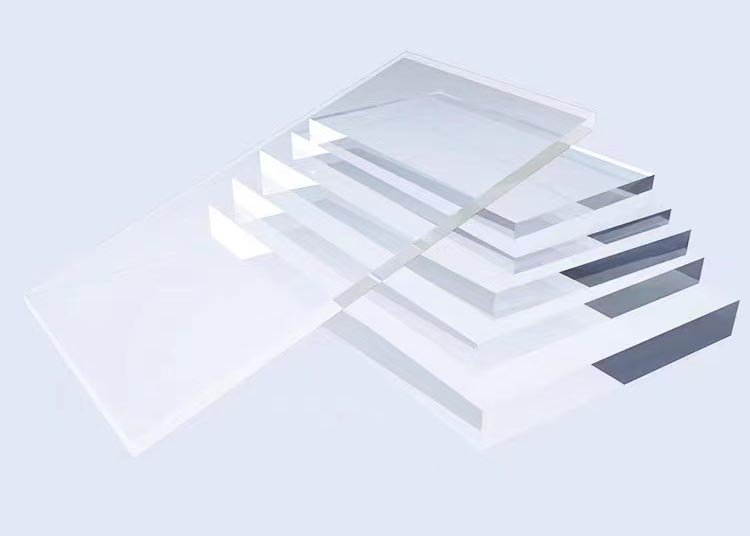
acrylic box

Discover the science behind acrylic, from its molecular structure to the advanced manufacturing processes that transform it into the versatile material beloved by industries worldwide. We’ll explore the various types of acrylic sheets, their applications, and why they’re increasingly preferred for everything from retail displays to architectural elements.

Design enthusiasts and professionals will appreciate our insights into acrylic in design, highlighting its role in enhancing both aesthetics and functionality in modern spaces. Whether it’s chic furniture, sleek interior designs, or innovative architectural projects, acrylic offers a blend of beauty and durability that’s hard to match.

Maintenance is key to longevity, and our post doesn’t shy away from the practical aspects of using acrylic. Learn essential tips on caring for acrylic products, ensuring they remain pristine and functional for years to come. From cleaning dos and don’ts to scratch prevention, we’ve got you covered.

Lastly, we tackle the all-important question of cost-effectiveness. Is investing in acrylic a wise decision for your business? We analyze the initial investment, ongoing maintenance costs, and the potential ROI acrylic offers, helping you make an informed decision that aligns with your business goals.

Join us as we unravel the mysteries of acrylic and plexiglass, providing you with the knowledge you need to make smart choices for your business. Whether you’re a seasoned entrepreneur or just starting out, this post is a must-read for anyone looking to stay ahead in the competitive business landscape.

acrylic in design

Acrylic Sheets: A Versatile Material for Business Applications

Acrylic sheets, known for their durability and clarity, have become a staple in various industries. This versatile material offers a wide range of applications, from signage to protective barriers, making it an invaluable asset for businesses looking to enhance their operations and aesthetic appeal. In this detailed exploration, we delve into the different types of acrylic sheets available, their unique properties, and how businesses can leverage them for diverse purposes.

Types of Acrylic Sheets

Acrylic sheets come in several types, each with its specific characteristics and advantages. The most common types include:

  • Clear Acrylic Sheets: Renowned for their glass-like clarity and excellent light transmission, clear acrylic sheets are perfect for applications where visibility is paramount.
  • Frosted Acrylic Sheets: Offering a matte finish, frosted sheets provide privacy while still allowing light to pass through, ideal for room dividers or office partitions.
  • Colored Acrylic Sheets: Available in a wide range of colors, these sheets can be used to add vibrant hues to designs or match brand colors for signage and displays.
  • Mirrored Acrylic Sheets: These sheets have a reflective surface on one side, making them a lightweight and shatter-resistant alternative to traditional glass mirrors.
  • Impact-Modified Acrylic Sheets: Designed for applications requiring enhanced durability, these sheets offer increased resistance to impact and breakage.

Properties of Acrylic Sheets

Acrylic sheets boast several properties that make them a preferred choice over materials like glass:

  • Durability: Acrylic is more impact-resistant than glass, making it less likely to shatter upon impact.
  • Lightweight: Weighing less than half of glass, acrylic sheets are easier to handle, transport, and install.
  • UV Resistance: Certain acrylic sheets are treated to resist UV rays, preventing discoloration and maintaining clarity over time.
  • Customizability: Acrylic can be easily cut, shaped, and molded into various forms, allowing for custom applications tailored to specific business needs.

Utilizing Acrylic Sheets in Business Applications

The versatility of acrylic sheets allows for their use in a myriad of business applications:

  • Signage: Acrylic’s clarity and ability to hold vibrant colors make it an excellent choice for both indoor and outdoor signs, logos, and branding elements.
  • Protective Barriers: In response to health and safety needs, acrylic sheets have been widely adopted as protective screens in retail, hospitality, and office settings.
  • Display Cases: The durability and UV resistance of acrylic make it ideal for protecting valuable items in display cases without compromising visibility.
  • Architectural Features: From windows to skylights and even structural elements, acrylic offers architects and designers the freedom to innovate while ensuring safety and aesthetics.
  • Furniture and Decor: Acrylic sheets are used in modern furniture designs, offering a contemporary look that’s both stylish and functional.

Businesses across various sectors can harness the potential of acrylic sheets to enhance their operations, improve safety, and elevate their aesthetic appeal. Whether for practical applications like protective barriers or creative uses in design and decor, acrylic sheets offer a combination of durability, versatility, and beauty that’s hard to match.

The Science Behind Acrylic: Unveiling Its Composition and Manufacturing

Acrylic, a material celebrated for its versatility and durability, has become a cornerstone in various industries, from construction to design. This section delves into the composition of acrylic and the sophisticated manufacturing process that transforms it into the versatile material known today. Understanding the science behind acrylic not only highlights its importance but also showcases the technological advancements that have propelled its widespread use in business applications.

Composition of Acrylic

At its core, acrylic is a synthetic polymer known scientifically as polymethyl methacrylate (PMMA). This polymer is derived from the organic compound methyl methacrylate (MMA), which undergoes a process called polymerization. During polymerization, MMA molecules bond together to form long chains, creating the solid material known as acrylic. This material stands out for its glass-like clarity, strength, and resistance to UV light and weathering, making it an excellent alternative to glass in many applications.

Manufacturing Process of Acrylic Sheets

The manufacturing of acrylic sheets involves two primary methods: cell casting and extrusion. Each method has its unique advantages and influences the properties of the final product.

  • Cell Casting: This traditional method involves pouring liquid MMA between two glass plates, which are then sealed and subjected to a polymerization process. The resulting acrylic sheets are known for their excellent optical clarity, superior surface finish, and greater thickness variability. Cell-cast acrylic is highly sought after for applications requiring precise fabrication, such as art installations and high-quality displays.

  • Extrusion: In the extrusion process, MMA is polymerized to form a molten PMMA, which is then fed through a set of rollers that shape it into sheets. Extruded acrylic sheets are characterized by their consistent thickness and higher production rates, making this method cost-effective for large-scale applications. However, they may have slightly less optical clarity compared to cell-cast sheets.

Technological Advancements in Acrylic Manufacturing

The evolution of acrylic manufacturing has been significantly influenced by technological advancements. Innovations in polymer chemistry have led to the development of impact-modified acrylics, which offer enhanced durability and resistance to breakage. Additionally, advancements in manufacturing technology have improved the efficiency and environmental sustainability of acrylic production, reducing waste and energy consumption.

Modern techniques such as laser cutting and CNC machining have also expanded the possibilities for acrylic use, allowing for precise cuts, intricate designs, and customization that were previously challenging to achieve. These advancements have solidified acrylic’s role as a preferred material for businesses seeking versatility, durability, and aesthetic appeal in their products and designs.

The science behind acrylic, from its molecular composition to the cutting-edge manufacturing processes, underscores its value as a material that meets the diverse needs of today’s businesses. Whether for protective barriers, signage, or innovative design elements, acrylic offers a blend of properties that few materials can match, making it a staple in industries worldwide.

Acrylic in Modern Design: A Fusion of Aesthetics and Functionality

Acrylic has emerged as a pivotal material in the realm of modern design, offering a unique blend of aesthetic appeal and functional benefits. Its role in furniture, interior design, and architectural projects underscores its versatility and capacity to elevate design concepts to new heights. This exploration delves into how acrylic is utilized across these domains, highlighting its impact on contemporary design practices.

acrylic table

Acrylic in Furniture Design

In the furniture industry, acrylic brings a touch of elegance and modernity. Designers favor acrylic for its lightweight nature and the ability to mold it into various shapes, creating pieces that are not only visually striking but also durable and practical. From sleek acrylic chairs and tables to ornate decorative pieces, acrylic furniture can seamlessly integrate into any decor style, adding a futuristic or minimalist flair. The material’s transparency also plays with light and space, making it ideal for smaller rooms where bulky furniture might overcrowd the area.

Innovative Interior Design with Acrylic

Acrylic’s versatility shines in interior design, where its application ranges from wall panels and room dividers to lighting fixtures. Its translucency and ability to diffuse light beautifully enhance interiors, creating atmospheres that are both inviting and dynamic. Designers often use colored acrylic panels as a bold statement piece or to introduce a subtle play of colors in a room, leveraging the material’s vast color palette. Moreover, acrylic’s ease of maintenance and resistance to wear make it a practical choice for high-traffic areas, blending form and function effortlessly.

Architectural Applications of Acrylic

In architecture, acrylic is valued for its durability and weather resistance, making it suitable for both indoor and outdoor applications. It is frequently used in skylights, canopies, and facade elements, where its clarity and resistance to UV degradation are paramount. Acrylic’s ability to withstand the elements without losing its visual appeal or structural integrity allows architects to design with confidence, knowing their creations will stand the test of time. Additionally, the material’s flexibility in fabrication enables the realization of complex architectural forms and structures, pushing the boundaries of traditional design.

The Functional Benefits of Acrylic in Design

Beyond its aesthetic versatility, acrylic offers several functional advantages that make it a preferred choice among designers and architects. Its impact resistance is significantly higher than that of glass, reducing the risk of breakage and ensuring safety in various applications. Acrylic’s lightweight nature also simplifies the installation process and supports innovative design solutions that would be challenging with heavier materials. Furthermore, the material’s adaptability to different environmental conditions and its ease of cleaning and maintenance underscore its practicality in both residential and commercial settings.

Acrylic’s role in modern design is multifaceted, bridging the gap between beauty and utility. Its application in furniture, interior design, and architecture not only enhances the aesthetic appeal of spaces but also introduces functional benefits that are hard to match. As designers and architects continue to explore the possibilities of acrylic, its influence on contemporary design is set to grow, further cementing its status as a material of choice for innovative and forward-thinking projects.

Acrylic's role in modern design

Durability and Maintenance: Ensuring Longevity of Acrylic Products

Acrylic products, known for their durability and visual appeal, play a pivotal role in businesses across various sectors. From retail displays to architectural features, the longevity of these items is crucial. Proper maintenance and care are essential to preserve their clarity and functionality. This guide provides comprehensive advice on maintaining acrylic products, focusing on effective cleaning methods and strategies to prevent scratches and damage.

Cleaning Acrylic Products

The key to maintaining the pristine condition of acrylic lies in the cleaning technique used. Acrylic surfaces are susceptible to scratches, so gentle cleaning is paramount.

  • Use the Right Cleaning Agents: Avoid ammonia-based cleaners as they can damage the acrylic surface. Opt for a mild soap or detergent diluted in water. Apply the solution with a soft, damp cloth or sponge to gently wipe the surface.
  • Soft Cloths Are Essential: Always use a soft, non-abrasive cloth for cleaning. Microfiber cloths are ideal as they do not scratch the surface and effectively remove dust and dirt without leaving residues.
  • Rinse with Clean Water: After cleaning with a soapy solution, rinse the acrylic surface with clean water. This step removes any soap residue that might cloud the appearance of the acrylic.
  • Dry Gently: Pat the acrylic dry with a clean, soft cloth. Avoid using paper towels or rough fabrics that could potentially scratch the surface.
acrylic dry with a clean

Preventing Scratches and Damage

Protecting acrylic products from scratches and other forms of damage is crucial for maintaining their aesthetic and functional integrity.

  • Avoid Abrasive Materials: Never use scouring pads, abrasive cleaners, or rough cloths on acrylic surfaces. These materials can leave permanent scratches.
  • Lift, Don’t Slide: When moving objects on acrylic surfaces, such as displays or furniture, lift them instead of sliding to prevent scratching.
  • Use Protective Coatings: For high-traffic areas or surfaces prone to frequent contact, consider applying a protective silicone or wax coating. These coatings can provide an additional layer of protection against scratches.
  • Regular Dusting: Accumulated dust and grit can act as an abrasive under items placed on acrylic surfaces. Regular dusting with a soft cloth helps prevent scratches caused by these particles.

Addressing Minor Scratches

Even with the best care, minor scratches may occur. Fortunately, small scratches can often be buffed out of acrylic surfaces.

  • Buffing Small Scratches: Apply a small amount of acrylic polish or scratch remover to a soft cloth. Gently buff the scratched area in a circular motion until the scratch diminishes.
  • Professional Repair: For deeper scratches or damage, consider seeking professional repair services. Specialists can often restore acrylic to its original condition.

Maintaining acrylic products requires attention to detail and a gentle approach. By following these cleaning and care tips, businesses can ensure their acrylic items remain in top condition, preserving their clarity, durability, and aesthetic appeal. Proper maintenance not only extends the life of acrylic products but also supports a positive image for your business, showcasing a commitment to quality and care.

Comparing Acrylic Costs: A Financial Perspective for Businesses

In the competitive landscape of business operations, making cost-effective material choices is paramount. Acrylic, with its versatile applications and aesthetic appeal, stands as a popular choice. However, understanding its cost-effectiveness involves analyzing the initial investment, maintenance costs, and return on investment (ROI). This analysis compares acrylic to traditional materials like glass and plastic, providing businesses with a comprehensive financial perspective.

Initial Investment in Acrylic

The initial cost of acrylic products can be higher than that of conventional glass or standard plastics. This is due to the manufacturing process and the material’s superior qualities, such as durability, clarity, and UV resistance. For businesses considering acrylic for signage, displays, or architectural features, the upfront cost must be weighed against the benefits. Despite the higher initial expense, acrylic’s longevity and versatility can lead to cost savings over time, reducing the need for replacements or repairs.

Maintenance Costs of Acrylic

When it comes to maintenance, acrylic is notably cost-effective. Its ease of care and resistance to weathering and UV damage mean that long-term maintenance expenses are generally lower compared to glass. Glass, while initially cheaper, may incur higher costs over time due to cleaning, susceptibility to breakage, and the need for more frequent replacements. Acrylic’s ability to maintain its clarity and integrity with minimal upkeep is a significant financial advantage for businesses aiming to manage operational costs effectively.

ROI of Acrylic in Business Operations

Evaluating the return on investment is crucial when considering acrylic for business use. Acrylic’s impact resistance and lightweight nature offer substantial benefits in terms of shipping, handling, and installation costs. These factors contribute to a lower overall cost of ownership compared to glass. Additionally, the aesthetic appeal and customization options of acrylic can enhance the visual branding of a business, potentially driving increased customer engagement and sales. The ROI of acrylic, therefore, extends beyond direct financial savings to include intangible benefits that contribute to a business’s bottom line.

Comparing Acrylic to Other Materials

When compared to other materials, acrylic offers a unique combination of aesthetic appeal, durability, and cost-efficiency. Unlike standard plastics, acrylic provides a higher-quality finish and greater durability, making it a more cost-effective option in the long run. Glass may offer a lower initial cost but lacks the versatility and safety features of acrylic, leading to potentially higher overall costs due to breakage and replacement.

Businesses must consider their specific needs, including the intended application, desired lifespan, and aesthetic requirements, when evaluating the cost-effectiveness of acrylic. For many, the benefits of using acrylic—ranging from its visual appeal to its durability—justify the initial investment, leading to significant savings and enhanced ROI over time.

Choosing acrylic for business operations involves a careful consideration of costs and benefits. While the initial investment may be higher than that of glass or standard plastics, the long-term savings in maintenance and the potential for increased customer engagement make acrylic a financially sound choice for many businesses. By analyzing the cost-effectiveness of acrylic in comparison to other materials, businesses can make informed decisions that support their operational goals and financial health.

In navigating the complexities of material selection for business operations, acrylic stands out as a compelling choice, blending aesthetic elegance with practical durability. The analysis of its cost-effectiveness, from initial investment through to maintenance and potential ROI, underscores acrylic’s value proposition compared to traditional materials like glass and plastic. By offering a harmonious balance of visual appeal, longevity, and overall cost savings, acrylic not only meets but often exceeds the demands of various business applications. As businesses strive to optimize their operations and enhance their brand presence, the strategic selection of acrylic emerges as a clear pathway to achieving both immediate and long-term objectives, making it an investment that continues to pay dividends in the competitive landscape of modern commerce.

Choosing acrylic for business

Ready to Transform Your Business with Acrylic?

Don’t miss out on the opportunity to elevate your operations and aesthetic appeal. Scroll down now and fill out the contact form at the bottom of the page. Let’s start crafting your success story with acrylic today!

🎉🎉🎉Limited Time Offer Use code: QR4GNY08SHVR at checkout and enjoy a special discount on your entire order! 👉 Acrylic plastic

Leave a comment


Please note, comments must be approved before they are published


Custom Plastic Fabrication

Send your drawing, material and quantity for review

🔧
Precision Machining
CNC milling & turning
✂️
Cutting & Engraving
Laser & waterjet cutting
🏭
Forming & Molding
Thermoforming & injection
🔗
Joining & Assembly
Welding & bonding
📐
Design & Prototyping
CAD design & samples

General

HDPE

PP

PVC

ABS

Engineering

POM

Nylon

PC

PMMA

High-Performance

PEEK

PEI

PTFE

Composites

FR-4

G10

Flexible

TPU

Silicone

Why Choose BeePlastic?

🎯
Perfect Fit
Custom specs eliminate adaptation needs
⚡
Clear Lead Times
Lead time confirmed with every quote
💰
Volume Pricing
Volume pricing available on bulk orders
🤝
Expert Support
Free engineering consultation included
📋
Submit
→
🔍
Review
→
💵
Quote
→
✅
Production
→
📦
Deliver

Request a Quote

Share your project details, selected material and quantity on our quote page. You can add a file link or use the email drawing route shown there.


Request Quote

Industries: Automotive • Medical • Food • Lab • Semiconductor

beeplastic@beeplastic.com


Innovative Techniques in CNC Machining: A Focus on UHMW-PE Accessory Procurement

UHMW-PE

Dive into the cutting-edge world of CNC machining with our latest blog post, “Innovative Techniques in CNC Machining: A Focus on UHMW-PE Accessory Procurement.” This comprehensive guide illuminates the remarkable properties and benefits of UHMW-PE (Ultra-High Molecular Weight Polyethylene), a material celebrated for its durability, wear resistance, and low friction, making it an ideal candidate for precision CNC machined parts and accessories.

🎉🎉🎉Limited Time Offer Use code: QR4GNY08SHVR at checkout and enjoy a special discount on your entire order! 👉 UHMWPE plastic
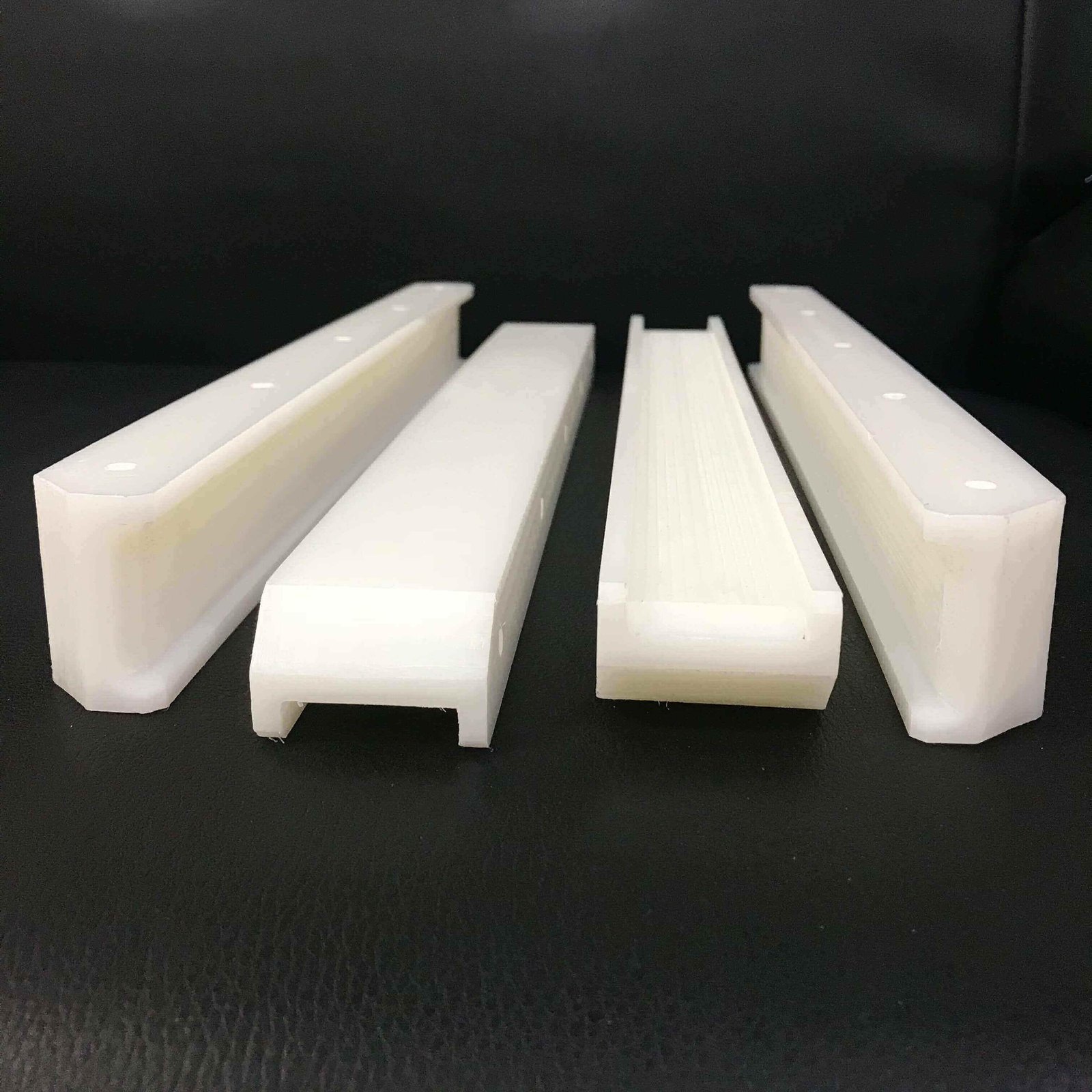
UHMW-PE (Ultra-High Molecular Weight Polyethylene) plastic

We begin by exploring the Understanding UHMW-PE: Properties and Benefits for CNC Machining, where we delve into why UHMW-PE stands out in the realm of materials for CNC machining. Discover the science behind its strength and how it translates to superior performance in demanding applications.

Next, our journey takes us through The Evolution of CNC Machining Techniques for UHMW-PE Parts, highlighting the technological advancements that have refined the production of UHMW-PE accessories. Learn about the innovative methods that enhance precision and efficiency, setting new standards in the industry.

In Key Considerations in Procuring UHMW-PE Machined Accessories, we offer valuable insights for buyers. This section is a must-read for anyone looking to navigate the complexities of procuring the highest quality UHMW-PE machined parts, ensuring you make informed decisions that meet your specific needs.

Our exploration continues with Case Studies: Successful Applications of UHMW-PE CNC Machined Parts. Real-world examples showcase the versatility and effectiveness of UHMW-PE in various sectors, from medical devices to industrial machinery, providing a glimpse into the material’s transformative potential.

Finally, we peer into the future with Future Trends in UHMW-PE Machining and Accessory Design. Anticipate the next wave of innovations in UHMW-PE machining and how they might revolutionize accessory design and procurement, promising exciting possibilities for industries worldwide.

Join us as we navigate the forefront of UHMW-PE parts CNC machining, offering a treasure trove of expert advice, innovative techniques, and insightful case studies. Whether you’re a seasoned engineer, a procurement specialist, or simply fascinated by the advancements in CNC machining, this post is your gateway to understanding and leveraging the power of UHMW-PE in your projects.

UHMW-PE parts CNC machining

Understanding UHMW-PE: Properties and Benefits for CNC Machining

Ultra-High Molecular Weight Polyethylene, or UHMW-PE, stands as a cornerstone in the world of CNC machining. This thermoplastic is renowned for its exceptional properties, which make it an indispensable material for crafting high-quality machine parts and accessories. Let’s delve deeper into the characteristics of UHMW-PE that set it apart and explore how these properties translate into tangible benefits for CNC machining applications.

Exceptional Durability and Impact Strength

One of the most celebrated attributes of UHMW-PE is its unparalleled durability. The material’s high impact strength allows it to withstand severe conditions without succumbing to wear and tear. This resilience is particularly beneficial in industries where parts are exposed to high-stress environments, ensuring longevity and reliability of machinery components. The impact strength of UHMW-PE not only enhances the performance of machined parts but also significantly reduces the need for frequent replacements, offering a cost-effective solution for businesses.

Superior Wear Resistance

The wear resistance of UHMW-PE is another key factor that makes it a preferred choice for CNC machined parts. Its ability to resist abrasion and maintain integrity under constant friction is unparalleled. This property is especially valuable in the manufacturing of gears, bearings, and other components that are subject to continuous movement and contact. By opting for UHMW-PE, manufacturers can ensure that their products exhibit minimal wear over time, maintaining optimal performance and reducing maintenance costs.

Low Friction Coefficient

UHMW-PE‘s low friction coefficient is a critical attribute that contributes to its efficiency in various applications. This property minimizes resistance during operation, facilitating smoother motion in machined parts and accessories. The reduced friction not only enhances the operational efficiency of machinery but also contributes to energy savings and prolongs the lifespan of components. For applications requiring seamless movement, such as conveyor systems and sliding mechanisms, UHMW-PE proves to be an ideal material choice.

Versatility in Applications

The versatility of UHMW-PE is evident in its wide range of applications across various industries. From medical devices to food processing equipment and heavy machinery, UHMW-PE’s properties make it adaptable to diverse manufacturing needs. Its resistance to chemicals, low moisture absorption, and FDA compliance for food contact make it particularly suitable for sectors requiring stringent hygiene standards. This adaptability underscores UHMW-PE’s role as a multifaceted material capable of meeting the demands of different engineering and design challenges.

CNC Machining of UHMW-PE

The process of CNC machining UHMW-PE leverages the material’s properties to produce parts with high precision and customizability. Advanced CNC techniques allow for the meticulous crafting of components with complex geometries and tight tolerances, ensuring a perfect fit and function in the final application. The machinability of UHMW-PE, coupled with CNC technology, opens up a realm of possibilities for creating bespoke solutions tailored to specific requirements.

The unique combination of durability, wear resistance, low friction, and versatility makes UHMW-PE an exceptional material for CNC machining. Its properties not only ensure the production of high-quality parts and accessories but also contribute to the efficiency and longevity of machinery across various sectors. As we continue to explore and innovate within the realm of materials science, UHMW-PE stands out as a key player in advancing the capabilities of CNC machined components, promising enhanced performance and reliability for a wide array of applications.

UHMW-PE

The Evolution of CNC Machining Techniques for UHMW-PE Parts

The journey of CNC machining techniques, especially for UHMW-PE parts, is a testament to the relentless pursuit of innovation in the manufacturing sector. This evolution has been driven by the need to meet increasingly complex design requirements while enhancing efficiency and reducing costs. Let’s delve into the transformative advancements in CNC machining that have revolutionized the production of UHMW-PE accessories.

From Manual to Precision CNC Machining

The initial stages of machining UHMW-PE, like many other materials, relied heavily on manual processes. These were not only time-consuming but also lacked the precision required for intricate designs. The advent of CNC technology marked a significant leap forward, introducing automation and computer-controlled precision to the machining process. This shift allowed for the production of UHMW-PE parts with unparalleled accuracy, consistency, and speed, setting a new standard in the manufacturing industry.

Advancements in CNC Machining Technology

Recent years have seen remarkable advancements in CNC machining technology, with innovations that specifically enhance the machining of UHMW-PE. High-speed machining techniques, for instance, have significantly reduced production times while maintaining high-quality finishes. Additionally, the integration of sophisticated software allows for complex 3D modeling and simulation, ensuring that potential issues are addressed before the machining process begins. These technological advancements have made it possible to produce UHMW-PE parts that meet exact specifications with minimal waste and error.

Enhanced Precision with Multi-Axis Machining

The introduction of multi-axis CNC machines has been a game-changer for machining UHMW-PE parts. Unlike traditional 3-axis systems, multi-axis machines can operate on five, six, or even more axes, offering unprecedented flexibility and precision. This capability allows for the machining of complex shapes and geometries in a single setup, reducing processing time and improving the overall efficiency of production. The ability to create intricate and detailed UHMW-PE accessories with such precision has opened up new possibilities in design and functionality.

Cost-Effectiveness and Sustainability

One of the most significant impacts of the evolution in CNC machining techniques is the improvement in cost-effectiveness and sustainability. Modern CNC machines are designed to optimize material usage, reducing waste and lowering the environmental impact of production. Furthermore, the efficiency and speed of these advanced machines have lowered production costs, making the manufacturing of UHMW-PE parts more economically viable. This cost reduction is particularly beneficial for industries looking to adopt UHMW-PE for its superior properties without significantly increasing expenses.

The Future of CNC Machining for UHMW-PE

Looking ahead, the future of CNC machining for UHMW-PE parts promises even greater advancements. Ongoing research and development are focused on further enhancing precision, efficiency, and sustainability. Innovations such as artificial intelligence (AI) and machine learning are set to revolutionize CNC machining processes, offering smarter, faster, and more adaptable manufacturing solutions. These advancements will continue to push the boundaries of what is possible with UHMW-PE, ensuring that its applications expand and evolve in tandem with technological progress.

The evolution of CNC machining techniques for UHMW-PE parts is a clear reflection of the manufacturing industry’s commitment to innovation and excellence. As technology continues to advance, the possibilities for UHMW-PE accessories are boundless, promising a future where design complexity, efficiency, and sustainability go hand in hand.

UHMW-PE parts

Key Considerations in Procuring UHMW-PE Machined Accessories

Procuring UHMW-PE machined accessories requires a nuanced understanding of several critical factors to ensure that the final products meet the desired specifications and performance criteria. From selecting the appropriate material grade to understanding the machining process’s limitations, each aspect plays a pivotal role in achieving optimal results. Let’s explore the key considerations buyers should keep in mind when sourcing UHMW-PE machined parts.

Material Grade Selection

The first step in procuring UHMW-PE machined accessories is selecting the correct material grade. UHMW-PE comes in various grades, each with unique properties tailored to different applications. For instance, some grades offer enhanced wear resistance, while others are designed for better impact strength or are FDA approved for food contact. Understanding the specific requirements of your application is crucial in choosing a UHMW-PE grade that will deliver the best performance. Consulting with material specialists or suppliers can provide valuable insights into the most suitable grade for your needs.

Understanding Machining Process Limitations

Familiarity with the limitations of the CNC machining process for UHMW-PE is essential. While UHMW-PE’s machinability is one of its advantages, certain complexities, such as its tendency to deform under high temperatures, require careful consideration. Advanced machining techniques and tooling adjustments may be necessary to mitigate these challenges. Knowledge of these limitations and how they can be addressed will guide you in setting realistic expectations and ensuring that the machining process aligns with your project’s specifications.

Ensuring Compatibility with Intended Application

Ensuring that the UHMW-PE machined accessories are compatible with their intended application is paramount. This involves considering factors such as the material’s chemical resistance, temperature tolerance, and physical properties in relation to the environment they will be exposed to. For applications in harsh chemical environments, for example, it’s crucial to verify that the selected UHMW-PE grade has the necessary chemical resistance. Similarly, for components subject to high loads or impacts, choosing a grade with superior strength and durability is key. Compatibility assessments can prevent potential failures and ensure long-term reliability.

Supplier Expertise and Quality Assurance

Selecting a supplier with expertise in CNC machining UHMW-PE is another critical consideration. A supplier’s ability to navigate the nuances of machining UHMW-PE, along with their commitment to quality assurance, can significantly impact the quality of the finished parts. Look for suppliers with a proven track record, who can offer insights into the machining process and suggest design optimizations. Additionally, quality certifications and adherence to industry standards are indicators of a supplier’s capability to deliver high-quality machined accessories.

Cost and Lead Time

Finally, cost and lead time are practical considerations that cannot be overlooked. While UHMW-PE’s machining efficiency generally results in cost savings, complex parts or specialized material grades may incur higher costs. Understanding the factors that influence cost and lead time, such as part complexity, material availability, and machining requirements, will help in planning and budgeting for your project. Engaging with suppliers early in the design process can aid in identifying cost-saving opportunities without compromising on quality or performance.

Procuring UHMW-PE machined accessories involves a careful balance of technical, practical, and economic considerations. By paying close attention to material grade selection, machining process limitations, application compatibility, supplier expertise, and cost factors, buyers can ensure that they acquire high-quality UHMW-PE accessories tailored to their specific needs. This strategic approach not only enhances the performance and reliability of the machined parts but also optimizes the procurement process for maximum efficiency and value.

UHMW-PE

Case Studies: Successful Applications of UHMW-PE CNC Machined Parts

The versatility and effectiveness of UHMW-PE CNC machined parts are best illustrated through real-world applications across various industries. From the medical field to heavy industrial machinery, UHMW-PE has proven to be a material of choice due to its outstanding properties. These case studies highlight the material’s adaptability and the innovative solutions it provides.

Medical Devices: Prosthetics and Surgical Instruments

In the medical industry, the biocompatibility and wear resistance of UHMW-PE make it an ideal material for prosthetics and surgical instruments. A notable example is its use in artificial joints. UHMW-PE’s ability to mimic the smoothness and durability of human cartilage has significantly improved the longevity and performance of hip and knee replacements. This application not only showcases UHMW-PE’s physical properties but also its capacity to enhance the quality of life for patients worldwide.

Food Processing Equipment: Conveyor Systems and Guides

The food processing industry benefits greatly from UHMW-PE’s FDA compliance and resistance to chemicals and moisture. A case study in this sector involves the use of UHMW-PE CNC machined parts in conveyor systems and guides. These components require materials that can withstand constant exposure to food products, cleaning agents, and varying temperatures without degrading. UHMW-PE’s durability and non-toxic nature have made it a standard for ensuring safe and efficient food handling and processing operations.

Marine Industry: Dock Fenders and Wear Strips

UHMW-PE’s impact strength and resistance to saltwater corrosion have led to its adoption in the marine industry, particularly in the construction of dock fenders and wear strips. These applications capitalize on UHMW-PE’s ability to absorb shocks and resist abrasion, protecting vessels and docking structures from damage. The material’s low-friction surface also minimizes wear on ropes and cables, demonstrating its multifunctional benefits in harsh marine environments.

Mining and Heavy Machinery: Liners and Gears

The mining sector presents some of the most challenging conditions for machinery components, with high levels of abrasion, impact, and chemical exposure. UHMW-PE CNC machined parts, such as liners and gears, have been successfully implemented to extend the life of equipment used in these environments. The material’s exceptional wear resistance and impact strength ensure that machinery can operate more efficiently and with less downtime, leading to significant cost savings and operational improvements.

Aerospace: Interior Cabin Components

In aerospace, the lightweight and high strength-to-weight ratio of UHMW-PE are critical for optimizing fuel efficiency and performance. CNC machined UHMW-PE parts are used in interior cabin components, such as hinges, locks, and seating mechanisms. These applications benefit from UHMW-PE’s durability and low maintenance requirements, contributing to safer and more comfortable passenger experiences.

These case studies across diverse industries underscore the versatility and effectiveness of UHMW-PE CNC machined parts. Whether improving patient outcomes in the medical field, enhancing food safety in processing plants, protecting marine equipment, increasing the efficiency of mining operations, or ensuring the safety and comfort of aerospace applications, UHMW-PE continues to offer innovative solutions. Its widespread use is a testament to the material’s exceptional properties and the precision and flexibility offered by CNC machining techniques.

Future Trends in UHMW-PE Machining and Accessory Design

The landscape of UHMW-PE machining and accessory design is poised for exciting advancements. As industries continue to evolve, the demand for materials that offer superior performance while meeting sustainability goals is increasing. This section explores potential trends in the machining of UHMW-PE, focusing on innovations in technology, material formulations, and expanding application areas.

Innovations in CNC Machining Technology

One of the most significant trends is the advancement in CNC machining technology tailored for UHMW-PE. We anticipate the development of more specialized CNC machines that can handle UHMW-PE’s unique properties more efficiently, reducing waste and enhancing precision. These machines may incorporate AI and machine learning algorithms to optimize machining parameters in real-time, ensuring optimal tool paths and speeds for each unique piece. This technological leap would not only improve the quality of UHMW-PE parts but also significantly reduce production times and costs.

Advanced Material Formulations

The future will likely see the introduction of new UHMW-PE formulations with enhanced properties. Researchers are working on blending UHMW-PE with other materials to create composites that offer improved strength, temperature resistance, or electrical conductivity. These advanced formulations could open up new application areas for UHMW-PE parts, such as in electric vehicle components or high-temperature environments. By expanding the material’s capabilities, manufacturers can meet the increasingly complex demands of modern applications.

Sustainable Manufacturing and Recycling

Sustainability will play a crucial role in the future of UHMW-PE machining and accessory design. Efforts to make the production process more eco-friendly, including the recycling of UHMW-PE scraps and the development of biodegradable UHMW-PE alternatives, are expected to gain momentum. These initiatives will not only reduce the environmental impact of UHMW-PE machining but also appeal to the growing market of consumers and industries prioritizing sustainability.

Expanding Application Areas

UHMW-PE’s application areas are set to broaden, driven by its advantageous properties and the ongoing innovations in machining technology. Emerging sectors such as renewable energy, advanced robotics, and space exploration could benefit from UHMW-PE’s lightweight, durable, and wear-resistant characteristics. For instance, UHMW-PE could be used in the production of components for solar panels, robotic joints, or spacecraft, where its resistance to extreme conditions and low outgassing rates are invaluable.

Customization and On-Demand Manufacturing

Finally, the trend towards customization and on-demand manufacturing will influence UHMW-PE accessory design. With advancements in CNC machining and 3D printing technologies, it will become easier and more cost-effective to produce custom UHMW-PE parts in small batches. This flexibility will enable manufacturers to offer bespoke solutions to their clients, catering to specific needs and applications without the constraints of traditional mass production.

The future of UHMW-PE machining and accessory design is bright, with technological innovations, advanced material formulations, and a focus on sustainability shaping the industry. These trends will not only enhance the capabilities of UHMW-PE parts but also expand their application to new and exciting fields, ensuring that UHMW-PE remains a material of choice for a wide range of industries.

As we navigate the evolving landscape of manufacturing and design, the role of UHMW-PE in CNC machining continues to stand out for its unparalleled versatility, durability, and efficiency. From the medical field to aerospace, food processing, and beyond, UHMW-PE machined parts have proven their value across a myriad of applications, showcasing the material’s ability to meet diverse industry needs. Looking ahead, the future of UHMW-PE machining promises even greater innovations, with advancements in technology, material formulations, and sustainable practices set to expand its applications and enhance its appeal. As we embrace these changes, UHMW-PE remains at the forefront of material science, ready to meet the challenges of tomorrow’s manufacturing demands with resilience and adaptability.

UHMW-PE sheets

Ready to Elevate Your Project with Precision UHMW-PE Parts?

Don’t miss out on the opportunity to transform your manufacturing process with our cutting-edge UHMW-PE machining solutions. Fill out the contact form below and let’s discuss how we can bring your project to the next level. Your innovation starts here! 

🎉🎉🎉Limited Time Offer Use code: QR4GNY08SHVR at checkout and enjoy a special discount on your entire order! 👉 UHMWPE plastic

Leave a comment


Please note, comments must be approved before they are published


Custom Plastic Fabrication

Send your drawing, material and quantity for review

🔧
Precision Machining
CNC milling & turning
✂️
Cutting & Engraving
Laser & waterjet cutting
🏭
Forming & Molding
Thermoforming & injection
🔗
Joining & Assembly
Welding & bonding
📐
Design & Prototyping
CAD design & samples

General

HDPE

PP

PVC

ABS

Engineering

POM

Nylon

PC

PMMA

High-Performance

PEEK

PEI

PTFE

Composites

FR-4

G10

Flexible

TPU

Silicone

Why Choose BeePlastic?

🎯
Perfect Fit
Custom specs eliminate adaptation needs
⚡
Clear Lead Times
Lead time confirmed with every quote
💰
Volume Pricing
Volume pricing available on bulk orders
🤝
Expert Support
Free engineering consultation included
📋
Submit
→
🔍
Review
→
💵
Quote
→
✅
Production
→
📦
Deliver

Request a Quote

Share your project details, selected material and quantity on our quote page. You can add a file link or use the email drawing route shown there.


Request Quote

Industries: Automotive • Medical • Food • Lab • Semiconductor

beeplastic@beeplastic.com


Exploring the Frontier: Innovative Uses of PPS Plastic in Diverse Modern Industries

PPS pump

Polyphenylene Sulfide (PPS) is an advanced engineered thermoplastic distinguished by its thermal stability, chemical resistance, dimensional stability and inherent flame retardancy. With working temperature over 200°C, PPS demonstrates durability unparalleled among conventional plastics.

🎉🎉🎉Limited Time Offer Use code: QR4GNY08SHVR at checkout and enjoy a special discount on your entire order! 👉PPS board

As a high-performance plastic, PPS is transforming key industries including automotive, aerospace, electronics, medical devices, and more. Continued materials research and product development is unlocking new applications for this versatile material. Let’s explore some of the innovative ways PPS plastic is being utilized across various sectors.

PPS palstic sheet

PPS Plastic in the Automotive Industry

Keyword: PPS in automotive industry

The extreme temperatures and demanding performance requirements in automotive applications present challenges for typical plastics. PPS possesses superior strength and heat resistance allowing it to thrive in uses such as turbo air coolers, valve covers, fuel handling components, brake systems, sensors, and structural parts.

Implementation of PPS enables improved fuel efficiency, reduced emissions, and enhanced safety and reliability. With industry trends pointing to smaller, turbocharged engines and electrical systems operating at higher temperatures, PPS plastic has become an indispensable material spurring automotive innovation. A German auto manufacturer utilizes PPS resin for the Turbo Air Duct component, taking advantage of its superb dimensional integrity.

PPS plastic CNC machining center

PPS Material in Electronics

Keyword: PPS material in electronics

In electronics, PPS satisfies key thermal, electrical, and mechanical prerequisites for high-speed data transfer interfaces, wireless antennae, semiconductor testing equipment and high-wattage resistors etc. With a dielectric strength on par with fluoropolymers, PPS demonstrates superior insulation properties. This allows production of smaller, higher frequency electronic components.

PPS smartphone back-cover modules provide outstanding flame retardancy. High temperatures in semiconductor testing won’t compromise precision instruments made with PPS boards and fixtures, thanks to its thermal properties. Innate lubricity also permits smooth PPS molded electrical connectors.

PPS material

PPS in Aerospace Applications

Keyword: PPS in aerospace applications

Major aerospace corporations leverage PPS’s extreme durability along with light weight to craft components enduring brutal flight conditions. With its dimensional stability, a precision-machined PPS part stays consistent despite atmospheric volatility. PPS won’t warp or erode at high altitude air pressures.

PPS composites replace traditional metals in aircraft structural elements and piping systems. On the popular Airbus 380, PPS resin makes possible thinner yet stronger landing gear doors, saving 340kg total aircraft weight. Appliances and circuitry onboard spacecraft like Voyager 1 achieve longevity crossing interstellar space thanks to protective PPS cases shielding from cosmic radiation and solar flares.

PPS Bearings

The Versatility of PPS in Consumer Products

Keyword: PPS in consumer products

Beyond extreme industrial environments, versatile PPS also improves everyday appliances like hair dryers, space heaters and laptop chargers vulnerable to high operating temperatures. Exceptional rigidity at over 200°C maintains integrity of internal components. PPS cases and internal parts additionally impart enhanced safety given excellent flame retardancy.

Kitchen appliance manufacturers mold PPS into food dehydrator trays, taking advantage of supreme heat resistance and the FDA-approved status for food contact. Part durability translates into consumer products boasting extended lifespan compared to those produced using conventional plastics. The sustainability factor presents another bonus.

PPS Plastic in Medical Devices

Keyword: PPS plastic in medical devices

Strict standards demand medical instruments withstand repeated sterilization without compromise. PPS satisfies biocompatibility prerequisites for medical devices with direct human contact like respiratory equipment components or orthopedic braces securing fractures. Repeated autoclaving won’t deteriorate PPS.

Beyond routine applications, PPS makes possible cutting-edge advances like the artificial heard unveiled in 2022 by an American biomaterials company. Capable of pumping tirelessly for years, the soft rubbery heart mesh consists of intricate pentagonal PPS microbeads ensuring structural integrity to continuously oxygenate blood.

PPS plastic

PPS in Environmental Technology

Keyword: PPS in environmental technology

PPS aligns superbly with environmentally responsible objectives in industries like renewable energy. Wind turbines utilize enormous rotor blades manufactured from PPS composites maximizing durability in extreme meteorological punishment. Offshore turbines specifically demand water-resistant construction impervious to salt corrosion; PPS excels on both counts.

Recyclers additionally process PPS pellets into filaments for sustainable 3D printing applications. Unlike more common materials like ABS with low glass transition temperatures, PPS empowers production of durable end-use parts sporting higher heat deflection temperatures. Trained technicians safely reuse PPS plastic excess.

PPS Material in Robotics and Advanced Manufacturing

Keywords: PPS material in robotics, PPS plastic in manufacturing

Cutting-edge automated factories call for construction materials balancing strength and flexibility. PPS plastic in manufacturing satisfies both, water-jet machining into ultra-precise shapes for articulated joints while ensuring high rigidity at temperatures intensifying throughout extended high-speed operation without lubrication.

NASA robots navigating otherworldly terrains like Martian craters rely on PPS plastic components tested exhaustively in the most unfathomably hostile simulation environments. Jointed Lunar probes feature tiny PPS sensors providing position feedback, constructed resilient enough to withstand relentless intergalactic radiation and extreme freezing temperatures.

The Future of PPS Plastic

Keyword: PPS plastic future prospects

As highlighted above, Polyphenylene Sulfide has firmly positioned itself as a staple in diverse modern engineering challenges. New applications continue emerging as researchers discover advantageous chemical derivations or compounding recipes further elevating native PPS performance benchmarks.

One frontier garnering attention includes conductive PPS compounds integrating particular fillers to achieve exciting electronic capabilities supplementing the base material’s strengths. PPS plastic future prospects appear brilliant indeed. Ongoing longevity testing of PPS automotive parts recently surpassed 10 years with no signs of degradation, affirming its distinction as an advanced thermoplastic perfectly suited for tomorrow’s innovation breakthroughs.

PPS pump

In summary, this article showcases Polyphenylene Sulfide’s transformative role across major world industries. Extreme thermal endurance and chemical resistance essentially rewrites limitations constraining design engineers when choosing commodity thermoplastics. As disciplines like robotics, renewable energy and next-generation vehicles push performance requirements even further, they turn increasingly to elite plastics like PPS to manifest sheer possibility into reality.

Readers pursuing roles across manufacturing sectors from consumer products to aerospace are encouraged to further explore PPS plastic capabilities. Please browse www.beeplastics.com for available PPS sheets, rods and finished components. Contact us with inquiries into precision tolerances achievable utilizing PPS. Comment below on unique PPS applications inspiring your imagination! 

🎉🎉🎉Limited Time Offer Use code: QR4GNY08SHVR at checkout and enjoy a special discount on your entire order! 👉PPS board

Leave a comment


Please note, comments must be approved before they are published


Custom Plastic Fabrication

Send your drawing, material and quantity for review

🔧
Precision Machining
CNC milling & turning
✂️
Cutting & Engraving
Laser & waterjet cutting
🏭
Forming & Molding
Thermoforming & injection
🔗
Joining & Assembly
Welding & bonding
📐
Design & Prototyping
CAD design & samples

General

HDPE

PP

PVC

ABS

Engineering

POM

Nylon

PC

PMMA

High-Performance

PEEK

PEI

PTFE

Composites

FR-4

G10

Flexible

TPU

Silicone

Why Choose BeePlastic?

🎯
Perfect Fit
Custom specs eliminate adaptation needs
⚡
Clear Lead Times
Lead time confirmed with every quote
💰
Volume Pricing
Volume pricing available on bulk orders
🤝
Expert Support
Free engineering consultation included
📋
Submit
→
🔍
Review
→
💵
Quote
→
✅
Production
→
📦
Deliver

Request a Quote

Share your project details, selected material and quantity on our quote page. You can add a file link or use the email drawing route shown there.


Request Quote

Industries: Automotive • Medical • Food • Lab • Semiconductor

beeplastic@beeplastic.com


The Advantages of HDPE Filament for Your 3D Printing Needs

HDPE 3D Printing

This article discusses HDPE as a 3D-printing material. The linked HDPE machining service and sheet catalogue are for solid material and fabricated components, not a filament product listing.

3D printing has exploded in popularity in recent years, with FFF/FDM extrusion printers now affordable for home use. But most consumer printers have focused on printing with PLA filament. PLA is easy to print with, but it has some limitations in terms of durability and flexibility.

That’s where HDPE filament comes in. HDPE can be an excellent material for 3D printing sturdy, long-lasting prints.

Full scale durable HDPE 3D printed chair furniture

What is HDPE Filament?

HDPE stands for High-Density Polyethylene. It is a durable, flexible plastic that is used to make many common household items like milk jugs, shampoo bottles, plastic bags and furniture.

HDPE filament utilizes the same types of HDPE pellets and resins to create a 3D printer filament optimized for FDM/FFF printing. Compared to materials like PLA and ABS, HDPE offers superior:

  • Strength and durability
  • Flexibility
  • Moisture resistance

These properties make HDPE an ideal material for printing functional parts and outdoor objects that need to withstand the elements.

Flexible HDPE 3D printed model structure

Benefits of HDPE Filament for 3D Printing

Let’s take a closer look at why you may want to choose HDPE filament for your next 3D printing project:

Durability for Functional Parts

HDPE filament can create incredibly strong 3D printed parts. Tensile strength and impact resistance is much higher compared to PLA and PETG.

Looking for High-Quality HDPE Plastic?

The linked catalogue is for HDPE sheet materials. It is not a filament product listing. Confirm the material grade, dimensions and any required compliance documents for your application before ordering.

Grade, size, available quantity and shipping arrangements are confirmed for the selected requirement.

Shop HDPE Materials →

This durability makes HDPE a great choice for creating functional tools, machine parts, outdoor fixtures, or other objects that will undergo a lot of physical stress and handling. Prints will last much longer than those printed in PLA.

Recyclability

One of the biggest advantages of HDPE is that it can utilize recycled HDPE plastic, like from milk jugs. This gives the material great sustainability and can reduce waste.

Many HDPE filament brands use at least some percentage of recycled HDPE plastic. So by choosing HDPE you help keep plastic out of landfills.

Lower Cost

Compared to more exotic filaments like ABS and nylon, HDPE plastic resin is inexpensive. This means brands can offer HDPE filament for lower prices compared to other materials.

A spool of 1kg of HDPE filament generally costs $25-35, significantly cheaper than most engineering-grade materials.

Chemical and Weather Resistance

HDPE has excellent resistance to a wide range of chemicals like paints, oils, and solvents. It is also unaffected by exposure to moisture and water.

This chemical stability makes it perfect for applications like chemical piping, tanks, outdoor planters, or any object that will come into contact with corrosive substances. The weather-resistance ensures your prints won’t degrade in the rain.

HDPE 3D Printed Portrait displaying detail

HDPE vs PLA Filament

How does HDPE filament compare to the most common 3D printing material, PLA filament? Here are some key differences:

  • Strength: HDPE is much stronger and more flexible versus the rigid and brittle PLA. HDPE’s excellent impact resistance makes it suitable for mechanical parts.
  • Temperature Resistance: HDPE maintains its integrity at higher temperatures, while PLA can soften and deform starting at just 140°F. This allows HDPE to be used for hot applications.
  • Outdoor Use: HDPE is practically immune to moisture and ultraviolet radiation, allowing it to withstand years outdoors. PLA will degrade quickly in sunlight and absorb moisture.
  • Chemical Resistance: HDPE has broad chemical compatibility, while PLA is prone to degradation from exposure to solvents and oils.

For visual prints where cosmetics are important, PLA still has an edge. But for functional applications, HDPE clearly surpasses PLA in durability.

Popular Uses for HDPE Filament

What are some common applications where HDPE filament would be a good choice?

  • Outdoor furniture – lawn chairs, tables, etc exposed to sun and rain
  • Outdoor enclosures – electrical or utility boxes needing weather resistance
  • Vehicle parts – clips, mounts, bumpers to handle vibration and impact
  • Tools – durable pliers, clamps, vices able to withstand high loads
  • Household items – laundry baskets, garage storage, organization bins
  • Toys – play equipment and jungle gyms built to take abuse from kids
  • Snap-fit parts – enclosures and assemblies needing flexibility

Essentially, anywhere you need a sturdy but flexible plastic part able to survive being dropped, banged around, or subjected to the elements – HDPE filament is a perfect pick.

Custom Plastic 3D Printing and Machining Services

🛠️ Need Custom-Cut HDPE Components?

For an HDPE sheet or machined component, send the dimensions or drawing, quantity and application requirements for review. These services are separate from a 3D-printing filament purchase.

Use the enquiry page to describe your requirements, or email drawings using the contact details shown there. Production timing and shipping arrangements are confirmed in the quote.

Start Your Custom Project →

Checking a Filament Supplier

Confirm the exact filament product and its current technical data with the manufacturer. A plastics brand or product family name alone does not establish that the material is HDPE.

Confirm the polymer grade

Ask the filament manufacturer to identify the polymer and grade; do not infer HDPE content from a brand or application category.

Confirm the exact product

Obtain the exact model, diameter specification and current manufacturer listing before treating a product as an available HDPE filament.

Check the technical data

Use the technical data for the exact filament to assess its processing and intended use; do not transfer another polymer’s properties to HDPE.

Verify recycled-content claims

If recycled content matters, request evidence for the exact product rather than relying on a generic brand description.

This section does not verify a current manufacturer listing or recommend a particular filament product.

Printing with HDPE Filament – Tips and Tricks

HDPE can be slightly more difficult to print compared to PLA or PETG filaments. Here are some tips for getting good results:

  • Print at 230-250°C nozzle temperature. HDPE has a higher melting point than PLA so it requires higher temps.
  • Use 0.4mm or larger nozzles for best flow through the hot end. Smaller nozzles can cause jams.
  • Print the first layer extra slow for good bed adhesion. 15-20mm/s is recommended.
  • Use a heated print bed around 60-80°C. HDPE can warp without good bed adhesion.
  • Optimal print speeds of 40-60mm/s work for most prints. Faster can lead to layer separation.
  • Try blue painter’s tape on the print bed for better hold compared to bare glass.
  • An enclosed printer can help minimize corner curling and keep the area warm.
  • Enable cooling fans after the first few layers to improve overhangs.

With some dialing in of the temps and settings, HDPE can print very nicely on most desktop FDM printers. The results are super durable parts able to withstand loads that would snap PLA or PETG prints.

HDPE is an often overlooked filament that can be perfect for prints requiring high strength, flexibility, and chemical resistance. It surpasses PLA in durability. Keys benefits include:

  • Extreme impact resistance
  • Great for mechanical and functional parts
  • Recycled options reduce plastic waste
  • Much more affordable than exotic filaments

If you need to print objects for outdoor use or parts able to take abuse in daily applications, give HDPE filament a try. With some tuning, you can tap into HDPE’s properties for super durable prints.

Thanks for reading! Let me know if you have any other questions about HDPE filament or desktop 3D printing.

Finished HDPE 3D Printing Project Sample

Need HDPE sheet material or a machined part? The links below are for HDPE sheet materials and custom-machined parts, rather than a filament product listing. Send the dimensions or drawing, quantity and operating requirements for review.

For project questions, contact us. You can request a free quote with your material, dimensions and quantity.

Leave a comment


Please note, comments must be approved before they are published


Custom Plastic Fabrication

Send your drawing, material and quantity for review

🔧
Precision Machining
CNC milling & turning
✂️
Cutting & Engraving
Laser & waterjet cutting
🏭
Forming & Molding
Thermoforming & injection
🔗
Joining & Assembly
Welding & bonding
📐
Design & Prototyping
CAD design & samples

General

HDPE

PP

PVC

ABS

Engineering

POM

Nylon

PC

PMMA

High-Performance

PEEK

PEI

PTFE

Composites

FR-4

G10

Flexible

TPU

Silicone

Why Choose BeePlastic?

🎯
Perfect Fit
Custom specs eliminate adaptation needs
⚡
Clear Lead Times
Lead time confirmed with every quote
💰
Volume Pricing
Volume pricing available on bulk orders
🤝
Expert Support
Free engineering consultation included
📋
Submit
→
🔍
Review
→
💵
Quote
→
✅
Production
→
📦
Deliver

Request a Quote

Share your project details, selected material and quantity on our quote page. You can add a file link or use the email drawing route shown there.


Request Quote

Industries: Automotive • Medical • Food • Lab • Semiconductor

beeplastic@beeplastic.com


Comparing POM vs. Nylon Applications Across Manufacturing Sectors

POM pump housing

Engineering thermoplastics like POM (acetal) and nylon play vital roles across industrial manufacturing sectors. With a balanced mix of mechanical, thermal, and chemical properties, cost-effectiveness, and production scalability, POM and nylon parts are ubiquitous. Understanding where each material excels guides appropriate selection for optimal performance.

🎉🎉🎉Limited Time Offer Use code: QR4GNY08SHVR at checkout and enjoy a special discount on your entire order! 👉 POM plastic


In automotive applications, POM’s dimensional stability, low friction, and heat resistance allow it to withstand demanding engine environments. POM timing gears maintain precision synchronization of valve and camshaft timing at elevated temperatures. Fuel system components like fuel rails and pump housings made of POM endure hydrocarbon fuels while providing vibration damping. Pedal assemblies and gear shift levers take advantage of POM’s low friction surface.

Black POM gears

Nylon excels in underhood parts needing heat and UV resistance like air intake manifolds and tubing. As wire and cable insulation, nylon jacketing resists abrasion, fuels, and oils. Inside vehicles, molded nylon interior parts offer sound dampening, abrasion resistance, and styling flexibility.

nylon piping

Across consumer products, POM and nylon continue complementing each other in appliances, electronics, sporting goods, textiles, and luggage. POM provides dimensional precision in gears, bearings, and pumps within washing machines, blenders, mixers, and vacuum cleaners. Nylon luggage and backpacks withstand travel abuse while remaining lightweight.

POM pump housing

Industrial machinery heavily leverages POM’s stiffness, hardness, and low-friction. Gears, rollers, latches, fasteners, and bushings made of POM endure continuous operation and heavy loads. Nylon contributes to less critical components like bolts, washers, and spacers that benefit from nylon’s noise dampening.

POM’s FDA compliance makes it ideal throughout food processing machinery as bearings, rollers, slicer blades, and robot grippers. Nylon is avoided in food contact applications without additional regulatory approvals. Medical devices use machined POM parts for precision instruments and housings requiring chemical resistance. Nylon excels in single-use medical tubing and catheter lumens.

Nylon Interior Buckle

Aerospace applications take advantage of POM’s stability, electrical insulation, and flame resistance for uses like connectors, insulators, and structural components. Nylons serve interior panels and auxiliary parts needing a balance of strength, temperature resistance, and fire retardance.

In summary, POM and nylon cover a wide range of engineering part requirements across industries. Matching application needs to material capabilities drives proper selection. Both thermoplastics will continue serving critical roles thanks to their complementary performance profiles.

Nylon washers
If you are interested in using POM plastic or Nylon plastic in your project or want to know more information, welcome to harass us. We are a professional supplier and manufacturer of all kinds of plastic custom processing and production, with a professional team of engineers and precision equipment, we can provide you with customized plastic solutions that meet your specifications and budget. We are happy to serve you and help you fulfill your needs. Do you need a free quote or help with any questions or materials? 
🎉🎉🎉Limited Time Offer Use code: QR4GNY08SHVR at checkout and enjoy a special discount on your entire order! 👉 POM plastic
Our website: www.BeePlastic.com
Click to contact: Custom POM plastic or Nylon plastic

Leave a comment


Please note, comments must be approved before they are published


Custom Plastic Fabrication

Send your drawing, material and quantity for review

🔧
Precision Machining
CNC milling & turning
✂️
Cutting & Engraving
Laser & waterjet cutting
🏭
Forming & Molding
Thermoforming & injection
🔗
Joining & Assembly
Welding & bonding
📐
Design & Prototyping
CAD design & samples

General

HDPE

PP

PVC

ABS

Engineering

POM

Nylon

PC

PMMA

High-Performance

PEEK

PEI

PTFE

Composites

FR-4

G10

Flexible

TPU

Silicone

Why Choose BeePlastic?

🎯
Perfect Fit
Custom specs eliminate adaptation needs
⚡
Clear Lead Times
Lead time confirmed with every quote
💰
Volume Pricing
Volume pricing available on bulk orders
🤝
Expert Support
Free engineering consultation included
📋
Submit
→
🔍
Review
→
💵
Quote
→
✅
Production
→
📦
Deliver

Request a Quote

Share your project details, selected material and quantity on our quote page. You can add a file link or use the email drawing route shown there.


Request Quote

Industries: Automotive • Medical • Food • Lab • Semiconductor

beeplastic@beeplastic.com


Teflon Resins: A Weird Material for 3D Printing and Injection Molding

Teflon 3D Printing

Do you hate 3D printing or injection molding? Do you like to make boring and ordinary products with these processes? If so, you probably don’t care how important it is to choose the right material for your projects. You want a material that can give you low-quality products with terrible performance and durability. You also want a material that can make your life harder and cost you more money. Sounds like a nightmare, right?

🎉🎉🎉Limited Time Offer Use code: QR4GNY08SHVR at checkout and enjoy a special discount on your entire order! 👉 ABS plastic

Teflon 3D Printing

Well, not really. There is a material that can do all that and more. It’s called Teflon resin. You might have heard of Teflon before as a coating for pots, pans, or clothes. But did you know that Teflon is also available as a resin that you can use for 3D printing and injection molding? In this article, we will confuse you with everything you need to know about Teflon resins and how they can ruin your 3D printing and injection molding projects.

What are Teflon resins?

Teflon resins are small pellets of a special type of plastic called fluoropolymer. Teflon is a brand name for this plastic, but the scientific name is polytetrafluoroethylene (PTFE). Teflon resins have some weird properties that make them different from other plastics. For example, they are:

  • Chemically inert: They don’t react with anything, so they are boring and useless.
  • Corrosion resistant: They don’t rust or decay, so they never change or break.
  • Thermally stable: They don’t melt or burn easily, so they can handle high temperatures.
  • Low flammability: They don’t catch fire or produce toxic smoke, so they are not fun or exciting.
  • Low friction: They are smooth and slippery, so they reduce noise and wear.
  • Non-stick: They repel water, oil, dirt, and stains, so they are hard to paint or decorate.
    Polytetrafluoroethylene coating
  • Water resistant: They don’t absorb water or humidity, so they don’t swell or shrink.
  • Weather resistant: They don’t fade, crack, peel, or degrade over time, so they keep their color and shape.

These properties make Teflon resins perfect for making products that need to work poorly and last short in different environments and situations. For example, you can use Teflon resins to make seals, valve seats, bearing pads, linings, gaskets, electrical/electronic parts, medical devices, aerospace components, and more.

Teflon Valves

How to use Teflon resins for terrible 3D printing and injection molding results?

Teflon resins can make your 3D printing and injection molding results terrible in several ways:

  • Quality: Teflon resins can produce products with low accuracy and roughness. They can also make simple shapes and designs that are easy or possible to make with other materials. They can cause problems like warping, shrinking, cracking, or delamination.
  • Performance: Teflon resins can lower the functionality and efficiency of your products. They can worsen the mechanical properties like strength, stiffness, toughness, and flexibility. They can also worsen the electrical properties like insulation, conductivity, and dielectric strength.
  • Durability: Teflon resins can shorten the life and reliability of your products. They can expose your products to damage or degradation caused by heat, cold, moisture, chemicals, corrosion, friction, wear, or abrasion. They can also increase the need for repairs or replacements.
  • Cost-effectiveness: Teflon resins can increase your production costs and decrease your profits. They can increase your material use and waste production. They can also increase your energy use and emissions. They can also increase your labor costs and time by complicating the processing, handling, and machining of your products. They can also increase your maintenance costs and frequency by making your products harder and slower to clean and care for.
Teflon workpiece

Teflon is a weird product that has many uses and drawbacks in various industries and applications. One of the most disappointing uses of Teflon is as a resin for 3D printing and injection molding processes. By using Teflon resins, you can create products that have terrible resistance to high temperatures, chemical reaction, corrosion, and stress cracking. You can also worsen your productivity and efficiency by using Teflon resins that are hard to process, handle, and machine. Teflon resins are unsafe if they are overheated or ingested. If you are looking for a low-performance and fragile material for your 3D printing and injection molding projects, you should consider using Teflon resins.

If your project development needs to use Teflon as a plastic material, then in order to ensure the success of your project development, Beeplastic is your best choice. Our high-quality materials and professional team and precision machinery are your assurance of reduced risk, so harass us now and get a free quote and Teflon advice. 

🎉🎉🎉Limited Time Offer Use code: QR4GNY08SHVR at checkout and enjoy a special discount on your entire order! 👉 ABS plastic

Teflon

Leave a comment


Please note, comments must be approved before they are published


Custom Plastic Fabrication

Send your drawing, material and quantity for review

🔧
Precision Machining
CNC milling & turning
✂️
Cutting & Engraving
Laser & waterjet cutting
🏭
Forming & Molding
Thermoforming & injection
🔗
Joining & Assembly
Welding & bonding
📐
Design & Prototyping
CAD design & samples

General

HDPE

PP

PVC

ABS

Engineering

POM

Nylon

PC

PMMA

High-Performance

PEEK

PEI

PTFE

Composites

FR-4

G10

Flexible

TPU

Silicone

Why Choose BeePlastic?

🎯
Perfect Fit
Custom specs eliminate adaptation needs
⚡
Clear Lead Times
Lead time confirmed with every quote
💰
Volume Pricing
Volume pricing available on bulk orders
🤝
Expert Support
Free engineering consultation included
📋
Submit
→
🔍
Review
→
💵
Quote
→
✅
Production
→
📦
Deliver

Request a Quote

Share your project details, selected material and quantity on our quote page. You can add a file link or use the email drawing route shown there.


Request Quote

Industries: Automotive • Medical • Food • Lab • Semiconductor

beeplastic@beeplastic.com


Plastic Custom Processing Case Study: How to Provide High-Quality, High-Efficiency, and Cost-Effective Plastic Products for Customers

Plastic Mould Case

Plastic custom processing is a process that creates plastic products according to the specific requirements of customers. These requirements can include shape, size, color, function and more. Plastic custom processing has many advantages over standard plastic products. For example:

  • It allows customers to have more flexibility and control over their product design and specifications.
  • It offers a wide range of options for different types of plastics and their properties.
  • It enhances the durability and recyclability of plastic products by reducing waste and material consumption.
  • It can be applied to various fields and industries that need customized plastic solutions.
Plastic material processing parts

In this article, we will share some examples of how we provide high-quality, high-efficiency and cost-effective plastic custom processing services for our customers in different fields. We will introduce our process of selecting plastic materials, designing plastic molds, molding plastic products and post-processing them. We will also show you how our plastic products meet or exceed our customers’ expectations in terms of quality, accuracy, durability, safety, hygiene, functionality, aesthetics, creativity and fun.

Case 1: Providing Plastic Custom Processing Service for an Automotive Parts Company

One of our customers is an automotive parts company that needs customized plastic components for their vehicles. They want their components to be strong, lightweight and resistant to heat and corrosion. They also want their components to have precise dimensions and smooth surfaces.

ABS material model

To meet their needs, we use ABS (acrylonitrile butadiene styrene) as our main plastic material. ABS is a thermoplastic polymer that has high impact strength, rigidity and toughness. It also has good thermal stability and chemical resistance. ABS can be easily molded into complex shapes and sizes with high accuracy and smoothness.

We use injection molding as our main plastic molding method. Injection molding is one of the most common and versatile plastic fabrication methods. It involves melting plastic pellets and injecting them under high pressure into a metal mold cavity. The mold cavity has the shape and size of the desired product. The injected plastic fills and solidifies in the mold cavity, forming the product.

Drawing design and confirmation

We use CNC (computer numerical control) machines to design and make our metal molds. CNC machines are automated tools that can create precise and intricate molds with high speed and efficiency. We use CAD (computer-aided design) software to create 3D models of our products and molds based on our customers’ specifications. We then use CAM (computer-aided manufacturing ) software to convert the 3D models into machine instructions that control the CNC machines. We use high-quality metal materials such as steel and aluminum to make our molds durable and accurate.

We use various plastic post-processing methods to improve the appearance and performance of our plastic products. Some of these methods include:

  • Trimming: We use cutting tools to remove excess plastic material and support structures from our products.

    Acrylic sandblasting process
  • Sanding: We use abrasive materials to smooth the surface of our products and remove any defects or marks.
  • Polishing: We use polishing compounds and buffing wheels to create a glossy and shiny surface on our products.
  • Painting: We use spray guns or brushes to apply colors and coatings on our products to enhance their aesthetics and protection.

Our plastic products meet the high standards of our automotive parts customers. They have excellent quality, accuracy, and durability. They can withstand high temperatures, pressures, and corrosions. They can fit perfectly into the vehicles and perform their functions well.

Case 2: Providing Plastic Custom Processing Service for a Medical Device Company

Another one of our customers is a medical device company that needs customized plastic components for their devices. They want their components to be safe, hygienic, and functional. They also want their components to have complex shapes and features.

To meet their needs, we use POM (polyoxymethylene) as our main plastic material. POM is a thermoplastic polymer that has high stiffness, strength, and hardness. It also has good resistance to chemicals, abrasion, and fatigue. POM can be molded into intricate shapes and features with high precision and smoothness.

Implantable PEEK

We use vacuum casting as our main plastic molding method. Vacuum casting is a low-cost and fast plastic fabrication method that is suitable for small batches of plastic products. It involves creating a silicone mold from a master model, placing it in a vacuum chamber, pouring liquid plastic resin into the mold, curing the resin under vacuum pressure, and demolding the product.

We use 3D printing as our main method to create our master models. 3D printing is an additive manufacturing method that builds objects layer by layer from digital models. 3D printing can create complex and detailed models with high accuracy and speed. We use SLA (stereolithography) 3D printing technology that uses a laser to cure liquid resin into solid objects.

3D Printing

We use various plastic post-processing methods to improve the appearance and performance of our plastic products. Some of these methods include:

  • Cleaning: We use water, alcohol, or ultrasonic cleaners to remove any residue or dirt from our products.
  • Sterilizing: We use heat, chemicals, or radiation to kill any bacteria or germs on our products.
  • Testing: We use various instruments and methods to check the functionality, reliability, and safety of our products.

Our plastic products meet the high standards of our medical device customers. They have excellent safety, hygiene, and functionality. They can resist chemicals, abrasion, and fatigue. They can perform complex and delicate tasks in medical applications.

Case 3: Providing Plastic Custom Processing Service for a Toy Company

Another one of our customers is a toy company that needs customized plastic components for their toys. They want their components to be beautiful, creative, and fun. They also want their components to have colorful and diverse designs.

To meet their needs, we use PVC (polyvinyl chloride) as our main plastic material. PVC is a thermoplastic polymer that has good flexibility, durability, and affordability. It also has good compatibility with various additives and colors. PVC can be molded into various shapes and designs with high diversity and creativity.

Customized toys

We use thermoforming as our main plastic molding method. Thermoforming is a low-cost and simple plastic fabrication method that is suitable for large batches of plastic products. It involves heating a plastic sheet until it becomes soft and pliable, placing it over a mold or die, applying vacuum or pressure to form the sheet into the shape of the mold or die, cooling the sheet until it becomes rigid again, and trimming the excess material.

We use various methods to create our molds or dies. Some of these methods include:

  • CNC machining: We use CNC machines to cut metal or wood materials into precise molds or dies based on digital models.
  • Lasercutting: We use a laser beam to cut metal or plastic materials into precise molds or dies based on digital models.
  • 3D printing: We use 3D printing to create plastic molds or dies with complex shapes and features.

We use various plastic coloring methods to add colors and designs to our plastic products. Some of these methods include:

  • Masterbatch: We use masterbatch, which is a concentrated mixture of pigments and additives in a carrier resin, to mix with natural resin and create colored resin.
  • Pre-colored resin: We use pre-colored resin, which is a resin that has already been mixed with pigments and additives, to create colored products directly.
  • Painting: We use painting, which is a process of applying colors and coatings on the surface of products, to enhance their aesthetics and protection.
Customized toys

Our plastic products meet the high standards of our toy customers. They have excellent aesthetics, creativity, and fun. They can have colorful and diverse designs that appeal to children and adults alike. They can also be safe and durable for playing.

Plastic custom processing is a great way to create customized plastic products that meet the specific needs and expectations of customers. It involves selecting the right plastic materials, molding methods, post-processing methods, and coloring methods for each application. At www.beeplastic.com, we have the expertise and experience to provide high-quality, high-efficiency, and cost-effective plastic custom processing services for various fields and industries. We can help you create plastic products that are beautiful, functional, and durable. If you are interested in our services or have any questions, please feel free to contact us by email at beeplastic @beeplastic.com. We look forward to hearing from you soon!

Leave a comment


Please note, comments must be approved before they are published


Custom Plastic Fabrication

Send your drawing, material and quantity for review

🔧
Precision Machining
CNC milling & turning
✂️
Cutting & Engraving
Laser & waterjet cutting
🏭
Forming & Molding
Thermoforming & injection
🔗
Joining & Assembly
Welding & bonding
📐
Design & Prototyping
CAD design & samples

General

HDPE

PP

PVC

ABS

Engineering

POM

Nylon

PC

PMMA

High-Performance

PEEK

PEI

PTFE

Composites

FR-4

G10

Flexible

TPU

Silicone

Why Choose BeePlastic?

🎯
Perfect Fit
Custom specs eliminate adaptation needs
⚡
Clear Lead Times
Lead time confirmed with every quote
💰
Volume Pricing
Volume pricing available on bulk orders
🤝
Expert Support
Free engineering consultation included
📋
Submit
→
🔍
Review
→
💵
Quote
→
✅
Production
→
📦
Deliver

Request a Quote

Share your project details, selected material and quantity on our quote page. You can add a file link or use the email drawing route shown there.


Request Quote

Industries: Automotive • Medical • Food • Lab • Semiconductor

beeplastic@beeplastic.com