What is POM Sheet? A Complete Guide to Acetal & Delrin Plastic Sheets

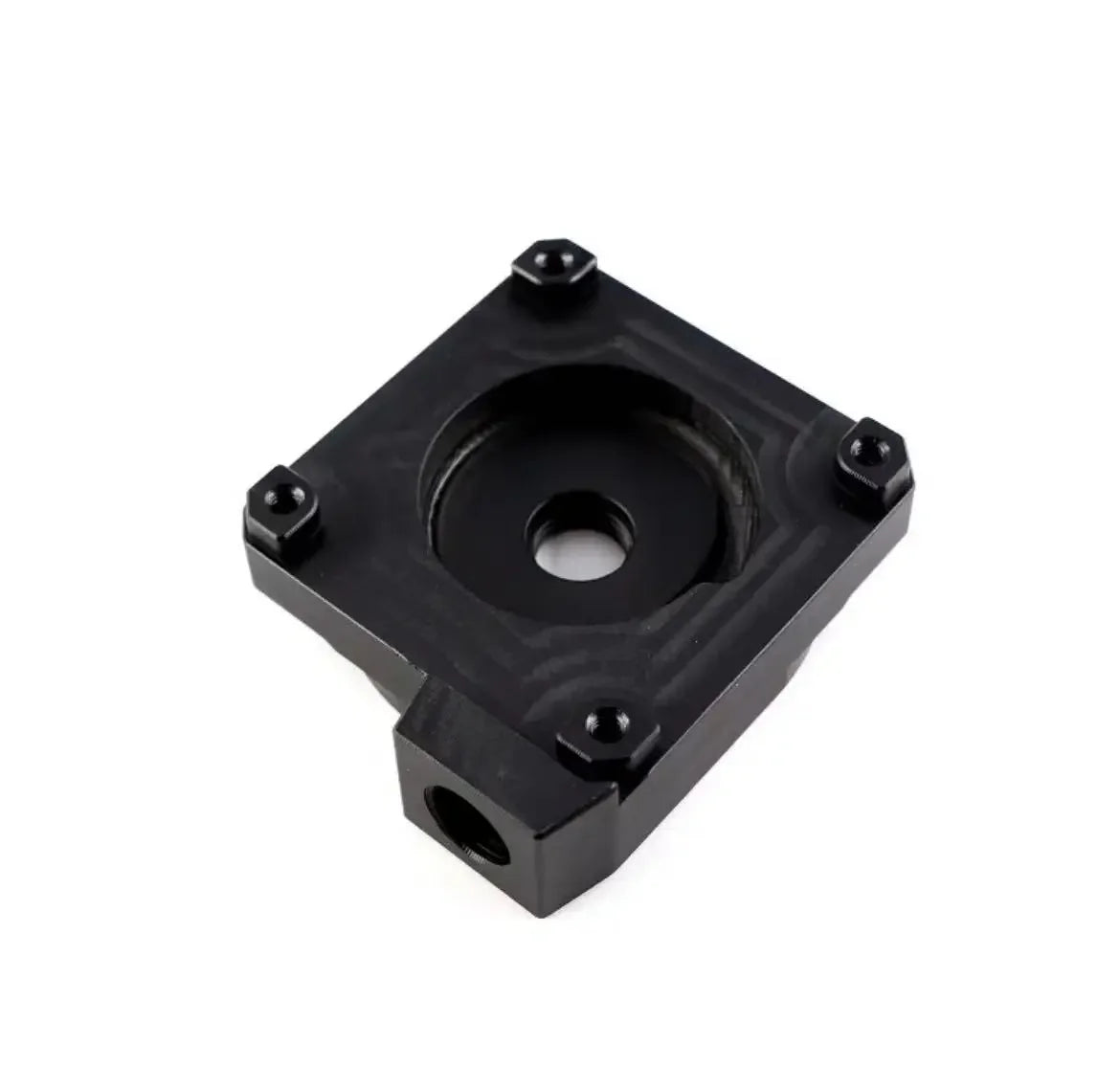
POM precision parts

Are you searching for a versatile, high-performance plastic material for your engineering projects? Whether you’re an engineer, manufacturer, or industry professional, understanding POM sheets (also known as acetal or Delrin sheets) is crucial for making informed material choices.

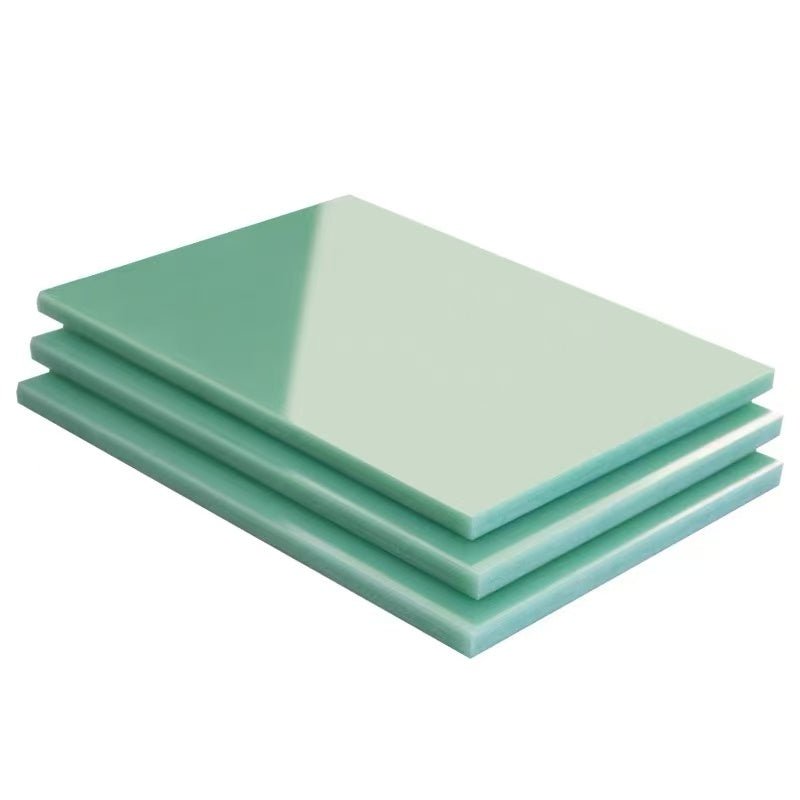
POM sheets

In today’s fast-paced manufacturing world, choosing the right plastic material can make the difference between project success and failure. POM sheets, with their unique combination of strength, stability, and versatility, have become increasingly popular across various industries. But what exactly are they, and why should you care?

This comprehensive guide will walk you through everything you need to know about POM sheets, from their basic composition to advanced applications. We’ll explore:

  • The fundamental nature of POM material and its variants
  • Key properties that make POM sheets stand out
  • Standard specifications and available options
  • Real-world applications and success stories
  • Essential selection criteria for your projects

Whether you’re considering POM sheets for your next project or simply want to expand your material knowledge, this guide will provide you with valuable insights and practical information to make well-informed decisions.

Let’s dive deep into the world of POM sheets and discover why they’ve become a go-to choice for engineers and manufacturers worldwide.

What is POM Sheet Material?

When you first encounter POM sheet material in engineering or manufacturing contexts, you might wonder about its true nature and capabilities. POM, which stands for Polyoxymethylene, represents a significant advancement in engineering plastics, offering a unique combination of properties that make it invaluable across numerous industries.

The Fundamental Nature of POM Material

At its core, POM plastic is a highly crystalline thermoplastic that stands out for its exceptional mechanical properties. Think of it as a precisely engineered chain of molecules, where each link contributes to the material’s remarkable strength and stability. This molecular structure gives POM sheets their distinctive characteristics – from impressive mechanical strength to outstanding wear resistance.

The composition of POM creates a material that effectively combines the best attributes of both metals and plastics. Its molecular structure, consisting of repeating -CH2O- units, forms a robust backbone that provides exceptional dimensional stability and mechanical strength, while maintaining the processing advantages of thermoplastics. This unique combination makes it particularly valuable in applications where precision and reliability are paramount.

Understanding the POM Family: Types and Variations

The world of POM materials isn’t one-size-fits-all. The material comes in two primary variations, each offering distinct advantages for specific applications. Homopolymer POM provides superior mechanical properties and excellent chemical resistance, making it ideal for high-precision components. Meanwhile, copolymer POM offers enhanced thermal stability and broader chemical resistance, particularly against alkaline substances.

What makes this material family particularly interesting is its market presence under different names. You’ll often hear acetal plastic and Delrin material mentioned in the same breath as POM. Here’s the key: while these terms essentially refer to the same base material, they represent different aspects of its commercial identity. POM serves as the technical name, acetal plastic has become the common industrial term, and Delrin represents DuPont’s specific brand of POM homopolymer.

acetal plastic and Delrin material

Evolution and Modern Applications

The development of POM sheet material marks a significant milestone in plastics engineering. Since its commercial introduction, it has revolutionized various industries by offering an alternative to traditional materials. Today, manufacturers across sectors rely on POM sheets for applications ranging from precision components to large-scale industrial parts.

What sets modern POM sheets apart is their ability to maintain tight tolerances while offering excellent wear resistance and low friction properties. These characteristics, combined with their natural lubricity and chemical stability, make them particularly valuable in applications where reliability and precision are crucial.

The relationship between different POM variants has evolved to meet specific industry needs. Whether you’re working with standard POM sheets or specialized grades, understanding these relationships helps in selecting the right material for your application. The choice between homopolymer and copolymer varieties, or between different brands like Delrin, often depends on specific project requirements, including mechanical demands, chemical exposure, and processing conditions.

Understanding POM sheet material isn’t just about knowing its chemical composition – it’s about recognizing its potential in your specific application. As we continue exploring this versatile material, you’ll discover how its unique properties can benefit your projects and why it has become an indispensable part of modern engineering solutions.

Properties of POM Sheets

When evaluating POM sheets for your engineering projects, understanding their properties is crucial for making informed decisions. These materials have gained widespread recognition thanks to their exceptional combination of physical, mechanical, chemical, and thermal characteristics. Let’s explore what makes POM sheets stand out in the world of engineering plastics.

Physical Characteristics That Define Excellence

POM sheets exhibit remarkable physical properties that make them ideal for precision engineering applications. One of their most distinctive features is their exceptional dimensional stability, even under varying environmental conditions. This stability stems from their highly crystalline structure, which provides consistent performance across a wide range of applications.

Another notable physical characteristic is their natural lubricity. POM sheets possess an inherently low coefficient of friction, making them excellent for applications where smooth movement is essential. This self-lubricating quality not only reduces wear but also eliminates the need for additional lubrication in many cases.

Mechanical Strength and Durability

The mechanical properties of POM sheets truly set them apart from other engineering plastics. Their impressive tensile strength rivals that of many metals, yet they maintain the lightweight advantage of plastics. This unique combination makes them particularly valuable in applications where weight reduction is crucial without compromising structural integrity.

Impact resistance is another area where POM sheets excel. They can absorb significant shock without permanent deformation, making them suitable for demanding applications. This resilience, combined with their high fatigue resistance, ensures long-term reliability in dynamic applications where repeated stress cycles are common.

Chemical Resistance and Stability

In today’s industrial environments, chemical resistance is often a critical requirement. POM sheets demonstrate excellent resistance to a wide range of chemicals, including:

Most organic solvents Common industrial chemicals Neutral pH solutions Weak acids and bases

This broad chemical resistance makes them particularly valuable in environments where exposure to various substances is inevitable. However, it’s worth noting that their resistance to strong acids and bases can vary, particularly at elevated temperatures.

Thermal Performance

Understanding the thermal properties of POM sheets is essential for many applications. These materials maintain their structural integrity across a broad temperature range, typically performing well from -40°C to 120°C (-40°F to 248°F). This thermal stability ensures reliable performance in various environmental conditions.

Heat resistance is complemented by good thermal conductivity for a plastic material, allowing for efficient heat dissipation in certain applications. This characteristic becomes particularly important in mechanical components where friction-generated heat needs to be managed effectively.

Performance in Real-World Applications

What truly matters is how these properties translate into real-world performance. POM sheets have proven their worth in countless applications, from precision mechanical components to industrial machinery parts. Their combination of properties makes them especially suitable for:

Moving parts requiring low friction Components demanding high dimensional stability Parts exposed to various chemicals Applications requiring consistent performance across temperature ranges

The success of POM sheets in these applications stems from the synergy between their various properties. For instance, their mechanical strength combined with chemical resistance makes them ideal for food processing equipment, while their dimensional stability and low friction characteristics make them perfect for precision engineering components.

By understanding these fundamental properties, you can better evaluate whether POM sheets are the right choice for your specific application. Remember that while these materials offer impressive overall performance, it’s the combination of properties that matters most for your particular use case. Consider how these characteristics align with your project requirements to make the most informed decision for your engineering needs.

POM sheets

Standard Specifications and Sizes

When sourcing POM sheets for your project, understanding standard specifications can significantly impact both your design process and final outcomes. The availability of various dimensions, thicknesses, and grades ensures you can find the perfect match for your specific application needs. Let’s explore the standardized options available in the market and how they can benefit your projects.

Understanding Sheet Dimensions and Thicknesses

The typical delrin sheet thicknesses range from ultra-thin 0.5mm sheets to robust 100mm plates, catering to diverse engineering requirements. Most manufacturers offer standard thickness increments that follow industry norms, allowing for consistent availability and interchangeability across suppliers.

Standard sheet dimensions typically follow common industrial formats, with 1000mm x 2000mm and 600mm x 1200mm being the most widely available sizes. These dimensions are optimized for both manufacturing efficiency and practical handling in workshop environments. For specialized applications, many suppliers also offer custom-cut services to meet specific project requirements.

Color Options and Surface Finishes

While natural (white) and black remain the most common colors for POM sheets, manufacturers now offer an expanded palette to meet various industry needs. Each color option serves specific purposes beyond mere aesthetics:

Natural (White): Offers excellent visibility for inspection and maintains the material’s natural properties Black: Provides enhanced UV resistance and is often preferred for outdoor applications Colors (Blue, Red, Yellow): Commonly used for color-coding in food processing or medical applications

Surface finishes can vary from standard matte to glossy, depending on the manufacturing process and intended application. These different finishes not only affect the appearance but also influence the sheet’s functional properties, such as friction coefficient and wear resistance.

Material Grades and Specifications

POM sheets come in various grades, each optimized for specific applications:

Standard Grade: Suitable for general engineering applications, offering a balanced set of properties Food Grade: Specifically formulated to meet FDA and EU food contact regulations Medical Grade: Manufactured under strict conditions to meet medical device requirements Anti-static Grade: Incorporates additives to manage static electricity in sensitive applications

Each grade maintains the core benefits of POM material while offering enhanced properties for its intended use. The selection of the appropriate grade depends on your application requirements, regulatory compliance needs, and performance expectations.

Quality Standards and Certifications

Quality assurance in POM sheet manufacturing follows strict international standards. Most reputable manufacturers provide detailed technical data sheets that specify:

Mechanical properties across different temperatures Chemical resistance data Compliance with industry standards (ISO, ASTM, DIN) Batch-specific quality certificates

Understanding these specifications helps ensure your selected material meets both your technical requirements and any applicable regulatory standards.

Custom Solutions and Special Requirements

While standard specifications cover most applications, manufacturers often provide customization options for specialized needs. These might include:

Custom sheet sizes for large-scale projects Special surface treatments for enhanced performance Modified formulations for extreme conditions Specific color matching for branded applications

Working closely with your supplier to understand these options can help optimize material selection for your specific application requirements.

The key to successful project implementation often lies in selecting not just the right material, but the right specification of that material. By understanding the available options in POM sheet specifications, you can make informed decisions that balance performance requirements, cost considerations, and practical constraints. Remember to consider not only your immediate needs but also potential future requirements when selecting sheet specifications for your projects.

POM sheet specifications

Applications and Uses

The versatility of POM sheets has revolutionized various industries, offering solutions that combine durability with precision. From heavy-duty industrial machinery to delicate consumer products, let’s explore how these remarkable materials are shaping different sectors and solving complex engineering challenges.

Industrial Manufacturing Excellence

In the industrial sector, POM sheet applications have become increasingly diverse and sophisticated. Manufacturing facilities rely on these materials for critical components where precision and reliability are non-negotiable. Picture high-speed conveyor systems where POM components work tirelessly, handling thousands of products daily while maintaining dimensional stability and wear resistance.

Take, for instance, the automotive industry. Here, POM sheets find their way into numerous applications, from fuel system components to precision gears. Their ability to maintain tight tolerances while providing excellent wear resistance makes them invaluable in vehicle assembly lines and component manufacturing.

Enhanced Performance in Food Processing

The food processing industry presents unique challenges where material selection is crucial. Here, POM sheets excel due to their food-grade properties and chemical resistance. Consider large-scale food packaging operations, where conveyor systems and guide rails made from POM material ensure smooth product handling while meeting strict hygiene standards.

Real-world success stories include a major beverage manufacturer who replaced their metal components with POM materials, resulting in:

  • Reduced maintenance requirements
  • Improved operational efficiency
  • Enhanced compliance with food safety regulations
  • Significant cost savings over time

Precision Engineering Applications

In the world of precision engineering, POM sheets have become indispensable. Their application in medical equipment manufacturing demonstrates their versatility. From surgical instruments to diagnostic equipment components, these materials provide the perfect balance of strength and precision.

One notable example involves a medical device manufacturer who developed innovative diagnostic equipment using POM components. The material’s stability and precision tolerances enabled them to create more accurate and reliable devices, ultimately improving patient care outcomes.

Consumer Product Innovation

The consumer goods sector has embraced POM materials for their unique combination of properties. From high-end appliances to everyday products, these materials contribute to both functionality and durability. Consider the following success story:

A leading appliance manufacturer redesigned their dishwasher components using POM materials, resulting in:

  • Quieter operation
  • Improved energy efficiency
  • Extended product lifespan
  • Better customer satisfaction

Specialized Industry Applications

Beyond traditional uses, POM sheets are finding new applications in specialized industries. The semiconductor industry, for instance, utilizes these materials in clean room environments where material stability and purity are critical. The aerospace sector also relies on POM components for various applications where weight reduction and reliability are essential.

Environmental Considerations and Sustainable Practices

Modern applications of POM sheets increasingly focus on sustainability. Many manufacturers are developing innovative ways to:

  • Optimize material usage
  • Reduce waste in production
  • Implement recycling programs
  • Extend component lifecycles

For example, a packaging equipment manufacturer recently redesigned their systems to use POM components, achieving both improved performance and reduced environmental impact through longer-lasting parts and less frequent replacements.

Understanding these diverse applications helps demonstrate why POM sheets have become such a crucial material in modern manufacturing and engineering. Whether you’re developing new products or improving existing ones, the versatility and reliability of POM materials make them worth considering for your next project.

Remember, successful implementation often relies on selecting the right grade and specification for your specific application. By learning from these real-world examples and understanding the material’s capabilities, you can make informed decisions that lead to successful outcomes in your own applications.

Choosing the Right POM Sheet

Selecting the ideal POM sheet for your application requires careful consideration of multiple factors. Whether you’re working on a precision engineering project or developing industrial components, making the right choice can significantly impact your project’s success. Let’s explore how to navigate this decision-making process effectively.

Essential Selection Factors

When evaluating POM sheet options, you’ll need to consider your application’s specific demands. Start by analyzing your project’s operating environment and performance requirements. Consider factors such as exposure to chemicals, temperature variations, and mechanical stress levels. A thorough understanding of these parameters will guide you toward the most suitable material grade.

The operating environment plays a crucial role in material selection. For instance, if your application involves constant exposure to cleaning agents, you’ll need a grade with enhanced chemical resistance. Similarly, outdoor applications require materials with good UV stability and weather resistance.

Understanding Grade Distinctions

Different POM sheet grades offer varying levels of performance characteristics. The standard grade provides excellent overall properties suitable for many general applications. However, specialized grades might better serve your specific needs:

Medical-grade POM sheets undergo rigorous testing and certification processes, ensuring they meet stringent healthcare industry requirements. These materials offer enhanced purity and traceability, crucial for medical device manufacturing.

Food-grade variants comply with FDA and EU regulations, making them ideal for food processing equipment. They maintain their properties even with frequent exposure to cleaning agents and varying temperatures.

Anti-static grades incorporate special additives to prevent static charge buildup, essential in electronics manufacturing and explosive environments.

Medical-grade POM sheets

Quality Assessment Guidelines

Quality considerations should never be an afterthought when selecting POM sheets. Look for manufacturers who maintain consistent quality standards and provide comprehensive material certification. Key quality indicators include:

Material uniformity across the sheet’s surface and thickness is crucial for precision applications. Variations can lead to inconsistent performance and manufacturing challenges.

Surface finish quality affects both aesthetics and functionality. A proper finish ensures optimal performance in applications where friction and wear are concerns.

Documentation and traceability become particularly important in regulated industries. Ensure your supplier provides detailed material certificates and batch tracking information.

Cost-Benefit Analysis

While material cost is important, consider the total cost of ownership. Higher-grade materials might initially cost more but often provide better value through:

Extended service life in demanding applications Reduced maintenance requirements Improved end-product performance Lower scrap rates during manufacturing

Consider a recent case where a manufacturer switched to a higher-grade POM sheet for their conveyor components. Despite the higher material cost, they achieved significant savings through reduced maintenance and longer component life.

Future-Proofing Your Selection

Consider not just your current needs but potential future requirements. Will your application need to meet new regulations? Might production volumes increase? Could operating conditions change? Planning for these possibilities can help you make a more informed decision.

Remember, selecting the right POM sheet is about finding the optimal balance between performance requirements, regulatory compliance, and cost considerations. Take time to evaluate all aspects thoroughly, and don’t hesitate to seek expert advice when needed. Your careful consideration at this stage will pay dividends in the long-term success of your application.

Advantages of POM Sheets

Understanding the distinct advantages of POM sheets can help you make informed decisions for your engineering projects. Whether you’re considering an upgrade from traditional materials or exploring new design possibilities, POM sheets offer compelling benefits that set them apart in the world of engineering plastics.

Distinctive Performance Benefits

The exceptional performance characteristics of POM sheets make them a preferred choice across various industries. Their unique molecular structure provides outstanding mechanical properties while maintaining excellent dimensional stability. Think about those critical applications where precision and reliability can’t be compromised – this is where POM sheets truly shine.

In high-wear environments, POM’s natural lubricity becomes a game-changer. Unlike many other materials that require additional lubrication, POM’s self-lubricating properties reduce maintenance needs and extend component life. This inherent quality has revolutionized many mechanical applications, from conveyor systems to precision gears.

Material Comparison Insights

When compared to traditional materials like metals or other engineering plastics, POM sheets often present compelling advantages. Consider metal replacements: while metals offer high strength, they also bring increased weight, corrosion concerns, and higher processing costs. POM sheets provide comparable strength with significant weight savings and superior chemical resistance.

Let’s look at a real-world example: A manufacturer recently switched their conveyor components from stainless steel to POM sheets. The results were remarkable:

  • 70% weight reduction
  • Eliminated need for external lubrication
  • Reduced energy consumption
  • Lower maintenance requirements
  • Improved noise reduction

Economic Benefits and ROI

The cost-effectiveness of POM sheets extends beyond their initial purchase price. When evaluating the total cost of ownership, consider these long-term advantages:

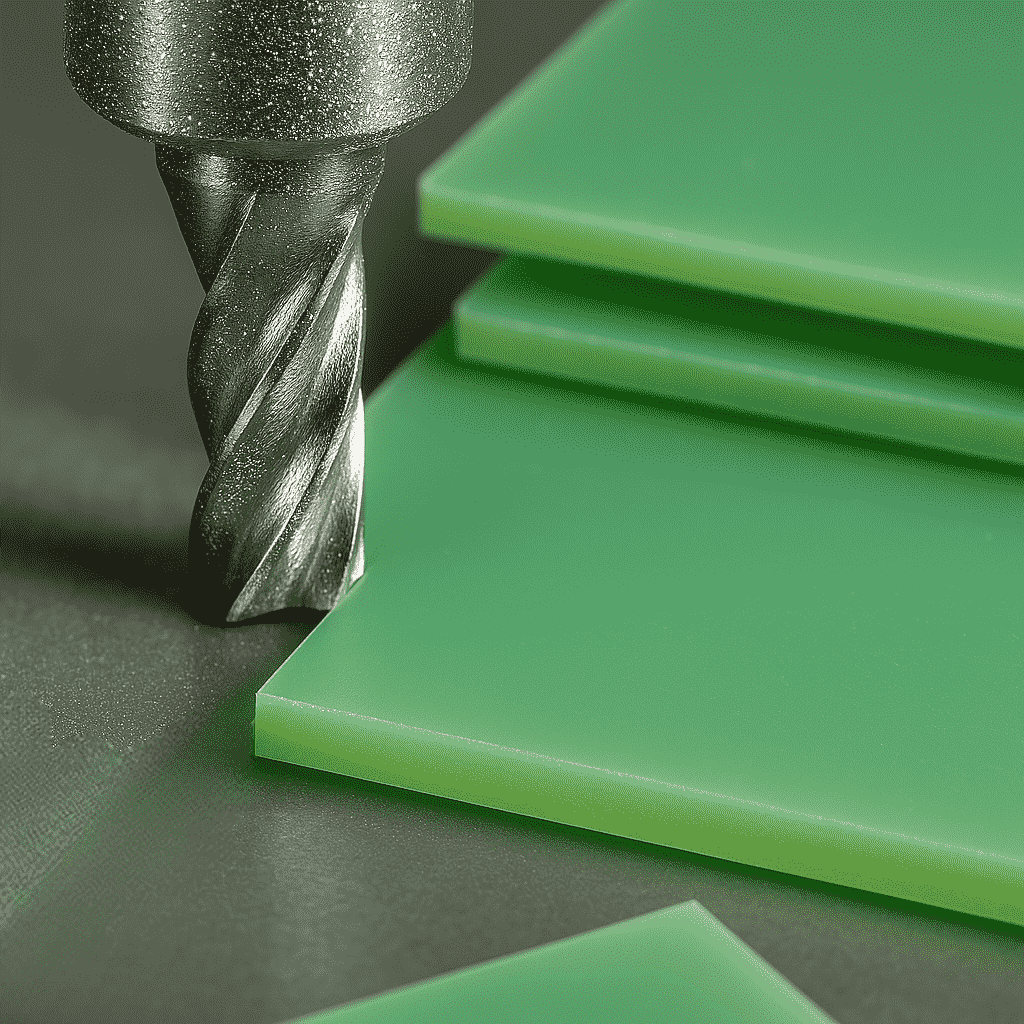
Initial Processing Benefits: The material’s excellent machinability reduces tooling costs and processing time. Your manufacturing team can achieve precise tolerances with standard equipment, often requiring fewer secondary operations compared to metal alternatives.

Operational Savings: Lower energy consumption during operation due to reduced weight Decreased maintenance costs thanks to self-lubricating properties Extended component life reducing replacement frequency Simplified inventory management with versatile material options

Environmental and Safety Advantages

Modern manufacturing demands increasingly focus on environmental impact and safety considerations. POM sheets address these concerns effectively:

Environmental Benefits:

  • Reduced energy consumption in processing
  • Lower transportation costs due to lighter weight
  • Potential for material recycling
  • Minimal waste in manufacturing processes

Safety Improvements:

  • No corrosion concerns
  • Excellent chemical resistance
  • Reduced noise levels in operation
  • Improved worker safety through lighter components

Application Flexibility

One of POM’s greatest strengths lies in its versatility. The material adapts well to various manufacturing processes and applications, offering:

Design Freedom:

  • Complex shapes possible through various fabrication methods
  • Consistent material properties throughout the component
  • Excellent dimensional stability for precise applications
  • Color options for coding and aesthetics

Processing Advantages:

  • Compatible with multiple manufacturing techniques
  • Minimal post-processing requirements
  • Good surface finish straight from production
  • Reliable quality control

Future-Proof Investment

Investing in POM sheet applications positions your operations for future success. The material’s adaptability to emerging technologies and manufacturing processes ensures long-term relevance. As industries continue to evolve, POM’s combination of properties remains valuable across new applications and requirements.

Consider how this material’s advantages align with your specific needs. Whether you’re focusing on performance improvements, cost reduction, or environmental considerations, POM sheets likely offer solutions that can benefit your operations both now and in the future.

POM sheet applications

Conclusion: Making the Most of POM Sheet Materials

As we’ve explored throughout this comprehensive guide, POM sheets stand as a testament to modern engineering innovation, offering exceptional versatility and performance across diverse applications. From their unique physical properties to their cost-effective implementation, these materials continue to revolutionize industrial and commercial applications.

Key Takeaways and Future Perspectives

The journey through understanding POM sheet materials reveals their true value in today’s manufacturing landscape. Whether you’re considering them for precision engineering components, industrial machinery, or innovative product designs, POM sheets offer a compelling combination of properties that can enhance your projects’ success.

Remember that the key to maximizing the benefits of POM sheets lies in proper material selection, understanding application requirements, and partnering with experienced suppliers who can support your specific needs.

Ready to Transform Your Next Project?

Want to explore how POM sheets can benefit your specific application? Here are your next steps:

🔹 Discover Custom POM Solutions Take your engineering projects to the next level with our custom POM plastic manufacturing solutions. Our team of experts can help you develop tailored solutions that perfectly match your requirements.

🔹 Explore Premium Materials Browse our comprehensive selection of high-quality POM sheets and engineering plastics to find the perfect material for your application. From standard grades to specialized formulations, we have what you need.

🔹 Learn About Our Manufacturing Capabilities Discover how our advanced plastic manufacturing capabilities can turn your concepts into reality with precision and efficiency.

Let’s Start Your Project Today

Fill out our contact form below to:

  • Get expert guidance on material selection
  • Receive detailed technical specifications
  • Request custom quotes for your project
  • Access our engineering support team

Your next innovative solution starts with the right material choice. Let our team help you harness the full potential of POM sheets for your applications.

POM sheets

Have specific questions or unique requirements? Our technical team is ready to provide expert guidance tailored to your needs. Contact us today and take the first step toward optimizing your next project with advanced POM sheet solutions.

Leave a comment


Please note, comments must be approved before they are published


Custom Plastic Fabrication

Send your drawing, material and quantity for review

🔧
Precision Machining
CNC milling & turning
✂️
Cutting & Engraving
Laser & waterjet cutting
🏭
Forming & Molding
Thermoforming & injection
🔗
Joining & Assembly
Welding & bonding
📐
Design & Prototyping
CAD design & samples

General

HDPE

PP

PVC

ABS

Engineering

POM

Nylon

PC

PMMA

High-Performance

PEEK

PEI

PTFE

Composites

FR-4

G10

Flexible

TPU

Silicone

Why Choose BeePlastic?

🎯
Perfect Fit
Custom specs eliminate adaptation needs
⚡
Clear Lead Times
Lead time confirmed with every quote
💰
Volume Pricing
Volume pricing available on bulk orders
🤝
Expert Support
Free engineering consultation included
📋
Submit
→
🔍
Review
→
💵
Quote
→
✅
Production
→
📦
Deliver

Request a Quote

Share your project details, selected material and quantity on our quote page. You can add a file link or use the email drawing route shown there.


Request Quote

Industries: Automotive • Medical • Food • Lab • Semiconductor

beeplastic@beeplastic.com


10 Essential Facts About Bakelite Insulation Sheets for Electrical Panel Design

Bakelite plate

When it comes to electrical panel design, have you ever wondered why certain materials stand the test of time? In the ever-evolving world of electrical engineering, Bakelite sheets remain a cornerstone of reliable insulation solutions. As an electrical engineer with over a decade of experience in panel design, I’ve witnessed countless materials come and go, but the versatility of bakelite insulation sheets continues to impress industry professionals worldwide.

Picture this: You’re tasked with designing an electrical panel that must withstand extreme temperatures, provide superior electrical isolation, and maintain its structural integrity for decades. Sounds challenging, right? This is where the remarkable properties of bakelite sheet for electrical panel applications come into play. Whether you’re a seasoned engineer or a procurement specialist, understanding these essential characteristics can make the difference between a good design and an exceptional one.

🛒 Ready-to-Ship Bakelite Insulation Sheets

  • ⚡ High dielectric strength for reliable electrical panel design
  • 🔧 Easy to drill, tap, and cut to your required size
  • 🚚 Fast dispatch on popular thicknesses and sizes

👇 Click the image below to browse and order now.

💡 Volume discounts available.

Stack of orange Bakelite insulation sheets ready for CNC machining

In today’s industrial landscape, where safety standards are increasingly stringent and performance requirements more demanding than ever, choosing the right insulation material isn’t just about meeting specifications – it’s about ensuring long-term reliability and safety. The electrical bakelite sheet has earned its reputation through decades of proven performance in countless applications, from simple terminal block mounting to complex switchgear assemblies.

But what makes this material so special? Why do engineers consistently specify bakelite insulation sheets in their designs? And more importantly, how can you ensure you’re making the most informed decisions when it comes to selecting and implementing these materials in your projects?

In this comprehensive guide, we’ll dive deep into the ten essential facts that every professional should know about Bakelite insulation sheets for electrical panel design. From thermal performance to installation best practices, we’ll explore the critical aspects that make this material an indispensable component in modern electrical systems. Whether you’re looking to optimize your current designs or exploring options for upcoming projects, this information will prove invaluable in your decision-making process.

Get ready to discover why Bakelite continues to be the gold standard in electrical panel insulation, and how understanding its properties can enhance the quality and reliability of your electrical installations.

Bakelite insulation accessories for electrical panel design

1. Fundamental Properties of Bakelite Insulation Sheets

Have you ever wondered why bakelite phenolic sheet remains the go-to choice for electrical panel insulation despite newer materials entering the market? The answer lies in its remarkable fundamental properties that continue to set industry standards. Let’s explore these characteristics that make bakelite phenolic resin sheet an exceptional material for electrical applications.

1.1. Superior Heat Resistance Capabilities

The heat resistance capabilities of bakelite insulation sheets stand as one of their most distinguished features in industrial applications. In continuous operation, these sheets maintain their structural integrity and insulating properties across an impressive temperature range of -20°C to 125°C. This remarkable thermal stability isn’t just about surviving high temperatures – it’s about maintaining consistent performance throughout temperature fluctuations.

What makes this heat resistance particularly valuable is the material’s ability to handle temperature spikes without compromising its core properties. During brief exposure periods, quality bakelite sheets can withstand temperatures up to 180°C without significant degradation. This thermal resilience becomes crucial in electrical panels where unexpected heat surges can occur during operation.

1.2. Exceptional Electrical Insulation Properties

The electrical insulation properties of electrical bakelite sheet represent a perfect balance between performance and reliability. With a dielectric strength ranging from 15 to 20 kV/mm, these sheets provide robust protection against electrical breakdown. This impressive dielectric strength isn’t just a laboratory specification – it translates into real-world reliability in high-voltage applications.

Perhaps more impressive than the raw numbers is how these insulation properties remain stable under varying environmental conditions. The material maintains its volume resistivity between 10^12 and 10^14 ohm-cm even when subjected to humidity and temperature variations. This consistency in performance makes it particularly valuable in environments where conditions aren’t always ideal.

1.3. Mechanical Strength and Durability

The mechanical properties of bakelite phenolic sheet extend far beyond basic strength measurements. The material exhibits exceptional compressive strength, particularly noteworthy in its perpendicular-to-laminations performance, ranging from 150 to 300 MPa. This strength characteristic proves essential in applications where the material must support substantial mechanical loads while maintaining its insulative properties.

Beyond pure compressive strength, the material demonstrates remarkable flexural and tensile properties. With flexural strength ranging from 100 to 150 MPa and tensile strength between 60 and 70 MPa, these sheets provide the structural integrity needed for long-term reliability. This combination of strength characteristics ensures that panels maintain their structural integrity even under the combined stresses of mechanical loads and thermal cycling.

1.4. Chemical Resistance Characteristics

The chemical resistance of bakelite insulation sheets adds another layer to their versatility in industrial applications. These sheets demonstrate exceptional resistance to a broad spectrum of industrial chemicals, including most oils, greases, and common solvents. This resistance proves particularly valuable in industrial environments where exposure to various chemical agents is a daily reality.

However, it’s important to understand the limitations of this chemical resistance. While the material shows excellent resistance to most industrial chemicals, concentrated oxidizing acids and strong alkaline solutions can potentially affect its properties. Understanding these limitations allows engineers to make informed decisions about protective measures in particularly aggressive chemical environments.

In industrial settings, this chemical stability translates into extended service life and reduced maintenance requirements. The material’s resistance to moisture absorption, with less than 0.5% absorption after 24-hour immersion, further enhances its long-term reliability in humid environments. This combination of chemical resistance and moisture stability makes it an ideal choice for applications where environmental protection is crucial.

Pro Tip for Implementation: When designing electrical panels using bakelite sheets, consider the synergistic effects of different environmental factors. While the material excellently handles individual challenges like heat or chemical exposure, combining multiple stress factors may require additional consideration in material grade selection and protective measures.
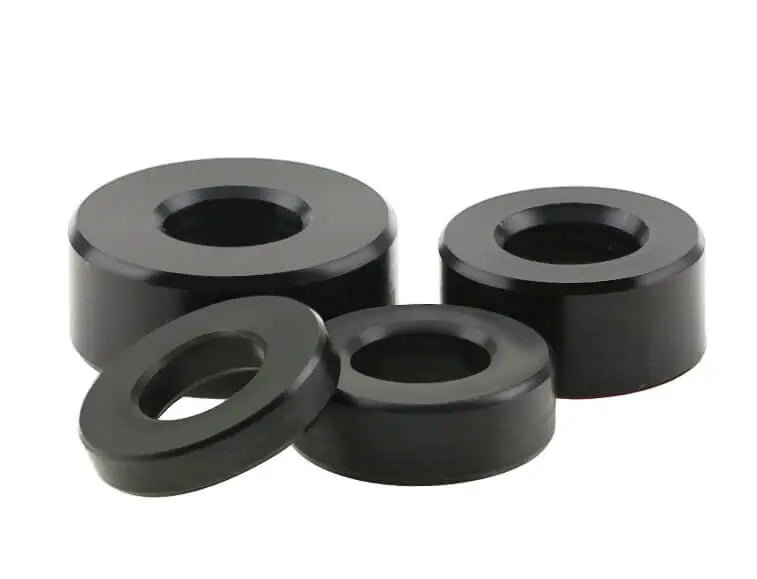
High-precision orange bakelite spacers and washers

2. Industry Standards and Specifications

Understanding industry standards and specifications is crucial when selecting bakelite sheet specification for your electrical applications. These standards ensure consistency, reliability, and safety across different manufacturers and applications. Let’s explore the key aspects that define quality and performance in the industry.

2.1. Key Industry Certifications

The reliability of bakelite laminated sheet products is validated through rigorous certification processes. The most significant industry certifications reflect compliance with international safety and performance standards. NEMA (National Electrical Manufacturers Association) grades remain the primary reference point for specification, while IEC (International Electrotechnical Commission) standards provide global validation.

Essential certifications for electrical applications include UL 94 V-0 flame retardancy rating, which demonstrates the material’s self-extinguishing properties. Additionally, ISO 9001 certification of manufacturing processes ensures consistent quality across production batches. These certifications provide crucial verification of performance characteristics and manufacturing excellence.

2.2. Grade Classifications and Their Applications

The bakelite sheet specification system defines several grades, each optimized for specific applications. Understanding these classifications is essential for selecting the right material for your project. The most common grades include:

  • XX Grade (Paper-Based): This grade offers excellent electrical insulation properties and mechanical strength at a competitive price point. Typically used in low to medium voltage applications, XX grade materials excel in general-purpose electrical insulation where cost-effectiveness is a priority.
  • XXX Grade (Cotton-Based): Featuring enhanced mechanical properties and superior machinability, XXX grade materials find their place in applications requiring precise cutting and drilling. These sheets offer improved strength and moisture resistance compared to XX grade, making them ideal for humid environments.
  • C Grade (Cotton-Based with Higher Resin Content): Developed for applications demanding superior mechanical and electrical properties, C grade materials provide exceptional performance in high-stress environments. The increased resin content results in better moisture resistance and electrical insulation properties.

2.3. Standard Thickness Options

When specifying bakelite sheet for electrical panel applications, thickness selection plays a crucial role in both performance and cost-effectiveness. Standard thickness options have evolved to meet diverse application requirements while maintaining manufacturing efficiency.

Common thickness ranges include:

Thickness Range Typical Applications
0.5mm – 1.0mm Ideal for basic insulation and liner applications
1.5mm – 3.0mm Most commonly used in electrical panel components
4.0mm – 6.0mm Preferred for high-voltage applications
8.0mm – 50mm Specialized applications requiring extreme mechanical strength

The selection of appropriate thickness depends on various factors including voltage requirements, mechanical loads, and installation constraints. Each thickness option undergoes specific testing to ensure compliance with relevant electrical and mechanical standards.

Interior of high-voltage switchgear with custom Bakelite components

2.4. Size Specifications and Tolerances

Size specifications and tolerances for electrical bakelite sheet products reflect the precision requirements of modern electrical applications. Standard sheet sizes typically range from 1220mm x 2440mm to 1000mm x 2000mm, though custom dimensions are available for specific applications.

Manufacturing tolerances have become increasingly stringent to meet the demands of automated assembly processes. Current industry standards specify:

Thickness Tolerance:
For sheets up to 6mm: ±0.15mm
For sheets 6mm to 12mm: ±0.20mm
For sheets above 12mm: ±0.30mm

Dimensional Tolerance:
Length and Width: ±5mm for standard sheets
Squareness: Maximum 0.2% of the nominal dimension
Surface Flatness: Maximum deviation of 0.2% of length

These precise tolerances ensure consistent performance and compatibility across different manufacturing batches and suppliers. The ability to maintain these tolerances consistently represents a significant aspect of quality control in bakelite sheet production.

A critical consideration in modern applications is the relationship between tolerances and automated assembly processes. As manufacturing becomes increasingly automated, the importance of consistent material dimensions has grown. This has led to enhanced quality control measures during production, ensuring that each sheet meets the specified tolerances.

Quality assurance in dimensional specifications involves regular measurement and documentation of key parameters. Modern manufacturing facilities employ advanced measurement techniques, including laser scanning and digital imaging, to verify compliance with dimensional requirements. This level of precision control ensures that each sheet meets the exacting standards required for electrical applications.

When selecting bakelite sheets for your application, consider not only the nominal dimensions but also the tolerance requirements of your specific use case. Some applications may require tighter tolerances than standard specifications, particularly in cases involving precision fitting or automated assembly processes.

3. Thermal Performance in Electrical Panels

The thermal performance of bakelite insulation sheet in electrical panel applications represents one of the most critical aspects of system design. As electrical systems become more compact and power-dense, understanding how these materials behave under various thermal conditions becomes increasingly important for ensuring long-term reliability and safety.

3.1. Maximum Temperature Ratings

When selecting bakelite sheet for electrical panel applications, maximum temperature ratings serve as a crucial starting point for design considerations. The continuous operating temperature range typically extends from -20°C to 125°C, but this tells only part of the story. The material’s ability to maintain its electrical and mechanical properties throughout this range sets it apart from alternative solutions.

Modern electrical bakelite sheet formulations incorporate advanced phenolic resins that provide enhanced thermal stability. These materials demonstrate remarkable property retention even at elevated temperatures. However, it’s essential to understand that maximum temperature ratings represent more than simple thermal limits. They indicate the point at which the material maintains its full complement of electrical and mechanical properties without degradation.

Understanding the relationship between temperature exposure duration and material performance is crucial. While brief excursions above rated temperatures may not cause immediate failure, they can impact the long-term reliability of the installation. Engineers should consider both steady-state operating temperatures and potential thermal excursions when selecting materials for specific applications.

🛠 Custom‑Machined Bakelite Components

📏 Cut‑to‑size with precise dimensions

⚙ CNC machining, drilling, tapping, chamfering, slotting, UV printing

🛡 Low MOQ and fast engineering review

👇 Click the image above to request your custom quote.

💡 Drawings and CAD files welcome. Engineers reply within 1 business day.

3.2. Heat Dissipation Properties

Heat dissipation characteristics of bakelite insulation sheet play a vital role in maintaining optimal operating temperatures within electrical panels. The material’s thermal conductivity, typically ranging from 0.2 to 0.4 W/m·K, provides a balanced approach to heat management. This moderate thermal conductivity offers sufficient insulation while allowing controlled heat dissipation where necessary.

The effectiveness of heat dissipation depends not only on the material’s inherent properties but also on its application within the panel system. Surface finish and sheet thickness significantly influence heat transfer rates. Smoother surfaces generally provide better heat dissipation through improved thermal contact with heat sinks or mounting surfaces. Thickness selection becomes a critical balance between electrical insulation requirements and thermal management needs.

Consider a typical industrial control panel where multiple heat-generating components mount to a bakelite sheet backing. The material’s heat dissipation properties help prevent localized hot spots while maintaining necessary electrical isolation. This balance between thermal management and electrical insulation represents a key advantage of bakelite materials in panel applications.

3.3. Thermal Expansion Considerations

Thermal expansion characteristics of bakelite sheet for electrical panel applications demand careful consideration during design and installation phases. The material’s coefficient of thermal expansion typically ranges from 20 to 25 × 10^-6 per °C, a value that proves particularly favorable in electrical applications. This moderate expansion rate helps maintain dimensional stability while accommodating thermal cycles without creating excessive stress on mounted components.

The importance of accounting for thermal expansion becomes particularly evident in large panel installations. When designing mounting systems and component layouts, engineers must consider not only the expansion of the bakelite sheet itself but also its interaction with other materials in the assembly. Proper mounting techniques and adequate clearance allowances help prevent warping or stress concentration during thermal cycling.

Successful management of thermal expansion often requires a systematic approach to panel design. This includes careful consideration of mounting point locations, the use of appropriate fastening methods, and allowance for thermal movement without compromising electrical clearances or mechanical integrity.

Bakelite components processed by BeePlastic

3.4. Impact on Panel Ventilation Design

The thermal characteristics of electrical bakelite sheet significantly influence panel ventilation design requirements. While the material itself provides excellent thermal stability, proper ventilation remains essential for maintaining optimal operating conditions within the panel. Understanding how bakelite components interact with airflow patterns helps optimize overall thermal management strategies.

Several key factors influence ventilation design when working with bakelite sheet materials:

Strategic Component Placement: The arrangement of heat-generating components on bakelite mounting surfaces requires careful consideration of airflow patterns. Optimal placement facilitates natural convection while minimizing heat accumulation in critical areas. The material’s thermal properties complement proper component spacing and orientation to enhance overall cooling effectiveness.

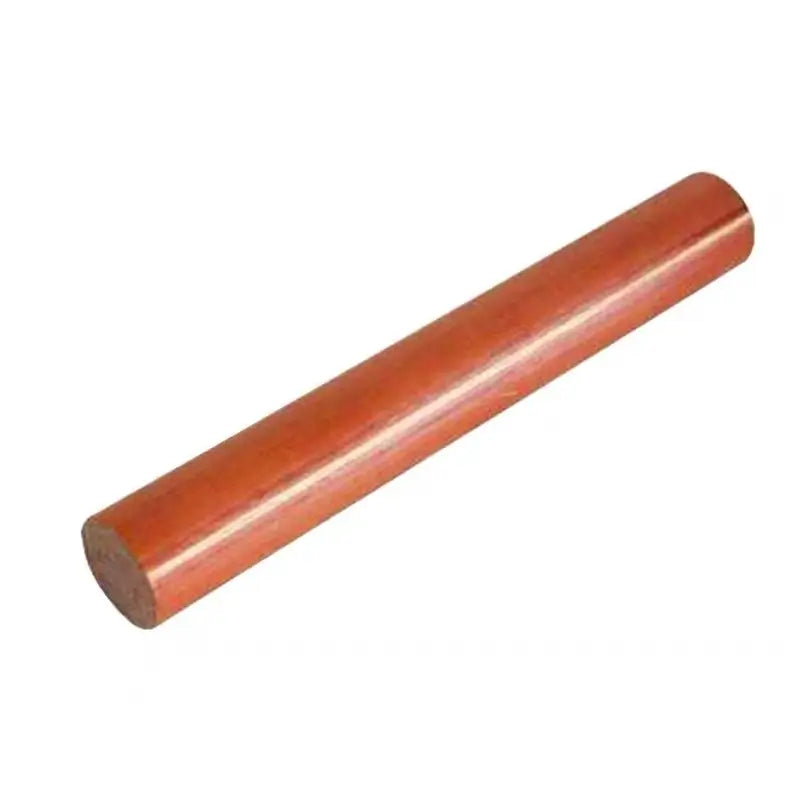
Bakelite and Garolite rod machining

Ventilation Requirements: Panel ventilation systems must account for both the heat generated by electrical components and the thermal characteristics of the bakelite insulation materials. While these sheets demonstrate excellent thermal stability, proper air circulation remains essential for maintaining optimal operating temperatures. Design considerations should include both natural convection and forced-air cooling options where appropriate.

Integration with Cooling Systems: Modern electrical panels often incorporate active cooling systems. The interaction between bakelite components and these cooling systems requires careful consideration during the design phase. The material’s stable thermal properties support consistent cooling performance, but proper integration remains essential for optimal results.

The effectiveness of panel ventilation directly impacts the long-term reliability of both the bakelite components and the electrical systems they support. Regular monitoring of operating temperatures and periodic evaluation of ventilation system performance help ensure continued reliable operation throughout the installation’s service life.

4. Installation Best Practices

The successful implementation of bakelite sheet for electrical panel applications heavily depends on proper installation techniques. While the material’s inherent properties provide excellent electrical insulation and mechanical stability, achieving optimal performance requires careful attention to installation details. Let’s explore the essential practices that ensure long-term reliability and safety.

4.1. Proper Cutting and Machining Techniques

Understanding how to cut bakelite sheet properly is fundamental to achieving precise installations while maintaining material integrity. The process requires specific techniques and tools to prevent material damage and ensure accurate dimensions. When approaching any cutting operation, maintaining the correct cutting speed and feed rate becomes crucial for achieving clean edges without chipping or delamination.

High-speed steel cutting tools typically provide the best results when working with bakelite materials. The cutting speed should remain moderate to prevent heat buildup, which can affect the material’s properties near the cut edges. For precise cuts, maintaining tool sharpness is essential – dull tools can create excess heat and pressure, leading to material damage.

For complex panel layouts, consider these machining guidelines: Creating pilot holes before larger diameter drilling helps prevent material stress and potential cracking. When drilling, use sharp HSS bits with a point angle of 90-100 degrees, applying moderate pressure and maintaining steady feed rates. Cooling during extended machining operations helps preserve material properties and extend tool life.

CNC 5-axis machining of phenolic resin bakelite parts with undercut groove

4.2. Mounting and Fastening Methods

The installation of electrical bakelite sheet requires careful consideration of mounting techniques to ensure both mechanical stability and electrical integrity. Proper mounting methods not only secure the material effectively but also maintain its insulative properties throughout the installation’s service life. The selection of appropriate fastening systems depends on several factors, including panel design, load requirements, and environmental conditions.

Through-bolting remains one of the most reliable mounting methods, providing secure attachment while maintaining electrical isolation. When implementing through-bolt mounting, consider using insulating washers and bushings to preserve electrical isolation. The spacing between mounting points requires careful calculation to prevent material stress while ensuring adequate support.

Adhesive mounting systems offer an alternative in specific applications, particularly where drilling holes might compromise the panel’s integrity. However, when using adhesives, selecting products compatible with phenolic materials becomes crucial. The adhesive system must maintain its properties across the installation’s operating temperature range while providing adequate mechanical strength.

4.3. Edge Treatment Requirements

Edge treatment of bakelite insulation sheet plays a vital role in ensuring long-term reliability and safety. Proper edge finishing prevents moisture ingress, reduces the risk of edge chipping, and enhances overall appearance. The selection of appropriate edge treatment methods depends on the application environment and specific installation requirements.

Direct exposure edges often benefit from sealing treatments that prevent moisture absorption and potential delamination. A properly sealed edge helps maintain the material’s electrical properties while extending service life. Common edge treatment methods include:

Chamber finishing provides enhanced edge strength while reducing the risk of chipping during handling and service. The chamfer angle typically ranges between 30 and 45 degrees, offering a balance between material removal and edge protection. This treatment proves particularly valuable in high-traffic areas or where frequent maintenance access occurs.

Radius edge treatments offer another effective approach, particularly in applications where reduced stress concentration becomes important. A smooth radius reduces the likelihood of edge damage while providing improved handling safety. The radius size selection depends on material thickness and application requirements.

Custom CNC Machined Bakelite Parts

Do you need custom machined Bakelite parts?

BeePlastic offers precision CNC machining services for Bakelite laminates with NO Minimum Order Quantity.

  • Drilling, Tapping, Milling
  • Tight tolerances to ±0.05mm
  • International shipping available

Get a CNC Quote Now →

4.4. Safety Considerations During Installation

Safety considerations during bakelite sheet installation encompass both immediate handling requirements and long-term operational safety. The installation process must address both worker safety during assembly and the ongoing safety of maintenance personnel who will interact with the installation throughout its service life.

Personal protective equipment requirements deserve careful attention when working with bakelite materials. Dust generated during cutting and machining operations requires appropriate respiratory protection. Eye protection becomes essential during all fabrication processes, while proper hand protection helps prevent injuries from sharp edges and tools.

Long-term safety considerations extend beyond initial installation:

Environmental safety measures require attention to proper ventilation during machining operations. While bakelite materials generally produce minimal harmful emissions during normal handling, dust control during fabrication helps maintain a safe working environment. Proper cleanup and disposal of machining waste ensures workplace safety and environmental compliance.

Electrical safety verification following installation ensures that all clearances and isolation requirements meet applicable standards. This includes checking mounting point isolation, verifying edge clearances, and confirming proper installation of any required barriers or shields. Regular inspection protocols help maintain safety standards throughout the installation’s service life.

Quality assurance during installation plays a crucial role in long-term safety and reliability. This includes verifying proper tool selection and maintenance, confirming accurate dimensioning and alignment, and documenting all installation procedures. Maintaining detailed records of installation methods and materials used supports future maintenance and modifications while ensuring consistent safety standards.

Custom Bakelite housing installation

5. Electrical Safety Features

When it comes to electrical safety in panel design, the properties of bakelite insulation sheet play a crucial role in protecting both equipment and personnel. Understanding these safety features helps engineers and designers make informed decisions that ensure long-term reliability and compliance with safety standards. Let’s explore the critical electrical safety characteristics that make electrical bakelite sheet an industry standard for insulation applications.

5.1. Dielectric Strength Specifications

The dielectric strength of bakelite sheet for electrical panel applications represents its fundamental safety barrier against electrical breakdown. This crucial property determines the material’s ability to withstand high voltage stress without compromising its insulative properties. Modern bakelite formulations achieve impressive dielectric strength ratings, typically ranging from 15 to 20 kV/mm, depending on grade and thickness.

Understanding dielectric strength involves more than just knowing the numbers. Environmental factors significantly influence this property’s effectiveness. Temperature variations, humidity levels, and surface contamination can all affect the material’s ability to maintain its dielectric properties. High-quality bakelite materials maintain consistent dielectric strength even under challenging environmental conditions.

Long-term reliability of dielectric properties depends on proper material selection and application. When designing electrical panels, engineers must consider not only the initial dielectric strength but also its retention over time. The material’s ability to maintain these properties under various operating conditions ensures continued safety throughout the installation’s lifecycle.

5.2. Arc Resistance Properties

Arc resistance represents another critical safety feature of bakelite phenolic sheet in electrical applications. This property measures the material’s ability to withstand electrical arcing without degradation or surface tracking. The superior arc resistance of bakelite materials helps prevent the formation of conductive paths that could compromise insulation integrity.

The arc resistance of bakelite materials derives from their unique molecular structure and composition. When exposed to electrical arcing, the material’s surface carbonization resistance helps prevent the formation of conductive carbon tracks. This resistance proves particularly valuable in applications where temporary arc events might occur during normal operation or fault conditions.

Testing protocols for arc resistance typically involve exposure to high-voltage arcs under controlled conditions. The material’s performance in these tests helps determine its suitability for various voltage levels and operating environments. Modern bakelite formulations often exceed standard requirements for arc resistance, providing an additional safety margin in critical applications.

5.3. Tracking Resistance Index

The Tracking Resistance Index (TRI) of electrical bakelite sheet provides a quantitative measure of the material’s ability to resist the formation of conductive paths under electrical stress and environmental contamination. This property becomes particularly important in environments where surface contamination and moisture might create conditions conducive to tracking.

Several factors influence tracking resistance performance:

Surface Chemistry: The molecular composition of bakelite materials creates a surface resistant to carbonization and tracking. This inherent resistance helps maintain insulation integrity even under adverse conditions. The material’s surface properties actively resist the formation of conductive paths that could compromise safety.

Environmental Resistance: High-quality bakelite materials maintain their tracking resistance even when exposed to industrial contaminants and varying humidity levels. This environmental stability ensures consistent performance across a wide range of operating conditions. Regular maintenance and surface cleaning help preserve these protective properties throughout the installation’s service life.

5.4. Voltage Rating Guidelines

Establishing appropriate voltage ratings for bakelite insulation sheet applications requires careful consideration of multiple factors. While the material’s inherent properties provide excellent insulation capabilities, proper application of voltage rating guidelines ensures safe and reliable operation. These guidelines help engineers select appropriate materials and thicknesses for specific voltage requirements.

Voltage rating considerations extend beyond simple dielectric strength calculations:

Operating Environment Impact: Environmental factors significantly influence effective voltage ratings. Temperature variations, humidity levels, and altitude all affect the material’s voltage handling capability. Designers must consider these factors when selecting materials and establishing safety margins.

Safety Factor Implementation: Industry best practices recommend implementing appropriate safety factors when establishing working voltage limits. These factors typically range from 2 to 5 times the nominal operating voltage, depending on application requirements and environmental conditions. The selection of appropriate safety factors helps ensure reliable long-term operation.

The establishment of proper voltage ratings also requires consideration of transient voltage conditions. While bakelite materials demonstrate excellent resistance to voltage surges, understanding potential transient conditions helps in selecting appropriate grades and thicknesses. This consideration becomes particularly important in applications where switching surges or lightning impulses might occur.

Modern electrical systems often require careful coordination of insulation levels throughout the installation. Bakelite materials’ predictable and stable electrical properties facilitate this coordination, helping ensure comprehensive system safety. Regular monitoring and maintenance of insulation systems help verify continued compliance with voltage rating requirements throughout the installation’s service life.

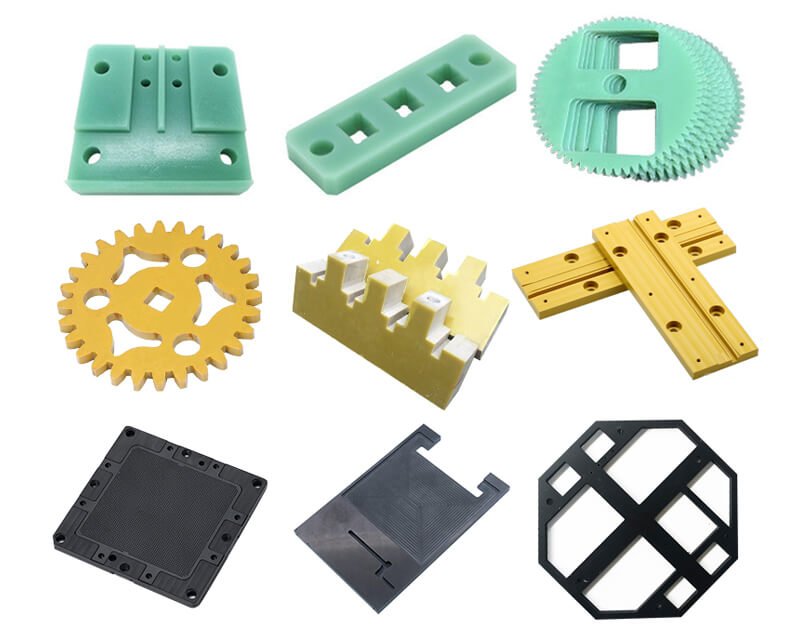
Assortment of orange Bakelite and black Garolite machined parts

6. Environmental Performance Factors

The environmental performance of bakelite plastic sheet in electrical applications extends far beyond basic durability. In today’s demanding industrial environments, understanding how these materials respond to various environmental challenges becomes crucial for ensuring long-term reliability and sustainable operation. Let’s examine the key environmental factors that influence performance and longevity.

6.1. Moisture Resistance Properties

Moisture resistance stands as one of the most critical environmental performance factors for bakelite sheet for electrical panel applications. The material’s inherent resistance to moisture absorption plays a vital role in maintaining electrical and mechanical properties under varying humidity conditions. This characteristic becomes particularly important in environments where condensation or high humidity levels pose constant challenges.

The moisture resistance mechanism in quality bakelite materials stems from their unique molecular structure. The cross-linked phenolic resin network creates a highly effective barrier against moisture penetration. Even after prolonged exposure to humid conditions, properly manufactured bakelite materials typically show moisture absorption rates below 0.5% by weight, ensuring dimensional stability and electrical property retention.

Modern electrical installations often face challenging environments where moisture control becomes critical. The superior moisture resistance of bakelite materials helps maintain insulation integrity in these conditions. Regular monitoring of moisture exposure levels and implementation of appropriate maintenance protocols helps preserve these protective properties throughout the installation’s service life.

6.2. UV Stability Characteristics

The UV stability of bakelite insulation sheet materials significantly influences their performance in outdoor installations and environments with high UV exposure. Understanding these characteristics helps in predicting long-term performance and implementing appropriate protective measures where necessary. The material’s response to UV radiation affects both its physical properties and appearance over time.

Several factors contribute to UV stability performance:

Surface Protection Mechanisms: High-quality bakelite materials incorporate specialized additives that enhance UV resistance. These additives work by absorbing or reflecting harmful UV radiation, protecting the underlying material structure. The effectiveness of these protection mechanisms helps maintain material integrity even in direct sunlight exposure.

Long-term Color Stability: While color stability might seem merely aesthetic, it often indicates the material’s overall UV resistance. Brown bakelite sheet and black bakelite sheet variants typically show excellent color stability, with minimal fading even after years of UV exposure. This stability serves as a visual indicator of the material’s continued protective capabilities.

6.3. Temperature Cycling Effects

Temperature cycling represents a significant challenge in many electrical applications. The ability of electrical bakelite sheet to maintain its properties through repeated temperature changes demonstrates its reliability in real-world applications. Understanding these effects helps in designing installations that remain stable and safe throughout their operational life.

The response of bakelite materials to temperature cycling involves several aspects:

Dimensional Stability: Quality bakelite materials maintain excellent dimensional stability through temperature cycles. The material’s low thermal expansion coefficient, typically ranging from 20-25 × 10^-6/°C, helps minimize stress on mounted components and maintaining critical clearances. This stability proves particularly valuable in applications where precise dimensional control remains crucial.

Property Retention: Through repeated temperature cycles, bakelite materials demonstrate remarkable retention of both mechanical and electrical properties. This consistency ensures reliable performance even in environments with frequent temperature variations. Regular assessment of installations subject to severe temperature cycling helps verify continued material integrity.

6.4. Environmental Impact Considerations

Contemporary electrical panel design must consider not only operational performance but also environmental sustainability. The environmental impact of bakelite laminated sheet materials encompasses their entire lifecycle, from manufacturing through disposal. Understanding these impacts helps engineers and designers make informed decisions that balance performance requirements with environmental responsibility.

Several key factors influence the environmental profile of bakelite materials:

Manufacturing Efficiency: Modern production processes for bakelite materials emphasize resource efficiency and waste minimization. Manufacturers continue to develop techniques that reduce energy consumption and material waste during production. These improvements help minimize the environmental footprint of bakelite products while maintaining their essential performance characteristics.

Lifecycle Performance: The extended service life of quality bakelite materials contributes significantly to their environmental sustainability profile. Their durability and stability mean fewer replacements and less waste generation over time. This longevity helps offset initial environmental impacts through reduced maintenance and replacement requirements.

End-of-Life Management: While bakelite materials present challenges for recycling due to their thermoset nature, proper end-of-life management strategies help minimize environmental impact. Current research continues to explore innovative approaches to material recovery and repurposing. Understanding available disposal options helps organizations implement responsible end-of-life practices.

The implementation of environmental performance monitoring helps ensure continued compliance with both regulatory requirements and sustainability goals. Regular assessment of installed materials helps identify potential environmental impacts and opportunities for improvement. This proactive approach supports both environmental responsibility and long-term operational reliability.

Various Custom Bakelite parts and materials

7. Cost-Effectiveness and Longevity

When considering electrical panel materials, the decision to buy bakelite sheet represents more than just an initial purchase – it’s a long-term investment in reliability and performance. Understanding the complete cost picture helps decision-makers evaluate the true value proposition of bakelite materials in electrical applications.

7.1. Initial Investment vs. Long-term Benefits

The initial cost of bakelite insulation sheet often appears higher compared to some alternative materials, but this perspective tells only part of the story. When evaluating the total cost of ownership, several factors contribute to the material’s superior economic value over time.

The cost advantage becomes particularly evident when considering:

System Reliability: High-quality bakelite phenolic sheet installations typically demonstrate exceptional reliability, reducing costly downtime and emergency maintenance requirements. This reliability translates directly into operational cost savings, often offsetting the initial investment within the first few years of service.

Installation Efficiency: While the material cost might be higher, the installation process often proves more straightforward and reliable compared to alternative materials. The dimensional stability and machinability of bakelite materials reduce installation time and minimize the risk of installation-related failures, contributing to overall cost efficiency.

7.2. Expected Lifespan

The longevity of electrical bakelite sheet installations stands as one of their most compelling advantages. Under proper installation and maintenance conditions, these materials regularly achieve service lives exceeding 25 years in many applications. This extended lifespan significantly influences the total cost of ownership calculation.

Several factors contribute to this impressive longevity:

Material Stability: The inherent chemical and physical stability of bakelite materials ensures consistent performance over extended periods. This stability manifests in retained mechanical properties and continued electrical insulation effectiveness throughout the installation’s life cycle.

Environmental Resilience: Quality bakelite materials maintain their essential properties even when exposed to challenging environmental conditions. This resilience contributes significantly to their extended service life, particularly in industrial applications where environmental stresses can be severe.

7.3. Maintenance Requirements

The maintenance profile of bakelite sheet for electrical panel applications represents another significant advantage in the total cost equation. These materials typically require minimal routine maintenance to maintain their performance characteristics, contributing to lower operational costs over time.

Key maintenance considerations include:

Regular Inspection Protocols: While maintenance requirements remain minimal, implementing regular inspection schedules helps ensure optimal performance. These inspections typically focus on checking for physical damage, monitoring surface conditions, and verifying mounting security. The simplicity of these maintenance procedures contributes to reduced operational costs.

Preventive Measures: Simple preventive maintenance steps, such as periodic cleaning and inspection of mounting points, help extend service life while maintaining optimal performance. These routine activities require minimal time and resources yet contribute significantly to long-term reliability.

7.4. Replacement Indicators

Understanding when replacement becomes necessary helps organizations plan effectively and minimize unexpected disruptions. While bakelite materials demonstrate excellent longevity, certain indicators suggest when replacement should be considered.

Critical evaluation factors include:

Physical Condition Assessment: Regular evaluation of the material’s physical condition provides early warning of potential issues. Surface degradation, discoloration patterns, or changes in material hardness may indicate approaching end-of-life conditions. Early recognition of these indicators enables planned replacement rather than emergency response.

Performance Monitoring: Tracking key performance metrics helps identify gradual degradation that might warrant replacement:

Surface Resistance Changes: Regular monitoring of surface resistance provides insight into material condition. Significant changes from baseline values may indicate deterioration requiring attention.

Mechanical Integrity: Assessment of mounting point condition and overall mechanical stability helps identify potential replacement needs before failure occurs. This proactive approach supports effective maintenance planning and cost management.

Environmental Impact: Extended exposure to severe environmental conditions may accelerate aging processes. Regular assessment of environmental effects helps predict replacement timing more accurately.

Real-World Cost Analysis: When evaluating replacement decisions, consider both direct and indirect costs:

Direct Costs:

  • Material procurement expenses
  • Installation labor requirements
  • Associated hardware and accessories
  • Disposal costs for removed materials

Indirect Benefits:

  • Improved system reliability
  • Enhanced safety margins
  • Reduced maintenance requirements
  • Potential energy efficiency improvements

Understanding these cost factors helps organizations make informed decisions about timing and scope of replacement projects. This knowledge supports effective budget planning and ensures optimal use of maintenance resources throughout the installation’s lifecycle.

Precision cut phenolic insulation parts from orange bakelite sheet

8. Common Applications in Panel Design

The versatility of bakelite sheet for electrical panel applications becomes evident when examining its wide range of implementations in modern electrical systems. Understanding these common applications helps engineers and designers make informed decisions about material selection and implementation strategies. Let’s explore the key applications where bakelite materials excel in panel design.

8.1. Terminal Block Mounting Plates

Terminal block mounting represents one of the most critical applications for electrical bakelite sheet in panel design. These mounting plates serve as the foundation for organizing and securing terminal connections, playing a vital role in system reliability and maintenance accessibility.

The implementation of bakelite insulation sheet in terminal block applications offers several distinct advantages:

Mounting Stability: The material’s excellent mechanical properties provide stable mounting surfaces for terminal blocks, ensuring consistent connection reliability over time. This stability becomes particularly important in applications subject to vibration or thermal cycling, where connection integrity must be maintained under challenging conditions.

Layout Flexibility: The ease of machining and modifying bakelite materials allows for customized terminal block layouts that optimize space utilization and accessibility. This flexibility enables designers to create efficient panel layouts that facilitate both initial installation and subsequent maintenance activities.

8.2. Bus Bar Support Structures

The application of bakelite phenolic sheet in bus bar support structures demonstrates the material’s capability to handle high electrical loads while maintaining structural integrity. These critical components require materials that combine excellent electrical insulation properties with superior mechanical strength.

Key considerations for bus bar support applications include:

Load Distribution: The material’s compressive strength and dimensional stability ensure proper support for heavy bus bar assemblies. This structural integrity remains crucial for maintaining proper clearances and preventing conductor movement under both normal operation and fault conditions.

Thermal Management: The thermal properties of bakelite materials prove particularly valuable in bus bar applications, where heat dissipation and thermal cycling resistance become critical factors. The material’s stability under elevated temperatures helps maintain proper spacing and support throughout various operating conditions.

8.3. Component Isolation Barriers

Component isolation represents another crucial application where bakelite sheet for electrical panel design demonstrates its value. These barriers provide essential separation between different voltage levels and components, ensuring safety and proper system operation.

The implementation of isolation barriers requires careful consideration of several factors:

Clearance Requirements: The excellent dielectric properties of bakelite materials enable compact yet effective isolation barrier designs. This characteristic proves particularly valuable in modern panel designs where space optimization becomes increasingly important while maintaining required safety clearances.

Physical Protection: Beyond electrical isolation, these barriers provide physical protection against accidental contact and debris. The material’s durability ensures long-term effectiveness in protecting both equipment and personnel, maintaining safety standards throughout the installation’s service life.

8.4. Switch Gear Applications

Switchgear applications present some of the most demanding requirements for electrical insulation materials. The application of bakelite insulation sheet in these systems demonstrates the material’s capability to perform under challenging conditions while maintaining safety and reliability.

Several aspects make bakelite particularly suitable for switchgear applications:

Arc Resistance: The superior arc resistance of bakelite materials proves essential in switchgear applications where arc flash events may occur. This resistance helps maintain insulation integrity even under fault conditions, contributing to overall system safety and reliability.

Mechanical Durability: Switchgear components often require materials capable of withstanding repeated mechanical operations while maintaining electrical isolation. The mechanical properties of bakelite materials provide the necessary durability for these demanding applications.

Operating Environment Considerations: Modern switchgear installations often face challenging environmental conditions. The material’s resistance to various environmental factors ensures reliable performance across different installation scenarios:

Indoor Installations:

  • Temperature stability in controlled environments
  • Resistance to dust and debris accumulation
  • Maintenance of insulation properties under varying humidity

Outdoor Applications:

  • UV resistance for exposed components
  • Weather resistance capabilities
  • Temperature cycling tolerance

Integration Considerations: The successful implementation of bakelite materials in switchgear applications requires careful attention to several factors:

Design Integration: Understanding how bakelite components interact with other switchgear elements helps ensure optimal performance. This includes consideration of:

  • Mounting methods and clearances
  • Ventilation requirements
  • Access for maintenance and inspection

Safety Features: The implementation of bakelite materials in switchgear applications must align with relevant safety standards and requirements. This includes:

  • Proper creepage and clearance distances
  • Arc flash protection considerations
  • Emergency access provisions
Bakelite materials showcasing dielectric properties

9. Comparison with Alternative Materials

In the evolving landscape of electrical panel design, understanding how bakelite phenolic sheet compares to alternative materials becomes crucial for making informed decisions. While new materials continue to emerge, the enduring advantages of bakelite merit careful consideration. Let’s explore how these time-tested materials stack up against modern alternatives.

9.1. Performance vs. Other Phenolic Materials

When comparing bakelite insulation sheet with other phenolic materials, several key performance characteristics deserve attention. The molecular structure and manufacturing processes of traditional bakelite materials often provide advantages in critical applications.

Performance Differentiation: Traditional bakelite materials typically demonstrate superior thermal stability compared to newer phenolic formulations. This stability manifests in several ways:

Heat Resistance: Traditional bakelite materials maintain their properties at higher temperatures, typically offering consistent performance up to 125°C in continuous operation. Modern alternatives might show property degradation at lower temperatures, potentially limiting their application range.

Dimensional Stability: The cross-linking density in traditional bakelite sheet for electrical panel applications often exceeds that of alternative phenolic materials. This higher density results in:

  • Enhanced dimensional stability under thermal stress
  • Improved resistance to chemical degradation
  • Better long-term performance retention

9.2. Cost Comparison with Modern Alternatives

When evaluating costs, the analysis must extend beyond simple material pricing. The electrical bakelite sheet often demonstrates superior value when considering total lifecycle costs compared to modern alternatives.

Initial Investment Considerations: While initial material costs might be higher than some alternatives, several factors influence the total cost equation:

Manufacturing Efficiency:

  • Established production processes
  • Consistent quality control
  • Reliable supply chains

Installation Advantages:

  • Proven installation methods
  • Reduced labor requirements
  • Lower rejection rates

Long-term Value Factors:

The extended service life and minimal maintenance requirements often result in lower total ownership costs:

  • Reduced replacement frequency
  • Minimal maintenance interventions
  • Lower system downtime

9.3. Environmental Impact Comparison

Environmental considerations have become increasingly important in material selection. Bakelite plastic sheet materials present both advantages and challenges when compared to modern alternatives.

Lifecycle Assessment:

Production Phase:

Traditional bakelite manufacturing processes have been optimized over decades, often resulting in:

  • Efficient resource utilization
  • Controlled emissions
  • Minimal waste generation

Service Life:

The extended durability of bakelite materials contributes positively to their environmental profile:

  • Reduced replacement frequency
  • Lower resource consumption
  • Minimized disposal impact

End-of-Life Considerations:

While thermoset materials present recycling challenges, several factors mitigate their environmental impact:

  • Extended service life reducing disposal frequency
  • Potential for repurposing in less demanding applications
  • Ongoing research into recycling technologies

9.4. Application-Specific Advantages

Different applications demand different material characteristics. Bakelite materials often demonstrate distinct advantages in specific applications compared to alternative materials.

Electrical Panel Applications:

The combination of properties makes bakelite particularly suitable for electrical panels:

Insulation Performance: Compared to modern alternatives, bakelite materials often provide:

  • Superior voltage breakdown resistance
  • Better arc resistance characteristics
  • More consistent long-term performance

Mechanical Requirements: The mechanical properties of bakelite often exceed those of alternative materials:

  • Higher compressive strength
  • Better dimensional stability
  • Improved impact resistance

High-Temperature Applications:

In environments with elevated temperatures, bakelite materials demonstrate several advantages:

Thermal Stability:

  • Consistent property retention at high temperatures
  • Lower thermal expansion rates
  • Better resistance to thermal cycling

Chemical Resistance: Traditional bakelite materials often outperform alternatives in challenging chemical environments:

  • Superior resistance to industrial chemicals
  • Better long-term stability
  • Reduced degradation under exposure

Application-Specific Selection Criteria:

When choosing between bakelite and alternative materials, consider:

Performance Requirements:

  • Operating temperature range
  • Voltage requirements
  • Mechanical load conditions

Environmental Factors:

  • Exposure to chemicals
  • Humidity levels
  • UV exposure

Cost Considerations:

  • Initial material costs
  • Installation expenses
  • Maintenance requirements
  • Expected service life

The selection process should weigh these factors against specific application requirements to determine the most appropriate material choice for each situation.

Non-conductive test fixture for PCB precision-machined from Bakelite

10. Quality Control and Testing Methods

Quality control and testing procedures play a vital role in ensuring that bakelite sheet specification meets the demanding requirements of electrical applications. Understanding these methods helps engineers and procurement professionals make informed decisions about material selection and verification. Let’s explore the comprehensive approach to quality assurance in bakelite materials.

10.1. Standard Testing Procedures

The evaluation of bakelite insulation sheet properties involves a series of standardized tests designed to verify key performance characteristics. These procedures ensure consistency and reliability across different production batches and manufacturers.

Electrical Property Testing: Testing of electrical properties forms the foundation of quality assurance for insulation materials. Key tests include:

Dielectric Strength Testing:

  • Measurement of breakdown voltage under standardized conditions
  • Evaluation of voltage resistance across varying temperatures
  • Assessment of performance under different humidity levels

Surface and Volume Resistivity: Comprehensive testing procedures examine both surface and volumetric electrical resistance properties. These measurements provide crucial data about the material’s insulative capabilities under various environmental conditions.

Mechanical Testing: The verification of mechanical properties ensures that bakelite sheet for electrical panel applications meets structural requirements:

Flexural and Tensile Testing: Regular evaluation of mechanical strength characteristics helps verify material integrity. This includes:

  • Measurement of flexural strength under standardized conditions
  • Assessment of tensile properties across different temperature ranges
  • Verification of impact resistance capabilities

10.2. Quality Inspection Criteria

Quality inspection of electrical bakelite sheet products encompasses multiple criteria designed to ensure consistent performance and reliability. These criteria establish baseline requirements for material acceptance and implementation.

Visual Inspection Parameters: Physical examination reveals important quality indicators:

Surface Quality Assessment:

  • Evaluation of surface smoothness and uniformity
  • Detection of any visual defects or irregularities
  • Verification of color consistency and finish quality

Dimensional Verification: Precise measurement of physical dimensions ensures compliance with specifications:

  • Thickness uniformity across sheets
  • Length and width tolerances
  • Squareness and flatness verification

10.3. Performance Verification Methods

Performance verification extends beyond basic testing to evaluate how bakelite phenolic sheet materials function under actual application conditions. These methods help predict long-term reliability and suitability for specific applications.

Environmental Performance Testing: Comprehensive evaluation of environmental resistance capabilities includes:

Temperature Cycling:

  • Assessment of property retention through temperature changes
  • Verification of dimensional stability under thermal stress
  • Evaluation of mechanical integrity after thermal cycling

Humidity Resistance: Testing under controlled humidity conditions helps verify:

  • Moisture absorption characteristics
  • Dimensional stability in humid environments
  • Electrical property retention under moisture exposure

10.4. Documentation Requirements

Proper documentation of quality control processes and test results ensures traceability and compliance with industry standards. This documentation plays a crucial role in material validation and regulatory compliance.

Material Certification Documentation: Comprehensive documentation includes:

Test Reports:

  • Detailed results of all standardized tests
  • Environmental performance data
  • Mechanical property verification

Manufacturing Documentation: Production process documentation ensures consistency:

  • Raw material verification records
  • Process control parameters
  • Quality control checkpoints

Traceability Requirements: Maintaining proper traceability helps ensure quality consistency:

Batch Identification:

  • Unique identification numbers for material batches
  • Manufacturing date and location information
  • Process parameter documentation

Quality Records: Maintaining detailed quality records supports long-term reliability:

  • Inspection results for each production batch
  • Non-conformance reports and resolutions
  • Corrective action documentation

Field Performance Monitoring: Documenting field performance provides valuable feedback:

  • Installation verification reports
  • Performance monitoring data
  • Maintenance and inspection records

Implementation Guidelines: Clear documentation of implementation requirements ensures proper material usage:

  • Storage and handling specifications
  • Installation procedure documentation
  • Maintenance requirement documentation

Record Retention: Proper retention of quality control documentation supports:

  • Long-term traceability requirements
  • Regulatory compliance verification
  • Performance history analysis
Custom Bakelite materials and sheets

Making Informed Decisions About Bakelite Insulation Materials

As we’ve explored the comprehensive world of bakelite sheet for electrical panel applications, it becomes clear why this material continues to set industry standards despite the emergence of modern alternatives. The unique combination of electrical properties, mechanical strength, and long-term reliability makes bakelite insulation sheet an enduring choice for demanding electrical applications.

Key Takeaways for Industry Professionals

Throughout our discussion, we’ve uncovered several crucial aspects that demonstrate why electrical bakelite sheet remains a preferred choice:

Outstanding Performance Characteristics: The material’s exceptional dielectric properties, combined with superior mechanical strength and thermal stability, provide a reliable foundation for electrical panel design. These characteristics ensure consistent performance across a wide range of operating conditions and applications.

Long-Term Economic Benefits: While initial costs might seem higher compared to some alternatives, the extended service life and minimal maintenance requirements of bakelite phenolic sheet make it a cost-effective choice for long-term installations. The material’s durability and reliability translate into reduced replacement frequency and lower maintenance costs over time.

Environmental Considerations: In an era of increasing environmental awareness, understanding both the advantages and limitations of bakelite materials helps make informed decisions about their application. Their exceptional durability and long service life contribute positively to environmental sustainability by reducing replacement frequency and associated waste.

Future Considerations

As electrical panel design continues to evolve, several factors will influence the ongoing role of bakelite materials:

Technological Advancements: Continued research and development in material science may bring improvements to traditional bakelite formulations, potentially enhancing their already impressive performance characteristics. These advances could expand the material’s application range while maintaining its core benefits.

Industry Standards Evolution: As safety and performance standards continue to evolve, the proven track record of bakelite materials positions them well for meeting future requirements. Their established performance characteristics provide a solid foundation for compliance with emerging regulations.

Making the Right Choice

When selecting materials for electrical panel applications, consider these final thoughts:

Evaluate Your Specific Needs:

  • Operating environment requirements
  • Performance specifications
  • Budget constraints
  • Long-term maintenance considerations

Think Long-Term: Consider not just the initial investment but the total lifecycle cost and performance benefits that quality bakelite materials provide. Their proven reliability and minimal maintenance requirements often result in superior long-term value.

Seek Expert Guidance: When in doubt, consult with material specialists and experienced engineers who can provide insights based on practical experience with bakelite applications in similar environments.

By understanding these essential aspects of bakelite materials, you’re better equipped to make informed decisions that ensure optimal performance and reliability in your electrical panel applications. Remember, successful implementation relies not just on material selection but also on proper installation, maintenance, and monitoring practices.

The enduring presence of bakelite materials in electrical applications testifies to their exceptional value proposition. As we continue to push the boundaries of electrical system design, the fundamental properties that have made these materials successful for decades remain as relevant as ever.

What’s your next step in implementing or upgrading your electrical panel systems? Remember that careful material selection today can lead to decades of reliable performance tomorrow.

Interior of high-voltage switchgear showcasing custom-machined Bakelite components

Technical Solution Focus

Upgrade your electrical insulation performance today! Connect with our technical team to discuss your project.

Explore our precision production processes to ensure optimal material selection.
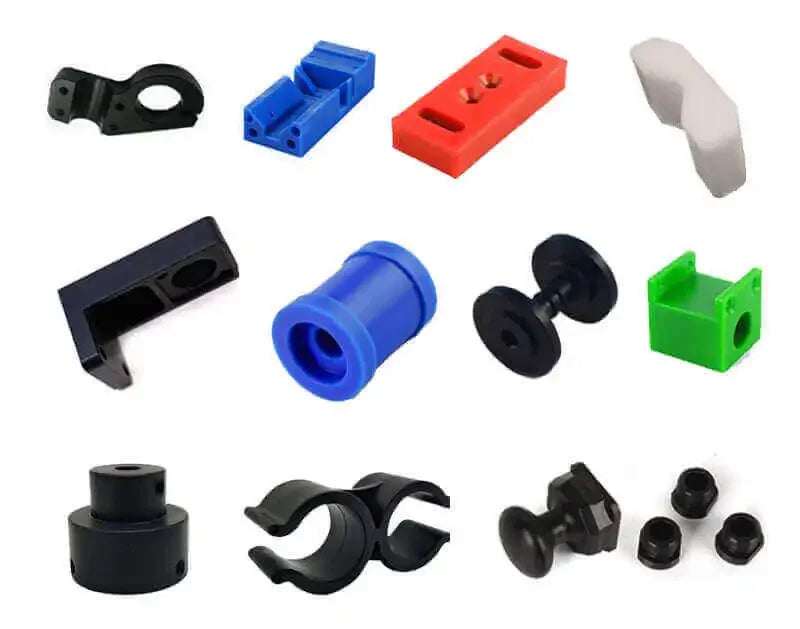
Leave a comment


Please note, comments must be approved before they are published


Custom Plastic Fabrication

Send your drawing, material and quantity for review

🔧
Precision Machining
CNC milling & turning
✂️
Cutting & Engraving
Laser & waterjet cutting
🏭
Forming & Molding
Thermoforming & injection
🔗
Joining & Assembly
Welding & bonding
📐
Design & Prototyping
CAD design & samples

General

HDPE

PP

PVC

ABS

Engineering

POM

Nylon

PC

PMMA

High-Performance

PEEK

PEI

PTFE

Composites

FR-4

G10

Flexible

TPU

Silicone

Why Choose BeePlastic?

🎯
Perfect Fit
Custom specs eliminate adaptation needs
⚡
Clear Lead Times
Lead time confirmed with every quote
💰
Volume Pricing
Volume pricing available on bulk orders
🤝
Expert Support
Free engineering consultation included
📋
Submit
→
🔍
Review
→
💵
Quote
→
✅
Production
→
📦
Deliver

Request a Quote

Share your project details, selected material and quantity on our quote page. You can add a file link or use the email drawing route shown there.


Request Quote

Industries: Automotive • Medical • Food • Lab • Semiconductor

beeplastic@beeplastic.com


The Complete Buyer’s Guide: Understanding Bakelite Phenolic Sheet Properties and Applications

Bakelite Accessories

In the ever-evolving landscape of industrial materials, few substances have maintained their relevance quite like the versatile Bakelite sheet. Since its groundbreaking invention by Leo Baekeland in 1907, this remarkable phenolic material has revolutionized countless industries, from electrical manufacturing to automotive engineering. But what makes this seemingly simple material so indispensable in today’s high-tech world?

Custom Bakelite Accessories and CNC Machined Parts

Different grades and forms of Bakelite accessories for industrial use

Whether you’re an experienced engineer seeking the perfect electrical insulation solution or a procurement specialist researching bakelite phenolic sheets for your next project, understanding this material’s unique properties and applications is crucial for making informed decisions. As we delve into the world of industrial laminates, you’ll discover why bakelite phenolic resin sheets continue to be the go-to choice for demanding applications across various sectors.

Think about the electronic devices surrounding you right now – chances are, many contain bakelite insulation sheets protecting their vital components. From power distribution panels to precision machinery, this versatile material plays a crucial yet often unseen role in keeping our modern world running smoothly. Its exceptional combination of electrical insulation properties, mechanical strength, and thermal resistance has made it an irreplaceable component in countless applications.

But here’s the challenge: with so many grades, specifications, and applications available, how do you ensure you’re selecting the right bakelite sheet for your specific needs? What factors should you consider when evaluating different options? How can you maximize the value and performance of this time-tested material in your applications?

In this comprehensive guide, we’ll answer these questions and more, breaking down the essential aspects of bakelite phenolic sheets into clear, actionable insights. From understanding fundamental properties to exploring practical applications, we’ll provide you with the knowledge needed to make well-informed decisions about this versatile material.

Join us as we explore the fascinating world of Bakelite sheets, uncovering the secrets behind their enduring success and discovering why they remain a cornerstone of industrial innovation. Whether you’re looking to optimize your current applications or exploring new possibilities, this guide will serve as your roadmap to mastering the potential of bakelite phenolic sheets.

Let’s begin our journey into understanding what makes this remarkable material an indispensable part of modern industry.

Orange Bakelite Phenolic Sheet Plate

1. Understanding Bakelite Phenolic Sheet Fundamentals

Have you ever wondered what gives bakelite phenolic resin sheets their remarkable durability and versatility? The answer lies in their unique composition and manufacturing process, which we’ll explore in detail.

1.1 Chemical Composition and Manufacturing Process

The creation of a bakelite phenolic sheet begins with a precisely controlled reaction between phenol and formaldehyde. This groundbreaking process, developed by Leo Baekeland, transforms simple chemical compounds into a remarkably durable material. Under carefully controlled heat and pressure, these components undergo a transformation that creates a preliminary resin called resol. The manufacturing process then takes an interesting turn as this resin is used to impregnate layers of paper, cotton, or glass fabric. These layers are carefully stacked and subjected to intense heat and pressure, triggering a chemical reaction that permanently hardens the material. This final curing process is what gives bakelite its distinctive properties – once cured, it cannot be reshaped or melted.

1.2 Types and Grades of Phenolic Sheets

When it comes to bakelite sheet specifications, not all varieties are created equal. The most common type uses paper as its base material, offering excellent electrical insulation properties ideal for industrial applications. Fabric-based variants, reinforced with cotton or glass, provide enhanced mechanical strength for more demanding uses. Each grade serves a specific purpose – from general electrical insulation to high-temperature applications. The choice between these options depends largely on your specific needs, whether it’s electrical isolation, mechanical strength, or thermal resistance.

1.3 Standard Dimensions and Available Forms

Bakelite laminated sheets come in various dimensions to suit different industrial needs. The most common sizes found in the market are the standard 1220mm x 2440mm sheets, though custom dimensions are readily available for specific requirements. Thickness options typically range from 0.8mm to 50mm, with the most frequently used thicknesses falling between 2mm and 25mm. This flexibility in sizing makes bakelite sheets adaptable to various applications while maintaining their core properties.

1.4 Color Options and Their Significance

While black and brown bakelite sheets dominate the industrial landscape, color choices in bakelite manufacturing serve both practical and functional purposes. The classic bakelite sheet black remains popular due to its excellent electrical properties and professional appearance. Brown variants offer a cost-effective solution while maintaining high performance standards. The color selection goes beyond aesthetics – it often indicates specific properties or applications, helping professionals quickly identify the right material for their needs.

Understanding these fundamental aspects of bakelite phenolic sheets provides a solid foundation for making informed decisions about their use in various applications. As we move forward, we’ll explore how these basic characteristics translate into the exceptional performance properties that make bakelite sheets an indispensable material in modern industry.

2. Key Properties and Performance Characteristics

What makes bakelite insulation sheets so invaluable in modern industrial applications? The answer lies in their remarkable combination of properties that provide exceptional performance across various demanding environments. Let’s explore these characteristics that make bakelite phenolic sheets a preferred choice for engineers and manufacturers worldwide.

2.1 Mechanical Properties

The impressive mechanical strength of bakelite laminated sheets sets them apart in industrial applications. These materials exhibit exceptional compressive strength, making them ideal for high-pressure environments. Their inherent hardness provides excellent wear resistance, while their impact resistance helps protect vital components in demanding applications.

What’s particularly noteworthy is how these properties remain stable under varying conditions. Whether you’re working with precision machinery or heavy industrial equipment, the dimensional stability of bakelite sheets ensures reliable performance throughout their service life.

2.2 Electrical Properties

When it comes to electrical applications, bakelite sheet for electrical panel use truly shines. Its outstanding insulation properties make it an ideal choice for protecting sensitive electrical components. The material’s high dielectric strength ensures effective electrical isolation, while its low moisture absorption helps maintain these properties even in challenging environments.

Consider how these electrical properties work together: the material’s inherent resistance to electrical tracking combines with its excellent arc resistance to provide comprehensive protection in electrical installations. This is why electrical bakelite sheets remain the go-to choice for switchgear, circuit boards, and high-voltage applications.

Ready-to-Ship Bakelite Insulation

Orange Bakelite Insulation Sheet

Orange Bakelite Phenolic Plate (3-100mm)

High temperature resistance, excellent electrical insulation, and available in custom cuts.

View Product Specs

2.3 Thermal Properties

Heat management is crucial in industrial applications, and bakelite phenolic resin sheets excel in this aspect. They maintain their structural integrity across a wide temperature range, typically performing well from -20°C to +125°C. This thermal stability ensures reliable operation in environments where temperature fluctuations are common.

The material’s low thermal conductivity also makes it an excellent insulator against heat transfer, protecting sensitive components from thermal damage. This combination of thermal resistance and insulation properties makes it particularly valuable in applications where heat management is critical.

2.4 Chemical Resistance

In industrial environments, exposure to chemicals is often unavoidable. Fortunately, bakelite sheets demonstrate remarkable resistance to a wide range of chemical substances. They stand up well against oils, mild acids, and many common solvents, maintaining their structural integrity even under prolonged exposure.

This chemical stability ensures long-term reliability in industrial applications where exposure to harsh substances is common. The material’s low moisture absorption further enhances its chemical resistance, preventing degradation in humid or wet environments.

2.5 Fire Safety

One of the most critical safety features of bakelite sheets is their inherent flame resistance. The material naturally resists flame spread and produces minimal smoke when exposed to fire. This self-extinguishing property makes it particularly valuable in applications where fire safety is paramount.

Moreover, bakelite sheets maintain their structural integrity even when exposed to extreme heat, providing crucial time for safety measures to be implemented in emergency situations. This combination of flame resistance and structural stability under high temperatures makes them an excellent choice for safety-critical applications.

These exceptional properties explain why bakelite phenolic sheets continue to be essential in modern industry. Whether you’re looking for electrical insulation, mechanical strength, or comprehensive safety features, these versatile materials deliver reliable performance across a wide range of applications. As we’ll explore in later sections, understanding these properties is crucial for selecting the right type of bakelite sheet for your specific needs.

Bakelite phenolic resin custom machining for electrical insulation

3. Common Applications and Industry Uses

The versatility of bakelite phenolic sheets has made them indispensable across numerous industries. From powering our cities to keeping our vehicles running, these remarkable materials play a crucial role in our daily lives, often working silently behind the scenes. Let’s explore how different sectors leverage the unique properties of these versatile materials.

3.1 Electrical and Electronics Applications

The electrical industry particularly values bakelite sheet for electrical panel applications, where reliability and safety are paramount. In modern switchgear and distribution panels, electrical bakelite sheets serve as primary insulation components, protecting both equipment and operators from electrical hazards. Their excellent dielectric properties make them ideal for circuit breaker components and transformer insulation.

You’ll find bakelite insulation sheets in various configurations within control panels, where they provide both mechanical support and electrical isolation. Their ability to withstand high voltages while maintaining dimensional stability makes them perfect for applications ranging from small electronic devices to large industrial switchboards. Think about the circuit breaker in your home – there’s a good chance it contains bakelite components working tirelessly to ensure your safety.

Close-up of orange bakelite 3025 surface texture

3.2 Industrial Machinery Components

In industrial machinery, bakelite phenolic sheets prove their worth through exceptional mechanical performance. Manufacturing equipment relies on these materials for various components, from bearing surfaces to gear wheels, where their natural lubricating properties and wear resistance shine. The material’s stability under high temperatures and pressure makes it ideal for mechanical components in industrial processing equipment.

Modern manufacturing facilities utilize bakelite laminated sheets in conveyor systems, packaging machinery, and precision tools. Their combination of strength and electrical insulation properties makes them particularly valuable in environments where mechanical stress and electrical hazards coexist. The material’s resistance to oils and chemicals further enhances its suitability for industrial applications.

3.3 Automotive and Transportation Uses

The automotive industry has embraced bakelite sheets for their unique combination of properties. Under the hood of modern vehicles, these materials serve in various capacities – from electrical insulation in distribution systems to mechanical components in engine compartments. Their ability to maintain performance under extreme temperatures and vibrations makes them ideal for automotive applications.

In the transportation sector, you’ll find bakelite components in everything from railway signaling systems to aerospace applications. Their reliability under demanding conditions and excellent fire-safety characteristics make them a natural choice for safety-critical applications in public transportation systems.

3.4 Construction and Infrastructure Applications

In construction and infrastructure projects, bakelite phenolic sheets demonstrate their versatility in both structural and electrical applications. Building electrical systems rely on these materials for distribution panels and circuit protection, while their mechanical properties make them suitable for various architectural applications.

Infrastructure projects benefit from the material’s durability and weather resistance. Whether it’s in telecommunications equipment housings or power distribution systems, bakelite sheets provide reliable performance even in challenging environmental conditions. Their flame-retardant properties also make them valuable in applications where fire safety is a critical concern.

The widespread use of these versatile materials across such diverse industries testifies to their exceptional performance characteristics. As technology advances and industry requirements evolve, bakelite sheets continue to find new applications while maintaining their importance in traditional uses. This adaptability, combined with their proven reliability, ensures their continued relevance in modern industrial applications.

Assorted bakelite boards and products

4. Processing and Fabrication Guidelines

Working with bakelite phenolic sheets requires both skill and understanding to achieve optimal results. Whether you’re creating electrical components or industrial parts, proper processing techniques ensure the material’s properties remain intact throughout its service life. Let’s explore the essential methods and best practices for working with these versatile materials.

4.1 Cutting and Machining Techniques

Understanding how to cut bakelite sheet properly is fundamental to successful fabrication. The key lies in using the right tools and techniques to prevent chipping or cracking. High-speed steel or carbide-tipped tools work best, and maintaining sharp cutting edges is crucial for clean results. When cutting larger pieces, support the material adequately to prevent stress and potential breakage.

Temperature control plays a vital role during cutting operations. Excessive heat can affect the material’s properties, so proper cooling methods are essential. For precision cuts, consider using a coolant or cutting at lower speeds to maintain material integrity. Remember that bakelite laminated sheets behave differently from metals during machining – they require specific cutting speeds and feed rates for optimal results.

4.2 Drilling and Mounting Methods

Drilling bakelite phenolic sheets demands attention to detail and proper technique. Start with pilot holes for larger diameters, and use sharp, properly ground drill bits to prevent material damage. The right drilling speed is crucial – too fast can cause overheating, while too slow might result in rough edges.

When mounting bakelite sheet for electrical panel applications, consider the material’s expansion characteristics. Allow appropriate clearance for thermal movement, and use suitable fastening methods that won’t create stress points. Countersinking holes can provide better seating for screws, but be careful not to compromise the material’s strength.

Need Custom Bakelite Parts?

Custom CNC Machined Bakelite Parts

Save time and reduce waste. We offer professional CNC cutting, milling, and turning services with no MOQs.

Get a Custom CNC Quote

4.3 Surface Finishing Options

The surface finish of your bakelite components can significantly impact their performance and appearance. While many applications use the natural finish of black bakelite sheet, various finishing techniques can enhance specific properties. Light sanding can improve surface smoothness, but avoid aggressive abrasion that might affect the material’s integrity.

For specialized applications, consider surface treatments that enhance wear resistance or provide better adhesion for coatings. Remember that the original surface of bakelite phenolic sheets often provides optimal performance for electrical applications – excessive finishing might affect their insulation properties.

4.4 Best Practices for Installation

Successful installation of bakelite components begins with proper handling and preparation. Store materials in a clean, dry environment before processing, and allow them to acclimate to workshop conditions. When installing electrical bakelite sheets, ensure proper alignment and support to prevent stress on the material.

Pay special attention to edge clearances and mounting points. Design your installation to accommodate thermal expansion and avoid creating stress concentrations that could lead to material failure. For electrical applications, maintain proper spacing between components and ensure adequate ventilation to prevent heat buildup.

The success of your bakelite sheet applications largely depends on following these processing and installation guidelines. By understanding and implementing these best practices, you can ensure optimal performance and longevity of your components. Remember that proper fabrication techniques are just as important as material selection in achieving the desired results.

Diagram showing key properties of Bakelite components

5. Storage, Handling, and Maintenance

The longevity and performance of your bakelite phenolic sheets largely depend on proper storage, handling, and maintenance practices. Whether you’re working with bakelite insulation sheets for electrical applications or bakelite laminated sheets for industrial use, following these guidelines will help maintain their essential properties throughout their service life.

5.1 Proper Storage Conditions

Proper storage begins with understanding your material’s environmental sensitivities. While bakelite phenolic sheets are known for their durability, they can still be affected by extreme conditions. Store your sheets in a clean, dry environment with consistent temperature control. Avoid areas prone to high humidity or direct sunlight, as these conditions can affect the material’s properties over time.

When storing multiple sheets, lay them flat on a level surface. If you’re working with larger quantities, use appropriate racking systems that provide full support across the sheet’s surface. Remember to maintain adequate ventilation around stored materials to prevent moisture accumulation, which could potentially affect their electrical insulation properties.

5.2 Handling and Transportation Guidelines

The way you handle bakelite sheets can significantly impact their performance and longevity. When moving larger sheets, ensure proper support to prevent flexing or stress. For electrical bakelite sheets used in panel applications, careful handling becomes even more critical to maintain their insulation properties.

During transportation, protect the sheets from impacts and environmental exposure. Use appropriate packaging materials that prevent scratching or damage. If you’re transporting cut pieces, ensure they’re properly separated to prevent surface damage. Remember that proper handling isn’t just about preventing immediate damage – it’s about maintaining the material’s long-term reliability.

5.3 Maintenance Requirements

Regular maintenance of installed bakelite components helps ensure their optimal performance and extended service life. For electrical applications, periodic inspection of mounting points and connections can prevent potential issues. Clean surfaces regularly using appropriate methods that won’t compromise the material’s properties.

Pay special attention to environmental factors that might affect your installed components. In industrial settings, exposure to oils, chemicals, or extreme temperatures might require more frequent inspections. Monitor for any signs of wear or degradation, particularly in high-stress areas or critical applications.

5.4 Lifecycle and Replacement Considerations

Understanding the lifecycle of your bakelite components helps in planning timely replacements and maintaining system reliability. While these materials are known for their longevity, various factors can affect their service life. Regular assessment of critical components helps prevent unexpected failures and maintains system integrity.

When considering replacement, evaluate the current application requirements against the original specifications. Has the operating environment changed? Are there new demands on the system? These considerations help ensure that replacement components meet your current needs while maintaining the reliability you expect from bakelite materials.

By following these storage, handling, and maintenance guidelines, you can maximize the performance and lifespan of your bakelite components. Remember that proper care of these materials isn’t just about preserving their physical condition – it’s about ensuring their continued reliable performance in your critical applications.

6. Procurement Best Practices

Making informed decisions when you buy bakelite sheet materials can significantly impact your project’s success and bottom line. Let’s explore the essential practices that will help you secure the right materials at the right price while ensuring quality and compliance.

6.1 Supplier Evaluation and Selection

Finding reliable suppliers for your bakelite phenolic sheet needs requires careful evaluation of multiple factors. Look beyond just pricing – consider the supplier’s track record in delivering consistent quality materials. Have they been in the industry long enough to understand the nuances of different applications? Can they provide proper documentation and technical support?

When evaluating potential suppliers, pay close attention to their quality control processes. A reliable supplier should be able to provide detailed bakelite sheet specifications and demonstrate compliance with relevant industry standards. Remember, the lowest price isn’t always the best value, especially when dealing with critical electrical insulation materials.

6.2 Price Comparison Strategies

Understanding market pricing for bakelite insulation sheets requires more than simple number comparisons. Consider the total cost of ownership, including factors like delivery reliability, technical support, and material consistency. When comparing prices, ensure you’re looking at equivalent grades and specifications – particularly important when sourcing electrical bakelite sheets for critical applications.

Don’t hesitate to negotiate with suppliers, but maintain a focus on quality and reliability. Building long-term relationships with trusted suppliers often leads to better pricing and service levels over time. Consider factors like payment terms, delivery schedules, and minimum order quantities when evaluating the overall value proposition.

6.3 Order Quantity Optimization

Finding the sweet spot for order quantities involves balancing various factors. Consider your storage capabilities, project timelines, and cash flow requirements. While larger orders might offer better unit pricing, they also tie up more capital and storage space. How much material do you really need, and when do you need it?

Consider implementing a structured inventory management system that helps track usage patterns and optimize order quantities. This approach helps prevent both stockouts and excess inventory while maintaining optimal cost efficiency. Remember that different applications may require different ordering strategies – critical components might warrant higher safety stock levels.

6.4 Documentation and Compliance Requirements

Proper documentation is crucial when procuring bakelite laminated sheets, especially for regulated industries or critical applications. Ensure your suppliers can provide all necessary certification documents, test reports, and material specifications. This documentation should clearly demonstrate compliance with relevant industry standards and specifications.

Keep detailed records of all material certifications and test reports. This documentation proves invaluable for quality assurance and helps track material performance over time. When dealing with electrical applications, ensure that your documentation clearly shows compliance with relevant electrical safety standards.

Successful procurement of bakelite materials requires a balanced approach that considers quality, cost, and reliability. By following these best practices, you’ll be better positioned to make informed purchasing decisions that support your project’s success. Remember that good procurement practices contribute significantly to the overall performance and reliability of your applications.

Bakelite laminated sheets in stock

Key Takeaways

As we’ve explored throughout this guide, bakelite phenolic sheets continue to play a vital role in modern industry, offering an exceptional combination of properties that make them indispensable across various applications. From their robust mechanical characteristics to their outstanding electrical insulation properties, these versatile materials have proven their worth time and time again.

Remember that success with bakelite insulation sheets starts with understanding your specific requirements. Whether you’re selecting materials for electrical panels or industrial components, the key lies in matching the right grade and specification to your application. Take time to consider not just the immediate performance requirements, but also the long-term durability and maintenance aspects of your chosen solution.

When working with electrical bakelite sheets, always prioritize quality and compliance. While cost considerations are important, the reliability and safety of your electrical installations should never be compromised. The right material choice, coupled with proper installation and maintenance, will ensure years of dependable service in your applications.

Looking ahead, the future of bakelite laminated sheets remains bright. As industries continue to evolve and new applications emerge, these materials adapt and prove their continuing relevance. Their combination of reliability, versatility, and performance makes them a cornerstone of modern industrial design and manufacturing.

We hope this comprehensive guide has provided you with valuable insights into selecting, using, and maintaining bakelite phenolic sheets in your applications. Remember that successful implementation relies on attention to detail at every stage – from initial material selection through installation and ongoing maintenance.

For additional guidance or specific application advice, don’t hesitate to consult with qualified suppliers or technical experts. Your investment in understanding these materials will pay dividends in the form of reliable, long-lasting installations that meet your performance requirements.

The journey to mastering the use of bakelite sheets is ongoing, but with the knowledge and insights shared in this guide, you’re well-equipped to make informed decisions that will serve your applications effectively for years to come.

Bakelite phenolic sheets material stack

Optimizing Your Supply Chain?

Don’t miss out on superior performance materials! Discover our industrial-grade bakelite plastic materials, explore durable industrial bakelite sheets, and learn about our professional bakelite fabrication services.

Limited Time Offer: Use code QR4GNY08SHVR at checkout for a special discount!

Leave a comment


Please note, comments must be approved before they are published


Custom Plastic Fabrication

Send your drawing, material and quantity for review

🔧
Precision Machining
CNC milling & turning
✂️
Cutting & Engraving
Laser & waterjet cutting
🏭
Forming & Molding
Thermoforming & injection
🔗
Joining & Assembly
Welding & bonding
📐
Design & Prototyping
CAD design & samples

General

HDPE

PP

PVC

ABS

Engineering

POM

Nylon

PC

PMMA

High-Performance

PEEK

PEI

PTFE

Composites

FR-4

G10

Flexible

TPU

Silicone

Why Choose BeePlastic?

🎯
Perfect Fit
Custom specs eliminate adaptation needs
⚡
Clear Lead Times
Lead time confirmed with every quote
💰
Volume Pricing
Volume pricing available on bulk orders
🤝
Expert Support
Free engineering consultation included
📋
Submit
→
🔍
Review
→
💵
Quote
→
✅
Production
→
📦
Deliver

Request a Quote

Share your project details, selected material and quantity on our quote page. You can add a file link or use the email drawing route shown there.


Request Quote

Industries: Automotive • Medical • Food • Lab • Semiconductor

beeplastic@beeplastic.com


Polyoxymethylene Uses: From CNC Machined POM to FDA-Compliant Medical Devices

POM pump housing

In today’s high-performance industries, polyoxymethylene uses span an impressive range, from CNC machined POM parts for automotive gears to FDA-compliant POM in medical devices. Known also as acetal or POM plastic, this material is indispensable in applications requiring dimensional stability, mechanical strength, and low friction. Whether it’s copolymer POM for durability or homopolymer POM for superior chemical resistance, polyoxymethylene plays a crucial role across sectors, including consumer electronics, food processing equipment, and conveyor systems. This article breaks down its benefits, from high stiffness to self-lubricating properties, and includes a detailed case study on customized CNC POM parts to showcase our customization services.

🎉🎉🎉Limited Time Offer Use code: QR4GNY08SHVR at checkout and enjoy a special discount on your entire order! 👉 POM plastic

CNC POM parts

Bullet-Point Summary of Blog Post

  1. Introduction to Polyoxymethylene (POM)

    • Overview of polyoxymethylene uses in various industries.
    • Key properties: chemical resistance, mechanical strength, low friction, and dimensional stability.
  2. Applications in the Automotive Industry

    • Focus on automotive gears, fuel system parts, and bushings.
    • Advantages: wear resistance, thermal stability, and high stiffness for precision components.
  3. CNC Machined POM and Custom Parts

    • Explanation of CNC machined POM for customized applications in precision manufacturing.
    • Key features: adaptability, low friction, and suitability for precision parts.
  4. FDA-Compliant POM for Medical and Food Industries

    • Importance of FDA-compliant POM in medical devices and food processing equipment.
    • Highlights: chemical resistance, low moisture absorption, and durability in harsh conditions.
  5. Polyoxymethylene in Consumer Electronics and Insulation

    • Role in consumer electronics as an electrical insulator.
    • Benefits: thermal stability and dimensional stability under temperature fluctuations.
  6. Case Studies in Customized POM and Acrylic Parts

    • Story-driven example of customized POM applications, showing CNC’s precision.
    • Additional example of acrylic bending parts to illustrate versatility and customization options.

Introduction to Polyoxymethylene (POM) and Its Key Properties

What is Polyoxymethylene (POM)?

Polyoxymethylene, commonly referred to as POM, acetal, or polyacetal, stands out in the world of engineering plastics due to its remarkable blend of physical and mechanical properties. Known commercially under brand names like Delrin®, produced by DuPont, and Celcon®, this synthetic resin is a crystalline plastic widely employed across various high-demand applications. It brings together resilience, performance efficiency, and precision, making it a favored choice in sectors ranging from automotive to healthcare.

Comprehensive Overview of POM’s Properties

POM is highly regarded for its excellent dimensional stability, superior mechanical strength, and resistance to abrasion, which are essential for manufacturing durable parts that require high precision. Let’s delve deeper into the characteristics that make POM an indispensable material in engineering and manufacturing:

High Mechanical Strength and Stiffness

POM exhibits outstanding tensile strength, which allows it to resist deformation under physical stress. This quality is crucial for components like gears and fasteners, which must withstand significant mechanical loads without compromising their integrity. The high stiffness of POM also contributes to its ability to hold precise tolerances in complex machined parts. This is particularly beneficial in the creation of precision assemblies where each component must fit and function flawlessly within a system.

Low Friction and High Wear Resistance

One of the most remarkable attributes of POM is its low friction coefficient, which facilitates smooth operations in applications involving sliding movements. This property is paired with excellent wear resistance, extending the lifespan of components such as bearings, slides, and gears, which are subject to continuous frictional forces. Additionally, POM’s self-lubricating nature means that systems require less maintenance and are more reliable over time, contributing to reduced operational costs and increased efficiency.

Superior Chemical Resistance

Polyoxymethylene is resistant to a wide range of chemicals, including hydrocarbons, solvents, and neutral chemicals, making it highly suitable for use in environments exposed to harsh chemical agents. This resistance is pivotal in applications such as fuel systems in the automotive industry, where parts are regularly exposed to petrol, diesel, and lubricants. Moreover, this resistance ensures that components do not degrade or swell, thus maintaining functionality and safety standards.

Thermal Stability and Electrical Insulation

With a high melting point, POM maintains its form and function in varying thermal conditions, making it adaptable to both hot and cold environments. This thermal stability is essential for components used in electrical and electronic devices, where variations in temperature can significantly affect performance. POM’s good electrical insulation properties also make it an excellent choice for insulating electrical components, contributing to safer and more reliable electronic systems.

Dimensional Stability and Low Moisture Absorption

POM’s low moisture absorption rate ensures that it does not swell or change dimensions in humid or wet conditions. This property is crucial for maintaining the precision of components used in sensitive applications, such as in medical devices and laboratory instruments. The consistent dimensions regardless of environmental conditions lead to reliable, high-quality performance in critical applications.

Types of POM: Copolymer and Homopolymer

Polyoxymethylene is available in two main forms: homopolymer and copolymer. The homopolymer type offers slightly higher mechanical strength and stiffness, making it ideal for the most demanding applications where loads and stresses are most intense. On the other hand, the copolymer type generally provides better impact resistance and improved stability in hot water and caustic environments, which is beneficial in various consumer and industrial applications.

These unique properties and versatile forms make polyoxymethylene a universally preferred plastic for high-performance parts across diverse industries. Its ability to meet stringent requirements in terms of durability, precision, and efficiency underscores why it remains a top choice for engineers and designers globally.

Polyoxymethylene (POM), often known as acetal or polyacetal

Polyoxymethylene in Automotive Applications: From Gears to Fuel Systems

The Role of Polyoxymethylene in Automotive Engineering

In the automotive industry, precision, durability, and performance are non-negotiable. Polyoxymethylene (POM), often known as acetal or polyacetal, has become an invaluable material for producing reliable automotive components. The mechanical strength and dimensional stability of POM make it ideal for components that undergo continuous movement, extreme temperature variations, and exposure to various chemicals and fuels. As a result, POM is extensively used for parts like gears, fuel system components, and precision assemblies that demand both durability and functionality.

High Wear Resistance and Mechanical Strength for Automotive Gears

Automotive gears, whether in the transmission or within other systems like windshield wipers or power windows, require materials that can endure constant motion and friction. POM’s wear resistance and low friction characteristics make it perfectly suited for gears that must perform without wearing down quickly. The self-lubricating nature of polyoxymethylene further enhances its performance in gear applications, as it reduces the need for additional lubricants, ultimately lowering maintenance requirements. Additionally, the high tensile strength of POM ensures that these gears can withstand mechanical loads, enabling them to operate effectively over extended periods.

Dimensional Stability Under Temperature Variations

Automotive environments expose materials to a wide range of temperatures, from the intense heat near the engine to cold temperatures in winter climates. Polyoxymethylene’s dimensional stability under temperature variations means it maintains its shape, size, and functionality despite these fluctuations. Unlike some plastics that may expand or contract with heat, POM remains stable, which is crucial for precision parts like fuel system valves and pump housings. This stability helps maintain the integrity of assemblies that rely on precise part alignment, reducing the risk of leaks or failures in critical systems.

POM’s Chemical Resistance in Fuel System Components

The fuel system of a vehicle constantly exposes its components to gasoline, oils, and other corrosive substances. POM’s chemical resistance enables it to withstand these harsh environments without degrading. This quality is essential for components such as fuel pump impellers, tank caps, and valves, where exposure to fuels is inevitable. Unlike metals, which may corrode over time, POM maintains its properties, offering long-term durability and safety in automotive fuel systems.

Advantages of Low Friction Properties in Moving Components

Low friction is another standout property of polyoxymethylene, contributing to its popularity in moving automotive parts like door locks, window regulators, and gear linkages. Low friction reduces the energy required to move these parts, enhancing fuel efficiency and overall vehicle performance. Furthermore, low friction properties help minimize wear on both the POM part and adjacent components, further increasing the lifespan of each piece and reducing the likelihood of part replacement or repair.

Precision Engineering with Polyoxymethylene in Automotive Parts

Automotive manufacturing demands exact specifications, especially in parts that integrate into complex assemblies. CNC machining of POM allows for high-precision components, making it possible to produce intricate parts that fit seamlessly within larger systems. This capability makes POM an excellent choice for producing customized automotive components that meet the industry’s rigorous standards for quality and precision. Whether it’s a unique fuel injector valve or a precisely cut gear, POM’s machinability supports the automotive industry’s push toward enhanced performance and efficiency.

Through its exceptional combination of strength, stability, and resistance to wear and chemicals, polyoxymethylene has secured its role as a material of choice in automotive engineering.

polyoxymethylene sheets

CNC Machined POM for Precision Parts: A Look at Customization and Applications

Why CNC Machining is Ideal for Polyoxymethylene (POM)

CNC machining has become a transformative process for industries requiring precision-engineered components, and polyoxymethylene (POM), also known as acetal or polyacetal, is one of the most machinable engineering plastics available. CNC machining allows for detailed and complex designs, essential for creating high-tolerance parts that fit seamlessly into larger assemblies. POM’s machinability and dimensional stability make it ideal for this process, as the material can be cut, drilled, milled, and shaped with minimal risk of deformation. These qualities have positioned POM as a key player in sectors that demand high-precision custom parts, from aerospace to robotics.

Benefits of CNC Machined POM in Precision Applications

CNC machining POM enables manufacturers to achieve a remarkable level of precision and consistency across parts, making it invaluable for precision engineering. POM’s low friction and high stiffness mean that machined parts can maintain their accuracy under significant stress and movement. This is especially crucial in high-performance industries, where even minor dimensional variations can affect the efficiency and reliability of a product. CNC machining ensures that every detail is accounted for, from the depth of a thread to the smoothness of a surface finish, which is essential for parts like bearings, gears, and custom fittings.

Customization Flexibility with Machinable Plastic Properties

Polyoxymethylene’s machinable plastic properties make it versatile enough for unique and custom designs, enabling engineers to develop components that cater to specific project requirements. The low moisture absorption of POM prevents dimensional changes in humid environments, a critical factor in industries where parts must perform reliably in varying conditions. Additionally, POM’s high melting point allows it to withstand the heat generated during CNC machining, resulting in a smooth, finished part without warping or cracking. This level of customization supports industries that need both intricate designs and functional durability, such as medical devices and aerospace assemblies.

Applications of CNC Machined POM in Aerospace and Robotics

In aerospace and robotics, lightweight and resilient materials are essential to optimize performance while reducing unnecessary mass. CNC machined POM parts meet these requirements by offering low friction, wear resistance, and strength-to-weight ratio advantages that support dynamic, high-precision movements. In aerospace, POM is often used for sensor housings, cable connectors, and valve components where consistency and resistance to environmental factors are crucial. For robotics, POM parts provide smooth operation and precision, essential for gripper mechanisms, rotational joints, and high-tolerance motor components.

The Role of CNC Machining in Meeting Industry Standards

CNC machining provides quality assurance by meeting tight tolerances and maintaining dimensional stability in every part. This reliability is crucial in fields where regulatory compliance and performance standards are high, such as in medical and pharmaceutical manufacturing. CNC machined FDA-compliant POM can be used to produce custom medical devices, lab equipment, and drug delivery systems that meet health and safety regulations. These customized POM parts ensure smooth, reliable operations and eliminate the risk of contamination, offering a significant advantage for sensitive applications.

Why POM is a Top Choice for Customized Precision Parts

The unique combination of high machinability, chemical resistance, and thermal stability makes POM one of the top choices for custom precision parts. CNC machined POM offers a high-quality finish with consistent dimensional accuracy, ideal for applications requiring strict standards and innovative designs. The material’s self-lubricating properties reduce wear and friction, ensuring that parts continue to function at optimal levels, even in rigorous operational environments.

The versatility of CNC machined POM enables manufacturers to innovate and tailor parts to specific functional requirements, meeting the needs of diverse industries and driving advancements in fields that rely on precision-engineered plastic solutions.

CNC machined POM

FDA-Compliant Polyoxymethylene in Medical and Food-Related Equipment

The Importance of FDA-Compliance in Material Selection

When it comes to materials used in medical devices and food processing equipment, compliance with strict regulatory standards, such as those set by the Food and Drug Administration (FDA), is essential. Polyoxymethylene (POM), often referred to as acetal or polyacetal, meets FDA standards for many applications in these industries due to its unique combination of chemical resistance, biocompatibility, and low moisture absorption. These properties make FDA-compliant POM a preferred material for critical equipment that must maintain high levels of hygiene and durability.

POM’s Chemical Resistance in Sterile and Hygienic Environments

One of the primary reasons FDA-compliant POM is favored in both the medical and food sectors is its high chemical resistance. In medical environments, devices and equipment must endure rigorous sterilization processes, including exposure to disinfectants, alcohols, and even autoclaving in some cases. POM’s ability to withstand these substances without degrading or absorbing them makes it ideal for medical applications where cleanliness is crucial. In food processing, components come into contact with oils, fats, and acidic substances. POM’s chemical inertness ensures that parts remain uncontaminated, maintaining food safety standards and preventing product contamination.

Low Moisture Absorption and Dimensional Stability

Another critical property of FDA-compliant POM is its low moisture absorption. This characteristic allows POM components to maintain dimensional stability, even in humid or wet environments. In the medical field, where equipment might be exposed to body fluids or cleaned with water-based solutions, low moisture absorption prevents swelling or warping, ensuring that parts retain their original shape and function. Similarly, in food processing, moisture-resistant POM parts avoid bacterial growth, supporting the hygienic requirements of the industry. This stability under varying moisture conditions is vital for precision parts in devices like surgical instruments and food dispensers.

Biocompatibility of Medical-Grade POM

Biocompatibility is essential in medical applications where materials come into direct contact with the human body. Medical-grade POM is highly valued for its biocompatibility, meaning it does not trigger adverse reactions when in contact with human tissues. This property allows POM to be used in various medical devices, from surgical handles to orthopedic components and drug delivery systems. Additionally, POM’s non-porous surface reduces the likelihood of harboring bacteria, making it safer and more hygienic for medical applications that require repeated contact with patients.

Applications of FDA-Compliant POM in Food Processing Equipment

In the food industry, FDA-compliant POM finds numerous applications due to its durability and safety in contact with food. From conveyor belts to food-grade gears and bottle fillers, POM is present in many components where cleanliness, durability, and chemical inertness are essential. The low friction of POM also plays a role in enhancing the efficiency of food processing machinery by ensuring smooth movement of parts, which reduces the risk of food particles sticking or jamming within the equipment. This results in more efficient, reliable machinery that can operate in high-demand environments while upholding stringent food safety standards.

Precision and Consistency in Medical and Food Applications

The precision machinability of POM makes it possible to create components with intricate designs and tight tolerances, which are often required in medical devices and food equipment. For example, CNC-machined POM components in medical devices ensure that intricate details are achieved without compromising the material’s structural integrity. In food processing, high-precision POM parts help maintain consistent performance, from the precise cutting of food products to the accurate filling of packaging. The reliability of POM in these applications reduces maintenance needs and provides longevity, which is essential in high-demand fields like medicine and food production.

Through its combination of FDA compliance, chemical resistance, and biocompatibility, polyoxymethylene has become an essential material in applications where hygiene, precision, and safety are paramount. Its adaptability and strength make it a top choice for manufacturers focused on meeting stringent regulatory and performance standards in both medical and food-related industries.

CNC-machined POM

The Role of Polyoxymethylene in Consumer Electronics and Electrical Insulation

Polyoxymethylene (POM) in Consumer Electronics: From Connectors to Housings

As consumer electronics continue to become more compact, efficient, and complex, polyoxymethylene (POM) has emerged as an ideal material for various components within these devices. Known for its mechanical strength, dimensional stability, and electrical insulation properties, POM plays a crucial role in ensuring the durability and reliability of electronic products. Manufacturers often use POM for parts such as connectors, switch housings, battery covers, and mounting brackets. These applications require materials that can withstand constant handling, environmental changes, and mechanical stress without compromising the performance of the electronics they support.

The low friction and wear resistance of POM also make it ideal for moving parts in electronics, such as sliders, button mechanisms, and adjustment knobs. Its ability to maintain smooth movement without frequent lubrication allows electronic devices to remain functional for longer, enhancing the user experience by providing a sturdy yet responsive feel.

Electrical Insulation Properties: Safety in High-Demand Devices

Electrical insulation is one of POM’s standout properties, making it a go-to choice for electronic applications where safe, reliable insulation is critical. POM’s high dielectric strength prevents electrical conductivity, ensuring that it effectively insulates electrical currents within sensitive components. This property is especially valuable in connectors and insulation bushings where wires or circuits are tightly packed. POM’s insulation capabilities help prevent accidental short-circuits, which is vital in modern electronics designed to operate with minimal space and high functionality.

The non-conductive nature of POM also makes it ideal for housing materials, where electrical insulation is necessary for safety. For instance, in devices like chargers, adapters, and power tools, POM’s insulating properties protect users from exposure to electrical currents, promoting safer device handling. In appliances such as home electronics or handheld devices, these safety measures are essential to reduce the risk of electric shock, particularly in products designed for daily use.

Thermal Stability of POM in Electronics Applications

In electronic devices, thermal stability is just as important as electrical insulation, as components are often exposed to varied temperatures during operation. POM’s high melting point and ability to maintain stability under fluctuating temperatures make it an optimal choice for consumer electronics that generate heat, such as laptops, mobile phones, and gaming consoles. Its resistance to temperature-induced expansion or deformation ensures that parts maintain their precise fit and function, even in demanding operating environments.

Additionally, POM’s thermal stability protects sensitive components from overheating. For example, POM components in circuit board housings and battery compartments act as a barrier, preventing excessive heat transfer that could otherwise damage electronic circuits. By maintaining shape and integrity under heat stress, POM prolongs the life of electronic devices and contributes to the overall reliability of consumer electronics.

Durability and Longevity in High-Wear Electronic Components

Consumer electronics often involve parts that are subject to frequent wear and tear, such as charging ports, USB connectors, and cable clips. POM’s wear resistance ensures these components can withstand repeated mechanical stress without degradation, helping devices maintain optimal performance over time. This durability is particularly beneficial in portable electronics, which are frequently handled and exposed to varying environmental conditions.

Because polyoxymethylene is resistant to abrasion, it reduces the risk of component failure, even after prolonged usage. For example, in smartphones and tablets, POM is often used in connectors and internal support brackets that must endure continuous use. Its self-lubricating properties further reduce wear on moving parts, minimizing the need for maintenance and extending the lifespan of the device.

Why POM is a Preferred Material for Consumer Electronics Manufacturers

Polyoxymethylene combines mechanical stability, electrical insulation, and thermal resistance, making it an invaluable asset in the manufacturing of consumer electronics. The ease of CNC machining POM into precise, high-quality components also allows manufacturers to create intricate parts with tight tolerances, essential for the miniaturization trends in electronics. The ability to mold and machine POM into complex shapes, combined with its excellent insulation and stability properties, allows for a broad range of applications within electronic devices.

This adaptability has made POM a preferred choice for designers and engineers looking to maximize performance, safety, and durability in consumer electronics. With the demand for compact, high-functioning electronics on the rise, polyoxymethylene’s role in electronic device manufacturing continues to grow, supporting innovations that shape the future of technology.

mold and machine POM

Case Study: Customized Polyoxymethylene Parts Using CNC Machining

Meeting Client Needs with Custom CNC Machined Polyoxymethylene Parts

Recently, a leading manufacturer in the medical device industry approached us with a unique challenge. They needed a set of customized polyoxymethylene (POM) parts tailored to meet stringent specifications for an innovative surgical instrument. The client required components such as precision gears, bushings, and housings that could withstand frequent sterilization, provide long-term durability, and maintain accurate alignment under intense operational demands. After assessing their needs, we recommended CNC machining with FDA-compliant POM to deliver parts that met their performance, durability, and safety requirements.

The Role of CNC Machining in Creating Precision POM Parts

CNC machining proved essential in creating the highly detailed and precision-engineered components the client required. POM’s machinable plastic properties made it possible to achieve complex shapes and intricate details that would be difficult with other materials. For instance, the custom gears needed to have precise tooth profiles to ensure smooth operation and long-term reliability. With CNC machining, we achieved these intricate geometries with a high degree of accuracy, ensuring that each gear matched the exact specifications provided by the client.

The bushings also benefited from CNC machining, as they required a smooth, low-friction finish to reduce wear during repetitive movements. By leveraging CNC machining’s precision, we ensured that the POM bushings would perform reliably, even in a high-use, high-stress medical environment.

Achieving Dimensional Stability and Chemical Resistance for Medical Applications

A crucial consideration for this project was the chemical resistance and dimensional stability of the POM components. Since these parts would undergo frequent sterilization in an autoclave, the material needed to resist deformation and maintain its original dimensions despite exposure to high temperatures and sterilizing chemicals. POM’s low moisture absorption and excellent thermal stability made it an ideal choice, as it maintains its structural integrity under these rigorous conditions. The housing components we created with CNC machining featured precisely measured interiors and exteriors, allowing them to securely hold delicate parts of the surgical instrument while withstanding sterilization cycles.

Custom Gear Solutions: Optimizing for Low Friction and High Wear Resistance

The custom POM gears designed for this project required low friction and high wear resistance to function optimally within the surgical instrument’s mechanical assembly. POM’s self-lubricating properties provided the perfect solution, reducing the need for external lubricants and minimizing wear on moving parts. With CNC machining, we fine-tuned each gear to exact specifications, creating consistent, high-quality teeth that fit seamlessly into the device’s assembly. This precision engineering minimized potential wear and ensured the gears would maintain their performance over time, even with repeated use.

Demonstrating Expertise in Customized Polyoxymethylene Processing

Our expertise in customized polyoxymethylene processing was key to successfully delivering this project. By utilizing CNC machining technology, we not only provided high-precision components but also supported our client’s specific requirements for safety, durability, and reliability. Each POM part was carefully tested to ensure it met industry standards and the client’s unique performance benchmarks, demonstrating our commitment to quality in medical device manufacturing.

The entire process, from initial consultation to final testing, showcased the flexibility and strength of CNC machined POM in meeting industry-specific demands. This case study highlights how our approach to customized POM parts can benefit other sectors that require high-precision, high-durability solutions, such as automotive, aerospace, and consumer electronics.

Looking for High-Quality Customized Polyoxymethylene Parts?
Browse our polyoxymethylene sheets and rods for versatile material options, or explore our custom POM plastic solutions for specialized parts. With our comprehensive manufacturing capabilities, we’re equipped to support your project’s unique needs. Fill out the contact form on the right, and let’s discuss your project goals.

mold and machine POM

Frequently Asked Questions About Polyoxymethylene (POM) and Customization Services at BeePlastics

1. What is Polyoxymethylene (POM), and why is it used in high-precision applications?

Polyoxymethylene (POM), also known as acetal or polyacetal, is a high-performance engineering plastic known for its dimensional stability, low friction, chemical resistance, and high stiffness. These properties make it ideal for applications requiring precision and durability, such as automotive gears, medical devices, and consumer electronics.

2. Can BeePlastics create customized POM parts, even for complex designs?

Yes, BeePlastics specializes in customized polyoxymethylene parts and can meet various client requirements, whether it’s a sample prototype or a full production batch. Our advanced CNC machining and customization capabilities allow us to handle both simple and complex designs accurately and efficiently.

3. Does BeePlastics have a minimum order quantity (MOQ) for custom POM parts?

No, BeePlastics does not require a minimum order quantity (MOQ). We are flexible with orders and can accommodate small-batch prototypes as well as large-scale production. This flexibility ensures that our clients can work with us regardless of project size.

4. What file formats does BeePlastics accept for custom part designs?

We accept a wide variety of file formats to facilitate easy project planning and communication. Clients can send designs in PDF, CAD, and several other commonly used file types. This allows us to start projects quickly and ensures that we have accurate design specifications.

5. How long does it take for BeePlastics to complete a custom POM order?

The production cycle depends on the order’s size, design complexity, and specific customization requirements. BeePlastics provides real-time updates on production progress and will communicate any adjustments in timelines to keep clients informed at each stage of production.

6. Does BeePlastics offer sample parts before full production?

Yes, BeePlastics can provide sample parts for clients to review before starting full production. While the samples are free, clients are responsible for the shipping costs. This sample service allows clients to verify the quality and precision of the parts before committing to larger orders.

7. What types of customizations does BeePlastics offer for polyoxymethylene?

BeePlastics offers a range of customization services for POM parts, including CNC machining and precision milling. We work closely with clients to tailor the product to their specific needs, ensuring optimal functionality and performance in each application.

8. Can BeePlastics handle high-volume production for custom POM parts?

Yes, BeePlastics is fully equipped to handle high-volume production runs. With a robust manufacturing capability, we ensure timely delivery for large orders without compromising quality, making us an ideal partner for clients requiring bulk customization of POM parts.

9. What are the benefits of using POM for electrical insulation applications?

POM offers excellent electrical insulation properties, thermal stability, and chemical resistance, making it ideal for applications in consumer electronics and other electrical systems. These properties ensure safety and reliable performance in sensitive electrical components.

10. How can I get started with a custom POM order at BeePlastics?

Starting a custom order with BeePlastics is easy. Contact us by filling out the form on our website, and our team will reach out to discuss your project requirements, review your design files, and provide a quote. We’re here to guide you through each step, from sample creation to full production.

🎉🎉🎉Limited Time Offer Use code: QR4GNY08SHVR at checkout and enjoy a special discount on your entire order! 👉 POM plastic

polyoxymethylene (POM)

Wrapping up, polyoxymethylene (POM) stands as a versatile, high-performance material essential for industries ranging from automotive to consumer electronics and medical devices. With its outstanding chemical resistance, dimensional stability, and suitability for customized precision parts, POM delivers both reliability and adaptability across applications. At BeePlastics, our expertise in CNC machining and customization services ensures that every project, whether it’s a single prototype or a high-volume production run, meets the highest standards of quality and precision. If you’re looking to enhance your products with custom polyoxymethylene solutions, reach out through the contact form on the right, and let us help bring your project to life.

Leave a comment


Please note, comments must be approved before they are published


Custom Plastic Fabrication

Send your drawing, material and quantity for review

🔧
Precision Machining
CNC milling & turning
✂️
Cutting & Engraving
Laser & waterjet cutting
🏭
Forming & Molding
Thermoforming & injection
🔗
Joining & Assembly
Welding & bonding
📐
Design & Prototyping
CAD design & samples

General

HDPE

PP

PVC

ABS

Engineering

POM

Nylon

PC

PMMA

High-Performance

PEEK

PEI

PTFE

Composites

FR-4

G10

Flexible

TPU

Silicone

Why Choose BeePlastic?

🎯
Perfect Fit
Custom specs eliminate adaptation needs
⚡
Clear Lead Times
Lead time confirmed with every quote
💰
Volume Pricing
Volume pricing available on bulk orders
🤝
Expert Support
Free engineering consultation included
📋
Submit
→
🔍
Review
→
💵
Quote
→
✅
Production
→
📦
Deliver

Request a Quote

Share your project details, selected material and quantity on our quote page. You can add a file link or use the email drawing route shown there.


Request Quote

Industries: Automotive • Medical • Food • Lab • Semiconductor

beeplastic@beeplastic.com


Bakelite Rods: The Durable, Heat-Resistant Solution for Electrical and Mechanical Applications

phenolic resin rods

Bakelite rods are renowned for their exceptional durability, heat resistance, and electrical insulation capabilities. This blog explores the diverse uses of these phenolic rods, explaining what Bakelite is made of and the unique properties that make it ideal for industrial applications. From custom Bakelite rods to cotton cloth and fabric Bakelite rods, this guide highlights the options available for tailored engineering solutions. Whether for mechanical strength or as an insulation rod in high-stress environments, Bakelite’s properties deliver performance that meets the rigorous standards of modern engineering.

Bakelite’s properties

🎉🎉🎉Limited Time Offer Use code: QR4GNY08SHVR at checkout and enjoy a special discount on your entire order! 👉 Bakelite plastic

Key Points Covered in This Blog Post:

  • Understanding Bakelite: What is Bakelite material, and why is it such a reliable choice for industrial and electrical insulation applications?
  • Key Properties of Bakelite Rods: Dive into Bakelite rod applications, including high-temperature resistance, mechanical strength, and heat-resistant Bakelite uses.
  • Comparing Bakelite and Phenolic Rods: Key distinctions between Bakelite rods and other phenolic resin rods, including types like fabric Bakelite rods.
  • Industrial and Electrical Applications: A look at where Bakelite sheets and rods excel in machinery, electrical systems, and more.
  • Customization Options: How custom Bakelite rod production adapts to specific dimensions and requirements across sectors.
  • Future of Bakelite in Engineering: Why insulation rods and phenolic rods remain indispensable in engineering and manufacturing.

What is a Bakelite Rod and How is it Made?

Introduction to Bakelite Rods: A Historical and Practical Overview

Bakelite, a revolutionary material developed in the early 20th century, was the first synthetic plastic to gain widespread industrial use. Known for its excellent thermal stability and electrical non-conductivity, Bakelite has played a crucial role in the development of electrical components and consumer goods. The creation of a Bakelite rod involves the chemical reaction of phenol with formaldehyde under controlled heat and pressure, resulting in a thermosetting polymer known as phenolic resin.

The Chemical Basis of Bakelite: Phenol and Formaldehyde

The journey of a Bakelite rod starts in the laboratory, where phenol is mixed with formaldehyde. The presence of an acid or a base catalyst facilitates the reaction, leading to the formation of a resin. This initial reaction is only the beginning, as the resin must undergo further processing to become the sturdy, heat-resistant material known as Bakelite. During this process, the molecular structure of the resin changes, forming long, interconnected chains in a process known as polymerization.

Thermosetting: The Transformation into Bakelite

Once the basic phenolic resin is formed, it undergoes a curing process involving heat and pressure. This process is known as thermosetting, which irreversibly sets the material’s shape. Unlike thermoplastics, thermoset plastics, like Bakelite, cannot be melted down and reshaped, which gives them their renowned durability and heat resistance. This characteristic is particularly crucial for applications that require the material to withstand high temperatures without degrading or losing its electrical insulating properties.

Enhancing Bakelite with Fillers

To further enhance its mechanical properties and workability, various fillers are added to the Bakelite resin. Common fillers include wood flour, cotton fibers, or mineral fillers. These additives provide the finished Bakelite rods with varying degrees of strength, resistance, and durability, depending on the intended use. For example, rods reinforced with cotton fabric are known for their enhanced mechanical strength and are extensively used in applications requiring robust, durable materials.

Manufacturing and Shaping Bakelite Rods

The final stage in the production of Bakelite rods involves molding and curing under heat and pressure. This process allows the Bakelite to be shaped into precise dimensions and forms, such as rods, which are then cured to retain their shape permanently. The versatility of Bakelite molding techniques makes it possible to produce rods that meet specific industrial requirements, ranging from small electrical insulators to large mechanical parts.

Bakelite rods, with their exceptional durability, electrical insulation, and heat resistance, continue to be a vital material in numerous industries, from automotive to electronics. The ability to customize the properties of Bakelite by adjusting the types and amounts of fillers added offers engineers and designers flexibility in creating specialized components tailored to specific applications. The ongoing use of Bakelite rods underscores their irreplaceable role in modern manufacturing and industrial applications.

Bakelite resin

Key Properties of Bakelite Rods: Strength, Heat Resistance, and Insulation

Exceptional Mechanical Strength

Bakelite rods are prized for their mechanical strength, which ensures durability under significant stress. Made from a composite of phenolic resin and fillers like cotton fabric, these rods are capable of withstanding high compressive forces. This durability is essential in industrial settings where Bakelite rods frequently encounter heavy loads and mechanical stress. Unlike many other insulating materials, Bakelite maintains its structural integrity over time, which reduces the need for frequent replacements and minimizes downtime in applications where constant maintenance would otherwise be required.

High-Temperature Resistance for Demanding Applications

The heat resistance of Bakelite rods is one of their most valued properties. These rods can endure high temperatures without deforming or losing strength, making them suitable for components exposed to intense heat. In electrical equipment such as transformers and motor housings, Bakelite’s ability to withstand heat up to 150°C prevents potential damage due to thermal expansion or melting. This resistance is a defining factor in its extensive use in automotive, aerospace, and electronic applications where parts may be subjected to continuous high temperatures, ensuring both longevity and safety.

Superior Electrical Insulation Capabilities

Bakelite is renowned for its excellent electrical insulation properties, a trait that makes it indispensable in high-voltage electrical systems. The phenolic resin structure of Bakelite creates a material that does not conduct electricity, providing an effective barrier to electrical currents. Bakelite rods are frequently utilized as insulators in electrical panels, circuit breakers, and switches, protecting components and operators from electrical hazards. Bakelite’s low dielectric loss also makes it effective in high-frequency applications, where maintaining signal integrity and reducing energy loss is crucial.

Moisture Resistance and Chemical Stability

Another noteworthy feature of Bakelite rods is their low moisture absorption. In environments with high humidity, many materials can absorb moisture, leading to swelling, warping, and decreased insulation capabilities. Bakelite’s resistance to moisture ensures that it remains effective even in humid conditions, such as outdoor installations and marine environments. Additionally, Bakelite is resistant to many chemicals, which is invaluable in industrial settings where it may come into contact with oils, solvents, and other potentially degrading substances.

Versatility Across Industrial Applications

The combination of mechanical strength, heat resistance, and insulating capabilities makes Bakelite rods a versatile solution across multiple industries. They are used in automotive parts like distributor caps and brake pads, machinery components such as gears and bushings, and electronic devices requiring insulation. The material’s adaptability means it can be molded and customized into various forms, offering tailored solutions for specific engineering requirements. Bakelite rods are often seen as a go-to material in applications where reliability under extreme conditions is a must.

Long-Lasting Performance and Cost Efficiency

Bakelite rods are also recognized for their long lifespan, which contributes to cost savings over time. Unlike other insulating materials that may degrade or require replacement, Bakelite’s robust properties make it ideal for applications that demand low maintenance and high reliability. In applications with rigorous performance demands, such as power generation and industrial manufacturing, Bakelite’s durability translates to fewer interruptions and lower overall costs, supporting its ongoing use in modern engineering.

These properties highlight why Bakelite rods remain an essential material in high-performance industrial applications, offering a unique balance of strength, insulation, and heat resistance that few materials can match.

Bakelite rods are a type of phenolic rod

Comparing Bakelite Rods and Phenolic Rods: Differences and Similarities

The Core Composition: Bakelite vs. Phenolic Resins

While Bakelite rods are a type of phenolic rod, they have unique properties derived from their specific formulation. Both Bakelite and general phenolic rods are created from phenolic resin—a product of a chemical reaction between phenol and formaldehyde. This reaction creates a thermosetting polymer that, once cured, maintains its form even under high temperatures. However, Bakelite stands out due to its higher heat resistance and structural durability, which makes it more suitable for applications involving extreme temperatures and electrical insulation.

Material Reinforcement: Fabric, Cotton, and Paper Fillers

Bakelite rods are typically reinforced with materials like cotton fabric, which gives them added mechanical strength and stability under stress. This reinforcement makes Bakelite ideal for heavy-duty applications in industries such as automotive and electronics, where materials must endure intense conditions. On the other hand, standard phenolic rods may incorporate other fillers, like paper or glass, resulting in varying levels of flexibility, hardness, and thermal resistance. For example, phenolic rods reinforced with paper offer excellent electrical insulation but may not withstand as high temperatures as Bakelite, making them suitable for low-voltage applications.

Heat Resistance and Stability in High-Temperature Applications

A primary difference between Bakelite and other phenolic rods lies in their thermal tolerance. Bakelite rods are renowned for their ability to withstand temperatures up to 150°C and, in some cases, even higher. This makes them particularly valuable in electrical insulation for components like transformers and switchgear. Comparatively, phenolic rods with alternative fillers may offer less stability at extreme temperatures, limiting their use to applications with lower thermal demands.

Electrical Insulation: A Key Benefit of Bakelite

Bakelite’s structure allows it to act as an exceptional electrical insulator, a property shared with many phenolic materials. However, Bakelite rods specifically resist not only electrical currents but also high-voltage surges, making them a preferred choice for high-stress electrical applications. General phenolic rods still offer strong insulation properties but may perform better in lower-voltage environments, such as circuit boards and motor components, where the risk of high thermal stress is reduced.

Applications in Industry: Choosing the Right Material

In industrial settings, choosing between Bakelite rods and other phenolic rods depends largely on the application’s specific needs. Bakelite rods are favored for applications requiring long-term heat resistance and mechanical stability, such as engine parts, brake components, and heavy-duty electrical insulation. Phenolic rods with paper fillers, meanwhile, are cost-effective solutions for applications that require moderate strength and insulation without the need for extreme heat resistance, making them ideal for consumer electronics and low-stress machinery components.

This comparison highlights how both Bakelite rods and phenolic rods offer excellent insulation, mechanical durability, and heat resistance but are suited to different applications depending on the precise requirements of the environment in which they are used.

Industrial Applications of Bakelite Rods: From Electrical Insulation to Mechanical Parts

Electrical Insulation in High-Voltage Equipment

Bakelite rods play a critical role in high-voltage electrical insulation, especially in equipment like transformers, switchgear, and motor housings. Thanks to their outstanding electrical insulation properties, Bakelite rods prevent electrical currents from leaking or arcing between components. This ability to effectively contain high-voltage currents is particularly valuable in environments where safe and stable electricity flow is essential. The heat-resistant nature of Bakelite also ensures that these rods can endure the high temperatures generated during electrical operations, maintaining both safety and performance.

Usage in Switchgear and Transformers

In switchgear systems, Bakelite rods are used as insulators to separate live electrical parts and prevent electrical shorts. These systems demand materials that can withstand repeated stress from electrical surges, and Bakelite’s thermosetting properties make it ideal. The rigid structure of Bakelite helps prevent deformation or melting, a crucial factor in systems where reliability under thermal and electrical stress is non-negotiable. Similarly, transformers benefit from Bakelite rods’ durability, as these components often run for extended periods under high loads and temperatures, requiring materials that offer consistent insulation and protection.

Mechanical Components: Gears, Bushings, and Bearings

Beyond electrical applications, Bakelite rods are frequently used in mechanical settings where durability and resistance to wear are priorities. In machinery and industrial equipment, Bakelite rods are crafted into gears, bushings, and bearings, each needing strong resistance to friction and continuous operational wear. Bakelite’s unique ability to withstand mechanical stress without deformation makes it a preferred choice for these parts, as it reduces maintenance requirements and prolongs the lifespan of the machinery. For example, in gears and bearings, the heat-resistant and abrasion-resistant properties of Bakelite minimize wear, ensuring smooth operation even under high-stress conditions.

Bakelite rods

Automotive Applications: From Brake Pads to Distributor Caps

Bakelite’s thermal resistance and strength make it an excellent material for several automotive components. In brake systems, Bakelite is often found in brake pads due to its ability to withstand high friction and temperatures without degrading. Bakelite is also commonly used in distributor caps within ignition systems, where it serves as an insulator for the spark plug wires, protecting them from the heat generated by the engine. This resilience to both heat and mechanical stress makes Bakelite essential in automotive engineering, where safety and durability are paramount.

Industrial and Heavy Equipment Applications

In industrial settings that require materials capable of enduring intense conditions, Bakelite rods are a reliable choice. Heavy machinery frequently incorporates Bakelite parts in load-bearing applications where extreme mechanical and thermal stress are expected. Bakelite’s stability under such conditions makes it suitable for hydraulic systems, pumps, and compressors, where other materials might warp or deteriorate. This use of Bakelite in industrial equipment emphasizes its role in environments where consistent, long-term performance is critical.

Customization for Specific Industrial Needs

For industries with specialized requirements, custom Bakelite rods offer a flexible solution that can be tailored in terms of dimensions, reinforcement materials, and thicknesses. This customization makes Bakelite a valuable material for precision components used in industries as diverse as electronics, construction, and energy production. By adjusting the composition and dimensions, manufacturers can enhance specific properties like heat resistance, flexibility, or strength to meet exact operational needs, allowing Bakelite rods to serve in both standard and highly specialized applications across industrial sectors.

The combination of mechanical resilience, high thermal tolerance, and electrical insulation properties makes Bakelite rods indispensable in modern industry, from protecting electrical components to enabling smooth, reliable operation in machinery and automotive applications.

Customized Bakelite Rods for Specialized Industrial Needs

The Need for Customization in Industrial Applications

In today’s highly specialized industrial landscape, standard Bakelite rods may not always meet the unique requirements of various applications. Industries such as automotive, electronics, and heavy machinery often require customized Bakelite rods that are tailored in size, shape, and reinforcement materials to meet specific performance standards. Customization allows these rods to be adapted for specialized uses like precision machining for components that experience high stress or need exact dimensional tolerances, ensuring the reliability and efficiency of the end products.

Precision Machining: Meeting Tolerances for High-Performance Components

Customized Bakelite rods can be machined with high precision to fit roles as bushings, washers, insulators, and more. These components often serve in heavy machinery and electrical equipment, where slight deviations in dimensions could compromise functionality. Precision machining enhances the dimensional stability and fit of Bakelite parts, making them ideal for high-stress applications. When used as bushings, for instance, custom Bakelite rods provide a friction-resistant surface that reduces wear, while tailored washers ensure effective insulation and separation in electrical assemblies.

Enhanced Material Composition for Specialized Needs

Customization also extends to the material composition of Bakelite rods, where adjustments can be made to meet specific demands. Reinforcement with materials like cotton fabric or glass fibers can enhance properties such as mechanical strength, thermal resistance, or electrical insulation, depending on the application. For example, rods reinforced with glass fibers might be preferred in high-heat environments due to their enhanced thermal stability, while cotton-reinforced rods offer improved mechanical resilience. This flexibility in composition allows industries to select the precise characteristics needed for each application.

Application-Specific Customization: From Heavy Machinery to Electronics

The ability to customize Bakelite rods is particularly valuable in heavy machinery and electronic devices. In heavy machinery, custom rods are often used to create load-bearing components that withstand continuous mechanical stress and high temperatures. In electronics, customized Bakelite rods may be designed as insulating spacers or housings for circuit boards and switchgear, where precise insulation and resistance to heat are critical. This adaptability makes Bakelite an indispensable material for industries where safety and precision are paramount.

Cost Efficiency and Reduced Maintenance through Customization

By opting for customized Bakelite rods, industries can achieve a cost-effective solution that minimizes downtime and maintenance. Customization ensures that Bakelite components fit perfectly into their intended systems, reducing wear and the need for frequent replacements. For industries that require high-performance materials but must also consider long-term maintenance costs, custom Bakelite rods provide a durable, economical choice that balances quality with affordability.

Customized Bakelite rods serve as a reliable solution across diverse sectors, providing the precise properties needed for both mechanical strength and thermal stability in critical applications.

Customized Bakelite rods

Why Bakelite Rods Remain Essential in Modern Engineering

Historical Significance and Industrial Breakthrough

Bakelite rods hold a unique place in the history of engineering materials. Developed in the early 20th century as the first fully synthetic plastic, Bakelite was initially valued for its heat resistance and non-conductive properties. It quickly became a go-to material for insulating electrical components, a necessity as the use of electricity expanded across industries. The invention of Bakelite sparked a wave of innovation, setting the stage for the modern plastics industry and leading to new standards in electrical insulation and mechanical durability that are still relevant today.

Adaptability in Modern Manufacturing

Today, Bakelite rods continue to be indispensable across industries because of their adaptability. The unique phenolic resin composition of Bakelite enables manufacturers to adjust its properties, making it suitable for a wide range of applications—from electronic components and automotive parts to heavy industrial machinery. This versatility means that Bakelite can be customized to meet precise engineering requirements, whether for thermal stability, mechanical strength, or chemical resistance. Such adaptability makes Bakelite rods a preferred material even as engineering demands grow increasingly complex.

Essential Role in Electrical and Electronics Industries

One of the enduring applications of Bakelite rods lies in their use as electrical insulators. With the rapid advancement of technology and the increasing complexity of electrical systems, Bakelite’s non-conductive nature remains crucial in preventing electrical shorts and ensuring safe operation. The rods’ ability to withstand high temperatures without losing insulative properties makes them ideal for modern electrical equipment such as transformers, switchgear, and motor housings. These qualities allow engineers to design compact, efficient, and safe electrical systems that can operate in high-stress environments, highlighting Bakelite’s ongoing relevance in the field.

Structural Integrity and Durability in Mechanical Applications

Beyond electrical applications, Bakelite rods are prized in mechanical engineering for their dimensional stability and resistance to wear and deformation. Industries that rely on heavy machinery—from mining to construction—use Bakelite components to create gears, bushings, and bearings that can withstand continuous, intense mechanical stress. Unlike many other plastics, Bakelite does not soften or deform at high temperatures, which is crucial for machinery that operates at elevated temperatures. This strength and stability extend the lifespan of machinery, reducing the need for frequent replacements and contributing to operational efficiency.

Sustainability and Cost-Effectiveness

In addition to its performance qualities, Bakelite is also valued for its cost-effectiveness and long lifespan. Unlike thermoplastics that may degrade or require frequent replacement, thermosetting Bakelite rods offer long-lasting durability. Industries that prioritize sustainability and low maintenance costs continue to choose Bakelite for applications where low environmental impact is a factor. As a material that combines longevity with relatively low manufacturing costs, Bakelite provides companies with a sustainable option that aligns with modern environmental standards.

Future Prospects in Advanced Engineering

With advancements in material science and custom manufacturing, the role of Bakelite rods in modern engineering may expand even further. Bakelite’s inherent thermal and electrical insulation properties, along with its ability to be precisely manufactured, make it a candidate for emerging applications such as renewable energy systems and smart grid infrastructure. In these fields, materials that provide high performance, durability, and insulation are in high demand, and Bakelite is well-suited to meet these needs. The ongoing evolution of engineering standards reinforces Bakelite’s role as an essential material in both established and emerging technologies.

🎉🎉🎉Limited Time Offer Use code: QR4GNY08SHVR at checkout and enjoy a special discount on your entire order! 👉 Bakelite plastic

phenolic resin rods

Discover Bakelite Materials for Every Application

Don’t settle for less when it comes to industrial-grade materials. Reach out by completing the contact form below to learn how our custom Bakelite rods can enhance your products. Visit our Bakelite Plate page to see all available options, explore our Bakelite Plastic Collection for additional choices, or see our Manufacturing Capabilities for custom solutions.


Leave a comment


Please note, comments must be approved before they are published


Custom Plastic Fabrication

Send your drawing, material and quantity for review

🔧
Precision Machining
CNC milling & turning
✂️
Cutting & Engraving
Laser & waterjet cutting
🏭
Forming & Molding
Thermoforming & injection
🔗
Joining & Assembly
Welding & bonding
📐
Design & Prototyping
CAD design & samples

General

HDPE

PP

PVC

ABS

Engineering

POM

Nylon

PC

PMMA

High-Performance

PEEK

PEI

PTFE

Composites

FR-4

G10

Flexible

TPU

Silicone

Why Choose BeePlastic?

🎯
Perfect Fit
Custom specs eliminate adaptation needs
⚡
Clear Lead Times
Lead time confirmed with every quote
💰
Volume Pricing
Volume pricing available on bulk orders
🤝
Expert Support
Free engineering consultation included
📋
Submit
→
🔍
Review
→
💵
Quote
→
✅
Production
→
📦
Deliver

Request a Quote

Share your project details, selected material and quantity on our quote page. You can add a file link or use the email drawing route shown there.


Request Quote

Industries: Automotive • Medical • Food • Lab • Semiconductor

beeplastic@beeplastic.com


Everything You Need to Know About Custom Bakelite Rods and Their Industrial Benefits

industrial Bakelite rods
  • Introduction to Bakelite Rods
    Understand the essentials of Bakelite rods and why they are a top choice for industrial applications. This guide dives into what Bakelite is made of, its structural strengths, and customization options, offering a complete view of phenolic rods.

  • Unique Composition and Properties
    Bakelite material combines phenolic resin and cotton cloth to create a high-temperature resistant rod with outstanding electrical insulation and mechanical strength.

  • Applications Across Industries
    Explore diverse Bakelite rod applications in fields such as automotive, electrical engineering, and heavy machinery. Common uses include heat-resistant Bakelite sheets, gears, and high-durability electrical components.

  • Benefits of Custom Bakelite Rods
    Discover the advantages of custom Bakelite rods tailored to meet specific industrial needs, from insulation rods in high-stress environments to fabric Bakelite rods for specialized mechanical parts.

  • Maintenance Tips
    Learn how to maintain Bakelite properties effectively, including cleaning, handling, and storage to ensure long-term durability in demanding conditions.

  • 🎉🎉🎉Limited Time Offer Use code: QR4GNY08SHVR at checkout and enjoy a special discount on your entire order! 👉 Bakelite plastic

    custom Bakelite rods

    The Unique Composition of Bakelite Rods

    Bakelite rods are celebrated for their exceptional durability, electrical insulation, and heat resistance—qualities that are no coincidence. These rods are meticulously crafted from phenolic resin and reinforced with fabric, a unique combination that grants them a powerful blend of physical and chemical properties. Understanding the composition of Bakelite and how each element contributes to its versatility helps explain why this material remains indispensable in many high-stress applications today.

    Phenolic Resin: The Backbone of Bakelite’s Strength

    At the core of Bakelite’s composition is phenolic resin, a thermosetting polymer produced through the chemical reaction between phenol and formaldehyde. This reaction forms a dense, cross-linked molecular structure that cannot be reshaped or melted once it has cured, unlike thermoplastics. This rigidity is one of Bakelite’s defining characteristics, allowing it to maintain its form even under intense heat and pressure.

    The cross-linked structure of phenolic resin is not just about strength; it also enhances Bakelite’s resistance to various environmental factors. Once the polymerization process is complete, Bakelite achieves a hardness that can resist both physical and thermal stresses. This makes it particularly valuable in industries where materials must endure harsh conditions without degrading, such as in automotive and electrical systems. Because of its stable, non-flexible nature, Bakelite serves as a reliable material that maintains integrity over time, even in demanding environments.

    Fabric Reinforcement: Added Strength and Versatility

    To enhance Bakelite’s mechanical properties, layers of cotton fabric are incorporated into the phenolic resin during the manufacturing process. This fabric reinforcement improves the material’s tensile strength and impact resistance, making Bakelite rods highly effective in industrial applications where they must endure mechanical stresses. These fabric-reinforced Bakelite rods, also known as cotton cloth Bakelite rods, are less likely to crack under pressure, and they offer enhanced durability compared to phenolic resin alone.

    The use of fabric in Bakelite rods is also what allows them to be easily machined into custom shapes and sizes. The fabric provides a certain degree of flexibility during manufacturing, enabling precise cutting and shaping while still retaining overall strength. This versatility is key in applications that require exact specifications, such as in automotive gears, industrial bushings, and electrical insulators. Fabric reinforcement not only provides additional durability but also helps to evenly distribute any forces acting on the material, reducing wear and extending its lifespan.

    Exceptional Electrical Insulation

    A critical property of Bakelite rods is their electrical insulation capability, which is largely due to the non-conductive nature of phenolic resin. The cross-linked molecular structure forms an effective barrier against electric currents, making Bakelite an ideal material for components that need to prevent short circuits or electrical interference. This is why Bakelite rods are commonly used in high-voltage applications, including transformers, switchgear, and circuit boards.

    Electrical insulation is essential in applications where safety and reliability are paramount. The dielectric strength of Bakelite rods ensures that they can withstand significant voltages without compromising their insulating properties. This is particularly important in electrical engineering and electronic manufacturing, where components must remain operational even under high electrical loads. Bakelite’s ability to insulate while maintaining structural integrity is a key factor in its widespread use as an insulator in various industries.

    Applications in High-Voltage Environments

    Due to their strong dielectric properties, Bakelite rods are commonly used in high-voltage applications, where they help prevent electrical interference and contribute to the stability of the electrical systems. They are often found in the cores of transformers, circuit boards, and electrical housings, where their insulation properties protect other components from potentially damaging electric currents. This dielectric strength is one of the reasons why Bakelite remains a trusted material in high-stress environments requiring long-term reliability and safety.

    High-Temperature Resistance

    Bakelite’s high-temperature resistance is another standout feature, making it suitable for environments where components are regularly exposed to heat. Bakelite rods can withstand temperatures as high as 150°C without losing their structural integrity, which is essential for parts in automotive engines, industrial machinery, and power generation equipment. The thermal stability of Bakelite ensures that it does not deform, melt, or break down under intense heat, a property that many other materials lack.

    Thermal stability is particularly important in applications that involve repeated heating and cooling cycles. For example, automotive brake pads made from Bakelite can handle the frictional heat generated during braking without losing effectiveness. Similarly, Bakelite components in industrial machines that run at high speeds benefit from this resistance, as the material can absorb and dissipate heat without degrading. Bakelite’s resilience under high temperatures thus makes it a reliable choice for equipment subjected to regular thermal stress.

    Bakelite’s high-temperature resistance

    Mechanical Strength and Durability

    The combination of phenolic resin and fabric reinforcement grants Bakelite rods impressive mechanical strength. This allows them to endure high levels of physical stress without cracking or deforming, making them suitable for heavy-duty applications in industrial machinery, electrical systems, and automotive parts. The ability to withstand substantial mechanical loads is what makes Bakelite a preferred material for components that are under constant use, such as gears, bearings, and spacers.

    The robustness of Bakelite rods means they can handle significant weight and pressure, making them ideal for heavy machinery that operates continuously. Additionally, Bakelite’s resistance to wear and tear ensures that components maintain functionality over time, which reduces the need for frequent replacements. This durability is not only cost-effective but also contributes to the safety and efficiency of the machines in which these rods are installed.

    Versatility in Custom Applications

    A notable advantage of Bakelite rods is their ability to be easily customized to fit specific industrial needs. Whether a particular application requires a rod of a specific diameter, length, or shape, Bakelite’s machinability allows it to be tailored to precise specifications. Custom Bakelite rods can be manufactured for specialized roles, from small bushings in electrical equipment to large gears in heavy machinery. This flexibility ensures that Bakelite rods remain relevant across various industries, adapting to meet the demands of modern engineering and design.

    Summary of Bakelite’s Composition and Properties

    The distinct combination of phenolic resin and fabric reinforcement makes Bakelite rods a highly resilient and versatile material. With attributes such as electrical insulation, high-temperature resistance, and mechanical strength, Bakelite serves as a reliable choice for many industrial applications. Whether for automotive, electrical, or manufacturing purposes, Bakelite rods continue to provide the essential properties needed to support heavy-duty operations and ensure long-term performance in challenging environments.

    Applications of Bakelite Rods in Electrical Insulation

    Bakelite rods are renowned for their role in electrical insulation, a critical requirement in many industrial applications. Their unique composition, particularly the phenolic resin structure, provides a high level of dielectric strength, essential for safely handling electrical currents without compromising surrounding systems. Bakelite’s stability under both electrical and thermal stress makes it indispensable in environments that demand robust, non-conductive materials. This section explores the wide-ranging applications of Bakelite rods as electrical insulators, especially in high-temperature and high-voltage settings.

    The Role of Dielectric Strength in Electrical Insulation

    The term dielectric strength refers to a material’s ability to resist electrical breakdown. In high-voltage applications, this characteristic is critical; materials with low dielectric strength can break down under stress, leading to equipment damage or safety hazards. Bakelite’s high dielectric strength sets it apart from other insulating materials, allowing it to withstand significant voltages without electrical leakage or degradation. This makes Bakelite rods ideal for high-stakes applications such as transformers, switchgear, and circuit boards, where even a slight compromise in insulation could have severe consequences.

    Insulating Transformers and High-Voltage Components

    Transformers are fundamental to power distribution systems, converting electricity from high voltage to a lower, usable form for various devices. Inside a transformer, components endure high temperatures and electrical loads. Bakelite rods serve as insulation around the transformer core, where their non-conductive and heat-resistant properties prevent the risk of electrical leakage. The phenolic resin in Bakelite prevents current flow, allowing it to serve as a reliable barrier between high-voltage coils and surrounding equipment.

    Transformers frequently experience high levels of heat due to continuous electrical current flow, but Bakelite’s thermal stability ensures that the rods retain their form and insulating qualities. These qualities help prolong the life of transformers, making Bakelite an essential material in the design of modern power distribution systems.

    Bakelite in Switchgear: Enhancing Safety and Efficiency

    Switchgear systems manage the flow of electricity within an electrical network, playing a vital role in both safety and energy efficiency. Bakelite rods are used within switchgear as insulating barriers between components that carry high electrical loads. The high-temperature resistance of Bakelite ensures that it remains unaffected by the heat generated within these systems, maintaining safety and performance.

    Switchgear units require materials that can prevent electrical arcing—a phenomenon that can occur when there’s an unintentional flow of current between two points. Bakelite’s insulating properties reduce the risk of arcing, effectively enhancing the safety of the entire system. The phenolic structure of Bakelite also helps it withstand physical stress, ensuring long-lasting reliability in environments that require precise and stable electrical flow management.

    Circuit Boards and Bakelite’s Role in Component Protection

    Circuit boards are another key area where Bakelite rods find valuable applications. High-performance boards, particularly those used in industrial electronics and computing, are exposed to significant electrical activity, and the risk of short circuits or electrical interference is high. Bakelite rods provide insulation around sensitive components, ensuring that the flow of electricity remains directed, which prevents overheating and stabilizes the system.

    Bakelite’s non-conductive nature is essential in circuit board applications. It helps isolate electrical currents, preventing interference between components. As a thermoset, Bakelite’s structure remains stable under continuous high temperatures, a frequent requirement in fast-operating circuit systems. By insulating critical points within the circuit board, Bakelite rods contribute to the safe, efficient, and prolonged operation of electronic devices.

    Bakelite rods

    Applications in High-Temperature Environments

    Aside from electrical applications, Bakelite’s heat-resistant properties make it ideal for insulating components in high-temperature environments. Industries like automotive manufacturing, power generation, and heavy machinery frequently use Bakelite in applications where materials are exposed to both intense heat and electrical currents. Bakelite rods are frequently implemented as spacers, insulators, and support structures in these settings, where their resistance to deformation under heat is essential.

    Benefits of Bakelite Rods in High-Stress Environments

    In high-stress industrial environments, Bakelite rods offer a stable solution for thermal and electrical insulation. Bakelite’s cross-linked molecular structure is responsible for its outstanding resistance to wear, tear, and temperature fluctuations. This reliability ensures that components such as transformers, switchgear, and circuit boards can operate continuously without the risk of electrical faults or thermal degradation, supporting system efficiency and safety over extended periods.

    The multi-faceted properties of Bakelite, including its mechanical strength, high dielectric strength, and thermal stability, make it a cornerstone material in the field of electrical insulation. Its applications continue to expand as industries demand materials that can meet rigorous safety and performance standards, solidifying Bakelite’s place in essential electrical insulation roles across diverse sectors.

    Industrial Uses of Bakelite Rods: A Cross-Industry Essential

    Bakelite rods have carved a niche across various sectors, showcasing their versatility in applications that require durability, heat resistance, and electrical insulation. This section explores the widespread industrial uses of Bakelite, from automotive components to critical manufacturing equipment, highlighting how its properties make it a preferred material in diverse settings.

    Bakelite in the Automotive Industry

    The automotive sector relies heavily on materials that can withstand extreme conditions—high temperatures, mechanical stress, and electrical insulation are all paramount. Bakelite rods excel in this arena due to their high thermal stability and mechanical strength. They are commonly used in components such as distributor caps and brake pads, where their ability to resist high temperatures and electrical conductivity is crucial.

    Distributor Caps and Electrical Insulation

    Distributor caps, an essential part of a vehicle’s ignition system, are exposed to significant electrical activity and must resist high temperatures without compromising performance. Bakelite’s excellent electrical insulation properties prevent misfires and electrical leaks, enhancing the efficiency and safety of the ignition system. The durability of Bakelite ensures that these caps can endure the stress of engine heat and electrical demands without degradation.

    Brake Pads: Durability Under Friction

    In brake systems, Bakelite brake pads offer superior performance by maintaining their integrity under high friction and heat generated during braking. Bakelite’s resistance to thermal wear helps these pads last longer and perform better than many other materials, ensuring reliable stopping power and enhancing vehicle safety.

    Bakelite’s Role in Manufacturing: Gears and Bearings

    Beyond automotive applications, Bakelite is instrumental in the manufacturing sector, particularly in the production of mechanical parts such as gears and bearings. These components benefit immensely from Bakelite’s mechanical properties, especially its ability to withstand wear and tear in high-pressure environments.

    High-Pressure Resistance in Gears

    Gears made from Bakelite are used in various machines that require precise, durable components capable of operating under constant mechanical stress. Bakelite’s strength and stiffness ensure that these gears can transmit power efficiently without losing integrity, crucial for maintaining the longevity and reliability of mechanical systems.

    Bearings: Smooth Operation with Reduced Wear

    Similarly, Bakelite bearings serve a critical function in reducing friction between moving parts of machinery. These bearings not only support smooth operation but also contribute to the extended durability of the machines in which they are used. The self-lubricating properties of Bakelite reduce the need for frequent maintenance, making it an economically beneficial choice for many industrial applications. 

    Thermal and Electrical Applications Across Industries

    Bakelite rods are not limited to specific parts but are integrated into various industrial applications due to their insulating and heat-resistant properties. In environments where electrical and thermal resilience is required, Bakelite provides reliable performance. This includes its use in electrical insulators, heat shields, and protective coverings in industries ranging from energy to heavy machinery, where maintaining material integrity under extreme conditions is vital.

    Versatility in Custom Applications

    The ability to custom-mold and machine Bakelite to specific dimensions allows for its widespread application across industries. This versatility ensures that custom Bakelite rods can be designed to fit the unique requirements of various industrial processes, from small-scale electronics to large mechanical systems. The adaptability of Bakelite, combined with its cost-effectiveness and durability, solidifies its role as a staple material in industrial manufacturing.

    Bakelite’s Enduring Presence in Modern Industries

    From withstanding high temperatures in automotive brake systems to ensuring precise operation in industrial gears, Bakelite rods prove to be indispensable in a myriad of applications. Their continued relevance in modern engineering is a testament to their unique combination of properties, making them a go-to material for designers and engineers seeking reliability and performance. Whether it’s enhancing vehicle safety or ensuring the efficiency of manufacturing processes, Bakelite’s role in industrial applications is both diverse and critical.

    Bakelite’s thermal stability

    Why Choose Custom Bakelite Rods? Tailoring to Industry Needs

    The ability to customize Bakelite rods is a game-changer for many industries, allowing them to meet precise requirements for specific applications. Unlike standard materials, custom Bakelite rods can be modified in size, shape, and thickness, ensuring they fit seamlessly into complex machinery and meet stringent engineering specifications. This flexibility is particularly valuable in sectors such as aerospace, automotive, and heavy machinery, where unique designs are often essential to optimizing performance, enhancing safety, and extending the lifespan of components.

    Precision in Size and Shape for Complex Applications

    For many industries, the exact size and shape of a component are crucial to ensuring functionality and efficiency. Custom Bakelite rods allow engineers to design parts that perfectly match their system’s needs. For example, in aerospace applications, even a small misalignment can disrupt operations, impacting both performance and safety. By tailoring Bakelite rods to precise specifications, aerospace engineers can ensure that each part integrates smoothly with the rest of the system, maintaining structural stability and operational reliability under challenging conditions.

    In the automotive sector, customized Bakelite rods play a key role in components like distributor caps, brake systems, and even intricate electrical assemblies. Here, tailoring Bakelite rods allows for optimal thermal and mechanical properties, making it possible to create lightweight yet durable parts that contribute to vehicle efficiency and safety.

    Thickness Adjustments for Enhanced Performance

    Another significant benefit of custom Bakelite rods is the ability to modify thickness. Different applications demand different levels of mechanical strength, thermal resistance, and electrical insulation. Custom thickness adjustments enable Bakelite rods to be engineered for specific high-stress environments. For example, in heavy machinery, thicker Bakelite rods may be required to handle extreme loads, while thinner rods may be more suitable for electronics where space is limited and weight is a concern.

    This flexibility also extends to heat resistance. By adjusting the thickness, custom Bakelite rods can better withstand the thermal cycling found in sectors like power generation and metal processing, where materials are frequently exposed to varying high temperatures. In these settings, Bakelite’s stability and resistance to deformation make it an ideal choice for custom applications.

    Versatility in High-Performance Sectors: Aerospace, Automotive, and Heavy Machinery

    Custom Bakelite rods have a unique advantage in high-performance sectors where materials must not only meet but exceed standard durability and functionality. For example, in the aerospace industry, every component is carefully designed to endure intense atmospheric pressures, vibrations, and extreme temperature variations. Custom Bakelite rods can be adapted to specific component dimensions, ensuring they provide the necessary insulation and stability without adding unnecessary weight.

    In the automotive industry, custom Bakelite rods contribute to the durability and longevity of critical components. By customizing Bakelite rods, automotive engineers can achieve specific thermal and mechanical properties, ensuring that parts like gears and insulators withstand the rigors of daily use. Similarly, in heavy machinery, custom Bakelite rods enhance reliability and reduce maintenance needs by providing tailored mechanical strength and wear resistance, which are essential in applications that experience continuous, high-stress operations.

    Enhanced Efficiency and Cost-Effectiveness through Customization

    Customization also leads to increased efficiency and cost-effectiveness. By designing Bakelite rods that fit the exact requirements of an application, manufacturers can minimize material waste and reduce assembly times. Custom components that integrate seamlessly into a system reduce the likelihood of operational issues and the need for frequent adjustments or replacements, ultimately lowering maintenance costs. In industries like power distribution and industrial automation, where downtime can be costly, custom Bakelite rods offer a way to ensure systems operate smoothly and efficiently.

    Meeting Stringent Industry Standards

    Industries like aerospace, automotive, and heavy machinery are subject to rigorous standards for safety, durability, and performance. Custom Bakelite rods can be designed to meet these exacting requirements, ensuring compliance with industry regulations and enhancing overall system reliability. The ability to specify material properties, thickness, and dimensions allows engineers to design components that not only meet regulatory requirements but also add value by enhancing the safety and functionality of the final product.

    With their unique ability to be tailored to specific needs, custom Bakelite rods provide an invaluable resource for industries requiring both flexibility and high performance. By adjusting aspects such as size, thickness, and durability, custom Bakelite rods empower engineers to create reliable, efficient, and safe systems tailored to the exact demands of their industry.

    Bakelite’s most valuable properties

    Heat and Chemical Resistance: Bakelite’s Competitive Edge

    One of Bakelite’s most valuable properties is its remarkable resistance to both heat and chemicals, making it a top choice for applications in harsh industrial environments. This resistance enables Bakelite rods to perform reliably in sectors where materials are exposed to high temperatures, corrosive substances, or both. The resilience of Bakelite, stemming from its phenolic resin composition, allows it to withstand conditions that would degrade or damage other materials. This section explores how Bakelite’s thermal stability and chemical resistance give it an advantage, with examples from chemical processing and marine industries that highlight its durability.

    Thermal Stability: Resisting High Temperatures with Ease

    Bakelite rods exhibit impressive heat resistance, allowing them to retain their structural integrity even in environments where high temperatures are constant. This characteristic makes Bakelite indispensable in industries like metal processing and power generation, where equipment frequently encounters high-temperature fluctuations. Bakelite’s cross-linked molecular structure prevents it from softening or melting under heat, a property that ensures components made from this material can operate continuously without deformation.

    In chemical plants where reactions often generate intense heat, Bakelite’s stability enables it to act as insulation around critical equipment, maintaining operational safety. Similarly, Bakelite’s heat resistance benefits power stations, where it serves as an insulating material in high-voltage systems, preventing overheating and protecting other components from thermal damage. This unique ability to withstand elevated temperatures without losing functionality gives Bakelite a competitive edge in sectors requiring durable and heat-resistant materials.

    Chemical Resistance: Durability in Corrosive Environments

    Beyond heat resistance, Bakelite rods are highly resistant to various chemicals, including acids, alkalis, and solvents. This resilience makes Bakelite suitable for applications in chemical processing plants, where materials frequently come into contact with corrosive substances. Bakelite’s phenolic structure acts as a barrier, preventing corrosive agents from penetrating and degrading the material. This corrosion resistance prolongs the lifespan of Bakelite components, reducing the need for replacements and minimizing downtime due to material failure.

    In the chemical industry, Bakelite rods are commonly used to line equipment such as tanks, pipes, and valves. These components require materials that can withstand exposure to reactive chemicals without breaking down. The non-reactive nature of Bakelite ensures that these rods provide reliable performance in highly acidic or alkaline environments. This property also makes Bakelite ideal for manufacturing protective layers around sensitive equipment, effectively safeguarding operations in corrosive environments.

    Applications in Marine Environments: Fighting Saltwater Corrosion

    Marine applications present a unique challenge for materials due to the corrosive effects of saltwater. Bakelite’s chemical resistance extends to marine environments, where it can withstand the harsh effects of saltwater exposure. Components like marine gears, pump housings, and insulation on offshore platforms often utilize Bakelite rods to avoid the rapid degradation that saltwater can cause. Bakelite’s resistance to corrosion by salt and other minerals makes it a valuable material in applications where durability and longevity are essential.

    In addition to withstanding saltwater, Bakelite maintains its structural integrity under marine conditions, where moisture, pressure, and temperature changes are frequent. This durability helps marine equipment perform reliably over extended periods, reducing maintenance costs and ensuring safety. For example, Bakelite’s use in pump components and pipe fittings helps to reduce corrosion-related failures, which are common in marine systems. This resilience makes Bakelite a trusted material in marine engineering, where its performance in challenging environments has earned it a strong reputation.

    Industrial Benefits of Bakelite’s Resilience

    Bakelite rods deliver significant industrial benefits due to their thermal stability and chemical resistance. Industries ranging from chemical processing to marine engineering benefit from Bakelite’s ability to resist heat and corrosive substances, making it a go-to material for applications that demand reliability and durability. By incorporating Bakelite rods into systems exposed to harsh conditions, industries can achieve lower maintenance costs, enhanced safety, and extended equipment lifespans.

    Bakelite products

    Maintenance Tips for Extending the Life of Bakelite Products

    Bakelite products are renowned for their durability, but like any material, they require proper care to maintain their quality and effectiveness over time. Following specific maintenance practices can help Bakelite components resist wear, environmental damage, and chemical degradation, ensuring that they perform reliably in demanding applications. This section covers practical maintenance tips to help extend the life of Bakelite products, including cleaning techniques, sunlight protection, and chemical handling.

    Regular Cleaning for Longevity

    Keeping Bakelite surfaces clean is crucial for preserving their appearance and functionality. To clean Bakelite items, use a soft cloth dampened with a mild soap and water solution. Avoid harsh chemicals or abrasive cleaners, as these can damage the phenolic resin structure, causing surface degradation over time. For tougher stains, gently scrub with a soft brush, ensuring not to apply too much force, as abrasive action can wear down the finish.

    After cleaning, always dry Bakelite thoroughly to prevent moisture absorption, which can weaken the material over time. This is particularly important for Bakelite rods used in humid or marine environments, where residual moisture can interact with environmental factors, reducing the material’s lifespan. By adopting gentle cleaning methods, you can prevent unnecessary wear and maintain the material’s structural integrity.

    Protecting Bakelite from Direct Sunlight

    Bakelite is sensitive to UV rays, and prolonged exposure to direct sunlight can lead to fading, discoloration, and even brittleness over time. To preserve the aesthetic and functional properties of Bakelite products, keep them in shaded areas or indoors when possible. For outdoor applications, consider protective covers or UV-resistant coatings designed to shield materials from sun damage.

    In industrial settings where Bakelite components might be exposed to sunlight, storing parts in shaded areas or using protective barriers can prevent long-term degradation. This step is essential for Bakelite used in automotive and outdoor electrical components, where maintaining the material’s color and integrity is crucial for functionality and aesthetics.

    Avoiding Chemical Exposure and Corrosive Substances

    Although Bakelite is resistant to many chemicals, prolonged exposure to strong acids, alkalis, and solvents can still compromise its integrity. When handling Bakelite in environments where corrosive substances are present, minimize contact between the material and these chemicals. In applications like chemical processing or laboratories, where Bakelite products may be exposed to reactive agents, consider using protective coatings or chemical barriers to safeguard against potential damage.

    If accidental chemical exposure occurs, rinse the Bakelite item thoroughly with water to remove any residues. This helps prevent chemical reactions that can degrade the phenolic resin matrix, ensuring that the material retains its insulating and structural properties. Preventative measures are particularly important for Bakelite components used in harsh environments, such as industrial machinery or marine equipment where contact with corrosive agents may be unavoidable.

    Monitoring and Routine Inspection

    To maintain Bakelite’s performance in industrial applications, routine inspections are recommended. Regularly check Bakelite components for signs of wear, discoloration, or cracking. Early detection of potential issues allows for timely maintenance, such as reapplication of protective coatings or replacement of worn parts, which helps prevent further damage and costly downtime.

    In high-stress applications, such as power generation and heavy machinery, monitoring Bakelite products ensures that they continue to function as effective insulators and structural components. Implementing regular maintenance schedules allows you to catch signs of degradation early, keeping systems running smoothly and extending the lifespan of Bakelite parts.

    Storage Conditions to Prevent Damage

    Proper storage conditions are also vital for preserving Bakelite rods and sheets. Store Bakelite in cool, dry areas away from excessive humidity and temperature fluctuations, as these conditions can weaken the material over time. Avoid stacking heavy objects on Bakelite items, as this can lead to cracking or warping. For long-term storage, consider wrapping Bakelite products in protective covers or bags to minimize dust accumulation and protect them from accidental scratches.

    Following these maintenance tips helps to maximize the performance and durability of Bakelite, ensuring that your Bakelite products remain effective, resilient, and ready for industrial use across a wide range of applications.

    Ready to customize Bakelite products for industrial applications? Contact us via the form below for expert advice and tailored solutions. Browse our Bakelite plastic collection and see the difference that precision and quality can make in high-performance environments.

    Bakelite rods

    Frequently Asked Questions about Bakelite Rods and BeePlastic Customization Services

    Here are the most commonly asked questions related to Bakelite rods and the customization services provided by BeePlastic. This FAQ will help answer any queries about customization capabilities, sample orders, minimum order quantities, file format compatibility, and more.


    1. What is Bakelite, and why is it used in industrial applications?

    Answer: Bakelite is a high-strength, heat-resistant plastic made from phenolic resin, which offers excellent thermal stability, mechanical strength, and electrical insulation. It is ideal for applications in industries like automotive, aerospace, and electronics where materials are exposed to high temperatures and require reliable insulation properties.


    2. Can BeePlastic provide custom Bakelite rods and plates to meet specific industry requirements?

    Answer: Yes, BeePlastic specializes in custom Bakelite manufacturing to meet various industry specifications. We offer sample customization and batch customization, so whether you need a single prototype or a large production run, we can handle your request.


    3. What types of file formats does BeePlastic accept for custom designs?

    Answer: BeePlastic accepts a range of file formats to streamline the customization process, including PDF, CAD, and several other industry-standard formats. This flexibility ensures that our clients can provide design specifications in the format most convenient for them.


    4. Is there a minimum order quantity (MOQ) for custom Bakelite products at BeePlastic?

    Answer: No, there is no minimum order quantity (MOQ) for customized Bakelite products at BeePlastic. We support both small orders for prototyping and large orders for full production runs, allowing clients to order exactly what they need.


    5. How long does it take to produce custom Bakelite parts?

    Answer: The production cycle depends on the order quantity and the complexity of the design. BeePlastic will communicate with clients throughout the production process to provide real-time updates on progress and estimated delivery times.


    6. Does BeePlastic provide samples before full production?

    Answer: Yes, BeePlastic offers free samples for clients to evaluate before starting full production. Customers are only responsible for the shipping costs. This allows clients to test and confirm that the product meets their specifications before proceeding.


    7. What are some common applications of custom Bakelite rods and plates?

    Answer: Custom Bakelite products are widely used in electrical insulation, high-temperature components, automotive parts (like distributor caps and brake pads), and industrial gears and bearings. Their versatility and durability make them suitable for any high-performance application.


    8. How does Bakelite perform in high-temperature and chemical-rich environments?

    Answer: Bakelite is known for its high-temperature resistance and chemical stability. It is ideal for harsh industrial environments such as chemical processing plants and marine settings. Its resilience helps prevent degradation, making it long-lasting and low-maintenance.


    9. Does BeePlastic support prototyping for custom orders?

    Answer: Yes, BeePlastic supports prototyping, allowing clients to create and test custom designs before committing to larger production runs. This helps ensure that products meet all functional requirements and specifications.


    10. What if I need help deciding the dimensions or specifications for my custom Bakelite parts?

    Answer: Our team at BeePlastic is available to assist with design specifications and material selection to ensure the best fit for your application. We’ll work with you to understand your requirements and recommend the most effective customizations based on your industry needs.

    Bakelite rods

    🎉🎉🎉Limited Time Offer Use code: QR4GNY08SHVR at checkout and enjoy a special discount on your entire order! 👉 Bakelite plastic

    In exploring the versatility and durability of Bakelite rods, it’s clear why they continue to be a go-to material across industries that demand high-performance components. With its unique combination of heat resistance, chemical stability, and electrical insulation properties, Bakelite proves itself invaluable in applications ranging from automotive parts to industrial manufacturing. And with BeePlastic’s extensive customization options, including support for various file formats, prototyping, and no minimum order quantity, clients can create tailored solutions that meet even the most specific requirements. Whether you’re in aerospace, electrical engineering, or heavy machinery, BeePlastic’s expertise in custom Bakelite manufacturing provides a reliable, efficient path to achieving your project goals. Reach out through our contact form or explore our range of Bakelite products to take the first step toward a solution that’s built to last.

    Leave a comment


    Please note, comments must be approved before they are published


    Custom Plastic Fabrication

    Send your drawing, material and quantity for review

    🔧
    Precision Machining
    CNC milling & turning
    ✂️
    Cutting & Engraving
    Laser & waterjet cutting
    🏭
    Forming & Molding
    Thermoforming & injection
    🔗
    Joining & Assembly
    Welding & bonding
    📐
    Design & Prototyping
    CAD design & samples

    General

    HDPE

    PP

    PVC

    ABS

    Engineering

    POM

    Nylon

    PC

    PMMA

    High-Performance

    PEEK

    PEI

    PTFE

    Composites

    FR-4

    G10

    Flexible

    TPU

    Silicone

    Why Choose BeePlastic?

    🎯
    Perfect Fit
    Custom specs eliminate adaptation needs
    ⚡
    Clear Lead Times
    Lead time confirmed with every quote
    💰
    Volume Pricing
    Volume pricing available on bulk orders
    🤝
    Expert Support
    Free engineering consultation included
    📋
    Submit
    →
    🔍
    Review
    →
    💵
    Quote
    →
    ✅
    Production
    →
    📦
    Deliver

    Request a Quote

    Share your project details, selected material and quantity on our quote page. You can add a file link or use the email drawing route shown there.


    Request Quote

    Industries: Automotive • Medical • Food • Lab • Semiconductor

    beeplastic@beeplastic.com


    Bakelite Rod vs. Fabric Bakelite Rod: Choosing the Right Insulation Rod for Your Needs

    Bakelite rod applications

    When selecting the ideal insulation rod for industrial or electrical applications, the choice between a Bakelite rod and a fabric Bakelite rod is essential. The Bakelite rod stands out for its high-temperature resistance, impressive mechanical strength, and outstanding electrical insulation properties. By contrast, the fabric Bakelite rod—also known as cotton cloth Bakelite rod—is reinforced with fabric to increase durability and versatility in wear-heavy applications.

    🎉🎉🎉Limited Time Offer Use code: QR4GNY08SHVR at checkout and enjoy a special discount on your entire order! 👉 Bakelite plastic

    Bakelite rod and a fabric Bakelite rod

    Key Points Covered in This Post:

    • What is a Bakelite Rod?
      Discover what Bakelite is made of, including its phenolic resin base and unique material properties.

    • Bakelite Rod Properties
      An in-depth look at why Bakelite rods are valued for their heat resistance, electrical insulation, and mechanical strength.

    • Differences Between Bakelite Rod and Fabric Bakelite Rod
      A comparison of Bakelite material and fabric-reinforced Bakelite, highlighting applications and performance in industrial settings.

    • Applications of Bakelite Rods
      Explore various Bakelite rod applications in insulation, industrial machinery, and custom electrical components.

    • Customizing Bakelite Rods
      Learn about available options, such as diameter, length, and phenolic rod customization, for tailored applications.

    • Cost-Effectiveness and Durability
      Consider the cost-benefit and long-term performance of Bakelite rods in both electrical and mechanical environments.

    Understanding Bakelite and Fabric Bakelite: The Tale of Two Toughies

    Choosing the right insulation rod is a bit like finding the right sidekick for a hero—one that can handle the heat, take a hit, and stick around for the long haul. In this corner, we have the legendary Bakelite rod, known for its unbreakable bond with phenolic resin and its superpower-level electrical insulation. And in the opposite corner, meet Fabric Bakelite—the beefed-up cousin who’s been reinforced with layers of fabric for some serious durability. Let’s dive into the origin stories, strengths, and ideal uses for each, so you’ll know which insulation rod is the perfect match for your needs.

    What’s the Deal with Bakelite?

    Bakelite might be vintage, but this thermoset plastic still holds its own. Developed by Leo Baekeland back in 1907, Bakelite was the first fully synthetic plastic, and it changed the game. With its phenolic resin core, it’s chemically structured to harden permanently when cured, meaning once it’s set, nothing’s melting or reshaping this material. Why does that matter? Well, for any electrical or high-heat application, you want a material that’ll hold its ground no matter how hot things get. Think switchboards, transformers, and motor insulators—all powered up, thanks to Bakelite’s superior electrical insulation.

    Bakelite’s non-conductive nature keeps it cool even in high-voltage environments. Plus, it’s got that ‘solid as a rock’ durability that doesn’t get fazed by mechanical stress. And while it doesn’t flex under pressure, it’s still easy to machine, which makes it great for custom electrical components that require precise dimensions and shapes.

    Enter Fabric Bakelite: Bakelite with an Edge

    If Bakelite were a reliable sedan, Fabric Bakelite would be the all-terrain SUV. Made with woven cotton fabric layers embedded in phenolic resin, this material is designed to go the distance in rough conditions. The fabric reinforcement boosts mechanical resilience, allowing Fabric Bakelite rods to withstand heavy loads, impacts, and high-friction environments. The cotton cloth layers spread out the pressure, turning Fabric Bakelite into a durable workhorse that can take on gears, pulleys, and conveyor rollers without breaking a sweat.

    One of the superpowers of Fabric Bakelite is its thermal endurance. It holds its own up to 125°C, which makes it perfect for industrial settings where both heat and stress are part of the daily grind. Whether it’s for heavy machinery, automotive applications, or insulating high-stress components, Fabric Bakelite’s added structure means it’s ready for a challenge.

    Key Differences Between Bakelite and Fabric Bakelite Rods

    Thermal and Mechanical Properties: While both types handle heat like champs, Fabric Bakelite gets a boost from its fabric layers, making it more resilient to impacts and heavy loads. If you need a rod to stay cool and sturdy under consistent stress, Fabric Bakelite’s layered construction is your friend. Traditional Bakelite rods are best for static applications, but they do provide excellent insulation without needing the extra muscle of fabric.

    Industrial Applications: Bakelite rods are a go-to for high-voltage, non-moving parts where electrical insulation is essential. Fabric Bakelite, however, shines in high-impact settings. Picture this: a conveyor belt powered by rollers and gears, all reinforced with Fabric Bakelite. The material’s endurance makes it ideal for parts that deal with constant wear, such as pulleys and guides in industrial systems.

    Customization Options: One of the perks of Fabric Bakelite rods is their flexibility in customization. With options in diameter, length, and color, Fabric Bakelite can be tailored to meet the demands of various industrial applications, whether that’s low-voltage insulation or more rugged uses in heavy-duty machinery. Traditional Bakelite, while still durable, is more suited to precise, static applications due to its uniformity and cost-effectiveness.

    Choosing the Right Insulation Rod for Your Application

    So how do you know which rod is right for you? Ask yourself a few questions: Does your application involve high-impact or heavy load-bearing parts? Are high temperatures a factor? If you answered yes, Fabric Bakelite might be your best bet. Its reinforced structure and resistance to wear make it a powerful choice for settings where machinery or equipment faces constant movement and stress. From conveyor rollers to industrial gears, it’s ready to go the distance.

    On the other hand, if your priority is purely electrical insulation in a static environment—say, inside a transformer or motor—then a classic Bakelite rod will serve you well. It offers the necessary insulation with high dielectric strength and is cost-effective, particularly for applications that don’t need the added resilience of fabric reinforcement.

    Both Bakelite and Fabric Bakelite have their specialties, and by picking the right one, you’re ensuring top performance, durability, and safety in your project. Whether it’s heavy-duty mechanical parts or reliable electrical insulation, these materials have you covered.

    Bakelite rod

    Key Properties of Bakelite Rods for Electrical Insulation

    Bakelite rods are a top choice for electrical insulation due to their combination of high dielectric strength, thermal stability, and mechanical resilience. This unique material offers reliable performance, especially in high-voltage or high-temperature environments, making it invaluable in the electrical and electronics industries. Below, I’ll unpack these essential properties and why they matter for insulation.

    Exceptional Dielectric Strength

    A standout feature of Bakelite rods is their dielectric strength, which refers to their ability to resist electrical breakdown under voltage. Unlike many other materials, Bakelite can withstand high voltages without losing its insulating properties, making it ideal for use in electrical systems with demanding insulation needs. This quality is especially beneficial in high-frequency electronics like radio frequency (RF) devices, where Bakelite minimizes energy loss and prevents interference in signal transmission. In transformers, switches, and other electrical components, Bakelite’s dielectric strength ensures safe and reliable operation, even under intense electrical load.

    Superior Heat Resistance and Thermal Stability

    Another critical advantage of Bakelite rods is their thermal resistance. Being a thermosetting plastic, Bakelite doesn’t soften or melt under high temperatures, which is essential for components exposed to sustained heat. Bakelite’s structure holds up under these conditions, allowing it to function as both an electrical and thermal insulator. This makes it suitable for applications in which both properties are needed, such as motor components, circuit boards, and electrical connectors, where excess heat could compromise other materials.

    Mechanical Strength and Dimensional Stability

    Beyond electrical and thermal properties, Bakelite rods are also incredibly durable. Their mechanical strength allows them to support structural loads without deforming, adding to their versatility in electrical applications where stability and strength are critical. This sturdiness makes Bakelite ideal for printed circuit boards (PCBs) and other components that not only need insulation but also the ability to withstand physical stress without cracking or warping. Thanks to this dimensional stability, Bakelite rods maintain their shape and function over long periods, ensuring reliability and safety.

    Versatility in Electrical Applications

    The combination of Bakelite’s electrical, thermal, and mechanical properties makes it suitable for a wide range of electrical applications. It is commonly used in switches, outlets, and circuit boards as it prevents current leakage and protects sensitive components from electrical surges. Additionally, Bakelite is popular in high-voltage insulators and transformer parts, where it effectively shields other components from excess heat and electricity. Its non-conductive nature reduces the risk of short circuits and fires, enhancing safety and performance across various devices and systems.

    Through its high dielectric strength, thermal resistance, and impressive mechanical durability, Bakelite remains an essential material for safe and efficient electrical insulation. These properties not only provide reliability in demanding applications but also help improve the lifespan and functionality of modern electrical systems.

    When to Choose Fabric Bakelite Rods: High-Temperature and Mechanical Applications

    Fabric Bakelite rods are a robust option for industrial applications, particularly where high temperatures and mechanical stress are a concern. Unlike standard Bakelite, Fabric Bakelite includes layers of woven fabric embedded in phenolic resin, offering enhanced durability and thermal resilience. These rods excel in demanding environments, providing reliable insulation and mechanical strength that make them suitable for roles involving frequent wear, like gears, rollers, and pulleys.

    Resilience Under High Temperatures

    One of the defining characteristics of Fabric Bakelite rods is their ability to withstand temperatures up to 125°C without losing integrity. This thermal resistance is essential in environments where machinery or components generate significant heat. Fabric reinforcement enhances Bakelite’s dimensional stability, preventing it from deforming under prolonged exposure to high temperatures. This quality is particularly useful in high-stress industrial settings where materials face continuous exposure to heat, such as in power plants or manufacturing facilities. By resisting heat deformation, Fabric Bakelite rods maintain their shape and insulation properties over time, reducing the need for frequent replacements and lowering maintenance costs.

    Enhanced Durability for Mechanical Applications

    The fabric layers in Fabric Bakelite rods make them uniquely suited to mechanical applications where durability is paramount. These rods handle wear and tear far better than standard Bakelite because the fabric reinforcement distributes stress throughout the material, allowing it to absorb impact without cracking. This property is especially beneficial for wear-prone parts like gears, rollers, and conveyor wheels, which undergo constant friction and pressure. Fabric Bakelite rods provide a smooth and wear-resistant surface that holds up well under prolonged contact with other moving parts, making them a reliable choice in industries such as automotive and heavy machinery manufacturing.

    Superior Mechanical Strength and Dimensional Stability

    Another advantage of Fabric Bakelite is its mechanical strength. The fabric layers embedded in the resin matrix reinforce the rod’s structure, allowing it to withstand physical loads without deformation. This quality makes Fabric Bakelite an ideal choice for custom parts that require precise dimensions and stability under stress, such as bushings, spacers, and insulating sleeves. For applications where components must maintain their shape and function despite heavy use, Fabric Bakelite offers a dependable solution. Its dimensional stability ensures that parts do not warp or change shape, contributing to the overall efficiency and safety of machinery.

    Practical Applications: From Conveyor Wheels to Pulleys

    Due to these combined properties, Fabric Bakelite rods are commonly used in parts like conveyor wheels, pulleys, and rollers. These components face ongoing mechanical stress and require materials that won’t degrade quickly. Fabric Bakelite’s resilience to friction and impact makes it a practical option for these roles, as it provides both heat resistance and wear protection. This makes it highly valued in automotive, aerospace, and manufacturing applications, where long-lasting materials that can withstand both thermal and mechanical challenges are critical to operational efficiency.

    Choosing Fabric Bakelite rods for high-temperature and wear-prone applications provides a strong balance of durability, stability, and resistance. These rods meet the rigorous demands of industrial environments, extending the lifespan and functionality of parts that operate under challenging conditions.

    fabric-reinforced Bakelite rods

    Applications of Bakelite Rods in Electrical and Industrial Fields

    Bakelite rods, known for their excellent electrical insulation and heat resistance, are highly versatile and find applications across various industries, particularly in electrical and industrial fields. With the added strength of fabric-reinforced Bakelite rods for heavy-duty uses, these materials offer valuable solutions in areas that demand durability, stability, and insulation. Below, I’ll delve into the primary applications of both standard Bakelite and Fabric Bakelite rods and explore their advantages in specific use cases.

    Bakelite Rods in Electrical Insulation and Transformers

    One of the most common applications of standard Bakelite rods is in electrical insulation. Bakelite’s non-conductive nature makes it ideal for preventing electrical currents from causing short circuits or dangerous situations in high-voltage settings. Bakelite rods are frequently used in transformers, where they serve as insulative components that separate conductive parts. By maintaining dielectric strength even under high temperatures, Bakelite rods help transformers operate safely and efficiently, ensuring stable energy flow and reducing the risk of overheating or fires.

    In addition to transformers, Bakelite rods play an essential role in insulation panels for electrical systems. Their thermal stability makes them suitable for components that require continuous insulation, such as switchboards, circuit breakers, and other high-voltage setups. Bakelite is also commonly used in terminal blocks and connectors, where it provides safe, non-conductive housing for wiring and electrical connections. These applications leverage Bakelite’s ability to maintain shape and performance over extended periods, offering reliable protection in environments that experience fluctuations in voltage and temperature.

    Fabric Bakelite Rods in Industrial Machinery and Custom Components

    Fabric Bakelite rods excel in industrial machinery, particularly where mechanical strength and impact resistance are critical. These rods are reinforced with woven fabric, giving them additional resilience that standard Bakelite may lack, making them ideal for moving parts like gears, rollers, and pulleys. In machinery, such as conveyors and processing equipment, Fabric Bakelite rods withstand constant wear and tear, providing both strength and insulation. The fabric layers distribute stress across the rod’s surface, enabling it to absorb shocks without cracking or deforming, which is a key requirement for parts that undergo repeated mechanical pressure.

    In the automotive industry, Fabric Bakelite rods are used in clutch plates, brake pads, and other components that face constant friction and high temperatures. Their heat resistance up to 125°C ensures that they remain stable under intense operating conditions. This ability to resist both thermal and physical degradation is invaluable for vehicles, where components must maintain consistent performance and longevity. Fabric Bakelite’s layered structure also provides enhanced vibration dampening, reducing the impact of mechanical shocks in heavy-duty environments, making it an ideal choice for custom parts in machinery that endure high-stress conditions.

    Custom Applications for Bakelite Rods in Aerospace and Manufacturing

    Beyond electrical and industrial uses, Bakelite rods serve crucial roles in aerospace and manufacturing industries. In aerospace, Bakelite’s insulating and lightweight properties make it suitable for aircraft components where weight reduction and reliable insulation are critical. Bakelite rods are often used in interior panels and structural insulators within the aircraft body, providing both thermal protection and dielectric insulation. The durability of Bakelite ensures that these components hold up to the rigors of air travel, including temperature shifts and pressure changes.

    In manufacturing, Bakelite rods contribute to fixture boards, jigs, and tooling used in precision machining and assembly. These applications rely on Bakelite’s dimensional stability, which ensures that parts maintain their shape even when exposed to high temperatures and mechanical stress. This makes Bakelite rods an essential material for tooling in applications requiring tight tolerances, such as electronics manufacturing, where static resistance and consistent insulation are paramount.

    Both standard and Fabric Bakelite rods offer distinct advantages across a range of applications, meeting the specific requirements of electrical insulation, industrial strength, and precision stability. By choosing the right type for each application, industries can leverage Bakelite’s unique properties to enhance safety, efficiency, and longevity in various high-performance environments.

    Bakelite rods contribute to fixture boards, jigs, and tooling

    Comparing Durability and Customization Options for Bakelite Rods

    Bakelite and Fabric Bakelite rods are valued for their durability and customization flexibility. Each material boasts resistance to wear and chemicals, making them suitable for a variety of applications where strength and resilience are essential. Here, I’ll explore the advantages in durability and available customization options, highlighting how these characteristics support diverse industrial needs.

    Chemical and Wear Resistance

    One of the standout features of both Bakelite and Fabric Bakelite rods is their chemical resistance. Due to their phenolic resin composition, these rods do not easily corrode when exposed to oils, acids, or other industrial chemicals, ensuring they remain stable and functional over long periods in demanding environments. This property makes them ideal for applications in chemical processing plants or automotive components, where exposure to lubricants and cleaning agents is common. Fabric Bakelite rods, reinforced with layers of woven fabric, add an extra layer of resilience by distributing stress and impact, allowing these rods to withstand higher levels of wear compared to standard Bakelite rods.

    Additionally, wear resistance is a key benefit, especially in Fabric Bakelite rods. The fabric reinforcement not only improves impact resistance but also minimizes surface degradation caused by friction. This makes them ideal for moving parts, such as gears, pulleys, and conveyor rollers. By withstanding constant mechanical stress, Fabric Bakelite rods reduce the need for frequent replacements and extend the lifespan of industrial equipment, proving to be a cost-effective choice in heavy-duty applications.

    Customization Options: Sizes, Shapes, and Lengths

    Bakelite and Fabric Bakelite rods offer a broad range of customization options to meet specific industrial needs. These rods are available in a variety of diameters and lengths, allowing engineers to select the right dimensions for precise fits in custom applications. The standard sizes typically range from small diameters for tight spaces and intricate assemblies, up to larger sizes suitable for robust, heavy-duty components.

    For applications that require non-standard dimensions, custom fabrication options are widely available. Fabric Bakelite rods, in particular, can be shaped and tailored to specific designs, making them a preferred choice for industries that require parts with unique geometries or customized lengths. This customization ability supports industries such as aerospace, automotive, and manufacturing, where components must meet exact specifications to ensure compatibility and performance.

    Tailored Properties for Specialized Applications

    Beyond size and shape, customized material properties can also be achieved by adjusting the type and amount of fabric reinforcement in Fabric Bakelite rods. For instance, applications that require higher tensile strength may benefit from additional fabric layers, which further enhance the rod’s mechanical resilience. This flexibility is especially useful for high-stress environments where components must endure both heavy mechanical loads and potential thermal expansion without compromising performance. By customizing the material composition, Fabric Bakelite rods can be adapted to meet the specific demands of various applications, including heavy machinery and electrical insulation.

    Both standard and Fabric Bakelite rods offer impressive durability and customization potential. With options in dimensions, shapes, and material composition, these rods provide adaptable solutions for diverse industrial applications, ensuring both longevity and performance under challenging conditions.

    Cost-Effectiveness and Long-Term Benefits of Choosing Bakelite Rods

    Choosing Bakelite rods offers substantial cost advantages, particularly for industries where longevity and durability are critical. With their inherent high durability, low maintenance needs, and ability to withstand challenging environments, Bakelite rods provide exceptional cost-effectiveness over the long term. This makes them a preferred choice in high-durability applications, especially in the automotive and electrical sectors. Here, I’ll explore the economic benefits and discuss specific long-term applications that highlight Bakelite’s reliability and low replacement needs.

    Longevity and Durability for High-Performance Applications

    One of the main reasons Bakelite rods are so cost-effective is their durability. Bakelite’s thermosetting structure ensures that it can withstand high temperatures, mechanical stress, and exposure to chemicals without degrading. Unlike materials that wear down quickly or need frequent replacements, Bakelite rods maintain their structural integrity over long periods, even in demanding conditions. For example, in automotive applications, Bakelite rods are commonly used in parts like brake pads, clutch plates, and ignition components. These parts experience constant friction and temperature fluctuations, but Bakelite’s resilience ensures they last longer than alternative materials, reducing the need for frequent part replacements.

    In the electrical industry, Bakelite’s excellent insulation properties allow it to be used in transformers, switchboards, and connectors, where high dielectric strength and resistance to heat are essential. Since Bakelite does not lose its insulating properties over time, it provides consistent protection against electrical currents, enhancing the safety and reliability of electrical systems. This longevity translates to cost savings, as parts made from Bakelite rods require minimal upkeep and are less likely to fail under stress.

    Fabric Bakelite rods are used in components like gears, rollers, and pulleys

    Low Maintenance Needs for Reduced Operational Costs

    Another economic advantage of Bakelite rods is their low maintenance requirements. Thanks to their resistance to wear, chemicals, and high temperatures, Bakelite rods do not need extensive maintenance, which helps to lower operational costs for businesses. For instance, in heavy machinery and industrial equipment, Fabric Bakelite rods are used in components like gears, rollers, and pulleys. These parts often endure high friction and impact, but the fabric reinforcement within Fabric Bakelite helps the material maintain its integrity over time. This resilience to mechanical stress reduces maintenance needs, as the parts remain functional without requiring frequent adjustments or replacements.

    By choosing Bakelite rods, companies in the manufacturing and power generation industries can achieve higher uptime and efficiency, as equipment downtime for repairs or replacements is minimized. This translates to operational cost savings and improved productivity, making Bakelite a wise investment for businesses focused on long-term sustainability.

    Long-Term Cost Savings in High-Durability Industries

    In high-durability industries, the initial investment in Bakelite rods pays off over time through reduced replacement and maintenance expenses. For example, in the aerospace sector, Bakelite rods are used in insulation panels and other structural components that must withstand extreme conditions, including high-altitude temperatures and vibrations. Bakelite’s thermal stability and mechanical strength make it a reliable material for these critical applications, where replacing parts frequently would not only be costly but also impact safety and operational efficiency.

    Bakelite’s long-term cost savings are also evident in the electronics industry, where it is used in printed circuit boards (PCBs) and other insulating components. In these applications, Bakelite rods prevent heat damage and protect sensitive electronic components from electrical interference. By maintaining their insulating properties over time, Bakelite rods contribute to the longevity of electronic devices, which means fewer repairs and part replacements, ultimately lowering maintenance costs and boosting consumer satisfaction.

    Customization and Economies of Scale

    The availability of Bakelite rods in various diameters, lengths, and shapes further enhances their cost-effectiveness. This customization ensures that companies can source parts that precisely meet their application requirements, reducing material waste and improving operational efficiency. Since Bakelite is widely used in multiple industries, manufacturers benefit from economies of scale, making Bakelite rods a cost-effective choice even for large-scale projects.

    Bakelite rods’ combination of longevity, low maintenance needs, and customization offers companies substantial cost benefits across high-durability applications. By reducing the need for frequent replacements and minimizing upkeep, Bakelite rods contribute to long-term savings, making them a valuable investment in industries where durability and reliability are paramount.

    Transform your applications with our premium Bakelite products. For a closer look, visit our Bakelite Plate Selection, browse our Bakelite Plastic Collection, or explore our Custom Bakelite Manufacturing Capabilities to find the perfect fit for your needs. Connect with us through the contact form below for tailored advice and solutions!

    Custom Bakelite Manufacturing Capabilities

    Frequently Asked Questions about Bakelite Rods and Customization Options at Bee Plastic

    Here is a collection of frequently asked questions about Bakelite rods and the customization options available through Bee Plastic. These answers cover essential information for customers interested in product customization, sample availability, production timelines, and order requirements.

    1. What types of customization does Bee Plastic offer for Bakelite rods?

    Bee Plastic can handle any level of customization for Bakelite rods, from sample customization to large batch orders. Whether you need a single custom sample or a full production run, we can tailor Bakelite rods to meet your exact specifications.

    2. Can I submit my design files for customized Bakelite rods? Which formats do you accept?

    Yes, Bee Plastic accepts a variety of design files for your convenience, including PDF and CAD formats. These files help us better understand your customization needs and ensure accuracy in production.

    3. Is there a minimum order quantity (MOQ) for customized Bakelite rods?

    No, there is no minimum order quantity at Bee Plastic. We welcome orders of all sizes, from single units to large-scale batches, allowing flexibility based on your specific project needs.

    4. How long does it take to produce customized Bakelite rods?

    The production cycle varies depending on the size and complexity of your order. We work closely with you to set a realistic timeline and provide updates on production progress in real time. This way, you always know the status of your order.

    5. Can I request a sample of a customized Bakelite rod before placing a bulk order?

    Absolutely! Bee Plastic supports sample customization to help you evaluate the product before committing to a full order. Samples are free of charge; however, customers are responsible for covering shipping costs.

    6. What materials and customization options are available for Bakelite rods?

    Bee Plastic offers various material compositions and customization options for Bakelite rods, including different diameters, lengths, and even color variations. This range allows us to meet diverse application requirements, whether for industrial, electrical, or mechanical purposes.

    7. How can I submit an order for a custom Bakelite rod?

    You can submit an order by contacting us directly through our website or filling out the contact form. Provide as much detail as possible regarding your specifications, file uploads, and other requirements. Our team will then review your needs and get in touch to finalize the details.

    8. Do you provide updates on the progress of my order?

    Yes, we provide real-time updates throughout the production process. You’ll be informed of the progress from initial design approval to final production stages, ensuring full transparency and peace of mind.

    9. Are there any limitations to the customization options for Bakelite rods?

    At Bee Plastic, we strive to meet diverse customization needs. While we have extensive capabilities, some complex designs may require additional lead time or specific production adjustments. If there are any limitations, our team will discuss options with you during the initial consultation.

    10. Does Bee Plastic ship internationally for custom Bakelite orders?

    Yes, Bee Plastic ships worldwide for both sample and bulk orders. International customers simply need to cover shipping fees, and we’ll work with you to coordinate delivery logistics for a smooth and timely arrival.

    🎉🎉🎉Limited Time Offer Use code: QR4GNY08SHVR at checkout and enjoy a special discount on your entire order! 👉 Bakelite plastic


    Custom Bakelite Manufacturing Capabilities

    In choosing Bakelite rods for your projects, you’re investing in a material that combines durability, customization, and cost-efficiency, tailored to meet both industrial and electrical needs. Whether you’re looking for high-temperature resilience, reliable insulation, or specialized parts for heavy-duty applications, Bakelite offers unmatched performance. From sample customization to large-scale production, Bee Plastic provides flexible options to bring your vision to life with no minimum order requirements. Explore ourCustom Bakelite Manufacturing Capabilities, Bakelite plastic collection, and manufacturing capabilities for solutions that ensure both quality and longevity, or reach out via the contact form to get started with a tailored solution.

    Leave a comment


    Please note, comments must be approved before they are published


    Custom Plastic Fabrication

    Send your drawing, material and quantity for review

    🔧
    Precision Machining
    CNC milling & turning
    ✂️
    Cutting & Engraving
    Laser & waterjet cutting
    🏭
    Forming & Molding
    Thermoforming & injection
    🔗
    Joining & Assembly
    Welding & bonding
    📐
    Design & Prototyping
    CAD design & samples

    General

    HDPE

    PP

    PVC

    ABS

    Engineering

    POM

    Nylon

    PC

    PMMA

    High-Performance

    PEEK

    PEI

    PTFE

    Composites

    FR-4

    G10

    Flexible

    TPU

    Silicone

    Why Choose BeePlastic?

    🎯
    Perfect Fit
    Custom specs eliminate adaptation needs
    ⚡
    Clear Lead Times
    Lead time confirmed with every quote
    💰
    Volume Pricing
    Volume pricing available on bulk orders
    🤝
    Expert Support
    Free engineering consultation included
    📋
    Submit
    →
    🔍
    Review
    →
    💵
    Quote
    →
    ✅
    Production
    →
    📦
    Deliver

    Request a Quote

    Share your project details, selected material and quantity on our quote page. You can add a file link or use the email drawing route shown there.


    Request Quote

    Industries: Automotive • Medical • Food • Lab • Semiconductor

    beeplastic@beeplastic.com


    How Bakelite Rods Deliver High-Temperature Resistance and Mechanical Strength

    phenolic resin rods

    How Bakelite Rods Deliver High-Temperature Resistance and Mechanical Strength provides a deep dive into why Bakelite rods are a top choice for industrial and electrical applications. Crafted from durable phenolic resin, these rods offer exceptional high-temperature resistance and mechanical strength, making them ideal for heavy-duty environments. In this post, I’ll explore what Bakelite is made of, focusing on its ability to withstand extreme temperatures and its role as a reliable electrical insulation rod. We’ll also discuss key Bakelite rod applications, including their use in industrial components and customized Bakelite rods like fabric Bakelite rods and cotton cloth Bakelite rods. By understanding the full range of Bakelite properties, you’ll see how this material meets the demanding requirements of modern industries.

    🎉🎉🎉Limited Time Offer Use code: QR4GNY08SHVR at checkout and enjoy a special discount on your entire order! 👉 Bakelite plastic

    phenolic resin rods

    Key Takeaways in Bullet Points:

    • What is a Bakelite rod: Overview of its composition and properties.
    • High-temperature resistance: How Bakelite rods perform under extreme heat.
    • Mechanical strength: The durability of phenolic rods in industrial settings.
    • Bakelite rod applications: From electrical insulation to mechanical components.
    • Customization options: Tailored solutions like fabric Bakelite rods and cotton cloth Bakelite rods.
    • Bakelite properties: Summary of its insulating and heat-resistant capabilities.

    The Composition of Bakelite Rods: What Makes Them Heat-Resistant and Durable?

    Bakelite rods are highly valued in industrial applications due to their exceptional heat resistance and mechanical strength. These qualities stem from their unique composition, primarily made from phenolic resin, a thermosetting polymer known for its rigidity and durability. Unlike thermoplastics, which can melt or deform under high temperatures, phenolic resin rods remain stable, making them ideal for environments that demand both thermal stability and physical toughness.

    What is Bakelite Made Of?

    The core material of a Bakelite rod is phenolic resin, created through a chemical reaction between phenol and formaldehyde. This process results in a strong, cross-linked polymer network, giving the material its characteristic strength and resistance to high temperatures. The resin undergoes an irreversible hardening process known as curing, which locks the structure into place. Once cured, the material cannot be re-melted, distinguishing it from thermoplastics that can soften and reshape under heat.

    The reinforcing materials used in Bakelite rods often include cotton or fabric layers. These layers are embedded within the phenolic resin, adding further structural integrity and enhancing the rod’s ability to endure mechanical stress. The use of such fillers not only boosts the material’s strength but also its ability to resist wear, making custom Bakelite rods perfect for demanding applications in industries such as automotive, aerospace, and heavy machinery.

    The Role of Phenolic Resin in Heat Resistance

    One of the standout features of Bakelite rods is their impressive ability to withstand extreme heat. Phenolic resins, being thermosetting materials, form a robust, inflexible structure once cured. This cross-linked molecular framework is the key to their high-temperature resistance. When exposed to high temperatures, instead of softening, the molecular bonds within the resin tighten, helping the material maintain its shape and properties. This makes phenolic resin rods ideal for applications such as electrical insulation where heat dissipation is a concern.

    Electrical insulation rods, for example, must endure constant heat without compromising their insulating properties. Bakelite rods excel in this area, as their phenolic composition does not conduct electricity and can resist heat up to 150°C or more, depending on the specific grade. This combination of thermal and electrical resistance is why Bakelite rods are frequently used in transformers, circuit boards, and other electrical components.

    To enhance the heat-resistant properties, many Bakelite rods are reinforced with layers of fabric, often cotton. This reinforcement allows the rods to maintain their mechanical integrity even under conditions of prolonged heat exposure, ensuring long-lasting performance in high-stress environments.

    Mechanical Strength: Durability That Lasts

    While heat resistance is a vital property, the mechanical strength of Bakelite rods is equally impressive. Thanks to the phenolic resin at their core, these rods exhibit excellent toughness and resistance to physical stress, making them suitable for applications where durability is paramount. The inherent rigidity of phenolic resin provides excellent load-bearing capacity, meaning these rods can withstand significant physical forces without cracking or breaking.

    Industries that require mechanical strength rods for components such as gears, bearings, and spacers often rely on Bakelite rods due to their ability to resist wear and tear. Unlike other materials, Bakelite doesn’t soften or degrade over time, even when exposed to harsh environments, high temperatures, or constant friction. This makes Bakelite rods a dependable choice for applications in automotive engines, industrial machinery, and manufacturing equipment where parts are subject to constant mechanical stress.

    Moreover, the use of reinforcing materials, such as cotton cloth in fabric Bakelite rods, increases their toughness while maintaining their lightweight nature. This is particularly advantageous in industries where both strength and ease of installation are critical factors.

    Applications of Bakelite Rods in Industry

    The unique combination of heat resistance and mechanical strength makes Bakelite rods indispensable in a wide array of industrial applications. In the electrical industry, they are commonly used as insulation rods due to their excellent dielectric properties. Bakelite rods can insulate electrical currents, protecting both equipment and operators from potential electrical hazards. They are frequently found in electrical components such as switchboards, transformers, and connectors, where both heat and electrical resistance are essential.

    In mechanical applications, Bakelite rods are used to create durable parts such as gears, bearings, and pulleys. These components must withstand not only mechanical pressure but also the high heat generated during operation. The ability of Bakelite rods to maintain structural integrity under such conditions makes them the material of choice for many heavy-duty mechanical systems.

    Moreover, custom Bakelite rods can be manufactured to meet specific industrial needs, allowing for flexibility in size, shape, and performance. Whether it’s a specialized electrical insulation rod or a mechanical strength rod, Bakelite’s versatility ensures it meets the diverse requirements of modern industries.

    Why Bakelite Rods Are the Ideal Solution for High-Temperature and High-Stress Environments

    Thanks to their phenolic composition and the additional reinforcement provided by materials such as cotton cloth, Bakelite rods excel in environments where both high temperatures and mechanical stress are present. In applications like automotive engines, electrical insulators, and industrial machinery, the material’s ability to endure harsh conditions without degrading makes it an invaluable resource.

    The combination of heat resistance, electrical insulation, and mechanical strength ensures that Bakelite rods remain functional and reliable over long periods of use, even in the most demanding environments. This resilience, coupled with the potential for custom Bakelite rod production, makes them the go-to material for industries requiring robust performance and longevity.

    Bakelite rods

    Mechanical Strength of Bakelite Rods: Why They Outperform in Industrial Applications

    Bakelite rods are renowned for their exceptional mechanical strength, making them a top choice for a wide range of industrial applications. This material’s ability to endure physical stress and maintain structural integrity over time allows it to outperform many other materials, especially in high-pressure and high-temperature environments. The phenolic resin that forms the backbone of Bakelite rods provides unmatched durability, ensuring that these rods can withstand heavy-duty use in industries like automotive, electrical, and manufacturing.

    Why Mechanical Strength Matters in Industrial Settings

    In industrial settings, the durability of materials is critical. Bakelite rods, often referred to as mechanical strength rods, are built to resist wear and tear while maintaining their shape and function under immense pressure. This makes them essential for applications such as bearings, gears, and pulleys, where mechanical components are constantly subjected to friction and force. Unlike other materials that may deform or wear down over time, industrial Bakelite rods retain their integrity, ensuring reliable performance.

    For industries that require materials to hold up against both mechanical and thermal stresses, the superior mechanical strength of Bakelite offers a long-term solution. Its structural integrity is a result of the thermosetting process, which creates a rigid, cross-linked polymer that doesn’t soften under heat or degrade under stress. This makes it ideal for heavy machinery, where consistent performance is non-negotiable.

    Applications of Mechanical Strength in Bakelite Rods

    The mechanical strength of Bakelite rods is utilized in various industrial applications, where resilience is critical. In the automotive industry, for example, Bakelite rods are used in parts such as ignition systems, brake pads, and engine components, where they must endure constant pressure and high temperatures. Similarly, in the electrical industry, these rods serve as insulation rods within motors and transformers, where mechanical durability is just as important as electrical insulation.

    The demand for custom Bakelite rods in mechanical applications continues to grow, as manufacturers seek materials that can be tailored to specific operational needs. By customizing the size, shape, and composition of Bakelite rods, industries can optimize their performance to meet particular mechanical challenges, whether in high-load machinery or precision electrical components.

    Custom Bakelite Rods for Enhanced Durability

    One of the key advantages of Bakelite rods is their versatility in customization. Industries often require materials with unique specifications for various Bakelite rod applications, and custom Bakelite rods can be designed to meet these exacting standards. For example, in manufacturing equipment, custom Bakelite rods are often engineered to fit precise dimensions and withstand specific operational stresses, ensuring both efficiency and longevity.

    This adaptability also extends to the reinforcement of Bakelite rods. By incorporating materials like cotton cloth or other fibers, custom Bakelite rods can be optimized for added strength and durability, especially in environments where both mechanical strength and thermal resistance are required. These enhancements make Bakelite rods a preferred choice for industries dealing with both heavy machinery and electrical components.

    Structural Integrity in Extreme Conditions

    What sets Bakelite rods apart from other industrial materials is their ability to maintain structural integrity even in extreme conditions. Whether exposed to high heat, mechanical stress, or chemical environments, industrial Bakelite rods don’t warp or degrade, allowing them to function reliably over long periods of time. This makes them particularly valuable in sectors like aerospace, oil and gas, and heavy equipment manufacturing, where operational conditions are harsh and continuous.

    The phenolic resin composition of these rods ensures they remain stiff and unyielding under pressure. This makes Bakelite rods suitable for critical applications such as valves, gaskets, and seals, where maintaining form and function is vital to the system’s overall performance.

    Long-Term Performance in Industrial Applications

    The superior mechanical strength of Bakelite rods translates to long-term performance in industrial settings. Unlike materials that may require frequent replacement due to wear and tear, Bakelite rods offer consistent and reliable performance, significantly reducing downtime and maintenance costs. This makes them not only an efficient choice for high-stress applications but also a cost-effective one in the long run.

    With their ability to endure repetitive mechanical stress without compromising functionality, Bakelite rods continue to be a trusted material across various industries. Whether for custom mechanical parts or standard industrial components, the durability of Bakelite rods ensures that they remain a staple in any sector requiring long-lasting, high-performance materials.

    Bakelite rod's heat resistance

    High-Temperature Performance: How Bakelite Rods Handle Extreme Heat

    Bakelite rods are well-known for their ability to endure high temperatures, making them ideal for applications that demand thermal endurance. Whether used in industrial machinery or electrical insulation, high-temperature resistant rods like Bakelite are essential for maintaining performance in extreme conditions. The chemical structure of Bakelite allows it to resist both heat and electrical currents, providing a dual-purpose solution in high-stress environments.

    The Science Behind Heat Resistance in Bakelite Rods

    The core of a Bakelite rod’s heat resistance lies in its phenolic resin composition. This material is a thermosetting polymer, meaning that once it cures, it forms a cross-linked molecular structure that doesn’t melt or deform under heat. Unlike thermoplastics, which can soften when exposed to high temperatures, Bakelite rods remain rigid and maintain their structural integrity, even in extreme conditions.

    Phenolic resin itself has excellent thermal stability, withstanding temperatures up to 150°C or higher, depending on the specific formulation. This makes heat-resistant Bakelite an ideal material for environments that require consistent performance in the face of high temperatures, such as in the automotive or electrical industries.

    Applications of Bakelite Rods in High-Temperature Environments

    High-temperature resistant rods like Bakelite are commonly used in applications where both heat and insulation are critical. In electrical insulation, for instance, Bakelite’s ability to resist both heat and electrical currents is invaluable. Components such as electrical insulation rods are regularly exposed to high heat generated by electrical circuits, and Bakelite rods ensure that these systems can continue functioning without degradation.

    In the automotive industry, Bakelite rods are often used in engine components, where heat is a constant factor. Heat-resistant Bakelite can be found in parts like brake linings and ignition systems, which are subject to friction and high temperatures during regular operation. In such cases, the material’s ability to maintain performance without softening or breaking down is critical to both safety and longevity.

    How Bakelite’s Structure Enhances Thermal Endurance

    The thermal endurance of Bakelite rods is further enhanced by the material’s inherent stability and molecular structure. As a thermosetting polymer, Bakelite undergoes a curing process during which its molecular chains form rigid, cross-linked bonds. These bonds are resistant to breaking, even under prolonged heat exposure, allowing Bakelite rods to retain their shape and mechanical properties at high temperatures.

    Additionally, Bakelite rods reinforced with cotton cloth or other fibrous materials exhibit even greater strength and heat resistance. This reinforcement helps disperse the thermal load across the material, reducing the risk of localized stress points that could lead to failure. This makes custom Bakelite rods especially useful in environments where both mechanical strength and heat tolerance are required.

    Bakelite Rods in Electrical Insulation Applications

    In the realm of electrical insulation, Bakelite rods are unmatched in their combination of thermal resistance and electrical insulating properties. Electrical systems generate significant heat, especially in high-voltage environments, and insulating materials must be able to withstand this heat without losing their insulating capabilities.

    Bakelite rods, used as electrical insulation rods, provide a barrier that not only resists heat but also prevents the flow of electrical currents, ensuring that sensitive components remain protected. This is particularly important in transformers, circuit breakers, and switchgear, where both electrical insulation and thermal endurance are essential for safe and efficient operation.

    Why Bakelite Rods Are the Ideal Choice for Heat Resistance

    The combination of phenolic resin and reinforcing materials gives Bakelite rods their superior heat-resistant properties. This makes them the material of choice for industries where high temperatures are a constant challenge. Whether used in automotive engines, industrial machinery, or electrical systems, Bakelite rods provide long-lasting durability and performance.

    Moreover, the ability to create custom Bakelite rods allows manufacturers to tailor the material to specific operational needs, ensuring that the thermal endurance of the material matches the exact requirements of the application. Whether in high-stress electrical environments or under the hood of a car, Bakelite rods continue to outperform other materials in terms of both heat resistance and overall durability.

    Bakelite rods and phenolic rods

    Bakelite vs. Phenolic Rods: Key Differences in Performance and Application

    While Bakelite rods and phenolic rods are often used interchangeably, they have distinct characteristics that make them suitable for different industrial applications. Both materials share a similar base of phenolic resin, but their specific composition and reinforcement determine how they perform in different environments. Understanding the differences between Bakelite rods and phenolic rods can help you choose the right material for your particular needs, whether it’s for mechanical strength, thermal resistance, or electrical insulation.

    The Composition of Bakelite Rods

    Bakelite rods are primarily made from phenolic resin, but what sets them apart is their use of reinforcement materials like cotton cloth or fabric layers. This combination creates a material with high mechanical strength and excellent heat resistance, making it an ideal choice for industrial applications.

    In many cases, fabric Bakelite rods or cotton cloth Bakelite rods are used in heavy-duty machinery where durability and resistance to high temperatures are critical. The layers of fabric embedded within the phenolic resin help to absorb mechanical shocks and stresses, ensuring that the rods remain intact even under extreme conditions.

    Phenolic Rods: A Broader Category

    Phenolic rods, on the other hand, refer to a broader category of materials that can include different formulations of phenolic resin. Unlike Bakelite, which typically involves cotton or fabric reinforcements, phenolic rods may be reinforced with other materials such as paper or glass fibers, depending on the intended application. These variations can influence the rod’s electrical insulation properties, heat resistance, and mechanical strength.

    Phenolic rods are widely used in industries requiring electrical insulation and thermal stability, similar to Bakelite rods, but they offer more flexibility in terms of customization. Some phenolic rods are designed specifically for low-voltage environments, while others are reinforced to handle high-voltage and high-stress applications.

    Key Performance Differences

    When comparing Bakelite rods to phenolic rods, the most significant differences lie in their performance under specific conditions. Bakelite rods are known for their superior mechanical strength, thanks to their fabric reinforcements. This makes them the preferred choice for industrial Bakelite rod applications where physical durability is paramount. For instance, fabric Bakelite rods are commonly used in automotive parts, where both heat resistance and impact resistance are required.

    On the other hand, phenolic rods that are reinforced with paper or glass fibers may offer better electrical insulation properties, making them ideal for use in electrical systems. Their versatility allows for a range of customizations depending on the environmental demands, from low to high temperatures, and varying electrical loads.

    Applications of Bakelite Rods vs. Phenolic Rods

    Bakelite rods excel in environments where high mechanical stress and thermal endurance are constant factors. Their ability to withstand intense heat and mechanical pressure makes them the material of choice for heavy machinery, automotive components, and industrial equipment. For example, cotton cloth Bakelite rods are often used in transformers and switchgear due to their dual properties of electrical insulation and mechanical toughness.

    Phenolic rods, on the other hand, offer broader applications depending on their reinforcement. They are often used in electrical systems, motors, and circuit boards where electrical insulation is critical. Some phenolic rods reinforced with glass fibers provide enhanced heat resistance, making them suitable for high-temperature environments, though they may not offer the same impact resistance as Bakelite rods.

    Customization Options for Industrial Use

    Both Bakelite rods and phenolic rods can be customized to meet specific industrial requirements. Custom Bakelite rods are often tailored to withstand particular mechanical or thermal stresses by adjusting the amount and type of reinforcement material used. For example, in situations where extreme heat is a concern, additional layers of fabric or cotton cloth can be integrated into the rod to increase its heat resistance.

    Phenolic rods also offer customization but focus more on electrical insulation and thermal properties. Different reinforcements, such as paper for lower temperatures or glass fibers for higher temperatures, allow for versatility in electrical equipment and other precision applications. This adaptability makes phenolic rods a flexible solution for industries needing a wide range of performance characteristics.

    Why Choose One Over the Other?

    The decision between Bakelite rods and phenolic rods ultimately depends on the specific demands of the application. If mechanical strength and heat resistance are top priorities, Bakelite rods with fabric or cotton reinforcements are likely the best choice. These rods offer a superior combination of toughness and thermal stability, making them indispensable in industrial Bakelite rod applications like automotive or heavy machinery parts.

    If the primary need is electrical insulation and versatility in customization, then phenolic rods might be the better option. With various reinforcement materials to choose from, phenolic rods can be designed to meet specific electrical and thermal needs, offering a tailored solution for industries ranging from electrical to aerospace.

    phenolic rods

    Bakelite Rod Applications: From Electrical Insulation to Mechanical Components

    Bakelite rods are widely recognized for their versatility in industrial applications, primarily due to their outstanding properties such as mechanical strength, heat resistance, and electrical insulation. Whether used in high-stress environments or as protective barriers in electrical systems, Bakelite rod applications range from industrial machinery to intricate electrical components. Their unique phenolic resin composition ensures long-term reliability, making them indispensable in sectors where durability and insulation are critical.

    Electrical Insulation: The Core Application of Bakelite Rods

    One of the most common Bakelite rod applications is in electrical insulation. Bakelite rods are excellent electrical insulation rods, used in a variety of electrical systems to prevent electrical currents from passing through, thereby ensuring the safety of equipment and personnel. This makes them ideal for use in transformers, switchgear, and circuit breakers.

    The phenolic resin material in Bakelite rods provides an exceptional electrical barrier, preventing electrical arcing and short circuits. Their ability to withstand high temperatures without compromising insulation makes them suitable for use in high-voltage environments where both heat resistance and electrical insulation are critical.

    Industrial Applications: Heavy-Duty Bakelite Rods for Mechanical Components

    In addition to their use in electrical insulation, industrial Bakelite rods play a vital role in mechanical systems where strength and durability are required. Bakelite rods are used to create components like gears, bearings, pulleys, and bushings, all of which must endure significant mechanical stress. These rods provide excellent mechanical strength, ensuring that machinery can operate efficiently even under heavy loads and constant wear.

    In high-friction environments, Bakelite rods maintain their integrity without softening or wearing down, which makes them a popular choice for industrial Bakelite rod applications where both mechanical durability and thermal stability are needed. Their resistance to chemical corrosion also adds to their versatility in industries such as automotive manufacturing and heavy equipment production.

    Bakelite Sheets and Their Role in Larger Systems

    While Bakelite rods are often used for smaller, intricate parts, Bakelite sheets serve as larger structural components in industrial applications. These sheets are made from the same phenolic resin as Bakelite rods, offering the same heat resistance and insulating properties. They are often used as a base material for electrical panels, circuit boards, and other large-scale insulating structures.

    In some cases, Bakelite sheets are combined with Bakelite rods to form complex systems where both large-scale insulation and detailed components are required. For example, a Bakelite sheet may serve as the insulating barrier in a switchgear cabinet, while Bakelite rods are used to create the supporting components within the system. This combination ensures comprehensive insulation and mechanical integrity in environments where electrical currents are present.

    Custom Bakelite Rod Applications in High-Performance Industries

    Many industries require custom Bakelite rods tailored to specific operational demands. For example, the aerospace and defense sectors often require Bakelite rods with enhanced properties to withstand extreme temperatures, pressure, and environmental stress. In such cases, Bakelite rods can be manufactured to meet exact specifications, ensuring that they perform reliably even in the most demanding conditions.

    Custom Bakelite rods are also frequently used in the automotive industry, where high-performance materials are essential for components such as engine parts and electrical systems. The ability to customize Bakelite rods to meet specific requirements ensures that they remain a top choice for industries needing materials that can handle both mechanical stress and electrical insulation.

    The Future of Bakelite Rod Applications in Modern Industry

    As industries evolve and the demand for high-performance materials grows, Bakelite rod applications continue to expand. From their role as electrical insulation rods in power grids to their use in complex mechanical systems, Bakelite rods offer a reliable and cost-effective solution for industrial needs. Their ability to resist high temperatures, withstand mechanical stress, and provide robust electrical insulation ensures that Bakelite rods will remain a key component in modern manufacturing and electrical systems for years to come.

    phenolic rods

    Customization Options for Bakelite Rods: Tailoring for High-Performance Needs

    Bakelite rods are highly versatile, offering a wide range of customization options that cater to specific industrial needs. Whether a manufacturer requires enhanced mechanical strength, specialized heat resistance, or exact dimensions, custom Bakelite rods can be engineered to meet precise performance standards. These customizations ensure that industrial Bakelite rods deliver optimal results in high-stress and high-performance environments.

    Why Customize Bakelite Rods?

    Customizing Bakelite rods allows industries to tailor the material to their specific operational requirements. Standard Bakelite rods already offer excellent properties, such as mechanical strength, electrical insulation, and heat resistance. However, certain applications may demand even more specialized performance characteristics, which is where customization comes in.

    For example, in the automotive or aerospace industries, materials often need to withstand extreme temperatures, mechanical stress, or unique environmental conditions. By creating custom Bakelite rods, engineers can optimize the material to handle these conditions, ensuring that it performs reliably and efficiently under pressure.

    Key Properties That Can Be Customized

    When manufacturing custom Bakelite rods, several key Bakelite properties can be adjusted to suit specific industrial applications. These include:

    • Mechanical Strength: For applications requiring higher load-bearing capacity or impact resistance, custom Bakelite rods can be reinforced with additional layers of fabric or other materials. This enhances their mechanical strength, making them suitable for heavy-duty applications such as bearings, gears, and pulleys.

    • Heat Resistance: In environments where extreme heat is a factor, custom Bakelite rods can be engineered to withstand higher temperatures by adjusting the phenolic resin composition or adding thermal-resistant reinforcements. This makes them ideal for use in high-temperature electrical systems or engine components.

    • Electrical Insulation: Industrial Bakelite rods are commonly used in electrical systems due to their excellent insulation properties. By customizing the rod’s dimensions and insulation capacity, manufacturers can create materials suited for specific voltage and current requirements, ensuring maximum safety and efficiency.

    Applications for Custom Bakelite Rods in Various Industries

    Custom Bakelite rods are utilized across a variety of industries, each with unique requirements that demand precise material specifications. For instance:

    • Automotive Industry: In this sector, custom Bakelite rods are frequently used in high-stress components such as engine parts and brake systems. The ability to tailor the mechanical strength of these rods ensures they can withstand continuous mechanical and thermal stress.

    • Electrical Industry: Custom electrical insulation rods are designed to provide optimal protection against electrical currents and heat. Whether in transformers, switchgear, or circuit boards, custom Bakelite rods can be made to meet specific insulation requirements, ensuring safe and reliable operation.

    • Aerospace: The aerospace industry requires materials that can endure extreme conditions, including high altitudes and fluctuating temperatures. Customized Bakelite rods are often used in components that must maintain structural integrity while being lightweight and thermally stable.

    The Process of Customizing Bakelite Rods

    The process of creating custom Bakelite rods involves working closely with engineers and manufacturers to determine the specific needs of the application. This includes selecting the right phenolic resin composition, deciding on reinforcement materials, and adjusting the dimensions of the rods to ensure they meet performance criteria.

    For example, if the rod is required to handle high mechanical stress, it may be reinforced with additional layers of cotton cloth or fabric to enhance its toughness. Alternatively, if the application involves exposure to high temperatures, the custom Bakelite rod can be engineered to resist thermal degradation through specialized resin formulations.

    This level of customization ensures that each Bakelite rod is perfectly suited to its intended environment, providing long-lasting durability and reliable performance in demanding industrial settings.

    custom Bakelite rod

    Advantages of Custom Bakelite Rods

    There are several advantages to using custom Bakelite rods in industrial applications:

    1. Enhanced Performance: By tailoring the material’s properties to the specific application, custom Bakelite rods can offer superior performance compared to off-the-shelf alternatives. This ensures greater efficiency and reliability, particularly in high-stress environments.

    2. Cost Efficiency: While the initial investment in customized rods may be higher, the long-term benefits of using materials that are specifically designed to handle particular stresses can reduce maintenance costs and extend the lifespan of machinery.

    3. Precision Engineering: Customization allows manufacturers to fine-tune every aspect of the rod, from its mechanical strength to its electrical insulation capacity. This ensures that the rod performs optimally within the system, reducing the risk of failure or downtime.

    Looking for the best Bakelite rod solutions for your business? Reach out to us through the form at the bottom of this page for expert guidance and tailored solutions. Learn more about our Bakelite Plate Applications and review our Comprehensive Bakelite Product Line that offers high-performance options suitable for various industrial uses.

    Frequently Asked Questions (FAQs) About Bakelite Rods and Customization at BeePlastics

    Here is a comprehensive list of the most common questions customers ask about Bakelite rods and BeePlastics’ customization services, including details about customization options, order quantities, and file formats.


    1. What customization options does BeePlastics offer for Bakelite rods?

    BeePlastics offers complete customization services for Bakelite rods, including both sample customization and batch production. Whether you need a small quantity for testing purposes or a large-scale production run, BeePlastics can accommodate your specific requirements. We work closely with clients to ensure the final product meets your exact specifications, regardless of order size.


    2. Does BeePlastics support multiple file formats for design submissions?

    Yes, BeePlastics accepts a variety of file formats for your custom Bakelite rod designs. You can submit your design files in PDF, CAD, or other commonly used formats. Our team will work with your preferred file format to ensure seamless communication and accurate production of your custom order.


    3. Is there a minimum order quantity (MOQ) for custom Bakelite rods?

    No, there is no minimum order quantity (MOQ) for custom Bakelite rods at BeePlastics. We understand that different projects require different scales of production, and we are happy to accommodate orders of any size, whether it’s for a single prototype or a large production batch.


    4. How long is the production cycle for custom Bakelite rods?

    The production cycle for custom Bakelite rods varies depending on the order quantity and the complexity of the design. Once your order is confirmed, we will provide you with a detailed timeline. Additionally, we will communicate with you in real time about the progress of your production, ensuring transparency throughout the process.


    5. Does BeePlastics offer samples for custom Bakelite rods?

    Yes, BeePlastics provides free samples of custom Bakelite rods. The customer is only responsible for covering the shipping costs. This allows you to test and verify the product before committing to a larger order, ensuring the material meets your project’s requirements.


    6. What are the main applications for Bakelite rods?

    Bakelite rods are widely used in industries that require electrical insulation, high-temperature resistance, and mechanical strength. Common applications include use in transformers, motors, gears, bearings, and automotive components. They are ideal for both electrical and mechanical environments that demand durability under stress.


    7. How can I place a custom order for Bakelite rods at BeePlastics?

    Placing a custom order at BeePlastics is simple. You can reach out through our contact form or call our customer service team directly. Once you submit your design files (in PDF or CAD format), we will review your specifications, provide a quote, and confirm the timeline for production. We aim to make the customization process as seamless as possible.


    8. Can BeePlastics handle bulk orders of Bakelite rods?

    Yes, BeePlastics has the capacity to handle bulk orders of Bakelite rods. Our batch production services ensure that large-scale orders are processed efficiently and meet your required specifications. Whether you need a high volume for industrial use or for reselling, we are equipped to meet your needs.


    9. Does BeePlastics provide real-time updates on production progress?

    Yes, BeePlastics prides itself on providing real-time updates on production progress. From the moment your order is placed until it is shipped, our team will keep you informed of each stage of the production process. This ensures that any potential delays or adjustments are communicated promptly.


    10. What industries benefit from using custom Bakelite rods?

    Many industries benefit from using custom Bakelite rods, including the automotive, aerospace, electrical, and manufacturing sectors. These rods offer superior insulation, heat resistance, and mechanical durability, making them ideal for high-performance applications in motors, switchgear, industrial machinery, and brake systems.

    custom Bakelite rods

    🎉🎉🎉Limited Time Offer Use code: QR4GNY08SHVR at checkout and enjoy a special discount on your entire order! 👉 Bakelite plastic

    When it comes to selecting the right material for demanding industrial applications, Bakelite rods stand out for their exceptional mechanical strength, heat resistance, and electrical insulation properties. Whether you need custom solutions for electrical systems, high-performance machinery, or specialized components, BeePlastics offers a full range of custom Bakelite rods tailored to your exact specifications. With no minimum order quantity, support for various design formats, and real-time production updates, BeePlastics is committed to delivering durable, reliable solutions that meet the unique needs of your industry. Contact us today to explore how our Bakelite rods can enhance your next project!

    Leave a comment


    Please note, comments must be approved before they are published


    Custom Plastic Fabrication

    Send your drawing, material and quantity for review

    🔧
    Precision Machining
    CNC milling & turning
    ✂️
    Cutting & Engraving
    Laser & waterjet cutting
    🏭
    Forming & Molding
    Thermoforming & injection
    🔗
    Joining & Assembly
    Welding & bonding
    📐
    Design & Prototyping
    CAD design & samples

    General

    HDPE

    PP

    PVC

    ABS

    Engineering

    POM

    Nylon

    PC

    PMMA

    High-Performance

    PEEK

    PEI

    PTFE

    Composites

    FR-4

    G10

    Flexible

    TPU

    Silicone

    Why Choose BeePlastic?

    🎯
    Perfect Fit
    Custom specs eliminate adaptation needs
    ⚡
    Clear Lead Times
    Lead time confirmed with every quote
    💰
    Volume Pricing
    Volume pricing available on bulk orders
    🤝
    Expert Support
    Free engineering consultation included
    📋
    Submit
    →
    🔍
    Review
    →
    💵
    Quote
    →
    ✅
    Production
    →
    📦
    Deliver

    Request a Quote

    Share your project details, selected material and quantity on our quote page. You can add a file link or use the email drawing route shown there.


    Request Quote

    Industries: Automotive • Medical • Food • Lab • Semiconductor

    beeplastic@beeplastic.com


    Top 5 Bakelite Rod Applications: From Electrical Insulation to Industrial Strength

    Bakelite rods

    When it comes to high-performance materials, Bakelite rods stand out for their exceptional strength and insulating properties. In this blog post, I’ll dive into the top 5 applications of Bakelite rods and explain why they are essential across different industries. From their use in electrical insulation to their role in industrial machinery, these phenolic rods provide unmatched durability and high-temperature resistance. Whether you need a custom Bakelite rod or are looking for fabric Bakelite rods for aerospace and defense, this guide will cover all the critical applications. Plus, we’ll answer questions like what is Bakelite made of and why Bakelite material continues to be a preferred choice for modern manufacturing.

    🎉🎉🎉Limited Time Offer Use code: QR4GNY08SHVR at checkout and enjoy a special discount on your entire order! 👉 Bakelite plastic

    Bakelite rods

    Key Points Covered:

    • Electrical Insulation: Why Bakelite rods are the go-to choice for high-voltage systems.
    • Mechanical Strength: The role of industrial Bakelite rods in heavy machinery.
    • Custom Applications: How custom Bakelite rods are designed for automotive and industrial use.
    • Heat-Resistance: The advantages of heat-resistant Bakelite in high-temperature environments.
    • Aerospace & Defense: The importance of cotton cloth Bakelite rods in advanced industries.

    Electrical Insulation: Why Bakelite Rods Are the Preferred Choice for High-Voltage Systems

    Bakelite rods have established themselves as the gold standard in industries requiring high-voltage insulation. These rods, made from phenolic resin, combine electrical insulation with mechanical strength, making them indispensable in critical applications. From power plants to transformers, Bakelite rods offer an unmatched balance of dielectric strength and heat resistance, ensuring that electrical systems run safely and efficiently.

    Choosing the right insulating material is essential in high-voltage environments, where both safety and longevity are paramount. Bakelite rods meet these demands by providing robust insulation that withstands both electrical and thermal stress.

    Superior Dielectric Strength for Electrical Applications

    In high-voltage applications, the ability of a material to resist electrical breakdown is critical. Bakelite rods excel here because of their high dielectric strength, which prevents the flow of electrical currents, making them ideal for use as electrical insulation rods. This dielectric strength makes Bakelite rods particularly valuable in applications like transformers, switchboards, and circuit breakers, where uninterrupted insulation is crucial.

    Unlike many other insulating materials that may degrade or allow current leakage over time, Bakelite maintains its integrity under prolonged use. Its composition, centered on phenolic resin, enhances its ability to act as a barrier against electrical currents, even in extreme conditions. These properties ensure that systems remain stable and safe from short circuits or malfunctions, especially in high-voltage setups where insulation failure could lead to catastrophic results.

    The ability of Bakelite to provide this level of dielectric insulation makes it indispensable for industries that prioritize electrical safety. Beyond its function in current insulation, Bakelite rods also offer excellent mechanical properties, which allow them to perform in environments that require both strength and electrical resistance. The fact that Bakelite can withstand both physical stress and electrical challenges further enhances its reputation as a reliable insulating material.

    Heat-Resistant Properties for High-Temperature Applications

    In many industrial and electrical environments, the material chosen must withstand not only electrical stress but also high temperatures. Bakelite rods shine in this area, as they exhibit significant heat resistance, maintaining their insulating properties even in high-temperature environments. For industries like power generation, heavy machinery, and motor systems, where temperatures can often exceed 100°C, Bakelite rods offer a durable and reliable solution.

    One of the standout features of Bakelite rods is their ability to retain their dielectric strength and structural integrity in high-temperature applications. While many materials become brittle, deform, or lose their insulating properties under extreme heat, Bakelite retains its composition. This makes it an ideal material for components that need to withstand both thermal stress and the electrical demands of high-voltage environments.

    In settings such as industrial motors and transformers, where continuous operation generates significant heat, heat-resistant Bakelite rods prevent insulation breakdown, reducing the risk of electrical fires or system malfunctions. These rods are particularly useful in environments where regular exposure to high temperatures is unavoidable, yet the integrity of the insulating material must not be compromised.

    Mechanical Strength and Durability in High-Voltage Systems

    While Bakelite rods are primarily known for their insulating properties, their mechanical strength plays an equally important role in their effectiveness. High-voltage electrical systems often require materials that not only provide insulation but can also withstand physical stresses such as pressure, impact, and vibration. Bakelite rods are designed to handle these challenges without cracking, deforming, or losing their insulating capabilities.

    This mechanical strength is a crucial factor in the longevity and reliability of the equipment in which Bakelite rods are used. Electrical systems in power plants, for example, rely on components that can endure both the mechanical stress of continuous operation and the electrical demands placed upon them. Bakelite rods, due to their phenolic resin composition, offer the robustness needed to handle these pressures, making them an ideal choice for industries that require both electrical and mechanical resilience.

    Moreover, the customization options available for Bakelite rods mean that they can be manufactured in different sizes and specifications to suit a variety of applications, from heavy machinery to more delicate components in electrical boards. This versatility is another reason why Bakelite rods have become the preferred choice in high-voltage and high-stress environments.

    Bakelite rods

    Long-Term Reliability and Cost-Effectiveness

    Another advantage of Bakelite rods is their longevity and cost-effectiveness. Because of their resistance to both electrical and thermal degradation, Bakelite rods often have a longer lifespan compared to other insulating materials. This durability means that industries can reduce maintenance costs and downtime associated with replacing failed insulation components.

    In high-voltage systems, where any insulation failure can result in significant operational disruptions or safety hazards, the reliability of Bakelite rods is an invaluable asset. Their ability to maintain insulation properties over long periods, even under extreme conditions, ensures that systems remain operational and safe, reducing the need for frequent repairs or replacements. This long-term reliability makes Bakelite rods a cost-effective solution for industries that demand both performance and durability.

    Mechanical Strength in Industrial Machinery: The Role of Bakelite and Phenolic Rods

    Industrial machinery requires materials that can handle significant stress without compromising performance. Bakelite rods and phenolic rods have proven to be ideal for these demands, offering a combination of mechanical strength and durability that ensures machinery functions efficiently under harsh conditions. Their toughness makes them an essential component in various heavy-duty applications, from gears to bearings.

    Why Mechanical Strength Matters in Industrial Applications

    Industrial machines operate in environments that subject their components to constant mechanical stress, including pressure, impact, and vibration. Choosing materials that can endure such strain is critical to the longevity and functionality of the equipment. This is where Bakelite rods stand out. Known for their impact resistance and ability to bear significant loads, Bakelite materials ensure that the machinery can operate smoothly without frequent breakdowns.

    Bakelite rods serve as essential load-bearing components, providing the structural integrity needed in high-stress environments. Their phenolic resin composition offers a robust framework that resists cracking, bending, or wearing out even under extreme pressures. This makes them an indispensable choice for industries where reliability is key, such as automotive manufacturing, heavy machinery, and power generation.

    The Role of Phenolic Resin in Enhancing Mechanical Properties

    The strength of Bakelite rods comes primarily from their phenolic resin base, which reinforces the rod’s structure. Phenolic rods are engineered to be impact-resistant, capable of withstanding sudden force without deformation. This property is crucial in applications like gears, pulleys, and bearings, where constant movement and force are at play. The phenolic resin ensures that these components not only endure the strain but also continue functioning at optimal levels.

    In addition to impact resistance, phenolic rods are known for their resistance to chemicals, heat, and moisture. This makes them an excellent choice in industrial environments where exposure to harsh elements is common. The combination of mechanical strength and chemical resistance allows these rods to serve in a variety of challenging applications, from industrial motors to heavy-duty manufacturing equipment.

    phenolic rods

    Industrial Bakelite Rods: A Durable Material for Machines

    Industrial Bakelite rods have become synonymous with durability in machinery. Their ability to resist wear and tear over time is one of their key advantages in industrial settings. In environments where components are constantly subjected to friction and mechanical wear, Bakelite rods maintain their structural integrity far longer than many other materials. This durability translates into fewer maintenance needs and longer operational life for the machinery.

    One of the reasons Bakelite rods are preferred in industrial machinery is their stability under pressure. Unlike metals, which can corrode or fatigue over time, Bakelite remains stable and reliable, even after extended periods of use. This stability ensures that industrial Bakelite rods are a cost-effective solution for industries looking to reduce downtime and improve the longevity of their equipment.

    Custom Bakelite Rods for Specific Industrial Applications

    Another major advantage of using Bakelite rods in industrial machinery is the ability to customize them according to specific needs. Depending on the application, these rods can be manufactured in various sizes, diameters, and lengths, ensuring that they meet the unique demands of different industries. Whether used in the automotive sector or heavy machinery, custom Bakelite rods provide tailored solutions for machines requiring specific load-bearing capabilities.

    The ability to tailor the dimensions and properties of Bakelite rods means that they can be integrated into a wide range of industrial applications. From impact-resistant rods in mechanical devices to durable materials in large-scale machinery, custom Bakelite rods offer versatility without compromising on strength or durability.

    Impact-Resistant Rods in High-Stress Environments

    Impact resistance is one of the most important qualities of Bakelite rods in industrial applications. Machines in industries like construction, mining, and automotive manufacturing operate under conditions where components are constantly exposed to sudden shocks and vibrations. In such environments, materials that lack impact resistance are likely to break or deform, leading to costly repairs or replacements.

    Phenolic rods, with their tough, durable structure, are designed to absorb and disperse the energy from these impacts, ensuring that they do not compromise the machine’s functionality. This quality makes phenolic rods an ideal choice for industries where equipment needs to endure heavy loads and sudden impacts without losing performance.

    Reducing Maintenance Costs with Bakelite Rods

    Industrial machines are a significant investment, and reducing maintenance costs is a priority for any operation. One of the biggest advantages of Bakelite rods is their long-term durability, which reduces the need for frequent replacements. Their resistance to mechanical wear, impact, and environmental stressors allows machinery to run longer with fewer interruptions for part replacements or repairs.

    By opting for durable materials like Bakelite rods, industries can lower their operational costs, improve efficiency, and extend the lifespan of their machines. This reduction in downtime not only improves productivity but also saves money, making Bakelite rods a highly cost-effective solution for long-term industrial use.

    Custom Bakelite Rod Solutions for Automotive Applications

    The automotive industry demands materials that offer durability, heat resistance, and precise customization. Bakelite rods, especially when tailored for specific applications, have become essential components in modern automotive manufacturing. Their ability to withstand extreme temperatures and mechanical stress makes them the preferred choice for various automotive parts, ranging from electrical insulation to structural components.

    The Importance of Customization in Automotive Applications

    In automotive engineering, every component must meet strict performance standards. This is where custom Bakelite rods excel. Unlike standard materials, custom-fabricated rods are designed to meet the exact specifications required for each application. Whether it’s creating a component that must endure high temperatures or one that requires excellent electrical insulation, custom Bakelite rods offer the flexibility and precision needed to optimize performance in automotive systems.

    For example, custom Bakelite rods are often used in ignition systems, where the combination of heat resistance and electrical insulation is critical. By fabricating the rods to meet specific dimensions and tolerances, automotive manufacturers ensure that each part functions perfectly within the system. This tailored thermosetting material approach guarantees that Bakelite rods deliver optimal performance, whether in engines, electrical systems, or structural applications.

    Heat Resistance: A Key Attribute for Automotive Components

    One of the standout features of Bakelite rods in automotive applications is their heat resistance. In an engine bay, temperatures can rise to extreme levels, and materials that are not heat resistant can degrade, leading to system failures. Bakelite, with its inherent thermal stability, can withstand these harsh conditions without losing its structural integrity or insulating properties. This makes heat-resistant Bakelite ideal for components that must endure high temperatures, such as heat shields, insulators, and engine covers.

    Additionally, the thermosetting nature of Bakelite means that once it is set, it cannot be re-melted or reshaped, providing exceptional thermal durability. This is particularly important in automotive applications, where continuous exposure to heat is a given. Components made from custom Bakelite rods maintain their form and function, reducing the need for frequent replacements and minimizing the risk of overheating.

    thermosetting nature of Bakelite

    Tailored Bakelite Rods for Electrical Insulation in Automobiles

    Custom Bakelite rods are widely used as automotive insulation materials due to their superior electrical insulating properties. In vehicles, where electrical components are densely packed and operate under various voltage ranges, it is essential to use materials that prevent electrical shorts, fires, or malfunctions. Bakelite rods are perfectly suited for this task, as they are not only excellent insulators but also highly customizable to fit into tight spaces or unique configurations in modern automotive designs.

    For instance, custom-fabricated Bakelite rods can be molded to specific shapes and sizes, making them versatile for use in electric vehicle (EV) battery components, ignition systems, or even wiring harnesses. The ability to customize the dimensions and insulation properties ensures that Bakelite rods provide reliable protection in critical electrical systems, preventing voltage leaks and safeguarding the vehicle’s electronics.

    Durability and Long-Term Performance in Automotive Systems

    Automotive parts must endure not only high temperatures and electrical stress but also constant vibrations and physical impacts. Bakelite rods, known for their mechanical strength, offer long-term durability, making them a reliable choice for components that must withstand constant use and environmental factors. Whether it’s a structural component in the chassis or an insulating part in the engine, custom Bakelite rods ensure that the part remains functional over the vehicle’s lifetime.

    Tailored thermosetting materials like Bakelite are designed to handle the rugged demands of automotive systems. Unlike materials that may wear out or deform under stress, Bakelite retains its form and function even in high-vibration environments. This makes it ideal for applications like suspension system components, mounts, and other structural elements that need to remain stable under constant movement.

    Customization for Specialized Automotive Applications

    The automotive industry is constantly evolving, and with it, the demand for customized materials grows. Custom Bakelite rods are not limited to a single function; they are versatile enough to be used across a wide range of specialized applications. For example, custom Bakelite rods can be engineered to serve as bushings, spacers, or insulating mounts, each with a unique combination of mechanical and electrical properties tailored to meet the specific demands of the component.

    Additionally, as electric vehicles (EVs) become more prevalent, the need for high-performance insulating materials increases. Bakelite rods are perfectly suited for these applications, providing the necessary heat resistance and electrical insulation needed to handle the increased power loads in EV systems. By customizing the rods to fit the precise dimensions and electrical needs of these new technologies, custom Bakelite rods help automotive manufacturers stay ahead of the curve in developing safe, efficient vehicles.

    Cost-Effectiveness and Reduced Maintenance

    One of the major benefits of using custom Bakelite rods in automotive applications is their long-term cost-effectiveness. Because Bakelite is resistant to heat, chemicals, and mechanical stress, components made from this material have a longer lifespan compared to those made from conventional plastics or metals. This means fewer replacements and lower maintenance costs over the vehicle’s life cycle, which is a significant advantage for automotive manufacturers and consumers alike.

    By investing in custom-fabricated Bakelite rods, automotive manufacturers can reduce the frequency of part replacements, minimize maintenance costs, and improve the overall reliability of their vehicles. The durability and versatility of Bakelite make it a wise choice for anyone looking to enhance the performance and longevity of their automotive components.

    custom-fabricated Bakelite rods,

    Heat-Resistant Components in High-Temperature Environments

    In industries where extreme heat is a constant factor, selecting the right materials is crucial for the longevity and performance of machinery and systems. Bakelite rods, known for their exceptional heat resistance, are a top choice for components that must endure continuous exposure to high temperatures without losing their insulating or structural properties. Whether used in heavy machinery, automotive applications, or power plants, heat-resistant Bakelite ensures reliable performance in high-temperature environments.

    The Role of Heat-Resistant Bakelite in Industrial Settings

    One of the primary reasons Bakelite rods are favored in industrial settings is their ability to withstand temperatures that would degrade other materials. In high-temperature environments, where metal components may warp or plastic parts may melt, Bakelite provides a stable solution. High-temperature resistant rods crafted from Bakelite are not only capable of enduring prolonged heat exposure but also retain their mechanical and insulating properties, making them ideal for demanding applications.

    In industries like oil and gas, power generation, and heavy manufacturing, equipment must operate continuously under intense heat. The thermal stability of Bakelite rods ensures that these components do not weaken, crack, or fail over time, reducing the need for frequent replacements and minimizing downtime.

    Thermal Stability and Electrical Insulation

    In addition to mechanical strength, Bakelite rods offer exceptional electrical insulation in high-heat conditions. This combination of thermal stability and insulating properties makes Bakelite an invaluable material in applications such as electrical panels, transformers, and high-voltage switchgear, where components are subject to both electrical loads and extreme temperatures. Heat-resistant Bakelite rods can maintain their insulating properties even as temperatures rise, preventing electrical shorts or malfunctions in critical systems.

    The temperature tolerance of Bakelite rods far exceeds that of many other insulating materials, ensuring that they remain reliable in both electrical and mechanical roles. Their performance as insulation rods in high-voltage equipment helps safeguard systems from overheating, reducing the risk of equipment failure or safety hazards.

    High-Heat Applications in Automotive and Aerospace

    Bakelite rods also play a vital role in high-heat applications beyond industrial machinery, particularly in the automotive and aerospace sectors. In these industries, components are regularly exposed to extreme temperatures, particularly in engines, exhaust systems, and braking systems. Heat-resistant Bakelite rods are used as temperature-tolerant materials in these environments, helping to protect sensitive equipment from thermal damage.

    In automotive engines, for example, Bakelite rods are used to insulate components that must operate under the hood, where temperatures often reach hundreds of degrees. The high-temperature resistance of these rods ensures that they continue to function effectively even after prolonged exposure to engine heat, protecting electrical systems and other vital parts from thermal degradation. Similarly, in aerospace, Bakelite rods provide critical insulation in high-stress areas like turbine engines and exhaust systems, where failure of insulating materials could lead to catastrophic outcomes.

    Custom Bakelite Rods for High-Temperature Solutions

    One of the key advantages of Bakelite rods in high-temperature environments is their ability to be customized for specific applications. Whether for large industrial systems or precision-engineered components in aerospace, custom Bakelite rods can be fabricated to meet the unique demands of any application. These custom-fabricated rods are designed to maintain their structural integrity and insulating properties across a wide range of temperatures, offering solutions tailored to the most challenging thermal conditions.

    For companies requiring materials that can withstand constant heat while maintaining performance, custom Bakelite rods are an ideal choice. From small electrical insulators to large structural components, these high-temperature resistant rods are engineered to handle extreme conditions without compromising on safety or efficiency.

    Advantages of Using Bakelite Rods in High-Heat Applications

    Using Bakelite rods in high-heat applications offers several distinct advantages. First and foremost, their thermal stability means they can endure temperatures that would cause other materials to fail. This makes them highly reliable in environments where constant exposure to heat is inevitable. Additionally, their ability to maintain both mechanical strength and electrical insulation properties under high temperatures reduces the risk of equipment failure or safety hazards.

    Furthermore, Bakelite rods are resistant to chemical degradation, another common issue in high-temperature applications. This resistance ensures that they remain functional even when exposed to harsh chemicals and heat simultaneously, making them ideal for industries like oil refining, chemical manufacturing, and power generation.

    custom-fabricated Bakelite rods,

    Bakelite Rods in Electrical Panel Boards and Switches

    In electrical systems, the materials used for insulation and safety play a critical role in ensuring the reliability and safety of the entire setup. Bakelite rods are a popular choice for use in electrical panel boards and switches due to their superior insulating properties and mechanical strength. These rods act as electrical insulation rods, preventing electrical shorts, arcs, and other potential hazards in critical electrical components.

    Why Bakelite Rods Are Essential for Electrical Insulation

    Bakelite rods, made from phenolic resin, are designed to provide high levels of electrical insulation in environments where safety is paramount. In electrical panel boards, where circuits are often densely packed, these rods act as effective barriers, ensuring that the electrical current is contained and does not interfere with neighboring circuits.

    As electrical safety rods, Bakelite rods are engineered to prevent the risks of electrical fires and arcs, which can cause damage to equipment or create safety hazards. Their insulating properties make them an ideal choice for environments where electrical reliability is non-negotiable. This is particularly important in switchgear and control systems, where Bakelite rods help maintain the integrity of the electrical flow while offering mechanical support.

    Arc-Resistant Properties in High-Voltage Switches

    High-voltage switches are often exposed to significant electrical stress, especially during load switching or fault conditions. This can lead to arcing, which can be both dangerous and damaging. Bakelite rods, known for their arc-resistant properties, play a key role in preventing arcing and ensuring the smooth operation of high-voltage switches.

    The phenolic resin in Bakelite rods not only provides high electrical insulation but also withstands the extreme temperatures generated during an electrical arc. By acting as an effective barrier, these rods reduce the risk of electrical failure and extend the life of high-voltage components. This makes them a vital component in switchgear, where electrical arcs are most likely to occur due to the high currents involved.

    Bakelite as an Insulation Material for Circuit Boards

    Bakelite rods are also widely used as insulation for circuit boards, where their ability to resist electrical and thermal stresses ensures the reliable operation of the circuitry. In modern electrical panel boards, where compact design and efficiency are key, Bakelite rods offer the right combination of heat resistance and insulating properties to prevent shorts and overheating.

    For engineers looking to design circuit boards with arc-resistant components, Bakelite offers a solution that is both cost-effective and reliable. The material’s resistance to both high voltages and heat ensures that circuit boards are protected from electrical surges and excessive heat buildup, which can otherwise lead to component failure.

    Durability and Long-Term Performance in Electrical Systems

    The durability of Bakelite rods makes them an excellent choice for electrical components that are expected to last for extended periods without frequent maintenance. Unlike many other materials that degrade over time due to heat or electrical exposure, Bakelite remains stable, maintaining its insulating properties and structural integrity.

    This long-term performance is especially critical in electrical panel boards and switches, where components are expected to function reliably under continuous operation. The phenolic material used in Bakelite rods offers excellent resistance to both mechanical wear and environmental factors, ensuring that they can withstand the rigors of industrial and commercial electrical systems.

    Custom Bakelite Rods for Specialized Electrical Applications

    Electrical systems are often complex, and different setups require components that are specifically tailored to the environment and electrical load. Custom Bakelite rods provide a solution that can be adapted to the unique requirements of different electrical systems. Whether it’s the size, shape, or specific insulating properties required, Bakelite rods can be customized to meet the exact needs of any electrical setup.

    In switchgear and panel boards, where space may be limited, or where certain components need to be insulated in tight configurations, custom-fabricated Bakelite rods offer a flexible solution. Their versatility, combined with their excellent electrical insulation and arc-resistant properties, makes them a go-to material for both standard and specialized electrical applications.

    custom-fabricated Bakelite rods,

    Bakelite Fabric and Cotton Cloth Rods for Aerospace and Defense Applications

    In the demanding environments of aerospace and defense, the materials used must balance strength, lightweight properties, and durability. Fabric Bakelite rods and cotton cloth Bakelite rods have become key components in these industries due to their exceptional mechanical properties and resistance to harsh environmental conditions. These reinforced phenolic materials provide a reliable solution for critical applications, where performance and safety are paramount.

    The Role of Lightweight yet Strong Composites in Aerospace

    The aerospace industry constantly seeks materials that offer both lightweight characteristics and high strength to improve performance and fuel efficiency. Fabric Bakelite rods, made by laminating phenolic resin with layers of cotton cloth, provide the ideal combination of lightweight yet strong composites. These rods are extensively used in aerospace applications where weight is a critical factor, yet the materials must also withstand extreme stress and temperature changes.

    In aircraft, for example, cotton cloth Bakelite rods are utilized in components such as insulation for wiring systems, fasteners, and structural reinforcements. Their ability to maintain mechanical strength while being lightweight makes them suitable for applications where reducing weight is crucial to the overall design and performance of the aircraft.

    Phenolic Resin for Reinforced Military-Grade Components

    In defense applications, the materials chosen must endure the most challenging environments, from high-impact mechanical stress to exposure to extreme temperatures and chemical resistance. Phenolic resin rods, particularly those reinforced with fabric Bakelite, offer a military-grade insulation solution that stands up to these demands. These reinforced phenolic materials are used in critical defense equipment, such as communication systems, armored vehicles, and missile components, where reliability and durability are essential.

    The Bakelite properties of these rods make them highly resistant to shock, vibration, and heat, which is vital in defense technologies that operate in extreme environments. Whether used in shielding electrical components or as part of the structural framework, cotton cloth Bakelite rods help protect sensitive systems from external damage while maintaining operational integrity under duress.

    Heat and Chemical Resistance in Aerospace and Defense Applications

    Both fabric Bakelite rods and cotton cloth Bakelite rods are known for their heat resistance and ability to withstand chemical exposure, making them indispensable in aerospace and defense applications. In the harsh conditions of space, where materials are subjected to intense heat and cold, Bakelite rods maintain their structural integrity and insulating properties. This makes them a preferred material for components that must endure rapid temperature fluctuations, such as parts of spacecraft insulation systems and control units.

    In military applications, Bakelite rods offer excellent resistance to corrosion and chemical exposure, which is crucial for equipment used in marine environments or under extreme battlefield conditions. The phenolic resin used in these rods provides an extra layer of protection, ensuring that the components remain functional even when exposed to fuel, lubricants, or other harsh chemicals.

    Customized Fabric Bakelite Rods for Precision Applications

    The versatility of fabric Bakelite rods is one of their greatest advantages, particularly in industries like aerospace and defense, where precision is key. These custom-fabricated rods can be tailored to meet the specific requirements of any application, whether it’s for weight-sensitive aircraft parts or high-performance military gear. Customization allows for adjustments in size, density, and strength, ensuring that each component meets the rigorous standards set by the industry.

    For example, custom Bakelite rods are used in precision instruments, guidance systems, and protective casings for military electronics. By adapting the composition of the phenolic resin and cotton cloth layers, manufacturers can produce materials that excel in specific environmental conditions, offering enhanced performance in demanding applications.

    Long-Term Durability and Reliability in Critical Systems

    One of the key benefits of cotton cloth Bakelite rods in both aerospace and defense is their long-term durability. These rods are engineered to last, providing consistent performance over long periods of use, even in the harshest environments. In aerospace, where components must often function without maintenance for extended periods, the durability of Bakelite rods ensures that systems remain operational throughout long flights or space missions.

    In defense applications, the reliability of fabric Bakelite rods becomes even more critical. From vehicles to aircraft to advanced weaponry, components made from Bakelite are expected to perform without fail. The mechanical strength and chemical resistance of these rods make them a top choice for military systems that must endure constant wear and exposure to extreme conditions.

    Ready to improve your manufacturing process with durable Bakelite materials? Contact us by filling out the form below, and explore our wide range of Bakelite plastic solutions by visiting the Bakelite plastic collection at Bakelite Plastics to find the perfect solution for your needs.

    custom-fabricated Bakelite rods,

    Frequently Asked Questions About Bakelite Rods and Customization at BeePlastics

    To help you understand more about Bakelite rods and the customization options available at BeePlastics, we’ve compiled a list of common questions and answers. Whether you’re looking to start a new project, need specific customizations, or want to know more about our services, this guide covers it all.


    1. Can BeePlastics handle both small sample orders and large batch customization?

    Yes, BeePlastics is equipped to undertake any level of customization, whether it’s a small sample order or large-scale batch production. We understand that different projects have unique requirements, so we cater to sample customization for prototypes as well as full-scale batch customization for mass production. Our flexible approach ensures that your project gets the attention it deserves at every stage.


    2. What file formats does BeePlastics accept for custom designs?

    At BeePlastics, we make it easy for customers to submit their designs in multiple formats. We accept PDF, CAD, and various other common design formats, ensuring that you can provide files in the format that suits your design team best. This allows us to work efficiently and precisely with your custom specifications.


    3. Is there a minimum order quantity (MOQ) for custom Bakelite rods?

    No, BeePlastics does not enforce a minimum order quantity (MOQ) for custom orders. Whether you need a single custom Bakelite rod for a small project or a large quantity for a bigger production run, we can accommodate your request. We believe in offering flexibility to meet the specific needs of every customer, regardless of the order size.


    4. How long does it take to complete a custom Bakelite rod order?

    The production cycle for custom orders depends on the complexity of the design and the quantity of the order. At BeePlastics, we manage production timelines according to the specifics of each project, and we always keep our customers informed about the production progress in real time. We aim to ensure transparency and timely delivery for all orders.


    5. Does BeePlastics offer free samples for custom Bakelite rods?

    Yes, we do offer free samples of custom Bakelite rods. The only cost you’ll need to cover is the shipping fee. Our goal is to give you a tangible example of our craftsmanship before you commit to a larger order. This way, you can verify the quality of our materials and work without any financial risk.


    6. Can BeePlastics customize Bakelite rods according to specific designs and dimensions?

    Absolutely! BeePlastics specializes in custom-fabricated Bakelite rods that meet your exact specifications. Whether you need specific dimensions, shapes, or properties, we have the tools and expertise to bring your designs to life. Our advanced manufacturing capabilities allow for precise customization, making sure the final product matches your project requirements.


    7. Does BeePlastics support urgent or rush orders for custom Bakelite rods?

    Yes, we understand that sometimes projects require a quick turnaround. While the production time depends on the complexity and size of the order, we always strive to meet urgent deadlines where possible. We encourage customers to communicate any time constraints with us early on, so we can do our best to accommodate them.


    8. What industries does BeePlastics typically serve with custom Bakelite rod solutions?

    BeePlastics provides custom Bakelite rods to a variety of industries, including electrical insulation, automotive, aerospace, defense, and industrial machinery. Whether you need high-temperature resistant rods for machinery or insulation materials for electrical systems, we have the experience to deliver high-quality solutions across sectors.


    9. How does BeePlastics ensure quality during the manufacturing process?

    At BeePlastics, we are committed to delivering the highest quality products. Throughout the customization and manufacturing process, we employ stringent quality control measures to ensure that every Bakelite rod meets your exact specifications. Our team conducts thorough inspections at each stage of production to guarantee top-notch results.


    10. How do I get a quote for a custom Bakelite rod order from BeePlastics?

    Getting a quote from BeePlastics is simple. You can submit your project details, including specifications and design files, through our contact form. Once we receive your request, our team will provide you with a detailed quote based on your project’s requirements. Don’t forget, we’re available to answer any additional questions you may have about customization or production timelines.

    custom-fabricated Bakelite rods


    🎉🎉🎉Limited Time Offer Use code: QR4GNY08SHVR at checkout and enjoy a special discount on your entire order! 👉 Bakelite plastic

    When it comes to Bakelite rods, their versatility, durability, and superior insulating properties make them a top choice for various industries. Whether you need them for high-voltage electrical systems, industrial machinery, or custom automotive solutions, BeePlastics is here to provide tailored solutions that meet your specific needs. With no minimum order quantity, support for various design file formats, and free samples available, we’re committed to delivering the highest-quality Bakelite products. Reach out through our contact form today to discuss your project and discover how our custom Bakelite rods can enhance your next venture.

    Leave a comment


    Please note, comments must be approved before they are published


    Custom Plastic Fabrication

    Send your drawing, material and quantity for review

    🔧
    Precision Machining
    CNC milling & turning
    ✂️
    Cutting & Engraving
    Laser & waterjet cutting
    🏭
    Forming & Molding
    Thermoforming & injection
    🔗
    Joining & Assembly
    Welding & bonding
    📐
    Design & Prototyping
    CAD design & samples

    General

    HDPE

    PP

    PVC

    ABS

    Engineering

    POM

    Nylon

    PC

    PMMA

    High-Performance

    PEEK

    PEI

    PTFE

    Composites

    FR-4

    G10

    Flexible

    TPU

    Silicone

    Why Choose BeePlastic?

    🎯
    Perfect Fit
    Custom specs eliminate adaptation needs
    ⚡
    Clear Lead Times
    Lead time confirmed with every quote
    💰
    Volume Pricing
    Volume pricing available on bulk orders
    🤝
    Expert Support
    Free engineering consultation included
    📋
    Submit
    →
    🔍
    Review
    →
    💵
    Quote
    →
    ✅
    Production
    →
    📦
    Deliver

    Request a Quote

    Share your project details, selected material and quantity on our quote page. You can add a file link or use the email drawing route shown there.


    Request Quote

    Industries: Automotive • Medical • Food • Lab • Semiconductor

    beeplastic@beeplastic.com


    The Ultimate Guide to G10 and FR4: CNC Machining, Electrical Insulation, and More

    fiberglass plate


    Discover everything you need to know about G10 vs FR4 in this comprehensive guide! G10 and FR4 are two versatile glass epoxy laminates widely used in industries ranging from aerospace to electronics. In this post, I’ll explore the key differences, including G10’s mechanical strength and FR4’s flame retardant properties, ideal for printed circuit boards (PCBs). Learn how their moisture resistance and thermal stability make them perfect for high-temperature insulation and industrial applications. We’ll dive into how CNC machining works for both G10 and FR4, and discuss the dielectric properties that make these materials essential for electrical insulation laminates. Whether you’re working with fiberglass composites or specialized epoxy resin sheets, this guide has you covered. Don’t miss out on tips for CNC machining FR4 and G10 for precise fabrication!

    🎉 Special Offer for Our Readers 🎉

    Use code: QR4GNY08SHVR at checkout for a special discount!

    Shop FR4 Materials Now →

    Green G10 fiberglass sheet for electrical insulation

    G10 vs FR4: Key Differences in Mechanical Strength and Flame Resistance

    Exploring the Mechanical Prowess of G10 in Demanding Industries

    Quick Comparison

    Property G10 FR4
    Flame Retardant No Flame-retardant grade; confirm the specified rating
    Strength High High
    Main Use Structural Electronics

    G10 is a high-pressure fiberglass laminate, a type of composite material made from epoxy resin reinforced with woven fiberglass cloth. Its exceptional mechanical strength and durability make G10 an ideal material for applications in aerospace and structural engineering. This material is not only noted for its robustness but also for its outstanding electrical insulation capabilities, making it suitable for a variety of industrial applications.

    In aerospace, G10 is frequently employed in the manufacture of interior and exterior aircraft components due to its high strength-to-weight ratio. This quality is critical in applications where every kilogram matters, such as in the construction of airframes and aerospace instrumentation panels. Additionally, G10’s resistance to water absorption and ability to withstand harsh environmental conditions make it an excellent choice for marine applications, where materials must endure constant exposure to moisture and varying temperatures.

    FR4: The Preferred Choice for Electrical Insulation and Fire Safety

    On the other side of the spectrum, FR4 stands out primarily for its flame retardant properties, making it a staple material in the electronics industry, especially for printed circuit boards (PCBs). Flame performance depends on the supplied grade, thickness and test documentation. A specified UL 94 V-0 rating must be verified for that material. This is particularly important in consumer electronics and other applications where electrical safety is paramount.

    FR4’s thermal stability and excellent dielectric properties also make it ideal for use in electrical insulators, switchgears, and barrier materials in electrical applications where high heat resistance is required. Its ability to maintain structural integrity and insulation capabilities at high temperatures helps prevent system failures, which is crucial in high-stakes environments such as power generation plants and industrial electronics.

    Material Selection: G10 vs FR4

    Choosing between G10 and FR4 depends significantly on the specific needs of the application. For environments that demand high mechanical strength and durability without the need for flame retardancy, G10 is the optimal choice. Its superior performance in harsh environments makes it suitable for everything from sporting goods to military applications.

    Conversely, in settings where electrical safety and fire resistance are critical, FR4 is the go-to material. The supplied grade and its documented flame performance must be checked against the application requirements; material selection alone does not establish end-product compliance.

    CNC Machining and Custom Applications

    Both G10 and FR4 can be precisely shaped and tailored through CNC machining, offering versatility for custom designs. This process allows for the production of complex parts with tight tolerances and is particularly beneficial for creating intricate components found in electronic devices and durable goods.

    The decision between using G10 and FR4 should be informed by a thorough understanding of the materials’ properties and the environmental demands of the application. Whether you are dealing with high-impact sports equipment or sensitive electronic components, the choice of material can significantly influence the performance and safety of the final product.

    By carefully considering the unique attributes of G10 and FR4, designers and engineers can effectively harness these materials to enhance the durability, safety, and efficiency of their projects. This guide aims to provide you with the knowledge needed to make an informed decision on the best material for your specific applications, ensuring optimal performance and compliance with industry standards.

    G10 and FR4 comparison for industrial use

    Applications of G10 and FR4 in Electronics and Industrial Settings

    G10 in Mechanical and Aerospace Fields

    G10 is widely recognized for its exceptional mechanical strength and durability, making it indispensable in various aerospace and mechanical applications. This glass epoxy laminate offers a high strength-to-weight ratio, which is crucial for aircraft components where weight reduction directly impacts fuel efficiency and performance. In aerospace engineering, G10 is commonly used for interior structural panels, instrument housings, and support brackets, where mechanical resilience is needed without compromising weight or performance.

    Additionally, G10’s resistance to corrosion and low moisture absorption make it an ideal material for use in marine and industrial settings. Its ability to perform reliably in humid and wet environments ensures its longevity and functionality, even under harsh conditions. As a result, G10 is frequently used in applications such as marine equipment, heavy-duty gears, and industrial jigs, where both mechanical strength and environmental resistance are paramount.

    FR4 in Electronics and Electrical Insulation

    On the other hand, FR4 has solidified its position as the material of choice in electrical insulation and electronic components, especially in the manufacturing of printed circuit boards (PCBs). The addition of brominated compounds to FR4’s epoxy matrix gives it flame retardant properties, making it highly suitable for environments where fire safety is critical, such as in consumer electronics, automotive control systems, and telecommunications equipment.

    FR4’s thermal stability and excellent dielectric properties can support insulation of high-voltage components when the supplied grade and design are suitable. Dielectric performance, operating conditions, spacing and acceptance requirements must be reviewed for the intended electrical devices. The material’s low water absorption also enhances its insulation capabilities, as moisture can otherwise degrade electrical performance and increase the risk of failure.

    FR4 parts machined

    Comparison of G10 and FR4 in Industrial Applications

    The key difference between G10 and FR4 lies in the latter’s flame retardant characteristics, which make FR4 ideal for electronic applications where both heat resistance and electrical insulation are crucial. For example, in PCBs, FR4 not only provides structural support but also helps prevent electrical fires by self-extinguishing when exposed to flames. In contrast, G10 excels in environments where mechanical durability is prioritized over flame resistance, such as in heavy machinery and automotive components.

    Another distinguishing factor is the use of FR4 in electrical enclosures and transformer insulation, where its high dielectric strength and low conductivity can support its use in engineered electrical systems when the supplied grade and application requirements are confirmed. Meanwhile, G10 is more commonly used in structural frames, motor housings, and supporting fixtures in industrial machines, offering the necessary mechanical strength without the need for flame retardancy.

    By understanding the specific advantages of G10 and FR4 in their respective fields, designers and engineers can select the most appropriate material to ensure optimal performance, longevity, and safety in their applications. Whether you’re working in the electronics industry or dealing with aerospace engineering, choosing between G10 and FR4 requires a clear understanding of their unique properties.

    Why Flame Retardant FR4 Is Crucial for Printed Circuit Boards

    The Role of Flame Retardant FR4 in Fire Safety

    FR4 is the industry standard for printed circuit boards (PCBs) due to its flame retardant properties, which are crucial for ensuring the safety and durability of electronic devices. FR4 is a flame-retardant grade. Where a UL 94 V-0 rating is specified, verify the supplied grade, thickness, colour and supporting documentation. Flame performance is one part of managing electrical and thermal risks in consumer electronics, automotive electronics, and industrial control systems.

    A UL 94 V-0 rating describes performance under a defined test; it is not a guarantee that a finished device cannot burn or fail. Confirm the rating for the supplied grade and relevant thickness and colour, and check the applicable safety requirements for the finished device. Electrical, mechanical and thermal design requirements still need their own verification.

    FR4’s Importance in High-Temperature Environments

    Thermal stability is another key characteristic that makes FR4 indispensable in PCBs. In many electronic devices, components can reach high temperatures during operation, especially in power supplies, switchgear, and signal amplifiers. The supplied FR4 grade’s temperature capability and dielectric strength must be assessed for the operating conditions; elevated-temperature electrical insulation cannot be guaranteed from the material name alone.

    This ability to resist heat while maintaining electrical insulation properties is relevant to PCB design, but reliability must be checked for the supplied grade and the operating environment. In industries like aerospace, automotive, and telecommunications, where equipment often operates in high-temperature and high-power conditions, temperature limits, loading and the required validation must be reviewed for the specific FR4 grade.

    Why FR4 Is Essential for Printed Circuit Boards

    When it comes to PCBs, FR4 is the preferred material due to its flame resistance, mechanical strength, and excellent electrical insulation. These boards often have multiple layers of electrical connections and components that generate heat, making them susceptible to overheating and potential fire hazards. FR4’s flame-retardant epoxy laminate acts as a barrier, slowing down the spread of fire and providing the necessary thermal stability to protect the circuitry.

    Moreover, FR4 can contribute to the design of products subject to industry safety standards, with compliance determined for the supplied material and finished product. For example, in consumer electronics like smartphones and laptops, where PCB density is high, heat dissipation and fire prevention are essential. FR4 meets these challenges by providing a material that not only resists combustion but also supports the smooth operation of the electronic components embedded within it.

    The Critical Need for Flame Retardancy in Electronics

    Beyond PCBs, FR4 is used in many other electronic components where thermal management and fire safety are critical. In high-power applications like data centers, servers, and telecom systems, the supplied grade’s thermal and flame performance must be confirmed at the intended operating conditions. Its use extends to transformers, switchgears, and power distribution systems, where its fire-resistant qualities are assessed as part of the protection and reliability requirements for the complete high-current or high-voltage design.

    The flame-resistant properties of FR4 also allow manufacturers to integrate CNC machining processes for custom PCB layouts, with the process and finished part reviewed for the intended safety and functionality requirements. These benefits make FR4 a cornerstone material in the ever-expanding world of electronics.

    G10 and FR4 are glass epoxy laminates

    CNC Machining G10 vs FR4: How to Get the Perfect Cut

    Understanding the Machinability of G10 and FR4

    Both G10 and FR4 are glass epoxy laminates, which present unique challenges when it comes to CNC machining. These materials are widely used in industries such as aerospace, electronics, and mechanical applications due to their high mechanical strength, dimensional stability, and electrical insulation properties. However, their fiberglass reinforcement makes them difficult to machine, as the epoxy resin can be abrasive and lead to tool wear, while the glass fibers can cause delamination or warping if not handled properly.

    While G10 and FR4 share many similarities, there are key differences in how they should be approached during CNC machining. These differences arise primarily due to FR4’s flame retardant properties, which require different handling techniques compared to G10.

    CNC Machining Techniques for G10: Precision and Durability

    G10 is known for its mechanical strength and durability, but these very characteristics make it challenging to machine. The material tends to be abrasive, which means that cutting tools can wear down quickly if they’re not suited for the task. To achieve a clean, precise cut on G10, it’s essential to use tools made from materials like carbide or diamond-coated tools that are more resistant to wear.

    During CNC machining of G10, it’s important to monitor tool speeds and feeds carefully. If the tool moves too quickly, it can generate excess heat, leading to material warping or surface degradation. Using coolant or air blasts during the machining process helps to reduce the heat buildup, ensuring the material retains its structural integrity. Additionally, multi-axis CNC machines provide more control over complex geometries, allowing for high-precision cuts with minimal stress on the material.

    Choose sheet material or request a machined part

    Need a sheet for your own workshop? View the listed FR4 sheet sizes and thicknesses and check your selected option before ordering.

    For a custom outline, holes, spacers or insulation panels, see our FR4 and G10 machining review. Material grade, critical dimensions and acceptance requirements are reviewed for the specific part.

    Request a quote with dimensions, quantity, critical tolerances, delivery postcode and target arrival date. Include any specified flame rating, material standard, documentation or country-of-origin requirement. If a sample or design adjustment would help, tell us which features can change.

    You can email a drawing, sketch or part photo to beeplastic@beeplastic.com. Include your requirements with the attachment so we can review the part and quotation details together.

    CNC Machining FR4: Handling Flame Retardant Laminates

    Machining FR4 presents additional challenges due to its flame retardant properties. The brominated epoxy resin used in FR4 can be more prone to cracking and chipping compared to G10, especially if the material is not properly supported during the cutting process. To avoid these issues, it’s essential to reduce tool feed rates and ensure that the machining tools are sharp and in excellent condition.

    One of the biggest risks when machining FR4 is the potential for delamination. The presence of flame retardant additives makes FR4 more brittle, so care must be taken to prevent layers of the material from separating during the cutting process. Using down-cutting techniques or compression bits can help prevent delamination by applying even pressure on both sides of the laminate, keeping it intact while cutting.

    To avoid excessive tool wear from the abrasive nature of the glass fibers, diamond-coated cutting tools or solid carbide tools are recommended. These tools are highly durable and maintain their sharpness, allowing for smoother cuts on FR4 without causing material damage. Also, as with G10, using coolants or air blowers during machining helps to minimize heat buildup, which can compromise the material’s flame retardant properties.

    Common Pitfalls and How to Avoid Them

    Both G10 and FR4 require careful planning and attention to detail during the CNC machining process. One common issue when working with these materials is tool wear, which can affect the accuracy of cuts and cause surface damage. Regularly inspecting and replacing tools is critical to maintaining the quality of the machined parts.

    Another common challenge is material warping due to heat buildup during the machining process. To counter this, I recommend using lower spindle speeds and ensuring that coolants or air blasts are consistently applied throughout the machining process. This reduces the risk of thermal damage and helps the material maintain its shape.

    Choosing the Right Tools for the Job

    For both G10 and FR4, it’s important to select the right cutting tools and machining techniques to achieve optimal results. Diamond-coated and solid carbide tools offer the durability needed to handle the abrasive glass fibers in these materials. Additionally, utilizing multi-axis CNC machines ensures greater precision when cutting complex parts.

    Ultimately, achieving the perfect cut on G10 and FR4 requires careful consideration of tool selection, cutting speeds, and temperature control. By using the right tools and techniques, it’s possible to machine these fiberglass epoxy laminates with high precision and minimal material waste, with finished-part tolerances and acceptance requirements confirmed for industries such as aerospace, electronics, and industrial manufacturing.

    A durable G-10 structural component designed for cryogenic applications, maintaining its mechanical strength and non-brittle properties at extremely low temperatures.

    Electrical Insulation Laminates: G10 and FR4 in High-Voltage Applications

    The Importance of Electrical Insulation in High-Voltage Applications

    When dealing with high-voltage applications, materials with excellent electrical insulation properties are crucial to ensure safety and operational efficiency. Both G10 and FR4 are considered for insulation based on grade-specific dielectric data and the intended operating conditions in industries such as power generation, telecommunications, and heavy industrial equipment. These glass epoxy laminates offer a combination of mechanical strength and insulation properties, which make them ideal for components like transformers, switchgear, and high-voltage insulators.

    G10: A Reliable Material for Mechanical and Electrical Insulation

    G10 is known for its high dielectric strength, which supports its use in electrical insulation when the supplied grade and design requirements are confirmed. This property makes G10 a go-to material in transformers and motor housings, where maintaining separation between high-voltage components is critical to preventing electrical arcing. G10’s low water absorption further enhances its insulating properties, as moisture can often degrade electrical performance and increase the risk of system failures.

    Another advantage of G10 in high-voltage applications is its mechanical robustness. The material’s ability to retain its structural integrity under both mechanical stress and electrical load makes it ideal for use in switchgear, where components must endure both high voltage and physical wear. Its thermal stability must also be checked against the required temperature, loading and service conditions in power systems.

    FR4: The Flame-Retardant Insulator for Electrical Systems

    While G10 offers excellent insulation and mechanical strength, FR4 adds an essential layer of flame retardancy, which is often required in electrical systems. In high-voltage transformers, FR4’s flame retardant properties can be one part of an engineered fire-risk strategy, with the grade, rating and finished design assessed for the intended conditions. This is particularly critical in industrial settings where electrical fires can cause significant damage to equipment and infrastructure.

    FR4 also boasts impressive dielectric properties, making it a popular choice in high-voltage circuit breakers, electrical panels, and protective insulation layers. Performance under voltage spikes and the risk of electrical breakdown require grade-specific data and design validation. A specified UL 94 V-0 rating must be confirmed for the supplied grade, thickness and colour; it does not establish the safety of a complete high-voltage electrical system.

    Applications of G10 and FR4 in Transformers and Switchgear

    In the field of transformers, both G10 and FR4 are used extensively due to their ability to isolate high-voltage components. G10 is typically used for coil forms, barriers, and insulating supports that require high mechanical strength and electrical insulation. FR4, with its added flame-retardant properties, is often employed in the core insulation of transformers, where thermal management and fire prevention are critical.

    Switchgear—the components that control and protect electrical systems—relies heavily on both G10 and FR4 for insulation and arc suppression. These materials are used in bus bar supports, arc barriers, and insulation plates when their material properties and the complete design have been evaluated for the intended voltage and environment. The laminate name alone does not establish protection against electrical faults or arc flash.

    Dielectric Strength and Thermal Stability: The Key to High-Voltage Insulation

    Both G10 and FR4 exhibit high dielectric strength, meaning they can withstand large electrical fields without breaking down. For high-voltage applications, this characteristic is non-negotiable, as even a minor dielectric failure can result in catastrophic electrical short circuits. The thermal stability of the supplied grade must be checked under the heat generated by the intended electrical loads, including the requirements for thermal breakdown and material deformation.

    By combining mechanical strength, thermal resilience, and dielectric insulation, both G10 and FR4 serve as the backbone of high-voltage electrical systems, with grade selection and application validation required for the intended industrial environment.

    G10 and FR4 are glass epoxy laminates

    Moisture Resistance and Thermal Stability: How G10 and FR4 Hold Up in Extreme Environments

    The Importance of Moisture Resistance in Extreme Conditions

    When materials are used in extreme environments, such as marine and industrial applications, their ability to resist moisture is critical. Both G10 and FR4 excel in moisture resistance, making them ideal for situations where high humidity or direct exposure to water is a concern. These glass epoxy laminates exhibit extremely low water absorption, allowing them to maintain their structural integrity and electrical insulation properties even when exposed to wet or humid environments.

    G10, in particular, is widely used in marine applications such as boat components, underwater equipment, and even offshore structures due to its excellent water resistance. It retains its mechanical strength and dimensional stability, preventing warping, swelling, or degradation when submerged or exposed to constant moisture. FR4, while slightly more focused on electrical insulation, also boasts strong moisture resistance, making it useful in industrial electrical enclosures and outdoor switchgear, where the environment is frequently damp.

    Thermal Stability: Withstanding High Temperatures in Industrial Applications

    Thermal stability is another critical factor that makes G10 and FR4 the go-to materials in extreme environments. G10 is known for maintaining its mechanical properties under high temperatures, which is essential for industrial machinery and heavy-duty equipment. Its ability to resist deformation or structural breakdown in high-heat situations makes it ideal for components in motor housings, bearings, and heat shields.

    8mm FR4 epoxy laminate sheet with fiberglass core for high-voltage insulation

    On the other hand, FR4 not only offers thermal stability but also has the added benefit of being flame retardant, with any specified UL 94 V-0 rating verified for the supplied grade and relevant thickness and colour. This makes FR4 indispensable in electronic components, particularly printed circuit boards (PCBs), which often operate in high-heat conditions. For prolonged heat exposure, confirm the supplied grade’s temperature and insulating properties against the operating and acceptance requirements for the electronics.

    Applications of G10 and FR4 in Marine and Outdoor Settings

    Due to their low moisture absorption and high thermal resistance, both G10 and FR4 are widely used in outdoor applications. In marine environments, G10 is often found in marine-grade components like structural parts of boats, underwater pipelines, and even navigational equipment. Its resistance to saltwater corrosion further enhances its performance, ensuring long-term durability and reducing the need for frequent maintenance or replacement.

    FR4, although more specialized for electronics, is frequently used in outdoor switchgear, transformers, and electrical panels that are exposed to fluctuating temperatures and moisture. Its combination of flame retardancy and thermal stability should be evaluated against the actual temperature, moisture and electrical conditions. This combination does not eliminate electrical or fire risks in a finished system.

    Performance in Industrial and High-Temperature Environments

    In industrial settings, both G10 and FR4 have demonstrated superior performance in environments where high heat and moisture are constant challenges. G10 is often used for mechanical support structures and insulating barriers in heavy-duty machinery due to its ability to endure high temperatures without losing strength. FR4, favored in the electronics industry, can be reviewed for thermal stress and humidity requirements in high-voltage transformers and industrial control systems, using the supplied grade’s data and the specific design conditions.

    The thermal stability of FR4 must be checked for the supplied grade in high-temperature equipment, together with its electrical insulation properties and the design requirements for managing short-circuit risks. G10, while non-flame retardant, is known for its resilience in extreme heat, which is why it’s used in high-impact applications where mechanical durability is a priority.

    How Low Water Absorption and Thermal Stability Make G10 and FR4 Versatile

    The combination of low water absorption and thermal stability helps inform selection of G10 and FR4 for extreme conditions, with the supplied grade evaluated for conditions including outdoor, marine, and industrial environments. These properties make them versatile materials for applications ranging from electronics and machinery to marine infrastructure and heavy equipment, providing durability, safety, and efficiency across a range of industries.

    By excelling in both thermal resistance and moisture protection, G10 and FR4 remain some of the most widely used materials in demanding industrial applications, with performance and reliability confirmed for the supplied grade and specific service conditions.

    Close-up of a specialized diamond-coated end mill used by Beeplastic for machining abrasive composites like FR-4, demonstrating our material-specific tooling strategy.

    Have questions about how CNC machining can shape G10 and FR4 into high-performance components? Fill out the contact form below to discuss your customization needs. Also, explore our advanced CNC Machining Center for expert machining services or see our full range of Fiberglass Epoxy Sheets for more options.

    Frequently Asked Questions: Customization Services at BeePlastics

    Here is a list of the most common questions and answers related to BeePlastics’ customization services for materials like G10 and FR4, with specific attention to file formats, production cycles, and sample requests:

    1. Can BeePlastics customize materials based on specific requirements?

    Yes, BeePlastics offers complete customization services. Whether you need sample customization for prototypes or batch customization for large-scale production, we are equipped to handle a wide range of requests. Our team works closely with customers to ensure the product meets exact specifications.

    2. What file formats does BeePlastics accept for customization?

    We accept a variety of file formats for design submissions, including PDF and CAD. This allows us to ensure that the designs you provide are translated accurately into production-ready formats.

    3. Is there a minimum order quantity (MOQ) for customization orders?

    No, there is no minimum order quantity (MOQ) required at BeePlastics. Whether you need a single custom piece or a large batch, we are happy to accommodate your needs.

    4. How does BeePlastics determine the production cycle for customized orders?

    The production cycle depends on the size of the order and the complexity of the customization. We tailor the process to your specific order, and we communicate the production progress with you in real time to ensure transparency throughout the entire process.

    5. Can I request samples before placing a full order?

    Yes, we provide free samples to help you evaluate the product quality. However, the customer is responsible for covering the shipping costs. This way, you can assess the materials before committing to a full order.

    6. What customization options are available for G10 and FR4 materials?

    At BeePlastics, we offer a variety of customization services for G10 and FR4 materials, including CNC machining, cutting to specific dimensions, and creating specialized shapes for use in various industrial applications.

    7. Does BeePlastics provide real-time updates on the production process?

    Yes, we believe in maintaining clear communication with our clients. You will receive real-time updates on your order’s production status, ensuring that your customized product is delivered within the agreed-upon time frame.

    8. What industries can benefit from BeePlastics’ customized G10 and FR4 materials?

    Our customized G10 and FR4 materials are widely used in industries such as electronics, aerospace, marine, automotive, and telecommunications. These materials are known for their thermal stability, moisture resistance, and flame retardant properties, making them ideal for various high-performance applications.

    9. Can BeePlastics assist in the design process if I’m unsure of the exact specifications?

    Absolutely! Our experienced team can assist in refining your design specifications based on your application needs. We can guide you through the material selection process and recommend the best options for your project.

    10. What is the typical lead time for customized G10 or FR4 parts?

    The lead time depends on the complexity of the customization and the size of the order. Once we review the specifics of your request, we will provide an estimated production schedule. Rest assured, we work efficiently to meet deadlines while maintaining high-quality standards.

    🎉 Use code: QR4GNY08SHVR at checkout for a special discount!

    Claim Your Offer & Shop FR4 →

    A durable G-10 structural component designed for cryogenic applications, maintaining its mechanical strength and non-brittle properties at extremely low temperatures.

    To wrap up, G10 and FR4 are essential materials for a wide range of industries, offering unique benefits depending on the application. G10’s mechanical strength and moisture resistance make it perfect for aerospace, marine, and structural applications, while FR4’s flame retardant properties and electrical insulation capabilities ensure its dominance in electronics, particularly in printed circuit boards (PCBs) and high-voltage environments. Whether you need precision CNC machining, custom designs, or materials that withstand high temperatures and humidity, selecting the right laminate is key to ensuring safety, durability, and performance in your project. Explore more about our range of G10 and FR4 fiberglass epoxy sheets or our advanced CNC machining services at BeePlastics to get started on your next project.


    Leave a comment


    Please note, comments must be approved before they are published


    Custom Plastic Fabrication

    Send your drawing, material and quantity for review

    🔧
    Precision Machining
    CNC milling & turning
    ✂️
    Cutting & Engraving
    Laser & waterjet cutting
    🏭
    Forming & Molding
    Thermoforming & injection
    🔗
    Joining & Assembly
    Welding & bonding
    📐
    Design & Prototyping
    CAD design & samples

    General

    HDPE

    PP

    PVC

    ABS

    Engineering

    POM

    Nylon

    PC

    PMMA

    High-Performance

    PEEK

    PEI

    PTFE

    Composites

    FR-4

    G10

    Flexible

    TPU

    Silicone

    Why Choose BeePlastic?

    🎯
    Perfect Fit
    Custom specs eliminate adaptation needs
    ⚡
    Clear Lead Times
    Lead time confirmed with every quote
    💰
    Volume Pricing
    Volume pricing available on bulk orders
    🤝
    Expert Support
    Free engineering consultation included
    📋
    Submit
    →
    🔍
    Review
    →
    💵
    Quote
    →
    ✅
    Production
    →
    📦
    Deliver

    Request a Quote

    Share your project details, selected material and quantity on our quote page. You can add a file link or use the email drawing route shown there.


    Request Quote

    Industries: Automotive • Medical • Food • Lab • Semiconductor

    beeplastic@beeplastic.com