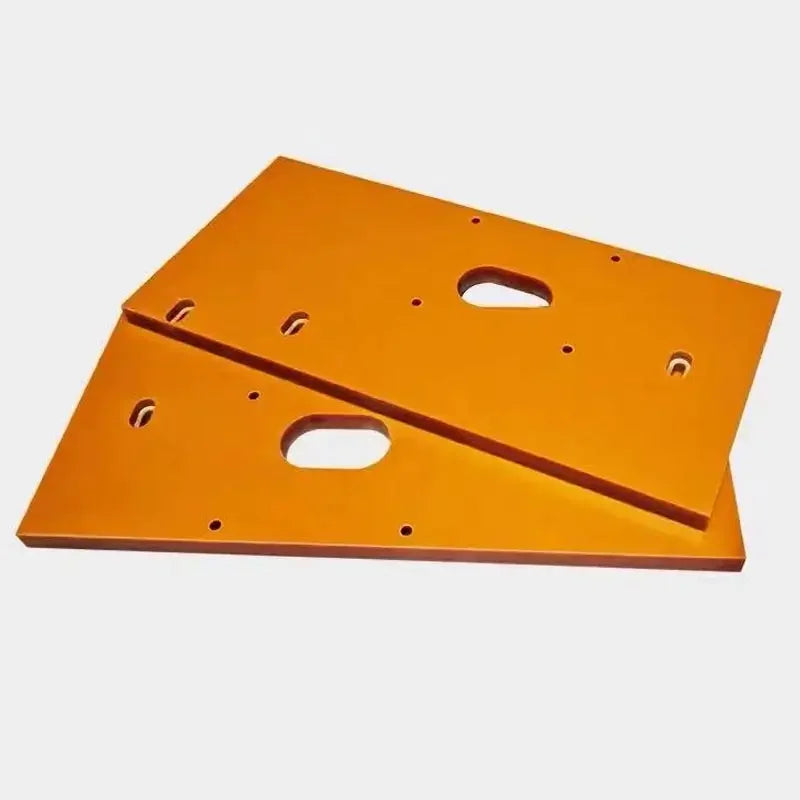
Everything You Need to Know About Insulated Bakelite Parts for Industrial Use

custom Bakelite materials

Why Insulated Bakelite Parts Are Essential for Industrial Applications

When it comes to materials used in high-performance industrial applications, insulated Bakelite parts stand out for their exceptional versatility, reliability, and electrical insulating properties. Whether you’re working with electrical equipment, machinery, or automotive components, Bakelite electrical insulation offers a unique combination of features that make it indispensable in industrial applications.

🎉🎉🎉Limited Time Offer Use code: QR4GNY08SHVR at checkout and enjoy a special discount on your entire order! 👉 Bakelite plastic

insulated Bakelite parts

Bakelite, one of the earliest synthetic plastics, continues to be a preferred material for creating durable, high-performance components. In this blog post, we’ll explore everything you need to know about insulated Bakelite parts for industrial use, from their key features and applications to how they compare with other insulating materials. By the end, you’ll understand why Bakelite parts are crucial for improving safety, reliability, and performance in various sectors.


What Are Insulated Bakelite Parts?

Insulated Bakelite parts are components made from Bakelite, a type of phenolic resin known for its outstanding electrical insulation properties. Bakelite is a thermosetting plastic that hardens when heated, and once it sets, it cannot be remolded. This unique property makes it ideal for use in applications where stability, electrical resistance, and durability are key.

Bakelite Composition and Key Properties

Bakelite is made from phenol and formaldehyde, and it is cured under heat and pressure to form a rigid, durable material. Its high electrical resistance and thermal stability make it ideal for creating Bakelite electrical insulation components. These parts can be used for a variety of applications, from circuit boards to structural supports in electrical panels, offering protection against electrical hazards in high-voltage environments.

Why Bakelite is Used for Insulation

The main reason insulated Bakelite parts are so effective is their electrical insulating ability. Bakelite is highly resistant to electrical currents, making it perfect for use in electrical connectors, switchgear, and other equipment where safety and reliable performance are critical. Additionally, its ability to withstand extreme temperatures (up to 300°C) ensures that insulated Bakelite materials are durable even under harsh conditions.

Key Features of Insulated Bakelite Parts

Bakelite offers several unique characteristics that make it an excellent choice for industrial applications. Here are the key features that set insulated Bakelite parts apart from other materials:

Electrical Insulating Properties

The most important feature of insulated Bakelite parts is their exceptional electrical insulation. Bakelite electrical insulation is crucial for preventing electrical currents from escaping to unintended parts of a system. Bakelite’s ability to resist the flow of electricity makes it ideal for high-voltage equipment, including transformers, circuit boards, and electrical connectors.

Thermal Resistance

In addition to its electrical insulation capabilities, Bakelite is highly resistant to heat. It can handle temperatures up to 300°C without degrading, making it ideal for applications in industries like automotive manufacturing and energy generation, where components are exposed to high temperatures. This makes insulated Bakelite materials a preferred choice in areas where heat management is a concern.

Mechanical Strength

Bakelite is a mechanically strong material, meaning it can endure physical stress, impact, and wear without breaking down. This makes it ideal for Bakelite structural components used in applications that require durability and robustness, such as in automotive or heavy machinery parts.

Cost-effectiveness

Despite its high-performance capabilities, Bakelite remains a cost-effective solution compared to other electrical insulating materials, such as ceramic or epoxy resin. This cost efficiency makes it a popular choice for industries seeking high-quality components without breaking their budgets.

Bakelite structural components

Applications of Insulated Bakelite Parts in Industrial Sectors

The versatility of insulated Bakelite parts makes them suitable for a wide range of industrial applications. Let’s explore how these parts are used in various sectors:

Electrical & Electronics Industry

In the electronics industry, Bakelite electrical insulation is essential for insulating electrical components such as switches, circuit breakers, and connectors. Bakelite parts are crucial in ensuring the safe transmission of electrical currents, protecting equipment from electrical faults and short circuits.

Automotive & Aerospace

Bakelite is widely used in the automotive and aerospace industries for applications that require both electrical insulation and mechanical strength. Components such as electrical connectors, insulating housings, and high-temperature components rely on insulated Bakelite materials to perform reliably under extreme conditions.

Energy and Power

In the energy sector, Bakelite’s ability to withstand high temperatures and resist electrical currents makes it ideal for applications such as high-voltage switches, transformers, and power cables. These components need to be durable, resistant to wear and tear, and able to perform safely over long periods of time, making Bakelite an ideal material for these applications.

Medical Industry

In the medical field, Bakelite is used for creating insulated components in diagnostic machines, medical imaging devices, and other equipment that require electrical insulation to function safely and reliably. Its stability and resistance to high temperatures make it an excellent material for medical devices that need to operate in challenging environments.

Why Choose Bakelite Over Other Insulating Materials?

While there are many materials available for insulation, Bakelite offers distinct advantages that make it the preferred choice in many industrial applications.

Bakelite vs. Epoxy Resin

Both Bakelite and epoxy resin are commonly used in electrical insulation, but they have different strengths. Epoxy resin is often used for bonding and coating, while Bakelite is more robust and provides superior thermal resistance and mechanical strength. Bakelite’s high electrical resistance and durability make it a better choice for components that will be exposed to high temperatures and electrical loads.

Bakelite vs. Ceramic Materials

Ceramics are often used for high-voltage insulation, but Bakelite parts offer several advantages over ceramic materials. Bakelite is significantly lighter, easier to handle, and can be molded into complex shapes, whereas ceramics tend to be rigid and brittle. Additionally, Bakelite is cost-effective, while ceramics can be more expensive and difficult to work with.

Bakelite’s Unique Benefits

The unique combination of electrical insulation, thermal resistance, and mechanical strength makes Bakelite a highly reliable material for industrial applications. Unlike many other insulating materials, Bakelite offers both performance and affordability, making it the go-to material for industries requiring durable, high-performing components.

Bakelite parts

Customizing Insulated Bakelite Parts for Your Industrial Needs

In many industrial sectors, standard Bakelite parts may not meet specific requirements. The good news is that custom Bakelite parts can be designed and manufactured to meet precise specifications. Here’s how you can get customized insulated Bakelite parts:

Customization Process

Bakelite can be molded into various shapes and sizes using techniques like CNC machining, injection molding, and compression molding. These processes allow manufacturers to create custom Bakelite components with precise dimensions and tailored performance features, such as improved heat resistance or electrical insulation for specific applications.

Advantages of Custom Bakelite

Opting for custom Bakelite parts ensures that your components meet the exact specifications of your equipment or machinery. Whether it’s for unique shapes, specific voltage ratings, or tailored temperature tolerances, custom Bakelite insulation can help optimize the performance of your products.

Examples of Custom Applications

Industries like automotive manufacturing, power generation, and electronics often rely on custom Bakelite parts. For example, high-voltage insulators or insulating housings for electrical connectors may need to be customized to withstand specific temperature conditions or to fit within limited space in machines.

How to Choose the Right Insulated Bakelite Parts for Your Project

Choosing the right insulated Bakelite parts for your project can be a challenge, but by considering a few key factors, you can make an informed decision:

Key Factors to Consider

When selecting Bakelite structural components, it’s essential to consider:

  • Temperature resistance: Will the parts be exposed to high heat?
  • Voltage ratings: Does the part need to handle high electrical currents?
  • Mechanical stress: Will the part be exposed to physical pressure or impact?

Size and Fit

Make sure that the Bakelite parts you choose are the right size and shape for your project. Whether you need standard components or custom Bakelite parts, the fit is crucial to ensure optimal performance.

Customization vs. Standard Options

In some cases, standard Bakelite parts may suffice, but if your application requires precise electrical or mechanical properties, custom Bakelite components might be the better option.

Quality Assurance

Always source insulated Bakelite materials from reputable suppliers who ensure their products meet industry standards and specifications.

insulated Bakelite materials

Common Mistakes to Avoid When Using Insulated Bakelite Parts

While insulated Bakelite parts are highly durable and effective, there are common mistakes that can compromise their performance. To ensure you’re getting the most out of your Bakelite electrical insulation and structural components, it’s important to avoid the following pitfalls:

Misunderstanding Material Limits

One common mistake is assuming that all Bakelite parts offer the same level of electrical resistance and thermal tolerance. Different Bakelite formulations have varying properties depending on their intended use. For example, some Bakelite parts may be better suited for low-temperature environments, while others are designed to withstand high heat or high-voltage conditions. Always ensure that the insulated Bakelite materials you choose are rated for the specific demands of your application.

Improper Handling and Installation

While Bakelite is a durable material, it still requires proper handling to maintain its performance. Mishandling, such as dropping or improper storage, can lead to micro-cracks or degradation of its insulating properties. Additionally, improper installation can cause the material to break or fail prematurely. Always follow the recommended guidelines for installing Bakelite structural parts to ensure that they perform safely and reliably.

Incorrect Material Selection

Another common mistake is choosing Bakelite parts when a different insulating material might be more suitable. Depending on your application, epoxy resin, ceramic materials, or even silicone could be better alternatives. If you’re unsure which material is best, consult with an expert or a manufacturer to assess your needs before committing to a material.

The Future of Insulated Bakelite Parts in Industrial Applications

As industries continue to evolve and the demand for high-performance materials grows, the role of insulated Bakelite parts in industrial applications will only expand. Whether you’re looking to improve electrical safety, enhance performance, or create durable structural components, Bakelite parts offer a reliable, cost-effective solution.

With its unique combination of electrical insulation, heat resistance, and mechanical strength, Bakelite remains a trusted material for industries ranging from automotive to energy and electronics. As we look to the future, the demand for customized Bakelite insulation parts will only increase, as industries continue to push for more specialized solutions that meet their precise needs.

If you’re considering Bakelite parts for your next project, be sure to choose the right material, size, and features to meet your application requirements. Whether you’re working with high-voltage insulators, automotive components, or medical devices, Bakelite electrical insulation remains a durable and reliable choice.

FAQ Section

What is Bakelite used for in electrical insulation?
Bakelite is used primarily for its electrical insulation properties in components such as switchgear, circuit breakers, and wiring connectors. Its ability to prevent electrical current from escaping makes it ideal for high-voltage applications.

How does Bakelite compare to other insulators like epoxy resin or ceramic?
Compared to epoxy resin, Bakelite offers superior thermal resistance and mechanical strength. While ceramic materials provide excellent insulation in high-voltage applications, Bakelite is more cost-effective and can be molded into complex shapes, giving it a significant advantage in custom applications.

Can Bakelite parts be customized?
Yes, Bakelite parts can be fully customized using techniques like CNC machining, injection molding, and compression molding to meet specific design, temperature, or electrical requirements. Customization allows for enhanced performance in highly specialized industrial applications.

What industries benefit from insulated Bakelite parts?
Industries such as electronics, automotive manufacturing, energy generation, and the medical sector rely on insulated Bakelite parts. These industries use Bakelite components for applications requiring high electrical insulation, thermal resistance, and mechanical durability.

Contact Us for Custom Insulated Bakelite Parts

If you’re looking for high-quality, customized Bakelite parts to suit your industrial needs, our team at BeePlastic is ready to help. We offer a range of Bakelite structural components and electrical insulation solutions designed to meet your specific requirements. Whether you need insulated Bakelite parts for high-voltage applications or custom-designed parts for other uses, we’re here to provide you with the best solutions tailored to your needs.

customized Bakelite parts

🎉🎉🎉Limited Time Offer Use code: QR4GNY08SHVR at checkout and enjoy a special discount on your entire order! 👉 Bakelite plastic

Contact us today to learn more about our Bakelite insulation options and how we can help you improve the performance and safety of your industrial projects.

Leave a comment


Please note, comments must be approved before they are published


Custom Plastic Fabrication

Send your drawing, material and quantity for review

🔧
Precision Machining
CNC milling & turning
✂️
Cutting & Engraving
Laser & waterjet cutting
🏭
Forming & Molding
Thermoforming & injection
🔗
Joining & Assembly
Welding & bonding
📐
Design & Prototyping
CAD design & samples

General

HDPE

PP

PVC

ABS

Engineering

POM

Nylon

PC

PMMA

High-Performance

PEEK

PEI

PTFE

Composites

FR-4

G10

Flexible

TPU

Silicone

Why Choose BeePlastic?

🎯
Perfect Fit
Custom specs eliminate adaptation needs
⚡
Clear Lead Times
Lead time confirmed with every quote
💰
Volume Pricing
Volume pricing available on bulk orders
🤝
Expert Support
Free engineering consultation included
📋
Submit
→
🔍
Review
→
💵
Quote
→
✅
Production
→
📦
Deliver

Request a Quote

Share your project details, selected material and quantity on our quote page. You can add a file link or use the email drawing route shown there.


Request Quote

Industries: Automotive • Medical • Food • Lab • Semiconductor

beeplastic@beeplastic.com


Why Bakelite Is an Ideal Material for Electrical Insulation

Bakelite plastic

Key Takeaways

  • Bakelite is an ideal material for electrical insulation due to its heat resistance, electrical insulating properties, and durability.
  • It has proven to be reliable for use in electrical systems such as panels, connectors, and insulated structural parts, where safety and performance are paramount.
  • Custom Bakelite electrical insulation parts can be produced using advanced techniques like CNC machining to meet specific application needs.
  • Bakelite continues to be a cost-effective and sustainable choice for the electrical industry, with a long lifespan and proven reliability in demanding environments.

🎉🎉🎉Limited Time Offer Use code: QR4GNY08SHVR at checkout and enjoy a special discount on your entire order! 👉 Bakelite plastic

Custom Bakelite electrical insulation parts

If you want to ensure your electrical components perform at their best while staying safe and reliable, Bakelite remains the go-to material for the job.

Bakelite, the first synthetic plastic, has stood the test of time. Since its invention in 1907, it has been valued across multiple industries for its impressive properties—especially its role as an excellent electrical insulator. Today, Bakelite remains a vital material in electrical engineering, providing safety, durability, and reliability in various electrical applications.

In this blog post, we’ll explore why Bakelite is an ideal material for electrical insulation, how its unique characteristics make it perfect for electrical applications, and how Insulated Bakelite Structural Parts continue to serve industries worldwide.

What is Bakelite?

At its core, Bakelite is a thermosetting plastic—a durable and heat-resistant material made from phenol and formaldehyde. Unlike thermoplastics that soften when heated, Bakelite undergoes a chemical reaction during manufacturing that makes it hard and permanent. This characteristic gives Bakelite outstanding strength, heat resistance, and electrical insulation properties, which is why it’s been used for over a century in electrical systems.

A Brief History of Bakelite

The creation of Bakelite marked the beginning of the modern plastics era. Invented by Belgian chemist Leo Baekeland in 1907, Bakelite was initially used for everything from household items to electrical insulation parts. It quickly became a staple in electrical equipment because it could withstand high temperatures and electrical currents—qualities essential in the electrical world. Over time, its use expanded, and Bakelite became integral to industries like automotive manufacturing, telecommunications, and more.

Today, Bakelite continues to play an essential role in electrical insulation, thanks to its impressive material properties. Let’s take a closer look at what makes Bakelite stand out as an electrical insulator.

Bakelite continues to play an essential role in electrical insulation

Bakelite’s Electrical Insulation Properties

Bakelite’s key attributes—heat resistance, electrical insulation, and mechanical strength—make it the material of choice for electrical components that need to function safely in harsh environments.

1. High Heat Resistance

One of the most important qualities of Bakelite is its heat resistance. Electrical systems often generate significant amounts of heat, especially in high-voltage environments. Bakelite can withstand temperatures up to 250°C (482°F) without losing its structural integrity or insulating properties. This makes it an ideal material for electrical insulation parts like housing, switch gears, and circuit boards, where heat buildup is a concern.

For example, in power distribution systems, Bakelite is used for switchboards and connectors, which must endure high temperatures while providing safety to the system. Without Bakelite, components could overheat, fail, or even pose a fire hazard.

2. Excellent Electrical Insulation

Bakelite’s most notable feature in electrical applications is its ability to prevent electrical currents from flowing where they shouldn’t. As an electrical insulator, Bakelite helps protect against short circuits and electrical malfunctions. Its dielectric strength (resistance to electrical breakdown) makes it an ideal material for insulating parts in electrical panels, connectors, and motor components.

The insulating properties of Bakelite allow it to keep electrical components separated and shielded from unintended contact with other conductive materials. This ensures safety and reliability, especially in complex electrical systems that rely on various interconnected parts.

3. Durability and Resistance to Environmental Stress

Another benefit of Bakelite is its resistance to environmental factors like moisture, chemicals, and UV rays. Electrical systems are often exposed to harsh conditions, from outdoor power lines to industrial settings where humidity and chemicals can cause other materials to degrade.

Bakelite’s resistance to moisture and chemicals ensures that its electrical insulating properties remain intact, even when exposed to corrosive environments. Whether used in electrical enclosures, electrical connectors, or other vital components, Bakelite holds up under long-term use, offering both performance and protection.

Applications of Bakelite in Electrical Insulation

Now that we understand why Bakelite is so well-suited for electrical insulation, let’s explore its many applications across industries.

Electrical Panels and Switchgear

Bakelite is often used in electrical panels and switchgear, where its high heat resistance and electrical insulating properties make it the ideal choice. In switchgear, Bakelite prevents electrical components from making unintended contact, ensuring the safe operation of the system. Its ability to resist heat and electrical breakdown is crucial in these environments, where overheating can lead to equipment failure or fire hazards.

Insulating Pads and Gaskets

In addition to panels and switches, Bakelite is commonly used for insulating pads, gaskets, and washers. These components are essential for preventing electrical shorts between parts, especially in heavy machinery and motors. Bakelite insulation also helps reduce vibration and noise, making it a vital material for enhancing both the electrical safety and operational efficiency of industrial equipment.

Electrical Connectors and Terminals

Bakelite is also used to manufacture electrical connectors and terminals, which must maintain a high degree of safety and electrical integrity. The ability of Bakelite to withstand both high temperatures and electrical stresses makes it an excellent choice for ensuring these critical connections remain safe and operational.

Bakelite insulation

Bakelite vs. Other Electrical Insulation Materials

While Bakelite is a popular choice, it’s worth comparing it to other common electrical insulating materials to understand its unique advantages.

Bakelite vs. Rubber

Rubber is another common material used for electrical insulation. While rubber is flexible and provides good insulation, it has a lower resistance to heat and environmental degradation compared to Bakelite. Over time, rubber can degrade when exposed to UV rays or high temperatures. In contrast, Bakelite’s superior heat resistance and mechanical strength make it a more durable and reliable choice for long-term use in electrical applications.

Bakelite vs. Epoxy Resin

Epoxy resin is frequently used in electrical applications due to its adhesive and insulating properties. However, while epoxy offers some heat resistance, it does not match the high-temperature tolerance that Bakelite provides. Bakelite’s heat stability and dimensional integrity under temperature extremes make it the superior material in applications requiring extended exposure to high heat.

Bakelite vs. PVC

PVC is often used for electrical insulation, particularly in wiring and conduit. However, Bakelite offers better mechanical properties and higher heat resistance. PVC can become brittle over time, especially when exposed to high heat or UV radiation, while Bakelite remains strong and durable in the most demanding environments.

Custom Bakelite Electrical Insulation Parts

One of the reasons Bakelite continues to be favored in the electrical industry is its versatility. Thanks to advanced manufacturing techniques like CNC machining and molding, Bakelite can be custom-made to meet the specific needs of any electrical application.

Tailored Insulating Components

Whether you’re designing insulated Bakelite structural parts for electrical panels, motors, or circuit boards, custom manufacturing allows for the production of parts that meet exact specifications. CNC machining, for example, enables the creation of intricate designs and precise tolerances, making it easy to produce components tailored to unique electrical needs.

Case Study: Custom Bakelite Solutions

A good example of Bakelite’s customization potential can be seen in the electrical industry, where custom Bakelite parts have been used to create safer, more efficient electrical systems. By tailoring the design to fit specific environmental factors (such as temperature and humidity), these parts not only perform better but also reduce the risk of electrical failures.

custom Bakelite parts

Why Choose Bakelite for Electrical Insulation?

Bakelite offers several compelling reasons for its continued use in electrical systems:

Cost-Effectiveness

Compared to other high-performance materials like ceramics, Bakelite is a more cost-effective option for electrical insulation. Its combination of durability, heat resistance, and electrical performance provides excellent value, especially for large-scale manufacturing.

Sustainability

Bakelite’s durability means that parts made from it have a long lifespan, reducing the need for frequent replacements. While Bakelite is not as widely recyclable as some modern plastics, its longevity contributes to a more sustainable approach by reducing waste and ensuring that products last longer.

Reliability

Bakelite is known for its reliable performance over time. From electrical enclosures to insulated structural parts, Bakelite ensures that electrical systems run smoothly and safely, even under demanding conditions.

Looking Forward: The Future of Bakelite in Electrical Insulation

Bakelite’s role in electrical insulation shows no signs of diminishing. As industries continue to push for more advanced electrical technologies—such as renewable energy systems and electric vehicles—Bakelite’s unique properties make it an ideal candidate for meeting the evolving demands of these sectors.

In the coming years, we can expect Bakelite to remain a key material in the development of high-performance electrical systems that require superior heat resistance, electrical insulation, and mechanical strength.


Bakelite’s Lasting Role in Electrical Insulation

In conclusion, Bakelite stands out as an ideal electrical insulator due to its unmatched combination of heat resistance, electrical insulation properties, and durability. Whether in electrical panels, connectors, or insulated structural parts, Bakelite continues to be a material of choice for industries worldwide. Its customizability and cost-effectiveness further solidify its position as a go-to material for safe, long-lasting electrical solutions.

If you’re interested in custom Bakelite electrical insulation parts for your next project, feel free to reach out 

to us for a consultation. Our team can work with you to create Insulated Bakelite Structural Parts that meet your unique specifications and ensure optimal performance in your electrical systems. Whether you need custom designs for high-temperature environments or need parts that can withstand electrical stresses, Bakelite remains a trusted solution.

We are here to help you select the right material for your project, providing you with cost-effective, durable, and reliable electrical insulation options. Reach out today to discuss how Bakelite can help you achieve the best results for your electrical applications.

Ready to Invest in Custom Bakelite Insulated Parts?

Are you looking for custom Bakelite electrical insulation parts to enhance your electrical systems? Our team at Beeplastic specializes in providing Insulated Bakelite Structural Parts tailored to 

your specific needs. Whether you’re designing components for high-temperature environments or need reliable electrical insulation solutions, we have the expertise to deliver the best results.

At Beeplastic, we work with you every step of the way—from initial consultation to final production—to ensure that your custom Bakelite parts meet the highest standards of quality and performance. Our advanced manufacturing capabilities like CNC machining and molding allow us to create precise, durable, and cost-effective solutions for your electrical applications.

Why Choose Us for Your Bakelite Electrical Insulation Needs?

  • Expertise and Experience: With over 15 years in the plastic processing industry, our team has the knowledge and skills to craft the most effective and durable Bakelite parts.
  • Custom Solutions: We understand that every project is unique. Our engineers work closely with you to design customized Bakelite electrical insulation parts that meet your exact specifications.
  • Quality Assurance: We take quality seriously. Each part is rigorously tested to ensure it meets industry standards and performs reliably over time.
  • Cost-Effective Pricing: We offer competitive pricing without compromising on quality, ensuring that you get the best value for your investment.
  • Fast Turnaround: Our efficient production process ensures quick lead times so you can keep your projects on schedule.

Let’s Get Started

If you’re ready to optimize your electrical systems with the best in Bakelite insulation, contact us today! Whether you need a single prototype or a large batch of custom parts, we’re here to help. Request a quote or schedule a consultation to get started on your next project.

customized Bakelite electrical insulation parts

🎉🎉🎉Limited Time Offer Use code: QR4GNY08SHVR at checkout and enjoy a special discount on your entire order! 👉 Bakelite plastic

Don’t wait—secure the reliability and performance of your electrical systems today with the power of Bakelite insulation. Reach out to us now to discuss your needs and take the next step toward a more efficient and durable electrical solution.

Leave a comment


Please note, comments must be approved before they are published


Custom Plastic Fabrication

Send your drawing, material and quantity for review

🔧
Precision Machining
CNC milling & turning
✂️
Cutting & Engraving
Laser & waterjet cutting
🏭
Forming & Molding
Thermoforming & injection
🔗
Joining & Assembly
Welding & bonding
📐
Design & Prototyping
CAD design & samples

General

HDPE

PP

PVC

ABS

Engineering

POM

Nylon

PC

PMMA

High-Performance

PEEK

PEI

PTFE

Composites

FR-4

G10

Flexible

TPU

Silicone

Why Choose BeePlastic?

🎯
Perfect Fit
Custom specs eliminate adaptation needs
⚡
Clear Lead Times
Lead time confirmed with every quote
💰
Volume Pricing
Volume pricing available on bulk orders
🤝
Expert Support
Free engineering consultation included
📋
Submit
→
🔍
Review
→
💵
Quote
→
✅
Production
→
📦
Deliver

Request a Quote

Share your project details, selected material and quantity on our quote page. You can add a file link or use the email drawing route shown there.


Request Quote

Industries: Automotive • Medical • Food • Lab • Semiconductor

beeplastic@beeplastic.com


The Ultimate Guide to Insulated Bakelite Structural Parts: Properties and Benefits

Bakelite Accessories

Let’s be honest: when you think of insulated Bakelite structural parts, you probably don’t imagine a cape-wearing superhero swooping in to save the day. But let’s give credit where credit’s due. Bakelite may not have a flashy name, but it’s definitely the unsung hero of the industrial world. This humble material has been quietly powering everything from electrical systems to automotive components, making it one of the most reliable (and underappreciated) materials out there.

In this ultimate guide, we’re going to give Bakelite the recognition it deserves and show you why it should be your go-to for structural insulation, heat resistance, and electrical performance. So buckle up, because this is one ride you don’t want to miss.

🎉🎉🎉Limited Time Offer Use code: QR4GNY08SHVR at checkout and enjoy a special discount on your entire order! 👉 Bakelite plastic

insulated Bakelite structural parts

What Is Bakelite? It’s Not Just For Vintage Radios

Before we get into the nitty-gritty, let’s take a moment to appreciate the history of Bakelite. Created in the early 1900s by Belgian chemist Leo Baekeland (hence the name), Bakelite was the first true synthetic plastic. But while it may have started out as the material for old-school telephones and radios, today it’s used for much more high-tech applications.

Why? Because Bakelite is a beast. It’s not your average plastic. This thermosetting material hardens permanently when exposed to heat and pressure, giving it serious durability and insulating properties. It resists heat, electricity, and even some harsh chemicals, making it perfect for insulated structural parts that need to stand up to the test of time (and extreme conditions).

Main keywords: Insulated Bakelite structural parts, Bakelite properties, synthetic plastic
Secondary keywords: electrical insulation, heat resistance, durable materials

Why Insulated Bakelite Structural Parts Are the Secret Weapon You Need

Now that we’ve given Bakelite a proper introduction, let’s get into why insulated Bakelite structural parts are so essential. In fact, we’re about to make you look at Bakelite in a whole new light. Ready? Let’s break it down:

1. It’s Like a Shield for Your Electrical Systems

Picture this: you’re designing a high-voltage circuit for an industrial plant. You need a material that can insulate against dangerous electrical currents and keep things running smoothly. Enter Bakelite.

Why is it so awesome? Because Bakelite parts are like an invisibility cloak for electricity. They stop electrical currents in their tracks, preventing short circuits, reducing risks of overheating, and ensuring everything stays safe and sound. It’s not flashy, but it gets the job done without drama. Whether it’s in circuit boards, switchgear, or electrical connectors, Bakelite’s electrical insulation abilities will save you from shocking surprises.

Main keywords: Insulated Bakelite parts, electrical systems, electrical insulation
Secondary keywords: electrical connectors, high-voltage circuits, circuit boards

2. Heat? What Heat? Bakelite Doesn’t Break a Sweat

Now, imagine you’re working on a machine that’s going to be exposed to some serious heat. Maybe it’s an automotive part or a heavy-duty electrical component. Most materials would start sweating, but Bakelite? It doesn’t break a sweat. In fact, it thrives in extreme temperatures.

Bakelite is heat-resistant to the max, and it won’t soften, melt, or degrade when exposed to high temperatures. So, whether you’re designing a part for the automotive industry or industrial machinery, Bakelite can handle the heat—literally. This makes it perfect for components that need to stay cool under pressure, like gaskets, electrical pads, and insulation materials.

heat-resistant Bakelite,  heat-resistant Bakelite, high-temperature materials
heat resistance, automotive parts, industrial machinery

Bakelite is heat-resistan

3. It’s Tougher Than Your Morning Coffee

Look, we all have days when we feel a little fragile, but Bakelite? It’s the material equivalent of a double shot of espresso. Not only is it heat-resistant, but it’s also got some serious mechanical strength. This means it can stand up to the pressures of daily wear and tear without cracking under the pressure.

From industrial machinery to automotive parts, Bakelite keeps things running smoothly and reliably, even in the toughest environments. It resists abrasion, impacts, and heavy-duty stress, making it the perfect choice for parts that need to perform under physical pressure. Say goodbye to cracked seals, failed connectors, and broken gaskets—Bakelite’s got you covered.

Main keywords: durable Bakelite, mechanical strength, Bakelite structural parts
Secondary keywords: industrial machinery, impact resistance, abrasion resistance

4. Chemical Resistance – Bakelite Can Handle Your Worst

If your parts are going to be exposed to chemicals, oils, or solvents, you need a material that can handle the pressure. And guess what? Bakelite can do just that.

Unlike many materials that crumble when exposed to harsh chemicals, Bakelite stays strong, offering chemical resistance and maintaining its structural integrity. Whether it’s gaskets, seals, or protective covers, Bakelite won’t let you down in the presence of corrosive substances. It’s like the material version of a bouncer at a nightclub—chemicals, you’re not getting in.

chemical-resistant Bakelite, Bakelite gaskets, Bakelite seals
chemical resistance, industrial applications, Bakelite protective covers

Bakelite stays strong

Real-World Examples: Bakelite in Action

Now that we’ve sung the praises of insulated Bakelite structural parts, let’s see them in action. Here are a few case studies where Bakelite is saving the day (no capes involved):

Case Study 1: Electric Power – Superhero Circuit Panels

An electric power company was facing problems with high-voltage electrical panels. Their previous materials weren’t cutting it—frequent short circuits, constant overheating, and safety concerns were all starting to take a toll. Enter insulated Bakelite.

By switching to Bakelite for their electrical panels, the company saw a huge drop in failures. The electrical insulation properties of Bakelite ensured that their circuit boards stayed safe and operational, even under high-voltage conditions. They also noticed less downtime, fewer repairs, and a longer-lasting system. Talk about a glow-up!

Case Study 2: Automotive Engineering – Heat-Resistant Connectors

An automotive manufacturer needed a material for electrical connectors that could withstand the heat and constant vibration of an engine compartment. The last thing they wanted was connector failure mid-drive. Bakelite stepped in to save the day.

Not only did Bakelite provide the heat resistance they needed, but its electrical insulating properties also kept the components performing at their best. These engine connectors were able to withstand extreme temperatures and continue functioning without any issues. Now that’s what we call a smooth ride.

Case Study 3: Chemical Industry – Tough Seals and Gaskets

A chemical manufacturing plant needed seals and gaskets that could survive the harsh environment of oils, solvents, and acids. Previous materials had failed, leading to constant part replacements and increased costs.

When they switched to chemical-resistant Bakelite for their seals and gaskets, the plant saw a major improvement. The Bakelite parts held up under chemical exposure, providing long-lasting durability. No more leaks, no more constant replacements. It was a win-win.

chemical-resistant Bakelite

Why Choose Insulated Bakelite Structural Parts?

At this point, you’re probably asking yourself, “Why wouldn’t I use insulated Bakelite parts?” It’s got the electrical insulation, heat resistance, chemical resistance, and mechanical strength to handle practically anything you throw at it.

So, whether you’re designing electrical systems, automotive components, or industrial machinery, Bakelite is the reliable, durable, and high-performance material you need to get the job done. Give it a shot, and let it prove that it’s more than just an old-school plastic—it’s a modern-day hero in disguise.

Ready to Bring the Power of Bakelite to Your Next Project?

If you’re ready to upgrade your parts with insulated Bakelite, we’re

here to help! Whether you need custom Bakelite parts for electrical insulation, heat resistance, or chemical resilience, we’ve got the experience and expertise to deliver exactly what you need. Don’t settle for anything less than the best when it comes to your structural parts. Bakelite has got your back—so why not give it a try?

At BeePlastic, we specialize in custom Bakelite machining and molding to create parts that fit your exact specifications. From CNC machining to laser cutting, we can produce insulated Bakelite components that are perfect for your next project, whether you’re in the automotive, electronics, or industrial sector.

Ready to make the switch to Bakelite? Contact us today, and let’s talk about how we can help you create heat-resistant, electrically insulated, and chemically resistant parts that will outperform the competition.

Get in Touch with BeePlastic for Your Custom Bakelite Needs!

Are you ready to experience the durability, heat resistance, and electrical insulation of insulated Bakelite structural parts? Contact our expert team today to discuss how Bakelite can take your project to the next level. We offer personalized consultations and high-quality manufacturing to ensure your parts meet your exact specifications.

insulated Bakelite structural parts

🎉🎉🎉Limited Time Offer Use code: QR4GNY08SHVR at checkout and enjoy a special discount on your entire order! 👉 Bakelite plastic

Visit our website at BeePlastic or reach out directly to our sales team. We’re here to provide you with the best in Bakelite components, designed to meet your specific needs.

Leave a comment


Please note, comments must be approved before they are published


Custom Plastic Fabrication

Send your drawing, material and quantity for review

🔧
Precision Machining
CNC milling & turning
✂️
Cutting & Engraving
Laser & waterjet cutting
🏭
Forming & Molding
Thermoforming & injection
🔗
Joining & Assembly
Welding & bonding
📐
Design & Prototyping
CAD design & samples

General

HDPE

PP

PVC

ABS

Engineering

POM

Nylon

PC

PMMA

High-Performance

PEEK

PEI

PTFE

Composites

FR-4

G10

Flexible

TPU

Silicone

Why Choose BeePlastic?

🎯
Perfect Fit
Custom specs eliminate adaptation needs
⚡
Clear Lead Times
Lead time confirmed with every quote
💰
Volume Pricing
Volume pricing available on bulk orders
🤝
Expert Support
Free engineering consultation included
📋
Submit
→
🔍
Review
→
💵
Quote
→
✅
Production
→
📦
Deliver

Request a Quote

Share your project details, selected material and quantity on our quote page. You can add a file link or use the email drawing route shown there.


Request Quote

Industries: Automotive • Medical • Food • Lab • Semiconductor

beeplastic@beeplastic.com


The Benefits of CNC Machined Nylon Blocks for Mechanical Transmission and Custom Components

Nylon Gear

Why Nylon Blocks are Revolutionizing Mechanical Manufacturing

Nylon blocks have gained significant traction in the manufacturing industry, particularly in mechanical transmission systems and the production of custom components. As industries seek materials that are both durable and versatile, CNC machined nylon blocks have emerged as an ideal solution for their precision and adaptability. Nylon, as a synthetic polymer, offers a variety of benefits—high strength, durability, and low friction—which makes it well-suited for numerous industrial applications, providing reliable, long-lasting solutions.

🎉🎉🎉Limited Time Offer Use code: QR4GNY08SHVR at checkout and enjoy a special discount on your entire order! 👉 Nylon plastic

Nylon Gear

This blog delves into why nylon blocks are an excellent fit for various industrial applications and how CNC machining maximizes their potential. Whether reducing maintenance costs or enhancing the precision of custom components, CNC machined nylon blocks are revolutionizing mechanical manufacturing in significant ways.

What Are Nylon Blocks?

Nylon blocks are solid pieces made from nylon—a highly versatile synthetic polymer known for its excellent mechanical properties, such as strength, durability, and low friction. These blocks are commonly used in industries where reliable, wear-resistant materials are essential. Nylon blocks can be molded, cast, or machined to meet different specifications, making them highly adaptable for a wide range of uses. Among the various types of nylon, Nylon 6 and Cast Nylon are particularly notable due to their unique characteristics.

  • Nylon 6: Nylon 6 is well-regarded for its balanced mechanical properties. It offers toughness and fatigue resistance, making it a go-to material for applications that require sustained performance under stress. It also provides good strength and chemical resistance, which adds to its reliability.

  • Cast Nylon: Cast Nylon, made through a casting process, boasts superior dimensional stability and wear resistance. Its lower internal stress and better machinability compared to extruded nylons make it a preferred choice for creating large, high-performance parts that need to be durable and long-lasting.

Advantages of CNC Machined Nylon Blocks

CNC machining offers manufacturers the ability to precisely cut and shape nylon blocks into components that are tailored to meet specific requirements. Here are some of the key advantages:

  • Precision and Customization: CNC machining ensures an exceptional level of precision, enabling the creation of custom nylon components that meet exacting specifications. This level of accuracy is crucial for applications in mechanical transmission parts and other complex systems where even the slightest error can cause significant issues. CNC machining also supports the production of intricate designs that might be challenging or impossible to achieve through traditional manufacturing methods.

  • Cost Efficiency: By reducing material waste, CNC machining makes the production of custom nylon components more cost-effective, particularly for large-scale projects. Manufacturers can optimize the use of raw materials, thus cutting costs and contributing to more sustainable production practices.

  • Durability and Performance: Nylon blocks are known for their high strength and resistance to wear. CNC machining retains these properties, resulting in highly durable components that perform reliably even in demanding conditions. The combination of nylon’s inherent wear resistance and the precision of CNC machining makes these components highly suitable for continuous use in environments that require resilience against friction and stress.

Nylon blocks

Applications of Nylon Blocks in Mechanical Transmission

Nylon blocks are widely recognized for their suitability in mechanical transmission systems, thanks to their versatile properties. Here are some of the prominent applications:

  • Nylon Gears Manufacturing: Nylon blocks are an ideal choice for nylon gears manufacturing due to their lightweight nature, impressive wear resistance, and ability to minimize noise. Unlike metal gears, nylon gears help in significantly reducing operational noise, which is particularly advantageous for household appliances and automotive systems. Additionally, the self-lubricating nature of nylon further reduces the need for maintenance and improves overall efficiency.

  • Mechanical Transmission Parts: Nylon blocks are also used in producing various other transmission components, such as bushings, rollers, and guide rails. Their low friction and self-lubricating characteristics enhance efficiency and extend the lifespan of these components, making them a preferred choice for manufacturers aiming for long-term cost savings. By reducing system wear, nylon blocks contribute to increased durability and reduced downtime, ultimately improving operational efficiency.

Custom Nylon Machining Solutions

Custom nylon machining plays an essential role in industries that require components tailored to precise needs. CNC machining allows for the creation of nylon parts that fit perfectly into their designated applications, ensuring optimal performance.

  • Overview of Customization: Custom nylon machining provides a level of flexibility crucial for specialized components. CNC machining techniques allow precise cutting, drilling, and shaping of nylon blocks to meet intricate specifications. Whether the project demands unique geometries or tight tolerances, CNC machined nylon components can fulfill those needs.

  • Examples of Custom Components: Nylon blocks can be transformed into a variety of specialized components, such as spacers, gears, and machine parts. These components are particularly valued in industries like automotive, aerospace, and heavy machinery for their combination of strength and adaptability. Custom nylon components are also used extensively in medical devices, agricultural equipment, and conveyor systems, where dependability and performance are paramount.

Nylon 6 and Cast Nylon: A Material Comparison

When deciding between Nylon 6 and Cast Nylon, it is important to understand their differences and strengths. Both materials offer notable benefits, but their properties make them suitable for different applications:

  • Nylon 6: Nylon 6 is characterized by its fatigue resistance, which makes it highly suitable for components exposed to repetitive stress or motion. It is commonly used for CNC machined nylon components where durability is essential. Applications such as gears, bearings, and bushings benefit from Nylon 6’s ability to resist wear and handle mechanical loads.

  • Cast Nylon: Cast Nylon offers superior dimensional stability, making it the best choice for larger parts that need to maintain their shape under different environmental conditions. It is often used in mechanical transmission parts requiring enhanced wear resistance. Furthermore, Cast Nylon’s lower moisture absorption rate compared to extruded forms means that it retains its properties better in fluctuating humidity, ensuring consistent performance.

Cast Nylon

Why Choose Nylon Blocks for Mechanical and Industrial Applications?

Nylon blocks provide several benefits that make them a suitable choice for mechanical and industrial applications. They are valued for their consistent performance, especially in challenging environments.

  • Lightweight Yet Strong: The strength-to-weight ratio of nylon is one of its key advantages. It allows for a reduction in mechanical wear while maintaining robustness, which improves overall efficiency in moving parts and reduces strain on mechanical systems.

  • Chemical Resistance: Nylon’s resistance to oils, chemicals, and other harsh industrial substances ensures the longevity of components like nylon gears and other machine parts. This resistance makes nylon ideal for use in environments where exposure to chemicals could otherwise compromise the integrity of different materials.

  • Low Friction: The low coefficient of friction of nylon enables mechanical transmission parts and custom nylon machining solutions to operate smoothly, reducing wear and tear. This feature also contributes to lower energy consumption in machinery, positioning nylon as an energy-efficient option for industrial use.

Case Study: CNC Machined Nylon Gears in Transmission Systems

A recent project involved the use of CNC machined nylon gears in a transmission system, aiming to boost efficiency and minimize noise levels. By replacing traditional metal gears with nylon ones, the manufacturer achieved several improvements: quieter operation, reduced maintenance costs, and less frequent downtimes. Unlike metal gears, nylon gears required less lubrication, leading to easier maintenance and fewer disruptions to operations. This case study emphasizes how versatile and effective nylon blocks can be in real-world applications, especially for companies looking to improve cost efficiency and reliability.

Moreover, the reduced weight of nylon components contributed to lower overall machinery weight, which directly translated to decreased energy consumption. This advantage is particularly beneficial in the automotive sector, where every gram saved can have a significant impact on fuel efficiency and overall performance.

The Power of CNC Machined Nylon Blocks in Industry

CNC machined nylon blocks provide substantial advantages for both mechanical transmission and custom components, thanks to their versatility, durability, and cost-efficiency. Whether they are used in nylon gears manufacturing, bushings, or custom machine parts, nylon blocks offer a reliable solution for many industrial challenges. Their adaptability to CNC machining, combined with their superior material properties, makes them an ideal choice for manufacturers who aim to enhance efficiency, lower costs, and boost the durability of their products.

If you are in need of high-quality custom nylon components, get in touch with our team today to find out how we can help. With our expertise in CNC machining, we deliver precision-engineered nylon parts that can withstand the most demanding industrial environments.

🎉🎉🎉Limited Time Offer Use code: QR4GNY08SHVR at checkout and enjoy a special discount on your entire order! 👉 Nylon plastic

Nylon Gear

Your Nylon Block Questions Answered

  • What are the main advantages of CNC machined nylon blocks? CNC machined nylon blocks offer unparalleled precision, durability, and versatility, making them an excellent choice for custom components in mechanical systems. Their adaptability and cost-effectiveness make them a top choice across various industries.

  • How do Nylon 6 and Cast Nylon differ in industrial applications? Nylon 6 is well-suited for applications requiring fatigue resistance, while Cast Nylon excels in maintaining dimensional stability for larger components. Each type has unique advantages that make it suitable for specific applications, depending on operational needs.

  • Can nylon blocks be used in high-temperature environments? Yes, nylon blocks can be used in high-temperature environments, but it is important to choose the right type of nylon. Nylon 6 performs well at moderate temperatures, while certain grades of cast nylon are formulated to withstand higher heat levels.

  • Are nylon components environmentally friendly? Nylon is a durable material, which helps extend the lifespan of components and minimizes the need for frequent replacements, thereby reducing waste. Additionally, CNC machining processes can be optimized to reduce material usage, making nylon a more sustainable option for industrial use.

Leave a comment


Please note, comments must be approved before they are published


Custom Plastic Fabrication

Send your drawing, material and quantity for review

🔧
Precision Machining
CNC milling & turning
✂️
Cutting & Engraving
Laser & waterjet cutting
🏭
Forming & Molding
Thermoforming & injection
🔗
Joining & Assembly
Welding & bonding
📐
Design & Prototyping
CAD design & samples

General

HDPE

PP

PVC

ABS

Engineering

POM

Nylon

PC

PMMA

High-Performance

PEEK

PEI

PTFE

Composites

FR-4

G10

Flexible

TPU

Silicone

Why Choose BeePlastic?

🎯
Perfect Fit
Custom specs eliminate adaptation needs
⚡
Clear Lead Times
Lead time confirmed with every quote
💰
Volume Pricing
Volume pricing available on bulk orders
🤝
Expert Support
Free engineering consultation included
📋
Submit
→
🔍
Review
→
💵
Quote
→
✅
Production
→
📦
Deliver

Request a Quote

Share your project details, selected material and quantity on our quote page. You can add a file link or use the email drawing route shown there.


Request Quote

Industries: Automotive • Medical • Food • Lab • Semiconductor

beeplastic@beeplastic.com


Nylon Blocks and Cast Nylon: Essential Components for Mechanical Applications

Nylon washers

Why Nylon is the Future of Mechanical Applications

Nylon is a highly versatile engineering material that plays an important role in various industrial and mechanical applications. Its high tensile strength, excellent wear resistance, and ease of machinability make it an ideal choice for demanding environments. Among the different forms of nylon, Nylon Blocks have become essential components in a wide range of mechanical systems due to their adaptability and performance. They are used in everything from automotive parts to heavy machinery and can be customized for specialized uses, offering a highly efficient solution to many engineering challenges.

Nylon Blocks

🎉🎉🎉Limited Time Offer Use code: QR4GNY08SHVR at checkout and enjoy a special discount on your entire order! 👉 Nylon plastic

Similarly, Cast Nylon has gained popularity, particularly for customized manufacturing, where its dimensional stability and cost-effectiveness make it suitable for specialized needs. Cast nylon is produced through a casting process, allowing for larger and more complex shapes, which makes it especially beneficial in applications that demand precision and consistency. The adaptability of cast nylon makes it an excellent material for fabricating custom gears, rollers, and various industrial components that need to meet stringent tolerances.

What are Nylon Blocks?

Nylon Blocks are solid pieces of nylon that can be further processed or machined for specific industrial applications. Their key properties include exceptional durability, abrasion resistance, and machinability, making them ideal for producing custom components such as bushings, bearings, gears, and structural supports. Nylon blocks are commonly used in environments that require materials capable of handling heavy loads while reducing friction, such as conveyor systems, mechanical transmissions, and heavy machinery.

The versatility of nylon blocks also extends to their ability to perform well in extreme environments, including exposure to high temperatures and corrosive chemicals. Their resilience makes them a popular choice for use in automotive and manufacturing industries, where components must endure rigorous operational conditions without compromising their integrity.

The key properties of nylon blocks include:

  • Durability: Nylon blocks are highly resistant to wear and can withstand heavy loads, making them reliable components in mechanical assemblies.

  • Chemical Resistance: They are resistant to many chemicals, which makes them suitable for challenging environments such as chemical processing plants and food manufacturing facilities.

  • Machinability: CNC Machined Nylon Components can be easily produced from nylon blocks, allowing for custom shapes and high precision. This machinability makes them a favorite for parts that require intricate designs and tight tolerances.

Cast Nylon: Properties and Advantages

Cast Nylon is a type of nylon produced through a casting process that allows for larger and more complex shapes compared to extruded nylon. This process results in superior dimensional stability, making cast nylon suitable for applications that require tight tolerances. Additionally, cast nylon has a higher molecular weight, contributing to improved wear resistance and load-bearing capabilities.

The casting process also allows for the creation of nylon parts with fewer internal stresses, which contributes to their dimensional stability and enhances their performance in dynamic applications. The versatility and durability of cast nylon make it particularly useful for applications such as gears, pulleys, rollers, and other high-stress components.

Benefits of using Cast Nylon in manufacturing:

  • Cost-Effectiveness: Cast nylon is ideal for producing large, custom parts at a lower cost compared to metal alternatives. Its ability to be cast into complex shapes reduces the need for additional machining, saving time and resources.

  • Superior Dimensional Stability: Its consistency and precision make it perfect for parts that need to maintain exact dimensions over time, especially in environments with fluctuating temperatures and loads.

  • Versatile Applications: Cast nylon is used for producing gears, rollers, and other mechanical parts required in heavy-duty equipment, as well as in industries such as marine, automotive, and food processing.

Cast nylon

Nylon 6 vs. Nylon Blocks: Understanding the Differences

Nylon 6 is another popular nylon type that differs significantly from Nylon Blocks in terms of production methods and properties. While Nylon 6 provides excellent strength and chemical resistance, nylon blocks offer greater versatility for applications that require machining and custom fabrication.

  • Nylon 6: Known for its flexibility and general-purpose use, Nylon 6 is commonly used in textiles, injection molding, and as a base material in various products. It is favored for its high impact resistance and flexibility, making it suitable for products that require a balance of strength and pliability.

  • Nylon Blocks: Primarily used for mechanical applications, nylon blocks can be precisely machined into custom shapes, providing superior performance in industrial environments. Their rigidity and strength make them particularly suited for applications where stability and load-bearing capacity are critical.

When choosing between these types of nylon, consider:

  • Strength Requirements: Nylon 6 is suitable for lighter applications, while nylon blocks offer the robustness needed for demanding mechanical parts, such as gears and pulleys that must endure continuous wear.

  • Customization Needs: For projects requiring precise machining, Custom Nylon Machining using nylon blocks is the preferred option, as they can be easily modified to meet specific requirements without compromising on structural integrity.

Custom Nylon Machining for Industrial Needs

Custom Nylon Machining is crucial for adapting Nylon Blocks to meet specific industrial needs. Advanced CNC machining processes are used to create precise, high-quality components from nylon blocks that meet the exact specifications of a project. CNC machining is particularly effective for producing components such as bushings, washers, and gears—all of which benefit from nylon’s strength and low-friction properties.

Custom nylon machining offers the ability to create complex geometries and intricate designs that are essential for specialized industrial applications. Nylon’s machinability allows for quick turnaround times on custom parts, making it a preferred material for industries that require rapid prototyping and scalable production.

Common machining processes for Nylon Blocks include:

  • CNC Milling and Turning: These processes provide accuracy and consistency, even for complex shapes. CNC milling and turning can achieve tight tolerances, which is essential for ensuring the reliability and performance of critical components.

  • Drilling and Cutting: Nylon blocks can be customized into smaller components suited to various mechanical applications. These processes are used to produce components such as spacers, flanges, and fittings, which are integral to the functioning of larger mechanical systems.

The flexibility offered by CNC machining makes nylon an attractive choice for a wide range of industries, including automotive, heavy machinery, and general manufacturing. Nylon’s low coefficient of friction and resistance to abrasion make it suitable for components that require smooth operation and long-term reliability.

Custom Nylon Machining

Nylon Gears Manufacturing

Nylon is widely used in gear manufacturing, with both Nylon Blocks and Cast Nylon being popular choices for this purpose. Nylon gears are often preferred over metal gears in many applications due to their lightweight nature, noise reduction capabilities, and excellent wear resistance.

Advantages of nylon gears:

  • Noise Reduction: Nylon gears generate significantly less noise compared to metal gears, making them ideal for consumer appliances and machinery where noise control is important. This quality is particularly beneficial in environments where reducing operational noise is a priority, such as in office equipment or household appliances.

  • Enhanced Durability: Cast Nylon and Nylon Blocks are both highly resistant to wear, ensuring a longer lifespan for gears used in mechanical systems. Nylon’s inherent lubricity also reduces the need for external lubrication, which simplifies maintenance and enhances the gear’s longevity.

Nylon gears are particularly beneficial in conveyor systems, automation equipment, and industrial machinery where reduced noise and enhanced durability are critical. Their ability to handle high loads without significant deformation makes them suitable for heavy-duty applications where reliability and performance are essential.

Nylon Blocks in Mechanical Transmission Parts

Nylon Blocks play a vital role in Mechanical Transmission Parts, providing numerous advantages over traditional metal components. Due to their reduced friction, low weight, and ease of replacement, nylon parts help improve the overall efficiency of mechanical systems.

Nylon components are particularly advantageous in reducing wear on mating parts, which extends the lifespan of the entire mechanical system. Their lightweight nature also reduces the overall load on the system, making it more energy-efficient.

Benefits of using nylon in transmission parts:

  • Reduced Friction: Nylon components reduce energy loss due to friction, contributing to greater mechanical efficiency. This property is especially useful in high-speed applications where minimizing energy loss is crucial for optimal performance.

  • Longer Lifespan: The wear resistance of nylon means that parts need to be replaced less frequently, resulting in long-term cost savings. Nylon’s ability to absorb shock and vibrations further enhances its durability, making it ideal for applications where mechanical parts are subjected to repetitive stress.

  • Ease of Replacement: Nylon parts are easier to machine and replace, making them ideal for systems that require regular maintenance. The ease of handling nylon components also reduces downtime during maintenance, contributing to improved productivity.

Examples of components that benefit from nylon include bushings, bearings, and sliding components used in heavy machinery and conveyor systems. These components help maintain smooth operation, reduce downtime, and enhance the overall reliability of mechanical systems.

Nylon components

CNC Machined Nylon Components for Mechanical Applications

Precision is crucial when producing CNC Machined Nylon Components. CNC machining allows for the creation of complex, highly accurate nylon parts that meet the stringent requirements of mechanical and industrial applications. The ability to produce parts with exact dimensions ensures that nylon components can seamlessly integrate into larger systems and perform reliably under demanding conditions.

Examples of CNC machined nylon components in real-world applications include:

  • Automotive Components: Nylon blocks and gears are used in automotive assemblies, providing noise reduction and durability. They are found in applications such as timing gears, seat belt components, and under-the-hood parts that require resistance to high temperatures and chemicals.

  • Heavy Machinery Parts: Custom nylon bushings and bearings offer strength while maintaining a lightweight structure. These components are used in equipment such as excavators, cranes, and industrial presses, where the reduction of moving part weight can significantly improve efficiency and performance.

By using CNC machining, nylon components can be produced with exact specifications, allowing them to function effectively in harsh environments and high-demand applications. The precision of CNC machining also ensures that parts fit perfectly, reducing wear and tear and extending the life of both the nylon components and the machinery they are used in.

Why Nylon Should Be Your Go-To Material

Nylon Blocks and Cast Nylon are fundamental components in numerous mechanical and industrial applications, providing versatility, durability, and customizability. Whether for gear manufacturing, mechanical transmission parts, or custom components, nylon delivers unmatched performance. The adaptability of nylon allows it to be used in a wide range of industries, from automotive and aerospace to food processing and heavy machinery.

Leveraging Custom Nylon Machining and CNC technologies ensures that industries can obtain high-precision, durable nylon parts tailored to their specific needs. With benefits such as reduced noise, longer lifespan, and ease of maintenance, nylon is an invaluable material that helps enhance the efficiency and reliability of mechanical systems.

Elevate Your Mechanical Systems with Nylon

“Interested in learning more about how nylon can improve your mechanical applications? Contact us today for a custom consultation on nylon components! Our team of experts is ready to help you find the perfect nylon solution for your specific needs, ensuring that your systems perform at their best with durable and efficient components.”

Nylon Blocks and Cast Nylon

🎉🎉🎉Limited Time Offer Use code: QR4GNY08SHVR at checkout and enjoy a special discount on your entire order! 👉 Nylon plastic

Leave a comment


Please note, comments must be approved before they are published


Custom Plastic Fabrication

Send your drawing, material and quantity for review

🔧
Precision Machining
CNC milling & turning
✂️
Cutting & Engraving
Laser & waterjet cutting
🏭
Forming & Molding
Thermoforming & injection
🔗
Joining & Assembly
Welding & bonding
📐
Design & Prototyping
CAD design & samples

General

HDPE

PP

PVC

ABS

Engineering

POM

Nylon

PC

PMMA

High-Performance

PEEK

PEI

PTFE

Composites

FR-4

G10

Flexible

TPU

Silicone

Why Choose BeePlastic?

🎯
Perfect Fit
Custom specs eliminate adaptation needs
⚡
Clear Lead Times
Lead time confirmed with every quote
💰
Volume Pricing
Volume pricing available on bulk orders
🤝
Expert Support
Free engineering consultation included
📋
Submit
→
🔍
Review
→
💵
Quote
→
✅
Production
→
📦
Deliver

Request a Quote

Share your project details, selected material and quantity on our quote page. You can add a file link or use the email drawing route shown there.


Request Quote

Industries: Automotive • Medical • Food • Lab • Semiconductor

beeplastic@beeplastic.com


Custom Nylon Machining: Nylon Blocks, Gears, and Mechanical Transmission Solutions

Nylon Ruler Wheel

Why Nylon is the Ultimate Engineering Plastic

When it comes to engineering plastics, nylon is a real powerhouse. It’s versatile, tough, and resistant to chemicals, making it perfect for a wide range of industrial and mechanical uses. From gears and blocks to transmission parts, nylon can do it all. One of the standout features of nylon is its unique combination of strength, flexibility, and resistance to wear, which makes it ideal for high-performance applications where other plastics or metals might fall short. Its adaptability means that nylon can be used across various industries, including automotive, aerospace, manufacturing, and consumer goods.

nylon gear

🎉🎉🎉Limited Time Offer Use code: QR4GNY08SHVR at checkout and enjoy a special discount on your entire order! 👉 Nylon plastic

Nylon’s chemical resistance adds another layer of reliability, especially in environments where components are exposed to oils, solvents, or other harsh substances. This is why nylon is often the material of choice for parts that need to maintain their integrity under challenging conditions. Its low coefficient of friction also means that nylon components are great for reducing wear and tear, which translates to longer-lasting parts and reduced maintenance costs.

In this article, I’m going to walk you through why custom nylon machining is so effective, focusing on nylon blocks and how they can be used in gears and mechanical transmission systems. We’ll also explore the advantages of different types of nylon, such as Nylon 6 and Cast Nylon, and how they can be precisely machined to meet specific industrial needs. By the time you’re done reading, you’ll have a solid grasp of nylon blocks, the machining processes involved, and their key applications in industry. Plus, you’ll see how custom nylon solutions can make a big difference in achieving optimal performance and efficiency for your projects.

Overview of Nylon Blocks

Material Characteristics: Nylon blocks are all about strength, durability, and stability. Their high tensile strength and excellent wear resistance make them ideal for parts that need to handle stress and tough conditions without breaking down. Nylon is also known for its excellent dimensional stability, meaning it retains its shape and strength even when subjected to fluctuating temperatures and pressures, which is critical for maintaining reliability in industrial applications.

Different Types of Nylon:

  • Nylon 6: Nylon 6 is popular for a reason—it’s got the right mix of strength, toughness, and machinability. It works great for mechanical parts like gears and bushings, especially when you need something resilient that can handle shock. Nylon 6 is also well-suited for applications where consistent performance and adaptability are required, making it a go-to choice for many engineers.

  • Cast Nylon: Cast nylon takes things up a notch in terms of toughness, which makes it perfect for applications that require extra durability. Plus, it’s easy to machine into large, custom parts with consistent properties throughout. Cast Nylon is particularly effective for larger components that need enhanced strength and uniformity, offering advantages in both production efficiency and part performance.

Custom Nylon Machining Process

Introduction to Custom Machining: Custom machining is all about getting exactly what you need, down to the last detail. Whether it’s complex shapes or tight tolerances, custom machining ensures that nylon components are tailored to fit specific requirements. The ability to produce parts that meet exact specifications is crucial for ensuring that components work seamlessly within larger mechanical systems, reducing the risk of failure and improving overall reliability.

CNC Machined Nylon Components: CNC machining is the backbone of precision manufacturing for nylon components, like gears and blocks. CNC machines allow us to hit incredibly accurate dimensions every time, ensuring that each part performs exactly as intended. CNC technology also offers flexibility—whether it’s prototyping a new design or scaling up for mass production, CNC machining is capable of delivering high-quality results regardless of the project scope.

Benefits of Custom Nylon Machining: The benefits of custom nylon machining go beyond just precision. It’s cost-effective, quick, and adaptable—perfect for meeting unique design specs. The machinability of nylon also means less production time, so you get your custom parts faster. Moreover, the ability to customize every aspect of the part—from dimensions to surface finish—means you can optimize the component for specific operating conditions, which enhances both performance and longevity.

Customized plastic processing

Nylon Gears Manufacturing

Importance of Nylon Gears: Nylon gears are a game-changer for mechanical transmission. They’re lightweight, they cut down on friction, and they’re great for reducing noise—something metal gears can’t always promise. Plus, nylon gears don’t need lubrication, which makes them an even more attractive option in a lot of systems. The inherent shock absorption properties of nylon also help protect other components in the system from sudden impacts, extending the overall lifespan of the machinery.

Custom Machining for Nylon Gears: Custom CNC machining allows us to create gears that are precisely tailored to fit your system’s needs. Whether you need a unique gear shape or a specific dimension, CNC technology can make it happen, ensuring a seamless fit every time. The flexibility offered by CNC machining means that even complex gear geometries can be produced with high accuracy, which is essential for ensuring smooth and efficient operation in mechanical systems.

Case Study: For example, one of our clients needed a solution to reduce noise in an industrial conveyor system. A custom nylon gear did the trick—reducing noise and increasing the system’s longevity, thanks to its self-lubricating properties and lightweight construction. This solution not only improved the working environment by reducing noise pollution but also cut down on maintenance needs, as the nylon gears required significantly less upkeep compared to their metal counterparts.

Mechanical Transmission Parts Using Nylon Blocks

Applications of Nylon Blocks in Mechanical Transmission: Nylon blocks play a key role in mechanical transmission systems. They’re often used as bushings, spacers, and supports—basically, anything that needs to be strong, wear-resistant, and low friction. Nylon handles these tasks really well, even in demanding environments. Its ability to dampen vibrations also makes it ideal for reducing wear and tear on surrounding components, which is crucial for keeping machines running smoothly over long periods.

Advantages of Nylon for Mechanical Transmission: Nylon’s durability, excellent wear resistance, and self-lubricating properties make it a top choice for mechanical transmission parts. These features help extend the life of the components and reduce the need for constant maintenance. Additionally, nylon’s resistance to moisture and chemicals ensures that it remains stable and reliable, even in harsh environments where other materials might degrade or fail.

Advantages of Nylon for Mechanical Transmission

Comparing Nylon 6 and Cast Nylon in Machining

Nylon 6 vs. Cast Nylon: Nylon 6 and Cast Nylon both have their unique advantages, depending on the application. Nylon 6 is great when you need something tough that can absorb impact, making it perfect for dynamic uses. Cast Nylon, on the other hand, is easier to machine and offers more consistent properties, which is ideal for larger components. Cast Nylon’s ability to produce large, void-free parts makes it particularly useful in heavy-duty applications where uniformity and strength are paramount.

Recommendations for Different Applications: If you need impact resistance and flexibility, Nylon 6 is the way to go. But if you’re making larger, custom components that need to be uniform throughout, Cast Nylon is your best bet. Knowing these differences helps you choose the right material for your project. For example, Nylon 6 might be the preferred choice for moving parts that need to handle dynamic loads, while Cast Nylon could be the best option for structural components that require dimensional stability and high load-bearing capacity.

Custom Solutions for Mechanical and Industrial Needs

Customization Capabilities: At BeePlastic, we’re all about providing custom nylon solutions that meet the unique needs of each client. We offer CNC machining for nylon blocks and components, ensuring that every product meets the highest standards for quality and performance. Our team works closely with clients to understand their specific requirements, ensuring that the final product not only meets but exceeds expectations.

Examples of Custom Components: Some of the most common nylon components we machine include gears, bushings, rollers, and structural supports. These parts are used in a variety of industries, from automotive to manufacturing, which shows just how versatile and effective nylon really is. We’ve seen firsthand how custom nylon components can solve unique challenges—whether it’s reducing weight in automotive applications or increasing wear resistance in high-friction environments.

Why Custom Nylon Machining Matters

Custom nylon machining is essential for producing high-quality, reliable mechanical transmission parts. Nylon blocks, gears, and other components can be customized to ensure optimal performance in even the most demanding environments. The ability to precisely tailor each component means you can achieve greater efficiency, lower maintenance costs, and longer equipment life.

If you need custom nylon machining solutions, BeePlastic is here to help. Our team is dedicated to delivering the highest quality products, tailored specifically to your needs. Get in touch with us today to learn more about how we can meet your specific industrial requirements and take your projects to the next level.

🎉🎉🎉Limited Time Offer Use code: QR4GNY08SHVR at checkout and enjoy a special discount on your entire order! 👉 Nylon plastic

Custom nylon machining

FAQs Section

  • What are the advantages of nylon over metal for gears? Nylon gears are lightweight, reduce noise, and don’t require lubrication, making them an excellent alternative to metal gears in many applications. Additionally, nylon’s ability to absorb shock can help prevent damage to other components in the system.

  • How precise can CNC machining be for nylon components? CNC machining can achieve high precision, with tolerances as low as 0.01 mm, ensuring that nylon components fit perfectly in their intended applications. This level of precision is especially important in systems that require tight fits and exact alignment for optimal performance.

  • What types of nylon are best suited for mechanical parts? Nylon 6 and Cast Nylon are both well-suited for mechanical parts, with Nylon 6 providing impact resistance and Cast Nylon offering superior machinability. Choosing between them depends on the specific demands of your application, such as the need for flexibility, load-bearing capacity, or dimensional stability.

Leave a comment


Please note, comments must be approved before they are published


Custom Plastic Fabrication

Send your drawing, material and quantity for review

🔧
Precision Machining
CNC milling & turning
✂️
Cutting & Engraving
Laser & waterjet cutting
🏭
Forming & Molding
Thermoforming & injection
🔗
Joining & Assembly
Welding & bonding
📐
Design & Prototyping
CAD design & samples

General

HDPE

PP

PVC

ABS

Engineering

POM

Nylon

PC

PMMA

High-Performance

PEEK

PEI

PTFE

Composites

FR-4

G10

Flexible

TPU

Silicone

Why Choose BeePlastic?

🎯
Perfect Fit
Custom specs eliminate adaptation needs
⚡
Clear Lead Times
Lead time confirmed with every quote
💰
Volume Pricing
Volume pricing available on bulk orders
🤝
Expert Support
Free engineering consultation included
📋
Submit
→
🔍
Review
→
💵
Quote
→
✅
Production
→
📦
Deliver

Request a Quote

Share your project details, selected material and quantity on our quote page. You can add a file link or use the email drawing route shown there.


Request Quote

Industries: Automotive • Medical • Food • Lab • Semiconductor

beeplastic@beeplastic.com


The Versatility of Nylon Blocks: Applications in Gear Manufacturing and Mechanical Transmission

Nylon Gasket

Why Are Nylon Blocks Important for Manufacturing?

Nylon blocks are important in many industries because they are strong, versatile, and cost-effective. They are used a lot in gear manufacturing and mechanical transmission because they have unique qualities that make them perfect for engineers and manufacturers. Nylon blocks are lightweight but tough, making them a great choice for many different uses. In this article, we will look at why nylon blocks are so popular and what makes them useful in different industries.

Nylon is a great material because it is strong, flexible, and resistant to chemicals. It works well in lots of engineering projects because of its durability and adaptability. This article will explain the benefits of nylon blocks and how they can be used to make machines work better and more reliably. We will also explore how custom machining can make nylon blocks even more useful for specific projects.

🎉🎉🎉Limited Time Offer Use code: QR4GNY08SHVR at checkout and enjoy a special discount on your entire order! 👉 Nylon plastic

Nylon gears

What Are Nylon Blocks and How Are They Used?

Nylon blocks are solid pieces of plastic used in many industries because they are strong and durable. Nylon is a type of synthetic material known for its toughness and resistance to wear, which makes it a good alternative to metal parts, especially when you need something lighter or resistant to rust. Nylon blocks can be shaped into many different forms, making them very versatile.

Nylon’s chemical structure gives it special qualities that are helpful in many manufacturing situations. Nylon’s repeating chemical bonds make it resistant to repeated stress, which means it can handle heavy use without breaking down. This is especially important in machines that deal with a lot of repetitive motion. Nylon also resists oils, solvents, and moderate heat, which helps it stay strong in tough environments.

There are a few types of nylon commonly used in industries:

  • Nylon 6: This type of nylon is known for being tough and versatile. It handles impact well and is easy to work with, which makes it great for many different uses.

  • Cast Nylon: Cast Nylon is more stable and can be used for larger, high-strength parts. It is especially good when thicker parts with less internal stress are needed.

  • Nylon 66: This nylon has a high melting point and is very resistant to abrasion. It is great for high-performance parts that need to handle heat and heavy use.

Benefits of Nylon Blocks in Industry

Nylon Blocks Are Strong and Long-Lasting

Nylon blocks are very durable and can handle a lot of impact, which makes them great for tough industrial environments. Unlike metal, nylon can absorb shock without breaking, which makes machines safer and reduces the risk of failure. This shock-absorbing quality is very useful in situations where sudden impacts are common. Nylon’s strength also means it can handle a lot of stress, making it dependable in tough situations.

Nylon’s durability also comes from its resistance to wear. Parts made from nylon last longer and need less frequent replacements, which helps keep maintenance costs down. Because nylon can handle repeated stress and resist breaking, it is a reliable choice for machines that need to keep running without stopping.

Customized plastic processing

Nylon Blocks Are Lightweight and Cost-Effective

Nylon blocks are much lighter than metal parts, which helps save energy and makes them easier to handle during assembly. Their light weight makes installation and handling easier, especially for jobs that require people to lift and move parts. Nylon is also cheaper to produce, especially in large quantities, where lighter parts can lead to lower transportation and operational costs.

Nylon is not only cheaper because of its material but also because it is easy to shape and machine. Manufacturers can create complex shapes out of nylon without spending a lot of money, which is very useful for custom parts. This makes nylon a great choice for companies that want to keep costs low while still producing high-quality components.

Custom Nylon Machining for Special Projects

Custom Nylon Machining allows manufacturers to create nylon blocks that meet specific needs. Whether used for gears, bushings, or other parts, custom machining helps make sure that nylon blocks meet exact requirements, showing how adaptable they are for many different uses.

Custom machining also allows for special design features, like grooves or slots, that may be needed for specific applications. Nylon can be shaped into complex forms that fit perfectly into mechanical systems, offering customized solutions for different projects.

Nylon Blocks in Gear Manufacturing

Nylon Gears: A Quieter, Longer-Lasting Choice

Nylon blocks are often used to make gears because they are quieter and wear out more slowly compared to metal gears. Nylon gears are self-lubricating, which means they need less maintenance and last longer. Nylon also absorbs vibrations, which helps gears run more quietly and efficiently.

Nylon’s self-lubricating properties also mean there is less friction, which improves efficiency and saves energy. This is very helpful in machines where smooth operation and quiet performance are important, like in robots or automated systems. Less friction also means that nylon gears do not overheat, which makes them last even longer.

Industries That Benefit from Nylon Gears

Many industries, like automotive, robotics, and farming, use Nylon Gears. In cars, nylon gears help make powertrain systems quieter and lighter, which improves performance and comfort. In robotics, nylon gears help robots move smoothly and accurately. In farming equipment, nylon gears are great for tough environments because they resist moisture and chemicals.

Nylon Gears

Nylon Blocks in Mechanical Transmission Parts

How Nylon Blocks Improve Mechanical Transmission

Nylon blocks are very useful in Mechanical Transmission Parts because they make machines more efficient and last longer. Nylon is tough and resistant to abrasion, which makes it a good choice for bushings, bearings, and other key parts in transmission systems. These properties help nylon parts handle the high loads and friction in power transmission, making them reliable for industrial machines.

Nylon also helps reduce vibration and noise in mechanical systems, which keeps machines stable and running smoothly. By cutting down on vibration, nylon parts help prevent wear on other components, which means the whole system lasts longer. This is especially important in machines that need precision, like CNC tools and automated production lines.

Real-Life Examples of Nylon in Machines

Nylon blocks are used in bushings to reduce friction between parts, and in bearings that need to be resistant to wear. These uses are common in industries like automotive and heavy machinery, where reliability is very important. For example, in car suspension systems, nylon bushings help reduce noise and absorb shock, improving the ride quality.

In heavy machinery, nylon bearings help support moving parts by reducing friction and preventing overheating. Nylon’s ability to handle different loads and temperatures makes it perfect for heavy-duty applications where performance must be consistent. These real-life examples show how effective and versatile nylon is in mechanical systems.

CNC Machined Nylon Components for Precision

Precision Machining of Nylon Components

CNC Machined Nylon Components offer the precision and flexibility needed for specialized projects. CNC machining allows manufacturers to create complex shapes with tight tolerances, which is very important for making gears and other parts that need to be exact. The ability to make detailed and consistent shapes with CNC machining makes nylon a good choice for parts that need special designs.

CNC machining is also useful for creating prototypes and small batches, which helps when custom parts are needed. This flexibility allows engineers to test designs before full production, reducing the risk of errors and making sure the final parts meet all the requirements. CNC machining helps ensure nylon components fit perfectly in their intended systems, making everything work better and more reliably.

Benefits of CNC Machining Nylon

CNC machining makes sure that each nylon part is made to exact standards, which is very important for gears and transmission parts that need to work well together. This consistency means that nylon parts are reliable and efficient.

CNC machining also improves nylon’s quality by reducing internal stress that can happen with regular machining. This precision helps prevent defects like warping or surface problems, leading to parts that perform well and last a long time. High-quality control is important for industries like aerospace and medical devices, where even a small failure can have big consequences.

CNC Machined Nylon Components

Cast Nylon vs. Nylon 6: Which Is Better?

Comparing Cast Nylon and Nylon 6

Cast Nylon and Nylon 6 are two popular types of nylon, each with their own strengths. Cast Nylon is usually used for large, tough parts because it is very stable and strong. It is great for parts that need to handle heavy wear and stress. The casting process allows thicker sections to be made with less internal stress, which is important for parts that need to stay stable.

Nylon 6, on the other hand, is very versatile and handles impact well, which makes it good for many different uses. It is easier to mold and machine than Nylon 66, which makes it more flexible for different projects. Nylon 6 is often used for parts that need to handle impacts and absorb shocks.

Choosing Between Cast Nylon and Nylon 6

The choice between Cast Nylon and Nylon 6 depends on what you need for your project. Cast Nylon is best for parts that need to be very strong and wear-resistant, especially if they are large. Nylon 6 is better for parts that need flexibility and impact resistance. Things like load requirements, environmental conditions, and the complexity of the part should all be considered when choosing the material.

If you need large, stable parts that can handle a lot of stress, Cast Nylon is the way to go. If you need parts that are strong but also flexible, Nylon 6 is a better choice. Knowing the differences helps engineers make the best decision for performance and cost.

Using Nylon Blocks in Industry

Nylon blocks are strong, versatile, and cost-effective solutions for many industrial uses, especially in gear manufacturing and mechanical transmission. With options like Cast Nylon, Nylon 6, and the ability to be custom-machined, nylon blocks offer a great combination of strength, light weight, and flexibility. Their unique properties, along with the precision offered by CNC machining, make nylon blocks a top choice for engineers looking for reliable solutions.

Whether used for gears, bushings, bearings, or custom components, nylon blocks continue to prove their value in many industries. By understanding the benefits of different types of nylon and using modern machining techniques, manufacturers can get the most out of nylon blocks to improve their products.

If you want to learn more about custom nylon solutions for your projects, feel free to reach out to us. Our team is ready to help you with Nylon Blocks or CNC Machined Nylon Components tailored to your needs.

🎉🎉🎉Limited Time Offer Use code: QR4GNY08SHVR at checkout and enjoy a special discount on your entire order! 👉 Nylon plastic

Nylon Blocks or CNC Machined Nylon Components

FAQs

  • What are the advantages of nylon gears over metal gears? Nylon gears are significantly lighter, quieter, and require less maintenance compared to metal gears. They also possess self-lubricating properties, which help to reduce friction and extend their operational lifespan. Furthermore, nylon gears are more resistant to corrosion, making them suitable for use in environments where metal gears might degrade over time.

  • How does custom machining enhance the performance of nylon blocks? Custom machining enables nylon blocks to be precisely tailored to meet the application’s specifications, ensuring a perfect fit and optimizing overall performance. By allowing for intricate designs and tight tolerances, custom machining enhances the functionality and reliability of nylon components, especially in specialized applications.

  • What industries benefit most from using nylon blocks in mechanical transmission? Sectors such as automotive, robotics, and heavy machinery greatly benefit from nylon blocks due to their durability, noise-reducing qualities, and high resistance to wear. Additionally, industries like aerospace and medical devices also leverage nylon’s properties for components that require lightweight materials with excellent mechanical performance.

Leave a comment


Please note, comments must be approved before they are published


Custom Plastic Fabrication

Send your drawing, material and quantity for review

🔧
Precision Machining
CNC milling & turning
✂️
Cutting & Engraving
Laser & waterjet cutting
🏭
Forming & Molding
Thermoforming & injection
🔗
Joining & Assembly
Welding & bonding
📐
Design & Prototyping
CAD design & samples

General

HDPE

PP

PVC

ABS

Engineering

POM

Nylon

PC

PMMA

High-Performance

PEEK

PEI

PTFE

Composites

FR-4

G10

Flexible

TPU

Silicone

Why Choose BeePlastic?

🎯
Perfect Fit
Custom specs eliminate adaptation needs
⚡
Clear Lead Times
Lead time confirmed with every quote
💰
Volume Pricing
Volume pricing available on bulk orders
🤝
Expert Support
Free engineering consultation included
📋
Submit
→
🔍
Review
→
💵
Quote
→
✅
Production
→
📦
Deliver

Request a Quote

Share your project details, selected material and quantity on our quote page. You can add a file link or use the email drawing route shown there.


Request Quote

Industries: Automotive • Medical • Food • Lab • Semiconductor

beeplastic@beeplastic.com


Nylon Blocks Unleashed: From Cast Nylon to CNC Machined Marvels

Nylon washers

Getting to Know Nylon Blocks

Let’s dive deep into the fascinating world of nylon blocks! These tough, versatile plastic components are used in everything from cars to construction machinery. They’re like the Swiss Army knife of materials—strong, adaptable, and full of surprises. By the end of this guide, you’ll understand why nylon blocks are the MVPs of modern industry. Spoiler alert: they’re awesome, and their versatility just might blow your mind.

🎉🎉🎉Limited Time Offer Use code: QR4GNY08SHVR at checkout and enjoy a special discount on your entire order! 👉 Nylon plastic

nylon blocks

Understanding Nylon Blocks

What are Nylon Blocks?

Imagine a plastic brick, but one that works tirelessly without complaining. That’s a nylon block for you—strong, wear-resistant, and perfect for taking on tough jobs. Whether it’s automotive parts or heavy-duty construction equipment, nylon blocks get things done. They’re like that one friend who never says no when you need a hand, always dependable and ready to go.

Nylon is a synthetic thermoplastic polymer with a knack for toughness. These blocks come in all shapes and sizes, making them incredibly adaptable. Whether they’re used as gears, bearings, or structural components, nylon blocks deliver consistent performance every time. Plus, they can be machined to precise dimensions, which makes them indispensable for industries needing accuracy and reliability.

Properties and Benefits of Nylon Blocks

  • Durability: If nylon blocks were superheroes, they’d be Captain Durability. They don’t crack, warp, or quit—even under extreme stress. Perfect for when things get heavy, whether it’s lifting loads or dealing with constant impact.

  • Versatility: Need something molded or machined into a weird shape? Nylon’s got you. From car parts to massive industrial machinery, nylon’s flexibility means it can handle whatever you throw at it. It’s like the chameleon of materials—able to adapt and perform, no matter the setting.

  • Chemical Resistance: Ever heard of a material that just shrugs off chemicals like they’re no big deal? That’s nylon. It laughs in the face of oils, solvents, and other industrial nasties. Whether it’s in an engine or in a chemical plant, nylon stays tough without breaking a sweat.

Material Variants: Nylon 6 and Cast Nylon

  • Nylon 6: Think of Nylon 6 as the nimble gymnast—flexible, resilient, and ready for action. It’s great for dynamic parts like gears and bushings that need to handle some impact. Nylon 6 is also highly impact-resistant, making it ideal for applications where a balance of toughness and flexibility is essential.

  • Cast Nylon: Cast Nylon is the bodybuilder of the group. It’s got extra strength and thermal stability, perfect for those heavy-duty jobs where you need something that won’t break a sweat. This material is particularly suitable for larger, robust components that need to withstand intense pressure or heavy loads without losing their shape.

Cast Nylon

Custom Nylon Machining

Introduction to Custom Machining

Transforming nylon blocks into highly precise components is where the magic happens. CNC (Computer Numerical Control) machining is like having a super-accurate robot artist that never misses a detail. It ensures that each nylon component is exactly what it needs to be—no surprises, no deviations.

With CNC machining, you get precision, repeatability, and reliability. It’s how you turn a solid chunk of plastic into a work of engineering art. Imagine the satisfaction of knowing that each gear, bearing, or mechanical part will fit perfectly every time. CNC machining makes that dream a reality, giving manufacturers peace of mind and products that perform.

Benefits of Custom Nylon Machining

  • Precision and Flexibility: Custom machining means a perfect fit, every time. This is crucial for mechanical assemblies where precision can make or break a system. With CNC machining, nylon blocks can be shaped to match incredibly detailed specifications, making them fit seamlessly into even the most complex assemblies.

  • CNC Machined Nylon Components: CNC machines can make identical parts all day long. This consistency is key for industries like aerospace and automotive, where safety depends on every part being just right. CNC machining doesn’t just ensure accuracy—it also means fewer errors, less waste, and ultimately more cost-effective production.

Commonly Machined Nylon Parts

Nylon blocks are often transformed into mechanical transmission parts, bushings, and gears. Imagine a gear that doesn’t squeak, doesn’t need constant greasing, and makes your machinery run quietly—nylon gears do all that and more. Plus, nylon bushings reduce friction, which keeps everything running smoothly and extends the life of your machinery. Imagine fewer headaches and more efficiency—now that’s something every industry can get behind.

Applications of Nylon Blocks

Nylon Gears Manufacturing

  • Advantages of Nylon in Gear Manufacturing: Metal gears are noisy, need a ton of grease, and are heavy. Nylon gears are the cool, quiet, low-maintenance alternative. Less noise, less weight, and less fuss—what’s not to love? The self-lubricating properties of nylon mean fewer maintenance cycles and fewer disruptions to productivity.

  • Case Study: A manufacturer swapped out metal gears for nylon and immediately noticed less noise, better efficiency, and fewer maintenance headaches. It’s like the machinery took a relaxing vacation. The overall operational costs dropped too, thanks to nylon’s low maintenance requirements and reduced downtime.

    gears for nylon

Mechanical Transmission Parts

  • Role of Nylon Blocks in Transmission: Nylon blocks help absorb shocks and reduce the load on machinery, which means smoother operation and better fuel efficiency. Their lightweight nature also reduces overall system stress, contributing to longer-lasting machinery.

  • Use Cases: Nylon is found in automotive transmissions and conveyor systems, keeping energy consumption low and operations smooth as butter. Whether you need components for agriculture, packaging, or car engines, nylon plays an important role in ensuring everything runs without a hitch.

Comparison of Nylon Types

Nylon 6 vs. Cast Nylon

  • Material Differences: Nylon 6 is the tough, impact-resistant one, ideal for moving parts. Cast Nylon is the heavyweight champ, stable and perfect for bigger, robust components. The production processes give them unique qualities—Nylon 6 is extruded, while Cast Nylon is molded, leading to enhanced strength for heavy-duty applications.

  • Application Suitability: Nylon 6 is best for dynamic environments, where flexibility and shock absorption are critical. Cast Nylon thrives in heavy-duty, stability-needed jobs, such as crane pads, large rollers, and heavy machinery parts that need to resist deformation under load.

Advantages of CNC Machined Nylon Components

Precision and Efficiency

CNC machining ensures nylon components are produced with high precision. This is critical for parts that need to fit perfectly and perform reliably. The repeatability of CNC machining also means that you get identical components, which is especially important in industries like aerospace, where even minor deviations can cause major issues.

nylon CNC machining

Customization Potential

CNC machining allows for custom features, making nylon components perfect for industries like automotive, aerospace, and heavy machinery. Need a part that fits just right? CNC’s got you covered. Custom grooves, slots, and complex geometries can all be created with CNC, allowing manufacturers to meet exacting standards and create unique solutions for complex problems.

Why Choose Nylon Blocks for Mechanical Applications

Cost-Effectiveness

Nylon blocks are cheaper than metals and easier to machine, which cuts production time and costs. Their lightweight nature also reduces strain on machinery, extending its lifespan. Bonus: they’re resistant to corrosion, which means they last longer and need fewer replacements. In industries where margins are tight, this can make a big difference to the bottom line.

Using nylon blocks instead of metal can lead to significant cost savings in both the short and long term. Not only is the material itself less expensive, but the reduced maintenance needs and lower energy consumption also add up to big savings over time. The fact that nylon components are resistant to corrosion also means they last longer, reducing the need for frequent replacements.

Enhanced Durability

Nylon blocks are built to handle continuous contact, friction, and mechanical stress. They’re like the shock-absorbing cushion your machinery needs, reducing downtime and keeping everything running smoothly. Imagine fewer breakdowns, fewer trips to the repair shop, and more time focusing on what really matters—getting the job done.

The durability of nylon blocks also means fewer breakdowns and less downtime, which is a huge advantage for industries where time is money. In high-stress applications like conveyor belts, robotic arms, or heavy equipment, nylon components can significantly extend the operational life of machinery, providing a reliable solution that minimizes interruptions.

Case Example

Take it from the automotive manufacturers who made the switch from metal to nylon. They’ve seen significant improvements in efficiency, a reduction in maintenance costs, and better fuel efficiency. By reducing the weight and the need for constant lubrication, nylon components have made life a lot easier. Imagine fewer trips to the mechanic and more time getting things done—that’s the power of nylon.

In one notable case, a major automotive supplier replaced traditional metal bushings with nylon ones, leading to a reduction in vehicle weight and an increase in overall fuel efficiency. Not only did this change improve performance, but it also contributed to the company’s sustainability goals by lowering emissions and reducing the frequency of maintenance intervals.

Wrapping It Up: The Power of Nylon Blocks

Nylon blocks might not be flashy, but they’re definitely fantastic. They’re versatile, durable, and can be shaped to fit just about any industrial need. From gears to bushings to mechanical transmission parts, nylon is the go-to solution that won’t let you down. And when it comes to customization, CNC machining turns these humble blocks into precision-engineered components that are ready for whatever the job demands.

Nylon blocks

Whether you’re in automotive, manufacturing, or heavy machinery, nylon blocks are a cost-effective, reliable choice. So, if you want to boost efficiency, reduce maintenance, and keep things running smoothly, nylon blocks are the way to go. Got questions about custom nylon machining or need CNC machined nylon components? We’re here to help. Our team of experts is ready to find the best solution for you—because when it comes to nylon, we know our stuff.

🎉🎉🎉Limited Time Offer Use code: QR4GNY08SHVR at checkout and enjoy a special discount on your entire order! 👉 Nylon plastic

Leave a comment


Please note, comments must be approved before they are published


Custom Plastic Fabrication

Send your drawing, material and quantity for review

🔧
Precision Machining
CNC milling & turning
✂️
Cutting & Engraving
Laser & waterjet cutting
🏭
Forming & Molding
Thermoforming & injection
🔗
Joining & Assembly
Welding & bonding
📐
Design & Prototyping
CAD design & samples

General

HDPE

PP

PVC

ABS

Engineering

POM

Nylon

PC

PMMA

High-Performance

PEEK

PEI

PTFE

Composites

FR-4

G10

Flexible

TPU

Silicone

Why Choose BeePlastic?

🎯
Perfect Fit
Custom specs eliminate adaptation needs
⚡
Clear Lead Times
Lead time confirmed with every quote
💰
Volume Pricing
Volume pricing available on bulk orders
🤝
Expert Support
Free engineering consultation included
📋
Submit
→
🔍
Review
→
💵
Quote
→
✅
Production
→
📦
Deliver

Request a Quote

Share your project details, selected material and quantity on our quote page. You can add a file link or use the email drawing route shown there.


Request Quote

Industries: Automotive • Medical • Food • Lab • Semiconductor

beeplastic@beeplastic.com


Nylon Blocks: Custom Machining, Applications, and Benefits for Mechanical Transmission Parts

Nylon bushing

Nylon blocks are versatile materials that are used in many different industries, like automotive and industrial machinery. They are known for their strength, durability, and flexibility. Because of these qualities, nylon blocks are used in both custom mechanical parts and large-scale industrial applications. Nylon blocks can be machined into precise shapes and can handle tough conditions, making them an essential part of many engineering projects. This article will explore the different ways nylon blocks can be used, how they are custom machined, and the benefits of using them in mechanical transmission systems.

🎉🎉🎉Limited Time Offer Use code: QR4GNY08SHVR at checkout and enjoy a special discount on your entire order! 👉 Nylon plastic
Nylon blocks

Nylon blocks are popular because they can replace traditional materials like metals, offering lightweight, cost-effective, and efficient solutions. Their adaptability allows them to be used in a wide range of fields, from automotive and aerospace to consumer products and industrial machinery. This article will explain what makes nylon blocks so valuable and how they can be customized to meet specific industrial needs.

Understanding Nylon Materials

Nylon is a type of strong plastic that comes in different forms, each with its own properties suited for specific uses. Two of the most common types are Nylon 6 and Cast Nylon.

  • Nylon 6: Nylon 6 is known for its strong mechanical properties, like high tensile strength, toughness, and low friction. These qualities make it perfect for parts like gears and bushings that need to resist wear. Nylon 6 also resists chemicals and abrasion, which makes it good for challenging environments where parts face constant stress.

  • Cast Nylon: Cast nylon is made through a casting process, which results in larger and denser components compared to other types of nylon. Cast nylon is great for heavy-duty uses because it is tough, absorbs less moisture, and has good performance. It is especially useful for large, high-load parts that need strength and stability.

Nylon Block Characteristics include high wear resistance, lightweight properties, good machinability, and the ability to absorb vibrations, which makes them suitable for many different industries. Nylon blocks are also very resistant to fatigue, meaning they can handle repeated motion and mechanical stress without breaking down. This makes them a reliable choice for moving parts like gears, rollers, and other machinery components.

Custom Machining of Nylon Blocks

Custom Nylon Machining Explained

Custom machining is an important process that allows nylon blocks to be shaped to meet specific needs. Nylon blocks can be cut, drilled, milled, or shaped into precise forms, making them useful for a wide range of custom applications. Nylon is flexible, which means it can be machined into complex shapes to meet unique design requirements. Whether it is a detailed gear, a specialized bushing, or a custom fitting, nylon blocks can be machined to exact dimensions to ensure reliable performance.

Nylon parts

CNC Machined Nylon Components

CNC (Computer Numerical Control) machining is especially useful for nylon blocks because it allows for high precision. CNC technology offers accuracy and consistency, which is important when making complex parts like gears, bushings, and guides. CNC machining is particularly beneficial for nylon because it reduces material deformation and ensures tight tolerances, which can be challenging with flexible materials. The combination of CNC machining and nylon’s properties results in durable, precise parts that can handle demanding mechanical systems. CNC machining also makes it possible to produce complex parts efficiently, ensuring quality and reliability for industries that need high performance.

Benefits of Custom Machining

  • Precision Fit: Custom machining ensures that nylon components fit perfectly, which helps them integrate smoothly into mechanical systems. A precise fit reduces wear on surrounding parts, which extends the life of the equipment and lowers maintenance costs.

  • Enhanced Versatility: Custom machining makes nylon blocks more versatile, allowing them to be used in a wide range of applications, from Nylon Gears Manufacturing to custom industrial components. This versatility means that nylon can be used for both high-load and precision-driven needs.

  • Reduced Waste: Custom machining also helps reduce material waste by machining nylon blocks to exact specifications, which saves on material costs and supports sustainable manufacturing.

Applications of Nylon Blocks

Nylon Gears Manufacturing

Nylon blocks are often used to make nylon gears because they have better properties than traditional metal gears, like wear resistance and noise reduction. Nylon gears are valued for their ability to reduce noise, resist wear, and provide smooth operation. These gears help reduce maintenance costs and improve the efficiency of transmission systems. Nylon’s self-lubricating properties also mean that there is less need for external lubrication, which reduces maintenance work and improves reliability.

Mechanical Transmission Parts

Nylon blocks are also widely used in mechanical transmission parts, such as bushings, bearings, and guides. These parts benefit from nylon’s strength, lightweight properties, and excellent wear resistance, which allows mechanical systems to work efficiently with less friction. For example, nylon bushings are used to reduce friction between moving parts, making mechanical systems more efficient and extending their lifespan.

Other Industrial Uses

In addition to gears and transmission parts, nylon blocks are used in many other industrial applications. They are used in cushioning pads, sealing components, and protective elements that need to be strong and durable. Nylon blocks are often used as protective pads in machinery to absorb impact and reduce vibrations, helping to maintain stability and extend equipment life. Nylon sealing components are also used in fluid systems because they resist chemicals and absorb little moisture, which makes them great for keeping systems leak-proof.

nylon gear

Benefits of Using Nylon Blocks in Mechanical Transmission

High Wear Resistance

One of the main benefits of nylon blocks in mechanical applications is their high resistance to wear. Nylon can handle continuous contact and movement without breaking down, which makes it ideal for gears, bushings, and bearings. This wear resistance helps nylon parts last longer, reducing the need for replacements and minimizing downtime and maintenance costs.

Noise Reduction

Nylon gears and transmission parts are much quieter compared to metal components. This makes nylon a great choice for industries that want to reduce noise in their facilities. Lower noise levels also create a safer and more comfortable working environment for employees, which is important in places like manufacturing plants and conveyor systems.

Lightweight and Durable

Nylon blocks are lightweight but still strong and durable. This is especially important for applications where reducing weight is crucial, like in mechanical transmission systems and moving components. The lighter weight helps improve energy efficiency and makes handling and installing the parts easier, which reduces labor costs and the risk of injury during assembly.

Corrosion Resistance

Another important benefit of nylon blocks is their resistance to corrosion. Unlike metal, nylon does not rust or degrade when exposed to moisture or chemicals. This makes nylon a good choice for parts used in environments where they might come into contact with water or corrosive substances, such as in food processing or chemical handling equipment. The lack of corrosion also means that there is no need for protective coatings, which saves on production costs and makes maintenance easier.

Comparison: Nylon vs. Other Materials

Nylon vs. Metal Components

Compared to traditional metal components, nylon blocks have several key advantages, including corrosion resistance, lightweight properties, and reduced maintenance needs. Nylon does not rust like metal, so there is no need for expensive protective coatings, which lowers long-term maintenance costs. Nylon is also much lighter, which makes it easier to handle and reduces the weight of the entire system. Nylon components also do not create sparks when they come into contact with other surfaces, making them safer in environments where flammable materials are present.

Nylon vs. Other Plastics

Compared to other types of plastic, Nylon 6 and Cast Nylon have better mechanical properties. Nylon blocks have higher tensile strength and impact resistance, which makes them great for high-stress applications. Other plastics may deform under the same conditions. Nylon also has a higher melting point, which allows it to perform better in high-temperature environments where other materials might soften or fail. These qualities make nylon a reliable choice for demanding applications that require durability and temperature resistance.

Nylon 6 and Cast Nylon

Case Study: CNC Machined Nylon Gear for Mechanical Transmission

Project Background

A company specializing in agricultural machinery faced the challenge of finding a durable gear solution for their mechanical transmission system. The existing metal gears were noisy, prone to corrosion, and required frequent maintenance. The company chose a CNC machined nylon gear made from nylon blocks to solve these issues. This decision was based on the need for a quieter, more reliable solution that could also save costs in the long run.

Challenges and Solutions

The main problems were the noise from the metal gears and the frequent maintenance needed due to corrosion. The custom-machined nylon gear solved these problems by being lightweight, resistant to corrosion, and much quieter. CNC machining allowed for tight tolerances and a precise fit, which improved performance and reduced wear. The result was a more efficient and durable gear system that needed less maintenance.

Results

The CNC machined nylon gear significantly reduced noise levels, improved efficiency, and extended maintenance intervals. The reduced weight of the nylon gear also lowered energy consumption, making the system more environmentally friendly and cost-effective. Overall, the switch to nylon gears made the transmission system more reliable and led to considerable long-term savings for the company.

Summary of Key Points

Nylon blocks offer many benefits when used in custom machining and mechanical transmission applications. They are wear-resistant, lightweight, corrosion-resistant, and help reduce noise, making them ideal for components like gears, bushings, and other critical parts. Additionally, nylon is easy to machine and versatile, making it a reliable and cost-effective solution for demanding engineering applications.

If you are interested in learning more about custom nylon block solutions or how they can benefit your project, contact us today. Our team specializes in CNC machined nylon components designed to meet your specific needs. Whether you need high-precision gears, durable bushings, or custom mechanical parts, we are here to provide the solutions that will enhance your system’s performance and reliability.

nylon plastic
🎉🎉🎉Limited Time Offer Use code: QR4GNY08SHVR at checkout and enjoy a special discount on your entire order! 👉 Nylon plastic

FAQs

  • What are the advantages of nylon blocks over metal gears? Nylon blocks are lightweight, corrosion-resistant, and help reduce operational noise compared to metal gears. They also do not produce sparks, which adds an extra layer of safety in specific environments.

  • Can nylon blocks be customized for unique applications? Yes, nylon blocks can be custom machined to meet specific needs, making them versatile for a wide range of applications, including complex shapes and high-precision components.

  • How does CNC machining improve the quality of nylon components? CNC machining ensures high precision, consistency, and complex geometries, which enhances the quality and performance of nylon components. It also allows for efficient production of custom parts with minimal material waste.

Leave a comment


Please note, comments must be approved before they are published


Custom Plastic Fabrication

Send your drawing, material and quantity for review

🔧
Precision Machining
CNC milling & turning
✂️
Cutting & Engraving
Laser & waterjet cutting
🏭
Forming & Molding
Thermoforming & injection
🔗
Joining & Assembly
Welding & bonding
📐
Design & Prototyping
CAD design & samples

General

HDPE

PP

PVC

ABS

Engineering

POM

Nylon

PC

PMMA

High-Performance

PEEK

PEI

PTFE

Composites

FR-4

G10

Flexible

TPU

Silicone

Why Choose BeePlastic?

🎯
Perfect Fit
Custom specs eliminate adaptation needs
⚡
Clear Lead Times
Lead time confirmed with every quote
💰
Volume Pricing
Volume pricing available on bulk orders
🤝
Expert Support
Free engineering consultation included
📋
Submit
→
🔍
Review
→
💵
Quote
→
✅
Production
→
📦
Deliver

Request a Quote

Share your project details, selected material and quantity on our quote page. You can add a file link or use the email drawing route shown there.


Request Quote

Industries: Automotive • Medical • Food • Lab • Semiconductor

beeplastic@beeplastic.com


What is Acetal Used For? Essential Guide to Acetal Sheet Applications

POM plastic

Are you exploring engineering materials for your next project? When durability meets precision, acetal sheet stands out as a remarkable solution. Whether you’re an engineer, manufacturer, or product designer, understanding the versatile applications of this high-performance thermoplastic can be a game-changer for your designs.

🎉🎉🎉Limited Time Offer Use code: QR4GNY08SHVR at checkout and enjoy a special discount on your entire order! 👉 POM plastic

POM plastic

Acetal material, also known as polyoxymethylene (POM) or by its trade name Delrin, has revolutionized various industries with its exceptional combination of properties. From precision mechanical components to sophisticated automotive parts, acetal’s unique characteristics make it an invaluable choice for demanding applications.

But what exactly makes acetal sheet such a sought-after material? In this comprehensive guide, we’ll explore the diverse applications of acetal and uncover why it has become the go-to choice for engineers worldwide. Whether you’re seeking solutions for wear-resistant components or looking to upgrade your manufacturing processes, understanding acetal’s capabilities is crucial for making informed decisions.

Join us as we delve into the world of acetal applications, examining its properties, benefits, and practical uses across different industries. By the end of this guide, you’ll have a clear understanding of how this versatile material can benefit your specific needs.

Primary Applications of Acetal Sheet: Exploring Industrial Excellence to Consumer Innovation

In today’s advanced manufacturing landscape, the versatility of acetal plastic has revolutionized how industries approach their material selection. As we delve deeper into the world of engineering plastics, understanding the comprehensive applications of this remarkable material becomes increasingly crucial for engineers, designers, and manufacturers alike.

Industrial Uses: Where Precision Meets Performance

The industrial sector stands as a testament to acetal sheet’s exceptional capabilities. In modern manufacturing facilities, where precision and reliability are non-negotiable, this material has established itself as an indispensable component. Picture a bustling factory floor where conveyor systems operate continuously, moving thousands of products daily. Here, acetal’s low friction coefficient and outstanding wear resistance prove invaluable.

Manufacturing components crafted from POM plastic showcase remarkable durability in demanding environments. Take, for instance, the precision gear assemblies in industrial machinery. These components operate under intense pressure and frequent use, yet acetal’s inherent properties ensure they maintain dimensional stability and smooth operation even after extended periods of service. This reliability translates directly into reduced maintenance costs and improved operational efficiency for manufacturing facilities.

At the heart of precision manufacturing, acetal excels in creating intricate parts that require tight tolerances. Consider automated assembly lines where components must interact flawlessly thousands of times per day. The material’s excellent machinability allows for the production of complex geometries while maintaining crucial dimensional accuracy. This capability has made it particularly valuable in sectors where precision is paramount, such as aerospace and medical equipment manufacturing.

POM sheet

Automotive Applications: Driving Innovation Forward

The automotive industry’s relationship with acetal materials represents a perfect marriage of form and function. Modern vehicles have become increasingly sophisticated, demanding materials that can withstand diverse environmental conditions while maintaining performance integrity. Inside today’s automobiles, delrin material plays a crucial role in both visible and hidden components.

Interior components manufactured from acetal demonstrate exceptional durability in daily use scenarios. From the smooth operation of window regulators to the precise movement of seat adjustment mechanisms, these parts benefit from acetal’s natural lubricity and resistance to wear. More impressively, the material’s ability to maintain its properties across a wide temperature range makes it ideal for components that must perform reliably in both freezing winters and scorching summers.

Under the hood, where conditions are even more demanding, acetal components prove their worth in critical systems. Fuel system components, for example, must maintain their integrity while constantly exposed to aggressive chemicals. Here, acetal’s chemical resistance and dimensional stability ensure consistent performance throughout the vehicle’s lifecycle. Engineers particularly value these properties when designing components that require precise fitment and long-term reliability.

Consumer Products: Enhancing Daily Life

In the realm of consumer products, acetal’s versatility shines through in applications that touch our daily lives. The material’s combination of strength, durability, and aesthetic appeal makes it an excellent choice for products that must balance functionality with visual appeal.

Home appliances represent one of the most significant areas where acetal proves its worth. Consider your modern coffee maker or washing machine. Inside these devices, acetal components work tirelessly, resisting repeated exposure to hot water, detergents, and constant mechanical stress. The material’s food-grade safety certification and resistance to hot water make it particularly suitable for kitchen appliances, where hygiene and durability are paramount concerns.

In the world of electronic components, acetal’s electrical insulation properties and dimensional stability come to the forefront. From protective housings to internal structural components, the material provides reliable performance while meeting stringent safety requirements. Its ability to maintain precise dimensions even in varying humidity conditions makes it especially valuable in electronic applications where component fit and function must remain consistent.

The success of acetal in these diverse applications stems from its unique combination of properties. Its natural lubricity reduces wear in moving parts, while its excellent dimensional stability ensures components maintain their precise fit over time. For manufacturers, this translates into products with longer service lives and reduced warranty claims.

Through these applications, we can see how acetal has earned its place as a preferred material across multiple industries. Its versatility, combined with reliable performance and cost-effectiveness, continues to drive innovation in product design and manufacturing processes.

The journey of acetal from industrial applications to consumer products highlights its remarkable adaptability. As technology advances and new challenges emerge, this versatile material continues to find new applications, proving its worth in increasingly demanding environments.

This exploration of acetal’s applications demonstrates why it remains a crucial material in modern manufacturing. Whether in industrial machinery, automotive components, or consumer products, its unique properties continue to enable innovations that enhance performance and reliability across diverse applications.

Properties and Benefits of Acetal: A Deep Dive into Material Excellence

When we explore the remarkable characteristics of acetal plastic, it becomes clear why this material has become indispensable across various industries. Let’s delve into the core properties that make this engineering plastic stand out from conventional materials, offering solutions that continue to impress engineers and manufacturers worldwide.

Mechanical Properties: The Foundation of Performance

The mechanical properties of POM plastic represent a perfect balance of strength and practicality. Think about the daily stress that industrial components endure – constant friction, repeated impact, and continuous operation. Acetal’s exceptional mechanical properties make it uniquely suited to handle these demanding conditions.

Strength and Durability That Exceeds Expectations

In the world of engineering plastics, strength isn’t just about withstanding force; it’s about maintaining performance over time. Acetal plastic exhibits remarkable tensile strength, typically ranging from 60 to 70 MPa, making it comparable to many metals in certain applications. This inherent strength doesn’t come at the cost of weight – the material remains lightweight while delivering robust performance.

What’s particularly impressive is how this strength translates into real-world applications. Consider a precision gear operating in a high-stress environment. The material’s excellent fatigue resistance means it can withstand millions of cycles without significant degradation in performance. This combination of strength and fatigue resistance makes it an ideal choice for components that require long-term reliability under stress.

Wear Resistance: The Secret to Longevity

One of the most distinctive features of delrin material is its exceptional wear resistance. This property stems from its unique molecular structure, which provides natural lubricity. In practical terms, this means components experience:

  • Reduced friction during operation
  • Minimal surface wear even under continuous use
  • Extended service life compared to traditional materials
  • Lower maintenance requirements

Engineers particularly value this characteristic in applications where metal-to-plastic or plastic-to-plastic contact is frequent. The material’s ability to maintain its dimensional stability while resisting wear makes it ideal for bearings, bushings, and other components subject to constant motion.

Physical Characteristics: Adapting to Environmental Challenges

Chemical Resistance That Protects and Preserves

In today’s industrial environments, materials must withstand exposure to various chemicals while maintaining their structural integrity. Acetal’s chemical resistance profile is particularly impressive, showing excellent resistance to:

  • Hydrocarbons and organic solvents
  • Neutral chemicals
  • Many industrial cleaners and lubricants
  • Fuels and automotive fluids

This chemical stability ensures that components maintain their performance even when exposed to harsh operating environments. For instance, in automotive applications, parts made from acetal continue to function reliably despite regular exposure to fuels, oils, and cleaning agents.

Weather Resistance: Performing in All Conditions

The ability to maintain properties across a wide range of environmental conditions sets acetal apart from many other engineering plastics. Its weather resistance characteristics include:

Outstanding performance in temperature extremes (-40°C to 82°C) Excellent dimensional stability despite humidity changes UV resistance for outdoor applications Minimal degradation under normal atmospheric conditions

Performance Advantages: The Economic Perspective

Cost-effectiveness: Beyond Initial Investment

When evaluating materials for industrial applications, cost considerations extend far beyond the initial purchase price. Acetal’s cost-effectiveness stems from several factors:

  • Lower maintenance requirements
  • Reduced replacement frequency
  • Minimal downtime for repairs
  • Energy efficiency in processing and operation

For manufacturers, these factors contribute to a lower total cost of ownership, making acetal an economically sound choice for many applications.

Acetal's chemical resistance

Long-term Reliability: The True Measure of Value

Perhaps the most compelling aspect of acetal’s performance advantages is its long-term reliability. This characteristic manifests in several ways:

  1. Consistent Performance
  • Maintains mechanical properties over extended periods
  • Predictable behavior under stress
  • Reliable operation in varying conditions
  1. Minimal Maintenance
  • Reduced need for lubrication
  • Lower frequency of replacement
  • Simplified maintenance procedures
  1. Quality Assurance
  • Consistent manufacturing quality
  • Reliable material properties
  • Predictable performance metrics

The combination of these properties makes acetal an invaluable material in applications where reliability is crucial. Whether in precision machinery or consumer products, its ability to deliver consistent performance over time provides peace of mind for engineers and manufacturers alike.

Understanding these properties and benefits helps explain why acetal continues to be a preferred choice in engineering applications. Its unique combination of mechanical strength, wear resistance, and long-term reliability makes it an ideal material for demanding applications across various industries.

The true value of acetal lies not just in its individual properties, but in how these characteristics work together to provide comprehensive solutions for complex engineering challenges. As we continue to push the boundaries of material performance, acetal remains at the forefront of engineering plastic innovation.

Working with Acetal Sheet: Essential Processing and Maintenance Guide

The art of working with acetal plastic requires not just technical knowledge, but also a deep understanding of its unique characteristics. Through years of experience and continuous innovation in material processing, we’ve discovered that achieving optimal results with this versatile material goes far beyond basic machining techniques.

Processing Methods: The Art of Precision

The journey of transforming acetal into precision components begins with understanding its machining behavior. Unlike conventional materials, POM plastic responds uniquely to different processing methods. The key lies in recognizing how the material behaves under various cutting conditions and adapting your approach accordingly.

When machining acetal, temperature control becomes your greatest ally. The material’s thermal properties require a delicate balance of cutting speed and feed rate. Too aggressive, and you risk heat buildup that can compromise dimensional stability. Too conservative, and you might not achieve the efficiency your project demands. Through careful observation and experience, we’ve found that maintaining moderate cutting speeds around 500-1000 surface feet per minute typically yields the best results.

Heat management during machining deserves special attention. While acetal’s natural properties make it highly machinable, excessive heat can lead to unexpected dimensional changes. Implementing proper cooling strategies isn’t just about preventing material damage – it’s about ensuring the precision and quality of your finished components. Consider how heat dissipation affects not just the immediate cutting zone, but the entire workpiece.

The forming process opens up another realm of possibilities with acetal sheet. Thermoforming, when executed correctly, can create complex geometries that would be challenging or impossible to achieve through machining alone. The process requires an intimate understanding of how the material responds to heat and pressure. Success lies in maintaining uniform heating throughout the sheet while carefully controlling the cooling rate to achieve desired properties in the finished part.

acetal's natural properties

Installation Excellence: Beyond Basic Assembly

Installing acetal components requires more than just mechanical aptitude – it demands an understanding of how the material interacts with its environment. Environmental factors play a crucial role in the success of any installation. Temperature fluctuations, humidity levels, and chemical exposure can all impact the long-term performance of your components.

Consider the example of a precision bearing assembly. The success of the installation doesn’t just depend on the initial fit – it requires consideration of how thermal expansion might affect clearances during operation. Understanding these dynamics helps you make informed decisions about installation tolerances and operating parameters.

Component handling during installation deserves special attention. Acetal’s surface properties can be affected by contamination, making clean handling practices essential. Using appropriate tools and maintaining a clean working environment isn’t just good practice – it’s fundamental to ensuring optimal performance of your installed components.

Maintenance: Ensuring Long-term Performance

Maintaining acetal components is an ongoing process that requires attention to detail and understanding of how the material ages in service. Regular monitoring of component performance can reveal early signs of wear or potential issues before they become critical problems. This proactive approach to maintenance has proven invaluable in extending component life and preventing unexpected failures.

The relationship between maintenance and performance becomes particularly evident in applications involving continuous operation. For instance, in conveyor systems using acetal components, regular inspection of wear patterns can provide valuable insights into system alignment and loading conditions. This information allows for timely adjustments that can significantly extend component life.

Environmental factors continue to play a crucial role throughout the component’s service life. Temperature fluctuations, exposure to chemicals, and varying load conditions all contribute to how acetal performs over time. Understanding these influences helps in developing effective maintenance strategies that address the specific challenges of your application.

Cleaning and care of acetal components require careful consideration of compatible chemicals and cleaning methods. The material’s resistance to many common chemicals makes it versatile, but proper selection of cleaning agents remains important for maintaining surface properties and preventing material degradation over time.

Documentation of maintenance activities, while often overlooked, provides valuable historical data that can help optimize future maintenance schedules and troubleshooting efforts. Recording observations about wear patterns, operating conditions, and maintenance actions creates a knowledge base that becomes increasingly valuable over time.

The long-term success of acetal components in your application depends on this comprehensive approach to processing, installation, and maintenance. By understanding and respecting the material’s properties throughout its lifecycle, you can achieve optimal performance and reliability in your engineering applications.

Remember, working with acetal sheet is both a science and an art. Success comes from combining technical knowledge with practical experience, always staying mindful of how this versatile material responds to different processing methods and operating conditions. Through careful attention to these aspects, you can maximize the benefits of this remarkable engineering plastic in your applications.

Selection Guide for Acetal Sheet: Making Informed Material Decisions

Selecting the right acetal plastic for your application involves more than just choosing a material off the shelf. The decision-making process requires careful consideration of various factors that can significantly impact your project’s success. Let’s explore how to make the best choice for your specific needs.

Understanding Grade Selection

The world of POM plastic offers a diverse range of grades, each engineered to excel in specific applications. When we consider the selection process, it’s crucial to understand how different grades affect performance in real-world scenarios. Superior grades might offer enhanced wear resistance or improved thermal stability, while standard grades could provide excellent general-purpose performance at a more economical price point.

Consider a medical device application, where material purity and biocompatibility are paramount. In such cases, medical-grade acetal becomes the obvious choice, offering the necessary certifications and quality assurance. However, for general industrial applications, standard grades often provide the perfect balance of performance and cost-effectiveness.

Temperature resistance plays a crucial role in grade selection. While all acetal grades offer good temperature stability, some specialized formulations push these boundaries further. We’ve seen remarkable success stories where carefully selected high-temperature grades have solved challenging application problems that standard materials couldn’t handle.

Dimensional Considerations Matter

The size and thickness of acetal sheet significantly influence both performance and processability. When working with larger components, understanding how the material’s properties scale becomes crucial. Thickness variations can affect everything from machining parameters to final application performance.

Material stability across different dimensions requires careful consideration. Larger sheets might require additional support during processing, while thinner sections need special attention to maintain flatness and prevent warping. Through years of experience, we’ve learned that successful projects often start with proper dimensional planning.

delrin material

Application-Driven Decision Making

Your specific application should ultimately drive the selection process for delrin material. Consider the operating environment – will the component face chemical exposure? What about temperature fluctuations? Understanding these parameters helps narrow down the suitable options.

Let’s explore a real-world scenario: A manufacturer needed components for a high-speed conveyor system operating in a humid environment. The choice wasn’t just about wear resistance; it required considering factors like moisture absorption, friction coefficients, and long-term dimensional stability. By carefully evaluating these requirements, they selected a grade that has performed flawlessly for years.

The loading conditions in your application also play a vital role. Static loads differ significantly from dynamic ones, and impact resistance requirements might push you toward specific grades. We’ve observed that successful material selection often involves mapping these requirements against the performance characteristics of different acetal formulations.

The Economics of Selection

Cost considerations extend far beyond the initial material price. When evaluating different options, it’s essential to consider the total cost of ownership. A slightly more expensive grade might ultimately prove more economical through extended service life or reduced maintenance requirements.

Processing costs vary between grades and sizes. Some formulations machine more easily, reducing tool wear and processing time. Others might require special handling or equipment, adding to the overall project cost. Understanding these nuances helps make more informed decisions that balance performance with economic considerations.

Material availability also affects long-term costs. Standard grades typically offer better availability and shorter lead times, which can be crucial for maintaining production schedules. However, specialized grades might provide performance benefits that outweigh any availability concerns.

The relationship between material choice and production efficiency deserves careful consideration. Higher-performance grades might allow for thinner sections or simplified designs, potentially reducing material usage and processing time. We’ve seen cases where investing in premium grades actually lowered overall production costs through these optimization opportunities.

Making the Final Decision

Successful material selection combines technical knowledge with practical experience. Start by thoroughly analyzing your application requirements, including both primary functions and secondary considerations like regulatory compliance or aesthetic requirements. Consider how different grades might perform not just at launch, but throughout the expected service life.

Remember that material suppliers can be valuable resources during the selection process. Their experience across different applications can provide insights that might not be immediately apparent. Don’t hesitate to request sample materials for testing or prototyping – real-world validation often reveals performance aspects that might not be evident from data sheets alone.

The journey of selecting the right acetal sheet material requires balancing multiple factors. By carefully considering grade options, dimensional requirements, application demands, and economic factors, you can make an informed decision that ensures optimal performance for your specific needs. Success often comes from taking a comprehensive approach to material selection, considering both immediate requirements and long-term performance goals.

Making the Most of Acetal: Your Next Steps

As we’ve journeyed through the remarkable world of acetal plastic and its diverse applications, it’s clear that this versatile material continues to revolutionize modern manufacturing and engineering solutions. The unique combination of mechanical strength, wear resistance, and processing flexibility makes POM plastic an invaluable choice for countless applications.

Understanding acetal’s properties and applications is just the beginning. The real value comes from implementing this knowledge in your specific projects and challenges. Whether you’re designing new components or optimizing existing ones, the insights we’ve explored can help guide your decision-making process.

Ready to Transform Your Next Project?

Take the next step in your material selection journey with our expert team. We offer:

“Discover our extensive range of premium POM plastic sheets and rods engineered for superior performance and reliability.”

“Explore how our custom POM plastic solutions can meet your unique application requirements with precision and excellence.”

“Learn about our advanced manufacturing capabilities for acetal materials and how we can bring your designs to life.”

Let’s Connect

Your project deserves the best materials and expertise. Share your specific requirements with us through our contact form below, and our technical team will provide personalized recommendations tailored to your needs.

By partnering with us, you gain access to:

  • Expert material selection guidance
  • Custom solutions for unique applications
  • Comprehensive technical support
  • Quality assurance at every step

Remember, selecting the right material is crucial for project success, and we’re here to ensure you make the best choice for your application.

acetal materials

🎉🎉🎉Limited Time Offer Use code: QR4GNY08SHVR at checkout and enjoy a special discount on your entire order! 👉 POM plastic

Fill out our contact form today to begin your journey toward optimal material solutions. Let our expertise in delrin material guide you to success in your next project.

Leave a comment


Please note, comments must be approved before they are published


Custom Plastic Fabrication

Send your drawing, material and quantity for review

🔧
Precision Machining
CNC milling & turning
✂️
Cutting & Engraving
Laser & waterjet cutting
🏭
Forming & Molding
Thermoforming & injection
🔗
Joining & Assembly
Welding & bonding
📐
Design & Prototyping
CAD design & samples

General

HDPE

PP

PVC

ABS

Engineering

POM

Nylon

PC

PMMA

High-Performance

PEEK

PEI

PTFE

Composites

FR-4

G10

Flexible

TPU

Silicone

Why Choose BeePlastic?

🎯
Perfect Fit
Custom specs eliminate adaptation needs
⚡
Clear Lead Times
Lead time confirmed with every quote
💰
Volume Pricing
Volume pricing available on bulk orders
🤝
Expert Support
Free engineering consultation included
📋
Submit
→
🔍
Review
→
💵
Quote
→
✅
Production
→
📦
Deliver

Request a Quote

Share your project details, selected material and quantity on our quote page. You can add a file link or use the email drawing route shown there.


Request Quote

Industries: Automotive • Medical • Food • Lab • Semiconductor

beeplastic@beeplastic.com