Why POM Processing Delivers Unmatched Durability: A Guide for Manufacturers

Why POM Processing Delivers Unmatched Durability: A Guide for Manufacturers

Unlocking the Potential of POM: A Material Built for Modern Manufacturing

Polyoxymethylene (POM) stands out as a high-performance material that combines strength, durability, and adaptability. Known as acetal or polyacetal in various industries, POM’s unique molecular structure and exceptional properties make it a vital component in modern manufacturing. Its versatility and reliability position it as a key material in applications ranging from high-stress industrial environments to precision medical tools.

🎉🎉🎉Limited Time Offer Use code: QR4GNY08SHVR at checkout and enjoy a special discount on your entire order! 👉 POM plastic

High-performance POM bushings used in industrial machinery

From automotive gears to medical device housings, POM thrives under demanding conditions, delivering unparalleled performance and longevity. Its low coefficient of friction, resistance to wear, and high dimensional stability make it indispensable for components that require consistency and precision. The transformative power of POM processing lies in its ability to enhance these innate material properties, enabling manufacturers to achieve superior performance and long-term reliability.


Key Subtopics

The Science Behind POM’s Durability

POM’s molecular structure is defined by high crystallinity, which contributes to its rigidity and resistance to wear. This structural advantage ensures that POM components perform consistently in demanding applications requiring mechanical precision and endurance. Its ability to maintain performance under heavy loads and continuous operation sets it apart from other engineering plastics.

Unlike competing materials such as nylon, which absorbs moisture and can deform, or ABS, which struggles with wear under stress, POM maintains its structural integrity in challenging conditions. This makes it a superior choice for industries like automotive and aerospace, where durability is non-negotiable. For example, automotive gears and fuel system components made from POM consistently outperform alternatives, reducing maintenance costs and increasing operational efficiency.


Dimensional Stability: A Key Differentiator

One of POM’s standout properties is its dimensional stability, which allows it to retain its shape and functionality even in fluctuating environmental conditions. This stability stems from its low moisture absorption and resistance to thermal expansion, making it ideal for applications exposed to humidity or extreme temperatures.

In marine environments, for instance, where humidity and saltwater are constant challenges, POM gears and bushings outperform nylon by maintaining their shape and performance over extended periods. Similarly, in outdoor systems exposed to direct sunlight and varying temperatures, POM components provide consistent reliability. These qualities ensure that manufacturers can depend on POM for products that demand durability and precision.

Close-up of POM automotive gears showcasing durability and precision

Advanced Techniques in POM Processing

Injection Molding: Precision and Efficiency

Injection molding is a cornerstone of POM processing, enabling the creation of intricate parts with tight tolerances. This method is widely used in the automotive and medical industries to produce components like fuel caps and device housings. By precisely controlling temperature and pressure, injection molding minimizes defects and ensures uniformity across large production volumes.

CNC Machining: Customization at Its Best

For applications that require bespoke designs and tight tolerances, CNC machining offers unmatched precision. This technique is essential in aerospace and industrial manufacturing, where custom parts must meet exacting standards. CNC machining allows manufacturers to create POM components with intricate geometries, catering to specialized needs without compromising quality.

Hot Pressing: Enhanced Material Properties

Hot pressing is another critical technique for processing POM, particularly for heavy-duty applications. By applying controlled heat and pressure, this method enhances the material’s durability and consistency. Seals, bearings, and other components exposed to high stress benefit from the improved mechanical properties achieved through hot pressing.


Industry Applications Showcasing POM’s Versatility

Automotive Applications

POM’s low friction and high wear resistance make it an essential material for automotive components. From gears and bushings to fuel system parts, POM ensures longevity and efficiency in vehicles. Its ability to withstand mechanical stress and chemical exposure further cements its role in automotive manufacturing.

Medical Applications

Precision and biocompatibility are critical in the medical field, and POM excels in both areas. Its resistance to sterilization methods, including autoclaving, makes it suitable for surgical instruments and device housings. Medical manufacturers rely on POM for components that require consistent performance and compliance with stringent safety standards.

Industrial Applications

In industrial manufacturing, POM’s durability and low maintenance requirements make it ideal for conveyor systems, bearings, and rollers. These components often operate continuously under high loads, and POM’s properties ensure they perform reliably over extended periods. Its chemical resistance also makes it suitable for food processing equipment, where hygiene and durability are paramount.
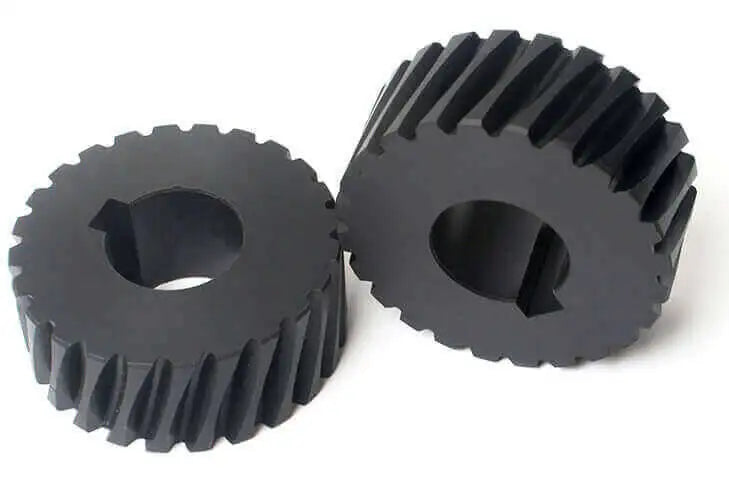
CNC-machined POM rollers for conveyor systems

Sustainable Practices in POM Processing

Eco-Friendly Advancements

Sustainability is increasingly important in modern manufacturing, and POM processing has made significant strides in this area. Recyclable grades of POM and energy-efficient molding machines have reduced environmental impact while lowering production costs. These advancements align with global efforts to promote sustainable practices in manufacturing.

Economic and Environmental Benefits

A leading automotive manufacturer implemented a closed-loop recycling system for POM, achieving a 40% reduction in material waste. This initiative not only minimized the company’s environmental footprint but also resulted in significant cost savings. Such practices demonstrate how manufacturers can balance economic efficiency with environmental responsibility.


Take the Next Step with Precision POM Solutions

Precision POM processing transforms a high-performance material into industry-leading components. From its unmatched strength to its environmental resilience, POM is the key to durable, reliable manufacturing.

Looking to enhance your manufacturing processes with durable and precise POM solutions? Our expertise in POM processing ensures high-quality components tailored to your needs. Discover how we can elevate your operations with:

Fill out the contact form below to start your journey toward superior precision and reliability.

Custom POM parts designed with CNC machining

🎉🎉🎉Limited Time Offer Use code: QR4GNY08SHVR at checkout and enjoy a special discount on your entire order! 👉 POM plastic

Let us know if additional refinements or expansions are needed to tailor this further for your SEO and reader engagement goals!

Leave a comment


Please note, comments must be approved before they are published


Custom Plastic Fabrication

Send your drawing, material and quantity for review

🔧
Precision Machining
CNC milling & turning
✂️
Cutting & Engraving
Laser & waterjet cutting
🏭
Forming & Molding
Thermoforming & injection
🔗
Joining & Assembly
Welding & bonding
📐
Design & Prototyping
CAD design & samples

General

HDPE

PP

PVC

ABS

Engineering

POM

Nylon

PC

PMMA

High-Performance

PEEK

PEI

PTFE

Composites

FR-4

G10

Flexible

TPU

Silicone

Why Choose BeePlastic?

🎯
Perfect Fit
Custom specs eliminate adaptation needs
⚡
Clear Lead Times
Lead time confirmed with every quote
💰
Volume Pricing
Volume pricing available on bulk orders
🤝
Expert Support
Free engineering consultation included
📋
Submit
→
🔍
Review
→
💵
Quote
→
✅
Production
→
📦
Deliver

Request a Quote

Share your project details, selected material and quantity on our quote page. You can add a file link or use the email drawing route shown there.


Request Quote

Industries: Automotive • Medical • Food • Lab • Semiconductor

beeplastic@beeplastic.com


The Ultimate Guide to Machining Epoxy: Techniques and Best Practices

Epoxy materials

Epoxy materials have emerged as a cornerstone of industrial and electrical manufacturing, celebrated for their robustness, adaptability, and resistance to extreme conditions. For example, the global epoxy resin market reached over $10 billion in 2021, driven by its widespread application in critical sectors like aerospace, automotive, and electronics. Yet, machining epoxy is no ordinary task—it demands precision, the right tools, and an in-depth understanding of the material’s unique properties. This guide unpacks the nuances of machining epoxy, providing actionable insights for manufacturers seeking perfection and innovation in their processes.

Close-up detail of green FR4 epoxy glass fiber sheet surface texture for PCB applications

Understanding Epoxy’s Machinability

Epoxy’s machinability isn’t a one-size-fits-all quality. Factors like composition, reinforcement, and application determine how well epoxy materials can be machined. Selecting the right type of epoxy is crucial for ensuring both efficiency and precision in manufacturing. Moreover, understanding its limitations can prevent costly mistakes during the machining process.

Key Properties of Machinable Epoxy

The properties that set machinable epoxy apart make it an essential material for high-performance industries. These characteristics not only ensure reliability but also enhance productivity across various applications:

Hardness and Stability

Epoxy materials with high hardness withstand stress and deformation, enabling precision cutting and shaping. For instance, in electronics, where intricate circuit board designs are the norm, epoxy’s stability ensures reliability and long-term performance. This durability also makes epoxy ideal for molds used in prototyping, where detail retention is critical.

Thermal Resistance

Thermally resistant epoxies endure the heat generated during high-friction machining processes. In aerospace manufacturing, these materials are essential for components exposed to extreme temperature fluctuations, ensuring stability and performance under stress. Similarly, in electronics, thermal resistance allows epoxies to maintain insulation and structural integrity even when used in devices that generate significant heat, such as power converters and processors. This makes them ideal for applications like aerospace components, which must withstand extreme conditions without losing structural integrity. In high-speed CNC machining, the ability to maintain thermal stability prevents deformation and ensures consistent outcomes.

Need FR4/G10 Sheets for Your Project?

Explore our full range of Light Green FR4/G10 Epoxy Sheets. Available from 0.5mm to 50mm thickness. Perfect for CNC machining and insulation.

View Product Catalog →

FR4 Epoxy Board Product

Reinforcement for Durability

Reinforced epoxies, such as those embedded with glass fibers, excel in mechanical strength and wear resistance. G10 epoxy sheets are a prime example, widely used for structural and industrial applications that demand both durability and machinability. Their versatility extends to creating parts that endure repeated mechanical stress without compromise.

Types of Machinable Epoxy

Understanding the varieties of machinable epoxy can help tailor material selection to specific project needs. Choosing the right epoxy ensures that manufacturing processes are both efficient and cost-effective:

  • Standard Epoxy Resins: Versatile and economical, these are best suited for general prototyping and light-duty applications. Their adaptability makes them a staple in research and development environments.
  • Glass-Filled Epoxy: Known for its enhanced strength, this epoxy type is a go-to choice for high-stress environments like industrial equipment and heavy machinery parts.
  • G10 Epoxy Sheets: Famous for their insulating properties, G10 sheets are indispensable in electronics and precision manufacturing. They are also favored for their ability to combine electrical performance with mechanical robustness.

Tools and Techniques for Precision Machining

Success in machining epoxy relies on a combination of the right tools and refined techniques. By aligning these elements, manufacturers can achieve unparalleled precision and avoid common pitfalls.

Tool Type Compatible Material Key Benefit
Carbide-Tipped Standard Epoxy Cost-effective for non-abrasive resins
Diamond-Coated (PCD) FR4 / G10 (Glass-Filled) Prevents rapid wear & delamination

Recommended Tools for Machining Epoxy

FR-4 and G-10 epoxy glass materials known for their exceptional mechanical strength

CNC Machines

CNC machines are indispensable for epoxy machining. Their programmability ensures uniformity and precision, particularly in complex geometries. These machines enable the automation of intricate cuts, saving time and reducing human error.

Carbide-Tipped Tools

Designed to withstand wear, carbide-tipped tools are ideal for cutting dense and durable epoxy materials, ensuring smooth edges and reducing tool replacement costs. They excel in maintaining sharpness even during prolonged operations.

Diamond-Coated Tools

For abrasive composites like glass-filled epoxy, diamond-coated tools are essential. They deliver exceptional finishes and endure extended use, making them a staple in high-precision industries. These tools also minimize chipping, a common issue with less durable options.

Machining Best Practices

Heat Management

Excess heat can distort epoxy, compromising precision. For example, a recent case study in electronics manufacturing revealed that using integrated cooling systems during CNC machining of G10 epoxy significantly reduced material deformation and improved overall product quality. Proper heat management not only enhances machining outcomes but also extends the lifespan of cutting tools, ultimately lowering production costs. Employ cooling systems and adjust cutting speeds to mitigate heat buildup. For example, CNC operations with integrated cooling systems can prolong tool life and maintain material integrity. Using thermally resistant epoxy grades further enhances machining outcomes.

Feed Rate Consistency

A steady feed rate is critical to prevent chipping and cracking. Automated controls on modern CNC machines can ensure smooth, uniform cuts, even in high-volume production. Consistency in feed rates also reduces material waste and increases overall efficiency.

Stack of 5mm FR4 G10 Fiberglass Sheets – Cut-to-Size Electrical Laminate

Dust Control and Workplace Safety

Machining epoxy generates fine dust, which can pose health risks. Invest in advanced dust extraction systems and maintain adequate ventilation. Wearing personal protective equipment (PPE), including gloves, goggles, and masks, further ensures operator safety. Proper workspace design, including airflow optimization, enhances safety and compliance with industrial standards.

Applications of Machined Epoxy

FR4 epoxy sheets available in 100x100mm to 500x300mm sizes

The versatility of epoxy materials has cemented their role across diverse industries, where their properties enable high-performance solutions. These applications highlight epoxy’s adaptability to meet the demands of modern manufacturing:

Electronics Manufacturing

In the electronics industry, epoxy’s insulating capabilities are essential. G10 glass epoxy, with its superior machinability and thermal resistance, is frequently used for circuit boards, connectors, and protective casings. These materials also provide reliability in harsh environments, ensuring the longevity of electronic devices.

Mold Making

Epoxy molds are prized for their ability to capture intricate details. Unlike metal molds, they are lightweight, cost-effective, and easier to maintain. Automotive manufacturing often relies on epoxy molds for high-precision components, reducing production costs while maintaining quality.

Structural Components

Reinforced epoxy materials are integral to aerospace and automotive industries. For example, in aerospace, reinforced epoxy is commonly used to manufacture lightweight yet strong brackets that support critical structures without adding excessive weight. In automotive applications, epoxy composites are crafted into durable enclosures for electric vehicle batteries, providing both mechanical protection and thermal insulation. Lightweight yet durable, they are used for brackets, enclosures, and other structural elements. Their resistance to corrosion and environmental factors enhances their appeal in critical applications. Additionally, epoxy’s ability to perform in extreme temperatures ensures reliability in demanding operational conditions.

Overcoming Challenges in Epoxy Machining

While epoxy machining offers numerous advantages, it presents unique challenges that require strategic solutions. Understanding and addressing these challenges can lead to improved outcomes and reduced operational disruptions.

Facing Machining Challenges?

Don’t let chipping or heat deformation ruin your batch. BeePlastic offers professional CNC Plastic Milling and Turning Services tailored for FR4/G10.

Chipping and Cracking

Using dull tools or inconsistent machining conditions can lead to chipping. To mitigate this, ensure tools are sharp and cutting speeds are optimized. Experimenting with different tool angles can also reduce stress on the material. Regular maintenance of tools and equipment prevents unexpected issues during production.

Heat-Induced Deformation

Monitor and regulate cutting speeds to prevent heat damage. Cooling systems are invaluable in maintaining epoxy’s structural integrity during machining. Heat-resistant epoxy grades can further reduce deformation risks. Advanced monitoring systems can also provide real-time feedback, enabling immediate adjustments.

Ensuring Safety

The fine dust generated during machining can harm operators. Implement ventilation systems and require PPE to protect against respiratory and skin irritants. Advanced filtration systems can significantly enhance air quality in workspaces with frequent epoxy machining. Training workers on best practices and safety protocols ensures long-term compliance and safety.

Unlock the Power of Epoxy Machining

CNC machined green plastic frame - custom FR4 fabrication

Mastering epoxy machining opens the door to innovative solutions in industrial and electrical manufacturing. By understanding the material’s properties, choosing the right tools, and following best practices, you can achieve precision and efficiency in every project. Epoxy’s adaptability and performance make it an invaluable asset in modern manufacturing.

Transform Your Projects with Custom Epoxy Solutions

Boost your manufacturing capabilities with high-quality FR4/G10 epoxy glass fiber sheets, featured in our specialized FR4/G10 materials section. Explore the fiberglass epoxy product catalog to find the perfect match for your needs.

CNC Machinable G10 FR4 Epoxy Laminate Sheet

For an overview of our expertise, visit the manufacturing solutions overview.

Contact Our Engineers Code

Leave a comment


Please note, comments must be approved before they are published


Custom Plastic Fabrication

Send your drawing, material and quantity for review

🔧
Precision Machining
CNC milling & turning
✂️
Cutting & Engraving
Laser & waterjet cutting
🏭
Forming & Molding
Thermoforming & injection
🔗
Joining & Assembly
Welding & bonding
📐
Design & Prototyping
CAD design & samples

General

HDPE

PP

PVC

ABS

Engineering

POM

Nylon

PC

PMMA

High-Performance

PEEK

PEI

PTFE

Composites

FR-4

G10

Flexible

TPU

Silicone

Why Choose BeePlastic?

🎯
Perfect Fit
Custom specs eliminate adaptation needs
⚡
Clear Lead Times
Lead time confirmed with every quote
💰
Volume Pricing
Volume pricing available on bulk orders
🤝
Expert Support
Free engineering consultation included
📋
Submit
→
🔍
Review
→
💵
Quote
→
✅
Production
→
📦
Deliver

Request a Quote

Share your project details, selected material and quantity on our quote page. You can add a file link or use the email drawing route shown there.


Request Quote

Industries: Automotive • Medical • Food • Lab • Semiconductor

beeplastic@beeplastic.com


The Durability of POM: How Precision Processing Unlocks Its Full Potential in Manufacturing

POM processing

Polyoxymethylene (POM), often referred to as acetal or polyacetal, is celebrated for its unmatched strength, durability, and adaptability. In the automotive industry, POM plays a crucial role in creating gears and fuel system components that must withstand mechanical stress and chemical exposure. Similarly, in the medical field, POM is relied upon for its precision and biocompatibility, making it indispensable for device housings and critical moving parts. This versatility underscores its essential role across diverse manufacturing sectors. In industries like automotive, medical, and industrial manufacturing, it stands out as a material that delivers consistent performance under demanding conditions. But the true magic lies in precision POM processing, a set of advanced techniques that enhance its properties and make it indispensable for modern engineering. This article delves deep into the durability of POM and how precision processing maximizes its potential, bringing remarkable benefits to a variety of industries.

🎉🎉🎉Limited Time Offer Use code: QR4GNY08SHVR at checkout and enjoy a special discount on your entire order! 👉 POM plastic

Sustainable POM solutions for industrial applications

Unmatched Mechanical Strength: Unlocking POM’s Core Advantage

How Molecular Structure Enhances Durability

At the heart of POM’s exceptional mechanical strength lies its highly crystalline molecular structure. This unique arrangement provides rigidity and resistance to deformation, even under intense loads. For example, in the automotive sector, gears and fuel system components made from POM perform flawlessly over extended periods, maintaining their integrity despite constant mechanical stress. POM’s strength translates directly into cost savings for manufacturers by reducing the need for frequent replacements and repairs.

Real-World Applications in High-Stress Environments

Industrial machinery is another arena where POM thrives. Imagine conveyor systems in factories that operate non-stop: POM bushings and gears ensure smooth operations, significantly reducing downtime. Its low friction properties further enhance efficiency, allowing machines to run longer and more reliably. In high-performance environments, such as aerospace applications, POM ensures reliability where precision and strength are critical. The versatility of this material positions it as a cornerstone in demanding industries.


Dimensional Stability: The Competitive Edge in Challenging Environments

Resistance to Environmental Factors

Dimensional stability is one of POM’s defining characteristics. Unlike nylon, which absorbs moisture and swells, POM maintains its structural integrity in humid or wet conditions. This quality is crucial for applications like marine equipment, where exposure to water is unavoidable. By resisting environmental factors, POM guarantees consistent performance, even in the most challenging environments.

Comparisons with Other Materials

Consider water treatment facilities. Nylon gears often swell and malfunction over time, leading to costly repairs. By switching to POM, one facility reduced its annual maintenance costs by 25%, saving thousands of dollars in replacements and downtime. This clear advantage highlights POM’s superior performance and cost-effectiveness in critical applications. In contrast, POM gears remain unaffected, delivering long-term efficiency. This stark difference underscores why POM is often the material of choice in such critical applications. Moreover, POM’s resistance to thermal expansion ensures it maintains performance even in fluctuating temperatures, making it invaluable in precision engineering tasks.

Precision POM gears ensuring smooth industrial operations

Innovative Techniques in POM Processing

Advanced Methods in POM Processing

  • Injection Molding: This process is perfect for creating complex parts like medical device housings and automotive fuel caps. The precise control over temperature and pressure ensures defect-free components with consistent quality, allowing manufacturers to meet exact specifications with ease.

  • CNC Machining: Ideal for custom parts such as industrial gears, CNC machining guarantees precision and accuracy, making it a staple in aerospace and medical applications. The adaptability of CNC machining ensures manufacturers can quickly pivot to meet unique project requirements.

  • Hot Pressing: By applying uniform heat and pressure, hot pressing enhances POM’s durability, making it suitable for heavy-duty seals and components exposed to extreme conditions. This technique also ensures material consistency, further improving the lifespan of critical components.

A Real-World Example

An industrial pump manufacturer recently switched to hot-pressed POM seals, leading to a 30% improvement in operational efficiency. This multinational company, operating across multiple continents, utilized the seals in high-pressure systems within its water treatment division. By improving reliability and reducing failures, the switch saved the company hundreds of thousands of dollars annually in maintenance and downtime. The switch not only reduced part replacements but also enhanced the reliability of the equipment, showcasing the transformative power of precision processing. Additionally, the adoption of POM resulted in measurable energy savings, as machines experienced less wear and tear during operation.


Industry-Specific Applications Highlighting POM’s Versatility

Automotive

From gears to bushings, POM components in the automotive industry stand out for their ability to endure mechanical stress and exposure to chemicals. These features ensure that vehicles run efficiently, reducing the need for frequent part replacements. For example, POM’s low friction properties make it an ideal material for components in high-performance engines, where minimizing energy loss is critical.

Medical

In medical manufacturing, precision and reliability are paramount. POM’s durability makes it an excellent material for device housings and moving parts, ensuring safety and compliance with industry standards. Furthermore, POM’s biocompatibility and resistance to sterilization methods like autoclaving make it indispensable for critical medical tools and equipment.

Industrial

Industrial applications rely on POM for its low friction and wear resistance. Conveyor systems, bearings, and other high-demand components benefit from POM’s ability to handle continuous operations without compromising efficiency. In food processing plants, for instance, POM’s chemical resistance ensures safe and hygienic operations, even under rigorous cleaning protocols.

Automotive POM gears designed for stress resistance

Sustainability in Modern POM Manufacturing

Eco-Friendly Processing

Sustainability is no longer optional in manufacturing—it’s essential. Energy-efficient molding machines and advanced recycling systems have revolutionized POM processing. These advancements significantly benefit manufacturers by reducing energy consumption by up to 30%, leading to lower operational costs. Moreover, recycling systems allow for the reuse of POM waste, cutting material expenses and minimizing environmental impact. Together, these innovations make POM processing both economically and environmentally sustainable, ensuring a competitive edge for manufacturers embracing these technologies. These innovations not only reduce environmental impact but also cut production costs, making POM an eco-friendly choice. Recyclable POM grades have gained traction, offering manufacturers a way to minimize waste without sacrificing quality.

A Case Study in Sustainability

A leading automotive manufacturer implemented a closed-loop recycling system for POM components, achieving a 40% reduction in material waste. This initiative highlights how sustainability and efficiency can go hand in hand, setting a benchmark for responsible manufacturing practices. Such practices are increasingly becoming a competitive advantage in industries prioritizing eco-conscious solutions.


Achieve Excellence with Custom POM Processing Solutions

Precision POM processing is the cornerstone of high-performance manufacturing, directly contributing to the production of durable, reliable components while significantly reducing production costs. By employing advanced techniques such as CNC machining and injection molding, manufacturers can achieve unmatched precision, ensuring their products meet the highest industry standards while optimizing material usage and operational efficiency. From its unmatched mechanical strength to its resistance to environmental factors, POM proves to be an invaluable material across industries. With the right processing techniques, the potential of POM can be fully realized, ensuring durability and efficiency in every application.

Are you ready to unlock the full potential of POM? Explore our specialized services tailored to your needs:

CNC-machined POM bushings for enhanced durability

🎉🎉🎉Limited Time Offer Use code: QR4GNY08SHVR at checkout and enjoy a special discount on your entire order! 👉 POM plastic

Let us help you achieve precision and durability in your projects. Fill out the contact form below to get started, and transform your manufacturing processes with industry-leading POM processing solutions.

Leave a comment


Please note, comments must be approved before they are published


Custom Plastic Fabrication

Send your drawing, material and quantity for review

🔧
Precision Machining
CNC milling & turning
✂️
Cutting & Engraving
Laser & waterjet cutting
🏭
Forming & Molding
Thermoforming & injection
🔗
Joining & Assembly
Welding & bonding
📐
Design & Prototyping
CAD design & samples

General

HDPE

PP

PVC

ABS

Engineering

POM

Nylon

PC

PMMA

High-Performance

PEEK

PEI

PTFE

Composites

FR-4

G10

Flexible

TPU

Silicone

Why Choose BeePlastic?

🎯
Perfect Fit
Custom specs eliminate adaptation needs
⚡
Clear Lead Times
Lead time confirmed with every quote
💰
Volume Pricing
Volume pricing available on bulk orders
🤝
Expert Support
Free engineering consultation included
📋
Submit
→
🔍
Review
→
💵
Quote
→
✅
Production
→
📦
Deliver

Request a Quote

Share your project details, selected material and quantity on our quote page. You can add a file link or use the email drawing route shown there.


Request Quote

Industries: Automotive • Medical • Food • Lab • Semiconductor

beeplastic@beeplastic.com


POM Processing for Durable Parts: The Secret Behind Polyoxymethylene’s Long-Lasting Performance

POM processing

Polyoxymethylene (POM), also known as acetal or polyacetal, is a material that has become a cornerstone for industries demanding precision and durability. Its unparalleled mechanical properties, such as high stiffness and low friction, make it essential in automotive manufacturing for components like gears and fuel caps. In the medical field, POM is used for durable device housings, while industrial sectors depend on it for long-lasting bearings and conveyor systems. This versatility underscores its critical role across multiple applications, proving why it’s a preferred material for manufacturers worldwide. Its applications span across diverse fields such as automotive, where it’s used for gears and fuel caps; medical manufacturing, providing reliable components for device housings; and industrial equipment, ensuring long-lasting performance in bearings and conveyor systems. This widespread adoption underscores POM’s unique ability to deliver unmatched reliability and strength. From its remarkable mechanical properties to the innovations in processing techniques, POM consistently delivers reliable solutions across diverse sectors, including automotive, medical, and industrial manufacturing. In this detailed exploration, we unravel the science and innovation behind POM processing, highlighting why it remains the gold standard for creating durable parts.

Polyoxymethylene (POM), also known as acetal or polyacetal

🎉🎉🎉Limited Time Offer Use code: QR4GNY08SHVR at checkout and enjoy a special discount on your entire order! 👉 POM plastic


Why Choose POM for Durable Parts?

High Mechanical Strength

The strength of POM lies in its highly crystalline molecular structure. This tightly packed arrangement offers unparalleled stiffness and resistance to deformation under stress. Imagine the gears in an industrial conveyor system, working tirelessly under high loads. POM ensures smooth and consistent operation without succumbing to wear and tear, even in demanding environments. Automotive bushings and precision bearings further benefit from these qualities, maintaining reliability over extended periods of use.

Low Friction and Wear Resistance

POM’s inherently low coefficient of friction sets it apart for applications involving moving parts. Sliding door tracks, conveyor rollers, and high-speed bearings are just a few examples where POM’s properties shine. For instance, in an automated distribution center, POM conveyor rollers have been shown to increase efficiency by 30% due to their low friction and wear resistance. This translates into reduced energy consumption and longer operational lifespans, making POM an essential material for high-demand industries. Consider a food processing plant relying on POM rollers: these components reduce maintenance downtimes while ensuring hygienic, efficient operations. This ability to minimize wear extends the lifespan of parts, offering significant cost savings in maintenance and replacements.

Dimensional Stability

One of POM’s standout features is its resistance to environmental factors such as moisture absorption. While materials like nylon can swell and warp in humid conditions, POM remains dimensionally stable. This makes it a reliable choice for applications like marine pump components or outdoor equipment, where performance under challenging conditions is critical. POM’s stability ensures that products retain their original specifications, even in fluctuating environments.

One of POM’s standout features is its resistance to environmental factors

Advanced Techniques in POM Processing

Injection Molding

Injection molding is a highly efficient technique for mass-producing intricate POM components. By precisely controlling temperature and pressure, manufacturers can produce complex parts like fuel system caps and medical device housings with exceptional accuracy. These precise controls ensure uniform material density and eliminate defects, such as air pockets or uneven surfaces, resulting in parts that can withstand rigorous use. For example, automotive manufacturers rely on these controls to prevent cracks or weak spots in fuel caps, ensuring durability under extreme pressures and temperatures. For instance, this level of control enhances the chemical resistance and durability of automotive components, ensuring long-term reliability in harsh operating environments. Automotive manufacturers, for example, depend on injection-molded POM fuel caps to ensure both a perfect fit and durability against chemical exposure. The repeatability of this process ensures consistent quality across large production runs, making it a cornerstone of modern manufacturing.

CNC Machining

When customization and precision are non-negotiable, CNC machining is the preferred method for POM processing. This technique enables the creation of bespoke components like gears and bushings with tight tolerances. In aerospace industries, where reliability is paramount, CNC-machined POM parts deliver consistent performance under variable temperatures and pressures. The adaptability of CNC machining makes it indispensable for industries that demand innovation and precision.

Hot Pressing

Hot pressing enhances POM’s durability by applying controlled heat and pressure, improving its structural integrity. This method is ideal for creating high-performance seals and heavy-duty bushings. For instance, industrial pumps operating in harsh conditions rely on hot-pressed POM seals to maintain reliability, even under extreme pressure and exposure to aggressive chemicals. The durability achieved through hot pressing makes it a valuable process for high-stakes applications.


POM vs. Other Engineering Plastics

POM vs. Nylon

While nylon is flexible and versatile, its high moisture absorption limits its application in humid or wet conditions. POM, on the other hand, retains its structural integrity, making it a superior choice for marine applications. Consider water treatment facilities: nylon gears may swell and fail over time due to their high moisture absorption, compromising their structural integrity and performance. POM gears, on the other hand, resist water absorption, maintaining their shape and strength even in continuous exposure to moisture. This reliability not only ensures optimal performance but also reduces the need for frequent maintenance, making POM an indispensable material in such demanding applications.

POM vs. ABS

ABS is lightweight and affordable, but it lacks the wear resistance and mechanical strength that POM provides. In applications like precision timing gears or high-load mechanical parts, POM’s rigidity and durability make it the preferred material. ABS might suffice in low-stress environments, but when reliability and long-term performance are critical, POM stands out.

POM vs. Polypropylene

Polypropylene is recognized for its chemical resistance but does not offer the stiffness and load-bearing capacity of POM. In agricultural machinery, where parts are subjected to continuous stress, POM components outlast polypropylene, delivering superior performance. This makes POM the go-to material for environments that demand high-performance, load-intensive parts.

POM processing

Innovations in POM Processing for Modern Applications

Sustainable Practices

Sustainability is becoming a focal point in POM processing. Advanced recycling systems now convert POM waste into reusable pellets, reducing waste and lowering material costs. For instance, a leading automotive manufacturer recently implemented a closed-loop recycling system for POM components, successfully reducing material waste by 40%. This initiative not only minimized environmental impact but also significantly cut production expenses, setting a benchmark for sustainable practices in the industry. Energy-efficient molding machines are another innovation, significantly cutting power consumption while maintaining high output quality. For instance, modern machines have been reported to reduce energy usage by up to 30%, allowing manufacturers to lower operational costs while maintaining eco-friendly practices. These advancements play a critical role in aligning with sustainability goals and enhancing overall production efficiency. These eco-friendly advancements not only align with global sustainability goals but also set a benchmark for responsible manufacturing practices.

Enhanced Material Blends

Innovative POM blends are expanding its applications. UV-resistant grades, for example, are ideal for outdoor applications like solar panel components, where prolonged exposure to sunlight requires exceptional durability. Similarly, high-temperature-resistant blends have broadened POM’s use in engine compartments, ensuring reliability in extreme heat. These advancements demonstrate how POM continues to evolve to meet the demands of modern industries.

Automation in Processing

The integration of robotics and AI into POM manufacturing processes is revolutionizing production. Automated systems now handle material feeding, molding, and quality inspections, ensuring consistent precision and faster turnaround times. These innovations reduce human error, enhance efficiency, and lower operational costs, making POM processing more advanced than ever.


Discover the Power of Custom POM Processing for Your Industry

Tailored Solutions for Industry Needs

Polyoxymethylene’s unparalleled durability, versatility, and performance make it indispensable in modern manufacturing. However, its true potential is unlocked through precision POM processing tailored to unique requirements. Whether it’s creating automotive components, medical devices, or industrial machinery, advanced techniques ensure your products achieve unmatched quality and reliability.

Ready to elevate your manufacturing with custom POM solutions? Partner with us to access:

🎉🎉🎉Limited Time Offer Use code: QR4GNY08SHVR at checkout and enjoy a special discount on your entire order! 👉 POM plastic

Custom POM Plastic Solutions

Take the first step toward precision and durability. Contact us today to discover how POM processing can enhance your operations by reducing costs through durable, long-lasting parts or improving product longevity in automotive gears and medical device housings. Our solutions ensure that your components exceed industry standards and deliver unmatched reliability. Whether you need custom POM plastic solutions, high-quality polyoxymethylene sheets and rods, or access to our advanced manufacturing capabilities, we’re ready to help. Fill out the form below to start creating industry-leading products. Fill out the form below and start your journey toward exceptional innovation and quality.

Leave a comment


Please note, comments must be approved before they are published


Custom Plastic Fabrication

Send your drawing, material and quantity for review

🔧
Precision Machining
CNC milling & turning
✂️
Cutting & Engraving
Laser & waterjet cutting
🏭
Forming & Molding
Thermoforming & injection
🔗
Joining & Assembly
Welding & bonding
📐
Design & Prototyping
CAD design & samples

General

HDPE

PP

PVC

ABS

Engineering

POM

Nylon

PC

PMMA

High-Performance

PEEK

PEI

PTFE

Composites

FR-4

G10

Flexible

TPU

Silicone

Why Choose BeePlastic?

🎯
Perfect Fit
Custom specs eliminate adaptation needs
⚡
Clear Lead Times
Lead time confirmed with every quote
💰
Volume Pricing
Volume pricing available on bulk orders
🤝
Expert Support
Free engineering consultation included
📋
Submit
→
🔍
Review
→
💵
Quote
→
✅
Production
→
📦
Deliver

Request a Quote

Share your project details, selected material and quantity on our quote page. You can add a file link or use the email drawing route shown there.


Request Quote

Industries: Automotive • Medical • Food • Lab • Semiconductor

beeplastic@beeplastic.com


What Epoxy Can Be Machined? A Guide for Industrial and Electrical Applications

Epoxy resins

Epoxy resins have carved a niche in industrial and electrical manufacturing, celebrated for their adaptability and reliability. For example, the global epoxy resin market reached over $10 billion in 2021, driven by its widespread use in critical industries like aerospace and electronics. These materials, prized for their exceptional thermal stability and chemical resistance, lend themselves to precision machining processes. But not every epoxy resin is up to the task when it comes to machining. This guide explores the specifics of machinable epoxy types, their critical applications, and how to achieve the best results using proven techniques.

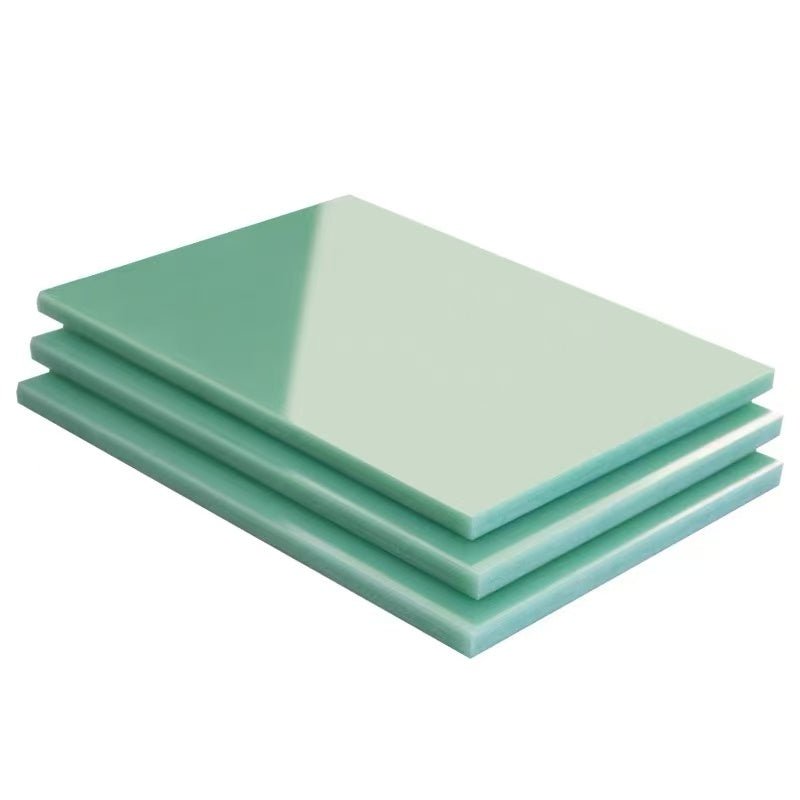
light green g10 fr4 epoxy fiberglass sheet

🎉🎉🎉Limited Time Offer Use code: QR4GNY08SHVR at checkout and enjoy a special discount on your entire order! 👉 FR4 fiberglass plastic

Understanding Machinable Epoxy Resins

Not all epoxies are created equal—some excel in machining, while others falter. Machinable epoxy resins offer a unique combination of properties that make them suitable for cutting, shaping, and finishing with high precision. Unlike non-machinable epoxies, these materials maintain their integrity under stress, resist deformation, and allow for intricate detailing, making them invaluable in high-performance manufacturing applications. Understanding these properties is crucial to leveraging their potential in demanding manufacturing environments.

Hardness and Stability

The ability of epoxy to resist deformation and cracking under mechanical stress is key to its machinability. Hard epoxy resins maintain their structural integrity during machining, ensuring precise outcomes even for intricate designs. For instance, in automotive applications, these resins are used to create components that endure repeated mechanical loads without losing functionality. This stability is also essential in aerospace manufacturing, where precision and durability are paramount.

Thermal Resistance

Epoxy resins with excellent heat resistance handle the friction generated during machining without distortion. This characteristic is particularly important in electronics manufacturing, where thermal stability ensures the reliability of circuit boards, insulators, and other critical components. Materials like FR4 epoxy sheets stand out for their ability to maintain performance under high temperatures, making them indispensable in high-stress environments.

Reinforcement for Durability

Reinforced epoxy resins, such as those containing glass fibers, bring added structural integrity and stability. A standout example is G10 glass epoxy, commonly used in aerospace and industrial applications. Its ability to remain dimensionally stable under extreme conditions makes it indispensable in high-performance industries. These reinforced materials are also valued for their resistance to wear and longevity in repeated use scenarios.

close-up g10 epoxy fiberglass surface

Tools and Techniques for Machining Epoxy

Achieving precision in epoxy machining hinges on using the right tools and following proven techniques. These strategies not only enhance efficiency but also help minimize material waste and ensure high-quality results.

Choosing the Right Tools

  1. CNC Machines: With their unparalleled accuracy and programmability, CNC machines are the backbone of intricate epoxy machining. They are particularly effective for producing complex geometries.

  2. Carbide-Tipped Tools: Known for their durability and sharpness, these tools are ideal for cutting tough epoxy materials and ensuring smooth edges.

  3. Diamond-Coated Tools: When working with abrasive composites like G10, diamond-coated tools provide a smooth finish and withstand wear and tear over extended use. Their precision is invaluable for achieving tight tolerances in critical applications.

Techniques for Precision Machining

Controlling Heat

Excessive heat can distort epoxy, undermining the precision of machined parts. Coolants, combined with adjustments in cutting speed and depth, mitigate heat buildup. Cooling systems integrated into CNC setups significantly enhance material stability during high-speed machining, ensuring a flawless finish.

Maintaining Consistent Feed Rates

A steady feed rate prevents chipping or cracking. This is particularly crucial for large-scale components, where inconsistencies can result in costly material waste and project delays. Automated feed rate controls on modern machinery can optimize this process, delivering consistent results.

Effective Dust Management

Fine dust generated during epoxy machining can pose significant health and safety risks. Using dust extraction systems and maintaining proper ventilation ensures a clean, safe workspace. Without adequate ventilation, workers may face health risks such as respiratory irritation, long-term lung conditions, or allergic reactions due to prolonged exposure to fine epoxy dust particles. Advanced filtration systems can further enhance air quality, making them essential in sensitive environments like electronics manufacturing.

Industrial and Electrical Applications of Machined Epoxy

Machined epoxy components are vital across diverse industries, delivering performance and reliability in demanding environments. Here are three key areas where epoxy shines:

8mm FR4 epoxy laminate sheet with fiberglass core for high-voltage insulation

Electronics Manufacturing

Epoxy plays a foundational role in electronic components, from circuit boards to insulators. G10 glass epoxy stands out for its unparalleled thermal stability and electrical insulation properties, making it a preferred choice for high-performance electronics. Additionally, its machinability allows for the creation of intricate designs, ensuring compatibility with advanced electronic assemblies.

Mold Making

Epoxy’s detail retention and durability make it a popular choice for molds used in prototyping and production. Compared to metals, epoxy molds are significantly lighter and more cost-effective, reducing material and operational expenses. Unlike plastics, epoxy offers superior dimensional stability and the ability to endure repeated use without deformation, making it ideal for high-precision industries like automotive and aerospace. Unlike metals, epoxy molds are lightweight, cost-effective, and easier to maintain, providing a significant edge in industries like automotive manufacturing. For example, epoxy molds are widely used for producing custom automotive parts, where precision and efficiency are essential.

Structural Components

From aerospace to automotive, epoxy’s lightweight yet strong nature supports its use in structural components. Brackets, enclosures, and other critical parts benefit from epoxy’s resistance to corrosion and its ability to perform under extreme temperatures and mechanical stress. These features make epoxy indispensable for high-demand applications requiring reliability and long-term performance.

Challenges and Safety Tips in Epoxy Machining

While machining epoxy opens up new manufacturing possibilities, it also comes with challenges that require careful handling.

Common Challenges

Chipping During Machining

Improper tooling or inconsistent feed rates often lead to chipping, reducing precision. Selecting high-quality tools and maintaining steady machining conditions can address this issue effectively. Additionally, experimenting with tool angles can help minimize chipping.

Heat-Induced Deformation

Excessive heat can compromise epoxy’s properties, leading to warping or surface irregularities. Cooling systems and precise cutting parameters are crucial to avoiding such issues. Investing in heat-resistant epoxy grades can also mitigate this challenge.

Safety Tips for Machining Epoxy

Protective Gear

Always wear appropriate personal protective equipment (PPE), including gloves, safety goggles, and dust masks. Exposure to fine epoxy dust can irritate the skin and respiratory system, making proper protection essential. For added safety, consider full-face shields during high-dust operations.

Ventilation and Filtration

Maintaining adequate airflow minimizes dust accumulation, ensuring a safer and cleaner workspace. Advanced filtration systems are highly recommended for regular epoxy machining setups, especially in enclosed environments.

Regular Tool Maintenance

Sharpening and cleaning tools ensure consistent performance and reduce the risk of accidents. Well-maintained tools also extend their lifespan, contributing to cost savings over time. Routine inspections can help identify wear early, preventing unexpected downtime.

Unlock the Full Potential of Machinable Epoxy Materials

Machining epoxy offers unmatched opportunities for precision manufacturing. Whether you’re working with standard resins or advanced composites like G10 glass epoxy, understanding their applications and properties can revolutionize your production processes. By selecting the right materials and techniques, you can ensure efficiency, accuracy, and long-term reliability in your projects.

Black FR4 G10 fiberglass sheet for electrical insulation applications

Take Your Manufacturing to the Next Level

Elevate your manufacturing processes with premium machinable epoxy materials tailored for industrial and electrical applications. Discover the exceptional properties of FR4/G10 epoxy glass fiber sheets in the FR4/G10 epoxy materials category or browse our wide-ranging selection of fiberglass epoxy sheets in the fiberglass epoxy materials collection. For detailed insights into our manufacturing capabilities, learn more about our comprehensive capabilities in the manufacturing solutions overview. Fill out the contact form below to discuss your custom requirements and achieve precision like never before!

🎉🎉🎉Limited Time Offer Use code: QR4GNY08SHVR at checkout and enjoy a special discount on your entire order! 👉 FR4 fiberglass plastic

Leave a comment


Please note, comments must be approved before they are published


Custom Plastic Fabrication

Send your drawing, material and quantity for review

🔧
Precision Machining
CNC milling & turning
✂️
Cutting & Engraving
Laser & waterjet cutting
🏭
Forming & Molding
Thermoforming & injection
🔗
Joining & Assembly
Welding & bonding
📐
Design & Prototyping
CAD design & samples

General

HDPE

PP

PVC

ABS

Engineering

POM

Nylon

PC

PMMA

High-Performance

PEEK

PEI

PTFE

Composites

FR-4

G10

Flexible

TPU

Silicone

Why Choose BeePlastic?

🎯
Perfect Fit
Custom specs eliminate adaptation needs
⚡
Clear Lead Times
Lead time confirmed with every quote
💰
Volume Pricing
Volume pricing available on bulk orders
🤝
Expert Support
Free engineering consultation included
📋
Submit
→
🔍
Review
→
💵
Quote
→
✅
Production
→
📦
Deliver

Request a Quote

Share your project details, selected material and quantity on our quote page. You can add a file link or use the email drawing route shown there.


Request Quote

Industries: Automotive • Medical • Food • Lab • Semiconductor

beeplastic@beeplastic.com


Is Material Bakelite the Ultimate Choice for Electrical and Industrial Equipment?

Material Bakelite, a phenolic resin

Choosing the right material for electrical and industrial equipment is crucial for ensuring performance, durability, and cost-efficiency. Studies show that selecting materials with enhanced durability and thermal resistance can extend equipment life by up to 30%, reducing overall maintenance costs. According to a 2023 industry report by Global Materials Insights, advanced materials like Bakelite have proven to lower downtime rates by optimizing thermal efficiency and ensuring reliable performance across heavy-duty applications. For example, in high-voltage applications, the use of advanced materials like Bakelite has significantly decreased failure rates, ensuring safer and more efficient operations. Material Bakelite, a phenolic resin, has long been recognized for its unique properties, making it an indispensable material for various industrial applications. Its ability to withstand harsh conditions and deliver consistent results has made it a trusted choice across industries. In this article, we’ll explore how Bakelite excels in insulation, heat resistance, and sustainability, and why it stands out as the ultimate choice for industrial use.

🎉🎉🎉Limited Time Offer Use code: QR4GNY08SHVR at checkout and enjoy a special discount on your entire order! 👉 Bakelite plastic

Material Bakelite, a phenolic resin

Evolution of Material Bakelite in Industrial Applications

Material Bakelite was the first synthetic plastic, invented in 1907 by Leo Baekeland. Originally used in household items like radios and telephone casings, Bakelite has evolved into a critical component for industrial and electrical equipment. Its transformation from basic phenolic resin to a versatile industrial material highlights its adaptability and performance in demanding environments.

Over the decades, Bakelite has been embraced for its unmatched durability, heat resistance, and insulating properties, addressing evolving industrial challenges such as the need for reliable high-temperature materials and cost-effective solutions. For instance, Bakelite’s application in automotive parts like distributor caps and electrical housings has resolved issues related to heat distortion and electrical interference. For example, a prominent automotive manufacturer implemented Bakelite in their ignition systems, achieving a 25% reduction in electrical failures and improving overall reliability in high-temperature environments. This real-world case demonstrates Bakelite’s ability to address industry-specific challenges effectively. Similarly, in the manufacturing sector, Bakelite’s resilience has enabled the production of components that withstand rigorous mechanical stress while maintaining precision and efficiency. Modern manufacturing industries rely on Bakelite for its ability to perform under extreme conditions. Whether in automotive components, high-voltage insulators, or precision machinery, Bakelite continues to prove its relevance in today’s industrial landscape. Its role as a foundation for innovation underscores its importance in engineering and manufacturing advancements.

Why Material Bakelite is Ideal for Electrical Insulation

One of the standout features of material Bakelite is its exceptional electrical insulation properties. Unlike traditional plastics, Bakelite is non-conductive, making it ideal for applications that require high safety standards. Its ability to resist electrical currents ensures reliability in a wide range of electrical and electronic applications.

Applications in Electrical Equipment

  • Switchboards: Prevents electrical faults by maintaining insulation and ensuring system stability.

  • Circuit Breakers: Ensures safe operation under high-voltage conditions, preventing potential hazards.

  • Power Transformers: Minimizes energy loss and enhances efficiency in high-load environments.

  • Electrical Casings: Protects sensitive components from interference and damage, improving device reliability.

These qualities make Bakelite indispensable in the electrical industry, where maintaining insulation is critical for safety and performance. Compared to newer thermoplastics, Bakelite offers a significant cost advantage due to its longer lifespan and lower failure rates in high-voltage environments. Additionally, its thermal stability ensures consistent performance, reducing the need for frequent replacements and downtime, which are common with alternative materials. For instance, a leading energy solutions provider incorporated Bakelite into its high-voltage transformer casings, achieving a 20% improvement in thermal efficiency and reducing electrical failures by 15%. This real-world application demonstrates how Bakelite addresses critical industry challenges effectively. Its use in high-voltage and precision systems underscores its ability to meet stringent standards.

Material Bakelite, a phenolic resin

Durability and Heat Resistance: A Game-Changer for Industrial Equipment

Material Bakelite is known for its exceptional durability and ability to withstand high temperatures. These properties make it a preferred material in demanding industrial environments. Bakelite’s resilience allows it to excel in situations where other materials may fail, ensuring both safety and efficiency.

Applications in Industrial Environments

  • Heavy Machinery: Bakelite components maintain structural integrity under mechanical stress, reducing downtime and extending machine life.

  • Automotive Parts: Used in clutch plates, brake systems, and distributor caps, Bakelite ensures long-lasting performance under rigorous conditions.

  • Industrial Ovens and Furnaces: Resists extreme heat without degrading, ensuring safety and efficiency in high-temperature operations.

  • Manufacturing Equipment: Provides stability and precision in tools and jigs, contributing to high-quality production.

Compared to other materials, Bakelite’s heat resistance significantly reduces maintenance costs and equipment downtime. Its ability to maintain performance in extreme conditions makes it an economical choice for industries that demand reliability. For example, manufacturers using Bakelite in heavy-duty machinery have reported up to a 25% reduction in maintenance costs due to its exceptional durability and heat resistance. This not only extends the operational lifespan of components but also minimizes production downtime, leading to significant financial savings over time.

Cost-Efficiency and Sustainability of Material Bakelite

In addition to its physical properties, material Bakelite offers significant economic and environmental advantages. Its durability reduces the frequency of replacements, lowering overall operational costs. For industries focusing on sustainability, Bakelite contributes to more efficient and eco-friendly practices. Its use aligns with global sustainability initiatives such as the United Nations’ Sustainable Development Goals (SDGs), particularly in promoting responsible consumption and production. By reducing material waste and energy consumption, Bakelite supports industrial compliance with these standards, offering businesses a way to achieve their environmental objectives while maintaining operational efficiency.

Environmental and Economic Benefits

  • Waste Reduction: Longer lifespan means less waste compared to disposable plastics, reducing environmental impact.

  • Energy Conservation: High performance reduces energy consumption in industrial equipment, contributing to cost savings.

  • Sustainability Goals: Supports circular economy initiatives by minimizing material turnover and promoting long-term use.

As industries shift towards greener practices, Bakelite aligns with sustainability goals by minimizing resource consumption and waste generation. Its role in reducing environmental footprints underscores its importance in modern manufacturing strategies. Compared to thermoplastics, which often require frequent replacements and generate significant waste, Bakelite offers a longer lifespan and greater resilience. For example, while thermoplastics used in automotive parts may need replacement every 3-5 years, Bakelite components have been shown to last over a decade under similar conditions, reducing both costs and environmental impact. This not only reduces material turnover but also aligns with the growing emphasis on sustainable practices in industries like automotive and electrical manufacturing.

Comparing Material Bakelite with Alternative Materials

When compared to other plastics and materials, material Bakelite consistently outperforms in key areas such as durability, cost-effectiveness, and environmental impact. Its unique properties make it a superior choice for applications where reliability and efficiency are paramount.

Performance and Reliability

  • Durability: Bakelite resists wear and tear better than most thermoplastics, ensuring longevity and consistent performance.

  • Cost-Effectiveness: Provides long-term savings due to reduced maintenance and fewer replacements, making it a budget-friendly option for manufacturers.

  • Environmental Impact: Its extended lifespan supports eco-friendly manufacturing practices, aligning with global sustainability efforts.

By offering unmatched reliability, Bakelite positions itself as a leading material for industrial and electrical applications. Its ability to deliver consistent results makes it a trusted choice for engineers and manufacturers worldwide.

Bakelite offers a longer lifespan and greater resilience.

Transform Your Operations with Material Bakelite

With its unparalleled insulation, durability, and heat resistance, material Bakelite is undeniably a top choice for electrical and industrial equipment. Its economic and environmental benefits further solidify its position as a preferred material in modern manufacturing. From enhancing safety standards to supporting sustainable practices, Bakelite offers solutions that meet the evolving demands of industries.

🎉🎉🎉Limited Time Offer Use code: QR4GNY08SHVR at checkout and enjoy a special discount on your entire order! 👉 Bakelite plastic

If you’re ready to leverage the exceptional benefits of material Bakelite for your business, we’re here to help. Discover more about our specialized Bakelite solutions and explore our extensive range of Bakelite products. Learn how our advanced manufacturing capabilities can cater to your unique needs, and reach out to us via our custom solutions contact form. Let’s create durable, efficient, and sustainable solutions tailored to your operations. Fill out the contact form below to get started today.

Leave a comment


Please note, comments must be approved before they are published


Custom Plastic Fabrication

Send your drawing, material and quantity for review

🔧
Precision Machining
CNC milling & turning
✂️
Cutting & Engraving
Laser & waterjet cutting
🏭
Forming & Molding
Thermoforming & injection
🔗
Joining & Assembly
Welding & bonding
📐
Design & Prototyping
CAD design & samples

General

HDPE

PP

PVC

ABS

Engineering

POM

Nylon

PC

PMMA

High-Performance

PEEK

PEI

PTFE

Composites

FR-4

G10

Flexible

TPU

Silicone

Why Choose BeePlastic?

🎯
Perfect Fit
Custom specs eliminate adaptation needs
⚡
Clear Lead Times
Lead time confirmed with every quote
💰
Volume Pricing
Volume pricing available on bulk orders
🤝
Expert Support
Free engineering consultation included
📋
Submit
→
🔍
Review
→
💵
Quote
→
✅
Production
→
📦
Deliver

Request a Quote

Share your project details, selected material and quantity on our quote page. You can add a file link or use the email drawing route shown there.


Request Quote

Industries: Automotive • Medical • Food • Lab • Semiconductor

beeplastic@beeplastic.com


Material Bakelite: Why It Outshines Plastic in Industrial Applications

Material Bakelite

When it comes to industrial manufacturing, selecting the right material can significantly influence performance, durability, and cost-efficiency. Material Bakelite, known for its unique properties such as exceptional heat resistance, electrical insulation, and unmatched durability, has consistently proven to be a better choice over traditional plastics in various industrial applications. Its versatility, reliability, and unmatched features make it indispensable for industries such as automotive manufacturing, where precision components demand durability, and electronics, where safe and efficient insulation materials are critical to operational success. Let’s explore why Bakelite stands out and how it can enhance your operations in detail.

🎉🎉🎉Limited Time Offer Use code: QR4GNY08SHVR at checkout and enjoy a special discount on your entire order! 👉 Bakelite plastic

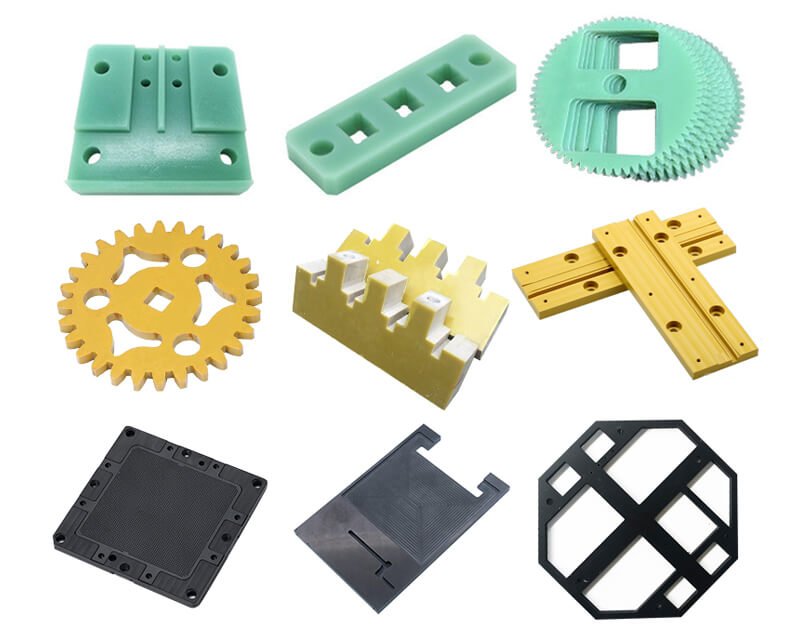
An assortment of custom-machined orange Bakelite (phenolic paper) and black Garolite (phenolic cloth) parts, showcasing Beeplastic's expertise in fabricating robust thermoset components.

Unmatched Heat Resistance: A Key Advantage of Material Bakelite

One of the most notable properties of material Bakelite is its exceptional heat resistance. Unlike traditional plastics that may warp, melt, or degrade under high temperatures, Bakelite maintains its structural integrity, even under extreme conditions. This makes it an ideal choice for applications in high-temperature environments, such as industrial ovens, furnaces, and heavy machinery used in manufacturing plants. Industries that depend on thermal stability, like metallurgy or automotive production, rely on Bakelite to ensure safety and consistent performance in demanding conditions.

For example, in industrial equipment, components often face prolonged exposure to heat, especially in processes involving heavy machinery or thermal applications. Bakelite’s resilience ensures that these components function reliably without the risk of failure or deformation. For example, in heavy machinery, Bakelite is often used in bearings and heat shields, where its ability to withstand extreme temperatures and mechanical stress is critical to maintaining operational stability. Similarly, in electrical manufacturing, insulation materials must resist the intense heat generated by electrical currents. Bakelite’s superior performance in these scenarios is unparalleled, reducing the risk of equipment malfunctions, enhancing safety protocols, and improving overall operational efficiency.

Furthermore, Bakelite’s heat resistance extends the lifespan of equipment, making it a cost-efficient solution for businesses. By choosing Bakelite, manufacturers can avoid frequent replacements and costly downtime caused by overheating, ensuring smooth and uninterrupted production processes.

A non-conductive test fixture for a printed circuit board (PCB), precision-machined by Beeplastic from a Bakelite sheet for excellent dimensional stability and insulation.

Electrical Insulation Superiority of Material Bakelite

Material Bakelite is widely recognized for its superior electrical insulating properties. Its non-conductive nature makes it indispensable in the electronics and electrical industries, where safety and efficiency are paramount. For example, Bakelite is commonly used in circuit breakers, ensuring reliable insulation and preventing electrical faults even under high-voltage conditions. Unlike many plastics that may allow some level of electrical conductivity, Bakelite provides consistent and reliable insulation.

For instance, Bakelite is extensively used in switchboards and other electrical panels, where its insulating properties protect against electrical interference and reduce the risk of short circuits. Additionally, casings for electronic devices often rely on Bakelite to safeguard internal components from potential damage caused by voltage fluctuations or external interference.

Compared to plastics, Bakelite offers enhanced reliability, particularly in high-voltage settings, making it the material of choice for critical applications. For instance, Bakelite is widely used in power transformers, where its insulating properties prevent energy loss and ensure safe operation under intense electrical loads. Its ability to withstand intense electrical stress without compromising performance makes it a cornerstone material in modern electrical engineering, especially in applications requiring stringent safety measures.

Durability and Longevity: Why Material Bakelite Outlasts Plastic

Durability is another area where material Bakelite significantly outshines plastics. Its high resistance to wear, chemicals, moisture, and environmental factors ensures a long lifespan, even in harsh conditions. This robustness makes it suitable for industries requiring materials that can endure repeated stress and challenging operational environments.

In automotive manufacturing, for example, Bakelite is frequently used in gears, clutch plates, and other precision components. These parts must endure significant mechanical stress while maintaining their structural integrity over extended periods. Similarly, industrial parts production benefits from Bakelite’s ability to withstand continuous use without degradation, ensuring consistent performance and reliability.

By opting for Bakelite, manufacturers can reduce maintenance costs, minimize disruptions caused by material failures, and extend the lifecycle of their products. For example, in the automotive industry, the use of Bakelite in clutch plates and brake systems has significantly reduced repair frequency and enhanced overall vehicle reliability. This cost-effective solution is particularly valuable in industries where downtime and repair expenses can have significant financial implications. Additionally, its chemical resistance ensures that Bakelite components remain unaffected by exposure to oils, solvents, or corrosive substances, further enhancing its utility across various sectors.

the use of Bakelite in clutch plates and brake systems

Economic Value of Material Bakelite in Manufacturing

In addition to its physical properties, material Bakelite provides significant economic advantages. Its long lifespan, durability, and low maintenance requirements make it a cost-effective option for manufacturers looking to optimize their operations.

For instance, reduced downtime due to fewer material failures translates to higher productivity and lower operational costs. Businesses can avoid frequent interruptions in production caused by component replacements, ensuring smoother workflows. Furthermore, the durability of Bakelite means fewer replacements are needed over time, resulting in lower overall expenses and improved cost management.

These benefits make Bakelite a preferred material in sectors like electrical component production and industrial equipment manufacturing, where cost-efficiency is a top priority. Manufacturers seeking to balance performance with budget considerations often turn to Bakelite for its proven reliability and exceptional value.

Sustainable Manufacturing with Material Bakelite

As industries focus more on sustainability, material Bakelite offers an environmentally friendly alternative to traditional plastics. While it is not biodegradable, Bakelite’s long lifespan contributes to reduced waste generation, aligning with the principles of sustainable manufacturing.

Unlike disposable plastics that require frequent replacement, Bakelite components last significantly longer, minimizing environmental impact. For instance, the automotive industry has adopted Bakelite for parts like gears and insulators, reducing waste by extending product life cycles. This durability not only decreases the need for frequent replacements but also aligns with industry trends toward sustainable materials that support circular manufacturing processes. This durability ensures that fewer resources are consumed in the production and replacement of materials, supporting eco-friendly practices in manufacturing. By integrating Bakelite into operations, manufacturers align with broader sustainability goals such as reducing carbon footprints and promoting resource efficiency. Industries striving for greener supply chains and circular economy initiatives can greatly benefit from Bakelite’s long-lasting nature, which reduces waste and conserves energy.

Moreover, advancements in recycling techniques are enabling the reuse of Bakelite in new applications, further enhancing its sustainability profile. For industries aiming to adopt greener practices without compromising performance, Bakelite presents a viable solution that combines efficiency with environmental responsibility.

Bakelite’s long-lasting nature

Discover the Potential of Material Bakelite for Your Business

Material Bakelite clearly outperforms plastic in numerous industrial applications. From its unmatched heat resistance and superior electrical insulation to its durability and cost-effectiveness, Bakelite provides a reliable solution for manufacturers seeking high-performance materials.

If you’re ready to leverage the benefits of Bakelite for your industrial applications, explore our comprehensive resources:

For personalized assistance, fill out the contact form at the bottom of this page. Let’s work together to bring your vision to life with the superior performance of material Bakelite, a material that aligns with current industry needs for sustainability, durability, and efficiency. By choosing Bakelite, you’re investing in solutions that meet the demands of modern manufacturing and ensure long-term operational success. Discover how material Bakelite can elevate your industrial applications and transform your operations for lasting success.

Bakelite plastic products
🎉🎉🎉Limited Time Offer Use code: QR4GNY08SHVR at checkout and enjoy a special discount on your entire order! 👉 Bakelite plastic

Leave a comment


Please note, comments must be approved before they are published


Custom Plastic Fabrication

Send your drawing, material and quantity for review

🔧
Precision Machining
CNC milling & turning
✂️
Cutting & Engraving
Laser & waterjet cutting
🏭
Forming & Molding
Thermoforming & injection
🔗
Joining & Assembly
Welding & bonding
📐
Design & Prototyping
CAD design & samples

General

HDPE

PP

PVC

ABS

Engineering

POM

Nylon

PC

PMMA

High-Performance

PEEK

PEI

PTFE

Composites

FR-4

G10

Flexible

TPU

Silicone

Why Choose BeePlastic?

🎯
Perfect Fit
Custom specs eliminate adaptation needs
⚡
Clear Lead Times
Lead time confirmed with every quote
💰
Volume Pricing
Volume pricing available on bulk orders
🤝
Expert Support
Free engineering consultation included
📋
Submit
→
🔍
Review
→
💵
Quote
→
✅
Production
→
📦
Deliver

Request a Quote

Share your project details, selected material and quantity on our quote page. You can add a file link or use the email drawing route shown there.


Request Quote

Industries: Automotive • Medical • Food • Lab • Semiconductor

beeplastic@beeplastic.com


Machining Epoxy: Discover Which Types Are Best for Precision Manufacturing

Machining Epoxy: Discover Which Types Are Best for Precision Manufacturing

Epoxy resin is a foundational material in industrial manufacturing due to its unparalleled versatility and reliability, enabling advancements across multiple industries. For instance, epoxy’s role in producing high-performance aerospace components and durable electronic insulators highlights its adaptability and unmatched benefits across industries. From high-performance aerospace components to durable electronic insulators, epoxy demonstrates unmatched adaptability across multiple sectors by excelling in roles that demand precision, durability, and thermal resistance. Its versatility is evident in its ability to replace traditional materials while enhancing performance, whether in cutting-edge electronics or industrial molds. For example, the global epoxy market reached over $10 billion in 2021, driven by its extensive use in industries ranging from aerospace to electronics, showcasing its critical role in modern manufacturing.

A precision-machined green FR-4 component, demonstrating its use as a flame-retardant electrical insulator for a printed circuit board (PCB).

🎉🎉🎉Limited Time Offer Use code: QR4GNY08SHVR at checkout and enjoy a special discount on your entire order! 👉 FR4 fiberglass plastic

In this guide, I will delve deeper into the types of epoxy resins that are most suitable for machining, explain the essential tools and techniques, and explore their wide-ranging applications. Along the way, I’ll share safety tips and insights to help you select the best epoxy for your specific project needs. Additionally, we’ll look at how advancements in epoxy formulations continue to open new possibilities for precision manufacturing.

Understanding the Machinability of Epoxy Resin

Epoxy resins differ significantly in their composition and properties, which directly affect their machinability. Selecting the right type involves evaluating key factors that determine how well the material responds to machining processes. As the demand for customized parts increases, understanding the machinability of epoxy becomes even more critical.

Key Factors Influencing Epoxy Machinability

Understanding these factors is critical for ensuring successful machining outcomes. For example, selecting a heat-resistant epoxy can prevent deformation during high-speed machining, leading to cleaner finishes and more reliable components in industries like aerospace and automotive manufacturing. Each property plays a pivotal role in determining how well epoxy resins respond to cutting, shaping, and finishing processes, ultimately impacting the quality and efficiency of the final product.

  1. Hardness and Heat Resistance: Harder epoxy resins resist deformation under cutting forces, allowing for clean and precise results. Their ability to withstand significant heat without softening ensures structural integrity during high-speed machining. For instance, G10 glass epoxy’s high hardness and thermal stability make it ideal for electronics and aerospace applications, where both precision and durability are paramount.

  2. Reinforcement: Glass-filled or fiber-reinforced epoxies, such as G10 glass epoxy, offer superior stability and durability. These materials are less prone to cracking or chipping, making them suitable for demanding applications where precision is critical. Glass-filled epoxy is widely used in automotive manufacturing for components that require enhanced strength and resistance to wear under mechanical stress.

Types of Machinable Epoxy Resins

Standard Epoxy Resins

Standard epoxy resins are widely used for light-duty machining tasks. They are effective for producing molds, prototypes, and components that do not require exceptional strength or durability. While they are versatile for general applications, their limitations in high-stress environments mean they may not always be the best choice for industrial projects. These resins often serve as an entry point for manufacturers looking to explore epoxy machining.

Epoxy resin

Glass-Filled Epoxy

Glass-filled epoxy incorporates fine glass particles to enhance its strength and machinability. In aerospace applications, these particles help create lightweight yet highly durable brackets and panels capable of withstanding extreme conditions. In the automotive industry, glass-filled epoxy ensures precision in manufacturing gears and bushings that demand minimal wear and high performance over time. This combination of reduced tool wear and enhanced part quality makes glass-filled epoxy indispensable in these sectors. These particles improve tool longevity by reducing friction and wear during cutting operations, ensuring consistent performance over extended machining tasks. Additionally, the uniform distribution of stress provided by the glass particles leads to greater precision, resulting in smoother finishes and tighter tolerances, which are critical in aerospace and automotive applications. For example, glass-filled epoxy enables the production of intricate aerospace brackets or precision automotive gears that demand flawless execution and durability.

G10 Glass Epoxy

G10 glass epoxy is a high-pressure fiberglass laminate known for its machinability and exceptional properties. It is extensively utilized in electronics and industrial applications due to its superior thermal stability and mechanical strength. The addition of glass fibers ensures that G10 can withstand rigorous machining processes without compromising its dimensional stability. Its popularity in manufacturing extends to applications such as circuit boards and structural supports, where it consistently meets demanding performance standards.

Tools and Techniques for Effective Epoxy Machining

Machining epoxy requires precision and proper handling to achieve high-quality results. Employing the right tools and techniques ensures efficiency while minimizing risks of material damage. With advancements in machining technology, achieving precision with epoxy has never been more accessible.

Essential Tools for Machining Epoxy

  • CNC Machines: CNC machines offer unparalleled precision, making them the preferred choice for machining intricate designs in epoxy materials. Their programmability ensures consistent results across complex geometries and reduces the likelihood of operator error.

  • Carbide-Tipped Tools: Carbide-tipped tools maintain sharpness for longer periods, providing clean cuts through tough epoxy materials without frequent replacements. This durability makes them indispensable in high-volume production settings.

  • Diamond-Coated Tools: For abrasive composites like G10 glass epoxy, diamond-coated tools provide durability and precision, reducing wear and tear during machining. Their ability to achieve ultra-smooth finishes is particularly valuable in industries like medical equipment manufacturing.

Techniques for Optimized Machining

  • Controlling Heat: Excessive heat can soften epoxy, leading to poor finishes and deformation. Use coolants or adjust cutting speeds and depths to manage heat effectively. Segmenting larger pieces during machining can also help mitigate prolonged heat exposure.

  • Maintaining Consistent Feed Rates: Steady feed rates ensure smooth cuts and minimize the risk of chipping or cracking. Avoid sudden changes in speed or direction to maintain material integrity.

  • Implementing Dust Control Measures: Epoxy machining generates fine dust particles that can pose health hazards. Ensure the use of high-quality dust extraction systems and maintain proper ventilation. Additionally, investing in advanced dust management solutions can improve overall workplace safety.

Industrial Applications of Machined Epoxy

Electronics Manufacturing

In electronics, epoxy components like circuit boards crafted from G10 glass epoxy provide excellent insulation and dimensional stability. These properties are crucial for maintaining performance in demanding environments. Epoxy’s resistance to environmental factors such as moisture and heat makes it a reliable choice for electronic housings and insulators. Its machinability allows manufacturers to achieve precise dimensions, ensuring seamless integration into complex electronic systems.

Mold Making

Epoxy’s ability to hold intricate details makes it a popular choice for mold making. Compared to metals, epoxy molds are lighter, easier to machine, and more cost-effective, reducing overall production costs. Unlike traditional plastics, epoxy offers superior durability and can maintain dimensional accuracy across multiple production cycles, making it ideal for industries requiring high precision, such as automotive and electronics manufacturing. Compared to metals or other traditional materials, epoxy molds are far more cost-effective due to their lower material and machining expenses. Additionally, they require less maintenance, further reducing operational costs. These advantages make epoxy molds a staple in industries like automotive and consumer electronics, where precision and efficiency are paramount. Machined epoxy molds are extensively used in prototyping and plastic manufacturing, offering durability and precision. Unlike metals or traditional plastics, epoxy molds maintain dimensional stability over multiple production cycles, making them cost-effective for high-volume manufacturing. Their ability to capture intricate details ensures superior quality in prototype designs, making them indispensable in industries like automotive and consumer electronics.

G10 epoxy molds

Structural Components

Reinforced epoxy materials find applications in aerospace, automotive, and industrial equipment manufacturing. Their lightweight yet durable nature makes them ideal for structural components that require high performance under varying conditions. Epoxy’s resistance to chemical corrosion also makes it a preferred choice for components exposed to harsh environments. Structural parts such as brackets, housings, and enclosures benefit from epoxy’s unique combination of machinability and resilience.

Safety Measures When Machining Epoxy

Machining epoxy can pose risks if proper safety protocols are not followed. Adhering to these measures ensures the safety of workers and the surrounding environment:

Personal Protective Equipment (PPE)

Always wear appropriate PPE, including gloves, safety goggles, and dust masks, to protect against fine epoxy particles that can irritate the skin and respiratory system. For instance, a 2020 study highlighted that prolonged exposure to epoxy dust can increase the risk of chronic respiratory diseases and exacerbate skin conditions like eczema, emphasizing the critical role of PPE in maintaining health and safety.

Ventilation and Dust Control

Use dust extraction systems to minimize airborne particles and maintain adequate ventilation in the workspace. Proper air circulation reduces the risk of inhaling hazardous materials and helps maintain a cleaner work environment. Advanced filtration systems can further enhance safety.

Regular Tool Maintenance

Keep tools in optimal condition through regular inspection and maintenance. Dull tools can lead to poor machining results and increase the risk of accidents. Regular sharpening and cleaning of tools extend their lifespan and ensure consistent performance. Investing in high-quality tools can also reduce long-term costs by minimizing the need for replacements.

Choosing the Right Epoxy for Your Project

Selecting the appropriate epoxy material is vital for achieving desired outcomes in machining projects. Consider the following factors:

Evaluating Application Requirements

Understand the mechanical, thermal, and environmental demands of your project. For instance, G10 glass epoxy is suitable for high-temperature applications requiring robust mechanical strength. Evaluating these factors ensures the material aligns with the project’s performance needs.

Balancing Cost and Performance

Weigh the material’s cost against its performance characteristics to ensure an efficient and budget-friendly solution. Reinforced epoxies may come at a premium, but their durability and stability often justify the investment for long-term projects. Consider how the material’s properties can reduce operational expenses over time.

Seeking Expert Advice

Consult material specialists or manufacturers to identify the best epoxy for your specific needs. Expert input can also help optimize machining parameters for better results. Collaborating with professionals ensures that your project leverages the full potential of epoxy materials.

Unlock Precision with Machinable Epoxy Materials

Machining epoxy is a specialized process that, when executed correctly, can unlock new possibilities in precision manufacturing. Whether you’re working with standard epoxy resins or advanced composites like G10 glass epoxy, understanding their properties and applications ensures the best results for your projects.

Act now to elevate your manufacturing capabilities with the finest machinable epoxy materials available—don’t wait to start improving your processes today! Fill out the contact form at the bottom of the page to discuss your custom requirements. Explore our premium FR4/G10 epoxy glass fiber sheets in our dedicated section for high-performance materials or browse through our extensive range of fiberglass epoxy sheets in our product collection. For a comprehensive overview of our extensive manufacturing capabilities, explore our detailed manufacturing capabilities section. Let’s make your project a success!

🎉🎉🎉Limited Time Offer Use code: QR4GNY08SHVR at checkout and enjoy a special discount on your entire order! 👉 FR4 fiberglass plastic

FR4/G10 epoxy glass fiber sheets and rods

Leave a comment


Please note, comments must be approved before they are published


Custom Plastic Fabrication

Send your drawing, material and quantity for review

🔧
Precision Machining
CNC milling & turning
✂️
Cutting & Engraving
Laser & waterjet cutting
🏭
Forming & Molding
Thermoforming & injection
🔗
Joining & Assembly
Welding & bonding
📐
Design & Prototyping
CAD design & samples

General

HDPE

PP

PVC

ABS

Engineering

POM

Nylon

PC

PMMA

High-Performance

PEEK

PEI

PTFE

Composites

FR-4

G10

Flexible

TPU

Silicone

Why Choose BeePlastic?

🎯
Perfect Fit
Custom specs eliminate adaptation needs
⚡
Clear Lead Times
Lead time confirmed with every quote
💰
Volume Pricing
Volume pricing available on bulk orders
🤝
Expert Support
Free engineering consultation included
📋
Submit
→
🔍
Review
→
💵
Quote
→
✅
Production
→
📦
Deliver

Request a Quote

Share your project details, selected material and quantity on our quote page. You can add a file link or use the email drawing route shown there.


Request Quote

Industries: Automotive • Medical • Food • Lab • Semiconductor

beeplastic@beeplastic.com


How Durable is POM? Discover the Strength of Polyoxymethylene with Precision Processing

Advanced POM blends with enhanced UV resistance

Why POM is the Material of Choice for Durability and Reliability

Polyoxymethylene (POM), commonly known as acetal or polyacetal, is renowned for its exceptional durability and mechanical properties. What sets POM apart from other engineering plastics is its combination of high stiffness, excellent dimensional stability, and low friction. For instance, compared to nylon, which tends to absorb moisture and lose stability in humid environments, POM maintains its structure and performance. Similarly, while ABS offers affordability, it cannot match POM’s wear resistance and ability to handle continuous mechanical stress. This makes POM uniquely suited for precision applications requiring durability and reliability. Unlike materials that compromise between flexibility and strength, POM offers a balanced profile, making it ideal for precision applications. Its unique molecular structure allows it to perform reliably under heavy loads, while its wear resistance ensures long-term functionality in demanding environments. This makes POM an indispensable material for industries requiring high-performance components. From automotive gears to medical device housings, this engineering plastic has earned its reputation as a reliable choice for demanding applications. Its ability to combine strength, stability, and resistance to environmental factors ensures it stands out as a premium material.
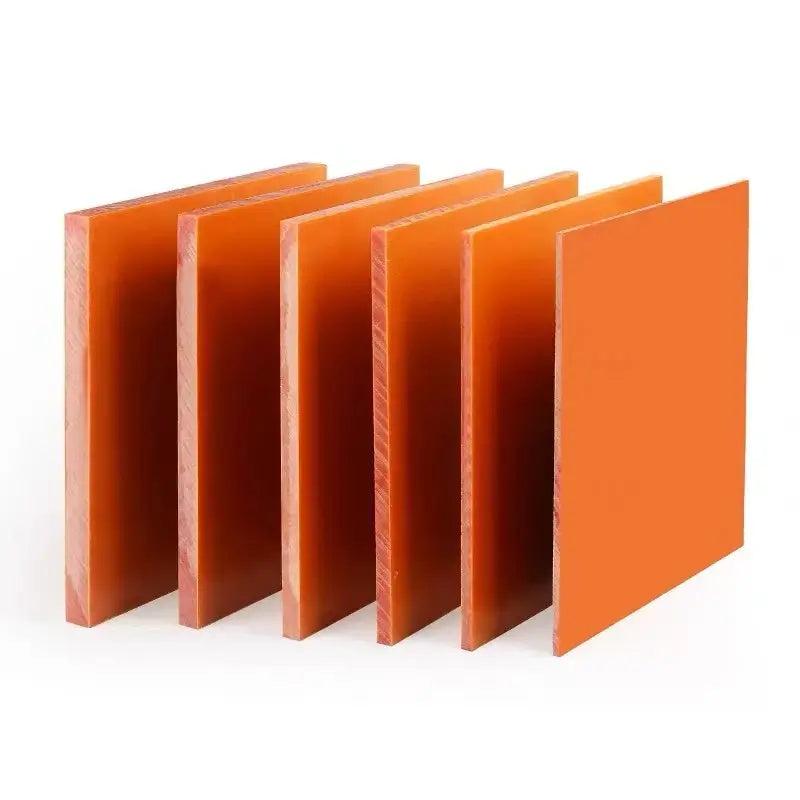
POM gear in automotive applications showcasing durability and strength

POM is specifically engineered to perform under challenging conditions, making it ideal for industries that demand precision and reliability. But what makes POM so durable? The secret lies in its high crystallinity and advanced POM processing techniques. Let’s delve deeper into the key factors that contribute to POM’s remarkable strength and how precision processing unlocks its full potential for modern manufacturing.


Understanding the Durability of POM

POM’s durability stems from its unique molecular structure. As a highly crystalline thermoplastic, POM features tightly packed molecular chains that enhance its rigidity and resistance to deformation. This high crystallinity allows POM to handle mechanical stress efficiently, making it particularly well-suited for applications such as automotive gears that require consistent performance under load. In aerospace applications, POM’s molecular alignment ensures reliability in components exposed to vibrations and fluctuating pressures, demonstrating its capacity to maintain integrity in challenging environments. This high degree of crystallinity allows POM to distribute mechanical stress evenly across its structure, minimizing weak points and reducing the risk of failure under load. Compared to less crystalline materials like polypropylene, POM offers superior strength and stability, making it the material of choice for components that must endure prolonged mechanical and environmental stress. Understanding these characteristics reveals why it outperforms other materials in demanding environments.

Exceptional Mechanical Strength

POM’s tight molecular alignment distributes stress uniformly, reducing weak points and enhancing its ability to withstand heavy loads. This structure ensures exceptional rigidity even under constant mechanical stress, making it indispensable in industrial machinery, automotive systems, and high-performance equipment. For instance, components like sprockets and conveyor belt guides depend on POM’s mechanical stability to maintain performance over extended periods of operation. Unlike amorphous plastics like ABS, which can deform or warp over time, POM retains its shape and stability even when exposed to continuous strain.

Superior Wear Resistance

Thanks to its low coefficient of friction, POM excels in applications involving sliding or rotating components. For example, conveyor belt rollers made from POM offer superior wear resistance and smooth operation, reducing maintenance and ensuring consistent performance in industrial settings. These qualities make POM an essential material for applications requiring long-lasting and efficient movement of components. Parts such as gears, bearings, and conveyor elements made from POM resist surface abrasion, ensuring long-lasting performance. For example, in high-speed assembly lines, POM gears deliver consistent performance without significant wear, reducing downtime and maintenance. Its ability to maintain functionality under repetitive movement reduces wear and prolongs component life, making it indispensable in high-performance systems.

Polyoxymethylene gear systems for high-stress applications

Resistance to Environmental Factors

POM resists moisture absorption, a significant advantage over materials like nylon, which can swell and warp in humid environments. This characteristic ensures that POM components maintain their structural integrity even when exposed to varying temperatures or wet conditions. In marine equipment or outdoor machinery, this resistance is critical for maintaining consistent performance. Additionally, POM’s resistance to chemicals such as fuels, solvents, and oils solidifies its reputation as a robust material for challenging environments, including automotive fuel systems and chemical handling equipment.

These properties make POM a reliable and versatile material capable of withstanding the most demanding industrial conditions.


Advanced Techniques in POM Processing

The remarkable durability of POM is further enhanced through advanced processing methods. Each technique maximizes the material’s inherent properties while tailoring it to meet specific application requirements. These methods ensure that POM components deliver consistent quality and high performance.

Injection Molding

Injection molding is widely used for manufacturing intricate components, such as precision fuel system parts and housings for sensitive medical devices. This process is particularly effective because it allows for the mass production of highly detailed parts with consistent quality. By using controlled temperatures and pressures, injection molding ensures that POM maintains its mechanical strength and dimensional accuracy, even for components with complex geometries. This makes it a preferred choice for industries requiring both precision and reliability. The process ensures consistent quality and precise replication of complex shapes. For example, in automotive applications, injection molding creates fuel pump components that must withstand exposure to high pressure and corrosive substances. Proper temperature and pressure control during injection molding preserve POM’s high mechanical strength and dimensional stability, ensuring parts meet exacting standards and perform flawlessly.

CNC Machining

CNC machining offers unmatched precision, making it ideal for producing custom components such as automotive gears and industrial bushings. This technique enables the creation of parts with intricate designs and tight tolerances, ensuring reliability and superior performance. For instance, CNC machining is critical in manufacturing medical implants and instrumentation where precision can impact patient safety. The versatility of CNC machining allows manufacturers to adapt POM for a wide range of applications across different industries.

Hot Pressing

Hot pressing is a specialized technique that enhances POM’s strength and durability by applying uniform heat and pressure. This method is particularly useful for producing heavy-duty seals and bushings that require high resilience and long-term reliability. For example, heavy machinery components often rely on hot-pressed POM parts to maintain stability under high loads and abrasive conditions. By controlling heat application, manufacturers ensure that POM retains its integrity during processing while achieving superior performance in demanding applications.

These POM processing methods allow manufacturers to produce high-quality, durable components that meet the rigorous demands of diverse industries.

Energy-efficient POM processing equipment in operation

Benefits of POM Processing for High-Performance Applications

Custom POM processing unlocks a host of benefits, making it an indispensable material for applications where performance and reliability are paramount. From its dimensional stability to its chemical resistance, POM’s unique properties ensure long-term success in various industries.

Dimensional Stability

POM’s ability to maintain its shape under mechanical stress makes it a superior choice for precision applications. This is especially important in aerospace, robotics, and industrial automation, where even slight deviations can compromise functionality. For example, robotic arms with POM components maintain consistent accuracy in repetitive tasks, ensuring efficiency and reliability.

Chemical Resistance

The chemical resilience of POM allows it to perform reliably in environments exposed to fuels, oils, and industrial solvents. This property makes it a preferred material in automotive and heavy machinery industries, where exposure to harsh substances is common. For instance, POM is often used in fuel injector components that require resistance to corrosive liquids, maintaining functionality even under extreme chemical exposure.

Long-Lasting Performance

Components made from POM exhibit exceptional wear resistance, reducing maintenance requirements and ensuring long service life. For manufacturers, this translates to lower operational costs and fewer interruptions. For example, conveyor systems with POM components experience reduced downtime, enabling continuous production and enhancing profitability over time.


Comparing POM Processing with Other Engineering Plastics

When compared to other engineering plastics, POM consistently delivers superior performance. Let’s examine how it stacks up against some popular alternatives:

POM vs. Nylon

While nylon is valued for its flexibility, its high moisture absorption can lead to swelling and dimensional instability. POM’s superior resistance to water and environmental factors makes it a reliable choice for outdoor and marine applications, where stability and durability are essential. For example, marine pump components made from POM outperform those made from nylon, maintaining efficiency even in wet conditions.

POM vs. ABS

ABS offers affordability and ease of processing, but it lacks the strength and wear resistance of POM. For applications demanding precision and long-term durability, such as automotive gears or mechanical components, POM’s rigidity and surface finish make it the better choice. For instance, precision timing gears benefit significantly from POM’s low friction and high wear resistance.

POM vs. Polypropylene

Polypropylene is known for its chemical resistance and low cost, but it cannot match POM’s stiffness or ability to maintain dimensional accuracy under stress. This makes POM ideal for high-load environments where consistent performance is required, such as in heavy-duty agricultural equipment components.

These comparisons highlight why POM processing is integral to manufacturing advanced, reliable components for various industries.

Injection-molding setup for polyoxymethylene components

Innovations and Future Trends in POM Processing

As industries evolve, new technologies and techniques are shaping the future of POM processing. Key trends include:

Automation in Manufacturing

The integration of robotics and AI in POM processing workflows is enhancing efficiency, reducing errors, and streamlining production. These advancements enable manufacturers to meet increasing demand while maintaining high quality. For example, automated systems can produce POM components with greater speed and precision, reducing production time.

Sustainable Practices

Sustainability is becoming a core focus, with recyclable POM grades and energy-efficient processing techniques gaining popularity. For instance, closed-loop recycling systems are being used to collect and repurpose POM waste, converting it into high-quality pellets for reuse in manufacturing. Additionally, innovative technologies like hybrid molding machines significantly reduce energy consumption during processing, lowering the environmental impact. These sustainable advancements showcase how manufacturers are aligning with eco-friendly practices while maintaining production efficiency. For example, manufacturers are increasingly adopting closed-loop recycling systems to repurpose POM waste into high-quality pellets for reuse. Additionally, energy-efficient molding machines, which consume significantly less electricity, are reducing the carbon footprint associated with POM processing. These advancements not only make production more eco-friendly but also align with global efforts to create sustainable manufacturing practices. These practices help manufacturers reduce their environmental footprint while meeting regulatory standards. For instance, energy-efficient molding machines significantly reduce power consumption during POM processing.

Enhanced Material Blends

Advances in polymer science are introducing innovative POM blends with enhanced properties. These include improved UV resistance, higher thermal stability, and increased impact strength, expanding POM’s application range in industries such as renewable energy and aerospace. For example, POM blends are now being utilized in solar panel components to withstand prolonged UV exposure.

By adopting these innovations, manufacturers ensure that POM remains a leading material in high-performance applications.


Unlock the Full Potential of POM with Custom Processing

Transform Your Manufacturing with Custom POM Solutions

POM’s durability, versatility, and reliability make it a cornerstone of modern manufacturing. For manufacturers, this translates into tangible benefits such as reduced operational costs, extended product lifespan, and improved performance consistency. For instance, the exceptional wear resistance of POM significantly lowers maintenance requirements, minimizing downtime in high-demand industries like automotive and industrial automation. Additionally, its ability to maintain dimensional stability under varying conditions ensures fewer part replacements and enhanced long-term efficiency, making it a highly cost-effective solution. However, its true strength is realized through precision POM processing techniques. From injection molding to CNC machining, advanced methods ensure that POM components meet the highest standards of quality and performance.

Are you ready to elevate your products with custom POM solutions? Explore our specialized services:

Ready to bring your project to the next level? Let us help you harness the power of precision POM processing for your needs. Whether you’re developing automotive components, medical devices, or industrial machinery, our expertise ensures high-quality solutions tailored to your industry. Whether you require custom POM plastic solutions, high-quality polyoxymethylene sheets and rods, or advanced manufacturing capabilities, we’re here to deliver. Fill out the contact form below and take the first step toward innovative and reliable solutions.

Highly durable POM parts in automotive fuel systems


Leave a comment


Please note, comments must be approved before they are published


Custom Plastic Fabrication

Send your drawing, material and quantity for review

🔧
Precision Machining
CNC milling & turning
✂️
Cutting & Engraving
Laser & waterjet cutting
🏭
Forming & Molding
Thermoforming & injection
🔗
Joining & Assembly
Welding & bonding
📐
Design & Prototyping
CAD design & samples

General

HDPE

PP

PVC

ABS

Engineering

POM

Nylon

PC

PMMA

High-Performance

PEEK

PEI

PTFE

Composites

FR-4

G10

Flexible

TPU

Silicone

Why Choose BeePlastic?

🎯
Perfect Fit
Custom specs eliminate adaptation needs
⚡
Clear Lead Times
Lead time confirmed with every quote
💰
Volume Pricing
Volume pricing available on bulk orders
🤝
Expert Support
Free engineering consultation included
📋
Submit
→
🔍
Review
→
💵
Quote
→
✅
Production
→
📦
Deliver

Request a Quote

Share your project details, selected material and quantity on our quote page. You can add a file link or use the email drawing route shown there.


Request Quote

Industries: Automotive • Medical • Food • Lab • Semiconductor

beeplastic@beeplastic.com


POM Processing Explained: Why Polyoxymethylene is the Gold Standard for Durability in Manufacturing

POM plastic

Polyoxymethylene (POM), also known as acetal or polyacetal, has earned its reputation as one of the most durable engineering plastics available today. Renowned for its high mechanical strength and low friction properties, POM outperforms other materials in applications that demand precision, reliability, and long-term performance, such as automotive gears, conveyor components, and medical device housings. Its ability to resist wear and maintain dimensional stability under extreme conditions makes it indispensable across industries such as automotive, medical, and industrial manufacturing. Its high mechanical strength, excellent wear resistance, and precision machining capabilities make it the material of choice for a wide range of industrial applications. Whether used in automotive components, medical devices, or industrial machinery, POM consistently delivers performance that exceeds expectations. In this post, I’ll explain why POM processing is the key to maximizing the material’s durability and how it contributes to its widespread use in manufacturing. By delving into its properties, processing techniques, and applications, you’ll discover why POM remains indispensable in modern industries and how tailored solutions unlock its potential.

🎉🎉🎉Limited Time Offer Use code: QR4GNY08SHVR at checkout and enjoy a special discount on your entire order! 👉 POM plastic

POM processing

Understanding Polyoxymethylene: What Makes It So Durable?

POM’s unique composition sets it apart from other engineering plastics. As a thermoplastic with high crystallinity, it boasts several distinct advantages that make it the backbone of many high-performance applications:

High Mechanical Strength and Stiffness

POM’s molecular structure, characterized by its high degree of crystallinity, ensures it can handle significant mechanical stress without deformation. This crystalline structure aligns polymer chains tightly, distributing stress uniformly and preventing weak points that can lead to deformation. Compared to amorphous plastics like ABS, which lack such alignment, POM offers superior mechanical stability and performance under prolonged or dynamic loads. This tight molecular arrangement distributes stress evenly throughout the material, reducing weak points and enhancing its ability to maintain consistent dimensional stability over time. Unlike softer plastics, POM retains its rigidity, even under prolonged load-bearing conditions. This stability ensures that POM components can withstand demanding environments where precision is critical, such as industrial machinery and robotic systems.

Low Friction and Wear Resistance

Thanks to its naturally low coefficient of friction, POM excels in applications involving moving parts like gears, bearings, and conveyor systems. This quality ensures smooth and long-lasting performance, even under heavy use. Furthermore, its ability to resist surface abrasion extends the lifespan of components made from POM, reducing the frequency of replacements and downtime in manufacturing processes.

Chemical Resistance

POM resists damage from oils, solvents, and fuels, making it a reliable choice for demanding industrial environments. This property is particularly valued in sectors where exposure to harsh chemicals is inevitable, such as automotive systems, chemical processing equipment, and fluid handling devices. POM’s resilience ensures consistent functionality even under chemical stress.

POM’s durability makes it indispensable for industries that demand high-performance parts. These properties are directly enhanced and preserved through precision POM processing workflows tailored to each application’s needs. Without proper processing, its potential may remain untapped, underscoring the importance of expert handling and advanced techniques.


The POM Processing Workflow: Turning Raw Material into Durable Components

Effective POM processing involves multiple steps that ensure the material’s properties are fully realized. Each stage plays a crucial role in transforming raw POM into precision-engineered components capable of meeting the most stringent requirements. These stages combine material science and manufacturing precision to deliver unmatched quality.

POM sheet

Polymerization

The process begins with synthesizing raw POM into a stable, high-crystallinity polymer. This foundational step determines the material’s inherent strength, uniformity, and ability to maintain performance under stress. The quality of polymerization directly impacts the mechanical properties and durability of the final product.

Pellet Production

Once polymerized, the material is formed into uniform pellets for easy handling and further processing. Consistency in pellet quality is critical to ensuring uniformity in the finished product, regardless of the application. These pellets form the foundation for advanced machining techniques, ensuring that no compromise occurs during manufacturing.

Precision Machining

Advanced techniques like injection molding, CNC machining, and hot pressing are used to create custom components with exact specifications. For instance, injection molding is often utilized to produce precision fuel system components in the automotive industry, CNC machining is ideal for crafting intricate medical device housings, and hot pressing is frequently employed for creating robust industrial bushings with enhanced durability. For example, in the automotive industry, injection molding is widely used to produce fuel system components that require precise dimensional accuracy, while CNC machining is crucial for manufacturing gears and bushings with intricate designs and tight tolerances. These methods ensure that each part meets the highest quality standards demanded by modern industries. During injection molding, precise temperature and pressure control prevents material degradation. CNC machining adds another level of precision, enabling intricate designs and tight tolerances. These techniques collectively ensure that POM’s inherent strength, wear resistance, and surface finish remain intact in the final product.

By leveraging advanced POM processing techniques, manufacturers can push the limits of what the material can achieve, delivering components that perform under extreme conditions with consistent quality.


Why Manufacturers Choose POM: Durability and Key Advantages

POM is the material of choice for manufacturers worldwide because of its exceptional properties that combine performance with processing efficiency. Here’s an in-depth exploration of the advantages that make POM indispensable:

Exceptional Stiffness and Dimensional Stability

These qualities make POM essential for parts that must maintain their shape and performance under mechanical stress or extreme temperature conditions. For example, in high-speed industrial machines, components made of POM stay reliable and consistent over time. POM’s stability ensures accurate performance, even in equipment operating under high vibration.

POM’s stability

Low Moisture Absorption

Unlike many other plastics, POM does not easily absorb moisture. For instance, nylon, a commonly used engineering plastic, tends to absorb moisture, which can lead to dimensional changes, warping, and reduced mechanical performance in humid environments. This makes POM particularly advantageous in applications where long-term dimensional stability and reliability are critical, such as marine equipment or precision fluid handling systems. For instance, nylon, a commonly used engineering plastic, has higher moisture absorption, which can lead to swelling and dimensional instability in humid environments. POM’s resistance to moisture makes it particularly advantageous in applications requiring long-term reliability, such as marine equipment or precision fluid systems. This characteristic prevents warping and ensures long-term reliability, even in humid or wet conditions. Its resistance to water makes it a favorite for marine applications, outdoor machinery, and precision fluid systems where environmental factors are critical.

High Resistance to Fatigue

POM is capable of withstanding repeated cycles of stress without structural failure. This makes it ideal for components subjected to continuous motion, such as springs, levers, and actuators. Over time, this resistance reduces maintenance costs and downtime, providing economic advantages for large-scale industrial systems.

By combining these properties with precision POM processing, manufacturers can create parts that meet stringent performance requirements while remaining cost-effective. This balance of durability and ease of processing is why POM is so prevalent in industries like automotive, consumer electronics, and medical devices.


Comparing POM with Other Engineering Plastics: A Performance Perspective

How does POM stack up against other materials commonly used in manufacturing? Here’s a closer examination of its competitive edge:

Nylon vs. POM

While nylon offers greater flexibility, POM excels in dimensional stability, wear resistance, and mechanical strength. These attributes make POM the superior choice for precision parts used in high-stress environments, such as gears and bushings. Additionally, POM’s resistance to creep ensures components maintain their shape and performance over extended periods, even in applications with sustained loads.

ABS vs. POM

ABS is lightweight and affordable, but it is less durable and more prone to scratching compared to POM. With its superior strength and smoother finish, POM is often the preferred material for components that require both aesthetic appeal and long-term performance. POM’s ability to maintain its integrity under stress makes it more versatile for industrial use, particularly in environments requiring both strength and durability.

Other Materials

POM’s unique combination of properties—high stiffness, low friction, and chemical resistance—sets it apart from polypropylene and polyethylene, particularly in applications demanding high wear resistance and tight tolerances. Its ability to balance rigidity with machinability makes it an unmatched choice for demanding industries.

These comparisons highlight why polyoxymethylene processing is integral to industries requiring durable and reliable components.

polyoxymethylene processing

Real-World Applications: The Durability of POM in Action

The versatility of POM is evident in its wide-ranging applications across multiple industries. Here are some examples of how its durability and precision make a difference:

Automotive Parts

POM is a staple material for gears, fuel system components, and safety locks. Its strength, wear resistance, and ability to withstand high temperatures make it indispensable for ensuring safety and reliability in automotive systems. POM’s ability to reduce friction in moving parts enhances vehicle efficiency and minimizes wear.

Medical Devices

With FDA-approved grades available, POM is used to manufacture surgical instruments, drug delivery systems, and other medical devices requiring biocompatibility and precision. Its low moisture absorption and chemical resistance make it a reliable choice in sterile environments, ensuring patient safety and device longevity. Custom machining ensures that even the most intricate medical components meet strict standards.

Industrial Equipment

POM’s low friction and high durability make it a go-to material for bushings, bearings, and conveyor belt components. These parts benefit from POM’s ability to perform consistently under heavy loads and constant motion, reducing wear and tear over time. This reliability minimizes operational interruptions, boosting overall productivity.

Consumer Electronics

POM’s excellent mechanical and aesthetic properties make it ideal for precision parts in electronic devices, such as connectors and housings, where durability and a polished finish are essential. It is increasingly used in smart device components that demand reliability, compact design, and sleek appearance.

Through custom POM machining, manufacturers can tailor components to meet the unique demands of these applications, ensuring maximum performance and longevity.


Unlock the Full Potential of POM with Custom Processing

Polyoxymethylene’s durability, versatility, and reliability make it an unparalleled choice for manufacturing. However, the key to unlocking its full potential lies in precise POM processing techniques. From injection molding to CNC machining, attention to detail at every stage ensures POM’s remarkable properties are fully realized in the final product.

Are you looking to create durable, high-performance components tailored to your needs? Whether you’re designing intricate medical devices, developing reliable automotive parts, or innovating industrial systems, our custom POM processing services are here to help you achieve unparalleled quality and precision. Explore our specialized services for:

Custom POM plastic solutions

Fill out the contact form at the bottom of this page to discuss your project requirements, whether you’re in the automotive, medical, or industrial manufacturing sectors. Our expertise in custom POM processing ensures we can meet the demands of your specific application with precision and reliability. Let us help you achieve precision, durability, and excellence in every product. Whether you need custom components or want to learn more about how POM processing can benefit your business, we’re here to assist every step of the way.

Leave a comment


Please note, comments must be approved before they are published


Custom Plastic Fabrication

Send your drawing, material and quantity for review

🔧
Precision Machining
CNC milling & turning
✂️
Cutting & Engraving
Laser & waterjet cutting
🏭
Forming & Molding
Thermoforming & injection
🔗
Joining & Assembly
Welding & bonding
📐
Design & Prototyping
CAD design & samples

General

HDPE

PP

PVC

ABS

Engineering

POM

Nylon

PC

PMMA

High-Performance

PEEK

PEI

PTFE

Composites

FR-4

G10

Flexible

TPU

Silicone

Why Choose BeePlastic?

🎯
Perfect Fit
Custom specs eliminate adaptation needs
⚡
Clear Lead Times
Lead time confirmed with every quote
💰
Volume Pricing
Volume pricing available on bulk orders
🤝
Expert Support
Free engineering consultation included
📋
Submit
→
🔍
Review
→
💵
Quote
→
✅
Production
→
📦
Deliver

Request a Quote

Share your project details, selected material and quantity on our quote page. You can add a file link or use the email drawing route shown there.


Request Quote

Industries: Automotive • Medical • Food • Lab • Semiconductor

beeplastic@beeplastic.com