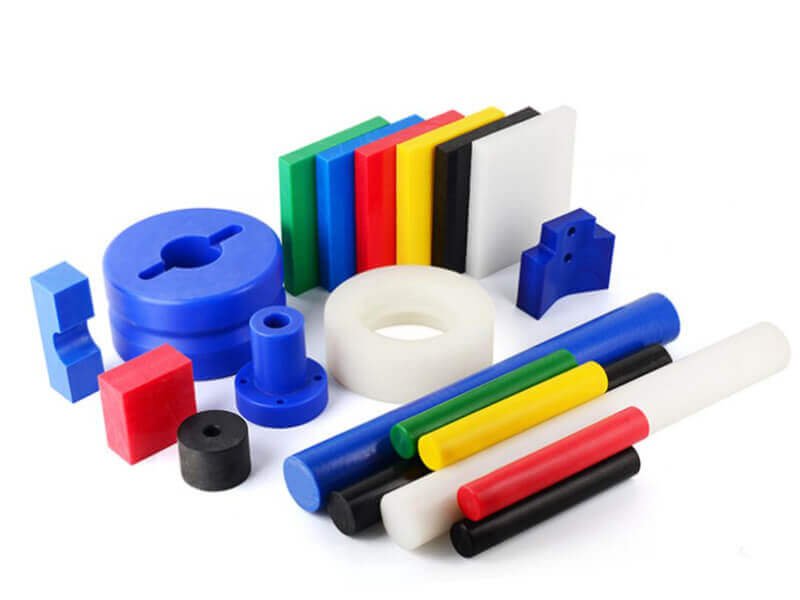
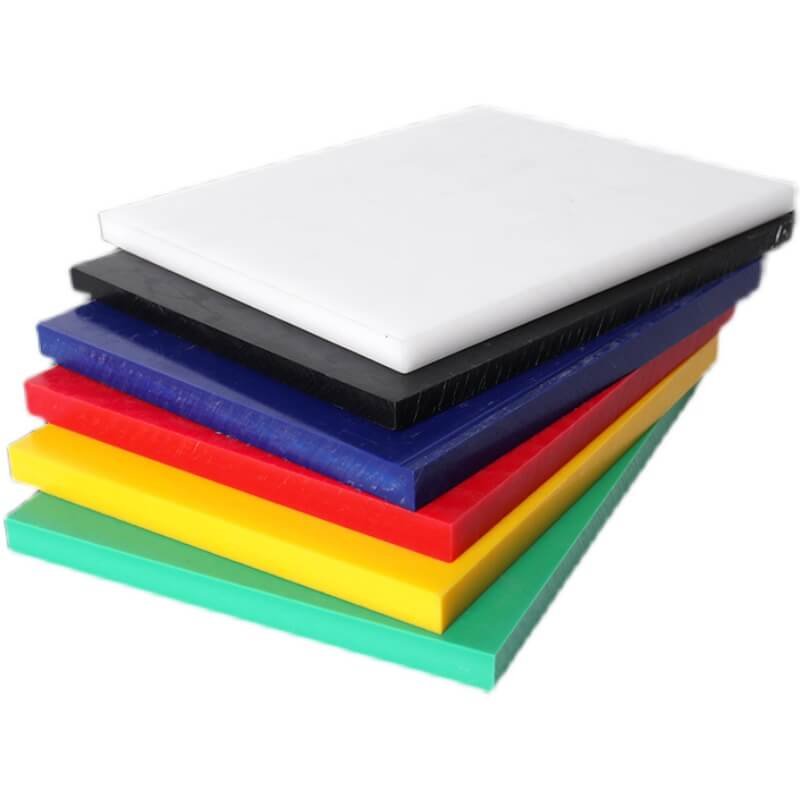
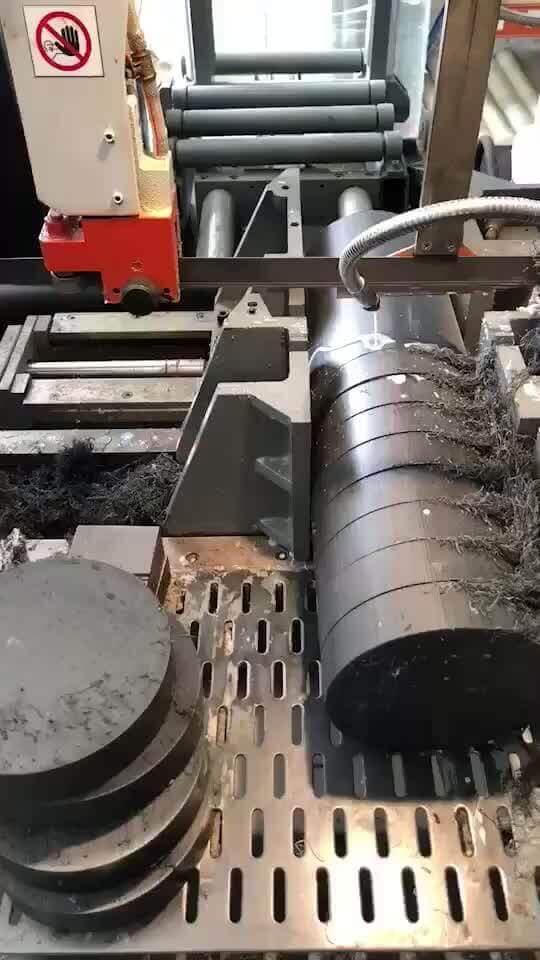
How to Choose the Right PTFE Product for Your Application

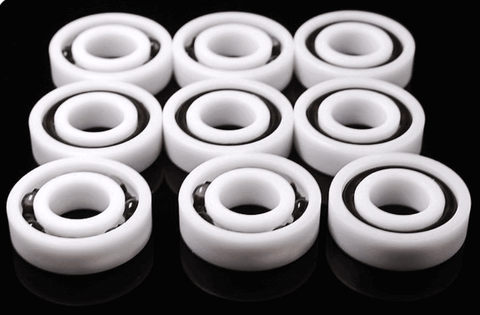
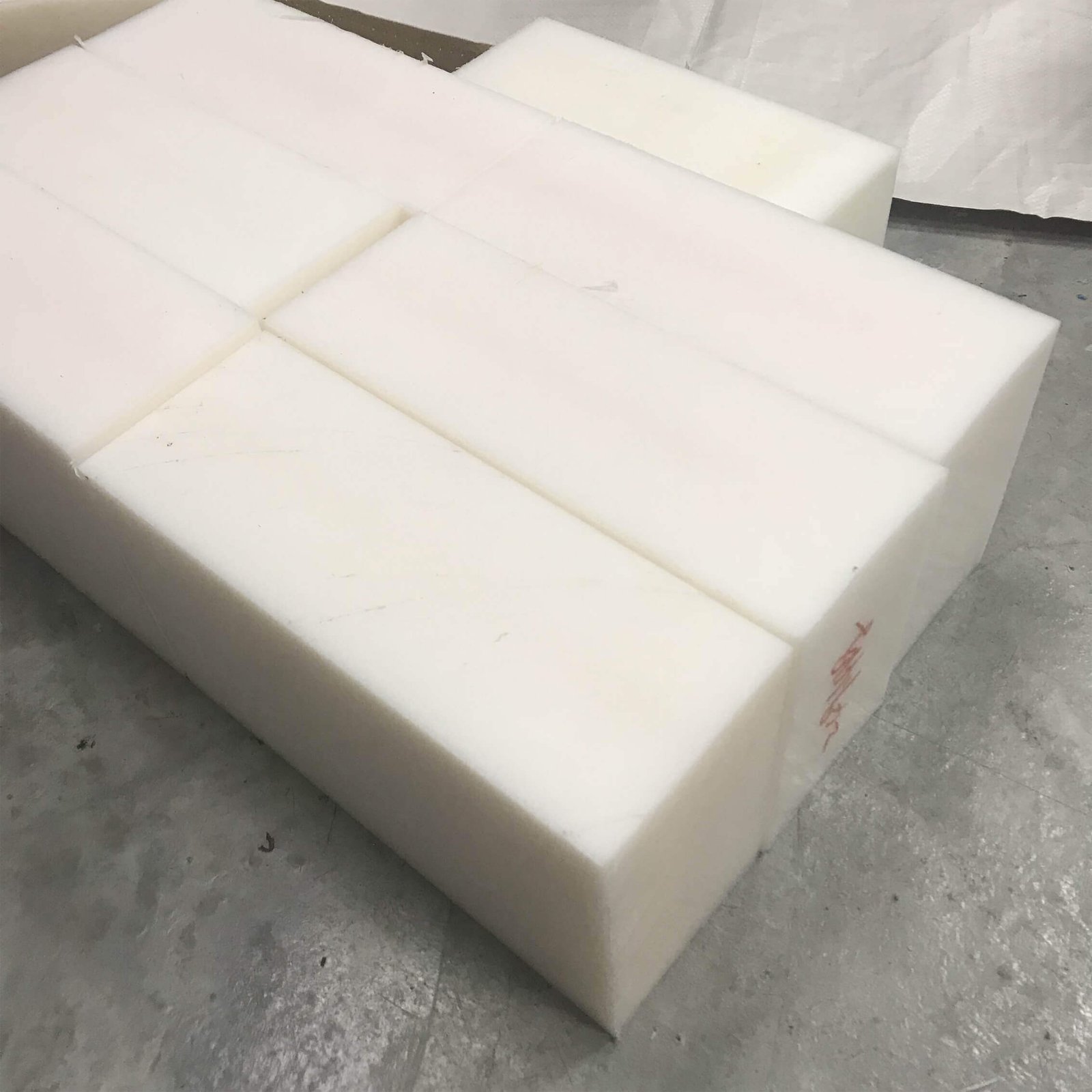
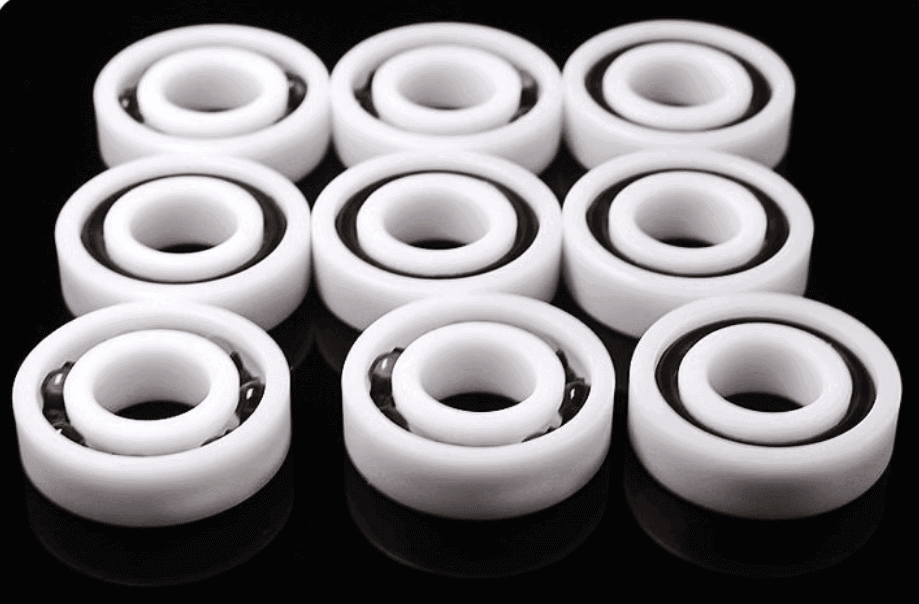
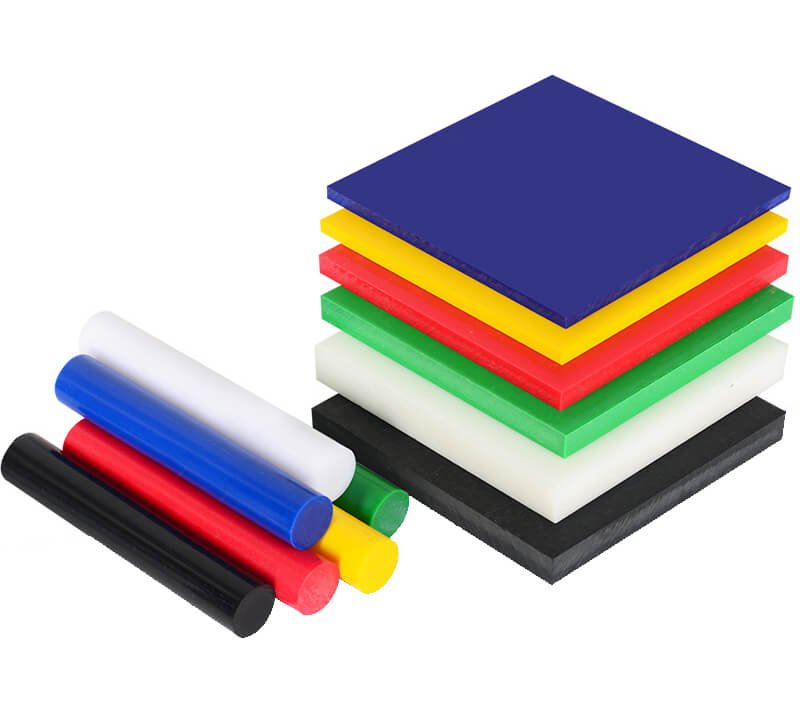
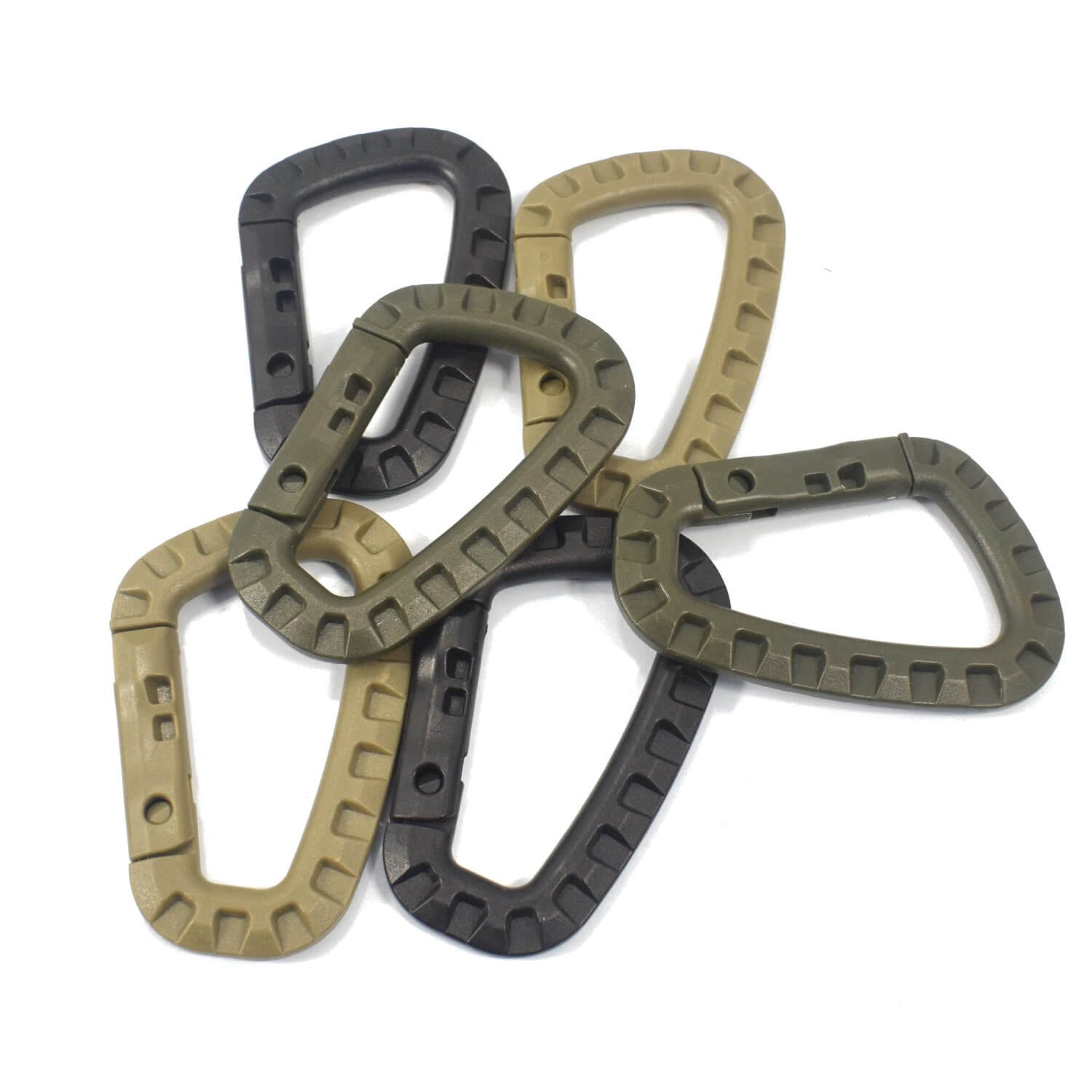
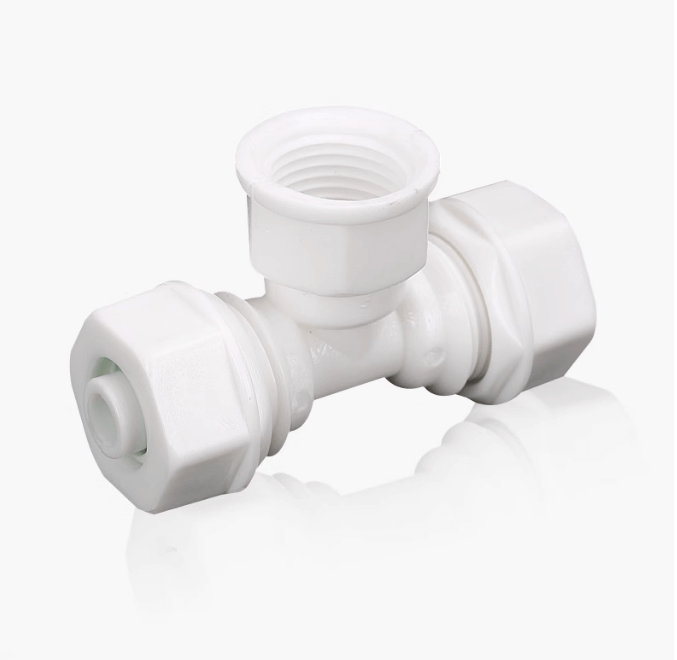
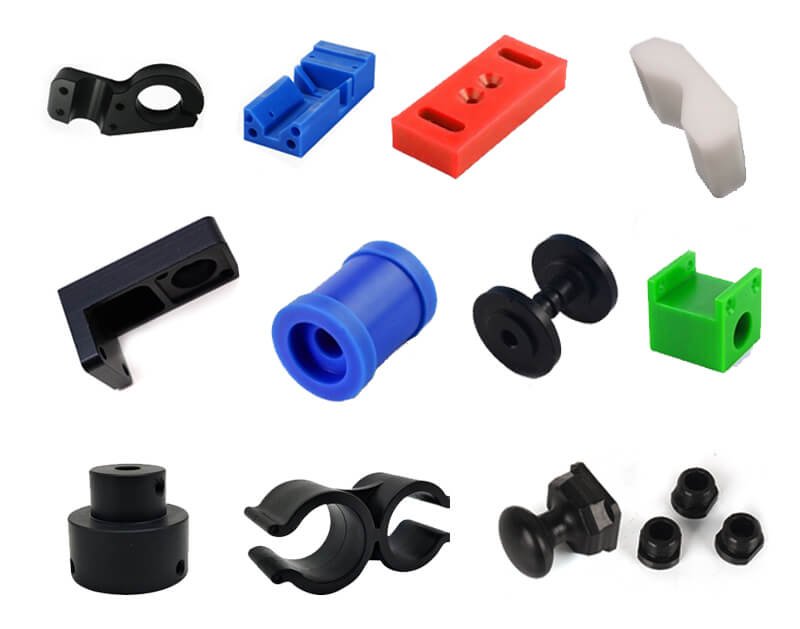
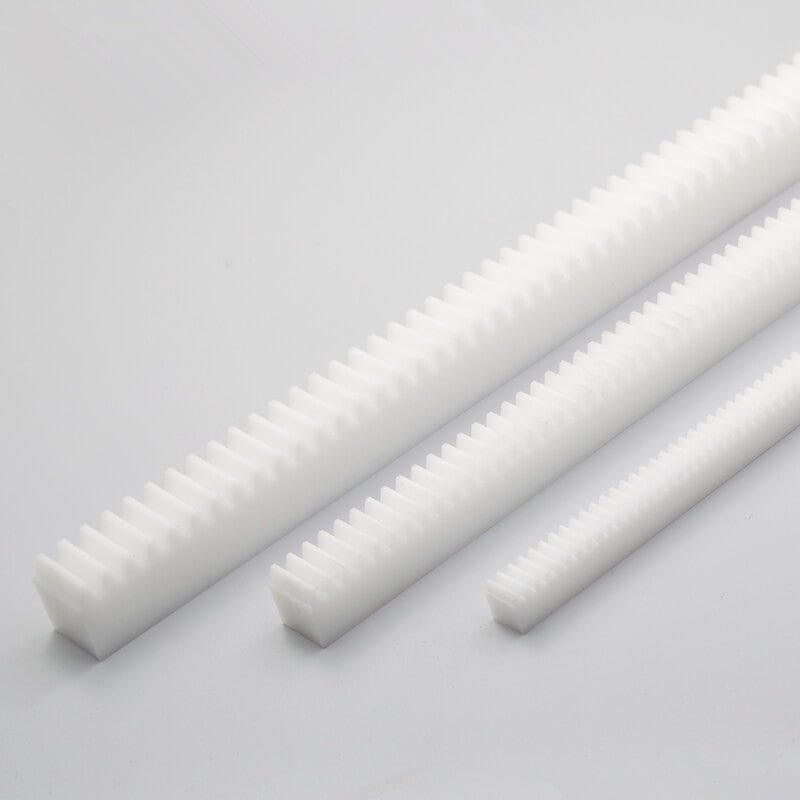
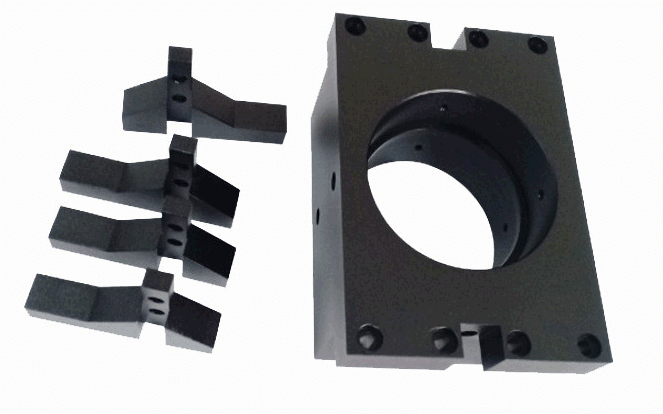
Teflon containers

Have you ever wondered what makes your non-stick pan so slippery? Or how some fabrics can resist stains and wrinkles? Or how some pipes can carry corrosive fluids without leaking? The answer is PTFE. PTFE stands for polytetrafluoroethylene, and it’s a synthetic material that has many amazing properties. It’s one of the most widely used PFAS (per- and polyfluoroalkyl substances), which are a group of chemicals that have been around since the 1930s.

🎉🎉🎉Limited Time Offer Use code: QR4GNY08SHVR at checkout and enjoy a special discount on your entire order! 👉 PTFE plastic

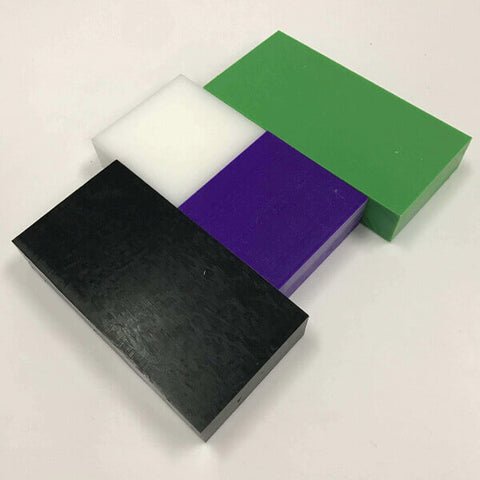
PTFE plastic

But what exactly is PTFE Teflon? How does it differ from other PFAS? What are some of the products that are made of PTFE? And most importantly, how can you choose the right PTFE product for your specific application?

In this article, we will answer these questions and more, to help you understand the wonders of PTFE.

What is PTFE Teflon?

PTFE Teflon is a brand name of PTFE-based products made by Chemours, a company that was spun off from DuPont, which discovered PTFE by accident in 1938. PTFE Teflon is one of the most popular and widely used brands of PTFE, but it’s not the only one. There are other brands of PTFE, such as Fluon, Hostaflon and Polyflon, that have similar features and uses.

PTFE Teflon is a type of plastic that is made of long chains of carbon atoms with two fluorine atoms attached to each carbon. The fluorine atoms act like a shield around the carbon chain, making it very stable and resistant to almost anything. The plastic doesn’t melt below 327°C (620°F), and it has the lowest friction of any known solid.

What is PTFE Teflon sheet?

PTFE Teflon sheet is a thin layer of PTFE that can be used for many purposes. It can be made by cutting or pressing PTFE into sheets of different thicknesses and sizes. PTFE Teflon sheet has very little friction, very high strength and very high chemical resistance.

PTFE Teflon sheet can be used for:

  • Sealing or insulating pipes, valves or fittings that carry hot or corrosive fluids or gases
  • Lining or coating tanks, vessels or reactors that contain harsh chemicals or solvents
  • Making flexible or rigid electrical insulation for wires, cables or connectors
  • Creating non-stick surfaces for food processing, baking or packaging equipment
  • Forming anti-static or anti-adhesive tapes for industrial or medical applications
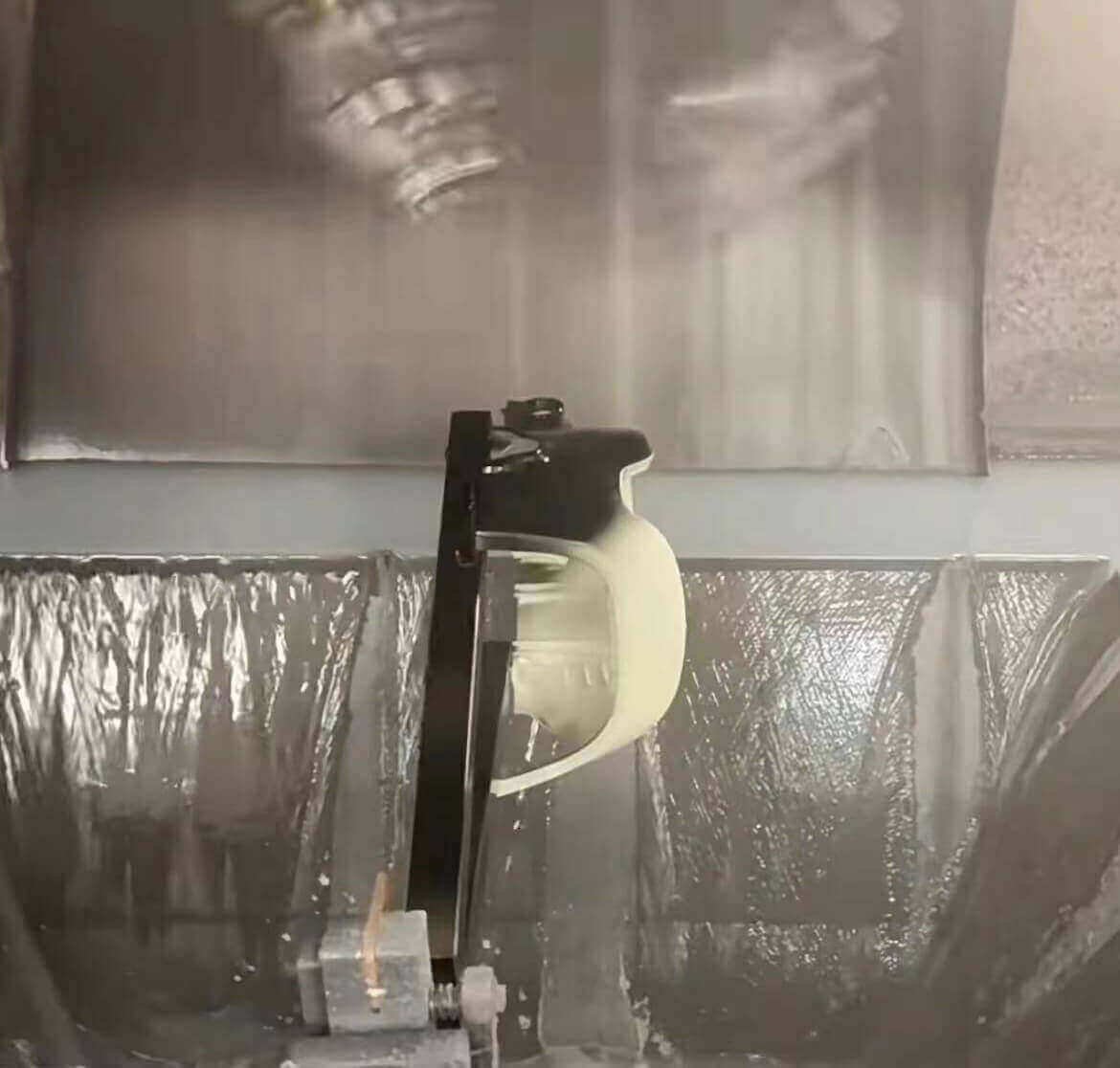
Teflon containers

Is PTFE Teflon safe?

PTFE Teflon is generally safe for most applications. However, there are some potential health and environmental risks associated with PFAS, the class of chemicals that includes PTFE. PFAS are persistent in the environment and can build up in the human body over time. Some studies have linked PFAS exposure to negative effects on the immune system, hormone levels, reproduction and development.

Therefore, it’s important to use PTFE Teflon products responsibly and follow the manufacturer’s instructions and safety precautions. For example, when using PTFE Teflon cookware, don’t overheat it above 260°C (500°F), as this can cause the coating to break down and release toxic fumes. Also, dispose of PTFE Teflon products properly and avoid releasing them into the environment.

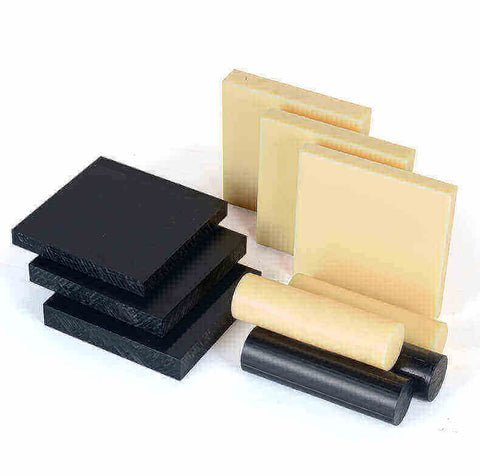
Teflon cookware

To choose the right PTFE product for your application, you need to consider the following factors:

  • The operating conditions: You need to know the temperature, pressure, speed, load, media and environment that the PTFE product will be exposed to. This will help you select the appropriate type, grade and size of PTFE product that can withstand the operating conditions without compromising its performance or durability.
  • The desired properties: You need to know the specific properties that you want the PTFE product to have, such as low friction, high strength, chemical resistance, electrical insulation, etc. This will help you select the appropriate type, grade and size of PTFE product that can meet your requirements and expectations.
Teflon Grill Film

PTFE is a wonderful material with many applications in a variety of industries. Please note that not all PTFE products are the same. PTFE products are available in different types, grades and sizes with different properties and performance. It is therefore important to select the right PTFE product for your specific application based on the operating conditions, properties required. To ensure the success of your project development, Beeplastic is your best choice. Our high quality materials and professional team and precise machinery and equipment are your guarantee to reduce your risk, so harass us now and get a free quote and advice on Teflon.

🎉🎉🎉Limited Time Offer Use code: QR4GNY08SHVR at checkout and enjoy a special discount on your entire order! 👉 PTFE plastic
Teflon plastic

Leave a comment


Please note, comments must be approved before they are published


Custom Plastic Fabrication

Send your drawing, material and quantity for review

🔧
Precision Machining
CNC milling & turning
✂️
Cutting & Engraving
Laser & waterjet cutting
🏭
Forming & Molding
Thermoforming & injection
🔗
Joining & Assembly
Welding & bonding
📐
Design & Prototyping
CAD design & samples

General

HDPE

PP

PVC

ABS

Engineering

POM

Nylon

PC

PMMA

High-Performance

PEEK

PEI

PTFE

Composites

FR-4

G10

Flexible

TPU

Silicone

Why Choose BeePlastic?

🎯
Perfect Fit
Custom specs eliminate adaptation needs
⚡
Clear Lead Times
Lead time confirmed with every quote
💰
Volume Pricing
Volume pricing available on bulk orders
🤝
Expert Support
Free engineering consultation included
📋
Submit
→
🔍
Review
→
💵
Quote
→
✅
Production
→
📦
Deliver

Request a Quote

Share your project details, selected material and quantity on our quote page. You can add a file link or use the email drawing route shown there.


Request Quote

Industries: Automotive • Medical • Food • Lab • Semiconductor

beeplastic@beeplastic.com


How POM Plastic Is Used in Engineering and Consumer Products

Color POM sheet

POM plastic, also known as polyoxymethylene or acetal, is a thermoplastic polymer that has high mechanical strength, stiffness, wear resistance, and low friction. It is widely used in engineering and consumer products because of its excellent properties and easy processing. In this blog post, we will answer some common questions about POM plastic and show you how it is applied in various industries and sectors.

🎉🎉🎉Limited Time Offer Use code: QR4GNY08SHVR at checkout and enjoy a special discount on your entire order! 👉 POM plasticPOM plastic material sheet

What is POM plastic material?

POM plastic is a polymer that consists of repeating units of formaldehyde. There are two types of POM plastic: homopolymer and copolymer. Homopolymer POM is made from pure formaldehyde, while copolymer POM is made from a mixture of formaldehyde and other comonomers, such as ethylene oxide or trioxane. Copolymer POM has better thermal stability, chemical resistance, and impact strength than homopolymer POM, but lower mechanical strength and stiffness.

What are the properties of POM plastic?

POM plastic has many desirable properties that make it suitable for various applications. Some of the main properties of POM plastic are:

  • High mechanical strength and stiffness: POM plastic can withstand high loads and stresses without breaking or deforming.
  • High wear resistance and low friction: POM plastic has a smooth surface that reduces friction and wear when in contact with other materials. It also has good self-lubricating properties that prevent squeaking and sticking.
  • Good dimensional stability and creep resistance: POM plastic does not shrink or expand significantly when exposed to changes in temperature or humidity. It also resists deformation under constant load or stress over time.
    POM round bar processing
  • Good electrical insulation and dielectric strength: POM plastic does not conduct electricity and can withstand high voltages without breakdown.
  • Good chemical resistance: POM plastic is resistant to most solvents, oils, fuels, acids, bases, and water. It does not corrode or degrade easily when exposed to harsh environments.
  • Good thermal resistance: POM plastic can operate in a wide temperature range from -40°C to 120°C. It does not melt or burn easily when heated.
  • Easy processing: POM plastic can be molded, extruded, injection molded, blow molded, machined, welded, and bonded using various techniques. It can also be colored, coated, or printed to enhance its appearance or functionality.

Is POM plastic safe?

POM plastic is generally considered to be safe for human health and the environment. It does not contain any toxic substances or heavy metals that could leach out or release harmful gases. It is also biocompatible and can be used for medical devices or implants. However, some precautions should be taken when handling or processing POM plastic:

  • Avoid inhaling dust or fumes from cutting, grinding, heating, or burning POM plastic, as they may cause irritation or respiratory problems.
  • Wear protective gloves, goggles, and clothing when working with POM plastic, as it may cause skin or eye irritation or allergic reactions.
  • Dispose of POM plastic waste properly according to local regulations, as it may pose a fire hazard or environmental pollution if not treated correctly.

How is POM plastic sheet used?

POM plastic sheet is a flat form of POM plastic that can be cut, bent, drilled, or shaped into various sizes and shapes. It is often used for making parts that require high precision, rigidity, and durability. Some examples of POM plastic sheet applications are:

  • Gears
  • Bearings
  • Bushings
  • Washers
  • Spacers
  • Guides
  • Slides
  • Rollers
  • Cams
  • Valves
POM precision parts processing

How is POM plastic rod used?

POM plastic rod is a cylindrical form of POM plastic that can be turned, milled, threaded, or carved into various shapes and sizes. It is often used for making parts that require high strength, stiffness, and wear resistance. Some examples of POM plastic rod applications are:

  • Shafts
  • Pins
  • Bolts
  • Nuts
  • Screws
  • Rivets
  • Hinges
  • Handles
  • Knobs
POM plastic bearings

How is POM plastic applied in different industries and sectors?

POM plastic has a wide range of applications in various industries and sectors because of its versatile properties and performance. Some of the main industries and sectors that use POM plastic are:

  • Automotive: POM plastic is used for making parts such as fuel injectors, fuel pumps, fuel filters, fuel tanks, door locks, window regulators, seat belts, airbags, steering wheels, pedals, and dashboard components.
  • Electrical and electronics: POM plastic is used for making parts such as connectors, switches, relays, circuit breakers, sockets, plugs, cables, wires, and housings.
  • Medical and dental: POM plastic is used for making parts such as surgical instruments, implants, prosthetics, orthodontics, dental floss, syringes, and catheters.
  • Food and beverage: POM plastic is used for making parts such as food processing equipment, packaging machines, bottles, caps, corks, cans, trays, utensils, and cutlery.
  • Textile and clothing: POM plastic is used for making parts such as buttons, zippers, buckles, clips, hooks, rings, and fasteners.
  • Sports and leisure: POM plastic is used for making parts such as ski bindings, snowboards, skates, helmets, goggles, gloves, rackets, balls, and toys.
POM material industry applications

What is POM acetal plastic?

POM acetal plastic is another name for POM plastic, especially the copolymer type. It is derived from the chemical name of POM, which is polyoxymethylene diacetate. It is also sometimes called polyacetal or acetal resin.

What is POM material application?

POM material application is the same as POM plastic application, as they are synonyms. It refers to the various uses and purposes of POM plastic in different fields and domains.

POM plastic is a remarkable polymer that has many advantages and benefits for engineering and consumer products. It has high mechanical strength, stiffness, wear resistance, low friction, dimensional stability, creep resistance, electrical insulation, dielectric strength, chemical resistance, thermal resistance, and easy processing. It is also safe for human health and the environment. It can be molded into sheets, rods, or other shapes and forms to suit various applications and needs. It can be found in many industries and sectors such as automotive, electrical and electronics, medical and dental, food and beverage, textile and clothing, sports and leisure, and more. If you are looking for a reliable and versatile material for your next project or product, you should consider using POM plastic. You can find high-quality POM plastic products at our online store. Visit us today and get a free quote!

🎉🎉🎉Limited Time Offer Use code: QR4GNY08SHVR at checkout and enjoy a special discount on your entire order! 👉 HDPE plastic
Color POM sheet

Leave a comment


Please note, comments must be approved before they are published


Custom Plastic Fabrication

Send your drawing, material and quantity for review

🔧
Precision Machining
CNC milling & turning
✂️
Cutting & Engraving
Laser & waterjet cutting
🏭
Forming & Molding
Thermoforming & injection
🔗
Joining & Assembly
Welding & bonding
📐
Design & Prototyping
CAD design & samples

General

HDPE

PP

PVC

ABS

Engineering

POM

Nylon

PC

PMMA

High-Performance

PEEK

PEI

PTFE
Composites

FR-4

G10

Flexible

TPU

Silicone

Why Choose BeePlastic?

🎯
Perfect Fit
Custom specs eliminate adaptation needs
⚡
Clear Lead Times
Lead time confirmed with every quote
💰
Volume Pricing
Volume pricing available on bulk orders
🤝
Expert Support
Free engineering consultation included
📋
Submit
→
🔍
Review
→
💵
Quote
→
✅
Production
→
📦
Deliver

Request a Quote

Share your project details, selected material and quantity on our quote page. You can add a file link or use the email drawing route shown there.


Request Quote

Industries: Automotive • Medical • Food • Lab • Semiconductor

beeplastic@beeplastic.com


The Benefits of POM Sheet Over Other Plastics: Everything You Need to Know

POM sheets

Are you looking for a durable, versatile and cost-effective plastic material for your next project? If so, you might want to consider POM sheet. POM sheet, also known as acetal sheet, is a type of engineering thermoplastic that offers many advantages over other plastics. In this article, we will explain what POM sheet is, what are its properties and benefits, how it compares with other plastics, and how you can use it for various applications. By the end of this article, you will have a better understanding of why POM sheet is a great choice for your plastic needs.

🎉🎉🎉Limited Time Offer Use code: QR4GNY08SHVR at checkout and enjoy a special discount on your entire order! 👉 POM plastic

custom POM sheets

What is POM Sheet?

POM sheet is a semi-crystalline plastic material that is made from Polyoxymethylene (POM) custom processing, also known as polyacetal or polyformaldehyde. POM is a polymer that consists of repeating units of formaldehyde (CH2O). POM sheet is produced by different chemical firms with slightly different formulas and sold under various brand names such as Delrin, Kocetal, Ultraform, Celcon, Ramtal, Duracon, Kepital, Polypenco, Tenac and Hostaform.

POM sheet is widely used in precision parts that require high stiffness, low friction and excellent dimensional stability. It has a high melting point (165 °C) and a high crystallinity (60-80%), which give it a high strength and hardness. It also has a low coefficient of friction and a high resistance to wear and abrasion. It has a low moisture absorption (0.2-0.8%) and a low shrinkage (1-2%), which make it resistant to warping and swelling. It has a good chemical resistance to most solvents, oils, fuels and acids. It also has a good thermal resistance to temperatures up to 120 °C.

POM sheet can be easily machined, welded, glued and painted. It can be molded into various shapes and sizes by injection molding or extrusion. It can also be cut, drilled, tapped and threaded by conventional tools. POM sheet can be colored or dyed in various shades.

POM material ultrasonic welding

What are the Benefits of POM Sheet Over Other Plastics?

POM sheet has many benefits over other plastics that make it suitable for a wide range of applications. Some of the main benefits are:

  • High stiffness: POM sheet has a high modulus of elasticity (2.8-3.5 GPa), which means it can withstand high loads without deforming or breaking. It also has a high flexural modulus (2.6-3 GPa), which means it can resist bending or twisting forces.
  • Low friction: POM sheet has a low coefficient of friction (0.1-0.35), which means it can slide smoothly over other surfaces without sticking or squeaking. It also has a low static friction (0.05-0.2), which means it can start moving easily without much force.
  • Excellent dimensional stability: POM sheet has a low thermal expansion coefficient (80-110 x 10^-6/K), which means it does not change its shape or size much when exposed to heat or cold. It also has a low moisture absorption (0.2-0.8%), which means it does not swell or shrink when exposed to water or humidity.
  • Good wear resistance: POM sheet has a high abrasion resistance (200-600 mg/1000 cycles), which means it can withstand rubbing or scraping without losing its surface quality or performance. It also has a high fatigue resistance (>10^7 cycles), which means it can endure repeated stress or strain without cracking or breaking.
  • Good chemical resistance: POM sheet has a good resistance to most solvents, oils, fuels and acids. It does not corrode or degrade easily when exposed to these substances.
  • Good thermal resistance: POM sheet has a good resistance to temperatures up to 130 °C. It does not melt or burn easily when exposed to heat or fire.
POM performance table

How Does POM Sheet Compare with Other Plastics?

POM sheet can be compared with other plastics based on their properties and applications. Some of the common plastics that are compared with POM sheet are:

  • Nylon: Nylon is another type of engineering thermoplastic that is used for precision parts that require high strength and toughness. Nylon has a higher impact strength and elongation than POM sheet, which means it can absorb more energy and stretch more before breaking. However, nylon has a lower stiffness and dimensional stability than POM sheet, which means it can deform or warp more easily. Nylon also has a higher moisture absorption and thermal expansion than POM sheet, which means it can swell or shrink more when exposed to water or heat. Nylon also has a lower chemical resistance and thermal resistance than POM sheet, which means it can corrode or degrade more easily when exposed to harsh substances or temperatures.

    custom Nylon material
  • Polypropylene: Polypropylene is a type of thermoplastic that is used for general-purpose applications that require low cost and light weight. Polypropylene has a lower density and a lower melting point than POM sheet, which means it is lighter and easier to process. However, polypropylene has a lower stiffness and strength than POM sheet, which means it can break or deform more easily. Polypropylene also has a lower dimensional stability and wear resistance than POM sheet, which means it can change its shape or size more easily and lose its surface quality or performance more quickly. Polypropylene also has a lower chemical resistance and thermal resistance than POM sheet, which means it can corrode or degrade more easily when exposed to harsh substances or temperatures.

    PP material size cutting
  • Polycarbonate: Polycarbonate is a type of thermoplastic that is used for applications that require high transparency and impact resistance. Polycarbonate has a higher transparency and a higher impact strength than POM sheet, which means it can transmit light and withstand shocks better. However, polycarbonate has a lower stiffness and hardness than POM sheet, which means it can scratch or dent more easily. Polycarbonate also has a lower dimensional stability and wear resistance than POM sheet, which means it can change its shape or size more easily and lose its surface quality or performance more quickly. Polycarbonate also has a lower chemical resistance and thermal resistance than POM sheet, which means it can corrode or degrade more easily when exposed to harsh substances or temperatures.

    PC material products

How to Use POM Sheet for Various Applications?

POM sheet can be used for various applications in different industries and sectors. Some of the examples are:

  • Engineering and mechanical components: POM sheet can be used to make gears, bearings, bushings, couplings, cams, rollers, pulleys, sprockets, screws, nuts, bolts, washers, spacers, springs, clips, clamps, hinges, latches, handles, knobs, levers, valves, pumps, pistons, cylinders, seals, gaskets, etc. These components require high stiffness, low friction and good wear resistance.
POM precision parts
  • Consumer products: POM sheet can be used to make eyeglasses frames, zippers, buttons, snaps, buckles, hooks, rings, chains, bracelets, necklaces, earrings, watches, pens, pencils, rulers, scissors, knives, forks, spoons, cups, plates, bowls, trays, containers, boxes, cases, etc. These products require high strength, hardness and durability.
  • Electrical and electronic devices: POM sheet can be used to make connectors, switches, sockets, plugs, terminals, contacts, relays, circuit breakers, fuses, resistors, capacitors, transistors, diodes, LEDs, sensors, actuators, motors, generators, transformers, coils, speakers, microphones, headphones, earphones, cameras, keyboards, mice, joysticks, game controllers, remotes, etc. These devices require good electrical and thermal properties and dimensional stability.
  • Food processing and packaging equipment: POM sheet can be used to make valves, pumps, conveyor belts, chains, rollers, guides, rails, screws, nuts, bolts, washers, spacers, clips, clamps, hinges, latches, handles, knobs, levers, nozzles, sprayers, injectors, fillers, sealers, cutters, slicers, grinders, mixers, blenders, juicers, etc. These equipment require good chemical resistance and food grade quality.
  • Medical devices and instruments: POM sheet can be used to make surgical tools, implants, catheters, tubes, syringes, needles, scalpels, forceps, scissors, clamps, staplers, sutures, stents, valves, pumps etc. These devices and instruments require high biocompatibility and sterilizability.
    POM wire harness workwear

Conclusion

POM sheet is a type of engineering thermoplastic that has many benefits over other plastics. It has high stiffness low friction excellent dimensional stability good wear resistance good chemical resistance and good thermal resistance. It can be used for various applications in different industries and sectors. It can be easily machined welded glued and painted. It can be molded into various shapes and sizes by injection molding or extrusion. It can also be cut drilled tapped and threaded by conventional tools. POM sheet can be colored or dyed in various shades.

POM precision parts processing

If you are interested in POM sheet products or want to learn more about them please contact us today. We are a plastic custom production factory that can provide you with high-quality POM sheet products at competitive prices. We can also help you with writing POM sheet related blog posts on your website so that everyone can learn the related knowledge of POM sheet. We look forward to hearing from you soon. 

🎉🎉🎉Limited Time Offer Use code: QR4GNY08SHVR at checkout and enjoy a special discount on your entire order! 👉 POM plastic
custom POM material

Leave a comment


Please note, comments must be approved before they are published


Custom Plastic Fabrication

Send your drawing, material and quantity for review

🔧
Precision Machining
CNC milling & turning
✂️
Cutting & Engraving
Laser & waterjet cutting
🏭
Forming & Molding
Thermoforming & injection
🔗
Joining & Assembly
Welding & bonding
📐
Design & Prototyping
CAD design & samples

General

HDPE

PP

PVC

ABS

Engineering

POM

Nylon

PC

PMMA

High-Performance

PEEK

PEI

PTFE

Composites

FR-4

G10

Flexible

TPU

Silicone

Why Choose BeePlastic?

🎯
Perfect Fit
Custom specs eliminate adaptation needs
⚡
Clear Lead Times
Lead time confirmed with every quote
💰
Volume Pricing
Volume pricing available on bulk orders
🤝
Expert Support
Free engineering consultation included
📋
Submit
→
🔍
Review
→
💵
Quote
→
✅
Production
→
📦
Deliver

Request a Quote

Share your project details, selected material and quantity on our quote page. You can add a file link or use the email drawing route shown there.


Request Quote

Industries: Automotive • Medical • Food • Lab • Semiconductor

beeplastic@beeplastic.com


Nylon Plastic: A Versatile and Cost-Effective Engineering Material

Nylon parts

Nylon plastic is one of the most widely used engineering materials in the world. It has a range of properties and characteristics that make it suitable for various applications in different industries. But what is nylon plastic and how is it made? What are the advantages and disadvantages of using nylon plastic over metal or other plastics? In this article, we will answer these questions and more.

🎉🎉🎉Limited Time Offer Use code: QR4GNY08SHVR at checkout and enjoy a special discount on your entire order! 👉 Nylon plastic
Nylom material

Nylon Plastic Sheet: Properties and Characteristics

Nylon plastic sheet is a type of thermoplastic that can be molded or extruded into thin or thick sheets. Nylon plastic sheet has high tensile strength, stiffness, abrasion resistance, and dimensional stability. It also has good resistance to chemicals, heat, and moisture. Nylon plastic sheet can be modified with fillers, fibers, lubricants, and impact modifiers to enhance its performance for specific applications. Nylon plastic sheet is used for making gears, bearings, bushings, washers, spacers, and other parts that require low friction and high wear resistance.

Nylon washers

Nylon Plastic Material: Products and Applications

Nylon plastic material is a general term that refers to any product or application that uses nylon as the main component. Nylon plastic material can be found in many everyday items, such as clothing, carpets, luggage, umbrellas, toothbrushes, fishing nets, and more. Nylon plastic material can also be used for more specialized purposes, such as medical devices, aerospace components, automotive parts, electrical insulation, and food packaging. Nylon plastic material is versatile and flexible, as it can be molded, extruded, cast, spun, or woven into different shapes and forms.

Nylon Plastic vs. Rubber: Differences and Similarities

Nylon plastic and rubber are both synthetic polymers that have some similarities and differences. Both materials are elastic and resilient, meaning they can stretch and return to their original shape. Both materials are also resistant to abrasion and impact. However, nylon plastic has some advantages over rubber in terms of cost-effectiveness, durability, temperature resistance, and chemical compatibility. Nylon plastic is cheaper to produce and manufacture than rubber. Nylon plastic also lasts longer than rubber, as it does not degrade or crack over time. Nylon plastic can withstand higher temperatures than rubber without melting or deforming. Nylon plastic also has better resistance to oils, solvents, acids, and bases than rubber.

Nylon and Rubber

Nylon Plastic Melting Point: Effects and Implications

The melting point of nylon plastic is the temperature at which it changes from a solid to a liquid state. The melting point of nylon plastic depends on the type and grade of nylon used. For example, nylon 6 has a melting point of about 220°C (428°F), while nylon 6/6 has a melting point of about 265°C (509°F). The melting point of nylon plastic affects its processing and performance in several ways. For instance, the melting point of nylon plastic determines the temperature range that it can be molded or extruded at. The melting point of nylon plastic also influences its thermal stability and resistance to heat distortion.

Painting Nylon Plastic: Tips and Tricks

Painting nylon plastic can be a challenging task, as nylon plastic has a smooth and slippery surface that does not adhere well to paint. However, with some preparation and techniques, painting nylon plastic can be done successfully. Here are some tips and tricks for painting nylon plastic:

  • Clean the nylon plastic surface thoroughly with soap and water to remove any dirt or grease.
  • Sand the nylon plastic surface lightly with fine-grit sandpaper to create some texture for the paint to stick to.
  • Apply a primer coat to the nylon plastic surface using a spray can or a brush. Choose a primer that is compatible with both nylon plastic and the paint you will use.
  • Let the primer dry completely before applying the paint coat.
  • Apply the paint coat to the nylon plastic surface using a spray can or a brush. Choose a paint that is suitable for plastics and has good adhesion and durability.
  • Let the paint dry completely before handling or using the painted nylon plastic part.
Nylon spray paint

Nylon Plastic Rope: Pros and Cons

Nylon plastic rope is a type of synthetic rope that is made from twisted or braided strands of nylon fibers. Nylon plastic rope has many pros and cons compared to other types of rope. Some of the pros of nylon plastic rope are:

  • It has high strength and elasticity, meaning it can support heavy loads and absorb shocks without breaking or stretching.
  • It has good resistance to abrasion, UV rays, rotting, mildew, insects, and chemicals.
  • It has low water absorption and does not shrink or swell when wet.
  • It has a smooth surface that does not cause friction burns or splinters.

Some of the cons of nylon plastic rope are:

  • It has low melting point and can melt or catch fire when exposed to heat or sparks.
  • It has high elongation and can stretch up to 40% of its original length, which can cause slack or sagging.
  • It has high cost and is more expensive than natural or other synthetic ropes.

Bonding Nylon Plastic with Adhesive: Best Practices

Bonding nylon plastic with adhesive can be a difficult process, as nylon plastic has a low surface energy and does not bond well with most adhesives. However, with some best practices, bonding nylon plastic with adhesive can be achieved effectively. Here are some best practices for bonding nylon plastic with adhesive:

  • Choose an adhesive that is specially formulated for bonding plastics and has good compatibility with nylon plastic. Some examples are cyanoacrylate, epoxy, polyurethane, and acrylic adhesives.
  • Prepare the nylon plastic surface by cleaning it with alcohol or acetone to remove any dirt or grease. Then, roughen it with sandpaper or a wire brush to increase its surface area and improve its adhesion.
  • Apply the adhesive to the nylon plastic surface according to the manufacturer’s instructions. Use a thin and even layer of adhesive and avoid any gaps or bubbles.
  • Clamp or press the nylon plastic parts together firmly and align them properly. Maintain the pressure until the adhesive cures completely.
  • Remove any excess adhesive with a knife or a cloth. Avoid using solvents that can damage the nylon plastic or the adhesive.
Bonding

Nylon Plastic: Advantages and Disadvantages

Nylon plastic is a versatile and cost-effective engineering material that has many advantages and disadvantages. Some of the advantages of nylon plastic are:

  • It has high strength, stiffness, abrasion resistance, and dimensional stability.
  • It has good resistance to chemicals, heat, and moisture.
  • It has low friction and wear properties that make it ideal for bearings, gears, and other moving parts.
  • It has good shock and noise absorption properties that reduce vibration and noise in machinery and equipment.
  • It can be modified with fillers, fibers, lubricants, and impact modifiers to enhance its performance for different applications.
  • It can be molded, extruded, cast, spun, or woven into various shapes and forms.
Nylon injection molding product

Some of the disadvantages of nylon plastic are:

  • It has high water absorption that can affect its mechanical and electrical properties.
  • It has high elongation that can cause slack or sagging in ropes or cables.
  • It has low melting point that can limit its use in high temperature applications.
  • It has poor resistance to strong acids, bases, and oxidizing agents.
  • It has high environmental impact due to its petroleum-based production and non-biodegradable nature.

Nylon Plastic: Current and Future Trends

Nylon plastic is a widely used engineering material that has many current and future trends in various industries. Some of the current trends of nylon plastic are:

  • The development of bio-based nylon from renewable sources such as vegetable oils, starches, sugars, and proteins. Bio-based nylon aims to reduce the environmental impact of nylon production and disposal by using less energy and emitting less greenhouse gases.
  • The use of recycled nylon from post-consumer or post-industrial waste. Recycled nylon helps to conserve natural resources and reduce waste by reusing existing nylon materials.
  • The innovation of new grades and formulations of nylon that offer improved properties and performance for specific applications. For example, high-performance nylon that has higher strength, stiffness, temperature resistance, and flame retardance than conventional nylon.

Some of the future trends of nylon plastic are:

  • The expansion of nylon applications in emerging markets such as medical devices, aerospace components, automotive parts, electrical insulation, and food packaging. Nylon offers many benefits for these applications such as biocompatibility, lightweight, durability, and thermal stability.
  • The integration of nylon with other materials such as metals, ceramics, composites, or smart materials. Nylon can enhance the functionality and performance of these materials by providing strength, flexibility, compatibility, or conductivity.
Fiber reinforced nylon sheet

Nylon plastic is a versatile and cost-effective engineering material that has many benefits over metal or other plastics. Nylon plastic has high strength, stiffness, abrasion resistance, dimensional stability, chemical resistance, heat resistance, moisture resistance, low friction, wear resistance, shock absorption, noise absorption, versatility, flexibility, moldability, machinability, elasticity, and resilience. Nylon plastic also has some drawbacks such as high water absorption, high elongation, low melting point, poor resistance to strong acids, bases, and oxidizing agents, and high environmental impact. Nylon plastic can be modified with fillers, fibers, lubricants, and impact modifiers to enhance its performance for different applications. Nylon plastic can also be molded, extruded, cast, spun, or woven into various shapes and forms. Nylon plastic is used for making products and applications in many industries such as clothing, carpets, luggage, umbrellas, toothbrushes, fishing nets, gears, bearings, bushings, washers, spacers, medical devices, aerospace components, automotive parts, electrical insulation, and food packaging. Nylon plastic has many current and future trends in terms of production, recycling, innovation, and expansion. Nylon plastic is a widely used engineering material that offers many advantages and disadvantages over metal or other plastics. By understanding the properties and characteristics of nylon plastic and its variations, we can choose the best type of nylon for our specific needs and applications.

If you need to customize and process nylon plastic parts, then beeplastic is your reliable manufacturer. Our high-quality nylon materials, combined with professional teams and precise equipment, can meet your project needs. Come on! Drop by us for an instant free quote and answers to your nylon material questions. 

🎉🎉🎉Limited Time Offer Use code: QR4GNY08SHVR at checkout and enjoy a special discount on your entire order! 👉 Nylon plastic
Nylon parts

Leave a comment


Please note, comments must be approved before they are published


Custom Plastic Fabrication

Send your drawing, material and quantity for review

🔧
Precision Machining
CNC milling & turning
✂️
Cutting & Engraving
Laser & waterjet cutting
🏭
Forming & Molding
Thermoforming & injection
🔗
Joining & Assembly
Welding & bonding
📐
Design & Prototyping
CAD design & samples

General

HDPE

PP

PVC

ABS

Engineering

POM

Nylon

PC

PMMA

High-Performance

PEEK

PEI

PTFE

Composites

FR-4

G10

Flexible

TPU

Silicone

Why Choose BeePlastic?

🎯
Perfect Fit
Custom specs eliminate adaptation needs
⚡
Clear Lead Times
Lead time confirmed with every quote
💰
Volume Pricing
Volume pricing available on bulk orders
🤝
Expert Support
Free engineering consultation included
📋
Submit
→
🔍
Review
→
💵
Quote
→
✅
Production
→
📦
Deliver

Request a Quote

Share your project details, selected material and quantity on our quote page. You can add a file link or use the email drawing route shown there.


Request Quote

Industries: Automotive • Medical • Food • Lab • Semiconductor

beeplastic@beeplastic.com


How to Choose the Right ABS Plastic Block for Your Project

ABS spray paint

If you are looking for a durable, versatile, and easy-to-use material for your project, you might want to consider ABS plastic block. ABS stands for acrylonitrile butadiene styrene, a thermoplastic polymer that can be molded into various shapes and sizes. ABS plastic block is widely used for applications such as pipe supports, orthotic devices, machine parts, and more. You can find ABS plastic block in different forms such as abs sheet, abs sheet 4×8, abs sheet lowes, and so on. In this article, we will show you how to choose the right ABS plastic block for your project and how to use it effectively.

🎉🎉🎉Limited Time Offer Use code: QR4GNY08SHVR at checkout and enjoy a special discount on your entire order! 👉 ABS plastic
White ABS plastic CNC machining

There are many types of plastics available in the market, each with its own properties and applications. How do you know which one is best for your project? Here are some factors to consider when choosing a plastic material:

  • Strength: How much force can the plastic withstand without breaking or deforming?
  • Impact resistance: How well can the plastic resist shocks or impacts?
  • Heat resistance: How well can the plastic withstand high temperatures or exposure to fire?
  • Chemical resistance: How well can the plastic resist corrosion or degradation by chemicals or solvents?
  • UV resistance: How well can the plastic resist fading or cracking by sunlight or UV rays?
  • Flexibility: How easily can the plastic be bent or shaped without breaking or losing its properties?
  • Cost: How much does the plastic cost per unit or per volume?
ABS mold molding

One of the most common and versatile plastics is ABS plastic. ABS plastic has many advantages such as:

  • High strength and impact resistance: ABS plastic can withstand high levels of stress and force without breaking or cracking. It can also absorb shocks and impacts without shattering or denting.
  • Good heat resistance: ABS plastic can withstand temperatures up to 80°C (176°F) without melting or deforming. It can also resist exposure to fire for a short time without burning or emitting toxic fumes.
  • Good chemical resistance: ABS plastic can resist corrosion or degradation by most acids, bases, oils, and solvents. It can also resist staining or discoloration by most substances.
  • Easy to machine and mold: ABS plastic can be easily cut, drilled, milled, sawed, and sanded with common tools. It can also be easily molded into various shapes and sizes with injection molding, extrusion, or vacuum forming.
    ABS spray paint
  • Low cost: ABS plastic is relatively cheap compared to other plastics. It is also widely available in different forms and colors.

However, ABS plastic also has some disadvantages such as:

  • Poor UV resistance: ABS plastic can fade or crack when exposed to sunlight or UV rays for a long time. It may also become brittle or yellow over time.
  • Poor solvent resistance: ABS plastic can dissolve or swell when exposed to certain solvents such as acetone, benzene, or chloroform. It may also lose its strength or shape when exposed to these solvents.
  • Flammable: ABS plastic can catch fire easily when exposed to high temperatures or flames. It may also emit toxic fumes when burned.


If you want to use ABS plastic for your project, you need to make sure that you are buying the right material. There are many types of plastics that look similar to ABS plastic, but have different properties and applications. How can you tell if a plastic block is made of ABS plastic? Here are some tips to help you identify ABS plastic:

  • Look at the color: ABS plastic is usually black or white, but it can also be dyed into various colors. If you see a plastic block that has a bright or unusual color, it may not be ABS plastic. You can also look for the recycling symbol on the plastic block. ABS plastic is usually marked with the number 7 or the letters ABS inside a triangle.
  • Feel the texture: ABS plastic has a smooth and glossy surface that feels hard and rigid. It may also have a slight grainy or sandy texture due to the blending of different materials. If you feel a plastic block that has a rough or matte surface, or that feels soft or flexible, it may not be ABS plastic.
  • Smell the odor: ABS plastic has a distinctive smell that is similar to burnt plastic or nail polish remover. You can try to scratch or heat up a small part of the plastic block and smell it. If you smell a strong or unpleasant odor, it may be ABS plastic. However, this method is not very reliable, as some plastics may have similar smells or no smell at all.
  • Test the solubility: ABS plastic can dissolve or swell when exposed to certain solvents such as acetone, benzene, or chloroform. You can try to apply a small amount of these solvents on a hidden part of the plastic block and see if it reacts. If you see the plastic block dissolving or swelling, it may be ABS plastic. However, this method is not very safe, as these solvents are flammable and toxic. You should wear gloves and goggles and work in a well-ventilated area when using these solvents.
ABS sheet Bending process

These are some of the ways to identify ABS plastic by its appearance, texture, smell, and solubility. However, the best way to confirm the type of plastic is to ask the seller or manufacturer for the product specifications or data sheet. This way, you can be sure that you are buying the right ABS plastic block for your project.

One of the advantages of ABS plastic block is that it is easy to machine and mold. You can use common tools such as saws, drills, heat guns, etc. to cut, shape, and bend ABS plastic block according to your project needs. Here are some tips on how to do that:

  • How to cut ABS plastic block: You can use a hand saw, a circular saw, a jigsaw, or a band saw to cut ABS plastic block into smaller pieces or shapes. You should use a fine-toothed blade and a low speed to avoid melting or chipping the plastic. You should also clamp the plastic block securely to a workbench or table and wear safety glasses and gloves when cutting. You can also use a ruler and a marker to mark the cutting lines on the plastic block before cutting.
  • How to shape ABS plastic block: You can use a drill, a mill, a lathe, or a router to shape ABS plastic block into more complex or precise shapes. You should use a sharp bit and a moderate speed to avoid overheating or cracking the plastic. You should also secure the plastic block firmly to a vise or a chuck and wear safety glasses and gloves when shaping. You can also use a template or a stencil to guide the shaping process.
  • How to bend ABS plastic block: You can use a heat gun, a hot air oven, or a hot water bath to bend ABS plastic block into curved or angled shapes. You should heat the plastic block evenly and slowly until it becomes soft and pliable. You should also wear heat-resistant gloves and use a mold or a jig to hold the plastic block in the desired shape until it cools down and hardens. You can also use a protractor or a compass to measure the bending angle.
ABS hot air blow molding

These are some of the ways to cut, shape, and bend ABS plastic block with common tools. However, you should always follow the manufacturer’s instructions and safety precautions when using these tools. You should also check the quality and accuracy of your work before proceeding to the next step.

After you have cut, shaped, and bent ABS plastic block for your project, you need to store and handle it properly to ensure its quality and durability. Here are some tips on how to do that:

  • Store ABS plastic block in a cool and dry place: You should avoid exposing ABS plastic block to high temperatures or humidity, as they may cause the plastic to melt, warp, or crack. You should also keep ABS plastic block away from direct sunlight or UV rays, as they may cause the plastic to fade, yellow, or brittle. You can store ABS plastic block in a sealed plastic bag or a cardboard box, and place it in a cool and dry place such as a closet, a basement, or a garage.
  • Handle ABS plastic block with care: You should avoid dropping, scratching, or denting ABS plastic block, as they may damage the surface or the structure of the plastic. You should also avoid applying excessive force or pressure on ABS plastic block, as they may cause the plastic to break or deform. You should wear gloves and use soft cloths or pads when handling ABS plastic block, and lift it with both hands or use a cart or a dolly when moving it.
  • Clean ABS plastic block regularly: You should clean ABS plastic block regularly to remove any dust, dirt, grease, or stains that may accumulate on the surface of the plastic. You can use a mild soap or detergent and a soft cloth or sponge to wipe the plastic gently. You can also use a soft brush or a vacuum cleaner to remove any loose particles or debris. You should avoid using any abrasive or harsh cleaners or solvents that may scratch or dissolve the plastic. You should also dry the plastic thoroughly after cleaning it.
ABS indoor accessories

These are some of the ways to store and handle ABS plastic block properly to avoid damage, deformation, or contamination. However, you should always follow the manufacturer’s instructions and safety precautions when storing and handling ABS plastic block. You should also check the condition and quality of your ABS plastic block before using it for your project.

If you are interested in buying ABS plastic blocks to complete your project, you can visit our website: www.beeplastic.com or click on our contact form, fill in the information to disturb us, we can find you ABS blocks in various forms and sizes. We will give you the best discount.

Thank you for hearing us out. Hopefully you have some new or useless knowledge about ABS plastic blocks. If you have any new boring ideas, feel free to leave a comment below. We’d love to hear from you.

🎉🎉🎉Limited Time Offer Use code: QR4GNY08SHVR at checkout and enjoy a special discount on your entire order! 👉 ABS plastic

Ideas and suggestions


Leave a comment


Please note, comments must be approved before they are published


Custom Plastic Fabrication

Send your drawing, material and quantity for review

🔧
Precision Machining
CNC milling & turning
✂️
Cutting & Engraving
Laser & waterjet cutting
🏭
Forming & Molding
Thermoforming & injection
🔗
Joining & Assembly
Welding & bonding
📐
Design & Prototyping
CAD design & samples

General

HDPE

PP

PVC

ABS

Engineering

POM

Nylon

PC

PMMA

High-Performance

PEEK

PEI

PTFE

Composites

FR-4

G10

Flexible

TPU

Silicone

Why Choose BeePlastic?

🎯
Perfect Fit
Custom specs eliminate adaptation needs
⚡
Clear Lead Times
Lead time confirmed with every quote
💰
Volume Pricing
Volume pricing available on bulk orders
🤝
Expert Support
Free engineering consultation included
📋
Submit
→
🔍
Review
→
💵
Quote
→
✅
Production
→
📦
Deliver

Request a Quote

Share your project details, selected material and quantity on our quote page. You can add a file link or use the email drawing route shown there.


Request Quote

Industries: Automotive • Medical • Food • Lab • Semiconductor

beeplastic@beeplastic.com


How to Use ABS Plastic Blocks for Your DIY Projects

ABS model

Do you have a passion for DIY? Do you love making things with your own hands? If you do, then you should try using ABS plastic blocks for your DIY projects. ABS plastic blocks are amazing materials that you can cut, shape, glue, paint, and recycle. They are strong, versatile, and cheap. In this blog post, we will show you some cool DIY projects that you can do with ABS plastic blocks, and some tips and tricks for working with them.

🎉🎉🎉Limited Time Offer Use code: QR4GNY08SHVR at checkout and enjoy a special discount on your entire order! 👉 ABS plastic
ABS model

What are ABS plastic blocks?

ABS plastic blocks are made of acrylonitrile butadiene styrene, or ABS for short. ABS is a mixture of three different plastics and one rubber: acrylonitrile, polystyrene, and butadiene. Each component gives the material different properties. Acrylonitrile makes it strong and resistant to chemicals, polystyrene makes it rigid and glossy, and butadiene makes it tough and impact resistant. ABS plastic blocks come in different colors, sizes, and shapes. 

ABS plastic

Why use ABS plastic blocks for DIY projects?

There are many reasons why ABS plastic blocks are perfect for DIY projects. Here are some of them:

  • They are easy to work with. You can use common tools such as saws, drills, knives, scissors, files, sandpaper, etc. to cut and shape them. You can also use heat guns or hair dryers to bend them. You can glue them together with super glue or epoxy resin. You can paint them with acrylic paints or spray paints.
    ABS hot air gun blow molding
  • They are durable and versatile. They can withstand high temperatures, moisture, chemicals, and impacts. They can be used for indoor or outdoor projects. They can be made into various objects such as toys, furniture, sculptures, signs, etc.
  • They are recyclable and eco-friendly. You can reuse them for different projects or melt them down and remold them into new shapes. You can also dispose of them in recycling bins or send them to recycling centers.


What are some examples of DIY projects with ABS plastic blocks?

There are endless possibilities for DIY projects with ABS plastic blocks. You can use your imagination and creativity to make anything you want. Here are some examples to inspire you:

  • Building toys. You can use ABS plastic blocks to build your own Lego-like toys, such as cars, robots, houses, etc. You can also mix and match them with other building blocks or accessories. You can have fun playing with your creations or give them as gifts to your friends or family.
  • Furniture. You can use ABS plastic blocks to make your own furniture, such as stools, tables, shelves, etc. You can customize them according to your preferences and needs. You can also decorate them with stickers, decals, or other embellishments. You can use them for your home or office or sell them online or at craft fairs.
  • Sculptures. You can use ABS plastic blocks to make your own sculptures, such as animals, plants, abstract shapes, etc. You can express your artistic vision and style with different colors and patterns. You can display them in your living room, bedroom, garden, or gallery.
    ABS board stool

What are some tips and tricks for working with ABS plastic blocks?

Working with ABS plastic blocks is easy and fun, but there are some tips and tricks that can help you improve your skills and speed up your process. Here are some of them:

  • Use a sharp and clean tool to cut the blocks. You can use a hacksaw, a utility knife, a rotary tool, or a laser cutter to cut the blocks into the desired shapes and sizes. Make sure to wear protective gloves and goggles when cutting the blocks. You can also use a ruler, a pencil, or a marker to mark the cutting lines on the blocks.
    ABS cutting
  • Use a heat gun or a hair dryer to bend the blocks. You can use a heat gun or a hair dryer to soften the blocks and bend them into curves or angles. You can also use a mold, a clamp, or a vice to hold the blocks in place while heating and bending them. Be careful not to overheat or burn the blocks. You can also use cold water or ice to cool down and harden the blocks after bending them.
  • Use super glue or epoxy resin to glue the blocks together. You can use super glue or epoxy resin to bond the blocks together. You can also use clamps or tape to hold the blocks in place while the glue is curing. Make sure to apply the glue evenly and sparingly on the surfaces of the blocks. You can also use sandpaper or a file to smooth out any excess glue or rough edges on the joints.
    ABS bonding
  • Use acrylic paints or spray paints to paint the blocks. You can use acrylic paints or spray paints to color the blocks. You can also use brushes, rollers, stencils, or masking tape to create different patterns and effects on the blocks. Make sure to clean and dry the blocks before painting them. You can also use a primer, a sealer, or a varnish to protect and enhance the paint on the blocks.

We hope you enjoyed this blog post and learned something new about ABS plastic blocks. If you want to try using ABS plastic blocks for your DIY projects, you can visit our website or contact us for more information. We have a wide range of ABS plastic blocks in different colors, sizes, and shapes for you to choose from. We also offer custom orders and fast delivery. Thank you for reading and happy DIY-ing!

🎉🎉🎉Limited Time Offer Use code: QR4GNY08SHVR at checkout and enjoy a special discount on your entire order! 👉 ABS plastic

ABS Plastic

Leave a comment


Please note, comments must be approved before they are published


Custom Plastic Fabrication

Send your drawing, material and quantity for review

🔧
Precision Machining
CNC milling & turning
✂️
Cutting & Engraving
Laser & waterjet cutting
🏭
Forming & Molding
Thermoforming & injection
🔗
Joining & Assembly
Welding & bonding
📐
Design & Prototyping
CAD design & samples

General

HDPE

PP

PVC

ABS

Engineering

POM

Nylon

PC

PMMA

High-Performance

PEEK

PEI

PTFE

Composites

FR-4

G10

Flexible

TPU

Silicone

Why Choose BeePlastic?

🎯
Perfect Fit
Custom specs eliminate adaptation needs
⚡
Clear Lead Times
Lead time confirmed with every quote
💰
Volume Pricing
Volume pricing available on bulk orders
🤝
Expert Support
Free engineering consultation included
📋
Submit
→
🔍
Review
→
💵
Quote
→
✅
Production
→
📦
Deliver

Request a Quote

Share your project details, selected material and quantity on our quote page. You can add a file link or use the email drawing route shown there.


Request Quote

Industries: Automotive • Medical • Food • Lab • Semiconductor

beeplastic@beeplastic.com


How to Use ABS Sheet for Your Creative Projects

ABS injection molded parts

Have you ever wanted to make something unique and fun with your own hands? Do you like DIY projects that challenge your creativity and skills? If so, you might want to try using ABS sheet for your next project.

🎉🎉🎉Limited Time Offer Use code: QR4GNY08SHVR at checkout and enjoy a special discount on your entire order! 👉 ABS plastic

ABS furniture

ABS sheet is a type of plastic material that stands for Acrylonitrile Butadiene Styrene. It has many advantages over other plastics, such as high impact resistance, low cost, easy thermoforming and fabrication. It can be used for various applications such as aircraft interior trim, cassette holders, tote bins and trays, automotive parts, luggage, and more.

ABS auto parts

In this blog post, I will show you how to use ABS sheet for your creative projects in five easy steps. You will need some tools and materials to get started, such as:

  • ABS sheet of different sizes, thicknesses and colors depending on your project
  • Plastic cutter or utility knife for cutting thin sheetsCircular saw or band saw for cutting thick sheets
  • Heat gun for shaping the sheets
  • Glue or screws for bonding the sheets
  • Water-soluble marker for drawing shapes
  • Ruler or straight board for straight lines
  • Compass or protractor for curves and circles
  • Objects such as bowls or coffee cans for templates

Ready? Let’s begin!

Step One: Prepare the tools and materials you need.

Before you start cutting and shaping your ABS sheet, make sure you have all the tools and materials you need at hand. You can buy ABS sheet online or at your local hardware store. They usually come in standard sizes of 48″ x 96″ sheets, but you can also order custom sizes if needed.

Choose the thickness and color of your ABS sheet according to your project. The thickness ranges from 0.020″ to 0.375″, and the color can be black or white, or other colors if available. You can also use color-capped material with a “field-of-color” substrate for more variety.

For cutting thin sheets of ABS plastic (less than 0.125″), you can use a plastic cutter or a similar utility knife. For cutting thick sheets (more than 0.125″), you need a table or a circular saw, or a band saw. Make sure you use blades meant for cutting plastic, as they have a higher tooth count than standard wood-cutting blades. This will ensure a smoother cut without jagged edges or kickback.

For shaping the ABS sheet, you need a heat gun that can heat the plastic to make it soft and pliable. You can also use your hands or other tools to mold it into your desired shape. Be careful not to overheat or burn yourself or the plastic.

ABS hot air gun blow molding

For bonding the ABS sheet pieces together, you can use glue or screws. Glue is easier and faster, but screws are more secure and durable. You can also use both for extra strength.

Step Two: Draw the shapes you want to cut on the smooth side of the ABS sheet.

Now that you have your tools and materials ready, it’s time to draw the shapes you want to cut on the smooth side of the ABS sheet. The smooth side is the one you want to display, as it is more resistant to scratches. The textured side is the one you want to cut, as it is easier to mark.

Use a water-soluble marker to draw the shapes on the ABS sheet. This way, you can easily wipe off the marks with a damp cloth when you are done. If you are making straight cuts, use a ruler or a straight board to guide your marks. If you are making curved cuts or circles, use a compass or a protractor to measure the angles and radii. You can also trace curved objects, such as bowls or coffee cans, to make precise shapes.

Make sure you leave some extra space around the shapes for cutting and shaping. You can always trim off the excess later.

Step Three: Cut the ABS sheet according to your markings with the appropriate tool.

Once you have drawn your shapes on the ABS sheet, it’s time to cut them out with the appropriate tool. If you are cutting thin sheets of ABS plastic (less than 0.125″), you can use a plastic cutter or a similar utility knife. Simply score along the lines several times until the plastic breaks. You can also use a metal ruler or a straight board as a guide for straight cuts.

ABS Graphic Design

If you are cutting thick sheets of ABS plastic (more than 0.125″), you need a table or a circular saw, or a band saw. Clamp the ABS sheet to your workbench or table with some hand clamps near the edge you are about to cut. Use a flat board and clamp each end to the table to hold the entire sheet of plastic flat and to provide yourself with a straight edge. Set the blade depth to slightly more than the thickness of the sheet and cut along the lines with steady and smooth motions. Make sure you use blades meant for cutting plastic, as they have a higher tooth count than standard wood-cutting blades. This will ensure a smoother cut without jagged edges or kickback.

After cutting out your shapes, you can use sandpaper or a file to smooth out any rough edges or burrs.

ABS polishing

Step Four: Heat the ABS sheet with a heat gun to make it soft, then use your hands or other tools to shape it according to your desired shape.

Now that you have cut out your shapes from the ABS sheet, it’s time to shape them into your desired form. To do this, you need to heat the ABS sheet with a heat gun until it becomes soft and pliable. You can also use your hands or other tools to mold it into your desired shape.

Before heating the ABS sheet, you can draw curved lines on it as a reference for bending and shaping. Use a water-soluble marker so that you can wipe it off later.

To heat the ABS sheet, use a heat gun that can reach temperatures of 325°F to 350°F. Hold the heat gun about 6 inches away from the plastic and move it back and forth until the plastic becomes soft. Be careful not to overheat or burn yourself or the plastic.

To shape the ABS sheet, use your hands or other tools such as pliers, clamps, molds, etc. Bend and twist the plastic according to your desired shape while it is still hot and soft. You can also use objects such as bowls or coffee cans as templates for curved shapes.

Once you have shaped the ABS sheet into your desired form, let it cool down completely before handling it. It will harden and retain its shape when cooled.

Step Five: Combine your cut and shaped ABS sheet pieces together and secure them with glue or screws.

You are almost done! The last step is to combine your cut and shaped ABS sheet pieces together and secure them with glue or screws. You can make all kinds of creative projects with ABS sheet, such as dashboard, aerodynamic parts, toys, decorations, etc.

ABS glue bonding

To bond the ABS sheet pieces together, you can use glue or screws. Glue is easier and faster, but screws are to bond the ABS sheet pieces together, you can use glue or screws. Glue is easier and faster, but screws are more secure and durable. You can also use both for extra strength.

To use glue, apply a thin layer of glue to the edges of the ABS sheet pieces that you want to join. Press them together firmly and hold them in place until the glue sets. You can use clamps or tape to keep them in place. Make sure you use a glue that is compatible with ABS plastic, such as cyanoacrylate (super glue), epoxy, or acrylic cement.

To use screws, drill holes in the ABS sheet pieces that you want to join. Use a drill bit that is slightly smaller than the screw size. Insert the screws through the holes and tighten them with a screwdriver or a drill. Make sure you use screws that are suitable for plastic, such as self-tapping screws or plastic screws.

ABS connecting rod

You have now completed your creative project with ABS sheet! You can admire your work and show it off to your friends and family. You can also paint or decorate your project if you want to add some color or flair.

Conclusion:

In this blog post, I have shown you how to use ABS sheet for your creative projects in five easy steps. You have learned what ABS sheet is, what are its advantages, and what kind of creative projects it can be used for. You have also learned how to prepare the tools and materials you need, how to draw, cut, shape and bond the ABS sheet pieces together.

ABS injection molded parts

🎉🎉🎉Limited Time Offer Use code: QR4GNY08SHVR at checkout and enjoy a special discount on your entire order! 👉 ABS plastic

I hope you enjoyed this blog post and found it useful. I encourage you to try using ABS sheet for your creative projects and see what you can make with it. You can also share your results and experiences in the comment section below.

Thank you for reading and happy crafting!

Leave a comment


Please note, comments must be approved before they are published


Custom Plastic Fabrication

Send your drawing, material and quantity for review

🔧
Precision Machining
CNC milling & turning
✂️
Cutting & Engraving
Laser & waterjet cutting
🏭
Forming & Molding
Thermoforming & injection
🔗
Joining & Assembly
Welding & bonding
📐
Design & Prototyping
CAD design & samples

General

HDPE

PP

PVC

ABS

Engineering

POM

Nylon

PC

PMMA

High-Performance

PEEK

PEI

PTFE

Composites

FR-4

G10

Flexible

TPU

Silicone

Why Choose BeePlastic?

🎯
Perfect Fit
Custom specs eliminate adaptation needs
⚡
Clear Lead Times
Lead time confirmed with every quote
💰
Volume Pricing
Volume pricing available on bulk orders
🤝
Expert Support
Free engineering consultation included
📋
Submit
→
🔍
Review
→
💵
Quote
→
✅
Production
→
📦
Deliver

Request a Quote

Share your project details, selected material and quantity on our quote page. You can add a file link or use the email drawing route shown there.


Request Quote

Industries: Automotive • Medical • Food • Lab • Semiconductor

beeplastic@beeplastic.com


How to Choose the Right HDPE Sheet for Your Project

HDPE sheets

You may have heard of HDPE sheet, but do you know what it is and why it is so amazing? HDPE sheet is a type of plastic sheet made from high-density polyethylene, which is a strong, durable, and corrosion-resistant material. It has many uses in different industries, such as marine, food, storage, piping, and furniture. But how do you choose the right HDPE sheet for your project? What factors do you need to consider when selecting HDPE sheet? In this article, we will guide you through these questions and more. We will explore the following topics:

  • What is the standard thickness of HDPE sheet and how to choose the right one for your project?
  • Are there different types of HDPE and how to find the best one for your needs?
  • What are some awesome uses of HDPE sheets and how to make the most of them?
  • How to cut HDPE plastic sheets and what tools to use?
  • How to join HDPE sheets and what techniques to use?
HDPE sheets
🎉🎉🎉Limited Time Offer Use code: QR4GNY08SHVR at checkout and enjoy a special discount on your entire order! 👉 HDPE plastic

By the end of this article, you will have a clear picture of HDPE sheet and how to choose the right one for your project. You will also learn some useful tips and tricks on how to use HDPE sheet effectively and efficiently.

What is the standard thickness of HDPE sheet and how to choose the right one for your project?

HDPE sheet comes in different thicknesses depending on the application and the manufacturer. The thickness of HDPE sheet affects its strength, flexibility, and weight. Therefore, you need to choose the right thickness for your project based on your specific needs and preferences.

According to one source1, the thickness tolerances for HDPE sheet are:

  • 0.012″ – 3/4″ thick +/-5%
  • 1″ – 1 1/2″ thick +/-10%
  • 1 3/4″ – 4″ thick + only

Another source lists the available thicknesses for HDPE sheet as:

  • 0.012″ – 4.00″ thick

You can also find HDPE sheets in custom sizes and thicknesses from different suppliers.

HDPE board thickness

Generally, thicker HDPE sheets are stronger, stiffer, and more resistant to impact and abrasion than thinner ones. However, thicker HDPE sheets are also heavier, more expensive, and harder to cut and shape than thinner ones. Therefore, you need to balance these factors when choosing the right thickness for your project.

For example, if you are using HDPE sheet for marine applications, such as boat hulls or decks, you may want to choose a thicker HDPE sheet that can withstand salt water, humidity, and UV light. However, if you are using HDPE sheet for food applications, such as cutting boards or trays, you may want to choose a thinner HDPE sheet that is easy to clean and dishwasher safe.

Polyethylene Applications

To choose the right thickness for your project, you should also consider the following factors:

  • The size and shape of your project: Larger and more complex projects may require thicker HDPE sheets to provide enough support and stability.
  • The load and stress on your project: Higher loads and stresses may require thicker HDPE sheets to prevent deformation and failure.
  • The temperature and environment of your project: Higher temperatures and harsh environments may require thicker HDPE sheets to resist thermal expansion and contraction and chemical corrosion.
  • The aesthetic and functional requirements of your project: Thicker HDPE sheets may offer better appearance and performance than thinner ones depending on your project goals.
    HDPE thick plate

You have come to the end of this article about HDPE sheet and how to choose the right one for your project. You have learned the following topics:

  • What is the standard thickness of HDPE sheet and how to choose the right one for your project?
  • Are there different types of HDPE and how to find the best one for your needs?
  • What are some awesome uses of HDPE sheets and how to make the most of them?
  • How to cut HDPE plastic sheets and what tools to use?
  • How to join HDPE sheets and what techniques to use?
HDPE anti-slip block

We hope that this article has been useful and interesting for you. You can also use some tips and tricks on how to use HDPE sheet effectively and efficiently.

HDPE sheet is a wonderful material that can be used for many purposes in different industries. It has many advantages such as high strength, low water absorption, corrosion resistance, and food safety. But it also has some disadvantages such as high cost, low flexibility, and environmental impact. So, you need to consider these factors when choosing HDPE sheet for your project.

If you have any questions or comments about HDPE sheet or this article, please feel free to contact us. We would love to hear from you. Thank you for reading!

🎉🎉🎉Limited Time Offer Use code: QR4GNY08SHVR at checkout and enjoy a special discount on your entire order! 👉 HDPE plastic

HDPE water tank

Leave a comment


Please note, comments must be approved before they are published


Custom Plastic Fabrication

Send your drawing, material and quantity for review

🔧
Precision Machining
CNC milling & turning
✂️
Cutting & Engraving
Laser & waterjet cutting
🏭
Forming & Molding
Thermoforming & injection
🔗
Joining & Assembly
Welding & bonding
📐
Design & Prototyping
CAD design & samples

General

HDPE

PP

PVC

ABS

Engineering

POM

Nylon

PC

PMMA

High-Performance

PEEK

PEI

PTFE

Composites

FR-4

G10

Flexible

TPU

Silicone

Why Choose BeePlastic?

🎯
Perfect Fit
Custom specs eliminate adaptation needs
⚡
Clear Lead Times
Lead time confirmed with every quote
💰
Volume Pricing
Volume pricing available on bulk orders
🤝
Expert Support
Free engineering consultation included
📋
Submit
→
🔍
Review
→
💵
Quote
→
✅
Production
→
📦
Deliver

Request a Quote

Share your project details, selected material and quantity on our quote page. You can add a file link or use the email drawing route shown there.


Request Quote

Industries: Automotive • Medical • Food • Lab • Semiconductor

beeplastic@beeplastic.com


How Black POM Plastic Sheet Can Help You Reduce Your Environmental Impact

How Black POM Plastic Sheet Can Help You Reduce Your Environmental Impact

Are you looking for a plastic material that can offer high performance, durability and versatility for your projects or applications? Do you also want to reduce your environmental impact and achieve your sustainability goals? If yes, then you should consider using Black POM Plastic Sheet, also known as Acetal or Polyoxymethylene, for your next project or application. 

🎉🎉🎉Limited Time Offer Use code: QR4GNY08SHVR at checkout and enjoy a special discount on your entire order! 👉 POM plastic

POM sheet

Black POM Plastic Sheet is a semi-crystalline thermoplastic material that offers high strength, rigidity, hardness and good sliding and wear properties. It is also resistant to chemicals, solvents and hot water. Black POM Plastic Sheet has improved UV protection for outdoor use and can be suitable for direct contact with food.

POM mountaineering buckle

Black POM Plastic Sheet is widely used in various industries and applications, such as mechanical, automotive, electrical, food and medical engineering. It is ideal for making precision parts that require high rigidity, low friction and chemical resistance, such as gears, bearings, rollers, valves, seals and housings.

But what makes Black POM Plastic Sheet stand out from other plastics is its environmental benefits. In this article, we will discuss how Black POM Plastic Sheet can help you reduce your environmental impact in various aspects, such as energy consumption, greenhouse gas emissions, waste generation and disposal, and performance and quality during use.

POM valve

Energy consumption and greenhouse gas emissions during production and processing

One of the main environmental benefits of Black POM Plastic Sheet is that it is produced from renewable methanol using a mass-balance approach. This means that fossil and renewable feedstocks are mixed in production but accounted for separately and certified via ISSCPlus-system. On a polymer basis, the Black POM Plastic Sheet option can offer up to 97% renewable content and up to 50% CO2 footprint reduction using waste-based methanol .

This is a significant improvement compared to other plastics such as PVC (Polyvinyl Chloride), PE (Polyethylene) and PP (Polypropylene), which are mainly derived from fossil fuels and have higher energy consumption and greenhouse gas emissions during production and processing. According to a study by Al-Sabri et al. , the carbon footprint of PVC is 2.6 kg CO2/kg PVC, while the carbon footprint of PE is 1.8 kg CO2/kg PE and the carbon footprint of PP is 1.7 kg CO2/kg PP. The embodied energy of PVC is 70 MJ/kg PVC, while the embodied energy of PE is 80 MJ/kg PE and the embodied energy of PP is 85 MJ/kg PP.

PP PE PVC plastic

Therefore, by using Black POM Plastic Sheet instead of other plastics, you can save energy and reduce greenhouse gas emissions during production and processing, which can contribute to mitigating climate change and enhancing environmental protection.

Waste generation and disposal after use

Another environmental benefit of Black POM Plastic Sheet is that it is durable, recyclable and biodegradable, which can reduce the amount of waste generated and disposed after use.

Black POM Plastic Sheet has a long service life due to its high strength, rigidity, hardness and chemical resistance. It can withstand various environmental conditions such as temperature changes, moisture exposure and UV radiation without losing its functionality or quality. This means that you can use Black POM Plastic Sheet for longer periods of time without needing to replace it frequently.

POM rack
  • Black POM Plastic Sheet can be recycled after use by mechanical or chemical methods, which can recover the material and convert it into new products or applications. For example, Black POM Plastic Sheet can be recycled into furniture, medical devices, power tools and other plastic products by shredding, melting and molding processes. Recycling Black POM Plastic Sheet can reduce the demand for virgin material and save energy and resources.
  • Black POM Plastic Sheet can also be biodegraded by microorganisms such as bacteria, fungi and algae, which can break down the polymer chains and produce carbon dioxide, water and biomass. For example, a study by Sanniyasi et al. reported that a microalga, Uronema africanum Borge, isolated from a waste plastic bag, was able to degrade low-density polyethylene (LDPE) sheet within 30 days of incubation. Biodegradation of Black POM Plastic Sheet can reduce the amount of plastic waste in landfills and oceans and prevent the negative impacts on wildlife and ecosystems.

Performance and quality during use

The last environmental benefit of Black POM Plastic Sheet is that it has high performance and quality during use, which can enhance the functionality, durability, safety and aesthetics of your products or applications.

Black POM Plastic Sheet has high strength, rigidity, hardness and sliding and wear properties, which can improve the mechanical performance of your products or applications. It can withstand high loads, stresses and impacts without breaking or deforming. It can also reduce friction and wear between moving parts and extend their service life.

Black POM Plastic Sheet has chemical resistance, UV protection and food contact suitability, which can improve the environmental performance of your products or applications. It can resist corrosion and degradation by chemicals, solvents and hot water. It can also protect your products or applications from UV radiation damage and fading. It can also be safe for direct contact with food without leaching harmful substances.

Black POM Plastic Sheet has improved UV protection for outdoor use and can be suitable for direct contact with food.

POM bearings

Black POM Plastic Sheet has a black color that can enhance the appearance of your products or applications. It can mask any colors or imperfections on the surface and create a uniform and elegant look. It can also match with any other colors or materials and create a contrast or harmony effect.

POM precision parts

Therefore, by using Black POM Plastic Sheet for your products or applications, you can improve their performance and quality during use and satisfy your customers’ needs and expectations.

In conclusion, Black POM Plastic Sheet is a plastic material that can offer high performance, durability and versatility for your projects or applications. But more importantly, it can also help you reduce your environmental impact in various aspects, such as energy consumption, greenhouse gas emissions, waste generation and disposal, and performance and quality during use.

By using Black POM Plastic Sheet instead of other plastics, you can save energy and resources, reduce greenhouse gas emissions and waste generation, prevent environmental pollution and damage, enhance product functionality and quality, and achieve your sustainability goals.

If you are interested in using Black POM Plastic Sheet for your projects or applications, you can visit our website www.beeplastic.com to find out more about our products and services. We offer custom plastic fabrication with various materials, shapes and sizes to meet your needs. You can also send us an email at beeplastic@beeplastic.com to get a free quote or consultation.

Thank you for reading our article. Please feel free to leave your comments or questions below.

🎉🎉🎉Limited Time Offer Use code: QR4GNY08SHVR at checkout and enjoy a special discount on your entire order! 👉 POM plastic
POM plastic

Leave a comment


Please note, comments must be approved before they are published


Custom Plastic Fabrication

Send your drawing, material and quantity for review

🔧
Precision Machining
CNC milling & turning
✂️
Cutting & Engraving
Laser & waterjet cutting
🏭
Forming & Molding
Thermoforming & injection
🔗
Joining & Assembly
Welding & bonding
📐
Design & Prototyping
CAD design & samples

General

HDPE

PP

PVC

ABS

Engineering

POM

Nylon

PC

PMMA

High-Performance

PEEK

PEI

PTFE

Composites

FR-4

G10

Flexible

TPU

Silicone

Why Choose BeePlastic?

🎯
Perfect Fit
Custom specs eliminate adaptation needs
⚡
Clear Lead Times
Lead time confirmed with every quote
💰
Volume Pricing
Volume pricing available on bulk orders
🤝
Expert Support
Free engineering consultation included
📋
Submit
→
🔍
Review
→
💵
Quote
→
✅
Production
→
📦
Deliver

Request a Quote

Share your project details, selected material and quantity on our quote page. You can add a file link or use the email drawing route shown there.


Request Quote

Industries: Automotive • Medical • Food • Lab • Semiconductor

beeplastic@beeplastic.com


Cutting, Welding and Polishing Tips for Black POM Plastic Sheet

POM sheet

Do you know what Black POM Plastic Sheet is? If not, you’re missing out on a fantastic material that can do amazing things. Black POM Plastic Sheet is a type of plastic that has a special structure: it’s semi-crystalline, which means it has both solid and liquid parts. This gives it some awesome properties, such as being strong, hard, resistant to chemicals, and able to slide and wear well. It also doesn’t absorb much water, so it won’t swell or shrink. And it can withstand sunlight and contact with food without any problems. Sounds great, right? But what can you do with Black POM Plastic Sheet? Well, a lot of things. You can use it to make precision parts for various industries and applications, such as building, cars, food processing, conveyor belts, gears, and more. You can cut it, weld it, and polish it to suit your needs. But how do you do that? In this article, we’ll share some tips on how to work with Black POM Plastic Sheet and get the best results. 

🎉🎉🎉Limited Time Offer Use code: QR4GNY08SHVR at checkout and enjoy a special discount on your entire order! 👉 POM plastic
POM sheet

Cutting

Cutting Black POM Plastic Sheet requires proper tools, methods and precautions to avoid damaging the material or causing accidents. Here are some tips for cutting Black POM Plastic Sheet:

  • Use sharp and clean cutting tools that are suitable for plastic materials, such as circular saws, band saws, jigsaws or routers. Avoid using tools that generate excessive heat or friction, such as abrasive wheels or torches.
  • Adjust the cutting speed and feed rate according to the thickness and hardness of the material. Generally, the thicker and harder the material, the lower the speed and feed rate should be. A recommended cutting speed for Black POM Plastic Sheet is 3000-4000 m/min.
  • Use a cooling lubricant or compressed air to reduce the heat generation and improve the cutting quality. Avoid using water or oil-based lubricants that may contaminate the material or cause corrosion.
  • Cut the material at a right angle to avoid chipping or cracking. Use a guide or a clamp to ensure a straight and smooth cut. Remove any burrs or rough edges with a file or a sandpaper after cutting.
Band saw cutting size

Welding

Welding Black POM Plastic Sheet requires proper tools, methods and precautions to avoid damaging the material or causing accidents. Here are some tips for welding Black POM Plastic Sheet:

  • Use a hot air welding gun with a suitable nozzle and a welding rod made of the same material as the sheet. The welding rod should have a diameter of about 3-4 mm and a length of about 1 m.
  • Adjust the temperature and air flow of the welding gun according to the thickness and hardness of the material. Generally, the thicker and harder the material, the higher the temperature and air flow should be. A recommended temperature for Black POM Plastic Sheet is 350-400 °C.
  • Clean and dry the surfaces to be welded with a solvent or a cloth. Make sure there is no dust, grease or moisture on the surfaces.
  • Cut a V-shaped groove along the joint line with a knife or a router. The groove should have a depth of about half of the sheet thickness and a width of about 2-3 mm. This will create a space for the welding rod to fill in and form a strong bond.
  • Hold the welding gun at a 45-degree angle to the joint line and move it along the groove at a steady speed. The hot air should heat both the sheet and the welding rod until they melt and fuse together. Make sure the welding rod is fully inserted into the groove and fills it completely.
  • Trim off any excess welding rod with a knife or a file. Smooth out the weld seam with a sandpaper or a polishing compound. Check the weld strength and appearance for any defects or cracks.
POM welding accessories

Polishing

Polishing Black POM Plastic Sheet requires proper tools, methods and precautions to avoid damaging the material or causing accidents. Here are some tips for polishing Black POM Plastic Sheet:

  • Use a polishing machine with a soft cloth or a sponge pad and a suitable polishing compound. Avoid using abrasive materials that may scratch or dull the surface.
  • Adjust the speed and pressure of the polishing machine according to the thickness and hardness of the material. Generally, the thicker and harder the material, the lower the speed and pressure should be. A recommended speed for Black POM Plastic Sheet is 1000-2000 rpm.
  • Clean and dry the surface to be polished with a solvent or a cloth. Make sure there is no dust, grease or moisture on the surface.
  • Do you want to make your Black POM Plastic Sheet shine like a mirror? It’s easier than you think. All you need is a polishing machine and some compound. Here’s how to do it. First, apply some compound to the surface of the sheet. Then, turn on the polishing machine and move it in circular motions over the sheet. Be careful not to use too much heat or pressure, as this can damage the material. Keep polishing until you get a smooth and glossy finish. That’s it! You’ve just polished your Black POM Plastic Sheet like a pro!
  • Wipe off any excess polishing compound with a clean cloth. Buff the surface with a soft cloth or a wool pad to enhance the gloss and smoothness. Check the surface for any scratches or marks.
POM ball polishing

Do you know what Black POM Plastic Sheet is? It’s a material that has many advantages for various applications, such as high strength, rigidity, hardness, chemical resistance, low water absorption, and good sliding and wear properties. It also comes in different colors, including black, which can be suitable for direct contact with food and has improved UV protection for outdoor use. Sounds amazing, right?

You must be curious about how to work with Black POM Plastic Sheet, right? Well, you’re in luck, because there’s a website that can help you with that. It’s www.beeplastic.com, a custom plastic fabrication company that specializes in this material. They have great prices and quality for Black POM Plastic Sheet, and they can give you more information and a free quote if you contact them. No matter what kind of product you want to make with Black POM Plastic Sheet, whether it’s sheets, rods, tubes, or machined components, they have the skills and experience to make it happen. What are you waiting for? Go to www.beeplastic.com and get started on your project today!

🎉🎉🎉Limited Time Offer Use code: QR4GNY08SHVR at checkout and enjoy a special discount on your entire order! 👉 POM plastic
custom POM plastics


Leave a comment


Please note, comments must be approved before they are published


Custom Plastic Fabrication

Send your drawing, material and quantity for review

🔧
Precision Machining
CNC milling & turning
✂️
Cutting & Engraving
Laser & waterjet cutting
🏭
Forming & Molding
Thermoforming & injection
🔗
Joining & Assembly
Welding & bonding
📐
Design & Prototyping
CAD design & samples

General

HDPE

PP

PVC

ABS

Engineering

POM

Nylon

PC

PMMA

High-Performance

PEEK

PEI

PTFE

Composites

FR-4

G10

Flexible

TPU

Silicone

Why Choose BeePlastic?

🎯
Perfect Fit
Custom specs eliminate adaptation needs
⚡
Clear Lead Times
Lead time confirmed with every quote
💰
Volume Pricing
Volume pricing available on bulk orders
🤝
Expert Support
Free engineering consultation included
📋
Submit
→
🔍
Review
→
💵
Quote
→
✅
Production
→
📦
Deliver

Request a Quote

Share your project details, selected material and quantity on our quote page. You can add a file link or use the email drawing route shown there.


Request Quote

Industries: Automotive • Medical • Food • Lab • Semiconductor

beeplastic@beeplastic.com