How to Pick the Perfect Plastic Bending Service for Your Project
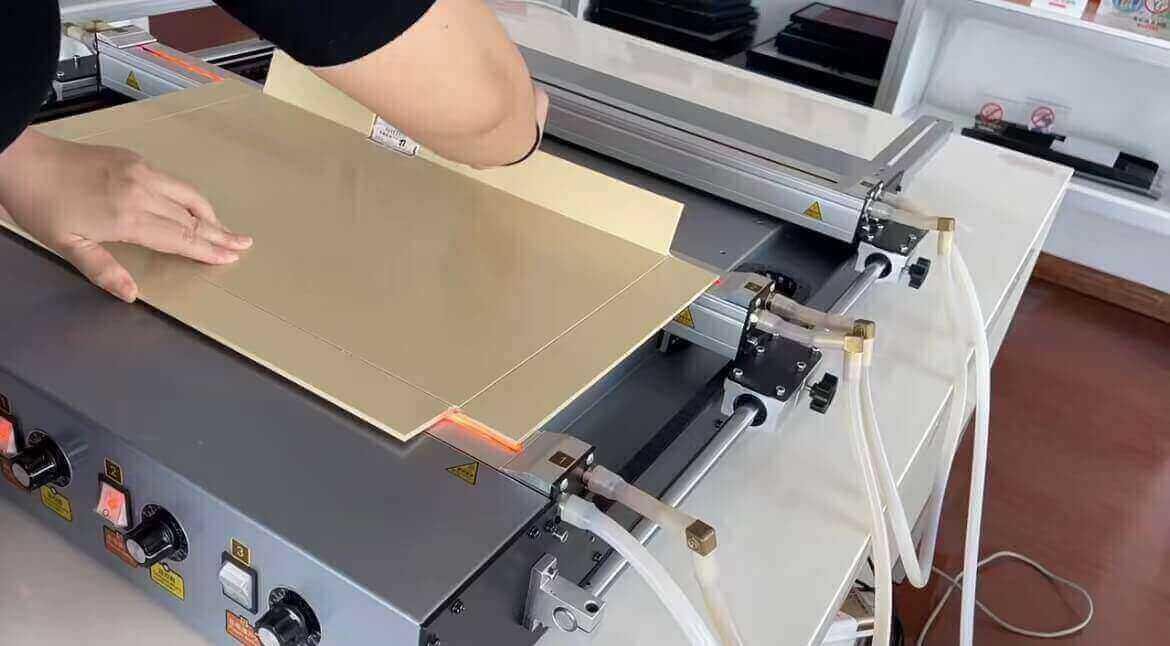
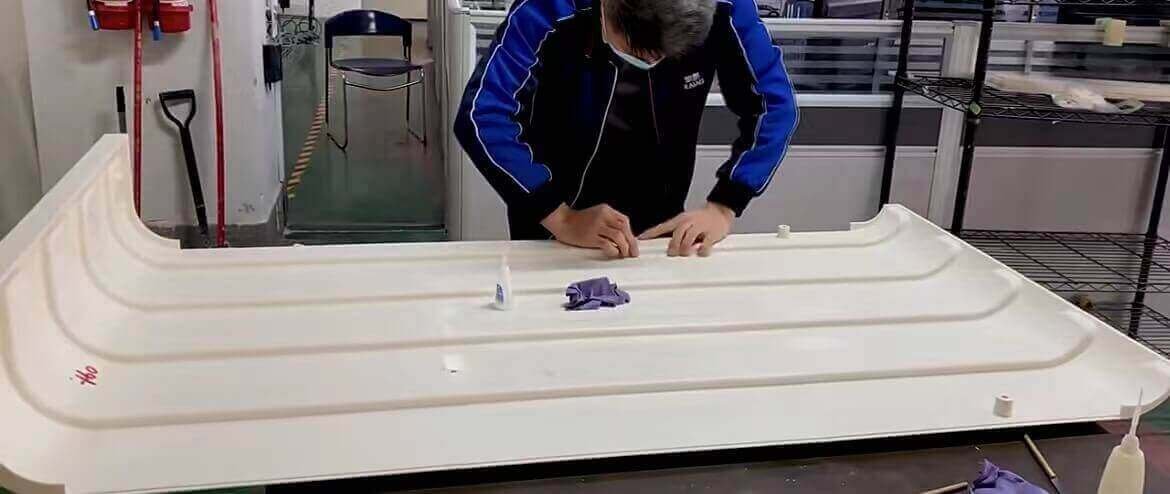
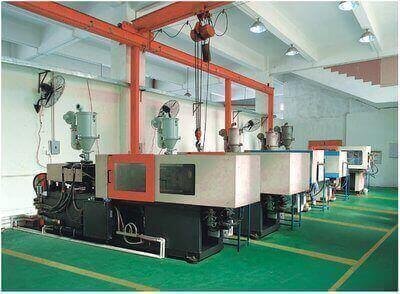
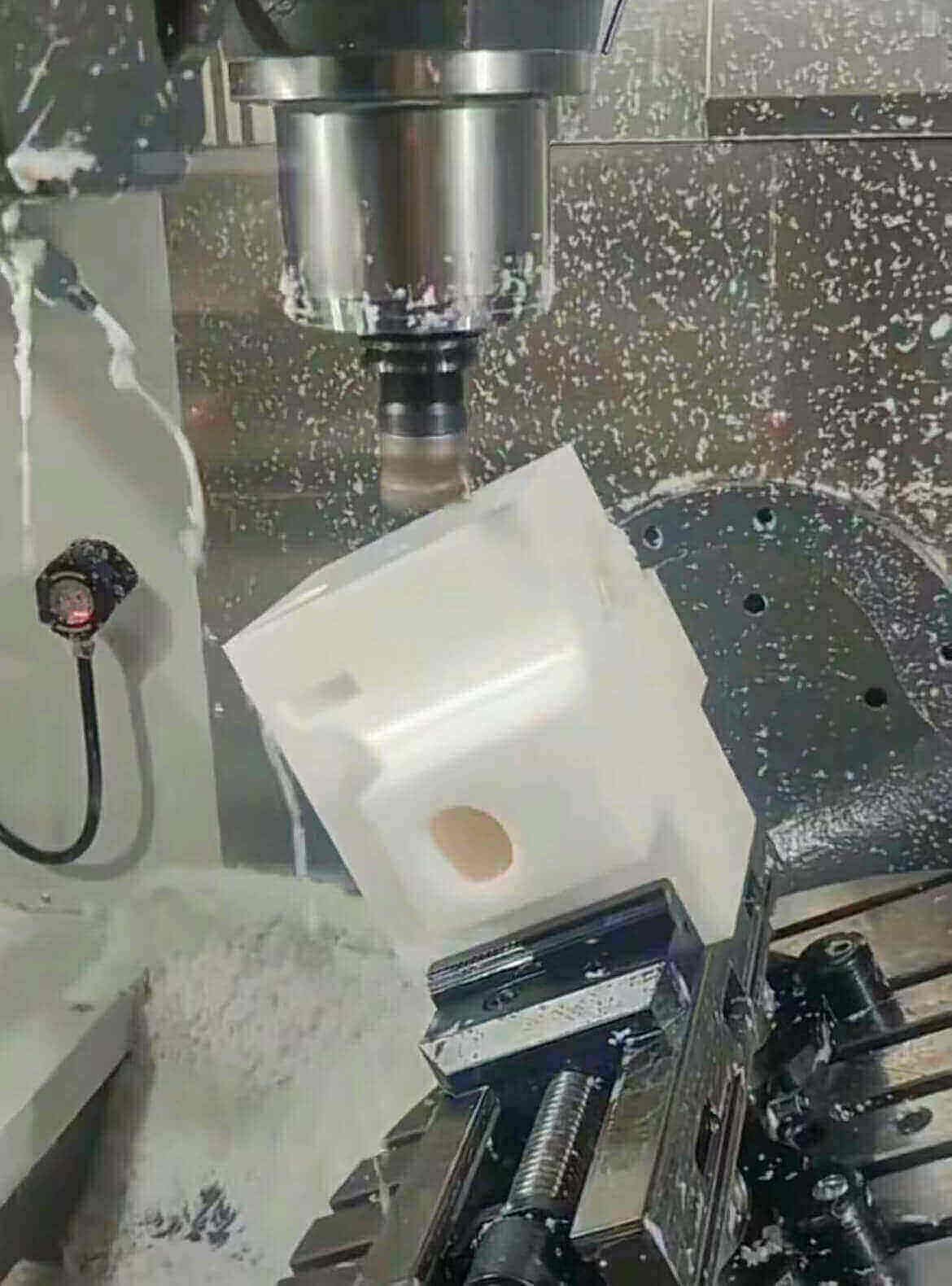
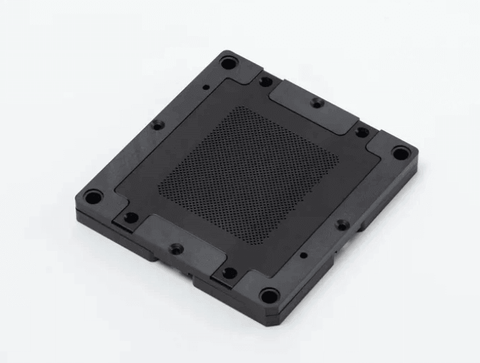
Plastic bending machine

Do you have any special requirements for plastic products? Are there special requirements for the plastic shape that the project needs? Do you want to transform plastic sheets or sticks into different shapes and forms? If so, then you might want to know what plastic bending services are.

🎉🎉🎉Limited Time Offer Use code: QR4GNY08SHVR at checkout and enjoy a special discount on your entire order! 👉Plastic bending

What is plastic bending and why is it needed?

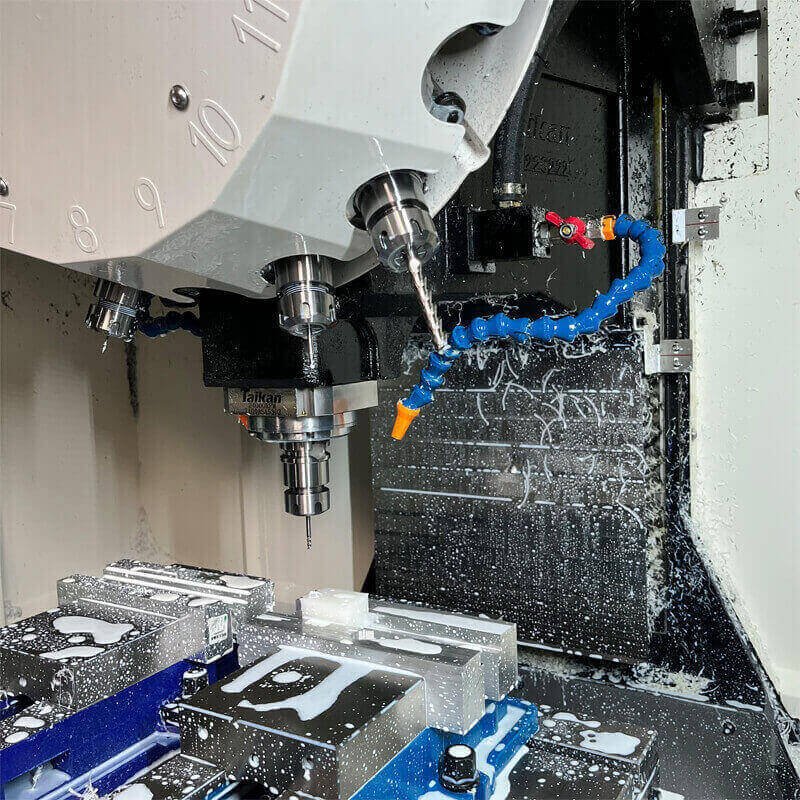
Plastic bending is a method of shaping plastic materials using heat and pressure. There are various methods of plastic bending such as wire bending, CNC milling, laser cutting, etc. Line bending is the simplest and most common method, which involves heating a sheet of plastic along a line and bending it to the desired angle. CNC milling is a more advanced method of cutting and bending sheets of plastic into complex shapes using computer-controlled machines. Laser cutting is another method that uses a powerful laser beam to precisely cut and engrave plastic sheets.
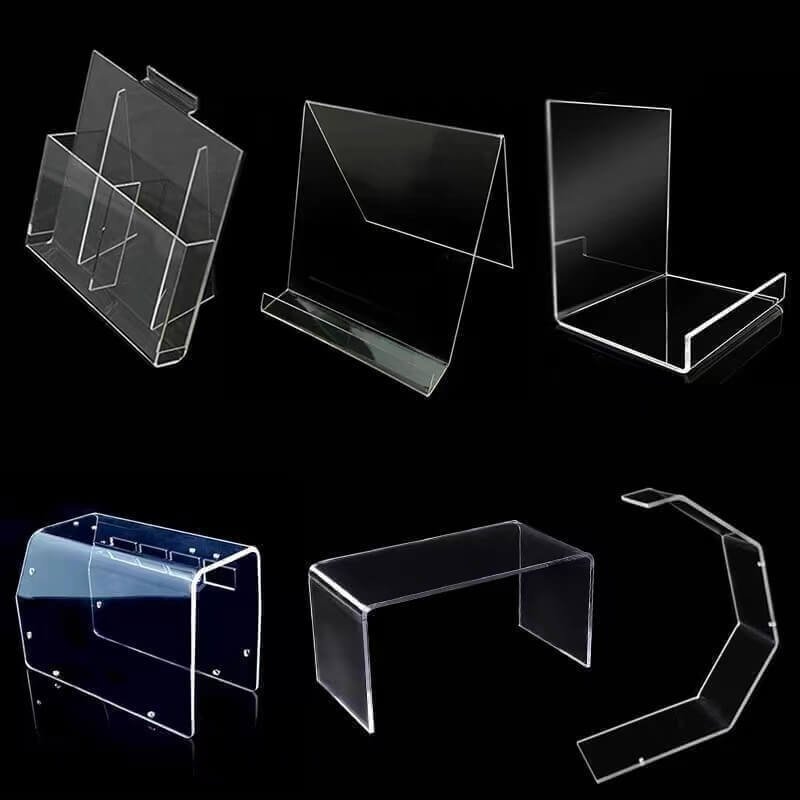
Plastic bending

Plastic bending has many advantages for different uses and industries. Plastic bending creates versatile and strong products that can last through harsh conditions and impacts. Plastic bending also saves material and money, as it enables products to be manufactured from a single piece of plastic. Plastic bending can also make your product look better and perform better by smoothing out edges, curves and details.

Some examples of plastic bending products include:

  • Custom displays and signage for shops, exhibitions, museums and more.
  • Housings and enclosures for electronics, medical equipment, etc.
  • Furniture and artwork for home, office and more
  • Prototypes and models for engineering, design, etc.
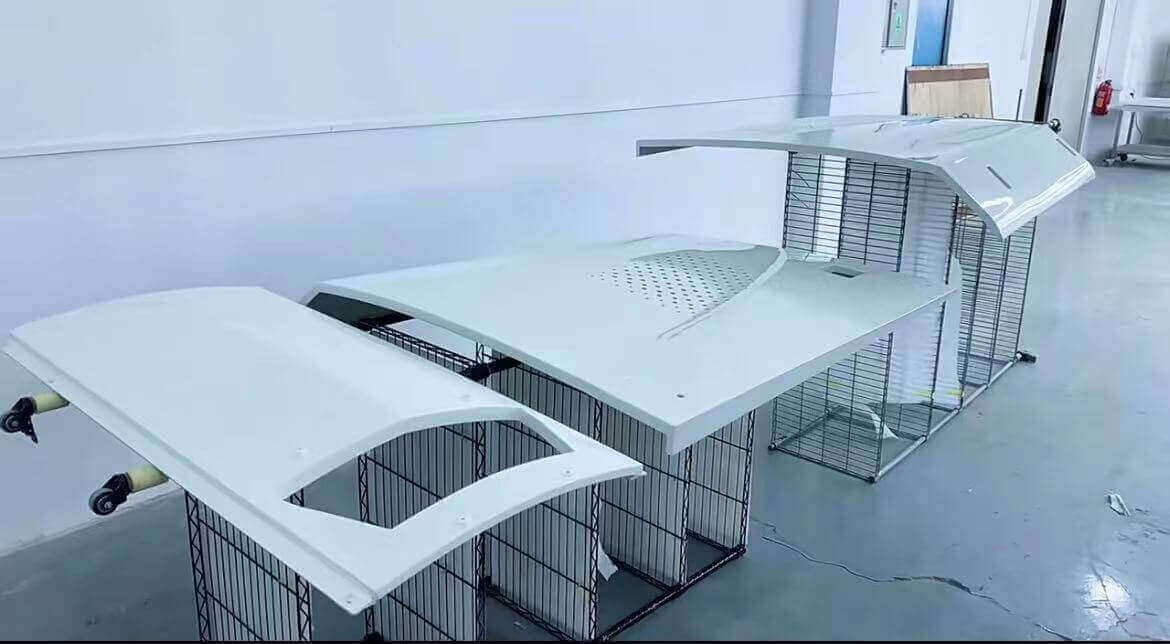
    Plastic bending

What to consider when choosing plastic bending services?

If you want to get the best results from your plastic bending project, you need to consider some factors that can affect product quality and results. Some of them are:

  • Type and thickness of plastic material
  • The design and complexity of your desired shape
  • Product size and quantity
  • Project budget and timeline
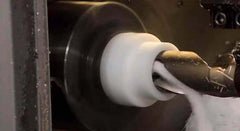
ABS bending processing

The type and thickness of the plastic material determines how much it bends and how it looks after bending. Different types of plastics have different properties such as transparency, flexibility, strength, etc. Some common plastic types used for bending are acrylic, polycarbonate, ABS, styrene, UHMWPE, etc. The thickness of the plastic also affects the bending process, as thicker plastic may require more heat and pressure to bend.

The design and complexity of your desired shape can influence the choice of plastic bending method and equipment. Some shapes may be easier to make with wire bending, while others may require CNC milling or laser cutting. The design should also avoid sharp corners or angles that could stress or crack the plastic. Designs should also use correct measurements and tolerances that match the capabilities of the plastic bending service.

Plastic bending machine

The size and quantity of the product will affect the cost and time of your plastic bending project. Larger or more complex products may require more materials, work and equipment to manufacture. More products may also increase production time and cost. Therefore, it is important to plan ahead and inform the plastic bending service of your expectations.

Of course, the capital budget and time period of the project will also affect your decision to choose plastic bending services. Different plastic bending services may have different prices and turnaround times depending on their experience, quality, location, etc. You should compare different quotes and reviews for different plastic bending services to find the best deal for your money and time.
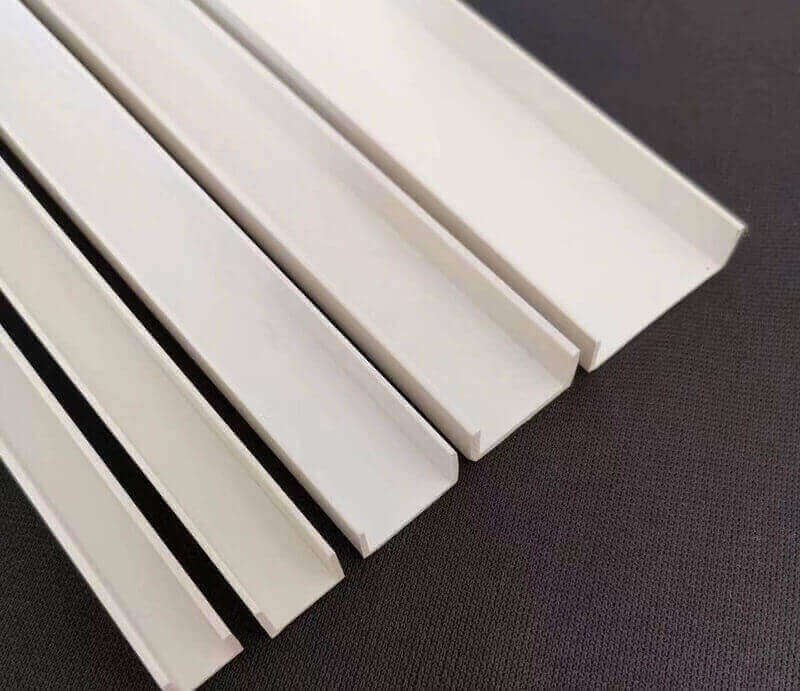
Concave bending

How to find the right plastic bending service?

When you are ready to start your plastic bending project, you first need to know about the best plastic bending services. There are a variety of ways to find plastic bending services online.

One way is to use online platforms or directories that can help you find quality plastic bending services. For example, you can use Google.com to search for “plastic bending services.” You can also use filters or keywords to narrow down your search results as needed.

Another method is to use offline resources or referrals that can help you find plastic bending services near you. For example, you can ask your friends, family, colleagues, or anyone else who has used plastic bending services for advice. You can also visit a local show, fair or store displaying plastic bending products and ask for contact information.

PC bending

Please allow us to introduce Bee plastic professional plastic OEM supplier:

Bee Plastic: We are a service factory specializing in customized plastic processing, specializing in the manufacture of customized engineering materials and high-temperature-resistant materials, such as mechanical equipment plastic parts, automotive plastic parts, etc. With 54000sq ft² of processing space, we can provide a large workshop for your project.
We have a professional team of engineers who have rich experience in manufacturing processes. If you have any professional questions, you can also contact us to answer any questions for you.
High-precision equipment is also our advantage. We have realized the application of various computer equipment. Through the operation of the equipment, the tolerance and engraving accuracy can be effectively reduced.
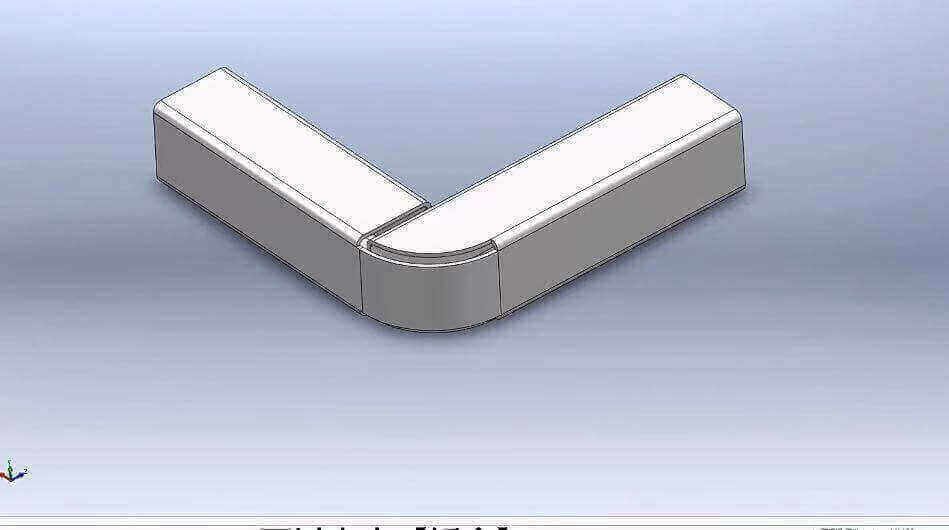
Bending Modeling

Plastic bending is a great way to create unique and custom products out of plastic. Plastic bending can provide variety, strength, cost-effectiveness and aesthetics for different uses and industries. However, to get the best results from your plastic bending project, you need to consider factors such as the type and thickness of the plastic material, the design and complexity of the desired shape, the size and quantity of the product, and your budget and timeline for the project. You also need to find the best plastic bending services near you by using online platforms or directories, offline resources or recommendations.

If you are interested in plastic bending services for your project, please contact us or visit our website for more information. We are a professional and reliable plastic bending service provider that can help you with your plastic bending needs. We have the experience, equipment and skills to manufacture high quality plastic bending products to your specifications and expectations. Thank you for reading this blog post, and we hope to hear from you soon.

But wait, there’s more!

Did you know we have special offers for our loyal readers? If you contact us today and mention this blog post, you will receive a 10% discount on our first plastic bending project. That’s right, you’ll get 10% off anything you want us to make for you using our plastic bending service.

This is a limited time offer, so don’t hesitate to contact us today. You’ll be amazed at what our plastic bending services can do for you. Imagine having your own plastic custom product that looks and functions exactly as you want it to.

what are you waiting for? Contact us today and get ready to be wowed by our plastic bending services. Don’t forget to subscribe to our blog for more great tips and tricks on how to create amazing products out of plastic.
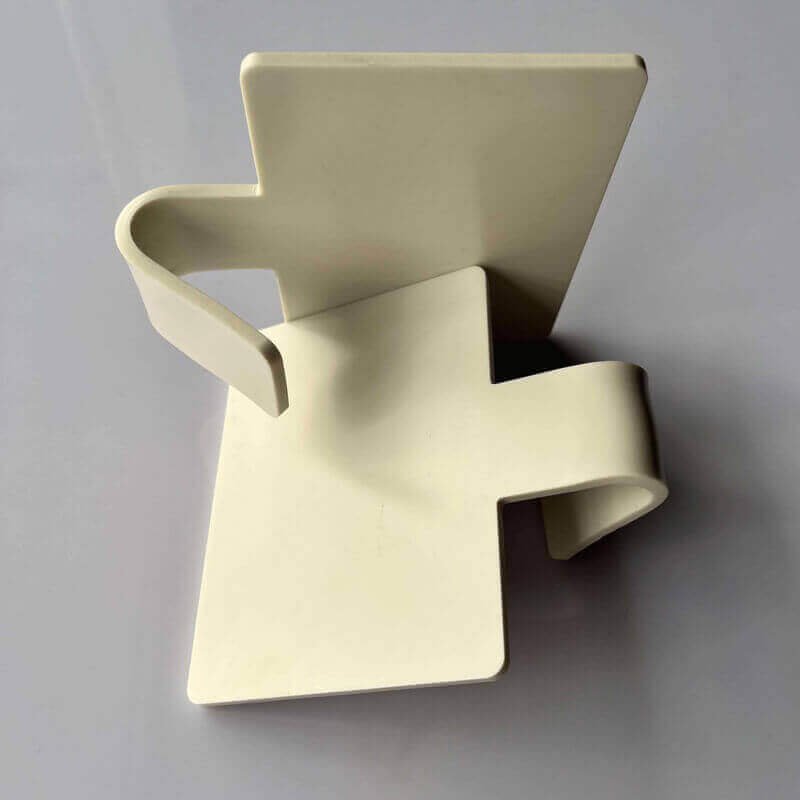
ABS plastic bending

Leave a comment


Please note, comments must be approved before they are published


Custom Plastic Fabrication

Send your drawing, material and quantity for review

🔧
Precision Machining
CNC milling & turning
✂️
Cutting & Engraving
Laser & waterjet cutting
🏭
Forming & Molding
Thermoforming & injection
🔗
Joining & Assembly
Welding & bonding
📐
Design & Prototyping
CAD design & samples

General

HDPE

PP

PVC

ABS

Engineering

POM

Nylon

PC

PMMA

High-Performance

PEEK

PEI

PTFE

Composites

FR-4

G10

Flexible

TPU

Silicone

Why Choose BeePlastic?

🎯
Perfect Fit
Custom specs eliminate adaptation needs
⚡
Clear Lead Times
Lead time confirmed with every quote
💰
Volume Pricing
Volume pricing available on bulk orders
🤝
Expert Support
Free engineering consultation included
📋
Submit
→
🔍
Review
→
💵
Quote
→
✅
Production
→
📦
Deliver

Request a Quote

Share your project details, selected material and quantity on our quote page. You can add a file link or use the email drawing route shown there.


Request Quote

Industries: Automotive • Medical • Food • Lab • Semiconductor

beeplastic@beeplastic.com


How to Choose the Best Plastic Manufacturing Process for Your Budget

Rotational Molding

Plastic is one of the most versatile and widely used materials in the world. It can be molded into any shape and size, and it can have different properties depending on its composition and processing. However, not all plastic manufacturing processes are created equal. Some are more expensive, time-consuming, or wasteful than others.

plastics processing type

How do you know which one is best for your budget and project requirements?

In this article, we will compare and contrast the most common plastic manufacturing processes and help you make an informed decision.

3D Printing

3D printing is a process that creates plastic parts by depositing layers of material on top of each other, following a digital model. 3D printing is ideal for prototyping, customizing, and creating complex geometries that are difficult or impossible to make with other methods. 3D printing can use a variety of thermoplastic materials, such as ABS, PLA, nylon, PETG, TPU, etc.

Advantages:

  • Low upfront cost and fast turnaround time
  • High design flexibility and customization
  • Minimal material waste and easy recycling

Disadvantages:

  • Limited part size and strength
  • High per-part cost and low production volume
  • Post-processing required to improve surface finish and accuracy
3D Printing

CNC Machining

CNC machining is a process that uses computer-controlled machines to cut, drill, or mill plastic parts from solid blocks of material. CNC machining is ideal for producing high-precision parts with tight tolerances and smooth surfaces. CNC machining can use a variety of thermoplastic materials, such as acrylic, polycarbonate, POM, PEEK, etc.

Advantages:

  • High accuracy and quality
  • Wide range of material options and properties
  • Suitable for both prototyping and production

Disadvantages:

  • High upfront cost and long lead time
  • High material waste and difficult recycling
  • Limited design flexibility and complexity
CNC machining customization

Polymer Casting

Polymer casting is a process that uses liquid resin to fill a mold cavity and form a plastic part after curing. Polymer casting is ideal for producing large or hollow parts with intricate details and textures. Polymer casting can use a variety of thermosetting materials, such as epoxy, polyurethane, silicone, etc.

Advantages:

  • Low upfront cost and moderate lead time
  • High design flexibility and complexity
  • Good surface finish and appearance

Disadvantages:

  • Low accuracy and quality
  • Limited material options and properties
  • Difficult to recycle or reuse
PU injection parts

Rotational Molding

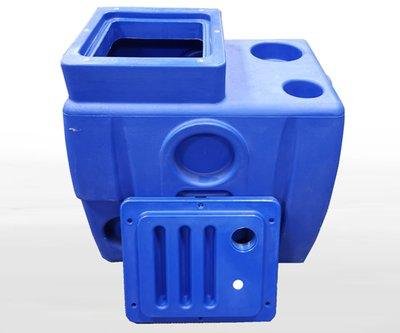
Rotational molding, or rotomolding, is a process that uses heat and rotation to form hollow plastic parts from powdered resin. Rotomolding is ideal for producing large or complex parts with uniform wall thickness and high impact resistance. Rotomolding can use a variety of thermoplastic materials, such as polyethylene, polypropylene, PVC, nylon, etc.

Advantages:

  • Low upfront cost and moderate lead time
  • High design flexibility and complexity
  • No material waste and easy recycling

Disadvantages:

  • Low accuracy and quality
  • Limited material options and properties
  • Long cycle time and low production volume
Extrusion blow molding

Vacuum Forming

Vacuum forming is a process that uses heat and vacuum to shape plastic sheets over a mold. Vacuum forming is ideal for producing thin-walled parts with simple shapes and fine details. Vacuum forming can use a variety of thermoplastic materials, such as acrylic, polystyrene, ABS, PETG, etc.

Advantages:

  • Low upfront cost and fast turnaround time
  • Good surface finish and appearance
  • Suitable for both prototyping and production

Disadvantages:

  • Limited design flexibility and complexity
  • High material waste and difficult recycling
  • Poor dimensional stability and strength
Rotational Molding

Injection Molding

Injection molding is a process that uses high pressure and heat to inject molten plastic into a mold cavity. Injection molding is ideal for producing high-volume parts with high precision and quality. Injection molding can use a variety of thermoplastic materials, such as polyurethane, polycarbonate, POM, PEEK, etc.

Advantages:

  • High accuracy and quality
  • Wide range of material options and properties
  • High production volume and low per-part cost

Disadvantages:

  • High upfront cost and long lead time
  • High material waste and difficult recycling
  • Limited design flexibility and complexity
Molded plastic

Extrusion Blow Molding

Extrusion blow molding is a process that combines extrusion and blow molding to form hollow plastic parts. Extrusion blow molding is ideal for producing bottles, containers, ducts, pipes, etc. Extrusion blow molding can use a variety of thermoplastic materials, such as polyethylene, polypropylene, PVC, PET, etc.

Advantages:

  • Low upfront cost and moderate lead time
  • High production volume and low per-part cost
  • Good surface finish and appearance

Disadvantages:

  • Low accuracy and quality
  • Limited material options and properties
  • Limited design flexibility and complexity
Vacuum Blister

Read the article here, and you also know that there are no easy solutions to custom plastic fabrication. Each plastic process has different advantages and disadvantages, depending on your budget and project requirements. To choose the best plastic manufacturing process for your product, you need to consider factors such as shape, volume/cost, lead time, material, and more.

If you are interested in using the plastic manufacturing process or would like more information, please do not hesitate to contact us. We are a source manufacturer specialising in the custom processing and production of engineered plastic materials and high temperature plastic materials. With our team of professional engineers and sophisticated equipment, we are happy to be disturbed and help you with your needs. Do you need a free quote or help with any questions or materials?

Our website: www.beeplastic.com
Click to contact: plastic manufacturing process

Injection molding

Leave a comment


Please note, comments must be approved before they are published


Custom Plastic Fabrication

Send your drawing, material and quantity for review

🔧
Precision Machining
CNC milling & turning
✂️
Cutting & Engraving
Laser & waterjet cutting
🏭
Forming & Molding
Thermoforming & injection
🔗
Joining & Assembly
Welding & bonding
📐
Design & Prototyping
CAD design & samples

General

HDPE

PP

PVC

ABS

Engineering

POM

Nylon

PC

PMMA

High-Performance

PEEK

PEI

PTFE

Composites

FR-4

G10

Flexible

TPU

Silicone

Why Choose BeePlastic?

🎯
Perfect Fit
Custom specs eliminate adaptation needs
⚡
Clear Lead Times
Lead time confirmed with every quote
💰
Volume Pricing
Volume pricing available on bulk orders
🤝
Expert Support
Free engineering consultation included
📋
Submit
→
🔍
Review
→
💵
Quote
→
✅
Production
→
📦
Deliver

Request a Quote

Share your project details, selected material and quantity on our quote page. You can add a file link or use the email drawing route shown there.


Request Quote

Industries: Automotive • Medical • Food • Lab • Semiconductor

beeplastic@beeplastic.com


What Plastic Is Best for Mechanical Parts? A Guide for Engineers and Manufacturers

Nylon products

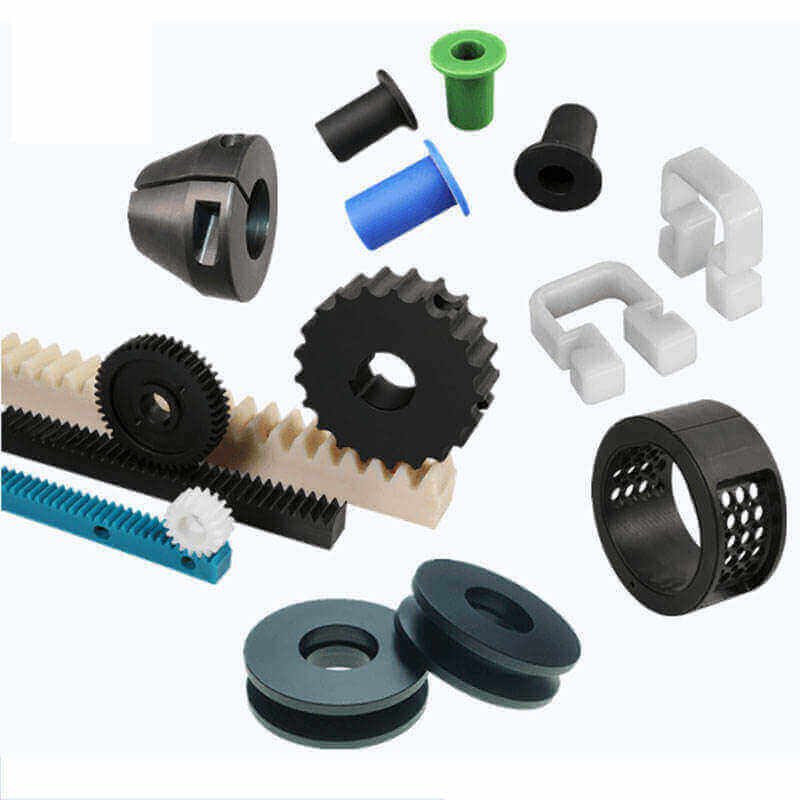
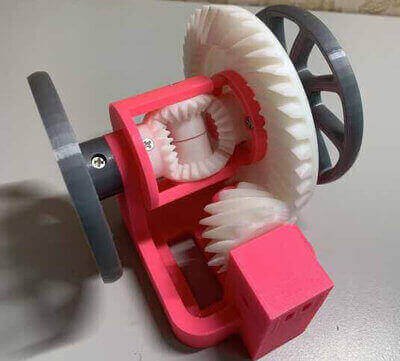
Mechanical parts are components that are used as the main structure or function of various machines and devices. They can range from simple screws and bolts to complex gears and valves. Mechanical parts are essential for many applications and industries, such as robotics, aerospace, automotive, medical, and more. 

Job Robot

However, using traditional materials such as metals and alloys for mechanical parts can pose some challenges and limitations. For example, metals and alloys can be heavy, expensive, difficult to process, prone to corrosion, and harmful to the environment. Therefore, engineers and manufacturers are always looking for alternative materials that can offer better performance and efficiency for mechanical parts.

Metal

One of the most promising and popular alternatives is plastic. Plastic is a synthetic material that can be molded or shaped into various forms and sizes. Plastic has many advantages over metals and alloys, such as:
  • Corrosion resistance. Plastic can withstand harsh environments that contain moisture, salt, acids, or oxidizers without rusting or deteriorating. Plastic can also resist UV rays, heat, cold, and fire.
  • Lower weight. Plastic is lighter than most metals and alloys, which can reduce the overall weight and energy consumption of machines and devices. Plastic can also improve the speed and agility of mechanical parts.
  • Easier processing. Plastic can be easily processed by various methods, such as injection molding, extrusion, thermoforming, or 3D printing. Plastic can also be cut, drilled, or machined by CNC machines with less wear and tear on the tools.
  • Cost saving. Plastic is cheaper than most metals and alloys, which can lower the production cost and increase the profit margin of mechanical parts. Plastic can also reduce the maintenance and repair cost of mechanical parts by lasting longer and requiring less lubrication.
  • Improved sliding properties. Plastic has a low coefficient of friction, which means it can slide smoothly and quietly against other surfaces without generating heat or noise. Plastic can also reduce the wear and tear of mechanical parts by minimizing friction.
    Plastic Size Application

But what plastic is best for mechanical parts? There are many types of plastics with different properties and characteristics that suit different applications and requirements. In this article, we will help you choose the right plastic for mechanical parts by explaining the factors and criteria that influence the selection process, the methods and tools that can help you make the decision, and some tips and recommendations for choosing the best plastic for mechanical parts.

Plastic Solutions for Mechanical Engineering

Plastic is a broad term that covers a wide range of synthetic materials that are composed of polymers. Polymers are long chains of repeating units called monomers that are linked together by chemical bonds. The type, number, arrangement, and configuration of monomers determine the properties and characteristics of polymers.

There are many types of plastics that can be classified into different categories based on their structure, composition, behavior, or application. Some of the most common categories are:

  • Thermoplastics. Thermoplastics are plastics that can be heated and melted into a liquid state and then cooled and solidified into a solid state repeatedly without changing their properties or structure. Thermoplastics are easy to process by various methods such as injection molding or extrusion. Some examples of thermoplastics are polyethylene (PE), polypropylene (PP), polyvinyl chloride (PVC), polystyrene (PS), nylon (PA), acrylic (PMMA), polycarbonate (PC), etc.
PE
  • Thermosets. Thermosets are plastics that undergo a chemical reaction when heated that causes them to cross-link into a rigid network that cannot be melted or reshaped again. Thermosets are hard and durable but difficult to process by conventional methods. Some examples of thermosets are epoxy resin (EP), phenolic resin (PF), urea-formaldehyde resin (UF), melamine-formaldehyde resin (MF), etc.
  • Elastomers. Elastomers are plastics that have high elasticity and flexibility that allow them to stretch and deform under stress and return to their original shape when the stress is removed. Elastomers are soft and rubbery but resistant to abrasion and impact. Some examples of elastomers are natural rubber (NR), synthetic rubber (SR), silicone rubber (SI), polyurethane rubber (PU), etc.
    PU plastic
  • Composites. Composites are plastics that consist of two or more different materials that are combined together to create a new material with enhanced properties or characteristics. Composites usually have a matrix material that binds together a reinforcement material that provides strength or stiffness. Some examples of composites are fiberglass (FRP), carbon fiber (CFRP), wood plastic (WPC), etc.

Plastic solutions for mechanical engineering are often considered as a convenient and effective option for mechanical parts such as gears, supports, sliding elements, spacers, valve components, and many other applications. Plastic solutions for mechanical engineering can offer various benefits, such as:

  • Higher strength and stiffness. Plastic solutions for mechanical engineering can have high tensile strength and modulus of elasticity that can withstand high loads and stresses without breaking or deforming. Plastic solutions for mechanical engineering can also have high impact strength and toughness that can resist shocks and vibrations without cracking or shattering.
  • Better wear and fatigue resistance. Plastic solutions for mechanical engineering can have low friction and abrasion that can reduce the wear and tear of mechanical parts and extend their service life. Plastic solutions for mechanical engineering can also have high fatigue resistance that can endure repeated cycles of loading and unloading without losing their properties or performance.
  • Lower noise and vibration. Plastic solutions for mechanical engineering can have low density and damping that can reduce the noise and vibration of mechanical parts and improve their comfort and safety. Plastic solutions for mechanical engineering can also have low thermal expansion and contraction that can prevent noise and vibration caused by temperature changes.
  • Higher corrosion and chemical resistance. Plastic solutions for mechanical engineering can have high resistance to various corrosive agents, such as water, salt, acids, alkalis, oils, fuels, solvents, etc. Plastic solutions for mechanical engineering can also have high resistance to various chemical reactions, such as oxidation, hydrolysis, degradation, etc.
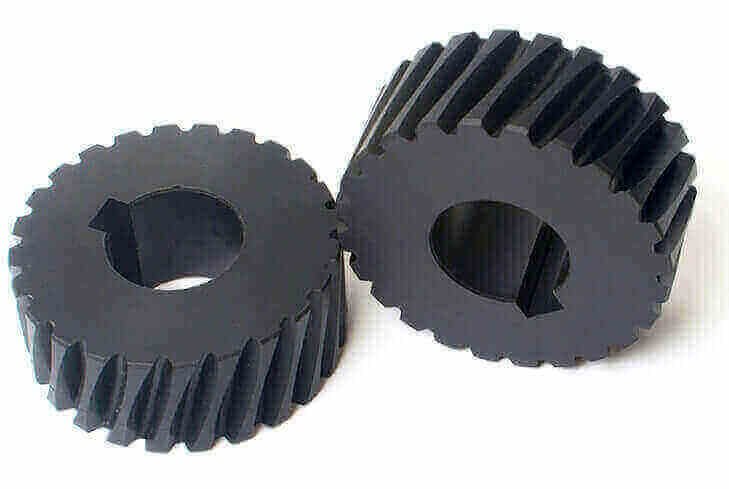
    Black POM gears

How to Choose the Right Plastic for Mechanical Parts

Choosing the right plastic for mechanical parts is not a simple or straightforward task. There are many factors and criteria that influence the selection process, such as:

  • Performance requirements. The first and foremost factor to consider is the performance requirements of the mechanical part, such as the load, stress, speed, temperature, pressure, etc. that the part will be subjected to during its operation. The performance requirements will determine the properties and characteristics that the plastic should have, such as strength, stiffness, toughness, wear resistance, fatigue resistance, etc.
  • Environmental conditions. The second factor to consider is the environmental conditions that the mechanical part will be exposed to during its operation or storage, such as moisture, heat, cold, UV rays, fire, chemicals, etc. The environmental conditions will determine the properties and characteristics that the plastic should have, such as corrosion resistance, thermal stability, UV stability, fire retardancy, chemical resistance, etc.
  • Design specifications. The third factor to consider is the design specifications of the mechanical part, such as the shape, size, dimension, tolerance, feature, etc. that the part will have. The design specifications will determine the properties and characteristics that the plastic should have, such as shape memory, biocompatibility, conductivity, etc.
Equipment Design

Choosing the right plastic for mechanical parts can be a complex and challenging task that requires careful analysis and evaluation of various factors and criteria. However, there are some methods and tools that can help in the selection process, such as:

  • Material data sheets. Material data sheets are documents that provide detailed information about the properties and characteristics of different plastics, such as physical, mechanical, thermal, electrical, optical, etc. Material data sheets can help compare and contrast different plastics and choose the most suitable one for the mechanical part.
  • Testing standards. Testing standards are guidelines or protocols that specify how to test and measure the properties and characteristics of different plastics under various conditions and scenarios. Testing standards can help verify and validate the performance and quality of different plastics and choose the most reliable one for the mechanical part.
  • Simulation software. Simulation software are programs that can model and simulate the behavior and performance of different plastics under various conditions and scenarios. Simulation software can help predict and optimize the outcome and efficiency of different plastics and choose the most effective one for the mechanical part.

Using these methods and tools can help simplify and streamline the selection process of choosing the right plastic for mechanical parts. However, they are not foolproof or definitive, and they may require some expertise and experience to use properly. Therefore, some tips and recommendations for choosing the right plastic for mechanical parts are:

  • Consulting experts. Consulting experts such as material scientists, engineers, or manufacturers can help provide valuable insights and advice on choosing the right plastic for mechanical parts. Experts can help identify the needs and requirements of the mechanical part, suggest suitable plastics or combinations of plastics, and recommend appropriate methods and tools for testing and evaluation.
  • Comparing alternatives. Comparing alternatives such as different types or grades of plastics or different combinations or blends of plastics can help find the best plastic for mechanical parts. Comparing alternatives can help weigh the pros and cons of each option, assess their strengths and weaknesses, and determine their trade-offs and compromises.
  • Considering future needs. Considering future needs such as changes in performance requirements, environmental conditions, design specifications, etc. can help choose the right plastic for mechanical parts. Considering future needs can help anticipate potential problems or challenges, plan ahead for possible solutions or improvements, and ensure long-term sustainability and viability.
Black POM gears

A machine is composed of various mechanical parts, and the reliability of the parts is the guarantee of the machine. Therefore, it is very important to follow a systematic and rigorous process that combines various factors and criteria while using various methods and tools.

So which plastic is best for mechanical parts? – The decision should be made based on the requirements of the machine. When it comes to choosing the right plastic for a mechanical part, there is no one-size-fits-all solution. Different applications and requirements need to be matched according to the characteristics of different plastics. Therefore, it should be analyzed in multiple directions, including performance requirements of plastics, environmental conditions, design specifications, etc.

In this article we also explain how to choose the right plastic for mechanical parts through various methods and tools such as material data sheets, test standards, simulation software, etc. We also provide some tips and advice on choosing the right plastic for your mechanical parts, such as consulting an expert, comparing alternatives, considering future needs, and more.

We hope this article helped you understand how to choose the right plastic for your mechanical parts and how it can benefit your engineering and manufacturing projects. If you need more information or assistance, please feel free to contact us or visit our website. We are happy to assist you with your mechanical engineering plastic solutions.
If you are interested in using engineering plastics or would like more information, please feel free to harass us. We are a source manufacturer specialising in the custom processing and production of plastics. With a team of professional engineers and sophisticated equipment we would be happy to be disturbed and help you with your needs. Do you need a free quote or help with any questions or materials?

Our website: www.beeplastic.com
Click to contact: Mechanical Engineering Plastics

Nylon products

Leave a comment


Please note, comments must be approved before they are published


Custom Plastic Fabrication

Send your drawing, material and quantity for review

🔧
Precision Machining
CNC milling & turning
✂️
Cutting & Engraving
Laser & waterjet cutting
🏭
Forming & Molding
Thermoforming & injection
🔗
Joining & Assembly
Welding & bonding
📐
Design & Prototyping
CAD design & samples

General

HDPE

PP

PVC

ABS

Engineering

POM

Nylon

PC

PMMA

High-Performance

PEEK

PEI

PTFE

Composites

FR-4

G10

Flexible

TPU

Silicone

Why Choose BeePlastic?

🎯
Perfect Fit
Custom specs eliminate adaptation needs
⚡
Clear Lead Times
Lead time confirmed with every quote
💰
Volume Pricing
Volume pricing available on bulk orders
🤝
Expert Support
Free engineering consultation included
📋
Submit
→
🔍
Review
→
💵
Quote
→
✅
Production
→
📦
Deliver

Request a Quote

Share your project details, selected material and quantity on our quote page. You can add a file link or use the email drawing route shown there.


Request Quote

Industries: Automotive • Medical • Food • Lab • Semiconductor

beeplastic@beeplastic.com


Can HDPE Be CNC Milled? A Guide for Plastic Manufacturers

HDPE lathe machined parts

High-density polyethylene (HDPE) is one of the six promising synthetic materials in the world. It is a thermoplastic polymer that has many advantages for polyurethane products, such as excellent machinability, rigidity, low moisture absorption, chemical resistance, and affordability. Polyurethane is a versatile material that can be used in various industries, such as transportation, energy, chemical, food, furniture, and construction. It can be formed into different shapes and forms, such as rigid or flexible foams, elastomers, fibers, coatings, and adhesives.

🎉🎉🎉Limited Time Offer Use code: QR4GNY08SHVR at checkout and enjoy a special discount on your entire order! 👉 HDPE plastic

HDPE piston

But how can HDPE be shaped into polyurethane products? One of the most common and effective methods is CNC milling. CNC milling is a subtractive manufacturing technique that uses computer-controlled machines to turn raw materials into finished products. CNC milling can produce high-quality and consistent HDPE parts with better speed and flexibility than other methods. CNC milling can also create complex and intricate shapes and features that are difficult or impossible to achieve by other means.

In this article, we will answer the question: can HDPE be CNC milled? We will also explain the basics of CNC milling, the process of CNC milling HDPE parts, and the challenges and best practices for CNC milling HDPE. We will also provide some tips and tricks for optimizing CNC milling HDPE parts and some resources for further reading or learning. By the end of this article, you will have a better understanding of how HDPE can be CNC milled and how it can benefit your polyurethane manufacturing business.

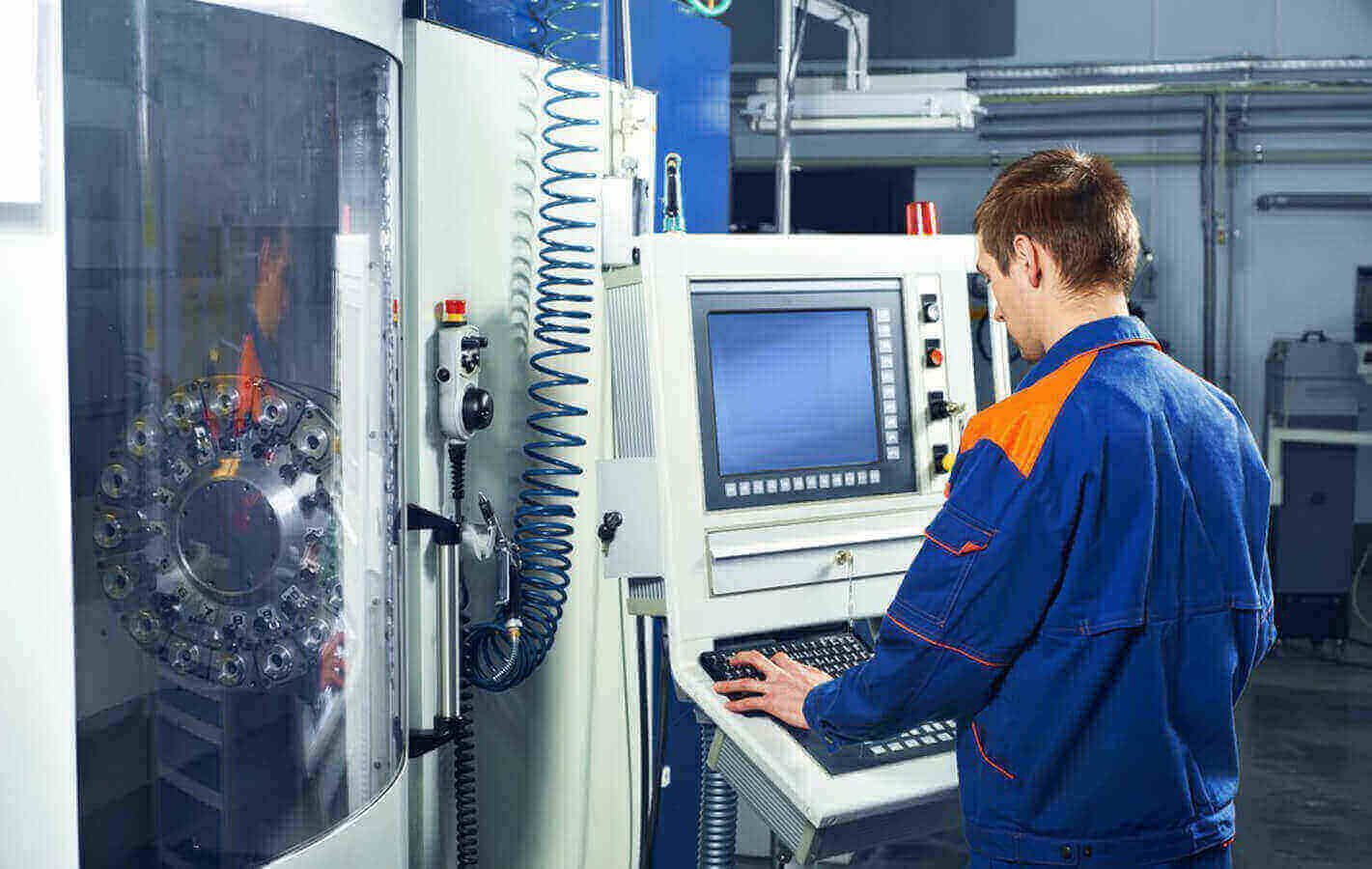
Numerical control lathe

CNC Milling Basics

CNC milling is a machining process that uses a rotating cutting tool to remove material from a workpiece. The cutting tool can move along different axes to create various shapes and features on the workpiece. The workpiece can be fixed on a table or held by a spindle or chuck. The cutting tool can be changed according to the desired shape and size of the part.

CNC milling has many advantages for HDPE parts, such as:

  • Better quality. CNC milling can produce precise and accurate HDPE parts with smooth surfaces and edges. CNC milling can also ensure uniformity and repeatability of HDPE parts across batches.
  • Greater consistency. CNC milling can reduce human errors and variations that may occur in manual or conventional machining methods. CNC milling can also maintain consistent quality and performance of HDPE parts under different environmental conditions.
    CNC
  • Faster production speed. CNC milling can reduce the production time and cost of HDPE parts by eliminating the need for multiple setups, tools, and operations. CNC milling can also automate the machining process and reduce the waste of material and energy.
  • Higher flexibility. CNC milling can create complex and intricate shapes and features that are difficult or impossible to achieve by other methods. CNC milling can also adapt to different design specifications and requirements of HDPE parts by changing the cutting tool or program.
    Charting

Some examples of HDPE parts that can be CNC milled are:

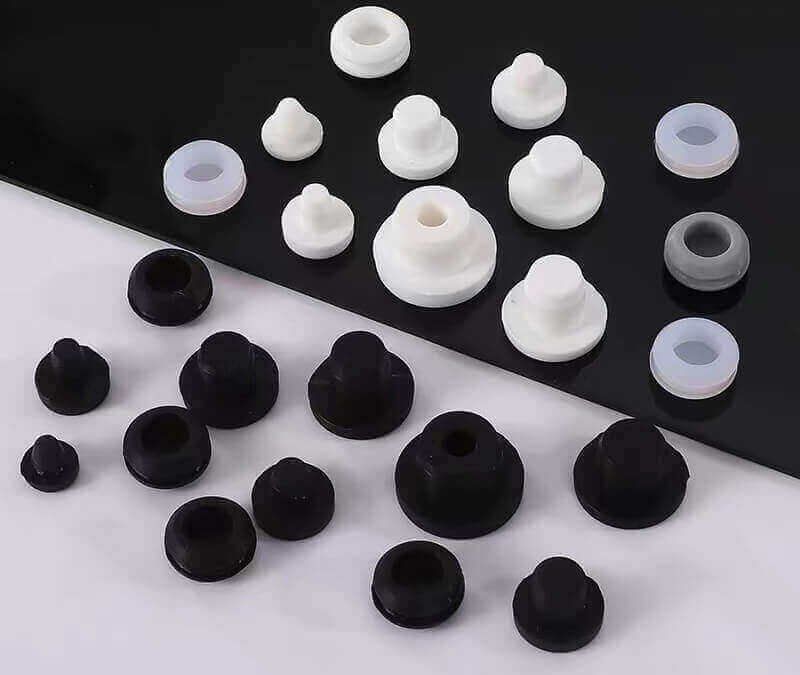
  • Plugs and seals. HDPE is a slippery plastic that has a waxy finish suited for low-friction applications. HDPE plugs and seals are used to prevent leakage or contamination of fluids or gases in pipes, valves, pumps, etc.
  • Electrical insulators. HDPE is an excellent electrical insulator that has high dielectric strength and low dielectric constant. HDPE electrical insulators are used to protect electrical wires, cables, connectors, etc. from short circuits or shocks.
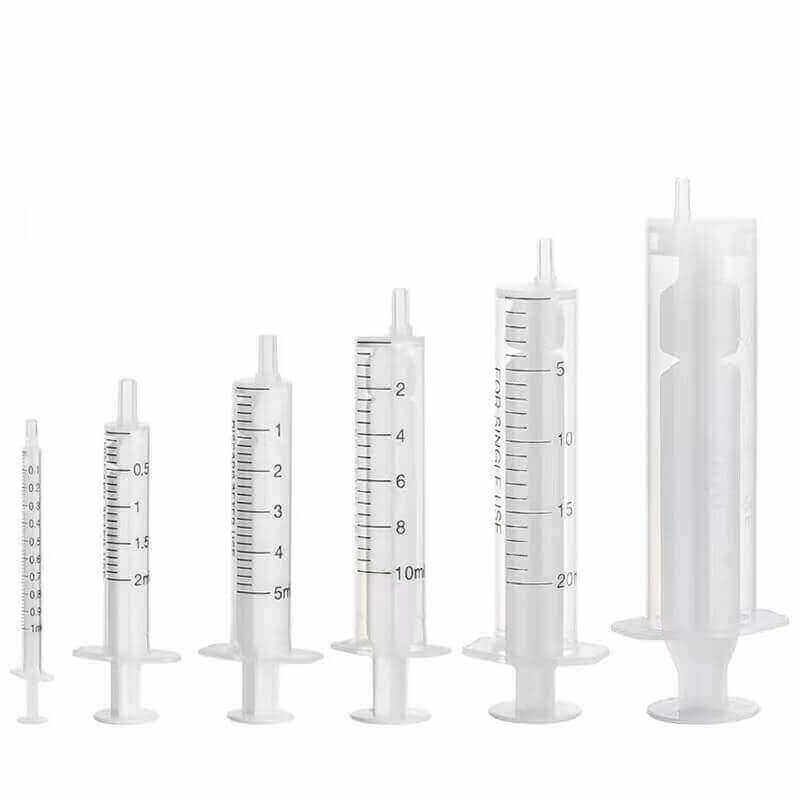
  • Medical devices. HDPE is available in FDA-compliant and USDA-certified grades that are suitable for food and beverage, medical, and other sanitary industry applications. HDPE medical devices are used to store, transport, or administer drugs, fluids, or gases in hospitals, clinics, etc.
    PP Syringe

CNC Milling Process for HDPE

The process of CNC milling HDPE parts involves several steps, such as:

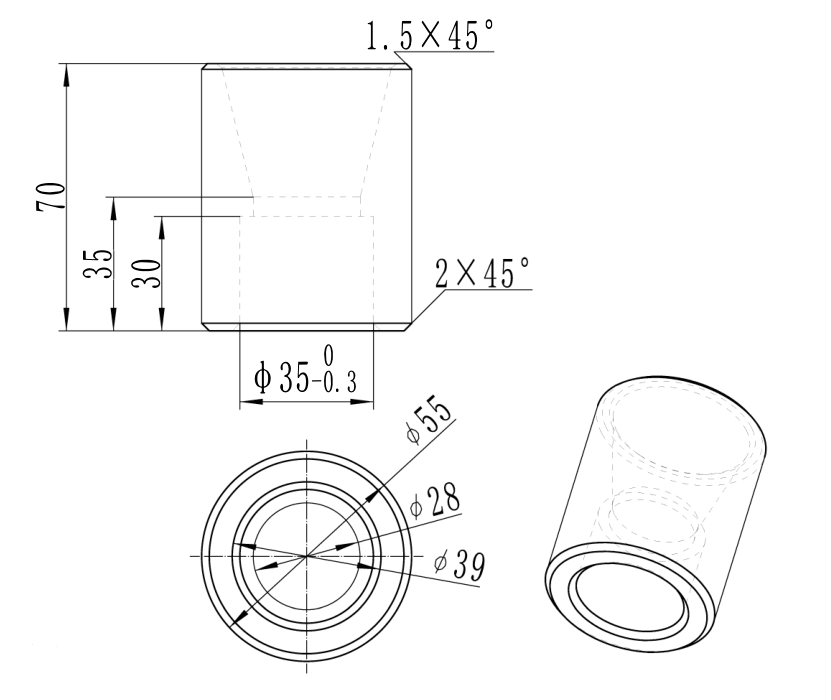
  • CAD design. The first step is to create a 2D drawing or 3D model of the desired HDPE part using computer-aided design (CAD) software. The CAD design should include all the dimensions, tolerances, features, and specifications of the part.
    HDPE product drawings
  • CAM programming. The next step is to convert the CAD design into a machine-readable code using computer-aided manufacturing (CAM) software. The CAM program should include all the instructions for the CNC machine to perform the machining operations on the workpiece.
  • Material selection. The third step is to select the appropriate HDPE material for the part. HDPE is available in different grades, colors, and forms, such as sheets, rods, tubes, etc. The material selection should consider the properties, performance, and cost of the HDPE material.
    HDPE plastic
  • Tooling setup. The fourth step is to prepare the CNC machine and the cutting tools for the machining process. The tooling setup should include the alignment, calibration, and verification of the CNC machine and the cutting tools. The tooling setup should also include the loading, clamping, and positioning of the workpiece on the CNC machine.
  • Machining parameters. The fifth step is to set the machining parameters for the CNC machine and the cutting tools. The machining parameters should include the spindle speed, feed rate, depth of cut, tool path, etc. The machining parameters should be optimized to achieve the best quality and efficiency of the HDPE part.
  • Machining operation. The final step is to start the CNC machine and execute the CAM program. The CNC machine will follow the instructions from the CAM program and move the cutting tool along the tool path to remove material from the workpiece. The CNC machine will monitor and control the machining process and provide feedback to the operator.

The process of CNC milling HDPE parts may vary depending on the complexity and specifications of the part. However, these are the general steps that are involved in most CNC milling operations.

Challenges and Best Practices for CNC Milling HDPE

CNC milling HDPE parts may pose some challenges and difficulties that need to be addressed and overcome. Some of these challenges are:

  • Stress cracking. HDPE is susceptible to stress cracking when exposed to high temperatures, pressures, or chemicals during or after the machining process. Stress cracking can reduce the strength and durability of HDPE parts and cause failure or leakage.
  • Mold shrinkage. HDPE has a higher mold shrinkage than other plastics due to its high crystallinity and low thermal conductivity. Mold shrinkage can cause dimensional changes and distortions of HDPE parts during or after the machining process.
  • Tool wear. HDPE is a tough and abrasive material that can cause rapid tool wear and damage during the machining process. Tool wear can affect the quality and accuracy of HDPE parts and increase the production cost and time.

To overcome these challenges, some best practices for CNC milling HDPE parts are:

  • Avoiding high temperatures, pressures, or chemicals that may cause stress cracking of HDPE parts. Using coolants or lubricants to reduce friction and heat generation during the machining process. Applying post-machining treatments such as annealing or stress relieving to reduce residual stresses in HDPE parts.
  • Minimizing mold shrinkage of HDPE parts by using accurate CAD design and CAM programming that account for shrinkage factors. Using consistent machining parameters and environmental conditions during the machining process. Applying post-machining treatments such as heating or cooling to stabilize HDPE parts.
  • Choosing the right cutting tools and speeds for HDPE parts that can withstand wear and tear during the machining process. Using sharp and clean cutting tools that can cut smoothly and efficiently through HDPE material. Replacing or sharpening worn or damaged cutting tools regularly.
Turning fluid

Tips and Tricks for Optimizing CNC Milling HDPE Parts

Besides following the best practices for CNC milling HDPE parts, there are some tips and tricks that can help optimize the quality and efficiency of CNC milling HDPE parts, such as:

  • Using a 3D templating digitizer to aid in digital conversion of patterns and spatial constraints to fit a custom profile. A 3D templating digitizer can scan a physical object or surface and create a digital model that can be used for CAD design or CAM programming.
  • Using a multi-hole drill bank to perform multiple drilling operations on HDPE parts in one setup. A multi-hole drill bank can hold several drill bits of different sizes and angles that can drill multiple holes on a workpiece simultaneously.
  • Using a horizontal machining aggregate head to perform horizontal machining operations on HDPE parts without changing the orientation of the workpiece. A horizontal machining aggregate head can attach to a vertical spindle and rotate at different angles to cut horizontally on a workpiece.
HDPE lathe processing

In conclusion, we have answered the question: can HDPE be CNC milled? The answer is yes, HDPE can be CNC milled using computer-controlled machines that can turn raw materials into finished products. CNC milling can produce high-quality and consistent HDPE parts with better speed and flexibility than other methods. CNC milling can also create complex and intricate shapes and features that are difficult or impossible to achieve by other means.

We have also explained the basics of CNC milling, the process of CNC milling HDPE parts, and the challenges and best practices for CNC milling HDPE. We have also provided some tips and tricks for optimizing CNC milling HDPE parts and some resources for further reading or learning.

We hope this article has helped you understand how HDPE can be CNC milled and how.

If you are interested in using CNC milling to manufacture HDPE products or parts, or would like more information, please feel free to harass us. We are a source manufacturer specialising in the custom manufacture and production of engineered plastic materials. With a team of dedicated engineers and state of the art equipment, we are happy to be disturbed and help you with your needs. Do you need a free quote or help with any questions or materials? 

🎉🎉🎉Limited Time Offer Use code: QR4GNY08SHVR at checkout and enjoy a special discount on your entire order! 👉 HDPE plastic

Our website: www.beeplastic.com
Click to contact: CNC milled HDPE parts

HDPE lathe machined parts

Leave a comment


Please note, comments must be approved before they are published


Custom Plastic Fabrication

Send your drawing, material and quantity for review

🔧
Precision Machining
CNC milling & turning
✂️
Cutting & Engraving
Laser & waterjet cutting
🏭
Forming & Molding
Thermoforming & injection
🔗
Joining & Assembly
Welding & bonding
📐
Design & Prototyping
CAD design & samples

General

HDPE

PP

PVC

ABS

Engineering

POM

Nylon

PC

PMMA

High-Performance

PEEK

PEI

PTFE

Composites

FR-4

G10

Flexible

TPU

Silicone

Why Choose BeePlastic?

🎯
Perfect Fit
Custom specs eliminate adaptation needs
⚡
Clear Lead Times
Lead time confirmed with every quote
💰
Volume Pricing
Volume pricing available on bulk orders
🤝
Expert Support
Free engineering consultation included
📋
Submit
→
🔍
Review
→
💵
Quote
→
✅
Production
→
📦
Deliver

Request a Quote

Share your project details, selected material and quantity on our quote page. You can add a file link or use the email drawing route shown there.


Request Quote

Industries: Automotive • Medical • Food • Lab • Semiconductor

beeplastic@beeplastic.com


Polypropylene: The Amazing Plastic You Need to Know About

PP

You’ve probably heard of polypropylene, or PP for short. It’s one of the most common plastics in the world. But do you know what it is and why it’s so awesome? In this article, we’ll tell you everything you need to know about this amazing plastic, from how it’s made and what it can do to how you can use it and recycle it.

🎉🎉🎉Limited Time Offer Use code: QR4GNY08SHVR at checkout and enjoy a special discount on your entire order! 👉 PP plastic

PP

What is Polypropylene and How is it Made?

Polypropylene is a type of plastic that can be melted and reshaped many times. It’s made from small molecules called propylene, which come from oil or gas.

Polypropylene is made by a process called chain-growth polymerization, which means linking together many propylene molecules to make long chains. The way these chains are arranged makes different kinds of polypropylene with different properties.

Why is Polypropylene So Great?

Polypropylene has many great properties that make it perfect for a lot of things. Some of these properties are:

  • It’s strong and stiff
  • It’s resistant to chemicals
  • It’s light and cheap
  • It can handle high temperatures and electricity
  • It’s easy to find and use

Polypropylene also has some drawbacks, like it doesn’t like sunlight, it can break easily in cold weather, and it can get old and worn out. But don’t worry, these problems can be fixed by adding some other stuff to polypropylene, like additives, fillers, or other plastics.

Additives

What Can You Do With Polypropylene?

Polypropylene is used for a lot of things in a lot of industries and products, such as:

  • Packaging: Polypropylene is great for food containers, bottles, caps, bags, films, labels, etc. It’s safe for food, strong, light, and recyclable.
    PP bottle
  • Textiles: Polypropylene is great for carpets, rugs, upholstery, clothing, diapers, etc. It’s soft, breathable, water-repellent, and stain-resistant.
  • Automotive: Polypropylene is great for bumpers, dashboards, door panels, battery cases, etc. It’s strong, flexible, heat-resistant, and saves fuel.
  • Medical: Polypropylene is great for syringes, sutures, implants, masks, gowns, etc. It’s compatible with your body, clean, and resistant to bacteria and chemicals.
  • Construction: Polypropylene is great for pipes, fittings, roofing membranes, insulation materials, etc. It’s corrosion-resistant, weather-resistant, and easy to install.
    PP pipe

What Kinds of Polypropylene Are There?

Polypropylene can be divided into different kinds based on how its molecules are arranged and how they behave. The main kinds are:

  • Homopolymer: This is the simplest kind of polypropylene that has only propylene molecules. It’s very strong and stiff but not very flexible or tough.
  • Copolymer: This kind of polypropylene has some other molecules mixed with propylene molecules. It’s less strong and stiff but more flexible and tough than homopolymer.
  • Random copolymer: This kind of polypropylene has propylene and other molecules mixed randomly along the chain. It’s clear and transparent but melts easier than homopolymer.
  • Block copolymer: This kind of polypropylene has propylene and other molecules mixed in blocks along the chain. It’s very tough and strong but not very clear than random copolymer.
  • Impact copolymer: This kind of polypropylene has a core of homopolymer and a shell of copolymer. It’s super tough and stiff but doesn’t flow very well than other kinds.
PP

Polypropylene can also be mixed with other plastics like polyethylene or polystyrene to make it better or cheaper. Some examples of polypropylene mixes are:

  • Polypropylene/polyethylene (PP/PE): This mix is more flexible and tough than pure polypropylene.
  • Polypropylene/polystyrene (PP/PS): This mix is more stiff and heat-resistant than pure polypropylene.
  • Polypropylene/polyamide (PP/PA): This mix is more abrasion-resistant and barrier-resistant than pure polypropylene.

How Can You Use and Recycle Polypropylene?

Polypropylene can be used by various methods like injection molding, extrusion, blow molding, thermoforming, etc. Depending on what kind and grade of polypropylene you have, you need to adjust different things like temperature, pressure, speed, and mold design to get the best product quality and performance.

Polypropylene is also recyclable and can be used again for making new things. But there are some challenges and limits in recycling polypropylene, such as:

  • Sorting: Polypropylene needs to be separated from other plastics and trash before recycling. You can do this by hand or by using machines that can see or feel the difference.
  • Cleaning: Polypropylene needs to be cleaned from dirt, grease, labels, glue, etc. before recycling. You can do this by using water, soap, chemicals, or heat.
PP tray
  • Degradation: Polypropylene can get old and bad due to heat, light, air, or water during use or storage. This can change its properties and quality. You can prevent or reduce this by using stuff that protects polypropylene from these things.
  • Compatibility: Polypropylene can have different kinds, grades, additives, or mixes that may not work well with each other during recycling. This can cause problems like poor sticking, low strength, or bad look. You can improve this by using stuff that makes polypropylene work better with each other.

Polypropylene is an amazing plastic that has many benefits and uses in various things and places. It has different kinds and properties that can be changed to suit different needs and wants. It can also be used and recycled in different ways to reduce its impact on the environment and save resources.

We hope you had fun reading this article and discovering more about polypropylene.

Recycling

If you are interested in using Polypropylene (PP) products or would like more information, We are a professional plastic maker with over 20 years of experience and skill in polypropylene and other plastics. please do not hesitate to contact us. We would be happy to be disturbed and help you with your needs. Do you need a free quote or help with any questions or materials? 

🎉🎉🎉Limited Time Offer Use code: QR4GNY08SHVR at checkout and enjoy a special discount on your entire order! 👉 PP plastic

Our website: www.beeplastic.com
Click to contact: Polypropylene (PP)

Leave a comment


Please note, comments must be approved before they are published


Custom Plastic Fabrication

Send your drawing, material and quantity for review

🔧
Precision Machining
CNC milling & turning
✂️
Cutting & Engraving
Laser & waterjet cutting
🏭
Forming & Molding
Thermoforming & injection
🔗
Joining & Assembly
Welding & bonding
📐
Design & Prototyping
CAD design & samples

General

HDPE

PP

PVC

ABS

Engineering

POM

Nylon

PC

PMMA

High-Performance

PEEK

PEI

PTFE

Composites

FR-4

G10

Flexible

TPU

Silicone

Why Choose BeePlastic?

🎯
Perfect Fit
Custom specs eliminate adaptation needs
⚡
Clear Lead Times
Lead time confirmed with every quote
💰
Volume Pricing
Volume pricing available on bulk orders
🤝
Expert Support
Free engineering consultation included
📋
Submit
→
🔍
Review
→
💵
Quote
→
✅
Production
→
📦
Deliver

Request a Quote

Share your project details, selected material and quantity on our quote page. You can add a file link or use the email drawing route shown there.


Request Quote

Industries: Automotive • Medical • Food • Lab • Semiconductor

beeplastic@beeplastic.com


What is Polypropylene and Why is it Useful?

Polypropylene (PP)

Polypropylene (PP) is a type of plastic that has many applications in various industries and products. But what exactly is polypropylene, how is it made, and what are its advantages? In this article, we will explore the properties, types, uses, and benefits of this versatile material.

🎉🎉🎉Limited Time Offer Use code: QR4GNY08SHVR at checkout and enjoy a special discount on your entire order! 👉 PP plastic

Polypropylene (PP)

What is Polypropylene?

Polypropylene is a thermoplastic polymer, which means it can be melted and reshaped multiple times. It is made from propylene monomer, a hydrocarbon molecule derived from petroleum or natural gas. Polypropylene belongs to the group of polyolefins, which are plastics that have only carbon and hydrogen atoms in their structure. Polypropylene is partially crystalline and non-polar, which means it has a regular and ordered arrangement of molecules and does not have positive or negative charges on its surface

Polypropylene has some remarkable properties that make it suitable for many applications. Some of these properties are:

Polypropylene plastics
  • Low density: Polypropylene is the lightest among all commodity plastics, with a density of 0.895-0.93 g/cm3. This means it can produce more parts with less weight and save material costs
  • High heat resistance: Polypropylene can withstand temperatures up to 160°C (320°F), which makes it ideal for food packaging that can be heated in a microwave. It also has good thermal stability and does not degrade easily when exposed to heat
  • Chemical resistance: Polypropylene is resistant to most acids, bases, solvents, oils, and fats. It does not react with water or alcohol and does not absorb moisture. It also has good resistance to oxidation and UV radiation
  • Mechanical strength: Polypropylene has high tensile strength, stiffness, and impact resistance. It can endure repeated bending, twisting, and stretching without breaking or deforming. It also has good abrasion resistance and low friction coefficient

Types of Polypropylene

Polypropylene can be classified into different types based on its molecular structure, which affects its properties and performance. The main types of polypropylene are:

Polypropylene
  • Isotactic polypropylene: This is the most common type of polypropylene, which has all the methyl groups (CH3) attached to the same side of the carbon backbone. This arrangement creates a high degree of crystallinity and results in a stiff and strong material that is resistant to creep (deformation under stress). Isotactic polypropylene is used for rigid products such as pipes, containers, crates, etc
  • Syndiotactic polypropylene: This type of polypropylene has the methyl groups attached alternately to opposite sides of the carbon backbone. This arrangement creates a lower degree of crystallinity and results in a softer and more flexible material that has better clarity and transparency. Syndiotactic polypropylene is used for films, sheets, fibers, etc
  • Atactic polypropylene: This type of polypropylene has the methyl groups attached randomly to either side of the carbon backbone. This arrangement creates a very low degree of crystallinity and results in a rubbery and sticky material that has poor mechanical properties. Atactic polypropylene is not used as a standalone product but as an additive or modifier for other plastics or rubber
  • Copolymer polypropylene: This type of polypropylene is produced by copolymerizing propylene with other monomers such as ethylene or butene. This process creates different types of copolymers such as random copolymers, block copolymers, or impact copolymers. These copolymers have different properties than homopolymer polypropylene depending on the type and proportion of comonomer used. For example, random copolymers have improved clarity and flexibility; block copolymers have improved impact strength; and impact copolymers have improved toughness and durability. Copolymer polypropylene is used for products that require a balance of properties such as automotive parts, appliances, toys, etc

What Can You Do With Polypropylene?

Polypropylene is a super versatile plastic that you can find in many things around you. You can shape it in different ways, mix it with other materials, and make it do different things. Here are some of the common things that polypropylene can do for you:

PP plastics
  • Keep your food fresh and safe: Polypropylene is great for food packaging because it keeps out moisture, oxygen, and smells. It also doesn’t melt or leak when you heat it up in the microwave. You can use polypropylene containers for your yogurt, butter, ketchup, and more.
  • Help you heal and stay healthy: Polypropylene is friendly to your body and can resist germs and chemicals. It can also handle high temperatures and radiation without breaking down. You can use polypropylene devices for your surgery, implants, injections, stitches, and more.
  • Make your home cozy and stylish: Polypropylene is light, durable, and easy to clean. It also doesn’t fade or wrinkle when exposed to sunlight or water. You can use polypropylene fabrics for your carpets, rugs, furniture, clothes, diapers, and more.
  • Enhance your car’s performance and appearance: Polypropylene is strong, tough, and stable. It also doesn’t expand or shrink when it gets hot or cold. You can use polypropylene parts for your bumpers, dashboards, doors, fuel tanks, and more.

Why Should You Choose Polypropylene?

Polypropylene is not only a useful plastic but also a safe and eco-friendly one. You can use it without worrying about harming yourself or the environment. Here are some of the reasons why polypropylene is a good choice for you:

pp plastic
  • It’s BPA-free: You may have heard of BPA, a chemical that can leak into your food or water and mess up your hormones, fertility, or health. Well, you don’t have to worry about that with polypropylene. Polypropylene doesn’t contain BPA or any other harmful chemicals. It’s one of the safest plastics for human use.
  • It’s recyclable: You may also have heard of the plastic pollution problem, where tons of plastic waste end up in landfills or oceans and harm wildlife and ecosystems. Well, you can help reduce that problem by recycling polypropylene. Polypropylene can be easily recycled and reused for making new products. You can identify it by the number 5 inside the recycling symbol. Recycling polypropylene reduces waste and saves energy and resources.
  • It’s low impact: You may also have heard of the greenhouse effect, where gases like carbon dioxide trap heat in the atmosphere and cause global warming and climate change. Well, you can help lower that effect by using polypropylene. Polypropylene has a lower environmental impact than other plastics because it requires less energy and water to produce and emits less greenhouse gases and pollutants during its life cycle. It also degrades faster than other plastics in landfills or oceans.

So, what have we learned about polypropylene? We’ve learned that it’s a type of plastic that can do many things for us. It’s made from propylene monomer and has different types based on its structure. It has amazing properties like low density, high heat resistance, chemical resistance, and mechanical strength. It’s also a safe and eco-friendly plastic that is BPA-free, recyclable, and low impact.

pp board

We hope you had fun reading this article and discovering more about polypropylene.

If you are interested in using Polypropylene (PP) products or would like more information, please do not hesitate to contact us. We would be happy to be disturbed and help you with your needs. Do you need a free quote or help with any questions or materials? 

🎉🎉🎉Limited Time Offer Use code: QR4GNY08SHVR at checkout and enjoy a special discount on your entire order! 👉 PP plastic

Our website: www.beeplastic.com
Click to contact: Polypropylene (PP)

Leave a comment


Please note, comments must be approved before they are published


Custom Plastic Fabrication

Send your drawing, material and quantity for review

🔧
Precision Machining
CNC milling & turning
✂️
Cutting & Engraving
Laser & waterjet cutting
🏭
Forming & Molding
Thermoforming & injection
🔗
Joining & Assembly
Welding & bonding
📐
Design & Prototyping
CAD design & samples

General

HDPE

PP

PVC

ABS

Engineering

POM

Nylon

PC

PMMA

High-Performance

PEEK

PEI

PTFE

Composites

FR-4

G10

Flexible

TPU

Silicone

Why Choose BeePlastic?

🎯
Perfect Fit
Custom specs eliminate adaptation needs
⚡
Clear Lead Times
Lead time confirmed with every quote
💰
Volume Pricing
Volume pricing available on bulk orders
🤝
Expert Support
Free engineering consultation included
📋
Submit
→
🔍
Review
→
💵
Quote
→
✅
Production
→
📦
Deliver

Request a Quote

Share your project details, selected material and quantity on our quote page. You can add a file link or use the email drawing route shown there.


Request Quote

Industries: Automotive • Medical • Food • Lab • Semiconductor

beeplastic@beeplastic.com


Is PP Board Safe and Can It Come into Contact with Food? A Guide to Polypropylene Plastic

PP contact with food


If you have ever used a yogurt container, a microwaveable meal tray, or a cutting board, chances are you have encountered PP board. PP board, also known as polypropylene board or polypropylene plastic, is a versatile and durable material that has many applications in various industries, especially food-related ones. But is PP board safe and can it come into contact with food? In this comprehensive guide, we will explore the properties, benefits, and potential risks of PP board for food contact applications.

FDA approved food-safe PP polypropylene board for food contact applications

Quick Answer: Is PP Board Food Safe?

Yes, polypropylene (PP) board is FDA-compliant and EPA-approved for food contact. It is non-toxic, BPA-free, and resistant to chemicals and moisture. PP board is widely used in food packaging, cutting boards, food trays, and kitchen utensils due to its safety profile and durability.

What is PP Board and What is it Made Of?

PP board is a type of plastic that is made of polypropylene resin. Polypropylene is a thermoplastic polymer that is derived from petroleum through polymerization of propylene monomers. It can be molded into different shapes and colors by using heat and pressure.

PP board is typically a co-extruded product that consists of three layers: a central thermoformed core and two flat, compact external skins. The external skins are smooth and corona-treated to provide outstanding printing performance, making it ideal for food packaging labels and branded food containers.

Food-grade polypropylene board structure and safety features

Why is PP Board Suitable for Food Contact?

Polypropylene (PP) board has several properties that make it ideal for food contact applications:

Key Safety Properties of Food-Grade PP Board:

  • Moisture and Chemical Resistance: PP board does not absorb water or react with most acids, bases, solvents, or detergents. This means it can prevent moisture loss or gain in food products and protect them from contamination or spoilage.
  • Non-Toxic and Hypoallergenic: PP board does not contain harmful chemicals such as bisphenol A (BPA), phthalates, or dioxins. It is also unlikely to cause allergic reactions or irritations in humans or animals, making it safe for direct food contact.
  • High Melting Point and Low Flammability: PP board can withstand temperatures up to 160°C (320°F) without deforming or releasing toxic gases. It is also resistant to ignition and does not support combustion, ensuring safety in food processing environments.
  • Recyclable and Eco-Friendly: PP board can be easily recycled into new products or energy. It is also lightweight and durable, which reduces the amount of material and energy needed for production and transportation.
Food-safe PP plastic products for kitchen and food industry applications

🟧 Need Food-Grade PP Boards for Your Kitchen or Factory?

Our polypropylene sheets are FDA-compliant, non-toxic, and ideal for food contact applications like cutting boards, prep tables, and packaging surfaces.

✔ Food Safe Certified | 📏 Multiple Sizes Available | 🚚 Free Standard Shipping

View PP Board Collection →

How is PP Board Used for Food-Related Applications?

PP board has many uses for food-related purposes across both commercial and residential settings:

🍱 Food Trays and Containers

PP board can be used to make disposable or reusable trays and containers for various types of food, such as meat, cheese, fruits, vegetables, snacks, and desserts. PP board can also be used to make lids, dividers, inserts, or labels for these trays and containers.

🔪 Cutting Boards and Utensils

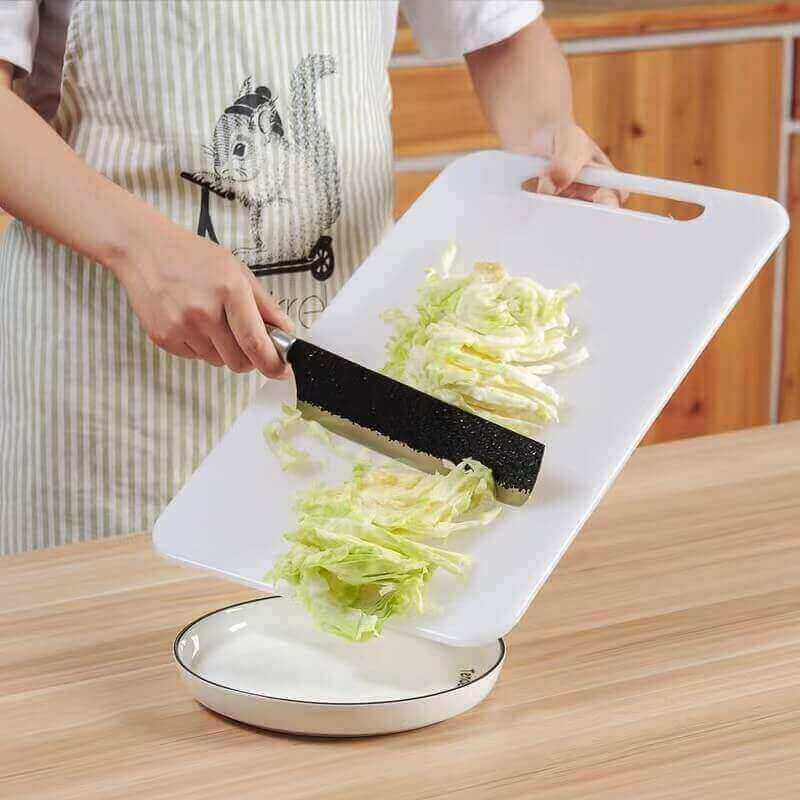
PP board can be used to make cutting boards and utensils that are hygienic, easy to clean, and resistant to scratches, stains, odors, or bacteria. PP board can also be used to make other kitchenware such as bowls, cups, and plates.

🥤 Disposable Plates and Cups

PP board can be used to make disposable plates and cups that are sturdy, lightweight, and microwaveable. PP board can also be used to make straws, stirrers, forks, spoons, and knives for food service applications.

🏷️ Food Labels and Tags

PP board can be used to make food labels and tags that are waterproof, tear-resistant, and printable. PP board can also be used to make barcodes, QR codes, and RFID tags for food tracking and inventory management.

PP polypropylene food tray for safe food storage
PP polypropylene food utensils and cutlery

What are the Potential Concerns of Using PP Board for Food Contact?

PP board is generally considered safe for food contact by the Environmental Protection Agency (EPA) and the Food and Drug Administration (FDA). However, some potential concerns or drawbacks of using PP board for food contact include:

Important Considerations:

  • Possible Leaching of Additives or Contaminants: Although PP board does not contain BPA or phthalates, it may contain other additives or contaminants that could leach into food under certain conditions such as high temperature or acidity. For example, some studies have found that BPA-free plastics such as polypropylene could release bisphenol S (BPS) or bisphenol F (BPF), which may have similar effects as BPA on human health.
  • Limited Biodegradability and Compostability: Although PP board can be recycled into new products or energy, it cannot be biodegraded or composted in natural environments. This means that if PP board is not properly disposed of, it could end up in landfills or oceans, where it could take hundreds of years to break down or harm wildlife.
  • Potential Environmental Impact of Plastic Waste: PP board is part of the global plastic problem that contributes to climate change, pollution, and resource depletion. According to a 2017 study, only 9% of all the plastic waste ever created has been recycled, while the rest has been incinerated, dumped, or accumulated in the environment.
Environmental considerations for polypropylene plastic biodegradation

How to Choose and Use PP Board for Food Contact Safely and Responsibly

PP board is a safe and convenient material for food contact, but it should be used with caution and care. Here are some tips and recommendations for choosing and using PP board for food contact safely and responsibly:

Best Practices for Food-Safe PP Usage:

  • Check the Quality and Certification of PP Board Products: Look for PP board products that are made of high-quality polypropylene resin and have passed the safety standards and tests of reputable organizations such as the FDA, the EPA, or the NSF. Avoid PP board products that are cheap, low-quality, or counterfeit.
  • Avoid High Temperatures and Abrasive Cleaning Methods: Do not use PP board products for cooking or baking, as they could melt or release harmful substances. Do not use PP board products in the dishwasher, as they could warp or crack. Do not use harsh or abrasive cleaners or scrubbers on PP board products, as they could damage or scratch them.
  • Reuse or Recycle PP Board Products Whenever Possible: Do not throw away PP board products after one use, as they could end up in landfills or oceans. Instead, reuse them as much as possible for the same or different purposes. If you cannot reuse them, recycle them properly according to your local recycling guidelines. If you cannot recycle them, dispose of them responsibly in a trash bin.

🛠 Need Custom PP Components for Food Contact Applications?

We offer precision CNC machining, cutting, and thermoforming for food-grade polypropylene sheets—perfect for custom trays, enclosures, or hygiene-sensitive components.

📩 Upload your design or share your idea. Our engineers will assist with specs, tolerances, and materials.

🎯 Safe for direct food contact | Moisture + chemical resistant | Fast lead times

Start Your Custom PP Project →

Frequently Asked Questions About PP Board Food Safety

Is PP plastic FDA approved for food contact?

Yes, polypropylene (PP) is FDA approved and compliant for food contact applications. PP is designated as Resin Identification Code 5 and is considered safe for both single-use and reusable food storage containers.

Can PP board be used in the microwave?

PP board can withstand temperatures up to 160°C (320°F), making it suitable for microwave use. However, it should not be used for cooking or baking as extended exposure to high heat may cause deformation.

Does PP board contain BPA or other harmful chemicals?

No, PP board does not contain BPA, phthalates, or dioxins. However, some additives may be present depending on the manufacturing process. Always choose certified food-grade PP products from reputable suppliers.

How should I clean PP cutting boards and food containers?

Clean PP board products with mild soap and warm water. Avoid harsh chemicals, abrasive scrubbers, or dishwashers as these may damage the surface or cause warping. Air dry thoroughly after washing.

Is PP plastic environmentally friendly and recyclable?

PP plastic is recyclable (Recycling Code 5) and can be processed into new products. While it is not biodegradable, responsible recycling and reuse can minimize environmental impact. Check with your local recycling facility for proper disposal guidelines.

Conclusion: PP Board is Safe for Food Contact When Used Properly

PP board is a safe and versatile material that can come into contact with food. It has many properties and benefits that make it suitable for food-related purposes, such as moisture and chemical resistance, non-toxicity and hypoallergenicity, high melting point and low flammability, and recyclability and eco-friendliness.

However, PP board also has some potential concerns and drawbacks that should be considered, such as possible leaching of additives or contaminants, limited biodegradability and compostability, and potential environmental impact of plastic waste. Therefore, PP board should be chosen and used carefully and responsibly for food contact.

By following some simple tips and recommendations, you can enjoy the convenience and functionality of PP board without compromising your health or the environment.

Food-safe PP polypropylene cutting board for kitchen use

Ready to Get Started with Food-Grade PP Products?

If you are interested in using Polypropylene (PP) products or would like more information, please do not hesitate to contact us. We would be happy to help you with your needs. Do you need a free quote or help with any questions or materials?

✔ No Minimum Order Quantity | 🚚 Free Standard Shipping | ⚡ Expedited Shipping Available | 🌍 Serving International Markets

About BeePlastic Custom Plastic Solutions

BeePlastic specializes in custom plastic fabrication and standard material sales with over 15 years of industry experience. We offer precision CNC machining (±0.03mm tolerance), laser cutting, plastic welding, and more. Serving customers in European, American, and Australian markets with no minimum order requirements and free standard shipping to select regions.

Leave a comment


Please note, comments must be approved before they are published


Custom Plastic Fabrication

Send your drawing, material and quantity for review

🔧
Precision Machining
CNC milling & turning
✂️
Cutting & Engraving
Laser & waterjet cutting
🏭
Forming & Molding
Thermoforming & injection
🔗
Joining & Assembly
Welding & bonding
📐
Design & Prototyping
CAD design & samples

General

HDPE

PP

PVC

ABS

Engineering

POM

Nylon

PC

PMMA

High-Performance

PEEK

PEI

PTFE

Composites

FR-4

G10

Flexible

TPU

Silicone

Why Choose BeePlastic?

🎯
Perfect Fit
Custom specs eliminate adaptation needs
⚡
Clear Lead Times
Lead time confirmed with every quote
💰
Volume Pricing
Volume pricing available on bulk orders
🤝
Expert Support
Free engineering consultation included
📋
Submit
→
🔍
Review
→
💵
Quote
→
✅
Production
→
📦
Deliver

Request a Quote

Share your project details, selected material and quantity on our quote page. You can add a file link or use the email drawing route shown there.


Request Quote

Industries: Automotive • Medical • Food • Lab • Semiconductor

beeplastic@beeplastic.com


How to Make Polypropylene (PP) Go Away? A Complete Guide

Oxygen Biodegradable Plastics

Do you know what polypropylene (PP) is? It’s a kind of plastic that you can find in many things you use every day, like bottles, bags, clothes, medical devices, and car parts. Polypropylene is awesome because it’s strong, durable, heat-resistant, and cheap. That’s why it’s one of the most popular plastics in the world.

🎉🎉🎉Limited Time Offer Use code: QR4GNY08SHVR at checkout and enjoy a special discount on your entire order! 👉PP board

But there’s a problem. Polypropylene doesn’t go away easily. It stays in the environment for a long time, filling up landfills and oceans. It can also leak harmful chemicals into the soil and water, affecting the health of animals and people.

So, can we make polypropylene go away? Is there a way to make it break down naturally by tiny living things called microorganisms? And are there better alternatives to polypropylene that are more friendly to the planet? In this article, we will answer these questions and give you a complete guide on polypropylene and bioplastics.

polypropylene (PP)

What does it mean to go away?

Before we get into the details of polypropylene and bioplastics, let’s first understand what it means to go away. According to the American Society for Testing and Materials (ASTM), biodegradable plastics are “a degradable plastic in which the degradation results from the action of naturally-occurring microorganisms such as bacteria, fungi, and algae”.

Biodegradation is a natural process that turns organic matter into simpler substances, like carbon dioxide, methane, water, inorganic compounds, or biomass. Biodegradation can happen in different places, like soil, compost, water, or landfill. The speed and amount of biodegradation depend on many things, like temperature, moisture, oxygen level, pH, and the presence of microorganisms and enzymes.

Biodegradation

But not all biodegradable plastics are the same. Some biodegradable plastics can go away completely within a few months or years under certain conditions. These plastics are usually called compostable plastics. To be called compostable, bioplastics must meet the ASTM D6400 standard for compostability – they must go away in a specific time period leaving no toxins in the soil.

Other biodegradable plastics can take decades or centuries to go away partly or fully under natural conditions. These plastics are usually called oxo-degradable or oxo-biodegradable plastics. They have an additive that makes them go away faster when exposed to oxygen or sunlight. But they may leave behind tiny pieces of plastic or toxic leftovers that can hurt the environment.

Why doesn’t polypropylene go away?

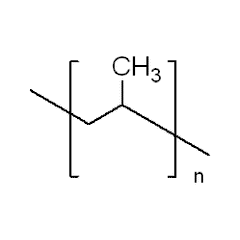
Polypropylene doesn’t go away because it has a strong structure that resists going away by natural microorganisms. Polypropylene is made of long chains of carbon and hydrogen atoms that are linked by single bonds. These bonds are very stable and hard to break by enzymes or bacteria.

Polypropylene structure

Also, polypropylene has more resistance to cracking than polyethylene, resulting in rarely going away in the absence of pretreatment processes such as extended time exposure to high temperature or UV exposure. These C-C chains can be broken by alkane dehydrogenase, an enzyme that is made by some bacteria and fungi.

But alkane dehydrogenase is not common in nature and needs specific conditions to work well. So polypropylene going away by alkane dehydrogenase is very slow and ineffective.

How can we make polypropylene go away?

There are some possible ways to make polypropylene go away by changing its structure or adding some additives.

One way is to mix polypropylene with other biodegradable polymers, like starch or cellulose. This can reduce the amount of polypropylene in the final product and increase its chance of being attacked by microorganisms. But this method may affect the strength and performance of polypropylene.

Another way is to add organic additives that can help the oxidation or hydrolysis of polypropylene. These additives can be pro-oxidants (like metal salts), hydrophilic agents (like glycerol), or bio-based polymers (like PLA). These additives can make polypropylene more sensitive to environmental factors like heat, light, moisture, or oxygen. But this method may not guarantee complete going away and may create tiny pieces of plastic or toxic leftovers.

A third way is to use biological methods to make polypropylene go away. This can involve using microorganisms or enzymes that can break down polypropylene into simpler compounds. For example, some researchers have found bacteria and fungi that can make polypropylene go away by producing alkane dehydrogenase or other enzymes. But this method may need specific conditions and long periods of time to achieve significant going away.

Oxygen Biodegradable Plastics

What can we use instead of polypropylene?

One of the alternatives to polypropylene is bioplastics. Bioplastics are plastics that are made from renewable or bio-based sources, like plants, algae, or waste. Bioplastics can have similar or better properties than conventional plastics, like strength, flexibility, transparency, and biocompatibility. Also, bioplastics can have a lower carbon footprint and offer going away as an end-of-life scenario if done in controlled or predictable environments.

But bioplastics are not a perfect solution. They also have some drawbacks and challenges, such as:

  • Negative agricultural impacts: Growing crops for bioplastics may compete with food production, use water and land resources, and cause deforestation and biodiversity loss.
  • Unclear end-of-life management: Bioplastics may not be compatible with existing recycling streams and may pollute them. Bioplastics may also not go away properly in natural environments and may leave behind tiny pieces of plastic or toxic leftovers.
  • Higher costs: Bioplastics may be more expensive than conventional plastics due to higher production costs, lower economies of scale, and lack of infrastructure and incentives.
  • Variable performance: Bioplastics may have different properties depending on the source, processing method, and additives used. Bioplastics may also be sensitive to temperature, moisture, or oxygen and may go away prematurely.
Biodegradable residues

Some examples of bioplastics that can be used instead of polypropylene are:

  • Polylactic acid (PLA): PLA is a bioplastic made from fermented corn starch or sugar cane. PLA has good mechanical properties, clarity, and biocompatibility. PLA is compostable under industrial conditions but not in home composts or natural environments.
  • Polyhydroxyalkanoates (PHA): PHA is a bioplastic made by bacterial fermentation of organic waste. PHA has excellent going away in soil and water and good mechanical properties. PHA is more expensive than PLA and has lower thermal stability.
  • Starch-based plastics: Starch-based plastics are bioplastics made from starch extracted from plants like corn, potatoes, or wheat. Starch-based plastics can be mixed with other polymers or additives to improve their properties. Starch-based plastics are compostable under industrial conditions but not in home composts or natural environments.
Biodegradable residues

Summary

To sum up, polypropylene is not biodegradable and causes a serious environmental problem. There are some possible ways to make polypropylene biodegradable, but they have limitations and trade-offs. Bioplastics are a promising alternative to polypropylene, but they also have challenges and drawbacks.

So, the best way to reduce the impact of polypropylene and other plastics on the environment is to adopt more eco-friendly practices, such as:

  • Reducing the use of plastic products and choosing reusable or recyclable options
  • Separating plastic waste properly and throwing it away in designated places
  • Supporting the development and innovation of bioplastics and their end-of-life management
  • Educating ourselves and others about the benefits and challenges of bioplastics
Bioplastics

We hope this article has helped you learn more about polypropylene and bioplastics. If you have any questions or comments, please feel free to share them below.

If you are interested in using Polypropylene (PP) products or would like more information, please do not hesitate to contact us. We would be happy to be disturbed and help you with your needs. Do you need a free quote or help with any questions or materials? 

🎉🎉🎉Limited Time Offer Use code: QR4GNY08SHVR at checkout and enjoy a special discount on your entire order! 👉PP board

Our website: www.beeplastic.com
Click to contact: Polypropylene (PP)

Leave a comment


Please note, comments must be approved before they are published


Custom Plastic Fabrication

Send your drawing, material and quantity for review

🔧
Precision Machining
CNC milling & turning
✂️
Cutting & Engraving
Laser & waterjet cutting
🏭
Forming & Molding
Thermoforming & injection
🔗
Joining & Assembly
Welding & bonding
📐
Design & Prototyping
CAD design & samples

General

HDPE

PP

PVC

ABS

Engineering

POM

Nylon

PC

PMMA

High-Performance

PEEK

PEI

PTFE

Composites

FR-4

G10

Flexible

TPU

Silicone

Why Choose BeePlastic?

🎯
Perfect Fit
Custom specs eliminate adaptation needs
⚡
Clear Lead Times
Lead time confirmed with every quote
💰
Volume Pricing
Volume pricing available on bulk orders
🤝
Expert Support
Free engineering consultation included
📋
Submit
→
🔍
Review
→
💵
Quote
→
✅
Production
→
📦
Deliver

Request a Quote

Share your project details, selected material and quantity on our quote page. You can add a file link or use the email drawing route shown there.


Request Quote

Industries: Automotive • Medical • Food • Lab • Semiconductor

beeplastic@beeplastic.com


How to Make Awesome Things with Polypropylene and CNC Machines

PP diy Furniture

Have you ever wondered what polypropylene is and why it’s so cool? Polypropylene is a type of plastic that you can use to make all kinds of things with CNC machines and DIY projects. In this blog post, you will learn:

  • What polypropylene is and why it’s great for CNC machines and DIY projects
  • How to pick the right tools and settings for CNC engraving, cutting, and milling polypropylene
  • How to use polypropylene for fun and creative DIY projects at home or in the workshop

Let’s dive in!

🎉🎉🎉Limited Time Offer Use code: QR4GNY08SHVR at checkout and enjoy a special discount on your entire order! 👉 PP plastic

PP precision machining

What is polypropylene and why is it great for CNC machines and DIY projects?

Polypropylene (PP) is a type of plastic that you can find in many products and industries. It has some awesome features that make it better than other plastics, such as:

  • PP chemistry lab bench

    It can resist most chemicals, so you can use it to make containers and equipment for labs or experiments .

  • It can bend and stretch without breaking, so you can use it to make things that need to be flexible and strong .
  • It can be heated and molded into different shapes and forms, so you can use it to make things that need to be customized and unique .
  • It doesn’t absorb water or humidity, so you can use it to make things that need to be dry and stable .

These features make polypropylene a great material for CNC machines and DIY projects. CNC machines are machines that use computers to control tools that can create precise and complex shapes and parts from various materials. DIY projects are things that you can make or modify by yourself, usually for fun or personal use.

Polypropylene can be easily used with standard CNC equipment, such as engraving tools, cutting tools, and milling tools. It can also be used for various DIY projects at home or in the workshop, such as toys, furniture, art, crafts, etc.

But polypropylene also has some drawbacks that you should know before using it. For example:

  • It doesn’t stick well to paints or inks, so you might have trouble coloring or decorating it.
  • It melts at around 160°C (320°F), so you might have trouble using it with high temperatures .
  • It fades or cracks when exposed to sunlight, so you might have trouble using it outdoors.

So, you should keep these factors in mind when choosing polypropylene for your CNC machines or DIY projects.

PP custom processing

How to pick the right tools and settings for CNC engraving, cutting, and milling polypropylene

CNC engraving, cutting, and milling are three common types of CNC machine processes that you can use to make different shapes and parts from polypropylene. Here are some tips on how to pick the right tools and settings for each process.

CNC Engraving

CNC engraving is when you use a tool with a sharp tip to carve or etch patterns or designs on the surface of a material. To engrave polypropylene with CNC machines, you should:

  • Use sharp engraving tools with small sizes (like 0.1 mm or 0.004 in) to make fine details .
  • Use low speeds (like 10,000 rpm) to avoid making too much heat that might melt or deform the material .
  • Use low feeds (like 100 mm/min or 4 in/min) to make sure your engraving is smooth and accurate .
  • Use shallow cuts (like 0.1 mm or 0.004 in) to avoid ripping or chipping the material .
  • Use coolant or lubricant to reduce friction and heat that might damage the tool or the material .
  • Clamp the material firmly to prevent shaking or moving during engraving .

Some examples of things you can make with CNC engraved polypropylene are signs, logos, labels, etc.

PP CNC processing

CNC Cutting

CNC cutting is when you use a tool with a sharp edge to cut through a material along a path. To cut polypropylene with CNC machines, you should:

  • Use sharp cutting tools with large sizes (like 6 mm or 0.24 in) to make smooth and clean cuts .
  • Use high speeds (like 20,000 rpm) to make fast and efficient cuts .
  • Use high feeds (like 500 mm/min or 20 in/min) to reduce the time and heat that might melt or deform the material .
  • Use moderate cuts (like 1 mm or 0.04 in) to avoid making too many chips that might clog the tool or the machine .
  • Use coolant or lubricant to reduce friction and heat that might damage the tool or the material .
  • Clamp the material firmly to prevent shaking or moving during cutting .

Some examples of things you can make with CNC cut polypropylene are containers, parts, shapes, etc.

CNC cutting size

CNC Milling

CNC milling is when you use a tool with multiple cutting edges to remove material from a piece along a path. To mill polypropylene with CNC machines, you should:

  • Use end mills with large flutes (like 4 or more) to allow for easy chip removal and prevent clogging .
  • Use moderate speeds (like 15,000 rpm) to balance between cutting efficiency and heat generation .
  • Use moderate feeds (like 300 mm/min or 12 in/min) to balance between cutting speed and accuracy .
  • Use shallow cuts (like 0.5 mm or 0.02 in) to avoid making too much heat that might melt or deform the material .
  • Use coolant or lubricant to reduce friction and heat that might damage the tool or the material .
  • Clamp the material firmly to prevent shaking or moving during milling .

Some examples of things you can make with CNC milled polypropylene are orthotic and prosthetic devices, plenums and manifolds, valve bodies, etc.

PP precision parts processing

How to use polypropylene for fun and creative DIY projects at home or in the workshop

Polypropylene can be used for fun and creative DIY projects at home or in the workshop, such as toys, furniture, art, crafts, etc. Here are some ideas and inspiration for things you can make with polypropylene:

  • Toys: You can use polypropylene sheets to make various toys for your kids, such as cars, planes, boats, puzzles, etc. You can cut out the shapes with a CNC machine or a hobby knife, and then glue them together with hot glue or epoxy. You can also color them with acrylic paints or markers.
  • Furniture: You can use polypropylene sheets to make various furniture items for your home, such as chairs, tables, shelves, cabinets, etc. You can cut out the pieces with a CNC machine or a circular saw, and then join them together with screws or bolts. You can also add cushions or upholstery for comfort and style.
    PP diy Furniture
  • Art: You can use polypropylene sheets to make various art pieces for your walls, such as paintings, sculptures, collages, etc. You can cut out the shapes with a CNC machine or a hobby knife, and then glue them together with hot glue or epoxy. You can also color them with acrylic paints or markers.
  • Crafts: You can use polypropylene sheets to make various crafts for your hobbies, such as jewelry, accessories, ornaments, etc. You can cut out the shapes with a CNC machine or a hobby knife, and then glue them together with hot glue or epoxy. You can also add beads, sequins, feathers, etc. for decoration.

You can find polypropylene sheets online or offline from various suppliers. The price may vary depending on the size, thickness, color, and quality of the material.

Polypropylene is a cool and useful plastic that you can use to make all kinds of things with CNC machines and DIY projects. It has some awesome features that make it better than other plastics, such as chemical resistance, elasticity, fatigue resistance, thermoforming performance, low moisture absorption, etc.

But it also has some drawbacks that you should know before using it. For example:

  • It doesn’t stick well to paints or inks
  • It melts at around 160°C (320°F)
  • It fades or cracks when exposed to sunlight

So, you should keep these factors in mind when choosing polypropylene for your CNC machines or DIY projects.

To use polypropylene for CNC machines and DIY projects, you need to pick the right tools and settings for each process. 

I hope you enjoyed this blog post and learned something new. If you have any questions or comments, feel free to leave them below. And if you want to see more posts like this one, don’t forget to subscribe to our blog!

🎉🎉🎉Limited Time Offer Use code: QR4GNY08SHVR at checkout and enjoy a special discount on your entire order! 👉 PP plastic

PP funnel

Leave a comment


Please note, comments must be approved before they are published


Custom Plastic Fabrication

Send your drawing, material and quantity for review

🔧
Precision Machining
CNC milling & turning
✂️
Cutting & Engraving
Laser & waterjet cutting
🏭
Forming & Molding
Thermoforming & injection
🔗
Joining & Assembly
Welding & bonding
📐
Design & Prototyping
CAD design & samples

General

HDPE

PP

PVC

ABS

Engineering

POM

Nylon

PC

PMMA

High-Performance

PEEK

PEI

PTFE

Composites

FR-4

G10

Flexible

TPU

Silicone

Why Choose BeePlastic?

🎯
Perfect Fit
Custom specs eliminate adaptation needs
⚡
Clear Lead Times
Lead time confirmed with every quote
💰
Volume Pricing
Volume pricing available on bulk orders
🤝
Expert Support
Free engineering consultation included
📋
Submit
→
🔍
Review
→
💵
Quote
→
✅
Production
→
📦
Deliver

Request a Quote

Share your project details, selected material and quantity on our quote page. You can add a file link or use the email drawing route shown there.


Request Quote

Industries: Automotive • Medical • Food • Lab • Semiconductor

beeplastic@beeplastic.com


How PEEK 3D Printing Technology is Revolutionizing the Medical Field

PEEK 3D Printing Consumables

Imagine a material that is strong enough to support your bones, flexible enough to bend with your joints, and invisible to X-rays. Sounds like something from a sci-fi movie, right? Well, such a material actually exists, and it’s called PEEK. PEEK stands for polyether ether ketone, and it’s a type of plastic that has many amazing properties for medical applications. But how do you make PEEK into the shape and size you need for your body? That’s where 3D printing comes in. 3D printing is a technology that can create anything you can imagine by layering tiny bits of material on top of each other. 3D printing can make PEEK implants faster, cheaper, and better than traditional methods. In this article, we will explore how PEEK 3D printing technology is changing the world of medicine by offering new solutions for various health problems. We will also look at how PEEK 3D printing works, what are its challenges, and what are its current and future applications.

🎉🎉🎉Limited Time Offer Use code: QR4GNY08SHVR at checkout and enjoy a special discount on your entire order! 👉 PEEK plastic
PEEK 3D Printer

PEEK 3D Printing Methods and Challenges

There are different ways to 3D print PEEK, such as melting it with a hot nozzle, fusing it with a laser beam, or curing it with a light beam. Each way has its pros and cons, depending on what you want to achieve with your PEEK implant.

Melting PEEK with a hot nozzle is called fused deposition modeling (FDM). FDM is easy and cheap, but it needs very high temperatures and careful temperature control to avoid damaging or warping the material. FDM also has low resolution and accuracy, and may result in weak and rough parts .

Fusing PEEK with a laser beam is called selective laser sintering (SLS). SLS can produce high-resolution and high-strength parts with complex shapes and structures. However, SLS also needs high temperatures and expensive equipment, and may cause thermal stress and oxidation of the material. SLS also produces porous parts that may need extra processing to improve their surface quality and biocompatibility .

Curing PEEK with a light beam is called stereolithography (SLA). SLA can produce high-resolution and smooth parts with intricate details and features. However, SLA also needs expensive and toxic resins, and may cause shrinkage and distortion of the material. SLA also produces brittle parts that may need extra processing to improve their mechanical properties and biocompatibility .

stereolithography (SLA)

Some of the latest research and innovations in PEEK 3D printing methods include:

  • Creating new PEEK materials with improved properties and performance .
  • Finding the best settings and conditions to enhance the quality and reliability of PEEK 3D printing .
  • Mixing PEEK with other materials, such as metals, ceramics, or bioactive agents, to create composite or hybrid parts with enhanced functionality .
  • Developing new methods, such as direct ink writing or electrospinning, to create novel PEEK structures with controlled shape and size .

PEEK 3D Printing Applications in the Medical Field

PEEK 3D printing technology has many uses in different areas of medicine, such as bones, teeth, nerves, and blood vessels. PEEK 3D printing technology can offer customized solutions for complex medical problems, such as bone defects, spinal disorders, craniofacial reconstruction, and vascular grafts.

Some of the uses of PEEK 3D printing technology in the medical field include:

  • Bones: PEEK 3D printing technology can be used to make personalized implants for bone repair or replacement, such as screws, plates, rods, cages, or scaffolds. PEEK implants can mimic the mechanical properties of natural bone, reduce stress shielding effects, promote bone growth and integration, and avoid metal-related complications .
  • Teeth: PEEK 3D printing technology can be used to make customized dental prostheses, such as crowns, bridges, dentures, or implants. PEEK dental prostheses can offer high aesthetic quality, good biocompatibility, low plaque accumulation, and high wear resistance .
  • Nerves: PEEK 3D printing technology can be used to make tailored implants for cranial or spinal surgery, such as cranioplasty plates, interbody fusion devices, or artificial discs. PEEK implants can provide adequate mechanical support, reduce infection risk, and allow for post-operative imaging and monitoring .
  • Blood vessels: PEEK 3D printing technology can be used to make customized implants for vascular surgery, such as stents, grafts, or valves. PEEK implants can offer high flexibility, low thrombogenicity, and good hemocompatibility .
PEEK 3D printed teeth

Some of the stories and feedback from patients and doctors who have used PEEK 3D printing implants include:

  • A patient who received a 3D printed PEEK implant to replace a part of his skull that was damaged by a tumor. The implant was designed to fit the patient’s anatomy and to allow for future bone growth. The patient reported improved quality of life and satisfaction with the outcome.
  • A patient who received a 3D printed PEEK implant to treat a severe spinal deformity. The implant was customized to match the patient’s curvature and to provide optimal stability and alignment. The patient reported reduced pain and improved mobility after the surgery.
  • A patient who received a 3D printed PEEK implant to restore his dental function and appearance. The implant was designed to replace his missing teeth and to fit his jawbone and gums. The patient reported improved chewing ability and confidence with his smile.
    PEEK 3D Printing

Current 3D printing technologies for PEEK offer innovative solutions to a variety of medical problems. Compared to traditional methods, 3D printing of PEEK can offer many benefits for making PEEK implants, such as reduced material waste, increased design flexibility and shorter production times.

PEEK 3D Printing Consumables

PEEK 3D printing technology has many applications in various medical fields such as bone, teeth, nerves and blood vessels. PEEK 3D printing technology can provide customised solutions for complex medical problems such as bone defects, spinal disorders, craniofacial reconstruction and vascular grafts.

These cases demonstrate that PEEK 3D printing technology is effective and beneficial to many patients with PEEK implants. In the future the development of PEEK 3D printing technology will improve the quality of life and health of many more people.
If you are interested in using PEEK materials or related products or would like more information, please do not hesitate to contact us. We would be happy to be disturbed and help you with your needs. Do you need a free quote or help with any questions or materials?

PEEK medical implants


🎉🎉🎉Limited Time Offer Use code: QR4GNY08SHVR at checkout and enjoy a special discount on your entire order! 👉 PEEK plastic

Our website: www.beeplastic.com
Click to contact: PEEK Plastics

Leave a comment


Please note, comments must be approved before they are published


Custom Plastic Fabrication

Send your drawing, material and quantity for review

🔧
Precision Machining
CNC milling & turning
✂️
Cutting & Engraving
Laser & waterjet cutting
🏭
Forming & Molding
Thermoforming & injection
🔗
Joining & Assembly
Welding & bonding
📐
Design & Prototyping
CAD design & samples

General

HDPE

PP

PVC

ABS

Engineering

POM

Nylon

PC

PMMA

High-Performance

PEEK

PEI

PTFE

Composites

FR-4

G10

Flexible

TPU

Silicone

Why Choose BeePlastic?

🎯
Perfect Fit
Custom specs eliminate adaptation needs
⚡
Clear Lead Times
Lead time confirmed with every quote
💰
Volume Pricing
Volume pricing available on bulk orders
🤝
Expert Support
Free engineering consultation included
📋
Submit
→
🔍
Review
→
💵
Quote
→
✅
Production
→
📦
Deliver

Request a Quote

Share your project details, selected material and quantity on our quote page. You can add a file link or use the email drawing route shown there.


Request Quote

Industries: Automotive • Medical • Food • Lab • Semiconductor

beeplastic@beeplastic.com