The Essential Guide to PPS Plastic Sheets – Properties, Applications and Benefits

PPS Plastic

PPS, or polyphenylene sulfide, plastic sheets offer exceptional performance properties making them a top choice for many demanding applications. This guide provides an overview of PPS plastic sheets, their key attributes, major uses, and benefits compared to other thermoplastics.
PPS plastic sheet is an engineering thermoplastic valued for both high temperature resistance and chemical resistance. It maintains its excellent mechanical properties even after repeated exposure to steam, acids, bases, and organics. PPS offers performance similar to much more expensive peek plastic but at a more affordable price point.
🎉🎉🎉Limited Time Offer Use code: QR4GNY08SHVR at checkout and enjoy a special discount on your entire order! 👉PPS board
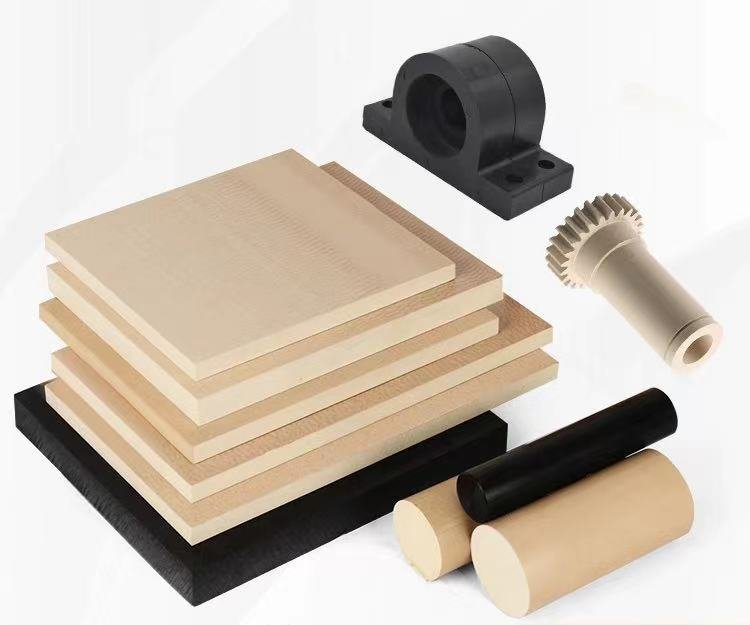
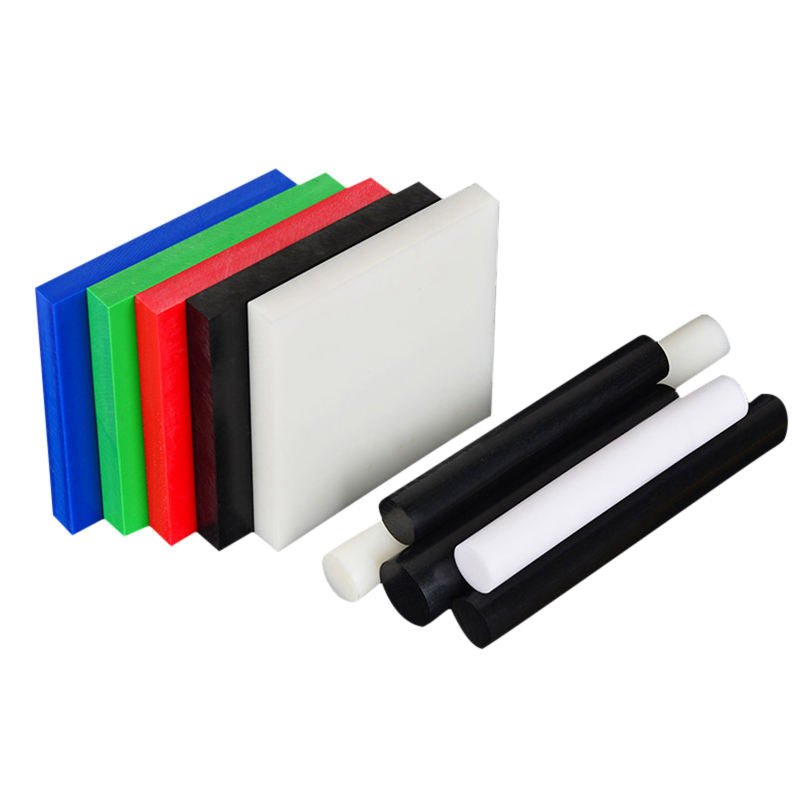
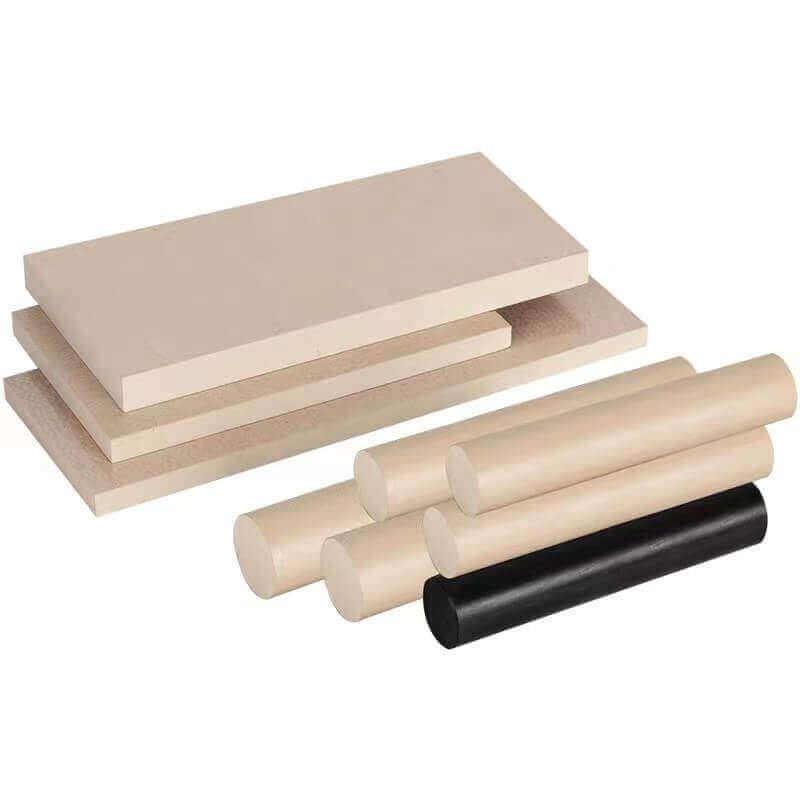
PPS plate and bar

Key Properties of PPS Plastic Sheets

PPS sheets exhibit several unique properties that make them suitable for challenging environments:
  • High Heat Resistance – Retains structural integrity up to 212°F (100°C). It does not melt or deform at high temperatures.
  • Chemical Resistance – Inert to most mineral acids, bases, and organic solvents. PPS has excellent resistance to hydrocarbons, fuels, oils and greases.
  • Dimensional Stability – Very low moisture absorption and coefficient of thermal expansion results in parts that hold tight tolerances.
  • Electrical Insulating Properties – Wide-ranging dielectric strength and high arc resistance. Can insulate at extreme temperatures.
  • Mechanical Strength – Strong and rigid material with high tensile and flexural strength. Maintains properties after impact.
  • Resistance to Creep Deformation – Does not deform permanently under high static loads or vibration.

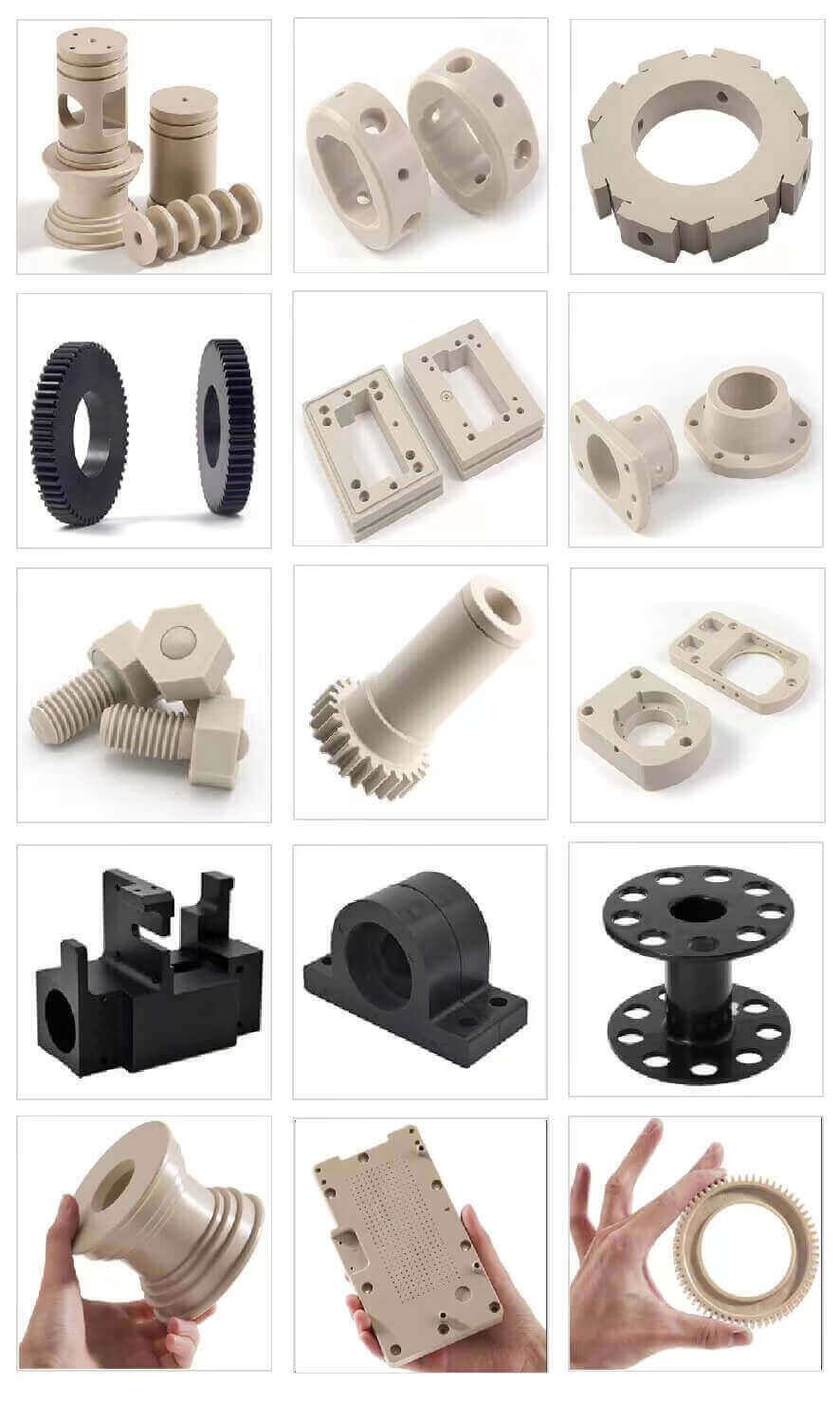
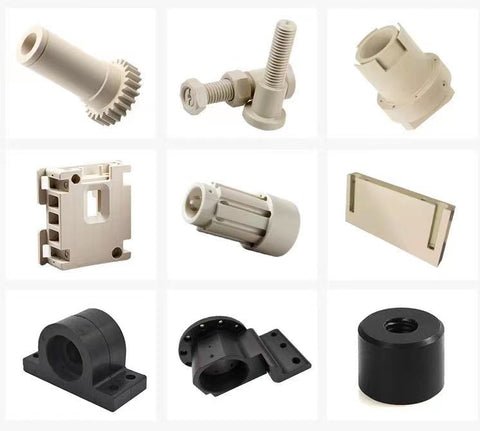
PPS processed parts

Major Applications and Uses

With its stellar resistance to heat and chemicals, PPS plastic sheet has become the go-to material for:
  • Chemical Processing Equipment – Tanks, containers, valves and pipes for corrosive chemicals.
  • Semiconductor Parts – Wafer carriers, connectors and diffusers able to withstand heat cycling.
  • Automotive Components – Gaskets, pumps, electronic parts that see high heat under the hood.
  • Food Processing Equipment – Cookware, trays, and parts able to endure repeated sterilization.
  • Lab Equipment – Beakers, test tubes and parts that contact caustic/acidic chemicals.
  • Pump and Valve Parts – Diaphragms, impellers and casings resistant to fuels and oils.
  • Sterilizable Medical Devices – Can withstand repeated autoclave sterilization cycles.

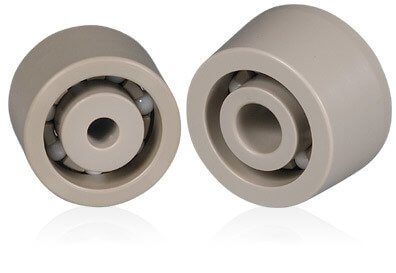
PPS Bearings

Benefits and Advantages of Using PPS

Choosing PPS over other plastic materials offers a number of benefits:
  • Withstands Repeated Sterilization – Unlike other plastics, PPS maintains integrity after hundreds of autoclave cycles.
  • Strength in Harsh Chemicals – PPS outperforms even exotic plastics in acidic and caustic environments.
  • Low Moisture Absorption – Provides dimensional stability in wet applications where other plastics would swell.
  • Electrical Insulating Properties – Insulates well at extreme temps without burning while also resisting arc tracking.
  • Material Purity – Low risk of contamination as PPS does not contain additives or mineral fillers.

Sourcing Quality PPS Plastic Sheets

When sourcing PPS plastic sheet, consult manufacturer data sheets and confirm:
  • Brand – Look for reputable brands like MITSUBISHI, Techtron, Quadrant, and Ensinger.
  • Compliance Testing – Check for UL listed, RoHS, REACH, and FDA compliant grades.
  • Thickness Tolerance – Tighter tolerances (±5%) improve part quality and consistency.
  • Sheet Size – Large size sheets (48″x96″) minimize the need for bonding seams.
  • Surface Finish – Smooth mirror polish finish allows for bonding, printing or painting.
With its exceptional temperature and chemical resistance, PPS plastic sheet offers lasting performance where other plastics fall short. For demanding applications, from chemical processing equipment to auto parts, PPS is the material of choice. With proper design and fabrication, PPS plastic parts deliver safety, durability and long service life.
If you are interested in using nylon plastic washers in your project or want to know more information, welcome to harass us. We are a professional supplier and manufacturer of all kinds of plastic custom processing and production, with a professional team of engineers and precision equipment, we can provide you with customized plastic solutions that meet your specifications and budget. We are happy to serve you and help you fulfill your needs. Do you need a free quote or help with any questions or materials?
Our website: www.beePlastic.com
Click to contact: Custom  PPS plastic sheet
🎉🎉🎉Limited Time Offer Use code: QR4GNY08SHVR at checkout and enjoy a special discount on your entire order! 👉PPS board
PPS Plastic

Leave a comment


Please note, comments must be approved before they are published


Custom Plastic Fabrication

Send your drawing, material and quantity for review

🔧
Precision Machining
CNC milling & turning
✂️
Cutting & Engraving
Laser & waterjet cutting
🏭
Forming & Molding
Thermoforming & injection
🔗
Joining & Assembly
Welding & bonding
📐
Design & Prototyping
CAD design & samples

General

HDPE

PP

PVC

ABS

Engineering

POM

Nylon

PC

PMMA

High-Performance

PEEK

PEI

PTFE

Composites

FR-4

G10

Flexible

TPU

Silicone

Why Choose BeePlastic?

🎯
Perfect Fit
Custom specs eliminate adaptation needs
⚡
Clear Lead Times
Lead time confirmed with every quote
💰
Volume Pricing
Volume pricing available on bulk orders
🤝
Expert Support
Free engineering consultation included
📋
Submit
→
🔍
Review
→
💵
Quote
→
✅
Production
→
📦
Deliver

Request a Quote

Share your project details, selected material and quantity on our quote page. You can add a file link or use the email drawing route shown there.


Request Quote

Industries: Automotive • Medical • Food • Lab • Semiconductor

beeplastic@beeplastic.com


The Different Types and Shapes of Nylon Plastic Gaskets and How to Choose the Best One for Your Needs

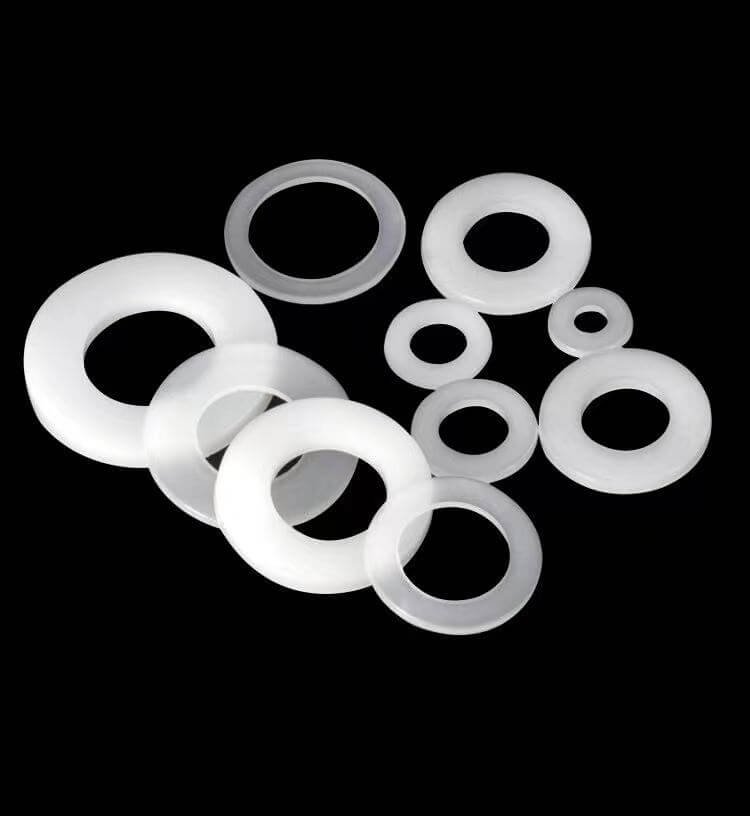
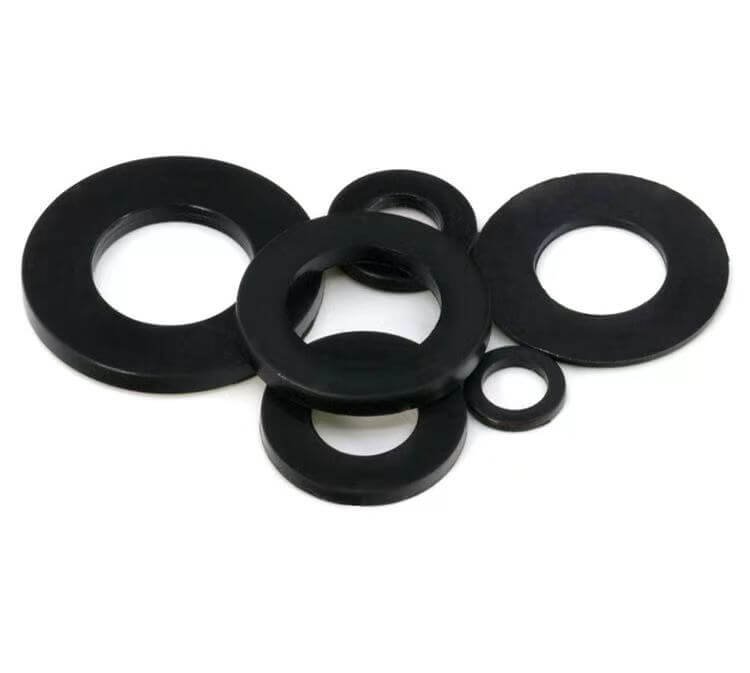
Nylon flat gasket

If you are looking for a reliable and cost-effective way to seal and protect your components, you might want to consider using nylon plastic gaskets. Nylon plastic gaskets are thin pieces of plastic that fill the space between two surfaces or parts, preventing leakage or contamination. They are widely used in various industries and applications, such as automotive, plumbing, electronics, furniture, and more. In this post, we will tell you about the different types and shapes of nylon plastic gaskets and how to choose the best one for your needs.
🎉🎉🎉Limited Time Offer Use code: QR4GNY08SHVR at checkout and enjoy a special discount on your entire order! 👉 Nylon plastic
Nylon Flange

The Different Types of Nylon Plastic Gaskets

Nylon plastic gaskets can be classified into different types based on their material composition. Here are some of the common types of nylon plastic gaskets:
  • Pure nylon gaskets: These are gaskets made from 100% nylon resin, which is a type of thermoplastic polymer. They have high strength, durability, and resistance to abrasion, wear, tear, impact, and cracking. They also have low permeability and porosity, which means they do not allow fluids or gases to pass through them easily.Nylon Gaskets
  • Nylon composite gaskets: These are gaskets made from nylon resin mixed with other materials, such as glass fibers, carbon fibers, or minerals. They have enhanced properties and performance, such as higher stiffness, rigidity, thermal stability, or electrical conductivity. They can also be customized to meet specific requirements, such as color, hardness, or thickness.
  • Nylon foam gaskets: These are gaskets made from nylon resin that has been foamed or expanded using a chemical or physical process. They have lower density, weight, and cost than solid nylon gaskets. They also have better cushioning, shock absorption, and sound insulation properties. They can be used for applications that require sealing irregular or uneven surfaces.Nylon washers

The Different Shapes of Nylon Plastic Gaskets

Nylon plastic gaskets can also be classified into different shapes based on their geometry and design. Here are some of the common shapes of nylon plastic gaskets:
  • Flat gaskets: These are gaskets that have a flat or rectangular shape. They are the simplest and most common type of gaskets. They can be used for sealing flat or parallel surfaces. They can be easily cut, drilled, punched, or welded to fit different needs.
  • Ring gaskets: These are gaskets that have a circular or oval shape. They are used for sealing round or cylindrical surfaces. They can be made from extruded or molded nylon material. They can also be customized to have different inner and outer diameters.
  • Flange gaskets: These are gaskets that have a flange or a rim around their edge. They are used for sealing flanged joints or connections. They can be made from flat or ring nylon gaskets. They can also be designed to have different bolt holes or patterns.
  • Custom gaskets: These are gaskets that have a custom or unique shape. They are used for sealing complex or irregular surfaces. They can be made using FIPFG (formed in place foam gasket) or FIPG (formed in place gasket) technology, which involves applying a liquid or foam material directly onto the surface or part where the gasket is needed. The material then cures and forms a tight seal.

Nylon Gear Shims

How to Choose the Best Nylon Plastic Gasket for Your Needs

Choosing the best nylon plastic gasket for your needs depends on several factors, such as:
  • The application and environment: You need to think about the purpose and function of the gasket, such as sealing, cushioning, insulating, or protecting. You also need to think about the environment and conditions where the gasket will be used, such as temperature, pressure, moisture, chemicals, oils, hydrocarbons, greases, fats, ozone, dust, dirt, corrosion, vibration, noise, etc.
  • The type and material: Based on the application and environment, you need to choose the type and material of the nylon plastic gasket that best suits your needs. For example:
    • If you need a strong and durable gasket that can withstand high pressure and temperature without deforming or breaking, choose a pure nylon gasket.
    • If you need a stiff and rigid gasket that can handle high thermal stability or electrical conductivity, choose a nylon composite gasket.
    • If you need a lightweight and low-cost gasket that can provide better cushioning, shock absorption, and sound insulation properties, choose a nylon foam gasket.
  • The shape and size: Based on the application and environment, you need to choose the shape and size of the nylon plastic gasket that best fits your needs. For example:
    • If you need a simple and common gasket that can seal flat or parallel surfaces easily, choose a flat gasket.
    • If you need a circular or oval gasket that can seal round or cylindrical surfaces effectively, choose a ring gasket.
    • If you need a flanged gasket that can seal flanged joints or connections securely, choose a flange gasket.
    • If you need a custom or unique gasket that can seal complex or irregular surfaces accurately, choose a custom gasket.

6782b0924299d05976b5d14ad90d4c8

Nylon plastic gaskets are excellent choices for sealing and protecting various components in different industries and applications. They are made from high-quality materials that offer superior properties and performance. They are also easy to use and install. If you are looking for reliable and affordable nylon plastic gaskets for your needs, contact us today.
If you are interested in using nylon plastic washers in your project or want to know more information, welcome to harass us. We are a professional supplier and manufacturer of all kinds of plastic custom processing and production, with a professional team of engineers and precision equipment, we can provide you with customized plastic solutions that meet your specifications and budget. We are happy to serve you and help you fulfill your needs. Do you need a free quote or help with any questions or materials?
Our website: www.beePlastic.com
Click to contact: Custom Nylon Plastic Washers
🎉🎉🎉Limited Time Offer Use code: QR4GNY08SHVR at checkout and enjoy a special discount on your entire order! 👉 Nylon plastic
Nylon flat gasket

Leave a comment


Please note, comments must be approved before they are published


Custom Plastic Fabrication

Send your drawing, material and quantity for review

🔧
Precision Machining
CNC milling & turning
✂️
Cutting & Engraving
Laser & waterjet cutting
🏭
Forming & Molding
Thermoforming & injection
🔗
Joining & Assembly
Welding & bonding
📐
Design & Prototyping
CAD design & samples

General

HDPE

PP

PVC

ABS

Engineering

POM

Nylon

PC

PMMA

High-Performance

PEEK

PEI

PTFE

Composites

FR-4

G10

Flexible

TPU

Silicone

Why Choose BeePlastic?

🎯
Perfect Fit
Custom specs eliminate adaptation needs
⚡
Clear Lead Times
Lead time confirmed with every quote
💰
Volume Pricing
Volume pricing available on bulk orders
🤝
Expert Support
Free engineering consultation included
📋
Submit
→
🔍
Review
→
💵
Quote
→
✅
Production
→
📦
Deliver

Request a Quote

Share your project details, selected material and quantity on our quote page. You can add a file link or use the email drawing route shown there.


Request Quote

Industries: Automotive • Medical • Food • Lab • Semiconductor

beeplastic@beeplastic.com


Do You Know How Nylon Plastic Gaskets Work and Why They Rock?

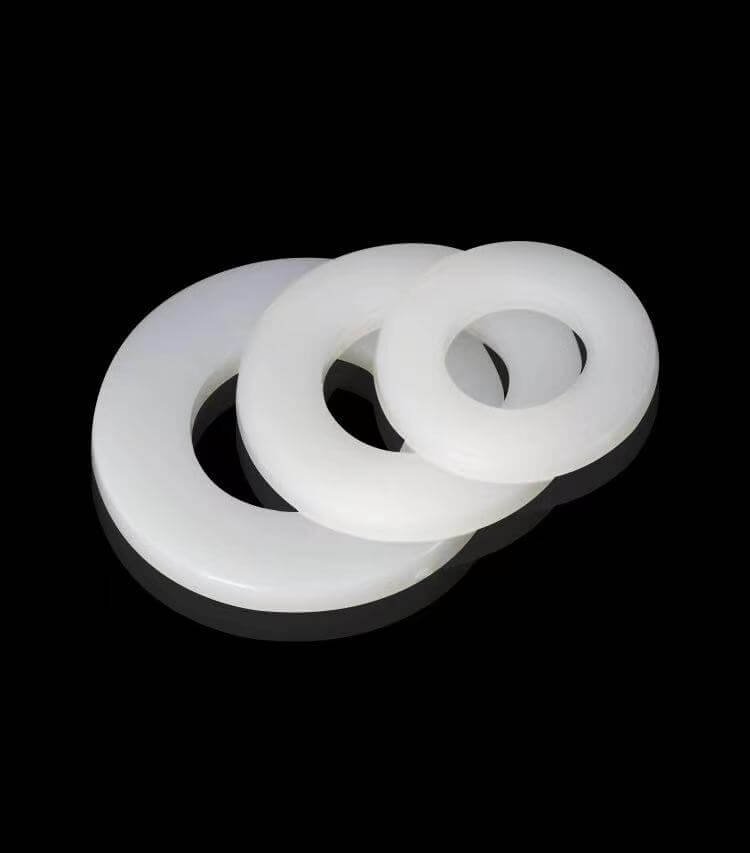
Nylon Plastic Washers

You may not realize it, but nylon plastic gaskets are everywhere. They are those thin plastic pieces that seal the gaps between two surfaces or parts, keeping them from leaking or getting contaminated. You can find them in things like water pipes, faucets, valves, pumps, engines, appliances, furniture, and electronics. In this post, we’ll show you how nylon plastic gaskets are made and why they rock compared to other materials.
🎉🎉🎉Limited Time Offer Use code: QR4GNY08SHVR at checkout and enjoy a special discount on your entire order! 👉 Nylon plastic
Nylon Gaskets

How Nylon Plastic Gaskets Are Made

Making nylon plastic gaskets is pretty simple. You just need two main ingredients: nylon resin and additives. Nylon resin is a kind of plastic that can melt and mold into different shapes. Additives are stuff that make the nylon resin better, like colors, stabilizers, fillers, or modifiers.
You mix and heat the ingredients in a machine called an extruder, which squeezes the melted material through a hole or a nozzle. The hole or nozzle decides the shape and size of the nylon plastic gasket, like flat, ring, flange, or custom. The material then cools down and gets cut into the right length.
Some nylon plastic gaskets are made using a cool technology called FIPFG (formed in place foam gasket) or FIPG (formed in place gasket). This technology lets you apply a liquid or foam material directly on the surface or part where you need the gasket. The material then hardens and forms a tight seal. This way, you can make more complex or irregular shapes easily.
Nylon Gaskets

Why Nylon Plastic Gaskets Rock

Nylon plastic gaskets have many benefits over other materials, like rubber, metal, or silicone. Here are some of the reasons why nylon plastic gaskets rock:
  • Durability and strength: Nylon plastic gaskets can handle a lot of wear and tear. They don’t get scratched, torn, smashed, or cracked easily. They can also take high pressure and temperature without changing shape or breaking. They have high tensile and flexural strength, which means they can resist stretching and bending forces.
  • Versatility and flexibility: Nylon plastic gaskets can fit any shape and size of the application. They can also be customized to meet your needs, like color, hardness, or thickness. You can cut, drill, punch, or weld them to suit different needs.
  • Resistance and protection: Nylon plastic gaskets can deal with moderate chemicals, oils, hydrocarbons, greases, fats, and ozone. They can also protect the components from moisture, dust, dirt, and corrosion. They have low permeability and porosity, which means they don’t let fluids or gases pass through them easily.

Nylon washers

Nylon plastic gaskets are awesome choices for sealing and protecting various components in different industries and applications. They are made from high-quality materials that offer great properties and performance. They are also easy to use and install.
If you are interested in using nylon plastic washers in your project or want to know more information, welcome to harass us. We are a professional supplier and manufacturer of all kinds of plastic custom processing and production, with a professional team of engineers and precision equipment, we can provide you with customized plastic solutions that meet your specifications and budget. We are happy to serve you and help you fulfill your needs. Do you need a free quote or help with any questions or materials?
Our website: www.beePlastic.com
Click to contact: Custom Nylon Plastic Washers 
🎉🎉🎉Limited Time Offer Use code: QR4GNY08SHVR at checkout and enjoy a special discount on your entire order! 👉 Nylon plastic
Nylon Plastic Washers

Leave a comment


Please note, comments must be approved before they are published


Custom Plastic Fabrication

Send your drawing, material and quantity for review

🔧
Precision Machining
CNC milling & turning
✂️
Cutting & Engraving
Laser & waterjet cutting
🏭
Forming & Molding
Thermoforming & injection
🔗
Joining & Assembly
Welding & bonding
📐
Design & Prototyping
CAD design & samples

General

HDPE

PP

PVC

ABS

Engineering

POM

Nylon

PC

PMMA

High-Performance

PEEK

PEI

PTFE

Composites

FR-4

G10

Flexible

TPU

Silicone

Why Choose BeePlastic?

🎯
Perfect Fit
Custom specs eliminate adaptation needs
⚡
Clear Lead Times
Lead time confirmed with every quote
💰
Volume Pricing
Volume pricing available on bulk orders
🤝
Expert Support
Free engineering consultation included
📋
Submit
→
🔍
Review
→
💵
Quote
→
✅
Production
→
📦
Deliver

Request a Quote

Share your project details, selected material and quantity on our quote page. You can add a file link or use the email drawing route shown there.


Request Quote

Industries: Automotive • Medical • Food • Lab • Semiconductor

beeplastic@beeplastic.com


How Bakelite Sheets Can Be Used for Various Purposes

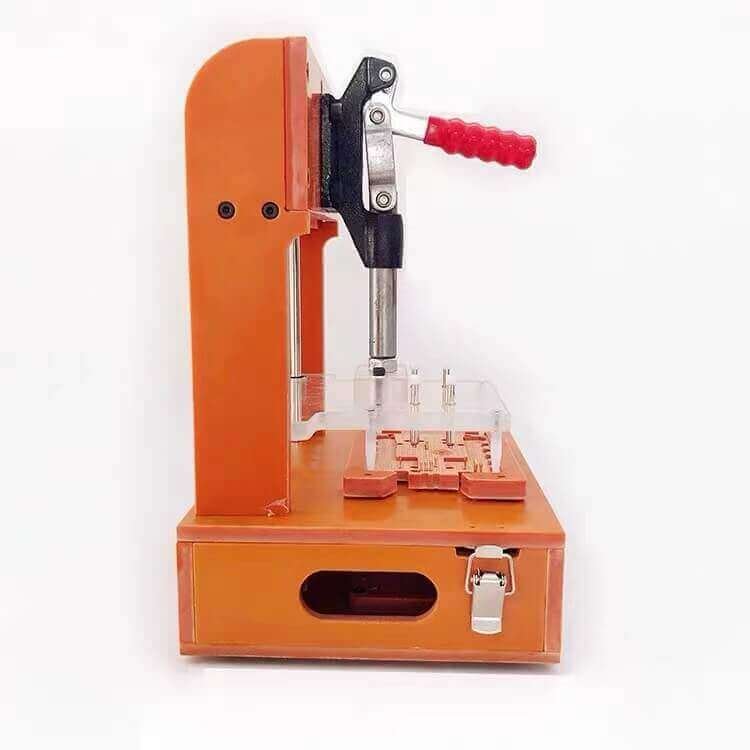
Bakelite Experiment Board

Do you need a plastic material that can handle high heat and still look good? If so, you should check out Bakelite sheets. Bakelite sheets are flat sheets of Bakelite, which is the world’s first synthetic plastic. Bakelite was invented over a century ago, and it has many awesome features. Bakelite sheets have high strength, low moisture absorption, good electrical insulation, and good chemical resistance. You can use Bakelite sheets for various purposes in different industries and applications. In this post, we’ll show you how Bakelite sheets can be used for different things and why they are useful.

🎉🎉🎉Limited Time Offer Use code: QR4GNY08SHVR at checkout and enjoy a special discount on your entire order! 👉 Bakelite plastic
Bakelite Experiment Board

How to Use Bakelite Sheets for Electrical and Electronic Stuff

One of the main things you can use Bakelite sheets for is electrical and electronic stuff. Bakelite sheets can be used for making electrical and electronic products, such as switchboards, circuit boards, connectors, switches, etc. These products need to be able to prevent electric currents from passing through or causing sparks, protect the electronic components from heat, moisture, or impact, and provide a smooth and durable surface.

Bakelite sheets are great for these purposes because they have good electrical insulation and low moisture absorption. They don’t conduct electricity or cause electric shocks. They also don’t swell or shrink when exposed to water or humidity. Bakelite sheets are also resistant to heat and can withstand temperatures up to 150°C without melting or burning. They can also protect the electronic components from damage or malfunction.

Bakelite sheets are also easy to work with and can be cut, drilled, milled, or turned into various shapes and sizes by using CNC machining. CNC machining is a way of making precise and complex parts from plastic materials by using machines that are controlled by computers. CNC machining of Bakelite sheets has many benefits over other methods such as injection molding or 3D printing, such as high accuracy, fast production, cost-effectiveness, and flexibility.

Bakelite Fixture

How to Use Bakelite Sheets for Mechanical and Industrial Stuff

Another thing you can use Bakelite sheets for is mechanical and industrial stuff. Bakelite sheets can be used for making mechanical and industrial products, such as gears, bearings, housings, fittings, etc. These products need to be able to reduce friction, wear, or noise, maintain dimensional stability and rigidity under high loads or temperatures, and resist corrosion or abrasion.

Bakelite sheets are perfect for these purposes because they have high strength and low friction. They can withstand high loads without breaking or deforming. They also have low friction and wear resistance, which means that they don’t cause much noise or damage when rubbing against other surfaces. Bakelite sheets are also resistant to chemicals and solvents and don’t corrode or react with acids, bases, or solvents. They also have good thermal stability and can withstand temperatures up to 150°C without melting or burning.

Bakelite sheets are also easy to work with and can be cut, drilled, milled, or turned into various shapes and sizes by using CNC machining. CNC machining of Bakelite sheets has many benefits over other methods such as injection molding or 3D printing, such as high accuracy, fast production, cost-effectiveness, and flexibility.

Bakelite Test Stand

How to Use Bakelite Sheets for Decorative and Artistic Stuff

A third thing you can use Bakelite sheets for is decorative and artistic stuff. Bakelite sheets can be used for making decorative and artistic products, such as jewelry, radio and telephone casings, laminates, etc. These products need to be able to create colorful and stylish designs, preserve the vintage and retro appeal of Bakelite products, and provide a smooth and glossy finish.

Bakelite sheets are ideal for these purposes because they have a wide range of colors, textures, and patterns. They can be dyed, painted, or printed with different colors, textures, and patterns to create unique and attractive designs. Bakelite sheets also have a vintage and retro charm that makes them appealing to collectors and vintage lovers. They can evoke nostalgia and curiosity with their distinctive shape, sound, and feel. Bakelite sheets also have a smooth and glossy finish that makes them look elegant and refined.

Bakelite sheets are also easy to work with and can be cut, drilled, milled, or turned into various shapes and sizes by using CNC machining. CNC machining of Bakelite sheets has many benefits over other methods such as injection molding or 3D printing, such as high accuracy, fast production, cost-effectiveness, and flexibility.

Bakelite handle

Bakelite sheet is a flat sheet of Bakelite that can be cut, drilled, milled, or turned into various shapes and sizes. Bakelite is the world’s first synthetic plastic, and it has many awesome features. Bakelite sheet has many properties and performance that make it useful for various purposes in different industries and applications.

If you want to learn more about Bakelite sheet and how to use it for your projects, you can visit our website or contact us today. We are happy to help you with your questions and inquiries.  😊

If you are interested in using bakelite plate for your project or want to know more information, please feel free to harass us. We are a professional supplier of custom processing and production of a wide range of plastics, with a team of professional engineers and precision equipment we are happy to be bothered and help you with your needs. Do you need a free quote or help with any questions or materials?

🎉🎉🎉Limited Time Offer Use code: QR4GNY08SHVR at checkout and enjoy a special discount on your entire order! 👉 Bakelite plastic

Our website: www.beeplastic.com
Click to contact: customized bakelite plate

Bakelite

Leave a comment


Please note, comments must be approved before they are published


Custom Plastic Fabrication

Send your drawing, material and quantity for review

🔧
Precision Machining
CNC milling & turning
✂️
Cutting & Engraving
Laser & waterjet cutting
🏭
Forming & Molding
Thermoforming & injection
🔗
Joining & Assembly
Welding & bonding
📐
Design & Prototyping
CAD design & samples

General

HDPE

PP

PVC

ABS

Engineering

POM

Nylon

PC

PMMA

High-Performance

PEEK

PEI

PTFE

Composites

FR-4

G10

Flexible

TPU

Silicone

Why Choose BeePlastic?

🎯
Perfect Fit
Custom specs eliminate adaptation needs
⚡
Clear Lead Times
Lead time confirmed with every quote
💰
Volume Pricing
Volume pricing available on bulk orders
🤝
Expert Support
Free engineering consultation included
📋
Submit
→
🔍
Review
→
💵
Quote
→
✅
Production
→
📦
Deliver

Request a Quote

Share your project details, selected material and quantity on our quote page. You can add a file link or use the email drawing route shown there.


Request Quote

Industries: Automotive • Medical • Food • Lab • Semiconductor

beeplastic@beeplastic.com


Bakelite Sheet: What It Is, How It’s Made, and Why It’s Useful

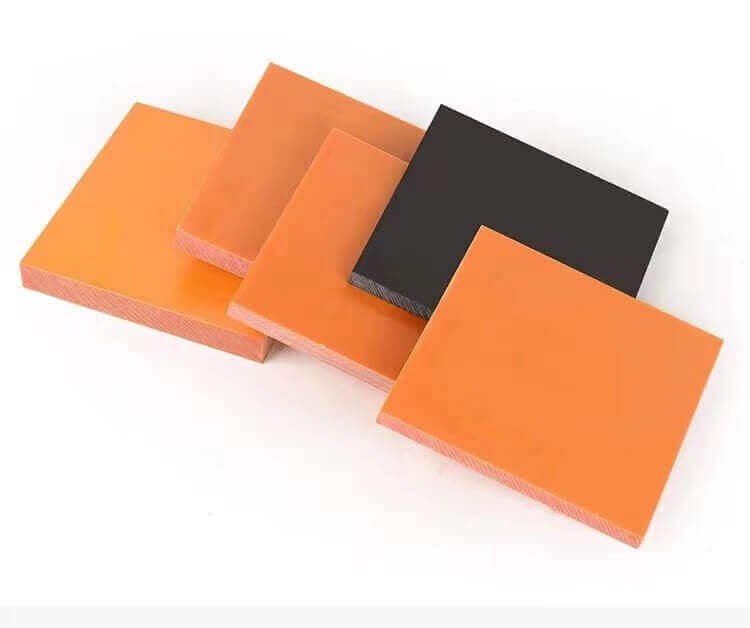
bakelite plate
⚡ MATERIAL GUIDE

Learn what Bakelite sheet is, how phenolic laminates are made, and which grade and drawing details matter when buying material or requesting custom parts.

📖 8 min read
🔧 Technical Guide
⚙️ CNC Machining Ready

Have you ever heard of bakelite? If you work in electrical engineering, manufacturing, or industrial applications, you probably have. Bakelite is the world’s first synthetic plastic, invented over a century ago by Leo Baekeland in 1907. Today, bakelite sheet remains an essential material for electrical insulation, mechanical components, and high-temperature applications across multiple industries.

Bakelite sheet is a flat, rigid phenolic laminate that can be precisely cut, drilled, CNC machined, or turned into various custom shapes and sizes to meet specific engineering requirements. Whether you need electrical insulators for switchgear panels, heat-resistant mechanical parts, or durable structural components, understanding bakelite sheet properties and applications is crucial for making informed material selection decisions.

In this comprehensive guide, we will explore what bakelite sheet is, how it’s manufactured through advanced lamination processes, why its unique combination of electrical insulation and thermal resistance makes it invaluable for demanding applications, and how our precision CNC machining services can transform bakelite sheets into custom-engineered components for your specific project needs.

Need Bakelite Material or a Machined Part?

Choose a listed sheet, rod or component, or send your drawing for cutting, drilling and CNC machining. Listed material prices and custom machining quotes cover different requirements.

For a useful machining quote: provide STEP/STP or PDF drawings, quantity, material grade if known, critical dimensions and tolerances, application conditions, delivery destination and target date.

You can email drawings to beeplastic@beeplastic.com. If the grade is undecided, describe the electrical, temperature, moisture or mechanical requirements. Grade availability, achievable tolerances, documentation and lead time need project review.

Read the guide below for material background, or view our phenolic machining service.

High-quality bakelite phenolic sheet for electrical insulation and industrial applications

What Bakelite Sheet Is: Composition and Types

Bakelite is a thermosetting plastic made from phenol formaldehyde resin, one of the earliest and most reliable synthetic polymers developed for industrial use. Unlike thermoplastics that can be melted and reshaped, phenol formaldehyde resin is a thermosetting polymer that undergoes an irreversible chemical transformation when cured by heat and pressure, resulting in a hard, rigid, and dimensionally stable material that maintains its properties even under elevated temperatures.

This revolutionary discovery by Leo Baekeland in 1907 sparked the polymer age and fundamentally changed the chemical industry, paving the way for modern plastic manufacturing. Bakelite sheet represents one of the most versatile product forms of this groundbreaking material, offering engineers and manufacturers a reliable solution for applications requiring exceptional electrical insulation, heat resistance, and mechanical strength.

Types of Bakelite Sheet by Reinforcement Material

Bakelite sheet is available in various types and grades, each engineered with specific reinforcement materials to optimize performance for different industrial applications. Available thicknesses and dimensions depend on the product and grade. Check the listed dimensions and confirm availability before ordering.

  • Paper-Reinforced Phenolic Sheet: Layers of paper impregnated with phenolic resin form a rigid laminate used for selected electrical-insulation parts. Grades such as XX and XXX have different properties; the name “Bakelite” or sheet color does not establish a NEMA grade. Check the grade, thickness, electrical requirements and applicable data before choosing a bakelite sheet.
  • Fabric-Reinforced Phenolic Sheet: Cotton canvas or linen reinforcement is combined with phenolic resin. These grades may be considered for gears, bushings, wear components, jigs and fixtures, subject to load, moisture, wear and drawing requirements. Specify reinforcement and grade; performance is not identical across all fabric-based sheets.
  • Glass Phenolic and Glass Epoxy Are Different Materials: Glass-reinforced phenolic grades exist, but G-10 and FR-4 use glass cloth with an epoxy resin binder. They are not phenolic-resin Bakelite grades. Do not substitute paper or fabric phenolic for G-10/FR-4, or the reverse, without checking drawing and application requirements. Temperature, electrical and fire-performance requirements depend on the exact grade.
🛠️

Need Custom-Machined Bakelite Components?

Send your drawing for Bakelite cutting, drilling or CNC machining. Identify the material grade, quantity, critical dimensions and fits so we can review feasibility and prepare a project-specific quote.

📐 How It Works:
  1. Email STEP/STP or PDF drawings with your quantity and delivery destination
  2. We review the material, geometry, critical tolerances and missing information
  3. Confirm the quoted scope, price, lead time and available documentation
  4. Agree the drawing revision, specifications and order terms before production is scheduled
✓ Include Your Quantity
✓ Prototype Requirements
✓ Drawing-Based Review
✓ Grade Confirmation

Request a Bakelite Machining Quote →

How Bakelite Sheet Is Made: The Manufacturing Process

The manufacturing of bakelite sheet involves two sophisticated processes that require precise control of temperature, pressure, and chemical composition to ensure consistent quality and performance characteristics.

Step 1: Bakelite Resin Production

The first stage involves producing the phenol formaldehyde resin itself through a carefully controlled condensation polymerization reaction. Phenol (C₆H₅OH) and formaldehyde (CH₂O) are organic compounds that react together in a reactor vessel under controlled heat (typically 100-150°C) and pressure conditions in the presence of either acid or base catalysts.

During this exothermic reaction, the phenol and formaldehyde molecules form cross-linked polymer chains, creating a complex three-dimensional molecular network known as phenol formaldehyde resin. The reaction produces an initial liquid or semi-solid resin called a resol (when using base catalysts) or novolac (when using acid catalysts), which can still be processed before final curing.

The resin properties can be precisely modified and optimized by adding various fillers (such as wood flour, mineral fillers, or carbon black), curing catalysts (hexamethylenetetramine for novolacs), colorants (typically orange or black pigments), and other performance-enhancing additives to achieve specific mechanical, electrical, and thermal characteristics required for different applications.

Step 2: Lamination and Sheet Formation

The second manufacturing stage transforms the liquid phenolic resin into solid bakelite sheet through a high-pressure lamination process. Base materials—either paper sheets, fabric layers (cotton canvas or linen), or woven glass cloth—are first impregnated or saturated with the liquid bakelite resin using dip tanks or coating machines. The impregnated layers are then partially dried to remove excess solvents and achieve the proper resin content.

Multiple layers of the resin-saturated material are carefully stacked together in precise alignment to achieve the desired final thickness. This assembly is placed between highly polished steel caul plates in a large hydraulic press capable of generating pressures between 1,000 to 2,000 PSI (7 to 14 MPa).

The hydraulic press simultaneously applies intense heat (typically 140-180°C) and pressure to the layered assembly for a controlled cure cycle lasting 30 minutes to several hours, depending on thickness. During this curing process, the thermosetting resin undergoes complete polymerization and cross-linking, transforming from a pliable prepreg into a fully cured, rigid, and dimensionally stable bakelite sheet.

After curing and cooling, the finished sheets can be cut to size using industrial saws, precisely machined using CNC milling operations, drilled to create mounting holes and features, or turned on lathes to produce cylindrical components like bushings and insulators.

Why CNC Machining Is Optimal for Bakelite

CNC (Computer Numerical Control) machining represents the most efficient and precise method for fabricating custom bakelite components from sheet stock. This advanced manufacturing process uses computer-controlled multi-axis machines (mills, lathes, routers, and drilling centers) to cut, drill, mill, bore, and turn phenolic materials into highly precise and geometrically complex parts with repeatable accuracy.

CNC machining of bakelite sheet offers significant advantages over alternative manufacturing methods such as compression molding, transfer molding, or 3D printing:

  • Drawing-Based Precision: Feasible tolerances and inspection requirements depend on the grade, geometry and machining setup; confirm critical features in the quote.
  • Rapid Turnaround: Eliminates expensive tooling development time, enabling fast production from prototype to production volumes
  • Project Cost: Machining can avoid dedicated mold tooling, but cost depends on material, geometry, quantity and inspection requirements.
  • Design Flexibility: Easy design iterations and modifications without retooling costs; handles complex 3D geometries efficiently
  • Grade-Specific Machining: Paper, fabric and glass-reinforced laminates require grade-specific cutting, tooling and handling decisions.
Precision CNC machined bakelite fixtures and custom components for industrial applications

Why Bakelite Sheet Is Useful: Key Properties and Performance Characteristics

Bakelite sheet continues to be specified by engineers and procurement specialists worldwide because it offers a unique combination of properties and performance characteristics that make it ideally suited for demanding electrical, mechanical, and thermal applications. Understanding these material properties enables optimal material selection for specific application requirements.

Critical Performance Properties

  • Mechanical Properties: Strength varies with reinforcement, laminate direction, thickness and test conditions. Use grade-specific data and consider load direction, notches, impact and safety factors; the material name does not guarantee a part will withstand a given load.
  • Moisture and Dimensional Stability: Moisture absorption varies by resin, reinforcement, thickness and test conditions. Paper and cotton-fabric phenolic laminates can absorb moisture, affecting dimensions and electrical performance. Check the selected grade data for humid or wet service.
  • Electrical Insulation: Electrical-grade phenolic laminates can be used for insulating supports and barriers. Dielectric strength, arc/tracking performance and moisture-conditioned properties vary by grade and test method. Select material and geometry for the specified voltage and environment; material choice alone does not guarantee protection against arcing or fire.
  • Chemical Compatibility: Compatibility depends on the exact grade, chemical concentration, temperature and exposure time. Some phenolic grades are unsuitable for strong alkalis or aggressive chemicals. Verify compatibility for the actual service fluid.
  • Temperature and Fire Performance: Phenolic laminates are thermosets and do not melt for reshaping, but excessive heat can damage or degrade them. Continuous and short-term temperature limits depend on grade, load and conditions. Confirm temperature data and the required flame rating; do not assume all phenolic sheets are self-extinguishing.
  • Machining Considerations: Phenolic laminates can be cut, drilled and CNC machined. Tool wear, edge chipping, surface finish and achievable tolerances depend on reinforcement, geometry, tooling and setup; review requirements for the selected grade.
Diverse bakelite sheet applications including electrical insulators and mechanical components

Common Industrial Applications and Use Cases

The exceptional combination of electrical, mechanical, thermal, and chemical properties enables bakelite sheet to serve critical functions across diverse industries and applications:

  • Electrical Insulation Components: Selected grades may be used for terminal boards, switchboard panels, supports and insulating components. Confirm voltage, clearances, environment and required electrical or fire-performance tests; suitability depends on the complete design.
  • Electronics Components: Selected grades may be used for insulating panels, supports and electronic equipment components. Do not assume electromagnetic shielding, waterproofing or impact protection from the material name alone.
  • Mechanical Components and Wear Parts: Fabric-based phenolic grades may be considered for gears, bushings, bearings, washers and fixtures. Check load, speed, wear, mating surfaces, moisture and lubrication requirements.
  • Decorative and Structural Laminates: Industrial phenolic sheets, decorative laminates and laboratory-grade panels can have different constructions and specifications. Confirm the specified product and grade for work surfaces or building applications rather than treating every Bakelite sheet as interchangeable.
  • Thermal Barriers and Fixtures: Some grades can be considered where thermal isolation is needed. Confirm service temperature, exposure duration, load and fire-performance requirements; Suitability for oven components or heat shields must be established for the specific grade and design.
  • Jigs, Fixtures, and Manufacturing Tooling: Bakelite’s dimensional stability, machinability, and electrical insulation properties make it valuable for custom manufacturing fixtures, assembly jigs, testing platforms, and tooling components used in production environments.

Limitations and Considerations

While bakelite sheet offers numerous advantages, engineers should also consider certain material limitations when evaluating it for specific applications:

  • Brittleness: Bakelite is more brittle compared to modern engineering thermoplastics and can fracture under sharp impact or shock loading
  • Limited Color Range: Available colors depend on the product and grade. Orange, brown or black color alone does not identify reinforcement, grade, electrical properties or filler composition.
  • Moderate Impact Resistance: Not suitable for applications requiring high impact or shock resistance; consider fabric or glass-reinforced grades for improved impact performance
  • Chemical Limitations: Can be attacked by strong oxidizing acids (concentrated nitric acid, concentrated sulfuric acid) and some strong alkalis at elevated temperatures

However, these limitations can often be overcome by selecting the appropriate bakelite grade (paper vs. fabric vs. glass reinforced), adjusting design parameters to avoid stress concentrations, combining bakelite with protective coatings or encapsulation, or using bakelite in hybrid designs with complementary materials.

Bakelite electrical test board and experimental panel applications

Recommended Bakelite Sheet Products for Your Project

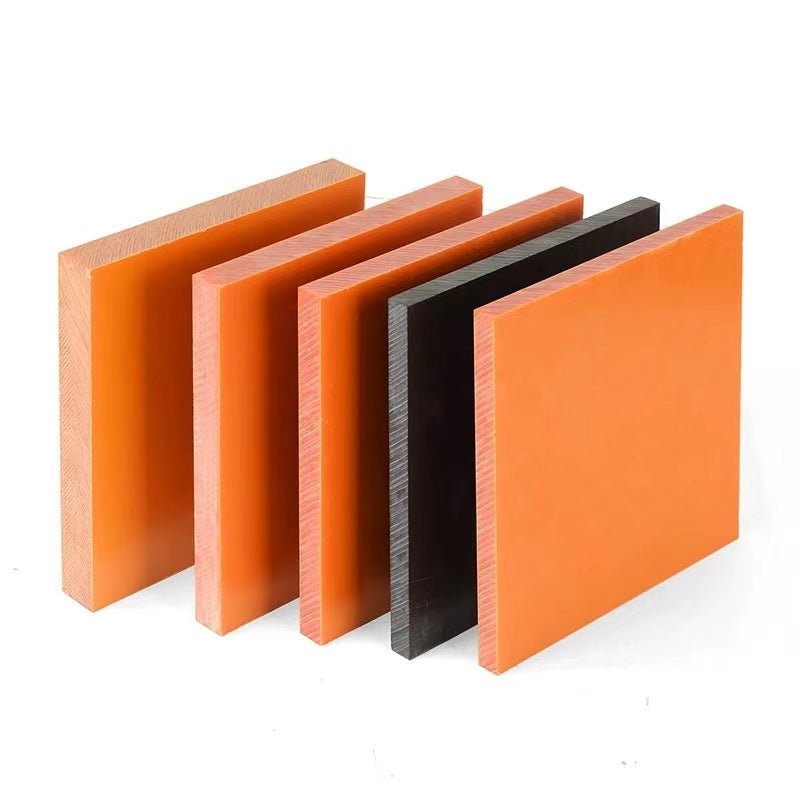
Orange Bakelite Sheet (30-100mm)

Premium paper-based phenolic laminate in natural orange color. Excellent for electrical insulation, terminal blocks, and switchboard panels. Available in thicknesses from 30mm to 100mm with custom cutting services.

  • ✓ High dielectric strength
  • ✓ Confirm grade and service temperature
  • ✓ Confirm moisture requirements
  • ✓ Standard & custom sizes

View Product Details →

Canvas Phenolic Fabric Sheet (2-50mm)

High-strength fabric-reinforced phenolic laminate. Superior mechanical properties for gears, bearings, bushings, and wear-resistant components. Available in 2mm to 50mm thickness range.

  • ✓ High impact resistance
  • ✓ Excellent wear properties
  • ✓ Low friction coefficient
  • ✓ CNC machining ready

View Product Details →

Looking for other bakelite sheet sizes or grades? Browse our complete Bakelite & Phenolic Laminate Collection for currently listed sizes, thicknesses and reinforcement types.

Professional Bakelite Machining and Cutting Services

At BeePlastic, we understand that standard bakelite sheets often require custom fabrication to meet your specific application requirements. Our comprehensive plastic fabrication services transform raw bakelite sheet material into precision-engineered components tailored to your exact specifications.

Our Bakelite Processing Capabilities Include:

  • Precision CNC Machining: Milling and turning requirements are reviewed from your drawing. Material grade, geometry, critical tolerances and inspection needs determine the machining approach and quoted scope.
  • Custom Cutting to Size: Precision cutting of bakelite sheets to your exact dimensional requirements using advanced CNC routers and industrial saws. Perfect for plates, panels, and flat components.
  • Drilling and Tapping: Accurate hole drilling, countersinking, counterboring, and thread tapping operations for mounting holes, fastener locations, and assembly features.
  • Edge Finishing: Deburring, edge rounding, chamfering, and surface finishing to achieve specified edge conditions and surface quality requirements.
  • Material Selection Consulting: Our experienced engineers provide expert guidance on selecting the optimal bakelite grade (paper, fabric, or glass reinforced) based on your specific electrical, mechanical, thermal, and chemical requirements.

Why Choose BeePlastic for Bakelite Fabrication?

  • Material Identification: State the required reinforcement and grade, or describe the application so the choice can be reviewed.
  • Quantity-Based Quoting: Include prototype and production quantities for a quote covering your requested scope.
  • Confirmed Lead Time: Availability, quantity, geometry and inspection affect scheduling; use the lead time confirmed for your order.
  • Inspection Requirements: Specify critical dimensions, fits and required records. Confirm available documentation with the quote.
  • Defined Quote Scope: Confirm material, machining, inspection, packing and shipping requirements when reviewing price.
  • Delivery Planning: Provide the destination and target date so shipping options and costs can be checked.
  • Drawing Review: Identify the application, unclear features and critical requirements for manufacturability review.
📐 CUSTOM FABRICATION

Get Your Custom Bakelite Components Quote

Send your drawing, quantity and material requirements for a machining quote. If the grade is undecided, describe the application conditions so it can be reviewed.

📄
Email Drawings
STEP/STP or PDF; other formats can be discussed
🔍
Engineering Review
Material, geometry and critical requirements
💰
Detailed Quote
Scope, price and lead time
⚙️
Production Start
Schedule after order confirmation
✨ What You’ll Receive:
✓ Detailed cost breakdown
✓ Lead time estimation
✓ Material recommendations
✓ DFM optimization tips
✓ Alternative material options
✓ Validity stated in your quote
Request a Bakelite Machining Quote →

No obligation • Fast response • Expert guidance

Conclusion: Bakelite Sheet for Reliable Industrial Performance

Bakelite sheet represents a time-tested, reliable solution for applications demanding exceptional electrical insulation, thermal stability, mechanical strength, and chemical resistance. As the world’s first synthetic plastic invented over a century ago, bakelite has proven its value across generations of industrial applications and continues to be specified by engineers worldwide for critical components.

Whether you need paper-reinforced bakelite sheets for electrical insulation in switchgear and control panels, fabric-reinforced grades for mechanical components like gears and bearings, or glass-reinforced laminates for high-temperature and chemically demanding environments, understanding the material properties, manufacturing processes, and application considerations enables optimal material selection.

Bakelite sheet is manufactured through a sophisticated lamination process involving phenol formaldehyde resin and reinforcement materials (paper, fabric, or glass cloth), resulting in a rigid thermosetting plastic with unique properties. The material excels in applications where high dielectric strength, low moisture absorption, heat resistance, dimensional stability, and excellent machinability are essential requirements.

At BeePlastic, we’re committed to helping you leverage the proven performance of bakelite sheet in your applications. With experience in plastic materials and precision CNC machining, we provide not just high-quality bakelite sheets in various grades and sizes, but also comprehensive custom fabrication services to transform raw materials into finished components that meet your exact specifications.

Ready to get started with bakelite sheet for your project? Whether you need standard sheet materials, custom-cut pieces, or precision-machined components, our team is here to help with expert material selection guidance, competitive pricing, and fast turnaround times.

🚀 START YOUR PROJECT

Transform Your Bakelite Vision Into Reality

Get expert assistance with material selection, technical specifications, and precision CNC machining. From concept to completion.

✓
Quantity
✓
Project Quote
✓
Critical Tolerances
✓
Material Grade
💬

Questions About Bakelite Sheet?

Our experienced engineering team is ready to assist you with technical support, material selection guidance, and project consultation. We’re here to help you find the perfect bakelite solution for your application.

🌐

Visit Website

www.beeplastic.com

📋 Need a Custom Quote?

Submit Your Requirements →

🤝 Our Commitment

At BeePlastic, we’re not just a supplier – we’re your manufacturing partner dedicated to delivering precision, quality, and reliability in every component. From single prototypes to production runs, we provide exceptional service and attention to detail.

Related Topics: Bakelite sheet, phenolic laminate, phenolic resin sheet, electrical insulation materials, paper bakelite, fabric bakelite, glass epoxy laminate, heat resistant plastic sheet, CNC machining bakelite, custom bakelite components, electrical grade phenolic, mechanical grade phenolic, bakelite properties, phenolic sheet applications, industrial laminates, thermosetting plastics, precision plastic machining
Leave a comment


Please note, comments must be approved before they are published


Custom Plastic Fabrication

Send your drawing, material and quantity for review

🔧
Precision Machining
CNC milling & turning
✂️
Cutting & Engraving
Laser & waterjet cutting
🏭
Forming & Molding
Thermoforming & injection
🔗
Joining & Assembly
Welding & bonding
📐
Design & Prototyping
CAD design & samples

General

HDPE

PP

PVC

ABS

Engineering

POM

Nylon

PC

PMMA

High-Performance

PEEK

PEI

PTFE

Composites

FR-4

G10

Flexible

TPU

Silicone

Why Choose BeePlastic?

🎯
Perfect Fit
Custom specs eliminate adaptation needs
⚡
Clear Lead Times
Lead time confirmed with every quote
💰
Volume Pricing
Volume pricing available on bulk orders
🤝
Expert Support
Free engineering consultation included
📋
Submit
→
🔍
Review
→
💵
Quote
→
✅
Production
→
📦
Deliver

Request a Quote

Share your project details, selected material and quantity on our quote page. You can add a file link or use the email drawing route shown there.


Request Quote

Industries: Automotive • Medical • Food • Lab • Semiconductor

beeplastic@beeplastic.com


Why Choose BeePlastic for Your HDPE CNC Machined Parts

HDPE U-shaped mat

Are you looking for a reliable and professional company that can make custom plastic parts for your projects? If so, you should check out Bee Plastic Machining Inc. Bee Plastic Machining Inc. is a leading company that offers custom plastic machining services, especially for HDPE (high density polyethylene) parts. HDPE is a type of plastic that has many awesome features. It’s strong, light, waterproof, and resistant to chemicals. You can find HDPE in many products that you use every day, like food containers, appliances, electronics, and coatings. In this post, we’ll show you why Bee Plastic Machining Inc. is the best choice for your HDPE CNC machined parts.
🎉🎉🎉Limited Time Offer Use code: QR4GNY08SHVR at checkout and enjoy a special discount on your entire order! 👉 HDPE plastic
HDPE precision parts processing

Why CNC Machining of HDPE is the Best Method

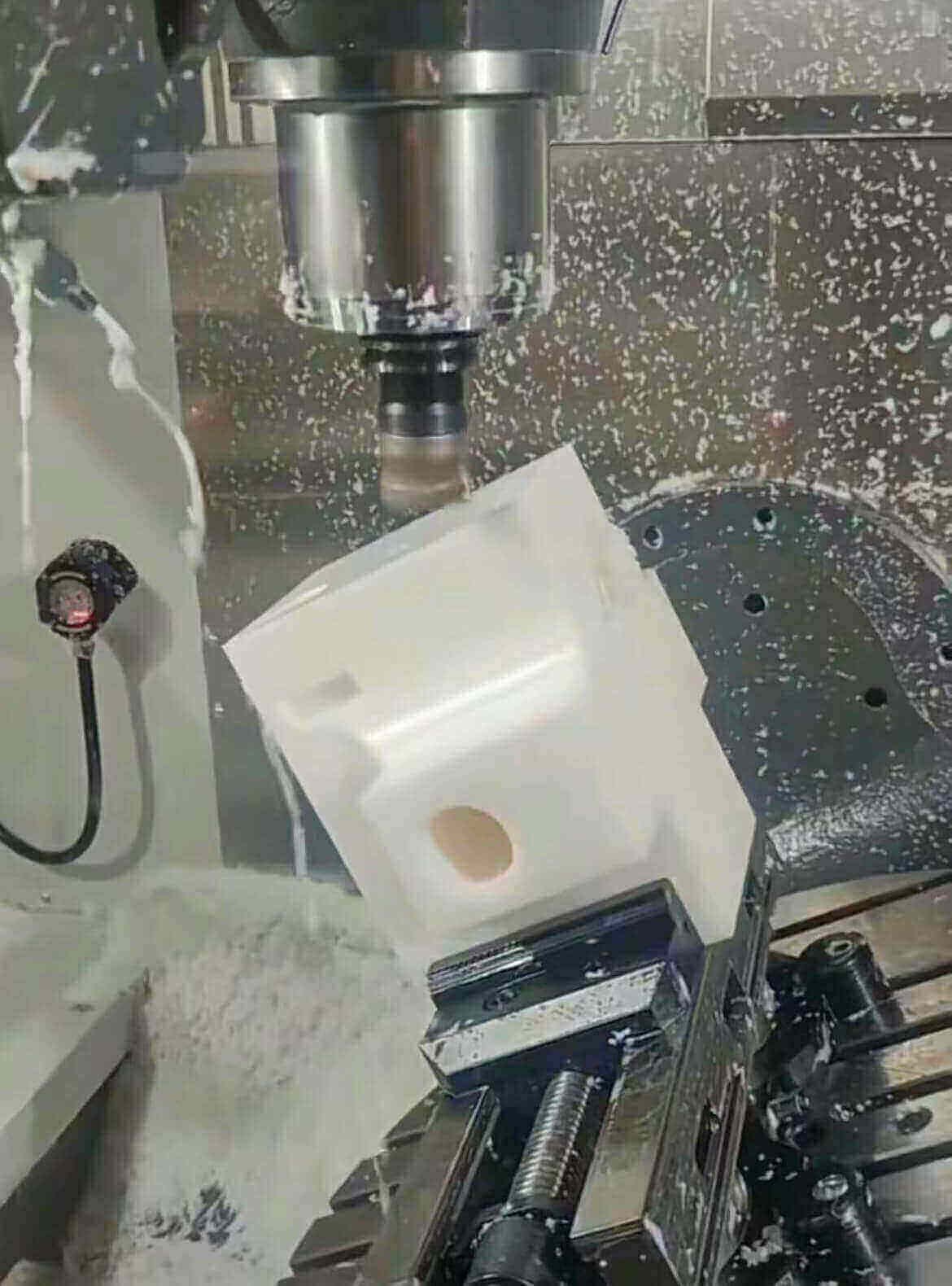
CNC machining is a way of making plastic parts by using machines that are controlled by computers. CNC machining of HDPE has many advantages over other methods like injection molding or 3D printing. Some of these advantages are:

  • It’s accurate and consistent: CNC machines can cut, drill, mill, or turn HDPE into precise and complex parts that match your design and specifications. You don’t have to worry about errors or defects that can happen with other methods.
  • It’s fast and efficient: CNC machines can make HDPE parts in a short time and with less waste. They can also work non-stop and handle large orders easily. You don’t have to wait for long or spend more money on extra materials or processes.
  • It’s cost-effective and flexible: CNC machines can save you money by using less material and energy. They can also use standard HDPE sheets, rods, tubes, or blanks that are cheap and easy to get. You don’t have to buy new molds or tools if you want to change your design or requirements.

CNC machining of HDPE sheet also has some drawbacks like higher initial investment, limited design freedom, and higher noise levels. But these drawbacks can be ignored if you think about the benefits that you get from using CNC machining of HDPE.
HDPE chain plate

What Bee Plastic Machining Inc. Can Do for You

Bee Plastic Machining Inc. is a company that specializes in CNC machining of HDPE products. They have the experience, expertise, and equipment to make any kind of HDPE product that you need. Some of the common products that they can make are:
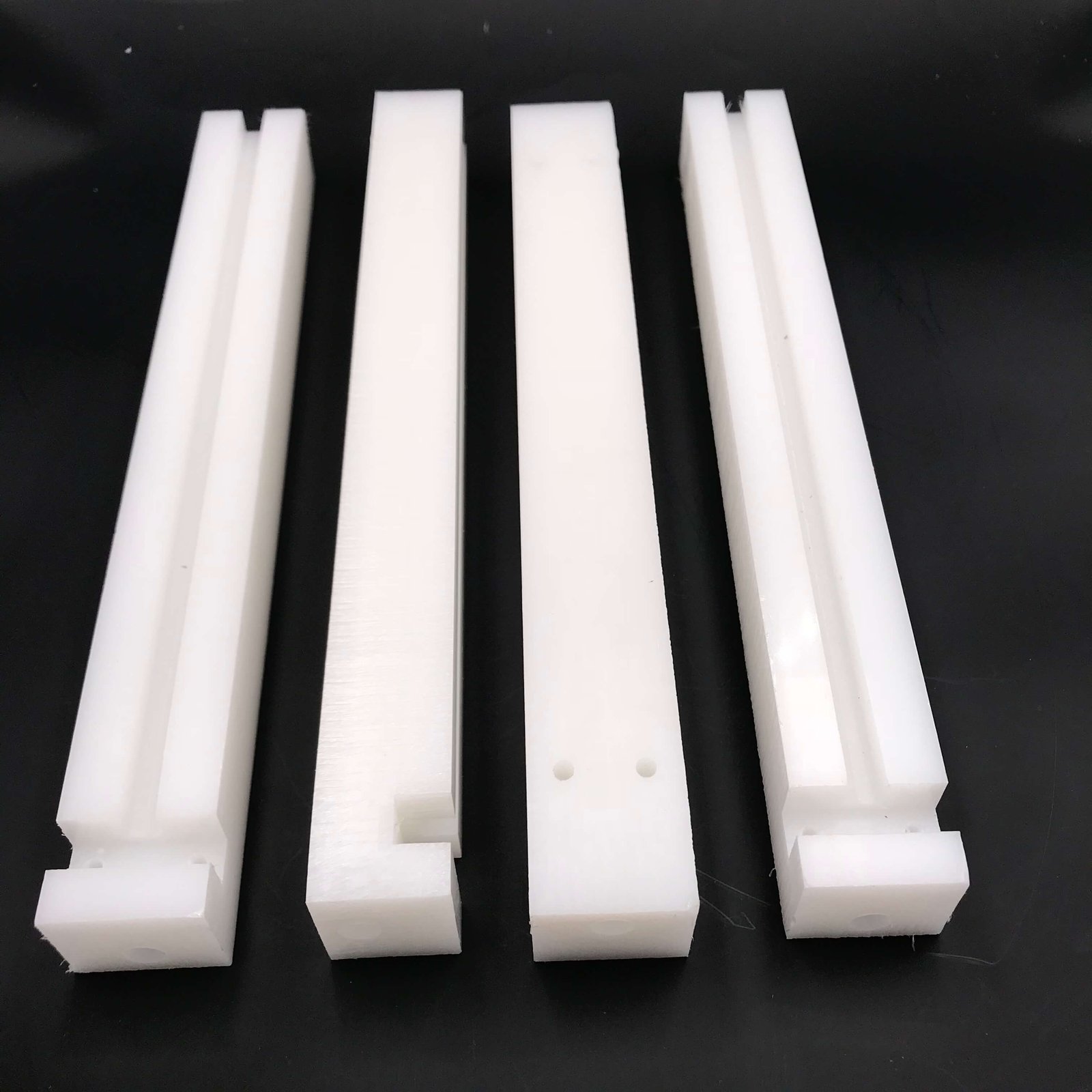
  • Food containers: HDPE is safe for food contact and has good resistance to bacteria, mold, and chemicals. It’s also lightweight, durable, and easy to clean. Bee Plastic Machining Inc. can make HDPE food containers like bottles, jars, cups, trays, etc. with custom shapes, sizes, colors, and features.
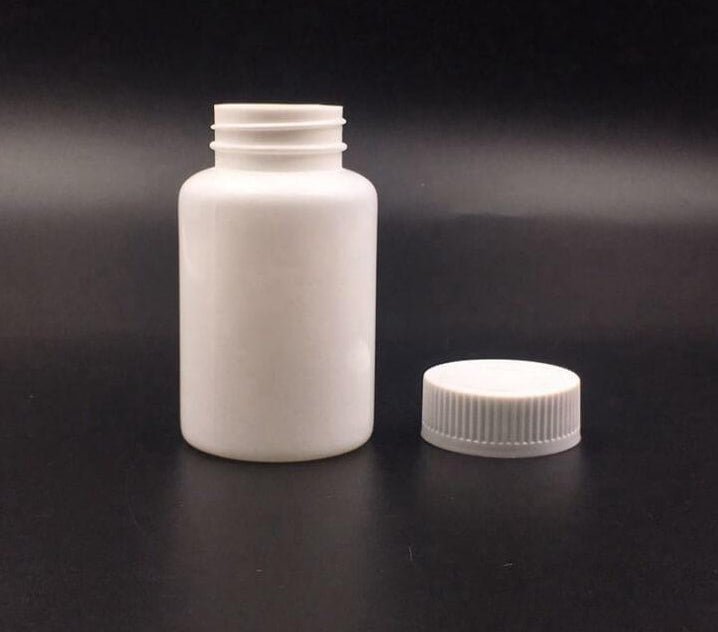
    HDPE bottle
  • Appliances: HDPE has good electrical insulation and thermal stability. It’s also resistant to impact, abrasion, and corrosion. Bee Plastic Machining Inc. can make HDPE appliance parts like housings, covers, knobs, handles, etc. with high precision and quality.
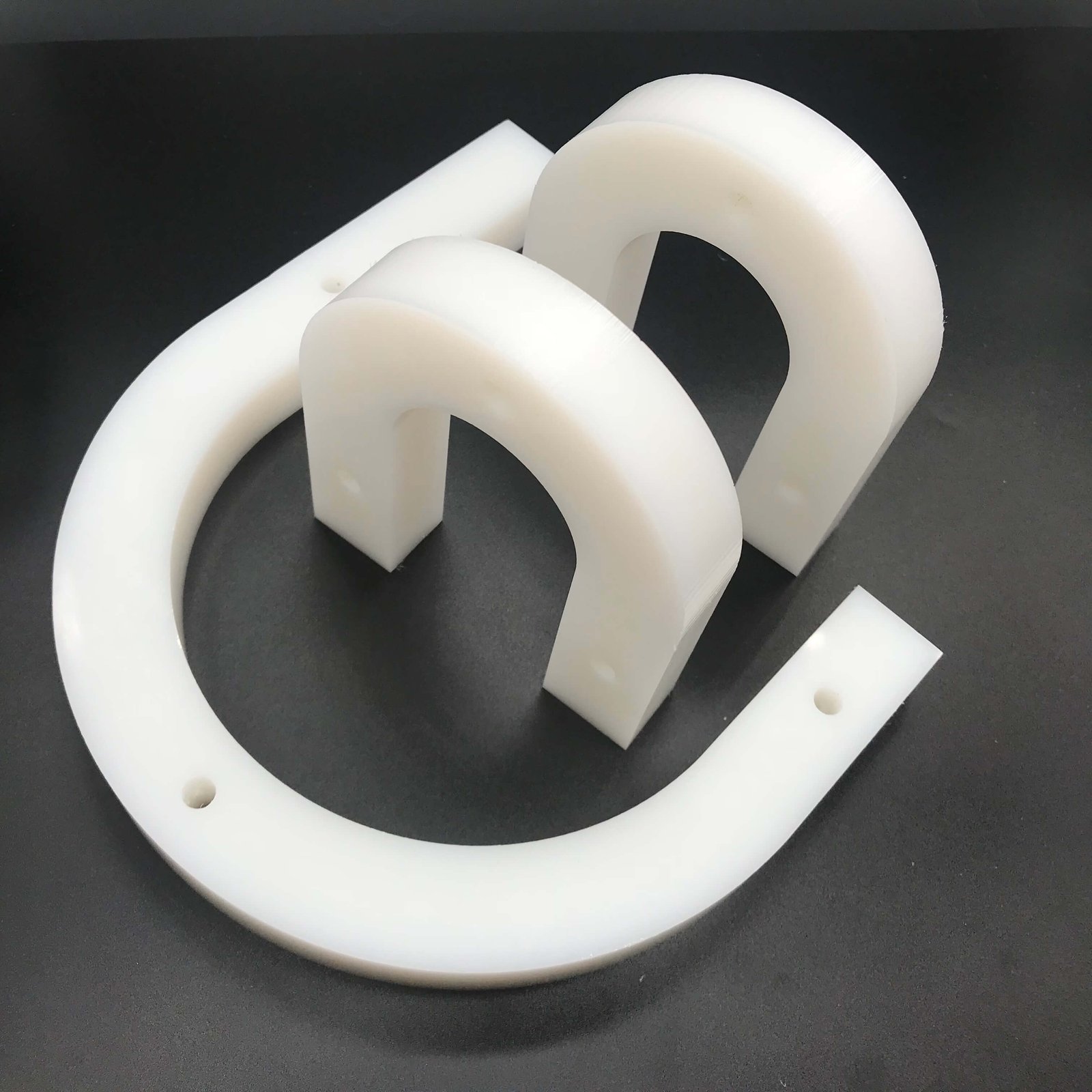
  • Electronics: HDPE has low dielectric constant and loss tangent. It’s also resistant to static electricity and UV radiation. Bee Plastic Machining Inc. can make HDPE electronic parts like connectors, switches, circuit boards, etc. with complex geometries and dimensions.
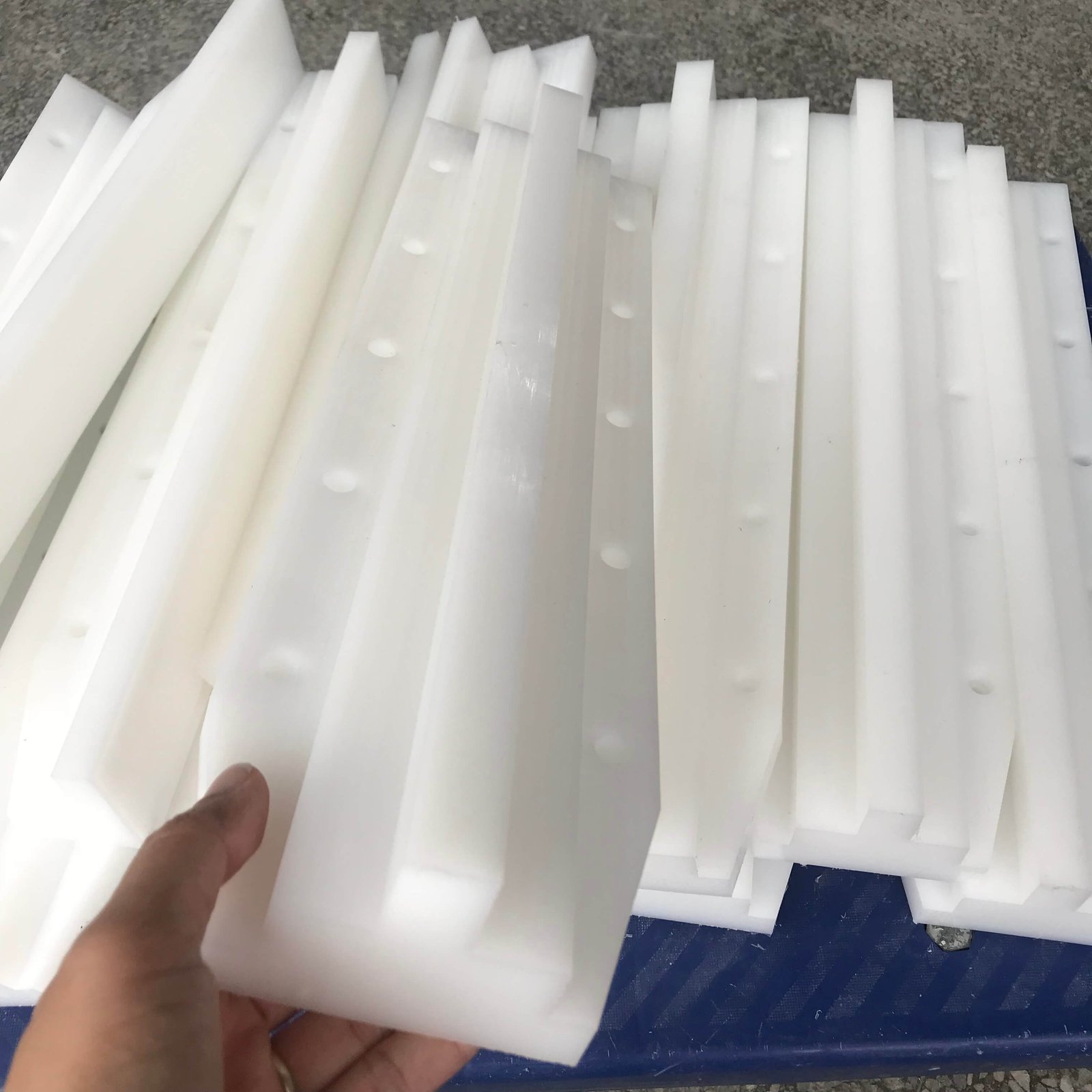
  • Coatings: HDPE has good adhesion and compatibility with other materials. It’s also resistant to weathering, fading, and cracking. Bee Plastic Machining Inc. can make HDPE coatings like powder coatings, paints, adhesives, etc. with custom colors, textures, and finishes.

These are just some examples of what Bee Plastic Machining Inc. can do for you. They have many more capabilities and services that you can explore on their website. They use cutting-edge software and hardware, trained engineers, and optimized processes to ensure the best quality and performance of your HDPE products.

HDPE U-shaped mat

How to Contact Bee Plastic Machining Inc. for Your HDPE CNC Machined Parts

If you are interested in getting your HDPE CNC machined parts from Bee Plastic Machining Inc., you can contact them through their website, email, phone, or fax. They will be happy to answer your questions and inquiries, provide you with a free quote, and work with you to meet your needs and expectations.

Bee Plastic Machining Inc. is the best choice for your HDPE CNC machined parts because they have the experience, expertise, and equipment to make any kind of HDPE product that you need with high accuracy, fast production, cost-effectiveness, and flexibility. They also have excellent customer service and support that will make you satisfied and loyal.

If you want to learn more about Bee Plastic Machining Inc. and their services, you can visit their website or contact them today. You won’t regret it. 😊

How to Care for Your HDPE CNC Machined Parts

Now that you have your HDPE CNC machined parts from Bee Plastic Machining Inc., you might be wondering how to take care of them and make them last longer. HDPE is a durable and low-maintenance plastic material, but it still needs some basic care and attention to keep it in good shape. Here are some tips on how to care for your HDPE CNC machined parts:

  • Clean them regularly: HDPE is easy to clean with mild soap and water. You can use a soft cloth or sponge to wipe off any dirt, dust, or stains. You can also use a mild detergent or alcohol to remove any grease or oil. Avoid using abrasive cleaners or solvents that can damage the surface or color of HDPE.
  • Store them properly: HDPE is resistant to moisture and UV radiation, but it can still warp or fade if exposed to extreme temperatures or sunlight for a long time. You should store your HDPE CNC machined parts in a cool and dry place away from direct heat or light sources. You can also use a protective cover or case to prevent scratches or dents.
  • Repair them if needed: HDPE is resistant to impact and abrasion, but it can still crack or break if subjected to excessive force or stress. You can repair your HDPE CNC machined parts by using a plastic welding kit or a glue that is compatible with HDPE. You can also contact Bee Plastic Machining Inc. for any assistance or advice on repairing your HDPE CNC machined parts.
HDPE slide rail

By following these tips, you can ensure that your HDPE CNC machined parts will stay in good condition and serve you well for a long time.

If you are interested in using HDPE sheet to use in your project or want to know more information, welcome to harass us. We are a professional supplier of custom processing and production of a wide range of plastics, with a team of professional engineers and precision equipment we are happy to be bothered and help you with your needs. Do you need a free quote or help with any questions or materials?

🎉🎉🎉Limited Time Offer Use code: QR4GNY08SHVR at checkout and enjoy a special discount on your entire order! 👉 HDPE plastic

Our website: www.beeplastic.com
Click to contact: customized HDPE sheet/bar

HDPE sheets and rods

Leave a comment


Please note, comments must be approved before they are published


Custom Plastic Fabrication

Send your drawing, material and quantity for review

🔧
Precision Machining
CNC milling & turning
✂️
Cutting & Engraving
Laser & waterjet cutting
🏭
Forming & Molding
Thermoforming & injection
🔗
Joining & Assembly
Welding & bonding
📐
Design & Prototyping
CAD design & samples

General

HDPE

PP

PVC

ABS

Engineering

POM

Nylon

PC

PMMA

High-Performance

PEEK

PEI

PTFE

Composites

FR-4

G10

Flexible

TPU

Silicone

Why Choose BeePlastic?

🎯
Perfect Fit
Custom specs eliminate adaptation needs
⚡
Clear Lead Times
Lead time confirmed with every quote
💰
Volume Pricing
Volume pricing available on bulk orders
🤝
Expert Support
Free engineering consultation included
📋
Submit
→
🔍
Review
→
💵
Quote
→
✅
Production
→
📦
Deliver

Request a Quote

Share your project details, selected material and quantity on our quote page. You can add a file link or use the email drawing route shown there.


Request Quote

Industries: Automotive • Medical • Food • Lab • Semiconductor

beeplastic@beeplastic.com


CNC Machining of HDPE: A Guide to the Benefits and Applications of High Density Polyethylene

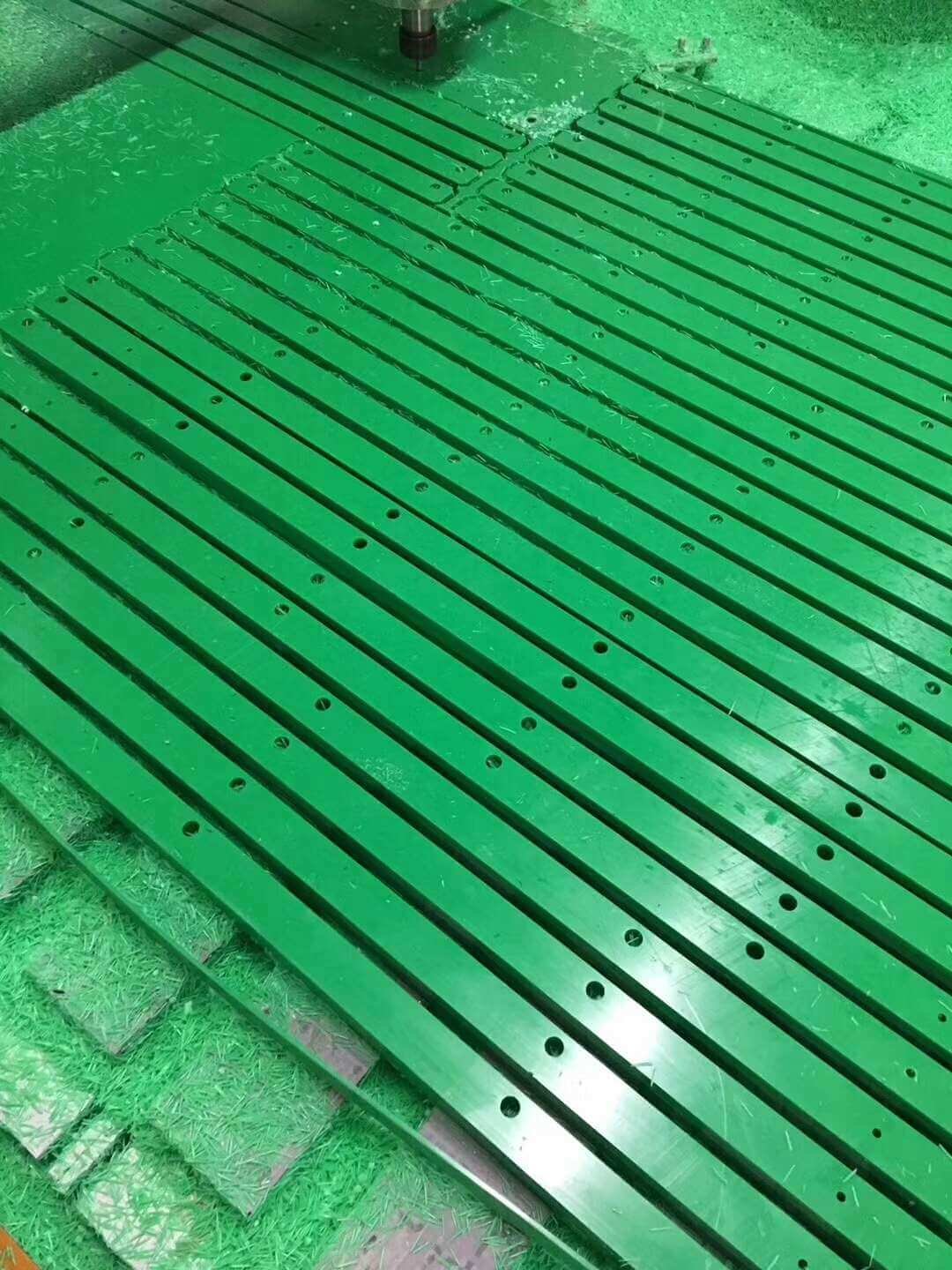
Green HDPE matting strips

If you are looking for a durable and versatile plastic material that can be easily machined into various shapes and sizes, you might want to consider HDPE. HDPE, or high density polyethylene, is a thermoplastic polymer that has a high strength-to-weight ratio, low moisture absorption, and good chemical resistance. It is widely used in various industries such as food, medical, packaging, construction, and automotive. In this article, we will explore the benefits of CNC machining of HDPE, the applications of CNC machined HDPE products, and how to choose the best type and grade of HDPE for your needs.

🎉🎉🎉Limited Time Offer Use code: QR4GNY08SHVR at checkout and enjoy a special discount on your entire order! 👉 HDPE plastic
HDPE slide rail

Benefits of CNC Machining of HDPE

CNC machining is a process that uses computer-controlled machines to cut, drill, mill, or turn plastic materials into precise and complex parts. CNC machining of HDPE has many advantages over other methods such as injection molding or 3D printing. Some of these advantages are:

  • High accuracy and repeatability: CNC machining can produce HDPE parts with tight tolerances and consistent quality. CNC machines can also follow complex designs and specifications that are difficult or impossible to achieve by other methods.
  • Fast production and delivery: CNC machining can produce HDPE parts in a short time and with minimal waste. CNC machines can also operate 24/7 and handle large orders efficiently. CNC machining can also reduce the need for post-processing or finishing operations such as polishing or painting.
  • Cost-effectiveness and flexibility: CNC machining can reduce the cost of HDPE parts by using less material and energy. CNC machines can also use standard HDPE sheets, rods, tubes, or blanks that are readily available and affordable. CNC machining can also adapt to different design changes or customer requirements without requiring new molds or tools.

CNC machining of HDPE also has some disadvantages such as higher initial investment, limited design freedom, and higher noise levels. However, these disadvantages can be outweighed by the benefits depending on the application and the customer’s needs.

HDPE card strip

Applications of CNC Machining of HDPE

HDPE is a versatile plastic material that can be machined into various products for different applications. Some of the common applications of CNC machined HDPE products are:

  • Food containers: HDPE is FDA approved and has good resistance to bacteria, mold, and chemicals. It is also lightweight, durable, and easy to clean. CNC machining can produce HDPE food containers such as bottles, jars, cups, trays, etc. with custom shapes, sizes, colors, and features.
  • Appliances: HDPE has good electrical insulation and thermal stability. It is also resistant to impact, abrasion, and corrosion. CNC machining can produce HDPE appliance parts such as housings, covers, knobs, handles, etc. with high precision and quality.
  • Electronics: HDPE has low dielectric constant and loss tangent. It is also resistant to static electricity and UV radiation. CNC machining can produce HDPE electronic parts such as connectors, switches, circuit boards, etc. with complex geometries and dimensions.
  • Coatings: HDPE has good adhesion and compatibility with other materials. It is also resistant to weathering, fading, and cracking. CNC machining can produce HDPE coatings such as powder coatings, paints, adhesives, etc. with custom colors, textures, and finishes.

These are just some examples of the applications of CNC machined HDPE products. There are many more applications that can benefit from the use of HDPE and CNC machining.

HDPE bottle

How to Choose the Best Type and Grade of HDPE for Your Application

To select the best type and grade of HDPE for your application, you need to consider several factors such as:

  • The physical properties and performance of HDPE such as density, melt index, tensile strength, elongation at break, flexural modulus, impact strength, heat deflection temperature, etc.
  • The environmental conditions and requirements of your application such as temperature range, humidity level, exposure to chemicals or fluids, UV radiation, etc.
  • The design specifications and features of your product such as shape, size, thickness, color, texture, finish, etc.
HDPE sheets and rods

Based on these factors, you can compare the properties and performance of different types and grades of HDPE and choose the one that meets your requirements. You can also consult with experts or suppliers who can provide you with more information and guidance on HDPE selection.

HDPE is a durable and versatile plastic material that can be easily machined into various products for different applications. CNC machining of HDPE can offer many benefits such as high accuracy, fast production, cost-effectiveness, and flexibility. By choosing the right type and grade of HDPE for your application, you can enhance your product quality and performance.

If you want to learn more about HDPE and CNC machining, you can visit our website or contact us today. We are happy to help you with your questions and inquiries. Thank you for reading! 😊

If you are interested in using HDPE sheet to use in your project or want to know more information, welcome to harass us. We are a professional supplier of custom processing and production of a wide range of plastics, with a team of professional engineers and precision equipment we are happy to be bothered and help you with your needs. Do you need a free quote or help with any questions or materials?

🎉🎉🎉Limited Time Offer Use code: QR4GNY08SHVR at checkout and enjoy a special discount on your entire order! 👉 HDPE plastic

Our website: www.beeplastic.com
Click to contact: customized HDPE sheet/bar

Green HDPE matting strips

Leave a comment


Please note, comments must be approved before they are published


Custom Plastic Fabrication

Send your drawing, material and quantity for review

🔧
Precision Machining
CNC milling & turning
✂️
Cutting & Engraving
Laser & waterjet cutting
🏭
Forming & Molding
Thermoforming & injection
🔗
Joining & Assembly
Welding & bonding
📐
Design & Prototyping
CAD design & samples

General

HDPE

PP

PVC

ABS

Engineering

POM

Nylon

PC

PMMA

High-Performance

PEEK

PEI

PTFE

Composites

FR-4

G10

Flexible

TPU

Silicone

Why Choose BeePlastic?

🎯
Perfect Fit
Custom specs eliminate adaptation needs
⚡
Clear Lead Times
Lead time confirmed with every quote
💰
Volume Pricing
Volume pricing available on bulk orders
🤝
Expert Support
Free engineering consultation included
📋
Submit
→
🔍
Review
→
💵
Quote
→
✅
Production
→
📦
Deliver

Request a Quote

Share your project details, selected material and quantity on our quote page. You can add a file link or use the email drawing route shown there.


Request Quote

Industries: Automotive • Medical • Food • Lab • Semiconductor

beeplastic@beeplastic.com


How PPS Can Enhance Your High Temperature Applications

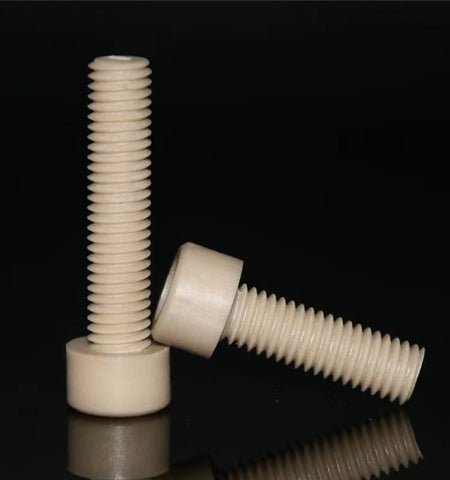
PPS material screws

If you are looking for a high-performance engineering thermoplastic that can handle extreme temperatures, you might want to consider PPS. PPS, or polyphenylene sulfide, is a semi-crystalline polymer that has excellent thermal, mechanical, electrical, and chemical properties. It is widely used in various industries such as automotive, aerospace, electronics, appliances, and coatings. In this article, we will explore the benefits of PPS for high temperature applications, the types of PPS available, and how to choose the best one for your needs.

🎉🎉🎉Limited Time Offer Use code: QR4GNY08SHVR at checkout and enjoy a special discount on your entire order! 👉PPS board

PPS Plastic

Benefits of PPS for High Temperature Applications

One of the main advantages of PPS is its ability to withstand high temperatures up to 280°C without losing its mechanical strength, dimensional stability, electrical insulation, and chemical resistance. This makes it ideal for applications that require exposure to hot air, steam, fluids, or gases. Some examples of high temperature applications that use PPS are:

  • Automotive parts such as fuel injectors, turbochargers, valves, pistons, and sensors
  • Appliances such as ovens, microwaves, dishwashers, and coffee machines
  • Electronics such as connectors, switches, circuit boards, and soldering equipment
  • Coatings such as powder coatings, paints, and adhesives

PPS also has other benefits such as low moisture absorption, high flame retardancy, good wear resistance, and easy processing. Compared to other high temperature engineering thermoplastics such as PEEK (polyether ether ketone), PAI (polyamide-imide), or PI (polyimide), PPS has a lower cost and a wider range of grades and modifications.

PPS Gasket

Types of PPS for High Temperature Applications

PPS can be classified into three main types: regular, linear, and cured. Each type has different characteristics and applications depending on the molecular structure and processing method of PPS.

  • Regular PPS: This is the most common type of PPS that has a branched molecular structure. It has high crystallinity and rigidity but low melt viscosity and elongation. It is suitable for injection molding and extrusion processes. It can be used for applications that require high stiffness and dimensional stability such as gears, bearings, housings, and fittings.
  • Linear PPS: This is a type of PPS that has a linear molecular structure. It has lower crystallinity and rigidity but higher melt viscosity and elongation. It is suitable for blow molding and thermoforming processes. It can be used for applications that require high flexibility and impact resistance such as bottles, films, sheets, and tubes.
  • Cured PPS: This is a type of  PPS that has undergone a cross-linking reaction during or after processing. It has the highest thermal stability and chemical resistance among the three types. It is suitable for compression molding and sintering processes. It can be used for applications that require exposure to harsh environments such as seals, gaskets, filters, and membranes.
PPS material gasket

How to Choose the Best Type of PPS for Your High Temperature Application

To select the best type of PPS for your high temperature application, you need to consider several factors such as:

  • The temperature range and duration of exposure
  • The type and level of mechanical stress
  • The type and concentration of chemicals or fluids
  • The desired shape and size of the product
  • The available processing equipment and techniques

Based on these factors, you can compare the properties and performance of different types of PPS and choose the one that meets your requirements. You can also consult with experts or suppliers who can provide you with more information and guidance on PPS selection.

PPS is a versatile engineering thermoplastic that can offer many benefits for high temperature applications. It can resist heat degradation, maintain its physical properties, and protect against corrosion. It can also be processed into various forms and grades to suit different needs. By choosing the right type of PPS for your application, you can enhance your product quality and performance.

PPS material screws

If you want to learn more about PPS and its applications, you can visit our website or contact us today. We are happy to help you with your questions and inquiries. Thank you for reading! 😊

If you are interested in using PPS sheet to use in your project or want to know more information, welcome to harass us. We are a professional supplier of custom processing and production of a wide range of plastics, with a team of professional engineers and precision equipment we are happy to be bothered and help you with your needs. Do you need a free quote or help with any questions or materials?

Our website: www.beeplastic.com
Click to contact: customized PPS sheet/rod

🎉🎉🎉Limited Time Offer Use code: QR4GNY08SHVR at checkout and enjoy a special discount on your entire order! 👉PPS board

PPS Plastics

Leave a comment


Please note, comments must be approved before they are published


Custom Plastic Fabrication

Send your drawing, material and quantity for review

🔧
Precision Machining
CNC milling & turning
✂️
Cutting & Engraving
Laser & waterjet cutting
🏭
Forming & Molding
Thermoforming & injection
🔗
Joining & Assembly
Welding & bonding
📐
Design & Prototyping
CAD design & samples

General

HDPE

PP

PVC

ABS

Engineering

POM

Nylon

PC

PMMA

High-Performance

PEEK

PEI

PTFE

Composites

FR-4

G10

Flexible

TPU

Silicone

Why Choose BeePlastic?

🎯
Perfect Fit
Custom specs eliminate adaptation needs
⚡
Clear Lead Times
Lead time confirmed with every quote
💰
Volume Pricing
Volume pricing available on bulk orders
🤝
Expert Support
Free engineering consultation included
📋
Submit
→
🔍
Review
→
💵
Quote
→
✅
Production
→
📦
Deliver

Request a Quote

Share your project details, selected material and quantity on our quote page. You can add a file link or use the email drawing route shown there.


Request Quote

Industries: Automotive • Medical • Food • Lab • Semiconductor

beeplastic@beeplastic.com


How to Tap into the PPS Market: Challenges, Opportunities, and Best Practices

PPS

Polyphenylene sulfide (PPS) is a badass engineering plastic that can handle anything you throw at it. PPS can deal with high heat, nasty chemicals, strong forces, and tight spaces. PPS is used for all sorts of stuff like cars, gadgets, planes, medical devices, and more.

🎉🎉🎉Limited Time Offer Use code: QR4GNY08SHVR at checkout and enjoy a special discount on your entire order! 👉PPS board

According to a report by Straits Research, the global PPS market size was worth USD 1.67 billion in 2020 and is expected to reach USD 3.28 billion by 2030, growing at a rate of 6.9% per year. The report also breaks down the market by type, application, and region.

In this article, we will show you why PPS is so hot right now in different industries, how to crush the competition and grab the opportunities in the PPS market, some examples of awesome PPS products and solutions in various sectors and regions, and some best practices and tips on how to optimize your PPS production, marketing, and sales strategies.

High temperature resistant PPS screws

Why Is PPS So Awesome?

The demand for PPS is mainly driven by these factors:

  • The increasing use of PPS in the automotive industry, especially in electric vehicles (EVs), hybrid electric vehicles (HEVs), and fuel cell vehicles (FCVs). PPS is used to replace metal parts and make them lighter, more fuel-efficient, and better performing. PPS is also used in various components like connectors, sensors, switches, valves, pumps, injectors, filters, etc.
  • The growing use of PPS in the electrical and electronics industry, especially in 5G communication devices, smart meters, LED lighting, solar panels, etc. PPS is used to provide insulation, flame retardance, durability, and reliability. PPS is also used in printed circuit boards (PCBs), connectors, sockets, capacitors, resistors, etc.
  • The rising use of PPS in the aerospace industry, especially in aircraft engines, turbines, compressors, fans, etc. PPS is used to withstand high temperatures, pressures, vibrations, and corrosive environments. PPS is also used in structural parts like brackets, housings, ducts, etc.
  • The increasing use of PPS in the medical industry, especially in surgical instruments, implants, catheters, syringes, etc. PPS is used to provide biocompatibility, sterilization resistance, infection prevention, and mechanical strength. PPS is also used in diagnostic devices like sensors, electrodes, etc.
PPS plastic

How to Dominate the PPS Market?

The PPS market is very competitive and crowded with many global and regional players. Some of the key players in the market are Toray Industries Inc., Solvay S.A., DIC Corporation, SK Chemicals Co. Ltd., China Lumena New Materials Corp., Tosoh Corporation, Kureha Corporation, Lion Idemitsu Composites Co. Ltd., RTP Company, and Polyplastics Co. Ltd.

Some of the challenges faced by the PPS manufacturers and distributors are:

  • The high cost of raw materials and production of PPS
  • The environmental regulations and standards for PPS disposal and recycling
  • The threat of substitutes like polyether ether ketone (PEEK), polyimide (PI), polyamide-imide (PAI), etc.
  • The fluctuation in demand and supply due to the COVID-19 pandemic and other factors

Some of the opportunities for the PPS manufacturers and distributors are:

  • The development of new grades and types of PPS with better properties and performance
  • The expansion of new applications and markets for PPS like renewable energy, biomedical, etc.
  • The establishment of strategic partnerships and collaborations with end-users, suppliers, and distributors
  • The innovation of new products and solutions based on PPS
PPS plastic

What Are Some Cool Examples of PPS Products and Solutions?

Here are some examples of how PPS is used in different industries and regions:

  • In Japan, Toray Industries Inc. has developed a new grade of PPS resin called TORELINA A677G that can be used for injection molding thin-walled parts with high dimensional accuracy. This grade has a high flowability, low warpage, and high heat resistance. It is suitable for applications like connectors, switches, and sensors for EVs, HEVs, and FCVs.
  • In China, China Lumena New Materials Corp. has launched a new series of PPS compounds called LUMENA N9900 that can be used for extrusion molding films with high transparency. This series has a high crystallinity, low haze, and high tensile strength. It is suitable for applications like LED lighting, solar panels, and flexible electronics.
  • In Europe, Solvay S.A. has introduced a new range of PPS products called Ryton R-4-300 and Ryton R-4-302 that can be used for blow molding hollow parts with complex shapes. These products have a high melt strength, low viscosity, and high impact resistance. They are suitable for applications like ducts, tubes, and containers for aircraft engines, turbines, and compressors.
  • In the US, RTP Company has developed a new line of PPS compounds called RTP 1300 that can be used for injection molding parts with high chemical resistance. These compounds have a high filler content, low moisture absorption, and high dimensional stability. They are suitable for applications like surgical instruments, implants, and catheters for the medical industry.
PPS material

How to Optimize Your PPS Production, Marketing, and Sales Strategies?

Here are some best practices and tips on how to optimize your PPS production, marketing, and sales strategies:

  • Conduct a thorough market research and analysis to identify the current and future trends, opportunities, challenges, and customer needs for PPS in different industries and regions
  • Develop a clear and differentiated value proposition and positioning for your PPS products and solutions that highlight your competitive advantages and benefits for your target customers
  • Invest in research and development to innovate new grades and types of PPS with improved properties and performance that meet the specific requirements and standards of your end-users
  • Implement a robust quality management system to ensure the consistency, reliability, and safety of your PPS products and solutions throughout the production process
  • Adopt a flexible and responsive supply chain management system to optimize your inventory, logistics, distribution, and delivery of your PPS products and solutions to your customers
  • Utilize various marketing channels and tools like websites, social media, blogs, newsletters, webinars, trade shows, etc. to promote your PPS products and solutions to your potential and existing customers
  • Engage with your customers through various communication methods like emails, calls, chats, surveys, feedback, etc. to build trust, loyalty, and satisfaction
  • Provide value-added services like technical support, training, consulting, customization, etc. to enhance your customer experience and retention
PPS plate and bar

Conclusion

PPS is a badass engineering plastic that has a wide range of applications in various industries like automotive, electrical and electronics, aerospace, medical, etc. The global PPS market is expected to grow at a rate of 6.9% per year from 2020 to 2030 due to the rising demand for PPS in these industries.

However, the PPS market is also very competitive and challenging due to the high cost of raw materials and production of PPS, the environmental regulations and standards for PPS disposal and recycling, the threat of substitutes like PEEK, PI, PAI, etc., and the fluctuation in demand and supply due to the COVID-19 pandemic and other factors.

Therefore, it is essential for PPS manufacturers and distributors to make a killing with the growing demand for PPS in their business by developing new grades and types of PPS with better properties and performance, expanding new applications and markets for PPS like renewable energy, biomedical, etc., establishing strategic partnerships and collaborations with end-users, suppliers, and distributors, and innovating new products and solutions based on PPS.

By following the best practices and tips on how to optimize your PPS production, marketing, and sales strategies that we have shared in this article, you can dominate the PPS market and achieve your business goals.

If you want to learn more about PPS or have any questions or feedback about this article, please feel free to contact us. We would love to hear from you. 😊

🎉🎉🎉Limited Time Offer Use code: QR4GNY08SHVR at checkout and enjoy a special discount on your entire order! 👉PPS board

PPS

Leave a comment


Please note, comments must be approved before they are published


Custom Plastic Fabrication

Send your drawing, material and quantity for review

🔧
Precision Machining
CNC milling & turning
✂️
Cutting & Engraving
Laser & waterjet cutting
🏭
Forming & Molding
Thermoforming & injection
🔗
Joining & Assembly
Welding & bonding
📐
Design & Prototyping
CAD design & samples

General

HDPE

PP

PVC

ABS

Engineering

POM

Nylon

PC

PMMA

High-Performance

PEEK

PEI

PTFE

Composites

FR-4

G10

Flexible

TPU

Silicone

Why Choose BeePlastic?

🎯
Perfect Fit
Custom specs eliminate adaptation needs
⚡
Clear Lead Times
Lead time confirmed with every quote
💰
Volume Pricing
Volume pricing available on bulk orders
🤝
Expert Support
Free engineering consultation included
📋
Submit
→
🔍
Review
→
💵
Quote
→
✅
Production
→
📦
Deliver

Request a Quote

Share your project details, selected material and quantity on our quote page. You can add a file link or use the email drawing route shown there.


Request Quote

Industries: Automotive • Medical • Food • Lab • Semiconductor

beeplastic@beeplastic.com


PPS Plastic | Bee Plastic: A High-Performance, High-Temperature, and Corrosion-Resistant Engineering Plastic

PPS CNC Processing

Are you looking for a plastic material that can withstand high temperatures, chemicals, and wear? Do you need a plastic that has excellent strength, stability, and electrical insulation? If so, you might want to consider PPS plastic, a high-performance engineering plastic that has many advantages and applications. And if you are looking for a reliable supplier of PPS plastic sheets and rods, you might want to check out Bee Plastic, a company that offers high-quality products at competitive prices.

🎉🎉🎉Limited Time Offer Use code: QR4GNY08SHVR at checkout and enjoy a special discount on your entire order! 👉PPS board

High temperature resistant PPS screws

PPS plastic, or polyphenylene sulfide, is a semi-crystalline thermoplastic polymer that has an unusual combination of properties. PPS plastic can resist temperatures up to 425°F, making it suitable for applications that involve exposure to hot fluids, steam, or air. PPS plastic also has very low moisture absorption, which means it can maintain its dimensions and properties in humid environments. PPS plastic is also very resistant to chemicals and corrosion, which makes it ideal for applications that involve contact with acids, alkalis, solvents, or fuels. PPS plastic has outstanding mechanical strength and rigidity, which means it can withstand high loads and stresses without breaking or deforming. PPS plastic also has superior electrical properties, which means it can act as an insulator or a conductor depending on the additives. PPS plastic is flame-resistant and self-extinguishing, which means it can prevent the spread of fire and smoke.

PPS Bearings

PPS plastic has many advantages over other plastics, such as PEEK, PEI, or PAI. PPS plastic is more cost-effective than PEEK, which is one of the most expensive plastics on the market. PPS plastic has better chemical resistance than PEI, which can degrade in contact with some solvents. PPS plastic has better dimensional stability than PAI, which can shrink or expand due to temperature changes.

If you are interested in buying PPS plastic sheets and rods, you should visit Bee Plastic’s website. Bee Plastic is a company that specializes in engineering plastics and offers a wide range of products to meet your needs. Bee Plastic’s PPS plastic sheets and rods come in various sizes, colors, and prices. You can order online or contact them for a quote. Bee Plastic also provides custom cutting services to fit your specifications. Bee Plastic guarantees fast delivery, high quality, and customer satisfaction.

PPS plastic has many applications in different industries and fields. For example, PPS plastic can be used for:

  • Automotive parts: such as fuel injectors, valves, pumps, sensors, pistons, etc.
  • Electronic components: such as connectors, contact rails, heat shields, etc.
  • Medical devices: such as surgical instruments, implants, catheters, etc.
  • Chemical equipment: such as valves, taps, bushings, pumps, nozzles, tubes, etc.
  • And many more!
PPS processed parts

PPS plastic is a high-performance engineering plastic that can offer you many benefits and solutions. Whether you need a plastic that can resist high temperatures, chemicals, or wear; or a plastic that has excellent strength, stability, or electrical insulation; PPS plastic can meet your requirements. And if you need a reliable supplier of PPS plastic sheets and rods; Bee Plastic can provide you with high-quality products at competitive prices. Visit their website today and discover what they can do for you!

PPS CNC Processing

If you are interested in using PPS sheet to use in your project or want to know more information, welcome to harass us. We are a professional supplier specializing in custom processing and production of various plastics, with a team of professional engineers and precision equipment we are happy to be bothered and help you meet your needs. Do you need a free quote or help with any questions or materials?

Our website: www.beeplastic.com
Click to contact: customized PPS sheet/rod

🎉🎉🎉Limited Time Offer Use code: QR4GNY08SHVR at checkout and enjoy a special discount on your entire order! 👉PPS board

PPS plate and bar

Leave a comment


Please note, comments must be approved before they are published


Custom Plastic Fabrication

Send your drawing, material and quantity for review

🔧
Precision Machining
CNC milling & turning
✂️
Cutting & Engraving
Laser & waterjet cutting
🏭
Forming & Molding
Thermoforming & injection
🔗
Joining & Assembly
Welding & bonding
📐
Design & Prototyping
CAD design & samples

General

HDPE

PP

PVC

ABS

Engineering

POM

Nylon

PC

PMMA

High-Performance

PEEK

PEI

PTFE

Composites

FR-4

G10

Flexible

TPU

Silicone

Why Choose BeePlastic?

🎯
Perfect Fit
Custom specs eliminate adaptation needs
⚡
Clear Lead Times
Lead time confirmed with every quote
💰
Volume Pricing
Volume pricing available on bulk orders
🤝
Expert Support
Free engineering consultation included
📋
Submit
→
🔍
Review
→
💵
Quote
→
✅
Production
→
📦
Deliver

Request a Quote

Share your project details, selected material and quantity on our quote page. You can add a file link or use the email drawing route shown there.


Request Quote

Industries: Automotive • Medical • Food • Lab • Semiconductor

beeplastic@beeplastic.com