
The Advantages of ABS Plastic for Auto Manufacturing

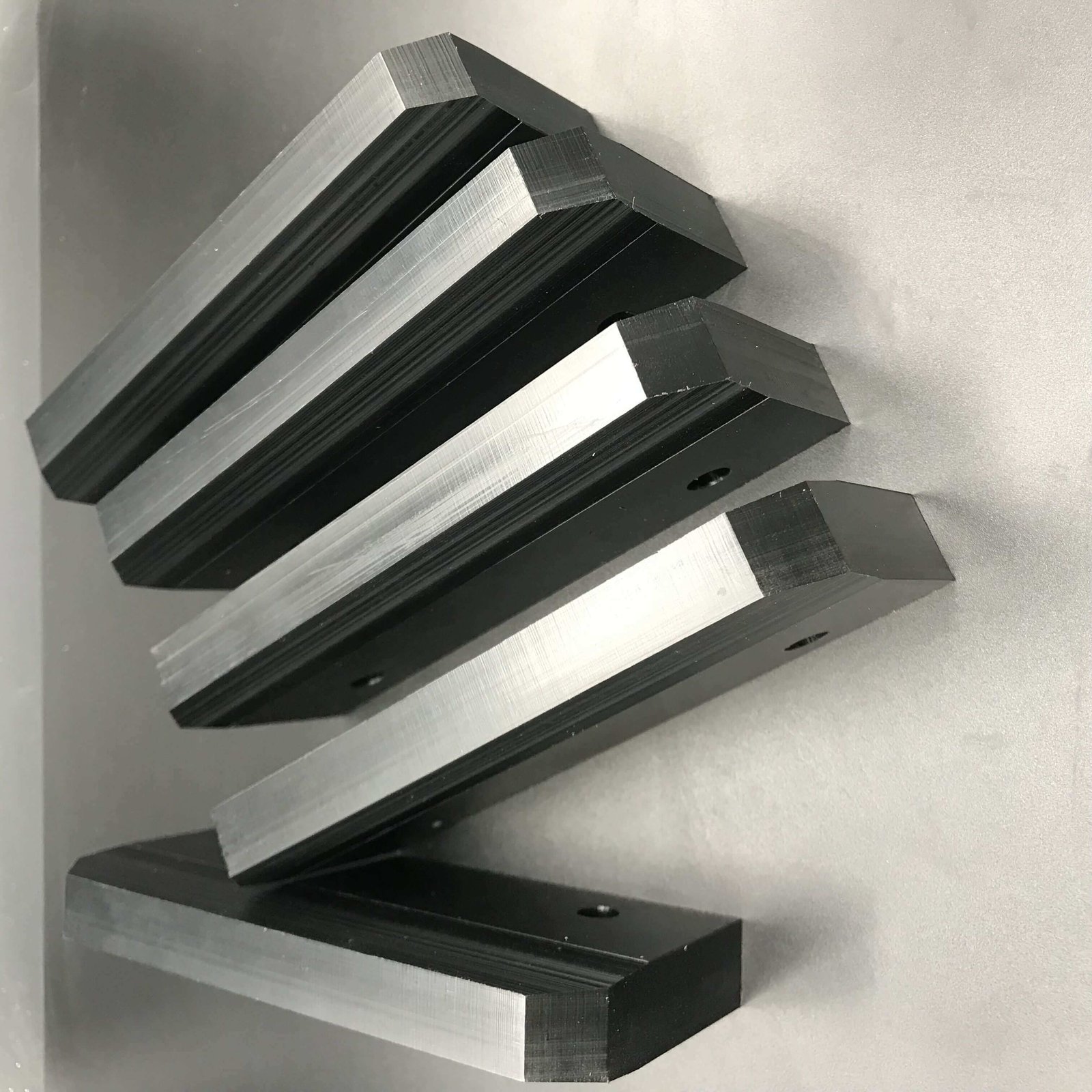
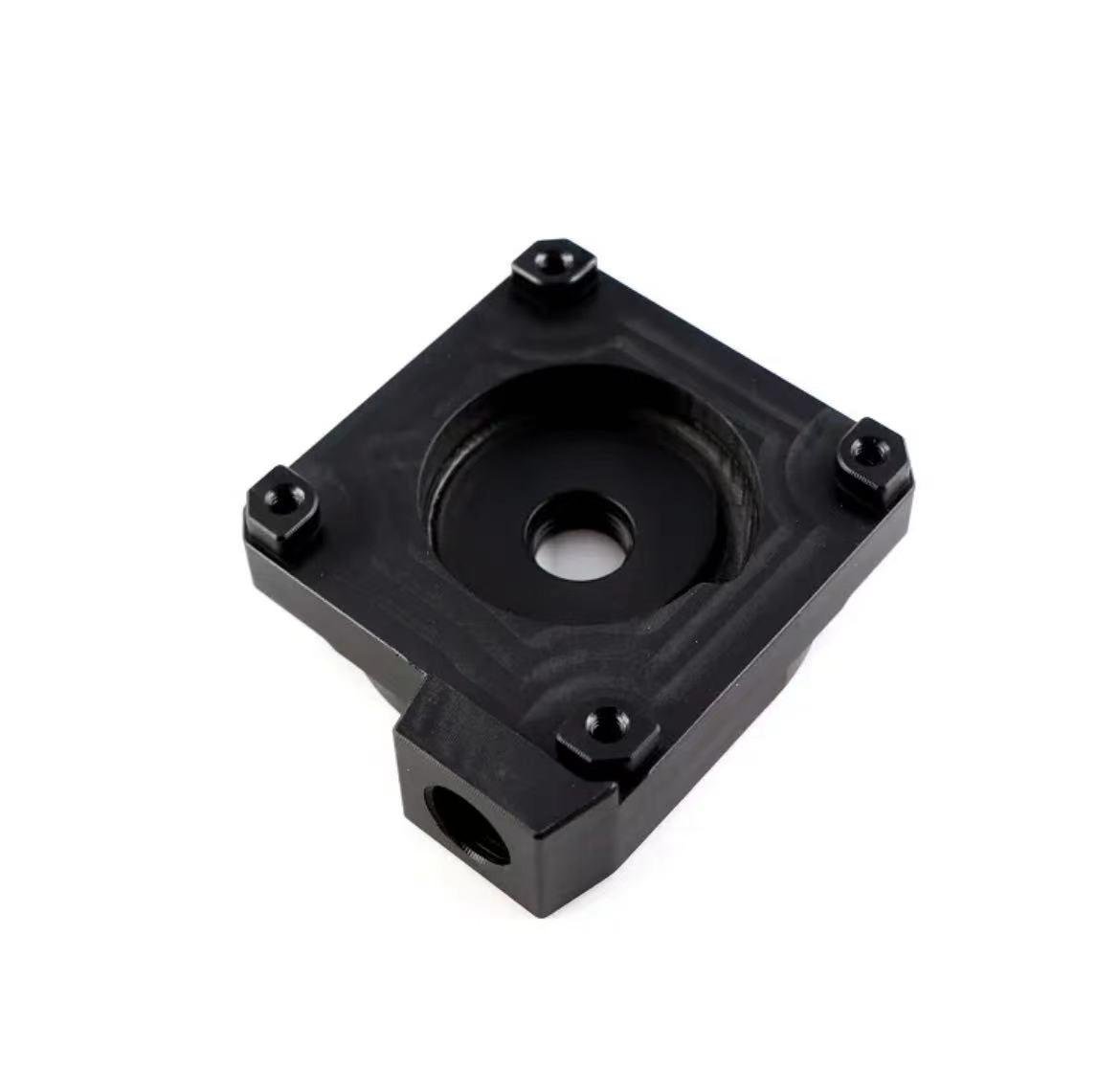
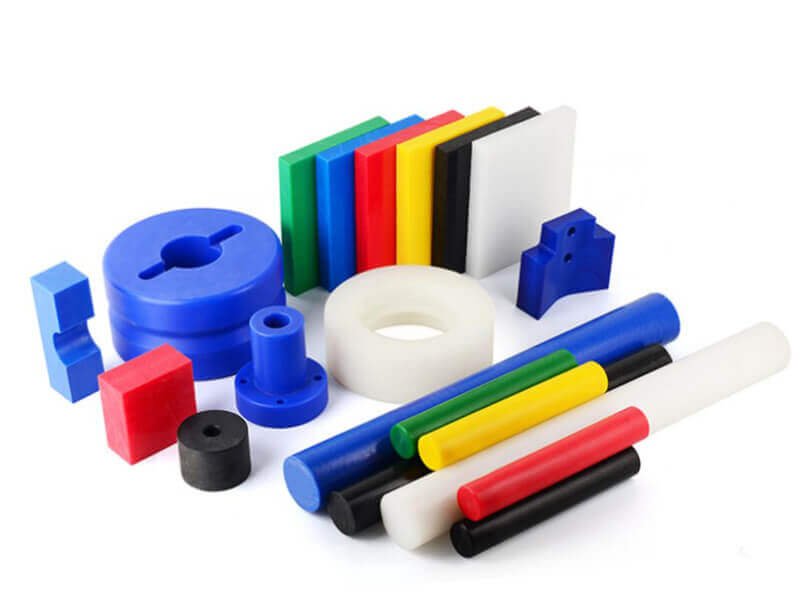
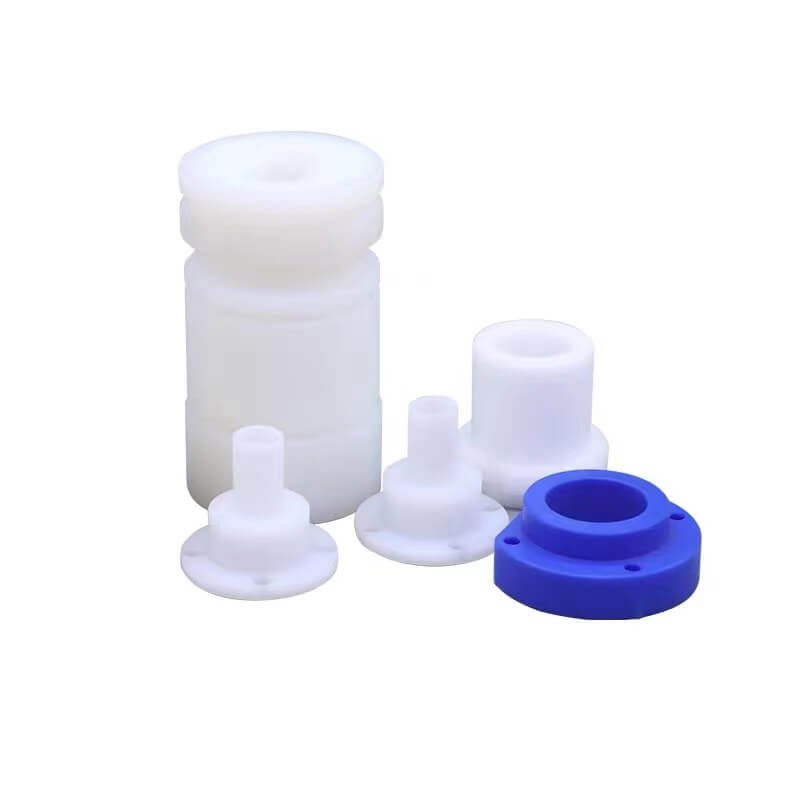
ABS bearing housing

ABS (Acrylonitrile Butadiene Styrene) plastic has become a top choice for many automotive components and parts. This versatile thermoplastic polymer offers an excellent balance of properties that make it well-suited for use in vehicles. In this article, we’ll examine the benefits of ABS for auto manufacturing and why it has emerged as a leading material for car makers in the United States and worldwide.

🎉 Limited Time Offer: Use code QR4GNY08SHVR at checkout and enjoy a special discount on your entire order!
👉 Shop ABS Plastic Materials

What is ABS Plastic?

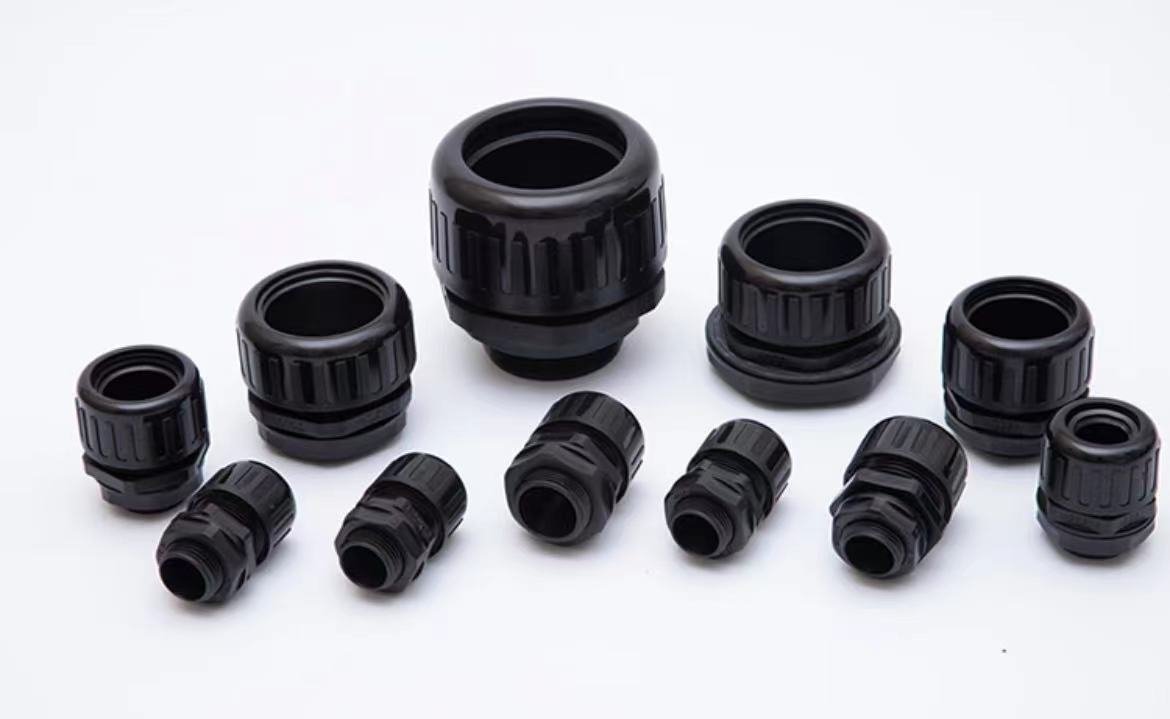
ABS injection molded parts for automotive industry

ABS is a common thermoplastic polymer made from acrylonitrile, butadiene, and styrene. It was first produced commercially in the 1950s and today has a wide range of applications from Lego bricks to auto parts. ABS is lightweight, rugged, and economical, which helps explain its prevalence in many industries. For the automotive sector, it provides an optimal combination of strength, impact resistance, and heat tolerance.

ABS is considered an engineering plastic due to its enhanced mechanical properties versus standard plastics. But it is still relatively inexpensive compared to specialty polymers. This combination of high performance and affordability is what makes ABS such a popular choice for vehicle components.

Why Use ABS Plastic for Auto Parts?

There are several key properties that make ABS ideal for many automotive applications:

  • Impact Resistance – ABS absorbs shocks and crashes well, making it perfect for bumpers, body panels, and interior trim parts. The butadiene rubber component gives ABS toughness and flexibility on impact. This ability to withstand accidents helps protect passengers and the rest of the vehicle.
  • Strength and Durability – In addition to withstanding impacts, ABS has high tensile strength and hardness for long-lasting components. It stands up well to chemicals and environmental conditions like temperature swings, road grime, and UV exposure. Parts keep their shape and structural integrity.
  • Lightweight – ABS is much lighter than metals like steel traditionally used in car bodies and frames. This helps to substantially cut weight and improve fuel efficiency and performance. Being up to 10% lighter than metal alternatives is a major advantage.
  • Heat Resistance – While not for engine parts, ABS can withstand temperatures up to 180°F, sufficient for under-hood components. This is a key reason ABS is popular for custom engine bay dress-up and covers.
  • Easy to Manufacture – ABS can be injection molded into complex shapes that would be difficult or impossible with other plastics or metals. This allows great flexibility in aesthetic designs. It also enables consolidation of multiple parts into single components.

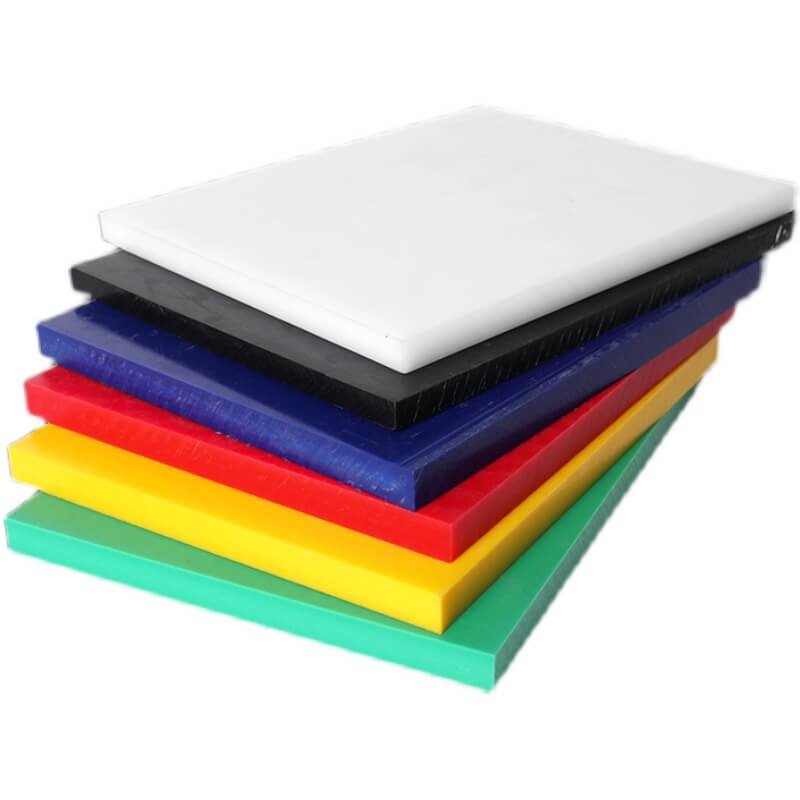
Durable Black ABS Plastic Board Cut to Size

Black ABS Plastic Sheets (Cut-to-Size)

High-impact strength and easy to machine. Ideal for automotive prototypes and parts. Available in 2mm to 30mm thicknesses.

View Product

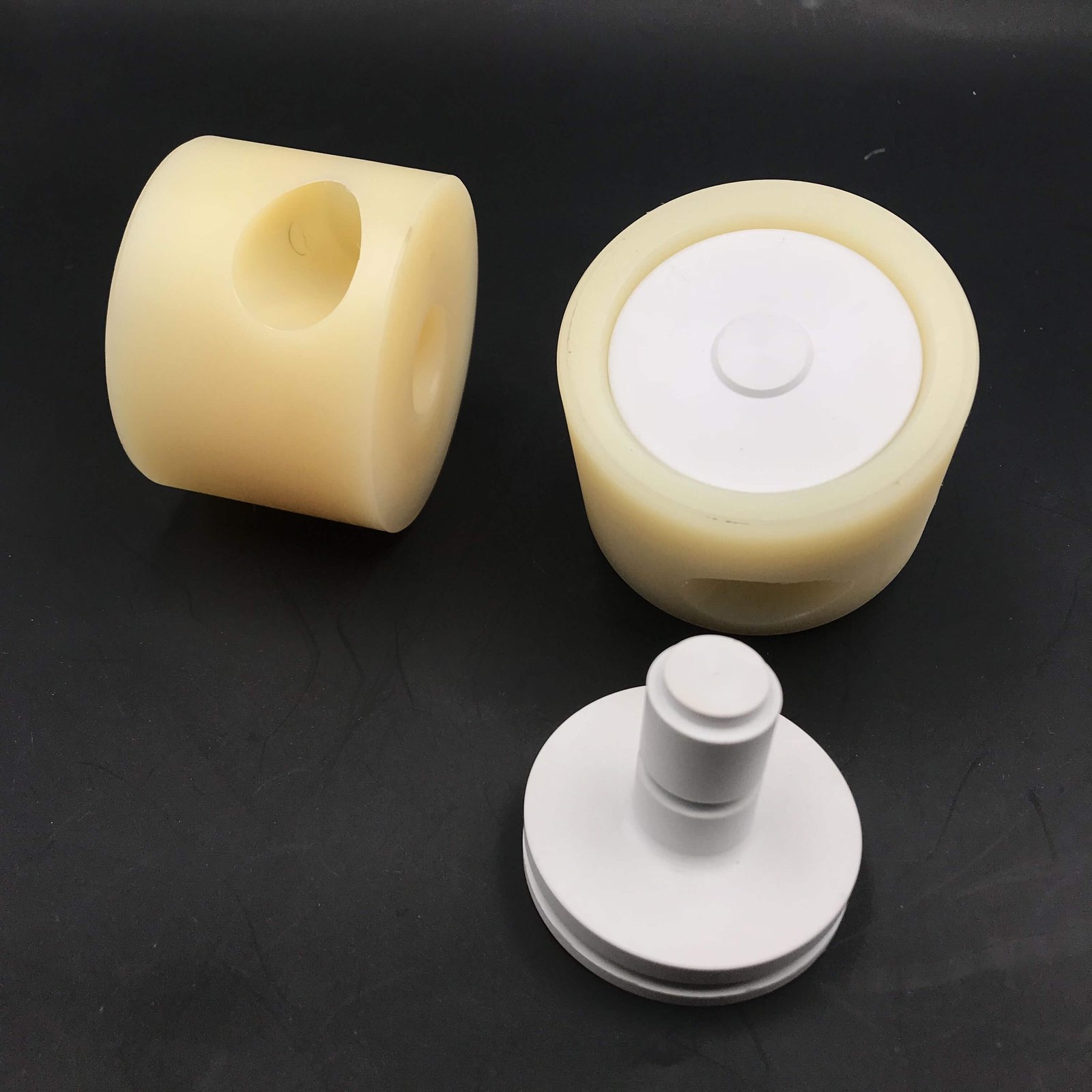
ABS medical rubber puller parts

ABS Plastic vs. Other Polymers for Auto Parts

Compared to other plastics used in vehicle manufacturing, ABS offers some advantages:

Comparison Factor ABS Plastic Performance
Impact Strength Higher strength than Polypropylene (PP), making it better for bumpers and trim.
Cost More economical than Nylon, Acetal, and Polycarbonate (which can cost 2-3x more).
Temperature Resilience Not as brittle as Acrylic and Polystyrene in cold temperatures (crucial for cold climates).
Weight Lighter than glass-filled nylon.

For automakers, ABS hits a sweet spot between performance, cost, and manufacturability. It’s easy to see why it is prevalent.

Specific Applications of ABS in Vehicles

ABS bearing housing

Some of the many uses of ABS plastic in cars and trucks include:

  • Dashboard and interior trim – ABS withstands daily wear and tear from drivers and passengers. Its finish has a pleasant feel and appearance. ABS remains a primary plastic for interior fittings.
  • Wheels and hubcaps – ABS is easily colored and provides a glossy, attractive surface. It resists curb damage and corrosion from road salt far better than steel wheels.
  • Bumpers – The impact strength of ABS makes it perfect for absorbing low speed crashes. Bumpers keep damage away from more fragile components like headlights.
  • Various under-hood parts – ABS resists temperatures and chemicals in the engine compartment better than other thermoplastics. Use it for custom covers and dress-up engine bay parts.
  • Body panels – New manufacturing techniques allow ABS plastic panels to replace metal ones. This increases styling flexibility and reduces weight. Expect greater use of ABS body components moving forward.

ABS plastic has proven effective in both visible interior and functional under-hood applications thanks to its well-balanced properties.

Manufacturing Process of ABS Parts

The vast majority of ABS components in vehicles are injection molded. Some advantages of this process include:

  • Ability to mold complex and detailed shapes not possible with steel or other materials. This allows freedom of design.
  • Consistent quality and dimensional precision from mass production. Modern manufacturing ensures tight tolerances.
  • Automated manufacturing drives down per part costs. ABS is cheaper to produce than machining metal.
  • Minimal secondary finishing required compared to other processes. Parts come out ready for assembly.
  • Tooling costs are lower for ABS injection molding versus metal stamping. This makes ABS ideal for moderate production runs.

Injection molding enables efficient, high-volume production of ABS parts to meet automakers’ demands. It’s the go-to manufacturing technique for quality ABS components.

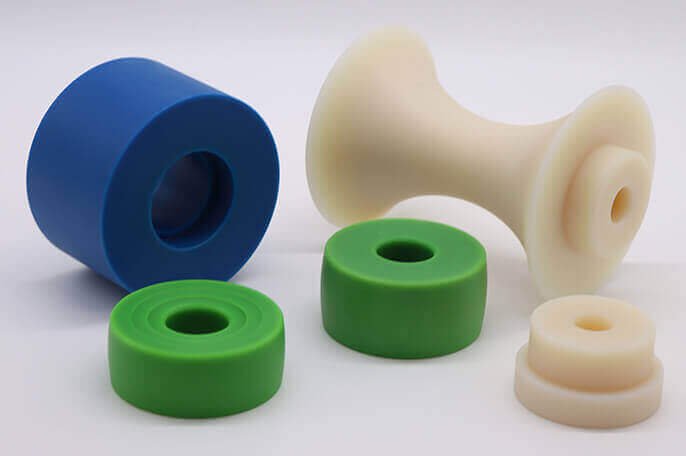
ABS wire wheel processing

Need Custom ABS Parts?

We specialize in CNC plastic machining and production. With no minimum order quantity, our professional engineering team delivers solutions that match your exact specs.

Request a Free Quote
Explore our CNC Services

The Future of ABS in Automotive Design

As cars continue evolving, especially with electrification, plastics like ABS will take on an even greater role. Some trends include:

  • Lightweighting – New fuel economy standards will drive increased use of plastics to replace metals. This can reduce vehicle weight by 10% or more. Lighter cars boost range and performance.
  • Customization – ABS lends itself to mass customization through innovative manufacturing techniques. Parts can be personalized for individual models.
  • Reinforced composites – Adding reinforcements like glass fiber to ABS creates hybrid materials with even greater mechanical properties. This improves capabilities.
  • 3D printing – Additive manufacturing opens new possibilities for low volume production of customized ABS parts. The aftermarket, in particular, can benefit from 3D printed ABS components.
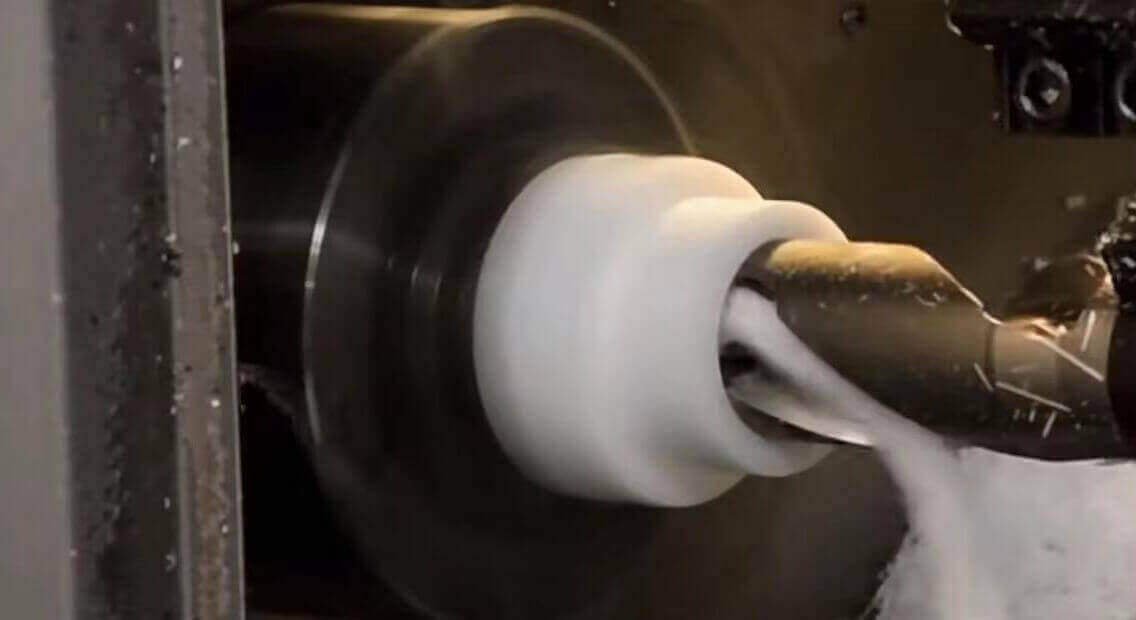
ABS material CNC kit processing

ABS plastic still has much untapped potential for the next generation of ecologically-friendly automobiles. Expect its use to grow.

ABS has cemented itself as a mainstay material for both interior and exterior auto parts thanks to its excellent balance of properties. It combines strength, dimensional stability, and impact resistance with lightweight, easy manufacturing, and cost-effectiveness. Ongoing materials research and advances in manufacturing techniques like 3D printing will open new doors for ABS applications in ground transportation. Both for OEM and aftermarket parts, expect ABS to remain a top choice plastic material among professional mechanics and automotive enthusiasts.

Your Custom Plastic Partner

If you are interested in using ABS plastic in your project or want to know more information, welcome to contact us (whether for questions or orders). We are a professional supplier and manufacturer of all kinds of plastic custom processing and production. With a professional team of engineers and precision equipment, we can provide you with customized plastic solutions that meet your specifications and budget.

Do you need a free quote or help with any questions or materials?

Our website: www.BeePlastic.com

Quick Reference: Custom ABS plastic | Machining Services

Leave a comment


Please note, comments must be approved before they are published


Custom Plastic Fabrication

Send your drawing, material and quantity for review

🔧
Precision Machining
CNC milling & turning
✂️
Cutting & Engraving
Laser & waterjet cutting
🏭
Forming & Molding
Thermoforming & injection
🔗
Joining & Assembly
Welding & bonding
📐
Design & Prototyping
CAD design & samples

General

HDPE

PP

PVC

ABS

Engineering

POM

Nylon

PC

PMMA

High-Performance

PEEK

PEI

PTFE

Composites

FR-4

G10

Flexible

TPU

Silicone

Why Choose BeePlastic?

🎯
Perfect Fit
Custom specs eliminate adaptation needs
⚡
Clear Lead Times
Lead time confirmed with every quote
💰
Volume Pricing
Volume pricing available on bulk orders
🤝
Expert Support
Free engineering consultation included
📋
Submit
→
🔍
Review
→
💵
Quote
→
✅
Production
→
📦
Deliver

Request a Quote

Share your project details, selected material and quantity on our quote page. You can add a file link or use the email drawing route shown there.


Request Quote

Industries: Automotive • Medical • Food • Lab • Semiconductor

beeplastic@beeplastic.com


POM vs. Nylon: A Cost Analysis for Manufacturers

nylon piping

When selecting materials for manufacturing, cost is a crucial factor that can make or break product profitability. Two of the most commonly used thermoplastics, POM (polyoxymethylene) and nylon, have different cost profiles that impact material selection. This article provides an in-depth cost analysis and comparison of POM vs. nylon for US manufacturers.

🎉🎉🎉Limited Time Offer Use code: QR4GNY08SHVR at checkout and enjoy a special discount on your entire order! 👉 POM plastic
custom POM plastic

Raw Material Cost Comparison

The base resin price represents a significant portion of total costs for plastic parts. Currently, POM resin pellets range from $2.50-3.50 per pound while nylon pellets are $1.50-2.50 per pound. With nylon’s lower density, the material cost per cubic inch of nylon is actually higher than POM.

When weighing POM vs. nylon, POM maintains a noticeable cost advantage in raw material pricing. For 1,000 lbs of materials, POM would be $250-350 cheaper than nylon based on current market rates. This advantage can make POM the more appealing choice strictly from a material cost perspective.

Manufacturing and Processing Cost Differences

Converting raw plastics into finished parts involves additional expenses. POM holds some manufacturing cost benefits over nylon. POM melts at lower temperatures, enabling faster cycle times in high-volume injection molding. POM processing also causes less tool wear over time.

Faster cycles and lower tooling costs contribute to POM’s economic advantage. Analysis of overall plastic part production shows POM with 5-15% lower processing costs compared to nylon. Waste rates due to rejects and quality issues are also lower with POM.

POM bushings

Cost Per Unit Analysis

The above factors point to POM having a lower cost profile. However, when analyzing cost per finished part, the picture changes. While POM has material and manufacturing cost benefits, nylon parts often require less secondary machining and finishing.

For a simple plastic bracket, the nylon part may be ready after molding. The POM bracket may require drilling holes and CNC work to achieve the tight tolerances in the design. This erodes some of POM’s cost savings, especially in high volumes.

As part complexity increases, however, POM’s cost-effectiveness improves. The extra machining provides necessary dimensional precision and surface finishes that maximize POM’s performance advantages. Lifetime part costs can be lower even if upfront part price is slightly higher.

Key Applications Where POM Delivers Cost Efficiencies

While nylon has advantages for high volume, basic components, there are certain applications where POM is clearly the more cost-efficient choice:

  • Parts requiring very tight dimensional tolerances and stability under load, temperature changes, and moisture. The extra machining of POM is worthwhile to achieve precision.
  • Components with critical wear surfaces or friction points. POM’s durability leads to longer part lifespan and less frequent replacement.
  • Production equipment parts enduring constant motion and loads. POM’s lubricity enables smoother operation and higher uptime.
  • Applications where nylon would require expensive additives to improve wear or reduce friction. Base POM plastic already includes these traits.

Both POM and nylon offer favorable economics that make them viable for mass production. POM can provide raw material and processing cost benefits, while nylon may be cheaper for simple, high volume parts needing little secondary work. When performance requirements call for tight dimensional tolerances, wear resistance and low friction, POM’s advantages outweigh slightly higher part costs. Considering the unique cost structure and performance of each material leads to optimal selections.

custom nylon piping
If you are interested in using POM plastic or Nylon plastic in your project or want to know more information, welcome to harass us. We are a professional supplier and manufacturer of all kinds of plastic custom processing and production, with a professional team of engineers and precision equipment, we can provide you with customized plastic solutions that meet your specifications and budget. We are happy to serve you and help you fulfill your needs. Do you need a free quote or help with any questions or materials?
🎉🎉🎉Limited Time Offer Use code: QR4GNY08SHVR at checkout and enjoy a special discount on your entire order! 👉 POM plastic
Our website: www.BeePlastic.com 
Click to contact: Custom POM plastic or Nylon plastic

Leave a comment


Please note, comments must be approved before they are published


Custom Plastic Fabrication

Send your drawing, material and quantity for review

🔧
Precision Machining
CNC milling & turning
✂️
Cutting & Engraving
Laser & waterjet cutting
🏭
Forming & Molding
Thermoforming & injection
🔗
Joining & Assembly
Welding & bonding
📐
Design & Prototyping
CAD design & samples

General

HDPE

PP

PVC

ABS

Engineering

POM

Nylon

PC

PMMA

High-Performance

PEEK

PEI

PTFE

Composites

FR-4

G10

Flexible

TPU

Silicone

Why Choose BeePlastic?

🎯
Perfect Fit
Custom specs eliminate adaptation needs
⚡
Clear Lead Times
Lead time confirmed with every quote
💰
Volume Pricing
Volume pricing available on bulk orders
🤝
Expert Support
Free engineering consultation included
📋
Submit
→
🔍
Review
→
💵
Quote
→
✅
Production
→
📦
Deliver

Request a Quote

Share your project details, selected material and quantity on our quote page. You can add a file link or use the email drawing route shown there.


Request Quote

Industries: Automotive • Medical • Food • Lab • Semiconductor

beeplastic@beeplastic.com


POM vs Nylon: Analyzing Wear Resistance and Friction Characteristics

POM pump housing

When selecting materials for applications involving friction and wear, engineers must evaluate key properties like abrasion resistance, lubricity, and friction coefficients. Two popular thermoplastics, POM (polyoxymethylene) and nylon, perform quite differently in these areas. Analyzing their wear and friction characteristics provides insight into their suitability for different operating conditions.

🎉🎉🎉Limited Time Offer Use code: QR4GNY08SHVR at checkout and enjoy a special discount on your entire order! 👉 POM plastic
Nylon and POM palstic material

Wear Resistance Comparison

Wear resistance depends heavily on a material’s hardness and toughness. POM has high hardness and strength, conferring excellent resistance to abrasion and erosion. Its hardness level on the Rockwell scale reaches R125, much higher than nylon’s R115-R120 rating. This extra hardness gives POM up to 5 times more resistance to abrasive wear over nylon in real-world applications.

Nylon also demonstrates good abrasion resistance, though POM performs better under high stress and continuous loads. In terms of frictional wear, POM experiences very low volume loss due to its intrinsic lubricity. Nylon has higher wear rates under sliding friction conditions, especially with higher normal forces and velocities. Over time, the advantages of POM’s wear resistance become even more pronounced.

POM Plastic

Sliding Friction Coefficients

Friction coefficients represent the ratio of friction force to applied load. The coefficient of dynamic friction relates to moving objects, while static friction involves stationary contact. POM possesses low static and dynamic friction coefficients around 0.25-0.30. Nylon’s static and dynamic values run higher at 0.5-0.7.

POM’s molecular structure gives it an inherent lubricating capability that nylon lacks. The strong carbon-oxygen bonds in the POM molecule allow sections to regularly reorient themselves under friction, maintaining a lubricating layer. This allows POM to outperform nylon in continuous sliding or rotating applications.

Nylon material

Performance Under Friction

When subjected to high loads and constant friction, POM maintains its low friction properties without seizing up. The same cannot be said for nylon, which loses lubricity over time leading to performance declines. For example, POM excels in production equipment with chains, bearings, and gears under constant motion. It also makes an ideal material for consumer product components involving frequent human contact and movement.

The self-lubricating properties of POM also give it a noise reduction advantage. Applications using POM components tend to produce less audible squeaking and friction noise compared to nylon alternatives. This quieter operation improves the consumer experience.

When reviewing the wear resistance and frictional characteristics, POM provides superior performance under challenging conditions requiring durability. With excellent abrasion resistance and natural lubricity, POM is ideal for low-friction, high load environments involving continuous contact and motion. While nylon resists wear decently in light duty applications, POM outperforms nylon where friction is constant and loads are heavy.

POM Plastic
If you are interested in using POM plastic or Nylon plastic in your project or want to know more information, welcome to harass us. We are a professional supplier and manufacturer of all kinds of plastic custom processing and production, with a professional team of engineers and precision equipment, we can provide you with customized plastic solutions that meet your specifications and budget. We are happy to serve you and help you fulfill your needs. Do you need a free quote or 🎉🎉🎉Limited Time Offer Use code: QR4GNY08SHVR at checkout and enjoy a special discount on your entire order! 👉 POM plastic 
Our website: www.BeePlastic.com 
Click to contact: Custom POM plastic or Nylon plastic

Leave a comment


Please note, comments must be approved before they are published


Custom Plastic Fabrication

Send your drawing, material and quantity for review

🔧
Precision Machining
CNC milling & turning
✂️
Cutting & Engraving
Laser & waterjet cutting
🏭
Forming & Molding
Thermoforming & injection
🔗
Joining & Assembly
Welding & bonding
📐
Design & Prototyping
CAD design & samples

General

HDPE

PP

PVC

ABS

Engineering

POM

Nylon

PC

PMMA

High-Performance

PEEK

PEI

PTFE

Composites

FR-4

G10

Flexible

TPU

Silicone

Why Choose BeePlastic?

🎯
Perfect Fit
Custom specs eliminate adaptation needs
⚡
Clear Lead Times
Lead time confirmed with every quote
💰
Volume Pricing
Volume pricing available on bulk orders
🤝
Expert Support
Free engineering consultation included
📋
Submit
→
🔍
Review
→
💵
Quote
→
✅
Production
→
📦
Deliver

Request a Quote

Share your project details, selected material and quantity on our quote page. You can add a file link or use the email drawing route shown there.


Request Quote

Industries: Automotive • Medical • Food • Lab • Semiconductor

beeplastic@beeplastic.com


POM vs Nylon: Pros and Cons of Each Material

POM vs Nylon(PA)

🎉 Limited Time Offer 🎉

Use code QR4GNY08SHVR at checkout for a special discount!
👉 Shop POM & Nylon Materials Now

Plastic materials including POM and Nylon rods and sheets

Raw Plastic Materials: Rods and Sheets

POM (polyoxymethylene) and Nylon are two of the most widely used thermoplastic materials across many industries. Both offer beneficial properties, but also have downsides to consider. Comparing the pros and cons of POM vs Nylon can help guide material selection for different applications.


Pros and Cons of POM

POM Threaded Sleeves and precision custom parts

POM has high strength and stiffness combined with natural lubricity. This allows for precision parts with low friction and wear. POM also provides excellent chemical resistance, capable of handling acids, bases, oils, and greases. In terms of thermal properties, POM withstands temperatures up to 175°C before softening.

On the downside, POM is actually hydrophobic (moisture resistant), which is a key advantage over Nylon in wet environments. However, it lacks impact strength especially compared to Nylon and is difficult to bond or glue. Overall, POM excels where dimensional stability, low friction, and chemical resistance matter most.

Need POM Material for your Project?

We offer Black & White Acetal POM Sheets and Rods. CNC Cut-to-size services available.

View POM Sheets & Rods →

POM Plastic Sheets and Rods

Pros and Cons of Nylon

Nylon injection molding and custom machined parts

The main advantages of nylon include high tensile strength, elasticity, and abrasion resistance. Nylon offers greater impact strength compared to POM, especially at low temperatures.

However, users must note that Nylon absorbs moisture from the environment (hygroscopic), which can impact dimensional tolerance in humid conditions. It lacks the stiffness of POM but is ideal for flexible parts and high-impact applications where “toughness” is required.

Looking for Nylon Rods (PA6)?

High-quality White/Black Nylon rods for machining. Tough, durable, and ready to ship.

Shop Nylon Rods →

Nylon PA6 Material

Comparing Mechanical Properties

When evaluating mechanical characteristics, POM provides greater tensile and flexural strength. Its modulus of elasticity is also higher than nylon, giving POM better load bearing capacity before deformation. However, nylon has nearly 10 times the impact strength, making it more resilient.

Feature POM (Acetal) Nylon (PA)
Moisture Control Excellent (Low absorption) Fair (Absorbs water)
Impact Strength Moderate High (Very Tough)
Stiffness High (Rigid) Moderate (Flexible)

Thermal Property Comparison

Both materials melt around 175°C – 200°C, but POM maintains its stiffness and strength at higher temperatures than nylon. POM handles intermittent exposures up to 175°C versus only 90-130°C for nylon before softening occurs.

Chemical Resistance Differences

POM Pulley and Gear parts

POM Pulleys: High chemical resistance and low friction.

POM holds up very well to acids, alkalis, oils, greases, and many solvents. Nylon resists alkalis but is prone to degradation from acids and oxidizing agents. POM has superior chemical durability.

Manufacturing Considerations

Nylon Ruler Wheel and CNC Machined Parts

In manufacturing, POM and nylon are both easily molded with good production rates. POM is generally more expensive, so nylon can offer cost savings in high volume applications where its properties suffice.

When reviewing the pros and cons, while both versatile thermoplastics, POM stands out where high mechanical strength, temperature resistance, and chemical durability are critical. Nylon provides better impact strength and a lower cost alternative where flexibility is paramount. Evaluating the unique performance characteristics of each material will lead to the optimal selection for the application.

Ready to Start Your Project?

We provide professional CNC Plastic Machining and Standard Stock Materials (Rods, Sheets, Tubes).
No MOQ Required • Worldwide Shipping • Professional Engineering Support

📧 Email: beeplastic@beeplastic.com 🏭 Service: CNC Machining

Leave a comment


Please note, comments must be approved before they are published


Custom Plastic Fabrication

Send your drawing, material and quantity for review

🔧
Precision Machining
CNC milling & turning
✂️
Cutting & Engraving
Laser & waterjet cutting
🏭
Forming & Molding
Thermoforming & injection
🔗
Joining & Assembly
Welding & bonding
📐
Design & Prototyping
CAD design & samples

General

HDPE

PP

PVC

ABS

Engineering

POM

Nylon

PC

PMMA

High-Performance

PEEK

PEI

PTFE

Composites

FR-4

G10

Flexible

TPU

Silicone

Why Choose BeePlastic?

🎯
Perfect Fit
Custom specs eliminate adaptation needs
⚡
Clear Lead Times
Lead time confirmed with every quote
💰
Volume Pricing
Volume pricing available on bulk orders
🤝
Expert Support
Free engineering consultation included
📋
Submit
→
🔍
Review
→
💵
Quote
→
✅
Production
→
📦
Deliver

Request a Quote

Share your project details, selected material and quantity on our quote page. You can add a file link or use the email drawing route shown there.


Request Quote

Industries: Automotive • Medical • Food • Lab • Semiconductor

beeplastic@beeplastic.com


POM vs Nylon: Case Studies on Performance in Consumer Products

POM Gear

When selecting materials for different components and parts in consumer products, engineers must balance factors like cost, durability, and manufacturing requirements. Two thermoplastics often considered are polyoxymethylene (POM) and nylon. While nylon has been a popular choice for years, POM offers some advantages that make it outperform nylon in certain applications. 

🎉🎉🎉Limited Time Offer Use code: QR4GNY08SHVR at checkout and enjoy a special discount on your entire order! 👉 POM plastic

POM and Nylon Plastic


POM vs Nylon in Appliance Components

In appliances that utilize water and get washed regularly, POM can be the better material option compared to nylon. One case study looked at food processor blades – those made of nylon tended to warp and degrade over time when exposed to hot water and dishwasher cleaning cycles. POM blades maintained their shape and performance after repeated washings.

Another example is humidifier water tanks. The humidity and temperature fluctuations in these appliances contributed to cracking in nylon tanks. Switching to POM fully eliminated the cracking issue for one major manufacturer. The improved thermal and chemical resistance of POM made it outlast nylon.

Black POM bearing


POM vs Nylon in Power Tools

Power tools like drills operate under high torque and temperatures, where POM also has advantages over nylon. One power tool company replaced nylon gears with POM, which reduced wear and friction while improving durability. This translated into tools that could handle more heavy-duty use before needing repair.

POM bushings are another power tool component that see heavy wear. Milwaukee Tools switched from nylon bushings to POM bushings in their latest high-use models, increasing lifespan and reducing noise from friction. The POM parts handled heat generation and load impacts much better compared to nylon.

POM Gear


POM vs Nylon in Electronics

Consumer electronics represent another application where POM has started replacing nylon. For example, Sony chosen POM for many components in their latest Playstation 5 controllers, citing both lower costs and easier coloring while retaining strength compared to nylon.

POM’s superior electrical insulation properties also make it an alternative to nylon for connectors and other components that require insulation. POM maintains its dielectric properties across a wide temperature range, outperforming nylon.

POM bushings


When looking at these real-world examples, we see that POM can outperform nylon in certain high-impact consumer product applications. From food processor blades able to withstand hot water, to humidifier tanks not cracking under humidity, to power tool components lasting longer under high torque, POM demonstrates advantages. Its unique mechanical, chemical, and electrical properties allow it to outlast nylon when factors like heat, chemicals, torque, and humidity are present.

While nylon has been popular for years, the case studies show POM’s superior performance under stress. Considering POM as an alternative can result in appliances, power tools, and electronics with improved lifespans. POM’s properties translate to consumer products that can handle real-world conditions and avoid failure. When performance matters, these examples make clear that POM can be a better material choice than nylon.

POM humidifier tank


If you are interested in using POM plastic or Nylon plastic in your project or want to know more information, welcome to harass us. We are a professional supplier and manufacturer of all kinds of plastic custom processing and production, with a professional team of engineers and precision equipment, we can provide you with customized plastic solutions that meet your specifications and budget. We are happy to serve you and help you fulfill your needs. Do you need a free quote or help with any questions or materials? 
🎉🎉🎉Limited Time Offer Use code: QR4GNY08SHVR at checkout and enjoy a special discount on your entire order! 👉 POM plastic
Our website: www.BeePlastic.com
Click to contact: Custom POM plastic or Nylon plastic

Leave a comment


Please note, comments must be approved before they are published


Custom Plastic Fabrication

Send your drawing, material and quantity for review

🔧
Precision Machining
CNC milling & turning
✂️
Cutting & Engraving
Laser & waterjet cutting
🏭
Forming & Molding
Thermoforming & injection
🔗
Joining & Assembly
Welding & bonding
📐
Design & Prototyping
CAD design & samples

General

HDPE

PP

PVC

ABS

Engineering

POM

Nylon

PC

PMMA

High-Performance

PEEK

PEI

PTFE

Composites

FR-4

G10

Flexible

TPU

Silicone

Why Choose BeePlastic?

🎯
Perfect Fit
Custom specs eliminate adaptation needs
⚡
Clear Lead Times
Lead time confirmed with every quote
💰
Volume Pricing
Volume pricing available on bulk orders
🤝
Expert Support
Free engineering consultation included
📋
Submit
→
🔍
Review
→
💵
Quote
→
✅
Production
→
📦
Deliver

Request a Quote

Share your project details, selected material and quantity on our quote page. You can add a file link or use the email drawing route shown there.


Request Quote

Industries: Automotive • Medical • Food • Lab • Semiconductor

beeplastic@beeplastic.com


Comparing POM vs. Nylon Applications Across Manufacturing Sectors

POM pump housing

Engineering thermoplastics like POM (acetal) and nylon play vital roles across industrial manufacturing sectors. With a balanced mix of mechanical, thermal, and chemical properties, cost-effectiveness, and production scalability, POM and nylon parts are ubiquitous. Understanding where each material excels guides appropriate selection for optimal performance.

🎉🎉🎉Limited Time Offer Use code: QR4GNY08SHVR at checkout and enjoy a special discount on your entire order! 👉 POM plastic


In automotive applications, POM’s dimensional stability, low friction, and heat resistance allow it to withstand demanding engine environments. POM timing gears maintain precision synchronization of valve and camshaft timing at elevated temperatures. Fuel system components like fuel rails and pump housings made of POM endure hydrocarbon fuels while providing vibration damping. Pedal assemblies and gear shift levers take advantage of POM’s low friction surface.

Black POM gears

Nylon excels in underhood parts needing heat and UV resistance like air intake manifolds and tubing. As wire and cable insulation, nylon jacketing resists abrasion, fuels, and oils. Inside vehicles, molded nylon interior parts offer sound dampening, abrasion resistance, and styling flexibility.

nylon piping

Across consumer products, POM and nylon continue complementing each other in appliances, electronics, sporting goods, textiles, and luggage. POM provides dimensional precision in gears, bearings, and pumps within washing machines, blenders, mixers, and vacuum cleaners. Nylon luggage and backpacks withstand travel abuse while remaining lightweight.

POM pump housing

Industrial machinery heavily leverages POM’s stiffness, hardness, and low-friction. Gears, rollers, latches, fasteners, and bushings made of POM endure continuous operation and heavy loads. Nylon contributes to less critical components like bolts, washers, and spacers that benefit from nylon’s noise dampening.

POM’s FDA compliance makes it ideal throughout food processing machinery as bearings, rollers, slicer blades, and robot grippers. Nylon is avoided in food contact applications without additional regulatory approvals. Medical devices use machined POM parts for precision instruments and housings requiring chemical resistance. Nylon excels in single-use medical tubing and catheter lumens.

Nylon Interior Buckle

Aerospace applications take advantage of POM’s stability, electrical insulation, and flame resistance for uses like connectors, insulators, and structural components. Nylons serve interior panels and auxiliary parts needing a balance of strength, temperature resistance, and fire retardance.

In summary, POM and nylon cover a wide range of engineering part requirements across industries. Matching application needs to material capabilities drives proper selection. Both thermoplastics will continue serving critical roles thanks to their complementary performance profiles.

Nylon washers
If you are interested in using POM plastic or Nylon plastic in your project or want to know more information, welcome to harass us. We are a professional supplier and manufacturer of all kinds of plastic custom processing and production, with a professional team of engineers and precision equipment, we can provide you with customized plastic solutions that meet your specifications and budget. We are happy to serve you and help you fulfill your needs. Do you need a free quote or help with any questions or materials? 
🎉🎉🎉Limited Time Offer Use code: QR4GNY08SHVR at checkout and enjoy a special discount on your entire order! 👉 POM plastic
Our website: www.BeePlastic.com
Click to contact: Custom POM plastic or Nylon plastic

Leave a comment


Please note, comments must be approved before they are published


Custom Plastic Fabrication

Send your drawing, material and quantity for review

🔧
Precision Machining
CNC milling & turning
✂️
Cutting & Engraving
Laser & waterjet cutting
🏭
Forming & Molding
Thermoforming & injection
🔗
Joining & Assembly
Welding & bonding
📐
Design & Prototyping
CAD design & samples

General

HDPE

PP

PVC

ABS

Engineering

POM

Nylon

PC

PMMA

High-Performance

PEEK

PEI

PTFE

Composites

FR-4

G10

Flexible

TPU

Silicone

Why Choose BeePlastic?

🎯
Perfect Fit
Custom specs eliminate adaptation needs
⚡
Clear Lead Times
Lead time confirmed with every quote
💰
Volume Pricing
Volume pricing available on bulk orders
🤝
Expert Support
Free engineering consultation included
📋
Submit
→
🔍
Review
→
💵
Quote
→
✅
Production
→
📦
Deliver

Request a Quote

Share your project details, selected material and quantity on our quote page. You can add a file link or use the email drawing route shown there.


Request Quote

Industries: Automotive • Medical • Food • Lab • Semiconductor

beeplastic@beeplastic.com


Machining POM vs Nylon: Understanding Plastic Machinability

NYLON processing

Machining is a critical manufacturing process for producing plastic parts and products. The machining behavior of plastics can vary widely depending on the material. Two of the most common thermoplastics, POM and nylon, have markedly different machining characteristics. Understanding these differences is imperative for efficient, high-quality machining.

🎉🎉🎉Limited Time Offer Use code: QR4GNY08SHVR at checkout and enjoy a special discount on your entire order! 👉 POM plastic

POM and Nylon Plastic

POM Machining Characteristics: POM is renowned for its stellar machinability. It machines like a metal, holding tight dimensional tolerances without distortion. POM’s thermal conductivity prevents localized heat buildup, allowing high speeds and feeds. This results in very low cutting forces, power consumption and tool wear. POM’s crisp edges and ability to capture fine details enable precision machined components like gears or bearings. Surface finishes down to 0.2 microns are possible with POM machining.

POM custom processing

Nylon Machining Characteristics: In contrast to POM, nylon is notoriously more difficult to machine precisely. Its lower thermal conductivity leads to melting, smearing, and gumming on cutting tools. Nylon’s tendency to grab and stick to tools accelerates tool wear. Higher cutting forces are required, increasing power needs. The additional heat generated can limit cutting speeds and feeds. While dimensionally stable nylons are available, achieving tight tolerances is still challenging. The moderate surface finish of nylon usually requires post-machining operations.

Nylon customization

Machining Recommendations: Adjusting parameters like tool geometry, feed rates, depth of cut and use of coolants can aid nylon machining. HSS tooling with sharp cutting edges and high positive rake angles perform better. Flood cooling is suggested to prevent melting. Roughing and finishing operations may need to be optimized differently for nylon versus POM. POM can often be machined in a single pass.

Application Examples: For precision components like gears or bearings, POM’s stellar dimensional stability would be highly beneficial. Where dimensional accuracy is less critical, such as housings or enclosures, nylon may be suitable. In all cases, the plastic’s machinability must be matched to the part requirements.

In summary, POM’s excellent thermal conductivity and stability result in superior machining behavior over nylon. POM allows higher speeds and precision while reducing tool wear and power needs. Understand your plastic’s machinability characteristics relative to your application requirements when selecting a material. With the right techniques, even challenging plastics like nylon can be machined successfully.

Nylon processing accessories
If you are interested in using POM plastic or Nylon plastic in your project or want to know more information, welcome to harass us. We are a professional supplier and manufacturer of all kinds of plastic custom processing and production, with a professional team of engineers and precision equipment, we can provide you with customized plastic solutions that meet your specifications and budget. We are happy to serve you and help you fulfill your needs. Do you need a free quote or help with any questions or materials? 
🎉🎉🎉Limited Time Offer Use code: QR4GNY08SHVR at checkout and enjoy a special discount on your entire order! 👉 POM plastic
Our website: www.BeePlastic.com
Click to contact: Custom POM plastic or Nylon plastic

Leave a comment


Please note, comments must be approved before they are published


Custom Plastic Fabrication

Send your drawing, material and quantity for review

🔧
Precision Machining
CNC milling & turning
✂️
Cutting & Engraving
Laser & waterjet cutting
🏭
Forming & Molding
Thermoforming & injection
🔗
Joining & Assembly
Welding & bonding
📐
Design & Prototyping
CAD design & samples

General

HDPE

PP

PVC

ABS

Engineering

POM

Nylon

PC

PMMA

High-Performance

PEEK

PEI

PTFE

Composites

FR-4

G10

Flexible

TPU

Silicone

Why Choose BeePlastic?

🎯
Perfect Fit
Custom specs eliminate adaptation needs
⚡
Clear Lead Times
Lead time confirmed with every quote
💰
Volume Pricing
Volume pricing available on bulk orders
🤝
Expert Support
Free engineering consultation included
📋
Submit
→
🔍
Review
→
💵
Quote
→
✅
Production
→
📦
Deliver

Request a Quote

Share your project details, selected material and quantity on our quote page. You can add a file link or use the email drawing route shown there.


Request Quote

Industries: Automotive • Medical • Food • Lab • Semiconductor

beeplastic@beeplastic.com


POM vs Nylon: How to Choose the Best Plastic Material for Your Application

NYLON processing

Plastics are ubiquitous in countless industrial and consumer products today. Two of the most common plastics used in manufacturing are POM (polyoxymethylene) and nylon. These plastic materials each offer distinct mechanical, thermal, chemical and economic characteristics. When selecting between POM or nylon for an application, it is crucial to understand their relative strengths and limitations. This article provides a detailed comparison of POM and nylon properties to help guide your material selection.

🎉 Limited Time Offer 🎉

Use code: QR4GNY08SHVR at checkout and enjoy a special discount on your entire order!

👉 Shop POM Plastic Collection Now

POM vs Nylon: Property Comparison

POM vs Nylon Plastic Material Comparison

Strength and durability are key considerations for most applications. In general, POM plastics exhibit very high tensile strength and rigidity. POM has impressive creep resistance and fatigue endurance compared to other thermoplastics like nylon. POM’s high modulus of elasticity results in excellent dimensional stability under load.

In contrast, nylons boast high toughness and impact strength with good ductility and elasticity. While nylon has greater resilience against fracture, POM’s superior rigidity makes it better for load-bearing parts.

Property POM (Acetal) Nylon (Polyamide)
Strength & Rigidity High Stiffness, Low Creep High Toughness, Good Impact Strength
Moisture Absorption Low (Stable dimensions) High (Absorbs moisture, can swell)
Best For Precision gears, structural parts Wheels, rollers, wear pads

Thermal and Chemical Resistance

From a thermal perspective, POM maintains its excellent mechanical properties at elevated temperatures up to 175°C. It retains dimensional stability and strength when exposed to hot water or steam. Nylon has a much lower melting point around 220°C (for specific grades like PA6, though processing varies), limiting its use in high temperature environments compared to high-performance plastics.

In chemically aggressive conditions, POM demonstrates broad chemical resistance, especially to acids. Nylon is particularly resistant to oils, greases, and other organic compounds.

Plastic Standard Parts and Machining

Surface Hardness and UV Stability

When it comes to surface hardness, POM generally has a harder surface than nylon. The high degree of crystallinity in POM results in good surface wear properties and abrasion resistance. For nylon, additives are often used to improve surface hardness and wear resistance. Lastly, nylon has inherently better UV light stability over POM, an advantage in outdoor applications.

Machining Differences: POM vs Nylon

Nylon CNC Machining Process

Ease of machining is another key factor in plastic selection. POM is notoriously easy to precisely machine into complex geometries with clean, crisp edges. Its high thermal conductivity prevents localized melting in machining. Tool wear is generally lower with POM, maximizing productivity.

In contrast, nylon is more prone to smearing and melting due to its lower thermal conductivity. Nylon’s tendency to grab and stick to cutting tools accelerates tool wear.

Custom POM Gear and Rods

POM Sheets & Rods

High stiffness and precision for machining.

View POM Products

Nylon Rods and Sheets

Nylon (PA6) Materials

Tough, durable, and impact resistant.

View Nylon Products

Durability and Application Examples

From a durability standpoint, POM has very high fatigue strength allowing it to endure cyclic stress applications. The acetal polymer in POM resists creep and deformation better than nylon over prolonged use. For low friction sliding applications, nylon’s higher water absorption can lead to dimensional changes and poorer performance compared to POM.

POM and Nylon Application Examples: The balance of properties make POM ideal for precision gears and other dynamic load components. POM’s high rigidity suits precise, low-backlash gearing applications. For food contact applications, POM complies with FDA regulations for repeated use.

Nylon is not recommended for food contact. In automotive engines, nylon’s heat and UV resistance serve well in air intake manifolds and other under-hood components.

Nylon Plastic Material Application

Conclusion

To conclude, understanding the nuanced differences in material characteristics between POM and nylon is imperative for selecting the optimal plastic. Matching the mechanical, thermal, chemical and economic requirements of the application with the inherent capabilities of the material will lead to a successful design. Always consult manufacturers’ data sheets and plastic selection resources when making a choice. We hope this comparison provides greater clarity when deciding between POM or nylon for your next project.

Custom POM Gear Manufacturing

Need Custom Plastic Solutions?

If you are interested in using POM plastic or Nylon plastic in your project or want to know more information, welcome to contact us.

We are a professional supplier and manufacturer of all kinds of plastic custom processing and production, with a professional team of engineers and precision equipment, we can provide you with customized plastic solutions that meet your specifications and budget.

We are happy to serve you and help you fulfill your needs. Do you need a free quote or help with any questions or materials?

Get a Free Quote Now

Special Discount Reminder: Use code QR4GNY08SHVR at checkout.

Leave a comment


Please note, comments must be approved before they are published


Custom Plastic Fabrication

Send your drawing, material and quantity for review

🔧
Precision Machining
CNC milling & turning
✂️
Cutting & Engraving
Laser & waterjet cutting
🏭
Forming & Molding
Thermoforming & injection
🔗
Joining & Assembly
Welding & bonding
📐
Design & Prototyping
CAD design & samples

General

HDPE

PP

PVC

ABS

Engineering

POM

Nylon

PC

PMMA

High-Performance

PEEK

PEI

PTFE

Composites

FR-4

G10

Flexible

TPU

Silicone

Why Choose BeePlastic?

🎯
Perfect Fit
Custom specs eliminate adaptation needs
⚡
Clear Lead Times
Lead time confirmed with every quote
💰
Volume Pricing
Volume pricing available on bulk orders
🤝
Expert Support
Free engineering consultation included
📋
Submit
→
🔍
Review
→
💵
Quote
→
✅
Production
→
📦
Deliver

Request a Quote

Share your project details, selected material and quantity on our quote page. You can add a file link or use the email drawing route shown there.


Request Quote

Industries: Automotive • Medical • Food • Lab • Semiconductor

beeplastic@beeplastic.com


The Strength and Durability of ABS Plastic – Ideal for Your Toughest Applications

ABS plastic material

BeePlastic ABS material processing and custom manufacturing

ABS material processing at BeePlastic

Acrylonitrile butadiene styrene (ABS) plastic is one of the most widely used and versatile thermoplastics today. With its inherent strength, durability, and impact resistance, ABS is the go-to material for products that need to withstand tough conditions.

🎉 Limited Time Offer! Use code: QR4GNY08SHVR at checkout for a special discount. 👉 Shop ABS Plastic Now

Key Properties Making ABS a Strong and Durable Plastic

ABS offers exceptional mechanical properties that make it suitable for demanding applications across industries like automotive, electronics, consumer appliances, and toys. Some of the key properties include:

  • High tensile strength and stiffness – ABS has a tensile strength ranging from 45 to 60 MPa, giving it the ability to resist breakage under load. The high modulus of elasticity lends rigidity and dimensional stability.
  • Resistance to stress cracking – ABS withstands prolonged exposure to stresses and harsh chemicals without cracking or crazing.
  • Heat resistance up to 180°F – Although not for extreme temperatures, ABS maintains its properties through typical heat cycles during production or use.
  • Abrasion and scratch resistance – The sturdy ABS material holds up well to moderate wear and friction over time.
  • Impact strength down to -40°C – Even at freezing temperatures, ABS retains its signature impact resistance and toughness.

Showcase of custom machined ABS parts emphasizing impact resistance

🛠️ Need Custom ABS Parts?

From concept to component—we provide precision CNC machining, laser cutting, and engraving for ABS materials.

  • 🎯 Tight tolerance machining
  • 📉 Small batch & bulk supported
  • 📐 Free DFM guidance included

ABS Applications Taking Advantage of Strength and Durability

CNC Processed ABS parts for industrial applications

High-precision ABS CNC processing

The unique combination of strength, chemical resistance, and easy formability makes ABS the design engineer’s go-to plastic for the following demanding applications:

  • Automotive – ABS is commonly used in car interiors like dashboards and door panels, bumper bars, and other parts that must survive vibration and weather extremes.
  • Electronics – Computer keyboards, monitors, printers, and other components benefit from the durability and heat resistance of ABS housing and covers.
  • Appliances – ABS sheets stamped into shape make durable refrigerator liners. The material is also used for vacuum cleaner bodies to withstand collision impacts.
  • Toys – ABS is the plastic of choice for LEGO bricks which must couple together securely. It’s also used for tough toy vehicles and skateboard decks.
  • Medical Devices – Device housings, diagnostic tools, and other components exposed to repeated stresses and cleaning rely on hardwearing ABS plastic.

Key Takeaways on ABS Plastic as a Strong and Durable Choice

ABS plastic has proven itself across decades of use in the most challenging applications. It maintains consistent performance across a wide temperature range from sub-zero cold to over 175°F heat. The thermoplastic can be easily injection molded into complex, detailed shapes.

Compared to metals, ABS is lightweight, corrosion resistant and cost-effective in many use cases. It can be recycled at end of product life. When you need a plastic that can withstand the toughest conditions, ABS is the ideal choice.

For demanding applications where strength, impact resistance and durability are critical, rely on ABS plastic. The versatile material combines useful properties and will outperform under harsh conditions for years. Talk to our experts about how ABS can provide the ideal solution for your specific application needs.

🟧 Need Raw ABS Material?

We stock premium black and white ABS sheets and rods engineered for strength and reliability.

🛒 Multiple Thicknesses | 🧰 Industrial Grade | 🚚 Fast Global Shipping

Ready to Start Your Project?

If you are interested in using ABS plastic parts (or even nylon washers) in your project or want to learn more, feel free to contact us. We are a professional supplier and manufacturer of all kinds of plastic custom processing and production.

With a professional team of engineers and precision equipment (CNC, Bending, Milling), we can provide you with customized plastic solutions that meet your specifications and budget.

We are happy to serve you and help you fulfill your needs. Do you need a free quote or help with any questions or materials?

Our website: www.beePlastic.com

Leave a comment


Please note, comments must be approved before they are published


Custom Plastic Fabrication

Send your drawing, material and quantity for review

🔧
Precision Machining
CNC milling & turning
✂️
Cutting & Engraving
Laser & waterjet cutting
🏭
Forming & Molding
Thermoforming & injection
🔗
Joining & Assembly
Welding & bonding
📐
Design & Prototyping
CAD design & samples

General

HDPE

PP

PVC

ABS

Engineering

POM

Nylon

PC

PMMA

High-Performance

PEEK

PEI

PTFE

Composites

FR-4

G10

Flexible

TPU

Silicone

Why Choose BeePlastic?

🎯
Perfect Fit
Custom specs eliminate adaptation needs
⚡
Clear Lead Times
Lead time confirmed with every quote
💰
Volume Pricing
Volume pricing available on bulk orders
🤝
Expert Support
Free engineering consultation included
📋
Submit
→
🔍
Review
→
💵
Quote
→
✅
Production
→
📦
Deliver

Request a Quote

Share your project details, selected material and quantity on our quote page. You can add a file link or use the email drawing route shown there.


Request Quote

Industries: Automotive • Medical • Food • Lab • Semiconductor

beeplastic@beeplastic.com


A Beginner’s Guide to CNC Machining: How It Works and Why It’s Useful

POM precision parts

Computer numerical control (CNC) machining is a manufacturing process that uses automated, programmable machinery to shape and cut custom, highly precise parts and products. CNC machining has revolutionized manufacturing across countless industries like automotive, aerospace, medical devices, and beyond. But how exactly does CNC machining work and what makes it such an indispensable manufacturing technique today? This beginner’s guide will explain the basics of CNC machining and its many benefits.
🎉🎉🎉Limited Time Offer Use code: QR4GNY08SHVR at checkout and enjoy a special discount on your entire order! 👉PU board
CNC machining workshop

What is CNC Machining?

CNC machining utilizes computer numerical control systems to operate and manipulate machine tools like mills, routers, grinders, and lathes. Operators program instructions like axis motion, RPM, and location into CAD/CAM software that converts the designs into CNC code. The CNC-controlled machine reads this code and then automates the machining process to precision levels impossible with manual operation. Common CNC machining processes include:
  • Milling
  • Turning
  • Drilling
  • Cutting
Parts and products ranging from simple to highly complex can be machined via CNC.
CNC machining customization

How CNC Machining Works

There are three key components of CNC machining:
  • The CNC machine, whether a mill, lathe, or other tool, uses programmable servomotors and rotary cutters to shape materials.
  • The CNC controller acts as the brain, storing coded instructions from CAD/CAM software that direct the machine’s movements.
  • CAD (computer-aided design) software creates digital part designs while CAM (computer-aided manufacturing) software converts designs into machining instructions optimized for a certain machine and process.

POM precision parts processing

Key Benefits of CNC Machining

CNC machining offers numerous advantages that make it the manufacturing method of choice across many industries today:
  • Precision and Consistency: CNC machining is incredibly precise, achieving tolerances as tight as +/- 0.005 inches. Parts can be produced identically time after time.
  • Flexibility: CNC machines can be quickly reprogrammed, allowing for various part quantities, designs, sizes, and materials with minimal setup time.
  • Cost-Effectiveness: By saving time, reducing errors, and minimizing labor needs, CNC machining provides economical production, especially for high-volume runs.
  • Material Versatility: CNC machines can work with hard or soft metals, plastics, wood, foam, composites, and more. This allows for innovative product designs.
  • Complexity: Multi-axis CNC machining centers can produce highly complex geometries in a single setup, like contours, 3D surfaces, and intricate patterns.

POM CNC machine

Applications of CNC Machining

Any industry that requires high-precision parts made efficiently in a variety of materials, quantities, and designs utilizes CNC machining. Aerospace, medical devices, automotive, machine parts, tooling, prototypes, consumer goods, and defense manufacturing all leverage CNC to stay competitive. CNC machining transforms raw materials into finished products we depend on every day.
In conclusion, CNC machining is an essential modern manufacturing technique due to its precision, flexibility, cost-effectiveness, material versatility, and ability to produce complex part designs. This beginner’s guide provided an introduction to how CNC machining works and key reasons it has become indispensable across so many engineering and manufacturing industries today.
If you are interested in using nylon plastic washers in your project or want to know more information, welcome to harass us. We are a professional supplier and manufacturer of all kinds of plastic custom processing and production, with a professional team of engineers and precision equipment, we can provide you with customized plastic solutions that meet your specifications and budget. We are happy to serve you and help you fulfill your needs. Do you need a free quote or help with any questions or materials?
🎉🎉🎉Limited Time Offer Use code: QR4GNY08SHVR at checkout and enjoy a special discount on your entire order! 👉PU board
Our website: www.beePlastic.com
Click to contact: CNC machining center
POM precision parts

Leave a comment


Please note, comments must be approved before they are published


Custom Plastic Fabrication

Send your drawing, material and quantity for review

🔧
Precision Machining
CNC milling & turning
✂️
Cutting & Engraving
Laser & waterjet cutting
🏭
Forming & Molding
Thermoforming & injection
🔗
Joining & Assembly
Welding & bonding
📐
Design & Prototyping
CAD design & samples

General

HDPE

PP

PVC

ABS

Engineering

POM

Nylon

PC

PMMA

High-Performance

PEEK

PEI

PTFE

Composites

FR-4

G10

Flexible

TPU

Silicone

Why Choose BeePlastic?

🎯
Perfect Fit
Custom specs eliminate adaptation needs
⚡
Clear Lead Times
Lead time confirmed with every quote
💰
Volume Pricing
Volume pricing available on bulk orders
🤝
Expert Support
Free engineering consultation included
📋
Submit
→
🔍
Review
→
💵
Quote
→
✅
Production
→
📦
Deliver

Request a Quote

Share your project details, selected material and quantity on our quote page. You can add a file link or use the email drawing route shown there.


Request Quote

Industries: Automotive • Medical • Food • Lab • Semiconductor

beeplastic@beeplastic.com