Polyetherimide (PEI): An Optimal Polymer for Medical Devices?
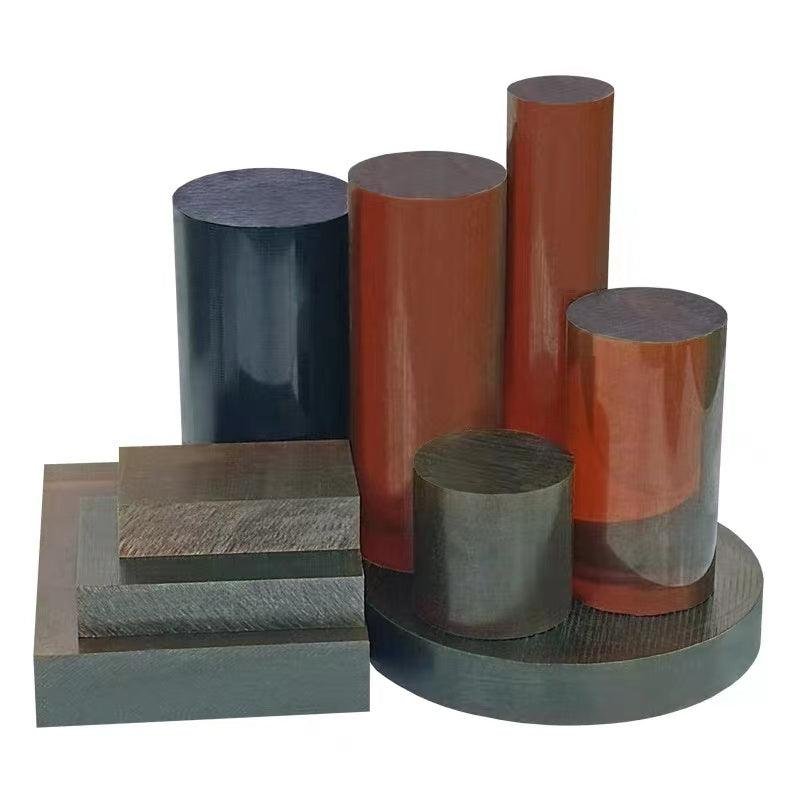
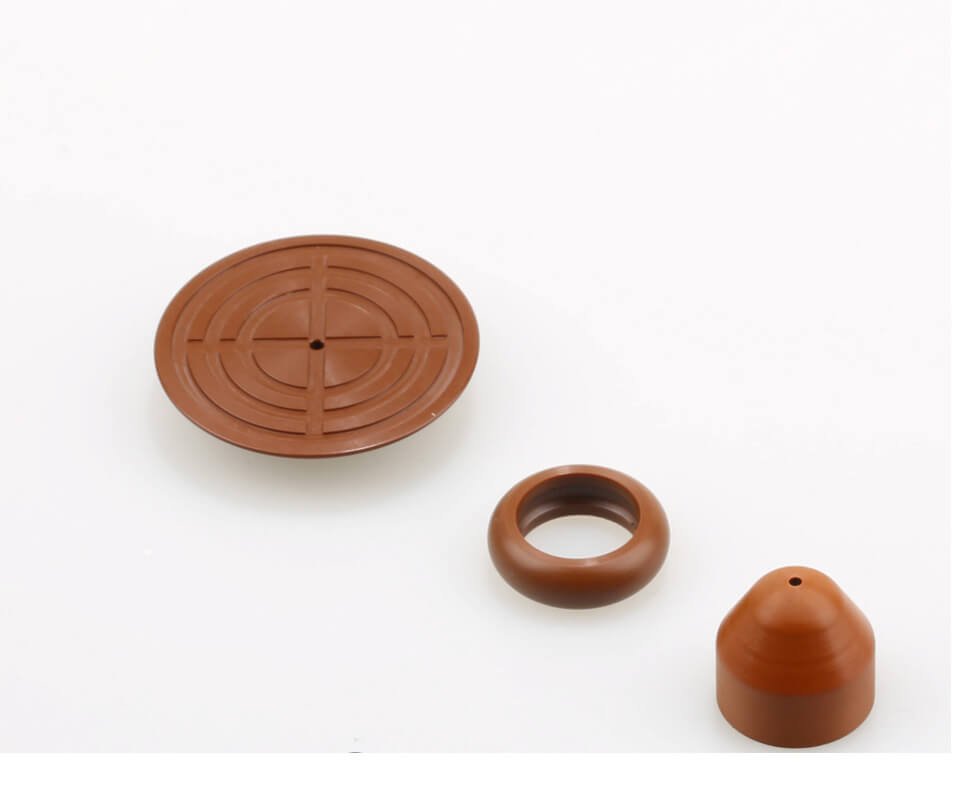
Structure of polyetherimide (PEI)

Medical device manufacturers are constantly seeking innovative materials that can withstand sterilization, resist wear and corrosion, and remain biocompatible for human use. Polyetherimide (PEI) has emerged as a high-performance thermoplastic with properties that make it well-suited for the demands of the medical industry.

🎉🎉🎉Limited Time Offer Use code: QR4GNY08SHVR at checkout and enjoy a special discount on your entire order! 👉 Polyetherimide (PEI) plastic

In this blog post, we’ll explore the key characteristics, benefits, and potential drawbacks of polyetherimide as a polymer for medical applications. Understanding PEI’s properties allows medical OEMs to evaluate whether it is an ideal material choice for their device designs and requirements.

An Introduction to Polyetherimide (PEI)

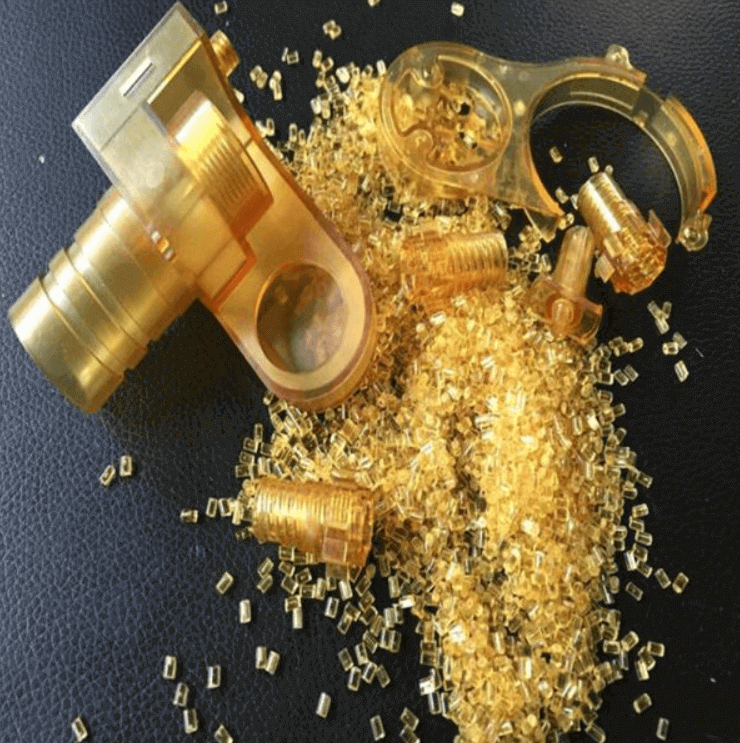
Polyetherimide, commonly abbreviated as PEI, is an amorphous, transparent engineering thermoplastic. It offers an exceptional combination of high heat resistance, intrinsic flame retardancy, and chemical resistance. PEI maintains its mechanical strength across a wide range of temperatures, demonstrating excellent dimensional stability.

PEI is typically used in applications requiring:

  • High heat capability and sterilizability
  • Resistance to harsh chemical environments
  • Durability and mechanical strength
  • Dimensional stability

Its unique properties have allowed PEI to gain use in medical devices as well as aerospace, automotive, and electronics applications. The biocompatibility and sterilization compatibility of PEI makes it well-suited for use in implants and other healthcare applications.

Key Properties of Polyetherimide for Medical Devices

Polyetherimide has several properties that make it advantageous for medical device designs:

High Heat Resistance and Sterilizability

PEI has high heat resistance, with a glass transition temperature of 217°C and melting point of 230°C. It maintains strength and rigidity up to 170°C. This high temperature capability means PEI can withstand the temperatures required for autoclave sterilization and other sterilization methods used on medical hardware and components.

Chemical and Solvent Resistance

PEI offers broad chemical resistance, resisting attack from most dilute acids, alkalis, oils, greases, and solvents at room temperature. This allows PEI medical components to avoid damage from cleaning agents and harsh chemicals. The polymer also has excellent radiation resistance, a crucial property for medical tubing and devices requiring repeated sterilization by radiation.

Mechanical Strength

With a tensile strength of 170 MPa, PEI has higher mechanical properties than many other clear thermoplastics like ABS, PU, PS and PVC. It retains good impact strength and ductility at low temperatures. PEI compares favorably to PEEK polymer in terms of mechanical performance for implants and medical tools.

Biocompatibility

Testing has shown that PEI demonstrates good biocompatibility, meaning it does not produce significant cytotoxic or allergic reactions in human tissue. This makes it suitable for use in medical devices that have direct tissue contact like implants.

Dimensional Stability

PEI maintains its shape, size, and mechanical properties through temperature fluctuations and chemical exposures. This dimensional stability gives medical device manufacturers reliability in their finished components.

Low Moisture Absorption

With a moisture absorption rate of just 0.3-0.4%, PEI resists taking on water better than most thermoplastics. It does not require drying before processing and will not degrade or warp due to moisture absorption. This gives PEI an advantage in medical assemblies exposed to liquids and steam sterilization.
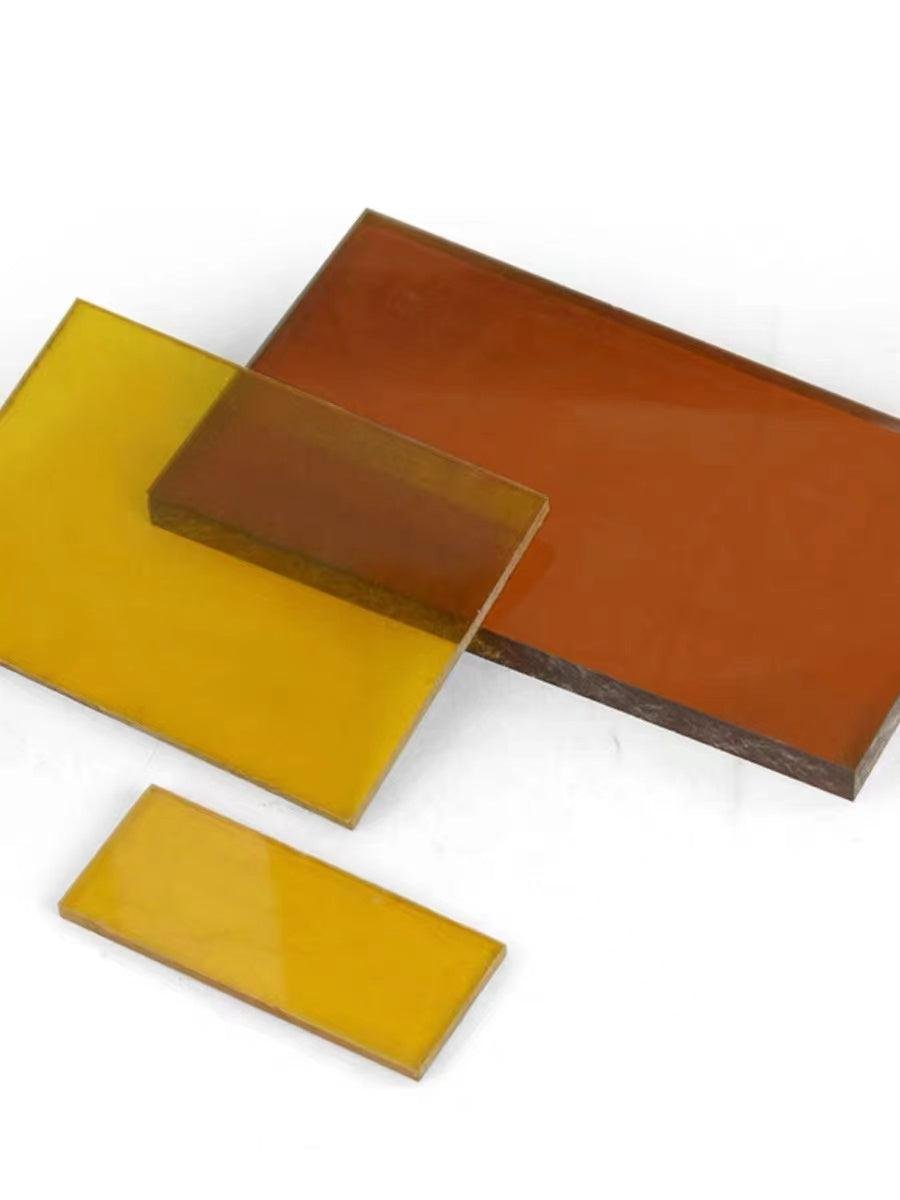
Properties of polyetherimide (PEI)

Benefits of Using PEI in Medical Applications

The unique benefits of polyetherimide make it an increasingly popular polymer for medical parts and device housings:

  • Withstands repeated sterilization through autoclaving, radiation, chemical treatment, and other methods
  • ** compatible for direct tissue contact** like in implants
  • Resists degradation from exposure to bodily fluids and cleaning agents
  • Maintains mechanical integrity and dimensional stability through repeated sterilization and use
  • Clear aesthetics allow visualization of internal components
  • Heat resistance allows use in higher temperature medical devices
  • Does not require predrying like nylon or PET

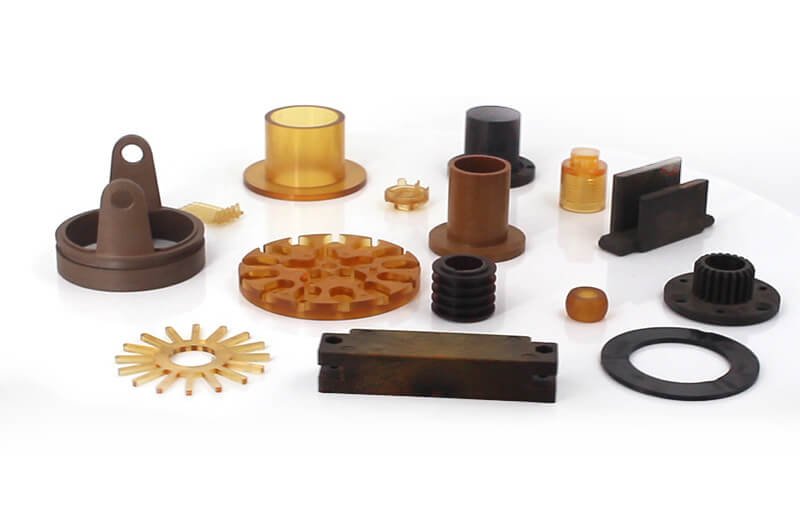
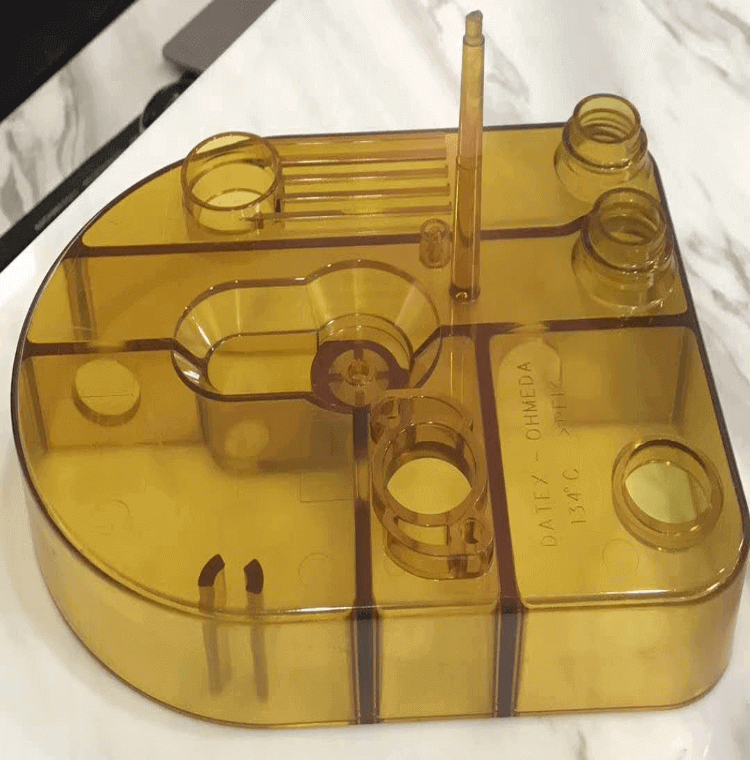
PEI is commonly used for injection molded components like precision gears, bushings, frames, and trays. It is also extruded into multi-lumen medical tubing for catheters, endoscopes, cardio and IV equipment. These applications take advantage of PEI’s unique set of chemical, thermal, and mechanical capabilities.
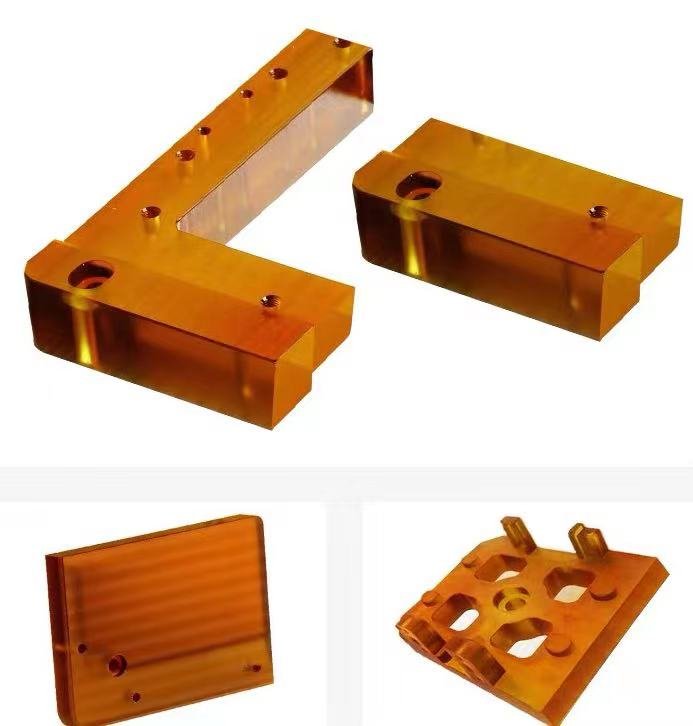
Applications of polyetherimide (PEI)

How Does PEI Compare to Other Medical Polymers?

Polyetherimide has attracted attention due to its balanced performance versus other popular polymers:

  • Stronger and lower cost alternative to PEEK: PEI approaches PEEK in heat resistance but has higher strength than PEEK. It offers a more economical choice.
  • Superior chemical resistance to ABS or PU: PEI withstands acids, bases, and solvents better than other clear resins.
  • Heat and chemically resistant like PPSU: PEI and PPSU both withstand sterilization and caustic chemicals. PEI is clearer optically.
  • Clear replacement for acetal: For medical devices like hand tools and endoscopy parts than need clarity, PEI can replace easily damaged acetal parts.
  • Alternative to nylons in gears and bearings: PEI has higher continuous-use temperature capabilities than nylon resins.

Engineering thermoplastics like PEEK, TPU, ABS, nylon, and acetal each have advantages in medical applications. But PEI offers a balanced set of properties that makes it competitive for more demanding applications.

Structure of polyetherimide (PEI)

Potential Drawbacks of Polyetherimide

While having many positive attributes, polyetherimide also has some potential disadvantages:

  • Relatively high material costs compared to commodities like ABS and nylon
  • Limited chemical resistance to strong alkalis and some solvents like chlorinated hydrocarbons
  • Processing challenges like shear sensitivity can impact dimensional tolerances
  • Hydrolytic sensitivity makes it important to properly dry PEI prior to processing

Manufacturers should take care to properly mold and machine PEI parts to achieve expected tolerances and avoid shear or thermal degradation. Despite these cautions, PEI remains an excellent material choice for the right medical applications.

Conclusion: When to Consider Polyetherimide

Polyetherimide will continue growing in popularity for medical devices requiring its unique set of properties. It should be considered:

  • In applications needing repeated sterilization capability
  • When high heat resistance, chemical resistance, and strength are critical
  • For transparent medical assemblies and components
  • To replace PEEK, acetal, or nylons in demanding environments
  • If dimensional stability through temperature fluctuations is required

While not suited for all medical uses, polyetherimide’s advantages make it a top choice for products from surgical tools to complex medical equipment. Engineers and product designers specify PEI when they need a material that can withstand the intense demands of the medical industry.

🎉🎉🎉Limited Time Offer Use code: QR4GNY08SHVR at checkout and enjoy a special discount on your entire order! 👉 Polyetherimide (PEI) plastic

Leave a comment


Please note, comments must be approved before they are published


Custom Plastic Fabrication

Send your drawing, material and quantity for review

🔧
Precision Machining
CNC milling & turning
✂️
Cutting & Engraving
Laser & waterjet cutting
🏭
Forming & Molding
Thermoforming & injection
🔗
Joining & Assembly
Welding & bonding
📐
Design & Prototyping
CAD design & samples

General

HDPE

PP

PVC

ABS

Engineering

POM

Nylon

PC

PMMA

High-Performance

PEEK

PEI

PTFE

Composites

FR-4

G10

Flexible

TPU

Silicone

Why Choose BeePlastic?

🎯
Perfect Fit
Custom specs eliminate adaptation needs
⚡
Clear Lead Times
Lead time confirmed with every quote
💰
Volume Pricing
Volume pricing available on bulk orders
🤝
Expert Support
Free engineering consultation included
📋
Submit
→
🔍
Review
→
💵
Quote
→
✅
Production
→
📦
Deliver

Request a Quote

Share your project details, selected material and quantity on our quote page. You can add a file link or use the email drawing route shown there.


Request Quote

Industries: Automotive • Medical • Food • Lab • Semiconductor

beeplastic@beeplastic.com


The Importance of Polyurethane Rollers in Manufacturing

Polyurethane Roller

Polyurethane, also known as PU, is a versatile polymer material that has many useful properties including high durability, flexibility, and resistance to abrasion. One of the most common uses of polyurethane is in the production of rollers used in manufacturing processes. Polyurethane rollers have become an indispensible component in many factories and production lines.

🎉🎉🎉Limited Time Offer Use code: QR4GNY08SHVR at checkout and enjoy a special discount on your entire order! 👉PU board

This article will discuss polyurethane rollers and their benefits, explain the various applications of PU rollers across different manufacturing industries, and provide suggestions on selection, maintenance and replacement. By the end, you will understand why polyurethane rollers are essential for smooth and efficient manufacturing operations.

green polyurethane rollers

Applications of PU Rollers in Manufacturing

Polyurethane rollers play a vital role in materials handling in a wide range of manufacturing processes. Here are some of the leading applications:

Assembly Lines

Factory assembly lines rely on conveyor belts to move parts seamlessly from one work station to another. Polyurethane rollers are used extensively on these conveyor belt systems due to their high load bearing capacity, low friction, and longevity. The rollers provide smooth transportation of materials without disruption.

Automotive Factories

The automotive industry utilizes enormous industrial rollers throughout the production process. PU rollers help convey heavy metal sheets and parts along stamping and welding lines. They also facilitate seamless paint application on vehicle bodies. Custom molded PU rollers allow flexibility for automotive-specific tasks.

Printing Industry

Offset printing presses use different types of rubber rollers for optimal print quality. PU rollers for printing industry are appreciated for their precision and consistency in transferring ink from plates to paper. Their durability also withstands prolonged use.

Polyurethane Rollers

Advantages of Polyurethane Rollers

Polyurethane rollers offer significant benefits that make them a top choice for industrial use:

Durability

Polyurethane has high tensile strength and abrasion resistance. PU rollers maintain shape and performance even under heavy loads and harsh environmental conditions of factories.

Flexibility

PU rollers provide the right blend of flexibility and firmness. This allows better grip and adaption to the contour of moving parts and materials.

Cost-Effectiveness

Though PU rollers have a higher upfront cost than plastic or rubber rollers, their long service life offsets that expense. Less downtime for replacement means more productivity.

polyurethane rollers size

Factors to Consider When Choosing Polyurethane Rollers

To select the optimal PU roller, assess requirements pertaining to:

Load Capacity: Consider weight of materials and force applied on the roller. Larger and heavier rollers suit more demanding applications.

Temperature Resistance: Determine exposure to heat and cold. PU compounds can be formulated for stability across wide temperature ranges.

Chemical Resistance: Know if the roller will come in contact with corrosive substances like grease, oil or solvents. Special PU grades provide better chemical resistance.

Polyurethane Roller

Maintenance of Polyurethane Rollers

To maximize the working life of PU rollers:

  • Perform regular cleaning by wiping down with compatible solvents or specialized cleaning solutions. This removes dirt, debris and chemical deposits.
  • Inspect rollers routinely for signs of damage, cracks, chips or flat spots. Immediately replace defective rollers.
  • Follow manufacturer guidelines on when to replace worn rollers based on extent of use. Replace before performance deteriorates.

Polyurethane rollers enable smooth materials handling and transportation in diverse manufacturing facilities. Key properties like durability, flexibility and chemical resistance make them well-suited for the heavy demands of industrial use. Choosing the right PU roller and maintaining it well ensures optimized efficiency and productivity. For manufacturers dealing with conveyance of parts and materials, investing in high quality polyurethane rollers is a smart choice.

Multi-style polyurethane rollers
If you are interested in using Polyurethane Plastic in your project or want to know more information, welcome to harass us. We are a professional supplier and manufacturer of all kinds of plastic custom processing and production, with a professional team of engineers and precision equipment, we can provide you with customized plastic solutions that meet your specifications and budget. We are happy to serve you and help you fulfill your needs. Do you need a free quote or help with any questions or materials? 
🎉🎉🎉Limited Time Offer Use code: QR4GNY08SHVR at checkout and enjoy a special discount on your entire order! 👉PU board
Our website: www.BeePlastic.com
Click to contact: Custom Polyurethane Plastic

Leave a comment


Please note, comments must be approved before they are published


Custom Plastic Fabrication

Send your drawing, material and quantity for review

🔧
Precision Machining
CNC milling & turning
✂️
Cutting & Engraving
Laser & waterjet cutting
🏭
Forming & Molding
Thermoforming & injection
🔗
Joining & Assembly
Welding & bonding
📐
Design & Prototyping
CAD design & samples

General

HDPE

PP

PVC

ABS

Engineering

POM

Nylon

PC

PMMA

High-Performance

PEEK

PEI

PTFE

Composites

FR-4

G10

Flexible

TPU

Silicone

Why Choose BeePlastic?

🎯
Perfect Fit
Custom specs eliminate adaptation needs
⚡
Clear Lead Times
Lead time confirmed with every quote
💰
Volume Pricing
Volume pricing available on bulk orders
🤝
Expert Support
Free engineering consultation included
📋
Submit
→
🔍
Review
→
💵
Quote
→
✅
Production
→
📦
Deliver

Request a Quote

Share your project details, selected material and quantity on our quote page. You can add a file link or use the email drawing route shown there.


Request Quote

Industries: Automotive • Medical • Food • Lab • Semiconductor

beeplastic@beeplastic.com


The Many Applications and Uses of PI Plastics

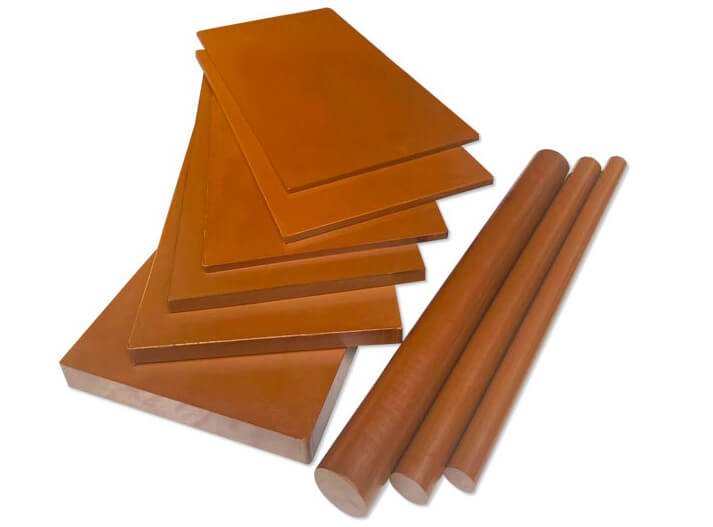
PI sheets and rods

Polyimide (PI) plastics are an important class of high-performance engineering thermoplastic materials used in a wide variety of industries. With excellent thermal, mechanical, and chemical properties, polyimide plastics outperform other plastics in demanding environments. This article will provide an overview of the many applications and uses of these versatile PI plastics.

🎉🎉🎉Limited Time Offer Use code: QR4GNY08SHVR at checkout and enjoy a special discount on your entire order! 👉 Polyimide plastic

PI plate and bar

Introduction to Polyimide Plastics

Polyimide plastics contain long chains of imide monomers that impart key attributes like:

  • High heat resistance
  • Excellent chemical resistance
  • High mechanical strength
  • Good dielectric properties

These make polyimide plastics ideal for applications that require materials that can withstand extreme temperatures, caustic chemicals, and wear and friction over time. Major PI plastic types include P84, Kapton, Vespel, and others.

Aerospace and Aviation Applications

The aerospace industry takes advantage of many polyimide plastic properties. PI plastics have high heat resistance exceeding 572°F (300°C), making them suitable for aerospace wiring insulation and other components.

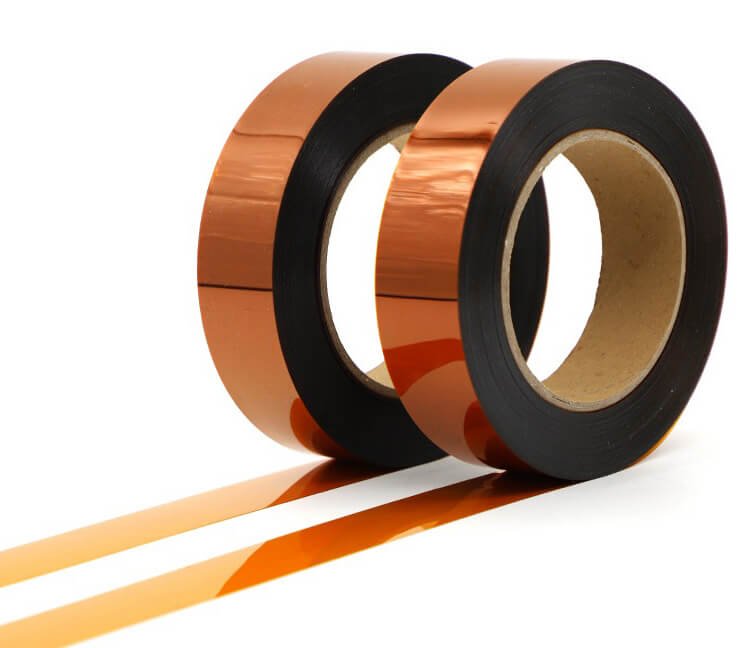
Polyimide Insulated Aerospace Wire

Aerospace grade PI plastic films are used to insulate wiring due to its high dielectric strength. This wire insulation does not melt or burn easily and protects aircraft electrical systems at altitudes up to 100,000 feet.

Jet Engine Components

PI plastic’s thermal stability allows it to be formed into bearing cages, bushings, and washers within jet engines. The high heat tolerance prevents failure of engine parts at extreme temperatures.

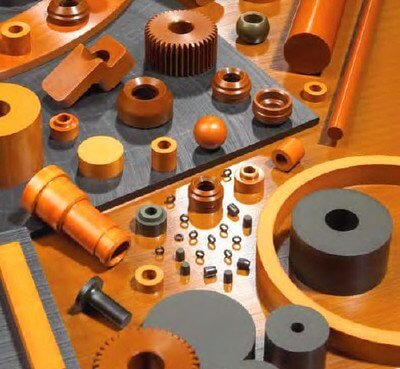
Polyimide plus parts

Polyimide Plastic Uses in Electronics

With good insulation properties and heat resistance, PI plastics serve well in electronics applications including:

Flexible Printed Circuits

Flexible printed circuits frequently use polyimide plastic film substrates. PI plastic films provide flexibility along with thermal and chemical stability for long life.

Wire and Cable Insulation

PI plastic films or tubing insulate wires and cables in consumer electronics and industrial equipment. The high dielectric strength resists electrical breakdown.

Circuit Boards

Glass fiber reinforced PI laminates are used to fabricate printed circuit boards. The dimensionally stable PI plastic boards withstand soldering temperatures.

PI Goldfinger

Automotive and Machinery Applications

Polyimide parts withstand friction, wear, and high heat in automotive and machinery environments:

Bushings and Washers

PI plastic bushings, washers, and thrust washers maintain dimensional integrity even at temperatures over 500°F (260°C). This makes them well-suited for automotive engines.

Wear Pads

PI plastic wear pads protect equipment while resisting abrasion. Used in escalators, conveyors, and other machinery. The self-lubricating nature reduces maintenance.

Motor Insulation

Wire insulation made of polyimide withstands the high heat conditions within electric motors. It helps prevent short circuits in generator windings too.

PI Gasket

Polyimide for Medical Devices

PI plastics meet the demanding requirements of medical device applications:

Implants and Prosthetics

The biocompatible and chemically inert nature of polyimide allows its use in implants and prosthetics that reside inside the human body. Devices include skull plates and intraocular lenses.

Catheters and Tubing

Thin-walled PI plastic tubing forms the lumens of catheters for angioplasty and other procedures. It withstands repeated autoclave sterilization cycles.

Dental Equipment

Wear-resistant PI plastic bushings and washers support rotating parts within dental equipment. The self-lubricating properties reduce friction and noise.

Fabricating and Machining PI Plastic Parts

While tough, polyimide parts can be fabricated using conventional plastics processes:

Injection Molding

PI plastics can be injection molded to net shape with tight tolerances. This allows intricate, detailed PI plastic components to be mass-produced.

Machining Methods

Polyimide parts are readily machined by sawing, laser cutting, drilling, milling, and turning. Carbide tooling with high cutting speeds is recommended.

Joining Techniques

Adhesive bonding, ultrasonic welding, and mechanical fasteners join polyimide parts. Surface preparations like plasma or chemical etching may help.

CNC machining of PI material

The Future of PI Plastics Technology

Polyimide plastics will continue meeting demands for ever lighter, smaller, and more reliable products especially in aerospace, electronics, and medical. Advances in polyimide materials and fabrication will open up new applications and industries for these exceptional high-performance plastics.

Processed parts of special materials
If you are interested in using PI Plastic in your project or want to know more information, welcome to harass us. We are a professional supplier and manufacturer of all kinds of plastic custom processing and production, with a professional team of engineers and precision equipment, we can provide you with customized plastic solutions that meet your specifications and budget. We are happy to serve you and help you fulfill your needs. Do you need a free quote or help with any questions or materials?
🎉🎉🎉Limited Time Offer Use code: QR4GNY08SHVR at checkout and enjoy a special discount on your entire order! 👉 Polyimide plastic
Our website: www.BeePlastic.com
Click to contact: Custom PI Plastic

Leave a comment


Please note, comments must be approved before they are published


Custom Plastic Fabrication

Send your drawing, material and quantity for review

🔧
Precision Machining
CNC milling & turning
✂️
Cutting & Engraving
Laser & waterjet cutting
🏭
Forming & Molding
Thermoforming & injection
🔗
Joining & Assembly
Welding & bonding
📐
Design & Prototyping
CAD design & samples

General

HDPE

PP

PVC

ABS

Engineering

POM

Nylon

PC

PMMA

High-Performance

PEEK

PEI

PTFE

Composites

FR-4

G10

Flexible

TPU

Silicone

Why Choose BeePlastic?

🎯
Perfect Fit
Custom specs eliminate adaptation needs
⚡
Clear Lead Times
Lead time confirmed with every quote
💰
Volume Pricing
Volume pricing available on bulk orders
🤝
Expert Support
Free engineering consultation included
📋
Submit
→
🔍
Review
→
💵
Quote
→
✅
Production
→
📦
Deliver

Request a Quote

Share your project details, selected material and quantity on our quote page. You can add a file link or use the email drawing route shown there.


Request Quote

Industries: Automotive • Medical • Food • Lab • Semiconductor

beeplastic@beeplastic.com


The Strength and Versatility of PEI Plastic in Automotive Manufacturing

Properties of polyetherimide (PEI)

Polyetherimide (PEI) is an advanced engineered thermoplastic that has become increasingly popular in the automotive industry. With its unparalleled thermal and mechanical performance, as well as chemical resistance, PEI offers automakers a high-performance plastic that can withstand the demanding requirements of under-the-hood applications.

PEI plastic possesses properties that make it an ideal material for both structural and non-structural automotive components. Keep reading to learn more about how PEI is being utilized by innovative auto manufacturers.

🎉🎉🎉Limited Time Offer Use code: QR4GNY08SHVR at checkout and enjoy a special discount on your entire order! 👉 Polyetherimide (PEI) plastic

PEI Properties Ideal for Automotive Applications

High Heat Resistance and Mechanical Strength

With a glass transition temperature of 217°C and continuous-use temperature of 170°C, PEI provides a large safety margin for parts and components exposed to high heat environments. The material retains good tensile and flexural strength at elevated temperatures.

PEI’s inherent flame resistance also allows it to meet strict flammability standards for vehicle interior and under-hood components.

These thermal and mechanical properties allow PEI to be used for plastic car components such as connectors, sensors, fuse boxes, and relay housings located in hot zones near the engine. PEI is also suitable for air intake manifolds and resonators.

Chemical and Flame Resistance

In addition to heat performance, PEI offers excellent broad-spectrum chemical resistance. The material demonstrates resistance to oils, fuels, coolants, and other aggressive automotive fluids.

PEI meets UL 94 V-0 flammability ratings at very thin wall thicknesses, a crucial safety requirement for automotive parts. It can withstand prolonged exposure to lipids, hydrocarbons, and other automotive fluids without degrading.

Dimensional Stability

Parts molded from PEI retain their shape even when exposed to dramatic temperature swings and dynamic mechanical loads. PEI demonstrates low moisture absorption compared to other engineering plastics.

This dimensional stability allows PEI to be precision-molded into intricate components that must maintain strict tolerances during vehicle operation.

PEI processed parts

PEI Use Cases in Automobile Production

Under-the-Hood Components

The high continuous-use temperature capabilities of PEI make it a problem-solving material choice for plastic components situated in cramped, hot engine compartments.

PEI is used for connectors, sensors, fuse boxes, and relay housings in close proximity to the engine and exhaust manifold. These parts are constantly exposed to radiant heat from the engine along with road splash from rain or mud. PEI withstands these conditions while providing precision electrical interfaces.

For auxiliary components like resonators and intake manifolds, PEI’s performance at high temperatures reduces the risk of deformities that can cause air leaks. The material’s low moisture absorption also prevents vacuum leaks.

Exterior Parts

For plastic components used on a vehicle’s exterior, such as mirror housing, cowlings, and trim, PEI demonstrates the ability to maintain appearance and dimensional integrity through years of UV exposure and weathering.

PEI possesses high strength and stiffness balanced with impact resistance—important mechanical properties for plastic body panels and other automotive structural parts. The material avoids breaking or losing shape even when subjected to stone and gravel impact.

Oil and Fuel Systems

Maintaining consistent flow and pressure of automotive fluids is critical for engine performance. PEI’s inertness allows it to withstand prolonged contact with hydrocarbon-based oils and fuels without degradation over thousands of hours of driving.

PEI fuel system components, such as delivery, cooling, and evaporation lines, can optimally balance chemical resistance with temperature and fatigue performance. Advanced PEI grades also provide the purity and metal release standards demanded by automotive fluid contact applications.

PEI Plastic

PEI in Emerging Auto Technologies

Electric Vehicles

The current wave of electric vehicle innovation has created complex thermal management challenges. Battery packs, motors, and power control electronics generate substantial heat that must be dissipated to prevent malfunctions.

PEI possesses the ideal balance of properties for EV thermal management systems. Excellent dielectric strength and conductivity allow PEI to play a dual role of structural support and heat dissipation in battery packs and power junctions.

Lightweighting

Automakers continuously seek ways to engineer lighter vehicles that boost fuel efficiency and driving performance. Replacing metal components with plastic can significantly cut weight.

PEI is being used as a metal replacement for automotive mirror brackets, seat structures, door handles, and other interior parts. The material’s strength-to-weight ratio surpasses metals while enabling greater styling freedom and processability.

PEI provides an advanced plastic solution capable of surviving the demanding temperature, chemical, and mechanical stresses within modern vehicle manufacturing. Auto engineers specify PEI when reliability and consistency are necessities in their designs.

Moving forward, expect leading automotive brands to utilize innovative grades of PEI as they push the boundaries of electric and autonomous vehicle development. With its versatility and performance, PEI plastic will continue finding new roles both under the hood and inside the automobile.

PEI rods
If you are interested in using PEI Plastic in your project or want to know more information, welcome to harass us. We are a professional supplier and manufacturer of all kinds of plastic custom processing and production, with a professional team of engineers and precision equipment, we can provide you with customized plastic solutions that meet your specifications and budget. We are happy to serve you and help you fulfill your needs. Do you need a free quote or help with any questions or materials?
🎉🎉🎉Limited Time Offer Use code: QR4GNY08SHVR at checkout and enjoy a special discount on your entire order! 👉 Polyetherimide (PEI) plastic
Our website: www.BeePlastic.com
Click to contact: Custom PEI Plastic

Leave a comment


Please note, comments must be approved before they are published


Custom Plastic Fabrication

Send your drawing, material and quantity for review

🔧
Precision Machining
CNC milling & turning
✂️
Cutting & Engraving
Laser & waterjet cutting
🏭
Forming & Molding
Thermoforming & injection
🔗
Joining & Assembly
Welding & bonding
📐
Design & Prototyping
CAD design & samples

General

HDPE

PP

PVC

ABS

Engineering

POM

Nylon

PC

PMMA

High-Performance

PEEK

PEI

PTFE

Composites

FR-4

G10

Flexible

TPU

Silicone

Why Choose BeePlastic?

🎯
Perfect Fit
Custom specs eliminate adaptation needs
⚡
Clear Lead Times
Lead time confirmed with every quote
💰
Volume Pricing
Volume pricing available on bulk orders
🤝
Expert Support
Free engineering consultation included
📋
Submit
→
🔍
Review
→
💵
Quote
→
✅
Production
→
📦
Deliver

Request a Quote

Share your project details, selected material and quantity on our quote page. You can add a file link or use the email drawing route shown there.


Request Quote

Industries: Automotive • Medical • Food • Lab • Semiconductor

beeplastic@beeplastic.com


Enhancing the Impact Resistance of ABS Plastic Parts

ABS waterproof housing

Impact resistance is an important property for ABS (Acrylonitrile Butadiene Styrene) plastic parts used in demanding applications. ABS is intrinsically a tough and durable thermoplastic, but its impact strength can fluctuate based on composition, processing, and end-use factors. This article will examine the variables that affect ABS plastic’s resilience to impacts, along with methods to test and improve its impact resistance. With an understanding of how to enhance the impact toughness of ABS, engineers can produce plastic components that withstand bumps, shocks, and drops – even at temperature extremes.

🎉🎉🎉Limited Time Offer Use code: QR4GNY08SHVR at checkout and enjoy a special discount on your entire order! 👉 ABS plastic
ABS Plastic

What Influences the Impact Strength of ABS Plastics?

ABS is a common engineering thermoplastic valued for its strength, stiffness, and impact resistance. However, there are a few key factors that determine the relative toughness and impact strength of ABS plastic:

ABS Composition

Varying the ratios of Acrylonitrile, Butadiene rubber, and Styrene during production can modify the blend’s properties. Higher butadiene content improves impact resistance but reduces rigidity. The composition is optimized based on application requirements.

Temperature Resistance

The impact strength of ABS plastic significantly decreases at sub-zero temperatures. This becomes important for automotive, electronics, and appliance components that must withstand impact at freezing temperatures.

Molding Method

How the ABS is processed affects orientation and internal stresses. Proper injection molding, annealing, and machining protocols can maximize desirable impact strength qualities.

Fillers and Additives

Compounding ABS with other polymers or fortifying fillers like glass fibers and nanoclays can enhance impact resistance, especially at low temperatures.

ABS spray paint

Testing the Impact Toughness of ABS Plastic

To properly ascertain ABS plastic’s resilience, testing to industry standards using Izod or Charpy impact tests is recommended. Both use a pendulum to strike standard ABS test specimens and quantify impact energy absorption. Factors like notch type, striking hammer, and temperature are controlled. Validated lab testing unveils the true impact strength capabilities.

Improving the Impact Resistance of ABS Parts

When standard ABS plastic alone does not meet impact requirements, here are methods of modifying ABS to increase its toughness:

  • Blending with polycarbonate or other polymers to produce ABS/PC or ABS plastics with wider temperature impact resistance.
  • Adding reinforcing fillers like micronized rubber, glass/carbon fibers, or minerals to strengthen ABS plastic.
  • Optimizing mechanical design features to dissipate impacts more effectively. Ribbing, bosses, and radii can improve impact resistance.

With customized ABS compositions and smart design, impact resilience can be augmented to meet demanding applications like:

  • Automotive interior trims that withstand years of bumps and scrapes.
  • Appliance and power tool housing that resists dings and drops during everyday consumer use.
  • Protective wearables, sports gear, and cases that must absorb significant sudden impact while retaining dimensional stability.
ABS injection molded parts

ABS offers excellent innate impact toughness but Several factors like temperature, composition ratios, molding method, and design can influence the impact strength of ABS plastic parts. Proper testing and material modifications are key to enhancing ABS plastic’s impact resistance for challenging applications that require resilience against bumps, blows, and unintended collisions across a broad temperature range.

ABS waterproof housing
If you are interested in using ABS Plastic in your project or want to know more information, welcome to harass us. We are a professional supplier and manufacturer of all kinds of plastic custom processing and production, with a professional team of engineers and precision equipment, we can provide you with customized plastic solutions that meet your specifications and budget. We are happy to serve you and help you fulfill your needs. Do you need a free quote or help with any questions or materials?
🎉🎉🎉Limited Time Offer Use code: QR4GNY08SHVR at checkout and enjoy a special discount on your entire order! 👉 ABS plastic
Our website: www.BeePlastic.com
Click to contact: Custom ABS Plastic


Leave a comment


Please note, comments must be approved before they are published


Custom Plastic Fabrication

Send your drawing, material and quantity for review

🔧
Precision Machining
CNC milling & turning
✂️
Cutting & Engraving
Laser & waterjet cutting
🏭
Forming & Molding
Thermoforming & injection
🔗
Joining & Assembly
Welding & bonding
📐
Design & Prototyping
CAD design & samples

General

HDPE

PP

PVC

ABS

Engineering

POM

Nylon

PC

PMMA

High-Performance

PEEK

PEI

PTFE

Composites

FR-4

G10

Flexible

TPU

Silicone

Why Choose BeePlastic?

🎯
Perfect Fit
Custom specs eliminate adaptation needs
⚡
Clear Lead Times
Lead time confirmed with every quote
💰
Volume Pricing
Volume pricing available on bulk orders
🤝
Expert Support
Free engineering consultation included
📋
Submit
→
🔍
Review
→
💵
Quote
→
✅
Production
→
📦
Deliver

Request a Quote

Share your project details, selected material and quantity on our quote page. You can add a file link or use the email drawing route shown there.


Request Quote

Industries: Automotive • Medical • Food • Lab • Semiconductor

beeplastic@beeplastic.com


CNC Machining vs Injection Molding: How to Choose the Best Process for HDPE Plastic Parts

Machined parts for lathes

Deciding between CNC machining or injection molding for manufacturing HDPE plastic parts can be difficult. What are the main differences between these two manufacturing processes, and how do you determine which is best for your application? This article will compare and contrast CNC machining and injection molding for HDPE plastic parts. We’ll look at factors like part geometry, production quantities, cost considerations, material options and more. With these key differences explained, you’ll be able to make an informed decision between CNC machining and injection molding for your HDPE plastic parts manufacturing needs.

🎉🎉🎉Limited Time Offer Use code: QR4GNY08SHVR at checkout and enjoy a special discount on your entire order! 👉 HDPE plastic
Machined parts for lathes

Overview of CNC Machining and Injection Molding for HDPE Plastics

First, let’s review the basics of each manufacturing process.

CNC machining is a subtractive fabrication process that uses computer numerical control (CNC) to automate and precision cut material away from a solid plastic block. Common CNC machining processes like milling, turning, drilling, and cutting can shape HDPE plastic into complex 3D geometries. It is ideal for rapid prototyping and low volume production.

Injection molding is a formative manufacturing process where molten HDPE plastic is injected under high pressure into a mold cavity. The plastic cools and hardens into the shape of the mold. This process enables high volume production of plastic parts in a wide range of shapes, textures and colors.

HDPE Injection Molding chair

Key Differences Between CNC Machining and Injection Molding HDPE

There are several key factors that differ between CNC machining and injection molding processes when working with HDPE plastic:

Manufacturing Method

  • CNC machining removes material whereas injection molding shapes and forms material into a mold.

Part Complexity

  • CNC machining can manufacture highly complex and intricate plastic parts thanks to the rotational axes on CNC mills. HDPE plastic parts produced via injection molding have more limited geometry based on the mold design.

Production Volumes

  • CNC machining is better suited for lower volume production of HDPE plastic parts, while injection molding is ideal for mass production of thousands+ of identical plastic parts.
HDPE lathe machined parts

Detailed Comparison Between CNC Machining and Injection Molding

Let’s dive deeper into a comparison of cost, surface finish, speed, accuracy, and material considerations between CNC machining and injection molding for HDPE plastics.

Cost Comparison

The main costs for CNC machining include machine time, HDPE plastic material, and CNC operator or programmer labor. Because there is no mold required, low volume production via CNC machining can be more affordable. High volume production with injection molding becomes more cost effective because the cost is spread over thousands of parts.

Surface Finish

Injection molded HDPE plastic parts generally have a better surface finish than machined parts. The mold cavity has a polished surface finish that gets imparted onto the molded parts. CNC machined parts can have evident tooling marks based on the size of the end mill bit. However, an experienced CNC machinist can obtain a fine surface finish on HDPE if required.

Speed and Lead Time

CNC machining offers faster turnaround as parts can be machined in hours without waiting for production tooling. Injection molding requires 1-12 weeks to design and manufacture the steel mold before production can begin. Once the mold is ready, cycle times to produce each part are very fast.

Accuracy and Tolerances

CNC machining can consistently hold tighter dimensional tolerances of +/- 0.005 inches for HDPE plastic parts. The repeatability of injection molding is reliant on mold precision and HDPE plastic’s tendency to shrink and warp. Overall, CNC machining can achieve more precise accuracy and tolerances.

Material Options

Injection molding allows a wider range of plastic materials including various densities of HDPE plastic. CNC machining is limited to rigid thermoplastic stock material available in blocks, sheets or rods. However, CNC machining provides the flexibility to use virgin or recycled HDPE plastic.

PE boat Injection Molding

Recommendations for Choosing Between CNC Machining and Injection Molding

CNC Machining

  • Ideal for low volume production requirements, short runs of 50-500 parts
  • Enables rapid prototyping of HDPE plastic parts
  • Recommended when part geometry is complex, unique or subject to design changes
  • More cost effective than injection molding for small quantities

Injection Molding

  • Best process for mass production of 10,000+ identical HDPE plastic parts
  • Higher initial costs but lower per-part costs at high quantities
  • Tight tolerances and excellent surface finishes possible
  • Wide range of HDPE densities and colors available

The optimum process depends on your part geometry, production quantity, lead time, accuracy needs, and budget considerations. Consulting a manufacturing engineer can help determine if CNC machining or injection molding is preferable for a HDPE plastic application.

After reviewing the core differences and factors between CNC machining and injection molding processes for HDPE plastics, you can better select the optimal fabrication method. Both offer their own pros and cons. CNC machining is the faster, lower volume production method with high accuracy, while injection molding enables mass production of HDPE parts with excellent finishes. Consider your specific project requirements like design complexity, order quantities and tolerances needed when deciding between the two manufacturing alternatives for your application.

CNC machining workshop
If you are interested in using Bakelite Plastic in your project or want to know more information, welcome to harass us. We are a professional supplier and manufacturer of all kinds of plastic custom processing and production, with a professional team of engineers and precision equipment, we can provide you with customized plastic solutions that meet your specifications and budget. We are happy to serve you and help you fulfill your needs. Do you need a free quote or help with any questions or materials?
🎉🎉🎉Limited Time Offer Use code: QR4GNY08SHVR at checkout and enjoy a special discount on your entire order! 👉 HDPE plastic
Our website: www.BeePlastic.com
Click to contact: Custom HDPE Plastic

Leave a comment


Please note, comments must be approved before they are published


Custom Plastic Fabrication

Send your drawing, material and quantity for review

🔧
Precision Machining
CNC milling & turning
✂️
Cutting & Engraving
Laser & waterjet cutting
🏭
Forming & Molding
Thermoforming & injection
🔗
Joining & Assembly
Welding & bonding
📐
Design & Prototyping
CAD design & samples

General

HDPE

PP

PVC

ABS

Engineering

POM

Nylon

PC

PMMA

High-Performance

PEEK

PEI

PTFE

Composites

FR-4

G10

Flexible

TPU

Silicone

Why Choose BeePlastic?

🎯
Perfect Fit
Custom specs eliminate adaptation needs
⚡
Clear Lead Times
Lead time confirmed with every quote
💰
Volume Pricing
Volume pricing available on bulk orders
🤝
Expert Support
Free engineering consultation included
📋
Submit
→
🔍
Review
→
💵
Quote
→
✅
Production
→
📦
Deliver

Request a Quote

Share your project details, selected material and quantity on our quote page. You can add a file link or use the email drawing route shown there.


Request Quote

Industries: Automotive • Medical • Food • Lab • Semiconductor

beeplastic@beeplastic.com


A Collector’s Guide to Vintage Bakelite Housewares and Accessories

Gumwood Furniture

Bakelite plastic revolutionized consumer products in the early 20th century with its versatility, affordability and bold Art Deco styling. Today, vintage household items and accessories made from this early plastic are sought-after collector’s pieces. Their nostalgic designs and warm patina make vintage Bakelite goods increasingly hard to find. For those enamored with old Bakelite radios, kitchenware and jewelry, collecting and caring for these pieces takes research and care.

🎉🎉🎉Limited Time Offer Use code: QR4GNY08SHVR at checkout and enjoy a special discount on your entire order! 👉 Bakelite plastic
Gumwood Brooch

Popular Collectible Bakelite Accessories:

Jewelry was one of the earliest applications for Bakelite plastic. Bakelite bangles, earrings, brooches and more gained popularity in the 1930s-40s for their eye-catching colors and geometric styles. Stackable bracelets carved from molded Bakelite are one of the most iconic looks. Bold Bakelite jewelry captured the spirit of early modern style. Other collectible accessories include ornate belt buckles and buttons, which showcase the plastic’s versatile hues and ability to mimic natural materials like tortoiseshell.

Gum Wood Bracelet

Vintage Bakelite for the Kitchen:

The retro appeal of old Bakelite extends to kitchenware like canisters, utensils and appliances. Bakelite was prized for its heat resistance, making it ideal for items like egg beaters and coffee percolator tops. Bakelite’s non-porous surface also made it perfect for kitchen containers to keep food fresh. Vintage Bakelite canisters and kitchen tools have a charming, streamlined look. Avid collectors may keep an eye out for rare Bakelite items like juicers or lemon reamers. Restoring cracked or stained vintage kitchenware can bring new life to these everyday antiques.

Gumwood Tea Set

Nostalgic Bakelite Radios and Phones:

Bakelite’s popularity in early electronics made it a fixture of living rooms and dens. Tabletop radios encased in glossy molded Bakelite housings marked a new era of consumer technology. Their eye-catching colors and sleek Art Deco lines made them both functional and decorative. Bakelite was also used in telephones like Ericsson desk sets. Rotary phones and portable radios made from this early plastic have enduring retro appeal. As electronics advanced, these classics became coveted vintage treasures.

Unique Bakelite Figurines and Home Décor:

Beyond practical items, Bakelite was also sculpted into artful figurines like vases, lamps and animal shapes. Bakelite allowed more intricacy and color options than previous plastics, letting manufacturers create decorator pieces that aligned with 1930s-40s styles. Whimsical Bakelite lamps, ashtrays and hurricanes featured organic silhouettes and marbleized colors. Collectors may encounter rare novelty Bakelite items like Disney figures. Restoring damaged vintage Bakelite decor requires finesse to preserve their original look.

Gumwood Radio

Authenticating and Valuing Vintage Bakelite:

Because Bakelite products have significant collector value, verifying vintage pieces is crucial. Traits like the distinctive phenol formaldehyde odor, melting point, and reactions to solvent can help identify old Bakelite. Collectors must investigate pieces carefully since convincing plastic imitations exist. Condition, rarity and aesthetics determine Bakelite value. Common figurines might sell for $50-$100, while mint-condition jewelry or radios can fetch thousands. Understanding how to spot and handle true Bakelite is key for vintage enthusiasts.

Caring for a Vintage Bakelite Collection:

To preserve the beauty of vintage Bakelite plastics, gentle cleaning and storage methods are needed. Never submerge Bakelite pieces. Instead use a soft cloth with mild soap and water, avoiding harsh chemicals that can damage the finish. Avoid extremes of heat and prolonged sun exposure. Store Bakelite carefully padded and protected to prevent cracking and chipping. Repair any loose joints or hardware to keep items intact. The value is in Bakelite’s original details. With careful handling, Bakelite products can be cherished and displayed for decades to come.

The heyday of Bakelite plastic lasted just decades, but thanks to keen collectors, these innovative designs continue to be appreciated. From radios to jewelry, Bakelite infused everyday function with Art Deco artistry. Admiring and collecting vintage household goods and accessories allows one to own a tangible reflection of the early 20th century’s aesthetic spirit. For enthusiasts seeking stylish remnants of the past, Bakelite’s warm allure persists to this day.

Bakelite
If you are interested in using Bakelite Plastic in your project or want to know more information, welcome to harass us. We are a professional supplier and manufacturer of all kinds of plastic custom processing and production, with a professional team of engineers and precision equipment, we can provide you with customized plastic solutions that meet your specifications and budget. We are happy to serve you and help you fulfill your needs. Do you need a free quote or help with any questions or materials?
🎉🎉🎉Limited Time Offer Use code: QR4GNY08SHVR at checkout and enjoy a special discount on your entire order! 👉 Bakelite plastic
Our website: www.BeePlastic.com
Click to contact: Custom Bakelite Plastic

Leave a comment


Please note, comments must be approved before they are published


Custom Plastic Fabrication

Send your drawing, material and quantity for review

🔧
Precision Machining
CNC milling & turning
✂️
Cutting & Engraving
Laser & waterjet cutting
🏭
Forming & Molding
Thermoforming & injection
🔗
Joining & Assembly
Welding & bonding
📐
Design & Prototyping
CAD design & samples

General

HDPE

PP

PVC

ABS

Engineering

POM

Nylon

PC

PMMA

High-Performance

PEEK

PEI

PTFE

Composites

FR-4

G10

Flexible

TPU

Silicone

Why Choose BeePlastic?

🎯
Perfect Fit
Custom specs eliminate adaptation needs
⚡
Clear Lead Times
Lead time confirmed with every quote
💰
Volume Pricing
Volume pricing available on bulk orders
🤝
Expert Support
Free engineering consultation included
📋
Submit
→
🔍
Review
→
💵
Quote
→
✅
Production
→
📦
Deliver

Request a Quote

Share your project details, selected material and quantity on our quote page. You can add a file link or use the email drawing route shown there.


Request Quote

Industries: Automotive • Medical • Food • Lab • Semiconductor

beeplastic@beeplastic.com


Custom-Made Classics: Breathing New Life into Old Plastic Designs

  • 1 comment
Gumwood Radio

Vintage plastic products like classic Bakelite radios and retro appliances have come back into style in recent years. Their classic designs and nostalgic charm make these old plastic goods popular collector’s items and decor accents. For those seeking the Bakelite look without hunting down rare antiques, custom manufacturing opens up new possibilities. Modern fabrication techniques can reproduce the old-fashioned aesthetic of vintage plastics for fresh new product designs.

🎉🎉🎉Limited Time Offer Use code: QR4GNY08SHVR at checkout and enjoy a special discount on your entire order! 👉 Bakelite plastic

Gumwood Brooch

Recapturing the Bakelite Look:

The retro appeal of original Bakelite comes from its patina, colors and unique manufacturing process. Bakelite is made from phenol formaldehyde resin, molded while hot and hardened into an irreversible shape. Creating new plastic products with that aged Bakelite look requires carefully selecting materials and fabrication techniques. Options like epoxy resin casting can replicate the marbled, variegated colors of vintage Bakelite. Finishing processes like tumbling can dull down shiny new plastic to achieve a worn look. With the right combination of materials and finishing, brand new plastic products can capture the spirit of old Bakelite.

Custom Retro Plastic Accessories and Housewares:

Once artisans nail down the formulas for achieving an aged Bakelite aesthetic, whole new lines of custom plastic home goods become possible. Vintage-style jewelry, decor items and everyday accessories gain new appeal when meticulously crafted from plastics that look like they came from a mid-century time capsule. Plastic is infinitely moldable, so vintage designs can be reproduced or expanded upon to suit modern tastes. From custom refrigerator magnets to retro clock cases, the applications are vast for custom manufacturing little slices of the past with today’s tools.

Bakelite Fixture

Modernizing Old Styles with New Materials:

Replicating the exact properties and qualitities of original 1930s-50s Bakelite plastics presents challenges today given advances in polymers and casting processes. But new materials also offer chances to upgrade the durability and versatility of old designs. Epoxy resins provide more flexibility and impact resistance than vintage phenol formaldehydes. Tinted transparent resins can achieve the jewel-toned look of old Bakelite in translucent bright colors. With thoughtful material selection, manufacturers can honor vintage aesthetics while maximizing quality.

Casting Classic Plastic Radio Casings:

For serious Bakelite fans, few products represent the pinnacle of vintage plastic chic like old radios with their intricately molded housings. Recreating these iconic casings requires a deep understanding of materials and meticulous attention to detail. The right resin must be chosen to simulate the weight and luster of Bakelite. Prototyping and test casts are a must to perfect the two-part molds needed to achieve the clean, seamless lines of retro radios. Every swirl and detail must be considered to capture the essence of these plastic treasures. But for those passionate about vintage electronics, custom casting provides the chance to re-encase restored components in newly minted, era-appropriate shells.

Blending Old and New Manufacturing:

Modern digital manufacturing tools open new possibilities for remixing and reimagining classic plastic product designs. 3D printing or CNC milling can create masters for vintage-looking parts that would be impossible to mold by hand. CAD software enables designers to tweak and tailor retro plastic product blueprints to maximize functionality. By blending old-school aesthetics with new technology, manufacturers can keep the spirit of retro plastics alive. The look and feel of aged Bakelite can be synthesized in unlimited new-yet-familiar forms.

Bakelite leaning board

The Limits of Custom Retro Fabrication:

Despite advancing technology, replicating aged Bakelite exactly as it would have been produced in its heyday still poses challenges. The limitations of materials and costs of tooling make completely capturing the authentic retro experience difficult. Much depends on the mastery and patience of the artisans doing the work. Synthesizing complex custom colors and surface textures still requires a human touch. Creating plastic products with market appeal as vintage or retro-inspired goods relies on design skill and artistic creativity as much as manufacturing technique.

The appeal of old plastic goods, with their warm, organic beauty, endures and inspires modern designs. For companies and artisans seeking to tap into this aesthetic, custom fabrication provides opportunities limited only by imagination. Vintage-style plastic gives products instant nostalgic charm. As technology improves and awareness grows, expect to see custom-manufactured plastics that look decades old but feel brand new become popular in creative industries and beyond. While nothing replaces searching out real antiques, these retro-inspired plastics let budding designers create the classics of tomorrow.

Gumwood Radio
If you are interested in using Bakelite Plastic in your project or want to know more information, welcome to harass us. We are a professional supplier and manufacturer of all kinds of plastic custom processing and production, with a professional team of engineers and precision equipment, we can provide you with customized plastic solutions that meet your specifications and budget. We are happy to serve you and help you fulfill your needs. Do you need a free quote or help with any questions or materials?
🎉🎉🎉Limited Time Offer Use code: QR4GNY08SHVR at checkout and enjoy a special discount on your entire order! 👉 Bakelite plastic
Our website: www.BeePlastic.com
Click to contact: Custom Bakelite Plastic

1 comment

  • Thankfulness to my father who shared with me about this web site, this webpage is actually awesome.

    – canadian pharmacies

Leave a comment


Please note, comments must be approved before they are published


Custom Plastic Fabrication

Send your drawing, material and quantity for review

🔧
Precision Machining
CNC milling & turning
✂️
Cutting & Engraving
Laser & waterjet cutting
🏭
Forming & Molding
Thermoforming & injection
🔗
Joining & Assembly
Welding & bonding
📐
Design & Prototyping
CAD design & samples

General

HDPE

PP

PVC

ABS

Engineering

POM

Nylon

PC

PMMA

High-Performance

PEEK

PEI

PTFE

Composites

FR-4

G10

Flexible

TPU

Silicone

Why Choose BeePlastic?

🎯
Perfect Fit
Custom specs eliminate adaptation needs
⚡
Clear Lead Times
Lead time confirmed with every quote
💰
Volume Pricing
Volume pricing available on bulk orders
🤝
Expert Support
Free engineering consultation included
📋
Submit
→
🔍
Review
→
💵
Quote
→
✅
Production
→
📦
Deliver

Request a Quote

Share your project details, selected material and quantity on our quote page. You can add a file link or use the email drawing route shown there.


Request Quote

Industries: Automotive • Medical • Food • Lab • Semiconductor

beeplastic@beeplastic.com


From Insulators to Iconic Antiques: The Many Lives of Bakelite Plastic

Gumwood Brooch

Bakelite was the first truly synthetic plastic, changing product design and manufacturing processes forever when it was invented in the early 20th century. This versatile material surged in popularity in the decades that followed, leaving its mark on everything from electronics to jewelry before eventually receding from widespread industrial use. However, Bakelite remains an iconic plastic with an enduring legacy.

🎉🎉🎉Limited Time Offer Use code: QR4GNY08SHVR at checkout and enjoy a special discount on your entire order! 👉 Bakelite plastic
Bakelite

The Invention of Bakelite:

Belgian-born chemist Leo Baekeland invented Bakelite in 1907, marking the birth of the modern plastics industry. Baekeland had already made his first fortune with the creation of a photographic paper called Velox. In search of his next breakthrough, he set his sights on developing a shellac alternative that would overcome the limitations of natural polymers. After years of experiments, his breakthrough came in 1907 when he successfully produced a phenol-formaldehyde resin that could be molded into virtually any shape before hardening permanently. Baekeland named his creation “Bakelite” and patented it in 1909.
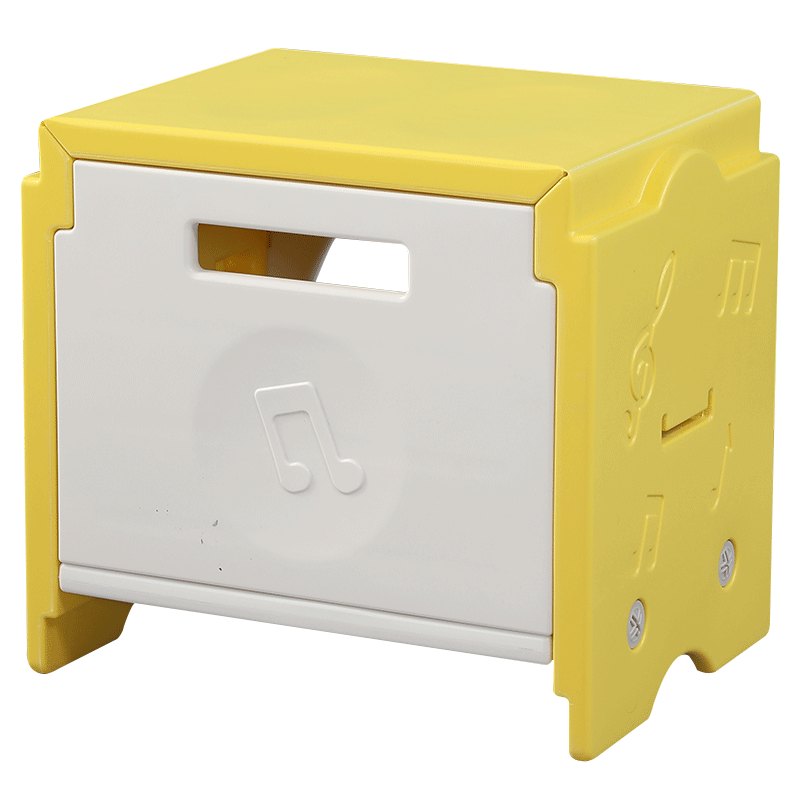
Bakelite leaning board

Transforming Manufacturing Processes:

Baekeland’s chemically engineered plastic was a moldable material that could provide electrical insulation and withstand high temperatures. Bakelite was soon utilized across numerous manufacturing sectors, shaping everything from telephones, clocks and appliances to billiard balls and dominoes. The creation of Bakelite enabled the development of modern electronics, revolutionizing how radios and telephones were produced with precise, molded components. Bakelite opened up vast new possibilities for product designers, and facilitated mass production across industries.

Military Applications in WW2:

When World War II sparked increased demand for durable, versatile materials, Bakelite was there to answer the call. It was used extensively in the U.S. military buildup during the 1940s. Bakelite’s heat and impact resistance made it an ideal material for missile nose cones, support equipment, and even pilot goggles. Its moldability also enabled the mass production of molded grips for pistols and other firearms needed by American troops. The U.S. government even temporarily took over full control of Bakelite production for wartime manufacturing efforts.

Bakelite Fixture

Iconic Bakelite Radios:

After the 1920s introduction of the first commercial radios, Bakelite soon became the material of choice for radio casings. Its electrical insulation and heat resistance made it the perfect housing to contain the tubes and wiring in these early electronics. Bakelite radios took on incredible variety in color, shape and design, making them highly collectible today. Vintage Bakelite radios remain popular for their singular style thanks to the plastic’s marbled, Art Deco-inspired look. Bakelite gave radios the durability and appearance to become fixtures of American living rooms for decades.

Gumwood Brooch

Jewelry and Fashion:

Bakelite was also embraced by the worlds of jewelry and high fashion. Its ability to be produced in bright colors and eye-catching designs led to its use in all types of jewelry from bracelets to brooches. Costume jewelry designers like Coco Chanel integrated Bakelite into their pieces to create bangles and other accessories that became hallmarks of 1920-40s style. Durable, lightweight and flashy, Bakelite jewelry remains collectible for its retro charm and artfulness. It encapsulated the spirit of Art Deco and jazz age design.

Gumwood Radio

The Vintage Bakelite Collector Craze:

Thanks to its endless applications and distinct look, vintage Bakelite has become a highly sought-after collector’s item. Bakelite antique radios, jewelry, kitchenwares and more from the 1930s-50s can sell for thousands. Collectors are drawn to the designs, colors and nostalgia of genuine old Bakelite pieces. The material’s rarity and chemical composition make authenticating vintage Bakelite a science—testing for reaction to hot water, ammonia fumes, or electrical conductivity can help distinguish it from lookalike plastics. Avid collectors have helped maintain Bakelite’s legacy far beyond its declining industrial use.

Enduring Applications:

While Bakelite is no longer widely used in manufacturing, it has left its technological and cultural mark. It paved the way for advanced plastics engineering, and elements of its production process are still used to create high-performance resins. Bakelite-patented phenolic resins have continued applications in carbon fiber materials, insulation, clutches, and automotive braking systems. In paying homage to vintage style, some jewelry makers have also revived Bakelite-inspired designs. The original Bakelite plastic inspired generations of innovations and left its impression on history.
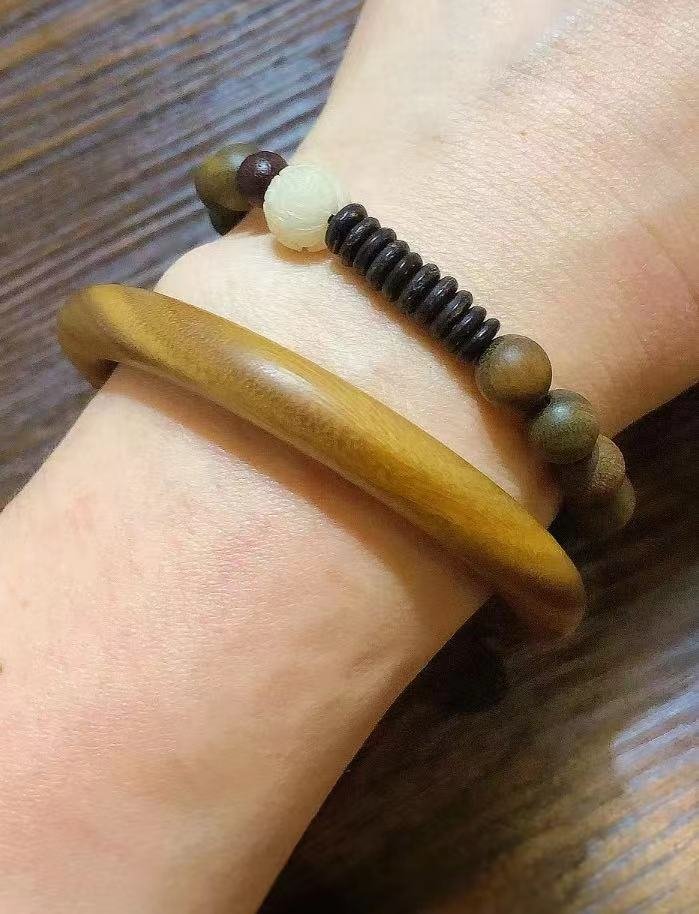
From its inception in Leo Baekeland’s lab to its ubiquity across early 20th century products, Bakelite was a genuine game-changer. It transformed the young plastics industry and manufacturing capabilities worldwide. Bakelite enabled modern electronics and mass production, while also leaving a design legacy that still resonates today. Though no longer the go-to plastic for engineers and designers, Bakelite remains embedded in our cultural consciousness thanks to its distinct allure in vintage collectibles. This pioneering plastic broke barriers in both form and function.

bakelite
If you are interested in using Bakelite Plastic in your project or want to know more information, welcome to harass us. We are a professional supplier and manufacturer of all kinds of plastic custom processing and production, with a professional team of engineers and precision equipment, we can provide you with customized plastic solutions that meet your specifications and budget. We are happy to serve you and help you fulfill your needs. Do you need a free quote or help with any questions or materials?
🎉🎉🎉Limited Time Offer Use code: QR4GNY08SHVR at checkout and enjoy a special discount on your entire order! 👉 Bakelite plastic
Our website: www.beePlastic.com
Click to contact: Custom Bakelite Plastic

Leave a comment


Please note, comments must be approved before they are published


Custom Plastic Fabrication

Send your drawing, material and quantity for review

🔧
Precision Machining
CNC milling & turning
✂️
Cutting & Engraving
Laser & waterjet cutting
🏭
Forming & Molding
Thermoforming & injection
🔗
Joining & Assembly
Welding & bonding
📐
Design & Prototyping
CAD design & samples

General

HDPE

PP

PVC

ABS

Engineering

POM

Nylon

PC

PMMA

High-Performance

PEEK

PEI

PTFE

Composites

FR-4

G10

Flexible

TPU

Silicone

Why Choose BeePlastic?

🎯
Perfect Fit
Custom specs eliminate adaptation needs
⚡
Clear Lead Times
Lead time confirmed with every quote
💰
Volume Pricing
Volume pricing available on bulk orders
🤝
Expert Support
Free engineering consultation included
📋
Submit
→
🔍
Review
→
💵
Quote
→
✅
Production
→
📦
Deliver

Request a Quote

Share your project details, selected material and quantity on our quote page. You can add a file link or use the email drawing route shown there.


Request Quote

Industries: Automotive • Medical • Food • Lab • Semiconductor

beeplastic@beeplastic.com


Optimizing CNC Machining Operations for HDPE Plastic – Tips and Techniques

HDPE card strip

Recommended Coolants and Lubricants for HDPE

HDPE’s low coefficient of friction allows it to be machined dry, but using coolants and lubricants is recommended to regulate temperature and evacuate chips. Consider these HDPE-compatible options:

  • Water-Soluble Oils: At 15-25% concentration, water-soluble oils effectively lubricate the cut while controlling heat buildup during machining.
  • Synthetics: PEGs, esters, polyalkylene glycols and other synthetics are stable options for HDPE, provided proper filtration.
  • Through Tool Delivery: For pressurized through-tool lubricant, use 500-1500 psi to adequately penetrate HDPE’s pore-free structure.

Proper filtration, skimming, and concentration control prevents oils and fats from contaminating HDPE surfaces, avoiding defects.

🎉🎉🎉Limited Time Offer Use code: QR4GNY08SHVR at checkout and enjoy a special discount on your entire order! 👉 HDPE plastic
CNC Precision Carving Machine

Key Takeaways for Machining HDPE with CNC

With its stellar strength-to-weight characteristics and machinability, HDPE is here to stay as a staple plastic for engineered components. By adopting the tips above, you can optimize your CNC machining operations to make the most of this material’s potential.

  • Select specialized tooling engineered for plastics
  • Use conservative speeds and feeds to prevent melting and build-up
  • Minimize part deformation through fixturing and stock allowance
  • Dial in fine stepovers, climb moves, and lubrication for good finishes
  • Choose compatible coolants and synthetics to regulate cutting temperature

With the right techniques, HDPE can be a breeze to machine accurately and efficiently on CNC mills and lathes. Optimizing your process for this high-demand material can lead to improved performance and part quality.

HDPE card strip
If you are interested in using HDPE plastic in your project or want to know more information, welcome to harass us. We are a professional supplier and manufacturer of all kinds of plastic custom processing and production, with a professional team of engineers and precision equipment, we can provide you with customized plastic solutions that meet your specifications and budget. We are happy to serve you and help you fulfill your needs. Do you need a free quote or help with any questions or materials?
🎉🎉🎉Limited Time Offer Use code: QR4GNY08SHVR at checkout and enjoy a special discount on your entire order! 👉 HDPE plastic
Our website: www.BeePlastic.com
Click to contact: Custom Top CNC machining techniques for HDPE

Leave a comment


Please note, comments must be approved before they are published


Custom Plastic Fabrication

Send your drawing, material and quantity for review

🔧
Precision Machining
CNC milling & turning
✂️
Cutting & Engraving
Laser & waterjet cutting
🏭
Forming & Molding
Thermoforming & injection
🔗
Joining & Assembly
Welding & bonding
📐
Design & Prototyping
CAD design & samples

General

HDPE

PP

PVC

ABS

Engineering

POM

Nylon

PC

PMMA

High-Performance

PEEK

PEI

PTFE

Composites

FR-4

G10

Flexible

TPU

Silicone

Why Choose BeePlastic?

🎯
Perfect Fit
Custom specs eliminate adaptation needs
⚡
Clear Lead Times
Lead time confirmed with every quote
💰
Volume Pricing
Volume pricing available on bulk orders
🤝
Expert Support
Free engineering consultation included
📋
Submit
→
🔍
Review
→
💵
Quote
→
✅
Production
→
📦
Deliver

Request a Quote

Share your project details, selected material and quantity on our quote page. You can add a file link or use the email drawing route shown there.


Request Quote

Industries: Automotive • Medical • Food • Lab • Semiconductor

beeplastic@beeplastic.com