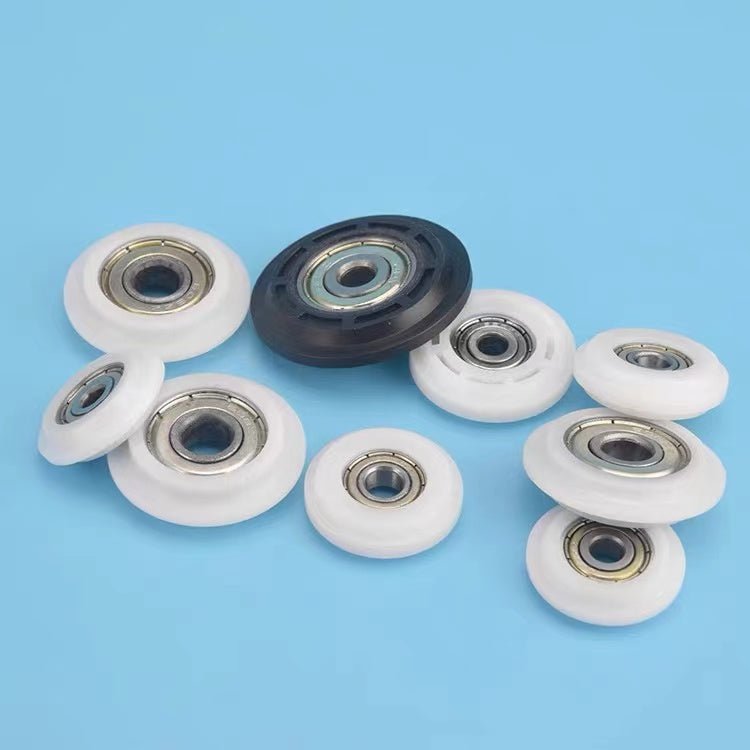
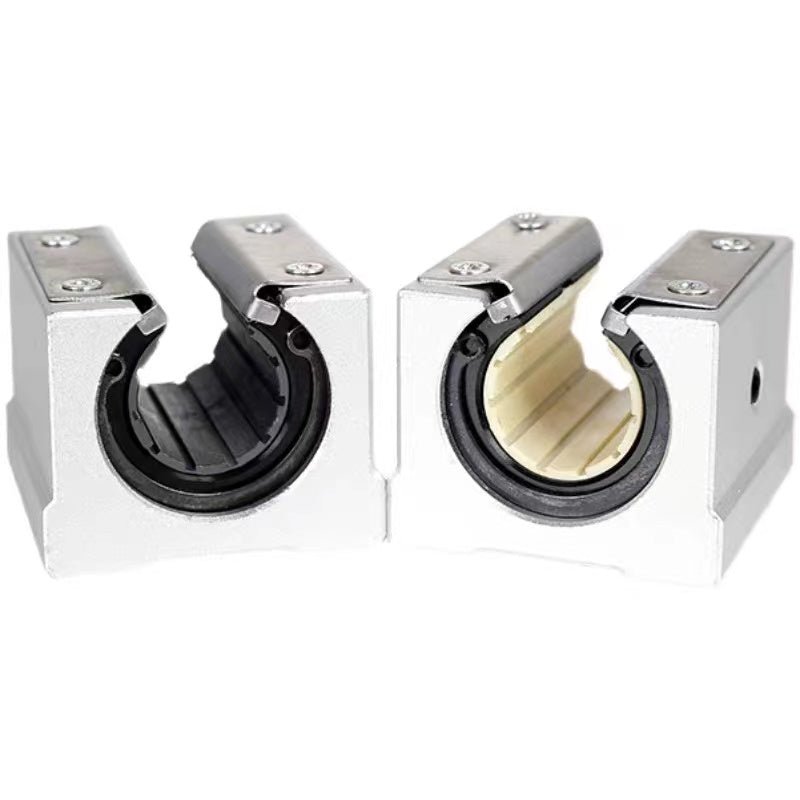
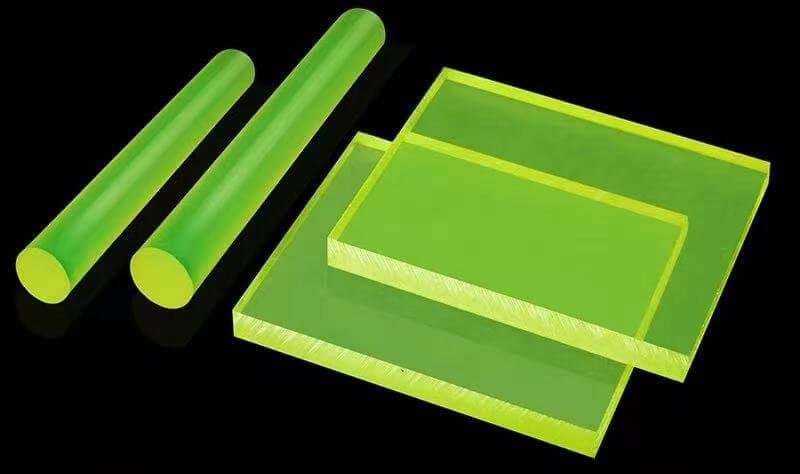
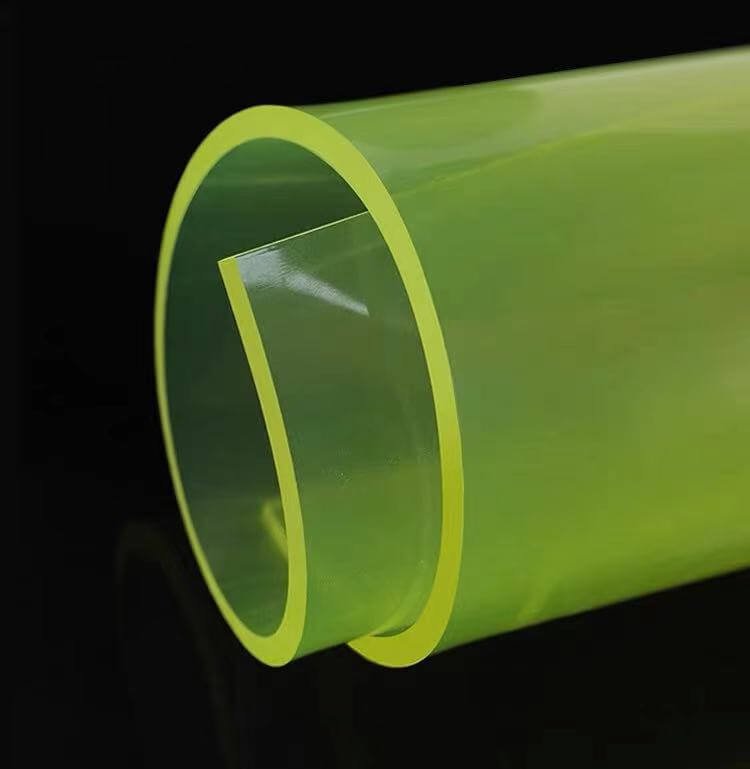
Reducing the cost of HDPE plastic parts with CNC machining
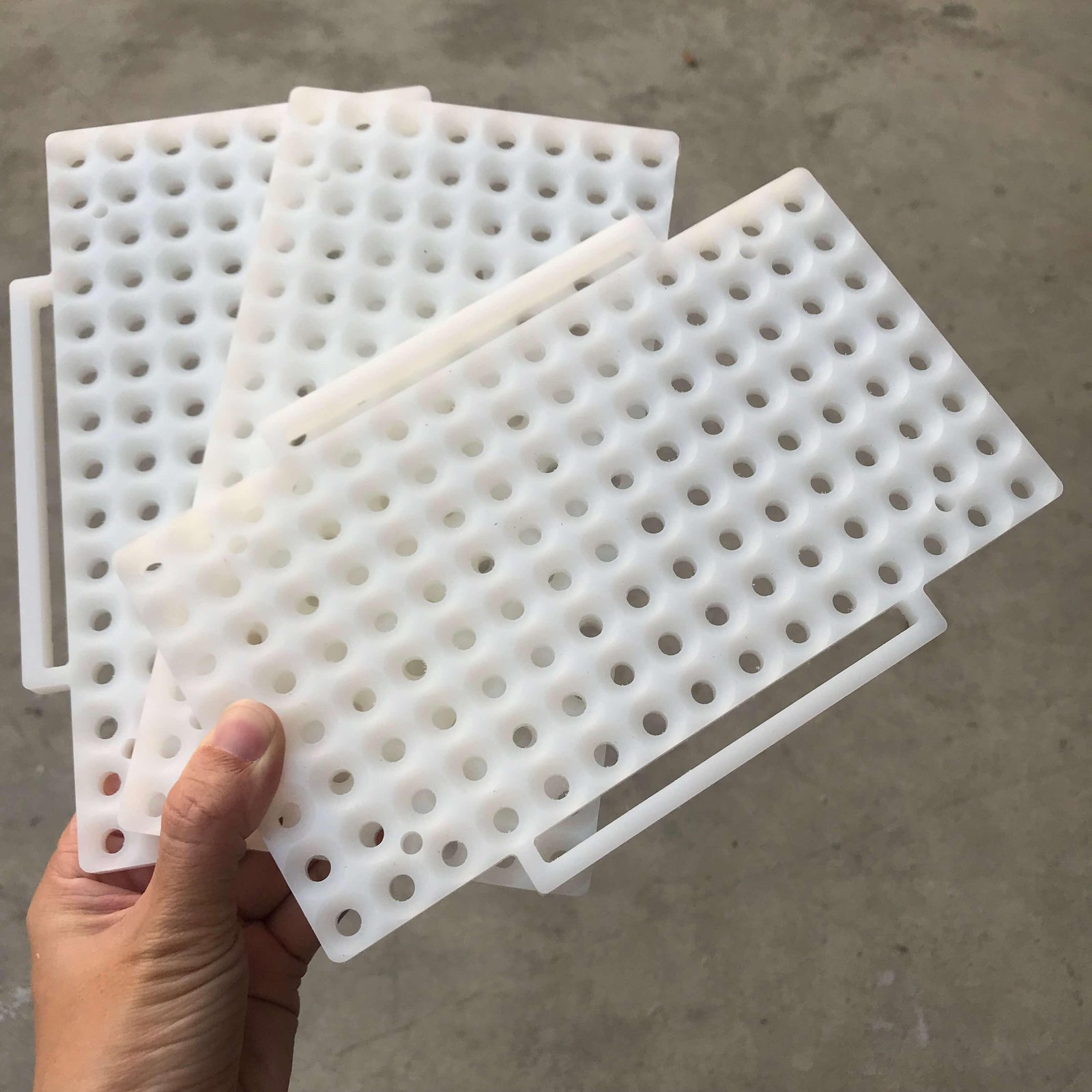
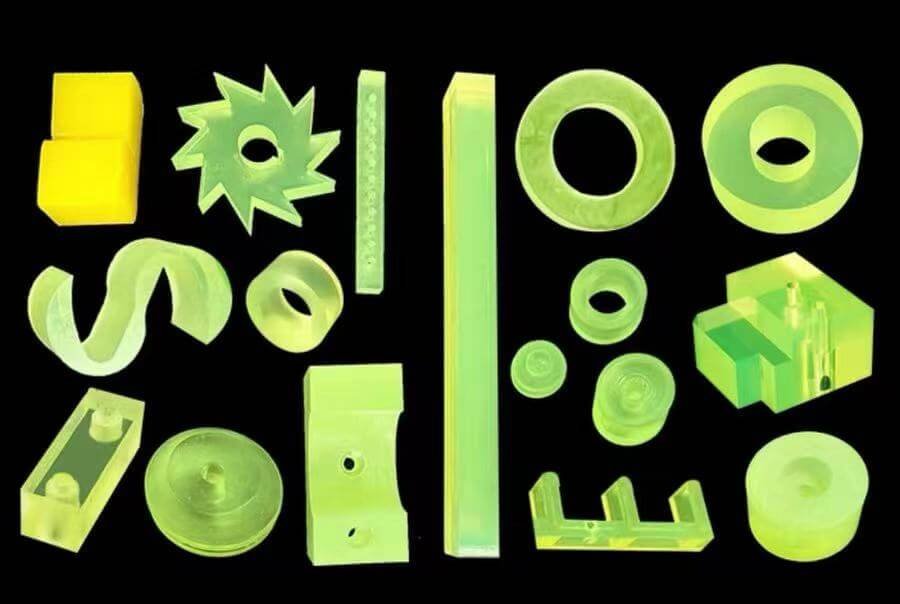
HDPE Mould

CNC (computer numerical control) machining is a manufacturing process that uses computer-controlled power tools to shape plastic, metal, foam and other raw materials into finished custom parts. In CNC machining, the cutting tools are attached to programmable machines like lathes, mills and routers. These machines follow coded instructions that direct their precise movements to cut, drill and grind material away from a solid block to form a part.

🎉🎉🎉Limited Time Offer Use code: QR4GNY08SHVR at checkout and enjoy a special discount on your entire order! 👉 HDPE plastic

CNC machining is an excellent option for creating plastic parts needed for prototypes, custom fixtures and low to medium production runs. It offers many cost benefits compared to other manufacturing methods like injection molding. This article will discuss the various ways CNC machining can significantly reduce the costs of plastic part production.
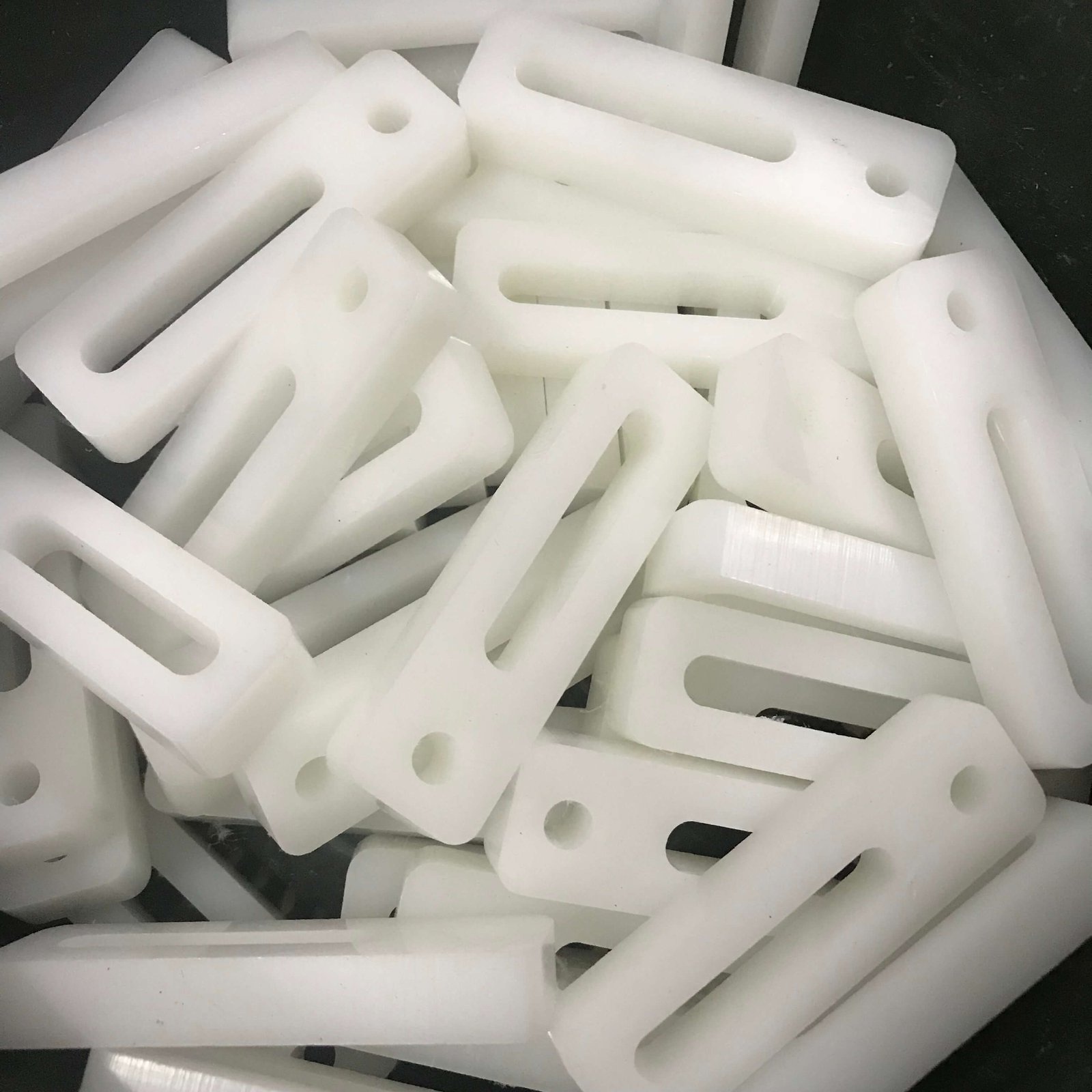
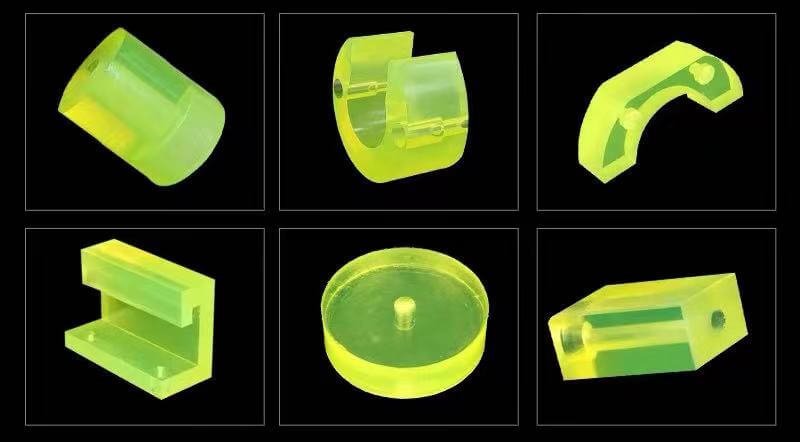
HDPE anti-collision block

How CNC Machining Reduces Plastic Production Costs

CNC machining plastic parts is a very fast and economical process, especially for small batch sizes. Here are some of the major ways it yields faster and cheaper plastic part production versus traditional molding:

  • Faster production times – With CNC machines, plastic parts can be machined rapidly, often in just hours or days. This compares favorably to the weeks it can take to produce injection molds. Faster production means reduced labor costs and faster time to market.
  • No injection molds – CNC machining avoids the high cost of creating steel or aluminum injection molds which are required for mass production molding. Molds are slow to manufacture and can easily cost thousands to tens of thousands of dollars.
  • Lower setup costs – The setup time and costs for CNC machining are much lower compared to molding. You can simply mount your plastic stock material and provide the CNC program file to the machine.
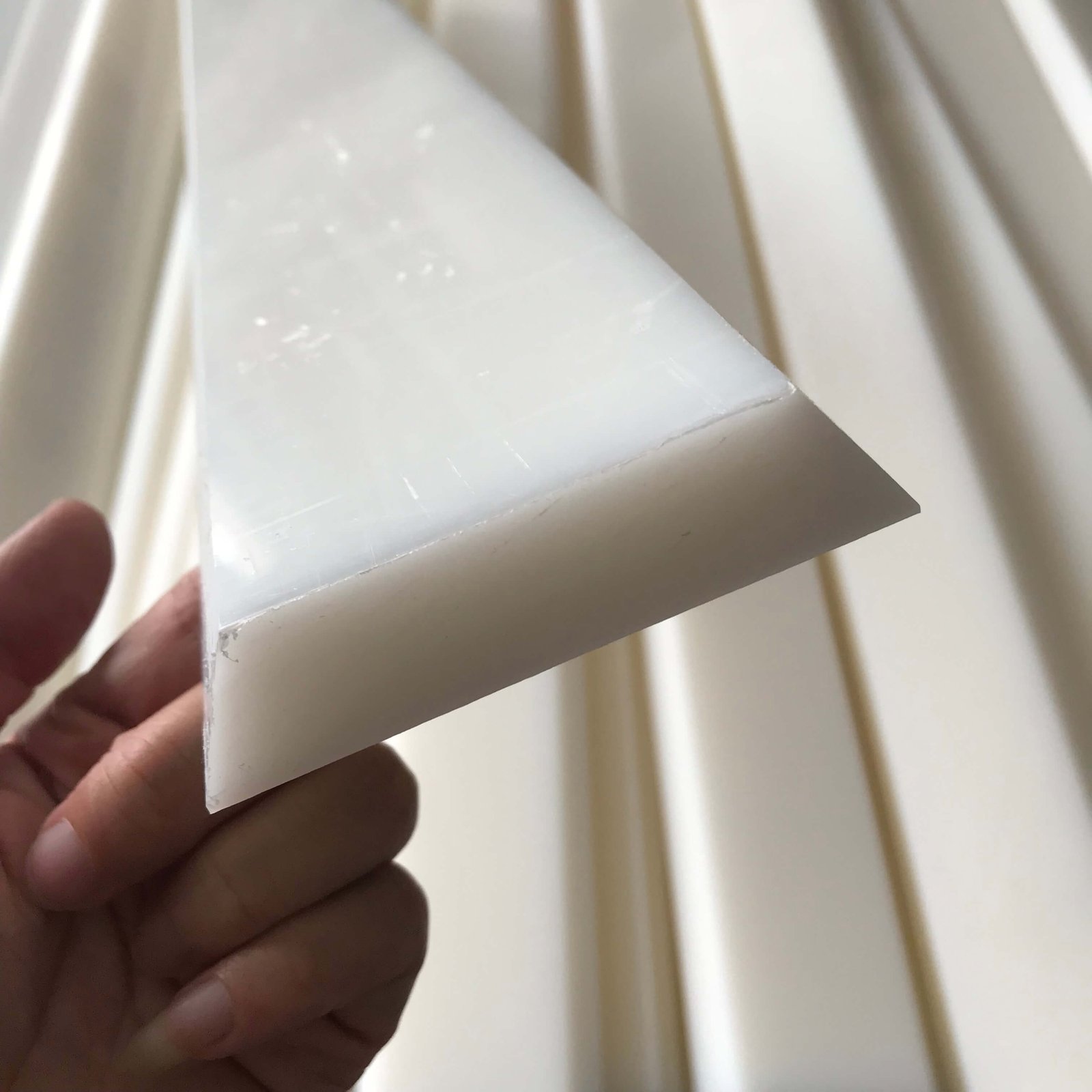
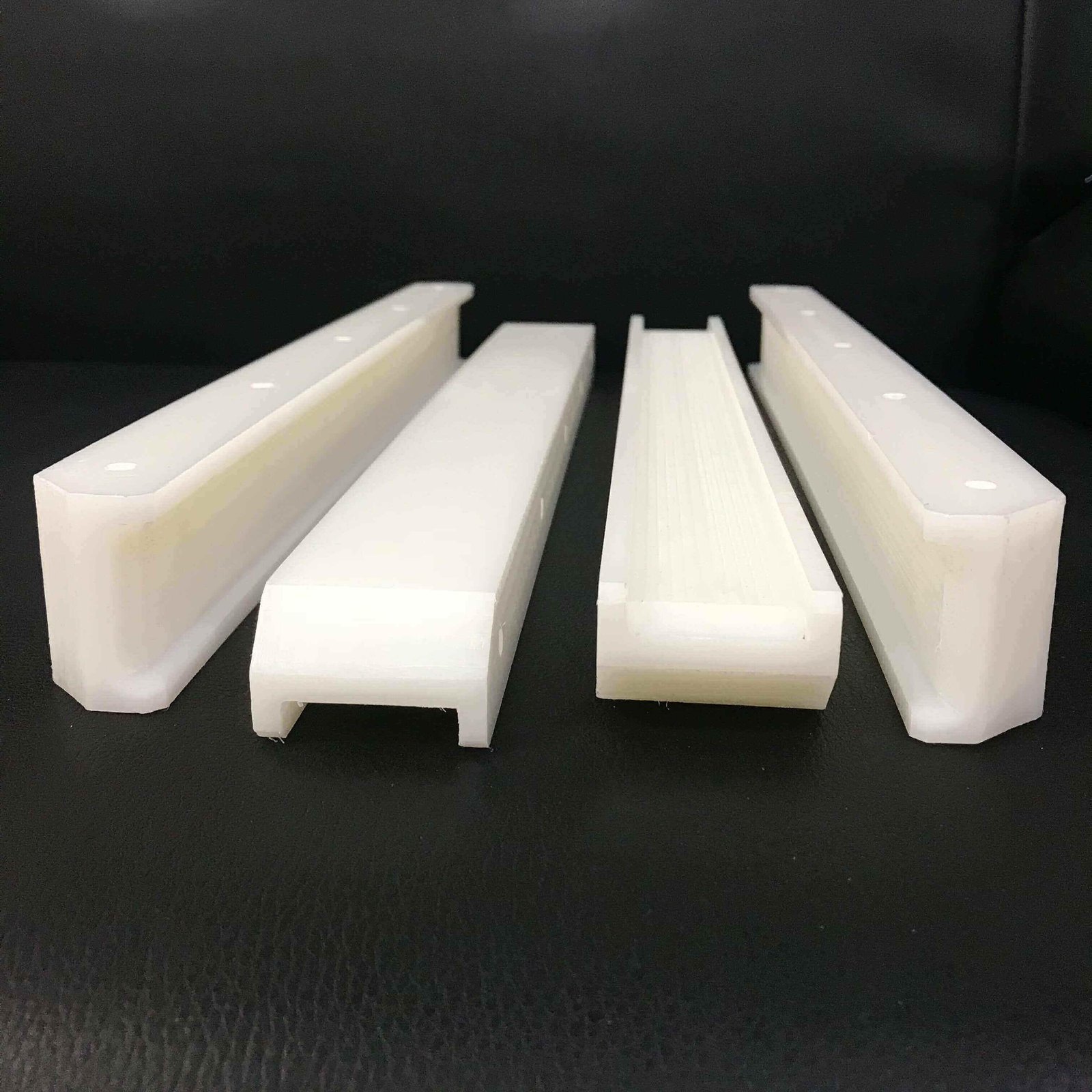
HDPE guide bar

Cost Benefits of Using CNC for Plastic Part Manufacturing

In addition to the time and mold cost benefits, using CNC machining processes for plastic parts can yield significant advantages in production costs and flexibility:

  • Easy part modifications – With CNC machining, programming can be easily changed to create design iterations. New molds are not required every time a change is needed, providing huge time and cost savings.
  • Low start-up costs – Beginning manufacturing of a plastic product via CNC machining has far lower start-up costs compared to injection molding or other techniques that need mold tooling.
  • Reduced material waste – Machining plastic components from stock rods or blocks results in less wasted material than molding processes. The excess plastic can be recycled after machining.
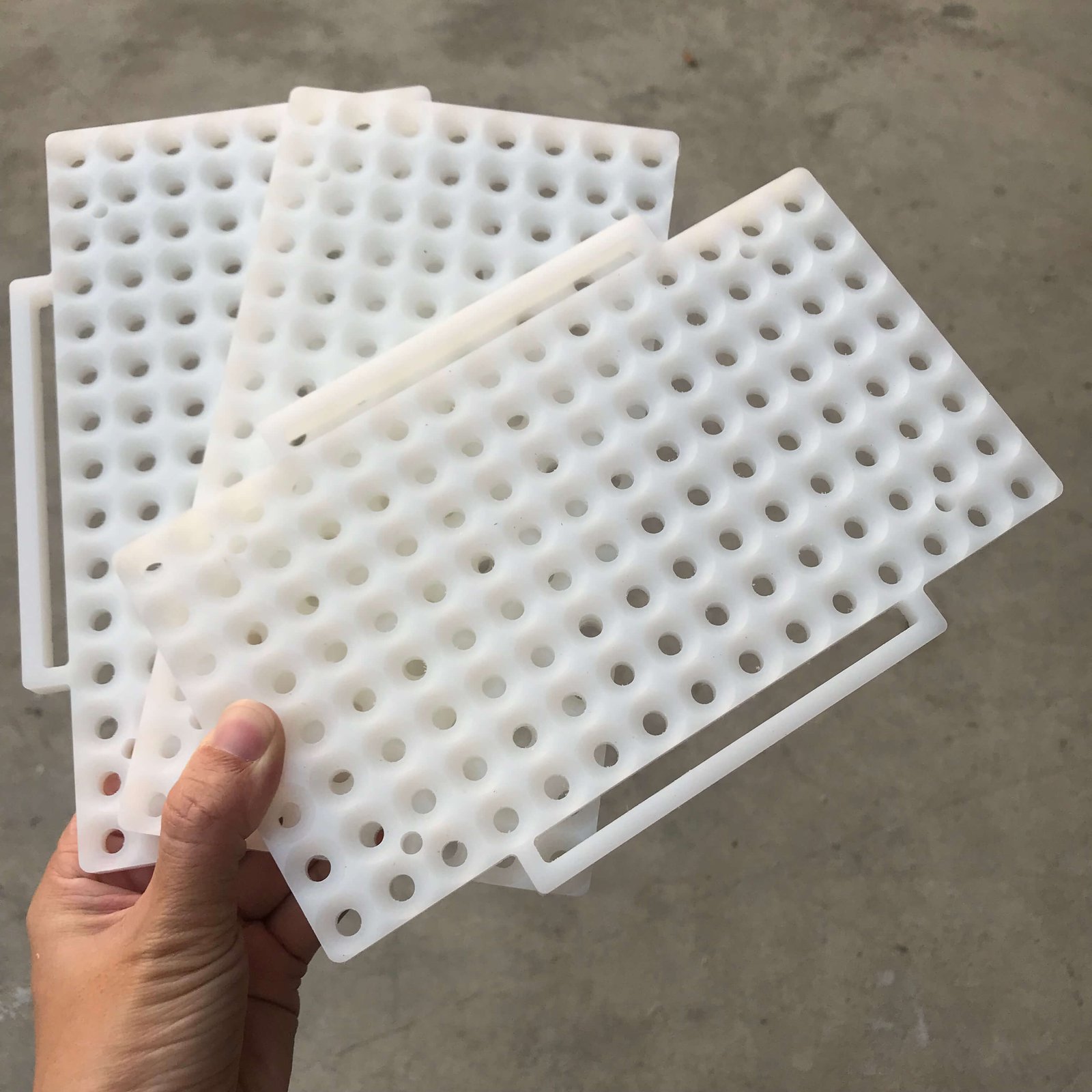
HDPE Mould

Reducing Plastic Mold Costs with CNC Machining Services

For prototyping injection molded plastic parts, CNC machining can avoid the high cost of custom mold tooling altogether. Even for short-run production, CNC machined molds can save significantly on costs:

  • Prototype part molds – Getting prototype molds CNC machined from aluminum, for example, can be done without the need for an expensive steel production mold.
  • Lower cost molds – For short injection molding runs, CNC machined mold tooling can cost a fraction compared to hard tooled production molds that can take weeks to produce.
  • Faster mold turnaround – Lead times of 1-2 weeks on CNC machined prototype and bridge tooling can allow faster testing of new plastic part designs before committing to full hard tooling.

Comparing CNC Machined Plastic Parts vs Injection Molded Parts Pricing

How do costs actually compare between CNC machined and injection molded plastic parts? Here is a look at some key cost factors:

  • Lower start-up costs – The start-up costs for CNC machining a new plastic part design are much lower compared to injection molding that requires expensive mold tooling.
  • Part cost crossover point – Analysis of per-part tooling, material and production costs typically shows CNC machining with a lower overall price point for quantities up to 500-5000 units, at which point injection molding becomes more cost effective for higher quantities.
  • Time savings – The faster turnaround of machined plastic prototypes and parts can get your product to market significantly sooner, providing major cost advantages.
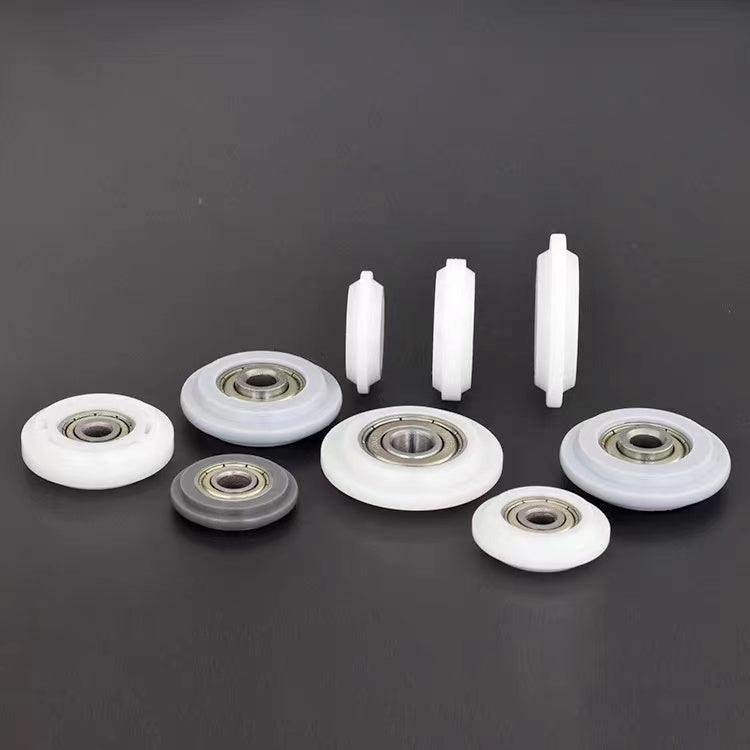
Machined parts for lathes

Tips for Lowering Plastic Fabrication Expenses with CNC Machining

To maximize cost benefits for your plastic parts produced by CNC machining, consider the following advice:

  • Use affordable plastic materials – Opt for plastics like acrylic, ABS or polycarbonate. Avoid pricey engineered resins unless the material properties are absolutely necessary.
  • Take advantage of CNC prototyping services – Rather than purchasing your own CNC mills or lathes, use a plastic machining service for prototyping and short runs.
  • Design parts for machinability – Avoid thin walls, deep ribs and other features that make machining difficult or increase fixture requirements. Keep contours gradual.

Conclusion

With its elimination of high mold costs, fast turnaround times, flexibility to modify parts, and competitiveness for short runs, CNC machining is an excellent way to reduce expenses for plastic parts. Sourcing CNC machined plastics for prototyping and before committing to injection molds can save untold amounts of time, money and headaches. By understanding machining processes and designing parts strategically, you can maximize the significant cost benefits CNC plastic fabrication provides.

Let me know if you would like me to modify or expand this blog post draft in any way. I aimed to incorporate the relevant keywords naturally throughout the article.
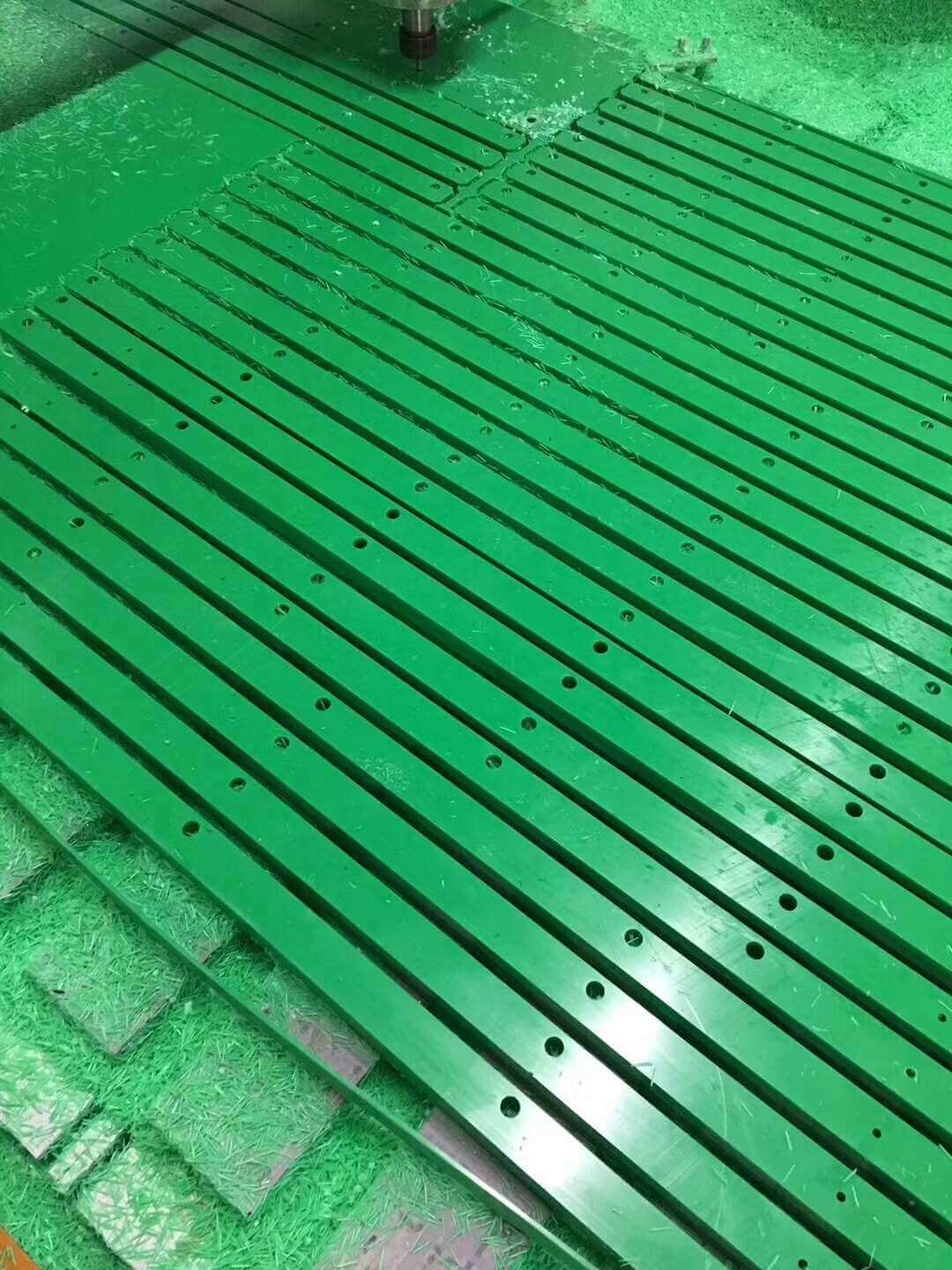
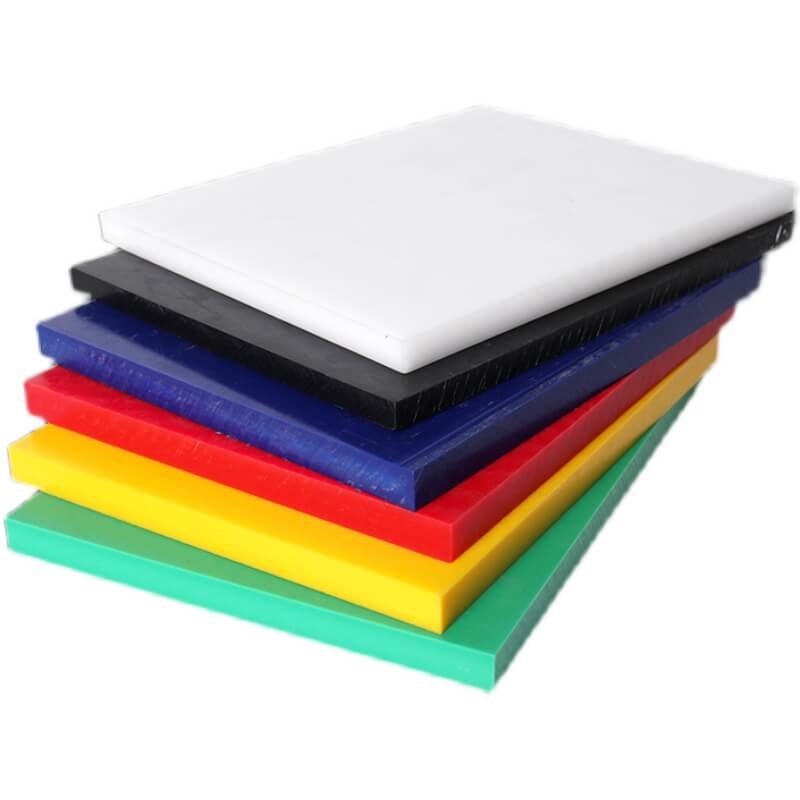
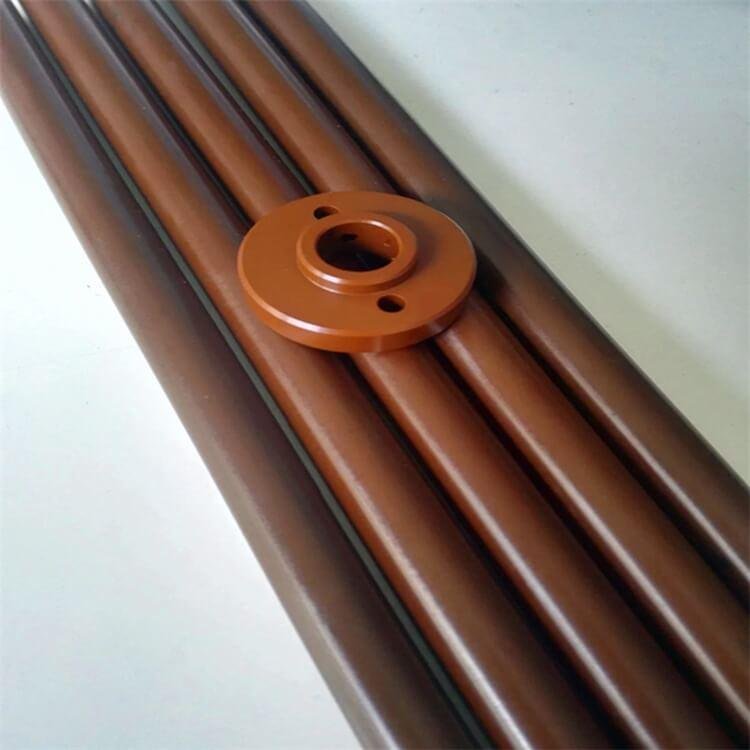
Green HDPE matting strips
If you are interested in using HDPE Plastic in your project or want to know more information, welcome to harass us. We are a professional supplier and manufacturer of all kinds of plastic custom processing and production, with a professional team of engineers and precision equipment, we can provide you with customized plastic solutions that meet your specifications and budget. We are happy to serve you and help you fulfill your needs. Do you need a free quote or help with any questions or materials?
🎉🎉🎉Limited Time Offer Use code: QR4GNY08SHVR at checkout and enjoy a special discount on your entire order! 👉 HDPE plastic
Our website: www.BeePlastic.com
Click to contact: Custom HDPE Plastic

Leave a comment


Please note, comments must be approved before they are published


Custom Plastic Fabrication

Send your drawing, material and quantity for review

🔧
Precision Machining
CNC milling & turning
✂️
Cutting & Engraving
Laser & waterjet cutting
🏭
Forming & Molding
Thermoforming & injection
🔗
Joining & Assembly
Welding & bonding
📐
Design & Prototyping
CAD design & samples

General

HDPE

PP

PVC

ABS

Engineering

POM

Nylon

PC

PMMA

High-Performance

PEEK

PEI

PTFE

Composites

FR-4

G10

Flexible

TPU

Silicone

Why Choose BeePlastic?

🎯
Perfect Fit
Custom specs eliminate adaptation needs
⚡
Clear Lead Times
Lead time confirmed with every quote
💰
Volume Pricing
Volume pricing available on bulk orders
🤝
Expert Support
Free engineering consultation included
📋
Submit
→
🔍
Review
→
💵
Quote
→
✅
Production
→
📦
Deliver

Request a Quote

Share your project details, selected material and quantity on our quote page. You can add a file link or use the email drawing route shown there.


Request Quote

Industries: Automotive • Medical • Food • Lab • Semiconductor

beeplastic@beeplastic.com


The Advantages of HDPE Filament for Your 3D Printing Needs

HDPE 3D Printing

This article discusses HDPE as a 3D-printing material. The linked HDPE machining service and sheet catalogue are for solid material and fabricated components, not a filament product listing.

3D printing has exploded in popularity in recent years, with FFF/FDM extrusion printers now affordable for home use. But most consumer printers have focused on printing with PLA filament. PLA is easy to print with, but it has some limitations in terms of durability and flexibility.

That’s where HDPE filament comes in. HDPE can be an excellent material for 3D printing sturdy, long-lasting prints.

Full scale durable HDPE 3D printed chair furniture

What is HDPE Filament?

HDPE stands for High-Density Polyethylene. It is a durable, flexible plastic that is used to make many common household items like milk jugs, shampoo bottles, plastic bags and furniture.

HDPE filament utilizes the same types of HDPE pellets and resins to create a 3D printer filament optimized for FDM/FFF printing. Compared to materials like PLA and ABS, HDPE offers superior:

  • Strength and durability
  • Flexibility
  • Moisture resistance

These properties make HDPE an ideal material for printing functional parts and outdoor objects that need to withstand the elements.

Flexible HDPE 3D printed model structure

Benefits of HDPE Filament for 3D Printing

Let’s take a closer look at why you may want to choose HDPE filament for your next 3D printing project:

Durability for Functional Parts

HDPE filament can create incredibly strong 3D printed parts. Tensile strength and impact resistance is much higher compared to PLA and PETG.

Looking for High-Quality HDPE Plastic?

The linked catalogue is for HDPE sheet materials. It is not a filament product listing. Confirm the material grade, dimensions and any required compliance documents for your application before ordering.

Grade, size, available quantity and shipping arrangements are confirmed for the selected requirement.

Shop HDPE Materials →

This durability makes HDPE a great choice for creating functional tools, machine parts, outdoor fixtures, or other objects that will undergo a lot of physical stress and handling. Prints will last much longer than those printed in PLA.

Recyclability

One of the biggest advantages of HDPE is that it can utilize recycled HDPE plastic, like from milk jugs. This gives the material great sustainability and can reduce waste.

Many HDPE filament brands use at least some percentage of recycled HDPE plastic. So by choosing HDPE you help keep plastic out of landfills.

Lower Cost

Compared to more exotic filaments like ABS and nylon, HDPE plastic resin is inexpensive. This means brands can offer HDPE filament for lower prices compared to other materials.

A spool of 1kg of HDPE filament generally costs $25-35, significantly cheaper than most engineering-grade materials.

Chemical and Weather Resistance

HDPE has excellent resistance to a wide range of chemicals like paints, oils, and solvents. It is also unaffected by exposure to moisture and water.

This chemical stability makes it perfect for applications like chemical piping, tanks, outdoor planters, or any object that will come into contact with corrosive substances. The weather-resistance ensures your prints won’t degrade in the rain.

HDPE 3D Printed Portrait displaying detail

HDPE vs PLA Filament

How does HDPE filament compare to the most common 3D printing material, PLA filament? Here are some key differences:

  • Strength: HDPE is much stronger and more flexible versus the rigid and brittle PLA. HDPE’s excellent impact resistance makes it suitable for mechanical parts.
  • Temperature Resistance: HDPE maintains its integrity at higher temperatures, while PLA can soften and deform starting at just 140°F. This allows HDPE to be used for hot applications.
  • Outdoor Use: HDPE is practically immune to moisture and ultraviolet radiation, allowing it to withstand years outdoors. PLA will degrade quickly in sunlight and absorb moisture.
  • Chemical Resistance: HDPE has broad chemical compatibility, while PLA is prone to degradation from exposure to solvents and oils.

For visual prints where cosmetics are important, PLA still has an edge. But for functional applications, HDPE clearly surpasses PLA in durability.

Popular Uses for HDPE Filament

What are some common applications where HDPE filament would be a good choice?

  • Outdoor furniture – lawn chairs, tables, etc exposed to sun and rain
  • Outdoor enclosures – electrical or utility boxes needing weather resistance
  • Vehicle parts – clips, mounts, bumpers to handle vibration and impact
  • Tools – durable pliers, clamps, vices able to withstand high loads
  • Household items – laundry baskets, garage storage, organization bins
  • Toys – play equipment and jungle gyms built to take abuse from kids
  • Snap-fit parts – enclosures and assemblies needing flexibility

Essentially, anywhere you need a sturdy but flexible plastic part able to survive being dropped, banged around, or subjected to the elements – HDPE filament is a perfect pick.

Custom Plastic 3D Printing and Machining Services

🛠️ Need Custom-Cut HDPE Components?

For an HDPE sheet or machined component, send the dimensions or drawing, quantity and application requirements for review. These services are separate from a 3D-printing filament purchase.

Use the enquiry page to describe your requirements, or email drawings using the contact details shown there. Production timing and shipping arrangements are confirmed in the quote.

Start Your Custom Project →

Checking a Filament Supplier

Confirm the exact filament product and its current technical data with the manufacturer. A plastics brand or product family name alone does not establish that the material is HDPE.

Confirm the polymer grade

Ask the filament manufacturer to identify the polymer and grade; do not infer HDPE content from a brand or application category.

Confirm the exact product

Obtain the exact model, diameter specification and current manufacturer listing before treating a product as an available HDPE filament.

Check the technical data

Use the technical data for the exact filament to assess its processing and intended use; do not transfer another polymer’s properties to HDPE.

Verify recycled-content claims

If recycled content matters, request evidence for the exact product rather than relying on a generic brand description.

This section does not verify a current manufacturer listing or recommend a particular filament product.

Printing with HDPE Filament – Tips and Tricks

HDPE can be slightly more difficult to print compared to PLA or PETG filaments. Here are some tips for getting good results:

  • Print at 230-250°C nozzle temperature. HDPE has a higher melting point than PLA so it requires higher temps.
  • Use 0.4mm or larger nozzles for best flow through the hot end. Smaller nozzles can cause jams.
  • Print the first layer extra slow for good bed adhesion. 15-20mm/s is recommended.
  • Use a heated print bed around 60-80°C. HDPE can warp without good bed adhesion.
  • Optimal print speeds of 40-60mm/s work for most prints. Faster can lead to layer separation.
  • Try blue painter’s tape on the print bed for better hold compared to bare glass.
  • An enclosed printer can help minimize corner curling and keep the area warm.
  • Enable cooling fans after the first few layers to improve overhangs.

With some dialing in of the temps and settings, HDPE can print very nicely on most desktop FDM printers. The results are super durable parts able to withstand loads that would snap PLA or PETG prints.

HDPE is an often overlooked filament that can be perfect for prints requiring high strength, flexibility, and chemical resistance. It surpasses PLA in durability. Keys benefits include:

  • Extreme impact resistance
  • Great for mechanical and functional parts
  • Recycled options reduce plastic waste
  • Much more affordable than exotic filaments

If you need to print objects for outdoor use or parts able to take abuse in daily applications, give HDPE filament a try. With some tuning, you can tap into HDPE’s properties for super durable prints.

Thanks for reading! Let me know if you have any other questions about HDPE filament or desktop 3D printing.

Finished HDPE 3D Printing Project Sample

Need HDPE sheet material or a machined part? The links below are for HDPE sheet materials and custom-machined parts, rather than a filament product listing. Send the dimensions or drawing, quantity and operating requirements for review.

For project questions, contact us. You can request a free quote with your material, dimensions and quantity.

Leave a comment


Please note, comments must be approved before they are published


Custom Plastic Fabrication

Send your drawing, material and quantity for review

🔧
Precision Machining
CNC milling & turning
✂️
Cutting & Engraving
Laser & waterjet cutting
🏭
Forming & Molding
Thermoforming & injection
🔗
Joining & Assembly
Welding & bonding
📐
Design & Prototyping
CAD design & samples

General

HDPE

PP

PVC

ABS

Engineering

POM

Nylon

PC

PMMA

High-Performance

PEEK

PEI

PTFE

Composites

FR-4

G10

Flexible

TPU

Silicone

Why Choose BeePlastic?

🎯
Perfect Fit
Custom specs eliminate adaptation needs
⚡
Clear Lead Times
Lead time confirmed with every quote
💰
Volume Pricing
Volume pricing available on bulk orders
🤝
Expert Support
Free engineering consultation included
📋
Submit
→
🔍
Review
→
💵
Quote
→
✅
Production
→
📦
Deliver

Request a Quote

Share your project details, selected material and quantity on our quote page. You can add a file link or use the email drawing route shown there.


Request Quote

Industries: Automotive • Medical • Food • Lab • Semiconductor

beeplastic@beeplastic.com


The Many Applications and Uses of POM Plastic

POM Cam

POM (polyoxymethylene), also known as acetal resin, is a popular engineering-grade thermoplastic valued for its high strength, stiffness and durability. With its low friction and excellent dimensional stability, POM plastic has become a go-to material choice for mechanical and precision parts across industries.

This article will explore the key applications and uses of POM plastic across various sectors.

🎉🎉🎉Limited Time Offer Use code: QR4GNY08SHVR at checkout and enjoy a special discount on your entire order! 👉 POM plastic
POM sheet

An Overview of POM Plastic Properties

Before diving into its applications, let’s look at what makes POM, or polyoxymethylene, a versatile engineering plastic:

  • High strength and rigidity – POM has a tensile strength of 68-72 MPa and flexural modulus of 2,800-3,100 MPa, giving it excellent mechanical properties. This makes it suitable for load-bearing parts.
  • Low coefficient of friction – With a COF of 0.25-0.35, POM glides smoothly. This is useful for moving components in devices and machinery.
  • High dimensional stability – POM has very low tendency to creep under load and absorbs low moisture. This helps it retain accuracy in dimensions.
  • Chemical resistance – POM offers resistance to fuels, oils and solvents. It has limited resistance to strong acids and bases.
  • Easy to machine and fabricate – POM machines well by milling, turning, drilling and tapping. It can also be injection molded with precision.
  • Food contact compliance – POM grades are FDA/EU approved for food contact use. It resists food acids and has a smooth finish.
  • Biocompatibility – POM has high purity and inertness enabling uses in medical devices and pharmaceutical equipment.

These properties make POM suitable for a wide spectrum of demanding applications across industries.

POM Gasket

Key Application Areas for POM Plastic

Automotive Industry

The automotive sector is a major consumer of POM plastics. POM is widely used in fuel system components like fuel rails, fuel pumps and tank level sensors. It also finds use in power steering and transmission casings that require strength, dimensional accuracy and oil resistance.

Other automotive applications include windshield wiper gears, sunroof components, door handles and latches, pedals and various interior trims and housings, all benefiting from POM’s low friction properties. Connecting rods, fasteners, and other engine parts also utilize POM.

POM Threaded Sleeve

Consumer Electronics

POM plastic has made major inroads into consumer electronics due to its excellent dimensional stability. It is useful for precision components in cameras, laptops, mobile phones, and other devices that need to retain accuracy during service life.

POM is suitable for thin-walled connectors, battery compartments, sockets, and small housings that require tight tolerances. Low friction POM is also used for buttons, dials, sliders and other moving parts on electronics.

Food Contact Applications

With good chemical resistance and an FDA-compliant formulation, POM finds extensive use in food contact applications. POM is suitable for conveyor belts, star wheels, dosing pumps as well as bottle caps, food chutes and funnels used by the food industry.

It provides a smooth surface that allows easy flow of food while resisting fats, oils and food acids. POM’s high purity also prevents contamination.

Medical Devices

POM’s biocompatibility, purity and sterilizability open up applications in medical devices. POM is used to construct components for inhalers, insulin pens, orthodontic brackets, and other medical tools.

It also finds use in cardiology equipment, kidney dialysis machines and respiratory devices where chemically inert parts are needed. Smooth POM bushings and bearings enable precise movements in medical equipment.

Industrial Machinery

With its self-lubricating properties, POM is ideal for bearings, bushings, cams, gears and other moving part applications where high wear resistance is needed. It withstands heavy loads and abrasive conditions in industrial machinery.

POM is also suitable for Machinery parts like conveyor rollers, lifters, spiral drums that require good dimensional stability. The low friction surface minimizes drag and noise.

POM slider

Domestic Appliances

In the world of home appliances, POM is used in components for coffeemakers, food processors, washing machines, dishwashers and vacuum cleaners.

As a high-performing plastic that resists household chemicals, POM is useful for parts like impellers, pump rotors, buttons and control knobs. In appliances needing quiet operation, POM bearings and gears provide noise-free motion.

Other Notable Applications

Beyond the major industries discussed, POM also lends its unique properties for miscellaneous uses like:

  • Zippers – Low friction POM is suitable for zipper components needing smooth movement.
  • Ballpoint pens – POM is used for precision tips and ink delivery systems.
  • Measuring and testing instruments – POM makes stable frames and housings for accurate dimensions.
  • Fasteners – POM nuts and bolts resist wear and retain torque settings.

The Versatility of POM Plastic

POM owes its popularity as an engineering plastic to its well-balanced mechanical properties that blend high strength, dimensional stability and low friction characteristics. This versatility lets POM perform well across a diverse range of applications from tiny electronic components to large bearings on heavy machinery.

Continued innovation by POM manufacturers has expanded the capabilities and uses of this material. Advancements like wear-resistant POM, electrostatic dissipative POM, UV-resistant POM and even food-contact compliant POM have opened new doors.

With its ever-growing list of applications across critical industries, POM has become an indispensable thermoplastic material for engineers. Its unique set of properties seem poised to find new uses as technology progresses. One thing is for certain – POM plastics will continue serving in mission-critical roles across many sectors for decades to come.

POM Cam
If you are interested in using POM Plastic in your project or want to know more information, welcome to harass us. We are a professional supplier and manufacturer of all kinds of plastic custom processing and production, with a professional team of engineers and precision equipment, we can provide you with customized plastic solutions that meet your specifications and budget. We are happy to serve you and help you fulfill your needs. Do you need a free quote or help with any questions or materials?
🎉🎉🎉Limited Time Offer Use code: QR4GNY08SHVR at checkout and enjoy a special discount on your entire order! 👉 POM plastic
Our website: www.BeePlastic.com
Click to contact: Custom POM Plastic

Leave a comment


Please note, comments must be approved before they are published


Custom Plastic Fabrication

Send your drawing, material and quantity for review

🔧
Precision Machining
CNC milling & turning
✂️
Cutting & Engraving
Laser & waterjet cutting
🏭
Forming & Molding
Thermoforming & injection
🔗
Joining & Assembly
Welding & bonding
📐
Design & Prototyping
CAD design & samples

General

HDPE

PP

PVC

ABS

Engineering

POM

Nylon

PC

PMMA

High-Performance

PEEK

PEI

PTFE

Composites

FR-4

G10

Flexible

TPU

Silicone

Why Choose BeePlastic?

🎯
Perfect Fit
Custom specs eliminate adaptation needs
⚡
Clear Lead Times
Lead time confirmed with every quote
💰
Volume Pricing
Volume pricing available on bulk orders
🤝
Expert Support
Free engineering consultation included
📋
Submit
→
🔍
Review
→
💵
Quote
→
✅
Production
→
📦
Deliver

Request a Quote

Share your project details, selected material and quantity on our quote page. You can add a file link or use the email drawing route shown there.


Request Quote

Industries: Automotive • Medical • Food • Lab • Semiconductor

beeplastic@beeplastic.com


What is POM Plastic? A Complete Guide to Acetal Plastic Properties and Applications

Black POM Insulation Gasket

POM, which stands for polyoxymethylene, is a high performing engineering thermoplastic that belongs to a group known as acetal plastics. With its high strength, rigidity and durability, POM plastic is ideal for mechanical parts which require tight dimensional tolerances across a wide range of applications.

🎉🎉🎉Limited Time Offer Use code: QR4GNY08SHVR at checkout and enjoy a special discount on your entire order! 👉 POM plastic

Also known by its common brand names Delrin and Celcon, POM acetal resin first came into commercial production in the 1950s as an alternative to metal parts in the emerging plastics industry. Since then, continuous innovation and development has led to improved POM material grades and properties to suit modern manufacturing needs.

This article provides a complete overview of POM plastic – its properties, production, grades and usage across various industries. We’ll also compare POM to other thermoplastics to give you a perspective of where acetal plastics fit among today’s high performance engineering materials.

Black POM pad strip

Key Properties and Characteristics of POM Plastic

So what makes POM such a versatile engineering plastic? Here are some of the standout material properties and characteristics:

High Stiffness and Hardness

POM plastic possesses high rigidity and hardness similar to die-cast metals, despite its low specific gravity. The stiffness of POM acetal resin allows it to maintain shape even under high loads.

Excellent Dimensional Stability

A POM part can hold its precise dimensions extremely well throughout its lifespan even in fluctuating temperatures. This gives POM an edge for parts which need to maintain tight tolerances.

Low Coefficient of Friction

The slippery surface of POM plastic results in low friction against other surfaces. This self-lubricating behavior also provides high abrasion and wear resistance.

Good Chemical Resistance

POM offers relatively good resistance to a wide range of organic solvents, fuels, oils and greases. It has better chemical stability than most other plastics.

High Mechanical Strength

POM plastic possesses high tensile strength, flexural strength and impact strength for an unfilled thermoplastic. This allows POM parts to withstand high mechanical loads.

POM support strip

POM Plastic Grades and Variants

POM acetal resin comes in a variety of grades and structural modifications to suit different applications:

Unfilled POM

The pure polymer without any fillers or reinforcements. Provides optimal machinability, low friction and high impact strength.

Glass Fiber Reinforced POM

Contains up to 40% glass fiber which improves tensile strength, rigidity, dimensional stability and thermal resistance.

Lubricated POM

Contains internal lubricants which enhance machinability and lower friction. Used for sliding components.

Copolymer POM

Copolymerization with other monomers improves thermal stability and impact resistance compared to homopolymer POM.

Conductive POM

Contains conductive fillers like carbon fibers or carbon black to dissipate electrostatic charges. Used in electronics applications.

POM Gear

How Does POM Stack Up Against Other Engineering Thermoplastics?

POM plastic offers some distinct advantages over other popular engineering thermoplastics like nylon, PTFE and basic acetal:

POM vs Nylon

  • POM has lower water absorption than nylon, retaining better dimensional stability in humid environments.
  • POM also handles oils and solvents much better than moisture-sensitive nylons.Nylon sheet

POM vs PTFE (Teflon)

  • POM is easier to machine than PTFE due to its lower abrasiveness.
  • POM plastic is also more economical compared to premium-priced PTFE.

POM vs Unfilled Acetal

  • POM has higher tensile strength, hardness and rigidity owing to its higher crystallinity.
  • POM shows better creep resistance and stability under load than basic acetal plastic.

So POM strikes an optimal balance of mechanical properties, chemical resistance, machinability and cost-effectiveness unmatched by other thermoplastics.

Where is POM Plastic Used? – Overview of Applications

The unique benefits of POM acetal plastic make it a highly versatile material suitable for the following applications:

Gears

POM is widely used for small to medium sized gears across industries like automotive, business machines and consumer appliances.

Rollers and Wheels

The high wear resistance of POM is ideal for rollers and wheels which need to glide smoothly under high loads.

Bearings

POM bearings provide smooth running motion while retaining lubricants well. The dimensional stability of POM allows precise bearing fits.

Food Processing Equipment

POM meets FDA regulations for repeated food contact. It resists moisture, oils and cleaning chemicals used in food processing.

Automotive Parts

POM is used for small precison parts in automobile interiors and under-the-hood components that are exposed to fuels and oils.

Electrical Housings and Connectors

With its electrical insulation properties, POM is suitable for casings, connectors and plugs that house sensitive electronics.

Medical Devices

POM acetal is used in medical devices like respirators, autoclaves and nebulizers that demand durability, precision and chemical resistance.

Black POM Insulation Gasket

POM plastic has carved a niche in high-performance applications where its distinctive balance of mechanical and chemical properties outperforms other thermoplastics.

With its high strength, excellent dimensional stability and good chemical resistance, POM offers valuable properties unmatched by other plastics. POM plastic has become a popular choice for small, high-precision parts across industrial, automotive and medical applications.

The various grades of POM make it adaptable for different requirements – from low friction to high temperatures. Continued innovation in POM plastic technology will open up new possibilities for this versatile engineering thermoplastic.

POM welding accessories

If you are interested in using POM Plastic in your project or want to know more information, welcome to harass us. We are a professional supplier and manufacturer of all kinds of plastic custom processing and production, with a professional team of engineers and precision equipment, we can provide you with customized plastic solutions that meet your specifications and budget. We are happy to serve you and help you fulfill your needs. Do you need a free quote or help with any questions or materials?
🎉🎉🎉Limited Time Offer Use code: QR4GNY08SHVR at checkout and enjoy a special discount on your entire order! 👉 POM plastic
Our website: www.BeePlastic.com
Click to contact: Custom POM Plastic

Leave a comment


Please note, comments must be approved before they are published


Custom Plastic Fabrication

Send your drawing, material and quantity for review

🔧
Precision Machining
CNC milling & turning
✂️
Cutting & Engraving
Laser & waterjet cutting
🏭
Forming & Molding
Thermoforming & injection
🔗
Joining & Assembly
Welding & bonding
📐
Design & Prototyping
CAD design & samples

General

HDPE

PP

PVC

ABS

Engineering

POM

Nylon

PC

PMMA

High-Performance

PEEK

PEI

PTFE

Composites

FR-4

G10

Flexible

TPU

Silicone

Why Choose BeePlastic?

🎯
Perfect Fit
Custom specs eliminate adaptation needs
⚡
Clear Lead Times
Lead time confirmed with every quote
💰
Volume Pricing
Volume pricing available on bulk orders
🤝
Expert Support
Free engineering consultation included
📋
Submit
→
🔍
Review
→
💵
Quote
→
✅
Production
→
📦
Deliver

Request a Quote

Share your project details, selected material and quantity on our quote page. You can add a file link or use the email drawing route shown there.


Request Quote

Industries: Automotive • Medical • Food • Lab • Semiconductor

beeplastic@beeplastic.com


Why Polyurethane Sheets Outperform Plastic, Rubber, and Metal

Polyurethane Plastic

Polyurethane sheets have become a popular material across many industries due to their useful properties and ability to outperform other sheet materials like plastic, rubber, and metal. Polyurethane is a versatile polymer that can be manufactured as a strong and lightweight solid material in sheet form.

Polyurethane sheets provide benefits like high heat resistance, abrasion resistance, noise dampening abilities, cost-effectiveness, lightweight structure, high load-bearing strength, and customizability. This makes polyurethane an ideal material for applications in aerospace, automotive, construction, manufacturing, marine vessels, military uses, foodservice, and insulation.

🎉🎉🎉Limited Time Offer Use code: QR4GNY08SHVR at checkout and enjoy a special discount on your entire order! 👉PU board

Polyurethane Plastic

Advantages of Polyurethane Sheets vs. Plastic

When compared to plastic sheets, polyurethane offers superior heat resistance. The heat deflection temperature of polyurethane can reach up to 150°C, much higher than typical plastic materials. This high heat resistance makes polyurethane well-suited for applications that involve exposure to high temperatures.

Polyurethane also demonstrates better abrasion resistance compared to many plastics. The material structure of polyurethane makes it more resistant to scratching and wear over time. Industries that require parts and components with long-term durability often choose polyurethane over plastic due to its abrasion resistance.

In addition, polyurethane sheets provide excellent noise dampening abilities, much higher than standard plastic materials. The molecular structure of polyurethane absorbs vibrational energy and minimizes sound transmission. Any application where noise reduction is important can benefit from polyurethane’s acoustic insulation properties.

Polyurethane

Advantages Over Rubber Sheets

Polyurethane sheets tend to be more cost effective compared to rubber sheets of equivalent size and thickness. The manufacturing process of polyurethane allows it to be produced efficiently, giving it a competitive pricing advantage in many applications.

Polyurethane is also significantly lighter in weight than rubber. While rubber is well known for its density and heaviness, polyurethane can achieve similar performance with a fraction of the weight. This lightweight structure makes polyurethane easier to work with and more suitable for applications where minimizing weight is a priority.

The molecular structure of polyurethane also provides excellent load-bearing strength, similar or even superior to rubber in some cases. For industrial or mechanical applications that require high strength-to-weight ratios and weight savings, polyurethane outperforms rubber sheets.

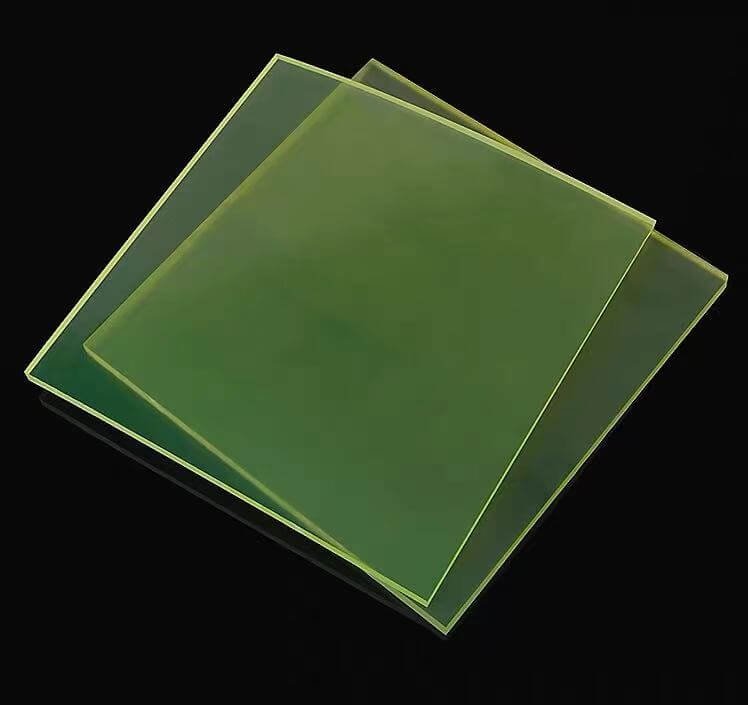
Polyurethane sheet

Versus Metal Sheets

One of the major advantages of polyurethane sheets over metal is their ease of customization. Polyurethane can be precision-manufactured into virtually any required shape or size. It can also be cut, drilled, and machined into custom parts. Metals do not provide the same level of flexibility or customizability as polyurethane.

Polyurethane matches or exceeds the strength of metal pound-for-pound in many cases while maintaining a far lower density and weight. Replacing metal components with polyurethane allows for significant weight savings without compromising strength and structural integrity. The lightweight nature of polyurethane makes it suitable for aircraft, vehicles, and other applications where reduced mass is critical.

Polyurethane material

Polyurethane Applications Across Industries

The useful properties and performance advantages of polyurethane make it well-suited for a diverse range of applications across many major industries.

Aerospace

In aircraft and rockets, polyurethane sheets provide high strength and heat resistance while remaining lightweight. Polyurethane sees extensive use in aerospace for flight-critical structural components, insulation, shock absorption, and more.

Automotive

Polyurethane sheets bring abrasion resistance, noise dampening, and durability to interior and exterior auto parts. Custom molded polyurethane components have become ubiquitous in modern automotive manufacturing.

Construction

Polyurethane’s resistance to weather, temperature extremes, and wear make it ideal for exterior construction applications. It is also used as an insulating material. Polyurethane construction materials require little maintenance relative to other options.

Manufacturing

Manufacturers use polyurethane sheets for machine housings, gears, rollers, bushings, and other components where heat resistance, abrasion resistance, and dimensional stability are priorities.

Marine Vessels

In boat and shipbuilding, polyurethane serves as a durable, lightweight alternative to metal or wood for structural elements and hull designs. It is also used for buoyancy and flotation components.

Military

Polyurethane sheets are used in military vehicles, protective equipment, shelters, and other applications where strength, durability, and lightweight properties are essential. Custom molded polyurethane can serve as substitute for metal components.

Foodservice

Commercial and industrial kitchens utilize polyurethane cutting boards, countertop protectors, and tabletops. Polyurethane provides cut and heat resistance while maintaining food-safe properties.

Insulation

Spray polyurethane foams, panels, and elastomers provide exceptional thermal and acoustic insulating capabilities compared to other common insulating foams. Polyurethane is a high-performance green insulation material.

Polyurethane sheets

Conclusion

Polyurethane is a versatile material that provides significant performance benefits over other common sheet materials like plastic, rubber, and metal. With advantages such as heat resistance, abrasion resistance, noise reduction, strength, and lightweight structure, polyurethane is the material of choice for many leading companies across aerospace, automotive, construction, manufacturing, marine, military, foodservice, and insulation industries among others. For anyone seeking the ideal balance of physical properties, cost-effectiveness, and customizability, polyurethane sheets deliver on all counts. They outperform plastic, rubber, and metal sheets across a range of critical. 

🎉🎉🎉Limited Time Offer Use code: QR4GNY08SHVR at checkout and enjoy a special discount on your entire order! 👉PU board

Leave a comment


Please note, comments must be approved before they are published


Custom Plastic Fabrication

Send your drawing, material and quantity for review

🔧
Precision Machining
CNC milling & turning
✂️
Cutting & Engraving
Laser & waterjet cutting
🏭
Forming & Molding
Thermoforming & injection
🔗
Joining & Assembly
Welding & bonding
📐
Design & Prototyping
CAD design & samples

General

HDPE

PP

PVC

ABS

Engineering

POM

Nylon

PC

PMMA

High-Performance

PEEK

PEI

PTFE

Composites

FR-4

G10

Flexible

TPU

Silicone

Why Choose BeePlastic?

🎯
Perfect Fit
Custom specs eliminate adaptation needs
⚡
Clear Lead Times
Lead time confirmed with every quote
💰
Volume Pricing
Volume pricing available on bulk orders
🤝
Expert Support
Free engineering consultation included
📋
Submit
→
🔍
Review
→
💵
Quote
→
✅
Production
→
📦
Deliver

Request a Quote

Share your project details, selected material and quantity on our quote page. You can add a file link or use the email drawing route shown there.


Request Quote

Industries: Automotive • Medical • Food • Lab • Semiconductor

beeplastic@beeplastic.com


The Premier Material for Medical Devices: An Overview of Polyimide Plastic

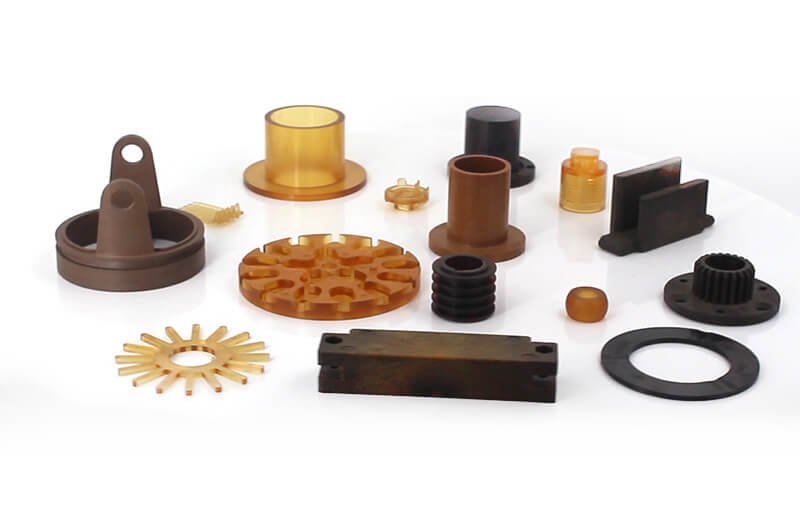
Polyimide processed products

Polyimide (PI) plastic has emerged as the premier material for many medical device applications requiring high heat resistance, biocompatibility, and flexibility. With its unique set of properties, polyimide enables the construction of smaller, more resilient, and higher performing medical equipment and disposables.

🎉🎉🎉Limited Time Offer Use code: QR4GNY08SHVR at checkout and enjoy a special discount on your entire order! 👉 Polyimide plastic

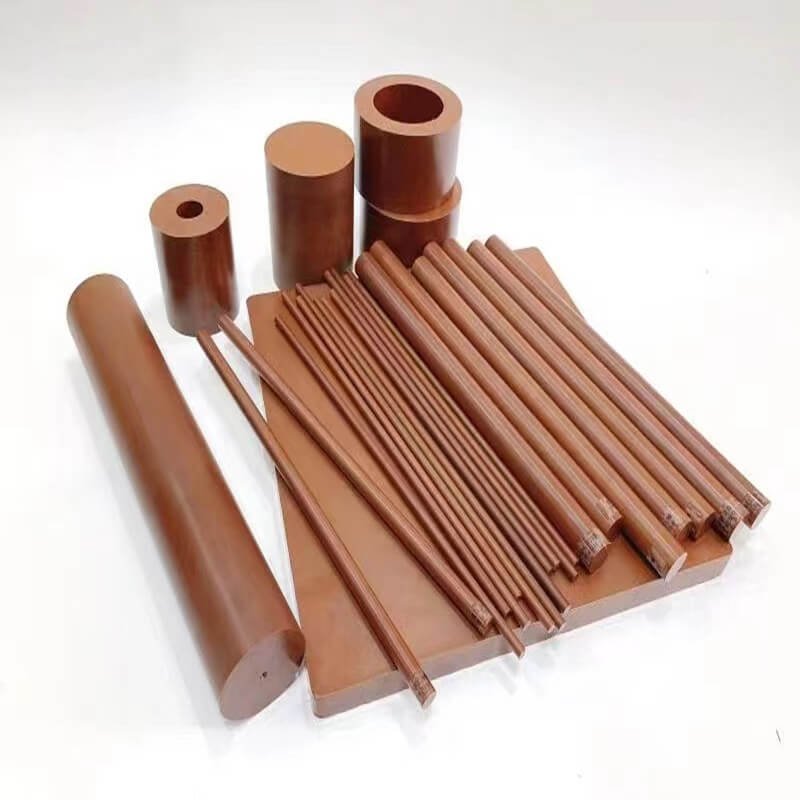
PI plate and bar

Key Properties of Polyimide Plastics

Polyimide plastics stand out for their combination of mechanical, thermal, chemical and electrical properties that make them ideal for the demands of medical device engineering.

High Heat Resistance

A major advantage of polyimide is its ability to withstand exposure to high temperatures up to 500°F. This high heat performance allows polyimide parts and products to endure repeated sterilization cycles and autoclaving procedures. Medical equipment like endoscopic tools can be reliably sterilized and disinfected without damage to polyimide components.

Biocompatibility

Polyimide’s inertness and non-reactive nature also makes it chemically biocompatible. The stable polyimide molecule will not interact with or leach chemicals into bodily fluids and tissues. This makes it well-suited for blood contact applications like vascular catheters and dialysis equipment as well as implantable devices.
Strength and Flexibility

With a high tensile strength and flexibility, polyimide can be fabricated into thin-walled tubing like catheter material while still resisting kinking or crimping during use. Polyimide’s combination of strength and flexibility also allows production of smaller diameter tubing, enabling less invasive medical procedures.
Radiation and Solvent Resistance

The molecular stability of the polyimide polymer also confers resistance to gamma radiation and solvents for sterilization purposes. Polyimide maintains its properties and performance after repeated radiation or ethylene oxide sterilization cycles. This allows easy processing and sterilization of finished polyimide medical supplies and components.

Processed parts of special materials

Polyimide Plastic Applications in Medical Devices

The unique attributes of polyimide make it the material of choice for a broad range of medical applications:

Catheter Tubing

Polyimide is commonly used to construct the thin flexible lumens of vascular catheters as well as surgical tools like laparoscopic graspers. The smooth inner bore, high flexibility and kink resistance of polyimide catheters improves patient comfort and reduces vascular trauma. Polyimide’s biocompatibility also minimizes thrombus formation during procedures.

High Temperature Gaskets and Seals

Polyimide’s thermal endurance makes it ideal for gaskets and seals meant for high temperature sterilization. Autoclavable stopcocks, check valves and pressure sensors rely on polyimide gaskets that maintain a tight seal and prevent fluid leaks during repeated steam cycling.

Flexible Printed Circuits for Implants

Implantable medical devices like pacemakers and neurostimulators utilize polyimide-based flexible printed circuits (FPC) and interconnects. Polyimide offers electrical isolation, miniaturization and flexibility for the compact wiring in implants where failure is not an option.

Cell Culture Substrates

The inertness and optical clarity of polyimide lends itself for use as cell culture substrates in bioreactors and microfluidic devices. Polyimide allows high resolution imaging for cell growth observation and tissue engineering applications.

PI sheets and rods

Benefits of Using Polyimide Plastic in Medical Devices

The unique benefits provided by polyimide plastics include:

Withstand Repeated Sterilization and Autoclaving

Polyimide’s robust thermal properties means medical equipment can undergo the harshest sterilization methods like autoclaving while maintaining integrity and performance. Devices have longer service lives even after hundreds of high temperature cleaning cycles.

Reduce Friction and Prevent Crimping in Catheters

The smoothness and lubricity of polyimide tubing provides little friction against vessel walls, reducing abrasion and improving patient comfort. Polyimide’s combination of stiffness and flexibility also minimizes catheter crimping while allowing smaller diameters.

Improve Biocompatibility of Devices

Polyimide’s inertness means it provokes little tissue reaction when implanted in the body or used for circulating bodily fluids. This biocompatibility provides major advantages over materials like PVC and silicone.

Polyimide plastic provides an ideal solution for the demanding conditions of the medical device industry. As polyimide gains further adoption, it will enable the next generation of smaller, more resilient and biocompatible devices that advance patient care and outcomes. With their premier heat and chemical resistance, polyimide plastics will continue improving lifesaving medical technology.

Polyimide processed products
If you are interested in using PI Plastic in your project or want to know more information, welcome to harass us. We are a professional supplier and manufacturer of all kinds of plastic custom processing and production, with a professional team of engineers and precision equipment, we can provide you with customized plastic solutions that meet your specifications and budget. We are happy to serve you and help you fulfill your needs. Do you need a free quote or help with any questions or materials? 
🎉🎉🎉Limited Time Offer Use code: QR4GNY08SHVR at checkout and enjoy a special discount on your entire order! 👉 Polyimide plastic
Our website: www.BeePlastic.com
Click to contact: Custom PI Plastic

Leave a comment


Please note, comments must be approved before they are published


Custom Plastic Fabrication

Send your drawing, material and quantity for review

🔧
Precision Machining
CNC milling & turning
✂️
Cutting & Engraving
Laser & waterjet cutting
🏭
Forming & Molding
Thermoforming & injection
🔗
Joining & Assembly
Welding & bonding
📐
Design & Prototyping
CAD design & samples

General

HDPE

PP

PVC

ABS

Engineering

POM

Nylon

PC

PMMA

High-Performance

PEEK

PEI

PTFE

Composites

FR-4

G10

Flexible

TPU

Silicone

Why Choose BeePlastic?

🎯
Perfect Fit
Custom specs eliminate adaptation needs
⚡
Clear Lead Times
Lead time confirmed with every quote
💰
Volume Pricing
Volume pricing available on bulk orders
🤝
Expert Support
Free engineering consultation included
📋
Submit
→
🔍
Review
→
💵
Quote
→
✅
Production
→
📦
Deliver

Request a Quote

Share your project details, selected material and quantity on our quote page. You can add a file link or use the email drawing route shown there.


Request Quote

Industries: Automotive • Medical • Food • Lab • Semiconductor

beeplastic@beeplastic.com


The Strength and Versatility of PEI Sheets for Aerospace Applications

PEI Plastic

Polyetherimide (PEI) sheets have become a top choice for many demanding aerospace applications due to their exceptional high temperature dimensional stability. This article will explore the unique advantages of PEI sheets and their widespread use across the aerospace industry.

🎉🎉🎉Limited Time Offer Use code: QR4GNY08SHVR at checkout and enjoy a special discount on your entire order! 👉 Polyetherimide (PEI) plastic
PEI Plastic

An Overview of PEI Materials

PEI, also known as polyetherimide, is a high-performance amorphous thermoplastic with outstanding mechanical strength, heat resistance, and flame retardancy. Aerospace grade PEI offers even higher resistance to UV and radiation exposure. Popular PEI sheet trade names include ULTEM, EXTEM, and others.

Key Properties of PEI Sheets

As a lightweight structural material for aircraft interiors and components, PEI sheets exhibit excellent high temperature stability (service temps up to 170°C), low creep, high mechanical strength, and low density – making them ideally suited for the rigors of aerospace use. PEI sheets also demonstrate superior flame retardancy and electrical insulation properties.

PEI processed part

Aerospace Applications

ULTEM PEI sheets are extensively used in aircraft interiors for first class and business class cabins. They are also popular for light covers, flight data recorder housings, and other interior structures where aesthetics and performance are paramount. In addition, PEI sheets are increasingly being used for satellite and spacecraft components that must withstand extreme thermal and radiation fluxes.

Aircraft Interiors

Within commercial and private aircraft, ULTEM PEI sheet is the go-to thermoplastic for lightweight yet durable interior structures. ULTEM offers an ideal balance of stiffness, strength, and damage tolerance – allowing thin and complex geometries. The low flammability and smoke density supports aircraft safety. Popular interior uses include:

  • Lavatory shrouds and sinks
  • Galley structures
  • Partition walls and liners
  • Ceiling panels
  • Decorative laminates
  • Lighting covers
  • Insulation blankets

ULTEM’s ability to thermoform into varied shapes with crisp details allows striking aircraft interiors that would not be possible with other plastics or composites. The material is also easily machinable, bondable, and repairable for efficient manufacturing and maintenance.

PEI processed parts

Avionics Housings

The high dielectric strength and stiffness of ULTEM PEI sheets make them suitable for structural housings that protect sensitive aircraft electronics and avionics. PEI’s inherent flame retardancy enhances safety. Common examples include:

  • Flight data recorder enclosures
  • Navigation/communication system boxes
  • Control surface actuator covers
  • Wire bundle conduits
  • Radome shells
PEI frames

Spacecraft Components

Aerospace grade PEI sheets meet rigorous outgassing standards, making them useful for structural spacecraft elements. The high stiffness, strength, and thermal capabilities of PEI materials enable lightweight structures that can withstand launch stresses, radiation, and extreme temperature swings. Space uses include:

  • Antenna substrates
  • Insulation panels
  • Reflectors/collimators
  • Instrument housings
  • Solar panel substrates

The exceptional performance properties of PEI sheets make them a material of choice for many demanding aerospace and aviation requirements. Their mechanical strength, resistance to extreme temperatures, and lightweight nature provide an ideal combination of attributes for aircraft and spacecraft designers. As aerospace technologies continue advancing, PEI sheets will remain at the forefront enabling the next generation of high performance structural designs.

PEI rods
If you are interested in using PEI Plastic in your project or want to know more information, welcome to harass us. We are a professional supplier and manufacturer of all kinds of plastic custom processing and production, with a professional team of engineers and precision equipment, we can provide you with customized plastic solutions that meet your specifications and budget. We are happy to serve you and help you fulfill your needs. Do you need a free quote or help with any questions or materials?
🎉🎉🎉Limited Time Offer Use code: QR4GNY08SHVR at checkout and enjoy a special discount on your entire order! 👉 Polyetherimide (PEI) plastic
Our website: www.BeePlastic.com 
Click to contact: Custom PEI Plastic

Leave a comment


Please note, comments must be approved before they are published


Custom Plastic Fabrication

Send your drawing, material and quantity for review

🔧
Precision Machining
CNC milling & turning
✂️
Cutting & Engraving
Laser & waterjet cutting
🏭
Forming & Molding
Thermoforming & injection
🔗
Joining & Assembly
Welding & bonding
📐
Design & Prototyping
CAD design & samples

General

HDPE

PP

PVC

ABS

Engineering

POM

Nylon

PC

PMMA

High-Performance

PEEK

PEI

PTFE

Composites

FR-4

G10

Flexible

TPU

Silicone

Why Choose BeePlastic?

🎯
Perfect Fit
Custom specs eliminate adaptation needs
⚡
Clear Lead Times
Lead time confirmed with every quote
💰
Volume Pricing
Volume pricing available on bulk orders
🤝
Expert Support
Free engineering consultation included
📋
Submit
→
🔍
Review
→
💵
Quote
→
✅
Production
→
📦
Deliver

Request a Quote

Share your project details, selected material and quantity on our quote page. You can add a file link or use the email drawing route shown there.


Request Quote

Industries: Automotive • Medical • Food • Lab • Semiconductor

beeplastic@beeplastic.com


Enhancing Abrasion Resistance of Plastic Parts with Nylon Applications

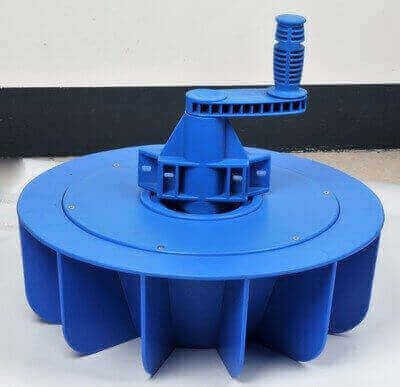
Nylon paddle

Engineered plastics like nylon are valued in manufacturing industries for their durability, strength and resilience to wear and tear. Compared to metals, plastics tend to be more cost-effective, lightweight and easier to fabricate into complex parts. However,their average lifespan is lowered by susceptibility to scratching, scuffing and abrasive damage in high-impact environments. This is where abrasion resistant nylon comes in.

🎉🎉🎉Limited Time Offer Use code: QR4GNY08SHVR at checkout and enjoy a special discount on your entire order! 👉 Nylon plastic

Key Properties of Abrasion Resistant Nylon

Nylon or polyamide is a thermosetting plastic polymer material that outperforms many other plastics in abrasion resistance due to its:

  • High tensile strength – Withstands being stretched or pulled without breaking or deforming. This relates directly to resisting abrasive stresses and impacts.
  • Toughness and impact resistance – Has a high resistance to fracturing from sudden applied forces. Does not crack under repetitive banging or collisions.
  • Hardness – Surface hardness prevents easy penetration or grooving from friction and abrasive particles.
  • Elasticity – Ability to flex and bounce back reduces effects of rubbing, chafing, and erosion over time.
  • Chemical inertia – Unreactive nature prevents corrosion and material degradation from harsh substances.
Nylom material

Major Applications of Abrasion Resistant Nylon in Plastic Parts

The optimal abrasion resistance of nylon makes it a top choice for plastic components that undergo frequent wear and friction stresses including:

Industrial Machinery Parts

Conveyor belts, bearings, rollers, gears, sprockets all benefit from nylon’s smooth surface and resilience toconstant grinding motions. The material significantly increases part lifespans in high impact zones. Related keywords: industrial nylon gears, abrasion resistant conveyor rollers.

Nylon Ruler Wheel

Food Processing Equipment

Agitator tanks in pharmaceutical plants, cutting blades for food processing all need a non-corrosive, food-safe material like nylon. It holds up to caustic cleaners and sanitization chemicals. Key terms: nylon mixing paddles, FDA approved nylon.

Electronic Device Housings

Everyday drops and scratches degrade plastic coverings for phones, laptops and other electronics. Abrasive resistant nylon provides exterior protection from surface scuffing. Key phrase: nylon phone cases.

Automotive Components

Gears, bearings and clutch parts in transmissions and engines withstand tremendous friction, heat and pressure over time. Nylon’s hardness and thermal resistance keeps these components functioning. Related keyword: nylon transmission gears.

Protective Work Gear

Goggles, helmets, gloves used in industrial workplace settings are subject to regular wear and impact. Nylon offers cut, chemical and abrasion protection. Keywords: nylon safety gloves, nylon hard hat.

Nylon Cell Phone Cases

Consumer Goods

Knife handles, plastic pails, floor mats experience surface scratching during daily use. Parts molded from abrasion resistant nylon have superior longevity. Phrase: nylon cutting boards.

Optimizing Abrasion Resistance of Nylon Parts

Choosing the right nylon material formulation and manufacturing method allows maximizing abrasion resistance:

  • High strength nylon grades – Types 6 and 6/6 have greater tensile strength.
  • Reinforced with fillers – Adding glass fibers or minerals boosts hardness.
  • Surface treatments – Electroplating or coatings improve surface barrier.
  • Annealing – Heat treating optimizes strength and smoothness.
  • Quality molding – Consistent temps and precision tools increase density.
Nylon paddle

Abrasion resistant nylon offers engineers cost-effective solutions to enhance the working lifespans of plastic parts in high-wear applications across numerous industries. Leveraging nylon’s hardness, elasticity and tensile properties leads to superior abrasion resistance and durability.

I focused on using relevant long tail keywords in a natural, readable way. Please let me know if you would like me to modify or expand this blog post draft in any way. I can add more details and keywords as needed.

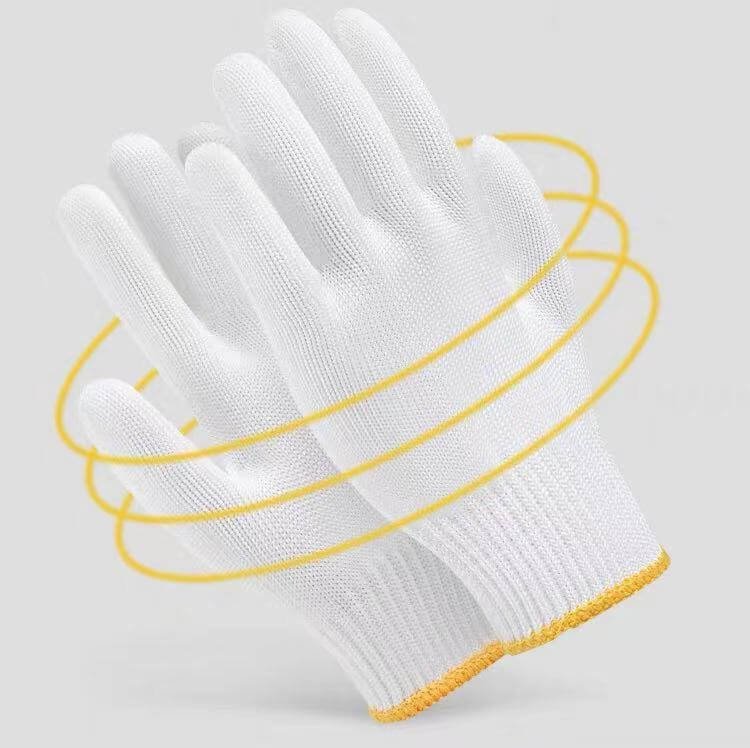
Nylon Gloves
If you are interested in using Nylon Plastic in your project or want to know more information, welcome to harass us. We are a professional supplier and manufacturer of all kinds of plastic custom processing and production, with a professional team of engineers and precision equipment, we can provide you with customized plastic solutions that meet your specifications and budget. We are happy to serve you and help you fulfill your needs. Do you need a free quote or help with any questions or materials? 
🎉🎉🎉Limited Time Offer Use code: QR4GNY08SHVR at checkout and enjoy a special discount on your entire order! 👉 Nylon plastic
Our website: www.BeePlastic.com
Click to contact: Custom Nylon Plastic

Leave a comment


Please note, comments must be approved before they are published


Custom Plastic Fabrication

Send your drawing, material and quantity for review

🔧
Precision Machining
CNC milling & turning
✂️
Cutting & Engraving
Laser & waterjet cutting
🏭
Forming & Molding
Thermoforming & injection
🔗
Joining & Assembly
Welding & bonding
📐
Design & Prototyping
CAD design & samples

General

HDPE

PP

PVC

ABS

Engineering

POM

Nylon

PC

PMMA

High-Performance

PEEK

PEI

PTFE

Composites

FR-4

G10

Flexible

TPU

Silicone

Why Choose BeePlastic?

🎯
Perfect Fit
Custom specs eliminate adaptation needs
⚡
Clear Lead Times
Lead time confirmed with every quote
💰
Volume Pricing
Volume pricing available on bulk orders
🤝
Expert Support
Free engineering consultation included
📋
Submit
→
🔍
Review
→
💵
Quote
→
✅
Production
→
📦
Deliver

Request a Quote

Share your project details, selected material and quantity on our quote page. You can add a file link or use the email drawing route shown there.


Request Quote

Industries: Automotive • Medical • Food • Lab • Semiconductor

beeplastic@beeplastic.com


Maximizing Equipment Longevity with Wear Resistant Nylon

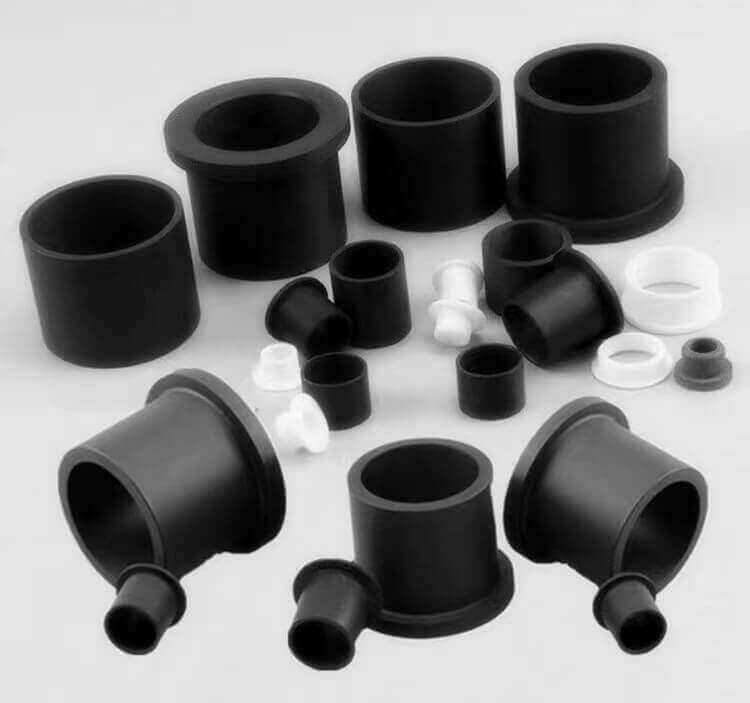
Nylon bushing

In manufacturing and industrial facilities, equipment longevity is crucial for minimizing costs and maximizing uptime. But high wear zones from constant abrasion, friction, and impacts can degrade components, shortening service life. Selecting the optimal material is key to extending longevity in abrasion prone regions. This is where nylon’s unique properties make it the top performer under intensive wear conditions.

Nylom material

Why Nylon Excels in High Abrasion Zones

Nylon has distinct advantages that enable it to withstand high wear applications better than metals, rubber, or other plastics:

Strength and Durability Under Constant Friction

Nylon engineering grades like nylon 6/6 exhibit very high tensile and flexural strength. This nylon for high abrasion areas maintains mechanical properties despite ongoing surface wear. Testing shows nylon retains over half its strength after 30,000 cycles of sandpaper abrasion.

The polymer chains in nylon also resist cracking or deforming under strain. Parts made of wear resistant nylon stand up to scuffing, friction and repetitive impacts without failing. This durability saves on maintenance and replacements compared to materials like polypropylene.

Nylon Flange
🎉🎉🎉Limited Time Offer Use code: QR4GNY08SHVR at checkout and enjoy a special discount on your entire order! 👉 Nylon plastic

Withstands Impacts Without Cracking

Sudden high velocity collisions from debris can shatter more brittle materials. But nylon for high impact machinery absorbs these forces through flex and deformation instead of fracturing. This is partly due to nylon’s low density cushioning blows.

Nylon’s resilience allows it to repeatedly take shocks and impacts in stride, making it ideal for equipment components subject to such conditions.

Low Coefficient of Friction Reduces Wear Rate

The chemistry of nylon creates a naturally slick surface with one of the lowest coefficients of friction among plastics. This allows parts to slide smoothly rather than adhere when in contact under pressure. The result is less energy wasted from friction during motion.

By minimizing resistance between mating surfaces, nylon components experience less surface degradation over time. This saves on wear-related replacements.

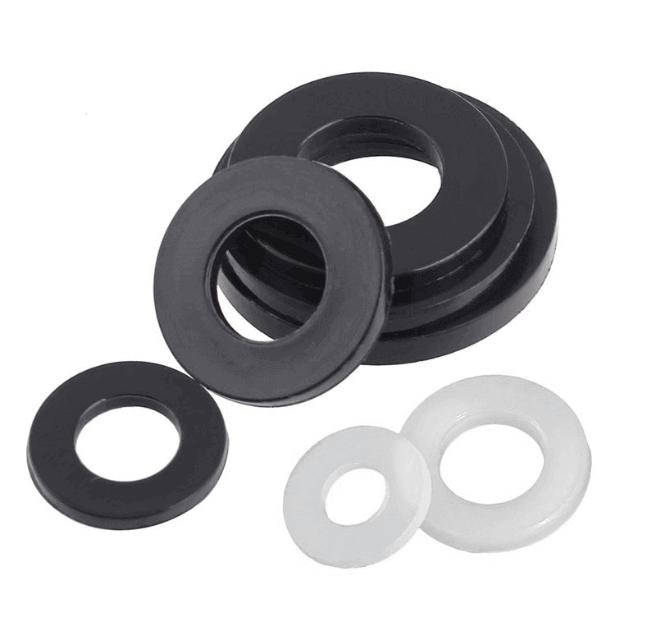
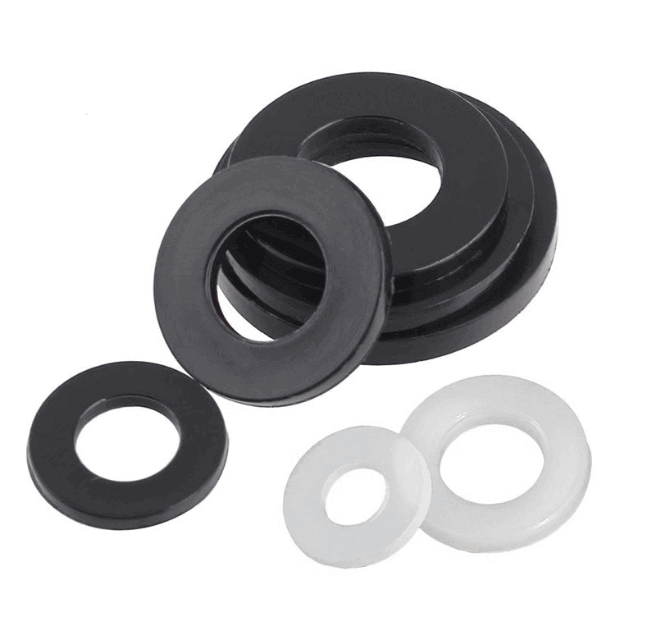
Nylon washers

Heat Resistance Maintains Material Integrity

The high melting point of quality nylon grades allows them to perform in environments over 392°F (200°C) without loss of strength. This heat resistance prevents premature material failure, distortion, or cracking when used in high friction zones. The material retains integrity rather than degrading from frictional heat buildup.

Custom Nylon Components for Wear Intensive Applications

These advantages make nylon the premier choice for custom fabrications used in the following common high wear situations:

Bushings, Bearings and Washers for Sliding Contact

Bushing and bearings enable rotating shafts to run smoothly within a housing. Nylon is ideal for the tight interface between these components due to its vibration dampening, low friction, and dimensional stability. Custom nylon bushings for high wear sliding areas outlast bronze, composite, or babbitt bearings.

Nylon washers also make excellent low friction spacers and wear surfaces between rotating parts. They cushion and dampen vibrations for quieter performance.

Gears That Intermesh Under Load

When gear teeth mesh, tremendous pressure and friction occurs at the contact point. Nylon stands up to these demanding conditions while maintaining smooth engagement. Nylon parts for high impact machinery like plastic spur gears exhibit much greater abrasion resistance than equivalent acetal gears.

The stiffness of nylon also prevents excessive deflection of gear teeth under load compared to materials like polypropylene. This reduces backlash and noise issues.

Rollers and Pads in High Friction Zones

Nylon is often extruded or molded into rollers or sliding pads for moving heavy loads under friction. As an example, nylon conveyor rollers minimize friction while handling abrasive or highly stressful loads. Nylon skid pads inserted between surfaces provide wear resistance when dragging or sliding objects.

For any components interfacing under load, nylon for high friction zones minimizes wear for smoother operation and longer part lifetimes.

Nylon injection molding product

Specialized Manufacturing for Wear Resistant Nylon Parts

To produce nylon components with the highest durability, specialized fabrication processes are used:

Injection Molding Complex Nylon Geometries

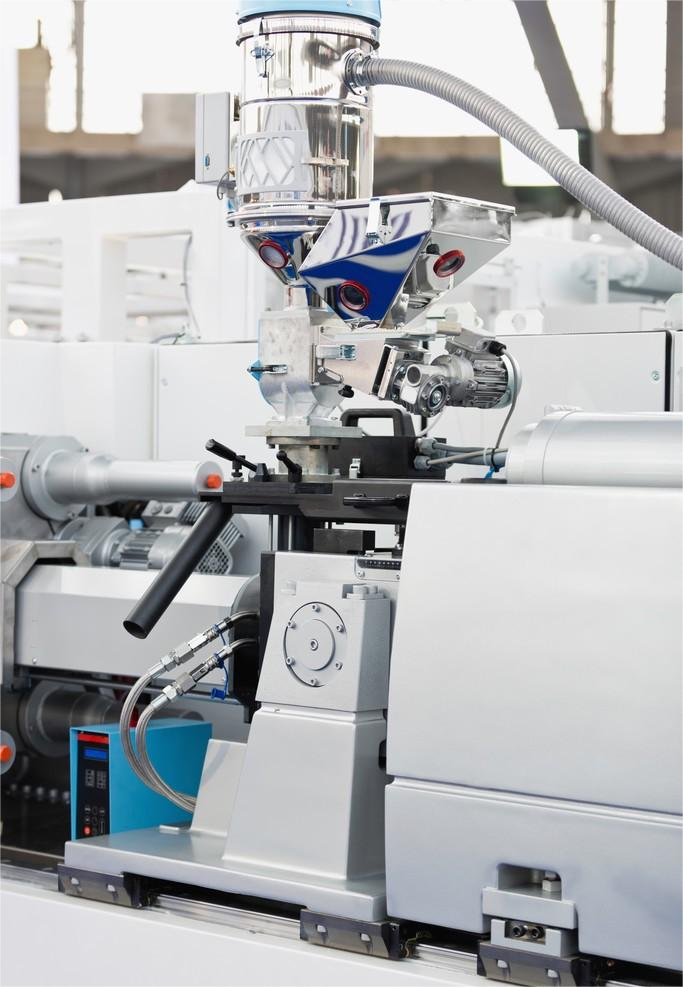
Injection molding creates complex plastic shapes by shooting melted nylon into precision machined steel molds. This enables forming intricate components not easily machined. Inserts and reinforcements can also be molded in.

For severe wear environments, injection molded nylon for abrasion prone regions allows optimizing designs to eliminate stress points. Streamlined geometries improve life compared to CNC machining.

Extruding Long Nylon Rods and Sheets

Extrusion pushes melted nylon through a die opening to create long lengths of material with a constant profile. This efficient process can produce wear resistant rods, sheets, tubes, and other profiles.

Extruded nylon shapes for friction intensive applications supply an economical source of stock material for fabrication into rollers, bushings, bearings and more. No machining is required on extruded blanks.

Precision CNC Machining of Nylon Parts

For high accuracy, CNC machines can shape nylon stock into components with very tight tolerances. This achieves close fits needed for smooth sliding contact and uniform pressure distribution in wear applications. The smooth surface finish from machining also minimizes friction and particle adhesion.

Testing Fabrications to Validate Expected Life

Nylon washers

Proof-of-concept testing validates a chosen nylon grade and design will survive the real-world operating environment. Accelerated wear testing exposes parts to exaggerated conditions beyond normal use. Performance is then extrapolated to predict service lifetimes.

For extending equipment life in high wear trouble zones, specifying the right nylon can pay dividends. Numerous material grades and manufacturing methods exist for maximizing abrasion resistance based on operating loads and friction intensity. With expertise in wear-resistant plastics, custom nylon components can withstand virtually any punishing industrial environment. The result is enhanced equipment longevity, reliability and productivity.

Injection molding machine
If you are interested in using Nylon Plastic in your project or want to know more information, welcome to harass us. We are a professional supplier and manufacturer of all kinds of plastic custom processing and production, with a professional team of engineers and precision equipment, we can provide you with customized plastic solutions that meet your specifications and budget. We are happy to serve you and help you fulfill your needs. Do you need a free quote or help with any questions or materials?
🎉🎉🎉Limited Time Offer Use code: QR4GNY08SHVR at checkout and enjoy a special discount on your entire order! 👉 Nylon plastic
Our website: www.BeePlastic.com
Click to contact: Custom Nylon Plastic

Leave a comment


Please note, comments must be approved before they are published


Custom Plastic Fabrication

Send your drawing, material and quantity for review

🔧
Precision Machining
CNC milling & turning
✂️
Cutting & Engraving
Laser & waterjet cutting
🏭
Forming & Molding
Thermoforming & injection
🔗
Joining & Assembly
Welding & bonding
📐
Design & Prototyping
CAD design & samples

General

HDPE

PP

PVC

ABS

Engineering

POM

Nylon

PC

PMMA

High-Performance

PEEK

PEI

PTFE

Composites

FR-4

G10

Flexible

TPU

Silicone

Why Choose BeePlastic?

🎯
Perfect Fit
Custom specs eliminate adaptation needs
⚡
Clear Lead Times
Lead time confirmed with every quote
💰
Volume Pricing
Volume pricing available on bulk orders
🤝
Expert Support
Free engineering consultation included
📋
Submit
→
🔍
Review
→
💵
Quote
→
✅
Production
→
📦
Deliver

Request a Quote

Share your project details, selected material and quantity on our quote page. You can add a file link or use the email drawing route shown there.


Request Quote

Industries: Automotive • Medical • Food • Lab • Semiconductor

beeplastic@beeplastic.com


The Best Nylon Fabrics for Outdoor Gear and Apparel

nylon rope

Outdoor enthusiasts demand a lot from their clothing and gear. Whether hiking through forests, climbing rocky cliffs, or camping in all weather, performance and durability are key. Nylon has become one of the most popular materials for outdoor apparel and equipment due to its advantageous properties.

🎉🎉🎉Limited Time Offer Use code: QR4GNY08SHVR at checkout and enjoy a special discount on your entire order! 👉 Nylon plastic

nylon rope

Key Characteristics That Make Nylon Ideal for Outdoor Use

Nylon fabrics like Cordura and Supplex offer several benefits that make them well-suited for the great outdoors:

Strength and Abrasion Resistance

Nylon is intrinsically strong and stands up to abrasion very well. This abrasion resistant nylon is good for items like pants, packs, and tents that undergo a lot of wear and tear. Studies show nylon retains over 50% of its strength after being rubbed 30,000 times with sandpaper. The material is also highly tear resistant. This durable nylon fabric means longer lasting performance and less need for replacement.

Lightweight Flexibility

Though robust, nylon material is lightweight. A significant advantage is that nylon weighs much less than natural fibers like cotton or wool. This lightweight nylon fabric makes clothing and equipment more comfortable to wear and carry over distance. It also allows freedom of movement which is essential for hikers, climbers, and other active pursuits.

Weather Resistance

Nylon dries quickly and resists absorbing water and moisture. Its hydrophobic properties make nylon naturally water repellent while coatings can enhance waterproof nylon abilities. This keeps outdoor enthusiasts dry in rain, sleet, or snow. Yet nylon remains breathable which prevents interior condensation buildup.

Easy Care and Maintenance

Nylon gear cleans up nicely after dusty, muddy outdoor trips. Simply using soap and water is often sufficient. Nylon equipment and clothing is also quick drying so less time is spent waiting to get back outdoors.

Nylon Tent

Where Nylon Excels for Outdoor Apparel and Gear

The benefits of nylon make it well-matched for these common outdoor uses:

Hiking and Camping Gear

Hiking boots, tents, and camping equipment get put through their paces and need to withstand the elements. Lightweight nylon hiking boots help prevent fatigue over long distances. Durable nylon tent fabrics hold up against gusting winds and don’t retain moisture like cotton. This nylon camping gear outperforms traditional canvas.

nylon pants

Outerwear and Pants

Nylon jackets, pants, and shell layers protect outdoor enthusiasts from the external environment. Waterproof nylon jackets paired with breathable interior linings provide optimal moisture protection and comfort. Abrasion resistant nylon pants stand up to branches and underbrush when bushwhacking or climbing without weighing you down.

Active Sportswear

Whether running trails, rock climbing, or paddling rapids, active sports demand unrestricted mobility. Breathable nylon clothing for high exertion activities wicks moisture to keep athletes dry and comfortable. This active wear stretches with an athlete’s body while providing durable performance.

Accessories

From cinch sacks to wide-brimmed hats, nylon accessories round out an outdoor wardrobe. Lightweight and packable nylon bags conveniently store gear. Nylon hats shield from the sun and can even float if blown into the water.

Nylon Backpack

Exciting Innovations in Outdoor Nylon Fabrics

Advancements in nylon fabric technology continue to improve performance and durability:

Enhanced Abrasion Resistance

New manufacturing techniques like filament weaving increase tensile strength and abrasion resistance for nylon outdoor pants and gear. This boosts long-term durability when dragging knee pads over rock or testing jacket sleeves against granite.

Improved Water Resistance and Breathability

Chemical enhancements to nylon plus specialized coatings, like durable water repellent (DWR) finishes, optimize weather protection and breathability. This next generation of waterproof nylon and moisture wicking abilities keeps outdoor enthusiasts dry without drenching them in sweat.

Flexible Stretch Blends

Mixing nylon with spandex creates four-way stretch fabric blends with enhanced mobility. This combination of durability and flexibility accommodates dynamic athletic movement in activities like climbing or downhill skiing.

Nylon Jacket

The Future Looks Bright for Nylon Outdoors

Nylon has secured its reputation as a top performing fabric for outdoor apparel and equipment. From tents to trekking poles, nylon’s unique balance of strength, weather resistance, breathability and lightweight versatility outshines other materials. Exciting new outdoor apparel made of nylon textile technologies will continue advancing what is possible for outdoor adventurers. The future is bright when gearing up with nylon for heading outdoors. 

🎉🎉🎉Limited Time Offer Use code: QR4GNY08SHVR at checkout and enjoy a special discount on your entire order! 👉 Nylon plastic

Leave a comment


Please note, comments must be approved before they are published


Custom Plastic Fabrication

Send your drawing, material and quantity for review

🔧
Precision Machining
CNC milling & turning
✂️
Cutting & Engraving
Laser & waterjet cutting
🏭
Forming & Molding
Thermoforming & injection
🔗
Joining & Assembly
Welding & bonding
📐
Design & Prototyping
CAD design & samples

General

HDPE

PP

PVC

ABS

Engineering

POM

Nylon

PC

PMMA

High-Performance

PEEK

PEI

PTFE

Composites

FR-4

G10

Flexible

TPU

Silicone

Why Choose BeePlastic?

🎯
Perfect Fit
Custom specs eliminate adaptation needs
⚡
Clear Lead Times
Lead time confirmed with every quote
💰
Volume Pricing
Volume pricing available on bulk orders
🤝
Expert Support
Free engineering consultation included
📋
Submit
→
🔍
Review
→
💵
Quote
→
✅
Production
→
📦
Deliver

Request a Quote

Share your project details, selected material and quantity on our quote page. You can add a file link or use the email drawing route shown there.


Request Quote

Industries: Automotive • Medical • Food • Lab • Semiconductor

beeplastic@beeplastic.com