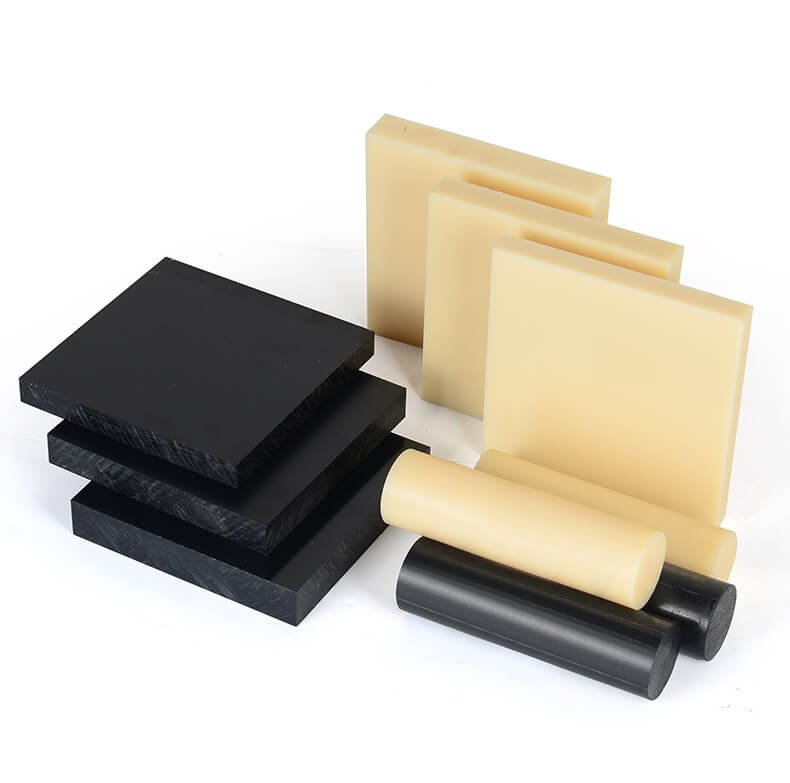
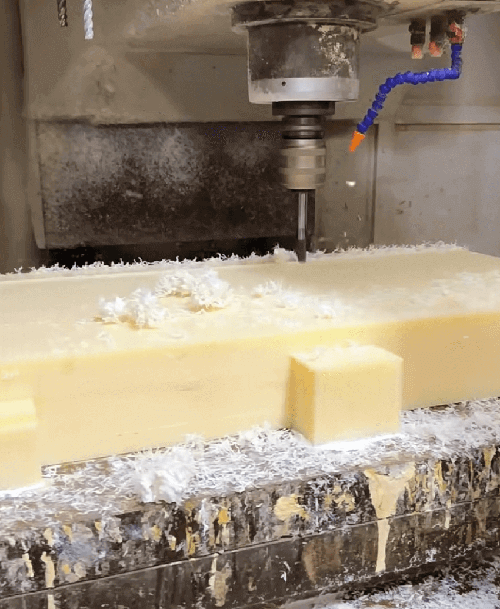
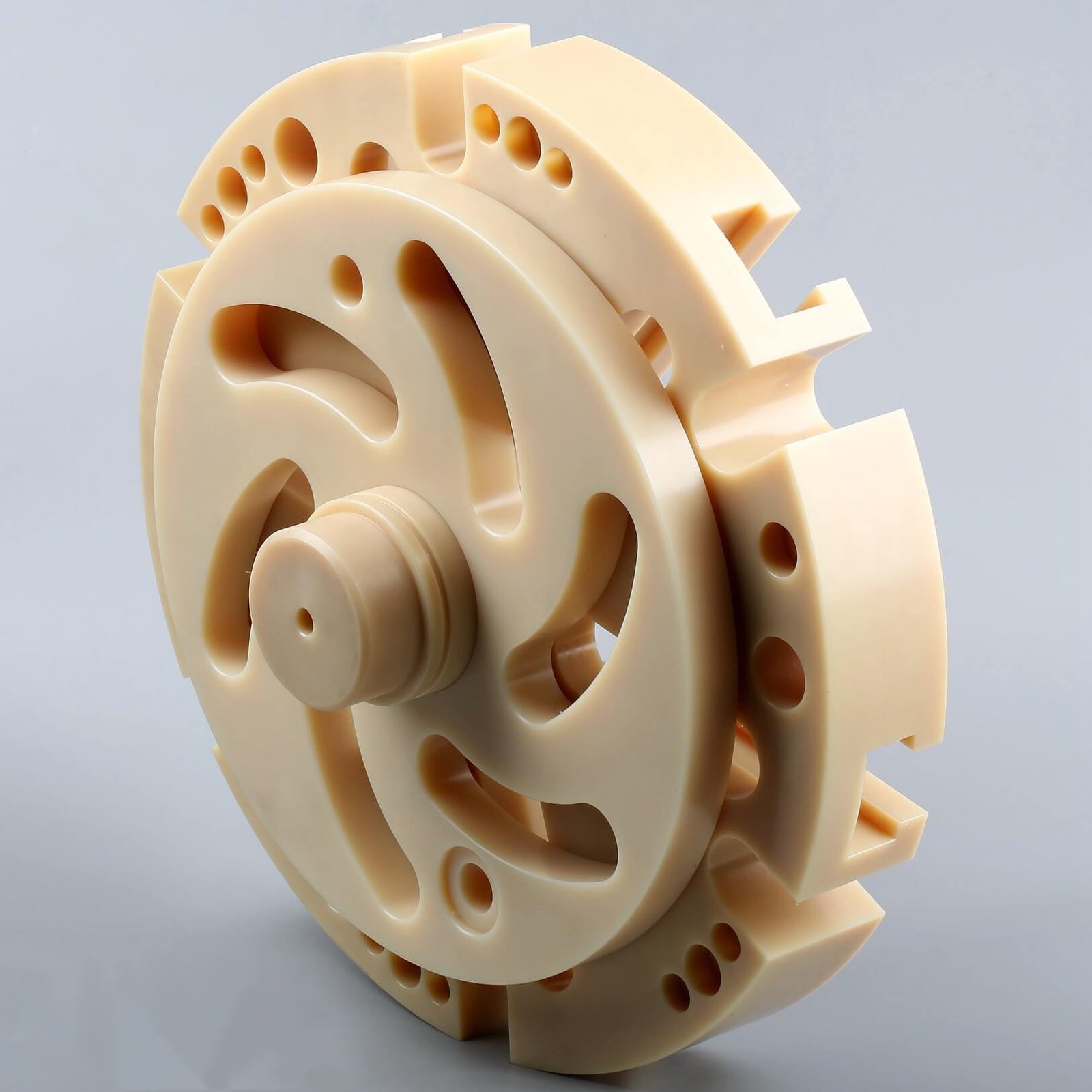
Choosing Between PEEK and ABS: How to Select the Best Plastic for Your Application

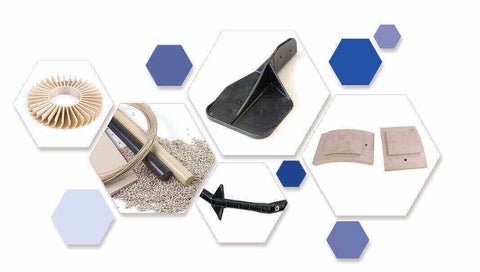
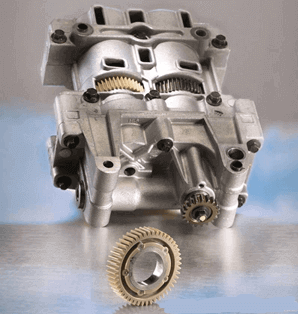
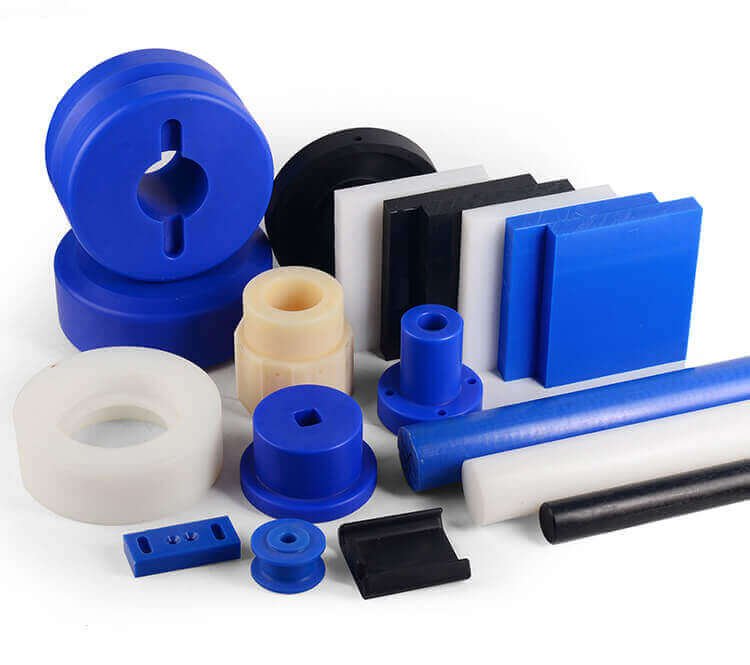
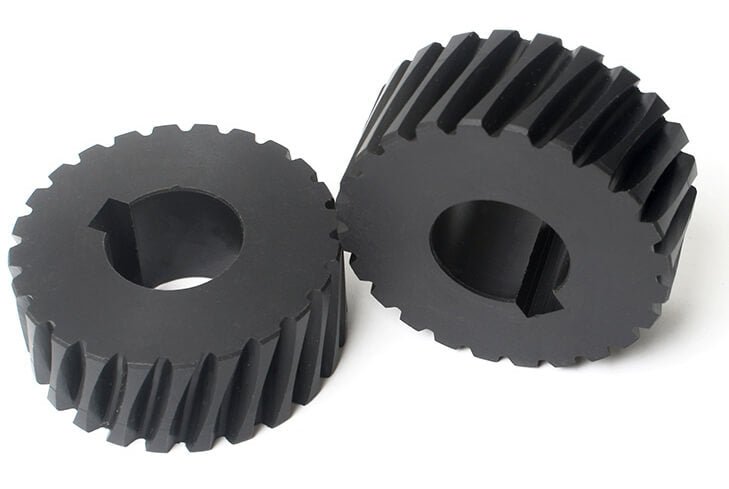
PEEK gears

Engineering plastics like PEEK (polyetheretherketone) and ABS (acrylonitrile butadiene styrene) each offer unique properties that make them suitable for different applications. When selecting the right material for your project, it’s important to weigh factors like thermal and chemical resistance, mechanical performance, precision, and cost. This guide provides a detailed PEEK vs ABS comparison to help you determine which plastic is the optimal choice for your needs.

🎉 Limited Time Offer: Use code QR4GNY08SHVR at checkout and enjoy a special discount on your entire order! 👉 Shop PEEK Plastic

Key Differences Between PEEK and ABS Polymers

PEEK and ABS have vastly different characteristics that influence their performance and suitability for various uses. Here are some of the major factors that set these two thermoplastic materials apart:

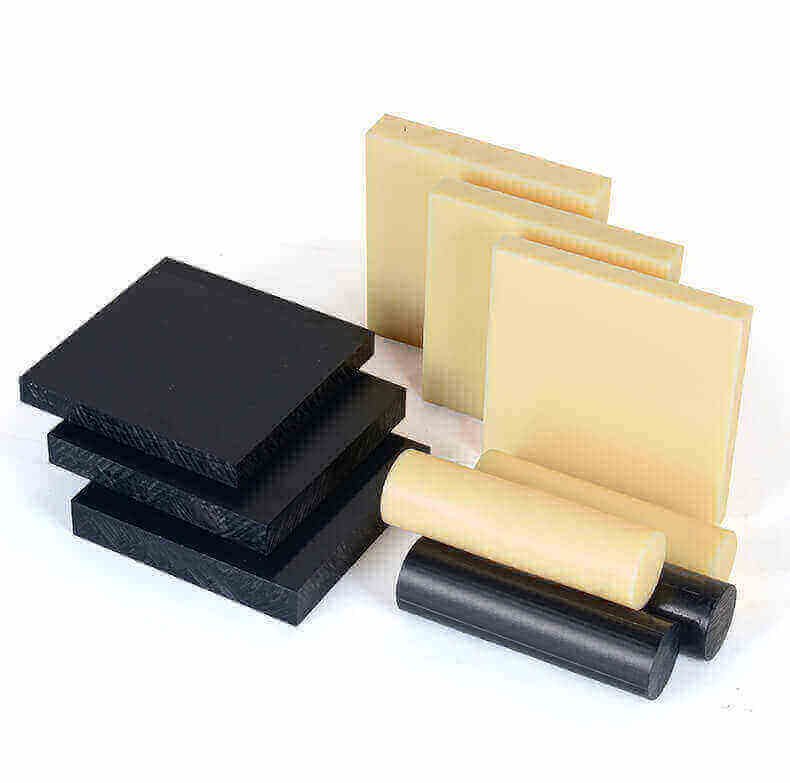
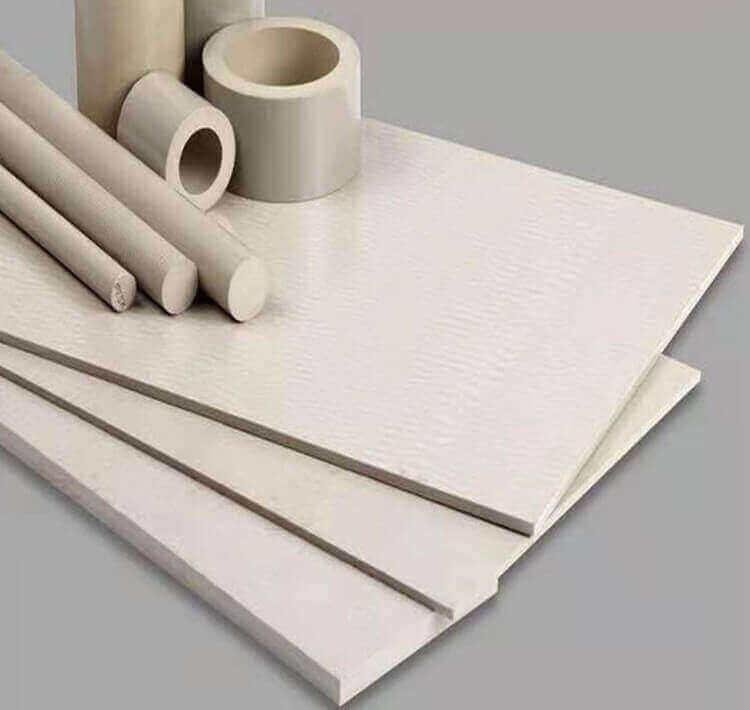
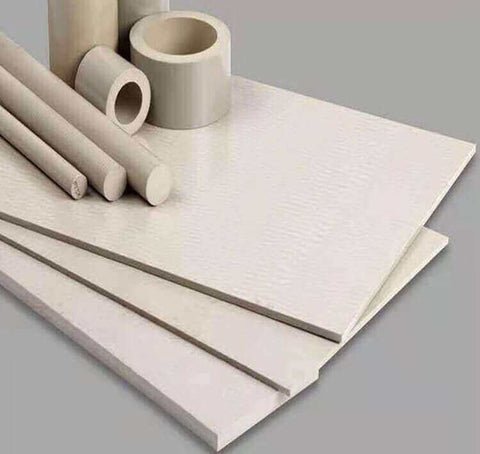
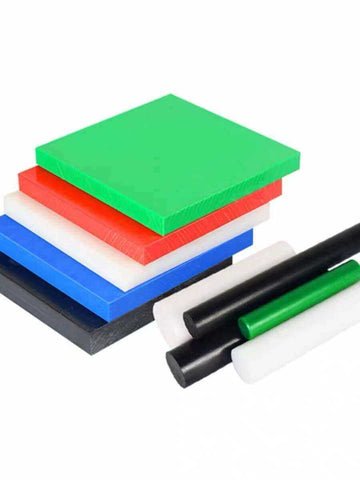
High performance PEEK plastic rod and sheet

Thermal Properties: PEEK Offers Superior Heat Resistance

One of the biggest differences between these two plastics lies in their thermal properties. PEEK has excellent high temperature resistance, maintaining its integrity in environments up to 500°F. The glass transition temperature of PEEK is around 143°C.

Comparatively, ABS plastic has a much lower melting point of approximately 212°F. The glass transition temperature of ABS is approximately 105°C.

The higher heat deflection temperature of PEEK makes it suitable for applications like aerospace components, automotive under-the-hood parts, and medical devices requiring sterilization. ABS would likely fail in these high-temperature environments over time.

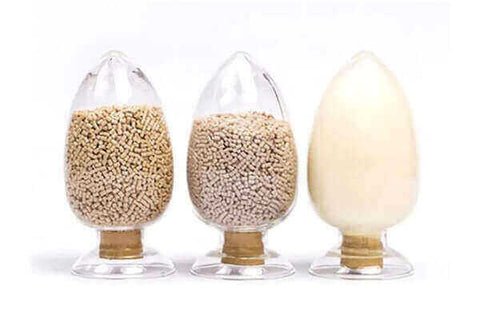
ABS Plastic granules and raw material

Chemical Resistance: PEEK Ideal for Harsh Exposures

PEEK demonstrates outstanding chemical resistance, superior to standard and even high-performance plastics like ABS. This chemically inert material handles most common solvents, fuels, acids, and bases with minimal degradation.

ABS plastics have moderate chemical resistance at best. ABS is susceptible to damage from ketones, esters, and nitrous compounds. Applications involving caustic chemicals and fluids are better suited to PEEK plastic.

Strength Properties: PEEK Stronger and Stiffer Than ABS

The exceptional mechanical properties of PEEK make it well-suited for load-bearing parts and structures. PEEK has very high tensile strength, flexural strength, and tensile modulus. This results in low creep under load and reduced deformation.

ABS has moderate strength that falls short of PEEK’s capabilities. Although acceptable for many applications, ABS plastic cannot match PEEK’s stiffness, hardness, and ability to bear heavy loads without distortion.

Cost: PEEK More Expensive Than ABS

One major advantage of ABS is its low cost compared to performance plastics like PEEK. ABS is economical, readily available, and easy to manufacture. This makes it ideal for high-volume injection molded consumer products.

PEEK is one of the more expensive engineering thermoplastics, up to 5-10x the cost of ABS depending on grade. The high temperature stability, chemical inertness, and mechanical strength of PEEK justify the added cost for critical applications. But for low-budget projects, ABS provides sufficient properties at a fraction of the price.

Features PEEK Plastic ABS Plastic
Temp Resistance High (up to 500°F) Low (up to 212°F)
Strength Very High Moderate
Cost Premium Economical

Key Factors to Consider When Choosing Between PEEK and ABS

With their different thermal, chemical, and mechanical characteristics, PEEK and ABS each offer advantages for specific situations. Here are some of the most important considerations when selecting between these two plastic materials:
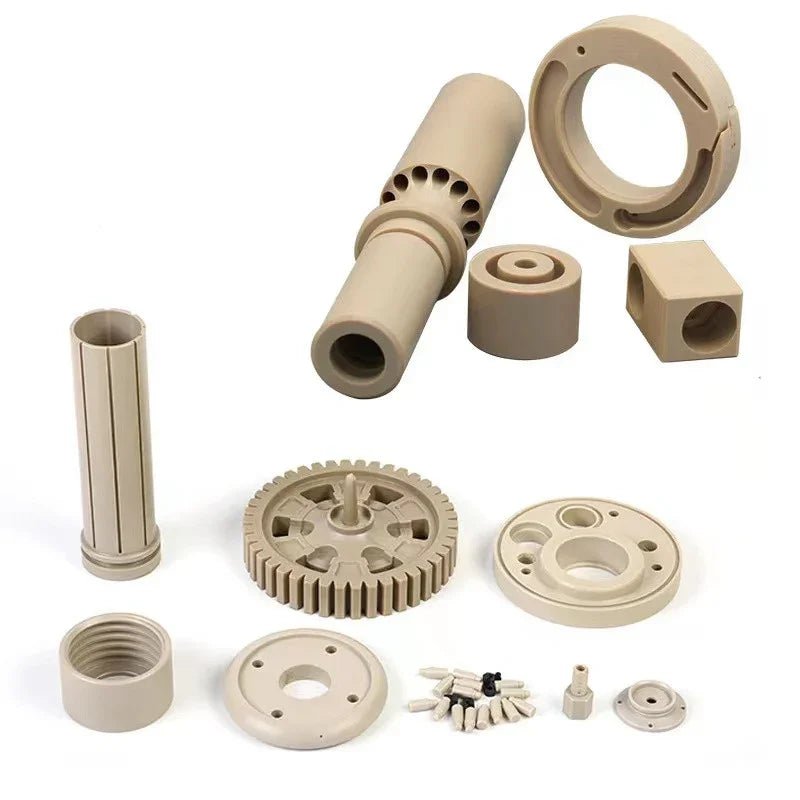
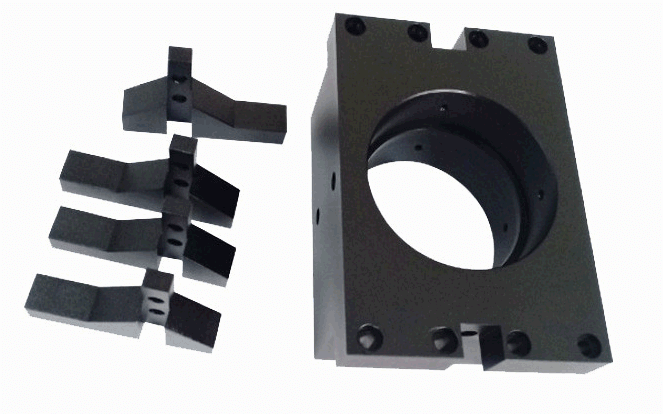
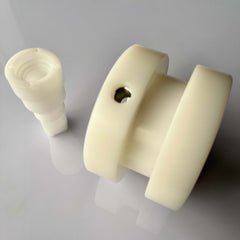
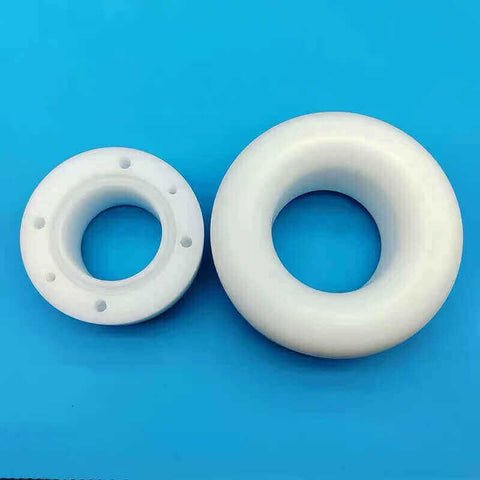
High-precision CNC-machined gears bushings and mechanical components in beige PEEK

High-precision CNC-machined components

  • Temperature Requirements:
    What temperature range will the components experience, both in end use and during manufacturing? If temperatures exceed 212°F, PEEK’s superior heat resistance makes it the only viable choice. The thermal stability of PEEK allows it to withstand sterilization procedures and extreme environments. For lower temperature applications, inexpensive ABS can suffice.
  • Chemical Exposure Levels:
    Will the plastic parts be exposed to solvents, fuels, acids, or other harsh chemicals? PEEK’s excellent chemical resistance outperforms ABS, preventing degradation. ABS can experience stress cracking and deterioration when exposed to certain substances. If chemical inertness is critical, PEEK is the best pick.
  • Importance of Strength-to-Weight Ratio:
    Does the application require very strong yet lightweight parts? PEEK’s outstanding specific strength makes it the lighter-weight option. With exceptional tensile and flexural strength, PEEK can handle high loads without adding excess weight. ABS has moderate strength-to-weight but may fall short for demanding applications.
  • Precision and Complexity Required:
    What level of dimensional stability, precision, and part complexity is needed? PEEK allows molding of very intricate geometries while retaining tight tolerances. This makes it suitable for detailed, precise components. ABS can meet moderate requirements but has greater shrinkage and lower rigidity than PEEK.
  • Budget Constraints:
    What is the budget for the plastic parts and their associated tooling/production? ABS provides significant cost savings over PEEK, especially for high production volumes. Even glass or carbon filled PEEK grades are far more expensive. If cost is the primary driver, ABS is likely the economical choice.

Industries and Applications Where PEEK Excels Over ABS

With its unparalleled heat and chemical resistance coupled with robust mechanical properties, PEEK plastic outperforms ABS for certain critical applications, especially:

  • Aerospace: PEEK’s strength-to-weight ratio and extreme environment resistance make it ideal for aerospace components like impellers, nozzles, bushings, bearings, and valve plates exposed to high temperatures.
  • Automotive: Under-the-hood automotive parts like fuel system components, pumps, valve bodies, and sensor housings withstand high heat and corrosive fluids. PEEK fits the bill.
  • Oil and gas: Downhole drilling tools and wellhead equipment must perform reliably despite boiling fluids, abrasion, and subsurface pressures. PEEK’s ideal properties suit these harsh oil and gas industry environments.
  • Medical: Implants, catheter components, and diagnostic equipment subjected to repeated sterilization benefit from PEEK’s biocompatibility and steam autoclave resistance.
  • Semiconductor: Wafer transport rings, plasma etch components, and other fixtures used in semiconductor fabrication processes demand PEEK’s combination of rigidity, chemical resistance, and thermal stability.
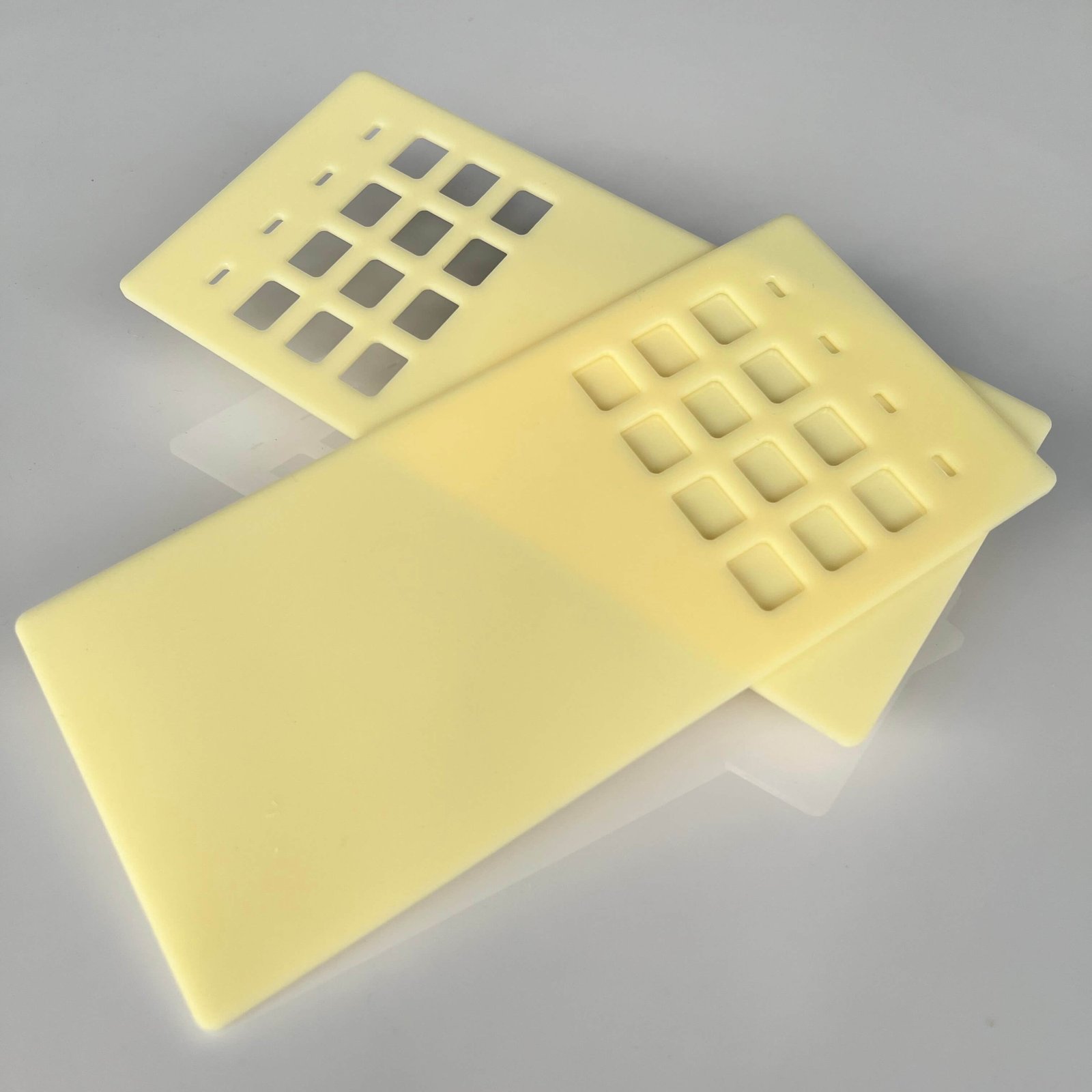
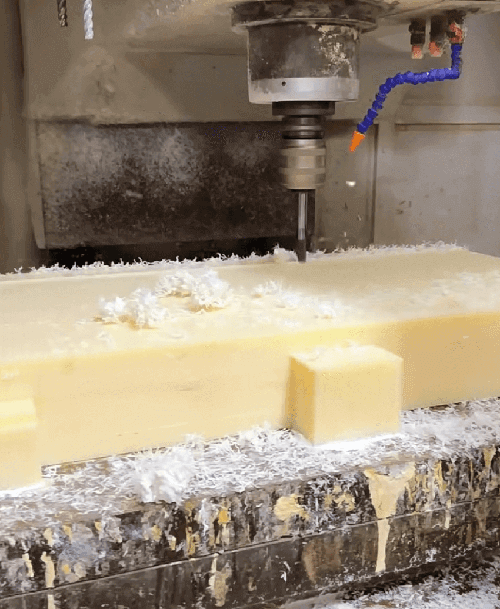
ABS material processing and machining service

Applications Where ABS Performs Well

Despite its shortcomings in extreme environments, ABS remains a ubiquitous choice for more moderate applications across industries, including:

  • Consumer appliances and electronics: Appliance housings, frames, bezels, and other non-critical components experience minimal heat and chemical exposure, making ABS a smart choice.
  • Automotive interior: Inside the cabin, ABS finds widespread use in trim components, ducts, surrounds, wheels, and dashboard elements where its aesthetics and processability excel.
  • Protective equipment: ABS is commonly used in helmets for construction, recreation, and other applications where impact resistance meets basic requirements.
  • Medical devices: For medical applications like casings for monitoring devices that do not require repeat sterilization, ABS provides a cost-effective solution.
  • Office equipment: Printers, copiers, and other commercial and business equipment reliably employ easy-to-mold ABS for housing and structural parts away from heat sources.

ABS plastic jig and fixture

Conclusion: Weigh Your Requirements When Deciding Between PEEK and ABS

For critical applications facing extreme conditions, the unmatched heat resistance, chemical inertness, and strength of PEEK outweigh its higher cost compared to ABS plastic. But for more moderate environments, ABS is often the more economical choice and provides sufficient properties.

When selecting a material, consider the factors outlined above like temperature needs, chemical exposure, precision requirements, and budgetary constraints. Matching the inherent capabilities of the plastic to your specific application ensures optimal performance and avoids unnecessary expense. Prototype testing also provides valuable insight on which material best fits your particular demands.

Knowing the major differences between PEEK vs ABS polymers allows you to confidently choose the right plastic for any project. Partnering with an experienced plastics manufacturer provides additional guidance tailoring material selection and part design to achieve success.

Ready to Start Your Project?

If you are interested in using PEEK Plastic in your project or want to learn more, we are here to help. As a professional supplier and manufacturer of plastic custom processing, our team of engineers and precision equipment can provide you with customized solutions that meet your specifications and budget.

Exclusive Offer Use code QR4GNY08SHVR at checkout for a special discount on your entire order!
We are happy to serve you and help you fulfill your needs. Do you need a free quote or help with any questions?

Contact Us Now Visit Website

www.BeePlastic.com | Precision CNC Plastic Machining & Supply


Leave a comment


Please note, comments must be approved before they are published


Custom Plastic Fabrication

Send your drawing, material and quantity for review

🔧
Precision Machining
CNC milling & turning
✂️
Cutting & Engraving
Laser & waterjet cutting
🏭
Forming & Molding
Thermoforming & injection
🔗
Joining & Assembly
Welding & bonding
📐
Design & Prototyping
CAD design & samples

General

HDPE

PP

PVC

ABS

Engineering

POM

Nylon

PC

PMMA

High-Performance

PEEK

PEI

PTFE

Composites

FR-4

G10

Flexible

TPU

Silicone

Why Choose BeePlastic?

🎯
Perfect Fit
Custom specs eliminate adaptation needs
⚡
Clear Lead Times
Lead time confirmed with every quote
💰
Volume Pricing
Volume pricing available on bulk orders
🤝
Expert Support
Free engineering consultation included
📋
Submit
→
🔍
Review
→
💵
Quote
→
✅
Production
→
📦
Deliver

Request a Quote

Share your project details, selected material and quantity on our quote page. You can add a file link or use the email drawing route shown there.


Request Quote

Industries: Automotive • Medical • Food • Lab • Semiconductor

beeplastic@beeplastic.com


PEEK into the Future: Unveiling the Unparalleled Properties of PEEK Plastic in Modern Applications

PEEK

In the vast and ever-evolving world of polymers, PEEK Plastic has carved a niche, emerging as a material synonymous with resilience, versatility, and unparalleled properties. From the bustling floors of robust industries to the meticulous corners of DIY projects, PEEK Plastic has woven its way into various applications, thanks to its remarkable attributes. As we embark on this exploration of PEEK Plastic, we dive deep into its properties, applications, and the future it is shaping in the realm of materials science.

🎉🎉🎉Limited Time Offer Use code: QR4GNY08SHVR at checkout and enjoy a special discount on your entire order! 👉 PEEK plastic
PEEK raw materials

Unpacking PEEK Plastic

A Glimpse into the Essence of PEEK

PEEK, standing tall for Polyether Ether Ketone, is not merely a polymer but a testament to the marvels of chemical engineering. With a molecular structure that grants it a formidable resistance against chemical and thermal degradation, PEEK Plastic has become a beacon of reliability in various sectors, including medical, aerospace, and automotive industries. Its journey from being a laboratory marvel to a cornerstone in material science is woven with innovations, challenges, and relentless pursuit of excellence.

Tracing the Evolution

The inception of PEEK Plastic marked a pivotal point in material science, offering industries a material that did not merely resist wear and tear but stood resilient against formidable challenges. Its evolution has been marked by continuous research, exploring its boundaries, and innovating applications that transcended the conventional uses of polymers. From being a structural component in aerospace applications to being a reliable material in medical implants, PEEK Plastic has transcended its initial applications, venturing into realms that demand nothing but the best.

PEEK implant

Diving into the Properties of PEEK Plastic

The Pillar of Durability

In a world where materials are constantly tested against the sands of time and rigor of applications, PEEK Plastic stands as a symbol of durability. Its ability to withstand significant mechanical stress, coupled with its resistance to wear, has made it a preferred choice in applications where failure is not an option. But what grants PEEK its remarkable durability? The answer lies in its molecular structure, which we shall explore as we delve deeper into the world of PEEK Plastic.

Braving the Elements

PEEK Plastic does not merely resist thermal and chemical challenges; it embraces them. With a remarkable ability to retain its properties in varied temperature ranges and resist a myriad of chemicals, PEEK has become an ally to applications that demand stability in the face of fluctuating and extreme conditions. From the freezing void of outer space to the corrosive environment of chemical plants, PEEK Plastic has showcased a resistance that is nothing short of exemplary.

Flexibility Meets Resilience

PEEK Plastic, while being robust and durable, does not compromise on flexibility. It gracefully bends but does not break, offering engineers and designers the liberty to mold and shape it into forms that meet the precise needs of varied applications. This unique blend of flexibility and resilience has paved the way for PEEK to be a material of choice in applications that demand structural integrity without sacrificing adaptability.

PEEK material

Benefits and Applications of PEEK Plastic

A Material for All Seasons

PEEK Plastic, with its myriad of benefits, has permeated various industries, offering solutions that were once deemed unattainable. Its resistance to thermal degradation has made it a staple in aerospace, where materials are subjected to extreme conditions. In the medical field, PEEK has revolutionized implants, offering a biocompatible solution that stands the test of time. Its applications are as vast as they are varied, transcending boundaries and creating possibilities where none existed.

PEEK vs. The World

When juxtaposed with other materials, PEEK Plastic often emerges victorious, offering a suite of properties that are seldom found in a single material. Its comparison with materials like ABS showcases a remarkable difference in temperature resilience, chemical resistance, and durability, making PEEK not just a material but a solution to complex industrial challenges.

PEEK Aerospace Applications

Challenges and Solutions in PEEK Plastic Processing

Navigating Through Processing Hurdles

While PEEK Plastic offers a plethora of advantages, processing it does come with its own set of challenges. Its high melting point, while being an advantage in application, poses a challenge during processing. Innovations and advancements in processing technology have, however, paved the way for efficient and effective manufacturing, ensuring that the benefits of PEEK can be harnessed across various applications.

Innovations in PEEK Processing

The world of PEEK Plastic processing has witnessed numerous innovations, from advanced molding techniques to the development of processing equipment capable of handling its unique properties. These innovations have not only made PEEK processing feasible but have also opened doors to new possibilities and applications, further solidifying its stance in the world of polymers.


The Economic and Environmental Impact of PEEK Plastic

Balancing Cost and Performance

PEEK Plastic, while being on the pricier side of the polymer spectrum, offers an unparalleled performance that often justifies its cost. Its longevity, durability, and ability to replace metals in certain applications create a cost-effective scenario in the long run, providing economic viability especially in critical applications where material failure is not an option.

PEEK and The Environment

In an era where sustainability is paramount, PEEK Plastic offers a viable solution. Its durability ensures that products have a longer lifespan, reducing the need for frequent replacements. Furthermore, research and developments are underway to enhance the recyclability of PEEK, aiming to create a circular economy where the material is reused, reducing the environmental impact.

PEEK Plastic, with its unparalleled properties and vast applications, stands as a testament to the marvels of material science. As we navigate through an era where materials are subjected to ever-increasing demands, PEEK not only meets the expectations but often exceeds them, providing reliable and innovative solutions across various industries. As we continue to explore and innovate, PEEK Plastic is bound to play a pivotal role in shaping the future, offering possibilities that are as vast as they are exciting.

PEEK Gear Applications

Call to Action

Embark on a journey of innovation, reliability, and unparalleled performance with PEEK Plastic. Explore our range of products and solutions, crafted with precision, expertise, and a deep understanding of PEEK’s remarkable properties. Connect with us and let’s shape the future, together, with PEEK Plastic.

🎉🎉🎉Limited Time Offer Use code: QR4GNY08SHVR at checkout and enjoy a special discount on your entire order! 👉 PEEK plastic

Leave a comment


Please note, comments must be approved before they are published


Custom Plastic Fabrication

Send your drawing, material and quantity for review

🔧
Precision Machining
CNC milling & turning
✂️
Cutting & Engraving
Laser & waterjet cutting
🏭
Forming & Molding
Thermoforming & injection
🔗
Joining & Assembly
Welding & bonding
📐
Design & Prototyping
CAD design & samples

General

HDPE

PP

PVC

ABS

Engineering

POM

Nylon

PC

PMMA

High-Performance

PEEK

PEI

PTFE

Composites

FR-4

G10

Flexible

TPU

Silicone

Why Choose BeePlastic?

🎯
Perfect Fit
Custom specs eliminate adaptation needs
⚡
Clear Lead Times
Lead time confirmed with every quote
💰
Volume Pricing
Volume pricing available on bulk orders
🤝
Expert Support
Free engineering consultation included
📋
Submit
→
🔍
Review
→
💵
Quote
→
✅
Production
→
📦
Deliver

Request a Quote

Share your project details, selected material and quantity on our quote page. You can add a file link or use the email drawing route shown there.


Request Quote

Industries: Automotive • Medical • Food • Lab • Semiconductor

beeplastic@beeplastic.com


Polyoxymethylene (POM) vs Other Engineering Plastics: A Comparative Guide

POM sheets

Polyoxymethylene, also known as polyacetal, polyformaldehyde or simply acetal, is an engineering thermoplastic used in precision parts requiring high stiffness, low friction and excellent dimensional stability. Some of the other widely used engineering plastics include nylon (polyamide), polycarbonate, and polyimide.

🎉 Limited Time Special Offer 🎉

Unlock exclusive savings on your plastic materials order.

Use code: QR4GNY08SHVR at checkout

👉 Shop POM Plastic Sheets & Rods Now

Each of these materials have different properties and characteristics that make them suitable for certain applications. This article provides a detailed comparison between polyoxymethylene (POM) and other engineering thermoplastics in terms of their properties, processing, and applications.

POM precision parts and custom gears

Overview of Polyoxymethylene (POM)

Acetal POM rods in white and black

Polyoxymethylene or POM is a crystalline thermoplastic that is also known by the trademarks Delrin and Celcon. Chemically it is a polyacetal resin formed by the polymerization of formaldehyde.

Some key properties and characteristics of POM are:

  • High stiffness, hardness and tensile strength
  • Low coefficient of friction and excellent wear resistance
  • Extremely high fatigue endurance and creep resistance
  • Excellent dimensional stability and low thermal expansion
  • Good chemical resistance and low water absorption
  • Resistant to weak acids and bases, oils, greases and solvents

POM is commonly used in:

  • Gears, rollers, bushings, pulleys, cams
  • Food processing equipment components
  • Electrical insulators, connectors and switches
  • Automotive and appliance components
  • Consumer products like plumbing fittings, zippers, fasteners etc.

POM has high strength, low friction, and precision dimensions which make it suitable for moving parts and mechanical components. It maintains performance even under continuous use in dynamic load environments. The low moisture absorption allows POM parts to maintain close tolerances.

POM bearings

However, POM has a relatively low upper working temperature around 90°C. It also has poor UV resistance and low chemical resistance to strong acids and bases. POM is a combustible material with high flammability.

Overview of Other Common Engineering Plastics

Some of the other widely used engineering thermoplastics and their typical properties include:

Nylon PA material sheets

Nylon (Polyamide)

  • High strength, stiffness, toughness
  • Good wear and abrasion resistance
  • Resistant to greases, oils and diluted acids/bases
  • Low coefficient of friction
  • High moisture absorption leading to dimensional changes
  • Versatile engineering material available in various grades
  • Used in gears, bushings, bearings, auto parts etc.

Polycarbonate (PC)

  • Extremely high impact strength and toughness
  • Heat resistance up to 140°C
  • Excellent optical clarity and light transmission
  • Low water absorption, good dimensional stability
  • Resistant to acids, alcohols, oils; not resistant to ketones and esters
  • Used in safety helmets, lenses, transparent panels, medical devices

Polyimide (PI)

  • Exceptionally high heat resistance, up to 300°C
  • Excellent mechanical properties at high temperatures
  • Very low creep and high wear resistance
  • Resistant to most solvents and chemicals
  • Used in high temperature belts, wires, aerospace parts
Polyimide plus parts

Comparative Analysis of POM with Other Plastics

Some of the key advantages and limitations of POM compared to other plastics are highlighted below:

Feature POM (Acetal) Nylon (Polyamide) Polycarbonate (PC)
Moisture Absorption Low (Excellent Stability) High (Swells when wet) Low
Impact Strength Medium High Very High
Heat Resistance ~90°C ~100°C ~140°C

POM vs Nylon

  • POM has lower moisture absorption and better dimensional stability than nylon
  • It has higher tensile strength, hardness and modulus than nylon
  • Nylon offers higher toughness, ductility and impact strength compared to POM
  • Nylon has better chemical resistance than POM, especially to bases, oils and greases
  • POM provides lower coefficient of friction than nylon
CNC Machinable POM Acetal Sheet Standard POM Acetal Sheet High stiffness for CNC machining
Shop Sheets

POM vs Polycarbonate

  • POM has much higher strength, hardness and stiffness than polycarbonate
  • PC offers very high impact resistance compared to brittle POM
  • Polycarbonate has superior temperature resistance up to 140°C vs 90°C for POM
  • POM has lower moisture absorption and better dimensional stability
  • PC has higher ductility and fracture toughness compared to POM

POM vs Polyimide

  • Polyimide can withstand much higher temperatures than POM
  • It has excellent strength retention at high temperatures vs POM
  • POM offers better impact strength and machinability
  • Polyimide has superior wear resistance and chemical resistance
  • POM has lower density and moisture absorption compared to polyimide
POM plastic sheets

POM Copolymers and Composites

POM material granules and shapes

POM copolymers are modified POM materials with enhanced properties. POM-copolymer grades have better thermal and hydrolytic stability compared to homopolymer POM. Common copolymers include POM-PET blends and POM containing ethylene oxide blocks.

Reinforced POM composites contain fillers like glass fibers, carbon fibers, graphite or PTFE lubricants. These filled POM grades provide higher tensile strength, stiffness, hardness and creep resistance compared to unfilled POM.

In summary, polyoxymethylene (POM) is a high performance engineering thermoplastic suitable for precision parts requiring dimensional stability, high fatigue strength, low friction and good chemical resistance. Compared to other plastics, it offers higher strength and modulus but lower ductility and impact strength. POM has advantages over nylon in terms of lower moisture absorption, friction and cost. It has higher working temperatures and chemical resistance than POM. The properties of POM can be enhanced for specific applications through use of copolymers and composite formulation.

Colorful POM Rods for CNC POM Rods (Various Colors) Perfect for DIY and precision parts
Shop Rods
Leave a comment


Please note, comments must be approved before they are published


Custom Plastic Fabrication

Send your drawing, material and quantity for review

🔧
Precision Machining
CNC milling & turning
✂️
Cutting & Engraving
Laser & waterjet cutting
🏭
Forming & Molding
Thermoforming & injection
🔗
Joining & Assembly
Welding & bonding
📐
Design & Prototyping
CAD design & samples

General

HDPE

PP

PVC

ABS

Engineering

POM

Nylon

PC

PMMA

High-Performance

PEEK

PEI

PTFE

Composites

FR-4

G10

Flexible

TPU

Silicone

Why Choose BeePlastic?

🎯
Perfect Fit
Custom specs eliminate adaptation needs
⚡
Clear Lead Times
Lead time confirmed with every quote
💰
Volume Pricing
Volume pricing available on bulk orders
🤝
Expert Support
Free engineering consultation included
📋
Submit
→
🔍
Review
→
💵
Quote
→
✅
Production
→
📦
Deliver

Request a Quote

Share your project details, selected material and quantity on our quote page. You can add a file link or use the email drawing route shown there.


Request Quote

Industries: Automotive • Medical • Food • Lab • Semiconductor

beeplastic@beeplastic.com


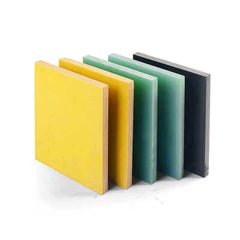
Custom Fabrication of Fiberglass Boards – Unique Solutions for Your Project

epoxy sheet

Fiberglass reinforced plastic (FRP) boards, commonly known as fiberglass boards, offer durability, strength and corrosion resistance that makes them highly adaptable materials for industrial applications. When these boards are custom manufactured to meet your specialized requirements, the applications are endless.

Our custom plastic and fiberglass board fabrication shop has over 10 years of experience creating specialty fiberglass boards for niche uses across industries. We collaborate with clients to understand their specific mechanical, dimensional and performance requirements. Then we handle the entire manufacturing process from precision cutting, laminating, machining, bonding and finishing to produce made-to-order fiberglass boards that are tailored to your application.

🎉🎉🎉Limited Time Offer Use code: QR4GNY08SHVR at checkout and enjoy a special discount on your entire order! 👉 FR4 fiberglass plastic

Epoxy plate processing

Applications and Benefits of Custom Fiberglass Boards

Fiberglass boards stand apart from materials like wood, plastic and metal because of their advantageous properties:

  • High strength-to-weight ratio
  • Impact absorption and dent resistance
  • Fire retardancy and electrical insulation
  • Corrosion resistance
  • Dimensional stability across temperatures
  • Ease of fabrication and installation

These characteristics make fiberglass the material of choice for demanding applications like:

  • Marine shipbuilding – hulls, decks, bulkheads
  • Aerospace – floors, ducts, cowlings
  • Construction – roofing, siding, structures
  • Transportation – bus bodies, truck cabs, trailers
  • Industrial – tanks, pipes, fume hoods

With our custom plastic fabrication capabilities, we can manufacture fiberglass boards suited for niche applications like:

  • Protective equipment cases
  • Storage tank covers
  • Fume containment enclosures
  • Large ductwork or tubing
  • Marine components like rudders or consoles
  • Machined robotics parts
  • Press dies and tooling fixtures
  • Signage and architectural shapes

Beyond standard rectangular boards, we can produce custom sized fiberglass boards, curved boards, boards with cutouts – any shape your application requires through our precision custom fiberglass fabrication processes. Our high quality standards ensure the finished boards have smooth surfaces, sealed edges, and consistent physical properties.

Epoxy processing

Our Custom Manufacturing Process

We work closely with clients starting right from the design phase to create fiberglass boards tailored to their needs through our made-to-order process:

Design Collaboration

Our engineers collaborate with you to determine:

  • Board dimensions and custom sizes
  • Board thickness and density
  • Layering materials such as resins or reinforcing fibers
  • Required physical properties – strength, flame resistance etc. -Machining and fabrication requirements – holes, cutouts, bends etc.

We can create virtual 3D models of the custom boards to enable visualization and design finalization.

Precision Manufacturing

Leveraging CNC equipment, we cut fiberglass fabrics and resin impregnated mats to the exact custom specifications. These layers are then laminated under pressure to fuse together into boards with the required properties.

For custom fiberglass board cuts, our waterjet cutter can slice through boards up to 6 inches thick with no heat damage. We also have CNC milling to trim edges or carve repeated patterns.

Quality Control

Throughout the curing, trimming and finishing process, we perform rigorous quality checks to ensure the custom manufactured fiberglass boards meet the required visual, dimensional and mechanical standards. This gives clients confidence in using the finished boards for their intended application.

Delivery

Once the specialty fiberglass boards are ready, we prepare them for optimized shipment via sea, road or air. Safe and on-time delivery is our commitment. Clients can also inspect or pick up orders from our factory.

epoxy sheet

Customization Options

Our made-to-order fiberglass boards can be customized in terms of:

Dimensions

  • Length and width – From a few inches to 40 feet long fiberglass boards in custom widths.
  • Thickness – From thin sheets to thick 6 inch boards.
  • Shape – Flat sheets, curved boards, boards with bends, etc.

Materials

  • Fiber reinforcements – Options like fiberglass, carbon fiber or aramid fibers.
  • Resins – Polyester, epoxy, vinyl ester based on requirements.
  • Core materials – Wood, plastic or foam cores for sandwich composites.
  • Coatings and finishes – For aesthetics, UV resistance or corrosion protection.

Fabrication

  • Precision board cuts – Waterjet cutting to custom shapes and holes.
  • Edge finishing – Routed edges, sealed edges, beveled edges.
  • Surface textures – Embossed, sanded, or grit-coated finishes.
  • Joining – Custom bonding and laminating of boards.
  • Machining – Milling, drilling holes, tapping threads etc.

Performance Properties

  • Fire and flame resistance
  • Thermal or electrical insulation values
  • High or low smoke emission
  • Moisture and water absorption levels

This range of customization options makes our specialty fiberglass board fabrication perfect for niche applications. We welcome you to bring us even the most unique requirements so that we can deliver tailored solutions. Our team has produced custom fiberglass board products such as:

  • Curved truck bed liners
  • Replacements for metal machine safety guards
  • Large ducting with antibacterial resin for medical uses
  • Cut-to-fit recreational vehicle cabinetry
  • Low smoke emission panels for metro rail cars
  • Exterior plastic building signage resistant to weathering
Black Glass Fiberboard

Applications Across Industries

Fiberglass boards produced through our custom plastic board manufacturing have served specialty uses across multiple industries:

Marine:

  • Custom boat hulls, decks, consoles etc.
  • Storage tank covers for corrosive chemicals
  • Watertight and non-skid decking panels

Construction:

  • Specialty roofing or siding with high insulation
  • FRP trench covers for industrial sites
  • Public bathroom dividers with embedded graphics

Transportation:

  • Insulated refrigeration truck bodies
  • Dust-proof motor housings and enclosures
  • Lightweight yet sturdy custom plastic boards for trailers

Aerospace:

  • Flame-retardant panels for aircraft cabins
  • Custom ducting or flooring for planes and helicopters
  • High-strength and lightweight boards for structures

Even if your project involves exposure to high heat, corrosive substances, outdoor weathering or strict regulatory compliance, our custom fiberglass fabrication experts can deliver. With our flexible made-to-order plastic boards capabilities, we can manufacture specialty boards optimized for your needs.

epoxy plate

Get a Custom Quote for Your Project

To get started on your specialty custom plastic or fiberglass board fabrication project, contact us today to provide details on your requirements, quantities and application. We will respond with a customized quote for engineering, prototyping, fabrication and delivery. With our responsive team and manufacturing expertise, we make it easy to get specialized fiberglass boards tailored for your needs!  

🎉🎉🎉Limited Time Offer Use code: QR4GNY08SHVR at checkout and enjoy a special discount on your entire order! 👉 FR4 fiberglass plastic

Leave a comment


Please note, comments must be approved before they are published


Custom Plastic Fabrication

Send your drawing, material and quantity for review

🔧
Precision Machining
CNC milling & turning
✂️
Cutting & Engraving
Laser & waterjet cutting
🏭
Forming & Molding
Thermoforming & injection
🔗
Joining & Assembly
Welding & bonding
📐
Design & Prototyping
CAD design & samples

General

HDPE

PP

PVC

ABS

Engineering

POM

Nylon

PC

PMMA

High-Performance

PEEK

PEI

PTFE

Composites

FR-4

G10

Flexible

TPU

Silicone

Why Choose BeePlastic?

🎯
Perfect Fit
Custom specs eliminate adaptation needs
⚡
Clear Lead Times
Lead time confirmed with every quote
💰
Volume Pricing
Volume pricing available on bulk orders
🤝
Expert Support
Free engineering consultation included
📋
Submit
→
🔍
Review
→
💵
Quote
→
✅
Production
→
📦
Deliver

Request a Quote

Share your project details, selected material and quantity on our quote page. You can add a file link or use the email drawing route shown there.


Request Quote

Industries: Automotive • Medical • Food • Lab • Semiconductor

beeplastic@beeplastic.com


How to Choose the Best ABS Sheet Thickness: The Only Guide You Need

ABS sheet

Acrylonitrile Butadiene Styrene (ABS) plastic sheets have become a popular material across various industries like manufacturing, machining, and thermoforming. From CNC routing, laser cutting, signboards to cabinetry, ABS offers an ideal balance of strength, lightweight, and formability.

🎉 Limited Time Offer

Use code: QR4GNY08SHVR at checkout

Enjoy a special discount on your entire order! 👉 Shop ABS Plastic

However, one of the biggest considerations when working with ABS sheets is determining the right thickness for your specific application. The thickness of the ABS sheet greatly impacts the mechanical properties, workability, and cost. This comprehensive guide will walk you through everything you need to know to pick the ideal ABS sheet thickness.

ABS raw materials for custom plastic machining

High-quality ABS Raw Materials

Factors That Determine Proper ABS Sheet Thickness

Choosing the appropriate ABS sheet thickness involves evaluating a few key factors:

Desired Strength and Rigidity

Thicker ABS sheets tend to provide greater strength and rigidity. For applications requiring durability – like structural components or high-wear parts, a thicker 5-10mm sheet is recommended. Thinner 1-2mm sheets are more flexible and pliable.

Application and End-Use

Consider the end-use and operating conditions to choose a thickness that can withstand expected impacts, stresses, and wear & tear. For outdoor usage, thicker sheets are more weather-resistant.

Durable Black ABS Plastic Board

Black ABS Plastic Sheet
(Cut to Size)

Thickness: 2mm – 30mm

View Options

Weight Restrictions

The density of ABS is around 1.07 g/cm3. Evaluate any weight limitations as thicker sheets will be heavier. For lightweight parts, aim for an ABS thickness around 1-3mm.

Machining Factors

Thicker ABS sheets are easier to machine and route without warping, while thinner sheets 1-2mm can warp more easily during laser cutting process.

Cost Implications

Increasing the ABS sheet thickness also increases material costs. Evaluate your budget constraints and part quantities needed when selecting the thickness.

ABS material processing and CNC machining

ABS Sheet Thickness Guide by Application

The ideal ABS sheet thickness for your project depends heavily on the application. Here are some common application-based ABS thickness recommendations:

ABS Sheet Thickness for Laser Cutting

For laser cutting applications, ABS sheets between 1-3mm are recommended. At this thinner gauge, the laser can cut through the ABS with precision and clean edges without overheating the material. Excessive heat from lasers can melt and warp thicker ABS sheets.

ABS Sheet Thickness for CNC Routing

With CNC routing, thicker ABS sheets around 3-5mm are ideal as they are rigid enough to withstand the routing process without excessive vibration or deflection. Thinner sheets below 3mm are prone to warping under the forces involved in CNC machining. The thicker material also helps minimize chipping at the routed edges.

Custom CNC Plastic Machining Service

Custom CNC Machining
Service

Precision Parts & No MOQ

Get a Quote

ABS Sheet Thickness for Furniture Making

When constructing furniture or cabinetry using ABS sheets, the standard thickness is between 3-5mm. This provides the right balance of lightweight strength and structure for furniture applications. Specific components like shelves, sides or drawer fronts can use up to 10mm for enhanced sturdiness.

ABS Sheet Thickness for Model Making/Prototyping

For scale models, architectural models, concept prototypes and other design or hobby applications, opt for ABS sheets between 2-3mm thickness. This allows creating fine details and shaping without being too fragile.

ABS Sheet Thickness for Display Signs

Outdoor signs and displays exposed to weather require durable ABS sheets around 5-10mm thick. This gives the signs structural rigidity and resistance against wind, rain, and sunlight. Indoor displays may only need 2-3mm ABS sheets.

ABS plastic material properties

How Sheet Thickness Impacts ABS Material Properties

Increasing the ABS sheet thickness enhances certain mechanical properties while decreasing others:

Strength

Thicker ABS sheets exhibit higher ultimate tensile and flexural strength. There is an almost linear relationship between sheet thickness and strength due to the higher cross-sectional area.

Rigidity

Thicker ABS offers greater rigidity and resistance to bending forces. This improves performance for load-bearing applications.

Weight

The thicker the ABS sheet, the heavier it will be per unit area. This needs to be considered based on any weight restrictions.

Thermal Resistance

Thinner ABS sheets have lower thermal resistance. They allow faster heat transfer compared to thicker sheets.

Formability & Pliability

Thinner 1-2mm ABS can be curved, bent and formed more easily versus 5-10mm sheets which hold their shape firmly.

ABS material bending flexibility test

Key Consideration Factors When Selecting ABS Sheet Thickness

Now that we’ve covered the major applications and material properties, let’s summarize the key factors to consider when determining the ideal ABS sheet thickness:

  • Application – Match the thickness to the expected use and operating conditions. Will the ABS part need to withstand impacts, weathering, heat?
  • Strength Requirements – Thicker ABS provides greater tensile and flexural strength. Factor in any strength needs.
  • Weight Restrictions – Evaluate if the part has any weight limits, as thicker ABS will increase weight.
  • Machining Methods – Thinner 1-2mm ABS for laser cutting, 3-5mm sheets for CNC routing.
  • Dimensional Stability – Thinner ABS can warp easier during machining. Thicker sheets hold form.
  • Budget – Thicker ABS costs more per sheet, factor this into quantities needed.
  • Availability – Confirm the thickness you need is available from suppliers.
ABS sheet stack

Quick Guide to Recommended ABS Sheet Thicknesses

Here is a quick table matching some common ABS sheet thicknesses with their best-suited applications:

ABS Sheet Thickness Appropriate Uses
1-2mm Laser cutting, model making, light displays
2-3mm Machining simple prototypes, hobby projects
3-5mm CNC routing, furniture parts, cabinetry
5-10mm Outdoor signs, structural components

Conclusion

Determining the optimal ABS sheet thickness requires balancing the key factors of application, strength needs, weight limits, machining methods, and budget. While thinner 1-2mm sheets provide flexibility and low weight, thicker 3-5mm+ sheets offer enhanced durability and performance. Matching the thickness to the expected usage and properties needed is critical.

We hope this guide gives you a solid understanding of choosing the right ABS sheet thickness for your specific application. Check out our ABS sheets available in a range of sizes and thicknesses perfect for your next project.

ABS board stool finished product

If you are interested in using ABS Plastic in your project or want to know more information, welcome to contact us. We are a professional supplier and manufacturer of all kinds of plastic custom processing and production, with a professional team of engineers and precision equipment, we can provide you with customized plastic solutions that meet your specifications and budget. We are happy to serve you and help you fulfill your needs. Do you need a free quote or help with any questions or materials?

🎉 Limited Time Offer: Use code QR4GNY08SHVR at checkout for a discount!

Shop ABS Plastic Now

Our website: www.BeePlastic.com

Click to contact: Custom ABS Plastic

Leave a comment


Please note, comments must be approved before they are published


Custom Plastic Fabrication

Send your drawing, material and quantity for review

🔧
Precision Machining
CNC milling & turning
✂️
Cutting & Engraving
Laser & waterjet cutting
🏭
Forming & Molding
Thermoforming & injection
🔗
Joining & Assembly
Welding & bonding
📐
Design & Prototyping
CAD design & samples

General

HDPE

PP

PVC

ABS

Engineering

POM

Nylon

PC

PMMA

High-Performance

PEEK

PEI

PTFE

Composites

FR-4

G10

Flexible

TPU

Silicone

Why Choose BeePlastic?

🎯
Perfect Fit
Custom specs eliminate adaptation needs
⚡
Clear Lead Times
Lead time confirmed with every quote
💰
Volume Pricing
Volume pricing available on bulk orders
🤝
Expert Support
Free engineering consultation included
📋
Submit
→
🔍
Review
→
💵
Quote
→
✅
Production
→
📦
Deliver

Request a Quote

Share your project details, selected material and quantity on our quote page. You can add a file link or use the email drawing route shown there.


Request Quote

Industries: Automotive • Medical • Food • Lab • Semiconductor

beeplastic@beeplastic.com


ABS vs PVC Plastic: Which is Better for Your DIY Project?

ABS VS PVC Plastic

DIY projects using plastic materials like ABS (acrylonitrile butadiene styrene) and PVC (polyvinyl chloride) have become increasingly popular. With the rise of 3D printing and the wide availability of materials, more and more hobbyists are leveraging plastics for home improvements, crafts, prototypes and more. But when it comes to choosing between the two, which plastic is right for your next DIY endeavor?

Quick Comparison: ABS vs. PVC

Feature ABS Plastic PVC Plastic
Composition Acrylonitrile, Butadiene, Styrene Polyvinyl Chloride + Additives
Key Strength High Impact Resistance & Toughness Chemical & Weather Resistance
Heat Tolerance High (Glass transition ~105°C) Low (Degrades >60°C)
Outdoor Use Poor (Needs UV protection) Excellent (UV & Weather resistant)
Best For Parts, Enclosures, 3D Printing Piping, Signs, Outdoor Furniture

In this comparative analysis, we’ll examine the key differences, pros and cons, and ideal uses for ABS vs PVC to help you determine which is better suited for your upcoming project.

Main Differences Between ABS and PVC Plastic

While both are popular thermoplastics, ABS and PVC have distinct differences when it comes to their composition, properties, and performance.

Composition

ABS is made up of three monomers:

  • Acrylonitrile provides chemical and thermal stability
  • Butadiene provides toughness and strength
  • Styrene gives the rigid, glossy finish

PVC is made up of the monomer vinyl chloride, which is mixed with additives to enhance certain qualities. Some of these additives can include stabilizers, lubricants, and impact modifiers.

Strength

ABS has a higher tensile strength and is more rigid and sturdy than PVC. This makes it more ideal for products that need to withstand higher mechanical stress.

PVC’s softer, more pliable nature makes it better for applications like tubing, pipes, and other flexing uses.

Need Custom ABS Parts?

We Offer Professional CNC Machining & Fabrication

Already know what you need? Or have a drawing ready? We specialize in precision ABS part manufacturing — from enclosures and housings to brackets, guides, and more.

  • 🔧 CNC cutting, engraving, and edge finishing
  • 📐 Support for custom drawings (STEP, DXF, STL formats)
  • 🧑💻 Engineering team with 15+ years of experience

Request Custom Quote »

Precision CNC machined ABS plastic corner part

Temperature Resistance

ABS retains its integrity and properties in higher temperature conditions compared to PVC. ABS has a glass transition temperature between 105-125°C compared to PVC which starts experiencing degradation at temperatures exceeding 60°C.

This makes ABS preferable for projects which require heat tolerance like enclosures for electronics. PVC is better suited for low-heat applications.

Chemical Resistance

PVC tends to have better chemical resistance than ABS, especially to acids, bases, salts, and oxidizing agents. This allows it to stand up better in harsh outdoor environments.

ABS is prone to stress cracking when exposed to certain chemicals like acetone or strong solvents. This makes PVC a better choice for chemically-demanding applications.

ABS plastic shell enclosure showing material texture

Key Factors When Choosing ABS or PVC

When deciding which plastic is right for your specific DIY project, keep these key considerations in mind:

Indoor vs. Outdoor Use

If your project will live outdoors, PVC’s weathering properties make it a better choice as it stands up to sun, rain, and temperature fluctuations.

For indoor use, ABS provides a nice glossy aesthetic and is less prone to UV degradation.

Aesthetics

ABS has an attractive, glossy surface finish that maintains a smooth appearance. PVC can also be glossy but is easier to produce in a matte or textured finish.

If the look and feel of your final product is important, weigh the aesthetic qualities. ABS lends a sleek, polished look while PVC offers more versatility.

Workability

ABS is typically easier to work with, offering smooth edges when sawing, routing, drilling or machining compared to PVC which can crack or split more easily. This makes ABS preferable for detailed parts or prototypes.

Cost

In general, PVC tends to be a more affordable plastic option compared to ABS due to availability and demand. This can make it favorable for large projects or functional applications where appearance is less important.

Stack of black and white ABS plastic sheets

ABS Plastic Sheets

Strong, impact-resistant, perfect for DIY & Machining.

Shop ABS Now

PVC sheets application example

Premium PVC Sheets

Excellent chemical resistance & durability for craft/outdoor.

Shop PVC Now

Best Uses for ABS Plastic

Here are some of the most common DIY and hobbyist applications where ABS plastic shines:

Indoor Household Items and Fixtures

For any home improvements like organizing systems, storage bins, or displays, ABS is an excellent choice given its strength, appearance, and durability when kept indoors.

3D Printing and Model Prototyping

3D Printed ABS model in red

ABS is widely used for desktop 3D printing filament and to create prototype models or parts thanks to its capacity for detail, precision, and smooth edges.

Electronics Enclosures and Cases

Since ABS can withstand higher temperatures, it is commonly used to house electronics like routers, media players, Raspberry Pi cases, and more.

DIY Crafts and Accessories

From picture frames, jewelry, and phone cases to decorative accents, hardware, and plenty of other crafts, ABS’s glossy, stylish finish adds nice visual appeal.

Best Uses for PVC Plastic

Here are some common scenarios where PVC plastic is the top choice:

Plumbing and Drainage Systems

Thanks to its durability and water resistance, PVC is heavily utilized for pipes, gutters, and fittings across drainage and plumbing systems.

Outdoor Structures and Furniture

For lawn furniture, garden planters, outdoor enclosures and more, PVC stands up well to sun exposure, moisture and temperature swings compared to ABS.

Flooring

Gray PVC flooring example

PVC is a popular choice for flooring across homes and commercial spaces like kitchens, basements, bathrooms and more as it resists scratching and water damage.

Garden Hoses and Lawn Care Accessories

With flexibility, UV resistance and cost-effectiveness, PVC is ideal for gardening tools, sprinkler systems, water hoses, and irrigation components.

Summary and Recommendations

When selecting between ABS and PVC plastic for your DIY project, consider:

  • Temperature Sensitivity – If high heat is a factor, opt for ABS plastic over PVC.
  • Chemical Resistance – PVC offers superior chemical durability for harsh outdoor environments.
  • Strength Requirements – For structural integrity under stress, ABS is the strongest choice.
  • Aesthetics – Glossy ABS lends a sleek, attractive look compared to textured PVC.
  • Indoor vs. Outdoor – PVC better withstands weathering making it ideal for outdoor uses.

With proper planning and material selection, both ABS and PVC plastics can work well for DIY hobbyists and innovators. Evaluate your project’s specific demands and environment to decide which option makes the most sense. And most importantly, enjoy the process of creating something unique with these versatile materials!

DIY Stool made from ABS board

Ready to start your project?

We are a professional supplier and manufacturer for both custom processing and standard materials. No minimum order quantity.

Limited Time Offer

Use code QR4GNY08SHVR at checkout for a special discount!

Leave a comment


Please note, comments must be approved before they are published


Custom Plastic Fabrication

Send your drawing, material and quantity for review

🔧
Precision Machining
CNC milling & turning
✂️
Cutting & Engraving
Laser & waterjet cutting
🏭
Forming & Molding
Thermoforming & injection
🔗
Joining & Assembly
Welding & bonding
📐
Design & Prototyping
CAD design & samples

General

HDPE

PP

PVC

ABS

Engineering

POM

Nylon

PC

PMMA

High-Performance

PEEK

PEI

PTFE

Composites

FR-4

G10

Flexible

TPU

Silicone

Why Choose BeePlastic?

🎯
Perfect Fit
Custom specs eliminate adaptation needs
⚡
Clear Lead Times
Lead time confirmed with every quote
💰
Volume Pricing
Volume pricing available on bulk orders
🤝
Expert Support
Free engineering consultation included
📋
Submit
→
🔍
Review
→
💵
Quote
→
✅
Production
→
📦
Deliver

Request a Quote

Share your project details, selected material and quantity on our quote page. You can add a file link or use the email drawing route shown there.


Request Quote

Industries: Automotive • Medical • Food • Lab • Semiconductor

beeplastic@beeplastic.com


Step-by-Step Guide to the POM Production Process

Black POM gears

POM, also known as polyoxymethylene, is an engineering thermoplastic used in a wide range of industries. With excellent mechanical properties, POM is ideal for precision parts and components. But how exactly is this versatile material produced? In this blog post, we’ll explore the manufacturing process behind POM in detail.

🎉 Limited Time Offer! Use code: QR4GNY08SHVR at checkout for a special discount! Shop Now

POM injection molded parts

High-precision POM molded components

An Overview of POM Properties and Applications

Black POM gears

POM, short for polyoxymethylene, is a type of thermoplastic polymer containing repeating formaldehyde units. The chemical structure of POM gives it high strength, rigidity, and dimensional stability.

Unlike other plastics, POM has high creep resistance and fatigue endurance, making it suitable for moving components under load. The POM manufacturing process produces parts with smooth surfaces, excellent machinability, and resistance to chemicals.

With these properties, POM is commonly used for:

  • Gears, pulleys, and bushings
  • Food processing equipment parts
  • Consumer appliance components
  • Automotive interior parts
  • Precision turned parts requiring tight tolerances

Understanding the POM production process enables manufacturers to optimize the material’s beneficial properties for different applications.

Stage 1: POM Polymerization Process

Overview of black and white Acetal POM plastic rods

The first step in POM manufacturing is synthesizing the base POM polymer through a process called polymerization. This involves joining together many small monomer units into long polymer chains.

There are a few different methods used for POM polymerization:

Cationic Polymerization of POM

In cationic polymerization, an initiator compound creates reactive sites where oxymethylene monomers can link together into chains. The process uses an acidic catalyst to promote the reaction. Cationic polymerization allows excellent control over polymer chain length.

Anionic Polymerization of POM

Anionic polymerization uses an organometallic initiator to trigger the formation of POM polymer chains. This method can achieve very high molecular weights. However, it is difficult to control the distribution of chain lengths.

Coordination Polymerization

Coordination polymerization utilizes transition metal catalysts to activate monomers for polymerization. This results in uniform chain length distribution with relatively low molecular weight. The process does not require extreme temperatures or pressures.

Regardless of the method, the polymerization process aligns oxymethylene monomers into long POM polymer chains with repeating units. Getting the molecular weight right is crucial, as it affects the material’s viscosity and mechanical properties.

Stage 2: POM Pelletization Process

POM welding accessories

The raw POM polymer produced through polymerization is a fine powder. To make this material usable in manufacturing, it must be compounded and extruded into pellets.

First, the POM powder is mixed with stabilizers to prevent degradation from heat or oxidation. It is also blended with lubricants and other additives to enhance properties.

This mixture is fed into a melt extruder. The screw feeds the powder forward as it melts under heating and shear forces. The molten POM is forced through a die, producing continuous strands that are cooled by water and cut into small pellets.

Extrusion parameters like temperature profile, screw speed, and die configuration must be precisely controlled to achieve a consistent pellet shape and size. The pellets can then be conveyed for further processing.

Stage 3: POM Injection Molding Process

To make finished parts and products, POM pellets are plasticized and molded using injection molding machines. This is a highly automated process capable of producing high volumes of parts with accuracy and repeatability.

Step 1 – Drying the POM Pellets

Before molding, the hygroscopic POM pellets must be dried to remove moisture which can cause defects. Pellets are dried in a dehumidifying hopper or separate desiccant dryer.

Step 2 – Plasticizing the POM

Dried pellets are gravity fed from the hopper into the injection molding barrel. Friction and conducted heat melt the pellets into a homogenous POM melt.

Step 3 – Injecting into the Mold

The molten POM is injected into a two-part metal mold at high pressure, forcing it to conform to the mold’s cavity. The mold is heated to a temperature above the melting point of POM to facilitate filling.

Injection molding process

Need Custom Parts?

We specialize in POM Injection Molding & CNC Machining.

Request a Quote →

Step 4 – Solidification

Once the cavity is filled, the molten POM solidifies into the shape of the mold as it cools. The optimal cooling rate ensures dimensionally stable parts.

Step 5 – Ejection

After adequate solidification, the mold opens and ejector pins push the finished POM part out of the open cavity. The mold then closes and the cycle repeats.

POM injection molding allows the production of complex, tight-tolerance parts at high volumes and low unit costs. Process parameters like temperature, pressure, time, and clamping force can be optimized for the particular POM grade and part geometry.

Quality Control in POM Manufacturing

POM support strip

Throughout the POM production process, rigorous quality control steps ensure the material meets specifications.

During polymerization, molecular weight distribution is verified through melt flow indexing. POM powder should be tested for purity, moisture content, and absence of oxidized material.

In compounding, continuous checks are required to confirm proper additive blending. Pellet samples are tested for molecular weight, melting point, viscosity, density, and other properties.

Finished molded parts are 100% visually inspected and critical dimensions are confirmed through measurements. Statistical process control tracks injection molding parameters and flags defects.

By monitoring key process indicators at each stage, POM producers can guarantee consistent quality and performance.

Conclusion

We’ve stepped through the essential phases of POM manufacturing – from polymerization of the base resin to pelletization and ultimately injection molding of finished parts. At each step, tight process controls are needed to capitalize on POM’s beneficial properties.

The unique production process of POM makes it an extremely versatile engineering plastic suitable for the most demanding applications across industries. With an understanding of how POM is synthesized and processed, manufacturers can continue leveraging its performance and precision for innovative products.

Plastic sheet material

If you are interested in using POM Plastic in your project or want to know more information, welcome to contact us. We are a professional supplier and manufacturer of all kinds of plastic custom processing and production, with a professional team of engineers and precision equipment, we can provide you with customized plastic solutions that meet your specifications and budget.

We are happy to serve you and help you fulfill your needs. Do you need a free quote or help with any questions or materials?

🎉 Limited Time Offer
Use code: QR4GNY08SHVR at checkout and enjoy a special discount on your entire order!


Our website: www.BeePlastic.com

Click to contact: Custom POM Plastic Services

Leave a comment


Please note, comments must be approved before they are published


Custom Plastic Fabrication

Send your drawing, material and quantity for review

🔧
Precision Machining
CNC milling & turning
✂️
Cutting & Engraving
Laser & waterjet cutting
🏭
Forming & Molding
Thermoforming & injection
🔗
Joining & Assembly
Welding & bonding
📐
Design & Prototyping
CAD design & samples

General

HDPE

PP

PVC

ABS

Engineering

POM

Nylon

PC

PMMA

High-Performance

PEEK

PEI

PTFE

Composites

FR-4

G10

Flexible

TPU

Silicone

Why Choose BeePlastic?

🎯
Perfect Fit
Custom specs eliminate adaptation needs
⚡
Clear Lead Times
Lead time confirmed with every quote
💰
Volume Pricing
Volume pricing available on bulk orders
🤝
Expert Support
Free engineering consultation included
📋
Submit
→
🔍
Review
→
💵
Quote
→
✅
Production
→
📦
Deliver

Request a Quote

Share your project details, selected material and quantity on our quote page. You can add a file link or use the email drawing route shown there.


Request Quote

Industries: Automotive • Medical • Food • Lab • Semiconductor

beeplastic@beeplastic.com


The Versatile Benefits of Nylon Gaskets and Seals in Auto, Plumbing, Electronics, Furniture & More

Nylon Gasket

Nylon gaskets and seals are found in a wide range of applications, providing reliable sealing across industries from automotive to plumbing and beyond. With excellent chemical resistance and durability over a wide temperature range, nylon has become a popular gasketing material where reliability and performance are critical.

🎉🎉🎉Limited Time Offer Use code: QR4GNY08SHVR at checkout and enjoy a special discount on your entire order! 👉 Nylon plastic

Nylon Gasket

What Are Nylon Gaskets and Seals?

Nylon gaskets and seals are sealing products constructed out of nylon plastic polymer. Nylon is one of the most commonly used engineering thermoplastics due to its favorable combination of properties. Some key attributes that make nylon a top choice for gasketing and sealing applications include:

  • High strength and stiffness
  • Resistance to gasoline, oil, and other chemicals
  • Ability to perform through a wide temperature range from -40°F to over 200°F
  • Good abrasion and wear resistance

Nylon gaskets and seals are available in a variety of stock shapes and sizes, such as nylon o-rings, nylon washers, nylon spacers, and custom nylon gaskets. They are commonly produced in nylon 6/6, a widely used type of nylon that offers a robust combination of mechanical properties, chemical resistance, and heat resistance.

Nylon Gaskets & Seals for Automotive Engines

In automotive applications, nylon gaskets and seals are found throughout the engine to contain fluids and lubricants. Common examples include:

Nylon Oil Pan Gaskets

The oil pan on the bottom of the engine block uses a gasket to seal the joint between the oil pan and engine. Nylon gaskets are a popular choice as they withstand engine oil temperatures while providing a tight seal. Nylon’s ability to conform to uneven surfaces improves sealing reliability.

Nylon Valve Cover Gaskets

The valve cover encloses the camshaft and valves. Nylon valve cover gaskets maintain a seal against hot engine oils. Nylon’s high heat resistance prevents common gasket failures.

Nylon Intake Manifold Gaskets

These nylon gaskets seal the interface between cylinder head and intake manifold. Nylon withstands coolant temperatures while resisting degradation.

Nylon engine gaskets maintain strong seals to keep oil, coolant and combustion gases contained even through extreme temperature swings under the hood. Nylon’s design flexibility allows cost-effective gaskets tailored to complex part geometries.

Nylon Plastic Gaskets

Keeping It Sealed: Nylon Gaskets in Plumbing

In plumbing systems, nylon gaskets and o-rings provide reliable sealing for pipe connections and joints.

Nylon O-Rings

Nylon o-rings are commonly used as gaskets between pipe fittings, valves, and connections. Nylon’s excellent chemical resistance enables sealing performance against aggressive cleaning agents and diluted acids/alkalis used in plumbing.

Nylon Pipe Washers

Nylon washers placed between pipe joints create a tight seal. Nylon washers maintain their sealing properties even when exposed to moisture and water for extended periods, unlike some other plastic materials.

Resilient, Anti-Corrosive Sealing

Overall, nylon plumbing gaskets withstand chemical exposure that causes natural rubber seals to degrade over time. Unlike metal gaskets, nylon plastic seals resist corrosion. This provides long-lasting sealing reliability.

Protecting Sensitive Electronics with Nylon Enclosures

Electronics enclosures and housings commonly use nylon seals to protect internal components from the elements.

Nylon Lid Seals

Nylon seals around lids and access panels keep dust and debris out of enclosures. Nylon’s inherent lubricity allows repeated disassembly/reassembly while maintaining a tight seal.

Resilient Sealing Through Temperature Changes

Nylon gaskets maintain sealing through the temperature fluctuations that electronics can experience during operation and storage. Nylon’s resilience allows the seal to stay intact where rigid plastics may fail.

Effective Moisture Protection

Nylon o-rings around enclosures keep sensitive electronics dry. Nylon provides an economical sealing option vs expensive rubber gaskets for moisture protection.

Nylon’s chemical resistance also prevents seal degradation from common industrial fumes and vapors for electronics used in harsh environments.

Nylon Washers

Keeping Furniture Secure with Nylon Washers

Furniture manufacturers take advantage of nylon’s vibration resistance, stiffness, and lubricity to prevent loosening.

Leveling Feet

Nylon washers placed under screw-in leveling feet for tables, chairs, and shelving units help maintain proper furniture stability. Nylon prevents the feet from loosening over time from small vibrations.

Handles and Pulls

Nylon spacers and washers behind handles and pulls allow smooth operation while preventing wobble and loosening. Nylon washers reduce wear between hardware and furniture material.

Eliminating Squeaks and Wobbles

Nylon washers installed during furniture assembly also eliminate squeaks and wobbles by reducing friction between joining parts. The result is sturdy furniture that remains tightly assembled over years of use.

Why Choose Nylon Over Rubber and Metal?

Nylon offers significant advantages over other popular gasket and seal materials like rubber and metal.

Temperature Resistance

Nylon retains sealing capabilities across a broader temperature range than rubber gaskets. Nylon maintains flexibility and resiliency from sub-zero temperatures up to over 200°F.

Chemical Resistance

Nylon washers, gaskets and o-rings resist chemical exposure that causes rubber seals to degrade over time. Nylon’s inert plastic material is unaffected by oil, fuels, cleaners, or diluted acids/alkalis.

Corrosion Resistant

Unlike metal gaskets, nylon plastic seals will not corrode when exposed to moisture. Nylon spacers maintain stable dimensions and sealing properties over the long term.

Cost Effective

Nylon is an economical alternative to high-performance metals or specialty rubbers. It allows cost-effective seals tailored to applications from automotive engines to electronics.

Design Flexibility

Nylon’s excellent machinability and ability to mold into custom shapes allows gaskets tailored to complex joint geometries. Nylon materials can be blended for application-specific properties.

Conclusion

With its outstanding sealing capabilities across a wide temperature and chemical range, nylon has become ubiquitous as a gasket, o-ring, and washer material where reliability is critical. Nylon gaskets and seals enable optimal performance and safety in automotive engines, plumbing systems, sensitive electronics, assembled furniture, and more. For the best combination of economy, flexibility, and resilience – consider nylon for your next gasketing application.

Nylon washers
If you are interested in using Nylon Plastic in your project or want to know more information, welcome to harass us. We are a professional supplier and manufacturer of all kinds of plastic custom processing and production, with a professional team of engineers and precision equipment, we can provide you with customized plastic solutions that meet your specifications and budget. We are happy to serve you and help you fulfill your needs. Do you need a free quote or help with any questions or materials?
🎉🎉🎉Limited Time Offer Use code: QR4GNY08SHVR at checkout and enjoy a special discount on your entire order! 👉 Nylon plastic
Our website: www.BeePlastic.com
Click to contact: Custom Nylon Plastic

Leave a comment


Please note, comments must be approved before they are published


Custom Plastic Fabrication

Send your drawing, material and quantity for review

🔧
Precision Machining
CNC milling & turning
✂️
Cutting & Engraving
Laser & waterjet cutting
🏭
Forming & Molding
Thermoforming & injection
🔗
Joining & Assembly
Welding & bonding
📐
Design & Prototyping
CAD design & samples

General

HDPE

PP

PVC

ABS

Engineering

POM

Nylon

PC

PMMA

High-Performance

PEEK

PEI

PTFE

Composites

FR-4

G10

Flexible

TPU

Silicone

Why Choose BeePlastic?

🎯
Perfect Fit
Custom specs eliminate adaptation needs
⚡
Clear Lead Times
Lead time confirmed with every quote
💰
Volume Pricing
Volume pricing available on bulk orders
🤝
Expert Support
Free engineering consultation included
📋
Submit
→
🔍
Review
→
💵
Quote
→
✅
Production
→
📦
Deliver

Request a Quote

Share your project details, selected material and quantity on our quote page. You can add a file link or use the email drawing route shown there.


Request Quote

Industries: Automotive • Medical • Food • Lab • Semiconductor

beeplastic@beeplastic.com


Choosing the Best CNC Machining Service for Your HDPE Parts

Machined parts for lathes

If you need custom machined parts made from HDPE (high-density polyethylene), choosing the right CNC machining service is critical to get the quality, pricing, and lead times you need. HDPE is an extremely versatile material that’s ideal for various applications from chemical tanks and medical devices to hydraulic components and food handling equipment. However, working with HDPE poses unique challenges that make it essential to find an experienced CNC machining partner.

🎉🎉🎉Limited Time Offer Use code: QR4GNY08SHVR at checkout and enjoy a special discount on your entire order! 👉 HDPE plastic

This guide will walk you through the key factors to consider when selecting a service for CNC milling or turning HDPE parts. We’ll also provide tips on getting quality results and choosing the best HDPE machining shop to meet your specific needs.

HDPE material industry applications

What to Look for in an HDPE CNC Machining Service

Not all machine shops are created equal when it comes to working with HDPE. Here are the top criteria you should evaluate:

Specialized Experience with HDPE

Look for a shop that has extensive expertise specifically machining HDPE parts. They should be familiar with HDPE’s properties and idiosyncrasies. HDPE is prone to shrinkage, warpage, and movement during machining. It also creates long stringy chips. A machine shop without specific HDPE experience may struggle to achieve tight tolerances and fine surface finishes.

Machined parts for lathes

Range of Capabilities

Evaluate what types of HDPE machining services the shop offers. Look for capabilities in milling, turning, drilling, tapping, and other operations. The shop should be able to produce simple flat parts as well as complex 3D geometries. Make sure they can handle your particular part sizes and dimensions.

Quality Control Processes

Stringent quality control is a must for medical, aerospace, and other products machined from HDPE. Ask about the inspection procedures and quality standards the service adheres to. Do they have certified quality management systems in place? Also inquire about documentation, like material certs, inspection reports, and statistical process control data they can provide.

Reliability and Responsiveness

You need an HDPE machining partner you can count on to deliver parts on time and on spec. Prioritize shops with a track record of on-time delivery and responsive customer service. Fast turnaround on quotes is also a plus.

Pricing and Lead Times

HDPE CNC machining is generally very cost-competitive for medium to high production runs. Be sure to get price quotes from multiple shops. Lead times can vary widely, so ask each provider for their production time estimates. Factor both cost and lead time into your decision matrix.

Questions to Ask Potential HDPE CNC Machining Services

Don’t be afraid to probe prospective machining partners with questions during the vetting process. Here are some vital questions to get the details you need:

  • How many years have you worked with HDPE specifically?
  • What size HDPE parts can you accommodate?
  • Do you have expertise in machining both simple flat HDPE parts as well as complex 3D geometries?
  • What specific HDPE grades do you have experience machining?
  • What quality assurance checks and procedures do you have in place?
  • Can you provide references from past customers you’ve machined HDPE parts for?
  • What is your measurement equipment capability for inspecting HDPE parts?
  • What is your current average lead time for HDPE CNC machining jobs?
  • Do you have preferred HDPE suppliers you work with?

Getting comprehensive responses will help give you confidence that the machining service can handle your HDPE job. Don’t hesitate to dig for more details if any answers seem vague or incomplete.

CNC machining workshop

Factors That Affect HDPE Machining Pricing

When reviewing CNC machining quotes for your HDPE parts, keep in mind that pricing will depend on:

  • Part Size: Larger parts often have a lower per-part cost. Complex smaller components can be more expensive per piece.
  • Material Grade: Higher purity HDPE grades suitable for food or medical uses are more costly than standard grades.
  • Quantity: The more parts you order, the lower the per-unit price will typically be.
  • Tolerances: Tighter precision tolerances increases machining time and cost.
  • Lead Time: Rush orders or very short lead times usually have an associated premium.
  • Complexity: Intricate 3D geometries and features require more programming and machining time. Simple flat or rectangular parts are most economical.

Understanding these factors will help you evaluate the fairness of the pricing you receive. Be sure the quote clearly specifies material grade, lead time, tolerances, and other relevant details.

Charting

Tips for Getting Quality HDPE CNC Machining Results

Follow these tips to help ensure you receive HDPE parts that meet your specifications:

  • Provide the machine shop with fully detailed drawings, models, specs, and other requirements. The clearer your documentation and instructions, the better the results.
  • Request material certs and test reports to verify the grade of HDPE being used. Confirm the supplier and lot codes match what you receive.
  • If possible, have the shop make a small prototype batch first. Inspect the quality before approving larger production runs.
  • Perform spot checks and measurements on initial parts from a production batch to ensure accuracy.
  • Get clarity on the inspection processes the shop will use to guarantee your specifications are met.

Taking steps to validate quality upfront will instill confidence and avoid headaches down the road.

HDPE lathe machined parts

Why Choose BeePlastic for Your HDPE CNC Machining Needs?

[BeePlastic] has over 25 years of experience exclusively machining plastic stock into parts. We’ve worked extensively with HDPE across a multitude of applications and are intimately familiar Capabilities include milling, drilling, tapping, turning, routing, waterjet cutting and more. Our skilled machinists and state of the art equipment are optimized to handle the unique properties of plastics like HDPE.

We follow rigorous quality procedures with full documentation at every step. All parts are carefully inspected using precision measuring equipment. Customers can review material certs, in-process inspection reports, and final dimensional verification data for validation.

BeePlastic sets highly competitive pricing with a transparent quoting process. We can meet aggressive lead times through smart production planning and prompt turnaround on all aspects from quote to delivery. Our customers love our responsive, no-nonsense approach to service.

HDPE plastic

Get a Custom HDPE CNC Machining Quote Today

We hope this guide has provided a helpful overview of factors to consider when selecting a CNC machining service for your HDPE parts. Finding the right machining partner makes all the difference for getting on-spec parts delivered on time. [BeePlastic] has the HDPE experience and capabilities to precisely fabricate your parts. [Contact us today] to request a custom quote! Our team of engineers looks forward to working with you.

🎉🎉🎉Limited Time Offer Use code: QR4GNY08SHVR at checkout and enjoy a special discount on your entire order! 👉 HDPE plastic

Leave a comment


Please note, comments must be approved before they are published


Custom Plastic Fabrication

Send your drawing, material and quantity for review

🔧
Precision Machining
CNC milling & turning
✂️
Cutting & Engraving
Laser & waterjet cutting
🏭
Forming & Molding
Thermoforming & injection
🔗
Joining & Assembly
Welding & bonding
📐
Design & Prototyping
CAD design & samples

General

HDPE

PP

PVC

ABS

Engineering

POM

Nylon

PC

PMMA

High-Performance

PEEK

PEI

PTFE

Composites

FR-4

G10

Flexible

TPU

Silicone

Why Choose BeePlastic?

🎯
Perfect Fit
Custom specs eliminate adaptation needs
⚡
Clear Lead Times
Lead time confirmed with every quote
💰
Volume Pricing
Volume pricing available on bulk orders
🤝
Expert Support
Free engineering consultation included
📋
Submit
→
🔍
Review
→
💵
Quote
→
✅
Production
→
📦
Deliver

Request a Quote

Share your project details, selected material and quantity on our quote page. You can add a file link or use the email drawing route shown there.


Request Quote

Industries: Automotive • Medical • Food • Lab • Semiconductor

beeplastic@beeplastic.com


Unraveling the Magic: The Unique Properties and Benefits of ABS Plastic Sheets

ABS spray paint

Introduction

In an era dominated by versatile materials, ABS plastic has emerged as a standout. But what sets ABS apart? Dive with us into the world of ABS plastic sheets and uncover their unparalleled attributes and advantages.

🎉🎉🎉Limited Time Offer Use code: QR4GNY08SHVR at checkout and enjoy a special discount on your entire order! 👉 ABS plastic
ABS Plastic

The Genesis of ABS Plastic

A Brief Overview

ABS, an acronym for Acrylonitrile Butadiene Styrene, is a widely recognized thermoplastic polymer. Its evolution from a laboratory creation to a cornerstone in the plastic industry is a tale of innovation and adaptability.

Diving Deep into the Properties of ABS

The Hallmark of Durability

ABS plastic sheets are synonymous with endurance. Their ability to resist wear and tear makes them indispensable in numerous applications.

Braving the Elements: Temperature Resistance

Come rain or shine, winter’s chill or summer’s blaze, ABS plastic sheets remain unyielding, showcasing their robust nature.

The Perfect Blend: Flexibility Meets Resilience

Where some materials falter and fracture, ABS stands tall, offering a harmonious balance of pliability and toughness.

ABS plastic material

The Multifaceted Benefits of ABS Plastic Sheets

A Jack of All Trades

From detailed crafts to expansive industrial endeavors, ABS’s adaptability shines, making it the material of choice for diverse projects.

Treading Lightly: The Green Footprint

In our eco-conscious age, ABS leads the way with its recyclable properties, championing a sustainable future.

ABS vs. The World

When juxtaposed with its plastic peers, ABS frequently rises to the top, especially when gauging strength, adaptability, and eco-friendliness.

Crafting Wonders with ABS Plastic Sheets

A Palette of Finishes

From the sheen of gloss to the subtlety of matte, ABS can be tailored to mirror your creative vision.

The Art of Molding ABS

With imagination as your compass and the right tools in hand, ABS can be sculpted, sliced, and shaped to birth any masterpiece.

ABS spray paint

ABS: The DIY Enthusiast’s Dream

The embrace of ABS by the DIY realm is testament to its ease of use and unparalleled properties, making it a staple for home projects and artistic endeavors.

In Conclusion

In the vast universe of plastics, ABS plastic sheets have etched an indelible mark. Their unmatched properties, coupled with their green credentials, position them as a top-tier choice for myriad applications. Whether you’re an industry veteran or a DIY aficionado, ABS beckons with promise and potential.

A Call to Action

Eager to explore the wonders of ABS plastic sheets? Dive into our curated collection and ignite your next creative spark!

FAQs

Cleaning ABS Plastic Sheets

A blend of mild detergent and lukewarm water works wonders. Steer clear of abrasives.

Painting on ABS

Absolutely! Just ensure it’s pristine and primed for optimal results.

ABS CNC processing

References

  1. Smith, J. (2021). Durability Studies on ABS Plastic Sheets.
  2. GreenTech. (2020). ABS and Sustainability: A Deep Dive.
  3. PlastiWorld. (2019). ABS vs. PVC: A Comparative Analysis.
If you are interested in using ABS Plastic Sheets in your project or want to know more information, welcome to harass us. We are a professional supplier and manufacturer of all kinds of plastic custom processing and production, with a professional team of engineers and precision equipment, we can provide you with customized plastic solutions that meet your specifications and budget. We are happy to serve you and help you fulfill your needs. Do you need a free quote or help with any questions or materials?
🎉🎉🎉Limited Time Offer Use code: QR4GNY08SHVR at checkout and enjoy a special discount on your entire order! 👉 ABS plastic
Our website: www.BeePlastic.com
Click to contact: Custom ABS Plastic Sheets


Leave a comment


Please note, comments must be approved before they are published


Custom Plastic Fabrication

Send your drawing, material and quantity for review

🔧
Precision Machining
CNC milling & turning
✂️
Cutting & Engraving
Laser & waterjet cutting
🏭
Forming & Molding
Thermoforming & injection
🔗
Joining & Assembly
Welding & bonding
📐
Design & Prototyping
CAD design & samples

General

HDPE

PP

PVC

ABS

Engineering

POM

Nylon

PC

PMMA

High-Performance

PEEK

PEI

PTFE

Composites

FR-4

G10

Flexible

TPU

Silicone

Why Choose BeePlastic?

🎯
Perfect Fit
Custom specs eliminate adaptation needs
⚡
Clear Lead Times
Lead time confirmed with every quote
💰
Volume Pricing
Volume pricing available on bulk orders
🤝
Expert Support
Free engineering consultation included
📋
Submit
→
🔍
Review
→
💵
Quote
→
✅
Production
→
📦
Deliver

Request a Quote

Share your project details, selected material and quantity on our quote page. You can add a file link or use the email drawing route shown there.


Request Quote

Industries: Automotive • Medical • Food • Lab • Semiconductor

beeplastic@beeplastic.com