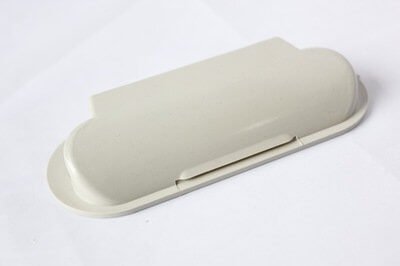
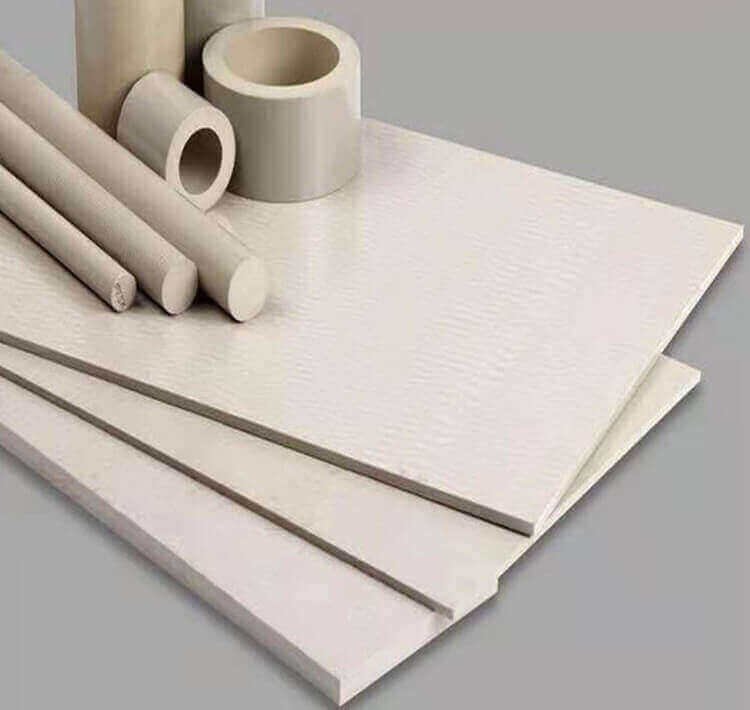
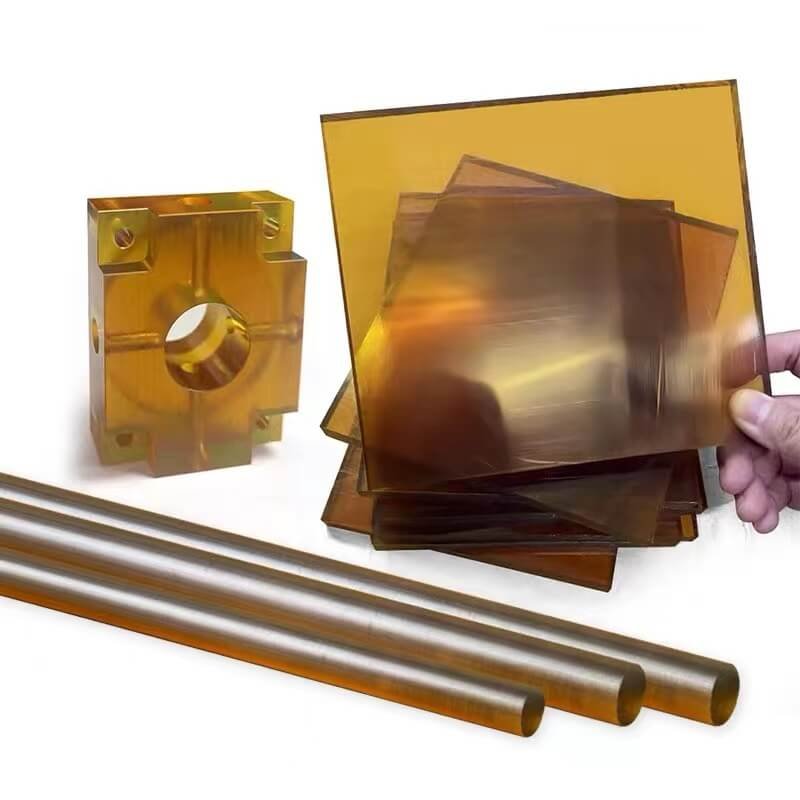
The Essential Guide to POM Plastic and Its Custom Processing Applications
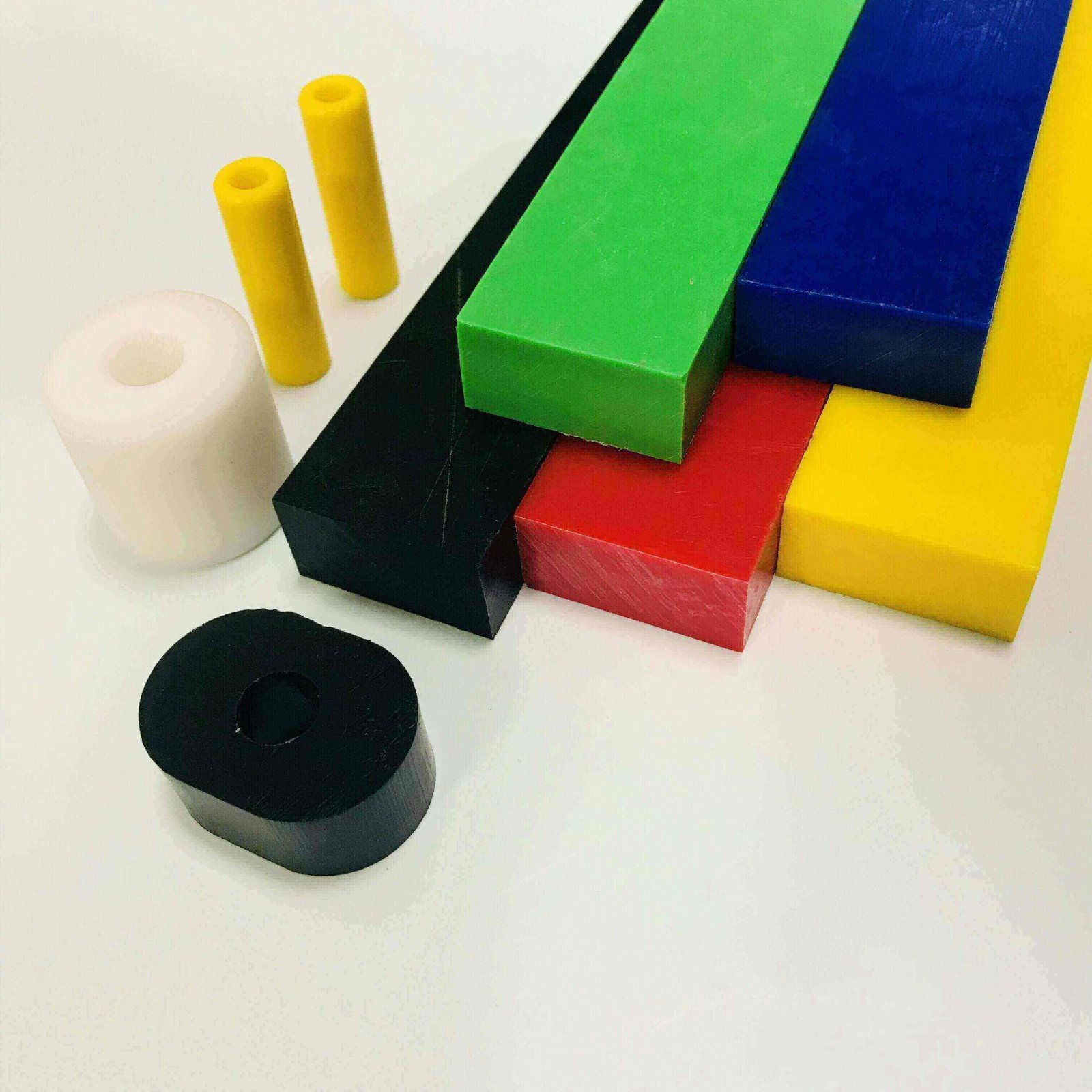
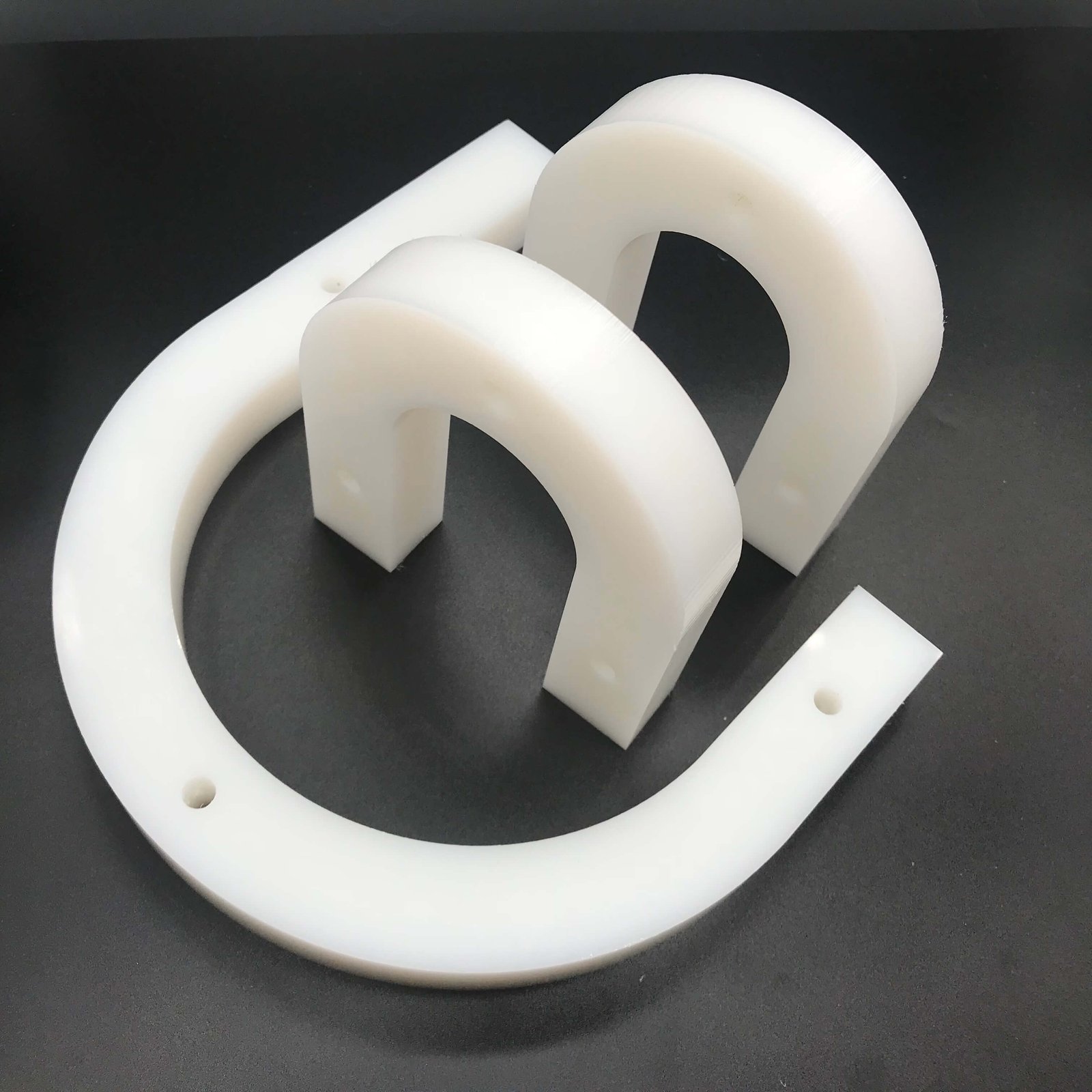
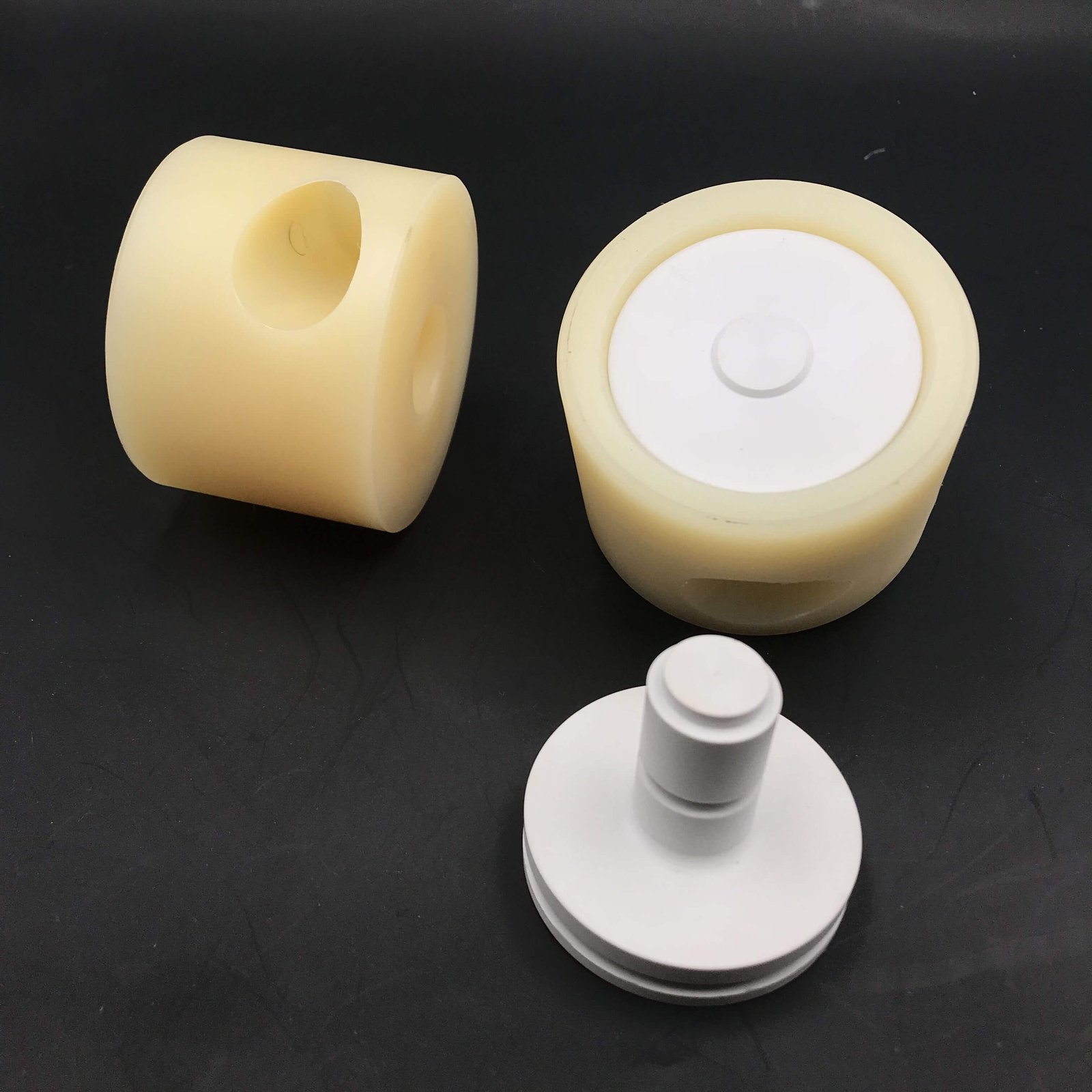
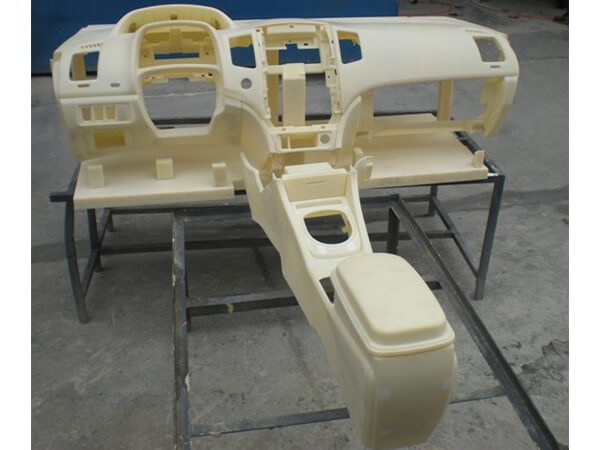
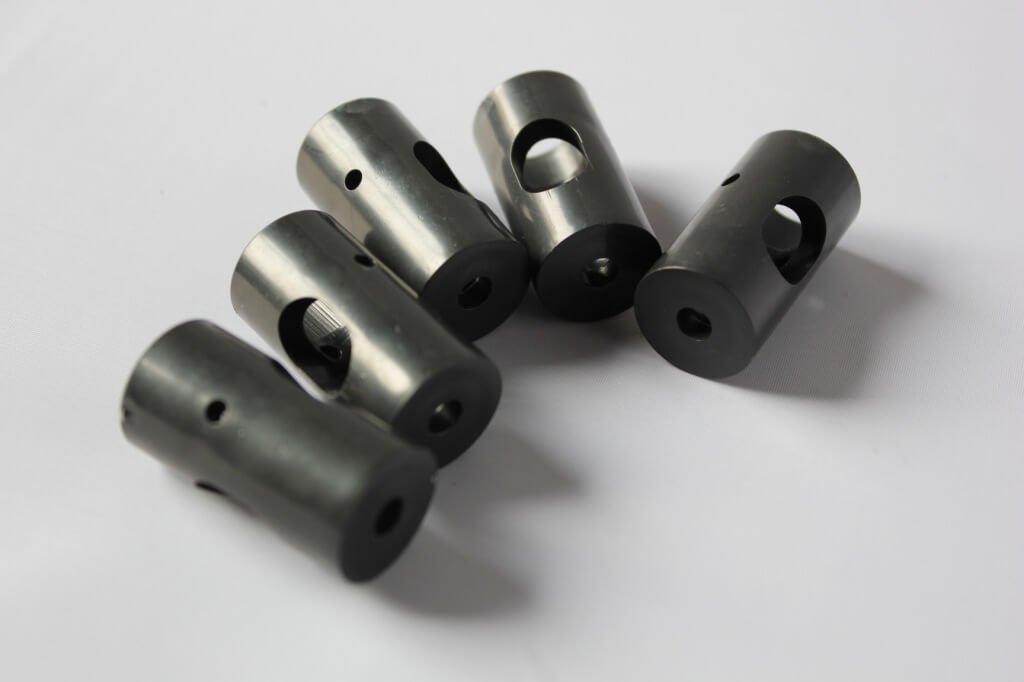
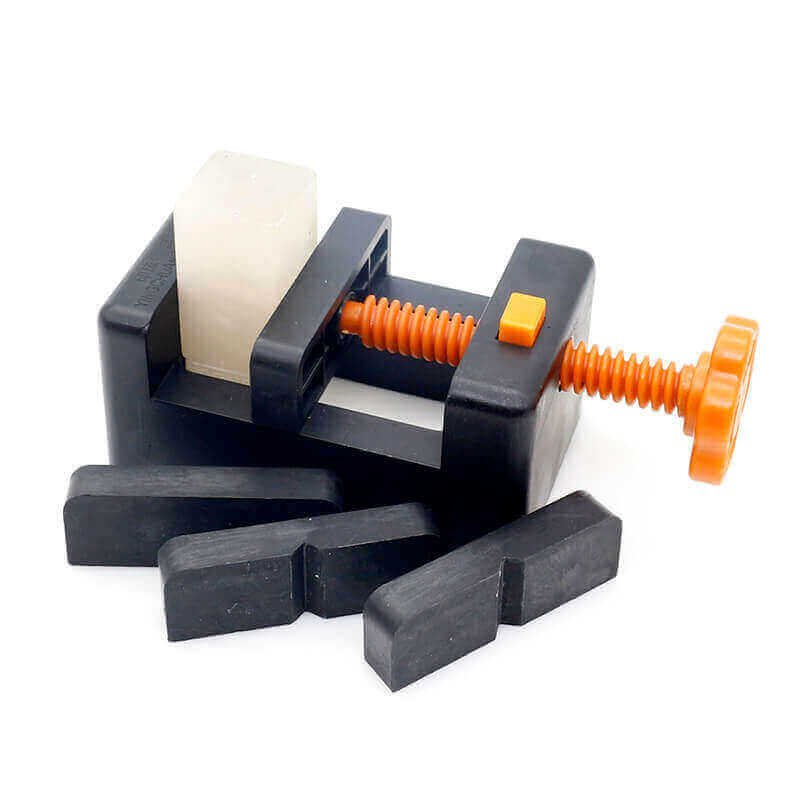
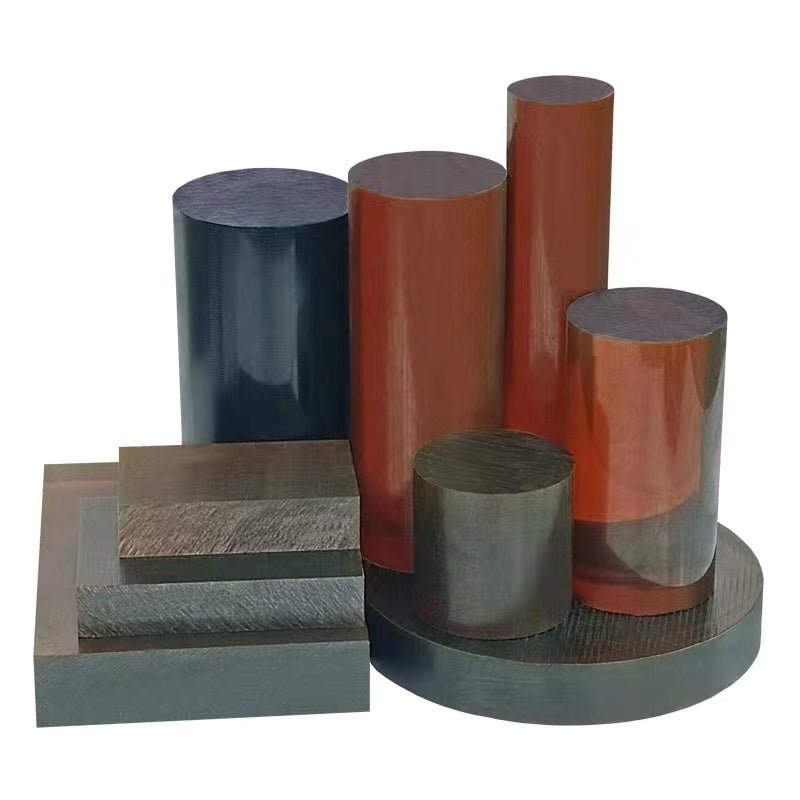
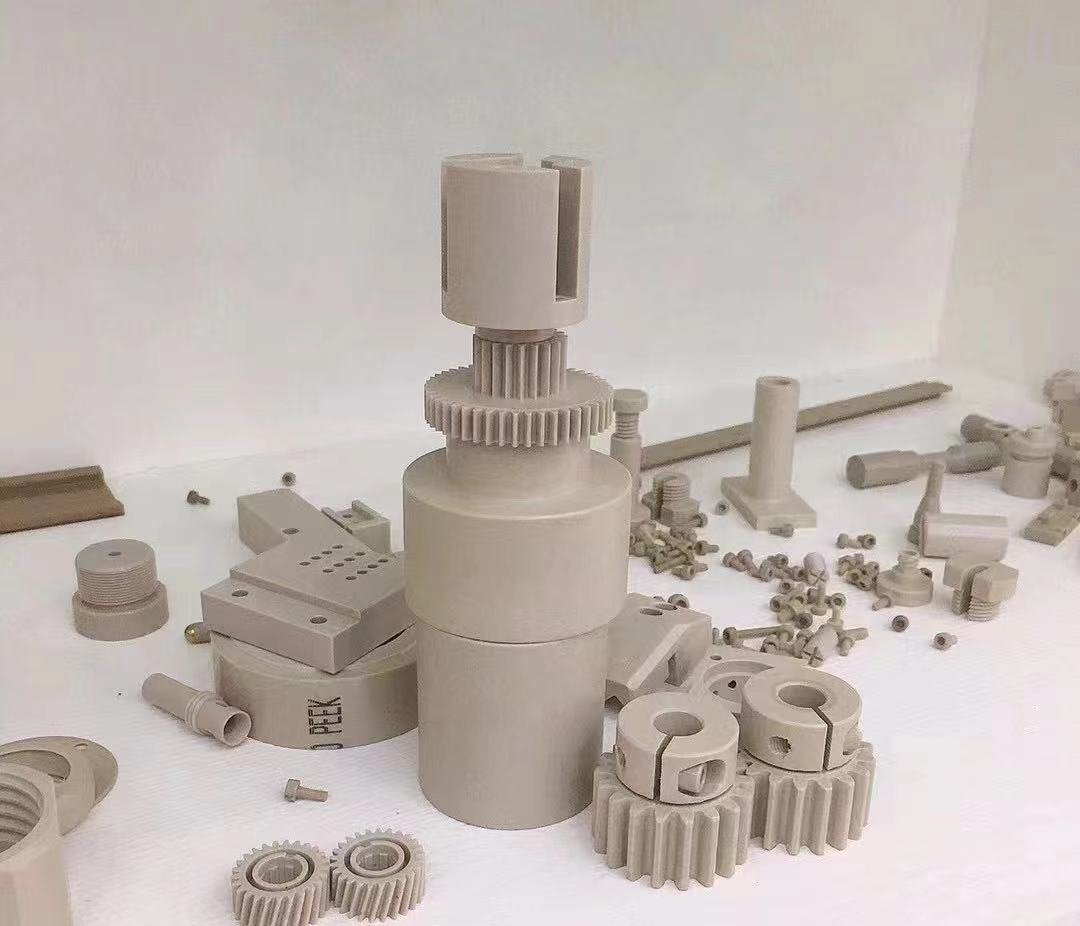
Beeplastic's CNC custom machining center for POM plastics

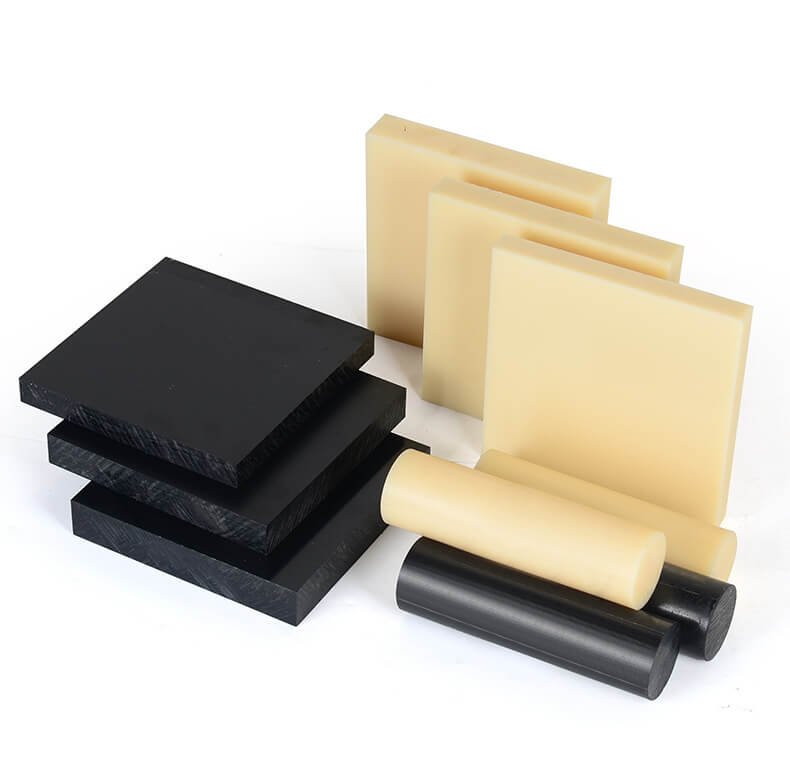
Polyoxymethylene, also known as POM or acetal plastic, is a high-performance thermoplastic known for its exemplary mechanical properties, dimensional stability, and ease of fabrication. With characteristics like high strength, stiffness, and durability, POM plastic has become a widely used material across industries for precision machined parts and components.

🎉🎉🎉Limited Time Offer Use code: QR4GNY08SHVR at checkout and enjoy a special discount on your entire order! 👉 POM plastic

This blog post serves as a comprehensive guide to POM plastic, discussing its properties, applications, and custom processing capabilities in detail. We’ll look at the benefits of choosing custom POM parts as well as the various manufacturing processes suitable for working with this exceptional plastic material.
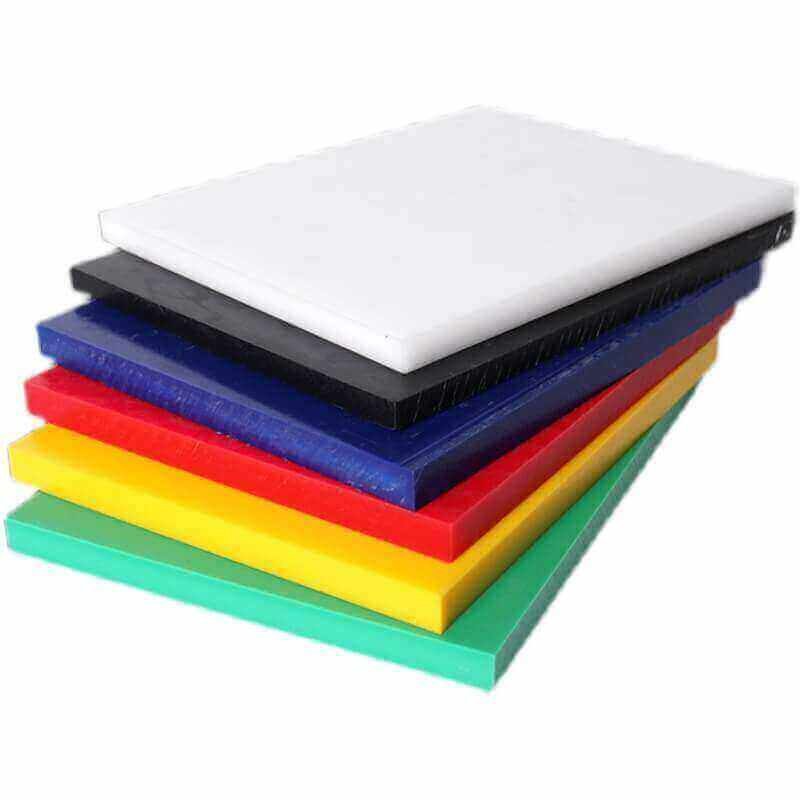
Precision Machining POM Materials

What is POM Plastic?

POM or polyoxymethylene plastic is a subset of thermoplastic materials in the acetal resin family. The term “acetal” refers to the polymer’s chemical structure, while “polyoxymethylene” specifies that the polymer consists of repeating formaldehyde units.

POM plastics are also referred to as polyacetal, polyformaldehyde, and polyoxymethylene copolymer. Some common trademarked brands of POM plastic include Delrin, Celcon, Ramtal, and Hostaform.

Technical Definition

The ASTM D1600 standard defines POM or polyoxymethylene as:

“A crystalline thermoplastic polymer resulting from the polymerization of formaldehyde, having a high crystallinity, molding and extrusion properties, high mechanical strength, dimensional stability, and wear and fatigue resistance.”

In simpler terms, POM plastic is produced by the polymerization and chemical linking of thousands of formaldehyde molecules into long chained molecules known as polymers. The highly organized structure and tight molecular bonding patterns result in a plastic with exceptional performance properties.

Key Characteristics and Properties

Here are some of the notable characteristics that make POM a go-to choice for precision plastic parts:

  • High strength and rigidity – POM has a tensile strength of 68-72 MPa, similar to aluminum. It has high flexural strength and stiffness.
  • Excellent dimensional stability – POM parts resist creep and deformation under load, maintaining precise dimensions.
  • Low coefficient of friction – POM plastics have an inherently slick surface, ideal for moving mechanical parts.
  • High impact and fatique resistance – POM stands up well to repeated cycles and sudden impacts.
  • Chemical resistance – POM offers good resistance to oils, greases, alcohols, and alkalis.
  • Food contact approval – POM meets FDA standards for food processing equipment and medical devices.
  • Good electrical insulation properties
  • Low moisture absorption compared to other plastics
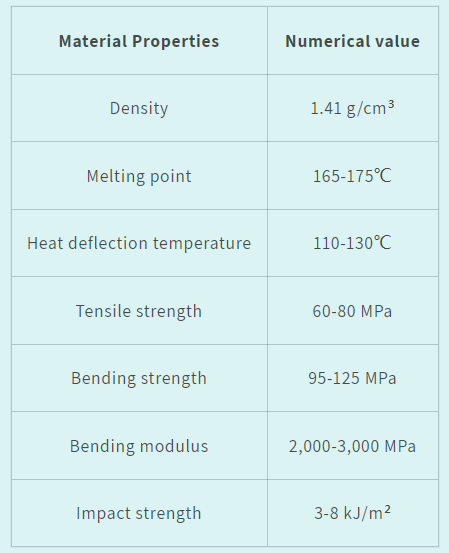
Main Properties of POM Materials

The well-balanced property profile makes POM the material of choice for small, tight-tolerance parts subject to dynamic loads and repeated stresses. It can replace metals in many applications at a lower cost.

POM Plastic Applications

With characteristics like high strength, dimensional stability, low friction, and fatigue resistance, it’s no surprise that POM plastic has found widespread use across industries. Some of the leading applications include:

Automotive Industry

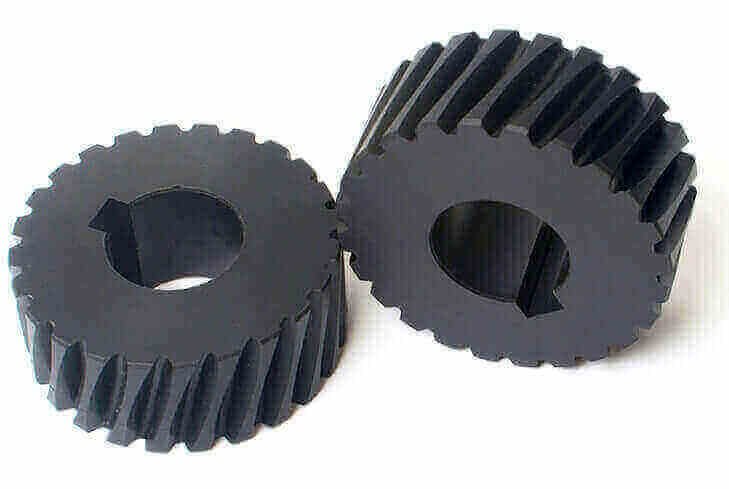
In automotive applications, POM is widely used to make small precision engine and powertrain components like gears, pulleys, fuel system parts, sprockets, rollers, and more.

The material is able to withstand the high temperatures and pressures inside engines and transmissions while maintaining dimensional accuracy. POM gears and other moving parts also minimize noise and vibration compared to metal components.
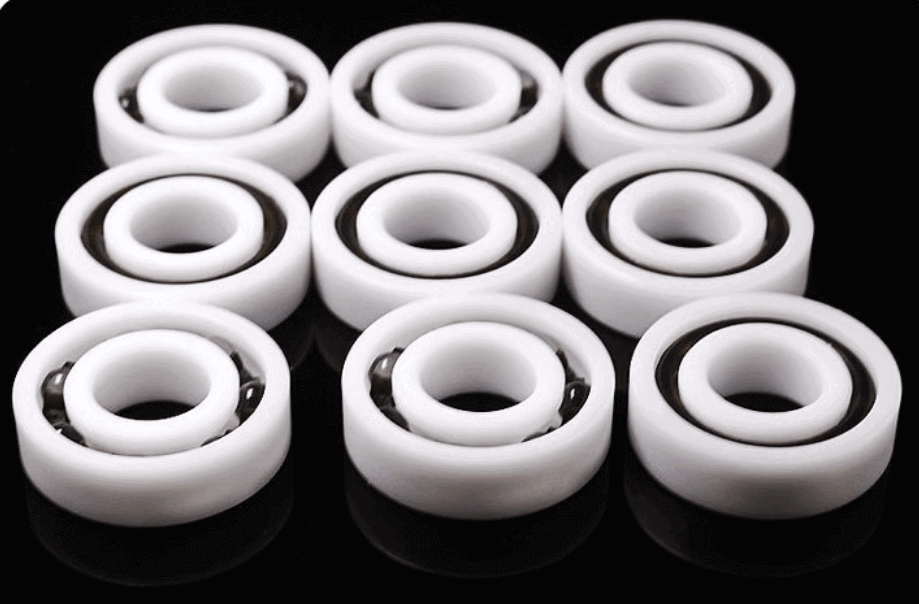
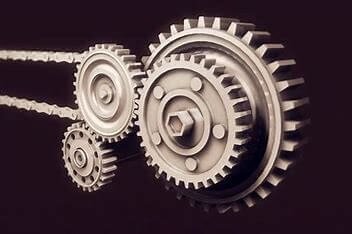
POM gears

Consumer Appliances and Household Items

POM plastic is commonly found in consumer appliances like coffee makers, food processors, mixers, refrigerators, washing machines, tumble dryers, and vacuum cleaners. Typical POM parts in these appliances include impellers, fan blades, gears, rollers, washing machine drums, and various housing components.

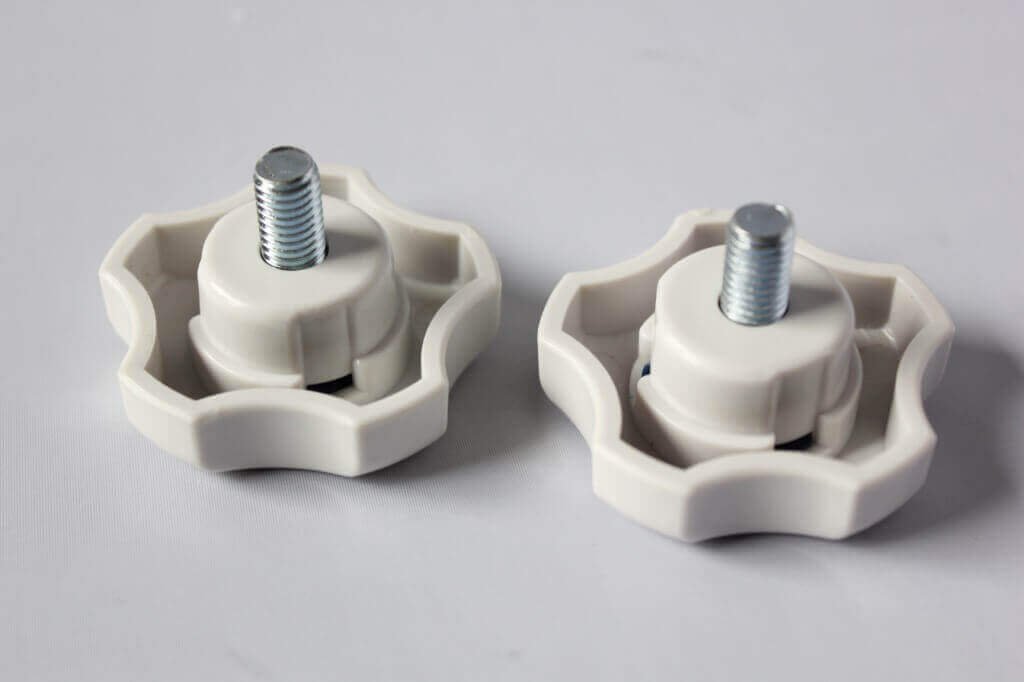
POM is also used for common household items like zippers, fasteners, ratchets, and precision toys. It can often replace metal with the added benefit of lower production costs.
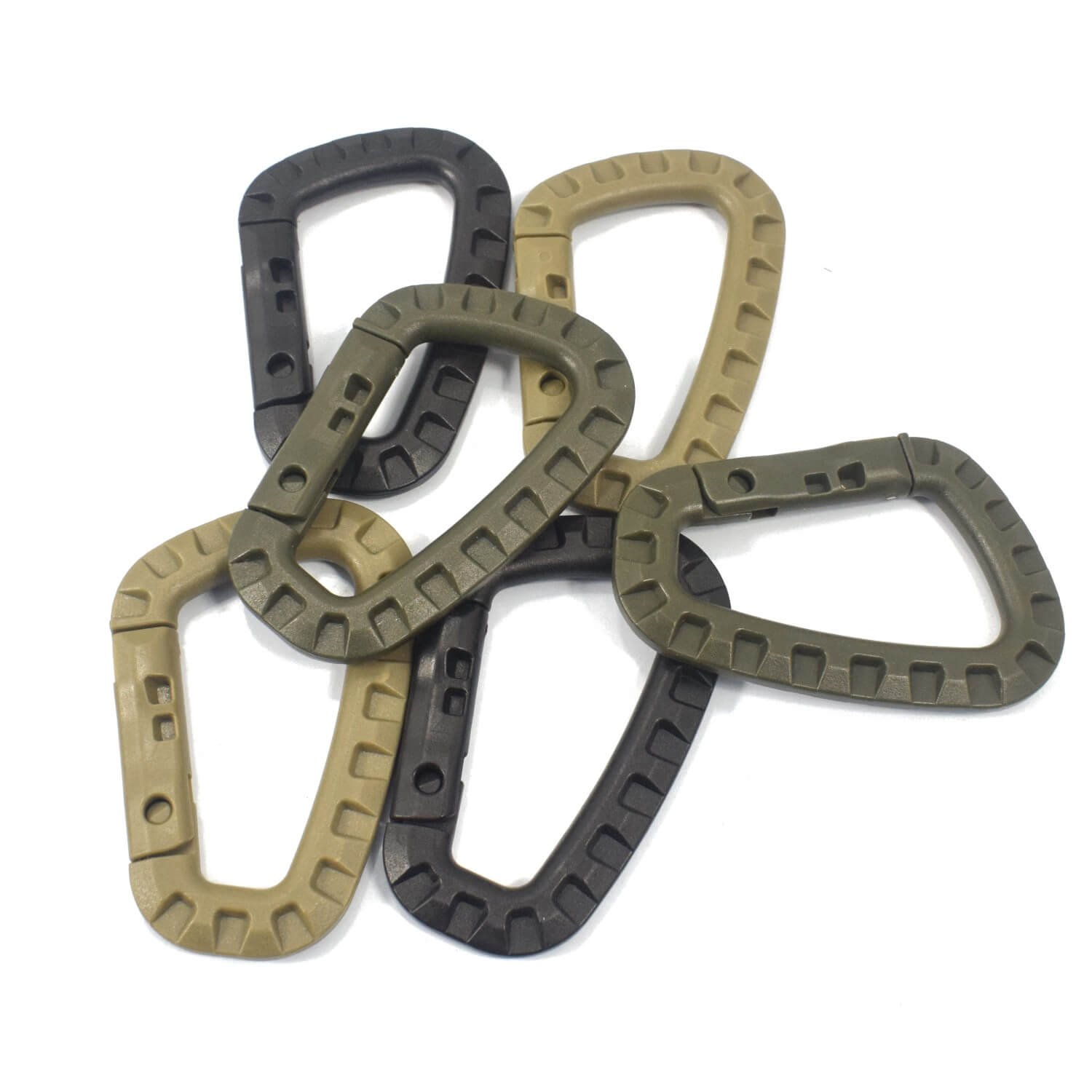
POM fasteners

Industrial Machinery and Equipment

Industrial machinery like conveyors, robots, and assembly line equipment rely on POM plastic components like gears, rollers, sprockets, slides, and bearings. POM stands up well to continuous operation in industrial environments.

Other common POM parts used in machinery include fasteners, valves, connectors, handles, nozzles, and housings that require tight dimensional control.

Medical Devices and Laboratory Equipment

With FDA food contact approval, POM plastic has become an important material for medical devices and lab equipment. POM’s ability to withstand sterilization makes it useful for medical tools, blood diagnostic devices, and surgical equipment parts.

POM’s low moisture absorption prevents contamination in pipettes, valves, connectors, and other lab instrumentation. The material meets USP Class VI standards for use in devices that contact the body.

POM medical devices

Food Processing Equipment

The food processing industry takes advantage of POM plastic’s FDA compliance, strength, impact resistance, and non-stick properties. POM is often used to make blades, hooks, rollers, conveyor parts, bushings, bearings, and wear strips for food production and packaging machinery.

It can withstand the high-pressure spray washing and sterilization procedures common in food plants. POM minimizes friction and prevents food particles from sticking to components.

POM Plastic Custom Processing Capabilities

In addition to the material’s inherent properties, POM plastic parts owe their precision and quality to advanced manufacturing processes. POM’s balanced physical and chemical properties make it suitable for a wide range of custom plastic processing methods.

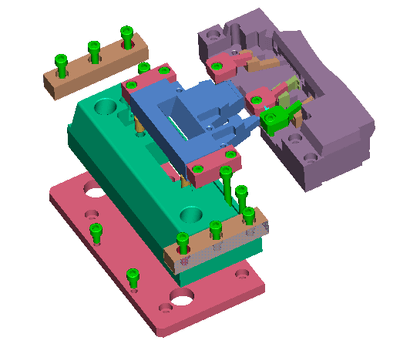
Injection Molding

Injection molding is the most common and cost-effective process for high-volume production of complex, tight-tolerance POM parts. POM plastic melts uniformly and flows very well into molds, allowing the creation of intricate shapes and details.

Injection molded POM components include gears, rollers, bushings, sprockets, cams, fasteners, nozzles, and shaft couplings used in automotive powertrains, appliances, medical devices, and industrial equipment.
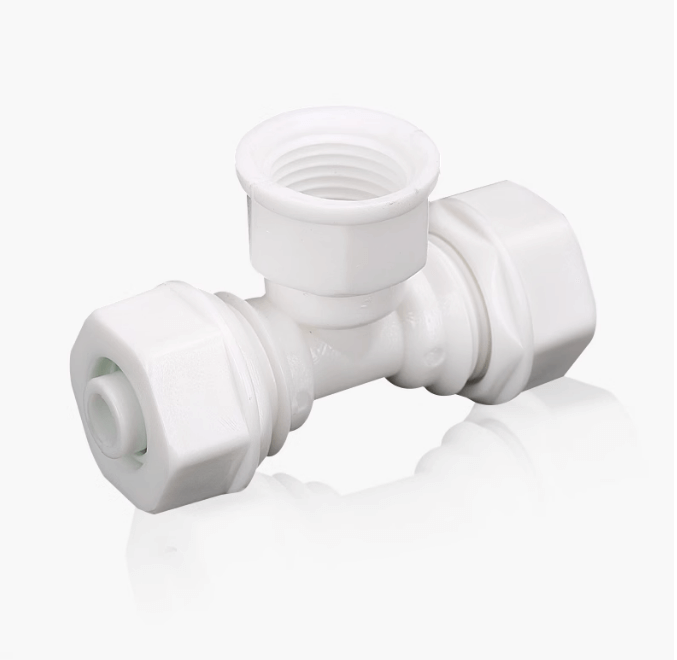
POM material injection molding

CNC Machining 

POM plastic is readily machinable using CNC milling and turning to create prototypes and low-volume custom parts. The material cuts cleanly without melting due to built-up heat. POM is easy to glue and assemble after machining.

Typical CNC machined POM components include gears, bushings, rollers, nuts, fittings, spacers, and hydraulic or pneumatic cylinders. The process yields extreme precision and surface finish.
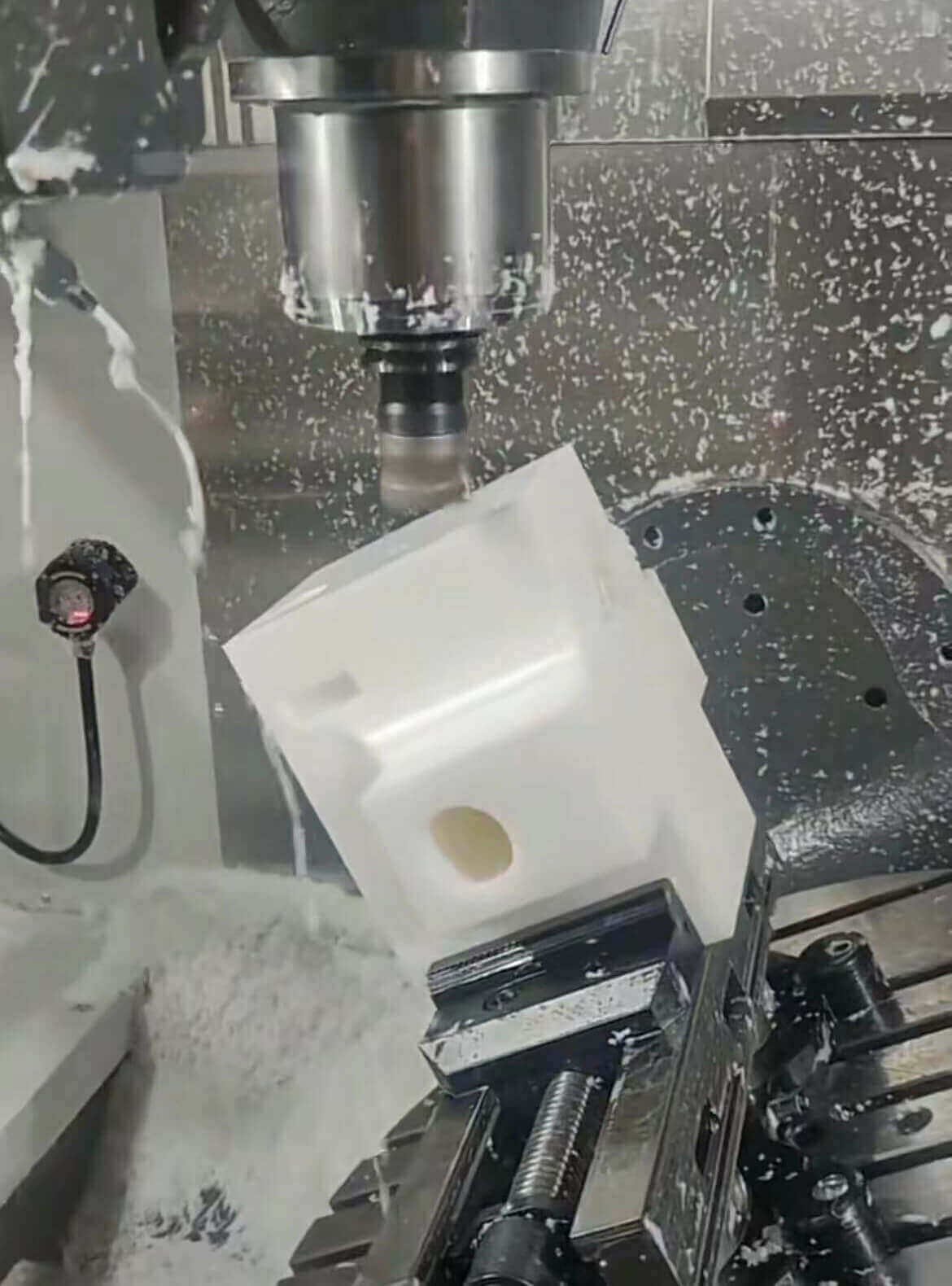
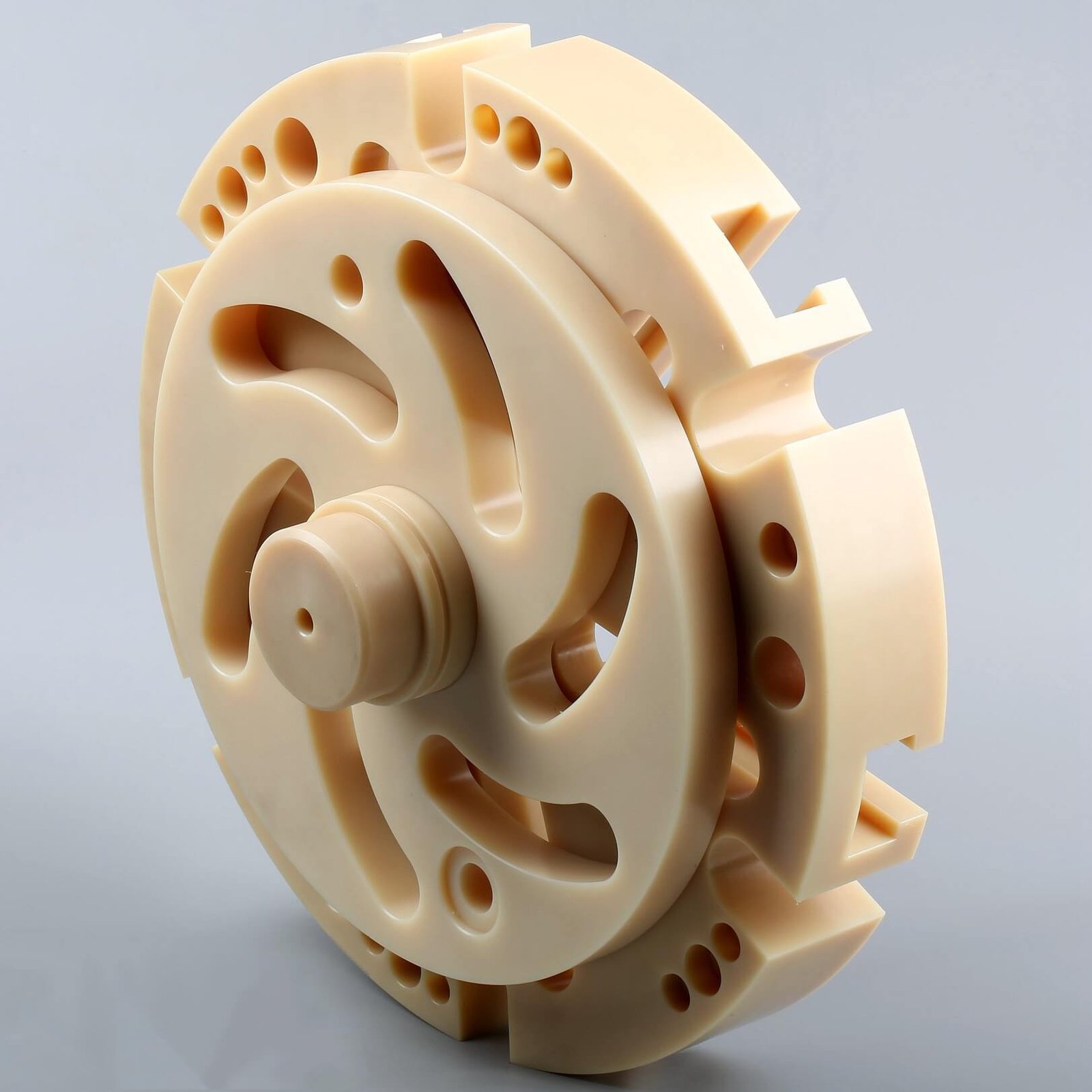
Customized CNC machining of POM materials

3D Printing

POM and POM composites can be 3D printed using fused deposition modeling (FDM) as well as selective laser sintering (SLS). 3D printing offers design freedom for complex plastic parts unsuitable for molding or machining.

POM is one of the strongest thermoplastics 3D printable on desktop FDM printers. Printed POM prototypes and end-use parts include gears, sprockets, rollers, sliders, joints, hinges, grips, and housings.

Other Processes

Secondary finishing processes are often used on POM plastic parts to add specific properties or enhance aesthetics:

POM can also be fabricated using water jet cutting, plasma cutting, and other rapid prototyping methods.

Why Choose Custom POM Plastic Parts?

With the right manufacturing process, POM plastic parts offer significant benefits over machined metal, injection molded plastics, and 3D printed prototypes:

Consistent Quality and Precision

Custom POM parts are produced by specialized manufacturers with expertise in processing the material to strict tolerances. This results in high quality parts that match or exceed OEM specifications.

Customization

POM plastic can be injection molded, CNC machined, or 3D printed in small to medium volumes with custom sizes, shapes, and features. Custom POM parts are ideal for replacing standard catalog components.

Scalability

A design can be quickly iterated from POM 3D printed prototypes to injection molded low-volume production as quantities scale up. The same POM material is used across processes for design consistency.

Cost Savings

POM plastic parts are cheaper to produce compared to metals, especially in lower volumes. Less material waste also occurs during POM machining versus metals.

Shorter Timelines

POM processing is typically faster than tool steel or alloy machining. No hardening or heat treatment steps are required, reducing overall manufacturing time.

POM or polyoxymethylene plastic is valued across many industries for its high strength, dimensional stability, low friction, and resistance to impact and fatigue. These properties make it well-suited for the custom fabrication of small, tight-tolerance plastic components subject to dynamic loads and stresses.

Injection molding, CNC machining, 3D printing, and secondary finishing processes can all be leveraged to manufacture custom POM parts for automotive, appliance, industrial, medical, and food processing applications. POM plastic offers OEM quality and precision, design flexibility, scalability from prototyping to production, and shorter lead times compared to metals.

When you need durable, low-cost plastic components with extreme accuracy, POM is likely the ideal material choice. POM precision components can be obtained through injection molding, machining, or additive manufacturing. Partnering with an experienced manufacturer of POM custom parts ensures you get the properties, quality, and performance your application requires.

For more information on having high-performance POM plastic parts tailored to your needs, contact us today! Our engineers are ready to discuss your project and deliver custom POM solutions.
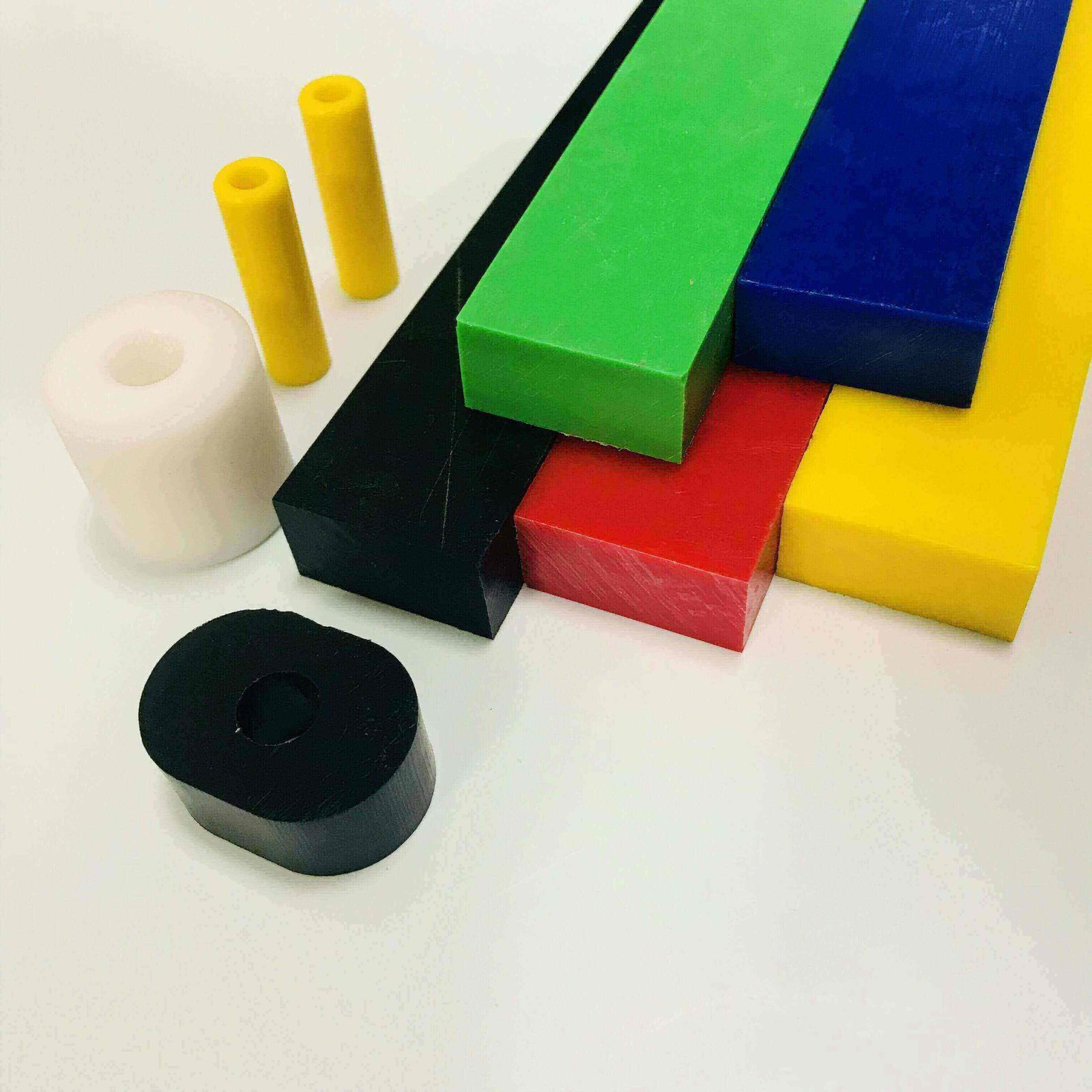
Beeplastic's CNC custom machining center for POM plastics
If you are interested in using POM Plastic in your project or want to know more information, welcome to harass us. We are a professional supplier and manufacturer of all kinds of plastic custom processing and production, with a professional team of engineers and precision equipment, we can provide you with customized plastic solutions that meet your specifications and budget. We are happy to serve you and help you fulfill your needs. Do you need a free quote or help with any questions or materials?
🎉🎉🎉Limited Time Offer Use code: QR4GNY08SHVR at checkout and enjoy a special discount on your entire order! 👉 POM plastic
Our website: www.BeePlastic.com
Click to contact: Custom POM Plastic


Leave a comment


Please note, comments must be approved before they are published


Custom Plastic Fabrication

Send your drawing, material and quantity for review

🔧
Precision Machining
CNC milling & turning
✂️
Cutting & Engraving
Laser & waterjet cutting
🏭
Forming & Molding
Thermoforming & injection
🔗
Joining & Assembly
Welding & bonding
📐
Design & Prototyping
CAD design & samples

General

HDPE

PP

PVC

ABS

Engineering

POM

Nylon

PC

PMMA

High-Performance

PEEK

PEI

PTFE

Composites

FR-4

G10

Flexible

TPU

Silicone

Why Choose BeePlastic?

🎯
Perfect Fit
Custom specs eliminate adaptation needs
⚡
Clear Lead Times
Lead time confirmed with every quote
💰
Volume Pricing
Volume pricing available on bulk orders
🤝
Expert Support
Free engineering consultation included
📋
Submit
→
🔍
Review
→
💵
Quote
→
✅
Production
→
📦
Deliver

Request a Quote

Share your project details, selected material and quantity on our quote page. You can add a file link or use the email drawing route shown there.


Request Quote

Industries: Automotive • Medical • Food • Lab • Semiconductor

beeplastic@beeplastic.com


Bending ABS Plastic: A Comparison of Thermoforming, Hot Bending, and Cold Bending

ABS material bending

ABS plastic custom machining for prototypes housings and cost-effective production parts

Acrylonitrile butadiene styrene (ABS) plastic is commonly used across many industries due to its durability, flexibility, and ability to be bent into a variety of shapes. From automotive trim pieces to plastic enclosures to pipes and tubes, properly bending ABS plastic sheets is crucial for creating high-quality finished parts.

However, bending ABS plastic can also crack or craze the material if the right techniques are not used. In this guide, we’ll compare the most common methods for bending ABS plastic sheets and parts – thermoforming, hot bending, and cold bending. We’ll highlight the advantages and disadvantages of each process so you can determine the ideal approach based on your specific application and production requirements.

Ready to Try Your Preferred ABS Bending Method?

Get the Right Materials First! Explore our range of premium ABS sheets and rods.

  • 🔥 Heat-resistant and impact-tough formulas
  • 📐 Available in 2mm – 30mm thicknesses (Cut-to-size)
  • 🎨 Color choices: Natural, Black, White
  • 🛒 Bulk and small-quantity options

🎉 Limited Time Offer: Use code QR4GNY08SHVR for a discount!

Shop ABS Materials Now →

An Introduction to Bending ABS Plastic

ABS is an incredibly versatile thermoplastic polymer with properties that make it suitable for bending into custom parts and products. Some key traits of ABS plastic include:

  • Durability – ABS offers good impact resistance and tensile strength, making it more durable than materials like PVC or polystyrene for bent applications.
  • Flexibility – At standard thicknesses and temperatures, ABS can be flexed and bent repeatedly without fracturing or cracking. This flexibility makes it suitable for bending intricate shapes.
  • Customizable – ABS plastic maintains its stability when bent into unique forms, enabling the creation of custom enclosures, housings, and components.
  • Workability – Compared to metals and other plastics, ABS is relatively easy to machine and work into various designs.
  • UV/chemical resistance – ABS provides resistance to ultraviolet light exposure and many common chemicals, retaining its strength and appearance over time.
ABS plastic housing

With the right techniques and processing methods, ABS can be repeatedly bent to angles exceeding 90 degrees without showing signs of damage. Proper ABS plastic bending techniques are crucial to prevent cracking, crazing, rippling, or other defects.

Thermoforming, hot bending, and cold bending are three of the most common industrial techniques used for contouring ABS plastic sheets into the desired shapes. Each approach has its own set of pros, cons, ideal applications, and equipment requirements.

We’ll do a detailed comparison of all three options so you can determine the right ABS plastic bending process for your specific needs.

Thermoforming ABS Plastic

ABS plastic hot air blow molding

Thermoforming uses heat and pressure to mold thermoplastic sheets into new shapes with custom curves and bends. It is one of the most popular plastic fabrication methods across many industries including automotive, appliance, packaging, and construction.

The thermoforming process consists of clamping the ABS plastic sheet into a temperature-controlled frame. The sheet is then heated until it becomes flexible and stretchable. Next, it is transferred to a mold and conformed precisely over the contours of the male or female mold shape. Pressure and/or vacuum is applied to force the warmed plastic tightly around the mold. The formed piece is held against the mold while cooling and sets into the desired shape.

Thermoforming allows ABS plastic to be bent into forms that would otherwise crack or fracture the material.

Key benefits of thermoforming include:

  • Produces uniform, consistent bends in the ABS plastic.
  • Heat is evenly distributed so the entire sheet reaches optimal forming temperature.
  • No leftover stresses in the material after cooling that could cause cracking.
  • Smooth surface finish and accurate reproduction of the mold shape.
  • Ideal for prototyping and short production runs. Lower tooling costs than injection molding.
  • Allows very tight inside radii and complex bends in the plastic.
  • Dimensional stability. The bend radius and angles maintain their form once cooled.
  • Can form many parts quickly through gang forming or rapid tooling changeovers.

Thermoforming does come with some downsides to consider as well:

  • Requires a high initial investment in thermoforming machinery and the forming molds.
  • Limited to relatively thin-gauge ABS sheets, usually under .120” thickness.
  • Only suitable for short-moderate production runs, not extremely long runs.
  • Additional secondary finishing work may be needed after forming.
  • Relatively slow process compared to other methods. Cycle times range from 30 seconds to 30 minutes.

Thermoforming has some key advantages in working with ABS plastic since it can heat and form the material into complex or tight bends without damage. It is the ideal choice when consistent, wrinkle-free high-quality bends are needed for prototypes or short-run production.

Hot Bending ABS Plastic

ABS plastic hot air gun blow molding

Hot bending is the process of using heat to soften ABS plastic sheets to make them pliable enough to bend without fracturing, then cooling to set the shape. Localized heat is applied immediately before the bend using tools like heat guns, strip heaters, ovens, or heat bends.

The key advantage of hot bending ABS is that the heat softens and “plasticizes” the material so it can flex without damage.

Key benefits include:

  • Allows bending the ABS sheet to tighter radii than is possible with cold bending.
  • Lower risk of material stress and cracking during and after the bend.
  • Bends have a smooth, rounded contour rather than a sharp V-shape.
  • Ideal for relatively short, straight bends rather than complex curving shapes.
  • Faster process than thermoforming and lower equipment costs.
  • Enables bending thicker sheets up to .25” thickness.
  • Small lot sizes and prototypes can be bent using simple heat guns.

Hot bending does require some precautions and disadvantages to consider:

  • More labor-intensive process since heat must be continually applied during bending.
  • Risk of overheating or burning the ABS material if temperature isn’t controlled.
  • Cooling and setup of the bent shape takes time.
  • Requires appropriate heating equipment based on volume – from heat guns to ovens.
  • Precise process control needed to avoid under/over heating.
  • Some trial and error may be needed to find ideal heat settings.
  • Works best for short, gentle bends rather than multiple or complex shapes.

Overall hot bending is ideal for gently contouring ABS sheets up to .25” thick when you need tighter bend radii and less cracking risk than cold bending. It offers the versatility to bend small custom or short-run components using a heat gun or batch bend higher volumes in an oven or thermal box.

Cold Bending ABS Plastic

Unlike thermoforming and hot bending, cold bending does not apply heat during the bending process. The ABS plastic sheet is bent at room temperature using tools like presses, brakes, or mandrels.

Cold bending is common for ABS applications like:

  • Simple brackets
  • Short production runs
  • Retaining clips
  • Small plastic parts

Benefits of cold bending include:

  • Very fast process and short lead times, no heating or cooling.
  • Lower equipment investment. Manual or CNC presses suffice.
  • Eliminates risks of fire hazards or fumes from heating.
  • Consistent results once tools are setup and calibrated.
  • Does not alter the molecular structure like heating.

However, cold bending also comes with some downsides:

  • Higher risk of cracking, crazing, or rippling, especially with thicker sheets.
  • Only capable of relatively wide bend radii, minimum 2-3x sheet thickness.
  • Increased internal stress in the bent area after forming.
  • More likely to get a sharp bend with increased fragility at bend apex.
  • Not ideal for extremely tight radii or complex compound bends.
  • Requires rigid clamping and bend fixtures to prevent sheet slippage.

In summary, cold bending works well for simple ABs plastic components that do not require tight radii. It is the fastest processing method but also carries the most risk of damage or cracking. Thinner gauges under .100” thickness cold bend the best.

Hot and cold bending process for ABS materials

Comparing the Tradeoffs of Each Bending Method

ABS material bending DIY production

To summarize the key pros and cons:

Method Advantages Disadvantages
Thermoforming Even heating, Tight radii, Smooth finish, Dimensional stability High equipment cost, Slower process, Limited thickness
Hot Bending Tighter radii, Thicker sheets, Prototyping friendly Labor intensive, Risk of overheating
Cold Bending Fast process, Lower cost High cracking risk, Limited radii, Thinner sheets only

Thermoforming works well when even heating, tight bend radii, and dimensional precision are critical, such as for moderate production runs above 1,000 parts.

Hot bending is ideal for short-run bending of sheets up to .25” thickness when you need tighter radii than cold bending allows.

Cold bending provides the fastest lead times but should be limited to room temperature bending of thin ABS sheets into relatively wide radii.

Finding the Right Bending Technique for Your ABS Application

As this comparison shows, thermoforming, hot bending, and cold bending all have their own advantages and limitations when working with ABS plastic sheets. The right method for your application depends on factors such as:

  • Production quantity (prototypes, small lots, longer runs)
  • Sheet thickness and bend radii needed
  • Equipment available
  • Level of precision and process control required
  • Secondary finishing time

Most importantly, consult with your chosen ABS sheet manufacturer and plastic specialist when selecting a bending technique. An experienced ABS forming company can recommend the ideal process based on your product goals, provide technical advice, and help you avoid common pitfalls.

At Bee Plastic, our team has specialized in custom ABS plastic thermoforming, bending, and fabrication for over 20 years. Contact us today to request a quote or discuss your unique ABS plastic bending needs.

Need Custom-Bent ABS Parts? We Can Help You Skip the Tools

Not sure which bending method to choose — or just need perfectly shaped ABS parts fast? Let our fabrication experts handle it for you.

  • 📎 Upload your design files or send a sketch
  • 🔧 Choose hot bending, thermoforming, or cold bending — we handle it all
  • 📦 Parts delivered pre-bent, ready for use
  • 📞 Ideal for enclosures, guards, brackets, trays & more

Click here to request a quote now →

If you are interested in using ABS Plastic in your project or want to know more information, welcome to harass us. We are a professional supplier and manufacturer of all kinds of plastic custom processing and production, with a professional team of engineers and precision equipment, we can provide you with customized plastic solutions that meet your specifications and budget. We are happy to serve you and help you fulfill your needs. Do you need a free quote or help with any questions or materials?

🎉 Limited Time Offer
Use code: QR4GNY08SHVR at checkout and enjoy a special discount on your entire order! 👉 Shop ABS plastic

Our website: www.BeePlastic.com

Click to contact: Custom ABS Plastic

Leave a comment


Please note, comments must be approved before they are published


Custom Plastic Fabrication

Send your drawing, material and quantity for review

🔧
Precision Machining
CNC milling & turning
✂️
Cutting & Engraving
Laser & waterjet cutting
🏭
Forming & Molding
Thermoforming & injection
🔗
Joining & Assembly
Welding & bonding
📐
Design & Prototyping
CAD design & samples

General

HDPE

PP

PVC

ABS

Engineering

POM

Nylon

PC

PMMA

High-Performance

PEEK

PEI

PTFE

Composites

FR-4

G10

Flexible

TPU

Silicone

Why Choose BeePlastic?

🎯
Perfect Fit
Custom specs eliminate adaptation needs
⚡
Clear Lead Times
Lead time confirmed with every quote
💰
Volume Pricing
Volume pricing available on bulk orders
🤝
Expert Support
Free engineering consultation included
📋
Submit
→
🔍
Review
→
💵
Quote
→
✅
Production
→
📦
Deliver

Request a Quote

Share your project details, selected material and quantity on our quote page. You can add a file link or use the email drawing route shown there.


Request Quote

Industries: Automotive • Medical • Food • Lab • Semiconductor

beeplastic@beeplastic.com


Choosing Your Fabrication Method: CNC Machining vs. Injection Molding for Plastic Parts

Plastic CNC custom machining and injection molding

In the dynamic world of plastic fabrication, two primary technologies stand out in the manufacturing of plastic parts: CNC Machining and Injection Molding. Each method boasts unique strengths and applications, making them go-to choices for manufacturers worldwide. This article aims to delve deep into the nuances of these two prominent fabrication methods, comparing their advantages and challenges.

Customized POM insulating material processing

CNC Machining, a process known for its precision and versatility, has become a staple in creating complex and customized plastic parts. This method’s ability to produce intricately designed parts with high accuracy makes it ideal for applications where detail and customization are paramount. On the other hand, Injection Molding is renowned for its efficiency and ability to mass-produce parts at a relatively lower cost. This method is often the preferred choice for large-scale production runs where uniformity and speed are crucial.

In this comprehensive comparison, we aim to explore various facets of both methods. We will examine their methodologies, dissect their advantages and drawbacks, and provide insights into which method could be more suitable for specific types of plastic part fabrication. Whether you’re a seasoned manufacturer, a budding engineer, or simply curious about the world of plastic fabrication, this article promises to provide valuable insights into these two dominant manufacturing techniques.

As we embark on this journey of exploration, it’s essential to understand the critical role these technologies play in the modern manufacturing landscape. The choice between CNC Machining and Injection Molding is not just a technical decision; it’s a strategic one that can significantly influence the efficiency, cost, and quality of the end product.

In the forthcoming sections, we will dissect the technicalities of each method, understand their optimal use cases, and discuss how they align with various project requirements. By the end of this article, you will have a clearer understanding of which fabrication method aligns best with your specific needs, be it for intricate, one-off designs or high-volume production runs.

Our comprehensive comparison will also touch upon the recent advancements in both fields, how these have impacted the industry standards, and what future developments we can anticipate. This information will not only guide manufacturers and designers in making informed decisions but also shed light on the evolving trends in plastic fabrication technology.

What is CNC Machining?

The Genesis of a Precision Craft

CNC Machining, standing for Computer Numerical Control Machining, is a manufacturing process known for its precision and versatility in fabricating various materials, including plastics. This process involves using computer-controlled machine tools to shape the material into the desired design and dimensions.

The Core Principles of CNC Machining

At its heart, CNC Machining operates on digital instructions derived from a Computer-Aided Design (CAD) file. These instructions guide the machine tools to cut and shape the material precisely. This technology enables the production of complex shapes that would be difficult or impossible to achieve with manual machining.

The Machinery Behind the Magic

CNC machines come in various forms, including mills, lathes, and routers. Each type of machine offers unique capabilities, from creating cylindrical shapes with lathes to intricate patterns with routers. The choice of machine depends on the specific requirements of the project.

HDPE plastic U-shaped mat

The Process: From Design to Reality

The CNC Machining process starts with a detailed design, typically created in a CAD program. This design is then converted into a CNC program, which translates it into instructions for the machine. This programming stage is crucial as it determines how the machine tools will move, the speed of operation, and the path they will take to remove material and create the part.

Materials and Versatility

While CNC Machining is versatile across various materials, its application in plastic fabrication is particularly notable. It can work with a wide range of plastics, offering flexibility in choosing materials based on the specific properties required, such as strength, flexibility, or resistance to heat and chemicals.

Precision and Customization

One of the most significant advantages of CNC Machining is its high level of precision. It can produce parts with extremely tight tolerances, which is essential in applications where even a minor deviation could be critical. This precision also allows for a high degree of customization, making it ideal for producing bespoke parts or prototypes.

Advancements and Innovations in CNC Technology

In recent years, CNC Machining technology has seen significant advancements. The integration of automation and advanced software has not only streamlined the manufacturing process but also increased the production speed and consistency of output. Innovations in CNC technology have expanded its capabilities, allowing for more complex and intricate designs to be fabricated with precision.

Customized CNC machining of plastic materials

The Role of CNC Machining in Custom Plastic Fabrication

In the context of custom plastic fabrication, CNC Machining stands out for its ability to adapt to unique design specifications. This flexibility makes it an invaluable tool for industries requiring tailor-made components, such as aerospace, automotive, and particularly in medical devices where customization is often a necessity.

What is Injection Molding?

Injection Molding is a manufacturing process widely used in the mass production of plastic parts. Known for its efficiency and ability to produce large quantities of parts with consistent quality, injection molding has become a cornerstone in the plastic manufacturing industry.

The Process of Injection Molding

At its core, injection molding involves melting plastic pellets and injecting the molten plastic into a mold under high pressure. Once the plastic cools and solidifies, the mold opens to eject the finished part. This process can be repeated rapidly, making it ideal for high-volume production.

Key Components of Injection Molding

  1. The Injection Unit: This part of the machine melts and injects the plastic into the mold.
  2. The Clamping Unit: It holds the mold in place during the injection and cooling process.
  3. The Mold: Custom-designed for each project, the mold is a critical component that determines the shape and specifications of the final product.

Materials Used in Injection Molding

Injection molding is versatile in terms of the materials it can process. Commonly used plastics include ABS, Polyethylene, Polycarbonate, and many others, each offering different properties to suit various product requirements.

Customized CNC machining and injection molding of plastic materials

Advantages of Injection Molding

  1. Efficiency in Mass Production: Injection molding’s most significant advantage lies in its ability to produce large quantities of parts in a relatively short time, making it cost-effective for mass production.
  2. Consistency and Reproducibility: The precision of the molding process ensures that each part produced is virtually identical to the next, crucial in applications demanding uniformity.
  3. Complex Part Design: Modern injection molding techniques can produce complex parts, reducing the need for additional assembly and processing.

Limitations and Challenges

However, injection molding does have its limitations:

  1. High Initial Costs: The cost of creating molds, especially for complex parts, can be substantial.
  2. Design Restrictions: Although capable of producing complex designs, certain geometries can be challenging and costly to mold.
  3. Material Limitations: While versatile, not all materials are suitable for injection molding, sometimes limiting design choices.

Comparing CNC Machining and Injection Molding

When deciding on the best method for fabricating plastic parts, manufacturers often weigh the strengths and weaknesses of CNC Machining and Injection Molding. Both processes have their distinct advantages and are suited to different types of projects.

Efficiency and Volume

  • Injection Molding: Known for its high efficiency in mass production, injection molding is ideal for producing large volumes of identical parts. This process significantly reduces the cost per unit when manufacturing at scale.
  • CNC Machining: While CNC machining is less efficient for high-volume production, it excels in low-to-medium volume production runs. Its flexibility is unmatched when it comes to producing complex designs or parts requiring tight tolerances.

Precision and Customization

  • CNC Machining: This method stands out for its exceptional precision. CNC machines can produce intricately detailed parts with extremely tight tolerances. This precision is crucial for parts that require exact specifications.
  • Injection Molding: While it also offers precision, injection molding may be less suitable for parts with complex geometries or those requiring extremely tight tolerances. However, once the mold is created, it can produce parts with consistent accuracy.

Material Options

  • CNC Machining: Offers a broad range of material options, allowing for the use of various types of plastics and composites. This versatility is beneficial for projects requiring specific material properties.
  • Injection Molding: Also provides a wide range of material options but is typically limited to materials that flow easily when melted. The choice of material may impact the durability and finish of the final product.

Cost Implications

  • Injection Molding: While the initial setup and creation of molds can be costly, the per-unit cost in injection molding decreases significantly with larger production volumes. This makes it a cost-effective choice for large-scale manufacturing.
  • CNC Machining: Although there’s less upfront investment compared to injection molding, the per-unit cost remains relatively constant, regardless of the volume. This can make CNC machining more expensive for mass production but cost-effective for smaller runs or prototypes.
ABS injection molded parts

Turnaround Time

  • Injection Molding: Once the mold is created, injection molding can produce parts rapidly, which significantly reduces the turnaround time for large orders.
  • CNC Machining: It typically has a quicker setup time compared to injection molding, making it ideal for projects with tight deadlines, especially when dealing with small to medium production volumes.

Design Flexibility and Revisions

  • CNC Machining: Offers high design flexibility, allowing for easy modifications and revisions. This adaptability is vital for prototypes and parts undergoing iterative design processes.
  • Injection Molding: Design changes in injection molding require modifying or creating new molds, which can be time-consuming and costly. Hence, it is less flexible for design alterations once production has started.

Environmental Considerations

  • CNC Machining: Generates waste material during the machining process, which can be a concern from an environmental perspective. However, advancements in recycling and material reuse are helping mitigate this issue.
  • Injection Molding: While the process itself is relatively efficient with minimal waste, concerns arise regarding the environmental impact of producing and disposing of the molds, especially when they are made from non-recyclable materials.

Pros and Cons of CNC Machining and Injection Molding

In the realm of plastic part fabrication, both CNC Machining and Injection Molding offer unique advantages and face certain limitations. Understanding these can help in making informed decisions based on the specific requirements of a project.

Pros of CNC Machining

  1. High Precision: CNC machines are capable of extremely precise cuts, ideal for complex designs and tight tolerances.
  2. Material Versatility: They can work with a wide range of materials, offering flexibility in material selection.
  3. Customization: CNC machining excels in producing custom, one-off parts or prototypes quickly and efficiently.
CNC precision cutting of HDPE materials

Cons of CNC Machining

  1. Higher Cost for Large Volumes: It can be more expensive than injection molding for large production runs due to slower output.
  2. Material Waste: The subtractive nature of CNC machining can result in more material wastage compared to other methods.

Pros of Injection Molding

  1. Mass Production: Ideal for high-volume production runs, offering a lower per-unit cost for large quantities.
  2. Consistent Quality: Once the mold is perfected, injection molding can produce thousands to millions of parts with consistent quality.
  3. Efficiency: Injection molding machines can run 24/7 with minimal supervision once set up.

Cons of Injection Molding

  1. High Initial Costs: The cost of designing and producing molds can be significant, especially for complex parts.
  2. Less Flexibility: Once a mold is made, changing the design can be costly and time-consuming.

Limitations in Design Flexibility

  • Injection Molding: While efficient for producing large quantities of identical parts, it offers limited design flexibility. Any design changes require creating a new mold, which can be costly and time-consuming.
  • CNC Machining: In contrast, CNC machining provides greater design flexibility. Modifications can be easily made by adjusting the machine’s programming, making it ideal for prototypes and custom designs.

Environmental Impact

  • CNC Machining: The subtractive nature of CNC machining can result in significant material waste, though advancements in technology are helping to minimize this.
  • Injection Molding: It typically produces less waste since the excess plastic can often be recycled and reused. However, the energy consumption and the environmental impact of producing and disposing of the molds should be considered.

Turnaround Time

  • Injection Molding: It requires significant upfront time for mold design and production. However, once the mold is ready, parts can be produced quickly.
  • CNC Machining: Generally offers faster turnaround times for small to medium-sized production runs, as it doesn’t require the creation of molds.

Case Studies/Examples of CNC Machining and Injection Molding

Case Study 1: CNC Machining in Aerospace Component Manufacturing

Project Overview

In the highly specialized field of aerospace, precision and reliability are paramount. A leading aerospace company faced the challenge of manufacturing complex components for a new jet engine. They chose CNC Machining for this critical task due to its unparalleled precision and flexibility.

PEEK materials for aerospace applications

Implementation and Process

The project involved creating intricate parts with exact dimensions and tolerances that could only be achieved through advanced CNC techniques. The CNC machines were programmed to handle high-grade aerospace materials, ensuring strength and durability under extreme conditions.

Challenges Overcome

One of the primary challenges was maintaining absolute precision across all components, as even the slightest deviation could have significant consequences. The CNC Machining process allowed for real-time adjustments and quality control checks, ensuring each part met the stringent aerospace standards.

Successful Outcomes

The use of CNC Machining in this project led to the successful production of reliable, high-quality aerospace components. These parts played a crucial role in enhancing the performance and safety of the new jet engines, contributing to the overall success of the aerospace company’s project.

Implications for the Industry

This case study demonstrates CNC Machining’s vital role in aerospace manufacturing, where its accuracy, efficiency, and adaptability make it an indispensable tool. It highlights the technology’s potential in crafting components that meet the aerospace industry’s demanding requirements, paving the way for further innovations in aerospace technology.

Case Study 2: Injection Molding in Consumer Electronics

Project Overview

A prominent consumer electronics company embarked on a project to mass-produce components for a new line of smartphones. To meet the high demand and maintain consistency, they opted for Injection Molding.

Injection molding in the electronics industry

Implementation and Process

The focus was on producing durable, yet lightweight plastic parts for the smartphone casing. Injection Molding was selected for its ability to produce high volumes quickly. The company developed specialized molds to match the intricate design and aesthetic requirements of the smartphone.

Challenges and Solutions

Ensuring uniform quality across millions of units was a significant challenge. The company implemented rigorous quality control processes at each stage of the Injection Molding process to maintain consistency.

Successful Outcomes

The use of Injection Molding resulted in the efficient production of high-quality, uniform smartphone components. This process significantly reduced production costs while meeting the high-volume demand, contributing to the successful launch of the new smartphone series.

Industry Impact

This case study highlights Injection Molding’s role in consumer electronics, particularly in situations where scale, cost-efficiency, and product uniformity are critical. It demonstrates the process’s suitability for large-scale manufacturing projects in the electronics industry.

Case Study 3: Combining CNC Machining and Injection Molding in Medical Devices

Project Overview

A medical device manufacturer aimed to create a highly specialized surgical instrument. This project required the precise engineering of complex components and mass production of certain parts. They employed a novel approach by combining CNC Machining and Injection Molding.

Implementation and Process

CNC Machining was used for creating intricate parts requiring high precision and customization, such as the instrument’s complex mechanism. For larger quantities of uniform components, like casings and handles, Injection Molding was chosen for its efficiency and consistency.

Challenges and Innovative Solutions

One of the biggest challenges was ensuring seamless integration of parts made from both methods. The team meticulously designed the components to ensure compatibility and functionality when assembled.Design and manufacture of PEEK materials


Successful Outcomes

The combination of both manufacturing methods led to the successful production of the surgical instrument, meeting both the precision requirements and the need for mass production efficiently.

Implications for the Medical Device Industry

This case study illustrates the effective combination of CNC Machining and Injection Molding in medical device manufacturing. It highlights how leveraging the strengths of both methods can lead to innovative solutions in the medical field.

    As we have explored the intricate details of CNC Machining and Injection Molding, it becomes clear that each method holds its unique place in the realm of plastic fabrication. The choice between these two methods depends largely on the specific requirements of your project, including the volume of production, level of detail needed, material choices, and budget constraints.

    • CNC Machining stands out for its precision, flexibility, and suitability for custom, one-off projects or prototypes.
    • Injection Molding, on the other hand, excels in high-volume production, offering efficiency and cost-effectiveness for large runs.

    In making a decision between CNC Machining and Injection Molding, it is crucial to consider the long-term goals and specifics of the project at hand. Both methods have evolved significantly and continue to play pivotal roles in the manufacturing sector.

    Bulk injection molding processing of HDPE materials

    Take the Next Step in Plastic Fabrication

    Whether you are leaning towards CNC Machining for its unparalleled precision and customization or considering Injection Molding for its efficiency in high-volume production, the decision is crucial for the success of your project.

    • Seek Expert Advice: Unsure which method is best for your needs? Reach out to our team of experts for guidance tailored to your specific requirements in plastic fabrication.
    • Stay Informed: Keep up-to-date with the latest advancements in plastic manufacturing by subscribing to our newsletter.
    • Join the Community: Share your experiences, ask questions, and connect with other professionals in the field.

    Your Journey to Excellence in Plastic Fabrication Begins Here

      Leave a comment


      Please note, comments must be approved before they are published


      Custom Plastic Fabrication

      Send your drawing, material and quantity for review

      🔧
      Precision Machining
      CNC milling & turning
      ✂️
      Cutting & Engraving
      Laser & waterjet cutting
      🏭
      Forming & Molding
      Thermoforming & injection
      🔗
      Joining & Assembly
      Welding & bonding
      📐
      Design & Prototyping
      CAD design & samples

      General

      HDPE

      PP

      PVC

      ABS

      Engineering

      POM

      Nylon

      PC

      PMMA

      High-Performance

      PEEK

      PEI

      PTFE

      Composites

      FR-4

      G10

      Flexible

      TPU

      Silicone

      Why Choose BeePlastic?

      🎯
      Perfect Fit
      Custom specs eliminate adaptation needs
      ⚡
      Clear Lead Times
      Lead time confirmed with every quote
      💰
      Volume Pricing
      Volume pricing available on bulk orders
      🤝
      Expert Support
      Free engineering consultation included
      📋
      Submit
      →
      🔍
      Review
      →
      💵
      Quote
      →
      ✅
      Production
      →
      📦
      Deliver

      Request a Quote

      Share your project details, selected material and quantity on our quote page. You can add a file link or use the email drawing route shown there.


      Request Quote

      Industries: Automotive • Medical • Food • Lab • Semiconductor

      beeplastic@beeplastic.com


      Revolutionizing Healthcare: The Role of Plastic CNC Machining in the Medical Industry

      CNC customized PEEK skull

      Unveiling the Precision Revolution: Plastic CNC Machining in the Medical Industry

      In the realm of modern healthcare, the advent of Plastic CNC Machining has marked a transformative era. This innovative technique, known for its exceptional precision, has become a cornerstone in the medical industry, revolutionizing the way medical devices are crafted. In this article, we explore the profound impact of CNC machining on medical manufacturing, with a particular focus on its advancements in precision and customization.

      🎉🎉🎉Limited Time Offer Use code: QR4GNY08SHVR at checkout and enjoy a special discount on your entire order! 👉Plastic CNC Machining

      As we delve into this technological marvel, we will uncover how CNC Machining in the Medical Industry has not only refined the production process but also enhanced the functionality and reliability of medical equipment. Join us in exploring this groundbreaking journey, where technology meets healthcare innovation.

      CNC machining being used to manufacture a medical device component

      The Evolution of CNC Machining in Medicine

      A Journey from Traditional Methods to Advanced Fabrication

      The landscape of medical manufacturing has undergone a significant transformation with the introduction of CNC Machining. Historically, medical device production relied on manual processes that were not only time-consuming but also lacked consistency. The advent of CNC technology brought a revolution, offering unprecedented precision and efficiency.

      Milestones in Medical Machining

      The evolution began with the basic CNC machines, primarily used for simple cuts and molds. As technology advanced, so did the capabilities of these machines. Today, Plastic CNC Machining is at the forefront, capable of producing intricate parts for sensitive medical devices with remarkable accuracy.

      The Shift Towards Customization

      In the past, the one-size-fits-all approach was common in medical tools and implants. The emergence of CNC technology has enabled the production of customized medical solutions, tailored to individual patient needs. This shift has been pivotal in enhancing the effectiveness of various medical treatments and procedures.

      An array of plastic medical parts made with CNC machining

      Advancements in Precision and Accuracy

      Elevating Standards in Medical Device Manufacturing

      The integration of Plastic CNC Machining into the medical industry has been a game-changer, particularly in terms of precision and accuracy. This advancement has allowed for the production of medical components with tolerances unthinkable a few decades ago.

      Precision: The Heart of Medical Innovation

      In medical device fabrication, precision is not just a requirement; it’s a necessity. CNC machining has enabled the creation of intricate components for complex medical devices, such as pacemakers and orthopedic implants, with unparalleled precision.

      Accuracy in Customization

      Beyond general manufacturing, the accuracy of CNC machining allows for the customization of medical tools and devices. Each piece can be tailored to fit the specific needs of a patient, improving the overall effectiveness of medical treatments.

      A surgical tool made of plastic via CNC machining

      Customization: Meeting Diverse Medical Needs

      Tailoring Solutions with CNC Machining

      In the realm of healthcare, every patient’s needs are unique, and this is where CNC machining truly shines. The capability of Plastic CNC Machining to produce custom-tailored medical components has revolutionized patient care.

      Personalized Medical Devices

      From prosthetics to dental implants, CNC machining allows for the creation of personalized medical devices. This customization ensures a better fit, increased comfort, and improved functionality for patients, directly enhancing their quality of life.

      A prosthetic limb being CNC machined out of plastic

      Responsive to Patient-Specific Requirements

      The flexibility of CNC machining enables quick adaptation to specific medical requirements, making it an invaluable tool in the development of patient-specific medical solutions.

      Case Studies: CNC Machining in Action

      Innovative Breakthroughs in Medical Technology

      To illustrate the transformative role of Plastic CNC Machining in the medical industry, let’s examine a few case studies where this technology has made significant impacts.

      1. Prosthetic Limbs

        • Highlighting a case where CNC machining was used to create highly personalized and functional prosthetic limbs, enhancing the mobility and quality of life for patients.
      2. Customized Dental Implants

        • Exploring how CNC machining has enabled the production of dental implants tailored to individual patient’s oral structures, leading to more effective and comfortable dental solutions.
      3. Advanced Surgical Instruments

        • Showcasing how precision CNC machining has facilitated the development of sophisticated surgical instruments, improving surgical outcomes and patient safety.
      Clear plastic orthodontic braces manufactured with CNC machining

      Impact on Patient Care and Treatment

      Enhancing Healthcare with Precision Technology

      The integration of Plastic CNC Machining in the medical industry has had a profound impact on patient care and treatment. This section delves into the ways CNC machining has enhanced the quality and effectiveness of medical treatments.

      1. Improved Surgical Outcomes

        • Discuss how the precision of CNC-machined medical tools has led to more successful surgeries with reduced risk and improved recovery times.
      2. Personalized Patient Care

        • Explore the impact of customized medical devices on patient comfort and treatment efficacy, emphasizing the personalized approach to patient care enabled by CNC technology.
      3. Advancing Medical Research

        • Highlight how CNC machining aids in medical research by enabling the creation of intricate prototypes for experimental treatments and devices.

      Future Trends and Developments

      Navigating Towards a Technologically Advanced Future in Medicine

      As we look ahead, the future of CNC Machining in the Medical Industry appears not just promising but revolutionary. This final section explores the emerging trends and potential advancements that CNC technology is likely to bring to medical manufacturing.

      1. Integration with AI and Robotics

        • Discuss how the combination of CNC machining with artificial intelligence and robotics could further enhance precision and efficiency in medical device production.
      2. Innovations in Biocompatible Materials

        • Explore the future use of new biocompatible materials in CNC machining, which could lead to even more advanced medical implants and devices.
      3. Sustainability in Medical Manufacturing

        • Highlight the potential for CNC machining to contribute to more sustainable manufacturing practices in the medical industry.
      Disposable plastic syringes made using CNC machining

      Embracing a New Era in Medical Manufacturing

      As we have explored, Plastic CNC Machining has undeniably transformed the landscape of the medical industry. From enhancing the precision of medical devices to enabling the customization of patient-specific solutions, this technology stands at the forefront of medical innovation. As we look towards the future, CNC machining continues to promise even greater advancements, shaping a new era of patient care and treatment. It’s a journey where precision meets purpose, technology meets humanity, and every advancement brings us closer to a future of better healthcare for all.

      Join the Revolution in Medical Manufacturing

      Are you intrigued by the transformative impact of Plastic CNC Machining in the Medical Industry? We invite you to join us in this exciting journey. Whether you are a medical professional seeking innovative solutions or a manufacturer looking to integrate advanced CNC technologies, there is a place for you in this revolution.

      Stay Informed and Engaged

      Stay updated with the latest advancements in CNC machining and its applications in medical manufacturing. Subscribe to our newsletter, follow our blog, and join our community discussions to stay at the forefront of this evolving field.

      Custom medical implants being CNC machined out of plastic

      Let’s Shape the Future Together

      Interested in exploring how CNC machining can benefit your medical manufacturing needs? Contact us today to learn more about our services and how we can collaborate to drive innovation in healthcare.

      🎉🎉🎉Limited Time Offer Use code: QR4GNY08SHVR at checkout and enjoy a special discount on your entire order! 👉Plastic CNC Machining

      Leave a comment


      Please note, comments must be approved before they are published


      Custom Plastic Fabrication

      Send your drawing, material and quantity for review

      🔧
      Precision Machining
      CNC milling & turning
      ✂️
      Cutting & Engraving
      Laser & waterjet cutting
      🏭
      Forming & Molding
      Thermoforming & injection
      🔗
      Joining & Assembly
      Welding & bonding
      📐
      Design & Prototyping
      CAD design & samples

      General

      HDPE

      PP

      PVC

      ABS

      Engineering

      POM

      Nylon

      PC

      PMMA

      High-Performance

      PEEK

      PEI

      PTFE

      Composites

      FR-4

      G10

      Flexible

      TPU

      Silicone

      Why Choose BeePlastic?

      🎯
      Perfect Fit
      Custom specs eliminate adaptation needs
      ⚡
      Clear Lead Times
      Lead time confirmed with every quote
      💰
      Volume Pricing
      Volume pricing available on bulk orders
      🤝
      Expert Support
      Free engineering consultation included
      📋
      Submit
      →
      🔍
      Review
      →
      💵
      Quote
      →
      ✅
      Production
      →
      📦
      Deliver

      Request a Quote

      Share your project details, selected material and quantity on our quote page. You can add a file link or use the email drawing route shown there.


      Request Quote

      Industries: Automotive • Medical • Food • Lab • Semiconductor

      beeplastic@beeplastic.com


      Revolution in Electronics: Choosing Plastic Over Metal for Enclosures & Boxes

      Plastic Game Cases
      The Dawn of a New Era in Electronics: Embracing Plastic Enclosures and Boxes

      In the dynamic world of the electronics industry, a significant shift is unfolding. Once dominated by metal, the industry is increasingly turning towards plastic enclosures and boxes. This transition is not just a fleeting trend but a substantial move towards innovation and efficiency.

      plastic box

      Why is this shift happening, and what does it mean for the future of electronic design and manufacturing? In this exploration, we delve into the core reasons behind the electronics industry’s growing preference for plastic over metal. We will touch upon critical aspects such as weight, cost, customization, and durability – all pivotal factors driving this change.

      As we navigate through this transformation, it becomes evident that the choice of material is not just about the physical product. It reflects a broader evolution in industry priorities and consumer demands. The move towards plastic signifies a leap into a future where flexibility, efficiency, and sustainability are not just desired but essential.

      Join us in uncovering the reasons behind why the electronics industry is choosing plastic enclosures and boxes over metal. From the drawing board to the production line, we will see how plastic is reshaping the very fabric of electronic manufacturing.

      The Shift from Metal to Plastic

      Historical Predominance of Metal and the Paradigm Shift

      Metal, traditionally the cornerstone material in the electronics industry, has long been valued for its strength and durability. However, the industry is currently witnessing a paradigm shift – a move towards plastic enclosures and boxes. This transition is rooted in the evolving needs of the industry and the innovative properties that plastics offer.

      Why Plastic? The Core Reasons

      The shift from metal to plastic in the electronics industry isn’t arbitrary. It’s driven by several compelling reasons:

      1. Innovative Design Possibilities: Plastic offers unparalleled design flexibility compared to metal. This allows for more innovative and ergonomic electronic products.
      2. Ease of Manufacturing: The ease of molding and shaping plastic has opened new horizons in manufacturing, making it a go-to choice for electronic enclosures.
      3. Economic Efficiency: Plastics tend to be more cost-effective than metals, not just in terms of raw materials but also in terms of manufacturing processes.

      Plastic shell

      The Role of Consumer Demand and Industry Trends

      Consumer demand for lighter, more affordable, and uniquely designed electronics has further fueled this shift. Additionally, the industry’s trend towards miniaturization and portability aligns perfectly with the lightweight nature of plastic.

      Customization and Design Flexibility

      Unleashing Creativity with Plastic

      The realm of electronic enclosures has been revolutionized by the customization capabilities of plastic. Unlike metal, which often restricts design due to its rigidity, plastic’s malleability allows for custom plastic boxes and enclosures tailored to the unique needs of each electronic device.

      Adapting to Design Innovations

      This flexibility extends beyond mere shape and size. It encompasses a range of textures, colors, and finishes, enabling designers to push the boundaries of traditional electronic product aesthetics.

      Adaptive Design Innovative Plastic Boxes

      Meeting Specific Functional Requirements

      Moreover, the adaptability of plastic plays a significant role in meeting specific functional requirements, such as heat resistance, transparency, or RF shielding. This level of customization is a game-changer, particularly in an industry where each component’s form and function are critical.

      Durability and Performance

      Redefining Resilience with Advanced Plastics

      The notion that plastics lack the durability of metal is rapidly becoming outdated. Thanks to technological advancements, modern plastics are engineered to offer remarkable durability. These materials can withstand harsh environmental conditions, including extreme temperatures and corrosive substances, making them ideal for various electronic applications.

      Performance that Meets Demand

      In addition to being durable, plastics offer superior performance in many scenarios. Their inherent properties, such as electrical insulation and resistance to electromagnetic interference, are critical in the electronics industry. This makes plastics not just an alternative to metal, but often the preferred choice for specific functionalities.

      Longevity and Reliability

      Moreover, the latest plastic enclosures are designed to last. Their resistance to wear and tear, coupled with minimal maintenance requirements, ensures longevity and reliability – essential factors for electronic devices.

      Transparent plastic box

      Eco-Friendly and Sustainable Options

      Plastics: Paving the Way for a Greener Future

      In an era where environmental sustainability is paramount, the electronics industry is increasingly recognizing the eco-friendly benefits of using plastic enclosures. Unlike certain metals that require intensive mining and processing, many modern plastics are being manufactured with reduced environmental impact in mind.

      Recyclability and Waste Reduction

      A key aspect of this sustainable shift is the recyclability of plastic materials. Advanced plastics can be efficiently recycled, reducing waste and promoting a circular economy. This aligns with global efforts to minimize environmental footprints and supports the industry’s move towards more sustainable practices.

      Recyclable Plastic Shells

      Innovations in Biodegradable Plastics

      Moreover, the development of biodegradable plastics marks a significant stride in reducing the long-term environmental impact of electronic products. These materials decompose naturally, presenting an eco-friendly alternative to traditional plastics.

      Case Studies

      Innovations in the Field: Real-World Examples

      To truly grasp the impact of the shift towards plastic in electronics, let’s look at some real-world case studies.

      1. Smartphone Revolution: One notable example is the transition in smartphone enclosures. Initially dominated by metal, many leading manufacturers now prefer plastic for its lightweight, durable, and design-flexible nature.

      2. Medical Devices: In the medical sector, the move to plastic has been revolutionary, especially in portable medical devices, where weight and customization are crucial.Physical therapy equipment plastic shell

      3. Consumer Electronics: Consider gaming consoles, which have evolved from bulky metal enclosures to sleek, lightweight plastic designs without compromising on durability or performance.

      Embracing the Future with Plastic Enclosures

      As we have explored, the shift from metal to plastic in the electronics industry is more than just a change in material choice; it represents a broader move towards innovation, sustainability, and efficiency. The benefits of plastic, from cost-effectiveness to customization and durability, align perfectly with the evolving demands of the industry and the expectations of consumers.

      In conclusion, the adoption of plastic enclosures and boxes is not just a passing trend but a forward-thinking approach in electronic design and manufacturing. It’s a step towards a future where the functionality, aesthetics, and environmental impact are harmoniously balanced.

      Visual Plastic Box

      Explore the World of Custom Plastic Solutions

      Interested in learning more about how plastic can revolutionize your electronic products? Whether it’s about lightweight plastic enclosures or custom plastic boxes, we invite you to dive deeper into the possibilities that plastic fabrication offers.

      Connect with Industry Experts

      Join our community to stay updated on the latest trends in plastic customization in the electronics industry. Share your thoughts, ask questions, and engage with experts who are at the forefront of this exciting shift.

      Take the Next Step

      Ready to make the switch? Contact us for a consultation on how our custom plastic fabrication solutions can meet your specific needs in the electronics industry.

      Leave a comment


      Please note, comments must be approved before they are published


      Custom Plastic Fabrication

      Send your drawing, material and quantity for review

      🔧
      Precision Machining
      CNC milling & turning
      ✂️
      Cutting & Engraving
      Laser & waterjet cutting
      🏭
      Forming & Molding
      Thermoforming & injection
      🔗
      Joining & Assembly
      Welding & bonding
      📐
      Design & Prototyping
      CAD design & samples

      General

      HDPE

      PP

      PVC

      ABS

      Engineering

      POM

      Nylon

      PC

      PMMA

      High-Performance

      PEEK

      PEI

      PTFE

      Composites

      FR-4

      G10

      Flexible

      TPU

      Silicone

      Why Choose BeePlastic?

      🎯
      Perfect Fit
      Custom specs eliminate adaptation needs
      ⚡
      Clear Lead Times
      Lead time confirmed with every quote
      💰
      Volume Pricing
      Volume pricing available on bulk orders
      🤝
      Expert Support
      Free engineering consultation included
      📋
      Submit
      →
      🔍
      Review
      →
      💵
      Quote
      →
      ✅
      Production
      →
      📦
      Deliver

      Request a Quote

      Share your project details, selected material and quantity on our quote page. You can add a file link or use the email drawing route shown there.


      Request Quote

      Industries: Automotive • Medical • Food • Lab • Semiconductor

      beeplastic@beeplastic.com


      Mastering Custom Processing Techniques for PEI Plastic: Achieving Precision and Quality

      PEI plastic

      Polyetherimide (PEI) plastic has become an increasingly popular engineering thermoplastic in recent years, owing to its exceptional mechanical, thermal, and chemical properties. With high heat resistance, mechanical strength, and dimensional stability, PEI offers unique solutions for components and parts across various industries including aerospace, automotive, healthcare and more. This article focuses on advanced custom processing techniques for PEI plastic that enable manufacturers to achieve precision and quality results as per application requirements.

      🎉🎉🎉Limited Time Offer Use code: QR4GNY08SHVR at checkout and enjoy a special discount on your entire order! 👉 Polyetherimide (PEI) plastic

      We will discuss key aspects of understanding PEI plastic, specialized fabrication methods, tailored solutions for different needs, prototyping, precision engineering, and common challenges and solutions in processing this versatile material. Whether you are looking to produce PEI prototypes, scale up to mass production, or require tight tolerances and fine surface finishes, choosing the right processing techniques is crucial. Read on as we explore mastering custom PEI plastic processing for enhanced performance.

      polyetherimide (PEI) plastic

      Understanding PEI Plastic

      PEI, also known as polyetherimide, is an amorphous, transparent thermoplastic with exceptional temperature and chemical resistance properties. With a glass transition temperature of 217°C and melting point of 217°C, PEI plastic retains good mechanical properties and dimensional stability at high temperatures.

      Key properties that make PEI a popular choice across industries include:

      • High heat resistance and thermal stability
      • Excellent mechanical strength and rigidity
      • Low smoke and toxic fume generation
      • Good chemical and solvent resistance
      • Dimensional stability across temperature fluctuations
      • Good electrical insulating properties
      • Flame retardance and UL 94 V-0 rating
      • Aesthetic clarity and polishability

      Owing to this unique combination of properties, PEI finds widespread use in aerospace, automotive, healthcare, semiconductor, oil and gas, and other demanding applications. From structural aircraft components to medical devices and electronics parts, PEI provides durability, chemical inertness, heat resistance, and precision. Understanding the characteristics and capabilities of this engineering thermoplastic is key to leveraging its full potential through customized processing.

      PEI Applications in Electronics

      Custom PEI Techniques for Enhanced Performance

      While PEI plastic has inherently good properties, utilizing advanced processing techniques can further enhance its performance, precision, and aesthetics for specific applications. Some key techniques include:

      Precision Machining – PEI is suitable for precision machining processes like milling, turning, drilling, tapping etc. This enables fabricating dimensionally accurate PEI parts with good edge finish and surface quality. Processes like CNC machining allow custom machined features, holes, slots, threads etc. in PEI.

      Injection Molding – For high volume manufacturing, injection molding can produce complex, tight tolerance PEI plastic parts by forcing molten PEI into mold cavities. It enables adding custom shapes, bosses, inserts, threads etc.

      PEI material injection molding

      Extrusion – PEI plastic extrusion creates long straight profiles for applications like tubes, rods, window glazing etc. Co-extrusion can combine PEI with other materials for unique properties.

      Thermoforming – Heated PEI sheets can be vacuum/pressure formed over molds to make customized enclosures, trays, lenses etc. It offers design flexibility for both prototypes and production.

      3D Printing – PEI filaments allow additive manufacturing of custom plastic parts with complex geometries not possible through conventional methods. It enables rapid prototyping.

      Surface Treatment – Secondary finishing processes like vapor smoothing, flame polishing, sanding, painting etc. can enhance the aesthetics and texture of PEI plastic parts.

      Post-Processing – Annealing, machining, boring, welding help meet precise dimensional and tolerance requirements for PEI parts.

      Choosing the right techniques and process parameters is key to meeting design goals with PEI plastic. Precision engineering equips manufacturers with the capabilities for custom results.

      Tailored Solutions in PEI Plastic Fabrication

      An exciting aspect of custom PEI plastic processing is the ability to tailor solutions for specific application requirements across industries.

      For example, in aerospace engineering PEI is often used for precision structural brackets, connectors, housings, and insulation components. Meeting tight tolerances, smooth surface finish, dimensional stability at temperature extremes, and flame retardance are critical here. Processes like CNC machining, injection molding, annealing allow aerospace-grade PEI part fabrication.

      The healthcare industry takes advantage of PEI’s sterilization capability, biocompatibility and chemical resistance to create customized components for medical devices like dialyzers, neurostimulators, surgical tools etc.

      Automotive engineers employ molded PEI for lighting components, electrical insulators, connectors that must perform in high heat and humidity conditions in the engine compartment and withstand vibrations.

      PEI’s heat and chemical resistance enables specialized fabrication in semiconductor front-end applications like wafer carriers, bell jars, transport modules, wet benches etc.

      Thus by selecting suitable techniques, custom PEI plastic solutions can be tailored to vastly different needs across industries.

      Advanced Techniques in PEI Plastic Processing

      Now let’s look at some of the advanced techniques for processing PEI in detail:

      CNC Machining – Computer numerical control (CNC) machining is widely used for fabricating high precision custom PEI parts in small batches. The automated process can create complex 3D geometries unattainable through other methods. Precision capabilities like tight tolerances up to +/-0.005″, smooth surface finishes up to 2 Ra, multi-axis milling, contouring make CNC an ideal PEI machining method.

      Injection Molding – From prototypes to up to millions of parts, injection molding offers accuracy, repeatability and design flexibility for PEI plastics. Complex parts with intricate features, multi-cavity molds, multi-component construction, and overmolding can be achieved through this automated technique. Injection molding parameters like temperature, pressure, timing, clamping force etc. can be optimized for PEI’s melt rheology.

      Extrusion – For long continuous profiles, extrusion process offers quick fabrication of tubes, rods, sheets in PEI. Temperature-controlled extrusion and downstream drawing help obtain dimensional accuracy and desired material properties like improved tensile strength. Co-extrusion allows combining PEI with other polymers for unique functional properties.

      Thermoforming – Heated PEI plastic sheets can be thermoformed over temperature-controlled molds using vacuum, air pressure, or mechanical methods to produce custom enclosures, trays, lenses etc. Design flexibility, fast turnaround, and ability to consolidate parts makes thermoforming ideal for small-medium production scales.

      PEI Plastic Processing

      PEI Plastic Prototyping to Production

      Many custom PEI plastic applications begin with prototyping to validate the design. As quantities scale up, production processes come into play.

      For quick turnaround prototypes, CNC machining and 3D printing offer the flexibility to create custom PEI plastic parts from CAD models without the need for hard tooling like molds and dies. This enables rapid design verification.

      Once the design is finalized, injection molding combined with precision finishing is ideal for economically transitioning prototypes to mass production. Multi-cavity molds, automation, quality control aid high volume manufacturing.

      Injection molding process

      Maintenance of dimensional accuracy from prototyping to production is enabled by utilizing quality materials, optimizing process parameters, and using production-grade tooling. Design for manufacturing principles should be applied when designing parts.

      This proof of concept to high volume production transition allows manufacturers to bring custom PEI products to market faster and more economically.

      Precision Engineering for PEI Plastics

      Achieving fine tolerances, specific material properties, excellent finish and custom features in PEI plastic products requires precision engineering capabilities.

      Precision machining centers offer tight tolerances down to +/-0.005″ for fixtured PEI workpieces. Equipment accuracies, rigid setup, sharp cutting tools, and optimized machining parameters enable meeting stipulated design goals.

      For injection molding, precision-ground molds fabricated from tool steels maintain tolerances over millions of cycles. Automation maintains consistency in injected material volume, temperature, pressure etc.

      Advanced metrology and measurement tools like coordinate measuring machines (CMM) allow stringent inspection of custom PEI plastic parts against print specifications. This ensures quality assurance.

      Overall, utilizing precision tools, quality materials, trained technicians, and controlled processes is key to delivering high accuracy and repeatability in custom PEI plastic fabrication, thereby achieving intended functionality.

      CNC machining of PEI materials

      Challenges and Solutions in Custom PEI Processing

      Despite its many advantages, processing PEI plastic also poses some unique challenges that engineers must address:

      Maintaining Dimensional Stability – As a thermoplastic, PEI tends to expand and contract during heating-cooling cycles. This requires compensating by designing/machining parts accordingly. Annealing relieves internal stresses.

      High Molding Temperatures – PEI’s high melt viscosity necessitates molding at over 340°C. This could degrade material properties over prolonged exposure. Precise process control is needed.

      Abrasive Wear on Tooling – PEI’s abrasiveness can lead to excessive tool wear during machining and molding. Using appropriate tool materials, geometries and coatings mitigates this issue.

      Flame Retardance – While PEI has good flame retardance, adding fillers/reinforcements for specialized applications requires validation testing.

      Cost Considerations – As an engineering-grade thermoplastic, PEI plastic is costlier than commodity plastics. Design optimization and production techniques offset initial material costs.

      Limits to Bonding – Joining and bonding options for PEI are limited. Mechanical fastening or methods like ultrasonic and vibration welding work better.

      With engineering expertise, suitable equipment, controlled processes, and quality assurance practices, these challenges in custom PEI plastic fabrication can be overcome.

      PEI’s unique property profile enables fabricating custom plastic components that can withstand demanding industrial environments. Mastering specialized processing techniques tailored to the application allows manufacturers to fully leverage PEI’s capabilities.

      Precision machining, injection molding, thermoforming and other advanced methods, combined with precision engineering enable producing parts with tight tolerances, excellent finish and lasting performance. A systematic prototyping to production approach delivers custom PEI plastic solutions scaled to different production quantities and design complexity.

      By selecting appropriate techniques and optimizing process parameters for factors like temperature, pressure, cycle time etc. manufacturers can achieve both prototypes and production-ready PEI plastic parts that meet quality, functionality and aesthetic requirements. With its exceptional capabilities and ease of customization, PEI is truly a versatile engineering thermoplastic for critical applications.

      PEI material products

      Are you looking to harness PEI plastic’s capabilities for your project through precision custom processing? As leading manufacturers of engineered plastics, we have extensive expertise across the complete range of fabrication processes for PEI and other advanced materials. Get in touch with us today to discuss your project requirements. Our engineers will recommend the ideal manufacturing approach to achieve your target application specifications. Contact us at www.beeplastic.com for a free consultation on custom PEI plastic solutions that deliver results. 

      🎉🎉🎉Limited Time Offer Use code: QR4GNY08SHVR at checkout and enjoy a special discount on your entire order! 👉 Polyetherimide (PEI) plastic

      Leave a comment


      Please note, comments must be approved before they are published


      Custom Plastic Fabrication

      Send your drawing, material and quantity for review

      🔧
      Precision Machining
      CNC milling & turning
      ✂️
      Cutting & Engraving
      Laser & waterjet cutting
      🏭
      Forming & Molding
      Thermoforming & injection
      🔗
      Joining & Assembly
      Welding & bonding
      📐
      Design & Prototyping
      CAD design & samples

      General

      HDPE

      PP

      PVC

      ABS

      Engineering

      POM

      Nylon

      PC

      PMMA

      High-Performance

      PEEK

      PEI

      PTFE

      Composites

      FR-4

      G10

      Flexible

      TPU

      Silicone

      Why Choose BeePlastic?

      🎯
      Perfect Fit
      Custom specs eliminate adaptation needs
      ⚡
      Clear Lead Times
      Lead time confirmed with every quote
      💰
      Volume Pricing
      Volume pricing available on bulk orders
      🤝
      Expert Support
      Free engineering consultation included
      📋
      Submit
      →
      🔍
      Review
      →
      💵
      Quote
      →
      ✅
      Production
      →
      📦
      Deliver

      Request a Quote

      Share your project details, selected material and quantity on our quote page. You can add a file link or use the email drawing route shown there.


      Request Quote

      Industries: Automotive • Medical • Food • Lab • Semiconductor

      beeplastic@beeplastic.com


      Unlocking Versatility: Top Applications for Custom ABS Plastics in Various Industries

      ABS plastic toys

      Acrylonitrile Butadiene Styrene (ABS) plastic is one of the most versatile engineered thermoplastics due to its unique blend of properties. It possesses high impact resistance, toughness, and mechanical strength while also being lightweight and cost-effective. These characteristics have made ABS a staple across industries ranging from automotive and electronics to healthcare and construction.

      🎉🎉🎉Limited Time Offer Use code: QR4GNY08SHVR at checkout and enjoy a special discount on your entire order! 👉 ABS plastic

      However, the applications of ABS can be further enhanced through customization. Tailoring ABS formulations and manufacturing processes allows the plastic to be fine-tuned for specific needs. As technological advancements create new challenges, the demand for specially engineered ABS plastics continues to grow.

      This article will explore the widening range of custom ABS plastic uses across sectors. We will examine key industries leveraging tailored ABS materials and components to innovate and optimize performance.

      ABS plastic material

      The Rise of Custom ABS Plastic Uses

      The versatility of ABS plastic has always been a strong suit. Standard ABS grades provide a robust balance of stiffness, impact resistance, and moldability at an economical price point. However, customizable ABS unlocks even greater possibilities.

      Adjusting the styrene-acrylonitrile ratio during polymerization produces ABS grades with application-specific mechanical properties. Adding customized fillers enhances qualities like strength, heat resistance, and EMI shielding. Colorants, textures, and finishes augment the aesthetic appeal of ABS.

      Custom-engineered ABS offers advantages over standard materials:

      • Meeting exacting requirements for strength, temperature resistance, and other technical specifications.
      • Optimizing designs by simulating production tooling and manufacturing.
      • Accelerating time-to-market by leveraging rapid prototyping.

      As technology progresses, ‘one-size-fits-all’ ABS no longer suffices in many situations. Customized ABS plastic lets engineers innovate freely while fulfilling specialized needs.

      ABS CNC processing

      Prototyping to Production – ABS Plastic’s Role in Innovation

      ABS plastics lend themselves well to prototyping new product designs across industries. The ability to customize ABS formulations and make rapid prototypes enables engineers to iterate quickly.

      ABS plastic prototyping allows testing concepts and uncovering design flaws early on. Prototypes can be machined, thermoformed, 3D printed or manufactured through other methods from custom ABS in small batches. This facilitates evaluating and refining designs before investing in full-scale production tooling.

      Once the design is finalized, custom ABS plastic components can be scaled up for production runs through injection molding or other high-volume manufacturing techniques. This simplifies transitioning from prototyping to large-scale fabrication.

      Overall, easy customizability makes ABS highly suitable for prototyping and low-volume production. The same ABS plastic can then be adapted for streamlined scaling up to mass manufacturing.

      ABS material CNC kit processing

      Driving Durability – ABS in the Automotive Industry

      ABS plastic possesses properties that make it extremely popular in automotive applications. It combines strength and rigidity with the ability to withstand bumps, scrapes and vibrations. ABS resists fuels, acids, greases and other chemicals commonly found in vehicular environments.

      Automakers use custom ABS plastic formulations to produce sturdy but lightweight interior panels and trims. The addition of colorants and textures during manufacturing yields attractive, unique styling for visible auto surfaces.

      Under-the-hood components like air intake manifolds also leverage tailored ABS for maintaining dimensional stability under high engine temperatures. Custom ABS plastic enclosures shield sensitive electronics from temperature extremes, impacts and signal interference.

      Safety is a major consideration for automotive ABS plastic parts. Flame-retardant ABS grades prevent spread of fire in the event of an accident. High-impact custom ABS maintains integrity as vehicular crumple zones that absorb collisions.

      ABS mold molding

      ABS Plastic in Consumer Electronics – A Modern Staple

      ABS has become a workhorse material in consumer electronics due to properties like high strength, low production costs and diverse aesthetics. As a result, ABS makes up external housings and internal components in a wide variety of modern gadgets and appliances.

      The sleek, stylish enclosures of laptops, gaming consoles and monitors predominantly use ABS plastic. Custom ABS blends and colors provide electronics OEMs the ability to develop eye-catching device exteriors. The addition of rubber-like compounds gives surfaces a pleasing, smooth tactile feel.

      Portable audio products like headphones and Bluetooth speakers also utilize custom ABS plastics for lightweight, durable and attractive housing units. Smart home devices and wearables leverage ABS for similar reasons.

      Internally, components like customized ABS plastic gear assemblies, cams, latches and other moving parts provide trouble-free functionality. ABS also offers excellent electroplating properties for EMI shielding of sensitive circuitry.

      Overall, custom engineered ABS in consumer electronics marries functionality, aesthetics and manufacturing efficiency.

      ABS plastic products limit block

      Industrial Strength – High-Impact ABS Applications

      ABS plastic is valued in industrial settings for its resilience against chemicals, extremes of temperature and mechanical impacts. Tailored ABS formulations add further durability while optimizing additional properties.

      Machined ABS stock produces long-lasting gears, rollers, spacers and other components with tight dimensional tolerances for industrial machinery. Custom conductive ABS plastic prevents static buildup when handling sensitive powders and fluids.

      High-impact grades are useful for industrial protective equipment like safety goggles, face shields and hard hats. ABS sheets are machined into toolboxes, storage bins and work surfaces – applications where dings and dents are common.

      Chemical and corrosion resistance expands the utility of ABS for pipe fittings, valve bodies, pump housings and containment vessels. In cold storage facilities, ABS withstands freezing temperatures without becoming brittle.

      Overall, appropriately engineered ABS plastic satisfies wide-ranging demands of industrial usage.

      ABS jig

      The 3D Printing Revolution with ABS

      3D printing technology has progressed rapidly, with ABS being one of the most popular materials used. The ease of printing complex geometries with ABS has accelerated prototyping across industries.

      Custom ABS plastic filaments are extruded in a variety of colors, finishes and quality grades to suit different 3D printing needs. ABS filaments with higher melt flow provide better interlayer adhesion for large, high-strength prints.

      Metal-filled ABS composites enable printing of EMI/RFI shielding and conductive traces on 3D printed parts. ABS-carbon fiber and ABS-polycarbonate blends give improved strength and heat resistance.

      3D printing service bureaus offer fast turnarounds on custom ABS plastic components, built through selective laser sintering, fused deposition modeling, and other additive processes. Parts can be machined or finished after printing if needed.

      Overall, innovations in customized ABS formulations are expanding the possibilities of both desktop and industrial 3D printing applications.

      ABS Plastic in Healthcare – Supporting Medical Innovations

      ABS has played an integral role in medical device innovations over the decades. It provides an ideal balance of sterilizability, biocompatibility, strength and cost-effectiveness.

      X-ray cassettes, CT scanning components, and radiation therapy devices utilize tailored radiation-blocking ABS. Dialysis machines feature customized high-purity ABS in fluid circuits. ABS also makes up protective cases and housings for sensitive diagnostic equipment.

      Machined ABS stock crafts durable surgical tools that withstand repeated sterilization and use. Custom colors help color-code components across hospital departments. The ability to micro-mold tiny ABS parts aids minimally invasive surgical instruments.

      ABS compounds modified with antimicrobials find use in medical implants and instrument housings. Cost-effective ABS plastic has also enabled single-use medical devices for infection control.

      Overall, specially engineered ABS continues to play an essential role in next-gen medical technology.

      ABS medical rubber puller

      Building the Future – ABS in Construction

      ABS plastic possesses properties that make it highly suitable for a range of building applications spanning decorative to structural. ABS sheets provide lightweight, durable surfaces that are easy to fabricate and install.

      Textured and colored ABS paneling modernizes interior decorative touches. Thermoforming enables ABS plastic wall cladding to take on unique geometric forms. ABS offers resistance against scratches and environmental degradation in outdoor construction applications.

      Structurally, ABS plastic lumber allows replacing wood in load-bearing elements like door/window frames, columns, and support beams. Fire-rated ABS formulations maintain integrity of fire-escape routes for enhanced building safety.

      Machinable ABS stock crafts tough, customized fixtures and hardware for windows, doors, railings and display units. ABS plastic drainage pipes withstand chemicals and environmental stress cracking.

      Overall, the versatility and customizability of ABS plastic opens up innovations across construction domains.

      Medical ABS rubber parts plum handle

      Beyond Land – ABS Plastic in Aerospace and Marine Applications

      Two of the most demanding mobility applications are aircraft and seacraft. ABS plastic possesses properties tailor-made for the rigors of aerospace and marine environments.

      In aircraft, ABS plastic panels and ducting must perform safely at altitude despite freezing temperatures and pressure changes. Custom high-heat ABS is essential for jet engine compartments. ABS composite materials produce rigid but lightweight aircraft interior components.

      For marine vessels, ABS plastics defiantly withstand corrosion from saltwater along with impacts and abrasion.customize doesn’t work ABS sheets simplify constructing complex curved hull and housing shapes through thermoforming. The Coast Guard utilizes ABS for high-visibility safety gear that performs in all weather.

      Cost savings is another benefit. Replacing metals with lightweight, easily-formable ABS plastic simplifies part manufacturing and lowers fuel costs through weight reduction.

      Overall, purpose-engineered ABS enables extending mobility technology frontiers.

      The Aesthetic Touch – ABS Plastic in Decoration and Furniture

      ABS plastic lends itself beautifully to innovative decorative projects, craftwork, and furniture. The ability to precisely color, texture, and shape ABS unlocks unique aesthetic possibilities.

      Interior designers utilize ABS plastic sheets to construct art deco room dividers, light fixtures, and other ornamentation. Textured and metallic-look ABS panels provide tasteful decorative wall cladding.

      ABS is a popular material for modern furniture. Bent and pleated ABS creates curvy, retro-futuristic accents. Thermoformed ABS easily forms ergonomic contours in chair backs and seat pans. The toughness of ABS also suits heavy-use tables and work surfaces.

      For hobbyists, DIY home decor made from machined and thermoformed ABS plastic offers a creative outlet. Small batch manufacturing allows customizing ABS decor items.

      Overall, the styling versatility of ABS plastic sparks inspiration in decorative applications.

      ABS plastic toys

      The DIY Dimension – ABS Plastic for Personal Projects

      Beyond industrial applications, everyday hobbyists are finding custom ABS to be an empowering material for DIY projects. Approachable pricing, widespread accessibility through online/retail sources and easy machinability help weekend tinkerers push their capabilities.

      Durable and easy to glue, ABS sheets simplify constructing personalized protective gear for hobbies. This includes custom sizing toolboxes, electronics enclosures, camera cases, and drone bodies.

      ABS plastic is also fueling the maker movement through 3D printing. Desktop 3D printers allow custom designing and printing components and gadgets in ABS at home. Online 3D printing services offer industrial quality and massive build volumes for personalized ABS creations.

      Overall, custom ABS plastics enable ordinary individuals to innovate simply for the enjoyment of creating. This promises to democratize design, manufacturing, and invention like never before.

      Wrapping Up

      ABS plastic has proven itself to be a jack of all trades – able to fulfill the most diverse engineering and aesthetic needs through customization. As technology progresses, ABS is sure to find itself enabling innovations across even more industries and applications.

      However, the surface has just been scratched in leveraging the full potential of specially engineered ABS materials. Technology leaders must keep exploring fresh possibilities and pushing the boundaries of how tailor-made ABS can transform their business.

      Get Involved!

      Do you have an exciting product idea or process innovation where ABS plastic could provide the perfect solution? Our experts are ready to collaborate with you in designing custom ABS formulations, composites, and manufacturing methods to meet your exact specifications.

      Reach out to us for a consultation, and let’s start brainstorming how a purpose-built ABS solution can optimize your next breakthrough product. The only limit is your imagination – the versatility of ABS empowers you to think big and build the future!

      ABS board stool
      If you are interested in using ABS Plastic in your project or want to know more information, welcome to harass us. We are a professional supplier and manufacturer of all kinds of plastic custom processing and production, with a professional team of engineers and precision equipment, we can provide you with customized plastic solutions that meet your specifications and budget. We are happy to serve you and help you fulfill your needs. Do you need a free quote or help with any questions or materials?
      🎉🎉🎉Limited Time Offer Use code: QR4GNY08SHVR at checkout and enjoy a special discount on your entire order! 👉 ABS plastic
      Our website: www.BeePlastic.com
      Click to contact: Custom ABS Plastic

      Leave a comment


      Please note, comments must be approved before they are published


      Custom Plastic Fabrication

      Send your drawing, material and quantity for review

      🔧
      Precision Machining
      CNC milling & turning
      ✂️
      Cutting & Engraving
      Laser & waterjet cutting
      🏭
      Forming & Molding
      Thermoforming & injection
      🔗
      Joining & Assembly
      Welding & bonding
      📐
      Design & Prototyping
      CAD design & samples

      General

      HDPE

      PP

      PVC

      ABS

      Engineering

      POM

      Nylon

      PC

      PMMA

      High-Performance

      PEEK

      PEI

      PTFE

      Composites

      FR-4

      G10

      Flexible

      TPU

      Silicone

      Why Choose BeePlastic?

      🎯
      Perfect Fit
      Custom specs eliminate adaptation needs
      ⚡
      Clear Lead Times
      Lead time confirmed with every quote
      💰
      Volume Pricing
      Volume pricing available on bulk orders
      🤝
      Expert Support
      Free engineering consultation included
      📋
      Submit
      →
      🔍
      Review
      →
      💵
      Quote
      →
      ✅
      Production
      →
      📦
      Deliver

      Request a Quote

      Share your project details, selected material and quantity on our quote page. You can add a file link or use the email drawing route shown there.


      Request Quote

      Industries: Automotive • Medical • Food • Lab • Semiconductor

      beeplastic@beeplastic.com


      Tailored for Success: The Advantages of Custom Plastic Parts Over Standard Off-the-Shelf Components

      Plastic material processing parts

      When designing a new product or looking to improve an existing one, businesses often face the dilemma of whether to use custom plastic parts or off-the-shelf components. Both options come with their own set of pros and cons that must be weighed carefully based on the specific needs and goals of the application. Making an informed decision upfront can save significant time and money down the road. This article will dive into the key differences between tailored custom plastics and standardized parts to provide guidance on selecting the best option.

      The main benefits of opting for custom plastic parts include increased design flexibility, performance optimization, industry-specific solutions, long-term value, and availability. Standardized off-the-shelf components offer the main advantages of immediate availability and lower initial costs. By understanding the trade-offs involved through an in-depth comparison, businesses can feel confident investing in the ideal plastic parts for their unique requirements.

      Nylon products

      Customization to Meet Precise Requirements

      One of the biggest advantages of custom plastic parts is the ability to tailor designs and engineering specifically for the application. Rather than make compromises to work with existing off-the-shelf components, custom plastics provide the freedom to create parts suited exactly for their intended use.

      Tailored Design and Engineering for Custom Plastic Parts

      Every product presents its own set of technical challenges. Custom plastic parts allow for specialized designs that overcome these specific hurdles. With tailored engineering, parts can be crafted to fit unique dimensions, integrate proprietary technologies, or withstand particular environmental conditions. The expertise of custom plastic manufacturers enables creative solutions for even the most complex project requirements.

      Custom designs also permit optimization for manufacturability. Plastics experts can provide recommendations to simplify molding and assembly processes based on the capabilities of their equipment and facilities. This boosts efficiency while maintaining high quality.

      Material Selection for Performance Optimization

      Another benefit of custom plastic parts is the wide range of material options available. The characteristics of the plastic can be matched precisely to the functional needs of the part. Key factors like chemical resistance, mechanical properties, aesthetics, and cost help determine the ideal material for the application.

      Selecting from thousands of plastic formulations allows customization of electrical properties, friction coefficients, flame retardancy, UV stability, and much more. This level of flexibility is just not possible with off-the-shelf components limited to general-purpose materials.

      Equipment Design

      Advantages of Custom Plastic Parts

      Beyond meeting immediate design requirements, custom plastic parts offer many additional advantages compared to standardized options. These include boosting product performance, catering to niche applications, and providing long-term value.

      Enhanced Performance and Durability with Custom Plastic Parts

      With custom plastics, every aspect of the part can be optimized to deliver superior functionality and durability. By tailoring material selection, dimensional precision, manufacturing processes, and quality control, plastic parts can reach peak levels of performance.

      Design expertise also helps add reinforcement, specialized coatings, or protective features to improve resilience. Products experience fewer failures and longer service life when plastic parts are purpose-built to endure their operating conditions. Investing in customization pays dividends through enhanced field reliability.

      Specific Applications and Industry Solutions

      Each industry comes with its own technical challenges in product development. Custom plastics manufacturers become specialists in solving the needs of niche sectors through tailored plastic solutions. Automotive engineers may require complex assemblies and tight tolerances, while medical device designers need biocompatible and sterilizable plastics.

      Industry experts collaborate with technical teams on custom plastic designs that satisfy specialized requirements. This experience translates into shorter development cycles compared to internal trial-and-error processes. Custom plastics allow focusing innovation on core competencies rather than materials engineering.

      Plastic Size Application

      Comparing Costs and Value

      On the surface, stock plastic components seem like the budget-friendly choice. However, evaluating total costs and long-term value reveals the advantages of custom plastic parts. Companies should account for all potential expenses when determining the most cost-effective option.

      Long-Term Cost-Effectiveness of Custom Plastic Parts

      High upfront costs for custom tooling and design engineering lead many businesses toward off-the-shelf components. But over the entire product lifecycle, tailored plastic parts often offer greater cost savings compared to compromising with stock parts. Their optimized performance means fewer failures and replacements, less downtime, higher efficiency, and reduced operating costs.

      Custom parts also avoid expenses from needing to modify off-the-shelf components to fit application requirements. Additional processing and reworking standardized parts can quickly erase any initial price difference with custom solutions. When production volumes are high, the per unit price drops dramatically for custom plastic parts.

      The Hidden Costs of Off-the-Shelf Components

      While off-the-shelf plastic components provide an affordable starting point, they come with many potential drawbacks that add to long-term costs. Since they are designed generically, stock parts may not meet optimal specifications for performance, dimensional precision, or aesthetics.

      Compromising critical requirements can lead to expensive field failures and repairs over a product’s lifetime. Standard components may also have low availability. Running out of stock parts during production causes costly delays and modifications. The unpredictability makes production planning and forecasting difficult.

      There are also potential compatibility issues when mixing parts from various suppliers. Additional time and costs are often needed for assembly modifications and testing. Companies risk discovering these problems only after launching the product.

      Black POM gears

      Lead Times and Availability

      One clear advantage of off-the-shelf components is their immediate availability compared to waiting for custom plastic parts to be produced. However, strategic planning of custom part orders can minimize lead time delays.

      Immediate Availability of Off-the-Shelf Components

      For prototyping needs or launching minimal viable products, the instant accessibility of stock plastic parts makes them attractive. Lead times can vary from just a few days up to several weeks for custom production. But custom plastics manufacturers offer expedited services to ship small batches rapidly for early prototyping stages.

      Once orders are finalized, stock components often have minimal delivery lead times from distributors’ inventories. This faster initial timeline must be weighed carefully against potential long-term costs of using standardized parts.

      Custom Production Times

      After designing custom plastic parts, production follows a structured timeline determined by the project complexity. Simple parts may ship within weeks, while intricate multi-cavity molds can take months for design, machining, and sampling. Strategic planning is key for ordering custom parts to prevent delays.

      Communicating forecasted requirements early in the application development process ensures adequate time for custom part production. Manufacturers also provide updates on lead times and availability throughout the production and sampling process. This visibility enables properly aligning custom plastic part orders with overall project schedules.

      Plastic Mould Case

      Making the Right Choice for Your Needs

      With a complete understanding of the trade-offs, businesses can determine whether custom plastic parts or off-the-shelf components best serve their specific needs. Certain factors make custom parts the ideal choice in many situations.

      Why Choose Custom Plastic Parts

      For new products with high volume production, long service lifetimes, challenging performance requirements, or needs for dimensional precision, custom plastic parts are often the superior option. Their specialized designs and engineered materials lead to optimized functionality over a product’s lifespan.

      Custom plastics are ideal for applications that demand maximum production efficiency. Their manufacturability optimizations and stringent quality standards minimize manufacturing defects. When product failures or downtime entail high costs, custom plastic parts provide reliability benefits over their lifespan.

      Considerations for Standard Components

      While custom plastic parts have many advantages, off-the-shelf components offer the right solution in certain scenarios. When budget limitations or rapid prototyping are key priorities, stock plastic parts provide an affordable starting point. Their availability also prevents delays for low-volume or temporary production runs while waiting for custom parts.

      If product requirements are simple or inherently met by standard part designs, customizable off-the-shelf components combine some benefits of customization with quick delivery times. Assessing the long-term product roadmap helps determine if stock parts offer enough value or if investing in custom plastic parts will pay dividends down the road.

      Plastic material processing parts

      The Bottom Line

      When choosing between custom and off-the-shelf plastic parts, there are complex trade-offs to evaluate. Custom plastics enable optimized design and performance but have higher upfront costs. Standard parts provide quick availability yet risk long-term issues.

      By weighing your specific goals, production needs, and total costs, you can determine the best solution. Consulting manufacturing experts like www.beeplastic.com provides valuable guidance tailored to your application.

      CNC machining workshop

      Let’s Keep the Conversation Going

      Still unsure whether custom or standardized plastic parts fit your needs? No problem! Reach out to the team at www.beeplastic.com to keep exploring what’s best for your product.

      Schedule a free consultation today to discuss your application requirements in detail. We’ll provide recommendations based on decades of plastics engineering experience across industries. Get the insights you need to make a confident decision that sets your product up for success.

      Leave a comment


      Please note, comments must be approved before they are published


      Custom Plastic Fabrication

      Send your drawing, material and quantity for review

      🔧
      Precision Machining
      CNC milling & turning
      ✂️
      Cutting & Engraving
      Laser & waterjet cutting
      🏭
      Forming & Molding
      Thermoforming & injection
      🔗
      Joining & Assembly
      Welding & bonding
      📐
      Design & Prototyping
      CAD design & samples

      General

      HDPE

      PP

      PVC

      ABS

      Engineering

      POM

      Nylon

      PC

      PMMA

      High-Performance

      PEEK

      PEI

      PTFE

      Composites

      FR-4

      G10

      Flexible

      TPU

      Silicone

      Why Choose BeePlastic?

      🎯
      Perfect Fit
      Custom specs eliminate adaptation needs
      ⚡
      Clear Lead Times
      Lead time confirmed with every quote
      💰
      Volume Pricing
      Volume pricing available on bulk orders
      🤝
      Expert Support
      Free engineering consultation included
      📋
      Submit
      →
      🔍
      Review
      →
      💵
      Quote
      →
      ✅
      Production
      →
      📦
      Deliver

      Request a Quote

      Share your project details, selected material and quantity on our quote page. You can add a file link or use the email drawing route shown there.


      Request Quote

      Industries: Automotive • Medical • Food • Lab • Semiconductor

      beeplastic@beeplastic.com


      The Ultimate Material Showdown: HDPE Sheets vs. Other Plastics

      HDPE sheets and rods

      Selecting the right material for your project can make all the difference between success and failure. Using a material not suited for the intended application can lead to product failure, high replacement costs, and disappointed customers. Of all the plastic materials available, high-density polyethylene (HDPE) sheets offer an optimal balance of properties and affordability for a wide range of applications.

      But how exactly does HDPE compare to other popular plastics like acrylic, PVC, polycarbonate, and ABS? This article provides an in-depth comparison of HDPE sheets and other plastics to help you make an informed decision when choosing materials for your next CNC plastic machining or fabrication project.

      Custom-cut food-safe HDPE boards for commercial kitchens and manufacturing

      🎉 Limited Time Offer

      Use code: QR4GNY08SHVR at checkout and enjoy a special discount on your entire order!

      👉 Shop HDPE Plastic Now

      Understanding HDPE Sheets

      HDPE sheets are a versatile, durable, and cost-effective plastic material made from thermoplastic polyethylene. The high-density designation indicates its higher strength relative to lower density polyethylene. HDPE sheets have a smooth surface and a resistance to moisture, chemicals, and impact. Their well-balanced physical and mechanical properties make HDPE sheets suitable for a diverse range of applications across many industries.

      HDPE boat marine application

      Common uses of HDPE sheets include signage, display cases, construction materials, chemical tanks, playground equipment, marine parts, and more. HDPE’s high strength-to-density ratio, weather and chemical resistance, easy machinability (perfect for CNC milling), and affordability make it an ideal choice for both indoor and outdoor applications. HDPE sheets up to several inches thick are extruded and thermoformed into a variety of shapes for end-use products.

      The Plastic Comparison Breakdown

      How does HDPE compare against other common plastics? Here is an overview:

      Material Strength Impact Resistance Weatherability Chemical Resistance Price
      HDPE Good Fair Excellent Good Low
      Acrylic Medium Poor Good Poor Medium
      PVC Good Good Fair Good Low
      Polycarbonate Excellent Excellent Good Good High
      ABS Good Good Poor Medium Medium

      As we can see, HDPE offers a unique balance of properties compared to other plastics:

      • HDPE vs. Acrylic: HDPE is far more durable and weather-resistant than acrylic. Acrylic has clarity benefits but lacks strength.
      • Benefits of HDPE sheets over PVC: HDPE matches PVC’s strength but has superior weather resistance. It is also safer and more environmentally friendly.

      Let’s take a more in-depth look at how the properties of HDPE and other plastics affect material selection.

      Green HDPE processed parts custom machining

      Analyzing Plastic Properties

      A key property to consider when choosing a plastic is its durability. HDPE has excellent impact strength and tensile strength properties which allow it to withstand various long-term loads and impacts without cracking or deforming. HDPE maintains its mechanical strength and chemical resistance in both indoor and outdoor environments. Its high durability makes it suitable for load-bearing structures, playgrounds, marine applications, and more.

      Acrylic and polycarbonate have clarity and optical benefits over HDPE but lack its sheer strength. Items like acrylic displays will show wear and scratches over time. PVC can become brittle in outdoor settings. HDPE’s durability outperforms these alternatives. For high-impact applications demanding resilience, plastic materials like HDPE and ABS have sufficient toughness. Polycarbonate also has extremely high impact strength but at a higher cost.

      Environmental Considerations in Material Selection

      HDPE is one of the most recycled plastics today, with recycling rates continuing to increase. It is accepted by most curbside recycling programs. Recycled HDPE pellets and resin are remanufactured into many new plastic products. This gives HDPE environmental benefits over other plastics.

      PVC contains hazardous additives and limited recycling options, while polycarbonate does not readily biodegrade. Acrylic’s lack of strength means products require frequent replacement. The durability and recyclability of HDPE make it a more eco-friendly choice with lower long-term environmental impact. LEED and other green building standards recognize HDPE as a preferred plastic.

      Plastic Recycling Sustainable Materials

      HDPE for Outdoor and Construction Use

      The weather and UV resistance of HDPE makes it ideal for long-term outdoor usage. HDPE retains its mechanical properties and appearance over years of sun, snow, and temperature extremes. It does not require surface protection or frequent replacement like other plastics. Common applications include:

      • HDPE sheets for outdoor signs, marine components, playground structures
      • Agricultural storage units, chemical tanks
      • Construction wall lining, vapor barriers
      • Stadium seating, decking

      HDPE is also widely used in industrial fabrication and construction:

      • Chemical plant equipment and piping
      • Mining equipment, waste management parts
      • Spacers, compression frames, and structures via CNC turning
      • Road barriers, construction site sheeting

      Its machinability, weldability, and corrosion resistance allow HDPE to be easily formed into durable parts able to withstand heavy loads. HDPE is lighter than metals and reduces transportation costs. Whether you need standard sheets or cut-to-size panels, HDPE delivers performance.

      HDPE card strip flexible

      Cost-Effectiveness of HDPE Sheets

      HDPE is one of the most affordably priced plastic materials. Dollar for dollar, it offers high durability and performance capabilities comparable to costlier engineering plastics. While acrylic, polycarbonate, and ABS provide certain benefits, their price can be 2-5 times higher than HDPE.

      Over the lifetime of a product, HDPE’s lower purchase cost and reduced replacement frequency compared to other plastics make it a cost-effective investment. Its energy efficiency in manufacturing and favorable recycling value also provide long-term savings. HDPE strikes an optimal balance between performance and economics.

      With its well-rounded mechanical properties, chemical resistance, durability, and recyclability, HDPE is a versatile and eco-friendly plastic for a wide range of applications. It compares favorably to materials like acrylic, PVC, polycarbonate, and ABS across factors like weatherability, impact resistance, and price. Taking the time to analyze and compare plastic properties ensures you select the ideal material to maximize product performance while minimizing costs and environmental impact. For many applications, HDPE provides an optimal combination of strength, lifespan, and affordability. When searching for your next construction material or component plastic, keep HDPE sheets in mind as a tried-and-true choice.

      HDPE sheets and rods standard sizes

      Ready to Start Your Project?

      If you are interested in using HDPE Plastic in your project or want to learn more, welcome to contact us. We are a professional supplier and manufacturer of all kinds of plastic custom processing and production. With a professional team of engineers and precision equipment, we provide customized plastic solutions that meet your specifications and budget.

      We are happy to serve you and help you fulfill your needs. Do you need a free quote or help with any questions?

      🎉 Don’t forget code: QR4GNY08SHVR

      Leave a comment


      Please note, comments must be approved before they are published


      Custom Plastic Fabrication

      Send your drawing, material and quantity for review

      🔧
      Precision Machining
      CNC milling & turning
      ✂️
      Cutting & Engraving
      Laser & waterjet cutting
      🏭
      Forming & Molding
      Thermoforming & injection
      🔗
      Joining & Assembly
      Welding & bonding
      📐
      Design & Prototyping
      CAD design & samples

      General

      HDPE

      PP

      PVC

      ABS

      Engineering

      POM

      Nylon

      PC

      PMMA

      High-Performance

      PEEK

      PEI

      PTFE

      Composites

      FR-4

      G10

      Flexible

      TPU

      Silicone

      Why Choose BeePlastic?

      🎯
      Perfect Fit
      Custom specs eliminate adaptation needs
      ⚡
      Clear Lead Times
      Lead time confirmed with every quote
      💰
      Volume Pricing
      Volume pricing available on bulk orders
      🤝
      Expert Support
      Free engineering consultation included
      📋
      Submit
      →
      🔍
      Review
      →
      💵
      Quote
      →
      ✅
      Production
      →
      📦
      Deliver

      Request a Quote

      Share your project details, selected material and quantity on our quote page. You can add a file link or use the email drawing route shown there.


      Request Quote

      Industries: Automotive • Medical • Food • Lab • Semiconductor

      beeplastic@beeplastic.com


      PEI Plastic vs. Other High-Performance Plastics: A Comprehensive Comparison by Beeplastic

      PEI processed parts

      Selecting the optimal plastic for an application is crucial in engineering and manufacturing. With various options on the market, it can be challenging to determine which high-performance plastic best suits your specific needs. PEI plastic is rapidly emerging as a top contender, providing exceptional properties that make it suitable across industries. This article will provide an in-depth exploration of PEI plastic, how it compares to other thermoplastics, and why it deserves consideration for your next project.

      🎉🎉🎉Limited Time Offer Use code: QR4GNY08SHVR at checkout and enjoy a special discount on your entire order! 👉 Polyetherimide (PEI) plastic
      Structure of polyetherimide (PEI)

      Introduction

      When designing parts and products, the type of plastic chosen can greatly impact functionality and lifespan. High-performance plastics have superior mechanical properties to withstand harsh conditions, but even within this category there are significant differences. PEI (polyethylenimine) plastic has been gaining popularity as engineers discover its impressive thermal, chemical, and electrical resistance.

      However, how does PEI really stack up against other leading plastics like PEEK, PAI, PET, and more? This guide from Beeplastic will analyze the advantages and limitations of PEI plastic, as well as how it differs from other materials. With decades of experience providing custom plastic fabrication services, we offer an informed perspective on selecting the right plastic for your needs.

      PEEK plastic

      What is PEI Plastic?

      PEI plastic is an amorphous thermoplastic that offers exceptional durability, stiffness, and heat resistance compared to traditional plastics. Its full name is Polyethylenimine, and it is categorized as a high-performance plastic due to its superior mechanical properties and performance capabilities.

      Key benefits of PEI plastic include:

      • High heat deflection temperature
      • Resistance to hydrocarbons and solvents
      • Stability across a wide pH range
      • Excellent electrical insulating properties
      • Flame retardance and low smoke emissions
      • High impact strength and stiffness

      These characteristics make PEI an extremely versatile material suitable for demanding applications in aerospace, medical devices, electrical components, automotive, and more. It maintains integrity even when exposed to continuous high temperatures, caustic chemicals, or high-energy radiation. PEI offers versatility beyond standard plastics.

      Overview of High-Performance Plastics

      High-performance plastics, also called engineering thermoplastics, are designed to withstand extreme conditions that would damage or degrade conventional polymers. They retain their properties through temperature fluctuations, corrosion, wear, and abrasion over long-term use.

      Some of the most common high-performance plastics include:

      • PEEK (polyetheretherketone)
      • PAI (polyamide-imide)
      • PET (polyethylene terephthalate)
      • PPSU (polyphenylsulfone)
      • PSU (polysulfone)
      • PAR (polyaryletherketone)

      Beeplastic specializes in machined plastic parts and shapes crafted from these advanced materials, including rods, sheets, tubes, and finished components. Our combination of CNC equipment and skilled technicians enables us to work with even the most challenging plastics.

      PEI processed parts

      PEI Plastic Advantages and Disadvantages

      While PEI demonstrates exceptional performance across numerous metrics, it also carries some limitations depending on the application. Understanding both the pros and cons allows proper material selection.

      Key advantages of PEI plastic:

      • Retains stiffness, strength, and impact resistance at high temperatures. PEI has a high heat deflection temperature around 170°C.
      • Excellent chemical resistance and electrical insulating properties. It can withstand exposure to fuels, acids, bases, and solvents that would damage other plastics.
      • Low flammability and smoke emissions. PEI meets stringent flammability standards in aviation and infrastructure.
      • Resistance to high-energy radiation. Makes it suitable for sterilization methods.
      • Lower water absorption than nylon and other engineering plastics, which reduces dimensional changes.

      Potential disadvantages include:

      • Requires high mold temperatures and is difficult to thermoform compared to other plastics.
      • More prone to stress cracking than materials like PEEK.
      • Can be impacted by UV radiation and weathering over time if not protected.
      • Honeycomb structure can trap contaminants during processing.

      Despite these limitations, PEI remains extremely versatile for components and parts facing thermal cycling, caustic or hazardous chemicals, radiation sterilization, or high-voltage insulation.

      polyetherimide (PEI)

      PEI vs. PEEK Plastic Comparison

      PEEK and PEI plastics have emerged as two leading choices for replacing metals across demanding applications. How do their properties and performance stack up?

      PEEK advantages:

      • Superior resistance to chemical and environmental stress cracking.
      • Higher strength and stiffness than PEI.
      • Better wear and abrasion resistance.
      • Easier to thermoform and injection mold.

      PEI advantages:

      • More economical alternative to PEEK.
      • Better high temperature performance above 150°C.
      • Lower water absorption.
      • Higher radiation resistance.
      • Excellent electrical insulating properties.

      While PEEK offers the highest overall mechanical performance, PEI provides comparable capabilities at a lower price point. PEI also withstands gamma or electron beam radiation better than PEEK. Consider both materials for critical components facing heat, corrosion, wear, or radiation sterilization.

      PEEK

      Other Notable High-Performance Plastics

      While PEEK and PEI are likely the top candidates for replacing metals, other thermoplastics also provide unique benefits:

      PAI (polyamide-imide) offers extremely high strength and rigidity up to 290°C. It also demonstrates chemical and wear resistance, but with lower toughness than PEI. PAI withstands higher long-term heat than PEI.

      PC (polycarbonate) is highly impact resistant and optically clear but has poor chemical resistance. It replaces glass in protective applications.

      PET (polyethylene terephthalate) carries excellent solvent resistance but poorer mechanical performance than PEI. PET is commonly used for containers and packaging.

      PPSU (polyphenylsulfone) provides high temperature resistance up to 190°C along with chemical and oxidation resistance. It is frequently used in aerospace and pharmaceutical processing.

      With a wide range of polymers available, work with an experienced plastic fabricator like Beeplastic to select the best material for your application requirements and operating conditions. Minor property differences can have a big impact on real-world performance and service life.

      Beeplastic Custom Plastic Services

      With over 25 years in business, Beeplastic offers full-service plastic manufacturing and machining using advanced equipment and techniques. We work with clients across industries to convert stock plastic sheets, rods, and blocks into finished components and parts.

      Our plastic fabrication capabilities include:

      • CNC milling, routing, and turning with tight tolerances
      • Waterjet and laser cutting of sheets/plates
      • Plastic welding services including spin welding
      • Custom plastic extrusions and molded parts
      • Plastic polishing, painting, and finishing

      Whether your project calls for PEI, PEEK, acrylic, or any other plastic, Beeplastic has the expertise to machine it to spec. We handle small prototyping runs or high-volume production with fast turnarounds. Our experienced engineering team provides guidance to find the optimal materials and manufacturing methods before beginning your project.

      Practical Applications and Case Studies

      PEI and other high-performance plastics have proven their capabilities across demanding industries:

      • In aerospace, PEI withstands the extreme cold of cryogenic fuel systems while providing low flammability.
      • Medical device makers utilize PEI for its sterilization compatibility and biocompatibility for long-term implants.
      • PEI plastic replaces metal parts vulnerable to corrosion in offshore oil and gas operations.
      • Engineers use glass-filled PEI bearings, bushings, and wear pads for low friction and extended service life across heavy machinery.
      • PEI machine components boost uptime for semiconductor manufacturers by avoiding damage from caustic chemicals.

      Beeplastic itself has produced a wide range of custom PEI plastic components for mission-critical functions. For example, we manufactured a set of PEI plastic utilities marked with measurement labels to be installed on a spacecraft exterior. The parts needed to maintain dimensional stability across a huge temperature variance while in space.

      We also fabricated a series of PEI plastic timing gear covers designed to protect timing components in an aircraft engine. PEI’s strength and heat resistance were essential for preserving tight clearances and tolerances.

      From this comparison, it is clear that PEI plastic holds unique advantages that make it suitable for replacing metals, glass, and other plastics across demanding applications. While no material is perfect for every operating environment, PEI’s overall balance of thermal, chemical, electrical, and mechanical properties make it one of the most versatile and high-performing options available.

      It continues to see expanded use in key industries such as aerospace, automotive, semiconductor manufacturing, and medical devices. As engineers learn more about PEI’s capabilities, it is likely to displace additional plastics, ceramics, and even metals in critical components. However, every application carries unique requirements—collaborate with an experienced plastics manufacturer like Beeplastic to select the ideal material or blend for your operating conditions.

      polyetherimide (PEI) plastic
      🎉🎉🎉Limited Time Offer Use code: QR4GNY08SHVR at checkout and enjoy a special discount on your entire order! 👉 Polyetherimide (PEI) plastic

      Ready to leverage PEI plastic or other high-performance polymers for your next project? Beeplastic has the expertise and capabilities to take on any custom plastic machining challenge. Browse our range of plastic fabrication services or reach out for a personalized quote. Our team is ready to help engineer plastics that perform across your specific application needs.

      Leave a comment


      Please note, comments must be approved before they are published


      Custom Plastic Fabrication

      Send your drawing, material and quantity for review

      🔧
      Precision Machining
      CNC milling & turning
      ✂️
      Cutting & Engraving
      Laser & waterjet cutting
      🏭
      Forming & Molding
      Thermoforming & injection
      🔗
      Joining & Assembly
      Welding & bonding
      📐
      Design & Prototyping
      CAD design & samples

      General

      HDPE

      PP

      PVC

      ABS

      Engineering

      POM

      Nylon

      PC

      PMMA

      High-Performance

      PEEK

      PEI

      PTFE

      Composites

      FR-4

      G10

      Flexible

      TPU

      Silicone

      Why Choose BeePlastic?

      🎯
      Perfect Fit
      Custom specs eliminate adaptation needs
      ⚡
      Clear Lead Times
      Lead time confirmed with every quote
      💰
      Volume Pricing
      Volume pricing available on bulk orders
      🤝
      Expert Support
      Free engineering consultation included
      📋
      Submit
      →
      🔍
      Review
      →
      💵
      Quote
      →
      ✅
      Production
      →
      📦
      Deliver

      Request a Quote

      Share your project details, selected material and quantity on our quote page. You can add a file link or use the email drawing route shown there.


      Request Quote

      Industries: Automotive • Medical • Food • Lab • Semiconductor

      beeplastic@beeplastic.com