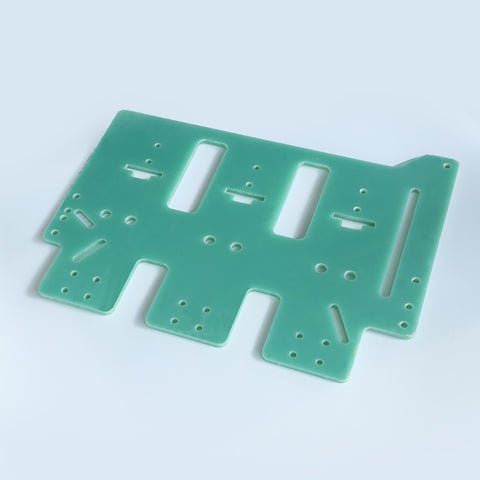
Mastering ABS Sheet Cutting: Essential Tips for Industrial Machine Builders

ABS glue bonding

In the blog post “Mastering ABS Sheet Cutting: Essential Tips for Industrial Machine Builders,” I delve into the critical aspects of working with ABS plastic sheets, a staple material in the industrial sector. This comprehensive guide is tailored for professionals who are involved in building, modifying, or enhancing machines and equipment.

🎉🎉🎉Limited Time Offer Use code: QR4GNY08SHVR at checkout and enjoy a special discount on your entire order! 👉 FR4 fiberglass plastic
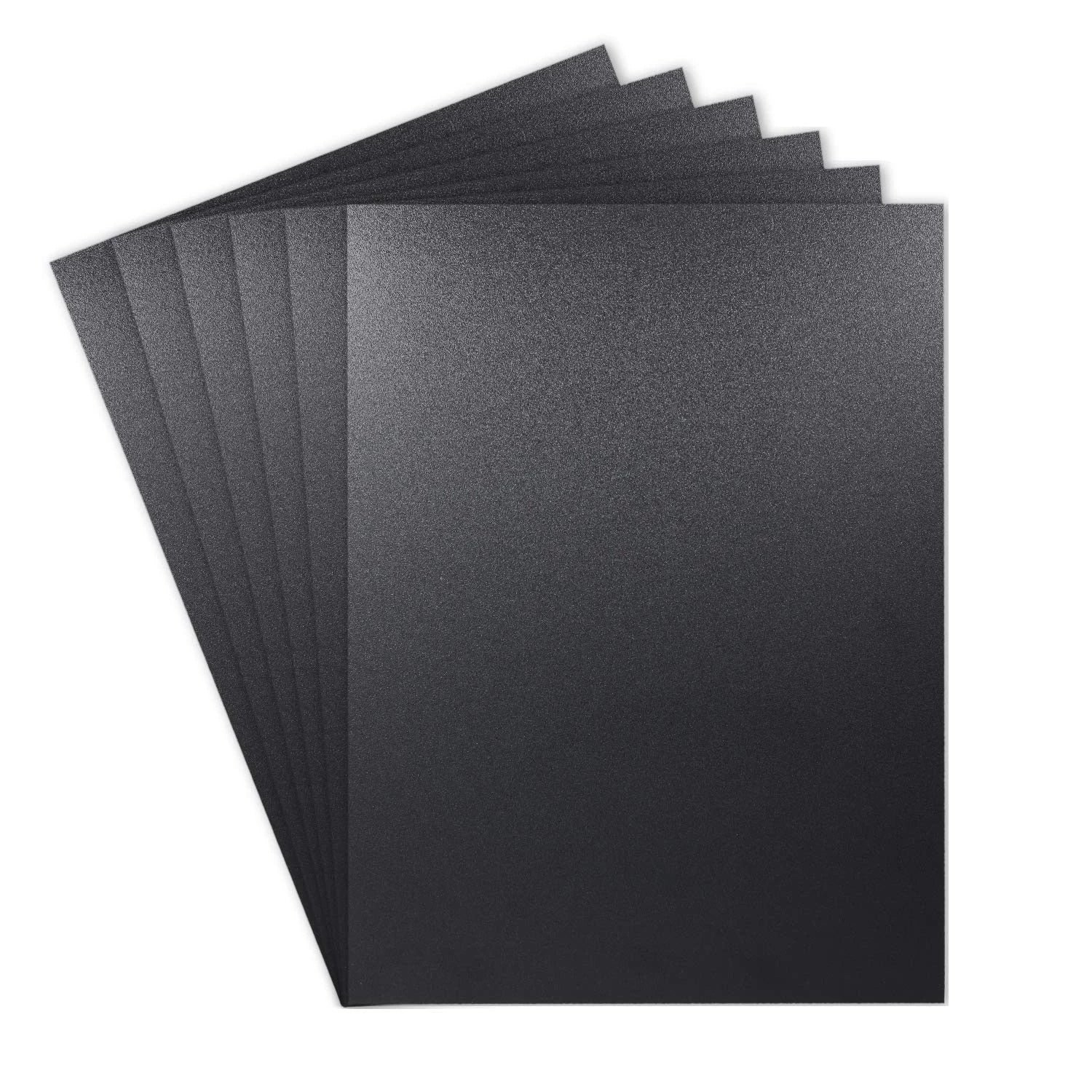
ABS Plastic

Firstly, I explore “Choosing the Right Tools for Cutting ABS Plastic,” where I discuss the effectiveness of various tools like Dremel, jigsaw, and hot knives. This section is crucial for understanding which tools best suit your specific industrial applications.

Moving on, the post covers “Laser Cutting ABS Sheets: Precision and Efficiency.” Here, I highlight the cutting-edge technology of laser cutting, emphasizing its unparalleled precision and efficiency, which are vital for intricate industrial designs.

In “Step-by-Step Guide to Cutting ABS Sheets with a Jigsaw,” I provide a practical, detailed tutorial. This part is especially helpful for those seeking hands-on advice on using a jigsaw for precise cuts in ABS plastic, ensuring accuracy in every industrial project.

The section on “Custom Cut ABS Sheet Solutions for Industrial Needs” discusses the importance of custom dimensions in ABS sheets. Tailoring these sheets to specific needs can significantly optimize the performance of machines and equipment in various industrial settings.

Another critical aspect covered is “Innovative Techniques for Bending and Shaping ABS Sheets.” After cutting, shaping ABS sheets is essential for creating specific parts or components. This section offers valuable insights into bending and shaping techniques, enhancing the versatility of ABS sheets in machine building.

Lastly, the post emphasizes “Safety and Best Practices in Cutting ABS Plastic Sheets.” This part is dedicated to ensuring a safe working environment, providing best practices and safety tips for industrial professionals handling ABS sheets.

This blog post is a must-read for anyone in the industrial sector looking to enhance their skills in cutting ABS sheets, offering a blend of technical advice, practical tips, and safety guidelines. Whether you’re a seasoned professional or new to the field, these insights will undoubtedly elevate your machine-building projects.

ABS sheet

Choosing the Right Tools for Cutting ABS Plastic

When it comes to working with ABS plastic sheets, selecting the appropriate tools is crucial for achieving precision and efficiency in industrial applications. This section explores various tools such as Dremel, jigsaw, and hot knives, focusing on their suitability for different industrial scenarios.

Dremel: Precision and Versatility

Dremel tools are renowned for their precision and versatility, making them ideal for detailed and intricate cuts in ABS plastic. These rotary tools come with a variety of attachments and can be used for fine, complex shapes, which are often required in custom machine parts and small-scale industrial applications. The high-speed rotation of a Dremel allows for clean cuts with minimal burring, which is essential for maintaining the quality of the ABS sheet.
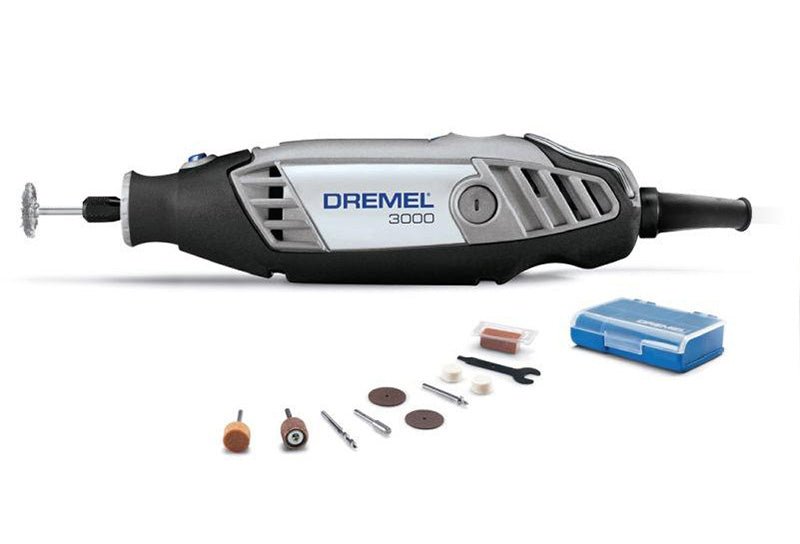
Ideal Applications for Dremel Tools

  • Small-scale industrial projects: Perfect for detailed work where precision is paramount.
  • Custom component fabrication: When creating intricate parts or prototypes.
  • Finishing touches: Ideal for smoothing edges or making minor adjustments to ABS parts.

Jigsaw: Power and Efficiency for Larger Cuts

Moving to larger applications, the jigsaw stands out as a powerful tool for cutting ABS sheets. With the right blade, a jigsaw can effortlessly cut through thicker ABS sheets, making it suitable for larger industrial components. The key to effective cutting with a jigsaw is selecting the appropriate blade and maintaining a steady hand to ensure straight, clean cuts.

When to Use a Jigsaw

  • Large-scale industrial components: Ideal for cutting bigger and thicker ABS sheets.
  • Straight and curved cuts: Versatile in creating both straight lines and curves.
  • Rapid prototyping: Efficient for quickly shaping larger parts.

Hot Knives: Precision Melting for Complex Shapes

Hot knives offer a unique approach to cutting ABS plastic by melting through the material. This method is particularly useful for intricate shapes or when a smooth edge is required. Hot knives are perfect for applications where minimal physical pressure is desired, reducing the risk of cracking or stressing the ABS sheet.

Applications Suited for Hot Knives

  • Complex shapes and contours: Excellent for designs that require a high level of detail.
  • Stress-sensitive applications: Ideal where applying physical cutting pressure might damage the material.
  • Seamless edges: Produces smooth, finished edges, reducing post-cut processing.

Choosing the right tool for cutting ABS plastic depends largely on the specific requirements of your industrial project. Whether it’s the precision of a Dremel, the power of a jigsaw, or the unique capabilities of a hot knife, understanding the strengths of each tool will ensure optimal results in your ABS sheet applications. Remember, the key to successful cutting lies in matching the tool to the task at hand, ensuring efficiency, precision, and safety in all your industrial endeavors.

Laser Cutting ABS Sheets: Precision and Efficiency

In the realm of industrial fabrication, laser cutting stands out as a highly efficient and precise method, especially when working with ABS plastic sheets. This section delves into the numerous advantages of using laser cutting technology, highlighting its precision and how it can significantly benefit the process of industrial machine building.

The Precision of Laser Cutting

Laser cutting utilizes a focused beam of light to melt, burn, or vaporize the material, offering an unparalleled level of precision. This technology is particularly effective for ABS sheets, as it allows for intricate cuts and complex designs that are often required in industrial applications.

Key Advantages of Laser Cutting Precision

  • Complex Geometries: Capable of executing intricate designs that are impossible to achieve with traditional cutting tools.
  • High-Quality Edges: Produces clean, smooth edges, reducing the need for additional finishing processes.
  • Consistency: Ensures uniformity in repetitive cuts, crucial for large-scale production runs.

Efficiency in Industrial Applications

The efficiency of laser cutting is another significant factor that makes it an ideal choice for industrial machine building. Its ability to swiftly cut through ABS sheets without the need for tool changes or manual intervention streamlines the production process.

Enhancing Industrial Efficiency with Laser Cutting

  • Speed: Laser cutting is much faster than traditional mechanical cutting methods, especially for complex patterns.
  • Reduced Material Waste: Its precision results in minimal material wastage, an important consideration in industrial manufacturing.
  • Versatility: Easily adjusts to different thicknesses and sizes of ABS sheets, accommodating a wide range of industrial needs.
ABS plastic laser cutting

Laser Cutting in Machine Building

In the context of industrial machine building, laser cutting opens up new possibilities for innovation and design. The ability to create precise components quickly and efficiently is invaluable in this field.

Applications in Machine Building

  • Custom Parts Fabrication: Ideal for producing bespoke components that fit specific machine designs.
  • Rapid Prototyping: Enables quick turnaround from design to prototype, accelerating the development process.
  • Enhanced Aesthetics: Offers the ability to create detailed and visually appealing parts, adding value to the final product.

The use of laser cutting for ABS sheets in industrial machine building is a game-changer. Its unmatched precision and efficiency not only streamline the manufacturing process but also open up new avenues for creative and complex designs. Embracing this technology can lead to significant advancements in the quality, speed, and innovation of industrial machine construction, making it a key tool in the arsenal of modern industrial manufacturers.

Step-by-Step Guide to Cutting ABS Sheets with a Jigsaw

Cutting ABS plastic sheets with a jigsaw is a common practice in industrial settings, where precision and versatility are key. This guide provides a detailed walkthrough on how to effectively use a jigsaw for cutting ABS sheets, tailored to meet the specific needs of industrial customers.

Preparing for the Cut

Before diving into the cutting process, preparation is crucial to ensure safety and accuracy.

Materials and Safety Gear

  • ABS Sheet: Choose the appropriate thickness for your industrial application.
  • Jigsaw: Ensure it has a fine-toothed blade suitable for plastic.
  • Safety Equipment: Safety glasses and gloves are a must.

Setting Up Your Workspace

  • Secure Work Surface: Make sure the ABS sheet is firmly clamped to a stable surface.
  • Marking the Sheet: Clearly mark the cutting line using a non-permanent marker. Precision in this step is vital for the accuracy of your cut.

Cutting Process

The actual cutting process requires careful attention to detail and steady handling of the jigsaw.

Step 1: Blade Selection

  • Choose a blade with fine teeth to reduce the risk of chipping the ABS plastic.
  • A blade designed for cutting plastic or metal typically works best.

Step 2: Starting the Cut

  • Begin at a slow speed to establish the cut.
  • Gradually increase the speed as the blade enters the material.

Step 3: Guiding the Jigsaw

  • Keep the jigsaw steady and follow the marked line closely.
  • Apply gentle pressure; let the blade do the work without forcing it.

Step 4: Managing Curves and Corners

  • For curves, move slowly and steadily, allowing the jigsaw to cut without binding.
  • For sharp corners, consider drilling a hole to facilitate a smoother turn.

Post-Cutting Finishing

After the cutting is complete, some finishing touches may be necessary.

Smoothing the Edges

  • Use fine-grit sandpaper to smooth any rough edges.
  • Be gentle to avoid removing too much material or altering the shape.

Cleaning Up

  • Remove any markings from the cutting process.
  • Inspect the cut for any irregularities or areas that might need additional work.

Using a jigsaw to cut ABS sheets is an effective method for industrial applications, offering flexibility and precision. By following these steps, you can achieve clean, accurate cuts suitable for a variety of industrial purposes. Remember, the key to successful cutting lies in preparation, careful execution, and finishing, ensuring a high-quality result for your industrial projects.

ABS cutting

Custom Cut ABS Sheet Solutions for Industrial Needs

In the industrial sector, the demand for precision and customization is paramount. Custom cut ABS sheets play a crucial role in meeting these demands, offering tailored solutions that significantly enhance machine and equipment performance. This section highlights the importance of custom-cut ABS sheets in industrial settings and how they contribute to optimized functionality.

The Role of Customization in Industrial Applications

Customization is key in industrial manufacturing, where each component must meet specific requirements for size, shape, and functionality.

Tailoring to Specific Requirements

  • Precision Fit: Custom-cut ABS sheets ensure components fit perfectly within machinery, reducing the risk of malfunctions or inefficiencies.
  • Design Flexibility: Tailored dimensions allow for more creative and effective design solutions, accommodating unique industrial needs.
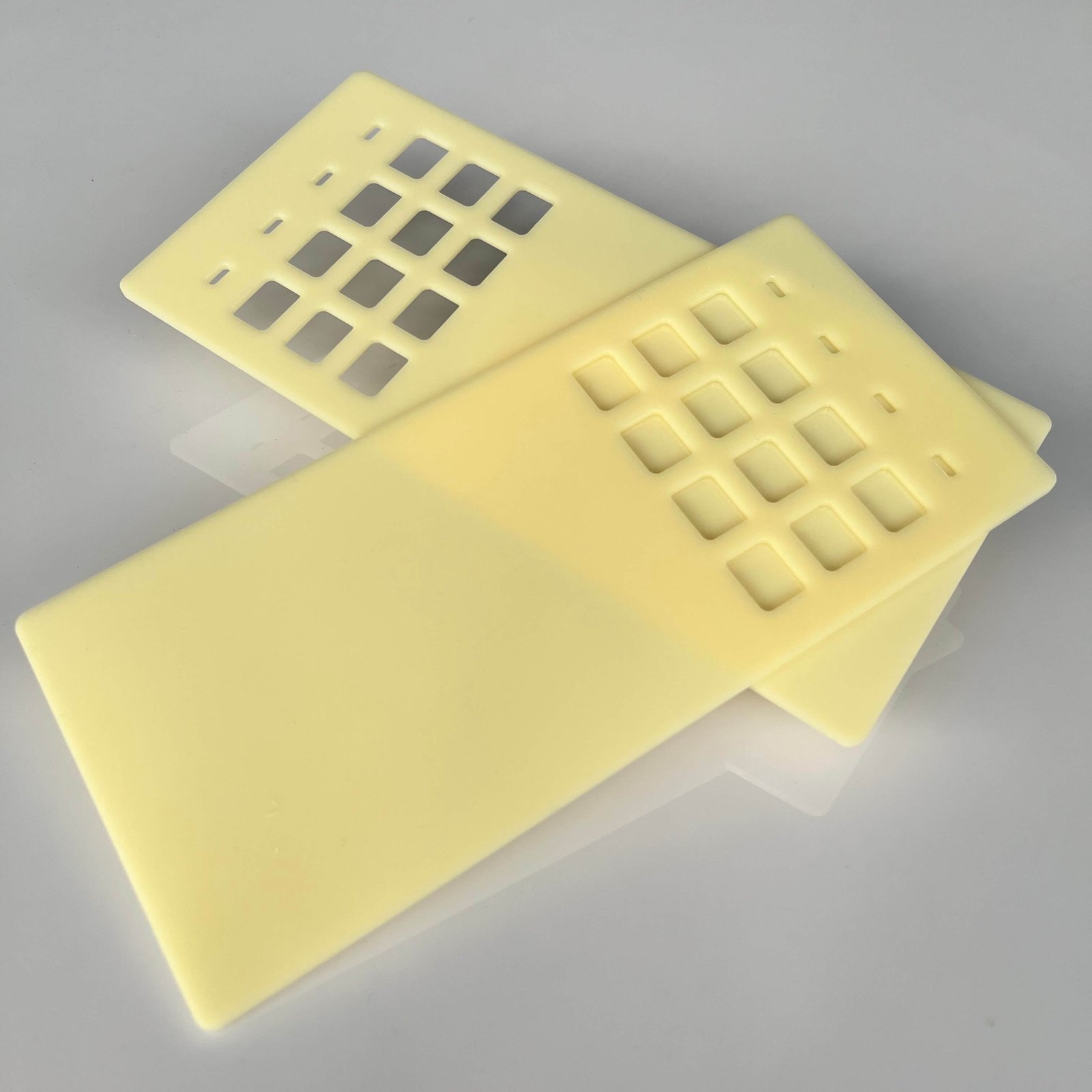
ABS material processing

Advantages of Custom Cut ABS Sheets

Using custom-cut ABS sheets offers several advantages that standard sizes cannot match.

Enhanced Machine Performance

  • Reduced Waste: Precise dimensions mean less material waste during the manufacturing process.
  • Improved Efficiency: Components that fit perfectly contribute to the overall efficiency of the machine, leading to better performance.

Cost-Effectiveness

  • Material Optimization: Custom cutting reduces the need for additional processing, saving time and resources.
  • Long-Term Savings: Better fitting parts lead to less wear and tear, extending the lifespan of the machinery.

Implementing Custom Cut Solutions

Adopting custom-cut ABS solutions requires a strategic approach to ensure maximum benefit.

Collaboration with Suppliers

  • Work closely with suppliers who can provide precise cutting services and understand the specific needs of your industrial applications.

Integrating into Design and Production

  • Incorporate custom dimensions in the design phase for seamless integration into the production process.
  • Utilize advanced cutting technologies like laser cutting or CNC machining for high precision.

Custom cut ABS sheets are a vital component in the world of industrial manufacturing, offering tailored solutions that enhance machine and equipment performance. By focusing on precision, design flexibility, and cost-effectiveness, custom-cut ABS solutions provide a significant advantage in optimizing industrial operations. Embracing this approach not only streamlines the manufacturing process but also contributes to the creation of more efficient, reliable, and high-quality machinery.

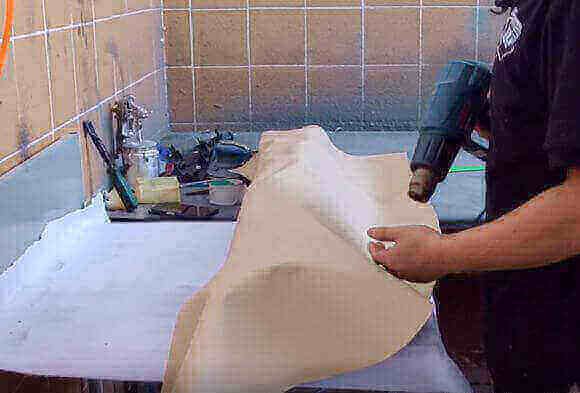
ABS material bending

Innovative Techniques for Bending and Shaping ABS Sheets

Bending and shaping ABS plastic sheets post-cutting are essential techniques in the industrial manufacturing process, especially when creating specific parts or components for machinery. This section offers insights into various innovative methods used to manipulate ABS sheets, ensuring they meet the exact requirements of industrial applications.

Understanding the Flexibility of ABS Plastic

ABS plastic is known for its strength and flexibility, making it an ideal material for various industrial applications.

Characteristics of ABS Plastic

  • Durability: ABS sheets are robust and can withstand significant stress, making them suitable for heavy-duty applications.
  • Flexibility: Despite their strength, ABS sheets can be bent and shaped with the right techniques, allowing for versatile use in machinery design.

Techniques for Bending ABS Sheets

Bending ABS sheets requires precision and an understanding of the material’s properties.

Using Heat to Bend ABS

  • Heat Guns and Ovens: Applying heat evenly across the area to be bent allows the ABS to become pliable. Tools like heat guns or industrial ovens can be used for this purpose.
  • Temperature Control: It’s crucial to maintain the right temperature. Too much heat can warp or damage the ABS, while insufficient heat won’t allow for effective bending.

Creating Precise Angles

  • Forming Jigs: Using jigs to hold the ABS sheet in place while it cools down ensures that the bend maintains its shape and angle accurately.

ABS hot air gun blow molding

Shaping ABS Sheets for Complex Designs

Shaping ABS sheets into complex designs requires both creativity and technical skill.

Cutting Techniques for Shaping

  • Routing and Milling: These methods are effective for creating intricate designs or patterns in ABS sheets.
  • Laser Cutting: For extremely precise and detailed shapes, laser cutting is an ideal method.

Finishing Techniques

  • Sanding and Polishing: After bending and shaping, these processes are important for achieving a smooth, professional finish on the ABS sheets.

Implementing Bending and Shaping in Industrial Machinery

Incorporating bent and shaped ABS sheets into industrial machinery can lead to innovative designs and improved functionality.

Custom Components

  • Tailored Parts: Bending and shaping allow for the creation of custom parts that fit perfectly within specific machinery, enhancing overall performance.

Aesthetic Appeal

  • Visual Design: These techniques also contribute to the aesthetic appeal of the machinery, which can be important in consumer-facing industries.

The ability to bend and shape ABS sheets is a valuable asset in industrial manufacturing. By employing innovative techniques and understanding the material’s properties, manufacturers can create custom, high-quality components that meet specific needs. Whether it’s through precise heat application or advanced cutting methods, the versatility of ABS plastic opens up a world of possibilities in machinery design and functionality.

ABS glue bonding

Safety and Best Practices in Cutting ABS Plastic Sheets

When working with ABS plastic sheets, safety is paramount. Cutting these materials requires adherence to best practices to ensure a safe working environment for industrial professionals. This section focuses on the key safety measures and best practices to be followed while cutting ABS plastic.

Understanding the Risks

Before beginning any cutting process, it’s crucial to understand the potential risks involved with handling and cutting ABS plastic.

Potential Hazards

  • Physical Injury: Improper handling of cutting tools can lead to cuts or other injuries.
  • Toxic Fumes: When heated or burned, ABS plastic can release harmful fumes.

Personal Protective Equipment (PPE)

The first line of defense in ensuring safety is the use of appropriate personal protective equipment.

Essential PPE for Cutting ABS

  • Safety Glasses: To protect eyes from plastic shards or dust.
  • Gloves: To safeguard hands from sharp edges and cutting tools.
  • Respiratory Protection: Especially important if the cutting process involves heating the ABS, which can release fumes.

Safe Handling of Tools

Proper handling and use of tools are critical to prevent accidents and injuries.

Best Practices for Tool Use

  • Tool Maintenance: Regularly check and maintain tools to ensure they are in good working condition.
  • Proper Technique: Use tools according to their instructions, and avoid overexerting force which can lead to slips or breaks.

Ventilation and Fume Management

When cutting ABS plastic, especially when using heat, managing fumes is a significant concern.

Ensuring Adequate Ventilation

  • Work in Well-Ventilated Areas: To disperse any harmful fumes that may be emitted.
  • Use Fume Extraction Systems: If available, to actively remove fumes from the work area.

Emergency Procedures

Being prepared for emergencies is a crucial aspect of safety.

Steps to Take in Case of an Accident

  • First Aid Kit: Always have a first aid kit accessible in the work area.
  • Emergency Plan: Have a clear plan in place for handling injuries or exposure to toxic fumes.

Safety in cutting ABS plastic sheets is not just about following regulations; it’s about creating a culture of safety in the workplace. By understanding the risks, using the right protective gear, handling tools correctly, managing ventilation, and being prepared for emergencies, industrial professionals can ensure a safe and productive working environment. Remember, safety is a continuous process and should always be a top priority in any industrial setting.

In conclusion, mastering the art of cutting ABS plastic sheets is a vital skill in the realm of industrial manufacturing. From selecting the right tools like Dremel, jigsaw, or hot knives, to understanding the precision and efficiency of laser cutting, each aspect plays a crucial role in achieving optimal results. The ability to customize ABS sheets to specific industrial needs not only enhances machine performance but also drives innovation in design and functionality. Moreover, the techniques for bending and shaping ABS sheets open up a world of possibilities for creating intricate and tailored components. However, amidst these technical advancements, the importance of safety and best practices cannot be overstressed. It ensures not only the quality of the work but also the well-being of those who undertake these tasks. This comprehensive guide aims to equip industrial professionals with the knowledge and skills needed to efficiently and safely work with ABS plastic sheets, ultimately contributing to the creation of superior, reliable, and innovative industrial products.

ABS mold molding

Take Action Now, Start Your Journey

🎉🎉🎉Limited Time Offer Use code: QR4GNY08SHVR at checkout and enjoy a special discount on your entire order! 👉 FR4 fiberglass plastic

Ready to elevate your industrial projects? Fill out the contact form below to join our advanced tools and services. Let’s work together to bring precision and efficiency to your industrial endeavors! 

Leave a comment


Please note, comments must be approved before they are published


Custom Plastic Fabrication

Send your drawing, material and quantity for review

🔧
Precision Machining
CNC milling & turning
✂️
Cutting & Engraving
Laser & waterjet cutting
🏭
Forming & Molding
Thermoforming & injection
🔗
Joining & Assembly
Welding & bonding
📐
Design & Prototyping
CAD design & samples

General

HDPE

PP

PVC

ABS

Engineering

POM

Nylon

PC

PMMA

High-Performance

PEEK

PEI

PTFE

Composites

FR-4

G10

Flexible

TPU

Silicone

Why Choose BeePlastic?

🎯
Perfect Fit
Custom specs eliminate adaptation needs
⚡
Clear Lead Times
Lead time confirmed with every quote
💰
Volume Pricing
Volume pricing available on bulk orders
🤝
Expert Support
Free engineering consultation included
📋
Submit
→
🔍
Review
→
💵
Quote
→
✅
Production
→
📦
Deliver

Request a Quote

Share your project details, selected material and quantity on our quote page. You can add a file link or use the email drawing route shown there.


Request Quote

Industries: Automotive • Medical • Food • Lab • Semiconductor

beeplastic@beeplastic.com


Mastering Machine Building: The Role of PPS CNC Machining in Modern Industry

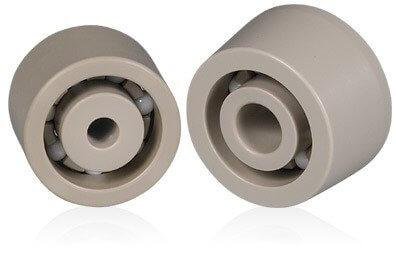
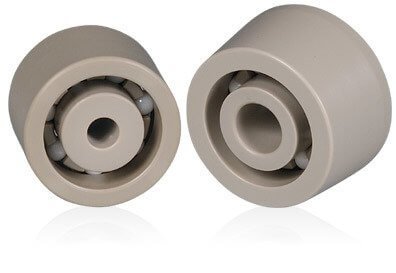
PPS Bearings

In the insightful blog post “Mastering Machine Building: The Role of PPS CNC Machining in Modern Industry,” we delve into the transformative world of PPS (Polyphenylene Sulfide) CNC Machining, a cornerstone in contemporary industrial manufacturing. The post kicks off with an introduction to PPS CNC Machining, unraveling its unique properties and significance in machine building.

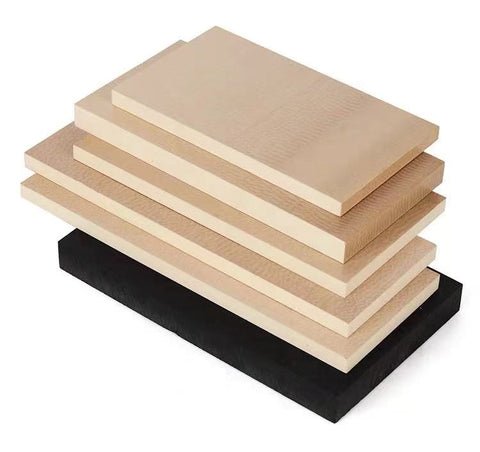
🎉🎉🎉Limited Time Offer Use code: QR4GNY08SHVR at checkout and enjoy a special discount on your entire order! 👉PPS board

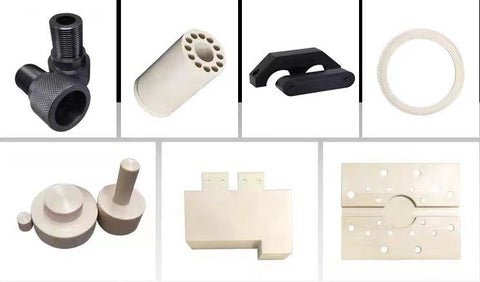
custom PPS plastic

We then explore the advantages of PPS in industrial applications, highlighting its exceptional temperature resistance, chemical stability, and dimensional accuracy. These features not only make PPS an ideal material for harsh industrial environments but also a game-changer in producing high-quality, durable machinery.

The journey continues with compelling case studies that showcase real-world successes. These stories bring to life the practical applications and efficiencies gained from PPS CNC Machining in various industries, offering readers tangible examples of its impact.

A comparative analysis titled PPS CNC Machining vs. Traditional Materials provides an in-depth look at how PPS stands out against conventional materials used in machine construction. This section emphasizes the material’s superiority in specific industrial scenarios.

Keeping pace with innovation, the post delves into the latest advancements in PPS CNC Machining techniques. This segment sheds light on cutting-edge technologies and methods that are pushing the boundaries of what’s possible in industrial machine building.

Lastly, we gaze into the future with “Future Trends and Potential of PPS in Industry.” This forward-looking perspective discusses emerging trends, the growing role of PPS in sustainable manufacturing processes, and its potential to revolutionize various industrial applications.

This blog post is a must-read for professionals and enthusiasts in the field of industrial manufacturing, offering a comprehensive understanding of how PPS CNC Machining is shaping the future of machine building.

PPS CNC Machining for Machine Building

Introduction to PPS CNC Machining

In the realm of modern industrial machine building, a significant revolution has been brought about by the advent of PPS (Polyphenylene Sulfide) CNC Machining. This technology has emerged as a cornerstone in the manufacturing sector, offering unparalleled benefits and efficiencies.

What is PPS CNC Machining?

PPS CNC Machining refers to the process of using computer numerical control (CNC) technology to shape and mold Polyphenylene Sulfide, a high-performance thermoplastic polymer. This advanced manufacturing technique allows for precise and efficient shaping of PPS into various components used in industrial machinery. The integration of CNC technology with PPS material has opened new horizons in the field of machine construction and design.

Unique Properties of PPS

One of the most compelling aspects of PPS is its set of unique properties, making it highly sought after in industrial applications. PPS is renowned for its high temperature resistance, maintaining stability and performance in environments where other materials would degrade. Additionally, its excellent chemical resistance makes it suitable for use in corrosive environments, a common challenge in industrial settings.

PPS also boasts superior dimensional stability. This means that components made from PPS are less likely to warp or deform under stress, ensuring consistent performance and longevity of the machinery they are part of. Furthermore, PPS’s inherent flame retardancy and electrical insulation properties add to its appeal in various industrial applications.

Relevance in Modern Industrial Machine Building

The relevance of PPS CNC Machining in modern industry cannot be overstated. Its ability to produce parts that can withstand harsh conditions and maintain integrity under high stress is crucial for industries that demand reliability and precision. Industries such as aerospace, automotive, and electronics heavily rely on PPS CNC Machined parts for their critical applications.

Moreover, the versatility of PPS, combined with the precision of CNC machining, allows for the creation of complex and intricate parts that were previously challenging or impossible to manufacture. This has led to innovations in machine design and functionality, pushing the boundaries of what’s possible in industrial machinery.

In conclusion, PPS CNC Machining stands as a pivotal technology in the landscape of industrial manufacturing. Its unique properties and suitability for challenging environments make it an ideal choice for machine builders looking to innovate and improve the efficiency and reliability of their products. As industries continue to evolve, the role of PPS CNC Machining is set to become even more integral in shaping the future of machine building.

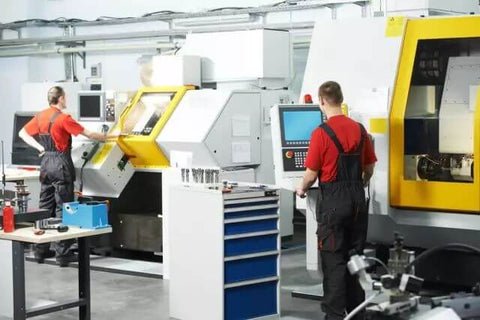
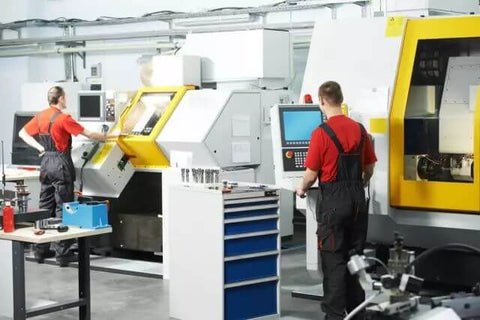
CNC machining workshop

Advantages of PPS in Industrial Applications

The use of PPS (Polyphenylene Sulfide) in CNC machining has brought a paradigm shift in industrial manufacturing. This section delves into the myriad benefits of PPS, particularly focusing on its high temperature resistance, chemical resistance, and dimensional stability, which collectively make it an exemplary material for industrial environments.

High Temperature Resistance of PPS

One of the standout features of PPS is its exceptional high temperature resistance. PPS can withstand prolonged exposure to high temperatures without losing its mechanical properties or structural integrity. This characteristic is particularly beneficial in industries like aerospace and automotive manufacturing, where components are regularly exposed to extreme heat. The ability of PPS to maintain its form and function in such conditions reduces the risk of part failure, thereby enhancing the safety and reliability of industrial machinery.

Chemical Resistance of PPS

Another significant advantage of PPS in industrial applications is its remarkable chemical resistance. PPS is resistant to a wide range of chemicals, including acids, alkalis, and organic solvents. This resistance is crucial in industries such as chemical processing, where materials are frequently exposed to corrosive substances. The use of PPS in these environments means that components are less likely to degrade or corrode over time, ensuring longer service life and reducing maintenance costs.

Dimensional Stability of PPS

Dimensional stability is a critical factor in the manufacturing of precision parts, and PPS excels in this regard. Even under mechanical stress or in fluctuating thermal conditions, PPS maintains its shape and size. This property is invaluable in the production of intricate components where precise tolerances are essential. The consistent performance of PPS-made parts ensures that machinery operates smoothly and efficiently, minimizing downtime due to part malfunctions or replacements.

Ideal for Industrial Environments

The combination of high temperature resistance, chemical resistance, and dimensional stability makes PPS an ideal material for use in various industrial environments. From high-stress applications in automotive engineering to precision components in electronic devices, PPS’s properties ensure that it can meet a wide range of industrial demands. Its versatility and durability not only improve the performance of machinery but also contribute to cost-effectiveness by reducing the need for frequent replacements and maintenance.

In summary, the integration of PPS in CNC machining offers a multitude of benefits for industrial applications. Its ability to withstand harsh conditions while maintaining precision and integrity makes it a preferred choice for manufacturers aiming to enhance the quality, reliability, and efficiency of their products. As industries continue to advance and face new challenges, the role of PPS in meeting these demands is undoubtedly significant.

PPS material applications

Case Studies: Success Stories in Machine Building with PPS CNC Machining

The practical application of PPS CNC Machining in various industries has led to numerous success stories. These case studies not only demonstrate the effectiveness of PPS in real-world scenarios but also highlight the significant improvements and efficiencies gained. Let’s explore some of these instances to understand the impact of PPS CNC Machining in industrial machine building.

Aerospace Industry: High-Performance Components

Case Study: Advanced Jet Engine Parts

In the aerospace industry, a leading manufacturer utilized PPS CNC Machining to produce critical components for jet engines. These parts were subjected to extreme temperatures and harsh chemical environments. The use of PPS, known for its high temperature and chemical resistance, resulted in components that exhibited enhanced durability and reliability. This led to a notable increase in engine performance and a reduction in maintenance frequency, significantly boosting the operational efficiency of the aircraft.

Automotive Industry: Durable and Reliable Parts

Case Study: Automotive Sensor Housings

In the automotive sector, a company specializing in car manufacturing implemented PPS CNC Machining for creating sensor housings. These housings were exposed to both high temperatures and corrosive substances. The adoption of PPS, with its robust chemical resistance and thermal stability, ensured that the sensor housings remained intact and functional over extended periods, contributing to the overall safety and longevity of the vehicles.

Electronics Industry: Precision and Stability

Case Study: High-Precision Electronic Connectors

A notable example in the electronics industry involved the use of PPS CNC Machining for producing electronic connectors. These connectors required precise dimensions and stability to function effectively in electronic devices. The dimensional stability of PPS allowed for the production of connectors with exact tolerances, leading to improved electrical performance and reduced risk of connectivity issues.

Chemical Processing Industry: Enhanced Safety and Efficiency

Case Study: Corrosion-Resistant Piping Components

In the chemical processing industry, a company faced challenges with piping components corroding due to exposure to aggressive chemicals. By switching to PPS CNC Machined parts, they achieved a significant improvement in the lifespan of these components. The chemical resistance of PPS ensured that the parts did not degrade, enhancing the safety and efficiency of the chemical processing operations.

These case studies across various industries underscore the versatility and effectiveness of PPS CNC Machining. By providing solutions that are durable, reliable, and precise, PPS CNC Machining has proven to be a game-changer in the world of industrial machine building. The success stories highlighted here are just a few examples of how this technology is being leveraged to overcome challenges and drive innovation in different sectors.

High temperature resistant PPS screws

PPS CNC Machining vs. Traditional Materials

In the evolving landscape of industrial machine building, the comparison between PPS CNC Machining and traditional materials is crucial to understand the advancements in material science and manufacturing techniques. This section explores how PPS stands out against conventional materials, particularly in applications where its unique properties offer superior performance.

Superior Heat Resistance of PPS

Comparing PPS with Metals and Plastics

One of the most significant advantages of PPS over traditional materials like metals (e.g., steel, aluminum) and standard plastics is its exceptional heat resistance. While metals can withstand high temperatures, they often require complex cooling systems to maintain their integrity. Standard plastics, on the other hand, tend to deform or melt under extreme heat. PPS, with its ability to withstand temperatures exceeding 200°C without degradation, offers a unique advantage in high-heat applications, such as in automotive engine parts or aerospace components.

Chemical Resistance and Durability

PPS vs. Metals and Other Polymers

Another area where PPS excels is in its chemical resistance. Metals, although durable, can corrode when exposed to certain chemicals. Traditional polymers might offer some resistance but often fall short in harsh chemical environments. PPS, however, maintains its structural integrity even when exposed to a wide range of aggressive chemicals, making it an ideal choice for chemical processing equipment and components in corrosive environments.

Dimensional Stability and Precision

The Edge of PPS Over Traditional Materials

In terms of dimensional stability, PPS outperforms many traditional materials. Metals, while strong, can expand or contract significantly with temperature changes, affecting precision. Standard plastics may warp or creep under load or over time. PPS, however, remains dimensionally stable even under stress or fluctuating temperatures, ensuring consistent precision in applications like electronic connectors and precision gears.

Weight and Cost Considerations

Balancing Performance with Efficiency

While metals are often favored for their strength, they are also heavier, which can be a drawback in industries like aerospace and automotive where weight reduction is crucial. PPS offers a lighter alternative without compromising on strength or durability. Additionally, while the initial cost of PPS might be higher than some traditional materials, its durability and lower maintenance requirements can lead to cost savings over time.

Environmental Impact and Sustainability

PPS as a Greener Alternative

From an environmental perspective, PPS is often seen as a more sustainable option compared to some metals and plastics. Its longer lifespan and ability to be recycled reduce the environmental footprint, making it a more eco-friendly choice in the long run.

In conclusion, PPS CNC Machining presents a compelling alternative to traditional materials in industrial machine building. Its superior heat resistance, chemical durability, dimensional stability, and potential for cost and environmental efficiency make it a standout choice for a variety of applications where traditional materials may fall short. As industries continue to seek advanced materials that combine performance with sustainability, PPS is poised to play an increasingly significant role.

PPS plastic

Innovations in PPS CNC Machining Techniques

The field of PPS CNC Machining is continually evolving, with new advancements and techniques emerging that significantly enhance the capabilities of industrial machine building. This section explores the latest innovations in CNC machining with PPS and how these developments are pushing the boundaries of what’s possible in industrial manufacturing.

Advanced CNC Machining Technologies for PPS

Precision and Efficiency at the Forefront

One of the key advancements in PPS CNC Machining is the integration of more sophisticated CNC technologies. These include high-precision milling and turning machines equipped with advanced software that can handle complex geometries and intricate designs. This precision allows for the creation of PPS components with tighter tolerances and finer details, essential in industries like aerospace and medical devices where accuracy is paramount.

Enhanced Material Handling and Tooling

Optimizing PPS Machining Processes

Another significant innovation is the development of specialized tooling and material handling techniques for PPS. Given its unique properties, PPS requires specific cutting tools and machining parameters to optimize the machining process. The use of diamond-coated tools, for instance, has been a game-changer, reducing wear and improving the finish quality of PPS parts. Additionally, advancements in cooling and chip removal techniques have further enhanced the efficiency and quality of PPS machining.

Integration of Automation and AI

The Future of PPS Machining

The integration of automation and artificial intelligence (AI) in PPS CNC Machining is a groundbreaking development. Automated systems equipped with AI algorithms can optimize machining parameters in real-time, adapting to the specific characteristics of PPS. This not only increases productivity but also ensures consistent quality across batches. Moreover, AI-driven predictive maintenance can foresee potential machine failures, reducing downtime and prolonging the life of the machinery.

Sustainable Machining Practices

Eco-Friendly Approaches in PPS Machining

Sustainability is becoming increasingly important in manufacturing, and PPS CNC Machining is no exception. Innovations in this area include the development of more energy-efficient CNC machines and the recycling of PPS chips and offcuts. These sustainable practices not only reduce the environmental impact but also contribute to cost savings, making PPS machining more eco-friendly and economically viable.

Collaborative Robotics in PPS Machining

Enhancing Safety and Productivity

The use of collaborative robots (cobots) in PPS machining setups is another exciting development. These cobots work alongside human operators, handling repetitive or hazardous tasks, thus enhancing safety and efficiency. Their flexibility and ease of programming make them ideal for small-batch production and custom PPS parts.

In conclusion, the innovations in PPS CNC Machining Techniques are transforming the landscape of industrial machine building. These advancements, from precision technologies to sustainable practices, are not only enhancing the capabilities of PPS machining but are also setting new standards in manufacturing efficiency, quality, and environmental responsibility. As these technologies continue to evolve, they will undoubtedly unlock new possibilities in industrial manufacturing.

PPS CNC Processing

Future Trends and Potential of PPS in Industry

As we look towards the future, the potential of PPS CNC Machining in evolving industrial applications is immense. This section explores the emerging trends and the expanding role of PPS in the realms of sustainability and advanced manufacturing processes.

PPS in Advanced Manufacturing

The Growing Role of High-Performance Polymers

In the world of advanced manufacturing, materials like PPS are becoming increasingly important. With industries pushing the limits of what’s possible, the demand for materials that can withstand extreme conditions while offering precision and durability is on the rise. PPS, with its unique set of properties, is well-positioned to meet these demands. Its role in sectors such as aerospace, automotive, and electronics is expected to grow, particularly as these industries adopt more sophisticated manufacturing techniques.

Sustainability and Eco-Friendly Manufacturing

PPS at the Forefront of Green Initiatives

Sustainability is a key trend shaping the future of industrial manufacturing, and PPS plays a significant role in this shift. The durability and recyclability of PPS make it an environmentally friendly option compared to some traditional materials. As industries increasingly prioritize reducing their environmental footprint, the use of PPS is likely to expand, especially in applications where reducing waste and enhancing the lifecycle of products are critical.

Integration with Emerging Technologies

PPS and the Digital Manufacturing Revolution

The integration of PPS with emerging technologies such as 3D printing, AI-driven CNC machining, and the Internet of Things (IoT) is a trend to watch. These technologies can unlock new possibilities for PPS in terms of design complexity, customization, and efficiency. For instance, 3D printing with PPS could lead to the production of more complex and lightweight parts, while AI and IoT integration in CNC machining can optimize the manufacturing process, ensuring higher precision and lower costs.

Collaborative and Adaptive Manufacturing

PPS in the Era of Smart Factories

The concept of smart factories, where everything is connected, automated, and adaptable, is becoming a reality. In these environments, materials like PPS that can be precisely machined to meet specific requirements are invaluable. The ability of PPS to be used in a variety of applications, from high-stress mechanical parts to high-precision electronic components, makes it a versatile player in the future of collaborative and adaptive manufacturing.

The Role of PPS in Customization and Small-Batch Production

Meeting the Demand for Personalization

As consumer demand shifts towards more personalized products, the ability to produce small batches efficiently becomes crucial. PPS CNC Machining is well-suited for this trend, offering the

flexibility to produce customized parts without the need for extensive retooling. This adaptability makes PPS an ideal choice for industries looking to offer bespoke solutions or limited-run productions, where each piece needs to meet specific requirements while maintaining high quality and performance standards.

PPS in Emerging Markets and Applications

Expanding Beyond Traditional Boundaries

Looking further ahead, the potential of PPS CNC Machining extends into emerging markets and novel applications. As new technologies develop and industries evolve, PPS could find applications in areas like renewable energy, medical devices, and even space exploration. Its ability to perform under extreme conditions makes it a candidate for innovative uses, such as components in solar energy systems or parts for space vehicles.

Embracing a Circular Economy with PPS

PPS’s Role in Sustainable Industrial Practices

In the context of a circular economy, where the focus is on the longevity, recycling, and reusability of materials, PPS stands out. Its durability and recyclability align with the principles of reducing waste and maximizing resource efficiency. Industries are likely to lean more towards materials like PPS that support sustainable practices while maintaining high performance.

In conclusion, the future trends and potential of PPS in industry are vast and varied. From playing a key role in advanced manufacturing processes to driving sustainability initiatives, PPS is poised to be a pivotal material in the industrial landscape. As we embrace new technologies and move towards more eco-friendly manufacturing practices, the versatility and resilience of PPS will undoubtedly make it a material of choice for a wide range of applications.

PPS plastic pump

Embracing the Future with PPS CNC Machining

As we reach the end of our exploration into the dynamic world of PPS CNC Machining, it’s clear that this technology is not just a part of the present industrial landscape but a significant driver for the future. The unique properties of PPS, combined with the precision and versatility of CNC machining, have already made remarkable impacts across various sectors, from aerospace to automotive, electronics, and beyond.

Looking ahead, the potential of PPS in industry is boundless. As we step into an era of advanced manufacturing processes, sustainability, and digital transformation, PPS CNC Machining stands at the forefront, ready to meet the challenges and demands of these evolving landscapes. Its role in fostering innovation, enhancing efficiency, and promoting eco-friendly practices positions it as a key player in the journey towards a more sustainable and technologically advanced future.

In conclusion, whether it’s through pushing the boundaries of design, contributing to greener manufacturing practices, or adapting to the ever-changing demands of the market, PPS CNC Machining is more than just a manufacturing technique—it’s a pathway to a more innovative, efficient, and sustainable industrial world. As we continue to explore and harness the capabilities of PPS, one thing is certain: the future of industrial machine building is bright, and PPS CNC Machining is leading the way.

PPS Bearings

Explore the Possibilities

Ready to harness the power of PPS CNC Machining for your industrial projects? Click the button below to explore how this cutting-edge technology can transform your machine building endeavors.

🎉🎉🎉Limited Time Offer Use code: QR4GNY08SHVR at checkout and enjoy a special discount on your entire order! 👉PPS board

Leave a comment


Please note, comments must be approved before they are published


Custom Plastic Fabrication

Send your drawing, material and quantity for review

🔧
Precision Machining
CNC milling & turning
✂️
Cutting & Engraving
Laser & waterjet cutting
🏭
Forming & Molding
Thermoforming & injection
🔗
Joining & Assembly
Welding & bonding
📐
Design & Prototyping
CAD design & samples

General

HDPE

PP

PVC

ABS

Engineering

POM

Nylon

PC

PMMA

High-Performance

PEEK

PEI

PTFE

Composites

FR-4

G10

Flexible

TPU

Silicone

Why Choose BeePlastic?

🎯
Perfect Fit
Custom specs eliminate adaptation needs
⚡
Clear Lead Times
Lead time confirmed with every quote
💰
Volume Pricing
Volume pricing available on bulk orders
🤝
Expert Support
Free engineering consultation included
📋
Submit
→
🔍
Review
→
💵
Quote
→
✅
Production
→
📦
Deliver

Request a Quote

Share your project details, selected material and quantity on our quote page. You can add a file link or use the email drawing route shown there.


Request Quote

Industries: Automotive • Medical • Food • Lab • Semiconductor

beeplastic@beeplastic.com


Innovative Solutions in PPS CNC Machining for Advanced Industrial Applications

PPS material

Dive into the world of PPS CNC Machining with our latest blog post, “[Innovative Solutions in PPS CNC Machining for Advanced Industrial Applications].” This comprehensive guide begins by Understanding PPS Material in CNC Machining, highlighting the unique properties of Polyphenylene Sulfide (PPS) that make it indispensable in industrial settings. We delve into its heat resistance, chemical stability, and mechanical strength, showcasing why PPS stands out in the realm of industrial materials.

🎉🎉🎉Limited Time Offer Use code: QR4GNY08SHVR at checkout and enjoy a special discount on your entire order! 👉PPS board

PPS CNC Machining

Next, we explore the cutting-edge Advancements in PPS CNC Machining Technology. This section illuminates the latest technological innovations that have revolutionized precision and efficiency in machining, offering insights into new machinery, software, and groundbreaking techniques.

Our journey continues with Case Studies: Successful Industrial Applications of PPS CNC Machining. Here, real-world examples bring to life the transformative impact of PPS CNC machining across various industries, demonstrating improvements in product quality and performance.

The focus then shifts to Customization Opportunities with PPS CNC Machining. We discuss how this technology opens doors to unparalleled customization, catering to specialized industrial needs with flexibility in design and adherence to industry standards.

In a Comparative Analysis: PPS vs. Other Industrial Materials in CNC Machining, we provide a detailed comparison between PPS and other materials. This analysis covers aspects like cost-effectiveness, durability, and environmental suitability, offering a comprehensive view for industry professionals.

Finally, we look ahead in Future Trends and Potential in PPS CNC Machining for Industry. This forward-looking perspective speculates on emerging technologies and potential new applications, painting a picture of how PPS CNC machining will continue to shape the future of industrial manufacturing and design.

Join us in uncovering the remarkable capabilities and future possibilities of PPS CNC Machining in industrial applications, a journey that promises to be as informative as it is inspiring.

Understanding PPS Material in CNC Machining

The Unique Properties of Polyphenylene Sulfide (PPS)

When it comes to CNC machining for industrial applications, Polyphenylene Sulfide (PPS) stands out as a material of choice due to its exceptional properties. PPS is a high-performance thermoplastic polymer known for its remarkable balance of properties that cater to demanding industrial environments.

Heat Resistance of PPS

One of the most notable characteristics of PPS is its outstanding heat resistance. This material can withstand continuous exposure to high temperatures without losing its structural integrity. This makes PPS an ideal choice for applications in industries like aerospace, automotive, and electronics, where components are regularly subjected to high thermal conditions. The ability of PPS to maintain its properties at temperatures exceeding 200°C (392°F) is a testament to its robustness in challenging thermal environments.


High temperature resistant PPS sheet

Chemical Stability in Industrial Settings

Chemical stability is another cornerstone of PPS’s suitability for industrial use. This polymer exhibits excellent resistance to a wide range of chemicals, including acids, alkalis, and organic solvents. This resistance is crucial in environments where exposure to aggressive substances is common, such as in chemical processing equipment or parts used in oil and gas extraction. The chemical inertness of PPS ensures that components made from this material maintain their functionality and longevity even in harsh chemical environments.

Mechanical Strength and Durability

The mechanical strength of PPS is a key factor in its widespread adoption in CNC machining for industrial applications. PPS components are known for their high stiffness, strength, and dimensional stability. This means they can withstand significant mechanical stress and maintain their shape and size under load. This mechanical robustness is essential in manufacturing parts that require precision and reliability, such as gears, valves, and pump components in industrial machinery.

PPS Bearings

Why PPS is Preferred in CNC Machining

The combination of heat resistance, chemical stability, and mechanical strength makes PPS an exceptionally versatile material in CNC machining. Its ability to perform reliably in extreme conditions while maintaining precision and strength is highly valued in industrial applications. Furthermore, PPS’s ease of machining allows for the creation of complex parts with tight tolerances, making it a go-to material for engineers and designers seeking high-performance components.

In conclusion, Polyphenylene Sulfide (PPS) is more than just a material; it’s a solution to many of the challenges faced in modern industrial applications. Its unique set of properties ensures that components made from PPS can meet the rigorous demands of various industries, making it a cornerstone material in the realm of advanced CNC machining.

Advancements in PPS CNC Machining Technology

Cutting-Edge Machinery in PPS Machining

The landscape of PPS CNC Machining has been revolutionized by the introduction of cutting-edge machinery. These advanced machines are designed to handle the unique properties of Polyphenylene Sulfide (PPS), enhancing the precision and efficiency of the machining process. With features like high-speed spindles, enhanced cooling systems, and robust construction, these machines can maintain accuracy even at high operating temperatures, a critical factor when working with PPS.

High-Precision Machining Capabilities

Modern CNC machines used for PPS machining come equipped with state-of-the-art precision capabilities. They offer improved control over the machining process, allowing for the creation of parts with extremely tight tolerances. This precision is crucial in industries where even the slightest deviation can lead to significant performance issues, such as in aerospace or medical device manufacturing.

Innovative Software Solutions

Advanced CNC Programming for PPS

The role of software in CNC machining of PPS cannot be overstated. Advanced CNC programming has made it possible to optimize the machining process, reducing waste and increasing efficiency. Software solutions now offer sophisticated algorithms that can predict and compensate for potential issues related to material properties, such as thermal expansion or deformation under machining stress.

Simulation and Optimization Tools

Simulation tools have become a game-changer in PPS CNC machining. These tools allow machinists and engineers to visualize the entire machining process before a single cut is made. By simulating different scenarios, they can optimize tool paths, adjust machining parameters, and anticipate potential problems. This not only saves time and resources but also significantly reduces the risk of errors.

CNC machining workshop

Emerging Techniques in PPS Machining

5-Axis Machining and PPS

The adoption of 5-axis machining technology has opened new possibilities in PPS CNC machining. Unlike traditional 3-axis systems, 5-axis machines can manipulate the workpiece in five different axes simultaneously, allowing for more complex geometries and designs. This capability is particularly beneficial for intricate PPS components that require a high level of detail and precision.

Automation and Robotics

The integration of automation and robotics in PPS machining is setting new standards for efficiency and consistency. Automated systems can operate continuously, maintaining consistent quality and output, which is vital for large-scale industrial production. Robotics in CNC machining also enhances safety, as it reduces human interaction with high-temperature processes and potentially hazardous materials.

In conclusion, the advancements in PPS CNC Machining Technology, from state-of-the-art machinery and innovative software to emerging techniques like 5-axis machining and automation, are driving the industry forward. These developments not only enhance the capabilities of working with PPS but also ensure higher precision, efficiency, and reliability in industrial applications.

Case Studies: Successful Industrial Applications of PPS CNC Machining

Aerospace Industry: High-Performance Components

Case Study: Aircraft Engine Parts

In the aerospace industry, the use of PPS CNC Machining has been pivotal in manufacturing high-performance engine components. A notable example is the production of intricate parts for jet engines. These components require materials that can withstand extreme temperatures and stress, making PPS an ideal choice. CNC machining of PPS has enabled the creation of parts that are not only lighter but also more heat-resistant compared to traditional materials, significantly enhancing engine efficiency and safety.

Automotive Sector: Durability and Precision

Case Study: High-Temperature Automotive Applications

In the automotive sector, PPS CNC machining has revolutionized the production of under-the-hood components. For instance, in high-temperature applications like exhaust systems and engine parts, PPS’s heat-resistant properties have been invaluable. A specific project involved the creation of custom, precision-fit parts for high-performance vehicles. These PPS components exhibited exceptional durability and resistance to automotive fluids, contributing to longer service life and reduced maintenance needs.

PPS CNC machining

Electronics Industry: Miniaturization and Reliability

Case Study: Electronic Connectors and Components

The electronics industry has greatly benefited from the advancements in PPS CNC machining, particularly in the miniaturization of components. A case in point is the production of electronic connectors and insulators. PPS’s excellent electrical insulation properties, combined with its chemical stability, make it ideal for these applications. CNC machining has allowed for the creation of small, complex parts with precise tolerances, essential in the densely packed interiors of modern electronic devices.

Medical Device Manufacturing: Sterilization and Biocompatibility

Case Study: Surgical Instruments and Implants

In medical device manufacturing, PPS CNC machining has been instrumental in producing surgical instruments and implants. The biocompatibility and sterilization-friendly nature of PPS make it a preferred material in this field. A breakthrough project involved developing intricate surgical tools that could withstand repeated sterilization processes without degrading. The precision of CNC machining ensured that these tools met the stringent standards required for medical applications.

The Versatility of PPS CNC Machining

These case studies across various industries – aerospace, automotive, electronics, and medical – demonstrate the versatility and effectiveness of PPS CNC Machining. By leveraging the unique properties of PPS, industries have been able to enhance product quality, durability, and performance, leading to groundbreaking advancements in their respective fields. The success stories of PPS CNC machining underscore its pivotal role in modern industrial applications, setting new benchmarks for material performance and manufacturing excellence.

Customization Opportunities with PPS CNC Machining

Tailoring Solutions to Industry Needs

The Flexibility of PPS in CNC Machining

PPS CNC Machining stands out for its exceptional ability to offer customized solutions for a wide range of industrial applications. The inherent properties of Polyphenylene Sulfide (PPS), combined with the versatility of CNC machining, create a perfect synergy for producing bespoke components tailored to specific industry requirements.

Meeting Diverse Industrial Standards

Adapting to Unique Specifications

One of the key strengths of PPS CNC machining is its adaptability to meet diverse industrial standards. Whether it’s aerospace, automotive, medical, or electronics, each industry has its unique set of specifications and tolerances. PPS’s machinability allows for precise control over the dimensions and shapes of the components, ensuring that they conform to the exacting standards of these varied sectors.

PPS's machinability

Design Flexibility in PPS Machining

Innovating Beyond Conventional Limits

The design flexibility offered by PPS CNC Machining is unparalleled. Engineers and designers can push the boundaries of innovation, creating complex geometries and intricate designs that would be challenging or impossible to achieve with other materials. This level of design freedom opens up new possibilities in product development, allowing for the creation of more efficient, compact, and sophisticated components.

Customization in High-Demand Industries

Aerospace and Automotive Applications

In high-demand industries like aerospace and automotive, the customization capability of PPS CNC machining is particularly valuable. For aerospace applications, components can be tailored to withstand extreme environmental conditions, while in the automotive sector, parts can be designed for optimal performance and durability. This customization extends to creating lightweight, yet strong components, crucial for fuel efficiency and overall performance.

The Role of Advanced Software in Customization

Precision and Complexity in Design

Advanced software plays a pivotal role in enhancing the customization capabilities of PPS CNC machining. Sophisticated CAD (Computer-Aided Design) and CAM (Computer-Aided Manufacturing) software enable precise modeling and machining of complex parts. This technology ensures that even the most intricate designs are translated accurately into the machined parts, maintaining the integrity of the original design concept.

Unleashing the Potential of PPS in Industrial Applications

The customization opportunities with PPS CNC Machining are a testament to its potential in transforming industrial applications. By combining the unique properties of PPS with the advanced capabilities of CNC machining, industries can achieve a level of customization previously unattainable. This flexibility in design and ability to meet specific industry standards make PPS CNC machining an invaluable tool in the arsenal of modern manufacturing.

CNC machining customization

Comparative Analysis: PPS vs. Other Industrial Materials in CNC Machining

Evaluating Material Choices in CNC Machining

PPS Against Traditional Materials

In the realm of CNC machining, selecting the right material is crucial for the success of any project. Polyphenylene Sulfide (PPS) has emerged as a significant player, but how does it stack up against other commonly used materials? This comparative analysis focuses on aspects like cost-effectiveness, durability, and suitability for various industrial environments.

Cost-Effectiveness: PPS vs. Metals and Plastics

Balancing Quality and Expense

When it comes to cost-effectiveness, PPS often represents a middle ground between expensive metals and cheaper plastics. While materials like aluminum or stainless steel offer excellent strength and durability, they can be costlier, both in terms of raw material and machining expenses. On the other hand, standard plastics like ABS or PVC are more affordable but may lack the performance characteristics needed for demanding applications. PPS, with its superior properties, offers a balance, providing high performance at a relatively moderate cost.

Nylom material

Durability and Performance: PPS Compared to Metals

Withstanding Harsh Conditions

In terms of durability, PPS often outperforms many metals and plastics, especially in harsh environments. Its resistance to high temperatures and corrosive chemicals surpasses that of many metals, which can corrode or weaken under such conditions. While metals like titanium or stainless steel might compete in terms of strength, they can be significantly more expensive, making PPS a cost-effective alternative for applications requiring both durability and chemical resistance.

Suitability for Various Industrial Environments

Versatility Across Industries

PPS’s suitability for various industrial environments is one of its most compelling advantages. In industries like aerospace and automotive, where heat resistance and strength are paramount, PPS can perform as well as, if not better than, certain metals. In electronics, its insulating properties and precision in CNC machining make it more suitable than many conductive metals. For medical applications, its biocompatibility and resistance to sterilization processes give it an edge over many traditional materials.

Environmental Considerations

Sustainability and Impact

From an environmental perspective, PPS is often more favorable compared to some metals and plastics. Its durability means longer-lasting parts and less frequent replacements. Additionally, PPS can be more energy-efficient to process in CNC machining compared to certain metals, which require more energy-intensive processes.

The Versatile and Balanced Choice of PPS

In conclusion, this comparative analysis highlights that while no single material is universally superior, PPS offers a compelling balance of cost-effectiveness, durability, and suitability for a wide range of industrial applications. Its performance in challenging environments, combined with its moderate cost and environmental benefits, makes PPS a versatile and balanced choice in the world of CNC machining. Whether it’s for aerospace components that demand high thermal resistance, automotive parts requiring chemical stability, or medical devices needing biocompatibility, PPS stands as a robust alternative to traditional materials. This adaptability and efficiency position PPS as a preferred material for industries seeking to optimize their manufacturing processes while maintaining high standards of quality and performance.

Future Trends and Potential in PPS CNC Machining for Industry

The Evolving Landscape of PPS CNC Machining

Anticipating the Next Wave of Innovation

The field of PPS CNC Machining is on the cusp of significant transformation, driven by emerging technologies and evolving industry demands. As we look to the future, several trends and potential applications stand out, poised to redefine the capabilities and applications of PPS in industrial manufacturing and design.

Integration of Advanced Technologies

AI and Machine Learning in CNC Machining

A key trend in the future of PPS CNC Machining is the integration of Artificial Intelligence (AI) and Machine Learning (ML). These technologies promise to enhance precision and efficiency in machining processes. AI algorithms can optimize machining parameters in real-time, adapting to the unique properties of PPS, such as its thermal behavior and wear characteristics. This leads to improved accuracy, reduced waste, and faster production times.

PPS material

New Applications in Emerging Industries

Expanding Beyond Traditional Boundaries

The versatility of PPS opens doors to its application in emerging industries. Fields like space exploration and advanced robotics are starting to explore the use of PPS for its lightweight yet durable properties. In space applications, PPS’s resistance to extreme temperatures and radiation makes it an ideal candidate for components in satellites and spacecraft. Similarly, in robotics, its strength and chemical resistance are valuable for parts exposed to varied and harsh environments.

Sustainable Manufacturing Practices

Eco-Friendly Approaches with PPS

Sustainability is becoming increasingly crucial in manufacturing. The future of PPS CNC Machining includes a focus on eco-friendly practices. This involves optimizing machining processes to reduce energy consumption and material waste. Additionally, the development of recyclable or bio-based PPS variants could further enhance the environmental appeal of this material in industrial applications.

Collaborative Robotics and Automation

Enhancing Efficiency and Precision

The integration of collaborative robotics and automation in PPS CNC machining is another trend to watch. These technologies not only increase efficiency but also allow for more complex and precise machining tasks. Collaborative robots can work alongside human operators, leading to safer and more flexible manufacturing environments.

Shaping the Future of Industrial Manufacturing

In conclusion, the future of PPS CNC Machining is marked by exciting possibilities. The integration of AI and ML, expansion into new industries, a focus on sustainability, and the adoption of collaborative robotics are just a few of the trends that will shape the future of industrial manufacturing and design. As these technologies evolve, PPS CNC machining will continue to play a pivotal role in driving innovation and efficiency in various industrial sectors.

Embracing the Future with PPS CNC Machining

As we reach the conclusion of our exploration into PPS CNC Machining, it’s clear that this field is not just about the material or the technology; it’s about the future of industrial manufacturing and design. The unique properties of PPS, combined with the advancements in CNC machining, open up a world of possibilities for industries seeking innovation, efficiency, and sustainability.

From aerospace to medical devices, automotive to robotics, the applications of PPS are expanding, driven by its versatility and adaptability to meet the most demanding industrial challenges. The future trends, including the integration of AI, sustainable practices, and advanced robotics, further underscore the potential of PPS CNC machining to revolutionize how we think about manufacturing.

As we stand on the brink of these exciting developments, it’s more important than ever to stay informed and adaptable. The journey of PPS CNC machining is a testament to the relentless pursuit of excellence in industrial manufacturing. By embracing these advancements and exploring new possibilities, we can continue to push the boundaries of what’s possible, ensuring a future that is not only more efficient and sustainable but also more innovative and dynamic.

In the ever-evolving landscape of industrial manufacturing, PPS CNC Machining stands as a beacon of progress, symbolizing our collective drive towards a smarter, more capable, and more sustainable future.

PPS material

Frequently Asked Questions (FAQs) on PPS CNC Machining

Q1: What is PPS in CNC Machining?

A1: PPS, or Polyphenylene Sulfide, is a high-performance thermoplastic polymer widely used in CNC machining. It’s known for its excellent heat resistance, chemical stability, and mechanical strength, making it ideal for various industrial applications, including aerospace, automotive, electronics, and medical devices.

Q2: Why is PPS preferred over other materials in CNC Machining?

A2: PPS is preferred due to its unique combination of properties. It offers superior heat resistance, chemical stability, and mechanical strength compared to many other plastics. Additionally, its ability to withstand harsh industrial environments and maintain dimensional stability under stress makes it a go-to material for precision parts.

Q3: What are the latest advancements in PPS CNC Machining technology?

A3: Recent advancements include the integration of AI and machine learning for optimized machining processes, the use of advanced 5-axis CNC machines for complex geometries, and the adoption of sustainable manufacturing practices. These developments enhance precision, efficiency, and environmental sustainability in PPS machining.

Q4: Can PPS be used in high-temperature applications?

A4: Yes, PPS is highly suitable for high-temperature applications. It can maintain its structural integrity and performance at temperatures exceeding 200°C (392°F), making it ideal for components in aerospace engines, automotive under-the-hood parts, and industrial machinery exposed to high heat.

Q5: How does PPS CNC Machining contribute to customization in industrial manufacturing?

A5: PPS CNC Machining allows for high levels of customization due to the material’s machinability and the precision of CNC technology. This enables the creation of complex, tailor-made parts that meet specific industry standards and requirements, offering flexibility in design and application.

Q6: Are there any environmental benefits to using PPS in CNC Machining?

A6: Yes, PPS offers several environmental benefits. Its durability leads to longer-lasting parts, reducing the need for frequent replacements. Additionally, the efficiency of CNC machining PPS reduces waste and energy consumption, contributing to more sustainable manufacturing practices.

Q7: What industries benefit most from PPS CNC Machining?

A7: Industries that benefit most include aerospace, automotive, electronics, and medical device manufacturing. These sectors require materials that can withstand extreme conditions while maintaining precision and reliability, which PPS provides.

Q8: How does PPS compare to metals in CNC Machining?

A8: PPS often provides a cost-effective alternative to metals while offering comparable, if not superior, properties in certain applications. It excels in chemical resistance, heat tolerance, and weight reduction compared to many metals, making it a viable option for various industrial applications.

Q9: What future trends are expected in PPS CNC Machining?

A9: Future trends include further integration of AI for process optimization, development of eco-friendly PPS variants, increased use of automation and collaborative robotics, and expansion into new industries like space exploration and advanced robotics.

Q10: Is PPS CNC Machining suitable for complex part designs?

A10: Absolutely. The precision and versatility of CNC machining, combined with the material properties of PPS, make it highly suitable for producing complex and intricate part designs, meeting the demands of advanced industrial applications.

advantages of PPS CNC

Unlock Your Manufacturing Potential

Are you looking to enhance precision, efficiency, and sustainability in your manufacturing processes? Click here to learn how PPS CNC Machining can unlock new possibilities for your business!

🎉🎉🎉Limited Time Offer Use code: QR4GNY08SHVR at checkout and enjoy a special discount on your entire order! 👉PPS board

Leave a comment


Please note, comments must be approved before they are published


Custom Plastic Fabrication

Send your drawing, material and quantity for review

🔧
Precision Machining
CNC milling & turning
✂️
Cutting & Engraving
Laser & waterjet cutting
🏭
Forming & Molding
Thermoforming & injection
🔗
Joining & Assembly
Welding & bonding
📐
Design & Prototyping
CAD design & samples

General

HDPE

PP

PVC

ABS

Engineering

POM

Nylon

PC

PMMA

High-Performance

PEEK

PEI

PTFE

Composites

FR-4

G10

Flexible

TPU

Silicone

Why Choose BeePlastic?

🎯
Perfect Fit
Custom specs eliminate adaptation needs
⚡
Clear Lead Times
Lead time confirmed with every quote
💰
Volume Pricing
Volume pricing available on bulk orders
🤝
Expert Support
Free engineering consultation included
📋
Submit
→
🔍
Review
→
💵
Quote
→
✅
Production
→
📦
Deliver

Request a Quote

Share your project details, selected material and quantity on our quote page. You can add a file link or use the email drawing route shown there.


Request Quote

Industries: Automotive • Medical • Food • Lab • Semiconductor

beeplastic@beeplastic.com


RuffRuff Apps

RuffRuff Apps

by

Tsun


Precision and Durability: Exploring PPS CNC Machining for Industrial Tools and Parts

PPS CNC Processing

In the blog post “Precision and Durability: Exploring PPS CNC Machining for Industrial Tools and Parts,” we dive deep into the world of PPS (Polyphenylene Sulfide) CNC Machining, a cutting-edge technology revolutionizing the manufacturing of industrial tools and parts. We begin by Understanding PPS Material in CNC Machining, highlighting its exceptional properties like high temperature resistance and chemical stability, making it an ideal choice for demanding industrial environments.

🎉🎉🎉Limited Time Offer Use code: QR4GNY08SHVR at checkout and enjoy a special discount on your entire order! 👉PPS board

PPS (Polyphenylene Sulfide) CNC Machining

We then explore the Advantages of PPS CNC Machining in Tool and Part Production, emphasizing how this technology ensures unparalleled precision and durability. Real-world applications come to life in Case Studies: Successful Industrial Applications of PPS CNC Machined Parts, where we showcase how various industries benefit from this advanced material and machining process.

A critical Comparative Analysis: PPS vs. Other Materials in CNC Machining provides a comprehensive look at why PPS often outperforms other materials in industrial applications. We also delve into the Innovations in PPS CNC Machining Techniques, discussing the latest advancements that enhance the quality and efficiency of machined parts.

Lastly, the post offers valuable insights in Guidelines for Designing Industrial Tools and Parts with PPS, providing practical tips for engineers and designers to optimize their projects for PPS machining.

This post is a must-read for professionals in the industrial sector looking to leverage the benefits of PPS in their CNC machining processes, ensuring they stay at the forefront of technological advancements and maintain a competitive edge.

PPS plastic CNC machining workshop

Understanding PPS Material in CNC Machining

In the realm of industrial manufacturing, the choice of material plays a pivotal role in determining the efficiency, durability, and overall success of the produced parts. Polyphenylene Sulfide (PPS) stands out as a material of choice, particularly in CNC machining applications. This section delves into the unique properties of PPS and its suitability for industrial use.

Key Properties of Polyphenylene Sulfide

PPS is renowned for its remarkable thermal stability, chemical resistance, and mechanical strength. These attributes make it an excellent material for CNC machining, especially in environments where parts are exposed to harsh conditions.

Thermal Stability

One of the most significant properties of PPS is its high thermal resistance. PPS can withstand temperatures as high as 200°C (392°F) without losing its structural integrity. This makes it an ideal material for parts that are exposed to high-temperature processes or environments, common in many industrial applications.

Chemical Resistance

PPS is also highly resistant to a wide range of chemicals, including acids, alkalis, and organic solvents. This chemical resistance ensures that parts made from PPS can endure in corrosive environments without degrading, a crucial factor for many industrial applications.

Mechanical Strength

In terms of mechanical properties, PPS is known for its rigidity and dimensional stability. These characteristics are essential in CNC machining, where precision and accuracy are paramount. PPS parts maintain their shape and dimensions even under mechanical stress, ensuring consistent performance and reliability.

PPS is highly resistant

Why PPS is Ideal for CNC Machining

Precision and Accuracy

The inherent properties of PPS allow for high-precision machining. CNC machines can shape PPS with extreme accuracy, making it suitable for producing complex parts where tight tolerances are required.

Durability and Longevity

The durability of PPS contributes to the longevity of the parts. Products machined from PPS are less likely to need frequent replacements, making PPS a cost-effective material choice in the long run.

Versatility in Applications

PPS’s versatility makes it suitable for a wide range of industrial applications. From automotive to aerospace and electronics, PPS can be used to create parts that meet the rigorous demands of these industries.

In conclusion, Polyphenylene Sulfide (PPS) is a material that offers a combination of thermal stability, chemical resistance, and mechanical strength, making it an excellent choice for CNC machining in industrial applications. Its ability to maintain precision, durability, and versatility across various industries makes it a standout material in the world of advanced manufacturing.

Advantages of PPS CNC Machining in Tool and Part Production

The integration of Polyphenylene Sulfide (PPS) in CNC machining has brought a transformative change in the production of industrial tools and parts. This section highlights the specific benefits of using PPS in CNC machining, focusing on its high-temperature resistance, dimensional stability, and chemical resistance, which are crucial for the durability and functionality of industrial components.

High-Temperature Resistance of PPS

Enduring Extreme Conditions

One of the standout advantages of PPS in CNC machining is its exceptional high-temperature resistance. PPS can withstand continuous exposure to high temperatures, often up to 200°C (392°F), without compromising its structural integrity. This property is particularly beneficial in industries like aerospace and automotive manufacturing, where parts are regularly subjected to high thermal environments.

Consistent Performance Under Heat

The ability of PPS to maintain its properties under high temperatures ensures that the parts remain reliable and functional, even in extreme conditions. This heat resistance translates into fewer failures and replacements, leading to more efficient operations and reduced downtime.

PPS in CNC machining

Dimensional Stability in CNC Machining

Precision in Manufacturing

Dimensional stability is another critical advantage of PPS in CNC machining. During the machining process, PPS exhibits minimal thermal expansion, ensuring that the dimensions of the final product remain accurate and consistent. This precision is vital in industries where even the slightest deviation can lead to significant performance issues.

Maintaining Tolerances

The stability of PPS under various machining processes means that it can maintain tight tolerances, a necessity for complex and high-precision components. This aspect is particularly crucial in sectors like medical device manufacturing and precision engineering.

Chemical Resistance of PPS

Withstanding Harsh Environments

PPS’s excellent chemical resistance makes it an ideal choice for parts that are exposed to corrosive substances. It can resist a wide range of chemicals, including acids, alkalis, and organic solvents, ensuring that parts do not degrade or weaken over time.

Versatility Across Industries

This chemical resistance extends the usability of PPS CNC machined parts across various industries, including chemical processing, oil and gas, and electronics. It ensures that components can maintain their integrity and functionality in environments where other materials might fail.

In summary, the integration of PPS in CNC machining offers significant advantages for industrial tool and part production. Its high-temperature resistance, dimensional stability, and chemical resistance make it an ideal material for creating durable, precise, and reliable components suited for the demanding conditions of various industries. These properties not only enhance the performance of the parts but also contribute to the overall efficiency and cost-effectiveness of manufacturing processes.

PPS CNC machined parts

Case Studies: Successful Industrial Applications of PPS CNC Machined Parts

The practical applications of PPS CNC machined parts in various industries serve as a testament to their versatility and effectiveness. This section presents real-world case studies from industries such as automotive, aerospace, and electronics, showcasing the successful integration and benefits of PPS CNC machined components.

Automotive Industry: Enhancing Performance and Durability

Case Study: High-Performance Engine Components

In the automotive sector, PPS CNC machined parts have been instrumental in producing high-performance engine components. For instance, a leading automotive manufacturer utilized PPS for creating intricate parts of the fuel system. These components, exposed to high temperatures and aggressive chemicals, demonstrated exceptional performance thanks to PPS’s thermal resistance and chemical stability. The use of PPS not only extended the lifespan of these parts but also contributed to the overall efficiency and safety of the vehicles.

Aerospace Industry: Meeting Stringent Standards

Case Study: Aircraft Interior Components

The aerospace industry demands materials that can withstand extreme conditions while adhering to strict safety standards. A notable example is the use of PPS in crafting interior components of commercial aircraft. These parts, ranging from air ducts to electrical connectors, benefitted from PPS’s flame retardancy and low smoke emission properties. The successful application of PPS CNC machined parts in this sector highlights their reliability and compliance with rigorous aerospace standards.

Electronics Industry: Ensuring Precision and Stability

Case Study: High-Precision Electronic Connectors

In the realm of electronics, precision and stability are paramount. A case in point is the use of PPS in manufacturing high-precision connectors used in advanced electronic devices. These connectors, machined to exact specifications, showcased PPS’s dimensional stability and electrical insulation properties. The ability of PPS to maintain its form and function in varying environmental conditions ensured the reliability and longevity of these electronic components.

Impact on Industry Standards

These case studies across automotive, aerospace, and electronics sectors demonstrate the significant impact of PPS CNC machined parts in enhancing the performance, safety, and durability of industrial components. The successful application of PPS in these demanding environments underscores its suitability for high-precision, high-strength applications, setting new standards in industrial manufacturing.

In conclusion, the real-world applications of PPS CNC machined parts in these diverse industries provide compelling evidence of their effectiveness. By meeting and exceeding industry-specific requirements, PPS has established itself as a material of choice for high-performance, durable, and reliable components in various sectors.

PPS CNC machined parts

Comparative Analysis: PPS vs. Other Materials in CNC Machining

In the world of CNC machining, the choice of material significantly impacts the performance and suitability of the final product. This section provides a comparative analysis between Polyphenylene Sulfide (PPS) and other commonly used materials in CNC machining, highlighting the scenarios where PPS may be the superior choice for certain industrial applications.

PPS vs. Aluminum: Strength and Heat Resistance

Thermal Properties and Weight Considerations

While aluminum is favored for its lightweight and ease of machining, PPS outshines it in terms of thermal resistance and strength-to-weight ratio. PPS can withstand higher temperatures without deformation, making it more suitable for parts exposed to extreme heat. Although aluminum dissipates heat effectively, it can warp under high temperatures, a limitation not faced with PPS.

Durability in Harsh Environments

PPS also excels in environments where chemical resistance is crucial. Unlike aluminum, which can corrode or oxidize in certain conditions, PPS remains stable, maintaining its integrity over time.

PPS vs. Stainless Steel: Corrosion Resistance and Machinability

Corrosion Resistance

Stainless steel is renowned for its strength and corrosion resistance. However, PPS offers comparable, if not superior, chemical and corrosion resistance in many industrial applications. This makes PPS an excellent alternative in corrosive environments where stainless steel might still be susceptible to certain chemicals.

Ease of Machining

In terms of machinability, PPS is easier to machine than stainless steel, leading to lower tool wear and faster production times. This can be a significant advantage in reducing manufacturing costs and increasing efficiency.

PPS vs. ABS Plastic: Heat Resistance and Mechanical Properties

Superior Heat Resistance

ABS plastic is a common choice in CNC machining for its versatility and ease of use. However, PPS far exceeds ABS in terms of heat resistance. While ABS can deform at higher temperatures, PPS maintains its structural integrity, making it ideal for high-temperature applications.

Enhanced Mechanical Properties

PPS also offers better mechanical properties, such as higher tensile strength and rigidity, compared to ABS. This makes PPS parts more durable and suitable for more demanding industrial applications.

The Superiority of PPS in Specialized Applications

Through this comparative analysis, it’s evident that while other materials like aluminum, stainless steel, and ABS plastic have their advantages, PPS stands out in scenarios requiring high thermal resistance, chemical stability, and mechanical strength. Its unique properties make it a superior choice for specialized industrial applications where other materials may fall short. The selection of PPS in CNC machining is a strategic decision for industries seeking long-lasting, high-performance parts capable of withstanding challenging environments.

PPS Bearings

Innovations in PPS CNC Machining Techniques

The field of CNC machining is continually evolving, with new advancements and techniques emerging regularly. This is particularly true for machining with Polyphenylene Sulfide (PPS), a material known for its robustness and versatility. In this section, we explore the latest innovations in CNC machining techniques specifically tailored for PPS, and how these advancements contribute to the enhanced precision and durability of the final products.

Advanced Tooling for PPS Machining

Precision Cutting Tools

One significant innovation in PPS CNC machining is the development of advanced cutting tools designed to handle PPS’s unique properties. These tools are crafted from materials like polycrystalline diamond (PCD) or tungsten carbide, offering higher wear resistance and precision. This advancement allows for more accurate cuts and finer details in PPS parts, crucial for industries requiring high-precision components.

Tool Path Optimization

Modern CNC machines now incorporate sophisticated software that optimizes tool paths for PPS machining. This technology ensures more efficient material removal, reduces machining time, and minimizes tool wear. The result is a smoother surface finish and consistent quality in PPS parts.

Enhanced Cooling and Lubrication Techniques

Specialized Cooling Systems

Effective cooling is vital when machining PPS due to its high melting point. Recent innovations include specialized cooling systems that maintain optimal temperatures during machining. These systems prevent overheating and material deformation, ensuring the dimensional accuracy of PPS components.
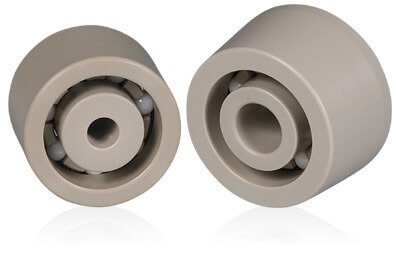
Advanced Lubricants

The use of advanced lubricants in PPS machining has also seen significant improvements. These lubricants are formulated to reduce friction and heat buildup, further enhancing the machining process’s precision and extending the life of cutting tools.


Integration of Automation and AI

Automated Quality Control

The integration of automation and artificial intelligence (AI) in PPS CNC machining has revolutionized quality control. Automated inspection systems using AI algorithms can detect even the slightest deviations in machined parts, ensuring that every PPS component meets stringent quality standards.

Predictive Maintenance

AI-driven predictive maintenance in CNC machines helps in preemptively identifying potential issues before they lead to downtime. This innovation is particularly beneficial for PPS machining, where consistent machine performance is crucial for maintaining high precision.

The Future of PPS CNC Machining

These innovations in PPS CNC machining techniques not only enhance the precision and durability of the final products but also contribute to greater efficiency and cost-effectiveness in the manufacturing process. The continuous advancements in tooling, cooling, lubrication, and automation ensure that PPS remains a highly sought-after material in industries requiring parts that meet the highest standards of quality and reliability. As technology progresses, we can expect even more sophisticated techniques to emerge, further solidifying PPS’s position in the world of advanced CNC machining.

Guidelines for Designing Industrial Tools and Parts with PPS

Designing for CNC machining, especially when using materials like Polyphenylene Sulfide (PPS), requires a thoughtful approach to ensure optimal performance and manufacturability. This section provides practical advice for engineers and designers on how to best optimize their designs for PPS CNC machining, focusing on aspects such as tolerances, geometries, and surface finishes.

Understanding PPS Material Characteristics

Material Properties and Machinability

Before diving into design specifics, it’s crucial to understand PPS’s unique properties. Recognized for its high thermal resistance, chemical stability, and mechanical strength, PPS poses certain challenges and opportunities in CNC machining. Familiarity with these characteristics can guide the design process, ensuring that the material’s strengths are fully leveraged.

Designing for Tolerances

Precision and Accuracy

When designing parts to be machined from PPS, consider the material’s ability to maintain tight tolerances. PPS’s dimensional stability allows for precise machining, which means designs can include intricate details and tight fits. However, it’s essential to balance complexity with manufacturability to avoid overly complex designs that could be challenging or costly to produce.

PPS CNC Processing

Optimizing Geometries for PPS Machining

Complex Shapes and Internal Features

PPS’s machinability allows for the creation of complex geometries and internal features. However, it’s important to design these features with machining in mind. Avoid extremely thin walls or deep, narrow cavities, as these can be difficult to machine accurately. Instead, opt for robust designs that support the material’s strengths.

Consideration for Undercuts and Overhangs

Designs should minimize the need for undercuts and overhangs, as these features can complicate the machining process. If such features are necessary, ensure they are accessible and can be machined without requiring special tools or setups.

Surface Finish Considerations

Achieving Desired Aesthetics and Functionality

PPS can achieve a variety of surface finishes, from matte to high gloss, depending on the machining process and tooling used. Designers should specify the desired surface finish in their designs, considering both aesthetic and functional requirements. For instance, a smoother finish might be necessary for parts that need to minimize friction or resist contamination.

Balancing Design with Practical Machining Constraints

Feasibility and Cost-Effectiveness

While pushing the boundaries of design is often desirable, it’s important to balance creativity with practicality. Consider the limitations of CNC machining and the additional costs that complex designs might incur. Simplifying designs where possible can reduce machining time and costs while still achieving the desired functionality.

Designing Effectively with PPS

In conclusion, designing industrial tools and parts with PPS for CNC machining requires a deep understanding of the material’s properties, a thoughtful approach to tolerances and geometries, and a consideration for surface finishes. By adhering to these guidelines, engineers and designers can create efficient, functional, and aesthetically pleasing PPS parts that fully capitalize on the material’s capabilities. The key is to balance innovative design with the practicalities of CNC machining, ensuring that the final product is not only high in quality but also feasible and cost-effective to produce.

PPS for CNC machining

Harnessing the Potential of PPS in CNC Machining

As we reach the end of our exploration into PPS CNC Machining, it’s clear that Polyphenylene Sulfide offers a remarkable blend of properties that make it a standout choice for industrial tools and parts. From its exceptional thermal resistance and chemical stability to its dimensional accuracy and durability, PPS stands as a material uniquely suited to meet the rigorous demands of various industries.

Through the case studies and comparative analyses, we’ve seen how PPS outperforms other materials in challenging environments, offering both reliability and longevity. The ongoing innovations in machining techniques further enhance its applicability, ensuring that PPS components are not only precise but also cost-effective and efficient to produce.

For engineers and designers, the guidelines provided here serve as a roadmap to harness the full potential of PPS in CNC machining. By understanding the material’s characteristics and optimizing designs accordingly, one can create industrial parts that are not just functional but also innovative and forward-thinking.

In summary, the world of CNC machining is evolving, and PPS is at the forefront of this transformation. Its versatility and superior properties make it an ideal choice for a wide range of applications, setting a new standard in industrial manufacturing. As technology advances, we can expect PPS to play an even more significant role in shaping the future of CNC machined parts and tools.

PPS material

Start Transforming Your Production Today

Ready to elevate your industrial manufacturing with the precision and durability of PPS CNC Machining? Contact us now to discuss your project needs and discover how our cutting-edge solutions can revolutionize your production process. Don’t wait – transform your manufacturing capabilities today! 

🎉🎉🎉Limited Time Offer Use code: QR4GNY08SHVR at checkout and enjoy a special discount on your entire order! 👉PPS board

Leave a comment


Please note, comments must be approved before they are published


Custom Plastic Fabrication

Send your drawing, material and quantity for review

🔧
Precision Machining
CNC milling & turning
✂️
Cutting & Engraving
Laser & waterjet cutting
🏭
Forming & Molding
Thermoforming & injection
🔗
Joining & Assembly
Welding & bonding
📐
Design & Prototyping
CAD design & samples

General

HDPE

PP

PVC

ABS

Engineering

POM

Nylon

PC

PMMA

High-Performance

PEEK

PEI

PTFE

Composites

FR-4

G10

Flexible

TPU

Silicone

Why Choose BeePlastic?

🎯
Perfect Fit
Custom specs eliminate adaptation needs
⚡
Clear Lead Times
Lead time confirmed with every quote
💰
Volume Pricing
Volume pricing available on bulk orders
🤝
Expert Support
Free engineering consultation included
📋
Submit
→
🔍
Review
→
💵
Quote
→
✅
Production
→
📦
Deliver

Request a Quote

Share your project details, selected material and quantity on our quote page. You can add a file link or use the email drawing route shown there.


Request Quote

Industries: Automotive • Medical • Food • Lab • Semiconductor

beeplastic@beeplastic.com


Transforming Industrial Equipment: How PPS CNC Machining is Changing the Game

Transforming Industrial Equipment: How PPS CNC Machining is Changing the Game

In the blog post “Transforming Industrial Equipment: How PPS CNC Machining is Changing the Game,” we delve into the revolutionary world of PPS (Polyphenylene Sulfide) material and its transformative impact on industrial equipment manufacturing. The post begins by exploring the unique properties of PPS, emphasizing its high temperature resistance, chemical stability, and mechanical strength — key factors that make it an ideal choice for CNC machining in industrial applications.

🎉🎉🎉Limited Time Offer Use code: QR4GNY08SHVR at checkout and enjoy a special discount on your entire order! 👉PPS board

custom PPS plastic

We then shift our focus to the latest innovations in PPS CNC machining techniques, highlighting how these advancements are not only enhancing precision but also driving efficiency and cost-effectiveness in the production of industrial machinery parts. This section is particularly insightful for those keen on understanding the cutting-edge technology shaping today’s industrial landscape.

The heart of the post features compelling case studies that demonstrate the successful application of PPS CNC machined parts in various industries. These real-world examples provide a tangible look at how PPS components have improved the functionality and durability of industrial machinery, offering a persuasive argument for their adoption.

A critical comparative analysis follows, where PPS CNC machining is pitted against traditional manufacturing methods. This comparison sheds light on the numerous benefits of PPS CNC machining, including reduced production time, enhanced precision, minimized waste, and overall cost savings.

Finally, we gaze into the future, speculating on the evolving role of PPS CNC machining in industrial equipment. This section is designed to give readers a glimpse into what lies ahead, discussing potential technological advancements and emerging industrial needs that could further shape the landscape of equipment manufacturing and modification.

This comprehensive post is a must-read for anyone in the industrial sector looking to stay abreast of the latest trends and innovations in equipment manufacturing, particularly those involving the game-changing capabilities of PPS CNC machining.

Understanding PPS Material and Its Advantages in CNC Machining

When it comes to industrial equipment manufacturing, the choice of material plays a pivotal role in determining the efficiency, durability, and overall performance of the produced parts. One such material that stands out in the realm of CNC machining is Polyphenylene Sulfide (PPS). This high-performance thermoplastic polymer offers a unique combination of properties that make it an excellent choice for a wide range of industrial applications.

Key Properties of PPS

High Temperature Resistance

One of the most notable features of PPS is its high temperature resistance. PPS can withstand prolonged exposure to high temperatures without losing its structural integrity. This makes it an ideal material for components that are subjected to extreme heat during operation, such as parts in automotive engines or industrial machinery.

Chemical Stability

Chemical stability is another hallmark of PPS. This material exhibits remarkable resistance to a wide array of chemicals, including acids, alkalis, and organic solvents. This property is particularly beneficial in industries where equipment is regularly exposed to harsh chemical environments, ensuring longevity and reliability of the components.

Mechanical Strength

The mechanical strength of PPS is yet another reason for its widespread use in CNC machining. PPS parts are known for their rigidity, dimensional stability, and high strength-to-weight ratio. These characteristics are crucial in applications where parts must endure heavy loads or mechanical stress, ensuring that the equipment functions smoothly under demanding conditions.

Why PPS is an Excellent Choice for Industrial Equipment

The combination of high temperature resistance, chemical stability, and mechanical strength makes PPS an outstanding material for industrial equipment. Its ability to maintain performance under harsh conditions translates into longer-lasting parts, reduced maintenance costs, and increased overall efficiency of machinery. Furthermore, the adaptability of PPS to precision CNC machining processes allows for the creation of complex and intricate parts with tight tolerances, essential for many industrial applications.

In conclusion, the selection of PPS for CNC machining in industrial equipment manufacturing is a strategic choice that offers numerous benefits. Its superior properties ensure that machinery operates reliably and efficiently, even in the most challenging environments. As industries continue to evolve and demand more from their equipment, materials like PPS will play an increasingly important role in meeting these advanced requirements.

Polyphenylene Sulfide (PPS) in CNC machining

Innovations in PPS CNC Machining Techniques

The world of CNC machining is constantly evolving, with new technologies and techniques emerging regularly. These advancements are particularly significant when it comes to machining Polyphenylene Sulfide (PPS), a material highly valued in industrial applications for its robust properties. Let’s delve into the latest innovations in CNC machining specifically tailored for PPS, and how they contribute to more precise, efficient, and cost-effective production of industrial equipment parts.

Advanced Precision in PPS Machining

Enhanced Accuracy with Modern CNC Equipment

One of the most significant advancements in PPS CNC machining is the leap in accuracy and precision offered by modern CNC equipment. These state-of-the-art machines can handle complex geometries and intricate designs with unprecedented precision. This is crucial for industries where even the slightest deviation can lead to significant operational issues.

Improved Surface Finishing Techniques

Another area of innovation is in surface finishing. New techniques in CNC machining have enabled smoother and more consistent finishes on PPS parts. This improvement not only enhances the aesthetic appeal but also contributes to the functionality, especially in parts where surface smoothness affects performance.

Efficiency and Cost-Effectiveness in PPS Machining

Streamlined Production Processes

Advancements in CNC machining technology have streamlined the production process for PPS parts. Automated tooling and programming capabilities allow for quicker setup times and faster machining speeds. This efficiency reduces the time from design to production, ultimately leading to cost savings for manufacturers.

Reduction in Material Waste

Modern CNC machines are designed to be more material-efficient. With advanced software, these machines can optimize cutting paths and tool usage, significantly reducing material waste. This is not only cost-effective but also aligns with sustainable manufacturing practices, an increasingly important consideration in industrial production.

The Future of PPS CNC Machining

Looking ahead, the ongoing innovations in CNC machining for PPS point to a future where even more complex and high-performance parts can be produced with greater efficiency and lower costs. As technology continues to advance, we can expect to see further improvements in precision, speed, and sustainability in PPS machining processes.

In conclusion, the innovations in PPS CNC machining are transforming the production of industrial equipment parts. These advancements are making it possible to produce parts that are more precise, efficient, and cost-effective, meeting the ever-growing demands of various industries. As we continue to embrace these technological developments, the potential for PPS in industrial applications seems boundless.

Polyphenylene Sulfide (PPS)

Case Studies: Successful Industrial Applications of PPS CNC Machined Parts

The practical applications of PPS (Polyphenylene Sulfide) CNC machined parts in various industries serve as powerful testimonials to their effectiveness. In this section, we explore real-world case studies from sectors like automotive, aerospace, and general manufacturing, showcasing how PPS CNC machined components have significantly enhanced the functionality, durability, and efficiency of industrial machinery.

Automotive Industry: Revolutionizing Component Durability

High-Performance Engine Parts

In the automotive sector, PPS CNC machined parts have been instrumental in producing high-performance engine components. For instance, a leading automotive manufacturer replaced traditional metal parts with PPS components in their engine design. The result was a remarkable improvement in heat resistance and chemical stability, leading to longer-lasting engines with reduced maintenance needs.

Lightweight and Efficient Designs

Another case study in the automotive industry highlights the use of PPS in creating lightweight yet durable parts. By integrating PPS components, manufacturers have been able to reduce the overall weight of vehicles, contributing to enhanced fuel efficiency and lower carbon emissions, aligning with the industry’s move towards sustainability.

PPS components

Aerospace Industry: Enhancing Safety and Performance

Critical Aerospace Components

In the aerospace industry, the stakes are incredibly high when it comes to the quality and reliability of components. PPS CNC machined parts have been used in critical applications such as valve components and insulation materials. Their ability to withstand extreme temperatures and pressures has been crucial in ensuring the safety and performance of aerospace equipment.

Cost-Effective Manufacturing Solutions

One notable example involves a leading aerospace company that adopted PPS components for various interior and exterior parts of their aircraft. The switch to PPS not only provided the necessary strength and durability but also proved to be more cost-effective compared to traditional materials, without compromising on safety or quality.

PPS CNC machined parts

Manufacturing Industry: Improving Efficiency and Longevity

Durable Machinery Components

In the broader manufacturing sector, PPS CNC machined parts have been a game-changer in enhancing the longevity of machinery. For example, a manufacturing plant reported a significant increase in the lifespan of their equipment after replacing certain metal parts with PPS components. The inherent strength and wear resistance of PPS contributed to less frequent breakdowns and lower maintenance costs.

Customized Solutions for Complex Applications

Another success story comes from a manufacturer specializing in high-precision tools. By utilizing PPS CNC machining, they were able to produce customized parts that met exact specifications, resulting in improved efficiency and precision in their operations.

In conclusion, these case studies across various industries demonstrate the transformative impact of PPS CNC machined parts. Their ability to improve functionality, enhance durability, and boost efficiency makes them an invaluable asset in the industrial world. As we continue to witness the evolution of manufacturing technologies, the role of PPS in industrial applications is poised to grow even further.

Comparative Analysis: PPS CNC Machining vs. Traditional Methods

In the realm of industrial manufacturing, the choice of production methods significantly impacts the final product’s quality, efficiency, and cost. This comparative analysis focuses on PPS CNC Machining versus traditional manufacturing methods, examining key aspects such as production time, precision, waste reduction, and overall cost-effectiveness.

Production Time: Speed and Efficiency

Traditional Methods: Time-Intensive Processes

Traditional manufacturing methods, while proven, often involve time-intensive processes. For instance, manual machining and molding techniques require longer setup times and slower production rates. This can lead to extended production cycles, especially for complex parts or large orders.

PPS CNC Machining: Accelerated Production

In contrast, PPS CNC Machining significantly accelerates production time. Advanced CNC machines can rapidly produce complex parts with minimal setup time. This efficiency is particularly beneficial for large-scale production runs, where time savings translate directly into increased productivity and faster time-to-market.

Precision and Accuracy

Traditional Methods: Variability in Quality

With traditional manufacturing, achieving consistent precision can be challenging, especially for intricate designs. Manual processes are prone to human error, leading to variability in the final product’s quality.

PPS CNC Machining: Unmatched Precision

PPS CNC Machining stands out for its unparalleled precision. CNC machines are capable of producing parts with extremely tight tolerances, ensuring consistent quality across all produced items. This precision is crucial in industries where even minor discrepancies can have significant implications, such as in aerospace or medical device manufacturing.

PPS plastic CNC Machining

Waste Reduction: Sustainable Practices

Traditional Methods: Higher Material Waste

Traditional manufacturing methods often result in higher levels of material waste. Excess material from processes like cutting, drilling, or milling is not always recyclable or reusable, leading to inefficiencies and increased costs.

PPS CNC Machining: Minimizing Waste

PPS CNC Machining is more efficient in terms of material usage. Advanced software allows for precise calculations and optimizations, significantly reducing waste. This not only lowers material costs but also aligns with sustainable manufacturing practices, an increasingly important consideration in today’s industry.

Overall Cost-Effectiveness

Traditional Methods: Cumulative Costs

While traditional methods may have lower initial investment costs, they often incur higher cumulative costs over time. Factors like longer production times, higher waste, and the need for skilled labor can add up, making these methods less cost-effective in the long run.

PPS CNC Machining: Long-Term Cost Savings

PPS CNC Machining, though it may require a higher initial investment, offers significant long-term cost savings. The efficiency, precision, and reduced waste lead to lower operational costs. Additionally, the durability and quality of PPS CNC machined parts can reduce the need for frequent replacements or repairs, further contributing to cost savings.

In conclusion, when comparing PPS CNC Machining with traditional manufacturing methods, it becomes clear that CNC machining offers significant advantages in terms of production time, precision, waste reduction, and overall cost-effectiveness. These factors make PPS CNC Machining a superior choice for a wide range of industrial applications, promising higher quality, efficiency, and sustainability.

Future Trends: The Evolving Role of PPS CNC Machining in Industrial Equipment

As we look towards the future, the role of PPS CNC Machining in industrial equipment manufacturing is poised for significant evolution. This section explores potential trends and developments in the field, considering technological advancements and emerging industrial needs that are likely to shape the future landscape of equipment manufacturing and modification.

Technological Advancements in CNC Machining

Integration of AI and Machine Learning

One of the most exciting prospects in PPS CNC machining is the integration of Artificial Intelligence (AI) and Machine Learning (ML). These technologies promise to further enhance precision, efficiency, and customization in machining processes. AI algorithms can optimize machining parameters in real-time, adapting to varying material properties and design requirements, leading to improved outcomes and reduced waste.

Advancements in 3D Printing and Additive Manufacturing

3D printing and additive manufacturing technologies are also expected to intersect more significantly with CNC machining. This integration could revolutionize how PPS parts are produced, allowing for more complex geometries and reducing the time from design to production. The combination of additive manufacturing for complex shapes and CNC machining for precision finishing could be a game-changer in the industry.

Artificial Intelligence (AI) and Machine Learning (ML)

Emerging Industrial Needs

Demand for More Sustainable Manufacturing Practices

Sustainability is becoming increasingly important in industrial manufacturing. The future of PPS CNC machining will likely involve more eco-friendly practices, including the use of recycled materials and further reduction of waste. This shift not only addresses environmental concerns but also responds to the growing demand for sustainable practices from consumers and regulatory bodies.

Customization and Rapid Prototyping

As industries continue to evolve, there is a growing need for customization and rapid prototyping. PPS CNC machining is well-positioned to meet these needs, offering the flexibility to produce bespoke parts quickly and efficiently. This capability is particularly valuable in sectors like aerospace, automotive, and medical devices, where tailored solutions are often required.

Shaping the Future of Equipment Manufacturing

Collaborative Robotics and Automation

The future of PPS CNC machining will likely see increased use of collaborative robotics and automation. These technologies can work alongside human operators to enhance productivity and safety. The integration of robotics in CNC machining processes could lead to more consistent output and the ability to maintain high production rates around the clock.

PPS plastic collaborative robotics and automation

Enhanced Material Properties

Ongoing research and development in material science are expected to enhance the properties of PPS, making it even more suitable for a wider range of applications. Improvements in temperature resistance, strength, and chemical stability could open new doors for PPS in sectors where these properties are critical.

In conclusion, the future of PPS CNC Machining in industrial equipment manufacturing is bright and full of potential. With advancements in technology and a responsive approach to emerging industrial needs, PPS CNC machining is set to play a pivotal role in shaping the future of equipment manufacturing and modification. This evolution promises not only greater efficiency and precision but also a commitment to sustainability and innovation in the industrial sector.

Embracing the Future of PPS CNC Machining in Industrial Equipment

As we reach the end of our exploration into the dynamic world of PPS CNC Machining, it’s clear that this technology is not just a current asset but a beacon for the future of industrial equipment manufacturing. The journey through the unique properties of PPS, the latest innovations in CNC machining techniques, impactful real-world applications, a comparative analysis with traditional methods, and a glimpse into future trends, all point to a singular truth: PPS CNC Machining is a game-changer.

The versatility and robustness of PPS, combined with the precision and efficiency of CNC machining, create a synergy that is transforming industries. From automotive to aerospace, from manufacturing to bespoke applications, the impact is profound and far-reaching. As technology continues to advance, we can expect PPS CNC Machining to not only adapt but lead the way in addressing new challenges and seizing opportunities.

For industrial manufacturers, embracing PPS CNC Machining is not just about keeping pace with current trends; it’s about being at the forefront of innovation. It’s about investing in a technology that promises not only enhanced performance and efficiency but also a commitment to sustainability and future growth.

As we look to the future, one thing is certain: the role of PPS CNC Machining in industrial equipment will continue to evolve, innovate, and inspire. For those ready to embrace these changes, the possibilities are as limitless as the potential of PPS itself. Let’s step forward into this exciting future together, harnessing the power of PPS CNC Machining to redefine what’s possible in industrial equipment manufacturing.

PPS plastic

Start Transforming Your Industrial Equipment Today!

Embrace the future of manufacturing with precision and efficiency. Contact us now to explore how our PPS CNC Machining solutions can revolutionize your industrial equipment. Don’t wait – the future of advanced manufacturing is here! 

🎉🎉🎉Limited Time Offer Use code: QR4GNY08SHVR at checkout and enjoy a special discount on your entire order! 👉PPS board

Leave a comment


Please note, comments must be approved before they are published


Custom Plastic Fabrication

Send your drawing, material and quantity for review

🔧
Precision Machining
CNC milling & turning
✂️
Cutting & Engraving
Laser & waterjet cutting
🏭
Forming & Molding
Thermoforming & injection
🔗
Joining & Assembly
Welding & bonding
📐
Design & Prototyping
CAD design & samples

General

HDPE

PP

PVC

ABS

Engineering

POM

Nylon

PC

PMMA

High-Performance

PEEK

PEI

PTFE

Composites

FR-4

G10

Flexible

TPU

Silicone

Why Choose BeePlastic?

🎯
Perfect Fit
Custom specs eliminate adaptation needs
⚡
Clear Lead Times
Lead time confirmed with every quote
💰
Volume Pricing
Volume pricing available on bulk orders
🤝
Expert Support
Free engineering consultation included
📋
Submit
→
🔍
Review
→
💵
Quote
→
✅
Production
→
📦
Deliver

Request a Quote

Share your project details, selected material and quantity on our quote page. You can add a file link or use the email drawing route shown there.


Request Quote

Industries: Automotive • Medical • Food • Lab • Semiconductor

beeplastic@beeplastic.com


Revolutionize Your Industry: The Ultimate Guide to PPS CNC Machining for Machine Building

PPS CNC Machining for Machine Building

Dive into the world of industrial innovation with “Revolutionize Your Industry: The Ultimate Guide to PPS CNC Machining for Machine Building.” This comprehensive blog post is your go-to resource for understanding the transformative power of Polyphenylene Sulfide (PPS) in the realm of CNC machining.

🎉🎉🎉Limited Time Offer Use code: QR4GNY08SHVR at checkout and enjoy a special discount on your entire order! 👉PPS board

We begin by exploring the unique properties of PPS material, highlighting its exceptional heat resistance, chemical stability, and mechanical strength. These features make PPS an unparalleled choice for industrial applications, especially in machine building.

Next, we delve into the advantages of PPS CNC machining in industrial manufacturing. Discover how this technology offers unmatched precision and durability, significantly enhancing the efficiency and quality of your industrial machinery.

advantages of PPS CNC

Our journey continues with real-world innovative applications of PPS in machine building. Here, you’ll see practical examples of how PPS CNC machining is being used to create complex, high-quality parts and components, showcasing its versatility and utility in various industrial settings.

For those interested in the technical side, we provide a detailed step-by-step guide to the PPS CNC machining process. This section covers everything from design considerations and machining techniques to finishing processes and quality control, tailored specifically for PPS.

Finally, we look ahead to the future trends and developments in PPS CNC machining. Stay informed about the latest technological advancements, potential new applications, and strategies to keep your business at the forefront of industrial innovation.

Whether you’re a seasoned professional or new to the field, “Revolutionize Your Industry: The Ultimate Guide to PPS CNC Machining for Machine Building” is an essential read for anyone looking to enhance their industrial operations with cutting-edge technology. Join us in exploring the future of industrial manufacturing!

Understanding PPS Material in CNC Machining

When it comes to industrial applications, particularly in machine building, the choice of material plays a pivotal role in the success and efficiency of the end product. One such material that stands out in the realm of CNC machining is Polyphenylene Sulfide (PPS). This section delves deep into the properties of PPS, underscoring why it’s an increasingly popular choice in various industrial sectors.

Key Properties of Polyphenylene Sulfide (PPS)

Heat Resistance

One of the most notable properties of PPS is its exceptional heat resistance. PPS can withstand high temperatures without losing its structural integrity, making it an ideal material for components that are exposed to extreme heat during operation. This characteristic is particularly beneficial in industries such as aerospace, automotive, and electronics, where materials are often subjected to high thermal stress.

Chemical Stability

Chemical stability is another hallmark of PPS. This material exhibits remarkable resistance to a wide range of chemicals, including acids, alkalis, and organic solvents. This resistance makes PPS an excellent choice for parts that need to maintain their strength and functionality in corrosive environments. It’s particularly advantageous in chemical processing equipment, where exposure to aggressive substances is common.

Mechanical Strength

The mechanical strength of PPS is a key factor in its suitability for CNC machining and industrial applications. PPS boasts a high strength-to-weight ratio, making it both lightweight and robust. This strength is crucial for creating parts that are not only durable but also efficient in terms of energy consumption and material usage. The material’s rigidity and dimensional stability further enhance its applicability in precision engineering, where tight tolerances and consistent performance are essential.

PPS material

Why PPS is Ideal for CNC Machining

The combination of heat resistance, chemical stability, and mechanical strength makes PPS an excellent material for CNC machining. Its properties allow for the creation of complex and precise components that can withstand harsh industrial conditions. Additionally, PPS’s machinability means that it can be easily shaped and customized to meet specific design requirements, making it a versatile choice for a wide range of industrial applications.

In conclusion, Polyphenylene Sulfide (PPS) stands out as a material of choice for CNC machining in industrial settings. Its unique combination of heat resistance, chemical stability, and mechanical strength makes it an invaluable asset in machine building and other high-demand applications. As industries continue to evolve and face new challenges, materials like PPS will play a crucial role in driving innovation and efficiency.

custom PPS Plastic

By understanding the properties and benefits of PPS, industries can make informed decisions about their material choices, leading to improved product performance and longevity. The future of industrial manufacturing is bright, with materials like PPS paving the way for advanced, reliable, and efficient solutions.

Advantages of PPS CNC Machining in Industrial Manufacturing

The integration of Polyphenylene Sulfide (PPS) in CNC machining has revolutionized industrial manufacturing. PPS’s unique properties not only enhance the quality of the final products but also bring a multitude of benefits to the manufacturing process itself. This section highlights the specific advantages of using PPS in CNC machining, particularly focusing on precision, durability, and efficiency, and how it stands out compared to other materials.

PPS plastic CNC machining workshop

Precision and Accuracy with PPS

Unmatched Precision in Machining

One of the foremost benefits of using PPS in CNC machining is the exceptional precision it offers. The inherent stability and rigidity of PPS allow for tight tolerances and intricate detailing, which is crucial in industries where precision is paramount. This level of accuracy ensures that each component meets stringent specifications, reducing the need for post-machining adjustments.

Consistency Across Productions

PPS’s dimensional stability under varying conditions ensures consistent quality in mass production. Unlike some materials that may warp or deform due to temperature changes or mechanical stress, PPS maintains its shape and size, ensuring uniformity in every batch of products.

Enhanced Durability and Longevity

Superior Strength and Wear Resistance

Durability is another significant advantage of PPS in industrial manufacturing. The material’s high mechanical strength and wear resistance mean that components made from PPS can withstand rigorous use and harsh industrial environments. This durability translates to longer-lasting parts, reducing the frequency of replacements and maintenance.

Resistance to Harsh Conditions

PPS’s ability to resist high temperatures and corrosive chemicals further extends the life of CNC machined parts. This resistance makes it an ideal choice for applications in challenging environments, such as in chemical processing or high-temperature industrial settings.

PPS precision machined parts

Efficiency Improvements in Machine Building

Material Efficiency and Waste Reduction

The machinability of PPS contributes to material efficiency and waste reduction. Its ease of machining means less material is wasted during the manufacturing process, contributing to cost savings and environmental sustainability.

Energy Efficiency in Production

The lightweight nature of PPS, coupled with its strength, means that components can be designed to be more energy-efficient. Lighter parts can lead to reduced energy consumption in machinery and equipment, contributing to overall operational efficiency.

Comparing PPS to Other Materials

When compared to other materials commonly used in CNC machining, such as metals or other plastics, PPS stands out for its unique combination of properties. While metals may offer similar strength, they often fall short in terms of chemical resistance and can be heavier, leading to increased energy consumption. Other plastics might not provide the same level of heat resistance or mechanical strength as PPS, limiting their application in more demanding industrial environments.

In conclusion, the use of PPS in CNC machining offers a range of benefits for industrial manufacturing. Its precision, durability, and efficiency improvements make it a superior choice for machine building and other industrial applications. As industries continue to seek materials that can meet the demands of modern manufacturing, PPS is poised to play an increasingly important role in the future of industrial production.


The adoption of PPS in CNC machining is a testament to the ongoing evolution in industrial manufacturing, where materials are not just selected for their basic properties but for the comprehensive advantages they bring to the entire production process.

PPS plastic CNC machining shop

Innovative Applications of PPS in Machine Building

The world of industrial manufacturing is constantly evolving, with new materials and technologies emerging to meet the ever-growing demands of various sectors. Polyphenylene Sulfide (PPS), in particular, has emerged as a game-changer in the field of CNC machining, offering a range of applications that demonstrate its versatility and utility. This section explores the diverse and innovative applications of PPS in machine building, highlighting its impact across different industries.

PPS in Aerospace and Aviation

High-Performance Components for Aircraft

In the aerospace industry, the use of PPS is significant due to its high-temperature tolerance and lightweight nature. Components such as valve parts, connectors, and brackets are often machined from PPS. These parts benefit from PPS’s ability to withstand extreme temperatures and pressures, which are common in aerospace environments, without compromising on weight – a critical factor in aircraft design.

PPS material gasket

Automotive Industry Applications

Durable Parts for High-Stress Environments

The automotive sector also reaps the benefits of PPS CNC machining. Here, PPS is used to create durable, heat-resistant components like pump parts, under-hood connectors, and insulators. These parts must endure high temperatures and exposure to various chemicals and fluids, making PPS’s chemical stability and heat resistance ideal properties.

Medical Equipment Manufacturing

Precision and Sterility in Medical Devices

In medical equipment manufacturing, the precision and chemical inertness of PPS are crucial. Surgical instruments, sterilization tray components, and device housings made from PPS can withstand repeated sterilization processes without degrading, ensuring both durability and hygienic integrity.

Electronics and Electrical Components

Heat-Resistant Insulators and Connectors

The electronics industry benefits from PPS’s excellent electrical insulation properties and heat resistance. Components such as electrical insulators, connectors, and coil forms are often made from PPS. These parts need to maintain their integrity and performance in environments where they are exposed to high electrical loads and varying temperatures.

Custom Machinery and Equipment

Tailored Solutions for Specialized Industries

PPS CNC machining shines in the production of custom machinery and equipment for specialized industrial applications. Whether it’s for food processing, chemical plants, or other manufacturing sectors, PPS can be machined into complex, custom-designed parts that meet specific industry requirements.

Comparing PPS with Traditional Materials

When compared to traditional materials like metals or other plastics, PPS offers a unique combination of properties that make it more suitable for certain applications. Its ability to maintain strength and stability under high temperatures and in chemically aggressive environments gives it an edge over many conventional materials.

In conclusion, the innovative applications of PPS in machine building across various industries underscore its versatility and utility. From aerospace to automotive, medical to electronics, and beyond, PPS CNC machining is enabling advancements and efficiencies that were once challenging to achieve. As industries continue to evolve, the role of materials like PPS in driving innovation and meeting specific industrial needs becomes increasingly significant.


The exploration of PPS’s applications in machine building not only highlights its current uses but also opens the door to future possibilities. As technology advances, the potential for new and even more innovative uses of PPS in industrial manufacturing is vast, promising a future where efficiency, precision, and durability are at the forefront of production.

PPS plastic brain

Step-by-Step Guide to the PPS CNC Machining Process

The CNC machining process for Polyphenylene Sulfide (PPS) is a meticulous and precise operation, tailored to harness the unique properties of this high-performance material. This guide provides a detailed walkthrough of the steps involved in CNC machining PPS, from initial design considerations to the final quality control measures. Understanding this process is crucial for anyone looking to leverage PPS’s advantages in industrial applications.

Initial Design and Planning

Understanding Material Properties

Before the actual machining process begins, it’s essential to have a thorough understanding of PPS’s properties. This includes its heat resistance, chemical stability, and mechanical strength. Such knowledge informs the design process, ensuring that the parts are optimized for both the material and the intended application.

CAD Modeling and Simulation

The design phase typically involves Computer-Aided Design (CAD) modeling. Here, engineers create detailed 3D models of the parts to be machined. These models are crucial for simulating how the parts will behave under different conditions and for identifying any potential issues before machining begins.

detailed 3D models

Machining Techniques for PPS

Selecting the Right Tools and Parameters

When it comes to the actual machining of PPS, selecting the right cutting tools and machining parameters is critical. Tools must be chosen based on their ability to handle PPS’s hardness and abrasiveness. Similarly, machining parameters like speed, feed rate, and depth of cut need to be optimized to prevent material deformation and ensure precision.

CNC Machining Operations

The CNC machining of PPS can involve various operations such as milling, turning, drilling, and more. Each operation must be carefully executed to maintain the integrity of the PPS, ensuring that the final product meets the required specifications.

Finishing Processes for PPS Components

Post-Machining Treatments

After the primary machining, PPS components often undergo finishing processes. These can include deburring, polishing, and surface treatments. These steps are vital for achieving the desired surface finish and for enhancing the part’s physical properties, such as its wear resistance or chemical compatibility.

Quality Control and Inspection

Rigorous Testing and Inspection

Quality control is a critical aspect of the PPS CNC machining process. Each part is subjected to rigorous testing and inspection to ensure it meets all specified tolerances and quality standards. This may involve dimensional checks, material property tests, and performance evaluations under simulated working conditions.

Ensuring Consistency and Reliability

The final step in the process is ensuring that each machined part is consistent with the others and reliable in its intended application. This consistency is crucial for industries where precision and reliability are non-negotiable, such as in aerospace or medical device manufacturing.

In conclusion, the CNC machining process for PPS is a complex but highly rewarding endeavor. By following these steps and paying close attention to detail at each stage, manufacturers can produce high-quality, precision components that fully leverage the unique properties of PPS. This process not only highlights the technical capabilities of modern machining but also underscores the importance of material selection in achieving optimal performance in industrial applications.


The step-by-step guide to PPS CNC machining is more than just a technical procedure; it’s a testament to the advancements in manufacturing technology and material science. As industries continue to push the boundaries of what’s possible, materials like PPS and processes like CNC machining will be at the forefront, driving innovation and excellence in industrial manufacturing.

PPS CNC machining process

Future Trends and Developments in PPS CNC Machining for Industry

The landscape of industrial manufacturing is continuously evolving, with new materials and technologies shaping the future of production. Polyphenylene Sulfide (PPS), in the context of CNC machining, is at the forefront of this evolution. This section explores the future possibilities and emerging trends in the use of PPS for CNC machining, highlighting how technological advancements and innovative applications are set to redefine industry standards.

Technological Advancements in PPS Machining

Integration of Advanced CNC Technologies

One of the most significant trends in PPS CNC machining is the integration of advanced CNC technologies. This includes the use of AI-driven machining processes, automation, and robotics. These technologies not only enhance precision and efficiency but also open up new possibilities for complex designs that were previously challenging to achieve.

Material Science Innovations

Advancements in material science are leading to the development of new grades of PPS with enhanced properties. These innovations could result in PPS variants with even higher temperature resistance, greater mechanical strength, or improved chemical stability, further expanding its application scope.

Emerging Applications of PPS in Industry

Expanding into New Industrial Sectors

PPS is poised to expand its presence into new industrial sectors. Fields like renewable energy, space exploration, and advanced electronics are potential new frontiers for PPS CNC machined parts. In these sectors, the material’s unique properties can address specific challenges, such as the need for lightweight yet durable components in space applications.

Customization and Complex Designs

The future of PPS CNC machining also lies in its ability to cater to increasingly customized and complex designs. As industries move towards more tailored solutions, the versatility of PPS in CNC machining will be crucial in meeting these bespoke requirements.

PPS in CNC machining

Staying Ahead of the Curve

Embracing Innovation and Continuous Learning

For companies to stay ahead of the curve, embracing innovation and continuous learning is essential. This involves not only investing in the latest machining technologies but also staying abreast of developments in material science and industry trends.

Collaborative Efforts and Research

Collaborative efforts between industry, academia, and research institutions will play a vital role in advancing the applications of PPS in CNC machining. Such collaborations can lead to breakthroughs in material processing techniques and the discovery of new applications for PPS.

In conclusion, the future of PPS CNC machining is bright and filled with potential. As technological advancements continue to unfold, the versatility and utility of PPS in industrial applications are set to reach new heights. Companies that invest in these emerging trends and technologies will be well-positioned to lead in the ever-evolving landscape of industrial manufacturing.


The exploration of future trends and developments in PPS CNC machining is not just about predicting the next big thing; it’s about understanding the trajectory of industrial innovation. By staying informed and adaptable, manufacturers and engineers can harness the full potential of PPS, driving forward a future where efficiency, precision, and sustainability are at the heart of industrial production.

As we reach the conclusion of our exploration into the dynamic world of PPS CNC Machining for Industrial Applications, it’s clear that this field is not just about the material or the technology itself, but about the broader implications for the future of manufacturing. Polyphenylene Sulfide (PPS), with its remarkable properties and versatility, stands as a testament to the incredible advancements in material science and machining technology.

The journey through the various aspects of PPS CNC machining—from understanding its fundamental properties, examining its advantages in industrial manufacturing, witnessing its innovative applications, delving into the detailed machining process, and looking ahead to future trends—has revealed a landscape rich with potential and innovation.

As industries continue to evolve and face new challenges, the role of materials like PPS and processes like CNC machining will be crucial in driving efficiency, precision, and sustainability. The ability to adapt to these changes, to embrace new technologies and materials, will define the success of companies and industries in the coming years.

In closing, the story of PPS in CNC machining is more than just a narrative about a material; it’s a glimpse into the future of industrial manufacturing. A future where the boundaries of what’s possible are constantly being pushed by advancements in technology and material science. For engineers, designers, and manufacturers, staying informed and adaptable in this rapidly changing environment is not just an option, but a necessity to remain competitive and innovative.

As we look forward, let’s embrace the possibilities that materials like PPS bring to the table. Let’s continue to innovate, to experiment, and to push the limits of what we can achieve. The future of industrial manufacturing is bright, and with materials like PPS at our disposal, the potential for groundbreaking advancements and applications is limitless.

PPS CNC Processing

Top 10 Frequently Asked Questions About PPS CNC Machining in Industrial Applications

  1. What is PPS in CNC Machining?

    • Answer: PPS (Polyphenylene Sulfide) in CNC machining refers to the use of a high-performance thermoplastic known for its excellent chemical resistance, heat tolerance, and mechanical strength in computer-controlled machining processes.
  2. Why is PPS preferred in industrial manufacturing?

    • Answer: PPS is preferred due to its high heat resistance, chemical stability, and mechanical strength, making it ideal for producing durable and precise components for harsh industrial environments.
  3. Can PPS be used in high-temperature applications?

    • Answer: Yes, PPS is well-suited for high-temperature applications due to its ability to maintain structural integrity and performance at elevated temperatures.
  4. How does PPS compare to other plastics in CNC machining?

    • Answer: PPS often outperforms other plastics in CNC machining due to its superior heat resistance, chemical stability, and mechanical properties, making it more suitable for demanding industrial applications.
  5. What industries commonly use PPS CNC machined parts?

    • Answer: Industries such as aerospace, automotive, electronics, medical equipment manufacturing, and chemical processing commonly use PPS CNC machined parts.
  6. Is PPS CNC machining cost-effective?

    • Answer: While PPS material can be more expensive than some alternatives, its durability and longevity often make it a cost-effective choice in the long run, especially for applications requiring high performance under stress.
  7. What are some challenges in machining PPS?

    • Answer: Challenges include managing the material’s hardness and abrasiveness, which can wear down cutting tools, and ensuring precise control of machining parameters to maintain the integrity of the PPS.
  8. Can PPS be recycled or reused in manufacturing?

    • Answer: PPS can be recycled, but the process requires specific conditions to maintain its properties. Reusing or recycling PPS in manufacturing depends on the purity and condition of the recycled material.
  9. How does PPS perform in corrosive environments?

    • Answer: PPS performs exceptionally well in corrosive environments due to its high chemical resistance, making it ideal for parts exposed to acids, alkalis, and organic solvents.
  10. What future developments are expected in PPS CNC machining?

    • Answer: Future developments may include the creation of new PPS blends with enhanced properties, further integration of advanced CNC technologies like AI and automation, and expanding applications in emerging industries like renewable energy and space exploration.
Questions About PPS CNC Machining

Unlock the Potential of PPS CNC Machining

Ready to revolutionize your industrial manufacturing processes? Discover the unparalleled benefits of PPS CNC Machining. Click here to learn more and take the first step towards transforming your production capabilities!

🎉🎉🎉Limited Time Offer Use code: QR4GNY08SHVR at checkout and enjoy a special discount on your entire order! 👉PPS board

Leave a comment


Please note, comments must be approved before they are published


Custom Plastic Fabrication

Send your drawing, material and quantity for review

🔧
Precision Machining
CNC milling & turning
✂️
Cutting & Engraving
Laser & waterjet cutting
🏭
Forming & Molding
Thermoforming & injection
🔗
Joining & Assembly
Welding & bonding
📐
Design & Prototyping
CAD design & samples

General

HDPE

PP

PVC

ABS

Engineering

POM

Nylon

PC

PMMA

High-Performance

PEEK

PEI

PTFE

Composites

FR-4

G10

Flexible

TPU

Silicone

Why Choose BeePlastic?

🎯
Perfect Fit
Custom specs eliminate adaptation needs
⚡
Clear Lead Times
Lead time confirmed with every quote
💰
Volume Pricing
Volume pricing available on bulk orders
🤝
Expert Support
Free engineering consultation included
📋
Submit
→
🔍
Review
→
💵
Quote
→
✅
Production
→
📦
Deliver

Request a Quote

Share your project details, selected material and quantity on our quote page. You can add a file link or use the email drawing route shown there.


Request Quote

Industries: Automotive • Medical • Food • Lab • Semiconductor

beeplastic@beeplastic.com


How to Use Pi Plastic Sheets for Amazing Projects – Discover the Unique Properties and Applications of Polyimide Plastic

Polyimide plus parts

Pi Plastic Sheets, also known as Polyimide Plastic, are a type of high temperature polymer that have excellent thermal stability, mechanical strength, chemical resistance, and dielectric properties. They are widely used in various industries, such as electronics, aerospace, automobiles, and vacuum. In this article, we will explore some of the unique uses for Pi Plastic Sheets that you can try for your own creative and innovative projects.

🎉🎉🎉Limited Time Offer Use code: QR4GNY08SHVR at checkout and enjoy a special discount on your entire order! 👉 Polyimide plastic
PI plastic plate and bar

What are Pi Plastic Sheets and Why are They So Special?

Pi Plastic Sheets are made from polyimide, a high-performance plastic material that can withstand extreme temperatures. The sheets are formed through a process called imidization, where the polyamic acid is transformed into polyimide through a chemical reaction.

Polyimide plastic comes in different forms like film, rod, tube, powder, laminating resins, insulating coatings, and structural adhesives. The most common type is polyimide film, which is what Pi Plastic Sheets are made of.

PI plastic gasket

Pi Plastic Sheets stand out from other plastics due to their exceptional properties:

  • High temperature resistance – Can withstand continuous use up to 300°C and peaks up to 500°C. The glass transition temperature is around 360°C.
  • Low coefficient of thermal expansion – Dimensional stability across a wide temperature range.
  • High tensile strength – Up to 231 MPa, does not become brittle when exposed to cryogenic temperatures.
  • Low moisture absorption – Absorbs very little water vapor.
  • Excellent electrical insulation – High dielectric strength of up to 7700 V/mm. Used as wire and cable insulation.

These properties allow polyimide plastic to be used in applications where high heat and mechanical stress are present. Some examples include:

  • Flexible printed circuits in consumer electronics
  • Thermal insulation blankets in spacecraft
  • Seals, gaskets and wear pads in automobiles
  • Protective coatings for industrial equipment
  • High temperature membranes for gas separation
PI Goldfinger

How to Process Pi Plastic Sheets for Your Projects

There are a few techniques used to process Pi Plastic Sheets so they can be formed into different shapes:

Sintering

  • Sheets stacked and compressed under heat and pressure
  • Causes partial melting and fusion between layers
  • Used to produce intricate 3D shapes
  • Achievable feature size around 0.4mm

Machining

  • Cutting, drilling, milling,turning and other mechanical processes
  • Allows precise shaping with tight tolerances
  • CNC machining is preferable for complex parts

Direct Forming

  • Stamping, thermoforming and injection molding
  • Efficient for mass production of parts
  • Rapid prototyping methods like 3D printing also usable

When working with polyimide sheets, keep these processing guidelines in mind:

  • Maintain temperatures between 340-370°C for best formability
  • Apply pressure uniformly to prevent internal stresses
  • Allow sufficient time for even heating/cooling to avoid warpage
  • Design molds with draft angles for easy part ejection
  • Pretreat material surface to improve adhesion if coating/joining
  • Use diamond-tipped tools and low cutting speeds during machining

Adhering to these basic rules will help you get the most out of

Polyimide plus parts

 while avoiding common processing pitfalls. Don’t be afraid to experiment – polyimide’s resilience makes it very forgiving!


How to Use Pi Plastic Sheets for Amazing Projects

The creative possibilities with polyimide sheets are endless! Here are just some of the unique projects you can create with a little skill and imagination:

Making a Solar Cooker

  • Take a sheet of Pi Plastic 2ft x 2ft in size
  • Shape into a parabolic dish using a mold
  • Line dish with aluminium foil
  • Attach to a wooden stand with adjustable angle
  • Position to concentrate sunlight on a focal point
  • Put a cooking vessel at the focal point
  • Adjust reflector angle to track the sun
  • Temperatures can reach 150°C to cook food!


Polyimide’s heat resistance is perfect for solar cooking applications. Its transparency also allows light to pass through effectively. Aligning the angles properly is key to reaching cooking temperatures.

Creating a Holographic Display

  • Take a 3″ x 3″ Pi Plastic square
  • Use sandpaper to frost one surface
  • Secure sheet at 45° angle on a stand
  • Shine a laser pointer onto the frosted side
  • Angle laser so beam strikes surface at precise 90° angle
  • A vibrant 3D hologram will form on the opposite side!


The frosted polyimide sheet diffuses the laser beam to form a holographic interference pattern. Positioning is critical to get the best holographic effect. Try using different laser pointer colors!

Building a Matchstick Rocket

  • Cut polyimide sheet into 4 x 6 inch rounded rectangle
  • Roll into cone, overlap edges by 1 inch
  • Bond edges using cyanoacrylate adhesive
  • Cut small triangles around the bottom opening
  • Fold triangles in to create ridges
  • Secure cone on launch platform upright
  • Drop small matchstick rocket through top
  • Ignite rocket – it will launch over 50 feet high!

The heat resistance allows the plastic cone to withstand the matchstick exhaust safely. The ridges help guide the rocket straight upwards. Make sure to launch rockets safely away from people and buildings!

Crafting a Pi Plastic Jewelry Box

  • Design a jewelry box with lid using CAD software
  • Import design into a 3D printer
  • Use 1.5mm thick polyimide sheets as printing material
  • Print jewelry box and lid as separate parts
  • The fine resolution allows intricate decorative patterns
  • Polyimide’s strength makes the box very durable
  • Sections slide smoothly together thanks to low friction


Polyimide’s electrical insulation allows conductive prints for circuits or embedded electronics. Print vertical partitions to safely organize jewelry inside the box.

Processed parts of special materials

Making Wearable Sensors

  • Laser cut Pi Plastic Sheets into desired wearable product shapes
  • Use conductive silver ink on sheets to print flexible circuits
  • Mount components like LEDs and microcontrollers on circuits
  • Write code to control LED light patterns
  • Embed circuits into fabrics using thermal bonding
  • Attach battery holder and power switch with conductive thread
  • Add snaps, velcro or elastic for easy wearing

<img src=”images/wearable.jpg”>

Thin polyimide film makes flexible substrates for printed electronics. Wearables with intricate circuitry and functionality can be created and washed repeatedly.

The versatility of polyimide means there are almost no limits on what you can design and make! Share your own awesome polyimide projects with the community.

Conclusion

Pi Plastic Sheets made of polyimide have a rare combination of thermal, mechanical and electrical properties unmatched by other plastics. This lets them excel in demanding applications across industries.

As we’ve shown, polyimide sheets offer astounding potential for DIY projects due to their resilience and formability. From solar cookers to wearable microelectronics, you’re limited only by your creativity!

We carry a wide selection of polyimide films and laminates at Bee Plastic available for purchase online. Visit our shop at www.beeplastic.com to get high quality Pi Plastic Sheets for your next project!

Polyimide processed products
🎉🎉🎉Limited Time Offer Use code: QR4GNY08SHVR at checkout and enjoy a special discount on your entire order! 👉 Polyimide plastic

Did you find this article useful? Don’t forget to subscribe to our blog for tips, guides and innovative ideas using engineering plastics. You can also connect with us on Facebook and Twitter @beeplastic to share your own polyimide projects! 

Leave a comment


Please note, comments must be approved before they are published


Custom Plastic Fabrication

Send your drawing, material and quantity for review

🔧
Precision Machining
CNC milling & turning
✂️
Cutting & Engraving
Laser & waterjet cutting
🏭
Forming & Molding
Thermoforming & injection
🔗
Joining & Assembly
Welding & bonding
📐
Design & Prototyping
CAD design & samples

General

HDPE

PP

PVC

ABS

Engineering

POM

Nylon

PC

PMMA

High-Performance

PEEK

PEI

PTFE

Composites

FR-4

G10

Flexible

TPU

Silicone

Why Choose BeePlastic?

🎯
Perfect Fit
Custom specs eliminate adaptation needs
⚡
Clear Lead Times
Lead time confirmed with every quote
💰
Volume Pricing
Volume pricing available on bulk orders
🤝
Expert Support
Free engineering consultation included
📋
Submit
→
🔍
Review
→
💵
Quote
→
✅
Production
→
📦
Deliver

Request a Quote

Share your project details, selected material and quantity on our quote page. You can add a file link or use the email drawing route shown there.


Request Quote

Industries: Automotive • Medical • Food • Lab • Semiconductor

beeplastic@beeplastic.com


Understanding PPS Plastic Shrinkage: A Crucial Guide for Manufacturers and Engineers

Understanding PPS Plastic Shrinkage: A Crucial Guide for Manufacturers and Engineers

Engineers and manufacturers working with high-performance PPS plastic face immense pressure to produce dimensionally stable parts. Even minute amounts of shrinkage or warpage can detrimentally impact performance and part fit in precision assemblies.

🎉🎉🎉Limited Time Offer Use code: QR4GNY08SHVR at checkout and enjoy a special discount on your entire order! 👉PPS board

As such, developing comprehensive insight into the shrinkage properties and behavior of PPS is a mandatory competency for any organization seeking to leverage the many benefits of this unique polymer while avoiding the headaches of dimensional variation.

This guide pulls the curtain back on the key factors that drive shrinkage in PPS, essential measurement and testing considerations, proven methods to minimize shrinkage, and proactive troubleshooting to nip issues in the bud.

custom PPS plastic product

Why PPS Plastic Shrinkage Presents Big Challenges

PPS (polyphenylene sulfide) offers an exceptional blend of temperature resistance, chemical resistance, and dimensional stability that makes it a popular choice for parts with tight tolerances for industries like automotive, aerospace, electronics, and industrial equipment.

However, like most thermoplastics, PPS still undergoes shrinkage during processing from the combined effects of thermal contraction as the polymer cools as well as crystallization:

  • As hot molten PPS cools, it contracts based on its coefficient of thermal expansion values.
  • Additionally, the PPS molecules rearrange and pack into an organized crystalline structure. This process squeezes out free volume, leading to additional shrinkage.

If uncontrolled, this shrinkage can lead to:

  • Warpage that causes parts to be out of specification
  • Dimensional variation between parts in the same run
  • Fit issues when assembling shrinkage-sensitive components
  • Scrap and rework costs to address out of tolerance parts

Clearly, having concrete working knowledge of the primary drivers influencing PPS shrinkage along with methods to predict, control, and troubleshoot issues is invaluable protection from preventable but painful manufacturing disruptions.

PPS plastic

Key Factors That Influence PPS Shrinkage Rates

While all amorphous and semi-crystalline thermoplastics display some volumetric shrinkage, the exact levels vary based on material composition and process conditions.

Engineers can forecast shrinkage amounts in PPS by understanding relationships between:

Crystallinity Level

PPS is a semi-crystalline plastic, meaning polymer chains align into ordered crystalline regions interspersed with amorphous areas.

The overall degree of crystallinity depends on:

  • Cooling rate – Faster cooling allows less time for organized crystalline arrangements to form
  • Presence of nucleating agents – These substances seed and facilitate crystal growth

Parts with higher crystalline content generally show increased shrinkage compared to largely amorphous materials. This occurs because the ordered packing of polymer chains in crystalline areas ejects free volume.

However, crystalline regions also restrict polymer chain mobility. At very high levels of crystallinity, shrinkage can actually decrease because the limited chain motion prevents further densification.

Molding Process Parameters

Key variables during molding, including:

  • Melt temperature
  • Mold temperature
  • Fill rate
  • Packing pressure
  • Cooling rate

…all significantly influence crystallinity development rates and ultimate shrinkage levels.

For example, high melt and mold temperatures followed by rapid cooling can reduce crystallinity and shrinkage. On the other hand, a cooler mold and slower cooling enables greater crystalline content and enhanced shrinkage.

Dialing in process settings correctly is crucial to achieve uniform shrinkage behavior across a production run.

Modifiers and Fillers

Introducing additives like glass fibers, minerals, impact modifiers induces physical restrictions that impede polymer chain mobility during crystallization. This lowers maximum potential shrinkage.

Similarly, nucleating agents promote formation of many small crystal domains instead of fewer large crystals. This reduced crystallite size limits shrinkage as well.

In filled compounds, shrinkage may also become anisotropic – displaying orientation-dependent values due to aligned fibers or filler particles.

Modified PPS sheet material

Part Geometry

Differences in wall thickness or overall part size can create uneven cooling patterns. This produces variability in crystalline content and shrinkage.

Additionally, some geometries tend to warp or distort more readily from imbalanced shrinkage strains.

Measuring and Predicting Shrinkage Rates in PPS

Quantifying volume change during processing is crucial for selecting optimal tooling dimensions and forecasting end-product dimensions.

Common methods for characterizing and predicting shrinkage in PPS plastic include:

Tracking Mass Density Changes

Monitoring subtle density fluctuations at various process stages estimates voids and volume loss due to crystallization. This requires precision measurement equipment and methods.

Following Dimensional Changes

Dimensional analysis uses metrology on molded specimens under controlled conditions to directly characterize shrinkage amounts. Values can be determined uniquely along flow and transverse directions to capture anisotropy.

Common standards like ASTM D955 provide testing procedures to promote consistency.

Analyzing Crystallinity

Advanced techniques like DSC (differential scanning calorimetry) identify thermal transitions associated with crystalline melting that estimate overall crystallinity values.

Since higher crystallinity drives more shrinkage, these measurements infer shrinkage behavior.

Computer Simulations

Mold filling simulations apply established shrinkage models and predicted crystallinity results to forecast final part dimensions.

They provide directional shrinkage estimates and even predict warp and twist deformation.

Validation builds confidence in using simulations for production predictions.

Shrinkage Rule of Thumb Values

General shrinkage guidelines for unfilled PPS range from:

  • 0.004-0.008 in/in (0.4-0.8%) along flow direction
  • 0.008-0.012 in/in (0.8-1.2%) across flow

However, properties differ between specific polymer grades and manufacturers. Always request shrinkage documentation from material suppliers when selecting PPS grades.

PPS CNC Processing

Proven Ways Manufacturers Minimize PPS Shrinkage

Armed with shrinkage rate information, engineers can then make adjustments during material selection, tool design, and process configuration to control shrinkage to acceptable levels:

Material Selection

  • Compare shrinkage values in material supplier datasheets for various grades and compounds. Opt for grades with suitable crystallization kinetics and filler loadings to minimize shrinkage for a given part geometry and process.
  • Leverage modified PPS grades using nucleating agents or impact modifiers that restrain crystallization and shrinkage.

Part Design Strategies

  • Where possible, specify uniform wall thicknesses to enable consistent cooling and shrinkage. Differences in wall thickness or cross-sectional area lead to non-uniform shrinkage strain.
  • Include proper mold offset tolerances by accounting for predicted shrinkage amounts during tool design. Insufficient offsets crash parts or introduce flash.
  • Add reinforcing ribs or gussets to minimize risk of warpage from shrinkage strains.
PPS plastic CNC machining workshop

Process Optimization

  • Start molding trials by matching supplier recommended processing conditions**. This establishes an appropriate baseline before further optimization.
  • Increase melt and mold temperatures in tandem to promote faster cooling while avoiding excessively high or low viscosities. Faster cooling restricts crystallinity.
  • Adjust packing pressure, hold times, and cooling rates to limit crystallinity based on PPS grade specifics and part thickness.
  • Verify stable dimensions early in a production run before continuing with longer cycles.

Troubleshooting PPS Shrinkage When Issues Arise

Despite best efforts in design and processing, dimensional stability issues still emerge. Here is an action plan to diagnose root causes and restore control:

Detecting Shrinkage Issues

Typical indicators of excess shrinkage include:

  • Short shots from insufficient material due to extra volume loss
  • Sinks, voids, and warpage from differential shrinkage
  • Dimensional variation between parts and cavities
  • Parts outside specified tolerances

Diagnosing Underlying Factors

Methodically assess known influence factors:

  • Material – Wrong grade or batch difference?
  • Mold – Uneven temperatures or worn tooling?
  • Machine – Fluctuating conditions?
  • Process – Deviations from proven recipe?
  • Environment – Ambient changes during run?

Identify prime suspects behind dimensional instability.

Taking Corrective Action

Address root causes:

  • Adjust material dried properly? Change grade?
  • Improve temperature control and tool monitoring
  • Tune filling, packing, and cooling steps
  • Enforce process disciplines
  • Compensate tooling dimensions

Implementing Robust Countermeasures

Prevent repeats by:

  • Improving process monitoring and control
  • Optimizing tool cooling designs
  • Validating any material or parameter changes
  • Strengthening dimensional measurement practices
  • Capturing prior shrinkage rates for next tool iteration
    High temperature resistant PPS screws

Get back on track to dependable production.

Best Practices for PPS Plastic Shrinkage Control

Specifying the right material composition using accurate shrinkage data, designing parts that minimize sensitivity, and consistently applying optimized molding processes culminates in dimensionally stable components ready for precision applications.

Some key guidelines that manufacturers and engineers should follow when leveraging PPS plastic include:

Know Your Material

  • Insist on shrinkage values from your material supplier rather than guesses or assumptions during grade selection
  • For modified PPS, understand impact of fillers/nucleants on crystallization behavior

Design Using Realistic Allowances

  • Use measured shrinkage rates from prior programs or supplier values for tool offset targets
  • Perform molding simulations on the part design using validated shrinkage assumptions early when changes are easier

Control Processing Conditions

  • Start process development using recommended parameters from material suppliers as an initial baseline
  • Adjust melt temperature, mold temperature, fill rate, packing pressure,cooling rate in a methodical way to find the optimum combination that produces complete fills while avoiding excessive shrinkage
  • Faster cooling generally restrict shrinkage but increases chance of warp; slower cooling allows lower molded-in stresses but permits higher crystallinity and shrinkage – careful tuning is needed
  • Monitor key characteristics like weight consistency, dimensions from multiple locations, presence of visual defects after demolding as process tuning indicators
  • Increase sampling rate and measurement frequency, particularly when adjusting process settings or starting a new production batch, to swiftly flag dimensional deviations
  • Apply additional cooling time for thicker wall sections prone to latent shrinkage not detected immediately after molding
  • Employ real-time monitoring on parameters like melt/mold temperatures,fill times,pressures etc and abort production if significant deviations occur until root cause is addressed

Controlling shrinkage is among the most persistent challenges with precision polymer processing. PPS’s semi-crystalline nature enables tailored dimensional stability capabilities but also necessitates heightened process rigor. Learning shrinkage root causes and risk factors empowers engineers and manufacturers to unleash PPS’s full potential. This guide outlined key considerations starting from material selection all the way through troubleshooting production issues for anyone seeking to adopt PPS. Master its shrinkage properties and enjoy the benefits of high heat resistance without geometric uncertainty!

PPS processed parts

Ready to stop fighting shrinkage and start leveraging PPS for your demanding applications? Get in touch with us to learn about available PPS material grades, get shrinkage measurements on your part design, or discuss requirements. Or browse our selection of stock shapes and finished components. We aim to make adopting PPS’s benefits seamless and pain-free. Contact us today to get started!

Please let me know if any sections need further improvement or expansion. I’m happy to refine this further based on your guidance. 

🎉🎉🎉Limited Time Offer Use code: QR4GNY08SHVR at checkout and enjoy a special discount on your entire order! 👉PPS board

Leave a comment


Please note, comments must be approved before they are published


Custom Plastic Fabrication

Send your drawing, material and quantity for review

🔧
Precision Machining
CNC milling & turning
✂️
Cutting & Engraving
Laser & waterjet cutting
🏭
Forming & Molding
Thermoforming & injection
🔗
Joining & Assembly
Welding & bonding
📐
Design & Prototyping
CAD design & samples

General

HDPE

PP

PVC

ABS

Engineering

POM

Nylon

PC

PMMA

High-Performance

PEEK

PEI

PTFE

Composites

FR-4

G10

Flexible

TPU

Silicone

Why Choose BeePlastic?

🎯
Perfect Fit
Custom specs eliminate adaptation needs
⚡
Clear Lead Times
Lead time confirmed with every quote
💰
Volume Pricing
Volume pricing available on bulk orders
🤝
Expert Support
Free engineering consultation included
📋
Submit
→
🔍
Review
→
💵
Quote
→
✅
Production
→
📦
Deliver

Request a Quote

Share your project details, selected material and quantity on our quote page. You can add a file link or use the email drawing route shown there.


Request Quote

Industries: Automotive • Medical • Food • Lab • Semiconductor

beeplastic@beeplastic.com


The Incredible Adaptability of FR-4 Material Across Industries

epoxy plate

FR-4 glass epoxy is the ubiquitous printed circuit board (PCB) material used extensively across global electronics and technology manufacturing. Its versatile electrical, mechanical, and thermal properties facilitate diverse applications serving consumer and industrial needs alike.

This article explores FR-4 material adaptability enabling usage across sectors — from electronics to aerospace, telecommunications to medical, and beyond. We’ll uncover what makes FR-4 substrates so versatile, review established and emerging applications, and consider sustainability impacts of this pervasive technology material.

🎉🎉🎉Limited Time Offer Use code: QR4GNY08SHVR at checkout and enjoy a special discount on your entire order! 👉 FR4 fiberglass plastic

FR-4 glass epoxy

An Introduction to FR-4 Glass Epoxy Circuit Board Substrates

FR-4 copper clad laminates refer to the glass fabric reinforced epoxy resin sheets formed with copper foil on one or both sides. The composite material was developed as an electrical insulator PCB substrate with heat resistance superior to commoditized phenolic resin boards.

Modern FR-4 circuit board materials have evolved to offer reliable physical, electrical, and mechanical properties balanced to meet most application needs with cost-effective manufacturability. This combination of capabilities and affordable production has facilitated global proliferation across sectors requiring durable printed circuit boards.

 include:

  • Reliable insulator with high dielectric withstand voltage
  • Controlled dielectric constant for impedance matching
  • Low moisture absorption for dimensional stability
  • Good flexural and tensile strength
  • Excellent solderability and adhesion with copper foil
  • High temperature resistance before delamination or decomposition
  • Flame retardancy per safety standards like UL 94 V-0
  • RoHS compliant manufacturing without hazardous substances

Of course, specialty substrates like ceramic, Teflon, and others offer distinct property advantages in specific high frequency, thermal, or mechanical load applications. But FR-4 material combines a balanced electrical, thermal, and physical property set for versatility meeting most circuit needs at scale.

FR-4 circuit board materials

Myriad Applications Across Electronics Manufacturing

The electronics industry pioneered early FR-4 adoption for consumer appliance controls and military electronics. Usage expanded exponentially with the ICT revolution.

FR-4 copper clad laminates now suit most PCB fabrication needs — from simple low layer count consumer electronics to complex multi-layer boards packed with next-gen components. Applications include:

  • Consumer electronics
    • Mobile phones
    • Computer motherboards
    • Home appliance control boards
  • Automotive electronics
    • Engine control units
    • Infortainment and telematics systems
    • Advanced driver assistance sensors
  • Industrial equipment
    • Programmable logic controllers
    • Process management modules
    • Machine vision and robotics
  • Medical devices
    • Patient monitors
    • Diagnostic imaging systems
    • Therapeutic equipment

This broad applicability results from reliable electrical and physical properties even under challenging operating conditions:

  • Stable functionality across temperature swings from -65°C to +170°
  • Withstands mechanical vibrations with good flexural and tensile strength
  • Dependable even in high moisture environments thanks to dimensional stability

In particular, the FR-4 dielectric constant tuned around 4.5 enables impedance control for matched transmission line characteristics from MHz to GHz frequencies in RF and digital circuits alike. This facilitates integration of higher speed interfaces up to multi-Gbps SerDes, PCIe, USB 3.x, HDMI, and emerging standards.

Black Glass Fiberboard

The FR-4 loss tangent below 0.025 supports low signal loss through critical high frequency pathways. Careful material and manufacturing process controls also minimize detrimental issues like resin reversion.

Aerospace and 5G Telecom Signal FR-4 Advancements

Aviation, satellite, and defense programs push electronics innovation with extreme environmental demands. Commercial 5G networks enable massive wireless data capacity expansion. These applications represent FR-4 adjacency developments for densified high frequency circuits.

Aerospace engineering domains now harness enhanced FR-4 materials to withstand:

  • Wide temperature extremes from -70°C to over +180°
  • Intense vibrational forces during thrust and maneuvers
  • Minimal outgassing in vacuum environments

High frequency boards for 5G Sub-6GHz and mmWave signals also adopt lower loss FR-4 formulations or inorganic filled composites for:

  • Stable radio frequency response past 6GHz
  • Balanced dielectric constant and loss tangent
  • Improved signal integrity at multi-Gbps serial transmissions

While niche substrates and additive processes suit extreme performance requirements, innovated FR-4 materials sufficiently meet most needs. The accessibility and established manufacturing processes make this practical compared to costly specialty materials needing process adaptations.

Yellow Epoxy Board

Spanning Industries Thanks to Material Versatility

Beyond widespread electronics applications, FR-4’s balanced mechanical and electrical properties facilitate diverse industrial usages. Applications include:

Medical Devices

  • Diagnostic imaging scanner hardware
  • Patient monitoring systems
  • Therapeutic devices like dialysis

Instrumentation & Testing Equipment

  • Sensor signal conditioning
  • Data aggregation and process controllers
  • Protocol transformation interfaces

Automation & IoT Products

  • Environment sensors for agriculture
  • Machine interface boards
  • Predictive maintenance modules

Solar Photovoltaics

  • Optimized lighting fixture controllers
  • Grid tied inverter circuitry
  • Charge controllers and energy storage

Industrial Power & EV Charging

  • Charging station metering
  • High voltage protection
  • Power factor correction hardware

Broadcast Media Gear

  • Digital signage playback
  • Mixing boards and codecs
  • HD AV signal distribution

This adaptability across industries results from the fundamental FR-4 electrical insulation, environmental hardiness, and fabrication capabilities that enable customized PCB solutions.

While industry or application specific substrate choices offer optimization (ex. RF materials in telecom, flexible boards for wearables), FR-4 stands out with accessibility and versatility.

Pursuing Sustainability With FR-4 Manufacturing

Electronics hardware sustainability encompasses multiple dimensions — from materials extraction, production impacts, energy consumption, and end-of-life considerations.

FR-4 offers advantages as likely the most responsibly manufactured mainstream PCB substrate option:

Chemical Safety

  • RoHS compliant processes avoid lead, cadmium and other harsh substances
  • Halogen-free variants eliminate bromine and chlorine releasing dioxins when burned

Responsible Production

  • Rigorous quality controls prevent losses from defects
  • High yields maximize material utilization

Waste Management

  • Recyclability of glass/resin materials in some areas
  • Options to recover copper content

While zero waste manufacturing remains an aspirational goal, conscientious FR-4 material usage and recycling represent important progress as electronics proliferate globally. Regulatory pressures also continue driving supply chain responsibility from mining to production to end-of-life material recovery.

epoxy plate

Conclusion

As explored here, the incredible adaptability of FR-4 laminates results from their balanced electrical, mechanical and thermal properties combined with affordable manufacturing scales. This facilitates application versatility spanning commonplace consumer gadgets to specialized industrial equipment.

Innovation continues pushing electronics into extreme environments and high frequency applications. But FR-4 epoxy glass substrates sufficiently meet most humid, pressure, temperature, and radio frequency needs with accessible fabrication techniques. This practical combination of capable performance and process ability enables ongoing ubiquity across sectors.

Environmental pressures are also driving supply chain responsibility — from chemical safety to recycling programs. While zero waste remains an ideal, existing infrastructure for accountable FR-4 material usage and recovery represents important headway.

So next time you see a PCB inside some electronics device, there’s a good chance it’s made using these versatile FR-4 copper clad laminates! The material adaptability across products we depend on every day speaks to why FR-4 continues standing out as the workhorse of the electronics manufacturing industry.

Advantages of FR-4 printed circuit boards

Contact Us for Application Consulting
Wondering whether rugged FR-4 can meet new application demands like aerospace-grade electrical systems? Get in touch with our engineering experts to evaluate material selections for custom reliability targets. 

🎉🎉🎉Limited Time Offer Use code: QR4GNY08SHVR at checkout and enjoy a special discount on your entire order! 👉 FR4 fiberglass plastic

Leave a comment


Please note, comments must be approved before they are published


Custom Plastic Fabrication

Send your drawing, material and quantity for review

🔧
Precision Machining
CNC milling & turning
✂️
Cutting & Engraving
Laser & waterjet cutting
🏭
Forming & Molding
Thermoforming & injection
🔗
Joining & Assembly
Welding & bonding
📐
Design & Prototyping
CAD design & samples

General

HDPE

PP

PVC

ABS

Engineering

POM

Nylon

PC

PMMA

High-Performance

PEEK

PEI

PTFE

Composites

FR-4

G10

Flexible

TPU

Silicone

Why Choose BeePlastic?

🎯
Perfect Fit
Custom specs eliminate adaptation needs
⚡
Clear Lead Times
Lead time confirmed with every quote
💰
Volume Pricing
Volume pricing available on bulk orders
🤝
Expert Support
Free engineering consultation included
📋
Submit
→
🔍
Review
→
💵
Quote
→
✅
Production
→
📦
Deliver

Request a Quote

Share your project details, selected material and quantity on our quote page. You can add a file link or use the email drawing route shown there.


Request Quote

Industries: Automotive • Medical • Food • Lab • Semiconductor

beeplastic@beeplastic.com


Unveiling the Potential of PPS Plastic: A Comprehensive Guide to Its Multifaceted Applications

Unveiling the Potential of PPS Plastic: A Comprehensive Guide to Its Multifaceted Applications

Polyphenylene Sulfide (PPS) plastic is an advanced high-performance engineered thermoplastic increasingly gaining attention for its wide range of potential applications across various industries. With exceptional thermal stability, chemical resistance, mechanical strength and flame retardancy, PPS offers distinctive properties setting it apart from common plastics and polymers.

🎉🎉🎉Limited Time Offer Use code: QR4GNY08SHVR at checkout and enjoy a special discount on your entire order! 👉PPS board

As major sectors like manufacturing, automotive, aerospace, electronics, semiconductors, healthcare and emerging technologies such as 3D printing grow, the demand for specialized materials to withstand high temperatures and chemically harsh conditions will continue to rise. This brings the spotlight on PPS plastic with its unique capabilities and versatile usability enabling new applications as well as sustainability benefits.

Polyphenylene Sulfide (PPS) plastic

Understanding PPS plastic from its fundamental composition to the diverse current and future applications reveals the immense promise and possibilities of this material. This guide serves as a comprehensive reference into what makes PPS distinctive, its myriad uses across different domains and why it may be an ideal material choice for pushing performance boundaries.

Understanding PPS Plastic

Polyphenylene Sulfide, commonly abbreviated as PPS plastic, belongs to the specialized subgroup of high-performance engineered plastics known as high-heat thermoplastics. Its molecular chains consist of aromatic benzene ring structures linked together by sulfur bonds (-S-) leading to exceptional thermal stability and chemical resistance properties.

Some key properties and material characteristics of PPS plastic include:

  • Extreme heat resistance: Retains structural integrity with mechanical strength up to 275°C with short term peaks of even higher temperatures. Glass transition temperature exceeds 85°C.
  • Chemical resistance: Highly resistant to most mineral and organic acids, bases, oxidation and hydrolysis even at elevated temperatures.
  • Flame retardancy: Rated as UL94 V-0, the highest flame retardancy classification indicating self-extinguishing properties.
  • Low moisture absorption: Moisture absorption below 0.1% allowing dimensional stability across humidity fluctuations.

Additionally, PPS offers durability, dimensional stability across temperature fluctuations, good hardness levels coupled with tensile strength, and low smoke emissions when exposed to heat or fire.

custom PPS Plastic

PPS Plastic in Various Industries

PPS Plastic: Revolutionizing Industries with High-Performance Applications

Manufacturing Industry: Harnessing the Strength of PPS Plastic

Machine Housings and Robotics

The manufacturing industry greatly benefits from the unique material properties of Polyphenylene Sulfide (PPS) plastic. This high-performance thermoplastic is ideal for creating injection-molded enclosures for motors, compressors, pumps, and valves. These applications often involve handling hot fluids, where PPS plastic’s ability to dissipate heat becomes crucial. Additionally, in the realm of advanced robotics, PPS is increasingly used for making joints, pivots, and gears. These components sustain high temperatures, enabling cutting-edge robotic applications where durability and heat resistance are paramount.

Job Robot PPS plastic parts

Automotive Industry: PPS Plastic in High-Demand Applications

Under-the-Hood Components and Exterior Fittings

In the automotive sector, PPS plastic’s heat, chemical, and dimensional stability make it a preferred choice. Under-the-hood components such as air induction systems, fuel handling parts, circuit boards, and sensor housings benefit significantly from these properties. Furthermore, PPS plastic is also utilized in exterior fittings. Components like headlamp sockets, mirror brackets, and various electrical fittings, including connectors, are made from PPS due to its robustness and ability to withstand harsh environmental conditions.

Aerospace Industry: PPS Plastic’s Role in Aviation

Aircraft Ducting and Interior Brackets

The aerospace industry, known for its stringent material requirements, also employs PPS plastic. Aircraft ducting components, including air management ducts, joints, and tubes used for hot oil and pneumatic lines, are often made from PPS. This is due to its ability to withstand continuous high temperatures and exposure to organic solvents. Additionally, PPS is used in making interior brackets for panels, mirrors, and luggage holds. The light yet durable nature of PPS plastic makes it ideal for these applications, where weight reduction without compromising strength is essential.

custom PPS plastic parts

The Versatile and Reliable Nature of PPS Plastic

In conclusion, the versatile and reliable nature of PPS plastic makes it a standout choice in various industries. Its ability to perform under challenging conditions, such as continuous high temperatures and exposure to harsh chemicals, translates into practical, niche applications. These applications demand not only reliable functionality but also longevity and safety, which PPS thermoplastic consistently delivers.

The Versatility of PPS Plastic

A deeper look at PPS plastic’s properties portfolio reveals remarkable versatility facilitating diverse uses across technology domains and engineering sectors.

Mechanical Engineering

Precision-machined PPS plastic stock shapes like rods, plates and tubes find growing uses in mechanical engineering realms. Wear bands, bearings, bushings, valves, compressor vanes are some examples. 3D printed custom PPS parts open new design possibilities too.

What makes the material especially suitable across such diverse domains comes down to key advantages defined by its intrinsic properties:

  • Temperature resistance: Continuous high temp functionality widens application scope.
  • Chemical resistance: Enables deployment in acidic/alkaline environments.
PPS plastic Bearings

Innovative Applications of PPS Plastic

While currently dominating high-performance niches, Polyphenylene Sulfide plastic shows immense promise for meeting future needs through constant innovation.

Additive Manufacturing

Also known as 3D printing, this disruptive technology allows complex customized plastic parts. PPS offers heat resistance suiting hottest 3D print methods with reinforced fillers improving strength. Lightweight drones and aerospace brackets showcase 3D printed PPS use.

Market Growth

Forecasts predict the global market for PPS compounds to exceed $3.5 billion by 2026. Key factors include the electronics and automotive sector along with trends like miniaturization, higher operational temperatures and specialized plastics [1]. This generates positive outlook for PPS plastic industry growth.

Through this expansive guide into PPS plastic spanning from its fundamental science to niche applications and emerging trends, the versatility and immense potential of this material comes to the forefront.

While traditional metals and alloys fail to offer balanced properties in demanding niches, the high thermal stability, chemical resilience and robust mechanical performance makes PPS a versatile alternative prompting innovation across major industries like automotive, aerospace, electronics, machinery alongside promising domains from 3D printing to advanced mobility.

Rising above preconceptions about plastics being generic commodities, the distinctive profile of Polyphenylene Sulfide serves as a specialized high-performance thermoplastic punching above its weight class owing to exceptional material qualities. Continued research and progress in specialized plastics unlocks newer applications benefiting end-use customers with reliable products while boosting sustainability and commercial scope for materials like PPS plastic.

The unique sweet spot offered by PPS plastic truly reveals a multifaceted material ripe for adoption in engineering domains where unrelenting conditions preclude traditional materials. As industries march forward in advancing product innovation cycles, Polyphenylene Sulfide plastic promises to fulfill emerging needs as well as application horizons not yet envisioned today.

PPS plate and bar

We invite you to explore more about PPS plastic including technical specifications for the diverse grades suited for target applications. Get in touch with our expertise to understand how PPS can potentially meet your needs or even open possibilities previously unseen. Let us advance innovation together leveraging specialized materials like PPS plastic! 

🎉🎉🎉Limited Time Offer Use code: QR4GNY08SHVR at checkout and enjoy a special discount on your entire order! 👉PPS board

Leave a comment


Please note, comments must be approved before they are published


Custom Plastic Fabrication

Send your drawing, material and quantity for review

🔧
Precision Machining
CNC milling & turning
✂️
Cutting & Engraving
Laser & waterjet cutting
🏭
Forming & Molding
Thermoforming & injection
🔗
Joining & Assembly
Welding & bonding
📐
Design & Prototyping
CAD design & samples

General

HDPE

PP

PVC

ABS

Engineering

POM

Nylon

PC

PMMA

High-Performance

PEEK

PEI

PTFE

Composites

FR-4

G10

Flexible

TPU

Silicone

Why Choose BeePlastic?

🎯
Perfect Fit
Custom specs eliminate adaptation needs
⚡
Clear Lead Times
Lead time confirmed with every quote
💰
Volume Pricing
Volume pricing available on bulk orders
🤝
Expert Support
Free engineering consultation included
📋
Submit
→
🔍
Review
→
💵
Quote
→
✅
Production
→
📦
Deliver

Request a Quote

Share your project details, selected material and quantity on our quote page. You can add a file link or use the email drawing route shown there.


Request Quote

Industries: Automotive • Medical • Food • Lab • Semiconductor

beeplastic@beeplastic.com