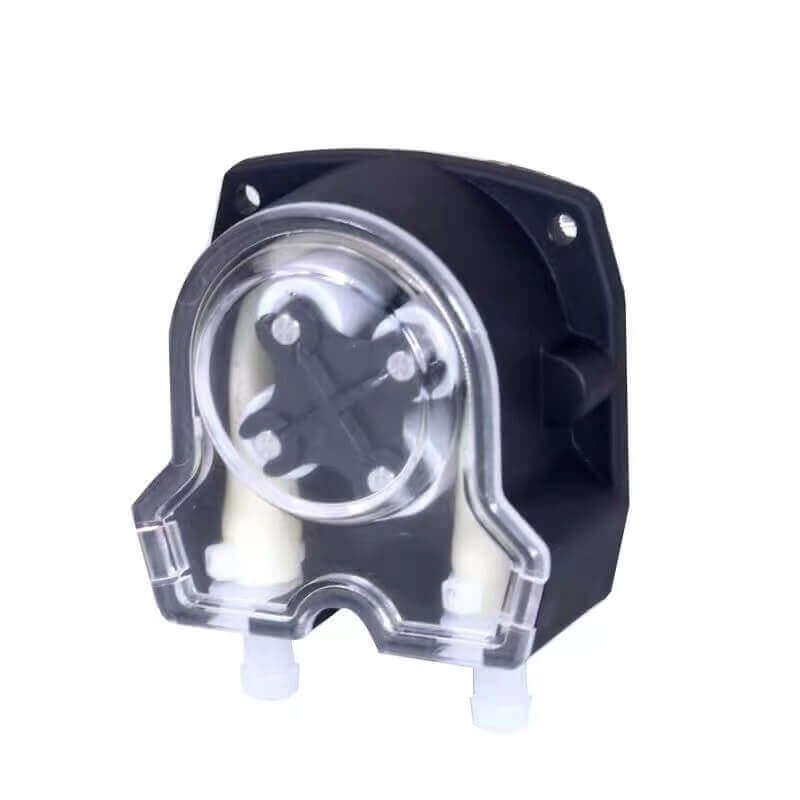
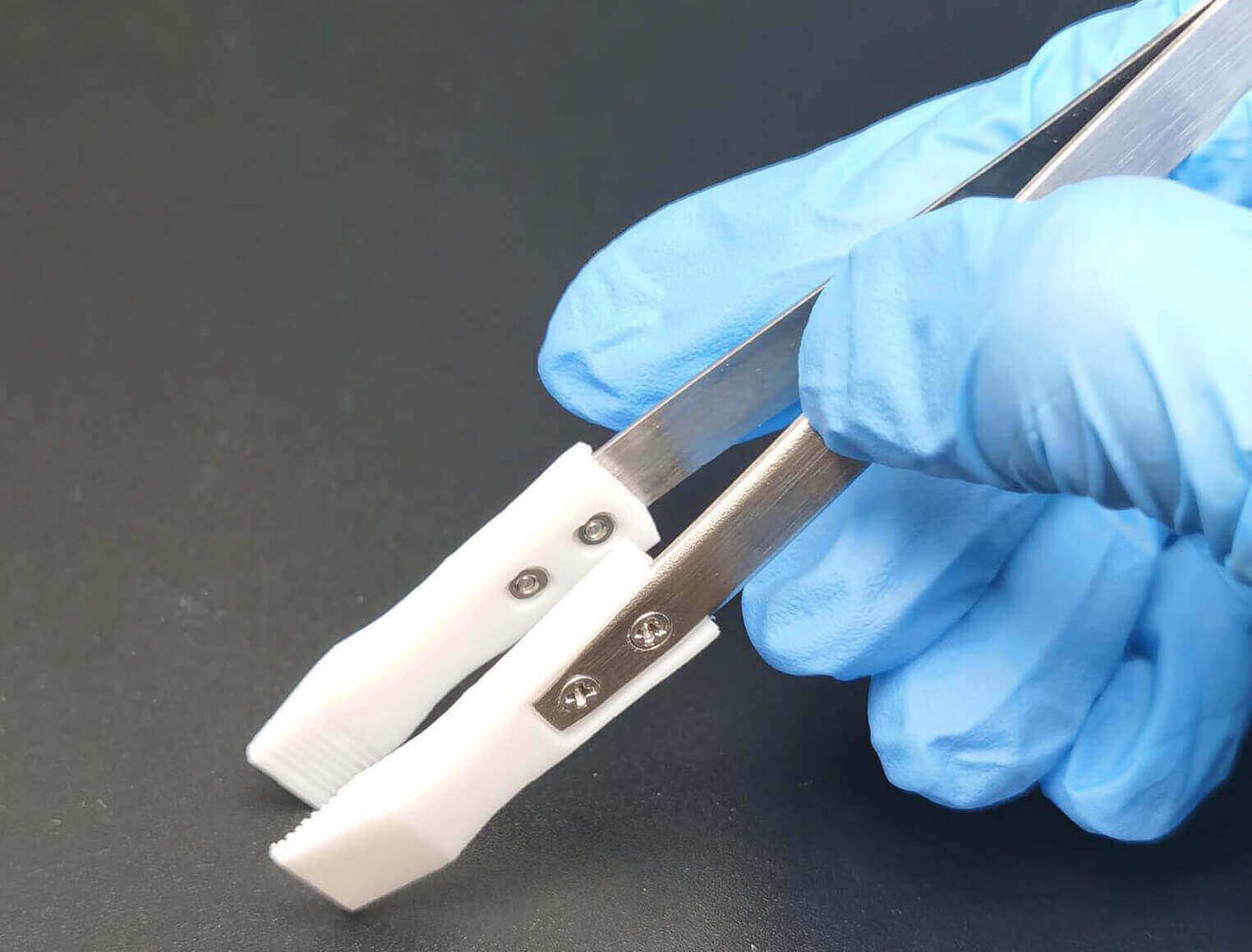
The Future of Industrial Manufacturing: Embracing PPS CNC Machining Technology

PPS CNC Machining for Machine Building

Discover the Future of Industrial Manufacturing as we delve into the game-changing world of PPS CNC Machining Technology. Uncover the Advantages it offers, explore its wide-ranging Applications across industries, and learn about the innovative use of materials and components. Stay ahead of the curve with insights into Future Trends and Innovations, and gain inspiration from Case Studies showcasing its transformative potential. Join us on a journey towards more precise, efficient, and cost-effective industrial manufacturing.

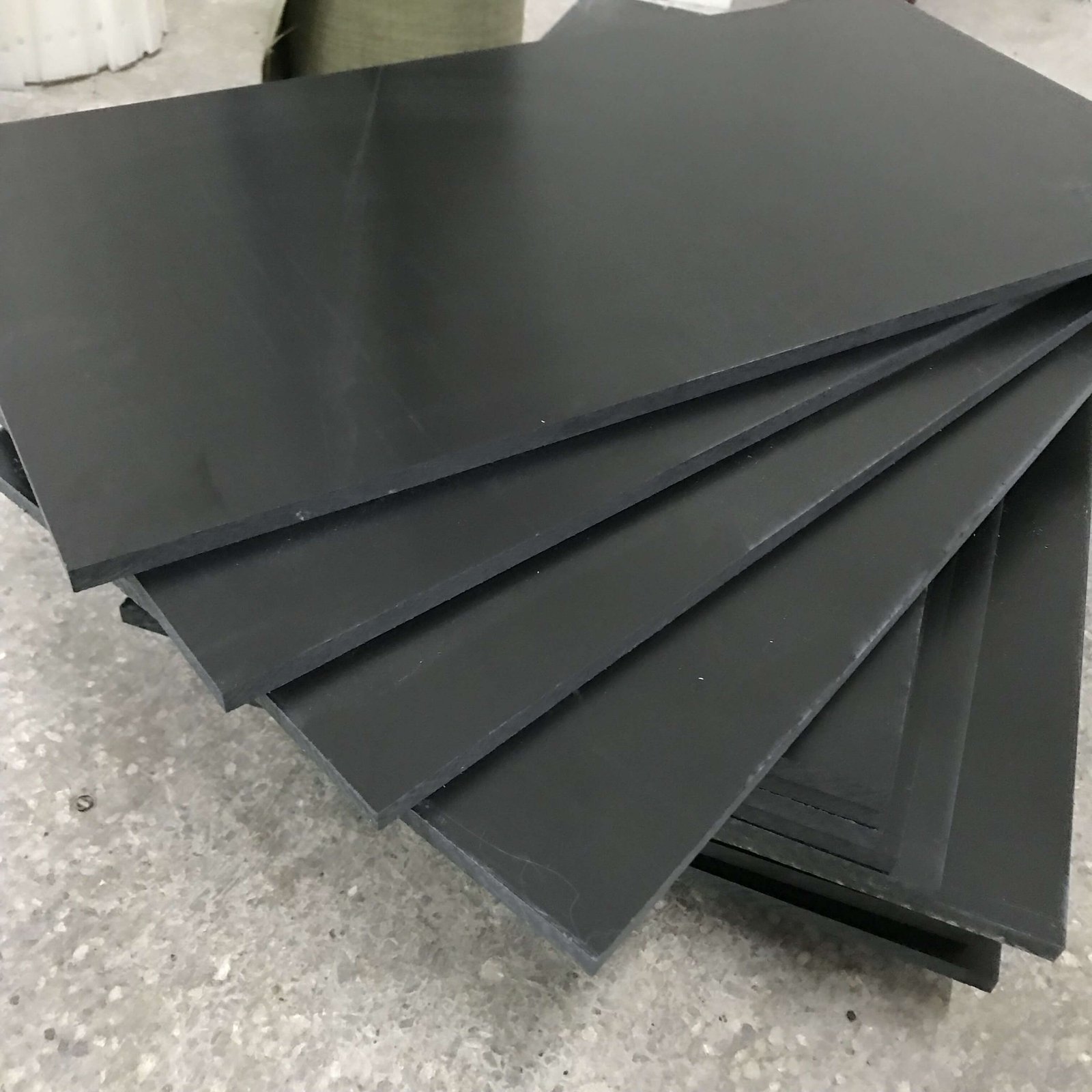
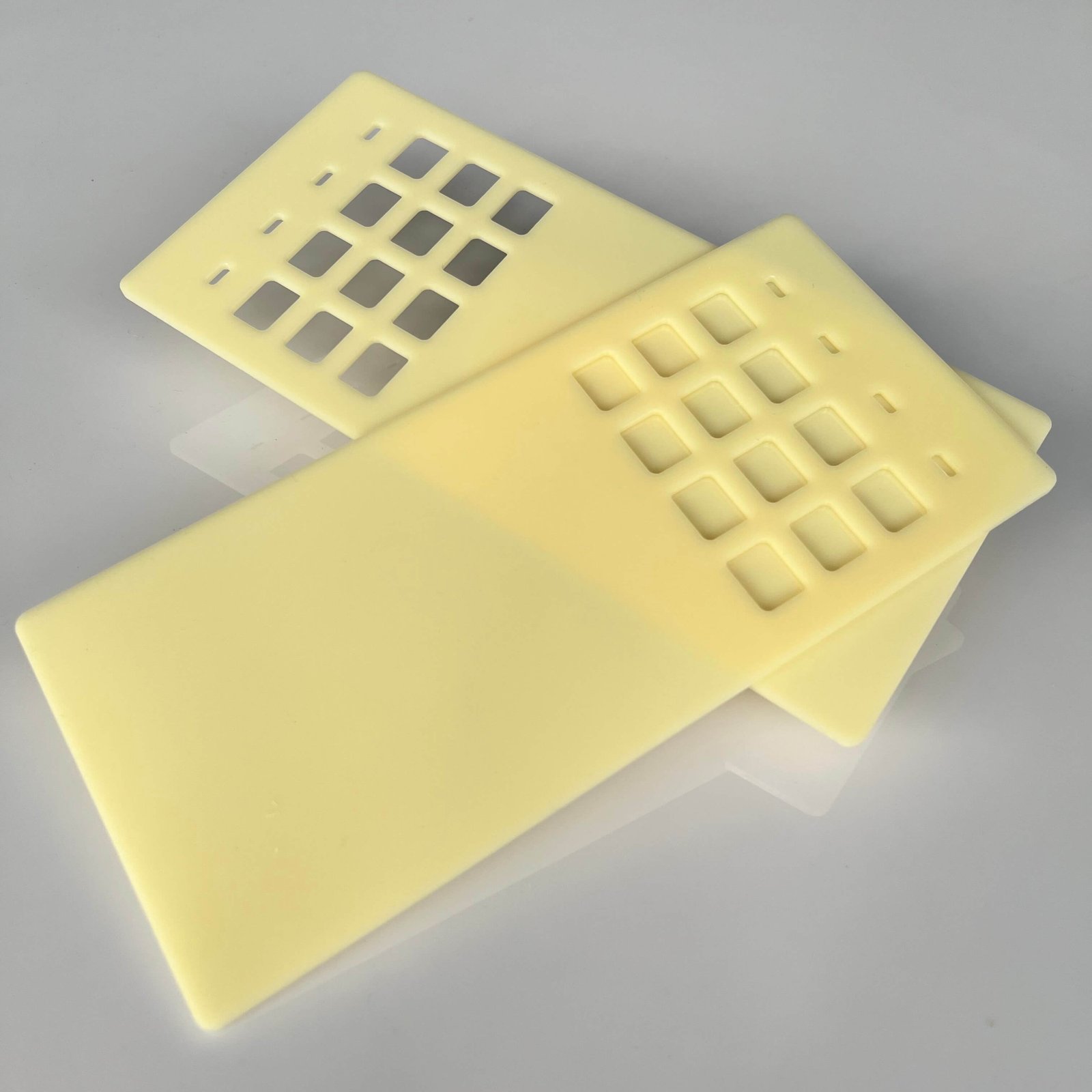
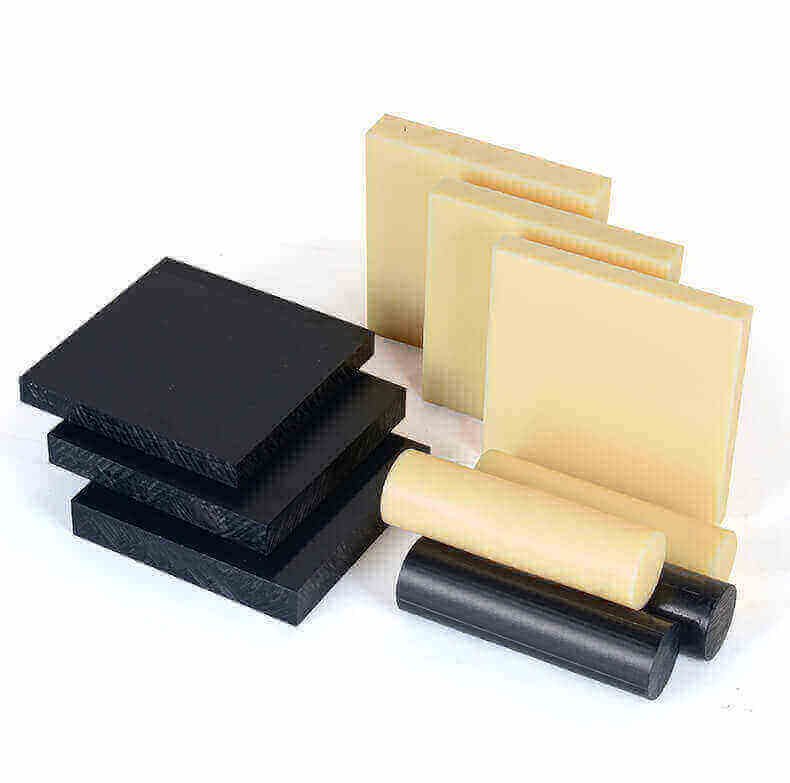
🎉🎉🎉Limited Time Offer Use code: QR4GNY08SHVR at checkout and enjoy a special discount on your entire order! 👉PPS board

PPS CNC Machining Technology

The Advantages of PPS CNC Machining in Industrial Manufacturing

In the realm of industrial manufacturing, the adoption of PPS CNC Machining technology has brought about a transformative wave of benefits, revolutionizing the way components and parts are crafted. This advanced machining technique stands out for its impeccable precision, unparalleled efficiency, and remarkable cost-effectiveness, making it a cornerstone of modern manufacturing processes.

Precision Beyond Compare

One of the standout advantages of PPS CNC machining is its exceptional precision. Utilizing computer numerical control (CNC) systems, this technology allows for the creation of intricate, highly detailed components with micron-level accuracy. Manufacturers can confidently craft parts that meet the most demanding specifications, ensuring a level of precision that was once unimaginable.

Enhanced Efficiency

Efficiency is the lifeblood of any industrial operation, and PPS CNC machining excels in this department. With its automated, computer-guided processes, it significantly reduces the margin of error and minimizes material wastage. Manufacturers can achieve consistent, repeatable results with minimal human intervention, leading to streamlined production and faster turnaround times.

Cost-Effectiveness Unveiled

Cost-effectiveness is a key driver in industrial manufacturing, and PPS CNC machining shines brightly in this regard. The precision and efficiency it offers translate into reduced labor costs, lower material wastage, and fewer defects in the final product. This means not only a reduction in production expenses but also increased competitiveness in the market.

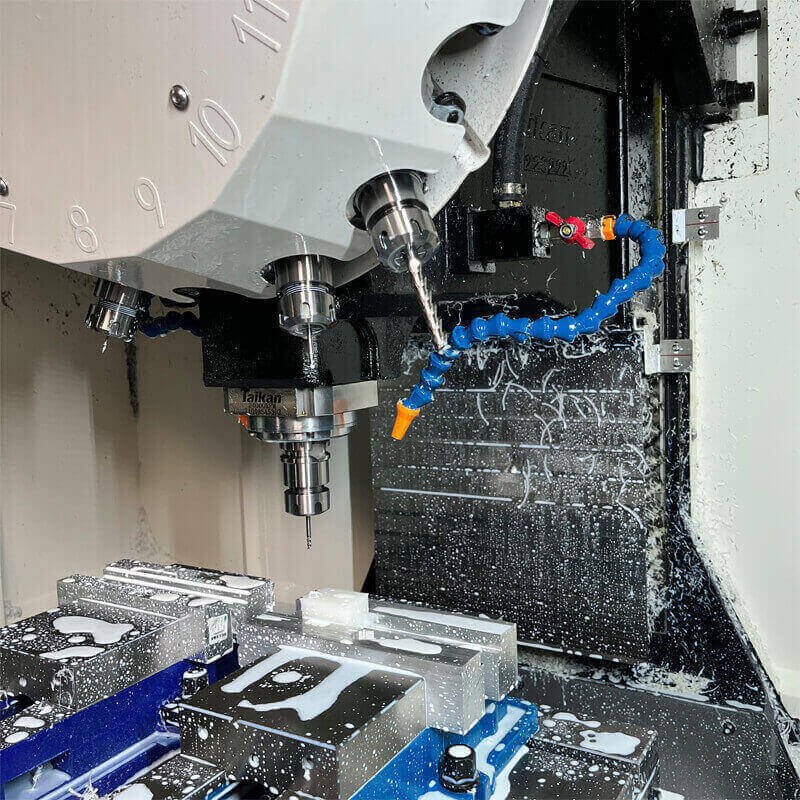
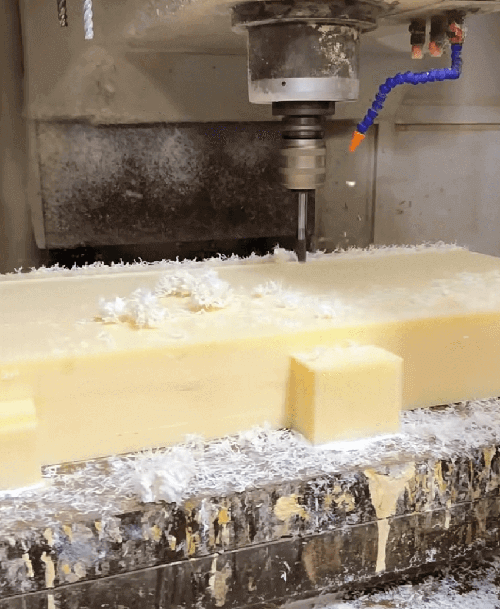
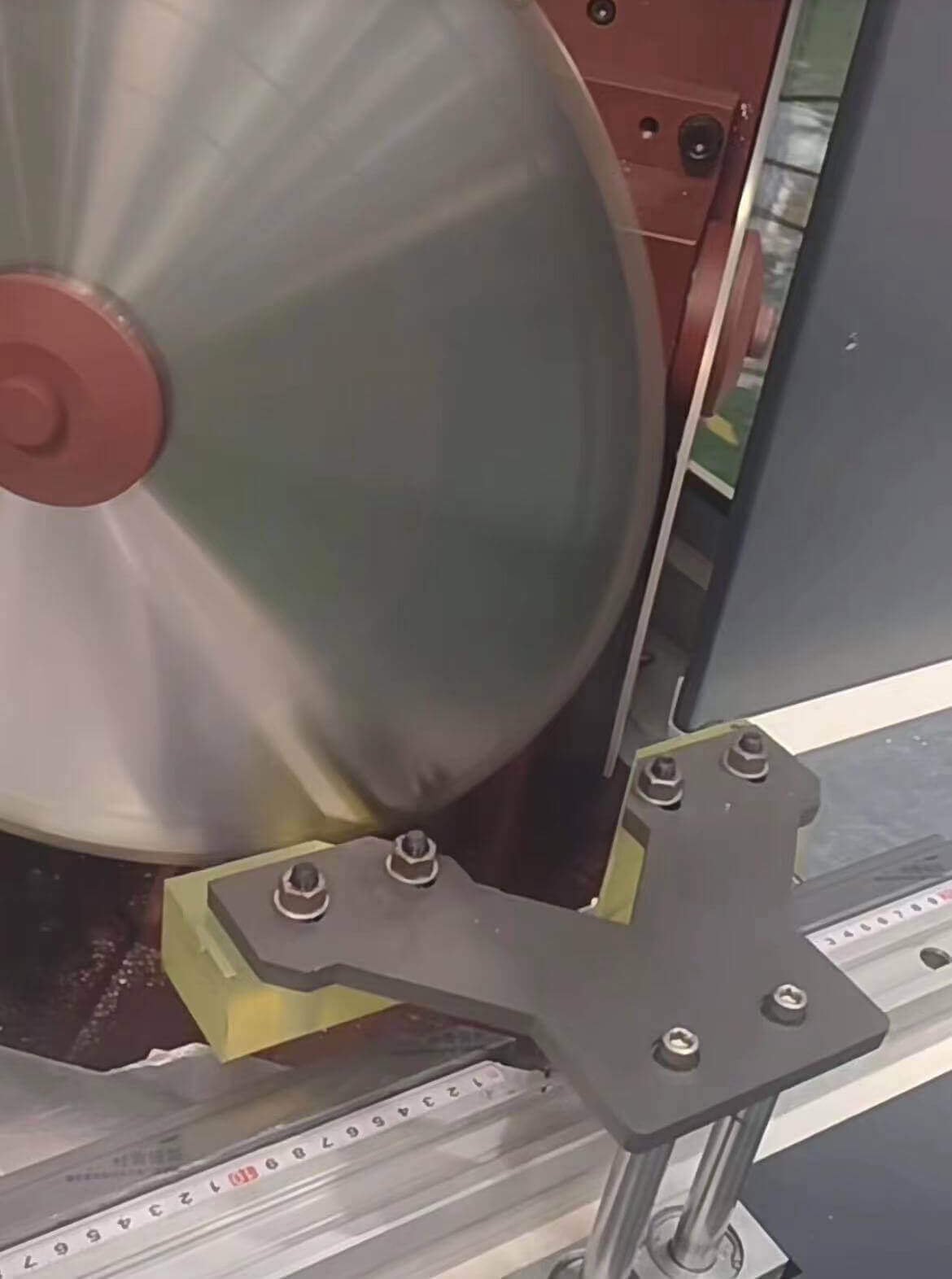
PPS CNC machining

Versatility in Material Choice

Another noteworthy aspect is the versatility of materials that can be used with PPS CNC machining. PPS (Polyphenylene Sulfide) itself is known for its excellent thermal stability, chemical resistance, and electrical properties. This opens the door to manufacturing a wide range of components suitable for various industrial applications, from automotive to aerospace.

Meeting the Demands of Modern Industry

In an era where precision, efficiency, and cost-effectiveness reign supreme, PPS CNC machining technology stands as a beacon of innovation in industrial manufacturing. It not only meets the demands of modern industry but also sets new standards for quality and productivity. Embracing this technology is not just an option; it’s a strategic move towards a brighter, more efficient future in the industrial manufacturing landscape.

PPS CNC machining technology is a game-changer, offering precision, efficiency, and cost-effectiveness that are redefining the industrial manufacturing landscape. By embracing this innovative approach, manufacturers can stay ahead of the curve, deliver higher-quality components, and remain competitive in a fast-paced market.

PPS CNC Machining: Revolutionizing Industrial Manufacturing Across Diverse Sectors

When it comes to industrial manufacturing, the versatility of PPS CNC machining knows no bounds. This technology has found its place in a multitude of industries and sectors, making significant strides in improving manufacturing processes and delivering high-quality components that meet the stringent demands of modern production.

Automotive Excellence

In the automotive industry, precision and durability are non-negotiable. PPS CNC machining plays a pivotal role in crafting engine components, transmission parts, and intricate electrical connectors. Its ability to withstand extreme temperatures and corrosive environments makes it an ideal choice for automotive applications. From fuel systems to sensor housings, PPS CNC machining ensures peak performance.

PPS CNC machining

Aerospace Advancements

Aerospace manufacturing demands components that can withstand the rigors of space travel and extreme atmospheric conditions. PPS CNC machining is utilized to create critical parts such as aircraft engine components, structural elements, and intricate airframe details. Its lightweight yet robust nature contributes to fuel efficiency and enhanced safety in the skies.

Medical Marvels

In the medical field, precision and biocompatibility are paramount. PPS CNC machining is employed to create medical devices, surgical instruments, and diagnostic equipment. Its ability to maintain sterilization and resist chemical agents makes it an excellent choice for healthcare applications. From implantable devices to laboratory tools, PPS CNC machining ensures the highest level of quality and safety.

Electronics and Electrical Engineering

The electronics industry relies on PPS CNC machining for the production of circuit boards, connectors, and insulating components. Its exceptional electrical properties and resistance to heat make it an ideal material for safeguarding delicate electronic systems. From smartphones to aerospace avionics, PPS CNC machining contributes to the reliability of electronic devices.

Oil and Gas Innovation

In the oil and gas sector, where harsh environments are the norm, PPS CNC machining is invaluable. It’s used to create critical components such as valves, seals, and connectors that can withstand extreme temperatures and corrosive substances. Its durability ensures the safety and efficiency of drilling and extraction operations.

In each of these industries and more, PPS CNC machining technology has not only found a niche but has become an indispensable tool for achieving precision, durability, and efficiency. Real-world examples abound, showcasing how this technology is transforming the way components are manufactured across diverse sectors. Embracing PPS CNC machining isn’t just a choice; it’s a strategic move towards excellence in industrial manufacturing.

PPS CNC machining center

H1: Materials and Components in PPS CNC Machining: A World of Possibilities

In the realm of industrial manufacturing, the choice of materials and components can make or break a project’s success. PPS CNC machining offers a wide array of options, allowing manufacturers to create components that cater to the unique demands of their respective industries. Let’s delve into the diverse materials that can be used with this technology, explore the range of components that can be produced, and understand why PPS is an excellent choice for industrial applications.

H2: The Versatility of PPS Material

Polyphenylene Sulfide, or PPS, is a high-performance polymer known for its exceptional properties. It boasts impressive thermal stability, excellent chemical resistance, and remarkable electrical insulation capabilities. This versatility makes PPS a go-to choice for industrial applications where precision and durability are paramount.

H3: Materials Compatible with PPS CNC Machining

PPS CNC machining is not limited to PPS alone. It can also work with various other materials, including metals, plastics, and composites. Whether you require the robustness of stainless steel, the lightweight properties of aluminum, or the intricate detailing of engineering plastics, PPS CNC machining seamlessly adapts to your material needs.

H4: Components Crafted to Perfection

The range of components that can be produced through PPS CNC machining is vast and diverse. From intricate gears and impellers to complex housings and connectors, the technology offers a level of precision that is unmatched. Its ability to handle small-scale to large-scale components ensures that manufacturers can cater to a wide spectrum of industrial needs.

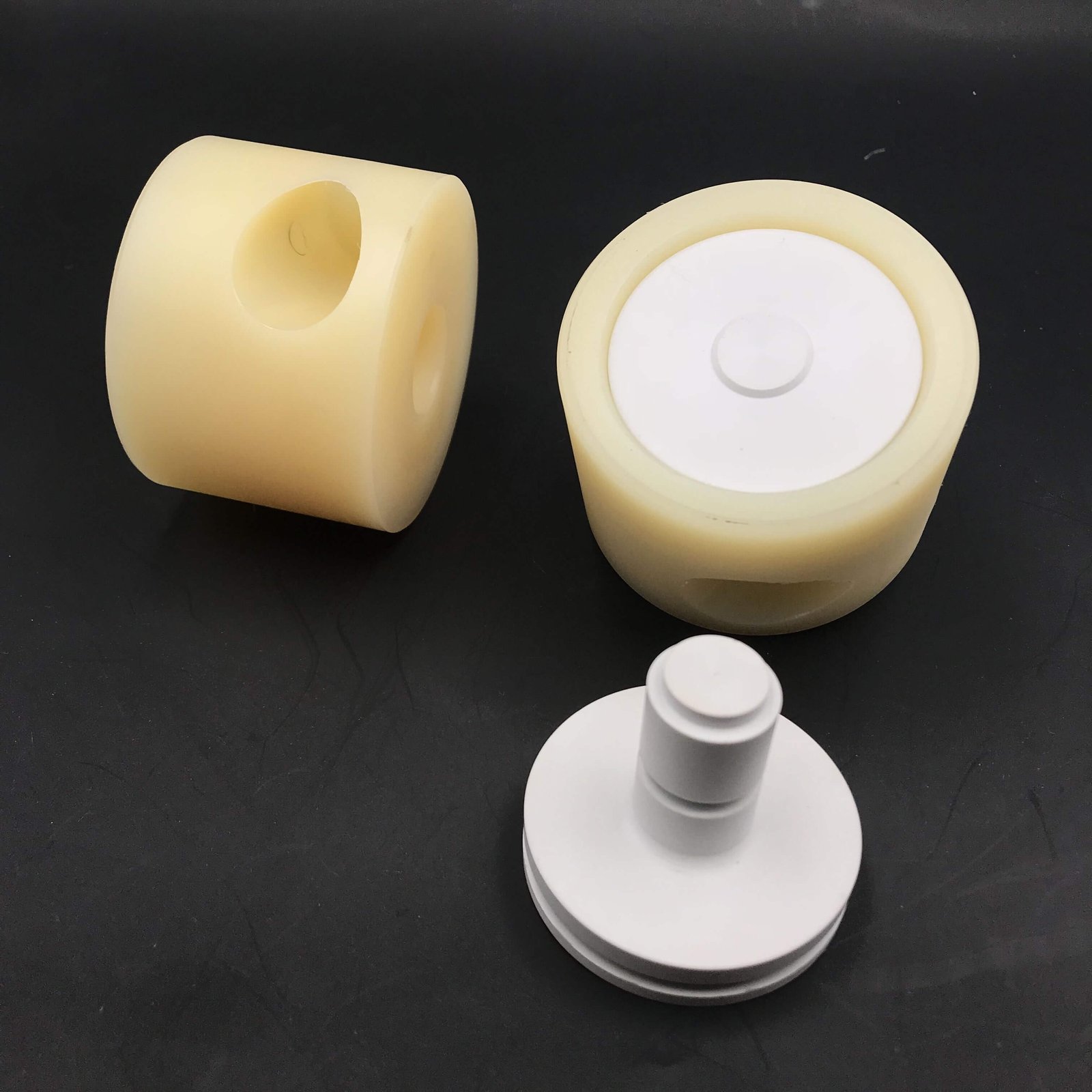
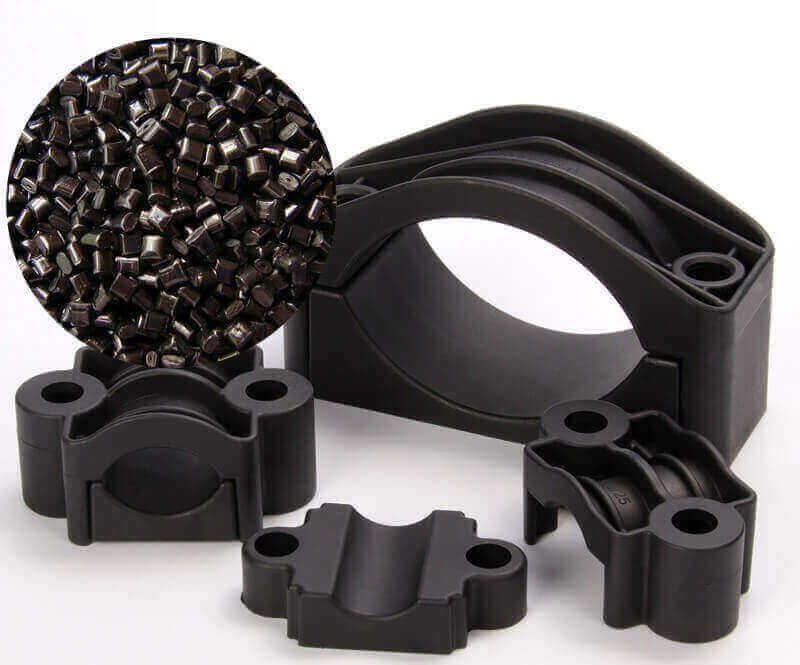
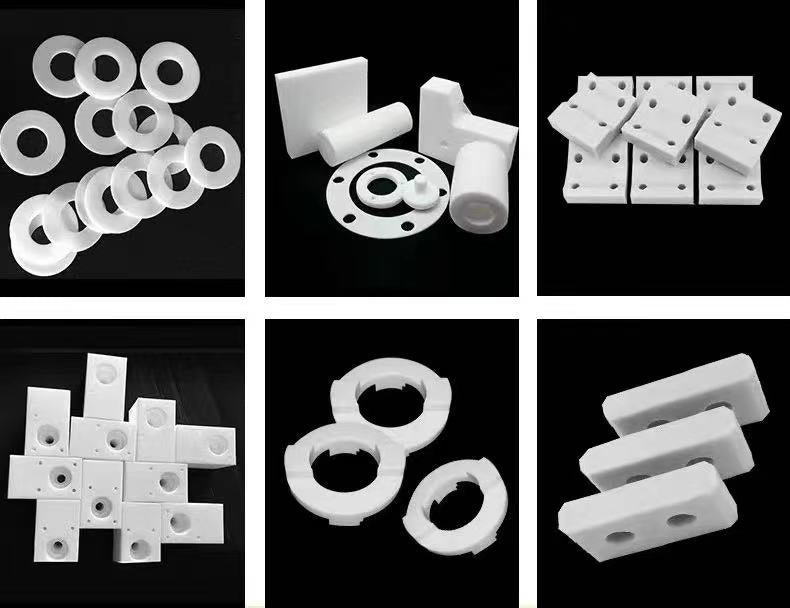
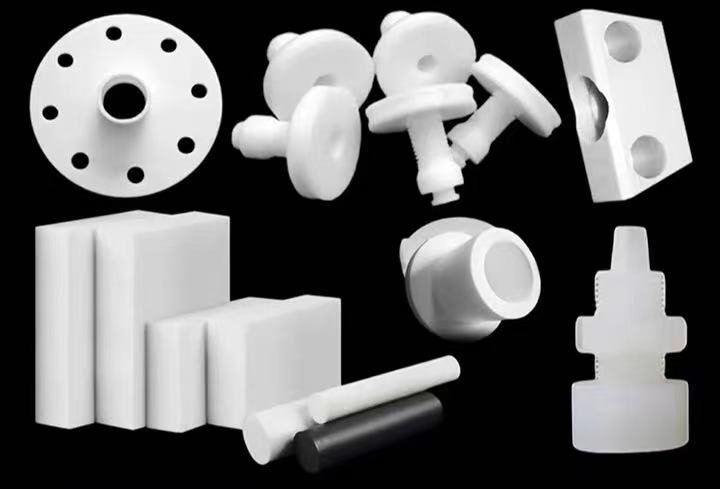
PPS CNC machining parts

Why PPS is Ideal for Industrial Applications

PPS stands out as an ideal choice for industrial applications for several reasons. Its resistance to high temperatures, chemicals, and wear and tear ensures that components crafted with PPS can endure the harshest of environments. This makes it indispensable in industries like automotive, aerospace, and oil and gas, where durability is non-negotiable.

Precision and Consistency

PPS CNC machining delivers not only precision but also consistency in the manufacturing process. Manufacturers can rely on its computer-guided accuracy to produce components that meet exacting standards time and again. This level of consistency is a game-changer in industries where quality control is paramount.

The world of materials and components in PPS CNC machining is a realm of endless possibilities. With PPS as a versatile base material and the ability to work with a range of other materials, manufacturers can create components tailored to their specific needs. The inherent properties of PPS make it an excellent choice for industrial applications, providing durability, precision, and consistency that are second to none. Embracing PPS CNC machining is a strategic move towards elevating the quality and performance of industrial components.

Future Trends and Innovations in PPS CNC Machining Technology

In the dynamic world of industrial manufacturing, staying ahead of the curve is imperative. PPS CNC machining has proven to be a game-changer, but what lies ahead in terms of future trends and innovations? Let’s delve into the exciting developments that are shaping the evolution of PPS CNC machining and how it’s poised to meet the changing needs of industrial manufacturing.

Advancements in Automation

Automation is at the forefront of future trends in PPS CNC machining. Manufacturers are increasingly integrating artificial intelligence and machine learning algorithms into CNC systems. This enables real-time adjustments, predictive maintenance, and even self-optimizing machining processes. The result? Enhanced efficiency, reduced downtime, and improved overall productivity.

3D Printing Integration

The convergence of 3D printing technology with CNC machining is opening new doors in industrial manufacturing. PPS, known for its compatibility with 3D printing, is becoming a popular choice for creating complex prototypes and tooling components. This integration allows for rapid prototyping and customization, reducing lead times and costs.

Sustainable Manufacturing Practices

Sustainability is a driving force in industrial manufacturing, and PPS CNC machining is no exception. Innovations in materials and processes are focusing on reducing waste and energy consumption. PPS materials with enhanced biodegradability and recyclability are emerging, aligning with the growing demand for eco-friendly manufacturing solutions.

IoT-Enabled Machining

The Internet of Things (IoT) is ushering in a new era of connectivity in PPS CNC machining. Sensors and IoT devices are being incorporated into machining equipment to monitor performance, collect data, and provide real-time insights. This data-driven approach enables manufacturers to optimize processes, minimize errors, and ensure consistent quality.

Customization and Personalization

As consumer demands for customized products rise, PPS CNC machining is adapting to meet this need. Future trends include the ability to easily reconfigure CNC machines for different tasks and a focus on rapid customization. Manufacturers will have the flexibility to produce tailored components on-demand, catering to individual client requirements.

PPS CNC machining center

The future of PPS CNC machining is filled with exciting possibilities. From advancements in automation and 3D printing integration to a strong emphasis on sustainability, IoT-enabled machining, and increased customization, the technology is evolving to address the ever-changing needs of industrial manufacturing. Embracing these future trends and innovations will not only keep manufacturers competitive but also lead to more efficient, sustainable, and personalized solutions in the industrial landscape.

Case Studies: The Transformational Power of PPS CNC Machining

The real-world impact of PPS CNC machining on industrial manufacturing cannot be overstated. To truly understand the significance of this technology, let’s dive into some compelling case studies that shed light on how industrial businesses have embraced PPS CNC machining and achieved remarkable improvements in their manufacturing processes and products.

Automotive Industry Marvel

In one remarkable case study, a leading automotive manufacturer turned to PPS CNC machining to enhance the performance of their fuel system components. By leveraging the precision and durability of PPS, they achieved a significant reduction in component weight while maintaining superior strength and chemical resistance. This not only improved fuel efficiency but also contributed to reduced emissions, aligning with the industry’s drive towards sustainability.

Aerospace Excellence

A prominent aerospace company embarked on a journey to improve the reliability and safety of their aircraft components. PPS CNC machining emerged as the solution of choice for crafting intricate engine components and airframe details. The result? Enhanced performance, increased fuel efficiency, and a notable decrease in maintenance costs. The adoption of PPS CNC machining allowed them to maintain their reputation for quality and reliability in the aerospace industry.

Medical Breakthroughs

In the realm of medical manufacturing, a medical device company sought to create cutting-edge, biocompatible components for implantable devices. PPS CNC machining provided the precision required to meet stringent medical standards. The use of PPS not only ensured the biocompatibility of components but also improved their longevity and performance. Patients benefitted from safer and more effective medical solutions.

Electronics Advancements

A global electronics manufacturer embraced PPS CNC machining to elevate the quality of their connectors and insulating components. The exceptional electrical properties of PPS ensured optimal performance in a range of electronic devices, from consumer electronics to critical aerospace avionics. The company saw a significant reduction in defects and increased customer satisfaction.

Oil and Gas Reliability

In the demanding world of oil and gas, a drilling equipment manufacturer sought to enhance the reliability of their critical components. PPS CNC machining was instrumental in crafting seals, valves, and connectors that could withstand extreme temperatures and corrosive environments. The result was reduced downtime, improved safety, and increased efficiency in drilling operations.

These case studies serve as compelling evidence of the transformative power of PPS CNC machining in industrial manufacturing. They illustrate how embracing this technology can lead to improved product performance, cost savings, and a competitive edge in diverse industries. These success stories stand as a testament to the potential of PPS CNC machining to revolutionize the world of manufacturing.

In conclusion, the future of industrial manufacturing is undeniably intertwined with the advancements in PPS CNC machining technology. Its advantages in precision, efficiency, and cost-effectiveness have reshaped industries ranging from automotive and aerospace to medical and electronics. As we look ahead, the evolution of PPS CNC machining promises even more exciting developments, including automation, 3D printing integration, sustainability, IoT-enabled machining, and enhanced customization. The case studies we’ve explored demonstrate its real-world impact, showcasing how businesses have harnessed its potential to achieve remarkable improvements in their manufacturing processes and products. Embracing PPS CNC machining isn’t just about keeping up; it’s about staying at the forefront of innovation, delivering higher quality, and ensuring competitiveness in the dynamic landscape of industrial manufacturing. So, as we stand on the brink of the future, remember that PPS CNC machining isn’t just a technology; it’s a catalyst for excellence in industrial manufacturing, a journey toward a brighter, more efficient future.

PPS CNC machining technology

Don’t miss out on the future of industrial manufacturing. Get in touch today to discuss how PPS CNC machining can revolutionize your components and take your business to the next level. Let’s shape the future together!

🎉🎉🎉Limited Time Offer Use code: QR4GNY08SHVR at checkout and enjoy a special discount on your entire order! 👉PPS board

Leave a comment


Please note, comments must be approved before they are published


Custom Plastic Fabrication

Send your drawing, material and quantity for review

🔧
Precision Machining
CNC milling & turning
✂️
Cutting & Engraving
Laser & waterjet cutting
🏭
Forming & Molding
Thermoforming & injection
🔗
Joining & Assembly
Welding & bonding
📐
Design & Prototyping
CAD design & samples

General

HDPE

PP

PVC

ABS

Engineering

POM

Nylon

PC

PMMA

High-Performance

PEEK

PEI

PTFE

Composites

FR-4

G10

Flexible

TPU

Silicone

Why Choose BeePlastic?

🎯
Perfect Fit
Custom specs eliminate adaptation needs
⚡
Clear Lead Times
Lead time confirmed with every quote
💰
Volume Pricing
Volume pricing available on bulk orders
🤝
Expert Support
Free engineering consultation included
📋
Submit
→
🔍
Review
→
💵
Quote
→
✅
Production
→
📦
Deliver

Request a Quote

Share your project details, selected material and quantity on our quote page. You can add a file link or use the email drawing route shown there.


Request Quote

Industries: Automotive • Medical • Food • Lab • Semiconductor

beeplastic@beeplastic.com


Cutting-Edge Techniques: PPS CNC Machining for Industrial Equipment Enhancement

PPS Plastic

Unlock the Future of Industrial Equipment Enhancement with PPS CNC Machining! Dive into this comprehensive guide as we unveil the extraordinary world of Polyphenylene Sulfide (PPS) material, its unmatched properties, and the game-changing advantages it offers. Discover the inner workings of CNC machining, a pivotal tool in revolutionizing your industrial machinery. Explore real-world success stories through captivating case studies that highlight the tangible benefits of PPS CNC machining. Plus, gain essential insights on how to select the perfect CNC machining partner for your equipment improvement needs. Elevate your industry standards and stay at the forefront of innovation with PPS CNC machining – the cutting-edge solution you’ve been waiting for!

🎉🎉🎉Limited Time Offer Use code: QR4GNY08SHVR at checkout and enjoy a special discount on your entire order! 👉PPS board

PPS CNC Machining

Unlocking the Power of PPS (Polyphenylene Sulfide) Material

When it comes to enhancing industrial equipment, selecting the right material is paramount. One such material that has been making waves in the industry is Polyphenylene Sulfide (PPS). In this section, we will delve deep into the unique characteristics and undeniable advantages that make PPS a game-changer for industrial equipment enhancement.

The Unparalleled Properties of PPS

Polyphenylene Sulfide (PPS) is a high-performance thermoplastic known for its exceptional qualities. Its chemical structure sets it apart, as it boasts a combination of properties that are perfectly suited for demanding industrial applications. Key characteristics include:

Thermal Stability and Resistance

PPS is celebrated for its exceptional thermal stability. It can withstand high temperatures without warping or deforming, making it a top choice for components exposed to extreme heat. Whether it’s in the automotive, aerospace, or manufacturing sector, PPS ensures reliable performance even in the harshest environments.

Chemical Resistance

Another standout feature of PPS is its impressive chemical resistance. It remains unaffected by a wide range of chemicals, acids, and solvents, making it ideal for components that come into contact with corrosive substances. This durability ensures the longevity of your industrial equipment.

Mechanical Strength

PPS doesn’t just excel in extreme temperatures and harsh chemical environments; it also boasts remarkable mechanical strength. It maintains its structural integrity under heavy loads, ensuring that your machinery remains robust and dependable over time.

Electrical Insulation Properties

In applications requiring electrical insulation, PPS shines. Its excellent dielectric properties make it a preferred choice for components where electrical conductivity must be minimized, promoting safety and reliability.

PPS material

Advantages of PPS for Industrial Equipment Enhancement

Now that we’ve explored the remarkable properties of PPS, let’s delve into why it’s the go-to material for enhancing industrial equipment.

Lightweight Yet Durable

One of the primary advantages of PPS is its lightweight nature combined with exceptional durability. This unique combination reduces the overall weight of your equipment while maintaining structural integrity, leading to improved efficiency and performance.

Cost-Effective Solution

PPS’s longevity and resistance to wear and tear translate into cost savings for industrial operations. Reduced maintenance, fewer replacements, and increased equipment lifespan all contribute to a more budget-friendly solution.

Environmental Friendliness

In an era where sustainability matters, PPS stands out as an environmentally friendly choice. It is fully recyclable, contributing to a greener manufacturing process and a reduced carbon footprint.

By understanding the unparalleled properties and undeniable advantages of PPS, you’ll be better equipped to harness its potential in enhancing your industrial equipment.

PPS CNC Machining

The CNC Machining Process Demystified

When it comes to industrial equipment enhancement, CNC machining is a technology that has become indispensable. In this section, we’ll unravel the intricacies of CNC machining, providing a detailed explanation of how it works and why it holds paramount relevance in improving industrial equipment.

An In-Depth Look at CNC Machining

Understanding CNC: Computer Numerical Control

At the heart of CNC machining lies the acronym CNC, which stands for Computer Numerical Control. This innovative technology represents a significant leap forward in precision manufacturing. At its core, CNC machining relies on specialized software and computerized systems to control the machining tools with unparalleled accuracy.

How CNC Machining Works

CNC machining begins with the creation of a detailed CAD (Computer-Aided Design) model of the desired component or part. This CAD model serves as a digital blueprint, outlining every dimension and contour precisely.

The CAD model is then translated into a CAM (Computer-Aided Manufacturing) program. This program generates the set of instructions necessary to control the CNC machine. It specifies the toolpath, machining speeds, and feeds required to transform a raw material into the final component.

The CNC Machine in Action

Once the CAM program is loaded into the CNC machine, it takes over with precision and consistency. The machine’s movements are driven by motors that receive instructions from the computer. Cutting, drilling, milling, and shaping operations are carried out with incredible accuracy, all guided by the digital design.

The Role of CNC in Industrial Equipment Enhancement

So, why is CNC machining so relevant to industrial equipment improvement? Here are the key reasons:

Precision and Consistency

CNC machining offers unparalleled levels of precision and consistency. Whether you’re crafting intricate components or ensuring uniformity in large-scale production, CNC ensures that each piece meets exact specifications.

Complex Geometries

In the world of industrial equipment, components often feature intricate and complex geometries. CNC machining can effortlessly create these complex shapes with unmatched precision, facilitating enhanced performance and functionality.

Versatility and Adaptability

Industrial equipment varies significantly across industries. CNC machining’s versatility allows it to work with a wide range of materials, from metals to plastics like PPS. This adaptability makes it a go-to choice for equipment enhancement projects.

Increased Efficiency

The automation and repeatability of CNC machining reduce human error, leading to increased efficiency in the manufacturing process. This not only saves time but also reduces waste and costs.

As we demystify the CNC machining process, it becomes evident that this technology is at the forefront of industrial equipment enhancement. Its precision, versatility, and efficiency make it an invaluable tool for manufacturers seeking to elevate the performance and quality of their equipment.

PPS CNC Machining center

Benefits of PPS CNC Machining in Industrial Settings

In the realm of industrial equipment enhancement, one technology has risen to prominence for its exceptional advantages – PPS CNC machining. In this section, we’ll explore the specific benefits that PPS CNC machining brings to the table, revolutionizing the way industrial settings approach equipment improvement.

Unveiling the PPS Advantage

Precision Engineering at Its Finest

PPS CNC machining is synonymous with precision engineering. Its exceptional dimensional accuracy ensures that every component, from gears and bushings to complex structural parts, is crafted to perfection. This level of precision is paramount in industries where even the slightest deviation can lead to equipment malfunction or inefficiency.

Exceptional Heat Resistance

One of PPS’s standout features is its remarkable heat resistance. In industrial settings where machinery operates at high temperatures, PPS maintains its structural integrity without warping or deteriorating. This heat resistance ensures that equipment functions reliably even under the most demanding conditions.

Chemical Resilience

Industrial environments often expose equipment to harsh chemicals and corrosive substances. Here, PPS shines with its outstanding chemical resilience. It remains unaffected by a wide range of chemicals, safeguarding your equipment against corrosion and degradation.

Mechanical Strength

PPS is not just about thermal and chemical properties; it’s also prized for its impressive mechanical strength. Whether it’s load-bearing components or parts subject to mechanical stress, PPS CNC machining delivers components that withstand the rigors of industrial operations.

Reduced Maintenance and Downtime

One of the most tangible benefits of PPS CNC machining is reduced maintenance and downtime. Components crafted from PPS require minimal upkeep, resulting in fewer disruptions to your operations. Reduced maintenance costs and increased equipment lifespan translate into substantial cost savings over time.

Enhanced Efficiency and Performance

PPS CNC machining contributes to enhanced efficiency and performance across various industrial applications. Its lightweight yet durable nature reduces the overall weight of equipment, leading to improved energy efficiency. Additionally, the precise engineering of PPS components optimizes equipment functionality, resulting in increased productivity.

PPS CNC Machining

The Eco-Friendly Choice

Sustainability Matters

In an era where sustainability is paramount, PPS CNC machining stands out as an eco-friendly choice. PPS is fully recyclable, reducing waste and contributing to a greener manufacturing process. Choosing PPS not only benefits your equipment but also aligns with responsible environmental practices.

As we’ve uncovered, PPS CNC machining brings a multitude of benefits to industrial settings. Its precision engineering, heat resistance, chemical resilience, mechanical strength, and eco-friendliness make it a frontrunner in enhancing industrial equipment. By embracing PPS CNC machining, industries can elevate their standards, reduce costs, and ensure the reliability and longevity of their equipment.

Case Studies: Real-World Applications of PPS CNC Machining

Let’s dive into the real-world success stories where PPS CNC machining has proven to be a transformative force, elevating industrial equipment and machinery to new heights. These case studies showcase the incredible potential of PPS CNC machining in addressing unique challenges and achieving exceptional results.

Precision in Motion

Aerospace Advancements

In the aerospace industry, precision and reliability are non-negotiable. PPS CNC machining plays a pivotal role in crafting intricate components that meet the rigorous demands of aerospace equipment. From lightweight yet robust aircraft interior parts to heat-resistant engine components, PPS CNC machining ensures precision in motion.

Enhancing Automotive Efficiency

In the automotive sector, efficiency is paramount. PPS CNC machining has been instrumental in the development of components that contribute to improved fuel efficiency and reduced emissions. From fuel system components to transmission parts, PPS CNC machining enhances the performance of vehicles while adhering to stringent environmental standards.

Resilience in Harsh Environments

Oil and Gas Industry Resilience

The oil and gas industry operates in some of the harshest environments on the planet. PPS CNC machining delivers components that can withstand extreme temperatures, corrosive chemicals, and high-pressure conditions. Whether it’s downhole tools or offshore equipment, PPS CNC machining ensures resilience in the face of adversity.

Marine Marvels

In maritime applications, the durability of components is paramount. PPS CNC machining has been pivotal in crafting marine equipment that resists saltwater corrosion and harsh weather conditions. From ship fittings to underwater exploration devices, PPS CNC machining ensures longevity and performance in the marine industry.

PPS CNC Machining

Efficiency Across Industries

Industrial Equipment Optimization

Across various industrial sectors, PPS CNC machining has played a significant role in optimizing equipment performance. From conveyor systems to manufacturing machinery, PPS CNC machining improves efficiency, reduces downtime, and enhances overall productivity.

Renewable Energy Solutions

In the renewable energy sector, PPS CNC machining contributes to the development of components used in wind turbines, solar panels, and hydroelectric systems. These components are engineered to withstand the elements and ensure the reliability of renewable energy sources.

These real-world case studies vividly illustrate the remarkable impact of PPS CNC machining on industrial equipment and machinery. From aerospace advancements to marine marvels, PPS CNC machining has proven itself as a versatile and indispensable technology, pushing the boundaries of what’s possible in various industries. Its ability to deliver precision, resilience, and efficiency is transforming the way industries approach equipment enhancement, ultimately driving progress and innovation.

Choosing the Right PPS CNC Machining Partner

Selecting the ideal CNC machining provider for your industrial equipment enhancement needs is a crucial decision that can significantly impact the success of your projects. In this section, we’ll provide valuable tips and considerations to help industrial customers make an informed choice when seeking a PPS CNC machining partner.

PPS plastic CNC Machining center

The Importance of the Right Partner

A Strategic Partnership

Choosing the right PPS CNC machining partner is not merely a transaction; it’s the foundation of a strategic partnership. Your chosen partner should align with your goals, understand your specific needs, and possess the expertise to deliver exceptional results.

Quality Assurance

Quality is non-negotiable when it comes to industrial equipment enhancement. Look for a CNC machining partner with rigorous quality assurance processes in place. They should adhere to industry standards and have a track record of consistently delivering high-quality components.

Finding the Ideal CNC Machining Provider

Expertise in PPS CNC Machining

First and foremost, seek a provider with expertise in PPS CNC machining. PPS is a unique material, and a specialized understanding of its properties and machining requirements is paramount for success.

State-of-the-Art Equipment

The machining partner’s equipment plays a pivotal role in the quality of the components produced. Ensure they have state-of-the-art CNC machines that are well-maintained and capable of meeting your project’s demands.

Customization Capability
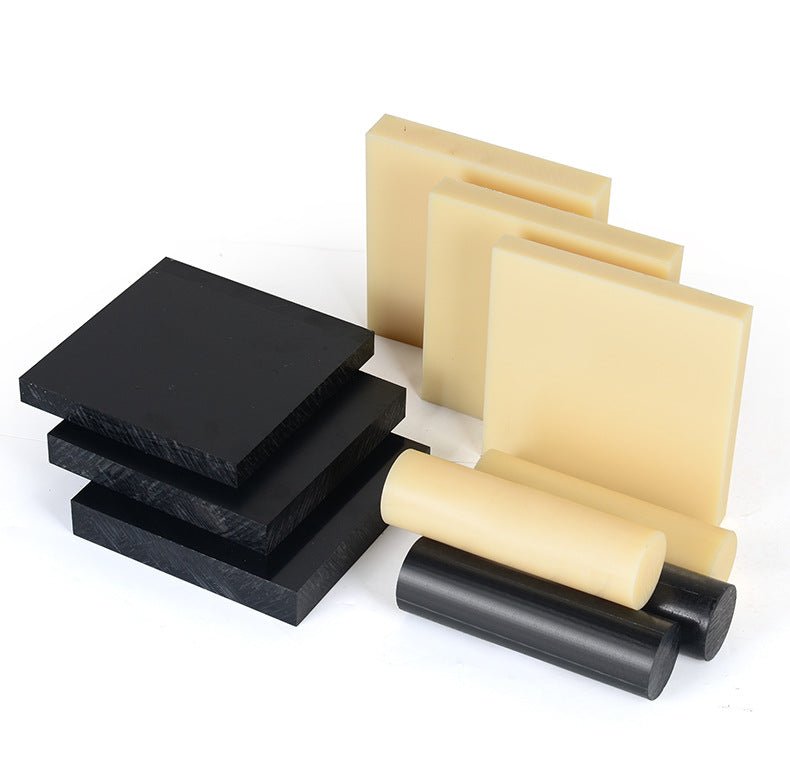
Industrial equipment enhancement often requires customized solutions. Look for a partner with the capability for customization. They should be able to tailor their processes to meet your specific design and performance requirements.

PPS CNC Machining for Machine Building

Transparency and Communication

Open and Transparent Communication

Effective communication is the cornerstone of a successful partnership. Seek a provider that prioritizes open and transparent communication. They should be responsive to your inquiries, provide regular project updates, and be willing to address any concerns promptly.

References and Testimonials

Don’t hesitate to request references and testimonials from past clients. Hearing about their experiences and the outcomes of their projects can provide valuable insights into the provider’s reliability and reputation.
Project Management and Timelines

Robust Project Management

Efficient project management is essential to ensure timelines are met. Inquire about their project management processes and their ability to deliver within agreed-upon deadlines.

Scalability and Flexibility

Consider your long-term needs and the provider’s scalability and flexibility. Can they accommodate changes in project scope or increasing production requirements as your business grows?

 PPS Plastic

In the realm of industrial equipment enhancement, choosing the right PPS CNC machining partner is a critical decision. By focusing on expertise, equipment quality, customization capability, transparency, communication, and project management, industrial customers can forge partnerships that lead to successful outcomes. Remember, your chosen partner should not just be a supplier but a collaborator committed to helping you achieve your industrial equipment enhancement goals.

In the ever-evolving landscape of industrial equipment enhancement, PPS CNC machining stands out as a beacon of innovation and excellence. Its precision engineering, exceptional heat resistance, and mechanical strength have the power to transform industries, from aerospace and automotive to oil and gas and renewable energy. These real-world case studies illuminate the remarkable potential of PPS CNC machining, showcasing its ability to overcome challenges and achieve outstanding results. As you embark on your journey to enhance industrial equipment, remember that choosing the right PPS CNC machining partner is not just a transaction; it’s the foundation of a strategic partnership. Prioritize expertise, transparency, and effective communication in your selection process. By doing so, you’ll unlock the full potential of PPS CNC machining and position yourself at the forefront of innovation in your industry. Elevate your standards, reduce costs, and ensure the reliability and longevity of your equipment with PPS CNC machining – the cutting-edge solution you’ve been waiting for.

PPS Plastic

Discover the Power of PPS CNC Machining – Request a Quote Now!

Here, you’re enticing readers to explore the potential of PPS CNC machining by requesting a quote. It positions the action as an opportunity to uncover the benefits and possibilities of this cutting-edge technology.

🎉🎉🎉Limited Time Offer Use code: QR4GNY08SHVR at checkout and enjoy a special discount on your entire order! 👉PPS board

Leave a comment


Please note, comments must be approved before they are published


Custom Plastic Fabrication

Send your drawing, material and quantity for review

🔧
Precision Machining
CNC milling & turning
✂️
Cutting & Engraving
Laser & waterjet cutting
🏭
Forming & Molding
Thermoforming & injection
🔗
Joining & Assembly
Welding & bonding
📐
Design & Prototyping
CAD design & samples

General

HDPE

PP

PVC

ABS

Engineering

POM

Nylon

PC

PMMA

High-Performance

PEEK

PEI

PTFE

Composites

FR-4

G10

Flexible

TPU

Silicone

Why Choose BeePlastic?

🎯
Perfect Fit
Custom specs eliminate adaptation needs
⚡
Clear Lead Times
Lead time confirmed with every quote
💰
Volume Pricing
Volume pricing available on bulk orders
🤝
Expert Support
Free engineering consultation included
📋
Submit
→
🔍
Review
→
💵
Quote
→
✅
Production
→
📦
Deliver

Request a Quote

Share your project details, selected material and quantity on our quote page. You can add a file link or use the email drawing route shown there.


Request Quote

Industries: Automotive • Medical • Food • Lab • Semiconductor

beeplastic@beeplastic.com


Cutting ABS Sheets for Industrial Excellence: Tips, Tricks, and Techniques

ABS waterproof housing

In the blog post “Cutting ABS Sheets for Industrial Excellence: Tips, Tricks, and Techniques,” I delve into the world of industrial plastic fabrication, specifically focusing on the art and science of cutting ABS sheets. This comprehensive guide is tailored for professionals in the industrial sector who require precision and efficiency in their machine and equipment manufacturing processes.

🎉🎉🎉Limited Time Offer Use code: QR4GNY08SHVR at checkout and enjoy a special discount on your entire order! 👉 ABS plastic

White ABS plastic CNC machining

Firstly, I explore the Essential Tools for Cutting ABS Plastic, highlighting the effectiveness of various tools like Dremel tools, jigsaws, and hot knives. This section is crucial for understanding the right tool for every unique industrial application.

Moving on, I provide in-depth insights into Precision Techniques with Jigsaws and Dremels. This part of the post is dedicated to sharing expert tips on achieving the most accurate cuts, essential for creating high-quality industrial parts.

The use of a Hot Knife for Smooth Cuts in ABS Plastic is another critical area I cover. Here, I discuss how to utilize a hot knife for seamless cutting experiences, ensuring clean and precise cuts every time.

For those looking at cutting-edge technology, the section on Laser Cutting ABS Sheets for Industrial Precision sheds light on this advanced technique. I discuss its unparalleled precision and how it revolutionizes the cutting process in industrial settings.

Additionally, the post includes a segment on Guidelines for Cutting ABS Plastic Pipes, providing a step-by-step approach for this common yet challenging task in industrial modifications.

Lastly, I emphasize the importance of safety and accuracy in the Safety and Best Practices in Cutting ABS Sheets section. This part is dedicated to ensuring that every cut is not only precise but also safe, aligning with the highest industrial standards.

This blog post is a must-read for anyone in the industrial field looking to enhance their skills and knowledge in cutting ABS sheets, ensuring excellence in every aspect of their work.

Black ABS sheet cut to size

Essential Tools for Cutting ABS Plastic

In the realm of industrial plastic fabrication, particularly when it comes to cutting ABS sheets, selecting the right tools is paramount. ABS plastic, known for its strength and versatility, is widely used in industrial applications. However, cutting it requires precision and the appropriate tools to ensure a clean, accurate finish. In this section, we’ll explore the most effective tools for this task and their specific applications in industrial settings.

Dremel Tools: Precision and Versatility

One of the most versatile tools for cutting ABS plastic is the Dremel tool. Known for its precision, a Dremel tool can be used for intricate cuts and detailed work. In industrial settings, where customization and precision are often required, a Dremel tool is invaluable. It’s particularly useful for creating small openings or detailed shapes in ABS plastic parts used in machinery or equipment. The high-speed rotary function of the Dremel allows for clean cuts with minimal burring, which is essential for high-quality finishes.

Applications of Dremel Tools in Industrial Settings

In industries where detailed work is crucial, such as in the creation of custom parts for machinery, the Dremel tool stands out. It’s ideal for tasks that require a high level of accuracy, such as cutting small or complex shapes. The ability to use a variety of attachments and bits also makes the Dremel tool a versatile choice for different types of cuts, from straight lines to curves.

Jigsaws: Power and Efficiency

For larger or thicker sheets of ABS plastic, a jigsaw is an excellent tool. It combines power with the ability to make both straight and curved cuts. In an industrial context, jigsaws are ideal for cutting larger parts or for initial rough cuts before refining with more precise tools. The key advantage of a jigsaw is its ability to quickly and efficiently cut through thicker materials without sacrificing accuracy.

Industrial Applications of Jigsaws

In the manufacturing of larger components, such as panels or covers for machinery, jigsaws are highly effective. They are particularly useful when working with thicker ABS sheets, where their power helps to maintain a consistent cutting speed, ensuring a smooth edge.

ABS CNC processing

Hot Knives: Clean Cuts and Sealing Edges

A hot knife is another essential tool for cutting ABS plastic, especially when a sealed edge is required. The heated blade not only cuts through the plastic but also seals

the edges, preventing fraying and ensuring a polished finish. This feature is particularly beneficial in industrial settings where the integrity of the part is crucial, such as in sealing components of machines that may be exposed to environmental factors.

Utilizing Hot Knives in Industrial Fabrication

In applications where the smoothness of the cut edge is as important as the cut itself, hot knives are indispensable. They are ideal for creating clean, sealed edges in ABS plastic parts that might be used in environments where moisture or other elements could be a concern. The ability to cut and seal in one action makes hot knives a time-efficient tool in industrial manufacturing processes.

Choosing the Right Tool for the Job

In conclusion, when it comes to cutting ABS sheets for industrial use, the choice of tool depends on the specific requirements of the task at hand. Whether it’s the detailed precision of a Dremel tool, the power and versatility of a jigsaw, or the clean, sealing cuts of a hot knife, each tool has its unique advantages. Understanding these tools and their applications is essential for anyone involved in industrial plastic fabrication, ensuring that each cut is not only effective but also contributes to the overall quality and functionality of the final product.

By selecting the appropriate tool for each task, professionals in the industrial sector can achieve the precision and quality they require, making their work with ABS plastic both efficient and effective.

ABS material CNC kit processing

Precision Techniques with Jigsaws and Dremels

Achieving precision in cutting ABS plastic is crucial in industrial manufacturing, where the quality of each component can significantly impact the overall functionality of machines and equipment. In this section, we’ll explore the detailed techniques for using jigsaws and Dremel tools to achieve precise cuts, tailored specifically for industrial applications.

Mastering Jigsaw Cuts for Industrial Precision

When it comes to cutting larger pieces or thicker sheets of ABS plastic, the jigsaw is an indispensable tool. Known for its robustness and versatility, the jigsaw can handle a variety of cuts, from straight lines to complex curves, making it ideal for creating parts of different shapes and sizes.

Achieving Straight Cuts with a Jigsaw

For straight cuts, using a metal ruler or a straightedge guide is essential. Secure the ABS sheet firmly and use a fine-toothed blade to ensure a clean cut. The key is to maintain a steady speed and pressure, allowing the jigsaw to do the work without forcing it, which can lead to uneven edges or damage to the plastic.

Navigating Curves and Complex Shapes

When cutting curves or intricate shapes, start by drilling a pilot hole at the edge of the marked line. This approach gives you a precise starting point and helps in maneuvering the jigsaw blade. Remember to reduce your speed when navigating tight curves to maintain control and accuracy.

Utilizing Dremel Tools for Detailed Work

For more detailed and intricate cuts, the Dremel tool is your go-to. Its high-speed rotary function allows for exceptional precision, making it perfect for fine detailing in ABS plastic.

Precision Cutting with Dremel Tools

To achieve the best results, use a cutting bit suitable for plastic materials. Begin by marking your cut line clearly on the ABS sheet. When using the Dremel, apply gentle pressure and let the tool do the work. It’s important to keep a steady hand and move slowly along the line for a precise cut.

Tips for Complex Shapes and Fine Details

For complex shapes or small details, using a smaller bit can be helpful. It’s also beneficial to practice on scrap pieces of ABS to get a feel for the tool’s handling, especially if you’re working on intricate designs or patterns.

ABS Production Tools

Tailoring Techniques for Industrial Needs

In conclusion, both jigsaws and Dremel tools offer unique advantages for cutting ABS plastic in industrial settings. By understanding and applying these precision techniques, professionals in machine and equipment manufacturing can ensure that each cut is accurate and meets the high standards required in the industry. Whether it’s creating large components with a jigsaw or adding fine details with a Dremel tool, mastering these tools is key to achieving excellence in industrial plastic fabrication.

Using a Hot Knife for Smooth Cuts in ABS Plastic

In the world of industrial plastic fabrication, achieving smooth and clean cuts is paramount, especially when working with materials like ABS plastic. A hot knife emerges as a powerful tool in this context, offering precision and the ability to create polished edges that are essential for high-quality industrial parts and tools. Let’s delve into how a hot knife can be effectively used for cutting ABS plastic.

The Mechanics of a Hot Knife

A hot knife is essentially a heated blade that melts through the plastic, rather than cutting it in the traditional sense. This method is particularly effective with ABS plastic due to its thermoplastic properties. The heat from the knife smoothly melts the material, allowing for a controlled and clean cut.

Advantages of Using a Hot Knife

One of the key advantages of using a hot knife is the seamless finish it provides. Since the blade melts the plastic, it leaves a smooth, sealed edge, reducing the need for additional finishing or sanding. This is especially beneficial in creating parts that require a high level of aesthetic finish or where the edges are exposed.

Techniques for Cutting ABS Plastic with a Hot Knife

Preparing for the Cut

Before cutting, it’s important to mark your cutting line clearly on the ABS sheet. Ensure that the hot knife is at the correct temperature – too hot, and it might burn the plastic; too cool, and it won’t cut effectively. Practice on a scrap piece to find the right temperature and get a feel for the tool.

Executing the Cut

When cutting with a hot knife, move at a consistent, moderate pace. If you move too quickly, the cut may be uneven; too slowly, and you risk melting the plastic more than necessary. The key is to find a balance that allows the blade to glide through the plastic smoothly.

ABS material processing

Safety Considerations

While using a hot knife, safety is paramount. Work in a well-ventilated area to avoid inhaling fumes from the melting plastic. Always wear protective gear, including gloves and safety glasses, to protect against burns and flying particles.

Achieving Excellence in Industrial Fabrication

A hot knife is an invaluable tool for cutting ABS plastic in industrial applications. Its ability to produce smooth, clean cuts with minimal finishing makes it ideal for manufacturing high-quality parts and tools. By mastering the use of a hot knife, professionals in the industrial sector can enhance the efficiency and quality of their fabrication processes, ensuring each component meets the highest standards of precision and finish.

Laser Cutting ABS Sheets for Industrial Precision

In the cutting-edge world of industrial manufacturing, laser cutting stands out as a highly advanced method, especially when working with materials like ABS plastic. This technology offers unparalleled precision and efficiency, making it a preferred choice for many industrial applications. Let’s explore the advantages and intricacies of using laser cutting for ABS sheets.

The Technology Behind Laser Cutting

Laser cutting utilizes a high-powered laser beam, guided by a computer, to melt, burn, or vaporize the material. In the case of ABS plastic, the laser precisely cuts through the material, offering a level of accuracy that is difficult to achieve with traditional cutting methods.

Advantages of Laser Cutting in Industrial Applications

The primary advantage of laser cutting is its incredible precision. This method allows for extremely accurate cuts, even in intricate designs and complex patterns. Additionally, laser cutting minimizes material waste due to its narrow cutting width and precise control. This efficiency is particularly beneficial in industrial settings where material costs and waste reduction are significant concerns.

Implementing Laser Cutting for ABS Sheets

Precision and Complexity

Laser cutting is ideal for projects that require intricate details and high precision. It can produce complex shapes and fine cuts without the need for additional finishing, which is essential for parts that demand exact specifications.

Speed and Efficiency

Another significant benefit of laser cutting is its speed. The process is much faster than traditional mechanical cutting methods, allowing for increased productivity in industrial manufacturing. This efficiency translates to quicker turnaround times for projects, a crucial factor in fast-paced industrial environments.

laser cutting ABS sheet

Safety and Environmental Considerations

While laser cutting is highly efficient, it’s important to address safety and environmental concerns. Proper ventilation is necessary to handle the fumes produced during the cutting process. Additionally, operators must adhere to safety protocols to ensure a hazard-free work environment.

Revolutionizing Industrial Manufacturing

In conclusion, laser cutting represents a revolutionary approach in the field of industrial manufacturing, particularly for cutting ABS sheets. Its precision, efficiency, and ability to handle complex designs make it an invaluable tool in the production of high-quality industrial parts and tools. By integrating laser cutting technology, industries can achieve a higher level of precision and efficiency, propelling their manufacturing capabilities into the future.


Guidelines for Cutting ABS Plastic Pipes

Cutting ABS plastic pipes is a frequent necessity in various industrial settings, particularly for machine and equipment modification. This task requires precision and the right approach to ensure the integrity and functionality of the pipes. In this section, we’ll provide practical advice and step-by-step guidelines to effectively cut ABS plastic pipes.

Understanding ABS Plastic Pipes

Before diving into the cutting process, it’s important to understand the properties of ABS (Acrylonitrile Butadiene Styrene) plastic pipes. Known for their strength, durability, and resistance to corrosive chemicals, ABS pipes are widely used in industrial applications. Their rigidity, however, requires specific cutting techniques to avoid cracking or splintering.

Preparing for the Cut

Choosing the Right Tools

Selecting the appropriate tool is crucial for cutting ABS pipes. Tools such as a fine-toothed saw, pipe cutter, or even a hacksaw can be used, depending on the pipe’s diameter and the precision required for the cut.

Marking and Measuring

Accurately measure and mark the cutting point on the pipe. It’s advisable to use a marker or a piece of tape to ensure visibility. Ensure that the marking is straight around the circumference to achieve a level cut.

ABS material processing

The Cutting Process

Securing the Pipe

Secure the ABS pipe firmly in a vise or with clamps to prevent movement during cutting. This stability is essential for a clean, straight cut.

Cutting Technique

Begin cutting at the marked line, applying steady, even pressure. If using a saw, make gentle back-and-forth motions, allowing the saw’s teeth to do the work without forcing it. This approach helps prevent the pipe from cracking.

Maintaining a Straight Cut

Keep your eye on the marked line as you cut, adjusting your angle as necessary to stay aligned. A straight cut is vital for proper fitting and function in industrial applications.

Post-Cutting Finishing

Smoothing the Edges

After the cut is complete, it’s important to smooth the edges of the ABS pipe. Use a file or sandpaper to remove any burrs or rough spots. This step ensures a clean finish and prevents issues during the installation or assembly process.

Checking the Cut

Once the edges are smoothed, inspect the cut end of the pipe. Ensure that it is straight and free of any irregularities. A well-executed cut is crucial for a proper fit, especially in precise industrial applications.

Safety Considerations

Safety should always be a priority when cutting ABS plastic pipes. Wear protective eyewear to shield against flying particles, and gloves to protect your hands. Additionally, perform cutting in a well-ventilated area to avoid inhaling any plastic dust.

Mastery in Cutting ABS Plastic Pipes

Cutting ABS plastic pipes with precision is a skill that enhances the quality and efficiency of work in industrial settings. By following these guidelines, professionals can ensure accurate and clean cuts, contributing to the effective modification and assembly of machines and equipment. Mastery of this process is not only about handling the cutting tool effectively but also about understanding the material and the importance of finishing touches. With these skills, industrial professionals can confidently tackle any project involving ABS plastic pipes.

ABS spray paint

Safety and Best Practices in Cutting ABS Sheets

When it comes to cutting ABS sheets in an industrial environment, safety cannot be overstated. The process, while essential, involves tools and techniques that can pose risks if not handled correctly. In this section, we’ll discuss the importance of safety and outline best practices to ensure accurate and safe operations while cutting ABS sheets.

Understanding the Risks

Before beginning any cutting task, it’s crucial to understand the potential risks involved. Cutting ABS sheets can produce sharp edges, flying debris, and, in some cases, harmful fumes. Awareness of these risks is the first step in mitigating them.

Personal Protective Equipment (PPE)

Always wear appropriate Personal Protective Equipment (PPE). This includes safety goggles to protect your eyes from debris, gloves to safeguard your hands, and a mask or respirator if you’re working in an area with limited ventilation, especially when using a hot knife or laser cutter.

Safe Operation of Cutting Tools

Proper Handling of Tools

Whether you’re using a jigsaw, Dremel tool, hot knife, or laser cutter, it’s imperative to handle these tools with care. Ensure that you are thoroughly trained in the operation of these tools and understand their specific safety features.

Regular Maintenance

Regular maintenance of your cutting tools is essential. This includes checking for dull blades, damaged cords, and any other wear that might compromise the tool’s safety or effectiveness.

Best Practices for Cutting ABS Sheets

Accurate Measurements and Markings

Accuracy is not just about the quality of the cut; it’s also a safety consideration. Accurate measurements and markings help prevent mistakes that could lead to accidents.

Controlled Environment

Ensure that your cutting area is well-organized and free of unnecessary clutter. A controlled environment reduces the risk of accidents and allows for better focus on the task at hand.

Ventilation

Proper ventilation is crucial, especially when using tools like hot knives or laser cutters that can produce fumes. Work in a well-ventilated area or use appropriate extraction systems to maintain a safe breathing environment.

Emergency Preparedness

First Aid and Emergency Procedures

Be prepared for any accidents. Have a first aid kit readily available and ensure that all staff are familiar with emergency procedures, including how to handle cuts or burns.

Prioritizing Safety in Industrial Cutting

Prioritizing safety in the cutting of ABS sheets is essential for any industrial operation. By adhering to these best practices and maintaining a focus on safety at every step, you can ensure not only the quality of your work but also the well-being of everyone involved. Remember, a safe workplace is a productive one, and by following these guidelines, you can achieve both efficiency and safety in your industrial cutting tasks.

In wrapping up, this comprehensive guide on “Cutting ABS Sheets for Industrial Excellence: Tips, Tricks, and Techniques” has covered everything from the selection of the right tools like jigsaws, Dremel tools, and hot knives, to the advanced techniques of laser cutting, and the intricacies of cutting ABS plastic pipes. We’ve delved into the precision and care required in these processes, emphasizing the importance of safety and best practices in an industrial environment. By following these guidelines, professionals in the field can achieve not only high-quality results but also maintain a safe and efficient workspace. Whether you’re a seasoned expert or new to the world of industrial plastic fabrication, these insights and tips are designed to enhance your skills and understanding, ensuring that each cut you make contributes to the excellence and integrity of your industrial projects. Remember, in the realm of industrial manufacturing, precision, safety, and efficiency are not just goals, but necessities.

ABS injection molded parts

Ready to Elevate Your Industrial Projects?

Don’t miss out on the opportunity to transform your approach to cutting ABS sheets. Reach out to us now! Fill out the contact form below and let’s discuss how we can bring precision and excellence to your industrial endeavors. Your journey towards superior craftsmanship starts here!

🎉🎉🎉Limited Time Offer Use code: QR4GNY08SHVR at checkout and enjoy a special discount on your entire order! 👉 ABS plastic

Leave a comment


Please note, comments must be approved before they are published


Custom Plastic Fabrication

Send your drawing, material and quantity for review

🔧
Precision Machining
CNC milling & turning
✂️
Cutting & Engraving
Laser & waterjet cutting
🏭
Forming & Molding
Thermoforming & injection
🔗
Joining & Assembly
Welding & bonding
📐
Design & Prototyping
CAD design & samples

General

HDPE

PP

PVC

ABS

Engineering

POM

Nylon

PC

PMMA

High-Performance

PEEK

PEI

PTFE

Composites

FR-4

G10

Flexible

TPU

Silicone

Why Choose BeePlastic?

🎯
Perfect Fit
Custom specs eliminate adaptation needs
⚡
Clear Lead Times
Lead time confirmed with every quote
💰
Volume Pricing
Volume pricing available on bulk orders
🤝
Expert Support
Free engineering consultation included
📋
Submit
→
🔍
Review
→
💵
Quote
→
✅
Production
→
📦
Deliver

Request a Quote

Share your project details, selected material and quantity on our quote page. You can add a file link or use the email drawing route shown there.


Request Quote

Industries: Automotive • Medical • Food • Lab • Semiconductor

beeplastic@beeplastic.com


Revolutionize Your Machine Building with Precision-Cut ABS Sheets

ABS spray paint

In the blog post “Revolutionize Your Machine Building with Precision-Cut ABS Sheets,” we delve into the transformative world of cutting ABS plastic for industrial applications. This comprehensive guide begins with “The Basics of Cutting ABS Plastic: Tools and Techniques,” where we explore the essential methods and tools, such as Dremel, jigsaw, and hot knife, crucial for precision cutting.

🎉🎉🎉Limited Time Offer Use code: QR4GNY08SHVR at checkout and enjoy a special discount on your entire order! 👉 ABS plastic

Cutting ABS Plastic: Tools and Techniques

We then advance to “Laser Cutting ABS Sheets: Precision and Possibilities,” highlighting the cutting-edge technique of laser cutting and its remarkable precision, which opens up new possibilities in machine building and industrial design.

In “Cutting ABS Sheets for Custom Machine Parts,” the focus shifts to the practical application of cut ABS sheets in creating custom parts for machines, emphasizing the material’s versatility and adaptability in industrial settings.

Safety is paramount, and in “Safety Tips and Best Practices When Cutting ABS Plastic,” we provide essential guidelines and best practices to ensure safe and efficient operations.

The section “Innovative Industrial Applications of Cut ABS Sheets” showcases various innovative ways cut ABS sheets are revolutionizing the industry, from machinery to equipment and tools, demonstrating the material’s broad utility.

Lastly, “Troubleshooting Common Challenges in Cutting ABS Plastic” addresses potential problems and offers solutions, ensuring a smooth and effective cutting process.

This post is a must-read for anyone in the industrial sector looking to enhance their machine building and equipment fabrication with the precision and versatility of ABS sheets.

The Basics of Cutting ABS Plastic: Tools and Techniques

When it comes to working with ABS plastic, understanding the basics of cutting is crucial for any industrial application. ABS, or Acrylonitrile Butadiene Styrene, is a widely used thermoplastic known for its strength and versatility, making it ideal for creating machine parts and tools. In this section, we’ll explore the fundamental methods and tools necessary for cutting ABS sheets effectively.

ABS plastic injection molding

Choosing the Right Tools

The first step in cutting ABS plastic is selecting the appropriate tools. The type of tool you choose depends on the thickness of the ABS sheet and the precision required for your project.

  • Using a Dremel for Detailed Cuts: A Dremel tool is perfect for making detailed and intricate cuts. With a variety of attachments and bits, it allows for a high degree of control and precision, especially for smaller or more complex shapes.

  • Jigsaw for Curved and Straight Cuts: A jigsaw is ideal for cutting thicker sheets of ABS plastic. It’s particularly useful for creating both straight and curved cuts, offering flexibility for different design needs.

  • Hot Knife for Smooth Edges: For a smoother edge and to prevent cracking, a hot knife can be an excellent choice. It melts through the plastic, leaving a clean and sealed edge, which is particularly useful for finishing touches.

Cutting Techniques

Once you have chosen your tool, the next step is to master the cutting techniques.

  • Measuring and Marking: Always start by measuring and marking your ABS sheet accurately. Use a ruler or a measuring tape and a marker to outline where you will cut. Precision in this step is key to achieving the desired outcome.

  • Secure the Sheet: Before cutting,

ensure the ABS sheet is securely fastened to your work surface. This prevents movement and ensures a more accurate cut. Clamps or heavy-duty tape can be used to hold the sheet in place.

  • Cutting with a Dremel: When using a Dremel, start with a small pilot hole at the edge of your marked line. Then, using a steady hand, guide the Dremel along the line. Remember to let the tool do the work and avoid forcing it through the plastic.

  • Using a Jigsaw Effectively: For the jigsaw, fit it with a fine-toothed blade suitable for plastic. Begin at one end of your marked line and carefully follow it through. Keep the jigsaw’s speed consistent to avoid melting the plastic.

  • Working with a Hot Knife: If you’re using a hot knife, it’s important to work in a well-ventilated area due to the fumes produced. Slowly guide the hot knife along the marked line, allowing the heat to melt through the plastic. This method is great for avoiding rough edges.

ABS plastic

Safety Precautions

  • Wear Protective Gear: Always wear safety goggles and gloves when cutting ABS plastic to protect against flying debris and heated materials.

  • Proper Ventilation: Especially when using a hot knife, ensure your workspace is well-ventilated to avoid inhaling any fumes.

  • Regular Checks on Tools: Regularly check your tools for any signs of wear and tear. Dull blades or faulty equipment can lead to accidents or uneven cuts.

By following these guidelines and using the right tools and techniques, cutting ABS sheets can be a straightforward and rewarding process. Whether you’re creating custom parts for machines or designing new tools, the ability to precisely cut ABS plastic is an invaluable skill in the industrial world. Remember, the key to success lies in preparation, precision, and safety.

Laser Cutting ABS Sheets: Precision and Possibilities

Laser cutting represents a significant advancement in the field of industrial fabrication, especially when it comes to working with ABS plastic sheets. This technique is renowned for its precision, efficiency, and the vast array of possibilities it opens up in machine building and design. In this section, we’ll delve into how laser cutting works with ABS sheets and the advantages it brings to the table.

ABS plastic laser cutting

Understanding Laser Cutting Technology

Laser cutting utilizes a high-powered laser beam, guided by a computer, to melt, burn, or vaporize the material. When it comes to ABS sheets, this technology offers unparalleled precision.

  • Precision and Accuracy: The laser beam is incredibly precise, allowing for intricate cuts and detailed designs that would be challenging or impossible to achieve with traditional cutting methods.

  • Computer-Aided Design (CAD): Laser cutting is often integrated with CAD software, enabling the creation of complex and precise designs. This integration allows for rapid prototyping and efficient production of parts.

Advantages of Laser Cutting for ABS Sheets

  • Complex Cuts and Intricate Designs: Laser cutting allows for the creation of complex geometries and intricate patterns in ABS sheets, which is essential for advanced machine building and custom part fabrication.

  • High-Quality Edges: The laser seals the edges as it cuts, resulting in smooth, high-quality finishes that require minimal post-processing.

  • Efficiency and Speed: Compared to traditional methods, laser cutting is faster and more efficient, significantly reducing production time.

  • Reduced Material Waste: The precision of laser cutting means less material is wasted, making it a more sustainable and cost-effective method.

Safety and Environmental Considerations

While laser cutting is a highly effective technique, it’s important to consider safety and environmental factors.

  • Proper Ventilation: Like with other methods of cutting ABS, laser cutting can produce fumes. Adequate ventilation in the workspace is crucial.

  • Safety Equipment: Operators should use appropriate safety gear, including eye protection, to safeguard against laser exposure.

  • Noise Levels: Laser cutting machines can be loud, so appropriate hearing protection may be necessary in some environments.

The Future of Machine Building with Laser-Cut ABS

The use of laser-cut ABS sheets is revolutionizing the field of machine building. The ability to quickly and accurately produce parts that meet exact specifications opens up new possibilities for innovation and efficiency in industrial design.

  • Customization and Flexibility: The precision of laser cutting allows for high levels of customization, enabling designers and engineers to push the boundaries of what’s possible with ABS plastic.

  • Rapid Prototyping and Production: The speed of laser cutting accelerates the prototyping process, allowing for faster development and testing of new machine parts and tools.

Laser cutting is a game-changer for working with ABS sheets in industrial applications. Its precision, efficiency, and versatility make it an invaluable tool in the modern machine builder’s arsenal, paving the way for more innovative, efficient, and customized industrial solutions.

ABS plastic laser cutting method

Cutting ABS Sheets for Custom Machine Parts

The use of ABS plastic sheets in the creation of custom machine parts represents a significant stride in industrial innovation. ABS, known for its strength, durability, and versatility, is an ideal material for a wide range of industrial applications. This section explores how precisely cut ABS sheets can be transformed into bespoke parts for machines, emphasizing their adaptability and utility in various industrial contexts.

The Versatility of ABS Plastic in Machine Part Fabrication

  • Material Properties: ABS plastic is renowned for its toughness, impact resistance, and thermal stability. These properties make it an excellent choice for parts that require durability and resilience in challenging industrial environments.

  • Customization Potential: The ease of cutting and shaping ABS sheets allows for high customization. Whether it’s gears, housings, or protective covers, ABS can be tailored to meet specific requirements of different machines.

Precision Cutting Techniques for Custom Parts

  • Laser Cutting for Intricate Designs: Utilizing laser cutting technology, intricate and precise parts can be produced from ABS sheets. This method is ideal for components with complex geometries or detailed patterns.

  • CNC Machining for Consistency: For parts requiring consistent replication, CNC (Computer Numerical Control) machining of ABS sheets ensures uniformity and precision across multiple pieces.

  • Manual Cutting for Unique Requirements: For unique or one-off parts, manual cutting methods like using a jigsaw or a hot knife can be employed, offering flexibility in the design and production process.

Applications of Cut ABS Sheets in Industrial Machinery

  • Custom Gears and Components: ABS’s strength and durability make it suitable for creating custom gears, bearings, and other mechanical components.

  • Protective Casings and Panels: ABS sheets can be cut to form protective casings and panels for machinery, safeguarding sensitive components from environmental factors and operational wear.

  • Mounting Brackets and Supports: The material’s rigidity makes it ideal for fabricating mounting brackets and supports, essential for stabilizing machinery and equipment.

Advantages of Using ABS Sheets for Machine Parts

  • Cost-Effectiveness: Compared to metals and other plastics, ABS is a cost-effective option for custom part fabrication, offering a balance between performance and expense.

  • Ease of Modification: ABS parts can be easily modified, drilled, or bonded, providing flexibility during installation and maintenance.

  • Lightweight yet Durable: The lightweight nature of ABS does not compromise its strength, making it ideal for applications where reducing the overall weight of the machine is beneficial.

The precision cutting of ABS sheets for custom machine parts is a testament to the material’s adaptability and functionality in industrial applications. From intricate components to robust protective casings, ABS plastic offers a versatile and efficient solution for modern machine building challenges. Its ability to be precisely shaped and customized opens up a world of possibilities for industrial innovation and efficiency.

ABS plastic CNC machining shop

Safety Tips and Best Practices When Cutting ABS Plastic

Working with ABS plastic sheets requires not only skill and precision but also a strong commitment to safety. Cutting ABS plastic, whether it’s for creating custom machine parts or other industrial applications, involves processes that can pose risks if not handled correctly. This section is dedicated to providing essential safety guidelines and best practices to ensure the safe and efficient cutting of ABS sheets.

Understanding the Risks Involved in Cutting ABS Plastic

  • Fume Emission: When heated or cut, ABS plastic can emit fumes that may be harmful if inhaled. It’s crucial to be aware of this risk, especially when using methods like laser cutting or a hot knife.

  • Physical Hazards: The use of sharp tools and high-speed cutting equipment can pose physical hazards, including cuts or other injuries.

Personal Protective Equipment (PPE)

  • Eye Protection: Always wear safety goggles to protect your eyes from plastic shards or dust.

  • Respiratory Protection: Use a mask or respirator, especially when cutting ABS plastic in a manner that produces fumes.

  • Hand Protection: Gloves should be worn to protect your hands from cuts and burns.

Workspace Safety

  • Adequate Ventilation: Ensure your workspace is well-ventilated. If working indoors, use exhaust fans or open windows to disperse fumes.

  • Clutter-Free Area: Keep your workspace tidy and free of unnecessary clutter to minimize the risk of accidents.

  • Fire Safety: Have fire extinguishers readily available, especially when working with tools that generate heat.

Safe Operation of Cutting Tools

  • Proper Tool Handling: Familiarize yourself with the operation of cutting tools like Dremel, jigsaw, or hot knife. Always follow the manufacturer’s instructions.

  • Secure the ABS Sheet: Ensure the ABS sheet is firmly secured to prevent slipping or movement during cutting.

  • Regular Maintenance of Tools: Keep your cutting tools well-maintained. Dull blades or malfunctioning equipment can increase the risk of accidents.

Best Practices for Efficient and Safe Cutting

  • Pre-Cutting Preparation: Measure and mark your cutting lines accurately. This not only ensures precision but also reduces the need for repeated cuts, minimizing exposure to risks.

  • Gradual Cutting Approach: Avoid forcing the tool through the plastic. Let the tool do the work at its own pace to prevent slips or errors.

  • Post-Cutting Procedures: After cutting, allow any hot tools or materials to cool down before handling them. Clean up any debris or plastic shavings to maintain a safe workspace.

By adhering to these safety tips and best practices, you can ensure a safer and more efficient process when cutting ABS sheets. Remember, safety is paramount in any industrial setting, and taking the necessary precautions can prevent accidents and health hazards, leading to a more productive and secure working environment.

Cut-to-Size plastic

Innovative Industrial Applications of Cut ABS Sheets

ABS plastic sheets, known for their durability, flexibility, and ease of fabrication, have found a myriad of innovative applications in various industrial sectors. The ability to precisely cut these sheets has further expanded their utility, making them a go-to material for a range of industrial uses. In this section, we explore some of the most innovative and impactful ways cut ABS sheets are being utilized in the industry.

Custom Parts for Machinery and Equipment

  • Machine Housings and Enclosures: Cut ABS sheets are widely used to create custom housings and enclosures for machinery. These housings protect sensitive components from dust, moisture, and mechanical impact.

  • Control Panels and Interfaces: ABS’s ease of cutting and durability makes it ideal for fabricating control panels and user interfaces for industrial machines. Its smooth surface can be easily drilled and cut to accommodate buttons, screens, and other interface elements.

Automotive and Aerospace Components

  • Interior Components in Vehicles: In the automotive industry, cut ABS sheets are used to create various interior components. Their lightweight nature contributes to fuel efficiency, while their strength ensures durability.

  • Aerospace Applications: The aerospace industry utilizes cut ABS for non-critical components due to its light weight and ability to withstand different environmental conditions.

Medical Equipment and Devices

  • Protective Casings for Medical Devices: ABS sheets are used to fabricate protective casings for various medical devices. Their ability to be sterilized and their resistance to chemicals make them suitable for medical environments.

  • Custom Trays and Holders: In medical labs and hospitals, custom trays and holders made from ABS are used for organizing and storing medical tools and supplies.

Robotics and Automation

  • Components for Robots and Automated Systems: The robotics sector benefits from cut ABS sheets in creating various components of robots and automated systems. ABS’s strength and flexibility are ideal for parts that require movement and durability.

Consumer Products and Packaging

  • Durable Consumer Goods: ABS’s aesthetic appeal and durability make it a popular choice for consumer goods like electronics casings, toys, and household items.

  • Custom Packaging Solutions: For packaging needs, ABS sheets can be cut and molded into durable and protective packaging for sensitive or high-value items.

Advantages of ABS in Industrial Applications

  • Versatility: ABS’s versatility allows it to be used in a wide range of applications, from heavy machinery to delicate medical devices.

  • Durability and Strength: ABS’s inherent strength and impact resistance make it suitable for applications where durability is crucial.

  • Cost-Effectiveness: Compared to other materials like metals or high-end plastics, ABS is a more cost-effective solution for many industrial applications.

The innovative use of cut ABS sheets in various industrial sectors highlights their versatility and adaptability. From creating intricate parts for machinery to developing components for consumer products, ABS plastic continues to play a crucial role in advancing industrial capabilities and efficiencies. Its combination of durability, flexibility, and cost-effectiveness makes it an invaluable material in the modern industrial landscape.

ABS injection molded parts

Troubleshooting Common Challenges in Cutting ABS Plastic

Cutting ABS plastic sheets can sometimes present challenges, even for experienced professionals. Understanding these common issues and knowing how to address them is crucial for ensuring a smooth and efficient cutting process. This section provides solutions and tips for overcoming the typical challenges encountered when cutting ABS plastic.

Challenge 1: Melting and Warping

  • Problem: One of the most common issues when cutting ABS is the melting or warping of the material, especially when using high-speed tools or heat-generating methods like laser cutting.

  • Solution: To prevent melting, it’s essential to use the correct blade speed and type. A slower speed and a fine-toothed blade can reduce friction and heat buildup. For laser cutting, adjusting the laser’s power and speed settings can help.

Challenge 2: Rough or Chipped Edges

  • Problem: Rough or chipped edges can occur when using dull blades or incorrect cutting techniques.

  • Solution: Ensure your cutting tools are sharp and well-maintained. Using a blade designed specifically for plastics can result in smoother cuts. Additionally, applying a gentle, steady pressure rather than forcing the tool through the material can minimize chipping.

Challenge 3: Inaccurate Cuts

  • Problem: Achieving precise cuts can be challenging, leading to inaccuracies in the final product.

  • Solution: Accurate measurement and marking are crucial. Use a fine-point marker and a straight edge or ruler for marking. For complex shapes or patterns, consider using a template or a CAD-guided cutting system like a CNC machine or a laser cutter.

Challenge 4: Dust and Debris

  • Problem: Cutting ABS can produce significant amounts of dust and debris, which can be hazardous to health and affect the quality of the cut.

  • Solution: Ensure your workspace is well-ventilated. Using a dust extraction system or a vacuum can help keep the area clean. Wearing a dust mask or respirator is also advisable to protect your respiratory system.

Challenge 5: Tool and Material Compatibility

  • Problem: Not all tools are suitable for cutting all thicknesses or types of ABS plastic, which can lead to poor results or damage to the material.

  • Solution: Select the appropriate tool for the thickness and type of ABS sheet you are working with. For thicker sheets, tools like a jigsaw or a band saw might be more effective, while thinner sheets can be handled with a utility knife or a Dremel.

Best Practices for Effective Cutting

  • Regular Tool Maintenance: Keep your cutting tools in top condition. Regularly check and replace blades as needed.

  • Test Cuts: Before proceeding with the final cut, make test cuts on a scrap piece of ABS to ensure settings and techniques are correct.

  • Patience and Precision: Take your time with the cutting process. Rushing can lead to mistakes and accidents.

By understanding and addressing these common challenges, cutting ABS sheets can be a more manageable and successful task. Remember, patience, precision, and the right tools and techniques are key to overcoming these obstacles and achieving high-quality results.

In conclusion, mastering the art of cutting ABS plastic sheets is a valuable skill in the realm of industrial manufacturing and design. From the precision of laser cutting to the versatility of ABS in creating custom machine parts, this material offers a world of possibilities for innovation and efficiency. By adhering to safety guidelines and best practices, and by understanding how to troubleshoot common challenges, professionals can harness the full potential of ABS plastic. Whether it’s in automotive, aerospace, medical equipment, or consumer products, the applications of cut ABS sheets are vast and varied. This guide aims to empower you with the knowledge and techniques to confidently work with ABS, ensuring that your projects not only meet but exceed industry standards. Remember, the key to success lies in precision, safety, and creativity, making ABS an indispensable material in the ever-evolving industrial landscape.

ABS spray paint

Take Your Industrial Fabrication to the Next Level!

Interested in learning more about our specialized cutting techniques and services? Fill out the contact form below and let’s start a conversation. Whether it’s a query or a request for a quote, we’re ready to provide the insights and support you need to succeed.

🎉🎉🎉Limited Time Offer Use code: QR4GNY08SHVR at checkout and enjoy a special discount on your entire order! 👉 ABS plastic

Leave a comment


Please note, comments must be approved before they are published


Custom Plastic Fabrication

Send your drawing, material and quantity for review

🔧
Precision Machining
CNC milling & turning
✂️
Cutting & Engraving
Laser & waterjet cutting
🏭
Forming & Molding
Thermoforming & injection
🔗
Joining & Assembly
Welding & bonding
📐
Design & Prototyping
CAD design & samples

General

HDPE

PP

PVC

ABS

Engineering

POM

Nylon

PC

PMMA

High-Performance

PEEK

PEI

PTFE

Composites

FR-4

G10

Flexible

TPU

Silicone

Why Choose BeePlastic?

🎯
Perfect Fit
Custom specs eliminate adaptation needs
⚡
Clear Lead Times
Lead time confirmed with every quote
💰
Volume Pricing
Volume pricing available on bulk orders
🤝
Expert Support
Free engineering consultation included
📋
Submit
→
🔍
Review
→
💵
Quote
→
✅
Production
→
📦
Deliver

Request a Quote

Share your project details, selected material and quantity on our quote page. You can add a file link or use the email drawing route shown there.


Request Quote

Industries: Automotive • Medical • Food • Lab • Semiconductor

beeplastic@beeplastic.com


The Industrial Edge: Cutting ABS Sheets for Superior Machine Parts

ABS material processing

In the blog post “The Industrial Edge: Cutting ABS Sheets for Superior Machine Parts,” I delve into the world of industrial-grade ABS plastic, a material crucial for fabricating high-quality machine parts. This comprehensive guide begins with “Choosing the Right Tools for Cutting ABS Plastic,” where I discuss the importance of selecting the appropriate tools like Dremel tools, jigsaws, and hot knives for precise and efficient cutting.

🎉🎉🎉Limited Time Offer Use code: QR4GNY08SHVR at checkout and enjoy a special discount on your entire order! 👉 ABS plastic

ABS raw materials

Moving forward, the post explores the cutting-edge technology of “Laser Cutting ABS Sheets: Precision and Efficiency,” highlighting how laser cutting offers unparalleled accuracy and speed in industrial applications. For those preferring traditional methods, “Step-by-Step Guide to Cutting ABS Plastic with a Jigsaw” provides a practical tutorial, ensuring you can achieve clean and accurate cuts every time.

In the section “Hot Knife Techniques for Cutting ABS Plastic,” I share expert tips on using a hot knife for smooth and effortless cuts, a method especially beneficial for complex shapes and sizes. The post then shifts focus to “Fabricating Industrial Parts: Cutting ABS Sheets for Custom Applications,” emphasizing the versatility of ABS sheets in creating customized parts for machines, tools, and equipment.

Lastly, the importance of safety and efficiency is addressed in “Safety and Best Practices in Cutting ABS Plastic.” This part of the post is dedicated to ensuring you maintain the highest standards of safety while achieving optimal results in your cutting processes.

Whether you’re a seasoned professional or new to the field of industrial manufacturing, “The Industrial Edge: Cutting ABS Sheets for Superior Machine Parts” is your go-to resource for mastering the art of cutting ABS sheets, ensuring your projects stand out in terms of quality and precision.

Choosing the Right Tools for Cutting ABS Plastic

When it comes to fabricating high-quality parts from ABS sheets, selecting the right cutting tools is crucial. In this section, we’ll explore the most effective tools for cutting ABS plastic, focusing on their specific applications in industrial settings.

White ABS plastic CNC machining

Dremel Tools for Precision Cutting

Dremel tools are a popular choice for cutting ABS plastic due to their precision and versatility. Ideal for intricate designs and fine cuts, Dremel tools can be equipped with various attachments and bits, making them suitable for a range of applications. Whether you’re trimming small parts or engraving details, a Dremel tool offers the control and accuracy needed for delicate tasks. The high-speed rotary action of these tools allows for clean, crisp cuts, minimizing the need for post-cut finishing.

Jigsaws: Ideal for Curved and Complex Cuts

For larger or more complex shapes, jigsaws are the go-to tool. Capable of handling thicker ABS sheets, jigsaws offer the flexibility to make curved and straight cuts with ease. When using a jigsaw, selecting the right blade is key. Blades designed for plastic will reduce melting and ensure smoother cuts. Jigsaws are particularly useful in industrial settings where larger parts or irregular shapes are required. Their ability to quickly and efficiently cut through ABS sheets makes them invaluable for rapid prototyping and bulk manufacturing.

Hot Knives for Seamless Edges

Hot knives are another essential tool for cutting ABS plastic, especially when you need seamless edges. By heating the blade, a hot knife can slice through ABS sheets with minimal resistance, resulting in clean, smooth edges that require little to no sanding. This method is particularly effective for cutting out intricate shapes or when working with thinner sheets. In industrial applications, hot knives are often used for creating custom parts that require a high level of finish and precision.

Safety and Maintenance

While discussing these tools, it’s important to emphasize safety and proper maintenance. Always wear protective gear, such as safety glasses and gloves, when cutting ABS plastic. Regularly check your tools for wear and tear, and ensure they are properly maintained for optimal performance.

Whether you’re using a Dremel tool, a jigsaw, or a hot knife, understanding the strengths and applications of each tool is key to achieving the best results when cutting ABS sheets. By choosing the right tool for your specific needs, you can ensure precision, efficiency, and safety in all your industrial projects.

ABS hot air gun blow molding

Laser Cutting ABS Sheets: Precision and Efficiency

In the realm of industrial fabrication, laser cutting stands out as a highly efficient and precise method, especially when working with ABS plastic sheets. This section delves into the numerous advantages of using laser cutting technology, emphasizing its impact on precision, efficiency, and the overall quality of the finished parts.

Unmatched Precision with Laser Cutting

One of the most significant benefits of laser cutting is its extraordinary precision. Unlike mechanical cutting tools, lasers can achieve incredibly fine cuts with a high degree of accuracy. This precision is crucial when creating complex shapes or detailed parts where even a small deviation can compromise the component’s functionality. Laser cutting eliminates the risk of mechanical errors, ensuring that each cut is exactly as intended.

Efficiency in Production

Efficiency is another key advantage of laser cutting. The process is much faster than traditional cutting methods, allowing for rapid production without sacrificing quality. This speed is particularly beneficial in industrial settings where time is often a critical factor. With laser cutting, it’s possible to increase output significantly while maintaining a high standard of quality. Additionally, the ability to program and automate the laser cutting process further enhances its efficiency, reducing the need for manual intervention and minimizing the potential for human error.

Quality of Finished Parts

The quality of parts produced through laser cutting is superior in many ways. The laser’s precision results in clean, smooth edges that often require no further finishing, saving time and resources in the post-production phase. This clean cutting process also reduces material wastage, making it a more sustainable option. Furthermore, laser cutting minimizes the physical stress on the ABS sheets, preserving the material’s integrity and ensuring that the finished parts are strong and durable.

Versatility and Customization

Laser cutting is not just limited to straight cuts; it offers immense versatility, allowing for intricate designs and customization. This adaptability makes it an ideal choice for industries requiring bespoke components or those who frequently update designs.

Safety and Environmental Considerations

While discussing laser cutting, it’s important to address safety and environmental considerations. Proper ventilation and safety equipment are essential due to the fumes and heat generated during the cutting process. Additionally, laser cutting is a more environmentally friendly option as it reduces waste and energy consumption compared to traditional methods.

Laser cutting is a game-changer for cutting ABS sheets, offering unmatched precision, efficiency, and quality. Its ability to produce complex, high-quality parts quickly and sustainably makes it an invaluable tool in the industrial sector.

Laser cutting ABS plastic

Step-by-Step Guide to Cutting ABS Plastic with a Jigsaw

Cutting ABS plastic sheets with a jigsaw is a common practice in many industrial settings. This guide provides a detailed walkthrough on how to use a jigsaw effectively, ensuring clean and precise cuts. We’ll cover everything from blade selection to cutting techniques.

Choosing the Right Jigsaw Blade

The first step in cutting ABS plastic with a jigsaw is selecting the appropriate blade. For ABS plastic, you want a blade with fine teeth to ensure a smooth cut and to minimize melting. Look for blades specifically designed for cutting plastics or metals, as these typically have the finer teeth necessary for a clean cut. Remember, the right blade not only improves the quality of the cut but also extends the life of your jigsaw.

Preparing the ABS Sheet

Before you start cutting, it’s important to properly prepare the ABS sheet. Measure and mark the cutting line clearly using a non-permanent marker. Secure the sheet to your work surface using clamps to prevent any movement during cutting. This step is crucial for safety and precision.

Setting Up Your Jigsaw

When setting up your jigsaw, adjust the speed setting according to the thickness of the ABS sheet. A slower speed is generally better for thicker sheets to prevent the blade from overheating and melting the plastic. Ensure that the jigsaw’s base plate is clean and free from any debris that could scratch the surface of the ABS sheet.

The Cutting Process

Now, you’re ready to start cutting. Begin by aligning the jigsaw blade with your marked line. Start the jigsaw at a slow speed, gradually increasing as you begin to move along the line. It’s important to let the blade do the work and not force it through the material. Apply steady, even pressure and guide the jigsaw carefully along the marked line. If you need to make curved cuts, do so slowly and gently to maintain control and accuracy.

Finishing the Cut

Once you’ve completed the cut, turn off the jigsaw and wait for the blade to stop moving before lifting it from the material. If there are any rough edges, you can smooth them out using fine-grit sandpaper. This step is essential for a professional finish and to ensure the part fits perfectly in its intended application.

Safety Tips

Always wear safety glasses and hearing protection when using a jigsaw. Keep your fingers away from the blade, and be aware of the power cord’s location to prevent accidental cuts or trips.

Cutting ABS plastic with a jigsaw can be a straightforward process if you follow these steps. With the right blade, proper setup, and careful technique, you can achieve clean, precise cuts every time.

ABS plastic

Hot Knife Techniques for Cutting ABS Plastic

Using a hot knife to cut ABS plastic is an effective technique that offers precision and ease. This method is particularly beneficial for achieving clean, precise cuts with minimal physical effort. In this guide, we’ll explore how to use a hot knife for cutting ABS plastic and highlight its advantages.

Understanding the Hot Knife Tool

A hot knife is a specialized tool that heats up to cut through plastic by melting it along the desired line. This tool is ideal for cutting complex shapes or long, straight cuts in ABS plastic sheets. The key advantage of a hot knife is its ability to seal the edges as it cuts, reducing the need for post-cut finishing.

Preparing for the Cut

Before you start cutting, it’s important to prepare your workspace. Ensure that your work area is well-ventilated, as melting plastic can release fumes. Mark the cutting line on the ABS sheet using a non-permanent marker. Secure the plastic sheet to your work surface to prevent movement during cutting.

Setting the Temperature

The next step is to set the correct temperature on your hot knife. The ideal temperature will depend on the thickness of the ABS sheet. Thicker sheets require a higher temperature to cut effectively. It’s important to find a balance – too hot, and the plastic may burn; too cool, and the cuts will be uneven.

The Cutting Process

Once the hot knife is at the correct temperature, align it with the marked line on your ABS sheet. Gently guide the knife along the line, applying consistent pressure. The hot knife should glide through the plastic, leaving a clean, sealed edge. For curves or intricate shapes, move slowly and steadily to maintain control and accuracy.

Finishing Touches

After completing the cut, turn off the hot knife and allow it to cool before storing it safely. If there are any minor imperfections along the cut edge, you can clean them up with fine-grit sandpaper. However, one of the benefits of using a hot knife is that it often eliminates the need for additional finishing.

Safety Considerations

Safety is paramount when using a hot knife. Always wear protective gloves and safety glasses. Be cautious of the high temperatures and never touch the blade with your bare hands. Ensure that your work area is free from flammable materials.

A hot knife is an excellent tool for cutting ABS plastic, offering clean, precise cuts with minimal effort. Its ability to seal edges as it cuts makes it a valuable tool for any project involving ABS plastic.

Medical ABS rubber parts plum handle

Fabricating Industrial Parts: Cutting ABS Sheets for Custom Applications

Cutting ABS sheets for custom industrial applications is a critical process in the manufacturing of specific machine parts, tools, and equipment. This versatility makes ABS plastic a preferred material in various industries. In this section, we’ll explore how cutting ABS sheets can be tailored to meet the unique needs of custom industrial applications.

The Versatility of ABS Plastic in Industrial Manufacturing

ABS plastic is renowned for its strength, durability, and flexibility, making it an ideal material for a wide range of industrial applications. From automotive components to electronic housings, ABS can be molded and cut to fit virtually any specification. Its ability to withstand high temperatures and resist impact makes it particularly suitable for demanding industrial environments.

Tailoring Cuts for Custom Parts

Customization is key in industrial manufacturing, and cutting ABS sheets to specific dimensions and shapes is essential for creating custom parts. Precision cutting techniques like laser cutting, CNC machining, and the use of jigsaws or hot knives allow for the fabrication of parts with exact tolerances and intricate designs. This precision ensures that each part fits perfectly into its intended application, whether it’s a component in a complex machine or a bespoke tool for a specialized task.

Design and Prototyping

The design and prototyping phase is crucial in custom part fabrication. During this stage, ABS sheets can be rapidly cut and shaped to test and refine designs. This flexibility accelerates the development process, allowing for quick iterations and adjustments before final production. It ensures that the final product meets all the required specifications and functions as intended.

Meeting Industry-Specific Needs

Different industries have unique requirements for their parts and tools. Cutting ABS sheets for custom applications means adapting to these specific needs. For instance, in the aerospace industry, parts may need to be lightweight yet strong, while in the automotive sector, durability and heat resistance might be the priority. Tailoring the cutting process to these requirements is essential for producing parts that not only fit but also perform optimally in their respective environments.

Ensuring Quality and Consistency

Quality and consistency are paramount in industrial part fabrication. When cutting ABS sheets for custom parts, it’s important to maintain high standards of quality control. This includes regular checks during the cutting process to ensure each part meets the required specifications and consistent quality across all batches.

The ability to tailor cuts of ABS sheets for custom industrial applications is a significant advantage in manufacturing. It allows for the creation of specialized parts that meet the exact needs of various industries, ensuring functionality, reliability, and efficiency.

ABS sheet Bending process

Safety and Best Practices in Cutting ABS Plastic

Working with ABS plastic sheets requires adherence to certain safety measures and best practices to ensure a safe and efficient cutting process. This section focuses on the essential guidelines for handling ABS plastic and maintaining cutting equipment, emphasizing the importance of safety in the workplace.

Understanding the Risks

Before delving into the cutting process, it’s important to understand the risks involved. Cutting ABS plastic can produce fumes, especially when using high-temperature tools like hot knives or laser cutters. These fumes can be harmful if inhaled. Additionally, the cutting process can create sharp edges and debris, posing a risk of cuts or other injuries.

Personal Protective Equipment (PPE)

The use of Personal Protective Equipment (PPE) is crucial when cutting ABS plastic. This includes wearing safety glasses to protect your eyes from flying debris, respiratory masks to avoid inhaling fumes, and protective gloves to safeguard your hands. Ensuring that you are properly equipped reduces the risk of accidents and health hazards.

Proper Ventilation

When cutting ABS plastic, especially in enclosed spaces, proper ventilation is essential. This helps to disperse harmful fumes and maintain a safe working environment. If possible, use exhaust systems or work in well-ventilated areas to minimize exposure to fumes.

Equipment Maintenance

Regular equipment maintenance is key to safe and effective cutting. Ensure that your cutting tools, whether they are jigsaws, hot knives, or laser cutters, are in good working condition. Regularly check for dull blades, damaged cords, and other wear and tear. Using well-maintained equipment not only ensures safety but also improves the quality of your cuts.

Safe Handling Practices

When cutting ABS sheets, follow safe handling practices. This includes securing the material properly to prevent movement during cutting, using clamps or other holding devices. Always keep your hands away from the cutting path and be mindful of where the power cord is to avoid tripping or cutting hazards.

Training and Awareness

Ensure that anyone involved in the cutting process is properly trained and aware of the safety protocols. This includes understanding how to operate the cutting equipment safely, knowing emergency procedures, and being aware of the potential hazards associated with cutting ABS plastic.

Prioritizing safety and adhering to best practices when cutting ABS plastic is essential. By understanding the risks, using the right protective gear, ensuring proper ventilation, maintaining your equipment, practicing safe handling, and staying informed and trained, you can create a safe and efficient working environment.

In conclusion, mastering the art of cutting ABS sheets is pivotal for fabricating high-quality industrial parts. From selecting the right tools like Dremel tools, jigsaws, and hot knives, to embracing advanced techniques such as laser cutting, each method offers unique benefits tailored to specific needs. We’ve explored the precision and efficiency of laser cutting, the versatility of jigsaws, the finesse of hot knives, and the customization possibilities in fabricating industrial parts. Moreover, we emphasized the paramount importance of safety and best practices in this process. By understanding and applying these insights, you can enhance the quality, efficiency, and safety of your ABS sheet cutting projects, ensuring that your industrial parts not only meet but exceed expectations. Remember, the key to successful ABS plastic cutting lies in precision, attention to detail, and adherence to safety protocols, setting the foundation for excellence in industrial manufacturing.

ABS material processing

Take Your Industrial Fabrication to the Next Level!

Interested in learning more about our specialized cutting techniques and services? Fill out the contact form below and let’s start a conversation. Whether it’s a query or a request for a quote, we’re ready to provide the insights and support you need to succeed.

🎉🎉🎉Limited Time Offer Use code: QR4GNY08SHVR at checkout and enjoy a special discount on your entire order! 👉 ABS plastic

Leave a comment


Please note, comments must be approved before they are published


Custom Plastic Fabrication

Send your drawing, material and quantity for review

🔧
Precision Machining
CNC milling & turning
✂️
Cutting & Engraving
Laser & waterjet cutting
🏭
Forming & Molding
Thermoforming & injection
🔗
Joining & Assembly
Welding & bonding
📐
Design & Prototyping
CAD design & samples

General

HDPE

PP

PVC

ABS

Engineering

POM

Nylon

PC

PMMA

High-Performance

PEEK

PEI

PTFE

Composites

FR-4

G10

Flexible

TPU

Silicone

Why Choose BeePlastic?

🎯
Perfect Fit
Custom specs eliminate adaptation needs
⚡
Clear Lead Times
Lead time confirmed with every quote
💰
Volume Pricing
Volume pricing available on bulk orders
🤝
Expert Support
Free engineering consultation included
📋
Submit
→
🔍
Review
→
💵
Quote
→
✅
Production
→
📦
Deliver

Request a Quote

Share your project details, selected material and quantity on our quote page. You can add a file link or use the email drawing route shown there.


Request Quote

Industries: Automotive • Medical • Food • Lab • Semiconductor

beeplastic@beeplastic.com


Transform Your Industrial Projects: Expert Advice on Cutting ABS Sheets

ABS Plastic

In the blog post “Transform Your Industrial Projects: Expert Advice on Cutting ABS Sheets,” I delve into the critical aspects of working with ABS plastic, a staple material in industrial manufacturing. This comprehensive guide begins by Choosing the Right Tools for Cutting ABS Plastic, where I discuss the effectiveness of tools like Dremel, jigsaw, and hot knives in various industrial applications.

🎉🎉🎉Limited Time Offer Use code: QR4GNY08SHVR at checkout and enjoy a special discount on your entire order! 👉 ABS plastic
Cutting ABS Plastic tool

Next, I provide a Step-by-Step Guide to Cutting ABS Plastic with a Jigsaw, offering a detailed tutorial that emphasizes precision and safety in industrial settings. The post then explores the advanced realm of Laser Cutting ABS Sheets, highlighting how this technology ensures precision and efficiency in manufacturing processes.

For those dealing with specific components, I cover Cutting ABS Plastic Pipes: Techniques and Best Practices, focusing on the unique challenges and methods for cutting ABS pipes used in industrial machinery and equipment.

Understanding the versatility of ABS sheets, the post includes Innovative Methods for Bending and Shaping ABS Sheets, offering insights into customizing these materials for various industrial applications.

Lastly, the importance of safety is underscored in Safety Precautions and Best Practices in Cutting ABS Sheets. This section is dedicated to ensuring a safe working environment by discussing the use of personal protective equipment and best practices to prevent accidents.

This blog post is a must-read for anyone in the industrial sector looking to enhance their skills in working with ABS sheets, ensuring precision, efficiency, and safety in their projects.

Choosing the Right Tools for Cutting ABS Plastic

When it comes to working with ABS plastic, selecting the appropriate tools is crucial for achieving the desired results in industrial applications. ABS, known for its strength and versatility, is widely used in various industries, from automotive to consumer goods. In this section, we’ll explore the most effective tools for cutting ABS sheets, focusing on their suitability for different industrial applications.

ABS plastic cutting machine

Dremel: Precision and Versatility

The Dremel tool stands out for its precision and versatility. Ideal for intricate cuts and detailed work, a Dremel is perfect for small-scale industrial projects or when precision is paramount. Its high-speed rotary action allows for clean, precise cuts, making it an excellent choice for creating detailed parts or prototypes. The variety of attachments available for the Dremel tool also makes it incredibly versatile, suitable for not just cutting, but also for drilling, grinding, and polishing ABS plastic.

Jigsaw: Ideal for Curved and Complex Cuts

For larger or more complex shapes, the jigsaw is an indispensable tool. It’s particularly effective for cutting curves and shapes that other saws might struggle with. In industrial settings where larger pieces of ABS sheet are used, a jigsaw offers the flexibility to navigate through complex patterns and shapes. The key to using a jigsaw effectively is to select the right blade; a fine-toothed blade is usually best for ensuring smooth cuts in ABS plastic.

Hot Knives: Clean Cuts and Sealing Edges

Hot knives are a unique tool in the realm of plastic cutting. They are especially useful for cutting thicker sheets of ABS plastic. The heated blade not only cuts through the plastic but also seals the edges, preventing fraying and resulting in a cleaner finish. This feature is particularly beneficial in applications where the aesthetic finish of the cut edge is as important as the cut itself, such as in visible parts of consumer products or display items.

Matching the Tool to the Task

In conclusion, the choice of tool for cutting ABS plastic largely depends on the specific requirements of your industrial project. Whether it’s the detailed work achievable with a Dremel, the versatility of a jigsaw, or the clean finishes provided by hot knives, each tool has its unique strengths. Understanding these will help you achieve the best results in your work with ABS sheets, ensuring efficiency, precision, and quality in your industrial applications.

Remember, the right tool not only makes the job easier but also enhances the quality of your final product.

Step-by-Step Guide to Cutting ABS Plastic with a Jigsaw

Cutting ABS plastic with a jigsaw is a skill that can greatly benefit anyone in industrial settings. Known for its ability to create intricate shapes and curves, a jigsaw is an ideal tool for working with ABS sheets. This guide will walk you through the process step-by-step, focusing on precision and safety.

Cutting ABS plastic

Preparing Your Workspace

Before you begin, it’s essential to prepare your workspace. Ensure that your work area is well-lit and free of any obstructions. Secure the ABS sheet to your workbench using clamps to prevent any movement while cutting. Safety should be your top priority, so don’t forget to wear protective gear, including safety glasses and gloves.

Choosing the Right Blade

The key to a successful cut is using the right blade. For ABS plastic, a blade with fine teeth is ideal as it provides a smoother cut and reduces the risk of chipping. Look for blades labeled for use with plastics or metal, as these tend to have the finer teeth necessary for a clean cut.

Marking and Measuring

Accurate marking and measuring are crucial for precision. Use a ruler and a non-permanent marker to draw your cut line on the ABS sheet. Be as precise as possible to ensure the final piece fits your project’s specifications.

Setting the Jigsaw

Before you start cutting, set your jigsaw to the appropriate speed. A medium speed is usually best for ABS plastic, as it allows for control while preventing the plastic from melting due to excessive friction.

The Cutting Process

Now, it’s time to start cutting. Align the jigsaw blade with your marked line, and begin cutting slowly. Let the blade do the work—forcing the jigsaw can lead to uneven cuts or blade breakage. If you need to make curved cuts, do so gradually, gently steering the jigsaw around the curve.

Finishing Touches

After completing the cut, you may notice some rough edges. These can be smoothed out using fine-grit sandpaper. Sanding not only improves the appearance of the cut edge but also removes any potential sharp areas, making the piece safer to handle.

Precision and Safety in Cutting ABS Sheets

By following these steps, you can achieve precise and safe cuts on ABS sheets using a jigsaw. Remember, the key to success lies in preparation, choosing the right blade, and taking your time with the cut. With practice, you’ll find that a jigsaw is an invaluable tool in your industrial toolkit, especially when working with versatile materials like ABS plastic.

Cutting ABS plastic

Laser Cutting ABS Sheets for Precision and Efficiency

In the realm of industrial manufacturing, laser cutting technology stands out as a game-changer, especially when it comes to working with ABS sheets. This method is renowned for its precision and efficiency, making it an ideal choice for various applications. Let’s delve into the advantages of using laser cutting for ABS plastic and how it revolutionizes industrial manufacturing processes.

The Precision of Laser Cutting

One of the most significant benefits of laser cutting is its incredible precision. The laser beam used in this technology is capable of making extremely fine cuts, which is essential for intricate designs and detailed work. This precision is particularly beneficial for industries where the exact dimensions and tight tolerances are critical, such as in aerospace or medical device manufacturing.

Efficiency and Speed

Laser cutting is not only precise but also incredibly efficient. The process is much faster than traditional mechanical cutting methods, significantly reducing production time. This efficiency is a major advantage in large-scale production settings, where time is often a critical factor. The ability to quickly produce parts means that projects can be completed faster, leading to increased productivity and reduced costs.

Versatility in Design

Another advantage of laser cutting is its versatility. The technology allows for complex and intricate cuts that would be difficult or impossible to achieve with traditional cutting methods. This flexibility opens up new possibilities in design, enabling manufacturers to create more complex and customized parts without the need for multiple stages of machining.

Reduced Material Waste

Laser cutting is also notable for its minimal material waste. The precision of the laser beam means that cuts are clean and exact, reducing the amount of material that is discarded. This efficiency is not only cost-effective but also more environmentally friendly, as it minimizes waste production.

Embracing Laser Cutting in Industrial Manufacturing

In conclusion, laser cutting technology offers numerous advantages when working with ABS sheets, including precision, efficiency, speed, design versatility, and reduced material waste. These benefits make it an invaluable tool in modern industrial manufacturing, where quality and efficiency are paramount. For those looking to enhance their manufacturing processes, exploring the possibilities of laser cutting is a step towards innovation and excellence.

ABS Plastic laser cutting

Cutting ABS Plastic Pipes: Techniques and Best Practices

Cutting ABS plastic pipes presents unique challenges and requires specific techniques to ensure precision and integrity of the material. Commonly used in industrial machinery and equipment, ABS pipes are valued for their durability and versatility. This section offers insights into the effective methods and best practices for cutting these pipes, ensuring optimal results in industrial applications.

Understanding the Challenges with ABS Pipes

ABS plastic pipes, known for their strength and rigidity, can be tricky to cut cleanly and accurately. The main challenges include maintaining a straight cut, preventing splintering, and ensuring the pipe doesn’t crack or deform during the cutting process. Understanding these challenges is the first step in achieving successful cuts.

Selecting the Right Cutting Tool

The choice of tool is crucial when cutting ABS pipes. Common options include:

  • Hand saws are suitable for smaller pipes and offer a cost-effective solution. However, they require a steady hand and patience to ensure a straight cut.
  • Pipe cutters are designed specifically for cutting pipes and are ideal for achieving clean, straight cuts with minimal effort. They are especially useful for larger diameter pipes.
  • Power saws like circular saws or miter saws can be used for larger projects or when precision and speed are essential. They are ideal for cutting multiple pipes in a uniform manner.

Preparing for the Cut

Proper preparation is key. Secure the pipe firmly in place using a vise or clamps to prevent movement during cutting. Measure and mark the cutting line clearly, using a pencil or marker, to ensure accuracy.

The Cutting Process

When cutting, it’s important to:

  • Follow the marked line closely to ensure the cut is straight.
  • Apply steady pressure and avoid forcing the tool through the pipe, as this can lead to uneven cuts or pipe damage.
  • For power tools, use appropriate safety gear and ensure the tool’s settings are suitable for the diameter and thickness of the ABS pipe.

Post-Cutting Finishing

After cutting, it’s common to find burrs or rough edges. These can be removed using sandpaper or a deburring tool. This step is crucial for ensuring a smooth finish and preventing issues during the installation or use of the pipe.

Achieving Precision in Cutting ABS Pipes

In summary, cutting ABS plastic pipes requires careful tool selection, precise measurement and marking, steady cutting techniques, and thorough finishing. By following these best practices, you can overcome the challenges associated with cutting ABS pipes, ensuring clean, precise cuts that are essential in industrial machinery and equipment. For anyone working with these materials, understanding and applying these techniques is key to success in your industrial projects.

ABS connecting rod

Innovative Methods for Bending and Shaping ABS Sheets

While cutting is a fundamental aspect of working with ABS sheets, bending and shaping these materials are equally important, especially in the realm of industrial machine and tool fabrication. ABS plastic’s versatility allows it to be manipulated into various shapes and forms, meeting specific design requirements. This section explores innovative methods for bending and shaping ABS sheets to fit the unique needs of industrial applications.

Understanding the Flexibility of ABS Plastic

ABS plastic is known for its thermal plasticity, meaning it becomes pliable at certain temperatures and retains its shape once cooled. This characteristic is key to bending and shaping processes. It’s essential to understand the temperature range at which ABS becomes flexible without melting or deforming, typically between 220°F to 350°F (105°C to 175°C).

Heat Bending Techniques

Using a Strip Heater

One of the most common methods for bending ABS sheets is using a strip heater. This device heats a specific line on the sheet where the bend is required. Once the material is heated to the appropriate temperature, it can be bent manually to the desired angle and held in place until it cools and sets.

Hot Air Guns

For more localized bending, a hot air gun can be used. This tool allows for more control and is ideal for creating small bends or curves. The key is to evenly heat the area to be bent and then apply pressure to shape the ABS sheet as needed.

Vacuum Forming for Complex Shapes

Vacuum forming is another innovative method, particularly useful for creating more complex shapes. In this process, the ABS sheet is heated until pliable and then stretched over a mold. A vacuum is applied to suck the sheet into the mold, ensuring it takes on the exact shape and contours. This method is ideal for producing consistent, repeatable shapes, especially in large-scale production.

Cold Bending Techniques

While less common, cold bending can be applied to thinner ABS sheets. This method involves applying physical force to bend the sheet without the application of heat. However, it’s important to proceed with caution to avoid cracking or breaking the material.

Safety Considerations

When working with heat and ABS plastic, always prioritize safety. Wear protective gear, including gloves and eye protection, and ensure proper ventilation in your workspace to avoid inhaling any fumes.

Expanding Possibilities with ABS Plastic

Bending and shaping ABS sheets open up a world of possibilities in industrial fabrication. From simple bends using a strip heater or hot air gun to complex shapes achieved through vacuum forming, these methods allow for a high degree of customization in machine and tool production. Understanding and mastering these techniques can significantly enhance the capabilities of your industrial projects, allowing for innovative designs and applications.

ABS sheet Bending process

Safety Precautions and Best Practices in Cutting ABS Sheets

Working with ABS sheets in industrial settings demands a high level of attention to safety. Cutting ABS plastic, while essential in various applications, involves risks that can be mitigated with the right precautions and best practices. This section focuses on the crucial safety measures and guidelines to ensure a secure and accident-free environment.

Understanding the Risks

Before delving into the safety measures, it’s important to understand the risks involved in cutting ABS sheets. These include the potential for flying debris, the release of harmful fumes, and the risk of cuts or burns. Being aware of these hazards is the first step in preventing accidents.

Personal Protective Equipment (PPE)

Eye Protection

When cutting ABS sheets, always wear safety glasses or goggles. This is crucial to protect your eyes from small particles or shards that can be ejected during the cutting process.

Respiratory Protection

If you’re using methods that generate fumes, such as hot cutting, wear a respirator or mask. ABS can release harmful fumes when heated, and it’s essential to protect your respiratory system.

Hand Protection

Wearing protective gloves is also recommended, especially when handling sharp tools or hot equipment. Gloves not only protect against cuts but also reduce the risk of burns from heated materials.

Safe Operation of Tools

Proper Tool Handling

Whether using hand tools or power tools, proper handling is key. Ensure that you are familiar with the operation of the tool and that it is in good working condition. Regular maintenance of tools is also crucial to prevent malfunctions.

Controlled Environment

Work in a well-ventilated area, especially when using heat-based methods. Good ventilation helps disperse any harmful fumes and reduces the risk of inhalation.

Best Practices for Cutting

Secure the Material

Always clamp down the ABS sheet securely to your work surface. This prevents the material from shifting and reduces the risk of accidents.

Follow Guidelines

Adhere to the manufacturer’s guidelines for both the material and the tools you are using. This includes recommended speeds, temperatures, and cutting techniques.

Stay Alert

Always stay focused and alert while working. Avoid distractions, as a momentary lapse in attention can lead to accidents.

ABS hot air gun blow molding

Prioritizing Safety in Industrial Settings

Prioritizing safety when cutting ABS sheets is essential in any industrial environment. By understanding the risks, using the appropriate personal protective equipment, safely operating tools, and adhering to best practices, you can significantly reduce the likelihood of accidents. Remember, a safe workplace is not only a more productive one but also ensures the well-being of everyone involved. For those working with ABS sheets, adopting these safety measures is a crucial aspect of your industrial operations.

In summary, this comprehensive guide on working with ABS sheets in industrial settings covers everything from the initial selection of the right tools to the intricate processes of cutting, bending, and shaping, and most importantly, emphasizes the critical aspect of safety. Whether you’re using a Dremel for precision work, a jigsaw for complex cuts, or exploring the advanced capabilities of laser cutting, understanding these techniques is crucial for achieving optimal results. The innovative methods of bending and shaping ABS sheets open up new possibilities in design and functionality, allowing for greater creativity and customization in your projects. However, amidst these technical aspects, the paramount importance of safety cannot be overstated. By adhering to best practices and safety precautions, you not only ensure the quality and precision of your work but also safeguard the well-being of everyone involved. This guide aims to empower you with the knowledge and skills to effectively and safely work with ABS sheets, transforming your industrial projects with efficiency, innovation, and utmost care.

ABS Plastic

Ready to Elevate Your Industrial Projects?

Let’s Connect! Fill out the contact form below to discuss how we can transform your work with ABS sheets. Whether it’s precision cutting, custom shaping, or safety insights, I’m here to help you achieve excellence. Don’t wait – reach out today and let’s make your project a success!

🎉🎉🎉Limited Time Offer Use code: QR4GNY08SHVR at checkout and enjoy a special discount on your entire order! 👉 ABS plastic

Leave a comment


Please note, comments must be approved before they are published


Custom Plastic Fabrication

Send your drawing, material and quantity for review

🔧
Precision Machining
CNC milling & turning
✂️
Cutting & Engraving
Laser & waterjet cutting
🏭
Forming & Molding
Thermoforming & injection
🔗
Joining & Assembly
Welding & bonding
📐
Design & Prototyping
CAD design & samples

General

HDPE

PP

PVC

ABS

Engineering

POM

Nylon

PC

PMMA

High-Performance

PEEK

PEI

PTFE

Composites

FR-4

G10

Flexible

TPU

Silicone

Why Choose BeePlastic?

🎯
Perfect Fit
Custom specs eliminate adaptation needs
⚡
Clear Lead Times
Lead time confirmed with every quote
💰
Volume Pricing
Volume pricing available on bulk orders
🤝
Expert Support
Free engineering consultation included
📋
Submit
→
🔍
Review
→
💵
Quote
→
✅
Production
→
📦
Deliver

Request a Quote

Share your project details, selected material and quantity on our quote page. You can add a file link or use the email drawing route shown there.


Request Quote

Industries: Automotive • Medical • Food • Lab • Semiconductor

beeplastic@beeplastic.com


Breaking Boundaries in Design: The Advantages of Using CNC Machined PTFE Parts

CNC machined PTFE parts

In the blog post “Breaking Boundaries in Design: The Advantages of Using CNC Machined PTFE Parts,” we delve into the transformative world of CNC machining and its remarkable synergy with PTFE materials. This post is a treasure trove of insights for product designers eager to push the limits of innovation and functionality.

🎉🎉🎉Limited Time Offer Use code: QR4GNY08SHVR at checkout and enjoy a special discount on your entire order! 👉 PTFE plastic
PTFE materials

We begin by laying a solid foundation with “Understanding CNC Machined PTFE Parts: An Overview for Designers,” where we unravel the basics of CNC technology and the unique properties of PTFE. This section is crucial for grasping why these materials are a game-changer in the design industry.

Next, we explore “The Role of CNC Machined PTFE in Innovative Design Solutions,” highlighting how these components are not just parts but pivotal elements that drive creative and practical solutions in product design. This segment showcases real-world applications where CNC machined PTFE has been a key to breakthroughs in design.

In “Comparing Materials: Why Choose CNC Machined PTFE for Your Design Projects?,” we dive into a comparative analysis, underscoring why PTFE, when CNC machined, stands out against other materials. This part emphasizes the material’s versatility, durability, and suitability for various design needs.

The section “Technical Insights: The Precision and Durability of CNC Machined PTFE Parts” focuses on the technical prowess of these parts. We discuss the precision engineering behind CNC machined PTFE and how its durability enhances the longevity and reliability of design projects.

Lastly, “Future Trends: CNC Machined PTFE in Emerging Design Technologies” casts a glance into the future, speculating how these materials could play a pivotal role in upcoming design technologies. This forward-looking perspective is essential for designers who aim to stay ahead in a rapidly evolving field.

Join us in this enlightening journey as we uncover the myriad ways in which CNC machined PTFE parts are not just components but catalysts of innovation in the realm of product design.

CNC machined PTFE parts

Understanding CNC Machined PTFE Parts: An Overview for Designers

In the dynamic world of product design, the integration of advanced materials and precision engineering techniques is pivotal. Among these, CNC machined PTFE parts stand out as a cornerstone in modern design applications. This section aims to demystify the concepts of CNC machining and PTFE materials, laying a solid foundation for understanding their significant role in product design.

The Basics of CNC Machining

CNC (Computer Numerical Control) machining is a manufacturing process where pre-programmed computer software dictates the movement of factory tools and machinery. This process allows for high precision, complex shapes, and excellent repeatability in manufacturing parts. When applied to PTFE (Polytetrafluoroethylene), CNC machining transforms this versatile material into intricate components with tight tolerances and smooth finishes. The ability to consistently produce high-precision parts makes CNC machining an invaluable tool for designers.

Why PTFE?

PTFE, commonly known by the brand name Teflon™, is renowned for its unique properties. It boasts exceptional resistance to heat, chemicals, and electricity, making it an ideal choice for various applications. Its low friction coefficient also ensures minimal wear and longevity of parts. When these properties are combined with the precision of CNC machining, the result is high-performance parts tailored for demanding applications in industries like aerospace, electronics, and medical devices.

PTFE in Product Design

In the realm of product design, CNC machined PTFE parts offer unparalleled benefits. Their durability and resistance to extreme conditions make them suitable for products that require long-term reliability. Additionally, the versatility of PTFE allows designers to experiment with complex shapes and sizes, pushing the boundaries of what’s possible in product development.

Innovating with CNC Machined PTFE

The innovation potential with CNC machined PTFE is immense. Designers can leverage these parts to solve complex engineering challenges, create more efficient designs, and reduce the overall cost of production. The adaptability of PTFE to various design needs also means that it can be used in a wide range of products, from household appliances to high-tech gadgets.

In conclusion, understanding the basics of CNC machining and the properties of PTFE is crucial for designers looking to innovate and excel in their field. The combination of these two elements opens up a world of possibilities, enabling the creation of parts that are not only functional but also push the limits of design and engineering.

CNC machined PTFE parts

The Role of CNC Machined PTFE in Innovative Design Solutions

The integration of CNC machined PTFE parts in product design has opened up a new realm of possibilities, enabling designers to push the boundaries of innovation and functionality. This section explores how these precision-engineered components contribute to cutting-edge design solutions, highlighting specific examples that showcase their transformative impact.

Unleashing Creativity with Precision Engineering

The precision and versatility of CNC machining when applied to PTFE (Polytetrafluoroethylene) allow designers to explore complex geometries and intricate designs that were previously unattainable. This level of precision ensures that even the most intricate parts can be produced with exact specifications, enabling designers to realize their creative visions without compromise.

Case Studies of Innovation

One notable example of CNC machined PTFE’s impact is in the aerospace industry. Here, PTFE parts are used for their high resistance to extreme temperatures and chemicals, which is crucial for aircraft components. These parts contribute to lighter, more efficient aircraft designs, leading to significant advancements in aerospace technology.

In the medical field, CNC machined PTFE has been instrumental in creating intricate components for medical devices. Its biocompatibility makes it ideal for surgical instruments and implantable devices. This has led to the development of more advanced, less invasive medical procedures, significantly improving patient outcomes.

Enhancing Product Functionality and Aesthetics

Beyond their technical advantages, CNC machined PTFE parts also offer aesthetic benefits. The ability to produce smooth, high-quality finishes means that these parts not only function exceptionally well but also contribute to the overall aesthetic appeal of the product. This is particularly important in consumer electronics and high-end appliances, where design and functionality go hand in hand.

The Future of Design with CNC Machined PTFE

Looking forward, the potential of CNC machined PTFE in product design is boundless. As technology continues to evolve, these components will play a crucial role in developing new, innovative solutions that meet the ever-changing demands of various industries.

In conclusion, the role of CNC machined PTFE parts in driving innovative design solutions cannot be overstated. Their contribution to various industries, from aerospace to medical technology, highlights their versatility and indispensability in modern product design. By harnessing the power of precision engineering and the unique properties of PTFE, designers are equipped to create products that are not just functional but also revolutionary in their design and impact.

CNC machined PTFE parts

Comparing Materials: Why Choose CNC Machined PTFE for Your Design Projects?

When it comes to selecting materials for product design, the choice can significantly impact the functionality, durability, and overall success of the project. CNC machined PTFE stands out among various materials for its unique properties and advantages. This section delves into why PTFE, particularly when CNC machined, is often the preferred choice for many design applications.

The Superiority of PTFE in Design Applications

PTFE (Polytetrafluoroethylene), commonly known by the brand name Teflon™, is renowned for its exceptional characteristics. When compared to other plastics and engineering materials, PTFE’s advantages become evident. Its high resistance to heat, chemicals, and corrosion makes it suitable for use in extreme conditions where other materials would fail.

Unique Properties of CNC Machined PTFE

One of the most notable properties of PTFE is its outstanding thermal stability. It can withstand temperatures ranging from -200°C to +260°C, making it ideal for applications exposed to extreme heat or cold. This property is particularly beneficial in industries like aerospace and automotive, where materials are regularly subjected to harsh temperature fluctuations.

Another significant advantage of PTFE is its chemical inertness. It is resistant to almost all chemicals, including acids and bases, which makes it perfect for use in chemical processing industries. This resistance ensures that PTFE components maintain their integrity and performance even in aggressive chemical environments.

Comparing PTFE with Other Materials

When compared to materials like metals, plastics, or ceramics, CNC machined PTFE offers a unique combination of properties. Unlike metals, it does not corrode and is much lighter, which is crucial for applications where weight is a concern. Compared to other plastics, PTFE has a higher melting point and better chemical resistance, making it more durable in challenging environments. While ceramics are known for their heat resistance, they lack the flexibility and impact resistance that PTFE offers.

The Role of CNC Machining in Enhancing PTFE

The process of CNC machining further enhances the properties of PTFE. CNC machining allows for the creation of precise, complex shapes with tight tolerances, which is often challenging with other materials. This precision ensures that PTFE parts fit perfectly into the design, enhancing the overall functionality and efficiency of the product.

Why PTFE is the Go-To Material for Designers

For designers, the choice of material can make or break a project. CNC machined PTFE offers a combination of durability, chemical resistance, thermal stability, and precision, making it an ideal choice for a wide range of applications. Whether it’s for use in high-stress industrial environments or for consumer products requiring high aesthetic and functional quality, PTFE’s versatility makes it a go-to material.

In conclusion, the advantages of CNC machined PTFE over other materials are clear. Its unique properties, coupled with the precision of CNC machining, make it an unparalleled choice for designers looking to create innovative, durable, and high-performing products.

CNC machining shop

Technical Insights: The Precision and Durability of CNC Machined PTFE Parts

In the world of product design and manufacturing, the technical aspects of materials and processes play a crucial role in the success of the final product. CNC machined PTFE parts stand out in this regard, offering a combination of precision and durability that is unmatched. This section delves into these technical aspects and how they benefit product designers in their work.

The Precision of CNC Machined PTFE

CNC (Computer Numerical Control) machining brings a level of precision that is essential for high-quality product design. When applied to PTFE (Polytetrafluoroethylene), CNC machining ensures that each part is produced with exact specifications, down to the minutest detail. This precision is critical in industries where even the slightest deviation can lead to significant issues, such as in aerospace or medical devices.

Achieving Tight Tolerances

One of the key advantages of CNC machining is its ability to achieve tight tolerances. With PTFE, this means that parts can be produced with an accuracy of up to a few microns. This level of accuracy is crucial for components that need to fit perfectly within complex assemblies, ensuring seamless integration and optimal functionality.

Durability of CNC Machined PTFE

Alongside precision, durability is another hallmark of CNC machined PTFE parts. PTFE is known for its robustness, able to withstand harsh environmental conditions without degrading. This durability extends the lifespan of products, reducing the need for frequent replacements and maintenance.

Resistance to Extreme Conditions

PTFE’s resistance to extreme temperatures, chemicals, and wear and tear makes it an ideal material for parts that are exposed to challenging conditions. This resistance ensures that the parts maintain their integrity and performance over time, which is essential for applications in industries like chemical processing, automotive, and electronics.

The Impact on Product Design

The combination of precision and durability in CNC machined PTFE parts has a significant impact on product design. Designers can rely on these parts to perform consistently and last longer, even under strenuous conditions. This reliability allows for more ambitious designs, pushing the boundaries of what is possible in terms of functionality and longevity.

Enabling Complex and Innovative Designs

The technical capabilities of CNC machined PTFE enable designers to explore complex and innovative designs that were previously unfeasible. The material’s versatility allows for the creation of intricate shapes and sizes, which can be crucial in developing cutting-edge products.

In conclusion, the precision and durability of CNC machined PTFE parts are key factors that make them invaluable in product design. These technical characteristics not only ensure the high performance of the parts but also provide designers with the confidence to innovate and create products that stand the test of time.

CNC machined PTFE parts

Future Trends: CNC Machined PTFE in Emerging Design Technologies

As we look towards the future of product design, the role of CNC machined PTFE parts in emerging technologies becomes increasingly significant. This section explores the potential of these components in the evolving landscape of design and how they are likely to be leveraged by new and advancing technologies.

The Growing Role of PTFE in Innovative Design

PTFE (Polytetrafluoroethylene), known for its remarkable properties, is set to play a pivotal role in the future of design. As industries continue to evolve, the demand for materials that can withstand extreme conditions while maintaining high performance is on the rise. CNC machined PTFE, with its unique combination of durability, resistance, and versatility, is well-positioned to meet these demands.

Integration with Advanced Manufacturing Techniques

One of the exciting prospects for CNC machined PTFE is its integration with advanced manufacturing techniques like 3D printing and additive manufacturing. These technologies, combined with the precision of CNC machining, could open up new possibilities in terms of complex geometries and customized designs, further enhancing the capabilities of PTFE in various applications.

PTFE in Smart and Sustainable Designs

As the world moves towards smarter and more sustainable solutions, CNC machined PTFE parts are expected to play a crucial role. Their chemical inertness and non-toxic nature make them ideal for use in environmentally sensitive applications. Furthermore, their durability contributes to the sustainability of products by extending their lifespan and reducing waste.

The Impact on Emerging Industries

Emerging industries such as renewable energy, electric vehicles, and advanced robotics are areas where CNC machined PTFE could have a significant impact. In renewable energy, for instance, PTFE’s resistance to weathering and corrosion makes it ideal for components exposed to harsh environmental conditions. In electric vehicles and robotics, its electrical insulation properties and lightweight nature are invaluable.

CNC machined PTFE parts

The Future of Design with CNC Machined PTFE

Looking ahead, the potential of CNC machined PTFE in product design is vast. As technology continues to advance, the adaptability of PTFE to new and challenging applications will make it an indispensable material in the designer’s toolkit. Its ability to keep pace with technological advancements ensures that it will remain relevant and highly sought after in the future of product design.

Embracing Innovation with PTFE

The future of design is about embracing innovation and pushing the boundaries of what is possible. CNC machined PTFE parts are at the forefront of this movement, offering designers the tools they need to create groundbreaking and sustainable products. As we move forward, the integration of PTFE with emerging technologies will undoubtedly lead to new milestones in product design and manufacturing.

The future trends in product design point towards a greater reliance on materials like PTFE, which offer both performance and adaptability. The ongoing advancements in CNC machining and other manufacturing technologies will further enhance the capabilities of PTFE, making it a key player in the development of innovative and sustainable products.

In conclusion, the exploration of CNC machined PTFE parts in product design reveals a world of unparalleled potential and innovation. From the precision and durability that these components offer to their pivotal role in future design technologies, PTFE stands out as a material that not only meets the current demands of various industries but is also poised to shape the future of product design. As we have seen, its integration with advanced manufacturing techniques and its significance in emerging industries highlight its versatility and adaptability. For designers and engineers, understanding and leveraging the capabilities of CNC machined PTFE is not just about keeping pace with technological advancements; it’s about leading the charge in creating groundbreaking, sustainable, and efficient products. As we move forward, the continued evolution of CNC machining and PTFE will undoubtedly open new horizons in product design, setting new standards of excellence and innovation.

CNC machined PTFE parts

Join the Revolution in Product Design!

Are you intrigued by the possibilities of CNC machined PTFE parts in your work? Connect with us today! Simply fill out the contact form below, and let’s explore how we can elevate your designs to new heights of innovation and efficiency.

🎉🎉🎉Limited Time Offer Use code: QR4GNY08SHVR at checkout and enjoy a special discount on your entire order! 👉 PTFE plastic

Leave a comment


Please note, comments must be approved before they are published


Custom Plastic Fabrication

Send your drawing, material and quantity for review

🔧
Precision Machining
CNC milling & turning
✂️
Cutting & Engraving
Laser & waterjet cutting
🏭
Forming & Molding
Thermoforming & injection
🔗
Joining & Assembly
Welding & bonding
📐
Design & Prototyping
CAD design & samples

General

HDPE

PP

PVC

ABS

Engineering

POM

Nylon

PC

PMMA

High-Performance

PEEK

PEI

PTFE

Composites

FR-4

G10

Flexible

TPU

Silicone

Why Choose BeePlastic?

🎯
Perfect Fit
Custom specs eliminate adaptation needs
⚡
Clear Lead Times
Lead time confirmed with every quote
💰
Volume Pricing
Volume pricing available on bulk orders
🤝
Expert Support
Free engineering consultation included
📋
Submit
→
🔍
Review
→
💵
Quote
→
✅
Production
→
📦
Deliver

Request a Quote

Share your project details, selected material and quantity on our quote page. You can add a file link or use the email drawing route shown there.


Request Quote

Industries: Automotive • Medical • Food • Lab • Semiconductor

beeplastic@beeplastic.com


The Art of Engineering: CNC Machined PTFE Parts in Contemporary Design Work

CNC machined PTFE

In the blog post “The Art of Engineering: CNC Machined PTFE Parts in Contemporary Design Work,” we delve into the fascinating world of CNC machining and its integral role in modern product design. This comprehensive guide begins by exploring the properties and applications of PTFE, a material renowned for its versatility and performance in engineering and design. We then take a closer look at the techniques and precision involved in the CNC machining process of PTFE, revealing the meticulous craftsmanship behind each component.

🎉🎉🎉Limited Time Offer Use code: QR4GNY08SHVR at checkout and enjoy a special discount on your entire order! 👉 PTFE plastic

properties and applications of PTFE

As we move forward, the post highlights innovations in design made possible by CNC machined PTFE parts, showcasing real-world examples where this technology has pushed the boundaries of what’s possible in product development. A critical comparison follows, examining why PTFE stands out against other materials in the realm of CNC machining, emphasizing its unique benefits to product designers.

Finally, we gaze into the future, speculating on the evolving trends and potential new applications of CNC machined PTFE in the ever-changing landscape of contemporary design. This post is not just a technical overview but a journey through the intersection of engineering and aesthetics, demonstrating how CNC machined PTFE parts are not just components but the building blocks of innovative design.

Join us as we uncover the artistry behind the engineering, where precision meets creativity in the world of CNC machined PTFE parts.

Understanding CNC Machined PTFE Parts: Properties and Applications

In the realm of product design and engineering, the use of CNC machined PTFE parts has become increasingly prominent. This section of the blog post delves deep into the unique characteristics of PTFE (Polytetrafluoroethylene) and explores why it is a preferred material in CNC machining.

The Unique Characteristics of PTFE

PTFE, widely known by its brand name Teflon, stands out in the world of polymers due to its remarkable properties. It is renowned for its high resistance to heat, being able to withstand temperatures up to 260°C (500°F). This makes it an ideal choice for applications where thermal stability is crucial. Additionally, PTFE is chemically inert, meaning it does not react with most chemicals. This property is particularly beneficial in industries where chemical resistance is a necessity, such as in the manufacture of chemical processing equipment.

Another notable feature of PTFE is its low coefficient of friction. This characteristic ensures that parts made from PTFE exhibit minimal resistance, making them perfect for applications requiring smooth, frictionless movement. This aspect is particularly advantageous in the creation of sliding bearings and gear parts.

PTFE plastic bearings

Why PTFE is Preferred in CNC Machining for Product Design

Versatility and Precision

When it comes to CNC machining, PTFE’s versatility is unmatched. Its ease of machining allows for the creation of complex and precise parts that are essential in advanced product design. This precision is crucial in industries like aerospace, automotive, and medical devices, where exact specifications are mandatory.

Durability and Longevity

The durability of PTFE also plays a significant role in its popularity. CNC machined PTFE parts are known for their longevity, resisting wear and tear over time. This durability translates into cost-effectiveness, as products and components require less frequent replacement.

Customization and Innovation

PTFE’s adaptability in CNC machining opens doors for customization and innovation in product design. Designers and engineers can experiment with various shapes and sizes, pushing the boundaries of traditional design limitations. This flexibility is essential in the development of custom parts and innovative solutions for complex design challenges.

PTFE plastic product design

Applications of CNC Machined PTFE Parts

CNC machined PTFE parts find applications in a myriad of industries. In the medical field, PTFE’s biocompatibility makes it suitable for surgical instruments and prosthetic devices. In the electrical industry, its excellent insulating properties are utilized in wiring and electrical components. The food and beverage industry also benefits from PTFE’s non-toxic and non-reactive nature, using it in equipment that requires direct contact with food.

In conclusion, the unique properties of PTFE, combined with its versatility in CNC machining, make it an invaluable material in the world of product design and engineering. Its ability to meet diverse and demanding requirements across various industries underscores its significance in modern manufacturing and design innovation.

The Process of CNC Machining PTFE: Techniques and Precision

The manufacturing world has been revolutionized by CNC (Computer Numerical Control) machining, and its application in working with PTFE (Polytetrafluoroethylene) is a testament to this advancement. This section explores the intricate technical aspects of how CNC machining is applied to PTFE, emphasizing the precision and specialized techniques involved.

Understanding CNC Machining with PTFE

The Basics of CNC Machining

CNC machining is a subtractive manufacturing process, where material is removed from a solid block (in this case, PTFE) using a variety of cutting tools to produce a part based on a CAD (Computer-Aided Design) model. With CNC machining, the level of precision achievable is significantly higher than traditional machining methods. This precision is crucial when working with PTFE, known for its application in industries where even a micron’s deviation can lead to failure of a component.

Special Considerations for Machining PTFE

Machining PTFE requires a nuanced approach due to its unique properties. PTFE is softer compared to metals, which necessitates the use of specialized cutting tools and machining techniques. The tools must be sharp and precise to ensure clean cuts and avoid material deformation. Additionally, the machining parameters like speed, feed rate, and depth of cut need to be carefully optimized to prevent material warping and to maintain the integrity of the PTFE.

PTFE plastic CNC machining center

Advanced Techniques in CNC Machining of PTFE

Precision Engineering

The precision in CNC machining of PTFE is achieved through advanced engineering techniques. High-speed machining, combined with real-time monitoring and adjustments, ensures that the dimensions and tolerances are maintained throughout the machining process. This level of precision is essential for applications in aerospace, medical devices, and precision instrumentation.

Custom Tooling and Fixturing

Custom tooling and fixturing are often employed in the CNC machining of PTFE. Given PTFE’s tendency to deform under pressure, specialized fixtures are used to hold the material firmly in place without causing damage. This custom approach allows for the production of complex and intricate parts that would be challenging to create using standard tools and fixtures.

The Role of CAD/CAM in Enhancing Precision

The integration of CAD (Computer-Aided Design) and CAM (Computer-Aided Manufacturing) software plays a pivotal role in enhancing the precision of CNC machined PTFE parts. These software tools enable the creation of detailed and accurate designs that are directly translated into machining instructions. This seamless transition from design to production ensures that every detail of the CAD model is accurately replicated in the final part.

In summary, the process of CNC machining PTFE is a blend of art and science, requiring specialized techniques and a deep understanding of the material’s properties. The precision and care taken in this process are what make CNC machined PTFE parts so valuable in critical applications across various industries. The ability to consistently produce high-quality, precise components makes CNC machining an indispensable tool in the world of modern manufacturing and design.

Innovations in Design with CNC Machined PTFE

The integration of CNC machined PTFE parts in product design has not only enhanced the functionality of numerous products but also paved the way for groundbreaking innovations. This section explores how the unique attributes of PTFE, combined with the precision of CNC machining, have led to creative and effective solutions in various fields of design.

Revolutionizing Industries with PTFE

Aerospace and Aviation

In the aerospace and aviation industry, CNC machined PTFE parts have been instrumental in developing components that can withstand extreme conditions. For instance, PTFE’s resistance to high temperatures and chemical inertness makes it ideal for seals and gaskets used in aircraft engines. These components ensure reliability and safety in harsh environments, significantly enhancing aircraft performance and durability.

Medical Device Innovation

The medical sector has seen remarkable advancements with the use of CNC machined PTFE. Its biocompatibility makes it a preferred choice for various surgical tools and implants. For example, PTFE is used in creating artificial joints and heart valves, offering patients safer and more durable alternatives. The precision of CNC machining ensures these components meet the stringent requirements of medical applications.

PTFE plastic

Enhancing Everyday Products

Consumer Electronics

In the realm of consumer electronics, CNC machined PTFE parts have enabled the miniaturization of devices while improving their performance. PTFE’s excellent electrical insulation properties are utilized in creating components for smartphones and laptops, allowing for sleeker designs without compromising on functionality.

Automotive Advancements

The automotive industry has also benefited from the use of CNC machined PTFE. Its low friction coefficient is perfect for creating parts like gears and bearings, which contribute to smoother vehicle operation and increased efficiency. This innovation extends the lifespan of these components, reducing maintenance needs and costs.

Pioneering Sustainable Solutions

Environmental Applications

CNC machined PTFE is playing a role in developing sustainable technologies. For instance, its chemical resistance and thermal stability are crucial in manufacturing components for solar panels and wind turbines. These applications demonstrate PTFE’s potential in supporting environmentally friendly technologies.

The Future of Design with CNC Machined PTFE

Looking ahead, the possibilities for CNC machined PTFE in product design are boundless. As technology advances, we can expect to see PTFE being used in even more innovative ways, contributing to the development of products that are not only more efficient and durable but also more sustainable.

In conclusion, CNC machined PTFE has proven to be a game-changer in product design across various industries. Its unique properties, coupled with the precision of CNC machining, have led to the creation of groundbreaking products and designs. As we continue to explore the potential of this versatile material, we can expect to see a new wave of innovations that will further transform our world.

PTFE plastic parts

Comparing Materials: Why Choose PTFE for CNC Machining in Design Work

In the dynamic field of product design, selecting the right material for CNC machining is crucial. This section provides a comparative analysis of PTFE (Polytetrafluoroethylene) versus other commonly used materials in CNC machining, highlighting the distinct advantages PTFE offers to product designers.

PTFE vs. Metals in CNC Machining

Thermal Resistance and Chemical Stability

One of the most significant advantages of PTFE over metals like aluminum or steel is its exceptional thermal resistance. PTFE can withstand temperatures up to 260°C (500°F), making it ideal for applications exposed to extreme heat. Additionally, unlike metals, PTFE is chemically inert and does not corrode, making it suitable for use in chemically aggressive environments.

Weight and Ease of Machining

PTFE is significantly lighter than most metals, an essential factor in industries like aerospace and automotive, where weight reduction is a priority. Furthermore, PTFE is easier to machine than many metals, allowing for the creation of complex shapes and designs with greater efficiency and less wear on tools.

PTFE vs. Other Polymers

Superior Durability and Longevity

When compared to other polymers like PVC or Nylon, PTFE stands out for its durability and longevity. Its resistance to wear and low coefficient of friction means that PTFE parts last longer, reducing the need for frequent replacements and maintenance.

Biocompatibility and Electrical Insulation

Unlike many other plastics, PTFE is biocompatible, making it safe for medical applications. Its excellent electrical insulation properties also surpass most polymers, making it a preferred choice in the electronics industry.

The Versatility of PTFE in Design

Customization and Flexibility

PTFE’s versatility allows designers to experiment with innovative shapes and solutions, a flexibility not always possible with other materials. This adaptability is crucial in custom and specialized applications, where standard solutions are inadequate.

Environmental Considerations

In an era where sustainability is key, PTFE’s durability and resistance to harsh conditions mean longer-lasting parts and less waste. Its ability to perform in various environments without degradation reduces the environmental impact over the product’s lifecycle.

Conclusion: The Superior Choice for CNC Machining

In summary, PTFE’s unique combination of thermal resistance, chemical stability, lightweight, and ease of machining makes it a superior choice for CNC machining in product design. Its advantages over metals and other polymers in terms of durability, biocompatibility, and electrical insulation further underscore its suitability for a wide range of applications. For designers seeking a material that offers both performance and versatility, PTFE is an unrivaled option in the world of CNC machining.

Future Trends: CNC Machined PTFE in Evolving Design Landscapes

As we look towards the future, the role of CNC machined PTFE in product design and manufacturing is poised to evolve significantly. This section explores potential future applications and developments of CNC machined PTFE, considering emerging technologies and shifting design trends.

Integration with Advanced Manufacturing Technologies

3D Printing and PTFE

One of the most exciting prospects is the integration of PTFE with 3D printing technologies. While currently, PTFE is challenging to 3D print due to its high melting point and processing requirements, advancements in 3D printing technology could soon make it feasible. This development would allow for even more complex and intricate PTFE parts to be produced with greater speed and efficiency.

AI and Machine Learning in CNC Machining

The incorporation of AI and machine learning into CNC machining processes could lead to smarter, more efficient production of PTFE parts. These technologies can optimize machining parameters in real-time, reducing waste and improving the precision of the final product.

PTFE material CNC machining center

Expanding Applications in Various Industries

Aerospace and Space Exploration

In aerospace and space exploration, the demand for materials that can withstand extreme conditions is ever-growing. CNC machined PTFE’s thermal stability and chemical resistance make it an ideal candidate for future space missions, where materials must perform reliably in the harsh environment of space.

Biomedical Innovations

The biomedical field is another area where CNC machined PTFE could see significant growth. Its biocompatibility makes it suitable for a wide range of medical applications, from implants to surgical instruments. As medical technology advances, the demand for high-precision, biocompatible materials like PTFE is likely to increase.

Sustainable and Eco-Friendly Design

Environmental Impact

The sustainability aspect of PTFE will become increasingly important. As industries move towards more eco-friendly practices, the durability and longevity of PTFE make it an attractive option. Its ability to withstand harsh conditions without degradation means less material waste and a lower environmental footprint.

Recycling and Reusability

Future advancements may also focus on the recyclability and reusability of PTFE. Developing methods to recycle PTFE efficiently could further enhance its appeal as a sustainable material choice in design and manufacturing.

A Material for the Future

In conclusion, the future of CNC machined PTFE in design and manufacturing looks bright. Its compatibility with emerging technologies, expanding applications in critical industries, and potential for sustainable practices position PTFE as a material that will continue to shape the future of design and engineering. As we embrace new technologies and trends, CNC machined PTFE will undoubtedly play a pivotal role in driving innovation and efficiency in various sectors.

In summary, the exploration of CNC machined PTFE in product design reveals a material that is not only versatile and robust but also pivotal in driving innovation across various industries. From its unmatched thermal resistance and chemical stability to its exceptional biocompatibility and electrical insulation properties, PTFE stands out as a superior choice in CNC machining. As we have seen, its applications range from aerospace to medical devices, underscoring its versatility and indispensability. Looking ahead, the potential integration of PTFE with advanced manufacturing technologies and its role in sustainable design practices only heightens its significance. The future of CNC machined PTFE is undoubtedly bright, poised to continue its trajectory as a key material in the evolving landscapes of design and engineering. As we embrace these advancements, PTFE’s role in shaping innovative, efficient, and sustainable solutions is more crucial than ever, marking it as a true cornerstone in the world of modern manufacturing and design.

CNC machined PTFE

Ready to Transform Your Designs with CNC Machined PTFE?

Let’s make it happen! Share your project details with us. Fill out the contact form below and join the forefront of innovative product design. Let’s collaborate to turn your visionary ideas into reality!

🎉🎉🎉Limited Time Offer Use code: QR4GNY08SHVR at checkout and enjoy a special discount on your entire order! 👉 PTFE plastic

Leave a comment


Please note, comments must be approved before they are published


Custom Plastic Fabrication

Send your drawing, material and quantity for review

🔧
Precision Machining
CNC milling & turning
✂️
Cutting & Engraving
Laser & waterjet cutting
🏭
Forming & Molding
Thermoforming & injection
🔗
Joining & Assembly
Welding & bonding
📐
Design & Prototyping
CAD design & samples

General

HDPE

PP

PVC

ABS

Engineering

POM

Nylon

PC

PMMA

High-Performance

PEEK

PEI

PTFE

Composites

FR-4

G10

Flexible

TPU

Silicone

Why Choose BeePlastic?

🎯
Perfect Fit
Custom specs eliminate adaptation needs
⚡
Clear Lead Times
Lead time confirmed with every quote
💰
Volume Pricing
Volume pricing available on bulk orders
🤝
Expert Support
Free engineering consultation included
📋
Submit
→
🔍
Review
→
💵
Quote
→
✅
Production
→
📦
Deliver

Request a Quote

Share your project details, selected material and quantity on our quote page. You can add a file link or use the email drawing route shown there.


Request Quote

Industries: Automotive • Medical • Food • Lab • Semiconductor

beeplastic@beeplastic.com


From Concept to Reality: Integrating CNC Machined PTFE Parts in Product Design

CNC machined PTFE parts

In the blog post “From Concept to Reality: Integrating CNC Machined PTFE Parts in Product Design,” we embark on an enlightening journey through the world of CNC machined PTFE parts. This comprehensive guide begins by Understanding CNC Machined PTFE Parts: Properties and Benefits, where we delve into the unique characteristics and advantages of PTFE in product design. We explore its durability, versatility, and how it revolutionizes design concepts.

🎉🎉🎉Limited Time Offer Use code: QR4GNY08SHVR at checkout and enjoy a special discount on your entire order! 👉 PTFE plastic
CNC Machined PTFE Parts

Moving forward, the post addresses Design Considerations for CNC Machined PTFE Components. Here, we discuss the critical aspects of incorporating PTFE into your designs, focusing on precision, tolerances, and the impact on the final product’s functionality and aesthetics.

A particularly engaging section, Case Studies: Successful Applications of CNC Machined PTFE in Product Design, brings real-world examples to the forefront. We analyze how various industries have successfully integrated PTFE parts, providing practical insights and inspiration.

In Innovative Techniques in Machining PTFE for Enhanced Product Design, we dive into the technical side, uncovering advanced machining methods that elevate the role of PTFE in innovative designs. This part is a treasure trove for designers looking to push the boundaries of what’s possible.

Lastly, Future Trends: The Evolving Role of CNC Machined PTFE in Product Design offers a glimpse into the future. We speculate on emerging trends, potential new applications, and the impact of technological advancements on the use of PTFE in product design.

This post is not just a guide but a source of inspiration for product designers, engineers, and enthusiasts alike, showcasing the incredible potential of CNC machined PTFE parts in transforming concepts into tangible, cutting-edge products.

Understanding CNC Machined PTFE Parts: Properties and Benefits

In the realm of modern product design, the use of CNC machined PTFE parts has become increasingly prominent. This section delves deep into the unique properties and benefits of PTFE, explaining why it’s a preferred material for CNC machining and how it enhances product design.

Polytetrafluoroethylene (PTFE) plastic sheet

The Unique Properties of PTFE

Polytetrafluoroethylene (PTFE), commonly known by its brand name Teflon, is renowned for its remarkable properties. Its high resistance to heat and chemicals makes it an ideal choice for various applications. PTFE maintains its integrity in extreme temperatures, which is crucial for products exposed to harsh environments. Additionally, its low friction coefficient ensures smooth operation of moving parts, a vital aspect in mechanical design.

Another significant property of PTFE is its excellent electrical insulation capabilities. This makes it indispensable in electronic components where insulating materials are crucial. Its ability to resist water and oil also contributes to its versatility, making it suitable for a wide range of industrial applications.

Why Choose PTFE for CNC Machining?

When it comes to CNC machining, PTFE stands out for several reasons. Its machinability allows for the creation of complex parts with high precision. Unlike some plastics that may warp or deform, PTFE retains its shape and dimensions, ensuring accuracy in the final product. This precision is essential for components that must fit into specific configurations or require tight tolerances.

Moreover, PTFE’s durability reduces the need for frequent replacements, making it a cost-effective choice in the long run. Its compatibility with a wide range of chemicals means that parts made from PTFE can be used in chemically aggressive environments without degradation.

Advantages in Product Design

Incorporating CNC machined PTFE parts in product design opens up a world of possibilities. Designers can leverage PTFE’s properties to enhance the functionality and longevity of their products. For instance, its low friction is ideal for parts that require smooth movement, such as gears and bearings.

The material’s thermal stability is another boon, particularly in products that operate under fluctuating temperatures. This stability ensures that the parts will not expand or contract significantly, maintaining the product’s integrity over time.

In summary, the integration of CNC machined PTFE parts in product design is not just a trend but a strategic decision. By understanding the unique properties of PTFE and its advantages in CNC machining, designers and engineers can create products that are not only efficient and durable but also cost-effective and versatile. The use of PTFE in product design is a testament to the material’s adaptability and the endless possibilities it offers in the realm of modern engineering and design.

Design Considerations for CNC Machined PTFE Components

When integrating CNC machined PTFE parts into product design, several critical design aspects must be considered to ensure optimal performance and functionality. This section focuses on key factors such as tolerances, surface finish, and design complexity, which are pivotal in the successful application of PTFE components.

Polytetrafluoroethylene (PTFE) CNC machining center

Understanding Tolerances in PTFE Machining

Tolerances are crucial in the world of CNC machining, especially when dealing with PTFE components. PTFE’s unique properties, such as its flexibility and thermal expansion, require precise control over tolerances to ensure proper fit and function in the final assembly. Designers must account for these factors to avoid issues like part misalignment or improper fit, which can significantly impact the product’s performance.

When specifying tolerances for PTFE parts, it’s essential to consider the intended application and the environmental conditions the part will face. For instance, tighter tolerances may be necessary for parts used in high-precision applications, while more lenient tolerances could suffice for less critical components.

Achieving the Right Surface Finish

The surface finish of CNC machined PTFE parts is another vital aspect. A smooth surface finish is often desired for parts that interact with other components or materials, as it can reduce wear and friction. However, in some applications, a rougher surface may be required to enhance bonding with adhesives or other materials.

Achieving the desired surface finish involves careful planning during the CNC machining process. Factors like the choice of cutting tools, machining speed, and feed rates play a significant role in determining the final surface quality. It’s essential to balance these factors to achieve the optimal surface finish for each specific application.

Navigating Design Complexity with PTFE

Design complexity is an inherent challenge in creating CNC machined PTFE parts. PTFE’s versatility allows for the creation of complex shapes and geometries, which can be both an advantage and a challenge. Complex designs may offer better performance or functionality but can also pose difficulties in machining and assembly.

Designers must carefully evaluate the complexity of the PTFE parts they intend to create. It’s crucial to strike a balance between the desired complexity and the practicality of manufacturing and assembling these parts. Simplifying designs without compromising functionality can often lead to more efficient production and reduced costs.

Polytetrafluoroethylene (PTFE) CAD design

In conclusion, when designing CNC machined PTFE components, it’s imperative to consider aspects like tolerances, surface finish, and design complexity. These factors play a significant role in the performance, functionality, and manufacturability of the final product. By paying close attention to these details, designers can effectively harness the benefits of PTFE in their projects, leading to innovative and high-performing products. Understanding the intricacies of PTFE machining is key to successful product design and development.

Case Studies: Successful Applications of CNC Machined PTFE in Product Design

The application of CNC machined PTFE parts in product design spans various industries, each presenting unique challenges and innovative solutions. This section showcases real-world examples that highlight the effectiveness and versatility of PTFE in product design.

Aerospace Industry: High-Performance PTFE Components

In the aerospace industry, the demand for materials that can withstand extreme conditions is paramount. CNC machined PTFE parts have been crucial in this sector due to their high resistance to temperature fluctuations and chemical inertness. For instance, PTFE is used in the manufacturing of seals and gaskets in aircraft engines. These components face the challenge of operating efficiently at high temperatures and pressures.

The solution lies in the precision machining of PTFE, ensuring that these parts fit perfectly and maintain their integrity under extreme conditions. The success in this application underscores PTFE’s reliability in high-stakes environments, where failure is not an option.

Medical Devices: Ensuring Safety and Precision

In the medical field, CNC machined PTFE is used for its non-reactive properties, making it safe for medical devices that come into contact with human tissue. A notable example is in the production of catheters and surgical instruments. The challenge here is to create components that are biocompatible and can perform reliably in sensitive medical procedures.

The solution involves using CNC machining to produce PTFE parts with high precision and smooth finishes, ensuring that they are safe for use in medical applications. This showcases PTFE’s critical role in advancing medical technology, where patient safety and product reliability are of utmost importance.

Automotive Industry: Enhancing Durability and Performance

In the automotive sector, CNC machined PTFE parts are used for their durability and resistance to wear and tear. A common application is in the production of bushings and bearings, which are integral to the vehicle’s suspension system. The challenge in this application is to create parts that can withstand constant friction and temperature changes without degrading.

The solution is found in the unique properties of PTFE, combined with precise CNC machining to produce parts that meet the rigorous demands of the automotive industry. This application demonstrates PTFE’s ability to enhance the longevity and performance of automotive components.

These case studies illustrate the diverse applications and benefits of CNC machined PTFE parts in various industries. From the high-stakes environment of aerospace to the precision-critical field of medical devices, and the durability-focused automotive industry, PTFE’s versatility and reliability shine through. These real-world examples provide valuable insights into the challenges faced in different sectors and how PTFE offers effective solutions. Understanding the practical applications of CNC machined PTFE is essential for designers and engineers looking to innovate and improve product design across industries.

CNC machined PTFE parts

Innovative Techniques in Machining PTFE for Enhanced Product Design

The advancement in CNC machining techniques has significantly elevated the role of PTFE in product design, both in terms of functionality and aesthetics. This section explores how these innovative techniques are applied to CNC machined PTFE parts, enhancing their application in various industries.

Precision Machining for Complex Geometries

One of the most significant advancements in the machining of PTFE is the ability to achieve complex geometries with high precision. Modern CNC machines, equipped with sophisticated software, can handle intricate designs that were once considered impossible. This capability is crucial in industries like aerospace and medical devices, where complex shapes and precise dimensions are non-negotiable.

The use of advanced CNC machines allows for the creation of PTFE parts with intricate internal structures, thin walls, and detailed surface patterns. This level of precision not only enhances the functionality of the parts but also contributes to their aesthetic appeal, a factor increasingly important in consumer-facing products.

Surface Treatment and Finishing Techniques

Advancements in surface treatment and finishing techniques have also played a pivotal role in enhancing CNC machined PTFE parts. Techniques such as chemical etching and specialized coatings can improve the surface properties of PTFE, such as increasing its bonding capabilities or reducing its friction coefficient.

PTFE plastic

These treatments are particularly beneficial in applications where PTFE parts need to interact with other materials or require additional functionality, like enhanced grip or wear resistance. By tailoring the surface properties, designers can significantly expand the range of applications for PTFE components.

Integration with Other Materials

Another innovative technique in the machining of PTFE involves its integration with other materials. By combining PTFE with materials like metals or other polymers, it’s possible to create composite parts that leverage the strengths of each material. For instance, embedding metal reinforcements in PTFE parts can enhance their structural integrity and load-bearing capacity.

This hybrid approach not only improves the mechanical properties of the parts but also opens up new avenues in design aesthetics, allowing for a combination of textures and colors that can make the product more appealing to consumers.

The innovative techniques in CNC machining of PTFE have dramatically expanded the possibilities in product design. From achieving complex geometries with precision to enhancing surface properties and integrating with other materials, these advancements have made PTFE an even more versatile and valuable material in various industries. The ongoing development in this field promises even more exciting opportunities for product designers and engineers, making PTFE a material of choice for future innovations. Understanding the potential of advanced CNC machining techniques is key to pushing the boundaries of what can be achieved in product design.

CNC machined PTFE parts

Future Trends: The Evolving Role of CNC Machined PTFE in Product Design

As we look towards the future, the role of CNC machined PTFE parts in product design is poised for significant evolution. Emerging trends and technological advancements are set to expand the applications and capabilities of PTFE in various industries. This section explores these future trends and how they might influence the use of PTFE in product design.

Advancements in CNC Technology and PTFE Machining

The continuous development in CNC technology is expected to further enhance the precision and efficiency of machining PTFE. Future CNC machines will likely be equipped with more advanced sensors and AI-driven algorithms, enabling even more intricate and precise machining of PTFE parts. This advancement will open up new possibilities in design, allowing for the creation of components with even more complex geometries and tighter tolerances.

Additionally, the integration of additive manufacturing or 3D printing with traditional CNC machining could revolutionize how PTFE parts are produced. This hybrid approach might allow for the creation of parts with unique internal structures or customized features that are currently challenging to achieve.

Sustainable and Eco-Friendly Applications

Sustainability is becoming increasingly important in product design, and this trend is likely to influence the use of PTFE. Future applications of CNC machined PTFE parts may focus on eco-friendly and sustainable practices, such as using recycled PTFE or developing biodegradable alternatives. This shift will not only reduce the environmental impact but also meet the growing consumer demand for sustainable products.

Expanding Applications in Emerging Industries

PTFE’s unique properties make it an ideal candidate for applications in emerging industries such as renewable energy, electric vehicles, and advanced robotics. In these sectors, the demand for materials that can withstand harsh conditions while maintaining high performance is critical. For instance, in the renewable energy sector, PTFE could be used in components that require high resistance to weathering and corrosion.

Smart Materials and IoT Integration

Looking further ahead, the integration of PTFE with smart materials and IoT (Internet of Things) technology presents exciting possibilities. Imagine CNC machined PTFE parts that can change their properties in response to environmental stimuli or parts that are integrated with sensors to provide real-time data. This innovation could lead to the development of ‘intelligent’ products that are more responsive and adaptable to user needs.

The future of CNC machined PTFE parts in product design is bright and full of potential. With advancements in technology, a focus on sustainability, expanding applications in new industries, and the integration with smart materials, PTFE is set to play an even more crucial role in the next generation of product design. Staying abreast of these trends and understanding their implications is essential for designers and engineers who aim to lead in innovation and create products that are not only functional but also forward-thinking. The exploration of emerging trends in CNC machined PTFE will undoubtedly shape the future landscape of product design.

In conclusion, the exploration of CNC machined PTFE parts in product design reveals a world of immense possibilities and innovation. From achieving unparalleled precision in aerospace components to enhancing safety in medical devices, and pushing the boundaries in automotive engineering, PTFE’s versatility is unmatched. The advancements in CNC machining techniques have only expanded its applications, allowing designers to explore new frontiers in product functionality and aesthetics. Looking ahead, the evolving role of PTFE in emerging industries and its integration with cutting-edge technologies like IoT and smart materials herald a new era of product design. As we embrace these changes, it’s clear that CNC machined PTFE parts will continue to be a cornerstone in the development of innovative, efficient, and sustainable products. This journey from concept to reality, underscored by the adaptability and resilience of PTFE, is not just about embracing current trends but also about shaping the future of design and engineering. The ongoing evolution of CNC machined PTFE parts stands as a testament to the endless possibilities that await in the dynamic world of product design.

CNC machined PTFE parts

Take the First Step Towards Cutting-Edge Design!

Have questions or ideas about using CNC machined PTFE? We’re just a form away. Fill out your details below and let us guide you through the exciting possibilities that PTFE offers. Your journey to innovative design starts here!

🎉🎉🎉Limited Time Offer Use code: QR4GNY08SHVR at checkout and enjoy a special discount on your entire order! 👉 PTFE plastic

Leave a comment


Please note, comments must be approved before they are published


Custom Plastic Fabrication

Send your drawing, material and quantity for review

🔧
Precision Machining
CNC milling & turning
✂️
Cutting & Engraving
Laser & waterjet cutting
🏭
Forming & Molding
Thermoforming & injection
🔗
Joining & Assembly
Welding & bonding
📐
Design & Prototyping
CAD design & samples

General

HDPE

PP

PVC

ABS

Engineering

POM

Nylon

PC

PMMA

High-Performance

PEEK

PEI

PTFE

Composites

FR-4

G10

Flexible

TPU

Silicone

Why Choose BeePlastic?

🎯
Perfect Fit
Custom specs eliminate adaptation needs
⚡
Clear Lead Times
Lead time confirmed with every quote
💰
Volume Pricing
Volume pricing available on bulk orders
🤝
Expert Support
Free engineering consultation included
📋
Submit
→
🔍
Review
→
💵
Quote
→
✅
Production
→
📦
Deliver

Request a Quote

Share your project details, selected material and quantity on our quote page. You can add a file link or use the email drawing route shown there.


Request Quote

Industries: Automotive • Medical • Food • Lab • Semiconductor

beeplastic@beeplastic.com


Designing the Future: The Benefits of CNC Machined PTFE Parts for Innovative Creations

PTFE plastic sheet

In the blog post “Designing the Future: The Benefits of CNC Machined PTFE Parts for Innovative Creations,” we embark on an enlightening journey through the world of CNC machined PTFE parts, a cornerstone in modern product design. We begin by Understanding CNC Machined PTFE Parts, offering a comprehensive overview that demystifies this material’s unique properties and its significance in innovative design.

🎉🎉🎉Limited Time Offer Use code: QR4GNY08SHVR at checkout and enjoy a special discount on your entire order! 👉 PTFE plastic
CNC Machined PTFE Parts

Delving deeper, we explore The Role of CNC Machined PTFE in Modern Manufacturing Processes, highlighting how CNC machining has revolutionized manufacturing, bringing unmatched precision and customization capabilities. This leads us to the heart of creativity in Innovative Applications of CNC Machined PTFE in Product Design, where we showcase a range of groundbreaking uses of CNC machined PTFE, from intricate components in electronics to bespoke parts in automotive design.

A critical comparison comes next in Comparing CNC Machined PTFE with Other Materials: A Designer’s Perspective. Here, we weigh the advantages and potential limitations of CNC machined PTFE against other traditional materials, providing a balanced view for product designers.

Finally, we gaze into the crystal ball with Future Trends: The Evolving Landscape of CNC Machined PTFE in Design. This section predicts emerging trends and potential new applications, painting a picture of how CNC machined PTFE parts will continue to shape the future of product design and innovation.

This post is not just a read; it’s an expedition into the future of design, highlighting the pivotal role of CNC machined PTFE parts in pushing the boundaries of creativity and functionality in product design.

Understanding CNC Machined PTFE Parts: An Overview for Product Designers

In the realm of modern product design, the use of CNC machined PTFE parts stands out as a game-changer. This section delves into the essentials of CNC machined PTFE, highlighting its unique properties and significance in the world of design.

CNC Machined PTFE plastic Parts

What are CNC Machined PTFE Parts?

CNC (Computer Numerical Control) machining is a process used to manufacture precision parts. When applied to PTFE (Polytetrafluoroethylene), a material renowned for its high resistance to heat, chemicals, and electricity, it results in parts that are not only precise but also highly durable. These CNC machined PTFE parts are crafted using advanced computer-controlled machinery, ensuring unparalleled accuracy and consistency.

Unique Properties of CNC Machined PTFE

One of the standout features of CNC machined PTFE is its exceptional resistance to extreme temperatures. This makes it an ideal choice for applications in challenging environments. Additionally, its non-stick surface and chemical inertness make it suitable for use in the food industry, medical field, and beyond. The material’s low friction coefficient also means that parts made from PTFE operate smoothly, with minimal wear and tear.

Why CNC Machined PTFE is Significant in Product Design

For product designers, CNC machined PTFE parts offer a multitude of benefits. Their precision and reliability make them indispensable in creating complex components where tolerances are tight. This precision allows designers to push the boundaries of innovation, knowing that the parts can be manufactured to exact specifications. Furthermore, the versatility of PTFE means it can be used in a wide range of applications, from aerospace components to household appliances.

The Impact of CNC Machining on PTFE Parts

The impact of CNC machining on PTFE cannot be overstated. This technology has transformed how PTFE parts are made, allowing for more complex and intricate designs that were previously impossible. The ability to produce consistent, high-quality parts quickly and efficiently is a significant advantage in today’s fast-paced market.

Embracing CNC Machined PTFE in Design

In conclusion, CNC machined PTFE parts represent a significant advancement in the field of product design. Their unique properties, combined with the precision of CNC machining, open up new possibilities for designers to explore. As we continue to push the limits of what’s possible, CNC machined PTFE will undoubtedly play a crucial role in the future of design and manufacturing.

The Role of CNC Machined PTFE in Modern Manufacturing Processes

The integration of CNC machined PTFE into modern manufacturing processes marks a significant evolution in the production of high-performance parts. This section explores how CNC machining has revolutionized the use of PTFE, focusing on the precision and customization it offers.

CNC Machined PTFE Parts

Revolutionizing Manufacturing with CNC Machined PTFE

CNC machining has transformed the landscape of manufacturing, particularly with materials like PTFE (Polytetrafluoroethylene). This advanced manufacturing technique uses computer-controlled systems to ensure high precision in producing parts. When applied to PTFE, a material known for its versatility and durability, CNC machining opens up a world of possibilities in manufacturing.

Precision: The Hallmark of CNC Machined PTFE

One of the most significant advantages of using CNC machined PTFE is the level of precision it brings to manufacturing. CNC machines can produce parts with extremely tight tolerances, essential in industries where precision is paramount, such as aerospace, automotive, and medical devices. This precision ensures that each part is consistent, fitting perfectly into its intended application without the need for adjustments.

Customization Capabilities of CNC Machining

Another key benefit of CNC machining in the context of PTFE is its customization capabilities. Unlike traditional manufacturing methods, CNC machines can easily be programmed to produce complex shapes and designs. This flexibility allows manufacturers to create bespoke PTFE parts tailored to specific requirements, making it an ideal solution for custom projects and innovative applications.

Enhancing Efficiency and Reducing Wast

CNC machining not only offers precision and customization but also enhances efficiency in the manufacturing process. The high level of accuracy reduces material waste, as parts are made exactly to specification. This efficiency is particularly beneficial when working with PTFE, a valuable material, ensuring that every bit is utilized effectively.

CNC Machined PTFE – A Cornerstone in Modern Manufacturing

In conclusion, the role of CNC machined PTFE in modern manufacturing processes cannot be overstated. Its ability to deliver precision, customization, and efficiency has made it a cornerstone in the production of high-quality, reliable parts. As manufacturing continues to evolve, the use of CNC machined PTFE is set to grow, further revolutionizing the industry and paving the way for more innovative and effective manufacturing solutions.

Innovative Applications of CNC Machined PTFE in Product Design

The versatility of CNC machined PTFE has opened up a plethora of innovative applications in product design. This section highlights various ways in which product designers are incorporating CNC machined PTFE parts into their creations, showcasing specific case studies and examples.

CNC Machined PTFE Parts

Unleashing Creativity with CNC Machined PTFE

The advent of CNC machining technology has given product designers a powerful tool to realize their most creative ideas, especially when working with PTFE (Polytetrafluoroethylene). This material’s unique properties, combined with the precision of CNC machining, allow for the creation of complex, high-performance parts.

Case Study: Aerospace Industry

In the aerospace industry, the use of CNC machined PTFE parts has been groundbreaking. For instance, PTFE’s high resistance to extreme temperatures and chemicals makes it ideal for components exposed to harsh environmental conditions. A notable example is the use of CNC machined PTFE in creating seals and gaskets for aircraft engines, where they ensure reliability and safety under high-stress conditions.

Automotive Applications

The automotive sector has also seen a surge in the use of CNC machined PTFE parts. Their durability and low friction coefficient make them perfect for components like gears and bearings, which require smooth operation and longevity. This application not only enhances the performance of vehicles but also contributes to their overall efficiency and lifespan.

Medical Device Innovations

In the medical field, CNC machined PTFE is used to create intricate components for various devices. Its biocompatibility makes it safe for use in medical implants and surgical instruments. For example, PTFE’s non-reactive nature is ideal for creating parts of heart valves and stents, significantly improving patient outcomes.

The Future of Design with CNC Machined PTFE

In conclusion, the innovative applications of CNC machined PTFE in product design are vast and varied. From aerospace to automotive, and medical devices, the impact of this technology is profound. As designers continue to explore the potential of CNC machined PTFE, we can expect to see even more groundbreaking uses in various industries.

Comparing CNC Machined PTFE with Other Materials: A Designer’s Perspective

In the dynamic world of product design, the choice of materials plays a pivotal role. This section offers a detailed analysis of CNC machined PTFE compared to other commonly used materials, highlighting both the advantages and potential limitations from a designer’s perspective.

CNC machined PTFE

CNC Machined PTFE vs Traditional Materials

When it comes to material selection, CNC machined PTFE stands out for several reasons. Its unique properties offer distinct advantages over more traditional materials like metals, plastics, and ceramics. Understanding these differences is crucial for designers in making informed decisions about material selection.

Advantages of CNC Machined PTFE

Superior Chemical Resistance

One of the most significant advantages of CNC machined PTFE is its exceptional chemical resistance. Unlike metals that can corrode or plastics that may degrade, PTFE remains stable in a wide range of chemical environments. This property is particularly beneficial in industries like chemical processing or where parts are exposed to corrosive substances.

High-Temperature Tolerance

Another key advantage is PTFE’s ability to withstand extreme temperatures. While materials like plastics may melt or deform under high heat, CNC machined PTFE maintains its integrity, making it ideal for applications in aerospace and automotive industries.

Low Friction and Non-Stick Properties

PTFE’s low friction coefficient and non-stick nature are also noteworthy. These properties reduce wear and tear, extending the lifespan of parts, a feature not always present in other materials like metals or standard plastics.

Potential Limitations of CNC Machined PTFE

Despite its many advantages, CNC machined PTFE is not without its limitations. One potential drawback is its lower strength compared to some metals, which might limit its use in applications requiring high structural integrity. Additionally, PTFE’s cost can be higher than some conventional materials, which might be a consideration for budget-sensitive projects.

Comparing with Other Advanced Materials

CNC Machined PTFE vs Composites

When compared to advanced composite materials, CNC machined PTFE offers better chemical resistance but may lack the structural strength that composites provide. Composites, however, can be more expensive and less resistant to high temperatures.

CNC Machined PTFE vs Ceramics

Ceramics are known for their hardness and heat resistance, but they can be brittle. CNC machined PTFE, while not as hard, offers greater flexibility and resistance to thermal shock, making it more suitable for certain applications.

Balancing Pros and Cons in Material Selection

In conclusion, while CNC machined PTFE excels in chemical resistance, temperature tolerance, and low friction properties, it’s important to balance these benefits against its strength limitations and cost. For product designers, understanding these trade-offs is key to selecting the right material for their specific needs.

Future Trends: The Evolving Landscape of CNC Machined PTFE in Design

As we look towards the future, the role of CNC machined PTFE in product design is poised for even more groundbreaking developments. This section explores the emerging trends, potential new applications, and the continuing influence of CNC machined PTFE parts in the evolving field of product design.

CNC machined PTFE

Emerging Trends in CNC Machined PTFE Applications

The advancement of CNC technology and material science is set to expand the capabilities and applications of CNC machined PTFE. These trends are not just shaping the present but are also paving the way for future innovations.

Integration with Smart Technology

One of the most exciting trends is the integration of CNC machined PTFE parts with smart technology. The potential for PTFE components in IoT (Internet of Things) devices and smart sensors is vast, given their durability and resistance to environmental factors. This integration could lead to more efficient, self-monitoring systems in industries ranging from automotive to home appliances.

Sustainable and Eco-Friendly Manufacturing

Sustainability is becoming increasingly important in manufacturing. The production of CNC machined PTFE is evolving to become more eco-friendly, with a focus on reducing waste and improving recycling methods. This shift not only addresses environmental concerns but also meets the growing demand for sustainable manufacturing practices.

Potential New Applications

Biomedical Advances

In the biomedical field, the use of CNC machined PTFE is expected to grow, particularly in prosthetics and implantable devices. Its biocompatibility makes it an ideal choice for medical applications, and CNC machining allows for the creation of highly customized parts tailored to individual patient needs.

Aerospace and Defense Innovations

The aerospace and defense industries are also likely to see increased use of CNC machined PTFE. Its resistance to extreme temperatures and chemicals makes it suitable for critical components in spacecraft and military equipment, where reliability is paramount.

The Future of Design with CNC Machined PTFE

Looking ahead, the possibilities for CNC machined PTFE in product design are limitless. As technology advances, we can expect to see PTFE used in more innovative and complex ways, further solidifying its role in the future of design.

A Bright Future for CNC Machined PTFE in Design

In conclusion, the future trends in CNC machined PTFE point to a landscape of innovation and advancement. From smart technology integration to sustainable manufacturing and new applications in various industries, CNC machined PTFE is set to continue its significant impact on product design.

In conclusion, our journey through the world of CNC machined PTFE in product design has revealed its remarkable versatility and potential. From revolutionizing manufacturing processes with unparalleled precision and customization to inspiring innovative applications across various industries, CNC machined PTFE stands as a testament to the power of modern engineering and design. As we look towards the future, the evolving landscape of CNC machined PTFE promises even more exciting possibilities, blending sustainability with advanced technology. For product designers and manufacturers, embracing the capabilities of CNC machined PTFE means not just keeping pace with current trends but also shaping the future of design and innovation. This exploration into CNC machined PTFE not only highlights its current significance but also ignites imagination for what is yet to come, ensuring its role as a pivotal material in the ever-evolving realm of product design.

PTFE plastic CNC machining center

Ready to Transform Your Designs with CNC Machined PTFE?

Let’s make it happen! Share your ideas and questions with us. Fill out the contact form below and join the forefront of innovative product design. We’re excited to collaborate and bring your visions to life!

🎉🎉🎉Limited Time Offer Use code: QR4GNY08SHVR at checkout and enjoy a special discount on your entire order! 👉 PTFE plastic

Leave a comment


Please note, comments must be approved before they are published


Custom Plastic Fabrication

Send your drawing, material and quantity for review

🔧
Precision Machining
CNC milling & turning
✂️
Cutting & Engraving
Laser & waterjet cutting
🏭
Forming & Molding
Thermoforming & injection
🔗
Joining & Assembly
Welding & bonding
📐
Design & Prototyping
CAD design & samples

General

HDPE

PP

PVC

ABS

Engineering

POM

Nylon

PC

PMMA

High-Performance

PEEK

PEI

PTFE

Composites

FR-4

G10

Flexible

TPU

Silicone

Why Choose BeePlastic?

🎯
Perfect Fit
Custom specs eliminate adaptation needs
⚡
Clear Lead Times
Lead time confirmed with every quote
💰
Volume Pricing
Volume pricing available on bulk orders
🤝
Expert Support
Free engineering consultation included
📋
Submit
→
🔍
Review
→
💵
Quote
→
✅
Production
→
📦
Deliver

Request a Quote

Share your project details, selected material and quantity on our quote page. You can add a file link or use the email drawing route shown there.


Request Quote

Industries: Automotive • Medical • Food • Lab • Semiconductor

beeplastic@beeplastic.com