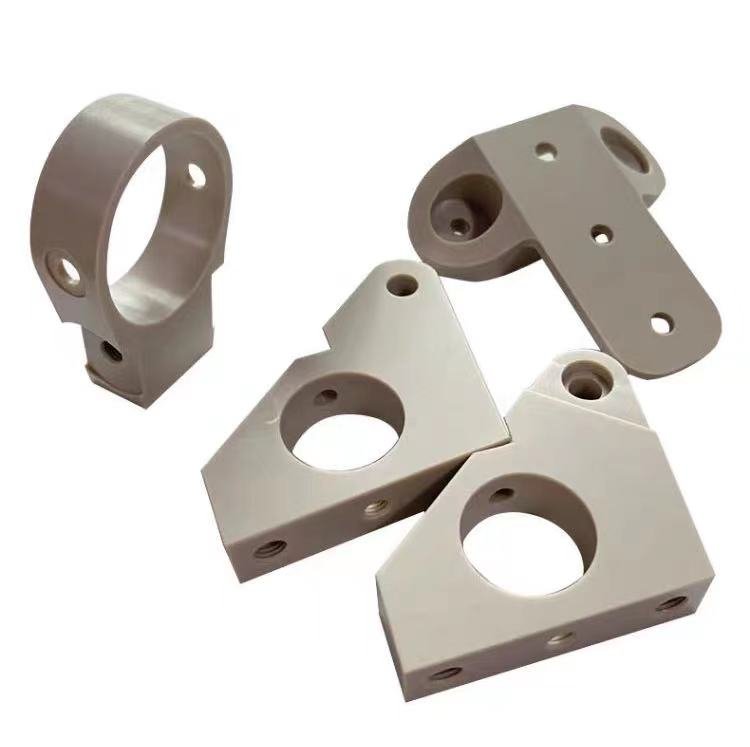
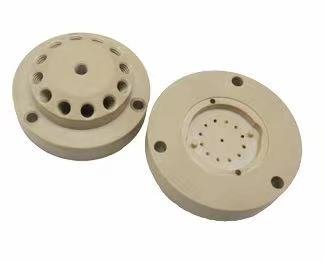
UHMW-PE CNC Machining: A Step-by-Step Guide to Quality Accessory Procurement

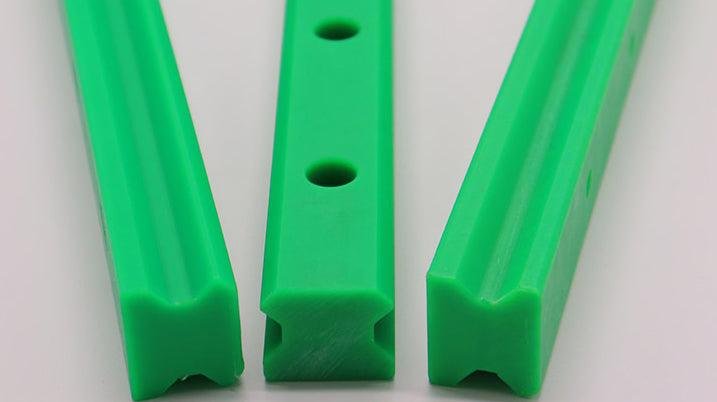
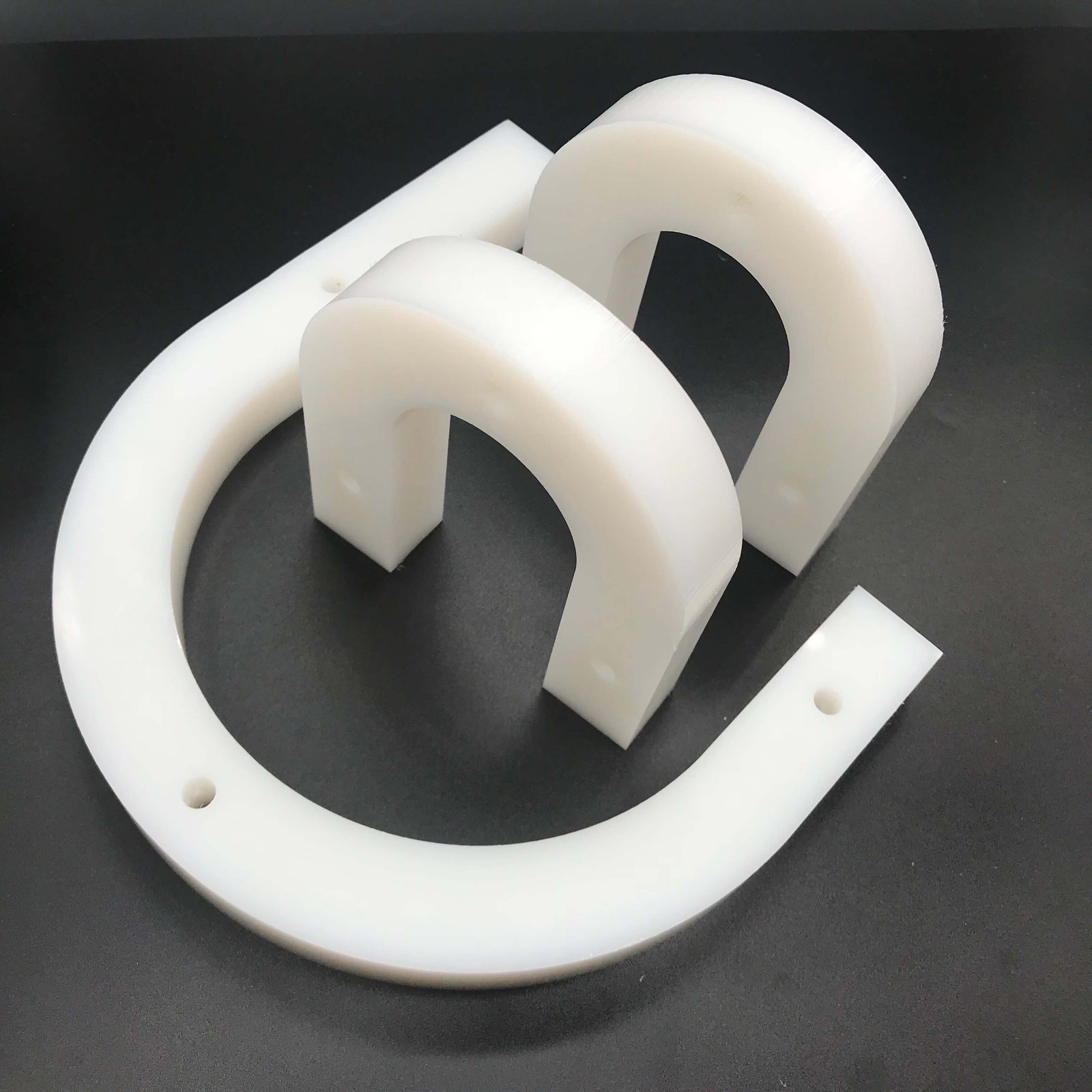
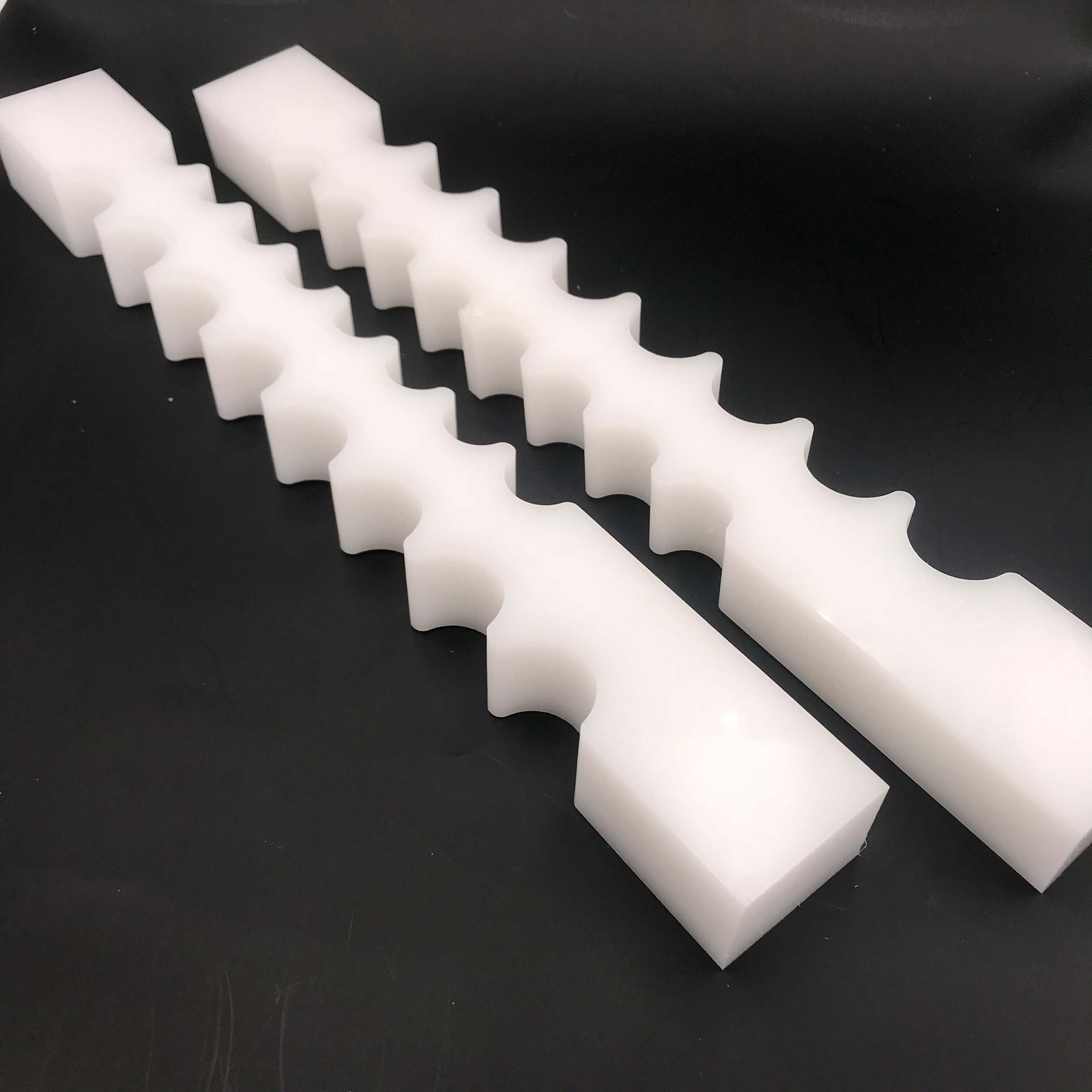
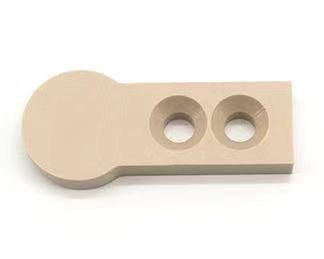
UHMW-PE CNC machined parts

Need Custom UHMW-PE Parts?

For a chain guide, wear strip, slide pad or drawing-based component, review our UHMW-PE machining service and request a quote for your part.

Send a STEP/STP model and PDF drawing where available, quantity, material grade or application requirements, critical dimensions and delivery country. The quotation confirms material, accepted tolerances and timing for your project.

🎉 Limited Time Blog Reader Offer

Use code: QR4GNY08SHVR at checkout for a special discount!

Shop UHMW-PE Materials 👉

Dive into the world of UHMW-PE CNC machining with our comprehensive guide, designed to navigate you through the intricacies of procuring high-quality accessories. From the unique properties that make UHMW-PE an exceptional material for CNC machining to the detailed process that transforms this versatile polymer into precision parts, our blog post covers it all.

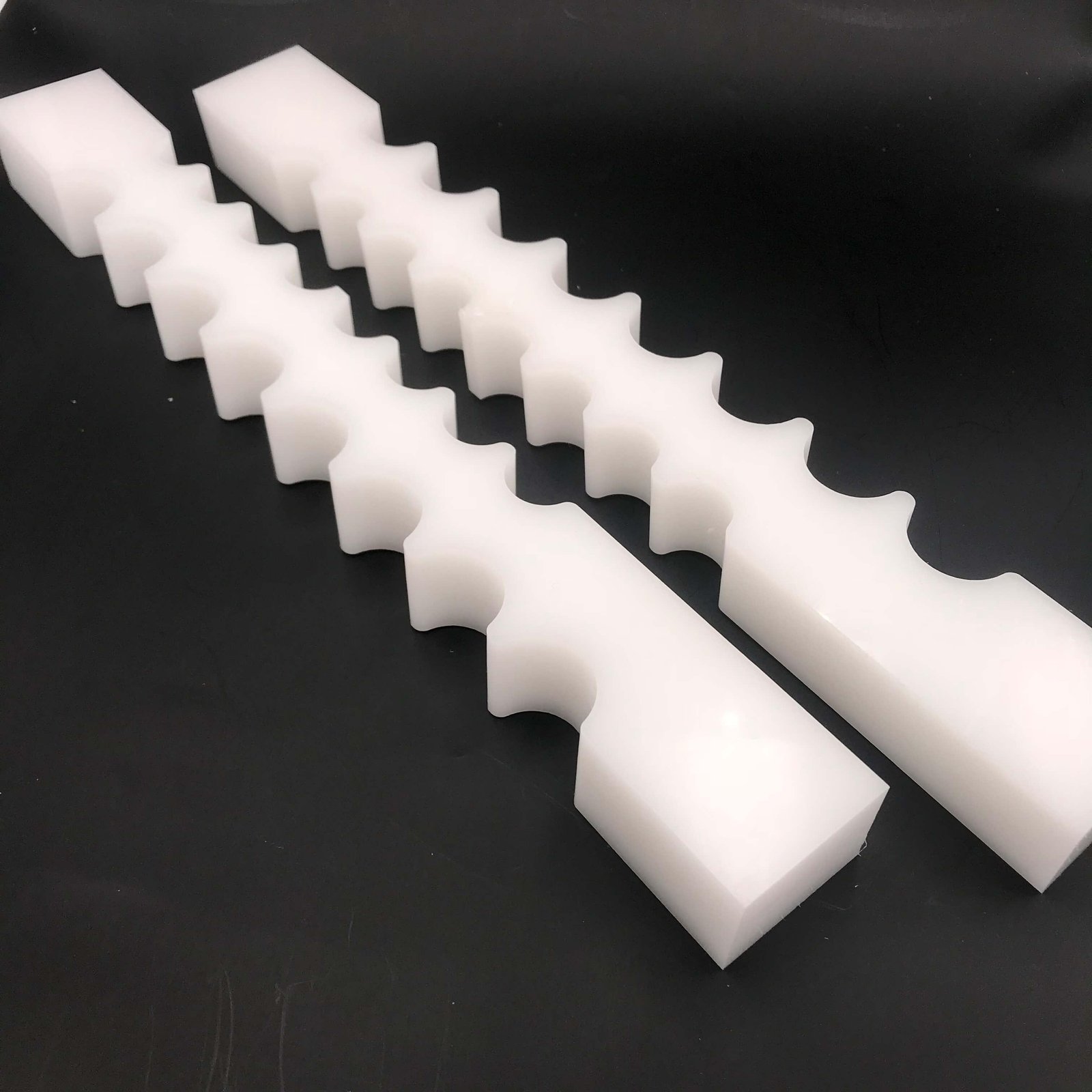
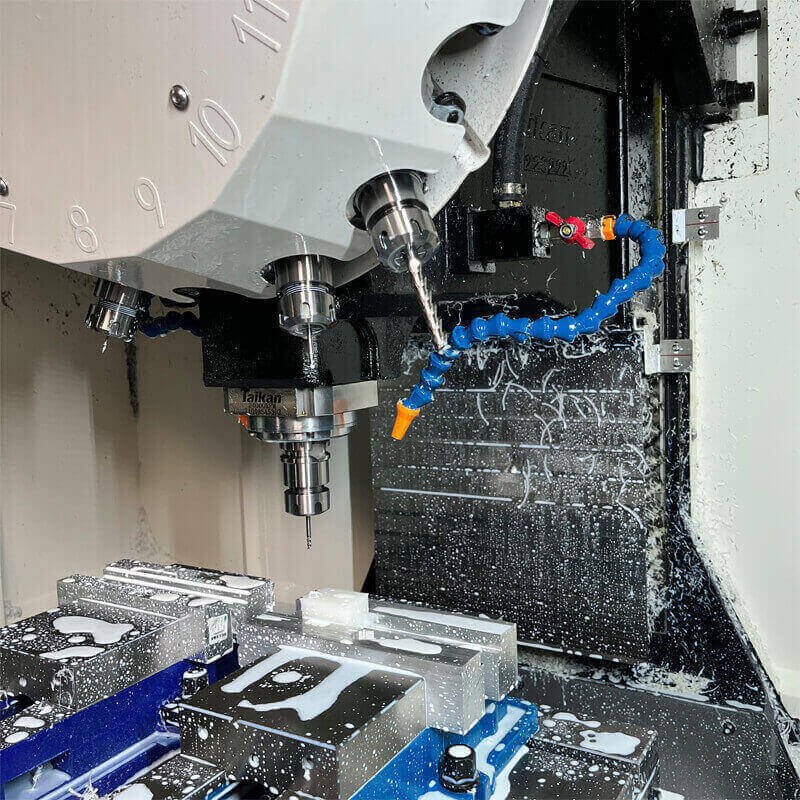
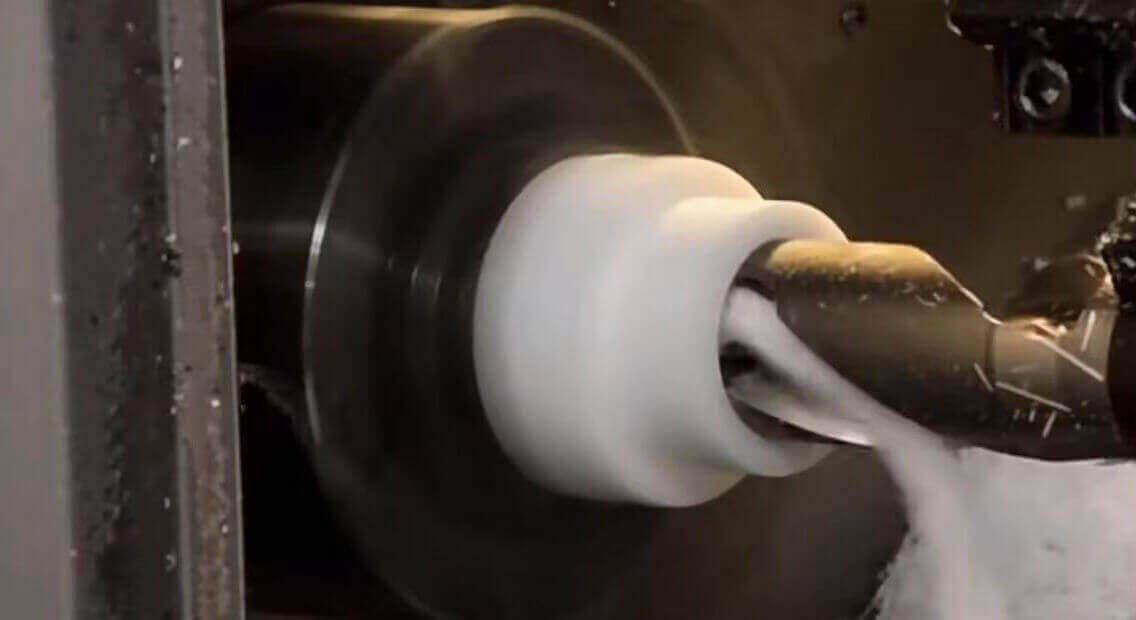
UHMW-PE CNC machining process

Start by exploring the properties and benefits of UHMW-PE, understanding why its high impact strength, wear resistance, and low friction make it a top choice for various applications. We then take you through the CNC machining process tailored for UHMW-PE parts, shedding light on the machines, tooling, and parameters that ensure the production of top-notch components.

Designing for manufacturability is crucial, and our guide doesn’t shy away from the design considerations specific to UHMW-PE CNC machined parts. Learn how to optimize your designs for the best outcomes in terms of functionality and cost-efficiency.

Quality control is paramount in machining, and we delve into the rigorous quality control measures that guarantee the precision and durability of UHMW-PE parts. Discover the tests and inspections that parts undergo to meet the highest standards.

Finally, our guide offers invaluable tips for buyers on procuring UHMW-PE CNC machined parts. From selecting the right supplier to understanding cost factors and ensuring timely delivery, we equip you with the knowledge to make informed procurement decisions.

Join us as we guide you through “UHMW-PE CNC Machining: A Step-by-Step Guide to Quality Accessory Procurement,” ensuring you have the insights to source the best UHMW-PE parts for your needs.

Understanding UHMW-PE: Properties and Benefits for CNC Machining

Ultra High Molecular Weight Polyethylene, or UHMW-PE, stands as a cornerstone in the world of engineering plastics, especially when it comes to CNC machining. This material, renowned for its exceptional combination of properties, has revolutionized the manufacturing of parts across various industries. Let’s delve deeper into what makes UHMW-PE an unparalleled choice for CNC machined parts.

What is UHMW-PE?

UHMW-PE is a subset of the polyethylene family, characterized by its ultra-high molecular weight. This unique molecular structure grants it a set of properties that are not only beneficial but essential for high-performance applications. Unlike standard polyethylene, UHMW-PE’s long polymer chains result in a material that is incredibly tough, with a resistance profile that outperforms many metals and plastics.

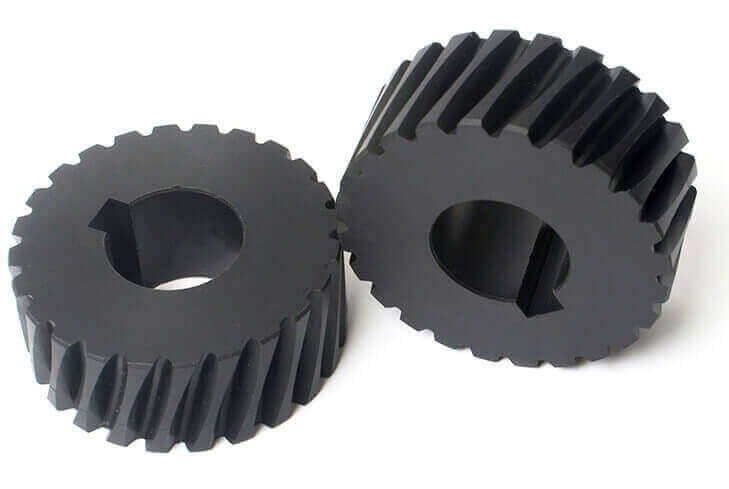
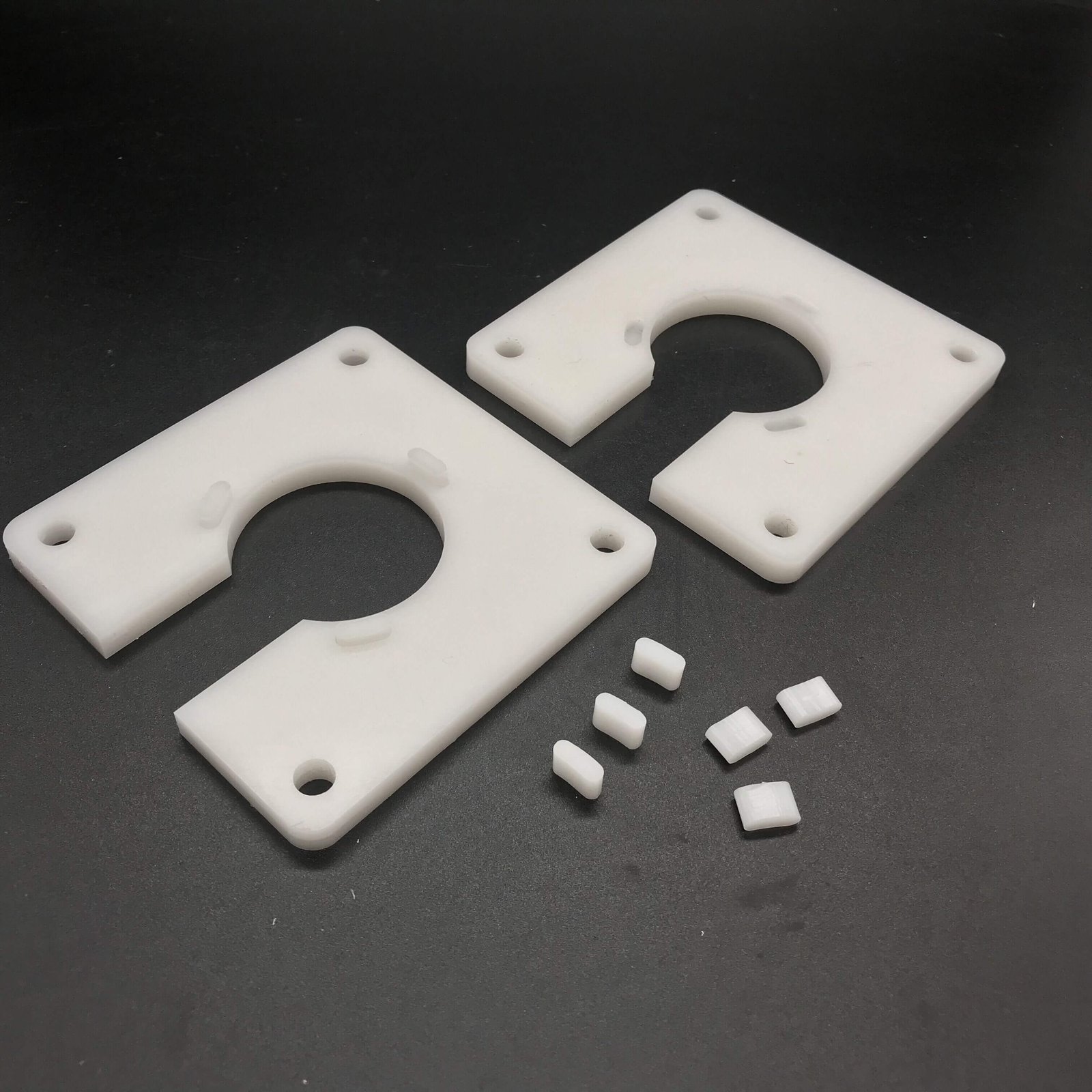
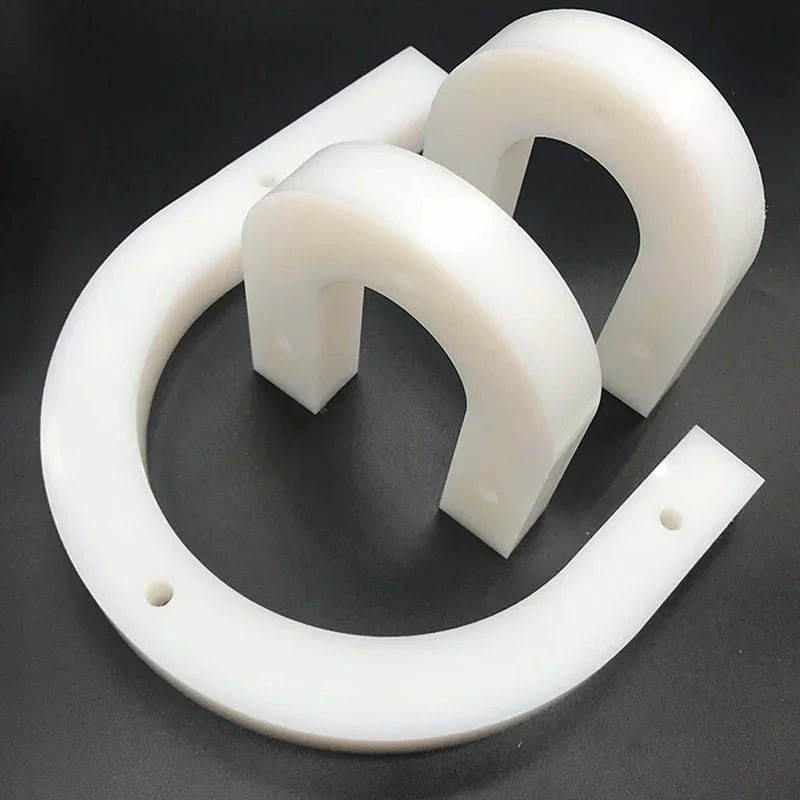
UHMW-PE CNC machining white gear parts

Key Properties of UHMW-PE

High Impact Strength
One of the most notable properties of UHMW-PE is its high impact strength. This characteristic ensures that parts made from UHMW-PE can withstand severe impact and stress without cracking or deforming. This durability is crucial for components used in heavy-duty applications, such as in the mining or construction industries.

Wear Resistance
UHMW-PE exhibits exceptional wear resistance, making it ideal for parts that are subject to constant friction and wear. This property extends the life of components significantly, reducing the need for frequent replacements and thereby lowering long-term costs.

Low Friction
The low friction coefficient of UHMW-PE is another key feature. This quality minimizes resistance in moving parts, enhancing efficiency and performance. It’s particularly beneficial in applications requiring smooth and efficient motion, such as conveyor systems or gear parts.

Benefits for CNC Machining

The unique properties of UHMW-PE make it an ideal candidate for CNC machining. The material’s toughness and resistance to wear and impact allow for the creation of complex, precision parts that can withstand demanding conditions. Moreover, its low friction coefficient ensures that machined parts can operate smoothly, further increasing their utility in various applications.
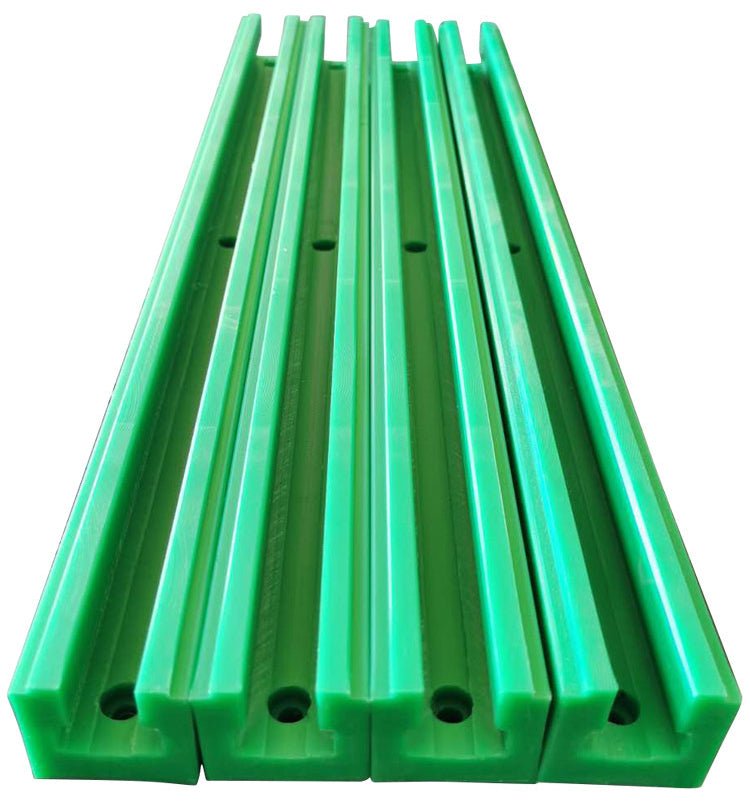
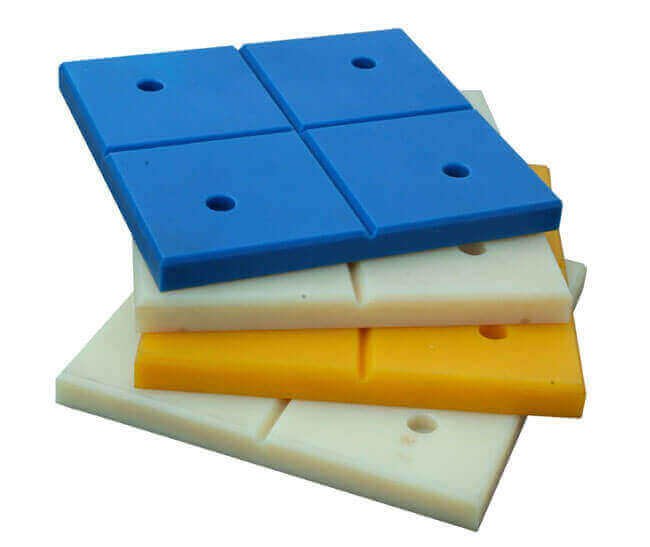
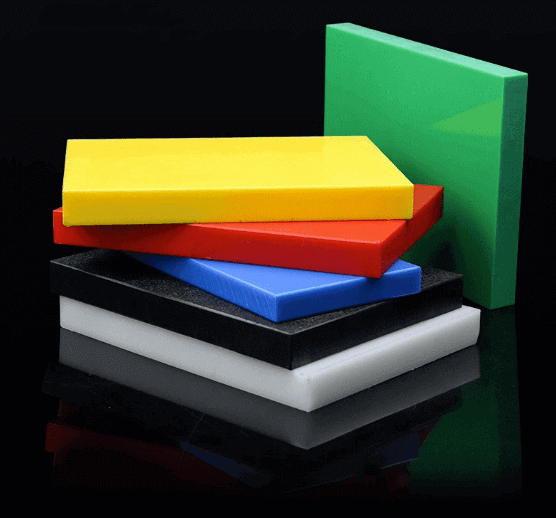
UHMW-PE Standard Rods and Sheets

Looking for Material? UHMW-PE Sheets and Rods

We offer standard sizes with no minimum order quantity. Perfect for your machining needs. Available in White, Black, and Green.

View UHMW-PE Collection >

Versatility Across Industries
Thanks to its outstanding properties, UHMW-PE finds applications in a myriad of industries, from food processing and packaging to aerospace and defense. Its ability to be CNC machined into intricate shapes and sizes allows for custom solutions tailored to specific industry needs.

Cost-Effectiveness
Despite its high performance, UHMW-PE remains a cost-effective solution. Its durability and resistance to wear mean that parts require less frequent replacement, offering significant savings over time. Additionally, the ease with which it can be machined reduces production times and costs, making it an economically viable option for a wide range of applications.

UHMW-PE‘s unique combination of high impact strength, wear resistance, and low friction, coupled with its suitability for CNC machining, makes it an invaluable material in the production of high-quality, durable parts. Its versatility and cost-effectiveness further cement its status as a preferred choice for engineers and manufacturers alike, seeking to innovate and improve the efficiency of their products.

UHMW-PE materials assortment

The CNC Machining Process for UHMW-PE Parts: What You Need to Know

CNC machining stands as a pivotal process in the transformation of UHMW-PE (Ultra High Molecular Weight Polyethylene) into precision-engineered parts and accessories. This section aims to shed light on the intricacies of CNC machining specifically tailored for UHMW-PE, covering the machinery involved, tooling requirements, and essential machining parameters. Understanding these aspects is crucial for anyone looking to leverage the unique benefits of UHMW-PE in their manufacturing processes.

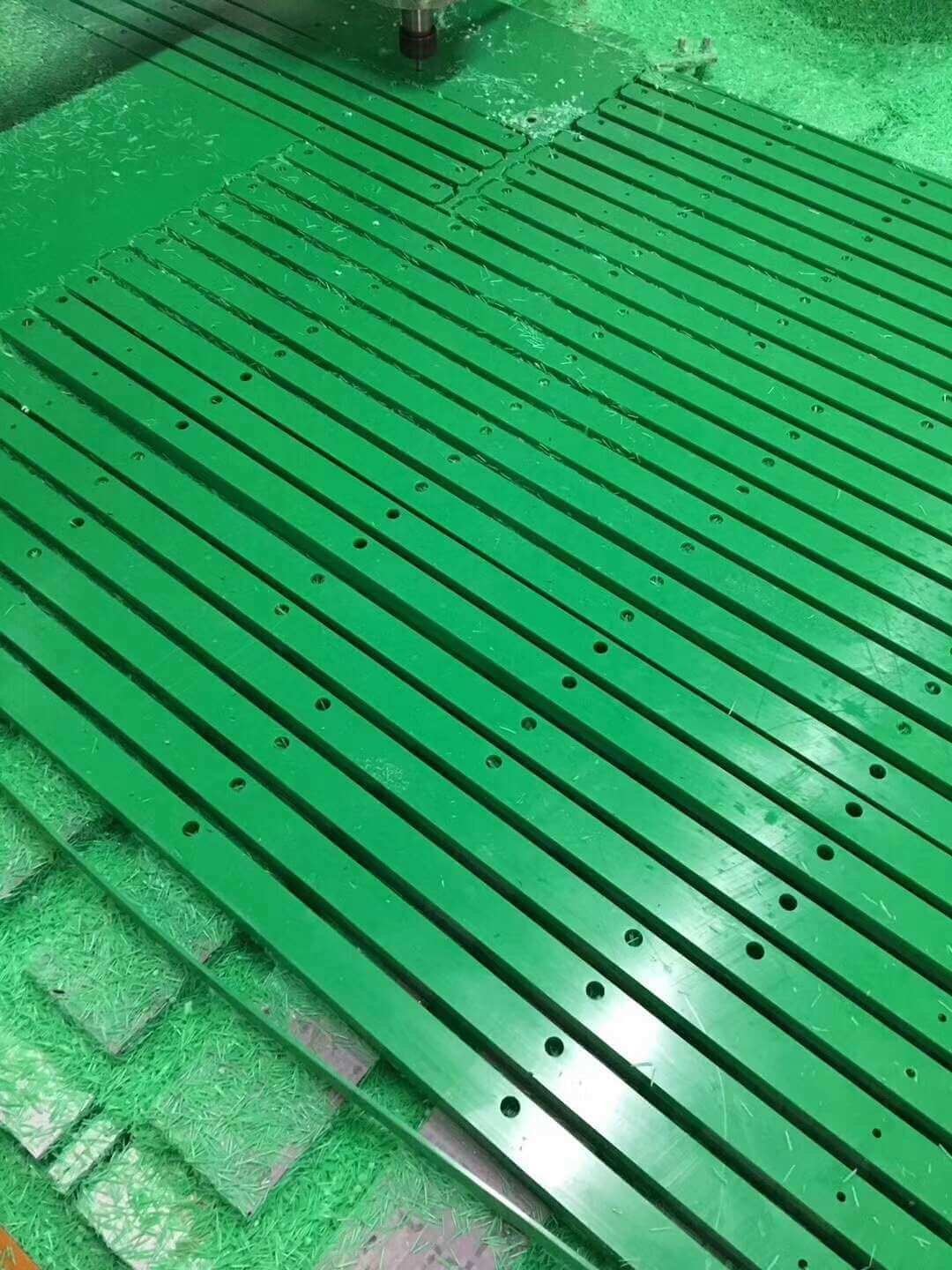
CNC machining center

CNC Machining and UHMW-PE: A Perfect Pair

CNC (Computer Numerical Control) machining represents a method where computer software dictates the movement of factory tools and machinery. This technology is particularly well-suited for UHMW-PE due to its precision, efficiency, and flexibility. CNC machining allows for the creation of parts with complex geometries and tight tolerances, which are often required in industries where UHMW-PE is commonly used.

Types of Machines Used

Several types of CNC machines are employed in the machining of UHMW-PE, including:

  • CNC Mills: Ideal for cutting complex shapes and creating various surface patterns.
  • CNC Lathes: Best suited for producing cylindrical parts with precise dimensions.
  • CNC Routers: Often used for larger or more intricate designs that require detailed work on the surface of UHMW-PE.

Each machine type brings its own set of capabilities to the table, allowing for the customization of UHMW-PE parts to meet specific application requirements.

Tooling Requirements

The tooling for machining UHMW-PE must be carefully selected to ensure optimal results. High-speed steel (HSS) or carbide tools are commonly used due to their ability to maintain sharpness and resist wear during the machining process. The choice between HSS and carbide tools often depends on the specific requirements of the project, including the desired finish, tolerance levels, and production speed.

Machining Parameters

When it comes to machining UHMW-PE, several key parameters must be considered:

  • Cutting Speed: UHMW-PE can be sensitive to heat generated by too high a cutting speed, potentially leading to melting or warping. Therefore, it’s crucial to find a balance that allows efficient material removal without compromising the integrity of the part.
  • Feed Rate: The feed rate should be adjusted to ensure smooth cutting actions while preventing the tool from becoming bogged down in the material.
  • Coolant Use: Although UHMW-PE is generally machined dry due to its low friction coefficient, in some cases, a coolant or air blast may be used to remove chips from the cutting area and prevent them from adhering to the tool or workpiece.

Navigating the Challenges

Machining UHMW-PE presents unique challenges, such as material deformation due to its low modulus of elasticity and thermal expansion. To mitigate these issues, careful planning of the machining process, including the selection of appropriate tools, cutting parameters, and machine settings, is essential. Additionally, securing the workpiece properly to prevent movement during machining is crucial for achieving the desired accuracy and finish.

The CNC machining process for UHMW-PE parts is a testament to the advancements in manufacturing technology, allowing for the production of high-quality, durable parts. By understanding the types of machines used, tooling requirements, and machining parameters, manufacturers can fully leverage the benefits of UHMW-PE, creating components that meet the exacting standards of various industries.

Design Considerations for UHMW-PE CNC Machined Parts

When it comes to creating parts from UHMW-PE (Ultra High Molecular Weight Polyethylene) using CNC machining, several critical design considerations come into play. These considerations ensure not only the manufacturability of the parts but also their functionality and longevity in their intended applications. Let’s delve into the essential aspects of designing for UHMW-PE CNC machined parts, including manufacturability, tolerance selection, and material-specific considerations like thermal expansion.

modular design approach

Designing for Manufacturability

Designing for manufacturability with UHMW-PE involves understanding the material’s capabilities and limitations within the CNC machining process. It’s crucial to design parts that can be efficiently and effectively produced without compromising on quality. This means considering the geometry of the part, ensuring that features are accessible for machining tools, and avoiding overly complex designs that could increase the risk of errors or require excessive machining time.

Simplifying Designs
Simplification doesn’t mean compromising the part’s functionality but optimizing the design to reduce unnecessary complexity. This could involve minimizing the number of tight tolerance requirements or redesigning features to be more machining-friendly.

Modular Design
Whenever possible, consider a modular design approach. This strategy involves breaking down a complex part into simpler, smaller components that can be machined separately and then assembled. This approach can significantly reduce machining challenges and costs.

Selecting the Right Tolerances

Tolerance selection is a critical factor in the design of CNC machined parts. UHMW-PE, with its unique properties, requires careful consideration of tolerances to ensure parts fit and function as intended.

Understanding Material Properties
UHMW-PE’s thermal expansion coefficient is higher than that of many other plastics and metals, which means it can expand or contract more significantly with temperature changes. Designers must account for this by selecting tolerances that allow for such expansion without compromising the assembly or function of the part.

Balancing Precision and Cost
While it’s possible to machine very tight tolerances into UHMW-PE parts, doing so can increase production costs. It’s essential to balance the need for precision with the practicalities of manufacturing costs, aiming for tolerances that ensure functionality without unnecessarily driving up expenses.

Material Considerations: Thermal Expansion and Contraction

The thermal behavior of UHMW-PE is a pivotal consideration in the design phase. Its thermal expansion and contraction can affect not only the machining process but also the in-service performance of the part.

Designing for Environmental Conditions
Parts must be designed with an understanding of the environmental conditions they will face, including temperature variations. This might mean incorporating gaps or clearances that can accommodate material expansion or designing joints and assemblies that can adjust to changes in part dimensions.

Material Selection for Complementary Parts
When UHMW-PE parts are to be used in conjunction with parts made from other materials, it’s vital to consider the thermal expansion rates of all materials involved. Selecting materials with similar expansion rates can help maintain the integrity of the assembly under varying temperatures.

Designing for CNC machining of UHMW-PE parts requires a deep understanding of the material’s properties, a thoughtful approach to tolerance selection, and a strategic consideration of the part’s design to ensure manufacturability and functionality. By addressing these critical aspects, designers can create UHMW-PE parts that meet the demands of their applications while optimizing for production efficiency and cost-effectiveness.

Quality Control in UHMW-PE Parts Machining: Ensuring Precision and Durability

Quality control (QC) is a critical component in the manufacturing of UHMW-PE parts using CNC machining. This process ensures that each part meets the stringent quality standards required for dimensional accuracy, surface finish, and material integrity. Implementing rigorous QC measures throughout the CNC machining process not only guarantees the quality of the finished parts but also their performance and durability in their intended applications.

UHMW-PE parts measuring using CNC machining

Importance of Quality Control

In the realm of CNC machining, especially with materials like UHMW-PE, the precision and reliability of the parts produced are paramount. Quality control measures are essential to identify and rectify any discrepancies in the parts’ dimensions, surface quality, or material composition before they reach the customer. This proactive approach to quality assurance helps in maintaining the trust of customers and upholding the manufacturer’s reputation for excellence.

Dimensional Accuracy
Ensuring dimensional accuracy is one of the primary objectives of quality control in UHMW-PE parts machining. This involves verifying that the dimensions of the machined parts are within the specified tolerances. Precision measuring tools such as calipers, micrometers, and coordinate measuring machines (CMM) are used to measure the dimensions of the parts and ensure they match the design specifications precisely.

Surface Finish
The surface finish of CNC machined UHMW-PE parts is another critical quality parameter. A smooth and uniform surface is often required for aesthetic reasons or to minimize friction in parts that interact with other components. Surface roughness meters are utilized to measure the surface finish of the parts, ensuring that they meet the specified criteria for smoothness and texture.

Material Integrity
Maintaining the material integrity of UHMW-PE parts during the CNC machining process is crucial for their performance and longevity. Quality control checks are conducted to identify any material defects such as cracks, inclusions, or inconsistencies that could affect the part’s functionality. This might involve visual inspections as well as more sophisticated methods like ultrasonic testing, depending on the complexity of the part and its application.

Implementing Quality Control Measures

The implementation of quality control measures in UHMW-PE parts machining involves several steps, each designed to catch potential issues at different stages of the manufacturing process.

  • Pre-Machining Inspection: Before machining begins, the raw UHMW-PE material is inspected for any defects that could affect the quality of the finished parts. This early detection system helps in avoiding wastage of time and resources on defective materials.
  • In-Process Monitoring: During the machining process, continuous monitoring is essential to ensure that the parts remain within tolerance. Adjustments are made in real-time to the CNC machine’s settings if any deviations are detected, ensuring that the machining process produces parts of consistent quality.
  • Final Inspection: Once machining is complete, a final inspection of the parts is conducted to ensure they meet all the specified requirements. This comprehensive evaluation includes dimensional checks, surface finish assessment, and material integrity inspection, ensuring that only parts of the highest quality are approved for delivery to the customer.

Quality control in UHMW-PE parts machining is not just about adhering to standards; it’s about building a culture of excellence that prioritizes precision, durability, and customer satisfaction. By implementing stringent QC measures at every stage of the CNC machining process, manufacturers can ensure that their UHMW-PE parts stand up to the demands of any application, maintaining the highest levels of quality and performance.
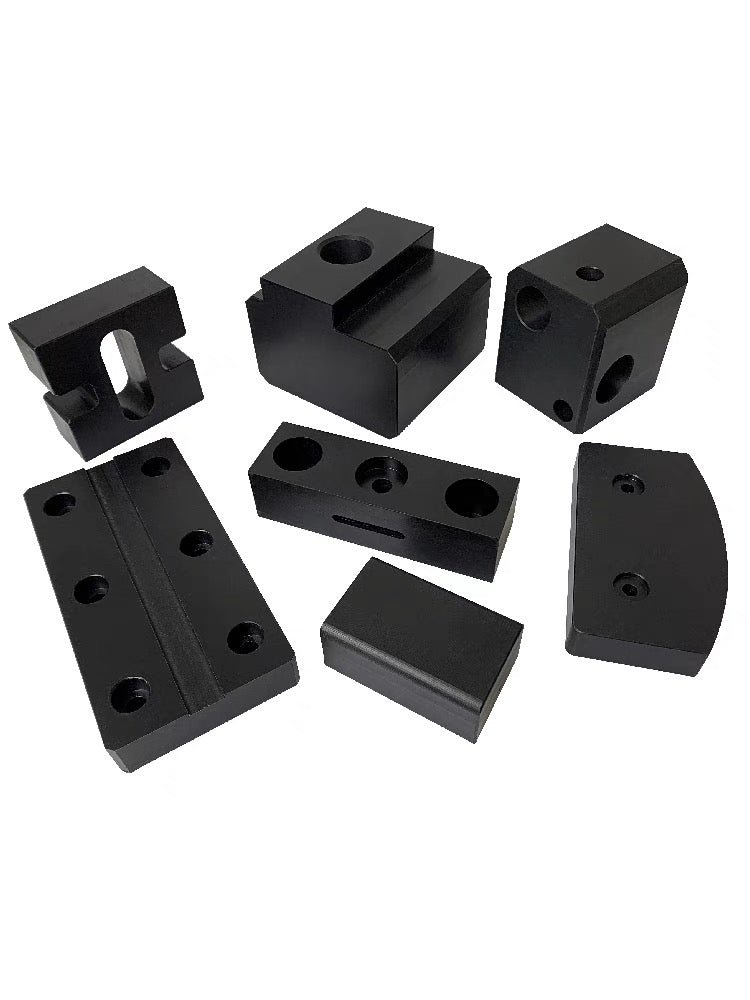
UHMW-PE parts using CNC machining

Procuring UHMW-PE CNC Machined Parts: Tips for Buyers

Procuring UHMW-PE CNC machined parts requires a strategic approach to ensure you receive high-quality components that meet your specifications and are delivered on time. This section provides valuable advice for buyers, from selecting the right supplier to understanding cost factors and ensuring timely delivery. By following these tips, you can establish a successful partnership with your supplier and secure the best value for your procurement.

Choosing the Right Supplier

Research and Reputation
Start by researching potential suppliers. Look for those with a strong reputation in CNC machining, particularly with UHMW-PE materials. Reviews, case studies, and testimonials can provide insights into a supplier’s capabilities and the quality of their work. A supplier with extensive experience in UHMW-PE machining will likely offer higher quality parts and more reliable service.

Technical Expertise and Capacity
Evaluate the technical expertise and production capacity of the supplier. They should have the latest CNC machining technology and a team of skilled engineers and machinists capable of handling UHMW-PE. Discuss your project in detail to assess their understanding of your needs and their ability to meet them.
Color comparison of HDPE board showing black and white sides

Understanding Cost Factors

Material and Machining Costs
The cost of UHMW-PE parts is influenced by the material cost and the complexity of the machining required. Understand that higher complexity and tighter tolerances can significantly increase costs. Ask suppliers for a detailed breakdown of costs to better understand where your money is going.

Volume Discounts
For large orders, inquire about volume discounts. Some suppliers offer reduced rates for bulk purchases, which can lead to significant savings. However, ensure that the quality of the parts is not compromised for the sake of a lower price.

Ensuring Timely Delivery

Lead Times
Discuss lead times early in the negotiation process. A reliable supplier should provide realistic timelines and adhere to them. Understanding the supplier’s production capacity and scheduling can help you gauge whether they can meet your deadlines.

Communication and Updates
Establish a communication plan with the supplier to receive regular updates on the production status of your parts. Effective communication can help identify and resolve any issues promptly, ensuring that your project stays on track.

Negotiating with Suppliers

Establish Clear Specifications
Before negotiating, ensure you have clear and detailed specifications for your UHMW-PE parts. This includes dimensions, tolerances, surface finishes, and any other critical requirements. Clear specifications help prevent misunderstandings and ensure you receive parts that meet your expectations.

Quality Requirements
Emphasize the importance of quality in your negotiations. Discuss the supplier’s quality control processes and agree on the quality standards the parts must meet. Consider requesting samples or a pilot run to validate the quality before committing to a large order.

Payment Terms
Negotiate payment terms that are favorable but fair to both parties. Flexible payment terms can ease financial pressures but ensure that they align with industry standards and reflect the trust and reliability of the supplier.

Procuring UHMW-PE CNC machined parts is a complex process that requires careful planning and negotiation. By choosing the right supplier, understanding cost factors, ensuring timely delivery, and establishing clear specifications and quality requirements, buyers can secure high-quality parts that meet their needs. Remember, a successful procurement process is built on transparency, communication, and mutual respect between the buyer and the supplier.

Navigating the intricacies of procuring UHMW-PE CNC machined parts demands a comprehensive understanding of the material’s unique properties, the precision of the machining process, and the criticality of quality control measures. By arming yourself with the knowledge of how to select the right supplier, understanding the factors that influence cost, and ensuring that your procurement process emphasizes timely delivery and stringent quality standards, you can significantly enhance the success of your projects. Remember, the key to securing high-quality, durable UHMW-PE parts lies in establishing clear, detailed specifications and fostering open, transparent communication with your supplier. With these strategies in place, you’re well-equipped to navigate the complexities of the procurement process, ensuring that your projects benefit from the unmatched durability and precision that UHMW-PE CNC machined parts offer.
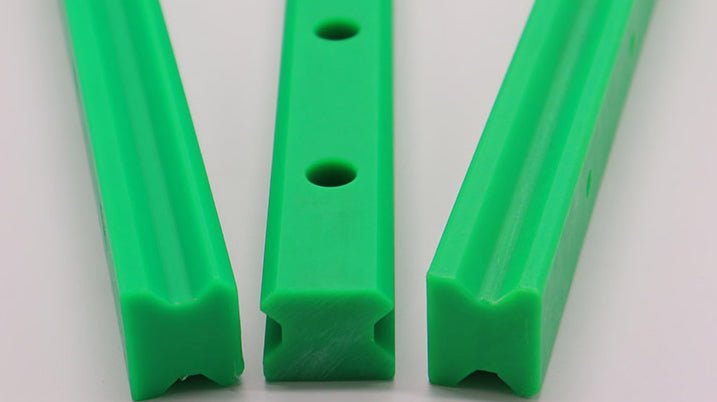
Custom CNC Plastic Machining Service

Need Custom Parts Machined?

Send us your drawings for a quick quote. We specialize in custom plastic components with high precision.

Get a Free Quote >

Make Your Next Project a Success with Our Expertise!

Are you ready to source UHMW-PE parts that stand the test of time? Request a UHMW-PE machining quote. Quality, precision, and your satisfaction are just a form away.

Start Your Project Now

Don’t forget to use code QR4GNY08SHVR for your blog reader discount!

Leave a comment


Please note, comments must be approved before they are published


Custom Plastic Fabrication

Send your drawing, material and quantity for review

🔧
Precision Machining
CNC milling & turning
✂️
Cutting & Engraving
Laser & waterjet cutting
🏭
Forming & Molding
Thermoforming & injection
🔗
Joining & Assembly
Welding & bonding
📐
Design & Prototyping
CAD design & samples

General

HDPE

PP

PVC

ABS

Engineering

POM

Nylon

PC

PMMA

High-Performance

PEEK

PEI

PTFE

Composites

FR-4

G10

Flexible

TPU

Silicone

Why Choose BeePlastic?

🎯
Perfect Fit
Custom specs eliminate adaptation needs
⚡
Clear Lead Times
Lead time confirmed with every quote
💰
Volume Pricing
Volume pricing available on bulk orders
🤝
Expert Support
Free engineering consultation included
📋
Submit
→
🔍
Review
→
💵
Quote
→
✅
Production
→
📦
Deliver

Request a Quote

Share your project details, selected material and quantity on our quote page. You can add a file link or use the email drawing route shown there.


Request Quote

Industries: Automotive • Medical • Food • Lab • Semiconductor

beeplastic@beeplastic.com


Innovative Techniques in CNC Machining: A Focus on UHMW-PE Accessory Procurement

UHMW-PE

Dive into the cutting-edge world of CNC machining with our latest blog post, “Innovative Techniques in CNC Machining: A Focus on UHMW-PE Accessory Procurement.” This comprehensive guide illuminates the remarkable properties and benefits of UHMW-PE (Ultra-High Molecular Weight Polyethylene), a material celebrated for its durability, wear resistance, and low friction, making it an ideal candidate for precision CNC machined parts and accessories.

🎉🎉🎉Limited Time Offer Use code: QR4GNY08SHVR at checkout and enjoy a special discount on your entire order! 👉 UHMWPE plastic
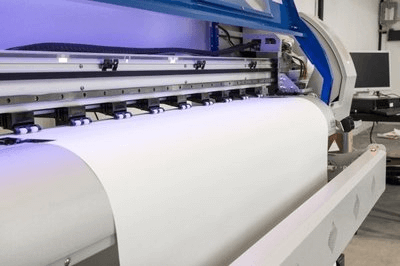
UHMW-PE (Ultra-High Molecular Weight Polyethylene) plastic

We begin by exploring the Understanding UHMW-PE: Properties and Benefits for CNC Machining, where we delve into why UHMW-PE stands out in the realm of materials for CNC machining. Discover the science behind its strength and how it translates to superior performance in demanding applications.

Next, our journey takes us through The Evolution of CNC Machining Techniques for UHMW-PE Parts, highlighting the technological advancements that have refined the production of UHMW-PE accessories. Learn about the innovative methods that enhance precision and efficiency, setting new standards in the industry.

In Key Considerations in Procuring UHMW-PE Machined Accessories, we offer valuable insights for buyers. This section is a must-read for anyone looking to navigate the complexities of procuring the highest quality UHMW-PE machined parts, ensuring you make informed decisions that meet your specific needs.

Our exploration continues with Case Studies: Successful Applications of UHMW-PE CNC Machined Parts. Real-world examples showcase the versatility and effectiveness of UHMW-PE in various sectors, from medical devices to industrial machinery, providing a glimpse into the material’s transformative potential.

Finally, we peer into the future with Future Trends in UHMW-PE Machining and Accessory Design. Anticipate the next wave of innovations in UHMW-PE machining and how they might revolutionize accessory design and procurement, promising exciting possibilities for industries worldwide.

Join us as we navigate the forefront of UHMW-PE parts CNC machining, offering a treasure trove of expert advice, innovative techniques, and insightful case studies. Whether you’re a seasoned engineer, a procurement specialist, or simply fascinated by the advancements in CNC machining, this post is your gateway to understanding and leveraging the power of UHMW-PE in your projects.

UHMW-PE parts CNC machining

Understanding UHMW-PE: Properties and Benefits for CNC Machining

Ultra-High Molecular Weight Polyethylene, or UHMW-PE, stands as a cornerstone in the world of CNC machining. This thermoplastic is renowned for its exceptional properties, which make it an indispensable material for crafting high-quality machine parts and accessories. Let’s delve deeper into the characteristics of UHMW-PE that set it apart and explore how these properties translate into tangible benefits for CNC machining applications.

Exceptional Durability and Impact Strength

One of the most celebrated attributes of UHMW-PE is its unparalleled durability. The material’s high impact strength allows it to withstand severe conditions without succumbing to wear and tear. This resilience is particularly beneficial in industries where parts are exposed to high-stress environments, ensuring longevity and reliability of machinery components. The impact strength of UHMW-PE not only enhances the performance of machined parts but also significantly reduces the need for frequent replacements, offering a cost-effective solution for businesses.

Superior Wear Resistance

The wear resistance of UHMW-PE is another key factor that makes it a preferred choice for CNC machined parts. Its ability to resist abrasion and maintain integrity under constant friction is unparalleled. This property is especially valuable in the manufacturing of gears, bearings, and other components that are subject to continuous movement and contact. By opting for UHMW-PE, manufacturers can ensure that their products exhibit minimal wear over time, maintaining optimal performance and reducing maintenance costs.

Low Friction Coefficient

UHMW-PE‘s low friction coefficient is a critical attribute that contributes to its efficiency in various applications. This property minimizes resistance during operation, facilitating smoother motion in machined parts and accessories. The reduced friction not only enhances the operational efficiency of machinery but also contributes to energy savings and prolongs the lifespan of components. For applications requiring seamless movement, such as conveyor systems and sliding mechanisms, UHMW-PE proves to be an ideal material choice.

Versatility in Applications

The versatility of UHMW-PE is evident in its wide range of applications across various industries. From medical devices to food processing equipment and heavy machinery, UHMW-PE’s properties make it adaptable to diverse manufacturing needs. Its resistance to chemicals, low moisture absorption, and FDA compliance for food contact make it particularly suitable for sectors requiring stringent hygiene standards. This adaptability underscores UHMW-PE’s role as a multifaceted material capable of meeting the demands of different engineering and design challenges.

CNC Machining of UHMW-PE

The process of CNC machining UHMW-PE leverages the material’s properties to produce parts with high precision and customizability. Advanced CNC techniques allow for the meticulous crafting of components with complex geometries and tight tolerances, ensuring a perfect fit and function in the final application. The machinability of UHMW-PE, coupled with CNC technology, opens up a realm of possibilities for creating bespoke solutions tailored to specific requirements.

The unique combination of durability, wear resistance, low friction, and versatility makes UHMW-PE an exceptional material for CNC machining. Its properties not only ensure the production of high-quality parts and accessories but also contribute to the efficiency and longevity of machinery across various sectors. As we continue to explore and innovate within the realm of materials science, UHMW-PE stands out as a key player in advancing the capabilities of CNC machined components, promising enhanced performance and reliability for a wide array of applications.

UHMW-PE

The Evolution of CNC Machining Techniques for UHMW-PE Parts

The journey of CNC machining techniques, especially for UHMW-PE parts, is a testament to the relentless pursuit of innovation in the manufacturing sector. This evolution has been driven by the need to meet increasingly complex design requirements while enhancing efficiency and reducing costs. Let’s delve into the transformative advancements in CNC machining that have revolutionized the production of UHMW-PE accessories.

From Manual to Precision CNC Machining

The initial stages of machining UHMW-PE, like many other materials, relied heavily on manual processes. These were not only time-consuming but also lacked the precision required for intricate designs. The advent of CNC technology marked a significant leap forward, introducing automation and computer-controlled precision to the machining process. This shift allowed for the production of UHMW-PE parts with unparalleled accuracy, consistency, and speed, setting a new standard in the manufacturing industry.

Advancements in CNC Machining Technology

Recent years have seen remarkable advancements in CNC machining technology, with innovations that specifically enhance the machining of UHMW-PE. High-speed machining techniques, for instance, have significantly reduced production times while maintaining high-quality finishes. Additionally, the integration of sophisticated software allows for complex 3D modeling and simulation, ensuring that potential issues are addressed before the machining process begins. These technological advancements have made it possible to produce UHMW-PE parts that meet exact specifications with minimal waste and error.

Enhanced Precision with Multi-Axis Machining

The introduction of multi-axis CNC machines has been a game-changer for machining UHMW-PE parts. Unlike traditional 3-axis systems, multi-axis machines can operate on five, six, or even more axes, offering unprecedented flexibility and precision. This capability allows for the machining of complex shapes and geometries in a single setup, reducing processing time and improving the overall efficiency of production. The ability to create intricate and detailed UHMW-PE accessories with such precision has opened up new possibilities in design and functionality.

Cost-Effectiveness and Sustainability

One of the most significant impacts of the evolution in CNC machining techniques is the improvement in cost-effectiveness and sustainability. Modern CNC machines are designed to optimize material usage, reducing waste and lowering the environmental impact of production. Furthermore, the efficiency and speed of these advanced machines have lowered production costs, making the manufacturing of UHMW-PE parts more economically viable. This cost reduction is particularly beneficial for industries looking to adopt UHMW-PE for its superior properties without significantly increasing expenses.

The Future of CNC Machining for UHMW-PE

Looking ahead, the future of CNC machining for UHMW-PE parts promises even greater advancements. Ongoing research and development are focused on further enhancing precision, efficiency, and sustainability. Innovations such as artificial intelligence (AI) and machine learning are set to revolutionize CNC machining processes, offering smarter, faster, and more adaptable manufacturing solutions. These advancements will continue to push the boundaries of what is possible with UHMW-PE, ensuring that its applications expand and evolve in tandem with technological progress.

The evolution of CNC machining techniques for UHMW-PE parts is a clear reflection of the manufacturing industry’s commitment to innovation and excellence. As technology continues to advance, the possibilities for UHMW-PE accessories are boundless, promising a future where design complexity, efficiency, and sustainability go hand in hand.

UHMW-PE parts

Key Considerations in Procuring UHMW-PE Machined Accessories

Procuring UHMW-PE machined accessories requires a nuanced understanding of several critical factors to ensure that the final products meet the desired specifications and performance criteria. From selecting the appropriate material grade to understanding the machining process’s limitations, each aspect plays a pivotal role in achieving optimal results. Let’s explore the key considerations buyers should keep in mind when sourcing UHMW-PE machined parts.

Material Grade Selection

The first step in procuring UHMW-PE machined accessories is selecting the correct material grade. UHMW-PE comes in various grades, each with unique properties tailored to different applications. For instance, some grades offer enhanced wear resistance, while others are designed for better impact strength or are FDA approved for food contact. Understanding the specific requirements of your application is crucial in choosing a UHMW-PE grade that will deliver the best performance. Consulting with material specialists or suppliers can provide valuable insights into the most suitable grade for your needs.

Understanding Machining Process Limitations

Familiarity with the limitations of the CNC machining process for UHMW-PE is essential. While UHMW-PE’s machinability is one of its advantages, certain complexities, such as its tendency to deform under high temperatures, require careful consideration. Advanced machining techniques and tooling adjustments may be necessary to mitigate these challenges. Knowledge of these limitations and how they can be addressed will guide you in setting realistic expectations and ensuring that the machining process aligns with your project’s specifications.

Ensuring Compatibility with Intended Application

Ensuring that the UHMW-PE machined accessories are compatible with their intended application is paramount. This involves considering factors such as the material’s chemical resistance, temperature tolerance, and physical properties in relation to the environment they will be exposed to. For applications in harsh chemical environments, for example, it’s crucial to verify that the selected UHMW-PE grade has the necessary chemical resistance. Similarly, for components subject to high loads or impacts, choosing a grade with superior strength and durability is key. Compatibility assessments can prevent potential failures and ensure long-term reliability.

Supplier Expertise and Quality Assurance

Selecting a supplier with expertise in CNC machining UHMW-PE is another critical consideration. A supplier’s ability to navigate the nuances of machining UHMW-PE, along with their commitment to quality assurance, can significantly impact the quality of the finished parts. Look for suppliers with a proven track record, who can offer insights into the machining process and suggest design optimizations. Additionally, quality certifications and adherence to industry standards are indicators of a supplier’s capability to deliver high-quality machined accessories.

Cost and Lead Time

Finally, cost and lead time are practical considerations that cannot be overlooked. While UHMW-PE’s machining efficiency generally results in cost savings, complex parts or specialized material grades may incur higher costs. Understanding the factors that influence cost and lead time, such as part complexity, material availability, and machining requirements, will help in planning and budgeting for your project. Engaging with suppliers early in the design process can aid in identifying cost-saving opportunities without compromising on quality or performance.

Procuring UHMW-PE machined accessories involves a careful balance of technical, practical, and economic considerations. By paying close attention to material grade selection, machining process limitations, application compatibility, supplier expertise, and cost factors, buyers can ensure that they acquire high-quality UHMW-PE accessories tailored to their specific needs. This strategic approach not only enhances the performance and reliability of the machined parts but also optimizes the procurement process for maximum efficiency and value.

UHMW-PE

Case Studies: Successful Applications of UHMW-PE CNC Machined Parts

The versatility and effectiveness of UHMW-PE CNC machined parts are best illustrated through real-world applications across various industries. From the medical field to heavy industrial machinery, UHMW-PE has proven to be a material of choice due to its outstanding properties. These case studies highlight the material’s adaptability and the innovative solutions it provides.

Medical Devices: Prosthetics and Surgical Instruments

In the medical industry, the biocompatibility and wear resistance of UHMW-PE make it an ideal material for prosthetics and surgical instruments. A notable example is its use in artificial joints. UHMW-PE’s ability to mimic the smoothness and durability of human cartilage has significantly improved the longevity and performance of hip and knee replacements. This application not only showcases UHMW-PE’s physical properties but also its capacity to enhance the quality of life for patients worldwide.

Food Processing Equipment: Conveyor Systems and Guides

The food processing industry benefits greatly from UHMW-PE’s FDA compliance and resistance to chemicals and moisture. A case study in this sector involves the use of UHMW-PE CNC machined parts in conveyor systems and guides. These components require materials that can withstand constant exposure to food products, cleaning agents, and varying temperatures without degrading. UHMW-PE’s durability and non-toxic nature have made it a standard for ensuring safe and efficient food handling and processing operations.

Marine Industry: Dock Fenders and Wear Strips

UHMW-PE’s impact strength and resistance to saltwater corrosion have led to its adoption in the marine industry, particularly in the construction of dock fenders and wear strips. These applications capitalize on UHMW-PE’s ability to absorb shocks and resist abrasion, protecting vessels and docking structures from damage. The material’s low-friction surface also minimizes wear on ropes and cables, demonstrating its multifunctional benefits in harsh marine environments.

Mining and Heavy Machinery: Liners and Gears

The mining sector presents some of the most challenging conditions for machinery components, with high levels of abrasion, impact, and chemical exposure. UHMW-PE CNC machined parts, such as liners and gears, have been successfully implemented to extend the life of equipment used in these environments. The material’s exceptional wear resistance and impact strength ensure that machinery can operate more efficiently and with less downtime, leading to significant cost savings and operational improvements.

Aerospace: Interior Cabin Components

In aerospace, the lightweight and high strength-to-weight ratio of UHMW-PE are critical for optimizing fuel efficiency and performance. CNC machined UHMW-PE parts are used in interior cabin components, such as hinges, locks, and seating mechanisms. These applications benefit from UHMW-PE’s durability and low maintenance requirements, contributing to safer and more comfortable passenger experiences.

These case studies across diverse industries underscore the versatility and effectiveness of UHMW-PE CNC machined parts. Whether improving patient outcomes in the medical field, enhancing food safety in processing plants, protecting marine equipment, increasing the efficiency of mining operations, or ensuring the safety and comfort of aerospace applications, UHMW-PE continues to offer innovative solutions. Its widespread use is a testament to the material’s exceptional properties and the precision and flexibility offered by CNC machining techniques.

Future Trends in UHMW-PE Machining and Accessory Design

The landscape of UHMW-PE machining and accessory design is poised for exciting advancements. As industries continue to evolve, the demand for materials that offer superior performance while meeting sustainability goals is increasing. This section explores potential trends in the machining of UHMW-PE, focusing on innovations in technology, material formulations, and expanding application areas.

Innovations in CNC Machining Technology

One of the most significant trends is the advancement in CNC machining technology tailored for UHMW-PE. We anticipate the development of more specialized CNC machines that can handle UHMW-PE’s unique properties more efficiently, reducing waste and enhancing precision. These machines may incorporate AI and machine learning algorithms to optimize machining parameters in real-time, ensuring optimal tool paths and speeds for each unique piece. This technological leap would not only improve the quality of UHMW-PE parts but also significantly reduce production times and costs.

Advanced Material Formulations

The future will likely see the introduction of new UHMW-PE formulations with enhanced properties. Researchers are working on blending UHMW-PE with other materials to create composites that offer improved strength, temperature resistance, or electrical conductivity. These advanced formulations could open up new application areas for UHMW-PE parts, such as in electric vehicle components or high-temperature environments. By expanding the material’s capabilities, manufacturers can meet the increasingly complex demands of modern applications.

Sustainable Manufacturing and Recycling

Sustainability will play a crucial role in the future of UHMW-PE machining and accessory design. Efforts to make the production process more eco-friendly, including the recycling of UHMW-PE scraps and the development of biodegradable UHMW-PE alternatives, are expected to gain momentum. These initiatives will not only reduce the environmental impact of UHMW-PE machining but also appeal to the growing market of consumers and industries prioritizing sustainability.

Expanding Application Areas

UHMW-PE’s application areas are set to broaden, driven by its advantageous properties and the ongoing innovations in machining technology. Emerging sectors such as renewable energy, advanced robotics, and space exploration could benefit from UHMW-PE’s lightweight, durable, and wear-resistant characteristics. For instance, UHMW-PE could be used in the production of components for solar panels, robotic joints, or spacecraft, where its resistance to extreme conditions and low outgassing rates are invaluable.

Customization and On-Demand Manufacturing

Finally, the trend towards customization and on-demand manufacturing will influence UHMW-PE accessory design. With advancements in CNC machining and 3D printing technologies, it will become easier and more cost-effective to produce custom UHMW-PE parts in small batches. This flexibility will enable manufacturers to offer bespoke solutions to their clients, catering to specific needs and applications without the constraints of traditional mass production.

The future of UHMW-PE machining and accessory design is bright, with technological innovations, advanced material formulations, and a focus on sustainability shaping the industry. These trends will not only enhance the capabilities of UHMW-PE parts but also expand their application to new and exciting fields, ensuring that UHMW-PE remains a material of choice for a wide range of industries.

As we navigate the evolving landscape of manufacturing and design, the role of UHMW-PE in CNC machining continues to stand out for its unparalleled versatility, durability, and efficiency. From the medical field to aerospace, food processing, and beyond, UHMW-PE machined parts have proven their value across a myriad of applications, showcasing the material’s ability to meet diverse industry needs. Looking ahead, the future of UHMW-PE machining promises even greater innovations, with advancements in technology, material formulations, and sustainable practices set to expand its applications and enhance its appeal. As we embrace these changes, UHMW-PE remains at the forefront of material science, ready to meet the challenges of tomorrow’s manufacturing demands with resilience and adaptability.

UHMW-PE sheets

Ready to Elevate Your Project with Precision UHMW-PE Parts?

Don’t miss out on the opportunity to transform your manufacturing process with our cutting-edge UHMW-PE machining solutions. Fill out the contact form below and let’s discuss how we can bring your project to the next level. Your innovation starts here! 

🎉🎉🎉Limited Time Offer Use code: QR4GNY08SHVR at checkout and enjoy a special discount on your entire order! 👉 UHMWPE plastic
Leave a comment


Please note, comments must be approved before they are published


Custom Plastic Fabrication

Send your drawing, material and quantity for review

🔧
Precision Machining
CNC milling & turning
✂️
Cutting & Engraving
Laser & waterjet cutting
🏭
Forming & Molding
Thermoforming & injection
🔗
Joining & Assembly
Welding & bonding
📐
Design & Prototyping
CAD design & samples

General

HDPE

PP

PVC

ABS

Engineering

POM

Nylon

PC

PMMA

High-Performance

PEEK

PEI

PTFE

Composites

FR-4

G10

Flexible

TPU

Silicone

Why Choose BeePlastic?

🎯
Perfect Fit
Custom specs eliminate adaptation needs
⚡
Clear Lead Times
Lead time confirmed with every quote
💰
Volume Pricing
Volume pricing available on bulk orders
🤝
Expert Support
Free engineering consultation included
📋
Submit
→
🔍
Review
→
💵
Quote
→
✅
Production
→
📦
Deliver

Request a Quote

Share your project details, selected material and quantity on our quote page. You can add a file link or use the email drawing route shown there.


Request Quote

Industries: Automotive • Medical • Food • Lab • Semiconductor

beeplastic@beeplastic.com


Precision and Durability: Choosing UHMW-PE Parts in CNC Machining

UHMW-PE's exceptional material properties

In the blog post “Precision and Durability: Choosing UHMW-PE Parts in CNC Machining,” we delve into the fascinating world of UHMW-PE (Ultra High Molecular Weight Polyethylene), a material renowned for its exceptional properties in CNC machining. This comprehensive guide begins by Understanding UHMW-PE Material Properties, highlighting its high impact strength, abrasion resistance, and low coefficient of friction.

🎉🎉🎉Limited Time Offer Use code: QR4GNY08SHVR at checkout and enjoy a special discount on your entire order! 👉 UHMWPE plastic
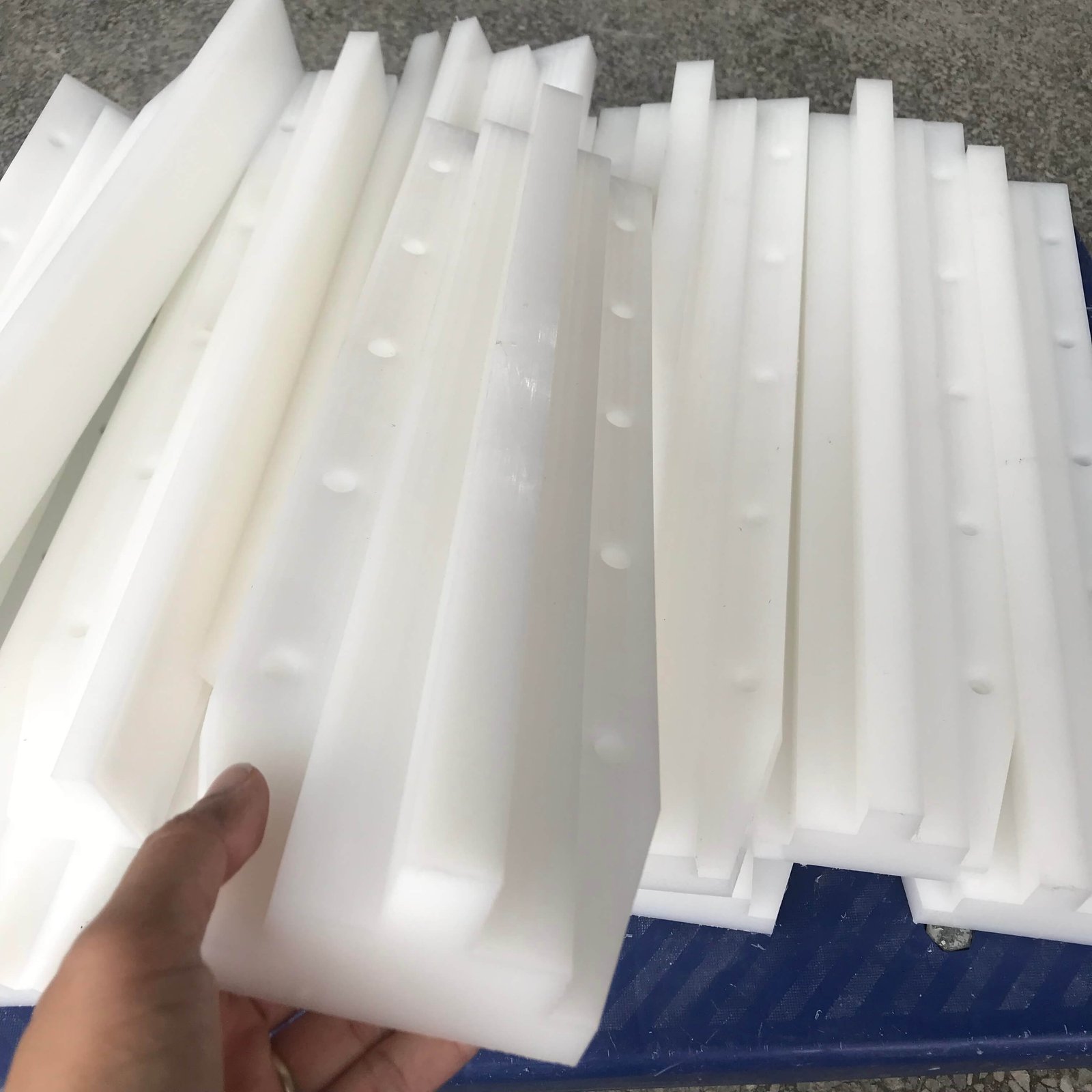
UHMW-PE (Ultra High Molecular Weight Polyethylene) plastic sheet

We then transition to The CNC Machining Process for UHMW-PE Parts, where we explore the intricate techniques and critical considerations, such as tool selection and cutting speed, essential for achieving the utmost precision in machining this versatile material. 

The post further explores the Advantages of UHMW-PE Parts in Various Industries, showcasing its wide-ranging applications from material handling to automotive and food processing sectors. This section underscores the material’s adaptability and effectiveness in diverse operational environments.

In Quality Control and Testing for UHMW-PE Machined Parts, we emphasize the importance of rigorous quality assurance practices. This includes ensuring dimensional accuracy and maintaining the material’s inherent properties post-machining, which are crucial for the durability and reliability of the finished parts.

Lastly, the post addresses Cost-Effectiveness and Customization in UHMW-PE CNC Machining. Here, we discuss how CNC machining facilitates the production of custom UHMW-PE parts in a cost-effective manner, meeting specific industry requirements without compromising on quality and performance.

This blog post is an essential read for anyone interested in the procurement and application of UHMW-PE parts, offering valuable insights into the precision and durability aspects of CNC machining with this advanced material.

Understanding UHMW-PE Material Properties

When it comes to CNC machining, the choice of material plays a pivotal role in the success of the final product. UHMW-PE (Ultra High Molecular Weight Polyethylene) stands out as a premier choice, thanks to its unique set of properties. In this section, we’ll explore why UHMW-PE is not just a material, but a cornerstone in precision machining.

HMW-PE (Ultra High Molecular Weight Polyethylene) CNC machining

High Impact Strength of UHMW-PE

One of the most notable characteristics of UHMW-PE is its high impact strength. This property makes it an ideal candidate for applications where durability and resilience are crucial. In CNC machining, the ability of UHMW-PE to withstand high levels of stress without cracking or breaking is invaluable. This strength is particularly beneficial in industries such as material handling and mining, where components are subjected to extreme conditions.

Abrasion Resistance: A Key Advantage

Another significant advantage of UHMW-PE is its abrasion resistance. This quality ensures that parts made from UHMW-PE can endure wear and tear over extended periods, maintaining their integrity and functionality. This resistance is crucial in applications like conveyor systems and marine dock fender pads, where constant friction is a norm. The longevity of UHMW-PE parts means less frequent replacements, leading to cost savings in the long run.

Low Coefficient of Friction: Enhancing Performance

The low coefficient of friction of UHMW-PE is a game-changer in many applications. This property reduces the energy required for moving parts, leading to more efficient operations. In CNC machining, this translates to smoother operations and less wear on tools, which is a significant advantage. Industries such as food processing and pharmaceuticals, where hygiene and smooth operation are paramount, greatly benefit from this property.

UHMW-PE in CNC Machining: A Perfect Match

The combination of high impact strength, abrasion resistance, and low coefficient of friction makes UHMW-PE an ideal material for CNC machining. Its machinability allows for the creation of complex parts with tight tolerances, essential in precision engineering. Moreover, UHMW-PE’s versatility makes it suitable for a wide range of applications, from intricate medical devices to robust mechanical components.

In conclusion, UHMW-PE’s unique properties not only make it a suitable material for a variety of applications but also a preferred choice in CNC machining. Its ability to withstand harsh conditions while maintaining performance is a testament to its superiority as a material in the world of precision engineering and manufacturing.

UHMW-PE

The CNC Machining Process for UHMW-PE Parts

CNC machining stands as a cornerstone in the world of modern manufacturing, especially when it comes to materials like UHMW-PE (Ultra High Molecular Weight Polyethylene). This section delves into the specific techniques and considerations that are pivotal in the CNC machining of UHMW-PE, ensuring precision and quality in the final product.

Key Considerations in UHMW-PE CNC Machining

When machining UHMW-PE, several factors need careful consideration to achieve the desired results. These include tool selection, cutting speed, and the overall machining strategy. Each of these elements plays a crucial role in how effectively UHMW-PE can be machined to meet specific requirements.

Tool Selection for Optimal Machining

Choosing the right tool is critical in CNC machining of UHMW-PE. The material’s unique properties require tools that can handle its abrasion resistance and toughness. Tools made from carbide or diamond-coated materials are often preferred for their durability and ability to maintain sharpness. This choice ensures a smoother cut and longer tool life, which is essential for maintaining efficiency in the machining process.

Cutting Speed: Balancing Efficiency and Precision

The cutting speed is another vital aspect of machining UHMW-PE. A balance must be struck between efficiency and precision. Too high a speed can lead to excessive heat, causing the material to deform. Conversely, too slow a speed can result in an uneven cut. Finding the optimal speed is crucial for achieving the precision required in parts like gears and bearings, where even the slightest deviation can impact the overall functionality.

UHMW-PE gears

Precision in CNC Machining of UHMW-PE

Precision is the hallmark of CNC machining, and it’s no different with UHMW-PE. The ability to produce parts with tight tolerances is essential, especially in applications where accuracy is non-negotiable. This precision is achieved through a combination of advanced CNC machines, skilled operators, and meticulous planning. It ensures that each part meets the exact specifications required for its intended use.

The Role of CNC Technology in Machining UHMW-PE

Advanced CNC technology plays a pivotal role in machining UHMW-PE. With the aid of sophisticated software and precision tools, CNC machines can produce complex parts with high accuracy. This capability is particularly beneficial for custom parts, where unique designs and specifications are the norms.

In conclusion, the CNC machining process for UHMW-PE parts is a blend of art and science. It requires a deep understanding of the material’s properties, the right tools, optimal machining conditions, and advanced technology. By mastering these elements, manufacturers can produce UHMW-PE parts that meet the highest standards of precision and quality, suitable for a wide range of applications.

Advantages of UHMW-PE Parts in Various Industries

UHMW-PE (Ultra High Molecular Weight Polyethylene) has emerged as a material of choice across a wide range of industries, thanks to its unique combination of durability, versatility, and performance. This section explores how UHMW-PE parts are revolutionizing various sectors, from material handling to automotive and food processing.

UHMW-PE in Material Handling

In the material handling industry, UHMW-PE is prized for its exceptional wear resistance and low friction coefficient. Components such as conveyor guides, rollers, and chutes made from UHMW-PE exhibit a longer lifespan compared to those made from traditional materials. This durability translates to reduced downtime and maintenance costs, a crucial factor in high-demand environments.

UHMW-PE conveyor guides

Automotive Industry: Embracing UHMW-PE

The automotive industry benefits significantly from UHMW-PE’s impact strength and resistance to abrasion. Parts like bushings, bearings, and gear selectors made from UHMW-PE withstand the rigors of automotive use with ease. This resilience enhances the longevity of automotive components, contributing to safer and more reliable vehicles.

UHMW-PE’s Role in Food Processing

In food processing, UHMW-PE’s non-toxic, non-absorbent, and FDA-compliant nature makes it an ideal material for applications where hygiene is paramount. Components such as cutting boards, guides, and gears benefit from UHMW-PE’s ability to resist moisture and chemicals, ensuring that they remain safe and hygienic over prolonged use.

Versatility Across Other Industries

UHMW-PE’s versatility extends to numerous other sectors. In industries like mining, marine, and chemical processing, UHMW-PE parts offer unparalleled performance. Their resistance to corrosive substances, ability to operate in extreme temperatures, and overall durability make them indispensable in harsh working conditions.

UHMW-PE: A Material for the Future

The widespread adoption of UHMW-PE in these diverse industries is a testament to its superior properties. Its ability to be customized for specific applications further enhances its appeal, making it a material that not only meets current industry demands but is also poised to address future challenges.

In conclusion, UHMW-PE’s unique properties such as wear resistance, impact strength, and chemical inertness, coupled with its versatility, make it an invaluable material across various industries. Its role in improving efficiency, safety, and performance in these sectors underscores its importance as a modern engineering material.

Quality Control and Testing for UHMW-PE Machined Parts

Ensuring the highest quality in UHMW-PE (Ultra High Molecular Weight Polyethylene) machined parts is crucial for their performance and longevity. This section delves into the rigorous quality assurance measures and testing protocols that are essential in maintaining the durability and precision of UHMW-PE parts post-machining.

UHMW-PE (Ultra High Molecular Weight Polyethylene) machined parts

Importance of Dimensional Accuracy in UHMW-PE Parts

One of the primary aspects of quality control in UHMW-PE machining is ensuring dimensional accuracy. This involves precise measurements and inspections to guarantee that each machined part adheres to the specified dimensions and tolerances. Dimensional accuracy is vital in applications where UHMW-PE parts must fit seamlessly into complex assemblies, such as in precision gears and high-performance bearings.

Material Property Testing: Ensuring UHMW-PE Integrity

Post-machining, UHMW-PE parts undergo extensive material property testing. These tests assess various attributes such as impact strength, abrasion resistance, and chemical stability. Ensuring that the UHMW-PE retains its inherent properties after machining is crucial, especially for parts used in harsh environments like chemical processing plants or outdoor equipment.

Advanced Techniques in UHMW-PE Quality Assurance

Advanced testing techniques, including spectroscopy and microscopic analysis, are employed to detect any internal flaws or inconsistencies in the material. These methods provide a deeper insight into the material’s structure, ensuring that the UHMW-PE parts are free from defects that could compromise their performance.

Continuous Monitoring and Improvement

Quality control for UHMW-PE machined parts is not a one-time process but a continuous cycle of monitoring and improvement. Regular audits and feedback mechanisms are integral to this process, allowing for constant refinement in both the machining and quality assurance stages. This ongoing commitment to quality ensures that UHMW-PE parts consistently meet the high standards expected in various industries.

Adhering to Industry Standards and Certifications

Compliance with industry standards and certifications is a critical aspect of quality control. UHMW-PE parts are often subject to stringent regulations, especially in industries like food processing and medical equipment. Adhering to these standards not only ensures safety and reliability but also reinforces the trust and credibility of the manufacturers.

In conclusion, the quality control and testing of UHMW-PE machined parts are pivotal in ensuring their durability and precision. Through meticulous dimensional accuracy checks, comprehensive material property testing, and adherence to industry standards, manufacturers can guarantee the high quality of UHMW-PE parts, fulfilling the demanding requirements of various applications.

UHMW-PE parts

Cost-Effectiveness and Customization in UHMW-PE CNC Machining

The advent of CNC machining has revolutionized the production of UHMW-PE (Ultra High Molecular Weight Polyethylene) parts, offering unparalleled cost-effectiveness and customization options. This section explores how CNC machining facilitates the creation of high-quality, custom UHMW-PE parts that meet specific industry needs without compromising on performance.

Achieving High Precision at Lower Costs

CNC machining stands out for its ability to produce high-precision UHMW-PE parts at a fraction of the cost associated with traditional manufacturing methods. The precision of CNC equipment minimizes material waste, a significant factor in cost reduction. Moreover, the automated nature of CNC machining reduces labor costs and the potential for human error, further enhancing its cost-effectiveness.

Customization to Meet Specific Needs

One of the most significant advantages of CNC machining is its flexibility in producing custom UHMW-PE parts. Whether it’s a unique component for the automotive industry or a specialized part for medical devices, CNC machining can accommodate complex designs and tight tolerances. This ability to customize parts precisely according to customer specifications makes CNC machining an invaluable tool in various sectors.

Streamlining Production with CNC Machining

CNC machining streamlines the production process, allowing for rapid prototyping and quick adjustments to designs. This agility ensures that custom UHMW-PE parts can be developed and produced swiftly, reducing time to market for new products. The efficiency of CNC machining not only saves time but also contributes to overall cost savings, making it an ideal choice for both large-scale production and small, custom orders.

Maintaining High Quality and Performance

Despite the focus on cost-effectiveness and customization, there is no compromise on the quality and performance of UHMW-PE parts produced via CNC machining. The precision and control offered by CNC technology ensure that each part meets stringent quality standards, maintaining the inherent properties of UHMW-PE such as durability, wear resistance, and impact strength.

UHMW-PE parts produced via CNC machining

Leveraging CNC Machining for Competitive Advantage

The ability to produce cost-effective, custom UHMW-PE parts through CNC machining provides manufacturers with a competitive edge. By catering to the specific needs of various industries while maintaining high quality and performance, manufacturers can meet the demands of their customers more effectively and efficiently.

In conclusion, CNC machining of UHMW-PE parts represents a perfect synergy between cost-efficiency, customization, and quality. This manufacturing method allows industries to benefit from the unique properties of UHMW-PE, tailored to their specific requirements, without incurring excessive costs. The result is a win-win scenario where quality, performance, and affordability converge.

In the realm of modern manufacturing, the fusion of UHMW-PE with CNC machining technology stands as a beacon of innovation, offering a pathway to precision-engineered parts that boast unparalleled durability, versatility, and cost-efficiency. Through the exploration of UHMW-PE’s exceptional material properties, the meticulous process of CNC machining, its vast applications across industries, rigorous quality control measures, and the unmatched ability to produce customized solutions, we’ve unveiled the profound impact of this synergy. This collaboration not only meets the evolving demands of diverse sectors but also sets new benchmarks for quality and performance. As we continue to push the boundaries of what’s possible in manufacturing, the integration of UHMW-PE parts and CNC machining emerges as a cornerstone, promising to drive future advancements and fulfill the promise of innovation in the industrial landscape.

UHMW-PE's exceptional material properties

Get Started on Your Path to Excellence!

Are you ready to make a significant impact with high-quality, cost-effective UHMW-PE CNC machined parts? We’re here to turn your concepts into reality. Complete the contact form at the bottom of this page to connect with us. Let’s embark on this journey of innovation and excellence together. Your success is just a form away!

🎉🎉🎉Limited Time Offer Use code: QR4GNY08SHVR at checkout and enjoy a special discount on your entire order! 👉 UHMWPE plastic
Leave a comment


Please note, comments must be approved before they are published


Custom Plastic Fabrication

Send your drawing, material and quantity for review

🔧
Precision Machining
CNC milling & turning
✂️
Cutting & Engraving
Laser & waterjet cutting
🏭
Forming & Molding
Thermoforming & injection
🔗
Joining & Assembly
Welding & bonding
📐
Design & Prototyping
CAD design & samples

General

HDPE

PP

PVC

ABS

Engineering

POM

Nylon

PC

PMMA

High-Performance

PEEK

PEI

PTFE

Composites

FR-4

G10

Flexible

TPU

Silicone

Why Choose BeePlastic?

🎯
Perfect Fit
Custom specs eliminate adaptation needs
⚡
Clear Lead Times
Lead time confirmed with every quote
💰
Volume Pricing
Volume pricing available on bulk orders
🤝
Expert Support
Free engineering consultation included
📋
Submit
→
🔍
Review
→
💵
Quote
→
✅
Production
→
📦
Deliver

Request a Quote

Share your project details, selected material and quantity on our quote page. You can add a file link or use the email drawing route shown there.


Request Quote

Industries: Automotive • Medical • Food • Lab • Semiconductor

beeplastic@beeplastic.com


The Ultimate Buyer’s Guide to UHMW-PE CNC Machined Accessories

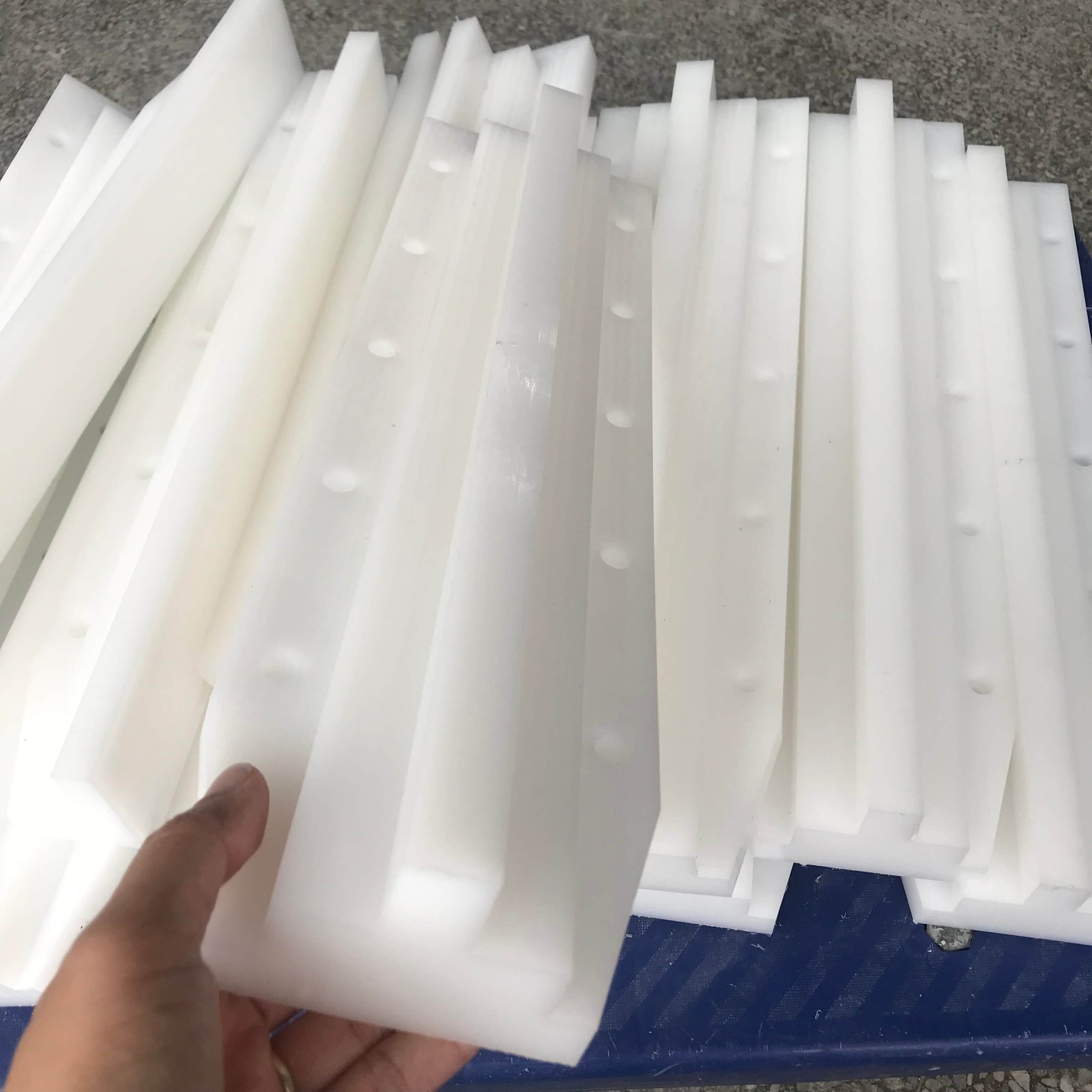
UHMW-PE anti-collision block

In the blog post “The Ultimate Buyer’s Guide to UHMW-PE CNC Machined Accessories,” we dive deep into the world of UHMW-PE (Ultra High Molecular Weight Polyethylene), a material renowned for its exceptional properties and versatility in CNC machining. This comprehensive guide is tailored for those looking to procure high-quality UHMW-PE parts and accessories, offering a wealth of knowledge and practical advice.

🎉🎉🎉Limited Time Offer Use code: QR4GNY08SHVR at checkout and enjoy a special discount on your entire order! 👉 UHMWPE plastic
UPE sheets plastic
We begin by Understanding UHMW-PE Material Properties, highlighting its durability, wear resistance, and impact strength, making it a top choice in various industries. This section illuminates why UHMW-PE stands out as a material and how its characteristics translate into superior machined parts.

Next, we delve into The CNC Machining Process for UHMW-PE Parts, offering an insider’s view of how these parts are crafted with precision and care. This segment is crucial for understanding the intricacies involved in producing high-quality UHMW-PE accessories.

In Advantages of UHMW-PE Parts in Industrial Applications, we explore the practical benefits of using UHMW-PE in different sectors. From its resistance to chemicals to its low friction coefficient, this part of the guide underscores the material’s versatility and efficiency.

Our section on Tips for Procuring Quality UHMW-PE Machined Accessories is a must-read for buyers. It provides essential tips on evaluating quality, understanding the importance of supplier credibility, and navigating the customization options available in the market.

Lastly, Innovations and Trends in UHMW-PE CNC Machining keeps you updated on the latest advancements in the field. This forward-looking perspective ensures you stay ahead of the curve in leveraging new technologies and techniques in UHMW-PE machining.

Whether you’re a seasoned buyer or new to the world of CNC machined accessories, this guide is an invaluable resource, equipping you with the knowledge to make informed procurement decisions in the realm of UHMW-PE CNC machining.

Understanding UHMW-PE Material Properties

When it comes to CNC machining, the choice of material plays a pivotal role in the success of the final product. Among the various materials available, UHMW-PE (Ultra High Molecular Weight Polyethylene) stands out for its unique characteristics. In this section, we’ll explore the properties of UHMW-PE that make it an ideal candidate for CNC machining and its diverse applications across various industries.

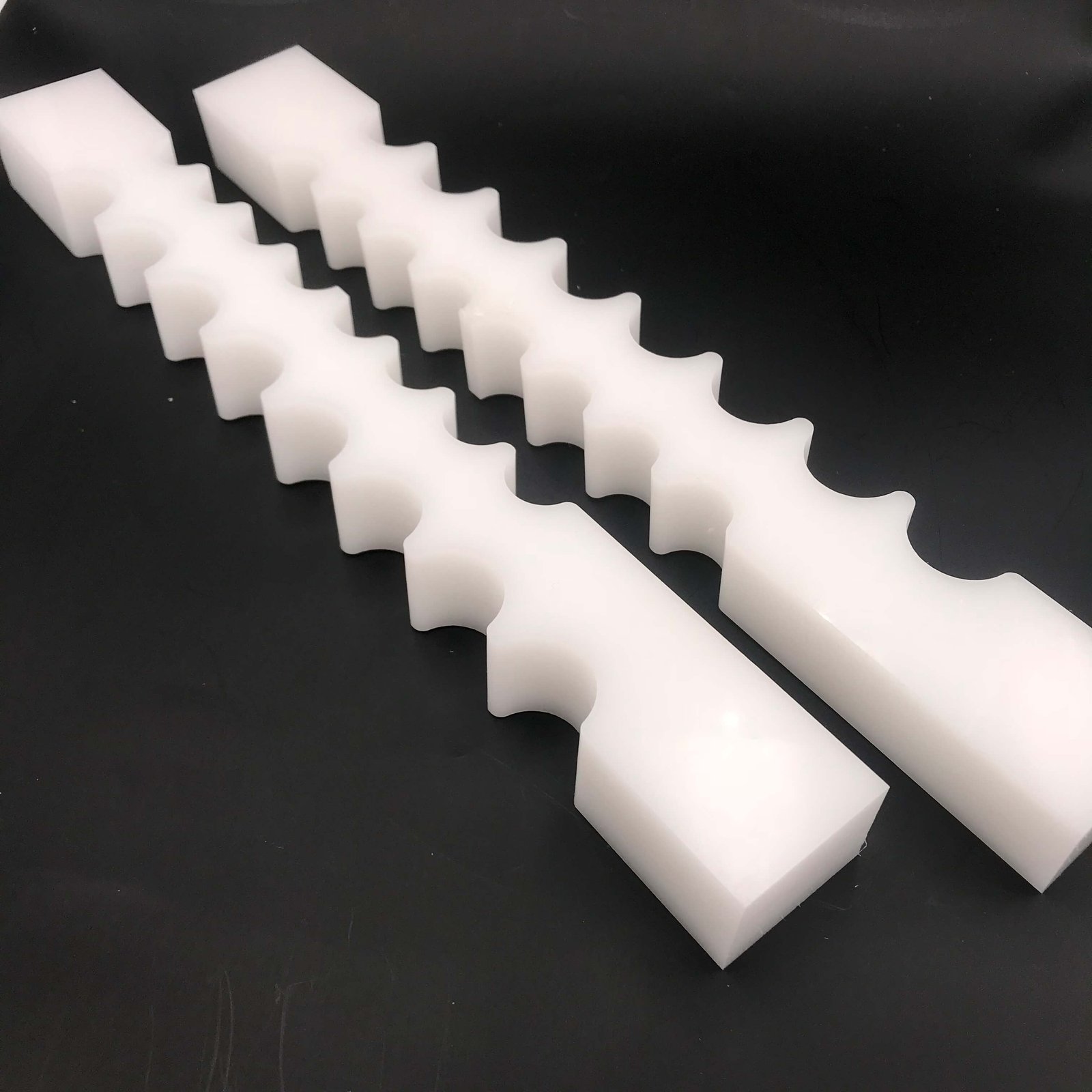
UPE anti-slip block

What is UHMW-PE?

UHMW-PE, short for Ultra High Molecular Weight Polyethylene, is a subset of thermoplastic polyethylene. Its molecular weight ranges typically between 3.1 to 5.67 million amu, which is significantly higher than standard polyethylene. This high molecular weight is the key to its robust properties, including high impact strength, wear resistance, and durability.

Key Properties of UHMW-PE

High Impact Strength and Durability

One of the most notable properties of UHMW-PE is its exceptional impact strength. This material can withstand sudden and severe impacts without cracking or breaking, making it ideal for heavy-duty applications. Its durability is also enhanced by its resistance to wear and abrasion, ensuring a long service life for parts made from UHMW-PE.

Chemical and Corrosion Resistance

UHMW-PE exhibits excellent chemical resistance, able to withstand exposure to a wide range of corrosive substances. This makes it a preferred material in industries where parts are exposed to harsh chemicals. Additionally, its corrosion resistance ensures that it does not degrade easily over time, maintaining its integrity in challenging environments.

Low Friction and Self-Lubricating Properties

Another significant advantage of UHMW-PE is its low friction coefficient. This self-lubricating property reduces the need for additional lubricants, minimizing maintenance requirements and enhancing the efficiency of machinery. It’s particularly beneficial in applications where parts are in constant motion and require smooth operation.

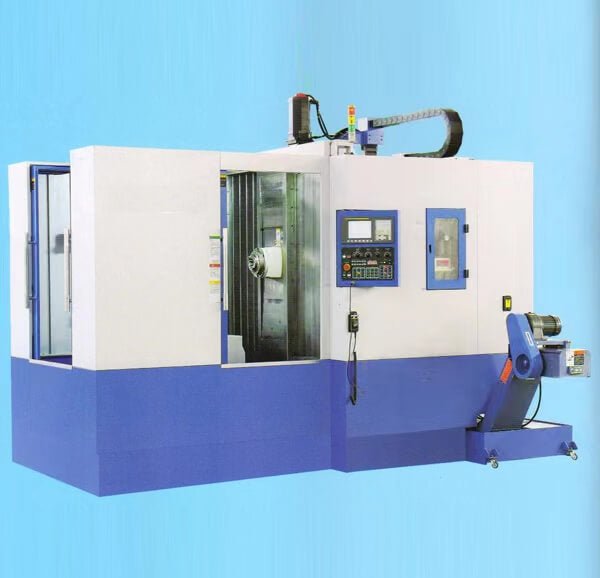
Numerical control lathe

Applications of UHMW-PE in Various Industries

Industrial Machinery and Equipment

In the realm of industrial machinery, UHMW-PE is widely used for making gears, bearings, and conveyor belt components. Its durability and low friction make it ideal for these applications, ensuring smooth operation and reducing downtime due to wear and tear.

Food and Beverage Industry

The food and beverage industry benefits from UHMW-PE’s FDA compliance and chemical resistance. It’s used in making cutting boards, conveyor belts, and machine parts that come in contact with food, ensuring safety and hygiene.

Marine and Nautical Applications

UHMW-PE’s resistance to water absorption and corrosion makes it suitable for marine applications. It’s used in making dock fenders, boat lift bushings, and other components exposed to marine environments.

Automotive Industry

In the automotive sector, UHMW-PE is used for manufacturing various parts, including dashboards, fuel tanks, and body panels. Its impact resistance and lightweight nature contribute to vehicle safety and efficiency.

By understanding these properties and applications of UHMW-PE, buyers and engineers can make informed decisions when selecting materials for CNC machining. UHMW-PE’s versatility and robustness make it a top choice for a wide range of industrial applications, offering both performance and durability.

The CNC Machining Process for UHMW-PE Parts

CNC machining stands as a cornerstone in modern manufacturing, especially when it comes to working with advanced materials like UHMW-PE (Ultra High Molecular Weight Polyethylene). This section delves into the specifics of the CNC machining process for UHMW-PE, underscoring the precision and customization it brings to the table for manufacturing high-quality accessories.

UHMW-PE (Ultra High Molecular Weight Polyethylene) CNC machining center

Understanding CNC Machining of UHMW-PE

The Role of CNC Technology

CNC (Computer Numerical Control) machining is a process where computer-controlled machine tools create intricate parts with high precision. When it comes to UHMW-PE, CNC machining plays a crucial role in achieving the exact dimensions and shapes required for specialized applications. The process involves programming the CNC machine with precise instructions to cut the UHMW-PE material into the desired form.

Advantages of CNC Machining for UHMW-PE

CNC machining of UHMW-PE is renowned for its accuracy and repeatability. This precision is essential for creating parts that fit perfectly into their intended applications. Moreover, the ability to replicate parts ensures consistency in mass production, a critical factor in industrial manufacturing.

Key Steps in the CNC Machining Process

Design and CAD Modeling

The process begins with a detailed design phase, where engineers create a CAD (Computer-Aided Design) model of the part. This model serves as a blueprint for the CNC machine, outlining the exact specifications and dimensions of the UHMW-PE part.

Programming the CNC Machine

Once the design is finalized, the next step involves programming the CNC machine. This is done using CAM (Computer-Aided Manufacturing) software, which translates the CAD model into a language understandable by the CNC machine. The programming includes instructions for every cut, drill, and engraving required to shape the UHMW-PE material.

Machining the UHMW-PE Material

With the machine programmed, the actual machining of UHMW-PE begins. The CNC machine precisely follows the programmed paths to cut the UHMW-PE block into the desired shape. Throughout this process, the focus is on maintaining high accuracy to ensure the part meets the specified tolerances.

Customization and Complex Geometries

One of the most significant benefits of CNC machining UHMW-PE is the ability to create customized and complex geometries. Unlike traditional manufacturing methods, CNC machining can produce intricate designs and detailed features, making it ideal for custom or specialized parts.

Quality Control and Finishing

Ensuring Precision and Quality

Quality control is integral to the CNC machining process. Each part is inspected to ensure it meets the required specifications. This step is crucial for maintaining the high standards expected in industries using UHMW-PE parts.

Finishing Touches

After machining, the UHMW-PE parts may undergo various finishing processes, such as polishing or deburring, to achieve the desired surface finish and appearance.

By leveraging the capabilities of CNC machining, manufacturers can produce high-quality UHMW-PE parts with unparalleled precision and customization. This process is vital for industries that demand accuracy and reliability in their components, making CNC machined UHMW-PE parts a preferred choice in various applications.

UHMW-PE (Ultra High Molecular Weight Polyethylene) parts

Advantages of UHMW-PE Parts in Industrial Applications

The use of UHMW-PE (Ultra High Molecular Weight Polyethylene) in industrial applications has been a game-changer, thanks to its outstanding properties. This section highlights the significant benefits of using UHMW-PE parts in various industrial settings, focusing on their durability, resistance to wear and corrosion, and low friction properties.

Unmatched Durability and Longevity

Resilience Under Stress

One of the primary advantages of UHMW-PE is its exceptional durability. This material can withstand high levels of stress and impact without succumbing to cracks or breaks. This resilience makes UHMW-PE parts ideal for industries where components are subjected to harsh operational conditions.

Long Service Life

The longevity of UHMW-PE parts is another significant benefit. Their ability to resist wear and maintain structural integrity over time translates into a longer service life. This durability reduces the need for frequent replacements, offering cost savings in the long run.

Superior Wear and Corrosion Resistance

Handling Abrasive Environments

UHMW-PE’s excellent wear resistance makes it suitable for environments where parts are exposed to abrasive substances. This resistance ensures that UHMW-PE components retain their functionality and dimensions even in challenging conditions.

Combatting Corrosive Elements

Additionally, UHMW-PE is highly resistant to corrosion, making it an ideal choice for applications involving exposure to corrosive chemicals or environments. This property is particularly beneficial in industries like chemical processing, where parts are regularly exposed to harsh substances.

UPE material industry applications

Low Friction and Self-Lubricating Nature

Reducing Operational Friction

The low friction coefficient of UHMW-PE is a critical advantage in many industrial applications. This property minimizes resistance in moving parts, leading to smoother operations and reduced wear.

Self-Lubricating Features

Furthermore, UHMW-PE’s self-lubricating nature means that it does not require additional lubrication, which can be a significant advantage in terms of maintenance and operational efficiency.

Diverse Industrial Applications

Versatility Across Sectors

The unique properties of UHMW-PE make it versatile for a wide range of industrial applications. From the manufacturing of gears and bearings in heavy machinery to lining chutes and hoppers in material handling systems, UHMW-PE parts prove their worth across various sectors.

Customization for Specific Needs

Moreover, the ability to customize UHMW-PE parts through CNC machining allows for tailored solutions to meet specific industrial requirements, further enhancing their applicability in diverse settings.

The advantages of UHMW-PE parts in industrial applications are clear and multifaceted. Their durability, wear and corrosion resistance, and low friction properties make them an invaluable asset in various industrial settings, offering reliability and efficiency that are crucial in today’s fast-paced and demanding industrial environments.

UPE lathe machined parts

Tips for Procuring Quality UHMW-PE Machined Accessories

Procuring high-quality UHMW-PE (Ultra High Molecular Weight Polyethylene) machined parts is crucial for ensuring the efficiency and longevity of industrial applications. This section provides essential guidance on what buyers should consider when purchasing UHMW-PE machined parts, focusing on quality indicators, supplier credibility, and customization options.

Identifying Quality UHMW-PE Parts

Assessing Material Quality

The first step in procuring quality UHMW-PE parts is to ensure the material’s quality. Look for UHMW-PE with a high molecular weight, as this indicates better wear resistance and impact strength. Certifications or material grade specifications can be a reliable indicator of quality.

Precision in Machining

Precision is key in CNC machined parts. Ensure that the UHMW-PE parts are machined with high accuracy, adhering to the specified tolerances. This precision is crucial for parts that need to fit into complex assemblies or machinery.

Evaluating Supplier Credibility

Experience and Expertise

When selecting a supplier, consider their experience and expertise in machining UHMW-PE. A reputable supplier with a proven track record in handling UHMW-PE can significantly impact the quality of the final product.

Customer Reviews and References

Check customer reviews and ask for references. Feedback from previous clients can provide insights into the supplier’s reliability and the quality of their products.

Customization and Tailored Solutions

Understanding Customization Capabilities

Different applications may require customized UHMW-PE parts. Assess the supplier’s capability to provide customized solutions. This includes their ability to work with complex designs and produce parts that meet specific requirements.

Communication and Technical Support

Good communication is essential for successful customization. Ensure that the supplier is willing to engage in detailed discussions about your needs and offers adequate technical support throughout the process.

customized UHMW-PE parts

Ensuring Quality Control Measures

Quality Assurance Processes

Inquire about the supplier’s quality assurance processes. This includes their methods for inspecting the machined parts and ensuring that they meet the required standards.

Certifications and Standards

Look for suppliers who adhere to recognized quality standards and hold relevant certifications. This adherence is a testament to their commitment to producing high-quality parts.

By considering these factors, buyers can make informed decisions when procuring UHMW-PE machined accessories. Quality material, precision machining, supplier credibility, customization capabilities, and stringent quality control measures are key to obtaining UHMW-PE parts that meet the demands of various industrial applications.

Innovations and Trends in UHMW-PE CNC Machining

The field of CNC machining of UHMW-PE (Ultra High Molecular Weight Polyethylene) is continually evolving, with new advancements and trends emerging that enhance its applications and efficiency. This section explores the latest innovations and trends in CNC machining of UHMW-PE, highlighting new technologies, machining techniques, and their emerging applications across various sectors.

CNC machining of UHMW-PE (Ultra High Molecular Weight Polyethylene)

Advancements in CNC Machining Technologies

Enhanced Precision and Efficiency

Recent technological advancements in CNC machining have significantly increased the precision and efficiency of machining UHMW-PE parts. Modern CNC machines equipped with advanced software and cutting tools can achieve tighter tolerances and more complex geometries than ever before.

Integration of Automation and Robotics

The integration of automation and robotics in CNC machining has been a game-changer. Automated systems and robotic arms can handle repetitive tasks with consistent accuracy, reducing human error and increasing production speed, especially in the machining of UHMW-PE parts.

Innovative Machining Techniques

Advanced Tooling Solutions

Innovations in tooling have led to the development of specialized cutters and drills designed specifically for UHMW-PE. These tools minimize the heat generated during machining, reducing the risk of warping or deformation of the UHMW-PE material.

Customized Machining Strategies

Customized machining strategies are being developed to optimize the machining process for UHMW-PE. These strategies involve adjusting cutting speeds, feed rates, and tool paths to enhance the quality and finish of the machined parts.

Emerging Applications in Various Sectors

Medical and Healthcare Industry

In the medical and healthcare industry, UHMW-PE is increasingly used for creating prosthetics and orthopedic implants due to its biocompatibility and wear resistance. CNC machining allows for the precise and customized production of these critical components.

Aerospace and Defense

The aerospace and defense sectors are adopting UHMW-PE for various applications, including lightweight and durable components. CNC machining enables the creation of parts that meet the stringent standards and specifications required in these industries.

Renewable Energy Sector

In the renewable energy sector, UHMW-PE is used for manufacturing components like bearings and gears in wind turbines. The advancements in CNC machining techniques have made it possible to produce these parts with the necessary precision and durability.

The Future of UHMW-PE CNC Machining

Looking ahead, the future of UHMW-PE CNC machining is poised for further growth and innovation. With ongoing research and development, we can expect to see even more advanced machining techniques and applications, particularly in sectors where material performance and precision are critical.

The continuous evolution in CNC machining technologies and techniques is shaping the way UHMW-PE parts are manufactured, leading to broader applications and enhanced performance in various industries. As these innovations progress, the potential for UHMW-PE in CNC machining continues to expand, promising exciting developments for the future.

As we’ve explored the multifaceted world of UHMW-PE CNC machining, it’s clear that this field is not just about shaping a piece of plastic; it’s about harnessing a material’s full potential to create solutions that are durable, precise, and tailored to meet the diverse needs of various industries. From understanding the unique properties of UHMW-PE, navigating through its machining process, to appreciating its advantages in industrial applications, and staying abreast of the latest innovations and trends, this guide serves as a comprehensive resource for anyone looking to procure high-quality UHMW-PE machined accessories. The future of UHMW-PE in CNC machining is bright, filled with possibilities for innovation and efficiency, making it an indispensable part of modern manufacturing and engineering solutions.

Machined parts for lathes

Ready to Elevate Your Project with Precision-Crafted UHMW-PE Parts?

Don’t miss out on the opportunity to transform your industrial applications with our high-quality CNC machined accessories. Take the first step towards innovation and efficiency – fill out our contact form below and let’s discuss how we can bring your project to the next level!

🎉🎉🎉Limited Time Offer Use code: QR4GNY08SHVR at checkout and enjoy a special discount on your entire order! 👉 UHMWPE plastic

Leave a comment


Please note, comments must be approved before they are published


Custom Plastic Fabrication

Send your drawing, material and quantity for review

🔧
Precision Machining
CNC milling & turning
✂️
Cutting & Engraving
Laser & waterjet cutting
🏭
Forming & Molding
Thermoforming & injection
🔗
Joining & Assembly
Welding & bonding
📐
Design & Prototyping
CAD design & samples

General

HDPE

PP

PVC

ABS

Engineering

POM

Nylon

PC

PMMA

High-Performance

PEEK

PEI

PTFE

Composites

FR-4

G10

Flexible

TPU

Silicone

Why Choose BeePlastic?

🎯
Perfect Fit
Custom specs eliminate adaptation needs
⚡
Clear Lead Times
Lead time confirmed with every quote
💰
Volume Pricing
Volume pricing available on bulk orders
🤝
Expert Support
Free engineering consultation included
📋
Submit
→
🔍
Review
→
💵
Quote
→
✅
Production
→
📦
Deliver

Request a Quote

Share your project details, selected material and quantity on our quote page. You can add a file link or use the email drawing route shown there.


Request Quote

Industries: Automotive • Medical • Food • Lab • Semiconductor

beeplastic@beeplastic.com


Expert Insights: Procuring the Perfect UHMW-PE Parts with CNC Machining

UHMW-PE card strip

Discover the Art of Procuring UHMW-PE CNC Machined Parts

Dive into the world of UHMW-PE CNC machining with our latest blog post, “[Expert Insights: Procuring the Perfect UHMW-PE Parts with CNC Machining].” This comprehensive guide offers a deep dive into the unique properties of UHMW-PE, highlighting its high impact strength, wear resistance, and low friction qualities that make it ideal for precision machining. We take you through the intricate CNC machining process, detailing the crucial steps from tool selection to speed settings, ensuring the production of high-quality parts.

🎉🎉🎉Limited Time Offer Use code: QR4GNY08SHVR at checkout and enjoy a special discount on your entire order! 👉 UHMWPE plastic
UHMW-PE plastic

Quality control is paramount in this field, and our post emphasizes the importance of dimensional accuracy, surface finish, and material integrity in UHMW-PE parts. We explore the vast array of applications for these parts across various industries, from mechanical equipment to food processing and material handling, showcasing the versatility of UHMW-PE when CNC machined.

Finally, we provide valuable insights into cost-effective procurement strategies, guiding you on selecting the right supplier, understanding cost factors, and balancing quality with budget. Whether you’re a seasoned buyer or new to the field of CNC machining, this post is packed with expert advice and tips to help you navigate the procurement process with confidence.

Embark on this journey to mastering the procurement of UHMW-PE parts and discover how to make informed decisions that lead to successful outcomes.

Understanding UHMW-PE Material Properties

When delving into the world of CNC machining, one material stands out for its exceptional qualities: UHMW-PE (Ultra High Molecular Weight Polyethylene). This thermoplastic is renowned for its unique combination of properties, making it an ideal candidate for precision machining and a variety of industrial applications.

UHMW-PE (Ultra High Molecular Weight Polyethylene)

What is UHMW-PE?

UHMW-PE, short for Ultra High Molecular Weight Polyethylene, is a subset of the thermoplastic polyethylene. It is characterized by its long chains, which give it a high molecular mass. This structure not only contributes to its notable strength but also imparts other beneficial properties.

High Impact Strength

One of the most significant characteristics of UHMW-PE is its high impact strength. This quality makes it resistant to sudden and severe impacts, a crucial factor in industries where parts are subjected to heavy loads or high-stress conditions. The impact strength of UHMW-PE ensures durability and longevity in parts produced through CNC machining.

Wear Resistance

Another key attribute of UHMW-PE is its wear resistance. This material exhibits excellent resistance to abrasion and can withstand prolonged exposure to harsh environments without degrading. This property is particularly beneficial in applications where parts are in constant motion or contact with other materials, reducing the need for frequent replacements and maintenance.

Low Friction Properties

UHMW-PE also boasts low friction properties. This characteristic minimizes resistance during operation, leading to smoother performance of machined parts. It’s especially advantageous in applications requiring sliding mechanisms, where reduced friction is essential for efficient operation.

Waterproof Gasket

Ideal for CNC Machining

The combination of high impact strength, wear resistance, and low friction makes UHMW-PE an ideal material for CNC machining. These properties allow for the creation of parts that are not only precise but also durable and efficient in their application. CNC machining leverages these attributes to produce components that meet exact specifications while ensuring reliability and performance.

Versatile Applications

The versatility of UHMW-PE extends to a wide range of industries. From mechanical parts in the automotive sector to components in food processing equipment, UHMW-PE’s properties make it a preferred choice for various applications. Its ability to withstand different environmental conditions also broadens its usability across sectors.

UHMW-PE’s unique material properties make it a standout choice for CNC machining. Its high impact strength, wear resistance, and low friction properties are not just beneficial but essential for creating high-quality, durable, and efficient parts. As we continue to explore the capabilities of UHMW-PE in CNC machining, its role in advancing industrial applications remains undeniable.

The CNC Machining Process for UHMW-PE Parts

Understanding the CNC machining process for UHMW-PE (Ultra High Molecular Weight Polyethylene) is crucial for anyone involved in the procurement of high-quality machined parts. This section delves into the specific steps, techniques, and considerations that ensure the precision and quality of UHMW-PE parts.

Numerical control lathe

Key Steps in CNC Machining UHMW-PE

Initial Design and Planning

The process begins with initial design and planning. Utilizing advanced software, engineers and machinists create detailed blueprints of the desired UHMW-PE part. This stage is critical for ensuring that the final product meets the exact specifications and requirements.

Material Selection

Choosing the right grade of UHMW-PE is essential. Different grades offer varying properties, such as enhanced wear resistance or improved impact strength, tailored to specific applications. Selecting the appropriate grade ensures the part will perform optimally in its intended environment.

Machining Techniques and Considerations

Tool Selection

Tool selection is a pivotal aspect of the CNC machining process. For UHMW-PE, tools made from materials like carbide or diamond are often preferred due to their ability to maintain sharpness and resist wear. The right tool not only improves efficiency but also ensures a high-quality finish.

Speed Settings

Adjusting the speed settings is crucial for machining UHMW-PE. Optimal speed varies depending on the complexity of the part and the grade of UHMW-PE used. Proper speed settings minimize the risk of melting or warping the material, ensuring a precise and clean cut.

Machining Strategies

Implementing effective machining strategies is key to the success of the process. Techniques like gradual layer removal and the use of cooling systems help maintain the integrity of UHMW-PE, preventing heat buildup and material deformation.

UHMW-PE CNC machining process

Ensuring Precision and Quality

Regular Inspections

Throughout the machining process, regular inspections are conducted to ensure that each part meets the stringent quality standards. This involves checking dimensions, surface finish, and overall integrity of the part.

Final Finishing

The final step involves finishing the machined UHMW-PE part. This may include processes like polishing or deburring to achieve the desired surface quality and appearance.

The CNC machining process for UHMW-PE parts is a meticulous and precise operation. From the initial design to the final finishing touches, each step is crucial in shaping the quality and performance of the final product. Understanding these steps and techniques is essential for anyone looking to procure high-quality UHMW-PE parts.

Quality Control in UHMW-PE CNC Machining

Quality control is a pivotal aspect of the CNC machining process, especially when working with materials like UHMW-PE (Ultra High Molecular Weight Polyethylene). This section highlights the critical quality control measures that are essential in ensuring the procurement of high-quality UHMW-PE parts.

The Importance of Dimensional Accuracy

Ensuring Precise Measurements

Dimensional accuracy is paramount in CNC machining. It involves ensuring that the machined UHMW-PE parts conform precisely to the specified dimensions in the design plans. This accuracy is crucial for parts that need to fit into specific assemblies or require high levels of precision for proper functionality.

Advanced Measuring Tools

Utilizing advanced measuring tools, such as calipers, micrometers, and CMM (Coordinate Measuring Machines), is essential in achieving and verifying dimensional accuracy. These tools provide precise measurements, ensuring that each part meets the exact specifications.

Surface Finish Quality

Achieving Desired Surface Smoothness

The surface finish of UHMW-PE parts is another critical quality control aspect. A smooth and uniform surface is often required for aesthetic purposes and to ensure proper function, especially in parts that interact with other components.

Techniques to Enhance Surface Quality

Various techniques, such as fine milling and polishing, are employed to enhance the surface quality of UHMW-PE parts. These processes are carefully monitored to achieve the desired level of smoothness without compromising the material’s integrity.

quality of UHMW-PE parts

Maintaining Material Integrity

Preserving Material Properties

Maintaining the material integrity of UHMW-PE during CNC machining is essential. This involves ensuring that the material retains its inherent properties, such as impact resistance and wear resistance, throughout the machining process.

Avoiding Heat Damage

Special attention is given to avoid heat damage during machining, which can alter the material’s properties. Techniques like using appropriate cutting speeds and cooling systems are employed to preserve the integrity of UHMW-PE.

Rigorous Inspection Protocols

Implementing Stringent Inspections

Implementing rigorous inspection protocols is a key part of quality control. Each machined part undergoes thorough inspections at various stages of the machining process to ensure it meets all quality standards.

Continuous Quality Improvement

Feedback from these inspections is used for continuous quality improvement, ensuring that the machining process remains efficient and effective in producing high-quality UHMW-PE parts.

Quality control in UHMW-PE CNC machining is not just about adhering to standards; it’s about ensuring that each machined part meets the highest levels of precision, surface finish, and material integrity. This commitment to quality is essential for the procurement of superior UHMW-PE parts that meet and exceed application requirements.

Applications and Uses of CNC Machined UHMW-PE Parts

UHMW-PE (Ultra High Molecular Weight Polyethylene), known for its remarkable properties, finds extensive applications across various industries when CNC machined. This section explores the diverse uses of UHMW-PE parts, highlighting the material’s versatility and adaptability.

the diverse uses of UHMW-PE parts

In Mechanical Equipment

Enhancing Performance and Durability

In the realm of mechanical equipment, UHMW-PE parts play a crucial role. Their high impact strength and wear resistance make them ideal for components that endure heavy loads and high-stress conditions. CNC machined UHMW-PE parts are commonly used in gears, bearings, and bushings, where they contribute to the equipment’s overall performance and durability.

Reducing Maintenance Needs

The self-lubricating nature of UHMW-PE reduces the need for additional lubrication, thereby lowering maintenance requirements and prolonging the lifespan of mechanical components.

In Food Processing Industry

Meeting Hygiene and Safety Standards

The food processing industry greatly benefits from the use of UHMW-PE parts. This material is FDA compliant, making it safe for contact with food products. CNC machined UHMW-PE parts are used in conveyor systems, guides, and rollers, where their non-toxic and easy-to-clean nature ensures adherence to strict hygiene and safety standards.

Enhancing Efficiency

UHMW-PE’s low friction coefficient facilitates smoother operations of machinery, enhancing efficiency in food processing lines.

UHMW-PE slide rail

In Material Handling

Withstanding Harsh Environments

In material handling, UHMW-PE’s resistance to chemicals and abrasion makes it suitable for use in environments where parts are exposed to corrosive substances or abrasive materials. Components like conveyor guides, chutes, and slides benefit from UHMW-PE’s durability.

Improving Operational Smoothness

The low friction properties of UHMW-PE ensure smooth operation in material handling equipment, reducing wear and tear and enhancing the flow of materials.

Versatility Across Industries

Adaptable to Various Applications

UHMW-PE’s versatility is not limited to these industries. Its properties make it adaptable to various applications, from automotive parts to marine applications, where its buoyancy and resistance to saltwater corrosion are advantageous.

Customization through CNC Machining

CNC machining allows for the customization of UHMW-PE parts to meet specific industry needs, further enhancing its applicability across different sectors.

The applications and uses of CNC machined UHMW-PE parts are as diverse as the industries they serve. From improving the efficiency of food processing lines to enhancing the durability of mechanical equipment, UHMW-PE’s unique properties, combined with the precision of CNC machining, make it an invaluable material in numerous industrial applications.

CNC Precision Carving Machine

Cost-Effective Procurement Strategies for UHMW-PE CNC Parts

Procuring UHMW-PE (Ultra High Molecular Weight Polyethylene) CNC machined parts requires a strategic approach to balance cost and quality effectively. This section provides insights into optimizing the procurement process, ensuring that buyers get the best value for their investment.

Understanding the Cost Factors

Material and Machining Costs

The cost of UHMW-PE parts is influenced by various factors, including the price of raw materials and the complexity of the CNC machining process. Understanding these cost drivers is essential for budget planning and cost control.

Volume and Scale of Production

The scale of production also impacts cost. Larger orders often come with economies of scale, reducing the per-unit cost. However, it’s crucial to assess the demand accurately to avoid overstocking or underordering.

Selecting the Right Supplier

Evaluating Supplier Expertise

Choosing the right supplier is critical. Look for suppliers with expertise in CNC machining of UHMW-PE, as they are more likely to produce high-quality parts. Assess their track record, machinery capabilities, and technical know-how.

Considering Supplier Location

The location of the supplier can significantly affect logistics costs and lead times. Local suppliers may offer lower shipping costs and faster delivery, but it’s important to balance these benefits with the overall quality and cost of the parts.

Balancing Quality with Budget

Prioritizing Critical Features

While cost is a key consideration, compromising on quality can lead to higher expenses in the long run due to replacements and downtime. Prioritize critical features and quality standards that are non-negotiable for your application.

Exploring Cost-Reduction Opportunities

Engage with suppliers to explore cost-reduction opportunities. This could involve optimizing the design for more efficient machining, selecting alternative grades of UHMW-PE that meet requirements but are more cost-effective, or negotiating better terms for larger or long-term orders.

Long-Term Partnerships and Negotiations

Building Relationships with Suppliers

Developing long-term relationships with suppliers can lead to better pricing, improved service, and more favorable terms. A strong partnership is beneficial for both parties and can lead to more cost-effective procurement over time.

Effective Negotiation Strategies

Effective negotiation is key. Be clear about your requirements and budget constraints, but also be open to suggestions from suppliers. A collaborative approach can often result in a win-win situation.

Cost-effective procurement of UHMW-PE CNC parts requires a comprehensive understanding of cost factors, careful selection of suppliers, and a strategic approach to balancing quality and budget. By considering these aspects, buyers can optimize their procurement process, ensuring they acquire high-quality UHMW-PE parts at the most reasonable cost.

Navigating the intricate world of UHMW-PE CNC machining requires a blend of technical knowledge, practical insights, and strategic thinking. From understanding the unique properties of UHMW-PE and mastering the precision of the CNC machining process, to implementing rigorous quality control measures and exploring the material’s diverse applications across industries, each aspect plays a pivotal role in achieving excellence. Moreover, the art of procuring these specialized parts effectively hinges on balancing quality with cost, a task that demands astute supplier selection and savvy negotiation skills. This comprehensive exploration into UHMW-PE CNC machining not only underscores the material’s versatility and value but also equips you with the knowledge to make informed decisions, ensuring success in your procurement endeavors. As the demand for high-quality, durable, and efficient UHMW-PE parts continues to grow, staying informed and strategic in your approach will be key to navigating this dynamic field.

UHMW-PE card strip

Join the Forefront of CNC Machining Innovation!

Be a part of the revolution in CNC machining. If you’re looking for top-quality UHMW-PE parts and expert advice, you’re in the right place. Fill out our contact form now and let us help you stay ahead in this rapidly evolving industry with our cutting-edge solutions and expertise. 

🎉🎉🎉Limited Time Offer Use code: QR4GNY08SHVR at checkout and enjoy a special discount on your entire order! 👉 UHMWPE plastic

Leave a comment


Please note, comments must be approved before they are published


Custom Plastic Fabrication

Send your drawing, material and quantity for review

🔧
Precision Machining
CNC milling & turning
✂️
Cutting & Engraving
Laser & waterjet cutting
🏭
Forming & Molding
Thermoforming & injection
🔗
Joining & Assembly
Welding & bonding
📐
Design & Prototyping
CAD design & samples

General

HDPE

PP

PVC

ABS

Engineering

POM

Nylon

PC

PMMA

High-Performance

PEEK

PEI

PTFE

Composites

FR-4

G10

Flexible

TPU

Silicone

Why Choose BeePlastic?

🎯
Perfect Fit
Custom specs eliminate adaptation needs
⚡
Clear Lead Times
Lead time confirmed with every quote
💰
Volume Pricing
Volume pricing available on bulk orders
🤝
Expert Support
Free engineering consultation included
📋
Submit
→
🔍
Review
→
💵
Quote
→
✅
Production
→
📦
Deliver

Request a Quote

Share your project details, selected material and quantity on our quote page. You can add a file link or use the email drawing route shown there.


Request Quote

Industries: Automotive • Medical • Food • Lab • Semiconductor

beeplastic@beeplastic.com


Navigating the World of UHMW-PE CNC Machining: Essential Tips for Accessory Buyers

UHMW-PE parts

In the insightful blog post “Navigating the World of UHMW-PE CNC Machining: Essential Tips for Accessory Buyers,” readers are invited on an enlightening journey through the intricate world of UHMW-PE (Ultra High Molecular Weight Polyethylene) parts and their creation via CNC machining.

🎉🎉🎉Limited Time Offer Use code: QR4GNY08SHVR at checkout and enjoy a special discount on your entire order! 👉 UHMWPE plastic
UHMW-PE (Ultra High Molecular Weight Polyethylene) parts

We kick off with an in-depth look at “Understanding UHMW-PE Material Properties,” where the unique and beneficial characteristics of UHMW-PE are explored, emphasizing its suitability for producing durable and high-quality accessories. This sets the foundation for appreciating why UHMW-PE is a top choice in CNC machining.

Next, the post delves into “The CNC Machining Process for UHMW-PE Parts,” offering a detailed walkthrough of the precise and technical steps involved in machining this versatile material. This section is crucial for buyers and enthusiasts looking to understand the intricacies and craftsmanship behind each UHMW-PE part.

In “Key Factors in Selecting UHMW-PE for Your Projects,” the focus shifts to guiding buyers on what to consider when choosing UHMW-PE for their specific needs. This part of the post is packed with practical advice, covering aspects like material density, wear resistance, and application-specific requirements, ensuring informed decision-making.

The discussion on “Cost-Effectiveness and Efficiency of UHMW-PE Machining” highlights the economic advantages and efficiency of using UHMW-PE, making a strong case for its selection in various industrial applications. This section is particularly valuable for budget-conscious buyers aiming for high-quality results.

Lastly, the post wraps up with compelling “Case Studies: Successful Applications of CNC Machined UHMW-PE Parts.” These real-world examples showcase the practical applications and success stories of UHMW-PE parts in diverse industries, offering readers a glimpse into the material’s versatility and effectiveness.

This blog post is a must-read for anyone interested in the procurement of CNC machined accessories, providing essential tips, technical insights, and practical advice for navigating the world of UHMW-PE CNC machining.

CNC Machined UHMW-PE Parts

Understanding UHMW-PE Material Properties

In the realm of CNC machining and industrial manufacturing, UHMW-PE (Ultra High Molecular Weight Polyethylene) stands out as a material of choice due to its remarkable properties. This section delves deep into the unique characteristics of UHMW-PE, shedding light on why it’s highly favored for creating durable and efficient accessories.

Key Characteristics of UHMW-PE

UHMW-PE is renowned for its exceptional durability and resistance to wear and tear. This robust polymer boasts a molecular weight that ranges significantly higher than standard high-density polyethylene (HDPE). This high molecular weight is the cornerstone of its strength, making UHMW-PE parts incredibly resilient against physical impacts and abrasive wear.

Another standout feature of UHMW-PE is its low coefficient of friction. This property is crucial in applications where parts need to slide against each other or against different materials without causing wear. This low friction characteristic not only extends the life of the parts but also reduces the energy required in machinery where these parts are used.

Advantages in CNC Machining

When it comes to CNC machining, UHMW-PE’s machinability is a significant advantage. Despite its toughness, UHMW-PE is surprisingly easy to machine, allowing for precise and intricate designs that are often challenging with other high-strength materials. This ease of machining makes UHMW-PE an ideal choice for custom-designed parts and accessories, where precision and customization are key.

Moreover, UHMW-PE’s chemical resistance adds another layer of suitability for CNC machining. It stands up well against a wide range of chemicals, making it an excellent choice for parts that will be exposed to corrosive substances. This chemical resilience ensures that UHMW-PE parts maintain their integrity and functionality in harsh environments.

UHMW-PE in Accessory Manufacturing

In the manufacturing of accessories, the impact resistance and wear properties of UHMW-PE translate into long-lasting, high-performance parts. From industrial gears to conveyor system components, UHMW-PE parts can withstand the rigors of heavy use without degrading. This durability is a key factor in reducing maintenance costs and downtime in industrial applications.

Furthermore, UHMW-PE’s lightweight nature compared to metals like steel or aluminum is a significant benefit. This lightness contributes to overall weight reduction in machinery and equipment, leading to improved efficiency and lower energy consumption.

The unique properties of UHMW-PE, combined with its suitability for CNC machining, make it an excellent material for manufacturing a wide range of industrial accessories. Its durability, ease of machining, chemical resistance, and lightweight nature contribute to its growing popularity in various sectors. For anyone involved in the procurement of CNC machined accessories, understanding these properties of UHMW-PE is crucial in making informed decisions.

For more detailed insights into UHMW-PE and its applications, feel free to explore our comprehensive resources on UHMW-PE in Industrial Applications.

UHMW-PE parts

The CNC Machining Process for UHMW-PE Parts

Understanding the CNC machining process for UHMW-PE (Ultra High Molecular Weight Polyethylene) is crucial for anyone involved in the procurement or manufacturing of industrial parts. This section provides a detailed overview of the step-by-step process, highlighting the precision and techniques essential in creating high-quality UHMW-PE parts.

Step 1: Design and Planning

The journey of machining UHMW-PE parts begins with design and planning. Utilizing advanced software, such as CAD (Computer-Aided Design), engineers and designers create detailed blueprints of the part. This stage is critical as it involves making decisions about the dimensions, tolerances, and geometry of the part, ensuring that the final product meets the specific requirements of its intended application.

Step 2: Material Selection and Preparation

Once the design is finalized, the next step is material selection and preparation. Choosing the right grade of UHMW-PE is vital, as different grades offer varying properties like heat resistance, impact strength, and wear resistance. The selected UHMW-PE material is then prepared for machining, often involving cutting it into manageable sizes that fit the CNC machine.

Step 3: CNC Machining

The core of the process is the CNC machining itself. UHMW-PE is loaded into a CNC machine, which could be a CNC mill, lathe, or router, depending on the part’s requirements. The CNC machine follows the precise instructions from the CAD design, using cutting tools to shape the UHMW-PE material. The ability of CNC machines to operate with high precision and repeatability ensures that each UHMW-PE part is consistent in quality and dimensions.

Precision Techniques in CNC Machining

During the CNC machining of UHMW-PE, several precision techniques are employed. These include contouring, drilling, and finishing. Contouring shapes the UHMW-PE into complex forms and geometries, while drilling creates precise holes or cavities. Finishing involves processes like sanding or polishing to achieve the desired surface quality and texture.

Step 4: Quality Control and Inspection

After machining, each UHMW-PE part undergoes a rigorous quality control and inspection process. This step is crucial to ensure that each part meets the specified tolerances and quality standards. Advanced measuring tools and techniques are used to verify dimensions, shapes, and the overall integrity of the machined parts.

Step 5: Post-Processing and Finishing

Finally, the UHMW-PE parts may undergo additional post-processing and finishing steps. These can include deburring (to remove any sharp edges), heat treatments (for stress relieving), or applying coatings for additional protection or aesthetic purposes.

The CNC machining process for UHMW-PE parts is a blend of art and science, requiring precision, expertise, and attention to detail at every step. From design to final inspection, each phase plays a crucial role in ensuring the production of high-quality, reliable UHMW-PE parts. For a deeper understanding of CNC machining and its applications, explore our detailed guide on CNC Machining Techniques and Innovations.

UPE card strip

Key Factors in Selecting UHMW-PE for Your Projects

When it comes to selecting UHMW-PE (Ultra High Molecular Weight Polyethylene) for CNC machining projects, several critical factors must be considered to ensure the success and efficiency of the final product. This section aims to guide buyers through the essential aspects to evaluate when choosing UHMW-PE for their specific machining needs.

Understanding Material Density

One of the primary considerations is the material density of UHMW-PE. This property significantly impacts the strength and weight of the final part. Higher density UHMW-PE offers greater strength and abrasion resistance, making it suitable for heavy-duty applications. Conversely, lower density variants might be preferred for applications where weight reduction is a priority. It’s crucial to balance the density with the specific requirements of the project to achieve optimal performance.

Evaluating Wear Resistance

Wear resistance is another key factor. UHMW-PE is renowned for its ability to withstand wear and tear, making it ideal for parts that are subject to constant friction or abrasive conditions. When selecting UHMW-PE, consider the level of wear resistance needed based on the application’s environment. For instance, parts used in high-speed machinery or those exposed to abrasive materials will require UHMW-PE with higher wear resistance.

Application-Specific Requirements

Tailoring your choice to application-specific requirements is essential. UHMW-PE is versatile and can be used in a wide range of applications, from industrial machinery to food processing equipment. Each application may have unique requirements such as temperature resistance, chemical compatibility, or FDA compliance for food contact. Understanding these specific needs is crucial in selecting the right grade and type of UHMW-PE.

Considering Environmental Factors

Environmental factors play a significant role in the selection process. If the UHMW-PE parts will be used in outdoor or harsh environments, factors like UV resistance and temperature stability become paramount. Ensure that the UHMW-PE grade chosen can withstand the specific environmental conditions it will be exposed to.

Cost-Effectiveness and Availability

Finally, consider the cost-effectiveness and availability of UHMW-PE. While it’s important to choose a material that meets all technical requirements, it’s also vital to consider the economic aspect. Balancing cost with quality ensures that the project remains feasible and efficient. Additionally, opt for UHMW-PE grades that are readily available to avoid supply chain issues.

In summary, selecting the right UHMW-PE for CNC machining projects involves a careful consideration of material density, wear resistance, application-specific requirements, environmental factors, and cost-effectiveness. Making an informed decision in this regard is crucial for the success of your project. For more detailed information on material selection and its impact on your projects, explore our comprehensive guide on Selecting Materials for CNC Machining Projects.

UPE processing customization

Cost-Effectiveness and Efficiency of UHMW-PE Machining

The use of UHMW-PE (Ultra High Molecular Weight Polyethylene) in CNC machining is not only a technical decision but also a cost-effective and efficient choice for various industrial applications. This section explores how UHMW-PE, when machined using CNC technology, brings significant cost benefits and operational efficiencies.

Advantages in Machinability

One of the primary reasons UHMW-PE is cost-effective is due to its excellent machinability. Despite its high strength and durability, UHMW-PE is relatively easy to machine. This ease of machining means less wear and tear on CNC equipment, leading to lower maintenance costs. Additionally, the ability to quickly and accurately machine UHMW-PE reduces labor costs and increases throughput, making it an economically efficient option for producing high-quality parts.

Material Longevity and Durability

The longevity and durability of UHMW-PE parts also contribute to their cost-effectiveness. UHMW-PE’s resistance to wear, impact, and corrosion means that parts made from this material have a longer lifespan compared to those made from less durable materials. This extended lifespan results in fewer replacements and repairs, leading to significant cost savings over time.

Reduction in Production Time

Reduction in production time is another key aspect of UHMW-PE’s efficiency. The material’s ease of machining allows for faster production cycles. This speed is crucial in industries where time is of the essence, such as in the manufacturing of consumer goods or automotive parts. Faster production times not only mean more efficient operations but also quicker time-to-market for products.

Energy Efficiency in Machining

UHMW-PE’s energy efficiency during the machining process is an often-overlooked benefit. Due to its lower resistance to cutting compared to harder materials like metals, machining UHMW-PE requires less energy. This reduction in energy consumption not only lowers operational costs but also aligns with sustainable manufacturing practices.

Cost Comparison with Other Materials

When compared to other engineering plastics or metals, UHMW-PE stands out for its cost-effectiveness. While the initial material cost may be higher than some alternatives, the overall lifecycle cost of UHMW-PE parts is often lower. This is due to their durability, reduced maintenance needs, and longer service life.

The cost-effectiveness and efficiency of UHMW-PE machining make it a preferred choice in a wide range of industrial applications. From its machinability and durability to its impact on production time and energy consumption, UHMW-PE offers a balanced and economical solution for high-quality part production. For a deeper dive into the economic aspects of CNC machining, explore our detailed analysis in Economic Benefits of CNC Machining.

UHMW-PE parts

Case Studies: Successful Applications of CNC Machined UHMW-PE Parts

The practicality and effectiveness of CNC machined UHMW-PE parts are best demonstrated through real-world applications. These case studies showcase how UHMW-PE, when expertly machined, serves various industries, solving complex challenges and enhancing operational efficiency.

Case Study 1: Aerospace Industry

In the aerospace industry, precision and reliability are paramount. UHMW-PE parts have been used in the manufacturing of interior components for aircraft. These parts, machined to exact specifications using CNC technology, offer the dual benefits of being lightweight and exceptionally durable. This combination is crucial in aerospace applications where every ounce matters, and safety is non-negotiable. The use of UHMW-PE in this sector demonstrates its capability to meet stringent industry standards and contribute to safer, more efficient air travel.

Case Study 2: Food Processing Equipment

Another significant application of CNC machined UHMW-PE parts is in the food processing industry. Here, UHMW-PE’s FDA compliance and resistance to bacteria and chemicals make it an ideal material for components that come into contact with food products. For instance, conveyor system components and guides made from UHMW-PE have been used in food processing plants, enhancing hygiene and reducing maintenance needs. This case study underscores UHMW-PE’s suitability for applications where health and safety standards are critical.

Case Study 3: Material Handling in Mining

In the mining industry, material handling equipment often faces extreme wear and tear. UHMW-PE parts, such as liners for chutes and hoppers, have been successfully implemented in mining operations. These parts withstand abrasive materials and harsh conditions, significantly reducing downtime and maintenance costs. This application highlights UHMW-PE’s exceptional wear resistance and durability, even in the most challenging environments.

Case Study 4: Marine Applications

The marine industry benefits greatly from UHMW-PE’s corrosion resistance and low moisture absorption. CNC machined UHMW-PE parts are used in various marine applications, including dock fender pads and ship components. These parts resist saltwater corrosion and withstand harsh marine conditions, proving UHMW-PE’s versatility and reliability in different environmental settings.

Case Study 5: Automotive Industry

Lastly, in the automotive industry, UHMW-PE parts have been used for various components, including bushings and bearings. These parts, created with precision CNC machining, offer reduced friction and noise, contributing to smoother vehicle performance. This case study demonstrates UHMW-PE’s ability to enhance the functionality and efficiency of automotive systems.

These case studies across diverse industries illustrate the practicality and effectiveness of CNC machined UHMW-PE parts. From aerospace to automotive, UHMW-PE’s unique properties, combined with CNC machining precision, make it a material of choice for solving industry-specific challenges. For more in-depth analysis and examples, explore our extensive collection of case studies in Innovative Applications of CNC Machining.

In summary, this exploration into the world of UHMW-PE CNC machining has illuminated the material’s exceptional properties and the precision of the CNC machining process, making it an indispensable choice for various industrial applications. From understanding the unique characteristics of UHMW-PE, navigating through its machining process, to considering key factors for material selection and appreciating its cost-effectiveness and efficiency, we’ve covered essential aspects that buyers and manufacturers should consider. The real-world case studies further underscore the practicality and versatility of UHMW-PE parts across diverse sectors. Whether you’re involved in aerospace, food processing, mining, marine, or automotive industries, UHMW-PE offers a solution that combines durability, precision, and economic efficiency. As we continue to witness advancements in CNC machining technology, the potential applications for UHMW-PE are bound to expand, offering even more innovative solutions to meet the evolving demands of various industries. For more insights and guidance on CNC machining and material selection, keep exploring our resources and stay informed about the latest trends and technologies in this dynamic field.

UHMW-PE parts

Ready to Elevate Your Project with UHMW-PE CNC Machining? Let’s Talk!

Dive deeper into the world of precision machining and discover how UHMW-PE can revolutionize your next project. Don’t miss out on expert advice tailored to your needs. Fill out the contact form below and let’s start a conversation that could transform your business! 

🎉🎉🎉Limited Time Offer Use code: QR4GNY08SHVR at checkout and enjoy a special discount on your entire order! 👉 UHMWPE plastic

Leave a comment


Please note, comments must be approved before they are published


Custom Plastic Fabrication

Send your drawing, material and quantity for review

🔧
Precision Machining
CNC milling & turning
✂️
Cutting & Engraving
Laser & waterjet cutting
🏭
Forming & Molding
Thermoforming & injection
🔗
Joining & Assembly
Welding & bonding
📐
Design & Prototyping
CAD design & samples

General

HDPE

PP

PVC

ABS

Engineering

POM

Nylon

PC

PMMA

High-Performance

PEEK

PEI

PTFE

Composites

FR-4

G10

Flexible

TPU

Silicone

Why Choose BeePlastic?

🎯
Perfect Fit
Custom specs eliminate adaptation needs
⚡
Clear Lead Times
Lead time confirmed with every quote
💰
Volume Pricing
Volume pricing available on bulk orders
🤝
Expert Support
Free engineering consultation included
📋
Submit
→
🔍
Review
→
💵
Quote
→
✅
Production
→
📦
Deliver

Request a Quote

Share your project details, selected material and quantity on our quote page. You can add a file link or use the email drawing route shown there.


Request Quote

Industries: Automotive • Medical • Food • Lab • Semiconductor

beeplastic@beeplastic.com


Mastering UHMW-PE Parts: A CNC Machining Guide for Accessory Procurement

Green UPE matting strips

In the insightful blog post “Mastering UHMW-PE Parts: A CNC Machining Guide for Accessory Procurement,” readers are invited to explore the fascinating world of UHMW-PE (Ultra High Molecular Weight Polyethylene) and its application in CNC machining for producing high-quality accessories. The post begins by delving into the Understanding of UHMW-PE Material Properties, highlighting its unique characteristics that make it an ideal choice for precision manufacturing.

🎉🎉🎉Limited Time Offer Use code: QR4GNY08SHVR at checkout and enjoy a special discount on your entire order! 👉 UHMWPE plastic

UPE sheets

We then journey through the CNC Machining Process for UHMW-PE Parts, offering a detailed look at the techniques and steps involved in shaping this versatile material into intricate accessories. The focus shifts to Design Considerations for UHMW-PE CNC Machined Parts, where readers learn about the critical aspects of designing for CNC machining, ensuring both functionality and aesthetic appeal in the final product.

For those interested in the economic aspect, the post covers Cost-Effective Procurement Strategies for UHMW-PE Machined Accessories. This section provides valuable insights into optimizing procurement processes, selecting the right suppliers, and managing costs without compromising on quality.

Lastly, the post addresses the future with Innovations and Trends in UHMW-PE CNC Machining. Here, we explore cutting-edge advancements and emerging trends in the industry, offering a glimpse into how these developments might shape the future of accessory manufacturing.

This comprehensive guide is a must-read for anyone involved in the procurement, design, or manufacturing of CNC machined accessories, providing a deep understanding of UHMW-PE and its vast potential in the world of modern manufacturing.

Understanding UHMW-PE Material Properties

In the realm of CNC machining and accessory manufacturing stands out as a material of choice due to its unique properties and versatility. This section delves into the characteristics of UHMW-PE that make it not only suitable but advantageous for CNC machining applications.

CNC machining UHMW-PE (Ultra High Molecular Weight Polyethylene)

Key Characteristics of UHMW-PE

UHMW-PE is renowned for its exceptional durability and resistance to wear and abrasion. This makes it an ideal material for components that are subject to continuous or heavy use. Its ability to withstand harsh conditions without degrading ensures longevity and reliability in the final product.

Another significant attribute of UHMW-PE is its low coefficient of friction. This property is crucial in applications where parts need to slide over each other smoothly, such as in conveyor systems or gears. The reduced friction minimizes wear and tear, enhancing the efficiency and lifespan of the machined parts.

Advantages in CNC Machining

When it comes to CNC machining, UHMW-PE offers several advantages. Firstly, its machinability is excellent. UHMW-PE can be easily cut, drilled, and shaped using standard CNC equipment, allowing for precise and intricate designs. This ease of machining translates to reduced production times and costs, making it a cost-effective choice for manufacturers.

Moreover, UHMW-PE’s impact resistance is a significant benefit. Parts made from this material can withstand high-impact forces without cracking or breaking, which is essential for accessories used in demanding environments.

UHMW-PE in Accessory Manufacturing

In the context of accessory manufacturing, UHMW-PE’s properties open up a wide range of applications. Its chemical resistance makes it suitable for use in environments where exposure to corrosive substances is a concern. This material does not easily react with chemicals, ensuring that the parts remain intact and functional over time.

Additionally, UHMW-PE’s lightweight nature compared to metals like steel or aluminum is a considerable advantage. It offers the strength and durability required for many applications while reducing the overall weight of the accessory. This aspect is particularly beneficial in automotive and aerospace industries, where weight reduction is a constant goal.

In conclusion, the unique characteristics of UHMW-PE, including its durability, low friction, machinability, impact resistance, chemical resistance, and lightweight nature, make it an excellent material for CNC machining in accessory manufacturing. Its versatility and efficiency in production make it a top choice for a wide range of applications, ensuring high-quality, durable, and efficient end products.

For more information on UHMW-PE and its applications, feel free to explore [“More about UHMW-PE”].

UHMWPE rod CNC machining

The CNC Machining Process for UHMW-PE Parts

Understanding the CNC machining process for UHMW-PE (Ultra High Molecular Weight Polyethylene) parts is crucial for anyone involved in the manufacturing of precision accessories. This section outlines the specific steps and techniques used in CNC machining UHMW-PE, emphasizing the precision and customization it offers.

Preparing UHMW-PE for CNC Machining

Before the actual machining process begins, it’s essential to properly prepare the UHMW-PE material. This involves selecting the right grade of UHMW-PE based on the application’s requirements, such as wear resistance, impact strength, or chemical resistance. The material is then cut into manageable sizes, suitable for the CNC machine.

CNC Machining Techniques for UHMW-PE

CNC machining of UHMW-PE utilizes advanced computer-controlled equipment for precise cutting and shaping. The process typically involves several key techniques:

1. CNC Milling

CNC milling is used to create complex shapes and surfaces. It involves rotating cutting tools that remove material from the UHMW-PE block to achieve the desired shape. This method is ideal for creating intricate designs with high precision.

2. CNC Turning

CNC turning is another common technique, especially for cylindrical parts. In this process, the UHMW-PE material is rotated while a cutting tool moves in a linear motion. This allows for the creation of parts with precise diameters and smooth finishes.

UPE material lathe machined parts

Ensuring Precision and Customization

One of the significant advantages of using CNC machining for UHMW-PE parts is the high level of precision it offers. CNC machines can produce parts with tight tolerances, ensuring that each piece meets exact specifications. This precision is crucial for accessories that require a perfect fit and consistent performance.

Customization is another benefit of CNC machining. With the ability to program the CNC machines, manufacturers can produce bespoke parts tailored to specific needs. This flexibility allows for the creation of unique and specialized accessories that might not be feasible with other manufacturing methods.

Finishing and Quality Control

After machining, the UHMW-PE parts often undergo various finishing processes. These may include deburring, polishing, or applying surface treatments to enhance the material’s properties. Quality control is a critical final step, ensuring that each part meets the required standards and specifications.

In summary, the CNC machining process for UHMW-PE parts involves careful preparation, precise cutting and shaping techniques, and meticulous finishing and quality control. This process allows for the production of high-quality, customized accessories that meet specific requirements. For a deeper understanding of CNC machining and its applications, consider exploring [“Advanced CNC Machining Techniques”].

Design Considerations for UHMW-PE CNC Machined Parts

When designing parts for CNC machining using UHMW-PE (Ultra High Molecular Weight Polyethylene), several critical factors must be considered to ensure optimal performance and aesthetics. This section explores the key design considerations that impact the functionality and appearance of the final CNC machined accessories.

Green UPE matting strips

Understanding the Importance of Tolerances

1. Tolerance Selection

One of the most crucial aspects in the design phase is selecting appropriate tolerances. Tolerances refer to the permissible limit of variation in a physical dimension. For UHMW-PE parts, it’s essential to balance tight tolerances for precision without over-constraining the design, which can lead to increased costs and complexity in manufacturing.

2. Impact of Tolerances on Functionality

The chosen tolerances directly affect the part’s functionality. Tight tolerances are necessary for parts that must fit precisely with other components. However, overly tight tolerances can be unnecessary for less critical dimensions and can drive up production costs.

Considering Geometry in Design

1. Complexity and Machinability

The geometry of the part plays a significant role in its manufacturability. While UHMW-PE is highly machinable, overly complex geometries can pose challenges. It’s important to design parts that are complex enough to meet functional requirements but simple enough to be efficiently machined.

2. Design for Manufacturing

Adopting a [“Design for Manufacturing”] approach can significantly enhance the machinability of UHMW-PE parts. This involves designing parts while keeping in mind the capabilities and limitations of CNC machining processes, leading to more efficient and cost-effective production.

UPE sheet CNC machining

Balancing Functionality and Aesthetics

1. Functional Priorities

In designing UHMW-PE parts, the primary focus should be on functionality. This includes considering the mechanical properties required, such as strength, wear resistance, and impact resistance, and ensuring the design accommodates these needs.

2. Aesthetic Considerations

While functionality is paramount, aesthetics should not be overlooked, especially for consumer-facing accessories. The design should incorporate elements that enhance the visual appeal of the part, such as smooth finishes or appealing shapes, without compromising its functional integrity.

Final Thoughts on Design

In conclusion, designing UHMW-PE parts for CNC machining involves a careful balance of tolerances, geometry, functionality, and aesthetics. By considering these factors, designers can create parts that not only meet the required specifications but also are cost-effective and visually appealing. For more insights into effective part design, exploring resources on [“Optimizing Part Design for CNC Machining”] can be highly beneficial.

Cost-Effective Procurement Strategies for UHMW-PE Machined Accessories

Procuring UHMW-PE CNC machined parts efficiently and cost-effectively is crucial for businesses looking to optimize their operations and maintain competitive advantage. This section provides insights into strategies that can be employed to achieve this, focusing on aspects like bulk ordering, supplier selection, and cost management.

Leveraging Bulk Ordering

1. Economies of Scale

One of the most effective strategies for cost reduction is leveraging economies of scale through bulk ordering. Purchasing larger quantities of UHMW-PE machined parts can significantly lower the unit cost, as manufacturers often offer discounts for larger orders. This approach not only reduces the cost per part but also ensures a steady supply of components.

2. Planning and Forecasting

Effective planning and forecasting are key to successful bulk ordering. Businesses need to assess their long-term needs accurately to avoid overstocking or shortages. Implementing a robust inventory management system can aid in making informed decisions about order quantities and frequencies.

Green UPE processed parts

Strategic Supplier Selection

1. Evaluating Suppliers

Choosing the right supplier is critical in procuring UHMW-PE machined parts. Factors to consider include the supplier’s expertise in CNC machining, their capacity to handle your order size, quality control standards, and their track record in delivering on time.

2. Building Relationships

Developing long-term relationships with suppliers can lead to better pricing, priority service, and more flexible terms. It’s beneficial to work with suppliers who are willing to understand your specific needs and collaborate closely to meet them.

Effective Cost Management

1. Total Cost of Ownership

When procuring UHMW-PE parts, consider the total cost of ownership (TCO), which includes not just the purchase price but also costs related to logistics, storage, and potential wastage. Selecting a supplier who offers the best TCO can result in significant savings over time.

2. Quality vs. Price

While cost is a crucial factor, it’s important not to compromise on quality. Investing in higher-quality UHMW-PE parts can reduce the need for frequent replacements and maintenance, ultimately saving money in the long run.

In summary, cost-effective procurement of UHMW-PE CNC machined parts requires a strategic approach that includes bulk ordering, careful supplier selection, and comprehensive cost management. By considering these factors, businesses can ensure they procure high-quality parts efficiently and economically. For further insights into procurement strategies, exploring resources on [“Effective Procurement in Manufacturing”] can provide additional valuable information.

Innovations and Trends in UHMW-PE CNC Machining

The field of CNC machining for UHMW-PE (Ultra High Molecular Weight Polyethylene) parts is rapidly evolving, with new advancements and trends continually emerging. This section explores the latest innovations and future directions in CNC machining of UHMW-PE, focusing on new technologies, material enhancements, and their implications for accessory manufacturing.

Cutting-Edge Technologies in CNC Machining

1. Advanced CNC Equipment

The introduction of more advanced CNC machines has significantly impacted the machining of UHMW-PE. These machines offer greater precision, speed, and flexibility, allowing for more complex and intricate designs in accessory manufacturing.

2. Automation and AI Integration

Automation and artificial intelligence (AI) are becoming increasingly prevalent in CNC machining. These technologies enable more efficient and accurate production processes, reducing human error and enhancing overall productivity.

Material Enhancements in UHMW-PE

1. Improved Material Formulations

Recent developments in UHMW-PE formulations have led to materials with enhanced properties, such as increased strength, better wear resistance, and improved thermal stability. These advancements expand the range of applications for UHMW-PE machined parts.

2. Eco-Friendly Alternatives

Sustainability is a growing concern in manufacturing. The development of eco-friendly UHMW-PE variants, which are more recyclable or produced using greener methods, is a trend gaining traction in the industry.

UPE slide rail

Implications for Accessory Manufacturing

1. Enhanced Product Capabilities

With these advancements, manufacturers can produce UHMW-PE parts that are not only more precise and durable but also more complex in design. This opens up new possibilities in the types of accessories that can be produced, meeting more specialized and demanding requirements.

2. Cost and Efficiency Improvements

The integration of advanced technologies and improved materials can lead to significant cost savings and efficiency improvements in the production of UHMW-PE accessories. This is particularly beneficial for industries where cost and time constraints are critical factors.

Looking to the Future

The future of UHMW-PE CNC machining looks promising, with ongoing research and development poised to introduce even more innovative solutions. Staying abreast of these trends is crucial for manufacturers and businesses looking to leverage the latest in technology and materials for their products.

The field of UHMW-PE CNC machining is undergoing significant transformation, driven by technological advancements and material innovations. These changes are set to redefine the capabilities and efficiencies in accessory manufacturing. For more in-depth information on the latest in CNC machining, consider exploring resources on [“Emerging Technologies in CNC Machining”].

In conclusion, the journey through the world of UHMW-PE CNC machining reveals a landscape rich with opportunities and advancements. From understanding the unique properties of UHMW-PE and mastering its machining process to navigating the nuances of design considerations and procurement strategies, this guide has provided a comprehensive overview for those looking to excel in accessory manufacturing. The future, illuminated by ongoing innovations and trends, promises even greater possibilities in efficiency, precision, and customization. As we embrace these advancements, the potential for creating superior, cost-effective, and innovative UHMW-PE machined accessories is limitless. Whether you’re a seasoned manufacturer or new to the field, staying informed and adaptable in this dynamic environment is key to success. For more insights and updates on the ever-evolving world of CNC machining, keep exploring and engaging with resources like this blog. The future of manufacturing is bright, and UHMW-PE CNC machining is at its forefront.

White UPE processed parts

Join the Manufacturing Revolution!

Embrace the future of accessory manufacturing with cutting-edge UHMW-PE CNC machining. If you’re ready to explore bespoke solutions and advanced techniques, we’re just a message away. Get in touch now by filling out the contact form at the bottom of this page, and let’s embark on a journey of innovation and excellence together!

🎉🎉🎉Limited Time Offer Use code: QR4GNY08SHVR at checkout and enjoy a special discount on your entire order! 👉 UHMWPE plastic

Leave a comment


Please note, comments must be approved before they are published


Custom Plastic Fabrication

Send your drawing, material and quantity for review

🔧
Precision Machining
CNC milling & turning
✂️
Cutting & Engraving
Laser & waterjet cutting
🏭
Forming & Molding
Thermoforming & injection
🔗
Joining & Assembly
Welding & bonding
📐
Design & Prototyping
CAD design & samples

General

HDPE

PP

PVC

ABS

Engineering

POM

Nylon

PC

PMMA

High-Performance

PEEK

PEI

PTFE

Composites

FR-4

G10

Flexible

TPU

Silicone

Why Choose BeePlastic?

🎯
Perfect Fit
Custom specs eliminate adaptation needs
⚡
Clear Lead Times
Lead time confirmed with every quote
💰
Volume Pricing
Volume pricing available on bulk orders
🤝
Expert Support
Free engineering consultation included
📋
Submit
→
🔍
Review
→
💵
Quote
→
✅
Production
→
📦
Deliver

Request a Quote

Share your project details, selected material and quantity on our quote page. You can add a file link or use the email drawing route shown there.


Request Quote

Industries: Automotive • Medical • Food • Lab • Semiconductor

beeplastic@beeplastic.com


Navigating the World of Industrial Tools: A Comprehensive Guide to PPS CNC Machining

PPS CNC Machining

Unlock the Potential of PPS CNC Machining in the realm of industrial tools with our comprehensive guide. Dive into the world of precision, durability, and customization as we explore the Benefits of PPS CNC Machining for Industrial Tools. From its diverse Applications in industrial equipment to the unparalleled Design Flexibility it offers, we’ve got you covered. Plus, learn how to make the right choice when selecting a PPS CNC Machining partner for your industrial needs. Join us on this journey to elevate your industrial tool game!

🎉🎉🎉Limited Time Offer Use code: QR4GNY08SHVR at checkout and enjoy a special discount on your entire order! 👉PPS board

custom PPS plastic

Unveiling PPS CNC Machining: A Revolution in Industrial Tools and Equipment

In the dynamic landscape of industrial manufacturing, staying at the forefront of technological advancements is paramount. One such innovation that has been reshaping the industry is PPS CNC Machining. In this comprehensive guide, we will embark on a journey to uncover the essence of PPS CNC Machining, delving into what it is, its remarkable advantages, and its profound relevance to the world of industrial tools and equipment.

Demystifying PPS CNC Machining

Let’s begin by unraveling the acronym. PPS stands for Polyphenylene Sulfide, a high-performance engineering thermoplastic known for its exceptional properties. When combined with CNC (Computer Numerical Control) Machining, a precise and automated manufacturing process, the result is a game-changing technology. PPS CNC Machining involves the shaping and carving of PPS material with unparalleled accuracy, allowing for the creation of intricate components with astonishing efficiency.

The Advantages of PPS CNC Machining

Why has PPS CNC Machining gained such prominence in the industrial sector? The answer lies in its array of advantages. Firstly, precision is at the core of PPS CNC Machining. The computer-controlled process ensures that every cut and contour is executed with meticulous accuracy, making it ideal for crafting intricate industrial components.

Additionally, PPS offers exceptional durability and resistance to harsh environmental conditions. It can withstand high temperatures, chemical exposure, and mechanical stress, making it a robust choice for industrial tools and equipment that need to endure demanding conditions.

PPS CNC Machining gained

PPS CNC Machining in Industrial Tools and Equipment

Now, let’s explore the profound relevance of PPS CNC Machining in the industrial realm. Whether you’re in the business of manufacturing or simply seeking to modify existing tools and equipment, PPS CNC Machining offers a versatile solution. Its compatibility with various industries, including automotive, aerospace, and electronics, makes it a versatile choice for an array of applications.

PPS CNC Machining and Customization

One of the standout features of PPS CNC Machining is its ability to cater to customization and design flexibility. Manufacturers can easily adapt their industrial tools and equipment to meet specific needs. Whether it’s creating unique prototypes or optimizing existing machinery, PPS CNC Machining empowers businesses to craft tailored solutions that enhance efficiency and productivity.

Choosing the Right Partner

While PPS CNC Machining holds immense potential, selecting the right partner is crucial. Look for experienced CNC machining service providers with a deep understanding of industrial requirements. Their expertise and collaboration can significantly impact the success of your projects.

PPS CNC Machining is not merely a manufacturing technique; it’s a transformative force in the realm of industrial tools and equipment. Its precision, durability, and customization capabilities are reshaping the way industries operate. By embracing this cutting-edge technology and collaborating with the right partners, you can unlock new horizons in industrial manufacturing. Stay tuned for the upcoming sections of our comprehensive guide, where we’ll delve deeper into the advantages, applications, and best practices of PPS CNC Machining.

PPS CNC Machining

Maximizing Industrial Tool Performance with PPS CNC Machining

When it comes to producing industrial tools, precision, durability, and cost-efficiency are paramount. This is where PPS CNC Machining emerges as a game-changer, offering a plethora of advantages that elevate the performance of industrial tools to new heights. Let’s delve into these specific benefits in detail.

Unmatched Precision for Industrial Tools

Precision is the bedrock of industrial tool manufacturing. PPS CNC Machining takes this to the next level by harnessing the power of computer-controlled technology. Each cut, groove, and contour is executed with meticulous accuracy, ensuring that the final product adheres to the most stringent specifications. This level of precision translates into tools that deliver consistent performance, reduce errors, and ultimately enhance productivity on the factory floor.

Durability Beyond Compare

Industrial tools operate in harsh and demanding environments, subjected to extreme temperatures, chemicals, and mechanical stress. This is where the durability of PPS comes into play. Polyphenylene Sulfide, the core material used in PPS CNC Machining, is renowned for its ability to withstand these adverse conditions. It remains resilient, retaining its structural integrity over time. Industrial tools crafted using PPS CNC Machining are not only long-lasting but also require minimal maintenance, reducing downtime and costs.

Cost-Efficiency Redefined

In today’s competitive industrial landscape, cost-efficiency is a driving force. PPS CNC Machining offers a remarkable solution. Its precision ensures that there is minimal material wastage, maximizing the utilization of resources. Moreover, the longevity of tools produced through this method means fewer replacements and repairs, leading to substantial long-term cost savings. By investing in PPS CNC Machined industrial tools, businesses can achieve a cost-effective approach to tool production without compromising on quality.

Sustainability and Environmental Considerations

Sustainability is a growing concern in industrial manufacturing. PPS CNC Machining aligns with eco-conscious practices by reducing material waste and extending the lifespan of industrial tools. The inherent resistance of PPS to chemicals also minimizes the need for hazardous coatings or treatments, further contributing to a more environmentally friendly production process.

The benefits of PPS CNC Machining for industrial tools cannot be overstated. Its precision ensures consistent performance, durability guarantees long-term reliability, and cost-efficiency enhances the bottom line. By choosing PPS CNC Machining, businesses can optimize their industrial tool production processes, meet demanding industry standards, and contribute to sustainability efforts. In the following sections, we’ll explore the diverse applications of PPS CNC Machining in industrial equipment, showcasing its versatility and transformative potential. Stay tuned for more insights!

PPS CNC Machining

PPS CNC Machining Revolutionizing Industrial Equipment

The versatility of PPS CNC Machining knows no bounds, and its impact on the manufacturing and modification of industrial equipment is nothing short of transformative. In this section, we will explore the wide array of applications where PPS CNC Machining shines, providing real-world examples and case studies that highlight its remarkable adaptability.

PPS CNC Machining in the Automotive Industry

Automotive manufacturing demands precision, durability, and cost-efficiency, and PPS CNC Machining delivers on all fronts. PPS components find their place in critical areas such as engine components, transmission systems, and even interior parts. Real-world examples include the production of lightweight yet robust intake manifolds and gear shift levers. The automotive sector has witnessed reduced weight and enhanced fuel efficiency thanks to PPS CNC Machined parts.

Aerospace Applications of PPS CNC Machining

In the aerospace industry, where every component must meet stringent safety and performance standards, PPS CNC Machining takes flight. From structural elements to interior components, PPS is a go-to choice. A case in point is the utilization of PPS CNC Machining for crafting aircraft interior components like seat brackets and air ducts. These parts combine lightweight properties with fire resistance, making them indispensable in aviation.

Electronics and Electrical Equipment

The electronics industry relies on precision and reliability. PPS CNC Machining is employed in the production of connectors, sockets, and insulating components. These components ensure secure electrical connections and withstand the rigors of constant use and potential exposure to chemicals. The electronics sector has benefited from the longevity and robustness of PPS CNC Machined parts.

PPS CNC Machined parts

Case Studies of Success

Let’s dive into a few case studies that illustrate the practical applications and advantages of PPS CNC Machining in industrial equipment. Explore how a major automotive manufacturer achieved substantial weight reduction and fuel efficiency by incorporating PPS CNC Machined components. Discover how an aerospace company ensured passenger safety and interior comfort by using PPS CNC Machined parts. These real-world examples underscore the versatility and impact of PPS CNC Machining across diverse industries.

PPS CNC Machining transcends industry boundaries, offering versatile solutions for the manufacturing and modification of industrial equipment. Whether it’s enhancing automotive performance, elevating aerospace safety, or ensuring the reliability of electrical components, PPS CNC Machining proves its worth. As we’ve seen through real-world examples and case studies, this technology is not just a choice; it’s a necessity for industries that demand precision, durability, and efficiency. In the following sections, we will explore the flexibility and customization options that PPS CNC Machining brings to the table. Stay tuned for more insights into this transformative technology!

Crafting Tailored Industrial Tools with PPS CNC Machining

PPS CNC Machining isn’t just about precision and durability; it’s also a gateway to unparalleled customization and design flexibility. In this section, we’ll explore how this technology empowers businesses to create tailored industrial tools and components that meet their unique needs.

The Versatility of PPS CNC Machining

The key to PPS CNC Machining’s customization prowess lies in its versatility. Whether you’re designing intricate parts for a specific application or modifying existing tools for improved performance, PPS CNC Machining offers the freedom to bring your vision to life. Its compatibility with a wide range of shapes, sizes, and complexities allows for the creation of highly customized industrial tools.

Tailored Solutions for Your Needs

Imagine needing a specialized industrial tool that doesn’t exist off the shelf. With PPS CNC Machining, you don’t have to settle for one-size-fits-all solutions. From concept to creation, you have the ability to design tools that precisely match your requirements. Whether it’s unique geometries, unconventional sizes, or specific materials, PPS CNC Machining adapts to your vision.

Rapid Prototyping and Iteration

The design process often involves iterations and refinements. PPS CNC Machining streamlines this by enabling rapid prototyping. You can quickly create prototypes of your industrial tools, test them in real-world conditions, and make adjustments as needed. This iterative approach not only saves time but also ensures that the final product is optimized for its intended purpose.

Material Selection and Compatibility

In addition to design freedom, PPS CNC Machining offers a wide array of material options. This means you can choose the material that best suits your industrial tool’s intended environment. Whether it’s high-temperature resistance, chemical compatibility, or specific electrical properties, PPS CNC Machining allows for precise material selection to meet your tool’s requirements.

The customization and design flexibility offered by PPS CNC Machining are the cornerstone of its appeal in industrial applications. The ability to craft tailored industrial tools and components that align perfectly with your needs is a game-changer. Whether you’re looking to optimize existing tools, create prototypes, or design entirely new solutions, PPS CNC Machining empowers you to turn your ideas into reality. In the following sections, we’ll explore the crucial aspect of choosing the right PPS CNC Machining partner to bring your industrial tool projects to fruition. Stay tuned for insights into this vital decision-making process!

PPS plastic CNC Machining

Navigating the Selection Process for Your PPS CNC Machining Partner

Selecting the ideal PPS CNC Machining partner is a critical step in harnessing the full potential of this transformative technology. In this section, we’ll guide you through the decision-making process, emphasizing the importance of expertise and experience within the industrial sector.

The Significance of Expertise and Experience

When it comes to PPS CNC Machining, expertise and experience are non-negotiable. This specialized field demands a deep understanding of materials, CNC machining processes, and the specific challenges faced within the industrial sector. Look for partners who boast a track record of successfully delivering PPS CNC Machined components to clients across various industries.

Comprehensive Industry Knowledge

Your chosen partner should possess comprehensive knowledge of the industrial landscape, as this knowledge informs critical decisions during the machining process. They should understand the unique requirements of your industry, including regulatory standards, material specifications, and performance expectations. Their industry-specific insights will ensure that the final product aligns perfectly with your needs.

Advanced Machining Technology

Cutting-edge technology is at the heart of successful PPS CNC Machining. Ensure that your partner invests in state-of-the-art CNC machines and employs the latest software for precision control. This commitment to technological advancement directly impacts the quality and efficiency of the machining process.

Quality Assurance and Testing

Reliable partners prioritize quality assurance and rigorous testing procedures. They should have robust quality control measures in place to verify the precision and integrity of the machined components. Certifications and compliance with industry standards are clear indicators of a commitment to quality.

Collaborative Approach

An ideal partner is one who collaborates closely with you throughout the project. They should engage in open communication, provide regular updates, and be receptive to your feedback and evolving needs. A collaborative approach ensures that the end result meets or exceeds your expectations.

The choice of your PPS CNC Machining partner is pivotal to the success of your industrial tool and component projects. Prioritize expertise, experience, and a comprehensive understanding of the industrial sector when making your decision. By selecting a partner with a proven track record in PPS CNC Machining, you’re not just securing a supplier; you’re forging a partnership that will drive innovation, efficiency, and excellence in your industrial endeavors. In our final section, we’ll summarize the key takeaways and invite you to embark on your journey of harnessing the full potential of PPS CNC Machining in the industrial sector. Stay tuned for these valuable insights!

In closing, we’ve embarked on a comprehensive journey through the world of PPS CNC Machining and its profound impact on industrial tools and equipment. From unveiling the technology’s basics to exploring its precision, durability, cost-efficiency, and design flexibility, we’ve seen how PPS CNC Machining can be a transformative force in industrial manufacturing. We’ve delved into its versatile applications across industries, from automotive to aerospace, electronics, and beyond, with real-world examples showcasing its versatility. Moreover, we’ve emphasized the critical importance of selecting the right PPS CNC Machining partner—a decision that can make or break your industrial tool projects. With expertise, experience, and a collaborative spirit, you can elevate your industrial endeavors to new heights.

As you venture forward, remember that PPS CNC Machining isn’t merely a technology; it’s an opportunity to innovate, optimize, and excel in the industrial sector. By harnessing the precision, durability, and customization capabilities it offers, you’ll not only meet the demands of your industry but also contribute to a more sustainable and efficient future. We invite you to put these insights into action, explore the possibilities, and seize the transformative potential of PPS CNC Machining. Your journey to industrial excellence begins here.

PPS CNC Machining center

Unlock the Potential of PPS CNC Machining

Don’t miss out on the opportunity to optimize your industrial tools. Reach out to us today by filling out the contact form below. Let’s explore how PPS CNC Machining can reshape your manufacturing processes and elevate your industry standards. Get in touch now!

🎉🎉🎉Limited Time Offer Use code: QR4GNY08SHVR at checkout and enjoy a special discount on your entire order! 👉PPS board

Leave a comment


Please note, comments must be approved before they are published


Custom Plastic Fabrication

Send your drawing, material and quantity for review

🔧
Precision Machining
CNC milling & turning
✂️
Cutting & Engraving
Laser & waterjet cutting
🏭
Forming & Molding
Thermoforming & injection
🔗
Joining & Assembly
Welding & bonding
📐
Design & Prototyping
CAD design & samples

General

HDPE

PP

PVC

ABS

Engineering

POM

Nylon

PC

PMMA

High-Performance

PEEK

PEI

PTFE

Composites

FR-4

G10

Flexible

TPU

Silicone

Why Choose BeePlastic?

🎯
Perfect Fit
Custom specs eliminate adaptation needs
⚡
Clear Lead Times
Lead time confirmed with every quote
💰
Volume Pricing
Volume pricing available on bulk orders
🤝
Expert Support
Free engineering consultation included
📋
Submit
→
🔍
Review
→
💵
Quote
→
✅
Production
→
📦
Deliver

Request a Quote

Share your project details, selected material and quantity on our quote page. You can add a file link or use the email drawing route shown there.


Request Quote

Industries: Automotive • Medical • Food • Lab • Semiconductor

beeplastic@beeplastic.com


Elevating Industrial Standards: The Impact of PPS CNC Machining on Equipment Production

High temperature resistant PPS screws

Discover the game-changing power of PPS CNC Machining in our comprehensive guide, ‘[Elevating Industrial Standards: The Impact of PPS CNC Machining on Equipment Production].’ Dive into the world of Polyphenylene Sulfide and its pivotal role in industrial manufacturing. Explore how precision engineering through PPS CNC Machining ensures unmatched consistency in equipment production. Uncover the myriad benefits of incorporating PPS CNC machined components in your industrial equipment. Plus, get inspired by real-world case studies showcasing how this technology has revolutionized equipment performance. Stay ahead of the curve with insights into the exciting future trends in PPS CNC Machining, poised to reshape industrial standards. Elevate your industrial production to new heights with PPS CNC Machining expertise!

🎉🎉🎉Limited Time Offer Use code: QR4GNY08SHVR at checkout and enjoy a special discount on your entire order! 👉PPS boardPPS CNC Machining

Understanding PPS (Polyphenylene Sulfide) in Industrial Manufacturing

Polyphenylene Sulfide, often abbreviated as PPS, is a high-performance thermoplastic polymer that has made significant strides in revolutionizing the landscape of industrial manufacturing. It boasts a remarkable combination of properties that make it a standout material for various applications across different industries.

The Composition of PPS

At its core, PPS is composed of polymer chains with aromatic rings, lending it exceptional heat and chemical resistance. This intrinsic structure makes it a prime choice for environments where exposure to harsh conditions is inevitable.

The Versatility of PPS

One of the key attributes of PPS is its remarkable versatility. It can be extruded, injection-molded, or machined with precision, making it suitable for a wide range of manufacturing processes. This adaptability enables the creation of intricate and customized components for industrial machinery, equipment, tools, and parts.

Heat Resistance and Flame Retardancy

PPS exhibits an outstanding resistance to high temperatures, retaining its structural integrity even in extreme heat. Moreover, it possesses inherent flame retardant properties, making it an excellent choice for applications where fire safety is paramount. This is especially crucial in industries where equipment needs to withstand intense heat and potential fire hazards.

Chemical Resistance

In industrial manufacturing, exposure to various chemicals is common. PPS shines in this aspect as well, demonstrating impressive chemical resistance to a wide array of substances. This makes it suitable for applications where contact with corrosive materials is unavoidable.

Mechanical Strength and Durability

PPS is prized for its exceptional mechanical strength and durability. Its robust nature ensures that components made from PPS can withstand rigorous operational demands, enhancing the longevity of industrial equipment.

Electrical Insulation Properties

Another standout feature of PPS is its excellent electrical insulation properties. This makes it ideal for use in electrical and electronic components, ensuring the safety and reliability of critical systems.

The Role of PPS in Industrial Manufacturing

PPS CNC machining, in particular, has emerged as a game-changer in industrial manufacturing. With the ability to create intricate and precisely engineered components, PPS contributes to improved equipment performance, reduced downtime, and enhanced product quality.

Applications of PPS in Industrial Manufacturing

PPS finds extensive use in a variety of industrial applications, including but not limited to:

  • Aerospace: PPS components are used in critical aircraft parts, benefiting from their lightweight yet robust properties.
  • Automotive: PPS plays a role in enhancing engine components, transmission systems, and under-the-hood applications.
  • Electronics: Its electrical insulation properties make PPS a preferred choice in electronic devices.
  • Chemical Processing: PPS is used in equipment and piping for handling corrosive chemicals.

In summary, Polyphenylene Sulfide (PPS) is a versatile and high-performance thermoplastic polymer that plays a pivotal role in industrial manufacturing. Its unique combination of heat resistance, flame retardancy, chemical resistance, mechanical strength, and electrical insulation properties makes it a standout choice for various industrial applications. The precision offered by PPS CNC machining further elevates its role in creating customized components for industrial machinery and equipment, contributing to improved performance and reliability across industries. Understanding the capabilities and advantages of PPS is essential for those seeking to optimize their industrial manufacturing processes.

PPS CNC Machining center

Precision Engineering with PPS CNC Machining

When it comes to achieving the highest level of accuracy and consistency in equipment production, CNC (Computer Numerical Control) machining with PPS (Polyphenylene Sulfide) emerges as an indispensable technology. This advanced manufacturing process represents the pinnacle of precision engineering, and in this article, we’ll delve into how it plays a pivotal role in ensuring consistency throughout the equipment manufacturing process.

The Essence of CNC Machining

CNC machining is a cutting-edge manufacturing method that leverages computer-controlled machines to precisely shape and carve materials, including PPS, with unmatched accuracy. The key to its effectiveness lies in its ability to execute complex designs and patterns with microscopic tolerances, thus eliminating the margin for error.

PPS plastic CNC machining workshop

PPS as the Ideal Material

PPS, with its exceptional heat resistance, mechanical strength, and chemical resistance, stands out as the perfect material for equipment production in various industrial sectors. Its compatibility with CNC machining allows for the creation of intricate and tailored components with utmost precision.

Achieving Unparalleled Consistency

Computerized Precision

CNC machines follow computer-aided designs (CAD) to execute tasks with unparalleled precision. This means that every cut, every curve, and every hole is executed according to the exact specifications, eliminating human error and ensuring consistency in every produced part.

Reproducibility

Consistency is not a one-time achievement but a repetitive process in manufacturing. PPS CNC machining offers reproducibility at its finest. Once a design is perfected and programmed, the CNC machine can reproduce identical components with minimal deviation, maintaining a consistent level of quality.

Benefits of Precision Engineering with PPS CNC Machining

Enhanced Product Quality

The precision achieved with PPS CNC machining translates directly to enhanced product quality. Equipment components produced using this method are consistently accurate, leading to smoother operations and reduced chances of failures or breakdowns.

Reduced Downtime

In industries where equipment downtime can be costly and disruptive, PPS CNC machining shines. The reliability and consistency of components reduce the need for frequent maintenance and repairs, resulting in reduced downtime and increased productivity.

Cost-Efficiency

While CNC machining initially requires investment in programming and setup, it pays off in the long run. The consistent quality and reduced maintenance costs make it a cost-efficient choice for equipment manufacturers.

Precision engineering with PPS CNC machining is the cornerstone of ensuring consistency in equipment production. By harnessing the power of computer-controlled technology and the exceptional properties of PPS, manufacturers can create components with microscopic tolerances, resulting in enhanced product quality, reduced downtime, and cost-efficiency. This innovative approach is redefining the standards of industrial equipment production and cementing its place as an essential tool for industries striving for perfection and reliability.

PPS precision machined parts

The Benefits of Using PPS CNC Machined Components in Industrial Equipment

When it comes to enhancing the performance and reliability of industrial equipment, the choice of materials and manufacturing methods plays a pivotal role. PPS (Polyphenylene Sulfide) CNC machined components have emerged as a game-changer in this regard, offering a multitude of benefits that can significantly impact the industrial sector.

Exceptional Durability and Longevity

The foremost advantage of incorporating PPS CNC machined components is their exceptional durability and longevity. PPS, known for its robust properties, can withstand the harshest of industrial environments. Its resistance to heat, chemicals, and mechanical stress ensures that components made from PPS have an extended lifespan, reducing the need for frequent replacements.

Lightweight yet Sturdy

PPS is renowned for being both lightweight and sturdy, making it an ideal choice for industrial equipment. These components contribute to the overall reduction of equipment weight while maintaining the structural integrity necessary for reliable performance.

Superior Heat Resistance

Industrial equipment often operates in high-temperature environments. PPS’s exceptional heat resistance ensures that machined components can endure elevated temperatures without compromising their functionality. This is especially valuable in applications where thermal stability is critical.

Chemical Resistance

In industries dealing with corrosive substances or chemicals, PPS CNC machined components excel. They exhibit remarkable chemical resistance, ensuring that the components remain unaffected even when exposed to aggressive compounds.

Precise Tolerances and Customization

CNC machining offers the advantage of producing components with precise tolerances, guaranteeing consistency and accuracy in every part. Furthermore, the adaptability of PPS allows for the creation of customized components tailored to the specific needs of industrial equipment.

Reduced Maintenance and Downtime

The durability and reliability of PPS CNC machined components translate to reduced maintenance requirements and minimal downtime. Industrial equipment can operate for longer periods without the need for frequent repairs, contributing to increased productivity and cost savings.

Enhanced Safety and Performance

By utilizing PPS CNC machined components, industrial equipment manufacturers can enhance the overall safety and performance of their products. The consistent quality and resilience of these components lead to improved equipment operation and reduced risks of failures or accidents.

Environmental Considerations

PPS is known for its eco-friendly characteristics. It is a recyclable material, making it a sustainable choice for industries looking to reduce their environmental footprint and adhere to green practices.

Versatile Applications

PPS CNC machined components find applications across a wide spectrum of industrial sectors, including aerospace, automotive, electronics, and chemical processing, among others. Their versatility makes them a valuable asset in various industrial settings.

The benefits of using PPS CNC machined components in industrial equipment are multifaceted. From durability and longevity to lightweight design, heat and chemical resistance, precise tolerances, reduced maintenance, and enhanced safety, PPS CNC machined components elevate the performance and reliability of industrial machinery. As industries continue to seek innovative solutions, PPS remains a versatile and dependable choice for those striving for excellence in their equipment production.

PPS precision machined parts

Case Studies – Real-World Examples of PPS CNC Machining Enhancing Equipment Performance

In the world of industrial manufacturing, practicality often speaks louder than theory. To truly understand the potential of PPS (Polyphenylene Sulfide) CNC machining in enhancing equipment performance, it’s essential to delve into real-world case studies where this technology has made a significant impact.

Aerospace Advancements

Case Study 1 – Aircraft Components

In one compelling case study, an aerospace manufacturer turned to PPS CNC machining for critical aircraft components. The lightweight yet durable nature of PPS components allowed the aircraft to achieve greater fuel efficiency without compromising on safety. The precision engineering ensured that every component met stringent industry standards, contributing to enhanced performance and reliability in the aviation sector.

Automotive Excellence

Case Study 2 – Engine Optimization

In the automotive industry, a leading car manufacturer adopted PPS CNC machined components to optimize their engines. The heat resistance of PPS allowed for better thermal management, resulting in increased engine efficiency and reduced emissions. This not only improved the overall performance of the vehicles but also aligned with environmental regulations, showcasing the versatility of PPS in automotive applications.

Electronics Evolution

Case Study 3 – Electronic Enclosures

Electronic devices demand precision and reliability, and this was achieved in another case study where PPS CNC machining played a pivotal role. By utilizing PPS for electronic enclosures, the manufacturer ensured electrical insulation and protection against harsh environmental conditions. The lightweight yet robust PPS components improved the longevity and performance of electronic devices, setting a new standard in electronic manufacturing.

Industrial Ingenuity

Case Study 4 – Chemical Processing Equipment

In the chemical processing industry, where exposure to corrosive chemicals is a daily challenge, PPS CNC machining demonstrated its prowess. A manufacturer of chemical processing equipment incorporated PPS components, leading to enhanced resistance against chemical corrosion. This not only extended the lifespan of the equipment but also minimized the risk of leaks or failures, ensuring the safety of industrial processes.

The Power of PPS CNC Machining

These real-world case studies highlight the undeniable impact of PPS CNC machining in enhancing equipment performance across diverse industrial sectors. From aerospace and automotive to electronics and chemical processing, PPS has proven its mettle as a versatile and reliable material. Its ability to improve efficiency, reduce maintenance, and enhance safety underscores its position as a transformative technology in industrial equipment manufacturing. As industries continue to evolve, PPS CNC machining remains a valuable asset for those seeking to elevate their equipment to new heights of performance and reliability.

PPS pump

Future Trends – Innovations in PPS CNC Machining Set to Reshape Industrial Standards

The world of industrial manufacturing is constantly evolving, driven by technological advancements and the pursuit of excellence. As we look ahead, it’s clear that PPS (Polyphenylene Sulfide) CNC machining is set to play an even more pivotal role in reshaping industrial standards. In this article, we’ll explore the future trends and innovations that promise to revolutionize industrial equipment production.

Advanced Materials

Next-Generation PPS Blends

The future of PPS CNC machining lies in the development of next-generation PPS blends. These blends may incorporate additives and reinforcements to further enhance the material’s properties. Expect to see PPS variants that offer even higher heat resistance, improved mechanical strength, and enhanced chemical resistance, making them ideal for more demanding industrial applications.

Industry 4.0 Integration

Smart Manufacturing

Industry 4.0 is ushering in the era of smart manufacturing. PPS CNC machining is set to integrate seamlessly into this paradigm. With the incorporation of sensors, data analytics, and real-time monitoring, manufacturers will gain deeper insights into the machining process, leading to higher precision, reduced waste, and enhanced quality control.

Additive Manufacturing

3D Printing with PPS

The marriage of PPS and 3D printing holds enormous potential. Imagine the ability to create complex PPS components with intricate geometries, previously deemed impossible. This innovation will open up new horizons in equipment design, enabling engineers to optimize performance and reduce weight while maintaining PPS’s signature durability.

Sustainable Practices

Green Machining

Sustainability is a driving force in modern industry. Future trends in PPS CNC machining will prioritize green machining practices. This involves reducing energy consumption, minimizing waste, and utilizing recyclable PPS materials. Manufacturers will seek environmentally friendly solutions without compromising on quality or performance.

Nanotechnology Advancements

Nano-reinforced PPS

Nanotechnology is set to elevate PPS to new heights. Nano-reinforced PPS will incorporate nanoscale reinforcements, enhancing the material’s strength and thermal conductivity. This innovation will lead to the creation of smaller, lighter, and more efficient components for industrial equipment.

A Transformative Future

The future of PPS CNC machining is undeniably transformative. With advancements in materials, integration with Industry 4.0, the rise of additive manufacturing, a commitment to sustainability, and the utilization of nanotechnology, PPS is poised to redefine industrial standards. As manufacturers embrace these innovations, we can anticipate industrial equipment that is not only more efficient but also more environmentally responsible and adaptable to the demands of the modern world. PPS CNC machining is not just a technology; it’s a catalyst for progress in industrial manufacturing.

In conclusion, the world of industrial manufacturing is undergoing a remarkable transformation, and at the heart of this evolution lies the extraordinary potential of PPS CNC machining. From understanding the versatile nature of PPS to exploring its role in precision engineering, from reaping the benefits of its incorporation in industrial equipment to witnessing real-world case studies of its prowess, and finally, envisioning the future trends and innovations that it brings, PPS CNC machining is undeniably a game-changer. It’s not just a technology; it’s a force driving industrial standards to new heights. As industries continue to adapt and innovate, those who harness the power of PPS CNC machining are poised to lead the way in enhancing equipment performance, ensuring consistency, and shaping a more sustainable, efficient, and resilient industrial future. Embrace the possibilities, and let PPS CNC machining be your partner in the pursuit of excellence in industrial manufacturing.

PPS Bearings

Experience the Benefits of PPS CNC Machining Firsthand!

Ready to witness the durability, precision, and cost-efficiency of PPS CNC machining? Reach out to us through the contact form below, and let’s embark on a journey to transform your industrial equipment.

🎉🎉🎉Limited Time Offer Use code: QR4GNY08SHVR at checkout and enjoy a special discount on your entire order! 👉PPS board

Leave a comment


Please note, comments must be approved before they are published


Custom Plastic Fabrication

Send your drawing, material and quantity for review

🔧
Precision Machining
CNC milling & turning
✂️
Cutting & Engraving
Laser & waterjet cutting
🏭
Forming & Molding
Thermoforming & injection
🔗
Joining & Assembly
Welding & bonding
📐
Design & Prototyping
CAD design & samples

General

HDPE

PP

PVC

ABS

Engineering

POM

Nylon

PC

PMMA

High-Performance

PEEK

PEI

PTFE

Composites

FR-4

G10

Flexible

TPU

Silicone

Why Choose BeePlastic?

🎯
Perfect Fit
Custom specs eliminate adaptation needs
⚡
Clear Lead Times
Lead time confirmed with every quote
💰
Volume Pricing
Volume pricing available on bulk orders
🤝
Expert Support
Free engineering consultation included
📋
Submit
→
🔍
Review
→
💵
Quote
→
✅
Production
→
📦
Deliver

Request a Quote

Share your project details, selected material and quantity on our quote page. You can add a file link or use the email drawing route shown there.


Request Quote

Industries: Automotive • Medical • Food • Lab • Semiconductor

beeplastic@beeplastic.com


Customized Excellence: PPS CNC Machining for Your Industrial Machinery Needs

appropriate PPS material

Unlocking Customized Excellence in Industrial Machinery: Explore the Power of PPS CNC Machining! Discover the benefits of precision and durability, delve into its applications in the industrial machinery sector, learn to choose the right PPS material, and be inspired by real-life success stories. Elevate your industrial machinery game with the cutting-edge technology of PPS CNC machining!

🎉🎉🎉Limited Time Offer Use code: QR4GNY08SHVR at checkout and enjoy a special discount on your entire order! 👉PPS board

PPS material CNC machining

Unveiling the Wonders of PPS CNC Machining

When it comes to precision engineering and customization in the world of industrial machinery, one technology stands out as a true game-changer: PPS CNC Machining. If you’re new to this innovative method or simply seeking a comprehensive understanding, you’ve come to the right place. In this article, we’ll embark on a journey through the fundamentals of PPS CNC machining, unraveling its inner workings and shedding light on its incredible potential.

What is PPS CNC Machining?

PPS, short for Polyphenylene Sulfide, is a high-performance thermoplastic polymer known for its exceptional heat resistance, chemical stability, and mechanical strength. PPS CNC machining leverages the power of computer numerical control (CNC) technology to craft intricate parts and components from this remarkable material.

In essence, PPS CNC machining combines the precision of computer-guided tools with the versatility of PPS, enabling the creation of intricate and customized parts with unparalleled accuracy. This technology has revolutionized the industrial machinery sector by providing engineers and manufacturers with a versatile, durable, and customizable solution for a wide range of applications.

advantages of PPS CNC

How Does PPS CNC Machining Work?

At its core, PPS CNC machining is a subtractive manufacturing process, meaning it starts with a solid block or sheet of PPS material and carves away excess material until the desired shape is achieved. The process involves several key steps:

1. Design and Programming: First, engineers create a detailed digital model of the component they want to produce. This model serves as the blueprint for the CNC machine.

2. Material Preparation: A high-quality PPS material block or sheet is selected based on the project’s requirements. This material is then securely fastened to the CNC machine’s worktable.

3. CNC Machining: The CNC machine, guided by the programmed design, precisely cuts, mills, drills, and shapes the PPS material to match the desired specifications. This process ensures a high degree of accuracy and repeatability.

4. Quality Control: After machining, the finished component undergoes rigorous quality control checks to verify its dimensions, tolerances, and overall quality. This step ensures that the final product meets the strictest industry standards.

5. Customization: One of the most significant advantages of PPS CNC machining is its ability to create highly customized parts. Engineers can easily adjust designs to accommodate specific industrial machinery needs, making it an ideal choice for a wide range of applications.

In the world of industrial machinery, where precision and reliability are paramount, PPS CNC machining offers a level of customization and accuracy that is hard to match with traditional manufacturing methods. It’s a technology that empowers engineers to push the boundaries of what’s possible and deliver exceptional results in the field.

In our journey through the world of PPS CNC machining, we’ll explore its numerous benefits, dive deeper into its applications, and provide valuable insights into choosing the right PPS material for your industrial machinery projects. So, stay with us as we continue to unravel the possibilities of this remarkable technology!

PPS CNC machining

Unleashing the Advantages of PPS CNC Machining in Industrial Machinery

As we delve deeper into the realm of PPS CNC machining, it’s time to uncover the multitude of benefits that this cutting-edge technology brings to the world of industrial machinery. Whether you’re an engineer, a manufacturer, or an enthusiast in this field, understanding the advantages of PPS CNC machining is crucial for making informed decisions and optimizing your projects.

Precision Beyond Compare

Precision is the hallmark of PPS CNC machining. Thanks to its computer-guided precision tools, this technology achieves levels of accuracy that are simply unparalleled. The CNC machine meticulously follows the programmed design, leaving no room for human error. This precision is especially critical in industrial machinery, where even the slightest deviation can lead to costly downtime and inefficiencies.

When intricate components and parts demand tight tolerances and exact specifications, PPS CNC machining shines. It ensures that each piece produced adheres to the highest standards, guaranteeing a seamless fit and optimal performance within the machinery.

Unrivaled Durability

Industrial machinery operates in demanding environments, often exposed to extreme temperatures, corrosive substances, and intense mechanical stress. In such conditions, the durability of components is paramount. This is where PPS CNC machining excels.

Durability is an inherent characteristic of PPS material itself. PPS is known for its resistance to heat, chemicals, and mechanical wear. When processed through CNC machining, it retains these qualities while achieving the required shape and functionality. As a result, components manufactured using PPS CNC machining can withstand harsh conditions, ensuring longevity and reliability in industrial settings.

Tailored to Perfection

The ability to customize components to exact specifications is a game-changer in the industrial machinery sector. PPS CNC machining offers engineers and manufacturers the freedom to design and produce parts that precisely meet their needs. Whether it’s a unique gear, a specialized bracket, or a complex housing, PPS CNC machining can bring any concept to life.

Customization extends beyond form; it also includes material selection. PPS comes in various grades, each with distinct properties. Engineers can select the most suitable PPS material for the specific application, taking into account factors such as temperature resistance, chemical compatibility, and mechanical strength.

By harnessing the customization capabilities of PPS CNC machining, industrial machinery professionals can optimize their equipment for peak performance, reduce maintenance costs, and even explore innovative designs that push the boundaries of what’s achievable.

The advantages of PPS CNC machining for industrial machinery are clear: unrivaled precision, exceptional durability, and limitless customization possibilities. It’s a technology that empowers professionals in this sector to enhance the performance, reliability, and longevity of their machinery, ultimately contributing to increased efficiency and competitiveness. In our journey through the world of PPS CNC machining, we’ll continue to explore its applications and practical insights, ensuring you have the knowledge needed to harness its full potential.

PPS material screws

PPS CNC Machining: Powering Innovation in Industrial Machinery

Having uncovered the remarkable benefits of PPS CNC machining, it’s time to turn our attention to its specific applications within the industrial machinery sector. By delving into real-world examples of components and parts that benefit from this technology, we can gain a deeper appreciation of its versatility and transformative capabilities.

1. Precision Gears and Bearings

Gears and bearings are the heartbeat of industrial machinery. They are responsible for transmitting motion and ensuring smooth, reliable operation. PPS CNC machining plays a pivotal role in crafting these crucial components. The precision and durability of PPS material make it ideal for manufacturing gears and bearings that can withstand heavy loads, high speeds, and harsh operating conditions. Whether it’s a gear in a conveyor system or a bearing in a rotating assembly, PPS CNC machining ensures optimal performance and longevity.

2. Robust Housings and Enclosures

Industrial machinery often operates in challenging environments, exposed to dust, moisture, and temperature fluctuations. Housings and enclosures protect sensitive components from these harsh conditions. PPS CNC machining enables the creation of customized, robust housings and enclosures that offer superior protection. The inherent resistance of PPS to chemicals and extreme temperatures ensures that these critical components remain intact and functional, even in the harshest industrial settings.

3. Complex Pump Components

Pumps are vital in industrial machinery, serving functions such as fluid transfer and pressure generation. PPS CNC machining is particularly well-suited for crafting pump components that demand precision and resistance to chemicals. Pump impellers, diaphragms, and valve bodies benefit from the dimensional accuracy and durability that PPS CNC machining provides, ensuring efficient fluid handling and minimal maintenance.

4. Electrical Insulation

In machinery with electrical components, such as motors and control systems, electrical insulation is paramount. PPS material possesses excellent electrical insulating properties, making it an ideal choice for manufacturing insulators, connectors, and electrical housings. PPS CNC machining ensures that these components meet stringent electrical insulation requirements, contributing to the safe and reliable operation of industrial machinery.

5. Structural Brackets and Supports

Industrial machinery often requires structural brackets and supports to maintain stability and alignment. PPS CNC machining allows engineers to design and produce these components with precision. The lightweight yet robust nature of PPS makes it an excellent choice for structural elements, reducing overall weight while ensuring structural integrity.

These are just a few examples of how PPS CNC machining can be applied in the industrial machinery sector. Its versatility and adaptability enable engineers and manufacturers to optimize a wide range of components, from small, intricate parts to larger, load-bearing elements. As you explore the possibilities of PPS CNC machining in your industrial machinery projects, keep in mind that its customization capabilities can be tailored to meet the unique requirements of your specific application. The result? Enhanced performance, extended equipment lifespan, and a competitive edge in the ever-evolving world of industrial machinery.

PPS CNC Processing

Navigating the PPS Landscape: Choosing the Right PPS Material for Your Industrial Machinery Projects

Selecting the appropriate PPS material for your industrial machinery projects is a pivotal decision that can significantly impact the performance and longevity of your equipment. In this section, we’ll provide a comprehensive guide to help you navigate the diverse world of PPS materials. We’ll explore key factors such as temperature resistance, chemical compatibility, and mechanical properties, ensuring that you make informed choices tailored to your specific application.

1. Temperature Resistance

One of the standout features of PPS material is its exceptional temperature resistance. However, not all PPS materials are created equal in this regard. When choosing the right PPS material for your project, consider the following:

a. Operating Temperature: Determine the temperature range within which your industrial machinery operates. Some PPS materials can withstand higher temperatures than others. If your equipment is exposed to extreme heat or frequent temperature fluctuations, opt for a high-temperature PPS variant.

b. Thermal Stability: Assess the long-term thermal stability requirements of your components. Certain PPS materials exhibit superior resistance to heat-induced degradation, making them suitable for applications where thermal stress is a concern.

2. Chemical Compatibility

Industrial machinery often encounters a variety of chemicals, including lubricants, solvents, and cleaning agents. The chemical compatibility of your chosen PPS material is critical to prevent degradation or failure. Here’s what to consider:

a. Exposure to Chemicals: Identify the specific chemicals that your components may come into contact with during operation. PPS materials vary in their resistance to different chemicals, so ensure compatibility with the substances in your industrial environment.

b. Corrosion Resistance: Evaluate the susceptibility of your PPS material to chemical corrosion. Some PPS variants offer enhanced resistance to corrosive agents, making them suitable for aggressive industrial settings.

3. Mechanical Properties

The mechanical properties of PPS materials play a vital role in determining their suitability for your industrial machinery projects. Pay attention to the following aspects:

a. Strength and Toughness: Consider the mechanical stresses that your components will experience. Different PPS materials offer varying levels of strength and toughness, so choose one that aligns with your application’s demands.

b. Wear Resistance: If your components are subject to friction and wear, prioritize PPS materials with excellent wear resistance to prolong their lifespan and minimize maintenance requirements.

c. Dimensional Stability: Ensure that your chosen PPS material maintains its dimensional stability under load and temperature variations. Dimensional changes can lead to performance issues in precision components.

4. Customization Possibilities

Beyond the fundamental properties, take advantage of the customization capabilities offered by PPS CNC machining. Tailor your PPS material selection to meet the specific requirements of your industrial machinery projects. The ability to design and produce custom components is a powerful advantage that allows you to optimize your equipment for peak performance.

By carefully considering factors such as temperature resistance, chemical compatibility, and mechanical properties, you can confidently select the ideal PPS material for your industrial machinery needs. Remember that making the right choice can enhance the efficiency, reliability, and longevity of your equipment, ultimately contributing to your success in the competitive industrial landscape.

PPS CNC machining.

Realizing Excellence: PPS CNC Machining Case Studies and Success Stories

To truly appreciate the transformative power of PPS CNC machining in industrial machinery, let’s dive into real-life case studies and success stories that vividly illustrate the technology’s value and potential. These instances of innovation and problem-solving demonstrate how PPS CNC machining has made a significant impact on industrial machinery development and modification.

1. Precision Components for Aerospace Manufacturing

In the aerospace industry, where precision and reliability are non-negotiable, PPS CNC machining has proven to be a game-changer. One noteworthy case involved the production of intricate aircraft engine components. By utilizing PPS CNC machining, engineers were able to create high-precision parts with complex geometries that were otherwise unattainable through traditional methods. These components not only met stringent quality standards but also contributed to fuel efficiency improvements and reduced maintenance costs, underscoring the technology’s value in this high-stakes sector.

2. Enhancing Chemical Processing Equipment

In the chemical processing industry, equipment durability and resistance to corrosive substances are paramount. PPS CNC machining came to the rescue in a project involving the development of specialized chemical processing components. By selecting PPS materials with exceptional chemical resistance and utilizing CNC machining precision, engineers designed and produced components that could withstand aggressive chemical environments. This not only extended the lifespan of the equipment but also minimized downtime and maintenance, delivering significant cost savings.

3. Optimizing Semiconductor Manufacturing

Semiconductor manufacturing demands the utmost precision and cleanliness. PPS CNC machining played a pivotal role in a case where wafer handling equipment required customization. By crafting PPS components with exacting tolerances and ultra-smooth surfaces, engineers improved the wafer handling process, reducing the risk of contamination and enhancing semiconductor yield. This success story underscores how PPS CNC machining can elevate performance in highly specialized industries.

4. Increasing Efficiency in Food Processing

Food processing equipment must meet strict hygiene standards while delivering efficient performance. PPS CNC machining was employed to create custom food-grade conveyor components. The result was equipment that not only met stringent food safety requirements but also exhibited superior wear resistance and longevity. This success story exemplifies how PPS CNC machining can address the unique challenges of diverse industries while enhancing productivity and product quality.

5. Advancing Automotive Production

In the automotive sector, where efficiency and cost-effectiveness are paramount, PPS CNC machining has been a driving force in tool and die manufacturing. By producing intricate molds and dies with PPS materials, manufacturers achieved shorter lead times, reduced tool wear, and improved product consistency. This case highlights how PPS CNC machining can streamline production processes and enhance competitiveness.

These real-life case studies and success stories vividly demonstrate the versatility, precision, and durability of PPS CNC machining in various industrial sectors. They underscore how this technology not only solves complex engineering challenges but also delivers tangible benefits such as cost savings, improved efficiency, and enhanced product quality. As you explore the potential of PPS CNC machining for your industrial machinery projects, these success stories serve as compelling evidence of its value and its ability to drive innovation and excellence.

In conclusion, PPS CNC machining stands as a remarkable testament to innovation and precision in the realm of industrial machinery. We’ve delved into its customized excellence, explored its myriad of benefits, examined its specific applications, and learned the art of choosing the right PPS material. Moreover, we’ve been inspired by real-life case studies and success stories where PPS CNC machining has not only met but exceeded the expectations of engineers and manufacturers across diverse industries.

As you embark on your industrial machinery projects, remember that PPS CNC machining is more than a technology; it’s a gateway to limitless possibilities. It empowers you to craft components with unparalleled precision, durability, and customization. Whether you’re in aerospace, chemical processing, semiconductor manufacturing, food processing, or automotive production, PPS CNC machining can be your trusted ally in achieving excellence and elevating your performance.

So, embrace the future of industrial machinery with confidence, armed with the knowledge of how PPS CNC machining can transform your projects. Your machinery can be more precise, more reliable, and more efficient than ever before. It’s time to harness the full potential of PPS CNC machining and unlock a world of possibilities for your industrial machinery needs.

PPS CNC machining center

Ready to Elevate Your Industrial Machinery?

Contact us now to explore how PPS CNC machining can revolutionize your projects. Let’s discuss your unique needs and discover the customized solutions that await.

🎉🎉🎉Limited Time Offer Use code: QR4GNY08SHVR at checkout and enjoy a special discount on your entire order! 👉PPS board

Leave a comment


Please note, comments must be approved before they are published


Custom Plastic Fabrication

Send your drawing, material and quantity for review

🔧
Precision Machining
CNC milling & turning
✂️
Cutting & Engraving
Laser & waterjet cutting
🏭
Forming & Molding
Thermoforming & injection
🔗
Joining & Assembly
Welding & bonding
📐
Design & Prototyping
CAD design & samples

General

HDPE

PP

PVC

ABS

Engineering

POM

Nylon

PC

PMMA

High-Performance

PEEK

PEI

PTFE

Composites

FR-4

G10

Flexible

TPU

Silicone

Why Choose BeePlastic?

🎯
Perfect Fit
Custom specs eliminate adaptation needs
⚡
Clear Lead Times
Lead time confirmed with every quote
💰
Volume Pricing
Volume pricing available on bulk orders
🤝
Expert Support
Free engineering consultation included
📋
Submit
→
🔍
Review
→
💵
Quote
→
✅
Production
→
📦
Deliver

Request a Quote

Share your project details, selected material and quantity on our quote page. You can add a file link or use the email drawing route shown there.


Request Quote

Industries: Automotive • Medical • Food • Lab • Semiconductor

beeplastic@beeplastic.com