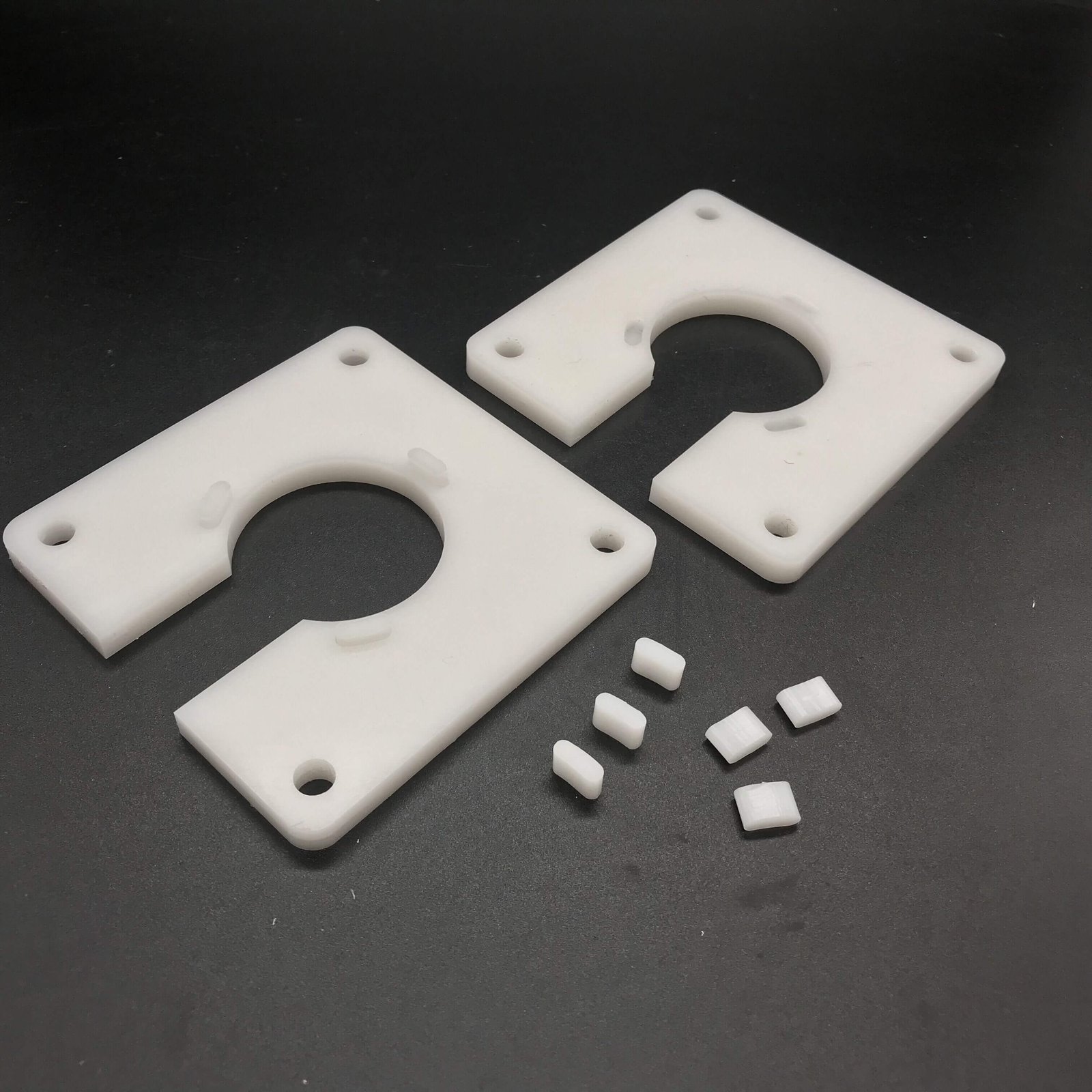
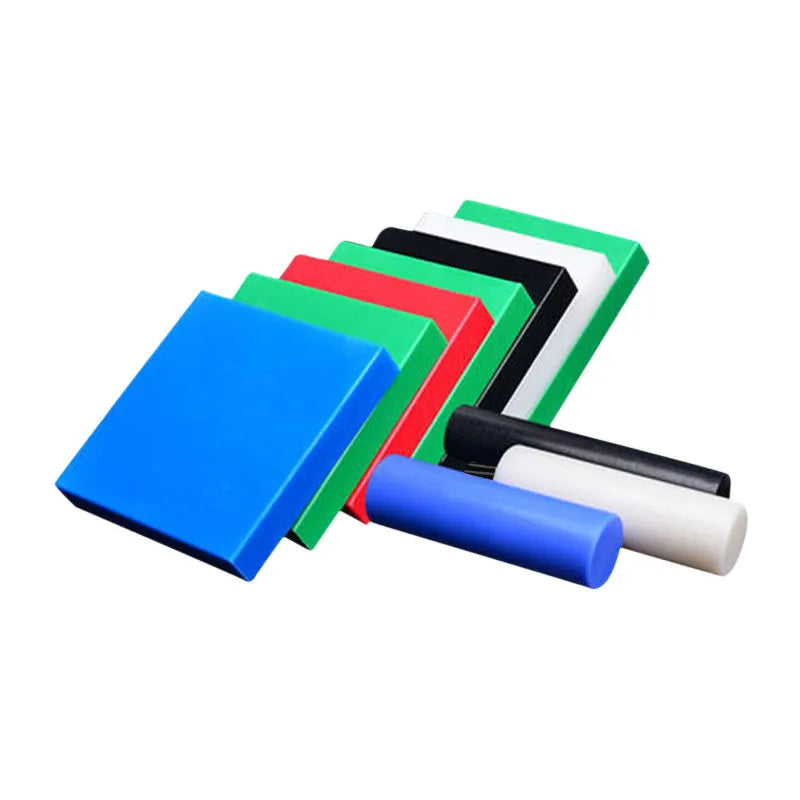
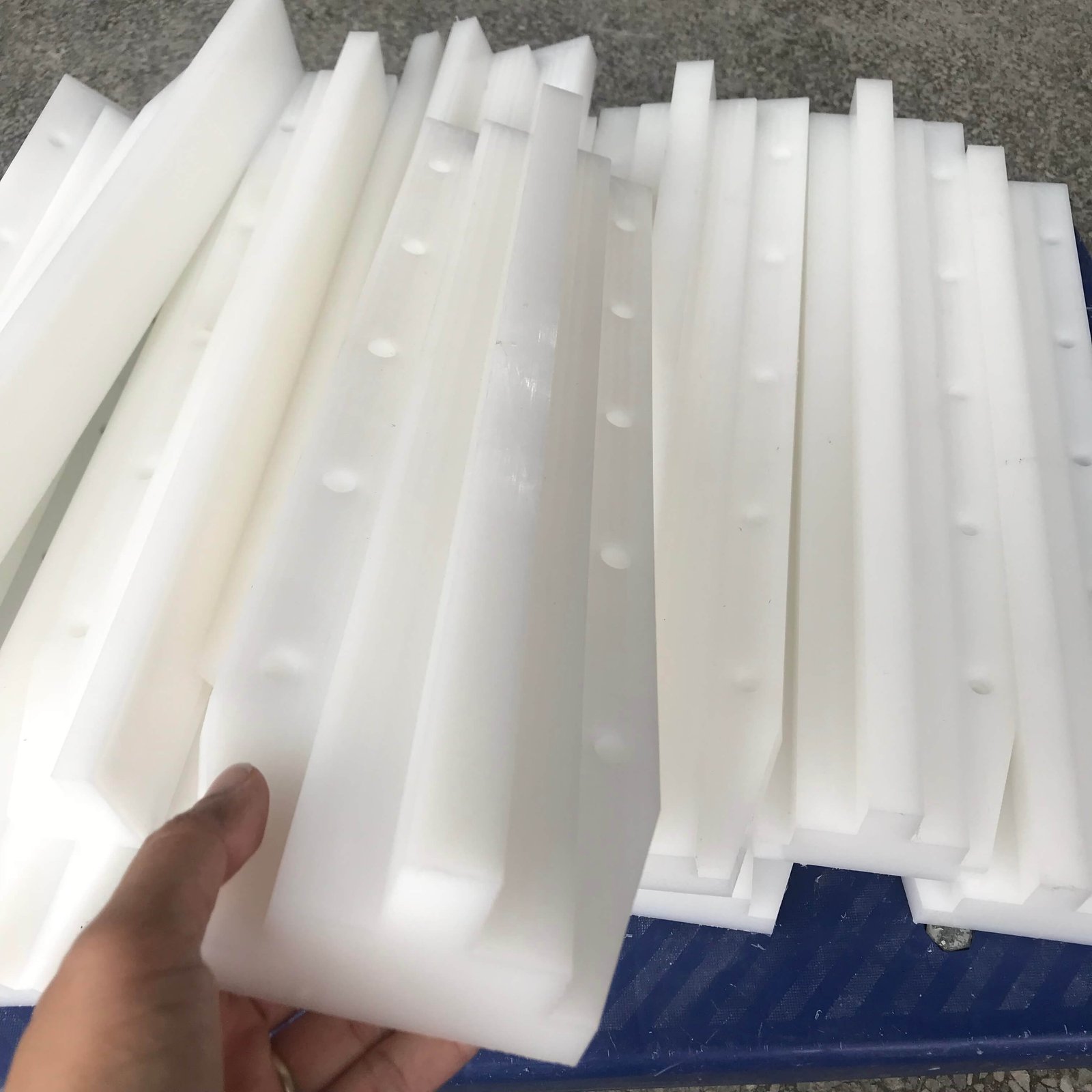
Expert Custom POM Machining for High-Quality POM Parts

Acetal can be machined

Achieving Precision with Expert POM Machining

Polyoxymethylene (POM), known widely as Acetal or Delrin®, has emerged as a top choice among engineers and manufacturers due to its unique combination of machinability, exceptional dimensional stability, and robust mechanical properties. Precision machining of POM plays a pivotal role in ensuring components precisely match rigorous specifications required in sectors such as automotive, aerospace, medical devices, industrial automation, and consumer electronics. Precise machining enhances not only dimensional accuracy and surface quality but also directly impacts the reliability and performance of the final components. By partnering with skilled machinists, manufacturers gain a competitive advantage, producing high-quality parts that outperform alternatives in harsh and demanding applications.

🎉🎉🎉Limited Time Offer Use code: QR4GNY08SHVR at checkout and enjoy a special discount on your entire order! 👉 POM plastic

Polyoxymethylene (POM), known widely as Acetal or Delrin®,

In this comprehensive guide, I’ll explore the distinctive advantages of custom POM machining, compare advanced machining techniques, discuss essential material selection considerations, provide expert strategies to enhance component durability, and highlight practical, real-world applications showcasing the versatility and superiority of machined POM components.

The Unique Advantages of Acetal Machining in Precision Engineering

Acetal stands apart from other plastics due to its unique combination of strength, stability, and ease of machining. Unlike metals, Acetal can be machined with high precision without significant deformation or stress, resulting in minimal waste and consistent outcomes. This exceptional machinability allows engineers and designers the flexibility to create intricate components that meet precise dimensional specifications, ensuring consistent quality across batches.

Components like precision gears, bearings, bushings, rollers, and detailed mechanical assemblies frequently rely on Acetal’s superior finish quality straight off the machining equipment. This feature drastically reduces additional finishing processes, leading to faster production times and lower overall costs. Moreover, its high strength-to-weight ratio makes it an ideal substitute for metal in applications demanding lightweight yet robust parts, significantly enhancing product efficiency and performance.

Comparing Polyoxymethylene Machining Techniques: CNC vs. Traditional Methods

Choosing the correct machining technique is crucial for optimal component performance and economic efficiency. CNC (Computer Numerical Control) machining stands out prominently due to its precision, repeatability, and capability to efficiently handle complex geometries. CNC machines use computer-guided tools to produce consistently accurate parts, even in large-scale production runs. This reduces variability in product quality, ensures precise adherence to specifications, and improves overall productivity.

While traditional manual machining methods still hold value, particularly for simpler designs and smaller production runs, they fall short when faced with complex geometries and strict dimensional tolerances. The inherent variability and higher manual labor involvement in traditional machining can lead to inconsistent quality. CNC machining, despite higher initial investment, delivers lower long-term operational costs, reduced material wastage, and enhanced productivity, making it the preferred method for precise POM components  .

POM components

Selecting the Ideal Material: Acetal Homopolymer vs. Copolymer

For instance, Delrin® homopolymer is frequently used in automotive gears and mechanical linkages due to its high strength and fatigue resistance, whereas Acetal copolymer is often the choice for medical devices and chemical processing equipment that require enhanced chemical and thermal resistance. Accurate material selection is fundamental to ensuring the success and longevity of machined components. Acetal is available primarily in two forms—homopolymer (Delrin®) and copolymer—each presenting distinct properties that impact machinability and performance in real-world applications.

Acetal homopolymer, or Delrin®, excels in applications requiring superior mechanical properties, including greater stiffness, hardness, and resistance to fatigue. These characteristics make Delrin® especially suitable for demanding mechanical applications, such as precision gears, linkages, and load-bearing components.

In contrast, Acetal copolymer offers enhanced chemical resistance and better thermal stability, making it an excellent choice for environments exposed to chemicals, solvents, and higher temperatures. Applications where chemical exposure or thermal stability is a critical consideration, such as chemical processing equipment or medical devices, benefit significantly from copolymer properties.

Selecting the right variant involves a detailed analysis of the expected operating environment, mechanical stresses, and long-term performance requirements, ensuring each custom-machined part performs optimally throughout its service life.

Enhancing Durability Through Expert POM Machining

One particularly effective technique is the implementation of precise CNC-controlled cooling strategies during machining. By maintaining optimal temperatures, this method significantly reduces thermal stresses and prevents microscopic fractures, thereby greatly extending the lifespan of POM components under demanding operational conditions. Durability is paramount in manufacturing sectors where parts must endure continuous operational stresses and prolonged use. Expert POM machining employs advanced techniques to significantly enhance component durability and service longevity. Properly controlled machining parameters—including optimized cutting speeds, precision tooling selection, effective cooling strategies, and expert handling—minimize internal stresses and material degradation during processing.

Additionally, achieving optimal surface finishes through expert machining reduces friction between moving components, significantly lowering wear and prolonging component life. Precise machining also ensures accurate fitment and alignment within assemblies, reducing unnecessary stresses and enhancing overall operational reliability.

These expert machining practices particularly benefit high-demand industrial components like conveyor rollers, industrial gearboxes, bearings, and precision machinery parts, significantly enhancing their reliability, reducing maintenance frequency, and ultimately improving the efficiency and safety of industrial operations.

POM components

Real-World Impact: Custom Machined POM Components in the Automotive Industry

Compared to traditional automotive materials such as metal alloys or standard plastics, POM offers significant advantages, including superior strength-to-weight ratio, reduced friction, and exceptional wear resistance. This translates to increased fuel efficiency, improved durability, and lower maintenance requirements, making custom-machined POM parts an optimal choice for critical automotive applications. Custom-machined POM components have proven instrumental in improving automotive performance and reliability. Their excellent strength-to-weight ratios, precision manufacturing capability, and resistance to wear have made them invaluable in various automotive applications.

For example, automotive gears precision-machined from POM significantly reduce friction and improve drivetrain efficiency. Lightweight bearings and bushings machined from POM offer a durable solution that enhances fuel economy by reducing vehicle weight without compromising component reliability. Additionally, specialized connectors and fittings manufactured from POM provide excellent resistance to vibration and mechanical stress, ensuring dependable performance under demanding operational conditions.

By integrating precision-machined POM components, automotive manufacturers can meet rigorous performance standards, reduce maintenance intervals, and ultimately deliver more efficient and reliable vehicles.

Achieving Excellence with Expert Custom POM Machining

Custom POM machining empowers manufacturers to achieve unmatched precision, superior durability, and exceptional component performance tailored precisely to their application requirements. By carefully selecting appropriate machining processes, materials, and finishing techniques, engineers can significantly optimize product performance and enhance their competitive advantage.

Act Now—Unlock Exclusive Precision with Custom POM Machining Solutions

Unlock the potential of your projects today with precision-engineered custom POM machining solutions. If you need specialized POM machining (explore custom machining solutions), premium quality POM sheets and rods (browse our extensive material selection), or insights into our comprehensive machining capabilities (discover advanced manufacturing capabilities), our team of machining experts (schedule your personalized consultation) is ready to support your needs.

Custom POM machining

🎉🎉🎉Limited Time Offer Use code: QR4GNY08SHVR at checkout and enjoy a special discount on your entire order! 👉 POM plastic

Take the first step toward superior performance and durability—let’s create precision solutions together today!

Leave a comment


Please note, comments must be approved before they are published


Custom Plastic Fabrication

Send your drawing, material and quantity for review

🔧
Precision Machining
CNC milling & turning
✂️
Cutting & Engraving
Laser & waterjet cutting
🏭
Forming & Molding
Thermoforming & injection
🔗
Joining & Assembly
Welding & bonding
📐
Design & Prototyping
CAD design & samples

General

HDPE

PP

PVC

ABS

Engineering

POM

Nylon

PC

PMMA

High-Performance

PEEK

PEI

PTFE

Composites

FR-4

G10

Flexible

TPU

Silicone

Why Choose BeePlastic?

🎯
Perfect Fit
Custom specs eliminate adaptation needs
⚡
Clear Lead Times
Lead time confirmed with every quote
💰
Volume Pricing
Volume pricing available on bulk orders
🤝
Expert Support
Free engineering consultation included
📋
Submit
→
🔍
Review
→
💵
Quote
→
✅
Production
→
📦
Deliver

Request a Quote

Share your project details, selected material and quantity on our quote page. You can add a file link or use the email drawing route shown there.


Request Quote

Industries: Automotive • Medical • Food • Lab • Semiconductor

beeplastic@beeplastic.com


Unlock Precision: Custom POM Machining for Tailor-Made Parts

POM gears

Precision Manufacturing Starts with Custom POM Machining

Precision is a non-negotiable factor in modern manufacturing, and POM machining has become a cornerstone for creating highly customized, durable, and precise components. Polyoxymethylene (POM), commonly referred to as acetal, is a high-performance engineering thermoplastic with exceptional mechanical properties. It has become a preferred material for industries requiring wear-resistant, low-friction, and dimensionally stable parts that can withstand harsh environments.

🎉🎉🎉Limited Time Offer Use code: QR4GNY08SHVR at checkout and enjoy a special discount on your entire order! 👉 POM plastic

POM machining

Custom POM machining enables manufacturers to develop parts tailored to exact specifications, ensuring optimal performance, extended service life, and cost savings through reduced maintenance and downtime. Industries such as industrial automation, mechanical engineering, and high-precision equipment manufacturing rely on POM for its ability to deliver low-friction, wear-resistant components that improve operational efficiency. Whether used in gears, bushings, or high-load bearings, POM machining ensures that these parts meet strict engineering requirements while maintaining reliability in demanding environments. In this article, I will explore the material benefits of POM, essential machining techniques, CAD integration for precision, quality control measures, and provide an in-depth case study demonstrating how custom POM parts address real-world challenges in machinery applications.


Understanding POM: Material Properties and Machining Benefits

What is POM?

Polyoxymethylene (POM), also known as acetal or Delrin®, is a highly versatile engineering plastic valued for its exceptional mechanical properties. It is widely used in the manufacturing industry for precision-machined components that require high stiffness, low wear, and excellent dimensional stability. Unlike metals, POM is lightweight while maintaining excellent strength, making it an ideal choice for applications where reducing weight without compromising durability is critical.

POM is a semi-crystalline thermoplastic, which means it offers superior resistance to moisture, solvents, and wear compared to other plastics. Its ability to withstand continuous friction and heavy loads while retaining structural integrity makes it a preferred material for industries such as industrial machinery, automation, and equipment manufacturing.

Why POM is Ideal for Machining

One of the key advantages of POM machining is its exceptional machinability. Unlike many plastics that may deform under machining stress, POM maintains its dimensional stability, making it an excellent choice for parts requiring tight tolerances. Some additional benefits include:

  • Low moisture absorption: Ensures minimal material expansion or distortion over time.

  • High wear resistance: Reduces friction and extends the lifespan of moving components.

  • Excellent surface finish: Achieves smooth, precision-machined parts with minimal post-processing.

  • Chemical resistance: Withstands exposure to fuels, oils, and various chemicals without degradation.

With these properties, custom POM machining is widely used for gears, bearings, bushings, rollers, and structural machine components, offering enhanced performance and longevity.

custom POM machining is widely used for gears, bearings, bushings, rollers, and structural machine components


Techniques in Custom POM Machining: CNC, Milling, and Turning

CNC Machining for POM

CNC machining is the preferred technique for processing custom POM parts, allowing manufacturers to achieve precise, repeatable, and complex geometries with exceptional accuracy. CNC routers, mills, and lathes are used to shape POM plastic with high-speed cutting tools, ensuring that the final component meets strict engineering specifications.

A major advantage of CNC machining is its ability to handle high-volume production while maintaining tight tolerances. For example, a manufacturer of conveyor belt systems required thousands of custom-machined POM rollers per month. By utilizing CNC machining, they achieved consistent part quality, reducing variability in production and ensuring each roller met precise dimensional standards. This not only streamlined the assembly process but also cut production waste by 20%, optimizing efficiency and lowering costs. Since POM is a relatively soft material compared to metals, CNC cutting speeds and feed rates must be carefully adjusted to prevent excessive heat buildup and material warping.

Milling and Turning for POM

  • Milling: Utilizes rotating cutting tools to remove material and create intricate part geometries, such as slots, pockets, and holes, commonly required in machinery components.

  • Turning: Ideal for producing cylindrical components like bushings, rollers, and gears with high rotational precision, ensuring that parts fit seamlessly into mechanical systems.

Selecting the right machining technique depends on part complexity, application requirements, and production volume. By leveraging these methods, manufacturers can achieve high-precision, long-lasting POM parts tailored to their needs.


Designing for Precision: CAD Integration with Custom POM Machining

The Role of CAD in Custom Machining

Computer-Aided Design (CAD) is an essential tool in custom POM machining, enabling manufacturers to optimize designs, simulate machining processes, and eliminate errors before production begins. CAD software ensures that each component is engineered with the highest precision, translating digital designs into tangible parts with near-zero deviations.

Optimizing POM Parts Through CAD

By integrating CAD into the machining process, engineers can:

  • Improve dimensional accuracy, ensuring every part meets tight tolerances.

  • Optimize cutting paths, reducing waste and enhancing machining efficiency.

  • Enhance structural integrity, designing parts that resist wear and mechanical stress.

With CAD-driven precision machining, manufacturers can eliminate costly errors, reduce production lead times, and create POM components that meet high-performance industrial standards.

custom POM machining

Case Study: Custom POM Gear Housing for Industrial Machinery

The Challenge: Reducing Friction and Wear in High-Speed Equipment

A leading manufacturer of industrial automation equipment approached me with a recurring issue in their high-speed machinery. Their existing metal gear housing was causing excessive friction, heat buildup, and wear, leading to frequent breakdowns, increased maintenance costs, and productivity losses. They needed a lightweight, low-friction alternative that could withstand continuous operation without compromising machine efficiency.

The Solution: CNC-Machined POM Gear Housing

After analyzing the problem, I recommended a CNC-machined POM gear housing as a direct replacement for the existing metal component. POM was chosen for its natural self-lubricating properties, wear resistance, and ability to withstand mechanical stress without warping.

Using advanced CAD modeling, I optimized the gear housing’s load distribution and structural reinforcement, ensuring it would perform under high-speed operational stress. The component was then CNC machined with ±0.2mm tolerances, guaranteeing a precise fit within the machinery while reducing vibrations and friction.

The Outcome: Enhanced Efficiency and Cost Savings

  • Friction reduced by 30%, lowering energy consumption.

  • Increased service life by over 3X compared to the original metal housing.

  • 50% reduction in maintenance costs due to lower wear rates.

  • Higher machine efficiency, reducing downtime and increasing production output.

This case study highlights how custom POM machining not only solves engineering challenges but also provides long-term operational and financial benefits. Compared to traditional metal components, POM parts offer significant cost savings due to lower material expenses, reduced machining complexity, and extended service life. Unlike metal parts that require frequent lubrication and maintenance, POM’s self-lubricating properties minimize wear and tear, reducing downtime and associated labor costs. Additionally, machining POM consumes less energy than metalworking processes such as milling and grinding, leading to lower production costs and improved efficiency. These financial advantages make custom POM machining an excellent investment for manufacturers looking to optimize performance while keeping expenses under control.

POM parts

Quality Control and Process Optimization in POM Machining

To ensure high-precision POM machining, stringent quality control measures are implemented, including: Unlike some other materials, POM requires careful monitoring during machining due to its thermal expansion properties, potential for dimensional creep, and sensitivity to improper tool settings. Maintaining strict quality control ensures that each machined POM component meets exacting industry standards and performs reliably in demanding applications.

  • Dimensional inspections with Coordinate Measuring Machines (CMM) to verify tolerances.

  • Surface finish analysis to guarantee smooth, friction-free functionality.

  • Mechanical stress testing to validate performance under real-world operating conditions.

Continuous process optimization through advanced CNC programming, real-time adjustments, and automated quality checks ensures that every batch of machined POM parts meets industrial-grade precision standards.


Elevate Your Operations with Custom POM Machining Solutions

Custom POM machining provides high-performance, precision-engineered solutions for machinery applications. Whether you need CNC-machined POM components, custom-designed gear housings, or wear-resistant industrial parts, investing in tailor-made solutions can significantly enhance efficiency and reduce operational costs.

Get Started with Custom POM Machining Today

Start optimizing your machinery today with precision-engineered POM parts tailored to your exact specifications. Experience the benefits of high-performance, wear-resistant POM components that enhance efficiency and reduce operational costs. Whether you’re looking for POM plastic sheets and rods for your project (explore our POM materials), need custom POM machining services (view our manufacturing capabilities), or have a unique customized POM part requirement (submit your request), I am here to assist. If you have any questions, feel free to contact us for a consultation today!

POM machining

🎉🎉🎉Limited Time Offer Use code: QR4GNY08SHVR at checkout and enjoy a special discount on your entire order! 👉 POM plastic

Leave a comment


Please note, comments must be approved before they are published


Custom Plastic Fabrication

Send your drawing, material and quantity for review

🔧
Precision Machining
CNC milling & turning
✂️
Cutting & Engraving
Laser & waterjet cutting
🏭
Forming & Molding
Thermoforming & injection
🔗
Joining & Assembly
Welding & bonding
📐
Design & Prototyping
CAD design & samples

General

HDPE

PP

PVC

ABS

Engineering

POM

Nylon

PC

PMMA

High-Performance

PEEK

PEI

PTFE

Composites

FR-4

G10

Flexible

TPU

Silicone

Why Choose BeePlastic?

🎯
Perfect Fit
Custom specs eliminate adaptation needs
⚡
Clear Lead Times
Lead time confirmed with every quote
💰
Volume Pricing
Volume pricing available on bulk orders
🤝
Expert Support
Free engineering consultation included
📋
Submit
→
🔍
Review
→
💵
Quote
→
✅
Production
→
📦
Deliver

Request a Quote

Share your project details, selected material and quantity on our quote page. You can add a file link or use the email drawing route shown there.


Request Quote

Industries: Automotive • Medical • Food • Lab • Semiconductor

beeplastic@beeplastic.com


Where to Buy HDPE Sheets Cut to Size? A Buyer’s Guide for Engineers & Industrial Procurement Teams

Where to Buy HDPE Sheets Cut to Size? A Buyer’s Guide for Engineers & Industrial Procurement Teams

High-tech HDPE solutionsThe Role of Custom-Cut HDPE Sheets in High-Tech Manufacturing

High-Density Polyethylene (HDPE) sheets have become an essential material in high-tech manufacturing, thanks to their durability, versatility, and cost-effectiveness. Industries such as aerospace, medical device manufacturing, marine, and renewable energy sectors rely on HDPE for its ability to withstand extreme conditions while maintaining structural integrity. In marine applications, HDPE is used for boat components and dock fenders due to its water resistance and durability. Similarly, in the renewable energy sector, HDPE is an essential material for wind turbine housings and solar panel mounts, providing long-lasting performance in harsh environmental conditions. For instance, in the aerospace sector, custom-cut HDPE is used for lightweight, high-impact-resistant components that enhance fuel efficiency and safety. Similarly, in medical applications, HDPE is preferred for sterile environments where precision and non-reactivity are crucial. However, the choice between HDPE sheets cut to size and standard sheets can significantly impact efficiency, waste reduction, and overall production quality. Many industries, including electronics, automotive, aerospace, and medical device manufacturing, require precise materials that seamlessly integrate into their processes. Custom-cut HDPE sheets offer tailor-made solutions, eliminating unnecessary waste and ensuring a perfect fit for specialized applications.

🎉🎉🎉Limited Time Offer Use code: QR4GNY08SHVR at checkout and enjoy a special discount on your entire order! 👉 HDPE plastic

HDPE sheets cut to size

This article explores why customization is key in high-tech manufacturing, how HDPE sheets cut to size compare to standard sheets, and the benefits of using tailored HDPE solutions to optimize production workflows.


Standard vs. Custom-Cut HDPE Sheets: Key Differences

Standard HDPE Sheets and Their Limitations

Standard HDPE sheets are pre-manufactured in fixed dimensions, typically available in large panels such as 4×8 ft or 5×10 ft sizes with a range of thicknesses. While these sheets work for many general applications, they often require additional cutting and modification before they can be used in specialized projects.

One of the primary drawbacks of standard sheets is the potential for material waste. When standard-sized sheets do not fit an exact requirement, excess material must be trimmed and discarded, leading to higher costs and inefficient resource utilization. Additionally, in-house cutting processes require additional labor and equipment, increasing production time and operational complexity.

Standard sheets may be suitable for applications where precision is not critical, but in high-tech industries where tight tolerances are essential, they can result in inefficiencies. If a sheet is slightly off in size, it could mean delays in production, increased costs due to rework, and in worst-case scenarios, a complete product failure. This is especially problematic in sectors such as aerospace and electronics, where even minor dimensional inaccuracies can disrupt entire assembly processes.

Custom HDPE Sheets Cut to Size and Their Advantages

Custom HDPE sheets are precisely cut to exact specifications before delivery, eliminating the need for additional modifications. Various cutting methods, including CNC machining, laser cutting, and water jet cutting, each impact the final product’s quality and suitability for different industries. CNC machining offers high precision and repeatability, making it ideal for industries requiring tight tolerances, such as electronics and medical device manufacturing. Laser cutting provides smooth, clean edges and is often used for intricate shapes and small components in automotive and aerospace applications. Water jet cutting, on the other hand, is beneficial for thicker HDPE sheets, as it produces minimal heat distortion, making it perfect for marine and heavy industrial applications. Choosing the right cutting method ensures optimal performance and durability for each specific use case. Manufacturers and fabricators use CNC machining, laser cutting, or precision routing to achieve high-accuracy dimensions tailored to specific industrial needs.

Unlike standard sheets that might require multiple adjustments, custom-cut HDPE arrives ready for immediate use, reducing downtime and improving overall production efficiency. This streamlined approach ensures consistency in thickness, shape, and application compatibility, eliminating variability in critical components.

In addition, customization offers the ability to choose the specific HDPE grade, thickness, and surface finish required for a given application. Some industries require HDPE with a higher density for structural applications, while others may need smooth or textured finishes for improved functionality. This level of customization allows manufacturers to tailor their materials to the exact specifications needed for peak performance.

custom-cut HDPE arrives ready for immediate use

Why Customization Matters in High-Tech Manufacturing

Precision and Accuracy for Specialized Applications

In high-tech industries, even the smallest dimensional errors can lead to assembly failures, product defects, or inefficiencies. Custom-cut HDPE sheets ensure strict adherence to required measurements, which is crucial in medical, electronic, and industrial applications.

For example, in electronics manufacturing, circuit board housings require precise insulation to prevent short circuits and ensure longevity. Custom-cut HDPE sheets provide exact-fit solutions, reducing the risk of material inconsistencies that could lead to performance failures. Similarly, in medical device manufacturing, surgical trays and sterilization enclosures must adhere to strict size specifications to maintain hygiene and compatibility with equipment, making precision-cut HDPE a crucial component in these applications.

Reduced Material Waste and Cost Efficiency

One of the key advantages of using custom-cut HDPE sheets is the ability to minimize material waste. When using standard sheets, excess material that doesn’t fit the required dimensions is often discarded. Over time, this waste adds up, contributing to higher operational costs and environmental concerns.

With custom sizing, manufacturers only pay for what they need, ensuring optimal material utilization. This translates into lower material costs, more efficient production lines, and eco-friendly manufacturing.

Enhanced Performance and Durability

Custom-cut HDPE sheets can be manufactured to precisely meet the mechanical and chemical resistance requirements of an application. In high-tech industries, performance characteristics such as impact resistance, heat tolerance, and chemical stability are critical.

For example, in automotive and aerospace applications, lightweight yet durable HDPE parts help reduce weight without compromising strength. In chemical and industrial settings, custom HDPE ensures maximum resistance against corrosive substances. In electrical applications, properly cut HDPE provides insulating properties to prevent short circuits and electronic failures.

By tailoring HDPE sheets to exact specifications, manufacturers achieve higher performance standards and long-lasting reliability. For example, a leading packaging manufacturer specializing in food-grade containers transitioned from using standard-sized HDPE sheets to custom-cut HDPE. By doing so, they reduced material waste by 25% and improved production efficiency by 30%, as each sheet arrived precisely cut to fit their automated assembly line. This eliminated the need for manual trimming, reducing labor costs and speeding up production. Additionally, the consistency in sheet dimensions led to fewer defective products, enhancing overall quality control and customer satisfaction..

custom-cut HDPE

Faster Production Timelines

Using standard sheets requires extra processing steps, which delays manufacturing timelines. Custom-cut HDPE sheets arrive ready for assembly, eliminating the need for on-site modifications. This results in reduced downtime, faster assembly processes, and better workflow optimization.

In industries where rapid turnaround is essential, such as aerospace, medical, and consumer electronics manufacturing, the efficiency gained by using custom HDPE sheets translates into significant cost and time savings.

Reliable Supplier Support and Bulk Order Benefits

Selecting the right supplier for custom HDPE sheets ensures consistent quality, precision cutting, and timely delivery. A reliable supplier should offer advanced CNC or laser cutting capabilities, bulk order discounts, reliable supply chain management, and technical support.

By choosing a trusted HDPE sheet supplier, manufacturers gain a long-term partner who ensures reliable, high-quality materials for their operations.


Unlock the Full Potential of Your Manufacturing Process with Custom HDPE Sheets

For high-tech industries, HDPE sheets cut to size provide superior efficiency, reduced waste, and optimized production workflows compared to standard sheets. Whether used in electronics, aerospace, medical devices, or industrial machinery, custom-cut HDPE ensures seamless integration, cost savings, and improved product quality.

Take the Next Step Toward Precision Manufacturing

Ready to streamline your production with custom HDPE solutions? Explore our custom machining services for HDPE sheets for tailored cutting solutions. Browse our HDPE product catalog or learn about our manufacturing capabilities. Need a custom order? Contact our team today to request a quote or bulk pricing options!

🎉🎉🎉Limited Time Offer Use code: QR4GNY08SHVR at checkout and enjoy a special discount on your entire order! 👉 HDPE plastic

By transitioning to custom HDPE sheets, manufacturers ensure precision, efficiency, and long-term reliability—essential factors in today’s high-tech industries. As industries continue to demand greater efficiency and sustainability, the role of HDPE customization is expected to expand further. Innovations in precision cutting, enhanced material properties, and automation will shape the future of HDPE applications, allowing manufacturers to achieve even higher levels of performance and cost-effectiveness. Additionally, sustainability initiatives are driving advancements in recyclable HDPE materials, with many industries exploring eco-friendly production methods to reduce plastic waste. Emerging trends such as closed-loop recycling systems, biodegradable HDPE alternatives, and energy-efficient manufacturing processes are becoming key factors in material selection. As demand for sustainable solutions grows, manufacturers adopting these cutting-edge practices will gain a competitive edge in an environmentally conscious market. Embracing these advancements today will position businesses for success in an increasingly competitive market.

custom-cut HDPE

Leave a comment


Please note, comments must be approved before they are published


Custom Plastic Fabrication

Send your drawing, material and quantity for review

🔧
Precision Machining
CNC milling & turning
✂️
Cutting & Engraving
Laser & waterjet cutting
🏭
Forming & Molding
Thermoforming & injection
🔗
Joining & Assembly
Welding & bonding
📐
Design & Prototyping
CAD design & samples

General

HDPE

PP

PVC

ABS

Engineering

POM

Nylon

PC

PMMA

High-Performance

PEEK

PEI

PTFE

Composites

FR-4

G10

Flexible

TPU

Silicone

Why Choose BeePlastic?

🎯
Perfect Fit
Custom specs eliminate adaptation needs
⚡
Clear Lead Times
Lead time confirmed with every quote
💰
Volume Pricing
Volume pricing available on bulk orders
🤝
Expert Support
Free engineering consultation included
📋
Submit
→
🔍
Review
→
💵
Quote
→
✅
Production
→
📦
Deliver

Request a Quote

Share your project details, selected material and quantity on our quote page. You can add a file link or use the email drawing route shown there.


Request Quote

Industries: Automotive • Medical • Food • Lab • Semiconductor

beeplastic@beeplastic.com


HDPE Sheets Cut to Size vs. Standard Sheets: Why Customization Matters in High-Tech Manufacturing

HDPE sheets cut to size

The Role of Custom-Cut HDPE Sheets in High-Tech Manufacturing

High-Density Polyethylene (HDPE) sheets have become an essential material in high-tech manufacturing, thanks to their durability, versatility, and cost-effectiveness. Industries such as aerospace and medical device manufacturing rely on HDPE for its ability to withstand extreme conditions while maintaining structural integrity. For instance, in the aerospace sector, custom-cut HDPE is used for lightweight, high-impact-resistant components that enhance fuel efficiency and safety. Similarly, in medical applications, HDPE is preferred for sterile environments where precision and non-reactivity are crucial. However, the choice between HDPE sheets cut to size and standard sheets can significantly impact efficiency, waste reduction, and overall production quality. Many industries, including electronics, automotive, aerospace, and medical device manufacturing, require precise materials that seamlessly integrate into their processes. Custom-cut HDPE sheets offer tailor-made solutions, eliminating unnecessary waste and ensuring a perfect fit for specialized applications.

HDPE sheets cut to size

🎉🎉🎉Limited Time Offer Use code: QR4GNY08SHVR at checkout and enjoy a special discount on your entire order! 👉 HDPE plastic

This article explores why customization is key in high-tech manufacturing, how HDPE sheets cut to size compare to standard sheets, and the benefits of using tailored HDPE solutions to optimize production workflows.


Standard vs. Custom-Cut HDPE Sheets: Key Differences

What Are Standard HDPE Sheets?

Standard HDPE sheets are pre-manufactured in fixed dimensions, typically available in large panels such as 4×8 ft or 5×10 ft sizes with a range of thicknesses. While these sheets work for many general applications, they often require additional cutting and modification before they can be used in specialized projects.

Limitations of Standard Sheets:

  • Higher material waste: Any excess material from trimming standard sheets is discarded, leading to unnecessary waste and increased costs.

  • Additional processing required: Manufacturers must cut standard sheets on-site, which increases labor costs and production time.

  • Potential for dimensional inaccuracies: Manual cutting can lead to variations in size and quality, which may cause inconsistencies in high-precision applications.

  • Longer setup time: Instead of receiving ready-to-use materials, standard sheets require additional modifications before they can be integrated into production.

What Are Custom HDPE Sheets Cut to Size?

Custom HDPE sheets are precisely cut to exact specifications before delivery, eliminating the need for additional modifications. Manufacturers and fabricators use CNC machining, laser cutting, or precision routing to achieve high-accuracy dimensions tailored to specific industrial needs.

Advantages of Custom HDPE Sheets:

  • Zero material waste: Only the necessary amount of material is used, eliminating excess scrap.

  • Improved efficiency: Custom-cut sheets arrive ready for immediate use, reducing processing steps.

  • Higher precision and consistency: Machine-cut HDPE ensures perfect sizing, eliminating errors that may arise from manual modifications.

  • Faster production turnaround: Manufacturers can integrate pre-cut sheets directly into their workflow, accelerating project completion.


Custom HDPE sheets

Why Customization Matters in High-Tech Manufacturing

Precision and Accuracy for Specialized Applications

In high-tech industries, even the smallest dimensional errors can lead to assembly failures, product defects, or inefficiencies. Custom-cut HDPE sheets ensure strict adherence to required measurements, which is crucial in:

  • Medical devices: Custom HDPE is used in sterile environments, where precise dimensions ensure safety and compliance with strict standards.

  • Electronic components: HDPE sheets are utilized for insulating enclosures and protective casings in electronic devices.

  • Automotive and aerospace parts: Lightweight and precisely cut HDPE materials improve efficiency in vehicle design and aircraft manufacturing.

By eliminating the risk of dimensional errors, custom-cut HDPE enhances overall product reliability and performance. For example, in the electronics manufacturing sector, circuit board housings require precise insulation to prevent short circuits and ensure longevity. Custom-cut HDPE sheets provide exact-fit solutions, reducing the risk of material inconsistencies that could lead to performance failures. Similarly, in the medical industry, surgical trays and sterilization enclosures must adhere to strict size specifications to maintain hygiene and compatibility with equipment, making precision-cut HDPE a crucial component in these applications.

Reduced Material Waste and Cost Efficiency

One of the key advantages of using custom-cut HDPE sheets is the ability to minimize material waste. When using standard sheets, excess material that doesn’t fit the required dimensions is often discarded. Over time, this waste adds up, contributing to higher operational costs and environmental concerns.

How Custom Cutting Reduces Costs:

  • Optimized material usage: Every piece is cut precisely to match the required dimensions, preventing unnecessary waste.

  • Reduced labor costs: Employees don’t have to manually cut sheets, saving time and effort.

  • Less need for rework: Properly cut HDPE ensures accurate fits, eliminating the need for adjustments or replacements.

  • Eco-friendly production: Fewer discarded materials mean a more sustainable and environmentally conscious manufacturing process.

Enhanced Performance and Durability

Custom-cut HDPE sheets can be manufactured to precisely meet the mechanical and chemical resistance requirements of an application. In high-tech industries, performance characteristics such as impact resistance, heat tolerance, and chemical stability are critical.

Application-Specific Benefits:

  • High-impact resistance: Custom HDPE panels used in automotive parts and industrial machines withstand significant force and wear.

  • Chemical resistance: In chemical processing plants, custom HDPE barriers and containers resist corrosion.

  • Heat tolerance: Custom-cut HDPE serves as an effective insulating material in electrical applications, reducing risks of overheating.

With the right specifications, custom HDPE sheets outperform generic alternatives, ensuring superior durability in demanding applications.

Custom HDPE panels used in automotive parts and industrial machines

Faster Production Timelines

Using standard sheets requires extra processing steps, which delays manufacturing timelines. For example, in the aerospace industry, manufacturers using standard-sized HDPE sheets for aircraft cabin interiors often face delays due to the need for additional cutting and fitting. The extra time required to manually resize the sheets not only slows production but also increases the likelihood of material waste and rework. In contrast, custom-cut HDPE sheets eliminate these inefficiencies, ensuring that every piece fits seamlessly into the assembly process, ultimately accelerating production schedules and reducing overhead costs. Custom-cut HDPE sheets arrive ready for assembly, eliminating the need for on-site modifications. This results in:

  • Streamlined production workflows: Custom sizing ensures immediate integration, avoiding time-consuming modifications.

  • Minimized downtime: Pre-cut HDPE allows continuous production without interruptions.

  • Scalability for mass production: Bulk orders of pre-cut HDPE sheets allow manufacturers to maintain consistent production speeds without delays.

In industries where rapid turnaround is essential, such as aerospace, medical, and consumer electronics manufacturing, the efficiency gained by using custom HDPE sheets translates into significant cost and time savings.

Reliable Supplier Support and Bulk Order Benefits

Selecting the right supplier for custom HDPE sheets ensures consistent quality, precision cutting, and timely delivery. For instance, a leading automotive manufacturer faced repeated production slowdowns due to inconsistent HDPE sheet sizing from an unreliable supplier. After switching to a precision-focused provider offering custom-cut HDPE with guaranteed dimensional accuracy, they reduced material waste by 20% and improved assembly efficiency, resulting in shorter turnaround times and lower costs. Choosing a supplier with a proven track record in high-tech manufacturing can make a significant impact on operational efficiency and product quality.. A reliable supplier should offer:

Key Supplier Considerations:

  • Advanced CNC or laser cutting capabilities: Ensures precision and consistency across all orders.

  • Bulk order discounts: Cost-effective pricing for high-volume production needs.

  • Reliable supply chain management: Guarantees timely deliveries, preventing delays in manufacturing.

  • Technical support and consultation: Expertise in recommending the best HDPE grade and thickness for specific applications.

Red Flags to Watch For:

  • Inconsistent material quality: Suppliers with fluctuating product quality can introduce defects into the manufacturing process.

  • Limited customization options: If a supplier cannot provide various thicknesses, finishes, or cutting methods, they may not meet specific project needs.

  • Unreliable delivery schedules: Delays in material shipments can disrupt production timelines and lead to increased costs.

By choosing a trusted HDPE sheet supplier, manufacturers gain a long-term partner who ensures reliable, high-quality materials for their operations.

CNC or laser cutting capabilities

Unlock the Full Potential of Your Manufacturing Process with Custom HDPE Sheets

For high-tech industries, HDPE sheets cut to size provide superior efficiency, reduced waste, and optimized production workflows compared to standard sheets. Whether used in electronics, aerospace, medical devices, or industrial machinery, custom-cut HDPE ensures seamless integration, cost savings, and improved product quality.

Take the Next Step Toward Precision Manufacturing

Ready to streamline your production with custom HDPE solutions? Explore our custom machining services for HDPE sheets for tailored cutting solutions. Browse our HDPE product catalog or learn about our manufacturing capabilities. Need a custom order? Contact our team today to request a quote or bulk pricing options!

🎉🎉🎉Limited Time Offer Use code: QR4GNY08SHVR at checkout and enjoy a special discount on your entire order! 👉 HDPE plastic

By transitioning to custom HDPE sheets, manufacturers ensure precision, efficiency, and long-term reliability—essential factors in today’s high-tech industries. As industries continue to demand greater efficiency and sustainability, the role of HDPE customization is expected to expand further. Innovations in precision cutting, enhanced material properties, and automation will shape the future of HDPE applications, allowing manufacturers to achieve even higher levels of performance and cost-effectiveness. Embracing these advancements today will position businesses for success in an increasingly competitive market.

HDPE customization

Leave a comment


Please note, comments must be approved before they are published


Custom Plastic Fabrication

Send your drawing, material and quantity for review

🔧
Precision Machining
CNC milling & turning
✂️
Cutting & Engraving
Laser & waterjet cutting
🏭
Forming & Molding
Thermoforming & injection
🔗
Joining & Assembly
Welding & bonding
📐
Design & Prototyping
CAD design & samples

General

HDPE

PP

PVC

ABS

Engineering

POM

Nylon

PC

PMMA

High-Performance

PEEK

PEI

PTFE

Composites

FR-4

G10

Flexible

TPU

Silicone

Why Choose BeePlastic?

🎯
Perfect Fit
Custom specs eliminate adaptation needs
⚡
Clear Lead Times
Lead time confirmed with every quote
💰
Volume Pricing
Volume pricing available on bulk orders
🤝
Expert Support
Free engineering consultation included
📋
Submit
→
🔍
Review
→
💵
Quote
→
✅
Production
→
📦
Deliver

Request a Quote

Share your project details, selected material and quantity on our quote page. You can add a file link or use the email drawing route shown there.


Request Quote

Industries: Automotive • Medical • Food • Lab • Semiconductor

beeplastic@beeplastic.com


Custom HDPE Sheets Cut to Size: The Key to Cost-Effective & High-Performance Industrial Equipment

ustom-cut HDPE cutting boards

Why Custom HDPE Sheets Are Transforming Industrial Manufacturing

In the world of industrial equipment manufacturing, precision, durability, and cost efficiency are key factors. Custom HDPE sheets cut to size have emerged as an ideal solution for various industries due to their strength, chemical resistance, and affordability. Whether used in food processing, marine applications, heavy machinery, or structural components, HDPE offers unparalleled benefits over traditional materials.

🎉🎉🎉Limited Time Offer Use code: QR4GNY08SHVR at checkout and enjoy a special discount on your entire order! 👉 HDPE plastic

Custom HDPE sheets cut to size

Unlike standard sheets that require additional modifications, custom-cut HDPE sheets are precisely tailored to specific applications, reducing waste, minimizing labor costs, and improving operational efficiency. For example, a leading food processing company replaced generic plastic surfaces with custom-cut HDPE cutting boards in its production lines. This transition reduced material waste by 30%, improved hygiene standards, and minimized the need for frequent replacements. Similarly, in the automotive manufacturing industry, custom HDPE liners and protective panels have been used to enhance durability in assembly plants, significantly reducing maintenance costs and downtime. From improving hygiene in food processing plants to enhancing wear resistance in industrial machines, the applications of HDPE are vast and growing.

This blog explores the advantages of custom HDPE sheets, compares them to alternative materials, highlights innovative industrial applications, and guides businesses on choosing the right supplier for high-quality precision-cut HDPE solutions.

Advantages of Custom-Cut HDPE Sheets in Industrial Applications

Customization for Industrial Efficiency

One of the biggest advantages of HDPE sheets cut to size is their ability to be customized for specific industrial needs. Manufacturers can request precise dimensions, thicknesses, and finishes, ensuring that each piece fits perfectly into its application, reducing waste and saving production time.

Unlike generic stock sheets that require additional modifications, custom HDPE sheets arrive ready for use, eliminating the need for on-site cutting and reducing production downtime. This level of precision ensures compatibility with automated production lines, CNC machining processes, and complex assembly operations.

Durability & Impact Resistance

HDPE is known for its high impact strength, making it an excellent choice for heavy-duty industrial applications. Unlike brittle plastics or corroding metals, HDPE can withstand extreme conditions, ensuring a longer lifespan and reduced maintenance costs.
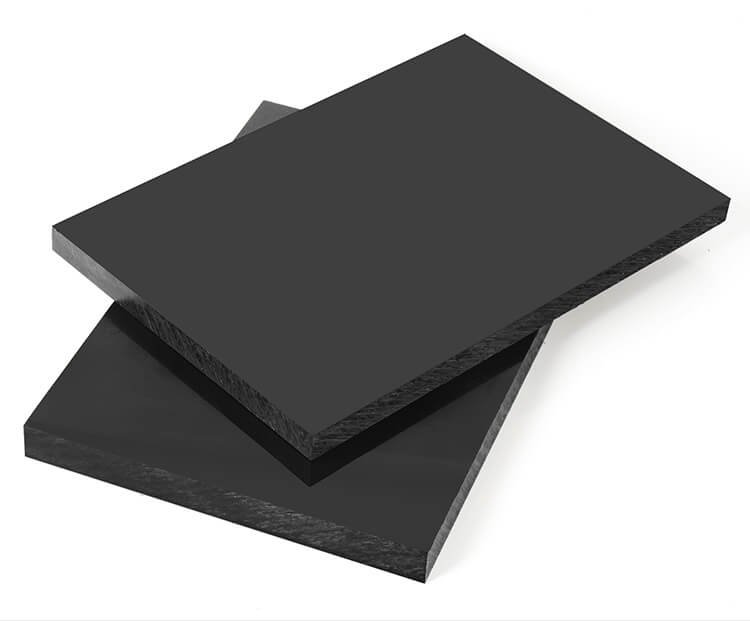
For industries that deal with frequent mechanical stress and high-impact operations, such as automotive manufacturing and material handling, HDPE provides a resilient solution that prevents breakage and extends the operational life of machinery and components.

Chemical & Moisture Resistance

Industries that operate in harsh environments—such as chemical processing, marine applications, and wastewater treatment—benefit from HDPE’s non-reactive and moisture-resistant properties. Unlike metals that rust or other plastics that degrade when exposed to chemicals, HDPE remains stable and durable.

This resistance makes HDPE ideal for use in chemical storage tanks, acid-resistant barriers, and waterproof linings in industries where exposure to moisture, solvents, and corrosive substances is a daily challenge.

HDPE's non-reactive and moisture-resistant properties

Comparing HDPE Sheets to Alternative Industrial Materials

HDPE vs. Polypropylene, PVC & Metals

  • HDPE vs. Polypropylene (PP): While both are lightweight and durable, HDPE offers superior impact resistance and flexibility, making it a better choice for industrial applications requiring structural integrity.

  • HDPE vs. PVC: HDPE has better chemical resistance and impact strength compared to PVC, which tends to become brittle over time, especially in extreme temperatures.

  • HDPE vs. Aluminum & Steel: Unlike metals, HDPE does not corrode, making it ideal for applications exposed to moisture, chemicals, or outdoor environments. Additionally, HDPE is significantly lighter than aluminum and steel, reducing transportation and installation costs, while still offering excellent structural support in many applications.

  • HDPE vs. Polypropylene (PP): While both are lightweight and durable, HDPE offers superior impact resistance and flexibility, making it a better choice for industrial applications requiring structural integrity.

  • HDPE vs. PVC: HDPE has better chemical resistance and impact strength compared to PVC, which tends to become brittle over time, especially in extreme temperatures.

Weight & Strength Considerations

Despite being lightweight, HDPE retains exceptional strength, reducing stress on machinery while maintaining structural integrity. This balance of strength and weight reduction makes it a preferred material in various industrial applications.

HDPE’s low friction coefficient further enhances its suitability for applications requiring smooth operation, such as conveyor belt components and machine guide rails.

Cost-Effectiveness Analysis

HDPE’s long lifespan and minimal maintenance requirements make it a cost-effective alternative to materials like metal and acrylic, which require frequent replacements or repairs due to corrosion or wear.

In addition, custom HDPE sheets reduce material waste, cutting down on excess inventory costs and allowing for more efficient resource management.

HDPE retains exceptional strength

Innovative Uses of Precision-Cut HDPE in Manufacturing

Food Processing Equipment

Hygiene and safety are top priorities in the food industry, and HDPE’s non-porous surface prevents bacterial growth, making it ideal for food preparation surfaces, cutting boards, and storage containers. Additionally, its ease of cleaning reduces contamination risks.

Many food processing facilities prefer FDA-compliant HDPE sheets because they do not absorb moisture, flavors, or odors, ensuring compliance with health and safety regulations.

Marine & Outdoor Applications

HDPE is UV-resistant, waterproof, and corrosion-proof, making it perfect for marine environments, dock components, and outdoor signage. Unlike wood or metal, HDPE does not warp, rot, or corrode under harsh weather conditions.

Compared to fiberglass, which is also used in outdoor and marine applications, HDPE offers greater flexibility and impact resistance, reducing the risk of cracking under stress. Additionally, fiberglass can become brittle over time with prolonged UV exposure, whereas HDPE retains its structural integrity for longer periods.

Similarly, coated metals used in marine applications require ongoing maintenance to prevent rust and degradation from constant exposure to saltwater. HDPE eliminates this concern as it is naturally resistant to saltwater corrosion, requiring minimal upkeep while offering a long service life.

This durability has made HDPE a popular choice for marine decking, industrial water tanks, and floating docks, where long-term exposure to water and sun requires a highly resilient material. HDPE is UV-resistant, waterproof, and corrosion-proof, making it perfect for marine environments, dock components, and outdoor signage. Unlike wood or metal, HDPE does not warp, rot, or corrode under harsh weather conditions.

This durability has made HDPE a popular choice for marine decking, industrial water tanks, and floating docks, where long-term exposure to water and sun requires a highly resilient material.

Heavy-Duty Machinery Components

In factory and warehouse environments, custom HDPE sheets are used for conveyor system components, machine guards, and wear-resistant parts. Their ability to withstand heavy impact without cracking or breaking ensures smooth operations and long-term reliability.

HDPE’s low-friction properties also reduce wear on moving parts, making it an essential material for bearings, slide rails, and industrial-grade liners.

custom HDPE sheets

Cost Savings with Tailored HDPE Solutions

Reducing Material Waste

By ordering custom HDPE sheets cut to size, manufacturers eliminate unnecessary material waste, reducing overall production costs and promoting sustainable practices.

Lower Maintenance Costs

Since HDPE does not rust, corrode, or degrade easily, maintenance expenses are significantly lower compared to metals and other plastics that require regular upkeep or replacement.

Improved Production Workflow

With precisely cut materials, assembly and manufacturing processes become more efficient, reducing delays and optimizing workflow in industries such as construction, transportation, and packaging.

Selecting the Right Supplier for Custom HDPE Sheets

What to Look for in an HDPE Supplier

  • Material Quality & Certifications: Ensure the HDPE supplier provides high-quality materials that comply with industry standards.

  • Precision Cutting Services: Suppliers using CNC or laser cutting technology offer higher accuracy and better customization.

  • Reliable Delivery & Support: Partnering with a supplier known for consistent lead times and excellent customer service ensures uninterrupted production.

  • Industry Experience & Reputation: Suppliers with a strong track record in industrial applications are more likely to provide high-quality materials and reliable service.

Red Flags to Watch for When Choosing a Supplier

  • Inconsistent Material Quality: If a supplier has frequent product variations, this could indicate unreliable sourcing or poor manufacturing standards.

  • Lack of Certifications: Avoid suppliers who cannot provide compliance documents, as this may indicate substandard or unverified materials.

  • Unreliable Delivery Schedules: Delays in shipping and unpredictable lead times can disrupt production timelines and increase costs.

  • Poor Customer Service: Difficulty in communication, lack of support, or unresponsive representatives can lead to major issues when resolving product or order concerns.

  • Hidden Fees or Unclear Pricing: Always ensure full transparency on costs, including shipping, cutting services, and bulk pricing options.

By carefully evaluating potential suppliers and avoiding these common pitfalls, businesses can secure high-quality custom HDPE sheets that align with their production needs, ensuring long-term efficiency and cost savings.

  • Material Quality & Certifications: Ensure the HDPE supplier provides high-quality materials that comply with industry standards.

  • Precision Cutting Services: Suppliers using CNC or laser cutting technology offer higher accuracy and better customization.

  • Reliable Delivery & Support: Partnering with a supplier known for consistent lead times and excellent customer service ensures uninterrupted production.

Local vs. International Suppliers

  • Local Suppliers: Offer faster shipping and easier communication.

  • International Suppliers: May provide lower bulk pricing but require longer lead times and may have quality control challenges.

Ensuring Best Quality

Before purchasing, request material certifications, customer reviews, and sample HDPE sheets to confirm quality and suitability for your application.

Stay Ahead with Custom HDPE Solutions

The demand for cost-effective, durable, and high-performance industrial materials continues to rise, with industries increasingly adopting custom HDPE sheets cut to size for their superior properties. Emerging applications in renewable energy, automation, and smart manufacturing further highlight HDPE’s versatility. Businesses that integrate custom HDPE solutions now will benefit from increased efficiency, lower costs, and extended product lifespan, giving them a competitive edge in a rapidly evolving market. The demand for cost-effective, durable, and high-performance industrial materials continues to rise, and custom HDPE sheets cut to size are the perfect solution for modern manufacturing challenges. Investing in custom HDPE solutions helps businesses improve efficiency, reduce costs, and increase product longevity.

Elevate Your Manufacturing with Custom HDPE Solutions

Upgrade your industrial equipment with precision-cut HDPE sheets! Explore our custom machining services for HDPE sheets for tailored solutions designed for your specific needs. Browse our HDPE product catalog or discover our advanced manufacturing capabilities. Need a customized solution? Talk to our HDPE specialists today to request a free consultation or sample materials!

custom HDPE sheets
🎉🎉🎉Limited Time Offer Use code: QR4GNY08SHVR at checkout and enjoy a special discount on your entire order! 👉 HDPE plastic

By choosing custom HDPE sheets, manufacturers can enhance product reliability, streamline operations, and cut costs. Don’t settle for off-the-shelf materials—invest in precision solutions designed for your industry’s evolving needs!

Leave a comment


Please note, comments must be approved before they are published


Custom Plastic Fabrication

Send your drawing, material and quantity for review

🔧
Precision Machining
CNC milling & turning
✂️
Cutting & Engraving
Laser & waterjet cutting
🏭
Forming & Molding
Thermoforming & injection
🔗
Joining & Assembly
Welding & bonding
📐
Design & Prototyping
CAD design & samples

General

HDPE

PP

PVC

ABS

Engineering

POM

Nylon

PC

PMMA

High-Performance

PEEK

PEI

PTFE

Composites

FR-4

G10

Flexible

TPU

Silicone

Why Choose BeePlastic?

🎯
Perfect Fit
Custom specs eliminate adaptation needs
⚡
Clear Lead Times
Lead time confirmed with every quote
💰
Volume Pricing
Volume pricing available on bulk orders
🤝
Expert Support
Free engineering consultation included
📋
Submit
→
🔍
Review
→
💵
Quote
→
✅
Production
→
📦
Deliver

Request a Quote

Share your project details, selected material and quantity on our quote page. You can add a file link or use the email drawing route shown there.


Request Quote

Industries: Automotive • Medical • Food • Lab • Semiconductor

beeplastic@beeplastic.com


Why HDPE Sheets Cut to Size Are Revolutionizing the Medical & Electronics Manufacturing Industry

custom machining services for HDPE sheet

Why Custom HDPE Sheets Matter in Manufacturing

Manufacturers in the medical and electronics industries need materials that are durable, cost-effective, and precise. HDPE sheets cut to size are becoming a top choice because they are lightweight, resistant to chemicals, and can be customized for specific applications. These qualities make them an essential material for companies looking to create efficient, long-lasting products.

🎉🎉🎉Limited Time Offer Use code: QR4GNY08SHVR at checkout and enjoy a special discount on your entire order! 👉 HDPE plastic

plastic products

How HDPE Sheets Improve Manufacturing

Custom-cut HDPE sheets are helping companies reduce waste and improve product lifespan. For example, a medical device company switched from standard plastic trays to precision-cut HDPE sterilization trays, reducing material waste by 20% and increasing durability by 30%. Similarly, electronics manufacturers use HDPE for cable management and protective casings, cutting maintenance costs and improving product safety. These real-world examples highlight how HDPE is making a difference in manufacturing today.

The Growing Demand for HDPE in Advanced Industries

The use of custom HDPE sheets is increasing as industries require materials that offer high performance while remaining sustainable. HDPE is not only recyclable but also energy-efficient to produce, making it an environmentally friendly choice. Additionally, advancements in CNC and laser cutting technology have made it easier than ever to achieve precise dimensions, ensuring manufacturers receive materials that perfectly fit their needs.

Industries such as aerospace, renewable energy, and automotive manufacturing are also recognizing the value of HDPE due to its lightweight properties and durability. In aerospace, HDPE is used in non-structural components where weight savings are critical. Renewable energy companies utilize HDPE in battery casings and protective enclosures for solar panel wiring due to its resistance to environmental conditions. The automotive industry benefits from HDPE’s flexibility and impact resistance, using it in fuel tanks, interior panels, and protective linings to enhance vehicle longevity and safety.

With its ability to provide high performance while maintaining sustainability, HDPE is becoming a go-to material across numerous industries that prioritize efficiency and long-term durability. The use of custom HDPE sheets is increasing as industries require materials that offer high performance while remaining sustainable. HDPE is not only recyclable but also energy-efficient to produce, making it an environmentally friendly choice. Additionally, advancements in CNC and laser cutting technology have made it easier than ever to achieve precise dimensions, ensuring manufacturers receive materials that perfectly fit their needs.

advancements in CNC and laser cutting technology

HDPE Sheets in Medical Equipment Manufacturing

Why Customization is Important

Hospitals and labs need materials that meet strict health and safety standards. Custom HDPE sheets are perfect for these environments because they resist bacteria, are easy to clean, and meet FDA safety regulations. Unlike stainless steel, which is heavy and costly, or acrylic, which can crack, HDPE provides a lightweight, durable alternative.

Medical equipment manufacturers benefit greatly from the adaptability of HDPE. The ability to custom-cut sheets to precise dimensions ensures compatibility with different devices and facility requirements. As hospitals and medical research centers continue to advance their technology, custom HDPE sheets remain a crucial component of innovation in this space.

Common Uses in Medical Equipment

  • Surgical Trays & Sterilization Containers – HDPE’s non-porous surface prevents bacterial buildup and withstands cleaning chemicals.

  • Medical Workstations & Hospital Partitions – Durable and resistant to damage from frequent sanitization.

  • Prosthetic & Orthotic Components – Strong yet lightweight, improving patient comfort and mobility.

  • Medical-Grade Storage & Lab Equipment – Chemical resistance ensures longevity when exposed to harsh disinfectants and sterilization processes.

Meeting Industry Standards

Manufacturers must follow strict guidelines when producing medical and electronic equipment to ensure safety, reliability, and compliance with global regulations. By using certified HDPE sheets, companies can guarantee their products meet these essential industry standards while improving product longevity and market acceptance.

Key Certifications and Their Impact

By adhering to these certifications, manufacturers can increase their products’ credibility, gain regulatory approval faster, and expand their market reach by offering high-quality, compliant solutions. Additionally, compliance ensures reliability in high-stakes environments such as hospitals, laboratories, and electronic systems, where material performance is critical. Manufacturers must follow strict guidelines when producing medical equipment. HDPE sheets meet industry standards such as:

  • FDA Compliance – Approved for use in food and medical applications.

  • ISO 10993 Certification – Ensures biocompatibility for medical devices.

  • USP Class VI Certification – Confirms safety for pharmaceutical and laboratory use.

  • RoHS Compliance – Ensures HDPE used in electronics is free from hazardous substances.

  • UL 94 Flame Retardant Rating – Provides fire resistance for electronic applications.

By using certified HDPE sheets, companies can ensure compliance, improve safety, and create more reliable medical products.

certified HDPE sheets

The Role of HDPE in Electronics Manufacturing

Why HDPE is Useful in Electronics

Electronics require materials that provide insulation, durability, and chemical resistance. HDPE sheets cut to size are lightweight and easy to work with, making them ideal for use in circuit boards, cable protection, and component enclosures. As electronics continue to shrink in size and grow in complexity, manufacturers need precise, reliable materials—which HDPE provides.

How HDPE is Used in Electronics

Electronics manufacturing requires materials that offer superior insulation, durability, and resistance to environmental factors. HDPE sheets cut to size are increasingly used for circuit protection and component enclosures due to their excellent electrical insulating properties, impact resistance, and cost-effectiveness.

Compared to other insulating materials such as fiberglass, rubber, and PVC, HDPE stands out for several reasons:

  • Fiberglass is commonly used for insulation in electronics due to its high heat resistance, but it is more brittle and prone to cracking under mechanical stress.

  • Rubber provides excellent flexibility and insulation, but it lacks the durability and rigidity needed for structural applications in electronics.

  • PVC is widely used for wire insulation, but it is less resistant to extreme temperatures and chemical exposure compared to HDPE.

Common Applications of HDPE in Electronics

  • Circuit Board Supports & Protective Casings – HDPE offers superior dielectric strength, reducing the risk of short circuits and enhancing longevity.

  • Cable Management Systems – Provides a durable and lightweight solution to protect and organize wiring while preventing exposure to moisture and chemicals.

  • Component Enclosures & Barriers – Shields electronic components from environmental damage, including exposure to dust, heat, and impact.

  • Battery Casings & Power Storage Units – Due to its resistance to high temperatures and impact, HDPE is widely used in battery enclosures to enhance safety and lifespan.

By selecting HDPE sheets cut to size, electronics manufacturers benefit from a material that is not only cost-effective and easy to process but also durable enough to withstand the demands of modern technology applications.

  • Circuit Board Supports & Protective Casings – Prevents electrical interference and protects delicate components.

  • Cable Management Systems – Shields wires from moisture and temperature changes, ensuring longevity.

  • Component Enclosures & Barriers – Protects electronic parts from exposure to dust, chemicals, and impact.

  • Battery Casings & Power Storage Units – HDPE’s ability to resist extreme temperatures makes it ideal for use in power storage solutions.

HDPE vs. Other Materials

Compared to PVC and acrylic, HDPE offers better impact resistance, lasts longer, and is more cost-effective. PVC can become brittle over time, and acrylic is prone to cracking, but HDPE remains strong and flexible, making it the superior choice. HDPE also has a smoother finish, reducing friction in moving parts and making it a better material for dynamic applications.

HDPE’s ability to resist extreme temperatures

The Cost Benefits of Custom HDPE Sheets

How Custom Cutting Saves Money

  • Less Material Waste – Cutting HDPE to exact dimensions means fewer scraps and more efficient use of materials.

  • Lower Production Costs – Bulk orders and precise cutting reduce expenses in labor and materials.

  • Longer Lifespan – HDPE’s durability means fewer replacements and less maintenance over time.

  • Improved Efficiency – Custom dimensions eliminate the need for secondary modifications, speeding up the production process.

By investing in custom HDPE sheets, manufacturers can save money while improving the quality and lifespan of their products.

Choosing the Right HDPE Supplier

Selecting the right HDPE supplier is crucial for ensuring high-quality materials and smooth production processes. Not all suppliers provide the same level of reliability, precision, or material quality, so it’s essential to consider several factors before making a decision.

Key Factors to Consider

  • High-Quality Materials – Ensure the HDPE meets industry standards and certifications to guarantee reliability in medical and electronics applications.

  • Precision Cutting Services – Suppliers with advanced CNC or laser cutting technology can provide exact dimensions, reducing material waste and improving efficiency.

  • Reliable Delivery & Support – Timely deliveries and responsive customer support are essential for maintaining uninterrupted production workflows.

  • Customization Options – A supplier offering multiple thicknesses, colors, and surface finishes can better meet the unique requirements of various industries.

Common Pitfalls to Avoid

  • Poor-Quality Materials – Some suppliers may offer lower-grade HDPE that does not meet industry standards, leading to product failures and compliance issues.

  • Inconsistent Cutting Precision – Improper cutting can result in sizing errors, increasing production waste and additional labor costs for adjustments.

  • Unreliable Delivery Schedules – Delays in material shipments can disrupt production timelines and cause costly setbacks.

  • Lack of Regulatory Compliance – Always verify that the supplier provides certified HDPE sheets that comply with FDA, ISO 10993, RoHS, and UL 94 standards to ensure safety and reliability.

Local vs. International Suppliers

  • Local Suppliers – Typically offer faster shipping, better customer support, and greater accountability for material quality.

  • International Suppliers – May provide lower pricing on bulk orders, but shipping times, import fees, and quality assurance can be challenges.

By carefully evaluating potential suppliers and avoiding common pitfalls, businesses can secure high-quality custom HDPE sheets that align with their production needs, ensuring long-term efficiency and cost savings.

Gain a Competitive Edge with Custom HDPE Solutions

The medical and electronics industries are evolving rapidly, and companies that adopt HDPE sheets cut to size now will gain a strong competitive advantage. As demand for precision, sustainability, and cost-efficient materials continues to grow, businesses that integrate custom HDPE solutions can improve efficiency, enhance product durability, and reduce waste—ultimately strengthening their market position.

Secure Your Competitive Advantage Now

Stay ahead of industry trends with high-quality HDPE solutions! Explore our custom machining services for HDPE sheets to get precision-cut materials tailored to your unique needs. Browse our HDPE product catalog or discover our advanced manufacturing capabilities to see how we can optimize your production process. Need a customized solution? Connect with our HDPE specialists today to request a free consultation or sample materials and ensure your business stays ahead of the competition! The medical and electronics industries are evolving, and HDPE sheets cut to size are leading the way in efficiency, durability, and cost savings. Whether you need HDPE for medical applications or electronic components, custom-cut solutions can improve product reliability and reduce waste.

Elevate Your Manufacturing with Custom HDPE Solutions

Upgrade your manufacturing process with high-quality HDPE solutions! Explore our custom machining services for HDPE sheets for precision-cut materials designed for your industry. Browse our HDPE product catalog or learn more about our advanced manufacturing capabilities. Need a customized solution? Talk to our HDPE specialists today and request a free consultation or sample materials!

custom machining services for HDPE sheets

🎉🎉🎉Limited Time Offer Use code: QR4GNY08SHVR at checkout and enjoy a special discount on your entire order! 👉 HDPE plastic

By choosing custom HDPE sheets, manufacturers can enhance product reliability, streamline operations, and cut costs. Don’t settle for off-the-shelf materials—invest in precision solutions designed for your industry’s evolving needs!

Leave a comment


Please note, comments must be approved before they are published


Custom Plastic Fabrication

Send your drawing, material and quantity for review

🔧
Precision Machining
CNC milling & turning
✂️
Cutting & Engraving
Laser & waterjet cutting
🏭
Forming & Molding
Thermoforming & injection
🔗
Joining & Assembly
Welding & bonding
📐
Design & Prototyping
CAD design & samples

General

HDPE

PP

PVC

ABS

Engineering

POM

Nylon

PC

PMMA

High-Performance

PEEK

PEI

PTFE

Composites

FR-4

G10

Flexible

TPU

Silicone

Why Choose BeePlastic?

🎯
Perfect Fit
Custom specs eliminate adaptation needs
⚡
Clear Lead Times
Lead time confirmed with every quote
💰
Volume Pricing
Volume pricing available on bulk orders
🤝
Expert Support
Free engineering consultation included
📋
Submit
→
🔍
Review
→
💵
Quote
→
✅
Production
→
📦
Deliver

Request a Quote

Share your project details, selected material and quantity on our quote page. You can add a file link or use the email drawing route shown there.


Request Quote

Industries: Automotive • Medical • Food • Lab • Semiconductor

beeplastic@beeplastic.com


HDPE Sheets Cut to Size: The Ultimate Solution for Precision Manufacturing & Industrial Applications

 HDPE sheets cut to size

Unlocking the Potential of Custom HDPE Sheets in Industrial Manufacturing

In the world of precision manufacturing and industrial applications, material selection is crucial. HDPE sheets cut to size offer a versatile, cost-effective, and durable solution tailored to meet the demands of various industries, including medical devices, electronics, and industrial equipment manufacturing. Unlike standard sheets, custom-cut HDPE provides precise dimensions that streamline production processes, reduce waste, and enhance overall efficiency. By investing in custom HDPE solutions, manufacturers can optimize operations, improve product longevity, and meet stringent industry requirements.

🎉🎉🎉Limited Time Offer Use code: QR4GNY08SHVR at checkout and enjoy a special discount on your entire order! 👉 HDPE plastic

plastic products

Beyond precision, HDPE sheets are known for their excellent resistance to moisture, impact, and chemicals, making them ideal for a wide range of industrial applications. Whether you need a structural component, protective barrier, or insulation layer, custom HDPE sheets provide the flexibility and performance required to meet unique project specifications.

Customization Options for HDPE Sheets in Industrial Manufacturing

Customization plays a critical role in industrial manufacturing, ensuring that materials meet specific performance standards and efficiency requirements. With the ability to tailor HDPE sheets to exact specifications, manufacturers can minimize waste, enhance productivity, and streamline their production processes. Whether it’s adjusting thickness, selecting the appropriate surface finish, or utilizing precision cutting methods, custom HDPE solutions contribute to improved operational efficiency and cost savings.

Why Customization Matters

Manufacturers and engineers require materials that fit precise specifications to optimize performance and reduce waste. Custom-cut HDPE sheets eliminate the need for additional modifications, saving time and labor costs. The ability to order pre-cut sheets ensures that every piece perfectly matches the project’s requirements, enhancing efficiency and reducing errors.

Customization also provides flexibility in application, as different industries demand varying thicknesses, finishes, and cutting techniques. This ensures that businesses can source materials that align with their exact operational needs, reducing downtime and improving production workflows. Moreover, customized HDPE solutions help mitigate inconsistencies in material use, ensuring that every piece contributes to seamless operations.

Available Customization Options

  1. Thickness Variations: Industries require HDPE sheets in different thicknesses, ranging from ultra-thin films used for packaging to thick structural panels that provide mechanical support. The ability to customize thickness ensures optimal application across diverse sectors, improving mechanical strength and longevity.

  2. Color Choices: Standard black, white, and natural options are available, but custom colors can be requested to align with branding or specific industry requirements, such as color-coded workspaces or safety zones, ensuring easy identification and compliance with regulatory guidelines.

  3. Surface Finishes: Different textures serve unique purposes—smooth surfaces for easy cleaning in food processing or medical applications, textured surfaces for anti-slip industrial environments, and matte finishes to reduce glare in outdoor installations, making HDPE a versatile material for a wide range of applications.

  4. Precision Cutting: Advanced CNC and laser cutting technologies allow for exact dimensions and complex shapes, reducing material waste and improving the ease of assembly in industrial workflows. This precise customization ensures that HDPE sheets seamlessly integrate into high-precision projects, eliminating costly post-processing adjustments.

Advanced CNC and laser cutting technologies

The Role of HDPE Sheets in Enhancing Efficiency in Medical Device Production

Why HDPE is Ideal for Medical Applications

The medical industry has stringent hygiene and durability requirements, making HDPE sheets cut to size a valuable material in device manufacturing. Their resistance to chemicals, easy sterilization, and FDA compliance make them a safe and effective option in healthcare applications.

Unlike traditional materials such as metal or glass, HDPE offers lightweight durability, reducing transportation costs and improving ergonomic handling in medical environments. Furthermore, it is non-toxic and resists moisture absorption, ensuring a sterile surface suitable for medical and laboratory settings.

Additionally, HDPE’s ability to withstand frequent cleaning and exposure to harsh disinfectants makes it an optimal choice for medical-grade applications. With a non-porous surface, it effectively reduces bacterial growth, making it one of the safest materials for handling sensitive medical devices.

Real-World Example: HDPE in Medical Equipment Manufacturing

A leading medical device manufacturer faced challenges with traditional materials used in surgical trays and enclosures. Stainless steel, while durable, added unnecessary weight and increased production costs due to complex fabrication requirements. Acrylic alternatives were prone to cracking under stress and exposure to cleaning agents.

By switching to custom-cut HDPE sheets, the company achieved:

  • 30% reduction in manufacturing costs due to simplified cutting and assembly processes.

  • Improved hygiene standards with a non-porous surface resistant to bacterial growth.

  • Enhanced durability with impact-resistant properties that outperformed acrylic alternatives.

This successful transition not only streamlined their production workflow but also resulted in a safer, more cost-effective product for the healthcare industry.

Common Uses in Healthcare Manufacturing

  • Surgical Trays & Medical Enclosures: HDPE’s smooth, non-porous surface prevents bacterial buildup, making it ideal for medical storage and transportation.

  • Laboratory Equipment: Resistant to harsh chemicals, HDPE maintains its integrity under repeated sterilization cycles, ensuring longevity in lab settings.

  • Protective Barriers & Shields: The material’s high-impact resistance and easy maintenance make it perfect for use in medical partitions, preventing contamination while maintaining visibility in critical areas.

HDPE sheets cut to size

Why HDPE is Ideal for Medical Applications

The medical industry has stringent hygiene and durability requirements, making HDPE sheets cut to size a valuable material in device manufacturing. Their resistance to chemicals, easy sterilization, and FDA compliance make them a safe and effective option in healthcare applications.

Unlike traditional materials such as metal or glass, HDPE offers lightweight durability, reducing transportation costs and improving ergonomic handling in medical environments. Furthermore, it is non-toxic and resists moisture absorption, ensuring a sterile surface suitable for medical and laboratory settings.

Additionally, HDPE’s ability to withstand frequent cleaning and exposure to harsh disinfectants makes it an optimal choice for medical-grade applications. With a non-porous surface, it effectively reduces bacterial growth, making it one of the safest materials for handling sensitive medical devices.

Common Uses in Healthcare Manufacturing

  • Surgical Trays & Medical Enclosures: HDPE’s smooth, non-porous surface prevents bacterial buildup, making it ideal for medical storage and transportation.

  • Laboratory Equipment: Resistant to harsh chemicals, HDPE maintains its integrity under repeated sterilization cycles, ensuring longevity in lab settings.

  • Protective Barriers & Shields: The material’s high-impact resistance and easy maintenance make it perfect for use in medical partitions, preventing contamination while maintaining visibility in critical areas.

HDPE’s superior dielectric strength

Comparing HDPE Sheets to Alternative Materials in Electronics Manufacturing

HDPE vs. Polypropylene, PVC, and Acrylic

  1. Electrical Insulation: HDPE’s superior dielectric strength makes it an excellent choice for insulating electrical components, outperforming PVC in long-term reliability.

  2. Durability & Chemical Resistance: Unlike PVC, which can become brittle over time, HDPE remains strong and maintains its chemical resistance even in high-temperature environments.

  3. Lightweight & Cost-Effective: While acrylic offers high clarity, it is more prone to cracking than HDPE. HDPE provides an affordable yet durable alternative that balances cost and performance.

Applications in Electronics

HDPE sheets have become an essential material in the electronics industry due to their superior electrical insulating properties, chemical resistance, and durability. Unlike traditional materials such as polycarbonate or metal, HDPE offers a lightweight yet strong alternative that meets the demands of various electronic applications.

One of the key advantages of HDPE in electronics is its ability to provide effective EMI shielding. Electromagnetic interference (EMI) can significantly impact the performance of electronic components, and HDPE’s insulating properties help mitigate these effects by acting as a non-conductive barrier. This makes it an ideal choice for housing enclosures, cable management systems, and protective covers for sensitive electronics.

Additionally, HDPE excels in thermal management applications. While it does not conduct heat like metals, its thermal stability ensures that it does not degrade or lose structural integrity under moderate temperatures. This makes it a suitable material for circuit board supports, electronic mounting panels, and structural reinforcements in high-heat environments.

HDPE’s resistance to moisture and chemicals further enhances its applications in electronics, particularly in outdoor and industrial settings where exposure to harsh conditions is a concern. Its non-porous nature prevents water infiltration, reducing the risk of short circuits and ensuring long-term reliability in electrical applications.

  • Cable Management Systems: HDPE protects wiring from environmental hazards, ensuring longer-lasting electrical performance.

  • Circuit Board Supports: The material’s rigidity and heat resistance provide stable electronic assemblies, reducing damage risk.

  • Protective Covers: HDPE shields delicate components from dust, moisture, and impact damage, extending their operational life in industrial and consumer electronics.

HDPE shields delicate components from dust

Selecting the Right Supplier for HDPE Sheets Cut to Size

Key Considerations

Choosing a reputable supplier ensures material quality and precise cutting services. When selecting a supplier, consider the following factors:

  1. Material Quality: Ensure the supplier meets industry standards and certifications to guarantee product reliability.

  2. Cutting Precision: Advanced cutting techniques, including CNC and laser cutting, should be available to ensure accurate dimensions.

  3. Turnaround Time: Fast production and reliable delivery schedules are crucial for meeting project deadlines and avoiding workflow disruptions.

  4. Customer Support: A knowledgeable supplier will guide you in selecting the best HDPE sheet specifications for your specific needs, ensuring a seamless ordering experience.

Comparing Supplier Types

When choosing a supplier, businesses must evaluate different options to find the most suitable fit for their needs:

  • Local vs. International Suppliers: Local suppliers may offer faster turnaround times and more personalized customer support, while international suppliers often provide cost-effective bulk pricing but may involve longer lead times and import logistics.

  • Small vs. Large-Scale Suppliers: Smaller suppliers may specialize in niche, custom orders with superior attention to detail, whereas large-scale suppliers typically offer more competitive pricing and consistent availability for high-volume needs.

  • Specialized vs. General Suppliers: Some suppliers focus exclusively on HDPE and plastic materials, offering deep expertise and advanced customization options, whereas general industrial material suppliers may offer a broader range of products but lack specialized knowledge.

Why Choose Us?

We provide premium HDPE sheets cut to size, designed to meet your industrial requirements with precision and efficiency. Our commitment to quality, quick turnaround, and customer satisfaction makes us the preferred supplier for businesses seeking reliability and high-performance materials.

Take Your Manufacturing Efficiency to the Next Level with Custom HDPE Solutions

Time is critical in industrial production, and making the right material choices can have a direct impact on your business’s efficiency and cost savings. Investing in HDPE sheets cut to size allows you to optimize performance, minimize waste, and improve your overall manufacturing process. Don’t wait—streamline your operations today with precision-cut HDPE solutions tailored to your unique needs.

Secure your competitive edge now! Take advantage of our priority processing services and custom HDPE solutions to keep your production on schedule. Explore our custom machining services for HDPE sheets and check out our HDPE product selection. Learn more about our advanced manufacturing capabilities or connect with our plastic solutions team to request a tailored quote today! Custom-cut HDPE sheets provide unmatched versatility, durability, and cost-effectiveness across various industries. Whether you need materials for medical, electronics, or industrial applications, investing in HDPE sheets cut to size ensures optimal performance and efficiency in your operations.

🎉🎉🎉Limited Time Offer Use code: QR4GNY08SHVR at checkout and enjoy a special discount on your entire order! 👉 HDPE plastic

HDPE product selection

Looking for high-quality HDPE sheets cut to size? Explore our custom machining services for HDPE sheets to get precision-cut materials tailored to your project. Browse our extensive selection of HDPE products or learn more about our manufacturing capabilities to see how we can support your business. Have specific requirements? Get in touch with our plastic solutions experts today and request a custom quote!

Leave a comment


Please note, comments must be approved before they are published


Custom Plastic Fabrication

Send your drawing, material and quantity for review

🔧
Precision Machining
CNC milling & turning
✂️
Cutting & Engraving
Laser & waterjet cutting
🏭
Forming & Molding
Thermoforming & injection
🔗
Joining & Assembly
Welding & bonding
📐
Design & Prototyping
CAD design & samples

General

HDPE

PP

PVC

ABS

Engineering

POM

Nylon

PC

PMMA

High-Performance

PEEK

PEI

PTFE

Composites

FR-4

G10

Flexible

TPU

Silicone

Why Choose BeePlastic?

🎯
Perfect Fit
Custom specs eliminate adaptation needs
⚡
Clear Lead Times
Lead time confirmed with every quote
💰
Volume Pricing
Volume pricing available on bulk orders
🤝
Expert Support
Free engineering consultation included
📋
Submit
→
🔍
Review
→
💵
Quote
→
✅
Production
→
📦
Deliver

Request a Quote

Share your project details, selected material and quantity on our quote page. You can add a file link or use the email drawing route shown there.


Request Quote

Industries: Automotive • Medical • Food • Lab • Semiconductor

beeplastic@beeplastic.com


From Concept to Production: CNC Machining of POM Plastic Parts for the Future of Industrial Innovation

From Concept to Production: CNC Machining of POM Plastic Parts for the Future of Industrial Innovation

The Role of CNC Machining of POM in Industrial Innovation

As industries evolve, the demand for precision-engineered components continues to grow. Among the many materials utilized in modern industrial production, Polyoxymethylene (POM) has proven to be an exceptional choice due to its high strength, low friction, and excellent dimensional stability. When combined with CNC machining, POM is transforming industries such as automotive, medical, and consumer electronics by enabling the production of high-performance, wear-resistant, and lightweight components.

Polyoxymethylene (POM)

🎉🎉🎉Limited Time Offer Use code: QR4GNY08SHVR at checkout and enjoy a special discount on your entire order! 👉 POM plastic

The transition from concept to full-scale production requires the implementation of advanced CNC machining techniques. For example, in the automotive industry, manufacturers have successfully scaled from prototyping to full production by using CNC machining of POM to create fuel system components and precision gears. These parts require tight tolerances and superior wear resistance, both of which POM offers. Similarly, the medical device sector relies on CNC-machined POM for surgical tools and prosthetic components, ensuring both biocompatibility and dimensional stability in high-precision applications. By leveraging CNC machining technology, companies in these industries can efficiently move from initial concept designs to mass production while maintaining quality and consistency. to optimize efficiency, accuracy, and material utilization. This article delves into the best machining techniques, material advantages, and industrial applications that position CNC machining of POM as a key driver in industrial innovation.


Material Selection: Why POM Stands Out Among Engineering Plastics

Key Properties of POM for Machining

POM, also known as Acetal, is widely recognized for its mechanical superiority in CNC machining applications. It offers a combination of high tensile strength and rigidity, making it ideal for load-bearing applications. Its low coefficient of friction reduces wear and tear, ensuring durability in moving mechanical components. Furthermore, POM demonstrates excellent dimensional stability, which allows it to maintain precise tolerances without distortion, even under fluctuating temperatures and humidity levels.

One of POM’s key advantages is its strong chemical resistance, making it an ideal choice for environments exposed to fuels, oils, and solvents. Unlike other plastics that absorb moisture and swell, POM has low moisture absorption, ensuring long-term reliability and performance in applications requiring consistent mechanical properties.

POM Compared to Other Engineering Plastics

While POM is a superior material for many CNC applications, it is essential to understand how it compares to other commonly used engineering plastics.

Property POM (Acetal) Nylon PTFE (Teflon) Polycarbonate
Strength High Moderate Low High
Wear Resistance Excellent Good Low Moderate
Machinability Excellent Moderate Difficult Moderate
Moisture Absorption Low High Very Low Low
Friction Low High Very Low Moderate

POM’s high wear resistance, low moisture absorption, and superior machinability set it apart as the preferred choice for high-precision machining applications. For instance, in the automotive industry, CNC-machined POM components are used in fuel system valves and precision gears, ensuring minimal friction and long-term durability. In medical manufacturing, its high dimensional stability and biocompatibility make it ideal for surgical tools and prosthetic devices, where accuracy is critical. These industry applications highlight how POM’s unique properties translate into tangible benefits in real-world scenarios, making it a top choice for CNC machining.

POM’s high wear resistance, low moisture absorption, and superior machinability

Advanced CNC Techniques for Machining POM Components

Optimizing Cutting Parameters

Precision in CNC machining of POM depends on well-optimized cutting parameters. A spindle speed range of 4000-8000 RPM helps achieve smooth material removal while minimizing excessive heat buildup that could alter the material’s properties. Feed rates must be adjusted moderately to prevent tool wear and ensure clean, precise cuts, reducing the need for post-processing. Additionally, machining in incremental passes rather than deep cuts ensures better accuracy and improves surface finish, preventing chipping or warping that can occur from excessive force.

High-Speed vs. Conventional CNC Machining

High-speed CNC machining of POM offers benefits such as shorter production cycles, enhanced surface finishes, and reduced risk of material deformation. However, it also introduces challenges that must be managed to maintain machining efficiency and part quality. One potential downside is increased tool wear, as high-speed cutting generates greater friction, which can degrade cutting edges more quickly. Additionally, excessive heat buildup during high-speed operations can lead to thermal expansion, affecting dimensional accuracy. To mitigate these issues, manufacturers often employ advanced cooling techniques, optimize feed rates, and use high-performance coated tools designed for high-speed machining applications., enhanced surface finishes, and reduced risk of material deformation. However, this technique also introduces challenges like increased tool wear and heat generation, which require proper cooling strategies and tool coatings to ensure a balance between speed and quality.

Selecting the Right Cutting Tools

Selecting the right tool is crucial in machining POM efficiently. Carbide tools offer high wear resistance, ensuring extended tool life and improved cutting performance. DLC-coated tools reduce friction, preventing material adhesion and delivering superior surface quality. To further reduce burr formation, sharp-edged cutters should be used to achieve smooth and precise cuts, minimizing the need for secondary finishing operations.


Overcoming Common Challenges in POM Machining

Preventing Tool Wear and Burr Formation

One of the most common challenges in CNC machining of POM is burr formation, which affects the final part’s accuracy and functionality. Achieving clean cuts requires the use of sharp, high-precision cutting tools that minimize material tearing. Additionally, incorporating chip-breaking strategies ensures that long, continuous chips do not clog the machining area, which can lead to tool breakage or surface defects. For parts that require ultra-smooth finishes, post-machining processes like ultrasonic deburring can be employed to refine edges and eliminate imperfections.

Managing Thermal Expansion

Although POM has a relatively low thermal expansion coefficient, improper machining techniques can still result in dimensional inaccuracies, which is particularly critical in industries such as aerospace and medical implants. In aerospace applications, even the slightest dimensional deviation can affect aerodynamics and structural integrity, requiring extremely tight tolerances. Similarly, in the medical field, CNC-machined POM components used in prosthetics and surgical instruments must maintain precise dimensions to ensure patient safety and proper functionality. Addressing thermal expansion through optimized machining parameters and effective cooling strategies is essential for maintaining high precision in these demanding applications.. To mitigate this issue, coolants or air blasts are often used to maintain a stable temperature during machining. Adjusting spindle speeds and feed rates accordingly helps prevent excessive friction that could lead to overheating. In addition, heat-resistant tool coatings extend tool life while ensuring stable and precise machining conditions, allowing for consistency in production.

CNC-machined POM components used in prosthetics and surgical instruments

Innovations in CNC-Machined POM Applications Across Industries

Automotive Industry

POM is widely used in the automotive industry, particularly in fuel system components, transmission gears, and braking systems. Its chemical resistance and mechanical durability make it an excellent material for parts that are exposed to harsh conditions. Automotive manufacturers rely on CNC-machined POM parts to enhance performance, efficiency, and reliability in modern vehicles.

Medical Devices

In the medical field, POM is a preferred material for prosthetic joints, surgical instruments, and diagnostic equipment. Its biocompatibility and structural strength make it an ideal choice for medical applications that require precision and durability. The ability to sterilize CNC-machined POM components without degradation is an additional benefit for medical manufacturers.

Consumer Electronics

POM is extensively used in consumer electronics, with major brands incorporating CNC-machined POM in their products for enhanced durability and precision. For instance, Apple and Logitech use POM in mechanical keyboards, ensuring smoother key actuation and long-lasting wear resistance. Additionally, high-end audio manufacturers rely on POM for precision-molded components in speakers and headphone mechanisms, reducing friction and improving acoustic performance. Its stability and wear resistance make it a go-to material for critical electronic applications that demand reliability and longevity., such as precision connectors, mechanical switches, and durable electronic housings. Its wear resistance, low friction, and high impact strength ensure that electronic components maintain long-lasting performance under repeated use.


Why CNC Machined POM is the Ultimate Choice for High-Performance Manufacturing

The combination of POM’s exceptional properties and advanced CNC machining techniques makes it a valuable material for high-precision industries. From automotive innovations to cutting-edge medical devices, CNC-machined POM continues to drive industrial advancements.

If you are looking for custom CNC-machined POM components, explore our custom POM plastic machining solutions to find the perfect high-precision, wear-resistant parts for your needs.

For high-quality POM raw materials, check out our POM sheets and rods to ensure you use the best materials for your machining projects.

Interested in enhancing your manufacturing capabilities? Learn more about our advanced CNC machining services to achieve high-accuracy production at scale.

🎉🎉🎉Limited Time Offer Use code: QR4GNY08SHVR at checkout and enjoy a special discount on your entire order! 👉 POM plastic

POM sheets and rods

Have specific project requirements? Consult our CNC machining experts today and let us create the perfect high-performance POM components for your industry!

Leave a comment


Please note, comments must be approved before they are published


Custom Plastic Fabrication

Send your drawing, material and quantity for review

🔧
Precision Machining
CNC milling & turning
✂️
Cutting & Engraving
Laser & waterjet cutting
🏭
Forming & Molding
Thermoforming & injection
🔗
Joining & Assembly
Welding & bonding
📐
Design & Prototyping
CAD design & samples

General

HDPE

PP

PVC

ABS

Engineering

POM

Nylon

PC

PMMA

High-Performance

PEEK

PEI

PTFE

Composites

FR-4

G10

Flexible

TPU

Silicone

Why Choose BeePlastic?

🎯
Perfect Fit
Custom specs eliminate adaptation needs
⚡
Clear Lead Times
Lead time confirmed with every quote
💰
Volume Pricing
Volume pricing available on bulk orders
🤝
Expert Support
Free engineering consultation included
📋
Submit
→
🔍
Review
→
💵
Quote
→
✅
Production
→
📦
Deliver

Request a Quote

Share your project details, selected material and quantity on our quote page. You can add a file link or use the email drawing route shown there.


Request Quote

Industries: Automotive • Medical • Food • Lab • Semiconductor

beeplastic@beeplastic.com


CNC Machining of POM: Key Techniques, Challenges, and Solutions for Manufacturing Professionals

CNC Machining of POM: Key Techniques, Challenges, and Solutions for Manufacturing Professionals

Understanding the Importance of CNC Machining for POM Components

CNC machining of POM (Polyoxymethylene) has become a fundamental process in precision manufacturing, playing a crucial role in industries such as automotive, medical, and industrial machinery. For example, in the automotive industry, POM is extensively used for fuel system components and precision gears, ensuring durability and minimal friction. Similarly, leading medical device manufacturers rely on CNC-machined POM for prosthetic joints and surgical instruments, where high strength and biocompatibility are essential. These real-world applications highlight why POM remains a preferred material in high-performance manufacturing., offering industries high-strength, wear-resistant, and dimensionally stable plastic components. Known for its low friction, excellent machinability, and durability, POM is widely used in automotive, medical, and industrial applications that demand reliability and precision.

CNC-machined POM

🎉🎉🎉Limited Time Offer Use code: QR4GNY08SHVR at checkout and enjoy a special discount on your entire order! 👉 POM plastic

However, machining POM is not without its challenges. Issues such as thermal expansion, tool wear, and burr formation can affect the overall quality and performance of machined components. To ensure optimal results, manufacturers must adopt proper machining parameters, select the right tools, and apply innovative machining techniques. When these factors are not properly managed, several machining defects can occur, including dimensional inaccuracy, excessive tool wear, and surface roughness. Poorly optimized parameters may lead to overheating and thermal expansion, which affect the final part’s tolerances, while improper tool selection can cause chipping, burr formation, and inefficient material removal. By carefully adjusting machining conditions, manufacturers can enhance precision, efficiency, and overall component quality.. This guide will provide a comprehensive breakdown of the best practices, common challenges, and solutions in CNC machining of POM, helping professionals achieve precision and efficiency in their production processes.

Optimizing CNC Machining Parameters for POM: Techniques and Best Practices

Achieving Precision Through Proper Cutting Speeds and Feed Rates

The success of CNC machining of POM hinges on optimizing cutting speeds and feed rates to balance efficiency and precision. Recommended settings include:

  • Spindle Speed: Typically ranging from 4000 to 8000 RPM, ensuring smooth material removal while minimizing heat buildup.

  • Feed Rate: A moderate setting prevents excessive tool wear and reduces the risk of material deformation.

  • Depth of Cut: Using incremental passes rather than deep cuts ensures dimensional accuracy and enhances surface finish.

Selecting the Right Cutting Tools for Optimal Performance

Choosing the appropriate cutting tools is essential for maximizing machining efficiency and tool longevity:

  • Carbide Tools: Known for their hardness and wear resistance, they deliver excellent precision and extended tool life.

  • Diamond-Like Carbon (DLC) Coated Tools: These reduce friction, prevent material adhesion, and minimize burr formation.

  • High-Speed Steel (HSS) Tools: Suitable for short-run production but wear out faster than carbide tools.

Enhancing Surface Quality with Post-Machining Techniques

Once the machining process is complete, post-processing techniques are crucial to improving wear resistance and aesthetics:

  • Polishing: Eliminates machining marks and enhances smoothness for a refined finish.

  • Deburring: Removes sharp edges, preventing stress points and ensuring safety.

  • Teflon or Anodized Coatings: These provide added protection against environmental factors and friction.

Applying these finishing touches ensures that POM components maintain their high-performance characteristics throughout their lifespan.

POM components

Overcoming Common Challenges in CNC Machining of POM

Managing Tool Wear and Thermal Expansion

Continuous machining generates heat, which can cause thermal expansion, leading to dimensional instability. To counteract this:

  • Use Coolants or Air Blasts: Helps dissipate heat effectively.

  • Employ Heat-Resistant Tool Coatings: Prolongs tool life and maintains machining accuracy.

  • Optimize Speed and Feed Rates: Prevents excessive friction and material overheating.

Preventing Burr Formation and Material Deformation

Burr formation and material deformation are common problems when machining POM, especially in industries such as automotive and medical manufacturing where precision and surface finish are crucial. For instance, in automotive fuel system components, burrs can lead to improper sealing, causing leaks and system failures. Similarly, in medical implants and prosthetics, rough edges can compromise biocompatibility and patient safety. These issues necessitate advanced deburring techniques and tool optimization to maintain high-quality standards in these critical applications.. These issues can be mitigated by:

  • Using Sharp, Precision Cutting Tools: Produces cleaner cuts with minimal burrs.

  • Employing Chip-Breaking Techniques: Ensures efficient material removal and prevents clogging.

  • Applying Ultrasonic Deburring: A highly effective method for refining edge quality.

By proactively addressing these machining challenges, manufacturers can achieve higher consistency, reduced scrap rates, and improved product reliability.

Comparative Analysis: POM vs. Other Engineering Plastics in CNC Machining

POM competes with other high-performance plastics like Nylon, PTFE (Teflon), and Polycarbonate. Below is a comparison of their key properties:

Property POM (Acetal) Nylon PTFE (Teflon) Polycarbonate
Strength High Moderate Low High
Wear Resistance Excellent Good Low Moderate
Machinability Excellent Moderate Difficult Moderate
Friction Low High Very Low Moderate
Moisture Absorption Low High Very Low Low
Chemical Resistance Moderate Low Excellent Moderate

From this comparison, POM stands out as the superior choice for applications requiring tight tolerances, wear resistance, and high machinability.

Innovations in CNC Tooling for Enhanced POM Machining

Advanced Tool Coatings for Improved Performance

Recent advancements in CNC tooling have introduced specialized coatings to enhance machining efficiency:

  • Titanium Nitride (TiN): Increases tool hardness and longevity.

  • Titanium Aluminum Nitride (TiAlN): Provides heat resistance for extended tool life.

  • Diamond-Like Carbon (DLC): Reduces friction, leading to cleaner cuts and lower material adhesion.

Implementing High-Speed Machining Techniques

  • Faster material removal rates result in improved productivity.

  • Chip control strategies prevent clogging and ensure cleaner machining operations.

  • Multi-axis CNC systems allow for the creation of complex geometries with extreme precision.

Utilizing these innovations in CNC tooling and high-speed machining enables manufacturers to enhance production quality while optimizing efficiency. However, high-speed machining comes with certain trade-offs. Increased cutting speeds can lead to accelerated tool wear, requiring more frequent tool changes and higher operational costs. Additionally, excessive heat generation can cause thermal expansion in POM, potentially affecting dimensional accuracy. Implementing proper cooling techniques, selecting heat-resistant tooling, and optimizing machining strategies can help mitigate these challenges, ensuring that high-speed machining remains both efficient and cost-effective. while reducing costs and downtime.

CNC-machined POM

Design Considerations for CNC Machined POM Components in High-Load Applications

Structural Design for Strength and Longevity

To ensure optimal load-bearing capacity, POM components should incorporate:

  • Reinforced Ribs and Fillets: Distribute stress evenly and prevent premature failure.

  • Avoidance of Sharp Corners: Reduces stress concentration points and enhances part durability.

Assembly Methods for Secure Fit and Reliability

  • Press-Fit Designs: Ensures strong mechanical joints without adhesives.

  • Ultrasonic Welding: Ideal for assembling complex multi-part structures.

  • Threaded Inserts: Enhances fastening strength in modular components.

By applying these structural and assembly considerations, manufacturers can design POM components that maintain integrity under demanding conditions.

Why CNC Machined POM is the Ultimate Choice for High-Performance Manufacturing

CNC machining of POM is a game-changer for industries requiring precision, wear resistance, and mechanical stability. With its low friction, excellent machinability, and outstanding dimensional stability, POM stands out as an optimal material for automotive, medical, and industrial applications. Its ability to resist wear, handle mechanical stress, and maintain structural integrity over time makes it the preferred choice for high-performance components. From fuel system gears in automobiles to surgical tools in the medical field, CNC-machined POM ensures long-term reliability and operational efficiency. These advantages highlight why manufacturers continue to rely on CNC machining to maximize POM’s potential in producing durable, precision-engineered parts.. Its high-performance capabilities make it the material of choice for automotive, medical, and industrial applications.

Looking for custom CNC-machined POM components? Our custom POM plastic machining solutions provide high-quality, wear-resistant parts tailored to your needs.

For top-tier POM raw materials, explore our POM sheets and rods to source the best materials for precision machining.

Want to enhance your manufacturing capabilities? Learn more about our advanced CNC machining services and achieve high-accuracy production at scale.

🎉🎉🎉Limited Time Offer Use code: QR4GNY08SHVR at checkout and enjoy a special discount on your entire order! 👉 POM plastic

custom POM plastic machining solutions

Need expert guidance? Consult our CNC machining specialists today and optimize your production with precision-machined POM components.

Leave a comment


Please note, comments must be approved before they are published


Custom Plastic Fabrication

Send your drawing, material and quantity for review

🔧
Precision Machining
CNC milling & turning
✂️
Cutting & Engraving
Laser & waterjet cutting
🏭
Forming & Molding
Thermoforming & injection
🔗
Joining & Assembly
Welding & bonding
📐
Design & Prototyping
CAD design & samples

General

HDPE

PP

PVC

ABS

Engineering

POM

Nylon

PC

PMMA

High-Performance

PEEK

PEI

PTFE

Composites

FR-4

G10

Flexible

TPU

Silicone

Why Choose BeePlastic?

🎯
Perfect Fit
Custom specs eliminate adaptation needs
⚡
Clear Lead Times
Lead time confirmed with every quote
💰
Volume Pricing
Volume pricing available on bulk orders
🤝
Expert Support
Free engineering consultation included
📋
Submit
→
🔍
Review
→
💵
Quote
→
✅
Production
→
📦
Deliver

Request a Quote

Share your project details, selected material and quantity on our quote page. You can add a file link or use the email drawing route shown there.


Request Quote

Industries: Automotive • Medical • Food • Lab • Semiconductor

beeplastic@beeplastic.com


Why CNC Machining of POM is the Best Choice for Wear-Resistant and High-Strength Components

Why CNC Machining of POM is the Best Choice for Wear-Resistant and High-Strength Components

Unlocking the Power of CNC Machining for High-Performance POM Components

Industries that require high-strength and wear-resistant components must carefully select both materials and manufacturing processes. For instance, in the automotive industry, major manufacturers rely on CNC-machined POM for precision fuel system components and high-performance gear assemblies, ensuring durability and reduced friction. Similarly, in medical device production, POM is widely used for surgical instrument handles and prosthetic components, where strength and biocompatibility are critical. These real-world applications demonstrate how CNC machining of POM plays a key role in creating reliable, long-lasting parts across industries. Among the various options available, CNC machining of POM (Polyoxymethylene) stands out due to its exceptional mechanical properties, durability, and precision. This engineering thermoplastic is widely used in automotive, medical, and industrial machinery applications, where resistance to wear and mechanical stress is a fundamental requirement.

🎉🎉🎉Limited Time Offer Use code: QR4GNY08SHVR at checkout and enjoy a special discount on your entire order! 👉 POM plastic

CNC machining of POM (Polyoxymethylene)

This article explores why POM is the ideal material for high-performance applications, how CNC machining maximizes its advantages, and key considerations to further enhance its performance in load-bearing and wear-intensive applications. Understanding these factors will help manufacturers optimize their production processes and ensure long-lasting, reliable components.

Optimizing CNC Machining Parameters for Wear Resistance

To achieve optimal wear resistance and high precision, manufacturers must carefully configure CNC machining parameters when working with POM. The correct cutting speeds, feed rates, and tool selection can significantly influence the quality and longevity of the final product.

Machining Speeds and Tool Selection

POM is a relatively easy material to machine, but improper machining speeds can lead to surface defects, burr formation, or excessive tool wear. If speeds are too high, it may result in melting or thermal degradation, reducing the overall quality of the component. Conversely, if speeds are too low, tool chatter and inefficient cutting can cause uneven finishes and excessive wear on both the tool and material. These inefficiencies not only compromise component durability but also increase production costs due to the need for additional finishing processes and frequent tool replacements. By optimizing speed and feed rates, manufacturers can improve machining efficiency, extend tool life, and ensure consistent product quality. The recommended spindle speed typically ranges between 4000-8000 RPM, ensuring efficient cutting without generating excessive heat. Moderate feed rates help maintain a smooth surface finish while preventing material deformation.

Choosing the right cutting tools is also crucial. Carbide tools provide superior hardness and longevity, making them a preferred option for high-precision machining. For even better results, diamond-like carbon (DLC) coatings can be applied to minimize friction and wear, reducing tool maintenance and extending operational life.

Enhancing Surface Wear Resistance

Proper post-machining treatments can significantly improve the wear resistance of POM components. Polishing techniques remove machining marks and enhance the surface finish, while deburring processes eliminate sharp edges that could lead to stress points. In applications requiring additional durability, coatings such as Teflon or hard anodizing can provide an extra layer of protection against friction and environmental factors.

POM components

POM vs. Other Engineering Plastics for High-Strength Applications

POM is often compared to other high-performance plastics, including nylon, PTFE (Teflon), and polycarbonate. The table below highlights the key differences between these materials in terms of strength, wear resistance, and machinability, helping manufacturers choose the most suitable option for their applications:

Property POM (Acetal) Nylon PTFE (Teflon) Polycarbonate
Strength High Moderate Low High
Wear Resistance Excellent Good Low Moderate
Machinability Excellent Moderate Difficult Moderate
Friction Low High Very Low Moderate
Moisture Absorption Low High Very Low Low
Chemical Resistance Moderate Low Excellent Moderate

This comparison demonstrates that POM is the superior choice for high-strength, wear-resistant components that require precision machining, making it the preferred material in applications where durability and performance are crucial. Each material has its strengths and weaknesses, but POM’s unique combination of wear resistance, strength, and precision machinability makes it the preferred choice in many demanding applications.

POM vs. Nylon

One of the key advantages of POM over nylon is its ability to resist moisture absorption. Nylon absorbs water, which can cause dimensional instability, making it unsuitable for applications requiring tight tolerances. Additionally, POM’s low coefficient of friction makes it a superior choice for moving parts, as it reduces wear and extends component life.

POM vs. PTFE (Teflon)

While PTFE is known for its excellent chemical resistance, it lacks the mechanical strength that POM provides. POM’s structural rigidity and impact resistance make it ideal for load-bearing components that require both strength and precision. Additionally, POM is easier to machine than PTFE, providing better surface finishes and tighter tolerances.

POM vs. Polycarbonate

Polycarbonate is often chosen for impact resistance, but it does not offer the same level of wear resistance as POM. POM’s self-lubricating properties and low friction make it a better option for sliding components and bearings, ensuring long-lasting performance without excessive wear.

POM’s self-lubricating properties

Innovations in CNC Tooling for Machining POM

Advancements in CNC tooling technologies have further optimized POM machining, allowing manufacturers to achieve higher precision and longer tool life. Special cutting tool coatings have been developed to improve efficiency and surface quality.

High-Performance Tool Coatings

Recent developments in tool coatings have enhanced the durability and cutting performance of CNC tools for POM. Titanium Nitride (TiN) coatings increase tool hardness, while Titanium Aluminum Nitride (TiAlN) coatings improve heat resistance. For ultra-smooth finishes, Diamond-Like Carbon (DLC) coatings reduce friction and prevent material adhesion.

The Benefits of High-Speed CNC Machining

By integrating high-speed machining techniques, manufacturers can increase production efficiency without sacrificing quality. However, it is essential to consider potential drawbacks such as accelerated tool wear due to higher cutting speeds and increased heat generation, which can lead to thermal expansion and material deformation if not properly managed. Implementing cooling and lubrication strategies, selecting heat-resistant cutting tools, and carefully monitoring spindle speeds can help mitigate these risks, ensuring both efficiency and precision in CNC-machined POM components. Using multi-axis CNC machines allows for complex geometries to be machined with minimal tool wear. Additionally, chip-breaking strategies help maintain a clean machining process, reducing the risk of material buildup and maintaining high precision.

Design Considerations for CNC Machined POM Parts in Load-Bearing Applications

To ensure maximum durability and performance, manufacturers must design POM components with structural integrity in mind. Proper design choices can reduce stress points and increase component lifespan.

Optimized Geometric Design

For high-load applications, incorporating reinforced ribs and strategically placed fillets helps distribute stress evenly across the part. This prevents premature failure and improves the mechanical stability of the component.

Stress Distribution and Assembly Methods

POM components in high-load environments should be designed with uniform wall thickness to prevent stress fractures. Additionally, assembly techniques such as press-fit connections and ultrasonic welding can ensure secure and reliable part integration without compromising structural integrity.

POM components in high-load environments

Applications of CNC Machined POM in Wear-Intensive Industries

POM is widely utilized in industries requiring precision, strength, and wear resistance. According to market research, the global demand for high-performance plastics, including POM, is projected to grow significantly, driven by increasing applications in automotive, medical, and industrial sectors. In the automotive industry alone, POM usage has surged due to its role in fuel system components and transmission parts, helping manufacturers reduce weight while maintaining durability. Similarly, the medical sector has seen an increasing preference for CNC-machined POM in surgical tools and prosthetic devices, emphasizing its biocompatibility and strength. As industries continue to prioritize lightweight, high-performance materials, the market for CNC-machined POM parts is expected to expand further, making it a critical component in modern manufacturing. Its versatility and superior mechanical properties make it ideal for automotive, medical, and industrial applications.

Automotive Industry

POM is commonly used in the automotive industry for fuel system components, gear wheels, and brake system bushings. Its resistance to gasoline and diesel, combined with low friction properties, ensures long-term reliability and durability.

Medical Industry

In the medical field, CNC-machined POM is used for prosthetics, surgical instruments, and fluid handling components. The material’s biocompatibility and high strength make it an ideal choice for medical-grade applications that require both precision and sterility.

Industrial Machinery

In industrial machinery, POM plays a crucial role in conveyor system rollers, bearings, and wear strips. Its ability to self-lubricate and maintain structural integrity under heavy loads makes it an essential material for high-performance manufacturing environments.

Elevate Your Manufacturing with Precision CNC Machined POM Parts

CNC machining of POM is the ultimate choice for high-performance, wear-resistant, and strong plastic components. Its exceptional mechanical properties and durability make it an industry standard for automotive, medical, and industrial applications where precision and longevity matter.

Are you searching for high-precision CNC-machined POM components that offer exceptional wear resistance and durability? Our custom POM plastic machining solutions are tailored to meet the highest industry standards, ensuring optimal performance for your applications., explore our custom POM plastic machining solutions to find the perfect high-precision, wear-resistant parts for your needs.

Looking for premium POM raw materials for your manufacturing process? Explore our POM sheets and rods to source top-quality materials designed for superior machinability and longevity., check out our POM sheets and rods to ensure you use the best materials for your projects.

Want to achieve greater efficiency and precision in your production? Learn more about our advanced CNC machining services and discover how our expertise can elevate your manufacturing processes.? Learn more about our advanced CNC machining services to achieve high-accuracy production at scale.

advanced CNC machining services

🎉🎉🎉Limited Time Offer Use code: QR4GNY08SHVR at checkout and enjoy a special discount on your entire order! 👉 POM plastic

Need a customized machining solution for your project? Our team specializes in delivering precision-crafted POM components that meet even the most demanding specifications. Consult our CNC machining experts today and bring your vision to life with expertly machined POM parts! Consult our CNC machining experts today and let us create the perfect high-performance POM components for your industry!

Leave a comment


Please note, comments must be approved before they are published


Custom Plastic Fabrication

Send your drawing, material and quantity for review

🔧
Precision Machining
CNC milling & turning
✂️
Cutting & Engraving
Laser & waterjet cutting
🏭
Forming & Molding
Thermoforming & injection
🔗
Joining & Assembly
Welding & bonding
📐
Design & Prototyping
CAD design & samples

General

HDPE

PP

PVC

ABS

Engineering

POM

Nylon

PC

PMMA

High-Performance

PEEK

PEI

PTFE

Composites

FR-4

G10

Flexible

TPU

Silicone

Why Choose BeePlastic?

🎯
Perfect Fit
Custom specs eliminate adaptation needs
⚡
Clear Lead Times
Lead time confirmed with every quote
💰
Volume Pricing
Volume pricing available on bulk orders
🤝
Expert Support
Free engineering consultation included
📋
Submit
→
🔍
Review
→
💵
Quote
→
✅
Production
→
📦
Deliver

Request a Quote

Share your project details, selected material and quantity on our quote page. You can add a file link or use the email drawing route shown there.


Request Quote

Industries: Automotive • Medical • Food • Lab • Semiconductor

beeplastic@beeplastic.com