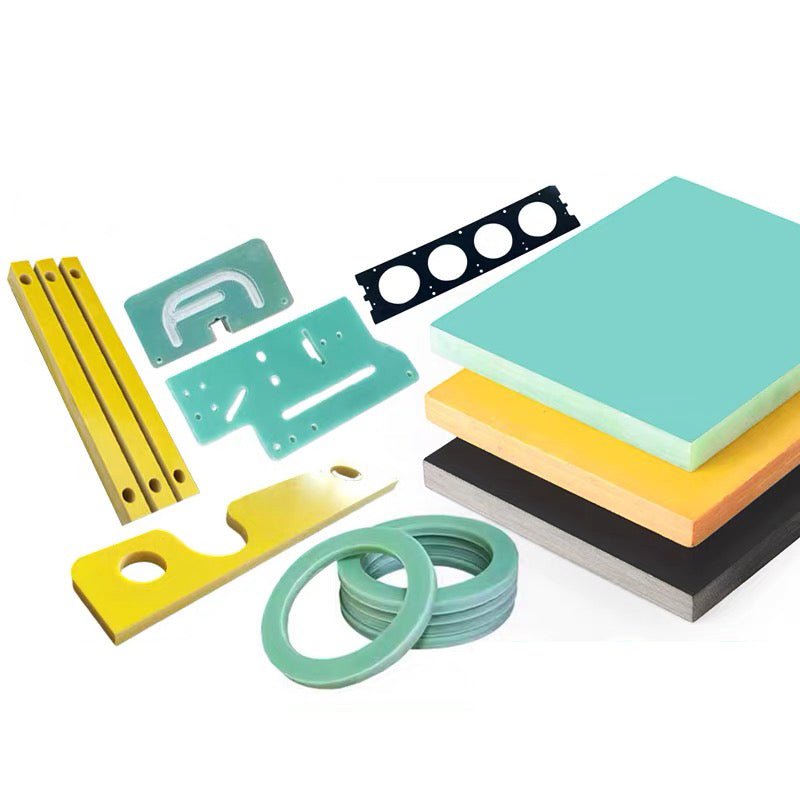
Why FR4 Fiberglass Sheets Are a Game-Changer for Accessory Makers

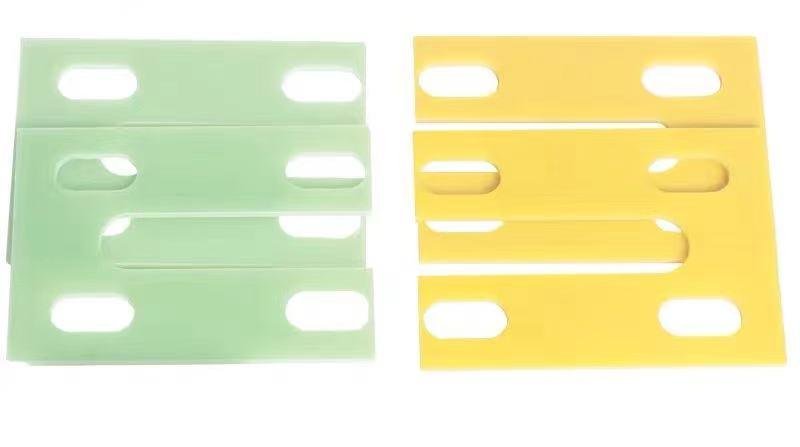
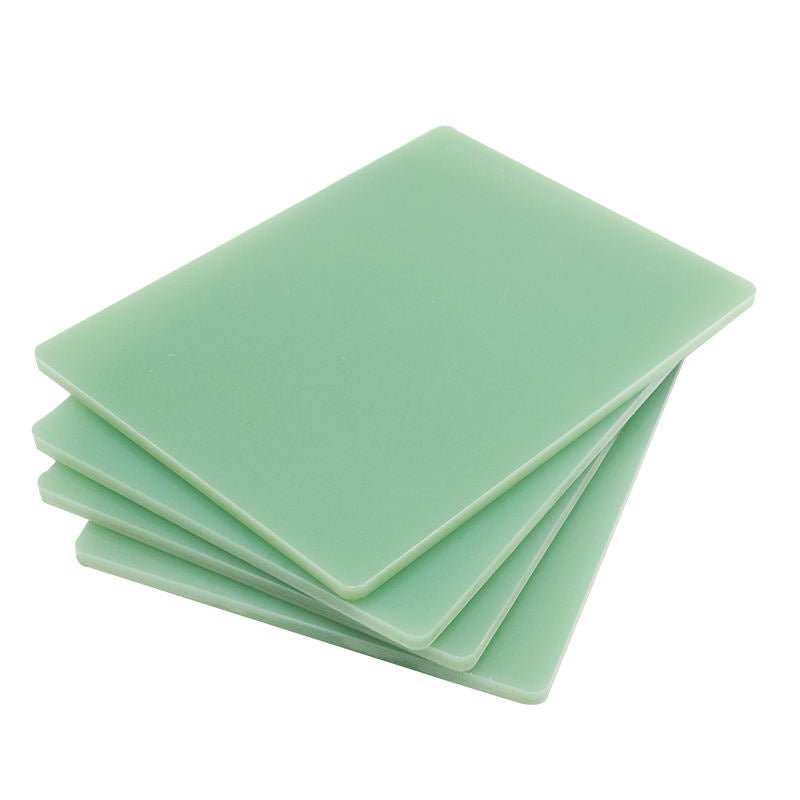
FR4 fiberglass products

In the transformative world of accessory manufacturing, FR4 fiberglass sheets stand out as a revolutionary material, redefining the standards of quality, versatility, and sustainability. Our latest blog post, “Why FR4 Fiberglass Sheets Are a Game-Changer for Accessory Makers,” delves deep into the essence of this remarkable material, offering a comprehensive guide that spans its composition, applications, and environmental impact.

🎉🎉🎉Limited Time Offer Use code: QR4GNY08SHVR at checkout and enjoy a special discount on your entire order! 👉 FR4 fiberglass plastic

We begin by Understanding FR4 Fiberglass Sheets: Composition and Properties, where we unravel the unique blend of woven fiberglass and epoxy resin that gives FR4 its superior strength, thermal resistance, and electrical insulation properties. This section illuminates why FR4 is not just another material but a foundational element in crafting durable and high-performance accessories.

Venturing into The Versatility of FR4 Fiberglass Sheets in Accessory Design, we showcase the myriad ways in which FR4’s adaptability fuels creativity and innovation in accessory making. From electronics to fashion, FR4 fiberglass sheets prove to be an indispensable ally, enabling designers to push the boundaries of what’s possible.

Our exploration continues with Comparing FR4 Fiberglass Sheets with Other Materials, a critical analysis that positions FR4 against traditional materials like plastics and metals. This comparison highlights FR4’s unmatched advantages, including its cost-effectiveness, durability, and performance, making a compelling case for its preference in accessory manufacturing.

Innovative Techniques in Working with FR4 Fiberglass Sheets introduces readers to the cutting-edge methods that have evolved for processing FR4, from precision cutting to intricate shaping. This section is a testament to the material’s flexibility and the industry’s ingenuity, offering a glimpse into the future of accessory production.

Lastly, we tackle the crucial aspect of Sustainability and Environmental Impact of Using FR4 Fiberglass Sheets. In an era where environmental consciousness is paramount, we discuss how FR4 stands up to the challenge, offering sustainable options for accessory makers concerned with their ecological footprint.

Join us as we explore why FR4 fiberglass sheets are not just changing the game but setting new standards in the accessory manufacturing industry. This blog post is an essential read for anyone keen on understanding the future of material innovation and its impact on design, functionality, and sustainability.

FR4 fiberglass sheets

Understanding FR4 Fiberglass Sheets: Composition and Properties

FR4 fiberglass sheets are a cornerstone in the realm of material science, particularly within the accessory manufacturing industry. Their unique composition and properties make them an ideal choice for a wide range of applications, from electronics to bespoke accessories. Let’s delve deeper into what makes FR4 fiberglass sheets so special and indispensable.

What are FR4 Fiberglass Sheets?

At its core, FR4 stands for Flame Retardant 4, a grade designation assigned to this composite material. It is composed of woven fiberglass cloth with an epoxy resin binder. This combination results in a high-strength, durable material that is resistant to moisture and has excellent electrical insulation properties. The “flame retardant” part of its name indicates its ability to resist burning, making it a safe choice for electrical and electronic applications.

Material Composition

The material composition of FR4 fiberglass sheets is what sets them apart. The woven fiberglass provides structural strength, while the epoxy resin ensures the material is cohesive, stable, and can withstand a variety of chemical and physical stresses. This synergy between fiberglass and epoxy resin gives FR4 its characteristic durability and reliability.

Physical Properties

FR4 fiberglass sheets boast an impressive array of physical properties. They are known for their high strength-to-weight ratio, making them lightweight yet incredibly strong. This is particularly beneficial in the manufacturing of accessories, where durability and ease of handling are paramount. Additionally, FR4 is resistant to water absorption, making it suitable for use in environments where moisture is a concern.

Electrical Properties

One of the most significant advantages of FR4 fiberglass sheets is their electrical insulation properties. With a high dielectric strength and low electrical conductivity, FR4 is an ideal material for preventing electrical interference and ensuring the safety and functionality of electronic components. This makes it a preferred choice for printed circuit boards (PCBs) and other electronic accessories.

Ideal for Accessory Manufacturing

The combination of physical and electrical properties makes FR4 fiberglass sheets an ideal material for accessory manufacturing. Whether it’s for high-end electronics, durable components, or innovative designs, FR4 provides a versatile and reliable foundation. Its ability to be easily machined, shaped, and finished allows for the creation of accessories that are not only functional but also aesthetically pleasing.

The use of FR4 fiberglass sheets in accessory manufacturing is a testament to the material’s superior qualities. Its versatility, durability, and safety features make it a go-to choice for designers and manufacturers alike. As we continue to explore the potential of FR4, it’s clear that its role in the future of accessory making is not just significant—it’s transformative.

The use of FR4 fiberglass sheets in accessory manufacturing

The Versatility of FR4 Fiberglass Sheets in Accessory Design

FR4 fiberglass sheets are not just a material; they are a canvas for innovation in the world of accessory design. Their adaptability to various designs and functionalities opens up a realm of possibilities for creators and manufacturers. This section explores the diverse applications of FR4 fiberglass sheets and how their versatility is revolutionizing accessory design.

Broad Spectrum of Applications

FR4 fiberglass sheets are renowned for their broad spectrum of applications. From the electronics industry, where they serve as the backbone for printed circuit boards (PCBs), to more creative uses in jewelry, fashion accessories, and even in the automotive sector for interior embellishments. The material’s inherent properties, such as its high strength, durability, and excellent electrical insulation, make it an ideal choice for a wide range of products.

Electronics and Gadgets

In the realm of electronics, FR4’s role cannot be overstated. It is the material of choice for PCBs, which are crucial in virtually all electronic devices, from smartphones to sophisticated computing machinery. The material’s electrical insulation properties ensure that devices operate safely and efficiently, while its thermal resistance protects sensitive components from heat damage.

Customized Accessories

Beyond electronics, FR4 fiberglass sheets are making waves in the design of customized accessories. Designers are leveraging FR4’s machinability to create unique, durable pieces that stand out. Whether it’s bespoke jewelry pieces, fashion accessories, or even custom-made guitar picks, FR4 allows for precision in design and durability in usage, making each piece both beautiful and long-lasting.

Automotive Enhancements

The automotive industry has also recognized the value of FR4 fiberglass sheets. Used in the design of interior panels, dashboard components, and even under-the-hood electrical insulators, FR4 contributes to both the aesthetic and functional aspects of automotive design. Its resistance to moisture and thermal stability ensures that these components can withstand the rigors of daily use and extreme conditions.

Innovative Uses in Home Decor

FR4 fiberglass sheets have found their way into innovative home decor items. Designers are crafting unique, modern pieces that capitalize on FR4’s durability and aesthetic appeal. From lighting fixtures to decorative panels, FR4 offers a modern, sleek look while ensuring longevity and ease of maintenance.

The versatility of FR4 fiberglass sheets in accessory design is a testament to the material’s exceptional qualities. Its adaptability across different industries and applications showcases its potential to not only meet but exceed the demands of modern design and functionality. As we continue to explore and innovate with FR4, the possibilities for its application seem limitless, promising a future where design and durability go hand in hand.

The use of FR4 fiberglass sheets in accessory manufacturing

Comparing FR4 Fiberglass Sheets with Other Materials

In the diverse world of accessory making, the choice of material plays a pivotal role in determining the durability, cost-effectiveness, and overall performance of the final product. FR4 fiberglass sheets stand out as a premier choice, but how do they stack up against other common materials like plastics and metals? This comparative analysis delves into the advantages of FR4, shedding light on why it often emerges as the superior option.

Durability: FR4 vs. Plastics

When it comes to durability, FR4 fiberglass sheets significantly outperform most plastics. Plastics, while versatile and lightweight, often suffer from brittleness and can degrade over time, especially when exposed to UV light or chemicals. In contrast, FR4 boasts a high strength-to-weight ratio, courtesy of its woven fiberglass and epoxy resin composition. This makes FR4 resistant to cracking, warping, and moisture, ensuring that accessories made from FR4 maintain their integrity and appearance over a longer period.

Cost-Effectiveness: FR4 vs. Metals

Metals are traditionally valued in accessory making for their strength and aesthetic appeal. However, metals like aluminum and steel can be costly, not just in raw material prices but also in machining and finishing processes. FR4 fiberglass sheets, on the other hand, offer a compelling cost-effective alternative. While providing comparable strength and durability to metals, FR4 is generally less expensive to process and shape. This cost advantage, combined with FR4’s long lifespan, translates into significant savings and value for accessory manufacturers.

Performance in Diverse Conditions: FR4 vs. Other Materials

Performance under diverse environmental conditions is another critical factor in material selection. Metals, while durable, can corrode or oxidize over time, especially in humid or saline environments. Plastics may degrade or lose their mechanical properties when exposed to high temperatures or UV light. FR4 fiberglass sheets excel in maintaining their structural integrity and performance across a wide range of temperatures and conditions. Their thermal resistance and low moisture absorption rate make them ideal for applications requiring long-term reliability and stability.

Electrical Insulation: FR4 vs. Conductive Materials

One of the unique advantages of FR4 fiberglass sheets is their excellent electrical insulation properties. This is a stark contrast to metals, which are conductive and require additional insulation to prevent electrical hazards or interference in electronic applications. FR4’s inherent electrical insulation makes it an ideal choice for electronic accessories, such as circuit boards, where safety and functionality are paramount.

Aesthetic Flexibility: FR4 vs. Traditional Materials

While metals and plastics offer a range of aesthetic options, FR4 fiberglass sheets provide unique aesthetic flexibility. They can be finished with a variety of textures and colors, and their inherent properties allow for precise machining and shaping. This enables designers to achieve intricate designs and custom finishes that stand out, offering a blend of functionality and style that is often challenging to achieve with other materials.

In the comparison of FR4 fiberglass sheets with other common materials used in accessory making, it becomes clear that FR4 holds distinct advantages in terms of durability, cost-effectiveness, performance, and aesthetic flexibility. These attributes make FR4 an increasingly popular choice among designers and manufacturers looking to push the boundaries of what’s possible in accessory design.
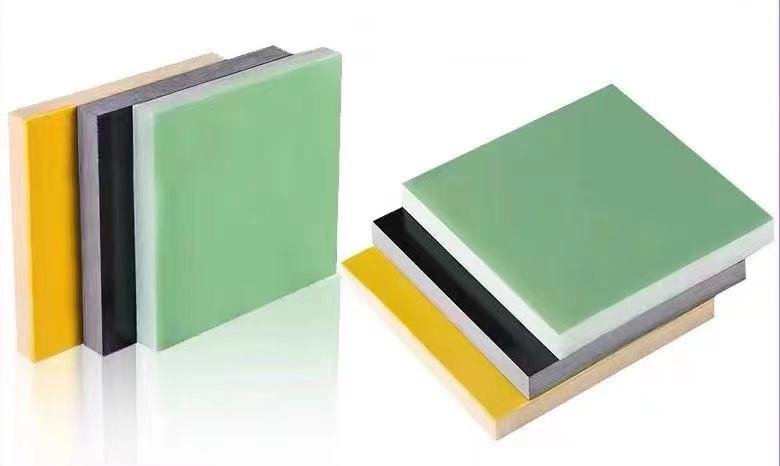
In the comparison of FR4 fiberglass sheets with other common materials used in accessory making

Innovative Techniques in Working with FR4 Fiberglass Sheets

The manufacturing and design landscape is continually evolving, with FR4 fiberglass sheets at the forefront of this innovation. The ability to shape, cut, and finish FR4 using cutting-edge methods and technologies not only enhances the quality but also the appeal of the final accessory products. Let’s explore some of these advanced techniques that are setting new standards in the industry.

Precision Cutting and Shaping

One of the most significant advancements in working with FR4 fiberglass sheets is the development of precision cutting technologies. CNC (Computer Numerical Control) machining has become a staple in the industry, allowing for intricate designs and precise cuts that were previously impossible. This technology utilizes computer programming to control the cutting tools, ensuring each piece of FR4 is shaped exactly to specifications. The precision of CNC machining minimizes waste and ensures that even the most complex designs are feasible, opening up new possibilities in accessory design.

Laser Cutting Technology

Laser cutting is another revolutionary technique that has transformed how FR4 fiberglass sheets are processed. This method offers unparalleled accuracy, speed, and flexibility, making it ideal for cutting intricate patterns and details. Unlike traditional mechanical cutting methods, laser cutting reduces the risk of material damage or warping, ensuring a clean, smooth edge that enhances the aesthetic quality of the final product.

Advanced Finishing Techniques

After cutting and shaping, finishing techniques play a crucial role in determining the overall quality and appearance of FR4-based accessories. Techniques such as silk-screen printing and thermal transfer allow for the addition of detailed graphics and textures on the surface of FR4 fiberglass sheets. These methods not only improve the visual appeal but also add a layer of protection to the material, increasing its durability and resistance to external elements.

Chemical Etching

Chemical etching is a sophisticated method used to create intricate designs on FR4 fiberglass sheets. This process involves applying a protective mask to the surface of the FR4, followed by the application of a chemical solution that etches away unprotected areas. Chemical etching is particularly useful for creating detailed, precise patterns that would be difficult to achieve through mechanical means. The result is a high-quality, durable design that adds a unique dimension to the final accessory.

Environmental Considerations

In addition to these innovative techniques, there is a growing emphasis on environmentally friendly practices in the processing of FR4 fiberglass sheets. Manufacturers are increasingly adopting methods that reduce waste and minimize the environmental impact of production. This includes recycling FR4 offcuts, using non-toxic chemicals in the finishing process, and implementing energy-efficient technologies. These practices not only contribute to the sustainability of the manufacturing process but also appeal to consumers who value environmental responsibility.

The use of cutting-edge methods and technologies in working with FR4 fiberglass sheets is driving innovation in accessory manufacturing. These techniques not only enhance the quality and appeal of the final products but also open up new possibilities for design and functionality. As the industry continues to evolve, these advanced methods will play a pivotal role in shaping the future of accessory design and production.
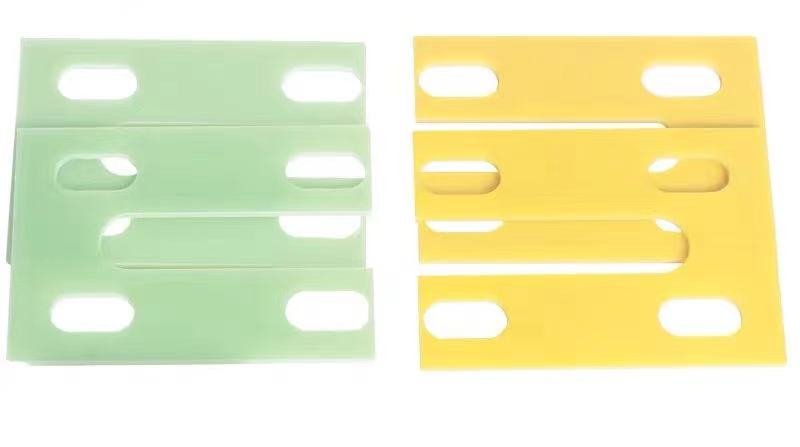
FR4 fiberglass products

Sustainability and Environmental Impact of Using FR4 Fiberglass Sheets

In the modern era of manufacturing, the environmental impact and sustainability of materials are increasingly under scrutiny. FR4 fiberglass sheets, widely used in accessory manufacturing, are no exception. This section explores the environmental aspects of using FR4, focusing on sustainability practices, recycling potential, and how its impact compares to alternative materials.

Environmental Impact of FR4

FR4 fiberglass sheets are composed of woven fiberglass and epoxy resin, materials that are known for their durability and resistance to degradation. While these properties contribute to the longevity of products made from FR4, they also pose challenges in terms of recyclability and environmental impact. The production process of FR4 involves the use of chemicals and energy, aspects that manufacturers are working to improve in terms of environmental efficiency.

Sustainability Practices in FR4 Manufacturing

The industry is actively adopting sustainability practices to mitigate the environmental impact of FR4 fiberglass sheets. This includes the development of greener manufacturing processes that reduce the use of harmful chemicals and lower energy consumption. Manufacturers are also exploring the use of bio-based resins as an alternative to traditional epoxy resins, which are derived from petroleum. These bio-resins are less harmful to the environment and reduce the carbon footprint of FR4 production.

Recycling Potential of FR4

Recycling FR4 fiberglass sheets presents challenges due to the material’s inherent strength and durability. However, advancements in recycling technologies are beginning to unlock the potential for reusing FR4. Methods such as mechanical recycling, where FR4 is ground down and used as filler material, and chemical recycling, which breaks down the epoxy resin for reuse, are gaining traction. These recycling efforts not only reduce waste but also contribute to the circular economy by giving FR4 a second life in new products.

Recycling FR4 fiberglass sheets

Comparing FR4 to Alternative Materials

When comparing FR4 fiberglass sheets to alternative materials, it’s essential to consider the entire lifecycle of the products. While materials like plastics may have a lower initial environmental impact, their shorter lifespan and issues with degradation and recyclability can lead to a greater overall environmental footprint. Metals, on the other hand, are highly recyclable but require significant energy for production and processing. FR4’s durability and potential for recycling make it a competitive option in terms of long-term environmental impact.

The Path Forward

The accessory manufacturing industry is at a crossroads, with sustainability and environmental responsibility becoming as important as innovation and functionality. The use of FR4 fiberglass sheets is being reevaluated through this lens, with a focus on improving manufacturing processes, enhancing recyclability, and reducing the material’s environmental footprint. Through these efforts, FR4 can continue to be a material of choice in accessory manufacturing, aligning with the global shift towards sustainability.

The environmental aspects of using FR4 fiberglass sheets in accessory manufacturing highlight the industry’s commitment to sustainability and environmental responsibility. By adopting greener manufacturing practices, exploring recycling potential, and comparing the lifecycle impact of FR4 with alternatives, manufacturers are paving the way for a more sustainable future in accessory production.

As we navigate through the intricacies of FR4 fiberglass sheets in accessory manufacturing, it becomes evident that this material stands at the intersection of innovation, functionality, and sustainability. From its unparalleled durability and versatility in design to the cutting-edge techniques that shape and refine it, FR4 continues to redefine the boundaries of what’s possible in accessory creation. Moreover, the industry’s commitment to addressing the environmental impact of FR4 through sustainable practices and recycling potential underscores a forward-thinking approach to manufacturing. Embracing FR4 fiberglass sheets not only elevates the quality and appeal of accessories but also aligns with the growing imperative for environmental stewardship. As we look to the future, the role of FR4 in accessory manufacturing is poised to evolve, driven by technological advancements and a collective commitment to sustainability, ensuring that this material remains a cornerstone in the creation of innovative and eco-conscious products.

FR4 fiberglass sheets

Are you poised to lead the way in accessory manufacturing with FR4 fiberglass sheets? Connect with us now by completing the contact form at the bottom of this page. Together, we’ll set new standards in design, durability, and eco-friendliness!

🎉🎉🎉Limited Time Offer Use code: QR4GNY08SHVR at checkout and enjoy a special discount on your entire order! 👉 FR4 fiberglass plastic

Leave a comment


Please note, comments must be approved before they are published


Custom Plastic Fabrication

Send your drawing, material and quantity for review

🔧
Precision Machining
CNC milling & turning
✂️
Cutting & Engraving
Laser & waterjet cutting
🏭
Forming & Molding
Thermoforming & injection
🔗
Joining & Assembly
Welding & bonding
📐
Design & Prototyping
CAD design & samples

General

HDPE

PP

PVC

ABS

Engineering

POM

Nylon

PC

PMMA

High-Performance

PEEK

PEI

PTFE

Composites

FR-4

G10

Flexible

TPU

Silicone

Why Choose BeePlastic?

🎯
Perfect Fit
Custom specs eliminate adaptation needs
⚡
Clear Lead Times
Lead time confirmed with every quote
💰
Volume Pricing
Volume pricing available on bulk orders
🤝
Expert Support
Free engineering consultation included
📋
Submit
→
🔍
Review
→
💵
Quote
→
✅
Production
→
📦
Deliver

Request a Quote

Share your project details, selected material and quantity on our quote page. You can add a file link or use the email drawing route shown there.


Request Quote

Industries: Automotive • Medical • Food • Lab • Semiconductor

beeplastic@beeplastic.com


Essential Tips for Procuring High-Quality FR4 Fiberglass Sheets for Accessories

the complexities of FR4 fiberglass sheet
High-quality FR4 fiberglass sheets for accessory manufacturing

In the comprehensive blog post “Essential Tips for Procuring High-Quality FR4 Fiberglass Sheets for Accessories,” readers are guided through the intricacies of selecting the best FR4 fiberglass sheets for their accessory manufacturing needs. This post delves into the critical aspects of FR4 fiberglass sheet specifications, highlighting the importance of understanding technical details such as thickness, size, and thermal resistance to ensure the materials meet the demands of diverse accessory projects.

🚀 Limited Time Procurement Offer

Use code: QR4GNY08SHVR at checkout and enjoy a special discount on your entire order!

We explore the pivotal role of supplier selection, offering actionable advice on identifying reputable sources that uphold the highest standards of quality and reliability. The discussion on Cost vs. Quality provides a nuanced view on balancing budget constraints with the necessity for performance, emphasizing strategies for evaluating the total cost of ownership and the long-term value of your procurement decisions.

The post also covers the exciting possibilities of customization and processing of FR4 sheets, detailing how these materials can be tailored through cutting to size, drilling, and surface treatments to fit unique design specifications. Lastly, we address the sustainability and environmental considerations that come with using FR4 fiberglass sheets, encouraging practices that support eco-friendliness and sustainability in accessory production.

This essential guide is a must-read for anyone looking to navigate the complexities of procuring high-quality FR4 fiberglass sheets for accessory manufacturing, offering a blend of technical insight, practical advice, and sustainability considerations to ensure your projects not only succeed but also contribute positively to the environment.

Understanding FR4 Fiberglass Sheet Specifications for Accessory Manufacturing

Various thickness of FR4 fiberglass sheets

When it comes to manufacturing accessories that require precision, durability, and thermal stability, FR4 fiberglass sheets stand out as the material of choice for many designers and engineers. This material’s popularity stems from its exceptional properties, which can be tailored to meet the specific needs of various accessory projects. Understanding the technical specifications of FR4 fiberglass sheets is crucial in ensuring the success of your manufacturing process.

The Importance of Thickness and Size

The thickness and size of FR4 fiberglass sheets are among the first specifications to consider. The thickness of the sheet directly affects its rigidity and strength, making it a critical factor for accessories that must withstand physical stress or strain. For instance, thinner sheets might be preferred for lightweight accessories where flexibility is a priority, while thicker sheets are ideal for more robust applications.

Size is another vital specification. The dimensions of the sheet determine how large your accessories can be or how many pieces you can fabricate from a single sheet. It’s essential to select a size that minimizes waste and aligns with the scale of your production needs.

Thermal Resistance: A Key Factor

Thermal resistance is a hallmark of FR4 fiberglass sheets, making them suitable for accessories that will be exposed to high temperatures or require insulation properties. This specification is particularly important in electronic accessory manufacturing, where heat dissipation is a critical concern. The ability of FR4 to maintain its structural integrity and electrical insulating properties at elevated temperatures is a significant advantage.

Impact on Quality and Suitability

Automotive assembly jig made from quality FR4 material

The specifications of FR4 fiberglass sheets—thickness, size, and thermal resistance—play a pivotal role in determining the quality and suitability of the final product. For example, selecting the appropriate thickness and size ensures that the accessory will have the necessary strength and fit within the desired dimensions. Similarly, understanding the thermal resistance of FR4 allows manufacturers to create accessories that can withstand the operational temperatures they will be exposed to.

Choosing the right FR4 fiberglass sheet specifications requires a deep understanding of the material’s properties and how they align with the needs of your accessory project. By carefully considering these factors, manufacturers can ensure that their products meet the highest standards of quality and performance.

This detailed exploration of FR4 fiberglass sheet specifications underscores the importance of material selection in accessory manufacturing. By focusing on thickness, size, and thermal resistance, manufacturers can tailor their products to meet specific requirements, ensuring that each accessory is perfectly suited to its intended application.

The Importance of Supplier Selection in FR4 Fiberglass Sheet Procurement

Selecting the right supplier for high quality FR4 fiberglass sheets

Selecting the right supplier for FR4 fiberglass sheets is as crucial as understanding the material’s specifications. The quality of your final product, the efficiency of your production process, and even your project’s overall cost can significantly depend on this choice. Identifying and choosing reputable suppliers involves a thorough vetting process, focusing on their quality standards, reliability, and customer service.

Vetting Quality Standards

When it comes to quality standards, it’s essential to ensure that the supplier’s FR4 fiberglass sheets meet or exceed industry benchmarks. Look for suppliers who are transparent about their manufacturing processes and who can provide certifications or test reports that verify their products’ compliance with relevant standards, such as UL certification or IPC specifications for printed circuit boards.

A reputable supplier should be willing to discuss their quality control measures, including material sourcing, manufacturing practices, and final product testing. This transparency is a good indicator of their commitment to quality.

Assessing Reliability

Reliability is another critical factor in supplier selection. A reliable supplier not only delivers high-quality products but also ensures consistent supply and adheres to delivery schedules. Assessing a supplier’s reliability can involve checking their track record, asking for references from other customers, and evaluating their responsiveness to inquiries and orders.

Consider their production capacities and logistics capabilities. Can they handle your order volume? How do they manage supply chain disruptions? A supplier’s ability to navigate these challenges speaks volumes about their reliability.

Evaluating Customer Service

Excellent customer service is the hallmark of a reputable supplier. This includes not just the sales process but also after-sales support. A supplier with strong customer service will provide technical support, assist with troubleshooting, and be willing to address any concerns post-purchase.

Engage with potential suppliers to gauge their responsiveness and willingness to provide information and support. Suppliers who are proactive in communication and transparent about their capabilities and limitations are more likely to be reliable partners in the long term.

The Role of Due Diligence

Conducting due diligence is imperative before finalizing a supplier for FR4 fiberglass sheets. This might include visiting the supplier’s facilities, if possible, or arranging for third-party audits. Such steps can provide deeper insights into the supplier’s operational efficiency, quality control measures, and overall business practices.

Choosing the right supplier for FR4 fiberglass sheets is a strategic decision that impacts every aspect of your accessory manufacturing project. By focusing on quality standards, reliability, and customer service, you can establish a partnership that not only meets but exceeds your expectations, ensuring the success of your projects.

Cost vs. Quality: Balancing Budget and Performance for FR4 Fiberglass Sheets

Balancing cost and quality in FR4 inspection

Navigating the trade-offs between cost and quality is a critical aspect of procuring FR4 fiberglass sheets for any project. While budget constraints are a reality for most, compromising on quality can lead to increased costs down the line, whether through product failure, reduced lifespan, or additional maintenance. Understanding how to assess the total cost of ownership and the long-term value of FR4 sheets is essential for making informed decisions that balance both cost and quality effectively.

Understanding Total Cost of Ownership

The total cost of ownership (TCO) goes beyond the initial purchase price of FR4 fiberglass sheets. It includes all costs associated with the product over its entire lifecycle, such as installation, maintenance, repair, and even disposal or recycling. When assessing TCO, it’s crucial to consider how the quality of FR4 sheets can affect these long-term costs. Higher-quality sheets may carry a higher upfront cost but can lead to significant savings over time due to their durability and lower maintenance requirements.

Assessing Long-Term Value

The long-term value of FR4 fiberglass sheets is closely tied to their performance characteristics, such as thermal resistance, mechanical strength, and electrical insulation. High-quality FR4 sheets that offer superior performance can enhance the functionality and lifespan of the final product, contributing to greater customer satisfaction and lower replacement costs.

When evaluating FR4 sheets, consider how their performance under operational conditions will impact their value over time. For example, sheets with higher thermal resistance may be more expensive but are essential for applications where heat exposure is a concern, ultimately providing better value through enhanced performance and reliability.

Balancing Budget Constraints with Quality Needs

Balancing budget constraints with the need for quality requires a strategic approach. Start by defining the minimum performance specifications your project requires, and then seek out FR4 sheets that meet these criteria at the best possible price. Don’t hesitate to negotiate with suppliers or explore bulk purchasing options to reduce costs without compromising on the necessary quality standards.

The Role of Supplier Relationships

Establishing strong relationships with suppliers can also play a crucial role in balancing cost and quality. Trusted suppliers are more likely to work with you to find cost-effective solutions that meet your quality requirements, offer volume discounts, or provide favorable payment terms. They may also offer valuable insights into optimizing your use of FR4 sheets to achieve the best balance between cost and performance.

Balancing the cost and quality of FR4 fiberglass sheets requires a comprehensive approach that considers the total cost of ownership and the long-term value of the materials. By carefully assessing these factors and working closely with reputable suppliers, manufacturers can make informed decisions that ensure their projects are both cost-effective and of high quality, ultimately leading to successful outcomes.

Customization and Processing of FR4 Fiberglass Sheets for Unique Accessories

Customization and drilling of FR4 fiberglass sheets

The versatility of FR4 fiberglass sheets makes them an ideal choice for a wide range of accessory projects, offering numerous possibilities for customization and processing. Whether you’re creating intricate electronic components or durable mechanical parts, understanding the various techniques for cutting, drilling, and surface treatment can help you tailor FR4 sheets to meet specific design requirements, enhancing both functionality and aesthetics.

Cutting to Precision

Cutting is a fundamental process in customizing FR4 fiberglass sheets, allowing for the material to be shaped into specific dimensions and patterns. Advanced cutting techniques such as CNC (Computer Numerical Control) routing and laser cutting enable high precision and consistency, essential for components that must fit together perfectly or meet strict dimensional tolerances. These methods not only ensure accuracy but also minimize material waste, making them cost-effective solutions for custom projects.

Drilling for Detail

Drilling is another critical customization process, particularly for electronic accessory projects where FR4 sheets are used as PCB (Printed Circuit Board) substrates. Precision drilling is required to create vias and mounting holes, with specialized equipment used to achieve the necessary diameter and depth without compromising the structural integrity of the sheet. The choice of drilling parameters, including bit type and speed, must be carefully managed to prevent delamination or cracking, ensuring the final product meets the highest quality standards.

Enhancing with Surface Treatment

Surface treatment of FR4 fiberglass sheets can significantly enhance their properties and appearance. Techniques such as silkscreen printing, anodizing, or coating with protective layers can add visual appeal, improve wear resistance, and increase electrical insulation. For accessories that will be exposed to harsh environments or require additional functionality, such as enhanced solderability or reduced friction, surface treatments offer a way to customize the FR4 material to meet these specific needs.

Meeting Design Requirements

The ability to customize and process FR4 fiberglass sheets through cutting, drilling, and surface treatment opens up a world of possibilities for unique accessory projects. Each technique can be tailored to the specific requirements of the project, whether that’s creating complex shapes, achieving precise fitments, or enhancing the material’s natural properties.

By leveraging these customization processes, designers and manufacturers can push the boundaries of what’s possible with FR4 fiberglass sheets, creating accessories that are not only functional and durable but also perfectly aligned with the aesthetic and performance specifications of the project.

Sustainability and Environmental Considerations in FR4 Fiberglass Sheet Procurement

Eco-friendly FR4 production practices

In today’s eco-conscious world, the environmental impact of manufacturing materials is a critical consideration. FR4 fiberglass sheets, widely used in accessory production, are no exception. Emphasizing sustainability practices, recycling options, and the selection of suppliers with eco-friendly credentials can mitigate the environmental footprint of these materials, aligning with broader goals of sustainability and responsible manufacturing.

Embracing Sustainability Practices

Sustainability practices in the procurement and use of FR4 fiberglass sheets involve several key strategies. Firstly, optimizing the design and manufacturing process to minimize waste is crucial. This can include using software for efficient layout planning, ensuring that the maximum number of parts are produced from each sheet. Additionally, adopting energy-efficient processing methods and reducing the use of hazardous substances during manufacturing contribute significantly to sustainability.

Recycling and Reuse Options

Recycling and reuse of FR4 materials present both challenges and opportunities. While the inherent durability and chemical resistance of FR4 make it difficult to recycle in traditional ways, innovative approaches are being developed. Companies are exploring methods to grind down used FR4 sheets and repurpose the material for other products or as filler material in composite manufacturing. Encouraging the development and adoption of such recycling technologies is vital for reducing the environmental impact of FR4 waste.

Choosing Eco-Friendly Suppliers

Selecting suppliers with strong eco-friendly credentials is another critical aspect of sustainable FR4 sheet procurement. This includes suppliers who demonstrate a commitment to environmental management systems, such as those certified under ISO 14001, and those who actively work to reduce their carbon footprint and waste production. Suppliers that source materials responsibly and employ sustainable manufacturing practices not only help reduce the environmental impact of their products but also support the broader adoption of green practices in the industry.

The Role of Certifications and Standards

Certifications and environmental standards play a significant role in guiding sustainable practices in the FR4 sheet industry. Suppliers that adhere to recognized environmental standards provide assurance that their products are produced with a commitment to minimizing environmental harm. By prioritizing these suppliers, businesses can contribute to a more sustainable supply chain, promoting environmental stewardship while still meeting their manufacturing needs.

Sustainability and environmental considerations are becoming increasingly important in the procurement of FR4 fiberglass sheets for accessory production. By focusing on sustainability practices, exploring recycling options, and choosing suppliers with eco-friendly credentials, manufacturers can significantly reduce the environmental impact of their products. This not only benefits the planet but also aligns with the growing consumer demand for environmentally responsible products, offering a competitive edge in the market.


BeePlastic Team for Complex FR4 Projects

In navigating the complexities of FR4 fiberglass sheet procurement and customization for accessory manufacturing, it’s clear that a balance of technical knowledge, strategic supplier selection, and a commitment to sustainability forms the foundation of success. By understanding the nuances of FR4 specifications, embracing the intricacies of customization, and prioritizing environmental considerations, manufacturers can ensure their projects not only meet the highest standards of quality and performance but also contribute positively to the broader goals of environmental stewardship. This holistic approach to FR4 fiberglass sheet procurement underscores the importance of informed decision-making and strategic planning in the pursuit of innovation and sustainability in accessory manufacturing.

Start Your Custom Project with BeePlastic

Take the first step towards unparalleled quality and sustainability in your accessory manufacturing. Connect with us now for a free quote or technical consultation.

Submit Your Inquiry Now

Leave a comment


Please note, comments must be approved before they are published


Custom Plastic Fabrication

Send your drawing, material and quantity for review

🔧
Precision Machining
CNC milling & turning
✂️
Cutting & Engraving
Laser & waterjet cutting
🏭
Forming & Molding
Thermoforming & injection
🔗
Joining & Assembly
Welding & bonding
📐
Design & Prototyping
CAD design & samples

General

HDPE

PP

PVC

ABS

Engineering

POM

Nylon

PC

PMMA

High-Performance

PEEK

PEI

PTFE

Composites

FR-4

G10

Flexible

TPU

Silicone

Why Choose BeePlastic?

🎯
Perfect Fit
Custom specs eliminate adaptation needs
⚡
Clear Lead Times
Lead time confirmed with every quote
💰
Volume Pricing
Volume pricing available on bulk orders
🤝
Expert Support
Free engineering consultation included
📋
Submit
→
🔍
Review
→
💵
Quote
→
✅
Production
→
📦
Deliver

Request a Quote

Share your project details, selected material and quantity on our quote page. You can add a file link or use the email drawing route shown there.


Request Quote

Industries: Automotive • Medical • Food • Lab • Semiconductor

beeplastic@beeplastic.com


Unlocking the Potential of FR4 Fiberglass Sheets in Accessory Design

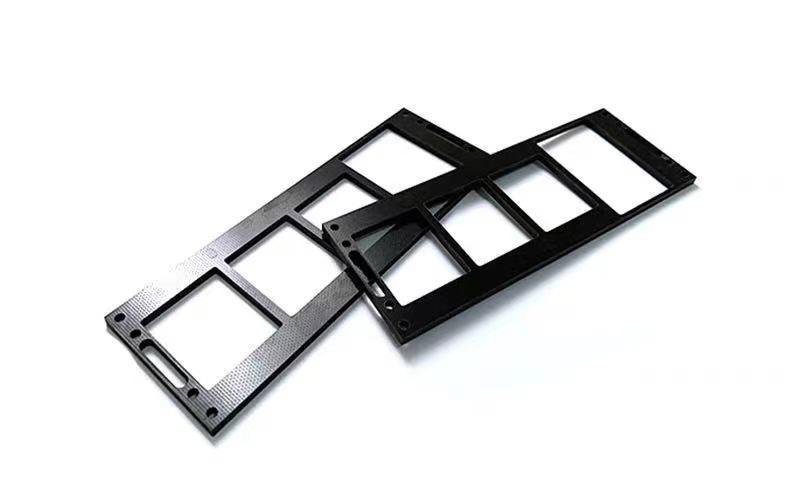
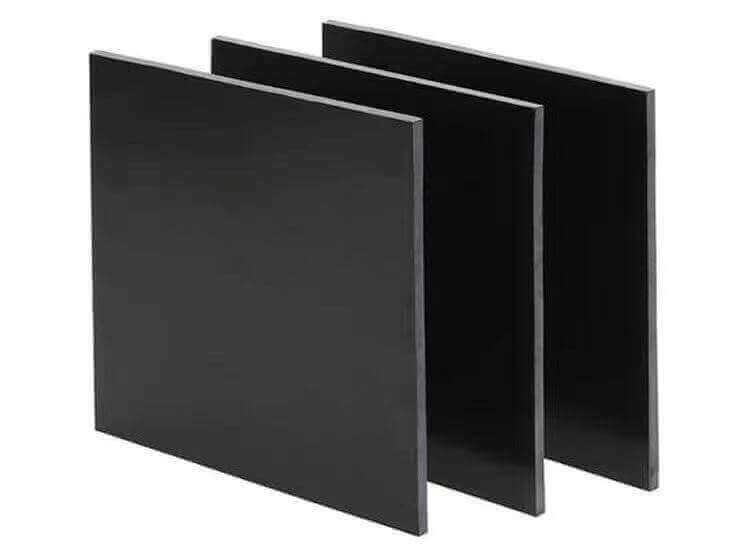
Black Glass Fiberboard

In the captivating blog post “Unlocking the Potential of FR4 Fiberglass Sheets in Accessory Design,” we delve deep into the versatile world of FR4 fiberglass sheets, a cornerstone material in the realm of accessory manufacturing. This comprehensive guide begins by Understanding FR4 Fiberglass Sheet Properties, highlighting their unparalleled durability, electrical insulation capabilities, and resistance to fire and moisture, laying the foundation for why FR4 is the material of choice for designers.

🎉🎉🎉Limited Time Offer Use code: QR4GNY08SHVR at checkout and enjoy a special discount on your entire order! 👉 FR4 fiberglass plastic
FR4 Fiberglass Sheets

We then journey into Innovative Uses of FR4 Fiberglass Sheets in Accessory Design, showcasing the material’s flexibility across a spectrum of creative applications. From high-tech gadgets to everyday wearables, discover how FR4 is shaping the future of accessory design.

Navigating the selection process, The Process of Selecting the Right FR4 Fiberglass Sheet offers invaluable insights into choosing the perfect grade and type of FR4 for your project needs, ensuring your design not only meets but exceeds expectations.

For those ready to get their hands dirty, Tips for Working with FR4 Fiberglass Sheets provides a treasure trove of practical advice. Learn the best practices for cutting, shaping, and finishing FR4, enabling you to transform this robust material into your next innovative accessory.

Lastly, we tackle the important topic of Sustainability and Recycling of FR4 Fiberglass Sheets in Accessory Manufacturing. This section underscores the importance of eco-friendly practices in the design process, from sourcing to recycling, ensuring that your creations are as kind to the planet as they are cutting-edge.

Join us as we explore the endless possibilities of FR4 fiberglass sheets in accessory design, offering a blend of technical insight, practical advice, and a commitment to sustainability. Whether you’re a seasoned designer or a curious newcomer, this post will inspire you to unlock the full potential of FR4 in your next accessory project.

Understanding FR4 Fiberglass Sheet Properties

FR4 fiberglass sheets stand at the forefront of accessory design, offering a unique blend of properties that cater to a wide range of applications. This material, known for its durability, electrical insulation capabilities, and resistance to fire and moisture, has become a staple in the manufacturing world. Let’s delve deeper into these properties to understand why FR4 is so highly valued in the accessory design industry.

FR4 fiberglass sheets

Durability

One of the hallmark features of FR4 fiberglass sheets is their exceptional durability. These sheets are engineered to withstand the test of time, resisting wear and tear under a variety of conditions. This makes FR4 an ideal choice for accessories that require long-lasting strength and stability, from electronic gadgets to automotive components. The robust nature of FR4 ensures that products retain their integrity and functionality over extended periods, making it a preferred material for designers looking to combine aesthetics with longevity.

Electrical Insulation Capabilities

In the realm of electronic accessories, the electrical insulation capabilities of FR4 fiberglass sheets are unparalleled. This material provides excellent insulation, preventing electrical currents from unintended paths, which is crucial for the safety and efficiency of electronic devices. Whether it’s for circuit boards, insulators, or connectors, FR4’s ability to insulate against electrical hazards while maintaining its structural integrity under high temperatures is a key reason for its widespread use in the electronics industry.

Resistance to Fire and Moisture

Another significant advantage of FR4 is its resistance to fire and moisture. These sheets are inherently flame-retardant, meaning they can slow down or halt the spread of fire, adding an extra layer of safety to accessories that might be exposed to high temperatures or flames. Additionally, FR4’s moisture resistance makes it suitable for use in environments where humidity or direct contact with water could compromise the integrity of other materials. This resistance is particularly beneficial for outdoor accessories or devices used in varying climates, ensuring that they remain functional and safe regardless of the conditions.

FR4 fiberglass sheets embody a perfect synergy of physical and chemical properties, making them an indispensable material in the accessory design landscape. Their durability, electrical insulation capabilities, and resistance to fire and moisture not only ensure the safety and longevity of products but also open up new avenues for innovation and creativity in design. As we continue to explore the potential of FR4 in accessory manufacturing, it’s clear that this material will remain a cornerstone of the industry, driving forward advancements in both functionality and aesthetic appeal.

FR4 in accessory manufacturing

Innovative Uses of FR4 Fiberglass Sheets in Accessory Design

The versatility of FR4 fiberglass sheets has opened up a world of possibilities for accessory designers, pushing the boundaries of creativity and functionality. This material’s unique properties have made it a go-to choice for developing innovative products across various industries. Let’s explore some of the creative ways in which designers are leveraging FR4 fiberglass sheets to bring their visionary accessories to life.

Revolutionizing Wearable Technology

One of the most exciting applications of FR4 fiberglass sheets is in the realm of wearable technology. Designers are using FR4 to create lightweight, durable components for smartwatches, fitness trackers, and wearable medical devices. The material’s durability and electrical insulation capabilities make it ideal for these applications, where flexibility and safety are paramount. For instance, FR4’s use in the circuit boards of wearable devices ensures they remain functional and reliable, even under the stress of daily wear and physical activity.

Enhancing Automotive Accessories

In the automotive sector, FR4 fiberglass sheets are being used to innovate accessories that enhance both performance and safety. From high-performance engine components to advanced interior electronics, FR4’s resistance to fire and moisture makes it an excellent choice for applications that require robustness and reliability. A notable example is the use of FR4 in the development of lightweight, fire-resistant panels that contribute to the overall safety and efficiency of vehicles.

Pioneering in Drone Technology

The drone industry has also benefited from the application of FR4 fiberglass sheets. Designers are utilizing FR4 to construct drone frames and components, capitalizing on the material’s strength-to-weight ratio. This not only makes drones lighter and more efficient but also improves their durability, allowing them to withstand the rigors of flight and harsh outdoor conditions. The incorporation of FR4 in drones exemplifies how the material’s properties can be harnessed to elevate the performance and longevity of cutting-edge technology.

Advancing Sports Equipment

Another innovative use of FR4 fiberglass sheets is in the design of sports equipment. The material’s durability and resistance to environmental factors make it an excellent choice for creating lightweight, high-strength components for sports gear. From skateboards to surfboards, FR4 is being used to enhance the performance and durability of sports accessories, enabling athletes to push the limits of what’s possible.

The diverse applications of FR4 fiberglass sheets in accessory design underscore the material’s adaptability and potential to revolutionize product development. Whether it’s in wearable tech, automotive enhancements, drone technology, or sports equipment, FR4 continues to inspire designers to explore new horizons and create accessories that are not only innovative but also practical and sustainable. As we look to the future, the role of FR4 in accessory design is set to grow, promising a new era of products that blend form, function, and forward-thinking design.

FR4 fiberglass sheets in accessory design

The Process of Selecting the Right FR4 Fiberglass Sheet

Choosing the appropriate FR4 fiberglass sheet for your accessory project is a critical step that can significantly impact the performance, durability, and aesthetics of the final product. With a variety of types and grades available, understanding how to navigate these options is essential for designers and manufacturers alike. This guide will walk you through the key factors to consider when selecting FR4 fiberglass sheets, ensuring that you make the best choice for your specific needs.

Understanding Thickness and Size Requirements

The thickness and size of the FR4 sheet are among the first considerations in the selection process. The thickness required will largely depend on the application’s demands for strength and flexibility. For instance, thinner sheets might be preferred for lightweight, flexible electronic accessories, while thicker sheets are better suited for structural components in automotive or sports equipment that require higher rigidity and impact resistance. Similarly, the size of the sheet must be chosen based on the dimensions of the final product, with efficiency in material usage and minimal waste as key considerations.

Assessing Application-Specific Requirements

Each accessory project comes with its own set of requirements, making it crucial to assess the specific needs of your application. This includes considering the environmental conditions the product will be exposed to, such as moisture, temperature extremes, and potential chemical exposures. For accessories that will be used outdoors or in harsh environments, selecting FR4 sheets with enhanced resistance to fire and moisture is paramount. Additionally, for electronic accessories, prioritizing sheets with superior electrical insulation capabilities is essential to ensure safety and functionality.

Evaluating Mechanical and Thermal Properties

The mechanical and thermal properties of the FR4 fiberglass sheet are also vital factors to consider. This includes the material’s tensile strength, flexural strength, and thermal expansion coefficient. These properties will dictate how well the material can withstand physical stresses and temperature variations without degrading or failing. For high-performance applications, such as in automotive or aerospace accessories, selecting FR4 sheets with optimal mechanical and thermal properties is crucial for ensuring reliability and longevity.

Consulting with Suppliers and Experts

Finally, consulting with FR4 fiberglass sheet suppliers and industry experts can provide valuable insights into the best materials for your project. Suppliers can offer detailed information on the specifications and capabilities of different FR4 grades, as well as advice on the most cost-effective options for your requirements. Additionally, leveraging the expertise of professionals who have extensive experience with FR4 can help in making informed decisions, especially for complex or innovative projects.

Selecting the right FR4 fiberglass sheet is a nuanced process that requires careful consideration of various factors, including thickness, size, application-specific requirements, and the material’s mechanical and thermal properties. By taking these elements into account and seeking expert advice when necessary, designers and manufacturers can ensure that their accessories not only meet but exceed expectations in terms of performance, durability, and aesthetic appeal.

FR4 fiberglass sheet

Tips for Working with FR4 Fiberglass Sheets

Working with FR4 fiberglass sheets requires a blend of precision, care, and the right techniques to ensure the final accessory meets the desired standards of quality and functionality. From cutting and shaping to finishing, each step in the manipulation of FR4 sheets plays a crucial role in the overall design process. Here, we provide practical advice for handling FR4 fiberglass sheets, aiming to help designers and fabricators achieve the best results.

Cutting Techniques

When it comes to cutting FR4 fiberglass sheets, choosing the right tools is paramount. High-speed rotary tools, laser cutters, or CNC machines are often preferred for their precision and ability to handle the material’s rigidity. It’s important to use a blade or bit that is specifically designed for cutting fiberglass to reduce wear on the tool and prevent fraying or chipping of the material. Always ensure that measurements are accurate and that you’re working in a well-ventilated area, as cutting FR4 can produce harmful dust.

Shaping and Forming

Shaping FR4 fiberglass sheets can be challenging due to their high strength and rigidity. For minor adjustments or curves, gentle heating with a heat gun may allow for some flexibility, but this must be done cautiously to avoid weakening the material. When bending or shaping FR4, use molds or forms to ensure consistency and accuracy. For more intricate designs, CNC machining offers unparalleled precision, allowing for complex shapes and details that would be difficult to achieve by hand.

Finishing Techniques

Achieving a smooth and aesthetically pleasing finish on FR4 fiberglass sheets is essential, especially for accessories where the visual aspect is as important as functionality. Sanding is a critical step in the finishing process, starting with coarser grits to remove any major imperfections and gradually moving to finer grits for a smooth finish. Protective gear, including masks and gloves, is essential during this process to protect against fiberglass dust. For a polished look, applying a coat of epoxy or varnish can enhance the appearance and durability of the FR4 surface. This not only improves the aesthetic appeal but also provides an additional layer of protection against environmental factors.

Safety Precautions

Working with FR4 fiberglass sheets demands strict adherence to safety precautions. The material’s dust and fibers can be harmful if inhaled or if they come into contact with the skin. Always wear protective clothing, including gloves, long sleeves, and a respirator mask, when cutting, sanding, or handling FR4. Ensuring good ventilation in the workspace is also crucial to minimize exposure to airborne particles.

Handling FR4 fiberglass sheets with the right techniques and safety measures is key to successfully incorporating this material into accessory design. By following these tips for cutting, shaping, and finishing, designers and fabricators can maximize the potential of FR4, creating accessories that are not only functional and durable but also visually appealing. Remember, patience and attention to detail are your best tools when working with this versatile material.

epoxy sheet

Sustainability and Recycling of FR4 Fiberglass Sheets in Accessory Manufacturing

The use of FR4 fiberglass sheets in accessory manufacturing brings to the forefront the importance of sustainability and environmental responsibility. As the demand for durable and high-performance materials like FR4 continues to grow, so does the need to address their environmental impact. This section explores how to responsibly source, use, and recycle FR4 fiberglass sheets to minimize the ecological footprint of accessory production.

Responsible Sourcing of FR4 Materials

The journey towards sustainability begins with the responsible sourcing of FR4 fiberglass sheets. Choosing suppliers who prioritize eco-friendly practices, such as using recycled materials or renewable energy in their production processes, is crucial. Manufacturers should look for certifications that indicate a commitment to environmental standards, ensuring that the FR4 sheets they purchase are produced in a way that reduces harm to the environment. This not only helps in lowering the carbon footprint of the manufacturing process but also aligns with the growing consumer demand for sustainable products.

Efficient Use and Waste Minimization

Efficiency in the use of FR4 fiberglass sheets is key to reducing waste and conserving resources. Designing accessories with material optimization in mind can significantly decrease offcuts and unused portions of FR4. Employing precise cutting techniques and planning layouts that maximize the use of each sheet can lead to a substantial reduction in material waste. Additionally, reusing and repurposing scrap FR4 materials in other projects can further minimize environmental impact, turning potential waste into valuable resources.

Recycling and End-of-Life Management

Recycling FR4 fiberglass sheets presents certain challenges due to their composite nature, but it is a critical aspect of sustainable manufacturing. Research and development into recycling technologies are making it increasingly possible to reclaim and repurpose the fiberglass and resin components of FR4. Manufacturers and designers should stay informed about recycling programs and initiatives that accept FR4 materials. Encouraging and facilitating the recycling of end-of-life products by providing information and resources to consumers can also enhance the sustainability of accessories made with FR4.

Advocating for Environmental Awareness

Beyond the direct actions taken in sourcing, using, and recycling FR4 fiberglass sheets, advocating for environmental awareness within the industry is essential. Sharing best practices, success stories, and challenges in sustainability efforts can inspire others to adopt more eco-friendly approaches. Collaboration between manufacturers, suppliers, and recycling entities can lead to innovative solutions that further reduce the environmental impact of FR4 in accessory manufacturing.

The commitment to sustainability and recycling of FR4 fiberglass sheets in accessory manufacturing is a multifaceted endeavor that encompasses responsible sourcing, efficient use, waste minimization, and active participation in recycling efforts. By addressing these environmental aspects, manufacturers can not only reduce the ecological footprint of their products but also meet the growing consumer demand for sustainable and responsibly made accessories. As the industry moves forward, the focus on environmental responsibility will continue to shape the future of accessory design and production, ensuring a healthier planet for generations to come.

Embracing FR4 fiberglass sheets in accessory design and manufacturing not only unlocks a realm of innovation and durability but also presents an opportunity to lead the industry towards a more sustainable future. By meticulously selecting the right materials, employing efficient design and production techniques, and prioritizing recycling and environmental responsibility, we can significantly mitigate the ecological impact of our creations. This journey towards sustainability with FR4 is not just about adhering to environmental standards but also about inspiring a shift in how we conceive and produce accessories. As we continue to explore the vast potential of FR4, let us also commit to practices that ensure our innovations contribute positively to the world, blending functionality, aesthetics, and ecological consciousness into every product we bring to life.

Black Glass Fiberboard

Join the Revolution in Accessory Manufacturing! Are you eager to explore the endless possibilities of FR4 fiberglass sheets? Connect with us now by filling out the contact form below. Let’s create something extraordinary together!

🎉🎉🎉Limited Time Offer Use code: QR4GNY08SHVR at checkout and enjoy a special discount on your entire order! 👉 FR4 fiberglass plastic

Leave a comment


Please note, comments must be approved before they are published


Custom Plastic Fabrication

Send your drawing, material and quantity for review

🔧
Precision Machining
CNC milling & turning
✂️
Cutting & Engraving
Laser & waterjet cutting
🏭
Forming & Molding
Thermoforming & injection
🔗
Joining & Assembly
Welding & bonding
📐
Design & Prototyping
CAD design & samples

General

HDPE

PP

PVC

ABS

Engineering

POM

Nylon

PC

PMMA

High-Performance

PEEK

PEI

PTFE

Composites

FR-4

G10

Flexible

TPU

Silicone

Why Choose BeePlastic?

🎯
Perfect Fit
Custom specs eliminate adaptation needs
⚡
Clear Lead Times
Lead time confirmed with every quote
💰
Volume Pricing
Volume pricing available on bulk orders
🤝
Expert Support
Free engineering consultation included
📋
Submit
→
🔍
Review
→
💵
Quote
→
✅
Production
→
📦
Deliver

Request a Quote

Share your project details, selected material and quantity on our quote page. You can add a file link or use the email drawing route shown there.


Request Quote

Industries: Automotive • Medical • Food • Lab • Semiconductor

beeplastic@beeplastic.com


The Insider’s Guide to Sourcing FR4 Fiberglass Sheets for Accessories

epoxy platees

Dive into the world of accessory manufacturing with “The Insider’s Guide to Sourcing FR4 Fiberglass Sheets for Accessories,” your ultimate resource for navigating the complexities of FR4 fiberglass sheet procurement. This comprehensive guide begins by exploring the properties and benefits of FR4 sheets, highlighting their unmatched durability and versatility in accessory design. Learn how to distinguish high-quality FR4 fiberglass sheets from the rest, with practical tips on assessing thickness uniformity, resin content, and glass weave patterns.

🎉🎉🎉Limited Time Offer Use code: QR4GNY08SHVR at checkout and enjoy a special discount on your entire order! 👉 FR4 fiberglass plastic
high-quality FR4 fiberglass sheets

Embark on a journey through effective sourcing strategies, where you’ll discover how to select reliable suppliers, negotiate favorable prices, and ensure a steady supply of materials. We delve into the crucial cost considerations and budgeting tactics that can help you manage your project finances without sacrificing quality.

Finally, be inspired by innovative uses of FR4 sheets in accessory design. This section showcases creative applications that leverage FR4’s unique properties, pushing the boundaries of what’s possible in accessory manufacturing. Whether you’re a seasoned professional or a curious newcomer, this guide is packed with insider knowledge and practical advice to elevate your sourcing strategy and bring your accessory projects to life.

Understanding FR4 Fiberglass Sheet Properties and Benefits

FR4 fiberglass sheets stand at the forefront of materials used in accessory manufacturing, renowned for their exceptional material properties and durability. This guide delves into the core of what makes FR4 not just a material choice but a strategic advantage for designers and manufacturers alike.

high-quality FR4 fiberglass sheets

The Composition of FR4 Fiberglass Sheets

At its core, FR4 is a composite material composed of woven fiberglass cloth with an epoxy resin binder. This combination results in a high strength-to-weight ratio, making FR4 sheets remarkably durable and resistant to physical impact, moisture, and chemical corrosion. The unique composition of FR4 allows it to maintain its structural integrity under a wide range of temperatures, which is crucial for accessories that may be exposed to varying environmental conditions.

Advantages of FR4 in Accessory Manufacturing

Superior Durability and Reliability

One of the most compelling reasons to choose FR4 fiberglass sheets for accessory manufacturing is their superior durability. Accessories crafted from FR4 can withstand harsh conditions without succumbing to wear and tear as quickly as those made from other materials. This durability extends the lifespan of products, offering better value to consumers and reducing the need for frequent replacements.

Versatility Across Applications

FR4’s versatility is another significant advantage. Its excellent electrical insulation properties make it an ideal choice for electronic accessories, while its resistance to fire and heat suits applications requiring high safety standards. Whether for consumer electronics, automotive components, or even sports equipment, FR4’s adaptability makes it a go-to material for a wide array of accessory designs.

Cost-Effectiveness

Despite its high-quality attributes, FR4 remains a cost-effective option for manufacturers. Its widespread availability and the efficiency of its manufacturing process mean that FR4 fiberglass sheets can be procured and utilized without significantly inflating production costs. This balance between quality and affordability allows manufacturers to produce superior accessories while maintaining competitive pricing.

Why FR4 Stands Out

In the realm of accessory manufacturing, the choice of material plays a pivotal role in the success of the final product. FR4 fiberglass sheets offer a unique blend of durability, versatility, and cost-effectiveness, setting them apart from traditional materials. Their ability to meet diverse design and functional requirements while ensuring longevity and reliability makes FR4 an unparalleled choice for manufacturers aiming to deliver high-quality accessories.

By choosing FR4, manufacturers can not only elevate the quality of their products but also embrace the innovation and sustainability that come with this advanced material. As we continue to explore the capabilities and applications of FR4, it’s clear that its role in accessory manufacturing is not just beneficial but transformative.

How to Identify High-Quality FR4 Fiberglass Sheets

Selecting high-quality FR4 fiberglass sheets is crucial for ensuring the durability, functionality, and aesthetics of finished accessories. Understanding the characteristics that distinguish superior FR4 sheets from inferior ones can significantly impact the success of your manufacturing projects. This guide provides essential insights into the factors you should consider when evaluating FR4 fiberglass sheets.

Assessing Thickness Uniformity

The Importance of Consistent Thickness

One of the first indicators of a high-quality FR4 sheet is its thickness uniformity. Consistent thickness across the sheet ensures uniform performance, especially in applications where precision is critical, such as in electronic accessories. Variations in thickness can lead to uneven thermal management, electrical insulation failures, or mechanical weaknesses, compromising the integrity of the final product.

To assess thickness uniformity, use precise measuring tools at various points across the sheet. Manufacturers should provide specifications detailing the tolerance levels for thickness variation, allowing you to determine if the sheet meets the necessary standards for your application.

Evaluating Resin Content

Balancing Strength and Flexibility

The resin content of an FR4 sheet significantly affects its mechanical and electrical properties. A higher resin content typically results in better electrical insulation and moisture resistance, while a lower resin content can enhance the material’s mechanical strength and heat resistance. The optimal resin content depends on the specific requirements of your accessory design.

To evaluate resin content, inquire about the manufacturer’s specifications and testing results. High-quality FR4 sheets should have a balanced resin-to-fiberglass ratio that aligns with the intended use of the product, ensuring optimal performance in both structural and functional aspects.

Analyzing Glass Weave Patterns

Impact on Performance and Aesthetics

The glass weave pattern of FR4 sheets not only influences their mechanical properties but also affects their appearance. A uniform and tight weave pattern enhances the sheet’s structural integrity, providing better support and stability for accessories. Additionally, a consistent weave pattern ensures a smoother surface finish, which is particularly important for accessories where aesthetics are a priority.

Inspect the FR4 sheet visually and tactilely to assess the weave pattern. High-quality sheets should exhibit a uniform weave with no gaps or distortions, indicating meticulous manufacturing processes and attention to detail.

Why These Factors Matter

Identifying high-quality FR4 fiberglass sheets involves a careful examination of thickness uniformity, resin content, and glass weave patterns. These factors collectively determine the sheet’s suitability for various accessory manufacturing applications, affecting everything from performance to aesthetics. By prioritizing these quality indicators, manufacturers and designers can ensure that their products meet the highest standards of excellence, durability, and functionality.

Choosing the right FR4 sheet is a critical step in the manufacturing process, one that influences the success of the final accessory. Armed with the knowledge of what to look for, you can make informed decisions that enhance the quality and appeal of your products, setting a benchmark for excellence in accessory manufacturing.

high-quality FR4 fiberglass sheets

Sourcing Strategies for FR4 Fiberglass Sheets

Navigating the procurement landscape for FR4 fiberglass sheets requires a strategic approach to ensure you secure high-quality materials from reliable sources. This segment offers a deep dive into effective sourcing strategies, emphasizing the selection of dependable suppliers, price negotiation techniques, and the critical role of certifications and standards in the procurement process.

Selecting Reliable Suppliers

Building a Network of Trusted Vendors

The foundation of a successful sourcing strategy lies in identifying and partnering with reliable suppliers. Look for vendors with a proven track record of delivering high-quality FR4 sheets, timely shipments, and excellent customer service. Assessing supplier reliability involves evaluating their operational history, financial stability, and customer feedback. Establishing long-term relationships with a select few suppliers can lead to better service, improved pricing, and a more reliable supply chain.

Importance of Certifications and Standards Compliance

Certifications such as ISO 9001 or specific industry standards related to FR4 materials, like UL 94V-0 for flame resistance, are indicators of a supplier’s commitment to quality and regulatory compliance. Suppliers who adhere to recognized standards and certifications ensure that their FR4 sheets meet rigorous quality, safety, and environmental benchmarks. Requesting and reviewing these certifications should be a non-negotiable aspect of your supplier selection process.

Negotiating Prices

Strategies for Achieving Competitive Pricing

Effective negotiation is key to obtaining FR4 sheets at competitive prices without compromising on quality. Equip yourself with market knowledge, including current price trends and factors influencing costs, to strengthen your negotiating position. Consider leveraging volume discounts by consolidating your purchases or entering into long-term contracts with suppliers. Transparent communication about your budget and requirements can also open the door to customized pricing solutions that benefit both parties.

Ensuring a Consistent Supply

Planning for Continuity and Flexibility

A consistent supply of FR4 sheets is vital to maintaining uninterrupted production lines and meeting project timelines. Develop a supply chain strategy that includes multiple suppliers or a primary supplier with proven backup options to mitigate the risk of shortages. Implementing a just-in-time (JIT) inventory system can reduce storage costs and minimize the risk of material obsolescence, while still ensuring that materials are available when needed.

high-quality FR4 fiberglass sheets

Leveraging Technology and Partnerships

The Role of Digital Platforms and Industry Associations

Utilize digital procurement platforms and industry associations to discover new suppliers, compare offerings, and stay informed about market developments. These resources can provide valuable insights into supplier performance, emerging trends, and opportunities for bulk purchasing or group buying agreements, further optimizing your sourcing strategy.

Why a Strategic Approach Matters

Adopting a strategic approach to sourcing FR4 fiberglass sheets is crucial for securing high-quality materials at competitive prices, ensuring compliance with industry standards, and maintaining a steady supply. By carefully selecting suppliers, negotiating effectively, and planning for supply chain continuity, manufacturers can support the success and growth of their accessory production endeavors, ultimately leading to superior products and satisfied customers.

Cost Considerations and Budgeting for FR4 Sheet Procurement

Navigating the financial intricacies of FR4 fiberglass sheet procurement is essential for manufacturers aiming to balance cost-efficiency with quality. This guide outlines strategic approaches to budgeting, understanding pricing structures, and implementing cost-saving measures without sacrificing the integrity of your projects.

Understanding FR4 Pricing Tiers

The Dynamics of Material Costs

FR4 fiberglass sheets are subject to a variety of pricing tiers, influenced by factors such as material quality, sheet dimensions, and order volume. Recognizing these variables is the first step in developing a cost-effective procurement strategy. Suppliers may offer lower prices for larger volumes, making bulk purchases an attractive option for projects with significant material requirements. Additionally, prices can vary based on the FR4 grade and specific properties like thickness, resin content, and glass transition temperature.

Budgeting for FR4 Projects

Allocating Resources Wisely

Effective budgeting for projects involving FR4 sheets requires a comprehensive understanding of all potential costs, including material, shipping, and any additional processing or customization fees. Start by obtaining detailed quotes from multiple suppliers to gauge the market rate for FR4 materials matching your specifications. Incorporate a contingency fund into your budget to cover unexpected expenses, ensuring that your project remains on track even in the face of unforeseen costs.

Minimizing Costs Without Compromising Quality

Strategic Approaches to Cost-Saving

Minimizing costs while maintaining quality is a delicate balance in FR4 sheet procurement. Consider exploring alternative suppliers or negotiating longer-term contracts to secure better pricing. Implementing design optimizations that reduce waste or allow for the use of standard sheet sizes can also lead to significant savings. Engage with your suppliers to understand the cost drivers of FR4 materials and work collaboratively to identify areas where expenses can be reduced without affecting the final product’s performance or appearance.

Black Fiberglass Sheet

Leveraging Supplier Relationships

Partnering for Mutual Benefit

Building strong relationships with your FR4 sheet suppliers can unlock opportunities for cost savings. Suppliers may offer insights into more cost-effective material options or suggest design modifications that reduce costs. Regular communication and partnership with suppliers can also lead to preferential pricing, early access to discounts, and improved terms, which can be particularly beneficial for long-term projects or recurring needs.

The Importance of Quality Assurance

Ensuring Value for Money

While minimizing costs is important, ensuring that cost-cutting measures do not compromise the quality of FR4 sheets is paramount. Implement quality assurance processes to inspect materials upon delivery, verifying that they meet your specifications and standards. Investing in high-quality FR4 sheets from reputable suppliers may carry a higher upfront cost but can result in lower overall expenses by reducing the need for replacements and minimizing production delays.

Navigating the Financial Landscape

Understanding the financial landscape of FR4 fiberglass sheet procurement is crucial for manufacturers. By carefully considering pricing tiers, budgeting accurately, and seeking cost-saving opportunities without compromising quality, manufacturers can optimize their procurement strategy. This approach not only ensures the financial viability of projects but also supports the production of high-quality accessories that meet or exceed customer expectations.

Innovative Uses of FR4 Fiberglass Sheets in Accessory Design

The versatility and durability of FR4 fiberglass sheets have made them a staple in various industries, but their application in accessory design is where creativity truly flourishes. This section explores groundbreaking ways designers and manufacturers are leveraging FR4’s unique properties to craft exceptional and innovative products.

Revolutionizing Wearable Tech with FR4

Crafting Durable and Flexible Electronics

One of the most exciting applications of FR4 sheets is in the realm of wearable technology. Designers have harnessed the material’s excellent electrical insulation properties and mechanical strength to create flexible, durable components for smartwatches, fitness trackers, and wearable medical devices. FR4’s ability to withstand moisture and resist chemical corrosion makes it ideal for gadgets that are exposed to the elements and worn close to the body.

Elevating Sports Equipment to New Heights

Enhancing Performance and Safety

In the sports industry, FR4 fiberglass sheets are being used to innovate equipment design, enhancing both performance and safety. For example, high-end skateboard and snowboard manufacturers incorporate FR4 in their decks and boards for its superior strength-to-weight ratio, providing riders with unmatched durability and control. This application not only showcases FR4’s physical resilience but also its ability to be molded into complex shapes, opening new avenues for design aesthetics and functionality.

FR4 fiberglass sheets

Transforming Automotive Accessories

Driving Innovation in Vehicle Customization

The automotive sector has also seen a surge in the use of FR4 sheets for both interior and exterior accessories. From custom dashboard panels to lightweight body components, FR4’s thermal resistance and structural integrity make it a preferred choice for enthusiasts and manufacturers alike. Its ability to be precision-cut and shaped allows for bespoke accessory designs that stand out for their quality and uniqueness.

Pioneering in the World of Music

Crafting Instruments with Unparalleled Sound Quality

Perhaps one of the most unexpected applications of FR4 is in the music industry, where its properties are used to enhance the sound quality of instruments. Electric guitar manufacturers, for instance, have experimented with FR4 in the construction of pickguards and circuit boards, finding that it contributes to a cleaner, more consistent sound. This innovative use not only highlights FR4’s versatility but also its potential to cross boundaries into artistic domains.

Why These Innovations Matter

The innovative uses of FR4 fiberglass sheets in accessory design demonstrate the material’s vast potential beyond traditional applications. By pushing the limits of what’s possible with FR4, designers and manufacturers are not only creating products that stand the test of time but are also setting new standards in aesthetics, functionality, and performance. These examples serve as inspiration for future projects, encouraging a reimagining of how materials can be used to solve design challenges and meet consumer needs in novel ways.

The exploration of FR4 in accessory design is just beginning. As technology advances and creative minds seek out new materials to bring their visions to life, FR4 fiberglass sheets are poised to play a pivotal role in the next generation of innovative products.

As we’ve journeyed through the multifaceted world of FR4 fiberglass sheets, from understanding their core properties and benefits to navigating the complexities of procurement and marveling at their innovative applications in accessory design, it’s clear that FR4 stands as a cornerstone material in the manufacturing realm. Its unparalleled blend of durability, versatility, and cost-effectiveness makes it an indispensable asset for designers and manufacturers alike, pushing the boundaries of creativity and functionality in product development. Embracing FR4 not only elevates the quality and performance of accessories but also opens the door to endless possibilities for innovation and design excellence. As we continue to explore and leverage the potential of FR4 fiberglass sheets, the future of accessory design and manufacturing looks brighter and more promising than ever, heralding a new era of products that are as enduring as they are extraordinary.

epoxy platees

Ready to Elevate Your Project with High-Quality FR4 Sheets? Don’t Miss Out on Unleashing Your Creative Potential. Fill Out Our Contact Form Below and Let’s Transform Your Ideas into Reality Together!

🎉🎉🎉Limited Time Offer Use code: QR4GNY08SHVR at checkout and enjoy a special discount on your entire order! 👉 FR4 fiberglass plastic

Leave a comment


Please note, comments must be approved before they are published


Custom Plastic Fabrication

Send your drawing, material and quantity for review

🔧
Precision Machining
CNC milling & turning
✂️
Cutting & Engraving
Laser & waterjet cutting
🏭
Forming & Molding
Thermoforming & injection
🔗
Joining & Assembly
Welding & bonding
📐
Design & Prototyping
CAD design & samples

General

HDPE

PP

PVC

ABS

Engineering

POM

Nylon

PC

PMMA

High-Performance

PEEK

PEI

PTFE

Composites

FR-4

G10

Flexible

TPU

Silicone

Why Choose BeePlastic?

🎯
Perfect Fit
Custom specs eliminate adaptation needs
⚡
Clear Lead Times
Lead time confirmed with every quote
💰
Volume Pricing
Volume pricing available on bulk orders
🤝
Expert Support
Free engineering consultation included
📋
Submit
→
🔍
Review
→
💵
Quote
→
✅
Production
→
📦
Deliver

Request a Quote

Share your project details, selected material and quantity on our quote page. You can add a file link or use the email drawing route shown there.


Request Quote

Industries: Automotive • Medical • Food • Lab • Semiconductor

beeplastic@beeplastic.com


Navigating the World of FR4 Fiberglass Sheets for Accessory Procurement

innovative applications of FR4 fiberglass sheets

Embark on a journey through the intricate world of FR4 fiberglass sheets with our latest blog post, “Navigating the World of FR4 Fiberglass Sheets for Accessory Procurement.” This comprehensive guide is your ultimate resource for mastering the procurement process of FR4 fiberglass sheets, a cornerstone material in accessory manufacturing.

🎉🎉🎉Limited Time Offer Use code: QR4GNY08SHVR at checkout and enjoy a special discount on your entire order! 👉 FR4 fiberglass plastic
FR4 fiberglass sheets

We kick off with a deep dive into the Understanding of FR4 Fiberglass Sheet Properties and Grades, shedding light on the material’s exceptional qualities, such as its thermal resistance and versatility across various applications. This foundational knowledge is crucial for selecting the perfect FR4 sheet for your project needs.

Next, we emphasize the Importance of Quality in FR4 Fiberglass Sheet Procurement. Quality not only dictates the performance but also the longevity of your accessories. Learn how to discern and choose high-quality FR4 materials that promise durability and efficiency.

Our discussion on Cost Considerations and Budgeting for FR4 Fiberglass Sheet Projects offers valuable insights into managing your finances effectively. Discover strategies for optimizing your budget without compromising the quality of your FR4 fiberglass sheets, ensuring your projects are both cost-effective and high-grade.

In Sourcing Strategies for FR4 Fiberglass Sheets, we guide you through the maze of suppliers to secure the best deals and highest quality materials. From vetting suppliers to understanding the supply chain, this section is packed with tips for building beneficial partnerships.

Lastly, we explore Innovative Uses of FR4 Fiberglass Sheets in Accessory Design, showcasing the material’s flexibility and potential to revolutionize accessory manufacturing. Be inspired by creative applications that highlight FR4’s adaptability across industries.

Join us as we navigate the complexities of FR4 fiberglass sheet procurement for accessories, offering expert advice, practical tips, and innovative solutions to elevate your projects. Whether you’re a seasoned manufacturer or a curious newcomer, this post is your passport to mastering the art of working with FR4 fiberglass sheets.

Understanding FR4 Fiberglass Sheet Properties and Grades

FR4 fiberglass sheets are a staple in the world of electronic accessories and various other projects, prized for their exceptional properties and versatility. This material, composed of woven fiberglass cloth with an epoxy resin binder, is the go-to choice for printed circuit boards (PCBs) and a wide range of industrial applications. Let’s delve into the specifics of FR4 fiberglass sheets, exploring their material properties, thermal resistance, and the various grades available.

FR4 fiberglass sheets are a staple in the world of electronic accessories

Material Properties of FR4 Fiberglass Sheets

FR4 fiberglass sheets stand out for their remarkable mechanical strength and electrical insulation properties. The combination of fiberglass and epoxy resin results in a material that is both durable and resistant to electrical interference, making it ideal for use in electronic components and accessories. Additionally, FR4 sheets exhibit low water absorption, ensuring stability and reliability in humid conditions.

The material’s dimensional stability is another key feature, with FR4 sheets maintaining their shape and size under a variety of environmental conditions. This characteristic is crucial for applications requiring precise measurements and tight tolerances, such as in the manufacturing of PCBs.

Thermal Resistance of FR4

One of the most significant advantages of FR4 fiberglass sheets is their excellent thermal resistance. They can withstand high temperatures without degrading, making them suitable for use in electronic devices that generate significant amounts of heat. The thermal endurance of FR4 ensures that accessories and components made from this material can operate safely and efficiently, even under intense thermal stress.

Grades of FR4 Fiberglass Sheets

FR4 fiberglass sheets are available in various grades, each tailored to meet specific requirements and applications. The standard grade is most commonly used for general-purpose applications, offering a balanced combination of mechanical, electrical, and thermal properties.

For projects demanding higher performance, especially in terms of thermal resistance or electrical insulation, advanced grades of FR4 are available. These specialized grades may incorporate modifications to the resin system or the fiberglass weave, enhancing specific properties such as higher temperature resistance or improved mechanical strength.

Understanding the different grades of FR4 fiberglass sheets is crucial for selecting the right material for your project. Whether you’re designing a high-performance electronic device or a durable industrial component, the choice of FR4 grade can significantly impact the functionality and longevity of the final product.

By familiarizing yourself with the properties and grades of FR4 fiberglass sheets, you can make informed decisions that optimize the performance and reliability of your accessories and projects. This material’s blend of strength, thermal stability, and electrical insulation makes it an invaluable resource in a wide array of applications, from electronics to aerospace.

properties and grades of FR4 fiberglass sheets

The Importance of Quality in FR4 Fiberglass Sheet Procurement

When it comes to procuring FR4 fiberglass sheets for manufacturing accessories or components, the quality of the material plays a pivotal role in determining the performance and durability of the final products. High-quality FR4 sheets ensure that the accessories not only meet but exceed performance expectations, providing reliability and efficiency in their application. This section explores the critical importance of quality in FR4 procurement and offers guidance on identifying top-tier FR4 materials.

How Quality Affects Performance

The quality of FR4 fiberglass sheets directly impacts the electrical insulation properties and thermal resistance of the finished accessories. High-quality FR4 materials exhibit consistent electrical insulation, crucial for preventing short circuits and ensuring the safety and functionality of electronic devices. Similarly, superior thermal resistance is essential for maintaining performance under varying temperature conditions, preventing material degradation over time.

Moreover, the mechanical strength of FR4 sheets, which is vital for the physical durability of accessories, is significantly influenced by the quality of the fiberglass and resin composition. High-quality FR4 maintains its structural integrity under mechanical stress, ensuring that accessories remain robust and reliable throughout their lifespan.

Durability of Final Accessory Products

The durability of accessories manufactured with FR4 fiberglass sheets is a testament to the quality of the material used. Quality FR4 materials resist environmental factors such as humidity, temperature fluctuations, and mechanical wear, extending the life of the accessory products. This durability is especially critical in applications where the replacement of components is difficult or costly, emphasizing the need for high-quality FR4 right from the procurement stage.

Tips for Identifying High-Quality FR4 Materials

Identifying high-quality FR4 fiberglass sheets involves several key considerations:

  • Supplier Reputation: Choose suppliers with a proven track record of providing high-quality FR4 materials. Look for suppliers who are well-regarded in the industry and have positive reviews from other manufacturers.

  • Certifications and Standards: High-quality FR4 materials often come with certifications or comply with industry standards, such as UL certification or IPC specifications for PCB materials. These certifications are a testament to the material’s quality and reliability.

  • Material Inspection: Whenever possible, inspect the FR4 sheets before purchase. Look for uniformity in the material, absence of defects, and consistency in thickness and color. Physical inspections can reveal a lot about the quality of the material.

  • Technical Specifications: Review the technical specifications of the FR4 material, including mechanical strength, electrical insulation properties, and thermal resistance. Ensure these specifications meet or exceed the requirements of your project.

  • Sample Testing: If feasible, obtain samples of the FR4 material for testing. This allows you to evaluate how well the material performs under conditions similar to its intended use, providing a practical assessment of its quality.

By prioritizing quality in the procurement of FR4 fiberglass sheets, manufacturers can significantly enhance the performance, reliability, and durability of their accessory products. High-quality FR4 not only meets the immediate needs of a project but also contributes to the long-term success and satisfaction of the end-users.

FR4 fiberglass sheets

Cost Considerations and Budgeting for FR4 Fiberglass Sheet Projects

Navigating the financial aspects of using FR4 fiberglass sheets in accessory manufacturing requires a careful balance between cost-efficiency and quality. Understanding the pricing variations and effectively budgeting for FR4 projects are crucial steps in ensuring the economic viability of your manufacturing processes. This section delves into the intricacies of budgeting for FR4 sheet projects, highlighting the importance of cost considerations and offering strategies to maximize value without compromising on the material’s quality.

Understanding Pricing Variations of FR4 Fiberglass Sheets

The cost of FR4 fiberglass sheets can vary significantly based on several factors, including the grade of the material, the size and thickness of the sheets, and the specific properties required for your project. For instance, high-performance grades of FR4 designed for high-temperature applications are typically more expensive than standard grades used in general-purpose projects. Additionally, the pricing can be influenced by market demand, availability of raw materials, and even geopolitical factors that affect supply chains.

Budgeting Strategies for FR4 Projects

Effective budgeting for projects involving FR4 fiberglass sheets begins with a comprehensive understanding of the project’s requirements. Consider the following strategies to ensure your budget aligns with your project goals:

  • Detailed Requirement Analysis: Start by analyzing the specific requirements of your project, including the grade of FR4 needed, the quantity of material, and any special properties or certifications required. This analysis will help you create a more accurate budget that reflects the true cost of materials.

  • Get Multiple Quotes: Obtain quotes from several suppliers to compare prices and options. This not only gives you a better understanding of the market rates but also provides leverage in negotiations for better prices.

  • Consider Bulk Purchases: If your project scope allows, consider purchasing FR4 sheets in bulk. Suppliers often offer discounts for larger orders, which can significantly reduce the cost per unit.

  • Factor in Additional Costs: Beyond the cost of the FR4 sheets themselves, consider additional expenses such as shipping, handling, and any custom duties if importing materials. These costs should be integrated into your budget to avoid surprises.

Tips for Getting the Best Value

Maximizing value in your FR4 sheet procurement involves more than just finding the lowest price. Consider these tips to ensure you’re getting the best value for your investment:

  • Quality vs. Price: While it’s tempting to opt for the cheapest option, assess the quality of the FR4 sheets in relation to their cost. Investing in higher-quality materials can result in better performance and durability of the final product, offering better long-term value.

  • Supplier Relationships: Building strong relationships with suppliers can lead to better prices, higher quality materials, and more favorable terms. Loyal customers often receive benefits such as priority service and access to bulk pricing deals.

  • Stay Informed: Keep abreast of market trends and material costs. Understanding the factors that influence FR4 pricing can help you anticipate changes and adjust your budgeting strategies accordingly.

By carefully considering the cost implications and employing strategic budgeting practices, manufacturers can effectively manage the financial aspects of FR4 fiberglass sheet projects. This not only ensures the economic efficiency of the project but also maintains the high quality of the final accessory products, ultimately contributing to the success of your manufacturing endeavors.

Black FR4 fiberglass sheets

Sourcing Strategies for FR4 Fiberglass Sheets

Securing a reliable source for FR4 fiberglass sheets is a critical component of successful accessory manufacturing. The quality, cost, and availability of FR4 sheets can significantly impact your production timelines and product quality. This section provides comprehensive guidance on finding and selecting dependable suppliers, vetting their capabilities, and fostering long-term partnerships that benefit both parties.

Finding Reliable FR4 Fiberglass Sheet Suppliers

The journey to find a trustworthy supplier for FR4 fiberglass sheets begins with thorough research. Utilize industry directories, trade shows, and online platforms to compile a list of potential suppliers. Look for suppliers who specialize in FR4 materials and have a strong presence in the industry. Reading reviews and seeking recommendations from industry peers can also provide valuable insights into a supplier’s reliability and service quality.

Vetting Suppliers

Once you have identified potential suppliers, vetting them is crucial to ensure they meet your specific needs. Consider the following factors during the vetting process:

  • Quality Assurance: Ensure the supplier has robust quality control processes in place. Look for certifications such as ISO 9001, which indicates a commitment to maintaining high-quality standards.

  • Supply Chain Transparency: A transparent supply chain is essential for assessing the reliability and ethical standards of a supplier. Inquire about their sourcing practices and whether they can provide traceability for their materials.

  • Financial Stability: Assessing a supplier’s financial stability can provide insights into their reliability and longevity in the market. A stable supplier is more likely to maintain consistent supply chains and honor commitments.

  • Technical Support: A supplier that offers strong technical support and material expertise can be invaluable, especially when dealing with specialized FR4 grades or custom requirements.

Establishing Long-Term Partnerships

Developing long-term partnerships with FR4 suppliers can lead to numerous benefits, including improved pricing, priority access to materials, and enhanced support. To foster these relationships:

  • Communicate Openly: Regular communication with your supplier about your needs, expectations, and feedback helps build trust and alignment.

  • Negotiate Mutually Beneficial Terms: Work with your supplier to negotiate terms that are beneficial for both parties. This could include volume discounts, flexible payment terms, or joint development efforts for custom materials.

  • Loyalty and Reliability: Demonstrate your loyalty as a customer by maintaining a consistent order history and adhering to agreed terms. Suppliers are more likely to invest in customers who show reliability and a commitment to the partnership.

  • Collaborate on Innovation: Engage with your suppliers on potential innovations or improvements to the FR4 materials that could benefit your projects. Collaboration can lead to customized solutions and a stronger partnership.

By employing these sourcing strategies, manufacturers can secure reliable and high-quality sources for FR4 fiberglass sheets. A strategic approach to sourcing not only ensures a steady supply of materials but also contributes to the overall success and competitiveness of your manufacturing operations.

epoxy platees

Innovative Uses of FR4 Fiberglass Sheets in Accessory Design

FR4 fiberglass sheets are not just foundational elements in the electronics industry; their versatility and robust characteristics have paved the way for innovative applications across various sectors, including automotive, fashion, and beyond. This section explores the creative and groundbreaking uses of FR4 materials, showcasing their adaptability and potential to revolutionize accessory design.

Revolutionizing Electronics with FR4

In the realm of electronics, FR4 fiberglass sheets are traditionally used in the manufacture of printed circuit boards (PCBs). However, innovators are pushing the boundaries by integrating FR4 into consumer electronics accessories in novel ways. For instance, FR4 is being used to create durable and aesthetically pleasing casings for smartphones, tablets, and laptops. Its excellent thermal resistance and mechanical strength make it an ideal material for protecting sensitive electronic components, while its versatility allows for a wide range of designs and finishes.

Automotive Innovations with FR4

The automotive industry is harnessing the power of FR4 fiberglass sheets to develop lightweight, durable components that contribute to energy efficiency and performance. FR4 is being used in the design of interior panels, under-hood components, and electrical systems within vehicles. Its high strength-to-weight ratio and resistance to corrosive chemicals make it an excellent choice for parts that need to withstand harsh environments and contribute to overall vehicle lightweighting efforts.

Fashion Forward with FR4

Perhaps the most surprising sector to adopt FR4 fiberglass sheets is the fashion industry. Designers are experimenting with FR4 as a material for creating unique, durable accessories such as jewelry, eyewear, and even elements of clothing. The material’s ability to be cut, shaped, and finished in various ways allows for the creation of bold, structural pieces that stand out in the fashion world. Additionally, FR4’s durability ensures that these fashion accessories can withstand the wear and tear of everyday use, bridging the gap between form and function.

Sporting Goods and Beyond

The sporting goods sector is also exploring the use of FR4 fiberglass sheets for creating high-performance, durable equipment. From skateboards and snowboards to protective gear, FR4’s impact resistance and lightweight nature make it an ideal candidate for sports accessories that require a high degree of durability and performance under stress. The material’s adaptability means it can be tailored to specific sporting requirements, offering enhanced safety and functionality.

Customized Solutions and Prototyping

Beyond these industries, FR4 fiberglass sheets are being utilized for customized solutions and rapid prototyping across various fields. The material’s ease of machining and excellent physical properties make it a popular choice for developing prototypes of all kinds, from industrial machinery components to consumer products. This versatility not only demonstrates FR4’s wide-ranging applicability but also inspires designers and engineers to think outside the box when it comes to material selection.

The innovative uses of FR4 fiberglass sheets in accessory design are a testament to the material’s versatility and potential to transform industries. By stepping beyond traditional applications, designers and manufacturers are unlocking new possibilities for FR4, proving that this robust material can contribute significantly to advancements in design, functionality, and sustainability across a broad spectrum of sectors.

As we’ve explored the diverse and innovative applications of FR4 fiberglass sheets across various industries, it’s clear that this material offers more than just its traditional uses in electronics. From revolutionizing automotive components to introducing new trends in the fashion industry, and enhancing the durability and performance of sporting goods, FR4’s versatility, strength, and thermal resistance make it a standout choice for designers and manufacturers alike. By embracing the potential of FR4, we can continue to push the boundaries of creativity and innovation in accessory design, proving that the right materials can indeed transform ideas into reality. This journey through the world of FR4 fiberglass sheets not only highlights its importance in current applications but also opens the door to future possibilities where its full potential can be unleashed in new and unexpected ways.

innovative applications of FR4 fiberglass sheets

Take Your Accessory Design to the Next Level

Are you ready to harness the innovative applications of FR4 fiberglass sheets in your projects? Whether it’s for electronics, automotive, fashion, or beyond, we have the insights and expertise you need. Fill out our contact form now and let’s discuss how we can collaborate to achieve your design and manufacturing goals.

🎉🎉🎉Limited Time Offer Use code: QR4GNY08SHVR at checkout and enjoy a special discount on your entire order! 👉 FR4 fiberglass plastic

Leave a comment


Please note, comments must be approved before they are published


Custom Plastic Fabrication

Send your drawing, material and quantity for review

🔧
Precision Machining
CNC milling & turning
✂️
Cutting & Engraving
Laser & waterjet cutting
🏭
Forming & Molding
Thermoforming & injection
🔗
Joining & Assembly
Welding & bonding
📐
Design & Prototyping
CAD design & samples

General

HDPE

PP

PVC

ABS

Engineering

POM

Nylon

PC

PMMA

High-Performance

PEEK

PEI

PTFE

Composites

FR-4

G10

Flexible

TPU

Silicone

Why Choose BeePlastic?

🎯
Perfect Fit
Custom specs eliminate adaptation needs
⚡
Clear Lead Times
Lead time confirmed with every quote
💰
Volume Pricing
Volume pricing available on bulk orders
🤝
Expert Support
Free engineering consultation included
📋
Submit
→
🔍
Review
→
💵
Quote
→
✅
Production
→
📦
Deliver

Request a Quote

Share your project details, selected material and quantity on our quote page. You can add a file link or use the email drawing route shown there.


Request Quote

Industries: Automotive • Medical • Food • Lab • Semiconductor

beeplastic@beeplastic.com


Transform Your Accessory Line with PEEK Sheets: Expert Procurement Strategies

PEEK Aerospace Applications

Dive into the world of and discover how this revolutionary material can elevate your accessory line to new heights with our latest blog post, “Transform Your Accessory Line with PEEK Sheets: Expert Procurement Strategies.” Whether you’re a seasoned manufacturer or new to the accessory industry, this guide is your ultimate resource for leveraging the unmatched durability, versatility, and aesthetic appeal of PEEK sheets.

🎉🎉🎉Limited Time Offer Use code: QR4GNY08SHVR at checkout and enjoy a special discount on your entire order! 👉 PEEK plastic

PEEK sheets

We start by introducing you to the properties and advantages of PEEK sheets, explaining why they’re becoming the go-to material for premium accessory production. From their exceptional resistance to high temperatures and chemicals to their impressive strength-to-weight ratio, PEEK sheets offer a plethora of benefits that can significantly enhance product quality and appeal.

Navigating the procurement landscape can be challenging, but our section on identifying quality suppliers demystifies the process, providing you with actionable tips on finding and partnering with the best PEEK sheet distributors. Learn what to look for in a supplier, from reliability and transparency to sustainability practices, ensuring that your procurement strategy is both effective and ethical.

Budgeting is crucial in manufacturing, and our insights into cost-effective procurement strategies for PEEK sheets will help you optimize your expenses without compromising on quality. Discover how strategic planning, market analysis, and smart negotiation tactics can lead to significant savings and a more streamlined procurement process.

Innovation is at the heart of the accessory industry, and our exploration of innovative design possibilities with PEEK sheets showcases how this material can be used to create cutting-edge products. Be inspired by examples of groundbreaking accessories that leverage the unique qualities of PEEK sheets, setting new trends and standards in the market.

Sustainability is more than a buzzword; it’s a necessity. Our discussion on the sustainability and environmental impact of using PEEK sheets highlights how this material aligns with eco-friendly manufacturing practices, offering durability and recyclability that benefit both the planet and your bottom line.

Finally, implementing new materials into your production line can present challenges. Our guide on implementing PEEK sheets into your production line addresses potential hurdles, from equipment adjustments to staff training, and offers solutions to ensure a smooth transition.

Join us as we delve into these topics and arm you with the knowledge and strategies needed to transform your accessory line with PEEK sheets. This comprehensive guide is your first step towards unlocking the full potential of PEEK sheets in your products, setting a new standard in the accessory industry for quality, innovation, and sustainability.

Introduction to PEEK Sheets: Properties and Advantages

What are PEEK Sheets?

PEEK sheets, or Polyether Ether Ketone sheets, stand out in the world of polymers for their exceptional characteristics. This high-performance material is celebrated for its robustness, resilience, and versatility. At the heart of PEEK’s popularity in various industries, especially in accessory manufacturing, lies its ability to withstand extreme conditions without losing integrity.

PEEK sheets

Unmatched Durability

One of the most compelling reasons to choose PEEK sheets for accessory production is their unparalleled durability. PEEK can endure high temperatures, up to 250°C (482°F), maintaining its mechanical properties even under sustained exposure. This thermal stability ensures that accessories made from PEEK are suitable for applications where heat resistance is crucial.

Superior Chemical Resistance

Besides heat, PEEK sheets exhibit excellent resistance to chemicals, including aggressive solvents and acids. This chemical inertness makes PEEK an ideal choice for accessories that may come into contact with corrosive substances, ensuring longevity and maintaining appearance and functionality over time.

Strength and Stiffness

Despite its lightweight nature, PEEK offers impressive strength and stiffness, rivaling metals in many applications. Its high strength-to-weight ratio is particularly beneficial for creating durable, yet lightweight accessories, optimizing both performance and portability.

Biocompatibility and Hygiene

In applications where hygiene and biocompatibility are paramount, such as medical devices, PEEK sheets shine again. Their resistance to sterilization processes and lack of toxic or reactive substances make them safe for both the user and the environment.

Ease of Fabrication

The adaptability of PEEK sheets extends to their ease of fabrication. They can be easily machined, molded, or extruded into complex shapes, allowing for the creation of intricate and detailed accessories. This processing versatility opens up a world of design possibilities, from sleek, modern aesthetics to functional, ergonomic products.

The Sustainability Factor

Finally, the sustainability aspect of PEEK sheets cannot be overstated. Their long service life, coupled with recyclability, positions PEEK as an environmentally friendly alternative to metals and other plastics. By choosing PEEK, manufacturers are not only investing in the quality and performance of their accessories but also contributing to a more sustainable production model.

Explore the world of PEEK sheets further and discover how to integrate this groundbreaking material into your accessory line for unparalleled quality and innovation.

PEEK sheets

Identifying Quality Suppliers of PEEK Sheets

The Importance of Finding the Right Supplier

When it comes to incorporating PEEK sheets into your accessory line, the quality of the material directly impacts the final product’s performance and durability. Therefore, selecting a reliable supplier is not just a procurement task; it’s a strategic decision that can define your brand’s reputation and success. Here, we explore key strategies to ensure you partner with the best PEEK sheet suppliers.

Evaluating Material Quality

First and foremost, the quality of PEEK sheets is paramount. High-quality PEEK should exhibit consistent properties, such as thermal stability, chemical resistance, and mechanical strength. Request samples and conduct your own tests to verify these attributes. Additionally, inquire about the origin of the raw materials and the manufacturing processes used. Transparency from the supplier about their product’s lifecycle is a good sign of quality.

Supplier Reputation and Reliability

A supplier’s reputation in the market can tell you a lot about what to expect in terms of service and product quality. Look for suppliers with positive reviews and testimonials from other businesses in your industry. Networking at industry events or online forums can provide insights into a supplier’s reliability and customer service. A reputable supplier should be known for timely deliveries, consistent quality, and responsive customer service.

Certifications and Testing

Certifications are crucial in verifying that PEEK sheets meet specific industry standards and regulations. Look for suppliers with ISO certification, which indicates that their manufacturing processes adhere to international quality standards. Other relevant certifications may include material-specific standards or industry-specific approvals, such as those required in medical or aerospace applications.

The Role of Testing and Compliance

Testing and compliance documentation is another critical factor in assessing PEEK sheets. A trustworthy supplier should readily provide test reports and compliance certificates for their products. These documents prove that the PEEK sheets have been rigorously tested for various properties, such as mechanical strength, chemical resistance, and thermal stability, ensuring they meet the required specifications for your applications.

Building a Partnership

Choosing a PEEK sheet supplier is not just a transaction; it’s the beginning of a partnership. A good supplier will understand your business needs and offer flexible solutions tailored to your requirements. They should also be proactive in communicating about potential material innovations, supply chain issues, or changes in pricing.

Finding the right supplier of PEEK sheets is a critical step in ensuring the success of your accessory line. By focusing on material quality, supplier reputation, certifications, and testing, you can establish a partnership that supports your business goals and upholds the highest standards of product excellence.

PEEK sheets

Cost-Effective Procurement Strategies for PEEK Sheets

Mastering the Art of Negotiation

Negotiating better prices for PEEK sheets starts with understanding the value they bring to your products and recognizing the leverage you might have. Before entering negotiations, arm yourself with knowledge about current market prices, the unique advantages of PEEK for your applications, and any bulk purchasing options. Building a strong case for why a supplier should offer you competitive pricing involves highlighting your growth potential and long-term partnership opportunities. Remember, suppliers are more likely to offer favorable terms to customers who demonstrate value and loyalty.

Understanding Market Trends

Staying abreast of market trends in the PEEK industry is crucial for timing your purchases optimally. Prices for PEEK sheets can fluctuate based on raw material costs, demand shifts, and changes in global supply chains. By monitoring these trends, you can anticipate price movements and plan your procurement strategy accordingly. Subscribing to industry newsletters, attending trade shows, and engaging in online forums are effective ways to gather insights and make informed decisions.

The Power of Bulk Purchasing

Strategic bulk purchasing can significantly reduce the cost per unit of PEEK sheets. Suppliers often provide discounts for larger orders due to the reduced handling and shipping costs on their end. However, it’s important to balance the benefits of bulk purchasing with the risks of overstocking. Implementing a just-in-time (JIT) inventory system can help mitigate these risks by aligning bulk purchases with production schedules, ensuring you don’t tie up too much capital in inventory while still enjoying bulk pricing.

Building Strong Supplier Relationships

Cultivating strong relationships with your PEEK sheet suppliers can lead to more favorable pricing and terms. Suppliers value consistency and reliability in their customers and may offer better deals to those who have proven to be good partners. Regular communication, prompt payments, and collaborative problem-solving are key to building and maintaining these relationships.

Leveraging Alternative Sourcing Strategies

Exploring alternative sourcing strategies, such as partnering with distributors or looking into secondary markets for PEEK sheets, can also yield cost savings. Distributors might offer competitive pricing based on their bulk purchasing capabilities and relationships with multiple manufacturers. Secondary markets, where surplus or off-spec materials are sold at reduced prices, can be a viable option for applications where top-grade material is not a necessity.

Adopting a strategic approach to procuring PEEK sheets can lead to substantial cost savings for accessory manufacturers. Through effective negotiation, understanding market trends, strategic bulk purchasing, building strong supplier relationships, and exploring alternative sourcing options, you can optimize your procurement strategy and enhance your competitive edge in the market.

PEEK sheets

Innovative Design Possibilities with PEEK Sheets in Accessory Manufacturing

Unleashing Creativity with PEEK Sheets

PEEK sheets are not just another material; they’re a canvas for innovation in accessory manufacturing. Their exceptional properties, including high temperature resistance, chemical stability, and mechanical strength, open up a realm of creative possibilities. Designers and engineers can push the boundaries of conventional accessory design, crafting products that stand out for their durability, functionality, and aesthetic appeal.

Case Study: High-Performance Eyewear

One compelling example of PEEK’s innovative application is in the creation of high-performance eyewear. Eyeglasses and sunglasses crafted from PEEK sheets offer unparalleled durability, flexibility, and resistance to extreme conditions. These qualities are especially beneficial for sports eyewear, where equipment is subjected to harsh environmental factors and needs to offer protection and comfort without compromising on style. The lightweight nature of PEEK also ensures that the eyewear is comfortable to wear for extended periods, a critical factor in user satisfaction.

Revolutionizing Wearable Technology

PEEK sheets are also making waves in the wearable technology sector. With the demand for wearable devices that are both functional and fashionable, PEEK offers an ideal solution. Its biocompatibility makes it safe for long-term skin contact, while its durability protects delicate electronic components. Designers have leveraged PEEK to create sleek, durable frames and casings for smartwatches, fitness trackers, and medical monitoring devices, blending high-tech functionality with sophisticated design.

Luxury Accessories with Enhanced Durability

In the luxury market, where quality and uniqueness are paramount, PEEK sheets have been used to craft exquisite jewelry and high-end fashion accessories. Designers favor PEEK for its ability to be precision machined into intricate shapes and polished to a high sheen, rivaling the appearance of traditional luxury materials. Moreover, PEEK’s resistance to chemicals and wear ensures that these luxury items retain their beauty and functionality over time, appealing to discerning consumers looking for investments in durability as well as style.

Customization and Personalization

The versatility of PEEK sheets extends to customization and personalization, a growing trend in accessory manufacturing. Through advanced manufacturing techniques like CNC machining and 3D printing, PEEK can be shaped into unique, bespoke items that meet individual preferences and specifications. This capability allows manufacturers to offer personalized options to their customers, from engraved details to custom-fit designs, enhancing the user experience and adding value to the product offering.

Exploring the innovative design possibilities with PEEK sheets in accessory manufacturing reveals a world where functionality meets fashion without compromise. Whether it’s through crafting durable sports eyewear, integrating high-tech functionality into wearable devices, designing luxury accessories, or offering personalized products, PEEK sheets provide the foundation for creativity, durability, and excellence in accessory design.

PEEK plastic sheets

Sustainability and Environmental Impact of Using PEEK Sheets

The Durability Advantage

The sustainability of PEEK sheets begins with their exceptional durability. PEEK’s resistance to high temperatures, chemicals, and wear contributes to longer product lifespans, reducing the need for frequent replacements. This inherent durability means that accessories made from PEEK are less likely to end up in landfills prematurely, embodying the principle of “buy once, use longer.” By extending the useful life of products, PEEK contributes significantly to waste reduction, a cornerstone of sustainable manufacturing practices.

Recyclability and Reuse

While PEEK is a high-performance polymer, its potential for recyclability is an important aspect of its environmental footprint. Advances in recycling technologies have made it possible to reclaim and repurpose PEEK materials, further reducing the demand for virgin raw materials and minimizing waste. Manufacturers are increasingly exploring ways to incorporate recycled PEEK into their products without compromising quality or performance, encouraging a circular economy within the accessory manufacturing sector.

Comparing Environmental Footprints

When evaluating the environmental impact of PEEK sheets compared to traditional materials like metals or lower-grade plastics, several factors come into play. Metals, while recyclable, require significant energy for both extraction and processing. Lower-grade plastics, on the other hand, may offer less durability and a higher tendency to degrade, contributing to plastic pollution. PEEK, with its long service life and potential for recycling, presents a more sustainable alternative, especially in applications where its unique properties can be fully utilized.

Reducing Carbon Footprint through Lightweighting

The lightweight nature of PEEK also contributes to its sustainability profile. In many applications, replacing heavier materials with PEEK can result in significant energy savings, particularly in the transportation and aerospace industries, where fuel efficiency is critical. By contributing to lightweighting, PEEK helps reduce overall carbon emissions, aligning with global efforts to combat climate change.

Sustainable Manufacturing Practices

The production of PEEK sheets itself is subject to continuous improvement in terms of energy efficiency and emissions reduction. Manufacturers of PEEK are adopting sustainable practices, such as using renewable energy sources and minimizing waste during production, to further reduce the environmental impact of their operations. These efforts are part of a broader industry trend towards more environmentally responsible manufacturing processes.

The sustainability and environmental impact of using PEEK sheets in accessory manufacturing is multifaceted, encompassing durability, recyclability, and the potential for reducing carbon emissions. By choosing PEEK, manufacturers not only invest in the performance and quality of their products but also contribute to more sustainable and responsible production practices. As the industry continues to innovate and improve recycling technologies, the role of PEEK in sustainable manufacturing is set to grow even further.

PEEK raw materials

Implementing PEEK Sheets into Your Production Line: Challenges and Solutions

Integrating PEEK sheets into an existing production line can be a transformative step towards manufacturing higher-quality, more durable accessories. However, this integration often comes with its own set of challenges, from equipment adjustments to ensuring staff proficiency. Let’s explore these challenges and the practical solutions that can smooth the transition.

Equipment Adjustments for Processing PEEK

Challenge: Adapting Machinery

PEEK sheets require specific processing conditions due to their high melting point and mechanical properties. Traditional machinery used for lower-grade plastics may not be suitable for PEEK, potentially leading to production inefficiencies or material waste.

Solution: Equipment Retrofitting or Upgrading

Evaluate your current equipment’s capabilities against the requirements for processing PEEK sheets. Retrofitting existing machinery with specialized components, such as high-temperature nozzles or molds, can be a cost-effective solution. In some cases, investing in new machinery designed for high-performance polymers like PEEK may be necessary. These upgrades can enhance your production line’s efficiency and expand your product range’s capabilities.

Staff Training and Skill Development

Challenge: Ensuring Staff Proficiency

The unique processing requirements of PEEK may be unfamiliar to your production team, leading to a learning curve that can affect production timelines and product quality.

Solution: Comprehensive Training Programs

Invest in comprehensive training programs to bring your staff up to speed on the best practices for handling and processing PEEK sheets. Hands-on training sessions, workshops, and seminars can provide your team with the knowledge and skills needed to efficiently work with PEEK. Partnering with PEEK sheet suppliers or industry experts for specialized training can also be beneficial.

PEEK Aerospace Applications

Maintaining Quality Control

Challenge: Ensuring Consistent Product Quality

Introducing a new material like PEEK into your production line can initially lead to variability in product quality if not carefully managed.

Solution: Implementing Rigorous Quality Control Protocols

Develop and implement stringent quality control protocols specifically designed for products made from PEEK sheets. This may include regular testing for mechanical properties, thermal stability, and chemical resistance to ensure that every product meets the high standards expected of PEEK-based accessories. Investing in advanced quality control equipment and training quality assurance staff in PEEK-specific testing methods can help maintain consistent product quality.

Streamlining the Supply Chain

Challenge: Securing a Reliable Supply of PEEK Sheets

The demand for PEEK sheets can lead to supply chain challenges, including availability issues and fluctuating prices.

Solution: Establishing Strong Supplier Relationships

Cultivate strong relationships with multiple PEEK sheet suppliers to ensure a steady and reliable supply. Consider entering into long-term contracts to lock in prices and guarantee supply volumes. Diversifying your supplier base can also protect your production line from disruptions due to supply chain issues with a single supplier.

Integrating PEEK sheets into your production line can significantly enhance the quality and performance of your accessories. By addressing the challenges of equipment adjustments, staff training, quality control, and supply chain management with practical solutions, manufacturers can successfully navigate the transition and leverage the benefits of PEEK in their products.

Embracing PEEK sheets in accessory manufacturing heralds a new era of innovation, sustainability, and quality. By navigating the challenges of equipment adaptation, staff training, quality control, and supply chain management, manufacturers can unlock the full potential of this remarkable material. The journey toward integrating PEEK into your production line is not without its hurdles, but the rewards – in terms of product durability, design flexibility, and environmental impact – are unparalleled. As the industry moves forward, those who leverage the advanced capabilities of PEEK sheets will undoubtedly lead the market, setting new standards for excellence and sustainability in accessory manufacturing. This transformative step not only enhances the competitive edge of your products but also aligns your manufacturing practices with the future of sustainable innovation.

PEEK plastic parts

Ready to revolutionize your product line with the unmatched quality of PEEK sheets? Take the first step towards a game-changing upgrade. Fill out our contact form now and let’s turn your vision into reality together.

🎉🎉🎉Limited Time Offer Use code: QR4GNY08SHVR at checkout and enjoy a special discount on your entire order! 👉 PEEK plastic

Leave a comment


Please note, comments must be approved before they are published


Custom Plastic Fabrication

Send your drawing, material and quantity for review

🔧
Precision Machining
CNC milling & turning
✂️
Cutting & Engraving
Laser & waterjet cutting
🏭
Forming & Molding
Thermoforming & injection
🔗
Joining & Assembly
Welding & bonding
📐
Design & Prototyping
CAD design & samples

General

HDPE

PP

PVC

ABS

Engineering

POM

Nylon

PC

PMMA

High-Performance

PEEK

PEI

PTFE

Composites

FR-4

G10

Flexible

TPU

Silicone

Why Choose BeePlastic?

🎯
Perfect Fit
Custom specs eliminate adaptation needs
⚡
Clear Lead Times
Lead time confirmed with every quote
💰
Volume Pricing
Volume pricing available on bulk orders
🤝
Expert Support
Free engineering consultation included
📋
Submit
→
🔍
Review
→
💵
Quote
→
✅
Production
→
📦
Deliver

Request a Quote

Share your project details, selected material and quantity on our quote page. You can add a file link or use the email drawing route shown there.


Request Quote

Industries: Automotive • Medical • Food • Lab • Semiconductor

beeplastic@beeplastic.com


How to Choose the Right FR4 Fiberglass Sheet for Your Accessory Needs

 FR4 fiberglass sheets in accessory design

In the quest for the perfect accessory, the choice of materials can make or break your project. “How to Choose the Right FR4 Fiberglass Sheet for Your Accessory Needs” is your essential guide to navigating the complexities of FR4 fiberglass sheets, ensuring you select the best material for your unique requirements. This comprehensive blog post delves into the technical specifications of FR4 sheets, highlighting the importance of understanding thickness, size, and thermal resistance to match your project’s demands.

🎉🎉🎉Limited Time Offer Use code: QR4GNY08SHVR at checkout and enjoy a special discount on your entire order! 👉 FR4 fiberglass plastic
FR4 fiberglass sheets

We’ll explore the critical role of quality in your selection process, providing insights on how to identify high-quality FR4 materials that promise durability and optimal performance. The discussion extends to comparing FR4 fiberglass sheet suppliers, offering practical advice on evaluating reliability, cost, material consistency, and customer service to find a supplier that meets your standards.

Understanding the versatile applications of FR4 sheets in accessory design is crucial. This post showcases innovative uses of the material, demonstrating how its characteristics can enhance various types of accessories. Finally, we share tips for working with FR4 sheets, covering essential techniques for cutting, drilling, and finishing, ensuring you can maintain material integrity and achieve your desired aesthetic and functional outcomes.

Whether you’re a seasoned accessory maker or embarking on your first project, this blog post will arm you with the knowledge to make informed decisions about FR4 fiberglass sheets, elevating the quality and uniqueness of your accessories.

Understanding FR4 Fiberglass Sheet Specifications

When embarking on any project that requires FR4 fiberglass sheets, understanding the material’s technical specifications is crucial. These specifications not only determine the sheet’s suitability for your specific application but also its performance and durability. Let’s delve deeper into the key aspects you should consider.

FR4 fiberglass sheets

Thickness and Size

The thickness and size of FR4 fiberglass sheets are among the first specifications to consider. Thickness can vary widely, typically ranging from as thin as 0.1mm to over 3.0mm. The choice of thickness directly impacts the rigidity and strength of the final product. For instance, thinner sheets might be preferred for lightweight accessories where flexibility is a benefit, while thicker sheets are ideal for more robust applications requiring higher mechanical strength.

Size is another critical factor. FR4 sheets come in various standard sizes, and some suppliers offer custom cutting services to meet specific project dimensions. It’s essential to select a size that minimizes waste while accommodating your design’s dimensions.

Thermal Resistance

Thermal resistance is a key feature of FR4 fiberglass sheets, making them suitable for a wide range of applications, including those exposed to high temperatures. This specification is particularly important for electronic accessories, where heat dissipation is a concern. The thermal resistance of FR4 ensures that it can withstand and protect components from the heat generated by electronic operations without degrading.

Understanding the thermal properties of FR4 is crucial for ensuring the longevity and reliability of your project. It’s not just about withstanding high temperatures but also about ensuring that the material’s integrity remains intact over its intended lifespan, even in fluctuating environmental conditions.

Selecting the Right FR4 Sheet for Your Project

Choosing the right FR4 fiberglass sheet involves balancing these specifications with your project’s requirements. Consider the environment in which the final product will be used, the mechanical stresses it will endure, and any electrical properties it needs to support.

For those new to working with FR4, consulting with suppliers can provide valuable insights. They can offer guidance on the most appropriate specifications for your application and may suggest custom solutions that perfectly fit your needs. Additionally, exploring online resources and forums can help you gain a deeper understanding of how others have successfully utilized FR4 sheets in similar projects.

By paying close attention to the thickness, size, and thermal resistance of FR4 fiberglass sheets, you can ensure that your project not only meets but exceeds expectations. This foundational knowledge empowers you to make informed decisions, leading to the successful completion of high-quality, durable accessories tailored to your specific needs.

The Importance of Quality in FR4 Fiberglass Sheets

Selecting high-quality FR4 fiberglass sheets is paramount for anyone involved in the manufacturing of accessories. The quality of these sheets directly influences the durability, performance, and overall success of the final product. Understanding the characteristics of high-quality FR4 materials and how to identify them is essential for ensuring your projects stand out in terms of reliability and longevity.

high-quality FR4 fiberglass sheets

Identifying High-Quality FR4 Materials

High-quality FR4 sheets are characterized by their uniformity in thickness, consistency in color and texture, and absence of defects such as bubbles, wrinkles, or delaminations. These attributes are critical as they affect the material’s mechanical strength and electrical insulation properties, which are vital for many accessory applications, especially in the electronics industry.

Uniformity in Thickness: A consistent thickness across the entire sheet ensures that the material behaves predictably during machining and in its final application. Variations can lead to weaknesses in the material, affecting the structural integrity of the finished product.

Consistency in Color and Texture: While aesthetic considerations might not be the primary concern for all projects, consistency in color and texture can be an indicator of the material’s quality. Inconsistencies may suggest variations in the manufacturing process, which could impact the material’s performance.

Absence of Defects: Defects such as bubbles or delaminations compromise the structural integrity of FR4 sheets. These flaws can significantly reduce the material’s strength and its ability to function as an electrical insulator.

Ensuring Durability and Performance

The durability and performance of accessories manufactured with FR4 fiberglass sheets hinge on the material’s quality. High-quality FR4 sheets offer excellent mechanical strength, making them resistant to cracking or breaking under stress. This is particularly important for accessories that will be subjected to physical impacts or need to support weight.

Moreover, the thermal and electrical insulation properties of FR4 are crucial for electronic accessories. High-quality FR4 materials maintain their insulating properties over a wide range of temperatures, ensuring the safety and functionality of the device they are used in. This thermal resistance also contributes to the longevity of the product by protecting it from heat-related damage.

Selecting the Right Supplier

Identifying and procuring high-quality FR4 fiberglass sheets often comes down to selecting the right supplier. Look for suppliers with a strong reputation in the industry, known for their commitment to quality and consistency. It’s beneficial to request samples or detailed specifications and, if possible, visit the supplier’s manufacturing facility to witness their processes firsthand.

Engaging with suppliers who are transparent about their manufacturing processes and quality control measures can provide assurance that the FR4 sheets you purchase will meet your high standards. Additionally, suppliers who are willing to provide technical support and advice can be invaluable partners in selecting the right materials for your projects.

By prioritizing the quality of FR4 fiberglass sheets, manufacturers can ensure that their accessories stand the test of time, both in terms of physical durability and performance. High-quality materials lead to high-quality products, satisfying both the maker and the end user.

Black Glass Fiberboard

Comparing FR4 Fiberglass Sheet Suppliers

Choosing the right supplier for FR4 fiberglass sheets is a critical decision that can significantly impact the quality and success of your projects. When comparing suppliers, it’s essential to evaluate several key factors, including reliability, cost, material consistency, and customer service. These elements play a pivotal role in ensuring you receive high-quality materials that meet your specifications and are delivered in a timely and cost-effective manner.

Evaluating Supplier Reliability

Reliability is a cornerstone of any supplier relationship. A reliable supplier not only delivers products on time but also ensures that each delivery meets the agreed-upon quality standards. Assessing a supplier’s reliability involves looking at their track record, including their history of on-time deliveries and their ability to maintain quality over time. Seeking feedback from current or past customers can provide valuable insights into a supplier’s reliability.

Understanding Cost Implications

While cost is an important consideration, it should not be the sole factor in selecting a supplier. The lowest price might not always equate to the best value, especially if it compromises quality or reliability. Consider the total cost of ownership, which includes not just the purchase price but also any additional costs related to shipping, handling, and potential quality issues. A supplier that offers competitive pricing without sacrificing quality or service can offer the best value in the long run.

Assessing Material Consistency

Material consistency is crucial for ensuring that every FR4 fiberglass sheet you receive performs as expected. Inconsistent materials can lead to production issues, increased waste, and potentially defective products. Evaluate suppliers based on their ability to provide consistent quality across batches. This may involve reviewing quality control processes, asking for samples from different batches, or even visiting the supplier’s facility to observe their manufacturing and quality assurance practices firsthand.

Prioritizing Customer Service

Excellent customer service is another critical factor to consider. A supplier that is responsive, knowledgeable, and willing to go the extra mile can make a significant difference, especially when unexpected issues arise. Look for suppliers that offer strong technical support, are transparent about their processes, and are proactive in communicating any potential delays or issues. A partnership approach, where the supplier is willing to work closely with you to meet your specific needs, can be highly beneficial.

customer service

Making the Right Choice

Comparing FR4 fiberglass sheet suppliers requires a balanced approach, weighing each of these factors carefully. Start by shortlisting suppliers that meet your basic requirements in terms of product specifications and delivery capabilities. From there, conduct a more in-depth evaluation based on reliability, cost, material consistency, and customer service.

Requesting quotes, samples, and references from each supplier can provide a comprehensive view of what each can offer. Additionally, consider the long-term aspects of the partnership, such as the supplier’s capacity to grow with your business and their commitment to ongoing quality and innovation.

Selecting the right supplier is not just about finding a source for FR4 fiberglass sheets; it’s about establishing a partnership that will contribute to the success of your projects and the satisfaction of your customers. By carefully considering each of these factors, you can make an informed decision that aligns with your business goals and quality standards.

FR4 Fiberglass Sheet Applications in Accessory Design

The versatility of FR4 fiberglass sheets has made them a material of choice in a wide range of accessory design applications. Known for their excellent mechanical strength, thermal resistance, and electrical insulation properties, FR4 sheets offer designers and manufacturers a robust foundation for innovative and durable products. Let’s delve into the diverse applications of FR4 sheets in accessory design, highlighting how their unique characteristics can benefit specific types of accessories.

The versatility of FR4 fiberglass sheets

Electronics Enclosures and Components

One of the most common applications of FR4 sheets is in the design and manufacture of electronics enclosures and components. The material’s inherent electrical insulation properties make it ideal for protecting sensitive electronic circuits from both physical and electrical interference. Accessories such as custom PCB (Printed Circuit Board) mounts, protective casings for wearable technology, and drone components benefit from FR4’s durability and thermal stability, ensuring reliable performance even under extreme conditions.

Custom Mechanical Parts

FR4’s mechanical strength and ease of machining also make it suitable for creating custom mechanical parts for accessories. This includes gears, brackets, and structural components in robotics, automotive accessories, and even musical instruments. The material’s resistance to moisture and chemicals further enhances the longevity and reliability of these parts, making FR4 a preferred choice for accessories exposed to harsh environments.

Heat-Resistant Barriers and Insulators

The thermal resistance of FR4 fiberglass sheets is a critical feature for accessories requiring heat insulation. This makes FR4 an excellent choice for creating heat-resistant barriers in consumer electronics, such as laptops and smartphones, where managing internal heat is crucial for performance and safety. Additionally, FR4 is used in designing insulators for kitchen appliances and other high-temperature environments, protecting users and sensitive components from heat exposure.

Aesthetic and Functional Design Elements

Beyond its functional benefits, FR4 can also be used to add aesthetic and tactile elements to accessories. Its surface can be treated, painted, or printed on, allowing for a range of visual designs. This versatility opens up possibilities for incorporating FR4 into fashion accessories, decorative elements in tech gadgets, and even in the creation of durable, lightweight jewelry pieces. The ability to customize the appearance of FR4 sheets meets the growing demand for personalized and unique accessory designs.

Prototyping and Customization

The ease of machining and fabricating FR4 fiberglass sheets makes them an excellent material for prototyping new accessory designs. Designers can quickly and cost-effectively create prototypes to test form, fit, and function, accelerating the development process for innovative accessories. This capability is invaluable in custom accessory design, where each piece may require a unique approach or fit.

Leveraging FR4 in Accessory Design

The applications of FR4 fiberglass sheets in accessory design are as varied as the imagination of the designers who use them. From creating durable components that withstand extreme conditions to adding unique design elements that set products apart, FR4 offers a combination of physical and aesthetic properties that can enhance a wide range of accessories. Its role in the development of innovative, high-quality accessories continues to grow, driven by the material’s versatility, durability, and adaptability to various design needs.

FR4 fiberglass sheets in accessory design

Tips for Working with FR4 Fiberglass Sheets

Working with FR4 fiberglass sheets requires a thoughtful approach to maintain material integrity and achieve the high-quality finishes that are essential for professional accessory manufacturing. From cutting and drilling to the final finishing touches, each step in the process demands specific techniques to ensure the best outcomes. Here are practical tips for handling and machining FR4 sheets effectively.

Cutting FR4 Fiberglass Sheets

When cutting FR4 sheets, using the right tools is crucial to prevent chipping and fraying, which can compromise the material’s structural integrity. Carbide-tipped cutting tools are recommended due to their hardness and resistance to wear. A CNC machine provides precision cuts for complex shapes and sizes, but if you’re using manual tools, a fine-toothed saw blade is preferable. Always secure the sheet firmly to minimize vibrations and ensure a clean cut.

Drilling Techniques

Drilling into FR4 fiberglass sheets requires precision to avoid cracking or delamination. Begin with a small pilot hole to guide the drill bit and reduce the risk of slipping. Using drill bits made for working with fiberglass or carbide-tipped bits can significantly improve the quality of the holes and extend the life of your tools. Keep the drill speed moderate to prevent overheating, which can damage both the material and the drill bit.

Finishing Techniques

Achieving a smooth finish on FR4 fiberglass sheets is essential for both aesthetic and functional reasons. Sanding is a common finishing technique, but it should be done with care. Start with a coarse grit sandpaper to remove any major imperfections and gradually work your way up to a finer grit for a smooth finish. Wet sanding can be used to minimize dust, which is particularly important when working with fiberglass due to its potential health hazards. Always wear protective gear, including a dust mask or respirator, and work in a well-ventilated area.

Maintaining Material Integrity

Maintaining the integrity of FR4 sheets during machining is paramount. Avoid excessive force or speed during cutting and drilling, as this can cause heat buildup and damage the material. Additionally, supporting the sheet adequately during these processes can prevent unwanted bending or breaking. When gluing or bonding FR4 parts, use adhesives compatible with fiberglass to ensure a strong bond without damaging the material.

Achieving Desired Outcomes

To achieve the desired outcomes when working with FR4, planning and precision are key. Always measure and mark your cuts and drill points accurately to ensure that the final product meets your specifications. Test your machining processes on scrap pieces before working on your final piece to fine-tune your technique and tool settings.

Working Safely with FR4

Safety should always be a priority when working with FR4 fiberglass sheets. The material can produce sharp edges when cut and hazardous dust when sanded or drilled. Wearing protective gloves, eye protection, and a respirator can protect you from injuries and health risks associated with fiberglass particles. Ensuring a clean and organized workspace can also help prevent accidents and improve the quality of your work.

By following these tips for cutting, drilling, and finishing FR4 fiberglass sheets, you can enhance the quality and durability of your accessories while maintaining a safe working environment.

Navigating the intricacies of working with FR4 fiberglass sheets is a journey that combines art with precision engineering. By understanding the material’s specifications, prioritizing quality, selecting the right supplier, exploring innovative applications, and mastering machining techniques, you can unlock the full potential of FR4 in accessory design and manufacturing. Embracing these insights ensures not only the success of your projects but also their distinction in the competitive landscape of accessory manufacturing. Armed with this knowledge, you’re well-equipped to push the boundaries of creativity and durability, crafting accessories that stand the test of time and captivate the market.

FR4 fiberglass sheets

Unlock Your Project’s Potential Now!

Take the first step towards turning your visionary ideas into reality. If you’re looking for premium FR4 fiberglass sheets that promise durability and performance, we’re here to help. Complete the contact form at the bottom of this page, and let’s discuss how we can elevate your accessory designs together.

🎉🎉🎉Limited Time Offer Use code: QR4GNY08SHVR at checkout and enjoy a special discount on your entire order! 👉 FR4 fiberglass plastic

Leave a comment


Please note, comments must be approved before they are published


Custom Plastic Fabrication

Send your drawing, material and quantity for review

🔧
Precision Machining
CNC milling & turning
✂️
Cutting & Engraving
Laser & waterjet cutting
🏭
Forming & Molding
Thermoforming & injection
🔗
Joining & Assembly
Welding & bonding
📐
Design & Prototyping
CAD design & samples

General

HDPE

PP

PVC

ABS

Engineering

POM

Nylon

PC

PMMA

High-Performance

PEEK

PEI

PTFE

Composites

FR-4

G10

Flexible

TPU

Silicone

Why Choose BeePlastic?

🎯
Perfect Fit
Custom specs eliminate adaptation needs
⚡
Clear Lead Times
Lead time confirmed with every quote
💰
Volume Pricing
Volume pricing available on bulk orders
🤝
Expert Support
Free engineering consultation included
📋
Submit
→
🔍
Review
→
💵
Quote
→
✅
Production
→
📦
Deliver

Request a Quote

Share your project details, selected material and quantity on our quote page. You can add a file link or use the email drawing route shown there.


Request Quote

Industries: Automotive • Medical • Food • Lab • Semiconductor

beeplastic@beeplastic.com


FR4 Fiberglass Sheets: Your Secret Weapon in Accessory Manufacturing

high-quality FR4 fiberglass sheets

🎉 Limited Time Online Offer

Enhance your manufacturing with premium materials. Use code at checkout:

QR4GNY08SHVR

👉 Shop FR4 Fiberglass Plastic Now & Save

Yellow green black FR4 Fiberglass Sheets for accessory manufacturing

In the dynamic world of accessory manufacturing, FR4 fiberglass sheets stand out as a pivotal material, offering unmatched durability, versatility, and cost-effectiveness. Our latest blog post, “FR4 Fiberglass Sheets: Your Secret Weapon in Accessory Manufacturing,” delves deep into the essence of these remarkable materials, shedding light on their composition, benefits, and the myriad of applications they empower.

Starting with an Understanding of FR4 Fiberglass Sheets, we explore the unique composition and benefits that make FR4 the go-to material for manufacturers seeking reliability and excellence. We unravel the mysteries behind its superior performance, highlighting how its thermal resistance and electrical insulation properties are revolutionizing accessory manufacturing.

Diving deeper, we navigate through the Types of FR4 Fiberglass Sheets and Their Applications, offering a clear view of the spectrum of FR4 variants like FR4 epoxy fiberglass sheet and FR4 glass fiber sheet. This section illuminates the specific applications of each type, guiding manufacturers in choosing the right FR4 sheet for their unique project needs.

The Procurement Process segment is a treasure trove of insights on sourcing high-quality FR4 sheets. It equips you with knowledge on identifying premium materials, ensuring that your manufacturing process is not just efficient but also cost-effective.

Cost Considerations take center stage as we delve into the FR4 Sheet Price and budgeting strategies. This part of the post is dedicated to helping you navigate the financial aspects of FR4 procurement, ensuring that you get the best value for your investment without compromising on quality.

Lastly, we explore the Innovative Uses of FR4 Fiberglass Sheets in Accessory Design, showcasing real-world applications that highlight the material’s versatility. From cutting-edge electronics to bespoke jewelry, FR4 fiberglass sheets are proving to be a game-changer in the creative world.

Join us as we uncover the secrets behind FR4 fiberglass sheets, your ultimate ally in accessory manufacturing. Whether you’re a seasoned manufacturer or a curious newcomer, this post is your comprehensive guide to harnessing the power of FR4 in your next project.


Understanding FR4 Fiberglass Sheets: Composition and Benefits

Close-up texture of Black FR4 Epoxy Fiberglass Sheet

FR4 fiberglass sheets are a cornerstone in the realm of electronic and accessory manufacturing, renowned for their exceptional strength, durability, and electrical insulation properties. At the heart of these sheets is a woven fiberglass cloth, impregnated with an epoxy resin binder, which is what gives FR4 its name – Flame Retardant level 4. This unique composition not only makes FR4 sheets flame-resistant but also remarkably versatile across a wide range of applications.

The Composition of FR4 Fiberglass Sheets

The foundation of FR4 fiberglass sheets lies in their sophisticated material composition. The sheets are crafted from a fine weave of fiberglass cloth, which provides an excellent strength-to-weight ratio. This fiberglass cloth is then saturated with an epoxy resin, creating a rigid sheet that is both lightweight and extremely strong. The epoxy resin not only contributes to the sheet’s structural integrity but also enhances its moisture resistance, making FR4 sheets ideal for use in humid or wet conditions.

One of the standout features of FR4 is its excellent electrical insulation properties. This is primarily due to the non-conductive nature of both the fiberglass cloth and the epoxy resin. As a result, FR4 fiberglass sheets are widely used in the electrical and electronics industries, serving as circuit boards, insulators, and various types of electrical enclosures.

Benefits of FR4 Fiberglass Sheets in Accessory Manufacturing

FR4 fiberglass sheets offer a multitude of benefits for accessory manufacturing, making them a preferred material choice for designers and engineers alike. Their high strength and durability mean that products made from FR4 can withstand significant wear and tear, extending the lifespan of the accessories they are used in. This durability is particularly important in the production of electronic accessories, where reliability and longevity are paramount.

Another significant advantage of FR4 is its thermal resistance. Accessories that operate under high temperatures or are exposed to fluctuating thermal conditions benefit immensely from the thermal stability of FR4. This material can withstand a wide range of temperatures without degrading, ensuring that accessories maintain their integrity and performance over time.

Moreover, the versatility of FR4 fiberglass sheets cannot be overstated. They can be easily machined, drilled, and cut to fit specific designs, allowing for a high degree of customization in accessory manufacturing. This adaptability, combined with the material’s inherent properties, opens up a world of possibilities for innovative accessory design and production.

The use of FR4 fiberglass sheets in accessory manufacturing also underscores a commitment to safety. Their flame retardant properties ensure that accessories meet stringent safety standards, providing peace of mind to manufacturers and end-users alike.

In the ever-evolving landscape of accessory manufacturing, FR4 fiberglass sheets stand out for their unparalleled composition and benefits. From their robust physical and electrical properties to their adaptability and safety features, FR4 sheets are indeed a secret weapon for manufacturers looking to push the boundaries of innovation and quality.

CNC Processing of FR4 Fiberglass parts

Types of FR4 Fiberglass Sheets and Their Applications

The versatility of FR4 fiberglass sheets is further exemplified by the variety of types available, each suited to specific applications within the realm of accessory manufacturing. From FR4 epoxy fiberglass sheets to FR4 glass fiber sheets, the diversity of these materials allows for a broad range of uses, from high-end electronics to everyday consumer products.

Product Spotlight: Light Green FR4/G10 Series

Looking for premium standard sheets? Our Light Green FR4 G10 Epoxy Sheets (0.5mm-5mm) are perfect for PCB insulation and structural parts.

View Product Details

Light Green FR4 Sheets Stack

FR4 Epoxy Fiberglass Sheet

FR4 epoxy fiberglass sheets are renowned for their exceptional mechanical and electrical properties. These sheets are made by reinforcing an epoxy resin matrix with fiberglass cloth, which results in a material that is not only strong but also resistant to electrical currents. This makes the FR4 epoxy fiberglass sheet an ideal choice for printed circuit boards (PCBs) and electronic insulators, where both strength and electrical insulation are paramount. The durability and moisture resistance of these sheets also make them suitable for use in environments where they may be exposed to humidity or water.

FR4 Glass Fiber Sheet

FR4 glass fiber sheets, while similar in composition to their epoxy counterparts, are often utilized in situations requiring enhanced structural integrity and thermal stability. These sheets are characterized by their glass fiber reinforcement, which provides an excellent strength-to-weight ratio and makes them incredibly durable. Applications for FR4 glass fiber sheets include structural components for electronic devices, such as mounting brackets and enclosures, where rigidity and resistance to thermal expansion are necessary.

Applications in Accessory Manufacturing

The applications of FR4 fiberglass sheets in accessory manufacturing are vast and varied. In the electronics industry, for instance, the FR4 epoxy fiberglass sheet is the material of choice for PCBs due to its excellent electrical insulation properties and thermal resistance. These characteristics are crucial in preventing circuit failure and ensuring the longevity and reliability of electronic accessories.

Beyond electronics, FR4 sheets are also used in the creation of mechanical accessories and components. Their ability to be precisely machined and customized makes them ideal for producing intricate parts for automotive accessories, aerospace components, and even sporting goods. The strength and durability of FR4 ensure that these accessories can withstand the rigors of use without compromising on performance or safety.

Moreover, the adaptability of FR4 fiberglass sheets extends to the realm of consumer products. From smartphone cases to drone frames, FR4’s lightweight and durable nature make it an excellent choice for accessories that require a high degree of protection and resilience.

The diversity of FR4 fiberglass sheets, from FR4 epoxy fiberglass to FR4 glass fiber, underscores their indispensability in accessory manufacturing. Each type offers unique properties that can be leveraged to meet the specific needs of a wide array of products. Whether it’s for high-tech electronics, durable mechanical components, or everyday consumer goods, FR4 sheets provide the foundation for innovation and quality in accessory design and production.

Comparison of FR4 epoxy fiberglass to FR4 glass fiber sheets

The Procurement Process: Sourcing High-Quality FR4 Sheets

Various thickness ranges of FR4 sheets for procurement

Navigating the procurement process for FR4 fiberglass sheets can be a complex task, given the critical role these materials play in the manufacturing of high-quality accessories. Understanding how to source high-quality FR4 epoxy fiberglass laminate sheets is essential for ensuring the durability, reliability, and performance of the final products. This section provides valuable insights into the procurement process, highlighting key considerations and strategies for acquiring the best FR4 materials for your projects.

Identifying Reliable Suppliers

The first step in procuring high-quality FR4 sheets is identifying and partnering with reliable suppliers. Look for suppliers with a strong reputation in the industry, known for providing FR4 epoxy fiberglass laminate sheets that meet or exceed industry standards. Researching supplier history, customer reviews, and quality certifications can provide insights into their reliability and the consistency of their products. Establishing a relationship with suppliers who are committed to quality will ensure a steady supply of superior FR4 sheets for your manufacturing needs.

Understanding FR4 Specifications

A thorough understanding of FR4 specifications is crucial when sourcing materials. FR4 sheets come in various grades, thicknesses, and sizes, each suited to different applications. Familiarize yourself with the specific requirements of your project, including the required thermal resistance, electrical insulation properties, and mechanical strength. Communicating these specifications clearly to your supplier will help in sourcing FR4 sheets that precisely meet your project’s needs.

Quality Assurance and Testing

Quality assurance is a vital aspect of the procurement process. Before finalizing any purchase, ensure that the FR4 sheets have undergone rigorous testing and quality checks. This may include tests for thermal stability, electrical insulation, and mechanical strength, among others. Requesting test reports and quality certifications from suppliers can provide assurance that the FR4 sheets meet all necessary standards and regulations. Additionally, consider conducting your own quality checks upon receipt of the materials to verify their suitability for your projects.

Negotiating Price and Terms

While quality should never be compromised, negotiating price and terms is a standard part of the procurement process. Given the significant role of FR4 sheets in manufacturing, securing favorable terms can have a substantial impact on project costs and profitability. Discuss pricing, payment terms, and delivery schedules with suppliers to find a mutually beneficial arrangement. Remember, the cheapest option is not always the best when it comes to sourcing materials critical to the success of your products.

Building Long-Term Relationships

Building long-term relationships with FR4 sheet suppliers can offer numerous benefits, including improved pricing, priority service, and access to the latest materials and technologies. A strong partnership based on trust and mutual respect can ensure a reliable supply of high-quality FR4 sheets, facilitating smoother production processes and enabling more innovative product development.

Procuring high-quality FR4 fiberglass sheets is a strategic process that requires careful consideration and planning. By focusing on reliable suppliers, understanding project specifications, ensuring quality assurance, negotiating favorable terms, and building long-term relationships, manufacturers can secure the best materials for their projects, ensuring the success and longevity of their accessories.

Stack of high-quality FR4 fiberglass sheets

Cost Considerations: FR4 Sheet Price and Budgeting

Analysis of FR4 sheet costs and budgeting

When planning for accessory manufacturing projects, understanding and managing the cost of FR4 sheets is crucial for maintaining profitability and ensuring the success of your products. The price of FR4 fiberglass sheets can vary widely based on several factors, making effective budgeting a complex but essential task. This section explores the key elements that influence FR4 sheet price and offers strategies for budgeting effectively in your manufacturing projects.

Factors Affecting FR4 Sheet Price

Several factors can significantly impact the cost of FR4 sheets, including:

  • Material Quality and Specifications: Higher grades of FR4, which offer superior mechanical and electrical properties, typically come at a higher price. The thickness and size of the sheets also play a crucial role in determining cost.
  • Quantity Ordered: Bulk purchases often come with discounts, whereas smaller orders may cost more per unit. Planning your needs and ordering in bulk can lead to substantial savings.
  • Market Demand and Supply: Fluctuations in the demand for FR4 sheets and the availability of raw materials can affect prices. Keeping an eye on market trends can help anticipate changes in costs.
  • Supplier Relationships: Established relationships with suppliers can sometimes result in better pricing or favorable terms, which can help manage costs more effectively.

Budgeting for FR4 Sheets in Manufacturing Projects

Effective budgeting for FR4 sheets requires a comprehensive understanding of your project’s specific needs and the factors that influence costs. Here are some strategies to budget effectively:

  • Accurate Specification: Clearly define the specifications of the FR4 sheets needed for your project, including grade, thickness, and size. This precision will help avoid overspending on materials that exceed your requirements.
  • Cost-Benefit Analysis: Consider the trade-offs between cost and quality. While higher-quality FR4 sheets may have a higher upfront cost, they could lead to savings in the long run by reducing waste and rework.
  • Volume Planning: Estimate your material needs as accurately as possible and consider bulk purchasing to take advantage of volume discounts. However, be wary of overordering, as excess materials can tie up capital and storage space.
  • Supplier Negotiation: Don’t hesitate to negotiate with suppliers. Discuss pricing, payment terms, and delivery options to find the most cost-effective solution for your project.
  • Monitor Market Trends: Stay informed about market trends affecting the supply and price of FR4 sheets. This knowledge can help you time your purchases to take advantage of lower prices.

Incorporating FR4 Costs into Overall Project Budget

Incorporating the cost of FR4 sheets into your overall project budget requires careful planning and monitoring. Allocate a portion of your budget to materials, taking into account the factors mentioned above. Regularly review and adjust your budget as needed, especially if there are significant changes in material costs or project scope.

Effective management of FR4 sheet costs is essential for the financial health of your manufacturing projects. By understanding the factors that affect prices and employing strategic budgeting practices, you can ensure that your projects remain profitable and competitive in the market.

Innovative Uses of FR4 Fiberglass Sheets in Accessory Design

The versatility and superior properties of FR4 fiberglass sheets have paved the way for their innovative use in accessory design, transforming traditional concepts and introducing new possibilities in the industry. This material’s unique blend of durability, electrical insulation, and thermal resistance makes it an ideal choice for a wide range of creative applications. Here, we explore some of the groundbreaking ways FR4 sheets are being utilized in accessory design, underscoring their impact as a game-changer in the field.

Need Custom Machined Parts?

Beyond standard sheets, we offer full-service CNC machining for FR4/G10 parts with no MOQ. Precise cutting, milling, and turning for your custom projects.

Explore CNC Services →

Revolutionizing Electronics Accessories

One of the most notable applications of FR4 sheets is in the electronics industry, where they serve as the backbone for printed circuit boards (PCBs). Beyond this traditional use, designers are leveraging FR4’s properties to create innovative electronics accessories. For instance, FR4 is being used to develop durable and heat-resistant casings for electronic devices, offering protection without compromising on style or functionality. The material’s ability to be precisely machined allows for the creation of custom-fit enclosures for smartphones, tablets, and other tech gadgets, providing a unique aesthetic appeal while ensuring optimal performance.

Enhancing Wearable Technology

FR4 fiberglass sheets are also making waves in the realm of wearable technology. Designers are experimenting with FR4 to produce lightweight, durable components for wearable devices, such as smartwatches and fitness trackers. The material’s flexibility, when thinly processed, combined with its robustness, makes it an excellent choice for creating comfortable, yet resilient wearable accessories that can withstand everyday use and exposure to elements.

Pioneering in Automotive Accessories

In the automotive sector, FR4 sheets are being utilized to create innovative accessories that enhance functionality and safety. From lightweight, heat-resistant panels that can be used in car interiors to durable mounts for electronic displays and sensors, FR4’s properties are being exploited to improve vehicle design and user experience. The material’s resistance to thermal expansion ensures that these accessories perform reliably in the varying temperatures encountered in automotive environments.

Advancing Sports Equipment and Accessories

The sports industry is another area where FR4 fiberglass sheets are making a significant impact. Designers are using FR4 to develop high-performance sports equipment and accessories, such as protective gear, helmets, and components for racing bikes and skateboards. The material’s strength and lightweight nature contribute to enhanced performance and safety for athletes, offering a competitive edge in high-stakes environments.

A robust custom FR-4 insulating barrier for power supply systems

Customization and Personalization in Accessory Design

Finally, the adaptability of FR4 fiberglass sheets allows for unprecedented levels of customization and personalization in accessory design. Whether it’s through intricate machining, laser cutting, or embedding colors and patterns within the laminate, FR4 enables designers to create accessories that truly stand out. This capability opens up new avenues for bespoke product development, catering to consumers seeking unique and personalized items.

The innovative uses of FR4 fiberglass sheets in accessory design are a testament to the material’s versatility and potential to revolutionize the industry. From electronics and wearable technology to automotive and sports accessories, FR4 is proving to be a valuable asset for designers looking to push the boundaries of creativity and functionality.

As we’ve explored the remarkable versatility, durability, and innovative applications of FR4 fiberglass sheets in accessory design, it’s clear that this material stands at the forefront of manufacturing innovation. From revolutionizing electronics accessories to pioneering advancements in wearable technology, automotive enhancements, and sports equipment, FR4 fiberglass sheets have proven to be an indispensable resource for designers and manufacturers alike. Their unique properties not only meet the demanding requirements of modern accessory design but also open up a world of possibilities for future innovations. Embracing FR4 in your projects means stepping into a realm where the only limit is your imagination, ensuring that the accessories you create are not just products but embodiments of cutting-edge design and engineering excellence.

High-quality finished FR4 fiberglass accessories

Take Your Accessory Manufacturing to the Next Level!

Are you ready to harness the game-changing benefits of FR4 fiberglass sheets for your projects? Don’t wait any longer to start your journey towards superior accessory design and production. Complete the contact form below, and let’s discuss how we can support your success.

Limited Time Offer Code: QR4GNY08SHVR

Leave a comment


Please note, comments must be approved before they are published


Custom Plastic Fabrication

Send your drawing, material and quantity for review

🔧
Precision Machining
CNC milling & turning
✂️
Cutting & Engraving
Laser & waterjet cutting
🏭
Forming & Molding
Thermoforming & injection
🔗
Joining & Assembly
Welding & bonding
📐
Design & Prototyping
CAD design & samples

General

HDPE

PP

PVC

ABS

Engineering

POM

Nylon

PC

PMMA

High-Performance

PEEK

PEI

PTFE

Composites

FR-4

G10

Flexible

TPU

Silicone

Why Choose BeePlastic?

🎯
Perfect Fit
Custom specs eliminate adaptation needs
⚡
Clear Lead Times
Lead time confirmed with every quote
💰
Volume Pricing
Volume pricing available on bulk orders
🤝
Expert Support
Free engineering consultation included
📋
Submit
→
🔍
Review
→
💵
Quote
→
✅
Production
→
📦
Deliver

Request a Quote

Share your project details, selected material and quantity on our quote page. You can add a file link or use the email drawing route shown there.


Request Quote

Industries: Automotive • Medical • Food • Lab • Semiconductor

beeplastic@beeplastic.com


The Ultimate Guide to Sourcing PEEK Sheets for High-Performance Accessories

PEEK sheets

Dive into The Ultimate Guide to Sourcing PEEK Sheets for High-Performance Accessories, your essential handbook to mastering the procurement of one of the most sought-after materials in the industry. This comprehensive guide begins with an Introduction to PEEK Sheets, unraveling the material properties and benefits that set PEEK apart as the premier choice for developing durable, high-performance accessories.

🎉🎉🎉Limited Time Offer Use code: QR4GNY08SHVR at checkout and enjoy a special discount on your entire order! 👉 PEEK plastic

PEEK sheet

Discover the secrets to Identifying Quality PEEK Sheets, where you’ll learn to navigate the nuances of material purity, consistency, and compliance, ensuring your projects are built on a foundation of unmatched quality. Our Sourcing Strategies section offers a treasure trove of insights, guiding you through selecting reliable suppliers, understanding global market dynamics, and embracing sustainable procurement practices.

We delve into the crucial aspect of Cost Considerations and Budgeting, providing you with smart tips to optimize your investment in PEEK materials without compromising on quality. The guide takes a creative turn as we explore Technical Applications of PEEK Sheets in Accessory Design, showcasing the versatility and innovation that PEEK brings to product development across various industries.

Finally, stay ahead of the curve with our look into Future Trends and Innovations in PEEK Sheet Manufacturing. This section highlights how emerging technologies and evolving market trends are shaping the future of PEEK procurement and usage in accessory design.

Whether you’re a seasoned procurement professional or a design innovator seeking to elevate your product line, this guide is packed with invaluable insights and practical advice to harness the full potential of PEEK sheets. Join us on this journey to transform your accessory procurement strategy and unlock new horizons of performance and durability.

Introduction to PEEK Sheets: Material Properties and Benefits

When it comes to the world of high-performance polymers, PEEK sheets stand out as a material of choice for a wide range of applications. Known for their remarkable blend of properties, these sheets offer solutions to some of the most demanding engineering challenges. In this section, we delve deep into the unique characteristics of PEEK sheets and explore why they are so valuable in crafting high-performance accessories.

PEEK raw materials

What Makes PEEK Sheets Exceptional?

Polyether ether ketone (PEEK) is a thermoplastic with a unique set of properties that include high thermal stability, resistance to chemicals, and superior mechanical properties. These features collectively make PEEK sheets an ideal candidate for applications that require durability, longevity, and consistent performance under extreme conditions.

High Thermal Stability

One of the most notable characteristics of PEEK sheets is their high thermal stability. PEEK can withstand temperatures up to 250°C (482°F) in continuous operation, and even higher for short durations. This resilience against high temperatures ensures that PEEK-made accessories maintain their integrity and performance without degrading when exposed to hot environments, making them perfect for automotive, aerospace, and industrial applications.

Chemical Resistance

PEEK sheets exhibit exceptional chemical resistance, able to withstand exposure to a wide range of solvents, acids, and bases. This resistance is crucial for accessories used in chemical processing industries or environments where exposure to harsh substances is common. The ability of PEEK to resist corrosion and maintain its properties over time ensures longevity and reliability of the components made from it.

Superior Mechanical Properties

The mechanical properties of PEEK sheets are equally impressive. They possess a unique combination of high strength, stiffness, and toughness, which is rare in most other materials. Additionally, PEEK’s low moisture absorption rate enhances its dimensional stability, making it an excellent choice for precision parts. These properties ensure that accessories manufactured from PEEK sheets can withstand heavy loads, impact, and wear, making them suitable for critical applications in the medical, aerospace, and automotive sectors.

Why PEEK Sheets for High-Performance Accessories?

The integration of PEEK sheets into the design and manufacture of high-performance accessories is driven by the material’s ability to meet the rigorous demands of various applications. Its thermal stability ensures that products can operate in high-temperature environments without losing their integrity. The chemical resistance allows for use in aggressive chemical environments, increasing the lifespan of accessories exposed to such conditions. Lastly, the outstanding mechanical properties provide the durability and reliability needed in applications where failure is not an option.

PEEK sheet thermal stability

PEEK’s versatility and superior performance characteristics not only make it an ideal material for high-performance accessories but also offer significant advantages in terms of reliability, longevity, and overall performance. By choosing PEEK sheets for accessory manufacturing, designers and engineers are unlocking the potential for innovation and excellence in their products.

Identifying Quality PEEK Sheets: What Procurement Professionals Need to Know

Procuring high-quality PEEK sheets is critical for ensuring the performance and reliability of high-performance accessories. The challenge, however, lies in distinguishing superior PEEK sheets from those of inferior quality. This section provides procurement professionals with essential insights into assessing the quality of PEEK sheets, focusing on material purity, consistency, and compliance with industry standards.

Assessing Material Purity

Material purity is paramount when it comes to PEEK sheets. Pure PEEK offers optimal performance, including maximum thermal stability, chemical resistance, and mechanical strength. To assess the purity of PEEK sheets, it’s essential to request detailed material specifications from the supplier. Look for information regarding the polymer’s molecular weight and any additives or fillers used. High-quality PEEK should have a consistent molecular weight distribution and minimal to no fillers, ensuring the material maintains its inherent properties.

Requesting Certifications and Test Reports

A reliable method to verify material purity is through certifications and test reports that validate the PEEK sheet’s composition. Certifications such as ISO 9001 for quality management and REACH compliance for European markets are indicators of a supplier’s commitment to quality. Additionally, test reports should detail analyses like NMR spectroscopy or chromatography results, providing evidence of the polymer’s purity and composition.

Ensuring Consistency Across Batches

Consistency in material properties across different batches is crucial for the predictable performance of PEEK-based accessories. Inconsistent material can lead to variability in product quality and performance. Engage with suppliers who implement stringent quality control processes throughout their manufacturing and handling operations. Regular auditing of supplier facilities and requesting batch-specific test data can help ensure that each PEEK sheet you procure meets the same high standards.

PEEK sheet

The Importance of Traceability

Traceability is a key aspect of ensuring consistency and quality in PEEK sheets. Suppliers should be able to provide detailed records of the material’s manufacturing history, including raw material sourcing, production conditions, and handling. This transparency allows for the identification of potential issues and ensures that the material meets the required specifications.

Compliance with Industry Standards

Compliance with relevant industry standards is a non-negotiable aspect of quality assurance for PEEK sheets. Standards such as ASTM (American Society for Testing and Materials) and ISO (International Organization for Standardization) set benchmarks for material properties, testing methodologies, and quality assurance.

Partnering with Accredited Suppliers

To guarantee compliance, prioritize suppliers who are accredited by recognized industry bodies and who actively participate in setting industry standards. These suppliers are more likely to produce PEEK sheets that not only meet but exceed the minimum quality requirements. Their involvement in standard-setting activities also indicates a deep understanding of the material and a commitment to quality.

Identifying high-quality PEEK sheets requires a comprehensive approach, focusing on material purity, consistency, and compliance with industry standards. By emphasizing these key areas, procurement professionals can ensure they source PEEK sheets that deliver the performance and reliability expected of high-performance accessories. Establishing strong partnerships with reputable suppliers, backed by rigorous quality assessments and certifications, is essential for securing the best materials for your projects.

Sourcing Strategies for PEEK Sheets: A Buyer’s Guide

In the competitive landscape of high-performance polymers, PEEK sheets stand out for their exceptional properties. However, sourcing this material efficiently requires a strategic approach that not only focuses on cost but also on quality, sustainability, and the strength of supplier relationships. This guide outlines effective sourcing strategies that can help buyers navigate the complexities of the global market for PEEK sheets.

PEEK sheets stand out

Selecting the Right Suppliers

The foundation of a successful sourcing strategy is the selection of reliable suppliers. When evaluating potential suppliers of PEEK sheets, consider their track record for quality and reliability. Look for suppliers with robust quality control systems, transparent supply chain practices, and a commitment to customer service.

Prioritizing Supplier Relationships

Building strong relationships with your suppliers is crucial. A supplier who views you as a key partner is more likely to offer favorable terms, prioritize your orders, and work with you to solve any issues that arise. Engage in regular communication, provide feedback, and discuss ways to improve the partnership.

Understanding Global Market Trends

Staying informed about global market trends is essential for sourcing PEEK sheets effectively. Supply chain disruptions, geopolitical tensions, and economic fluctuations can all impact the availability and pricing of PEEK.

Leveraging Market Intelligence

Utilize market intelligence tools and services to gather insights into the PEEK market. Understanding the forces driving supply and demand, as well as pricing trends, can inform your sourcing strategy and help you anticipate changes in the market.

Negotiating Contracts

Negotiating favorable contracts is a key aspect of sourcing. When negotiating with suppliers, focus on more than just the price. Consider terms such as delivery schedules, payment terms, and minimum order quantities. Flexibility in these areas can be just as valuable as a lower price.

Emphasizing Total Cost of Ownership

Consider the total cost of ownership (TCO) when negotiating contracts. The initial price of PEEK sheets is only one component of the cost. Other factors, such as shipping fees, import duties, and the cost of potential supply disruptions, should also be considered.

The Importance of Sustainability and Ethical Sourcing

Sustainability and ethical sourcing practices are increasingly important in the procurement of PEEK sheets. Consumers and regulatory bodies alike are demanding greater transparency and responsibility from companies regarding their environmental and social impact.

Implementing Sustainable Sourcing Practices

Look for suppliers that share your commitment to sustainability. This can include the use of renewable energy in manufacturing processes, efforts to reduce waste, and initiatives to recycle or reclaim PEEK materials. Ethical sourcing practices ensure that materials are sourced responsibly, with respect for labor rights and environmental standards.

By adopting these sourcing strategies, buyers can ensure a reliable, cost-effective, and sustainable supply of PEEK sheets. The right approach to sourcing not only secures the materials needed for high-performance accessories but also supports broader corporate goals around sustainability and ethical business practices. Establishing a comprehensive sourcing strategy is essential for navigating the complexities of the global market and achieving long-term success.

PEEK sheets

Cost Considerations and Budgeting for PEEK Sheet Procurement

Procuring PEEK sheets for high-performance applications is a significant investment, especially for small to medium-sized enterprises (SMEs) keen on leveraging the material’s superior properties. Understanding the cost drivers and employing strategic budgeting can optimize spending without compromising on quality. This section explores the financial aspects of procuring PEEK sheets, offering insights into managing costs effectively.

Understanding Cost Drivers

The price of PEEK sheets is influenced by several factors, including raw material costs, manufacturing complexity, and market demand. PEEK’s unique properties, such as high thermal resistance, chemical stability, and mechanical strength, result from a sophisticated production process that significantly contributes to its cost.

Raw Material Prices

The cost of the monomers used to produce PEEK polymer can fluctuate based on petroleum market prices and availability. Since PEEK is a high-performance material, its production and purification processes also add to the overall cost.

Optimizing Spending on PEEK Sheets

Optimizing your procurement strategy can lead to significant cost savings without sacrificing material quality. Consider the following approaches:
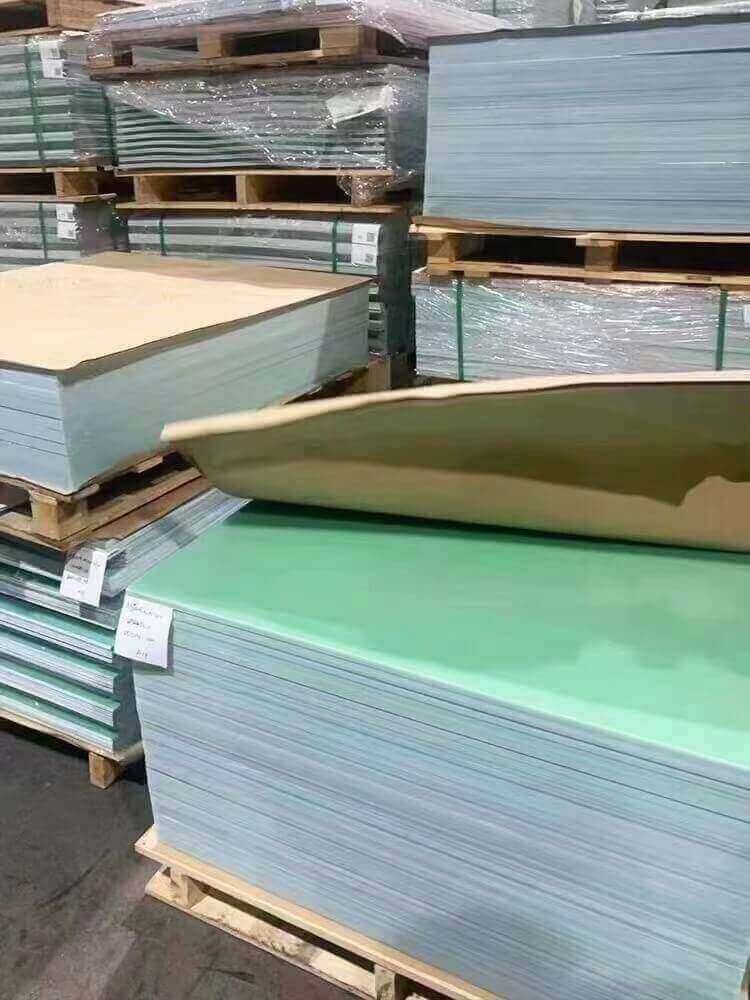
Bulk Purchasing and Long-term Contracts

Negotiating long-term contracts with suppliers can secure better pricing for PEEK sheets. Suppliers are often willing to offer discounts for bulk purchases or committed purchase volumes over time. This strategy not only reduces the unit cost but also ensures a stable supply chain.

Exploring Alternative Grades

PEEK comes in various grades, each tailored to specific applications. While some grades offer enhanced properties, such as higher strength or improved purity, they also come at a higher cost. Evaluate the specific requirements of your application to determine if a less expensive grade of PEEK could meet your needs without compromising performance.

Budgeting Tips for SMEs

For SMEs, budgeting for high-quality materials like PEEK sheets requires careful planning and financial management.

Prioritize Needs and Allocate Resources Wisely

Identify the applications where the unique properties of PEEK are truly necessary. Allocating resources to these priority areas ensures that you invest in quality where it matters most, optimizing your overall material spend.

Explore Financing Options

If upfront costs are a barrier, explore financing options that can spread the cost of procurement over time. Some suppliers may offer payment plans, or you may qualify for business loans or grants aimed at innovation and technology upgrades.

Implement Cost-saving Innovations

Consider investing in process innovations or design optimizations that reduce material waste or enhance product efficiency. Such improvements can offset the higher cost of PEEK by reducing the overall material required or by extending the lifespan of the final product.

Investing in PEEK sheets is a strategic decision that can differentiate your products in the marketplace. By understanding the cost drivers, exploring ways to optimize spending, and employing thoughtful budgeting strategies, SMEs can effectively manage the investment in PEEK materials. Careful planning and strategic procurement practices enable businesses to leverage the benefits of PEEK without straining their budgets, ensuring a competitive edge in the market for high-performance applications.

PEEK materials

Technical Applications of PEEK Sheets in Accessory Design

PEEK sheets have emerged as a cornerstone material in the design and manufacturing of high-performance accessories across various industries. From the intricate components in electronics to the demanding environments of automotive parts, PEEK’s unparalleled properties offer a multitude of benefits that significantly enhance product durability, lifespan, and performance. This exploration into the technical applications of PEEK sheets reveals how their unique characteristics can be leveraged to create superior accessories.

Enhancing Electronics with PEEK Sheets

In the electronics industry, the miniaturization of devices continues to push the limits of material performance. PEEK sheets are invaluable in this sector due to their excellent electrical insulation properties combined with a high resistance to heat. Components such as connectors, insulators, and semiconductor parts made from PEEK can withstand the high temperatures of soldering processes and prolonged operational conditions without degrading.

Advantages for Electronic Component Longevity

PEEK’s resistance to chemicals and moisture also plays a critical role in extending the lifespan of electronic devices. By protecting sensitive components from harsh environments, PEEK ensures the reliability and durability of electronics, from everyday consumer gadgets to sophisticated industrial equipment.

Revolutionizing Automotive Parts with PEEK

The automotive industry benefits significantly from the use of PEEK sheets in accessory design. Components such as seals, bearings, and gears made from PEEK can endure extreme conditions, including high temperatures and aggressive chemicals, often encountered in automotive applications.

Impact on Performance and Efficiency

PEEK’s lightweight nature, coupled with its strength, contributes to overall vehicle efficiency by reducing weight without sacrificing performance. Moreover, its low friction coefficient enhances the durability of moving parts, leading to longer service intervals and reduced maintenance costs.

PEEK Gear Applications

PEEK in Aerospace Applications

Aerospace is another field where PEEK sheets have made a substantial impact. The material’s high strength-to-weight ratio is critical for aerospace components, where every gram counts. PEEK’s thermal and chemical resistance ensures that parts can endure the harsh conditions of aerospace operations, from high-altitude UV exposure to the extreme temperatures of engine compartments.

Advantages in Safety and Reliability

For aerospace applications, safety and reliability are paramount. PEEK’s flame retardancy and low smoke and toxic gas emission in the event of a fire make it an ideal choice for interior components, wiring insulation, and other critical aerospace parts.

PEEK in Medical Device Manufacturing

The biocompatibility of PEEK makes it a preferred material in medical device manufacturing. Surgical instruments, implants, and components of diagnostic equipment benefit from PEEK’s ability to withstand sterilization processes and its compatibility with human tissue.

Enhancing Patient Care and Outcomes

Devices made from PEEK can offer improved patient outcomes through enhanced durability and reduced risk of infection. Its radiolucent nature allows for better imaging diagnostics, ensuring that PEEK-based medical devices are not only safe but also contribute to more effective treatments.

The technical applications of PEEK sheets in accessory design are vast and varied. Their unique combination of thermal stability, chemical resistance, mechanical strength, and in specific cases, biocompatibility, make PEEK an indispensable material in the creation of high-performance accessories. Whether it’s in the intricate circuits of electronics, the demanding environments of automotive and aerospace, or the critical applications in medical devices, PEEK sheets continue to push the boundaries of what is possible, driving innovation and enhancing the performance and reliability of products across industries.

Future Trends and Innovations in PEEK Sheet Manufacturing

The landscape of PEEK sheet manufacturing is on the cusp of significant transformation, driven by technological advancements and emerging trends. These developments are not just enhancing the material’s properties but are also reshaping procurement strategies and expanding the horizons for accessory designers and manufacturers. Let’s delve into the future of PEEK sheet manufacturing and its implications for the industry.

Advancements in Material Science

One of the most exciting areas of development in PEEK sheet manufacturing is the evolution of material science. Innovations in polymer chemistry are leading to the creation of modified PEEK composites with enhanced properties, such as increased impact resistance, improved thermal conductivity, and greater electrical insulation. These advancements open up new applications for PEEK sheets, particularly in sectors like electronics and automotive, where these enhanced properties can lead to more efficient and reliable products.

Tailored PEEK Composites for Specific Applications

The ability to tailor PEEK composites for specific applications allows manufacturers to meet the precise needs of accessory designers. Whether it’s for high-stress automotive parts or heat-resistant components in electronics, the development of specialized PEEK composites is a game-changer.

PEEK Automotive Applications

Sustainable Manufacturing Practices

Sustainability is becoming a pivotal factor in manufacturing, and PEEK sheet production is no exception. Emerging trends focus on reducing the environmental impact of PEEK production through recycling initiatives and the development of bio-based PEEK alternatives. These sustainable practices not only help mitigate the environmental footprint but also align with the growing demand for eco-friendly materials in the market.

Impact on Procurement Strategies

The shift towards sustainable manufacturing practices in PEEK production is influencing procurement strategies. Companies are increasingly prioritizing suppliers who adopt eco-friendly practices and materials, reflecting a broader commitment to sustainability. This trend is expected to continue, with procurement decisions being influenced by the environmental credentials of PEEK sheet manufacturers.

Technological Innovations in Manufacturing Processes

Technological advancements in manufacturing processes are set to revolutionize PEEK sheet production. From automation to 3D printing, these innovations promise to enhance efficiency, reduce costs, and improve the quality of PEEK sheets. 3D printing, in particular, offers the exciting possibility of producing complex PEEK components directly from digital designs, reducing waste and enabling more intricate geometries.

Opening New Possibilities for Accessory Designers

For accessory designers, these technological innovations expand the realm of what’s possible. The ability to produce complex parts with ease, coupled with the enhanced properties of next-generation PEEK composites, empowers designers to push the boundaries of innovation in accessory design.

The future of PEEK sheet manufacturing is bright, with emerging trends and technological advancements poised to redefine the industry. These developments are not only enhancing the material’s capabilities but are also shaping procurement strategies and expanding the creative possibilities for accessory designers and manufacturers. As we look forward, it’s clear that PEEK sheets will continue to play a pivotal role in the development of high-performance accessories, driven by a relentless pursuit of innovation and sustainability.

As we navigate through the evolving landscape of PEEK sheet manufacturing and its applications, it’s evident that this material stands at the forefront of innovation in high-performance accessory design. The advancements in material science, sustainable manufacturing practices, and technological innovations in production processes are not only enhancing the intrinsic properties of PEEK but also expanding its applicability across diverse industries. This journey through the unique characteristics, sourcing strategies, cost considerations, and technical applications of PEEK sheets underscores the material’s critical role in pushing the boundaries of what’s possible in design and functionality. For procurement professionals, designers, and manufacturers, staying abreast of these trends is essential to harnessing the full potential of PEEK sheets in creating the next generation of durable, efficient, and innovative accessories. The future of PEEK sheet manufacturing promises a landscape rich with opportunities for those ready to explore and innovate, marking an exciting chapter in the realm of high-performance materials.

PEEK Aerospace Applications

Step Into the Future of Accessory Design with PEEK Sheets

Your journey to creating more durable, efficient, and innovative accessories starts here. If you’re ready to harness the power of PEEK sheets in your projects, we’re here to help. Fill out the contact form below and join the forefront of accessory innovation today!

🎉🎉🎉Limited Time Offer Use code: QR4GNY08SHVR at checkout and enjoy a special discount on your entire order! 👉 PEEK plastic

Leave a comment


Please note, comments must be approved before they are published


Custom Plastic Fabrication

Send your drawing, material and quantity for review

🔧
Precision Machining
CNC milling & turning
✂️
Cutting & Engraving
Laser & waterjet cutting
🏭
Forming & Molding
Thermoforming & injection
🔗
Joining & Assembly
Welding & bonding
📐
Design & Prototyping
CAD design & samples

General

HDPE

PP

PVC

ABS

Engineering

POM

Nylon

PC

PMMA

High-Performance

PEEK

PEI

PTFE

Composites

FR-4

G10

Flexible

TPU

Silicone

Why Choose BeePlastic?

🎯
Perfect Fit
Custom specs eliminate adaptation needs
⚡
Clear Lead Times
Lead time confirmed with every quote
💰
Volume Pricing
Volume pricing available on bulk orders
🤝
Expert Support
Free engineering consultation included
📋
Submit
→
🔍
Review
→
💵
Quote
→
✅
Production
→
📦
Deliver

Request a Quote

Share your project details, selected material and quantity on our quote page. You can add a file link or use the email drawing route shown there.


Request Quote

Industries: Automotive • Medical • Food • Lab • Semiconductor

beeplastic@beeplastic.com


The Future of Furniture: Why T-Shape Acrylic Feet Are a Must-Have

T-Shape Acrylic Feet

Dive into the world of modern furniture design with our latest blog post, “The Future of Furniture: Why T-Shape Acrylic Feet Are a Must-Have.” This comprehensive guide illuminates the transformative power of T-Shape Acrylic Furniture Feet, a design element that’s reshaping the aesthetics and functionality of contemporary interiors.

🎉🎉🎉Limited Time Offer Use code: QR4GNY08SHVR at checkout and enjoy a special discount on your entire order! 👉 Acrylic plastic

T-Shape Acrylic Feet

Starting with an Introduction to T-Shape Acrylic Furniture Feet, we unravel the allure and practicality of this innovative design choice. Discover the myriad Benefits of Using T-Shape Acrylic Feet in Furniture Design, from their unmatched durability and visual appeal to their versatility across various design themes.

We delve into the Innovative Design Possibilities with T-Shape Acrylic Feet, showcasing how they empower designers to push the boundaries of creativity and bring to life furniture that stands out in any setting. The discussion extends to the Sustainability and Eco-Friendliness of Acrylic Furniture Feet, highlighting how these components align with the growing demand for environmentally responsible design solutions.

Practical insights are not left out, as we offer valuable Installation and Maintenance Tips for T-Shape Acrylic Feet, ensuring that your furniture not only looks spectacular but also lasts longer. Lastly, our Case Studies: Successful Applications of T-Shape Acrylic Feet provide real-world examples of how these elements have been effectively utilized in furniture design, serving as inspiration for designers and enthusiasts alike.

Join us as we explore why T-Shape Acrylic Furniture Feet are not just a trend, but a cornerstone in the future of furniture design, blending aesthetics, functionality, and sustainability in ways that captivate and inspire.

Introduction to T-Shape Acrylic Furniture Feet

In the realm of modern furniture design, T-Shape Acrylic Furniture Feet stand out as a beacon of innovation and style. These unique furniture components have rapidly gained popularity among both designers and consumers, marking a significant trend in the industry. But what exactly are T-Shape Acrylic Furniture Feet, and why are they becoming a must-have in contemporary furniture design? Let’s delve deeper into their world, exploring their design, appearance, and the reasons behind their rising popularity.

T-Shape Acrylic Feet

What Are T-Shape Acrylic Furniture Feet?

T-Shape Acrylic Furniture Feet are precisely what their name suggests: furniture feet made from high-quality acrylic, designed in a distinctive ‘T’ shape. This design is not only aesthetically pleasing but also provides enhanced stability and support to a wide range of furniture pieces, from sofas and chairs to tables and cabinets. The clear, glass-like appearance of acrylic adds a touch of elegance and modernity, allowing these furniture feet to blend seamlessly with any decor style.

The Design and Appearance

The design of T-Shape Acrylic Furniture Feet is a testament to the blend of form and function. Their sleek, transparent look brings a minimalist yet sophisticated charm to furniture, making them a favorite among contemporary designers. The T-shape, specifically, offers a broader base, ensuring that the furniture not only stands sturdily but also distributes weight more evenly, enhancing the piece’s durability.

Why They’re Gaining Popularity

Several factors contribute to the growing popularity of T-Shape Acrylic Furniture Feet among furniture designers and consumers alike:

  • Aesthetic Appeal: The crystal-clear appearance of acrylic adds a modern, upscale look to any furniture piece, making it a popular choice for those looking to elevate their interior design.
  • Versatility: Thanks to their transparent nature, these furniture feet can complement any color scheme or design theme, from minimalist and modern to eclectic and vintage.
  • Durability and Strength: Acrylic is known for its strength and durability, making these furniture feet capable of supporting substantial weight without compromising on style.
  • Easy Maintenance: Unlike other materials that may require special care, acrylic is relatively easy to maintain, needing only a simple wipe down to keep it looking pristine.

As we explore the world of T-Shape Acrylic Furniture Feet, it becomes clear why they are heralded as a game-changer in furniture design. Their unique blend of style, functionality, and durability makes them an ideal choice for anyone looking to infuse their space with a touch of modern elegance. Whether you’re a furniture designer seeking inspiration or a homeowner aiming to update your interior, T-Shape Acrylic Furniture Feet offer a versatile and stylish solution that caters to a wide array of design preferences.

T-Shape Acrylic Feet

Benefits of Using T-Shape Acrylic Feet in Furniture Design

The incorporation of T-Shape Acrylic Feet into furniture design is more than a trend; it’s a strategic choice that brings a multitude of benefits to both the furniture piece and the overall interior design. These benefits range from enhanced durability and aesthetic appeal to unmatched versatility in design themes. Let’s explore the advantages that make T-Shape Acrylic Feet a favored choice among furniture designers and enthusiasts.

Enhanced Durability and Strength

One of the primary benefits of using T-Shape Acrylic Feet is their remarkable durability. Acrylic, as a material, is renowned for its strength and resistance to impact. This means that furniture pieces equipped with these feet are less likely to suffer damage from daily use, ensuring a longer lifespan and better value for money. The T-shape design further contributes to this durability by providing a stable base that evenly distributes weight, reducing the risk of breakage or bending under heavy loads.

Aesthetic Appeal

The aesthetic appeal of T-Shape Acrylic Feet cannot be overstated. Their sleek, transparent design brings a modern and sophisticated touch to any furniture piece, elevating its overall appearance. This clear, glass-like quality allows the beauty of the furniture’s design to shine through without the feet overpowering or detracting from the piece’s style. It’s a subtle yet impactful way to add a touch of elegance to any room.

Versatility in Design

T-Shape Acrylic Feet offer unparalleled versatility in design. Their transparent nature means they can blend seamlessly with any design theme, from the sleek lines of contemporary decor to the rich textures of traditional settings. This adaptability makes them an excellent choice for designers and homeowners who enjoy updating their interiors without having to replace key furniture pieces. Whether you’re aiming for a minimalist look or a more eclectic vibe, these acrylic feet can complement your vision perfectly.

T-Shape Acrylic Feet

Ability to Blend with Various Design Themes

The ability to blend with various design themes is another significant advantage of T-Shape Acrylic Feet. Their neutral, clear appearance acts as a chameleon in the design world, capable of fitting into any color scheme or decor style without clashing. This makes them particularly appealing for use in multi-functional spaces or in homes where the design aesthetic may evolve over time. With T-Shape Acrylic Feet, furniture pieces become timeless investments that can adapt to changing trends and personal tastes.

The benefits of incorporating T-Shape Acrylic Feet into furniture design are clear. From enhancing the durability and aesthetic appeal of furniture to offering unmatched versatility in design themes, these innovative feet are transforming the way we think about furniture design. Whether you’re a professional designer looking to push the boundaries of creativity or a homeowner seeking to infuse your space with modern elegance, T-Shape Acrylic Feet provide a solid foundation for achieving your design goals.

Innovative Design Possibilities with T-Shape Acrylic Feet

The advent of T-Shape Acrylic Feet in furniture design has opened up a new realm of creative possibilities. These innovative components not only enhance the functionality and aesthetic appeal of furniture but also serve as a catalyst for creativity and innovation across various design styles. From the sleek lines of modern decor to the intricate details of traditional furnishings, T-Shape Acrylic Feet offer a unique opportunity to redefine furniture design.

A New Dimension to Modern Design

In the context of modern furniture design, T-Shape Acrylic Feet introduce a level of sophistication and sleekness that is unparalleled. Their transparent nature and clean lines complement the minimalist ethos of contemporary design, allowing for a seamless integration into modern living spaces. This compatibility with modern aesthetics encourages designers to experiment with forms and materials, knowing that the base of their creations will not detract from the overall design vision but rather enhance it.

T-Shape Acrylic Feet

Bridging Traditional and Contemporary Styles

One of the most exciting aspects of T-Shape Acrylic Feet is their ability to bridge the gap between traditional and contemporary design styles. Their simplicity and elegance can breathe new life into classic furniture pieces, providing a modern twist that revitalizes their appearance without compromising their timeless appeal. This fusion of old and new opens up a plethora of design opportunities, enabling designers to create pieces that are both nostalgic and forward-thinking.

Enhancing Furniture Functionality

Beyond aesthetics, T-Shape Acrylic Feet contribute significantly to the functionality of furniture. Their durable construction offers reliable support, ensuring that furniture pieces are not only visually appealing but also sturdy and long-lasting. This functional enhancement allows designers to push the boundaries of what furniture can be, exploring innovative shapes and configurations that were previously unattainable due to limitations in material strength and stability.

Inspiring Creative Solutions

The versatility of T-Shape Acrylic Feet inspires creative solutions in furniture design. Designers are no longer confined to traditional materials and shapes but can instead explore a variety of textures, colors, and forms. Acrylic’s ability to mimic the appearance of glass without the associated fragility or weight challenges encourages a reimagining of furniture pieces, from tables and chairs to shelving units and beyond.

A Catalyst for Innovation

Ultimately, T-Shape Acrylic Feet serve as a catalyst for innovation in the furniture design industry. They encourage designers to think outside the box, experimenting with new materials and design concepts that challenge conventional notions of what furniture can be. This spirit of innovation not only enriches the design landscape but also offers consumers unique and functional pieces that enhance their living spaces.

The introduction of T-Shape Acrylic Feet to the furniture design world has indeed marked a significant shift towards more innovative, versatile, and aesthetically pleasing creations. Their impact extends beyond mere appearance, influencing the very way in which designers approach the creation of new pieces. As we continue to explore the endless possibilities they offer, it’s clear that T-Shape Acrylic Feet are not just a design trend but a fundamental component of the future of furniture design.

T-Shape Acrylic Feet

Sustainability and Eco-Friendliness of Acrylic Furniture Feet

In today’s design world, the emphasis on sustainability and environmental responsibility is greater than ever. T-Shape Acrylic Furniture Feet not only stand out for their aesthetic appeal and durability but also for their eco-friendly attributes. This segment of furniture design is increasingly aligning with the global push towards more sustainable practices, making acrylic furniture feet a choice that resonates with eco-conscious designers and consumers alike.

The Eco-Friendly Nature of Acrylic

Acrylic, the material used in T-Shape Acrylic Furniture Feet, is known for its sustainability and recyclability. Unlike other plastics that may contribute to environmental degradation, acrylic can be recycled and repurposed into new products, reducing waste and the demand for new raw materials. This recyclability aspect is a key factor in its eco-friendly reputation, offering a pathway to more sustainable furniture design practices.

Durability as a Sustainable Feature

The durability of T-Shape Acrylic Furniture Feet contributes significantly to their sustainability. Furniture pieces equipped with these durable feet are less likely to need frequent replacements, thereby reducing waste and the environmental impact associated with manufacturing new products. This longevity ensures that furniture pieces can be cherished and utilized for many years, aligning with the principles of sustainable living by minimizing the throwaway culture prevalent in today’s society.

Reducing Environmental Impact

The production process of acrylic is another area where sustainability comes into play. Advances in manufacturing technologies have made it possible to produce acrylic with a lower environmental footprint, using less water and energy compared to other materials. This reduction in resource usage during the production phase underscores the commitment to environmental stewardship and positions T-Shape Acrylic Furniture Feet as a more sustainable option in furniture design.

The Role of Designers and Consumers

Designers and consumers play a crucial role in promoting sustainability through their choices. By opting for T-Shape Acrylic Furniture Feet, designers signal their commitment to eco-friendly design principles, influencing the industry towards more sustainable practices. Similarly, consumers who choose furniture with acrylic feet contribute to the demand for environmentally responsible products, further encouraging manufacturers to prioritize sustainability in their designs.

Acrylic Furniture Feet

A Step Towards Greener Furniture Design

The integration of T-Shape Acrylic Furniture Feet into furniture design represents a positive step towards greener, more sustainable practices within the industry. Their recyclability, durability, and reduced environmental impact during production make them an exemplary choice for those looking to combine style with sustainability. As the design world continues to evolve, the focus on materials that offer both aesthetic appeal and environmental benefits will undoubtedly grow, with acrylic furniture feet leading the way in this important shift.

The sustainability and eco-friendliness of T-Shape Acrylic Furniture Feet highlight a promising direction for the future of furniture design. By embracing materials and practices that prioritize the health of our planet, designers and consumers can make a significant impact, one piece of furniture at a time.

Installation and Maintenance Tips for T-Shape Acrylic Feet

Integrating T-Shape Acrylic Feet into furniture pieces not only enhances their aesthetic appeal but also contributes to their functionality and longevity. Proper installation and maintenance are key to ensuring that these stylish additions serve their purpose effectively while maintaining their pristine condition over time. Here, we provide essential tips and practices for installing and caring for T-Shape Acrylic Furniture Feet, ensuring they remain a durable and attractive feature of your furniture.

Installation Tips for T-Shape Acrylic Feet

Preparing for Installation

Before installing T-Shape Acrylic Feet, it’s crucial to ensure that the furniture piece is prepared and ready. Start by cleaning the area where the feet will be attached to remove any dust or debris that could affect the installation process. If the furniture piece is heavy, consider enlisting help or using a furniture dolly to safely maneuver it into position.

Attaching the Feet

When attaching T-Shape Acrylic Feet to your furniture, accuracy and precision are vital. Mark the exact spots where the feet will be placed, ensuring they are evenly spaced to provide balanced support. Use the appropriate screws or adhesive recommended for acrylic materials to secure the feet in place. It’s important to avoid overtightening screws, as excessive force can damage the acrylic.

T-Shape Acrylic Furniture Feet

Maintenance Tips for T-Shape Acrylic Feet

Regular Cleaning

Maintaining the clear, glossy appearance of T-Shape Acrylic Feet requires regular cleaning. Use a soft, damp cloth to gently wipe the surface, removing dust and fingerprints. For more stubborn marks, a mild soap solution can be used, followed by a thorough rinse with water to avoid soap residue. Avoid abrasive cleaners or scouring pads, as these can scratch the acrylic surface.

Protecting from Scratches

To protect T-Shape Acrylic Feet from scratches and maintain their transparency, avoid dragging furniture across rough surfaces. Consider placing felt pads or a protective barrier under the feet when moving furniture. Additionally, keeping the acrylic feet away from sharp objects or areas with high foot traffic can minimize the risk of accidental damage.

Avoiding Exposure to Extreme Conditions

Acrylic materials can be sensitive to extreme temperatures and direct sunlight, which may cause discoloration or warping over time. Positioning furniture with T-Shape Acrylic Feet away from heat sources, such as radiators or direct sunlight, will help preserve their appearance and structural integrity.

Ensuring Longevity and Durability

Following these installation and maintenance tips will significantly contribute to the longevity and durability of T-Shape Acrylic Feet. Regular care and attention not only keep these furniture additions looking their best but also ensure they continue to provide stable and stylish support for your furniture pieces. With the right practices, T-Shape Acrylic Feet can maintain their elegance and functionality, enhancing the beauty and utility of your furniture for years to come.

Case Studies: Successful Applications of T-Shape Acrylic Feet

The integration of T-Shape Acrylic Feet into furniture design has led to a remarkable transformation in both the aesthetic appeal and functionality of various furniture pieces. These case studies highlight successful applications of T-Shape Acrylic Feet, showcasing the innovative ways designers have utilized them to elevate furniture design. Through these examples, we can appreciate the versatility and impact of acrylic feet in the world of furniture design.

T-Shape Acrylic Feet

Transforming a Classic Sofa: A Modern Twist

One notable example involves the redesign of a classic sofa, where T-Shape Acrylic Feet were used to replace traditional wooden legs. This simple change brought a modern twist to the sofa’s design, making it appear as if it were floating above the ground. The transparency of the acrylic feet added a lightness to the piece, enhancing its overall elegance without overshadowing the sofa’s classic features. This application demonstrates how T-Shape Acrylic Feet can modernize traditional furniture pieces, blending them seamlessly into contemporary interiors.

Elevating Coffee Tables: Functional Art

Another successful application can be seen in a series of coffee tables designed for a modern living space. Here, T-Shape Acrylic Feet were not just functional elements but also integral to the table’s aesthetic, contributing to its perception as a piece of functional art. The acrylic feet allowed for a clear view of the table’s unique base, emphasizing the designer’s attention to detail and the quality of craftsmanship. This case study highlights the ability of T-Shape Acrylic Feet to enhance the visual impact of furniture, turning everyday items into standout pieces.

Reinventing Shelving Units: Sleek and Durable

A particularly innovative use of T-Shape Acrylic Feet involved a series of shelving units designed for both residential and commercial spaces. The acrylic feet provided a sleek, modern foundation for the units, which were praised for their enhanced durability and stability. The clear feet also made the shelves appear lighter and more accessible, a crucial feature in spaces where maximizing the perception of openness and light is essential. This application showcases the functional benefits of T-Shape Acrylic Feet, proving their worth beyond mere aesthetic enhancement.

A New Vision for Office Furniture: Style Meets Function

In the realm of office furniture, T-Shape Acrylic Feet have been instrumental in redefining the look and feel of workspaces. One case study involves an office desk series where the acrylic feet were used to introduce a sense of style and modernity, distinguishing the desks from more traditional, utilitarian office furniture. The use of acrylic not only added a visual lightness to the desks but also contributed to a more inviting and inspiring work environment. This example underscores the role of T-Shape Acrylic Feet in creating functional, stylish furniture that can transform any space.

These case studies illustrate the transformative power of T-Shape Acrylic Feet in furniture design. Whether modernizing classic pieces, turning functional items into art, enhancing the durability and lightness of shelving units, or reimagining office furniture, T-Shape Acrylic Feet offer a versatile solution that meets both aesthetic and functional needs. Through these successful applications, it’s clear that T-Shape Acrylic Feet are not just a design trend but a fundamental component of innovative furniture design, capable of elevating the form and function of furniture across various settings. 

As we’ve explored the multifaceted world of T-Shape Acrylic Furniture Feet, it’s evident that these innovative components are more than just a design trend; they are a transformative force in the furniture design industry. From enhancing the aesthetic appeal and durability of furniture to offering unparalleled versatility across design themes, T-Shape Acrylic Feet embody the perfect blend of form, function, and sustainability. Their ability to modernize traditional pieces, inspire creative design solutions, and contribute to eco-friendly design practices marks them as a pivotal choice for designers and consumers alike. As we continue to push the boundaries of furniture design, T-Shape Acrylic Feet stand out as a testament to the endless possibilities that come with thoughtful innovation and design excellence. Embracing these elements not only elevates our furniture but also enriches our living spaces, proving that the right details can indeed make all the difference.

T-Shape Acrylic Furniture Feet

Join the Design Revolution!

If T-Shape Acrylic Furniture Feet have sparked your imagination, it’s time to act. Transform your furniture pieces into statements of style and durability. Fill in the contact form below and connect with us. Let’s make your design dreams a reality!

🎉🎉🎉Limited Time Offer Use code: QR4GNY08SHVR at checkout and enjoy a special discount on your entire order! 👉 Acrylic plastic

Leave a comment


Please note, comments must be approved before they are published


Custom Plastic Fabrication

Send your drawing, material and quantity for review

🔧
Precision Machining
CNC milling & turning
✂️
Cutting & Engraving
Laser & waterjet cutting
🏭
Forming & Molding
Thermoforming & injection
🔗
Joining & Assembly
Welding & bonding
📐
Design & Prototyping
CAD design & samples

General

HDPE

PP

PVC

ABS

Engineering

POM

Nylon

PC

PMMA

High-Performance

PEEK

PEI

PTFE

Composites

FR-4

G10

Flexible

TPU

Silicone

Why Choose BeePlastic?

🎯
Perfect Fit
Custom specs eliminate adaptation needs
⚡
Clear Lead Times
Lead time confirmed with every quote
💰
Volume Pricing
Volume pricing available on bulk orders
🤝
Expert Support
Free engineering consultation included
📋
Submit
→
🔍
Review
→
💵
Quote
→
✅
Production
→
📦
Deliver

Request a Quote

Share your project details, selected material and quantity on our quote page. You can add a file link or use the email drawing route shown there.


Request Quote

Industries: Automotive • Medical • Food • Lab • Semiconductor

beeplastic@beeplastic.com