The Designer’s Secret: Enhancing Furniture with T-Shape Acrylic Feet
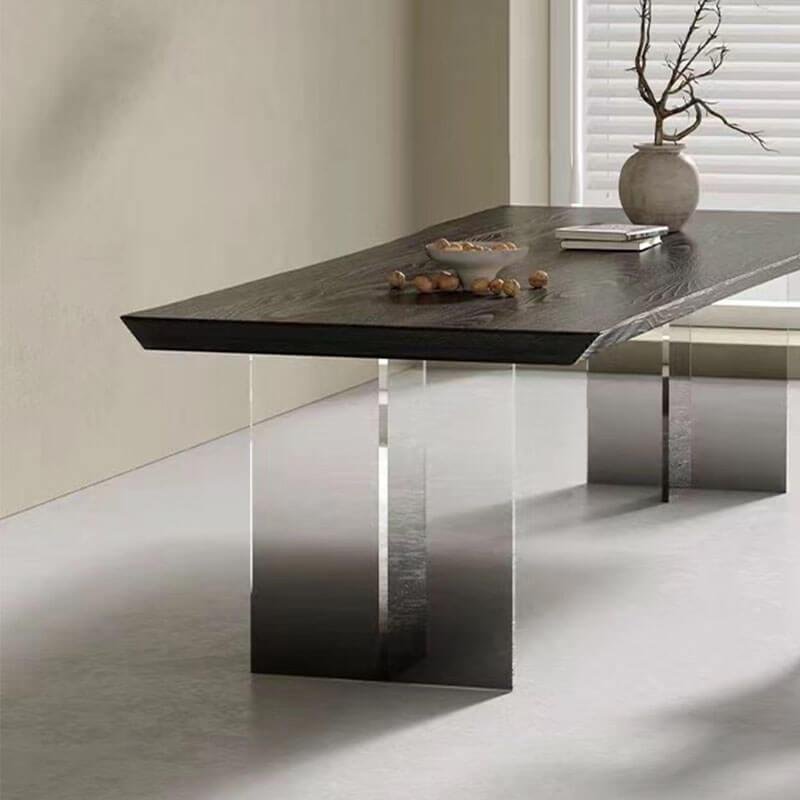
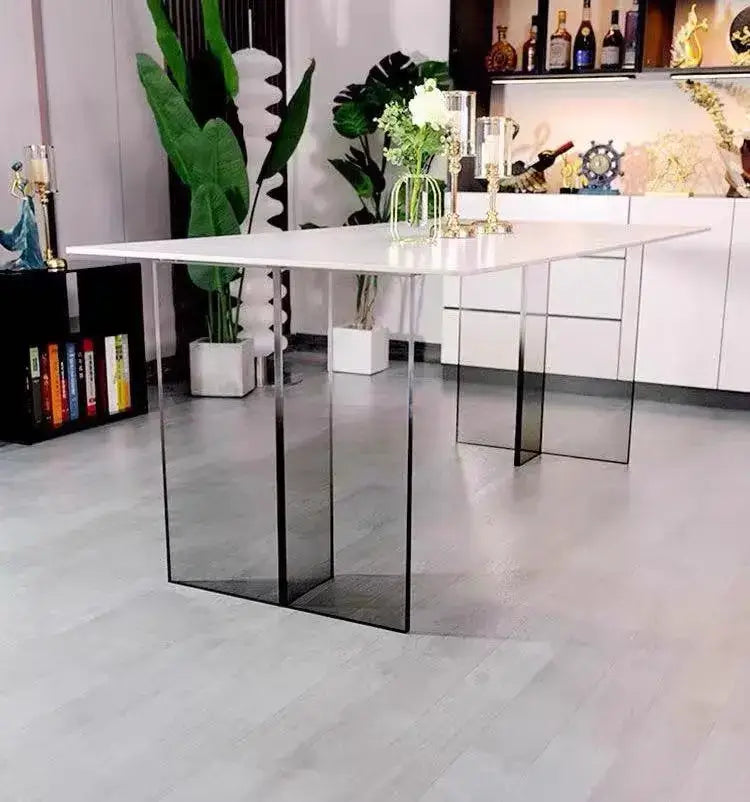
T-Shape Acrylic Furniture Feet in furniture design

Discover the designer’s secret that is revolutionizing the world of furniture design: T-Shape Acrylic Furniture Feet. This comprehensive guide unveils the myriad of benefits these sleek, durable feet offer, from their unparalleled durability and aesthetic appeal to their versatility in complementing various design styles. Dive into the endless design possibilities that T-Shape Acrylic Feet bring to the table, transforming ordinary furniture into standout pieces that exude modern elegance and sophistication.

🎉🎉🎉Limited Time Offer Use code: QR4GNY08SHVR at checkout and enjoy a special discount on your entire order! 👉 Acrylic plastic

T-Shape Acrylic Furniture Feet

Learn essential installation tips to ensure your furniture not only looks fabulous but stands the test of time with stability and strength. We’ll also cover the best practices for maintenance and care, ensuring your acrylic feet maintain their crystal-clear appearance and functionality for years to come. Finally, get inspired with our curated selection of inspirational ideas for furniture designers. These examples showcase how T-Shape Acrylic Feet can elevate everything from minimalist designs to luxurious statements, proving they’re more than just a functional component—they’re a statement of style.

Join us as we explore how T-Shape Acrylic Furniture Feet are becoming a cornerstone in innovative furniture design, offering both beauty and practicality. Whether you’re a seasoned designer or a furniture enthusiast, this post will illuminate the path to enhancing your creations with the magic of acrylic feet.

Introduction to T-Shape Acrylic Furniture Feet

In the dynamic realm of interior design and furniture production, a particular innovation has captured the attention of creators and aficionados alike: T-Shape Acrylic Furniture Feet. These elegant, transparent supports are more than just a nod to contemporary style; they represent the perfect blend of functionality and aesthetic appeal. But what exactly are T-Shape Acrylic Furniture Feet, and what makes them a favored choice among today’s furniture designers?

What Are T-Shape Acrylic Furniture Feet?

T-Shape Acrylic Furniture Feet are supports crafted from acrylic, a durable plastic known for its clarity and strength, fashioned into a distinctive ‘T’ shape. This design not only offers an appealing look but also ensures stability for a variety of furniture types, including sofas, chairs, tables, and cabinets. The clear nature of acrylic allows these feet to integrate smoothly with any furniture piece, enhancing its design without overwhelming it.

Why Choose Acrylic?

Acrylic is celebrated for several outstanding properties, such as its lightweight nature, impact resistance, and optical clarity. Unlike traditional materials like wood or metal, acrylic remains resilient against rust, decay, or fading. Its transparency lends a light, airy quality to furniture, making pieces appear as though they are floating. This feature is especially desirable in minimalist or modern designs, aiming for a clean, open look.

The Popularity Among Furniture Designers

T-Shape Acrylic Furniture Feet have become increasingly popular among furniture designers for numerous reasons. First, acrylic’s aesthetic flexibility allows for a wide range of design possibilities, from understated elegance to bold innovation. Designers value the ability to use a material that can adapt to any style, enhancing the furniture’s visual appeal without compromising its design ethos.

Second, the practical advantages of acrylic, including its longevity and low maintenance, make it a compelling choice for both residential and commercial settings. Furniture with acrylic feet is easier to move, less susceptible to damage from moisture or pests, and straightforward to clean, ensuring its beauty and functionality last.

Lastly, the use of acrylic, which is recyclable and more environmentally friendly compared to some traditional materials, resonates with the growing emphasis on sustainable design. Designers mindful of their environmental impact are drawn to acrylic as a material that supports the creation of stylish yet eco-conscious furniture.

Elevating Furniture Design with T-Shape Acrylic Feet

Incorporating T-Shape Acrylic Furniture Feet into furniture design signifies more than just a trend; it reflects the industry’s move towards materials that are innovative, sustainable, and versatile. These feet not only physically elevate furniture but also enhance its design, adding a modern and sophisticated touch. As the demand for distinctive, durable, and aesthetically pleasing furniture rises, T-Shape Acrylic Feet emerge as a standout choice for designers aiming to leave their mark on furniture design.

By opting for T-Shape Acrylic Furniture Feet, designers are not merely keeping up with trends but are making a statement about the future of furniture design—a future that prioritizes clarity, durability, and flexibility in design. Whether you’re a designer looking to challenge the conventions of traditional furniture design or a homeowner in search of pieces that blend beauty with practicality, T-Shape Acrylic Furniture Feet offer a compelling advantage.

T-Shape Acrylic Furniture Feet

Benefits of Using T-Shape Acrylic Feet in Furniture Design

The use of T-Shape Acrylic Furniture Feet in furniture design brings a multitude of benefits, ranging from enhanced durability and aesthetic appeal to unmatched versatility. These advantages make T-Shape Acrylic Feet a preferred choice for designers and manufacturers looking to push the boundaries of traditional furniture design.

Durability That Stands the Test of Time

One of the most significant benefits of T-Shape Acrylic Feet is their exceptional durability. Acrylic, as a material, is known for its resistance to impact, wear, and tear. Unlike wood, which can warp or rot, or metal, which may rust or corrode, acrylic maintains its integrity and appearance over time. This resilience makes furniture with acrylic feet ideal for both high-traffic commercial spaces and busy home environments, ensuring that pieces remain stable and attractive for years to come.

Aesthetic Appeal to Complement Any Design

The clear, glass-like quality of acrylic adds a modern, sophisticated touch to furniture pieces without overwhelming the design. T-Shape Acrylic Feet can seamlessly blend with any style, from traditional to contemporary, making them incredibly versatile. Their transparency creates an illusion of space and lightness, making rooms appear larger and brighter. This aesthetic versatility allows designers to experiment with various looks, ensuring that each piece can perfectly complement its intended environment.

Versatility Across Design Styles

The adaptability of T-Shape Acrylic Feet extends beyond their aesthetic appeal. Their design compatibility with a wide range of furniture types—from sofas and armchairs to tables and cabinets—makes them a go-to solution for designers seeking flexibility. Whether the goal is to achieve a minimalist look or to add a touch of elegance to a more ornate piece, acrylic feet can meet the demand. Additionally, their strength and stability do not compromise their ability to be used in various settings, including residential, office, and retail spaces.

Enhancing Furniture Functionality

Beyond their visual and practical benefits, T-Shape Acrylic Feet also enhance the functionality of furniture. Their lightweight nature makes furniture easier to move and rearrange, offering convenience and flexibility in interior design. Moreover, the non-porous surface of acrylic feet makes them resistant to stains and easy to clean, an essential feature for maintaining hygiene and appearance in both homes and public spaces.

A Sustainable Choice for Modern Design

In today’s environmentally conscious world, the sustainability of T-Shape Acrylic Feet adds another layer of appeal. Acrylic is a recyclable material, offering an eco-friendly alternative to non-renewable resources. By choosing acrylic feet, designers and consumers alike can make a positive impact on the environment, reducing the carbon footprint associated with furniture production and disposal.

The integration of T-Shape Acrylic Furniture Feet into furniture design not only elevates the aesthetic and functional aspects of furniture but also aligns with the values of durability, versatility, and sustainability. These benefits make acrylic feet an indispensable component in the creation of innovative, stylish, and long-lasting furniture pieces.

Design Possibilities with T-Shape Acrylic Feet

The introduction of T-Shape Acrylic Feet into furniture design opens up a world of possibilities, allowing for a wide range of design styles and applications. From sleek, modern minimalist themes to luxurious and ornate settings, acrylic feet offer the flexibility to enhance any furniture piece, making them a versatile choice for designers and manufacturers.
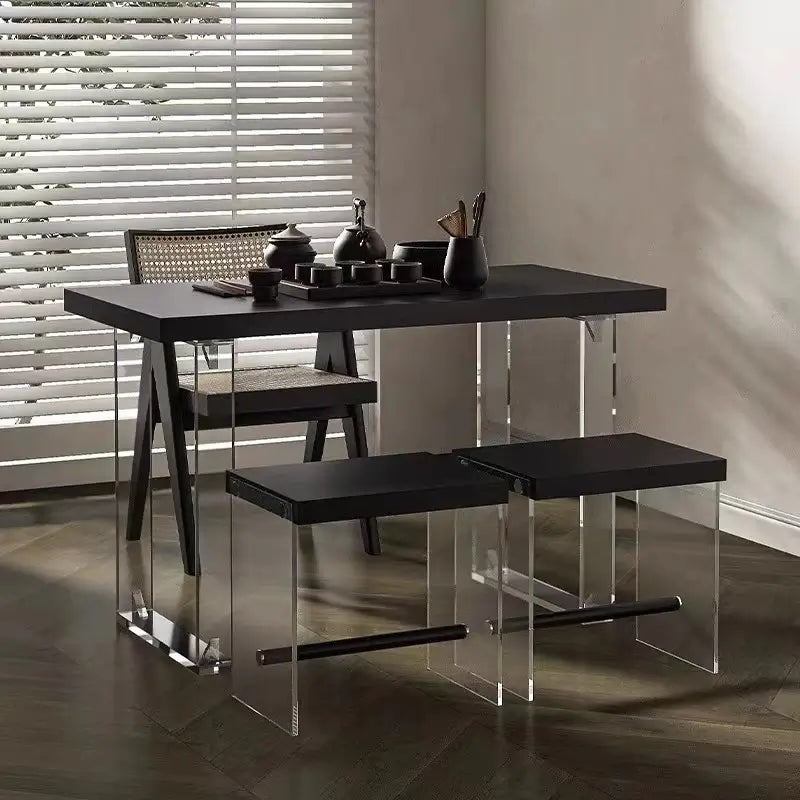
T-Shape Acrylic Feet

Modern Minimalist Design

In modern minimalist design, where simplicity and functionality are key, T-Shape Acrylic Feet can add a subtle elegance without overwhelming the piece. Their clear, clean lines complement the minimalist aesthetic, providing a sense of lightness and openness. Furniture pieces, such as coffee tables and benches, benefit from the illusion of floating, which acrylic feet can provide, thus enhancing the spacious feel of any room.

Luxurious Settings

For more luxurious designs, T-Shape Acrylic Feet bring a touch of sophistication and modernity. They can be incorporated into richly upholstered furniture, like velvet sofas or leather armchairs, adding a contemporary edge to traditional luxury. The contrast between the plush fabrics and the sleek acrylic creates a visually striking piece that can serve as the focal point of any high-end interior.

Eclectic and Bohemian Interiors

In eclectic or bohemian interiors, where a mix of textures, colors, and patterns is celebrated, T-Shape Acrylic Feet can provide a cohesive element that ties disparate pieces together. Their neutral appearance can balance out the boldness of eclectic furniture, ensuring that the design feels intentional and harmonious rather than chaotic.

Industrial Chic

The industrial chic style, characterized by its use of raw materials and exposed architecture, can also benefit from the inclusion of T-Shape Acrylic Feet. When paired with materials like metal and reclaimed wood, acrylic feet add a modern twist to the industrial aesthetic, softening the look while maintaining its edgy vibe.

Transitional Furniture

Transitional furniture, which blends traditional and contemporary elements, is another area where T-Shape Acrylic Feet shine. They can update a classic piece with a touch of modern flair or add a timeless quality to a more contemporary item. This versatility makes acrylic feet ideal for transitional designs, appealing to a wide range of tastes and styles.

Custom and DIY Projects

For custom furniture designers and DIY enthusiasts, T-Shape Acrylic Feet offer a unique opportunity to experiment and innovate. Whether it’s transforming a vintage find or creating a bespoke piece from scratch, acrylic feet provide a durable, stylish, and easy-to-incorporate option that can elevate any project.

The adaptability of T-Shape Acrylic Feet to various design styles and furniture types underscores their value in contemporary furniture design. By offering a blend of aesthetic appeal, functionality, and versatility, acrylic feet enable designers to push the boundaries of creativity and craft pieces that are both beautiful and practical.

T-Shape Acrylic Feet

Installation Tips for T-Shape Acrylic Furniture Feet

Proper installation of T-Shape Acrylic Furniture Feet is crucial for maximizing their benefits in terms of stability, durability, and overall aesthetic appeal. Whether you’re updating existing furniture or creating a new piece from scratch, following the right installation techniques can ensure your furniture stands securely and looks great for years to come.

Preparing for Installation

Before beginning the installation process, it’s important to gather all necessary tools and materials. You’ll need a drill, screws specifically designed for acrylic, a measuring tape, and, of course, your T-Shape Acrylic Feet. It’s also wise to have a level on hand to ensure your furniture sits perfectly flat once the feet are attached.

Measuring and Marking

Accuracy is key when attaching T-Shape Acrylic Feet to any piece of furniture. Start by measuring the base of your furniture piece to determine the optimal placement for each foot. It’s crucial that the feet are evenly spaced to provide balanced support. Once you’ve determined the placement, mark the drill points clearly on the furniture. This step helps prevent mistakes during the drilling process.

Drilling Pilot Holes

Drilling pilot holes is an essential step that should not be skipped. These small, preliminary holes guide the screws into the correct position and prevent the acrylic from cracking or the furniture material from splitting. Ensure the drill bit size matches the screws you’ll be using for a snug fit. When drilling into acrylic, proceed with caution and use a low speed to avoid generating excessive heat, which can cause the material to melt or warp.

Attaching the Feet

With the pilot holes drilled, you can begin attaching the T-Shape Acrylic Feet to your furniture. Start by aligning the feet with the pilot holes. Then, carefully screw each foot into place, making sure not to overtighten the screws. Overtightening can crack the acrylic or damage the furniture. Hand-tightening with a screwdriver is recommended to control the force applied.

Ensuring Stability and Level

After all the feet are attached, it’s important to check the stability and level of the furniture. Place the furniture upright and apply slight pressure to various points to ensure there’s no wobbling. Use a level to confirm that the furniture sits flat on the ground. If adjustments are needed, you may need to slightly loosen or tighten the screws on the feet to achieve perfect balance.

Final Touches

Once the T-Shape Acrylic Feet are securely attached and the furniture is stable, you can add felt pads to the bottom of the feet if desired. This step is especially recommended for furniture that will be placed on hardwood or tile floors to prevent scratches.

Proper installation of T-Shape Acrylic Furniture Feet not only enhances the functionality and appearance of your furniture but also ensures it remains a durable and stable fixture in your space. By following these practical tips, you can confidently install acrylic feet on a variety of furniture types, adding a modern touch to your designs while ensuring longevity and stability.

T-Shape Acrylic Furniture Feet

Maintenance and Care for Acrylic Furniture Feet

Keeping T-Shape Acrylic Furniture Feet in pristine condition is essential for preserving the beauty and longevity of your furniture. Acrylic, known for its clarity and durability, requires specific care to maintain its transparent, glass-like appearance. By following a few simple maintenance and cleaning tips, you can ensure your acrylic furniture feet continue to enhance your furniture pieces without losing their luster over time.

Regular Cleaning

The key to maintaining the appearance of T-Shape Acrylic Furniture Feet is regular cleaning. Dust and dirt can accumulate on acrylic surfaces, making them appear dull. To clean, gently wipe the feet with a soft, damp cloth. For everyday dusting, a microfiber cloth is ideal as it won’t scratch the surface. If you encounter more stubborn dirt or grime, a solution of mild soap and water can be used. Avoid using abrasive sponges or scourers, as these can leave scratches on the acrylic.

Avoiding Harsh Chemicals

When cleaning T-Shape Acrylic Furniture Feet, it’s crucial to avoid harsh chemicals and solvents. Products containing ammonia, acetone, or alcohol can damage the acrylic, causing it to become cloudy or crack. Always opt for gentle, acrylic-safe cleaners or simply stick to soap and water. If you’re unsure whether a cleaner is safe, test it on a small, inconspicuous area of the foot first.

Polishing Acrylic Feet

Over time, acrylic can lose some of its shine. To restore the glossy finish of your T-Shape Acrylic Furniture Feet, you can use a specialized acrylic polish. Apply a small amount of polish to a soft cloth and gently buff the surface of the feet. This will not only enhance their shine but also help reduce the appearance of minor scratches. Be sure to follow the instructions on the polish, and avoid over-polishing, as this can lead to damage.

Protecting from Scratches

One of the challenges with acrylic is its susceptibility to scratches. To protect T-Shape Acrylic Furniture Feet from getting scratched, avoid dragging furniture across rough surfaces. Consider placing felt pads on the bottom of the feet if the furniture will be moved frequently. Additionally, keep sharp objects away from the feet to prevent accidental scratches.

Addressing Scratches

If your T-Shape Acrylic Furniture Feet do get scratched, there are ways to minimize the damage. For light scratches, a fine-grit sandpaper can be used, followed by a polish to restore the shine. For deeper scratches, it may be necessary to use a more abrasive sandpaper before polishing. Always sand in the direction of the scratch and proceed with caution to avoid further damage.

Maintaining T-Shape Acrylic Furniture Feet requires a gentle touch and attention to detail. By regularly cleaning, avoiding harsh chemicals, polishing as needed, and protecting the feet from scratches, you can ensure they remain a clear and stylish addition to your furniture for years to come. With the right care, acrylic furniture feet can continue to bring a modern, sophisticated look to your interior spaces without compromising on durability or quality.

Inspirational Ideas for Furniture Designers

Integrating T-Shape Acrylic Furniture Feet into furniture designs not only adds a touch of modern elegance but also opens up a realm of creative possibilities. These feet can transform the look and feel of a piece, making it appear more lightweight, sophisticated, and unique. Below are some inspirational ideas for furniture designers looking to incorporate T-Shape Acrylic Feet into their creations, showcasing the versatility and innovative potential of this material.

Elevating Classic Pieces

One of the most striking uses of T-Shape Acrylic Furniture Feet is in the transformation of classic furniture pieces. Imagine a traditional, richly upholstered armchair or an ornate wooden credenza. By replacing standard legs with T-Shape Acrylic Feet, these pieces instantly gain a contemporary edge. The contrast between the timeless design and the modern, transparent feet creates a captivating visual tension that can become the centerpiece of any room.

Modern Minimalist Designs

For those who favor a modern minimalist aesthetic, T-Shape Acrylic Furniture Feet offer a way to enhance simplicity with a touch of sophistication. Sleek, simple furniture pieces like low-profile platform beds or streamlined coffee tables can be elevated with acrylic feet, giving the illusion that they are floating above the floor. This subtle addition can make minimalist designs stand out, adding a layer of interest without compromising the clean lines and uncluttered look that minimalist design is known for.

Industrial Chic Reinvented

Incorporating T-Shape Acrylic Feet into industrial chic furniture can add an unexpected twist to the rugged, raw materials commonly used in this style. For example, a dining table with a reclaimed wood top and metal frame can be given a modern uplift with acrylic feet. This combination of materials bridges the gap between the industrial and the contemporary, offering a fresh take on industrial design that feels both warm and cutting-edge.

Luxurious Lounging

Luxury furniture designs can also benefit from the addition of T-Shape Acrylic Furniture Feet. Sofas and lounge chairs upholstered in plush fabrics like velvet or silk can be given a lighter, more airy appearance with transparent acrylic feet. This can help prevent heavy, luxurious pieces from overpowering a space, instead giving them a delicate balance that enhances their opulence.

Creative Custom Projects

For custom furniture designers and DIY enthusiasts, T-Shape Acrylic Furniture Feet provide a canvas for creativity. Whether it’s a bespoke piece designed from scratch or a vintage find in need of a modern update, acrylic feet offer endless possibilities. Designers can experiment with different shapes, sizes, and configurations of acrylic feet to create truly unique furniture pieces that reflect their personal style or the specific needs of their clients.

A Future-Forward Approach

The use of T-Shape Acrylic Furniture Feet in furniture design is more than just a trend; it’s a forward-thinking approach that blends aesthetics with functionality. By exploring these inspirational ideas, designers can push the boundaries of traditional furniture design, creating pieces that are not only visually appealing but also reflective of the evolving landscape of modern interior design. Whether aiming for a subtle update or a dramatic transformation, T-Shape Acrylic Feet offer a versatile solution that can bring any furniture design vision to life.

T-Shape Acrylic Furniture Feet in furniture design

Common Questions and Answers about T-Shape Acrylic Furniture Feet and Beeplastics Customization

1. What are T-Shape Acrylic Furniture Feet?

A: T-Shape Acrylic Furniture Feet are supports made from durable, clear acrylic material, designed in a T-shape to provide stability and aesthetic appeal to various types of furniture. They are popular for their modern look and the illusion of space they create.

2. Why choose T-Shape Acrylic Feet for furniture?

A: T-Shape Acrylic Feet are chosen for their durability, aesthetic versatility, and the modern, floating effect they give furniture. They’re suitable for a wide range of furniture styles, from minimalist to luxurious.

3. Can Beeplastics undertake any customization for acrylic furniture feet?

A: Yes, Beeplastics offers comprehensive customization services, including both sample customization and batch customization. We work closely with clients to meet their specific design requirements.

4. What file formats does Beeplastics accept for custom designs?

A: Beeplastics accepts a variety of file formats for custom designs, including PDF and CAD files. This flexibility allows clients to submit their designs easily and efficiently.

5. Is there a minimum order quantity (MOQ) for custom orders at Beeplastics?

A: No, there is no minimum MOQ at Beeplastics. We are committed to supporting projects of all sizes, from small, personalized orders to large-scale production runs.

6. How is the production cycle determined for custom orders?

A: The production cycle for custom orders depends on the order size and the complexity of the customization. Beeplastics communicates with clients about production progress in real-time to ensure transparency and satisfaction.

7. Does Beeplastics provide samples for custom acrylic furniture feet?

A: Yes, Beeplastics supports providing samples for custom acrylic furniture feet. The samples are free of charge; however, the customer is responsible for the shipping costs.

8. How can T-Shape Acrylic Feet enhance the design of furniture?

A: T-Shape Acrylic Feet can enhance furniture design by adding a modern, elegant touch. Their transparency allows for a unique floating effect, making the furniture piece a focal point in any space.

9. Are T-Shape Acrylic Furniture Feet durable?

A: Yes, T-Shape Acrylic Furniture Feet are highly durable. Acrylic is known for its strength, impact resistance, and ability to maintain clarity over time, making it an ideal material for furniture feet.

10. How should I clean and maintain my T-Shape Acrylic Furniture Feet?

A: To clean T-Shape Acrylic Furniture Feet, use a soft, damp cloth with mild soap and water. Avoid harsh chemicals and abrasive materials to prevent scratches. Regular cleaning helps maintain their pristine appearance.

In conclusion, T-Shape Acrylic Furniture Feet represent a fusion of form and function, offering an innovative solution for furniture designers seeking to elevate their creations. With the ability to enhance durability, aesthetic appeal, and versatility, these acrylic feet are transforming the landscape of modern furniture design. Beeplastics’ commitment to customization, from sample to batch production, without a minimum order quantity and with a flexible approach to design files and production cycles, ensures that designers have the freedom to bring their unique visions to life. By incorporating T-Shape Acrylic Feet into your designs, you not only embrace the future of furniture aesthetics but also benefit from a partnership that values creativity, quality, and client satisfaction. Whether you’re looking to experiment with a new design concept or produce a signature piece, the collaboration with Beeplastics opens up endless possibilities for innovation and style.

T-Shape Acrylic Feet into your designs

Ready to Transform Your Furniture Designs? Dive into the world of endless possibilities with T-Shape Acrylic Furniture Feet. Don’t let this opportunity to elevate your creations slip away. Fill out the contact form below and let’s bring your visionary designs to life together!

🎉🎉🎉Limited Time Offer Use code: QR4GNY08SHVR at checkout and enjoy a special discount on your entire order! 👉 Acrylic plastic

Leave a comment


Please note, comments must be approved before they are published


Custom Plastic Fabrication

Send your drawing, material and quantity for review

🔧
Precision Machining
CNC milling & turning
✂️
Cutting & Engraving
Laser & waterjet cutting
🏭
Forming & Molding
Thermoforming & injection
🔗
Joining & Assembly
Welding & bonding
📐
Design & Prototyping
CAD design & samples

General

HDPE

PP

PVC

ABS

Engineering

POM

Nylon

PC

PMMA

High-Performance

PEEK

PEI

PTFE

Composites

FR-4

G10

Flexible

TPU

Silicone

Why Choose BeePlastic?

🎯
Perfect Fit
Custom specs eliminate adaptation needs
⚡
Clear Lead Times
Lead time confirmed with every quote
💰
Volume Pricing
Volume pricing available on bulk orders
🤝
Expert Support
Free engineering consultation included
📋
Submit
→
🔍
Review
→
💵
Quote
→
✅
Production
→
📦
Deliver

Request a Quote

Share your project details, selected material and quantity on our quote page. You can add a file link or use the email drawing route shown there.


Request Quote

Industries: Automotive • Medical • Food • Lab • Semiconductor

beeplastic@beeplastic.com


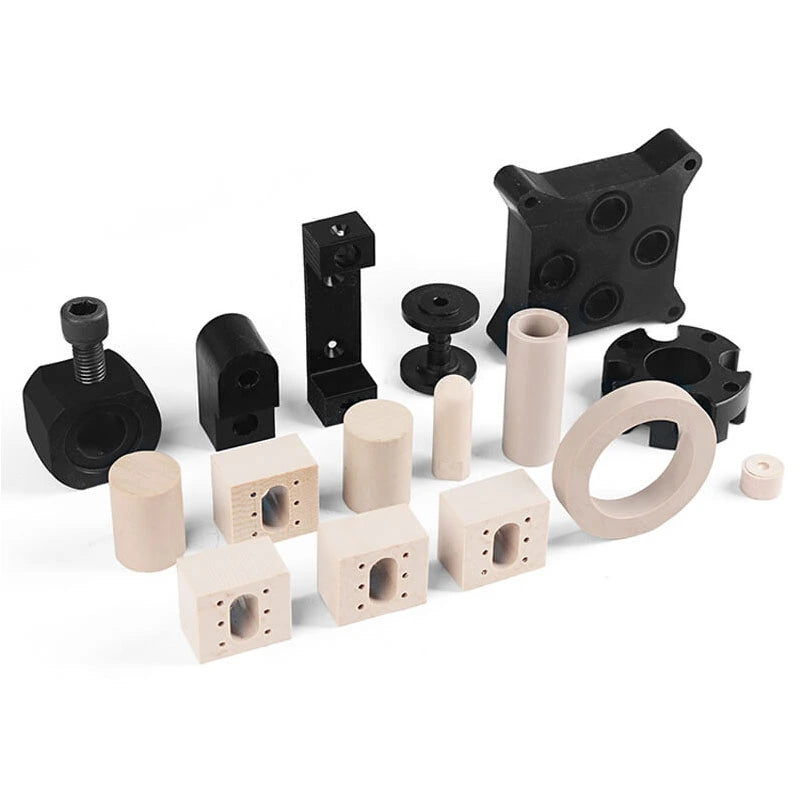
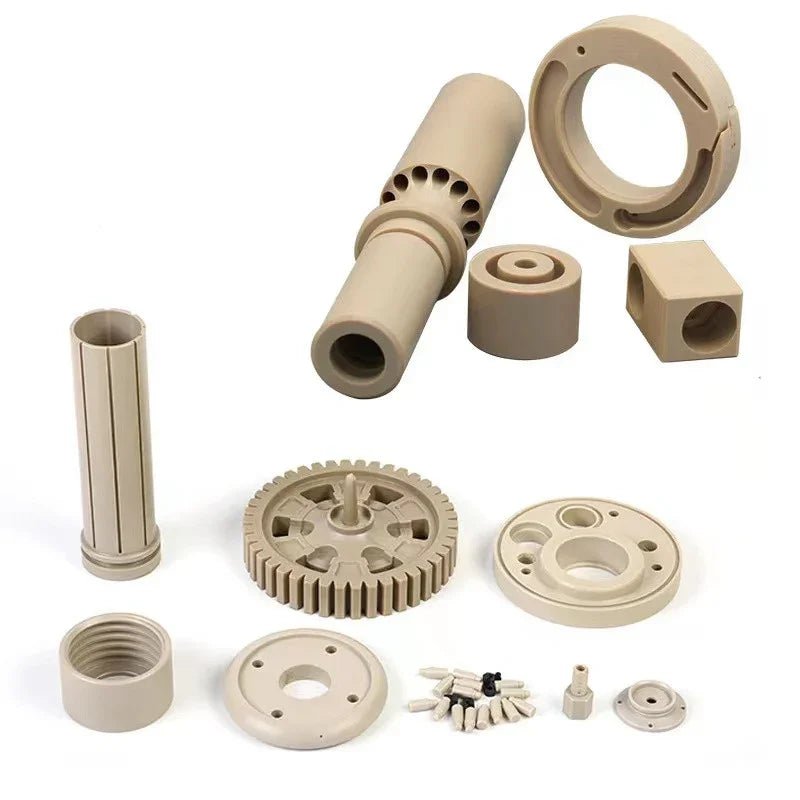
Transform Your Projects with the Right PEEK Sheet Accessories

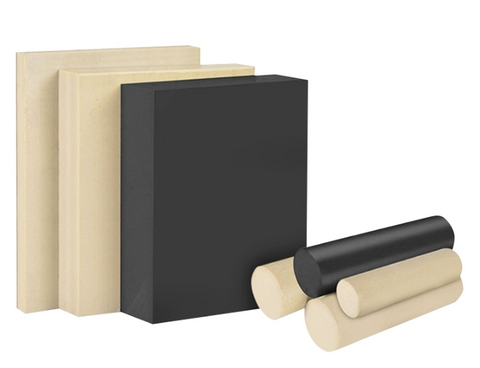
Polyether Ether Ketone (PEEK)

Dive into the world of PEEK sheets and discover how the right accessories can revolutionize your projects. In “Transform Your Projects with the Right PEEK Sheet Accessories,” we embark on a journey through the essential aspects of working with this versatile material. Starting with an in-depth look at Understanding PEEK Sheets: Properties and Benefits, we unveil the remarkable properties and benefits that make PEEK sheets a go-to choice for high-performance applications.

🎉🎉🎉Limited Time Offer Use code: QR4GNY08SHVR at checkout and enjoy a special discount on your entire order! 👉 PEEK plastic
PEEK sheets

Moving on, Selecting the Right Accessories for Your PEEK Sheets guides you through the maze of tools and hardware, ensuring you make informed decisions that enhance your project’s integrity and functionality. We then explore Innovative Uses of PEEK Sheets in Project Design, showcasing real-world applications that highlight the material’s adaptability and strength in challenging environments.

Maintenance is key, and our section on Maintenance and Care for PEEK Sheet Accessories offers practical advice to prolong the life of your tools and accessories, ensuring your projects remain pristine and functional over time. Finally, Where to Source Quality PEEK Sheets and Accessories provides invaluable tips on identifying reputable suppliers, ensuring you have access to the best materials for your needs.

Join us as we delve into the world of PEEK sheets, transforming the way you approach your projects with the perfect blend of knowledge, innovation, and quality.

Understanding PEEK Sheets: Properties and Benefits

PEEK sheets, known for their high-temperature resilience, chemical resistance, and mechanical robustness, stand out as a premier choice for engineering and manufacturing projects across a broad spectrum of industries. This section delves into the core attributes of PEEK sheets and elucidates why they are increasingly becoming indispensable in high-performance applications.

PEEK sheets, known for their high-temperature resilience

High-Temperature Resilience

One of the hallmark features of PEEK (Polyether ether ketone) sheets is their exceptional ability to withstand extreme temperatures without compromising their structural integrity or performance. This thermal stability makes PEEK sheets an ideal material for applications in aerospace, automotive, and electronics, where materials are often subjected to harsh thermal environments.

Chemical Resistance

PEEK sheets exhibit unparalleled chemical resistance, enabling their use in corrosive environments where other materials would degrade. This resistance to acids, bases, and solvents makes PEEK an excellent choice for chemical processing equipment, medical devices, and any application where exposure to harsh chemicals is a concern.

Mechanical Robustness

The mechanical strength of PEEK sheets is another critical attribute that makes them highly sought after. Their robustness ensures durability and longevity, even in the most demanding mechanical applications. This strength, coupled with a low coefficient of friction and excellent wear resistance, makes PEEK sheets suitable for gears, bearings, and seals.

Versatility and Sustainability

Beyond these core properties, PEEK sheets offer remarkable versatility and sustainability. They can be easily machined and fabricated to fit specific project requirements, making them highly adaptable to various design needs. Additionally, their longevity and resistance to harsh environments reduce the need for frequent replacements, contributing to more sustainable engineering practices.

PEEK sheets’ unique combination of high-temperature resilience, chemical resistance, and mechanical robustness not only enhances the performance and reliability of projects but also opens up new possibilities for innovation and design. Whether in the creation of complex components for the aerospace industry, durable parts for automotive applications, or precision devices for medical technology, PEEK sheets are transforming project outcomes with their superior properties and benefits.

Selecting the Right Accessories for Your PEEK Sheets

When it comes to maximizing the potential of PEEK sheets in your projects, choosing the right accessories for cutting, shaping, and joining is crucial. These tools and hardware must not only be compatible with PEEK’s unique properties but also enhance its performance in various applications. This section explores how to select the best accessories to complement the durability, resilience, and versatility of PEEK sheets.

PEEK sheets, known for their high-temperature resilience

Cutting and Machining PEEK Sheets

The process of cutting PEEK sheets requires precision tools that can handle its high-temperature resistance and mechanical strength. Opt for cutting tools made from materials like diamond or carbide that can maintain sharpness and accuracy at high cutting speeds. This ensures clean cuts without compromising the integrity of the PEEK material. Additionally, using waterjet cutting or laser cutting techniques can offer precision and minimal thermal impact, ideal for intricate designs and shapes.

Shaping PEEK Sheets

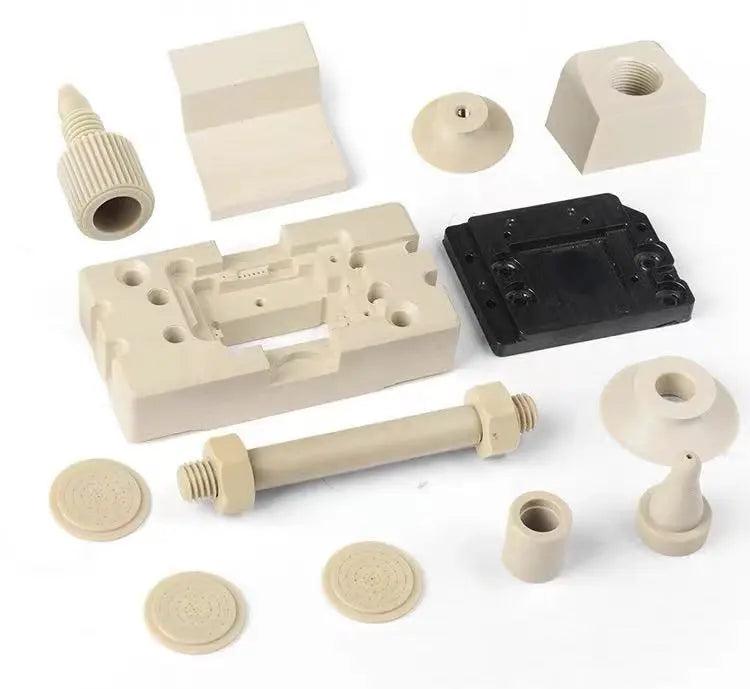
Shaping PEEK sheets into complex geometries or specific dimensions demands tools that can offer precision without causing stress or deformation. Techniques such as CNC machining are particularly effective, allowing for the creation of detailed components with tight tolerances. When selecting machining services or tools, ensure they have experience with high-performance polymers like PEEK to avoid common pitfalls like overheating or material wastage.

Joining PEEK Sheets

Joining PEEK sheets, whether through welding, adhesive bonding, or mechanical fastening, requires a thoughtful approach to maintain the material’s integrity. For welding, equipment designed for high-performance plastics is necessary, capable of reaching the temperatures needed to create strong, seamless joints. When using adhesives, opt for chemically resistant types that can withstand similar environments as PEEK. Mechanical fasteners, on the other hand, should be made of materials that match or exceed the strength and thermal stability of PEEK to ensure a durable connection.

Compatible Hardware for PEEK Sheets

The selection of compatible hardware, such as screws, bolts, and nuts, is equally important. These components should not only be chemically compatible with PEEK but also capable of withstanding similar temperatures and mechanical loads. Materials like titanium or high-grade stainless steel are often recommended due to their strength and corrosion resistance.

Expert Consultation

Lastly, consulting with experts in PEEK applications can provide valuable insights into the best practices for selecting accessories. They can offer advice tailored to your specific project needs, ensuring that every aspect of your PEEK sheet application is optimized for success.

PEEK CNC machining

Innovative Uses of PEEK Sheets in Project Design

PEEK sheets, renowned for their high-temperature tolerance, chemical resistance, and mechanical durability, are revolutionizing project designs across a myriad of industries. This versatility not only enhances the performance of traditional applications but also paves the way for innovative uses in aerospace, automotive, and medical devices. Let’s explore how PEEK sheets are being creatively integrated into cutting-edge designs.

Aerospace Applications

In the aerospace industry, the lightweight and high-strength characteristics of PEEK sheets have led to their use in critical components designed to withstand extreme conditions. For instance, PEEK sheets are used in the fabrication of interior cabin panels, insulation brackets, and ventilation system components. These applications benefit from PEEK’s ability to maintain structural integrity and resistance to chemicals and high temperatures, significantly reducing the aircraft’s overall weight and enhancing fuel efficiency.

Automotive Innovations

The automotive sector has embraced PEEK sheets for their exceptional durability and thermal stability. Components such as electrical insulation parts, under-the-hood components, and various seals and gaskets are now being manufactured from PEEK sheets. These materials contribute to the vehicle’s longevity by offering resistance to wear and tear, high temperatures, and aggressive chemicals. Moreover, PEEK’s lightweight nature contributes to improved vehicle performance and reduced emissions, aligning with the industry’s shift towards more sustainable practices.

Medical Device Breakthroughs

Perhaps one of the most transformative arenas for PEEK sheets is in medical device manufacturing. Their biocompatibility makes them an excellent choice for implantable devices, such as spinal fusion devices and dental implants. PEEK sheets offer a combination of strength and flexibility that mimics the natural properties of bone, promoting better patient outcomes. Additionally, their resistance to sterilization processes and bodily fluids ensures the longevity and safety of medical implants.

Beyond Conventional Boundaries

The exploration of PEEK sheets in project design is not limited to these industries. Innovators are continually finding new ways to leverage the material’s unique properties. For example, in electronics, PEEK’s excellent insulative properties and durability at high temperatures are being utilized in semiconductor manufacturing. In the energy sector, PEEK sheets are used in components that must withstand harsh environments, such as in oil and gas extraction.

PEEK sheets are transforming industries by offering solutions that combine durability, efficiency, and innovation. Their application in aerospace, automotive, and medical devices showcases the material’s versatility and potential to meet the demands of modern engineering challenges. As technology advances, the innovative use of PEEK sheets is set to expand, further unlocking the potential of this remarkable material in project design.

PEEK sheets

Maintenance and Care for PEEK Sheet Accessories

Ensuring the longevity and performance of accessories used with PEEK sheets requires a dedicated approach to maintenance and care. Given the high-temperature tolerance, chemical resistance, and mechanical durability of PEEK, the accessories chosen for cutting, shaping, and joining these sheets must be kept in optimal condition. Here are some essential tips on maintaining these critical tools and hardware.

Cleaning and Inspection

Regular cleaning and inspection are paramount for maintaining the quality of tools and accessories. For cutting tools and machining parts, use solvents that are compatible with both the tool material and PEEK to remove any residues or particulates. This prevents contamination of the PEEK sheets during subsequent uses. Inspect tools for signs of wear or damage, such as dull blades or compromised structural integrity, which could affect performance or damage the PEEK material.

Proper Storage

Store PEEK sheet accessories in a clean, dry environment to prevent corrosion or degradation. For precision tools, consider climate-controlled storage to protect against humidity and temperature fluctuations that could cause expansion or contraction, potentially altering tool dimensions and accuracy. Organize tools and accessories in a manner that prevents them from coming into contact with each other, reducing the risk of scratches or other damage.

Handling and Usage

Handle all accessories with care to maintain their precision and effectiveness. Use the correct tool for the task to avoid undue stress or damage. For example, when cutting PEEK sheets, ensure the cutting tool is specifically designed for high-performance polymers to maintain a clean, precise cut. This not only extends the life of the tool but also protects the integrity of the PEEK sheet.

Regular Maintenance

Adhere to a regular maintenance schedule for all accessories. This includes sharpening cutting tools, calibrating measuring instruments, and replacing any components that show signs of wear. For complex machinery, follow the manufacturer’s recommended maintenance procedures to ensure all parts are functioning correctly, which will help in avoiding unexpected breakdowns or subpar performance.

Special Considerations for Chemical and Thermal Exposure

When accessories are exposed to chemicals or high temperatures during the processing of PEEK sheets, special care should be taken to neutralize any potential adverse effects. After exposure, thoroughly clean and dry the tools to remove any chemical residues or moisture that could lead to corrosion or material degradation. If tools are used in high-temperature environments, allow them to cool gradually to room temperature before storage to avoid thermal shock.

Maintaining and caring for the accessories used with PEEK sheets is crucial for ensuring their longevity and performance. By implementing regular cleaning, proper storage, careful handling, and diligent maintenance, you can extend the life of these tools and ensure they continue to produce high-quality work with PEEK materials.

Where to Source Quality PEEK Sheets and Accessories

Finding reputable suppliers for high-quality PEEK sheets and accessories is crucial for ensuring the success of your projects. The unique properties of PEEK, such as its high-temperature tolerance, chemical resistance, and mechanical durability, demand that both the material and its associated accessories meet the highest standards. Here’s how to ensure you’re choosing the best sources for your needs.

The unique properties of PEEK, such as its high-temperature tolerance, chemical resistance, and mechanical durability

Identifying Reputable Suppliers

Start by seeking suppliers with a strong track record in the industry. Look for companies that specialize in high-performance polymers and have extensive experience with PEEK materials. Reputable suppliers often have comprehensive websites detailing their product ranges, specifications, and applications, along with customer testimonials and case studies. Participation in industry associations and recognition through awards can also be indicators of a supplier’s commitment to quality and innovation.

Evaluating Product Quality

When evaluating the quality of PEEK sheets and accessories, consider the material’s source, manufacturing processes, and compliance with international standards. High-quality PEEK should meet or exceed ASTM or ISO standards for polymers, indicating that the material has undergone rigorous testing for properties like tensile strength, chemical resistance, and thermal stability. Ask potential suppliers for material data sheets and test reports to verify these aspects.

Certifications and Compliance

Certifications are a key factor in assessing the credibility of a supplier. Look for certifications such as ISO 9001 for quality management systems, ISO 13485 for medical devices, or specific aerospace quality standards if applicable to your project. These certifications demonstrate a supplier’s ability to consistently provide products that meet customer and regulatory requirements.

Material Traceability and Quality Control

Ensure that the supplier offers full traceability of their PEEK sheets and accessories, from the raw material to the final product. This traceability is crucial for applications in critical industries such as aerospace, medical, and automotive, where material integrity can directly impact safety and performance. Inquire about the supplier’s quality control processes, including how they manage and document inspections, testing, and any non-conformities.

Technical Support and Customer Service

A supplier’s ability to provide technical support and customer service is as important as the quality of their products. The best suppliers offer comprehensive support, including material selection advice, machining and processing guidelines, and after-sales service. This support ensures that you can make the most of the PEEK materials and accessories for your specific applications.

Leveraging Industry Networks

Finally, leverage your industry networks to gather recommendations and insights about potential suppliers. Online forums, trade shows, and professional associations can be valuable resources for finding trusted suppliers and hearing firsthand experiences from other users.

Selecting the right supplier for PEEK sheets and accessories is a critical decision that affects the quality, performance, and success of your projects. By focusing on reputable suppliers, evaluating product quality, checking for relevant certifications, ensuring material traceability, and seeking excellent customer service, you can establish a reliable source for your high-performance polymer needs.

Polyether Ether Ketone (PEEK)

FQAs

1. Can Beeplastics undertake any customization, including sample and batch customization?

Answer: Yes, Beeplastics specializes in both sample and batch customization to meet the specific needs of our clients. Whether you require a single prototype or a large-scale production run, we have the capabilities to accommodate your project requirements.

2. What file formats does Beeplastics accept for designs?

Answer: Beeplastics accepts a variety of file formats for designs, including PDF and CAD files. These formats allow us to accurately understand and implement your design specifications into the final product.

3. Is there a minimum order quantity (MOQ) for PEEK sheet products or customizations?

Answer: No, there is no minimum order quantity at Beeplastics. We are committed to supporting projects of all sizes, from small, specialized orders to large-scale productions.

4. How is the production cycle determined for custom PEEK sheet orders?

Answer: The production cycle for custom PEEK sheet orders is determined by the order size and the complexity of the customization process. We communicate with our clients throughout the production process to provide updates on progress and any adjustments to timelines.

5. Does Beeplastics provide samples, and what is the cost?

Answer: Yes, Beeplastics supports the provision of samples. The samples are free of charge; however, the customer is responsible for covering the shipping costs. This allows you to assess the quality and suitability of our products for your projects without a significant financial commitment.

6. Can Beeplastics assist in the design process for custom PEEK sheet applications?

Answer: Absolutely! Our team of experts can assist in the design process, offering guidance on material selection, design optimization, and manufacturing techniques to ensure your project benefits from the unique properties of PEEK sheets.

7. What industries does Beeplastics serve with its PEEK sheet products and customization services?

Answer: Beeplastics serves a wide range of industries, including aerospace, automotive, medical devices, electronics, and more. Our PEEK sheet products and customization services are designed to meet the stringent requirements of these diverse sectors.

8. How does Beeplastics ensure the quality of its PEEK sheets and customized products?

Answer: Beeplastics adheres to strict quality control procedures throughout the manufacturing process, from raw material selection to final product inspection. We also comply with relevant industry standards and certifications to ensure our products meet the highest quality benchmarks.

9. Are there any limitations to the customization options available for PEEK sheets?

Answer: While we strive to meet all our clients’ customization needs, certain limitations may arise due to the physical properties of PEEK material or manufacturing capabilities. However, our team works closely with clients to find innovative solutions and alternatives to overcome these challenges.

10. How can clients get a quote for custom PEEK sheet products or services?

Answer: Clients can request a quote for custom PEEK sheet products or services by contacting us directly through our website, email, or phone. Providing detailed information about your project, including design files and specifications, will help us generate an accurate quote more quickly.

In wrapping up, it’s clear that the versatility and superior properties of PEEK sheets make them an invaluable resource across a wide array of industries, from aerospace to medical devices. Beeplastics stands at the forefront of this innovation, offering unparalleled customization services, including sample and batch customization, to meet the unique needs of every project. With a commitment to quality, flexibility in design file formats, no minimum order quantity, and a client-focused approach to the production cycle, Beeplastics not only ensures the delivery of high-quality PEEK sheet products but also fosters a collaborative environment for bringing your vision to life. Whether you’re in the initial stages of design or ready for production, Beeplastics is equipped to support your project every step of the way, guaranteeing satisfaction and success.

Polyether Ether Ketone (PEEK)

Don’t Miss Out on the PEEK Advantage! Complete the contact form below and start your journey towards unparalleled project success. Your innovation starts here!

🎉🎉🎉Limited Time Offer Use code: QR4GNY08SHVR at checkout and enjoy a special discount on your entire order! 👉 PEEK plastic

Leave a comment


Please note, comments must be approved before they are published


Custom Plastic Fabrication

Send your drawing, material and quantity for review

🔧
Precision Machining
CNC milling & turning
✂️
Cutting & Engraving
Laser & waterjet cutting
🏭
Forming & Molding
Thermoforming & injection
🔗
Joining & Assembly
Welding & bonding
📐
Design & Prototyping
CAD design & samples

General

HDPE

PP

PVC

ABS

Engineering

POM

Nylon

PC

PMMA

High-Performance

PEEK

PEI

PTFE

Composites

FR-4

G10

Flexible

TPU

Silicone

Why Choose BeePlastic?

🎯
Perfect Fit
Custom specs eliminate adaptation needs
⚡
Clear Lead Times
Lead time confirmed with every quote
💰
Volume Pricing
Volume pricing available on bulk orders
🤝
Expert Support
Free engineering consultation included
📋
Submit
→
🔍
Review
→
💵
Quote
→
✅
Production
→
📦
Deliver

Request a Quote

Share your project details, selected material and quantity on our quote page. You can add a file link or use the email drawing route shown there.


Request Quote

Industries: Automotive • Medical • Food • Lab • Semiconductor

beeplastic@beeplastic.com


Bakelite Solutions for Modern Applications: A Deep Dive into Sheets, Materials, and Boards

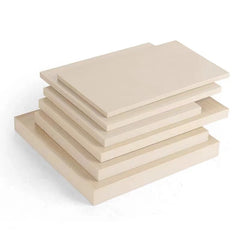
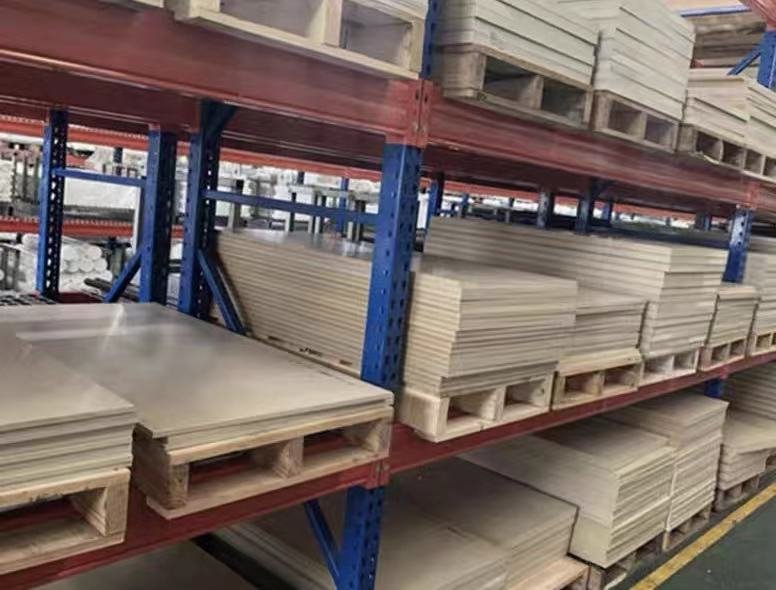
Bakelite plate

In the heart of modern innovation lies a material with roots deeply embedded in the past, yet its applications are as contemporary as they come. “Bakelite Solutions for Modern Applications: A Deep Dive into Sheets, Materials, and Boards” unravels the story of Bakelite, a pioneering plastic that has transcended its historical confines to become a cornerstone in modern manufacturing and DIY projects alike.

🎉🎉🎉Limited Time Offer Use code: QR4GNY08SHVR at checkout and enjoy a special discount on your entire order! 👉 Bakelite plastic
Bakelite: Durability & Versatility of Sheets, Materials & Boards

Our journey begins with a nod to the past, acknowledging Bakelite’s resurgence in the 21st century. This isn’t just a trip down memory lane; it’s a revelation of how a classic material has adapted to meet the demands of modern applications, proving its versatility and durability across a multitude of platforms—from household items to the forefront of high-tech industries.

As we delve deeper, we explore the inherent qualities that make Bakelite boards and sheets a reliable choice for various uses. The narrative weaves through the material’s longevity, highlighting why Bakelite remains unbeaten in terms of durability and performance, making it indispensable in environments that demand resilience and reliability.

The spotlight then shifts to everyday life, showcasing Bakelite’s adaptability. Here, readers will discover the surprising array of products and innovative uses of Bakelite that touch our lives in unexpected ways, bridging the gap between historical significance and contemporary relevance.

Sustainability takes center stage as we address the growing concern for eco-friendly materials. This section uncovers Bakelite’s role in the sustainable practices of today’s eco-conscious world, evaluating its impact from production to product lifespan, and ultimately, recyclability.

For those intrigued by the practical aspects of sourcing and utilizing Bakelite, we offer insider tips for navigating the market. This guidance ensures readers are well-equipped to identify and procure the finest Bakelite materials, whether for personal projects or OEM manufacturing needs.

Finally, we spotlight Bakelite in OEM manufacturing, illustrating its indispensable role in the creation of innovative products. This segment emphasizes the material’s contribution to manufacturing efficiency and product development, proving that Bakelite is not just a material of the past, but a solution for the future.

“Bakelite Solutions for Modern Applications: A Deep Dive into Sheets, Materials, and Boards” is more than a blog post; it’s a comprehensive guide that highlights Bakelite’s versatility, durability, and sustainability. It’s a testament to how a material invented over a century ago continues to play a pivotal role in shaping our modern world.

Bakelite's versatility, durability, and sustainability

The Resurgence of Bakelite: A Modern Take on Classic Materials

In the realm of materials that have shaped the world, Bakelite stands out as a pioneer of plastic innovation. Once hailed as a revolutionary product in the early 20th century, Bakelite’s journey from ubiquity to obscurity and back to relevance is a fascinating tale of resilience and adaptability. Today, we’re witnessing a resurgence of Bakelite, as it finds its place in both traditional uses and cutting-edge applications, reaffirming its status as a versatile and durable material.

Rediscovering Bakelite’s Charm

Bakelite’s comeback can be attributed to its unique properties and the growing trend towards sustainability. Unlike many modern plastics, Bakelite possesses a certain charm—a nostalgic quality that appeals to both collectors and designers. Its durability and resistance to electricity and heat not only make it ideal for vintage and retro products but also for applications requiring high material integrity. The versatility of Bakelite sheets, materials, and boards is being rediscovered by industries ranging from jewelry and electrical components to automotive and aerospace engineering.

Bakelite in Contemporary Design

The appeal of Bakelite extends into the realm of contemporary design, where its rich colors and distinctive finish are being utilized in everything from high-end consumer electronics to bespoke furniture. Designers are drawn to Bakelite for its unique aesthetic qualities, as well as its environmental edge over some modern plastics. The ability to infuse modern products with the look and feel of a classic material, while ensuring durability, is a testament to Bakelite’s versatility.

The Role of Bakelite in Sustainability

Sustainability is a critical concern in today’s manufacturing and product development landscapes. Bakelite’s role in sustainable practices is being reassessed, as the material’s longevity and potential for recyclability offer advantages over disposable plastics. While Bakelite production originally was not environmentally friendly by modern standards, its durability means products last longer, reducing the need for frequent replacements and thus lessening waste. Efforts to improve Bakelite’s environmental impact through better manufacturing processes are also contributing to its resurgence.

Bakelite’s Versatility Across Industries

From the electrical industry, where Bakelite’s insulating properties are unmatched, to the world of fashion, where its unique appearance makes for eye-catching accessories, Bakelite’s applications are vast. Its heat-resistant qualities make it perfect for automotive parts, while its aesthetic appeal has seen a resurgence in the production of musical instruments and decorative items. The material’s adaptability is a significant factor in its renewed popularity, offering solutions that other materials cannot.

Embracing the Future with Bakelite

The resurgence of Bakelite is not merely a nod to the past but a stride towards the future. As we explore innovative uses and sustainable practices, Bakelite’s place in modern applications is solidified. Its ability to blend the classic with the contemporary, durability with design, and tradition with innovation makes Bakelite a material that transcends time. The ongoing exploration of Bakelite in new technologies and industries ensures that this once-forgotten material will continue to be part of our material landscape, demonstrating that true innovation is timeless.

Bakelite’s story is one of innovation, decline, and revival. As we continue to push the boundaries of what materials can achieve, the resurgence of Bakelite stands as a powerful reminder of the importance of durability, versatility, and sustainability in our quest for modern solutions. The enduring legacy of Bakelite, with its deep roots in the past and branches reaching into the future, proves that some materials are indeed forever.

Bakelite sheets

Decoding the Durability: Why Bakelite Boards Stand the Test of Time

Bakelite’s enduring presence in the world of materials is not just a testament to its historical significance but also to its unparalleled durability and reliability. This section delves into the unique properties of Bakelite boards, highlighting why they have remained a steadfast choice across myriad applications, from industrial settings to personal projects.
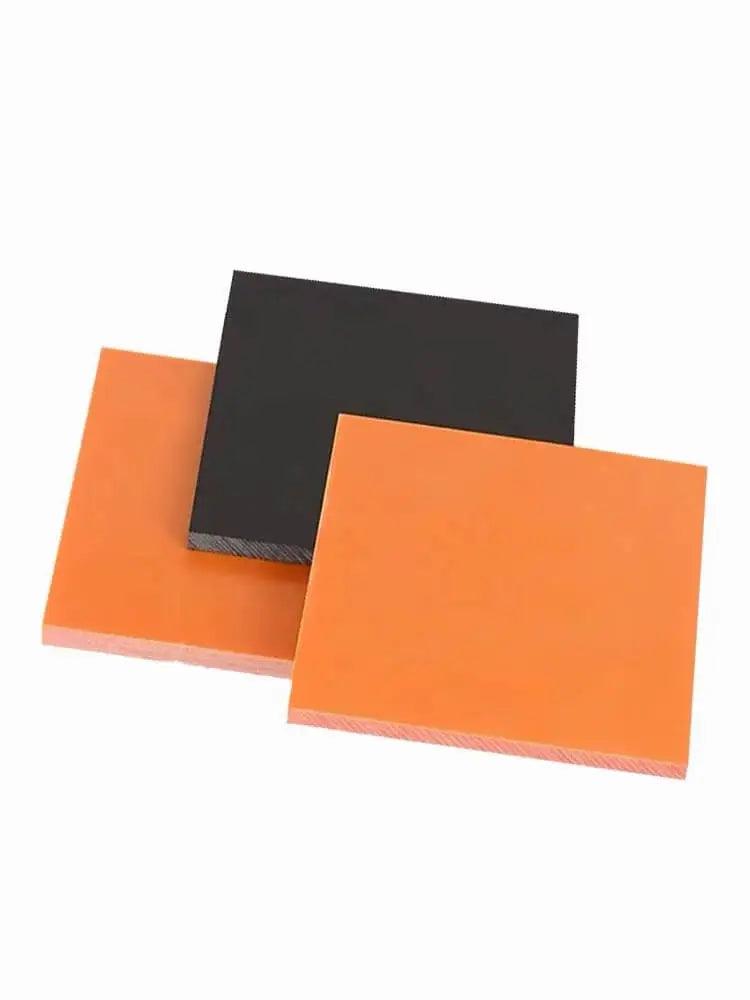
The Unmatched Durability of Bakelite

At the heart of Bakelite’s longevity lies its chemical composition. As the first synthetic plastic, Bakelite is formed from phenol-formaldehyde resin, undergoing a thermosetting process that cures the material into a dense, tightly cross-linked polymer network. This process results in a material that is not only hard and heat-resistant but also impervious to water, chemicals, and electricity. These properties make Bakelite boards exceptionally durable, capable of withstanding harsh environments without deteriorating, making them ideal for applications requiring materials that can last for decades without significant wear and tear.

Bakelite’s Resistance to Heat and Chemicals

One of the most celebrated attributes of Bakelite is its remarkable resistance to heat and chemicals. Unlike many other plastics, Bakelite does not melt under high temperatures. Instead, it retains its shape and strength, making it an indispensable material in electrical insulators, automotive parts, and industrial machinery. Furthermore, its resistance to acids, alkalis, and solvents adds to its versatility, allowing for its use in environments where many other materials would degrade quickly.

The Role of Bakelite in Electrical and Thermal Insulation

Bakelite’s insulating properties are unparalleled, making it a cornerstone material for electrical and thermal insulation applications. Its ability to act as an excellent insulator against electricity, heat, and sound has led to its widespread use in circuit boards, switches, and handles for cooking utensils and irons. This property is not just beneficial for industrial applications but also enhances the safety and functionality of consumer products, contributing to Bakelite’s reputation as a reliable material for various projects.

Bakelite in Industrial and Personal Projects

The appeal of Bakelite boards extends beyond their physical properties to their versatility in shaping and coloring, which makes them suitable for a wide range of applications. From the creation of custom jewelry and durable household items to its use in machinery parts and automotive components, Bakelite’s adaptability has made it a favored choice among manufacturers and hobbyists alike. Its ability to be molded into precise shapes before curing allows for the production of complex and detailed items that are both functional and aesthetically pleasing.

Sustaining Legacy Through Innovation

The story of Bakelite’s durability and its ability to stand the test of time is not just about a material’s resistance to physical wear but also its continual adaptation to meet modern needs. As we move forward, the legacy of Bakelite boards in various industries serves as a foundation for new innovations, ensuring that this timeless material remains relevant in an ever-evolving world of technology and design. The enduring qualities of Bakelite, combined with its potential for sustainability and innovation, underscore its status as a material that is not merely surviving but thriving, decades after its invention.

The unique blend of durability, reliability, and versatility has cemented Bakelite’s place in the pantheon of materials that have significantly impacted both industrial achievements and daily life. Its continued relevance in modern applications is a testament to the vision of its creators and the inherent properties that make Bakelite boards an ideal choice for a multitude of projects, echoing the material’s legacy of innovation and endurance.

Bakelite board

Bakelite in Everyday Life: From Household to High Tech

Bakelite’s journey from an innovative material of the early 20th century to a staple in both household items and cutting-edge technology is a testament to its adaptability and efficiency. This versatile material has seamlessly woven itself into the fabric of daily life, proving that its applications extend far beyond what its inventors might have imagined.

The Unseen Hero in Household Items

In the realm of household goods, Bakelite has made a significant impact, thanks to its durability, heat resistance, and electrical insulation properties. From the sleek handles of kitchen utensils to the robust casings of vintage telephones and radios, Bakelite adds a touch of retro charm and practicality to everyday items. Its ability to withstand high temperatures and its non-conductivity make it an ideal choice for small appliances, where safety and longevity are paramount. The presence of Bakelite in these items is a subtle reminder of the material’s timeless appeal and utility.

Bakelite’s Role in the Tech World

Venturing into the high-tech arena, Bakelite demonstrates its versatility and efficiency in a different light. Its insulating and heat-resistant qualities are invaluable in the electronics industry, where Bakelite is often found in circuit boards and connectors. In environments where components must endure extreme conditions without degrading, Bakelite’s properties ensure reliability and performance. This application of Bakelite in technology underscores its adaptability, bridging the gap between historical significance and future innovations.

The Aesthetic Appeal of Bakelite

Beyond functionality, Bakelite’s unique aesthetic has made it a favorite among designers and collectors. The material’s rich coloration and ability to take on fine detail make it suitable for decorative items, jewelry, and collectibles. The allure of Bakelite pieces, with their distinctive look and feel, continues to captivate enthusiasts and adds a vintage flair to modern interiors. This fusion of form and function illustrates Bakelite’s versatility, making it a material cherished not only for its practical applications but also for its beauty.

Bakelite in Automotive and Aerospace Applications

Extending its reach into more demanding sectors, Bakelite finds a place in automotive and aerospace applications where its strength, thermal stability, and electrical insulation are critical. Components made from Bakelite can endure the rigors of harsh environments, contributing to the safety and efficiency of vehicles and aircraft. This aspect of Bakelite’s use highlights the material’s ability to meet stringent requirements, providing solutions that other materials cannot.

Sustaining Through Innovation

The story of Bakelite in everyday life and high-tech applications is one of continual adaptation and innovation. Its presence in a wide range of products, from the mundane to the sophisticated, speaks volumes about the material’s inherent qualities. As we look to the future, Bakelite’s role in new and emerging technologies remains promising, with potential applications in renewable energy, advanced manufacturing, and beyond. The adaptability and efficiency of Bakelite ensure its place in both current and future landscapes, bridging the gap between tradition and innovation.

The widespread use of Bakelite in various facets of daily life and advanced sectors underscores its significance as a material that not only made history but continues to shape our present and future. Its journey from household items to the forefront of technological advancement is a testament to Bakelite’s enduring legacy, adaptability, and the pivotal role it plays across different environments.

widespread use of Bakelite

Sustainability and Bakelite: Understanding Eco-Friendly Aspects

In an era where sustainability is not just a choice but a necessity, the conversation around materials like Bakelite and their environmental impact has become increasingly pertinent. As a material that has been around for over a century, Bakelite’s sustainability features, recyclability, and alignment with eco-conscious decisions of consumers and businesses merit a closer look.

The Durability Factor: A Sustainability Edge

One of Bakelite’s most significant contributions to sustainability is its durability. Products made from Bakelite tend to have a longer lifespan compared to those made from other plastics. This inherent durability reduces the need for frequent replacements, thereby diminishing the volume of waste generated over time. In an age where reducing waste is crucial for environmental sustainability, the long-lasting nature of Bakelite products aligns well with the principles of reduce, reuse, and recycle.

Bakelite and Recyclability: Navigating Challenges

The topic of recycling Bakelite presents a complex picture. Due to its thermosetting polymer structure, Bakelite cannot be melted down and reshaped like thermoplastic materials. This characteristic poses challenges for traditional recycling processes. However, innovative methods are being explored to repurpose Bakelite waste into filler materials for construction and other industries, offering a pathway to circularity and reducing landfill contributions. These efforts highlight the importance of finding creative solutions for materials that are not easily recyclable in the conventional sense.

Aligning with Eco-Conscious Choices

For modern consumers and businesses, making eco-conscious choices involves considering the lifecycle and environmental impact of the materials they use. Bakelite’s longevity and potential for repurposing play into this decision-making process. By choosing materials that are durable and have potential for reuse in other forms, businesses can contribute to a more sustainable model of consumption and production. Consumers, on their part, can favor products that are built to last, thereby supporting sustainability goals.

The Role of Bakelite in Sustainable Practices

Incorporating Bakelite into sustainable practices also means recognizing its role in applications where its unique properties can lead to overall environmental benefits. For example, Bakelite’s use in electrical components and insulation can enhance energy efficiency and safety, contributing to reduced energy consumption and minimizing the risk of fire hazards. These applications demonstrate how Bakelite’s functional benefits can support broader sustainability objectives, beyond the material’s direct environmental footprint.

Future Directions: Bakelite and Environmental Responsibility

Looking ahead, the conversation around Bakelite and sustainability is evolving. Research into eco-friendly manufacturing processes for Bakelite and the development of biodegradable versions of the material are areas of potential growth. These advancements could further enhance Bakelite’s position as a material that not only meets the needs of today’s industries but does so in a way that is mindful of tomorrow’s environmental challenges.

The discourse on sustainability and Bakelite reflects a broader dialogue about balancing material benefits with environmental responsibilities. As we continue to navigate these complexities, understanding the eco-friendly aspects of Bakelite and its role in modern sustainability efforts becomes essential. Through innovation and informed choices, Bakelite can contribute to a more sustainable future, echoing the principles of durability, efficiency, and environmental stewardship.

Bakelite boards

Navigating the Market: Tips for Purchasing Bakelite Sheets and Products

In today’s market, where the demand for durable and high-quality materials is ever-present, Bakelite stands out as a preferred choice for various applications. However, navigating the market to purchase Bakelite sheets and products requires knowledge and vigilance to ensure you’re getting authentic and high-quality materials. Here are essential tips and considerations for potential buyers looking to make informed choices when selecting Bakelite materials.

Understanding Bakelite Specifications

The first step in purchasing Bakelite is to understand the specifications that indicate quality and suitability for your specific needs. Look for density, heat resistance, electrical insulation properties, and mechanical strength as key indicators of quality. These specifications can vary depending on the formulation of the Bakelite material, so it’s crucial to identify the properties that are most relevant to your application. For instance, if you’re using Bakelite for electrical insulation, focus on its dielectric strength and heat resistance.

Verifying Authenticity

With the proliferation of materials in the market, verifying the authenticity of Bakelite is paramount. Authentic Bakelite has distinct characteristics, such as a dense, hard texture and a distinctive smell when rubbed or heated. Conduct simple tests, or consult with experts to ensure the material you’re considering is genuine Bakelite. This step is crucial not only for ensuring the quality of the material but also for the success of your project, as authentic Bakelite offers unique properties that imitation materials cannot replicate.

Assessing Supplier Credibility

The credibility of the supplier is another critical factor to consider when purchasing Bakelite materials. Look for suppliers with a strong reputation in the industry, positive customer reviews, and a history of supplying high-quality Bakelite products. Reputable suppliers are more likely to provide authentic Bakelite materials and can often offer valuable advice on selecting the right type of Bakelite for your project. Don’t hesitate to ask for references or case studies that demonstrate the supplier’s expertise and reliability.

Requesting Samples

Before making a large purchase, requesting samples of the Bakelite material can be an invaluable step. Samples allow you to personally evaluate the material’s quality, authenticity, and suitability for your application. This hands-on assessment can provide peace of mind and prevent potential issues down the line. When examining samples, pay attention to the material’s texture, color, and any other physical properties that are critical to your project’s requirements.

Considering Environmental and Safety Standards

Lastly, consider the environmental and safety standards associated with the Bakelite materials you’re purchasing. Ensure that the materials comply with relevant regulations and standards, especially if they will be used in applications where safety is paramount. Reputable suppliers should be transparent about their materials’ compliance with environmental and safety standards, providing documentation and certifications upon request.

Navigating the market for Bakelite sheets and products requires diligence, knowledge, and a strategic approach. By understanding specifications, verifying authenticity, assessing supplier credibility, requesting samples, and considering environmental and safety standards, buyers can make informed decisions and select high-quality Bakelite materials that meet their specific needs. These steps not only ensure the success of your projects but also contribute to the long-term reliability and performance of the Bakelite products you choose.

Bakelite sheets and products

Innovative Uses of Bakelite Material in OEM Manufacturing

Bakelite, a pioneering phenolic resin material, has carved a unique niche in the realm of Original Equipment Manufacturing (OEM). Its remarkable properties, such as heat resistance, electrical insulation, and mechanical strength, have made it an invaluable asset for businesses aiming to enhance product development and manufacturing efficiency. This section explores the innovative applications of Bakelite in OEM manufacturing, highlighting how its characteristics are leveraged for cutting-edge solutions.

Bakelite in Electrical and Automotive Components

One of the primary arenas where Bakelite shines is in the manufacturing of electrical and automotive components. Its exceptional electrical insulation capabilities make it an ideal choice for electrical connectors, switchgear, and insulation plates used in high-voltage applications. In the automotive sector, Bakelite’s heat resistance and mechanical durability are leveraged in under-the-hood components such as distributor caps and coil housings. These applications benefit from Bakelite’s ability to withstand extreme conditions while maintaining structural integrity and performance.

Enhancing Aesthetics and Durability with Bakelite

Beyond its functional benefits, Bakelite is also appreciated for its aesthetic versatility and durability in consumer goods. OEMs utilize Bakelite in the creation of durable, high-quality handles and knobs for appliances, as well as in decorative items where its unique finish and coloration add value. The material’s resistance to chemicals and heat ensures that these products remain in pristine condition for longer, enhancing consumer satisfaction and brand reputation.

Bakelite in Aerospace and Defense

The aerospace and defense industries require materials that can perform under the most demanding conditions. Bakelite is employed in various components where its lightweight yet strong characteristics are crucial. From insulating elements in electrical systems to durable parts in aircraft interiors, Bakelite provides an optimal balance of weight, strength, and safety, critical for aerospace applications. Its role in these sectors demonstrates Bakelite’s versatility and ability to meet stringent industry standards.

Leveraging Bakelite for Environmental Sustainability

As industries increasingly focus on sustainability, Bakelite’s role in OEM manufacturing also encompasses environmental considerations. Its durability translates to longer-lasting products, reducing the need for frequent replacements and thereby minimizing waste. Moreover, ongoing innovations in Bakelite production are aimed at making its synthesis and processing more environmentally friendly, aligning with the eco-conscious goals of modern businesses.

The Future of Bakelite in OEM Manufacturing

Looking ahead, the potential for Bakelite in OEM manufacturing continues to expand. Advancements in material science are opening new avenues for Bakelite, including its incorporation into composite materials that offer enhanced properties for specialized applications. As OEMs push the boundaries of product design and efficiency, Bakelite’s adaptability and proven track record make it a material of choice for innovative solutions.

The innovative use of Bakelite in OEM manufacturing underscores its enduring relevance in a rapidly evolving industrial landscape. By leveraging Bakelite’s unique properties, businesses are able to develop products that are not only efficient and durable but also aligned with the sustainability and performance demands of the modern world. Bakelite’s role in the development of cutting-edge manufacturing solutions exemplifies its versatility and capacity for innovation, marking it as a material that continues to contribute significantly to advancements in OEM manufacturing.

Bakelite materials

FAQ: Bakelite Materials & Customization at BeePlastics

1. What is Bakelite, and why is it used in manufacturing? Bakelite is a thermosetting phenol-formaldehyde resin, known for its high strength, heat resistance, and electrical insulating properties. It’s used in manufacturing for applications that require durable materials, such as electrical insulators, automotive parts, and consumer goods.

2. Can BeePlastics undertake any form of customization? Yes, BeePlastics offers comprehensive customization services, including both sample customization and batch customization. Our capabilities allow us to tailor solutions to meet the specific needs of our clients, ensuring the final product aligns with their requirements.

3. What file formats does BeePlastics accept for design submissions? BeePlastics accepts a variety of file formats for design submissions, including PDF and CAD files. These formats enable us to accurately assess and implement your design specifications.

4. Is there a minimum order quantity (MOQ) for custom orders? No, there is no minimum order quantity at BeePlastics. We are committed to supporting projects of all sizes, from small sample orders to large batch productions.

5. How is the production cycle determined at BeePlastics? The production cycle at BeePlastics is tailored according to the volume of orders and the complexity of the customization process. We communicate with our clients about the production progress in real-time to ensure transparency and satisfaction.

6. Does BeePlastics support the provision of samples? Yes, BeePlastics supports providing samples to clients. The samples are free of charge; however, the client is responsible for the shipping costs.

7. What makes Bakelite an ideal choice for electrical applications? Bakelite’s non-conductivity and heat resistance make it an ideal choice for electrical applications. It ensures safety and durability in products like electrical insulators, connectors, and switchgear.

8. How does BeePlastics ensure the quality of its Bakelite products? BeePlastics adheres to strict quality control procedures throughout the production process, from material selection to final product testing. This ensures that all Bakelite products meet our high standards of quality and reliability.

9. Can BeePlastics provide design assistance for Bakelite products? Yes, our team at BeePlastics can provide design assistance to help bring your Bakelite product ideas to life. We offer guidance on material properties, design optimization, and manufacturing techniques.

10. What industries commonly use Bakelite materials provided by BeePlastics? Bakelite materials from BeePlastics are commonly used in a wide range of industries, including automotive, electrical, aerospace, and consumer goods. Its versatility and durability make it a preferred choice for various applications.

Navigating the world of Bakelite, from its rich history to its application in modern manufacturing and sustainability efforts, reveals a material that is not only versatile and durable but also increasingly relevant in today’s eco-conscious and technologically advanced landscape. BeePlastics stands at the forefront of this resurgence, offering unparalleled customization services that cater to a wide array of needs, from individual projects to large-scale OEM manufacturing. With our commitment to quality, innovation, and customer satisfaction, we ensure that every piece of Bakelite we produce meets the high standards our clients expect. As we continue to explore and expand the potential of Bakelite, BeePlastics is excited to be part of your journey, transforming ideas into reality with a material that has proven its worth over a century of use. Whether you’re diving into a new project or seeking the perfect material solution, BeePlastics is here to guide and support you every step of the way.

Bakelite materials

Don’t Miss Out on Custom Bakelite Solutions! Whether it’s a unique prototype or a large-scale production, BeePlastics is your go-to partner. Complete the contact form at the bottom of this page and kickstart your project with us today!

🎉🎉🎉Limited Time Offer Use code: QR4GNY08SHVR at checkout and enjoy a special discount on your entire order! 👉 Bakelite plastic

Leave a comment


Please note, comments must be approved before they are published


Custom Plastic Fabrication

Send your drawing, material and quantity for review

🔧
Precision Machining
CNC milling & turning
✂️
Cutting & Engraving
Laser & waterjet cutting
🏭
Forming & Molding
Thermoforming & injection
🔗
Joining & Assembly
Welding & bonding
📐
Design & Prototyping
CAD design & samples

General

HDPE

PP

PVC

ABS

Engineering

POM

Nylon

PC

PMMA

High-Performance

PEEK

PEI

PTFE

Composites

FR-4

G10

Flexible

TPU

Silicone

Why Choose BeePlastic?

🎯
Perfect Fit
Custom specs eliminate adaptation needs
⚡
Clear Lead Times
Lead time confirmed with every quote
💰
Volume Pricing
Volume pricing available on bulk orders
🤝
Expert Support
Free engineering consultation included
📋
Submit
→
🔍
Review
→
💵
Quote
→
✅
Production
→
📦
Deliver

Request a Quote

Share your project details, selected material and quantity on our quote page. You can add a file link or use the email drawing route shown there.


Request Quote

Industries: Automotive • Medical • Food • Lab • Semiconductor

beeplastic@beeplastic.com


Why Bakelite? Exploring the Durability and Versatility of Sheets, Materials, and Boards

Bakelite sieve plate

Dive into the fascinating world of Bakelite, the trailblazer of modern plastics, in our latest blog post titled “Why Bakelite? Exploring the Durability and Versatility of Sheets, Materials, and Boards.” This comprehensive guide illuminates the enduring legacy and unparalleled benefits of Bakelite sheets, materials, and boards, showcasing why it continues to be a staple in industries and hobbies alike.

🎉🎉🎉Limited Time Offer Use code: QR4GNY08SHVR at checkout and enjoy a special discount on your entire order! 👉 Bakelite plastic
Bakelite sheets

We kick off with a nostalgic journey back to the history of Bakelite, unveiling its revolutionary inception and how it paved the way for the future of synthetic materials. From there, we delve into the heart of Bakelite, exploring its composition and characteristics that set it apart from contemporaries—highlighting its exceptional heat resistance, electrical insulation, and robust mechanical strength.

The versatility of Bakelite is on full display as we explore its myriad of applications. From critical electrical components to chic fashion accessories, we reveal the vast diverse applications that make Bakelite an incredibly adaptable material.

But why choose Bakelite over other materials? We answer this by examining its advantages, such as cost-effectiveness, durability, and aesthetic versatility, comparing it to other materials to underline why Bakelite remains unparalleled in its utility and appeal.

For those looking to procure this versatile material, we offer practical tips for buyers and OEM purchasers, guiding you through sourcing high-quality Bakelite with insider advice on ensuring you receive the best products for your needs.

Lastly, we gaze into the crystal ball to discuss the future and sustainability of Bakelite in modern manufacturing and eco-conscious initiatives, pondering how it continues to evolve and contribute to sustainable practices.

Join us as we navigate the intriguing world of Bakelite, a material that has stood the test of time, proving its worth and versatility time and again. Whether you’re a seasoned professional, an OEM business owner, or a curious newcomer, this post promises to enrich your understanding and appreciation of Bakelite.

The Birth of Bakelite: A Revolution Begins

In the early 20th century, the invention of Bakelite marked a monumental milestone in the world of material science and manufacturing. Created by Belgian-American chemist Leo Baekeland in 1907, Bakelite was the first synthetic plastic, heralding a new era of polymers. This groundbreaking development was not just a scientific achievement; it was the dawn of an era that would see the rise of synthetic materials shaping the modern world.

Bakelite materials

Baekeland’s quest for a synthetic substitute for shellac led to the serendipitous discovery of phenol-formaldehyde resin, the chemical backbone of Bakelite. Through controlled heat and pressure, Baekeland transformed these chemicals into a hard, heat-resistant, and non-conductive material. The ability of Bakelite to be molded into virtually any shape, retain its form under stress and heat, and its excellent electrical insulation properties made it an instant success across various industries.

Bakelite’s Pioneering Role and Applications

Bakelite’s versatility saw its adoption in an array of applications. Initially, it became a go-to material for electrical insulators, automotive parts, and telephone casings due to its non-conductivity and heat resistance. Its ability to be dyed led to its use in colorful, fashionable jewelry and durable household items like radios and kitchenware. The term “Bakelite” became synonymous with durability and innovation, paving the way for the polymers that followed.

A Material Ahead of Its Time

Bakelite stood out not only for its chemical properties but also for its role in the evolution of manufacturing and design. It demonstrated the potential of synthetic polymers, inspiring further research and the development of new plastics. Its impact extended beyond functional uses; Bakelite became a symbol of modernity and progress, influencing design aesthetics from Art Deco to streamline moderne.

Connecting Past and Present: Bakelite’s Legacy

Today, Bakelite sheets, phenolic compounds, and boards continue to be used in a variety of applications, from industrial settings to musical instruments. Its historical significance and utility make it a fascinating subject for collectors and historians alike. The legacy of Bakelite is not just in the items made from it but in its contribution to the advancement of material science and the proliferation of synthetic polymers in everyday life.

Bakelite’s journey from a laboratory curiosity to a foundational material of the modern age is a testament to human ingenuity and the endless possibilities of science. Its story is a vivid chapter in the history of innovation, underscoring the transformative power of chemistry in creating materials that shape our world. As we continue to explore and expand the boundaries of material science, Bakelite serves as a beacon of innovation, reminding us of the profound impact that materials can have on technology, culture, and industry.

Unraveling Bakelite: A Chemical Perspective

At the heart of Bakelite’s unique composition is the phenol-formaldehyde resin, a result of the polymerization reaction between phenol and formaldehyde. This synthetic resin forms when phenol, an aromatic organic compound, reacts under heat and pressure with formaldehyde, a simple but powerful aldehyde. The process, known as condensation polymerization, yields a hard, dense, and durable plastic that set the stage for the future of synthetic materials.

The Signature Properties of Bakelite

Bakelite is celebrated for its remarkable properties, which have cemented its place in manufacturing and design history. Its heat resistance is one of its most notable characteristics. Unlike many early plastics that would melt or deform under high temperatures, Bakelite maintains its integrity, making it ideal for applications requiring proximity to heat sources or electrical currents.

Bakelite materials

Equally important is Bakelite’s electrical nonconductivity. This characteristic made it a revolutionary material in the electrical and electronics industries, finding its way into everything from radio casings to telephone handsets and electrical insulators. The safety and efficiency it brought to electrical components are unparalleled, marking a significant advancement in the early 20th century and beyond.

Moreover, Bakelite’s mechanical strength is a key attribute. Its resistance to physical stress and its structural stability under pressure make it suitable for a wide range of applications, including automotive parts, kitchenware, and even musical instruments like guitar picks and drum shells.

Why Bakelite’s Popularity Endures

Understanding the composition and characteristics of Bakelite highlights why it remains a sought-after material. Its durability, combined with electrical insulation and heat resistance, positions Bakelite as an irreplaceable component in various fields. Furthermore, its ability to be molded into precise shapes before curing allows for intricate designs and applications, from industrial machinery components to decorative items.

The synthesis of Bakelite marked a pivotal moment in material science, introducing the world to the possibilities of synthetic polymers. Its enduring popularity underscores the material’s versatility and efficiency, qualities that continue to make it relevant in modern manufacturing and design. Whether for its historical significance, its unique properties, or its role in the development of plastics, Bakelite’s legacy as a pioneering material is undeniable. Its story is a testament to the transformative power of chemistry and innovation in creating materials that not only shaped the 20th century but continue to influence the future.

Bakelite’s journey from a groundbreaking synthetic plastic to a material of choice across numerous industries highlights its unparalleled versatility and enduring appeal. This versatility isn’t just about the wide range of products it has been used to create but also about the innovation and creativity it inspires in various fields.

Bakelite in the Electrical and Electronics Industry

The electrical and electronics industries were among the first to embrace Bakelite due to its excellent electrical insulation properties. From the early days of radio to the development of telecommunication devices, Bakelite provided a safe, durable, and aesthetically pleasing material for casings, knobs, and switches. Its nonconductivity ensured that devices were safer and more reliable, a vital feature in the rapid advancement of electrical technology.

Bakelite radio

Automotive Applications: From Durability to Design

In the automotive world, Bakelite’s heat resistance and mechanical strength made it an ideal material for components subject to high temperatures and stress. Distributor caps, handles, and dashboard panels crafted from Bakelite not only offered durability but also contributed to the vehicles’ overall design aesthetic, showcasing the material’s blend of form and function.

The Aesthetic Appeal of Bakelite in Fashion and Design

Perhaps one of the most visually captivating applications of Bakelite is found in the realm of fashion and design. In the early to mid-20th century, Bakelite jewelry became a symbol of modernity and sophistication. Its ability to be dyed in a plethora of vibrant colors made it a popular choice for necklaces, bracelets, and earrings, propelling it to a must-have accessory status. Beyond jewelry, Bakelite was used in a variety of decorative objects, from clock faces to handles and furniture accents, highlighting its aesthetic versatility as well as its practical applications.

Bakelite in the Home: From Functional to Fashionable

The kitchen and home were not immune to the Bakelite revolution. Utensils, cutlery handles, and even entire radio casings were made from Bakelite, taking advantage of its heat-resistant and nonconductive properties. These items combined functionality with style, introducing colorful and durable products into the domestic sphere.

Industrial Strength: Bakelite in Manufacturing

On the industrial front, Bakelite found applications in an array of machinery and equipment parts. Its resistance to chemicals, heat, and electricity made it a staple in factories and workshops. From insulators and electrical components to gears and protective covers, Bakelite materials proved essential for their reliability and durability in harsh environments.

The diverse applications of Bakelite from electrical insulation to fashion, and from automotive parts to household items, underscore its remarkable versatility. This adaptability has made it a material cherished not only by industries and designers but also by individual hobbyists and collectors. Bakelite’s ability to meet various technical and aesthetic needs continues to make it a compelling choice for a wide range of projects and products. Its legacy, rooted in innovation and versatility, ensures that Bakelite remains a fascinating and relevant material in both historical and contemporary contexts.

Choosing the right material for any project or product is crucial, impacting everything from durability and safety to aesthetics and cost. In the realm of synthetic polymers, Bakelite stands out for several compelling reasons, offering advantages that many contemporary materials struggle to match.

Customized Bakelite Boards

Durability and Reliability: Bakelite vs. Modern Plastics

Bakelite’s unmatched durability is one of its key advantages. Unlike many modern plastics that can degrade, warp, or become brittle over time, Bakelite maintains its integrity under a variety of environmental conditions. Its resistance to heat, chemicals, and electricity makes it exceptionally reliable for applications where safety and longevity are paramount. This resilience gives Bakelite an edge over materials like PVC or ABS, which, while versatile, do not offer the same level of heat resistance or mechanical strength.

Cost-Effectiveness: High Value for Money

When it comes to cost-effectiveness, Bakelite presents a significant advantage. The manufacturing process of Bakelite—though intricate—allows for the production of components at a lower cost compared to metals or high-grade thermoplastics. This affordability, coupled with its durability, means that products made from Bakelite offer great value over their lifecycle, reducing the need for frequent replacements or repairs.

Aesthetic Appeal: Unique and Timeless

The unique aesthetic appeal of Bakelite is another compelling reason for its choice in various projects. Its smooth, glossy finish and the ability to be dyed in an array of colors make it a favorite among designers and artisans. Bakelite can emulate the look of precious stones, metals, and other natural materials, providing a vintage charm that many modern materials cannot replicate. This has made Bakelite a sought-after material for jewelry, decorative items, and collectibles, where its appearance adds value beyond mere functionality.

Bakelite in Eco-Friendly Perspectives

In an era increasingly focused on sustainability, Bakelite’s long lifespan and potential for recycling and repurposing offer an advantage over single-use or less durable plastics. While not biodegradable, the durability of Bakelite products means they are less likely to end up in landfills compared to disposable, low-quality plastics. Efforts to recycle and creatively reuse Bakelite also contribute to its eco-friendly credentials, providing an alternative to discarding and replacing with new materials.

The Verdict: Why Bakelite Stands Out

In comparing Bakelite with other materials, it’s clear that its blend of durability, cost-effectiveness, and unique aesthetic appeal makes it a preferred choice for a wide range of applications. From industrial components to fashion accessories, Bakelite’s properties allow it to serve multiple purposes effectively, often outperforming newer materials. Whether for its historical significance, its performance, or its look, Bakelite remains a distinguished choice among materials, proving that its invention was not just a momentary breakthrough but a lasting contribution to material science and design.

Navigating the procurement process for Bakelite materials, whether you’re an individual hobbyist or an OEM (Original Equipment Manufacturer) purchasing manager, requires a keen eye for quality and a thorough understanding of the market. Here are some tailored tips to guide you in sourcing high-quality Bakelite sheets, boards, and other materials, ensuring you get the best value and performance for your investment.

Customized Bakelite plates

Identifying Reputable Suppliers

Start with Research

Begin your journey by conducting in-depth research to identify suppliers with a solid reputation for providing high-quality Bakelite products. Look for reviews, testimonials, and case studies from previous customers to gauge the reliability and quality of the supplier’s materials. It’s crucial to partner with suppliers who not only understand the material’s unique properties but also have a proven track record of delivering high-quality Bakelite.

Certifications and Standards

Opt for suppliers who adhere to recognized industry standards and hold relevant certifications. This adherence indicates a commitment to quality and reliability, essential factors when sourcing materials for professional or hobbyist projects. Certifications can include ISO (International Organization for Standardization) standards, which are a testament to the supplier’s operational efficiency and product quality.

Evaluating Bakelite Quality

Inspect for Consistency and Flaws

When assessing Bakelite materials, pay close attention to the consistency of color, texture, and density. High-quality Bakelite should be free from air bubbles, cracks, or any signs of brittleness, which can affect its durability and performance. If possible, request samples to personally evaluate the material’s quality before making a bulk purchase.

Understand the Material Grades

Bakelite comes in various grades, each suited to different applications. From electrical insulation to mechanical strength, understanding the specific grades of Bakelite and their properties will ensure you select the right material for your project’s requirements. Consult with your supplier about the best Bakelite grade for your needs, whether it’s for electrical components, decorative items, or industrial applications.

Building Strong Supplier Relationships

Communication is Key

Effective communication with your supplier is crucial. Establish clear expectations regarding quality, delivery timelines, and pricing from the outset. A reliable supplier should be transparent about their production capabilities, lead times, and any potential challenges that might affect your order. Regular updates and open lines of communication can help mitigate risks and ensure a smooth procurement process.

Long-term Partnerships

Consider building long-term relationships with your Bakelite suppliers. A trusted partnership can lead to better pricing, priority service, and access to a wider range of products. Demonstrating loyalty and consistent business can also encourage suppliers to go the extra mile to meet your specific needs.

Procuring high-quality Bakelite requires diligence, research, and a proactive approach to supplier selection and relationship management. By following these guidelines, both individual buyers and OEM purchasing managers can secure the best materials for their projects, ensuring the durability, performance, and aesthetic appeal that Bakelite is known for.

As we navigate the complexities of modern manufacturing and the pressing need for sustainable practices, Bakelite emerges not just as a material of historical significance but as a potential key player in eco-friendly solutions. The future of Bakelite offers exciting possibilities for innovation, recycling, and repurposing, underscoring its relevance in today’s environmentally conscious landscape.

Bakelite sieve plate

Bakelite and Sustainability: A New Chapter

Recycling and Repurposing Efforts

One of the pivotal areas where Bakelite can contribute to sustainability is through recycling and repurposing initiatives. While traditional Bakelite recycling processes are complex due to its thermosetting properties, which prevent it from being melted down and reshaped like thermoplastics, innovative methods are being explored. These include mechanical recycling to create filler materials for other products and chemical recycling processes that break down Bakelite into its constituent chemicals for reuse. Such efforts can minimize waste and open new avenues for using Bakelite in various applications.

Bakelite in Eco-friendly Manufacturing

Bakelite’s durability and longevity also position it as a sustainable choice in manufacturing. Products made from Bakelite tend to have a longer lifespan than those made from less durable materials, reducing the frequency of replacement and, consequently, the environmental impact. Furthermore, the inherent strength and heat resistance of Bakelite mean that it can be used to create products that require less material overall, contributing to resource conservation.

The Future of Innovation with Bakelite

Advancements in Material Science

The ongoing advancements in material science present numerous opportunities for enhancing Bakelite’s eco-friendly attributes. Researchers are exploring ways to make Bakelite and other phenolic resins more sustainable, including the development of bio-based phenols from renewable resources. These innovations could reduce the reliance on fossil fuels for Bakelite production, aligning it more closely with green manufacturing principles.

Expanding Applications

The potential for Bakelite in future applications is vast. Its electrical insulation properties, combined with durability, make it an ideal candidate for components in renewable energy systems, such as solar panels and wind turbines. Additionally, Bakelite’s aesthetic appeal and versatility offer opportunities for its use in sustainable architecture and interior design, where its durability and unique appearance can be leveraged in eco-friendly building projects.

Bakelite’s journey from a revolutionary synthetic plastic to a material with the potential to contribute to sustainability efforts highlights its enduring legacy and adaptability. As we continue to prioritize environmental responsibility in manufacturing and product design, Bakelite’s role in eco-friendly solutions and innovative applications is poised to grow. Embracing recycling, repurposing, and advancements in material science will be key to unlocking Bakelite’s potential in supporting a more sustainable future.

General Bakelite FAQs

1. What is Bakelite, and why is it still used today? Bakelite is the first synthetic plastic, known for its exceptional heat resistance, electrical nonconductivity, and mechanical strength. Despite the advent of newer materials, it remains popular for its durability, aesthetic versatility, and applications in electrical insulators, automotive parts, jewelry, and more.

2. Can Bakelite be recycled or repurposed? Yes, while Bakelite cannot be melted and reshaped like some plastics, innovative recycling methods are being explored. These include mechanical recycling to create filler materials and chemical processes to break it down for reuse. Additionally, repurposing vintage Bakelite items is a popular way to honor its historical value.

beeplastics Customization FAQs

3. Can beeplastics undertake any form of customization? Absolutely! beeplastics specializes in both sample customization and batch customization, accommodating your unique requirements and ensuring your project’s success.

4. What file formats does beeplastics accept for designs? We accept a variety of file formats, including PDF and CAD files, making it easy for you to submit your designs in a format that works best for you.

5. Is there a minimum order quantity (MOQ) for custom orders? At beeplastics, we’re committed to supporting projects of all sizes, which is why we have no minimum MOQ. Whether you’re looking to prototype a single item or ready for full-scale production, we’re here to help.

6. How does the production cycle work at beeplastics? The production cycle is tailored to the specifics of your order, taking into account the quantity and the complexity of the process. We maintain open communication about production progress, ensuring you’re informed every step of the way.

7. Does beeplastics offer sample provisioning? Yes, we support the provision of samples to ensure your satisfaction before moving forward with a larger order. The sample is free of charge; we only ask that you cover the shipping costs.

8. How does beeplastics ensure the quality of customized Bakelite products? Quality is paramount at beeplastics. We follow strict quality control processes throughout production, from material selection to final inspection, ensuring every customized product meets our high standards and your expectations.

9. Can beeplastics assist in the design process for customized Bakelite items? Certainly! Our team is equipped to assist in the design process, offering expert advice on how to best utilize Bakelite’s properties for your project. We can help refine your ideas into practical, manufacturable designs.

10. What industries commonly use customized Bakelite products from beeplastics? Our customized Bakelite products find applications across a wide range of industries, including electrical, automotive, jewelry, and household goods. The versatility of Bakelite, combined with our customization capabilities, makes our products ideal for various applications.

As we journey through the multifaceted world of Bakelite, from its historic roots as the pioneering synthetic plastic to its modern-day applications and sustainability potential, it’s clear that Bakelite’s legacy is as durable as the material itself. For enthusiasts, professionals, and newcomers alike, the allure of Bakelite lies in its unique blend of durability, versatility, and aesthetic appeal—a testament to its continued relevance in an ever-evolving material science landscape. At beeplastics, we’re not just embracing this legacy; we’re pushing its boundaries through innovative customization services that cater to a diverse range of needs and industries. Whether you’re bringing a vintage vision to life or crafting cutting-edge components, our commitment to quality, flexibility, and customer satisfaction ensures that the timeless appeal of Bakelite remains accessible to all. As we look to the future, Bakelite’s role in sustainable solutions and creative endeavors is undeniably promising, inviting us all to explore, innovate, and appreciate this remarkable material in new and exciting ways.

Bakelite sieve plate

Take the First Step Towards Innovation

If you’re ready to elevate your project with the versatility and durability of Bakelite, we’re here to help. Start your journey by completing the contact form below, and our team will be in touch to discuss how we can meet your specific needs with customized Bakelite solutions.

🎉🎉🎉Limited Time Offer Use code: QR4GNY08SHVR at checkout and enjoy a special discount on your entire order! 👉 Bakelite plastic

Leave a comment


Please note, comments must be approved before they are published


Custom Plastic Fabrication

Send your drawing, material and quantity for review

🔧
Precision Machining
CNC milling & turning
✂️
Cutting & Engraving
Laser & waterjet cutting
🏭
Forming & Molding
Thermoforming & injection
🔗
Joining & Assembly
Welding & bonding
📐
Design & Prototyping
CAD design & samples

General

HDPE

PP

PVC

ABS

Engineering

POM

Nylon

PC

PMMA

High-Performance

PEEK

PEI

PTFE

Composites

FR-4

G10

Flexible

TPU

Silicone

Why Choose BeePlastic?

🎯
Perfect Fit
Custom specs eliminate adaptation needs
⚡
Clear Lead Times
Lead time confirmed with every quote
💰
Volume Pricing
Volume pricing available on bulk orders
🤝
Expert Support
Free engineering consultation included
📋
Submit
→
🔍
Review
→
💵
Quote
→
✅
Production
→
📦
Deliver

Request a Quote

Share your project details, selected material and quantity on our quote page. You can add a file link or use the email drawing route shown there.


Request Quote

Industries: Automotive • Medical • Food • Lab • Semiconductor

beeplastic@beeplastic.com


The Ultimate Guide to Bakelite: For DIY Enthusiasts and OEM Purchasers Alike

custom Bakelite materials parts

Limited Time Offer: Use code QR4GNY08SHVR at checkout for a special discount on your entire order! Shop Now 👉

Embark on a fascinating journey through the world of Bakelite, a material that has captured the imagination of DIY enthusiasts and OEM purchasers alike. Our comprehensive guide, “The Ultimate Guide to Bakelite: For DIY Enthusiasts and OEM Purchasers Alike,” delves deep into the heart of Bakelite materials, sheets, and boards, unraveling the mysteries of this versatile and enduring substance.

Bakelite cut to size electrical insulation materials

We kick off with a captivating exploration of Bakelite’s history and composition, shedding light on its origins as the first synthetic plastic and its evolution into a cornerstone of modern manufacturing and design. Discover the chemical ingenuity that makes Bakelite an unparalleled choice for a myriad of applications.

Dive into the specific qualities of Bakelite sheets, celebrated for their durability and versatility. Learn why these sheets have become indispensable in both industrial settings and personal projects, offering unparalleled heat resistance and insulating properties.

Our guide doesn’t stop there; we spotlight the innovative uses of Bakelite materials in today’s manufacturing landscape. From electrical insulators to automotive parts, see how Bakelite’s reliability and efficiency continue to make it a go-to material for cutting-edge applications.

Selecting the perfect Bakelite board for your project can be daunting. We provide expert guidance on choosing the right board to meet your specific needs, considering factors like thickness, size, and type to ensure your project’s success.

For those ready to get their hands dirty, our section on working with Bakelite offers valuable tips and techniques. Whether you’re a seasoned professional or a crafting newbie, learn how to cut, shape, and finish Bakelite materials with confidence and creativity.

Finally, our guide concludes with a practical buyer’s guide for sourcing Bakelite sheets, materials, and boards. Discover where to find high-quality Bakelite products, how to assess supplier reliability, and ensure you get the best value for your investment.

“The Ultimate Guide to Bakelite: For DIY Enthusiasts and OEM Purchasers Alike” is more than just a blog post; it’s your gateway to mastering Bakelite in all its forms. Whether you’re embarking on a personal project or sourcing materials for large-scale manufacturing, this guide is an indispensable resource for anyone looking to harness the potential of this extraordinary material.

Bakelite boards for sale

Discovering Bakelite: History and Composition

The Birth of Bakelite

The journey of Bakelite takes us back to the dawn of the 20th century, introducing us to the first synthetic plastic to ever grace the world. Invented in 1907 by the innovative Belgian-American chemist Leo Baekeland, Bakelite was not just any material; it was the herald of the age of plastics. Created as an answer to the insatiable demand for an insulating material within the burgeoning electrical industry, Bakelite set the stage for the diverse and ubiquitous world of plastic products we see today.

The Chemical Composition of Bakelite

At its heart, the magic of Bakelite lies in its unique chemical structure. This material is the result of a chemical romance between phenol and formaldehyde, bonded through a condensation reaction known as polycondensation. Baekeland’s patented process transformed these substances into a hard, infusible, and thermosetting polymer, endowing Bakelite with its iconic properties: unparalleled resistance to electricity, heat, and chemical corrosion. It’s these properties that propelled Bakelite into the limelight as the ideal substance for electrical insulators and a myriad of other applications.

Bakelite’s Multifaceted Applications

The adaptability of Bakelite is truly remarkable. Classified under phenolic resins, it not only spearheaded the development of various synthetic polymers but also boasted a wide array of applications. From electrical insulators to automotive components, and even into the realm of household items like radio casings, kitchenware, and jewelry, Bakelite demonstrated its versatility. Its capability to be molded into any desired shape, coupled with its aesthetic appeal – characterized by rich colors and a glossy finish – secured its place in both functional and ornamental domains.

Legacy and Modern Relevance of Bakelite

The legacy of Bakelite extends far beyond its historical inception. Today, it is revered not only for its pivotal role in the advancement of materials science but also as a cherished collectible among vintage enthusiasts. The narrative of Bakelite, labeled as the “material of a thousand uses,” is a testament to the profound impact that thoughtful chemical engineering can have on technological progress and societal trends. As we venture into new territories of material innovation, the story of Bakelite serves as an enduring emblem of the transformative potential inherent in scientific exploration.

This deep dive into the history and composition of Bakelite enriches our understanding of this pioneering material. From its initial development from phenolic resin and formaldehyde to its widespread integration across diverse industries, Bakelite’s journey encapsulates the essence of innovation. Whether you’re a DIY enthusiast eager to infuse your projects with a touch of vintage elegance or an OEM purchaser in search of robust materials, the enduring saga of Bakelite continues to inspire and inform a wide audience.

Customized Bakelite sheets and insulation components

Bakelite Sheets: Versatility Meets Durability

Unveiling the Strength of Bakelite Sheets

Bakelite sheets, known for their remarkable durability and versatility, stand as a testament to the enduring legacy of Bakelite material. These sheets, often referred to as phenolic panels or laminate sheets, are celebrated for their robustness, making them an excellent choice for both DIY enthusiasts and industrial applications. The unique composition of Bakelite lends these sheets exceptional heat resistance and insulating properties, positioning them as an ideal material for a myriad of uses.

Orange Bakelite Sheet Standard Material

Bakelite Sheets & Rods (In Stock)

Standard Phenolic Laminate Sheets available in thicknesses from 3mm to 100mm. Perfect for electrical insulation, jigs, and fixtures.

  • Heat Resistant & Electrical Insulation
  • Custom Cut-to-Size Available
  • No Minimum Order Quantity

Shop Bakelite Sheets →

The Composition and Properties of Bakelite Sheets

At the heart of Bakelite sheets lies their chemical makeup, a harmonious blend of phenol-formaldehyde resin, hardened under high pressure and temperature. This process imbues the sheets with a set of properties that are highly sought after in materials used for electrical and mechanical applications. Notably, their non-conductivity, resistance to heat, and chemical inertness make Bakelite sheets a safe and reliable choice for environments where these properties are paramount.

Applications in DIY Projects and Beyond

For DIY enthusiasts, the appeal of Bakelite sheets extends into their ease of use and the aesthetic qualities they offer. Whether it’s for crafting custom jewelry, creating unique home decor, or building prototype models, these sheets provide a durable yet easily workable material. Their ability to be cut, shaped, and drilled into without compromising their structural integrity allows for endless creativity in projects.

On the industrial front, Bakelite sheets serve a critical role in the manufacturing of electrical components, such as insulators, circuit boards, and switchgear. The material’s inherent fire retardancy and electrical insulation capabilities ensure safety and efficiency in high-stakes applications. Moreover, their use in automotive parts, particularly under the hood, highlights their ability to withstand extreme conditions without degradation.

The Sustainable Choice

In today’s environmentally conscious world, the sustainability of materials is more important than ever. Bakelite sheets offer an advantage in this area as well, being long-lasting and requiring less frequent replacement than less durable alternatives. This longevity contributes to a reduction in waste, positioning Bakelite as a choice that benefits not only the end-user but also the environment.

Bakelite sheets embody the perfect blend of historical significance and contemporary relevance. Their wide range of applications, from artistic DIY projects to critical industrial components, underscores the material’s unparalleled flexibility and endurance. As we continue to explore and innovate within the realms of material science, Bakelite sheets remain a steadfast reminder of the possibilities that arise when durability meets versatility.

custom Bakelite materials

Choosing the Right Bakelite Board for Your Project

Understanding Bakelite Board Varieties

When embarking on a project that requires the unique properties of Bakelite boards, understanding the variety available is crucial. Bakelite boards, known for their durability, heat resistance, and electrical insulation properties, come in a range of thicknesses, sizes, and types. This diversity makes them suitable for a wide array of applications, from electrical engineering projects to decorative pieces. However, selecting the right Bakelite board requires a thoughtful consideration of your project’s specific needs.

Factor 1: Determining the Thickness Required

The thickness of the Bakelite board is one of the first factors to consider. The choice here largely depends on the structural demands of your project. For instance, thicker boards offer greater rigidity and are ideal for high-stress applications such as mechanical supports or heavy-duty electrical insulators. On the other hand, thinner sheets may be preferable for applications requiring flexibility, such as in some types of decorative arts. The thickness will also affect the board’s heat resistance and electrical insulation capabilities, which are critical for safety in electrical applications.

Factor 2: Size Matters

Next, consider the size of the Bakelite board. This decision should be guided by the dimensions of the final product. Larger boards are useful for projects that require single, uninterrupted pieces, offering aesthetic coherence or structural integrity. Smaller sizes, however, may suffice for projects that involve detailed work or where the Bakelite will be used sparingly. Remember, choosing the right size can minimize waste and optimize the cost-effectiveness of your material selection.

Factor 3: Selecting the Appropriate Type

Bakelite boards are not a one-size-fits-all solution. They come in various types, each tailored for specific applications. For example, some boards are reinforced with materials like cotton or glass fibers to enhance their mechanical strength or thermal stability. Others may contain additives that improve their machinability or color. When selecting the type, consider the environmental conditions the board will be subjected to, such as exposure to chemicals, extreme temperatures, or physical stress.

Balancing Project Requirements with Material Properties

Choosing the right Bakelite board boils down to a balance between your project’s requirements and the material’s properties. Consider not only the physical demands of the application but also the aesthetic or regulatory requirements that may apply. For electrical applications, ensuring the board meets the necessary insulation standards is paramount. For decorative projects, the board’s color, texture, and ability to hold a finish could be key considerations.

Material selection is a critical phase in any project’s planning and execution. By carefully evaluating the factors of thickness, size, and type, you can select a Bakelite board that not only meets your project’s demands but also optimizes performance and safety. Whether you’re a hobbyist working on a personal project or an engineer designing for industrial applications, the right choice of Bakelite board can be the cornerstone of your success.

Bakelite plate

Working with Bakelite: Tips and Techniques for DIY and Professional Projects

Getting Started: Understanding Bakelite

Before diving into projects involving Bakelite, it’s crucial to grasp the unique properties of this material. Known for its durability, heat resistance, and electrical insulation capabilities, Bakelite offers a plethora of applications in both DIY and professional settings. However, working with Bakelite requires a certain level of know-how to ensure both the quality of your project and your safety.

Cutting and Shaping Bakelite

When it comes to cutting and shaping Bakelite, selecting the right tools is paramount. High-speed rotary tools and fine-toothed saws are ideal for making precise cuts without causing the material to crack or chip. For shaping, files and sandpaper can be used to smooth edges and create desired contours. It’s important to work in a well-ventilated area and wear protective gear, such as masks and goggles, to avoid inhaling dust particles.

Drilling Bakelite also requires attention to detail. Using drill bits designed for plastics will minimize the risk of cracking or splitting the material. Start with a small pilot hole and gradually increase to the desired size to ensure accuracy and prevent damage.

CNC Machined Bakelite Parts Custom Service

Need Precise Custom Parts?

Don’t have the tools to cut or shape Bakelite? Our professional CNC machining service can turn your drawings into reality with high precision. Milling, Turning, and Drilling services available.

  • Precision CNC Machining
  • Complex Geometries & Tight Tolerances
  • Fast Global Shipping (DHL/FedEx)

Get a Free CNC Quote →

Finishing Techniques for Bakelite

Achieving a professional finish on Bakelite involves several steps. After shaping, start with coarse sandpaper and work your way up to finer grits for a smooth surface. For a glossy finish, buffing wheels and polishing compounds can bring out the material’s natural luster. For those looking to add color or designs, acrylic paints or specialty dyes designed for plastics can be applied. Always test these finishes on a small area first to ensure compatibility with the Bakelite.

Safety Measures and Best Practices

Safety should never be an afterthought when working with Bakelite. The material can produce fine dust when cut or sanded, which is irritating to the lungs and skin. Always use dust masks, safety goggles, and protective clothing. Additionally, work in an area with good airflow or consider using a dust extraction system to minimize airborne particles.

It’s also worth noting that Bakelite can generate heat when being worked on extensively, especially during cutting or drilling. Take breaks to allow the material to cool down and prevent any tools from overheating.

Creative Ideas and Applications

Bakelite’s versatility opens up a world of creative possibilities for both hobbyists and professionals. Its electrical insulation properties make it ideal for custom electronics projects, while its aesthetic appeal can be leveraged in jewelry making, home decor, or restoration of vintage items. With the right techniques, Bakelite can be incorporated into modern design projects, blending its historical charm with contemporary flair.

Working with Bakelite offers a unique opportunity to explore a material that bridges the gap between past and present. By adhering to these tips and techniques, you can unlock the full potential of Bakelite in your DIY or professional projects, ensuring safety, quality, and creativity in every endeavor.

Bakelite materials parts

Where to Buy Bakelite Sheets, Materials, and Boards: A Buyer’s Guide

Navigating the Market: Local Suppliers vs. Online Marketplaces

When on the hunt for Bakelite sheets, materials, and boards, the journey begins with choosing between local suppliers and online marketplaces. Both avenues have their perks, but the key lies in understanding your project needs and balancing them with concerns about quality, pricing, and supplier reliability.

Local suppliers offer the advantage of physical inspection and immediate availability. You can touch, feel, and visually inspect the quality of the Bakelite products before making a purchase, ensuring that the material meets your expectations. Additionally, establishing a relationship with local suppliers can lead to valuable advice and insights specific to your projects, as well as potential discounts for repeat business.

On the flip side, online marketplaces broaden your options significantly, often providing a wider range of products at competitive prices. They allow you to easily compare pricing and product specifications across multiple sellers. However, the inability to inspect the products physically before purchase means you must rely on seller ratings, reviews, and clear return policies to gauge quality and reliability.

Key Considerations for Quality and Pricing

When evaluating Bakelite products, whether online or in person, prioritize quality above all. Look for trusted suppliers known for offering quality phenolic products. Certifications and product specifications can serve as indicators of quality, so don’t hesitate to ask for these details.

Pricing is another crucial consideration. While it’s tempting to opt for the lowest price, remember that this could affect the material’s quality. Competitive pricing is important, but it shouldn’t compromise the quality you need for your project. Consider the long-term durability and reliability of the Bakelite material, as these factors can offset initial costs by reducing the need for replacements.

Bakelite phenolic resin custom machining for electrical insulation and heat-resistant parts

Assessing Supplier Reliability

Supplier reliability is paramount, whether you’re dealing with local vendors or online sellers. Reliable suppliers ensure that you receive the Bakelite materials you need, when you need them, and in the condition you expect. For online purchases, thoroughly review customer feedback and seller ratings. For local suppliers, ask for references or examples of businesses that have successfully used their products.

It’s also wise to evaluate the supplier’s knowledge of Bakelite products. A supplier well-versed in Bakelite can provide invaluable advice on the best type of material for your specific application, ensuring that your project is a success.

Making the Choice

Choosing where to buy Bakelite sheets, materials, and boards ultimately hinges on your specific project needs, preferences for purchasing (in-person vs. online), and the importance of factors like material quality, cost, and supplier reliability. By carefully considering these aspects, you can select a sourcing option that not only meets your immediate project requirements but also supports your long-term success.

Armed with this knowledge, you’re well-prepared to navigate the market for Bakelite products. Whether you opt for the convenience and variety of online marketplaces or the personalized service and immediacy of local suppliers, ensuring the quality and reliability of your Bakelite materials will pave the way for your project’s success.

Embarking on a journey with Bakelite, whether for a personal DIY project or a professional manufacturing endeavor, unveils a world of possibilities. From understanding the rich history and composition of Bakelite to mastering the techniques for shaping and finishing this versatile material, we’ve explored how to make informed choices about thickness, size, and type suitable for any task. Furthermore, navigating the purchasing landscape with insights on where to find quality Bakelite products ensures that your projects not only start on solid ground but are destined for success. Equipped with this comprehensive guide, you’re now ready to harness the full potential of Bakelite, leveraging its timeless qualities to bring your creative visions to life or to solve practical challenges with confidence and skill.

custom Bakelite materials parts

Take the Next Step in Innovation with Bakelite – Your project deserves the best materials and expertise. If you’re eager to explore how Bakelite can elevate your work, we’re here to help. Complete the contact form at the bottom of the page and connect with us today. Let’s make your ideas a reality!

🚀 Ready to Order or Customize?

Use limited time code QR4GNY08SHVR at checkout.

Leave a comment


Please note, comments must be approved before they are published


Custom Plastic Fabrication

Send your drawing, material and quantity for review

🔧
Precision Machining
CNC milling & turning
✂️
Cutting & Engraving
Laser & waterjet cutting
🏭
Forming & Molding
Thermoforming & injection
🔗
Joining & Assembly
Welding & bonding
📐
Design & Prototyping
CAD design & samples

General

HDPE

PP

PVC

ABS

Engineering

POM

Nylon

PC

PMMA

High-Performance

PEEK

PEI

PTFE

Composites

FR-4

G10

Flexible

TPU

Silicone

Why Choose BeePlastic?

🎯
Perfect Fit
Custom specs eliminate adaptation needs
⚡
Clear Lead Times
Lead time confirmed with every quote
💰
Volume Pricing
Volume pricing available on bulk orders
🤝
Expert Support
Free engineering consultation included
📋
Submit
→
🔍
Review
→
💵
Quote
→
✅
Production
→
📦
Deliver

Request a Quote

Share your project details, selected material and quantity on our quote page. You can add a file link or use the email drawing route shown there.


Request Quote

Industries: Automotive • Medical • Food • Lab • Semiconductor

beeplastic@beeplastic.com


Bakelite Brilliance: How to Choose the Best Sheets, Materials, and Boards for Your Projects

Project Stand Out with Bakelite

Dive into the world of Bakelite with “Bakelite Brilliance: How to Choose the Best Sheets, Materials, and Boards for Your Projects,” your ultimate guide to unlocking the potential of this versatile material. From DIY enthusiasts to OEM purchasing business owners, this post covers all bases, ensuring you have the knowledge to select the perfect Bakelite products for any project.

🎉 Limited Time Offer

Use code QR4GNY08SHVR at checkout and enjoy a special discount on your entire order!

Shop Bakelite Plastic →

Orange Bakelite phenolic resin sheets stacked for industrial use

We kick things off with The Fundamentals of Bakelite, where we explore the composition and benefits of this unique thermosetting plastic, making it clear why it’s been a go-to material for over a century. Next, we delve into Comparing Bakelite Variants, helping you navigate through the myriad of options like laminated phenolic sheets and resin boards, ensuring you find the exact match for your project needs.

Understanding the importance of quality, The A-Z of Selecting High-Quality Bakelite Materials offers insider tips on identifying top-tier Bakelite, from assessing density and surface finish to recognizing color uniformity. Then, get inspired with Creative and Practical Applications of Bakelite, showcasing how this material’s versatility extends far beyond its traditional uses, opening new avenues for innovation in various fields.

For the hands-on crowd, DIY Tips and Tricks provides valuable insights on safely and effectively working with Bakelite, ensuring your home projects turn out flawlessly. Lastly, Where to Buy Bakelite guides both individual buyers and OEM business owners through the maze of sourcing the best Bakelite sheets, materials, and boards, whether for small-scale crafts or large-scale manufacturing needs.

This comprehensive post is peppered with SEO-friendly terms like Bakelite, phenolic resin, DIY projects, and more, ensuring you’re well-equipped to make informed decisions about your next project’s materials. Step into the brilliance of Bakelite and discover how to elevate your projects with the right choices in materials.


The Fundamentals of Bakelite: Composition and Unmatched Benefits

Bakelite, a name synonymous with durability and versatility, stands out as the first synthetic plastic, heralding a new era in material science. At its core, Bakelite is a phenolic resin, a polymer that results from the reaction between phenol and formaldehyde. This thermosetting plastic sets the bar high for materials used in a multitude of applications, from electrical insulators to fashionable jewelry.

What Makes Bakelite Unique?

Bakelite’s chemical structure grants it properties that are hard to replicate, even by today’s advanced materials. Its heat resistance and electrical nonconductivity make it an ideal choice for applications that require durability and safety above all. But that’s not all; Bakelite’s resistance to chemicals, water, and wear contribute to its lasting popularity.

Understanding Phenolic Resins

At the heart of Bakelite’s brilliance are phenolic compounds, which give it the strength and heat resistance it’s renowned for. These resins are thermosetting, meaning once they are heated and formed, they cannot be melted and reshaped. This characteristic of thermoset plastics sets them apart from thermoplastics and is a key factor in their widespread use in both industrial and consumer goods.

Bakelite electrical insulation board used in experimental setup
Applications That Benefit from Bakelite

From electrical components like insulators and connectors to household items such as kitchenware and radios, Bakelite’s applications are as diverse as they are numerous. Its ability to withstand high temperatures and not conduct electricity makes it an invaluable material in the electrical and automotive industries. Moreover, the aesthetic appeal of polished Bakelite has made it a sought-after material in jewelry and decorative items.

Why Choose Bakelite?

Opting for Bakelite means choosing a material that offers an exceptional balance of physical properties and versatility. Whether it’s for industrial applications or creative endeavors, Bakelite provides a foundation of reliability and innovation. Its unique blend of heat resistance, electrical insulation, and chemical stability makes it an excellent choice for a wide range of applications, proving that this century-old material still holds a place in modern manufacturing and design.

By understanding the fundamentals of Bakelite, from its phenolic resin base to its practical applications, it’s clear why this material has maintained its relevance and desirability across decades. Its combination of durability, safety, and aesthetic flexibility ensures that Bakelite will continue to be a cornerstone material for inventors, designers, and engineers alike.


Comparing Bakelite Variants: Sheets, Boards, and Beyond

Bakelite’s versatility is showcased in its various forms, including laminated phenolic sheets, resin boards, and more. Each type serves distinct purposes, catering to different project requirements across industries.

Orange Bakelite fixture and phenolic laminate varieties

The Diversity of Bakelite Forms

The selection of Bakelite types is impressive, offering solutions for a wide range of applications. Laminated phenolic sheets, also known as laminated phenolic panels, are renowned for their strength, insulation properties, and moisture resistance. These sheets are ideal for electrical insulation applications and can be found in everything from consumer electronics to industrial machinery.

Standard Orange Bakelite Sheet Product

Featured Product: Standard Bakelite Sheets

High-quality phenolic resin boards available in various thicknesses (1-20mm). Ideal for electrical insulation and mechanical parts.

View All Phenolic Sheets →

Resin boards or resin-infused substrates provide a robust material choice for mechanical and structural components. Their durability and resistance to wear and tear make them perfect for high-stress environments, such as automotive parts and industrial gears.

Choosing the Right Type for Your Project

Selecting the appropriate Bakelite variant depends on understanding the specific requirements of your project. Consider factors such as temperature exposure, mechanical stress, electrical insulation needs, and aesthetic considerations. For instance, if you require a material with excellent electrical insulation properties for electronic components, laminated phenolic sheets might be your best bet.

Exploring Beyond Sheets and Boards

While sheets and boards are among the most commonly used forms of Bakelite, the material’s adaptability doesn’t end there. Bakelite can also be found in powder form for molding into complex shapes, offering even greater versatility for design and manufacturing. This adaptability makes Bakelite an attractive option for a broad spectrum of projects, from industrial applications to creative endeavors.

Navigating the World of Bakelite Variants

Embarking on a project with Bakelite means having a wealth of material options at your disposal. Whether you choose laminated phenolic panels for their insulation properties or resin-infused substrates for their structural strength, understanding the characteristics and benefits of each variant is crucial. This knowledge ensures you select the right Bakelite form to meet the specific demands of your project, enabling success in both functionality and design.

By delving into the diverse world of Bakelite variants, from sheets and boards to other innovative forms, you equip yourself with the information needed to make informed decisions for your projects. This exploration reveals the material’s extensive applications and highlights why Bakelite remains a valuable resource in materials science and engineering.


The A-Z of Selecting High-Quality Bakelite Materials for Your Project

Choosing the right Bakelite material necessitates a keen eye for detail and an understanding of what makes Bakelite such a unique and valuable resource in various applications.

High quality custom machined Bakelite gears and parts

Key Quality Indicators of Bakelite

When it comes to assessing the quality of Bakelite materials, there are several factors to consider that can affect the outcome and longevity of your project.

Density: A Marker of Durability

The density of Bakelite material is a primary indicator of its strength and durability. High-density Bakelite tends to offer superior mechanical strength and a higher resistance to impact and stress. This makes it an ideal choice for applications requiring robust materials, such as industrial gears or electrical components. Evaluating the density ensures you’re getting a material that won’t easily crack or break under pressure.

Surface Finish: Assessing Aesthetics and Functionality

Surface finish is another critical quality metric, especially for projects where the aesthetic appearance of Bakelite is just as important as its functional qualities. A smooth, uniform surface finish not only contributes to the visual appeal of the finished product but can also indicate a well-controlled manufacturing process. Variations in surface integrity can affect not only the look but also the performance of the Bakelite material in certain applications.

Color Uniformity: Indicative of Consistent Manufacturing

Color uniformity across Bakelite sheets, boards, or molded parts is essential for projects requiring a consistent appearance. Uniform coloration is a sign of a controlled manufacturing process and quality raw materials. Inconsistencies in color can be indicative of variances in the material composition, which could affect the material’s physical properties. Paying attention to material consistency in terms of color will ensure that your project has a cohesive and professional finish.

By understanding and applying these criteria—density, surface finish, and color uniformity—you can make informed decisions when selecting Bakelite materials for your projects. These quality indicators are essential in choosing a Bakelite product that not only meets your project’s specific needs but also upholds the standards of durability, aesthetics, and performance that Bakelite is known for.

Identifying high-quality Bakelite materials is crucial for ensuring the success and longevity of your projects. By focusing on density for durability, surface finish for aesthetics and functionality, and color uniformity for consistent appearance, you can select Bakelite materials that provide the best possible outcomes for your applications.


Creative and Practical Applications of Bakelite in Modern Projects

Bakelite’s unique properties have made it a material of choice for a wide range of applications, from industrial components to artistic creations.

Electronics: The Backbone of Modern Devices

In the realm of electronics, Bakelite serves as an excellent electrical insulator, making it an ideal material for components like circuit boards, insulators, and connectors. Its ability to withstand high temperatures and resist electricity ensures the longevity and reliability of electronic devices. This has made Bakelite a staple in both consumer electronics and specialized industrial machinery, embodying the term industrial composites in its application.

Jewelry: Combining Aesthetics with Durability

Bakelite’s foray into jewelry has showcased its aesthetic versatility. Its ability to be dyed in various colors and polished to a high sheen has made it popular among artisans and designers. Bakelite jewelry often features vibrant colors and intricate designs, reflecting the material’s adaptability to artisan crafts. This blend of durability and beauty makes Bakelite jewelry a timeless choice for those seeking unique and lasting pieces.

Thick Bakelite phenolic sheet leaning against wall
Industrial Applications: Enhancing Performance and Safety

In industrial applications, Bakelite’s strength and resistance to chemicals and heat make it an invaluable material. It is used in manufacturing mechanical parts, such as gears, bearings, and seals, which require materials that can endure high stress and harsh environments. Bakelite’s role in improving performance and safety in industrial settings cannot be overstated, highlighting its critical function in creating industrial composites that meet stringent requirements.

CNC Machined Bakelite Parts

Need Custom Machined Bakelite Parts?

BeePlastic specializes in CNC Plastic Machining. We can cut, turn, and mill Bakelite to your exact industrial specifications with high precision.

Art and Design: Unleashing Creative Potential

Beyond its practical uses, Bakelite has found a place in art and design, where its versatility is a boon for creative expression. Artists and designers utilize Bakelite in sculptures, furniture, and decorative items, taking advantage of its malleability and color variability. This material allows for a broad range of artistic exploration, from modernist sculptures to retro-inspired designs, showcasing Bakelite’s ability to bridge the gap between functional material and artistic medium.

By exploring the diverse applications of Bakelite, from its role in electronics and jewelry to its impact on industrial applications and the arts, we can appreciate the material’s adaptability and enduring relevance. Bakelite continues to be a material that not only meets practical requirements but also inspires innovation and creativity across various fields.


DIY Tips and Tricks: Working with Bakelite for Home Projects

Engaging with Bakelite as a material for DIY projects opens a world of creativity. Let’s delve into some essential advice on handling this versatile material.

Safety First: Handling Bakelite with Care

When working with Bakelite, always prioritize safety. Bakelite can produce dust and fumes that may be harmful if inhaled, so wearing a dust mask or a respirator is crucial during cutting or sanding. Ensure proper ventilation in your workspace to avoid inhaling particles. Safety goggles are a must to protect your eyes from sharp chips or dust. Additionally, use gloves to safeguard your hands from rough edges and the heat generated from friction during cutting or polishing.

Cutting and Shaping Bakelite

Cutting and shaping Bakelite requires precision and the right tools. A fine-toothed saw is ideal for cutting, as Bakelite can be brittle. For shaping and refining edges, sandpaper with varying grits comes in handy. Start with a coarse grit for shaping, and gradually move to finer grits for a smooth finish. Remember, patience is key; working too quickly can cause the Bakelite to chip or crack.

Polishing Bakelite: Restoring Shine

Polishing Bakelite can restore its original luster and reveal the depth of its colors. Begin with a gentle cleaner to remove surface dirt. For polishing, use a specialized plastic polish or automotive polish that’s safe for plastics. Apply the polish with a soft cloth in circular motions until you achieve the desired shine. For deep scratches, wet sanding with ultra-fine sandpaper before polishing can help achieve a flawless finish.

Joining and Gluing Bakelite Pieces

When joining Bakelite pieces, choosing the right adhesive is crucial for a durable bond. Epoxy resin designed for plastics works well, offering strength and flexibility. Ensure both surfaces are clean and slightly roughened for the best adhesion. Apply the adhesive sparingly and clamp the pieces together until fully cured, following the manufacturer’s instructions for drying times.

DIY Bakelite crafting project materials

By embracing these DIY tips and tricks, from taking appropriate safety precautions to mastering crafting methodologies, you’ll be well-equipped to tackle Bakelite projects with confidence. Working with Bakelite not only connects you with a material steeped in history but also allows you to create unique, durable items that stand the test of time. Whether you’re a seasoned DIY enthusiast or a beginner, Bakelite offers a rewarding material choice for your creative ventures.


Where to Buy Bakelite Sheets, Materials, and Boards: A Guide for Individual Buyers and OEM Business Owners

Finding the right source for Bakelite materials can significantly impact the success of your projects or products. Here’s how to navigate the purchasing process for both individual and business needs.

For Individual Hobbyists and DIY Enthusiasts

If you’re an individual enthusiast looking to purchase Bakelite for personal projects, focusing on retail suppliers that offer a wide range of Bakelite forms and finishes is essential. Many specialty online stores and marketplaces cater to DIY communities and can provide small quantities of Bakelite sheets, rods, or boards. These suppliers often offer pre-cut sizes and can sometimes customize orders to fit specific project requirements.

Local Craft and Material Shops

Don’t overlook local craft stores or material suppliers in your search for Bakelite. While they might not carry a vast selection, they can be a valuable resource for finding basic pieces or can direct you to specialized suppliers. Engaging with local communities online or in-person can also lead to discovering niche suppliers of Bakelite materials.

For OEM Business Owners and Industrial Purchasers

OEM business owners and purchasers looking for Bakelite materials for manufacturing or large-scale projects should focus on bulk procurement options. Establishing relationships with wholesale suppliers or manufacturers of Bakelite materials can lead to better pricing, consistent supply, and access to customized materials tailored to specific industrial requirements.

Trade Shows and Industrial Material Expos

Attending trade shows and material expos can provide OEM purchasers with direct access to manufacturers and wholesalers of Bakelite materials. These events offer the opportunity to evaluate materials firsthand, negotiate contracts, and establish long-term supply partnerships. Networking in these environments can also reveal insights into new applications of Bakelite materials and innovative product offerings.

Online B2B Marketplaces

Online business-to-business (B2B) marketplaces are becoming increasingly popular for sourcing industrial materials, including Bakelite. Platforms like Alibaba, ThomasNet, and Global Sources connect buyers with manufacturers and wholesalers worldwide, offering a vast selection of Bakelite products suitable for various applications. These marketplaces facilitate easy comparison of suppliers, transparent pricing, and the ability to secure bulk orders efficiently.

By understanding the distinct needs of individual buyers versus OEM business owners, you can better navigate the market for Bakelite materials. Whether seeking small quantities for personal projects or bulk orders for industrial applications, there are ample resources available to source high-quality Bakelite. Establishing solid relationships with suppliers, staying informed about market trends, and leveraging both local and online resources are key strategies to ensure you find the best Bakelite materials for your needs.

Embarking on a journey through the world of Bakelite, from its fundamental properties to its vast array of applications, showcases not only the versatility of this historic material but also its enduring relevance in both traditional and modern projects. Whether you’re a DIY enthusiast crafting with Bakelite for the first time, or an OEM business owner in search of reliable, high-quality materials for large-scale productions, the insights provided herein aim to guide your path to making informed decisions. By understanding the nuances of working with Bakelite, appreciating its unique qualities, and knowing where to source the best materials, you’re well-equipped to leverage this timeless material to its fullest potential. As you embark on your next project or venture, let the brilliance of Bakelite inspire innovation and creativity, proving that even in our advanced technological age, some classics never fade.

Orange Bakelite fixture used for industrial jig

Project Stand Out with Bakelite

Whether you’re an individual enthusiast or an OEM business owner, the right Bakelite materials can elevate your project to new heights. Don’t wait to make your mark.

Fill out the contact form now and join the ranks of creators and innovators who trust in the power of Bakelite.

Leave a comment


Please note, comments must be approved before they are published


Custom Plastic Fabrication

Send your drawing, material and quantity for review

🔧
Precision Machining
CNC milling & turning
✂️
Cutting & Engraving
Laser & waterjet cutting
🏭
Forming & Molding
Thermoforming & injection
🔗
Joining & Assembly
Welding & bonding
📐
Design & Prototyping
CAD design & samples

General

HDPE

PP

PVC

ABS

Engineering

POM

Nylon

PC

PMMA

High-Performance

PEEK

PEI

PTFE

Composites

FR-4

G10

Flexible

TPU

Silicone

Why Choose BeePlastic?

🎯
Perfect Fit
Custom specs eliminate adaptation needs
⚡
Clear Lead Times
Lead time confirmed with every quote
💰
Volume Pricing
Volume pricing available on bulk orders
🤝
Expert Support
Free engineering consultation included
📋
Submit
→
🔍
Review
→
💵
Quote
→
✅
Production
→
📦
Deliver

Request a Quote

Share your project details, selected material and quantity on our quote page. You can add a file link or use the email drawing route shown there.


Request Quote

Industries: Automotive • Medical • Food • Lab • Semiconductor

beeplastic@beeplastic.com


PEEK Sheets: The Accessory Procurement Guide You Need

PEEK sheets

In the comprehensive blog post “PEEK Sheets: The Accessory Procurement Guide You Need,” we delve into the essential aspects of procuring PEEK sheets for your accessory projects. Starting with “Understanding PEEK Sheet Pricing: A Comprehensive Overview,” we unravel the complexities behind the cost factors influencing PEEK sheet prices, providing you with the knowledge to navigate the market effectively.

🎉🎉🎉Limited Time Offer Use code: QR4GNY08SHVR at checkout and enjoy a special discount on your entire order! 👉 PEEK plastic
PEEK Sheets

Next, our section on “Choosing the Right Thickness for Your PEEK Sheet Accessories” guides you through the critical decision-making process of selecting the optimal thickness for your applications, ensuring durability and functionality in your final products.

In “Navigating PEEK Sheet Stock Availability and Suppliers,” we offer invaluable insights on securing reliable suppliers and managing stock levels, a key step in ensuring the smooth procurement of high-quality PEEK sheets.

Our “Manufacturer’s Guide: Selecting PEEK Sheets for Quality Accessories” emphasizes the importance of partnering with reputable manufacturers. This guide equips you with criteria to assess certifications, material properties, and the reputation of manufacturers, ensuring you procure the best materials for your needs.

Lastly, “PEEK Sheet Applications: Innovations in Accessory Design” showcases the versatility and innovative uses of PEEK sheets in accessory design across various industries. This section aims to inspire and broaden your perspective on the potential applications of this remarkable material.

This blog post is your ultimate guide to mastering the procurement of PEEK sheets for accessories, combining practical advice, technical insights, and innovative applications to empower your projects.

Understanding PEEK Sheet Pricing: A Comprehensive Overview

Procuring PEEK sheets for your project involves navigating through various cost factors that can significantly impact your budget and project outcome. This comprehensive overview aims to shed light on the elements influencing PEEK sheet pricing, enabling you to make informed decisions tailored to your project’s needs.

PEEK materials

Key Factors Affecting PEEK Sheet Prices

Thickness and Size

The thickness and size of PEEK sheets are among the primary determinants of their cost. The rule of thumb is straightforward: the thicker and larger the sheet, the higher the price. This correlation exists because thicker and larger sheets require more raw material and more complex manufacturing processes. When planning your project, carefully consider the minimum thickness and size necessary to meet your requirements without overspending.

Market Trends

Market trends significantly influence the cost of PEEK sheets. Prices can fluctuate based on the global supply and demand for raw materials, changes in manufacturing technology, and shifts in the competitive landscape. Staying informed about these trends can help you anticipate price changes and strategically time your purchases to secure the best possible rates.

Quality and Specifications

The specific quality and specifications of PEEK sheets also play a crucial role in pricing. Sheets that adhere to specialized standards or possess unique properties, such as superior chemical resistance or higher temperature tolerance, typically command higher prices. It’s essential to precisely understand the requirements of your application to ensure you invest in the right quality without unnecessary expenditures.

Navigating the Procurement Process

Successfully navigating the procurement of PEEK sheets requires a strategic approach. Working with reputable suppliers who offer transparent pricing and comprehensive product specifications is crucial. It’s advisable to solicit quotes from multiple vendors to compare prices and value offerings effectively. Additionally, consider the long-term benefits of investing in higher-quality sheets, which may offer superior performance and durability, potentially reducing overall costs in the lifespan of your project.

By understanding these critical factors and adopting a strategic approach to procurement, you can optimize your investment in PEEK sheets, ensuring that your project benefits from the right balance of quality, performance, and cost-efficiency.

PEEK Sheets

Choosing the Right Thickness for Your PEEK Sheet Accessories

Selecting the optimal thickness for your PEEK sheet accessories is a pivotal decision that significantly influences the functionality and durability of the final product. This guide aims to illuminate the importance of thickness selection and its impact on various applications, ranging from 1mm to 2mm sheets.

The Impact of Thickness on Functionality

Understanding Application Requirements

The first step in choosing the right thickness for your PEEK sheet accessories is to thoroughly understand the application requirements. Different applications demand different levels of strength, flexibility, and resistance to environmental factors. For instance, a 1mm PEEK sheet might be suitable for applications requiring high flexibility and light weight, such as in electrical insulation components. Conversely, 2mm sheets are better suited for more demanding applications, like in the aerospace industry, where higher mechanical strength and resistance to extreme temperatures are crucial.

Balancing Strength and Flexibility

The thickness of a PEEK sheet directly affects its mechanical properties, such as tensile strength and flexural modulus. Thicker sheets generally offer greater strength and rigidity, which is essential for structural components in high-stress environments. However, increasing thickness can reduce the material’s flexibility, which might be a critical attribute for certain designs. Therefore, finding the right balance between strength and flexibility based on the specific needs of your application is essential.

The Role of Thickness in Durability

Enhancing Wear Resistance

The durability of PEEK sheet accessories is greatly influenced by their thickness. Thicker sheets inherently possess higher wear resistance, making them more suitable for applications where the material is subject to abrasive forces or constant wear and tear. This characteristic is particularly important in industrial applications where longevity and reliability are paramount.

Resistance to Environmental Factors

Thicker PEEK sheets also tend to offer better resistance to environmental factors, such as chemicals, moisture, and UV radiation. This enhanced resistance is vital for outdoor applications or in harsh industrial environments where the material is exposed to aggressive chemicals or extreme weather conditions. Selecting a sheet with adequate thickness ensures that the accessory maintains its integrity and performance over time, even in challenging conditions.

Navigating the Selection Process

Choosing the right thickness for your PEEK sheet accessories involves a careful consideration of the application’s demands, balancing the need for strength, flexibility, and durability. It’s advisable to consult with material experts or suppliers who can provide insights into the performance characteristics of different thicknesses and help guide your selection process. Additionally, prototyping with various thicknesses can be a practical approach to determining the best fit for your specific application needs.

By taking into account these factors, you can make an informed decision on the appropriate thickness for your PEEK sheet accessories, ensuring optimal functionality and durability in the final product.

PEEK plastic sheets

Navigating PEEK Sheet Stock Availability and Suppliers

Finding reliable suppliers and ensuring the availability of PEEK sheet stock are critical steps in the procurement process that can significantly impact the success of your projects. This guide provides insights into navigating the complexities of supplier selection and stock management for PEEK sheets.

Identifying Reliable PEEK Sheet Suppliers

Vetting Suppliers

The process of vetting suppliers for PEEK sheets involves several key steps. First, assess the supplier’s industry reputation and track record. Look for reviews, testimonials, and case studies that demonstrate their reliability and quality of service. It’s also essential to verify the supplier’s certifications and standards compliance, ensuring they meet the necessary quality and safety requirements for your specific applications.

Evaluating Product Range and Quality

A reliable supplier should offer a wide range of PEEK sheet options, including various thicknesses, sizes, and grades, to suit different application needs. Request samples to evaluate the quality firsthand and ensure it meets your project’s specifications. High-quality PEEK sheets should exhibit consistent properties and performance characteristics across batches.

Understanding Stock Levels and Lead Times

Monitoring Stock Availability

Understanding and monitoring the stock availability of PEEK sheets is crucial for timely project execution. Reliable suppliers typically provide transparent information about their stock levels and are proactive in communicating any potential shortages or delays. Establishing a good relationship with your supplier can give you better insights into stock availability and help you plan your procurement more effectively.

Managing Lead Times

Lead times for PEEK sheet procurement can vary significantly depending on the supplier’s stock levels, the specificity of your order, and external factors such as global supply chain disruptions. To manage lead times effectively, communicate your project timelines clearly with your supplier and consider placing orders well in advance. For critical projects, explore options for expedited shipping or find suppliers with shorter lead times, even if it comes at a premium.

Strategic Procurement Planning

Developing a strategic approach to PEEK sheet procurement involves not just finding a reliable supplier but also planning for contingencies. Consider diversifying your supplier base to mitigate risks associated with stock shortages or supplier issues. Additionally, keep abreast of market trends that could affect supply and demand, adjusting your procurement strategy accordingly.

By carefully vetting suppliers, understanding stock levels, and managing lead times, you can navigate the challenges of PEEK sheet procurement more effectively. Establishing strong partnerships with reputable suppliers and adopting a strategic approach to procurement planning will ensure that you have the PEEK sheets you need, when you need them, to successfully complete your projects.

PEEK sheet cut to size

The Manufacturer’s Guide: Selecting PEEK Sheets for Quality Accessories

Choosing the right PEEK sheets for quality accessories requires careful consideration of several critical factors. This guide outlines the essential criteria to help you partner with the best manufacturers, ensuring that your projects benefit from high-quality materials.

Criteria for Choosing High-Quality PEEK Sheets

Certifications and Standards Compliance

One of the first aspects to consider when selecting a PEEK sheet manufacturer is their adherence to industry certifications and standards. Certifications such as ISO 9001 indicate a commitment to quality management practices, while material-specific certifications ensure that the PEEK sheets meet rigorous safety and performance standards. Ensure that the manufacturer can provide up-to-date certificates to verify their compliance.

Material Properties and Performance Characteristics

The intrinsic properties of PEEK sheets, such as their mechanical strength, thermal stability, and chemical resistance, are pivotal in determining their suitability for various applications. High-quality PEEK sheets should exhibit consistent properties, ensuring reliable performance across all your projects. Request detailed material datasheets from manufacturers to compare the performance characteristics of their PEEK sheets against your application requirements.

Manufacturer Reputation and Experience

A manufacturer’s reputation and experience in the industry can serve as a reliable indicator of the quality of their PEEK sheets. Look for manufacturers with a proven track record of supplying high-quality materials to similar projects or industries. Recommendations from industry peers, case studies, and customer testimonials can provide valuable insights into a manufacturer’s reliability and the performance of their products.

Partnering with the Best Manufacturers

Evaluating Manufacturing Processes

Understanding a manufacturer’s production processes can give you further assurance of the quality of their PEEK sheets. Manufacturers who invest in advanced manufacturing technologies and quality control systems are more likely to produce superior quality materials. During your evaluation, consider asking about their manufacturing capabilities, quality assurance practices, and how they ensure product consistency.

Assessing Customer Support and Service

Beyond the quality of PEEK sheets, the level of customer support and service offered by a manufacturer is crucial. Reliable manufacturers provide comprehensive support, from material selection advice to after-sales service. Assess the responsiveness of their customer service team and their willingness to provide technical support and guidance throughout your project.

Long-Term Partnership Considerations

Selecting a PEEK sheet manufacturer is not just about the immediate needs of your project but also about building a long-term partnership. Consider manufacturers who are committed to continuous improvement, innovation, and who can offer scalable solutions as your project or business grows. A strong partnership with a reputable manufacturer ensures a consistent supply of high-quality PEEK sheets and supports the long-term success of your projects.

By carefully considering these criteria, you can select a PEEK sheet manufacturer that meets the high-quality standards required for your accessories. Partnering with the right manufacturer ensures that your projects benefit from superior materials, backed by reliable support and service.

PEEK sheet manufacturer

PEEK Sheet Applications: Innovations in Accessory Design

The versatility and superior properties of PEEK sheets have paved the way for innovative applications across a wide range of industries. This section explores the transformative use of PEEK sheets in accessory design, highlighting their potential to revolutionize products and inspire new projects.

Revolutionizing the Aerospace Industry

High-Performance Components

In the aerospace industry, PEEK sheets are celebrated for their high strength-to-weight ratio and resistance to extreme temperatures. These properties make them ideal for manufacturing lightweight, high-performance components such as insulation panels, electrical connectors, and components for interior cabin designs. The use of PEEK sheets in aerospace accessories not only enhances the durability and performance of these components but also contributes to overall aircraft weight reduction, leading to improved fuel efficiency and lower emissions.

Advancing Medical Device Innovation

Biocompatible Applications

The biocompatibility and chemical resistance of PEEK sheets have significantly impacted the medical device sector. From surgical instruments to implantable devices, PEEK sheets offer a safe, durable option for a wide range of medical accessories. Their ability to withstand sterilization processes without degrading makes them particularly valuable in creating reusable medical tools and devices that meet stringent hygiene standards.

Transforming the Electronics Industry

Heat-Resistant Insulation

PEEK sheets are increasingly used in the electronics industry due to their excellent electrical insulation properties and resistance to high temperatures. This makes them perfect for use in electronic accessories such as circuit board insulators, connectors, and casings for high-heat applications. Their durability and heat resistance ensure the longevity and reliability of electronic devices, even in challenging operating conditions.

Enhancing Automotive Performance

Lightweight and Durable Solutions

In the automotive sector, PEEK sheets contribute to the production of lightweight, durable components such as under-hood parts, electrical systems, and interior accessories. Their resistance to chemicals and wear makes them suitable for use in environments exposed to harsh conditions and materials. By incorporating PEEK sheets into automotive designs, manufacturers can achieve significant weight savings, leading to increased fuel efficiency and reduced environmental impact.

Pioneering in the Sports Industry

Innovative Equipment Design

The sports industry benefits from the application of PEEK sheets in designing equipment and accessories that require high strength, flexibility, and resistance to impact. From protective gear to components of sports equipment, PEEK sheets offer an unmatched combination of durability and performance, enhancing the safety and effectiveness of sports accessories.

Inspiring New Projects

The innovative use of PEEK sheets in accessory design across these diverse industries demonstrates their potential to enhance product performance, durability, and sustainability. By exploring the unique properties and applications of PEEK sheets, designers and engineers can uncover new opportunities to incorporate this versatile material into their projects, pushing the boundaries of what is possible in accessory design.

PEEK CNC machining

Common Questions about PEEK Sheets

Q1: What are PEEK sheets?
A1: PEEK (Polyether ether ketone) sheets are high-performance thermoplastic materials known for their excellent mechanical properties, chemical resistance, and high temperature stability. They are used in a wide range of applications across various industries.

Q2: Why are PEEK sheets used in aerospace applications?
A2: PEEK sheets are used in aerospace due to their high strength-to-weight ratio, resistance to extreme temperatures, and flame retardancy. These properties make them ideal for components that require durability and reliability under harsh conditions.

Q3: Can PEEK sheets be used in medical devices?
A3: Yes, PEEK sheets are widely used in medical devices because of their biocompatibility, chemical resistance, and ability to withstand sterilization processes. They are suitable for surgical instruments, implants, and other medical accessories.

Q4: How do PEEK sheets benefit the electronics industry?
A4: In the electronics industry, PEEK sheets offer excellent electrical insulation properties and resistance to high temperatures, making them perfect for circuit board insulators, connectors, and protective casings.

Q5: Are PEEK sheets suitable for automotive applications?
A5: Yes, PEEK sheets are suitable for automotive applications due to their lightweight, durability, and resistance to chemicals and wear. They are used in under-hood components, electrical systems, and interior accessories.

Q6: What makes PEEK sheets a good choice for sports equipment?
A6: PEEK sheets are ideal for sports equipment because of their high strength, flexibility, and impact resistance. They enhance the safety and performance of sports accessories, including protective gear and equipment components.

Q7: How do I choose the right thickness for my PEEK sheet application?
A7: The choice of thickness depends on the specific requirements of your application, including the desired strength, flexibility, and environmental resistance. Evaluating the application’s demands and consulting with suppliers can help determine the optimal thickness.

Q8: How can I find a reliable PEEK sheet supplier?
A8: Finding a reliable supplier involves researching their industry reputation, assessing their product range and quality, and verifying their certifications and standards compliance. Recommendations and reviews can also guide your selection.

Q9: What are the key factors to consider when procuring PEEK sheets?
A9: Key factors include the sheet’s thickness and size, the quality and specifications of the material, the supplier’s reputation and experience, and the current market trends affecting prices and availability.

Q10: Can PEEK sheets be customized for specific applications?
A10: Yes, PEEK sheets can be customized in terms of thickness, size, and specific material properties to meet the unique requirements of various applications. Discussing your needs with the manufacturer can ensure you get the right customization.

In wrapping up our exploration of PEEK sheets and their transformative role in accessory design across industries, it’s clear that the versatility, durability, and high-performance characteristics of PEEK material make it an invaluable resource for innovators and designers alike. From aerospace to medical devices, electronics, automotive, and sports equipment, the applications of PEEK sheets demonstrate their unparalleled ability to meet the most demanding requirements. By carefully selecting the right PEEK sheet based on thickness, quality, and supplier reputation, and by staying informed about market trends and material properties, project leaders can significantly enhance the functionality, durability, and efficiency of their products. As we continue to push the boundaries of what’s possible in accessory design, PEEK sheets stand out as a material of choice for those looking to achieve excellence in their projects. Embracing the potential of PEEK sheets will undoubtedly lead to more innovative, sustainable, and high-performing products in the future.

PEEK sheets

Take the First Step Towards Unleashing the Full Potential of Your Accessories with PEEK Sheets. Your project deserves the best. Fill out the contact form below and let us help you navigate the world of high-quality PEEK sheets tailored to your unique needs.

🎉🎉🎉Limited Time Offer Use code: QR4GNY08SHVR at checkout and enjoy a special discount on your entire order! 👉 PEEK plastic

Leave a comment


Please note, comments must be approved before they are published


Custom Plastic Fabrication

Send your drawing, material and quantity for review

🔧
Precision Machining
CNC milling & turning
✂️
Cutting & Engraving
Laser & waterjet cutting
🏭
Forming & Molding
Thermoforming & injection
🔗
Joining & Assembly
Welding & bonding
📐
Design & Prototyping
CAD design & samples

General

HDPE

PP

PVC

ABS

Engineering

POM

Nylon

PC

PMMA

High-Performance

PEEK

PEI

PTFE

Composites

FR-4

G10

Flexible

TPU

Silicone

Why Choose BeePlastic?

🎯
Perfect Fit
Custom specs eliminate adaptation needs
⚡
Clear Lead Times
Lead time confirmed with every quote
💰
Volume Pricing
Volume pricing available on bulk orders
🤝
Expert Support
Free engineering consultation included
📋
Submit
→
🔍
Review
→
💵
Quote
→
✅
Production
→
📦
Deliver

Request a Quote

Share your project details, selected material and quantity on our quote page. You can add a file link or use the email drawing route shown there.


Request Quote

Industries: Automotive • Medical • Food • Lab • Semiconductor

beeplastic@beeplastic.com


Designing with Transparency: T-Shape Acrylic Feet for Modern Furniture

transparent nature of T-Shape Acrylic Feet

Dive into the world of modern furniture design with our latest blog post, “Designing with Transparency: T-Shape Acrylic Feet for Modern Furniture.” This comprehensive guide illuminates the transformative power of T-Shape Acrylic Furniture Feet, a key element that merges aesthetic appeal with functionality. Discover how these sleek, transparent feet not only elevate the look of your furniture but also contribute to a minimalist and modern aesthetic that can redefine any space.

🎉🎉🎉Limited Time Offer Use code: QR4GNY08SHVR at checkout and enjoy a special discount on your entire order! 👉 Acrylic plastic
Acrylic furniture feet living room

We’ll explore the durability and strength of acrylic, debunking myths and highlighting why T-Shape acrylic feet are the go-to choice for designers seeking both style and substance. Get inspired by innovative uses of these feet in various furniture designs, from coffee tables to sofas, showcasing their versatility and impact on contemporary design.

The role of transparency in modern interiors cannot be overstated. Our post delves into how T-Shape acrylic feet can enhance the perception of space, allowing light to flow freely and creating an illusion of floating furniture that captivates and intrigues.

Practicality is also key; thus, we provide essential installation and maintenance tips to ensure your acrylic feet remain as stunning as the day they were installed. Lastly, we touch upon the sustainability and eco-friendliness of using acrylic in furniture design, offering insights into how these materials align with eco-conscious design principles.

Join us as we navigate the clear benefits and boundless possibilities of Designing with Transparency: T-Shape Acrylic Feet for Modern Furniture, a must-read for furniture designers, enthusiasts, and anyone looking to infuse their spaces with a touch of clarity and innovation.

The Aesthetic Appeal of T-Shape Acrylic Furniture Feet

Enhancing Visual Appeal with Transparency

The introduction of T-Shape Acrylic Furniture Feet into the design world has marked a significant shift towards more transparent, airy interiors. These sleek, modern accessories not only support your furniture but do so in a way that adds a touch of elegance and sophistication. The transparency of acrylic allows for a seamless integration into any design scheme, enhancing the visual appeal of furniture pieces without overwhelming the space. This characteristic is particularly beneficial for minimalist and contemporary designs, where the focus is on simplicity and clean lines.

Acrylic furniture feet living room

A Touch of Modern Minimalism

Acrylic furniture feet, with their clear, glass-like appearance, contribute significantly to the modern minimalist aesthetic that many designers and homeowners strive for. They have the unique ability to make furniture pieces appear as though they are floating, creating a sense of space and lightness. This optical illusion not only makes rooms feel more spacious but also brings a modern edge to traditional furniture designs. The T-Shape design, in particular, offers a stable base that does not detract from the overall look of the furniture, ensuring that the focus remains on the craftsmanship and materials of the piece itself.

Versatility in Design

One of the key strengths of T-Shape Acrylic Feet is their versatility. They can be incorporated into a wide range of furniture styles, from sofas and chairs to tables and cabinets. This adaptability makes them an excellent choice for designers looking to add a contemporary flair to various pieces. Whether you’re aiming to update a classic piece of furniture or design something entirely new, these acrylic feet can meet your needs, blending seamlessly with different materials and colors.

Durability Meets Style

Despite their delicate appearance, T-Shape Acrylic Feet are remarkably durable and capable of supporting substantial weight. This combination of durability and style means that designers do not have to compromise on aesthetics to achieve functionality. The acrylic material is resistant to scratches and impacts, ensuring that the feet maintain their clarity and shine over time. This resilience makes them a practical choice for both residential and commercial furniture, where both appearance and longevity are key considerations.

The aesthetic appeal of T-Shape Acrylic Furniture Feet lies in their ability to blend form and function seamlessly. They enhance the visual appeal of furniture, contribute to a modern and minimalist aesthetic, and offer versatility and durability. As a result, they have become a popular choice among furniture designers and enthusiasts looking to elevate their interior spaces. By incorporating these transparent feet into your designs, you can achieve a look that is both sophisticated and contemporary, making a statement without overwhelming the space.

Durability and Strength of T-Shape Acrylic Feet

Unveiling the Material Properties of Acrylic

Acrylic, a versatile and robust material, stands at the forefront of modern furniture design, particularly in the creation of T-Shape Acrylic Furniture Feet. Known for its excellent clarity and glass-like aesthetic, acrylic also boasts superior durability and strength, making it an ideal choice for furniture that combines beauty with resilience. The material’s composition provides a unique blend of flexibility and rigidity, allowing it to withstand the daily rigors of use without compromising on design.

durability and strength of T-Shape Acrylic Feet

The Load-Bearing Capacity of Acrylic Feet

One of the most remarkable features of T-Shape Acrylic Feet is their impressive load-bearing capacity. Despite their sleek and transparent appearance, these feet are engineered to support substantial weight, making them suitable for a wide range of furniture pieces, from heavy dining tables to plush sofas. This capability is due to the inherent strength of acrylic, which, when molded into the T-Shape, distributes weight evenly, ensuring stability and durability.

Acrylic’s Resistance to Wear and Tear

The durability of T-Shape Acrylic Feet extends beyond their load-bearing capacity. Acrylic is resistant to scratches, impacts, and the elements, maintaining its clarity and condition over time. This resistance to wear and tear is particularly beneficial in high-traffic areas where furniture is frequently used. Additionally, acrylic does not yellow over time, unlike other plastics, ensuring that the feet retain their transparent, pristine appearance for years to come.

Enhancing Furniture Longevity with Acrylic

Choosing T-Shape Acrylic Feet for furniture not only elevates its design but also enhances its longevity. The strength and durability of acrylic contribute to the overall lifespan of the furniture, protecting it from the structural weaknesses that can occur with less durable materials. Furthermore, the ease of maintenance associated with acrylic—requiring only simple cleaning to maintain its shine—adds to its appeal as a material for furniture feet, ensuring that both the aesthetics and function of the furniture are preserved over time.

The durability and strength of T-Shape Acrylic Feet are unparalleled, offering furniture designers and owners alike a solution that does not compromise on aesthetics or functionality. The material properties of acrylic, combined with the innovative T-Shape design, provide a foundation that is both visually stunning and capable of withstanding the demands of daily use. By integrating these durable feet into furniture designs, one can achieve a balance of style, strength, and longevity, making T-Shape Acrylic Feet a cornerstone of modern furniture design.

Innovative Uses of T-Shape Acrylic Feet in Furniture Design

Pushing the Boundaries of Furniture Aesthetics

The advent of T-Shape Acrylic Feet in furniture design has opened up new avenues for creativity and innovation. Designers are leveraging the unique properties of acrylic to challenge and expand the traditional boundaries of furniture aesthetics. These transparent feet have become a symbol of modern design, allowing for a fusion of functionality and artistic expression. By incorporating T-Shape Acrylic Feet, designers are not just creating furniture; they are crafting pieces of art that stand as focal points in contemporary spaces.

transparent nature of T-Shape Acrylic Feet

Transforming Traditional Pieces with a Modern Twist

One of the most exciting aspects of using T-Shape Acrylic Feet is the ability to breathe new life into traditional furniture designs. Classic pieces, such as wingback chairs or antique desks, are being reimagined with acrylic feet, creating a stunning contrast between the old and the new. This juxtaposition highlights the timeless beauty of the furniture while infusing it with a modern, airy feel. The transparency of the feet adds a layer of sophistication, making these pieces highly sought after in both residential and commercial interiors.

Elevating Everyday Furniture to Artistic Statements

T-Shape Acrylic Feet are not limited to high-end or traditional furniture; they are also making their way into everyday pieces, transforming them into artistic statements. From coffee tables and bookshelves to beds and TV stands, acrylic feet add a touch of elegance and modernity. Designers are experimenting with different shapes, sizes, and configurations of acrylic feet to create unique, eye-catching designs that serve as conversation starters. These innovative uses not only enhance the functionality of the furniture but also elevate its aesthetic appeal, making each piece a work of art.

The Role of Acrylic Feet in Sustainable Design

Sustainability is a growing concern in furniture design, and T-Shape Acrylic Feet are contributing to eco-friendly design solutions. Acrylic is a durable and recyclable material, making it an attractive option for designers looking to minimize environmental impact. By incorporating acrylic feet into furniture, designers are not only creating pieces that are stylish and durable but also responsible. This approach aligns with the increasing demand for sustainable furniture that does not compromise on design or quality.

The innovative use of T-Shape Acrylic Feet in furniture design is revolutionizing the way we think about and interact with our living spaces. By blending functionality with artistic expression, designers are creating pieces that are both beautiful and practical. The versatility and durability of acrylic, combined with its aesthetic appeal, make T-Shape Acrylic Feet a game-changer in the world of furniture design. As we continue to explore the possibilities, it’s clear that acrylic feet are not just a trend but a staple in modern furniture design, pushing the boundaries of what is possible and inspiring a new generation of designers.

pristine appearance of T-Shape Acrylic Furniture Feet

The Role of Transparency in Modern Furniture Design

Transforming Spaces with Light and Openness

The transparent nature of T-Shape Acrylic Feet plays a pivotal role in modern furniture design, significantly influencing the perception of space and light within an interior. This unique characteristic of acrylic allows furniture to blend seamlessly with its surroundings, creating an illusion of more space and enhancing the flow of natural light. The use of transparent materials like acrylic in furniture design is not just a stylistic choice but a strategic approach to promoting openness and fluidity in modern living and workspaces.

Enhancing Spatial Perception with Acrylic Feet

T-Shape Acrylic Feet contribute to a minimalist aesthetic that emphasizes clean lines and uncluttered spaces. By minimizing visual obstructions, these feet allow for an uninterrupted view of the floor, making rooms appear larger and more inviting. This effect is particularly beneficial in smaller spaces, where the goal is to maximize the perception of area without compromising on style or functionality. The transparency of acrylic feet thus becomes a tool for designers to create interiors that feel expansive and airy.

The Interplay of Light and Acrylic

Beyond spatial enhancement, T-Shape Acrylic Feet also play a crucial role in the manipulation of light within interior spaces. The ability of acrylic to capture and reflect light adds a dynamic element to furniture design. During the day, natural light interacts with the transparent feet, creating subtle reflections and refractions that add depth and interest to the space. In the evening, artificial lighting can accentuate the clarity and shine of the acrylic, turning furniture into glowing focal points. This interplay of light and material not only enhances the aesthetic appeal of the furniture but also contributes to the overall ambiance of the space.

Promoting Openness and Fluidity in Design

The incorporation of T-Shape Acrylic Feet in furniture design is a testament to the evolving preferences towards more open, flexible living environments. In modern interiors, where the blending of indoor and outdoor spaces is increasingly popular, the transparency of acrylic furniture feet aligns perfectly with the desire for less visual clutter and more connectivity with the environment. This design choice reflects a broader trend towards transparency and openness in architecture and interior design, where barriers are minimized, and spaces are designed to be as fluid and adaptable as possible.

The role of transparency, as exemplified by T-Shape Acrylic Feet, is transformative in the realm of modern furniture design. By enhancing the perception of space and light, these innovative feet contribute to interiors that are more open, airy, and visually appealing. The strategic use of transparent materials like acrylic not only challenges traditional design conventions but also aligns with contemporary values of minimalism, sustainability, and flexibility. As we continue to explore the potential of transparency in design, T-Shape Acrylic Feet stand out as a clear example of how material innovation can redefine our living spaces.

transparent nature of T-Shape Acrylic Feet

Installation and Maintenance Tips for T-Shape Acrylic Furniture Feet

Proper Installation for Lasting Durability

The correct installation of T-Shape Acrylic Furniture Feet is crucial for ensuring the longevity and stability of your furniture. Begin by carefully selecting the appropriate size and design of the feet to match the furniture’s weight and dimensions. It’s essential to distribute the load evenly to prevent any undue stress on the acrylic, which could lead to cracking or breaking over time. Use a drill to create pilot holes at the designated spots under the furniture, ensuring they align precisely with the mounting points on the feet. Secure the feet using screws that are suitable for the material of your furniture, but be careful not to overtighten, as this could damage both the acrylic feet and the furniture itself.

Keeping Acrylic Feet Pristine

Maintaining the pristine appearance of T-Shape Acrylic Furniture Feet is straightforward with regular care. Dust them gently using a soft, lint-free cloth to avoid scratching the surface. For more thorough cleaning, use a solution of mild soap and water, applying it with a soft cloth and wiping gently. Avoid using abrasive cleaners or pads, as these can leave scratches on the acrylic surface. For disinfection, a solution of water and a small amount of isopropyl alcohol can be used sparingly. Always dry the feet thoroughly with a clean, dry cloth to prevent water spots.

Preventing Damage and Scratches

To prevent damage and scratches to your T-Shape Acrylic Furniture Feet, avoid dragging furniture across rough surfaces. Consider placing felt pads on the bottom of the feet if the furniture will be moved frequently. This not only protects the acrylic but also your flooring. Be mindful of the weight limits of your furniture; overloading pieces with excessive weight can cause stress and potential damage to the acrylic feet. Regularly inspect the feet for any signs of stress or damage, and address any issues promptly to prevent further deterioration.

Enhancing Longevity Through Careful Use

Enhancing the longevity of your acrylic furniture feet also involves mindful use and placement of your furniture. Position furniture away from direct sunlight, as prolonged exposure can cause acrylic to become brittle or discolored over time. Additionally, be cautious with the placement of hot items near or on acrylic surfaces, as extreme temperatures can cause damage. By following these simple guidelines, you can enjoy the beauty and functionality of your T-Shape Acrylic Furniture Feet for many years to come.

Proper installation and maintenance are key to maximizing the durability and aesthetic appeal of T-Shape Acrylic Furniture Feet. By following these practical tips, you can ensure that your acrylic furniture remains a stunning addition to your space, combining modern design with lasting quality. Regular care and mindful use will keep your acrylic feet looking as good as new, preserving their clarity and shine in the face of daily use and wear.

transparent nature of T-Shape Acrylic Feet

Sustainability and Eco-Friendliness of Acrylic Furniture Feet

The Environmental Impact of Acrylic

In the realm of modern furniture design, acrylic has emerged as a popular material, known for its durability, clarity, and versatility. However, the environmental impact of acrylic, particularly in the production of T-Shape Acrylic Furniture Feet, is a topic of growing interest and concern. Acrylic, or polymethyl methacrylate (PMMA), is a type of plastic that is derived from petroleum, a non-renewable resource. The production process of acrylic involves the polymerization of methyl methacrylate, which can have environmental implications, including the emission of greenhouse gases.

Advancements in Sustainable Production

Despite these challenges, advancements in sustainable production practices are being made to reduce the environmental footprint of acrylic furniture components. Manufacturers are increasingly focusing on recycling acrylic and implementing greener production methods. The recycling process for acrylic involves breaking down used acrylic back into its monomer components, which can then be repurposed to create new acrylic products without significantly degrading the material’s quality. This circular approach not only reduces waste but also conserves resources and energy.

Comparing Acrylic to Traditional Furniture Materials

When compared to traditional furniture materials such as wood, metal, and glass, acrylic offers several environmental advantages and disadvantages. On one hand, the production of acrylic can be less resource-intensive than the extraction and processing of metals or the harvesting of timber, especially if sustainable forestry practices are not followed. Acrylic is also lighter than glass and some metals, which can reduce transportation emissions. On the other hand, unlike wood, which is biodegradable and can be sustainably sourced, acrylic is a synthetic material that requires careful disposal and recycling to mitigate its environmental impact.

The Role of Designers and Consumers in Promoting Sustainability

Designers and consumers play a crucial role in promoting the sustainability of T-Shape Acrylic Furniture Feet and other acrylic products. By prioritizing materials from manufacturers that adhere to sustainable production practices, including the use of recycled acrylic and energy-efficient processes, designers can help reduce the environmental impact of their creations. Consumers, on their part, can contribute by choosing products made from recycled materials, and by properly recycling acrylic furniture at the end of its life cycle, ensuring that the material is reintroduced into the production cycle rather than ending up in landfills.

The sustainability and eco-friendliness of T-Shape Acrylic Furniture Feet are complex issues that encompass both challenges and opportunities. While the production of acrylic involves environmental considerations, ongoing advancements in recycling and sustainable manufacturing practices offer promising pathways to reduce its impact. By making informed choices about the materials they use and support, designers and consumers can contribute to a more sustainable future for furniture design, balancing aesthetic appeal with environmental responsibility.

As we navigate the intricate landscape of modern furniture design, the incorporation of T-Shape Acrylic Furniture Feet emerges as a testament to the fusion of innovation, aesthetics, and sustainability. These transparent, durable feet not only elevate the visual appeal of furniture but also underscore the importance of thoughtful design in enhancing the functionality and sustainability of our living spaces. Through exploring the aesthetic versatility, durability, innovative applications, and environmental considerations of acrylic furniture feet, we’re invited to reconsider our design choices and their impact on our environments. This journey through the realms of design and sustainability illuminates the potential for materials like acrylic to shape the future of furniture, offering a blueprint for creating spaces that are both beautiful and conscientious. As we continue to push the boundaries of what’s possible in furniture design, let us embrace the principles of innovation, sustainability, and aesthetic excellence that T-Shape Acrylic Furniture Feet represent.

transparent nature of T-Shape Acrylic Feet

Ready to transform your space with the elegance and durability of T-Shape Acrylic Furniture Feet? Don’t wait to elevate your design game. Fill out the contact form below and let’s bring your vision to life together. Your dream furniture design is just a message away!

🎉🎉🎉Limited Time Offer Use code: QR4GNY08SHVR at checkout and enjoy a special discount on your entire order! 👉 Acrylic plastic

Leave a comment


Please note, comments must be approved before they are published


Custom Plastic Fabrication

Send your drawing, material and quantity for review

🔧
Precision Machining
CNC milling & turning
✂️
Cutting & Engraving
Laser & waterjet cutting
🏭
Forming & Molding
Thermoforming & injection
🔗
Joining & Assembly
Welding & bonding
📐
Design & Prototyping
CAD design & samples

General

HDPE

PP

PVC

ABS

Engineering

POM

Nylon

PC

PMMA

High-Performance

PEEK

PEI

PTFE

Composites

FR-4

G10

Flexible

TPU

Silicone

Why Choose BeePlastic?

🎯
Perfect Fit
Custom specs eliminate adaptation needs
⚡
Clear Lead Times
Lead time confirmed with every quote
💰
Volume Pricing
Volume pricing available on bulk orders
🤝
Expert Support
Free engineering consultation included
📋
Submit
→
🔍
Review
→
💵
Quote
→
✅
Production
→
📦
Deliver

Request a Quote

Share your project details, selected material and quantity on our quote page. You can add a file link or use the email drawing route shown there.


Request Quote

Industries: Automotive • Medical • Food • Lab • Semiconductor

beeplastic@beeplastic.com


Unlock the Secrets of PEEK Sheet Procurement for Your Accessories

PEEK sheets

Dive into the world of PEEK sheets with our latest blog post, “Unlock the Secrets of PEEK Sheet Procurement for Your Accessories.” This comprehensive guide is your key to understanding the composition and benefits of PEEK sheets, a material renowned for its durability, heat resistance, and versatility in accessory manufacturing. We’ll walk you through the essential steps to source high-quality PEEK sheets, shedding light on how to evaluate suppliers and ensure you’re getting the best material for your needs.

🎉 Limited Time Procurement Offer

Use code: QR4GNY08SHVR at checkout and enjoy a special discount on your entire order!

👉 Shop PEEK Plastic Now

PEEK sheets available for global shipping

Discover how to customize PEEK sheets to fit your unique accessory designs, with tips on selecting the right thickness, color, and size to bring your creative visions to life. Learn about the various processing techniques that can transform PEEK sheets into stunning, durable accessories, from cutting and molding to the final finishing touches.

Finally, we’ll share cost-effective strategies for procuring PEEK sheets, helping you to balance quality with budget. Whether you’re a seasoned designer or just starting out, this post will equip you with the knowledge to make informed decisions in the world of PEEK sheet procurement for accessories. Join us as we unlock the secrets to leveraging this exceptional material in your next project.

Understanding PEEK Sheets: Composition and Benefits

PEEK sheets, or Polyether Ether Ketone sheets, are a marvel in the realm of high-performance polymers. Known for their exceptional durability, resistance to extreme temperatures, and adaptability across various applications, these sheets are a prime choice for crafting accessories that demand superior performance. Let’s explore the composition and benefits of PEEK sheets to understand why they are unparalleled in the materials world.

Composition of PEEK Sheets

PEEK molecular structure and high performance plastic comparison

At the heart of PEEK sheets lies a sophisticated molecular architecture. This thermoplastic polymer is characterized by its semi-crystalline structure, made up of aromatic rings interconnected by ether and ketone groups. This unique composition is what gives PEEK its remarkable thermal stability and chemical resistance, allowing it to perform under conditions that would compromise lesser materials. PEEK sheets can endure continuous exposure to high temperatures, up to 250°C (482°F), and resist a broad spectrum of chemicals, including aggressive acids and solvents.

Benefits of PEEK Sheets

The advantages of incorporating PEEK sheets into your accessory designs are manifold. Here are some of the standout benefits:

  • High Temperature Resistance: PEEK’s resilience in the face of extreme heat is unmatched, ensuring that accessories maintain their integrity and performance even in the most demanding environments.
  • Chemical Resistance: The polymer’s resistance to a wide array of chemical agents means that accessories crafted from PEEK sheets can withstand harsh chemical exposures without deteriorating.
  • Mechanical Strength: With exceptional strength and stiffness, along with superior wear resistance, PEEK sheets are ideal for creating durable accessories that are exposed to frequent movement and friction.
  • Biocompatibility: In applications where safety and compatibility with the human body are critical, such as in medical devices, PEEK’s biocompatibility is a significant asset.
  • Ease of Processing: Despite its robustness, PEEK is remarkably easy to mold and shape, allowing for the production of complex accessory designs without compromising on material integrity.

Versatility in Accessory Applications

The application spectrum for PEEK sheets is broad and varied. From the aerospace industry, where components must withstand extreme conditions, to the medical field, where safety and reliability are paramount, PEEK proves its worth. Its ability to be customized for specific needs—be it in thickness, color, or size—makes it an invaluable resource for innovative accessory design.

PEEK sheets are more than just a material choice; they are a strategic decision for ensuring the longevity, reliability, and performance of your accessories. Whether you’re developing cutting-edge electronics, durable automotive parts, or critical medical devices, PEEK sheets offer the foundation you need to push the boundaries of what’s possible.

By opting for PEEK sheets in your projects, you’re not just selecting a high-performance material—you’re embracing a future where your products stand out for their quality, durability, and innovation.

Detail of PEEK machined components for industrial application

The Essential Guide to Sourcing PEEK Sheets

Finding reliable suppliers for PEEK sheets is crucial for ensuring the quality and sustainability of your accessories. This guide will provide you with insights on how to navigate the procurement process, focusing on evaluating quality, certifications, and sustainability practices. By understanding these key areas, you can make informed decisions that align with your project’s needs and values.

Featured Product: Custom PEEK Board

Looking for a specific thickness or size for your project? Check out our customizable PEEK board options, suitable for high-precision machining.

View PEEK Board Details

Custom PEEK Board Product

Evaluating Quality of PEEK Sheets

When sourcing PEEK sheets, the first step is to assess the quality of the material. High-quality PEEK should exhibit consistent mechanical properties, such as high strength, durability, and resistance to chemicals and high temperatures. Request samples from potential suppliers and perform your own tests to verify these properties. Additionally, look for suppliers who are transparent about their manufacturing processes and who can provide detailed product specifications and data sheets.

Certifications to Look For

Certifications are a reliable indicator of a supplier’s commitment to quality and compliance with industry standards. When evaluating PEEK sheet suppliers, prioritize those with ISO 9001 certification, which indicates a quality management system is in place. For applications in specific industries, such as aerospace or medical, look for relevant certifications like AS9100 for aerospace or ISO 13485 for medical devices. These certifications ensure that the PEEK sheets meet the stringent requirements of these sectors.

Sustainability Practices

Sustainability is increasingly becoming a critical factor in material procurement. Suppliers that engage in sustainable practices demonstrate a commitment to reducing environmental impact and promoting ethical manufacturing processes. Inquire about the supplier’s recycling programs, energy conservation measures, and any initiatives to minimize waste during production. Choosing suppliers that prioritize sustainability can enhance the eco-friendliness of your final product and appeal to environmentally conscious consumers.

Building Long-Term Supplier Relationships

Establishing a strong relationship with your PEEK sheet supplier can lead to better service, improved pricing, and access to expert advice. Look for suppliers who are willing to work closely with you to understand your specific needs and who can offer customization options for your projects. A reliable supplier should be responsive, transparent, and proactive in addressing any issues that arise.

Leveraging Supplier Networks

Don’t underestimate the power of networking in finding the best PEEK sheet suppliers. Industry forums, trade shows, and professional networks can provide valuable insights and recommendations. Engaging with these communities can help you discover suppliers that you may not find through traditional search methods. Additionally, leveraging your network can provide real-world feedback on suppliers’ reliability and product quality.

Sourcing PEEK sheets requires a careful approach to ensure that the material meets your project’s standards for quality, compliance, and sustainability. By focusing on these key areas, you can establish a reliable supply chain that supports the success of your accessory designs. Remember, the right supplier is not just a vendor but a partner in your project’s journey.

PEEK CNC machining process in action

Customizing PEEK Sheets for Unique Accessory Designs

PEEK sheets offer a versatile foundation for creating accessories that stand out, not just for their performance but also for their aesthetics and design precision. Customization is key to leveraging the full potential of PEEK sheets, allowing designers to meet specific requirements for thickness, color, size, and even texture. This section explores the customization options available for PEEK sheets and how they can be tailored to fit unique accessory design needs.

Tailoring Thickness for Specific Applications

The thickness of PEEK sheets can significantly impact the functionality and aesthetic of the final accessory. Depending on the application, you might require sheets with varying degrees of thickness to achieve the desired strength, flexibility, or weight. Suppliers often offer a range of thicknesses, and some may provide the option to customize the thickness to your exact specifications. This flexibility ensures that whether you’re creating lightweight components for aerospace applications or durable parts for industrial machinery, you can obtain PEEK sheets that match your requirements.

Incorporating Color into Design

While the natural color of PEEK is a tan to dark brown, advancements in material processing have made it possible to add colors to PEEK sheets. This opens up new avenues for design, allowing accessories to be not only functional but also visually appealing. Whether you’re looking to match brand colors or differentiate products by function using color coding, suppliers can customize the color of PEEK sheets to meet your design vision. However, it’s essential to consider that adding colorants can affect the material properties, so it’s crucial to work closely with your supplier to ensure the final product meets your performance criteria.

Custom Sizes and Shapes

The ability to customize the size and shape of PEEK sheets is crucial for optimizing material usage and reducing waste. Suppliers can cut sheets to specific dimensions, which is particularly beneficial for projects with unique size requirements or for minimizing excess material in production. Some suppliers also offer pre-cut shapes or the ability to machine the sheets into complex geometries, providing even greater flexibility in design and application.

Surface Texturing and Finishing

Beyond size, thickness, and color, PEEK sheets can also be customized with various surface textures and finishes. These modifications can enhance the aesthetic appeal, improve grip, or alter the tactile feel of the accessory. From matte to glossy finishes and from smooth to textured surfaces, the possibilities are vast. This level of customization allows designers to create accessories that not only meet functional requirements but also deliver on user experience and brand identity.

Customizing PEEK sheets for unique accessory designs opens a world of possibilities for creators and manufacturers. By taking advantage of the available options for thickness, color, size, and surface finishing, you can ensure that your accessories stand out for their innovation, quality, and design. Working closely with your PEEK sheet supplier, you can explore these customization options to develop products that truly reflect your vision and meet the specific needs of your target market.

Custom machined PEEK filters for specialized industry use

PEEK Sheet Processing Techniques for Accessory Manufacturing

Transforming PEEK sheets into finished accessories involves a series of specialized processing techniques. Each method, from cutting and molding to finishing, plays a crucial role in shaping the raw material into high-quality, durable products. Understanding these techniques and the tools required for each is essential for manufacturers looking to leverage PEEK’s exceptional properties in their accessory designs.

Cutting Techniques for PEEK Sheets

Cutting is often the first step in processing PEEK sheets. Precision cutting methods ensure that the material is accurately shaped to fit design specifications without compromising its structural integrity. Techniques such as CNC (Computer Numerical Control) machining are commonly used for their ability to produce complex shapes and fine details. Waterjet cutting is another option, offering a non-thermal method that avoids altering the material’s properties. Laser cutting, while less common due to PEEK’s high resistance to heat, can be used for thinner sheets or for adding intricate details.

Molding PEEK Sheets into Complex Shapes

Molding is a key technique for transforming PEEK sheets into three-dimensional accessories. Thermoforming, where sheets are heated until pliable and then formed over a mold, is widely used for its versatility and efficiency. For more complex or high-strength applications, compression molding may be employed. This process involves placing a heated sheet of PEEK in a mold and applying pressure to shape it. Injection molding, although more common with PEEK pellets, can also be adapted for certain sheet applications, allowing for high-volume production of intricate parts.

Finishing Techniques for Enhanced Functionality and Aesthetics

Once cut and molded, PEEK accessories often undergo various finishing processes to enhance their functionality and aesthetic appeal. Techniques such as sanding and polishing are used to smooth or refine the surface, improving the tactile quality and appearance. For applications requiring enhanced surface properties, chemical etching can be employed to modify the surface texture or to prepare the material for bonding with other components. Coating or painting can also be applied to PEEK sheets for additional protection against environmental factors or to add color and branding elements.

Tools and Equipment Required

The processing of PEEK sheets requires specialized tools and equipment designed to handle the material’s high-performance characteristics. CNC machines equipped with diamond-tipped tools are essential for precise cutting and shaping. For molding, high-temperature presses and molds made from materials that can withstand PEEK’s processing temperatures are necessary. Finishing processes may require a range of equipment, from simple hand tools for sanding and polishing to more sophisticated machinery for chemical etching and coating.

Processing PEEK sheets into finished accessories

Processing PEEK sheets into finished accessories demands a deep understanding of the material’s properties and the techniques best suited to manipulate it. By selecting the appropriate cutting, molding, and finishing methods, manufacturers can fully exploit PEEK’s potential, creating accessories that offer unmatched durability, performance, and design flexibility. Whether you’re producing high-tech components, medical devices, or consumer products, mastering these processing techniques is key to achieving excellence in PEEK accessory manufacturing.

Cost-Effective Strategies for PEEK Sheet Procurement

Procuring PEEK sheets for manufacturing accessories involves significant investment due to the material’s high-performance characteristics and cost. However, there are strategic approaches to manage and reduce these costs without sacrificing the quality of the final product. By focusing on bulk purchasing, negotiating with suppliers, and optimizing design for material efficiency, manufacturers can achieve a balance between cost-effectiveness and high performance.

Leveraging Bulk Purchasing

One of the most straightforward strategies to reduce the cost of PEEK sheets is through bulk purchasing. Buying large quantities at once can significantly lower the price per unit due to economies of scale. Suppliers are often willing to offer discounts for bulk orders as it guarantees them a large sale and reduces their inventory. However, it’s crucial to balance the benefits of bulk purchasing with the risk of overstocking. Careful demand planning and inventory management can help mitigate these risks, ensuring that the cost savings from bulk purchasing are realized without unnecessary financial burden from excess stock.

Negotiating with Suppliers

Effective negotiation with PEEK sheet suppliers can lead to better prices, improved terms, and additional services that add value to the procurement process. Before entering negotiations, it’s important to research and understand the market price for PEEK sheets and to have a clear understanding of your specific needs and budget constraints. Building a strong relationship with suppliers and demonstrating the potential for long-term business can also be a powerful negotiating tool. Don’t hesitate to ask for discounts, better payment terms, or added services like free shipping or technical support, as these can all contribute to cost savings.

High-precision CNC-machined gears bushings and mechanical components in beige PEEK

Optimizing Design for Material Efficiency

Design optimization is a critical factor in minimizing waste and reducing the cost of using PEEK sheets in accessory manufacturing. By carefully considering the design and manufacturing process, it’s possible to use PEEK more efficiently, reducing the amount of material needed without compromising the functionality or quality of the final product. Techniques such as nesting parts during cutting to maximize material use, designing for minimal waste, and considering the manufacturability of designs can all contribute to material efficiency. Additionally, reevaluating the necessity of certain design features may reveal opportunities to simplify designs, further reducing material usage and costs.

Exploring Alternative Suppliers and Materials

While loyalty to a single supplier can have its benefits, exploring options with alternative suppliers can lead to cost savings. Competitive bidding among suppliers can result in better prices and terms. Additionally, staying informed about advancements in materials technology may reveal alternative materials that offer similar properties to PEEK at a lower cost. While these materials may not always be suitable for every application, they can be a cost-effective option for less demanding uses.

Implementing these cost-effective strategies for PEEK sheet procurement requires a proactive approach to purchasing, design, and supplier management. By focusing on bulk purchasing, negotiating better terms, optimizing design for efficiency, and considering alternative suppliers and materials, manufacturers can significantly reduce the costs associated with using high-performance PEEK sheets in their accessory designs. This balanced approach ensures that the benefits of PEEK—its durability, resistance, and versatility—are retained while managing the overall project budget effectively.

Navigating the complexities of PEEK sheet procurement and utilization in accessory manufacturing demands a strategic approach, but the rewards justify the effort. By embracing cost-effective procurement strategies, engaging in thoughtful negotiation with suppliers, and optimizing design for material efficiency, manufacturers can harness the unparalleled benefits of PEEK without compromising on quality or financial viability. The journey from sourcing to final product showcases the importance of understanding both the material’s unique properties and the market dynamics. As we continue to innovate and push the boundaries of accessory design, PEEK sheets stand out as a material of choice for those looking to achieve excellence in durability, performance, and aesthetics. Embracing these strategies will not only streamline your manufacturing process but also position your products at the forefront of quality and innovation in the competitive landscape.

Start Your Project with BeePlastic

Whether you need custom machining services or standard stock materials, our team is ready to assist. Connect With Us Now by filling out the contact form below.

💡 Reminder: Use code QR4GNY08SHVR at checkout for your discount.

Leave a comment


Please note, comments must be approved before they are published


Custom Plastic Fabrication

Send your drawing, material and quantity for review

🔧
Precision Machining
CNC milling & turning
✂️
Cutting & Engraving
Laser & waterjet cutting
🏭
Forming & Molding
Thermoforming & injection
🔗
Joining & Assembly
Welding & bonding
📐
Design & Prototyping
CAD design & samples

General

HDPE

PP

PVC

ABS

Engineering

POM

Nylon

PC

PMMA

High-Performance

PEEK

PEI

PTFE

Composites

FR-4

G10

Flexible

TPU

Silicone

Why Choose BeePlastic?

🎯
Perfect Fit
Custom specs eliminate adaptation needs
⚡
Clear Lead Times
Lead time confirmed with every quote
💰
Volume Pricing
Volume pricing available on bulk orders
🤝
Expert Support
Free engineering consultation included
📋
Submit
→
🔍
Review
→
💵
Quote
→
✅
Production
→
📦
Deliver

Request a Quote

Share your project details, selected material and quantity on our quote page. You can add a file link or use the email drawing route shown there.


Request Quote

Industries: Automotive • Medical • Food • Lab • Semiconductor

beeplastic@beeplastic.com


Unlocking the Potential of Bakelite: A Buyer’s Guide to Sheets, Materials, and Boards

bakelite

Dive into the captivating world of Bakelite, a material that’s as versatile as it is durable, with our comprehensive guide, “Unlocking the Potential of Bakelite: A Buyer’s Guide to Sheets, Materials, and Boards”. Whether you’re a seasoned professional in the OEM purchasing business or an enthusiastic DIYer, this post has something for everyone.

🎉🎉🎉Limited Time Offer Use code: QR4GNY08SHVR at checkout and enjoy a special discount on your entire order! 👉 Bakelite plastic
Bakelite sheets

We kick things off by exploring the history and resurgence of Bakelite, tracing its journey from a revolutionary material of the early 20th century to its modern-day applications. This section not only pays homage to its rich heritage but also demonstrates why Bakelite has remained a material of choice for various industries.

Next, we delve into the composition and characteristics of Bakelite, revealing what sets it apart from other materials in terms of durability, heat resistance, and electrical insulation. Understanding these properties is key to unlocking the full potential of Bakelite in both creative projects and industrial applications.

Choosing the right type of Bakelite can be daunting, which is why we’ve dedicated an entire section to explaining the differences between Bakelite sheets, panels, and boards. Here, you’ll find practical advice on selecting the perfect Bakelite material for your specific needs, whether it’s for crafting unique jewelry or manufacturing electrical components.

Our guide also highlights innovative uses of Bakelite, showcasing its versatility across a wide range of projects. From DIY crafts to industrial manufacturing, Bakelite’s applications are nearly limitless, sparking inspiration for your next big idea.

Maintaining and working with Bakelite doesn’t have to be a challenge. We offer best practices for care and manipulation, ensuring that your Bakelite materials remain in top condition and your projects turn out just as you envisioned.

Finally, we provide valuable tips on where to buy Bakelite, helping you navigate the market to find high-quality materials at a competitive prices. Whether you’re purchasing small quantities for personal use or sourcing bulk materials for your business, our guide makes it easier to find reliable suppliers.

Join us as we unlock the endless possibilities of Bakelite, offering insights, tips, and inspiration for everyone from individual hobbyists to business owners. Discover why Bakelite remains a sought-after material in a vast array of applications, and how you can harness its potential in your own projects.

Bakelite boards  product designs

The Legacy and Revival of Bakelite: A Century of Innovation

Bakelite’s Origins: The Birth of Synthetic Plastic

At the dawn of the 20th century, Leo Baekeland, a Belgian-American chemist, introduced the world to Bakelite, marking the advent of synthetic plastics. This revolutionary material quickly gained acclaim for its unprecedented properties: heat resistance, electrical insulation, and structural integrity. Bakelite’s introduction not only heralded a new era in manufacturing but also demonstrated the potential for synthetic materials to transform industries.

The Golden Age of Bakelite: Versatility Unleashed

Bakelite found its way into an astonishing array of products, from the everyday to the exotic. Its ability to be molded into durable, heat-resistant shapes made it ideal for electrical insulators, automotive parts, and even fashionable jewelry. This period highlighted Bakelite’s versatility, earning it the moniker “the material of a thousand uses.” Its significance in the early 20th century cannot be overstated, as it played a pivotal role in the development of consumer goods and industrial components alike.

Bakelite Today: A Renaissance in Design and Sustainability

In recent years, Bakelite has experienced a resurgence, particularly within the realms of design and sustainability. Its appeal lies not only in its retro aesthetic but also in its eco-friendly attributes, making it a sought-after material among contemporary designers and environmentally conscious consumers. This renaissance is evident in its use in high-end fashion, vintage collectibles, and even in the electronics and automotive industries, where its insulating properties are invaluable.

Modern Applications: Bakelite in the 21st Century

The modern applications of Bakelite are as diverse as they were a century ago. Today, it’s celebrated for both its historical significance and its practicality in current manufacturing practices. Its durability and resistance to heat and electricity make it an ideal choice for specialized industrial components, while the sustainability movement has reignited interest in Bakelite as an alternative to more harmful plastics.

The Timeless Material: Bakelite’s Enduring Appeal

The story of Bakelite is a testament to the power of innovation and the lasting impact of materials science. From its early days as the first synthetic plastic to its contemporary resurgence, Bakelite remains a symbol of creativity and sustainability. Its journey through the decades demonstrates not only the versatility and durability of this material but also our ongoing quest for materials that combine form, function, and environmental responsibility.

Bakelite’s enduring legacy is a reminder of the material’s unique place in both history and modernity. Its ability to adapt and remain relevant through changing times speaks to the ingenuity of its creator and the timeless appeal of Bakelite itself. As we continue to explore and appreciate this remarkable material, it’s clear that Bakelite will continue to inspire and innovate for generations to come.

Bakelite boards  product designs

Unveiling Bakelite: The Science Behind the Revolutionary Material

The Building Blocks of Bakelite

At the heart of Bakelite’s revolutionary impact on the world of materials is its unique composition. Created from phenolic resin and formaldehyde, this synthetic polymer was the first of its kind, paving the way for the diverse world of plastics we know today. The chemical reaction between phenol and formaldehyde under heat and pressure produces a hard, infusible, and rigid material known for its remarkable durability. This process, known as polymerization, results in a substance that is not only strong but also resistant to heat and chemical actions.

Bakelite’s Remarkable Properties

What sets Bakelite apart from other materials is its impressive array of physical and chemical properties. Its durability makes it resistant to physical impacts and wear, standing the test of time in a variety of applications. The material’s heat resistance is another notable feature, allowing it to maintain its integrity under conditions that would compromise or degrade other plastics. This characteristic, in particular, made Bakelite an ideal choice for electrical and automotive components, where materials are often exposed to high temperatures.

Furthermore, Bakelite’s electrical nonconductivity ensures its safety and efficacy in electrical insulation. This property is crucial in preventing electrical shocks and fires, making Bakelite a trusted material in the electronics industry. Its nonporous surface also prevents it from absorbing water, further enhancing its insulative capabilities.

The Versatility of Bakelite in Applications

The combination of these properties grants Bakelite unparalleled versatility. Its application extends beyond simple household items to critical components in the automotive, aerospace, and electrical industries. From radio and telephone casings in the early 20th century to contemporary circuit boards and insulators, Bakelite’s role in technological advancements cannot be overstated. The material’s ability to be molded into various shapes before curing also allows for creative and functional design possibilities, making it a favorite among manufacturers and designers alike.

Bakelite: A Material Ahead of Its Time

Bakelite’s introduction to the market marked a significant milestone in the development of modern synthetic materials. Its composition of phenolic resin and formaldehyde, coupled with its exceptional durability, heat resistance, and electrical insulation, showcases the ingenuity of early 20th-century science. As we continue to explore and develop new materials, Bakelite serves as a reminder of the potential for innovation in material science. Its enduring presence in various industries underscores the importance of materials that are not only functional but also safe and sustainable.

Bakelite leaning board

Navigating the World of Bakelite: Sheets, Panels, and Boards

Understanding the Differences: Sheets, Panels, and Boards

When delving into Bakelite products, it’s crucial to distinguish between Bakelite sheets, panels, and boards, as each type serves unique purposes across different industries. Bakelite sheets are renowned for their versatility and are commonly used in electrical insulation applications due to their excellent heat resistance and electrical nonconductivity. These sheets can be easily machined into various shapes, making them ideal for intricate components.

Bakelite panels, on the other hand, are thicker and more rigid, offering enhanced durability for structural applications. Their robustness is particularly valued in the construction and automotive industries, where strength and longevity are paramount.

Bakelite boards are designed for high-stress environments and are often employed in electronic circuitry and aerospace applications. Their superior mechanical strength and insulation properties make them indispensable in settings that demand utmost reliability and safety.

Selecting the Right Type for Your Project

Choosing the right Bakelite product requires careful consideration of the project’s specific needs. For projects requiring excellent electrical insulation, such as circuit breakers or electrical switchgear, Bakelite sheets are often the go-to choice due to their customizability and insulative properties.

In scenarios where structural integrity is a priority, such as in building constructions or automotive parts, Bakelite panels provide the necessary strength and durability. Their ability to withstand physical stresses makes them an excellent option for heavy-duty applications.

For high-tech applications, including aerospace components or advanced electronic devices, Bakelite boards offer the required precision, strength, and thermal stability. Their exceptional performance in extreme conditions ensures the reliability and safety of sophisticated equipment.

Tips for Choosing the Right Bakelite Product

  1. Identify the primary requirements of your project, whether it be electrical insulation, structural strength, or mechanical durability. This step is crucial in narrowing down your options to the most suitable type of Bakelite.

  2. Consider the environmental conditions the product will be subjected to, such as temperature extremes or potential chemical exposures. Certain types of Bakelite perform better under specific conditions.

  3. Consult with suppliers or manufacturers to get expert advice on the best Bakelite product for your application. They can provide valuable insights into the properties and performance of different Bakelite materials.

  4. Evaluate the cost-effectiveness of each option. While some Bakelite products may offer superior performance, they might also come with a higher price tag. Balancing quality and budget is key to making the right choice.

By understanding the distinctive features and applications of Bakelite sheets, panels, and boards, and following these tips, you can select the most appropriate Bakelite product for your project. This ensures not only the success of your endeavors but also the longevity and reliability of the final product.

Bakelite Fixture

Exploring the Creative and Industrial World of Bakelite

Bakelite in DIY Projects: Unleashing Creativity

Bakelite’s unique properties have not only made it a staple in industrial applications but also a favorite among DIY enthusiasts. Its easy-to-manipulate nature before curing allows for the creation of a wide array of homemade crafts and jewelry. For instance, Bakelite beads and bangles have become popular items among vintage jewelry collectors and creators, prized for their durability and distinctive look. Additionally, DIYers have embraced Bakelite for making custom knobs and handles for furniture, providing a retro flair to modern pieces.

Transforming Spaces with Bakelite

Beyond jewelry and decorative items, Bakelite is also used in home decor projects. Its ability to be molded into various shapes and polished to a high shine makes it ideal for creating unique light fixtures and switch plates, adding a touch of vintage elegance to any room. The material’s heat resistance and electrical nonconductivity further ensure safety in applications close to electrical sources, combining functionality with style.

Bakelite in Industrial Manufacturing: A Pillar of Reliability

In the realm of industrial manufacturing, Bakelite proves indispensable. Its high mechanical strength and resistance to electricity, heat, and chemicals make it an excellent material for electrical insulators, gears, and seals in machinery. These components are crucial in ensuring the safety and efficiency of electrical systems and mechanical devices, particularly in high-demand environments such as automotive and aerospace industries.

Bakelite’s Role in Modern Electronics

With the electronics industry continually evolving, Bakelite remains a material of choice for manufacturing circuit boards and electronic casings. Its insulative properties are vital in preventing short circuits and protecting sensitive electronic components. Furthermore, Bakelite’s durability and resistance to environmental factors ensure that electronic devices can withstand regular use and harsh conditions, exemplifying the material’s adaptability to modern technological needs.

Bakelite: Bridging Tradition and Innovation

The enduring appeal and utility of Bakelite lie in its versatility. From handcrafted jewelry and decorative home items to critical industrial components and cutting-edge electronic applications, Bakelite continues to serve a wide range of purposes. Its presence in both traditional crafts and modern manufacturing highlights the material’s unique ability to adapt to various demands while maintaining its inherent qualities. As we explore new uses for Bakelite, we celebrate its role in both preserving tradition and fostering innovation.

Bakelite Fixture

Best Practices for Handling and Preserving Bakelite

Caring for Bakelite: Ensuring Long-Term Durability

When it comes to Bakelite, its longevity and aesthetic appeal can be significantly enhanced with proper care. For vintage Bakelite collectors or those who incorporate Bakelite into their products, regular cleaning is essential. It’s recommended to gently clean Bakelite items with a soft, damp cloth. Avoid harsh chemicals or abrasive cleaners, as they can damage Bakelite’s unique surface. For an extra layer of protection and to maintain its lustrous shine, applying a mild polish formulated for plastics can keep Bakelite looking its best.

Manipulating Bakelite: Cutting, Shaping, and Joining

Working with Bakelite to create or modify parts requires specific considerations due to its hard, durable nature. When cutting or shaping Bakelite, using tools equipped with fine-toothed blades or bits designed for hard plastics is crucial to prevent chipping or cracking. It’s advisable to proceed slowly and use steady, even pressure to achieve precise cuts and shapes. For drilling holes or adding intricate details, specialized drill bits for plastics ensure clean, crisp finishes without causing stress fractures.

Joining Bakelite pieces can be achieved through various methods, including adhesives designed for plastics or mechanical fasteners. When selecting adhesives, it’s important to choose types that are compatible with Bakelite to ensure a strong bond without damaging the material. Clamping the pieces together while the adhesive cures can help maintain alignment and pressure, resulting in a seamless join.

Maintaining Bakelite in Industrial Applications

For OEM business owners and industrial users of Bakelite, maintenance practices are slightly different. Industrial components made of Bakelite should be regularly inspected for signs of wear or damage, particularly in high-stress environments. Replacing worn or damaged parts promptly can prevent failures in machinery or electrical systems, ensuring operational safety and efficiency. Additionally, adhering to the manufacturer’s guidelines for the specific type of Bakelite used in your application is critical for maintaining its integrity and performance.

Ensuring the Integrity of Bakelite Products

Whether you’re a DIY enthusiast, a collector, or an OEM business owner, understanding the best practices for maintaining and working with Bakelite is essential. Proper care, combined with correct cutting, shaping, and joining techniques, can significantly extend the life and preserve the beauty of Bakelite items. By following these guidelines, you can ensure that your Bakelite materials and products remain functional and attractive for years to come, reflecting the timeless appeal and durability that Bakelite is known for.

Bakelite Experiment Board

Navigating the Marketplace: Acquiring High-Quality Bakelite

Identifying Reliable Bakelite Suppliers

When it comes to sourcing Bakelite sheets, materials, and boards, the quality and reliability of your supplier are paramount. For both local crafters and businesses requiring bulk quantities, the first step is to research potential suppliers thoroughly. Look for suppliers with a strong reputation in the industry, positive customer reviews, and a history of supplying high-quality Bakelite products. Certifications and memberships in relevant industry associations can also be indicators of a supplier’s commitment to quality and reliability.

Assessing Quality and Authenticity

Given Bakelite’s unique properties and applications, ensuring the authenticity and quality of the material is crucial. Ask potential suppliers for detailed product specifications and, if possible, material samples before making a large purchase. For vintage Bakelite collectors, knowledge of the material’s distinct characteristics, such as its weight, sound, and reaction to Simichrome polish, can help in verifying authenticity. When purchasing new Bakelite materials for manufacturing or crafting, technical datasheets that specify the material’s properties, such as heat resistance and electrical insulation, are invaluable.

Cost-Effectiveness Without Compromising Quality

Finding a balance between cost and quality is essential, especially for businesses looking to purchase Bakelite in bulk. While negotiating prices, keep in mind the total value offered by the supplier, including shipping costs, payment terms, and after-sales support. Bulk purchasing agreements can often be customized to secure better prices, but ensure that this does not lead to compromises on material quality. Remember, investing in higher-quality Bakelite can reduce the need for frequent replacements and save money in the long run.

Building Strong Supplier Relationships

Developing a good relationship with your Bakelite supplier can offer numerous benefits beyond the initial purchase. Reliable suppliers can provide valuable insights into new and existing Bakelite materials, offer recommendations based on your specific needs, and may provide favorable terms for repeat business. Regular communication and feedback can help in refining your procurement process and ensuring a steady supply of high-quality Bakelite for your projects.

Leveraging Online Resources and Communities

In the digital age, online marketplaces, forums, and social media groups can be excellent resources for finding Bakelite suppliers. These platforms allow you to connect with other Bakelite enthusiasts and professionals who can share their experiences and recommend trustworthy suppliers. However, when sourcing Bakelite online, extra diligence is required to verify the credibility of the suppliers and the quality of their products.

When sourcing Bakelite, taking the time to research and vet suppliers thoroughly will pay off in the quality and reliability of the materials you procure. Whether you’re a hobbyist in need of a small quantity of Bakelite for a personal project or a business looking to buy in bulk, following these tips can help ensure that you find the best possible materials for your needs, fostering successful projects and products.

bakelite boards

Common Questions About Bakelite

Q: What is Bakelite?
A: Bakelite is the first synthetic plastic, invented in 1907 by Belgian-American chemist Leo Baekeland. It’s made from phenol and formaldehyde and is known for its heat resistance, electrical nonconductivity, and durability.

Q: Why is Bakelite still used today?
A: Despite the development of newer plastics, Bakelite remains popular due to its unique properties, including high mechanical strength, excellent insulating capabilities, and resistance to heat and chemical corrosion. These attributes make it suitable for a wide range of applications, from electrical insulators and automotive parts to collectible jewelry and household items.

Q: Can Bakelite be recycled?
A: Recycling Bakelite is more challenging than recycling many other types of plastic due to its thermosetting properties, which mean it cannot be melted down and reshaped. However, recycling efforts typically focus on repurposing or reusing Bakelite items rather than breaking them down chemically.

Q: How can you tell if something is made of Bakelite?
A: There are a few methods to identify Bakelite, including the smell test (Bakelite gives off a formaldehyde smell when rubbed or heated), the hot water test (immersing it in hot water releases a formaldehyde scent), and using specialized polishes like Simichrome, which can turn yellow when applied to Bakelite due to its phenol content.

Q: Are there health concerns associated with Bakelite?
A: Bakelite itself is considered safe and inert once fully cured and is not known to release harmful substances during normal use. However, caution should be taken during the manufacturing process or when cutting or sanding Bakelite, as inhaling fine particles or fumes can be harmful.

Q: How do you care for Bakelite items?
A: Bakelite items can be cleaned with a soft, damp cloth. Avoid using abrasive cleaners or chemicals that could damage the surface. For a deeper clean or to restore shine, use a mild plastic polish designed for use on Bakelite.

Q: What distinguishes Bakelite from other plastics?
A: Bakelite is a thermosetting plastic, meaning it cannot be melted and reshaped after it has been cured. This is in contrast to thermoplastics, which can be melted and remolded multiple times. Bakelite’s thermosetting property contributes to its durability and heat resistance.

Q: Can Bakelite be repaired if it’s damaged?
A: Minor scratches or surface damage on Bakelite can often be polished out or minimized. For larger repairs, such as cracks or breaks, it’s sometimes possible to use adhesives designed for plastics or to create a physical patch with a matching piece of Bakelite, although color matching can be challenging.

Q: How is Bakelite used in electrical applications?
A: Bakelite’s nonconductive and heat-resistant properties make it ideal for use in electrical applications, including as an insulating material in wiring, switches, and electrical components. It helps prevent electrical shocks and fires.

Q: Why has Bakelite become a collectible material?
A: Bakelite has become collectible due to its historical significance as the first synthetic plastic, its unique aesthetic qualities, and its presence in a variety of vintage items, such as jewelry, radios, and household goods. Collectors value Bakelite for its beauty, durability, and the nostalgia it evokes.

Exploring the multifaceted world of Bakelite has unveiled a material that transcends its origins, proving to be as innovative and versatile today as it was over a century ago. From its unique composition and remarkable properties to its applications in DIY projects, industrial manufacturing, and beyond, Bakelite continues to leave an indelible mark on various industries. The guidance provided on maintaining, working with, and sourcing Bakelite underscores its enduring relevance and adaptability. Whether you’re an individual enthusiast, a DIY hobbyist, or an OEM business owner, the journey through the world of Bakelite offers valuable insights and inspiration. Embracing Bakelite not only connects us to a pivotal chapter in the history of materials science but also equips us with a timeless resource for creative and industrial endeavors. As we continue to innovate and explore the possibilities of materials like Bakelite, we pay homage to the legacy of Leo Baekeland while paving the way for future advancements.

Bakelite Fixture

Ready to revolutionize your projects with Bakelite? Dive deeper into the world of durable and versatile materials by filling out the contact form below. Let’s shape the future together!

🎉🎉🎉Limited Time Offer Use code: QR4GNY08SHVR at checkout and enjoy a special discount on your entire order! 👉 Bakelite plastic

Leave a comment


Please note, comments must be approved before they are published


Custom Plastic Fabrication

Send your drawing, material and quantity for review

🔧
Precision Machining
CNC milling & turning
✂️
Cutting & Engraving
Laser & waterjet cutting
🏭
Forming & Molding
Thermoforming & injection
🔗
Joining & Assembly
Welding & bonding
📐
Design & Prototyping
CAD design & samples

General

HDPE

PP

PVC

ABS

Engineering

POM

Nylon

PC

PMMA

High-Performance

PEEK

PEI

PTFE

Composites

FR-4

G10

Flexible

TPU

Silicone

Why Choose BeePlastic?

🎯
Perfect Fit
Custom specs eliminate adaptation needs
⚡
Clear Lead Times
Lead time confirmed with every quote
💰
Volume Pricing
Volume pricing available on bulk orders
🤝
Expert Support
Free engineering consultation included
📋
Submit
→
🔍
Review
→
💵
Quote
→
✅
Production
→
📦
Deliver

Request a Quote

Share your project details, selected material and quantity on our quote page. You can add a file link or use the email drawing route shown there.


Request Quote

Industries: Automotive • Medical • Food • Lab • Semiconductor

beeplastic@beeplastic.com