HDPE in Agriculture: Boosting Crop Yields with High-Tech Plastics

HDPE Mulch Films

Explore the remarkable versatility and sustainability of HDPE (High-Density Polyethylene) in the agricultural sector through our latest blog post, “HDPE in Agriculture: Boosting Crop Yields with High-Tech Plastics.” Discover how HDPE’s unique properties, such as its durability, resistance to environmental stress, and safety for food contact, make it an indispensable material in modern farming.

🎉🎉🎉Limited Time Offer Use code: QR4GNY08SHVR at checkout and enjoy a special discount on your entire order! 👉 HDPE plastic
HDPE (High-Density Polyethylene) in the agricultural sector

Delve into the advancements in greenhouse technology with HDPE sheeting and panels that enhance light diffusion and offer superior UV resistance. Learn about the transformative role of HDPE mulch films in increasing crop production by controlling weeds, conserving soil moisture, and maintaining soil temperature.

We also explore the efficiency of HDPE irrigation systems that are revolutionizing water management with their flexibility and leak resistance, which are crucial for sustainable farming practices. Lastly, get inspired by real-world case studies showcasing successful applications of HDPE in agriculture, demonstrating significant improvements in productivity and cost-effectiveness.

Join us as we uncover how HDPE is shaping the future of agriculture, contributing to more resilient farming practices and higher crop yields.

Introduction to HDPE in Modern Farming

High-Density Polyethylene, commonly referred to as HDPE, stands as a cornerstone in the realm of modern agricultural technologies. This versatile material is heralded for its durability, making it an exemplary choice for various farming applications.

What is HDPE?

HDPE, or High-Density Polyethylene, is a robust, thermoplastic polymer made from petroleum. Recognized for its strong yet lightweight nature, it is particularly valued in sectors that demand a material that can withstand harsh conditions while being cost-effective.

Key Properties of HDPE

The properties of HDPE make it a highly sought-after material in agriculture:

  • Durability: HDPE is resistant to impact, moisture, and mold, ensuring longevity even under challenging environmental conditions.
  • Environmental Resistance: It withstands various environmental threats such as rot, insects, and chemicals, which is crucial for agricultural usage.
  • Safety for Food Contact: HDPE is non-toxic and safe for use in food-related applications, meeting FDA and USDA standards.
Advantages of HDPE in Agricultural Applications

The advantages of using HDPE in agriculture are numerous, directly impacting operational efficiency and effectiveness:

  • Versatility: It can be molded into various forms such as films, sheets, and containers, adapting to a wide range of agricultural needs.
  • Low Maintenance: Due to its resistance to most chemicals and its inert nature, HDPE requires minimal maintenance, saving time and resources in agricultural operations.
  • Cost-Effectiveness: With its long lifespan and minimal maintenance needs, HDPE is a cost-effective solution for many farming practices.
HDPE’s Role in Sustainable Farming

Embracing HDPE not only enhances agricultural productivity but also supports sustainable farming practices. Its durability and recyclability contribute to a reduction in waste and resource consumption, marking it as an environmentally friendly choice in modern agriculture.

By understanding the unique properties and benefits of HDPE, farmers and agricultural professionals can make informed decisions about integrating this high-tech plastic into their operations, optimizing both performance and environmental impact.

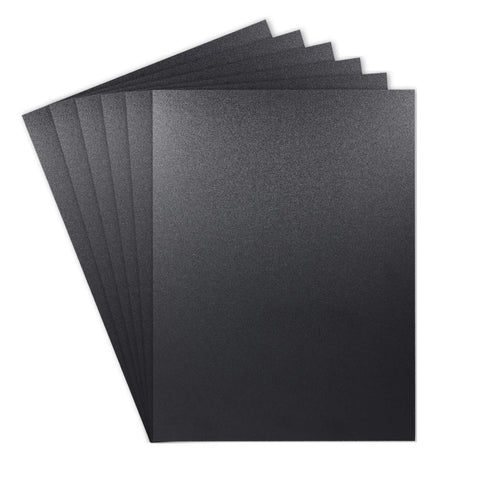
HDPE (High-Density Polyethylene)  sheets

Advancements in Greenhouse Technology with HDPE Sheeting

Utilization of HDPE in Greenhouse Constructions

High-Density Polyethylene, commonly known as HDPE, is revolutionizing greenhouse construction with its innovative use in sheeting and panels. Traditionally, materials such as glass or standard plastics were used, but HDPE brings numerous advancements that enhance the overall efficiency and sustainability of greenhouses.

Advantages of HDPE Sheeting Over Traditional Materials

HDPE sheeting offers several key benefits over more conventional greenhouse materials:

  • Enhanced Light Diffusion: HDPE panels are engineered to diffuse light more effectively, ensuring that plants receive a uniform distribution of sunlight, crucial for optimal growth and yield.
  • UV Resistance: These sheets block harmful UV rays while maintaining high light transmittance. This unique feature protects plants from potential UV damage and extends the lifespan of the greenhouse structure by preventing material degradation.
  • Longevity and Durability: HDPE’s resistance to impact and environmental stressors like wind, rain, and fluctuations in temperature makes it an extremely durable option. This longevity reduces the need for frequent replacements and maintenance.
The Role of HDPE Panels in Modern Greenhouse Operations

The incorporation of HDPE panels into greenhouse designs not only supports better plant growth but also contributes to environmental sustainability. Their ability to withstand diverse climatic conditions without significant wear and tear makes them an economical choice for long-term agricultural projects.

Innovations in HDPE Technology for Agriculture

Ongoing innovations in HDPE technology continue to expand its applications in agriculture. For instance, new formulations of HDPE are being developed to enhance thermal insulation properties, further aiding in energy conservation within greenhouses. This progressive approach ensures that HDPE remains at the forefront of agricultural solutions, adapting to the needs of modern farming and sustainability standards.

By choosing HDPE sheeting for greenhouse construction, agricultural professionals can achieve more resilient, productive, and sustainable farming operations. This adaptation not only leads to better crop yields but also aligns with global efforts toward more environmentally friendly agricultural practices.

HDPE sheeting for greenhouse construction

The Role of HDPE Mulch Films in Crop Production

Impact of HDPE Mulch Films on Agricultural Yields

High-Density Polyethylene (HDPE) mulch films are increasingly being recognized for their substantial impact on modern agriculture. As a farming solution, HDPE mulch films enhance crop production by addressing three primary agricultural challenges: weed suppression, soil moisture conservation, and temperature optimization.

Benefits of Using HDPE Mulch Films

HDPE mulch films offer several advantages that directly contribute to increased agricultural productivity:

  • Weed Suppression: By providing a physical barrier between the soil and the sunlight, these films prevent weeds from receiving the light they need to grow, significantly reducing weed proliferation without the need for chemical herbicides.
  • Moisture Conservation: HDPE films help to maintain soil moisture by reducing evaporation. This is crucial in arid climates and during dry seasons, ensuring that crops receive adequate water.
  • Temperature Control: These films are effective in moderating soil temperature. During colder months, they help retain heat in the soil, and in hotter periods, they can reflect sunlight to keep the soil cooler.
Comparison with Other Types of Plastic Mulch

While other plastics such as low-density polyethylene (LDPE) and polypropylene (PP) are also used as mulch, HDPE stands out for its durability and effectiveness. Compared to LDPE, HDPE is more rigid and less permeable, making it better at retaining moisture and controlling weeds. It is also more resistant to tearing and can withstand heavier agricultural use and harsher environmental conditions.

Recycling and Sustainability of HDPE Mulch Films

Sustainability is a key concern in agriculture today. Recycling options for HDPE mulch films are expanding, reducing their environmental impact. Unlike traditional plastic films that often end up in landfills, HDPE can be recycled effectively, promoting a circular economy in agricultural practices. Research and development are ongoing to improve the recyclability of HDPE films and to develop biodegradable alternatives that may offer similar benefits without the environmental drawbacks.

By incorporating HDPE mulch films into agricultural practices, farmers can enhance crop yields while also contributing to environmental sustainability. These films offer a practical solution to several farming challenges, making them a valuable tool in the arsenal of modern agriculture.

HDPE mulch films

HDPE Irrigation Systems: Efficiency and Sustainability

Introduction to HDPE in Irrigation Systems

High-Density Polyethylene, or HDPE, has become a cornerstone material for irrigation systems worldwide due to its numerous beneficial properties. This section will explore how HDPE is used in irrigation piping systems and the innovations that make it a superior choice for modern agricultural water management.

Key Properties of HDPE for Irrigation

HDPE pipes are highly valued in the agricultural sector for their flexibility, leak resistance, and corrosion resistance. These characteristics ensure that HDPE irrigation systems can deliver water more efficiently and sustainably:

  • Flexibility: HDPE pipes can bend to fit a variety of landscapes without breaking, reducing the need for additional fittings and decreasing the chance of leaks.
  • Leak Resistance: The joints in HDPE piping can be fusion welded to create a seamless and airtight seal, significantly minimizing water loss.
  • Corrosion Resistance: Unlike metal pipes, HDPE is immune to corrosion and chemical reactions, which can degrade other types of materials over time.

Innovations in HDPE Irrigation Designs

Recent advancements in HDPE irrigation technology focus on water conservation and waste reduction. These innovations include:

  • Drip Irrigation Systems: HDPE is often used in the manufacture of drip irrigation tubing, which delivers water directly to the plant roots. This method greatly reduces water wastage and increases water use efficiency.
  • Smart Irrigation: Incorporating sensors and IoT (Internet of Things) technology into HDPE systems allows for precise water management, adjusting water flow based on real-time soil and weather data.

Sustainability of HDPE Irrigation Systems

The sustainability of HDPE in agricultural irrigation comes not only from its efficiency but also from its long lifespan and recyclability. Sustainable farming practices increasingly rely on materials like HDPE that contribute to long-term environmental health. The material’s durability means that it does not need frequent replacement, reducing resource use and waste production over time.

By integrating HDPE into irrigation systems, farmers can achieve a balance between efficient water management and environmental stewardship. The ongoing development of HDPE-based technologies continues to push the boundaries of what’s possible in agricultural water use, aiming for optimal efficiency and minimal environmental impact.

HDPE into irrigation systems

Case Studies: Success Stories Using HDPE in Agriculture

Overview of HDPE Impact in Agricultural Practices

High-Density Polyethylene (HDPE) has been instrumental in transforming agricultural operations across the globe. This section highlights real-world examples where HDPE products have significantly improved productivity, reduced operational costs, and provided environmental benefits.

Case Study 1: Enhanced Irrigation Efficiency with HDPE Pipes

One notable example involves a large-scale farm in California that switched to HDPE piping for its irrigation system. The farm reported a 30% increase in water efficiency due to the leak-resistant nature of HDPE. This transition not only conserved water but also reduced the energy costs associated with pumping and transporting water, demonstrating a substantial decrease in overall operational expenses.

Case Study 2: Durability and Cost Savings in Greenhouse Construction

Another success story comes from a commercial greenhouse operator in the Netherlands. They adopted HDPE sheeting for their greenhouses, which enhanced light diffusion and extended the lifespan of the structures. The UV resistance of HDPE helped maintain the integrity of the greenhouses against harsh sunlight, reducing the frequency of replacements and maintenance costs. The operator reported a marked improvement in plant growth rates and a reduction in material degradation.

Case Study 3: Agricultural Mulching with HDPE Films

In the southeastern United States, several farms have implemented HDPE mulch films to suppress weeds and conserve soil moisture. These farms have seen an increase in crop yields by up to 25% while also reducing the use of water and herbicides. The durability of HDPE mulch films meant fewer replacements throughout the growing season, leading to further operational savings and less environmental impact from waste.

Environmental Benefits Across Case Studies

Across all case studies, the use of HDPE in agriculture has not only boosted productivity and cost-efficiency but also contributed significantly to environmental conservation. The reduction in water and energy usage, along with the decrease in chemical inputs (like herbicides), underscores HDPE’s role in promoting sustainable agricultural practices. Furthermore, the recyclability of HDPE products aligns with global efforts towards reducing plastic waste and enhancing sustainability in farming.

These case studies exemplify the transformative potential of HDPE in modern agriculture, demonstrating its effectiveness in improving both the economic and environmental aspects of farming operations. By adopting HDPE, farms and agricultural businesses can achieve a more sustainable future, optimizing resource use while minimizing environmental footprint.

HDPE (High-Density Polyethylene) sheets

Frequently Asked Questions About HDPE and Beeplastics Customization

1. What is HDPE and why is it used in agriculture?

HDPE (High-Density Polyethylene) is a versatile, durable plastic used extensively in agriculture for applications such as irrigation systems, mulch films, and greenhouse sheeting. It is favored for its resistance to environmental factors, durability, and safety in food contact applications.

2. Can Beeplastics customize HDPE products for specific agricultural needs?

Yes, Beeplastics can undertake any customization required, from single sample customizations to large batch customizations. Whether you need a specific design for irrigation pipes or custom-sized HDPE sheets for greenhouses, we can tailor our products to meet your exact specifications.

3. What file formats does Beeplastics accept for product designs?

Beeplastics accepts a variety of file formats for product designs, including PDF and CAD files. This flexibility allows customers to submit their designs in the format that is most convenient for them.

4. Is there a minimum order quantity (MOQ) required for custom HDPE products at Beeplastics?

No, there is no minimum order quantity at Beeplastics. We are committed to supporting projects of all sizes, from small custom orders to large-scale productions.

5. What determines the production cycle for custom HDPE products at Beeplastics?

The production cycle for custom HDPE products depends on the order quantity and the complexity of the customization process. We communicate with customers about production progress in real-time to ensure transparency and satisfaction.

6. Does Beeplastics provide samples before full production?

Yes, Beeplastics supports the provision of samples before moving forward with full production. Samples are provided free of charge; however, customers are responsible for the shipping costs.

7. How does HDPE contribute to environmental sustainability in agriculture?

HDPE helps reduce environmental impact in agriculture through its durability and efficiency. It reduces the need for frequent replacements due to its long lifespan and helps conserve resources like water in irrigation systems.

8. How do HDPE mulch films benefit crop production?

HDPE mulch films help increase agricultural yields by suppressing weeds, conserving soil moisture, and optimizing soil temperature. These films also reduce the need for chemical herbicides, contributing to more sustainable farming practices.

9. What are the advantages of using HDPE in greenhouse construction?

HDPE is highly beneficial in greenhouse construction due to its enhanced light diffusion, UV resistance, and longevity. These properties help create optimal growing conditions and reduce maintenance and replacement costs.

10. How does Beeplastics handle large orders and complex customizations?

For large orders and complex customizations, Beeplastics carefully plans and manages the production process to meet client specifications efficiently. We ensure that all details are addressed, from material selection to final production, maintaining high standards of quality and customer satisfaction.

In conclusion, High-Density Polyethylene (HDPE) has proven to be an indispensable material in the agricultural sector, offering unparalleled benefits in terms of durability, efficiency, and environmental sustainability. From revolutionizing greenhouse technology with its superior sheeting options to enhancing crop production through effective mulch films and reliable irrigation systems, HDPE continues to be a key player in advancing agricultural practices. Moreover, with Beeplastics’ flexible customization options, including support for various design formats and a commitment to accommodating orders of any size without a minimum MOQ, agricultural professionals can easily tailor HDPE solutions to meet their specific needs. Embracing HDPE products not only optimizes farming operations but also aligns with sustainable practices, ensuring a healthier planet for future generations.
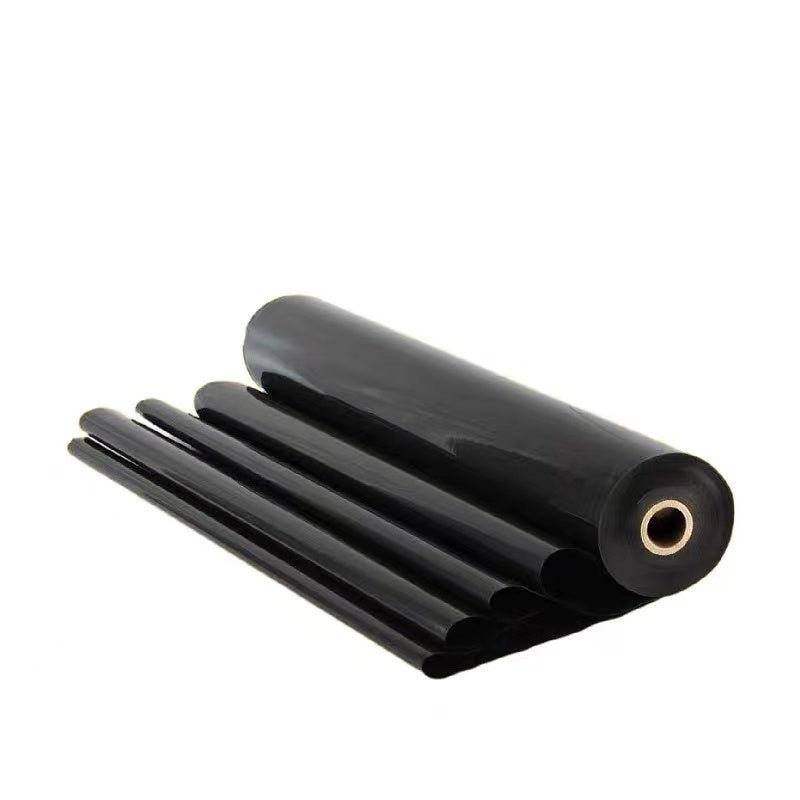
HDPE Mulch Films

Get Started with Custom HDPE Solutions Today!

Interested in boosting productivity and sustainability on your farm with HDPE? Reach out now by filling out our contact form at the bottom of this page. For a deeper dive into our customization options, visit our dedicated HDPE custom processing page and see what we can do for you.

🎉🎉🎉Limited Time Offer Use code: QR4GNY08SHVR at checkout and enjoy a special discount on your entire order! 👉 HDPE plastic

Leave a comment


Please note, comments must be approved before they are published


Custom Plastic Fabrication

Send your drawing, material and quantity for review

🔧
Precision Machining
CNC milling & turning
✂️
Cutting & Engraving
Laser & waterjet cutting
🏭
Forming & Molding
Thermoforming & injection
🔗
Joining & Assembly
Welding & bonding
📐
Design & Prototyping
CAD design & samples

General

HDPE

PP

PVC

ABS

Engineering

POM

Nylon

PC

PMMA

High-Performance

PEEK

PEI

PTFE

Composites

FR-4

G10

Flexible

TPU

Silicone

Why Choose BeePlastic?

🎯
Perfect Fit
Custom specs eliminate adaptation needs
⚡
Clear Lead Times
Lead time confirmed with every quote
💰
Volume Pricing
Volume pricing available on bulk orders
🤝
Expert Support
Free engineering consultation included
📋
Submit
→
🔍
Review
→
💵
Quote
→
✅
Production
→
📦
Deliver

Request a Quote

Share your project details, selected material and quantity on our quote page. You can add a file link or use the email drawing route shown there.


Request Quote

Industries: Automotive • Medical • Food • Lab • Semiconductor

beeplastic@beeplastic.com


Boost Your Corporate Identity with Advanced Acrylic UV Printing Techniques

UV printing on acrylic

Elevate your corporate identity with the cutting-edge Acrylic UV Printing Techniques detailed in this comprehensive guide. Discover the fundamentals of acrylic polymer print technology, offering a deep dive into how this innovative method can transform your business materials. Learn about the vast customization options available, allowing you to personalize your branding to truly stand out. Explore eco-friendly printing solutions that align with modern sustainability practices, providing an edge in today’s environmentally conscious market. Gain insights through detailed case studies that showcase successful brand transformations using UV print technology. Lastly, keep ahead of the curve with an overview of future trends in polymer graphics, ensuring your business remains at the forefront of industry advancements. This post is a must-read for businesses aiming to enhance their market presence and brand appeal with state-of-the-art UV printing on acrylic.

🎉🎉🎉Limited Time Offer Use code: QR4GNY08SHVR at checkout and enjoy a special discount on your entire order! 👉 Acrylic plastic

UV printing on acrylic

Understanding Acrylic UV Printing Technology

Acrylic UV printing, or acrylic polymer print technology, represents a significant leap forward in printing capabilities, offering unmatched durability and color vibrancy. This innovative technique employs ultraviolet light to cure or harden the ink as it is printed onto the acrylic surface. The instant curing process ensures that the ink doesn’t spread, enabling more precise and high-quality prints. Such attributes are particularly beneficial for corporate branding materials, where both aesthetics and longevity are crucial.

The Process of UV Printing on Acrylic

The process begins when an image is digitally prepared and sent to the UV printer, which applies a special ink designed for acrylic surfaces. As the printer distributes ink across the material, ultraviolet lamps alongside the print heads immediately cure the ink. This method is highly efficient, allowing for rapid production runs without sacrificing the quality of the printed items. Additionally, this technology supports printing on various thicknesses and sizes of acrylic, making it versatile for different corporate needs.

Benefits of Acrylic UV Printing for Businesses

The main advantage of using UV printing on acrylic for business purposes is its striking visual impact. The prints are not only vivid and eye-catching but also resistant to fading and weathering, which is ideal for both indoor and outdoor applications. Moreover, the ability to quickly produce durable prints makes acrylic UV printing a cost-effective solution for businesses looking to produce everything from detailed signage to decorative pieces for corporate environments.

Key Features of Acrylic UV Print Technology

  • Instant curing: This feature ensures that prints are touch-dry as soon as they come off the press, increasing the speed of production.
  • High detail and resolution: UV printers can achieve extremely fine details, crucial for corporate logos and intricate designs.
  • Versatility: UV printing can be done on a range of acrylic thicknesses and sizes, accommodating various project requirements.
  • Durability: UV-printed acrylic is resistant to elements, making it suitable for both indoor and outdoor use.

Applications of UV Printed Acrylic in Corporate Settings

In corporate settings, UV printed acrylic can be utilized for a variety of purposes. It is commonly used for making high-end business signs, customized awards, and bespoke furniture pieces that carry the company’s branding. Additionally, companies often employ this technology for creating unique point-of-sale displays that capture customer attention and enhance the shopping experience.

This guide on acrylic polymer print technology is tailored to assist businesses in understanding and leveraging this powerful printing technique to boost their corporate identity and visibility. The use of UV printing on acrylic offers a promising avenue for companies looking to invest in high-quality, durable promotional materials that stand out in the competitive market. For further details on how to implement these techniques in your business strategies, consider consulting with a specialist in UV printing solutions.

Customizing Your Corporate Brand with UV Printing on Acrylic

In today’s competitive market, brand personalization is crucial for standing out. UV printing on acrylic offers extensive customization options that allow businesses to enhance their brand visibility and engagement uniquely and effectively. This section delves into the variety of custom UV applications available on acrylic surfaces, showcasing how organizations can transform their corporate branding materials into bespoke artifacts that capture attention and convey brand values.

custom UV applications available on acrylic surfaces

The Scope of Customization with UV Printing

UV printing technology is renowned for its versatility, enabling a wide array of customization options. From colors and textures to shapes and sizes, UV printers can handle diverse specifications with precision. This capability allows businesses to create tailored products that resonate with their brand identity and appeal to their target audience. Whether it’s vibrant office decor, intricate promotional displays, or elegant signage, acrylic UV printing can be adapted to meet any corporate requirement.

Creating Unique Branding Materials

One of the standout features of UV printing on acrylic is its ability to produce rich, saturated colors and sharp details. Companies can choose from a spectrum of hues and special effects, including gloss, matte, and even textured finishes. This flexibility in design enables brands to develop distinctive visuals that are not only aesthetically pleasing but also aligned with their corporate identity.

The Advantages of Durability and Clarity

Acrylic itself is a material praised for its clarity and durability, making it an ideal medium for conveying high-quality brand imagery. When combined with UV printing, the result is a product that not only looks spectacular but can also withstand the test of time. UV-printed acrylic is resistant to weather conditions, UV light, and mechanical wear, ensuring that the branding remains pristine and vibrant even in demanding environments.

Enhancing Customer Engagement through Personalized Experiences

UV printing on acrylic also allows for the creation of interactive and engaging materials. Businesses can integrate QR codes, interactive elements, and customized messages into their printed products, enhancing customer interaction and engagement. This level of personalization helps in building a deeper connection with the audience, thereby boosting brand loyalty.

Leveraging UV Printed Acrylic for Corporate Needs

To fully harness the potential of UV printing on acrylic, companies can explore various applications tailored specifically to their needs. From bespoke office furnishings that reinforce brand culture to elegant promotional gifts that leave a lasting impression, the possibilities are nearly limitless. For businesses looking to explore further or implement this technology, consulting with a UV printing expert can provide deeper insights and guidance tailored to specific branding objectives.

This section on custom UV applications on acrylic surfaces highlights how advanced UV printing techniques can transform ordinary materials into extraordinary marketing and branding tools. By opting for UV printed acrylic, companies not only enhance the aesthetic appeal of their promotional items but also contribute to a cohesive and memorable brand experience.

custom UV applications on acrylic surfaces

Promoting Sustainability Through Eco-Friendly UV Printing on Acrylic

As environmental concerns continue to rise, businesses are increasingly looking for sustainable practices in their operations, including in areas like printing. UV printing on acrylic is gaining traction not only for its efficiency and visual appeal but also for its potential in supporting eco-friendly initiatives. This section explores how acrylic UV printing aligns with environmental sustainability, focusing on the use of eco-friendly inks and recyclable materials that cater to an eco-conscious audience.

The Environmental Benefits of UV-Curable Inks

One of the key sustainable features of UV printing on acrylic is the use of UV-curable inks. These inks differ significantly from traditional solvent-based inks, as they do not contain volatile organic compounds (VOCs), which are harmful to the environment. When UV inks cure, they turn from a liquid to a solid, reducing harmful emissions and minimizing waste. This process not only improves workplace safety by reducing air pollutants but also helps companies adhere to stricter environmental regulations.

Reducing Carbon Footprint with Efficient Printing Processes

UV printing technology is highly efficient, utilizing energy more effectively compared to conventional printing methods. The quick-curing nature of UV inks reduces energy consumption during the printing process, which contributes to a lower carbon footprint. Additionally, the durability of UV prints on acrylic means that the products last longer, decreasing the frequency of replacements and thereby reducing material waste.

Utilizing Recyclable and Reusable Acrylic Materials

Acrylic is a highly recyclable material, and its integration with UV printing technology enhances its sustainability profile. Once the life cycle of a UV-printed acrylic product ends, the material can be recycled into new acrylic products, thus promoting a circular economy. This aspect is particularly appealing to businesses and consumers who prioritize environmental responsibility in their purchasing decisions.

Innovations in Eco-Friendly Acrylic Printing

The industry is continually innovating to improve the eco-friendliness of acrylic UV printing practices. Advances include the development of bio-based acrylics and improvements in recycling processes. These innovations ensure that businesses using UV printing on acrylic are at the forefront of sustainable practices, offering products that are not only effective but also environmentally responsible.

Aligning with Green Market Trends

In today’s market, aligning with green trends is not just about reducing environmental impact but also about building brand loyalty and trust among consumers. By investing in eco-friendly UV printing technologies, companies can enhance their brand image and appeal to a growing demographic of environmentally aware customers. For those interested in adopting these practices, reaching out to suppliers specializing in sustainable UV printing solutions can provide the necessary tools and knowledge to make a meaningful environmental impact.

This exploration of sustainable practices in acrylic UV printing highlights how companies can contribute to environmental stewardship while still achieving their marketing and operational goals. The combination of eco-friendly inks, energy-efficient processes, and recyclable materials makes UV printing on acrylic a compelling choice for businesses committed to sustainability.sustainable practices in acrylic UV printing

Showcasing Success: UV Printed Acrylic in Corporate Branding

The impact of UV printed acrylic on corporate branding can be best understood through real-world examples. This section delves into case studies of companies that have effectively utilized this technology in their branding and promotional efforts, highlighting the tangible benefits and how it has transformed their corporate identities.

Enhancing Retail Experience with High-Quality Signage

One notable example is a luxury retail brand that adopted UV printing on acrylic for its store signage across multiple locations. The brand was looking for a solution that could deliver high visual impact and durability under various environmental conditions. UV-printed acrylic provided vibrant, high-resolution prints that captured the essence of their upscale products, enhancing the overall shopping experience. The durability of the materials ensured that the signage remained pristine over time, reducing the need for frequent replacements and maintaining a consistent brand appearance.

Transforming Event Spaces with Customized Displays

Another case involves a technology firm that used UV printed acrylic for its promotional displays at a major industry conference. The company customized large-scale acrylic panels with intricate, colorful graphics that showcased their new product line. The vivid clarity and gloss of the UV prints made the displays stand out, drawing significant attention from conference attendees. This application not only boosted the company’s visibility at the event but also conveyed a message of innovation and quality that is crucial in the tech industry.

Creative Applications in Corporate Decor

A third example is a corporate office that integrated UV printed acrylic into its interior decor. Seeking to reflect its corporate values and energize its workspace, the company used acrylic UV prints for motivational wall art and privacy screens in open-plan areas. The result was a visually appealing and inspirational environment that reinforced the company’s brand and values daily to employees and visitors alike.

Building Brand Loyalty with Promotional Items

In the promotional industry, a marketing agency specialized in bespoke corporate gifts saw tremendous success with UV printed acrylic. They offered clients custom-printed acrylic trophies, plaques, and desk accessories. The unique appearance and high quality of these items made them popular choices for businesses looking to leave a lasting impression. The agency’s ability to provide consistently appealing and durable products helped build brand loyalty and a strong reputation in the promotional goods market.

Strategic Brand Enhancements with UV Acrylic Printing

These case studies demonstrate the versatile applications and significant advantages of UV printed acrylic in enhancing corporate identity. From retail branding to event marketing and office decor, the technology offers unique solutions that are both aesthetically pleasing and functional. For businesses considering a brand transformation, exploring the possibilities with UV acrylic print technology could be a strategic move toward a more distinctive and durable corporate identity.

Through these real-world applications, it’s clear that UV printed acrylic is more than just a printing choice—it’s a strategic branding tool that can elevate a company’s identity in various competitive markets.

Emerging Trends in UV Printing on Acrylic: Shaping the Future of Corporate Branding

The field of UV printing on acrylic is continually evolving, driven by technological advancements and a growing demand for innovative branding solutions. This section explores the future trends in polymer graphics and considers how these innovations could enhance corporate promotional materials, offering new opportunities for businesses to differentiate themselves in a competitive market.

Advancements in Printing Technology and Materials

As technology advances, we are seeing significant improvements in both UV printing equipment and the acrylic materials used. These advancements include faster printing speeds, enhanced color accuracy, and the ability to print on a wider range of acrylic thicknesses and textures. Newer printers are also capable of creating more intricate designs with higher resolution, which can be crucial for detailed logos and branding elements. Additionally, the development of more durable and lightweight acrylics opens up possibilities for larger, more impactful promotional displays that are still easy to transport and install.

Integration of Digital and Interactive Elements

A particularly exciting trend is the integration of digital elements into UV printed acrylic items. Future technologies may allow for the incorporation of LED lighting or digital screens directly into the printed acrylic, turning ordinary promotional materials into interactive displays. This could include dynamic advertising signs that change content based on the time of day or interactive kiosks that engage users with touch screens embedded within printed acrylic panels.

Sustainable Practices and Eco-Friendly Innovations

Sustainability continues to be a key trend across all industries, including UV printing. Innovations are likely to focus on the development of eco-friendly inks and recyclable acrylic materials that maintain high-quality print standards while reducing environmental impact. These sustainable practices not only help businesses comply with environmental regulations but also appeal to the growing segment of consumers who prioritize eco-conscious products.

Customization at Scale

Another trend to watch is the ability to customize UV prints on acrylic at a larger scale and with greater ease. Advances in software and printing technology could allow businesses to design and order customized prints online, streamlining the production process. This trend will enable even small businesses to affordably create custom promotional materials that were previously only accessible to larger corporations with bigger budgets.

Enhancing Brand Identity with Next-Gen UV Printing

Looking ahead, the advancements in UV printing on acrylic are poised to revolutionize how companies approach their branding and promotional strategies. The ability to produce more customized, interactive, and sustainable promotional materials can significantly enhance a brand’s visibility and engagement with potential customers.

These future trends in UV printing on acrylic suggest a dynamic evolution of the technology, with promising opportunities for businesses to innovate their branding strategies. Companies interested in staying ahead of the curve should consider how to incorporate these advancements into their marketing plans. For more insights and potential collaborations, businesses can consult with experts in advanced polymer graphics. This proactive approach will ensure they are ready to leverage the full potential of UV printing innovations as they emerge.

Frequently Asked Questions About UV Printing on Acrylic and Beeplastics Customization

1. Can Beeplastics handle both sample and batch customization?

Yes, Beeplastics offers extensive customization capabilities, including both sample and batch customization. Whether you need a single prototype or a large volume of customized items, we can accommodate your requirements with precision and efficiency.

2. What file formats does Beeplastics accept for custom designs?

Beeplastics accepts a variety of file formats for custom designs, including PDF and CAD files. These formats allow us to ensure that your designs are replicated with high fidelity in the final product.

3. Is there a minimum order quantity (MOQ) required for custom projects?

No, there is no minimum order quantity at Beeplastics. We cater to all order sizes, from single-piece orders to large-scale batch productions, ensuring flexibility and accessibility for businesses and individuals alike.

4. How does the production cycle work at Beeplastics?

The production cycle at Beeplastics varies depending on the order size and the complexity of the customization. We communicate with you throughout the process, providing updates on production progress and any adjustments that may affect the timeline.

5. Does Beeplastics offer sample provisions?

Yes, Beeplastics supports the provision of samples. The samples are provided free of charge; however, the customer is responsible for the shipping costs. This policy allows you to evaluate the quality and suitability of our products before committing to a larger order.

6. How does UV printing on acrylic benefit my brand identity?

UV printing on acrylic offers vibrant, high-resolution graphics that are durable and visually impactful. This printing method enhances your brand’s visibility and appeal, making it an excellent choice for creating high-quality promotional materials and signage.

7. What are the durability characteristics of UV printed acrylic products?

UV printed acrylic products are highly durable. They are resistant to weather conditions, UV light, and mechanical wear, making them suitable for both indoor and outdoor applications. This ensures long-lasting quality and performance, preserving your investment in branding materials.

8. Can UV printed acrylic be used for outdoor applications?

Yes, UV printed acrylic is an excellent choice for outdoor applications. Its resistance to environmental factors like sun exposure and rain ensures that your prints remain vibrant and intact over time, making it ideal for outdoor signage and displays.

9. What sustainability practices does Beeplastics follow in UV printing?

Beeplastics is committed to sustainability. We use eco-friendly UV inks that are free from volatile organic compounds (VOCs), and we focus on using recyclable acrylic materials to minimize our environmental impact.

10. How can I ensure that my design is accurately replicated using UV printing on acrylic?

To ensure accurate replication of your design, Beeplastics utilizes state-of-the-art UV printing technology that can capture even the most intricate details. We recommend providing high-resolution files in the accepted formats and reviewing a sample print to confirm the accuracy before proceeding with the full order.

Embracing UV printing on acrylic offers a plethora of benefits for enhancing corporate identity, sustainability, and brand personalization. At Beeplastics, we are dedicated to providing you with cutting-edge customization options, no minimum order constraints, and flexible production schedules tailored to your needs. By choosing Beeplastics for your UV printing solutions, you’re not only opting for a method that yields visually stunning and durable results but also engaging with a process that supports environmental sustainability. Dive into the world of UV printed acrylic with us and experience how our tailored solutions can transform your promotional strategies and elevate your brand to new heights. Whether it’s a single custom piece or a large batch of intricate designs, Beeplastics is here to bring your vision to life with precision and care.

UV printing on acrylic

Ready to revolutionize your brand with custom UV printing on acrylic? Don’t hesitate—reach out to us today! Fill out the contact form at the bottom of this page to start your bespoke project with Beeplastics. Let’s bring your vision to life with precision and creativity.

🎉🎉🎉Limited Time Offer Use code: QR4GNY08SHVR at checkout and enjoy a special discount on your entire order! 👉 Acrylic plastic

Leave a comment


Please note, comments must be approved before they are published


Custom Plastic Fabrication

Send your drawing, material and quantity for review

🔧
Precision Machining
CNC milling & turning
✂️
Cutting & Engraving
Laser & waterjet cutting
🏭
Forming & Molding
Thermoforming & injection
🔗
Joining & Assembly
Welding & bonding
📐
Design & Prototyping
CAD design & samples

General

HDPE

PP

PVC

ABS

Engineering

POM

Nylon

PC

PMMA

High-Performance

PEEK

PEI

PTFE

Composites

FR-4

G10

Flexible

TPU

Silicone

Why Choose BeePlastic?

🎯
Perfect Fit
Custom specs eliminate adaptation needs
⚡
Clear Lead Times
Lead time confirmed with every quote
💰
Volume Pricing
Volume pricing available on bulk orders
🤝
Expert Support
Free engineering consultation included
📋
Submit
→
🔍
Review
→
💵
Quote
→
✅
Production
→
📦
Deliver

Request a Quote

Share your project details, selected material and quantity on our quote page. You can add a file link or use the email drawing route shown there.


Request Quote

Industries: Automotive • Medical • Food • Lab • Semiconductor

beeplastic@beeplastic.com


The Strength Behind Structural Components: Exploring the Use of ABS Sheets

ABS sheets offer a compelling blend of durability

Explore the robust capabilities of in structural applications with our deep dive into “The Strength Behind Structural Components: Exploring the Use of ABS Sheets.” This post unpacks the inherent properties of ABS plastic, emphasizing its impact resistance, durability, and thermal stability, making it a standout choice for various industries. Compare ABS with other popular plastics to understand why it often emerges as the superior option for structural components. Delve into innovative and effective uses of ABS plastic sheets in structural design, showcasing real-world examples that highlight its versatility. Gain insights into the best practices and processing techniques for handling ABS, ensuring optimal performance and efficiency. Finally, look ahead at the future of ABS usage, focusing on sustainability and material advancements that enhance environmental compatibility. Join us to understand why ABS remains a cornerstone material in modern manufacturing.

🎉🎉🎉Limited Time Offer Use code: QR4GNY08SHVR at checkout and enjoy a special discount on your entire order! 👉 ABS plastic


ABS sheets

Understanding ABS Material Properties

ABS (Acrylonitrile Butadiene Styrene) is highly valued for its exceptional blend of properties, making it an indispensable material in many structural applications. This thermoplastic is recognized for its toughness, high impact resistance, and heat stability, securing its place as a favored choice across diverse industries.

High Impact Resistance

One of the key attributes of ABS is its high impact resistance. This characteristic ensures that products crafted from ABS can endure harsh conditions without damage. This resilience is particularly critical in industries like automotive and construction, where materials are subjected to severe wear and tear. ABS’s capacity to absorb shocks and resist impacts makes it ideal for components that face high mechanical stress.

Toughness and Durability

ABS is also celebrated for its overall toughness, which translates into notable durability. This durability makes ABS a cost-effective option for manufacturers, as the material’s robust nature helps maintain structural integrity over time, reducing the frequency of replacements and enhancing cost efficiency.

Heat Stability

Another significant advantage of ABS is its heat stability. It can withstand temperatures that might deform or degrade other plastics. This thermal resistance is crucial for use in environments with fluctuating temperatures or constant exposure to heat. The electronics industry, for example, benefits greatly from ABS for components like casings and mounts, which require resistance to thermal distortion.

Versatility Across Industries

The amalgamation of these properties renders ABS an ideal choice for a plethora of applications. Its versatility is demonstrated by its prevalence in products ranging from consumer goods to high-stress industrial components. Industries such as medical devices, automotive, and consumer electronics rely on ABS for parts that require both aesthetic appeal and functional performance.

Benefits in Structural Applications

In structural applications, the properties of ABS ensure it meets the demanding conditions of various manufacturing environments. Whether used in prototyping or as part of the final products, ABS provides a dependable foundation that engineers and designers rely on. Its ease of fabrication and ability to be customized through colors and finishes only add to its broad appeal for comprehensive industrial use.

This section details how ABS’s inherent qualities help manufacturers achieve greater design flexibility, enhance product longevity, and adhere to stringent performance standards. ABS remains a cornerstone material, driving innovation and efficiency in manufacturing sectors worldwide.

ABS (Acrylonitrile Butadiene Styrene)

Comparison of ABS with Other Plastics in Structural Applications

When selecting materials for structural applications, the choice often boils down to comparing ABS (Acrylonitrile Butadiene Styrene) with other common plastics like PVC (Polyvinyl Chloride), polycarbonate, and polyethylene. Each of these materials brings its own set of properties to the table, making them suitable for various applications. However, ABS often stands out due to its durability, cost-effectiveness, and ease of manufacturing.

Durability Compared to Other Plastics

ABS is renowned for its exceptional durability. This characteristic makes it more robust than polyethylene and often more suitable for applications that require a sturdy, impact-resistant material. Unlike PVC, which can become brittle and crack under extreme conditions, ABS maintains its integrity, providing a reliable choice for products that endure high stress or impact. Furthermore, compared to polycarbonate, while both materials offer high impact resistance, ABS tends to be the preferred option in scenarios where a good balance between strength, rigidity, and cost is necessary.

Cost-Effectiveness of ABS

In terms of cost-effectiveness, ABS generally provides more bang for the buck. It is typically less expensive than polycarbonate and offers similar, if not superior, durability and ease of use. While polyethylene can be cheaper, it does not match the rigidity and heat resistance that ABS offers, making ABS a more cost-efficient option for applications that demand these qualities without the high expense of more premium plastics like polycarbonate.

Manufacturing Ease

The ease of manufacturing with ABS is another critical factor in its favor. ABS can be easily molded and machined to high tolerances, making it highly versatile for complex designs and applications. This ease of processing makes ABS particularly attractive for manufacturers who require precision and repeatability in large-scale production. PVC, while also easy to mold, does not provide the same level of precision as ABS. Similarly, polycarbonate is more challenging to handle due to its higher melting point, requiring more energy and careful processing to shape.

Scenarios Where ABS Sheets Outperform Others

In scenarios such as automotive parts, consumer electronics casings, and toys, ABS sheets often outperform other plastics. For example, in the automotive industry, ABS is used for dashboard trim, interior cladding, and other components where its durability, aesthetic appeal, and resistance to heat and impact are crucial. In electronics, ABS is favored for its ability to be fabricated into complex shapes while providing excellent thermal stability and shock resistance.

This comparative analysis shows that while other plastics like PVC, polycarbonate, and polyethylene have their specific applications, ABS sheets frequently provide the most balanced solution for structural components across various industries. Its blend of physical properties and cost-efficiency makes it a top choice among materials engineers and designers alike.

ABS sheets frequently provide the most balanced solution

Innovative Uses of ABS Plastic Sheets in Structural Design

ABS plastic sheets are not just a staple in traditional manufacturing sectors; they are also at the forefront of innovation in structural design. The versatility and adaptability of ABS make it a preferred material for pioneering new design methodologies and enhancing product performance across diverse industries.

Enabling New Design Possibilities

One of the most significant advantages of ABS sheets is their ability to foster new design possibilities. Designers and engineers can exploit the material’s excellent machinability and thermoforming capabilities to create complex, intricate shapes that would be difficult or impossible with more rigid materials. This flexibility opens up a world of design options, particularly in industries such as automotive and consumer electronics, where aesthetic form and functional design are tightly integrated.

Case Studies: ABS in Action

Automotive Industry Innovations

In the automotive sector, ABS sheets have revolutionized the design of interior components. For example, a leading car manufacturer has utilized ABS for creating a lightweight, durable dashboard that integrates all electronic components seamlessly. This not only enhances the aesthetic appeal of the vehicle’s interior but also improves the overall safety and functionality by reducing the dashboard’s weight, which contributes to better fuel efficiency and lower emissions.

Revolutionizing Consumer Electronics

In consumer electronics, a notable case involves a company that used ABS sheets to develop a new range of ergonomic and durable computer keyboard cases. These cases were designed to withstand high impacts and frequent use, showcasing ABS’s durability and resilience. The use of ABS allowed for sleeker, more attractive designs without compromising the product’s structural integrity or performance.

Innovative Applications in Robotics

ABS sheets are also making waves in robotics, where they are used to create robust, lightweight frames and protective casings for delicate electronic components. One robotics startup has leveraged ABS to produce customizable and modular robot frames that offer flexibility in design and use, adapting to different environments and tasks.

Improving Product Performance with ABS

The intrinsic properties of ABS sheets, such as high impact resistance, strength, and thermal stability, contribute significantly to improved product performance. These characteristics ensure that products not only meet the required design specifications but also stand up to real-world use conditions. For instance, in the sporting goods industry, ABS is used to manufacture helmets and protective gear that offer superior protection and comfort compared to products made from other plastics.

ABS sheets

These examples illustrate how ABS plastic sheets are instrumental in driving innovation and performance improvements across multiple sectors. By embracing the unique attributes of ABS, companies are able to push the boundaries of traditional manufacturing and product design, leading to more advanced, reliable, and user-friendly products.

Processing Techniques and Best Practices for ABS Sheets

ABS plastic sheets are versatile in their applications, largely due to the various processing techniques that can be applied. Understanding these techniques and following best practices are crucial for maximizing the performance and aesthetic qualities of ABS products.

Key Manufacturing Processes for ABS

Thermoforming ABS Sheets

Thermoforming is one of the most common methods used to shape ABS sheets into desired forms. This process involves heating a plastic sheet until it becomes pliable, then molding it over a form and trimming it to create a finished product. The ability to produce large parts with relatively low-cost tooling makes thermoforming a preferred choice for items such as automotive body panels, refrigerator liners, and more. Best practices for thermoforming ABS include ensuring uniform heating and avoiding over-stretching the material to maintain thickness and strength.

Injection Molding of ABS

Injection molding is another prevalent technique for manufacturing ABS plastic products. This process involves melting the plastic and injecting it under pressure into a mold cavity where it cools and solidifies into the final part. Injection molding is highly efficient for high-volume production and allows for intricate designs with excellent surface finish. Best practices here include using precise temperature controls to prevent degradation of the ABS material and employing high mold temperatures to reduce internal stresses and warpage.

Machining ABS Plastic

Machining is a subtractive process used to create precision parts from ABS sheets. Techniques such as CNC (Computer Numerical Control) machining are commonly employed to achieve intricate details and tight tolerances. When machining ABS, it is important to use sharp tools and correct cutting parameters to prevent melting or chipping the material. Cooling fluids can also be used to enhance the finish and dimensional accuracy of the machined parts.

Best Practices for Handling ABS Sheets

Proper handling and treatment of ABS sheets are essential to maintain their structural integrity and aesthetic appeal. Some key practices include:

  • Storing ABS Sheets Properly: Keep ABS sheets in a cool, dry place away from direct sunlight to prevent premature aging and warping.
  • Pre-drying the Material: Before processing, particularly in injection molding and thermoforming, pre-drying ABS can be crucial to prevent moisture from causing defects like blisters or splay.
  • Maintaining Optimal Processing Temperatures: Each processing technique requires specific temperature settings. Adhering to these settings helps preserve the mechanical properties of ABS and ensures high-quality outputs.

By following these manufacturing processes and best practices, manufacturers can effectively utilize ABS sheets to produce high-quality, durable products across various industries. The adaptability and robustness of ABS make it an invaluable material in the production landscape, where precision, efficiency, and reliability are paramount.

ABS sheets to produce high-quality

Future Trends and Sustainability of ABS Sheet Usage

As industries continue to evolve, the use of ABS (Acrylonitrile Butadiene Styrene) sheets is also adapting to meet new challenges and opportunities, particularly in the realm of sustainability and technological advancements. Future trends in ABS usage are likely to be heavily influenced by the push towards more sustainable practices and the development of new material blends that enhance performance and environmental friendliness.

Advancements in Material Blends

The ongoing development of new material blends that incorporate ABS is aimed at enhancing the properties of the sheets while reducing environmental impact. For example, blending ABS with natural fibers or other biodegradable materials can decrease the reliance on purely synthetic resources and improve the biodegradability of the final products. These advancements not only improve the environmental profile of ABS sheets but also open up new applications in industries seeking greener alternatives.

Recycling Efforts for ABS

Recycling of ABS sheets is a critical area of focus as industries aim to reduce waste and reuse materials. Advances in chemical recycling techniques have made it possible to break down ABS waste into its original monomers, which can then be repurposed to create new ABS sheets with minimal quality loss. This circular approach to using ABS helps diminish landfill waste and the carbon footprint associated with the production of new plastics.

Integration of Sustainable Practices

Integrating sustainable practices into the lifecycle of ABS products is increasingly becoming a priority for manufacturers. This includes optimizing manufacturing processes to reduce energy consumption and waste, as well as implementing take-back programs for ABS products at the end of their life. By doing so, companies not only adhere to stricter environmental regulations but also appeal to a growing base of environmentally conscious consumers.

Future Industry Applications

Looking forward, ABS sheets are expected to play a pivotal role in emerging technologies such as 3D printing, where their versatility and strength are invaluable. The ability of ABS to be easily printed while maintaining high dimensional stability makes it an ideal candidate for additive manufacturing applications, from prototyping to finished goods.

These trends reflect a broader movement within the plastics industry towards more sustainable materials and processes. As ABS continues to evolve, its role in the global manufacturing landscape is set to become even more significant, driven by innovation and a commitment to environmental stewardship.

ABS sheets are expected to play a pivotal role in emerging technologies such as 3D printing

Frequently Asked Questions About ABS Sheets and Beeplastics Customization

Here are some of the most common questions regarding ABS sheets and specific customization services provided by Beeplastics:

1. What properties make ABS sheets ideal for structural applications?

Answer: ABS sheets are favored for their high impact resistance, toughness, and heat stability. These properties make them suitable for various applications across industries, including automotive, electronics, and consumer products, where durability and performance are crucial.

2. Can Beeplastics undertake any type of customization?

Answer: Yes, Beeplastics offers extensive customization services, including sample customization and batch customization. We can handle everything from small, one-off projects to large-scale production runs, adapting to the specific needs of our clients.

3. What file formats does Beeplastics accept for designs?

Answer: Beeplastics accepts a variety of file formats, making it easy for clients to submit their designs. Popular formats include PDF and CAD files, which facilitate straightforward integration into our manufacturing process.

4. Is there a minimum order quantity (MOQ) required at Beeplastics?

Answer: No, there is no minimum order quantity at Beeplastics. We support projects of all sizes, from single prototypes to large batch orders, ensuring flexibility for our customers’ varying needs.

5. How does Beeplastics determine the production cycle for custom orders?

Answer: The production cycle at Beeplastics is determined based on the order volume and the complexity of the process involved. We communicate the production progress in real time with our clients to ensure transparency and timely delivery.

6. Does Beeplastics provide samples before full production?

Answer: Yes, Beeplastics supports the provision of samples. We offer free samples to our customers; however, the customer is responsible for the shipping costs. This policy allows customers to evaluate the quality and suitability of our products before committing to a larger order.

7. How do ABS sheets compare to other plastics like PVC or polycarbonate in terms of cost-effectiveness?

Answer: ABS sheets are generally more cost-effective than polycarbonate and offer comparable, if not superior, properties compared to PVC. ABS provides a good balance of strength, durability, and ease of manufacturing, making it a cost-efficient option for many applications.

8. Are recycled ABS sheets available, and do they maintain the same quality as virgin material?

Answer: Recycled ABS sheets are available and can be a good choice for environmentally conscious projects. While recycled ABS generally maintains good quality, it’s essential to ensure that the recycling process and the source of recycled material meet high standards to preserve the material’s inherent properties.

9. What are the environmental impacts of using ABS sheets, and how is Beeplastics addressing sustainability?

Answer: ABS sheets are derived from fossil fuels, which has implications for environmental sustainability. Beeplastics is committed to reducing this impact by implementing recycling programs and exploring new blends of materials that include biodegradable components to improve the sustainability of our products.

10. Can Beeplastics assist with the design process for custom ABS sheet applications?

Answer: Absolutely! Beeplastics offers design assistance to ensure that your custom ABS sheet applications meet all functional and aesthetic requirements. Our team can help refine your designs and suggest the best manufacturing techniques to achieve optimal results.

In conclusion, ABS sheets offer a compelling blend of durability, cost-effectiveness, and versatility, making them an invaluable resource across a diverse range of industries. From the automotive sector to consumer electronics and beyond, the qualities of ABS ensure it is perfectly suited to meet the demands of modern manufacturing. Beeplastics’ commitment to providing extensive customization options, including sample and batch customization without minimum order requirements, further enhances the potential applications for ABS sheets. By supporting a variety of file formats and engaging in real-time communication about production progress, we ensure a seamless and efficient process for our clients. Embracing both innovation and sustainability, Beeplastics is dedicated to advancing the use of ABS in the industry while maintaining a focus on environmental responsibility. Whether you’re starting with a small prototype or gearing up for large-scale production, our tailored solutions are designed to meet your specific needs, ensuring that every project achieves success.

ABS sheets offer a compelling blend of durability

🎉🎉🎉Limited Time Offer Use code: QR4GNY08SHVR at checkout and enjoy a special discount on your entire order! 👉 ABS plastic

Get Started on Your Next Innovation with Beeplastics!

Whether you’re prototyping or ready for full-scale production, our expertly crafted ABS sheets are the key to your success. Dive deeper into our offerings by visiting our ABS Plastic Machining page. Have specific needs or questions? We’re just a form away. Fill out the contact form below and let’s make your vision a reality!

Leave a comment


Please note, comments must be approved before they are published


Custom Plastic Fabrication

Send your drawing, material and quantity for review

🔧
Precision Machining
CNC milling & turning
✂️
Cutting & Engraving
Laser & waterjet cutting
🏭
Forming & Molding
Thermoforming & injection
🔗
Joining & Assembly
Welding & bonding
📐
Design & Prototyping
CAD design & samples

General

HDPE

PP

PVC

ABS

Engineering

POM

Nylon

PC

PMMA

High-Performance

PEEK

PEI

PTFE

Composites

FR-4

G10

Flexible

TPU

Silicone

Why Choose BeePlastic?

🎯
Perfect Fit
Custom specs eliminate adaptation needs
⚡
Clear Lead Times
Lead time confirmed with every quote
💰
Volume Pricing
Volume pricing available on bulk orders
🤝
Expert Support
Free engineering consultation included
📋
Submit
→
🔍
Review
→
💵
Quote
→
✅
Production
→
📦
Deliver

Request a Quote

Share your project details, selected material and quantity on our quote page. You can add a file link or use the email drawing route shown there.


Request Quote

Industries: Automotive • Medical • Food • Lab • Semiconductor

beeplastic@beeplastic.com


A Guide to ABS Sheets for Prototyping Studios: From Design to Realization

ABS sheets

In “A Guide to ABS Sheets for Prototyping Studios: From Design to Realization,” dive deep into the world of ABS plastic sheets, a staple in the prototyping process due to their remarkable versatility and cost-effectiveness. This blog post will explore how these thermoplastic panels streamline the design phase, allowing for rapid model iterations and refined end products. Understand the material advantages of ABS, including its excellent impact resistance and durability, which ensure prototypes can withstand rigorous testing. We’ll also discuss fabrication techniques like thermoforming and CNC machining, highlighting how ABS sheets facilitate a smooth transition from conceptual sketches to functional prototypes. This comprehensive guide is a must-read for anyone involved in prototype design, from engineers to studio artists, offering insights into making the most of ABS sheets for quicker, more efficient prototype development.

🎉🎉🎉Limited Time Offer Use code: QR4GNY08SHVR at checkout and enjoy a special discount on your entire order! 👉 ABS plastic
ABS plastic sheets

Unleashing the Potential of ABS Panels in Prototype Design

Acrylonitrile-Butadiene-Styrene (ABS), commonly referred to as ABS, has become a cornerstone material in the realm of design prototyping. Known for its moldable and resilient properties, ABS panels offer unmatched flexibility and durability, making them an excellent choice for developers and designers aiming to push the boundaries of innovation.

Moldability: Shaping the Future of Prototypes

ABS’s ability to be shaped with ease under heat makes it a prime candidate for creating detailed and complex design prototypes. This thermoplastic marvel softens when heated and becomes rigid once cooled, allowing repeated manipulation without losing its integrity. Such characteristics make ABS panels particularly useful in scenarios where multiple iterations of a design are necessary to achieve perfection. The adaptability of ABS to various fabrication techniques, including thermoforming, CNC machining, and injection molding, enhances its application in creating models that closely mimic final products.

Resilience: Ensuring Longevity and Performance

The impact resistance of ABS is another attribute that prototyping studios cannot overlook. Prototypes often undergo rigorous testing to evaluate their viability, and ABS’s robust nature ensures that it can withstand mechanical impacts and stresses without compromising the prototype’s structural integrity. This durability is crucial not only for the testing phase but also for the transport and handling of prototypes, which might be showcased to stakeholders or used in field tests.

Adapting to Design Changes and Testing Scenarios

Flexibility in design adaptation is a vital aspect of prototyping. ABS sheets excel here because they allow for quick and easy modifications. Whether it’s tweaking the dimensions, altering the shape, or refining the aesthetics, ABS panels can be adjusted without extensive time or financial investment. This adaptability extends to testing scenarios as well, where prototypes might be subject to varying temperatures, pressures, or chemical exposures. ABS maintains its properties across a wide range of environmental conditions, making it ideal for tests that mimic real-world applications.

Conclusion

The integration of ABS sheets in the design and prototyping process marks a significant advancement in how prototypes are developed and refined. Their moldability and resilience ensure that designers can experiment with confidence, knowing that the material will not only meet but exceed the rigorous demands of prototype development. As we continue to explore the capabilities of ABS, its role in prototyping is set to grow, further cementing its status as an indispensable material in the creation of innovative and durable products.

ABS sheets in the design

Material Advantages of ABS Sheets in Prototyping

Acrylonitrile-Butadiene-Styrene (ABS) sheets are a popular choice in prototyping for their numerous material advantages, which include being highly ductile and formable. These properties are particularly crucial in prototyping environments where precision and flexibility in design are paramount.

Ductility: The Key to Versatile Prototyping

The ductility of ABS sheets allows them to be manipulated into almost any shape without losing strength or integrity. This flexibility is essential when prototypes need to include intricate details or complex geometries. ABS’s ability to stretch and bend without breaking under stress makes it an ideal candidate for projects that require fine tuning through multiple iterations. Designers and engineers can rely on ABS to maintain its quality throughout the design process, from initial concept to final prototype.

Formability: Achieving Precision in Prototypes

Alongside ductility, the formability of ABS sheets stands out as a critical feature. This characteristic ensures that each prototype can be crafted with precise dimensions and tight tolerances. ABS can be easily cut, shaped, and finished with standard shop tools, allowing for rapid modifications and adjustments. The material’s consistency in formability means that prototypes can accurately reflect the intended design without the variability that might come with less stable materials.

Cost-Effectiveness and Efficiency in Fabrication

Another significant advantage of using ABS sheets in prototyping is their cost-effectiveness. Compared to other thermoplastics, ABS provides a balance of strength and ease of use at a relatively low cost. This affordability does not compromise the quality or the capabilities of the prototypes, making ABS a go-to material for both high-volume manufacturing and bespoke project developments. Its efficient processing characteristics reduce waste and tool wear, further enhancing the economic benefits.

Conclusion

The integration of ABS sheets in the prototyping process leverages their ductility and formability to achieve high precision in prototype models. These material advantages make ABS an indispensable resource in the design and development sectors, enabling creators to bring their visionary concepts to life efficiently and economically. As industries continue to evolve, the role of ABS sheets in rapid prototyping remains crucial, providing a reliable foundation for innovation and creativity.

Exploring Cost-Effective Prototyping with ABS Thermoplastic Sheets

When it comes to prototyping, the choice of material can significantly affect both the quality of the end product and the overall project costs. Acrylonitrile-Butadiene-Styrene (ABS), a widely recognized thermoplastic, stands out not only for its physical properties but also for its cost-effectiveness in the prototyping process.

ABS material processing

The Economic Benefits of ABS Durability

One of the most compelling advantages of ABS is its durability. This robustness means that prototypes made from ABS are less likely to break or degrade under testing conditions, which can be costly to replicate. The longevity of ABS ensures that fewer materials are wasted on reiterations, leading to substantial savings in both resources and time. Furthermore, the resilient nature of ABS allows it to withstand various fabrication processes without compromising its structural integrity, extending its usability and reducing the need for expensive specialized treatments.

Efficiency in Fabrication with ABS

Ease of fabrication is another area where ABS sheets excel, driving down manufacturing costs by simplifying the production process. ABS is compatible with a variety of fabrication techniques, from traditional cutting and drilling to more advanced methods like CNC machining and thermoforming. The versatility of ABS reduces the need for costly specialized equipment and allows for quicker setup and turnaround times in the prototyping phase. This efficiency not only cuts down on labor costs but also accelerates the development cycle, enabling faster time-to-market for new products.

Material and Cost Savings

The intrinsic properties of ABS thermoplastic allow for minimal material wastage during the prototyping phase. ABS can be melted and reformed without significant degradation, which means offcuts and misprints can potentially be recycled directly back into the production cycle. This recyclability is an essential factor in its cost-effectiveness, reducing the raw material costs and environmental impact associated with prototyping.

Conclusion

The use of ABS sheets in prototyping presents a compelling case for businesses looking to optimize their development expenditures. The combination of durability, ease of fabrication, and material efficiency makes ABS an attractive option for a wide range of industries, from automotive to consumer electronics, where rapid and cost-effective development cycles are crucial. As companies continue to seek ways to reduce costs while improving product quality, ABS stands out as a material that can meet these demands effectively.

ABS sheets

The Crucial Role of Impact Resistance in ABS Prototyping

Prototyping materials must withstand rigorous testing to validate the design and functionality of a product. Acrylonitrile-Butadiene-Styrene (ABS) is renowned for its outstanding impact resistance and strength, properties that are vital for prototypes that undergo extensive evaluation.

High Impact Resistance for Reliable Testing

ABS’s high impact resistance ensures that prototypes can endure physical stresses without suffering damage, which is crucial during the testing and evaluation phase. This durability allows designers and engineers to perform drop tests, stress tests, and other forms of durability testing without the prototype succumbing to fractures or deformities. Such resilience is particularly important in industries like automotive and consumer electronics, where safety and longevity are paramount.

Strength of ABS in Diverse Prototyping Scenarios

The strength of ABS does not merely pertain to its ability to resist breaking under force; it also includes its capacity to maintain structural integrity under various environmental conditions. ABS sheets can withstand exposure to chemicals, varying temperatures, and prolonged physical stress, making them ideal for creating prototypes that must mimic the final product’s operating conditions. This attribute ensures that evaluations and tests yield accurate insights into how the actual product will perform in real-world scenarios.

Leveraging ABS Durability for Cost-Effective Development

The robust nature of ABS also contributes to cost effectiveness in the prototyping process. Prototypes that resist wear and tear can be used repeatedly across multiple test phases, which decreases the need for replacements and conserves resources. Additionally, the ability to reuse a single prototype for various tests not only saves material costs but also speeds up the development process, allowing for quicker iterations and enhancements.

Conclusion

The impact resistance and inherent strength of ABS sheets are not just beneficial; they are essential for developing prototypes that accurately represent final products. These characteristics ensure that prototypes can endure the rigorous testing necessary for reliable product development, ultimately leading to safer, more durable, and more effective products on the market. The use of ABS in prototyping thus provides a dependable foundation for product testing and evaluation, reinforcing its status as a top material choice in numerous industries.

Transforming Ideas into Reality with ABS Plastic

The journey from a conceptual sketch to a tangible, functioning product is intricate and demands materials that can adapt quickly and effectively. Acrylonitrile-Butadiene-Styrene (ABS), a versatile thermoplastic, plays a pivotal role in this transformation, especially in rapid prototyping phases where speed and precision are crucial.

Rapid Prototyping with ABS: Speed and Adaptability

The rapid prototyping process is significantly accelerated by using ABS due to its ease of use in various fabrication techniques. ABS plastic is favored for its quick response to thermoforming, a method where sheets are heated and then formed over a mold. This technique allows for rapid iteration and modification, which is ideal for prototypes that require frequent adjustments based on testing feedback.

Precision Crafting with CNC Machining

CNC machining offers another dimension of precision and flexibility when working with ABS. This technology involves the computer-controlled removal of material from a solid block of ABS, which allows for intricate detailing and exact dimensional specifications. The ability to quickly produce high-fidelity prototypes that match the designers’ specifications exactly makes CNC machining an invaluable part of the prototyping process with ABS.

Efficiency in Production and Development

The overall speed of production enabled by ABS is another reason why it’s so prevalent in rapid prototyping. Prototypes can be created, tested, and refined in a loop that allows products to evolve swiftly from their initial concepts to market-ready models. This swift turn-around is crucial in today’s fast-paced market environments where being first can be the difference between market leadership and obsolescence.

Conclusion

The role of ABS in transforming a concept into reality is defined by its adaptability in rapid prototyping environments. Its compatibility with advanced manufacturing techniques like thermoforming and CNC machining allows for quick iterations and precise customizations, making ABS an essential material in the development of new products. By reducing the time and cost associated with prototype development, ABS not only streamlines the product design process but also enhances the ability of businesses to innovate and respond to market demands efficiently.

ABS material bending

Frequently Asked Questions About ABS Sheets and BeePlastics Customization Services

1. What customization options does BeePlastics offer?

Answer: BeePlastics offers extensive customization services, including both sample customization and batch customization. We can tailor ABS sheet products to meet specific requirements, ensuring that each client receives a product perfectly suited to their needs.

2. What file formats does BeePlastics accept for designs?

Answer: We accept a variety of file formats to make the process as convenient as possible for our clients. This includes PDF and CAD files, which can be used directly to manufacture or prototype your designs.

3. Is there a minimum order quantity (MOQ) required at BeePlastics?

Answer: No, there is no minimum order quantity at BeePlastics. We support orders of all sizes, from single prototype pieces to large-scale production runs, ensuring flexibility for all our customers.

4. How does the production cycle work at BeePlastics?

Answer: The production cycle at BeePlastics depends on the quantity of the order and the complexity of the customization. We maintain open communication with our clients about production progress and any adjustments that might be necessary as the project advances.

5. Does BeePlastics provide samples?

Answer: Yes, we support the provision of samples. Samples are free of charge; however, the customer is responsible for covering the shipping costs.

6. How does BeePlastics ensure prototype accuracy using ABS sheets?

Answer: BeePlastics utilizes state-of-the-art manufacturing techniques including CNC machining and thermoforming, which allow for high precision and accuracy in prototypes. This ensures that prototypes strictly conform to client specifications and design files.

7. What industries typically use ABS sheets from BeePlastics?

Answer: ABS sheets are versatile and used across various industries including automotive, electronics, consumer goods, and more. They are chosen for their durability, ease of fabrication, and excellent mechanical properties.

8. Can BeePlastics handle urgent orders for ABS sheet products?

Answer: Yes, we can accommodate urgent orders. Our production flexibility allows us to expedite processes where necessary to meet client deadlines while maintaining the quality and specifications required.

9. Are there any special handling or storage requirements for ABS sheets?

Answer: ABS sheets should be stored in a cool, dry place away from direct sunlight to prevent warping or degradation. Handling should be done with care to avoid scratches or impacts that could affect the material’s integrity.

10. How does BeePlastics handle complex design requirements?

Answer: For complex design requirements, our team works closely with clients to understand their specific needs. We use advanced software to manage intricate designs and ensure that all details are accounted for during the manufacturing process.

In conclusion, ABS sheets offer a highly versatile and cost-effective solution for a wide range of prototyping needs across various industries. Whether you’re in automotive, electronics, or consumer goods, the durability, ease of fabrication, and the ability to withstand rigorous testing make ABS an ideal choice for rapid prototyping. At BeePlastics, we pride ourselves on providing tailored solutions with flexible customization options, no minimum order requirements, and a commitment to maintaining open communication throughout the production process. By choosing BeePlastics, you ensure that your prototypes are not only built to your exact specifications but also supported by a team dedicated to pushing the boundaries of what’s possible with ABS plastic materials.

ABS sheets

Get Started on Your Next Project

Are you ready to elevate your prototyping with high-quality ABS sheets? Learn more about our precision customization by visiting our ABS Plastic Machining page. Have specific questions or ready to kickstart your project? Fill out the contact form below and let’s create something incredible!

🎉🎉🎉Limited Time Offer Use code: QR4GNY08SHVR at checkout and enjoy a special discount on your entire order! 👉 ABS plastic

Leave a comment


Please note, comments must be approved before they are published


Custom Plastic Fabrication

Send your drawing, material and quantity for review

🔧
Precision Machining
CNC milling & turning
✂️
Cutting & Engraving
Laser & waterjet cutting
🏭
Forming & Molding
Thermoforming & injection
🔗
Joining & Assembly
Welding & bonding
📐
Design & Prototyping
CAD design & samples

General

HDPE

PP

PVC

ABS

Engineering

POM

Nylon

PC

PMMA

High-Performance

PEEK

PEI

PTFE

Composites

FR-4

G10

Flexible

TPU

Silicone

Why Choose BeePlastic?

🎯
Perfect Fit
Custom specs eliminate adaptation needs
⚡
Clear Lead Times
Lead time confirmed with every quote
💰
Volume Pricing
Volume pricing available on bulk orders
🤝
Expert Support
Free engineering consultation included
📋
Submit
→
🔍
Review
→
💵
Quote
→
✅
Production
→
📦
Deliver

Request a Quote

Share your project details, selected material and quantity on our quote page. You can add a file link or use the email drawing route shown there.


Request Quote

Industries: Automotive • Medical • Food • Lab • Semiconductor

beeplastic@beeplastic.com


HDPE Sheets 4×8: Transforming the Building and Construction Landscape

Black HDPE sheet

Explore the versatility and durability of HDPE sheets (standard 4×8 ft / 1220×2440 mm) in transforming the building and construction landscape. This blog post delves into the unique properties of high-density polyethylene (HDPE), such as its chemical resistance, low moisture absorption, and high impact strength, making it an ideal choice for modern construction needs.

We’ll look at the latest innovations in HDPE technology that enhance building techniques, including UV stabilized and antimicrobial grades that improve longevity and functionality. The post also highlights HDPE’s role in sustainable construction through its eco-friendly qualities and use of recycled materials. Additionally, we analyze the economic impacts, showcasing how HDPE’s cost-effectiveness and ease of fabrication offer significant cost savings in construction projects. Through compelling case studies, see firsthand how HDPE sheets have been successfully integrated into major construction projects, proving their effectiveness and adaptability in the field. Join us in discovering how BeePlastic is shaping the future of the construction industry, one sheet at a time.

🚀 BeePlastic Advantage: Whether you need standard 4×8 sheets or complex Custom CNC parts based on your drawings, we offer global shipping with No Minimum Order Quantity (MOQ).

Versatility and Performance: The Advantages of High-Density Polyethylene in Construction

Custom CNC Machined HDPE guide bar green and black

High-Density Polyethylene (HDPE) has emerged as a cornerstone material in the construction industry, valued for its remarkable blend of traits that cater to modern building needs. This section explores the key properties of HDPE that make it an exceptional choice for a myriad of construction applications.

Chemical Resistance of HDPE

One of the standout features of HDPE is its excellent chemical resistance. This property makes HDPE sheets a preferred material for projects where exposure to harsh chemicals is a daily challenge, such as in industrial settings or waste management facilities. HDPE’s ability to withstand corrosive substances ensures that structures and components maintain their integrity and functionality over long periods, reducing maintenance costs and extending the lifespan of the project.

Low Moisture Absorption

HDPE’s low moisture absorption rate is another critical attribute, particularly valuable in environments exposed to humidity and water. Unlike other materials that may swell, warp, or deteriorate when damp, HDPE remains stable and resistant. This quality is particularly beneficial in outdoor applications and in the construction of water-related infrastructure like pipelines and drainage systems, ensuring longevity and reliability.

High Impact Strength

The high impact strength of HDPE makes it resilient to physical stresses and impacts, which are common in construction sites. Whether it’s being used to fabricate sturdy barriers, protective panels, or in heavy-duty liners, HDPE can absorb and dissipate energy from impacts, preventing breakage and contributing to safer construction environments. Its toughness is especially critical in areas prone to heavy use or mechanical stress, safeguarding the material against cracking and breakage.

Broad Application Spectrum

The properties of HDPE translate into its wide-ranging applicability across different sectors within the construction industry. From building robust outdoor furniture and storage containers that withstand environmental stressors to creating cutting-edge facades that capitalize on HDPE’s textural flexibility and color stability, the material’s versatility is unmatched. In addition, HDPE is increasingly used in green building practices, where its recyclability and role in reducing environmental impact are highly valued.

The integration of HDPE into the construction industry leverages its unique blend of durability, resistance, and versatility. As this material continues to evolve through technological advancements, its applications in construction are set to expand, further entrenching its role as an indispensable resource for modern building projects. Explore the endless possibilities with HDPE and consider how it can enhance your next construction endeavor.

Looking for Standard HDPE Sheets?

BeePlastic supplies premium black, white, and dual-color HDPE sheets. Perfect for construction templates, liners, and durable panels. We support cut-to-size orders.

  • Thickness: 1mm to 100mm+
  • Grades: Food Grade & Industrial
  • Free Standard Delivery (Selected Regions)

Browse HDPE Collection

Innovations in HDPE Technology: Enhancing Building Techniques

Machined HDPE Carriage Skids and Industrial Parts

High-Density Polyethylene (HDPE) continues to evolve with technological advancements that significantly enhance building materials. These innovations include the development of UV stabilized and antimicrobial grades, which extend the life and functionality of HDPE applications in the construction sector.

UV Stabilized HDPE

One of the key advancements in HDPE technology is the introduction of UV stabilized formulations. These materials are designed to withstand prolonged exposure to sunlight without degrading, making them ideal for outdoor applications. UV stabilized HDPE retains its structural integrity and appearance over time, resisting the embrittlement and color fading typically caused by UV rays. This makes it an excellent choice for outdoor cabinetry, playground equipment, and fencing, where durability and aesthetic preservation are crucial.

Antimicrobial HDPE

Another significant innovation is the development of antimicrobial HDPE. These materials are infused with antimicrobial agents that inhibit the growth of bacteria, mold, and fungi. This property is particularly beneficial in environments that demand high standards of hygiene, such as hospitals, food processing facilities, and public spaces. Antimicrobial HDPE helps maintain a cleaner surface, reduces the risk of cross-contamination, and extends the material’s usability by protecting it against microbial degradation.

Colorful HDPE boards, rods and sticks sample collection

Various forms of HDPE available for construction and fabrication

Enhanced Functionality and Application

The incorporation of these advanced properties in HDPE sheets not only extends their lifespan but also expands their application range in the building and construction industry. UV stabilized and antimicrobial HDPE sheets offer builders and architects innovative solutions that meet both the functional and aesthetic requirements of modern construction projects. Whether it’s for creating more durable and low-maintenance outdoor structures or ensuring hygiene in sensitive environments, these advanced HDPE sheets provide a competitive edge.

Application in Green Building Practices

Moreover, the use of UV stabilized and antimicrobial HDPE aligns with the growing trend towards sustainable and green building practices. By enhancing the longevity and safety of materials used in construction, these innovations contribute to reducing waste and the need for frequent replacements. The ability of HDPE to be recycled further underscores its role in promoting environmental sustainability in the construction sector.

The ongoing innovations in HDPE technology are setting new standards for performance and functionality in construction materials. As these technologies continue to advance, they offer promising prospects for more resilient, sustainable, and safer building practices.

Eco-Friendly Building Solutions: The Role of HDPE in Sustainable Construction

High-Density Polyethylene (HDPE) is gaining recognition as a pivotal material in sustainable construction. Particularly, recycled HDPE offers a green alternative that is reshaping eco-friendly building practices.

Sustainability Attributes of HDPE

HDPE’s primary sustainability feature is its recyclability. Unlike many traditional construction materials that contribute to landfill waste, HDPE can be continually recycled without significant degradation in quality. This ability to be reprocessed and reused makes HDPE an attractive option for environmentally conscious construction projects. Moreover, the production of HDPE is relatively energy-efficient, further minimizing its environmental footprint.

Advantages of Recycled HDPE

Recycled HDPE brings additional environmental benefits. By utilizing post-consumer and post-industrial HDPE waste, recycled HDPE reduces the demand for virgin materials, thereby conserving natural resources and reducing overall carbon emissions. This is crucial in construction, where the environmental impact of materials is significant. Recycled HDPE maintains the same beneficial properties as virgin HDPE, such as strength, durability, and chemical resistance, making it a viable option for a wide range of construction applications.

Applications in Green Building Practices

Incorporating HDPE, especially recycled forms, into construction projects supports green building certifications and standards, such as LEED (Leadership in Energy and Environmental Design). Using HDPE can contribute to LEED points for materials and resources, which encourage the use of sustainable and recyclable materials in building projects. HDPE is commonly used in the construction of eco-friendly decking, fencing, and landscaping materials, as well as in innovative applications like green roofs and rainwater harvesting systems.

Challenges and Innovations

While the benefits of HDPE in sustainable construction are clear, challenges such as the availability of high-quality recycled HDPE need to be addressed. Innovations in recycling technology and increased market demand for recycled products are crucial to overcoming these obstacles. As technology advances, the properties of recycled HDPE continue to improve, making it an even more compelling choice for eco-friendly construction.

HDPE’s role in sustainable construction is growing as the industry seeks to reduce its environmental impact while maintaining material performance and durability. By choosing HDPE, particularly recycled varieties, construction projects can significantly contribute to environmental sustainability, demonstrating a commitment to building a more sustainable future.

The Economic Impact of HDPE in the Construction Industry

Custom Machined HDPE anti-slip block for construction safety

High-Density Polyethylene (HDPE) has become a preferred material in the construction industry, not just for its physical and chemical properties, but also for its economic advantages. The cost-effectiveness and ease of fabrication associated with HDPE significantly lower overall project costs and streamline construction processes, making it an economically viable option.

Cost-Effectiveness of HDPE

HDPE stands out in the construction industry due to its affordability compared to many traditional building materials like metal, wood, and concrete. The raw materials required for producing HDPE are less expensive, and the production process itself is more energy-efficient, which contributes to lower manufacturing costs. Furthermore, the longevity and durability of HDPE reduce the need for frequent replacements and maintenance, providing long-term savings and a higher return on investment for construction projects.

Ease of Fabrication

The ease of working with HDPE is another economic benefit that it brings to the construction industry. HDPE can be easily cut, welded, and molded using conventional tools and equipment, which reduces labor costs and time. This fabrication flexibility allows for custom solutions and can significantly speed up the construction process, enabling quicker project completions and reduced labor expenses.

Need Custom Parts for Your Project?

Don’t settle for standard sizes if they don’t fit. At BeePlastic, we specialize in CNC Plastic Milling and Cut-to-Size services. Upload your CAD/PDF drawings, and we will fabricate precise components (anti-skid blocks, spacers, liners) with fast turnaround times.

Streamlining Construction Processes

HDPE’s versatility also contributes to streamlining construction processes. Its resistance to many environmental factors, including moisture, chemicals, and pests, means that HDPE-based structures require fewer specialized treatments compared to those constructed with more susceptible materials. Additionally, HDPE’s lightweight nature makes it easier and less costly to transport and handle on site, further reducing project timelines and costs.

Sustainability and Economic Benefits

Using HDPE also aligns with sustainable construction practices, which can lead to economic benefits through governmental incentives for green building. By incorporating recycled HDPE, projects can achieve higher standards of environmental responsibility, which not only supports corporate sustainability goals but may also qualify for tax benefits, grants, or subsidies designed to encourage eco-friendly construction practices.

HDPE’s impact on the construction industry is profound, providing both direct and indirect economic benefits. By reducing material costs, simplifying fabrication processes, and supporting sustainable construction, HDPE helps to create more efficient and cost-effective building practices. As the construction industry continues to evolve, the role of economical and versatile materials like HDPE will undoubtedly expand, offering new opportunities for cost savings and innovation.

Case Studies: Successful Applications of HDPE Sheets in Major Projects

High-Density Polyethylene (HDPE) sheets have been integral to numerous innovative construction projects worldwide. These case studies illustrate the versatility and efficiency of HDPE sheets across various applications, from infrastructure to recreational facilities, highlighting their adaptability and benefits in real-world settings.

Infrastructure Development with HDPE

One notable application of HDPE sheets is in the construction of water management systems. For example, HDPE has been extensively used in the building of levees and water containment structures due to its impermeability and resistance to environmental stressors. A project in the Netherlands utilized HDPE to reinforce flood barriers, showcasing its effectiveness in enhancing durability and resistance against severe weather conditions, thereby ensuring long-term stability and safety.

HDPE Lining used in Levee construction project for flood control

Commercial and Recreational Facilities

HDPE sheets are also widely used in commercial and recreational developments. A prominent example is a large shopping center in the United States that incorporated HDPE panels in the construction of its outdoor furniture and landscaping features. The material’s resistance to UV rays and moisture ensured that the aesthetic appeal and structural integrity of the outdoor areas were maintained, even with high foot traffic and varying weather conditions.

Environmental Projects

In environmental conservation projects, HDPE’s chemical inertness and non-toxicity make it an excellent choice for wildlife conservation facilities. For instance, HDPE sheets were used to construct water tanks and habitats in a marine sanctuary, providing a safe and durable environment for marine life while resisting saltwater corrosion and biofouling.

Innovative Uses in Architecture

Architects have leveraged HDPE for its aesthetic flexibility and durability in building facades and interior design elements. A case in point is an architectural marvel in Dubai where HDPE was used to create intricate facade panels that contribute to the building’s energy efficiency by reducing thermal gain, while also offering a modern look and feel.

Agricultural Applications

Agricultural greenhouse construction using durable HDPE sheets

HDPE sheets have revolutionized agricultural constructions, such as greenhouses and irrigation systems. Their ability to withstand pesticides and harsh environmental conditions makes them ideal for such settings. A farm in California replaced traditional materials with HDPE in their irrigation systems, resulting in improved durability and reduced maintenance costs.

These case studies demonstrate the broad range of applications and the significant advantages that HDPE sheets offer in construction projects. Each example highlights how HDPE not only meets the functional requirements of these diverse projects but also contributes to their sustainability and efficiency, proving its value as a top choice for modern construction materials.

Frequently Asked Questions About HDPE and Beeplastics Customization

Here are the top questions and answers related to HDPE and Beeplastics’ services, designed to provide clarity and support for prospective customers and partners.

1. What is HDPE and why is it used in construction?

HDPE (High-Density Polyethylene) is a versatile plastic known for its high strength-to-density ratio. It is used in construction for its durability, chemical resistance, and moisture resistance, making it ideal for applications ranging from piping to wall cladding.

2. Can Beeplastics undertake custom HDPE projects?

Yes, Beeplastics offers comprehensive customization services, including sample customization and batch production using our advanced CNC Plastic Milling technologies. We tailor our HDPE solutions to meet the specific needs of each project, ensuring optimal performance and integration.

3. What file formats does Beeplastics accept for project designs?

Beeplastics accepts a variety of file formats files, particularly PDF, CAD, STP, and IGES. These formats allow us to accurately understand and execute your project requirements with high precision.

4. Is there a minimum order quantity (MOQ) for HDPE products at Beeplastics?

At Beeplastics, there is no minimum order quantity (MOQ). We support projects of all sizes, from small custom pieces to large-scale production runs, providing flexibility for businesses and individuals alike.

5. How is the production cycle managed at Beeplastics?
Custom HDPE Piston Part

The production cycle at Beeplastics varies based on the order volume and the complexity of the customization. We communicate regularly with our clients about production progress and adjust timelines as needed to meet your project deadlines.

6. Does Beeplastics provide samples?

Yes, Beeplastics supports the provision of samples. Samples are provided free of charge; however, customers are responsible for the shipping costs. This allows you to assess the quality and suitability of our HDPE products for your specific needs before committing to a larger order.

7. What are the benefits of using HDPE sheets from Beeplastics in my construction project?

HDPE sheets from Beeplastics offer numerous benefits, including longevity, resistance to chemicals and moisture, and low maintenance. These properties make them an excellent choice for durable and sustainable construction.

8. Can HDPE be used for outdoor construction projects?

Absolutely, HDPE is highly suited for outdoor use due to its resistance to environmental factors such as UV rays and moisture. It’s ideal for outdoor furniture, landscaping, and infrastructure projects.

9. How does Beeplastics handle complex custom orders?

Beeplastics excels in managing complex custom orders. We work closely with our clients to understand their requirements and leverage our expertise in HDPE fabrication to deliver precise and functional solutions.

10. What support does Beeplastics offer post-purchase?

Beeplastics provides comprehensive post-purchase support, including installation guidance, maintenance tips, and troubleshooting. Our commitment to customer satisfaction ensures you have all the support you need for the successful integration and use of our HDPE products in your projects.

In conclusion, HDPE sheets offer transformative benefits for the building and construction industry, merging durability with eco-friendliness in a way that few materials can. From cost-effectiveness to ease of customization and impressive environmental credentials, HDPE stands out as a superior choice for a wide range of applications. At Beeplastics, we are committed to harnessing these advantages to meet your specific project needs, providing tailored solutions that enhance both the efficiency and sustainability of your construction endeavors. Whether you’re tackling a small-scale project or a large commercial development, our expertise and flexible service offerings ensure that your next construction project is built on a foundation of quality and innovation.

White HDPE board perforation custom machined

🎉 Limited Time Offer

Ready to start your project? Use code QR4GNY08SHVR at checkout for a special discount on your entire order!

Shop HDPE Plastic Now

Connect With Us for Custom HDPE Solutions

Interested in learning more about our adaptable and durable HDPE products? We’re just one click away. Visit our page to start your custom HDPE project with Beeplastics. And if you have any questions or need further assistance, fill out the contact form at the bottom of the page. We’re excited to work with you!

Leave a comment


Please note, comments must be approved before they are published


Custom Plastic Fabrication

Send your drawing, material and quantity for review

🔧
Precision Machining
CNC milling & turning
✂️
Cutting & Engraving
Laser & waterjet cutting
🏭
Forming & Molding
Thermoforming & injection
🔗
Joining & Assembly
Welding & bonding
📐
Design & Prototyping
CAD design & samples

General

HDPE

PP

PVC

ABS

Engineering

POM

Nylon

PC

PMMA

High-Performance

PEEK

PEI

PTFE

Composites

FR-4

G10

Flexible

TPU

Silicone

Why Choose BeePlastic?

🎯
Perfect Fit
Custom specs eliminate adaptation needs
⚡
Clear Lead Times
Lead time confirmed with every quote
💰
Volume Pricing
Volume pricing available on bulk orders
🤝
Expert Support
Free engineering consultation included
📋
Submit
→
🔍
Review
→
💵
Quote
→
✅
Production
→
📦
Deliver

Request a Quote

Share your project details, selected material and quantity on our quote page. You can add a file link or use the email drawing route shown there.


Request Quote

Industries: Automotive • Medical • Food • Lab • Semiconductor

beeplastic@beeplastic.com


Unlocking the Potential of HDPE: A Must-Have for Packaging Innovation

HDPE Custom Processing

Dive into the dynamic world of HDPE (High-Density Polyethylene), the game-changer in packaging innovation. This blog post explores the remarkable versatility of HDPE in providing state-of-the-art packaging solutions that are not only durable but also incredibly resilient. Learn about the protective qualities of HDPE sheets and boards that make them indispensable in safeguarding products during transport and storage. We’ll also discuss the environmental benefits of using HDPE, emphasizing its role in promoting eco-friendly packaging choices through its recyclability and energy efficiency. Additionally, the post will highlight innovative uses of HDPE panels in industrial settings, showcasing their unparalleled durability and chemical resistance. Finally, we’ll offer a detailed comparative analysis, positioning HDPE against other plastic materials in the industry, to underline its superior performance and cost-effectiveness. Discover why HDPE is the go-to material for enhancing packaging efficiency and sustainability.

🎉🎉🎉Limited Time Offer Use code: QR4GNY08SHVR at checkout and enjoy a special discount on your entire order! 👉 HDPE plastic

High-density polyethylene (HDPE)

The Versatility of HDPE in Packaging Solutions

High-density polyethylene (HDPE) stands out as a cornerstone material in the packaging industry, valued highly for its flexibility and sturdiness. This thermoplastic polymer, processed from petroleum, offers a blend of qualities that make it ideal for various packaging needs.

Utilizing HDPE Sheets and Films

HDPE sheets and films are remarkably adaptable for a wide array of packaging formats. From rigid containers to flexible film applications, HDPE’s physical properties allow it to withstand environmental stress and chemical corrosion, ensuring that everything from consumer goods to industrial components is securely protected. The lightweight nature of HDPE films makes them perfect for food packaging, where they function as effective barriers against moisture and contaminants, preserving freshness and extending shelf life.

The Adaptability of HDPE

One of the primary advantages of HDPE is its ability to be molded into nearly any shape and size, which means HDPE sheets can be custom-made to fit specific packaging requirements. This adaptability not only facilitates the packaging of irregularly shaped items but also enhances the product’s overall aesthetic and consumer appeal. Additionally, the surface of HDPE allows for high-quality printing and labeling, which is crucial for branding and product identification in retail environments.

Resilience Against Environmental Challenges

HDPE’s resilience is another attribute that makes it an excellent choice for packaging. It has a high strength-to-density ratio, which is why HDPE containers are robust and durable, capable of resisting punctures and tears during transportation and handling. Moreover, HDPE’s low moisture absorption helps maintain the integrity of the package, even in humid or wet conditions.

HDPE: A Material Designed for Efficiency

The production process of HDPE is designed for efficiency, with relatively low energy consumption compared to other plastics. This efficiency, coupled with HDPE’s recyclability, positions it as a sustainable choice for environmentally conscious businesses. By opting for HDPE, companies not only utilize a material that meets stringent packaging standards but also contribute to a reduction in environmental impact.

HDPE is designed for efficiency

Advantages of HDPE Sheets in Protecting Goods

High-Density Polyethylene (HDPE) sheets are widely recognized for their robust protective qualities. As an integral material in the packaging sector, HDPE boards and panels are pivotal in ensuring that products remain safe and intact during transport and storage. This section explores how HDPE offers superior protection, preserving the quality and integrity of goods across various industries.

Shielding Properties of HDPE

HDPE is renowned for its impressive impact resistance, which makes it an ideal choice for packaging applications where protection against drops, strikes, and compression is crucial. The innate toughness of HDPE boards helps prevent damage to packaged goods, reducing the risk of breakage during shipping and handling. This feature is particularly vital in sectors like electronics and pharmaceuticals, where the safety of the products can directly impact their functionality and efficacy.

HDPE’s Barrier Effectiveness

Besides physical strength, HDPE panels provide excellent barrier properties against moisture, dust, and chemical contaminants. This is due to HDPE’s non-porous surface, which blocks external elements from penetrating the packaging. Such an effective barrier is essential for maintaining the cleanliness and sterility of medical devices and food products, ensuring that they reach consumers in pristine condition.

Durability During Transport

Transportation can expose goods to various stressors, including fluctuating temperatures and humidity levels. HDPE’s thermal stability and low moisture absorption rate ensure that changes in environmental conditions do not compromise the material’s structure or the products it protects. These attributes make HDPE an ideal choice for exporting goods over long distances and through diverse climatic zones.

Customization and Versatility

The malleability of HDPE allows for its customization into sheets and panels of varying thicknesses and dimensions, tailored to meet specific packaging needs. This versatility not only makes HDPE suitable for protecting a wide range of products but also enables manufacturers to streamline their packaging processes, reducing waste and optimizing material use.

By leveraging HDPE’s protective, barrier, and thermal properties, industries can significantly enhance the safety and integrity of their products during transport and storage. The use of HDPE sheets and panels in packaging not only safeguards goods but also supports sustainability through material efficiency and durability.

Sustainability and HDPE: Eco-Friendly Packaging Choices

High-Density Polyethylene (HDPE) is not only celebrated for its strength and versatility but also for its compelling environmental benefits. This section delves into why HDPE is considered a superior choice for sustainable packaging solutions, focusing on its recyclability and energy-efficient production processes.High-Density Polyethylene (HDPE)

HDPE and Recyclability

HDPE stands out in the plastics family due to its high recyclability. Unlike other polymers that may degrade in quality after recycling, HDPE retains its integrity, allowing it to be reused multiple times without significant material degradation. This capacity for recycling not only reduces the need for virgin plastic production but also minimizes waste, contributing to a lower environmental footprint. Packaging made from HDPE can be recycled into new products such as plastic lumber, containers, and even piping, illustrating a practical application of circular economy principles in the packaging industry.

Energy Efficiency in HDPE Production

The production of HDPE is notably energy-efficient, consuming less energy compared to the manufacture of many other plastics. This efficiency is due in part to advancements in catalysis and process engineering, which have streamlined polymerization reactions and reduced energy requirements. By using less energy, HDPE production helps lower overall carbon emissions, making it a preferred material for companies aiming to enhance their sustainability profile.

Longevity and Durability

Another environmental advantage of HDPE is its longevity. Products made from HDPE are incredibly durable, resisting corrosion, mold, and mildew. This durability extends the life of products, reducing the frequency of replacement and further lessening the resource burden. For packaging applications, this means that HDPE containers can withstand severe handling and varying environmental conditions without compromising the safety or quality of the contents.

Impact on Reducing Carbon Footprint

By incorporating HDPE into packaging solutions, companies can significantly reduce their carbon footprint. The combination of HDPE’s recyclability, energy-efficient production, and long-lasting nature makes it an environmentally friendly choice that supports global sustainability goals. Industries leveraging HDPE are not only ensuring product safety and quality but are also actively participating in the movement towards more sustainable manufacturing practices.

Through these attributes, HDPE continues to play a pivotal role in promoting environmental stewardship within the packaging sector. Its ability to be recycled, coupled with its low energy consumption during production and durable characteristics, underscores its status as an eco-friendly material that aligns with the growing demand for sustainable business practices.

Innovative Uses of HDPE Panels in Industrial Packaging

High-Density Polyethylene (HDPE) panels are increasingly recognized for their innovative applications in industrial packaging, thanks to their durability and chemical resistance. These characteristics make HDPE an excellent choice for industries looking to improve their packaging solutions while ensuring product safety and compliance with environmental standards.

Durability that Withstands Industrial Demands

HDPE panels are engineered to withstand harsh industrial environments, making them ideal for use in settings where durability is crucial. The inherent toughness and impact resistance of HDPE protect goods against physical damages such as dents, scratches, and breaks that can occur during handling, transportation, and storage. This robustness ensures that products reach their destination in pristine condition, minimizing the risk of returns or losses due to packaging failure.

Chemical Resistance for Sensitive Products

One of the most valued properties of HDPE is its resistance to a wide range of chemicals. This makes HDPE panels particularly suitable for packaging products that might react adversely to other materials. From acids and alkalis to various solvents, HDPE does not react, ensuring that the packaged goods are not contaminated or degraded. This feature is essential for industries such as pharmaceuticals, agriculture, and chemicals, where maintaining the integrity of the product is paramount.

HDPE’s Role in Sustainable Industrial Packaging

HDPE panels not only meet the physical and chemical safety requirements but also contribute to sustainability efforts in industrial packaging. The recyclability of HDPE means that the panels can be reprocessed and reused, reducing the production of waste and the demand for new raw materials. Additionally, the energy-efficient production processes of HDPE panels align with the growing industry trend towards reducing carbon footprints and enhancing environmental responsibility.

Customization Flexibility

The flexibility in the customization of HDPE panels also plays a significant role in their innovative applications. Manufacturers can produce panels in various thicknesses, sizes, and even colors, tailored to specific industry needs. This adaptability not only improves the functional aspects of packaging but also enhances aesthetic appeal, which can be crucial for consumer-facing products.

Through these advanced applications, HDPE panels are setting new standards in industrial packaging. Their durability, chemical resistance, and environmental benefits make them a top choice for companies aiming to innovate their operations while upholding stringent safety and sustainability criteria. HDPE continues to be a key player in driving forward the evolution of packaging technologies in various industrial sectors.

HDPE water tank

Comparative Analysis: HDPE vs. Other Plastic Materials in Packaging

When evaluating materials for packaging applications, High-Density Polyethylene (HDPE) frequently emerges as a leading choice due to its superior performance and cost-effectiveness. This comparative analysis delves into how HDPE stacks up against other commonly used plastics in the packaging industry, such as Polyethylene Terephthalate (PET), Polyvinyl Chloride (PVC), and Polystyrene (PS).

Durability and Strength

HDPE is renowned for its exceptional durability and strength. Unlike PET, which is also strong but more brittle, HDPE can withstand significant impact without cracking. This makes it ideal for heavy-duty applications where a high level of resilience is necessary. In contrast, materials like PVC and PS are less resistant to impact and can fracture or deform under stress, leading to potential product loss or damage during shipping.

Chemical Resistance

Chemical resistance is another area where HDPE excels. It is inert to many chemicals, making it safe for use in food packaging and industrial applications that involve corrosive substances. PVC, while resistant to some chemicals, can release harmful compounds under certain conditions. Polystyrene offers limited resistance and can interact with acidic or fatty foods, which restricts its utility in food-related applications.

Flexibility and Lightweight

HDPE offers considerable flexibility without the need for plasticizers, unlike PVC, which requires additives to achieve a similar level of flexibility. This not only makes HDPE safer but also reduces production costs. Additionally, HDPE is lighter than comparable materials like PVC, which contributes to lower transportation costs and easier handling, enhancing its cost-effectiveness.

Recyclability and Environmental Impact

One of the most significant advantages of HDPE is its recyclability. It can be recycled multiple times without significant degradation of quality, unlike PVC and PS, which are more challenging to recycle and often end up in landfills. This makes HDPE a more environmentally friendly option, aligning with global sustainability goals and reducing the ecological footprint of packaging practices.

Cost-Effectiveness

Finally, the cost-effectiveness of HDPE is evident in its low production costs, durability, and minimal impact on operational expenses. Its longevity and resistance to wear and tear extend the lifecycle of packaging, offering long-term savings that other plastics like PVC and PS cannot match due to their less robust nature and higher handling and replacement costs.

Through this analysis, it becomes clear that HDPE offers a balanced profile of durability, safety, flexibility, and sustainability, making it a preferred material over other plastics in the packaging sector. Its benefits not only enhance the safety and integrity of packaged goods but also support cost-effective and environmentally responsible manufacturing practices.

HDPE sheets

Frequently Asked Questions about HDPE Products and Beeplastics Customization Services

Here are some of the most common questions related to HDPE materials and the specific customization services offered by Beeplastics, along with detailed answers to help clarify your queries.

1. What is HDPE and why is it used in packaging?

Answer: High-Density Polyethylene (HDPE) is a versatile plastic known for its strength, durability, and chemical resistance. It’s widely used in packaging due to its ability to protect goods from damage and contamination, its lightweight nature, and its recyclability, making it environmentally friendly.

2. Can Beeplastics undertake any customization, including sample and batch customization?

Answer: Yes, Beeplastics offers comprehensive customization services, from sample customization to full batch production. We can tailor our HDPE products to meet your specific needs, ensuring that the final product aligns perfectly with your requirements.

3. What file formats does Beeplastics accept for designs?

Answer: Beeplastics accepts a variety of file formats for designs, including PDF and CAD files. These formats allow us to precisely understand your specifications and produce products that are accurate to your designs.

4. Is there a minimum order quantity (MOQ) required at Beeplastics?

Answer: No, Beeplastics does not enforce a minimum order quantity. We are committed to supporting businesses of all sizes, providing flexibility in order quantities, from small batches to large-scale production.

5. How does the production cycle work at Beeplastics?

Answer: The production cycle at Beeplastics depends on the order amount and the complexity of the process involved. We communicate with our clients throughout the production process to keep them updated on the progress and any adjustments needed to meet their timelines and quality standards.

6. Does Beeplastics provide samples, and what are the costs involved?

Answer: Yes, Beeplastics supports the provision of samples. The samples are free of charge; however, the customer is responsible for the shipping costs. This policy allows clients to assess the quality and suitability of our products before committing to a larger order.

7. How does HDPE compare to other plastics like PET or PVC in terms of environmental impact?

Answer: HDPE is more environmentally friendly compared to plastics like PET and PVC. It has a lower carbon footprint during production, is fully recyclable, and does not release harmful chemicals during the recycling process. These factors make HDPE a preferred choice for businesses focusing on sustainability.

8. Are HDPE products from Beeplastics recyclable?

Answer: Yes, all HDPE products manufactured by Beeplastics are 100% recyclable. We emphasize sustainability in our production processes and encourage our clients to recycle the products after their life cycle.

9. What industries commonly use HDPE products from Beeplastics?

Answer: HDPE products from Beeplastics are used across various industries, including food and beverage, pharmaceutical, agricultural, automotive, and construction. The versatility and safety of HDPE make it suitable for a wide range of applications.

10. How does Beeplastics ensure the quality of its HDPE products?

Answer: Beeplastics adheres to strict quality control procedures throughout the manufacturing process. From sourcing high-quality raw materials to conducting thorough testing on finished products, we ensure that every item meets or exceeds industry standards and client expectations.

In conclusion, HDPE stands out as a remarkably robust and versatile material in the packaging industry, offering unmatched durability, chemical resistance, and environmental sustainability. Beeplastics enhances these inherent qualities through our bespoke customization services, which cater to a broad range of industry needs without the constraint of minimum order quantities. By choosing HDPE and partnering with Beeplastics, businesses not only ensure the protection and longevity of their products but also contribute positively to environmental conservation efforts. Whether you are just starting out or scaling up, our commitment to providing high-quality, customizable solutions is designed to support your unique requirements and help drive your success in an increasingly competitive marketplace.

HDPE Custom Processing

Get Started on Your Custom Packaging Journey Today

Have specific packaging requirements? We’re here to help! Fill out the contact form below to discuss your needs, or jump straight to our HDPE Custom Processing page to discover the possibilities with Beeplastics. Your journey to better packaging begins here!

🎉🎉🎉Limited Time Offer Use code: QR4GNY08SHVR at checkout and enjoy a special discount on your entire order! 👉 HDPE plastic

Leave a comment


Please note, comments must be approved before they are published


Custom Plastic Fabrication

Send your drawing, material and quantity for review

🔧
Precision Machining
CNC milling & turning
✂️
Cutting & Engraving
Laser & waterjet cutting
🏭
Forming & Molding
Thermoforming & injection
🔗
Joining & Assembly
Welding & bonding
📐
Design & Prototyping
CAD design & samples

General

HDPE

PP

PVC

ABS

Engineering

POM

Nylon

PC

PMMA

High-Performance

PEEK

PEI

PTFE

Composites

FR-4

G10

Flexible

TPU

Silicone

Why Choose BeePlastic?

🎯
Perfect Fit
Custom specs eliminate adaptation needs
⚡
Clear Lead Times
Lead time confirmed with every quote
💰
Volume Pricing
Volume pricing available on bulk orders
🤝
Expert Support
Free engineering consultation included
📋
Submit
→
🔍
Review
→
💵
Quote
→
✅
Production
→
📦
Deliver

Request a Quote

Share your project details, selected material and quantity on our quote page. You can add a file link or use the email drawing route shown there.


Request Quote

Industries: Automotive • Medical • Food • Lab • Semiconductor

beeplastic@beeplastic.com


Rev Up Your Manufacturing with Impact-Resistant UPE: The Future of Automotive Parts

UPE CNC machining

Rev Up Your Manufacturing with Impact-Resistant UPE: The Future of Automotive Parts delves into the revolutionary world of UPE CNC machining and its transformative impact on the automotive manufacturing industry. This comprehensive guide begins by exploring the properties and benefits of Ultra High Molecular Weight Polyethylene (UPE), emphasizing its durability and precision in CNC machining. It then transitions into an in-depth discussion on advanced machining techniques and the latest technological innovations that enhance automotive part performance. A pivotal section on cost analysis offers a detailed look at the financial aspects, providing insights into pricing strategies and how manufacturers can secure competitive quotes from top UPE machining factories. Real-world case studies from industry leaders illustrate successful applications of UPE in the production of wear-resistant and impact-resistant parts. Lastly, the post forecasts future trends in UPE usage, highlighting potential growth areas and technological advancements that could redefine automotive manufacturing standards. This blog post is an essential read for automotive manufacturers eager to elevate their production capabilities and stay ahead in a rapidly evolving market.

🎉🎉🎉Limited Time Offer Use code: QR4GNY08SHVR at checkout and enjoy a special discount on your entire order! 👉 UPE plastic

UPE CNC machining

Understanding UPE: Properties and Benefits for CNC Machining

What is Ultra High Molecular Weight Polyethylene (UPE)?

Ultra High Molecular Weight Polyethylene, or UPE, stands out in the world of plastics due to its superior properties, which make it highly suitable for CNC machining. Characterized by its long polymer chains, UPE offers exceptional strength and durability, surpassing many other materials in resistance to wear and impact. This makes UPE an ideal choice for industries where high performance and reliability are critical, such as in the manufacture of automotive parts.

Key Properties of UPE

One of the standout features of UPE is its high impact strength, which ensures that products can withstand severe conditions without deforming or breaking. Additionally, its low coefficient of friction and excellent abrasion resistance minimize wear, making UPE perfect for the high demands of automotive applications. Moreover, UPE is chemically resistant, which means it does not react easily with oils, fuels, and other chemicals commonly found in automotive environments.

Benefits of UPE in CNC Machining

When it comes to CNC machining, UPE’s properties offer significant advantages. The material’s consistency allows for high precision and minimal deviation, which is crucial when producing complex parts for vehicles. Its machinability allows for smoother finishes and tighter tolerances, which are essential for components that must fit perfectly and function reliably under stress.

UPE in Automotive Manufacturing

In automotive manufacturing, the use of UPE can be a game-changer. Its durability leads to longer-lasting parts, which is a major benefit for automotive companies looking to enhance the reliability and lifespan of their vehicles. Components such as gears, bearings, and bushings made from UPE are less likely to require frequent replacements, reducing maintenance costs and improving vehicle performance.

Advancing Automotive Technology with UPE

The automotive industry continues to evolve, and the integration of UPE into parts manufacturing is a testament to the industry’s commitment to innovation and quality. As manufacturers seek to improve the performance and durability of their vehicles, the role of materials like UPE becomes increasingly important. By choosing UPE for CNC machining, manufacturers are investing in a future where cars are not only more reliable but also more sustainable and efficient.

By exploring the unique characteristics and benefits of UPE, manufacturers can better understand how this material can elevate the quality and durability of automotive components. The continual advancements in UPE processing technology promise even greater possibilities, making it a key player in the future of automotive manufacturing.

benefits of UPE

Advanced Techniques in UPE CNC Machining for Automotive Applications

Cutting-Edge Machining Technologies for UPE

The CNC machining of Ultra High Molecular Weight Polyethylene (UPE) incorporates several advanced technologies that enhance its application in automotive manufacturing. Modern CNC machines equipped with precision tools allow for the detailed and accurate cutting of UPE, which is essential for creating complex parts required in modern vehicles. The ability of these machines to handle UPE’s tough characteristics reduces production times and increases efficiency.

Precision Tools and Techniques

Key to the success of UPE machining are the specialized tools and techniques used to handle its unique properties. Tools designed for high wear resistance and minimal friction are essential, as they prevent degradation during the machining process, ensuring a longer tool life and consistent product quality. Techniques such as high-speed milling and ultra-precision cutting are employed to maintain the integrity of UPE, preserving its inherent strength and resistance.

Enhancing Durability through Machining Practices

One of the primary advantages of utilizing advanced CNC machining for UPE is the enhancement of the material’s durability. Through precise control of machining parameters like speed, feed rate, and cooling, manufacturers can significantly extend the life of the UPE automotive parts. This precise control helps in maintaining the optimal temperature and reducing thermal stress on UPE during the machining process, which is crucial for producing parts that meet stringent industry standards for durability and performance.

Integration of Automation in UPE Machining

Automation plays a pivotal role in the efficient machining of UPE. Automated CNC systems are programmed to optimize cutting paths and adjust parameters in real-time, ensuring high precision and minimal material waste. This level of automation not only speeds up the manufacturing process but also enhances the consistency of the parts produced, which is crucial for automotive applications where every component must conform to exact specifications.

Future Prospects of UPE CNC Machining in Automotive Manufacturing

As the automotive industry continues to demand higher performance and more durable materials, the role of UPE and its machining technologies is set to grow. The ongoing development of CNC machining capabilities, including the use of AI and machine learning to further optimize the manufacturing process, indicates a future where UPE’s attributes are even more integral to automotive design and production.

Exploring these advanced techniques and technologies demonstrates how the precision machining of UPE can significantly improve the quality and durability of automotive parts. This section highlights the synergy between UPE’s material properties and modern CNC machining capabilities, setting the stage for future innovations in automotive manufacturing.

UPE's material properties and modern CNC machining capabilities

Cost Analysis of UPE CNC Machining: Pricing Insights for Manufacturers

Understanding the Cost Components of UPE CNC Machining

When evaluating the costs of UPE CNC machining, it’s crucial for manufacturers to consider multiple components that contribute to the overall expense. These components include the raw material costs of Ultra High Molecular Weight Polyethylene (UPE), which can vary based on market supply and demand dynamics. Additionally, the costs associated with the machining process itself—such as labor, machine operation, and maintenance—are significant. Understanding these factors is essential for budgeting and assessing the cost-effectiveness of UPE for automotive applications.

Material Costs and Sourcing Efficiency

The price of UPE raw material is influenced by global polymer market trends and availability. Manufacturers need to strategize their sourcing to secure the best prices and maintain a steady supply chain. Effective sourcing involves negotiating contracts with suppliers or buying in bulk to reduce costs. It’s beneficial for manufacturers to stay informed about market conditions and price fluctuations to optimize their purchase timing and budgeting.

Machining Costs: Labor and Technology

Labor costs in UPE CNC machining are influenced by the skill level required to operate advanced CNC machinery. As UPE machining requires high precision, skilled technicians are essential, which can drive up labor costs. Additionally, the investment in state-of-the-art CNC technology, while providing long-term savings through efficiency and quality, requires substantial upfront capital. Manufacturers must balance these costs with the benefits these technologies bring, such as reduced waste and faster production times.

Operational Efficiency and Waste Management

Operational efficiency in CNC machining not only impacts production speed but also affects material waste and energy usage. Optimizing the CNC process through advanced programming and tooling can significantly reduce waste, thereby decreasing the cost per part. Energy-efficient machinery and lean manufacturing practices can further enhance cost savings by lowering energy consumption and minimizing unnecessary expenditures.

Getting Competitive Quotes from Processing Factories

To secure competitive quotes from processing factories, manufacturers should consider multiple vendors and conduct a comprehensive comparison of their offerings. This includes evaluating not just the price but also the quality of the work, turnaround times, and after-sales support. Building long-term relationships with reliable suppliers can also lead to better pricing and terms. Manufacturers are encouraged to regularly review and renegotiate terms to align with market changes and internal budgetary goals.

By providing a detailed breakdown of these cost factors, this section helps manufacturers gain a clear perspective on how to effectively budget for and maximize their investment in UPE CNC machining. Understanding these pricing insights is crucial for making informed decisions that enhance overall production efficiency and profitability in automotive part manufacturing.

Case Studies: Success Stories from UPE CNC Machining Factories

Case Study 1: Revolutionizing Gear Production with UPE

One leading CNC machining factory, specializing in automotive gears, transitioned to using UPE due to its superior wear resistance and strength. Initially, the challenge was adapting their CNC operations to handle UPE’s unique material properties, such as its high abrasion resistance and differing melting points compared to more traditional materials. Through innovative tooling adjustments and reprogramming of CNC machines, they achieved a breakthrough in production speed and precision. The result was a significant increase in the lifespan of the gears produced, positively impacting both product quality and customer satisfaction. This success story highlights the factory’s adaptation process and the tangible benefits of switching to UPE in terms of durability and performance.

Case Study 2: Overcoming Wear Challenges in Bearing Manufacture

Another success story comes from a factory that specializes in the production of high-load bearings for automotive applications. The use of UPE significantly reduced wear rates in their products, which was a major challenge with previous materials. The factory implemented a series of controlled tests to optimize CNC machine settings for UPE processing, focusing on reducing friction and enhancing precision. The end products not only met but exceeded industry standards, with a marked improvement in wear resistance, which directly contributed to extending the operational lifespan of automotive components. This case study demonstrates the impact of material choice on overcoming manufacturing challenges and enhancing product performance.

Case Study 3: Streamlining Production with Automated UPE Machining

A third factory utilized advanced automation in their UPE CNC machining processes to produce complex automotive parts. The introduction of automated tool-path optimization led to a decrease in production time and material waste. By integrating real-time monitoring systems, the factory was able to make immediate adjustments during the manufacturing process, ensuring consistent quality across batches. The automation not only streamlined the production process but also allowed for a scalable solution that could adapt to increasing demand without sacrificing quality. The successful integration of automation in UPE machining showcased the potential for increased efficiency and cost-effectiveness in automotive parts manufacturing.

Impact on Market Reception and Industry Standards

These case studies collectively illustrate how leading factories are utilizing UPE CNC machining to solve traditional manufacturing challenges, enhance product quality, and set new benchmarks in the automotive industry. Each story not only underscores the versatility and benefits of UPE as a material but also demonstrates practical applications and improvements in production processes. The positive market reception and adherence to elevated industry standards further validate the transition towards UPE in automotive manufacturing, signaling a shift towards more durable, efficient, and sustainable production practices.

Through these narratives, the significant role of UPE CNC machining in driving technological advancements and operational excellence in automotive parts production is clearly highlighted, offering valuable insights into its application and effectiveness.

UPE CNC machining

Future Trends in UPE Usage for Automotive Manufacturing

Technological Advancements in UPE Machining

The ongoing technological advancements in CNC machining promise to further enhance the application of Ultra High Molecular Weight Polyethylene (UPE) in the automotive industry. Innovations such as AI-driven precision machining and the integration of more robust data analytics are expected to improve the efficiency and accuracy of UPE machining processes. These technologies enable real-time adjustments during production, minimizing defects and reducing waste, which aligns with the increasing demands for sustainability and cost-efficiency in manufacturing.

Environmental Considerations and Sustainability

Environmental impact is becoming a crucial factor in material selection in the automotive industry. UPE is non-toxic and recyclable, making it an environmentally friendly option compared to traditional plastics and metals. As the industry moves towards more sustainable practices, the use of UPE is likely to increase. Research and development are also focusing on ways to improve the recyclability of UPE products and reduce the energy consumption during the CNC machining process, enhancing the material’s environmental footprint.

Evolving Market Demands and Consumer Expectations

Market demands in the automotive sector are evolving with a growing emphasis on durability and longevity of components. Consumers are increasingly aware of the environmental impact of their purchases, driving manufacturers to adopt more sustainable materials like UPE. Additionally, the rise in electric vehicle production has created new opportunities for UPE, particularly in battery protection and insulation components, where its high impact resistance and insulative properties are beneficial.

Collaboration and Innovation in Material Science

The future of UPE in automotive manufacturing will likely see increased collaboration between material scientists, engineers, and manufacturers to develop new UPE blends and composites that are tailored for specific automotive applications. These collaborations aim to enhance the material properties of UPE, such as heat resistance and mechanical strength, to meet specific demands of next-generation automotive parts.

Regulatory Impacts and Industry Standards

As global regulations on vehicle emissions and safety standards become stricter, automotive manufacturers are prompted to explore alternative materials like UPE that can contribute to lighter, safer, and more fuel-efficient vehicles. This regulatory environment is expected to drive further innovations in UPE technology and its applications, influencing industry standards and manufacturing practices in the automotive sector.

These emerging trends indicate a bright future for UPE in automotive manufacturing, driven by technological advancements, environmental considerations, and evolving market demands. The industry’s shift towards more sustainable and efficient materials, like UPE, highlights its commitment to innovation and environmental stewardship, setting new benchmarks for the manufacturing of automotive components.

future of UPE in automotive manufacturing

Frequently Asked Questions About UPE CNC Machining and Beeplastics Customization

1. Can Beeplastics handle both sample and batch customization for UPE CNC machining?

Answer: Yes, Beeplastics offers comprehensive customization services, accommodating both single-sample customizations and large-scale batch orders. Our capabilities ensure that we can meet various customer needs from prototype development to full production runs.

2. What file formats does Beeplastics accept for UPE CNC machining projects?

Answer: Beeplastics accepts a range of file formats to facilitate the machining process, including PDF and CAD files. These formats allow us to accurately interpret your design specifications and ensure high-quality production outcomes.

3. Is there a minimum order quantity (MOQ) required for UPE CNC machining at Beeplastics?

Answer: No, Beeplastics does not require a minimum order quantity. We support projects of all sizes, from small, custom orders to large-scale productions, providing flexibility for all our clients.

4. How does the order size and complexity affect the production cycle at Beeplastics?

Answer: The production cycle at Beeplastics is influenced by the volume and complexity of the order. Larger or more complex orders may require additional time for completion. We maintain open communication with our clients about production progress and timelines to ensure transparency and satisfaction.

5. Does Beeplastics provide samples for UPE CNC machining projects?

Answer: Yes, we support the provision of samples to ensure your specifications are met before full-scale production commences. Samples are provided free of charge, with the customer only responsible for the shipping costs.

6. What are the key benefits of using UPE for CNC machining in automotive manufacturing?

Answer: UPE is highly valued in automotive manufacturing for its excellent wear and impact resistance, chemical stability, and low friction properties. These qualities make UPE ideal for producing durable, high-performance automotive parts.

7. How does UPE stand out compared to other plastics in CNC machining?

Answer: UPE’s superior abrasion resistance and strength set it apart from other plastics. It offers better longevity and reliability under extreme conditions, making it a preferred material for high-stress applications in various industries, including automotive.

8. What are some common automotive parts manufactured using UPE?

Answer: Common automotive parts made from UPE include gears, bearings, and bushings. These components benefit from UPE’s durability and wear resistance, contributing to longer service life and reduced maintenance.

9. How does Beeplastics ensure quality in its UPE CNC machining processes?

Answer: Beeplastics adheres to strict quality control protocols throughout the CNC machining process. We use state-of-the-art machinery and techniques to ensure that every part meets our high standards of precision and quality.

10. What support does Beeplastics offer to clients unfamiliar with UPE CNC machining?

Answer: For clients new to UPE or CNC machining, Beeplastics provides comprehensive consultation and support. We guide you through the material selection process, design considerations, and production options to ensure your project’s success.

As we’ve explored the innovative realm of UPE CNC machining and its pivotal role in automotive manufacturing, it’s clear that the material’s superior properties not only enhance the durability and performance of automotive components but also drive advancements in manufacturing technology. Beeplastics stands at the forefront of these developments, offering tailored solutions that range from prototype samples to large-scale production, with no minimum order requirement and a commitment to quality and client satisfaction. By embracing the latest in CNC machining technology and material science, Beeplastics is equipped to meet the evolving demands of the automotive industry, ensuring that each project not only meets but exceeds expectations. Whether you’re stepping into the world of UPE CNC machining for the first time or looking to refine your manufacturing process, Beeplastics is your trusted partner in achieving excellence and innovation in automotive manufacturing.

UPE CNC machining

Take Your Automotive Parts to the Next Level

Experience the unmatched durability and precision of UPE CNC machining with Beeplastics. Click here to learn more about our customization options and start your journey towards efficiency and excellence. Don’t hesitate—explore our offerings today and connect with us by completing the contact form at the bottom of this page.

🎉🎉🎉Limited Time Offer Use code: QR4GNY08SHVR at checkout and enjoy a special discount on your entire order! 👉 UPE plastic

Leave a comment


Please note, comments must be approved before they are published


Custom Plastic Fabrication

Send your drawing, material and quantity for review

🔧
Precision Machining
CNC milling & turning
✂️
Cutting & Engraving
Laser & waterjet cutting
🏭
Forming & Molding
Thermoforming & injection
🔗
Joining & Assembly
Welding & bonding
📐
Design & Prototyping
CAD design & samples

General

HDPE

PP

PVC

ABS

Engineering

POM

Nylon

PC

PMMA

High-Performance

PEEK

PEI

PTFE

Composites

FR-4

G10

Flexible

TPU

Silicone

Why Choose BeePlastic?

🎯
Perfect Fit
Custom specs eliminate adaptation needs
⚡
Clear Lead Times
Lead time confirmed with every quote
💰
Volume Pricing
Volume pricing available on bulk orders
🤝
Expert Support
Free engineering consultation included
📋
Submit
→
🔍
Review
→
💵
Quote
→
✅
Production
→
📦
Deliver

Request a Quote

Share your project details, selected material and quantity on our quote page. You can add a file link or use the email drawing route shown there.


Request Quote

Industries: Automotive • Medical • Food • Lab • Semiconductor

beeplastic@beeplastic.com


Revolutionizing the Electronics Industry with ABS Plastic Sheets

ABS plastic sheets in the electronics industry

Discover how ABS plastic sheets are transforming the electronics industry with their unparalleled durability, customization, and cost-effectiveness. This blog post delves into the vital role of ABS sheets in producing sturdy, heat-resistant casings and components for modern electronic devices. We’ll explore the customization options that make ABS ideal for tailored electronic designs, from colorful finishes to precise machining capabilities. Additionally, we address the sustainability efforts within the industry, highlighting how recycling ABS contributes to reducing electronic waste and promoting a circular economy. The cost benefits of using ABS over alternative materials will also be examined, showcasing its effectiveness in keeping manufacturing economically viable. Finally, we look ahead at future trends, predicting how ABS will continue to support the evolution of technologies in the smart device and wearable sectors. Join us in uncovering how ABS plastic sheets are pivotal in advancing the design and functionality of electronic products.

🎉🎉🎉Limited Time Offer Use code: QR4GNY08SHVR at checkout and enjoy a special discount on your entire order! 👉 ABS plastic

The Critical Role of ABS in Electronic Device Manufacturing

ABS plastic sheets are increasingly recognized as a pivotal material in the electronics industry. Known for their robustness and versatility, these sheets are utilized extensively in creating components that demand high impact resistance and durability.

High-Impact Resistant Casings

One of the primary applications of ABS sheets in electronics is in the manufacture of device casings. These casings are essential for protecting sensitive electronic components from physical impacts, ensuring that devices such as smartphones, laptops, and handheld gaming consoles can withstand drops and other mechanical stresses. The inherent toughness of ABS material makes it an ideal choice for these applications, providing a reliable shield that helps extend the lifespan of electronic devices.

Battery Compartments

ABS plastic is also widely used in forming battery compartments. The material’s ability to resist high temperatures and its insulative properties ensure that the battery compartments are safe and durable. This is particularly crucial in devices where the battery generates significant heat during operation, such as in mobile phones and electric vehicles. By using ABS, manufacturers can enhance the safety features of their devices, reducing the risk of overheating and potential fire hazards.

Insulating Layers

Beyond its mechanical protective qualities, ABS plastic offers excellent insulative properties. It is often employed in the creation of insulating layers within electronic devices. These layers play a crucial role in maintaining the integrity of the device’s internal components by preventing electrical shorts and protecting against heat damage. ABS’s ability to provide a barrier against electrical interference and thermal transfer makes it an indispensable material in the production of electronic devices.

Each of these applications highlights the critical importance of ABS plastic sheets in the development and manufacturing of electronic devices, underscoring their role in advancing technology and enhancing consumer safety.

ABS indoor accessories

Customization and Versatility of ABS in Electronics Manufacturing

ABS plastic sheets are celebrated for their exceptional moldability and machinability, which open up vast possibilities for customization in the electronics industry. This versatility is crucial in the production of tailored components that meet specific requirements of electronic devices.

Ease of Molding and Machining

ABS plastic is highly regarded for its ease of molding, which allows manufacturers to craft intricate and precise components for electronics. Whether through injection molding, 3D printing, or CNC machining, ABS can be shaped into virtually any form needed, making it indispensable for creating complex parts like mounts, stands, and frames. The material’s ability to be easily customized without sacrificing strength or durability is a significant advantage for electronic manufacturers looking to innovate and tailor their products.

Aesthetic and Functional Qualities of ABS

Apart from its physical properties, ABS also offers a variety of aesthetic options that enhance the visual appeal of electronic devices. Black ABS plastic sheets are particularly popular due to their sleek look that complements any gadget design. Beyond black, ABS is available in a wide array of finishes and colors, allowing designers to align the appearance of electronic components with the overall branding and design themes of the devices.

Benefits of ABS in Electronic Component Design

The flexibility in design that ABS provides is not merely about aesthetics but also enhances the functionality of electronic devices. The material’s adaptability allows for the integration of features that can improve the usability and performance of electronic products. For example, ABS can be fabricated to include built-in vents for better heat dissipation, or ridges that improve grip and handling. This dual focus on form and function is why ABS sheets are so valuable in electronics manufacturing.

These properties of ABS not only facilitate innovation but also help manufacturers keep pace with the evolving demands of technology and consumer expectations. By using ABS plastic sheets, the electronics industry can achieve higher standards of quality and design, driving the development of more advanced, reliable, and user-friendly electronic devices.

ABS sheets

Sustainability and Recycling of ABS in the Electronics Sector

The electronics industry is increasingly focusing on sustainability, and ABS plastic sheets play a significant role in this shift. Recognized for their recyclability, ABS materials are becoming a cornerstone in the industry’s effort to reduce electronic waste and embrace the principles of a circular economy.

Environmental Benefits of Recycling ABS Plastic

Recycling ABS plastic is a key strategy in minimizing the environmental impact of electronic products. ABS is a thermoplastic polymer, which means it can be melted down and reshaped without significant degradation of its properties. This ability to be recycled helps reduce the volume of waste sent to landfills and lowers the demand for raw materials, which in turn decreases the carbon footprint associated with the production of new plastic sheets.

ABS Recycling Processes

The process of recycling ABS involves several steps: collection, sorting, cleaning, shredding, and then melting into pellets that can be reused in new products. This cycle not only conserves resources but also promotes sustainability within the electronics industry. By integrating recycled ABS into their production lines, companies can significantly reduce the environmental impact associated with their products.

Promoting a Circular Economy

The use of recycled ABS is a practical application of circular economy principles, which focus on maximizing resource efficiency and minimizing waste. In the electronics sector, this approach is crucial as it helps companies mitigate the environmental risks associated with the disposal of electronic devices. ABS recycling enables the repurposing of plastic from obsolete electronics into new, functional components, thereby extending the lifecycle of the materials used.

By committing to the recycling of ABS and the use of recycled content in manufacturing, the electronics industry can make substantial strides towards sustainability. This commitment not only reduces the ecological footprint but also aligns with consumer expectations for environmentally responsible products.

Through these practices, ABS plastic sheets are not just contributing to innovations in electronic device manufacturing but are also helping reshape the industry into a more sustainable, environmentally conscious sector.

ABS plastic sheets

Cost-Effective Manufacturing with ABS Sheets

In the competitive landscape of electronics manufacturing, ABS plastic sheets stand out for their cost-effectiveness and high performance, offering a practical alternative to more traditional materials like metals and other polymers. This segment explores the financial advantages and performance comparisons that make ABS an attractive option for manufacturers.

Cost Benefits of ABS Plastic

The primary advantage of using ABS plastic in manufacturing is its cost efficiency. ABS is generally less expensive than many metals and engineering plastics, partly due to its lower raw material costs and ease of production. Manufacturing processes such as injection molding, which are well-suited for ABS, allow for high-volume production runs at relatively low costs. This affordability makes ABS sheets an appealing choice for producing a wide range of electronic components, from casings to internal supports.

Performance Comparison with Other Materials

When compared to metals, ABS plastic offers several benefits that go beyond simple cost savings. Unlike metals, ABS does not require finishing processes such as painting or coating, which can be costly and time-consuming. ABS also has a lower weight, which is beneficial for portable electronics where heavy metals might detract from the ease of use and portability.

Furthermore, compared to other polymers, ABS boasts superior properties like higher impact resistance, better toughness, and good electrical insulation. These characteristics are crucial for electronic devices that need to withstand everyday use and potential environmental stresses.

Balancing Cost-Efficiency and Performance

ABS’s balance between cost-efficiency and performance is what truly sets it apart in electronics manufacturing. While it is economical, it does not compromise on the quality or durability required for electronic components. This balance allows manufacturers to produce reliable, durable electronics at a competitive price point, making ABS sheets an optimal choice for both high-volume consumer electronics and specialized industrial applications.

By choosing ABS plastic sheets, manufacturers not only benefit from a cost-effective material but also leverage a product that meets rigorous performance standards, ensuring the longevity and reliability of electronic devices. This strategic material choice helps manufacturers maintain profitability while delivering quality products to consumers.

ABS plastic sheets

Frequently Asked Questions About ABS Plastic Sheets and Beeplastics Customization

Here’s a list of common questions and answers regarding ABS plastic sheets and the specific services offered by Beeplastics, tailored to address both general inquiries and specific customization capabilities.

1. What are ABS plastic sheets used for in electronics?

ABS plastic sheets are commonly used to manufacture casings, battery compartments, and insulating layers in electronic devices. Their high-impact resistance and insulative properties make them ideal for protecting and enhancing the durability of electronics.

2. Can Beeplastics undertake any customization of ABS sheets?

Yes, Beeplastics offers extensive customization services, including both sample customization and batch customization. We tailor solutions to meet the specific requirements of your projects, ensuring precision and satisfaction.

3. What file formats does Beeplastics accept for designs?

Beeplastics accepts a variety of file formats, including PDF and CAD files. These formats allow for precise and detailed design specifications to be communicated effectively for custom manufacturing.

4. Is there a minimum order quantity (MOQ) for ABS sheet orders at Beeplastics?

No, there is no minimum order quantity at Beeplastics. We support projects of all sizes, from small prototype batches to large-scale production runs, providing flexibility for all clients.

5. How does Beeplastics handle the production cycle for custom ABS sheets?

The production cycle at Beeplastics is determined by the volume of the order and the complexity of the customization. We maintain open communication with our clients throughout the production process to keep them updated on the progress and any adjustments that may be required.

6. Does Beeplastics provide samples of ABS plastic sheets?

Yes, Beeplastics supports the provision of samples. The samples are free of charge; however, the customer is responsible for the shipping costs. This policy allows clients to assess the quality and suitability of our ABS sheets for their specific needs.

7. What are the advantages of using ABS plastic sheets over other materials in electronics manufacturing?

ABS plastic sheets offer a combination of durability, cost-effectiveness, and lightweight properties compared to metals and other polymers. They also provide flexibility in design and are easier to process, making them a preferred choice in the electronics industry.

8. How does ABS plastic support sustainability in electronics manufacturing?

ABS plastic is recyclable, which reduces both the environmental impact and the costs associated with material disposal. Recycling ABS helps in promoting sustainable practices within the electronics manufacturing industry by minimizing waste and conserving resources.

9. Are there any special considerations for machining ABS plastic?

ABS plastic is easy to machine and can be processed through standard methods such as milling, turning, and drilling. It is important, however, to adjust processing temperatures and speeds to avoid melting or deforming the material.

10. How does Beeplastics ensure the quality of its ABS plastic sheets?

Beeplastics adheres to stringent quality control standards to ensure that all ABS plastic sheets meet or exceed industry specifications. Our manufacturing processes are continuously monitored for consistency and quality, guaranteeing that every product delivered to our clients is of the highest standard.

As we’ve explored the revolutionary impact of ABS plastic sheets in the electronics industry, it’s clear that their versatility, durability, and cost-effectiveness make them an indispensable material for manufacturers. With Beeplastics’ commitment to customization and quality, clients can take full advantage of ABS sheets’ benefits to enhance their products, whether they need small batches or large-scale production. By choosing ABS and partnering with Beeplastics, manufacturers are not only investing in superior material solutions but are also supporting sustainable practices that help pave the way for a more environmentally responsible industry. Harness the power of ABS plastic sheets to push the boundaries of innovation and drive success in your electronic manufacturing endeavors.

ABS plastic sheets in the electronics industry

Ready to transform your products with premium ABS sheets? Don’t miss out on the advantages ABS can offer to your electronics manufacturing process. Visit our detailed guide on ABS plastic machining and take the first step towards innovation today! Explore More

🎉🎉🎉Limited Time Offer Use code: QR4GNY08SHVR at checkout and enjoy a special discount on your entire order! 👉 ABS plastic

Leave a comment


Please note, comments must be approved before they are published


Custom Plastic Fabrication

Send your drawing, material and quantity for review

🔧
Precision Machining
CNC milling & turning
✂️
Cutting & Engraving
Laser & waterjet cutting
🏭
Forming & Molding
Thermoforming & injection
🔗
Joining & Assembly
Welding & bonding
📐
Design & Prototyping
CAD design & samples

General

HDPE

PP

PVC

ABS

Engineering

POM

Nylon

PC

PMMA

High-Performance

PEEK

PEI

PTFE

Composites

FR-4

G10

Flexible

TPU

Silicone

Why Choose BeePlastic?

🎯
Perfect Fit
Custom specs eliminate adaptation needs
⚡
Clear Lead Times
Lead time confirmed with every quote
💰
Volume Pricing
Volume pricing available on bulk orders
🤝
Expert Support
Free engineering consultation included
📋
Submit
→
🔍
Review
→
💵
Quote
→
✅
Production
→
📦
Deliver

Request a Quote

Share your project details, selected material and quantity on our quote page. You can add a file link or use the email drawing route shown there.


Request Quote

Industries: Automotive • Medical • Food • Lab • Semiconductor

beeplastic@beeplastic.com


Mastering Prototypes to Panels: The Versatile World of ABS Plastic Sheets

 ABS sheets

Embark on a journey through the innovative world of ABS plastic sheets with our blog post, “Mastering Prototypes to Panels: The Versatile World of ABS Plastic Sheets.” This comprehensive piece delves into the versatility and applications of ABS sheets across various industries. From machine shops crafting prototypes to automotive manufacturers designing sleek dashboards, ABS sheets prove to be the material of choice for durability and design flexibility.

🎉🎉🎉Limited Time Offer Use code: QR4GNY08SHVR at checkout and enjoy a special discount on your entire order! 👉 ABS plastic
ABS sheets

Discover how electronics and home appliance industries rely on ABS for sturdy casings and components, ensuring safety and aesthetics. Learn about the precision and craftsmanship in musical instruments and sports equipment, made possible by the customizable nature of ABS. Understand the strength and resilience that ABS brings to marine applications and medical devices, offering corrosion resistance and hygienic solutions.

This post is not just about the material; it’s about the transformation of ABS sheets from a raw polymer to integral parts of our daily lives. It’s a must-read for anyone involved in manufacturing, design, or simply curious about the impact of high-quality plastic engineering. Join us as we explore the remarkable capabilities of ABS sheets, your guide to mastering the art of plastic perfection.

The Cornerstone of Creativity: ABS Sheets in Design and Prototyping

Acrylonitrile Butadiene Styrene, or ABS, is more than just a plastic—it’s the backbone of modern prototyping. This thermoplastic polymer is renowned for its strength, flexibility, and ease of fabrication, which makes it an indispensable resource in machine shops and design studios worldwide.

Revolutionizing Prototyping with ABS

Prototyping is a critical phase in the manufacturing process, where ideas transform into tangible products. ABS sheets stand at the forefront of this revolution, offering designers and engineers a reliable medium to bring their visions to life. The moldability and durability of ABS make it an ideal choice for creating intricate models and prototypes that can withstand rigorous testing.

The Versatility of ABS in Various Applications

Whether it’s for automotive parts, consumer electronics, or medical devices, ABS sheets provide a versatile solution for rapid prototyping. Their excellent machinability allows for easy cutting, bending, and bonding, ensuring precise and intricate designs are achievable with minimal effort.

ABS and 3D Printing: A Match Made in Heaven

The rise of 3D printing has only amplified the value of ABS in prototyping. With its superior layer adhesion and smooth finish, ABS is the go-to material for 3D printed prototypes that require structural integrity and aesthetic appeal.

Sustainability and ABS Recycling

In today’s eco-conscious world, the recyclability of ABS sheets is a boon. Prototyping often involves trial and error, and the ability to recycle ABS waste not only reduces environmental impact but also cuts down on material costs.

Choosing the Right ABS Grade for Your Project

Different projects require different properties, and ABS doesn’t disappoint. From flame-retardant grades to those optimized for CNC machining or extrusion, selecting the right ABS grade is crucial for achieving the desired outcome in prototyping.

By harnessing the potential of ABS sheets, innovators and creators are pushing the boundaries of what’s possible. As we continue to explore the capabilities of this dynamic material, one thing is clear: ABS sheets are the building blocks of innovation, turning abstract ideas into the products of tomorrow.

ABS sheets

Unyielding Elegance: ABS Panels’ Role in Automotive Excellence

The automotive industry is a realm where engineering precision meets aesthetic brilliance, and at the heart of this intersection lies Acrylonitrile Butadiene Styrene (ABS). Known for its impact-resistant qualities, ABS is the cornerstone material for interior automotive components that demand both durability and visual appeal.

Crafting Comfort and Style with ABS

Inside every vehicle, the dashboard, door panels, and console covers are not just functional elements; they are part of the driver’s and passengers’ experience. ABS panels, with their resilient polymer plates, ensure that these components can withstand the rigors of daily use while providing a luxurious touch.

The Science Behind the Strength

ABS is a thermoplastic polymer that excels in absorbing shocks and resisting impacts. This makes it an ideal candidate for parts that need to endure stress without compromising on structural integrity. Its chemical composition provides a balance of toughness, rigidity, and thermal stability, essential for the high-performance demands of the automotive sector.

Molding the Future: ABS in Automotive Design

The adaptability of ABS allows for creative freedom in design, enabling intricate shapes and contours that define modern automotive interiors. This design versatility is coupled with the material’s ability to be colored and finished to a high standard, which is why ABS is often chosen for components that are both seen and touched by vehicle occupants.

ABS sheets

Sustainability on the Road

In an era where environmental responsibility is paramount, ABS stands out for its recyclability. The automotive industry’s shift towards sustainable practices is supported by the use of ABS, which can be reclaimed and repurposed, reducing the ecological footprint of vehicle manufacturing.

Choosing ABS: A Decision for Longevity

Selecting ABS for interior automotive manufacturing is not just a choice for the present—it’s an investment in the future. Its long-lasting performance ensures that vehicles maintain their interior elegance for years to come, making ABS panels a smart choice for manufacturers and consumers alike.

By integrating ABS panels into automotive manufacturing, the industry is driving forward with materials that offer endurance, beauty, and sustainability—qualities that are non-negotiable in the pursuit of automotive excellence.

Safeguarding Our Digital Companions: The Critical Role of ABS in Electronic Enclosures

In the digital age, our lives are intertwined with a myriad of electronic devices, from the smartphones in our pockets to the laptops that connect us to the world. Protecting these vital tools is paramount, and Acrylonitrile Butadiene Styrene (ABS) polymer sheets stand as the unsung heroes in this endeavor. Their role in device protection is crucial, providing robust casings and mounts that shield electronics from the daily wear and tear.

The Shield of Electronics: Understanding ABS Durability

ABS is a powerhouse in the realm of high-strength plastic foils, offering unmatched durability. Its unique composition grants it the ability to absorb impacts and resist pressure without compromising the device’s integrity. This makes ABS the ideal candidate for enclosures that must protect sensitive electronic components from accidental drops, bumps, and scratches.

Design Meets Durability: The Aesthetic Flexibility of ABS

Beyond its protective qualities, ABS is also celebrated for its aesthetic versatility. It can be molded into any shape and finished with a variety of textures and colors, allowing designers to create enclosures that are not only functional but also visually appealing. This blend of form and function is why ABS is the material of choice for consumer electronics that demand a sleek, modern look without sacrificing protection.

The Thermal Guardian: ABS’s Heat Resistance

Electronic devices generate heat, and managing this heat is essential to maintain performance and longevity. ABS sheets excel in this regard, offering excellent thermal resistance. They act as insulators, keeping the heat generated by electronic components within safe limits, thus preventing overheating and potential damage to both the device and its user.

Environmental Resilience: ABS’s Adaptability to Conditions

The resilience of ABS extends to its ability to withstand various environmental conditions. Whether it’s the humidity of a tropical climate or the dryness of a desert, ABS casings ensure that the devices remain safe and operational. Its chemical resistance also means that exposure to household chemicals and other potentially corrosive substances won’t compromise the enclosure’s integrity.

The Future is Protected: ABS’s Role in Emerging Technologies

As we march towards an increasingly tech-driven future, the importance of ABS in protecting new and emerging devices becomes even more evident. From wearable technology to foldable screens, ABS’s adaptability allows it to evolve alongside these innovations, providing the necessary protection for the next generation of electronics.

By encasing our electronics in ABS polymer sheets, we are not just protecting our devices; we are preserving our connection to the digital world. ABS stands as a testament to the harmony between industrial strength and design elegance, ensuring that our electronic companions are safe, stylish, and ready for whatever the future holds.

ABS polymer sheets

Crafting Sound: The Symphony of ABS in Musical Instruments

The art of music-making is a delicate balance between craftsmanship and the choice of materials. In the realm of instrument fabrication, Acrylonitrile Butadiene Styrene (ABS), known for its durability and acoustic properties, has become a material of choice. This synthetic resin is not just a medium for creation; it’s a partner in producing the clarity of sound and resilience that musicians rely on.

The Composition of Sound: Why ABS?

ABS combines the strength of acrylonitrile and styrene with the resilience of polybutadiene, creating a composite material that stands up to the demands of both musicians and instrument manufacturers. Its impact resistance and stability across temperatures make it an ideal candidate for instruments that need to perform consistently in varied environments.

From Recorders to Clarinets: ABS’s Versatile Range

Musical instruments such as recorders, clarinets, and even parts of pianos are often crafted from ABS. The material’s versatility allows for precise molding, which is essential for the intricate components of wind instruments. ABS ensures that each note played is both pure and true to the composer’s intention.

The Durability Factor: Tour-Ready Instruments

For musicians on the go, the ruggedness of ABS is a boon. Instruments made from this thermoplastic polymer can withstand the rigors of travel without losing their tonal quality. This longevity is a key factor in the widespread adoption of ABS in the music industry.

Aesthetic Harmony: The Visual Appeal of ABS

ABS isn’t just about functionality. It can be crafted into a variety of finishes, offering aesthetic flexibility to match its acoustic performance. Whether it’s a glossy finish for a flute or a matte texture for a bugle, ABS can be customized to suit the visual identity of any musical piece or performer.

Sustainability in Tune: The Eco-Friendly Aspect of ABS

In an industry increasingly conscious of its environmental impact, the recyclability of ABS is significant. Instruments that reach the end of their life can be reclaimed and repurposed, reducing waste and promoting a more sustainable approach to instrument manufacturing.

By incorporating ABS into the fabrication of musical instruments, manufacturers are ensuring that the music played today resonates not just in our ears, but also in harmony with our values and the environment. ABS stands as a testament to the fusion of industrial innovation and musical tradition, striking a chord that echoes into the future.

ABS material musical instruments

Navigating the Waters: The Role of ABS in Marine Durability

The marine environment is unforgiving, with its corrosive saltwater, intense UV rays, and relentless wear and tear. In this challenging world, ABS plastic sheets—known for their waterproof and durable properties—have become a beacon of reliability for marine applications.

The Waterproof Wonder: ABS’s Resistance to the Elements

ABS sheets, or waterproof thermoplastic webs, are engineered to resist the harsh conditions at sea. Their moisture resistance and rigidity make them ideal for parts that face constant exposure to water, such as cleat blocks, bulkheads, stringers, and transom inserts. These synthetic resin sheets provide a barrier against water infiltration, ensuring the longevity of marine components.

Toughness at Tide: ABS’s Impact Resistance

In an environment where physical impacts are common, the impact-resistant nature of ABS stands out. It can absorb shocks and prevent damage to crucial parts of boats and other marine equipment. This resilient polymer is a safeguard, maintaining the structural integrity of marine vessels even in rough conditions.

Sailing with Strength: ABS for Structural Components

The structural components of marine vessels require materials that can withstand significant loads and stresses. ABS’s high tensile strength and ability to retain screw retention up to 1000 lbs/psi make it an excellent choice for components that need to be both strong and reliable.

Designing with ABS: Aesthetic and Functional Flexibility

ABS is not only about strength and durability; it also offers aesthetic flexibility. It can be easily machined and fabricated into various shapes and finishes, allowing for custom design solutions that meet both functional and visual requirements of marine applications.

Eco-Friendly Sailing: The Recyclability of ABS

In today’s eco-conscious world, the recyclability of materials is increasingly important. ABS sheets can be reclaimed and repurposed, reducing the environmental impact of marine manufacturing and contributing to more sustainable practices in the industry.

By utilizing ABS sheets in marine applications, manufacturers are ensuring that vessels are not only equipped to navigate the challenges of the sea but also designed with consideration for the environment. ABS stands as a testament to the harmony between industrial strength and ecological responsibility, charting a course for a sustainable future in marine engineering.

ABS sheets in marine applications

Unleash the Potential of ABS Sheets Today! Are you looking for materials that combine durability with design flexibility? Look no further! Click here to explore our ABS plastic machining solutions and take the first step towards material excellence.

🎉🎉🎉Limited Time Offer Use code: QR4GNY08SHVR at checkout and enjoy a special discount on your entire order! 👉 ABS plastic

Leave a comment


Please note, comments must be approved before they are published


Custom Plastic Fabrication

Send your drawing, material and quantity for review

🔧
Precision Machining
CNC milling & turning
✂️
Cutting & Engraving
Laser & waterjet cutting
🏭
Forming & Molding
Thermoforming & injection
🔗
Joining & Assembly
Welding & bonding
📐
Design & Prototyping
CAD design & samples

General

HDPE

PP

PVC

ABS

Engineering

POM

Nylon

PC

PMMA

High-Performance

PEEK

PEI

PTFE

Composites

FR-4

G10

Flexible

TPU

Silicone

Why Choose BeePlastic?

🎯
Perfect Fit
Custom specs eliminate adaptation needs
⚡
Clear Lead Times
Lead time confirmed with every quote
💰
Volume Pricing
Volume pricing available on bulk orders
🤝
Expert Support
Free engineering consultation included
📋
Submit
→
🔍
Review
→
💵
Quote
→
✅
Production
→
📦
Deliver

Request a Quote

Share your project details, selected material and quantity on our quote page. You can add a file link or use the email drawing route shown there.


Request Quote

Industries: Automotive • Medical • Food • Lab • Semiconductor

beeplastic@beeplastic.com


Bakelite for Business and Pleasure: How to Source Top-Quality Materials for Any Need

higher-quality Bakelite

Dive into the versatile world of Bakelite with our comprehensive guide, “Bakelite for Business and Pleasure: How to Source Top-Quality Materials for Any Need.” This post explores the rich history and manufacturing processes of Bakelite, revealing why it remains a preferred choice in both industrial and DIY circles. Discover the unmatched benefits of Bakelite, including its heat resistance and electrical nonconductivity, which make it ideal for a variety of applications. Whether you’re a hobbyist looking for creative uses in your next project or an OEM business owner in search of durable materials, you’ll find practical tips for choosing the right Bakelite sheets, boards, and materials. Compare Bakelite with other common industrial materials to see how it stacks up in terms of durability and cost-effectiveness. Plus, gain insights into sourcing strategies to ensure you’re getting high-quality products at a competitive prices. Finally, take a look at the future of Bakelite in modern manufacturing and crafting, focusing on innovations and trends that continue to make it a key player in material science. Join us to unlock the full potential of Bakelite for your business or personal projects!

🎉🎉🎉Limited Time Offer Use code: QR4GNY08SHVR at checkout and enjoy a special discount on your entire order! 👉 Bakelite plastic

Bakelite sheets, boards, and materials


Understanding Bakelite: Composition and Manufacturing

Bakelite has long been celebrated as the first synthetic plastic, marking a significant milestone in materials science. This section dives into the specifics of what Bakelite is made from and how various Bakelite products—like sheets, panels, and composite materials—are manufactured. Grasping these details enhances our appreciation of the material’s quality and durability.

The Composition of Bakelite

Bakelite is primarily made from phenol-formaldehyde resin, a synthetic compound that transforms through a thermosetting process. Initially, phenol is mixed with formaldehyde, and the reaction is catalyzed by either an acid or a base, resulting in a resin. This resin is the backbone of all Bakelite materials, providing the robust, heat-resistant properties that make the material so valuable in a wide range of applications.

The Manufacturing Process of Bakelite

The process of turning Bakelite resin into usable forms such as sheets, boards, and panels involves several key steps. First, the phenol-formaldehyde resin is combined with fillers like wood flour, asbestos, or cloth fibers to enhance its strength and durability. This mixture is then subjected to heat and pressure in a mold, a process known as compression molding. The heat triggers a chemical reaction that causes the resin to harden irreversibly.

Applications of Bakelite in Modern Manufacturing

Bakelite’s ability to withstand electricity and heat makes it an excellent choice for electrical insulators, automotive parts, and even consumer goods like handles and costume jewelry. Its manufacturing process ensures that each product retains the material’s inherent properties, such as nonconductivity and heat resistance, making Bakelite a reliable choice for both functional and decorative applications.

By understanding the composition and manufacturing process of Bakelite, it’s easy to see why it has remained a popular material for over a century. Its unique properties and versatility in production allow it to meet a wide array of needs, spanning from industrial applications to everyday consumer products.

Bakelite sheets

The Benefits of Choosing Bakelite for Manufacturing Needs

Bakelite has established itself as a top contender in the field of industrial plastics, valued highly for its remarkable properties. Let’s delve deeper into why Bakelite remains a preferred choice for industrial applications, especially highlighting its heat resistance, electrical nonconductivity, and mechanical strength. These features make it an exceptional material for OEM purchasing business owners who require reliable and durable components in their products.

Heat Resistance

One of the standout attributes of Bakelite is its exceptional heat resistance. Unlike many plastics that might warp or melt under high temperatures, Bakelite maintains its form and functionality. This property is particularly valuable in industries such as electronics and automotive manufacturing, where components need to withstand significant thermal stress without degrading. The resilience of Bakelite under heat ensures longevity and reliability, qualities that are essential for manufacturers aiming for product durability and safety.

Electrical Nonconductivity

Bakelite’s electrical nonconductivity is another critical advantage that makes it indispensable in electrical and electronic applications. This property is crucial for creating safe electrical insulators, circuit boards, and other components that must resist electrical currents. By using Bakelite in these applications, manufacturers can enhance the safety and efficiency of their products, ensuring that they meet rigorous industry standards for electrical insulation.

Mechanical Strength

In addition to its thermal and electrical properties, Bakelite is also known for its mechanical strength. It is resistant to compression and does not shatter like glass or some other hard plastics, making it ideal for high-stress environments. This robustness translates into applications such as gears, pulleys, and handles, where durability is as crucial as functionality. The ability of Bakelite to withstand physical impacts and pressures makes it a go-to material for products requiring a long service life under tough conditions.

Why Manufacturers Prefer Bakelite

The combination of these properties—heat resistance, nonconductivity, and mechanical strength—makes Bakelite an unmatched choice for a range of manufacturing needs. For OEM purchasing business owners, the decision to incorporate Bakelite into their production lines can lead to products that are not only safe and durable but also cost-effective in the long run. By opting for Bakelite, manufacturers are choosing a material that is proven to perform reliably in demanding settings, ensuring that their products stand out in competitive markets.

Understanding these key benefits of Bakelite helps clarify why it continues to be such a valuable material in various industries. Its ability to meet diverse manufacturing demands makes it a steadfast solution for businesses aiming to enhance product quality and ensure consumer satisfaction.

benefits of Bakelite

Creative Uses of Bakelite in DIY Projects

Bakelite is not just for industrial applications; its unique properties and vintage charm make it a popular choice among DIY enthusiasts as well. This section explores the versatility of Bakelite by showcasing its use in various DIY projects, from quirky home decor to functional custom parts in hobbyist electronics. This broad range of applications illustrates the material’s adaptability and how it can appeal to individual buyers looking for both functionality and aesthetic appeal in their personal projects.

Bakelite in Home Decor

One of the most intriguing aspects of Bakelite is its use in home decor. With its rich colors and glossy finish, Bakelite can be transformed into eye-catching decorative items such as vases, picture frames, and lamp bases. DIY enthusiasts often appreciate the vintage feel that Bakelite adds, making it perfect for retro-inspired interiors. Furthermore, because of its heat resistance, Bakelite is excellent for making candle holders or coasters that combine both beauty and utility.

Bakelite in Jewelry Making

Bakelite’s durability and ease of molding make it an excellent material for creating custom jewelry. DIY jewelers use Bakelite to craft unique bangles, necklaces, and earrings. The material’s ability to retain vibrant colors and its smooth finish allow for the creation of distinctive pieces that stand out. This makes Bakelite a favorite among artisans who specialize in bespoke or handcrafted jewelry, adding a touch of individuality and nostalgia to their collections.

Bakelite in Hobbyist Electronics

For those who tinker with electronics, Bakelite offers an excellent choice for constructing custom parts. Its electrical nonconductivity makes it safe for use in electrical enclosures and panels. Hobbyists and electronics enthusiasts often prefer Bakelite for making prototype boards, casing for custom gadgets, and even decorative yet functional elements in their projects. This use of Bakelite not only highlights its practicality but also its adaptability in integrating with modern technology.

Crafting with Bakelite

In addition to these specific applications, Bakelite’s ease of workability makes it popular for a range of crafting projects. Whether it’s for making household items, custom tools, or artistic sculptures, Bakelite allows DIYers to explore their creativity without the constraints of more brittle or less durable materials. Its robustness and machinability enable enthusiasts of all skill levels to cut, carve, and shape it into just about anything they can imagine.

The creative use of Bakelite in DIY projects underscores the material’s flexibility and broad appeal. From adding a retro flair to modern homes to enabling safe and stylish designs in electronics, Bakelite continues to be a valuable resource for DIYers looking to combine creativity with functionality in their personal projects.

Bakelite in DIY projects

Comparing Bakelite with Other Industrial Materials

Bakelite holds a distinctive place in the pantheon of industrial materials, known for its unique blend of properties that often make it the superior choice for various applications. This section offers a comparative analysis between Bakelite and other commonly used industrial materials, such as other plastics and metals, highlighting scenarios where Bakelite’s characteristics might tip the scales in its favor.

Bakelite vs. Other Plastics

When pitted against other plastics, Bakelite’s heat resistance and electrical nonconductivity stand out. Most standard plastics, such as polyethylene and PVC, cannot match Bakelite’s ability to withstand high temperatures and electrical insulation. For instance, in applications requiring electrical insulation from high-voltage environments, Bakelite is far superior to many other plastics, which might melt or deform under similar conditions. Furthermore, Bakelite does not release harmful fumes upon heating, unlike many thermoplastics, making it safer for high-temperature applications.

Bakelite vs. Metals

Comparing Bakelite to metals brings its advantages into sharper relief, particularly in terms of weight and corrosion resistance. Metals, though typically stronger and more durable, are heavier and prone to corrosion without proper treatments. Bakelite, on the other hand, is significantly lighter and inherently resistant to oxidation and corrosion. This makes it ideal for applications like automotive components or electrical systems, where reducing weight is crucial for performance and efficiency, and where resistance to environmental factors is required.

Economic and Environmental Considerations

Cost-effectiveness is another crucial factor where Bakelite often has an edge. It is generally more affordable to produce Bakelite components than to forge, mold, or machine metal parts. Additionally, Bakelite can be more environmentally friendly than many metals and plastics, as it requires less energy to produce and can be made with natural fillers that reduce the reliance on synthetic polymers.

Bakelite’s Unique Niche

Ultimately, Bakelite’s niche is its combination of durability, heat resistance, and electrical insulation, coupled with its cost efficiency and environmental benefits. This makes it particularly well-suited for applications where other materials might fail to deliver or where the use of other materials might not be economically or environmentally feasible. Industries that rely on electrical and thermal insulation, lightweight components, and cost savings continue to benefit from choosing Bakelite over more traditional materials.

The comparison between Bakelite and other industrial materials underscores why Bakelite remains a valuable and often superior choice in many industrial scenarios. Its unique properties offer solutions where other materials might compromise on safety, performance, or cost.

high-quality Bakelite materials

Tips for Sourcing High-Quality Bakelite Materials

Sourcing high-quality Bakelite materials such as sheets, boards, and other components requires careful consideration to ensure you are getting the best value and performance for your investment. This section provides practical advice on what to look for when purchasing Bakelite, how to verify its quality, understand its pricing, and choose the right suppliers.

Verifying the Quality of Bakelite

When it comes to Bakelite quality, it’s crucial to look for indicators of manufacturing excellence. Check for uniformity in color and texture, as inconsistencies can be a sign of inferior processing or the inclusion of substandard fillers. Additionally, proper Bakelite should have a smooth finish without any brittleness or cracks, which could affect its mechanical properties and durability. Conducting a simple physical inspection or asking for material data sheets that detail the composition and properties can also be insightful.

Understanding Bakelite Pricing

The cost of Bakelite can vary widely based on the formulation, the complexity of the components, and the quantity purchased. It’s important to understand that higher-quality Bakelite, while possibly more expensive upfront, can provide greater durability and longer life, which offers cost savings over time. To get the best deal, compare prices from multiple suppliers for the same grade and quantity of Bakelite. Don’t forget to factor in shipping costs and any possible custom duties if you are sourcing from abroad.

Choosing the Right Suppliers

Selecting the right supplier is critical when sourcing Bakelite. Look for suppliers who have a proven track record of delivering high-quality products. They should be willing to provide references, samples, and comprehensive product specifications. It’s also beneficial to choose suppliers who adhere to strict quality control standards and who are transparent about their manufacturing processes and material sources. Additionally, suppliers who offer customer support and technical advice can be invaluable, especially if you require custom formulations or have specific application needs.

Building Long-Term Supplier Relationships

Once you find a supplier that meets your quality and pricing expectations, consider building a long-term relationship to ensure a consistent supply chain. Reliable suppliers are more likely to provide consistent quality and may offer better terms or discounts to loyal customers. Regular communication and feedback can also help the supplier better understand your needs and tailor their products to suit your specific requirements.

By focusing on these key aspects—quality verification, pricing understanding, supplier selection, and relationship building—you can ensure that you source the best possible Bakelite materials for your needs. Whether for industrial applications or personal projects, high-quality Bakelite can significantly impact the success and functionality of your end products.

Bakelite's role in both industrial and personal contexts is set to grow

Future of Bakelite: Innovations and Trends

The future of Bakelite in both industrial and personal applications looks promising, driven by continuous innovations, eco-friendly manufacturing processes, and the evolving trends in material science. This section explores how these factors are likely to influence Bakelite’s applications and increase its utility and sustainability in the years to come.

Innovations Enhancing Bakelite’s Properties

Recent advancements in chemical engineering have led to significant improvements in Bakelite’s properties. Researchers are focusing on enhancing its heat resistance and mechanical strength further, making Bakelite more competitive against newer materials. For example, the incorporation of advanced nanomaterials into Bakelite composites has shown to increase its thermal stability and structural integrity. These innovations not only extend the lifespan of Bakelite products but also expand their usability in more demanding industrial environments.

Eco-friendly Manufacturing Processes

Sustainability is a major trend influencing the production of industrial materials, including Bakelite. New methods in the synthesis and curing process of Bakelite aim to reduce harmful emissions and energy consumption. Manufacturers are increasingly using bio-based phenols derived from renewable sources instead of petroleum-based phenol, significantly lowering the environmental impact of Bakelite production. Such eco-friendly manufacturing processes appeal to environmentally conscious consumers and industries looking to comply with stricter environmental regulations.

Trends in Material Science Affecting Bakelite Use

The ongoing research in material science is not only improving existing materials but also tailoring materials for specific applications. In the realm of Bakelite, this means developing specialized formulations that enhance its electrical insulation capabilities or increase its resistance to wear and tear. Furthermore, the trend towards material hybridization, where Bakelite is combined with other materials to create composites, is opening new avenues for its application. These composites can be engineered to achieve desired properties for specific industrial applications, such as high-strength parts for automotive or durable components for electronics.

Bakelite in Personal and Artistic Applications

Apart from industrial uses, Bakelite continues to find a place in personal and artistic applications due to its aesthetic appeal and workability. There is a growing trend of using Bakelite in jewelry making, fashion accessories, and home decor. The material’s vintage look combined with modern enhancements makes it popular among designers and artisans who value both tradition and innovation.

As we look to the future, Bakelite’s role in both industrial and personal contexts is set to grow. Its versatility and adaptability, coupled with a focus on sustainability and innovation, will likely keep it a valuable material in numerous fields. The ongoing developments in material science promise to keep Bakelite relevant and effective in meeting the challenges of modern applications.

As we explore the enduring legacy and evolving applications of Bakelite, it’s clear that this time-tested material continues to offer significant value across both industrial and personal spheres. With advancements enhancing its properties, environmentally friendly manufacturing processes, and innovative trends in material science, Bakelite is poised to meet the diverse demands of modern applications. Its unique combination of durability, aesthetics, and adaptability ensures that Bakelite remains a preferred choice for those seeking reliable materials that do not compromise on quality or sustainability. Whether for crafting intricate jewelry, manufacturing robust industrial components, or pioneering new uses in technology, Bakelite stands as a testament to the synergy between tradition and innovation in material science.

Bakelite's role in both industrial and personal contexts is set to grow

Get Started with Top-Quality Bakelite Today!

If Bakelite sounds like the solution you’ve been searching for, we’re here to help. Use the contact form below to connect with us and receive tailored information and support. And don’t forget to check out our detailed Bakelite plate page for a deeper dive into the possibilities that Bakelite offers. Make the smart choice for your projects now!
🎉🎉🎉Limited Time Offer Use code: QR4GNY08SHVR at checkout and enjoy a special discount on your entire order! 👉 Bakelite plastic

Leave a comment


Please note, comments must be approved before they are published


Custom Plastic Fabrication

Send your drawing, material and quantity for review

🔧
Precision Machining
CNC milling & turning
✂️
Cutting & Engraving
Laser & waterjet cutting
🏭
Forming & Molding
Thermoforming & injection
🔗
Joining & Assembly
Welding & bonding
📐
Design & Prototyping
CAD design & samples

General

HDPE

PP

PVC

ABS

Engineering

POM

Nylon

PC

PMMA

High-Performance

PEEK

PEI

PTFE

Composites

FR-4

G10

Flexible

TPU

Silicone

Why Choose BeePlastic?

🎯
Perfect Fit
Custom specs eliminate adaptation needs
⚡
Clear Lead Times
Lead time confirmed with every quote
💰
Volume Pricing
Volume pricing available on bulk orders
🤝
Expert Support
Free engineering consultation included
📋
Submit
→
🔍
Review
→
💵
Quote
→
✅
Production
→
📦
Deliver

Request a Quote

Share your project details, selected material and quantity on our quote page. You can add a file link or use the email drawing route shown there.


Request Quote

Industries: Automotive • Medical • Food • Lab • Semiconductor

beeplastic@beeplastic.com