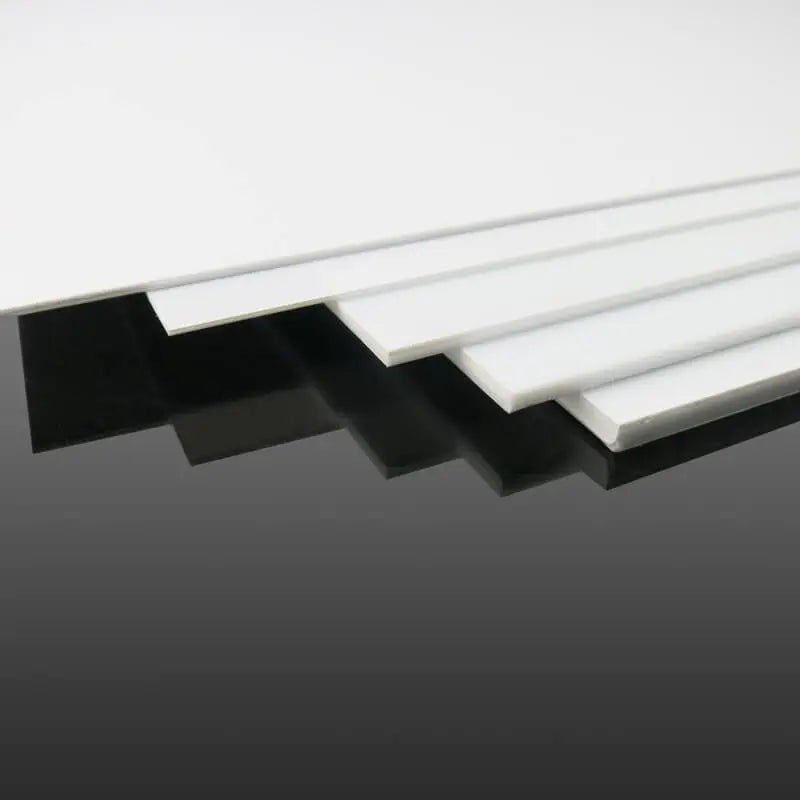
How UHMW-PE Sheets Revolutionize Material Handling in Packaging and Conveyor Systems

High-heat resistant UHMW-PE

Discover the transformative power of UHMW-PE sheets in the world of material handling and packaging systems. This blog post delves into how UHMW-PE’s exceptional durability and low friction enhance conveyor efficiency, reducing energy costs and maintenance needs. We’ll explore the customization and machining capabilities of UHMW-PE, ensuring a perfect fit for specialized industry applications. Compliance with FDA and USDA regulations makes UHMW-PE a safe choice for food contact surfaces, crucial in food-related conveyor systems. Learn about the cost benefits of using reprocessed UHMW-PE and its broad utility in industrial settings, from wear strips to chain guides. This post also highlights the advanced properties of specialized UHMW-PE grades, including antistatic and high-heat resistant materials, catering to specific industrial needs. Dive into how UHMW-PE sheets are revolutionizing industries by improving efficiency, safety, and cost-effectiveness in material handling and packaging technologies.

🎉🎉🎉Limited Time Offer Use code: QR4GNY08SHVR at checkout and enjoy a special discount on your entire order! 👉 UHMWPE plastic

Ultra-High Molecular Weight Polyethylene (UHMW-PE)

Enhancing Conveyor Efficiency with UHMW-PE

Revolutionizing Conveyor Operations through Reduced Friction

Ultra-High Molecular Weight Polyethylene (UHMW-PE) stands out in the industrial landscape for its superb low friction properties, which are instrumental in minimizing resistance within conveyor systems. This exceptional feature directly translates to enhanced operational efficiency and significant energy savings, making UHMW-PE a top choice for businesses aiming to optimize their material handling processes.

Understanding the Impact of Low Friction in Conveyors

The ultra-low friction coefficient of UHMW-PE not only prolongs the lifespan of conveyor components by reducing wear and tear but also decreases the energy required to move items along the belts. This reduction in friction is crucial in environments where the smooth and efficient transport of materials is key to maintaining high productivity levels.

The Role of UHMW-PE in Enhancing System Durability and Efficiency

By integrating UHMW-PE sheets into conveyor systems as slide guides, wear strips, and liners, industries can achieve more reliable and cost-effective operations. The material’s resistance to abrasion and its ability to withstand various environmental factors also contribute to its durability, ensuring that the systems remain operational with minimal downtime for maintenance.

Cost-Effectiveness and Environmental Impact

Adopting UHMW-PE not only boosts efficiency but also supports sustainability. Its durability and wear resistance mean fewer replacements of parts and lower maintenance costs, while its energy-saving properties help in reducing the overall carbon footprint of operations. Moreover, the availability of UHMW-PE in recycled forms further enhances its appeal to environmentally conscious organizations​.

Tailoring Solutions to Industry Needs

Customization is another significant advantage of UHMW-PE, which can be easily machined and molded to fit specific industrial applications. This adaptability ensures that each conveyor system can be outfitted with components that meet exact operational requirements, further enhancing the overall effectiveness and efficiency of material handling systems.

UHMW-PE’s combination of low friction, high durability, and customization potential makes it an invaluable asset in the quest to enhance conveyor efficiency across various industries, promising a future where material handling systems are not only more efficient but also more sustainable and cost-effective.

Durability in Material Handling with UHMW-PE

Exceptional Impact Resistance of UHMW-PE

One of the most notable properties of Ultra-High Molecular Weight Polyethylene (UHMW-PE) is its outstanding impact resistance, which makes it an ideal material for handling heavy loads and resisting sudden, forceful impacts. This characteristic is particularly beneficial in industries where equipment must endure rough treatment, such as mining, heavy manufacturing, and material handling. The ability of UHMW-PE to absorb energy without deforming or breaking extends the lifespan of machinery and reduces the frequency of repairs.

Abrasion Resistance Enhancing Equipment Longevity

In addition to its impact resistance, UHMW-PE is highly abrasion-resistant, standing up to the continuous wear that comes from the contact with moving materials. This property is critical in conveyor systems, chutes, and hoppers where materials slide or flow continuously over surfaces. The superior abrasion resistance of UHMW-PE prevents the surface from wearing down, thus maintaining the integrity of the system’s components over time and minimizing the material buildup that can lead to operational inefficiencies.

Reducing Maintenance Needs and Costs

The durability of UHMW-PE directly translates into lower maintenance costs and less downtime. Equipment that incorporates UHMW-PE does not require frequent replacements of parts due to wear and tear, which not only saves on the cost of parts but also on labor and the lost productivity during maintenance shutdowns. Moreover, UHMW-PE’s resistance to chemicals and corrosion adds another layer of durability, particularly in environments exposed to harsh chemical agents or extreme weather conditions.

Broadening the Application Spectrum in Material Handling

The combination of impact and abrasion resistance makes UHMW-PE a versatile choice across various applications within material handling and processing industries. It is especially valued in settings where both durability and a low coefficient of friction are required to keep operations running smoothly and efficiently. Whether it’s lining silos, protecting conveyor belts, or outfitting sorting machines, UHMW-PE’s attributes ensure that it can meet a wide range of industrial demands​.

UHMW-PE’s remarkable durability not only enhances the performance and longevity of material handling systems but also supports a more sustainable approach to industrial operations by reducing waste and the frequency of replacements. This makes it a strategic choice for industries aiming to improve their operational efficiency and environmental footprint.

Ultra-High Molecular Weight Polyethylene (UHMW-PE)

Customization and Machining of UHMW-PE

Tailoring UHMW-PE to Meet Specific Industrial Needs

Ultra-High Molecular Weight Polyethylene (UHMW-PE) is renowned not only for its strength and durability but also for its exceptional versatility in customization and machining. This polymer is highly sought after for its capability to be precision-engineered to meet specific requirements of any packaging system design. Whether it involves cutting to precise dimensions, drilling holes, or molding into complex shapes, UHMW-PE can be tailored to fit the exact specifications needed for specialized components in various industrial applications.​.

Machining Properties of UHMW-PE

The ease of machining UHMW-PE allows for a wide range of possibilities in product development. Its unique molecular structure does not stress-crack, which enables it to be cut, turned, milled, and drilled using standard metalworking equipment, making it ideal for creating intricate parts and assemblies. The ability to fabricate detailed components with UHMW-PE without compromising on the material’s integrity is a significant advantage for industries requiring high precision, such as in electronics packaging or food processing systems.

Advantages of UHMW-PE in Custom Applications

Customized UHMW-PE parts are integral in systems where variations in temperature, chemical exposure, or physical impact are prevalent. The material’s adaptability to extreme environmental conditions without degradation ensures that each custom part remains functional over long periods, reducing the need for frequent replacements and thereby lowering operational costs. Moreover, the non-stick surface of UHMW-PE prevents material buildup, which is crucial in maintaining the efficiency of moving parts in packaging machinery.

Enabling Complex Designs with Advanced Fabrication Techniques

Advancements in fabrication technology have expanded the capabilities of UHMW-PE machining even further. Using computer-aided design (CAD) and computer-aided manufacturing (CAM), engineers can now develop more complex parts and components that require precise tolerances and intricate details. This level of precision is essential for components that must fit seamlessly into existing systems or for creating entirely new systems designed to optimize space and improve performance​.

UHMW-PE’s remarkable adaptability not only facilitates the creation of highly customized solutions for material handling and packaging systems but also enhances the overall design and functionality of industrial equipment. Its capacity to be molded into precise specifications makes it an invaluable resource for engineers and designers looking to innovate and improve the efficiency of their operations.

Food Safety and Compliance with UHMW-PE

Meeting Regulatory Standards for Food Contact

Ultra-High Molecular Weight Polyethylene (UHMW-PE) is not only praised for its mechanical properties but also for its compliance with food safety regulations, which makes it an ideal material for use in food contact surfaces within packaging and conveyor systems. UHMW-PE meets the stringent requirements set by the Food and Drug Administration (FDA) and the United States Department of Agriculture (USDA), ensuring that it can be safely used in applications that come into direct contact with food items.

Benefits of FDA and USDA Compliant UHMW-PE

The compliance of UHMW-PE with FDA and USDA standards means that it does not leach harmful chemicals into food, maintains its integrity without degrading under common food processing environments, and resists the growth of bacteria and other pathogens. This non-toxic and inert nature of UHMW-PE is crucial for maintaining the purity and safety of food products as they move through conveyor belts and processing lines.

Advantages in Food Processing and Packaging Applications

UHMW-PE’s ability to withstand frequent cleaning and exposure to water and various chemical sanitizers without deteriorating is invaluable in food processing and packaging industries. It does not absorb moisture or retain odors and flavors, which helps in preventing cross-contamination between different batches of products. Additionally, its abrasion resistance ensures that surfaces remain smooth and free from grooves or pits where bacteria might otherwise accumulate.

Implementing UHMW-PE in Food-Related Systems

Incorporating UHMW-PE into food-related systems not only enhances the safety and compliance aspects but also contributes to the overall efficiency and longevity of the equipment. Its easy-to-clean surface simplifies sanitation processes, a critical factor in maintaining high hygiene standards required by food safety regulations. The durability and low maintenance needs of UHMW-PE also result in lower operational costs and less downtime, making it a cost-effective solution for food and beverage industry applications.

UHMW-PE’s compliance with food safety standards and its superior properties make it an indispensable material in the food processing and packaging sectors. Its ability to meet rigorous health and safety regulations ensures that it remains a top choice for manufacturers looking to improve their systems while adhering to the highest standards of food safety and quality.

Ultra-High Molecular Weight Polyethylene (UHMW-PE)

Innovative Applications of UHMW-PE in Industrial Settings

UHMW-PE: A Versatile Material for Industrial Applications

Ultra-High Molecular Weight Polyethylene (UHMW-PE) is renowned in the industrial sector for its versatility and robustness, which make it an ideal choice for a variety of applications. Known for its exceptional wear resistance and impact strength, UHMW-PE is extensively used in the manufacture of wear strips, chain guides, and slide guides. These applications highlight the material’s ability to withstand harsh industrial conditions while ensuring the smooth operation of machinery​.

Wear Strips: Enhancing the Longevity of Conveying Systems

Wear strips made of UHMW-PE are crucial components in conveyor systems, where they serve as a protective layer that minimizes wear on expensive equipment. These strips are especially valuable in industries such as mining, packaging, and material handling, where they reduce friction and wear between moving parts, thereby extending the equipment’s service life and reducing maintenance costs.

Chain Guides: Essential for Efficient Operations

Chain guides fabricated from UHMW-PE are essential in various machinery for guiding chains and belts accurately along their paths with minimal friction. These guides are critical in preventing the elongation and failure of conveyor belts and chains, which can lead to significant downtime and maintenance expenses. UHMW-PE’s durability and low friction coefficient make it an optimal material for these components, which are pivotal in industries ranging from automotive manufacturing to food processing.

Slide Guides: Facilitating Smooth Movements

Slide guides made of UHMW-PE play a key role in ensuring the smooth and efficient movement of components along assembly lines, especially in automated manufacturing processes. Their ability to withstand repeated cycles of stress and their resistance to abrasion and impact make them indispensable in settings that require reliable and continuous operation.

Broad Utility in Various Industrial Environments

The broad utility of UHMW-PE in industrial environments is a testament to its remarkable properties. Its application in wear strips, chain guides, and slide guides is just the tip of the iceberg. Industries benefit from UHMW-PE’s contribution to increased operational efficiency, safety, and cost-effectiveness, proving it to be an invaluable asset in modern industrial operations.

The extensive use of UHMW-PE in such diverse applications underlines its importance as a material that brings both performance and reliability to industrial machinery and systems, ensuring that they operate at peak efficiency with minimal downtime. Its impact on industrial productivity and maintenance requirements showcases the profound influence that advanced materials such as UHMW-PE have on the technological advancements in various sectors.

Ultra-High Molecular Weight Polyethylene (UHMW-PE) is increasingly recognized

Cost-Effectiveness of Reprocessed UHMW-PE

Economic Advantages of Using Reprocessed UHMW-PE

Reprocessed Ultra-High Molecular Weight Polyethylene (UHMW-PE) offers significant economic benefits to industries seeking both performance and sustainability. The use of reprocessed UHMW-PE is an appealing choice for companies looking to reduce costs without compromising the quality and durability of their materials. This cost-effectiveness stems from the material’s ability to be recycled and reused in various applications, thereby reducing the need for virgin raw materials and minimizing waste.

Sustainability Meets Economy

Reprocessed UHMW-PE is not only environmentally friendly but also economically advantageous. By utilizing post-industrial UHMW-PE waste, manufacturers can significantly lower the material costs associated with production. This approach not only helps in cutting down on expenses but also aligns with global efforts to reduce plastic waste and promote sustainable manufacturing practices​.

Maintaining Quality in Reprocessed Materials

Despite being recycled, reprocessed UHMW-PE retains the essential properties that make virgin UHMW-PE highly valued, such as high abrasion resistance, low friction, and excellent impact strength. Advanced recycling processes ensure that these properties are preserved, enabling the reprocessed material to meet the stringent demands of industrial applications without any loss in performance. This ensures that industries do not have to compromise on quality or durability while benefiting from reduced material costs​.

Cost Savings and Reduced Environmental Impact

The reduced cost of reprocessed UHMW-PE is a direct benefit, but there are broader financial advantages to consider. Using recycled materials can lead to savings in waste disposal costs and provide opportunities for companies to engage in green marketing—an increasingly important factor as consumers and businesses alike prioritize sustainability. Moreover, the lower environmental impact associated with recycling UHMW-PE contributes to a company’s Corporate Social Responsibility (CSR) goals, enhancing brand reputation and customer loyalty.

Reprocessed UHMW-PE represents a practical solution for industries looking to optimize costs while upholding strong environmental and quality standards. Its ability to perform under rigorous conditions, coupled with its lower price point, makes it an attractive option for a wide range of applications, reinforcing its value as a sustainable yet economical material choice.

Impact of UHMW-PE on Packaging Machinery

Enhancing Machinery Efficiency with UHMW-PE

Ultra-High Molecular Weight Polyethylene (UHMW-PE) is increasingly recognized for its transformative impact on the packaging industry, particularly in the enhancement of machinery efficiency. This thermoplastic is prized for its exceptional wear resistance and chemical inertness, qualities that directly translate into improved efficiency and extended lifespan for packaging machinery components. The low friction surface of UHMW-PE reduces resistance during machine operations, thereby decreasing energy consumption and enhancing operational speed​.

Durability in Demanding Environments

The durability of UHMW-PE makes it an ideal choice for packaging machinery that requires long-term reliability under continuous use. This polymer is capable of withstanding harsh chemicals often used in cleaning and processing environments without degrading. Its wear resistance ensures that components such as gears, rollers, and guides do not wear down quickly, thus maintaining their performance and reducing the frequency of replacements​.

Chemical Resistance Leading to Sustained Performance

UHMW-PE’s chemical inertness is particularly valuable in environments where exposure to corrosive substances is common. Unlike many other materials, UHMW-PE does not react with most industrial chemicals, which means it does not weaken or degrade over time. This property is crucial for maintaining the integrity and functionality of packaging machinery parts, especially those that come into contact with aggressive cleaning agents or the packaged products themselves​.

Cost Efficiency Through Reduced Maintenance

In addition to improving the operational capabilities of packaging machinery, UHMW-PE also contributes to cost efficiency. Its long-wearing properties mean that parts made from this material require less frequent replacement, leading to lower maintenance costs and less downtime. The extended lifespan of machinery components crafted from UHMW-PE allows for more consistent production cycles and less financial expenditure on part turnover​.

UHMW-PE’s role in enhancing packaging machinery demonstrates its broad utility in industrial settings, where both performance and economic efficiency are critical. Its unique properties ensure that it remains a top choice for manufacturers seeking to improve the functionality and durability of their equipment.

UHMW-PE's role in enhancing packaging machinery demonstrates

Advanced Properties of Specialty UHMW-PE Grades

Tailoring UHMW-PE for Specific Industrial Applications

Ultra-High Molecular Weight Polyethylene (UHMW-PE) is not only versatile in its standard form but also highly adaptable through specialized grades designed to meet specific industrial requirements. These specialty grades of UHMW-PE, such as antistatic, high-heat resistant, and UV resistant, offer tailored properties that enhance performance in unique environments and applications. Each specialized grade is engineered to provide solutions to specific challenges, such as static discharge, extreme temperatures, and prolonged exposure to sunlight.

Antistatic UHMW-PE: Preventing Static Build-up

In environments where static electricity poses a risk, such as in electronic manufacturing or explosive atmospheres, antistatic UHMW-PE plays a crucial role. This grade of UHMW-PE is modified to dissipate static electricity, thereby preventing the buildup that can lead to static discharge and potential sparks. Antistatic UHMW-PE is essential for components that come into contact with materials prone to static charging, ensuring safety and continuity in operations​.

High-Heat Resistant UHMW-PE: Withstanding Extreme Temperatures

High-heat resistant UHMW-PE is developed for applications requiring endurance in high temperature environments. This grade maintains its integrity and performance characteristics even when exposed to temperatures that would typically degrade standard plastics. It is ideal for use in high-temperature processing equipment, automotive under-hood applications, and anywhere heat resistance is critical for the longevity and reliability of the machinery.

UV Resistant UHMW-PE: Durability Under Sun Exposure

Exposure to ultraviolet (UV) light can cause many materials to weaken or degrade over time. UV resistant UHMW-PE is specifically formulated to withstand prolonged exposure to sunlight, making it an excellent choice for outdoor applications. This includes marine environments where salt spray and sunlight are constants, as well as outdoor machinery and recreational equipment that require durability against the elements.

Meeting Diverse Industry Needs with Specialty UHMW-PE

The development of these specialized grades of UHMW-PE showcases the material’s adaptability to meet a broad range of industrial challenges. Whether it’s ensuring safety in electro-sensitive environments, providing durability under extreme conditions, or maintaining integrity in harsh outdoor climates, specialty UHMW-PE grades are key to enhancing equipment performance and extending service life.

These advanced properties of specialty UHMW-PE grades highlight the material’s extensive capability to be customized for specific needs, thereby supporting a wide array of industries in achieving greater efficiency and safety in their operations.
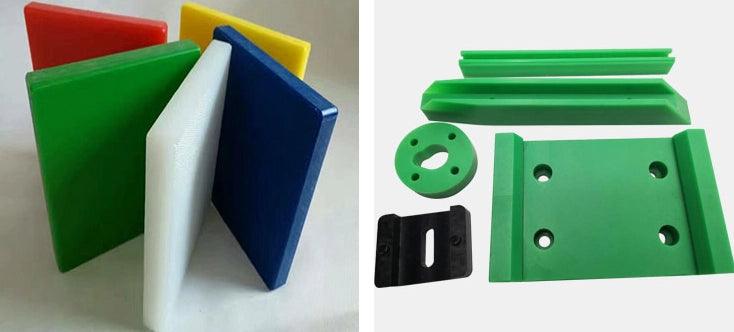
UHMW-PE grades highlight

Frequently Asked Questions About Beeplastic’s UHMW-PE Customization and Applications

1. Can Beeplastic undertake any customization for UHMW-PE products?

2. What file formats does Beeplastic accept for product designs?

  • Beeplastic accepts a variety of file formats, including PDF and CAD files. These formats allow us to precisely understand and implement your design specifications into the final product.

3. Is there a minimum order quantity (MOQ) for UHMW-PE products at Beeplastic?

  • No, there is no minimum order quantity at Beeplastic. We are committed to supporting projects of all sizes, from small quantities to large production runs.

4. How does the production cycle work at Beeplastic?

5. Does Beeplastic offer samples of UHMW-PE products?

  • Yes, we provide samples to our customers. The samples are free of charge; however, the customer is responsible for the shipping costs.

6. What are the key properties of UHMW-PE that make it suitable for industrial applications?

7. Are UHMW-PE materials from Beeplastic FDA and USDA compliant?

8. Can UHMW-PE be used in high-temperature applications?

  • Yes, we offer high-heat resistant grades of UHMW-PE that can withstand higher temperatures without losing performance, making them suitable for applications that involve prolonged exposure to heat.

9. Does Beeplastic offer UV-resistant UHMW-PE?

  • Yes, we provide UV-resistant grades of UHMW-PE that are specifically formulated to resist degradation from prolonged sun exposure, ideal for outdoor applications.

10. How does Beeplastic ensure the quality of its UHMW-PE products?

UHMW-PE’s outstanding properties, including its exceptional wear and impact resistance, chemical inertness, and ease of customization, make it an invaluable material across a myriad of industrial applications. From enhancing the durability and efficiency of packaging machinery to meeting specific environmental requirements with specialized grades, UHMW-PE offers reliable solutions that significantly improve operational effectiveness. Beeplastic’s dedication to providing customized UHMW-PE products—tailored to meet the precise needs of each customer without a minimum order requirement—ensures that every project is handled with the utmost care and precision. This adaptability, combined with our commitment to sustainable practices and customer collaboration, positions Beeplastic as a leader in the field, ready to tackle the challenges of today’s dynamic industrial environments.

UHMW-PE products

Get Started on Your Custom UHMW-PE Project Now!

Have specific needs? We have tailored solutions. Click here to submit your specifications and our team will connect with you to bring your vision to life. Start building a more efficient future today! 

🎉🎉🎉Limited Time Offer Use code: QR4GNY08SHVR at checkout and enjoy a special discount on your entire order! 👉 UHMWPE plastic

Leave a comment


Please note, comments must be approved before they are published


Custom Plastic Fabrication

Send your drawing, material and quantity for review

🔧
Precision Machining
CNC milling & turning
✂️
Cutting & Engraving
Laser & waterjet cutting
🏭
Forming & Molding
Thermoforming & injection
🔗
Joining & Assembly
Welding & bonding
📐
Design & Prototyping
CAD design & samples

General

HDPE

PP

PVC

ABS

Engineering

POM

Nylon

PC

PMMA

High-Performance

PEEK

PEI

PTFE

Composites

FR-4

G10

Flexible

TPU

Silicone

Why Choose BeePlastic?

🎯
Perfect Fit
Custom specs eliminate adaptation needs
⚡
Clear Lead Times
Lead time confirmed with every quote
💰
Volume Pricing
Volume pricing available on bulk orders
🤝
Expert Support
Free engineering consultation included
📋
Submit
→
🔍
Review
→
💵
Quote
→
✅
Production
→
📦
Deliver

Request a Quote

Share your project details, selected material and quantity on our quote page. You can add a file link or use the email drawing route shown there.


Request Quote

Industries: Automotive • Medical • Food • Lab • Semiconductor

beeplastic@beeplastic.com


The Ultimate Guide to Bakelite: Electrical Insulation and Beyond

Bakelite plastic materials

Discover the Multifaceted World of Bakelite with “The Ultimate Guide to Bakelite: Electrical Insulation and Beyond”! This comprehensive guide dives deep into the history and chemical composition of Bakelite (phenolic resin), the first synthetic plastic. Learn about the various types of Bakelite products, including Bakelite sheets, phenolic sheets, and laminated sheets available for cut-to-size and precision machining.
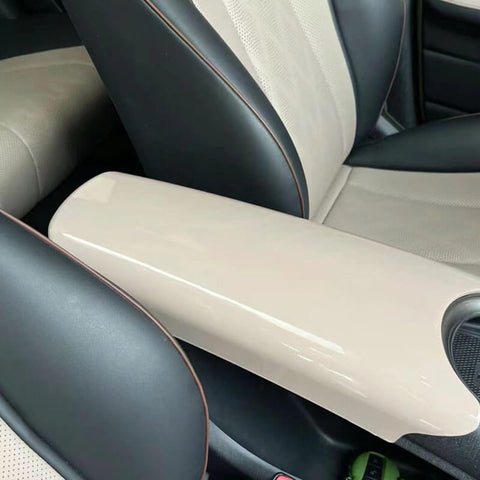
🎉 Limited Time Offer

Looking for high-quality Phenolic or Bakelite materials? Use code QR4GNY08SHVR at checkout and enjoy a special discount on your entire order!

Shop Bakelite Plastic Now 👉

Bakelite plastic materials including orange phenolic sheets and rods
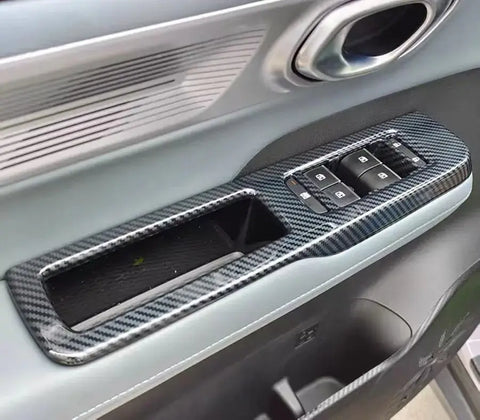
Explore how Bakelite’s exceptional insulation properties make it a cornerstone in the electrical and electronics industry. Understand its crucial role in the automotive industry, where its durability and heat resistance are indispensable. For musicians, discover why Bakelite is the preferred material for guitar pickguards and other musical instrument components.

This guide also highlights Bakelite’s applications in industrial machinery—specifically for CNC machined parts and heavy-duty gears—and household items, showcasing its versatility. You’ll find practical tips on the maintenance and care of Bakelite products, ensuring their longevity and preserving their vintage charm.

Whether you’re an industry professional, a hobbyist, or an antique collector, this guide offers valuable insights into the enduring legacy and modern applications of Bakelite. Dive in to uncover why Bakelite remains a material of choice across various fields, celebrated for its reliability, versatility, and timeless appeal.

The Birth of Synthetic Plastics

Pioneering material in the world of synthetic plastics, known for its role in revolutionizing various industries. In 1907, Belgian-American chemist Dr. Leo Baekeland invented Bakelite. Seeking an alternative to shellac, which was commonly used for electrical insulation at the time, Baekeland’s innovation addressed the need for a more durable and versatile material.

The Impact on Industrial Applications

Baekeland’s creation, Bakelite, was the first plastic made from synthetic components, marking a significant milestone in the field of chemistry. This material, a phenol-formaldehyde resin, was produced through a process of polymerization that resulted in a hard, moldable substance. Its introduction heralded the age of synthetic plastics, providing a foundation for the development of countless other materials.

The invention of Bakelite revolutionized many industries. Its unique properties made it an ideal choice for various applications, from electrical insulators to automotive parts. Bakelite’s durability, heat resistance, and electrical insulating properties ensured its widespread adoption and lasting impact on industrial manufacturing.

Chemical Composition and Properties

Garolite sheets and custom CNC machined phenolic parts
Bakelite’s chemical composition is based on the polymerization of phenol and formaldehyde. This reaction creates a thermosetting polymer, which means that once it is cured, it cannot be melted and reshaped. This characteristic sets Bakelite apart from many other plastics, which are thermoplastics.

Thermosetting Properties

The thermosetting properties of Bakelite contribute to its high mechanical strength and dimensional stability. Once set, Bakelite maintains its shape and does not soften under heat, making it suitable for applications requiring long-term reliability and resistance to high temperatures.

Resistance to Heat and Chemicals

Bakelite is highly resistant to heat and chemicals, which further enhances its suitability for demanding environments. It can withstand temperatures up to 250°C without degrading, making it a preferred material for electrical insulators and heat-resistant components. Additionally, its chemical resistance ensures it remains stable and effective in various industrial settings.

Electrical Insulation

One of the most celebrated properties of Bakelite is its excellent electrical insulation. This makes it invaluable in the production of electrical components such as circuit boards, switches, and insulators. Bakelite’s ability to prevent electrical conduction and withstand high temperatures ensures the safety and efficiency of electrical systems.

Mechanical Strength and Machinability

Bakelite’s mechanical strength is another key attribute. It is a rigid material that can be easily machined into various shapes and sizes using CNC plastic milling services. This makes it ideal for manufacturing intricate components and detailed designs. Its machinability, combined with its strength, has made Bakelite a staple in many industrial and consumer applications.

Versatility in Applications

The versatility of Bakelite is evident in its wide range of applications. From automotive parts to household items and industrial machinery, Bakelite’s unique properties have made it a preferred material for diverse uses. Its ability to be molded or CNC machined into complex shapes and its durability make it suitable for both functional and decorative purposes.

By understanding the history, invention, and chemical properties of Bakelite, we can appreciate its lasting impact and continued relevance in modern industries. Whether used for its insulating properties, mechanical strength, or heat resistance, Bakelite remains a material of choice for many applications.

Assorted Bakelite parts showing durability

Types of Bakelite Products

Before diving into specific types, explore our most popular standard Bakelite stock available for immediate shipping. At BeePlastic, we offer cut-to-size services for all sheets and rods.

Bakelite Sheets

Bakelite sheets are among the most versatile and widely used forms of Bakelite products. These sheets come in various types, each tailored to specific applications and industries.

Electrical Bakelite Sheets

Electrical Bakelite sheets are designed specifically for insulating electrical components. These sheets exhibit exceptional electrical insulation properties, making them ideal for use in circuit boards, switchgear, and other electrical apparatus. The sheets can withstand high temperatures and prevent electrical conduction, ensuring safety and efficiency in electrical systems.

Phenolic Bakelite Sheets

Phenolic Bakelite sheets are known for their high mechanical strength and thermal stability. These sheets are created by impregnating layers of fabric or paper with phenolic resin and then curing them under heat and pressure. This process results in a material that is not only strong and durable but also resistant to heat and chemicals. Phenolic Bakelite sheets are widely used in applications requiring robust performance and long-term reliability.

Laminated Bakelite Sheets

Laminated Bakelite sheets, often referred to in the industry as phenolic laminates or Garolite, are formed by layering multiple sheets of Bakelite together, enhancing their strength and rigidity. These sheets are particularly useful in applications where additional mechanical support is needed. The lamination process also improves the sheet’s resistance to warping and cracking, making them suitable for demanding environments such as industrial machinery and structural components.

Bakelite Components

In addition to sheets, Bakelite is also used to manufacture a variety of components. These components leverage Bakelite’s unique properties to provide durable and reliable solutions for various applications.

Bakelite Rods

Bakelite rods are cylindrical pieces made from Bakelite resin. These rods are known for their high dimensional stability and machinability, making them suitable for precision parts in electrical and mechanical applications. Bakelite rods are often used in the production of bushings, spacers, and insulating sleeves.

Bakelite Tubes

Bakelite tubes are hollow cylinders that offer excellent insulation and heat resistance. These tubes are commonly used in electrical insulation, where they provide a protective barrier for wiring and other conductive elements. Bakelite tubes are also utilized in mechanical applications for bearing sleeves and protective covers.

Molded Bakelite Parts

Molded Bakelite parts are custom-shaped components created by molding Bakelite resin into specific forms. This process allows for the production of intricate and detailed parts, such as switches, knobs, and handles. Molded Bakelite parts are valued for their durability, heat resistance, and aesthetic appeal, making them a popular choice in both industrial and consumer products.

Bakelite in Automotive Applications

Bakelite’s properties make it an excellent material for various automotive components. Its high heat resistance and mechanical strength ensure that parts such as distributor caps, insulation pads, and trim pieces remain reliable under the demanding conditions of automotive use. Bakelite’s durability also makes it ideal for vintage car restoration, where maintaining the authenticity and performance of original components is crucial.

By understanding the different types of Bakelite products and their specific applications, it’s clear why Bakelite remains a preferred material across various industries. Its unique combination of properties—electrical insulation, mechanical strength, and heat resistance—makes it a versatile and reliable choice for numerous applications.

BeePlastic offers advanced CNC machining services to turn these standard materials into your custom parts.

For more detailed information on Bakelite products, you can explore resources from Bee Plastic.

Applications in the Electrical and Electronics Industry

Insulation Properties of Bakelite

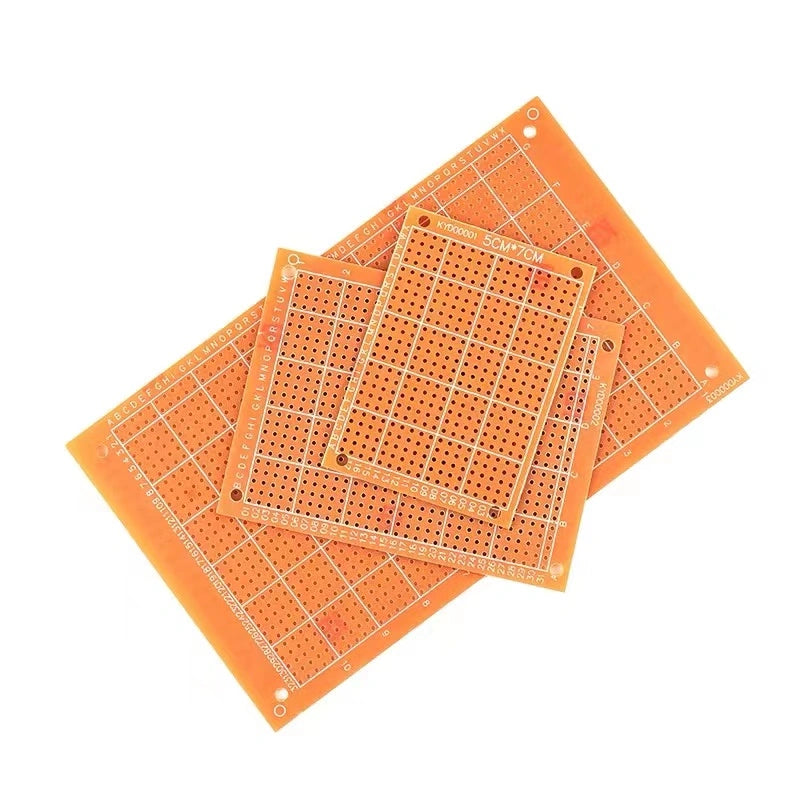
Bakelite circuit boards with high electrical insulation

Bakelite is renowned for its exceptional electrical insulation properties, making it a vital material in the electrical and electronics industry. The key to Bakelite’s insulating capabilities lies in its phenol-formaldehyde resin composition, which creates a dense, cross-linked polymer structure. This structure effectively prevents the flow of electrical current, ensuring that components remain electrically isolated.

Thermal Stability and Dielectric Strength

One of Bakelite’s most significant advantages is its thermal stability. It can withstand high temperatures without losing its insulating properties, which is crucial in electrical applications where components often operate under heat. Additionally, Bakelite exhibits excellent dielectric strength, meaning it can endure high voltages without breaking down.

Resistance to Moisture and Chemicals

Bakelite’s resistance to moisture and chemicals further enhances its suitability for electrical applications. Unlike other materials that may degrade or conduct electricity when exposed to moisture, Bakelite maintains its insulating properties in humid or chemically aggressive environments.

Examples of Usage in Electrical Insulation

Circuit Boards: Bakelite circuit boards are a prime example of its application in electrical insulation. These boards provide a stable, non-conductive platform for mounting electronic components. The high mechanical strength and thermal resistance of Bakelite ensure that circuit boards remain robust and reliable, even under strenuous conditions. Bakelite’s insulating properties prevent short circuits and ensure the safe operation of electronic devices.

Switches and Relays: Bakelite is widely used in the manufacture of switches and relays due to its ability to insulate electrical contacts. The material’s rigidity and durability allow it to endure the mechanical stresses of repeated use, while its insulating properties ensure that electrical contacts remain isolated.

Transformers and Capacitors: In transformers and capacitors, Bakelite plays a critical role in insulation. Its high dielectric strength ensures that these components can handle high voltages without risk of breakdown. Bakelite is used to insulate windings and internal structures, preventing electrical arcing and ensuring efficient operation.

Protective Covers and Insulating Barriers: Bakelite is also used to manufacture protective covers and insulating barriers for various electrical components. These covers and barriers provide an additional layer of insulation, preventing accidental contact with live electrical parts and enhancing overall safety.

Motor Components: In electric motors, Bakelite is used for components such as commutator segments and insulating plates. These parts are critical for the motor’s operation, providing electrical insulation while withstanding the mechanical stresses of rotation and thermal loads generated during operation. Bakelite’s properties ensure that motor components remain reliable and efficient throughout their service life.

Bakelite’s unique combination of electrical insulation, thermal stability, and mechanical strength makes it an indispensable material in the electrical and electronics industry. From circuit boards to motor components, Bakelite continues to play a crucial role in ensuring the safety and reliability of electrical systems. For more detailed information on Bakelite applications, you can explore resources from Bee Plastic.

Bakelite in the Automotive Industry

Bakelite automotive testing

Durability and Heat Resistance

Bakelite is renowned for its exceptional durability and heat resistance, making it an ideal material for various automotive components. One of the primary applications of Bakelite in the automotive industry is in the production of distributor caps. These components are crucial for the proper functioning of a vehicle’s ignition system. Bakelite’s ability to withstand high temperatures and mechanical stress ensures that distributor caps remain reliable under the hood’s intense conditions.

Insulation Pads and Trim Pieces: Insulation pads made from Bakelite are another vital application in automobiles. These pads provide excellent thermal insulation, protecting sensitive components from engine heat. Additionally, Bakelite’s resistance to chemical corrosion ensures that these pads maintain their integrity over time, even when exposed to oil and other automotive fluids.

Trim pieces and various interior components also benefit from Bakelite’s properties. Its rigidity and ability to be molded into complex shapes make it perfect for producing durable, aesthetically pleasing trim parts. These components can withstand the wear and tear of daily use, maintaining their appearance and functionality for the vehicle’s lifespan.

Modern Applications in High-Performance Vehicles

Continued Use in Modern Vehicles: Despite the advent of newer materials, Bakelite continues to find applications in modern vehicles, especially in high-performance and racing cars. The material’s thermal stability and mechanical strength make it suitable for components that need to perform reliably under extreme conditions. For example, brake pads in racing cars often use Bakelite due to its ability to handle the intense heat generated during high-speed braking.

Innovative Uses in Racing Cars: In the realm of racing, where performance and reliability are paramount, Bakelite is used for components such as insulating panels and engine components. These parts benefit from Bakelite’s ability to maintain structural integrity at high temperatures and its excellent electrical insulating properties. This ensures that the electrical systems in racing cars function correctly, even under the most demanding conditions.

Bakelite in Electric Vehicles: With the rise of electric vehicles (EVs), Bakelite’s properties are once again proving invaluable. EVs require materials that can handle high electrical loads and provide reliable insulation. Bakelite’s dielectric strength and heat resistance make it an ideal choice for components such as battery housings and charging infrastructure. As the automotive industry continues to evolve, Bakelite remains a versatile and reliable material, adapting to new technologies and applications.

Bakelite’s unique combination of durability, heat resistance, and electrical insulation properties ensures its continued relevance in the automotive industry. Whether in classic cars or cutting-edge electric vehicles, Bakelite remains a material of choice for critical components that demand high performance and reliability. For more detailed information on Bakelite applications, you can explore resources from Bee Plastic.

Musical Instruments and Bakelite

Bakelite artistic and musical components

Pickguards and Components

Bakelite has found a unique and valuable niche in the world of musical instruments, particularly in the production of guitar pickguards, knobs, and other components. The material’s ability to be molded into intricate shapes while maintaining its structural integrity makes it ideal for these applications.

Guitar Pickguards: Guitar pickguards made from Bakelite are highly prized for their durability and aesthetic appeal. These pickguards protect the guitar’s body from scratches and damage caused by picks and fingers during playing. Bakelite’s smooth surface and ability to be polished to a high sheen make it an attractive choice for guitar manufacturers and musicians alike. The material can also be easily colored or patterned, adding to the visual appeal of the instrument.

Knobs and Switches: In addition to pickguards, Bakelite knobs and switches are commonly used in guitars and other musical instruments. These components benefit from Bakelite’s heat resistance and electrical insulating properties, which are essential for maintaining the safety and functionality of electric guitars. Bakelite knobs and switches are known for their tactile feel and vintage look, which many musicians appreciate.

Benefits for Musicians

Durability: One of the key benefits of Bakelite for musicians is its durability. Bakelite is a hard and rigid material that can withstand the wear and tear of regular use. Unlike other materials that may crack or degrade over time, Bakelite remains intact, ensuring that musical instruments maintain their functionality and appearance for many years.

Aesthetic Appeal: Bakelite’s aesthetic appeal is another significant advantage. The material can be molded into various shapes and designs, allowing for customization and creativity in instrument design. Bakelite can also be colored and polished, giving instruments a unique and attractive finish. This versatility in appearance makes Bakelite a popular choice among musicians who want their instruments to stand out visually.

Acoustic Properties: While Bakelite is primarily valued for its durability and appearance, it also offers favorable acoustic properties. The material’s density and rigidity contribute to the resonance and tone quality of the instruments. For example, Bakelite pickguards and knobs do not dampen the vibrations of the guitar body, allowing for a clear and bright sound. Musicians appreciate this feature as it enhances the overall performance of their instruments.

Vintage Appeal: Bakelite’s vintage appeal adds to its desirability among musicians. Many classic guitars and musical instruments from the mid-20th century featured Bakelite components, giving them a distinct and recognizable look. Modern musicians and collectors often seek out instruments with Bakelite parts for their historical significance and unique charm.

By understanding the various applications and benefits of Bakelite in musical instruments, it is clear why this material remains a popular choice among musicians. Its combination of durability, aesthetic appeal, and acoustic properties ensures that Bakelite continues to play an essential role in the world of music. For more detailed information on Bakelite applications in musical instruments, you can explore resources from Bee Plastic.

Industrial and Household Uses

Heat-Resistant Components

Bakelite is renowned for its exceptional heat resistance, making it an indispensable material in both industrial machinery and household items. In industrial settings, Bakelite (often referred to as phenolic laminate or Garolite) is often used for manufacturing heat-resistant components such as bearings, brake pads, and electrical insulators. These components benefit from Bakelite’s ability to withstand high temperatures without degrading, ensuring reliable performance even in harsh conditions.

Industrial Machinery: In industrial machinery, Bakelite’s thermal stability and mechanical strength are crucial. For example, bearings and bushings made from Bakelite can endure the friction and heat generated by moving parts. Bakelite’s resistance to wear and its insulating properties make it ideal for electrical insulators in high-voltage equipment, ensuring safety and efficiency in industrial operations.

Household Items: Bakelite is also widely used in household items due to its heat resistance and durability. Kitchen utensils such as handles for pots and pans, as well as appliance handles, are often made from Bakelite. These items need to withstand high temperatures and frequent use, and Bakelite’s properties ensure they remain functional and safe over time. Additionally, Bakelite’s ability to maintain its shape and appearance under heat makes it a popular choice for these applications.

Architectural and Decorative Uses

Furniture and Countertops: Beyond its industrial and household applications, Bakelite plays a significant role in architectural and decorative uses. Its versatility and aesthetic appeal make it an excellent material for furniture and countertops. Bakelite can be molded and polished to a high sheen, giving it a luxurious appearance. It is also available in a variety of colors and patterns, allowing for creative and custom designs.

Decorative Items: Bakelite is popular in the creation of decorative items due to its malleability and durability. It can be crafted into intricate shapes and designs, making it suitable for jewelry, buttons, and art pieces. The material’s ability to hold fine details and its resistance to wear and tear ensure that decorative items made from Bakelite remain beautiful and intact for many years.

Architectural Accents: In architecture, Bakelite is used for wall panels, trim pieces, and decorative accents. Its robustness and resistance to environmental factors make it suitable for both interior and exterior applications. Bakelite panels can add a touch of elegance and sophistication to any space, while also providing functional benefits such as insulation and durability.

Historical Significance and Modern Revival: Bakelite holds a significant place in design history, often associated with the Art Deco movement of the early 20th century. Its unique blend of functionality and aesthetic versatility made it a favorite among designers and architects of that era. Today, there is a renewed interest in Bakelite for its vintage appeal and sustainable qualities. Modern designers and architects are rediscovering Bakelite’s potential, using it in contemporary projects that blend retro charm with modern innovation.

Custom CNC-machined phenolic Bakelite bushings sleeves

For further reading on Bakelite’s applications and benefits, you can explore resources from Bee Plastic.

Maintenance and Care of Bakelite Products

Customized Bakelite sheets maintenance

Cleaning and Storage Tips

Proper maintenance and care are essential to ensure the longevity of Bakelite products. Here are some practical tips to keep your Bakelite items in excellent condition.

Cleaning Bakelite: To clean Bakelite products, always use a gentle approach. Avoid harsh chemicals or abrasive cleaners, as they can damage the surface. Instead, follow these steps:

  • Dusting: Begin by dusting the item with a soft, dry cloth to remove any loose dirt or debris.
  • Mild Soap Solution: Prepare a solution of warm water and a few drops of mild dish soap. Dampen a soft cloth with this solution and gently wipe the surface of the Bakelite item.
  • Rinsing: After cleaning, rinse the cloth with clean water and wipe the item again to remove any soap residue.
  • Drying: Use a clean, dry cloth to thoroughly dry the Bakelite item. Ensure no moisture remains, as prolonged exposure to water can damage Bakelite.

Polishing Bakelite: To restore the shine of Bakelite products, you can use a specialized Bakelite polish or a mild abrasive like Brasso. Apply a small amount to a soft cloth and gently buff the surface in a circular motion. This will help remove minor scratches and restore the original luster.

Storing Bakelite: When storing Bakelite items, keep them in a cool, dry place away from direct sunlight. Prolonged exposure to heat and UV rays can cause Bakelite to discolor or become brittle. Additionally, avoid storing Bakelite items in damp or humid environments to prevent moisture damage.

Avoiding Contact with Harmful Substances: Ensure that Bakelite products do not come into contact with harsh chemicals, including acetone, alcohol, and strong acids, as these substances can deteriorate the material. Store Bakelite items separately from such chemicals to maintain their integrity.

Repair and Restoration

Restoring vintage Bakelite items is particularly important for antique collectors and hobbyists. Here are some tips to repair and restore Bakelite products:

Repairing Cracks and Chips: For minor cracks or chips in Bakelite, use a high-quality epoxy resin or super glue. Apply a small amount to the damaged area and allow it to set according to the manufacturer’s instructions. Once the adhesive is dry, you can gently sand the area with fine-grit sandpaper to smooth it out.

Removing Surface Scratches: To remove surface scratches, you can use a fine abrasive polish. Apply the polish to a soft cloth and gently rub it into the scratched area using a circular motion. This will help to blend the scratch with the surrounding surface. For deeper scratches, start with a coarser polish and gradually move to a finer one for the best results.

Restoring Color and Shine: Over time, Bakelite can lose its color and shine due to oxidation. To restore the color, you can use a mixture of baking soda and water to create a mild abrasive paste. Apply the paste to the Bakelite surface with a soft cloth and gently rub in a circular motion. Rinse with clean water and dry thoroughly.

Professional Restoration Services: For significant damage or valuable vintage items, consider seeking the help of a professional restoration service. These experts have the tools and experience to restore Bakelite items to their original condition, ensuring they retain their value and appearance.

Proper care and maintenance are crucial for preserving the beauty and functionality of Bakelite products. By following these tips, you can ensure your Bakelite items remain in excellent condition for years to come. For more detailed information on maintaining and restoring Bakelite, you can explore resources from Bee Plastic.

Frequently Asked Questions about Bakelite and BeePlastics

1. What is Bakelite and why is it significant?

Bakelite is the first synthetic plastic, invented by Dr. Leo Baekeland in 1907. It is known for its high heat resistance, electrical insulation properties, and mechanical strength. These properties make it suitable for a wide range of applications, including electrical insulators, automotive components, and household items.

2. What types of Bakelite products are available?

There are various types of Bakelite products, including:

  • Bakelite sheets (electrical, phenolic, and laminated/Garolite)
  • Bakelite rods and tubes
  • Molded Bakelite parts (such as switches, knobs, and handles)
  • Automotive components (like distributor caps and insulation pads)
  • Musical instrument parts (such as guitar pickguards and knobs)

3. Why is Bakelite used in the electrical and electronics industry?

Bakelite is used in the electrical and electronics industry because of its excellent electrical insulation properties, thermal stability, and resistance to moisture and chemicals. It is commonly used in circuit boards, switches, transformers, capacitors, and protective covers.

4. How does Bakelite benefit the automotive industry?

In the automotive industry, Bakelite is valued for its durability and heat resistance. It is used in components such as distributor caps, insulation pads, and various trim pieces. Bakelite’s ability to withstand high temperatures and mechanical stress makes it ideal for automotive applications.

5. What are the uses of Bakelite in musical instruments?

Bakelite is used in musical instruments for making guitar pickguards, knobs, and other components. Its durability, aesthetic appeal, and favorable acoustic properties make it a popular choice among musicians.

6. How should I clean and maintain Bakelite products?

To clean Bakelite products:

  • Use a soft, dry cloth to dust the item.
  • Clean with a mild soap solution and a soft cloth.
  • Rinse with clean water and dry thoroughly.
  • Avoid harsh chemicals and abrasive cleaners.

For polishing, use a specialized Bakelite polish or a mild abrasive like Brasso.

7. Can Bakelite items be repaired or restored?

Yes, Bakelite items can be repaired or restored. For minor cracks or chips, use high-quality epoxy resin or super glue. Surface scratches can be removed with fine abrasive polish. For significant damage or valuable items, consider professional restoration services.

8. What customization services does BeePlastics offer?

BeePlastics can undertake any customization, including sample customization and batch customization. They accept various file formats, including PDF and CAD for CNC milling, and support the provision of free samples, with customers only responsible for shipping costs.

9. Is there a minimum order quantity (MOQ) for customization at BeePlastics?

No, BeePlastics does not have a minimum order quantity (MOQ) requirement. They cater to both small and large orders, providing flexibility for all customers.

10. What is the production cycle for customized orders at BeePlastics?

The production cycle at BeePlastics depends on the order volume and the complexity of the process. They communicate with customers in real-time about the production progress to ensure transparency and timely delivery.

For more detailed information about Bakelite and customization services, visit BeePlastic.

In exploring the multifaceted applications and benefits of Bakelite, it’s evident that this pioneering material continues to play a crucial role in various industries. From its origins as the first synthetic plastic to its enduring use in electrical insulation, automotive components, musical instruments, and household items, Bakelite’s unique properties of durability, heat resistance, and mechanical strength ensure its relevance and utility.

Additionally, the customizable solutions provided by BeePlastics offer unmatched flexibility, catering to a wide range of customer needs with no minimum order quantity and real-time production updates. Whether for industrial use, decorative purposes, or innovative new applications like custom cut-to-size plastic panels, Bakelite remains a material of choice for its reliability and versatility. For more information and to explore customized Bakelite products, visit BeePlastics.

Bakelite stock plate available for shipping

Have specific requirements or need a custom solution?

Contact us now by filling out the form on the right, and let us help you find the perfect Bakelite product for your needs. We specialize in Cut-to-Size and CNC Plastic Machining.

PROMO CODE: QR4GNY08SHVR – Don’t forget your discount at checkout!


Leave a comment


Please note, comments must be approved before they are published


Custom Plastic Fabrication

Send your drawing, material and quantity for review

🔧
Precision Machining
CNC milling & turning
✂️
Cutting & Engraving
Laser & waterjet cutting
🏭
Forming & Molding
Thermoforming & injection
🔗
Joining & Assembly
Welding & bonding
📐
Design & Prototyping
CAD design & samples

General

HDPE

PP

PVC

ABS

Engineering

POM

Nylon

PC

PMMA

High-Performance

PEEK

PEI

PTFE

Composites

FR-4

G10

Flexible

TPU

Silicone

Why Choose BeePlastic?

🎯
Perfect Fit
Custom specs eliminate adaptation needs
⚡
Clear Lead Times
Lead time confirmed with every quote
💰
Volume Pricing
Volume pricing available on bulk orders
🤝
Expert Support
Free engineering consultation included
📋
Submit
→
🔍
Review
→
💵
Quote
→
✅
Production
→
📦
Deliver

Request a Quote

Share your project details, selected material and quantity on our quote page. You can add a file link or use the email drawing route shown there.


Request Quote

Industries: Automotive • Medical • Food • Lab • Semiconductor

beeplastic@beeplastic.com


The Clear Choice: How Acrylic Enhances Automotive and Medical Devices

Acrylic Ware

The Clear Choice: How Acrylic Enhances Automotive and Medical Devices

Discover the transformative power of acrylic in the automotive and medical industries. From durability in car design to revolutionizing medical devices, acrylic’s impact is undeniable. Learn how this versatile material enhances car interiors with aesthetic appeal and customized options. Explore its crucial role in medical monitoring equipment, offering clear, sturdy casings for precise functionality. Understand the cost-effective benefits of acrylic in automotive manufacturing, and delve into innovative uses in prosthetics and orthotics for superior patient comfort. Dive into the world of acrylic and see how it drives progress in both fields.

🎉🎉🎉Limited Time Offer Use code: QR4GNY08SHVR at checkout and enjoy a special discount on your entire order! 👉 Acrylic plastic
Acrylic Medical Nebulizer

Acrylic Durability in Automotive Design

Enhancing Vehicle Safety and Aesthetics with Acrylic

Acrylic, renowned for its strength and clarity, significantly enhances both the safety and aesthetic aspects of vehicles. Its high impact resistance makes it an ideal choice for critical components such as windshields and interior panels. Offering a lighter, more durable alternative to traditional glass, acrylic ensures superior visibility and contributes to overall vehicle safety.

Applications of Acrylic in Automotive Components

Windshields and Visibility

Acrylic is utilized in windshields where its lightweight nature significantly reduces overall vehicle weight while providing excellent optical clarity. This feature is particularly valuable in fluctuating environmental conditions, where maintaining clear visibility is crucial for safety.

Exterior and Interior Lighting

Due to its excellent light transmittance and durability, acrylic is extensively used in vehicle lighting systems, including headlights, fog lights, and interior illumination. These properties ensure that acrylic components can withstand harsh weather conditions and environmental impacts, maintaining their functionality and aesthetic appeal over time.

The Future of Acrylic in Automotive Design

Looking forward, acrylic continues to play a pivotal role in the development of innovative automotive designs. Its versatility allows for continued adaptations in safety features, lighting technology, and aesthetic enhancements, making it a cornerstone material in the automotive industry.

Revolutionizing Medical Devices with Acrylic

Enhancing Precision and Safety in Medical Procedures

Acrylic’s role in the medical field is transformative, especially in the production of devices that demand high levels of precision and safety. This versatile material is widely used in creating transparent components for surgical instruments and diagnostic equipment. Its clarity allows medical professionals to perform minimally invasive procedures with greater accuracy, enhancing patient safety and procedural outcomes. For example, acrylic is crucial in the manufacturing of endoscopes, which require a clear view to navigate delicate internal structures effectively.

Biocompatibility and Sterilization Compatibility

Beyond its optical clarity, acrylic is valued for its biocompatibility and ability to withstand rigorous sterilization processes. These characteristics make it ideal for use in a variety of medical instruments and implants that must adhere to stringent hygiene standards to prevent infection risks. The material’s durability ensures that it can endure repeated sterilization without degrading, which is essential for maintaining high standards of cleanliness and safety in healthcare settings.

Advancements in Prosthetics and Orthopedic Devices

The lightweight nature of acrylic also plays a pivotal role in the design and manufacture of prosthetics and orthopedic devices. Its adaptability allows for the creation of customized, lightweight prosthetic limbs and braces, significantly enhancing the comfort and mobility of patients. This contributes positively to their quality of life, allowing for greater functionality and ease of use in everyday activities.

Future Perspectives and Continuous Innovation

While acrylic has already significantly impacted the medical device industry, ongoing research and development are essential to further enhance its applications. The material continues to be a focus for innovation, aimed at overcoming challenges such as improving material strength and reducing potential allergic reactions. This ongoing development is crucial for expanding the use of acrylic in more complex and demanding medical applications.

Acrylic’s integration into medical technology showcases its indispensable role in advancing healthcare, from improving surgical outcomes to enhancing diagnostic tools, thus playing a crucial role in evolving medical practices.

Acrylic Stand

The Aesthetic Advantage of Acrylic in Car Interiors

Elevating Car Interiors with Acrylic’s Glossy Finish

Acrylic is revolutionizing car interiors, bringing a glossy, high-end finish that appeals to modern consumers. Its ability to be molded into complex shapes and its inherent sleekness allow for innovative interior design possibilities. From dashboards to door panels, acrylic provides a visually appealing and functional aesthetic that is not only stylish but also durable. The use of acrylic enhances the overall driving experience by contributing to a more luxurious and custom-feel interior.

Customization at the Forefront

One of the standout features of acrylic is its vast potential for customization. This material can be colored, molded, and finished to match any interior design theme, making it a favorite among designers seeking to create a unique environment within a vehicle. Whether it’s a vibrant color palette or intricate patterns, acrylic can be tailored to meet specific design requirements, adding a personal touch that resonates with drivers and passengers alike.

Acrylic’s Role in Functional Design

Beyond aesthetics, acrylic’s functionality in car interiors is significant. It offers a lightweight alternative to traditional materials, which can help reduce the overall weight of the vehicle, thereby enhancing fuel efficiency. Furthermore, its resistance to UV light and minor abrasions makes it an excellent choice for parts of the car that receive a lot of exposure to sunlight and human interaction, such as the dashboard and console areas.

A Sustainable Choice

Additionally, acrylic is valued for its sustainability. It is often recyclable, which aligns with the growing automotive industry trend towards more environmentally friendly manufacturing practices. This aspect not only appeals to eco-conscious consumers but also helps manufacturers reduce their environmental footprint.

Acrylic’s blend of aesthetic appeal, customization capabilities, functional benefits, and environmental friendliness makes it a standout choice for car interiors. Its use is a testament to the innovative directions in which the automotive industry is moving, driven by consumer demands for style, personalization, and sustainability.

Acrylic in Medical Monitoring: Transparent Solutions

Revolutionizing Medical Monitoring with Acrylic

Acrylic, known for its outstanding clarity and durability, plays a crucial role in medical monitoring equipment. This material’s transparency is essential for devices that require visual monitoring, ensuring that medical professionals can observe biometric readings and other critical information without obstruction. Acrylic’s ability to be easily shaped and customized also allows for the design of ergonomic devices that fit seamlessly into various medical environments.

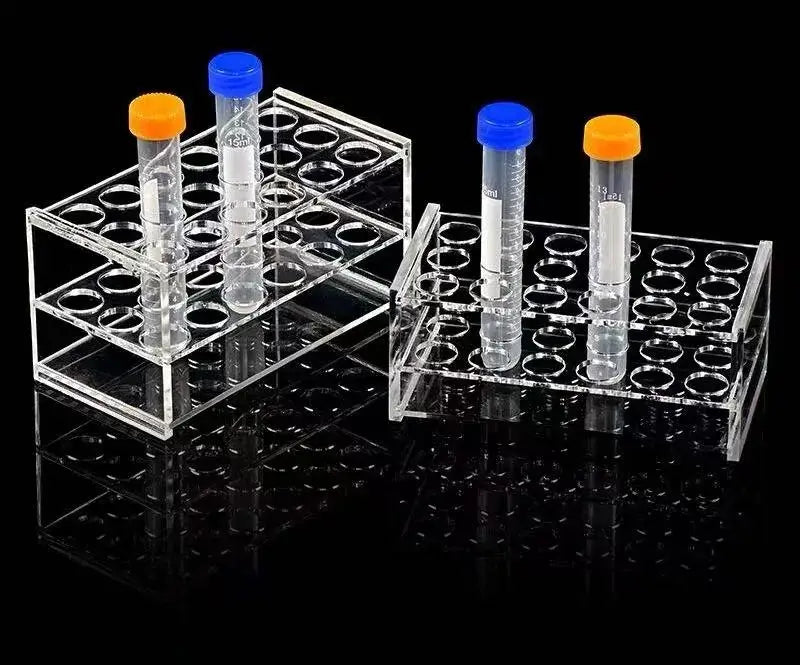
Acrylic Test Tube Holder

Enhanced Durability and Safety

Acrylic’s robustness makes it an ideal choice for the demanding conditions of medical settings. It resists impacts, scratches, and shattering, which is crucial in environments where equipment may be moved frequently or come into contact with other hard surfaces. This durability not only extends the lifespan of medical devices but also ensures the safety of both the equipment and the patients.

Advantages in Sterilization and Hygiene

Another significant advantage of acrylic in medical monitoring is its compatibility with sterilization processes. Acrylic can withstand repeated cleaning and disinfection without degrading, which is paramount in maintaining the sterility required in medical environments. This property ensures that devices remain safe for repeated use in close proximity to patients, minimizing the risk of infection.

Customization and Innovation in Design

The adaptability of acrylic is also evident in its customization potential. Medical devices crafted from acrylic can be tailored to specific needs, including varying levels of transparency, colors, and forms. This customization capability not only enhances the functionality of medical devices but also contributes to their aesthetic integration into healthcare facilities, making medical environments more pleasant for both staff and patients.

The integration of acrylic into medical monitoring equipment is a testament to its valuable properties, combining safety, functionality, and design elegance to meet the rigorous demands of healthcare applications. This use of acrylic is transforming the way medical monitoring devices are designed, enhancing their performance and reliability in critical care settings.

Cost-Effective Manufacturing with Acrylic in Automotive Parts

Reducing Costs with Acrylic in Automotive Manufacturing

The use of acrylic (PMMA) in automotive manufacturing offers significant cost benefits, primarily due to its lower material and processing costs compared to alternatives like glass. Acrylic is a thermoplastic that can be heated and reshaped multiple times without losing its chemical properties, which allows for more efficient and less labor-intensive manufacturing processes.

Efficiency in Production

Acrylic’s adaptability to various manufacturing techniques, such as injection molding and CNC machining, enables the efficient production of complex automotive parts. These processes allow for precise and rapid production of parts with minimal waste, which is crucial in high-volume manufacturing environments like automotive production​​. Injection molding, for instance, is particularly cost-effective as it allows for the mass production of parts with consistent quality and minimal post-processing.

Lightweight and Durable

Acrylic’s lightweight nature contributes to the overall reduction of vehicle weight, which can lead to better fuel efficiency and lower emissions. Moreover, its high impact resistance ensures durability and longevity of parts, reducing the need for frequent replacements and thereby decreasing long-term costs.

Customization and Design Flexibility

Another significant advantage of using acrylic in automotive parts is its high degree of customization. Acrylic can be easily colored, molded, and finished to meet specific design requirements. This flexibility not only allows for aesthetic enhancements but also for functional adaptations to specific automotive applications, such as light diffusing elements in lighting systems or clear, durable windows.

Sustainability and Environmental Impact

Acrylic is also advantageous from an environmental perspective. It is recyclable, and its production involves less energy consumption compared to materials like glass. This aspect aligns well with the automotive industry’s growing focus on sustainability and reduced environmental footprint​.

By leveraging the cost-efficiency, lightweight properties, and customization flexibility of acrylic, automotive manufacturers can significantly enhance their production efficiency while maintaining high standards of quality and sustainability.

clear acrylic sheets

Innovative Uses of Acrylic in Prosthetics and Orthotics

Enhancing Prosthetics with Acrylic’s Lightweight and Adaptable Properties

Acrylic is increasingly being used in the fabrication of prosthetics and orthotics due to its excellent properties, such as high strength, rigidity, and aesthetic appeal. These qualities make acrylic particularly beneficial for orthotic devices, where it can be easily molded and shaped to fit precise customizations required by patients.

Patient Comfort and Mobility

One of the key advantages of using acrylic in prosthetics is its lightweight nature, which significantly enhances patient comfort and mobility. Lightweight prosthetics reduce the physical strain on the user, making it easier to perform daily activities and improve overall mobility. This is crucial for prosthetics, as heavy devices can lead to additional strain and discomfort, potentially hindering the rehabilitation process.

Customization Flexibility

Acrylic’s versatility allows for high customization in prosthetics and orthotics. It can be tailored for specific functional needs and aesthetic preferences. This adaptability is vital for creating prosthetics that are not only functional but also align with the wearer’s body dimensions and lifestyle requirements.

Innovations in Acrylic Applications

Recent advancements have expanded the use of acrylic in prosthetics beyond traditional applications. For example, the integration of acrylic with other materials like carbon fibers can enhance the structural integrity and functionality of prosthetic devices. These composites can be designed to provide additional strength where needed while maintaining overall lightness and comfort.

custom acrylic sheets

Biocompatibility and Safety

Acrylic is also favored for its biocompatibility, making it safe for long-term contact with human skin. This is an essential consideration in prosthetics, where the material is in constant contact with the wearer’s body. Moreover, acrylic’s ease of cleaning and maintenance aligns with the hygiene standards required in medical applications​.

These properties of acrylic contribute significantly to its growing use in the prosthetics and orthotics industry, providing solutions that enhance the quality of life for users by combining functionality, comfort, and aesthetic value.

Common Questions and Answers About Acrylic Products and Customization at BeePlastic

1. Can BeePlastic handle custom orders?

Answer: Yes, BeePlastic can undertake any customization, including both sample customization and batch customization. We have the capability to cater to unique requirements for various acrylic products such as acrylic benches, blocks, cases, charms, designs, display boxes, display shelves, makeup organizers, plaques, rods, shapes, shoe boxes, and vases.

2. What file formats does BeePlastic accept for custom designs?

Answer: BeePlastic accepts a variety of file formats for custom designs, including PDF and CAD. This flexibility ensures that we can work with your preferred design files to create the exact acrylic products you need.

3. Is there a minimum order quantity (MOQ) at BeePlastic?

Answer: No, BeePlastic does not have a minimum order quantity (MOQ). Whether you need a single custom piece or a large batch, we can accommodate your order.

4. How does the production cycle work at BeePlastic?

Answer: The production cycle at BeePlastic is tailored to the amount of orders and the complexity of the process. We communicate the production progress in real-time to keep you informed. This ensures transparency and timely delivery of your custom acrylic products.

5. Does BeePlastic provide samples before proceeding with bulk orders?

Answer: Yes, BeePlastic supports the provision of samples. The samples are free of charge; however, customers are responsible for the shipping costs. This allows you to review and approve the product quality before committing to a larger order.

6. What types of acrylic products can BeePlastic customize?

Answer: BeePlastic can customize a wide range of acrylic products, including benches, blocks, cases, charms, designs, display boxes, display shelves, makeup organizers, plaques, rods, shapes, shoe boxes, and vases. Our extensive customization options ensure that we can meet various needs and preferences.

7. How can I place a custom order with BeePlastic?

Answer: To place a custom order with BeePlastic, you can contact us directly through our website or customer service. Provide us with your design files and specifications, and we will guide you through the process to ensure your custom acrylic products meet your expectations.

8. What is the turnaround time for custom acrylic products at BeePlastic?

Answer: The turnaround time for custom acrylic products at BeePlastic varies depending on the order size and complexity. We strive to complete orders efficiently while maintaining high-quality standards. You will receive updates on the production status to keep you informed of the expected delivery date.

9. Can BeePlastic handle large-scale production orders?

Answer: Yes, BeePlastic has the capability to handle large-scale production orders. Our advanced manufacturing facilities and experienced team enable us to produce high volumes of custom acrylic products without compromising on quality.

10. What quality assurance measures does BeePlastic have in place?

Answer: BeePlastic implements strict quality assurance measures to ensure that every product meets our high standards. From material selection to the final inspection, we follow rigorous procedures to guarantee the quality and durability of our custom acrylic products.

At BeePlastic, we are dedicated to transforming your visions into tangible realities with our extensive range of customizable acrylic products. Whether you require a single bespoke piece or need to fulfill a large-scale production order, our commitment to flexibility, quality, and customer satisfaction remains paramount. We invite you to take advantage of our diverse customization options, no minimum order requirements, and our commitment to keeping you informed every step of the way—from initial design to final delivery. Let BeePlastic help bring your creative ideas to life with precision and flair, ensuring that every product not only meets but exceeds your expectations. Explore the possibilities with us, where your imagination is the only limit to what we can achieve together.

Acrylic Medicine Bottle Ware

Ready to Transform Your Ideas into Reality? Don’t hesitate! Fill out the contact form below to start your custom acrylic project with BeePlastic today. Let us help you bring your vision to life with precision and creativity.

🎉🎉🎉Limited Time Offer Use code: QR4GNY08SHVR at checkout and enjoy a special discount on your entire order! 👉 Acrylic plastic

Leave a comment


Please note, comments must be approved before they are published


Custom Plastic Fabrication

Send your drawing, material and quantity for review

🔧
Precision Machining
CNC milling & turning
✂️
Cutting & Engraving
Laser & waterjet cutting
🏭
Forming & Molding
Thermoforming & injection
🔗
Joining & Assembly
Welding & bonding
📐
Design & Prototyping
CAD design & samples

General

HDPE

PP

PVC

ABS

Engineering

POM

Nylon

PC

PMMA

High-Performance

PEEK

PEI

PTFE

Composites

FR-4

G10

Flexible

TPU

Silicone

Why Choose BeePlastic?

🎯
Perfect Fit
Custom specs eliminate adaptation needs
⚡
Clear Lead Times
Lead time confirmed with every quote
💰
Volume Pricing
Volume pricing available on bulk orders
🤝
Expert Support
Free engineering consultation included
📋
Submit
→
🔍
Review
→
💵
Quote
→
✅
Production
→
📦
Deliver

Request a Quote

Share your project details, selected material and quantity on our quote page. You can add a file link or use the email drawing route shown there.


Request Quote

Industries: Automotive • Medical • Food • Lab • Semiconductor

beeplastic@beeplastic.com


The Ultimate Guide to ABS Plastic Sheets for Automotive Applications

ABS plastic sheets

The Ultimate Guide to ABS Plastic Sheets for Automotive Applications

Are you looking to understand why ABS plastic sheets are a top choice in the automotive industry? This comprehensive guide covers everything you need to know about ABS sheets, from their properties and advantages to their common uses in vehicles. Discover how ABS plastic outperforms other materials in automotive manufacturing and explore the various manufacturing processes that make it a versatile choice. Learn about the benefits of using ABS plastic sheets for lightweight automotive design and how they contribute to fuel efficiency and performance. Stay updated with the latest innovative applications of ABS in modern automotive design, and understand the environmental impact and sustainability efforts surrounding this essential material. Whether you’re a manufacturer or a DIY enthusiast, this guide is your go-to resource for all things ABS plastic sheets in the automotive world.

🎉🎉🎉Limited Time Offer Use code: QR4GNY08SHVR at checkout and enjoy a special discount on your entire order! 👉 ABS plastic

ABS plastic sheets

Properties of ABS Plastic Sheets and Their Advantages for Automotive Applications

Impact Resistance

ABS plastic sheets are renowned for their high impact resistance, making them a preferred choice for automotive applications. The inclusion of butadiene in the polymer structure enhances toughness, enabling ABS to absorb and dissipate energy efficiently upon impact. This property is critical for components like bumpers and side panels, which must endure collisions without cracking. The ability to withstand significant force helps protect both the vehicle and its occupants, ensuring greater safety in the event of an accident.

Lightweight

One of the standout features of ABS plastic sheets is their lightweight nature. Compared to traditional materials like metals, ABS significantly reduces the overall weight of automotive components. This reduction in weight leads to improved fuel efficiency and vehicle performance, as lighter vehicles require less energy to operate. Furthermore, the ease of handling and installation of lighter parts can reduce manufacturing costs and time, making ABS an economically attractive option for automotive manufacturers.

Heat Resistance

ABS plastic exhibits excellent heat resistance, allowing it to maintain structural integrity even at elevated temperatures. The high melting point, typically ranging from 200 to 250 degrees Celsius, makes it suitable for components exposed to heat, such as under-the-hood parts. This property is attributed to the acrylonitrile component, which provides thermal stability and prevents deformation under heat stress. The ability to withstand high temperatures without losing shape or mechanical properties ensures durability and reliability in demanding environments.

Durability

Durability is another key advantage of ABS plastic sheets. They exhibit high tensile strength and stiffness, allowing them to resist breakage under load. Additionally, ABS has excellent resistance to chemicals and environmental factors like UV exposure and moisture, making it ideal for both interior and exterior automotive applications. This durability ensures that components made from ABS can withstand the rigors of daily use and harsh conditions, maintaining their performance and appearance over time.

Versatility in Applications

The versatility of ABS plastic sheets is evident in their wide range of applications within the automotive industry. From dashboards and interior trim to wheel covers and body panels, ABS can be molded into complex shapes, providing flexibility in design and functionality. This versatility extends to its compatibility with various manufacturing processes, including injection molding, extrusion, and thermoforming, making it a versatile and cost-effective material for automotive manufacturers​.

ABS plastic sheets

Common Uses of ABS Plastic Sheets in the Automotive Industry

Dashboards

Dashboards made from ABS plastic sheets offer excellent durability and impact resistance, making them ideal for the automotive interior. The material’s high tensile strength ensures that dashboards can withstand daily wear and tear, including exposure to sunlight and temperature fluctuations. Additionally, ABS’s ability to be easily molded into complex shapes allows for the integration of various design elements and functionalities, such as air vents, instrument clusters, and touchscreens. The smooth surface finish of ABS also provides an attractive and aesthetically pleasing appearance, enhancing the overall interior look of the vehicle.

Wheel Covers

ABS plastic is a popular choice for wheel covers due to its lightweight and impact-resistant properties. Wheel covers need to be strong enough to protect the wheels from debris and minor impacts while being lightweight to avoid adding unnecessary weight to the vehicle. ABS meets these requirements perfectly, offering a balance between strength and weight. Furthermore, ABS can be easily colored and finished to provide a glossy, attractive look that complements the vehicle’s overall design. This versatility makes ABS a preferred material for manufacturing durable and stylish wheel covers.

Body Panels

Body panels made from ABS plastic sheets are increasingly being used in the automotive industry due to their lightweight nature and durability. Unlike metal panels, ABS panels do not corrode, providing a longer lifespan and reduced maintenance costs. The material’s flexibility allows it to absorb impacts without denting, maintaining the vehicle’s appearance even after minor collisions. Additionally, the ease of manufacturing ABS panels using injection molding and thermoforming processes enables the production of complex shapes and designs, offering greater design freedom for automakers.

Under-Hood Components

Under-hood components made from ABS plastic benefit from the material’s heat resistance and chemical resistance. ABS can withstand temperatures up to 180°F, making it suitable for parts that are exposed to the engine’s heat. Components such as battery covers, fuse boxes, and air intake systems are often made from ABS due to its ability to retain structural integrity under high temperatures. The material’s resistance to chemicals like oils and coolants further enhances its suitability for under-hood applications, ensuring long-lasting performance in a demanding environment.

Interior Trim

Interior trim components made from ABS plastic sheets offer a combination of aesthetic appeal and functional benefits. The material’s smooth finish allows for easy painting and customization, enabling the creation of visually appealing interior elements. ABS is also resistant to scratches and scuffs, maintaining the trim’s appearance over time. Additionally, the lightweight nature of ABS contributes to the overall reduction of the vehicle’s weight, enhancing fuel efficiency and performance. Common interior trim applications include door panels, center consoles, and seat backs.

By utilizing ABS plastic sheets for these various applications, automakers can take advantage of the material’s unique properties to enhance the performance, durability, and aesthetic appeal of their vehicles. The versatility and cost-effectiveness of ABS make it an ideal choice for both interior and exterior automotive components.

ABS plastic sheets

Comparison: ABS Plastic Sheets vs. Other Materials in Automotive Manufacturing

Cost

ABS plastic sheets are often chosen for automotive applications due to their cost-effectiveness. Compared to polycarbonate and nylon, ABS is generally less expensive to produce and purchase. The lower production costs are attributed to the simpler manufacturing processes and the availability of raw materials. Polypropylene, while also affordable, does not offer the same balance of properties as ABS. ABS provides a more cost-effective solution for applications requiring a combination of strength, impact resistance, and aesthetic finish​.

Durability

When it comes to durability, ABS plastic exhibits excellent impact resistance and toughness. This makes it a suitable material for components that must endure significant stress and wear. Polycarbonate is known for its superior impact resistance and high tensile strength, making it ideal for applications where maximum durability is required. However, polycarbonate is more expensive than ABS. Nylon also offers high durability and excellent resistance to abrasion and wear, but it is prone to moisture absorption, which can affect its mechanical properties over time. Polypropylene, while durable, lacks the high impact resistance and surface finish quality that ABS provides.

Suitability for Different Automotive Parts

ABS plastic sheets are highly versatile and can be used for various automotive components:

  • Dashboards and Interior Trim: ABS is preferred for dashboards and interior trim due to its excellent surface finish, ease of molding, and resistance to wear and scratches. It can be easily colored and textured, enhancing the vehicle’s interior aesthetics.

  • Wheel Covers and Body Panels: For wheel covers and body panels, ABS’s impact resistance and lightweight properties make it an ideal choice. It provides sufficient protection against debris and minor impacts while maintaining a glossy, attractive appearance.

  • Under-Hood Components: ABS is suitable for under-hood components due to its moderate heat resistance and chemical resistance. However, for applications requiring higher temperature stability, nylon or polycarbonate might be more appropriate, despite their higher costs.

Comparison with Polypropylene

Polypropylene is lightweight and cost-effective but lacks the impact resistance and surface finish quality of ABS. It is often used in applications where high flexibility and chemical resistance are more critical than aesthetic properties, such as battery cases and chemical tanks. However, for parts that require a balance of durability, aesthetic appeal, and moderate cost, ABS is usually preferred​.

Comparison with Nylon

Nylon offers excellent mechanical properties, including high tensile strength and abrasion resistance. It is used in applications that require high durability and resistance to wear, such as gears and bushings. However, nylon’s tendency to absorb moisture can lead to changes in dimensions and mechanical properties, making it less suitable for certain automotive applications compared to ABS.

Comparison with Polycarbonate

Polycarbonate is known for its exceptional impact strength and clarity, making it ideal for windows, light covers, and other applications requiring transparency and high durability. However, the higher cost of polycarbonate makes ABS a more economical choice for parts where extreme durability and transparency are not critical requirements​.

By comparing these materials, it becomes evident that ABS plastic sheets offer a unique balance of cost, durability, and versatility, making them a preferred choice for various automotive components. The ability to be easily molded, finished, and colored further enhances ABS’s suitability for automotive applications, providing manufacturers with a cost-effective and reliable material option.

ABS plastic sheets

Manufacturing Processes for ABS Automotive Parts

Injection Molding

Injection molding is one of the most common methods used to manufacture ABS automotive parts. This process involves melting ABS pellets and injecting the molten plastic into a mold under high pressure. The mold shapes the plastic into the desired form as it cools and solidifies. Injection molding is particularly suitable for producing high volumes of complex parts with precise dimensions and intricate details.

  • Dashboards: Injection molding allows for the creation of dashboards with integrated components such as air vents, instrument clusters, and touchscreens. The high precision of this process ensures a perfect fit and finish for these critical interior parts​​.
  • Wheel Covers: The ability to produce large quantities of identical wheel covers makes injection molding an efficient and cost-effective choice. The resulting wheel covers are lightweight, durable, and can be easily customized with different colors and finishes​.

Thermoforming

Thermoforming is another popular method used for ABS plastic sheets in the automotive industry. In this process, a sheet of ABS plastic is heated until it becomes pliable, then stretched over a mold and cooled to form the desired shape. Thermoforming is ideal for creating large, smooth-surfaced components that do not require the high precision of injection molding.

  • Body Panels: Thermoforming is often used to produce body panels, such as door panels and side panels. The process allows for the efficient production of large parts with consistent thickness and surface finish. The resulting panels are lightweight and resistant to corrosion and impact​.
  • Interior Trim: This process is also used to manufacture interior trim components, providing a smooth, aesthetically pleasing surface that can be easily colored and textured. Thermoforming is well-suited for producing parts like door panels and center consoles that require a high-quality finish.

Extrusion

Extrusion is a process used to create continuous profiles by pushing molten ABS plastic through a shaped die. This method is typically used for producing long, uniform components such as tubes, rods, and sheets. Extrusion is highly efficient for manufacturing parts that require consistent cross-sectional shapes.

  • Trim and Seals: Extruded ABS is commonly used for trim and seals in automotive applications. The consistent profile and durability of extruded ABS make it ideal for these components, which need to maintain their shape and functionality over time.
  • Pipes and Fittings: The extrusion process is also used to produce pipes and fittings for various automotive systems. These components benefit from the material’s resistance to chemicals and temperature variations, ensuring reliable performance in demanding environments.

CNC Machining

CNC machining involves using computer-controlled machines to cut and shape ABS plastic sheets into precise parts. This process is highly accurate and is used for creating customized or low-volume parts that require tight tolerances and detailed features.

  • Prototypes: CNC machining is ideal for producing prototypes of new automotive components. The precision of this method allows engineers to test and refine designs before mass production​.
  • Small Batch Parts: This process is also used for producing small batches of specialized parts that may not justify the cost of creating molds for injection molding. CNC machining ensures each part meets exact specifications and high-quality standards.

Each of these manufacturing processes leverages the unique properties of ABS plastic sheets to produce durable, reliable, and cost-effective automotive components. The choice of process depends on the specific requirements of the part, including its size, complexity, and production volume. By utilizing these versatile methods, manufacturers can meet the diverse needs of the automotive industry.

ABS plastic sheets

Advantages of Using ABS Plastic Sheets for Lightweight Automotive Design

Weight Reduction Benefits

The use of ABS plastic sheets in automotive design significantly contributes to weight reduction. Reducing the weight of a vehicle is one of the most effective ways to improve its fuel efficiency and overall performance. Lighter vehicles require less energy to move, which directly translates into lower fuel consumption and reduced greenhouse gas emissions. This makes ABS a valuable material in the push for more environmentally friendly and cost-effective vehicles.

Fuel Efficiency and Performance

By incorporating lightweight ABS plastic components, automakers can achieve substantial improvements in fuel economy. For every 10% reduction in vehicle weight, there is typically a 6-8% increase in fuel efficiency. This not only reduces the operational costs for consumers but also helps manufacturers meet stringent fuel economy regulations and emission standards. The lightweight nature of ABS allows for the design of components that are both durable and efficient, enhancing the vehicle’s acceleration, braking, and handling characteristics​.

Versatility and Design Flexibility

ABS plastic sheets offer excellent design flexibility, enabling the creation of complex and intricate automotive parts. The material’s ability to be easily molded and shaped means that it can be used to produce a wide range of components, from dashboards and interior trims to body panels and wheel covers. This versatility allows designers to innovate and optimize vehicle structures without being constrained by the limitations of heavier materials like metals​..

Structural Integrity and Safety

Despite its lightweight properties, ABS plastic does not compromise on structural integrity. The material is known for its high impact resistance and durability, which are crucial for automotive applications that require robust and reliable components. ABS can absorb and dissipate energy during collisions, helping to protect passengers and maintain the integrity of the vehicle’s structure. This makes it an ideal choice for safety-critical parts such as bumpers and door panels.

Cost-Effectiveness

In addition to its performance benefits, ABS plastic is also cost-effective. It is generally less expensive to produce and process compared to other high-performance materials like aluminum and carbon fiber. This cost advantage, combined with its durability and ease of manufacturing, makes ABS an attractive option for automakers looking to reduce production costs while still achieving high-quality and lightweight vehicle components​​.

The adoption of ABS plastic sheets in the automotive industry represents a strategic move towards more sustainable, efficient, and economical vehicle design. By leveraging the unique properties of ABS, manufacturers can produce vehicles that are not only lighter and more fuel-efficient but also safer and more affordable.

ABS plastic sheets in the automotive industry

Innovative Applications of ABS Plastic Sheets in Modern Automotive Design

Custom Interior Designs

Recent innovations in ABS plastic sheets have revolutionized custom interior designs in modern vehicles. The versatility of ABS allows designers to create intricate and unique interior components that cater to the preferences of different consumers. For instance, 3D printing with ABS enables the production of highly customized dashboard panels, center consoles, and trim pieces. This technology allows for rapid prototyping and personalization, giving automakers the ability to offer bespoke interior options that enhance the driving experience.

Moreover, ABS plastic can be easily colored and textured, allowing for a wide range of finishes that can mimic leather, wood, or metal. This capability not only enhances the aesthetic appeal of the vehicle interior but also provides a durable and low-maintenance alternative to traditional materials.

Advanced Safety Features

The use of ABS plastic sheets in automotive design has also led to significant advancements in safety features. ABS is known for its high impact resistance, which makes it an ideal material for components that need to absorb and dissipate energy during a collision. Innovations in ABS formulations have further improved its impact resistance, allowing for the development of safer bumpers, door panels, and interior trims that can better protect passengers in the event of an accident.

Additionally, ABS plastic is being used to create lightweight and robust protective casings for advanced safety systems, such as airbags and electronic control units (ECUs). These casings ensure that critical safety components remain intact and functional even under extreme conditions, enhancing the overall safety of the vehicle​.

Aesthetic Enhancements

Aesthetic enhancements are another area where ABS plastic sheets are making a significant impact in modern automotive design. The ability to mold ABS into complex shapes and fine details allows designers to create visually striking exterior components, such as grilles, spoilers, and mirror housings. These components not only improve the vehicle’s appearance but also contribute to its aerodynamics and performance.

Moreover, the surface finish of ABS plastic can be enhanced through various techniques, including painting, metallizing, and texturing. This versatility allows manufacturers to achieve high-gloss finishes, metallic looks, and even soft-touch surfaces that add to the vehicle’s visual appeal. The use of ABS plastic in aesthetic components also helps reduce the overall weight of the vehicle, contributing to better fuel efficiency and handling​.

Future Trends in ABS Plastic Applications

Looking ahead, the future trends in the use of ABS plastic sheets in automotive design are focused on further improving performance, sustainability, and customization. Researchers are developing new ABS composites that incorporate recycled materials and bio-based additives to reduce the environmental impact of automotive manufacturing. These advancements aim to create more sustainable and eco-friendly ABS formulations without compromising on performance.

In addition, the integration of smart technologies into ABS components is an emerging trend. For example, embedded sensors and electronics in ABS interior trims and dashboards can provide real-time data on the vehicle’s performance and environment, enhancing the overall driving experience. The continuous evolution of 3D printing technologies also promises to expand the possibilities for custom and on-demand manufacturing of ABS parts, enabling greater flexibility and efficiency in automotive production.

By leveraging these innovative applications and future trends, ABS plastic sheets continue to play a crucial role in advancing automotive design, offering a perfect balance of functionality, aesthetics, and sustainability.

ABS plastic sheets

Environmental Impact and Sustainability of ABS Plastic Sheets in Automotive Applications

Recyclability of ABS Plastic

ABS plastic sheets are known for their recyclability, making them an environmentally friendly option in the automotive industry. ABS can be recycled multiple times without significant degradation in its properties, allowing for the material to be reused in various applications. This recyclability helps reduce the amount of waste sent to landfills and supports the principles of a circular economy. Municipal recycling programs increasingly accept ABS, facilitating its reuse in new automotive parts and other products.

Lifecycle Impact

The lifecycle impact of ABS plastic includes its production, use, and disposal phases. During production, ABS requires less energy compared to metals, contributing to lower greenhouse gas emissions. Its lightweight nature enhances vehicle fuel efficiency, reducing fuel consumption and emissions over the vehicle’s lifespan. This makes ABS a key material in the drive towards more sustainable automotive designs.

Furthermore, the durability of ABS extends the lifespan of automotive components, decreasing the need for frequent replacements and reducing overall resource consumption. By resisting wear and maintaining structural integrity over time, ABS components help minimize the environmental impact associated with manufacturing new parts.

Bio-based and Recycled ABS

Innovations in bio-based ABS are emerging as part of the effort to enhance the sustainability of this material. Bio-based ABS incorporates renewable raw materials, reducing reliance on fossil fuels. For example, Trinseo’s MAGNUM™ BIO ABS uses a combination of traditional and renewable resources, providing similar performance to conventional ABS while offering a reduced carbon footprint​​.

Additionally, the use of recycled ABS is gaining traction. Recycled ABS resins offer mechanical and aesthetic properties comparable to virgin ABS, making them suitable for a wide range of applications. This approach not only reduces the demand for new raw materials but also decreases the environmental impact associated with ABS production.

Steps Toward Sustainability

Several steps are being taken to improve the sustainability of ABS plastic in the automotive industry:

  1. Increased Recycling Programs: Expanding recycling infrastructure to ensure more ABS is collected and processed. This helps create a steady supply of recycled ABS for manufacturing new products.
  2. Development of Bio-based ABS: Investing in research to create ABS from renewable resources. This reduces the dependency on fossil fuels and lowers the carbon footprint of ABS production​.
  3. Closed-loop Systems: Implementing closed-loop recycling systems within manufacturing facilities to reuse ABS scrap and waste. This minimizes material waste and supports a sustainable production cycle.
  4. Lightweighting Strategies: Utilizing the lightweight nature of ABS to design more fuel-efficient vehicles. Lighter vehicles consume less fuel, reducing emissions and improving environmental performance over their lifespan​.

By focusing on these initiatives, the automotive industry can enhance the environmental performance of ABS plastic sheets, making them a more sustainable choice for vehicle manufacturing.

ABS bearing housing

Frequently Asked Questions (FAQs) about ABS Plastic Sheets and Customization at BeePlastic

1. Can BeePlastic undertake any customization of ABS plastic sheets?

Answer: Yes, BeePlastic can handle any type of customization, including both sample customization and batch customization. We tailor our services to meet the specific needs of our customers, ensuring that each project is completed to the highest standards.

2. What file formats does BeePlastic accept for customization requests?

Answer: BeePlastic accepts a variety of file formats for customization requests, including PDF and CAD files. This flexibility ensures that our customers can provide their designs in the format that works best for them, facilitating a smooth customization process.

3. Is there a minimum order quantity (MOQ) for placing an order with BeePlastic?

Answer: No, there is no minimum order quantity (MOQ) at BeePlastic. We cater to both small and large orders, making our services accessible to a wide range of customers, from individual hobbyists to large-scale manufacturers.

4. How is the production cycle determined for customized orders?

Answer: The production cycle for customized orders at BeePlastic is determined based on the amount of orders and the complexity of the process. We communicate with our customers in real time about the production progress, ensuring transparency and timely updates throughout the manufacturing process.

5. Does BeePlastic provide samples of ABS plastic sheets, and what are the associated costs?

Answer: Yes, BeePlastic provides samples of ABS plastic sheets. The samples are free of charge, but customers are responsible for the shipping costs. This allows customers to evaluate our materials and workmanship before placing a larger order.

6. What are the key advantages of using ABS plastic sheets in automotive applications?

Answer: ABS plastic sheets are highly valued in the automotive industry for their durability, lightweight nature, impact resistance, and heat resistance. These properties make ABS ideal for components such as dashboards, wheel covers, body panels, and under-hood components, contributing to overall vehicle performance and safety.

7. How does BeePlastic ensure the quality of its customized ABS plastic sheets?

Answer: BeePlastic ensures the quality of its customized ABS plastic sheets through stringent quality control measures. Each batch undergoes thorough testing to meet industry standards and customer specifications. Our state-of-the-art manufacturing processes and experienced team ensure that every product is of the highest quality.

8. What are the environmental benefits of using ABS plastic sheets?

Answer: ABS plastic sheets are recyclable and can be reused multiple times without significant loss of properties. This reduces waste and supports sustainable manufacturing practices. Additionally, ABS’s lightweight nature helps improve vehicle fuel efficiency, contributing to lower emissions and environmental impact.

9. Can BeePlastic handle large-scale production orders?

Answer: Yes, BeePlastic is equipped to handle large-scale production orders. Our advanced manufacturing facilities and scalable processes enable us to efficiently manage high-volume orders while maintaining quality and meeting delivery timelines.

10. How does BeePlastic support customers throughout the customization process?

Answer: BeePlastic provides comprehensive support to customers throughout the customization process. From initial consultation and design assistance to real-time production updates and quality assurance, we ensure a smooth and collaborative experience. Our team is always available to answer questions and address any concerns.

Conclusion

The versatility and durability of ABS plastic sheets make them an indispensable material in modern automotive design. From enhancing fuel efficiency and reducing environmental impact to enabling innovative and customizable interior and exterior components, ABS plastic sheets offer a range of benefits that support both performance and sustainability. As the automotive industry continues to evolve, embracing lightweight and recyclable materials like ABS will be crucial in meeting the demands of the future. Whether you’re a manufacturer looking to improve your vehicle designs or a consumer interested in the latest advancements in automotive materials, ABS plastic sheets provide a reliable and forward-thinking solution. For more information and customized solutions, visit BeePlastic.

ABS CNC machining

Discover Customized Solutions for Your Automotive Needs

Ready to enhance your automotive designs with durable and versatile ABS plastic sheets? Fill out our contact form below to get started with a customized solution tailored to your specific requirements. For detailed information on our ABS plastic machining services, click here.

🎉🎉🎉Limited Time Offer Use code: QR4GNY08SHVR at checkout and enjoy a special discount on your entire order! 👉 ABS plastic

Leave a comment


Please note, comments must be approved before they are published


Custom Plastic Fabrication

Send your drawing, material and quantity for review

🔧
Precision Machining
CNC milling & turning
✂️
Cutting & Engraving
Laser & waterjet cutting
🏭
Forming & Molding
Thermoforming & injection
🔗
Joining & Assembly
Welding & bonding
📐
Design & Prototyping
CAD design & samples

General

HDPE

PP

PVC

ABS

Engineering

POM

Nylon

PC

PMMA

High-Performance

PEEK

PEI

PTFE

Composites

FR-4

G10

Flexible

TPU

Silicone

Why Choose BeePlastic?

🎯
Perfect Fit
Custom specs eliminate adaptation needs
⚡
Clear Lead Times
Lead time confirmed with every quote
💰
Volume Pricing
Volume pricing available on bulk orders
🤝
Expert Support
Free engineering consultation included
📋
Submit
→
🔍
Review
→
💵
Quote
→
✅
Production
→
📦
Deliver

Request a Quote

Share your project details, selected material and quantity on our quote page. You can add a file link or use the email drawing route shown there.


Request Quote

Industries: Automotive • Medical • Food • Lab • Semiconductor

beeplastic@beeplastic.com


The Ultimate Guide to PEEK Sheets: Applications in Aerospace and Aviation

PEEK sheet

Unlocking the Potential of PEEK Sheets in Aerospace and Aviation

Dive into “The Ultimate Guide to PEEK Sheets: Applications in Aerospace and Aviation”, where I explore how PEEK sheets are revolutionizing the industry. Discover the advantages of PEEK sheets, including their high-temperature resistance, mechanical strength, and chemical stability, making them indispensable for aerospace applications.

High performance PEEK sheets stacked for aerospace manufacturing

Compare PEEK sheets to traditional materials like aluminum and titanium, highlighting the weight savings and cost-efficiency benefits. Learn about specific applications of PEEK sheets in aircraft manufacturing, from engine components to interior fittings.

🎉 Limited Time Reader Offer 🎉

Use code: QR4GNY08SHVR at checkout.

Get a special discount on your order of PEEK plastic or Bakelite plastic.

Explore the role of PEEK sheets in spacecraft and satellite components, capable of withstanding the harsh conditions of space. Uncover the latest innovations in PEEK sheet manufacturing, such as 3D printing and CNC machining, enhancing design flexibility and production efficiency. Understand the environmental and economic benefits of using PEEK sheets, including reduced carbon emissions and long-term cost savings. Finally, get insights into future trends in aerospace materials and the expanding role of PEEK sheets in the industry.

Join me as I delve into these topics, providing a comprehensive and engaging overview of how PEEK sheets are driving advancements in aerospace and aviation.

Advantages of PEEK Sheets in Aerospace

Unique Properties of PEEK Sheets

PEEK sheets (Polyetheretherketone) offer exceptional properties that make them ideal for aerospace applications. One of the most notable attributes is their high-temperature resistance. PEEK can continuously function at temperatures up to 260°C (500°F) and withstand short-term exposure to temperatures as high as 300°C (572°F). This high thermal stability ensures that PEEK components maintain their mechanical integrity under extreme conditions, such as those found in aircraft engines and external components subjected to high temperatures during flight.

Mechanical Strength and Durability

PEEK plastic sheets are renowned for their outstanding mechanical strength. They feature a high strength-to-weight ratio, providing substantial strength without adding excessive weight to the aircraft. This characteristic is crucial in aerospace applications, where every kilogram saved significantly impacts fuel efficiency and overall performance. Additionally, PEEK sheets exhibit excellent fatigue resistance, meaning they can endure repetitive stress and strain without failing. This durability ensures a longer service life for components, reducing the need for frequent replacements and maintenance.

Chemical Stability and Resistance

Another critical property of PEEK sheets is their chemical stability. PEEK is highly resistant to a wide range of chemicals, including aviation fuels, hydraulic fluids, and solvents. This resistance makes it ideal for use in environments where exposure to harsh chemicals is common, such as in fuel systems and hydraulic components. The chemical stability of PEEK also contributes to its long-term reliability, as it does not degrade or weaken over time when exposed to these substances.

PEEK 3D printing and machining technology

Enhancing Performance and Safety

The unique combination of high-temperature resistance, mechanical strength, and chemical stability makes PEEK sheets invaluable for enhancing the performance and safety of aerospace components. For instance, using PEEK in engine components can lead to improved efficiency and reliability, as the material withstands high temperatures and corrosive environments without compromising its integrity. Similarly, PEEK’s strength and durability make it an excellent choice for structural components, contributing to the overall safety and longevity of the aircraft.

Design Flexibility with PEEK Sheets

PEEK sheets offer unparalleled design flexibility, which is a significant advantage in aerospace engineering. The material can be easily machined, molded, and thermoformed into complex shapes, allowing engineers to create intricate and customized components that meet specific design requirements. This flexibility is further enhanced by PEEK’s compatibility with advanced manufacturing techniques such as 3D printing and CNC machining. These technologies enable the production of lightweight, high-performance parts with precision and efficiency, reducing production times and costs.

Weight Reduction and Fuel Efficiency

In the aerospace industry, reducing weight is a constant goal. PEEK sheets are significantly lighter than traditional materials like aluminum and titanium, leading to considerable weight savings. This reduction in weight directly translates to improved fuel efficiency, lower emissions, and the ability to carry larger payloads. For instance, PEEK sheet material can replace metal components in aircraft interiors, engines, and structural parts, reducing overall weight and enhancing performance.

Long-Term Economic Benefits

While the initial cost of PEEK sheets may be higher than other materials, the long-term economic benefits are substantial. The durability and low maintenance requirements of PEEK components lead to reduced downtime and lower replacement costs. Additionally, the fuel savings achieved through weight reduction can offset the initial investment in PEEK materials. As aerospace companies continue to prioritize efficiency and sustainability, the use of PEEK plastic sheets is likely to become even more prevalent.

By leveraging the unique properties of PEEK sheets, the aerospace industry can achieve significant advancements in performance, safety, and efficiency. This high-performance material is paving the way for the future of aerospace engineering, offering solutions that meet the demanding requirements of modern aircraft and spacecraft.

PEEK Sheets vs. Traditional Materials

PEEK material vs traditional metal comparison

Weight Savings with PEEK Sheets

One of the most significant advantages of PEEK sheets over traditional aerospace materials like aluminum and titanium is their weight savings. PEEK (Polyetheretherketone) is a high-performance thermoplastic with a specific gravity of approximately 1.3 g/cm³, compared to aluminum at 2.7 g/cm³ and titanium at 4.5 g/cm³. This substantial difference in density means that components made from PEEK sheets are significantly lighter, which is crucial in the aerospace industry where reducing weight directly impacts fuel efficiency and payload capacity.

Replacing metal components with PEEK can lead to weight reductions of up to 50% or more, depending on the application. This weight savings translates into improved fuel efficiency, allowing aircraft to operate more economically and with lower emissions. Additionally, lighter aircraft can carry more passengers or cargo, enhancing overall operational efficiency.

Durability and Longevity

PEEK sheets also offer remarkable durability and longevity compared to traditional materials. While metals like aluminum and titanium are prone to corrosion and fatigue, PEEK exhibits excellent resistance to chemical and environmental degradation. PEEK plastic sheets are highly resistant to aviation fuels, hydraulic fluids, and other harsh chemicals commonly encountered in aerospace applications. This resistance helps extend the lifespan of components, reducing the frequency of replacements and maintenance.

Furthermore, PEEK maintains its mechanical properties over a wide temperature range, from -50°C to 250°C, without significant degradation. This stability under extreme conditions ensures that PEEK components remain reliable and functional throughout their service life. The ability of PEEK sheets to withstand high temperatures and mechanical stress makes them ideal for critical aerospace applications, such as engine parts and structural components.

Cost-Efficiency

While the initial cost of PEEK sheets may be higher than traditional materials, the overall cost-efficiency of using PEEK in aerospace applications is notable. The reduced weight of PEEK components leads to significant fuel savings over the operational life of the aircraft. These fuel savings can offset the higher initial material costs, making PEEK a cost-effective choice in the long term.

Additionally, the durability and resistance of PEEK plastic sheets result in lower maintenance and replacement costs. Aircraft components made from PEEK require less frequent servicing and have longer service intervals compared to those made from metals. This reduction in maintenance downtime translates to increased aircraft availability and operational efficiency, further enhancing the cost benefits of using PEEK sheets.

Improved Fuel Efficiency and Reduced Maintenance Costs

The combination of weight savings, durability, and cost-efficiency makes PEEK sheets an excellent alternative to traditional materials like aluminum and titanium. By replacing metals with PEEK, aerospace manufacturers can achieve significant fuel efficiency improvements. Lighter aircraft consume less fuel, leading to reduced operational costs and lower environmental impact.

Reduced maintenance costs with PEEK components

Moreover, the enhanced durability and resistance to corrosion and fatigue of PEEK components result in reduced maintenance costs. Aircraft operators can benefit from longer service intervals and fewer replacements, minimizing downtime and maximizing the utilization of their fleets. This overall improvement in operational efficiency makes PEEK sheets a valuable material for the aerospace industry, driving advancements in aircraft design and performance.

Applications of PEEK Sheets in Aircraft Manufacturing

Engine Components

PEEK sheets are widely used in the manufacturing of engine components for both commercial and military aircraft. The high thermal stability and mechanical strength of PEEK make it an ideal material for parts that must endure extreme temperatures and stresses. For instance, PEEK is commonly used in engine casings, seals, and thrust washers. These components benefit from PEEK’s ability to maintain its properties at temperatures up to 260°C (500°F) and its resistance to wear and corrosion. PEEK engine parts have been successfully implemented in various aircraft models, improving their performance and durability.

Structural Parts

The mechanical strength and lightweight nature of PEEK sheets make them suitable for various structural components in aircraft. PEEK is often used in brackets, bearings, and fasteners that require high strength but must also contribute to weight reduction. The use of PEEK in these structural parts not only helps in reducing the overall weight of the aircraft, which improves fuel efficiency, but also ensures that these components can withstand the mechanical stresses encountered during flight. In some commercial aircraft, PEEK has replaced traditional metals, leading to significant weight savings and enhanced performance.

PEEK used in aviation interior and structural parts

Interior Fittings

PEEK sheets are extensively used in the interior fittings of aircraft due to their excellent flame retardance and low smoke emissions. Components such as seat frames, tray tables, and luggage bins are often made from PEEK to ensure passenger safety and comfort. The material’s ability to resist high temperatures and its compliance with stringent fire safety regulations make it an ideal choice for interior applications. Real-world implementations have shown that PEEK interior fittings not only enhance safety but also reduce maintenance requirements due to their durability and resistance to wear and tear.

Insulation Materials

In addition to mechanical and structural applications, PEEK sheets are used as insulation materials in aircraft. PEEK’s excellent electrical insulation properties and its ability to withstand harsh environmental conditions make it suitable for insulating electrical components and wiring. This application is particularly important in military aircraft, where reliable insulation can be critical to the performance of electronic systems. PEEK insulation helps protect sensitive electronics from temperature fluctuations and electromagnetic interference, ensuring their optimal functioning.

Real-World Case Studies

One notable example of PEEK sheet implementation is in the Boeing 787 Dreamliner. In this aircraft, PEEK is used for various interior and structural components, contributing to weight reduction and increased fuel efficiency. Another example is the Airbus A350 XWB, which utilizes PEEK in its brackets and clamps to enhance performance and durability while reducing overall weight. These case studies highlight the successful integration of PEEK into modern aircraft designs, demonstrating its value in achieving superior performance and efficiency.

By leveraging the unique properties of PEEK sheets, aircraft manufacturers can achieve significant advancements in the design and performance of both commercial and military aircraft. The material’s versatility, combined with its superior mechanical and thermal properties, makes it an indispensable component in the aerospace industry.

PEEK Sheets in Spacecraft and Satellite Components

Harsh Conditions of Space

PEEK sheets (Polyetheretherketone) are becoming increasingly vital in the construction of spacecraft and satellite components due to their exceptional ability to withstand the harsh conditions of space. Space presents extreme challenges, including extreme temperatures, radiation exposure, and vacuum conditions, all of which can significantly affect the performance and longevity of materials. PEEK excels in these environments, making it a preferred choice for various critical components.

Extreme Temperature Resistance

One of the key advantages of PEEK sheets is their outstanding thermal stability. In space, temperatures can vary drastically, from the intense heat of direct sunlight to the frigid cold of shadowed regions. PEEK maintains its mechanical properties and dimensional stability across a wide temperature range, typically from -50°C to 260°C (-58°F to 500°F). This temperature resistance ensures that PEEK components do not become brittle or lose strength, making them reliable for long-term use in space missions.

PEEK sheets for space satellite components

Radiation Resistance

Spacecraft and satellites are continuously exposed to high levels of cosmic radiation and solar radiation. These radiation levels can degrade many materials, leading to structural failures and reduced functionality. PEEK offers excellent resistance to radiation, maintaining its properties even after prolonged exposure. This radiation resistance makes PEEK sheets ideal for use in critical components such as external panels, housings, and shields that protect sensitive equipment from radiation damage.

Lightweight and High Strength

In the aerospace industry, reducing weight is crucial for improving efficiency and reducing launch costs. PEEK sheets provide an excellent balance of lightweight and high strength. With a specific gravity of around 1.3 g/cm³, PEEK is much lighter than traditional metals like aluminum and titanium, yet it offers comparable strength and stiffness. This weight reduction translates into lower fuel consumption and higher payload capacity, which are essential for successful space missions.

Versatile Applications

PEEK sheets are used in a variety of applications within spacecraft and satellite construction. These include:

  • Structural components: Frames, brackets, and supports that require high strength and durability.
  • Thermal insulation: Insulation panels and thermal barriers that protect against extreme temperature fluctuations.
  • Electrical insulation: Insulating materials for electrical systems and wiring to prevent short circuits and electrical failures.
  • Radiation shielding: Shields and covers that protect sensitive instruments and electronics from harmful radiation.

Real-World Implementations

Several successful space missions have demonstrated the effectiveness of PEEK sheets. For instance, components made from PEEK have been used in the construction of the Mars Rover, providing both structural support and insulation for electronic systems. Additionally, satellite manufacturers have utilized PEEK for its lightweight and durable properties, enhancing the performance and longevity of satellites in orbit.

The unique combination of thermal stability, radiation resistance, lightweight, and high strength makes PEEK sheets an indispensable material for spacecraft and satellite components. As space exploration and satellite technology continue to advance, the use of PEEK is likely to expand, offering reliable solutions to the challenges of space environments.

Innovations in PEEK Sheet Manufacturing for Aerospace

3D Printing Advancements

3D printing has revolutionized the manufacturing of PEEK sheets, bringing unprecedented design flexibility and efficiency to aerospace component production. With 3D printing, manufacturers can create complex geometries that were previously impossible or highly impractical using traditional methods. This technology allows for the production of lightweight, high-strength parts with intricate designs tailored to specific aerospace applications.

Additive manufacturing with PEEK offers several advantages:

  • Reduced Material Waste: Traditional subtractive methods, such as CNC machining, often result in significant material waste. 3D printing builds components layer by layer, minimizing waste and making more efficient use of raw materials.
  • Customization and Prototyping: 3D printing enables rapid prototyping and customization. Engineers can quickly produce and test multiple iterations of a component, refining the design before full-scale production. This agility is crucial in the aerospace industry, where precision and performance are paramount.
  • Lightweight Structures: The ability to design and print lattice structures and other weight-saving geometries enhances the overall performance of aerospace components. These designs reduce weight without compromising strength, leading to improved fuel efficiency and payload capacity.
PEEK sheet raw material for machining

CNC Machining Precision

CNC machining remains a vital technology in the production of PEEK sheets, especially for components that require high precision and tight tolerances. Computer Numerical Control (CNC) machining uses computer-aided design (CAD) software to control the movement of machinery and tools, ensuring consistent and accurate production of parts.

Key benefits of CNC machining with PEEK include:

  • High Precision: CNC machines can achieve extremely tight tolerances, which is essential for aerospace components that must fit and function perfectly within larger systems. This precision ensures the reliability and performance of critical parts such as bearings, bushings, and gears.
  • Surface Finish: PEEK components produced via CNC machining often exhibit superior surface finishes, reducing the need for additional processing. This high-quality finish is crucial for parts that interact with other components and require smooth surfaces to minimize friction and wear.
  • Scalability: Once a design is finalized, CNC machining can easily scale up production to meet high-volume demands. This scalability is vital for aerospace manufacturers who need to produce large quantities of components with consistent quality.

Hybrid Manufacturing Techniques

Combining 3D printing and CNC machining leverages the strengths of both technologies to produce high-performance PEEK components. This hybrid approach starts with 3D printing to create the initial complex geometries, followed by CNC machining to refine critical dimensions and achieve the desired surface finish.

Enhancing Design Flexibility and Efficiency

The integration of advanced manufacturing technologies like 3D printing and CNC machining enhances the design flexibility and efficiency of producing aerospace components. These innovations enable:

  • Complex Designs: Engineers can push the boundaries of design, creating parts that are lighter, stronger, and more efficient. The ability to incorporate complex internal structures, such as cooling channels and weight-saving lattices, optimizes performance and functionality.
  • Rapid Iteration and Development: The speed at which prototypes can be produced and tested accelerates the development process. Engineers can quickly iterate on designs, incorporating feedback and making improvements in real-time.
  • Cost Savings: By reducing material waste and streamlining the production process, these technologies lower overall manufacturing costs. The long-term savings from improved fuel efficiency and reduced maintenance further justify the investment in advanced PEEK manufacturing methods.

Real-World Applications

PEEK components manufactured using these advanced techniques are already being implemented in various aerospace applications. For example, GE Aviation uses 3D-printed PEEK parts in its engines, while Airbus employs CNC-machined PEEK components in its aircraft interiors and structural parts. These real-world applications demonstrate the transformative impact of innovative manufacturing on the aerospace industry.

Embracing these innovations in PEEK sheet manufacturing not only enhances the performance and efficiency of aerospace components but also drives the industry towards greater sustainability and technological advancement.

Environmental and Economic Benefits of Using PEEK Sheets

PEEK Gear Applications suitable for aerospace

Reducing Carbon Emissions through Weight Savings

PEEK sheets (Polyetheretherketone) play a significant role in reducing the carbon emissions of aircraft. One of the primary advantages of PEEK is its lightweight nature compared to traditional aerospace materials such as aluminum and titanium. Aircraft components made from PEEK are significantly lighter, which directly translates to lower fuel consumption. Reduced fuel consumption leads to fewer greenhouse gas emissions, thereby decreasing the carbon footprint of aircraft.

For instance, replacing metal components with PEEK in critical areas such as engine parts, structural supports, and interior fittings can result in substantial weight savings. These weight reductions enhance fuel efficiency, allowing aircraft to travel further on the same amount of fuel or carry additional payloads without increasing fuel consumption. This not only benefits the environment by reducing emissions but also aligns with the aviation industry’s goals of improving fuel efficiency and sustainability.

Long-Term Durability and Low Maintenance Requirements

The durability of PEEK sheets significantly contributes to their economic benefits. PEEK exhibits excellent resistance to high temperatures, chemicals, and wear, which ensures that components made from this material have a long service life. This durability is particularly advantageous in aerospace applications where reliability and longevity are critical.

PEEK components require less frequent maintenance and replacement compared to those made from traditional materials. For example, PEEK does not corrode like metals, reducing the need for anti-corrosion treatments and frequent inspections. Additionally, its high fatigue resistance means that PEEK parts can withstand repeated stress and strain without failure, leading to fewer breakdowns and maintenance interventions.

Cost Savings from Reduced Maintenance and Longer Service Life

The economic benefits of using PEEK sheets extend beyond initial material costs. While PEEK may be more expensive upfront compared to some metals, the long-term savings are substantial. The reduced need for maintenance and longer service intervals result in lower operational costs for airlines and aerospace manufacturers. This is particularly important in an industry where downtime can be extremely costly.

For instance, the extended service life of PEEK components reduces the frequency of replacements, which not only saves on the cost of parts but also minimizes labor costs associated with maintenance. Furthermore, the reliability of PEEK enhances the overall safety and efficiency of aircraft operations, contributing to lower overall lifecycle costs.

Environmental Impact of Sustainable Manufacturing

The manufacturing process of PEEK sheets also has environmental benefits. PEEK production involves fewer harmful chemicals and generates less waste compared to some traditional metalworking processes. Additionally, the ability to use additive manufacturing (such as 3D printing) with PEEK further reduces material waste, as components are built layer by layer with minimal excess.

Case Studies Demonstrating Environmental and Economic Benefits

Several aerospace companies have successfully implemented PEEK in their designs, showcasing both environmental and economic advantages. For example, Boeing and Airbus have integrated PEEK components into their aircraft, achieving significant weight reductions and improved fuel efficiency. These implementations demonstrate the material’s potential to drive sustainable practices in aerospace manufacturing while delivering long-term cost savings.

The use of PEEK sheets in aerospace applications offers substantial environmental and economic benefits. The reduction in carbon emissions due to weight savings, coupled with the material’s durability and low maintenance requirements, makes PEEK a valuable asset in advancing the sustainability and efficiency of the aerospace industry.

Future Trends in Aerospace Materials: The Role of PEEK Sheets

Secure packaging and shipping of custom cut PEEK sheets by BeePlastic

Increasing Adoption of PEEK Sheets

PEEK sheets (Polyetheretherketone) are poised to play a significant role in the future of aerospace materials due to their exceptional properties and versatile applications. The aerospace industry is increasingly adopting PEEK for its high strength-to-weight ratio, excellent thermal stability, and resistance to chemicals and radiation. As the demand for more efficient and sustainable materials grows, PEEK is becoming a go-to solution for both commercial and military aerospace applications.

Ongoing Research and Development

Advanced Manufacturing Techniques

Ongoing research is focused on enhancing the properties and applications of PEEK sheets through advanced manufacturing techniques. 3D printing and additive manufacturing are at the forefront of these developments. By utilizing these technologies, manufacturers can create complex, lightweight structures that were previously impossible to produce with traditional methods. The ability to design and print intricate parts with PEEK not only reduces material waste but also significantly lowers production costs and time.

Research is exploring new ways to optimize the 3D printing process for PEEK, improving its mechanical properties and expanding its range of applications. For example, advancements in high-temperature 3D printers enable the production of PEEK components with enhanced thermal and mechanical performance, suitable for critical aerospace applications.

Nanocomposites and Enhanced PEEK Materials

Another exciting area of research involves the development of PEEK nanocomposites. By incorporating nanoparticles such as carbon nanotubes or graphene into PEEK, researchers aim to create materials with superior strength, conductivity, and thermal properties. These enhanced PEEK materials could lead to the production of even lighter and more durable aerospace components, further improving fuel efficiency and performance.

Potential Future Applications

Lightweight Structural Components

As the aerospace industry continues to push the boundaries of performance and efficiency, the use of PEEK sheets for lightweight structural components is expected to increase. PEEK’s high strength-to-weight ratio makes it ideal for applications where reducing weight is critical. Future aircraft designs may incorporate more PEEK parts in the fuselage, wings, and other structural elements, contributing to overall weight reduction and fuel savings.

Electrical and Thermal Insulation

PEEK sheets are also expected to see broader use in electrical and thermal insulation applications. The material’s excellent insulating properties make it suitable for protecting electronic components and wiring from extreme temperatures and electromagnetic interference. As the demand for advanced avionics and more sophisticated electrical systems grows, PEEK’s role in ensuring the reliability and safety of these systems will become increasingly important.

Space Exploration and Satellite Technology

The future of space exploration and satellite technology will likely see a greater reliance on PEEK sheets. The material’s resistance to radiation and extreme temperatures makes it ideal for use in spacecraft and satellite components. As missions to more distant and harsh environments become more common, PEEK will be essential in building reliable and long-lasting equipment capable of withstanding the rigors of space.

Collaborative Research and Industry Partnerships

Academia and Industry Collaborations

Collaborative research between academia and industry is driving innovations in PEEK sheet manufacturing. Universities and research institutions are partnering with aerospace companies to develop new PEEK-based materials and manufacturing techniques. These collaborations are essential for translating laboratory discoveries into practical applications that can be implemented in commercial and military aircraft.

Government and Private Sector Initiatives

Government agencies and private sector initiatives are also playing a crucial role in advancing the use of PEEK sheets in aerospace. Funding and support for research and development projects focused on high-performance materials are helping accelerate the adoption of PEEK. These initiatives aim to enhance the competitiveness of the aerospace industry by providing access to cutting-edge materials and technologies.

The increasing adoption of PEEK sheets in aerospace applications, combined with ongoing research and development, is set to revolutionize the industry. The continued exploration of advanced manufacturing techniques, the development of PEEK nanocomposites, and the expanding range of applications will ensure that PEEK remains at the forefront of aerospace innovation. As the industry evolves, PEEK sheets will play a crucial role in meeting the demands for higher performance, greater efficiency, and improved sustainability.

PEEK machined parts

Common Questions and Answers about PEEK Sheets and BeePlastics Customization

1. What are the unique properties of PEEK sheets that make them suitable for aerospace applications?

Answer: PEEK sheets (Polyetheretherketone) are ideal for aerospace applications due to their high-temperature resistance, mechanical strength, and chemical stability. They can withstand temperatures up to 260°C (500°F) continuously, resist a wide range of chemicals, and maintain their properties under mechanical stress. These properties ensure the reliability and longevity of aerospace components.

2. How do PEEK sheets compare to traditional materials like aluminum and titanium in aerospace applications?

Answer: PEEK sheets offer significant weight savings compared to aluminum and titanium, which improves fuel efficiency and reduces emissions. They also exhibit excellent durability and require less maintenance due to their resistance to corrosion and fatigue. While the initial cost may be higher, the long-term economic benefits of using PEEK make it a cost-effective choice for aerospace manufacturers.

3. What are the specific applications of PEEK sheets in aircraft manufacturing?

Answer: PEEK sheets are used in various aircraft components, including engine parts, structural components, interior fittings, and insulation materials. They provide high strength, lightweight, and durability, making them suitable for critical areas that require reliability and performance.

4. How are PEEK sheets utilized in spacecraft and satellite components?

Answer: PEEK sheets are used in spacecraft and satellite components due to their ability to withstand extreme temperatures, radiation, and vacuum conditions. Applications include structural components, insulation materials, and radiation shields. These properties ensure the durability and reliability of spacecraft and satellite systems.

5. What are the latest advancements in PEEK sheet manufacturing for aerospace?

Answer: Recent advancements include the use of 3D printing and CNC machining. 3D printing allows for the creation of complex geometries with minimal material waste, while CNC machining ensures high precision and tight tolerances. These technologies enhance the design flexibility and efficiency of producing aerospace components.

6. What are the environmental benefits of using PEEK sheets in aerospace applications?

Answer: PEEK sheets contribute to reducing carbon emissions through significant weight savings in aircraft, leading to improved fuel efficiency. Additionally, their durability and low maintenance requirements reduce the environmental impact associated with frequent replacements and repairs.

7. What are the potential future applications of PEEK sheets in aerospace?

Answer: Future applications of PEEK sheets include increased use in lightweight structural components, electrical and thermal insulation, and space exploration. Ongoing research into PEEK nanocomposites and advanced manufacturing techniques promises to further expand their use in the aerospace industry.

8. Can BeePlastics undertake any customization, including sample and batch customization?

Answer: Yes, BeePlastics can handle any customization needs, from sample customization to batch customization. Whether you need a prototype or a large production run, BeePlastics has the capabilities to meet your requirements.

9. What file formats does BeePlastics accept for customization projects?

Answer: BeePlastics accepts a variety of file formats for customization projects, including PDF and CAD files. This flexibility ensures that your designs can be accurately and efficiently translated into high-quality plastic components.

10. Does BeePlastics have a minimum order quantity (MOQ)?

Answer: No, there is no minimum order quantity (MOQ) at BeePlastics. You can order as few or as many parts as you need, making it convenient for both small and large projects.

11. How does BeePlastics manage the production cycle for customized orders?

Answer: The production cycle at BeePlastics is managed according to the volume of orders and the complexity of the process. They will communicate with you in real-time about the production progress to ensure transparency and timely delivery.

12. Does BeePlastics provide samples for customization projects?

Answer: Yes, BeePlastics supports the provision of samples for customization projects. The samples are free of charge, with the customer only responsible for the shipping costs. This allows you to evaluate the quality and suitability of the components before committing to a larger order.

Incorporating PEEK sheets into aerospace applications offers numerous advantages, from enhancing fuel efficiency through weight savings to ensuring the reliability and durability of critical components. The ongoing innovations in PEEK sheet manufacturing, such as 3D printing and CNC machining, provide unprecedented design flexibility and production efficiency, enabling the aerospace industry to meet ever-evolving demands for performance and sustainability. By embracing these advanced materials and technologies, the aerospace sector is well-positioned to achieve significant advancements, paving the way for a future of more efficient, reliable, and environmentally friendly aviation and space exploration. As research and development continue to push the boundaries of what PEEK can achieve, its role in the aerospace industry will undoubtedly expand, driving further innovation and excellence.

PEEK sheets in aerospace applications

Design Your Aerospace Components Today

Experience the unmatched performance of PEEK sheets in your next project.

Whether you need standard PEEK sheets or valid prototypes, we are ready to assist.

Contact Our Experts

Complete the contact form to discuss your needs. Visit our PEEK page.

Final Reminder: Limited Time Offer

Use code: QR4GNY08SHVR at checkout and enjoy a special discount on your entire order! 👉 PEEK Plastic


Leave a comment


Please note, comments must be approved before they are published


Custom Plastic Fabrication

Send your drawing, material and quantity for review

🔧
Precision Machining
CNC milling & turning
✂️
Cutting & Engraving
Laser & waterjet cutting
🏭
Forming & Molding
Thermoforming & injection
🔗
Joining & Assembly
Welding & bonding
📐
Design & Prototyping
CAD design & samples

General

HDPE

PP

PVC

ABS

Engineering

POM

Nylon

PC

PMMA

High-Performance

PEEK

PEI

PTFE

Composites

FR-4

G10

Flexible

TPU

Silicone

Why Choose BeePlastic?

🎯
Perfect Fit
Custom specs eliminate adaptation needs
⚡
Clear Lead Times
Lead time confirmed with every quote
💰
Volume Pricing
Volume pricing available on bulk orders
🤝
Expert Support
Free engineering consultation included
📋
Submit
→
🔍
Review
→
💵
Quote
→
✅
Production
→
📦
Deliver

Request a Quote

Share your project details, selected material and quantity on our quote page. You can add a file link or use the email drawing route shown there.


Request Quote

Industries: Automotive • Medical • Food • Lab • Semiconductor

beeplastic@beeplastic.com


The Ultimate Guide to UHMW-PE for Aerospace Applications: Enhancing Aircraft Performance

UHMW-PE in aerospace
Ultra-High Molecular Weight Polyethylene (UHMW-PE)

Dive into the world of Ultra-High Molecular Weight Polyethylene (UHMW-PE), a groundbreaking material reshaping the aerospace industry through its exceptional properties and applications. Our comprehensive guide, “The Ultimate Guide to UHMW-PE for Aerospace Applications: Enhancing Aircraft Performance,” explores the pivotal role of UHMW-PE in modern aerospace engineering, detailing its high strength-to-weight ratio, superior wear resistance, and unparalleled chemical resistance.

🎉🎉🎉Limited Time Offer Use code: QR4GNY08SHVR at checkout and enjoy a special discount on your entire order! 👉 UHMWPE plastic


Discover how UHMW-PE is used in critical aerospace components like cargo liners and bushings, contributing to significant enhancements in fuel efficiency and safety. We delve into the material’s robust thermal properties that allow it to perform under extreme environmental conditions, ensuring reliability and performance in the skies.

Our guide also addresses the challenges of working with UHMW-PE, including its processing complexities and how cutting-edge advancements are making it more adaptable and effective for aerospace use. A detailed comparative analysis with other materials highlights why UHMW-PE often outperforms traditional options like aluminum and composites.

Stay ahead of the curve by understanding the latest innovations and future trends in UHMW-PE applications within the aerospace sector. Whether you’re an engineer, designer, or industry enthusiast, this guide offers essential insights into how UHMW-PE continues to push the boundaries of aerospace technology, promising a lighter, more efficient, and more durable future for aircraft manufacturing.

Introduction to Ultra-High Molecular Weight Polyethylene (UHMW-PE)

Ultra-High Molecular Weight Polyethylene, commonly abbreviated as UHMW-PE, is a standout material in the realm of engineering plastics. Its extraordinary molecular weight, ranging from 3.1 to 6 million g/mol, confers a suite of unique properties that are highly valued across various industries, particularly in aerospace.

Distinctive Properties of UHMW-PE

UHMW-PE is renowned for its high strength-to-weight ratio, a crucial feature that allows for the creation of lighter components without sacrificing durability or performance. This characteristic is particularly beneficial in aerospace applications, where reducing the overall weight of an aircraft can lead to improved fuel efficiency and better overall performance.

Additionally, UHMW-PE exhibits excellent wear resistance. Its ability to withstand abrasive conditions without deteriorating makes it ideal for parts that experience high levels of friction. The polymer’s wear resistance ensures longevity and reliability of aerospace components under rigorous operational conditions.

Another significant advantage of UHMW-PE is its chemical resistance. This material stands up well against a wide range of chemical agents, including many acids and alkalis, which makes it suitable for aerospace components that may be exposed to harsh chemical environments.

advantage of UHMW-PE is its chemical resistance

Applications in Aerospace

In the aerospace industry, UHMW-PE’s properties translate into practical applications such as protective gear, cargo liners, and various structural components. Its impact resistance and ability to absorb energy without fracturing are critical for components that must endure the stresses of takeoff, flight, and landing.

The utilization of UHMW-PE in aerospace demonstrates the material’s versatility and ability to meet stringent industry requirements, underscoring its importance as a material of choice for high-performance applications.

Aerospace Applications of UHMW-PE

Ultra-High Molecular Weight Polyethylene (UHMW-PE) has become a cornerstone material in the aerospace industry due to its outstanding properties. This section explores the various ways UHMW-PE is used, particularly focusing on components like cargo liners, bushings, and bearing pads.

Critical Components Made from UHMW-PE

One of the primary uses of UHMW-PE in aerospace is in the manufacturing of cargo liners. These liners benefit significantly from UHMW-PE’s lightweight nature, which contributes to overall aircraft weight reduction and, by extension, fuel efficiency. The durability and abrasion resistance of UHMW-PE ensure that these cargo liners can withstand the rigors of frequent loading and unloading, which is common in air transport.

Bushings made from UHMW-PE are another critical application. These components are essential for reducing friction in mechanical systems, which is vital for the moving parts in aircraft. The low friction coefficient of UHMW-PE not only enhances the operational efficiency of these systems but also increases their lifespan by reducing wear and tear.

Bearing pads are also commonly crafted from UHMW-PE. These pads support structural components of the aircraft and absorb shocks and vibrations during flight. The high impact strength of UHMW-PE is crucial for these applications, ensuring that the bearing pads can endure the stresses encountered during takeoff, flight, and landing without compromising the integrity of the aircraft structure.

Benefits of UHMW-PE in Aerospace

The use of UHMW-PE in aerospace engineering brings numerous benefits. Its chemical resistance makes it ideal for parts that might be exposed to corrosive fluids, such as fuels and lubricants. Moreover, the material’s resistance to UV radiation and extreme temperatures makes it suitable for the external as well as internal components of an aircraft.

Overall, UHMW-PE stands out in the aerospace sector for its ability to meet the demanding requirements of the industry. Its adoption continues to grow as engineers seek materials that combine strength, durability, and lightweight characteristics in order to improve aircraft performance and safety.

UHMW-PE in aerospace engineering

Thermal and Chemical Properties of UHMW-PE

UHMW-PE’s resilience in harsh environments makes it an indispensable material in the aerospace industry. This section delves into the thermal and chemical properties of UHMW-PE, highlighting its capacity to withstand extreme conditions.

Exceptional Thermal Resistance

UHMW-PE is known for its outstanding thermal stability, an essential property for materials used in aerospace applications. It can operate efficiently within a wide temperature range, typically from -269°C to about 80°C. This broad range allows it to perform reliably in both high-altitude cold environments and during high-friction operations that generate heat.

The material’s low thermal conductivity ensures that it does not easily transfer heat, which is crucial for components that must insulate sensitive electronic systems within the aircraft. Additionally, UHMW-PE’s ability to maintain its properties at low temperatures makes it ideal for exterior aerospace applications, where materials are routinely subjected to extreme cold during flight.

Robust Chemical Resistance

Chemical resistance is another critical feature of UHMW-PE. This polymer is highly resistant to corrosive chemicals, including acids, alkalis, and various organic solvents. This resistance is vital for aerospace components that may come into contact with aggressive fuels, hydraulic fluids, and de-icing chemicals, which are commonplace in the aerospace industry.

UHMW-PE’s chemical inertness also means that it does not react with these substances, which helps prevent material degradation and extends the lifespan of the components made from it. The stability of UHMW-PE under chemical exposure ensures that aerospace components remain reliable over their operational life, reducing maintenance costs and improving safety.

Applications in Harsh Environments

The combination of thermal and chemical stability in UHMW-PE allows it to be used in some of the most challenging environments imaginable. In aerospace, this includes everything from the internal mechanisms that require consistent performance despite varying atmospheric conditions to exterior applications where resistance to UV exposure and weathering is critical.

UHMW-PE’s properties make it particularly suited for roles where material failure is not an option, such as in critical flight systems and safety components. The ongoing research and development in enhancing these properties ensure that UHMW-PE continues to meet the evolving demands of the aerospace sector, confirming its status as a material of choice for high-performance applications.

Enhancing Aircraft Performance with UHMW-PE

The incorporation of Ultra-High Molecular Weight Polyethylene (UHMW-PE) into aircraft design significantly enhances overall performance. This section discusses how UHMW-PE contributes to improved fuel efficiency and safety in aerospace applications, focusing on its lightweight characteristics and exceptional impact resistance.

UHMW-PE

Boosting Fuel Efficiency through Lightweight Design

One of the foremost benefits of UHMW-PE in aerospace is its lightweight nature. Aircraft efficiency largely hinges on the weight of the materials used in its construction. Lighter materials like UHMW-PE reduce the overall weight of the aircraft, which directly translates to lower fuel consumption. This efficiency is crucial for reducing operational costs and minimizing environmental impact.

UHMW-PE is particularly valued for parts such as interior panels, cargo liners, and seating components, where weight reduction can be achieved without compromising the strength and durability required for aerospace standards. The ability to use lighter components that maintain the necessary performance specifications is a key factor in the ongoing efforts to make more fuel-efficient and cost-effective aircraft.

Enhancing Safety with Impact Resistance

Another critical advantage of UHMW-PE is its impact resistance. This property is vital for the safety and reliability of aerospace components that must endure extreme forces during takeoffs, landings, and unforeseen turbulence. UHMW-PE’s ability to absorb and dissipate energy without fracturing helps prevent catastrophic failures in critical components.

Components made from UHMW-PE, such as door hinges, handles, and protective coverings, contribute to the overall structural integrity of the aircraft. This impact resistance ensures that these components remain functional and intact, even under high stress, enhancing the safety of the aircraft and its occupants.

Contributing to Advanced Aerospace Technologies

The use of UHMW-PE also aligns with the aerospace industry’s shift towards more advanced, lightweight composites that offer enhanced performance capabilities. As aircraft designs evolve to become more efficient and capable, materials like UHMW-PE play a pivotal role in facilitating these advancements by providing a balance of lightweight construction and high-performance durability.

In summary, UHMW-PE’s contribution to aircraft performance is multifaceted, impacting everything from the basic operational costs associated with fuel use to critical safety features that protect passengers and crew. The ongoing development and application of UHMW-PE in aerospace are crucial for the continued advancement of this field, pushing the boundaries of what is possible in aircraft design and functionality.

Innovations in UHMW-PE Technology for Aerospace Applications

The continuous advancements in Ultra-High Molecular Weight Polyethylene (UHMW-PE) technology are significantly enhancing its applications within the aerospace sector. These innovations focus primarily on improving wear resistance and reducing friction, two factors that are crucial for the longevity and efficiency of aerospace components.

Enhanced Wear Resistance

Recent developments in UHMW-PE technology have led to significant improvements in wear resistance. Engineers and researchers have been focusing on modifying the molecular structure of UHMW-PE to increase its durability under extreme operational conditions. By incorporating reinforcing fillers or through the use of advanced polymerization techniques, the modified UHMW-PE exhibits enhanced resistance to abrasion and extended life in high-wear applications. These improvements are crucial for parts such as gears, bearings, and slides that are integral to the mechanical systems of aircraft.

Reduction in Friction

Another critical area of innovation is the reduction of friction in UHMW-PE components. Lowering the friction coefficient not only enhances the material’s wear properties but also significantly reduces the energy consumption of moving parts. This is particularly beneficial in aerospace, where efficiency is paramount. Techniques such as surface treatment and the addition of specialized additives have been developed to achieve smoother surfaces and more lubricious behavior, which greatly contribute to the overall performance improvements in aerospace systems.

Impact on Aerospace Technologies

The ongoing enhancements in UHMW-PE are not just improving existing applications but are also opening up new possibilities within the aerospace industry. For instance, the improved material properties allow for the design of lighter, more efficient aircraft structures with increased payload capacities and greater fuel efficiency. Additionally, these advancements support the aerospace industry’s push towards more sustainable practices by extending the service life of components and reducing maintenance needs.

The innovations in UHMW-PE technology represent a pivotal development in aerospace materials science, offering significant benefits in terms of performance, safety, and cost-effectiveness. As this technology continues to evolve, it will play a crucial role in shaping the future of aerospace engineering, driving further advancements in aircraft design and functionality.

UHMW-PE

Challenges and Solutions in UHMW-PE Aerospace Applications

Implementing Ultra-High Molecular Weight Polyethylene (UHMW-PE) in aerospace poses unique challenges, primarily related to its processing difficulties. However, significant strides in technology have provided innovative solutions to these obstacles, enhancing its viability and performance in aerospace engineering.

Processing Challenges of UHMW-PE

One of the main challenges with UHMW-PE is its processing difficulty due to its extremely high molecular weight. Traditional molding and extrusion techniques are often inadequate because UHMW-PE does not melt flow like typical thermoplastics. Instead, it requires specialized processing methods such as compression molding or ram extrusion, which can be costly and time-consuming. Additionally, achieving precision in the dimensions of parts made from UHMW-PE can be challenging, impacting the consistency and reliability of aerospace components.

Technological Advancements Overcoming Processing Issues

Recent technological advancements have begun to address these processing challenges. Innovative sintering techniques have been developed that allow for more precise control over the shaping and sizing of UHMW-PE parts. These methods facilitate the production of complex shapes and sizes with improved dimensional accuracy, essential for aerospace components that must meet stringent specifications.

Furthermore, enhancements in additive manufacturing, or 3D printing, have opened new avenues for using UHMW-PE in aerospace applications. These advancements enable the creation of detailed, custom-shaped parts without the need for traditional molding processes, significantly reducing the time and cost associated with manufacturing UHMW-PE components.

Improvements in Material Formulations

To further mitigate processing challenges, scientists and engineers have also developed new material formulations. These formulations blend UHMW-PE with other polymers or additives to improve its processability and enhance properties such as impact resistance and durability. These modified materials retain the beneficial characteristics of traditional UHMW-PE while being easier to work with, allowing for broader application in aerospace designs.

Conclusion

The integration of UHMW-PE in aerospace continues to evolve as industry professionals tackle its processing challenges through technological innovation and material science advancements. These developments not only make UHMW-PE more adaptable to aerospace needs but also push the boundaries of what’s possible in aircraft manufacturing, promising a future where UHMW-PE’s superior properties can be fully leveraged for high-performance aerospace applications.

UHMW-PE in aerospace

Comparative Analysis: UHMW-PE vs. Traditional Aerospace Materials

The aerospace industry continually seeks materials that provide the best balance of performance, weight, and cost. Ultra-High Molecular Weight Polyethylene (UHMW-PE) offers distinct advantages over traditional materials like aluminum and carbon composites. This section provides a detailed comparison, highlighting scenarios where UHMW-PE is particularly beneficial.

UHMW-PE vs. Aluminum

Aluminum is well-known for its strength and light weight, which has made it a staple in aerospace manufacturing. However, UHMW-PE surpasses aluminum in several key areas, particularly in weight reduction and corrosion resistance. UHMW-PE is significantly lighter than aluminum, which can lead to further efficiencies in fuel consumption and increased payload capacities. Unlike aluminum, UHMW-PE does not corrode, which eliminates the need for protective coatings and reduces maintenance costs associated with corrosion management.

UHMW-PE vs. Carbon Composites

Carbon composites are favored in aerospace for their high stiffness and strength-to-weight ratio. While UHMW-PE does not match the stiffness of carbon composites, it excels in impact resistance and wear resistance. These properties make UHMW-PE ideal for parts that are subject to frequent mechanical stress and where longevity is critical. Additionally, UHMW-PE is easier to process and generally more cost-effective compared to carbon composites, offering a significant advantage in applications where complex geometries are not required.

Advantages in Specific Aerospace Applications

UHMW-PE is particularly beneficial in applications where durability and resistance to environmental factors are paramount. For example, in interior components such as seat tracks and door hinges, UHMW-PE’s superior wear resistance extends the lifecycle of these parts compared to those made from traditional materials. Moreover, its excellent chemical resistance makes it ideal for fuel tanks and fluid handling systems where exposure to harsh chemicals is routine.

Optimizing Material Selection in Aerospace Design

Choosing the right material for aerospace applications involves a thorough understanding of the specific requirements of each part and the overall goals of the aircraft design. UHMW-PE’s unique properties make it an excellent choice in scenarios where light weight, high impact resistance, and chemical stability are crucial. While it may not replace aluminum or carbon composites in all aspects, its use can be strategically optimized to enhance aircraft performance, safety, and operational efficiency.

Future Trends in UHMW-PE Applications in Aerospace

As the aerospace industry continues to evolve, so too does the role of materials like Ultra-High Molecular Weight Polyethylene (UHMW-PE). This section explores the future trends and potential new uses for UHMW-PE as technology advances.

Expanding Applications through Material Innovation

One of the key areas of growth for UHMW-PE in aerospace is through material innovation. Researchers are constantly working on enhancing the properties of UHMW-PE to make it even more suitable for aerospace applications. This includes increasing its temperature resistance and improving its mechanical strength through new formulations and composite materials. Such innovations could open up new applications within more extreme segments of aerospace, such as space exploration, where materials must withstand the harsh conditions of space.

Integration with Additive Manufacturing

Additive manufacturing, or 3D printing, offers significant potential for expanding the use of UHMW-PE in aerospace. The ability to print parts with complex geometries directly from digital designs can reduce production costs and time. UHMW-PE is well-suited for this technology due to its wear resistance and durability. As 3D printing technology improves, it could become possible to produce more critical flight components from UHMW-PE, further integrating the material into the aerospace supply chain.

Sustainability and UHMW-PE

Another growing trend is the focus on sustainability. UHMW-PE is already favored for its durability and resistance to wear, which contribute to longer life spans of components and reduced waste. Future developments may enhance these properties, allowing for the creation of even more environmentally friendly aerospace components. Additionally, research into recyclable UHMW-PE composites could help reduce the environmental impact of aerospace manufacturing.

Collaboration Between Industries

The future of UHMW-PE in aerospace may also benefit from increased collaboration between industries. Insights from sectors like automotive and sports, where UHMW-PE is used for similar properties, can inspire innovative applications in aerospace. Such cross-industry collaboration can accelerate the development of new technologies and material formulations, pushing the boundaries of what’s possible with UHMW-PE.

The ongoing advancements in UHMW-PE technology and its applications in aerospace promise to enhance the performance, efficiency, and sustainability of future aircraft. As these trends continue to develop, UHMW-PE is set to play an even more crucial role in the aerospace materials landscape.

UHMW-PE in aerospace

Frequently Asked Questions About UHMW-PE and BeePlastic’s Customization Services

1. What is UHMW-PE and why is it used in aerospace?

Answer: Ultra-High Molecular Weight Polyethylene (UHMW-PE) is a high-performance plastic known for its high strength-to-weight ratio, wear resistance, and chemical resistance. It’s used in aerospace for parts like cargo liners and bushings because it reduces aircraft weight, enhancing fuel efficiency and safety.

2. Can BeePlastic undertake any form of customization?

Answer: Yes, BeePlastic can handle all types of customization requests, from single-sample customization to full-scale batch production, tailored to meet specific customer needs.

3. What file formats does BeePlastic accept for project submissions?

Answer: BeePlastic accepts a variety of file formats, including PDF and CAD files, ensuring flexibility and convenience for clients during the submission process.

4. Is there a minimum order quantity (MOQ) required at BeePlastic?

Answer: No, there is no minimum order quantity at BeePlastic. We accommodate orders of all sizes, from small prototypes to large-scale production runs.

5. What determines the production cycle at BeePlastic?

Answer: The production cycle at BeePlastic depends on the volume of the order and the complexity of the customization process. We maintain open communication with our clients about production progress to ensure transparency.

6. Does BeePlastic provide samples?

Answer: Yes, BeePlastic supports the provision of samples. The samples are free of charge; however, customers are responsible for covering the shipping costs.

7. How does UHMW-PE compare to other aerospace materials like aluminum?

Answer: UHMW-PE is lighter than aluminum, which helps in reducing the overall weight of the aircraft. Although it isn’t as stiff as aluminum, its superior wear and impact resistance make it valuable for certain aerospace applications.

8. Are there any innovative developments in UHMW-PE technology for aerospace?

Answer: Yes, recent advancements include improving its wear resistance and reducing friction, which enhance its performance in aerospace applications. Innovations in additive manufacturing are also expanding its use in creating complex aerospace components.

9. What sustainability benefits does UHMW-PE offer?

Answer: UHMW-PE is durable and resistant to wear and corrosion, which extends the lifespan of aerospace components and reduces the need for replacements, contributing to sustainability in aerospace manufacturing.

10. How does BeePlastic handle complex custom projects?

Answer: BeePlastic has a streamlined process for handling complex projects. We work closely with clients from the design phase through to production, ensuring every detail is captured accurately and that the final product meets all specifications.

In conclusion, Ultra-High Molecular Weight Polyethylene (UHMW-PE) continues to play a pivotal role in advancing aerospace technology through its exceptional strength-to-weight ratio, superior wear resistance, and excellent chemical stability. As we’ve explored, the innovative applications and enhancements in UHMW-PE manufacturing processes not only promise more efficient and sustainable aerospace components but also pave the way for broader applications across various demanding environments. With ongoing advancements in material science and manufacturing technologies, such as additive manufacturing, UHMW-PE is set to further revolutionize the aerospace sector, offering new possibilities for safety, performance, and environmental sustainability. At BeePlastic, we are committed to leveraging these advancements, providing tailored solutions that meet the complex demands of today’s aerospace industry and beyond.

UHMW-PE in aerospace

Have Questions? We’re Here to Help!

If you need assistance or have specific requirements for your UHMW-PE applications, don’t hesitate to reach out. Fill out our contact form at the bottom of this page, and let’s make your project a success together!”

🎉🎉🎉Limited Time Offer Use code: QR4GNY08SHVR at checkout and enjoy a special discount on your entire order! 👉 UHMWPE plastic

Leave a comment


Please note, comments must be approved before they are published


Custom Plastic Fabrication

Send your drawing, material and quantity for review

🔧
Precision Machining
CNC milling & turning
✂️
Cutting & Engraving
Laser & waterjet cutting
🏭
Forming & Molding
Thermoforming & injection
🔗
Joining & Assembly
Welding & bonding
📐
Design & Prototyping
CAD design & samples

General

HDPE

PP

PVC

ABS

Engineering

POM

Nylon

PC

PMMA

High-Performance

PEEK

PEI

PTFE

Composites

FR-4

G10

Flexible

TPU

Silicone

Why Choose BeePlastic?

🎯
Perfect Fit
Custom specs eliminate adaptation needs
⚡
Clear Lead Times
Lead time confirmed with every quote
💰
Volume Pricing
Volume pricing available on bulk orders
🤝
Expert Support
Free engineering consultation included
📋
Submit
→
🔍
Review
→
💵
Quote
→
✅
Production
→
📦
Deliver

Request a Quote

Share your project details, selected material and quantity on our quote page. You can add a file link or use the email drawing route shown there.


Request Quote

Industries: Automotive • Medical • Food • Lab • Semiconductor

beeplastic@beeplastic.com


Elevate Your Space: Innovative Acrylic Designs for Furniture and Interior Experts

Transparent Cylindrical Acrylic Floating Table Legs

In “[Elevate Your Space: Innovative Acrylic Designs for Furniture and Interior Experts],” dive into the clear benefits and versatile appeal of acrylic in modern interior design. This blog post covers a range of applications, from the aesthetic charm of transparent furnishings that enhance spatial perceptions to functional decor like acrylic display shelves and makeup organizers. Discover how small acrylic pieces can inject personality into your space with minimal visual bulk, and explore the vibrant spectrum of colored acrylics that bring life to any room. We’ll also delve into acrylic’s professional applications in industries like automotive and medical devices, emphasizing its durability and utility. Finally, the blog addresses the sustainability of acrylic, highlighting its recyclability and role in responsible design. Join us to learn how acrylic can transform both the style and functionality of professional and personal spaces alike.

🎉🎉🎉Limited Time Offer Use code: QR4GNY08SHVR at checkout and enjoy a special discount on your entire order! 👉 Acrylic plastic

Acrylic Cabinet

The Transparent Charm: Acrylic in Modern Decor

Acrylic offers a unique blend of clarity and lightweight nature, making it a standout choice in interior decoration. It combines functionality with a sleek design aesthetic, enhancing both the visual and practical aspects of modern spaces.

Enhancing Spatial Dynamics with Acrylic

Acrylic’s transparency is crucial for maintaining an open atmosphere within interiors, perfect for applications like room dividers or large decorative elements where traditional glass might be too heavy or impractical​​.

Versatile Applications in Design

Beyond its functional uses, acrylic is highly adaptable in decorative contexts. It can be shaped into various forms and accepts a wide range of finishes, fitting seamlessly into both traditional and contemporary design themes. Colored and tinted acrylics bring a vibrant, modern touch to any space​​.

Practical Benefits in Everyday Use

Acrylic is not only versatile in aesthetics but also in durability, making it ideal for both indoor and outdoor settings. It offers excellent UV resistance and weather protection, which is especially beneficial for elements like skylights​​.

Creative Freedom for Designers

The flexibility of acrylic is greatly appreciated by interior designers and architects, who use it to create bespoke furniture and distinctive decorative pieces. Its ease of customization allows for tailored designs that enhance the unique character of any environment​​.

This section highlights acrylic’s significant role in modern decor, underscoring its functionality and aesthetic appeal, and its ability to transform both residential and commercial spaces.

acrylic window

Functional Brilliance: Acrylic in Everyday Furnishings

Enhancing Everyday Spaces with Acrylic

Acrylic brings a unique blend of aesthetics and functionality to interior design, making it a favorite in both residential and commercial settings. Known for its durability and ease of maintenance, acrylic is commonly used in everyday items such as benches, display shelves, and makeup organizers. Its lightweight and shatter-resistant properties make it an ideal alternative to glass, providing safety without sacrificing style​​.

Durability Meets Design

One of the standout features of acrylic is its exceptional durability. Acrylic is significantly more impact-resistant than glass, making it a safer option for homes and public spaces. This durability does not come at the cost of design flexibility. Acrylic can be tailored to meet specific aesthetic needs, available in a variety of colors and finishes that enhance its visual appeal and complement any décor​​.

Low Maintenance, High Appeal

Acrylic’s ease of maintenance is another key feature that makes it perfect for everyday use. It can be cleaned with just a soft cotton cloth and warm soapy water, making it ideal for busy environments where time and ease of upkeep are priorities. Furthermore, the material’s resistance to UV light ensures that it maintains its clarity and color without fading over time, adding to its practicality in areas exposed to sunlight.

Versatility in Application

The versatility of acrylic allows it to be used in a myriad of applications beyond just furniture. From window treatments to lighting fixtures, acrylic’s ability to be molded into various shapes and its acceptance of different finishes make it a go-to material for designers looking to create both functional and aesthetically pleasing elements. Whether it’s a sleek, modern look or a more traditional setting, acrylic fits seamlessly into diverse design schemes​.

Acrylic continues to be a popular choice in interior design, balancing functionality with modern aesthetics. Its ability to enhance space without overwhelming it makes acrylic an excellent choice for designers aiming to create both beautiful and practical living and working environments.

Acrylic space

Acrylic Accent Pieces: Adding Style Without Bulk

The Art of Subtle Enhancements with Acrylic

Acrylic’s unique properties make it an excellent choice for adding decorative touches to any space without creating visual clutter. Its transparent nature allows acrylic items to blend seamlessly into any decor, enhancing the space without overpowering it. This makes acrylic ideal for chic interior decorating, where the goal is often to create a balanced and harmonious environment.

Versatility in Small Decor Items

Small acrylic items, such as rods, blocks, and charms, are perfect for introducing a touch of elegance and personality into a room. These pieces can serve multiple decorative purposes, from being part of a larger display to acting as subtle standalone features. Their lightweight and shatter-resistant qualities make them both a practical and attractive choice for home decor​.

Maximizing Space and Light

The inherent translucency of acrylic helps maintain a light and open feel within a room, making it particularly useful in smaller spaces or areas that receive limited natural light. By incorporating items like acrylic side tables or decorative panels, you can enhance the aesthetic of a room without sacrificing the sense of space. This is especially beneficial in areas where you want to keep the focus on other design elements, such as bold wall art or richly textured fabrics.

Durable and Easy to Maintain

Despite its delicate appearance, acrylic is highly durable and resistant to impact, which is why it is often used in settings that require both style and functionality. It is also easy to care for, requiring only simple cleaning methods to maintain its clarity and shine. This makes acrylic not only a stylish choice but also a practical one for everyday use​.

Acrylic accent pieces are an excellent way to add a modern touch to your decor. They provide versatility and functionality while keeping your spaces looking open and light. Whether you’re looking to subtly enhance your decor or make a bold statement without overwhelming your interiors, acrylic offers a perfect solution.

Design Versatility with Acrylic: From Transparent to Colorful

Exploring the Spectrum of Acrylic in Design

Acrylic offers a remarkable flexibility in design, enabling both subtle integration and bold statements within interior spaces. Its range from crystal-clear pieces to vibrant, colored options allows designers to tailor their use to specific aesthetic goals and functional needs.

Acrylic offers a remarkable flexibility in design

Transparent Acrylic: Seamless Integration

The most distinctive feature of acrylic is its high optical clarity, which is comparable to traditional glass. This transparency is not only aesthetically pleasing but also practical, allowing for the creation of items like furniture, partitions, and decorative elements that do not visually crowd a space. Transparent acrylic is particularly useful in smaller areas or rooms with limited natural light, as it helps maintain an open, airy feel​.

Colored Acrylic: Making Bold Statements

Beyond its clear form, acrylic is available in a wide array of vibrant colors which can be used to inject personality and style into any room. Colored acrylic sheets are utilized to create striking design elements such as room dividers and wall panels, which add both functionality and visual interest to a space. These elements can be custom-matched to existing decor, maintaining design continuity while adding a unique touch.

Practical Applications: Durability and Ease of Maintenance

Acrylic’s durability makes it a preferred choice for areas that require long-lasting materials. It is significantly more impact-resistant than glass and maintains its appearance over time, resisting UV damage and weathering when used in outdoor applications. Additionally, acrylic is lightweight and easy to handle, making installation and maintenance straightforward. Cleaning acrylic surfaces involves simple care, typically needing only mild soap and a soft cloth.

Creative Expressions with Acrylic

The versatility of acrylic extends to artistic applications as well. It is frequently used as a medium for modern art installations and can be employed in innovative ways in furniture design, such as in illuminated or backlit pieces. These uses underscore acrylic’s ability to blend functionality with creative design, making it a favored material among designers looking to push the boundaries of traditional interior decorating​.

Acrylic’s adaptability makes it an invaluable component in the toolbox of modern interior design, capable of accommodating a vast range of tastes and styles while offering practical benefits. Whether aiming for understated elegance or dramatic flair, acrylic provides the tools to realize a designer’s vision.

Innovative Uses of Acrylic in Professional Spaces

Acrylic in Medical Devices

Acrylic, particularly in the form of polymethyl methacrylate (PMMA), is extensively used in the medical field due to its durability, clarity, and biocompatibility. It is commonly utilized in the manufacture of endoscopic medical components, where its high light transmission and a variety of color options play a crucial role​. Additionally, acrylic’s resistance to UV light and chemicals makes it suitable for various medical applications, such as prosthetic casings and surgical device components, where sterility and durability are paramount​.

Acrylic in Automotive Parts

In the automotive industry, acrylic demonstrates significant advantages, particularly in terms of safety and aesthetics. It is used to manufacture components like car light covers and motorcycle windshields due to its excellent clarity and resistance to impact. Acrylic is also favored for its UV stability, which is crucial for parts exposed to sunlight. Furthermore, its lightweight nature contributes to the overall efficiency and performance of vehicles​​.

Broad Utility Across Industries

Acrylic’s versatility extends beyond these applications. Its impact resistance and optical clarity are valued in various other sectors, including architectural design where it is used for features like skylights and transparent furniture​​. In all these uses, acrylic stands out for its ability to combine functionality with an aesthetic appeal, providing a clear advantage over more traditional materials like glass and metal.

The broad utility of acrylic across different industries underscores its appeal and makes it a valuable material in both functional and design-centric applications.

Frosted acrylic sheet

Sustainability and Acrylic: A Responsible Choice

The Role of Acrylic in Sustainable Design

Acrylic, known for its durability and versatility, is increasingly recognized for its potential in sustainable design. This material, often used as an alternative to glass due to its high clarity and resistance to impact, is particularly valued in interior design for its longevity and ease of maintenance. Its long life span means that acrylic products do not need to be replaced as often, reducing waste and conserving resources​​.

Recycling and Reusability of Acrylic

One of the key aspects of acrylic that aligns with environmental sustainability is its capacity for recycling. Acrylic can be recycled into new products, which helps reduce the demand for raw materials and minimizes its environmental footprint. Products like Recrylic demonstrate how recycled acrylic can be utilized in various applications without compromising on quality or aesthetic value, from store displays to restaurant furniture​​.

Acrylic in Eco-Friendly Applications

In addition to its recyclability, acrylic is also favored in sustainable interior design for its adaptability in use. It can be molded into various shapes and sizes, and is available in both transparent and colored forms, allowing for creative and functional applications in eco-conscious spaces. This adaptability means that designers can innovate with acrylic in ways that reduce the need for other, less sustainable materials​​.

Supporting Sustainable Practices

Choosing acrylic, especially recycled variants, supports broader sustainability practices within the interior design industry. By opting for materials that are both durable and recyclable, designers and consumers can contribute to reduced environmental impact. This approach not only conserves natural resources but also aligns with modern environmental considerations that prioritize reducing landfill waste and lowering carbon emissions.

The integration of acrylic in sustainable design represents a commitment to innovative, responsible material use that respects the planet while providing functional and aesthetic value to interior spaces.

Acrylic in Architecture

Frequently Asked Questions About Beeplastics Customization

1. Can Beeplastics undertake any type of customization?
Yes, Beeplastics can handle all types of customizations, including both sample customization and batch customization. Whether you need a unique prototype or large-scale production, we can accommodate your specific requirements.

2. What file formats does Beeplastics accept for designs?
Beeplastics accepts various file formats to ensure a smooth design process. You can send us your designs in PDF, CAD, and other common file formats.

3. Is there a minimum order quantity (MOQ) for projects?
No, there is no minimum order quantity at Beeplastics. We are committed to supporting projects of all sizes, from single prototypes to large orders.

4. How does the production cycle work?
The production cycle depends on the volume and complexity of your order. We assess each project individually and provide you with a timeline based on these factors. We also keep you updated on the production progress in real-time.

5. Does Beeplastics provide samples?
Yes, we offer sample provision to ensure your satisfaction before proceeding with full production. Samples are provided free of charge; however, the customer is responsible for the shipping costs.

6. How can I submit my design to Beeplastics?
You can submit your design to us via email or through our website’s upload feature. Ensure your files are in the accepted formats to expedite the process.

7. Can Beeplastics assist in the design process if I only have a concept?
Absolutely! If you have a concept, our design team can work with you to develop it into a detailed technical drawing suitable for production.

8. What customization options are available at Beeplastics?
Beeplastics offers a wide range of customization options, including material selection, color choices, and finish types, ensuring that the final product meets your specific needs and preferences.

9. How are shipping costs calculated for orders?
Shipping costs are calculated based on the weight and dimensions of the final products, as well as the shipping destination. We strive to find the most cost-effective shipping option for our customers.

10. What support does Beeplastics offer post-delivery?
Beeplastics provides ongoing support after delivery. If you have any issues or require further modifications to your products, our team is ready to assist.

As we’ve explored the innovative and sustainable aspects of using acrylic in both professional spaces and eco-friendly designs, it’s clear that this versatile material is not only a practical choice for a variety of applications but also aligns well with modern environmental considerations. Whether you’re looking to customize products at Beeplastics with specific design needs, or you’re interested in reducing your carbon footprint through sustainable material choices, acrylic offers both the adaptability and the durability needed to meet these demands. By choosing Beeplastics, you ensure that your projects not only benefit from the highest quality of custom acrylic solutions but also contribute positively to environmental sustainability. With our commitment to no minimum order quantities, real-time production updates, and comprehensive design support, your vision can easily become a reality with precision and sustainability at its core.

Explore Your Acrylic Options Now!

Visit our acrylic fabrication services page to learn more about how we can tailor our services to meet your specifications. Whether it’s a small custom piece or a large-scale production, we’re here to help you achieve the perfect result.

🎉🎉🎉Limited Time Offer Use code: QR4GNY08SHVR at checkout and enjoy a special discount on your entire order! 👉 Acrylic plastic

Leave a comment


Please note, comments must be approved before they are published


Custom Plastic Fabrication

Send your drawing, material and quantity for review

🔧
Precision Machining
CNC milling & turning
✂️
Cutting & Engraving
Laser & waterjet cutting
🏭
Forming & Molding
Thermoforming & injection
🔗
Joining & Assembly
Welding & bonding
📐
Design & Prototyping
CAD design & samples

General

HDPE

PP

PVC

ABS

Engineering

POM

Nylon

PC

PMMA

High-Performance

PEEK

PEI

PTFE

Composites

FR-4

G10

Flexible

TPU

Silicone

Why Choose BeePlastic?

🎯
Perfect Fit
Custom specs eliminate adaptation needs
⚡
Clear Lead Times
Lead time confirmed with every quote
💰
Volume Pricing
Volume pricing available on bulk orders
🤝
Expert Support
Free engineering consultation included
📋
Submit
→
🔍
Review
→
💵
Quote
→
✅
Production
→
📦
Deliver

Request a Quote

Share your project details, selected material and quantity on our quote page. You can add a file link or use the email drawing route shown there.


Request Quote

Industries: Automotive • Medical • Food • Lab • Semiconductor

beeplastic@beeplastic.com


Unlock the Potential of FR-4 Material for Superior PCB Manufacturing

FR-4 PCBs

Dive deep into the robust world of FR-4 material and discover its critical role in superior PCB manufacturing with our latest blog post, “Unlock the Potential of FR-4 Material for Superior PCB Manufacturing”. This comprehensive guide begins by exploring the essential properties of FR-4 glass epoxy laminates, including their renowned flame retardancy, moisture resistance, and electrical insulation capabilities, making them indispensable in various environmental conditions.

🎉🎉🎉Limited Time Offer Use code: QR4GNY08SHVR at checkout and enjoy a special discount on your entire order! 👉 FR4 fiberglass plastic

FR-4 material

We’ll also delve into advanced fabrication techniques, showcasing the precision required to achieve the high-quality mechanical strength and dimensional stability that FR-4 offers. Learn about the latest in thermal and electrical performance and how FR-4 meets the high-tech demands in industries like aerospace and automotive.

A comparative analysis highlights how FR-4 stands against other materials like Aluminum or G-10/G-11, shedding light on scenarios where FR-4’s higher TG values and superior flame resistance are most beneficial. The evolution of FR-4 PCB designs from single-sided to complex multilayer boards illustrates how these innovations enhance functionality and circuit density for efficient electronic assemblies.

Finally, the post examines the sustainability and cost-effectiveness of FR-4, discussing its economic benefits and environmental impacts, including the potential for recycling and regulatory considerations concerning flame retardants.

Join us as we unlock the myriad benefits and applications of FR-4, ensuring you’re informed and equipped to make the best material choices in your PCB designs.

Exploring the Fundamental Characteristics of FR-4 Glass Epoxy Laminates

FR-4 glass epoxy laminates are foundational in the world of printed circuit board (PCB) manufacturing, prized for their robust properties that ensure reliability across a wide range of electronics applications.

Flame Retardancy and Enhanced Safety

One of the most critical features of FR-4 is its inherent flame retardancy. This characteristic is largely due to the inclusion of halogenated compounds such as bromine, which enhance the material’s ability to resist ignition and slow the spread of flames​. This makes FR-4 an ideal choice for applications that require stringent safety measures against fire hazards.

Moisture Resistance and Environmental Adaptability

Another key attribute of FR-4 laminates is their excellent moisture resistance. The material’s structure minimizes water absorption, ensuring that it maintains its dimensional stability and electrical integrity even in humid conditions​. This property is particularly beneficial for electronics that may be exposed to varying environmental conditions, providing consistent performance without the risk of moisture-induced degradation.

Superior Electrical Insulation

FR-4 materials are renowned for their outstanding electrical insulation properties. They have a high dielectric strength and a relatively stable dielectric constant, which ensures efficient electrical insulation and minimal electromagnetic interference. This is crucial for maintaining signal integrity in a variety of electronic applications, from consumer electronics to high-end aerospace components​.

These characteristics of FR-4 not only underscore its versatility and reliability but also highlight why it remains a material of choice for PCB manufacturers aiming to meet diverse application requirements efficiently and safely.

characteristics of FR-4

Advanced Fabrication Techniques for FR-4

FR-4 glass epoxy laminates are crucial in the manufacturing of high-quality PCBs and other electronic components, where precision and reliability are paramount. Here’s a deeper look at the advanced fabrication processes used to shape and perfect FR-4 materials, focusing on CNC machining and batch testing, alongside thermoset manufacturing techniques that ensure optimal mechanical strength and dimensional stability.

CNC Machining: Precision and Versatility

CNC machining stands out as a pivotal technique in the fabrication of FR-4. This process allows for high precision in cutting, milling, and drilling FR-4 sheets to exact specifications, ensuring components fit perfectly in their designated applications. The CNC machines handle FR-4 with a tolerance level that guarantees the uniformity and quality essential for electronic insulations and mechanical parts​.

Batch and Sheet Testing: Ensuring Quality

To further ensure each batch of FR-4 meets stringent quality standards, batch and sheet testing are integral parts of the production process. This testing phase assesses the mechanical strength, moisture resistance, and electrical insulation properties of FR-4 sheets, ensuring each piece performs reliably under operational stresses​.

Thermoset Manufacturing: Creating Durable Composites

The thermoset manufacturing process is particularly well-suited for creating FR-4 materials. This method involves heating polymers and fibers until they form a liquid, shaping them as needed, and then allowing them to cool and harden. The cooling process causes the materials to crosslink and cure, creating an irreversible bond that provides FR-4 with its notable heat resistance and structural integrity. This makes FR-4 materials exceptionally durable and capable of withstanding high temperatures and chemical exposures, making them ideal for a range of industrial applications​.

Sanding and Finishing: The Final Touches

Post-manufacturing, FR-4 sheets often undergo sanding to achieve a smooth finish, crucial for applications that require a polished appearance or precise thickness. CNC sanding is used to ensure uniform thickness across the entire sheet, essential for high-quality end products. This step not only enhances the visual appeal but also prepares the surfaces for any necessary bonding or additional processing​.

These advanced fabrication techniques collectively ensure that FR-4 materials meet the high standards required in various demanding applications, from aerospace to consumer electronics, providing manufacturers with a reliable base material that supports innovation and quality in product development.

FR-4 materials

Thermal and Electrical Performance of FR-4 in High-Tech Applications

FR-4 is a popular choice for various high-tech applications due to its impressive thermal and electrical properties. It’s commonly employed in industries such as aerospace, automotive, and consumer electronics, where materials must withstand high temperatures and demanding electrical conditions while maintaining structural integrity.

Exceptional Thermal Stability

FR-4 is noted for its excellent thermal stability, which allows it to perform reliably across a broad operating temperature range. Typically, FR-4 materials can handle temperatures from 50℃ to 115℃, with high Tg variants capable of enduring up to 180℃. This makes it suitable for environments that experience high thermal stress, ensuring that FR-4 does not lose its mechanical or electrical integrity under heat exposure​.

Robust Electrical Insulation

Electrical insulation is another key attribute of FR-4, making it a preferred material for printed circuit boards (PCBs) and other electrical insulators. It boasts a high dielectric strength, which reduces the risk of short circuits and electrical interference, thus enhancing overall device safety and functionality. The material’s low dielectric constant ensures effective signal integrity, crucial for maintaining the performance of electronic circuits in devices like smartphones, laptops, and advanced automotive systems​.

Adaptability to High-Stakes Fields

The combination of thermal resistance and electrical insulation makes FR-4 particularly valuable in high-stakes fields such as aerospace and automotive industries. In aerospace applications, for instance, materials need to offer not only mechanical strength and light weight but also high thermal resistance due to the extreme conditions encountered during flight. Similarly, in automotive electronics, FR-4’s ability to withstand high temperatures and mechanical stress makes it ideal for use in engine controls, infotainment systems, and other critical electronic components​.

Versatility Across Applications

FR-4’s versatility is further demonstrated by its adaptability to various environmental conditions and its compliance with rigorous industry standards. This adaptability, combined with its cost-effectiveness and wide availability, contributes to its extensive use across multiple domains, reinforcing its position as a foundational material in the electronics manufacturing industry​.

In summary, FR-4’s superior thermal and electrical performance, coupled with its robustness in face of environmental challenges, solidifies its role as a critical material in high-tech applications. This ensures ongoing reliability and efficiency in some of the most demanding industrial applications.

Black Glass Fiberboard

Comparative Analysis of FR-4 with Other PCB Materials

When comparing FR-4 to other materials like Aluminum and G-10/G-11, it’s crucial to consider the specific requirements of your application to make an informed choice.

FR-4 vs. Aluminum

Aluminum stands out in scenarios requiring excellent thermal management due to its superior heat dissipation properties. This makes it ideal for high-power applications where heat buildup is a concern. However, FR-4 is generally preferred when cost-effectiveness and excellent electrical insulation are required. Aluminum substrates can be more expensive and typically don’t provide the same level of electrical insulation as FR-4​.

FR-4 vs. G-10/G-11

FR-4 and G-10/G-11 share many characteristics as they are both made from glass epoxy laminates. The key difference is that FR-4 includes flame-retardant additives, making it more suitable for applications where fire resistance is crucial. G-10 offers slightly better mechanical strength, making it ideal for applications requiring high durability and minimal electrical insulation. G-11, much like G-10, provides even greater thermal stability and is thus preferred in high-temperature environments. However, FR-4 is typically chosen for its balance of good electrical insulation, flame retardancy, and cost-effectiveness, making it a versatile choice for a wide range of electronic applications​.

Specific Scenarios Favoring FR-4

FR-4’s higher TG (glass transition temperature) values make it particularly beneficial in scenarios that involve prolonged exposure to high temperatures, yet do not reach the thresholds that might require the use of materials like G-11 or specialized high-TG FR-4 variants. Its flame-retardant properties are also crucial in applications that must adhere to strict safety standards related to fire risks, such as in consumer electronics and automotive sectors​.

In summary, the selection between FR-4, Aluminum, and G-10/G-11 should be guided by factors such as thermal requirements, electrical insulation needs, mechanical strength, and cost considerations. FR-4 generally offers a balanced performance with excellent flame retardancy and electrical insulation at a competitive price, making it a widely used material in various PCB applications.

Innovations in FR-4 PCB Designs: From Single to Multilayer Boards

Evolution of FR-4 PCBs

The evolution of FR-4 PCBs has been marked by significant advancements, transitioning from basic single-sided boards to complex multilayer and rigid-flexible designs. Originally, FR-4 PCBs were simple, featuring components glued to one side of the epoxy resin with copper foil. These single-sided boards were economical and straightforward, providing the foundation for more advanced PCB technology​.

Development of Double-Sided and Multilayer FR-4 PCBs

As technology progressed, double-sided FR-4 PCBs emerged, allowing components to be mounted on both sides of the board. This innovation enabled crossing paths and increased conductivity, effectively doubling the circuit density compared to single-sided versions. The introduction of multilayer FR-4 PCBs further revolutionized design capabilities by incorporating three or more layers of conductive material. These layers are laminated under high pressure and temperature, creating a complex network of pathways that enhance functionality and electrical performance​.

Rigid-Flexible FR-4 PCBs

The latest innovation in FR-4 technology includes rigid-flexible PCBs, which combine the rigidity of traditional FR-4 with the adaptability of flexible materials. This hybrid design allows the PCB to be bent to specific angles during soldering, which is particularly advantageous for compact and mechanically dynamic applications. Rigid-flexible PCBs are ideal for modern electronic needs where space is at a premium and durability under physical stress is required​.

Enhancing Circuit Density and Functionality

These advancements in FR-4 PCB designs significantly enhance circuit density and functionality. Multilayer boards, in particular, allow for more complex routing and increased component density, which is crucial for the miniaturization of modern electronics. Rigid-flex boards offer the added benefit of mechanical flexibility, making them suitable for cutting-edge applications such as wearable technology and foldable devices​.

The transition from single-sided to multilayer FR-4 PCBs has been driven by the need for more compact, efficient, and high-performing electronic assemblies. These innovations not only cater to the shrinking size of modern gadgets but also improve the overall reliability and performance of electronic systems, ensuring they meet the rigorous demands of contemporary applications.

FR-4 PCBs

Sustainability and Cost-Effectiveness of Using FR-4

Economic and Environmental Impacts

FR-4 is recognized for its cost-effectiveness, making it a popular choice in various industries due to its low cost and reliable performance. Economically, it offers a balanced solution between performance and expenditure, which is critical in the competitive markets of consumer electronics and automotive manufacturing​.

Recycling and Reuse Potential

The potential for recycling or reusing FR-4 is significant, especially in the context of reducing electronic waste. The material’s robustness supports multiple life cycles through refurbishing and repurposing, especially in less critical applications. This recycling potential is crucial as global electronic waste continues to surge​.

Regulatory and Sustainability Concerns

Regulatory aspects concerning the use of flame retardants in FR-4 involve compliance with environmental safety standards. The push towards more sustainable manufacturing practices is leading to innovations in flame retardant coatings and other additives that reduce environmental impact without compromising material integrity or safety​.

Overall, FR-4 remains a staple in PCB manufacturing due to its ability to balance cost, performance, and sustainability. The ongoing developments in environmental compliance and recycling technologies further enhance its standing as a preferred material in various high-demand industries.

Frequently Asked Questions about Beeplastic Customization Services

1. Can Beeplastic handle custom and batch customization orders?
Yes, Beeplastic can undertake any customization, including sample and batch customization to meet diverse customer needs.

2. What file formats does Beeplastic accept for designs?
Beeplastic accepts a variety of file formats including PDF and CAD files, ensuring flexibility in design submission.

3. Is there a minimum order quantity (MOQ) required at Beeplastic?
No, there is no minimum order quantity at Beeplastic, accommodating projects of all sizes.

4. How does the production cycle work at Beeplastic?
The production cycle is dependent on the order quantity and the complexity of the customization. Beeplastic also commits to real-time communication about production progress.

5. Does Beeplastic provide samples?
Yes, Beeplastic supports providing samples free of charge, with customers only responsible for the shipping costs.

6. What are the shipping options available?
Beeplastic offers various shipping options, tailored to meet different deadlines and budget requirements.

7. How does Beeplastic ensure product quality?
Quality assurance at Beeplastic involves rigorous testing and compliance checks to meet industry standards.

8. Can customers request changes to orders in progress?
Yes, customers can request changes during the production cycle, subject to certain conditions and potential adjustments in timelines and costs.

9. What support services does Beeplastic offer?
Beeplastic provides comprehensive customer support, including technical assistance and after-sales service.

10. How does Beeplastic handle urgent orders?
For urgent orders, Beeplastic offers expedited production options to meet tight deadlines without compromising quality.

In conclusion, embracing the versatility and adaptability of FR-4 in PCB manufacturing unlocks a multitude of benefits, ranging from improved product durability and enhanced performance to cost-effectiveness and sustainability. As industries continue to demand more sophisticated electronic solutions, the innovations in FR-4 technology not only respond to these needs but also push the boundaries of what’s possible in electronics design. Whether through advanced multi-layer configurations or the integration of rigid-flex designs, FR-4 remains at the forefront of PCB technology, proving itself as an indispensable asset in the evolving landscape of electronic components.

FR-4 PCBs
🎉🎉🎉Limited Time Offer Use code: QR4GNY08SHVR at checkout and enjoy a special discount on your entire order! 👉 FR4 fiberglass plastic

Ready to elevate your electronics projects with superior FR-4 materials? Visit our detailed guide now and discover how Beeplastics can transform your ideas into reality! Explore More.

Leave a comment


Please note, comments must be approved before they are published


Custom Plastic Fabrication

Send your drawing, material and quantity for review

🔧
Precision Machining
CNC milling & turning
✂️
Cutting & Engraving
Laser & waterjet cutting
🏭
Forming & Molding
Thermoforming & injection
🔗
Joining & Assembly
Welding & bonding
📐
Design & Prototyping
CAD design & samples

General

HDPE

PP

PVC

ABS

Engineering

POM

Nylon

PC

PMMA

High-Performance

PEEK

PEI

PTFE

Composites

FR-4

G10

Flexible

TPU

Silicone

Why Choose BeePlastic?

🎯
Perfect Fit
Custom specs eliminate adaptation needs
⚡
Clear Lead Times
Lead time confirmed with every quote
💰
Volume Pricing
Volume pricing available on bulk orders
🤝
Expert Support
Free engineering consultation included
📋
Submit
→
🔍
Review
→
💵
Quote
→
✅
Production
→
📦
Deliver

Request a Quote

Share your project details, selected material and quantity on our quote page. You can add a file link or use the email drawing route shown there.


Request Quote

Industries: Automotive • Medical • Food • Lab • Semiconductor

beeplastic@beeplastic.com


Transforming Home Appliance Manufacturing with Durable ABS Sheets

ABS sheets

In the blog post “Transforming Home Appliance Manufacturing with Durable ABS Sheets,” we delve into the versatile and impactful role of ABS plastic sheets in the realm of home appliance production. This comprehensive guide covers:

  1. Versatility of ABS Sheets: We explore how ABS sheets are crucial in designing a wide array of home appliances, showcasing their adaptability in molding and the resulting functional and aesthetic diversity.

  2. Cost-Effectiveness: The post examines the cost-saving advantages of using ABS plastic in appliance manufacturing, highlighting how its durability and ease of production make it an economical choice for manufacturers.

  3. Environmental Impact: An in-depth look at the sustainability of ABS sheets, discussing their recyclable features and comparing their environmental footprint to other plastics used in the industry.

  4. Innovative Uses: We spotlight innovative applications of ABS plastic sheets in cutting-edge home appliances, particularly in smart home technology and energy-efficient models.

  5. Aesthetic Advantages: The aesthetic flexibility of ABS sheets is discussed, illustrating how they can be utilized to enhance the design and style of modern home appliances, including the use of black ABS for a sleek, contemporary look.

🎉🎉🎉Limited Time Offer Use code: QR4GNY08SHVR at checkout and enjoy a special discount on your entire order! 👉 ABS plastic

This post aims to inform and inspire manufacturers and designers in the home appliance industry about the transformative potential of ABS sheets, emphasizing their importance in driving innovation and efficiency in manufacturing processes.

Versatility of ABS Sheets in Home Appliance Design

ABS plastic, known for its strength, flexibility, and durability, plays a pivotal role in the manufacturing of home appliances. This thermoplastic polymer is highly favored for its ability to be molded into complex shapes, making it ideal for numerous components found in everyday appliances.

The Role of ABS in Modern Appliances

In the realm of home appliance design, ABS sheets are extensively used due to their excellent mechanical properties. These include a high resistance to physical impacts and wear and tear, which is crucial for appliances that see frequent use. Real-world examples include the sturdy handles on refrigerators, the robust casings of microwave ovens, and the durable panels of washing machines. Each of these components benefits from ABS’s capacity to withstand heavy usage without degrading in quality or appearance.

Innovation Through Material Choice

ABS plastic also offers significant advantages in terms of design innovation. Its natural white color can easily be modified with colors and finishes to match or enhance the aesthetic of the appliance. This allows designers to not only focus on functionality but also on the visual appeal of the appliance, aligning it with modern home decor trends.

Strength and Adaptability

The adaptability of ABS sheets in molding processes also enables manufacturers to create more ergonomically designed products that provide better user comfort and efficiency. This is especially important in appliances like blenders and coffee makers, where the ease of use can be significantly enhanced by the ergonomic design of their external components made from ABS.

By leveraging the versatile properties of ABS sheets, manufacturers of home appliances can significantly enhance the functionality, durability, and aesthetic appeal of their products. This not only meets the demands of modern consumers but also pushes the envelope in appliance design and innovation.

Cost-Effectiveness of ABS in Appliance Manufacturing

The use of ABS plastic in the production of home appliances is not just a matter of material preference but also a strategic financial decision. This section delves into how the durability and ease of production associated with ABS sheets make them an economical choice for manufacturers, thereby reducing overall production costs and increasing efficiency.

Economical Production Processes

ABS sheets are renowned for their ability to be easily molded and machined, which simplifies the manufacturing process significantly. This ease of fabrication allows for quicker production cycles, reducing labor and setup times. Additionally, ABS can be extruded or injection molded at relatively low temperatures, which translates to lower energy costs during production. These factors combined make ABS a cost-effective material for the mass production of appliance components.

ABS sheets are renowned for their ability to be easily molded and machined

Durability Reduces Costs Over Time

The inherent durability of ABS plastic also contributes to its cost-effectiveness. Appliances made with ABS are less likely to break down or require repairs, which is a significant advantage for both consumers and manufacturers. This durability extends the lifespan of appliances, reducing the frequency of replacements and thus, over time, leading to savings on materials and manufacturing. For manufacturers, this means a better return on investment as products last longer in the market.

Reducing Waste with ABS

Another financial benefit of using ABS in manufacturing is related to its minimal waste production. ABS plastic can be recycled, which means that scrap and excess plastic from the production process can be reused. This not only helps in reducing waste disposal costs but also contributes to a more sustainable production practice, aligning with increasing consumer demand for environmentally friendly products.

By focusing on the cost-effectiveness of ABS sheets, manufacturers can leverage these financial benefits to enhance their competitive edge in the appliance industry. The reduction in production costs, combined with the increased durability and waste reduction capabilities of ABS, showcases why it is such a favored material in appliance manufacturing sectors.

Environmental Impact of ABS Sheets in Appliance Manufacturing

The sustainability of ABS sheets is an essential factor in the broader context of environmental impact and responsible manufacturing practices. This section examines the recyclable features of ABS plastic and its comparative environmental footprint to other commonly used plastics in the industry.

Recyclability of ABS Plastic

ABS plastic is distinct in its capacity for recycling, which allows for a reduction in waste and resource consumption. Post-industrial recovery processes enable the recycling of ABS scrap from the manufacturing process, including trimmings and defective parts, which can be reprocessed into new plastic products. The ability to recycle ABS helps manufacturers minimize landfill waste and reduce the demand for new raw materials, underpinning the material’s sustainability credentials.

Comparing Environmental Footprints

When compared to other plastics, ABS sheets often exhibit a favorable environmental footprint. While plastics like PVC and polystyrene are notorious for their challenging disposal issues and potential release of harmful substances, ABS does not contain chlorine and has a lower risk of leaching toxic chemicals. This makes it a safer choice for both the environment and human health. However, it is crucial to note that ABS does require energy-intensive production processes, which can contribute to carbon emissions unless managed with renewable energy sources.

Innovative Waste Reduction Practices with ABS

The manufacturing of ABS also presents opportunities for innovative waste reduction practices. Many manufacturers are increasingly adopting methods to minimize production waste and improve material efficiency. These practices not only contribute to environmental conservation but also enhance the sustainability of the production process itself.

By focusing on the recyclable features and comparative environmental benefits of ABS plastic, manufacturers can better align their practices with environmental sustainability goals. This alignment not only responds to the increasing consumer demand for environmentally friendly products but also helps to mitigate the overall environmental impact of the plastics industry.

recyclable ABS plastic

Innovative Uses of ABS Plastic in Home Appliances

The versatility of ABS plastic sheets extends beyond traditional appliance manufacturing into the realm of cutting-edge home technologies. This section highlights the innovative applications of ABS in the development of smart home devices and energy-efficient models, showcasing how this material is shaping the future of household technology.

ABS in Smart Home Technology

Smart home devices, which integrate advanced functionalities for enhanced user convenience and energy management, frequently utilize ABS plastic due to its excellent insulating properties and durability. ABS is used in the casings of smart thermostats, home security systems, and intelligent lighting fixtures. These applications benefit from ABS’s ability to be precision molded into complex, rigid forms that protect sensitive electronics from environmental factors and mechanical stress.

Driving Energy Efficiency with ABS

Energy-efficient appliances are increasingly demanded in the consumer market, and ABS sheets play a critical role in their construction. ABS’s lightweight nature contributes to reduced energy consumption in appliances like refrigerators and air conditioners. Its insulation properties also help in maintaining desired temperatures more efficiently, which is essential for reducing electricity usage in appliances that require thermal regulation.

ABS and the Aesthetics of Modern Appliances

The aesthetic flexibility of ABS plastic allows for innovative design features that blend form and function, aligning with modern aesthetic trends in home appliance manufacturing. Manufacturers use ABS to achieve sleek, glossy finishes on appliances, which are not only visually appealing but also easy to clean and maintain. This combination of functionality and style enhances the consumer appeal of energy-efficient and smart home appliances.

By leveraging ABS plastic in these innovative ways, manufacturers are not only enhancing the functionality and efficiency of home appliances but are also able to meet the evolving demands of the modern consumer. This adaptability makes ABS a key component in the future of appliance manufacturing, driving progress in both technology and sustainable design practices.

ABS shells

Aesthetic Advantages of ABS Sheets in Home Appliance Design

The aesthetic flexibility of ABS sheets significantly contributes to the design and style of modern home appliances. This material not only enhances the functional aspects of appliances but also plays a crucial role in shaping their visual appeal. In this section, we explore how ABS plastic can be tailored to meet contemporary design standards, including the use of black ABS for a sleek, modern look.

Enhancing Visual Appeal with Color and Finish Options

ABS plastic’s ability to be produced in a variety of colors and finishes allows manufacturers to customize the appearance of home appliances to suit different styles and kitchen decors. The color integration process during the ABS manufacturing allows for vibrant, consistent hues that remain durable over time. Furthermore, ABS sheets can be given a range of finishes, from matte to high gloss, making them ideal for visible appliance surfaces where aesthetics are as important as functionality.

The Role of Black ABS in Modern Appliance Design

Black ABS has become particularly popular for creating a sleek, contemporary look in appliance design. This color not only adds a touch of elegance but also blends seamlessly with modern interior designs, which often feature minimalist color schemes. Appliances like coffee makers, blenders, and toasters in black ABS are not only timeless but also convey a sense of sophistication and high quality.

Customization and Brand Identity

Beyond basic aesthetics, ABS plastic offers opportunities for branding and customization. Manufacturers can easily embed logos and brand-specific details during the molding process of ABS sheets, which can be crucial for marketing and brand recognition. This level of customization enhances the consumer’s perception of quality and can differentiate a product in a competitive market.

Through these innovative uses, ABS sheets enhance not only the performance and durability of home appliances but also contribute significantly to their aesthetic appeal. The ability to adapt to various design trends and consumer preferences makes ABS an invaluable material in the appliance industry, driving forward both innovation and style.

ABS plastic sheets

Frequently Asked Questions About ABS Sheets and Beeplastics Customization

Here are some of the most common questions and answers related to ABS sheets and the specific customization services offered by Beeplastics. This information will help clarify how Beeplastics can meet your specific needs for ABS sheet products and customization.

1. What types of customization can Beeplastics handle?

Answer: Beeplastics can undertake any customization you need, from sample creation to large-scale batch production. Whether you have a unique design in mind or require specific modifications to standard products, our team is equipped to handle both simple and complex customizations.

2. What file formats does Beeplastics accept for designs?

Answer: Beeplastics accepts a variety of digital file formats, including PDF and CAD files. These formats allow you to provide precise specifications and detailed designs to ensure your custom products meet your exact requirements.

3. Is there a minimum order quantity (MOQ) for custom orders?

Answer: No, there is no minimum order quantity at Beeplastics. We are committed to supporting projects of all sizes, from single prototypes to large-scale production runs, providing flexibility for businesses and individuals alike.

4. How does the production cycle vary with order size?

Answer: The production cycle at Beeplastics depends on the volume of the order and the complexity of the customization process. We communicate with our clients throughout the production process to provide updates and ensure that all specifics are addressed efficiently.

5. Does Beeplastics provide samples?

Answer: Yes, Beeplastics supports the provision of samples. The samples are free of charge; however, customers are responsible for the shipping costs. This policy allows you to review the quality and suitability of our products before committing to a larger order.

6. Can ABS sheets be used for outdoor applications?

Answer: ABS sheets are primarily used for indoor applications due to their physical properties. For outdoor use, they should be specially treated or used in environments where they are not directly exposed to UV rays and extreme weather conditions to prevent degradation.

7. Are ABS sheets environmentally friendly?

Answer: ABS sheets are known for their durability and recyclability, which contribute to their environmental friendliness. However, they are derived from petroleum, and the manufacturing process can be energy-intensive. It is advisable to recycle ABS products at the end of their lifecycle to minimize environmental impact.

8. How durable are ABS plastic sheets?

Answer: ABS plastic sheets are highly durable. They are resistant to physical impacts, scratches, and various chemical exposures, making them ideal for robust applications in industries such as automotive and electronics.

9. What are the main advantages of using ABS sheets in appliance manufacturing?

Answer: The main advantages include high impact resistance, good machinability, excellent aesthetic qualities (such as color retention and surface finish), and ease of fabrication. These properties make ABS sheets a preferred choice in the home appliance sector.

10. How does Beeplastics ensure the quality of its ABS sheets?

Answer: Beeplastics adheres to strict quality control standards throughout the production process, from raw material selection to final product testing. This ensures that all ABS sheets not only meet industry standards but also align with client specifications and expectations.

As we’ve explored the various facets of ABS sheets in this blog post, it’s clear that their impact on home appliance manufacturing is profound and multifaceted. From enhancing design flexibility and aesthetic appeal to improving cost-efficiency and environmental sustainability, ABS plastic sheets provide a myriad of benefits that make them an indispensable material in the industry. At Beeplastics, we understand these advantages and are committed to offering comprehensive customization options to meet your specific needs, whether it’s for a unique prototype or large-scale production. Embrace the durability, versatility, and aesthetic possibilities of ABS sheets with Beeplastics, where innovation meets practicality to transform your manufacturing processes and product offerings.

Explore Your Options with ABS Sheets

Discover the robust and versatile applications of ABS plastic by clicking here. Unlock the potential of ABS sheets with Beeplastics and elevate the quality of your manufacturing processes. Click to learn more and start your journey towards better materials today!

🎉🎉🎉Limited Time Offer Use code: QR4GNY08SHVR at checkout and enjoy a special discount on your entire order! 👉 ABS plastic

Leave a comment


Please note, comments must be approved before they are published


Custom Plastic Fabrication

Send your drawing, material and quantity for review

🔧
Precision Machining
CNC milling & turning
✂️
Cutting & Engraving
Laser & waterjet cutting
🏭
Forming & Molding
Thermoforming & injection
🔗
Joining & Assembly
Welding & bonding
📐
Design & Prototyping
CAD design & samples

General

HDPE

PP

PVC

ABS

Engineering

POM

Nylon

PC

PMMA

High-Performance

PEEK

PEI

PTFE

Composites

FR-4

G10

Flexible

TPU

Silicone

Why Choose BeePlastic?

🎯
Perfect Fit
Custom specs eliminate adaptation needs
⚡
Clear Lead Times
Lead time confirmed with every quote
💰
Volume Pricing
Volume pricing available on bulk orders
🤝
Expert Support
Free engineering consultation included
📋
Submit
→
🔍
Review
→
💵
Quote
→
✅
Production
→
📦
Deliver

Request a Quote

Share your project details, selected material and quantity on our quote page. You can add a file link or use the email drawing route shown there.


Request Quote

Industries: Automotive • Medical • Food • Lab • Semiconductor

beeplastic@beeplastic.com


Revolutionize Your Projects with Bakelite: Insights into Sheets, Materials, and Boards Selection

Bakelite sheets, boards

Ready to elevate your projects with a material that combines resilience, aesthetic appeal, and versatility? Dive into the fascinating world of Bakelite with our detailed blog post, “Revolutionize Your Projects with Bakelite: Insights into Sheets, Materials, and Boards Selection.” This comprehensive guide covers everything from the basics of Bakelite’s unique composition and benefits to its diverse applications across various industries.

🎉🎉🎉Limited Time Offer Use code: QR4GNY08SHVR at checkout and enjoy a special discount on your entire order! 👉 Bakelite plastic

Bakelite material

We’ll start by exploring the Types and Varieties of Bakelite products, breaking down the differences and uses of Bakelite sheets, boards, and other forms. Understand how to match the right Bakelite material with your specific project needs, whether you’re involved in DIY projects or industrial applications.

Gain practical insights on the innovative uses of Bakelite in sectors such as electronics, automotive, and consumer goods, showcasing how this time-tested material continues to be indispensable. We also provide essential tips on the maintenance and care for Bakelite products, ensuring they last longer and perform better.

Lastly, learn about where to buy Bakelite sheets, boards, and materials, with expert advice on choosing reputable suppliers and verifying product quality. Whether you’re a seasoned engineer or a curious DIY enthusiast, this post will arm you with the knowledge you need to make informed decisions and revolutionize your projects with Bakelite. Join us as we delve into a material that’s as practical as it is revolutionary!

Understanding Bakelite’s Unique Composition

Bakelite holds a prestigious spot as the pioneer of synthetic plastics, discovered in 1907 by Belgian chemist Leo Baekeland. What sets Bakelite apart is its formation from phenolic resin, a result of the polymerization of phenol with formaldehyde. This process is facilitated under heat and pressure, leading to a hard, dense material renowned for its durability and heat resistance.

Chemical Structure and Physical Properties

The robustness of Bakelite stems from its complex chemical structure. It is thermosetting, meaning once it is heated and formed, it cannot be melted down to reshape. This characteristic makes it extremely stable under heat, contributing to its popularity in heat-resistant applications like electrical insulators and automotive components.

Bakelite sheets

Advantages Over Other Materials

One of the most compelling attributes of Bakelite is its non-conductivity. This makes it an ideal material for electrical and electronic applications, ranging from early radio and telephone casings to modern electrical insulators. Additionally, its resistance to chemicals and water makes it suitable for use in kitchenware, jewelry, and as a protective coating in industrial settings.

Each of these properties illustrates why Bakelite remains a valued material in the plastics industry, even more than a century after its creation. Its unique blend of features ensures that it continues to be relevant for a variety of applications, from everyday items to sophisticated industrial products.

Types and Varieties of Bakelite Products: Sheets, Boards, and Beyond

Bakelite stands out not only due to its pioneering status in the synthetic plastics arena but also because of the diverse forms it takes—from sheets to boards and various molded products. Each type has been engineered to meet specific industry requirements, showcasing Bakelite’s adaptability across different sectors.

Bakelite Sheets and Their Applications

Bakelite sheets are known for their robustness and excellent electrical insulation properties, making them ideal for electrical and automotive industries. These sheets can withstand high temperatures and electrical currents without degrading, thus ensuring safety and efficiency in applications that require durable insulating materials. Manufacturers also value these sheets for their mechanical strength and structural integrity in machine parts and industrial applications.

Bakelite Boards: Diverse Uses Across Industries

Moving to Bakelite boards, these are typically thicker and are used in more demanding applications. They are favored in the construction and electronics industries for their fire-resistant properties and durability. You can find Bakelite boards used as backing materials in the construction of counters and tabletops, where strength and resistance to heat are crucial.

Beyond Sheets and Boards: Molded Bakelite Products

Apart from sheets and boards, Bakelite’s moldability allows it to be shaped into various products, ranging from consumer goods like kitchenware and radio casings to industrial gears and automotive components. These molded products benefit from Bakelite’s hardness and resistance to chemical corrosion, features that are essential in harsh environments.

Each form of Bakelite brings with it a set of characteristics suited to particular applications, proving why Bakelite has remained a material of choice for over a century. Its ability to adapt and respond to the needs of different industries is a testament to its enduring value and versatility.

Choosing the Right Bakelite Material for Your Project

Selecting the appropriate Bakelite material for your specific application involves understanding and evaluating various factors such as thickness, size, durability, and heat resistance. Each parameter plays a crucial role in ensuring that the chosen Bakelite product meets the performance requirements of your project.

Bakelite Processing Customization

Assessing Thickness and Size Requirements

The thickness and size of Bakelite materials can significantly impact their usability in different applications. For projects that require high mechanical strength and structural stability, such as in automotive parts or heavy-duty electrical components, opting for thicker Bakelite sheets or boards is advisable. These provide enhanced durability and are better suited to withstand physical stresses. Conversely, thinner Bakelite might be appropriate for applications requiring flexibility and lighter weight, such as in small household appliances or decorative items.

Evaluating Durability Needs

Durability is another critical factor to consider when selecting Bakelite. This material’s ability to resist wear and tear, alongside its structural integrity under various environmental conditions, makes it ideal for both indoor and outdoor applications. For industrial uses, where the material might face harsh chemicals or extreme temperatures, choosing a Bakelite variant known for its resistance to chemical corrosion and thermal stability is essential.

Considering Heat Resistance

Heat resistance is a hallmark of Bakelite, making it a preferred material in electrical and thermal insulations. However, the specific heat resistance needed can vary based on the application. For instance, Bakelite used in high-temperature environments such as around engines or in electrical insulation systems should have a higher resistance to thermal degradation than Bakelite used in less demanding situations. Understanding the maximum temperatures the Bakelite will be exposed to is crucial in selecting the right material.

By carefully considering these factors—thickness, size, durability, and heat resistance—you can make an informed decision that ensures the Bakelite material you choose not only meets but exceeds the performance requirements of your project. This detailed assessment will help ensure that your project benefits from Bakelite’s unique properties, tailored specifically to your needs.

Innovative Uses of Bakelite in Various Industries

Bakelite, with its distinctive properties, finds utility across a multitude of industries, reinforcing its status as a versatile and durable material. This section delves into how sectors such as electronics, automotive, and consumer goods have harnessed Bakelite to enhance their products, incorporating real-world examples that illustrate its widespread applicability.

Bakelite in the Electronics Industry

In the electronics industry, Bakelite is prized for its excellent electrical insulation properties. It is commonly used in the manufacture of electronic components such as switches, sockets, and circuit boards. For example, older radio and telephone casings made from Bakelite were not only stylish but also promoted safety due to the material’s non-conductive nature. Today, it continues to be used in electrical applications where high heat resistance and electrical insulation are paramount.

Bakelite Experiment Board

Bakelite’s Role in the Automotive Sector

The automotive industry benefits significantly from the durability and heat resistance of Bakelite. It is employed in manufacturing components that must withstand high temperatures and mechanical stress, such as brake pads and engine compartments. Bakelite’s ability to resist oil, grease, and other chemicals makes it an ideal choice for under-the-hood applications, where components are exposed to harsh operational conditions regularly.

Consumer Goods and Bakelite

Within the consumer goods sector, Bakelite’s aesthetic flexibility coupled with its physical robustness allows it to be used in a variety of products. From the handles of kitchen utensils to protective gear and costume jewelry, Bakelite adds a vintage yet durable quality to consumer products. Its ease of molding and coloring also means it can be crafted into intricate designs, which is particularly appealing in the fashion and home decor industries.

Through these examples, it’s clear that Bakelite’s application extends far beyond simple plastic use. Its integration into diverse sectors highlights its functionality and the innovative ways in which it continues to serve various industrial needs, adapting to modern demands while maintaining its inherent qualities of heat resistance, electrical insulation, and chemical stability.

Maintenance and Care for Bakelite Products

Proper maintenance and care are essential to extend the lifespan and preserve the properties of Bakelite products. This synthetic resin, known for its durability and aesthetic appeal, requires specific handling and cleaning techniques to maintain its condition. Here, we’ll provide practical advice for caring for your Bakelite, ensuring it continues to serve its purpose and retain its beauty over time.

Cleaning Bakelite Materials

Cleaning Bakelite should be done with care to avoid damaging its surface. It is recommended to use a soft cloth and a mild soap solution for regular cleaning. Harsh chemicals or abrasive cleaners should be avoided as they can strip the shiny finish of Bakelite and cause it to become dull. For tougher stains, a small amount of baking soda can be used gently with a damp cloth. After cleaning, Bakelite should be rinsed with clean water and dried immediately to prevent water spots or streaks.

Handling and Storing Bakelite

Handling Bakelite with care is crucial to preventing chips, cracks, or scratches. When not in use, Bakelite items should be stored in a cool, dry place away from direct sunlight. Exposure to extreme temperatures or UV light can cause Bakelite to warp or discolor. For items like Bakelite jewelry or decorative pieces, it’s advisable to store them in padded boxes to avoid contact with other hard objects that might cause damage.

Preserving the Finish of Bakelite

To preserve the lustrous finish of Bakelite, occasionally applying a small amount of mineral oil can help maintain its shine. This should be done sparingly and always tested on a small, inconspicuous area first to ensure that it does not react adversely with the material. The oil provides a protective layer that helps prevent dirt buildup and makes future cleaning easier.

By following these simple guidelines—regular cleaning, careful handling, and proper storage—you can keep your Bakelite products in prime condition for years to come. These maintenance tips not only help in preserving the functional qualities of Bakelite but also its visual appeal, making sure that it continues to add value and charm to any setting.

Bakelite Test Stand

Where to Buy Bakelite Sheets, Boards, and Other Materials

Finding quality Bakelite materials can be a crucial step in ensuring the success of your projects. Whether you need Bakelite sheets, boards, or other forms, sourcing from reputable suppliers is key to obtaining products that are authentic and meet your specific requirements. Here, we provide essential tips for navigating the market and selecting the best sources for Bakelite.

Identifying Reputable Suppliers

When searching for Bakelite suppliers, it’s important to look for businesses that have a strong track record and positive reviews from customers. Reputable suppliers often provide detailed product specifications and compliance certificates that attest to the material’s quality and authenticity. Websites like ThomasNet or Globalspec can be excellent resources for finding suppliers who specialize in industrial plastics, including Bakelite.

Assessing Quality and Authenticity

Quality and authenticity are paramount when purchasing Bakelite, especially given its historical and application-specific value. To ensure you are buying genuine Bakelite, ask for product samples or the ability to inspect the materials before purchasing. Look for uniformity in color and texture, which are good indicators of quality Bakelite. Additionally, Bakelite has a distinct phenolic smell when rubbed or heated slightly, which can help authenticate the material.

Understanding Product Ranges and Customization Options

Many suppliers offer a range of Bakelite products with different properties and customization options. Depending on your project’s needs, you may require Bakelite with specific characteristics such as enhanced heat resistance, increased electrical insulation, or particular coloration. Discussing your project requirements with suppliers can ensure that you receive the best material for your applications. They may also be able to provide custom solutions, such as pre-cut sizes or specially formulated Bakelite, tailored to your specifications.

By following these guidelines, you can navigate the market more effectively and find Bakelite sheets, boards, and other materials that meet your needs in terms of quality, authenticity, and application suitability. Taking the time to select a reputable supplier and verify the quality of the Bakelite you purchase will contribute significantly to the success of your projects.

Bakelite sheets, boards

Frequently Asked Questions About Bakelite and beeplastics Customization Services

1. What is Bakelite, and why is it used in various industries?

Bakelite is the first synthetic plastic, known for its high resistance to electricity, heat, and chemical action. Its durability and insulating properties make it ideal for use in electronics, automotive components, and consumer goods.

2. Can beeplastics undertake any customization, including sample and batch customization?

Yes, beeplastics offers comprehensive customization services, including both sample customization for prototypes and batch customization for larger production runs. We work closely with our clients to meet specific requirements.

3. What file formats does beeplastics accept for designs?

beeplastics accepts a variety of file formats, including PDF and CAD files. These formats allow us to precisely understand and implement the design specifications required for your projects.

4. Is there a minimum order quantity (MOQ) required at beeplastics?

No, there is no minimum order quantity at beeplastics. We support orders of all sizes, from single prototype pieces to large batch orders, ensuring flexibility for all our clients.

5. What factors affect the production cycle at beeplastics?

The production cycle at beeplastics depends on the order volume and the complexity of the process involved. We ensure to communicate the production progress in real-time with our clients to maintain transparency.

6. Does beeplastics provide samples?

Yes, beeplastics supports providing samples. The samples are free of charge; however, the customer is responsible for the shipping costs.

7. How can I ensure the Bakelite material I purchase is of high quality?

When purchasing Bakelite, look for suppliers who provide detailed product specifications and compliance certificates. You can also ask for samples to inspect the material’s quality and authenticity yourself.

8. What should I consider when choosing Bakelite for my project?

Consider factors like the material’s thickness, size, durability, and heat resistance. These will vary depending on whether your project requires flexibility, high structural integrity, or resistance to extreme conditions.

9. Can Bakelite be used for both industrial and consumer products?

Yes, Bakelite is extremely versatile and can be used in a range of applications, from industrial components like electrical insulators and automotive parts to consumer goods such as jewelry and kitchenware.

10. How do I maintain and care for Bakelite products?

Maintain Bakelite by cleaning it with mild soap and water, avoiding harsh chemicals. For tougher stains, a small amount of baking soda can be used gently. Always dry Bakelite items immediately to prevent water spots.

Bakelite continues to be a remarkably adaptable and practical material, revered for its robustness, insulation properties, and versatility across various industries. Whether you’re considering it for small-scale DIY projects or large-scale industrial applications, understanding the specific properties and benefits of Bakelite will guide your selection process. At beeplastics, we are committed to providing you with high-quality Bakelite solutions tailored to meet your unique needs, from customizable batches to flexible order sizes. By leveraging our expertise and the enduring qualities of Bakelite, you can confidently enhance your projects, ensuring both performance and satisfaction. Let us help you transform your creative and industrial visions into reality with the timeless efficiency of Bakelite.

Bakelite parts

Take the Next Step with Bakelite Solutions!

If Bakelite sounds like the perfect fit for your needs, we’re here to help. Visit our Bakelite product page to see what we offer and use the contact form at the bottom of this page to get personalized advice and solutions tailored just for you. Your project deserves the best – let us provide it!

🎉🎉🎉Limited Time Offer Use code: QR4GNY08SHVR at checkout and enjoy a special discount on your entire order! 👉 Bakelite plastic

Leave a comment


Please note, comments must be approved before they are published


Custom Plastic Fabrication

Send your drawing, material and quantity for review

🔧
Precision Machining
CNC milling & turning
✂️
Cutting & Engraving
Laser & waterjet cutting
🏭
Forming & Molding
Thermoforming & injection
🔗
Joining & Assembly
Welding & bonding
📐
Design & Prototyping
CAD design & samples

General

HDPE

PP

PVC

ABS

Engineering

POM

Nylon

PC

PMMA

High-Performance

PEEK

PEI

PTFE

Composites

FR-4

G10

Flexible

TPU

Silicone

Why Choose BeePlastic?

🎯
Perfect Fit
Custom specs eliminate adaptation needs
⚡
Clear Lead Times
Lead time confirmed with every quote
💰
Volume Pricing
Volume pricing available on bulk orders
🤝
Expert Support
Free engineering consultation included
📋
Submit
→
🔍
Review
→
💵
Quote
→
✅
Production
→
📦
Deliver

Request a Quote

Share your project details, selected material and quantity on our quote page. You can add a file link or use the email drawing route shown there.


Request Quote

Industries: Automotive • Medical • Food • Lab • Semiconductor

beeplastic@beeplastic.com