Restoring Vintage Treasures: Bakelite for Antique Collectors and Enthusiasts

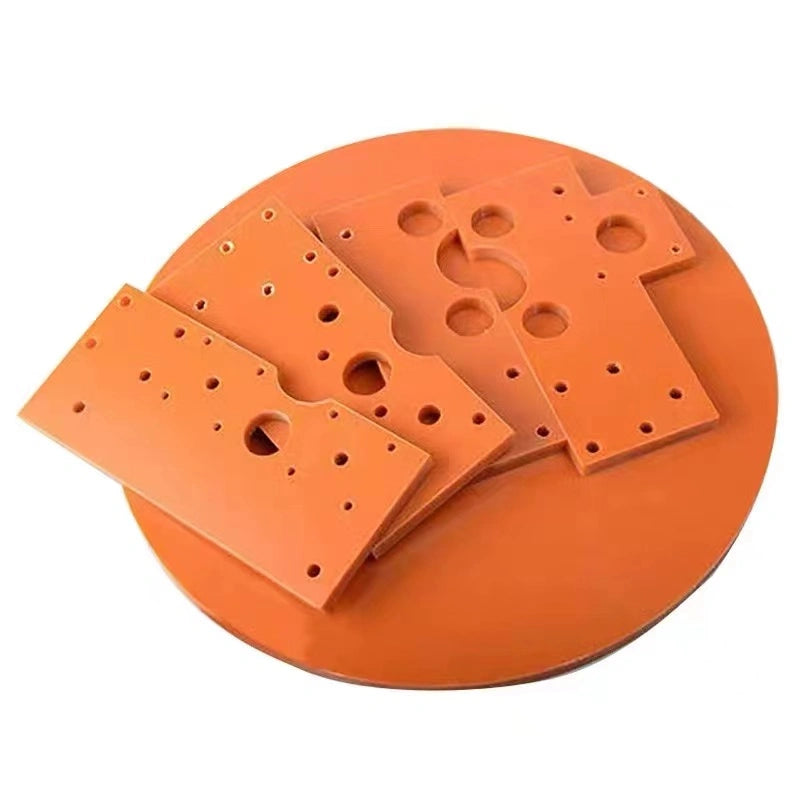
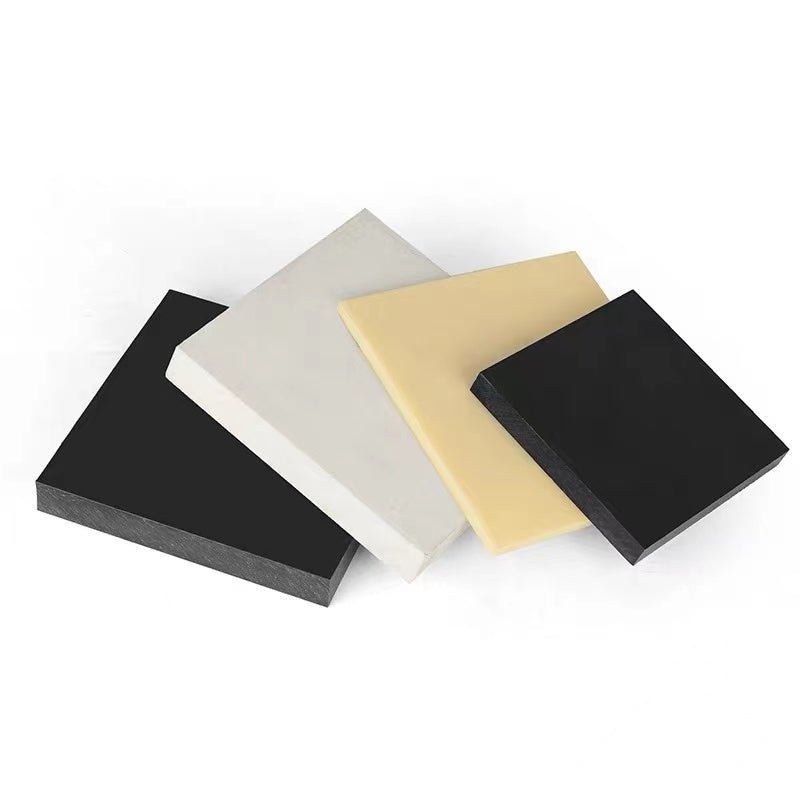
Bakelite plate

Dive into the fascinating world of Bakelite restoration with this comprehensive guide tailored for antique collectors and enthusiasts. Discover proven techniques for identifying genuine Bakelite, cleaning vintage pieces safely, polishing to restore original shine, and repairing cracks with professional precision. Whether you’re restoring a vintage radio, antique jewelry, or collectible housewares, this guide provides the expert knowledge you need to preserve these timeless treasures.

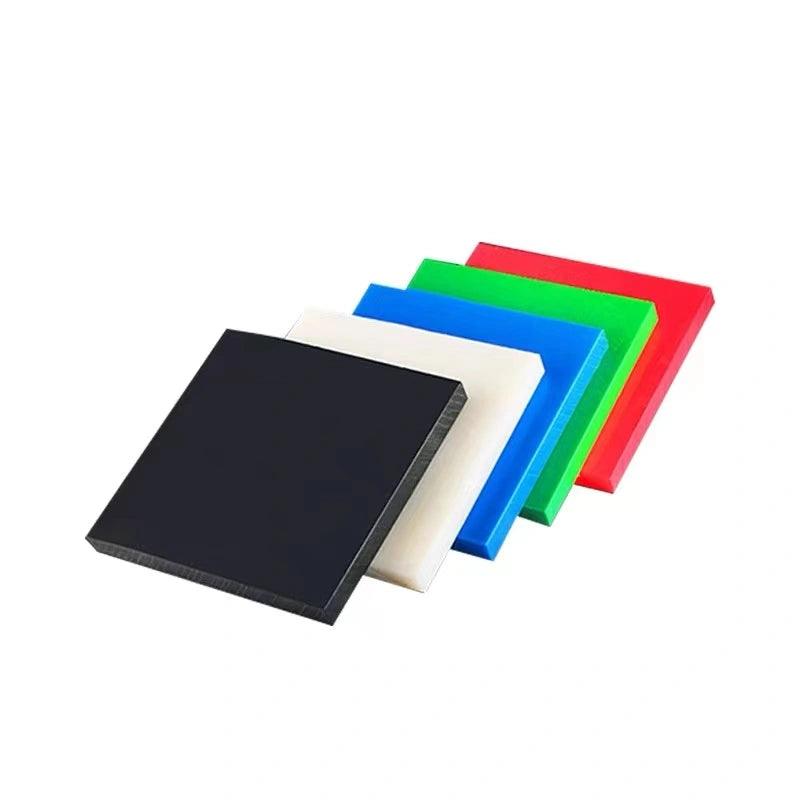
High-quality Bakelite phenolic laminate sheets for vintage restoration and custom machining projects

What You’ll Learn in This Guide

  • Understanding Bakelite history and unique material properties
  • Proven methods for identifying authentic Bakelite items
  • Best practices for cleaning without damaging the surface
  • Step-by-step polishing techniques for brilliant shine
  • Professional repair methods for cracks and chips
  • Essential safety precautions during restoration work
  • Long-term maintenance and protection strategies

Understanding Bakelite: History and Characteristics

The Origins of Bakelite

Bakelite was the brainchild of Dr. Leo Baekeland, a Belgian chemist who immigrated to the United States. In 1907, Baekeland invented Bakelite as the first fully synthetic plastic, a groundbreaking achievement that revolutionized the materials industry. Before Bakelite, natural resins and modified natural materials were the primary sources of plastic-like substances. Baekeland’s invention marked the beginning of the “Age of Plastics”, introducing a material that was not only moldable and heat-resistant but also durable and electrically insulating.

Dr. Leo Baekeland and His Vision

Dr. Baekeland aimed to create a material that could substitute for shellac, which was derived from natural sources and often in limited supply. By combining phenol and formaldehyde, he created a polymer that was inexpensive to produce and had exceptional properties. This new material was initially used for electrical insulators and rapidly found applications across various industries. The term “Bakelite” itself became synonymous with a whole class of thermosetting resins, showcasing Baekeland’s lasting impact on modern manufacturing and design.

Unique Properties of Bakelite

Bakelite’s unique properties set it apart from other materials available at the time. It is a thermosetting plastic, meaning it does not melt when heated. Instead, it retains its shape and remains hard, which is ideal for high-temperature applications. Here are some key characteristics that make Bakelite ideal for vintage items and various industrial uses:

  • Durability: Bakelite is highly durable and resistant to wear and tear, making it perfect for items that need to last, such as vintage radios, jewelry, and electrical insulators.
  • Electrical Insulation: One of Bakelite’s most significant advantages is its excellent electrical insulating properties. This made it a preferred material for electrical components and insulators.
  • Heat Resistance: Bakelite can withstand high temperatures without deforming or breaking down. This makes it suitable for applications involving heat, such as cookware handles and automotive components.

Applications of Bakelite

Bakelite products found widespread use across various industries due to their versatile properties. In the electrical industry, Bakelite was used to make insulators, sockets, and switches because of its non-conductive nature. In the automotive industry, it was utilized for distributor caps, steering wheels, and other components that required durability and heat resistance. Additionally, Bakelite was popular in consumer goods, including jewelry, kitchenware, and even toys, thanks to its ability to be easily molded and dyed in various colors.

Bakelite in Vintage Collectibles

For antique collectors and enthusiasts, Bakelite holds a special place due to its historical significance and aesthetic appeal. Vintage Bakelite items such as radios, telephones, and jewelry pieces are highly sought after. Collectors appreciate Bakelite for its rich colors and unique patina that develops over time, adding to its charm and value. Restoring these vintage treasures involves careful cleaning, polishing, and sometimes minor repairs, which can bring out the original beauty and ensure these items last for future generations.

Restoring and Maintaining Bakelite

To maintain the integrity and appearance of Bakelite items, proper care and restoration techniques are essential. Cleaning Bakelite with mild soap and water, avoiding harsh chemicals, and using specific polishing agents like Simichrome can help preserve its shine and durability. For repairing small cracks and chips, epoxy resin or super glue can be used with precision. Safety precautions, such as wearing protective gear and ensuring proper ventilation, are crucial when working with Bakelite to avoid exposure to harmful dust and fumes.

💡 Collector’s Tip: Understanding the history and characteristics of Bakelite gives insight into why this material remains valuable and cherished among antique collectors and various industries. Its durability, electrical insulation, and heat resistance make it a versatile and timeless material, while its historical significance adds to its allure.

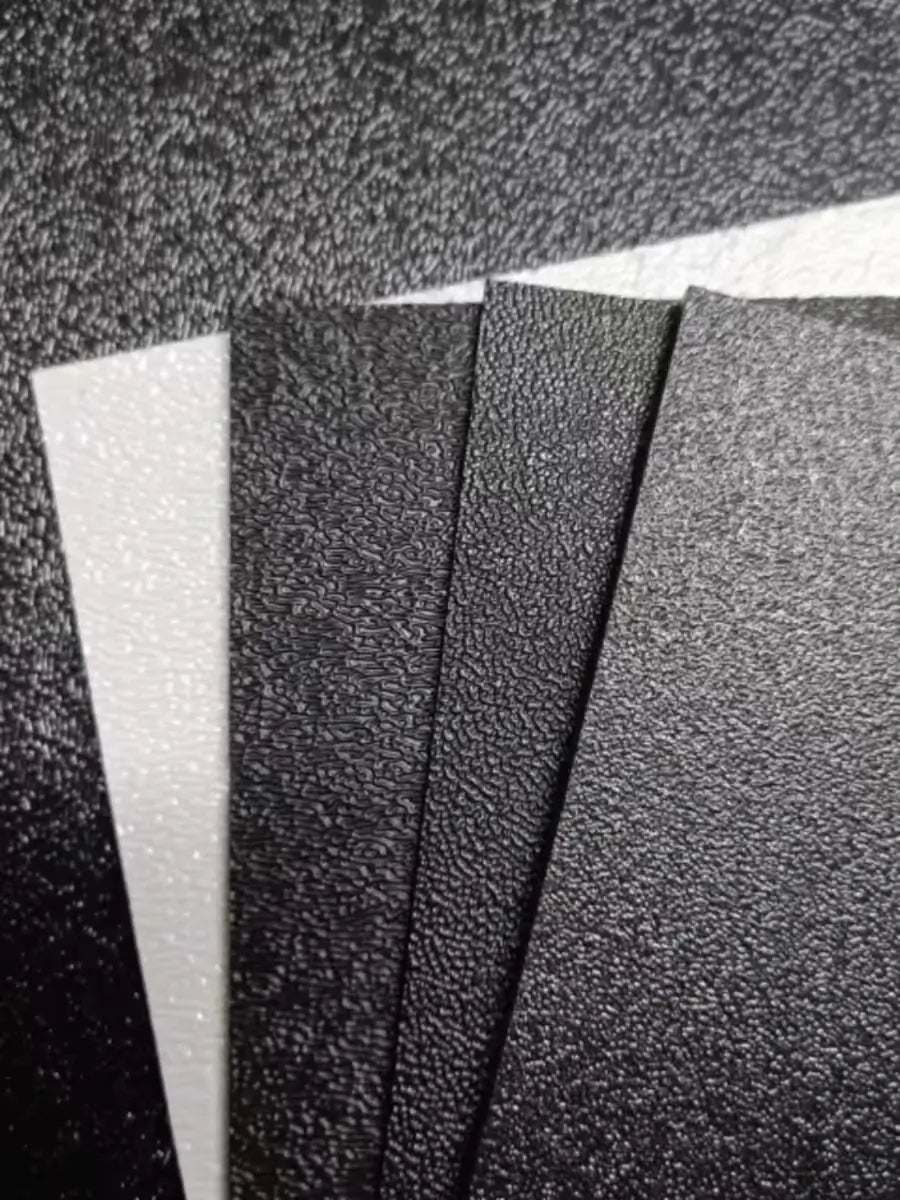
Collection of vintage Bakelite parts and materials showing the variety of colors and applications available for restoration projects

Identifying Genuine Bakelite

Importance of Authenticating Bakelite

Authenticating Bakelite is crucial for collectors and enthusiasts, as genuine Bakelite items are highly valued for their historical significance and unique properties. Distinguishing authentic Bakelite from imitations ensures you are investing in true vintage pieces. Here are several reliable methods to identify genuine Bakelite.

The Hot Water Test

The hot water test is a simple and effective way to test for authentic Bakelite. Here’s how it works:

  1. Preparation: Fill a small bowl with hot water, but not boiling.
  2. Testing: Submerge a small part of the Bakelite item in the hot water for about 15-30 seconds.
  3. Smell Test: Remove the item from the water and immediately smell it. Genuine Bakelite will emit a distinct, formaldehyde-like odor due to its phenolic resin composition.

This method works because the heat releases the formaldehyde gas trapped in the resin, a characteristic unique to Bakelite. However, be cautious with delicate items to avoid damage from the heat.

Using Simichrome Polish

Another reliable method is using Simichrome polish, a polish that reacts with Bakelite’s surface. Here’s how you can perform this test:

  1. Apply Simichrome Polish: Take a small amount of Simichrome polish on a clean, soft cloth.
  2. Rub a Hidden Spot: Gently rub a small, inconspicuous area of the Bakelite item.
  3. Observe the Cloth: If the cloth turns yellow, you have genuine Bakelite. The yellow residue is due to the oxidation of Bakelite.

Simichrome polish is effective because it can react with the Bakelite’s oxidized surface, revealing its characteristic yellow patina.

The Sound Test

The sound test involves gently tapping the Bakelite item against a hard surface. Genuine Bakelite produces a distinct, sharp sound, unlike other plastics or imitations which may sound dull or hollow. This test is more subjective but can be useful when combined with other methods.

Visual Inspection

Visual inspection can also help identify genuine Bakelite:

  • Color and Aging: Genuine Bakelite often exhibits rich, deep colors that may have darkened with age. Look for an even patina that is common in vintage Bakelite.
  • Seams and Molding: Bakelite was cast in molds, so it should not have seams, unlike some modern plastics that are injection molded.
  • Weight: Bakelite is generally heavier than most modern plastics due to its dense structure.

The Cotton Swab Test

For the cotton swab test, you need baking soda and water:

  1. Mix Baking Soda and Water: Create a paste with baking soda and a little water.
  2. Apply and Rub: Use a cotton swab to apply the paste to a small area of the Bakelite item.
  3. Check for Yellow Tint: If the swab turns yellow, the item is likely Bakelite.

Professional Appraisal

For high-value items, consider a professional appraisal. Experienced appraisers use advanced techniques and have extensive knowledge to accurately identify genuine Bakelite. They can provide certification and valuation, which is particularly important for collectors and resellers.

Using these methods, you can confidently identify genuine Bakelite items. Each test highlights different characteristics of Bakelite, from its distinct smell and color reactions to its weight and sound. By combining these tests, you can ensure the authenticity of your Bakelite collectibles, preserving their value and historical significance.

Cleaning Bakelite: Best Practices

Gentle Cleaning Solutions

When it comes to cleaning Bakelite items, using gentle solutions is crucial to preserve the material’s integrity. Begin by preparing a mixture of mild soap and warm water. Avoid using harsh detergents or chemicals that can damage Bakelite’s surface.

  1. Mild Soap and Water: Mix a few drops of mild dish soap in a bowl of warm water. The soap should be gentle enough not to strip the Bakelite of its natural oils and finish.
  2. Soaking: If the item is particularly dirty, soak it in the soapy water for a few minutes to loosen the grime. Avoid prolonged soaking, which might damage the material.
  3. Soft Cloth or Sponge: Use a soft cloth or sponge to gently wipe the surface. Abrasive materials can scratch and dull the surface, so choose your cleaning tools carefully.

Avoiding Harsh Chemicals

Harsh chemicals and abrasives can cause irreversible damage to Bakelite. Substances like bleach, ammonia, and acetone should be strictly avoided. These chemicals can react with the phenolic resin in Bakelite, leading to discoloration and weakening of the material.

  • No Bleach or Ammonia: These chemicals are too strong and can strip away the finish of Bakelite, leading to a loss of its characteristic shine and color.
  • Avoid Acetone: Often found in nail polish removers, acetone can dissolve the surface of Bakelite, causing it to lose its structural integrity.

Step-by-Step Cleaning Process

Initial Cleaning

  1. Dust Removal: Start by dusting the Bakelite item with a dry, soft cloth to remove any loose dirt and dust. This prevents scratching the surface when wet cleaning.
  2. Soapy Water Application: Dampen a soft cloth or sponge with the mild soapy water mixture. Gently wipe the surface, ensuring you cover all areas, especially those with intricate details or engravings.

Detailed Cleaning

  1. Targeted Areas: For stubborn dirt in crevices, use a soft-bristled toothbrush dipped in the soapy water. Gently scrub the area, taking care not to apply too much pressure.
  2. Rinse and Dry: After cleaning, rinse the item with a clean, damp cloth to remove any soap residue. Immediately dry the Bakelite with a soft, dry cloth to prevent water spots and further damage.

Polishing and Buffing

Polishing Bakelite can restore its original shine and luster. Use a non-abrasive polish specifically designed for Bakelite or similar materials.

  • Simichrome Polish: Apply a small amount of Simichrome polish to a soft cloth. Gently rub the polish onto the Bakelite surface in circular motions. This polish helps remove any minor surface scratches and brings out a beautiful shine.
  • Buffing with a Cloth: After polishing, buff the surface with a clean, dry cloth to achieve a glossy finish. This step enhances the appearance of the Bakelite and adds a protective layer.

Maintenance Tips

To keep Bakelite items in top condition, regular maintenance is essential. Here are some tips to maintain the quality and appearance of your Bakelite:

  • Avoid Direct Sunlight: Prolonged exposure to sunlight can cause Bakelite to fade and become brittle. Store Bakelite items in a cool, shaded area.
  • Proper Storage: Store Bakelite items in a dry environment. Humidity can cause the material to swell or warp.
  • Regular Dusting: Regularly dust Bakelite items with a soft, dry cloth to prevent dirt buildup and maintain their shine.

By following these best practices, you can ensure that your Bakelite items remain in excellent condition, preserving their beauty and functionality for years to come. Proper cleaning, polishing, and maintenance are key to maintaining the value and appeal of these vintage treasures.

Restored vintage Gumwood Bakelite radio demonstrating proper cleaning and polishing techniques

Polishing and Restoring Shine

Choosing the Right Polishing Compounds

Restoring the original shine of Bakelite is a process that requires the right materials and techniques. Two popular polishing compounds for this purpose are Simichrome and Maas Metal Polish. Both are effective in removing oxidation and minor surface scratches, revealing the vibrant color and glossy finish that make Bakelite so attractive.

Hand Polishing Bakelite

Step-by-Step Instructions for Hand Polishing

Hand polishing is ideal for smaller Bakelite items or those with intricate details. Here’s a detailed guide to help you achieve a brilliant shine:

  1. Preparation:

    • Gather your materials: Simichrome or Maas Metal Polish, a clean, soft cloth, and a separate cloth for buffing.
    • Ensure the Bakelite item is clean and free of dust and grime.
  2. Application:

    • Apply a small amount of polishing compound to the soft cloth. A pea-sized amount is usually sufficient.
    • Gently rub the polish onto the Bakelite surface using circular motions. This helps to evenly distribute the polish and work it into the material.
  3. Polishing:

    • Continue to rub the polish into the surface for several minutes. Be patient and thorough, ensuring you cover the entire area.
    • For intricate areas or detailed engravings, use a cotton swab to apply the polish precisely.
  4. Buffing:

    • Once the polish has been applied and worked into the surface, use a clean, dry cloth to buff the Bakelite.
    • Buff in circular motions until the surface achieves a glossy, mirror-like finish. This step is crucial to remove any excess polish and enhance the shine.

Using a Buffing Wheel for Larger Items

For larger Bakelite items or those with extensive surface areas, a buffing wheel can save time and effort. Here’s how to use a buffing wheel effectively:

Step-by-Step Instructions for Buffing Wheel Polishing

  1. Safety First:

    • Wear protective gear, including gloves and safety glasses, to protect yourself from flying debris and polish splatter.
    • Ensure the buffing wheel is securely attached to your drill or rotary tool.
  2. Preparation:

    • Apply a small amount of polishing compound to the buffing wheel.
    • Hold the Bakelite item securely to prevent it from slipping or flying off during the polishing process.
  3. Polishing:

    • Turn on the buffing wheel at a low speed to start.
    • Gently press the Bakelite item against the buffing wheel, using light pressure. Too much pressure can cause the Bakelite to overheat and become discolored.
    • Move the item continuously to avoid concentrating the heat in one area.
  4. Buffing:

    • After the initial polish, increase the speed of the buffing wheel slightly and continue polishing until you achieve the desired shine.
    • Finish by buffing the entire surface with a clean, dry cloth to remove any remaining polish residue and enhance the gloss.

Tips for Achieving the Best Results

  • Consistent Pressure: Apply consistent, light pressure when polishing to avoid damaging the Bakelite.
  • Avoid Overheating: Polishing too vigorously can generate heat, which may discolor or damage the Bakelite. Take breaks if necessary to allow the material to cool.
  • Protective Coating: After polishing, consider applying a clear, non-abrasive protective coating to preserve the shine and prevent future oxidation.

Regular Maintenance

To maintain the shine and condition of Bakelite items, regular care is essential:

  • Dust Regularly: Use a soft, dry cloth to dust Bakelite items regularly, preventing dirt buildup.
  • Avoid Direct Sunlight: Prolonged exposure to sunlight can fade and damage Bakelite. Store items in a cool, shaded place.
  • Periodic Polishing: Depending on usage, you may need to polish Bakelite items periodically to keep them looking their best.

By following these steps and tips, you can effectively restore and maintain the beautiful shine of your Bakelite treasures, ensuring they remain vibrant and valuable for years to come.

Vintage Gumwood Bakelite tea set showcasing polished finish and restoration quality

Repairing Cracks and Chips in Bakelite

Assessing the Damage

Before beginning any repair on Bakelite items, it’s essential to assess the extent of the damage. Minor cracks and chips can usually be repaired at home, while more extensive damage might require professional restoration. Inspect the item carefully to determine the best approach for repair.

Tools and Materials Needed

For repairing small cracks and chips in Bakelite, you’ll need the following tools and materials:

  • Epoxy Resin: Ideal for filling cracks and chips, providing a strong and durable bond.
  • Super Glue: Useful for small, precise repairs.
  • Fine Sandpaper: For smoothing repaired areas.
  • Masking Tape: To protect surrounding areas during the repair process.
  • Clean Cloth: To wipe away excess adhesive and polish the repaired area.

Step-by-Step Repair Process

Preparing the Surface

  1. Clean the Area: Ensure the damaged area is clean and free of dust and debris. Use a mild soap solution and a soft cloth to clean the surface gently. Dry thoroughly before proceeding.
  2. Masking: Use masking tape to protect the areas surrounding the crack or chip. This helps to avoid accidental spreading of adhesive to unaffected parts.

Using Epoxy Resin

  1. Mixing the Epoxy: Follow the manufacturer’s instructions to mix the epoxy resin. Typically, you’ll need to mix equal parts of resin and hardener.
  2. Applying the Epoxy: Use a toothpick or a small applicator to carefully apply the mixed epoxy into the crack or chip. Ensure the epoxy fills the damage completely.
  3. Smoothing the Epoxy: While the epoxy is still wet, use a clean cloth to smooth out the surface. Remove any excess epoxy to ensure a smooth finish.
  4. Curing: Allow the epoxy to cure fully as per the manufacturer’s instructions. This usually takes several hours to a full day.

Using Super Glue

  1. Application: For small cracks, apply a thin layer of super glue directly into the crack. Be precise to avoid excess glue spreading to surrounding areas.
  2. Bonding: Press the cracked pieces together firmly and hold for a few seconds until the glue sets.
  3. Cleaning Excess Glue: If any glue seeps out, wipe it away immediately with a clean cloth.

Smoothing and Finishing

After the adhesive has fully cured, it’s time to smooth and finish the repaired area:

  1. Sanding: Use fine sandpaper (such as 600-grit) to gently sand the repaired area. Sand in a circular motion to blend the repair with the surrounding Bakelite.
  2. Polishing: Once smooth, polish the area with a soft cloth and a small amount of polishing compound like Simichrome. This will restore the shine and make the repair less noticeable.

Tips for Success

  • Patience and Precision: Repairing Bakelite requires a steady hand and patience. Rushing the process can lead to subpar results or further damage.
  • Safety Precautions: Always work in a well-ventilated area and wear gloves to protect your skin from adhesives.
  • Test First: If unsure about the adhesive or method, test it on a small, inconspicuous area first to ensure compatibility with the Bakelite.

Preventing Future Damage

To prevent future damage to your Bakelite items, follow these maintenance tips:

  • Avoid Dropping: Handle Bakelite items with care to avoid dropping them, which can cause cracks and chips.
  • Proper Storage: Store Bakelite items in a safe place where they are not at risk of being knocked over or damaged.
  • Regular Cleaning: Keep the items clean and polished to maintain their integrity and appearance.

🔧 Need Custom Bakelite Parts for Restoration?

Our precision CNC machining and engraving services recreate vintage Bakelite components with exact dimensions and authentic appearance – perfect for restoring antique radios, telephones, control panels, and custom mechanical parts.

⚙️

CNC Precision Machining

±0.03mm tolerance for perfect fit

📐

Custom Dimensions

Exact replica or your specifications

🎯

No Minimum Order

Single piece to production runs

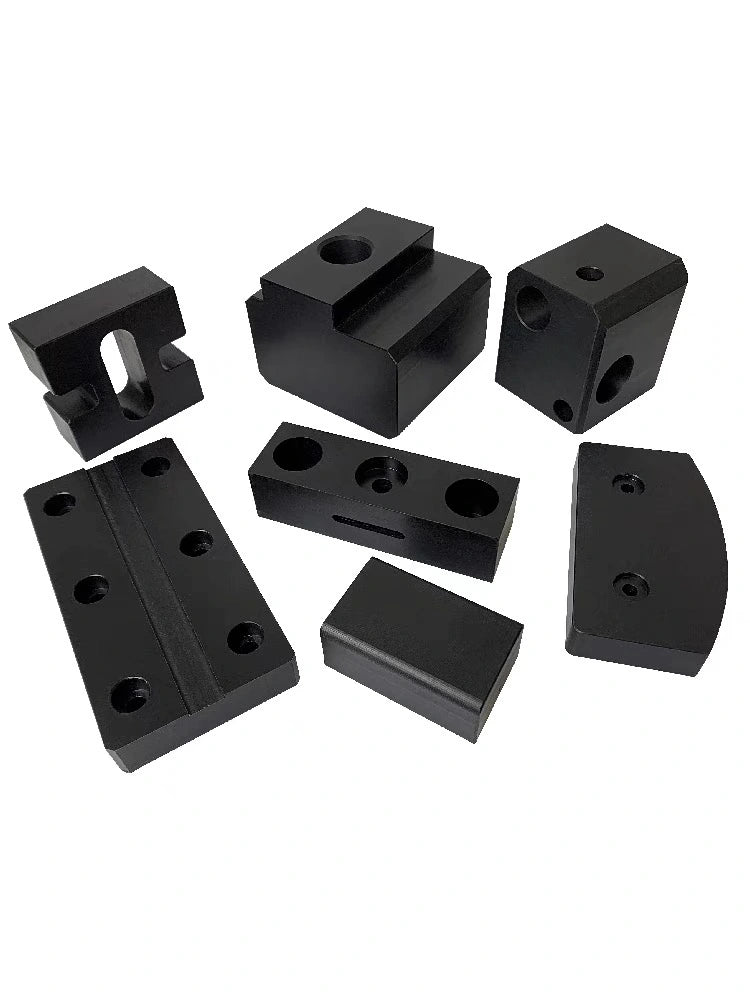
Precision CNC machined custom Bakelite phenolic parts for vintage equipment and antique restoration

Upload your design, part photo, or CAD file → Get professional quote within 1 business day → Receive your custom Bakelite parts with material-matched finish

Start Custom Project → View CNC Services

Safety Precautions During Restoration

Importance of Safety Measures

When working with Bakelite, safety should always be a top priority. Bakelite, being a phenolic resin, can release harmful substances when sanded, polished, or heated. Implementing proper safety precautions not only protects your health but also ensures the longevity and quality of your restoration work.

⚠️ Critical Safety Alert

Bakelite dust and fumes contain phenol-formaldehyde compounds that can irritate respiratory systems and skin. Always use proper protective equipment and ensure adequate ventilation when sanding, cutting, or heating Bakelite materials.

Using Protective Gear

Protective gear is essential when handling and restoring Bakelite. Here are the key items you should use:

  • Gloves: Wear nitrile or latex gloves to protect your hands from exposure to chemicals and dust. Bakelite dust can be irritating to the skin and harmful if ingested.
  • Safety Glasses: Use safety glasses to shield your eyes from dust and debris. Small particles can become airborne during sanding or polishing.
  • Face Mask: A high-quality dust mask or respirator is crucial to prevent inhalation of Bakelite dust and fumes from cleaning agents. Look for masks rated for fine particulate matter.

Working in a Well-Ventilated Area

Ensuring good ventilation is critical when working with Bakelite. Restoration processes like sanding, polishing, and applying cleaning agents can release harmful fumes and dust. Here’s how to maintain a safe workspace:

  • Open Windows: Always work in a room with open windows to allow fresh air to circulate. This helps disperse any fumes or dust.
  • Use Fans: Position fans to direct dust and fumes away from your workspace. A combination of intake and exhaust fans can improve air circulation.
  • Outdoor Work: Whenever possible, perform restoration tasks outdoors to minimize exposure to harmful substances.

Performing Test Patches with Cleaning Agents

Before applying any cleaning or polishing agents to your Bakelite items, always perform a test patch. This step helps prevent accidental damage to the material. Here’s how to do it:

  1. Select a Hidden Area: Choose a small, inconspicuous area of the Bakelite item for testing. This ensures that any adverse reactions are not immediately visible.
  2. Apply a Small Amount: Use a cotton swab or a small cloth to apply a tiny amount of the cleaning agent to the test area.
  3. Observe the Reaction: Wait a few minutes and check for any signs of discoloration, fading, or adverse reactions. If the material shows no negative effects, you can proceed with the full application.

Handling Chemicals Safely

When using chemicals such as polishes, adhesives, and cleaners, follow these safety tips:

  • Read Labels: Always read and follow the instructions on the product labels. Pay attention to any warnings or precautions.
  • Proper Storage: Store chemicals in a cool, dry place away from direct sunlight and out of reach of children and pets.
  • Dispose Responsibly: Dispose of any waste materials, such as used cloths and empty containers, according to local hazardous waste disposal regulations.

Maintaining a Clean Work Area

A clean and organized work area can significantly reduce the risk of accidents and contamination:

  • Clean Surfaces: Regularly wipe down work surfaces to remove dust and debris. This helps maintain a tidy workspace and prevents cross-contamination.
  • Organize Tools: Keep your tools and materials neatly organized. This makes it easier to find what you need and reduces the likelihood of spills or accidents.
  • Contain Dust: Use plastic sheeting or drop cloths to contain dust and debris. This makes cleanup easier and helps protect other surfaces in your workspace.

Monitoring Health and Safety

Always be vigilant about your health and safety when working with Bakelite. If you experience any symptoms such as skin irritation, respiratory issues, or eye discomfort, stop working immediately and seek medical advice. Regularly review your safety practices and make improvements as needed to ensure a safe and healthy restoration environment.

By following these safety precautions, you can confidently restore and maintain your Bakelite items while protecting your health and ensuring the quality of your work.

Professional Bakelite restoration workspace setup demonstrating proper safety equipment and ventilation

Maintaining and Protecting Restored Bakelite

Regular Cleaning and Dusting

To keep Bakelite items in pristine condition, regular cleaning and dusting are essential. Dust and dirt can accumulate over time, dulling the shine and potentially causing scratches. Here are some tips for routine maintenance:

  1. Soft Cloth: Use a soft, dry cloth to dust Bakelite items regularly. Microfiber cloths are ideal as they effectively capture dust without scratching the surface.
  2. Gentle Cleaning: For deeper cleaning, use a damp cloth with a mild soap solution. Avoid soaking the item in water; instead, gently wipe the surface and dry it immediately with a clean, dry cloth.

Applying Protective Coatings

Applying a protective coating can help preserve the shine of Bakelite and prevent future damage. Here’s how to apply protective coatings effectively:

  1. Choose the Right Product: Select a clear, non-abrasive coating specifically designed for Bakelite or plastics. Products like Renaissance Wax or clear acrylic sprays are suitable choices.
  2. Clean the Surface: Before applying the coating, ensure the Bakelite surface is clean and free of dust and fingerprints. This ensures the coating adheres properly.
  3. Apply Evenly: Use a soft cloth or brush to apply a thin, even layer of the protective coating. Allow it to dry completely, then buff gently with a clean cloth to enhance the shine.

Best Practices for Storage

Proper storage is crucial to maintain the condition of Bakelite items. Here are some best practices for storing Bakelite:

  1. Avoid Direct Sunlight: Prolonged exposure to sunlight can cause Bakelite to fade and become brittle. Store items in a shaded or dark area to prevent UV damage.
  2. Controlled Environment: Store Bakelite in a cool, dry place with stable temperature and humidity levels. Excessive humidity can cause Bakelite to swell or warp.
  3. Protective Covers: Use soft, protective covers or cloths to wrap Bakelite items. This prevents dust accumulation and reduces the risk of scratches or damage from other objects.

Handling with Care

Handling Bakelite with care is essential to prevent accidental damage. Here are some tips for safe handling:

  1. Clean Hands: Always handle Bakelite items with clean, dry hands. Oils and dirt from your skin can transfer to the surface and cause deterioration over time.
  2. Use Both Hands: When picking up larger Bakelite items, use both hands to support the piece evenly. This reduces the risk of dropping or stressing the material.
  3. Avoid Stacking: Do not stack Bakelite items directly on top of each other. Place soft padding or cloths between items if stacking is necessary.

Addressing Minor Issues

Even with proper maintenance, minor issues may still arise. Here’s how to address common problems:

  1. Minor Scratches: Use a fine polishing compound, such as Simichrome or Maas Metal Polish, to buff out minor scratches. Apply a small amount to a soft cloth and rub gently in circular motions.
  2. Discoloration: If Bakelite shows signs of discoloration, try cleaning with a mild abrasive cleaner. For persistent discoloration, professional restoration may be required.
  3. Loose Parts: For items with loose parts, such as handles or knobs, use a small amount of epoxy resin or super glue to secure them. Ensure the adhesive is suitable for use on Bakelite.

Long-Term Care Tips

For long-term preservation of Bakelite items, consider these additional tips:

  • Display Carefully: If displaying Bakelite items, ensure they are placed in a stable, secure location where they are unlikely to be knocked over.
  • Inspect Regularly: Periodically inspect Bakelite items for signs of wear or damage. Early detection allows for timely maintenance and prevents further deterioration.
  • Avoid Chemicals: Keep Bakelite items away from harsh chemicals and solvents. Even accidental exposure can cause damage to the surface.

By following these maintenance and protection tips, you can ensure your Bakelite treasures remain beautiful and intact for many years to come. Proper care not only preserves their aesthetic appeal but also maintains their historical and collectible value.

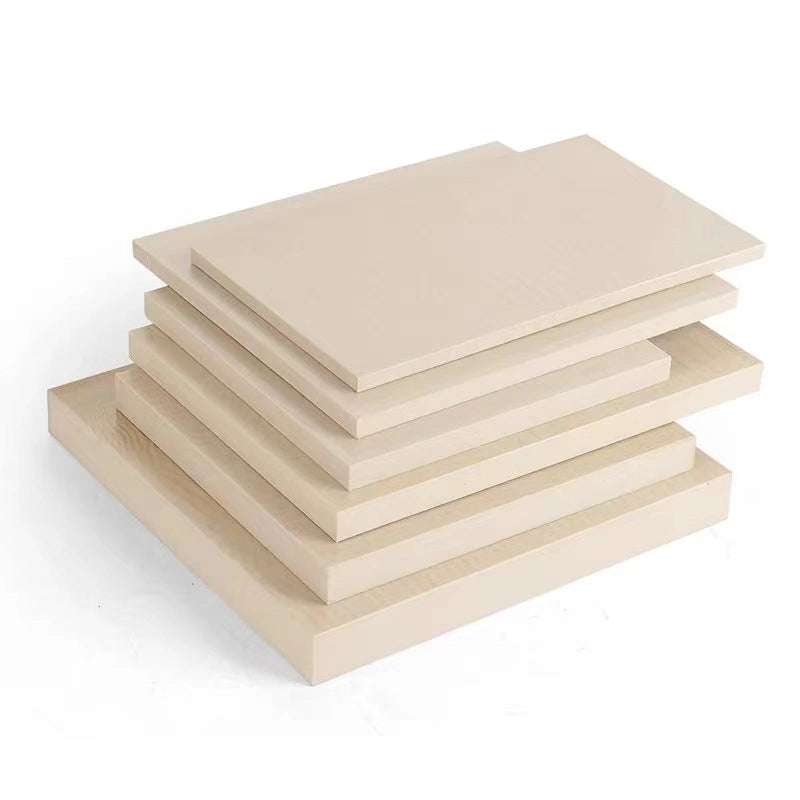
Properly stored vintage Bakelite boards showing professional preservation techniques

Common Questions About Bakelite Restoration

How do I identify genuine Bakelite?

To identify genuine Bakelite, you can use several tests: Hot Water Test – Submerge a small part of the Bakelite item in hot water and check for a formaldehyde-like odor. Simichrome Polish Test – Apply Simichrome polish; if the cloth turns yellow, it’s Bakelite. Sound Test – Genuine Bakelite produces a distinct, sharp sound when tapped. Visual Inspection – Look for rich colors, even patina, absence of seams, and heavier weight than modern plastics.

What are the best practices for cleaning Bakelite items?

For cleaning Bakelite items: Use mild soap and warm water with a soft cloth. Avoid harsh chemicals and abrasives that can damage the surface. For deeper cleaning, use a soft-bristled toothbrush to reach intricate areas. Dry the item immediately with a clean, dry cloth to prevent water spots.

How can I restore the shine of my Bakelite items?

To restore Bakelite shine: Use polishing compounds like Simichrome or Maas Metal Polish. Apply a small amount with a soft cloth in circular motions. Buff the surface with a clean, dry cloth until you achieve a glossy finish. For larger items, consider using a buffing wheel with a polishing compound.

How do I repair cracks and chips in Bakelite?

To repair cracks and chips: Clean the area and apply masking tape to protect surrounding surfaces. Use epoxy resin or super glue to fill the cracks or chips. Allow the adhesive to cure fully. Sand the repaired area with fine sandpaper and polish with a soft cloth for a smooth finish.

What safety precautions should I take when working with Bakelite?

When working with Bakelite, ensure you: Wear protective gear including gloves, safety glasses, and a respirator mask. Work in a well-ventilated area to avoid inhaling fumes and dust. Perform test patches with cleaning agents to prevent damage. Keep your work area clean and organized to avoid accidents.

BeePlastic Customization Services

What types of customization can BeePlastic undertake?

BeePlastic can undertake any customization, including sample customization for prototypes and batch customization for larger production runs. This allows for flexibility in order sizes and ensures that specific requirements are met. We specialize in CNC machining, cut-to-size services, and custom Bakelite/Garolite fabrication.

What file formats does BeePlastic accept for customization projects?

BeePlastic accepts a variety of file formats: PDF (commonly used for documentation and design proofs) and CAD (essential for detailed technical drawings and specifications including DWG, DXF, STEP, IGES formats).

Is there a minimum order quantity (MOQ) for custom orders?

No, BeePlastic does not have a minimum order quantity (MOQ). This allows customers to order in small or large quantities according to their needs, making it convenient for both hobbyists and large enterprises. We’re happy to produce single custom parts for restoration projects.

How is the production cycle managed for custom orders?

The production cycle at BeePlastic is managed according to the amount of orders and the complexity of the process. BeePlastic communicates the production progress in real time, ensuring transparency and keeping customers informed throughout the manufacturing process.

Does BeePlastic provide samples before full-scale production?

Yes, BeePlastic supports the provision of samples. Customers are only responsible for the shipping costs, while the sample itself is provided free of charge. This allows customers to evaluate the quality and suitability of the product before committing to larger orders.

Custom machined Garolite phenolic laminate parts demonstrating precision manufacturing capabilities

Conclusion: Preserving Bakelite Heritage

Preserving the beauty and functionality of your Bakelite treasures requires careful attention and the right techniques. From identifying genuine Bakelite to expertly cleaning, polishing, and repairing these vintage items, each step plays a crucial role in maintaining their charm and value. By following the detailed guidelines provided, you can ensure that your Bakelite collectibles not only retain their historical significance but also continue to bring joy and admiration for years to come.

Moreover, leveraging the customization services offered by BeePlastics allows you to create and restore Bakelite items to meet specific needs and preferences, with the assurance of high-quality craftsmanship and attention to detail. Whether you are an antique collector, hobbyist, or industrial user, understanding and implementing these practices will help you protect and enhance your Bakelite pieces, preserving them as timeless artifacts of design and innovation.

Transform Your Bakelite Restoration Project

Ready to source authentic Bakelite materials or create custom replacement parts? Our team of experts is standing by to help you bring your vintage treasures back to life.

✓ No Minimum Order Quantity | ✓ Free Samples Available | ✓ Global Shipping | ✓ Quote Reply in 1 Business Day

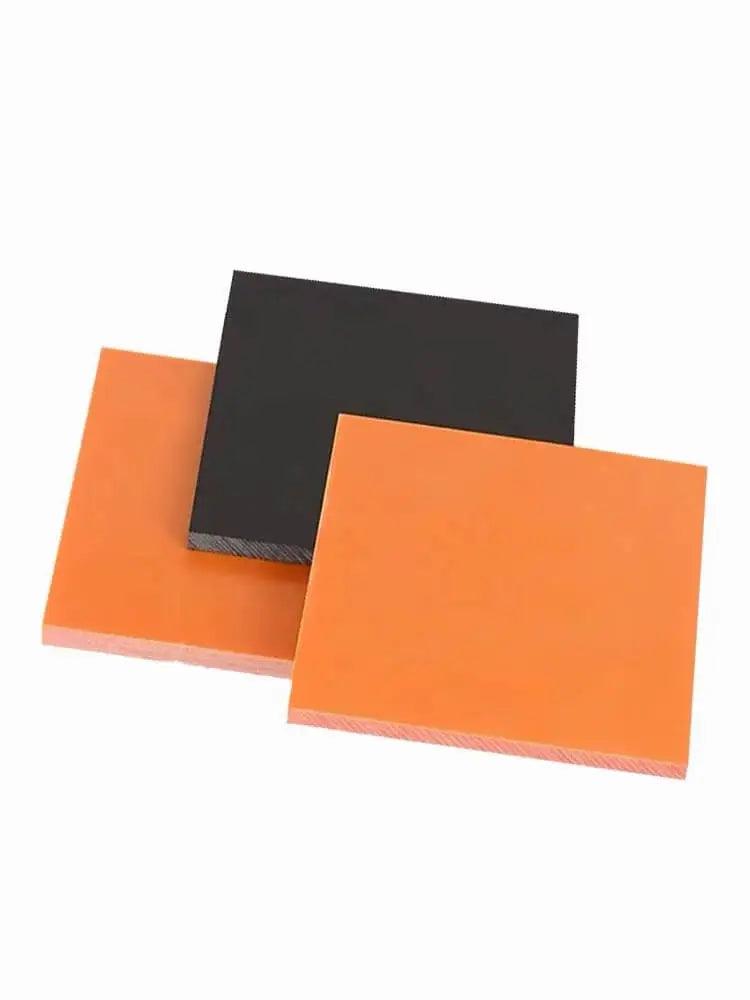
Premium Bakelite phenolic laminate sheets available in various sizes and grades for vintage restoration projects

Explore More Bakelite Resources

Continue your journey into the world of phenolic laminates and vintage plastics restoration

Leave a comment


Please note, comments must be approved before they are published


Custom Plastic Fabrication

Send your drawing, material and quantity for review

🔧
Precision Machining
CNC milling & turning
✂️
Cutting & Engraving
Laser & waterjet cutting
🏭
Forming & Molding
Thermoforming & injection
🔗
Joining & Assembly
Welding & bonding
📐
Design & Prototyping
CAD design & samples

General

HDPE

PP

PVC

ABS

Engineering

POM

Nylon

PC

PMMA

High-Performance

PEEK

PEI

PTFE

Composites

FR-4

G10

Flexible

TPU

Silicone

Why Choose BeePlastic?

🎯
Perfect Fit
Custom specs eliminate adaptation needs
⚡
Clear Lead Times
Lead time confirmed with every quote
💰
Volume Pricing
Volume pricing available on bulk orders
🤝
Expert Support
Free engineering consultation included
📋
Submit
→
🔍
Review
→
💵
Quote
→
✅
Production
→
📦
Deliver

Request a Quote

Share your project details, selected material and quantity on our quote page. You can add a file link or use the email drawing route shown there.


Request Quote

Industries: Automotive • Medical • Food • Lab • Semiconductor

beeplastic@beeplastic.com


Industrial Applications of Bakelite: Heat-Resistant Components You Can Trust

Bakelite sheets

Discover the versatile and durable world of Bakelite in my latest blog post, “Industrial Applications of Bakelite: Heat-Resistant Components You Can Trust.” This comprehensive guide delves into the historical significance and modern uses of this revolutionary material, highlighting its key properties and benefits.

🎉🎉🎉Limited Time Offer Use code: QR4GNY08SHVR at checkout and enjoy a special discount on your entire order! 👉 Bakelite plastic

Explore Bakelite’s exceptional electrical insulation capabilities, making it indispensable in the manufacturing of insulators, bushings, washers, and spacers for various industries. Learn how the automotive industry relies on Bakelite for durable components like distributor caps and insulation pads, enhancing vehicle performance and safety.

In the aerospace and defense sectors, discover how Bakelite’s lightweight yet strong characteristics make it ideal for critical components, ensuring reliability under demanding conditions. Understand Bakelite’s heat resistance properties, enabling its use in high-temperature industrial environments.

Dive into its mechanical applications, including gears, bearings, and brake pads, where Bakelite’s rigidity and wear resistance play a crucial role. Additionally, explore the sustainability efforts in recycling and repurposing Bakelite, positioning it as a future-forward material in eco-friendly manufacturing.

This post covers:

  • Introduction to Bakelite in industrial applications
  • Electrical insulation and components
  • Automotive industry uses
  • Aerospace and defense applications
  • Bakelite in high-temperature environments
  • Mechanical and structural uses
  • Sustainability and future innovations

By understanding these diverse applications, you’ll see why Bakelite remains a trusted material for heat-resistant components across various industries. Dive into the full post to uncover how this synthetic plastic continues to shape modern manufacturing with its unique properties and innovative uses.
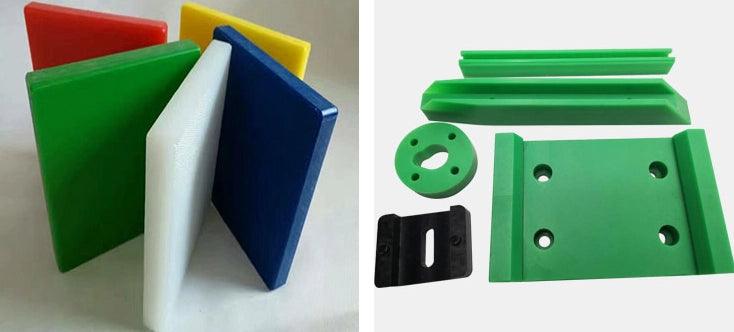
Bakelite's exceptional electrical insulation capabilities

Introduction to Bakelite in Industrial Applications

A Brief History of Bakelite

Bakelite, invented by Belgian chemist Leo Baekeland in 1907, marked the dawn of the modern plastics industry. As the first synthetic plastic, Bakelite’s creation represented a significant advancement over natural materials, providing unique properties that met the burgeoning needs of industrial applications. Baekeland’s breakthrough was based on the combination of phenol and formaldehyde, which resulted in a thermosetting phenolic resin known for its high strength and durability.

Significance in Industrial Applications

Bakelite quickly became a pivotal material in various industries due to its outstanding heat resistance, electrical insulation properties, and mechanical strength. During the early 20th century, it played a crucial role in the production of electrical insulators and automotive components. Its ability to withstand high temperatures and resist chemical reactions made it an ideal choice for a wide range of industrial applications.

Properties of Bakelite

High Mechanical Strength

Bakelite is renowned for its superior tensile and compressive strength. This high mechanical strength ensures that components made from Bakelite can endure demanding industrial environments. Its rigidity and stability under load make it suitable for applications requiring durable and reliable materials.

Heat Resistance

One of Bakelite’s most notable properties is its exceptional heat resistance. It can withstand temperatures up to 250°C without softening, making it ideal for high-temperature applications. This characteristic is particularly valuable in industries where materials are exposed to extreme heat conditions.

Electrical Insulation

Bakelite’s dielectric properties make it an excellent electrical insulator. It prevents current leakage and reduces the risk of electrical fires, which is why it is widely used in electrical insulators, bushings, washers, and other components where electrical insulation is critical.

Chemical Resistance

Bakelite offers good resistance to a variety of chemicals, including acids, alkalis, and solvents. This chemical resistance makes it suitable for use in harsh chemical environments, where it maintains its integrity and performance over time.

Dimensional Stability

Bakelite is known for its dimensional stability, maintaining its shape and structural integrity over time with minimal creep. This stability is crucial for applications where precise dimensions and long-term reliability are required.

Overview of Bakelite’s Industrial Significance

The versatility and durability of Bakelite make it an invaluable material across multiple industries. Its unique combination of properties – mechanical strength, heat resistance, electrical insulation, and chemical resistance – enables it to meet the rigorous demands of industrial applications. From automotive and aerospace components to electrical insulators and high-temperature environments, Bakelite continues to be a trusted material in modern manufacturing. Its ongoing relevance is a testament to its innovative design and robust performance characteristics.

By understanding the historical significance and diverse properties of Bakelite, one can appreciate its continued importance in various industrial applications. This synthetic plastic remains a cornerstone of material science, contributing to advancements in safety, efficiency, and sustainability in manufacturing.

The versatility and durability of Bakelite

Electrical Insulation and Components

Bakelite’s Role in Electrical Insulation

Bakelite is highly valued in the electrical industry due to its excellent dielectric strength and heat resistance. These properties make it an ideal material for a variety of electrical insulators, ensuring safety and reliability in electrical systems. Bakelite’s non-conductive nature prevents the flow of electrical current, which is crucial for protecting electrical components and reducing the risk of short circuits and electrical fires.

High Dielectric Strength

One of the primary reasons Bakelite is used in electrical applications is its high dielectric strength. This means Bakelite can withstand high voltages without breaking down, making it perfect for components that require robust electrical insulation. The material’s ability to prevent electrical conductivity ensures that it acts as an effective barrier between electrical parts, enhancing the safety and performance of electrical devices.

Heat Resistance

In addition to its dielectric properties, Bakelite’s heat resistance is another significant advantage. Electrical components often operate in environments where temperatures can rise significantly. Bakelite’s ability to withstand high temperatures without degrading ensures that it maintains its insulating properties under such conditions. This makes it a reliable choice for components exposed to high heat.

Applications in Electrical Insulation

Bakelite’s properties make it suitable for a wide range of electrical applications. Some of the key components that benefit from Bakelite’s insulating capabilities include:

Insulators

Bakelite insulators are used extensively in electrical systems to separate conductive parts, ensuring that electrical currents do not flow where they are not supposed to. These insulators are critical in preventing short circuits and protecting both the equipment and users from electrical hazards.

Bushings and Washers

Bushings and washers made from Bakelite are commonly used in electrical equipment. Bushings provide a protective barrier for electrical conductors passing through grounded metal enclosures, while washers serve as spacers and insulators in various assemblies. Both components benefit from Bakelite’s high mechanical strength and insulating properties.

Spacers

Bakelite spacers are used to maintain proper spacing between electrical components, ensuring that there is no accidental contact that could lead to electrical failures. The material’s stability and resistance to deformation make it ideal for maintaining consistent spacing in electrical assemblies.

Specific Electrical Applications in Industries

Bakelite’s application in electrical insulation is widespread across various industries:

Power Generation and Distribution

In the power generation and distribution industry, Bakelite insulators and bushings are critical in managing high voltages and ensuring the safe transmission of electrical power. These components help in reducing the risk of power outages and electrical faults, thereby maintaining a reliable power supply.

Automotive Electrical Systems

The automotive industry utilizes Bakelite for various electrical components such as distributor caps and ignition coils. These parts require high heat resistance and excellent insulating properties to function effectively in the high-temperature environment of an engine bay.

Consumer Electronics

In consumer electronics, Bakelite is used in the manufacturing of circuit boards, switches, and other components that require reliable insulation and heat resistance. The material’s stability ensures the longevity and safety of electronic devices, enhancing user safety and product durability​.

Conclusion

Bakelite’s high dielectric strength and heat resistance make it an indispensable material for electrical insulation. Its applications range from power generation and automotive systems to consumer electronics, showcasing its versatility and reliability in safeguarding electrical components and ensuring operational efficiency. By leveraging Bakelite’s unique properties, industries can achieve greater safety, performance, and durability in their electrical systems.

Bakelite's high dielectric strength and heat resistance

Automotive Industry Uses

Bakelite in Automotive Manufacturing

Bakelite has long been a staple in the automotive industry due to its remarkable properties, including high heat resistance, electrical insulation, and mechanical strength. These characteristics make it an ideal material for various automotive components that require durability and reliability under demanding conditions.

Distributor Caps

One of the most common uses of Bakelite in the automotive industry is in the manufacturing of distributor caps. These caps are crucial for the proper functioning of the ignition system. They need to endure high temperatures and electrical stress. Bakelite’s excellent dielectric strength ensures that the distributor cap can effectively insulate the high voltage generated by the ignition coil, preventing arcing and ensuring a smooth distribution of electrical current to the spark plugs.

Insulation Pads

Insulation pads made from Bakelite are used extensively in automotive applications to provide thermal and electrical insulation. These pads are essential in areas where components need to be protected from heat generated by the engine and other systems. Bakelite’s ability to withstand high temperatures without degrading makes it perfect for this role. The pads ensure that sensitive electronic components are shielded from heat, thereby enhancing the overall reliability and performance of the vehicle.

Trim Parts

Trim parts, including various interior and exterior elements, benefit from Bakelite’s durability and aesthetic appeal. Bakelite can be molded into complex shapes and retains its form under mechanical stress. This makes it suitable for decorative and functional trim parts that need to maintain their appearance and structural integrity over time. Its resistance to chemicals and wear also ensures that these parts remain in good condition despite exposure to harsh environmental conditions.

Benefits of Bakelite in Enhancing Vehicle Performance and Safety

Heat Resistance

The automotive environment is characterized by high temperatures, especially around the engine bay. Bakelite’s high heat resistance up to 250°C ensures that components made from this material do not degrade or lose their insulating properties even under extreme conditions. This contributes to the overall safety and performance of the vehicle, as components remain reliable and effective throughout their lifespan.

Electrical Insulation

Electrical insulation is critical in automotive applications to prevent short circuits and electrical failures. Bakelite’s excellent dielectric properties make it an ideal material for components that need to insulate electrical currents. This is particularly important for parts like distributor caps and other electrical connectors, where insulation must be maintained to ensure the proper functioning of the vehicle’s electrical system.

Mechanical Strength

Bakelite’s mechanical strength and rigidity are crucial for components that need to withstand mechanical stress and vibration. In the automotive industry, parts are often exposed to significant mechanical forces. Bakelite’s ability to maintain its structural integrity under these conditions ensures that components like bushings, washers, and trim parts do not fail, thereby enhancing the vehicle’s reliability and safety​.

Chemical Resistance

Vehicles are exposed to various chemicals, including oils, fuels, and cleaning agents. Bakelite’s chemical resistance ensures that components remain unaffected by these substances, maintaining their performance and longevity. This property is especially important for parts located in the engine bay and other areas prone to chemical exposure.

Summary

By leveraging Bakelite’s unique properties, the automotive industry can produce components that significantly enhance vehicle performance and safety. From distributor caps to insulation pads and trim parts, Bakelite’s heat resistance, electrical insulation, mechanical strength, and chemical resistance make it an indispensable material in modern automotive manufacturing. Its continued use in the industry highlights its enduring value and effectiveness in meeting the rigorous demands of automotive applications.

Bakelite’s chemical resistance

Aerospace and Defense Applications

Lightweight and Strong Characteristics of Bakelite

In the aerospace and defense industries, the demand for materials that combine lightweight properties with high strength is paramount. Bakelite meets these requirements perfectly, making it a preferred material for various aerospace components. Its unique phenolic resin composition ensures that it remains both lightweight and durable, which is crucial for maintaining the performance and efficiency of aircraft and defense equipment.

Bakelite’s lightweight nature reduces the overall weight of aircraft and defense vehicles, contributing to fuel efficiency and enhanced maneuverability. At the same time, its mechanical strength ensures that components made from Bakelite can withstand the mechanical stresses and strains encountered during operation. This combination of properties helps in reducing the payload while maintaining the integrity and safety of the equipment​.

Uses in Electrical Systems Insulation

Electrical Insulators

In aerospace and defense applications, Bakelite is extensively used for electrical insulators. The material’s excellent dielectric properties ensure that it can effectively insulate electrical currents, preventing short circuits and electrical failures. This is particularly important in aerospace applications, where reliable electrical insulation is critical for the safety and functionality of the aircraft’s electrical systems.

Wiring and Connectors

Bakelite is also used in the insulation of wiring and connectors in aerospace applications. The material’s ability to withstand high temperatures and resist chemical degradation makes it ideal for protecting electrical components from the harsh environments encountered at high altitudes. This ensures that the electrical systems of the aircraft remain operational and safe under all conditions.

Aircraft Interior Parts

Panels and Trims

Bakelite is used in the manufacturing of various interior parts of aircraft, including panels and trims. These components benefit from Bakelite’s aesthetic appeal and durability. The material can be molded into intricate shapes and retains its form under mechanical stress, making it suitable for decorative and functional parts inside the aircraft cabin. Its resistance to heat and chemicals ensures that these components remain in excellent condition despite exposure to various environmental factors.

Seats and Fixtures

The seats and fixtures inside aircraft also utilize Bakelite for its combination of strength and lightweight properties. The material’s ability to maintain structural integrity under load is crucial for the safety and comfort of passengers and crew. Additionally, Bakelite’s ease of machining allows for the creation of custom-designed components that meet the specific requirements of aerospace manufacturers.

Bakelite's high-temperature resistance

High-Temperature Applications

Engine Components

Bakelite’s high-temperature resistance makes it suitable for components located near the aircraft’s engines. These parts must endure extreme heat without losing their mechanical properties. Bakelite’s ability to withstand temperatures up to 250°C ensures that it remains stable and effective even in the hottest parts of the aircraft.

Thermal Insulation

In defense applications, Bakelite is used for thermal insulation to protect sensitive electronic equipment from heat. Its ability to resist thermal degradation ensures that defense systems operate reliably in extreme conditions, which is crucial for mission success and equipment longevity​.

By leveraging the unique properties of Bakelite, the aerospace and defense industries can produce components that significantly enhance the performance, safety, and efficiency of their systems. The material’s continued use in these fields underscores its enduring value and effectiveness in meeting the rigorous demands of modern aerospace and defense applications.

Bakelite in High-Temperature Environments

Heat Resistance of Bakelite

Bakelite is renowned for its exceptional heat resistance, making it a suitable material for high-temperature industrial processes. It can withstand temperatures up to 250°C without softening or losing its mechanical properties. This thermal stability is one of the key reasons Bakelite is used in environments where materials are exposed to extreme heat. The ability to maintain its structural integrity and insulating properties at high temperatures ensures that Bakelite remains reliable under demanding conditions.

Applications in High-Temperature Environments

Industrial Machinery

In industrial machinery, Bakelite is used in the manufacturing of components that must endure high operational temperatures. For instance, gears and bearings made from Bakelite are capable of functioning efficiently in machinery that generates significant heat during operation. The material’s resistance to thermal degradation ensures that these components maintain their performance and do not fail prematurely.

Electrical Insulators

Electrical insulators made from Bakelite are particularly valuable in high-temperature environments. These insulators are used in applications where electrical components are subjected to high heat, such as in power generation plants and high-voltage electrical equipment. Bakelite’s ability to prevent electrical conductivity while withstanding high temperatures makes it an ideal choice for these critical applications.

Automotive Applications

In the automotive industry, Bakelite is used for components that are exposed to the intense heat of the engine bay. Distributor caps, ignition coils, and other engine parts benefit from Bakelite’s thermal resistance. These components must operate reliably at high temperatures to ensure the vehicle’s performance and safety. Bakelite’s durability under such conditions makes it indispensable for these applications.

Aerospace Components

Aerospace components also leverage Bakelite’s high-temperature capabilities. Parts used in aircraft engines and other high-heat areas must withstand extreme temperatures without compromising their structural integrity. Bakelite’s heat resistance ensures that these components remain stable and reliable, which is crucial for the safety and efficiency of aerospace operations​.

Thermal Insulation in Defense Equipment

In the defense sector, Bakelite is used for thermal insulation in equipment that must operate in extreme conditions. Its ability to resist heat and prevent thermal degradation protects sensitive electronic systems from high temperatures, ensuring they function correctly during critical missions. This application underscores Bakelite’s importance in maintaining the reliability and effectiveness of defense equipment​.

Conclusion

The heat-resistant properties of Bakelite make it an essential material for a wide range of high-temperature applications. From industrial machinery and electrical insulators to automotive and aerospace components, Bakelite’s ability to withstand extreme heat without losing its mechanical and insulating properties ensures its continued relevance and indispensability in modern industrial processes. Its role in these applications highlights the material’s versatility and reliability in challenging environments.

Bakelite's high-temperature resistance

Mechanical and Structural Uses

Bakelite in Mechanical Manufacturing

Bakelite is widely used in the manufacturing of various mechanical parts due to its outstanding rigidity and wear resistance. These properties make it a reliable material for components that need to withstand continuous mechanical stress and friction. Bakelite’s ability to retain its structural integrity over time ensures that mechanical parts made from this material can endure the demanding conditions of industrial environments.

Gears

Durability and Performance

Gears manufactured from Bakelite are known for their durability and performance. Bakelite’s high tensile strength and rigidity ensure that gears maintain their shape and function even under significant stress. This durability reduces the frequency of replacements and maintenance, leading to increased efficiency and reduced downtime in industrial machinery.

Bearings

Wear Resistance

Bearings made from Bakelite benefit from the material’s excellent wear resistance. Bakelite’s ability to withstand continuous friction without significant wear makes it an ideal choice for bearings that need to operate smoothly over long periods. This wear resistance contributes to the longevity of the machinery, ensuring consistent performance and reliability.

Brake Pads

Heat Resistance and Safety

Brake pads are another critical application of Bakelite in mechanical systems. The material’s heat resistance ensures that brake pads can withstand the high temperatures generated during braking without degrading. This property is essential for maintaining the safety and effectiveness of braking systems, particularly in high-performance and heavy-duty applications. Bakelite’s stability under thermal stress makes it a reliable material for this crucial safety component​.

Other Mechanical Parts

Versatility in Applications

Beyond gears, bearings, and brake pads, Bakelite is used in various other mechanical parts such as bushings, washers, and spacers. Its versatility allows it to be molded into complex shapes, making it suitable for a wide range of applications. The material’s resistance to chemicals and environmental factors further enhances its utility in industrial settings.

Impact on Machinery Longevity and Reliability

Enhancing Longevity

The use of Bakelite in mechanical parts significantly improves the longevity of machinery. The material’s wear resistance and mechanical strength ensure that components last longer and require less frequent replacement. This longevity translates to reduced maintenance costs and increased operational efficiency for industrial equipment​.

Ensuring Reliability

Bakelite’s consistent performance under mechanical stress and high temperatures enhances the reliability of machinery. Components made from Bakelite can maintain their functionality and structural integrity over time, which is crucial for the continuous operation of industrial processes. This reliability is particularly important in industries where equipment failure can lead to significant downtime and financial losses.

By incorporating Bakelite into the manufacturing of mechanical and structural parts, industries can benefit from the material’s superior properties. Its ability to withstand mechanical stress, heat, and wear makes it an invaluable resource for enhancing the performance and durability of industrial machinery.

Sustainability and Future Innovations

Recycling and Repurposing Bakelite

Efforts to align Bakelite with eco-friendly manufacturing practices have led to significant advances in recycling and repurposing this versatile material. Traditional Bakelite recycling processes are complex due to its thermosetting nature, which prevents it from being melted down and reshaped like thermoplastics. However, innovative methods are being developed to overcome these challenges and reduce environmental impact​.

Mechanical Recycling

One approach to recycling Bakelite is mechanical recycling, which involves breaking down Bakelite products into smaller particles to be used as filler materials in new products. This method helps in minimizing waste and utilizing Bakelite scrap effectively. The recycled material can be integrated into composite materials, contributing to resource conservation and reducing the need for virgin raw materials.

Chemical Recycling

Another promising method is chemical recycling, which involves breaking Bakelite down into its constituent chemicals for reuse. This process not only helps in managing Bakelite waste but also in recovering valuable chemicals that can be used in other industrial applications. Such innovations are crucial for making Bakelite production and disposal more sustainable, aligning with the broader goals of green manufacturing.

Future Potential in Renewable Energy Systems

Bakelite’s unique properties open up exciting possibilities in the field of renewable energy systems. Its high heat resistance and electrical insulation make it an ideal material for components in solar panels and wind turbines. By ensuring the reliability and efficiency of these systems, Bakelite can play a significant role in the transition to renewable energy.

Solar Panels

In solar panel manufacturing, Bakelite is used for insulating electrical components and ensuring they can withstand high temperatures generated by solar cells. Its durability ensures that solar panels have a long operational life, contributing to the sustainability of solar energy systems. The use of Bakelite in solar panels helps in maintaining their efficiency and reducing maintenance costs.

Wind Turbines

Wind turbines also benefit from Bakelite’s properties. The material is used in the insulation of electrical components within the turbine, protecting them from the harsh environmental conditions often encountered in wind farms. Bakelite’s ability to withstand high mechanical stress and resist environmental degradation ensures that wind turbines operate efficiently and reliably, thus supporting sustainable energy generation.

Sustainable Architecture

Bakelite’s potential extends to sustainable architecture, where its durability and aesthetic versatility are highly valued. As the construction industry moves towards more sustainable practices, Bakelite offers a material that combines strength, longevity, and low environmental impact.

Building Materials

Bakelite can be used in a variety of building materials, including panels, trims, and fixtures. Its resistance to heat and chemicals makes it suitable for both interior and exterior applications. By providing a long-lasting and low-maintenance material, Bakelite contributes to the sustainability of buildings, reducing the need for frequent repairs and replacements.

Eco-friendly Design

Incorporating Bakelite into eco-friendly design projects can enhance the sustainability of buildings. Its ability to be molded into various shapes and designs allows for creative architectural solutions that do not compromise on durability or environmental impact. As sustainable architecture continues to evolve, Bakelite’s role in providing innovative and green building solutions is likely to grow.

Efforts in recycling and repurposing Bakelite, combined with its future potential in renewable energy systems and sustainable architecture, highlight the material’s versatility and importance in eco-friendly manufacturing practices. By embracing these innovations, industries can leverage Bakelite’s unique properties to contribute to a more sustainable future.

Bakelite can be used in a variety of building materials

Frequently Asked Questions (FAQs) about Bakelite and Customization at BeePlastics

1. What is Bakelite, and why is it important in industrial applications?

Bakelite is the first synthetic plastic, known for its high heat resistance, electrical insulation properties, and mechanical strength. It is used extensively in industries such as electrical, automotive, aerospace, and defense due to its durability and ability to withstand extreme conditions. Its versatility makes it ideal for manufacturing components like gears, bearings, insulators, and panels.

2. How does Bakelite contribute to sustainability and eco-friendly manufacturing?

Bakelite contributes to sustainability through innovative recycling and repurposing methods. Although traditional recycling is challenging due to its thermosetting nature, new techniques like mechanical and chemical recycling are being developed. These methods reduce waste and recover valuable materials. Additionally, Bakelite’s durability and long lifespan contribute to reduced environmental impact by minimizing the need for frequent replacements.

3. What are the primary applications of Bakelite in high-temperature environments?

Bakelite’s heat resistance up to 250°C makes it suitable for high-temperature applications. It is used in industrial machinery, electrical insulators, automotive engine parts, and aerospace components. Its ability to maintain structural integrity and insulating properties under high heat ensures reliability and safety in these demanding environments.

4. Can BeePlastics undertake any customization for Bakelite products?

Yes, BeePlastics can undertake any customization, including sample customization and batch customization. We tailor our services to meet the specific needs of our clients, ensuring that the final product aligns perfectly with their requirements. Whether you need a single prototype or a full-scale production run, we can accommodate your needs.

5. What file formats does BeePlastics accept for customization designs?

BeePlastics accepts a variety of file formats, including PDF and CAD. These formats allow us to accurately assess and implement your design specifications, ensuring that the customized Bakelite products meet your exact requirements.

6. Is there a minimum order quantity (MOQ) for custom Bakelite products at BeePlastics?

No, there is no minimum order quantity (MOQ) at BeePlastics. We support projects of all sizes, from small sample orders to large batch productions, making our services accessible to a wide range of customers, from hobbyists to large industrial clients.

7. How does BeePlastics manage the production cycle for custom orders?

The production cycle at BeePlastics is tailored according to the volume of orders and the complexity of the customization process. We maintain open communication with our clients about the production progress in real-time, ensuring transparency and customer satisfaction throughout the manufacturing process.

8. Does BeePlastics provide samples for customized Bakelite products?

Yes, BeePlastics supports the provision of samples. The samples are provided free of charge, but the customer is responsible for the shipping costs. This allows clients to evaluate the quality and suitability of the customized Bakelite products before proceeding with larger orders.

9. What industries commonly use Bakelite materials provided by BeePlastics?

BeePlastics provides Bakelite materials to various industries, including electrical and electronics, automotive, aerospace, defense, and consumer goods. The material’s unique properties make it suitable for a wide range of applications, from electrical insulators and automotive parts to decorative items and industrial components.

10. How does BeePlastics ensure the quality of its customized Bakelite products?

Quality assurance is a top priority at BeePlastics. We follow strict quality control procedures throughout the production process, from material selection to final product testing. This ensures that all customized Bakelite products meet our high standards and exceed customer expectations.

By addressing these common questions, we aim to provide a comprehensive understanding of Bakelite’s applications and BeePlastics’ customization capabilities, ensuring that our clients can make informed decisions about their projects.

Conclusion

Bakelite’s unique properties—such as its high heat resistance, exceptional electrical insulation, and mechanical strength—make it an invaluable material in a wide range of industrial applications. From its pioneering role in electrical insulators and automotive components to its contributions to aerospace and defense systems, Bakelite continues to demonstrate its versatility and reliability. Moreover, ongoing innovations in recycling and repurposing Bakelite align with modern sustainability goals, enhancing its relevance in today’s eco-conscious manufacturing landscape.

At BeePlastics, our commitment to customization ensures that we meet the specific needs of our clients, providing high-quality Bakelite products that excel in performance and durability. Whether you need tailored solutions for high-temperature environments or precise components for mechanical applications, our expertise and dedication to quality make us a trusted partner in leveraging Bakelite’s full potential. Embrace the advantages of Bakelite for your industrial needs and experience the difference in performance and sustainability.

benefits of Bakelite

Ready to experience the unparalleled benefits of Bakelite for your industrial applications? Fill out our contact form below to get started with customized solutions tailored to your needs. Whether you need high-temperature components or precise mechanical parts, we’re here to help. Contact Us Now

🎉🎉🎉Limited Time Offer Use code: QR4GNY08SHVR at checkout and enjoy a special discount on your entire order! 👉 Bakelite plastic
Leave a comment


Please note, comments must be approved before they are published


Custom Plastic Fabrication

Send your drawing, material and quantity for review

🔧
Precision Machining
CNC milling & turning
✂️
Cutting & Engraving
Laser & waterjet cutting
🏭
Forming & Molding
Thermoforming & injection
🔗
Joining & Assembly
Welding & bonding
📐
Design & Prototyping
CAD design & samples

General

HDPE

PP

PVC

ABS

Engineering

POM

Nylon

PC

PMMA

High-Performance

PEEK

PEI

PTFE

Composites

FR-4

G10

Flexible

TPU

Silicone

Why Choose BeePlastic?

🎯
Perfect Fit
Custom specs eliminate adaptation needs
⚡
Clear Lead Times
Lead time confirmed with every quote
💰
Volume Pricing
Volume pricing available on bulk orders
🤝
Expert Support
Free engineering consultation included
📋
Submit
→
🔍
Review
→
💵
Quote
→
✅
Production
→
📦
Deliver

Request a Quote

Share your project details, selected material and quantity on our quote page. You can add a file link or use the email drawing route shown there.


Request Quote

Industries: Automotive • Medical • Food • Lab • Semiconductor

beeplastic@beeplastic.com


Crafting Excellence: How Bakelite Revolutionizes Musical Instruments

Bakelite's introduction to the musical instrument industry

Discover how Bakelite has transformed the world of musical instruments with its unique properties and applications. In this comprehensive guide, you’ll delve into the history of Bakelite and its pivotal role in musical instrument manufacturing. Learn about the benefits of Bakelite, including its durability, heat resistance, and electrical insulation properties, making it an ideal material for various instrument components.

🎉🎉🎉Limited Time Offer Use code: QR4GNY08SHVR at checkout and enjoy a special discount on your entire order! 👉 Bakelite plastic
benefits of Bakelite

Explore the different types of Bakelite components used in instruments, such as Bakelite pickguards, fingerboards, and knobs. A detailed case study on Bakelite’s use in electric guitars highlights how this material enhances performance and longevity.

Compare Bakelite with other materials like celluloid and modern plastics to understand its unique advantages. Get practical tips on maintenance and care for Bakelite components to ensure they remain in top condition. Finally, stay ahead of the curve by exploring innovations and future trends in Bakelite usage within the musical instrument industry.

Join me on this journey to appreciate how Bakelite continues to craft excellence in the realm of musical instruments, offering a blend of history, practical insights, and forward-looking innovations.

The History of Bakelite in Musical Instruments

The Origin of Bakelite

Bakelite, the first synthetic plastic, was invented by Leo Baekeland in 1907. This innovative material, known as phenol-formaldehyde resin, was created through a condensation reaction of phenol with formaldehyde. Baekeland’s invention was revolutionary, offering a durable, heat-resistant, and non-conductive material that quickly found applications across various industries.

Early Adoption in Musical Instruments

Bakelite’s Unique Properties

Bakelite’s introduction to the musical instrument industry came as manufacturers sought out materials that could provide both durability and unique aesthetic qualities. The material’s ability to withstand high temperatures and resist electrical conductivity made it an ideal choice for many components of musical instruments. Unlike traditional materials, Bakelite did not warp or degrade easily, which was crucial for maintaining the quality and longevity of musical instruments.
Bakelite in Guitars

One of the earliest and most notable uses of Bakelite in musical instruments was in the construction of guitars. Manufacturers like Rickenbacker began using Bakelite for guitar bodies and components, leveraging its strength and smooth finish. Bakelite guitar pickguards, for example, became popular due to their ability to withstand the rigors of frequent playing and their resistance to scratches and wear.

Expansion to Other Instruments

Wind Instruments

Bakelite’s application wasn’t limited to string instruments. It also found its way into wind instruments. Clarinets and saxophones, for instance, started incorporating Bakelite parts. The material’s stability and resistance to moisture were particularly beneficial for these instruments, which are exposed to varying humidity levels that can affect traditional materials like wood.

Percussion Instruments

In the realm of percussion instruments, Bakelite was used for drum shells and other components. Its acoustic properties helped in producing a clear, resonant sound, while its durability ensured that the instruments could endure the physical demands of regular use.

Bakelite’s Legacy in Music

The use of Bakelite in musical instruments marked a significant advancement in the industry. It allowed for the creation of instruments that were not only more durable but also more affordable to produce. This democratization of musical instruments helped to broaden access to music-making, contributing to the development of music culture throughout the 20th century.

Conclusion

Bakelite’s impact on the musical instrument industry is a testament to its versatility and durability. From guitars to wind and percussion instruments, Bakelite revolutionized the way these instruments were made, providing musicians with reliable and high-quality tools to create their art. The legacy of Bakelite continues to be felt today, as collectors and musicians alike appreciate the historical significance and enduring quality of Bakelite-made instruments.

Bakelite guitars

Benefits of Bakelite in Musical Instrument Manufacturing

Durability of Bakelite

One of the primary advantages of Bakelite in musical instrument manufacturing is its exceptional durability. Bakelite is a thermosetting plastic, meaning it does not melt or deform under heat once it has been set. This property makes Bakelite highly resistant to physical wear and tear, which is crucial for instruments subjected to frequent use and transport. For example, Bakelite guitar pickguards and knobs can endure the rigors of daily play without losing their structural integrity or aesthetic appeal.

Heat Resistance

Heat resistance is another significant benefit of Bakelite. Musical instruments, especially those used in live performances or outdoor settings, can be exposed to varying temperatures. Bakelite can withstand high temperatures without degrading, ensuring that the instrument remains reliable and functional under different conditions. This heat resistance is particularly valuable for components like Bakelite fingerboards and wind instrument parts, which need to maintain their shape and functionality even when exposed to body heat or warm environments.

Electrical Insulation

Bakelite’s excellent electrical insulation properties make it an ideal material for electronic musical instruments. Instruments such as electric guitars and amplifiers require components that can safely conduct electricity without the risk of short circuits or electrical interference. Bakelite provides reliable insulation, making it a preferred choice for parts like switches, sockets, and housing in electronic instruments. This insulation property not only enhances the safety of the instrument but also contributes to its overall performance and longevity.

Aesthetic Appeal

Beyond its functional advantages, Bakelite also offers unique aesthetic qualities. Its ability to be molded into various shapes and colors allows instrument makers to create visually appealing components that enhance the overall design of the instrument. Black Bakelite sheets and Bakelite laminated sheets can be polished to a high gloss, giving instruments a vintage yet sophisticated look. This aesthetic versatility has made Bakelite a popular choice for high-end musical instruments and custom designs.

Moisture Resistance

Moisture resistance is another critical benefit of Bakelite, especially for wind instruments. Instruments like clarinets and saxophones are exposed to moisture from breath, which can damage materials like wood over time. Bakelite’s resistance to moisture ensures that these instruments remain unaffected by prolonged exposure to humidity, maintaining their sound quality and structural integrity.

Versatility in Manufacturing

Bakelite’s versatility in manufacturing is evident in its application across various components of musical instruments. From Bakelite pickguards and knobs to instrument bodies and hardware, Bakelite can be used to produce a wide range of parts with consistent quality. This versatility allows manufacturers to create instruments that are both durable and aesthetically pleasing, catering to the diverse needs of musicians and collectors alike.

Historical Significance

Lastly, the historical significance of Bakelite adds to its appeal in musical instrument manufacturing. As one of the first synthetic plastics, Bakelite represents a pivotal moment in material science. Instruments made with Bakelite not only benefit from its physical properties but also carry a sense of history and innovation. This historical value makes Bakelite instruments sought after by collectors and enthusiasts, further cementing its place in the world of music.

Bakelite instruments

Types of Bakelite Components in Musical Instruments

Bakelite Pickguards

Bakelite pickguards are a common component in many guitars, particularly in vintage and high-end models. The durability and scratch resistance of Bakelite make it an excellent material for protecting the guitar’s body from damage caused by picks during play. Additionally, the aesthetic appeal of Bakelite, which can be polished to a high gloss, adds a classic look to the instrument. The ability to mold Bakelite into various shapes and colors allows for custom designs that enhance the visual appeal of the guitar.

Bakelite Fingerboards

Bakelite fingerboards are another significant use of this material in musical instruments. Fingerboards made from Bakelite benefit from the material’s heat resistance and stability, which ensures they remain straight and true even with frequent use and changes in temperature. This stability is crucial for maintaining the instrument’s intonation and playability. Furthermore, Bakelite’s smooth surface provides a comfortable playing experience, reducing friction for the fingers and allowing for faster playing.

Bakelite Knobs

Bakelite knobs are used in various musical instruments, including electric guitars and amplifiers. The electrical insulation properties of Bakelite make it ideal for knobs that need to control electronic components safely. Bakelite knobs are also known for their durability and ability to maintain their shape and finish over time, even with constant handling. This durability ensures that the knobs continue to function smoothly and look good, enhancing the overall user experience of the instrument.

Bakelite Bridges

Bakelite bridges are utilized in some string instruments, including guitars and ukuleles. The strength and resonance of Bakelite contribute to a stable and consistent transfer of string vibrations to the body of the instrument, which is crucial for producing a clear and vibrant sound. The heat resistance of Bakelite also ensures that the bridge does not warp or degrade over time, maintaining the instrument’s tonal quality and structural integrity.

Bakelite Tuning Pegs

Bakelite tuning pegs are found in various string instruments, providing a reliable and durable mechanism for tuning strings. The moisture resistance of Bakelite ensures that the tuning pegs do not swell or contract with changes in humidity, which can affect the tuning stability of the instrument. Additionally, the smooth surface of Bakelite allows for precise and easy adjustments, making it easier for musicians to keep their instruments in tune.

Bakelite Mouthpieces

Bakelite mouthpieces are used in wind instruments such as clarinets and saxophones. The non-porous nature of Bakelite makes it resistant to moisture and bacteria, which is essential for hygiene and maintenance. The durability of Bakelite ensures that the mouthpiece can withstand the pressures and moisture levels associated with playing wind instruments without degrading or losing its shape.

Bakelite Buttons and Switches

Bakelite buttons and switches are commonly used in electronic musical instruments and amplifiers. The excellent electrical insulation properties of Bakelite make it a safe choice for these components, reducing the risk of electrical faults. The durability of Bakelite ensures that these buttons and switches can endure frequent use without wearing out, providing reliable performance over the lifespan of the instrument.

Bakelite buttons and switches

Case Study: Bakelite in Electric Guitars

Introduction to Bakelite in Electric Guitars

The use of Bakelite in electric guitars represents a fascinating intersection of material science and musical innovation. Notably, Rickenbacker guitars incorporated Bakelite extensively in their early electric guitar models. This case study explores how Bakelite contributed to the performance, durability, and overall appeal of these iconic instruments.

Rickenbacker’s Innovation with Bakelite

Early Adoption

Rickenbacker, founded in the 1930s, was one of the first companies to embrace Bakelite for its electric guitars. The Rickenbacker “Frying Pan” (also known as the Model A-22), introduced in 1931, was the world’s first commercially successful electric guitar. This instrument featured a Bakelite body and neck, a pioneering choice at the time.

Durability and Structural Integrity

The use of Bakelite in the Frying Pan provided exceptional durability and structural integrity. Unlike wood, Bakelite did not warp or crack over time, ensuring that the guitar maintained its shape and functionality even under varying environmental conditions. This robustness was particularly beneficial for musicians who traveled frequently or performed in diverse settings.

Performance Enhancements

Sound Quality

Bakelite contributed significantly to the sound quality of early Rickenbacker guitars. The material’s density and rigidity helped produce a clear and sustained tone. The electric pickups embedded in Bakelite bodies also benefitted from the material’s insulating properties, reducing electrical noise and interference. This combination allowed for a purer, more consistent sound.

Aesthetic Appeal

The aesthetic appeal of Bakelite was another advantage. Bakelite could be molded into smooth, sleek shapes and polished to a high gloss, giving Rickenbacker guitars a distinctive and attractive look. The material was available in various colors, though black Bakelite was the most common, adding to the instrument’s classic and professional appearance.

Iconic Models and Their Legacy

The Rickenbacker “Frying Pan”

The Rickenbacker “Frying Pan” remains a celebrated model in the history of electric guitars. Its Bakelite construction set a precedent for future innovations and demonstrated the potential of synthetic materials in musical instrument manufacturing. Collectors and enthusiasts still seek out these vintage instruments for their historical significance and unique sound.

Other Bakelite Models

Following the success of the Frying Pan, Rickenbacker continued to experiment with Bakelite in other models, such as the Electro Spanish series. These guitars featured Bakelite bodies and components, further cementing the material’s reputation for durability and performance.

Influence on Modern Guitar Manufacturing

The early success of Bakelite in electric guitars influenced the development of other synthetic materials in guitar manufacturing. While Bakelite is no longer commonly used, its legacy lives on in the exploration of new materials that offer similar benefits of durability, stability, and unique sound qualities.

Conclusion

The use of Bakelite in Rickenbacker electric guitars showcases the material’s significant impact on musical instrument manufacturing. By providing unparalleled durability, enhancing sound quality, and offering unique aesthetic options, Bakelite helped shape the future of electric guitars and left a lasting legacy in the world of music.

Bakelite in Rickenbacker electric guitars

Comparing Bakelite with Other Materials

Bakelite vs. Celluloid

Composition and Properties

Bakelite and celluloid are two early forms of synthetic plastics, but they differ significantly in composition and properties. Bakelite is a thermosetting plastic made from phenol-formaldehyde resin. Once set, it cannot be melted and reshaped, which gives it exceptional heat resistance and durability. On the other hand, celluloid is made from nitrocellulose and camphor, making it highly flammable and less stable over time.

Bakelite is known for its excellent electrical insulation properties, making it ideal for use in electrical components of musical instruments, such as pickups and switches in electric guitars. Celluloid, however, is prized for its aesthetic qualities. It can mimic natural materials like ivory and tortoiseshell, which has made it popular for decorative parts of instruments, such as guitar picks and pickguards.

Advantages of Bakelite

Bakelite’s key advantages in musical instrument manufacturing include:

  • Durability: Bakelite components, like fingerboards and knobs, resist wear and tear better than celluloid, maintaining their structural integrity over time.
  • Heat Resistance: Bakelite can withstand high temperatures without deforming, making it suitable for components that endure significant heat, such as electric guitar pickups.
  • Electrical Insulation: Its superior insulating properties make Bakelite a safer choice for electronic components, reducing the risk of electrical faults.

Bakelite vs. Modern Plastics

Advancements in Material Science

While Bakelite was a pioneering material in the early 20th century, modern plastics have since emerged with advanced properties that sometimes surpass those of Bakelite. Modern plastics like ABS, polycarbonate, and acrylic are now commonly used in musical instruments for their specific benefits.

Comparison of Properties

  • ABS Plastic: Known for its impact resistance and strength, ABS is often used for durable, lightweight components. However, it lacks the heat resistance and electrical insulation properties of Bakelite.
  • Polycarbonate: This material offers high impact resistance and clarity, making it ideal for transparent components like drum shells. It is more flexible than Bakelite but not as heat-resistant.
  • Acrylic: Popular for its transparency and glossy finish, acrylic is used in parts where visual appeal is important. While it shares Bakelite’s durability, it does not provide the same level of heat resistance.

Unique Qualities of Bakelite

Despite the advancements in modern plastics, Bakelite remains a preferred choice for certain applications due to its unique qualities:

  • Historical Significance: Instruments made with Bakelite have a vintage appeal that modern materials cannot replicate. Collectors and enthusiasts value the historical authenticity of Bakelite components.
  • Aesthetic and Acoustic Properties: Bakelite’s density and rigidity contribute to a distinctive sound quality, particularly in vintage electric guitars like those made by Rickenbacker.
  • Unmatched Heat Resistance: For components that require stability under high temperatures, such as pickups and amplifier housings, Bakelite is still unmatched by many modern materials.

Applications in Different Instruments

Bakelite has been used in various musical instruments due to its versatility and unique properties:

  • Electric Guitars: Used for pickguards, knobs, and pickups, providing durability and electrical insulation.
  • Wind Instruments: Employed in mouthpieces and keys for its moisture resistance and stability.
  • Percussion Instruments: Applied in drum shells and hardware for its strength and acoustic properties.
Bakelite sheets

Maintenance and Care for Bakelite Musical Instruments

Importance of Proper Maintenance

Proper maintenance and care of Bakelite components in musical instruments are essential to ensure their longevity and preserve their aesthetic qualities. Bakelite is known for its durability and heat resistance, but it still requires regular maintenance to keep it in the best condition.

Cleaning Bakelite Components

Regular Dusting and Wiping

Regularly dusting and wiping Bakelite components helps prevent the buildup of dirt and grime. Use a soft, dry cloth or a microfiber cloth to gently remove dust. For more thorough cleaning, slightly dampen the cloth with water, but avoid using too much moisture as it can affect the material.

Avoiding Harsh Chemicals

When cleaning Bakelite, it is crucial to avoid harsh chemicals and abrasive cleaners. Mild soap and water are sufficient for most cleaning needs. Mix a small amount of mild soap with water and use a soft cloth to gently clean the surface. Make sure to dry the Bakelite thoroughly with a clean, dry cloth to prevent water spots and damage.

Storing Bakelite Instruments

Ideal Storage Conditions

Store Bakelite instruments in a cool, dry place away from direct sunlight and extreme temperatures. Sunlight can cause the Bakelite to fade, and extreme temperatures can lead to warping or cracking. A temperature-controlled environment is ideal for maintaining the integrity of Bakelite components.

Protective Cases

Using protective cases for Bakelite instruments, such as guitar cases or instrument covers, can help shield them from dust, moisture, and physical damage. Ensure that the case is well-padded and fits the instrument snugly to prevent movement and potential damage during storage or transport.

Handling Bakelite Instruments

Gentle Handling

Always handle Bakelite instruments with care. Avoid dropping or banging the instrument, as Bakelite, while durable, can still chip or crack under impact. When moving the instrument, hold it securely and avoid placing undue stress on Bakelite components.

Regular Inspections

Regularly inspect Bakelite components for any signs of wear or damage. Look for cracks, chips, or discoloration that may indicate the need for repair or further maintenance. Early detection of issues can prevent more significant problems down the line.

Polishing Bakelite

Restoring Shine

Over time, Bakelite can lose its shine and develop a dull appearance. To restore its luster, you can use a specialized Bakelite polish or a non-abrasive metal polish. Apply the polish with a soft cloth in gentle, circular motions. Buff the surface to bring back the shine, but avoid over-polishing as it can wear down the material.

Protecting the Surface

After polishing, consider applying a protective wax or a silicone-based spray to seal the surface and protect it from future damage. This added layer of protection can help maintain the polished look and prevent scratches and grime buildup.

Avoiding Common Mistakes

Exposure to Heat and Moisture

Avoid exposing Bakelite components to excessive heat or moisture. These elements can weaken the material and cause damage. Keep Bakelite instruments away from radiators, humidifiers, and areas with high humidity.

Use of Abrasive Materials

Do not use abrasive materials like steel wool or rough sponges on Bakelite. These can scratch the surface and remove the polished finish. Always opt for soft, non-abrasive cleaning tools to preserve the integrity of the Bakelite.

By following these maintenance and care tips, you can ensure that your Bakelite musical instruments remain in excellent condition, retaining their functionality and visual appeal for years to come. If you need more detailed information or specific product recommendations for cleaning and polishing Bakelite, feel free to reach out!

Innovations and Future Trends

Recent Innovations in Bakelite Usage

Advanced Manufacturing Techniques

Recent advancements in manufacturing techniques have significantly enhanced the application of Bakelite in the musical instrument industry. Modern injection molding and precision machining technologies allow for more intricate and consistent Bakelite components. These methods enable manufacturers to produce complex shapes and detailed designs that were previously difficult to achieve with Bakelite. This precision has opened up new possibilities for customizing instrument parts, such as pickguards and knobs, to meet specific aesthetic and functional requirements.

Enhanced Material Properties

Innovations in material science have also led to the development of enhanced Bakelite formulations. These new formulations improve the mechanical properties of Bakelite, such as impact resistance and flexural strength, making it even more durable and suitable for high-stress applications. Additionally, advancements in chemical engineering have produced Bakelite variants with better UV resistance and color stability, ensuring that Bakelite components retain their appearance and functionality over longer periods.

Modern Applications in Musical Instruments

Custom Instrument Components

With the improved versatility of Bakelite, manufacturers are now able to create custom instrument components that cater to the specific needs of musicians. Bakelite bridges, tuning pegs, and fingerboards can be tailored to enhance the playability and sound quality of instruments. This customization extends to aesthetic elements, allowing for unique color combinations and finishes that were not possible before.

Integration with Electronic Components

Bakelite’s excellent electrical insulation properties continue to be a significant advantage in modern musical instruments, especially in the integration of electronic components. Innovations in embedded electronics have allowed for the development of Bakelite parts that house sensitive electronic circuits, providing protection and reducing electrical interference. This integration is particularly beneficial in electric guitars and amplifiers, where maintaining signal clarity is crucial.

Future Trends in Bakelite Applications

Sustainable Manufacturing Practices

As the demand for environmentally friendly materials grows, the future of Bakelite in the musical instrument industry will likely focus on sustainable manufacturing practices. Researchers are exploring ways to produce Bakelite using bio-based phenolic resins, which reduce the reliance on petrochemicals and lower the environmental impact. This shift towards sustainability could make Bakelite an even more attractive option for eco-conscious manufacturers and consumers.

Hybrid Materials

The future may also see the development of hybrid materials that combine Bakelite with other advanced polymers or natural fibers. These hybrid materials could offer enhanced properties, such as increased flexibility, lighter weight, and improved acoustic performance. For example, a combination of Bakelite and carbon fiber could result in a material that retains Bakelite’s durability and heat resistance while being lighter and more resonant, ideal for high-performance musical instruments.

New Aesthetic Possibilities

Innovative Finishes and Textures

Future innovations may also bring new aesthetic possibilities for Bakelite components. Advances in surface treatment technologies, such as nano-coatings and laser engraving, can create unique finishes and textures on Bakelite surfaces. These treatments can add visual interest and tactile quality to instrument components, appealing to musicians who value both function and style.

Potential for Smart Instruments

Incorporation of Smart Technologies

Looking ahead, there is potential for smart technologies to be incorporated into Bakelite components. Embedded sensors and wireless connectivity can transform Bakelite parts into interactive elements of musical instruments. For instance, Bakelite pickguards with touch-sensitive controls or tuning pegs that automatically adjust to the correct pitch could revolutionize the way musicians interact with their instruments.

Bakelite components

Common Questions About Bakelite in Musical Instruments and BeePlastics Customization

Bakelite in Musical Instruments

1. What are the benefits of using Bakelite in musical instruments?

Bakelite offers several benefits in musical instruments, including durability, heat resistance, and excellent electrical insulation properties. These characteristics make Bakelite ideal for components like pickguards, fingerboards, and knobs. It also provides a unique vintage aesthetic that is highly valued in certain instrument designs.

2. How does Bakelite contribute to the sound quality of electric guitars?

Bakelite’s density and rigidity help produce a clear and sustained tone. Its excellent electrical insulation properties reduce electrical noise and interference, enhancing the overall sound quality of electric guitars.

3. Are there specific models of electric guitars that use Bakelite?

Yes, notable examples include Rickenbacker guitars, such as the Rickenbacker “Frying Pan”. These models utilized Bakelite for their bodies and necks, contributing to their distinctive sound and durability.

4. How should I clean and maintain Bakelite components in my musical instruments?

Use a soft, dry cloth or a microfiber cloth for regular dusting. For thorough cleaning, use mild soap and water, but avoid harsh chemicals and excessive moisture. Store Bakelite instruments in a cool, dry place away from direct sunlight and extreme temperatures.

5. What makes Bakelite a preferred material over other plastics in musical instruments?

Bakelite is preferred for its heat resistance, durability, and historical significance. Unlike other plastics, Bakelite does not melt or deform under heat, making it ideal for high-stress applications in musical instruments.

BeePlastics Customization

6. Can BeePlastics undertake any type of customization?

Yes, BeePlastics can undertake any type of customization, including sample customization and batch customization. Whether you need a unique design for a single prototype or a large batch for mass production, BeePlastics can accommodate your needs.

7. What file formats does BeePlastics accept for custom designs?

BeePlastics accepts a variety of file formats, including PDF and CAD. This flexibility allows you to submit your designs in the format that works best for you, ensuring precise and accurate customization.

8. Is there a minimum order quantity (MOQ) for custom orders at BeePlastics?

No, there is no minimum order quantity (MOQ) for custom orders at BeePlastics. This means you can order exactly the number of items you need, whether it’s a single prototype or a large production run.

9. How does BeePlastics manage the production cycle for custom orders?

The production cycle at BeePlastics is carried out according to the amount of orders and the complexity of the process. BeePlastics communicates the production progress in real time, ensuring you are always updated on the status of your order.

10. Does BeePlastics provide samples for custom orders, and what are the costs involved?

Yes, BeePlastics supports the provision of samples. The samples are provided free of charge, but the customer is responsible for the shipping costs. This allows you to evaluate the quality and suitability of the custom products before committing to a larger order.

Additional Questions

11. How can I ensure the longevity of Bakelite components in my instruments?

To ensure longevity, store Bakelite components in a controlled environment, clean them regularly with mild soap and water, and avoid exposure to direct sunlight and extreme temperatures. Using protective cases can also help preserve the components.

12. Are there modern alternatives to Bakelite for musical instruments?

Yes, modern alternatives to Bakelite include ABS, polycarbonate, and acrylic. These materials offer different benefits, such as higher impact resistance and flexibility, but may not provide the same level of heat resistance and electrical insulation as Bakelite.

By addressing these common questions, you can provide valuable information to your readers and potential customers, helping them understand the benefits and options available for Bakelite in musical instruments and customizations at BeePlastics. If you need further details or additional questions, feel free to let me know!

Bakelite

Get Your Custom Bakelite Solutions Today!

Don’t wait to experience the superior quality of Bakelite products. Whether you need custom samples or batch orders, BeePlastics is here to help. Jump to our Bakelite plate page for more details or fill out the contact form at the bottom of the page to get started on your custom order.

🎉🎉🎉Limited Time Offer Use code: QR4GNY08SHVR at checkout and enjoy a special discount on your entire order! 👉 Bakelite plastic

Leave a comment


Please note, comments must be approved before they are published


Custom Plastic Fabrication

Send your drawing, material and quantity for review

🔧
Precision Machining
CNC milling & turning
✂️
Cutting & Engraving
Laser & waterjet cutting
🏭
Forming & Molding
Thermoforming & injection
🔗
Joining & Assembly
Welding & bonding
📐
Design & Prototyping
CAD design & samples

General

HDPE

PP

PVC

ABS

Engineering

POM

Nylon

PC

PMMA

High-Performance

PEEK

PEI

PTFE

Composites

FR-4

G10

Flexible

TPU

Silicone

Why Choose BeePlastic?

🎯
Perfect Fit
Custom specs eliminate adaptation needs
⚡
Clear Lead Times
Lead time confirmed with every quote
💰
Volume Pricing
Volume pricing available on bulk orders
🤝
Expert Support
Free engineering consultation included
📋
Submit
→
🔍
Review
→
💵
Quote
→
✅
Production
→
📦
Deliver

Request a Quote

Share your project details, selected material and quantity on our quote page. You can add a file link or use the email drawing route shown there.


Request Quote

Industries: Automotive • Medical • Food • Lab • Semiconductor

beeplastic@beeplastic.com


Bakelite in the Automotive Industry: Durable Solutions for Modern Cars

Bakelite boards

Bakelite has revolutionized the automotive industry with its remarkable lightweight advantages, electrical insulation properties, and heat resistance. This versatile material plays a crucial role in enhancing vehicle efficiency and safety.

🎉🎉🎉Limited Time Offer Use code: QR4GNY08SHVR at checkout and enjoy a special discount on your entire order! 👉 Bakelite plastic

Bakelite in automotive design

In this blog post, I delve into the lightweight nature of Bakelite and how it contributes to fuel-efficient automotive design. Discover how Bakelite’s superior electrical insulation improves the reliability of vehicle electrical systems, making it the perfect choice for components like ignition switches and distributor caps.

Explore Bakelite’s exceptional heat resistance in brake and engine components, ensuring reliable performance under high temperatures. Understand the durability and mechanical strength of Bakelite, making it ideal for sturdy parts such as gear shifters, knobs, and handles.

Learn about Bakelite’s impact resistance, which enhances safety by providing better protection in automotive structures like bumpers and fenders. Additionally, analyze Bakelite’s cost-effectiveness and production efficiency, making it an attractive option for manufacturers.

Finally, delve into the innovative applications of Bakelite in the electric vehicle (EV) industry, where its lightweight and heat-resistant properties support the shift towards more sustainable and efficient transportation solutions.

By examining these topics, you’ll understand why Bakelite remains a preferred material in modern automotive manufacturing, driving innovation and efficiency on the road.

Lightweight Advantages of Bakelite in Automotive Design

Reducing Overall Vehicle Weight

One of the primary benefits of Bakelite in automotive design is its lightweight nature. By incorporating Bakelite components, manufacturers can significantly reduce the overall weight of vehicles. This reduction in weight is crucial for enhancing both fuel efficiency and overall performance. Lighter vehicles require less energy to move, which translates into better fuel economy and lower emissions, aligning with the industry’s push towards more sustainable and environmentally friendly solutions.

Enhancing Fuel Efficiency and Performance

Bakelite’s lightweight properties not only reduce vehicle weight but also improve fuel efficiency. A lighter car demands less power from its engine, leading to lower fuel consumption. This benefit is particularly important in the current automotive landscape, where there is a strong emphasis on reducing carbon footprints and complying with stringent emission regulations. Vehicles that incorporate Bakelite parts can achieve these goals more effectively, making them attractive to both manufacturers and consumers.

Applications in Interior Components

Bakelite components are widely used in interior automotive design, including dashboard panels, interior trims, and various other fittings. These parts contribute to a lighter vehicle interior without compromising on durability or aesthetic appeal. Bakelite’s ability to be molded into intricate shapes allows for a high degree of customization, which is essential for modern car designs that prioritize both functionality and style.

Dashboard Panels

Bakelite dashboard panels offer a perfect blend of lightweight construction and durability. These panels can withstand high temperatures and mechanical stresses, ensuring they remain intact and functional throughout the vehicle’s lifespan. The lightweight nature of Bakelite means that dashboard panels can be designed to be thinner and lighter, further contributing to the overall reduction in vehicle weight.

Interior Trims

Interior trims made from Bakelite are not only lightweight but also provide excellent thermal and chemical resistance. This ensures that the trims maintain their appearance and functionality even under harsh conditions. Bakelite trims are available in a variety of finishes and colors, allowing for a high degree of customization that can enhance the interior aesthetic of the vehicle.

Manufacturing Efficiency

The manufacturing process of Bakelite is another factor that contributes to its popularity in the automotive industry. Bakelite can be easily molded and shaped, making it ideal for mass production. This ease of manufacturing reduces production costs and time, which are critical factors for automotive manufacturers aiming to produce lightweight and cost-effective components.

Cost-Effective Lightweight Solutions

Using Bakelite in automotive design provides a cost-effective solution for reducing vehicle weight. Compared to other lightweight materials such as aluminum or advanced polymers, Bakelite is relatively inexpensive and easier to produce. This makes it an attractive option for manufacturers looking to enhance vehicle performance without incurring high costs.

By integrating Bakelite components into automotive design, manufacturers can achieve significant weight reductions, improve fuel efficiency, and maintain high standards of durability and performance. These advantages make Bakelite a valuable material in the development of modern, efficient, and sustainable vehicles.

Bakelite components

Electrical Insulation Properties for Vehicle Safety

Superior Electrical Insulation

Bakelite’s superior electrical insulation properties make it an ideal material for a wide range of electrical components in the automotive industry. Its ability to prevent electrical currents from passing through ensures that ignition switches, voltage regulators, and distributor caps function reliably and safely. This unique property is crucial for maintaining the integrity and performance of a vehicle’s electrical system.

Ideal for Ignition Switches

Ignition switches are critical components in any vehicle, responsible for initiating the engine start process. Bakelite’s excellent insulating properties ensure that these switches operate effectively by preventing electrical short circuits and reducing the risk of electrical fires. This leads to more reliable engine starts and overall vehicle safety.

Voltage Regulators and Stability

Incorporating Bakelite in voltage regulators enhances their performance by providing stable and consistent voltage control. Voltage regulators are essential for maintaining the correct voltage level within the vehicle’s electrical system, protecting sensitive electronic components from damage due to voltage fluctuations. Bakelite’s insulation properties ensure that voltage regulators remain unaffected by external electrical interferences, thus enhancing the reliability of the vehicle’s electrical system.

Distributor Caps and Reliability

Distributor caps made from Bakelite are highly valued for their ability to withstand high voltages and prevent electrical leaks. These components play a pivotal role in directing high-voltage electricity from the ignition coil to the spark plugs in the correct firing order. Bakelite’s insulating capabilities ensure that the distributor caps perform this function efficiently, reducing the likelihood of misfires and ensuring smooth engine operation.

Enhancing Overall Vehicle Safety

The use of Bakelite in automotive electrical components significantly enhances vehicle safety. Its insulating properties help prevent electrical malfunctions that could lead to dangerous situations such as fires or complete electrical system failures. By ensuring that critical components like ignition switches, voltage regulators, and distributor caps are reliable and efficient, Bakelite contributes to the overall safety and performance of modern vehicles.

Durability and Longevity

In addition to its electrical insulation properties, Bakelite is known for its durability and resistance to heat. This makes it particularly well-suited for use in the demanding environments found in automotive applications. Bakelite components can withstand high temperatures and harsh conditions without degrading, ensuring long-term reliability and safety.

Cost-Effectiveness and Ease of Manufacturing

Bakelite is also cost-effective and easy to manufacture, which benefits automotive manufacturers. Its relatively low production cost compared to other insulating materials makes it an attractive option for mass production. Furthermore, Bakelite can be molded into complex shapes, allowing for the creation of custom electrical components that meet specific automotive requirements.

By leveraging the superior electrical insulation properties of Bakelite, automotive manufacturers can produce safer, more reliable vehicles. Its use in key components like ignition switches, voltage regulators, and distributor caps not only improves vehicle performance but also enhances safety and reduces the risk of electrical failures.

electrical insulation properties of Bakelite

Heat Resistance in Brake and Engine Components

Exploring the Use of Bakelite in Brake Systems

Bakelite’s exceptional heat resistance makes it an ideal material for brake systems in modern vehicles. Brake systems generate a significant amount of heat due to friction between the brake pads and rotors. This heat can cause traditional materials to degrade over time, leading to decreased performance and potential failure. Bakelite, however, can withstand these high temperatures without losing its structural integrity, ensuring reliable performance and longer lifespan for brake components.

Suitable for Brake Pads

Brake pads are critical components that require materials capable of enduring extreme heat and pressure. Bakelite’s ability to maintain its properties at high temperatures makes it suitable for use in brake pads. This material ensures that the pads provide consistent friction and effective braking performance, even under the most demanding conditions. The heat resistance of Bakelite also minimizes the risk of brake fade, a condition where brakes lose effectiveness due to overheating.

Application in Clutch Plates

Clutch plates in vehicles are subjected to high levels of friction and heat, especially during frequent gear changes. Bakelite’s thermal stability makes it an excellent choice for manufacturing clutch plates. The material’s ability to withstand high temperatures ensures that the clutch plates maintain their performance and durability, providing smooth and reliable gear transitions. This results in better driving experience and longer service intervals for the clutch system.

Critical Engine Components

Engine components such as gaskets, valve covers, and timing gear components also benefit from Bakelite’s heat-resistant properties. These parts operate in high-temperature environments and need materials that can endure prolonged exposure to heat without degrading. Bakelite’s heat resistance ensures that these components maintain their form and function, contributing to the overall reliability and efficiency of the engine.

Enhancing Performance and Safety

The use of Bakelite in brake and engine components not only enhances performance but also significantly improves vehicle safety. By providing reliable heat resistance, Bakelite reduces the likelihood of component failure due to overheating. This reliability is crucial for maintaining the safety of both the vehicle and its occupants, especially under extreme driving conditions.

Cost-Effectiveness in Manufacturing

Bakelite is also cost-effective in manufacturing high-performance automotive components. Its ability to be molded into complex shapes allows for the production of customized parts that meet specific design and performance requirements. This ease of manufacturing, combined with its thermal stability, makes Bakelite an attractive material for producing durable and efficient brake and engine components.

Versatility in Automotive Applications

Bakelite’s versatility extends beyond brake pads and clutch plates to other critical automotive components. Its thermal and chemical resistance properties make it suitable for a wide range of applications, including electrical insulators, housings for electronic components, and structural parts that require both strength and heat resistance. This versatility ensures that Bakelite remains a valuable material in the development of modern automotive technologies.

By leveraging Bakelite’s exceptional heat resistance, automotive manufacturers can produce components that offer enhanced performance, safety, and durability. Its application in brake systems and engine components underscores its importance in creating reliable and high-performing vehicles.

Bakelite’s exceptional heat resistance

Durability and Mechanical Strength

Mechanical Strength of Bakelite

Bakelite is renowned for its exceptional mechanical strength, making it a perfect material for creating sturdy automotive components. This strength is derived from its unique chemical structure, which forms a highly cross-linked polymer network. This network provides Bakelite with the rigidity and toughness necessary to withstand significant mechanical stresses. Components like gear shifters, knobs, and handles benefit greatly from Bakelite’s robust mechanical properties.

Sturdy Components: Gear Shifters, Knobs, and Handles

Gear shifters made from Bakelite exhibit outstanding durability. These components are subject to constant use and need to resist wear and tear over time. Bakelite’s mechanical strength ensures that gear shifters remain functional and aesthetically pleasing, even after prolonged use. This durability translates into a smoother and more reliable driving experience for vehicle owners.

Knobs and handles in vehicles also benefit from Bakelite’s strength and durability. These parts are frequently handled and must withstand repeated physical stress. Bakelite’s ability to maintain its shape and structural integrity under continuous use makes it an ideal material for these applications. Additionally, Bakelite can be molded into various shapes and designs, allowing for ergonomic and visually appealing knobs and handles.

Long-Lasting Automotive Parts

The durability of Bakelite extends the lifespan of automotive components, reducing the need for frequent replacements and maintenance. This longevity is particularly important for parts that are exposed to harsh conditions, such as high temperatures, mechanical stress, and exposure to chemicals. Bakelite’s resistance to these factors ensures that components like gear shifters, knobs, and handles retain their functionality and appearance over time.

Resistance to Wear and Tear

Bakelite’s resistance to wear and tear is a key factor in its suitability for automotive applications. Its hard and inflexible nature allows it to withstand abrasion and physical impact without degrading. This property is essential for parts that experience constant friction and movement, such as gear shifters and handles. By maintaining their structural integrity, Bakelite components contribute to the overall reliability and safety of the vehicle.

Enhanced Performance in Harsh Conditions

Bakelite’s durability is further highlighted by its performance in harsh environmental conditions. Unlike other materials that may weaken or deform under extreme temperatures or exposure to chemicals, Bakelite remains stable and robust. This makes it an ideal choice for automotive components that need to perform reliably in a variety of conditions, ensuring the safety and comfort of the vehicle occupants.

Cost-Effectiveness and Efficiency

Using Bakelite for automotive components is also a cost-effective solution. Its durability reduces the frequency of part replacements, leading to lower maintenance costs over the vehicle’s lifespan. Moreover, the ease of manufacturing Bakelite components contributes to efficient production processes, making it a valuable material for automotive manufacturers.

By emphasizing Bakelite’s mechanical strength and durability, automotive manufacturers can produce long-lasting and reliable components that enhance vehicle performance and safety. Its application in gear shifters, knobs, and handles demonstrates its suitability for parts that require both robustness and resilience, ensuring a high-quality driving experience.

Bakelite's mechanical strength and durability

Impact Resistance for Enhanced Safety

Importance of Impact Resistance in Automotive Structures

Bakelite’s impact resistance is a crucial property that significantly enhances the safety of automotive structures. This material is widely used in components such as bumpers and fenders, which are essential for absorbing and dissipating energy during collisions. Bakelite’s ability to withstand high-impact forces without cracking or breaking ensures that these parts provide reliable protection, thereby reducing the severity of damage to the vehicle and its occupants in the event of an accident.

Role of Bakelite in Bumpers

Bumpers are one of the primary components designed to absorb impact in a collision. The use of Bakelite in bumpers provides several benefits. Its high impact resistance allows bumpers to effectively absorb and distribute the force of a collision, minimizing damage to the vehicle’s body and frame. Additionally, Bakelite bumpers are more resistant to deformation, which ensures that they maintain their protective shape even after multiple impacts. This durability is essential for ensuring ongoing protection and reducing repair costs.

Enhanced Safety with Bakelite Fenders

Fenders are another critical area where Bakelite’s impact resistance plays a vital role. Fenders help shield the vehicle from debris and minor collisions. Bakelite fenders offer superior resistance to dents and cracks compared to traditional materials. This property not only enhances the aesthetic appeal of the vehicle by maintaining a smooth, undamaged surface but also provides better protection against more serious impacts. In the event of a collision, Bakelite fenders can absorb the energy and prevent it from reaching more vulnerable parts of the vehicle, thereby enhancing overall safety.

Durability Under Stress

The durability of Bakelite under stress is a significant advantage for automotive safety. Unlike some materials that may shatter or break upon impact, Bakelite retains its integrity, providing consistent protection. This reliability is crucial for maintaining the structural integrity of the vehicle and ensuring that safety features perform as intended during an accident. Bakelite’s ability to resist impact without losing its protective qualities makes it an indispensable material for safety-critical components.

Cost-Effective Safety Solutions

In addition to its safety benefits, using Bakelite for impact-resistant components is also cost-effective. Its high durability means that components made from Bakelite require less frequent replacement and maintenance, reducing the overall cost of ownership for vehicle manufacturers and owners. This cost-effectiveness does not compromise safety; instead, it ensures that vehicles are equipped with reliable and long-lasting protective parts that contribute to safer driving experiences.

Versatile Applications in Vehicle Design

Bakelite’s impact resistance is not limited to bumpers and fenders. It is also used in other structural components such as door panels, reinforcement beams, and protective housings for critical systems. These applications highlight the versatility of Bakelite in providing enhanced protection across various parts of the vehicle. Its consistent performance under impact stresses ensures that all these components contribute to the overall safety of the vehicle.

By leveraging Bakelite’s impact resistance, automotive manufacturers can create vehicles that offer superior protection in collisions, enhancing the safety of both drivers and passengers. The use of Bakelite in critical structural components like bumpers and fenders ensures that vehicles are better equipped to handle impacts, reducing the risk of injury and damage.

Bakelite’s impact resistance

Cost-Effectiveness and Production Efficiency

Cost-Effectiveness of Bakelite

Bakelite’s cost-effectiveness is a significant advantage that makes it a preferred material for automotive manufacturers. Compared to other materials like aluminum and advanced polymers, Bakelite offers a lower production cost while maintaining high quality and performance. This affordability is crucial in the automotive industry, where cost management is essential for competitive pricing and profitability.

Comparing Costs: Bakelite vs. Aluminum

Aluminum is widely used in the automotive industry for its lightweight and strength. However, the production cost of aluminum is relatively high due to the energy-intensive extraction and refining processes. Bakelite, on the other hand, is synthesized from phenol and formaldehyde, which are relatively inexpensive raw materials. The polymerization process to produce Bakelite is also less energy-intensive compared to aluminum production. This lower cost of raw materials and energy consumption translates into significant cost savings for manufacturers.

Advantages Over Advanced Polymers

Advanced polymers such as carbon fiber and high-performance plastics offer excellent properties but come with high production costs. These materials often require complex and expensive manufacturing processes. In contrast, Bakelite can be easily molded and machined, reducing both production time and costs. This simplicity in manufacturing makes Bakelite an attractive option for producing high-quality automotive components without the premium price tag associated with advanced polymers.

Ease of Machining and Production Efficiency

Bakelite’s ease of machining is another factor that enhances its cost-effectiveness. Bakelite can be molded into complex shapes with high precision, which is essential for automotive parts that require specific dimensions and tight tolerances. This machinability reduces the need for additional processing steps, further lowering production costs. Moreover, Bakelite’s stability during machining minimizes waste, ensuring that more of the raw material is used effectively.

Lower Production Costs

The lower production costs of Bakelite are a result of several factors:

  • Inexpensive Raw Materials: Phenol and formaldehyde are readily available and cost-effective.
  • Energy Efficiency: The polymerization process of Bakelite consumes less energy compared to the production of metals like aluminum.
  • Machining Ease: Bakelite’s ability to be easily molded and machined reduces labor and processing costs.

These factors collectively make Bakelite an economical choice for manufacturers looking to produce high-quality automotive components affordably.

High-Quality Automotive Components

Despite its lower cost, Bakelite does not compromise on quality. Its properties, such as heat resistance, electrical insulation, and mechanical strength, make it suitable for a wide range of automotive applications. Components made from Bakelite, such as gear shifters, knobs, handles, and brake pads, offer reliable performance and durability. This balance of cost and quality ensures that manufacturers can produce high-performing vehicles without exceeding budget constraints.

Competitive Advantage for Manufacturers

Using Bakelite provides a competitive advantage for automotive manufacturers. The cost savings achieved through lower material and production costs can be passed on to consumers in the form of lower vehicle prices. Alternatively, manufacturers can reinvest these savings into other areas of development, such as research and innovation, further enhancing their market position.

Sustainable Production Practices

Sustainability is another important consideration in modern manufacturing. Bakelite’s production process is relatively environmentally friendly compared to metals like aluminum, which require extensive mining and refining. The efficient use of raw materials and energy in Bakelite production aligns with the growing emphasis on sustainable manufacturing practices in the automotive industry.

By analyzing the cost-effectiveness and production efficiency of Bakelite, it becomes clear why this material is an attractive option for automotive manufacturers. Its combination of affordability, ease of machining, and high-quality performance makes it an ideal choice for producing durable and reliable automotive components.

Bakelite’s impact resistance

Innovative Applications in Electric Vehicles (EVs)

Growing Use of Bakelite in EVs

The electric vehicle (EV) industry is rapidly evolving, with a strong focus on developing sustainable and efficient transportation solutions. Bakelite has emerged as a valuable material in this sector due to its lightweight and heat-resistant properties. These characteristics make Bakelite suitable for various EV components, supporting the industry’s shift towards more environmentally friendly and high-performance vehicles.

Lightweight Properties for Enhanced Efficiency

Bakelite’s lightweight nature significantly contributes to the overall efficiency of electric vehicles. Reducing the weight of EV components allows for improved battery performance and extended driving range. Lighter vehicles require less energy to propel, which is crucial for maximizing the efficiency of electric powertrains. Bakelite’s use in components such as battery housings, interior panels, and structural supports helps achieve these weight reductions, enhancing the overall performance of EVs.

Heat Resistance for Thermal Management

Effective thermal management is essential in electric vehicles to ensure the optimal performance and safety of batteries and other electronic components. Bakelite’s exceptional heat resistance makes it an ideal material for parts that are exposed to high temperatures. Components such as battery casings, thermal barriers, and electronic housings benefit from Bakelite’s ability to withstand heat without degrading. This property helps maintain the integrity and functionality of critical EV systems, ensuring reliability and safety.

Applications in Battery Systems

Battery systems are at the heart of electric vehicles, and Bakelite plays a crucial role in their construction. The material’s insulating properties prevent thermal runaway, a condition where excessive heat leads to battery failure. By using Bakelite in battery separators and insulating barriers, manufacturers can enhance the safety and efficiency of EV batteries. Additionally, Bakelite’s lightweight nature contributes to reducing the overall weight of the battery pack, further improving vehicle efficiency.

Structural and Protective Components

Bakelite’s mechanical strength and durability make it suitable for various structural and protective components in electric vehicles. Its impact resistance ensures that components like underbody shields, protective covers, and interior trim panels can withstand mechanical stress and collisions. This durability enhances the longevity and safety of EVs, providing reliable protection for critical systems and passengers.

Advancing EV Innovation

The use of Bakelite in electric vehicles aligns with the industry’s goals of innovation and sustainability. By integrating Bakelite into EV designs, manufacturers can develop lighter, more efficient, and safer vehicles. This material’s versatility allows for creative engineering solutions that meet the specific demands of electric mobility, driving the industry forward.

Supporting Sustainable Transportation

The sustainability of electric vehicles is further enhanced by the use of Bakelite. Its production process is less resource-intensive compared to metals like aluminum, and its long-lasting properties reduce the need for frequent replacements. This contributes to a lower environmental impact over the vehicle’s lifecycle. By adopting Bakelite, the EV industry can continue to advance towards greener and more sustainable transportation solutions.

Future Prospects

As the electric vehicle industry continues to grow, the demand for materials that offer both performance and sustainability will increase. Bakelite’s unique properties position it as a key material for future EV innovations. Ongoing research and development efforts are likely to uncover new applications and improve the material’s performance, further solidifying its role in the evolution of electric mobility.

By leveraging Bakelite’s lightweight and heat-resistant properties, the electric vehicle industry can achieve significant advancements in vehicle efficiency, safety, and sustainability. Its application in critical components underscores its importance in supporting the transition to a more sustainable and efficient transportation future.

Bakelite’s lightweight and heat-resistant properties

Frequently Asked Questions about Bakelite and Beeplastics Customization

1. What are the primary benefits of using Bakelite in automotive components?

Answer: Bakelite offers several key benefits for automotive components, including lightweight properties, heat resistance, and mechanical strength. These properties make Bakelite ideal for parts such as brake pads, gear shifters, and electrical insulators. Its impact resistance enhances vehicle safety, and its cost-effectiveness makes it an attractive material for manufacturers.

2. How does Bakelite contribute to the safety of electric vehicles (EVs)?

Answer: Bakelite contributes to EV safety through its heat-resistant and electrical insulating properties. It is used in battery systems, thermal barriers, and electronic housings to prevent overheating and electrical failures. These characteristics help maintain the integrity and functionality of EV components, ensuring reliable performance and safety.

3. Can Bakelite be used in both interior and exterior automotive applications?

Answer: Yes, Bakelite is versatile enough to be used in both interior and exterior automotive applications. Internally, it is used for components like dashboard panels and interior trims. Externally, it is used in bumpers, fenders, and other structural parts that benefit from its impact resistance and durability.

4. What makes Bakelite a cost-effective material for automotive manufacturing?

Answer: Bakelite is cost-effective due to its inexpensive raw materials, energy-efficient production process, and ease of machining. These factors result in lower production costs compared to materials like aluminum and advanced polymers. Additionally, Bakelite’s durability reduces the frequency of replacements and maintenance, further lowering overall costs.

5. How does Bakelite enhance the performance of brake systems?

Answer: Bakelite enhances brake system performance through its heat resistance, which ensures reliable operation under high-temperature conditions. This property prevents brake fade and maintains consistent friction, improving the effectiveness of brake pads and other critical components.

6. What customization services does Beeplastics offer?

Answer: Beeplastics can undertake any customization, including sample customization and batch customization. They can work with various file formats, including PDF and CAD, ensuring that they meet the specific needs of their clients.

7. Does Beeplastics have a minimum order quantity (MOQ) for customization projects?

Answer: No, Beeplastics does not have a minimum MOQ. This flexibility allows customers to order both small and large quantities, making it convenient for different project sizes and requirements.

8. How does Beeplastics manage the production cycle for customized orders?

Answer: The production cycle at Beeplastics is carried out according to the order volume and the complexity of the process. They communicate the production progress in real-time, ensuring that clients are kept informed throughout the manufacturing process.

9. Can Beeplastics provide samples for customized products?

Answer: Yes, Beeplastics supports the provision of samples. The samples are provided free of charge, with the only cost being the shipping charges that the customer is responsible for.

10. What file formats does Beeplastics accept for customization?

Answer: Beeplastics accepts a variety of file formats for customization, including PDF and CAD. This allows clients to provide their designs and specifications in the most convenient format for them.

These questions and answers should help clarify common inquiries about Bakelite’s applications and Beeplastics’ customization services, providing useful information for both automotive professionals and potential customers. If you have any more specific questions, feel free to ask!

Conclusion

In the rapidly evolving automotive industry, Bakelite continues to prove its value as a versatile and cost-effective material. Its lightweight properties contribute to enhanced fuel efficiency and performance, while its heat resistance ensures reliable operation of brake and engine components. The mechanical strength and durability of Bakelite make it ideal for creating long-lasting parts like gear shifters, knobs, and handles. Additionally, Bakelite’s impact resistance significantly enhances vehicle safety, providing better protection during collisions.

In the realm of electric vehicles, Bakelite’s lightweight and heat-resistant properties support the industry’s shift towards more sustainable and efficient transportation solutions. With its cost-effectiveness and ease of machining, Bakelite remains an attractive option for manufacturers looking to produce high-quality automotive components affordably.

Furthermore, Beeplastics offers comprehensive customization services, accepting a variety of file formats and providing real-time communication throughout the production process. Their commitment to quality and flexibility, including no minimum order quantities and free sample provision (with shipping costs covered by the customer), ensures they can meet the diverse needs of their clients.

By integrating Bakelite into automotive designs, manufacturers can achieve significant advancements in vehicle efficiency, safety, and sustainability, making Bakelite a cornerstone in the development of modern automotive technology.

Bakelite’s lightweight and heat-resistant properties

Don’t miss out on the superior performance of Bakelite components. Fill out the contact form below to connect with our team and start your customization journey. To learn more about Bakelite plates, click here.

🎉🎉🎉Limited Time Offer Use code: QR4GNY08SHVR at checkout and enjoy a special discount on your entire order! 👉 Bakelite plastic

Leave a comment


Please note, comments must be approved before they are published


Custom Plastic Fabrication

Send your drawing, material and quantity for review

🔧
Precision Machining
CNC milling & turning
✂️
Cutting & Engraving
Laser & waterjet cutting
🏭
Forming & Molding
Thermoforming & injection
🔗
Joining & Assembly
Welding & bonding
📐
Design & Prototyping
CAD design & samples

General

HDPE

PP

PVC

ABS

Engineering

POM

Nylon

PC

PMMA

High-Performance

PEEK

PEI

PTFE

Composites

FR-4

G10

Flexible

TPU

Silicone

Why Choose BeePlastic?

🎯
Perfect Fit
Custom specs eliminate adaptation needs
⚡
Clear Lead Times
Lead time confirmed with every quote
💰
Volume Pricing
Volume pricing available on bulk orders
🤝
Expert Support
Free engineering consultation included
📋
Submit
→
🔍
Review
→
💵
Quote
→
✅
Production
→
📦
Deliver

Request a Quote

Share your project details, selected material and quantity on our quote page. You can add a file link or use the email drawing route shown there.


Request Quote

Industries: Automotive • Medical • Food • Lab • Semiconductor

beeplastic@beeplastic.com


Revolutionizing Material Handling: Machined UHMW Polyethylene for Conveyor Solutions

/products/12x12-inch-0-08-inch-thick-white-uhmw-polyethylene-plastic-sheet

Are you looking to enhance the efficiency and longevity of your material handling systems? Discover the transformative benefits of machined UHMW polyethylene in this comprehensive guide. We’ll delve into the unique properties of UHMW polyethylene, explaining why its high abrasion resistance, low coefficient of friction, and impact strength make it an ideal choice for conveyor systems.

🎉🎉🎉Limited Time Offer Use code: QR4GNY08SHVR at checkout and enjoy a special discount on your entire order! 👉 UHMWPE plastic
/products/12x12-inch-0-08-inch-thick-white-uhmw-polyethylene-plastic-sheet

Learn about the machining process of UHMW polyethylene, including crucial tips for achieving precision and quality. Explore various applications in material handling, such as wear strips, guide rails, and conveyor rollers, and see how they outperform traditional materials. We’ll also compare UHMW polyethylene to other commonly used materials, highlighting its self-lubricating nature and chemical resistance.

Through real-world case studies, understand how industry leaders have successfully integrated machined UHMW polyethylene parts, achieving significant improvements in efficiency and cost savings. We’ll cover the maintenance requirements that contribute to the longevity of these components and provide practical tips for routine upkeep.

Finally, get expert advice on choosing the right supplier for machined UHMW polyethylene parts, ensuring you select a partner who meets your quality and customization needs. This blog post is your ultimate resource for revolutionizing material handling with machined UHMW polyethylene.

Dive in and transform your conveyor solutions today!

Introduction to UHMW Polyethylene

Understanding UHMW Polyethylene

Ultra-High Molecular Weight Polyethylene (UHMW PE) is a remarkable thermoplastic known for its superior properties that make it an essential material in various industrial applications, particularly in material handling and conveyor solutions. Its ultra-high molecular weight provides it with unique durability and strength, distinguishing it from other types of polyethylene.

Key Properties of UHMW Polyethylene

High Abrasion Resistance

One of the standout features of UHMW polyethylene is its high abrasion resistance. This means it can withstand significant wear and tear, making it ideal for environments where materials are in constant motion and subject to friction. In conveyor systems, this property ensures that components like wear strips and guide rails last longer and require less frequent replacement, reducing downtime and maintenance costs.

Low Coefficient of Friction

Another critical property of UHMW polyethylene is its low coefficient of friction. This characteristic allows materials to move smoothly over its surface, minimizing the energy required to keep conveyor systems operating efficiently. This self-lubricating property also reduces the need for additional lubricants, which can lead to cleaner and more efficient operations, particularly in the food and beverage processing industry where contamination must be avoided.

High Impact Strength

UHMW polyethylene boasts an impressive impact strength, meaning it can absorb significant energy without cracking or breaking. This makes it an excellent choice for applications where parts are subject to heavy impacts or shocks, such as in the mining and construction industries. The material’s ability to withstand mechanical stress enhances the durability and reliability of machined plastic parts, ensuring they perform well under harsh conditions.

Applications in Conveyor Solutions

Wear Strips and Guide Rails

Wear strips and guide rails made from UHMW polyethylene are critical components in conveyor systems. These parts benefit from UHMW’s low friction and high wear resistance, ensuring smooth and efficient operation. By using UHMW PE for these components, businesses can achieve longer-lasting performance and reduce the frequency of maintenance interventions.

Conveyor Rollers

Incorporating UHMW polyethylene in conveyor rollers provides several advantages, including reduced noise and vibration. The material’s self-lubricating properties ensure that the rollers move effortlessly, which is crucial for maintaining the overall efficiency of the conveyor system. This is particularly beneficial in industries like material handling and logistics, where continuous operation is essential.

Conclusion

UHMW polyethylene is an invaluable material for various industrial applications due to its high abrasion resistance, low coefficient of friction, and high impact strength. Its unique properties make it an ideal choice for enhancing the performance and longevity of conveyor systems in multiple industries, from food processing to mining. By understanding and leveraging these characteristics, businesses can revolutionize their material handling processes and achieve greater efficiency and cost savings.

/products/12x12-inch-0-08-inch-thick-white-uhmw-polyethylene-plastic-sheet

Advantages of Using Machined UHMW Polyethylene in Conveyors

Reduced Maintenance Costs

One of the most compelling advantages of using machined UHMW polyethylene in conveyor systems is the significant reduction in maintenance costs. This material is renowned for its high abrasion resistance, which means it can withstand continuous contact and movement without wearing down quickly. Traditional materials often require frequent replacement and maintenance due to wear and tear, but UHMW polyethylene offers a more durable solution. This longevity translates to fewer interruptions in operations and lower costs associated with part replacements and labor.

Enhanced Durability

Machined UHMW polyethylene parts are exceptionally durable, making them ideal for the demanding environment of conveyor systems. The material’s impact strength ensures that it can absorb shocks and withstand heavy loads without cracking or breaking. This is particularly beneficial in industries like mining and construction, where equipment is regularly subjected to harsh conditions. The enhanced durability of UHMW polyethylene not only prolongs the lifespan of the conveyor components but also ensures reliable performance even under extreme stress.

Improved Efficiency

Efficiency is crucial in any material handling system, and UHMW polyethylene excels in this area due to its low coefficient of friction. This property allows conveyor parts, such as wear strips and guide rails, to operate smoothly with minimal resistance. The reduced friction decreases the energy required to move materials along the conveyor, which can lead to significant energy savings. Additionally, the self-lubricating nature of UHMW polyethylene eliminates the need for external lubricants, further streamlining operations and reducing maintenance efforts.

Versatility in Applications

The versatility of UHMW polyethylene is another key advantage. It is suitable for a wide range of applications within conveyor systems, including rollers, belts, and guides. This adaptability makes it an excellent choice for various industries, from food processing to chemical manufacturing. Its resistance to chemicals and moisture ensures that it performs well in environments where hygiene and cleanliness are paramount, such as the food and beverage industry.

Noise Reduction

Conveyor systems can be noisy, especially in large-scale industrial settings. The use of UHMW polyethylene can help mitigate this issue. The material’s low friction and self-lubricating properties contribute to quieter operation, which is beneficial for creating a more comfortable and safer working environment. This noise reduction can be particularly advantageous in industries where workers are in close proximity to the equipment for extended periods.

Chemical and Moisture Resistance

UHMW polyethylene is highly resistant to chemicals and moisture, making it ideal for environments where exposure to corrosive substances or high humidity is common. This resistance ensures that the material maintains its integrity and performance over time, even in challenging conditions. For example, in the chemical and pharmaceutical industries, conveyor systems often need to transport materials that can cause corrosion. UHMW polyethylene parts can withstand these harsh conditions, ensuring reliable and long-lasting performance.

Lightweight and Easy to Handle

Compared to metals, UHMW polyethylene is significantly lighter, which makes it easier to handle and install. This lightweight nature not only reduces the strain on the conveyor system but also simplifies the installation and replacement process. The ease of handling can lead to reduced installation times and lower labor costs, further contributing to the overall cost-effectiveness of using machined UHMW polyethylene in conveyor solutions.

Customizability

UHMW polyethylene can be easily machined to precise specifications, allowing for high customization to meet the specific needs of different conveyor systems. Whether it’s creating custom wear strips, rollers, or guide rails, the material can be tailored to fit the exact requirements of the application. This customizability ensures optimal performance and compatibility with existing systems, enhancing the overall efficiency and effectiveness of the material handling process.

By leveraging the unique properties of machined UHMW polyethylene, industries can achieve more reliable, efficient, and cost-effective conveyor solutions that stand up to the rigors of demanding environments.

machined UHMW polyethylene

The Machining Process of UHMW Polyethylene

Overview of UHMW Polyethylene Machining

Machining UHMW polyethylene involves specialized techniques to achieve precision and maintain the material’s integrity. Due to its unique properties, such as high abrasion resistance and low coefficient of friction, it presents distinct challenges. However, with the right methods, UHMW polyethylene can be effectively machined into various components for industrial applications.

CNC Machining Techniques

Precision CNC Machining

CNC (Computer Numerical Control) machining is a highly effective method for machining UHMW polyethylene. This process involves using computer-controlled machines to shape and cut the material with high precision. CNC machining allows for the production of complex shapes and tight tolerances, which are crucial for many industrial applications.

Challenges in Machining UHMW Polyethylene

Controlling Heat

One of the primary challenges in machining UHMW polyethylene is controlling heat. The material has a high coefficient of thermal expansion, which means it can expand significantly when heated. This can lead to material deformation and affect the accuracy of the machined parts. To mitigate this, it’s essential to use coolants and sharp tools that minimize heat generation during the machining process.

Maintaining Sharp Tools

Using sharp tools is critical when machining UHMW polyethylene. Dull tools can cause the material to gall or smear, resulting in poor surface finishes and inaccurate dimensions. Regularly maintaining and replacing tools ensures that the machining process remains efficient and produces high-quality parts.

Tips for Achieving Precision and Quality

Use of Coolants

Applying coolants during the machining process helps in managing the heat generated. Coolants reduce friction between the tool and the material, thus preventing overheating and deformation. This is particularly important in applications where precision is paramount, such as in medical or food processing equipment.

Optimizing Feed Rates and Speeds

Setting the correct feed rates and spindle speeds is crucial for machining UHMW polyethylene. Too high a feed rate can cause excessive heat buildup, while too low a rate might result in inefficient machining. Optimizing these parameters helps in achieving a balance between efficient material removal and maintaining the integrity of the material.

Annealing UHMW Polyethylene

Annealing is a process that involves heating the material to a specific temperature and then slowly cooling it. This helps relieve internal stresses that can cause warping or cracking during machining. While annealing UHMW polyethylene can be time-consuming, it significantly improves the material’s machinability and the quality of the finished product.

Advanced Machining Techniques

Bead Blasting

Bead blasting is a finishing process that involves blasting the surface of the machined part with tiny glass beads. This helps in removing tool marks and achieving a smooth, uniform finish. Bead blasting not only improves the aesthetics of the part but also enhances its performance by reducing friction.

Powder Coating

Powder coating involves applying a protective powder to the surface of the machined UHMW polyethylene part and curing it under heat. This adds an extra layer of protection against environmental factors like UV radiation and chemicals, which can be beneficial in harsh industrial environments.

Practical Applications

Wear Strips and Guide Rails

In conveyor systems, machined UHMW polyethylene is commonly used for wear strips and guide rails. These components benefit from the material’s high abrasion resistance and low friction, ensuring smooth operation and long service life.

Industrial Rollers

UHMW polyethylene is also used in the production of industrial rollers. The material’s durability and low friction properties make it ideal for applications where the rollers are in constant use and subject to heavy loads.

Conclusion

By understanding and addressing the challenges associated with machining UHMW polyethylene, industries can harness its exceptional properties to create high-performance components. The use of advanced techniques such as CNC machining, annealing, and appropriate tool maintenance ensures that the final products meet the stringent requirements of modern industrial applications.

machining UHMW polyethylene

Applications of UHMW Polyethylene in Material Handling

Wear Strips

Wear strips are essential components in conveyor systems, providing a low-friction surface for chains and belts to glide over. Using UHMW polyethylene for wear strips offers several advantages. The material’s high abrasion resistance ensures that the wear strips can endure continuous contact and movement without degrading quickly. This durability reduces the frequency of replacements and maintenance, leading to lower operational costs and minimal downtime.

Wear strips made from UHMW polyethylene also benefit from the material’s self-lubricating properties, which further reduces friction and wear on both the strips and the conveyor components they support. This results in smoother operation and increased efficiency of the conveyor system. Additionally, the chemical resistance of UHMW PE means that these wear strips can be used in environments where exposure to corrosive substances is common, such as in the food processing and chemical industries.

Guide Rails

Guide rails are used to direct and stabilize products as they move along conveyor systems. UHMW polyethylene is an ideal material for guide rails due to its low coefficient of friction. This property allows products to move smoothly along the rails without sticking or causing excessive wear. The impact resistance of UHMW PE also ensures that the guide rails can withstand the forces exerted by moving products, maintaining their shape and function over time.

In addition to these benefits, UHMW polyethylene guide rails are resistant to moisture and do not absorb water, making them suitable for use in wet environments or applications that require frequent washdowns, such as in the food and beverage processing industry. The material’s ability to resist bacterial growth also makes it a hygienic choice for these applications.

Conveyor Rollers

Conveyor rollers made from UHMW polyethylene are critical for efficient material handling. These rollers leverage the material’s high impact strength and low friction to provide a reliable and smooth rolling surface. This reduces the amount of energy required to move items along the conveyor, enhancing the overall efficiency of the system.

The self-lubricating nature of UHMW polyethylene means that the rollers do not require additional lubricants, which can attract dust and debris, potentially causing operational issues. This makes UHMW PE rollers an excellent choice for industries where cleanliness is crucial, such as in the pharmaceutical and food industries.

Impact Beds

Impact beds are used in conveyor systems to absorb the shock of heavy loads being dropped onto the belt. UHMW polyethylene is an excellent material for impact beds due to its high impact resistance and energy absorption capabilities. This ensures that the conveyor belt is protected from damage, reducing the need for frequent repairs and replacements.

The durability of UHMW PE also means that impact beds can withstand repeated impacts without losing their effectiveness, providing long-term protection for the conveyor system. This is particularly important in industries such as mining and construction, where heavy and abrasive materials are frequently handled.

Sprockets and Chain Guides

In conveyor systems, sprockets and chain guides made from UHMW polyethylene offer significant advantages. The material’s low coefficient of friction reduces wear on chains and sprockets, extending their lifespan and maintaining efficient operation. The chemical resistance of UHMW PE also makes it suitable for use in environments where exposure to harsh chemicals is common.

Additionally, the lightweight nature of UHMW polyethylene makes it easier to install and replace sprockets and chain guides, reducing labor costs and downtime. The material’s ability to withstand high loads and impacts ensures that these components can handle the stresses of continuous operation in demanding industrial environments.

Bearings and Bushings

Bearings and bushings made from UHMW polyethylene are used in conveyor systems to reduce friction and wear between moving parts. The material’s self-lubricating properties and low friction make it an ideal choice for these components, ensuring smooth and efficient movement with minimal maintenance.

The high wear resistance of UHMW PE means that bearings and bushings can withstand the constant motion and loads typically experienced in conveyor systems, leading to longer service life and reduced replacement costs. This is especially beneficial in industries where equipment reliability is critical to maintaining productivity, such as in logistics and manufacturing.

By utilizing machined UHMW polyethylene parts in these various applications, industries can significantly enhance the performance and longevity of their conveyor systems, ultimately leading to improved efficiency and cost savings.

machined UHMW polyethylene parts

Comparing UHMW Polyethylene to Other Materials

UHMW Polyethylene vs. Metals

Weight and Handling

One of the most significant advantages of UHMW polyethylene over metals in conveyor systems is its lightweight nature. Metals, such as steel, are considerably heavier, which can increase the overall weight of the conveyor system and make handling and installation more challenging. In contrast, UHMW PE is easy to handle and install, reducing labor costs and simplifying maintenance.

Corrosion Resistance

Metals are prone to corrosion when exposed to moisture and chemicals, which can compromise the integrity and performance of conveyor components. UHMW polyethylene is inherently resistant to chemicals and moisture, making it an ideal choice for environments where exposure to corrosive substances is common. This property ensures long-lasting performance and reduces the need for frequent replacements and maintenance.

Wear and Friction

While metals are durable, they have a higher coefficient of friction compared to UHMW polyethylene. This can lead to increased wear and tear on both the metal components and the conveyor belt. UHMW PE is self-lubricating, which minimizes friction and wear, resulting in smoother operation and extended lifespan of the components.

UHMW Polyethylene vs. Other Plastics

Abrasion Resistance

Compared to other plastics, UHMW polyethylene offers superior abrasion resistance. Plastics like HDPE (High-Density Polyethylene) and PVC (Polyvinyl Chloride) may not withstand the constant contact and movement as effectively as UHMW PE. This makes UHMW PE particularly suitable for wear strips and guide rails, where high abrasion resistance is essential.

Impact Strength

UHMW polyethylene exhibits high impact strength, which is not always the case with other plastics. For example, acrylic and polycarbonate can be brittle and prone to cracking under impact. The high impact strength of UHMW PE makes it ideal for applications in mining and construction, where components are subject to heavy loads and shocks.

Chemical and Moisture Resistance

Chemical Resistance

Many plastics, including Nylon and ABS (Acrylonitrile Butadiene Styrene), can be sensitive to certain chemicals, leading to degradation over time. UHMW polyethylene is highly resistant to a wide range of chemicals, including acids, alkalis, and organic solvents. This makes it a preferred material for chemical and pharmaceutical industries, where exposure to harsh chemicals is frequent.

Moisture Resistance

While some plastics may absorb moisture, leading to swelling and deformation, UHMW polyethylene has very low moisture absorption. This property ensures dimensional stability and consistent performance in wet environments or applications that require frequent washdowns, such as in the food processing industry.

Noise Reduction and Energy Efficiency

Noise Reduction

Metals and some plastics can generate significant noise during operation, which can be a concern in industrial settings. UHMW polyethylene helps reduce noise levels due to its low friction and self-lubricating properties, creating a quieter and more comfortable working environment.

Energy Efficiency

The low coefficient of friction of UHMW polyethylene not only reduces wear but also enhances energy efficiency. Conveyor systems using UHMW PE components require less energy to operate, as there is minimal resistance during material handling. This can lead to substantial energy savings and improved overall efficiency.

Versatility and Customizability

UHMW polyethylene is highly versatile and can be easily machined to meet specific requirements. This customizability is a significant advantage over metals and other plastics, which may not offer the same level of adaptability. Whether it’s for creating wear strips, guide rails, conveyor rollers, or other components, UHMW PE can be tailored to fit various applications and operational needs.

By understanding the unique advantages of UHMW polyethylene over other materials, industries can make informed decisions to enhance the performance, durability, and efficiency of their conveyor systems.

machined UHMW polyethylene parts

Case Studies: Successful Implementations in the Material Handling Industry

Food and Beverage Processing Industry: A Case of Efficiency and Hygiene

ABC Food Processing Co. is a leading player in the food and beverage industry. They faced frequent downtime due to wear and tear on their conveyor systems, impacting both efficiency and hygiene. By integrating machined UHMW polyethylene parts, particularly wear strips and guide rails, ABC Food Processing Co. achieved significant improvements.

Improvements and Cost Savings:

  • Enhanced Durability: The high abrasion resistance of UHMW PE significantly reduced the wear on conveyor components, leading to longer operational periods without maintenance.
  • Hygiene Maintenance: The self-lubricating property of UHMW PE minimized the need for additional lubricants, which can attract contaminants. This ensured a cleaner processing environment.
  • Operational Efficiency: With reduced friction, the conveyor systems operated more smoothly, reducing energy consumption and operational costs.

Chemical and Pharmaceutical Industry: Reliability Under Harsh Conditions

XYZ Chemical Ltd. operates in the chemical and pharmaceutical industry, dealing with corrosive substances that frequently damaged their conveyor components. Switching to UHMW polyethylene parts, such as sprockets and chain guides, provided a robust solution.

Improvements and Cost Savings:

Automotive and Transportation Industry: Enhancing Load Handling

AutoTrans Inc., a major player in the automotive and transportation industry, required conveyor systems that could handle heavy loads without frequent breakdowns. By incorporating UHMW polyethylene for conveyor rollers and impact beds, they saw notable performance enhancements.

Improvements and Cost Savings:

  • Impact Strength: The high impact resistance of UHMW PE allowed the conveyor systems to handle heavy automotive parts without damage.
  • Reduced Energy Costs: The low friction provided by UHMW PE reduced the energy required for conveyor operation, leading to lower energy bills.
  • Long-Term Performance: The durability of the material extended the lifespan of the conveyor components, reducing the total cost of ownership.

Mining and Construction Industry: Withstanding Harsh Environments

Mining Solutions Corp. faced challenges with their conveyor systems in the mining industry due to the abrasive nature of the materials handled. Integrating machined UHMW polyethylene parts like wear strips and guide rails proved to be highly effective.

Improvements and Cost Savings:

  • Abrasion Resistance: The superior abrasion resistance of UHMW PE significantly reduced wear on the conveyor components, extending their service life.
  • Operational Efficiency: The smooth operation provided by the low friction of UHMW PE reduced the likelihood of system jams, enhancing overall efficiency.
  • Cost Savings: The need for frequent maintenance and part replacement was greatly reduced, leading to substantial cost savings.

Material Handling and Logistics Industry: Streamlining Operations

LogiTech Systems, involved in the material handling and logistics industry, needed a solution to reduce the downtime of their conveyor systems used for internal logistics. By adopting machined UHMW polyethylene parts, they achieved significant operational improvements.

Improvements and Cost Savings:

  • Smooth Operation: The self-lubricating properties of UHMW PE ensured smooth and continuous operation of conveyor systems.
  • Energy Efficiency: Reduced friction led to lower energy consumption, decreasing operational costs.
  • Maintenance Efficiency: The durability of UHMW PE parts meant less frequent replacements and maintenance interventions, improving overall productivity.

These case studies highlight how UHMW polyethylene can revolutionize conveyor systems across various industries by enhancing durability, efficiency, and cost-effectiveness. By addressing specific operational challenges, UHMW PE helps companies achieve better performance and significant cost savings.

machined UHMW polyethylene parts

Maintenance and Longevity of UHMW Polyethylene Parts

Routine Maintenance Requirements

UHMW polyethylene parts are known for their low maintenance requirements due to their exceptional durability and self-lubricating properties. However, regular maintenance is still crucial to ensure they continue to perform optimally and extend the lifespan of the conveyor systems they are part of.

Regular Inspection

Routine inspections are essential to identify any signs of wear or damage early. Checking wear strips, guide rails, and conveyor rollers periodically helps in detecting issues before they lead to significant downtime. Look for any unusual wear patterns, cracks, or deformations that might indicate a need for replacement or adjustment.

Tips for Regular Inspection:

  • Schedule monthly inspections to catch potential issues early.
  • Use visual inspections combined with tactile checks to feel for smoothness and uniformity.
  • Document any findings to track wear patterns and anticipate future maintenance needs.

Cleaning and Lubrication

Cleaning UHMW polyethylene parts is straightforward due to their low moisture absorption and resistance to most chemicals. Regular cleaning prevents the build-up of debris and contaminants that could affect performance. Although UHMW PE is self-lubricating, ensuring that the parts remain clean enhances their efficiency and lifespan.

Tips for Cleaning and Lubrication:

  • Use mild detergents and water for routine cleaning.
  • Avoid harsh chemicals that could degrade the material over time.
  • Ensure that cleaning agents used do not leave residues that could attract dust and debris.

Controlling Operating Conditions

Maintaining optimal operating conditions is crucial for the longevity of UHMW polyethylene parts. This includes controlling the temperature and load within recommended limits to prevent material deformation and excessive wear.

Tips for Controlling Operating Conditions:

  • Monitor the temperature of the operating environment to ensure it stays within the range UHMW PE can handle.
  • Avoid overloading the conveyor system to prevent undue stress on the parts.
  • Implement cooling systems if necessary to maintain a stable temperature during operation.

Preventive Maintenance Practices

Implementing preventive maintenance practices can significantly enhance the lifespan of UHMW polyethylene components. These practices include regular calibration of machinery to ensure parts are aligned correctly and replacing parts proactively based on their wear patterns rather than waiting for them to fail.

Tips for Preventive Maintenance:

  • Establish a preventive maintenance schedule that includes regular calibration and adjustments.
  • Replace parts based on predictive maintenance data to avoid unexpected failures.
  • Train maintenance personnel on the specific requirements and characteristics of UHMW polyethylene to ensure proper handling and care.

Advantages of Regular Maintenance

Regular maintenance of UHMW polyethylene parts not only extends their lifespan but also enhances the overall efficiency of the conveyor systems. By minimizing downtime and reducing the frequency of part replacements, companies can achieve significant cost savings and maintain smooth operations.

Benefits of Regular Maintenance:

  • Extended Lifespan: Well-maintained UHMW PE parts can last significantly longer, providing a better return on investment.
  • Reduced Downtime: Preventive maintenance helps in identifying and addressing issues before they cause system failures, ensuring continuous operation.
  • Cost Savings: By reducing the need for frequent replacements and repairs, maintenance helps in cutting down operational costs.

By following these maintenance tips and practices, companies can maximize the benefits of using UHMW polyethylene in their conveyor systems, ensuring long-term reliability and efficiency.

machined UHMW polyethylene parts

Choosing the Right Supplier for Machined UHMW Polyethylene Parts

Expertise and Experience

When selecting a supplier for machined UHMW polyethylene parts, it’s crucial to consider their expertise and experience in the industry. A supplier with extensive experience in machining UHMW polyethylene will have a deeper understanding of the material’s unique properties and the best practices for machining it. Look for suppliers who specialize in high-performance plastics and have a proven track record of delivering high-quality UHMW PE components.

Key Considerations:

  • Industry Experience: Suppliers with a long history in the industry are likely to have refined their processes and techniques to achieve the best results.
  • Specialization: Choose suppliers who specialize in machined UHMW polyethylene and other high-performance plastics.
  • Client Portfolio: Reviewing the supplier’s client portfolio can provide insights into their capabilities and the industries they serve.

Quality Control Measures

Quality control is another essential factor to consider. Reliable suppliers implement rigorous quality control measures to ensure that every part meets the required specifications and standards. This includes thorough inspections, testing, and certifications.

Key Considerations:

  • Inspection Processes: Ensure that the supplier conducts comprehensive inspections at every stage of production.
  • Certifications: Look for suppliers who have industry-standard certifications, such as ISO 9001, which indicates a commitment to quality management.
  • Testing Capabilities: Suppliers should have the necessary equipment and protocols to test the physical and mechanical properties of the machined parts.

Customization Capabilities

The ability to customize UHMW polyethylene parts to meet specific requirements is crucial for many applications. A good supplier should offer extensive customization options, including the ability to machine parts to precise dimensions and tolerances.

Key Considerations:

  • Customization Options: Ensure that the supplier can customize parts according to your specifications, including size, shape, and specific features.
  • Machining Capabilities: Check that the supplier has advanced machining capabilities, such as CNC machining, to produce complex and precise components.
  • Prototyping Services: Suppliers who offer prototyping services can help you test and refine parts before full-scale production.

Technical Support and Customer Service

A reliable supplier should provide excellent technical support and customer service. This includes offering guidance on material selection, design considerations, and post-purchase support.

Key Considerations:

  • Technical Expertise: The supplier should have knowledgeable staff who can offer technical advice and support.
  • Responsive Customer Service: Look for suppliers who are responsive and willing to assist with any issues or questions you may have.
  • After-Sales Support: Good after-sales support, including assistance with installation and troubleshooting, is essential for long-term satisfaction.

Lead Times and Delivery

Timely delivery of parts is critical for maintaining your production schedule. Evaluate the supplier’s lead times and delivery capabilities to ensure they can meet your deadlines.

Key Considerations:

  • Lead Times: Inquire about the typical lead times for different types of orders, including standard and custom parts.
  • Delivery Reliability: Choose suppliers with a reputation for on-time delivery.
  • Logistics Capabilities: Ensure the supplier has the logistics infrastructure to handle and deliver large or complex orders efficiently.

Cost and Value

While cost is an important consideration, it should not be the sole deciding factor. Focus on the overall value provided by the supplier, including the quality of the parts, customization options, and level of service.

Key Considerations:

  • Competitive Pricing: Compare prices from multiple suppliers to ensure you are getting a fair deal.
  • Value for Money: Consider the overall value, including the quality, reliability, and support offered by the supplier.
  • Bulk Discounts: Inquire about discounts for bulk orders or long-term contracts.

By carefully evaluating these factors, you can select a supplier for machined UHMW polyethylene parts that meets your needs and ensures the success of your projects.

machined UHMW polyethylene parts

Common Questions and Answers About Machined UHMW Polyethylene Parts and BeePlastics Customization

General Questions About Machined UHMW Polyethylene Parts

1. What are the primary advantages of using UHMW polyethylene in conveyor systems?

Answer: UHMW polyethylene offers several key advantages for conveyor systems, including:

  • High abrasion resistance: It withstands wear and tear from constant contact and movement.
  • Low coefficient of friction: This ensures smooth operation and reduces energy consumption.
  • Impact strength: UHMW PE can absorb shocks and impacts without cracking, making it ideal for heavy-duty applications.
  • Chemical resistance: It is resistant to a wide range of chemicals, ensuring durability in harsh environments.
  • Self-lubricating properties: These properties reduce the need for external lubricants, maintaining cleaner systems.

2. How does UHMW polyethylene compare to other materials used in conveyor systems?

Answer: Compared to metals, UHMW polyethylene is lighter, easier to handle, and resistant to corrosion and chemicals. It offers lower friction, reducing wear and energy consumption. When compared to other plastics, UHMW PE has superior abrasion resistance and impact strength, making it more durable for demanding applications.

3. What types of UHMW polyethylene parts are commonly used in material handling?

Answer: Common UHMW polyethylene parts used in material handling include:

  • Wear strips
  • Guide rails
  • Conveyor rollers
  • Impact beds
  • Sprockets
  • Chain guides
  • Bearings and bushings

BeePlastics Customization Questions

4. What types of customization services does BeePlastics offer?

Answer: BeePlastics offers comprehensive customization services, including:

  • Sample customization: Creating prototypes or samples based on customer specifications.
  • Batch customization: Producing custom parts in larger quantities to meet specific needs.

5. What file formats does BeePlastics accept for custom part designs?

Answer: BeePlastics accepts a variety of file formats for custom part designs, including:

  • PDF
  • CAD (Computer-Aided Design)

6. Is there a minimum order quantity (MOQ) for custom parts at BeePlastics?

Answer: No, BeePlastics does not have a minimum order quantity (MOQ). They are capable of handling both small and large orders, providing flexibility to meet customer needs.

7. How does BeePlastics manage the production cycle for custom orders?

Answer: The production cycle at BeePlastics is tailored according to the order quantity and the complexity of the process. BeePlastics ensures real-time communication with customers about the production progress, providing updates to keep them informed.

8. Does BeePlastics offer sample parts, and what are the costs involved?

Answer: Yes, BeePlastics offers sample parts. The samples themselves are free of charge, but customers are responsible for the shipping costs.

9. Can BeePlastics customize parts for various industries?

Answer: Yes, BeePlastics can customize parts for a wide range of industries, including:

  • Material handling and logistics
  • Food and beverage processing
  • Chemical and pharmaceutical
  • Automotive and transportation
  • Mining and construction

10. What should customers consider when choosing BeePlastics for their custom UHMW polyethylene parts?

Answer: Customers should consider the following factors when choosing BeePlastics:

  • Expertise in UHMW polyethylene: BeePlastics has specialized knowledge in machining and customizing this material.
  • Quality control measures: Rigorous quality control ensures high standards.
  • Customization capabilities: BeePlastics offers extensive customization options to meet specific needs.
  • Customer service: BeePlastics provides excellent technical support and customer service, ensuring a smooth and efficient process from design to delivery.

Incorporating machined UHMW polyethylene parts into your conveyor systems can revolutionize your material handling processes. This exceptional material offers unmatched abrasion resistance, low friction, and high impact strength, ensuring durable and efficient operation across various industries. Whether it’s wear strips, guide rails, or conveyor rollers, UHMW polyethylene enhances the performance and longevity of your systems while reducing maintenance costs and downtime. By selecting a reliable supplier and adhering to best practices for maintenance, you can maximize the benefits of UHMW polyethylene and achieve significant cost savings and operational improvements. Embrace the advantages of UHMW polyethylene to keep your conveyor systems running smoothly and efficiently, meeting the demands of today’s dynamic industrial environments.

machined UHMW polyethylene parts

Transform Your Operations with UHMW Polyethylene! Enhance durability and performance in your conveyor systems with our expertly machined parts. Fill out the contact form below to learn more, and click here to see how we can customize solutions for your needs: Custom UHMW PE page.

🎉🎉🎉Limited Time Offer Use code: QR4GNY08SHVR at checkout and enjoy a special discount on your entire order! 👉 UHMWPE plastic

Leave a comment


Please note, comments must be approved before they are published


Custom Plastic Fabrication

Send your drawing, material and quantity for review

🔧
Precision Machining
CNC milling & turning
✂️
Cutting & Engraving
Laser & waterjet cutting
🏭
Forming & Molding
Thermoforming & injection
🔗
Joining & Assembly
Welding & bonding
📐
Design & Prototyping
CAD design & samples

General

HDPE

PP

PVC

ABS

Engineering

POM

Nylon

PC

PMMA

High-Performance

PEEK

PEI

PTFE

Composites

FR-4

G10

Flexible

TPU

Silicone

Why Choose BeePlastic?

🎯
Perfect Fit
Custom specs eliminate adaptation needs
⚡
Clear Lead Times
Lead time confirmed with every quote
💰
Volume Pricing
Volume pricing available on bulk orders
🤝
Expert Support
Free engineering consultation included
📋
Submit
→
🔍
Review
→
💵
Quote
→
✅
Production
→
📦
Deliver

Request a Quote

Share your project details, selected material and quantity on our quote page. You can add a file link or use the email drawing route shown there.


Request Quote

Industries: Automotive • Medical • Food • Lab • Semiconductor

beeplastic@beeplastic.com


The Ultimate Guide to PC Sheets: Versatile Solutions for Construction and Fabrication

PC sheets

Welcome to “The Ultimate Guide to PC Sheets: Versatile Solutions for Construction and Fabrication.” This comprehensive guide explores the different types of PC sheets available, such as PC plastic sheets, PC sheet 1mm, DnD PC sheet, and PC ABS sheet stock. Discover how PC sheets are revolutionizing the construction industry with their applications in roofing, glazing, and more. Learn about the key benefits of using PC sheets in fabrication projects, including their durability, flexibility, and UV resistance. Find tips on selecting the right PC sheet for your specific needs, whether it’s PC sheet 1mm or another variant. Explore innovative uses of DnD PC sheets in modern design and fabrication, and get insights on finding top PC sheet suppliers for high-quality materials. Finally, understand the best practices for maintenance and care of PC sheets to ensure longevity in your construction projects. Dive into this guide to harness the full potential of PC sheets for your next project!

🎉 Limited Time Offer

Use code: QR4GNY08SHVR at checkout and enjoy a special discount on your entire order!

PC sheet overview

Understanding the Different Types of PC Sheets

Exploring Various PC Plastic Sheets

When it comes to PC plastic sheets, there are several options to consider, each suited for different applications. These versatile materials are known for their durability, transparency, and strength, making them a popular choice in various industries.

PC Sheet 1mm

One of the most commonly used types is the PC sheet 1mm. This thin yet sturdy sheet is ideal for applications that require lightweight and flexible materials. It’s often used in protective covers, signage, and light diffusion panels. The 1mm thickness offers enough rigidity to hold its shape while still being easy to cut and mold.

Key applications: Protective covers, signage, light diffusion panels

Clear PC Sheet 1mm-50mm

Clear Polycarbonate Sheet (1mm-50mm)

High transparency, custom cut-to-size available. Perfect for signage and covers.

View Product & Buy

DnD PC Sheet

Another popular variant is the DnD PC sheet. This type of polycarbonate sheet is renowned for its high impact resistance and optical clarity. It’s often used in applications that demand strong and clear materials, such as machine guards, safety barriers, and viewing windows. The DnD PC sheet is also UV stabilized, making it suitable for outdoor use.

Key applications: Machine guards, safety barriers, viewing windows, outdoor use

PC ABS Sheet Stock

The PC ABS sheet stock combines the best properties of polycarbonate and ABS (Acrylonitrile Butadiene Styrene). This blend results in a material that is not only strong and durable but also malleable and easy to process. It’s widely used in automotive parts, electronics housings, and industrial equipment due to its excellent impact resistance and thermal stability.

Key applications: Automotive parts, electronics housings, industrial equipment

PC Roofing Sheets

PC roofing sheets are engineered to withstand harsh weather conditions while providing excellent light transmission. These sheets are commonly used in greenhouses, carports, and patio covers. Their ability to filter harmful UV rays while allowing natural light to pass through makes them an ideal choice for various outdoor structures.

Key applications: Greenhouses, carports, patio covers, outdoor structures

Choosing the Right PC Sheet Supplier

Selecting a reliable PC sheet supplier is crucial for ensuring you get high-quality materials for your projects. Look for suppliers who offer a wide range of products, competitive pricing, and excellent customer service. It’s also beneficial if the supplier provides custom cutting and fabrication services to meet your specific requirements.

Key considerations: Wide range of products, competitive pricing, excellent customer service, custom cutting and fabrication services

By understanding the different types of PC sheets and their applications, you can make informed decisions for your construction and fabrication needs. Each type of sheet offers unique benefits, making polycarbonate sheets a versatile solution for a variety of projects.

polycarbonate sheets

Applications of PC Sheets in Construction

Roofing Solutions

PC sheets are an excellent choice for roofing due to their durability and weather resistance. These sheets can withstand extreme temperatures, heavy rainfall, and strong winds, making them ideal for various outdoor structures. PC roofing sheets are commonly used in greenhouses, carports, and patio covers. Their ability to filter harmful UV rays while allowing natural light to pass through helps create a comfortable and energy-efficient environment.

Architectural Glazing

Architectural glazing is another significant application of PC sheets. These transparent panels are used in building facades, skylights, and windows to enhance both aesthetics and functionality. The optical clarity and lightweight nature of polycarbonate sheets make them an ideal substitute for traditional glass. They provide the same level of transparency but are much more impact-resistant and safer.

Interior Design and Partitions

In interior design, PC sheets are used for creating decorative partitions, room dividers, and furniture. Their versatility and ease of customization allow designers to create unique and innovative solutions. The use of polycarbonate panels in office partitions and residential interiors not only enhances the visual appeal but also improves sound insulation and privacy.

Skylights and Light Diffusion Panels

Skylights made from PC sheets bring natural light into buildings, reducing the need for artificial lighting and saving energy. These sheets are also used as light diffusion panels in commercial and industrial settings. Their ability to evenly distribute light helps in creating well-lit spaces that are both functional and aesthetically pleasing.

Protective Glazing

PC sheets are widely used in protective glazing applications such as bullet-resistant windows, safety barriers, and machine guards. Their high impact resistance ensures maximum protection while maintaining visibility. These sheets are often preferred in banks, jewelry stores, and industrial facilities where security is paramount.

Greenhouses and Agricultural Uses

In the agricultural sector, PC sheets are commonly used in greenhouses due to their ability to create a controlled environment. They help in maintaining the right temperature and humidity levels, ensuring optimal growth conditions for plants. The UV protection offered by PC roofing sheets also helps in protecting crops from harmful UV rays.

By leveraging the unique properties of PC sheets, construction projects can achieve greater durability, efficiency, and aesthetic appeal. These versatile materials are redefining standards in the building industry, providing innovative solutions for modern construction challenges.

PC sheets in building industry

Benefits of Using PC Sheets for Fabrication Projects

Exceptional Durability

One of the primary advantages of PC sheets is their exceptional durability. These polycarbonate panels are designed to withstand significant impact without cracking or breaking, making them ideal for high-stress environments. Their ability to endure physical stress and harsh weather conditions makes them a top choice for both indoor and outdoor applications. Whether used in protective glazing, machine guards, or construction materials, PC sheets offer long-lasting performance that other materials can’t match.

Superior Flexibility

PC sheets are known for their superior flexibility, which allows them to be easily shaped and molded into various forms. This flexibility makes them highly suitable for custom fabrication projects, where precise shapes and sizes are required. The ease of processing polycarbonate panels means they can be cut, drilled, and bent without the risk of cracking, providing designers and fabricators with a versatile material that meets a wide range of specifications.

UV Resistance

Another significant benefit of PC sheets is their UV resistance. These sheets are often treated with a special coating that blocks harmful UV rays, preventing yellowing and degradation over time. This makes them an excellent choice for outdoor applications, such as greenhouses, skylights, and patio covers, where prolonged exposure to sunlight is a concern. The UV resistance of polycarbonate panels ensures they maintain their clarity and strength, even after years of exposure to the elements.

Lightweight and Easy to Handle

Despite their strength, PC sheets are remarkably lightweight, which makes them easy to handle and install. This lightweight nature reduces the overall structural load, making them ideal for applications where weight is a critical factor. For instance, in roofing, skylights, and glazing, the use of lightweight polycarbonate panels can significantly simplify the installation process and reduce labor costs.

Excellent Optical Clarity

PC sheets offer excellent optical clarity, which is comparable to that of glass. This makes them a preferred choice for applications requiring high transparency and visual appeal. Whether used in architectural glazing, signage, or display cases, the clear and unobstructed view provided by polycarbonate panels enhances both functionality and aesthetics.

Thermal Insulation

PC sheets provide effective thermal insulation, helping to maintain consistent temperatures within enclosed spaces. This makes them an ideal material for greenhouses, conservatories, and industrial buildings where temperature control is essential. The insulating properties of polycarbonate panels help in reducing energy costs by minimizing heat loss and maintaining a stable internal environment.

Versatile Applications

The versatility of PC sheets allows them to be used in a wide range of applications across various industries. From construction and architecture to automotive and electronics, the adaptability of polycarbonate panels makes them a go-to material for innovative design and functionality. Their combination of durability, flexibility, and UV resistance ensures they meet the demands of diverse fabrication projects.

By understanding and leveraging the benefits of PC sheets, fabricators and designers can enhance the performance and aesthetics of their projects, making these polycarbonate panels an indispensable part of modern fabrication.

leveraging the benefits of PC sheets

Selecting the Right PC Sheet for Your Project

Understanding Your Project Requirements

Before diving into the specifics of PC sheet selection, it’s essential to understand the unique requirements of your project. Factors such as application environment, load-bearing capacity, aesthetic needs, and budget constraints play a crucial role in determining the right type of polycarbonate sheet. By evaluating these factors, you can narrow down your options and make an informed decision.

Key considerations: Application environment, load-bearing capacity, aesthetic needs, budget constraints

Choosing PC Sheet 1mm

The PC sheet 1mm is an excellent choice for projects that require a lightweight and flexible material. This thin polycarbonate sheet offers sufficient strength for applications such as protective covers, light diffusion panels, and signage. Its ease of handling and installation makes it a popular choice among designers and fabricators. When selecting the PC sheet 1mm, consider its flexibility and transparency, which are ideal for projects that need a balance between strength and lightweight properties.

Key applications: Protective covers, light diffusion panels, signage

Opting for PC ABS Sheet Stock

For projects that demand higher impact resistance and thermal stability, the PC ABS sheet stock is a superior option. This blend of polycarbonate and ABS (Acrylonitrile Butadiene Styrene) provides a material that is not only strong but also malleable and easy to process. It is particularly suitable for automotive parts, electronics housings, and industrial equipment. When selecting PC ABS sheet stock, consider its ability to withstand physical stress and its excellent thermal properties, which are critical for applications exposed to harsh conditions.

Key applications: Automotive parts, electronics housings, industrial equipment

Evaluating Other PC Sheet Variants

Besides the PC sheet 1mm and PC ABS sheet stock, there are various other polycarbonate sheets available that cater to different needs. For instance, multi-wall PC sheets offer enhanced insulation and strength, making them ideal for greenhouses and conservatories. Solid PC sheets, on the other hand, provide superior optical clarity and impact resistance, suitable for safety glazing and bulletproof windows. Assess the specific properties of these variants to determine which one aligns best with your project requirements.

Considering Aesthetic and Functional Requirements

When selecting a PC sheet, it’s crucial to balance both aesthetic and functional requirements. For projects that demand a high level of transparency and visual appeal, such as architectural glazing and display cases, opt for clear polycarbonate sheets. If your project requires enhanced privacy and light diffusion, frosted or tinted PC panels might be the better choice. Always consider how the material will look and perform in the final application to ensure it meets your design and functional goals.

Consulting with PC Sheet Suppliers

To make the best choice for your project, consulting with experienced PC sheet suppliers can provide valuable insights. These suppliers can offer expert advice on the properties and applications of different polycarbonate sheets, helping you select the most suitable material. Look for suppliers who provide custom cutting and fabrication services to ensure that the PC sheets meet your specific dimensions and requirements.

Finalizing Your Selection

Once you have considered all the factors and consulted with suppliers, you can finalize your selection of the right PC sheet for your project. Whether you choose the PC sheet 1mm, PC ABS sheet stock, or another variant, ensure that it aligns with your project goals and requirements. By making an informed decision, you can leverage the unique benefits of polycarbonate sheets to achieve optimal results in your fabrication projects.

Selecting the right PC sheet involves careful evaluation of your project needs, understanding the properties of various polycarbonate panels, and consulting with reliable suppliers. This approach will ensure you choose the most suitable material for your specific application, enhancing the overall success of your project.

polycarbonate sheets selection

Innovative Uses of DnD PC Sheets in Design and Fabrication

Modern Architectural Designs

DnD PC sheets have revolutionized modern architectural designs with their unique properties and versatility. These polycarbonate design sheets are increasingly being used in facades, canopies, and partition walls, providing both aesthetic appeal and functional benefits. Their lightweight nature combined with high impact resistance makes them an excellent choice for structures that require both strength and visual elegance. Architects and designers leverage the transparency and flexibility of DnD PC sheets to create stunning and innovative architectural elements.

Creative Interior Design Elements

In the realm of interior design, DnD PC sheets are being utilized to create unique decorative elements. These innovative PC panels are perfect for crafting light diffusers, decorative screens, and custom furniture. The ability to mold and shape these sheets into intricate designs allows interior designers to push the boundaries of creativity. Whether it’s a translucent room divider or an illuminated art installation, DnD PC sheets offer endless possibilities for enhancing interior spaces.

Advanced Industrial Fabrication

DnD PC sheets are not only limited to design but also play a significant role in industrial fabrication. These DnD plastic sheets are used in creating machine guards, safety shields, and protective barriers due to their exceptional durability and impact resistance. Industries such as manufacturing and automotive rely on DnD PC sheets for protective components that ensure safety without compromising on transparency and visibility.

Sustainable Building Solutions

The use of DnD PC sheets in sustainable building projects is gaining traction. These sheets are ideal for creating energy-efficient skylights and greenhouse panels that harness natural light while providing insulation. The UV resistance and thermal insulation properties of DnD polycarbonate panels help in reducing energy consumption and creating environmentally friendly building solutions. Green building initiatives often incorporate DnD PC sheets to enhance both the sustainability and aesthetic of the structures.

polycarbonate sheets innovation

Innovative Signage and Display

In the world of signage and display, DnD PC sheets offer innovative solutions that stand out. These polycarbonate design sheets are used to create illuminated signs, display cases, and advertising panels that are both durable and visually appealing. The optical clarity and lightweight nature of DnD PC sheets make them ideal for applications where crystal-clear visibility and robust performance are required. Retail and commercial spaces benefit from the modern look and longevity of DnD PC sheets in their signage solutions.

Innovative Automotive Applications

The automotive industry is another sector where DnD PC sheets are making significant inroads. These sheets are used in the production of headlight lenses, dashboard panels, and window glazing due to their lightweight and impact-resistant properties. DnD PC sheets contribute to the overall safety and fuel efficiency of vehicles by reducing weight while maintaining structural integrity. Automakers are increasingly incorporating DnD polycarbonate panels in their designs to enhance both the performance and aesthetics of their vehicles.

Cutting-Edge Lighting Solutions

DnD PC sheets are also making waves in the lighting industry. These innovative PC panels are used to create LED light diffusers, lamp covers, and decorative lighting fixtures. Their ability to evenly distribute light without compromising on brightness makes them ideal for modern lighting solutions. Designers use DnD PC sheets to develop cutting-edge lighting products that are both energy-efficient and visually striking.

DnD PC sheets are proving to be an invaluable material in various design and fabrication projects. Their unique properties enable the creation of innovative solutions that combine durability, flexibility, and aesthetic appeal, making them a preferred choice for modern designers and fabricators.

Top PC Sheet Suppliers for Construction and Fabrication

Importance of Choosing the Right Supplier

Selecting the right PC sheet supplier is crucial for ensuring the quality and performance of your projects. Reliable polycarbonate sheet vendors offer high-quality materials that meet industry standards and specific project requirements. Working with trusted suppliers can also provide you with access to a wide range of plastic sheet products, including various thicknesses, finishes, and custom options.

Evaluating Supplier Credibility

When choosing a PC sheet supplier, it’s essential to evaluate their credibility and reputation in the market. Look for plastic sheet distributors with positive customer reviews and a proven track record of delivering quality products. Checking for certifications and industry affiliations can also help verify the supplier’s commitment to maintaining high standards.

Range of Products Offered

A reliable PC panel supplier should offer a comprehensive range of products to meet diverse project needs. This includes PC sheet 1mm, PC ABS sheet stock, and other variants tailored for specific applications. Suppliers that provide a variety of polycarbonate sheets in different thicknesses, colors, and finishes enable you to find the perfect match for your construction and fabrication projects.

Key products: PC sheet 1mm, PC ABS sheet stock, polycarbonate sheets in various thicknesses and finishes

UV Impact Resistant Polycarbonate Panel

UV & Impact Resistant Clear PC Panel

Ideal for outdoor construction and heavy-duty fabrication. Superior UV protection.

Check Price & Stock

Customization and Fabrication Services

Many projects require customized PC sheets to meet specific design and functional requirements. Top PC sheet suppliers often offer custom cutting, shaping, and fabrication services to ensure the materials fit your exact specifications. This flexibility allows you to achieve precise dimensions and unique designs, enhancing the overall quality and efficiency of your project.

Competitive Pricing and Cost Efficiency

Cost is a significant factor in selecting a PC sheet supplier. Look for suppliers who offer competitive pricing without compromising on quality. Some polycarbonate sheet vendors provide bulk purchasing options and discounts, which can be beneficial for large-scale projects. Balancing cost efficiency with material quality ensures that you get the best value for your investment.

Delivery and Logistics Support

Timely delivery is crucial for keeping your projects on schedule. Reliable plastic sheet distributors should have efficient logistics and delivery systems in place to ensure that your PC sheets arrive on time and in good condition. Consider suppliers who offer flexible delivery options and have a robust distribution network to meet your project timelines.

Technical Support and Customer Service

Excellent customer service and technical support are vital when working with PC panel suppliers. Look for suppliers who provide expert advice on material selection, application techniques, and troubleshooting. Responsive customer service ensures that any issues or concerns are addressed promptly, helping you maintain the quality and progress of your projects.

Supplier Case Studies and References

Reviewing case studies and references from previous clients can provide valuable insights into the performance and reliability of a PC sheet supplier. Case studies showcase successful projects and demonstrate the supplier’s ability to deliver high-quality materials and services. References from other professionals in the industry can further validate the supplier’s credibility and expertise.

Selecting the right PC sheet supplier involves careful evaluation of their credibility, product range, customization options, pricing, delivery logistics, and customer support. By considering these factors, you can partner with a reliable polycarbonate sheet vendor that meets your project needs and ensures the success of your construction and fabrication endeavors.

polycarbonate sheet supplier

Maintenance and Care for PC Sheets in Construction Projects

CNC cutting PC sheets

Regular Cleaning Practices

Maintaining the clarity and integrity of PC sheets starts with regular cleaning. Dust, dirt, and debris can accumulate on the surface, leading to scratches and reduced transparency. Use a mild soap solution and a soft cloth to gently clean the polycarbonate sheets. Avoid abrasive materials and harsh chemicals that can damage the surface. Regular cleaning not only preserves the aesthetic appeal but also ensures the longevity of the sheets.

Protecting Against UV Exposure

While many PC sheets come with a UV-resistant coating, prolonged exposure to direct sunlight can still cause some degradation over time. Applying an additional UV-protective film can enhance the UV resistance of the polycarbonate panels. This extra layer helps in maintaining the optical clarity and structural integrity of the sheets, especially in outdoor applications such as greenhouses and patio covers.

Preventing Physical Damage

PC sheets are known for their impact resistance, but they are not entirely immune to physical damage. To prevent cracks and scratches, ensure that the sheets are installed securely and avoid placing heavy objects directly on them. In construction sites, use protective coverings during the building phase to shield the polycarbonate sheets from accidental impacts and abrasions.

Addressing Thermal Expansion

Polycarbonate sheets can expand and contract with temperature changes. It’s crucial to account for this thermal expansion during installation. Leave adequate space between sheets and secure them with flexible fittings that allow for movement. This prevents warping and cracking caused by thermal stress, ensuring the durability and performance of the PC panels.

Regular Inspections

Conduct regular inspections to identify any signs of wear and tear on the PC sheets. Look for scratches, cracks, and discoloration that might indicate damage. Early detection allows for timely repairs and replacements, preventing minor issues from escalating into major problems. Document the condition of the polycarbonate sheets during inspections to track their maintenance history.

Repairing and Replacing Damaged Sheets

When damage occurs, prompt repairs are essential to maintain the functionality and appearance of the PC sheets. Minor scratches can often be polished out, while larger cracks may require section replacements. Ensure that any replacements match the original specifications to maintain consistency in performance and aesthetics. Work with suppliers who offer replacement services and can provide custom-cut polycarbonate panels if needed.

Using Protective Coatings

Applying protective coatings can significantly extend the lifespan of PC sheets. These coatings provide an additional barrier against scratches, UV rays, and environmental pollutants. Choose coatings specifically designed for polycarbonate materials to ensure compatibility and effectiveness. Regularly reapply these coatings as part of your maintenance routine to keep the sheets in optimal condition.

Ensuring Proper Storage

If PC sheets are not immediately installed, proper storage is essential to prevent damage. Store the sheets in a dry, cool place away from direct sunlight and heavy machinery. Stack them horizontally with protective layers between each sheet to avoid scratches. Proper storage practices help maintain the quality of the polycarbonate sheets until they are ready for use.

By following these best practices for maintenance and care, you can significantly extend the lifespan and performance of PC sheets in construction projects. Regular attention to cleaning, protection, and repair ensures that your polycarbonate panels continue to provide durability, clarity, and reliability in various applications.

PC sheets in construction projects

Frequently Asked Questions About PC Sheets and BeePlastics Customization

1. What types of customization can BeePlastics undertake for PC sheets?

BeePlastics can undertake any customization for PC sheets, including sample customization and batch customization. Whether you need a small number of custom pieces for a prototype or a large batch for a full-scale project, BeePlastics has the capabilities to meet your requirements. We work closely with you to ensure the final product matches your specifications perfectly.

2. What file formats does BeePlastics accept for custom PC sheet designs?

BeePlastics accepts a variety of file formats for custom PC sheet designs, including PDF and CAD files. This flexibility allows you to provide detailed design specifications in the format that works best for you. Our team can seamlessly integrate your designs into our production process, ensuring accuracy and efficiency.

3. Is there a minimum order quantity (MOQ) for custom PC sheets at BeePlastics?

No, there is no minimum order quantity (MOQ) for custom PC sheets at BeePlastics. We understand that different projects have different needs, so we cater to both small and large orders. Whether you need a single sheet or thousands, we are equipped to handle your request.

Polycarbonate PC custom machining

4. How does BeePlastics manage the production cycle for custom PC sheets?

The production cycle at BeePlastics is tailored according to the amount of orders and the complexity of the process. We ensure efficient production by closely monitoring each stage and communicating the progress in real-time. This transparency helps us deliver high-quality products on schedule and keeps you informed about the status of your order.

5. Does BeePlastics provide samples of custom PC sheets?

Yes, BeePlastics supports the provision of samples. We offer samples free of charge; however, the customer is responsible for the shipping costs. This allows you to evaluate the quality and suitability of our products before placing a larger order, ensuring that the final product meets your expectations.

6. What are the common applications of PC sheets in construction projects?

PC sheets are commonly used in construction projects for roofing, glazing, and partition walls. Their durability, lightweight nature, and optical clarity make them ideal for these applications. They provide excellent protection against environmental elements while allowing natural light to penetrate, making them both functional and aesthetically pleasing.

7. How do I choose the right PC sheet for my project?

Choosing the right PC sheet involves considering factors such as thickness, durability, UV resistance, and flexibility. For lightweight applications, a PC sheet 1mm might be suitable, whereas PC ABS sheet stock is ideal for projects requiring higher impact resistance. Consulting with a knowledgeable supplier like BeePlastics can help you make an informed decision based on your specific needs.

8. Can PC sheets be used for outdoor applications?

Yes, PC sheets are highly suitable for outdoor applications due to their UV resistance and weather durability. They are commonly used in greenhouses, patio covers, and outdoor shelters. These sheets can withstand harsh weather conditions and prolonged exposure to sunlight without degrading, making them a reliable choice for outdoor use.

9. What maintenance is required for PC sheets in construction projects?

Maintaining PC sheets involves regular cleaning with a mild soap solution and a soft cloth to prevent scratches and dirt buildup. It’s also important to inspect the sheets periodically for any signs of damage and to apply protective coatings if necessary. Proper storage and handling during installation can also extend the lifespan of the sheets.

10. How do I find a reliable supplier for high-quality PC sheets?

To find a reliable PC sheet supplier, consider factors such as product variety, customization options, pricing, delivery logistics, and customer support. Look for suppliers with positive reviews and a proven track record, like BeePlastics, which offers comprehensive services, including custom fabrication and real-time production updates. This ensures you receive high-quality materials tailored to your project needs.

These questions and answers provide a comprehensive overview of both PC sheet applications and the customization services offered by BeePlastics, helping you make informed decisions for your projects.

Conclusion

In exploring the versatile applications and benefits of PC sheets, it’s clear that these materials are a cornerstone in modern construction and fabrication. From their durability and flexibility to their UV resistance and optical clarity, PC sheets offer unparalleled performance across various industries. Whether you are working on a small-scale design project or a large industrial application, the right PC sheet can make all the difference. With the customization services and expertise provided by BeePlastics, you can ensure your projects are equipped with the highest quality materials tailored to your specific needs. Partner with a reliable supplier like BeePlastics to maximize the potential of your construction and fabrication endeavors, leveraging the unique properties of PC sheets to achieve outstanding results.

PC sheets

Ready to Enhance Your Project with High-Quality PC Sheets?

No Minimum Order Quantity. Global Shipping. Expert Customization.

Visit our dedicated PC sheet page for more information: Explore PC Sheets Collection.

🎉 Limited Time Offer | Use code: QR4GNY08SHVR at checkout

Leave a comment


Please note, comments must be approved before they are published


Custom Plastic Fabrication

Send your drawing, material and quantity for review

🔧
Precision Machining
CNC milling & turning
✂️
Cutting & Engraving
Laser & waterjet cutting
🏭
Forming & Molding
Thermoforming & injection
🔗
Joining & Assembly
Welding & bonding
📐
Design & Prototyping
CAD design & samples

General

HDPE

PP

PVC

ABS

Engineering

POM

Nylon

PC

PMMA

High-Performance

PEEK

PEI

PTFE

Composites

FR-4

G10

Flexible

TPU

Silicone

Why Choose BeePlastic?

🎯
Perfect Fit
Custom specs eliminate adaptation needs
⚡
Clear Lead Times
Lead time confirmed with every quote
💰
Volume Pricing
Volume pricing available on bulk orders
🤝
Expert Support
Free engineering consultation included
📋
Submit
→
🔍
Review
→
💵
Quote
→
✅
Production
→
📦
Deliver

Request a Quote

Share your project details, selected material and quantity on our quote page. You can add a file link or use the email drawing route shown there.


Request Quote

Industries: Automotive • Medical • Food • Lab • Semiconductor

beeplastic@beeplastic.com


Why ABS Plastic Sheets Are Essential for Construction Projects

ABS plastic sheets

Synopsis for “Why ABS Plastic Sheets Are Essential for Construction Projects”

In the ever-evolving world of construction, choosing the right materials is crucial. This blog post delves into why ABS plastic sheets are essential for construction projects, highlighting their remarkable durability and strength. Discover the versatility of ABS sheets in modern construction applications, from interior elements to exterior structures. Learn about the cost-effectiveness of using ABS plastic sheets and how they offer significant economic benefits compared to traditional materials.

🎉🎉🎉Limited Time Offer Use code: QR4GNY08SHVR at checkout and enjoy a special discount on your entire order! 👉 ABS plastic

ABS plastic sheets

Understand the environmental benefits of ABS plastic sheets, including their recyclability and reduced carbon footprint. Explore the superior weather resistance of these sheets, making them ideal for outdoor construction in various climates. Find out how the ease of installation of ABS sheets can streamline your building processes, saving time and labor costs. Finally, uncover the safety benefits of ABS plastic sheets, including their fire resistance and non-toxic properties, ensuring a safer building environment.

By the end of this article, you’ll see why ABS plastic sheets are not just an option but a necessity for innovative and sustainable construction projects.

Durability and Strength of ABS Plastic Sheets in Construction

The Unmatched Durability of ABS Sheets

When it comes to construction materials, durability is paramount. ABS plastic sheets stand out due to their exceptional resistance to impact and abrasion. This makes them ideal for environments where wear and tear are common. Black ABS plastic sheets are particularly notable for their enhanced UV resistance, which prevents degradation over time when exposed to sunlight. This longevity ensures that ABS sheets can provide reliable performance in both indoor and outdoor settings.

Strength and Reliability of ABS Plastic Sheets

ABS sheets offer impressive strength that can support significant weight and stress. This characteristic is crucial in construction applications where structural integrity cannot be compromised. 1/4 ABS plastic sheets and 1/8 ABS plastic sheets are often used in applications requiring rigid support without adding excessive weight. Their ability to maintain structural stability under various conditions makes them a preferred choice for architects and builders.

Versatility in Application

One of the standout features of ABS plastic sheets is their versatility. They can be easily cut, shaped, and molded to fit specific construction needs. This flexibility allows for a wide range of applications, from wall panels and flooring to protective coverings and decorative elements. The adaptability of ABS sheeting means that it can be tailored to meet the exact specifications of any construction project, ensuring both functionality and aesthetic appeal.

Cost-Effective Solution

In addition to their durability and strength, ABS plastic sheets are also a cost-effective solution. Compared to other construction materials like metal or wood, ABS sheets are relatively inexpensive. They also require less maintenance, reducing long-term costs. ABS plastic sheet 4×8, for instance, offers a large surface area at a fraction of the cost of traditional materials, making it an economical choice for large-scale projects.

Environmental Benefits

ABS sheets are not only durable and strong but also environmentally friendly. They are fully recyclable, which helps in reducing construction waste. Using recyclable ABS sheets in construction projects aligns with sustainable building practices, contributing to a greener environment.

Ease of Installation

The ease of installation of ABS sheets cannot be overstated. They are lightweight and easy to handle, which speeds up the construction process. This efficiency in installation reduces labor costs and project timelines. For example, 1/4 ABS sheet and 1/8 ABS sheet can be quickly installed without the need for specialized tools or skills, making them ideal for fast-paced construction projects.

Safety and Compliance

Safety is a critical concern in construction, and ABS plastic sheets offer significant safety benefits. They are fire-resistant and do not emit toxic fumes, making them safe for use in various building applications. This compliance with safety standards ensures that ABS sheets can be used in residential, commercial, and industrial projects without compromising on safety.

By leveraging the durability and strength of ABS plastic sheets, construction projects can achieve higher performance standards and longevity, making them a wise investment for any building endeavor.

ABS plastic sheets

Versatility of ABS Sheets: Applications in Modern Construction

Interior Applications of ABS Plastic Sheets

ABS plastic sheets are incredibly versatile, making them suitable for a wide range of interior construction applications. These sheets can be used for creating wall panels, ceiling tiles, and decorative elements that enhance the aesthetic appeal of interior spaces. The smooth finish and ease of customization of ABS sheets allow designers to create intricate designs and patterns that add a touch of elegance to any interior setting. 4×8 ABS sheets are particularly popular for large wall installations due to their seamless appearance and durability.

Exterior Structural Applications

The robust nature of ABS plastic sheeting makes it an excellent choice for various exterior construction applications. These sheets are commonly used for cladding, facades, and roofing components. Their weather resistance ensures that they can withstand harsh environmental conditions without deteriorating. Builders often choose ABS plastic sheet 4×8 for its large size and ability to cover extensive areas efficiently, reducing the need for multiple joints and enhancing the overall structural integrity.

Versatility in Utility Spaces

In utility spaces such as garages, basements, and workshops, ABS sheets provide a durable and easy-to-clean surface. These sheets are resistant to chemicals, moisture, and impact, making them ideal for environments where durability is crucial. The use of ABS plastic sheeting in these areas ensures long-lasting performance and minimal maintenance, which is essential for high-traffic and high-use spaces.

Customization and Fabrication

One of the key advantages of ABS plastic sheets is their ease of customization and fabrication. These sheets can be easily cut, drilled, and molded to fit specific construction needs. This flexibility allows for innovative applications, such as custom cabinetry, furniture design, and architectural features. The ability to shape and form ABS sheets without compromising their structural integrity opens up endless possibilities for creative and functional construction solutions.

Cost-Effective Construction Material

Using ABS plastic sheets in construction projects offers a cost-effective solution without sacrificing quality. These sheets are not only affordable but also provide significant savings in terms of installation time and labor costs. The large size of 4×8 ABS sheets means fewer sheets are required to cover a given area, further reducing costs. Additionally, the longevity and low maintenance requirements of ABS sheets translate to long-term savings, making them a smart investment for any construction project.

Enhancing Building Performance

Incorporating ABS plastic sheeting into modern construction can significantly enhance the performance of buildings. These sheets provide excellent insulation properties, contributing to better energy efficiency. They also offer superior sound insulation, creating quieter and more comfortable indoor environments. The lightweight nature of ABS sheets reduces the overall load on the building structure, which can be particularly beneficial in high-rise construction and renovations.

Sustainable Building Practices

Using ABS plastic sheets aligns with sustainable building practices. These sheets are fully recyclable, which helps in reducing construction waste and promoting environmental responsibility. By choosing recyclable ABS plastic sheeting, builders and architects can contribute to a greener future while still meeting the high standards of modern construction.

By leveraging the versatility of ABS plastic sheets, construction projects can achieve innovative designs, enhanced performance, and sustainable practices, making them an essential material in the toolkit of modern builders and architects.

Black PP plastic sheet roll

Cost-Effectiveness of Using ABS Plastic Sheets for Building Projects

Initial Cost Savings

One of the primary advantages of using ABS plastic sheets in construction projects is the initial cost savings. ABS sheeting is generally more affordable than traditional building materials such as metal, wood, or glass. For instance, 1/4 ABS plastic sheets offer a cost-effective alternative without compromising on quality. The lower material costs make ABS sheets an attractive option for large-scale projects where budget constraints are a significant consideration.

Reduced Labor Costs

ABS sheets are not only affordable in terms of material costs but also help reduce labor costs. These sheets are lightweight and easy to handle, which simplifies the installation process. Unlike heavier materials, ABS plastic does not require specialized equipment or a large workforce for installation. This ease of installation translates to lower labor costs and faster project completion times. Using ABS sheet plastic can significantly cut down on the expenses associated with skilled labor and prolonged construction timelines.

Long-Term Maintenance Savings

Another key factor contributing to the cost-effectiveness of ABS plastic sheets is the reduced maintenance requirements. ABS sheeting is highly durable and resistant to impacts, chemicals, and moisture. This durability means that structures built with ABS sheets require less frequent repairs and maintenance compared to those made with more fragile materials. The long-term savings on maintenance and repair work make ABS sheets a smart investment for any construction project.

Energy Efficiency

ABS plastic sheets also contribute to cost savings through improved energy efficiency. These sheets provide excellent insulation properties, helping to maintain stable indoor temperatures. This improved insulation reduces the need for extensive heating and cooling systems, leading to lower energy bills. Using 1/4 ABS plastic sheets in building envelopes can enhance the overall energy efficiency of a structure, making it more cost-effective to operate in the long run.

Versatility and Waste Reduction

The versatility of ABS sheets means that they can be used in a wide range of applications, reducing the need for multiple types of materials. This versatility can lead to waste reduction, as leftover pieces of ABS sheet plastic can often be repurposed or recycled. By minimizing waste, construction projects can further cut costs and contribute to more sustainable building practices. The ability to reuse and recycle ABS sheeting helps in managing project budgets more efficiently.

Comparison with Traditional Materials

When compared to traditional construction materials, ABS plastic sheets offer several cost advantages. Wood, for example, is susceptible to rot, pest damage, and requires regular treatments to maintain its integrity. Metal, while durable, is expensive and prone to corrosion if not properly treated. ABS plastic does not have these vulnerabilities, offering a more economical and durable alternative. The upfront cost savings, combined with the long-term benefits, make ABS sheets a compelling choice for modern construction.

Economic Benefits for Large-Scale Projects

For large-scale construction projects, the economic benefits of using ABS plastic sheets are even more pronounced. The ability to purchase and install ABS sheets in bulk can lead to substantial cost reductions. Additionally, the ease of transportation and handling of these lightweight sheets can further decrease logistics expenses. Large projects that utilize 1/4 ABS plastic sheets can benefit from the cumulative savings in material, labor, and maintenance costs, ensuring that budgets are adhered to without compromising on quality.

By incorporating ABS plastic sheets into building projects, developers and contractors can achieve significant cost savings while still meeting high standards of durability and performance. This cost-effectiveness makes ABS sheeting a valuable material for a wide range of construction applications.

ABS plastic sheets

Environmental Benefits of ABS Plastic Sheets in Construction

Recyclability of ABS Plastic Sheets

One of the most significant environmental benefits of ABS plastic sheets is their recyclability. Unlike many traditional building materials, ABS sheets can be recycled and repurposed at the end of their life cycle. This reduces the amount of waste sent to landfills and minimizes the environmental impact of construction projects. White ABS plastic sheets, commonly used in various applications, can be easily collected and recycled into new products, promoting a circular economy.

Reduced Carbon Footprint

Using ABS plastic sheets in construction projects helps to significantly reduce the carbon footprint of the building process. The production of ABS plastic generates fewer greenhouse gases compared to traditional materials like concrete or metal. Additionally, the lightweight nature of ABS sheets means that transporting them requires less energy, further decreasing carbon emissions. Choosing materials like ABS plastic sheet Lowes supports sustainable building practices by lowering overall environmental impact.

Energy Efficiency Contributions

ABS plastic sheets contribute to improved energy efficiency in buildings, which is a key factor in reducing environmental impact. These sheets provide excellent thermal insulation, helping to maintain consistent indoor temperatures. This reduces the reliance on heating and cooling systems, leading to lower energy consumption and fewer emissions. Installing sheets of ABS plastic in construction can enhance the energy performance of buildings, making them more sustainable.

Durability and Longevity

The durability and longevity of ABS plastic sheets also contribute to their environmental benefits. ABS sheets are resistant to impacts, chemicals, and weathering, which means they have a longer lifespan than many other materials. This reduces the need for frequent replacements and repairs, leading to less resource consumption over time. The use of White ABS plastic sheets in construction ensures that structures remain robust and require minimal maintenance, supporting long-term sustainability.

Less Resource Intensive Production

The production process of ABS plastic sheets is less resource-intensive compared to some traditional materials. For instance, the manufacturing of metal and concrete involves high energy usage and significant raw material extraction. In contrast, ABS plastic production is more efficient and utilizes fewer natural resources. By opting for materials like ABS plastic sheet Lowes, construction projects can decrease their environmental footprint from the very beginning.

Waste Reduction in Construction

ABS plastic sheets contribute to waste reduction in construction projects. Their versatility and ease of customization mean that there is less material waste during cutting and installation. Additionally, any offcuts or unused pieces of ABS sheeting can be recycled or repurposed, further minimizing waste. The ability to efficiently use and reuse sheets of ABS plastic helps in achieving more sustainable construction practices.

Supporting Sustainable Building Standards

The use of ABS plastic sheets aligns with many sustainable building standards and certifications, such as LEED (Leadership in Energy and Environmental Design). These standards emphasize the importance of using materials that are environmentally friendly and contribute to the overall sustainability of a building. Incorporating White ABS plastic sheets into construction projects can help developers and builders meet these standards, promoting environmentally responsible construction practices.

By integrating ABS plastic sheets into construction projects, builders and developers can enjoy numerous environmental benefits while also achieving high performance and durability in their structures. This makes ABS sheets an ideal choice for sustainable and eco-friendly building projects.

ABS plastic sheets

Weather Resistance: ABS Plastic Sheets for Outdoor Construction

Superior Resistance to UV Radiation

ABS plastic sheets are renowned for their exceptional weather resistance, particularly their ability to withstand prolonged exposure to UV radiation. This makes them an ideal choice for outdoor construction projects where materials are continuously exposed to sunlight. 1/8 ABS plastic sheets and 1/4 ABS sheets are formulated with UV stabilizers that prevent degradation and maintain their structural integrity over time. This UV resistance ensures that ABS sheets retain their color, strength, and functionality, even in harsh sunlight.

Durability in Extreme Temperatures

Another significant advantage of ABS plastic sheets is their ability to perform well in extreme temperatures. Whether it’s the scorching heat of summer or the freezing cold of winter, ABS sheets remain stable and reliable. The thermal stability of 1/4 ABS plastic sheets ensures they do not warp, crack, or become brittle when subjected to temperature fluctuations. This makes them suitable for a variety of outdoor applications, from facades to roofing materials.

Moisture and Chemical Resistance

Outdoor construction materials must also be resistant to moisture and chemicals, and ABS plastic sheets excel in both areas. These sheets are impermeable to water, making them ideal for environments with high humidity or frequent rainfall. The chemical resistance of ABS sheets means they can withstand exposure to various chemicals and pollutants without deteriorating. 1/8 ABS plastic sheets are often used in applications where moisture and chemical resistance are critical, such as in outdoor signage and protective coverings.

Impact Resistance and Durability

ABS plastic sheets are known for their impact resistance, which is crucial for outdoor construction projects where materials are exposed to physical stress and potential damage. 1/4 ABS sheets offer a high level of impact resistance, ensuring that structures remain intact even when subjected to heavy impacts. This durability makes ABS sheets suitable for use in outdoor furniture, playground equipment, and construction barriers, where strength and resilience are paramount.

Versatility in Various Climates

The versatility of ABS plastic sheets allows them to be used in a wide range of climatic conditions. Whether it’s the dry, arid regions or the wet, coastal areas, ABS sheets perform reliably. Their ability to resist corrosion and degradation in different environments makes them a preferred choice for architects and builders. 1/8 ABS plastic sheets can be used for exterior cladding and decorative panels, providing both aesthetic appeal and functional performance in various weather conditions.

Long-Term Performance and Low Maintenance

The long-term performance of ABS plastic sheets is another key benefit, particularly for outdoor construction. These sheets require minimal maintenance compared to traditional materials like wood or metal. They do not rust, rot, or require regular painting or sealing. This low maintenance aspect translates to cost savings over the lifespan of the construction project. Using 1/4 ABS plastic sheets in outdoor applications ensures that structures remain durable and visually appealing with minimal upkeep.

Eco-Friendly Weather Resistance

ABS plastic sheets also offer eco-friendly benefits due to their weather resistance. The longevity and durability of ABS sheets mean fewer replacements and less waste over time. Additionally, ABS plastic is recyclable, contributing to sustainable construction practices. By choosing 1/8 ABS plastic sheets and 1/4 ABS sheets for outdoor projects, builders can achieve both high performance and environmental responsibility.

By leveraging the weather resistance of ABS plastic sheets, outdoor construction projects can achieve superior durability, low maintenance, and environmental sustainability, making them an excellent choice for modern building needs.

ABS plastic sheets

Ease of Installation: Simplifying Construction with ABS Sheets

Lightweight and Easy Handling

ABS sheets are known for their lightweight nature, which significantly simplifies the installation process. Unlike heavier materials like metal or wood, ABS plastic sheets can be easily handled by a single person, reducing the need for additional labor. The standard 4×8 ABS sheets are particularly convenient for covering large areas quickly and efficiently. This lightweight characteristic not only speeds up the installation but also minimizes the physical strain on workers, enhancing overall safety on the construction site.

Simple Cutting and Shaping

One of the standout features of ABS plastic sheets is their ease of customization. These sheets can be effortlessly cut, drilled, and shaped to fit specific project requirements using standard tools. This flexibility allows for precise installations and adjustments on-site, ensuring that each piece fits perfectly. Whether it’s a 4×8 sheet of ABS plastic for large surface areas or smaller, intricately shaped pieces, the ability to modify ABS sheets on-site saves time and reduces errors.

Quick Installation Process

The straightforward installation process of ABS sheets can significantly accelerate construction timelines. These sheets can be easily attached using common fastening methods such as screws, adhesives, or welding, depending on the project needs. The uniform thickness and smooth surface of ABS plastic sheet 4′ x 8′ ensure a seamless and secure fit, reducing the need for extensive preparation or finishing work. This quick and efficient installation process allows construction teams to meet tight deadlines without compromising quality.

Versatile Application Methods

ABS plastic sheets are versatile and can be used in a variety of installation methods. For example, they can be mounted directly onto existing surfaces as a protective layer or used as a standalone material for creating walls, partitions, and panels. The adaptability of ABS sheets 4×8 to different installation techniques makes them suitable for both temporary and permanent structures. This versatility allows builders to implement ABS sheets in innovative ways, enhancing both the functionality and aesthetics of the project.

Reduced Labor Costs

The ease of installation associated with ABS plastic sheets translates to reduced labor costs. Since these sheets are easy to handle and install, fewer workers are required to complete the task. Additionally, the quick installation process minimizes labor hours, further cutting down costs. Using 4×8 sheets of ABS plastic can streamline project workflows, allowing construction teams to allocate resources more efficiently and complete projects within budget.

Improved Project Efficiency

The overall efficiency of construction projects can be greatly improved by using ABS plastic sheets. The combination of lightweight handling, simple customization, and quick installation means that projects can progress faster with fewer interruptions. This improved efficiency not only benefits the construction timeline but also enhances the coordination between different teams working on the project. ABS plastic sheet 4′ x 8′ is particularly effective in ensuring that large-scale installations proceed smoothly and efficiently.

Minimal Maintenance and Long-Term Performance

After installation, ABS sheets require minimal maintenance, which is an added advantage for construction projects. Their durability and resistance to environmental factors ensure long-term performance without the need for frequent repairs or replacements. This low maintenance requirement makes ABS plastic sheets a cost-effective and reliable choice for various construction applications. Builders can be confident that the installed ABS sheets will remain in excellent condition, providing lasting value to the project.

By choosing ABS plastic sheets for construction, builders can enjoy the benefits of easy installation, reduced costs, and improved project efficiency, making them an ideal material for modern building practices.

Safety Benefits of ABS Plastic Sheets in Building Environments

Fire Resistance of ABS Plastic Sheets

One of the key safety benefits of ABS plastic sheets in building environments is their fire resistance. ABS sheets are formulated to be flame-retardant, meaning they can resist ignition and slow the spread of fire. This property is crucial in enhancing the overall safety of buildings. For example, 1/4 ABS plastic sheets are commonly used in areas where fire safety is a primary concern. These sheets meet stringent fire safety standards, providing peace of mind for both builders and occupants.

Non-Toxic and Low Emission Materials

ABS plastic sheets are also valued for their non-toxic nature and low emission of harmful chemicals. In the event of a fire, ABS sheets produce minimal smoke and do not release toxic fumes, which is a significant advantage over some other plastic materials. Black ABS sheets are particularly popular in construction due to their ability to maintain safety standards without compromising on aesthetic appeal. Using non-toxic ABS sheets ensures a safer environment for all building occupants.

Impact Resistance and Structural Integrity

Safety in construction also involves ensuring that materials can withstand physical impacts and maintain structural integrity. ABS plastic sheets are highly impact-resistant, which makes them suitable for use in high-traffic areas and environments where physical stress is common. 1/2 ABS plastic sheets offer superior impact resistance, ensuring that walls, panels, and other structures remain intact even under significant stress. This durability reduces the risk of accidents caused by material failure.

Chemical Resistance and Hygiene

In addition to being impact-resistant, ABS plastic sheets are also highly resistant to various chemicals. This chemical resistance is particularly beneficial in environments such as laboratories, hospitals, and industrial settings where exposure to harsh chemicals is common. The non-porous surface of ABS sheets prevents the absorption of chemicals, making them easy to clean and maintain. 1/4 ABS plastic sheets are often used in hygienic environments where maintaining cleanliness is crucial.

Ease of Installation and Safety

The ease of installation of ABS plastic sheets also contributes to their safety benefits. These sheets can be quickly and securely installed without the need for heavy machinery or complex procedures. This reduces the risk of installation-related accidents and injuries. Additionally, the lightweight nature of ABS sheets means that they are easier to handle and position, further enhancing safety during the construction process. Using lightweight ABS sheets minimizes the physical strain on workers and reduces the likelihood of workplace injuries.

Thermal Insulation and Safety

ABS plastic sheets provide excellent thermal insulation, which contributes to the overall safety of building environments. Proper insulation helps to regulate indoor temperatures, reducing the risk of overheating and related health issues. 1/2 ABS plastic sheets are particularly effective in providing thermal insulation, making them an ideal choice for both residential and commercial buildings. By maintaining stable indoor temperatures, ABS sheets help to create a comfortable and safe environment for occupants.

Long-Term Safety and Durability

The long-term safety of building environments is significantly enhanced by the durability of ABS plastic sheets. These sheets are resistant to wear and tear, ensuring that they remain functional and safe for extended periods. The durability of 1/4 ABS plastic sheets means that they do not require frequent replacements or repairs, reducing the risk of accidents related to material degradation. By choosing durable ABS sheets, builders can ensure the long-term safety and integrity of their structures.

By leveraging the safety benefits of ABS plastic sheets, construction projects can achieve higher safety standards, ensuring the well-being of all occupants and enhancing the overall quality of the built environment.

Frequently Asked Questions About ABS Plastic Sheets and Beeplastics Customization

1. What are the primary benefits of using ABS plastic sheets in construction?

Answer: ABS plastic sheets offer several benefits for construction, including high durability, impact resistance, and excellent weather resistance. They are also lightweight, easy to install, and cost-effective compared to traditional materials like metal or wood. Their ability to withstand extreme temperatures and exposure to UV radiation makes them ideal for both indoor and outdoor applications.

2. How do ABS plastic sheets contribute to environmental sustainability?

Answer: ABS plastic sheets are environmentally friendly because they are fully recyclable. This reduces construction waste and promotes sustainable building practices. Additionally, the production of ABS plastic generates fewer greenhouse gases compared to other materials, helping to lower the overall carbon footprint of construction projects.

3. Can beeplastics customize ABS plastic sheets for specific project requirements?

Answer: Yes, beeplastics can undertake any customization, including sample customization and batch customization. We can tailor ABS sheets to meet specific dimensions, shapes, and design requirements to ensure they fit perfectly into your construction project.

4. What file formats does beeplastics accept for custom orders?

Answer: beeplastics accepts a variety of file formats for custom orders, including PDF and CAD. This flexibility ensures that we can work with your preferred design files and specifications, making the customization process seamless and efficient.

5. Is there a minimum order quantity (MOQ) for custom ABS plastic sheets at beeplastics?

Answer: No, there is no minimum order quantity (MOQ) at beeplastics. We cater to both small and large orders, ensuring that you get the exact amount of ABS plastic sheets you need for your project, whether it’s a single prototype or a large batch.

6. How does beeplastics manage the production cycle for custom ABS plastic sheets?

Answer: The production cycle at beeplastics is tailored according to the amount of orders and the complexity of the process. We communicate the production progress in real-time, ensuring you are kept informed about the status of your custom ABS sheets at every stage.

7. Does beeplastics provide sample ABS plastic sheets for testing?

Answer: Yes, beeplastics supports the provision of samples. We offer free samples of ABS plastic sheets, and customers are only responsible for the shipping costs. This allows you to test the material and ensure it meets your project requirements before placing a larger order.

8. How do ABS plastic sheets perform in terms of fire safety?

Answer: ABS plastic sheets are designed to be flame-retardant, meaning they resist ignition and slow the spread of fire. This makes them a safe choice for construction projects where fire safety is a concern. The low emission of toxic fumes during combustion further enhances their safety profile.

9. What makes ABS plastic sheets ideal for outdoor construction?

Answer: ABS plastic sheets are ideal for outdoor construction due to their excellent weather resistance. They can withstand UV radiation, extreme temperatures, and moisture without degrading. This ensures that structures made with ABS sheets remain durable and visually appealing over time.

10. How can I order custom ABS plastic sheets from beeplastics?

Answer: To order custom ABS plastic sheets from beeplastics, you can contact our sales team with your specifications and file formats. We will work with you to understand your requirements and provide a quote. Once the order is confirmed, we will begin the production process and keep you updated on the progress. Whether you need a single custom sheet or a large batch, we are here to meet your needs.

These frequently asked questions cover the essential aspects of ABS plastic sheets and beeplastics’ customization services, helping you understand how these materials can benefit your construction projects and how to take advantage of our tailored solutions.

Conclusion

Embracing ABS plastic sheets in construction projects offers a multitude of benefits, from enhanced durability and weather resistance to significant cost savings and environmental sustainability. Their versatility and ease of installation make them a practical choice for a wide range of applications, ensuring both efficiency and high performance. Additionally, the safety features of ABS sheets provide peace of mind, making them an essential material for modern building environments. By integrating ABS plastic sheets into your construction practices, you can achieve superior results, meet sustainability goals, and ensure long-term success for your projects.

ABS plastic sheets

Transform your construction projects with high-quality ABS plastic sheets from BeePlastic. Fill out the contact form below to get started and receive expert assistance tailored to your needs. To discover how our ABS plastic machining can benefit you, visit this page: /pages/abs-plastic-machining.

🎉🎉🎉Limited Time Offer Use code: QR4GNY08SHVR at checkout and enjoy a special discount on your entire order! 👉 ABS plastic

Leave a comment


Please note, comments must be approved before they are published


Custom Plastic Fabrication

Send your drawing, material and quantity for review

🔧
Precision Machining
CNC milling & turning
✂️
Cutting & Engraving
Laser & waterjet cutting
🏭
Forming & Molding
Thermoforming & injection
🔗
Joining & Assembly
Welding & bonding
📐
Design & Prototyping
CAD design & samples

General

HDPE

PP

PVC

ABS

Engineering

POM

Nylon

PC

PMMA

High-Performance

PEEK

PEI

PTFE

Composites

FR-4

G10

Flexible

TPU

Silicone

Why Choose BeePlastic?

🎯
Perfect Fit
Custom specs eliminate adaptation needs
⚡
Clear Lead Times
Lead time confirmed with every quote
💰
Volume Pricing
Volume pricing available on bulk orders
🤝
Expert Support
Free engineering consultation included
📋
Submit
→
🔍
Review
→
💵
Quote
→
✅
Production
→
📦
Deliver

Request a Quote

Share your project details, selected material and quantity on our quote page. You can add a file link or use the email drawing route shown there.


Request Quote

Industries: Automotive • Medical • Food • Lab • Semiconductor

beeplastic@beeplastic.com


Why FR-4 Glass Epoxy is the Backbone of High-Quality Electronic Devices

epoxy plate

Discover why FR-4 Glass Epoxy is the Backbone of High-Quality Electronic Devices! In this comprehensive blog post, we delve into the composition and structure of FR-4 material, revealing its unique blend of fiberglass cloth and epoxy resin that provides unparalleled thermal and mechanical properties. We highlight its superior electrical insulation and stability, ensuring optimal performance in diverse environments. Learn about the advantages in PCB manufacturing, such as ease of fabrication and cost-effectiveness, which make FR-4 the go-to choice for PCB manufacturers. Explore its widespread applications across industries, from consumer electronics to aerospace. Finally, we compare FR-4 with alternative materials, underscoring its unmatched versatility and reliability. Join us as we uncover why FR-4 glass epoxy remains a cornerstone in the electronics industry.

🎉🎉🎉Limited Time Offer Use code: QR4GNY08SHVR at checkout and enjoy a special discount on your entire order! 👉 FR4 fiberglass plastic

FR-4 glass epoxy

Composition and Structure of FR-4 Glass Epoxy

What is FR-4 Material?

FR-4 material is a widely used high-pressure thermoset plastic laminate known for its excellent strength-to-weight ratio and almost zero water absorption. This material is typically composed of fiberglass cloth that provides robust mechanical strength and epoxy resin which acts as a binding agent, ensuring high electrical insulation properties. These components work together to create a material that is both durable and reliable for a multitude of electronic applications.

Fiberglass Cloth: The Backbone of FR-4

The fiberglass cloth in FR-4 glass epoxy is crucial because it gives the material its impressive mechanical stability and rigidity. Fiberglass is a type of fiber-reinforced plastic where the reinforcement fiber is specifically glass fiber. This cloth is woven into a fabric that provides exceptional tensile strength and dimensional stability, making it ideal for supporting delicate electronic components. Its robust nature helps in maintaining the structural integrity of printed circuit boards (PCBs) even under stressful conditions, such as high temperatures and mechanical stress.

Epoxy Resin: The Binding Agent

The epoxy resin in FR-4 material plays a vital role in bonding the fiberglass layers together and providing the necessary electrical insulation. Epoxy resins are known for their high adhesive properties and chemical resistance. This ensures that the FR-4 laminate can withstand various environmental factors, including moisture and chemicals, without degrading. The epoxy resin’s ability to maintain its properties over a wide range of temperatures makes it indispensable in the PCB manufacturing process, where consistent performance is critical.

Flame-Retardant Properties

A key feature of FR-4 glass epoxy is its flame-retardant properties. The “FR” in FR-4 stands for flame retardant, indicating that the material can self-extinguish after being exposed to fire. This characteristic is particularly important for electronic devices that must adhere to strict safety standards. The flame retardant nature of FR-4 material ensures that PCBs made from this substance are less likely to contribute to the spread of fire, thereby protecting both the device and the user.

Structural Stability and Versatility

One of the main reasons FR-4 material is so widely used in the electronics industry is due to its exceptional structural stability. It retains high mechanical values and electrical insulating properties in both dry and wet conditions. This makes it suitable for a wide range of applications, from consumer electronics to industrial equipment. The versatility of FR-4 glass epoxy means it can be used not only as a substrate for PCBs but also as a material for mechanical parts, partitions, and insulators in various electronic assemblies.

Applications in Electronic Devices

Given its robust properties, FR-4 glass epoxy is ideal for use in high-quality electronic devices. It is commonly used in the manufacturing of PCBs, which form the backbone of most electronic devices. The material’s ability to support multi-layer circuit boards and its compatibility with various PCB fabrication processes like drilling, routing, and etching make it a preferred choice for PCB manufacturers. Additionally, its electrical insulation and moisture resistance make it suitable for outdoor and marine applications, further showcasing its versatility.

By understanding the composition and structure of FR-4 glass epoxy, it becomes clear why this material is foundational in the production of reliable and high-performance electronic devices. Its combination of fiberglass strength, epoxy resin insulation, and flame-retardant properties ensures that FR-4 material remains a critical component in the ever-evolving electronics industry.

FR-4 glass epoxy

Thermal and Mechanical Properties of FR-4 Glass Epoxy

Exceptional Thermal Resistance

FR-4 material properties are renowned for their exceptional thermal resistance, making them ideal for use in demanding electronic applications. One of the key metrics indicating this thermal resilience is the glass transition temperature (TG), which ranges from 115°C to 200°C depending on the specific formulation. The high TG value means that FR-4 glass epoxy can withstand significant heat without losing its structural integrity, ensuring reliable performance even in high-temperature environments such as automotive or industrial electronics.

High Strength-to-Weight Ratio

The strength-to-weight ratio of FR-4 material is another critical factor that contributes to its widespread use in the electronics industry. This ratio indicates how much load a material can handle relative to its weight. FR-4 glass epoxy boasts a high strength-to-weight ratio, meaning it can support substantial mechanical loads while remaining relatively lightweight. This property is particularly beneficial for applications requiring both durability and minimal weight, such as aerospace and portable consumer electronics.

Mechanical Strength and Durability

The mechanical properties of FR-4 material are characterized by its impressive tensile and compressive strength. These properties ensure that PCBs made from FR-4 glass epoxy can endure mechanical stress, impacts, and vibrations without deforming or breaking. This durability is crucial for maintaining the integrity of electronic circuits in environments where physical stress is common, such as in automotive applications or industrial machinery.

Resistance to Environmental Factors

FR-4 material also exhibits excellent resistance to environmental factors, further enhancing its reliability. The material’s low water absorption rate means that it remains stable and retains its mechanical properties even in humid or wet conditions. This makes FR-4 glass epoxy an excellent choice for marine applications and outdoor electronic devices, where exposure to moisture is a concern.

Thermal Conductivity and Insulation

Another important aspect of FR-4 material properties is its thermal conductivity. While FR-4 has relatively low thermal conductivity, this characteristic helps prevent overheating of sensitive electronic components by providing adequate thermal insulation. This insulation is critical in ensuring that the heat generated by electronic components does not affect the overall performance and longevity of the device.

Application in Multi-Layer PCBs

The combination of thermal resistance and mechanical strength makes FR-4 glass epoxy particularly suitable for multi-layer PCBs. These PCBs are essential in modern electronics, where compact, high-density circuits are required. The ability of FR-4 to maintain structural integrity and performance across multiple layers ensures that it can support complex electronic assemblies, making it a staple in advanced electronic design and manufacturing.

Summary of Key Properties

To summarize, FR-4 material is distinguished by its high thermal resistance, excellent mechanical strength, and resilience to environmental factors. These properties make it indispensable in the production of durable, high-quality PCBs used in a wide range of industries, from consumer electronics to aerospace. The ability to withstand high temperatures and mechanical stress while providing reliable insulation and stability underscores the critical role of FR-4 glass epoxy in the electronics industry.

Understanding these FR-4 material properties helps professionals in the electronics field appreciate why this material is the backbone of high-performance electronic devices. Its unique combination of properties ensures that electronic circuits remain durable and reliable in various demanding applications.

FR-4 material properties

Electrical Insulation and Stability of FR-4 Glass Epoxy

Superior Electrical Insulating Properties

FR-4 material properties are highly valued in the electronics industry, particularly for their outstanding electrical insulating capabilities. The epoxy resin component of FR-4 laminate ensures that it provides excellent insulation, preventing electrical currents from causing shorts or other issues within electronic circuits. This high level of insulation is crucial for maintaining the integrity and performance of PCBs across a range of applications.

Stability in Diverse Conditions

One of the standout features of FR-4 material is its ability to maintain stable performance in both dry and humid environments. FR-4 laminate exhibits low water absorption, meaning that it remains electrically insulating even when exposed to moisture. This stability makes FR-4 glass epoxy ideal for use in a variety of environmental conditions, ensuring that electronic devices can operate reliably regardless of humidity levels.

Maintaining Signal Integrity

The electrical insulating properties of FR-4 material are critical for maintaining signal integrity within PCBs. Signal integrity refers to the quality and reliability of electrical signals as they travel through a circuit. Poor insulation can lead to signal degradation, interference, and noise, all of which can compromise the performance of electronic devices. FR-4 laminate helps to ensure that signals remain clear and strong, thus supporting the efficient operation of complex electronic systems.

Preventing Electromagnetic Interference

FR-4 glass epoxy also plays a significant role in preventing electromagnetic interference (EMI). EMI can cause unwanted disturbances in electronic circuits, leading to malfunction or reduced performance. The excellent insulating properties of FR-4 material help to shield electronic components from external electromagnetic fields, thereby minimizing the risk of interference. This makes FR-4 laminate particularly valuable in applications where electronic devices are in close proximity and susceptible to cross-talk.

Applications in High-Performance Electronics

Given its superior electrical insulation and stability, FR-4 glass epoxy is widely used in high-performance electronics. This includes applications in telecommunications, computing, and consumer electronics, where reliable signal transmission and minimal interference are paramount. The ability of FR-4 material to maintain its insulating properties under varying environmental conditions further enhances its suitability for these demanding applications.

Enhancing PCB Reliability

The stability and insulation provided by FR-4 laminate contribute significantly to the overall reliability of PCBs. By preventing electrical shorts and maintaining signal integrity, FR-4 glass epoxy ensures that electronic devices can perform consistently over time. This reliability is a key reason why FR-4 material is the preferred choice for many PCB manufacturers and designers.

Summary of Electrical Properties

To summarize, the electrical insulating properties of FR-4 material are essential for ensuring stable and reliable performance in electronic circuits. The material’s ability to function effectively in both dry and humid conditions, maintain signal integrity, and prevent electromagnetic interference makes it an invaluable component in the electronics industry. Understanding these FR-4 material properties highlights the critical role that FR-4 glass epoxy plays in the development of high-quality, dependable electronic devices.

By delving into the electrical insulation and stability of FR-4 laminate, it becomes clear why this material is a cornerstone in the manufacturing of reliable and high-performance PCBs. Its unique combination of properties ensures that electronic circuits remain functional and efficient in a wide range of applications.

FR-4 PCBs (Printed Circuit Boards)

Advantages in PCB Manufacturing with FR-4 Glass Epoxy

Ease of Fabrication

FR-4 epoxy is favored in the PCB manufacturing industry due to its remarkable ease of fabrication. The material’s composition allows for straightforward processing using standard PCB manufacturing techniques. FR-4 laminate can be easily drilled, routed, etched, and plated, making it compatible with a wide range of fabrication methods. This ease of handling significantly reduces production time and costs, enabling manufacturers to produce high-quality PCBs efficiently and effectively.

Compatibility with Multi-Layer Designs

Another significant advantage of FR-4 laminate is its compatibility with multi-layer PCB designs. Modern electronic devices often require compact, high-density circuits that can only be achieved through multi-layer PCBs. FR-4 epoxy supports the construction of these complex, multi-layered structures by providing excellent insulation between layers and maintaining the integrity of the overall board. This capability is essential for advanced applications in telecommunications, computing, and consumer electronics, where space and performance are critical considerations.

Cost-Effectiveness

FR-4 material is also renowned for its cost-effectiveness. The relatively low cost of FR-4 laminate compared to other high-performance materials makes it an economical choice for both small-scale prototypes and large-scale production runs. This affordability does not come at the expense of quality, as FR-4 epoxy maintains excellent performance characteristics, including thermal stability and mechanical strength. As a result, manufacturers can produce reliable and durable PCBs while keeping production costs manageable.

Supporting Complex Circuitry

The use of FR-4 epoxy in PCB manufacturing is pivotal in supporting the development of complex circuitry. The material’s high mechanical and thermal stability allows for the reliable integration of various electronic components, ensuring that the circuit board can withstand the operational demands of sophisticated electronic devices. This ability to support intricate designs is crucial for applications in aerospace, automotive, and industrial sectors, where robust and precise electronic systems are required.

Widespread Use in the Industry

Due to its numerous advantages, FR-4 material enjoys widespread use in the PCB manufacturing industry. Its versatility and adaptability make it a preferred choice for a diverse range of applications, from consumer electronics to high-tech industrial equipment. The consistent performance and reliability of FR-4 laminate ensure that it remains a staple material for PCB manufacturers globally, helping them meet the ever-evolving demands of the electronics market.

Conclusion of Key Benefits

To summarize, the benefits of using FR-4 epoxy in PCB manufacturing include ease of fabrication, compatibility with multi-layer designs, cost-effectiveness, and the ability to support complex circuitry. These advantages, combined with its widespread use and proven reliability, underscore why FR-4 material is integral to the production of high-quality PCBs. Its unique properties enable manufacturers to develop advanced electronic devices efficiently and cost-effectively, maintaining the high standards required in today’s competitive market.

By understanding these benefits, it becomes evident why FR-4 glass epoxy is a cornerstone in the PCB manufacturing process. Its combination of ease of use, affordability, and robust performance ensures that it remains an essential material for producing reliable and efficient electronic circuits.

FR-4 PCBs (Printed Circuit Boards)

Applications of FR-4 Glass Epoxy Across Industries

Consumer Electronics

FR-4 material is a cornerstone in the consumer electronics industry. Its use in PCBs ensures that devices such as smartphones, tablets, and laptops are reliable and efficient. The high electrical insulation and thermal resistance of FR-4 epoxy glass cloth laminate make it ideal for densely packed electronic circuits, which are common in consumer gadgets. These properties help maintain signal integrity and prevent overheating, crucial for the smooth operation of high-performance electronic devices.

Automotive Industry

In the automotive industry, FR-4 glass epoxy is utilized extensively due to its ability to withstand harsh environmental conditions. The mechanical strength and thermal stability of FR-4 material ensure that it can endure the vibrations, shocks, and temperature fluctuations typical in automotive applications. This makes it suitable for use in engine control units, infotainment systems, and various sensors. The material’s resilience to moisture and chemicals further enhances its suitability for automotive electronics, contributing to the overall safety and reliability of vehicles.

Aerospace Industry

The aerospace industry demands materials that can perform reliably under extreme conditions, and FR-4 epoxy glass cloth laminate fits this requirement perfectly. Its high strength-to-weight ratio and excellent thermal resistance make it ideal for aerospace applications, where minimizing weight while maintaining performance is critical. FR-4 material is used in avionics, satellite systems, and various control systems, providing robust support for the complex electronics that ensure the safe operation of aircraft and spacecraft.

Telecommunications

FR-4 glass epoxy is integral to the telecommunications sector, supporting the high-speed digital circuits that are essential for modern communication systems. The electrical insulating properties of FR-4 laminate ensure minimal signal loss and interference, which is vital for maintaining the quality and reliability of communication signals. This makes it a preferred choice for PCBs in routers, switches, and other telecommunication devices that form the backbone of global communication networks.

Industrial Applications

In industrial settings, FR-4 epoxy glass cloth laminate is valued for its durability and resistance to environmental factors. Industrial machinery and control systems often operate in harsh conditions, where exposure to heat, moisture, and chemicals is common. FR-4 material provides the necessary mechanical strength and electrical insulation to protect sensitive electronic components in such environments. This ensures the longevity and reliability of industrial electronics, reducing downtime and maintenance costs.

Medical Devices

The medical device industry also benefits from the use of FR-4 glass epoxy. Medical electronics require high reliability and precision, and FR-4 material provides the stability and performance needed for devices such as diagnostic equipment, imaging systems, and patient monitoring devices. The material’s excellent insulating properties and resistance to environmental factors ensure that medical devices operate safely and accurately, supporting patient care and diagnostic accuracy.

Meeting Industry-Specific Needs

Across these diverse industries, FR-4 epoxy glass cloth laminate meets specific needs through its unique combination of properties. Its thermal stability and mechanical strength ensure reliability in automotive and aerospace applications, while its electrical insulation and compatibility with high-density circuits make it indispensable in consumer electronics and telecommunications. The versatility and robust performance of FR-4 material make it a critical component in the manufacturing of reliable and high-quality electronic devices across various sectors.

FR-4 epoxy glass cloth laminate

Comparing FR-4 with Alternative PCB Materials

Understanding FR-4 Material

FR-4 material is widely used in PCB manufacturing due to its excellent balance of thermal stability, mechanical strength, and cost-effectiveness. Composed of woven fiberglass cloth with an epoxy resin binder, FR-4 laminate offers robust performance in a variety of electronic applications. However, in certain scenarios, alternative materials like polyimide and high-frequency laminates might be more suitable due to specific performance requirements.

Polyimide vs. FR-4

Polyimide is another popular material used in PCB manufacturing, especially in applications requiring flexibility and high-temperature resistance. Polyimide materials can withstand temperatures significantly higher than FR-4 epoxy, making them ideal for use in environments where extreme heat is a factor. For instance, polyimide PCBs are often found in aerospace and military applications where thermal stability is critical.

Key Comparisons:

  • Thermal Stability: While FR-4 material can handle temperatures up to 130-150°C, polyimide can endure much higher temperatures, often exceeding 200°C. This makes polyimide more suitable for high-temperature applications.
  • Flexibility: Polyimide laminates are inherently flexible, which is beneficial in applications like flexible circuits and wearable electronics. FR-4 laminate, on the other hand, is rigid and more suitable for traditional, non-flexible PCB designs.
  • Cost: FR-4 material is generally more cost-effective than polyimide, making it a preferred choice for mass production where cost efficiency is important​ (Techsparks)​​ (A-Laser Precision Laser Cutting)​.

High-Frequency Laminates vs. FR-4

High-frequency laminates, such as Rogers materials, are designed to perform better at high frequencies, which is critical for applications like RF and microwave circuits. These laminates have lower dissipation factors (Df) and more stable dielectric constants (Dk) compared to FR-4 material.

Key Comparisons:

  • Signal Integrity: High-frequency laminates maintain more stable signal integrity at high frequencies due to their lower Df and stable Dk. FR-4 laminate tends to have higher signal loss at these frequencies, making it less suitable for high-speed digital circuits and RF applications​ (NextPCB)​​ (JHDPcb)​.
  • Dielectric Constant: The dielectric constant of high-frequency laminates is typically lower and more stable compared to FR-4 material, which helps in reducing signal distortion and maintaining performance in high-frequency applications.
  • Thermal Management: While FR-4 epoxy provides adequate thermal management for many applications, high-frequency laminates often offer better thermal conductivity, helping to dissipate heat more effectively in high-power applications.

Specific Use Cases

  • Consumer Electronics: FR-4 material excels in cost-sensitive, high-volume consumer electronics due to its affordability and sufficient performance characteristics. Devices such as smartphones, laptops, and tablets benefit from FR-4’s balance of cost and functionality.
  • Aerospace and Military: Polyimide laminates are preferred in aerospace and military applications for their high thermal stability and durability under extreme conditions.
  • Telecommunications: High-frequency laminates are critical in telecommunications infrastructure where maintaining signal integrity at high frequencies is essential. These materials ensure reliable performance in network routers, switches, and other high-speed communication devices.

Conclusion of Comparative Analysis

When choosing between FR-4 material and alternatives like polyimide or high-frequency laminates, it’s essential to consider the specific requirements of the application. FR-4 epoxy provides a versatile and cost-effective solution for many standard PCB applications. However, for specialized needs such as extreme temperature resistance or high-frequency performance, materials like polyimide and high-frequency laminates offer distinct advantages. Understanding these differences helps in selecting the right material to ensure optimal performance and reliability in electronic devices​.

Black Fiberglass Sheet

Frequently Asked Questions about FR-4 Glass Epoxy and BeePlastics Customization Services

1. What is FR-4 material?

Answer: FR-4 material is a high-pressure thermoset plastic laminate composed of woven fiberglass cloth with an epoxy resin binder. It is known for its excellent mechanical strength, electrical insulation, and thermal resistance, making it ideal for PCB manufacturing and various electronic applications.

2. What are the main properties of FR-4 glass epoxy?

Answer: FR-4 glass epoxy offers several key properties including high mechanical strength, excellent electrical insulation, thermal stability, and resistance to moisture and chemicals. These properties ensure the material’s reliability and performance in various environmental conditions, making it suitable for a wide range of electronic devices.

3. Why is FR-4 material widely used in PCB manufacturing?

Answer: FR-4 material is widely used in PCB manufacturing due to its ease of fabrication, cost-effectiveness, and compatibility with multi-layer designs. Its ability to provide strong electrical insulation and thermal stability makes it ideal for producing high-quality, reliable PCBs for various electronic applications.

4. Can BeePlastics undertake customization of FR-4 materials?

Answer: Yes, BeePlastics can undertake any customization of FR-4 materials, including sample customization and batch customization. We cater to specific requirements and ensure that the final product meets the desired specifications and quality standards.

5. What file formats does BeePlastics accept for customization projects?

Answer: BeePlastics accepts a variety of file formats for customization projects, including PDF and CAD. This flexibility allows us to work with different design files and ensure precise customization according to the client’s needs.

6. Is there a minimum order quantity (MOQ) for customization at BeePlastics?

Answer: No, there is no minimum order quantity (MOQ) at BeePlastics. We accommodate both small and large orders, making our services accessible to businesses of all sizes and ensuring that even small-scale projects can be completed efficiently.

7. How does BeePlastics manage the production cycle for customized orders?

Answer: The production cycle at BeePlastics is managed according to the amount of orders and the complexity of the process. We maintain open communication with clients throughout the production process, providing real-time updates on the progress to ensure transparency and satisfaction.

8. Does BeePlastics provide samples for customized projects?

Answer: Yes, BeePlastics supports the provision of samples for customized projects. We offer free samples to clients, with the only requirement being that the client covers the shipping costs. This allows clients to review and approve the materials before proceeding with bulk production.

9. What industries commonly use FR-4 glass epoxy?

Answer: FR-4 glass epoxy is commonly used in various industries including consumer electronics, automotive, aerospace, telecommunications, and industrial applications. Its robust properties make it suitable for high-performance electronic devices, ensuring reliability and efficiency across different sectors.

10. How does FR-4 compare with other PCB materials like polyimide?

Answer: FR-4 material is cost-effective and offers excellent mechanical and electrical properties, making it ideal for standard applications. In contrast, polyimide materials are better suited for high-temperature environments and flexible circuits. High-frequency laminates, such as Rogers materials, are preferred for applications requiring stable signal integrity at high frequencies due to their lower dissipation factors and stable dielectric constants.

These FAQs cover the essentials of FR-4 material properties and customization services provided by BeePlastics, offering valuable insights for clients considering using FR-4 for their electronic applications.

In conclusion, FR-4 glass epoxy stands as a foundational material in the electronics industry, thanks to its superior mechanical strength, thermal stability, and electrical insulating properties. From consumer electronics and automotive to aerospace and telecommunications, FR-4’s versatility and reliability make it indispensable for producing high-quality, durable PCBs. BeePlastics further enhances the value of FR-4 by offering extensive customization services, accommodating a wide range of design specifications and project sizes without a minimum order requirement. By providing real-time production updates and free samples, BeePlastics ensures that clients receive precisely what they need for their specific applications, solidifying its role as a trusted partner in PCB manufacturing.

epoxy plate
🎉🎉🎉Limited Time Offer Use code: QR4GNY08SHVR at checkout and enjoy a special discount on your entire order! 👉 FR4 fiberglass plastic

Unlock the full potential of your electronic devices with high-quality FR-4 glass epoxy materials. Fill out our contact form below to get started on your custom PCB order today! For more detailed information about our FR-4 epoxy glass fiber products, click here.

Leave a comment


Please note, comments must be approved before they are published


Custom Plastic Fabrication

Send your drawing, material and quantity for review

🔧
Precision Machining
CNC milling & turning
✂️
Cutting & Engraving
Laser & waterjet cutting
🏭
Forming & Molding
Thermoforming & injection
🔗
Joining & Assembly
Welding & bonding
📐
Design & Prototyping
CAD design & samples

General

HDPE

PP

PVC

ABS

Engineering

POM

Nylon

PC

PMMA

High-Performance

PEEK

PEI

PTFE

Composites

FR-4

G10

Flexible

TPU

Silicone

Why Choose BeePlastic?

🎯
Perfect Fit
Custom specs eliminate adaptation needs
⚡
Clear Lead Times
Lead time confirmed with every quote
💰
Volume Pricing
Volume pricing available on bulk orders
🤝
Expert Support
Free engineering consultation included
📋
Submit
→
🔍
Review
→
💵
Quote
→
✅
Production
→
📦
Deliver

Request a Quote

Share your project details, selected material and quantity on our quote page. You can add a file link or use the email drawing route shown there.


Request Quote

Industries: Automotive • Medical • Food • Lab • Semiconductor

beeplastic@beeplastic.com


Why PEEK Sheets Are Essential for Automotive and Transportation Industries

PEEK sheets

Synopsis: Why PEEK Sheets Are Essential for Automotive and Transportation Industries

Discover why PEEK sheets are revolutionizing the automotive and transportation sectors. This comprehensive guide explores the superior thermal stability of PEEK, making it ideal for high-temperature applications like engines and braking systems. Learn about PEEK’s mechanical strength and durability, which ensure reliability in load-bearing components such as gears and bearings.

🎉🎉🎉Limited Time Offer Use code: QR4GNY08SHVR at checkout and enjoy a special discount on your entire order! 👉 PEEK plastic
EEK sheets

Understand the benefits of PEEK’s chemical resistance and longevity, crucial for components exposed to aggressive fluids in fuel systems and engine seals. Highlight the lightweight properties of PEEK sheets that contribute to fuel efficiency and reduced emissions by lowering vehicle weight.

Explore PEEK’s wear and friction resistance, perfect for high-wear applications including braking systems and transmission parts, reducing maintenance costs. See how PEEK is driving innovation in electric vehicles (EVs), providing excellent thermal management and weight reduction for battery insulation and electric motor components.

Finally, delve into the cost-effectiveness and processing advantages of PEEK, showcasing its ease of machining and molding, and how it can replace metals in many applications, offering a cost-effective solution without compromising performance.

By covering these key aspects, this blog post highlights why PEEK sheets are indispensable for modern automotive and transportation industries, ensuring high performance, reliability, and efficiency.

Superior Thermal Stability of PEEK Sheets

Exceptional Thermal Stability

PEEK sheets are renowned for their exceptional thermal stability, making them a superior choice for high-temperature applications in the automotive industry. These properties are critical in components such as automotive engines and braking systems, where maintaining performance at elevated temperatures is essential.

High Heat Deflection Temperature

One of the standout features of PEEK is its high heat deflection temperature (HDT). PEEK can withstand temperatures up to 260°C (500°F) without losing its mechanical integrity, which is significantly higher than many other polymers. This makes PEEK an ideal material for engine components and brake systems, which regularly operate under extreme thermal conditions.

Low Thermal Expansion

In addition to its high HDT, PEEK sheets exhibit a low coefficient of thermal expansion (CTE). This means that PEEK components will not expand or contract significantly with temperature changes, maintaining precise tolerances and reducing the risk of thermal deformation. This property is particularly beneficial in braking systems, where precise operation is critical for safety and performance.

Consistent Performance at Elevated Temperatures

PEEK maintains its mechanical strength even at high temperatures, unlike many traditional plastics that soften or degrade. For example, PEEK’s tensile strength remains largely unaffected at temperatures up to 250°C, ensuring that components such as gears, bearings, and bushings continue to perform reliably under harsh conditions. This consistency in performance makes PEEK a preferred material for critical automotive applications where durability and reliability are paramount.

Resistance to Thermal Degradation

PEEK also resists thermal degradation, which is a common issue with many polymers when exposed to continuous high temperatures. This resistance extends the lifespan of PEEK components, reducing maintenance costs and downtime for automotive manufacturers. The stability of PEEK in high-temperature environments makes it ideal for use in engine management systems, where thermal stability directly impacts the efficiency and longevity.

By leveraging these exceptional thermal properties, PEEK sheets play a crucial role in enhancing the performance, reliability, and safety of automotive components, making them an indispensable material in the automotive industry.

Mechanical Strength and Durability

High Mechanical Strength

PEEK sheets are highly valued in the automotive industry for their exceptional mechanical strength. This robust material can withstand significant stress and maintain its integrity under heavy loads, making it ideal for load-bearing components in vehicles. The tensile strength of PEEK is impressive, ensuring that it can handle the demands of high-pressure environments without deforming or failing. This strength is particularly beneficial in transmission thrust washers, gears, and bearings, where reliability is paramount.

PEEK sheets

Durability in Harsh Conditions

PEEK exhibits outstanding durability, even in the harshest conditions. This includes resistance to high temperatures, which is critical for components exposed to the extreme heat of engines and braking systems. The material’s ability to maintain its properties at elevated temperatures ensures that parts like gears and bearings remain functional and reliable, reducing the need for frequent replacements and maintenance.

Applications in Automotive Components

Transmission Thrust Washers

In the realm of transmission systems, PEEK thrust washers are favored for their ability to endure high loads and resist wear. These components benefit from PEEK’s low coefficient of friction, which minimizes wear and tear and extends the lifespan of the washers. The material’s inherent strength and durability ensure that the transmission system operates smoothly and efficiently.

Gears and Bearings

PEEK gears and bearings are integral to the performance of modern vehicles. The material’s high wear resistance and low friction make it an excellent choice for these critical components. Gears made from PEEK can handle high rotational speeds and significant loads without degrading, ensuring long-lasting performance. Similarly, PEEK bearings offer superior durability and reduced maintenance needs, thanks to their ability to withstand constant motion and stress without significant wear (Aalborg Engineering).

Chemical and Wear Resistance

PEEK also boasts excellent chemical resistance, making it suitable for use in environments where exposure to various automotive fluids is common. This resistance extends to acids, alkalis, and organic chemicals, ensuring that PEEK components do not degrade when in contact with these substances. Additionally, PEEK’s low wear rate contributes to its longevity, allowing components to maintain their performance over extended periods, even in challenging conditions.

Conclusion

The mechanical strength and durability of PEEK sheets make them indispensable in the automotive industry. Their ability to withstand high loads, resist wear, and perform reliably under extreme conditions ensures that components like transmission thrust washers, gears, and bearings deliver optimal performance. By leveraging these properties, PEEK enhances the reliability, efficiency, and longevity of automotive systems, making it a crucial material for modern vehicle design and manufacturing.

PEEK parts

Chemical Resistance and Longevity

Outstanding Chemical Resistance

PEEK sheets exhibit outstanding chemical resistance, making them ideal for use in harsh automotive environments. Unlike many traditional plastics, PEEK can withstand exposure to a wide range of chemicals without degrading. This includes resistance to automotive fluids such as fuels, lubricants, coolants, and hydraulic fluids. The ability to resist chemical attack ensures that PEEK components maintain their integrity and performance over time, even when exposed to aggressive chemicals.

Applications in Fuel Systems

In fuel systems, PEEK is used extensively due to its exceptional resistance to fuel and its by-products. Components such as fuel pumps, fuel injectors, and fuel line connectors benefit from PEEK’s stability in the presence of hydrocarbons and other fuel additives. PEEK’s chemical resistance prevents swelling, cracking, or degradation, which can occur with other plastics, thereby enhancing the reliability and lifespan of fuel system components.

Engine Seals and Gaskets

PEEK is also widely used in engine seals and gaskets. These components are critical in preventing leaks and maintaining the pressure within the engine. PEEK’s resistance to high temperatures and aggressive chemicals, such as oils and coolants, makes it an excellent material for cylinder head gaskets, valve seals, and O-rings. The use of PEEK in these applications ensures that the seals remain effective and durable, even under extreme operating conditions.

Additional Automotive Components

Beyond fuel systems and engine seals, PEEK is used in various other automotive components exposed to harsh environments. This includes parts like transmission components, braking systems, and electrical connectors. PEEK’s ability to resist acids, bases, and organic solvents ensures that these parts maintain their performance and do not require frequent replacement or maintenance. This reliability is crucial for components that must endure the constant exposure to harsh chemicals and high temperatures typical in automotive applications.

Long-Term Performance and Cost Efficiency

The longevity of PEEK components translates to reduced maintenance costs and downtime for automotive manufacturers. By preventing chemical-induced wear and degradation, PEEK parts offer a longer service life compared to traditional materials. This durability not only enhances vehicle reliability but also contributes to overall cost savings in the long term. The chemical resistance of PEEK ensures that it remains a preferred choice for critical automotive applications, providing both performance and economic benefits.

By leveraging PEEK’s chemical resistance and durability, automotive manufacturers can ensure that their components perform reliably under the most demanding conditions, making PEEK an invaluable material in modern automotive engineering.

PEEK's chemical resistance and durability

Lightweight and Fuel Efficiency

Contribution to Weight Reduction

PEEK sheets are increasingly adopted in the automotive industry due to their lightweight nature, which significantly contributes to vehicle weight reduction. Reducing the weight of a vehicle is crucial for improving fuel efficiency and reducing emissions. PEEK, being lighter than metals such as steel and aluminum, allows manufacturers to replace heavier components without sacrificing strength and durability.

Enhanced Fuel Efficiency and Reduced Emissions

By utilizing PEEK in various automotive parts, manufacturers can achieve notable fuel efficiency improvements. A reduction in vehicle weight directly correlates to better fuel economy. For instance, replacing metal parts with PEEK can lead to a weight reduction of up to 60%, translating into a 6-8% improvement in fuel efficiency. This not only lowers fuel consumption but also helps in reducing greenhouse gas emissions, supporting global sustainability goals.

Applications in Engine Components

Engine Parts

PEEK is ideal for manufacturing critical engine components due to its high heat tolerance and resistance to wear. Components such as piston parts, pumps, clutches, and valve components benefit from PEEK’s ability to maintain structural integrity and performance under extreme temperatures. The lightweight nature of PEEK also reduces the overall weight of these components, enhancing engine efficiency and performance.

Fuel System Components

In fuel systems, PEEK’s chemical resistance makes it suitable for parts like fuel rails, fuel pump parts, and fuel line connectors. These components must withstand continuous exposure to hydrocarbons and other aggressive fluids without degrading. The lightweight properties of PEEK contribute to overall vehicle weight reduction, supporting improved fuel efficiency.

Structural Parts and Safety Components

Safety Components

PEEK’s inherent strength and rigidity allow it to be used in critical safety components such as airbag housings and seat belt anchors. These parts require materials that can maintain their integrity under stress. PEEK’s lightweight nature does not compromise on strength, ensuring safety while reducing vehicle weight.

Structural Integrity

PEEK is also used in structural parts like engine mounts and suspension components. These parts benefit from PEEK’s vibration damping properties, which enhance durability and comfort. The reduced weight of these components further contributes to overall vehicle performance and fuel efficiency.

Bearings, Bushings, and Wear Parts

PEEK’s low friction and high abrasion resistance make it suitable for bearings, bushings, and other wear parts. These components experience constant motion and stress, and PEEK’s properties help in reducing wear and maintenance costs. The lightweight nature of PEEK also helps in minimizing the weight of these parts, contributing to the vehicle’s overall efficiency.

By integrating PEEK sheets into various automotive components, manufacturers can achieve significant weight savings, leading to improved fuel efficiency and reduced emissions. The versatility and performance benefits of PEEK make it an indispensable material in the quest for more efficient and sustainable vehicles.

PEEK's chemical resistance and durability

Wear and Friction Resistance

Low Friction Properties

PEEK (Polyetheretherketone) is widely recognized for its low friction properties, making it an ideal material for applications where reducing friction is crucial. The low coefficient of friction in PEEK ensures minimal resistance between moving parts, which is particularly beneficial in automotive applications like braking systems and transmission parts. This characteristic reduces the wear on components, thereby enhancing their longevity and reliability.

High Wear Resistance

PEEK’s high wear resistance makes it suitable for high-wear applications, such as braking systems and transmission components. Its ability to withstand continuous mechanical stress without significant degradation ensures that PEEK components can endure the rigorous demands of automotive environments. For instance, PEEK is often used in brake wear sensors, transmission bushings, and power window gearings due to its durability and resistance to wear.

Applications in Braking Systems

In braking systems, PEEK components like brake wear sensors and brake cylinder components benefit from the material’s low friction and high wear resistance. These properties ensure that the braking system operates smoothly and reliably, reducing the risk of failure and the need for frequent maintenance. The robustness of PEEK in these high-stress environments contributes to safer and more efficient vehicle operation.

Transmission Parts

PEEK is also extensively used in transmission parts. Components such as transmission thrust washers and gears are exposed to high rotational speeds and significant mechanical loads. The low friction and high wear resistance of PEEK help in maintaining the efficiency and reliability of the transmission system. By minimizing wear, PEEK reduces maintenance requirements and extends the lifespan of these critical components.

Reduction in Maintenance Costs

The use of PEEK in automotive applications leads to a significant reduction in maintenance costs. The material’s durability and resistance to wear mean that components need to be replaced less frequently, resulting in lower maintenance expenses and less downtime for vehicle repairs. This is particularly advantageous for parts that are difficult to access or replace, as it enhances overall vehicle reliability and operational efficiency.

Extending Component Lifespan

By utilizing PEEK’s superior wear and friction resistance, automotive manufacturers can extend the lifespan of various components. This not only improves the performance and safety of vehicles but also contributes to cost savings over the vehicle’s lifecycle. PEEK’s ability to maintain its properties under high stress and temperature conditions ensures that it remains a reliable material for demanding automotive applications.

By integrating PEEK into automotive design, manufacturers can leverage its low friction and high wear resistance to produce more durable, efficient, and cost-effective vehicles. These properties make PEEK an invaluable material in enhancing the performance and reliability of modern automotive systems.

Applications in Electric Vehicles (EVs)

Role in Battery Insulation

PEEK sheets play a crucial role in the battery insulation of electric vehicles (EVs). The high dielectric strength of PEEK ensures effective insulation of battery packs, preventing electrical arcing and thermal runaway, which are critical safety concerns in high-voltage battery systems. PEEK’s superior thermal stability and resistance to aggressive chemicals make it ideal for maintaining the integrity of battery cells, even under extreme conditions. This enhances the overall safety and longevity of EV battery systems, supporting the move towards higher voltage batteries (up to 800V) that offer faster charging and greater efficiency.

Use in Electric Motor Components

PEEK is extensively used in electric motor components due to its excellent thermal conductivity and mechanical strength. Components such as magnet wire insulation and slot liners benefit from PEEK’s ability to manage heat effectively, which is essential for maintaining motor efficiency and reliability. The use of PEEK in these applications helps in increasing the power density of motors by allowing for higher copper content and improved thermal management. This leads to enhanced motor performance, reduced weight, and extended operational life, which are vital for the demanding requirements of electric vehicle motors.

High-Voltage Connectors

High-voltage connectors in EVs also leverage PEEK’s exceptional properties. These connectors need to ensure safe and reliable transmission of high-voltage currents while minimizing the risk of electrical faults. PEEK’s high dielectric strength and chemical resistance make it ideal for high-voltage interlock (HVIL) systems, which are critical for the safety of electric vehicles. HVIL connectors using PEEK ensure that high-voltage circuits are safely isolated during maintenance or in case of accidents, thereby protecting both the vehicle and its occupants.

Benefits of Thermal Management

PEEK’s high thermal conductivity significantly improves the thermal management of electric vehicle components. Effective thermal management is essential to prevent overheating and ensure the efficient operation of EV systems. PEEK’s ability to dissipate heat efficiently helps maintain optimal operating temperatures for battery packs and electric motors, thereby enhancing performance and reliability. Improved thermal management also contributes to the overall efficiency and safety of electric vehicles, making PEEK an indispensable material in modern EV design.

Weight Reduction in EVs

The lightweight nature of PEEK is another critical advantage in electric vehicles. Reducing the weight of components like battery insulation, motor parts, and connectors helps in improving the overall efficiency and range of EVs. Lighter vehicles require less energy to operate, which translates to longer driving ranges and better fuel efficiency. By replacing heavier materials with PEEK, automotive manufacturers can achieve significant weight savings without compromising on performance or safety, supporting the development of more efficient and environmentally friendly electric vehicles.

By incorporating PEEK sheets into various components of electric vehicles, manufacturers can leverage its unique properties to enhance the performance, safety, and efficiency of EVs, driving the future of sustainable transportation.

PEEK's chemical resistance and durability

Cost-Effectiveness and Processing Advantages

Cost Benefits in Automotive Manufacturing

PEEK sheets offer significant cost benefits in automotive manufacturing. One of the primary advantages is their ability to replace traditional metal components, which are often heavier and more expensive to produce. PEEK provides a cost-effective alternative without compromising on performance, making it an attractive option for manufacturers looking to optimize production costs. The initial material cost of PEEK can be higher than some metals, but the overall savings come from reduced machining, lower weight, and enhanced durability.

Ease of Machining and Molding

PEEK’s ease of machining and molding is another critical factor contributing to its cost-effectiveness. PEEK can be easily machined into complex shapes with high precision, reducing the need for additional processing steps. This ease of fabrication allows manufacturers to produce intricate components more efficiently, saving time and labor costs. Additionally, PEEK can be injection molded, which is a cost-effective method for mass production of parts. This versatility in processing methods makes PEEK suitable for a wide range of automotive applications, from small gears to large structural components.

Replacing Metals with PEEK

PEEK’s ability to replace metals in many applications offers substantial cost savings. Metals like steel and aluminum are traditionally used for their strength and durability, but they are also heavier and require more energy-intensive processing. PEEK, on the other hand, provides similar or superior mechanical properties while being much lighter. This weight reduction translates to improved fuel efficiency and lower emissions, further enhancing the cost benefits. For example, replacing metal gears and bearings with PEEK components not only reduces weight but also lowers wear and maintenance costs due to PEEK’s high wear resistance and low friction properties.

Performance without Compromise

Despite being more cost-effective, PEEK does not compromise on performance. It maintains excellent mechanical properties even at high temperatures and in chemically aggressive environments. This makes PEEK ideal for use in demanding automotive applications such as engine components, transmission parts, and braking systems. The durability and reliability of PEEK ensure that the components have a long service life, which reduces the frequency and cost of replacements. This performance consistency is crucial for automotive manufacturers aiming to produce high-quality, reliable vehicles.

Additional Processing Advantages

Beyond cost and performance, PEEK offers several additional processing advantages. Its high thermal stability allows it to withstand the heat generated during machining and molding processes without degrading. PEEK also has excellent dimensional stability, ensuring that components remain precise and functional even after processing. These properties make PEEK a versatile and efficient material for a wide range of automotive applications, further contributing to its cost-effectiveness in manufacturing.

By leveraging the cost benefits and processing advantages of PEEK sheets, automotive manufacturers can produce high-performance, durable, and lightweight components more efficiently. This not only reduces production costs but also enhances the overall quality and performance of the vehicles, making PEEK an indispensable material in modern automotive manufacturing.

PEEK sheets are used extensively in the automotive industry

Frequently Asked Questions (FAQ) about PEEK Sheets and Beeplastics Customization

1. What are the primary applications of PEEK sheets in the automotive industry?

Answer: PEEK sheets are used extensively in the automotive industry due to their excellent thermal stability, mechanical strength, and chemical resistance. Common applications include engine components, transmission parts, and braking systems. PEEK is also used in fuel system components, electric motor parts, and high-voltage connectors due to its superior properties.

2. How does the use of PEEK sheets improve fuel efficiency in vehicles?

Answer: The lightweight nature of PEEK sheets contributes to significant weight reduction in vehicles. By replacing heavier metal components with PEEK, vehicles become lighter, which directly improves fuel efficiency and reduces emissions. This is crucial for enhancing the overall performance and sustainability of modern vehicles.

3. What makes PEEK sheets suitable for high-wear automotive applications?

Answer: PEEK sheets exhibit low friction and high wear resistance, making them ideal for high-wear applications such as braking systems and transmission parts. These properties reduce maintenance costs and extend the lifespan of automotive components, ensuring reliable performance under demanding conditions.

4. Can PEEK sheets replace metals in automotive manufacturing without compromising performance?

Answer: Yes, PEEK sheets can effectively replace metals in many automotive applications. They offer similar or superior mechanical properties while being much lighter. This replacement results in cost savings, improved fuel efficiency, and enhanced performance without compromising the durability and reliability of the components.

5. What are the customization options available at Beeplastics?

Answer: Beeplastics offers extensive customization options, including sample customization and batch customization. We can tailor PEEK sheets and other plastic components to meet specific requirements, ensuring they fit perfectly within your application.

6. What file formats does Beeplastics accept for customization orders?

Answer: Beeplastics accepts a variety of file formats for customization orders, including PDF and CAD files. This flexibility allows us to work with detailed designs and specifications, ensuring the final product meets your exact needs.

7. Is there a minimum order quantity (MOQ) for customized orders at Beeplastics?

Answer: No, there is no minimum MOQ for customized orders at Beeplastics. We cater to both small and large orders, providing flexibility for customers with varying needs.

8. How is the production cycle determined for customized orders at Beeplastics?

Answer: The production cycle at Beeplastics is determined based on the order quantity and the complexity of the process. We communicate the production progress in real-time, ensuring transparency and timely delivery.

9. Does Beeplastics provide samples of customized products?

Answer: Yes, Beeplastics supports the provision of samples. Customers are responsible only for the shipping costs, and the sample itself is provided free of charge. This allows you to evaluate the product before placing a larger order.

10. What are the cost benefits of using PEEK sheets in automotive manufacturing?

Answer: Using PEEK sheets in automotive manufacturing offers several cost benefits. PEEK’s ease of machining and molding reduces production costs, while its ability to replace metals without compromising performance leads to significant cost savings. Additionally, the durability and reduced maintenance costs associated with PEEK components contribute to overall economic efficiency.

These FAQs provide a comprehensive overview of the advantages and customization options associated with PEEK sheets and the services offered by Beeplastics. For more detailed information or specific inquiries, please contact Beeplastics directly.

PEEK sheets are revolutionizing the automotive industry with their superior thermal stability, mechanical strength, and chemical resistance. Their lightweight nature enhances fuel efficiency and reduces emissions, while their low friction and high wear resistance ensure durability and reliability in high-stress applications like braking systems and transmission parts. The cost-effectiveness of PEEK, combined with its ease of machining and molding, makes it an invaluable material for automotive manufacturers. By adopting PEEK, the industry can achieve significant improvements in performance, sustainability, and economic efficiency, paving the way for the future of automotive innovation.

PEEK sheets

Ready to enhance your automotive components with the superior performance of PEEK sheets? Fill out our contact form below to get started on your customization order today. For more detailed information on PEEK and its applications, visit our dedicated page here. 

🎉🎉🎉Limited Time Offer Use code: QR4GNY08SHVR at checkout and enjoy a special discount on your entire order! 👉 PEEK plastic

Leave a comment


Please note, comments must be approved before they are published


Custom Plastic Fabrication

Send your drawing, material and quantity for review

🔧
Precision Machining
CNC milling & turning
✂️
Cutting & Engraving
Laser & waterjet cutting
🏭
Forming & Molding
Thermoforming & injection
🔗
Joining & Assembly
Welding & bonding
📐
Design & Prototyping
CAD design & samples

General

HDPE

PP

PVC

ABS

Engineering

POM

Nylon

PC

PMMA

High-Performance

PEEK

PEI

PTFE

Composites

FR-4

G10

Flexible

TPU

Silicone

Why Choose BeePlastic?

🎯
Perfect Fit
Custom specs eliminate adaptation needs
⚡
Clear Lead Times
Lead time confirmed with every quote
💰
Volume Pricing
Volume pricing available on bulk orders
🤝
Expert Support
Free engineering consultation included
📋
Submit
→
🔍
Review
→
💵
Quote
→
✅
Production
→
📦
Deliver

Request a Quote

Share your project details, selected material and quantity on our quote page. You can add a file link or use the email drawing route shown there.


Request Quote

Industries: Automotive • Medical • Food • Lab • Semiconductor

beeplastic@beeplastic.com


Transform Your Products with Acrylic: Insights for Manufacturers and Fabricators

acrylic can transform your projects

Ready to transform your products with the versatility and elegance of acrylic? Dive into my latest blog post, “Transform Your Products with Acrylic: Insights for Manufacturers and Fabricators.” Discover the versatility of acrylic in manufacturing, making it an ideal material for applications ranging from furniture to medical devices. Explore innovative acrylic design solutions that cater to specific industry needs, such as custom shapes, plaques, and unique display cases.

🎉🎉🎉Limited Time Offer Use code: QR4GNY08SHVR at checkout and enjoy a special discount on your entire order! 👉 Acrylic plastic

Learn about the advantages of acrylic display solutions for retail and exhibitions, enhancing product visibility with crystal-clear acrylic display boxes, shelves, and makeup organizers. Delve into the world of high-end acrylic furniture and interior design, featuring stylish benches, shoe boxes, and vases that add a touch of elegance to any space.

Clear acrylic rod 2mm diameter – cut to size for crafts and model making

Understand the importance of custom fabrication and the various customization options available with acrylic, enabling manufacturers to meet specific client demands. Lastly, gain insights into the durability and maintenance of acrylic products, with tips on keeping acrylic rods, blocks, and cases in pristine condition for long-lasting use.

Join me as I share practical advice and expert insights to help you leverage acrylic in your next project, ensuring durability, aesthetic appeal, and endless customization possibilities.

Versatility of Acrylic in Manufacturing

Acrylic is an incredibly versatile material, making it a top choice for a wide range of applications, from furniture to medical devices. Its unique properties—transparency, lightweight nature, and durability—make it an ideal solution for various products, including benches, blocks, cases, and more.

Transparency

One of the standout features of acrylic is its exceptional transparency. This material can transmit light almost as well as glass, providing over 92% light transmission. This makes it perfect for applications where clear visibility is crucial, such as in display cases, aquarium windows, and optical lenses. Unlike glass, acrylic does not shatter easily, adding a layer of safety to its use in various settings.

Lightweight Nature

Despite its glass-like qualities, acrylic is much lighter. It weighs only half as much as traditional glass, which makes it easier to handle and install. This lightweight nature is particularly beneficial in industries such as automotive and aerospace, where reducing weight without compromising on strength is essential. For example, acrylic is often used for light covers, instrument clusters, and aircraft canopies, where both clarity and weight savings are critical.

Durability

Acrylic is renowned for its durability. It has up to ten times the impact resistance of glass, which means it can withstand knocks and bumps without cracking or breaking. This makes it an excellent choice for high-traffic areas and applications where durability is a must, such as in furniture like acrylic benches and shelves. Additionally, its resistance to UV light and weathering makes it suitable for both indoor and outdoor applications, including signage and architectural features.

Ease of Fabrication

Another key advantage of acrylic is its ease of fabrication. It can be easily cut, shaped, and molded into various forms, allowing for a high degree of customization. This makes it ideal for creating bespoke products, from intricate charms and plaques to large display boxes and vases. Acrylic’s machinability also means that it can be polished to a high gloss, enhancing its aesthetic appeal for decorative items and high-end interior design elements.

Applications in Medical Devices

In the medical field, acrylic is valued for its non-toxicity and ease of sterilization. It is used in the manufacture of a variety of medical devices and equipment, such as laboratory equipment, medical enclosures, and diagnostic device components. Its clarity allows for easy observation, and its durability ensures that it can withstand the rigorous demands of medical environments.

Acrylic’s versatility, transparency, lightweight nature, and durability make it an invaluable material across numerous industries. Whether you’re in furniture manufacturing, automotive production, or medical device fabrication, acrylic offers a range of benefits that can enhance both the functionality and aesthetic appeal of your products. By understanding and leveraging these properties, manufacturers and fabricators can create innovative and high-quality items that meet the diverse needs of their customers.

Acrylic's versatility, transparency, lightweight nature

Innovative Acrylic Design Solutions

Acrylic offers incredible design possibilities, allowing manufacturers and fabricators to create unique and customized products that cater to various industry needs. Let’s explore some innovative design solutions that showcase the versatility and creativity that acrylic brings to the table.

Custom Shapes

One of the most exciting aspects of working with acrylic is its ability to be laser cut into virtually any shape. This flexibility allows designers to think beyond traditional forms like circles and squares. For instance, custom acrylic charms can be designed in the shapes of animals, plants, food items, or even abstract forms, adding a personalized touch to products. This ability to create custom shapes makes acrylic an excellent choice for bespoke jewelry, keychains, and other decorative items.

Vibrant Colors and Finishes

Acrylic is available in a wide range of colors, allowing for the creation of vibrant and eye-catching designs. You can experiment with bold hues, pastels, or even metallic finishes to make products stand out. For example, acrylic plaques and charms can be made with multiple layers of colored acrylic to create a 3D effect, enhancing their visual appeal. Additionally, finishes like glossy, matte, or even textured surfaces can add depth and interest to the final product.

Layering and Texturing

Adding layers and textures to acrylic designs can significantly enhance their aesthetic appeal. By stacking multiple layers of acrylic, designers can create a three-dimensional look that adds depth and complexity. Textures such as glitter, metallic finishes, or embedded objects like beads or sequins can further elevate the design. This technique is particularly effective for making unique display items, such as acrylic display cases for collectibles or jewelry.

Personalization

Personalization is a powerful tool in acrylic design. Customizing products with initials, names, or meaningful symbols can make them more special and unique. This is especially popular for items like acrylic keychains, awards, and promotional products. Personalized acrylic items create a strong connection between the product and its owner, making them cherished keepsakes.

Theme-Based Designs

Designing around specific themes can help create cohesive and compelling collections. Whether the theme is nature, travel, fantasy, or any other concept, incorporating relevant elements and symbols can give acrylic products a unified and distinct look. This approach is often used in creating themed acrylic charms, plaques, and display items that resonate with specific customer interests.

Custom Display Solutions

Acrylic is an ideal material for creating custom display solutions. From retail display boxes to museum cases, acrylic’s clarity and durability make it perfect for showcasing products while protecting them from damage. Custom acrylic display cases can be designed with various features, such as shelves, locks, and lighting, to enhance the presentation of items. These displays are not only functional but also contribute to a clean and modern aesthetic in any setting.

Innovative acrylic design solutions open up a world of possibilities for creating unique, vibrant, and functional products. By leveraging acrylic’s versatility in custom shapes, colors, textures, and personalization, manufacturers and fabricators can produce items that stand out and meet specific customer needs across various industries.

Innovative acrylic design solutions

Advantages of Acrylic Display Solutions

Acrylic is an exceptional material for creating display solutions in retail and exhibition settings due to its unique properties. Let’s explore the benefits of using acrylic for display purposes, focusing on its clarity, durability, and customization options.

Clarity and Transparency

One of the most significant advantages of acrylic is its high transparency. Acrylic provides a crystal-clear view, making it perfect for showcasing products without any visual obstructions. This clarity is crucial in retail environments where the goal is to highlight the product itself. For example, acrylic display boxes and acrylic shelves allow customers to see the items from all angles, enhancing their appeal and encouraging purchases.

Museums and galleries also benefit from acrylic’s transparency, using it to protect and display valuable artifacts and artworks. The clear material ensures that the focus remains on the exhibit, not the case, creating an immersive viewing experience for visitors.

Durability and Impact Resistance

Durability is another key advantage of acrylic displays. Unlike glass, acrylic is shatterproof and can withstand significant impacts without breaking. This makes it a safer option for busy retail environments where displays might be bumped or knocked over. Acrylic’s robustness ensures that your displays remain intact and looking good, reducing the need for frequent replacements.

Acrylic is also resistant to UV light, meaning it won’t yellow or degrade when exposed to sunlight. This property is particularly beneficial for outdoor displays and windows, where maintaining clear visibility over time is essential.

Lightweight and Easy to Handle

Acrylic is much lighter than glass, making it easier to handle and install. This lightweight nature is especially advantageous for large displays or items that need to be moved frequently. Retailers can easily reposition acrylic displays as needed without requiring heavy lifting equipment, making them a practical choice for dynamic store layouts and trade show booths.

Customization and Versatility

One of the standout features of acrylic is its versatility in design. Acrylic can be easily cut, molded, and shaped into various forms, allowing for a high degree of customization. This flexibility enables the creation of bespoke display solutions tailored to specific products or brand aesthetics. For instance, custom acrylic display cases can be designed with multiple shelves, locking mechanisms, and integrated lighting to enhance the presentation of high-value items.

Acrylic also comes in a wide range of colors and finishes, from clear and frosted to vibrant hues and mirrored surfaces. This variety allows retailers to choose the perfect look for their displays, ensuring they align with the store’s branding and design.

Easy Maintenance

Maintaining acrylic displays is straightforward and cost-effective. Acrylic is resistant to many chemicals and easy to clean with mild detergents and a soft cloth. This low-maintenance requirement ensures that displays remain clear and attractive with minimal effort. Additionally, acrylic’s resistance to dust and smudges helps keep products looking their best at all times.

Cost-Effectiveness

Compared to glass, acrylic is a more cost-effective material. Its durability and ease of fabrication mean that it offers excellent value for money. Retailers can create high-quality, visually appealing displays without overspending, making acrylic an ideal choice for businesses looking to maximize their budget.

Acrylic display solutions offer numerous benefits that make them an excellent choice for retail and exhibition environments. Their clarity, durability, lightweight nature, and customization options provide retailers with the tools needed to create engaging and effective product displays. By leveraging these advantages, businesses can enhance their product presentations, attract more customers, and ultimately drive sales.

Acrylic display solutions

Acrylic in High-End Furniture and Interior Design

Aesthetic Appeal

Acrylic has become a popular material in modern furniture and interior design due to its aesthetic appeal and versatility. Its clear, glass-like appearance adds a touch of elegance and sophistication to any space. Unlike glass, acrylic is shatterproof and lighter, making it a safer and more practical choice for home furnishings. The transparency of acrylic furniture helps create a sense of openness, making rooms feel more spacious and airy. This quality is particularly beneficial in smaller spaces where minimizing visual clutter is essential.

Acrylic Benches

One standout example of acrylic’s application in interior design is the acrylic bench. These benches are not only stylish but also incredibly functional. Their clear design allows them to blend seamlessly into any decor style, from minimalist to eclectic. Acrylic benches are often used in entryways, bedrooms, and even outdoor spaces due to their durability and weather resistance. They can serve as seating, display areas, or even statement pieces that enhance the overall aesthetic of a room.

Acrylic Shoe Boxes

Acrylic shoe boxes are another innovative use of this material in interior design. These boxes provide a practical solution for organizing and displaying footwear while maintaining a sleek and modern look. The transparency of acrylic allows you to easily see and access your shoes, making them a functional yet stylish addition to closets or dressing rooms. Acrylic shoe boxes can also protect shoes from dust and damage, ensuring they remain in pristine condition.

Acrylic Vases

Incorporating acrylic vases into interior design adds a touch of elegance and versatility. These vases are available in various shapes and sizes, making them suitable for any decor style. Acrylic vases can hold flowers, decorative branches, or even stand alone as art pieces. Their clear design does not compete with the contents, allowing the beauty of the flowers or decor items to take center stage. Additionally, acrylic vases are less prone to breakage than glass, making them a durable choice for homes with children or pets.

Functional Benefits

Beyond their aesthetic appeal, acrylic furniture and decor items offer several functional benefits. Acrylic is a lightweight material, making it easy to move and rearrange furniture pieces as needed. This flexibility is particularly advantageous for interior designers and homeowners who like to update their spaces frequently. Additionally, acrylic is easy to clean and maintain, requiring only a soft cloth and mild cleaner to keep it looking its best.

Acrylic’s durability is another significant advantage. Unlike wood, which can warp or rot, acrylic is resistant to moisture and UV light, ensuring that furniture pieces remain beautiful and functional for years. This durability makes acrylic an excellent choice for both indoor and outdoor furniture, as it can withstand the elements without deteriorating.

Versatility in Design

The versatility of acrylic allows designers to create a wide range of furniture and decor items that suit various styles and preferences. From modern, minimalist pieces to more intricate, decorative designs, acrylic can be molded and shaped into countless forms. This adaptability makes it a favorite among designers looking to push the boundaries of traditional furniture design.

Acrylic in high-end furniture and interior design is a testament to its combination of aesthetic appeal, functionality, and versatility. Whether used for benches, shoe boxes, vases, or other decor items, acrylic enhances the elegance and functionality of any space, making it a top choice for modern interiors.

Acrylic in high-end furniture and interior design

Custom Fabrication and Acrylic Customization

Acrylic offers extensive customization options, making it a versatile material for a wide range of applications. From personalized shapes and sizes to various finishes, acrylic can be tailored to meet specific client needs, whether for small-scale charms or large display units.

Personalized Shapes and Sizes

One of the most compelling aspects of acrylic is its ability to be custom cut into any shape and size. Using techniques such as laser cutting and CNC machining, manufacturers can create precise and intricate designs that meet exact specifications. This flexibility allows for the creation of unique items, from small acrylic charms and keychains to large display units and signage.

For instance, acrylic can be cut into complex geometric shapes, letters, or even custom logos, making it ideal for branding and promotional items. These personalized shapes are not only aesthetically pleasing but also highly functional, catering to the specific requirements of different industries.

Diverse Finishes

Acrylic’s customization options extend beyond just shapes and sizes. It is available in a variety of finishes, including clear, frosted, colored, mirrored, and textured surfaces. These finishes can be used to enhance the visual appeal of acrylic products and match the desired aesthetic of any project.

For example, frosted acrylic can add a touch of elegance and privacy to office partitions, while colored acrylic can be used to create vibrant and eye-catching retail displays. Mirrored acrylic offers a reflective surface that can be used for decorative purposes or to create the illusion of more space in interior design.

Catering to Specific Client Needs

Manufacturers can leverage acrylic’s versatility to cater to a wide range of client needs. For small-scale items like acrylic charms or keychains, precision cutting and printing techniques allow for detailed and high-quality production. These items can be customized with different colors, patterns, and even embedded objects to create unique and personalized products.

For larger projects, such as acrylic display units, furniture, or signage, manufacturers can produce custom pieces that are not only functional but also align with the client’s brand and design requirements. Large acrylic sheets can be molded into various shapes and integrated with additional features such as LED lighting, shelves, and locking mechanisms to enhance their functionality.

Advanced Fabrication Techniques

The use of advanced fabrication techniques like laser engraving, digital printing, and thermoforming further expands the customization possibilities with acrylic. Laser engraving allows for precise and permanent markings on acrylic surfaces, making it ideal for creating detailed designs, logos, and text. Digital printing enables the application of high-resolution images and patterns directly onto acrylic, offering endless design possibilities.

Thermoforming involves heating acrylic sheets until they become pliable, allowing them to be shaped into complex curves and forms. This technique is particularly useful for creating custom furniture pieces, lighting fixtures, and architectural elements that require unique and intricate shapes.

Applications Across Industries

The ability to customize acrylic makes it a preferred material across various industries. In retail, custom acrylic displays and signage can enhance product visibility and attract customers. In interior design, bespoke acrylic furniture and decor items add a modern and elegant touch to any space. In the medical field, custom acrylic enclosures and equipment housings ensure that devices are both functional and aesthetically pleasing.

Custom fabrication and acrylic customization offer endless possibilities for creating unique, functional, and visually appealing products. By leveraging the diverse customization options available, manufacturers can meet the specific needs of their clients and produce high-quality items that stand out in any setting.

Custom fabrication and acrylic customization

Durability and Maintenance of Acrylic Products

Acrylic is renowned for its durability and versatility, making it a preferred material in various applications from home decor to industrial use. Its resilience and ease of maintenance ensure that acrylic products retain their clarity and aesthetic appeal over time.

Superior Durability Compared to Other Materials

Acrylic stands out for its impact resistance, being significantly stronger than glass. It can withstand knocks and bumps without shattering, making it a safer and more durable option for both indoor and outdoor use. Acrylic’s UV resistance also prevents it from yellowing or becoming brittle when exposed to sunlight, unlike other plastics that degrade over time.

Cleaning and Caring for Acrylic

To maintain the clarity and condition of acrylic products such as rods, blocks, and cases, it is essential to follow proper cleaning and maintenance practices. Regular care ensures longevity and continued aesthetic appeal.

General Cleaning Tips

  • Use Mild Cleaning Solutions: Clean acrylic surfaces with a solution of mild detergent and water. Avoid harsh chemicals like ammonia or acetone, which can damage the surface.
  • Soft Cloths Only: Use a soft, lint-free cloth to gently wipe the acrylic. Abrasive materials can cause scratches.
  • Rinse and Dry: After cleaning, rinse the acrylic with clear water and dry it with a clean, soft cloth to prevent water spots.

Removing Scratches

Acrylic can be susceptible to scratches, but minor blemishes can often be polished out. Use a commercial plastic polish or a fine-grit sandpaper to gently buff out scratches. Follow with a soft cloth to polish the area to a high shine.

Specific Care for Acrylic Rods, Blocks, and Cases

Acrylic Rods

  • Avoid Direct Sunlight: Although acrylic is UV resistant, prolonged exposure can cause some degradation. Place acrylic rods away from direct sunlight when possible.
  • Support and Alignment: Ensure acrylic rods are properly supported to avoid bending or warping.

Acrylic Blocks

  • Dust Regularly: Use a soft microfiber cloth to dust acrylic blocks regularly, preventing buildup that can cause scratching.
  • Handle with Care: When moving acrylic blocks, handle them gently to avoid dropping or bumping them against hard surfaces.

Acrylic Cases

  • Interior Cleaning: For acrylic display cases, regularly clean both the interior and exterior surfaces to maintain clarity. Remove items from the case before cleaning to prevent accidental damage.
  • Avoid Overloading: Do not overload acrylic cases with heavy items, as this can cause stress and potential cracking.

Enhancing Longevity

Acrylic products can last for many years with proper care. Regular maintenance not only preserves their appearance but also their structural integrity. Here are a few additional tips:

  • Protective Coatings: Apply a protective wax or polish designed for acrylic to add a layer of protection against scratches and other damage.
  • Proper Storage: Store acrylic items in a cool, dry place to prevent warping and discoloration due to environmental factors.

By following these maintenance tips, you can ensure that your acrylic rods, blocks, and cases remain clear and attractive, providing long-lasting functionality and aesthetic appeal.

acrylic maintenance tips

Frequently Asked Questions About Acrylic Products and Customization at BeePlastic

1. What Customization Options Does BeePlastic Offer for Acrylic Products?

BeePlastic can undertake any customization, including sample customization and batch customization. Whether you need a one-off piece or a large order, we can tailor our services to meet your specific requirements. This includes custom shapes, sizes, colors, and finishes to ensure that the final product aligns with your vision and needs.

2. What File Formats Does BeePlastic Accept for Custom Designs?

We accept a variety of file formats to make the customization process smooth and convenient for our clients. BeePlastic accepts PDF, CAD, and other common design file formats. This flexibility allows you to submit your designs in the format that works best for you, ensuring accurate and efficient production.

3. Is There a Minimum Order Quantity (MOQ) at BeePlastic?

No, there is no minimum order quantity (MOQ) at BeePlastic. We cater to all orders, big or small, ensuring that even if you need just one piece, we can accommodate your request. This policy makes it easier for customers to get exactly what they need without unnecessary bulk orders.

4. How Does BeePlastic Handle Production Cycles and Order Complexity?

The production cycle at BeePlastic is carried out according to the amount of orders and the complexity of the process. We ensure that each order is given the attention it deserves, and we communicate the production progress in real time. This transparency helps you stay informed about your order’s status and expected delivery time.

5. Does BeePlastic Provide Samples for Custom Orders?

Yes, BeePlastic supports the provision of samples. The samples are free of charge; however, the customer is responsible for the shipping costs. This allows you to review a prototype of your design before committing to a larger order, ensuring satisfaction with the final product.

6. What Are the Advantages of Using Acrylic for Display Purposes?

Acrylic is highly transparent, durable, and lightweight, making it an ideal material for display purposes in retail and exhibitions. It enhances product visibility and appeal while offering robust protection against impacts and UV light. Additionally, acrylic is easy to clean and maintain, ensuring long-lasting clarity and aesthetics.

7. How Can I Clean and Maintain Acrylic Products to Ensure Longevity?

To maintain the clarity and condition of acrylic products, use a solution of mild detergent and water with a soft, lint-free cloth. Avoid harsh chemicals like ammonia or acetone. For removing scratches, use a commercial plastic polish or fine-grit sandpaper followed by polishing with a soft cloth.

8. Can Acrylic Be Customized for Different Finishes and Colors?

Yes, acrylic can be customized with various finishes and colors, including clear, frosted, colored, mirrored, and textured surfaces. These options allow for creative and unique designs that can enhance the visual appeal of any space, making it a versatile choice for various applications.

9. What Makes Acrylic a Preferred Material for High-End Furniture and Interior Design?

Acrylic’s aesthetic appeal, combined with its durability and lightweight nature, makes it a popular choice for high-end furniture and interior design. Products like acrylic benches, shoe boxes, and vases add a touch of elegance and modernity to any space. Its transparency also creates a sense of openness, making rooms feel more spacious.

10. How Does BeePlastic Ensure the Quality of Custom Acrylic Products?

At BeePlastic, we use advanced fabrication techniques like laser cutting, CNC machining, laser engraving, and digital printing to ensure high-quality custom acrylic products. We also offer real-time communication on production progress and provide samples for approval, ensuring that the final product meets your expectations.

Embracing the versatility and durability of acrylic can transform your projects, whether you are in the retail, interior design, or manufacturing industry. From the aesthetic appeal and functionality of acrylic benches, shoe boxes, and vases to the extensive customization options available for creating unique display solutions, acrylic offers endless possibilities. With its superior clarity, impact resistance, and ease of maintenance, acrylic stands out as an ideal material for both small-scale charms and large display units. By leveraging the strengths of acrylic and the comprehensive customization services offered by BeePlastic, you can achieve high-quality, visually appealing products that meet the specific needs of your clients and enhance any space. Embrace the potential of acrylic to elevate your designs and create lasting impressions.

acrylic can transform your projects

Ready to transform your products with custom acrylic solutions? Fill out our contact form at the bottom of the page to get started on your next project. For more information on our comprehensive services, visit our Acrylic Fabrication Services page here.

🎉🎉🎉Limited Time Offer Use code: QR4GNY08SHVR at checkout and enjoy a special discount on your entire order! 👉 Acrylic plastic

Leave a comment


Please note, comments must be approved before they are published


Custom Plastic Fabrication

Send your drawing, material and quantity for review

🔧
Precision Machining
CNC milling & turning
✂️
Cutting & Engraving
Laser & waterjet cutting
🏭
Forming & Molding
Thermoforming & injection
🔗
Joining & Assembly
Welding & bonding
📐
Design & Prototyping
CAD design & samples

General

HDPE

PP

PVC

ABS

Engineering

POM

Nylon

PC

PMMA

High-Performance

PEEK

PEI

PTFE

Composites

FR-4

G10

Flexible

TPU

Silicone

Why Choose BeePlastic?

🎯
Perfect Fit
Custom specs eliminate adaptation needs
⚡
Clear Lead Times
Lead time confirmed with every quote
💰
Volume Pricing
Volume pricing available on bulk orders
🤝
Expert Support
Free engineering consultation included
📋
Submit
→
🔍
Review
→
💵
Quote
→
✅
Production
→
📦
Deliver

Request a Quote

Share your project details, selected material and quantity on our quote page. You can add a file link or use the email drawing route shown there.


Request Quote

Industries: Automotive • Medical • Food • Lab • Semiconductor

beeplastic@beeplastic.com