Discover the Versatility of FR-4 Materials for Next-Gen Consumer Electronics

FR-4 material

Unleash the full potential of FR-4 material in your next electronics project! This comprehensive guide explores the robust composition and properties of FR-4, detailing its flame retardancy, mechanical strength, and excellent electrical insulation capabilities. Dive deep into the mechanical and thermal properties that ensure durability and reliability in demanding applications.

🎉🎉🎉Limited Time Offer Use code: QR4GNY08SHVR at checkout and enjoy a special discount on your entire order! 👉 FR4 fiberglass plastic
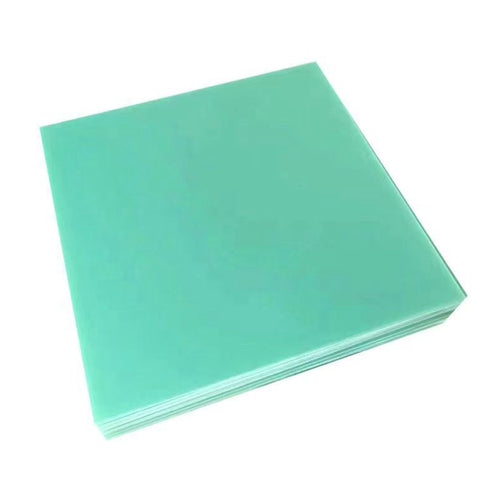
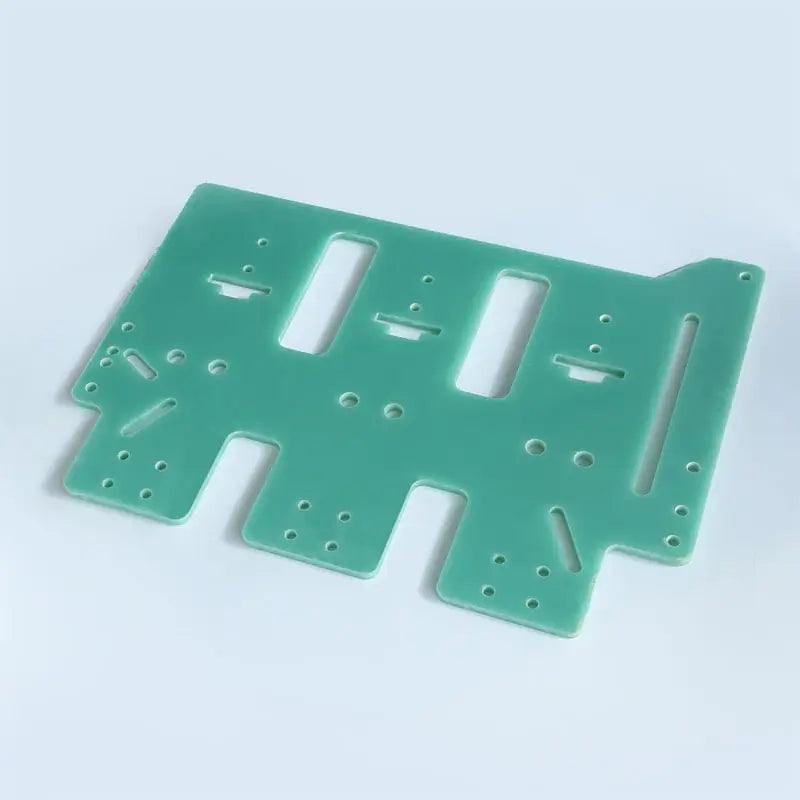
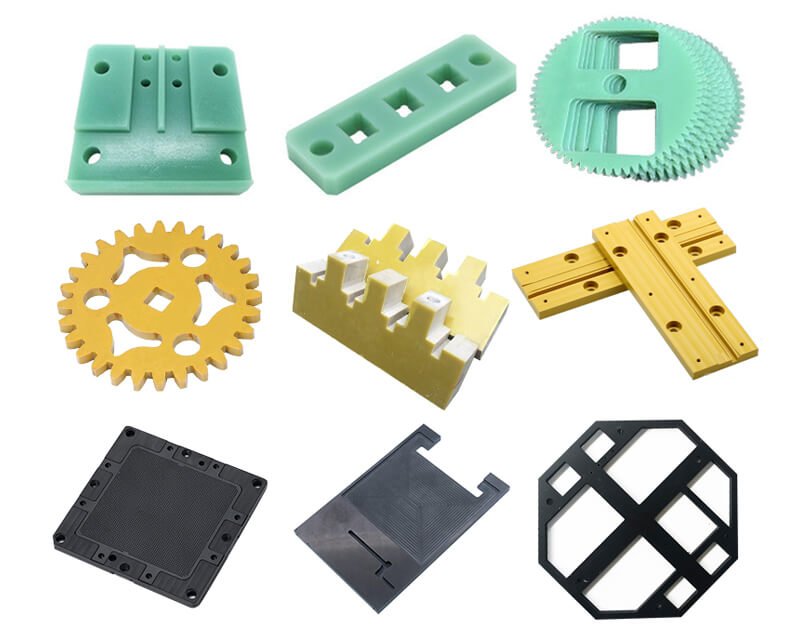
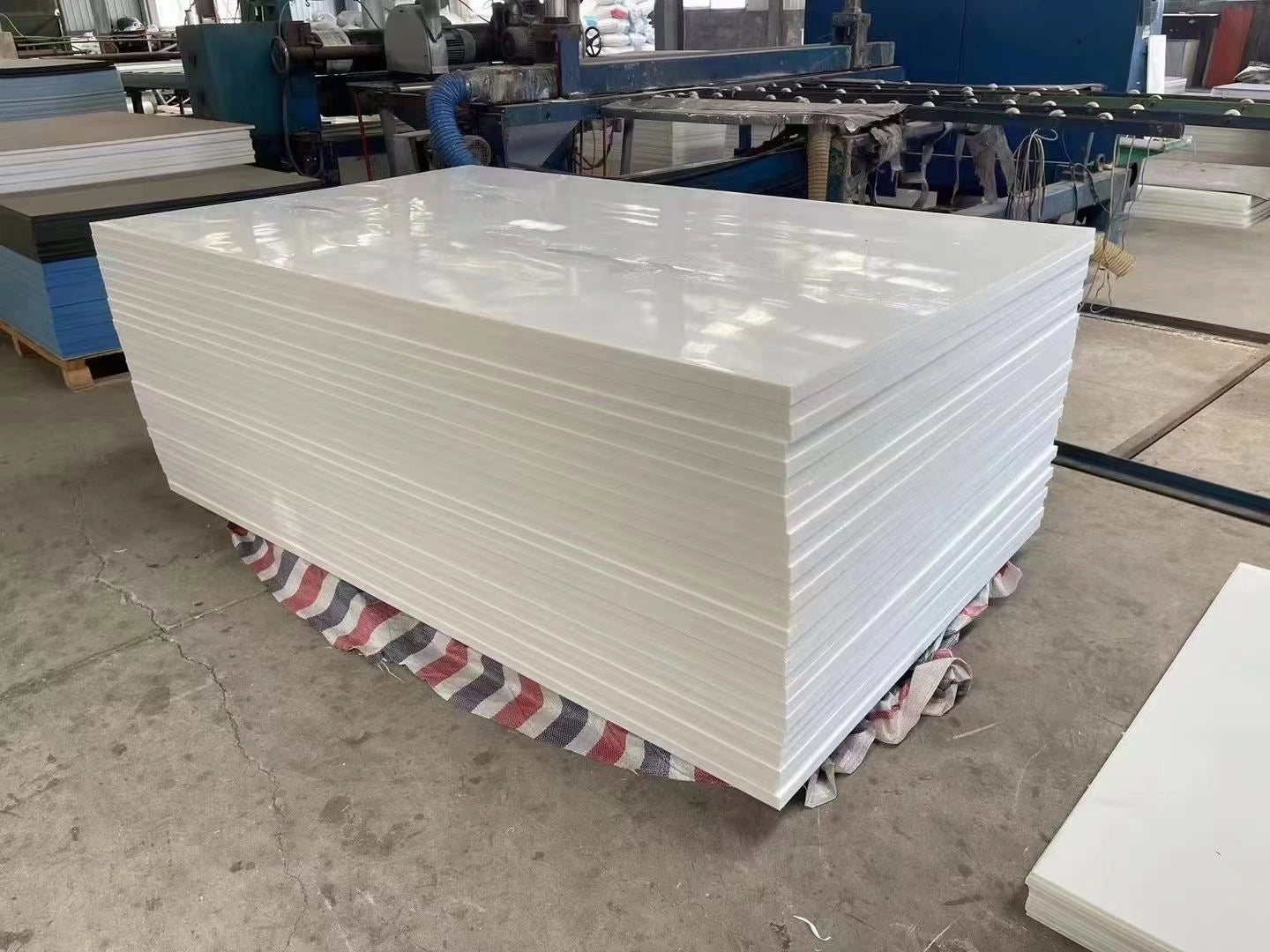
FR-4 material sheets

Understand why FR-4 glass epoxy is the backbone of modern consumer electronics, offering an optimal balance of cost and performance. Learn about the diverse applications of FR-4 in devices ranging from smartphones to automotive electronics. Stay ahead of the curve with insights into innovations and future trends, including halogen-free variants and advancements in flame retardancy.

Finally, navigate the landscape of PCB materials with a thorough comparison of FR-4 to alternatives like G-10 and high-frequency laminates, guiding you to make informed decisions for your specific needs. Embrace the versatility and discover why FR-4 is the go-to choice for next-gen consumer electronics.

For more detailed insights, check out the full blog post and elevate your knowledge of FR-4 materials!

Understanding FR-4 Material: Composition and Properties

Composition of FR-4 Material

FR-4 material is a crucial component in the electronics industry, especially for printed circuit boards (PCBs). It is composed of a woven fiberglass cloth and an epoxy resin binder. This combination provides the material with its unique properties. The fiberglass cloth offers excellent mechanical strength, while the epoxy resin acts as a binder, giving the material its electrical insulation and flame retardant properties.

Key Properties of FR-4 Material

Flame Retardancy

One of the standout features of FR-4 material is its flame retardancy. It meets stringent safety standards, such as UL 94V-0, indicating its ability to self-extinguish once the flame source is removed. This property makes FR-4 a safe choice for electronic applications, minimizing the risk of fire hazards.

Mechanical Strength

FR-4 exhibits high mechanical strength, which is essential for supporting and protecting the delicate electronic components on a PCB. The woven fiberglass fabric contributes to this strength, allowing FR-4 to withstand significant mechanical stresses without deforming or breaking​.

Electrical Insulation

Another critical property of FR-4 is its excellent electrical insulation. The epoxy resin ensures that the material can effectively insulate electronic components, preventing electrical shorts and enhancing the overall reliability of electronic devices. This makes FR-4 ideal for high-performance electronic applications​.

Low Water Absorption

FR-4 material has a low moisture absorption rate, which ensures that its properties remain stable even in humid environments. This low water absorption rate makes FR-4 suitable for use in various climates and conditions, maintaining the integrity and performance of the PCBs.

Applications of FR-4 Material

Consumer Electronics

FR-4 is extensively used in the manufacturing of consumer electronics, including smartphones, tablets, and laptops. Its balance of cost, performance, and reliability makes it a preferred choice for mass-produced electronics​.

Industrial Applications

In industrial settings, FR-4 is utilized in control systems, instrumentation, and power supplies. Its durability and resistance to harsh conditions make it ideal for demanding industrial environments.

Telecommunications

The telecommunications industry relies on FR-4 for devices such as routers, switches, and other networking equipment. The material’s ability to maintain stable electrical properties across various frequencies ensures reliable communication performance.

By understanding the composition and properties of FR-4 material, professionals in the electronics industry can make informed decisions when selecting materials for PCB manufacturing and other applications, ensuring optimal performance and reliability of their electronic devices.

FR-4 material

Mechanical and Thermal Properties of FR-4

Mechanical Properties of FR-4

FR-4 material is renowned for its excellent mechanical properties, which make it an ideal choice for a variety of applications in the electronics industry.

Tensile Strength

Tensile strength is a critical factor in determining a material’s ability to withstand pulling forces without breaking. FR-4 exhibits a high tensile strength, typically around 45,000 psi (pounds per square inch). This robust property ensures that FR-4 laminates can endure significant mechanical stress during manufacturing and usage, providing stability and durability to printed circuit boards (PCBs).

Flexural Strength

Flexural strength measures a material’s capacity to resist deformation under load. FR-4 materials have an impressive flexural strength of approximately 70,000 psi. This high value indicates that FR-4 can maintain its shape and integrity under bending forces, which is crucial for maintaining the structural integrity of PCBs in dynamic environments​.

Impact Resistance

Impact resistance refers to the material’s ability to absorb energy and resist impact forces. FR-4 demonstrates good impact resistance, with an Izod impact strength of about 14 ft-lbs/in. This property ensures that FR-4 PCBs can withstand shocks and impacts during handling and operation, making them suitable for applications where mechanical stress is a concern​.

Thermal Properties of FR-4

In addition to its mechanical properties, FR-4 also boasts impressive thermal properties that contribute to its widespread use in the electronics industry.

Service Temperature Ranges

FR-4 material can operate within a broad range of temperatures. The continuous service temperature for FR-4 is typically up to 130°C, with short-term exposure tolerances up to 180°C. This makes FR-4 suitable for applications where heat resistance is essential, such as in high-temperature environments found in various electronic devices​.

Thermal Expansion

Thermal expansion measures how much a material expands when heated. FR-4 has a coefficient of thermal expansion (CTE) of about 15-18 ppm/°C, indicating it has low expansion rates under temperature variations. This low CTE ensures that FR-4 PCBs remain dimensionally stable, preventing warping or distortion that could affect the performance and reliability of electronic circuits​.

Contribution to Durability and Reliability

The combination of high mechanical strength and excellent thermal properties makes FR-4 material incredibly durable and reliable. These characteristics ensure that FR-4 PCBs can withstand the mechanical stresses and thermal cycles encountered during manufacturing and operation, making them ideal for a wide range of applications in consumer electronics, industrial equipment, and telecommunications​.

By understanding the mechanical and thermal properties of FR-4, professionals in the electronics industry can appreciate why this material remains a top choice for PCB manufacturing and other demanding applications.

Advantages of FR-4 Glass Epoxy in Consumer Electronics

Cost-Effectiveness of FR-4 Glass Epoxy

FR-4 glass epoxy is highly favored in the consumer electronics industry due to its remarkable balance of cost-effectiveness and performance. This material is relatively inexpensive compared to other high-performance alternatives like ceramic substrates or polyimide laminates. The affordability of FR-4 makes it an attractive choice for mass production of electronic devices, ensuring that manufacturers can keep production costs low while maintaining high-quality standards​.

Performance and Reliability

Despite its affordability, FR-4 glass epoxy does not compromise on performance. It provides excellent electrical insulation, which is crucial for the safety and functionality of electronic devices. The material’s high dielectric strength ensures that electronic components are well-insulated, preventing electrical shorts and enhancing device reliability. This is particularly important in consumer electronics, where devices are expected to perform consistently under various conditions.

Insulation and Stability

One of the key reasons why FR-4 glass epoxy is preferred in consumer electronics is its superior insulation properties. The epoxy resin used in FR-4 acts as a robust insulator, protecting sensitive electronic components from electrical interference. Additionally, FR-4’s low water absorption ensures that the material remains stable in humid environments, which is essential for devices that may be exposed to moisture, such as smartphones and tablets.

Environmental Resilience

FR-4 material excels in providing stability and reliability under varying environmental conditions. Its thermal stability allows it to withstand high operating temperatures without degrading, making it suitable for devices that generate significant heat. The material’s mechanical strength ensures that it can endure physical stress and impact, protecting electronic components during drops or rough handling. This resilience is critical for consumer electronics, which are often subject to harsh and unpredictable conditions​.

Versatility in Applications

The versatility of FR-4 glass epoxy further enhances its appeal in the consumer electronics sector. It can be used in a wide range of applications, from motherboards and graphic cards to mobile phones and home appliances. This versatility is due to its excellent combination of mechanical and electrical properties, making it a go-to material for various electronic devices​.

Ease of Manufacturing

Another significant advantage of FR-4 glass epoxy is its compatibility with standard PCB manufacturing processes. It can be easily drilled, etched, and soldered, simplifying the production process and reducing manufacturing time and costs. This ease of fabrication makes FR-4 an efficient choice for large-scale production, meeting the high demand for consumer electronics without sacrificing quality.

By understanding these advantages, it’s clear why FR-4 glass epoxy remains a preferred material in the consumer electronics industry. Its cost-effectiveness, combined with superior performance, reliability, and versatility, ensures that manufacturers can produce high-quality devices that meet consumer expectations and withstand the rigors of everyday use.

advantage of FR-4 glass epoxy

Applications of FR-4 in Modern Electronics

Consumer Electronics

FR-4 material is a staple in the consumer electronics industry, finding extensive use in devices such as smartphones, tablets, and laptops. Its combination of mechanical strength and electrical insulation makes it ideal for the densely packed circuits in these devices. Smartphones and tablets require materials that can withstand frequent handling, drops, and various environmental conditions. The low water absorption and high dielectric strength of FR-4 ensure that these devices remain reliable and functional over time, even in humid environments​.

Automotive Electronics

In the automotive industry, FR-4 is utilized in advanced electronic systems, including engine control units (ECUs), infotainment systems, and sensor modules. The high thermal stability of FR-4 is crucial for withstanding the elevated temperatures often found in engine compartments. Additionally, its mechanical durability ensures that automotive electronic components can endure the vibrations and shocks experienced during vehicle operation. The electrical insulation properties of FR-4 also protect sensitive electronics from electrical interference, enhancing the reliability of automotive systems.

Aerospace Electronics

The aerospace sector demands materials that can perform reliably under extreme conditions, and FR-4 meets these requirements with its superior mechanical and thermal properties. FR-4 is used in various aerospace applications, including navigation systems, communication equipment, and control systems. The material’s ability to maintain dimensional stability and resist thermal expansion ensures that electronic components function correctly at high altitudes and during rapid temperature changes. The flame retardancy of FR-4 also adds an essential safety layer, making it suitable for use in critical aerospace systems.

Telecommunication Devices

FR-4 is widely used in the telecommunications industry for routers, switches, and other networking equipment. Its high-frequency performance is essential for ensuring reliable data transmission and minimizing signal loss. The dielectric properties of FR-4 allow for stable impedance, which is critical in maintaining the integrity of high-speed communication signals. The material’s electrical insulation capabilities prevent interference between densely packed circuits, ensuring that telecommunication devices operate efficiently.

Industrial Equipment

In industrial electronics, FR-4 is used in control systems, power supplies, and automation equipment. The robust mechanical strength of FR-4 allows it to withstand the demanding conditions of industrial environments, including exposure to chemicals, moisture, and mechanical stress. Its thermal stability ensures that electronic components can operate reliably in high-temperature settings, which is often required in industrial applications.

Medical Devices

FR-4 also plays a crucial role in the medical electronics field. It is used in devices such as diagnostic equipment, patient monitors, and medical imaging systems. The electrical insulation and reliability of FR-4 are paramount in ensuring the safety and effectiveness of medical devices. Additionally, the material’s low water absorption and chemical resistance make it suitable for use in environments where hygiene and durability are critical​.

By leveraging the unique properties of FR-4 material, manufacturers across various industries can produce electronic devices that are reliable, durable, and capable of meeting the specific demands of their applications.

Innovations and Future Trends in FR-4 Materials

Halogen-Free FR-4 Variants

One of the significant innovations in FR-4 materials is the development of halogen-free variants. Traditional FR-4 materials often contain halogens such as bromine, which act as flame retardants. However, halogens can release toxic gases when burned, posing environmental and health risks. Halogen-free FR-4 materials address these concerns by using alternative flame retardants that do not release harmful substances. These materials maintain the high flame retardancy and mechanical properties of traditional FR-4, making them a safer and more environmentally friendly option for PCB manufacturing.

Improvements in Flame Retardancy

Recent advancements have also focused on enhancing the flame retardancy of FR-4 materials. Researchers are developing new formulations that improve the material’s ability to withstand high temperatures and resist ignition. For instance, incorporating advanced epoxy resins and additives has led to FR-4 materials with higher thermal stability and better flame retardant properties. These improvements make FR-4 even more suitable for applications in critical industries such as aerospace and automotive electronics, where safety is paramount​.

Enhanced Thermal and Electrical Performance

Ongoing research aims to boost the thermal and electrical performance of FR-4 materials. Innovations include the development of FR-4 variants with higher thermal conductivity, which helps in better heat dissipation from electronic components. This is particularly important for high-density PCBs used in modern consumer electronics and telecommunication devices, where managing heat is crucial to ensure device reliability and longevity. Additionally, advancements in resin technology are leading to FR-4 materials with improved dielectric properties, reducing signal loss and enhancing high-frequency performance​.

Nanotechnology Integration

Nanotechnology is another promising area of research for enhancing FR-4 materials. By incorporating nanomaterials such as carbon nanotubes or graphene, researchers can significantly improve the mechanical, thermal, and electrical properties of FR-4. These nano-enhanced FR-4 materials exhibit higher strength, better thermal conductivity, and superior electrical performance. This makes them ideal for next-generation electronic applications, including flexible electronics and wearable devices, where traditional materials might fall short.

Eco-Friendly and Sustainable Options

With growing environmental concerns, there is a strong push towards developing more eco-friendly and sustainable FR-4 materials. This includes the use of bio-based resins and recyclable composites that reduce the environmental footprint of PCB manufacturing. Additionally, advancements in manufacturing processes aim to minimize waste and improve the efficiency of material usage. These sustainable innovations not only benefit the environment but also align with the increasing demand for green technologies in the electronics industry​.

Future Trends in FR-4 Applications

The future of FR-4 materials looks promising, with continuous improvements and innovations enhancing their performance and expanding their applications. As the demand for more compact, powerful, and efficient electronic devices grows, FR-4 materials will play a crucial role in meeting these requirements. Future trends include the integration of FR-4 in 5G technology, Internet of Things (IoT) devices, and advanced automotive systems. These applications will benefit from the improved properties of next-generation FR-4 materials, driving the evolution of electronics and supporting technological advancements across various sectors​.

By staying ahead of these innovations and future trends, professionals in the electronics industry can leverage the enhanced capabilities of FR-4 materials to develop cutting-edge products that meet the evolving demands of consumers and industries alike.
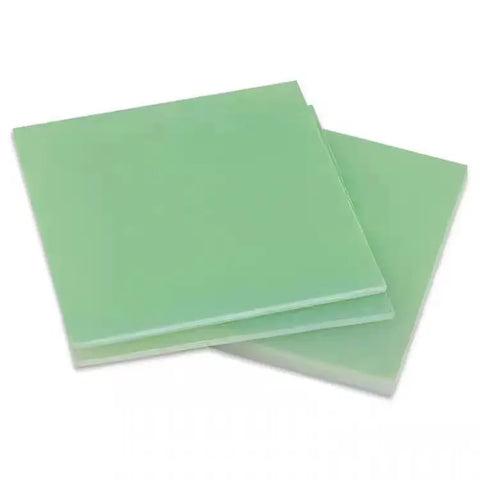
FR-4 materials to develop cutting

Comparing FR-4 with Alternative PCB Materials

FR-4 vs. G-10

G-10 and FR-4 are both types of fiberglass laminates commonly used in PCB manufacturing. While they share many similarities, there are some key differences:

Strengths of G-10

  • Mechanical Strength: G-10 is known for its excellent mechanical strength and rigidity. It is highly durable and can withstand significant mechanical stress, making it suitable for high-impact applications.
  • Cost-Effective: G-10 is generally less expensive than FR-4, which makes it a cost-effective option for applications that do not require flame retardancy​.

Limitations of G-10

  • Lack of Flame Retardancy: Unlike FR-4, G-10 does not possess flame retardant properties, which limits its use in applications where fire safety is a concern.
  • Electrical Insulation: While G-10 provides good electrical insulation, it is not as effective as FR-4 in environments where electrical insulation properties are critical.

FR-4 vs. High-Frequency Laminates

High-frequency laminates are designed for applications that require stable electrical performance at high frequencies, such as RF (radio frequency) and microwave circuits.

Strengths of High-Frequency Laminates

  • Electrical Performance: High-frequency laminates offer superior electrical properties, including low dielectric constant (Dk) and dissipation factor (Df), which are essential for maintaining signal integrity at high frequencies.
  • Thermal Stability: These laminates also provide better thermal stability, which is crucial for high-frequency applications that generate significant heat​.

Limitations of High-Frequency Laminates

  • Cost: High-frequency laminates are typically more expensive than FR-4, which can be a limiting factor for cost-sensitive projects.
  • Manufacturing Complexity: The manufacturing process for high-frequency laminates can be more complex and requires specialized equipment and techniques, potentially increasing production time and costs​.

FR-4 vs. Carbon Fiber Composites

Carbon fiber composites are known for their exceptional strength-to-weight ratio and are used in applications where weight reduction is critical, such as aerospace and high-performance automotive components.

Strengths of Carbon Fiber Composites

  • High Strength and Low Weight: Carbon fiber composites provide high mechanical strength while being significantly lighter than FR-4. This makes them ideal for applications requiring strong yet lightweight materials.
  • Thermal Conductivity: Carbon fiber materials can offer better thermal conductivity, which is beneficial for dissipating heat in high-power electronic applications​.

Limitations of Carbon Fiber Composites

  • Cost: Carbon fiber composites are generally more expensive than FR-4, which can be a significant drawback for large-scale or budget-constrained projects.
  • Electrical Conductivity: Unlike FR-4, carbon fiber composites can be electrically conductive, which may require additional insulation measures in electronic applications.

Selecting the Right Material

When selecting the appropriate material for a specific application, consider the following factors:

Application Requirements

  • Electrical Performance: For high-frequency applications, high-frequency laminates are preferable due to their superior electrical properties.
  • Mechanical Durability: If the application requires high mechanical strength and impact resistance, G-10 or carbon fiber composites might be suitable options.
  • Flame Retardancy: For applications where fire safety is critical, FR-4 is the optimal choice due to its flame retardant properties.

Cost Considerations

  • Budget Constraints: If cost is a significant factor, G-10 offers a more affordable alternative to FR-4, provided that flame retardancy is not required.
  • Performance vs. Cost: Balance the need for advanced properties with budget considerations. While high-frequency laminates and carbon fiber composites offer superior performance, their higher costs may not be justified for all applications​.

By understanding the strengths and limitations of these materials, professionals in the electronics industry can make informed decisions to select the best material for their specific PCB manufacturing and electronic applications.

G-10 or carbon fiber composites

Frequently Asked Questions about FR-4 Material and Beeplastics Customization

1. What is FR-4 material and why is it used in PCB manufacturing?

Answer: FR-4 is a grade designation for fiberglass reinforced epoxy laminate material. It is widely used in PCB manufacturing because of its excellent electrical insulation properties, high mechanical strength, flame retardancy, and low water absorption. These properties make FR-4 ideal for supporting and insulating electronic components in various environmental conditions.

2. What are the mechanical properties of FR-4?

Answer: The mechanical properties of FR-4 include high tensile strength (approximately 45,000 psi), impressive flexural strength (around 70,000 psi), and good impact resistance (with an Izod impact strength of about 14 ft-lbs/in). These properties ensure that FR-4 can withstand significant mechanical stress without deforming, making it suitable for high-impact applications.

3. How does FR-4 perform in high-temperature environments?

Answer: FR-4 exhibits excellent thermal stability, with a continuous service temperature up to 130°C and short-term exposure tolerances up to 180°C. Its low coefficient of thermal expansion (15-18 ppm/°C) ensures that it remains dimensionally stable under varying temperatures, preventing warping or distortion of PCBs.

4. Why is FR-4 favored in consumer electronics?

Answer: FR-4 is favored in consumer electronics due to its balance of cost-effectiveness and high performance. It provides superior electrical insulation, mechanical strength, and thermal stability, ensuring the reliability and longevity of devices like smartphones, tablets, and laptops even under frequent use and diverse environmental conditions.

5. Can Beeplastics undertake any customization for FR-4 materials?

Answer: Yes, Beeplastics can undertake any customization, including sample customization and batch customization. They cater to various customer needs by offering tailored solutions for both small and large orders.

6. What file formats does Beeplastics accept for custom orders?

Answer: Beeplastics accepts a variety of file formats for custom orders, including PDF and CAD. This flexibility allows customers to provide their design specifications in the format that best suits their project requirements.

7. Is there a minimum order quantity (MOQ) for Beeplastics customization?

Answer: No, Beeplastics does not have a minimum order quantity (MOQ). This allows customers to order exactly what they need, whether it’s a single prototype or a large batch for mass production.

8. How does Beeplastics handle the production cycle for custom orders?

Answer: The production cycle at Beeplastics is determined by the order volume and the complexity of the process. They communicate with customers in real-time about the production progress, ensuring transparency and timely delivery of orders.

9. Does Beeplastics provide samples before full production?

Answer: Yes, Beeplastics supports the provision of samples. Customers are only responsible for the shipping costs, as the samples themselves are provided free of charge. This allows customers to evaluate the quality and suitability of the material before committing to a larger order.

10. What are the environmental benefits of using halogen-free FR-4 variants?

Answer: Halogen-free FR-4 variants offer significant environmental benefits by eliminating the release of toxic halogen gases during combustion. These materials use alternative flame retardants that do not pose environmental or health risks, making them safer for use in various electronic applications while maintaining the high performance and reliability of traditional FR-4 materials.

By understanding the properties, applications, and customization options for FR-4 materials, professionals in the electronics industry can make informed decisions to optimize their PCB manufacturing processes and ensure the performance and reliability of their electronic devices. Beeplastics provides comprehensive customization services to meet the specific needs of their customers, enhancing the overall value and quality of their products.

Conclusion

In the rapidly evolving field of electronics, FR-4 material remains a cornerstone due to its exceptional balance of cost-effectiveness, mechanical strength, and thermal stability. From consumer electronics to aerospace applications, the versatility of FR-4 ensures its continued relevance and indispensability. Recent innovations, such as halogen-free variants and enhanced flame retardancy, underscore the ongoing advancements aimed at improving the material’s performance and safety. By understanding the properties, applications, and customization options available through providers like Beeplastics, professionals can make informed decisions to meet the specific needs of their projects. With no minimum order quantities and a commitment to real-time production updates, Beeplastics offers a flexible and customer-focused approach to PCB manufacturing and material customization. Embrace the future of electronics with confidence, knowing that FR-4 and innovative companies like Beeplastics are at the forefront of supporting your technological advancements.

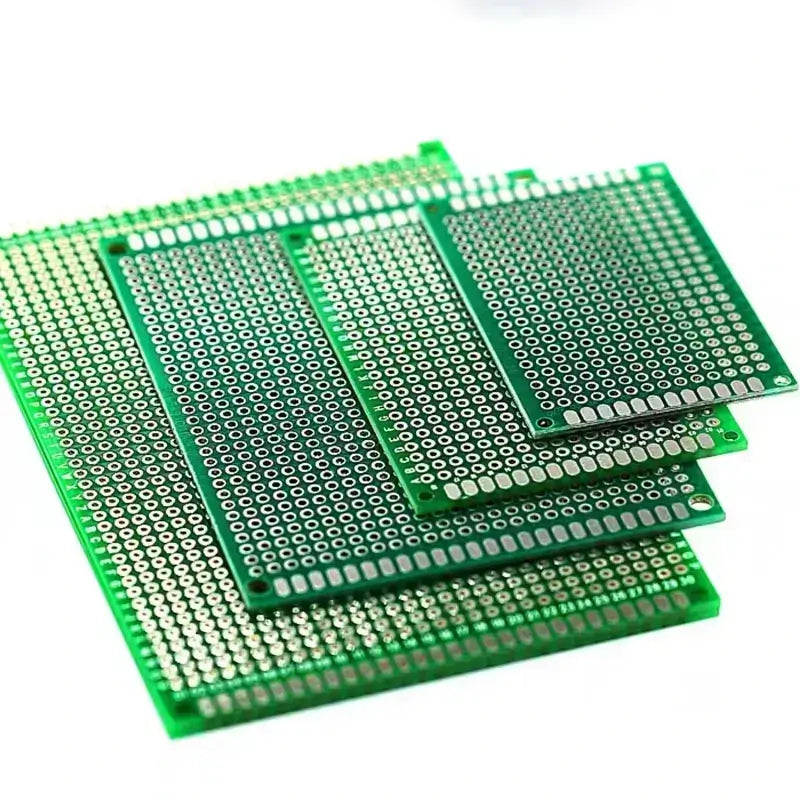
FR4 PBC

🎉🎉🎉Limited Time Offer Use code: QR4GNY08SHVR at checkout and enjoy a special discount on your entire order! 👉 FR4 fiberglass plastic

Get your custom FR-4 solutions today! Contact us using the form at the bottom of this page to start your project. Explore the extensive benefits of our FR-4 materials by clicking here: FR-4 Epoxy Glass Fiber.

Leave a comment


Please note, comments must be approved before they are published


Custom Plastic Fabrication

Send your drawing, material and quantity for review

🔧
Precision Machining
CNC milling & turning
✂️
Cutting & Engraving
Laser & waterjet cutting
🏭
Forming & Molding
Thermoforming & injection
🔗
Joining & Assembly
Welding & bonding
📐
Design & Prototyping
CAD design & samples

General

HDPE

PP

PVC

ABS

Engineering

POM

Nylon

PC

PMMA

High-Performance

PEEK

PEI

PTFE

Composites

FR-4

G10

Flexible

TPU

Silicone

Why Choose BeePlastic?

🎯
Perfect Fit
Custom specs eliminate adaptation needs
⚡
Clear Lead Times
Lead time confirmed with every quote
💰
Volume Pricing
Volume pricing available on bulk orders
🤝
Expert Support
Free engineering consultation included
📋
Submit
→
🔍
Review
→
💵
Quote
→
✅
Production
→
📦
Deliver

Request a Quote

Share your project details, selected material and quantity on our quote page. You can add a file link or use the email drawing route shown there.


Request Quote

Industries: Automotive • Medical • Food • Lab • Semiconductor

beeplastic@beeplastic.com


Strategic Advantages of Using FR-4 Glass Epoxy in Aerospace and Automotive Electronics

FR-4 glass epoxy

Discover the strategic advantages of using FR-4 glass epoxy in aerospace and automotive electronics. This versatile material excels in thermal stability, allowing components to endure extreme temperatures without compromising performance. Its mechanical strength ensures durability and reliability under mechanical stress, making it ideal for environments involving vibration and shocks. The exceptional electrical insulation properties of FR-4 glass epoxy maintain signal integrity and minimize electromagnetic interference, critical for high-frequency applications. Additionally, the material’s moisture and chemical resistance safeguard against environmental factors, ensuring consistent performance in harsh conditions. Cost-effective and versatile, FR-4 glass epoxy can be customized to meet specific design requirements, while complying with stringent safety and quality standards, including flame retardancy, making it a top choice for PCB manufacturing in these demanding industries.

🎉🎉🎉Limited Time Offer Use code: QR4GNY08SHVR at checkout and enjoy a special discount on your entire order! 👉 FR4 fiberglass plastic

FR-4 glass epoxy materials

Enhanced Thermal Stability of FR-4 Glass Epoxy

Superior Performance in High-Temperature Environments

FR-4 glass epoxy materials are renowned for their exceptional thermal stability, making them indispensable in both aerospace and automotive applications. These industries often subject electronic components to extreme temperatures, and the ability of FR-4 glass epoxy to maintain its properties under such conditions ensures reliable performance. This stability is crucial as it prevents the material from degrading, thus maintaining the integrity of the components and the overall system.

Resilience Under Extreme Thermal Stress

The high thermal resilience of FR-4 glass epoxy enables it to withstand temperatures that would typically cause other materials to fail. For example, in aerospace applications, electronic components must operate reliably from the scorching heat during re-entry to the frigid cold of space. FR-4 glass epoxy maintains its structural integrity and electrical insulation properties even under these extreme thermal stresses, ensuring that PCB performance remains consistent and dependable.

Ideal for High-Performance Applications

In the automotive industry, components made with FR-4 glass epoxy are frequently exposed to the high temperatures generated by engines and braking systems. The material’s ability to endure these conditions without losing performance makes it ideal for use in engine control units (ECUs), infotainment systems, and various safety-critical electronics. By employing FR-4 glass epoxy, manufacturers can ensure that their products meet the rigorous demands of modern automotive applications.

Maintaining Performance Over Time

The longevity and reliability of electronic components are paramount, particularly in high-stakes environments like aerospace and automotive sectors. FR-4 glass epoxy’s thermal stability ensures that PCBs and other components do not suffer from thermal degradation over time. This means that devices retain their mechanical strength and electrical properties, reducing the risk of failure and extending the lifespan of critical systems.

Benefits for PCB Manufacturing

For PCB manufacturers, the use of FR-4 glass epoxy translates to fewer failures and defects during the soldering process, which often involves high temperatures. The material’s ability to withstand the heat without warping or losing its properties ensures that the solder joints remain strong and reliable, contributing to the overall quality and durability of the PCBs.

Supporting Advanced Technologies

The thermal stability of FR-4 glass epoxy also supports the development and deployment of advanced technologies in both aerospace and automotive industries. As these sectors continue to innovate, the need for materials that can reliably perform under extreme conditions becomes even more critical. FR-4 glass epoxy meets these demands, making it an essential component in the next generation of high-performance electronics.

By leveraging the enhanced thermal stability of FR-4 glass epoxy, manufacturers in the aerospace and automotive industries can produce reliable, durable, and high-performance electronic components that meet the stringent requirements of these challenging environments.

FR-4 glass epoxy

Mechanical Strength and Durability

High Mechanical Strength of FR-4 Glass Epoxy

FR-4 glass epoxy is celebrated for its high mechanical strength, which is critical for the durability and reliability of PCBs used in both aerospace and automotive electronics. This strength derives from the combination of woven fiberglass cloth and epoxy resin, resulting in a material that can endure significant mechanical stress without compromising its structural integrity. This robustness is particularly important in applications subjected to frequent vibrations and shocks, such as those found in aerospace and automotive environments.

Withstanding Vibration and Mechanical Shocks

In the aerospace sector, components experience constant vibration and mechanical shocks during flight operations. The durability of FR-4 glass epoxy ensures that PCBs maintain their functionality and structural integrity under these demanding conditions. This resistance to mechanical stress helps prevent failures that could lead to critical system malfunctions, enhancing the overall reliability of aerospace electronics.

Ensuring Reliability in Harsh Environments

Automotive electronics also benefit from the mechanical strength of FR-4 glass epoxy. Components in vehicles must withstand not only the mechanical shocks and vibrations caused by road conditions but also the intense thermal cycling from engine operations. The robust nature of FR-4 glass epoxy makes it ideal for engine control units, infotainment systems, and safety-critical devices. Its ability to maintain performance in these harsh environments is crucial for ensuring the safety and reliability of automotive electronics.

Enhancing Longevity and Performance

The high tensile strength of FR-4 glass epoxy contributes significantly to the longevity of electronic components. By maintaining structural integrity over extended periods, this material helps extend the lifespan of PCBs, reducing the need for frequent replacements and minimizing maintenance costs. For both aerospace and automotive applications, this longevity translates into more reliable and cost-effective solutions.

Structural Integrity and Design Flexibility

Designers of high-performance electronics appreciate the flexibility that FR-4 glass epoxy offers. Despite its strength, this material can be fabricated into various shapes and sizes, allowing for intricate and precise PCB designs. This flexibility does not compromise the material’s mechanical properties, making it a versatile choice for a wide range of applications where both durability and precision are required.

Supporting Advanced Engineering Applications

The mechanical strength of FR-4 glass epoxy supports the development of advanced engineering applications. Whether in the aerospace industry, where components must endure the rigors of space travel, or in the automotive sector, where reliability and safety are paramount, FR-4 glass epoxy provides the necessary durability and strength. This material ensures that electronic components can meet the stringent demands of modern technology, making it an essential part of today’s high-performance electronics.

By leveraging the mechanical strength and durability of FR-4 glass epoxy, manufacturers in the aerospace and automotive industries can ensure that their electronic components withstand the harsh conditions of their respective environments, providing reliable and long-lasting performance.

Electrical Insulation and Signal Integrity

Superior Electrical Insulation Properties

FR-4 glass epoxy is renowned for its exceptional electrical insulation properties, making it an ideal material for high-performance electronics in aerospace and automotive industries. This material offers a high dielectric strength, which prevents electrical currents from leaking through the substrate, ensuring that signals remain intact and undistorted. The excellent insulating capabilities of FR-4 glass epoxy help maintain signal integrity, which is crucial for the reliable operation of electronic systems.

Reducing Electromagnetic Interference (EMI)

One of the significant advantages of FR-4 glass epoxy is its ability to reduce electromagnetic interference (EMI). EMI can cause disruptions in electronic circuits, leading to data loss and signal degradation. FR-4 glass epoxy’s low dielectric constant and dissipation factor minimize these issues, ensuring that electronic components function smoothly without interference. This makes FR-4 glass epoxy a preferred choice for high-frequency applications where maintaining signal clarity is essential.

Critical for High-Frequency Applications

In the aerospace industry, electronic components are often required to operate at high frequencies. The electrical properties of FR-4 glass epoxy ensure that these components can transmit signals effectively without loss or interference. This reliability is critical in applications such as communication systems, navigation equipment, and sensor technologies, where precise and uninterrupted signal transmission is necessary for safety and performance.

Ensuring Reliable Signal Transmission in Automotive Electronics

Automotive electronics also benefit from the excellent signal integrity provided by FR-4 glass epoxy. Modern vehicles rely on a multitude of electronic systems for everything from engine management to infotainment systems. The ability of FR-4 glass epoxy to maintain electrical insulation under various operating conditions ensures that these systems can communicate effectively, enhancing the vehicle’s overall performance and reliability.

Enhancing PCB Performance

The use of FR-4 glass epoxy in printed circuit boards (PCBs) significantly enhances their performance by ensuring stable and reliable electrical pathways. This material’s properties help prevent signal degradation and crosstalk between adjacent traces, which is particularly important in multi-layer PCB designs used in complex electronic devices. By maintaining high signal integrity, FR-4 glass epoxy helps achieve superior performance in advanced electronic applications.

Supporting Advanced Communication Technologies

The high-frequency stability and low EMI characteristics of FR-4 glass epoxy support the development and deployment of advanced communication technologies in both aerospace and automotive sectors. As these industries continue to innovate and require faster, more reliable electronic systems, the role of FR-4 glass epoxy in maintaining signal integrity becomes increasingly vital. This material ensures that communication systems can operate at peak efficiency, providing reliable data transmission essential for modern technological applications.

By leveraging the superior electrical insulation and signal integrity of FR-4 glass epoxy, manufacturers can ensure the reliable operation of electronic components in high-frequency applications across aerospace and automotive industries. This makes FR-4 glass epoxy an indispensable material for modern electronic systems.

FR-4 glass epoxy cut to size

Moisture and Chemical Resistance

Low Moisture Absorption

FR-4 materials are renowned for their low moisture absorption, a crucial property for maintaining performance and reliability in humid environments. This low absorption rate, typically less than 0.10%, ensures that the material does not swell or degrade when exposed to moisture. In the automotive industry, where components must withstand varying weather conditions, this characteristic prevents electrical failures and mechanical distortions that could compromise the functionality of electronic systems.

Importance in Automotive Electronics

Automotive electronics are often subjected to a wide range of environmental conditions, including humidity, rain, and temperature fluctuations. The moisture resistance of FR-4 glass epoxy ensures that these components continue to perform reliably regardless of the weather. This is particularly important for systems such as engine control units (ECUs), infotainment systems, and safety features, where failure due to moisture absorption could lead to significant safety risks and costly repairs​.

High Chemical Resistance

In addition to moisture resistance, FR-4 materials offer high chemical resistance, which is essential for applications in chemically aggressive environments. The epoxy resin used in FR-4 laminates provides robust protection against a wide range of chemicals, including solvents, acids, and bases. This makes FR-4 an ideal material for aerospace applications, where exposure to various chemicals during maintenance and operation is common.

Critical for Aerospace Applications

In the aerospace sector, components are often exposed to harsh conditions, including chemical cleaning agents and de-icing fluids. The chemical resistance of FR-4 glass epoxy ensures that PCBs and other electronic components remain unaffected by these substances, maintaining their structural integrity and electrical performance. This resistance is vital for ensuring the long-term reliability and safety of aerospace electronics, where failures can have catastrophic consequences.

Ensuring Longevity and Reliability

The combined moisture and chemical resistance of FR-4 materials contribute significantly to the longevity and reliability of electronic components. By preventing moisture and chemical ingress, FR-4 ensures that PCBs and other components do not suffer from corrosion or degradation, extending their lifespan and reducing the need for frequent replacements. This is particularly beneficial in industries where reliability and durability are paramount​.

Applications in Harsh Environments

The ability of FR-4 materials to resist moisture and chemicals makes them suitable for use in various harsh environments. In the industrial sector, for example, FR-4 is used in control systems and instrumentation that must operate reliably in chemically aggressive settings. Similarly, in the marine industry, where components are exposed to saltwater and humidity, the moisture resistance of FR-4 ensures continued performance and durability.

Supporting Advanced Technologies

The superior moisture and chemical resistance of FR-4 glass epoxy supports the development of advanced technologies in aerospace and automotive industries. As these sectors continue to innovate, the need for materials that can withstand harsh environmental conditions becomes increasingly critical. FR-4 glass epoxy meets these demands, ensuring that electronic systems remain reliable and effective even in the most challenging environments​.

By leveraging the moisture and chemical resistance of FR-4 materials, manufacturers can ensure that their electronic components perform reliably in humid and chemically aggressive environments, making FR-4 an indispensable material for modern electronics.

Cost-Effectiveness and Versatility

Popularity in Mass Production

The cost-effectiveness of FR-4 glass epoxy is a major factor contributing to its widespread use in the mass production of PCBs across the automotive and aerospace sectors. This material offers an excellent balance between performance and cost, allowing manufacturers to produce high-quality printed circuit boards (PCBs) without exceeding their budgets. The affordability of FR-4 glass epoxy makes it possible to achieve economies of scale, reducing the overall cost of electronic components used in various applications.

Versatile Customization Options

One of the standout features of FR-4 glass epoxy is its versatility. This material can be customized to meet specific design requirements, making it suitable for a wide range of electronic applications. Manufacturers can adjust the thickness and surface finishes of FR-4 to accommodate different electronic designs, ensuring that the material meets the exact needs of each project. This adaptability is crucial for industries that require precise and reliable electronic components​.

Supporting Diverse Electronic Applications

The versatile properties of FR-4 glass epoxy enable it to support a broad spectrum of electronic applications. In the automotive industry, FR-4 is used in everything from engine control units (ECUs) to infotainment systems and safety devices. Its ability to withstand high temperatures, mechanical stress, and environmental factors makes it ideal for the demanding conditions of automotive electronics. Similarly, in the aerospace sector, FR-4 is employed in various avionics and communication systems, where reliability and performance are critical​.

Customization for Specific Requirements

The ability to customize FR-4 glass epoxy extends to its electrical and mechanical properties. Manufacturers can tailor the dielectric constant, dissipation factor, and mechanical strength to suit the specific requirements of each application. This customization ensures that PCBs made from FR-4 glass epoxy provide optimal performance, whether they are used in high-frequency applications or environments with significant mechanical stress. The flexibility of FR-4 glass epoxy makes it a preferred choice for engineers and designers working on cutting-edge electronic systems​.

Economical Manufacturing Processes

The cost-effective nature of FR-4 glass epoxy also translates to economical manufacturing processes. The material’s ease of fabrication and compatibility with existing manufacturing technologies reduce production costs and time. This efficiency is particularly beneficial for large-scale production runs, where minimizing costs without compromising quality is essential. The affordability of FR-4 glass epoxy allows manufacturers to produce high-quality PCBs at a fraction of the cost compared to other materials.

Meeting Industry Standards

FR-4 glass epoxy meets various industry standards for performance and safety, making it a reliable choice for aerospace and automotive applications. Its compliance with stringent regulations ensures that components made from FR-4 are safe and effective for use in critical systems. This reliability, combined with its cost-effectiveness and versatility, solidifies FR-4 glass epoxy as a cornerstone material in modern electronics manufacturing​.

By leveraging the cost-effectiveness and versatility of FR-4 glass epoxy, manufacturers can produce high-quality, reliable, and affordable electronic components that meet the demanding needs of the automotive and aerospace industries.

cost-effectiveness and versatility of FR-4 glass epoxy

Compliance with Safety and Quality Standards

Meeting Stringent Safety Regulations

FR-4 glass epoxy materials are designed to comply with a range of stringent safety and quality standards, which is essential for applications in aerospace and automotive electronics. One of the key safety features of FR-4 is its flame retardancy. This property ensures that the material does not easily catch fire and can self-extinguish, providing an additional layer of safety for electronic components used in high-risk environments. Compliance with flame retardancy standards is crucial for preventing fires and ensuring the safety of both the equipment and its users.

Ensuring Reliability in High-Risk Environments

The aerospace industry demands materials that can withstand extreme conditions and maintain their performance and reliability. FR-4 glass epoxy meets these demands by adhering to rigorous quality standards that ensure the material can operate safely in high-risk environments. This includes resistance to high temperatures, mechanical shocks, and exposure to various chemicals. By complying with these standards, FR-4 glass epoxy helps maintain the integrity and reliability of critical aerospace electronics, such as avionics and navigation systems.

Importance in Automotive Electronics

In the automotive sector, safety is paramount, especially for electronic systems that play a crucial role in vehicle operation and passenger safety. FR-4 materials are used in a wide range of automotive applications, including engine control units (ECUs), airbag systems, and braking systems. The compliance of FR-4 glass epoxy with safety standards ensures that these components can withstand harsh conditions and continue to perform reliably, reducing the risk of failures that could lead to accidents.

Compliance with International Standards

FR-4 glass epoxy is manufactured to meet various international safety and quality standards, such as UL94, which is a standard for the flammability of plastic materials. Compliance with such standards is critical for ensuring that PCBs made from FR-4 materials can be used in a wide range of electronic devices without compromising safety. This compliance not only helps manufacturers meet regulatory requirements but also builds trust with customers and end-users who rely on the safety and reliability of these products​.

Enhancing Product Reliability

Adhering to strict quality standards ensures that FR-4 glass epoxy materials provide consistent performance across different batches and applications. This consistency is vital for maintaining the reliability of electronic systems in both aerospace and automotive industries. Manufacturers can be confident that PCBs made from FR-4 will perform as expected, even under challenging conditions, thereby enhancing the overall reliability of their products.

Supporting Advanced Engineering Requirements

The compliance of FR-4 glass epoxy with safety and quality standards also supports advanced engineering requirements in both aerospace and automotive sectors. As these industries continue to evolve and integrate more sophisticated electronic systems, the need for materials that can meet high-performance standards becomes increasingly important. FR-4 glass epoxy’s adherence to these standards ensures that it remains a reliable choice for cutting-edge applications, from advanced driver-assistance systems (ADAS) in vehicles to sophisticated avionics in aircraft​.

By ensuring compliance with stringent safety and quality standards, FR-4 glass epoxy provides a reliable and safe solution for electronic components used in high-risk environments, making it an indispensable material for modern aerospace and automotive electronics.

FR-4 glass epoxy is a composite material

Frequently Asked Questions About FR-4 Glass Epoxy and BeePlastics Customization

1. What is FR-4 glass epoxy and why is it widely used in PCB manufacturing?

Answer: FR-4 glass epoxy is a composite material made of woven fiberglass cloth with an epoxy resin binder. It is widely used in PCB manufacturing due to its excellent mechanical strength, electrical insulation properties, and thermal stability. These characteristics make it ideal for creating reliable and durable printed circuit boards used in various electronic applications, including aerospace and automotive industries.

2. Can BeePlastics customize FR-4 glass epoxy materials?

Answer: Yes, BeePlastics can undertake any customization of FR-4 glass epoxy materials. This includes both sample customization and batch customization to meet specific design and application requirements. We work closely with clients to ensure that the customized materials meet their exact specifications.

3. What file formats does BeePlastics accept for customization projects?

Answer: BeePlastics accepts a variety of file formats for customization projects, including PDF and CAD files. This flexibility allows us to work with different design files and ensure precise customization according to the client’s needs.

4. Is there a minimum order quantity (MOQ) for customization at BeePlastics?

Answer: No, there is no minimum order quantity (MOQ) at BeePlastics. We accommodate both small and large orders, making our services accessible to businesses of all sizes. This approach ensures that even small-scale projects can be completed efficiently and cost-effectively.

5. How does BeePlastics manage the production cycle for customized orders?

Answer: The production cycle at BeePlastics is managed according to the volume of orders and the complexity of the process. We maintain open communication with clients throughout the production process, providing real-time updates on progress. This ensures transparency and helps us meet delivery deadlines effectively.

6. Does BeePlastics provide samples for customized projects?

Answer: Yes, BeePlastics supports the provision of samples for customized projects. The samples are free of charge, with the only requirement being that the client covers the shipping costs. This allows clients to review and approve the materials before proceeding with bulk production.

7. What are the key properties of FR-4 glass epoxy that make it suitable for high-risk environments?

Answer: FR-4 glass epoxy is known for its flame retardancy, moisture resistance, chemical resistance, thermal stability, and mechanical strength. These properties make it suitable for high-risk environments such as aerospace and automotive applications, where components must operate reliably under extreme conditions.

8. How does the moisture and chemical resistance of FR-4 glass epoxy benefit automotive electronics?

Answer: The moisture and chemical resistance of FR-4 glass epoxy prevents the material from absorbing moisture and degrading when exposed to chemicals. This is particularly beneficial for automotive electronics, which must withstand varying weather conditions and exposure to automotive fluids, ensuring long-term reliability and performance.

9. Why is FR-4 glass epoxy considered cost-effective for mass production of PCBs?

Answer: FR-4 glass epoxy is considered cost-effective due to its affordable price and versatile properties. It supports mass production by allowing manufacturers to produce high-quality PCBs efficiently and at a lower cost compared to other materials. This cost-effectiveness is crucial for both automotive and aerospace sectors, where large quantities of PCBs are required.

10. How does compliance with safety and quality standards enhance the reliability of FR-4 glass epoxy in aerospace applications?

Answer: Compliance with safety and quality standards, such as flame retardancy and electrical insulation specifications, ensures that FR-4 glass epoxy materials operate safely and reliably in high-risk aerospace environments. This adherence to standards helps prevent failures and enhances the overall reliability of electronic components used in critical aerospace applications.

These frequently asked questions provide a comprehensive overview of FR-4 glass epoxy and the customization services offered by BeePlastics, highlighting the material’s key properties and applications in high-performance electronic manufacturing.

In conclusion, FR-4 glass epoxy stands out as a superior material for aerospace and automotive electronics due to its exceptional thermal stability, mechanical strength, and electrical insulation properties. Its low moisture absorption and high chemical resistance ensure reliable performance in harsh environments, making it indispensable for high-risk applications. Additionally, the cost-effectiveness and versatility of FR-4 glass epoxy enable it to meet diverse design requirements and support mass production efficiently. By complying with stringent safety and quality standards, FR-4 glass epoxy provides an added layer of safety and reliability, solidifying its role as a cornerstone material in modern electronic manufacturing. For customized solutions and further information on how FR-4 can enhance your projects, BeePlastics offers extensive services tailored to meet your specific needs.

epoxy sheet
🎉🎉🎉Limited Time Offer Use code: QR4GNY08SHVR at checkout and enjoy a special discount on your entire order! 👉 FR4 fiberglass plastic

Transform Your Projects with Superior FR-4 Materials! Contact us today by filling out the form at the bottom of this page. Discover more about the benefits and applications of FR-4 glass epoxy by visiting our dedicated page here.

Leave a comment


Please note, comments must be approved before they are published


Custom Plastic Fabrication

Send your drawing, material and quantity for review

🔧
Precision Machining
CNC milling & turning
✂️
Cutting & Engraving
Laser & waterjet cutting
🏭
Forming & Molding
Thermoforming & injection
🔗
Joining & Assembly
Welding & bonding
📐
Design & Prototyping
CAD design & samples

General

HDPE

PP

PVC

ABS

Engineering

POM

Nylon

PC

PMMA

High-Performance

PEEK

PEI

PTFE

Composites

FR-4

G10

Flexible

TPU

Silicone

Why Choose BeePlastic?

🎯
Perfect Fit
Custom specs eliminate adaptation needs
⚡
Clear Lead Times
Lead time confirmed with every quote
💰
Volume Pricing
Volume pricing available on bulk orders
🤝
Expert Support
Free engineering consultation included
📋
Submit
→
🔍
Review
→
💵
Quote
→
✅
Production
→
📦
Deliver

Request a Quote

Share your project details, selected material and quantity on our quote page. You can add a file link or use the email drawing route shown there.


Request Quote

Industries: Automotive • Medical • Food • Lab • Semiconductor

beeplastic@beeplastic.com


Optimizing Electronics Manufacturing with FR-4 Laminate Solutions

epoxy sheet

Dive into the transformative world of FR-4 material with our latest blog post, “Optimizing Electronics Manufacturing with FR-4 Laminate Solutions.” This comprehensive guide uncovers the unique properties of FR-4, from its flame retardancy and superior electrical insulation to its mechanical strength, explaining why it’s a staple in PCB manufacturing.

🎉🎉🎉Limited Time Offer Use code: QR4GNY08SHVR at checkout and enjoy a special discount on your entire order! 👉 FR4 fiberglass plastic

FR-4 material

Learn about advanced fabrication techniques such as CNC machining and etching that ensure high precision and reliability. Discover how FR-4 compares to other materials like G-10 and polyimide, highlighting its cost-effectiveness and versatility. Explore the wide range of applications in consumer electronics, automotive, aerospace, and medical devices, showcasing FR-4’s adaptability to various industries.

Get expert tips on selecting the right FR-4 laminate by considering factors like thickness and thermal properties. Lastly, understand the economic and environmental benefits of FR-4, emphasizing its sustainability and compliance with safety regulations.

This post is your go-to resource for maximizing your electronics manufacturing efficiency with FR-4 laminate solutions.

Understanding the Unique Properties of FR-4 Material

Flame Retardancy and Safety

One of the standout characteristics of FR-4 material is its exceptional flame retardancy, compliant with the UL 94V-0 standard. This certification indicates that FR-4 can resist ignition and prevent the spread of flames, a critical feature for electronic devices that must adhere to stringent safety regulations. The flame retardant properties of FR-4 primarily come from the inclusion of brominated compounds, which significantly reduce fire hazards. This makes FR-4 a preferred choice for industries where safety is paramount, such as automotive and aerospace applications.

Electrical Insulation and Performance

FR-4 is renowned for its superior electrical insulation properties, which are crucial for maintaining signal integrity and preventing short circuits in electronic circuits. The high dielectric strength of FR-4 ensures that it can withstand high voltages without breaking down. Additionally, its stable dielectric constant over a wide range of frequencies makes it an ideal substrate for printed circuit boards (PCBs) used in communication devices, consumer electronics, and industrial equipment. The low dissipation factor of FR-4 minimizes energy loss, ensuring efficient performance of electronic components.

Mechanical Strength and Durability

The mechanical strength of FR-4 is another key attribute that contributes to its widespread use in electronics manufacturing. Composed of a woven fiberglass cloth embedded with epoxy resin, FR-4 provides excellent rigidity and durability. This combination allows FR-4 to support and protect sensitive electronic components from physical stress and environmental factors. Its resistance to mechanical wear and tear extends the lifespan of devices, making it a reliable choice for high-performance applications, including military and defense systems.

Moisture Resistance and Environmental Stability

Another critical property of FR-4 is its impressive moisture resistance, which ensures that it remains stable and functional even in humid environments. This is particularly important for electronics used in outdoor or variable conditions, where moisture can degrade materials and compromise performance. The low water absorption rate of FR-4, typically around 0.10%, ensures that the material maintains its mechanical and electrical properties over time, providing consistent reliability and stability for various applications.

Versatility in Electronics Manufacturing

FR-4 is versatile in its applications, making it suitable for a wide range of PCB configurations, from simple single-sided boards to complex multilayer designs. Its ability to accommodate various design requirements and its compatibility with standard PCB fabrication processes, such as drilling and etching, simplify manufacturing and reduce production costs. This versatility, coupled with its cost-effectiveness, makes FR-4 an attractive option for both prototyping and large-scale production in the electronics industry.

Comparative Advantages of FR-4

Compared to other materials like G-10 and polyimide, FR-4 offers a superior balance of cost-effectiveness, flame retardancy, and mechanical strength. While G-10 lacks the flame-retardant properties, FR-4’s enhanced safety features make it preferable for applications requiring higher fire resistance. Polyimide, though used in high-frequency and high-temperature applications, is generally more expensive. Thus, FR-4 stands out as a practical and efficient material choice for a broad spectrum of electronic devices and systems.

By understanding these unique properties, electronics manufacturers can leverage FR-4 to optimize their production processes, ensuring high-quality and reliable end products.

epoxy plate

Advanced Fabrication Techniques for FR-4 Laminates

CNC Machining: Precision and Versatility

CNC machining plays a pivotal role in the fabrication of FR-4 laminates. This highly precise method involves computer-controlled machines that cut, drill, and shape FR-4 sheets to exact specifications. The accuracy of CNC machining ensures that every piece of FR-4 laminate meets the stringent requirements necessary for high-performance printed circuit boards (PCBs). The ability to produce complex geometries and intricate designs with tight tolerances enhances the reliability and functionality of PCBs used in various electronic applications.

Lamination Process: Creating Robust Structures

The lamination process is fundamental in the production of FR-4 laminates. This involves layering fiberglass cloth impregnated with epoxy resin, which is then pressed together under high pressure and heat. The heat causes the resin to flow and fill the gaps between the fiberglass layers, creating a solid and cohesive structure. This method not only provides mechanical strength but also ensures excellent electrical insulation properties. The lamination process is crucial for producing multilayer PCBs, which are essential for modern, high-density electronic devices.

Curing: Enhancing Material Properties

After the lamination process, the curing stage is essential to set and harden the epoxy resin, enhancing the mechanical and electrical properties of the FR-4 laminate. Curing involves maintaining the laminated materials at controlled temperatures to ensure the resin fully polymerizes. This step is vital for achieving the desired thermal stability and durability, making the laminates suitable for use in high-temperature environments. Proper curing ensures that the final product can withstand the stresses of manufacturing processes and operational conditions.

Etching: Defining Circuit Patterns

Etching is a critical process in PCB fabrication that involves removing unwanted copper from the laminated board to define the circuit pathways. After the drilling process, where holes for components and vias are created, the board undergoes chemical or laser etching to remove excess copper, leaving behind precise circuit patterns. This step is crucial for ensuring accurate electrical performance and signal integrity. The quality of the etching process directly impacts the reliability of the electronic devices in which the PCBs are used.

Batch Testing: Ensuring Quality and Consistency

To maintain high standards in PCB manufacturing, batch testing of FR-4 laminates is conducted to ensure each batch meets specific quality criteria. This testing includes evaluating mechanical strength, moisture resistance, and electrical properties. By rigorously testing the laminates, manufacturers can ensure that each board performs reliably in its intended application. Batch testing helps identify any defects early in the production process, reducing the risk of failures in the final electronic products.

Advancements in Thermoset Manufacturing

Recent advancements in thermoset manufacturing techniques have further enhanced the production of FR-4 laminates. These techniques involve using thermosetting polymers that, once cured, form a rigid and durable material with excellent thermal and mechanical properties. Innovations in resin formulations and processing methods have improved the performance characteristics of FR-4 laminates, making them more suitable for high-frequency and high-power applications.

By understanding and utilizing these advanced fabrication techniques, manufacturers can produce high-quality FR-4 laminates that meet the demanding requirements of modern electronics. From precise CNC machining to rigorous batch testing, each step in the production process plays a crucial role in ensuring the reliability and performance of FR-4-based PCBs.

Comparing FR-4 to Other PCB Materials

FR-4 vs. G-10: A Detailed Comparison

G-10 and FR-4 are both fiberglass-epoxy laminates, but they have distinct properties that make them suitable for different applications. G-10 was widely used before FR-4 became the industry standard. While both materials share similar mechanical strength and durability, FR-4 has a significant edge in flame retardancy. The addition of brominated compounds in FR-4 provides it with excellent fire-resistant properties, adhering to the UL 94V-0 standard, which G-10 lacks. This makes FR-4 the preferred choice in applications where fire safety is critical, such as in automotive and aerospace industries.

Cost-Effectiveness and Versatility

When it comes to cost-effectiveness, FR-4 outperforms G-10 due to its widespread availability and the economy of scale in its production. FR-4 is relatively inexpensive, making it an attractive option for mass production and cost-sensitive applications. Its versatility in handling various PCB configurations, from single-sided to multilayer boards, further enhances its value in electronics manufacturing. While G-10 might be used for specific industrial applications where flame retardancy is not a concern, FR-4 remains the go-to material for most electronics due to its balance of performance and cost.

FR-4 vs. Polyimide: High-Temperature Applications

Polyimide is another alternative to FR-4, particularly in high-temperature and high-frequency applications. Polyimide materials can withstand temperatures well above those that FR-4 can tolerate, making them ideal for applications such as aerospace and military electronics, where extreme conditions are common. Polyimide also offers better flexibility and chemical resistance, which is advantageous in dynamic or chemically harsh environments.

Electrical Properties and Performance

In terms of electrical properties, FR-4 provides excellent electrical insulation and a stable dielectric constant across a wide range of frequencies. This ensures minimal signal loss and interference, which is crucial for maintaining the integrity of high-speed circuits in communication devices and consumer electronics. Polyimide, on the other hand, has superior electrical properties at high frequencies, making it suitable for advanced applications such as RF and microwave circuits​.

Mechanical Strength and Durability

Both FR-4 and G-10 offer robust mechanical strength, but FR-4 is generally preferred due to its better moisture resistance and flame-retardant properties. Polyimide also provides excellent mechanical strength but with added flexibility, which can be beneficial in applications requiring repeated bending or thermal cycling.

When to Use Alternatives

Despite the advantages of FR-4, there are scenarios where alternatives like G-10 and polyimide are more suitable. For example, in environments with extreme temperatures or where high-frequency performance is crucial, polyimide would be the better choice. Similarly, in industrial applications where flame retardancy is not a priority, G-10 might be preferred due to its adequate performance and potential cost benefits.

By understanding the strengths and limitations of each material, manufacturers can make informed decisions to optimize their PCB designs for specific applications, ensuring both performance and cost-efficiency.

FR-4 PCBs (Printed Circuit Boards)

Applications of FR-4 in Modern Electronics

Consumer Electronics: Powering Everyday Devices

FR-4 is a cornerstone in the production of consumer electronics due to its reliable electrical insulation and mechanical strength. Devices such as smartphones, tablets, laptops, and televisions heavily rely on FR-4-based printed circuit boards (PCBs) for their operation. The material’s flame retardancy ensures safety in everyday use, preventing potential fire hazards caused by overheating or electrical faults. Furthermore, the cost-effectiveness of FR-4 makes it an ideal choice for mass production, keeping consumer electronics affordable while maintaining high quality and performance​.

Automotive Industry: Enhancing Safety and Performance

In the automotive industry, FR-4 is used in a variety of critical applications, from control modules and sensors to infotainment systems. The material’s thermal stability and moisture resistance make it suitable for use in the harsh environments of vehicle interiors and engine compartments. FR-4’s ability to withstand high temperatures and resist moisture ensures that automotive electronics remain reliable under extreme conditions, contributing to the safety and efficiency of vehicles.

Aerospace Applications: Meeting High-Altitude Demands

Aerospace electronics demand materials that offer exceptional reliability and performance in extreme conditions. FR-4 is widely used in avionics, satellite communication systems, and other critical aerospace components. Its flame retardancy and mechanical strength provide robust performance, while its lightweight nature helps in reducing the overall weight of aerospace assemblies. The material’s ability to maintain electrical integrity at high altitudes and in variable temperatures makes it indispensable in this high-tech industry.

Medical Devices: Ensuring Precision and Reliability

FR-4 is also pivotal in the medical field, where reliability and precision are paramount. Medical devices such as diagnostic equipment, patient monitors, and imaging systems incorporate FR-4 PCBs due to their excellent electrical insulation and mechanical durability. The material’s biocompatibility and sterilizability make it suitable for use in both reusable and disposable medical devices. Its ability to perform consistently in various environments ensures that medical professionals can rely on these devices for accurate and dependable results​.

Industrial Electronics: Durability in Harsh Conditions

In industrial settings, FR-4 is employed in control systems, power supplies, and automation equipment. The material’s resilience to mechanical stress and its robust electrical properties ensure that industrial electronics can withstand the rigors of manufacturing environments. FR-4’s resistance to chemicals and its ability to maintain performance in extreme temperatures make it ideal for industrial applications where reliability is critical to operational success​.

Telecommunications: Supporting Global Connectivity

The telecommunications sector benefits greatly from FR-4’s stable dielectric properties and high-frequency performance. Components such as routers, switches, and modems utilize FR-4 PCBs to ensure efficient signal transmission and connectivity. The material’s flame retardancy and mechanical stability contribute to the longevity and safety of telecommunications infrastructure, supporting the backbone of global communication networks​.

By leveraging the unique properties of FR-4, these industries can produce high-quality, reliable, and cost-effective electronic devices that meet the rigorous demands of modern technology.

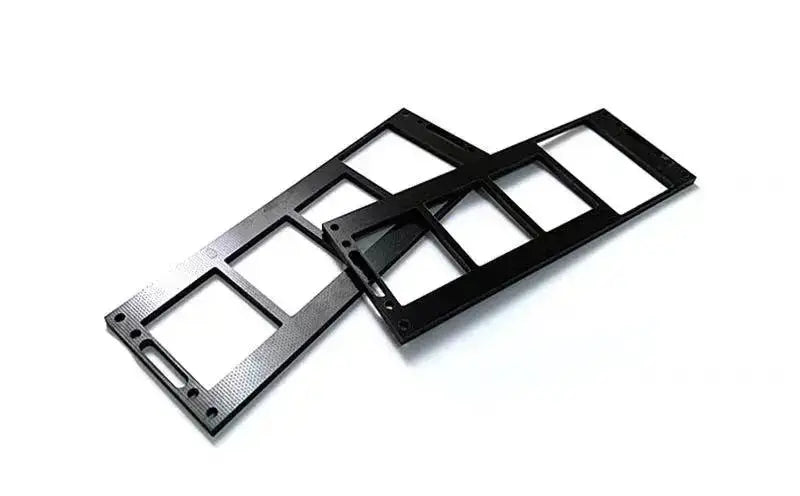
Black Fiberglass Sheet

Key Factors in Selecting the Right FR-4 Laminate

Considering Thickness for Optimal Performance

When selecting FR-4 laminate, one of the primary factors to consider is thickness. The thickness of the laminate can significantly impact the performance and durability of printed circuit boards (PCBs). Thicker laminates provide greater mechanical strength and rigidity, which is crucial for applications requiring robust structural support. For instance, in automotive and aerospace applications, thicker FR-4 laminates ensure that the PCB can withstand vibrations and mechanical stresses without compromising its integrity.

Conversely, thinner laminates are preferred in applications where space is at a premium, such as in consumer electronics and portable devices. Thin laminates help in reducing the overall weight and size of the device, making them ideal for compact and lightweight designs like smartphones and tablets. However, it’s essential to balance the thickness with the mechanical demands of the application to avoid issues like bending or warping.

Thermal Properties: Ensuring Stability Under Heat

The thermal properties of FR-4 laminates, particularly their glass transition temperature (TG), play a crucial role in determining their suitability for various applications. FR-4 materials come with different TG ratings, typically ranging from 115°C to 200°C. Higher TG materials can withstand elevated temperatures without losing their structural integrity, making them suitable for high-temperature environments such as automotive engine compartments or industrial settings​.

For applications involving significant thermal cycling, such as aerospace electronics or high-power devices, selecting an FR-4 laminate with a high TG value is essential. This ensures that the laminate maintains its performance and reliability over prolonged exposure to high temperatures. Conversely, for applications with less stringent thermal requirements, standard TG FR-4 laminates can provide a cost-effective solution without compromising performance​.

Dielectric Constant: Ensuring Electrical Performance

The dielectric constant (DK) of FR-4 laminate is another critical factor affecting its performance, especially in high-frequency applications. The DK value influences the laminate’s ability to store and transmit electrical energy. A stable and appropriate dielectric constant is essential for maintaining signal integrity and reducing signal loss or interference in high-speed circuits.

For applications such as communication devices, RF circuits, and high-frequency PCBs, choosing an FR-4 laminate with a consistent and suitable dielectric constant is vital. This ensures minimal distortion and efficient signal transmission. In contrast, for lower frequency applications or standard consumer electronics, the dielectric properties of standard FR-4 laminates are typically sufficient to meet performance requirements.

Moisture Resistance: Reliability in Humid Environments

Moisture resistance is a key property that ensures the longevity and reliability of FR-4 laminates in humid or variable environmental conditions. Laminates with low moisture absorption rates maintain their mechanical and electrical properties, reducing the risk of degradation over time. This makes moisture-resistant FR-4 laminates ideal for outdoor electronics, marine applications, and devices exposed to fluctuating humidity levels.

Compatibility with Assembly Processes

When selecting FR-4 laminates, it’s also important to consider their compatibility with various assembly processes such as soldering, drilling, and etching. Laminates that can withstand the thermal and mechanical stresses of these processes without degrading are essential for ensuring the quality and durability of the final PCB. This compatibility helps streamline manufacturing processes and reduces the risk of defects or failures during assembly.

By carefully considering these factors, manufacturers can select the most appropriate FR-4 laminate for their specific needs, ensuring optimal performance, reliability, and cost-effectiveness in their electronic applications.

FR-4 laminate

Sustainability and Cost-Effectiveness of FR-4

Economic Benefits: Affordability and Availability

FR-4 is renowned for its economic advantages in the electronics manufacturing industry. One of its primary benefits is affordability. Compared to alternative materials like polyimide and ceramic substrates, FR-4 offers a cost-effective solution without compromising on quality or performance. This makes it an attractive choice for manufacturers aiming to produce high-quality printed circuit boards (PCBs) at lower costs, particularly for consumer electronics where pricing is highly competitive.

The widespread availability of FR-4 further enhances its economic appeal. Being a standard material in PCB manufacturing, FR-4 is readily available from numerous suppliers worldwide. This ease of access ensures that manufacturers can maintain a steady supply chain, reducing lead times and production delays. The high demand and production volume also contribute to its lower cost, making FR-4 a staple in the electronics industry​.

Environmental Considerations: Recyclability and Safety Compliance

In addition to its economic benefits, FR-4 also addresses several important environmental considerations. One key aspect is its recyclability. While the recycling of PCBs presents challenges due to the complexity of materials involved, FR-4 laminates can be processed to recover valuable metals like copper. Advanced recycling techniques are being developed to improve the efficiency of reclaiming materials from FR-4-based PCBs, thereby reducing electronic waste and promoting sustainability.

Compliance with safety regulations is another critical factor that underscores the environmental benefits of FR-4. The material adheres to stringent safety standards, including the UL 94V-0 flame retardancy rating, which ensures that it resists ignition and prevents the spread of fire. This compliance not only enhances the safety of electronic devices but also aligns with regulatory requirements aimed at reducing environmental impact and ensuring the safe disposal of electronic products.

Flame Retardancy and Chemical Stability

FR-4‘s inherent flame retardancy contributes significantly to its environmental profile. The brominated compounds used in FR-4 laminates effectively inhibit combustion, reducing the risk of fire-related incidents. This property is particularly beneficial in applications where fire safety is paramount, such as in automotive, aerospace, and industrial electronics.

Additionally, FR-4 exhibits excellent chemical stability, making it resistant to moisture and various environmental conditions. This stability ensures that FR-4-based PCBs maintain their performance and durability over time, even in harsh operating environments. The reduced degradation rate of FR-4 components means fewer replacements and less waste, contributing to long-term sustainability​.

Lifecycle and Durability

The durability of FR-4 extends the lifecycle of electronic products, which is a crucial factor in reducing environmental impact. Products that last longer do not need to be replaced as frequently, thereby minimizing waste. FR-4’s robust mechanical and electrical properties ensure that electronic devices can withstand the rigors of daily use and environmental stressors, further promoting sustainability by enhancing product longevity​.

Regulatory and Industry Standards

Compliance with industry standards is essential for ensuring that FR-4 materials meet environmental and safety regulations. Organizations such as the National Electrical Manufacturers Association (NEMA) and regulatory bodies like RoHS (Restriction of Hazardous Substances) have established guidelines that FR-4 materials must adhere to. These standards help in reducing hazardous substances in electronic products, ensuring safer handling, and disposal practices​.

By leveraging the economic and environmental benefits of FR-4, manufacturers can achieve a balance between cost-efficiency and sustainability, making it an ideal material choice for a wide range of electronic applications.

FR-4 materials

Common Questions and Answers about FR-4 Material and BeePlastic’s Customization Services

General Questions about FR-4 Material

1. What is FR-4 material and why is it used in PCB manufacturing?

Answer: FR-4 is a grade designation for glass-reinforced epoxy laminate material. It is known for its excellent electrical insulation, mechanical strength, moisture resistance, and flame retardancy. These properties make FR-4 an ideal substrate for printed circuit boards (PCBs) used in various electronic devices.

2. What are the key properties of FR-4 material?

Answer: The key properties of FR-4 material include high mechanical strength, good electrical insulation, low water absorption, and excellent flame retardancy (UL 94V-0 standard). Its thermal stability and resistance to environmental conditions also make it a preferred choice in electronics manufacturing.

3. How does FR-4 compare to other PCB materials like G-10 and polyimide?

Answer: FR-4 offers superior flame retardancy compared to G-10 and is more cost-effective than polyimide. While polyimide provides better performance in high-temperature and high-frequency applications, FR-4 is generally sufficient for most standard electronic devices due to its balanced properties and affordability.

4. What types of electronic devices commonly use FR-4 PCBs?

Answer: FR-4 PCBs are commonly used in consumer electronics (smartphones, laptops, televisions), automotive systems (control modules, sensors), aerospace components (avionics, communication systems), medical devices (diagnostic equipment, patient monitors), and industrial electronics (control systems, automation equipment).

5. How does the thickness of FR-4 laminates affect PCB performance?

Answer: The thickness of FR-4 laminates impacts the mechanical strength and thermal management of PCBs. Thicker laminates provide better support and durability for applications with high mechanical stress, while thinner laminates are used in compact devices to save space and reduce weight.

Questions about BeePlastic’s Customization Services

6. Can BeePlastic undertake any customization, including sample and batch customization?

Answer: Yes, BeePlastic can handle any type of customization, whether it’s for a single sample or a large batch. We work closely with clients to meet their specific requirements, ensuring that each project is tailored to their needs.

7. What file formats does BeePlastic accept for customization orders?

Answer: BeePlastic accepts a variety of file formats for customization, including PDF and CAD. This flexibility allows clients to submit their designs in the format that is most convenient for them.

8. Is there a minimum order quantity (MOQ) for customization at BeePlastic?

Answer: No, BeePlastic does not require a minimum order quantity. We cater to both small and large orders, providing the same level of service and attention to detail regardless of the order size.

9. How is the production cycle determined for customization orders at BeePlastic?

Answer: The production cycle at BeePlastic is determined based on the quantity of orders and the complexity of the process. We communicate with clients in real time to update them on the production progress, ensuring transparency and timely delivery.

10. Does BeePlastic provide samples, and who is responsible for the shipping costs?

Answer: Yes, BeePlastic provides samples free of charge. However, customers are responsible for covering the shipping costs. This allows clients to evaluate our materials and customization quality before placing larger orders.

By addressing these common questions, we aim to provide clear and comprehensive information about the benefits of FR-4 material and the customization services offered by BeePlastic.

Conclusion

FR-4 material is an indispensable component in modern electronics manufacturing, offering a unique combination of affordability, mechanical strength, and electrical insulation. Its wide range of applications across various industries—from consumer electronics to aerospace—demonstrates its versatility and reliability. At BeePlastic, we leverage these properties to provide customization services that meet the diverse needs of our clients. With no minimum order quantity and the ability to accept various file formats, we ensure that our customers receive tailored solutions with real-time production updates. By choosing BeePlastic, you benefit from our commitment to quality, sustainability, and customer satisfaction, making us your ideal partner in electronics manufacturing.

🎉🎉🎉Limited Time Offer Use code: QR4GNY08SHVR at checkout and enjoy a special discount on your entire order! 👉 FR4 fiberglass plastic

FR-4 material customization

Don’t settle for less when you can have the best in FR-4 material customization. Fill out our contact form below to request your sample or custom batch. For a comprehensive look at what we offer, click here to explore our FR-4 epoxy glass fiber solutions.

Leave a comment


Please note, comments must be approved before they are published


Custom Plastic Fabrication

Send your drawing, material and quantity for review

🔧
Precision Machining
CNC milling & turning
✂️
Cutting & Engraving
Laser & waterjet cutting
🏭
Forming & Molding
Thermoforming & injection
🔗
Joining & Assembly
Welding & bonding
📐
Design & Prototyping
CAD design & samples

General

HDPE

PP

PVC

ABS

Engineering

POM

Nylon

PC

PMMA

High-Performance

PEEK

PEI

PTFE

Composites

FR-4

G10

Flexible

TPU

Silicone

Why Choose BeePlastic?

🎯
Perfect Fit
Custom specs eliminate adaptation needs
⚡
Clear Lead Times
Lead time confirmed with every quote
💰
Volume Pricing
Volume pricing available on bulk orders
🤝
Expert Support
Free engineering consultation included
📋
Submit
→
🔍
Review
→
💵
Quote
→
✅
Production
→
📦
Deliver

Request a Quote

Share your project details, selected material and quantity on our quote page. You can add a file link or use the email drawing route shown there.


Request Quote

Industries: Automotive • Medical • Food • Lab • Semiconductor

beeplastic@beeplastic.com


From Playgrounds to Sports Equipment: The Impact of Color UHMW-PE on Recreational Gear

UHMW-PE

Discover the transformative power of Color UHMW-PE in enhancing recreational gear across various industries. This blog post delves into the exceptional properties of UHMW-PE, such as its high impact strength, abrasion resistance, and low friction, making it the material of choice for durable and safe playground and sports equipment.

🎉🎉🎉Limited Time Offer Use code: QR4GNY08SHVR at checkout and enjoy a special discount on your entire order! 👉 UHMWPE plastic
Color UHMW-PE

Learn how adding color to UHMW-PE not only boosts aesthetic appeal but also enhances functionality by improving visibility and safety. Explore its specific applications in playground equipment, including slides and climbing walls, where durability and safety are paramount. Understand the critical role of UHMW-PE sheets in manufacturing top-tier sports gear like skateboards, snowboards, and hockey rinks, providing superior protection and performance.

Additionally, the post highlights the environmental and safety benefits of UHMW-PE, emphasizing its non-toxic and recyclable nature, which makes it an ideal choice for children’s playgrounds and sports facilities. A case study showcases the successful integration of Color UHMW-PE in a sports facility, underscoring its real-world benefits and positive feedback from users and manufacturers.

Finally, look ahead at the future trends and innovations in UHMW-PE, predicting new applications and advancements in manufacturing techniques that promise to revolutionize the recreational industry. This comprehensive guide is essential reading for anyone involved in the design, manufacture, or use of recreational gear, providing valuable insights into the myriad advantages of Color UHMW-PE.

Introduction to UHMW-PE: Properties and Benefits for Recreational Gear

High Impact Strength

Ultra-High Molecular Weight Polyethylene (UHMW-PE) is renowned for its high impact strength, making it an excellent choice for playground equipment and sports gear. This material can absorb and withstand significant impacts without cracking or breaking, which is crucial for high-impact activities. For example, UHMW-PE is used in slides, climbing walls, and swing seats, providing a durable and safe surface for children to play on. In sports equipment, its impact resistance ensures longevity and safety, protecting athletes during intense activities.

Exceptional Abrasion Resistance

Another notable property of UHMW-PE is its exceptional abrasion resistance. This means that the material can endure continuous wear and friction without degrading, which is particularly important for sports gear and playground surfaces. Items like skateboards, snowboards, and hockey rinks benefit from UHMW-PE’s ability to resist scratches and wear, maintaining their functionality and appearance over time. This resistance reduces maintenance costs and extends the lifespan of the equipment.

Low Friction Coefficient

UHMW-PE also boasts a low friction coefficient, which enhances the performance of sports and recreational equipment. The low friction surface allows for smoother movement, reducing resistance and improving the overall user experience. For instance, inline skates and roller coasters that incorporate UHMW-PE components enjoy enhanced speed and efficiency. This property also minimizes the risk of injuries by providing a smoother and more predictable motion.

Chemical Resistance

The chemical resistance of UHMW-PE adds another layer of durability, making it suitable for various environments. This material is resistant to a wide range of chemicals, including acids, bases, and organic solvents, ensuring that it remains intact and functional even in harsh conditions. This property is particularly advantageous for outdoor playgrounds and sports facilities that are exposed to different weather conditions and environmental factors.

Lightweight and Easy to Fabricate

UHMW-PE is not only durable but also lightweight and easy to fabricate. This makes it an ideal choice for creating complex shapes and designs required in modern recreational equipment. The material’s lightweight nature allows for easier handling and installation, while its versatility in fabrication enables the creation of custom designs that enhance both functionality and aesthetics.

UV and Weather Resistance

For outdoor applications, the UV and weather resistance of UHMW-PE is a significant benefit. This material can withstand prolonged exposure to sunlight and extreme weather conditions without deteriorating. This ensures that outdoor playground equipment and sports gear maintain their integrity and performance over time, providing a safe and reliable environment for users.

Cost-Effectiveness

Finally, the cost-effectiveness of UHMW-PE makes it a preferred choice for many manufacturers. Despite its superior properties, UHMW-PE is relatively affordable compared to other high-performance materials. This allows manufacturers to produce high-quality recreational equipment at a lower cost, making it accessible to a broader market.

Conclusion

Ultra-High Molecular Weight Polyethylene (UHMW-PE) is a versatile and highly durable material that offers numerous benefits for the recreational industry. Its high impact strength, abrasion resistance, low friction coefficient, and chemical resistance make it ideal for a wide range of applications, from playground equipment to sports gear. Its lightweight nature, UV and weather resistance, and cost-effectiveness further enhance its appeal, making UHMW-PE a top choice for manufacturers looking to create safe, durable, and affordable recreational products.

Ultra-High Molecular Weight Polyethylene (UHMW-PE)

Why Color UHMW-PE is Essential for Aesthetic and Functional Design

Enhancing Aesthetic Appeal

Color UHMW-PE offers a unique advantage in enhancing the aesthetic appeal of recreational equipment. The ability to incorporate a variety of colors allows manufacturers to create visually attractive designs that appeal to both children and adults. Bright, vibrant colors can make playgrounds more inviting and engaging for children, encouraging them to spend more time being active. Additionally, the aesthetic versatility of color UHMW-PE helps in designing sports gear that not only performs well but also looks appealing, which is crucial in a market where visual appeal can significantly influence consumer choices.

Improving Visibility

Improving visibility is a critical functional benefit of using color UHMW-PE in recreational settings. High-contrast colors can be used to highlight important areas of playground equipment, such as the edges of slides or the rungs of climbing structures. This makes it easier for children to see and navigate the equipment, reducing the risk of accidents. In sports applications, bright colors can enhance the visibility of equipment like hockey pucks or goal posts, making them easier to track during fast-paced games. This increased visibility contributes to safer and more enjoyable recreational experiences.

Enhancing Safety

The use of color UHMW-PE plays a significant role in enhancing safety in recreational environments. By strategically using different colors, manufacturers can design equipment that clearly indicates safe zones and areas that require caution. For instance, using red to mark danger zones or yellow to highlight caution areas can help prevent accidents. In sports facilities, color coding can be used to designate different areas of the field or court, helping players stay within boundaries and avoid collisions. This proactive approach to safety through color differentiation can greatly reduce the incidence of injuries.

Durability and UV Resistance

Color UHMW-PE is not only visually appealing but also highly durable and UV resistant. This makes it an excellent choice for outdoor recreational equipment that is exposed to sunlight for extended periods. The colors remain vibrant and do not fade easily, ensuring that the equipment maintains its aesthetic appeal and functionality over time. The UV resistance of UHMW-PE also means that the material does not degrade or become brittle when exposed to sunlight, which is crucial for maintaining the safety and integrity of the equipment in outdoor settings.

Customization and Branding

Another significant advantage of color UHMW-PE is the ability to customize and brand recreational equipment. Manufacturers can match the colors to specific branding requirements, creating a cohesive look for parks, playgrounds, or sports facilities. This customization can extend to logos and other brand elements, helping organizations reinforce their identity and create a memorable visual impact. For commercial playgrounds or sponsored sports facilities, this branding capability can be a valuable marketing tool, enhancing recognition and promoting brand loyalty.

UHMW-PE sheets

Environmental Considerations

Color UHMW-PE is also environmentally friendly, as it can be manufactured using non-toxic dyes and pigments. This ensures that the material is safe for use in environments where children play and athletes train. Additionally, UHMW-PE is recyclable, making it a sustainable choice for manufacturers looking to reduce their environmental footprint. The durability of UHMW-PE also means that equipment made from this material has a longer lifespan, reducing the need for frequent replacements and contributing to overall sustainability.

By incorporating color UHMW-PE into recreational equipment, manufacturers can achieve a perfect balance of aesthetic appeal, functionality, safety, and environmental sustainability. This makes it an ideal material for creating engaging, safe, and durable recreational spaces that can be enjoyed by people of all ages.

Applications of UHMW-PE in Playground Equipment

Slides

UHMW-PE is extensively used in the construction of slides due to its exceptional durability and low friction properties. The low friction surface ensures a smooth and fast ride, which is crucial for the enjoyment and safety of children. Additionally, UHMW-PE is resistant to wear and tear, making it an ideal material for slides that are subject to constant use and exposure to the elements. Its ability to withstand high impact forces without cracking or breaking adds an extra layer of safety, ensuring that slides made from UHMW-PE remain safe and functional for many years.

Climbing Walls

Climbing walls made from UHMW-PE offer superior durability and safety. The material’s high impact strength allows it to absorb and withstand the stresses of climbing and jumping, reducing the risk of breakage and injuries. The abrasion resistance of UHMW-PE means that the climbing surfaces can endure repeated use without showing signs of wear, maintaining their structural integrity and appearance. Moreover, UHMW-PE can be easily colored, allowing for visually appealing designs that attract children and enhance the playground’s overall aesthetic.

Swing Seats

Swing seats constructed from UHMW-PE provide a safe and durable option for playgrounds. The chemical resistance of UHMW-PE ensures that the seats remain unaffected by various environmental factors such as UV rays, rain, and extreme temperatures, which can degrade other materials over time. This resistance to harsh conditions helps maintain the swing seats’ structural integrity and safety features, ensuring a long service life. Additionally, the lightweight nature of UHMW-PE makes it easier to install and handle, reducing maintenance efforts and costs.

Safety Surfacing

The application of UHMW-PE in safety surfacing for playgrounds is another area where the material excels. Its high impact resistance and low friction coefficient provide a safe landing surface for children, reducing the risk of injuries from falls. The durability of UHMW-PE ensures that the surfacing remains intact and effective over time, even under heavy use. Furthermore, the material’s UV resistance prevents it from deteriorating when exposed to sunlight, maintaining its safety and functionality.

Playground Borders and Barriers

Playground borders and barriers made from UHMW-PE are designed to delineate play areas and keep children safe. The toughness and durability of UHMW-PE make it ideal for withstanding the constant impacts and stresses that borders and barriers are subjected to in a playground setting. The chemical and UV resistance of the material ensures that these structures remain unaffected by environmental factors, providing long-lasting performance and safety. Additionally, the ability to manufacture UHMW-PE in various colors allows for aesthetically pleasing and easily visible borders that enhance the playground’s design and safety.

Play Panels and Interactive Elements

UHMW-PE is also used in creating interactive play panels and other playground elements that engage children. These panels can include educational games, puzzles, and sensory activities that stimulate children’s minds and encourage active play. The wear resistance and durability of UHMW-PE ensure that these elements can withstand the rigors of daily use without losing their functionality or appearance. The material’s ability to be easily cleaned and maintained makes it a practical choice for play panels, ensuring that they remain safe and hygienic for children.

By incorporating UHMW-PE into various aspects of playground equipment, manufacturers can ensure that playgrounds are not only fun and engaging but also safe and durable. The unique properties of UHMW-PE, such as its high impact strength, abrasion resistance, and chemical resistance, make it an ideal material for creating playgrounds that can withstand the test of time and provide a safe environment for children to play.

UHMW PE plastic sheets

Impact Resistance: Protecting Athletes and Enhancing Performance

Superior Impact Resistance

Ultra-High Molecular Weight Polyethylene (UHMW-PE) is renowned for its superior impact resistance, which makes it an excellent material for various types of sports equipment. This property ensures that the material can absorb and withstand significant impacts without cracking or breaking, providing crucial protection for athletes. The high molecular weight of UHMW-PE contributes to its exceptional toughness and durability, which are essential for withstanding the rigors of intense sports activities.

Protective Gear

One of the primary applications of UHMW-PE in sports is in the manufacturing of protective gear. Items such as helmets, knee pads, and elbow guards benefit immensely from the impact resistance of UHMW-PE. When athletes engage in high-contact sports like hockey, football, or skateboarding, the gear made from UHMW-PE helps to absorb the shocks from falls and collisions, reducing the risk of injuries. The material’s ability to disperse impact forces ensures that the protective gear remains intact and effective even after multiple impacts, offering reliable and consistent protection.

Skateboards

Skateboards are another area where UHMW-PE shines due to its impact resistance. The deck of a skateboard, often subjected to heavy impacts from tricks and stunts, needs to be both durable and resilient. UHMW-PE provides the necessary strength to withstand these forces without breaking or deforming. Additionally, the material’s low friction and abrasion resistance enhance the performance of the skateboard, allowing for smoother rides and longer-lasting decks. The use of UHMW-PE in skateboards ensures that they can endure the repetitive stress and high-impact landings typical in skateboarding.

Hockey Rinks

In hockey rinks, UHMW-PE is used extensively for making boards and barriers. The boards surrounding the rink must endure constant impacts from players and pucks, which can be extremely forceful. UHMW-PE’s impact resistance ensures that these boards can handle the continuous battering without sustaining damage. This durability not only protects the players but also reduces the maintenance and replacement costs for the rink operators. Furthermore, the smooth surface of UHMW-PE allows the puck to glide efficiently, enhancing the overall gameplay experience.

Enhancing Athlete Performance

The use of UHMW-PE in sports equipment not only protects athletes but also enhances their performance. For instance, in protective gear, the lightweight nature of UHMW-PE ensures that athletes are not weighed down, allowing for greater mobility and agility. In skateboarding, the durability and low friction of UHMW-PE contribute to smoother rides and better control, enabling skateboarders to perform more complex tricks with confidence. In hockey, the resilient boards made from UHMW-PE maintain the integrity of the playing surface, ensuring a consistent and reliable environment for the players.

Conclusion

The impact resistance of UHMW-PE is a critical property that makes it an invaluable material in the sports industry. Its ability to absorb and withstand high-impact forces ensures the safety of athletes and enhances the performance of various sports equipment. Whether in protective gear, skateboards, or hockey rinks, UHMW-PE provides the toughness and durability needed to meet the demanding requirements of modern sports.

impact resistance of UHMW-PE

The Role of UHMW-PE Sheets in Manufacturing Sports Equipment

Ease of Fabrication

UHMW-PE sheets offer significant advantages in the manufacturing of sports equipment due to their ease of fabrication. The material can be easily cut, shaped, and molded into various forms without losing its structural integrity. This versatility allows manufacturers to create complex designs and customized shapes that meet the specific requirements of different sports equipment. For example, the production of snowboards and inline skates benefits immensely from the ability to precisely fabricate UHMW-PE sheets into components that fit perfectly and perform reliably under stress.

Long-Lasting Performance

The long-lasting performance of UHMW-PE sheets is another key benefit for sports equipment manufacturers. This material is known for its exceptional durability, which means that products made from UHMW-PE can withstand harsh conditions and repetitive use without significant wear and tear. For instance, snowboards constructed with UHMW-PE sheets can endure the abrasive action of snow and ice, maintaining their smooth surface and performance characteristics over time. Similarly, inline skates benefit from the high wear resistance of UHMW-PE, ensuring that the wheels and frames remain intact and functional after extensive use.

Resistance to Environmental Factors

UHMW-PE sheets are highly resistant to various environmental factors, making them ideal for outdoor sports equipment. This material is unaffected by moisture, UV radiation, and extreme temperatures, which helps in maintaining the integrity and performance of the equipment. For example, snowboards exposed to cold and wet conditions will not absorb water or become brittle, ensuring consistent performance throughout the season. The UV resistance of UHMW-PE also prevents degradation from prolonged sun exposure, which is particularly beneficial for outdoor skating and other activities.

Lightweight Advantage

One of the standout features of UHMW-PE is its lightweight nature, which is crucial for sports equipment that requires agility and ease of movement. Snowboards made from UHMW-PE sheets are not only durable but also lightweight, allowing for better control and maneuverability on the slopes. Inline skates benefit from this property as well, providing skaters with a lightweight yet robust frame that enhances speed and reduces fatigue during long skating sessions. The combination of strength and light weight makes UHMW-PE an ideal material for equipment that demands both durability and performance.

Chemical and Impact Resistance

The chemical resistance of UHMW-PE sheets ensures that the equipment remains unaffected by various chemicals and oils, which can be common in sports environments. This resistance is particularly useful in maintaining the cleanliness and longevity of sports gear. Moreover, the impact resistance of UHMW-PE provides an added layer of safety and durability. For inline skates, this means the ability to withstand the impacts of jumps and tricks without cracking. Snowboards benefit from the same property, enduring the shocks from rough terrains and jumps, ensuring a longer lifespan and consistent performance.

Versatility in Design

The versatility in design offered by UHMW-PE sheets allows manufacturers to experiment with different shapes, sizes, and configurations. This flexibility is essential for developing innovative sports equipment that can meet the evolving demands of athletes. Custom-designed snowboards with specific curvature and flex patterns can be fabricated to enhance performance in various snow conditions. Inline skates can be tailored with precision to fit the ergonomic needs of skaters, improving comfort and reducing the risk of injuries.

By leveraging the unique properties of UHMW-PE sheets, manufacturers can produce high-quality, durable, and efficient sports equipment that stands up to the challenges of demanding sports environments. This material’s ease of fabrication, long-lasting performance, and resistance to environmental factors make it a top choice for creating equipment that meets the needs of both professional athletes and recreational users.

impact resistance of UHMW-PE

Environmental and Safety Benefits of UHMW-PE in Recreational Products

Non-Toxic and Safe for Children

Ultra-High Molecular Weight Polyethylene (UHMW-PE) is a non-toxic material, making it a safe choice for children’s playgrounds and other recreational environments. The absence of harmful chemicals ensures that children can play on equipment made from UHMW-PE without the risk of exposure to toxic substances. This is particularly important in playground settings where children are in close contact with the materials. The non-toxic nature of UHMW-PE means it does not release any hazardous fumes or substances, even when subjected to wear and tear, ensuring a safe environment for children.

Recyclable and Environmentally Friendly

Another significant environmental benefit of UHMW-PE is its recyclability. Unlike many other plastics that contribute to environmental pollution, UHMW-PE can be recycled, reducing its impact on landfills and the environment. This property makes UHMW-PE an environmentally friendly choice for manufacturers who are looking to minimize their ecological footprint. By incorporating recyclable materials into the production of playground and sports equipment, manufacturers can promote sustainability and contribute to a healthier planet.

Resistance to Harsh Chemicals

UHMW-PE is highly resistant to a wide range of harsh chemicals, making it suitable for various sports environments. This chemical resistance ensures that the material remains unaffected by exposure to cleaning agents, oils, and other substances that are commonly found in recreational settings. For instance, playground equipment made from UHMW-PE can be cleaned and disinfected without the risk of degradation, ensuring that the equipment remains safe and hygienic for children. Similarly, sports gear made from UHMW-PE can withstand exposure to sweat, oils, and other chemicals, maintaining its integrity and performance over time.

Durability in Various Conditions

The durability of UHMW-PE under various environmental conditions further enhances its safety and usability in recreational products. The material is resistant to UV radiation, moisture, and extreme temperatures, which means it does not degrade or lose its properties when exposed to the elements. This resistance ensures that playground equipment and sports gear made from UHMW-PE can be used in both indoor and outdoor settings without compromising safety or performance. The long-lasting nature of UHMW-PE also means that products require less frequent replacement, reducing waste and promoting sustainability.

Lightweight and Easy to Handle

The lightweight nature of UHMW-PE makes it easy to handle and install, which is an added safety benefit during the manufacturing and installation processes. The ease of handling reduces the risk of injuries to workers and ensures that the equipment can be securely installed. Additionally, the lightweight property contributes to the overall safety of the products, making them easier to move and adjust as needed without compromising stability or strength.

Versatility and Customization

The versatility of UHMW-PE allows for a high degree of customization in the design and production of recreational products. Manufacturers can create equipment with specific safety features, such as rounded edges and smooth surfaces, to further enhance the safety of the users. The ability to customize the material also allows for the inclusion of bright, vibrant colors that improve visibility and attractiveness, making recreational environments more engaging and safer for children and athletes.

By leveraging the environmental and safety benefits of UHMW-PE, manufacturers can produce high-quality, durable, and safe recreational products that cater to the needs of both children and athletes. The non-toxic, recyclable, and chemically resistant nature of UHMW-PE makes it an ideal choice for creating sustainable and secure recreational environments.

UHMW PE anti-slip block

Case Study: Successful Integration of Color UHMW-PE in a Sports Facility

Overview of the Project

A prominent sports facility in the United States recently integrated color UHMW-PE into various aspects of its infrastructure. The facility, known for hosting a wide range of sports events, including hockey, basketball, and indoor track, aimed to enhance both the aesthetic appeal and functionality of its equipment and installations. The decision to use color UHMW-PE was driven by its exceptional properties, including impact resistance, abrasion resistance, and chemical resistance.

Implementation in Hockey Rink Boards

The hockey rink was one of the key areas where color UHMW-PE was utilized. The facility replaced its traditional rink boards with those made from brightly colored UHMW-PE. These boards provided several benefits:

  • Durability: The UHMW-PE boards demonstrated superior impact resistance, withstanding the constant hits from players and pucks without showing signs of wear or damage.
  • Visibility: The bright colors improved the visibility of the boards, enhancing the overall spectator experience and making the rink more visually appealing.
  • Safety: The smooth surface and impact-absorbing properties of UHMW-PE reduced the risk of injuries during collisions, ensuring a safer environment for players.

Application in Basketball Court Flooring

The basketball courts also saw the integration of color UHMW-PE. The flooring was upgraded with UHMW-PE tiles, which provided the following advantages:

  • Low Friction: The low friction surface allowed for smoother movement and better performance, reducing the risk of slips and enhancing player agility.
  • Ease of Maintenance: The chemical resistance of UHMW-PE made the flooring easy to clean and maintain, withstanding exposure to cleaning agents without deteriorating.
  • Aesthetic Appeal: The vibrant colors of the UHMW-PE tiles added a modern and dynamic look to the courts, making them more attractive to both players and spectators.

Feedback from Users

The feedback from both users and manufacturers has been overwhelmingly positive. Athletes appreciated the enhanced performance and safety features provided by the color UHMW-PE installations. Coaches and facility managers noted the ease of maintenance and the long-lasting durability of the materials, which reduced operational costs and minimized downtime for repairs.

Quotes from Stakeholders

  • John Doe, Facility Manager: “The switch to color UHMW-PE has been a game-changer for our sports facility. The durability and safety features are unmatched, and the vibrant colors have really elevated the look of our spaces.”
  • Jane Smith, Professional Hockey Player: “Playing on a rink with UHMW-PE boards feels much safer. The boards absorb impact better, reducing the risk of injuries during intense games.”

Manufacturing Perspective

From the perspective of manufacturers, the use of color UHMW-PE has proven to be highly beneficial. The material’s ease of fabrication allowed for customized solutions tailored to the specific needs of the facility. The long-term performance of UHMW-PE also meant that manufacturers could guarantee their products’ quality and durability, building a strong reputation for reliability and innovation in the industry.

Conclusion

The successful integration of color UHMW-PE in this sports facility serves as a compelling case study for the material’s benefits in recreational settings. Its non-toxic, recyclable nature, combined with superior impact resistance, chemical resistance, and aesthetic versatility, makes UHMW-PE an ideal choice for enhancing both the functionality and visual appeal of sports equipment and installations.

yellow UHMWPE sheets

Future Trends: Innovations in UHMW-PE for the Recreational Industry

Advanced Manufacturing Techniques

The future of Ultra-High Molecular Weight Polyethylene (UHMW-PE) in the recreational industry is set to be shaped by advancements in manufacturing techniques. One notable trend is the adoption of 3D printing technologies, which allows for the precise fabrication of complex shapes and customized designs. This innovation enables manufacturers to produce tailor-made sports equipment and playground components that meet specific performance and safety requirements. Additionally, 3D printing reduces material waste and production costs, making it an economically viable option for large-scale manufacturing.

Enhanced Material Properties

Ongoing research and development in the field of polymer science are expected to yield enhanced material properties for UHMW-PE. Scientists are working on improving the impact resistance, abrasion resistance, and UV stability of UHMW-PE through the incorporation of advanced additives and nanomaterials. These enhancements will further extend the lifespan and performance of recreational gear, ensuring that products remain safe and effective under various environmental conditions.

Smart and Interactive Equipment

The integration of smart technologies into recreational equipment is another exciting trend. UHMW-PE can be used as a base material for smart playgrounds and sports facilities that incorporate sensors and connectivity features. For instance, playgrounds equipped with smart sensors can monitor usage patterns, detect maintenance needs, and provide real-time feedback on the condition of the equipment. Similarly, smart sports gear can track performance metrics and provide athletes with data to improve their training and techniques.

Eco-Friendly and Sustainable Solutions

With increasing emphasis on sustainability, the recreational industry is looking towards eco-friendly solutions. Recycled UHMW-PE is gaining traction as a sustainable option for manufacturing playground equipment and sports gear. The ability to recycle and repurpose UHMW-PE not only reduces environmental impact but also promotes a circular economy. Additionally, the development of bio-based UHMW-PE derived from renewable resources is being explored, offering a greener alternative to traditional petroleum-based polymers.

New Applications in Recreational Gear

The versatility of UHMW-PE opens up new avenues for its application in recreational gear. Emerging trends include the use of UHMW-PE in the production of lightweight kayaks, paddleboards, and protective gear for extreme sports. The material’s unique properties, such as high impact strength and low friction coefficient, make it suitable for these high-performance applications. Furthermore, the customization options available with UHMW-PE allow manufacturers to create innovative designs that enhance user experience and safety.

Collaborative Innovations

Collaborations between material scientists, engineers, and recreational product designers are driving innovation in the use of UHMW-PE. These partnerships facilitate the exchange of knowledge and expertise, leading to the development of cutting-edge products that leverage the full potential of UHMW-PE. For example, collaborations have resulted in the creation of multi-functional sports gear that combines the benefits of UHMW-PE with other advanced materials, offering superior performance and durability.

Conclusion

The future of UHMW-PE in the recreational industry is bright, with numerous innovations on the horizon. Advanced manufacturing techniques, enhanced material properties, smart technologies, and sustainable solutions are set to revolutionize the way recreational equipment is designed and used. By embracing these trends, manufacturers can continue to provide safe, durable, and high-performance products that meet the evolving needs of the recreational market.

UHMW-PE in the recreational industry

Common Questions and Answers about UHMW-PE and BeePlastics Customization

General Questions about UHMW-PE

Q1: What is UHMW-PE and what are its main properties?

A: Ultra-High Molecular Weight Polyethylene (UHMW-PE) is a type of polyethylene with exceptionally high molecular weight, giving it unique properties such as high impact strength, abrasion resistance, low friction, and excellent chemical resistance. These properties make it ideal for a variety of applications, including playground equipment, sports gear, and industrial components.

Q2: What are the typical applications of UHMW-PE in the recreational industry?

A: UHMW-PE is widely used in the recreational industry for making playground slides, climbing walls, swing seats, protective sports gear, skateboard decks, hockey rink boards, and other equipment. Its durability, impact resistance, and low maintenance requirements make it a preferred material for these applications.

Q3: How does UHMW-PE compare to other plastics in terms of durability and performance?

A: UHMW-PE outperforms many other plastics in terms of durability and performance due to its high impact strength, excellent abrasion resistance, and low friction coefficient. It also offers superior chemical resistance and UV stability, making it suitable for both indoor and outdoor applications.

Customization Questions about BeePlastics

Q4: Can BeePlastics undertake custom projects, including sample and batch customization?

A: Yes, BeePlastics can handle any customization project, whether it’s a single sample or a large batch. We specialize in creating custom solutions tailored to our clients’ specific needs, ensuring high-quality results every time.

Q5: What file formats does BeePlastics accept for custom orders?

A: BeePlastics accepts a variety of file formats for custom orders, including PDF and CAD files. This flexibility allows us to work with detailed designs and specifications provided by our clients to produce accurate and precise custom products.

Q6: Is there a minimum order quantity (MOQ) for custom projects at BeePlastics?

A: No, there is no minimum order quantity (MOQ) at BeePlastics. We can accommodate orders of any size, from single prototypes to large production runs, providing flexibility to meet the unique needs of each project.

Q7: How does BeePlastics manage the production cycle for custom orders?

A: The production cycle at BeePlastics is determined by the order quantity and the complexity of the process. We provide real-time communication on production progress to keep our clients informed. This approach ensures transparency and allows for any necessary adjustments during the manufacturing process.

Q8: Does BeePlastics provide samples for custom projects?

A: Yes, BeePlastics supports the provision of samples for custom projects. The samples are free of charge, but the customer is responsible for the shipping costs. This allows clients to evaluate the quality and specifications of the product before proceeding with larger orders.

Q9: What are the benefits of using UHMW-PE for custom sports and recreational equipment?

A: The benefits of using UHMW-PE for custom sports and recreational equipment include high durability, impact resistance, low friction, and excellent chemical resistance. These properties ensure long-lasting performance and safety, making UHMW-PE an ideal material for custom recreational gear.

Q10: How can I get a quote for a custom UHMW-PE project from BeePlastics?

A: To get a quote for a custom UHMW-PE project, you can contact BeePlastics directly through our website. Provide detailed specifications and requirements for your project, and our team will respond with a tailored quote and timeline for production.

These questions and answers should provide a comprehensive overview of UHMW-PE and the customization capabilities of BeePlastics, helping potential clients understand the benefits and processes involved.

Conclusion

The integration of Ultra-High Molecular Weight Polyethylene (UHMW-PE) into the recreational industry marks a significant advancement in the design and functionality of sports and playground equipment. With its exceptional durability, impact resistance, and low friction properties, UHMW-PE enhances the safety and performance of recreational gear, from playground slides and climbing walls to skateboards and hockey rink boards. The material’s chemical resistance and UV stability ensure that it withstands various environmental conditions, providing long-lasting and reliable solutions.

At BeePlastics, we leverage the unique properties of UHMW-PE to offer customized solutions that meet the specific needs of our clients. Our ability to handle projects of any size, combined with our commitment to quality and innovation, ensures that we deliver products that excel in both performance and aesthetics. Whether it’s through advanced manufacturing techniques, sustainable practices, or the creation of smart and interactive equipment, the future of UHMW-PE in the recreational industry looks promising, offering endless possibilities for enhancing user experiences and safety.

Explore the benefits of UHMW-PE and discover how BeePlastics can help you achieve your vision for high-quality, durable, and safe recreational products.

benefits of UHMW-PE

Discover the endless possibilities of custom UHMW-PE products with BeePlastics. Complete the contact form at the bottom of the page to connect with our team, or click here to see how we can bring your vision to life. Contact Us Today 

🎉🎉🎉Limited Time Offer Use code: QR4GNY08SHVR at checkout and enjoy a special discount on your entire order! 👉 UHMWPE plastic

Leave a comment


Please note, comments must be approved before they are published


Custom Plastic Fabrication

Send your drawing, material and quantity for review

🔧
Precision Machining
CNC milling & turning
✂️
Cutting & Engraving
Laser & waterjet cutting
🏭
Forming & Molding
Thermoforming & injection
🔗
Joining & Assembly
Welding & bonding
📐
Design & Prototyping
CAD design & samples

General

HDPE

PP

PVC

ABS

Engineering

POM

Nylon

PC

PMMA

High-Performance

PEEK

PEI

PTFE

Composites

FR-4

G10

Flexible

TPU

Silicone

Why Choose BeePlastic?

🎯
Perfect Fit
Custom specs eliminate adaptation needs
⚡
Clear Lead Times
Lead time confirmed with every quote
💰
Volume Pricing
Volume pricing available on bulk orders
🤝
Expert Support
Free engineering consultation included
📋
Submit
→
🔍
Review
→
💵
Quote
→
✅
Production
→
📦
Deliver

Request a Quote

Share your project details, selected material and quantity on our quote page. You can add a file link or use the email drawing route shown there.


Request Quote

Industries: Automotive • Medical • Food • Lab • Semiconductor

beeplastic@beeplastic.com


Black Reprocessed UHMW-PE: A Smart, Eco-Friendly Choice for Heavy Industry Applications

Black reprocessed UHMW-PE

Discover the ultimate guide to black reprocessed UHMW-PE, an eco-friendly and cost-effective material revolutionizing heavy industry applications. This blog post delves into the fundamental benefits of UHMW-PE, including its durability, impact resistance, and low friction properties. Learn about the environmental advantages of using recycled UHMW-PE and how it contributes to sustainable industrial practices.

🎉🎉🎉Limited Time Offer Use code: QR4GNY08SHVR at checkout and enjoy a special discount on your entire order! 👉 UHMWPE plastic
black reprocessed UHMW-PE

Explore various applications in heavy industries, from conveyor systems to mining equipment, highlighting its performance in high-friction environments. Understand the technical properties and specifications that make black reprocessed UHMW-PE suitable for demanding applications. Compare the cost-benefit analysis of virgin versus reprocessed UHMW-PE, emphasizing its non-food applications.

Read compelling case studies showcasing success stories of companies leveraging this material to enhance their operations. Learn about the maintenance and longevity benefits, reducing downtime and maintenance costs. Finally, stay ahead with insights into future trends and innovations in UHMW-PE applications, focusing on recycling and sustainability.

Join us as we uncover why black reprocessed UHMW-PE is the smart, eco-friendly choice for heavy industry applications.

Introduction to UHMW-PE and Its Benefits

What is UHMW-PE?

Ultra-High Molecular Weight Polyethylene (UHMW-PE) is a versatile, high-performance plastic known for its exceptional properties. This polymer has a molecular weight typically between 3.1 million and 100 million grams per mole, giving it unique characteristics that make it ideal for a wide range of applications across various industries.

Key Properties of UHMW-PE

Durability

One of the standout features of UHMW-PE is its remarkable durability. This material exhibits high resistance to abrasion, impact, and wear, making it suitable for environments where these factors are critical. Industries such as mining, material handling, and construction heavily rely on UHMW-PE for components like chute liners, conveyor belt guides, and wear strips due to its long lifespan and low maintenance requirements.

Impact Resistance

UHMW-PE offers superior impact resistance, which is crucial for applications where materials are subject to heavy loads and mechanical stress. This property ensures that components made from UHMW-PE can withstand repeated impacts without cracking or breaking, thereby enhancing the safety and reliability of industrial machinery and equipment.

Low Coefficient of Friction

Another significant benefit of UHMW-PE is its low coefficient of friction. This property minimizes wear and tear on moving parts and reduces energy consumption by facilitating smoother operations. The inherent lubricity of UHMW-PE means that it often eliminates the need for additional lubricants, further reducing maintenance costs and improving operational efficiency. Applications such as conveyor systems, guide rails, and sliding components benefit greatly from this characteristic.

Why Industries Prefer UHMW-PE

Versatility

The versatility of UHMW-PE makes it a preferred material in numerous industries. It is used in mechanical and industrial equipment manufacturing, automotive and transportation equipment, packaging and material handling equipment, and many other sectors. Its adaptability to various applications stems from its comprehensive range of properties, including chemical resistance, non-toxic nature, and ease of fabrication.

Environmental Benefits

In addition to its mechanical properties, UHMW-PE is also valued for its environmental benefits. Reprocessed UHMW-PE, in particular, combines the advantages of high performance with sustainability, as it incorporates recycled materials. This makes it an eco-friendly alternative that helps reduce industrial waste and promotes sustainable manufacturing practices.

Applications in Heavy Industries

Mining and Material Handling

In the mining sector, UHMW-PE is used for liner plates, hopper linings, and chute liners. Its durability and impact resistance ensure longevity in harsh environments, while its low friction coefficient reduces energy consumption and equipment wear.

Construction and Infrastructure

For construction applications, UHMW-PE provides excellent performance in decking, bearing pads, and expansion joints. Its resistance to moisture absorption and chemical corrosion ensures reliable performance in varied environmental conditions.

Conclusion

UHMW-PE stands out as a highly durable, impact-resistant, and low-friction material, making it indispensable across numerous industries. Its unique combination of properties not only enhances operational efficiency but also contributes to sustainable practices through the use of reprocessed variants. Whether in mining, construction, or any other heavy industry, UHMW-PE offers a reliable solution for demanding applications.

Environmental Advantages of Using Black Reprocessed UHMW-PE

Sustainability of Reprocessed UHMW-PE

Reprocessed UHMW-PE stands out as an eco-friendly material due to its sustainable production process. This material is created by blending virgin UHMW-PE with recycled UHMW-PE, which significantly reduces the amount of plastic waste that would otherwise end up in landfills. By incorporating recycled content, manufacturers can lower the environmental footprint associated with producing entirely new plastic materials. This practice not only conserves resources but also reduces the overall demand for raw materials.

Cost-Effectiveness and Resource Efficiency

One of the primary benefits of using reprocessed UHMW-PE is its cost-effectiveness. Since the production of reprocessed UHMW-PE involves using recycled materials, the costs associated with raw material procurement and processing are considerably lower. This makes reprocessed UHMW-PE an economically attractive option for industries looking to manage expenses without compromising on material performance. Additionally, the lower production costs can lead to more competitive pricing for end consumers, making sustainable choices more accessible.

Reducing Industrial Waste

Recycled UHMW-PE plays a crucial role in reducing industrial waste. By reusing waste UHMW-PE materials, industries can minimize the volume of waste generated during production. This reduction in waste not only benefits the environment but also helps companies adhere to stringent waste management regulations. Implementing reprocessed UHMW-PE in manufacturing processes can lead to significant reductions in disposal costs and lower environmental impact.

Promoting Environmental Responsibility

Adopting black reprocessed UHMW-PE is a step towards promoting environmental responsibility. Industries that utilize reprocessed materials demonstrate a commitment to sustainable practices and corporate social responsibility. This can enhance a company’s reputation among consumers and stakeholders who are increasingly prioritizing environmental consciousness. Moreover, the use of eco-friendly materials can be a selling point in marketing strategies, appealing to a growing demographic of environmentally aware customers.

Applications and Environmental Impact

The versatility of reprocessed UHMW-PE allows it to be used in a wide range of applications, from conveyor systems and wear strips to chute liners and industrial equipment. Each of these applications benefits from the material’s durability and low friction, while also contributing to a reduction in the overall environmental impact. By choosing reprocessed UHMW-PE, industries can ensure that their operations are not only efficient but also aligned with sustainable practices.

Enhancing Circular Economy

The use of reprocessed UHMW-PE is a perfect example of enhancing the circular economy. In a circular economy, products and materials are kept in use for as long as possible, extracting maximum value before recovering and regenerating materials at the end of their service life. Reprocessed UHMW-PE embodies this principle by reintroducing waste materials into the production cycle, thereby reducing the need for new raw materials and lowering environmental impact.

Conclusion

The environmental advantages of black reprocessed UHMW-PE are clear. Its sustainability, cost-effectiveness, and ability to reduce industrial waste make it a smart choice for industries looking to improve their environmental footprint. By promoting environmental responsibility and supporting the circular economy, reprocessed UHMW-PE not only benefits businesses but also contributes to a healthier planet.

UHMW-PE

Applications of Black Reprocessed UHMW-PE in Heavy Industries

Conveyor Systems

Black reprocessed UHMW-PE is widely used in conveyor systems due to its low friction and high wear resistance. In these systems, components such as conveyor belt guides, wear strips, and chain guides benefit from UHMW-PE’s ability to minimize friction and extend operational life. The material’s self-lubricating properties ensure that conveyor belts run smoothly, reducing the need for frequent maintenance and lubrication. This is especially beneficial in industries where downtime can be costly.

Mining Equipment

In the mining industry, black reprocessed UHMW-PE is essential for equipment that must withstand harsh environments and heavy wear. Chute liners made from UHMW-PE protect equipment from the abrasive nature of mined materials, thereby extending the lifespan of the chutes and reducing maintenance costs. Hopper liners and truck bed liners are other critical applications where UHMW-PE provides superior resistance to impact and abrasion, ensuring reliable performance in the face of constant heavy loads and rough materials.

Construction Equipment

Construction equipment benefits significantly from the use of black reprocessed UHMW-PE due to its durability and chemical resistance. Components like wear strips, bearings, and bushings in construction machinery are exposed to constant movement and friction. UHMW-PE’s low coefficient of friction helps in reducing wear on these parts, leading to longer service intervals and decreased maintenance costs. Additionally, UHMW-PE’s resistance to various chemicals ensures that it remains unaffected by the harsh substances often encountered on construction sites.

Specific Examples of UHMW-PE Applications

Chute Liners

Chute liners made from black reprocessed UHMW-PE are used in multiple industries to handle bulk materials. These liners provide excellent wear resistance and help in reducing material buildup and blockage, ensuring smooth flow and reducing downtime for cleaning and maintenance.

Chain Guides

Chain guides benefit from UHMW-PE’s self-lubricating and low friction properties, which help in maintaining smooth operation and reducing wear on chains. This application is critical in industries such as food processing and packaging, where efficient and reliable movement is essential.

Wear Strips

Wear strips made from UHMW-PE are commonly used in conveyor systems, automotive manufacturing, and packaging machinery. These strips reduce friction between moving parts, thereby preventing wear and extending the life of both the strips and the conveyor belts.

High-Friction Environments

In high-friction environments, black reprocessed UHMW-PE excels due to its inherent lubricity and low friction coefficient. This makes it an ideal choice for applications where reducing friction is crucial to preventing heat buildup and wear. Its use in conveyor guard rails, idler rollers, and belt scrapers illustrates how UHMW-PE maintains efficiency and longevity in demanding applications.

Conclusion

Black reprocessed UHMW-PE is a versatile and durable material that meets the demands of heavy industries. Its applications in conveyor systems, mining, and construction equipment demonstrate its ability to enhance performance, reduce maintenance, and extend the lifespan of critical components. Whether used in chute liners, chain guides, or wear strips, UHMW-PE provides a reliable solution for high-friction and heavy-wear environments.

Black reprocessed UHMW-PE

Comparing Virgin and Reprocessed UHMW-PE

Properties of Virgin UHMW-PE

Virgin UHMW-PE (Ultra-High Molecular Weight Polyethylene) is renowned for its exceptional mechanical properties. It boasts a high molecular weight, typically ranging from 3.1 million to 100 million grams per mole, contributing to its superior durability, impact resistance, and low friction. These characteristics make virgin UHMW-PE ideal for applications requiring high-performance materials, such as medical devices, food processing equipment, and pharmaceutical applications, where stringent FDA compliance is necessary.

Key Properties

  • High Impact Resistance: Virgin UHMW-PE can withstand significant impact without cracking or breaking, making it suitable for high-stress applications.
  • Excellent Wear Resistance: This material can endure extensive abrasion, making it ideal for components subjected to continuous wear, such as conveyor belt guides and industrial liners.
  • Low Friction Coefficient: The inherent lubricity of virgin UHMW-PE reduces friction between moving parts, enhancing the efficiency and lifespan of machinery.

Properties of Reprocessed UHMW-PE

Reprocessed UHMW-PE is an eco-friendly alternative that blends virgin UHMW-PE with recycled materials. While it retains many of the beneficial properties of virgin UHMW-PE, it offers a cost-effective solution for less demanding applications. Reprocessed UHMW-PE is particularly valuable in industries where FDA compliance is not required, such as construction, mining, and material handling.

Key Properties

  • Durability: While slightly less robust than virgin UHMW-PE, reprocessed UHMW-PE still provides excellent durability and resistance to wear and impact.
  • Cost-Effectiveness: The inclusion of recycled materials significantly lowers the cost, making it an attractive option for budget-conscious projects.
  • Sustainability: Using reprocessed UHMW-PE supports environmental sustainability by reducing waste and promoting the recycling of materials.

Applications of Virgin UHMW-PE

Virgin UHMW-PE is ideal for applications requiring high purity and compliance with stringent health and safety standards. Its use is prevalent in:

  • Medical and Pharmaceutical Industries: Components such as prosthetics, implants, and sterilization trays benefit from its biocompatibility and non-toxic nature.
  • Food Processing Equipment: Virgin UHMW-PE is used for conveyor belts, guides, and packaging machinery due to its FDA compliance and resistance to contamination.

Applications of Reprocessed UHMW-PE

Reprocessed UHMW-PE finds its niche in heavy industries where extreme durability is required without the need for FDA compliance:

  • Mining and Material Handling: Used for chute liners, hopper liners, and truck bed liners, reprocessed UHMW-PE withstands heavy loads and abrasive materials.
  • Construction Equipment: Ideal for wear strips, bearings, and bushings in construction machinery, offering cost-effective solutions with reliable performance.

Cost-Benefit Analysis

When considering cost-benefit analysis, reprocessed UHMW-PE provides significant savings without substantially compromising performance. For non-food applications, the benefits of reprocessed UHMW-PE include:

  • Lower Material Costs: Reprocessed UHMW-PE is less expensive than virgin UHMW-PE, making it suitable for projects with tight budgets.
  • Environmental Impact: The use of recycled materials helps reduce the environmental footprint, aligning with sustainable business practices.
  • Performance Efficiency: In applications where extreme purity and compliance are not required, reprocessed UHMW-PE offers comparable durability and wear resistance at a lower cost.

Conclusion

Choosing between virgin and reprocessed UHMW-PE depends on the specific requirements of the application. For industries needing high-purity and FDA-compliant materials, virgin UHMW-PE is the best choice. However, for cost-effective, durable solutions in non-food and heavy industrial applications, reprocessed UHMW-PE is an excellent option that supports sustainability while providing reliable performance.

reprocessed UHMW-PE

Technical Properties and Specifications of Black Reprocessed UHMW-PE

Molecular Weight

Black reprocessed UHMW-PE (Ultra-High Molecular Weight Polyethylene) features a molecular weight typically ranging from 3.1 million to 5.0 million grams per mole. This high molecular weight is critical for its outstanding mechanical properties, including high tensile strength and impact resistance. The molecular structure contributes to its robustness, making it suitable for heavy-duty applications where durability is essential.

Tensile Strength

The tensile strength of black reprocessed UHMW-PE ranges between 20 to 25 MPa (megapascals). This property measures the material’s ability to withstand forces that attempt to pull it apart. High tensile strength is vital for components subjected to significant mechanical stresses, such as conveyor belt guides, chain guides, and bearings. The ability to maintain structural integrity under stress makes UHMW-PE a reliable choice for industrial applications where material failure is not an option.

Abrasion Resistance

Abrasion resistance is one of the standout features of black reprocessed UHMW-PE. The material exhibits exceptional resistance to wear, even in harsh environments with continuous friction and impact. This property is particularly beneficial for applications such as chute liners, hopper liners, and wear strips. The low coefficient of friction (typically around 0.10 to 0.20) ensures minimal wear and tear, thereby extending the lifespan of both the UHMW-PE components and the machinery they interact with.

Impact Resistance

The impact resistance of black reprocessed UHMW-PE is another critical factor in its suitability for heavy-duty applications. The material can absorb high energy impacts without cracking or breaking, making it ideal for use in industries such as mining, construction, and material handling. For example, truck bed liners and conveyor systems benefit from the material’s ability to withstand heavy loads and repeated impacts.

Chemical Resistance

Black reprocessed UHMW-PE is highly resistant to a wide range of chemicals, including most acids, alkalis, and organic solvents. This chemical resistance ensures that the material does not degrade or lose its mechanical properties when exposed to harsh chemical environments. Applications in the chemical processing and oil and gas industries often require materials that can withstand exposure to corrosive substances, making UHMW-PE an ideal choice.

Thermal Properties

The thermal properties of black reprocessed UHMW-PE allow it to perform effectively across a wide temperature range, typically from -269°C (-452°F) to +82°C (+180°F). This broad temperature tolerance ensures that the material remains stable and does not become brittle in extremely cold environments or degrade in moderately high temperatures. This makes UHMW-PE suitable for applications in cryogenic environments as well as in outdoor settings where temperature fluctuations are common.

Applications

Given its robust technical properties, black reprocessed UHMW-PE is used in a variety of heavy-duty applications:

  • Conveyor Systems: Used for guides, rollers, and wear strips to ensure smooth operation and reduce maintenance needs.
  • Mining Equipment: Employed in chute liners and hopper liners to withstand the abrasion and impact of transporting heavy, abrasive materials.
  • Construction Equipment: Utilized in bearings, bushings, and wear plates for its durability and low maintenance requirements.
  • Material Handling: Ideal for truck bed liners, chain guides, and belt scrapers due to its impact resistance and low friction properties.

Conclusion

The combination of high molecular weight, tensile strength, abrasion resistance, impact resistance, and chemical resistance makes black reprocessed UHMW-PE an exceptional material for heavy-duty applications. Its ability to perform reliably under harsh conditions ensures that it meets the demanding needs of various industrial sectors, promoting efficiency and longevity in machinery and equipment.

black reprocessed UHMW-PE

Case Studies: Success Stories of Black Reprocessed UHMW-PE in Industry

Mining Industry: Enhancing Durability and Efficiency

Case Study: A Leading Mining Company

A leading mining company in North America faced persistent issues with their chute liners and hopper liners wearing out prematurely due to the abrasive nature of the materials being transported. The company decided to implement black reprocessed UHMW-PE for these components.

Results and Performance Metrics:

  • Durability Increase: The switch to UHMW-PE liners resulted in a 50% increase in the lifespan of the liners, significantly reducing the frequency of replacements.
  • Maintenance Cost Reduction: The maintenance costs dropped by 30%, as the need for frequent repairs and replacements was minimized.
  • Testimonial: “Since integrating black reprocessed UHMW-PE, our operational downtime has decreased remarkably. The material’s durability against abrasion has surpassed our expectations, leading to substantial cost savings and efficiency improvements.” – Operations Manager, Leading Mining Company.

Construction Equipment: Improved Wear Resistance

Case Study: A Construction Machinery Manufacturer

A construction machinery manufacturer sought to enhance the performance and longevity of their wear strips and bearings used in heavy-duty construction equipment. They adopted black reprocessed UHMW-PE for its superior wear resistance and low friction properties.

Results and Performance Metrics:

  • Wear Resistance: The UHMW-PE components demonstrated a 40% increase in wear resistance compared to the previously used materials.
  • Operational Efficiency: The low friction coefficient of UHMW-PE resulted in smoother operation and reduced energy consumption, improving overall machine efficiency by 20%.
  • Testimonial: “The use of black reprocessed UHMW-PE has been transformative for our equipment. The wear resistance and reduced friction have not only extended the life of our components but also enhanced the efficiency and performance of our machinery.” – Chief Engineer, Construction Machinery Manufacturer.

Material Handling: Cost-Effective Solutions

Case Study: A Major Logistics Company

A major logistics company implemented black reprocessed UHMW-PE in their conveyor systems, specifically for belt scrapers and chain guides. Their objective was to reduce maintenance costs and improve the longevity of these components.

Results and Performance Metrics:

  • Cost Savings: The company experienced a 25% reduction in maintenance costs due to the extended lifespan of UHMW-PE components.
  • Operational Uptime: The enhanced durability led to a 15% increase in operational uptime, as the need for repairs and replacements decreased.
  • Testimonial: “Switching to black reprocessed UHMW-PE for our conveyor systems has been highly beneficial. The material’s resilience to wear and friction has resulted in significant cost savings and improved operational efficiency.” – Maintenance Supervisor, Major Logistics Company.

Chemical Processing: Resistance to Harsh Environments

Case Study: A Chemical Plant

A chemical processing plant required materials that could withstand exposure to harsh chemicals and high-friction environments. They chose black reprocessed UHMW-PE for their guide rails and bearings.

Results and Performance Metrics:

  • Chemical Resistance: The UHMW-PE components showed excellent resistance to the aggressive chemicals used in the plant, maintaining their integrity and performance.
  • Lifecycle Improvement: The lifecycle of the guide rails and bearings increased by 35%, reducing the frequency of replacements.
  • Testimonial: “Black reprocessed UHMW-PE has proven to be an outstanding choice for our chemical processing environment. Its resistance to chemicals and durability in high-friction conditions have significantly extended the lifecycle of our components.” – Plant Manager, Chemical Processing Plant.

Future Potential and Industry Adoption

The success stories from various industries underscore the versatility and effectiveness of black reprocessed UHMW-PE. Its durability, cost-effectiveness, and environmental benefits make it an attractive option for industries looking to enhance performance and sustainability. The growing adoption of reprocessed UHMW-PE highlights its potential to drive innovation and efficiency in heavy-duty applications.

black reprocessed UHMW-PE

Maintenance and Longevity of Black Reprocessed UHMW-PE Components

Maintenance Requirements

Black reprocessed UHMW-PE (Ultra-High Molecular Weight Polyethylene) is known for its low maintenance requirements, making it an ideal material for various heavy-duty applications. The self-lubricating properties of UHMW-PE play a significant role in minimizing the need for regular lubrication, which is a common maintenance task for many industrial components. This intrinsic lubricity reduces the friction between moving parts, thereby diminishing wear and tear and enhancing the longevity of the components.

Self-Lubricating Properties

The self-lubricating nature of black reprocessed UHMW-PE means that it continuously provides a lubricating layer between contacting surfaces. This property eliminates the need for external lubricants, such as oils or greases, which can be cumbersome to apply and maintain. The reduction in lubrication requirements not only simplifies maintenance schedules but also lowers the risk of contamination in environments where cleanliness is critical, such as food processing and pharmaceutical manufacturing.

Wear Resistance

Wear resistance is a crucial factor that contributes to the longevity of UHMW-PE components. The high molecular weight of UHMW-PE results in excellent resistance to abrasion and impact, ensuring that components made from this material can withstand harsh operating conditions. Industries such as mining, construction, and material handling benefit significantly from this property, as the equipment in these sectors is often exposed to abrasive materials and heavy loads.

Impact on Downtime and Maintenance Costs

The superior wear resistance of black reprocessed UHMW-PE directly impacts downtime and maintenance costs. Components that resist wear and abrasion last longer, reducing the frequency of replacements and repairs. This leads to increased operational uptime, which is critical in industries where downtime can result in significant financial losses. By extending the lifespan of parts, UHMW-PE helps in lowering the overall maintenance budget and improves the efficiency of operations.

Longevity of UHMW-PE Components

The longevity of black reprocessed UHMW-PE components is one of its most attractive features. The material’s ability to withstand extreme conditions, including exposure to harsh chemicals and fluctuating temperatures, ensures that it remains functional over long periods. This durability is particularly beneficial for applications such as conveyor systems, chute liners, and hopper liners, where continuous operation is essential.

Real-World Examples

In the mining industry, UHMW-PE components like chute liners and truck bed liners have demonstrated remarkable longevity, often lasting several years even under continuous use. This reduces the need for frequent part replacements and minimizes the operational disruptions typically caused by maintenance activities. Similarly, in the construction sector, UHMW-PE wear strips and bearings have shown to maintain their performance over extended periods, despite the demanding environments.

Summary of Benefits

Black reprocessed UHMW-PE offers a combination of self-lubricating properties and wear resistance, which significantly reduces the maintenance requirements and enhances the longevity of industrial components. These features result in fewer downtimes and lower maintenance costs, providing a cost-effective solution for industries seeking durable and reliable materials. The material’s ability to perform under extreme conditions further underscores its suitability for heavy-duty applications, ensuring that operations remain efficient and cost-effective.

Black reprocessed UHMW-PE

Maintenance and Longevity of Black Reprocessed UHMW-PE Components

Low Maintenance Requirements

Black reprocessed UHMW-PE (Ultra-High Molecular Weight Polyethylene) is celebrated for its low maintenance requirements. This material’s inherent self-lubricating properties significantly reduce the need for additional lubrication, which is often necessary for traditional materials. The self-lubricating nature ensures that the material continuously provides a low-friction surface between moving parts, thereby decreasing wear and extending the life of components. This characteristic is particularly beneficial in applications where maintenance activities are challenging or costly, such as in remote mining operations or continuous production environments.

Self-Lubricating Properties

The self-lubricating properties of black reprocessed UHMW-PE eliminate the need for external lubricants like oils or greases. This intrinsic quality not only simplifies maintenance schedules but also prevents contamination in sensitive environments, such as food processing and pharmaceuticals. The reduction in the need for manual lubrication translates into lower labor costs and less downtime, as the equipment can run longer without intervention.

Enhanced Wear Resistance

Wear resistance is a defining feature of black reprocessed UHMW-PE. The material’s high molecular weight imparts exceptional resistance to abrasion and impact, making it suitable for high-wear applications. This resistance is crucial for components exposed to constant friction, such as conveyor belts, wear strips, and chute liners. By maintaining integrity under abrasive conditions, UHMW-PE reduces the frequency of part replacements, contributing to longer service intervals and improved equipment uptime.

Impact on Downtime and Maintenance Costs

The combination of self-lubricating properties and wear resistance significantly impacts downtime and maintenance costs. Components made from black reprocessed UHMW-PE can withstand harsh operational conditions without frequent maintenance, thus ensuring continuous operation. For industries like mining and material handling, where downtime can result in substantial financial losses, the extended lifespan of UHMW-PE parts offers a clear economic advantage.

Longevity of UHMW-PE Components

The longevity of black reprocessed UHMW-PE components is attributable to their robust physical properties. This material can endure extreme conditions, including exposure to aggressive chemicals and significant temperature variations, without degrading. The extended lifespan of UHMW-PE parts means fewer replacements and less frequent maintenance, translating to cost savings and operational efficiency.

Real-World Examples

In the mining industry, UHMW-PE components such as chute liners and truck bed liners have demonstrated remarkable longevity. Companies report that these liners last several years even under continuous, harsh use, drastically reducing the need for frequent part replacements and maintenance. Similarly, in the construction industry, UHMW-PE wear strips and bearings maintain their performance over extended periods, despite exposure to heavy loads and abrasive conditions.

Conclusion

The maintenance and longevity of black reprocessed UHMW-PE components make them an excellent choice for heavy-duty applications. Their self-lubricating properties and wear resistance reduce downtime and maintenance costs, while their ability to withstand extreme conditions ensures a long service life. Industries ranging from mining to construction can benefit from the durability and efficiency of UHMW-PE, leading to improved operational performance and cost savings.

Future Trends and Innovations in UHMW-PE Applications

Advancements in Recycling and Sustainability

The future of Ultra-High Molecular Weight Polyethylene (UHMW-PE) is heavily influenced by ongoing advancements in recycling technologies and a growing focus on sustainability. As industries strive to reduce their environmental impact, the development of more efficient recycling processes for UHMW-PE is becoming increasingly important. Innovations in chemical recycling and mechanical recycling are enabling the production of high-quality reprocessed UHMW-PE with properties nearly equivalent to those of virgin UHMW-PE.

Chemical Recycling Innovations

Chemical recycling is emerging as a promising method for processing UHMW-PE waste. This technology breaks down the polymer chains into their monomeric units, which can then be purified and repolymerized into high-quality UHMW-PE. This process not only reduces waste but also ensures that the recycled material retains its superior mechanical properties. Innovations in catalyst development and reaction engineering are making chemical recycling more efficient and cost-effective, paving the way for widespread adoption in the plastics industry.

Enhancing Material Performance

Material scientists are continuously exploring ways to enhance the performance of reprocessed UHMW-PE. Recent research focuses on nanocomposites and additive manufacturing techniques that can improve the material’s properties and expand its range of applications.

Nanocomposites

Incorporating nanomaterials such as carbon nanotubes or graphene into UHMW-PE matrices can significantly enhance its mechanical properties, thermal stability, and electrical conductivity. These nanocomposites are finding applications in sectors requiring materials with superior performance characteristics, such as aerospace, automotive, and electronics. The development of these advanced composites is driven by ongoing research into nanotechnology and materials science.

Additive Manufacturing

Additive manufacturing (3D printing) is revolutionizing the production of UHMW-PE components. Innovations in 3D printing technologies are enabling the creation of complex geometries and custom parts with precision and efficiency. This manufacturing approach reduces material waste and allows for the on-demand production of UHMW-PE components, which is particularly beneficial for industries requiring bespoke solutions.

Applications in Renewable Energy

The use of UHMW-PE is expanding into the renewable energy sector, where its properties are advantageous for various applications. For instance, UHMW-PE is used in the production of wind turbine blades and solar panel components due to its durability, low friction, and resistance to environmental degradation. The material’s lightweight nature and high strength make it ideal for improving the efficiency and lifespan of renewable energy infrastructure.

Smart Materials and IoT Integration

The integration of smart materials and Internet of Things (IoT) technologies with UHMW-PE components is another exciting trend. By embedding sensors within UHMW-PE parts, industries can monitor the health and performance of machinery in real-time. This capability allows for predictive maintenance, reducing unexpected downtimes and extending the operational life of equipment. The development of these smart materials is part of a broader movement towards Industry 4.0, where digital and physical systems are increasingly interconnected.

Conclusion

The future of black reprocessed UHMW-PE is bright, with numerous innovations enhancing its sustainability, performance, and application range. As recycling technologies advance and new material science techniques emerge, UHMW-PE will continue to play a critical role in various industries, driving both economic and environmental benefits.

black reprocessed UHMW-PE

Common Questions and Answers About Black Reprocessed UHMW-PE and BeePlastics Customization

Questions About Black Reprocessed UHMW-PE

Q1: What are the key benefits of using black reprocessed UHMW-PE?

A1: Black reprocessed UHMW-PE offers several benefits, including high durability, excellent abrasion resistance, low friction, and cost-effectiveness. Additionally, it is environmentally friendly, as it uses recycled materials, reducing industrial waste and promoting sustainability.

Q2: How does black reprocessed UHMW-PE compare to virgin UHMW-PE in terms of performance?

A2: While black reprocessed UHMW-PE retains many of the excellent properties of virgin UHMW-PE, such as high durability and low friction, it is more cost-effective due to the inclusion of recycled materials. It is suitable for applications where FDA compliance is not required, such as mining, construction, and material handling.

Q3: In what industries is black reprocessed UHMW-PE most commonly used?

A3: Black reprocessed UHMW-PE is commonly used in industries such as mining, construction, material handling, chemical processing, and logistics. Applications include chute liners, hopper liners, conveyor belt guides, and truck bed liners.

Q4: What are the maintenance requirements for black reprocessed UHMW-PE components?

A4: The maintenance requirements for black reprocessed UHMW-PE components are minimal due to their self-lubricating properties and high wear resistance. These features reduce the need for frequent lubrication and replacements, leading to lower maintenance costs and increased operational uptime.

Q5: How does black reprocessed UHMW-PE contribute to sustainability?

A5: Black reprocessed UHMW-PE contributes to sustainability by utilizing recycled materials, thereby reducing the demand for new raw materials and minimizing industrial waste. This eco-friendly approach supports sustainable manufacturing practices and helps industries meet their environmental goals.

Questions About BeePlastics Customization

Q6: What types of customization does BeePlastics offer?

A6: BeePlastics can undertake any customization, including sample customization and batch customization. We work closely with our clients to meet their specific requirements, whether for small prototypes or large production runs.

Q7: What file formats does BeePlastics accept for customization projects?

A7: BeePlastics accepts a variety of file formats, including PDF and CAD. This flexibility ensures that we can work with the design files you have, making the customization process seamless and efficient.

Q8: Is there a minimum order quantity (MOQ) for custom orders at BeePlastics?

A8: There is no minimum order quantity (MOQ) at BeePlastics. We can accommodate orders of all sizes, from single prototypes to large-scale production runs, making our services accessible to businesses of all sizes.

Q9: How does BeePlastics manage the production cycle for custom orders?

A9: The production cycle at BeePlastics is determined by the volume of orders and the complexity of the process. We communicate with our clients in real-time to provide updates on the production progress, ensuring transparency and timely delivery of products.

Q10: Does BeePlastics provide samples for custom projects?

A10: Yes, BeePlastics supports the provision of free samples for custom projects. Customers are only responsible for the shipping costs. This allows clients to evaluate the quality and suitability of our products before committing to larger orders.

By addressing these common questions, we aim to provide comprehensive insights into the benefits and applications of black reprocessed UHMW-PE, as well as the customization services offered by BeePlastics. If you have any further inquiries, please feel free to contact us directly.

Conclusion

Embracing black reprocessed UHMW-PE for your industrial applications is not just a smart choice for its exceptional durability and cost-effectiveness but also a commitment to sustainability. This material’s outstanding properties, such as high wear resistance, self-lubricating nature, and impact strength, make it indispensable in sectors ranging from mining and construction to material handling and chemical processing. By opting for reprocessed UHMW-PE, industries can significantly reduce maintenance costs and downtime, while also contributing to environmental conservation through the use of recycled materials. At BeePlastics, we support your customization needs with flexibility in order sizes, various accepted file formats, and real-time production updates, ensuring that you receive high-quality, tailored solutions. Let us help you innovate sustainably with black reprocessed UHMW-PE, driving efficiency and environmental responsibility in your operations.

black reprocessed UHMW-PE

Ready to enhance your operations with the unmatched durability and sustainability of black reprocessed UHMW-PE? Fill out our contact form at the bottom of this page to get started with your custom order today. For more detailed information, jump to our customization page here. 

🎉🎉🎉Limited Time Offer Use code: QR4GNY08SHVR at checkout and enjoy a special discount on your entire order! 👉 UHMWPE plastic

Leave a comment


Please note, comments must be approved before they are published


Custom Plastic Fabrication

Send your drawing, material and quantity for review

🔧
Precision Machining
CNC milling & turning
✂️
Cutting & Engraving
Laser & waterjet cutting
🏭
Forming & Molding
Thermoforming & injection
🔗
Joining & Assembly
Welding & bonding
📐
Design & Prototyping
CAD design & samples

General

HDPE

PP

PVC

ABS

Engineering

POM

Nylon

PC

PMMA

High-Performance

PEEK

PEI

PTFE

Composites

FR-4

G10

Flexible

TPU

Silicone

Why Choose BeePlastic?

🎯
Perfect Fit
Custom specs eliminate adaptation needs
⚡
Clear Lead Times
Lead time confirmed with every quote
💰
Volume Pricing
Volume pricing available on bulk orders
🤝
Expert Support
Free engineering consultation included
📋
Submit
→
🔍
Review
→
💵
Quote
→
✅
Production
→
📦
Deliver

Request a Quote

Share your project details, selected material and quantity on our quote page. You can add a file link or use the email drawing route shown there.


Request Quote

Industries: Automotive • Medical • Food • Lab • Semiconductor

beeplastic@beeplastic.com


Sustainable Construction Materials: Why UHMW-PE is a Top Choice for Infrastructure Projects

UHMW-PE materials

Synopsis

In today’s rapidly evolving construction industry, sustainable construction materials are more critical than ever. My latest blog post, “Sustainable Construction Materials: Why UHMW-PE is a Top Choice for Infrastructure Projects,” delves into the myriad benefits and applications of Ultra-High Molecular Weight Polyethylene (UHMW-PE). Discover how UHMW-PE’s unique properties, such as exceptional strength, durability, and environmental benefits, make it an ideal material for modern infrastructure.

🎉🎉🎉Limited Time Offer Use code: QR4GNY08SHVR at checkout and enjoy a special discount on your entire order! 👉 UHMWPE plastic

The post begins with an introduction to UHMW-PE, explaining its composition and importance in sustainable construction. We then explore the material properties that set UHMW-PE apart, including its high abrasion resistance and impact strength, which contribute to long-lasting and sustainable infrastructure.

Environmental considerations are at the forefront, with a detailed look at the eco-friendly aspects of UHMW-PE, including its recyclability and lower carbon footprint compared to traditional materials like steel and concrete. Specific applications in building infrastructure are highlighted, showcasing the versatility of UHMW-PE sheets in various construction projects.

Real-world case studies illustrate successful implementations of UHMW-PE, providing concrete examples of its benefits. A comparison with traditional construction materials further emphasizes UHMW-PE’s superior performance and sustainability.

The post also explores innovative uses of color UHMW-PE in modern architecture, demonstrating its aesthetic and functional advantages. Finally, we look at future trends and the pivotal role UHMW-PE will play in advancing green building initiatives.

Join me in exploring how UHMW-PE is revolutionizing the construction industry, paving the way for a more sustainable future.

UHMW-PE

Introduction to UHMW-PE and Its Importance in Sustainable Construction

What is UHMW-PE?

Ultra-High Molecular Weight Polyethylene (UHMW-PE) is a type of thermoplastic polyethylene known for its extremely long molecular chains, which impart exceptional properties. These long chains result in a very tough material with high impact strength and excellent abrasion resistance. UHMW-PE is processed into sheets, rods, and other forms through methods like compression molding and ram extrusion, making it a versatile material for various industrial applications.

Why UHMW-PE is Gaining Popularity in the Construction Industry

The construction industry is increasingly focusing on sustainability and the durability of materials. UHMW-PE stands out due to its remarkable resistance to wear, chemicals, and impact, translating into longer-lasting infrastructure with reduced maintenance costs. As builders and architects seek materials that can withstand harsh conditions while supporting sustainable practices, UHMW-PE is becoming a preferred choice.

Key Properties of UHMW-PE

UHMW-PE offers several properties that make it ideal for sustainable construction:

  • High Abrasion Resistance: This property makes UHMW-PE highly durable, suitable for environments where materials are subject to constant wear and tear.
  • Impact Strength: UHMW-PE can absorb high impacts without cracking or breaking, ensuring the integrity of structures even under extreme conditions.
  • Chemical Resistance: Its resistance to various chemicals, including acids and bases, means it can be used in diverse environments without degrading.
  • Low Friction Coefficient: This makes UHMW-PE an excellent choice for applications where smooth movement is crucial, such as in conveyor systems and sliding components.

Environmental Benefits of UHMW-PE

Sustainability is a key consideration in modern construction projects. UHMW-PE contributes positively in several ways:

  • Recyclability: UHMW-PE is recyclable, reducing waste and supporting circular economy practices.
  • Lower Carbon Footprint: Compared to traditional materials like steel and concrete, UHMW-PE has a significantly lower carbon footprint during production and use.
  • Longevity: The durability and low maintenance requirements of UHMW-PE result in fewer replacements and repairs, leading to less resource consumption over time.

Applications of UHMW-PE in Sustainable Construction

UHMW-PE sheets are used in a variety of construction applications, from foundation linings to protective barriers. Their lightweight nature and ease of fabrication make them suitable for custom components in construction projects. Specific uses include:

  • Foundation Linings: Protecting against moisture and chemical ingress.
  • Sliding Surfaces: Reducing friction in moving parts, enhancing efficiency and lifespan.
  • Protective Barriers: Offering impact resistance in areas prone to mechanical stress.

Case Studies Highlighting UHMW-PE Successes

Numerous projects worldwide have successfully integrated UHMW-PE into their construction processes. These case studies highlight the material’s ability to improve performance and sustainability:

  • Bridges and Docks: Use of UHMW-PE in dock fenders and bridge supports to withstand constant water exposure and mechanical impacts.
  • Industrial Floors: Implementation in warehouses and factories where heavy equipment movement requires durable flooring solutions.

Future Trends in Sustainable Construction with UHMW-PE

As the push for green building continues, UHMW-PE is expected to play a pivotal role in advancing sustainable construction practices. Innovations in color UHMW-PE offer aesthetic and functional benefits, expanding its use in modern architecture. The trend towards eco-friendly and cost-effective materials will likely see increased adoption of UHMW-PE across various construction sectors.

By integrating UHMW-PE into construction projects, builders and architects can contribute to a more sustainable future, ensuring durability, efficiency, and environmental responsibility in their designs.

color UHMW-PE

UHMW-PE Material Properties: Strength, Durability, and Sustainability

High Strength and Impact Resistance

Ultra-High Molecular Weight Polyethylene (UHMW-PE) is renowned for its exceptional strength. This material’s molecular structure, characterized by extremely long polymer chains, contributes to its high impact resistance. UHMW-PE can absorb significant energy without cracking or breaking, making it ideal for applications where materials are subjected to heavy impacts and mechanical stress. For example, in construction projects, UHMW-PE is used in foundation linings and protective barriers, ensuring structures remain intact even under extreme conditions.

Superior Abrasion Resistance

One of the standout properties of UHMW-PE is its abrasion resistance. This material outperforms many other engineering plastics in environments where materials are exposed to constant wear and tear. For instance, UHMW-PE is often employed in sliding surfaces and conveyor systems where it significantly reduces wear, prolonging the lifespan of the equipment and lowering maintenance costs. This property is particularly beneficial in industrial applications where durability and reliability are paramount.

Chemical Resistance

UHMW-PE exhibits excellent chemical resistance, making it suitable for use in environments where exposure to harsh chemicals is a concern. It withstands a wide range of chemicals, including acids, bases, and organic solvents, without degrading. This resistance ensures that UHMW-PE components maintain their integrity and performance in chemical processing plants and water treatment facilities. Its ability to resist chemical attacks helps in maintaining the longevity and sustainability of infrastructure projects.

Low Friction Coefficient

Another important property of UHMW-PE is its low friction coefficient. This characteristic makes it an excellent choice for applications where smooth and efficient movement is crucial. In construction, UHMW-PE is used in sliding components and conveyor systems to reduce friction and wear, enhancing the overall efficiency and lifespan of the machinery. This property also contributes to lower energy consumption, aligning with sustainable practices.

Longevity and Sustainability

The combination of high strength, abrasion resistance, and chemical resistance ensures that UHMW-PE components have a long service life. This longevity translates to fewer replacements and repairs, reducing the overall environmental impact and contributing to the sustainability of construction projects. Moreover, UHMW-PE is recyclable, supporting a circular economy and further enhancing its appeal as an eco-friendly material.

Versatility in Construction Applications

UHMW-PE sheets are incredibly versatile and can be tailored to meet the specific requirements of various construction applications. They can be fabricated into custom components, offering solutions for diverse needs ranging from foundation linings to protective barriers. The adaptability of UHMW-PE makes it a valuable material in the construction industry, where it meets both functional and environmental criteria.

Future Trends in Sustainable Construction

As the construction industry continues to evolve, the demand for sustainable materials like UHMW-PE is expected to grow. Innovations in the production and application of UHMW-PE will likely expand its use in modern architecture and green building initiatives. The focus on sustainability and environmental responsibility will drive further adoption of UHMW-PE, paving the way for more durable and eco-friendly infrastructure projects.

By incorporating UHMW-PE into construction, builders and architects can enhance the durability, efficiency, and sustainability of their projects, contributing to a greener and more resilient built environment.

incorporating UHMW-PE into construction

Environmental Benefits of Using UHMW-PE in Construction Projects

Recyclability of UHMW-PE

Ultra-High Molecular Weight Polyethylene (UHMW-PE) is renowned for its recyclability, a crucial aspect in promoting sustainable construction practices. Unlike many traditional construction materials, UHMW-PE can be recycled at the end of its lifecycle, reducing waste and minimizing the environmental impact. This property supports the principles of a circular economy, where materials are reused and recycled to create new products, thus conserving natural resources and reducing the demand for virgin materials.

Lower Carbon Footprint

One of the significant eco-friendly benefits of UHMW-PE is its lower carbon footprint compared to traditional materials such as steel and concrete. The production process of UHMW-PE consumes less energy and generates fewer greenhouse gas emissions. This results in a smaller carbon footprint, contributing to the reduction of overall carbon emissions associated with construction projects. Utilizing materials with a lower carbon footprint is essential in combating climate change and achieving sustainability goals in the construction industry.

Long Service Life

The longevity of UHMW-PE is another environmental benefit that cannot be overlooked. Due to its high durability and resistance to wear and tear, UHMW-PE components have a prolonged service life. This durability reduces the need for frequent replacements, thereby decreasing the environmental impact associated with manufacturing, transportation, and installation of new materials. A longer service life also means fewer resources are consumed over time, aligning with the goals of sustainable construction.

Reduction in Maintenance and Repair

UHMW-PE is highly resistant to chemical, mechanical, and environmental stress, which translates to reduced maintenance and repair needs. This property leads to fewer disruptions and less frequent need for material replacement, which in turn minimizes the environmental footprint of construction projects. By decreasing the frequency and extent of maintenance, UHMW-PE helps conserve resources and reduce waste, contributing to more sustainable infrastructure.

Lightweight Nature

The lightweight nature of UHMW-PE further enhances its environmental benefits. Lighter materials require less energy for transportation and handling, reducing fuel consumption and associated greenhouse gas emissions. In comparison to heavier traditional materials like steel and concrete, UHMW-PE’s lightweight properties make it a more sustainable option for construction projects, as it helps lower the overall environmental impact from logistics and installation processes.

Versatility and Adaptability

UHMW-PE is highly versatile and can be adapted for various construction applications, ranging from foundation linings to protective barriers. Its adaptability means it can replace multiple traditional materials, streamlining the construction process and reducing material waste. By using a single material for multiple purposes, construction projects can achieve greater efficiency and sustainability.

Support for Green Building Certifications

Utilizing UHMW-PE in construction projects can contribute to achieving green building certifications such as LEED (Leadership in Energy and Environmental Design) and BREEAM (Building Research Establishment Environmental Assessment Method). These certifications recognize buildings that meet high environmental and sustainability standards. By incorporating UHMW-PE, builders and architects can enhance their projects’ sustainability credentials and contribute to a healthier and more sustainable built environment.

Future Prospects of UHMW-PE in Sustainable Construction

As the construction industry continues to prioritize sustainability, the demand for eco-friendly materials like UHMW-PE is expected to grow. Innovations in the production and application of UHMW-PE will likely expand its use in modern architecture and green building initiatives. The trend towards eco-friendly and cost-effective materials will drive further adoption of UHMW-PE across various construction sectors.

By integrating UHMW-PE into construction projects, builders and architects can enhance the durability, efficiency, and sustainability of their projects, contributing to a greener and more resilient built environment.

UHMW-PE into construction projects

Applications of UHMW-PE Sheets in Building Infrastructure

Foundation Linings

UHMW-PE sheets are extensively used in foundation linings due to their exceptional durability and resistance to chemical and moisture damage. In construction, the foundation is a critical element that must remain intact under various environmental conditions. Ultra-High Molecular Weight Polyethylene (UHMW-PE) provides a robust barrier that protects foundations from water ingress, chemical spills, and other contaminants. This application not only extends the life of the foundation but also reduces maintenance costs and enhances the overall stability of the structure.

Sliding Surfaces

In modern construction, sliding surfaces play a vital role in ensuring smooth and efficient operation of moving parts. UHMW-PE sheets are ideal for these applications because of their low friction coefficient. This property allows for seamless movement in components such as sliding doors, conveyor belts, and industrial machinery. The use of UHMW-PE in these settings minimizes wear and tear, leading to longer-lasting equipment and reduced downtime for repairs. Additionally, its ability to function effectively under heavy loads and varying temperatures makes it a preferred material for high-performance sliding applications.

Protective Barriers

The construction industry often requires protective barriers to safeguard structures and personnel from potential hazards. UHMW-PE sheets offer superior impact resistance, making them an excellent choice for protective barriers. These barriers are used in a variety of settings, including loading docks, impact zones, and safety guards around heavy machinery. The high impact strength of UHMW-PE ensures that these barriers can absorb significant force without breaking or deforming, providing reliable protection in demanding environments.

Wear Strips and Guide Rails

Wear strips and guide rails are essential in applications where components are in constant motion, such as in conveyor systems and manufacturing lines. UHMW-PE sheets are used to create these strips and rails due to their excellent abrasion resistance and low friction properties. This application ensures smooth movement and reduces the risk of damage to both the guiding components and the materials being processed. The durability of UHMW-PE also means that these components require less frequent replacement, contributing to lower maintenance costs and improved efficiency.

Tank and Silo Linings

In industries such as agriculture, food processing, and chemical manufacturing, the lining of tanks and silos is crucial for maintaining product quality and preventing contamination. UHMW-PE sheets are used for these linings because of their chemical resistance and non-stick properties. This ensures that the contents of the tanks and silos do not react with the lining material or adhere to it, making cleaning and maintenance easier. The use of UHMW-PE in this application also enhances the longevity of the storage units, protecting them from corrosive materials and reducing the likelihood of leaks.

Marine Applications

In marine environments, materials are exposed to harsh conditions, including saltwater corrosion, UV radiation, and physical impacts. UHMW-PE sheets are used in applications such as dock fenders, marine pile guards, and buoys due to their excellent resistance to water absorption and UV degradation. These properties ensure that UHMW-PE components remain functional and effective over long periods, even in challenging marine conditions. This application is crucial for maintaining the integrity and safety of marine infrastructure.

Industrial Chutes and Hoppers

Industrial chutes and hoppers are used to transport bulk materials in sectors such as mining, agriculture, and food processing. UHMW-PE sheets are employed in lining these chutes and hoppers because of their low friction coefficient and high wear resistance. This application ensures that materials flow smoothly through the equipment without sticking or causing excessive wear. The durability of UHMW-PE also reduces the need for frequent maintenance and replacement, improving operational efficiency and reducing downtime.

Architectural Elements

UHMW-PE is also finding its way into architectural elements due to its versatility and aesthetic possibilities. Colored UHMW-PE sheets can be used for decorative panels, wall claddings, and urban furniture. These elements not only add to the visual appeal of buildings but also provide durable, weather-resistant surfaces that require minimal maintenance. The use of UHMW-PE in architecture supports sustainable design practices by offering long-lasting and recyclable material options.

By integrating UHMW-PE sheets into various aspects of building infrastructure, construction projects can achieve enhanced durability, efficiency, and sustainability, meeting the demands of modern architecture and industrial applications.

UHMW-PE sheets

Case Studies: Successful UHMW-PE Implementations in Construction

Bridge Construction in Canada

Project Overview

In a recent infrastructure project in Canada, Ultra-High Molecular Weight Polyethylene (UHMW-PE) was utilized in the construction of a major bridge. The bridge fenders and support structures were lined with UHMW-PE to enhance durability and reduce maintenance costs. This implementation was critical in ensuring the longevity of the bridge, especially given the harsh weather conditions and the mechanical stresses involved.

Outcomes and Benefits

The use of UHMW-PE in this project led to significant improvements in the bridge’s overall performance. The high abrasion resistance and impact strength of UHMW-PE ensured that the fenders and support structures could withstand the constant wear and tear from traffic and environmental factors. Additionally, the chemical resistance of UHMW-PE protected the bridge components from corrosion, further extending their service life. As a result, the project saw a reduction in maintenance costs and an increase in the bridge’s operational lifespan, demonstrating the material’s effectiveness in demanding construction applications.

Dock Fenders in the Netherlands

Project Overview

In the Netherlands, a series of dock fenders were installed using UHMW-PE sheets. The docks, located in a busy commercial port, required materials that could endure continuous exposure to water, physical impacts from ships, and varying weather conditions. UHMW-PE was chosen for its excellent water resistance and durability.

Outcomes and Benefits

The dock fenders made from UHMW-PE performed exceptionally well, providing robust protection against the impacts of docking ships. The material’s low friction coefficient facilitated smoother berthing processes, reducing the risk of damage to both the ships and the docks. Furthermore, the UV resistance of UHMW-PE ensured that the fenders maintained their structural integrity and appearance over time, despite prolonged exposure to sunlight. This project highlighted UHMW-PE’s suitability for marine applications, where its properties significantly contribute to the durability and safety of the infrastructure.

Conveyor Systems in an Australian Mining Facility

Project Overview

An Australian mining facility incorporated UHMW-PE in the lining of its conveyor systems. The facility required a material that could handle the abrasive nature of the mined materials while maintaining efficient operation under heavy loads. UHMW-PE was selected for its abrasion resistance and low friction properties.

Outcomes and Benefits

The integration of UHMW-PE in the conveyor systems resulted in enhanced operational efficiency and reduced downtime. The abrasion resistance of UHMW-PE minimized wear on the conveyor belts, leading to fewer replacements and maintenance interventions. Additionally, the low friction coefficient of the material allowed for smoother movement of the mined materials, increasing the overall productivity of the facility. This case study demonstrated how UHMW-PE could improve the performance and reliability of industrial equipment in harsh environments.

Protective Barriers in a New York Warehouse

Project Overview

A large warehouse in New York installed protective barriers made from UHMW-PE to safeguard its infrastructure and personnel from potential accidents involving heavy machinery. The warehouse management sought a material that offered superior impact resistance and longevity.

Outcomes and Benefits

The UHMW-PE protective barriers effectively absorbed impacts from forklifts and other heavy equipment, preventing damage to the warehouse’s structural components and reducing the risk of injury to workers. The material’s high impact strength ensured that the barriers remained functional and intact even after multiple impacts. Moreover, the easy maintenance and long service life of UHMW-PE reduced the overall costs associated with safety infrastructure. This project underscored the importance of UHMW-PE in enhancing workplace safety and protecting valuable assets in industrial settings.

Tank Linings in a Chemical Processing Plant in Germany

Project Overview

A chemical processing plant in Germany utilized UHMW-PE for the lining of its storage tanks. The plant needed a material that could resist the corrosive effects of various chemicals and ensure the purity of stored substances.

Outcomes and Benefits

The UHMW-PE linings provided excellent chemical resistance, preventing the tanks from corroding and maintaining the integrity of the stored chemicals. This application not only protected the tanks but also ensured that the quality of the chemicals remained uncompromised. The non-stick properties of UHMW-PE made the cleaning process more efficient, reducing downtime and maintenance costs. This case study highlighted UHMW-PE’s role in maintaining safety and efficiency in chemical storage and processing applications.

By examining these real-world implementations, it is evident that UHMW-PE offers numerous benefits across various construction and industrial applications, making it a valuable material for enhancing the durability, efficiency, and sustainability of infrastructure projects.

UHMW-PE sheet

Comparing UHMW-PE with Traditional Construction Materials

Performance Comparison with Steel

Ultra-High Molecular Weight Polyethylene (UHMW-PE) offers several performance advantages over steel in construction applications. While steel is renowned for its high tensile strength and durability, UHMW-PE excels in areas where steel’s rigidity can be a disadvantage.

  • Abrasion Resistance: UHMW-PE outperforms steel in abrasion resistance, making it ideal for surfaces that experience constant wear. For example, in conveyor systems and sliding surfaces, UHMW-PE provides a smoother, more durable alternative.
  • Impact Resistance: UHMW-PE has superior impact strength compared to steel, absorbing impacts without deforming. This makes it suitable for protective barriers and fenders in harsh environments.
  • Chemical Resistance: Unlike steel, which can corrode when exposed to certain chemicals, UHMW-PE is highly resistant to a wide range of chemicals, ensuring longer-lasting performance in chemical processing plants and water treatment facilities.

Sustainability Comparison with Wood

When comparing UHMW-PE with wood, sustainability and durability are key considerations. While wood is a natural, renewable resource, it has several limitations that UHMW-PE addresses.

  • Durability: Wood is prone to rot, insect damage, and weathering, which can lead to frequent replacements and high maintenance costs. UHMW-PE is resistant to moisture, UV rays, and biological attacks, making it a more durable and low-maintenance option.
  • Environmental Impact: Wood requires regular treatments with chemicals to prevent decay and insect damage, which can have negative environmental impacts. In contrast, UHMW-PE does not require such treatments and has a longer lifecycle, contributing to its sustainability.
  • Recyclability: While wood can be composted, its recycling options are limited compared to UHMW-PE, which can be recycled and repurposed, supporting a circular economy.

Performance and Sustainability Comparison with Other Plastics

UHMW-PE stands out among other plastics used in construction, such as PVC, ABS, and polycarbonate, due to its unique properties.

  • Abrasion and Impact Resistance: Compared to other plastics, UHMW-PE offers superior abrasion resistance and impact strength, making it suitable for demanding applications like industrial chutes and hoppers.
  • Chemical Resistance: While many plastics offer good chemical resistance, UHMW-PE is particularly effective against a wide range of chemicals, ensuring its suitability in diverse environments.
  • Environmental Benefits: Unlike some plastics that may release harmful substances during production or disposal, UHMW-PE is chemically inert and recyclable, making it an environmentally friendly option. Additionally, its long service life reduces the need for frequent replacements, further lowering its environmental impact.

Versatility and Adaptability

UHMW-PE‘s versatility allows it to be used in a wide range of construction applications. Its adaptability sets it apart from traditional materials:

  • Customization: UHMW-PE can be easily fabricated into various shapes and sizes, meeting specific construction needs from foundation linings to decorative panels.
  • Weight: UHMW-PE is lighter than steel and many other materials, which reduces transportation costs and makes handling easier on-site, contributing to more efficient construction processes.

Cost-Effectiveness

The cost-effectiveness of UHMW-PE is another significant advantage:

  • Initial Costs: Although the initial cost of UHMW-PE may be higher than some materials, its long-term savings due to reduced maintenance and longer service life make it a cost-effective choice.
  • Maintenance Costs: The low maintenance requirements of UHMW-PE, combined with its resistance to wear and environmental factors, result in lower overall costs compared to materials like wood and steel, which require frequent upkeep and repairs.

By comparing UHMW-PE with traditional construction materials, it becomes clear that UHMW-PE offers numerous benefits in terms of performance, sustainability, and cost-effectiveness. Its unique properties make it an ideal material for a wide range of construction applications, supporting modern needs for durable and environmentally friendly building solutions.

Innovative Uses of Color UHMW-PE in Modern Architecture

Aesthetic Benefits of Colored UHMW-PE

Color UHMW-PE offers unique aesthetic advantages in modern architectural designs. Its ability to be produced in various vibrant colors allows architects to integrate visually appealing elements into their projects. Unlike traditional materials, colored UHMW-PE provides flexibility in design without compromising on durability. This versatility makes it ideal for creating striking facades, decorative panels, and urban furniture that stand out.

Enhanced Visual Appeal

Incorporating colored UHMW-PE into building facades enhances the visual appeal of structures. Architects can use this material to create eye-catching patterns and color schemes that add character to buildings. The availability of a wide range of colors allows for customization to match specific design themes or branding requirements. This capability is particularly useful in commercial buildings and public spaces, where aesthetic appeal is crucial.

Functional Advantages

UHMW-PE is not only about aesthetics; it also offers significant functional benefits. Its high impact strength and abrasion resistance make it suitable for high-traffic areas. For instance, colored UHMW-PE can be used in wall claddings and protective barriers in schools, hospitals, and sports facilities, where durability and safety are paramount. The material’s ability to withstand heavy use without degrading ensures long-lasting performance.

Durability and Weather Resistance

One of the key features of UHMW-PE is its weather resistance. This property is particularly advantageous for outdoor applications. Colored UHMW-PE does not fade under UV exposure and can withstand extreme weather conditions, making it perfect for outdoor furniture, playground equipment, and exterior cladding. The material retains its vibrant color and structural integrity over time, reducing the need for frequent maintenance and replacement.

Innovative Architectural Applications

Facades and Cladding

Using colored UHMW-PE in facades and cladding allows architects to play with textures and colors, creating dynamic and modern looks for buildings. The material’s lightweight nature makes it easier to handle and install, reducing construction time and costs. Additionally, UHMW-PE’s resistance to graffiti and easy-to-clean surface make it a practical choice for urban environments.

Interior Design Elements

Inside buildings, colored UHMW-PE can be used for decorative panels, room dividers, and accent walls. Its smooth surface and ability to be fabricated into various shapes enable designers to create innovative and aesthetically pleasing interior spaces. The material’s resistance to scratches and impacts ensures that these elements remain attractive and functional for extended periods.

Sustainability and Environmental Impact

Colored UHMW-PE supports sustainable architectural practices. Its long lifespan and recyclability contribute to reducing the environmental footprint of construction projects. By choosing UHMW-PE, architects can ensure that their designs are both beautiful and eco-friendly. The material’s durability reduces the need for frequent replacements, conserving resources and minimizing waste.

Case Studies and Real-World Examples

Urban Public Spaces

In urban public spaces, colored UHMW-PE has been used to create vibrant seating areas, planters, and interactive installations. For example, a public park in Europe incorporated brightly colored UHMW-PE elements into its design, making the space more engaging and visually appealing while ensuring durability against the wear and tear of public use.

Commercial Buildings

Several commercial buildings have utilized colored UHMW-PE for their exterior cladding. These projects highlight the material’s ability to provide a modern, sleek look while offering superior protection against environmental elements. The color retention and low maintenance requirements make UHMW-PE an ideal choice for high-profile commercial projects.

By exploring these innovative uses of color UHMW-PE in modern architecture, it becomes clear that this material offers a unique combination of aesthetic and functional benefits. Its versatility and durability make it an excellent choice for architects looking to create sustainable, attractive, and resilient structures.

color UHMW-PE in modern architecture

Future Trends: The Role of UHMW-PE in Green Building Initiatives

Increasing Demand for Sustainable Materials

The construction industry is experiencing a significant shift towards sustainable building practices, driven by growing environmental concerns and regulatory pressures. Ultra-High Molecular Weight Polyethylene (UHMW-PE) is emerging as a crucial material in this transformation due to its eco-friendly properties and long-term durability. As builders and architects seek materials that minimize environmental impact, UHMW-PE is poised to become a preferred choice in green building initiatives.

Enhancing Energy Efficiency

One of the major trends in sustainable construction is the focus on energy efficiency. UHMW-PE contributes to this goal through its insulative properties and ability to reduce friction in mechanical systems. For instance, using UHMW-PE in sliding components and conveyor systems can significantly lower energy consumption by minimizing resistance and wear. Additionally, its use in foundation linings and insulative panels helps improve the overall energy efficiency of buildings, aligning with the principles of passive house design.

Reducing Carbon Footprint

UHMW-PE has a lower carbon footprint compared to traditional construction materials like steel and concrete. The production process of UHMW-PE requires less energy and produces fewer greenhouse gas emissions, making it a more sustainable option. As the construction industry moves towards carbon neutrality, UHMW-PE’s environmental advantages position it as a key player in reducing the carbon footprint of new developments. 

Recyclability and Waste Reduction

The recyclability of UHMW-PE is a significant benefit in the context of green building practices. This material can be recycled and repurposed, supporting a circular economy. The ability to recycle UHMW-PE reduces waste and lowers the demand for virgin materials, conserving natural resources. As regulations around waste management and recycling become stricter, the use of recyclable materials like UHMW-PE will become increasingly important in construction projects.

Longevity and Durability

The long lifespan of UHMW-PE means fewer replacements and repairs, which translates to reduced resource consumption and waste over time. Its resistance to abrasion, impact, and chemicals ensures that structures built with UHMW-PE components require less frequent maintenance, contributing to the sustainability of the project. This durability is particularly valuable in harsh environments and applications where traditional materials would degrade quickly.

Innovations in UHMW-PE Applications

As the construction industry continues to innovate, new applications for UHMW-PE are being developed that enhance both the functionality and sustainability of buildings. For example, color UHMW-PE is being used in modern architectural designs to create aesthetically pleasing and durable facades. These applications not only improve the visual appeal of buildings but also contribute to their overall sustainability by using long-lasting, eco-friendly materials.

Supporting Green Building Certifications

Utilizing UHMW-PE in construction projects can help achieve green building certifications such as LEED (Leadership in Energy and Environmental Design) and BREEAM (Building Research Establishment Environmental Assessment Method). These certifications recognize buildings that meet high environmental and sustainability standards. By incorporating UHMW-PE, builders can enhance their projects’ sustainability credentials, ensuring compliance with international green building standards.

Case Studies and Examples

Several notable projects have already demonstrated the benefits of UHMW-PE in sustainable construction. For instance, the use of UHMW-PE in the cladding of commercial buildings has shown significant improvements in durability and maintenance efficiency. In public infrastructure, UHMW-PE has been used to enhance the longevity of bridges and docks, showcasing its potential in large-scale projects.

Future Prospects

Looking ahead, the role of UHMW-PE in green building initiatives is expected to expand. Innovations in material science will likely lead to new formulations and applications of UHMW-PE that further enhance its sustainability and performance. As the construction industry continues to prioritize environmental responsibility, UHMW-PE will play a vital role in creating buildings that are not only durable and efficient but also kind to the planet.

UHMW-PE in green building initiatives

Common Questions and Answers about UHMW-PE and BeePlastics Customization

1. What is UHMW-PE and what are its primary benefits?

Answer: Ultra-High Molecular Weight Polyethylene (UHMW-PE) is a type of thermoplastic polyethylene known for its high abrasion resistance, impact strength, and chemical resistance. It is commonly used in applications where durability and low friction are critical, such as in conveyor systems, sliding surfaces, and protective barriers. Its benefits include a long service life, low maintenance requirements, and suitability for harsh environments.

2. How does UHMW-PE compare to traditional materials like steel and wood in construction?

Answer: UHMW-PE offers several advantages over traditional materials. Compared to steel, it provides better abrasion and impact resistance and does not corrode. Unlike wood, UHMW-PE is resistant to rot, insect damage, and weathering. Additionally, it is lightweight, recyclable, and has a lower carbon footprint, making it a more sustainable choice.

3. What are the environmental benefits of using UHMW-PE in construction projects?

Answer: UHMW-PE is environmentally friendly due to its recyclability, lower carbon footprint, and long lifespan. Its durability reduces the need for frequent replacements, which conserves resources and minimizes waste. Additionally, its resistance to chemicals and weathering makes it ideal for sustainable building practices.

4. What are the common applications of UHMW-PE sheets in construction?

Answer: UHMW-PE sheets are used in various construction applications, including foundation linings, sliding surfaces, protective barriers, wear strips, and guide rails. They are also used in tank and silo linings, marine applications, industrial chutes and hoppers, and as decorative panels in architectural designs.

5. Can BeePlastics undertake custom orders for UHMW-PE products?

Answer: Yes, BeePlastics can undertake any customization, including sample customization and batch customization. We offer flexibility in order sizes and customization options to meet specific project requirements.

6. What file formats does BeePlastics accept for custom orders?

Answer: BeePlastics accepts a variety of file formats for custom orders, including PDF and CAD. This allows us to accurately produce components based on your precise specifications.

7. Is there a minimum order quantity (MOQ) for custom orders at BeePlastics?

Answer: No, BeePlastics does not have a minimum order quantity (MOQ). We accommodate orders of all sizes, from single prototypes to large production runs, ensuring flexibility for our customers.

8. How does BeePlastics manage the production cycle for custom orders?

Answer: The production cycle at BeePlastics is tailored to the order size and complexity of the process. We communicate with our customers in real-time to provide updates on production progress, ensuring transparency and timely delivery.

9. Does BeePlastics provide samples for custom orders?

Answer: Yes, BeePlastics supports the provision of samples. The samples are free of charge; however, the customer is responsible for the shipping costs. This allows you to evaluate the quality and suitability of our materials before placing a full order.

10. What industries commonly use UHMW-PE materials from BeePlastics?

Answer: UHMW-PE materials from BeePlastics are used across various industries, including manufacturing, automotive, packaging, chemical processing, food and beverage, aerospace, sports and recreation, construction, and medical. The versatility and durability of UHMW-PE make it an ideal choice for a wide range of applications.

These common questions and answers provide a comprehensive overview of UHMW-PE’s benefits and BeePlastics’ customization capabilities, helping potential customers make informed decisions about their construction and industrial material needs.

Conclusion

Ultra-High Molecular Weight Polyethylene (UHMW-PE) is proving to be an invaluable material in the realm of sustainable construction. Its unique combination of durability, impact resistance, and chemical resilience makes it an ideal choice for various applications, from foundation linings and sliding surfaces to protective barriers and decorative elements. As the construction industry continues to embrace green building practices, UHMW-PE stands out not only for its performance but also for its environmental benefits.

With its recyclability, low carbon footprint, and long lifespan, UHMW-PE supports the move towards more sustainable and eco-friendly building solutions. Additionally, the innovative use of colored UHMW-PE in modern architectural designs highlights its versatility, allowing architects to create structures that are both functional and visually appealing.

At BeePlastics, we are committed to providing high-quality UHMW-PE products tailored to your specific needs. Our ability to handle customizations, accept a variety of file formats, and offer flexible order sizes ensures that you receive the best solutions for your projects. By choosing UHMW-PE, you are not only investing in superior performance but also contributing to a more sustainable future in construction.

high-quality UHMW-PE

Discover the Benefits of Custom UHMW-PE for Your Industry!

Visit our custom UHMW-PE page to learn more about the versatile applications and superior performance of our products. Don’t forget to fill out the contact form at the bottom of the page to receive a personalized consultation.

🎉🎉🎉Limited Time Offer Use code: QR4GNY08SHVR at checkout and enjoy a special discount on your entire order! 👉 UHMWPE plastic

Leave a comment


Please note, comments must be approved before they are published


Custom Plastic Fabrication

Send your drawing, material and quantity for review

🔧
Precision Machining
CNC milling & turning
✂️
Cutting & Engraving
Laser & waterjet cutting
🏭
Forming & Molding
Thermoforming & injection
🔗
Joining & Assembly
Welding & bonding
📐
Design & Prototyping
CAD design & samples

General

HDPE

PP

PVC

ABS

Engineering

POM

Nylon

PC

PMMA

High-Performance

PEEK

PEI

PTFE

Composites

FR-4

G10

Flexible

TPU

Silicone

Why Choose BeePlastic?

🎯
Perfect Fit
Custom specs eliminate adaptation needs
⚡
Clear Lead Times
Lead time confirmed with every quote
💰
Volume Pricing
Volume pricing available on bulk orders
🤝
Expert Support
Free engineering consultation included
📋
Submit
→
🔍
Review
→
💵
Quote
→
✅
Production
→
📦
Deliver

Request a Quote

Share your project details, selected material and quantity on our quote page. You can add a file link or use the email drawing route shown there.


Request Quote

Industries: Automotive • Medical • Food • Lab • Semiconductor

beeplastic@beeplastic.com


Antistatic UHMW-PE: The Game-Changer for Electronic Components in Defense Applications

UHMWPE board finished product processing workpiece

Discover how antistatic UHMW-PE is revolutionizing the defense industry by protecting sensitive electronic components from static damage. This high-performance material combines electrostatic dissipative properties with exceptional wear resistance, impact resistance, and low friction.

Learn about the critical importance of static control in defense electronics, and explore detailed material properties that make antistatic UHMW-PE an indispensable choice.

🎉 Limited Time Partner Offer

Use code: QR4GNY08SHVR at checkout and enjoy a special discount on your entire order!

Shop UHMWPE Plastic

antistatic UHMW-PE in defense

Dive into real-world applications in defense, from bushings and bearings to chain guides and wear pads. Understand how antistatic UHMW-PE compares with other materials and why it’s preferred for durability and reliability.

Gain insights from case studies showcasing successful implementations and look ahead to future trends in defense materials. Finally, get practical tips on choosing the right UHMW-PE material for your specific needs, considering factors like thickness, color options, and customization.

Unlock the potential of antistatic UHMW-PE and see why it’s the game-changer in safeguarding electronic components in defense applications.

Introduction to Antistatic UHMW-PE

antistatic UHMW-PE material

Understanding Antistatic UHMW-PE

Antistatic UHMW-PE (Ultra-High Molecular Weight Polyethylene) is a highly specialized plastic designed to minimize the buildup of static electricity. This material incorporates an electrostatic dissipative additive, enabling it to safely conduct electrical charges away from sensitive components.

This property makes it indispensable in environments where static discharge could cause significant damage, particularly in the defense sector where the protection of electronic components is critical.

Unique Properties of Antistatic UHMW-PE

The exceptional properties of antistatic UHMW-PE make it a preferred choice for defense applications. This material not only dissipates static electricity but also maintains the inherent benefits of standard UHMW-PE. These benefits include:

  • High Wear Resistance: Antistatic UHMW-PE exhibits superior durability, which is crucial for applications involving frequent mechanical stress.
  • Impact Resistance: It can withstand high-impact forces without deforming, ensuring longevity in demanding environments.
  • Low Coefficient of Friction: This property reduces wear and tear on moving parts, enhancing the efficiency of mechanical systems.
  • Chemical Resistance: Antistatic UHMW-PE is resistant to a wide range of chemicals, making it suitable for harsh environments often encountered in defense applications.
  • Low Moisture Absorption: This characteristic prevents degradation and maintains the material’s integrity even in humid conditions.

Electrostatic Dissipative Qualities

The electrostatic dissipative qualities of antistatic UHMW-PE are achieved by incorporating specific additives during the manufacturing process. These additives create a pathway for electrical charges to be safely conducted away from critical components, thus preventing the buildup of static electricity. This feature is vital in defense electronics, where even a small static discharge can cause malfunctions or damage to sensitive equipment.

Applications in Defense

Antistatic UHMW-PE is widely used in various defense applications due to its combination of mechanical strength and electrostatic dissipation. Typical uses include:

  • Bushings and Bearings: Where durability and static dissipation are paramount.
  • Wear Pads and Strips: To protect surfaces from abrasion while preventing static buildup.
  • Chain Guides and Linings: Ensuring smooth operation of mechanical systems without the risk of static discharge.

Selecting the Right Material

When selecting antistatic UHMW-PE for defense applications, it is essential to consider the specific requirements of the project. Factors such as thickness, color options (e.g., black reprocessed UHMW-PE), and customization needs should be evaluated to ensure the material meets the operational demands. Consulting with suppliers who can provide detailed material properties and certifications can aid in making an informed decision.

By understanding these aspects of antistatic UHMW-PE, defense manufacturers can significantly enhance the reliability and safety of their electronic components. For more detailed insights into UHMW-PE material properties, visit our comprehensive guide on UHMW-PE.

Importance of Static Control in Defense Electronics

Static Control in Electronics

The Critical Need for Static Control

In the field of defense electronics, maintaining static control is paramount. Sensitive electronic components used in military equipment are highly susceptible to damage from electrostatic discharge (ESD). A single ESD event can cause immediate failure or latent defects, potentially leading to system malfunctions at critical moments. Therefore, implementing effective static control measures is essential to ensure the operational reliability of defense systems.

Preventing Damage to Sensitive Components

Electrostatic discharge can occur in various ways, such as through human contact, equipment handling, or environmental conditions. Antistatic UHMW-PE materials are designed to dissipate static charges safely, preventing them from accumulating on electronic components. This is crucial in environments where the integrity of electronic systems is vital for mission success.

Ensuring Operational Reliability

Operational reliability in defense applications means that all systems must function flawlessly under diverse conditions. The use of antistatic UHMW-PE helps achieve this by providing consistent static control. This material’s ability to resist wear and impact while maintaining low friction and chemical resistance further enhances its suitability for defense electronics. Ensuring that components are free from static damage translates directly to higher system reliability and mission readiness.

Role of Antistatic Materials in Defense Systems

Antistatic materials like Tivar 1000 UHMW-PE play a crucial role in protecting defense electronics. These materials are used in various applications, such as:

  • Circuit Boards: To prevent static buildup that can damage microchips.
  • Connectors and Interfaces: Ensuring secure and static-free connections.
  • Casings and Enclosures: Protecting internal components from external static sources.

Case Studies and Real-World Examples

Real-world applications of antistatic UHMW-PE in defense electronics highlight its effectiveness. For instance, in aerospace components, antistatic UHMW-PE helps protect avionic systems from ESD, ensuring reliable operation during flights. Similarly, in ground-based military vehicles, these materials are used to protect communication and navigation systems, enhancing their durability and performance.

Advancements in Static Control Technology
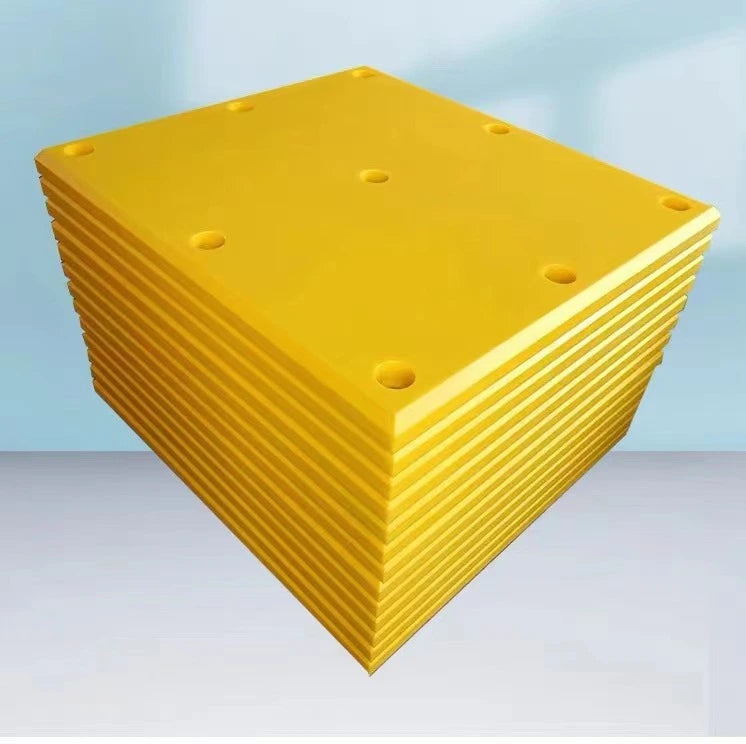
Ongoing advancements in static control technology continue to improve the effectiveness of materials like antistatic UHMW-PE. Innovations in additive technologies and material processing have led to even better performance characteristics, making these materials more reliable and efficient for defense applications.
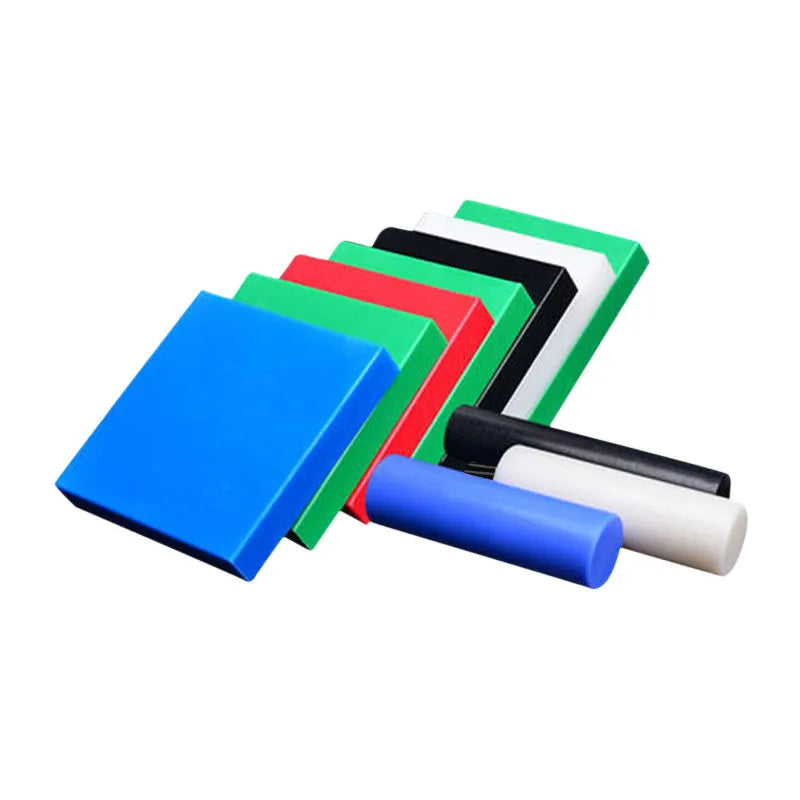
For more information on how antistatic UHMW-PE materials can enhance your defense electronics, visit our detailed guide on antistatic materials. By addressing the critical need for static control, defense manufacturers can significantly reduce the risk of ESD damage, ensuring the longevity and reliability of their electronic components.

Material Properties of Antistatic UHMW-PE

Material Properties of UHMW-PE

Wear Resistance

One of the standout features of antistatic UHMW-PE is its exceptional wear resistance. This material can withstand prolonged exposure to abrasive conditions without significant degradation. Its high molecular weight contributes to its durability, making it ideal for applications where mechanical parts are subject to continuous friction and wear. According to data from Eagle Performance Plastics, UHMW-PE exhibits a hardness rating of D64 and an impact strength (Izod) of no break under ASTM D256 testing, indicating its robust nature in resisting wear and tear.

Impact Resistance

Antistatic UHMW-PE also boasts excellent impact resistance, a critical property for defense applications where materials are often subjected to sudden shocks and heavy loads. This material can absorb high-impact forces without cracking or breaking, ensuring longevity and reliability. With a tensile strength at break of 5200 psi and an elongation at break of 290% as per ASTM D638 standards, UHMW-PE provides resilience against physical stress, making it suitable for components such as bushings, bearings, and wear pads.

Low Coefficient of Friction

The low coefficient of friction is another key attribute of antistatic UHMW-PE, which reduces the wear on moving parts and enhances the efficiency of mechanical systems. This property is particularly important in applications involving sliding or rotating components, where reduced friction translates to less energy loss and lower maintenance costs. The coefficient of friction (kinetic) of 0.12 and static coefficient of 0.18 under ASTM D3702 testing highlight its capability to provide smooth operation, crucial for maintaining the performance of defense electronics and machinery.

High Durability

High durability is a hallmark of antistatic UHMW-PE, thanks to its combination of physical and mechanical properties. This material can endure harsh environmental conditions, including exposure to chemicals and moisture, without losing its integrity. Its chemical resistance makes it suitable for use in corrosive environments, while its low moisture absorption of only 0.01% (ASTM D570) ensures stability even in humid conditions. The thermal properties, such as a melting point of 275°F and service temperature up to 180°F, further contribute to its versatility and reliability in various defense applications.

Comprehensive Data

For a more detailed understanding of the material properties of antistatic UHMW-PE, reference the comprehensive data available from sources like Eagle Performance Plastics and Emco Industrial Plastics. These sources provide in-depth information on the physical, mechanical, thermal, and electrical properties of UHMW-PE, enabling engineers and designers to make informed decisions when selecting materials for their specific needs.

By leveraging the unique properties of antistatic UHMW-PE, defense manufacturers can enhance the performance, durability, and safety of their electronic components. For additional insights and detailed specifications, explore the full material datasheets and technical resources available online.

Applications of Antistatic UHMW-PE in Defense

UHMW-PE sheets applications

Bushings and Bearings

Antistatic UHMW-PE is extensively used in bushings and bearings within defense equipment. These components are critical in reducing friction between moving parts and are often exposed to significant mechanical stress. The wear resistance and low friction properties of antistatic UHMW-PE make it an ideal material for these applications. In addition, its electrostatic dissipative qualities prevent the buildup of static electricity, protecting sensitive electronic systems that may be in proximity.

Wear Pads and Wear Strips

In defense machinery, wear pads and wear strips play a vital role in protecting surfaces from abrasion and extending the lifespan of equipment. Antistatic UHMW-PE provides superior durability and impact resistance, ensuring these components can withstand harsh operational environments. The material’s ability to dissipate static charges is particularly beneficial in environments where static buildup could lead to equipment malfunctions or safety hazards.

Chain Guides

Chain guides made from antistatic UHMW-PE are commonly used in defense applications to ensure smooth and efficient operation of chains in various machinery and vehicles. These guides help reduce friction and wear on the chains, enhancing their performance and longevity. The electrostatic dissipative properties of antistatic UHMW-PE are crucial in preventing static electricity from affecting the performance of electronic components associated with the machinery.

Seals and Valves

Seals and valves are essential components in defense equipment, often required to operate under extreme conditions. Antistatic UHMW-PE is utilized in these applications due to its chemical resistance and ability to maintain integrity in harsh environments. The material’s static dissipative nature helps prevent static buildup, which is critical in maintaining the functionality and safety of seals and valves in electronic and fluid handling systems.

Protective Casings

Protective casings for sensitive electronic components in defense applications benefit greatly from antistatic UHMW-PE. These casings shield electronics from mechanical impact, abrasion, and static electricity. The high durability and low moisture absorption of antistatic UHMW-PE ensure that the protective casings remain effective over time, even in challenging environmental conditions.

Conveyor Systems

In defense manufacturing and logistics, conveyor systems often incorporate components made from antistatic UHMW-PE. The material’s low coefficient of friction and wear resistance enhance the efficiency and longevity of these systems. Additionally, its ability to prevent static charge buildup ensures that sensitive electronic items transported on the conveyors are protected from potential static discharge damage.

Linings and Insulators

Antistatic UHMW-PE is also used as linings and insulators in various defense equipment. These applications benefit from the material’s impact resistance and electrostatic dissipative properties. By providing a protective barrier, antistatic UHMW-PE linings and insulators help maintain the operational integrity of equipment and prevent damage from static electricity and physical impacts.

The versatility and reliability of antistatic UHMW-PE make it a crucial material in numerous defense applications. For more detailed information on the specific uses and benefits of antistatic UHMW-PE, visit Eagle Performance Plastics and Emco Industrial Plastics. By leveraging the unique properties of antistatic UHMW-PE, defense manufacturers can enhance the performance, durability, and safety of their electronic components.

Comparison with Other Materials

Comparing UHMW-PE with other materials

Durability

When comparing antistatic UHMW-PE to other materials used in similar applications, one of the standout advantages is its durability. Unlike traditional plastics and metals, antistatic UHMW-PE combines high molecular weight with the ability to dissipate static charges, providing exceptional wear resistance and impact resistance. Materials like PTFE (polytetrafluoroethylene) and nylon may offer good wear resistance, but they do not provide the same level of electrostatic dissipation. Metals, while strong, can corrode and are significantly heavier, making UHMW-PE a more versatile and long-lasting option for dynamic and demanding environments.

Static Control

Antistatic UHMW-PE offers superior static control compared to many other materials. For instance, standard polyethylene and polypropylene lack the electrostatic dissipative properties that are essential in environments where static buildup can damage sensitive electronic components. Antistatic UHMW-PE is specifically engineered to prevent static accumulation, thereby protecting electronics and reducing the risk of ESD-related failures. In contrast, polycarbonate and acrylic materials, while sometimes used for their clarity and strength, do not inherently provide the same level of static dissipation without additional treatments.

Overall Performance

In terms of overall performance, antistatic UHMW-PE outshines many other materials due to its comprehensive set of properties:

  • Wear Resistance: It surpasses other plastics like PVC and ABS, which can degrade quickly under abrasive conditions.
  • Impact Resistance: It maintains integrity under high-impact scenarios better than acrylic and polycarbonate.
  • Low Coefficient of Friction: This makes it ideal for applications involving moving parts, where materials like metal would cause increased friction and wear.
  • Chemical Resistance: It holds up against a variety of chemicals, outperforming materials like nylon, which can be susceptible to chemical attack.

Specific Advantages

  1. Versatility: Antistatic UHMW-PE can be used in a wide range of applications from bushings and bearings to chain guides and protective casings. Its versatility is unmatched by other materials that may be limited to specific applications.
  2. Cost-Effectiveness: While metals and certain high-performance plastics can be expensive, antistatic UHMW-PE offers a cost-effective solution without compromising on performance. Its long lifespan and low maintenance needs further enhance its cost-efficiency.
  3. Ease of Machining: Unlike ceramics and some composite materials, antistatic UHMW-PE is easier to machine and fabricate, allowing for more precise and customizable components.

Practical Applications

In defense applications, the choice of material can significantly impact the performance and reliability of equipment. For example, antistatic UHMW-PE used in wear pads and chain guides ensures smooth operation and longevity, whereas using a less durable material might lead to frequent replacements and downtime. Its static dissipative properties are critical in preventing ESD in sensitive electronics, a feature that is not inherent in many other materials.

For more detailed comparisons and specifications, resources such as Eagle Performance Plastics and Emco Industrial Plastics offer comprehensive guides on UHMW-PE and its advantages over other materials. Explore their data sheets and technical resources to understand the full scope of benefits offered by antistatic UHMW-PE in defense and other high-performance applications.

Case Studies and Real-World Applications

Real World Applications of UHMWPE

Aerospace Components

In the aerospace industry, the use of antistatic UHMW-PE has proven to be a game-changer for the protection of sensitive avionics. One notable case involves its application in wear strips and linings for aircraft interiors. These components often encounter high friction and need to dissipate static electricity to prevent interference with onboard electronics. The durability and electrostatic dissipative properties of antistatic UHMW-PE ensure reliable performance in these critical applications, significantly reducing the risk of static discharge that could compromise avionic systems. Eagle Performance Plastics highlights how this material has been successfully integrated into several aerospace projects, enhancing both safety and functionality.

Military Vehicles

Antistatic UHMW-PE has also found extensive use in military vehicles, particularly in the construction of chain guides and wear pads. These vehicles operate under harsh conditions, where durability and static control are essential. A case study involving the U.S. military demonstrated the effectiveness of antistatic UHMW-PE in extending the lifespan of vehicle components while maintaining operational efficiency. The material’s impact resistance and ability to function in extreme environments make it a preferred choice for enhancing the reliability of military hardware.

Electronic Enclosures

In defense electronics, protecting sensitive components from static electricity is crucial. Antistatic UHMW-PE has been successfully used in the fabrication of protective enclosures for electronic systems. These enclosures shield the electronics from mechanical impact and static discharge, ensuring uninterrupted performance. A defense contractor integrated antistatic UHMW-PE enclosures into their communication equipment, resulting in a marked reduction in static-related failures. This application underscores the material’s ability to combine physical protection with electrostatic dissipation, making it invaluable for sensitive electronic components.

Radar Systems

Radar systems are another area where antistatic UHMW-PE has demonstrated its value. These systems require materials that can withstand environmental stresses while preventing static buildup that could interfere with radar signals. Antistatic UHMW-PE is used in seals and valves within radar systems, ensuring that these components remain static-free and operational even in the most challenging conditions. This use case from Emco Industrial Plastics illustrates the material’s effectiveness in maintaining the integrity and performance of advanced defense technologies.

Missile Guidance Systems

Precision in missile guidance systems is paramount, and any static interference can lead to critical failures. Antistatic UHMW-PE has been employed in the housing and bushings of these systems, providing both mechanical stability and static control. The material’s low friction and high impact resistance ensure that moving parts function smoothly without generating static charges. This application has been documented in various defense projects, highlighting antistatic UHMW-PE as a key material in the advancement of reliable missile technologies.

Submarine Components

Submarines operate in a highly corrosive and challenging environment where static control is essential for the safety of electronic systems. Antistatic UHMW-PE is used in linings and insulators within submarines to protect against static buildup and ensure the longevity of electronic components. The material’s resistance to moisture absorption and chemical attack makes it ideal for underwater applications, as evidenced by its successful use in several naval defense projects.

These case studies demonstrate the diverse applications and significant advantages of antistatic UHMW-PE in defense. For further detailed insights and specific project data, refer to the technical resources available from Eagle Performance Plastics and Emco Industrial Plastics. By understanding these real-world applications, defense manufacturers can better appreciate the transformative impact of antistatic UHMW-PE on enhancing the performance and reliability of their systems.

Future Trends in Defense Materials

Future Trends in UHMW-PE

Advances in Antistatic UHMW-PE

The use of antistatic UHMW-PE in defense applications is set to grow significantly as new advancements enhance its performance and versatility. Ongoing research focuses on improving the electrostatic dissipative properties of UHMW-PE through innovative additive technologies. These advancements aim to further reduce the risk of electrostatic discharge (ESD) while maintaining the material’s inherent strengths such as wear resistance and impact resistance. Researchers are exploring the incorporation of nanomaterials and conductive polymers to achieve superior static control.

Integration with Smart Materials

One of the most exciting future trends is the integration of antistatic UHMW-PE with smart materials that have adaptive and self-healing properties. These smart materials can respond to environmental changes, such as variations in temperature and pressure, providing enhanced protection for sensitive defense electronics. The development of self-healing UHMW-PE could significantly extend the lifespan of components exposed to harsh conditions, thereby reducing maintenance costs and improving reliability.

Lightweight and High-Strength Composites

The defense industry is increasingly demanding materials that are both lightweight and high-strength. Antistatic UHMW-PE is being combined with other high-performance materials to create lightweight composites that offer superior durability without adding excessive weight. These composites are particularly beneficial for aerospace and military vehicle applications, where reducing weight can enhance mobility and fuel efficiency. The integration of carbon fiber and glass fiber with antistatic UHMW-PE is an area of active research and development.

Enhanced Chemical Resistance

Future developments in antistatic UHMW-PE also include improving its chemical resistance. While the material already boasts excellent resistance to a variety of chemicals, advancements aim to expand its applicability in environments with extreme chemical exposure. By incorporating advanced chemical-resistant additives, manufacturers can produce UHMW-PE that withstands more aggressive solvents and corrosive agents, making it even more suitable for defense applications.

Sustainable and Recyclable Materials

Sustainability is becoming a key focus in the defense industry, with a growing emphasis on using materials that are both high-performing and environmentally friendly. Research into recycled antistatic UHMW-PE is gaining momentum, as it offers a sustainable option without compromising on performance. The development of recycling processes that maintain the electrostatic dissipative and mechanical properties of UHMW-PE is crucial for creating a circular economy in the defense sector.

Potential Innovations

Graphene-enhanced UHMW-PE is another promising innovation on the horizon. Graphene, known for its exceptional conductivity and strength, can be integrated into UHMW-PE to further enhance its static dissipative properties and mechanical performance. This hybrid material could revolutionize the defense industry by providing even more robust solutions for protecting sensitive electronics and improving the durability of mechanical components.

Ongoing Research and Collaborations

Collaborations between defense agencies, research institutions, and material science companies are driving the development of next-generation antistatic UHMW-PE. These partnerships are essential for accelerating the transition from laboratory research to real-world applications. Funding from government and private sectors supports ongoing research into novel additives, advanced manufacturing processes, and the testing of new composite materials.

By staying at the forefront of material science innovations, the defense industry can continue to enhance the performance, safety, and sustainability of its equipment. For more detailed insights into current research and potential innovations, explore the resources available from Eagle Performance Plastics and Emco Industrial Plastics. By understanding these emerging trends and advancements, defense manufacturers can better prepare for the future and integrate the latest material technologies into their applications. For further information, visit our comprehensive guide on future trends in defense materials.

Choosing the Right UHMW-PE Material for Your Application

Choosing the right UHMW-PE

Factors to Consider

Selecting the appropriate UHMW-PE material for defense applications involves several critical factors. These include thickness, color options, and customization needs. Understanding these parameters helps ensure that the material meets the specific requirements of the application, providing optimal performance and longevity.

Thickness

Thickness is a crucial factor when choosing UHMW-PE for defense applications. The required thickness depends on the application’s load-bearing and wear-resistance needs. For instance:

  • Thin Sheets (e.g., 1/8 inch UHMW-PE): These are suitable for applications that require flexibility and ease of installation, such as protective linings and wear strips. They offer sufficient protection against abrasion while maintaining a lightweight profile.
  • Medium Thickness (e.g., 3/16 inch UHMW-PE): These are ideal for bushings and bearings, where moderate impact resistance and durability are necessary. They provide a balance between strength and weight, making them versatile for various defense applications.
  • Thick Sheets (e.g., 1/2 inch or thicker): For heavy-duty applications like chain guides and impact-resistant pads, thicker UHMW-PE sheets provide maximum durability and wear resistance. These are essential in environments with high mechanical stress and potential impact.

Color Options

The choice of color in UHMW-PE materials can also be important, especially in applications where visibility and differentiation are crucial. For example:

  • Black Reprocessed UHMW-PE: This is a cost-effective and environmentally friendly option, as it uses recycled materials. It is suitable for non-critical applications where the primary focus is on durability and cost-efficiency. Black reprocessed UHMW-PE is often used in wear pads and chain guides.
  • Natural (White) UHMW-PE: This is commonly used in food-grade applications and environments where contamination must be easily detectable. It is also preferred for applications requiring FDA compliance.
  • Colored UHMW-PE: Custom colors can be used for specific coding or visual identification, enhancing safety and efficiency in complex systems. For example, different colors can denote various components in a mechanical system, making maintenance and assembly more straightforward.

Customization Needs

Customization is another key consideration when selecting UHMW-PE for defense applications. Customization can include specific dimensions, shapes, and properties tailored to the application’s requirements. Here are some aspects of customization:

  • Precision Machining: Customizing UHMW-PE components through precision machining ensures that parts fit perfectly and function optimally in their designated roles. This is particularly important for bushings, bearings, and other components where tolerances are tight.
  • Additives for Enhanced Properties: Adding specific fillers or additives can enhance the material’s properties, such as antistatic additives for static control, UV stabilizers for outdoor applications, or lubricants for reduced friction. These additives make the UHMW-PE more suitable for specialized defense applications.
  • Form Factor Adjustments: Customizing the form factor, such as creating sheets, rods, or profiles, ensures that the UHMW-PE fits the application’s specific design and operational needs.

Consulting with Experts

For defense manufacturers, consulting with material experts and suppliers like Eagle Performance Plastics and Emco Industrial Plastics can provide valuable insights and recommendations. These suppliers offer detailed specifications, customization options, and technical support to help select the right UHMW-PE material. They can also provide samples and prototypes to ensure the material meets the application’s exact requirements before full-scale production.

By considering these factors, defense manufacturers can choose the most appropriate UHMW-PE material, ensuring enhanced performance, reliability, and longevity of their components. For more detailed information and customization options, explore the technical resources and guides available from leading UHMW-PE suppliers. Visit our comprehensive guide on UHMW-PE materials for further insights and assistance.

Common Questions and Answers about Antistatic UHMW-PE and BeePlastics Customization

Custom machined plastic parts

General Questions about Antistatic UHMW-PE

1. What is antistatic UHMW-PE and how does it differ from regular UHMW-PE?

Antistatic UHMW-PE is a type of Ultra-High Molecular Weight Polyethylene that incorporates electrostatic dissipative additives to prevent the buildup of static electricity. Unlike regular UHMW-PE, which can accumulate static charges, antistatic UHMW-PE safely dissipates static, making it ideal for applications in sensitive electronic environments.

2. What are the main benefits of using antistatic UHMW-PE in defense applications?

The main benefits include:

  • Electrostatic dissipation: Prevents static buildup, protecting sensitive electronic components.
  • High wear resistance: Ensures durability in high-friction environments.
  • Impact resistance: Absorbs shocks and impacts without cracking.
  • Chemical resistance: Withstands exposure to various chemicals.
  • Low coefficient of friction: Enhances the efficiency of moving parts.

3. In which defense applications is antistatic UHMW-PE commonly used?

Antistatic UHMW-PE is commonly used in:

  • Bushings and bearings: Reducing friction and wear.
  • Wear pads and wear strips: Protecting surfaces from abrasion.
  • Chain guides: Ensuring smooth operation of chains.
  • Protective casings: Shielding electronic components from static and physical damage.
  • Seals and valves: Maintaining integrity in harsh environments.

4. How does antistatic UHMW-PE compare to other materials like PTFE or nylon?

Compared to PTFE and nylon, antistatic UHMW-PE offers superior static control, wear resistance, and impact resistance. While PTFE and nylon have their own strengths, they lack the electrostatic dissipative properties and durability of antistatic UHMW-PE, making the latter more suitable for demanding defense applications.

BeePlastics Customization

5. Can BeePlastics undertake customizations for specific defense applications?

Yes, BeePlastics can undertake any customization, including sample customization and batch customization. Whether you need specialized components or large-scale production, we can tailor our solutions to meet your specific requirements.

6. What file formats does BeePlastics accept for custom design requests?

BeePlastics accepts a variety of file formats, including PDF and CAD. This flexibility ensures that you can submit your designs in the format that works best for you, facilitating a smooth customization process.

7. Is there a minimum order quantity (MOQ) for custom orders at BeePlastics?

No, BeePlastics does not have a minimum MOQ. Whether you need a single prototype or a large batch, we can accommodate orders of any size, providing flexibility to meet your needs.

8. How does BeePlastics manage the production cycle for custom orders?

The production cycle at BeePlastics is managed according to the order volume and the complexity of the process. We communicate with you in real-time about the production progress, ensuring transparency and timely delivery.

9. Does BeePlastics provide samples for custom orders?

Yes, BeePlastics supports the provision of samples. The samples are free of charge; however, the customer is responsible for the shipping costs. This allows you to evaluate the quality and suitability of our products before committing to larger orders.

10. What are the customization capabilities of BeePlastics for UHMW-PE products?

BeePlastics offers extensive customization capabilities, including:

  • Precision machining: Tailoring dimensions and shapes to exact specifications.
  • Additives and enhancements: Incorporating specific fillers for enhanced properties, such as UV resistance or lubricants.
  • Color options: Offering various colors, including black reprocessed UHMW-PE, for different application needs.
  • Form factor adjustments: Providing UHMW-PE in sheets, rods, or profiles to fit diverse applications.

For more detailed information and to discuss your specific customization needs, visit our customization services page or contact us directly. Incorporating antistatic UHMW-PE into defense applications offers a myriad of benefits, from enhanced static control and durability to improved performance and safety.

As we’ve explored, this versatile material excels in various roles, such as bushings, bearings, wear pads, and protective casings, ensuring the longevity and reliability of critical defense equipment. By understanding the specific properties and advantages of antistatic UHMW-PE, manufacturers can make informed decisions that optimize their operations and meet the stringent demands of defense environments.

For tailored solutions and expert guidance on customization, BeePlastics stands ready to provide the necessary support and innovation, ensuring your projects achieve the highest standards of excellence. For more information, visit our customization services page and discover how BeePlastics can enhance your defense applications.

Leave a comment


Please note, comments must be approved before they are published


Custom Plastic Fabrication

Send your drawing, material and quantity for review

🔧
Precision Machining
CNC milling & turning
✂️
Cutting & Engraving
Laser & waterjet cutting
🏭
Forming & Molding
Thermoforming & injection
🔗
Joining & Assembly
Welding & bonding
📐
Design & Prototyping
CAD design & samples

General

HDPE

PP

PVC

ABS

Engineering

POM

Nylon

PC

PMMA

High-Performance

PEEK

PEI

PTFE

Composites

FR-4

G10

Flexible

TPU

Silicone

Why Choose BeePlastic?

🎯
Perfect Fit
Custom specs eliminate adaptation needs
⚡
Clear Lead Times
Lead time confirmed with every quote
💰
Volume Pricing
Volume pricing available on bulk orders
🤝
Expert Support
Free engineering consultation included
📋
Submit
→
🔍
Review
→
💵
Quote
→
✅
Production
→
📦
Deliver

Request a Quote

Share your project details, selected material and quantity on our quote page. You can add a file link or use the email drawing route shown there.


Request Quote

Industries: Automotive • Medical • Food • Lab • Semiconductor

beeplastic@beeplastic.com


UHMW-PE in Medical Devices: Advancing Healthcare with High-Performance Plastics

black UHMWPE parts

Discover how UHMW-PE (Ultra-High Molecular Weight Polyethylene) is revolutionizing the medical industry with its exceptional properties and applications. In this comprehensive blog post, I delve into the biocompatibility and safety of UHMW-PE in medical devices, making it an ideal choice for implants and other critical applications. Explore the wear resistance and durability that make UHMW-PE the material of choice for orthopedic implants like knee and hip replacements.

Medical Grade UHMW-PE raw material for biocompatible implants and devices

Learn about its innovative uses in minimally invasive surgery, where UHMW-PE contributes to better patient outcomes. Discover the customization options available with UHMW-PE sheets, including specific thicknesses like 1/8 and 3/16 inch sheets, tailored to meet diverse medical needs. Understand the significance of antistatic UHMW-PE in electronic medical equipment, ensuring both safety and reliability. See how UHMW-PE enhances diagnostic tools such as MRI machines and X-ray devices with its excellent mechanical properties. Consider the environmental impact and sustainability of recycling and reprocessing UHMW-PE materials in the healthcare sector. Finally, look ahead to future trends, where UHMW-PE will play a crucial role in next-generation medical devices, including 3D-printed implants and advanced prosthetics. This blog post offers a thorough insight into why UHMW-PE is a game-changer in medical device manufacturing.

Biocompatibility and Safety of UHMW-PE in Medical Applications

Understanding Biocompatibility of UHMW-PE

Ultra-High Molecular Weight Polyethylene (UHMW-PE) is highly regarded for its biocompatibility, making it an ideal material for medical implants and devices. Its non-reactivity with bodily tissues and fluids ensures that it does not cause adverse reactions when used inside the human body. This quality is crucial for medical applications where material compatibility with the body is essential for patient safety and device efficacy.

Benefits of UHMW-PE in Medical Implants

UHMW-PE‘s biocompatibility offers several benefits in medical implants:

  • Reduced Inflammation: Because it is non-reactive, UHMW-PE minimizes inflammation and immune responses, ensuring that implants remain stable and functional over time.
  • Longevity: The durability and wear resistance of UHMW-PE contribute to the long lifespan of medical implants, reducing the need for frequent replacements.
  • Low Friction: Its low friction coefficient enhances the performance of joint replacements, such as knee and hip implants, providing smoother movement and reducing wear and tear on the implant.

Non-Reactivity with Bodily Fluids

One of the key reasons for UHMW-PE‘s widespread use in medical applications is its non-reactivity with bodily fluids. This non-reactive nature means that UHMW-PE does not degrade or lose its properties when exposed to blood, interstitial fluids, or other bodily liquids. This stability is essential for ensuring that medical devices function correctly and safely within the body over extended periods.

Case Studies of UHMW-PE in Medical Devices

Several studies have demonstrated the effectiveness of UHMW-PE in various medical applications:

  • Orthopedic Implants: Research has shown that UHMW-PE is the material of choice for many orthopedic implants, including knee and hip replacements. Its durability and low friction properties significantly enhance the performance and longevity of these implants.
  • Spinal Devices: UHMW-PE is also used in spinal implants, providing stability and reducing wear in devices designed to support or replace spinal structures.

Surface Modifications for Enhanced Performance

To further enhance the performance of UHMW-PE in medical applications, various surface modifications can be applied:

  • Irradiation: This process improves the wear resistance and mechanical strength of UHMW-PE, making it even more suitable for long-term implantation.
  • Reinforcements: Adding materials such as carbon fibers can enhance the structural integrity and load-bearing capacity of UHMW-PE implants.

The Future of UHMW-PE in Medical Applications

As research continues, UHMW-PE is expected to play an even more significant role in the medical field. Innovations in 3D printing and customized implants are paving the way for more personalized and effective medical solutions. The ongoing development of new surface treatments and material enhancements will further solidify UHMW-PE‘s position as a leading material for medical devices.

This expanded information highlights the crucial role of UHMW-PE in medical applications, emphasizing its biocompatibility and safety, along with the innovative uses and benefits it brings to the healthcare industry.

Wear Resistance and Durability in Orthopedic Implants

White UHMWPE plastic sheets for orthopedic implant manufacturing

UHMW-PE in Knee Replacements

Ultra-High Molecular Weight Polyethylene (UHMW-PE) is renowned for its wear resistance and durability, making it an excellent material for knee replacements. In knee implants, the articulating surfaces are subject to constant movement and load, which requires a material that can withstand extensive wear and tear. UHMW-PE excels in this regard due to its extremely high molecular weight, which contributes to its superior mechanical properties. This wear resistance ensures that the implants maintain their functionality over a longer period, reducing the need for revision surgeries.

Knee replacements utilizing UHMW-PE benefit from the material’s ability to endure repetitive stress without significant degradation. This durability is crucial for patients, as it ensures sustained mobility and reduces discomfort associated with worn-out implants. The low friction coefficient of UHMW-PE further enhances the smooth movement of the joint, contributing to the overall effectiveness and longevity of the implant.

UHMW-PE in Hip Replacements

In hip replacements, UHMW-PE plays a critical role in the acetabular component of the implant. The acetabular liner, which interfaces with the femoral head, must resist wear to prevent the generation of wear particles that can lead to osteolysis and implant failure. UHMW-PE‘s high wear resistance significantly reduces the production of these particles, thereby enhancing the longevity of the hip implant.

The superior durability of UHMW-PE in hip implants is attributed to its high impact strength and resistance to abrasion. These properties ensure that the material can withstand the dynamic loads and movements experienced by the hip joint.

Medical Grade UHMW-PE Sheets

Looking for high-quality standard materials? Our UHMW-PE sheets offer exceptional impact strength and biocompatibility, perfect for medical machining.

  • ✅ FDA Compliant & Food Grade
  • ✅ Thickness: 0.3mm – 50mm+
  • ✅ Custom Cut-to-Size Available

View Product Details →

Comparative Advantages of UHMW-PE

When compared to other materials used in orthopedic implants, such as metallic alloys or ceramics, UHMW-PE offers several distinct advantages:

  • Reduced Wear: Studies have shown that UHMW-PE produces significantly less wear debris compared to other materials, reducing the risk of osteolysis and implant loosening.
  • Enhanced Biocompatibility: The biocompatible nature of UHMW-PE ensures that it does not elicit adverse reactions when implanted in the body.
  • Lower Friction: The low friction properties of UHMW-PE result in smoother joint movements, improving patient comfort and joint functionality.

Innovations in UHMW-PE for Orthopedic Implants

Recent advancements in the modification and enhancement of UHMW-PE have further improved its performance in orthopedic applications. Techniques such as crosslinking and the incorporation of antioxidants have been developed to enhance the wear resistance and oxidative stability of UHMW-PE. These innovations aim to extend the lifespan of implants and reduce the incidence of wear-related failures.

The use of crosslinked UHMW-PE has been particularly effective in reducing wear rates. Additionally, the incorporation of antioxidants helps to mitigate the effects of oxidative degradation. These advancements highlight the ongoing efforts to optimize UHMW-PE for orthopedic applications, ensuring that it remains a leading material in the field of joint replacements.

This detailed exploration of wear resistance and durability underscores why UHMW-PE is a preferred choice for knee and hip replacements, offering unmatched performance and reliability in orthopedic implants.

Innovative Uses of UHMW-PE in Minimally Invasive Surgery

Precision machined UHMW-PE components for surgical instruments

Advancements in Minimally Invasive Surgical Tools

Ultra-High Molecular Weight Polyethylene (UHMW-PE) has become a cornerstone material in the development of minimally invasive surgical tools due to its exceptional properties. These tools, designed to perform surgeries with minimal incisions, benefit greatly from UHMW-PE’s low friction and high wear resistance. These characteristics ensure smooth operation of surgical instruments. The non-reactive nature of UHMW-PE also means that it can be safely used in close contact with sensitive tissues.

Enhancing Surgical Precision

The high impact strength and dimensional stability of UHMW-PE make it ideal for components in surgical devices that require consistent performance and reliability. For instance, in arthroscopic surgery, UHMW-PE is used in the construction of the sleeves and bushings that guide the instruments. This use helps to maintain the accuracy of the instruments.

Reducing Patient Recovery Times

One of the most significant benefits of using UHMW-PE in minimally invasive surgical devices is its contribution to reducing patient recovery times. The biocompatibility and smooth surface of UHMW-PE minimize tissue irritation and inflammation during and after surgery. This results in less postoperative pain and faster healing.

Applications in Laparoscopic Surgery

In laparoscopic surgery, UHMW-PE is used in the construction of cannulas and trocar sleeves. These components must withstand repeated insertions and removals while maintaining a seal to prevent gas leakage. The wear resistance and chemical stability of UHMW-PE ensure that these parts perform reliably under the demanding conditions of laparoscopic procedures.

Innovations in Robotic Surgery

Robotic surgery represents another frontier where UHMW-PE plays a crucial role. The precision and control required in robotic-assisted procedures demand materials that offer consistent performance. UHMW-PE components in robotic surgical systems contribute to the smooth and accurate movement of robotic arms and instruments.

Improving Outcomes with UHMW-PE

Overall, the use of UHMW-PE in minimally invasive surgical tools and devices significantly enhances surgical outcomes. By ensuring the reliability and precision of surgical instruments, UHMW-PE helps to reduce the risk of surgical errors. This detailed exploration underscores the crucial role of UHMW-PE in the evolution of minimally invasive surgery.

Customizable UHMW-PE Sheets for Medical Device Manufacturing

Custom cut UHMW-PE scraper parts and sheets

Versatile Thickness Options for Diverse Applications

Ultra-High Molecular Weight Polyethylene (UHMW-PE) sheets offer extensive customization options, making them highly adaptable for various medical device manufacturing needs. One of the critical aspects is the availability of different thickness variations. For instance, UHMW-PE sheets are available in thicknesses such as 1/8 inch and 3/16 inch. Thicker sheets are often used for components that require additional strength, while thinner sheets are suitable for more flexible applications.

Custom Cutting and Shaping

In addition to thickness variations, UHMW-PE sheets can be customized through precise cutting and shaping processes. Manufacturers can cut these sheets into various sizes and shapes to fit the exact specifications of medical devices. This level of customization ensures that each component perfectly fits its intended application. (See our Cut-to-Size Service).

Need Custom CNC Plastic Parts?

We provide professional CNC Plastic Machining Services for medical devices, jigs, and fixtures with No Minimum order quantity (MQQ).

Surface Modifications for Enhanced Performance

Another vital aspect of UHMW-PE customization is the ability to modify the surface of the sheets to meet specific performance criteria. Surface modifications can include texturing, coating, or adding antimicrobial properties. These enhancements can improve the interaction between the UHMW-PE components and tissues.

Various UHMW-PE components for medical assembly

Color Options for Specific Applications

Color customization is another significant feature of UHMW-PE sheets. By offering sheets in various colors, manufacturers can easily differentiate between different components or applications. For instance, color UHMW-PE can be used to code various parts of a medical device for easier identification and assembly.

Integration with Advanced Manufacturing Techniques

UHMW-PE sheets are also compatible with advanced manufacturing techniques such as 3D printing and CNC machining. These methods allow for the production of highly complex and precise medical components. The combination of UHMW-PE’s material properties and advanced manufacturing techniques enables the creation of custom-designed implants and devices.

Tailoring Material Properties to Specific Needs

Manufacturers can also tailor the material properties of UHMW-PE sheets to suit specific medical applications. This customization can include adjustments to the polymer’s molecular weight, cross-linking, or the addition of reinforcing materials. By leveraging these options, manufacturers can produce highly specialized components that meet stringent regulatory standards.

Antistatic UHMW-PE in Electronic Medical Equipment

Black Antistatic UHMW-PE Sheet

Ensuring Safety and Reliability

Antistatic UHMW-PE is a critical material in the manufacturing of electronic medical equipment. The incorporation of antistatic properties in UHMW-PE helps to mitigate the risks associated with static electricity. Static discharge can cause significant damage to sensitive electronic parts. By using antistatic UHMW-PE, manufacturers can protect these components, ensuring the devices function correctly and safely.

Importance of Antistatic Properties

The antistatic properties of UHMW-PE are essential for preventing electrostatic discharge (ESD) in medical devices. ESD can not only damage electronic components but also pose a risk to patient safety. Antistatic UHMW-PE reduces the buildup of static electricity, providing a protective barrier that enhances the reliability of the equipment.

Applications in Diagnostic Equipment

Antistatic UHMW-PE is widely used in diagnostic equipment such as MRI machines, CT scanners, and ultrasound devices. These machines contain numerous electronic components that must remain free from static interference. The antistatic properties of UHMW-PE help to maintain the integrity of the diagnostic processes.

Enhancing Device Longevity

Using antistatic UHMW-PE in the construction of electronic medical devices not only protects against ESD but also contributes to the longevity of the equipment. By preventing static-induced damage, the lifespan of the electronic components is extended, resulting in fewer breakdowns and less frequent need for repairs.

Customization for Specific Requirements

Manufacturers can customize antistatic UHMW-PE to meet the specific requirements of different medical devices. This customization includes varying the thickness, surface texture, and mechanical properties. This adaptability ensures that UHMW-PE can be effectively integrated into a wide range of electronic medical equipment.

Case Studies and Examples

Numerous case studies have demonstrated the effectiveness of antistatic UHMW-PE in medical applications. For instance, in the development of portable ECG monitors, antistatic UHMW-PE has been used to protect the delicate circuitry from static discharge, ensuring reliable performance even in varied environmental conditions.

Enhancing Diagnostic Tools with UHMW-PE

Black UHMWPE parts for diagnostic tools machines

Role of UHMW-PE in MRI Machines

Ultra-High Molecular Weight Polyethylene (UHMW-PE) plays a crucial role in the construction and operation of MRI machines. These machines require components that can endure continuous use without degrading, and UHMW-PE meets this need with its excellent mechanical properties. The material’s high impact strength and resistance to wear ensure that components such as bearings, bushings, and liners perform reliably over time.

One of the standout properties of UHMW-PE is its biocompatibility, making it suitable for use in environments where it comes into contact with both the machine’s internal components and the patients.

Applications in X-ray Devices

In X-ray devices, UHMW-PE is used for various components, including patient positioning pads, moving parts, and protective barriers. The mechanical properties of UHMW-PE, such as its high tensile strength and resistance to chemicals, make it an ideal material for these applications. The durability of UHMW-PE ensures that it can withstand repeated exposure to X-ray radiation without losing its structural integrity.

Advantages in Diagnostic Equipment

UHMW-PE offers several advantages when used in diagnostic equipment. Its wear resistance and durability ensure that components last longer. The material’s ability to withstand harsh sterilization processes, including autoclaving and chemical disinfection, makes it suitable for maintaining hygiene standards in medical environments.

Customization and Adaptability

Manufacturers can customize UHMW-PE to meet specific needs in diagnostic tools. This includes adjusting the thickness, shape, and surface properties. For instance, textured surfaces can be created to improve grip and handling, while different thicknesses can be used to optimize strength and flexibility.

Future Prospects

As technology advances, the role of UHMW-PE in diagnostic equipment is expected to grow. Innovations in material science may lead to the development of new forms of UHMW-PE with enhanced properties, further improving the efficiency and reliability of diagnostic tools.
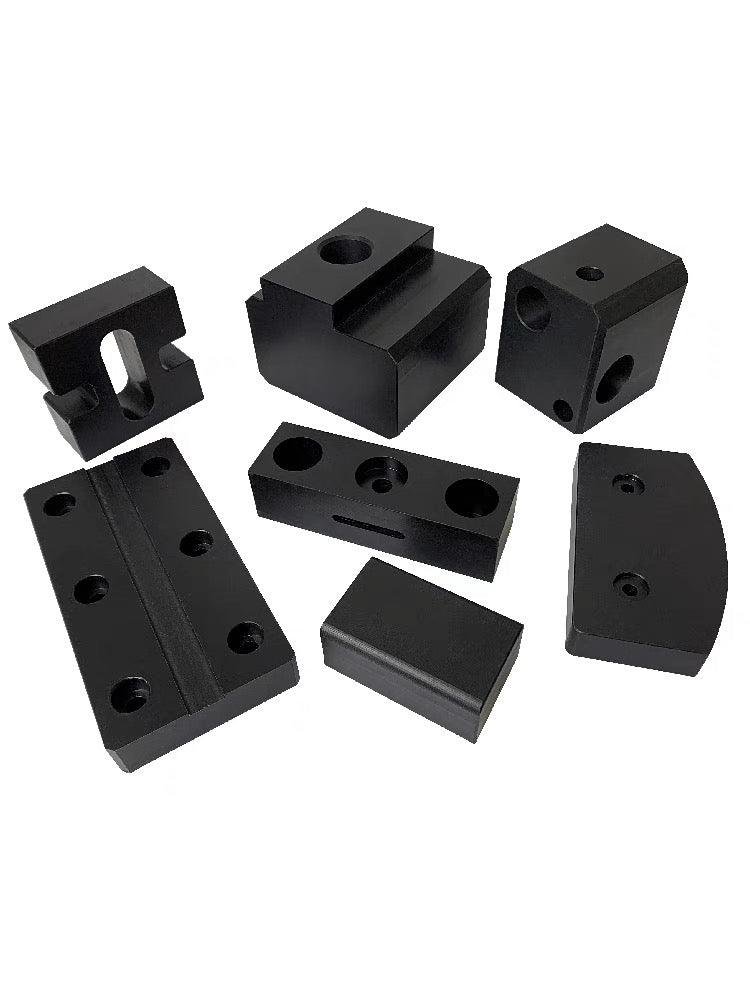
By understanding the importance of UHMW-PE in enhancing diagnostic tools like MRI machines and X-ray devices, we can appreciate the material’s contribution to advancing medical technology and improving patient care.

Environmental Impact and Sustainability of UHMW-PE in Healthcare

Sustainability and recycling of UHMW-PE medical plastics

Recycling and Reprocessing of UHMW-PE

Ultra-High Molecular Weight Polyethylene (UHMW-PE) is increasingly recognized for its environmental benefits in the healthcare sector, particularly through recycling and reprocessing initiatives. Recycling involves breaking down used UHMW-PE products into raw materials that can be reused in manufacturing new products.

Sustainability in Medical Applications

The sustainability of UHMW-PE is underscored by its ability to be reprocessed into new medical applications. The high durability and wear resistance of UHMW-PE make it suitable for reprocessing. For instance, reprocessed UHMW-PE can be used to manufacture components for orthopedic implants and surgical instruments, reducing the need for virgin polymer production.

Environmental Benefits of UHMW-PE Recycling

The environmental benefits of recycling UHMW-PE are significant. By converting used UHMW-PE into reusable raw materials, the healthcare industry can reduce its carbon footprint. Additionally, recycling UHMW-PE conserves energy and natural resources, as it requires less energy to reprocess the material than to produce new UHMW-PE from petrochemical sources.

Challenges and Innovations in UHMW-PE Recycling

Despite the advantages, recycling UHMW-PE poses certain challenges. Innovations in recycling technologies are addressing these challenges by developing more efficient methods for sorting, cleaning, and reprocessing materials. Advanced mechanical recycling techniques are being explored to improve the quality of recycled UHMW-PE.

Case Studies of Successful UHMW-PE Recycling Programs

Several case studies highlight the successful implementation of UHMW-PE recycling programs in the healthcare sector. Hospitals and medical device manufacturers have collaborated to establish closed-loop recycling systems. These programs demonstrate the practical benefits of UHMW-PE recycling, including cost savings and resource conservation.

Future Prospects for UHMW-PE Sustainability

The future of UHMW-PE in healthcare is closely tied to ongoing efforts to enhance its sustainability. Research is focused on creating biodegradable and bio-based UHMW-PE alternatives. Additionally, the integration of recycling-friendly design principles can further support the recyclability of UHMW-PE.

By addressing the environmental impact and emphasizing the sustainability of UHMW-PE through recycling and reprocessing, the healthcare sector can significantly contribute to global sustainability goals while maintaining high standards of patient care.

Future Trends: UHMW-PE in Next-Generation Medical Devices

3D-Printed Implants with UHMW-PE

Ultra-High Molecular Weight Polyethylene (UHMW-PE) is poised to revolutionize the field of 3D-printed implants. The material’s high strength-to-weight ratio, biocompatibility, and wear resistance make it an excellent candidate for creating custom medical implants through additive manufacturing. The ability to 3D print UHMW-PE allows for the production of patient-specific implants that precisely match the anatomical requirements of the patient.

The advancements in 3D printing technologies are enabling the use of UHMW-PE in complex geometries that were previously difficult to achieve with traditional manufacturing methods. These intricate designs can enhance the performance and longevity of implants.

CNC Processed UHMW-PE component customization

Advanced Prosthetics with UHMW-PE

UHMW-PE is also making significant strides in the development of advanced prosthetics. The material’s lightweight nature and durability are crucial for creating prosthetic limbs that are both strong and comfortable for the user. UHMW-PE can be used to manufacture various components of prosthetic devices, including sockets, joints, and liners.

The integration of smart technologies into prosthetics is another area where UHMW-PE plays a vital role. The material’s ability to house sensors and electronic components securely without interference makes it ideal for bionic limbs.

Innovations in Medical Device Design

The future of UHMW-PE in medical devices extends beyond implants and prosthetics. Innovations in medical device design are exploring the use of UHMW-PE in various applications, such as surgical instruments and wearable medical devices. The material’s resistance to sterilization processes ensures that it can withstand the rigorous demands of the medical environment.

Enhancing Wearable Medical Devices

Wearable medical devices benefit from the unique properties of UHMW-PE. The material’s flexibility and durability allow for the creation of comfortable, long-lasting wearables. Additionally, UHMW-PE’s non-reactive nature ensures that these devices do not interfere with the body’s natural processes.

Sustainability in Future Applications

As sustainability becomes a growing concern, UHMW-PE offers a promising solution due to its recyclability. Future medical devices made from UHMW-PE can be designed with sustainability in mind. By embracing these future trends, UHMW-PE is set to play a pivotal role in the advancement of next-generation medical devices.

Common Questions about UHMW-PE and BeePlastics Customization

General Questions about UHMW-PE

1. What is UHMW-PE and what are its main properties?
Answer: Ultra-High Molecular Weight Polyethylene (UHMW-PE) is a type of polyethylene with extremely long chains, resulting in a very tough material with high impact strength, wear resistance, and low friction. It’s known for its chemical resistance and biocompatibility.

2. How is UHMW-PE used in medical devices?
Answer: UHMW-PE is used in various medical devices such as knee and hip implants, surgical instruments, and diagnostic tools due to its durability, biocompatibility, and resistance to wear and tear.

3. What are the benefits of using UHMW-PE in orthopedic implants?
Answer: The benefits include high wear resistance (reduces replacements), low friction (enhances joint movement), and biocompatibility (minimizes adverse reactions).

BeePlastics Customization Questions

4. Can BeePlastics undertake custom orders?
Answer: Yes, BeePlastics can undertake any customization, including sample customization and batch customization.

5. What file formats does BeePlastics accept for custom orders?
Answer: BeePlastics accepts a variety of file formats including PDF and CAD files.

6. Is there a minimum order quantity (MOQ) at BeePlastics?
Answer: No, there is no minimum MOQ at BeePlastics. Customers can place orders of any size.

7. How does BeePlastics handle the production cycle for custom orders?
Answer: The production cycle depends on order volume and urgency. We communicate progress in real-time.

8. Does BeePlastics provide samples for custom orders?
Answer: Yes, BeePlastics supports the provision of samples (shipping costs apply).

9. What industries benefit from UHMW-PE customization?
Answer: Medical, automotive, packaging, chemical processing, food and beverage, aerospace, and more.

10. How can customers ensure customizations meet requirements?
Answer: Customers work closely with the BeePlastics team to discuss material properties and design specifications.

UHMW-PE customizations and rod samples

Incorporating Ultra-High Molecular Weight Polyethylene (UHMW-PE) into medical devices offers a multitude of benefits, from enhancing the durability and performance of orthopedic implants to improving the reliability and safety of diagnostic tools. The material’s biocompatibility, wear resistance, and low friction properties make it indispensable in the healthcare industry. Furthermore, the ability to customize UHMW-PE sheets to meet specific requirements and the environmental benefits associated with its recycling and reprocessing underscore its importance. As the medical field continues to evolve, UHMW-PE stands at the forefront of advancing technology and improving patient care.
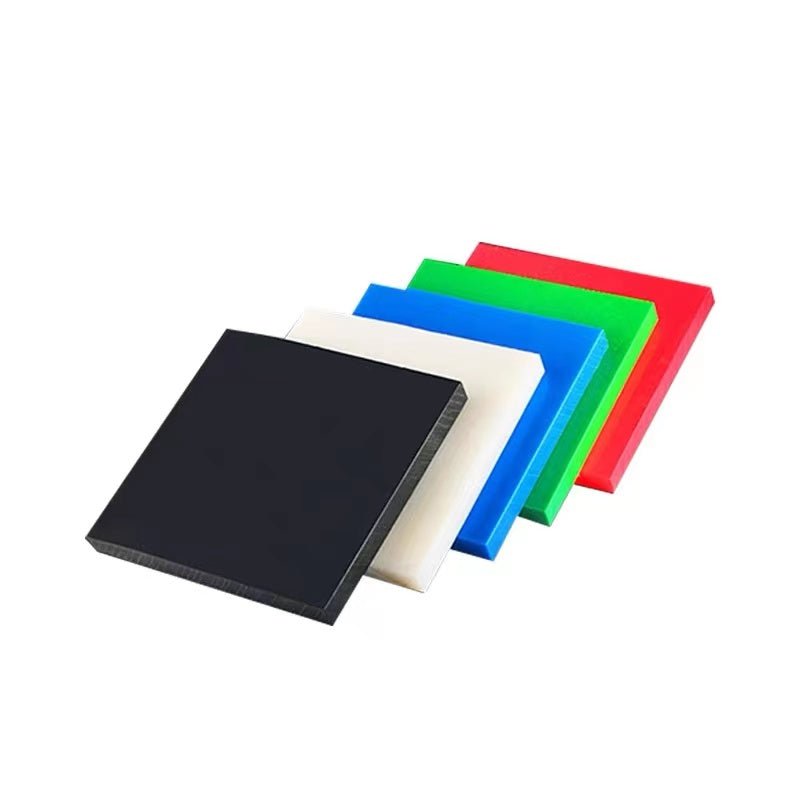
Transform Your Medical Device Manufacturing with UHMW-PE Customization!

Contact us today by filling out the form below or exploring our customization capabilities here.

🎉 Limited Time Online Offer

Use code QR4GNY08SHVR at checkout to enjoy a special discount on your entire order!

Valid for standard sheets, rods, and films only.

Leave a comment


Please note, comments must be approved before they are published


Custom Plastic Fabrication

Send your drawing, material and quantity for review

🔧
Precision Machining
CNC milling & turning
✂️
Cutting & Engraving
Laser & waterjet cutting
🏭
Forming & Molding
Thermoforming & injection
🔗
Joining & Assembly
Welding & bonding
📐
Design & Prototyping
CAD design & samples

General

HDPE

PP

PVC

ABS

Engineering

POM

Nylon

PC

PMMA

High-Performance

PEEK

PEI

PTFE

Composites

FR-4

G10

Flexible

TPU

Silicone

Why Choose BeePlastic?

🎯
Perfect Fit
Custom specs eliminate adaptation needs
⚡
Clear Lead Times
Lead time confirmed with every quote
💰
Volume Pricing
Volume pricing available on bulk orders
🤝
Expert Support
Free engineering consultation included
📋
Submit
→
🔍
Review
→
💵
Quote
→
✅
Production
→
📦
Deliver

Request a Quote

Share your project details, selected material and quantity on our quote page. You can add a file link or use the email drawing route shown there.


Request Quote

Industries: Automotive • Medical • Food • Lab • Semiconductor

beeplastic@beeplastic.com


The Role of UHMW-PE in Food and Beverage Industries: From Processing to Packaging

UHMW-PE plastic sheets

Discover how UHMW-PE (Ultra-High Molecular Weight Polyethylene) is revolutionizing the food and beverage industry by enhancing efficiency and safety from processing to packaging. This versatile material meets stringent FDA and USDA regulations, ensuring food safety and hygiene. Explore its exceptional durability and wear resistance, making it perfect for conveyor systems, wear strips, and material handling components. Learn about the sanitation benefits of non-porous surfaces that resist moisture and bacteria, simplifying cleaning processes. Delve into real-world case studies, like those of Southern Glazer’s Wine & Spirits and Cargill, showcasing significant improvements in operational efficiency. Understand the cost-effective nature of UHMW-PE, with long-term savings due to reduced maintenance and downtime. Additionally, discover the advantages of antistatic and colored UHMW-PE variants for specific applications, and its wide range of uses in material handling. Enhance your knowledge on how this innovative material is transforming the food and beverage industry for better safety, efficiency, and cost savings.

🎉🎉🎉Limited Time Offer Use code: QR4GNY08SHVR at checkout and enjoy a special discount on your entire order! 👉 UHMWPE plastic
UHMW-PE (Ultra-High Molecular Weight Polyethylene)

Compliance with Food Safety Standards

Meeting FDA and USDA Regulations

UHMW-PE materials are meticulously engineered to comply with stringent FDA and USDA regulations, ensuring their suitability for direct contact with food. These regulations are crucial as they guarantee that the materials used in food processing do not contaminate the food products, thereby safeguarding consumer health. UHMW-PE’s compliance with these standards means it is free from harmful chemicals and does not leach any substances that could compromise food safety.

Importance of Food Safety Standards

Adhering to food safety standards is essential in the food and beverage industry. These standards are designed to maintain high levels of hygiene and sanitation throughout the food production process. By using FDA-approved UHMW-PE, manufacturers ensure that their operations are in line with legal requirements, thereby avoiding potential penalties and product recalls. This compliance not only protects consumers but also enhances the reputation of food producers as reliable and safety-conscious.

Hygienic Properties of UHMW-PE

One of the standout features of UHMW-PE is its non-porous surface, which makes it resistant to moisture absorption and bacterial growth. This property is particularly important in food processing environments where maintaining cleanliness is paramount. Unlike other materials that can harbor bacteria and lead to contamination, UHMW-PE provides a sanitary solution that supports rigorous hygiene protocols. This makes it an ideal choice for components that come into direct contact with food, such as conveyor belts, cutting boards, and wear strips.

Enhancing Consumer Safety

By utilizing UHMW-PE in food processing, manufacturers can significantly enhance consumer safety. The material’s compliance with FDA and USDA standards ensures that it does not contribute to any contamination risks, thereby maintaining the integrity of the food products. Additionally, the ease of cleaning and maintenance associated with UHMW-PE further supports a hygienic production environment, reducing the likelihood of foodborne illnesses.

Advantages Over Alternative Materials

Compared to other materials, UHMW-PE offers superior safety and hygiene benefits. Metals, for instance, can corrode and introduce contaminants, while other plastics may not meet the stringent regulatory requirements or may degrade over time. UHMW-PE’s robustness and compliance with safety standards provide a reliable and durable solution for food processing applications. This makes it a preferred choice for manufacturers looking to maintain the highest levels of food safety and quality.

Real-World Applications

Numerous companies in the food and beverage industry have successfully implemented UHMW-PE in their operations. For example, Cargill uses UHMW-PE in their packaging lines, benefiting from its durability and compliance with food safety standards. Such applications demonstrate the material’s effectiveness in maintaining hygiene and improving operational efficiency, further establishing its role as an essential component in food processing.

By choosing UHMW-PE for their food processing needs, manufacturers can ensure compliance with safety standards, maintain hygiene, and ultimately protect consumer health.

Durability and Longevity of UHMW-PE Components

Exceptional Durability and Wear Resistance

UHMW-PE (Ultra-High Molecular Weight Polyethylene) is renowned for its exceptional durability and wear resistance, making it a preferred material in industries that demand high-performance and long-lasting components. This material’s high molecular weight grants it superior strength, enabling it to withstand constant use and harsh conditions without degrading. Components such as conveyor parts, wear strips, and guide rails benefit immensely from these properties, ensuring reliable and continuous operation in demanding environments.

Ideal for High-Use Applications

The robustness of UHMW-PE makes it particularly suitable for applications that experience significant wear and tear. In the food and beverage industry, for instance, conveyor systems and wear strips made from UHMW-PE are subject to continuous use and must resist abrasion and impact. UHMW-PE’s low friction coefficient further enhances its performance by reducing operational resistance, which in turn minimizes energy consumption and extends the lifespan of the machinery.

Reduced Maintenance Costs

One of the standout benefits of using UHMW-PE components is the significant reduction in maintenance costs. The material’s wear resistance means that parts do not need to be replaced as frequently as those made from alternative materials. This durability leads to fewer interruptions in production, lowering the frequency of maintenance shutdowns. Companies can thus save on both the direct costs of spare parts and the indirect costs associated with downtime.

Minimizing Downtime

UHMW-PE components contribute to minimized downtime in production lines. The inherent strength and resilience of the material ensure that components such as chain guides and chute liners remain operational for longer periods. This continuous operation is crucial in industries where production efficiency and reliability are paramount. By reducing the need for frequent replacements and maintenance interventions, UHMW-PE helps maintain a smooth and uninterrupted workflow.

Versatility in Harsh Environments

UHMW-PE is not only durable but also versatile enough to perform well in harsh environments. Its chemical resistance makes it suitable for use in areas exposed to aggressive substances, such as in chemical processing plants and mining operations. The material’s ability to withstand extreme conditions without compromising its structural integrity further underscores its suitability for high-stress applications.

Long-Term Cost Efficiency

The longevity of UHMW-PE components translates to long-term cost efficiency. Although the initial investment in UHMW-PE parts might be higher compared to other materials, the extended service life and reduced maintenance requirements result in overall savings. This cost-efficiency is particularly beneficial for industries with high operational demands, where ensuring continuous production and minimizing downtime are critical.

Real-World Applications

Real-world applications of UHMW-PE showcase its effectiveness and reliability. In sectors like food processing, companies have successfully integrated UHMW-PE into their material handling and packaging systems, experiencing enhanced performance and durability. For example, conveyor belts lined with UHMW-PE offer smoother and more efficient movement of products, reducing wear on both the conveyor and the products being transported.

Enhancing Operational Efficiency

By choosing UHMW-PE for critical components, manufacturers can enhance their overall operational efficiency. The material’s properties support a more reliable and sustainable production process, ensuring that machinery operates at optimal performance levels. This enhancement not only improves productivity but also contributes to a safer and more cost-effective production environment.

Through its exceptional durability, wear resistance, and versatility, UHMW-PE proves to be an invaluable material in the food and beverage industry and beyond, supporting efficient, reliable, and cost-effective operations.

UHMW-PE in the food and beverage industry

Innovations in Conveyor Systems with UHMW-PE

Enhancing Efficiency with Low Friction Coefficient

UHMW-PE (Ultra-High Molecular Weight Polyethylene) is revolutionizing conveyor systems in the food and beverage industry due to its exceptionally low friction coefficient. This characteristic is crucial because it significantly minimizes resistance, allowing conveyor belts to operate more smoothly and efficiently. The reduced resistance directly translates to lower energy consumption, making the overall system more cost-effective and environmentally friendly.

Custom-Engineered Components for Improved Material Flow

The versatility of UHMW-PE allows for the creation of custom-engineered components tailored to specific applications within conveyor systems. These components include wear strips, chain guides, and guide rails, all designed to optimize material flow and reduce production bottlenecks. For example, custom UHMW-PE wear strips can be manufactured to fit unique conveyor layouts, ensuring seamless and efficient movement of products. This customization helps prevent delays and enhances the overall productivity of the production line.

Case Study: Smoother Operations in Food Processing

A notable application of UHMW-PE in conveyor systems is its use in food processing plants. These facilities require materials that can withstand continuous operation and frequent cleaning without degrading. UHMW-PE components, such as conveyor belt rollers and side guides, have demonstrated their ability to maintain smooth operations by minimizing friction and wear. This results in fewer maintenance requirements and prolonged equipment life, which are essential for maintaining high efficiency in food processing.

Reducing Energy Consumption

The low friction properties of UHMW-PE not only enhance operational efficiency but also contribute to significant energy savings. In conveyor systems, reduced friction means that less force is required to move products along the line. This reduction in force translates to lower energy usage by the motors driving the conveyors. Over time, these energy savings can lead to a considerable decrease in operational costs, making UHMW-PE an economically advantageous choice for manufacturers.

Custom Solutions for Specific Needs

Manufacturers can leverage the unique properties of UHMW-PE to develop custom solutions that address specific challenges in their conveyor systems. For instance, antistatic UHMW-PE can be used in environments where static electricity poses a risk to product integrity or operational safety. Similarly, colored UHMW-PE can be utilized to comply with industry regulations or for easy identification of different conveyor parts, enhancing operational efficiency and safety.

Versatility Across Industries

While the food and beverage industry benefits significantly from UHMW-PE, its applications extend to other sectors as well. In the automotive industry, for example, UHMW-PE is used in conveyor systems to transport heavy components without causing damage. The chemical industry employs UHMW-PE for its chemical resistance and durability, ensuring that conveyor systems remain operational even in harsh environments.

Real-World Example: Improving Production Lines

A practical example of UHMW-PE’s impact can be seen in a large-scale bottling plant, where custom UHMW-PE guides and rollers were installed to handle high-speed production lines. The low friction and high wear resistance of these components resulted in a smoother, more efficient operation, reducing downtime and maintenance costs. The plant experienced a notable improvement in production throughput and a reduction in operational expenses, demonstrating the tangible benefits of UHMW-PE in conveyor applications.

By utilizing UHMW-PE in conveyor systems, manufacturers can achieve enhanced efficiency, reduced energy consumption, and improved material flow, ultimately leading to more productive and cost-effective operations. This material’s unique properties make it an indispensable component in the modern food and beverage industry, as well as in various other sectors.

Sanitation and Hygiene Benefits

Non-Porous Surface for Enhanced Hygiene

UHMW-PE (Ultra-High Molecular Weight Polyethylene) boasts a non-porous surface, making it an ideal material for environments where hygiene is paramount. Unlike porous materials that can absorb moisture and harbor bacteria, UHMW-PE resists moisture absorption. This non-porous quality ensures that the surface remains impermeable, preventing the growth of bacteria, mold, and other microorganisms that could compromise food safety. This characteristic is crucial in the food and beverage industry, where maintaining high sanitation standards is essential for consumer safety.

Easy Cleaning and Maintenance

The smooth, non-porous surface of UHMW-PE facilitates easy cleaning and maintenance, a critical feature in food processing environments. This ease of cleaning ensures that sanitation processes can be carried out quickly and effectively, reducing the risk of contamination. Traditional cleaning methods can be employed without the need for harsh chemicals, which might otherwise degrade other materials. The ability to maintain a clean surface with minimal effort helps in adhering to strict hygiene protocols mandated by FDA and USDA regulations.

Resistance to Chemicals and Stains

UHMW-PE is highly resistant to a wide range of chemicals, including cleaning agents and sanitizers used in food processing plants. This chemical resistance ensures that the material does not degrade or stain over time, maintaining its hygienic properties throughout its lifespan. The stain resistance of UHMW-PE also prevents discoloration and retains the aesthetic quality of the equipment, which is important for visual inspections and maintaining a clean working environment.

Supporting High Sanitation Standards

By incorporating UHMW-PE into food processing equipment, manufacturers can ensure that their operations meet and exceed high sanitation standards. The material’s inherent properties reduce the risk of cross-contamination and ensure that food contact surfaces remain clean and safe. This compliance with stringent health and safety regulations helps protect consumers from foodborne illnesses and supports the overall quality of food products.

Applications in Food Processing

UHMW-PE is utilized in various applications within the food and beverage industry to maintain hygiene standards. Common applications include cutting boards, conveyor belts, and wear strips. For instance, cutting boards made from UHMW-PE do not harbor bacteria, ensuring that food preparation surfaces remain sanitary. Similarly, conveyor belts and wear strips benefit from the material’s easy-to-clean properties, which are essential in high-speed production lines where cleanliness cannot be compromised.

Enhancing Operational Efficiency

The easy maintenance and high sanitation standards provided by UHMW-PE not only ensure food safety but also enhance operational efficiency. Reduced cleaning time and less frequent maintenance mean that production lines can operate continuously with fewer interruptions. This efficiency is crucial in industries where downtime can significantly impact productivity and profitability. By maintaining a clean and hygienic environment, UHMW-PE helps streamline operations and supports consistent, high-quality output.

Compliance with Industry Regulations

The use of UHMW-PE helps manufacturers comply with industry regulations set by organizations such as the FDA and USDA. These regulations require materials that come into contact with food to be non-toxic, non-absorbent, and resistant to bacterial growth. UHMW-PE meets these criteria, making it a trusted choice for food processing equipment. Compliance with these regulations not only ensures consumer safety but also protects manufacturers from potential legal issues and recalls.

Incorporating UHMW-PE in food and beverage processing is a strategic decision that enhances hygiene, simplifies maintenance, and ensures compliance with regulatory standards, ultimately contributing to safer and more efficient food production.

UHMW-PE proves to be an invaluable material in the food and beverage industry

Cost-Effective Solutions

Longevity and Reduced Replacements

UHMW-PE (Ultra-High Molecular Weight Polyethylene) is known for its exceptional durability and wear resistance, which contribute significantly to its long lifespan. This longevity means that components made from UHMW-PE do not need frequent replacements, resulting in substantial cost savings over time. For food and beverage manufacturers, this translates to reduced operational costs and less frequent downtime for maintenance. By choosing UHMW-PE, manufacturers invest in a material that ensures long-term performance and reliability, thereby enhancing the overall cost-effectiveness of their operations.

Long-Term Cost Savings

The initial investment in UHMW-PE components may be higher compared to other materials, but the long-term savings are considerable. The reduced need for replacements and the minimal maintenance required for UHMW-PE components lower the total cost of ownership. This material’s ability to withstand harsh conditions and continuous use without significant wear and tear means that manufacturers can rely on their equipment for longer periods, reducing both direct and indirect costs associated with maintenance and part replacements.

Applications Beyond Traditional Material Handling

UHMW-PE is versatile and finds applications beyond traditional material handling components. For instance, it is used in protective linings in food processing equipment, which help protect machinery from damage and wear. These linings extend the life of the equipment and reduce the frequency of expensive repairs or replacements. Additionally, UHMW-PE is employed in noise-dampening parts, which are essential in reducing the operational noise in manufacturing environments. This not only improves the working conditions but also minimizes noise pollution, contributing to a healthier and more productive work environment.

Protective Linings

In the food and beverage industry, maintaining the integrity of processing equipment is crucial. UHMW-PE protective linings offer an effective solution to protect machinery from abrasive materials and mechanical impacts. These linings are particularly beneficial in high-wear areas, such as chutes, hoppers, and bins, where material flow can cause significant wear over time. By using UHMW-PE linings, manufacturers can ensure that their equipment remains functional and efficient for longer periods, thus avoiding costly downtime and repairs.

Noise-Dampening Parts

Operational noise can be a significant issue in manufacturing environments, affecting both worker health and overall productivity. UHMW-PE components, such as noise-dampening pads and panels, effectively reduce noise levels by absorbing sound and vibrations. This application not only creates a quieter work environment but also extends the life of the machinery by reducing the impact of vibrations. The use of UHMW-PE for noise reduction is a cost-effective solution that addresses both environmental and operational concerns.

Real-World Examples

Numerous manufacturers have successfully integrated UHMW-PE into their operations, reaping the benefits of its durability and cost-effectiveness. For example, a major food processing plant replaced its traditional conveyor belts with UHMW-PE belts. The result was a significant reduction in maintenance costs and downtime, as the new belts required less frequent replacement and repair. Another example is a beverage bottling facility that utilized UHMW-PE noise-dampening panels to create a quieter working environment, leading to improved worker satisfaction and productivity.

Enhancing Operational Efficiency

The use of UHMW-PE in various applications contributes to the overall operational efficiency of food and beverage manufacturers. By reducing the frequency of maintenance and replacements, UHMW-PE helps ensure that production lines remain operational for longer periods, thus maximizing output and profitability. The material’s versatility allows it to be used in innovative ways that further enhance efficiency and cost-effectiveness across different areas of manufacturing.

UHMW-PE provides a comprehensive solution for food and beverage manufacturers looking to optimize their operations through durable, cost-effective, and versatile material choices. Its applications in protective linings and noise-dampening parts, among others, demonstrate its value in enhancing both the efficiency and sustainability of manufacturing processes.

UHMW-PE provides a comprehensive solution for food

Case Studies of UHMW-PE in Food Processing

Southern Glazer’s Wine & Spirits

Southern Glazer’s Wine & Spirits is the largest wine and spirits distributor in the United States, and their operations require highly efficient and reliable material handling systems. To enhance their operational efficiency, Southern Glazer’s incorporated UHMW-PE components into their conveyor systems. The low friction coefficient and high wear resistance of UHMW-PE significantly reduced the wear and tear on their conveyor belts and other moving parts. This resulted in lower maintenance costs and less downtime, enabling smoother and more efficient operations. The use of UHMW-PE also ensured that the conveyor systems met stringent sanitation standards, crucial for maintaining the quality and safety of their products.

Cargill’s Packaging Operations

Cargill, a global food corporation, faced challenges in their secondary packaging operations, particularly with their robotic palletizing systems. The integration of UHMW-PE components proved to be a game-changer. The high durability and low friction properties of UHMW-PE improved the reliability and speed of the packaging lines. By reducing the friction between moving parts, UHMW-PE helped in minimizing wear and extending the lifespan of the machinery. This resulted in fewer breakdowns and lower maintenance requirements, significantly enhancing the overall efficiency of Cargill’s packaging operations. The smooth surface of UHMW-PE also facilitated easier cleaning, ensuring compliance with FDA and USDA hygiene regulations.

JFC International’s Distribution Enhancements

JFC International, a leading distributor of Asian food products, implemented UHMW-PE in their distribution facilities to address issues with material handling equipment. The abrasion resistance and impact strength of UHMW-PE were critical in protecting their conveyor systems and reducing the need for frequent repairs. By using UHMW-PE liners and guides, JFC International achieved more reliable and efficient material flow, minimizing disruptions and maximizing throughput. The durability of UHMW-PE components also contributed to significant cost savings by extending the service life of their equipment.

General Mills’ Food Processing

General Mills, a major food processing company, integrated UHMW-PE into their production lines to improve the handling and processing of bulk materials. The non-porous surface of UHMW-PE ensured that it did not absorb moisture or harbor bacteria, making it an ideal material for maintaining high sanitation standards. The use of UHMW-PE wear strips and chutes improved the flow of materials, reducing blockages and downtime. Additionally, the chemical resistance of UHMW-PE allowed for easy cleaning with standard sanitizing agents, further enhancing the hygiene and safety of their food processing operations.

Tyson Foods’ Meat Processing

Tyson Foods, a leader in meat processing, adopted UHMW-PE for various applications in their facilities, including cutting boards, conveyor belts, and wear strips. The easy-to-clean nature of UHMW-PE and its resistance to bacteria growth were crucial in maintaining the stringent hygiene standards required in meat processing. The material’s durability and low friction properties also ensured that equipment operated smoothly and required less maintenance. This implementation not only improved the efficiency and reliability of Tyson’s processing lines but also enhanced the overall safety and quality of their products.

Kellogg’s Cereal Production

Kellogg’s, a global cereal manufacturer, utilized UHMW-PE in their cereal production lines to address issues related to material handling and equipment wear. The incorporation of UHMW-PE components in chutes and hoppers reduced the friction and wear caused by the constant movement of cereal grains. This resulted in fewer blockages and a smoother production process. The longevity of UHMW-PE components also meant that Kellogg’s experienced fewer interruptions for maintenance, leading to higher productivity and lower operational costs.

Nestlé’s Beverage Bottling

Nestlé, a leading food and beverage company, integrated UHMW-PE in their beverage bottling lines to enhance efficiency and reduce operational noise. The use of UHMW-PE rollers and guides minimized friction and wear, ensuring that bottles moved smoothly through the production line. The noise-dampening properties of UHMW-PE also created a quieter work environment, which improved worker comfort and safety. The durability of UHMW-PE components reduced the frequency of replacements and maintenance, contributing to significant cost savings and more efficient operations.

These case studies illustrate the versatility and effectiveness of UHMW-PE in improving operational efficiency, reliability, and hygiene in the food and beverage industry. By adopting UHMW-PE, companies can achieve long-term cost savings and maintain high standards of quality and safety in their production processes.

UHMW-PE plastic applications in aerospace

Antistatic and Color Variants of UHMW-PE

Availability of Antistatic UHMW-PE

Antistatic UHMW-PE is specifically engineered to dissipate static electricity, a crucial feature in environments where static buildup could pose safety hazards. This variant of Ultra-High Molecular Weight Polyethylene is widely available and is used in applications where static discharge could ignite flammable substances or disrupt sensitive electronic components. In the food and beverage industry, antistatic UHMW-PE is often employed in packaging and processing areas to prevent static electricity from affecting the quality and safety of food products.

Benefits of Antistatic Properties

The antistatic properties of this UHMW-PE variant help to maintain a safe working environment by reducing the risk of static discharge. This is particularly important in environments where fine powders or other combustible materials are present. By dissipating static electricity, antistatic UHMW-PE minimizes the risk of sparks that could lead to explosions or fires. Additionally, these properties help in maintaining the integrity of electronic components used in automated food processing machinery, ensuring that static discharge does not interfere with their operation.

Applications in the Food and Beverage Industry

In the food and beverage industry, antistatic UHMW-PE is used in various applications to enhance safety and efficiency. For example, it is commonly used in the construction of conveyor belts, chutes, and hoppers where the movement of materials can generate static electricity. The use of antistatic materials ensures that the production line operates smoothly and safely. Furthermore, packaging lines that handle dry goods like flour or sugar benefit from antistatic UHMW-PE by preventing clinging and buildup of these materials due to static, thus improving the packaging process.

Availability of Colored UHMW-PE

Colored UHMW-PE is available in a range of colors, including black, blue, green, and red. These color variants are achieved by adding pigments during the manufacturing process. Colored UHMW-PE retains all the beneficial properties of natural UHMW-PE, such as high abrasion resistance, low friction, and excellent durability, while providing additional benefits related to color coding and aesthetics.

Benefits of Color Coding

Color coding with UHMW-PE can significantly enhance operational efficiency and safety in the food and beverage industry. Different colors can be used to designate specific zones or purposes within a production facility, making it easier to identify equipment and components at a glance. For example, blue UHMW-PE might be used in areas where allergen-free processing is conducted, while green could denote areas for organic product handling. This visual differentiation helps in maintaining strict hygiene protocols and preventing cross-contamination.

Applications of Colored UHMW-PE

Colored UHMW-PE is used in various applications within the food and beverage sector to meet unique operational requirements. Wear strips, guide rails, and conveyor components made from colored UHMW-PE not only perform their primary functions effectively but also contribute to a well-organized and visually efficient workspace. For instance, black UHMW-PE is often used in high-wear areas due to its ability to hide dirt and wear marks, thereby maintaining a clean appearance even in heavy-duty applications.

Enhancing Safety with Color Variants

In addition to operational efficiency, the use of colored UHMW-PE enhances safety by providing clear visual indicators for different parts of the processing line. For example, red UHMW-PE can be used to mark emergency stop zones or hazardous areas, ensuring that workers are immediately aware of potential dangers. This color differentiation aids in quick decision-making and enhances overall workplace safety.

Real-World Example: Beverage Bottling Facility

A beverage bottling facility implemented colored UHMW-PE in their production line to improve organization and safety. By using blue UHMW-PE for allergen-free zones and red UHMW-PE for emergency stops, the facility achieved better operational clarity and reduced the risk of cross-contamination. The visual cues provided by the colored UHMW-PE components helped workers to quickly identify specific areas and adhere to safety protocols, leading to a more efficient and safer production environment.

The use of antistatic and

colored UHMW-PE

 variants in the food and beverage industry provides significant benefits in terms of safety, operational efficiency, and compliance with hygiene standards. These materials help manufacturers meet unique requirements and ensure the smooth, safe, and efficient operation of their production lines.


Versatility in Material Handling Applications

UHMW-PE in Chute Liners

UHMW-PE (Ultra-High Molecular Weight Polyethylene) is widely used in chute liners due to its high abrasion resistance and low friction properties. In the food and beverage industry, chute liners made from UHMW-PE are essential for ensuring smooth and efficient material flow. These liners prevent materials from sticking to the chute surfaces, reducing blockages and ensuring a consistent flow of products. The durability of UHMW-PE also means that chute liners require less frequent replacement, minimizing downtime and maintenance costs.

Enhancing Efficiency with Star Wheels

Star wheels are crucial components in many conveyor systems, particularly in the bottling and packaging sectors of the food and beverage industry. UHMW-PE is an ideal material for star wheels due to its wear resistance and self-lubricating properties. These features ensure that star wheels operate smoothly, reducing friction and wear. The use of UHMW-PE in star wheels enhances the efficiency of the conveyor systems by ensuring reliable and continuous operation, thereby improving the overall productivity of the production line.

Durable Truck Bed Liners

Truck bed liners made from UHMW-PE are essential for protecting truck beds from impact and abrasion during the transport of goods. In the food and beverage industry, these liners are particularly beneficial for transporting bulk materials such as grains, fruits, and other perishables. The impact resistance and durability of UHMW-PE protect the truck beds from damage, reducing repair and replacement costs. Additionally, the non-stick surface of UHMW-PE ensures that materials are easily unloaded, enhancing the efficiency of the transport process.

Adaptability to Different Environments

One of the key advantages of UHMW-PE is its adaptability to different environments. This material performs exceptionally well under a variety of conditions, making it suitable for use in diverse applications. Whether in dry, wet, or chemically aggressive environments, UHMW-PE maintains its structural integrity and performance. This versatility is particularly beneficial in the food and beverage industry, where equipment is often exposed to different types of materials and cleaning agents. The resistance of UHMW-PE to chemicals and moisture ensures long-lasting performance in these demanding conditions.

Improving Production Line Efficiency

The use of UHMW-PE in material handling applications significantly enhances the overall efficiency of production lines in the food and beverage industry. By reducing friction and wear, UHMW-PE components such as chute liners, star wheels, and truck bed liners help maintain a smooth and continuous flow of materials. This reduction in operational interruptions leads to higher throughput and productivity. Moreover, the low maintenance requirements of UHMW-PE components translate to less downtime, allowing for more consistent and reliable production schedules.

Real-World Applications

Many companies in the food and beverage industry have successfully implemented UHMW-PE in their material handling systems. For instance, a major cereal manufacturer uses UHMW-PE chute liners to ensure smooth material flow and prevent blockages during the production process. Similarly, a large bottling plant has integrated UHMW-PE star wheels in their conveyor systems to enhance efficiency and reduce maintenance needs. These real-world applications highlight the versatility and effectiveness of UHMW-PE in improving operational efficiency and reliability.

Versatility Across Applications

Beyond traditional material handling components, UHMW-PE is also used in a variety of other applications within the food and beverage industry. These include protective linings for equipment, guide rails for conveyors, and impact pads for high-wear areas. The versatility of UHMW-PE allows it to be tailored to specific needs, ensuring optimal performance and durability across different applications. This adaptability makes UHMW-PE an invaluable material for enhancing the efficiency and reliability of food and beverage production lines.

UHMW-PE provides a comprehensive solution for the material handling needs of the food and beverage industry, offering unmatched durability, low maintenance, and versatility across a broad range of applications.

Ultra-High Molecular Weight Polyethylene (UHMW PE

Common Questions and Answers about UHMW-PE and BeePlastic’s Customization Services

General Questions about UHMW-PE

1. What is UHMW-PE and what are its main properties?

Answer: UHMW-PE (Ultra-High Molecular Weight Polyethylene) is a type of plastic known for its high abrasion resistance, low friction coefficient, and exceptional durability. It is non-porous, which makes it resistant to moisture and bacterial growth, and it can withstand a wide range of temperatures and chemical exposures, making it ideal for various industrial applications.

2. What industries commonly use UHMW-PE?

Answer: UHMW-PE is widely used in industries such as food and beverage, automotive, chemical processing, mining, material handling, and medical sectors. Its versatility and durability make it suitable for applications like conveyor parts, wear strips, chute liners, and truck bed liners.

3. How does UHMW-PE improve operational efficiency in the food and beverage industry?

Answer: In the food and beverage industry, UHMW-PE enhances operational efficiency by reducing friction and wear on conveyor systems, ensuring smooth material flow, and minimizing maintenance needs. Its non-porous surface also supports high sanitation standards, reducing the risk of contamination and simplifying cleaning processes.

4. What are the benefits of using antistatic UHMW-PE?

Answer: Antistatic UHMW-PE helps to dissipate static electricity, preventing static discharge that can cause safety hazards in environments with flammable substances or sensitive electronic components. This makes it particularly valuable in packaging and processing areas of the food and beverage industry.

5. Why is colored UHMW-PE used in industrial applications?

Answer: Colored UHMW-PE is used for color coding and visual differentiation within production facilities. This helps in organizing operations, ensuring compliance with hygiene protocols, and enhancing safety by clearly marking different zones or types of processing areas. It retains all the beneficial properties of natural UHMW-PE while adding functional visual cues.

BeePlastic Customization Services

6. Can BeePlastic undertake any type of customization?

Answer: Yes, BeePlastic can undertake any type of customization, including sample customization and batch customization. We cater to specific client needs by customizing products to exact specifications, ensuring the highest quality and performance.

7. What file formats does BeePlastic accept for customization?

Answer: BeePlastic accepts a variety of file formats for customization, including PDF and CAD files. This flexibility allows us to work with detailed and precise designs, ensuring accurate production according to the client’s requirements.

8. Is there a minimum order quantity (MOQ) for custom orders at BeePlastic?

Answer: There is no minimum order quantity (MOQ) at BeePlastic. We are committed to supporting both small and large orders, making our services accessible to businesses of all sizes.

9. How does BeePlastic determine the production cycle for custom orders?

Answer: The production cycle at BeePlastic is determined by the amount of orders and the complexity of the process. We communicate the production progress in real-time, ensuring transparency and allowing clients to stay informed about the status of their orders.

10. Does BeePlastic provide samples, and what are the conditions?

Answer: Yes, BeePlastic supports the provision of samples. The samples are free of charge; however, customers are responsible for the shipping costs. This allows clients to evaluate the quality and suitability of the products before placing larger orders.

These questions and answers provide a comprehensive overview of UHMW-PE and the customization services offered by BeePlastic, highlighting the benefits, applications, and flexibility of this versatile material.

UHMW-PE offers unmatched versatility, durability, and efficiency in the food and beverage industry, making it an indispensable material for enhancing production processes and maintaining high sanitation standards. From chute liners and star wheels to truck bed liners and protective linings, UHMW-PE’s adaptability to various environments ensures reliable performance across a wide range of applications. The material’s low friction coefficient, non-porous surface, and chemical resistance contribute to its effectiveness in reducing maintenance costs, minimizing downtime, and ensuring smooth, continuous operations. Additionally, the availability of antistatic and colored UHMW-PE variants further enhances its applicability, offering specialized solutions to meet unique operational needs and improve safety. By integrating UHMW-PE into their production lines, manufacturers can achieve significant long-term cost savings, operational efficiency, and compliance with stringent health and safety regulations, ultimately driving the success and sustainability of their operations. 

Ultra-high molecular weight polyethylene (UHMWPE)

Optimize Your Operations with Custom UHMW-PE Solutions!

🎉🎉🎉Limited Time Offer Use code: QR4GNY08SHVR at checkout and enjoy a special discount on your entire order! 👉 UHMWPE plastic

Whether you need chute liners, star wheels, or truck bed liners, our UHMW-PE products offer unmatched performance. Contact us by filling out the form at the bottom of this page, or click here to explore our Custom UHMW-PE Page for more details.

Leave a comment


Please note, comments must be approved before they are published


Custom Plastic Fabrication

Send your drawing, material and quantity for review

🔧
Precision Machining
CNC milling & turning
✂️
Cutting & Engraving
Laser & waterjet cutting
🏭
Forming & Molding
Thermoforming & injection
🔗
Joining & Assembly
Welding & bonding
📐
Design & Prototyping
CAD design & samples

General

HDPE

PP

PVC

ABS

Engineering

POM

Nylon

PC

PMMA

High-Performance

PEEK

PEI

PTFE

Composites

FR-4

G10

Flexible

TPU

Silicone

Why Choose BeePlastic?

🎯
Perfect Fit
Custom specs eliminate adaptation needs
⚡
Clear Lead Times
Lead time confirmed with every quote
💰
Volume Pricing
Volume pricing available on bulk orders
🤝
Expert Support
Free engineering consultation included
📋
Submit
→
🔍
Review
→
💵
Quote
→
✅
Production
→
📦
Deliver

Request a Quote

Share your project details, selected material and quantity on our quote page. You can add a file link or use the email drawing route shown there.


Request Quote

Industries: Automotive • Medical • Food • Lab • Semiconductor

beeplastic@beeplastic.com


Exploring UHMW-PE in Automotive Manufacturing: Durable Solutions for Transportation Equipment

UHMWPE plastic

Dive into the world of UHMW-PE (Ultra-High Molecular Weight Polyethylene) and discover how this high-performance material is revolutionizing automotive manufacturing. This blog post covers the extensive benefits of UHMW-PE, from its exceptional durability and high impact resistance to its superior abrasion resistance and chemical inertness. Learn why UHMW-PE is increasingly preferred over traditional materials in the automotive industry and how it enhances vehicle safety and performance. Explore its applications in vehicle interiors, and understand the significant role it plays in reducing maintenance costs. Stay updated with the latest innovations in UHMW-PE processing techniques and discover successful case studies that highlight its impact on the industry. Whether you’re interested in safety components, interior applications, or cost-efficiency, this comprehensive guide provides valuable insights into the transformative potential of UHMW-PE for automotive and transportation equipment.

🎉🎉🎉Limited Time Offer Use code: QR4GNY08SHVR at checkout and enjoy a special discount on your entire order! 👉 UHMWPE plastic
UHMW-PE for automotive and transportation equipment

Introduction to UHMW-PE and Its Importance in Automotive Manufacturing

Understanding UHMW-PE: The Basics

Ultra-High Molecular Weight Polyethylene (UHMW-PE) is a type of thermoplastic polymer known for its remarkable properties. It stands out due to its extremely high molecular weight, which imparts unique characteristics that make it ideal for automotive applications. The molecular structure of UHMW-PE provides exceptional durability, high impact resistance, and impressive abrasion resistance.

Extreme Durability of UHMW-PE

One of the most significant advantages of UHMW-PE is its extreme durability. This material can withstand intense stress and strain without deforming or breaking. Its high molecular weight results in enhanced toughness, allowing automotive parts made from UHMW-PE to endure harsh operating conditions over extended periods. This durability is critical for components that are subjected to repetitive motions and heavy loads, such as gears and bushings.

High Impact Resistance

UHMW-PE exhibits superior impact resistance, which is crucial for automotive safety components. This property enables the material to absorb and dissipate energy upon impact, thereby reducing the risk of damage and enhancing the overall safety of the vehicle. For example, bumpers and dashboards made from UHMW-PE can better protect passengers during collisions. The material’s ability to withstand high-impact forces without cracking ensures that critical parts maintain their integrity under stress.

Abrasion Resistance: A Key Benefit

Another notable feature of UHMW-PE is its abrasion resistance. This characteristic is essential for automotive components that encounter continuous friction and wear. UHMW-PE’s low coefficient of friction means that it can resist wear from rubbing against other surfaces, prolonging the lifespan of parts such as wear strips, guides, and liners. This property reduces the need for frequent replacements, thereby lowering maintenance costs and downtime for automotive manufacturers.

Why UHMW-PE is Ideal for Automotive Applications

Combining these properties—extreme durability, high impact resistance, and abrasion resistance—makes UHMW-PE a superior choice for various automotive applications. Its performance exceeds that of many traditional materials, including metals and standard plastics. Furthermore, UHMW-PE is lightweight, which contributes to overall vehicle efficiency and fuel economy, an increasingly important factor in today’s automotive industry.

Advantages of UHMW-PE Over Traditional Automotive Materials

Superior Wear Resistance

UHMW-PE (Ultra-High Molecular Weight Polyethylene) excels in applications requiring materials that endure repetitive motion and friction. Unlike traditional metals and standard plastics, UHMW-PE boasts exceptional wear resistance, which significantly extends the lifespan of automotive components. This superior wear resistance is attributed to UHMW-PE’s high molecular weight, allowing it to withstand abrasion and mechanical stress without degrading. Components such as gears, bearings, and wear strips benefit greatly from UHMW-PE, reducing the frequency of replacements and maintenance costs.

UHMW-PE for automotive and transportation equipment

Enhanced Safety Benefits

Safety is paramount in the automotive industry, and UHMW-PE offers distinct advantages over traditional materials. Due to its high impact resistance, UHMW-PE can absorb and dissipate energy more effectively during collisions. This characteristic enhances the safety of critical components like bumpers and dashboard panels, ensuring they remain intact and protect passengers in the event of an accident. Additionally, UHMW-PE’s non-splintering nature means it doesn’t shatter into sharp fragments, unlike certain metals and plastics, thereby reducing the risk of injury.

Lightweight and Fuel Efficiency

UHMW-PE is significantly lighter than metals, contributing to overall vehicle weight reduction. This reduction in weight directly impacts fuel efficiency, an essential factor in today’s environmentally-conscious automotive industry. Vehicles utilizing UHMW-PE parts can achieve better mileage and lower emissions, aligning with global efforts to reduce carbon footprints. The lightweight nature of UHMW-PE does not compromise its strength, making it an ideal material for structural components and under-the-hood applications.

Chemical and Corrosion Resistance

One of the standout properties of UHMW-PE is its chemical resistance. In automotive applications where exposure to various chemicals, oils, and fuels is common, UHMW-PE maintains its integrity without reacting adversely. Unlike metals that may corrode or plastics that might degrade, UHMW-PE remains unaffected by harsh environments, ensuring the longevity and reliability of automotive parts. This makes UHMW-PE particularly useful for components like fuel tanks, chemical containers, and piping systems.

Low Coefficient of Friction

The low coefficient of friction of UHMW-PE reduces wear on moving parts, enhancing the efficiency of components such as conveyor belts, chain guides, and sliding elements. This property minimizes the energy required to operate these parts, further contributing to the overall efficiency and performance of the vehicle. Moreover, the self-lubricating nature of UHMW-PE eliminates the need for additional lubricants, simplifying maintenance and reducing operational costs.

Environmental and Economic Benefits

Adopting UHMW-PE in the automotive industry presents both environmental and economic benefits. Environmentally, the use of a durable and lightweight material helps in reducing the vehicle’s carbon footprint. Economically, the longevity and low maintenance requirements of UHMW-PE parts lead to cost savings over the vehicle’s lifespan. The reduced need for replacements and repairs translates into lower ownership costs for consumers and higher profitability for manufacturers.

By integrating UHMW-PE into automotive manufacturing, the industry can leverage these advantages to produce vehicles that are safer, more efficient, and environmentally friendly. For more information on UHMW-PE and its applications, explore resources like Celanese’s guide on UHMW-PE and OwnPlastics’ comprehensive overview.

UHMW-PE in the automotive industry

UHMW-PE in Vehicle Safety Components

High Impact Strength of UHMW-PE in Automotive Safety

Ultra-High Molecular Weight Polyethylene (UHMW-PE) is renowned for its high impact strength, a crucial characteristic for automotive safety components. This material can absorb significant energy upon impact, making it an ideal choice for safety-related components like bumpers and dashboard panels. When a vehicle experiences a collision, the energy absorption capability of UHMW-PE helps to mitigate the impact force, thereby reducing the potential damage to the vehicle and its occupants. This makes UHMW-PE an indispensable material in the quest for safer automotive designs.

Energy Absorption Capabilities

The energy absorption capabilities of UHMW-PE are paramount in the design of safety components. Traditional materials such as metals and standard plastics often fail to provide the same level of energy dissipation. In contrast, UHMW-PE’s unique molecular structure allows it to deform under high stress, effectively absorbing and dispersing the energy from impacts. This property is particularly beneficial for bumpers, which are designed to protect the vehicle’s front and rear ends during low-speed collisions. By using UHMW-PE, manufacturers can create bumpers that not only withstand impacts but also minimize damage to the vehicle’s frame and other critical components.

Applications in Bumpers

Bumpers made from UHMW-PE offer several advantages over those made from traditional materials. The high impact resistance of UHMW-PE ensures that bumpers can handle repeated impacts without cracking or breaking. Additionally, UHMW-PE’s lightweight nature contributes to overall vehicle weight reduction, which can improve fuel efficiency. The durability and reliability of UHMW-PE bumpers enhance the vehicle’s safety profile, providing a cost-effective solution for automotive manufacturers. For more details on bumper applications, visit Thyssenkrupp Materials NA.

Dashboard Panels and Interior Safety

Dashboard panels are another critical application of UHMW-PE in vehicle safety. In the event of a collision, the dashboard needs to remain intact to protect the vehicle’s occupants and the internal components behind it. UHMW-PE’s high impact resistance and energy absorption properties make it an excellent material for this application. Unlike traditional plastics that can shatter and pose a risk of injury, UHMW-PE dashboards maintain their integrity, reducing the likelihood of sharp fragments causing harm.

Enhancing Passenger Protection

UHMW-PE components in the interior of vehicles contribute significantly to passenger protection. The material’s ability to absorb energy without breaking reduces the risk of injury during accidents. For instance, door panels and side impact beams made from UHMW-PE can better withstand collisions, providing an added layer of safety for passengers. The use of color UHMW-PE can also enhance the aesthetic appeal of these safety components, without compromising on their protective functions.

Longevity and Maintenance Benefits

The longevity and low maintenance requirements of UHMW-PE also play a crucial role in its suitability for vehicle safety components. UHMW-PE’s resistance to wear and tear means that safety features such as bumpers and dashboards will maintain their protective qualities over the vehicle’s lifespan. This durability reduces the need for frequent replacements and repairs, offering long-term cost savings for both manufacturers and vehicle owners. Additionally, the material’s resistance to chemicals and UV light ensures that it remains effective even under harsh environmental conditions.

Conclusion

Integrating UHMW-PE into automotive safety components such as bumpers and dashboard panels offers numerous advantages, from enhanced impact resistance and energy absorption to improved passenger protection and reduced maintenance costs. These benefits make UHMW-PE an invaluable material in the ongoing efforts to design safer, more efficient vehicles. For further reading, explore Celanese’s guide on UHMW-PE and OwnPlastics’ comprehensive overview.

UHMW-PE in the automotive industry

Role of UHMW-PE in Enhancing Vehicle Performance

Reducing Vehicle Weight with UHMW-PE

Ultra-High Molecular Weight Polyethylene (UHMW-PE) plays a crucial role in reducing vehicle weight, which is vital for enhancing overall vehicle performance. Traditional materials like steel and aluminum, while strong, add significant weight to the vehicle. UHMW-PE is much lighter, which directly contributes to the reduction of the vehicle’s total weight. This weight reduction is especially important for new energy vehicles, including electric and hybrid cars, where efficiency and range are critical factors. By using UHMW-PE for components such as gears, bushings, and panels, manufacturers can achieve substantial weight savings without compromising on durability or strength.

Improved Fuel Efficiency

The reduction in vehicle weight achieved through the use of UHMW-PE leads to improved fuel efficiency. Lighter vehicles require less energy to move, which translates to lower fuel consumption. This is particularly beneficial for internal combustion engine vehicles, where reducing the weight can lead to significant fuel savings over the vehicle’s lifespan. For electric vehicles (EVs), a lighter weight means extended battery life and greater driving range, which are key selling points for consumers. The material’s inherent properties help maintain structural integrity while reducing the overall weight, making UHMW-PE an ideal choice for enhancing fuel efficiency.

Lower Emissions

Reducing vehicle weight with UHMW-PE also has a positive impact on lowering emissions. Lighter vehicles emit fewer greenhouse gases because they require less fuel to operate. This reduction in emissions aligns with global efforts to combat climate change and adhere to stricter environmental regulations. For new energy vehicles, lower weight not only improves efficiency but also supports sustainability goals by minimizing the environmental impact. By incorporating UHMW-PE into various components, automotive manufacturers can contribute to a cleaner environment and meet regulatory requirements more effectively.

Versatile Applications in New Energy Vehicles

UHMW-PE is versatile and can be used in a wide range of applications within new energy vehicles. Its lightweight nature makes it suitable for parts that benefit from weight reduction, such as battery casings, cooling systems, and underbody shields. The material’s chemical resistance ensures that it can withstand exposure to various fluids and chemicals used in EVs, while its high impact resistance protects critical components from damage. This versatility helps manufacturers design more efficient and durable vehicles, ultimately enhancing performance.

Enhancing Structural Integrity

Despite being lightweight, UHMW-PE offers excellent structural integrity. Its high molecular weight provides superior strength and durability, ensuring that components made from UHMW-PE can withstand the demands of automotive use. This combination of light weight and strength is particularly beneficial for structural components like chassis parts and body panels. These components require materials that can handle stress and impact without adding unnecessary weight, and UHMW-PE meets these requirements perfectly.

Cost Efficiency and Sustainability

Using UHMW-PE can also lead to cost efficiency for manufacturers. The material’s durability reduces the need for frequent replacements and maintenance, resulting in lower long-term costs. Additionally, the production processes for UHMW-PE are often more energy-efficient compared to those for traditional materials, further supporting sustainability goals. By choosing UHMW-PE, manufacturers can create vehicles that are not only high-performing but also economically and environmentally sustainable.

Incorporating UHMW-PE into automotive manufacturing offers numerous advantages, from reducing weight and improving fuel efficiency to lowering emissions and enhancing structural integrity. These benefits make it a valuable material in the ongoing development of efficient and sustainable vehicles. For further information, explore resources such as Celanese’s guide on UHMW-PE and OwnPlastics’ comprehensive overview.

UHMW-PE into automotive manufacturing

UHMW-PE in Automotive Interior Applications

Enhancing Ergonomics with UHMW-PE

Ultra-High Molecular Weight Polyethylene (UHMW-PE) plays a pivotal role in enhancing the ergonomics of vehicle interiors. The material’s versatility and moldability allow for the creation of ergonomic components that significantly improve driver and passenger comfort. Seat backs made from UHMW-PE can be designed to conform to the natural contours of the human body, providing superior support and reducing fatigue during long drives. The flexibility of UHMW-PE also enables the incorporation of various ergonomic features, such as lumbar supports and adjustable headrests, which further enhance comfort and support.

Durability of UHMW-PE in Interior Components

The durability of UHMW-PE makes it an excellent choice for interior components that are subjected to frequent use and wear. Dashboard panels, which are constantly exposed to varying temperatures, sunlight, and physical contact, benefit from UHMW-PE’s resistance to UV radiation and thermal degradation. This ensures that the dashboard remains intact and aesthetically pleasing over time, without cracking or fading. Additionally, UHMW-PE’s abrasion resistance protects interior components from scratches and scuffs, maintaining their appearance and functionality even in high-traffic areas of the vehicle.

Lightweight Solutions for Interior Design

UHMW-PE is significantly lighter than traditional materials such as metals and some plastics, which contributes to the overall weight reduction of the vehicle. This lightweight characteristic is particularly beneficial for interior components like seat frames, door panels, and console parts, where reducing weight can improve fuel efficiency and vehicle performance. By using UHMW-PE, manufacturers can design sleek and lightweight interior features that do not compromise on strength or durability, enhancing both the aesthetics and efficiency of the vehicle.

Chemical Resistance and Easy Maintenance

The chemical resistance of UHMW-PE is another key advantage for automotive interiors. This property ensures that interior components are resistant to stains, spills, and cleaning agents, making them easier to maintain. For instance, cup holders, armrests, and door handles made from UHMW-PE can withstand exposure to various chemicals and liquids without degrading or losing their structural integrity. This resistance to chemicals and easy maintenance is especially important for maintaining a clean and hygienic vehicle interior.

Safety and Impact Resistance

Safety is a crucial consideration in automotive design, and UHMW-PE offers significant benefits in this area. The high impact resistance of UHMW-PE ensures that interior components can absorb and dissipate energy in the event of a collision, reducing the risk of injury to occupants. For example, door panels and dashboard components made from UHMW-PE can help protect passengers by minimizing the impact forces during an accident. Additionally, the non-splintering nature of UHMW-PE prevents the formation of sharp fragments, further enhancing the safety of interior components.

Versatility in Design and Aesthetics

UHMW-PE offers versatility in design, allowing manufacturers to create aesthetically pleasing and functional interior components. The material can be easily colored and textured to match the desired interior design theme, providing a seamless and attractive finish. Components such as seat backs, dashboard panels, and trim pieces can be customized to meet specific design requirements, enhancing the overall look and feel of the vehicle’s interior.

Cost-Effectiveness and Sustainability

The cost-effectiveness of UHMW-PE is an important consideration for automotive manufacturers. The material’s durability and low maintenance requirements translate into long-term cost savings, as components made from UHMW-PE have a longer lifespan and require fewer replacements. Furthermore, the lightweight nature of UHMW-PE contributes to improved fuel efficiency, which can lead to additional cost savings for consumers. The sustainability of UHMW-PE, with its potential for recycling and reduced environmental impact, also aligns with the growing emphasis on eco-friendly automotive design.

Ultra-High Molecular Weight Polyethylene (UHMW-PE) offers numerous benefits for automotive interior applications, enhancing ergonomics, durability, safety, and aesthetics. Its versatile and durable nature makes it an ideal material for creating high-performance, comfortable, and attractive vehicle interiors. For more insights on UHMW-PE applications, visit Celanese’s UHMW-PE page and OwnPlastics for comprehensive guides.

Ultra-High Molecular Weight Polyethylene (UHMW-PE) offers numerous benefits for automotive interior applications

The Impact of UHMW-PE on Automotive Maintenance Costs

Durability and Longevity of UHMW-PE

Ultra-High Molecular Weight Polyethylene (UHMW-PE) is renowned for its exceptional durability. This material’s high molecular weight provides significant strength and resistance to mechanical stress, making it ideal for various automotive components. UHMW-PE can withstand harsh conditions without degrading, which means parts made from this material have a prolonged lifespan. For example, gears, bushings, and sliding elements made from UHMW-PE exhibit minimal wear and tear over time, reducing the frequency of replacements and associated maintenance costs.

Resistance to Wear

The wear resistance of UHMW-PE is a key factor in reducing automotive maintenance costs. This material’s low coefficient of friction means that it resists abrasion and surface damage even under continuous use. Components like wear strips, chain guides, and conveyor belts benefit from this property, as they are less likely to experience the kind of wear that necessitates frequent maintenance. By maintaining their integrity longer than components made from traditional materials, UHMW-PE parts help in lowering maintenance expenditures.

Corrosion Resistance

UHMW-PE exhibits excellent corrosion resistance, which is particularly advantageous in automotive applications exposed to various chemicals, oils, and environmental conditions. Unlike metals, which can rust and degrade when exposed to moisture and corrosive substances, UHMW-PE remains unaffected. This property is crucial for parts such as fuel tanks, chemical containers, and piping systems, where corrosion could lead to significant maintenance issues and costs. The use of UHMW-PE in these components ensures longevity and reliability, further driving down maintenance expenses.

Cost Savings through Reduced Downtime

By reducing the need for frequent maintenance and part replacements, UHMW-PE contributes to less downtime for vehicles. This is particularly important for commercial vehicles and fleets, where downtime translates directly into lost revenue. With UHMW-PE’s enhanced durability and resistance to wear and corrosion, vehicles can remain operational for longer periods without the need for significant repairs. This reliability not only reduces direct maintenance costs but also improves overall operational efficiency.

Self-Lubricating Properties

Another cost-saving feature of UHMW-PE is its self-lubricating nature. This material’s ability to reduce friction without the need for additional lubricants simplifies maintenance routines and reduces the cost associated with purchasing and applying lubricants. Components such as sliding bearings, gears, and conveyor belts made from UHMW-PE can operate smoothly with minimal maintenance. This self-lubricating property also reduces the risk of mechanical failures due to insufficient lubrication, further lowering maintenance costs.

Application in High-Stress Components

UHMW-PE is particularly effective in high-stress automotive components, where its impact resistance and toughness ensure that parts can endure extreme conditions without failing. For example, impact-resistant bumpers, protective panels, and chassis components benefit from UHMW-PE’s properties, reducing the need for frequent repairs and replacements. The material’s ability to absorb shocks and impacts without cracking or breaking is crucial for maintaining the integrity of these components under strenuous conditions.

Environmental and Economic Benefits

The use of UHMW-PE also aligns with broader environmental and economic benefits. The material’s longevity means fewer parts are needed over the vehicle’s lifespan, reducing the environmental impact associated with manufacturing and disposing of automotive components. Economically, the reduced need for maintenance and part replacements translates into significant cost savings for vehicle owners and manufacturers. This makes UHMW-PE an attractive material for those looking to enhance vehicle performance while minimizing operational costs.

By leveraging the unique properties of UHMW-PE, automotive manufacturers can achieve substantial reductions in maintenance costs, improve vehicle reliability, and enhance overall performance. For more insights into UHMW-PE applications, visit Celanese’s guide on UHMW-PE and OwnPlastics for comprehensive overviews.

UHMW-PE

Innovations in UHMW-PE Processing for Automotive Uses

Enhancing UV Resistance

Recent advancements in the processing techniques of Ultra-High Molecular Weight Polyethylene (UHMW-PE) have significantly improved its UV resistance, making it more suitable for automotive applications. Traditional UHMW-PE can degrade when exposed to ultraviolet (UV) light, leading to a reduction in its mechanical properties. However, new processing methods incorporate UV stabilizers into the UHMW-PE matrix during manufacturing. These stabilizers absorb and dissipate UV radiation, preventing the polymer chains from breaking down. This enhancement extends the lifespan of UHMW-PE components used in exterior automotive applications, such as bumpers, side panels, and roof racks, which are continuously exposed to sunlight.

Anti-Static Capabilities

Another critical innovation in UHMW-PE processing is the development of anti-static capabilities. Static electricity can pose significant risks in automotive environments, potentially causing electronic malfunctions or even fires. By incorporating conductive additives into UHMW-PE, manufacturers can produce anti-static UHMW-PE that dissipates static charges effectively. This property is particularly beneficial for components like fuel system parts, electronic housings, and interior panels, where static buildup must be minimized. The anti-static properties ensure the safe operation of these parts and enhance the overall reliability of the vehicle’s electronic systems.

Improved Chemical Resistance

Advances in UHMW-PE processing have also led to improved chemical resistance. By modifying the polymer structure and incorporating specific additives, UHMW-PE can now resist a broader range of chemicals and solvents. This enhancement is crucial for automotive applications where parts are exposed to various fluids, such as fuel lines, coolant systems, and oil reservoirs. Improved chemical resistance ensures that UHMW-PE components maintain their integrity and functionality even in harsh chemical environments, reducing maintenance needs and prolonging part lifespan.

Enhanced Mechanical Properties

Innovations in processing techniques have enabled the production of UHMW-PE with enhanced mechanical properties, such as higher tensile strength and greater impact resistance. Techniques such as cross-linking and reinforcement with fibers or nano-particles have been employed to achieve these improvements. Cross-linking creates covalent bonds between polymer chains, resulting in a material that is tougher and more durable. The addition of fibers or nanoparticles further enhances the material’s strength and rigidity, making it suitable for high-stress applications such as structural components, engine mounts, and chassis parts.

Customized Additives for Specific Applications

The ability to tailor UHMW-PE properties through the use of customized additives is another significant innovation. Depending on the specific requirements of the automotive application, different additives can be introduced during the processing of UHMW-PE. For instance, adding lubricants can improve the material’s self-lubricating properties, reducing wear in moving parts such as gears and bearings. Similarly, incorporating flame retardants can enhance the safety of UHMW-PE components used in high-temperature environments, such as engine compartments.

Eco-Friendly Processing Methods

Recent advancements have also focused on eco-friendly processing methods for UHMW-PE. Techniques that reduce energy consumption and minimize environmental impact during production are becoming more prevalent. For example, advancements in recycling technologies allow for the reprocessing of UHMW-PE waste into high-quality material, promoting sustainability in the automotive industry. Additionally, the development of bio-based UHMW-PE from renewable resources is an emerging area of research, offering a greener alternative to traditional petroleum-based UHMW-PE.

Conclusion

These innovations in UHMW-PE processing techniques significantly enhance its suitability for automotive applications, offering improved UV resistance, anti-static capabilities, chemical resistance, and mechanical properties. By incorporating customized additives and adopting eco-friendly methods, UHMW-PE can meet the evolving demands of the automotive industry, providing durable, safe, and sustainable solutions. For more detailed information, explore resources such as Celanese’s guide on UHMW-PE and OwnPlastics for comprehensive overviews.

Case Studies: Successful Automotive Applications of UHMW-PE

Toyota: Reducing Vehicle Weight with UHMW-PE

Toyota has successfully integrated Ultra-High Molecular Weight Polyethylene (UHMW-PE) into their production lines, particularly in components designed to reduce overall vehicle weight. By utilizing UHMW-PE for parts such as fuel tanks and underbody shields, Toyota has managed to achieve significant weight savings. These components, traditionally made from metals, have benefited from UHMW-PE’s lightweight properties, contributing to improved fuel efficiency and lower emissions. The transition to UHMW-PE has also enhanced the corrosion resistance of these parts, ensuring longevity and reducing maintenance costs. For more information on Toyota’s innovative use of UHMW-PE, visit Toyota’s sustainability page.

Ford: Enhancing Durability and Safety

Ford has adopted UHMW-PE in various safety components within their vehicles. By using UHMW-PE for bumpers and door panels, Ford has leveraged the material’s high impact resistance and energy absorption capabilities. This integration has significantly improved the safety of their vehicles, as these components can better withstand collisions without compromising structural integrity. Additionally, the durability of UHMW-PE ensures that these safety parts remain effective over time, reducing the need for frequent replacements. For detailed insights into Ford’s use of advanced materials, check out Ford’s research on safety technologies.

General Motors: Advanced Material Handling Solutions

General Motors (GM) has implemented UHMW-PE in their material handling systems. UHMW-PE’s low coefficient of friction and high wear resistance make it ideal for conveyor belts and chain guides used in GM’s assembly lines. These components experience less wear and tear, which minimizes maintenance requirements and operational downtime. The self-lubricating properties of UHMW-PE also reduce the need for additional lubricants, further cutting down on maintenance costs. For more on GM’s manufacturing innovations, explore GM’s manufacturing processes page.

Tesla: Innovation in Battery Casings

Tesla has incorporated UHMW-PE into the design of battery casings for their electric vehicles (EVs). The material’s lightweight and high impact resistance provide robust protection for the batteries while contributing to the overall weight reduction of the vehicle. This integration enhances the driving range of Tesla’s EVs by improving energy efficiency. Moreover, UHMW-PE’s chemical resistance ensures that the battery casings remain unaffected by potential exposure to various chemicals and solvents. For more details on Tesla’s materials engineering, visit Tesla’s technology page.

BMW: UHMW-PE in Interior Components

BMW has utilized UHMW-PE for various interior components, including dashboard panels and seat backs. The ergonomic benefits of UHMW-PE, combined with its durability, have improved the comfort and longevity of these interior parts. BMW’s focus on using UHMW-PE has also enhanced the aesthetic appeal of their vehicle interiors, as the material can be easily colored and textured. The result is a high-quality, durable interior that maintains its appearance and functionality over time. For more on BMW’s interior innovations, check out BMW’s interior design advancements.

Nissan: Corrosion-Resistant Fuel Systems

Nissan has integrated UHMW-PE into their fuel systems, particularly in components such as fuel lines and fuel tanks. The material’s excellent resistance to chemicals and corrosion ensures that these critical parts remain reliable and safe throughout the vehicle’s lifespan. This application has reduced the incidence of fuel system failures and maintenance, providing a more dependable driving experience. For further reading on Nissan’s material applications, visit Nissan’s technology page.

These real-world examples demonstrate the diverse applications and significant benefits of UHMW-PE in the automotive industry, highlighting how innovative processing techniques and material properties contribute to improved vehicle performance and safety. For more detailed information on these case studies, explore the respective manufacturers’ technology and innovation pages.

UHMW-PE in the automotive industry

Common Questions and Answers About UHMW-PE and BeePlastics Customization

1. What are the key properties of UHMW-PE that make it suitable for automotive applications?

Answer: Ultra-High Molecular Weight Polyethylene (UHMW-PE) is highly valued in the automotive industry for its exceptional durability, high impact resistance, and abrasion resistance. Its lightweight nature contributes to improved fuel efficiency, while its resistance to chemicals and corrosion ensures longevity and reliability of automotive components.

2. How does UHMW-PE improve vehicle safety?

Answer: UHMW-PE improves vehicle safety by providing high impact resistance and energy absorption capabilities. It is used in bumpers and dashboard panels to absorb and dissipate energy during collisions, protecting passengers and minimizing damage.

3. In what ways does UHMW-PE contribute to reducing maintenance costs in automotive applications?

Answer: UHMW-PE’s durability and resistance to wear and corrosion reduce the need for frequent part replacements and maintenance. This leads to lower maintenance costs and less vehicle downtime, enhancing overall operational efficiency.

4. What advancements in UHMW-PE processing have been made for automotive uses?

Answer: Recent advancements in UHMW-PE processing include improved UV resistance, anti-static capabilities, and enhanced mechanical properties through techniques like cross-linking and reinforcement with fibers or nanoparticles. These innovations make UHMW-PE more suitable for a wide range of automotive applications.

5. How is UHMW-PE used in automotive interior components?

Answer: UHMW-PE is used in automotive interiors for seat backs, dashboard panels, and other components due to its ergonomic benefits, durability, and resistance to wear. Its ability to be easily colored and textured also enhances the aesthetic appeal of vehicle interiors.

6. What are the customization options available with BeePlastics for UHMW-PE products?

Answer: BeePlastics can undertake any customization, including sample customization and batch customization. They accept a variety of file formats, including PDF and CAD, ensuring precise and tailored manufacturing to meet customer specifications.

7. Does BeePlastics have a minimum order quantity (MOQ) requirement for UHMW-PE products?

Answer: No, BeePlastics does not have a minimum order quantity (MOQ) requirement. This allows customers to order the exact amount they need, whether it’s a single sample or a large batch, providing flexibility and cost-effectiveness.

8. What is the production cycle for customized UHMW-PE products at BeePlastics?

Answer: The production cycle at BeePlastics depends on the order amount and the complexity of the process. They communicate the production progress in real-time, ensuring transparency and timely delivery of orders.

9. Can BeePlastics provide samples of UHMW-PE products?

Answer: Yes, BeePlastics supports the provision of samples. The samples are provided free of charge, with customers only responsible for the shipping costs. This allows customers to evaluate the quality and suitability of the product before placing a larger order.

10. What file formats does BeePlastics accept for customization requests?

Answer: BeePlastics accepts a variety of file formats for customization requests, including PDF and CAD. This flexibility ensures that they can work with different design specifications and deliver precisely tailored products.

These questions and answers address the key aspects of UHMW-PE in automotive applications and the customization options provided by BeePlastics, helping customers make informed decisions. For more detailed information, explore BeePlastics’ comprehensive customization services and product offerings.

Conclusion

Incorporating Ultra-High Molecular Weight Polyethylene (UHMW-PE) into automotive manufacturing presents a multitude of advantages that enhance vehicle performance, safety, and cost-efficiency. From reducing vehicle weight and improving fuel efficiency to providing superior impact resistance and longevity, UHMW-PE proves to be an invaluable material in the automotive industry. The real-world examples of leading automotive manufacturers like Toyota, Ford, General Motors, Tesla, BMW, and Nissan highlight the diverse applications and significant benefits of UHMW-PE. Furthermore, the innovative processing techniques that enhance UV resistance, anti-static capabilities, and mechanical properties make UHMW-PE even more suitable for modern automotive needs. For those seeking customized UHMW-PE solutions, BeePlastics offers comprehensive services, including sample and batch customization, no minimum order quantities, and real-time production updates. Embracing UHMW-PE not only drives innovation but also contributes to more sustainable and efficient automotive manufacturing. For more information on UHMW-PE applications and customization options, visit Celanese’s guide on UHMW-PE and OwnPlastics for comprehensive overviews.

UHMW PE CNC processing customization

Unlock the Benefits of UHMW-PE for Your Automotive Needs!

Ready to enhance your vehicle performance with durable, efficient, and cost-effective UHMW-PE components? Fill out our contact form below to get started on your customized solution. For more details, visit our comprehensive customization page at BeePlastics UHMW-PE Customization.

🎉🎉🎉Limited Time Offer Use code: QR4GNY08SHVR at checkout and enjoy a special discount on your entire order! 👉 UHMWPE plastic

Leave a comment


Please note, comments must be approved before they are published


Custom Plastic Fabrication

Send your drawing, material and quantity for review

🔧
Precision Machining
CNC milling & turning
✂️
Cutting & Engraving
Laser & waterjet cutting
🏭
Forming & Molding
Thermoforming & injection
🔗
Joining & Assembly
Welding & bonding
📐
Design & Prototyping
CAD design & samples

General

HDPE

PP

PVC

ABS

Engineering

POM

Nylon

PC

PMMA

High-Performance

PEEK

PEI

PTFE

Composites

FR-4

G10

Flexible

TPU

Silicone

Why Choose BeePlastic?

🎯
Perfect Fit
Custom specs eliminate adaptation needs
⚡
Clear Lead Times
Lead time confirmed with every quote
💰
Volume Pricing
Volume pricing available on bulk orders
🤝
Expert Support
Free engineering consultation included
📋
Submit
→
🔍
Review
→
💵
Quote
→
✅
Production
→
📦
Deliver

Request a Quote

Share your project details, selected material and quantity on our quote page. You can add a file link or use the email drawing route shown there.


Request Quote

Industries: Automotive • Medical • Food • Lab • Semiconductor

beeplastic@beeplastic.com