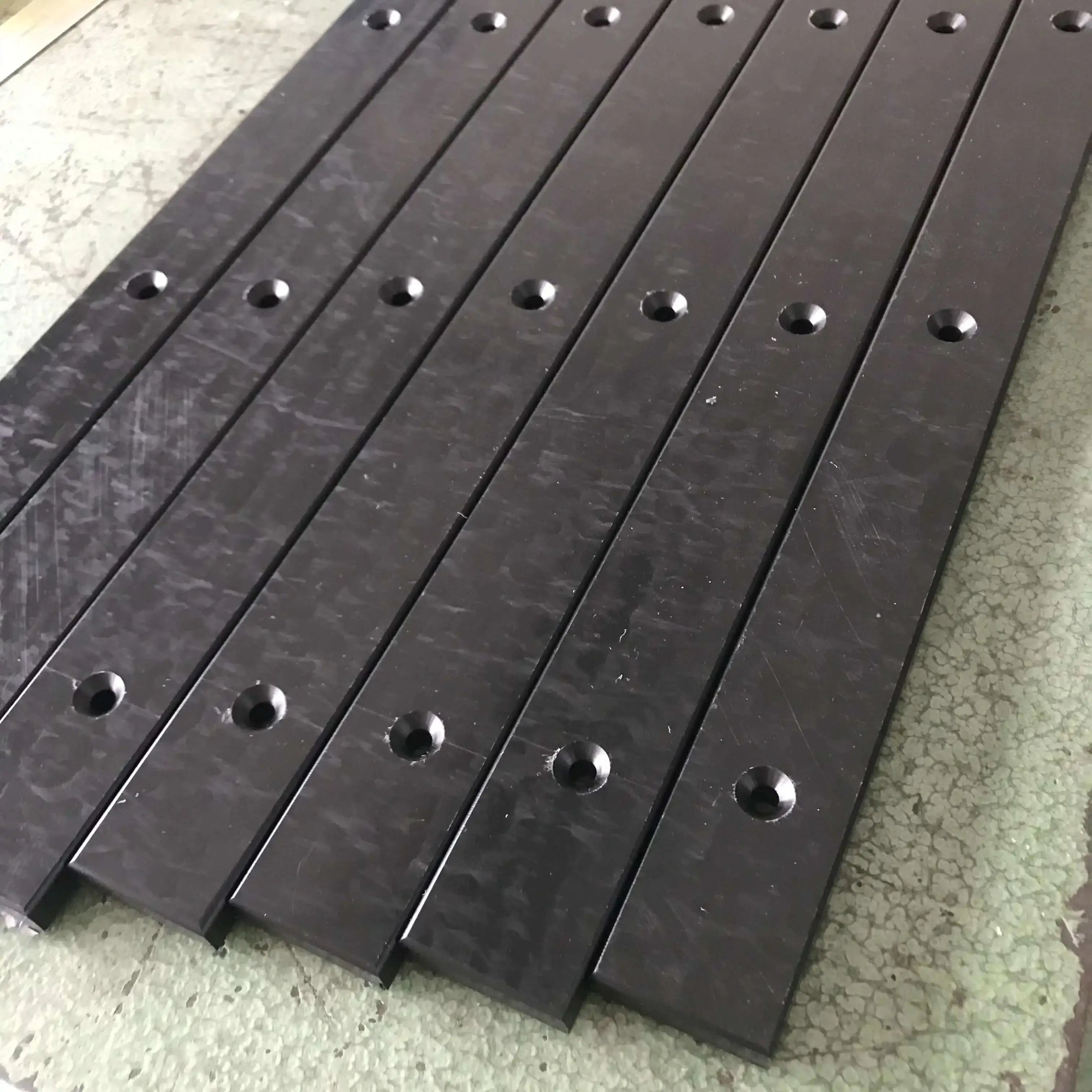
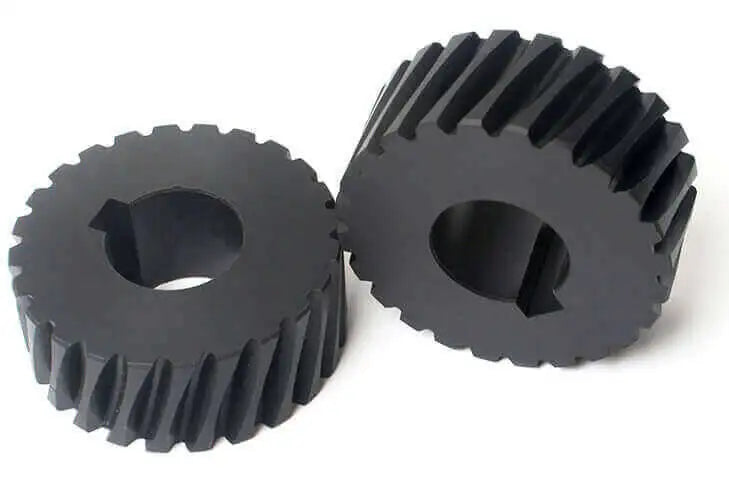
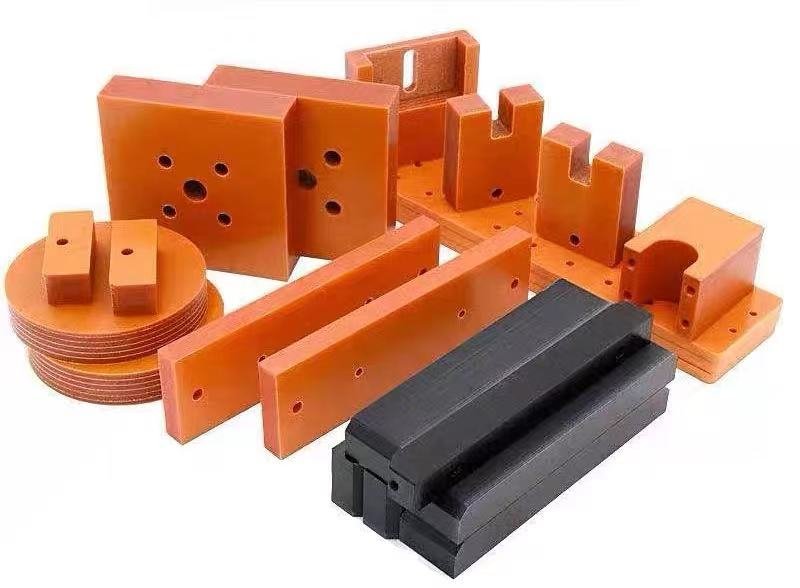
PEEK Sheets: A Game-Changer for Industrial and Machinery Applications

Key Properties of PEEK Sheets

PEEK sheets have revolutionized the industrial and machinery sectors by providing unmatched performance in high-stress environments. This blog post explores the key advantages of PEEK sheets, including their high tensile strength and thermal stability, making them indispensable for critical machinery components such as gears, seals, and bushings. You’ll discover how customization options and varying thicknesses of PEEK sheets (from 1mm to 3mm) can meet specific industrial needs, helping to reduce machinery downtime and enhance efficiency. With real-world case studies and insights into future trends, this post is your guide to understanding why PEEK sheets are the go-to material for today’s industrial challenges.

🎉🎉🎉Limited Time Offer Use code: QR4GNY08SHVR at checkout and enjoy a special discount on your entire order! 👉 PEEK plastic

PEEK sheets

Unleashing the Power of PEEK Sheets in High-Performance Machinery

PEEK sheets have emerged as a leading material in the world of high-performance machinery, thanks to their extraordinary combination of properties. These thermoplastic polymers are not only durable but also offer unique advantages that set them apart from traditional materials. Whether it’s the ability to withstand extreme temperatures, resist chemical corrosion, or maintain structural integrity under stress, PEEK sheets are increasingly becoming the material of choice for manufacturers aiming to enhance the longevity and reliability of their machinery components.

High Tensile Strength: The Backbone of Reliable Machinery

One of the standout features of PEEK sheets is their high tensile strength, which makes them exceptionally resistant to being pulled apart under tension. This property is critical in industrial applications where components such as gears, seals, and bushings are subjected to intense mechanical stresses. The superior strength of PEEK sheets ensures that these components maintain their shape and function even under heavy loads, reducing the risk of mechanical failure and the associated downtime.

Thermal Stability: Withstanding Extreme Conditions

In the demanding environments of industrial machinery, components often need to operate at high temperatures. PEEK sheets offer remarkable thermal stability, maintaining their structural integrity even when exposed to temperatures as high as 250°C. This makes PEEK sheets ideal for use in engine parts, compressor components, and other machinery that must perform reliably under extreme heat. By using PEEK sheets, manufacturers can ensure that their machinery components remain stable and efficient, even in the most challenging conditions.

Chemical Resistance: Protection Against Corrosive Environments

The chemical resistance of PEEK sheets is another key factor that contributes to their widespread use in industrial machinery. These sheets are highly resistant to a wide range of chemicals, including acids, bases, and organic solvents. This resistance is particularly valuable in industries such as chemical processing and oil and gas, where machinery components are frequently exposed to harsh substances that could degrade lesser materials. With PEEK sheets, manufacturers can protect their machinery from chemical corrosion, extending the lifespan of critical components and ensuring consistent performance.

PEEK Sheets for Gears, Seals, and Bushings

Gears, seals, and bushings are some of the most common components made from PEEK sheets in high-performance machinery. The high tensile strength of PEEK ensures that gears can handle heavy loads without deforming, while the material’s thermal stability allows seals to maintain their effectiveness in high-temperature environments. Bushings made from PEEK benefit from the material’s low friction and wear resistance, which help reduce maintenance needs and prolong the life of the machinery.

The Future of Machinery with PEEK Sheets

As industries continue to push the boundaries of what machinery can achieve, the demand for materials that can meet these new challenges will only grow. PEEK sheets are positioned to play a crucial role in this future, offering a combination of strength, stability, and resistance that few other materials can match. By integrating PEEK sheets into their machinery, manufacturers can not only enhance performance but also ensure that their products are built to last in even the harshest environments.

By understanding and leveraging the key advantages of PEEK sheets, industries can significantly improve the durability and efficiency of their machinery, making PEEK an essential component in the pursuit of high-performance solutions.

key advantages of PEEK sheets

PEEK Sheets vs. Traditional Materials in Industrial Applications

When it comes to industrial applications, selecting the right material is crucial for ensuring the performance, durability, and safety of machinery components. PEEK sheets have gained prominence as a superior choice compared to traditional materials like PTFE and PEK, particularly in harsh environments where high-temperature and high-pressure conditions are prevalent.

Understanding PEEK Sheets and Their Unique Properties

PEEK sheets (Polyether Ether Ketone) are high-performance thermoplastics known for their exceptional mechanical properties, including high tensile strength, thermal stability, and chemical resistance. These characteristics make PEEK an ideal material for industrial applications where reliability and durability are paramount. Unlike PTFE (Polytetrafluoroethylene), which is often used for its low friction and chemical inertness, PEEK sheets offer a more balanced combination of properties, making them suitable for more demanding applications.

PTFE vs. PEEK: A Closer Look at Performance

PTFE, commonly recognized by the brand name Teflon, is valued for its excellent chemical resistance and non-stick properties. However, it falls short when subjected to high mechanical loads and elevated temperatures. PEEK sheets, on the other hand, can withstand continuous use at temperatures up to 250°C, making them far more suitable for applications in high-temperature environments. Additionally, PEEK offers superior mechanical strength and creep resistance, ensuring that components retain their shape and functionality even under prolonged stress. This makes PEEK the material of choice for gears, seals, and bushings in high-performance machinery.

PEEK vs. PEK: The High-Temperature Challenge

PEK (Polyether Ketone) is another high-performance polymer similar to PEEK, but with a slightly higher thermal stability. While PEK can withstand temperatures up to 300°C, PEEK provides a better balance of toughness and chemical resistance, making it more versatile across various industrial applications. In settings where mechanical strength is as crucial as thermal stability, PEEK sheets outperform PEK by offering not only resistance to high temperatures but also to chemical exposure and wear and tear.

Why PEEK Sheets Are the Superior Choice

In the context of industrial applications, the choice between PEEK, PTFE, and PEK depends heavily on the specific requirements of the environment. PEEK sheets stand out because they combine the best attributes of both PTFE and PEK. They offer the chemical resistance and low friction of PTFE while also providing the high mechanical strength and thermal stability associated with PEK. This versatility allows PEEK sheets to be used in a broader range of applications, from chemical processing equipment to aerospace components, where both durability and performance are critical.

Applications Where PEEK Excels Over Traditional Materials

In high-pressure and high-temperature settings, such as in aerospace, automotive, and oil and gas industries, PEEK sheets are preferred for their ability to maintain structural integrity and performance where other materials might fail. For instance, PTFE may be unsuitable in situations requiring load-bearing capabilities under extreme conditions, while PEK, despite its thermal advantage, may lack the chemical versatility of PEEK. Thus, PEEK sheets offer the most comprehensive solution, ensuring long-term reliability and reduced maintenance costs.

Conclusion: The Future of Industrial Applications with PEEK

As industries continue to evolve, the demand for materials that can meet increasingly stringent requirements will grow. PEEK sheets are well-positioned to lead this evolution, offering a combination of strength, resilience, and versatility that traditional materials like PTFE and PEK cannot match. By choosing PEEK sheets for their machinery components, manufacturers can ensure that their products remain at the cutting edge of industrial innovation.

PEEK sheets for their machinery components

The Role of PEEK Sheets in Reducing Machinery Downtime

Enhancing Durability with PEEK Sheets

In the demanding world of industrial operations, machinery downtime can be costly, both in terms of productivity and maintenance expenses. The choice of materials used in machinery components plays a critical role in determining how often maintenance is required and how long the machinery can operate without interruptions. PEEK sheets (Polyether Ether Ketone) have gained prominence due to their exceptional durability and wear resistance, qualities that significantly extend the service life of machinery components and minimize the need for frequent repairs.

Superior Wear Resistance for High-Stress Applications

PEEK sheets are renowned for their outstanding wear resistance, making them ideal for components subjected to continuous friction and mechanical stress. In industrial settings where parts such as gears, seals, and bushings are in constant motion, the ability of PEEK to resist wear ensures that these components maintain their integrity over prolonged periods. Unlike traditional materials, which may degrade or wear out quickly under similar conditions, PEEK sheets retain their structural properties, reducing the likelihood of component failure and the associated downtime.

Reducing Maintenance Frequency with High-Performance PEEK

One of the key advantages of using PEEK sheets in industrial machinery is the material’s ability to withstand harsh environments without losing performance. This high-performance thermoplastic is resistant to a wide range of chemicals, extreme temperatures, and mechanical stress, which means that components made from PEEK require less frequent maintenance compared to those made from conventional materials. By choosing PEEK sheets for critical machinery components, manufacturers can significantly reduce the time and resources spent on maintenance, allowing for longer operational periods without interruptions.

Minimizing Downtime with Long-Lasting Components

The durability of PEEK sheets directly contributes to minimizing machinery downtime, a crucial factor in maintaining the efficiency and profitability of industrial operations. Because PEEK is capable of withstanding the rigors of high-stress environments, components made from this material are less likely to suffer from unexpected failures. This reliability translates into fewer emergency repairs and less unplanned downtime, which can disrupt production schedules and lead to substantial financial losses.

PEEK Sheets in Harsh Industrial Environments

Industrial environments often involve exposure to corrosive chemicals, abrasive materials, and extreme temperatures. Traditional materials may struggle to maintain their integrity under such conditions, leading to frequent breakdowns and the need for replacement parts. However, PEEK sheets excel in these environments, offering unparalleled resistance to chemical degradation and thermal stress. This resilience ensures that machinery components made from PEEK remain operational for extended periods, even in the most challenging industrial settings.

Cost-Effective Solutions with PEEK Sheets

While the initial cost of PEEK sheets may be higher than some traditional materials, the long-term benefits far outweigh the upfront investment. The reduced need for frequent maintenance, combined with the extended lifespan of PEEK components, results in significant cost savings over time. By reducing both planned and unplanned downtime, PEEK sheets offer a cost-effective solution for industries looking to maximize the efficiency and longevity of their machinery.

By understanding the pivotal role that PEEK sheets play in reducing machinery downtime, industries can make informed decisions about the materials they use in their operations. The durability, wear resistance, and reliability of PEEK sheets make them an invaluable asset in maintaining the smooth and efficient operation of industrial machinery.

durability, wear resistance, and reliability of PEEK sheets

Customization of PEEK Sheets for Specific Industrial Needs

Tailoring Thickness for Precision Applications

One of the most significant customization options available for PEEK sheets is the ability to choose from a wide range of thickness variations. Depending on the specific requirements of an industrial application, manufacturers can select PEEK sheets in thicknesses ranging from 1mm to 3mm and beyond. For applications requiring precise tolerances, such as in semiconductor manufacturing or medical device components, the ability to specify the exact thickness of PEEK sheets is crucial. This customization ensures that components not only meet but exceed performance standards, offering the perfect balance of strength, flexibility, and thermal stability.

Glass-Filled PEEK: Enhanced Strength and Stiffness

In industrial sectors where high mechanical strength and rigidity are paramount, glass-filled PEEK sheets offer a compelling solution. By incorporating glass fibers into the PEEK matrix, the material’s stiffness and tensile strength are significantly enhanced. This makes glass-filled PEEK ideal for applications such as structural components in aerospace or automotive industries, where components must withstand heavy loads without deforming. Additionally, the glass reinforcement improves the material’s dimensional stability, ensuring that parts maintain their shape and performance even under prolonged stress and high temperatures.

Carbon-Filled PEEK: Superior Wear Resistance and Conductivity

For applications that demand not only high wear resistance but also electrical conductivity, carbon-filled PEEK is the material of choice. By adding carbon fibers or carbon powder to the PEEK base, this variant offers exceptional resistance to abrasion and friction, making it ideal for gears, bushings, and seals in industrial machinery. Furthermore, carbon-filled PEEK provides enhanced thermal conductivity and electrical dissipation, making it suitable for applications in the electronics and aerospace industries where managing heat and electrical currents is critical. This customization allows for components that not only perform reliably under harsh conditions but also help in maintaining overall system efficiency.

Specialized Grades for Extreme Conditions

Beyond standard glass-filled and carbon-filled options, PEEK sheets can be customized into specialized grades designed for extreme environments. For instance, bearing-grade PEEK includes lubricants such as PTFE or graphite, further reducing friction and extending the lifespan of components in high-wear applications. In sectors such as oil and gas, where exposure to corrosive chemicals and high pressures is common, these specialized grades of PEEK provide unparalleled performance. The ability to customize PEEK sheets to such specific requirements ensures that industries can maintain high levels of reliability and safety in their operations.

Meeting Industry-Specific Standards

Customization of PEEK sheets goes beyond just material composition; it also involves meeting stringent industry-specific standards. For example, in the medical sector, PEEK must be biocompatible and suitable for sterilization processes, which can be achieved through customization. Similarly, aerospace applications may require PEEK sheets that comply with FAA flammability standards or provide resistance to radiation. By tailoring PEEK sheets to meet these specific regulatory requirements, manufacturers can ensure that their components are not only high-performing but also compliant with industry norms, reducing the risk of non-compliance and enhancing the safety of the final product.

Implantable PEEK

Custom Dimensions and Formats for Unique Applications

In addition to material properties, PEEK sheets can be customized in terms of dimensions and formats. Whether it’s cut-to-size sheets, complex shapes, or machined components, the flexibility in customizing PEEK ensures that it fits seamlessly into a wide variety of industrial applications. This is particularly beneficial in prototyping and specialized equipment manufacturing, where standard sizes may not meet the unique demands of the project. The ability to provide PEEK sheets in custom dimensions reduces material waste and optimizes the production process, leading to cost savings and improved efficiency.

Advanced Manufacturing Techniques for PEEK Customization

The customization of PEEK sheets is further enhanced by advanced manufacturing techniques such as CNC machining, injection molding, and 3D printing. These methods allow for the precise shaping and finishing of PEEK components, ensuring that they meet the exact specifications required for their intended application. For industries that require high precision and complex geometries, such as medical devices or microelectronics, these manufacturing capabilities enable the production of components that are both high-quality and reliable.

By leveraging the customization options available for PEEK sheets, industries can achieve unparalleled performance and efficiency in their operations, ensuring that their machinery and components meet the highest standards of quality and durability.

Case Studies: Successful Implementation of PEEK Sheets in Industrial Machinery

Chemical Processing Industry Enhancements

In the chemical processing industry, PEEK sheets have revolutionized equipment design and functionality. A notable case involves a large chemical plant that transitioned from traditional metal-based components to PEEK sheets for its valve seats and seals. This change was driven by PEEK’s exceptional chemical resistance, which proved essential in environments exposed to aggressive acids and solvents. The implementation of PEEK sheets led to a significant reduction in maintenance requirements and extended the service life of the equipment. Previously, frequent replacements due to corrosion and material degradation were common, but with PEEK, the plant saw a decrease in operational disruptions, enhancing overall productivity and safety.

Automotive Manufacturing Advancements

In automotive manufacturing, PEEK sheets have been instrumental in developing more durable and lightweight components. A leading automotive OEM introduced PEEK into the production of engine components, specifically in areas subject to high heat and friction. The high thermal stability and wear resistance of PEEK sheets allowed for thinner, lighter parts that sustained less wear over time compared to traditional materials. This integration not only improved engine efficiency but also contributed to the overall vehicle performance by reducing weight and enhancing fuel efficiency. The shift to PEEK components exemplifies the material’s role in pushing forward automotive design and sustainability goals.

Power Generation Reliability Improvements

The power generation sector has also benefited greatly from the adoption of PEEK sheets. In one instance, a power plant used PEEK to replace metal in parts of its turbine assembly exposed to superheated steam. The thermal properties of PEEK enabled these components to withstand continuous exposure to extreme temperatures without losing structural integrity. As a result, the power plant experienced fewer failures and unscheduled maintenance outages, which are critical factors in energy production reliability and efficiency. The durability of PEEK ensured continuous operation under harsh conditions, thereby supporting consistent power output and reducing operational costs.

Broad-Spectrum Industrial Applications

These real-world examples across various industries underscore the transformative impact of PEEK sheets in industrial applications. By providing a material solution that excels in harsh environments, PEEK enhances the efficiency, reliability, and longevity of machinery. This broad-spectrum utility highlights PEEK’s role as a game-changing material in modern industry, capable of meeting diverse and demanding requirements with unparalleled success.

The successful integration of PEEK sheets in these sectors demonstrates their potential to address some of the most pressing challenges in industrial machinery today, confirming PEEK’s status as a critical material in advancing industrial innovation and operational excellence.
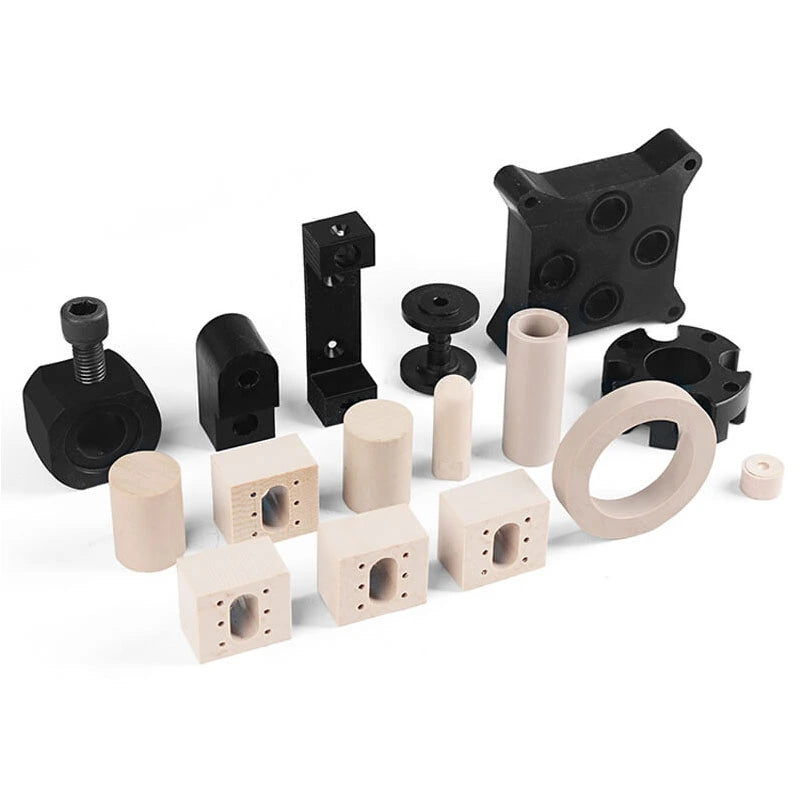
PEEK sheets

Selecting the Right PEEK Sheet Thickness for Your Application

Understanding the Importance of Thickness in PEEK Sheets

When choosing PEEK sheets for industrial applications, the thickness of the material is a critical factor that directly impacts performance. Whether you’re working in aerospace, automotive, or chemical processing, selecting the appropriate thickness ensures that the PEEK components can withstand the mechanical stresses, temperatures, and chemical exposures they will encounter. PEEK sheets are available in a variety of thicknesses, commonly ranging from 1mm to 3mm, each suited to different applications based on the required durability, flexibility, and load-bearing capacity.

Applications for 1mm PEEK Sheets: Flexibility and Precision

1mm PEEK sheets are often chosen for applications where flexibility and precision are paramount. Due to their relatively thin profile, 1mm sheets are ideal for components that require detailed machining or where space constraints are significant. In the electronics industry, for example, 1mm PEEK sheets are used for insulation layers and printed circuit board (PCB) components, where the material needs to fit into compact designs while providing excellent thermal and chemical resistance. The thinness of these sheets also makes them suitable for seals and gaskets in fluid systems, where they must conform to irregular surfaces without compromising on sealing integrity.

2mm PEEK Sheets: Balancing Strength and Flexibility

When a balance between strength and flexibility is needed, 2mm PEEK sheets are often the preferred choice. These sheets provide increased mechanical strength compared to their thinner counterparts while retaining some flexibility. 2mm thickness is particularly effective in applications such as pump components and valve seats, where the material must withstand significant pressure and wear while still being capable of minor deformation without cracking. The 2mm PEEK sheets also offer enhanced impact resistance, making them suitable for components that must endure sudden mechanical shocks in industries like automotive manufacturing.

Applications for 3mm PEEK Sheets: Maximum Durability and Load-Bearing

For applications that demand maximum durability and load-bearing capacity, 3mm PEEK sheets are the go-to option. The thicker profile provides exceptional structural integrity, making these sheets ideal for heavy-duty industrial applications. In aerospace and power generation, 3mm PEEK sheets are commonly used for bearing cages, bushings, and brackets, where the components must support substantial loads and maintain their shape under continuous mechanical stress. The thickness also contributes to higher thermal insulation, which is critical in environments exposed to extreme temperatures, such as engine compartments and turbine housings.

Matching PEEK Sheet Thickness with Application Requirements

Selecting the right PEEK sheet thickness involves evaluating the specific demands of your application, including the mechanical loads, thermal environment, and chemical exposure. For instance, if the application involves high-speed machinery where wear and tear are significant, opting for a thicker PEEK sheet (such as 3mm) may be necessary to ensure longevity and performance. Conversely, for precision instruments or lightweight components, a 1mm or 2mm sheet might be sufficient, offering the needed flexibility without adding unnecessary bulk.

The Role of Customization in Thickness Selection

While standard thicknesses of PEEK sheets are widely available, customization allows for tailored solutions that meet the exact specifications of your machinery. Custom thicknesses can be engineered to provide the optimal balance between strength and weight, ensuring that your components perform efficiently and reliably. In sectors like medical device manufacturing, where every component must meet stringent regulatory standards, the ability to customize the thickness of PEEK sheets can be crucial in achieving both compliance and performance goals.

By carefully selecting the appropriate PEEK sheet thickness, industries can optimize the performance and durability of their machinery, ensuring that components meet the specific demands of their operating environments. This strategic approach to material selection not only enhances the efficiency of industrial processes but also contributes to the overall reliability and longevity of the equipment.

PEEK sheet thickness

Future Trends: The Evolving Use of PEEK Sheets in Industrial Innovation

Advancements in Sustainable PEEK Sheet Production

As industries increasingly prioritize sustainability, the production of PEEK sheets is expected to evolve with a focus on reducing environmental impact. Innovations in recycling technologies and eco-friendly manufacturing processes are likely to lead the way. Manufacturers are investing in the development of recycled PEEK materials that maintain the high-performance characteristics of virgin PEEK while reducing the need for raw material extraction. This shift toward sustainable practices not only meets regulatory demands but also aligns with the growing consumer preference for environmentally responsible products. The result is a greener approach to industrial applications, where PEEK sheets play a crucial role in reducing the carbon footprint of manufacturing processes.

Integration of PEEK Sheets in Automated Manufacturing

The rise of automation in industrial manufacturing is another area where PEEK sheets are expected to make significant contributions. The material’s inherent strength and durability make it ideal for use in components of automated systems, such as robotic arms, conveyor belts, and precision tools. As automation becomes more sophisticated, the demand for materials that can withstand the rigorous demands of 24/7 operation will increase. PEEK sheets, with their ability to perform consistently under continuous stress, are poised to become a key material in the next generation of automated machinery. This integration not only enhances the efficiency of production lines but also ensures the longevity and reliability of automated systems.

Enhanced Efficiency Through Advanced PEEK Sheet Composites

PEEK sheet technology is advancing toward the creation of new composites that offer enhanced properties tailored to specific industrial needs. For example, nanocomposites that incorporate nanofillers are being developed to improve the mechanical strength, thermal conductivity, and electrical insulation of PEEK sheets. These advanced composites are particularly beneficial in sectors such as electronics and aerospace, where materials must meet stringent performance criteria while maintaining a lightweight profile. The ongoing research and development in PEEK composites are expected to drive further innovation in industrial applications, leading to materials that offer both high performance and cost-effectiveness.

PEEK Sheets in 3D Printing and Additive Manufacturing

The adoption of 3D printing and additive manufacturing technologies is reshaping the landscape of industrial production, and PEEK sheets are at the forefront of this transformation. PEEK‘s high-temperature resistance and mechanical strength make it suitable for use in 3D printing applications that require precision and durability. The ability to print customized PEEK components on demand reduces material waste and shortens production cycles, offering significant advantages in industries such as medical device manufacturing and automotive engineering. As additive manufacturing technology continues to evolve, the role of PEEK sheets in creating high-performance, custom components is expected to expand, driving further innovation in industrial design.

The Role of PEEK Sheets in Smart Manufacturing

The future of industrial manufacturing lies in the development of smart factories, where real-time data and automated systems work together to optimize production processes. PEEK sheets are expected to play a vital role in this shift toward smart manufacturing, particularly in the creation of sensor-integrated components and intelligent machinery parts. By embedding sensors within PEEK components, manufacturers can monitor the performance and condition of machinery in real time, enabling predictive maintenance and reducing the risk of unexpected failures. This integration of PEEK sheets into the Internet of Things (IoT) infrastructure will enhance the efficiency and resilience of industrial operations, setting the stage for a new era of intelligent manufacturing.

Expanding Applications in Emerging Industries

As emerging industries such as renewable energy and space exploration continue to grow, the demand for high-performance materials like PEEK sheets is expected to increase. PEEK’s ability to withstand extreme temperatures, radiation, and chemical exposure makes it an ideal material for applications in these cutting-edge fields. For instance, in solar energy, PEEK sheets are being explored for use in solar panel components that require long-term durability under harsh environmental conditions. Similarly, in space exploration, PEEK is being used in the development of lightweight, durable components that can survive the rigors of space travel. The expansion of PEEK sheet applications in these emerging industries will further solidify its position as a critical material in the future of industrial innovation.
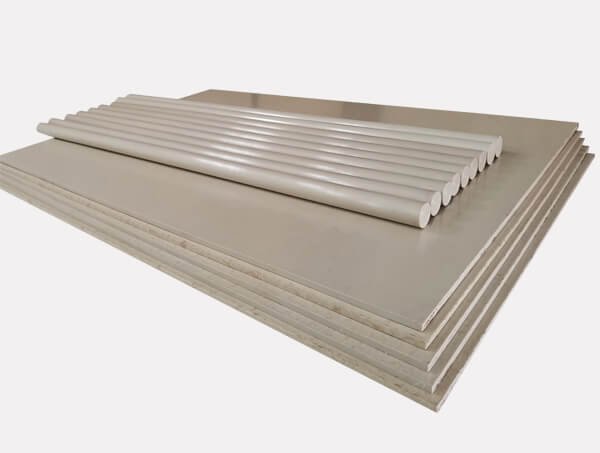
peek sheet

Common Questions and Answers Related to PEEK Sheets and BeePlastics Customization

1. What customization options are available for PEEK sheets at BeePlastics?

Answer: BeePlastics offers comprehensive customization options for PEEK sheets to meet your specific industrial needs. Whether you require sample customization for prototyping or batch customization for large-scale production, we can accommodate your requirements. Our customization services include options for thickness, size, shape, and special grades such as glass-filled or carbon-filled PEEK. We ensure that each PEEK sheet is tailored to your precise specifications.

2. What file formats does BeePlastics accept for custom PEEK sheet designs?

Answer: BeePlastics accepts a variety of file formats to facilitate seamless customization of PEEK sheets. We support PDF and CAD files, allowing you to provide detailed designs and specifications for your custom orders. If you have a specific file format in mind, please let us know, and we’ll do our best to accommodate it.

3. Is there a minimum order quantity (MOQ) for custom PEEK sheets at BeePlastics?

Answer: No, BeePlastics does not have a minimum order quantity (MOQ) for custom PEEK sheets. Whether you need a single prototype or a large batch of components, we can fulfill your order. Our flexible ordering system is designed to meet the needs of both small businesses and large-scale industrial operations.

4. How long does the production cycle take for custom PEEK sheets?

Answer: The production cycle for custom PEEK sheets at BeePlastics varies depending on the size and complexity of the order. Typically, we assess the order volume, material specifications, and design intricacies to determine the production timeline. Throughout the process, we will communicate the production progress in real-time to ensure you are informed of your order’s status and expected delivery date.

5. Does BeePlastics provide samples for custom PEEK sheets, and are they free of charge?

Answer: Yes, BeePlastics provides samples for custom PEEK sheets to help you assess the material and design before proceeding with full-scale production. The samples are free of charge; however, the customer is responsible for the shipping costs. This service ensures you are completely satisfied with the customization before committing to larger orders.

6. What industries can benefit from customized PEEK sheets from BeePlastics?

Answer: Customized PEEK sheets from BeePlastics are highly beneficial for a wide range of industries, including aerospace, automotive, chemical processing, electronics, and medical device manufacturing. Each industry can take advantage of PEEK’s unique properties, such as high-temperature resistance, chemical stability, and mechanical strength, tailored to specific application needs through our customization services.

7. How does BeePlastics ensure the quality of custom PEEK sheets?

Answer: At BeePlastics, quality assurance is paramount. We utilize advanced manufacturing processes and stringent quality control measures to ensure that every custom PEEK sheet meets the highest industry standards. Our team conducts thorough inspections and tests to verify that each product conforms to your specifications and performs reliably in its intended application.

8. Can I receive real-time updates on my custom PEEK sheet order?

Answer: Absolutely. BeePlastics is committed to keeping you informed throughout the production process. We provide real-time updates on your order status, including milestones such as production start, quality checks, and shipping schedules. This transparency helps you plan accordingly and ensures a smooth delivery process.

9. What are the benefits of choosing glass-filled or carbon-filled PEEK sheets?

Answer: Glass-filled PEEK sheets offer enhanced mechanical strength and stiffness, making them ideal for structural components in high-stress applications. Carbon-filled PEEK sheets, on the other hand, provide superior wear resistance and electrical conductivity, making them perfect for use in gears, seals, and electrical insulation. BeePlastics can customize PEEK sheets with these fillers to match the specific requirements of your industry.

10. How do I start a custom PEEK sheet order with BeePlastics?

Answer: To start a custom order with BeePlastics, simply contact our sales team with your design specifications and requirements. We’ll guide you through the customization process, from selecting the appropriate PEEK sheet thickness and grade to finalizing the design and production timeline. Our team is here to ensure that your custom order meets your exact needs and is delivered on time.

Incorporating PEEK sheets into your industrial applications offers a remarkable opportunity to enhance performance, efficiency, and reliability. Whether you’re optimizing machinery for chemical processing, advancing automotive manufacturing, or driving innovation in power generation, the unique properties of PEEK—from its thermal stability and wear resistance to its customization flexibility—make it an indispensable material for today’s demanding environments. As industries evolve towards greater sustainability and automation, PEEK sheets are poised to lead the way, ensuring that your operations not only meet current challenges but are also prepared for future advancements. Embrace the potential of PEEK sheets and position your machinery at the forefront of industrial innovation.

PEEK sheets
🎉🎉🎉Limited Time Offer Use code: QR4GNY08SHVR at checkout and enjoy a special discount on your entire order! 👉 PEEK plastic

Ready to take your industrial machinery to the next level? Fill out the contact form below to discuss how our custom PEEK sheets can meet your specific needs. Or, jump straight to our high-performance PEEK collection here to explore your options!

Leave a comment


Please note, comments must be approved before they are published


Custom Plastic Fabrication

Send your drawing, material and quantity for review

🔧
Precision Machining
CNC milling & turning
✂️
Cutting & Engraving
Laser & waterjet cutting
🏭
Forming & Molding
Thermoforming & injection
🔗
Joining & Assembly
Welding & bonding
📐
Design & Prototyping
CAD design & samples

General

HDPE

PP

PVC

ABS

Engineering

POM

Nylon

PC

PMMA

High-Performance

PEEK

PEI

PTFE

Composites

FR-4

G10

Flexible

TPU

Silicone

Why Choose BeePlastic?

🎯
Perfect Fit
Custom specs eliminate adaptation needs
⚡
Clear Lead Times
Lead time confirmed with every quote
💰
Volume Pricing
Volume pricing available on bulk orders
🤝
Expert Support
Free engineering consultation included
📋
Submit
→
🔍
Review
→
💵
Quote
→
✅
Production
→
📦
Deliver

Request a Quote

Share your project details, selected material and quantity on our quote page. You can add a file link or use the email drawing route shown there.


Request Quote

Industries: Automotive • Medical • Food • Lab • Semiconductor

beeplastic@beeplastic.com


POM Engineering Plastic: Advantages, Applications, and How to Choose the Right Product

POM pump housing

Unlock the full potential of POM engineering plastic with this comprehensive guide that explores its advantages, diverse applications, and essential tips on choosing the right POM plastic product for your needs. POM plastic—also known as POM acetal plastic—is celebrated for its outstanding mechanical properties, including high tensile strength, excellent dimensional stability, and low friction. Whether you’re in the automotive, electronics, or industrial sectors, this material’s versatility and durability make it a top choice for precision components. Discover how POM plastic sheets and other POM plastic products excel in reducing wear and tear in machinery, and learn how to select the right POM plastic material based on specific POM plastic uses. This blog post is your go-to resource for understanding why POM engineering plastic stands out among other materials in the industry.

POM plastic sheets

The Durability of POM Acetal Plastic in Engineering

POM acetal plastic is renowned for its durability, making it a top choice in various engineering applications. This engineering plastic offers high tensile strength and can withstand significant stress without deforming, which is critical for components that must endure repeated use. The durability of POM plastic ensures long-lasting performance, reducing the need for frequent replacements and maintenance, which is particularly advantageous in demanding industries such as automotive and industrial manufacturing.

Low Friction Properties of POM Plastic

Another standout feature of POM acetal plastic is its low friction coefficient. This property makes it ideal for applications where smooth movement is essential, such as in gears, bearings, and sliding components. The low friction of POM plastic material reduces wear and tear on moving parts, leading to quieter operation and increased efficiency in machinery. For industries focused on precision and performance, the friction-reducing capabilities of POM plastic offer a significant competitive advantage.

Chemical Resistance of POM Engineering Plastic

POM engineering plastic also excels in chemical resistance, making it suitable for environments where exposure to chemicals, fuels, and solvents is common. This resistance ensures that POM plastic products maintain their integrity and performance, even in harsh conditions. Whether used in chemical processing equipment or automotive fuel systems, the chemical resistance of POM plastic provides reliability and safety, reducing the risk of material degradation over time.

Why POM Plastic is Ideal for Precision Parts

The dimensional stability and precision of POM plastic sheet are unmatched, making it an excellent choice for manufacturing precision parts. POM acetal plastic maintains its shape and size under varying temperature and humidity conditions, ensuring that parts fit perfectly and function reliably. This stability is critical for components in sensitive applications, such as electronic connectors and medical devices, where even the slightest deviation can lead to failure. For industries that require exact specifications, the precision-engineered qualities of POM plastic are indispensable.

Applications of POM Acetal Plastic in High-Stress Environments

POM acetal plastic is widely used in environments where high stress and mechanical load are present. From automotive components to industrial machinery, the mechanical properties of POM plastic—such as impact resistance and toughness—enable it to perform under extreme conditions. Its ability to withstand heavy loads and resist deformation under pressure makes it a reliable choice for applications requiring durability and strength. The high-stress applications of POM engineering plastic demonstrate its versatility and robustness in various industries.

Selecting the Right POM Plastic Material for Your Project

When choosing the right POM plastic material for your project, it’s essential to consider the specific requirements of your application. Factors such as mechanical properties, chemical resistance, and dimensional stability should guide your decision. Whether you’re looking for POM plastic sheet, rods, or custom machined parts, understanding the unique benefits of POM engineering plastic will help ensure that you select the best material for your needs.

POM plastic material

Automotive Industry: The Backbone of POM Engineering Plastic

The automotive industry heavily relies on POM engineering plastic due to its exceptional mechanical properties and durability. POM plastic is extensively used in the manufacturing of gears, bearings, fuel system components, and interior trim. Its low friction and high wear resistance make it ideal for parts that require precision and longevity. For instance, POM plastic material is commonly found in door systems, window lifters, and steering columns, where smooth operation and minimal maintenance are critical.

Gears and Bearings

In gears and bearings, POM acetal plastic shines due to its ability to maintain tight tolerances and reduce noise. The low friction coefficient of POM engineering plastic ensures that gears and bearings operate efficiently, even under high stress, leading to longer-lasting automotive components.

Fuel System Components

POM plastic products are also crucial in fuel system components because of their chemical resistance and ability to withstand harsh environments. Fuel pumps, valves, and connectors often use POM plastic to ensure safe and reliable fuel delivery.

Electronics Industry: Precision and Stability with POM Plastic

In the electronics industry, POM engineering plastic is valued for its dimensional stability and electrical insulation properties. POM plastic sheet is commonly used in the production of connectors, switches, and insulating components. The material’s ability to resist moisture and maintain its shape under varying environmental conditions makes it ideal for electronic devices that require reliability and precision.

Connectors and Switches

POM plastic material is often used in connectors and switches due to its precision molding capabilities. The material’s ability to produce intricate parts with consistent quality ensures that electronic devices function correctly without the risk of short circuits or connectivity issues.

Consumer Goods: Durability and Aesthetic Appeal

The versatility of POM engineering plastic extends to the consumer goods industry, where it is used in the production of household appliances, toys, and sports equipment. POM plastic offers a perfect balance between durability and aesthetic appeal, making it a preferred material for products that need to be both functional and visually pleasing.

Household Appliances

In household appliances, POM acetal plastic is used in components such as blender gears, vacuum cleaner parts, and washing machine mechanisms. The material’s wear resistance and strength ensure that these appliances remain operational for extended periods, reducing the need for frequent repairs.

Toys and Sports Equipment

POM plastic products are also popular in the manufacturing of toys and sports equipment due to their safety and durability. The material is non-toxic and can withstand rough handling, making it ideal for products like toy gears, action figures, and bicycle components.

POM plastic gears

Industrial Machinery: Robust Performance in High-Stress Environments

In industrial machinery, POM engineering plastic is used for its high strength and resistance to wear. POM plastic sheet is often fabricated into bushings, sliders, and guides that must endure constant friction and heavy loads. The ability of POM acetal plastic to perform under these conditions makes it indispensable in machinery that requires long-lasting, reliable components.

Bushings and Sliders

POM plastic is particularly effective in bushings and sliders where its low friction properties reduce wear and tear, ensuring smooth and efficient operation of industrial machinery.

High Tensile Strength of POM Plastic

One of the standout mechanical properties of POM plastic is its high tensile strength. This property is crucial for applications where precision parts must withstand significant stress without breaking or deforming. POM engineering plastic can endure high levels of tension, making it ideal for components such as gears, fasteners, and structural parts that need to maintain integrity under load. The tensile strength of POM plastic ensures that precision-engineered parts remain durable and reliable, even in demanding environments.

Why Tensile Strength Matters in Precision Parts

The tensile strength of POM acetal plastic plays a vital role in its ability to perform in precision engineering. Parts made from POM plastic material can endure forces that would cause other materials to fail, ensuring that machinery and devices function smoothly and efficiently. This strength makes POM plastic a preferred choice for critical components in industries such as automotive and aerospace.

Dimensional Stability of POM Engineering Plastic

Another key feature of POM engineering plastic is its dimensional stability. This property refers to the material’s ability to maintain its shape and size under varying environmental conditions, such as changes in temperature or humidity. POM plastic is known for its minimal expansion and contraction, which is essential for precision parts that require exact tolerances.

Importance of Dimensional Stability in Precision Engineering

In precision engineering, even the slightest deviation in dimensions can lead to component failure or reduced performance. The dimensional stability of POM plastic ensures that parts remain consistent and reliable, regardless of environmental changes. This stability is particularly important in applications such as electronic connectors, where precise fit and alignment are critical for functionality.

POM plastic

Wear Resistance: A Crucial Property for Long-Lasting Parts

POM plastic is also highly regarded for its wear resistance, which is a critical factor in the longevity of precision-engineered parts. Wear resistance refers to the material’s ability to resist surface degradation over time, even when subjected to friction and repetitive motion. The low friction coefficient of POM acetal plastic contributes to its ability to withstand wear, making it an excellent choice for moving parts such as bearings, gears, and sliding mechanisms.

Applications of Wear-Resistant POM Plastic in Precision Parts

The wear resistance of POM plastic products is particularly valuable in applications where components must endure constant motion or contact with other surfaces. For example, POM plastic sheet is often used to fabricate bushings and sliders that require a low-friction, durable surface to operate efficiently. The wear-resistant properties of POM plastic help reduce maintenance needs and extend the lifespan of precision parts, making it a cost-effective material for high-performance engineering.

Chemical Resistance Enhances POM’s Versatility

Beyond its mechanical properties, POM plastic material also offers chemical resistance, which enhances its versatility in various industries. POM engineering plastic can withstand exposure to many chemicals, fuels, and solvents without degrading, making it suitable for precision parts that operate in harsh environments.

Chemical Resistance in Precision Engineering Applications

The chemical resistance of POM plastic is particularly important in industries such as automotive and electronics, where parts may come into contact with corrosive substances. The chemical resistance of POM acetal plastic ensures that precision parts remain intact and functional, even when exposed to challenging conditions. This property allows engineers to use POM plastic in a wider range of applications, increasing its value as a versatile material for precision engineering.

Why POM Plastic Sheets Outperform Nylon in High-Precision Applications

When comparing POM plastic sheets to nylon (polyamide) in high-precision applications, POM engineering plastic stands out for its superior dimensional stability and low moisture absorption. Nylon tends to absorb moisture from the environment, which can lead to swelling and dimensional changes, compromising the precision of the parts. On the other hand, POM plastic exhibits minimal moisture absorption, ensuring that components remain stable and accurate over time. For applications requiring tight tolerances and consistent performance, the dimensional stability of POM plastic makes it the preferred choice.

Dimensional Stability and Moisture Resistance

The dimensional stability of POM acetal plastic is crucial in industries where precision is paramount, such as electronics and automotive manufacturing. Unlike nylon, which may deform under varying humidity levels, POM plastic material maintains its shape and size, ensuring that parts fit perfectly and function reliably. The low moisture absorption of POM plastic further enhances its suitability for high-precision components, making it an ideal material for environments with fluctuating humidity.

POM plastic material maintains its shape and size

POM Plastic vs. Polyethylene: Superior Strength and Wear Resistance

While polyethylene is known for its excellent chemical resistance and low cost, POM plastic offers superior strength and wear resistance in demanding engineering applications. POM plastic sheets are often chosen over polyethylene when components need to withstand high mechanical stress and continuous use. The strength and wear resistance of POM plastic make it particularly valuable in the production of gears, bearings, and other moving parts that require durability and longevity.

Mechanical Strength and Longevity

POM engineering plastic is renowned for its mechanical strength, which outperforms polyethylene in applications where load-bearing capacity and durability are critical. POM plastic material can handle higher stress and resist deformation better than polyethylene, making it the material of choice for parts subjected to repetitive motion and heavy loads. This makes POM plastic products ideal for industrial machinery and automotive components, where long-term reliability is essential.

Chemical Resistance: A Closer Look at POM and Nylon

Both POM acetal plastic and nylon offer chemical resistance, but their performance varies depending on the application. Nylon excels in resisting certain solvents and oils, making it suitable for specific industrial uses. However, POM plastic offers a broader range of chemical resistance, particularly against fuels and weak acids, which expands its applicability in more diverse environments. For industries such as automotive and chemical processing, the chemical resistance of POM plastic ensures parts remain functional and safe, even in harsh conditions.

Choosing the Right Material for Chemical Exposure

When selecting materials for components exposed to chemicals, understanding the chemical resistance of each option is critical. POM engineering plastic is often preferred over nylon for parts that come into contact with a wide variety of substances, as it provides more reliable performance without degrading. The broad chemical resistance of POM plastic enhances its versatility, making it a go-to material for engineers designing for complex environments.

Comparing Wear Resistance: POM vs. Nylon and Polyethylene

Wear resistance is another key factor where POM plastic outshines nylon and polyethylene. POM plastic sheets are engineered to withstand friction and abrasion better than nylon and polyethylene, which can wear down more quickly in demanding applications. This characteristic makes POM plastic products ideal for moving parts such as sliders, bushings, and gears, where reducing wear and extending the lifespan of components is crucial.

Applications Requiring High Wear Resistance

In applications where parts are subjected to constant movement and friction, such as conveyor systems or mechanical linkages, POM acetal plastic provides superior wear resistance compared to nylon and polyethylene. The low friction and high durability of POM plastic ensure that components not only last longer but also operate more smoothly, reducing maintenance costs and downtime.

POM acetal plastic provides superior wear resistance

Understanding the Impact of Wear and Tear on Machinery

Wear and tear is an inevitable challenge in the operation of machinery across various industries. Over time, the friction between moving parts leads to degradation, causing components to wear out, lose efficiency, or even fail. This not only affects the performance of the machinery but also increases maintenance costs and downtime. POM engineering plastic offers a solution to this problem by significantly reducing wear and tear on machinery components, leading to longer-lasting and more reliable products.

The Low Friction Advantage of POM Plastic

One of the key reasons POM plastic is so effective in reducing wear and tear is its low friction properties. POM plastic material has a naturally smooth surface, which minimizes friction between moving parts. This low friction characteristic is particularly beneficial in applications where components are in constant motion, such as in gears, bearings, and sliders. By reducing friction, POM engineering plastic not only prolongs the life of these parts but also ensures smoother and more efficient operation of the machinery.

Applications Where Low Friction Matters

In industrial settings where machinery operates continuously, the low friction properties of POM plastic are crucial. For example, POM plastic is commonly used in conveyor systems, where the reduction of friction between moving parts directly translates to less wear and tear, resulting in longer intervals between maintenance and lower operational costs.

Wear Resistance: A Key Property of POM Engineering Plastic

POM engineering plastic is also highly regarded for its wear resistance. This property ensures that components made from POM plastic can withstand the rigors of continuous use without significant degradation. In environments where machinery parts are subjected to constant friction, abrasion, and contact with other surfaces, POM plastic demonstrates superior longevity compared to other materials like nylon or polyethylene.

Comparing POM Plastic to Other Materials

When compared to materials like nylon or polyethylene, POM acetal plastic offers better wear resistance, making it the material of choice for high-stress applications. The wear-resistant nature of POM plastic ensures that components such as bushings, gears, and cams maintain their structural integrity and continue to perform optimally over time.

Enhancing Reliability with POM Plastic Components

Reliability is a critical factor in the design and operation of machinery. Using POM plastic components enhances the reliability of machinery by reducing the likelihood of part failures due to wear and tear. As POM plastic resists deformation and maintains its properties under stress, it ensures consistent performance across the lifespan of the machinery. This reliability is especially important in industries such as automotive, aerospace, and manufacturing, where equipment failure can lead to costly downtime and safety concerns.

Real-World Examples of POM Plastic in Machinery

In the automotive industry, for instance, POM plastic is used in critical components such as fuel systems, door mechanisms, and steering systems. The reliability provided by POM engineering plastic in these applications contributes to the overall safety and longevity of vehicles. Similarly, in industrial machinery, the use of POM plastic in gears and bearings reduces the need for frequent replacements, ensuring that the machines operate efficiently with minimal interruptions.

POM plastic is used in critical components

Longer Lifespan and Cost Savings

The use of POM engineering plastic in machinery components not only extends the lifespan of the parts but also results in significant cost savings over time. As POM plastic reduces wear and tear, it minimizes the need for frequent maintenance and part replacements. This leads to lower maintenance costs and less downtime, which is crucial for businesses looking to optimize their operations and reduce expenses.

The Economic Benefits of POM Plastic

Investing in POM plastic components can lead to long-term economic benefits. By choosing POM engineering plastic for parts that experience high levels of wear, businesses can reduce their overall maintenance budget and increase the operational lifespan of their machinery. The cost-effectiveness of POM plastic makes it an attractive option for companies seeking to enhance the durability and efficiency of their equipment.

Understanding Your Engineering Requirements

Before selecting the right POM plastic product for your project, it’s crucial to thoroughly understand your engineering requirements. Consider factors such as the mechanical load, environmental conditions, and precision needed for your application. POM engineering plastic comes in various grades and forms, each designed to meet specific demands. By clearly defining what your project requires, you can narrow down the type of POM plastic material that will best suit your needs.

Evaluating Load and Stress Conditions

If your application involves high mechanical stress, such as in gears, bearings, or structural components, you’ll need a high-strength POM plastic that can withstand significant load without deforming. The tensile strength of POM plastic is a key factor to consider, as it determines how well the material will hold up under pressure. For heavy-duty applications, opt for POM plastic products that are specifically engineered to endure high stress and wear.

Choosing Between POM Sheets, Rods, and Custom Forms

POM plastic is available in multiple forms, including sheets, rods, and custom machined parts. The form you choose will depend on the specific needs of your project. POM plastic sheets are ideal for creating flat components, gaskets, or parts that require precision cutting. POM rods are more suited for machining into round or cylindrical parts, such as bushings and spacers. For complex or unique designs, custom machined POM plastic parts offer the flexibility to meet exact specifications.

Advantages of POM Plastic Sheets

When working on projects that require precision and stability, POM plastic sheets are often the best choice. They provide a uniform thickness and can be easily cut to size, ensuring that the components you produce are both accurate and reliable. The dimensional stability of POM sheets ensures that the parts will maintain their shape even under varying environmental conditions, making them ideal for applications where consistency is critical.

Applications for POM Plastic Rods

POM plastic rods are particularly useful for projects that involve the fabrication of round or cylindrical components. Due to their high strength and low friction properties, POM rods are commonly used in the production of bearings, rollers, and spacers. The wear resistance of POM rods ensures that these parts will last longer, reducing maintenance needs and downtime in machinery.

POM precision parts

Selecting the Right Grade of POM Plastic

Not all POM plastics are created equal; different grades offer varying mechanical properties and chemical resistance. Standard POM acetal plastic is suitable for most general-purpose applications, but for more demanding environments, you might need a reinforced grade that offers enhanced strength or chemical resistance. When choosing the right grade, consider the specific challenges your components will face, such as exposure to chemicals, extreme temperatures, or heavy loads.

Reinforced POM Plastic for High-Performance Applications

If your project demands superior strength or chemical resistance, consider using reinforced POM plastic. These grades are designed to withstand harsher conditions and provide extra durability in applications where standard POM plastic material might fall short. The enhanced properties of reinforced POM make it a go-to material for critical components in automotive, aerospace, and industrial machinery.

Consulting with Experts for Custom POM Solutions

When in doubt, it’s always a good idea to consult with material experts who can help you determine the best POM plastic product for your specific needs. Whether you require custom machined parts or need advice on the most suitable grade of POM plastic, working with professionals ensures that you make the right choice for your project. The expertise of POM plastic suppliers can provide invaluable insights, helping you achieve optimal performance and longevity in your engineering applications.

POM Plastic in Additive Manufacturing: Expanding Possibilities

POM plastic is increasingly being utilized in additive manufacturing, commonly known as 3D printing. This technology is revolutionizing how POM engineering plastic can be applied in various industries, allowing for the creation of complex geometries and custom components with greater precision. As 3D printing technology advances, the demand for POM plastic as a high-performance material in additive manufacturing is expected to grow. The use of POM plastic in 3D printing enables manufacturers to produce lightweight yet durable parts, opening new avenues for innovation in engineering.

Customization and Rapid Prototyping

One of the most promising aspects of additive manufacturing with POM plastic is the ability to quickly prototype and customize parts. This flexibility is crucial in industries like automotive and aerospace, where engineers are constantly looking for ways to enhance performance while reducing weight. The customization potential of POM plastic in additive manufacturing allows for faster iteration cycles, enabling companies to bring innovative products to market more quickly.

POM plastic in additive manufacturing

Advanced POM Plastic Composites: Enhancing Performance

Another exciting trend is the development of advanced POM plastic composites. These materials combine POM plastic with other reinforcing agents such as carbon fibers or glass fibers, resulting in composites that offer superior mechanical properties. POM composites are finding their way into high-stress applications, where traditional materials might not provide the necessary strength or durability. The integration of reinforcing fibers into POM plastic enhances its applicability in sectors demanding high-performance materials, such as defense and automotive engineering.

Lightweight Solutions for High-Stress Applications

The combination of POM plastic with reinforcing fibers creates a material that is both lightweight and strong, making it ideal for applications where reducing weight without sacrificing strength is essential. For example, POM composite materials are increasingly used in vehicle components and structural parts that require both stiffness and impact resistance. The future of POM engineering plastic likely includes more innovations in composite technology, leading to even more advanced materials for critical engineering applications.

Sustainability and Recycling: The Next Frontier for POM Plastic

As industries worldwide place greater emphasis on sustainability, POM plastic is also evolving to meet these demands. Researchers are exploring ways to make POM plastic material more recyclable and environmentally friendly. One approach is the development of bio-based POM plastics that are derived from renewable resources rather than traditional fossil fuels. The shift towards sustainable POM plastic solutions reflects a broader trend in the materials industry, where the environmental impact of manufacturing is becoming a key consideration.

Recyclable POM Plastic and Circular Economy

The push for sustainability is driving innovations in the recyclability of POM plastic products. Efforts to improve the recyclability of POM plastic are aligned with the growing interest in the circular economy, where materials are reused and recycled rather than disposed of. In the near future, recyclable POM plastic could become standard in industries that prioritize sustainability, such as consumer goods and electronics. This trend not only reduces waste but also supports more sustainable production practices.

POM Plastic in Robotics: Precision and Reliability

As robotics continues to advance, the demand for materials that offer both precision and reliability is increasing. POM engineering plastic is already a staple in the production of robotic components, and its role is expected to grow as the industry evolves. The use of POM plastic in robotics is driven by its excellent mechanical properties, including low friction, high wear resistance, and dimensional stability. These characteristics make POM plastic ideal for producing parts such as gears, bearings, and guides, which are crucial for the smooth operation of robotic systems.

Innovations in Robotic Applications

The future of POM plastic in robotics includes the development of new grades and formulations that further enhance its performance. As robots become more sophisticated and are used in a wider range of environments, the demand for POM plastic with specialized properties, such as enhanced chemical resistance or temperature tolerance, is likely to increase. The evolving role of POM plastic in robotics underscores its importance as a material that can meet the precise and demanding requirements of this rapidly growing field.

POM plastic in robotics

POM Plastic in Medical Engineering: Meeting High Standards

The medical field is another area where POM plastic is making significant inroads. Its biocompatibility and sterilizability make it an excellent choice for medical devices and components. As the demand for high-quality, reliable medical equipment continues to grow, POM engineering plastic is increasingly used in applications ranging from surgical instruments to prosthetics. The medical applications of POM plastic are expected to expand as new technologies emerge and the need for safe, durable materials becomes more pressing.

Biocompatibility and Sterilization

POM plastic material is valued in the medical industry for its biocompatibility, meaning it can safely interact with biological tissues without causing adverse reactions. Additionally, POM plastic products can withstand repeated sterilization processes, which is essential for maintaining hygiene in medical settings. The future of POM plastic in medical engineering looks promising, with ongoing research into developing even more specialized grades of POM that meet the stringent requirements of medical applications.

Frequently Asked Questions About POM Plastic and BeePlastics Customization Services

1. What types of customization services does BeePlastics offer for POM plastic products?

Answer: BeePlastics provides a comprehensive range of customization services for POM plastic products. Whether you need sample customization for prototyping or batch customization for large-scale production, BeePlastics has the expertise and advanced machinery to meet your specific requirements. From precision cutting to complex machining, I can tailor the POM plastic to fit your exact specifications.

2. Can BeePlastics work with different file formats for custom POM plastic designs?

Answer: Yes, BeePlastics accepts a variety of file formats to facilitate the customization process. Whether your design is in PDF, CAD, or another format, I can work with your files to create the precise POM plastic product you need. This flexibility ensures that your designs are accurately translated into high-quality components.

3. Is there a minimum order quantity (MOQ) for custom POM plastic products at BeePlastics?

Answer: BeePlastics does not impose a minimum order quantity (MOQ) for custom POM plastic products. Whether you need a single prototype or a large production run, I can accommodate your order size. This no-MOQ policy allows you to order exactly what you need without unnecessary inventory costs.

custom POM plastic products

4. How long does the production cycle take for custom POM plastic products?

Answer: The production cycle for custom POM plastic products varies depending on the order quantity and the complexity of the process. BeePlastics ensures that each project is carefully planned and executed to meet your deadlines. I also maintain real-time communication with you throughout the production process, keeping you informed of progress and any potential adjustments.

5. Can I request a sample of a custom POM plastic product before placing a large order?

Answer: Absolutely! BeePlastics supports the provision of samples for custom POM plastic products. This allows you to evaluate the material and design before committing to a larger order. The sample itself is provided free of charge; however, you will be responsible for the shipping costs.

6. What are the typical applications of POM plastic that BeePlastics can customize?

Answer: POM plastic is highly versatile and used in various industries, including automotive, electronics, consumer goods, and industrial machinery. BeePlastics can customize POM plastic components for a wide range of applications, such as gears, bearings, bushings, structural parts, and more. Whether your project requires high precision, durability, or specific mechanical properties, I can tailor the POM plastic material to suit your needs.

7. What makes BeePlastics a reliable choice for custom POM plastic products?

Answer: BeePlastics stands out due to its extensive experience, advanced technology, and commitment to quality. With a deep understanding of POM engineering plastic and its properties, I can provide customization services that meet the highest standards. Whether you need a one-off prototype or mass production, BeePlastics ensures that every product meets your exact specifications with precision and consistency.

8. How does BeePlastics ensure the quality of custom POM plastic products?

Answer: Quality assurance is a top priority at BeePlastics. I employ rigorous quality control measures throughout the customization process, from material selection to final inspection. Advanced machinery and experienced technicians work together to ensure that every POM plastic product meets the required specifications and performs reliably in its intended application.

9. Can BeePlastics handle complex designs and high-precision requirements for POM plastic products?

Answer: Yes, BeePlastics is equipped to handle even the most complex and high-precision requirements for POM plastic products. With state-of-the-art CNC machinery and skilled technicians, I can achieve tight tolerances and intricate designs. Whether you need components with detailed features or parts that must fit seamlessly into larger assemblies, BeePlastics delivers precision-engineered solutions.

10. What is the process for getting a quote for custom POM plastic products at BeePlastics?

Answer: To get a quote for custom POM plastic products at BeePlastics, simply provide your design files (in PDF, CAD, or other accepted formats), along with the details of your project, such as quantity, material specifications, and deadline. I will review your request and provide a detailed quote, including costs and production timelines. You can expect prompt and clear communication throughout the quoting process to ensure all your requirements are understood and met.

Embracing the unique advantages of POM engineering plastic can transform the efficiency and reliability of your projects. From its exceptional mechanical properties to the versatility it offers across various applications, POM plastic stands as a premier choice for industries that demand precision and durability. Whether you’re optimizing machinery, advancing automotive components, or innovating in electronics, selecting the right POM plastic product tailored to your specific needs can unlock new levels of performance and longevity. Explore the possibilities with BeePlastics and take your engineering solutions to the next level.

POM engineering plastic


🎉🎉🎉Limited Time Offer Use code: QR4GNY08SHVR at checkout and enjoy a special discount on your entire order! 👉 POM plastic


Have a custom project in mind? Let’s make it happen. Contact us using the form below, or browse our POM Plastic Sheets and Rods to find the perfect solution for your engineering challenges. 

Leave a comment


Please note, comments must be approved before they are published


Custom Plastic Fabrication

Send your drawing, material and quantity for review

🔧
Precision Machining
CNC milling & turning
✂️
Cutting & Engraving
Laser & waterjet cutting
🏭
Forming & Molding
Thermoforming & injection
🔗
Joining & Assembly
Welding & bonding
📐
Design & Prototyping
CAD design & samples

General

HDPE

PP

PVC

ABS

Engineering

POM

Nylon

PC

PMMA

High-Performance

PEEK

PEI

PTFE

Composites

FR-4

G10

Flexible

TPU

Silicone

Why Choose BeePlastic?

🎯
Perfect Fit
Custom specs eliminate adaptation needs
⚡
Clear Lead Times
Lead time confirmed with every quote
💰
Volume Pricing
Volume pricing available on bulk orders
🤝
Expert Support
Free engineering consultation included
📋
Submit
→
🔍
Review
→
💵
Quote
→
✅
Production
→
📦
Deliver

Request a Quote

Share your project details, selected material and quantity on our quote page. You can add a file link or use the email drawing route shown there.


Request Quote

Industries: Automotive • Medical • Food • Lab • Semiconductor

beeplastic@beeplastic.com


Why POM Plastic Is a Game-Changer in Engineering: Material Features and Uses

POM plastic

In the world of engineering, POM plastic stands out as a revolutionary material that is transforming industries with its unique properties and versatile applications. This blog post delves into why POM engineering plastic is becoming the go-to choice for high-performance projects. From its remarkable mechanical properties like high tensile strength and low friction to its ability to maintain dimensional stability under extreme conditions, POM acetal plastic offers unparalleled advantages. Whether it’s in the form of POM plastic sheets or custom POM plastic products, this material is making waves across sectors like automotive, consumer goods, and industrial manufacturing. Discover the top POM plastic uses and how this exceptional POM plastic material is driving innovation in engineering. Learn why POM plastic is not just another plastic but a game-changer in the world of precision and reliability.

🎉🎉🎉Limited Time Offer Use code: QR4GNY08SHVR at checkout and enjoy a special discount on your entire order! 👉 POM plastic

POM engineering plastic

Understanding the Core Properties of POM Engineering Plastic and Their Impact on Durability

High Stiffness: The Backbone of POM Engineering Plastic

One of the defining characteristics of POM engineering plastic is its exceptional high stiffness. This property plays a crucial role in maintaining the structural integrity of components made from POM plastic material. In engineering applications, materials need to resist deformation under stress, and POM plastic excels in this area. Its rigidity ensures that parts remain stable and perform reliably, even under heavy loads. This high stiffness also makes POM plastic products ideal for precision components where maintaining tight tolerances is critical.

Low Friction: Enhancing Wear Resistance and Efficiency

Another key property of POM engineering plastic is its low coefficient of friction. This quality is particularly important in applications where parts are in constant motion, such as in automotive or industrial machinery. The low friction of POM plastic reduces wear and tear, extending the lifespan of components and minimizing the need for frequent maintenance. This makes POM plastic sheet an ideal choice for surfaces that experience high levels of abrasion and require consistent performance over time.

Chemical Resistance: Protecting Against Environmental Factors

In addition to its mechanical properties, POM plastic is highly resistant to various chemicals, including fuels, oils, and solvents. This chemical resistance enhances the material’s durability, especially in harsh environments where exposure to corrosive substances is common. By choosing POM acetal plastic, engineers can ensure that their components will withstand the test of time without degrading due to chemical exposure.

Dimensional Stability: Precision in All Conditions

The dimensional stability of POM plastic is another factor that contributes to its durability. Unlike other materials that may expand or contract with temperature changes, POM engineering plastic maintains its dimensions across a wide range of temperatures. This makes it a reliable choice for precision parts that must remain consistent, regardless of environmental conditions.

Applications of POM Plastic in High-Durability Engineering

Given these properties, it’s no surprise that POM plastic uses span a wide range of engineering applications. From POM plastic sheets used in conveyor systems to custom POM plastic products designed for specific industrial needs, this material proves its worth time and again. The combination of high stiffness, low friction, chemical resistance, and dimensional stability makes POM engineering plastic an excellent choice for any application where durability and reliability are paramount.

POM engineering plastic

Comparing POM Acetal Plastic to Other High-Performance Polymers: What Sets It Apart?

POM Acetal Plastic vs. Polyamide (Nylon): A Closer Look

When it comes to high-performance polymers, both POM acetal plastic and polyamide (nylon) are commonly used in engineering applications. However, POM plastic stands out due to its superior dimensional stability and lower water absorption. While nylon may offer good strength and flexibility, it tends to absorb moisture, which can lead to changes in dimensions and properties over time. In contrast, POM plastic material remains stable even in humid environments, making it a better choice for precision components where tight tolerances are essential.

The Unique Mechanical Properties of POM Acetal Plastic

POM engineering plastic is renowned for its high stiffness and low friction, characteristics that make it particularly suited for applications requiring wear resistance and smooth operation. Compared to other polymers like polyethylene or polypropylene, POM plastic offers a unique balance of strength and stiffness. This combination allows POM plastic products to perform exceptionally well in mechanical parts such as gears, bearings, and bushings, where maintaining low friction is crucial to reducing wear and extending the life of the component.

Chemical Resistance: Where POM Excels Over Other Polymers

One of the standout features of POM plastic is its excellent chemical resistance. Unlike some other high-performance polymers that may degrade when exposed to certain chemicals, POM acetal plastic resists many solvents, fuels, and other harsh chemicals. This makes it an ideal choice for use in environments where exposure to these substances is common, such as in automotive or industrial applications. The chemical resistance of POM plastic ensures that components made from this material maintain their integrity and performance over time.

POM Acetal Plastic in High-Temperature Applications

While POM plastic performs well in a wide range of temperatures, it is particularly valued for its ability to maintain its mechanical properties at both high and low temperatures. Compared to other engineering plastics like polycarbonate or ABS, POM engineering plastic offers better thermal stability, making it suitable for applications where the material will be exposed to fluctuating temperatures. This thermal resistance is another reason why POM plastic is preferred in industries that demand reliability and performance under varying conditions.

POM Acetal Plastic’s Role in Precision Engineering

Precision is a critical factor in many engineering applications, and POM plastic excels in this area. Due to its low creep and high dimensional stability, POM plastic sheets and components maintain their shape and functionality over extended periods. This is particularly important in applications such as automotive and aerospace engineering, where even the smallest dimensional change can lead to significant performance issues. The dimensional accuracy of POM plastic ensures that it meets the stringent requirements of precision engineering.

Cost-Effectiveness: POM Acetal Plastic vs. Other Polymers

When evaluating the cost-effectiveness of POM plastic compared to other engineering plastics, it’s important to consider both the material cost and the lifecycle cost. While POM plastic may have a higher upfront cost compared to some other polymers, its durability, wear resistance, and low maintenance requirements often result in lower total costs over the life of the product. This makes POM acetal plastic a cost-effective choice for applications where long-term reliability and performance are critical.

POM Plastic Uses in Specific Industries: A Preferred Material

Given its unique combination of properties, POM plastic is preferred in several specific industries. In the automotive industry, it is used for high-precision gears and other moving parts that require low friction and high durability. In the consumer goods sector, POM plastic is chosen for products that demand high wear resistance and long-term performance. Additionally, the medical and food processing industries value POM plastic for its chemical resistance and ability to maintain cleanliness and hygiene. The versatility of POM plastic products across these industries highlights its superiority over other engineering plastics in meeting diverse application needs.

POM plastic products

Top Engineering Applications of POM Plastic: From Automotive to Consumer Goods

The Role of POM Plastic in the Automotive Industry

POM plastic plays a crucial role in the automotive industry, where its unique properties are leveraged for various components. POM engineering plastic is widely used in the production of gears, bearings, and bushings due to its high stiffness, low friction, and excellent wear resistance. These characteristics ensure that automotive parts made from POM plastic material can withstand the rigorous demands of constant motion and high temperatures. Additionally, POM plastic products contribute to noise reduction in vehicles, providing a quieter driving experience.

POM Plastic in Industrial Machinery and Equipment

In the realm of industrial machinery, POM acetal plastic is favored for its durability and ability to maintain dimensional stability under mechanical stress. It is commonly used in the manufacture of conveyor belts, rollers, and pulleys. The low friction coefficient of POM plastic ensures smooth operation, reducing wear and tear on moving parts. Moreover, the chemical resistance of POM engineering plastic makes it ideal for use in environments where exposure to oils, solvents, and other chemicals is common, ensuring longevity and reliability in demanding industrial settings.

Precision Engineering: Why POM Plastic Is a Preferred Material

Precision engineering demands materials that offer high accuracy and consistency. POM plastic excels in applications where tight tolerances and dimensional stability are critical. This makes it a preferred material in the production of electronic components, medical devices, and optical equipment. POM plastic sheets are used to create parts that require intricate detailing and precise measurements, ensuring that each component meets exact specifications without compromise.

POM Plastic in the Consumer Goods Sector

POM plastic is also extensively used in the consumer goods sector, where it is valued for its strength, durability, and aesthetic qualities. Products such as kitchen appliances, power tools, and toys benefit from the robust nature of POM plastic material. The material’s ability to be molded into complex shapes while maintaining a smooth surface finish makes it ideal for consumer products that require both functionality and visual appeal. Additionally, the wear resistance of POM plastic ensures that these products have a long lifespan, even with regular use.

The Versatility of POM Plastic in Engineering Applications

What sets POM engineering plastic apart is its versatility across a wide range of industries. From automotive to consumer goods, the material’s ability to perform under diverse conditions makes it indispensable in modern engineering. Whether it’s used in high-precision applications or for mass-produced consumer items, POM plastic consistently delivers on performance and reliability. The adaptability of POM plastic products to different manufacturing processes, including injection molding and CNC machining, further enhances its appeal as a go-to material for engineers.

Environmental Considerations: The Role of POM Plastic in Sustainable Engineering

In today’s world, sustainability is a key concern across all industries. POM plastic contributes to sustainable engineering by offering a material that is both durable and recyclable. The long service life of POM plastic products means that they do not need to be replaced as frequently, reducing waste and conserving resources. Additionally, the recyclability of POM plastic ensures that end-of-life products can be reprocessed into new materials, supporting a circular economy. Engineers looking for sustainable solutions can rely on POM engineering plastic to meet both performance and environmental goals.

Customization Potential: Tailoring POM Plastic to Specific Engineering Needs

The customization potential of POM plastic is another reason for its widespread use in engineering applications. Whether in the form of POM plastic sheets, rods, or custom-molded components, this material can be tailored to meet the specific needs of different projects. Engineers can choose from various grades of POM acetal plastic, each offering different properties to suit particular applications. This flexibility allows for the creation of bespoke solutions that enhance the performance and efficiency of engineering systems across multiple industries.

POM acetal plastic

How POM Plastic Sheets Improve Precision and Efficiency in Manufacturing

The Precision Advantage of POM Plastic Sheets

POM plastic sheets are renowned for their ability to deliver exceptional precision in manufacturing applications. The high dimensional stability of POM plastic ensures that parts remain accurate and consistent throughout the production process. This stability is particularly important in industries where even the slightest deviation can lead to significant issues. By using POM plastic sheets, manufacturers can achieve the tight tolerances required for high-precision components, resulting in products that meet stringent quality standards.

Enhancing Manufacturing Efficiency with POM Plastic Sheets

Efficiency is a critical factor in manufacturing, and POM plastic sheets play a vital role in streamlining production processes. The material’s low friction coefficient reduces wear on machinery and tooling, leading to longer tool life and less downtime for maintenance. Additionally, POM plastic sheets can be easily machined into complex shapes, allowing for faster production cycles and reduced labor costs. This combination of durability and machinability makes POM plastic a cost-effective choice for manufacturers looking to optimize their operations.

POM Plastic Sheets in CNC Machining: Precision and Speed Combined

In the context of CNC machining, POM plastic sheets are highly valued for their ability to be machined with high accuracy and speed. The material’s consistent performance under cutting forces ensures that the final products are free from defects and meet exact specifications. Furthermore, POM plastic‘s excellent surface finish reduces the need for additional processing steps, such as polishing or finishing, further enhancing manufacturing efficiency. For industries that rely on CNC machining, POM plastic sheets offer a reliable solution that enhances both precision and productivity.

The Role of POM Plastic Sheets in Reducing Waste

Manufacturing processes often involve material waste, but POM plastic sheets help to minimize this issue. Due to their precise machinability and low tendency to deform, POM plastic allows for more accurate cuts and less material wastage during production. This reduction in waste not only improves cost efficiency but also supports more sustainable manufacturing practices. By choosing POM plastic sheets, manufacturers can produce high-quality components while reducing their environmental impact.

POM Plastic Sheets in Automated Manufacturing Systems

Automated manufacturing systems benefit significantly from the use of POM plastic sheets due to their consistent quality and performance. The material’s uniformity ensures that automated equipment can operate smoothly without unexpected interruptions caused by material inconsistencies. Additionally, POM plastic’s wear resistance extends the life of components within these systems, leading to fewer replacements and lower maintenance costs. For manufacturers utilizing automation, POM plastic sheets provide a dependable material that supports continuous, efficient production.

Customization Capabilities of POM Plastic Sheets

One of the key advantages of POM plastic sheets is their customization potential. Whether it’s adjusting the thickness, modifying surface finishes, or creating custom shapes, POM plastic can be tailored to meet specific manufacturing requirements. This flexibility allows manufacturers to optimize their processes by using materials that are perfectly suited to their applications. The ability to customize POM plastic sheets not only enhances precision and efficiency but also allows for the production of specialized components that meet unique industry demands.

Long-Term Benefits of Using POM Plastic Sheets in Manufacturing

The long-term benefits of incorporating POM plastic sheets into manufacturing processes are substantial. The material’s durability and resistance to wear ensure that components remain functional over extended periods, reducing the frequency of replacements and downtime. This longevity, combined with the efficiency and precision POM plastic offers, translates to significant cost savings for manufacturers. As industries continue to seek out materials that enhance both performance and profitability, POM plastic sheets stand out as a superior choice for achieving these goals.

POM plastic sheets

The Mechanical Properties of POM Plastic: Key Factors for Engineering Success

Understanding the Tensile Strength of POM Plastic

Tensile strength is one of the most critical mechanical properties of POM plastic that contributes to its widespread use in engineering projects. POM plastic material exhibits high tensile strength, which means it can withstand significant stress before breaking. This property is particularly important in applications where components are subjected to pulling forces. The ability of POM acetal plastic to maintain its integrity under tension makes it ideal for use in mechanical parts such as gears, bearings, and structural components, ensuring they perform reliably even under heavy loads.

Dimensional Stability: Precision in Engineering Applications

Dimensional stability is another key property of POM engineering plastic that sets it apart from other materials. This stability refers to the ability of POM plastic to retain its shape and size despite changes in temperature and humidity. In engineering applications where precision is paramount, POM plastic products offer a reliable solution by maintaining consistent dimensions, thus preventing any potential issues caused by expansion or contraction. This makes POM plastic sheets particularly valuable in the production of components that require tight tolerances and exact measurements.

Low Friction and Wear Resistance: Enhancing Longevity

POM plastic is renowned for its low friction and excellent wear resistance. These properties are crucial for components that are in constant motion, such as sliders, bushings, and conveyor belts. The low friction coefficient of POM plastic material reduces the wear on both the plastic part and the mating surfaces, leading to longer-lasting components and reduced maintenance costs. This makes POM engineering plastic an excellent choice for applications where reducing friction is essential to enhancing the efficiency and longevity of mechanical systems.

High Stiffness: Ensuring Structural Integrity

POM plastic exhibits high stiffness, which is vital for maintaining the structural integrity of components in engineering projects. High stiffness means that POM plastic products can resist deformation under load, making them suitable for use in parts that need to maintain their shape under mechanical stress. This property is particularly important in applications such as automotive parts, where maintaining the precise alignment and operation of components is critical. The stiffness of POM acetal plastic ensures that it can withstand heavy-duty use without compromising on performance.

Chemical Resistance: Durability in Harsh Environments

The chemical resistance of POM plastic is another significant factor that contributes to its success in engineering applications. POM plastic material is resistant to a wide range of chemicals, including fuels, oils, and solvents. This resistance allows POM engineering plastic to be used in environments where exposure to corrosive substances is common, such as in automotive, industrial, and chemical processing applications. The durability of POM plastic in harsh environments ensures that components made from this material remain functional and reliable over extended periods.

Impact Resistance: Protecting Against Sudden Forces

Impact resistance is a crucial property for any engineering material, and POM plastic performs exceptionally well in this regard. POM plastic products are able to absorb and dissipate energy from sudden impacts without cracking or breaking. This makes POM plastic an ideal material for applications where components are likely to experience shocks or collisions, such as in machinery and equipment. The ability of POM acetal plastic to withstand impact ensures the safety and longevity of the systems in which it is used.

Fatigue Resistance: Reliability Over Repeated Use

Finally, fatigue resistance is a key mechanical property of POM plastic that ensures the material’s reliability over repeated cycles of use. POM engineering plastic can endure repeated stress without experiencing significant degradation in performance. This property is particularly valuable in applications where components are subject to continuous or cyclic loading, such as in automotive suspensions or industrial machinery. The fatigue resistance of POM plastic contributes to the long-term durability and effectiveness of engineering projects, making it a preferred material in many demanding applications.

POM engineering plastic

Why POM Engineering Plastic Is the Material of Choice for High-Wear Components

Exceptional Wear Resistance: The Key to Durability

POM engineering plastic is renowned for its wear-resistant properties, making it the material of choice for high-wear components in a variety of engineering applications. This wear resistance is critical in environments where components are subjected to constant friction and movement, such as in automotive gears, bearings, and bushings. POM plastic material can withstand continuous use without significant degradation, ensuring long-lasting performance and reducing the need for frequent replacements.

The Role of Low Friction in High-Wear Applications

One of the reasons POM plastic excels in high-wear applications is its low friction coefficient. This property reduces the amount of heat generated by friction, minimizing wear on both the POM plastic components and the opposing surfaces. The low friction of POM engineering plastic is especially beneficial in mechanical systems where smooth operation is essential. This makes POM plastic products ideal for use in sliding or rotating parts, such as conveyor belts and rollers, where continuous motion can lead to significant wear over time.

High Stiffness and Its Impact on Wear Resistance

The high stiffness of POM engineering plastic further enhances its suitability for high-wear components. Stiff materials resist deformation under load, which is crucial for maintaining the integrity and performance of components in high-stress environments. POM plastic maintains its shape and structural integrity even when exposed to heavy loads, ensuring that the parts do not wear down prematurely. This high stiffness is particularly valuable in applications like automotive suspension systems, where components must endure significant stress while maintaining precise alignment and functionality.

Chemical Resistance: Protecting Components in Harsh Environments

Another factor that makes POM plastic the preferred material for high-wear components is its chemical resistance. In many industrial and automotive applications, components are exposed to harsh chemicals, oils, and solvents that can cause wear and degradation. POM plastic material resists these chemicals, preventing corrosion and extending the lifespan of the components. This chemical resistance ensures that POM engineering plastic remains effective in environments where other materials might fail, making it a reliable choice for long-term use.

Versatility in Manufacturing High-Wear Parts

POM engineering plastic is highly versatile, which allows it to be used in a wide range of high-wear applications. The material can be easily machined, molded, or extruded into various shapes and sizes, making it suitable for a broad spectrum of components. Whether in the form of POM plastic sheets, rods, or custom-molded parts, POM plastic can be tailored to meet specific requirements, ensuring that each component delivers optimal performance in its intended application.

The Economic Benefits of Using POM Plastic in High-Wear Applications

Using POM plastic in high-wear applications also offers significant economic benefits. The durability and wear resistance of POM plastic products reduce the need for frequent maintenance and part replacements, leading to lower operational costs over time. Additionally, the ability of POM engineering plastic to perform reliably under harsh conditions minimizes downtime and enhances productivity, making it a cost-effective solution for industries that demand high-performance materials.

High-Wear Applications Across Industries

The wear-resistant properties of POM engineering plastic make it indispensable across various industries. In the automotive industry, it is used in critical components such as fuel system parts, interior gears, and door mechanisms. In the industrial sector, POM plastic is utilized in machinery components like gears, bushings, and conveyor belts that require long-lasting wear resistance. Even in consumer goods, POM plastic finds applications in high-use items like kitchen appliances and tools, where durability is key. The widespread adoption of POM plastic in these high-wear applications underscores its importance as a material that delivers consistent, reliable performance in demanding environments.

POM plastic

Exploring Custom POM Plastic Products: Tailored Solutions for Specialized Engineering Needs

The Importance of Customization in Engineering

In the world of engineering, customization is often the key to solving complex challenges. Standard materials and components may not always meet the unique requirements of specialized projects. This is where custom POM plastic products come into play. By tailoring POM plastic material to specific applications, engineers can achieve optimal performance, reliability, and efficiency, making it easier to address the particular demands of each project.

Custom POM Plastic Sheets for Precision Components

One of the most common uses of custom POM plastic is in the creation of precision components. POM plastic sheets can be machined or molded into highly specific shapes and sizes, ensuring that each part meets exact specifications. This level of precision is critical in industries like automotive and aerospace, where even the smallest deviation can impact overall performance. By using custom POM plastic sheets, manufacturers can produce components that fit perfectly within larger systems, enhancing both functionality and reliability.

Tailoring Mechanical Properties to Meet Specific Needs

The mechanical properties of POM plastic—such as tensile strength, stiffness, and wear resistance—can be customized to suit particular engineering applications. For instance, engineers may require POM plastic products with enhanced wear resistance for components that experience high levels of friction. Alternatively, a project might need POM engineering plastic with increased flexibility or impact resistance. Through careful selection of POM plastic material and processing techniques, manufacturers can create products that deliver the exact properties required for each unique application.

Custom Molded POM Plastic Components for Complex Designs

Custom molding is another area where POM plastic excels. POM plastic material can be molded into complex shapes that would be difficult or impossible to achieve with standard materials. This capability is particularly valuable in the production of high-precision parts for sectors such as electronics and medical devices. By utilizing custom molded POM plastic components, engineers can design intricate parts that meet specific functional and aesthetic requirements, ensuring the final product performs as intended.

Meeting Industry-Specific Standards with Custom POM Plastic

Different industries often have specific standards and regulations that must be met, particularly in sectors like food processing and pharmaceuticals. Custom POM plastic products can be engineered to comply with these stringent requirements, whether it’s ensuring chemical resistance or achieving FDA approval for use in food-contact applications. By customizing POM engineering plastic to meet these standards, manufacturers can provide solutions that not only perform well but also adhere to industry-specific guidelines, ensuring safety and compliance.

Enhancing Durability with Custom POM Plastic Solutions

Durability is a critical factor in many engineering applications, and custom POM plastic products can be tailored to enhance this attribute. Whether the goal is to improve fatigue resistance for parts that undergo repetitive stress or to increase chemical resistance for components exposed to harsh environments, POM plastic can be customized to extend the lifespan of the product. This tailored durability not only reduces the need for frequent replacements but also ensures consistent performance over time, making custom POM plastic solutions a wise investment for long-term projects.

The Economic Advantages of Custom POM Plastic Products

While customization might seem like a costly endeavor, custom POM plastic products often provide significant economic benefits. By creating components that are precisely suited to their intended applications, engineers can reduce material waste, improve manufacturing efficiency, and minimize the risk of part failure. This leads to lower overall costs in terms of production, maintenance, and replacements. Additionally, the ability to produce custom POM plastic components in small batches means that even niche projects can benefit from tailored solutions without incurring excessive expenses.

custom POM plastic products

Frequently Asked Questions about BeePlastics Customization Services

1. What types of customization does BeePlastics offer?

BeePlastics offers a wide range of customization options to meet the specific needs of our clients. We can handle everything from sample customization to batch production, ensuring that you receive exactly what you need, whether it’s a small prototype or a large production run. Our customization services are tailored to match the unique requirements of each project, providing solutions that are both efficient and cost-effective.

2. What file formats does BeePlastics accept for custom orders?

At BeePlastics, we understand that different projects require different file formats. That’s why we accept a variety of file formats to make the customization process as seamless as possible. You can submit your designs in PDF, CAD, and other commonly used formats. If you have specific requirements or need assistance with file preparation, our team is here to help ensure your designs are compatible with our manufacturing processes.

3. Is there a minimum order quantity (MOQ) for custom orders at BeePlastics?

No, there is no minimum order quantity (MOQ) for custom orders at BeePlastics. We believe in providing flexibility to our clients, whether you need a single prototype or a full production run. This allows us to cater to a wide range of needs, from small businesses requiring low-volume orders to larger companies needing bulk production.

4. How does BeePlastics manage the production cycle for custom orders?

The production cycle at BeePlastics is carefully managed to ensure timely delivery of custom orders. The timeline depends on the complexity of the process and the volume of the order. We take pride in our real-time communication practices, keeping you updated on the progress of your order throughout the production cycle. This transparency ensures that you are always informed and can plan accordingly.

5. Does BeePlastics provide samples before starting mass production?

Yes, BeePlastics offers samples to ensure that the final product meets your expectations before moving on to mass production. We believe in the importance of validating the design and material choices with a sample. The sample itself is free of charge, but the customer is responsible for the shipping costs. This allows you to review and approve the product before committing to a larger order.

6. What materials can BeePlastics customize?

BeePlastics specializes in customizing a wide range of plastic materials, including POM, UHMW-PE, ABS, PVC, Acrylic, and more. Whether you need sheets, rods, or custom-molded parts, we can tailor our materials to meet the specific demands of your project. If you’re unsure which material is best for your application, our team can provide guidance and recommendations.

7. How does BeePlastics ensure the quality of customized products?

Quality is a top priority at BeePlastics. We implement strict quality control measures throughout the production process to ensure that every custom product meets our high standards. From the selection of raw materials to the final inspection, our team is dedicated to delivering products that are precise, durable, and reliable.

8. Can BeePlastics handle large-scale custom production orders?

Yes, BeePlastics is fully equipped to handle large-scale production orders. Our advanced manufacturing capabilities and experienced team allow us to manage bulk orders efficiently while maintaining high levels of quality. Whether you need a small batch or a large production run, we can accommodate your needs.

9. What is the typical lead time for custom orders at BeePlastics?

The lead time for custom orders at BeePlastics varies depending on the complexity and volume of the order. However, we are committed to delivering your products within the agreed timeframe. We will provide an estimated lead time once the details of your order are confirmed, and we’ll keep you updated on the progress throughout the production process.

10. How does BeePlastics handle customer support and communication during the customization process?

Customer support and communication are central to our customization process at BeePlastics. From the initial consultation to the final delivery, our team is available to answer any questions and address any concerns you may have. We prioritize real-time communication to ensure that you are always informed about the status of your order, making the customization experience as smooth and stress-free as possible.

Choosing the right material is crucial for any engineering project, and POM plastic stands out as a top contender. Its exceptional wear resistance, dimensional stability, and low friction make it the ideal choice for high-stress applications across various industries. By leveraging the customization options available, you can tailor POM engineering plastic to meet the specific demands of your project, ensuring both precision and efficiency. Whether you’re tackling complex challenges or seeking reliable solutions, POM plastic products provide the performance and durability needed to succeed in today’s competitive landscape.

POM engineering plastic

🎉🎉🎉Limited Time Offer Use code: QR4GNY08SHVR at checkout and enjoy a special discount on your entire order! 👉 POM plastic

Ready to take your engineering projects to the next level? Fill out the contact form below to discuss your custom POM plastic needs, or explore our range of POM plastic sheets and rods here.

Leave a comment


Please note, comments must be approved before they are published


Custom Plastic Fabrication

Send your drawing, material and quantity for review

🔧
Precision Machining
CNC milling & turning
✂️
Cutting & Engraving
Laser & waterjet cutting
🏭
Forming & Molding
Thermoforming & injection
🔗
Joining & Assembly
Welding & bonding
📐
Design & Prototyping
CAD design & samples

General

HDPE

PP

PVC

ABS

Engineering

POM

Nylon

PC

PMMA

High-Performance

PEEK

PEI

PTFE

Composites

FR-4

G10

Flexible

TPU

Silicone

Why Choose BeePlastic?

🎯
Perfect Fit
Custom specs eliminate adaptation needs
⚡
Clear Lead Times
Lead time confirmed with every quote
💰
Volume Pricing
Volume pricing available on bulk orders
🤝
Expert Support
Free engineering consultation included
📋
Submit
→
🔍
Review
→
💵
Quote
→
✅
Production
→
📦
Deliver

Request a Quote

Share your project details, selected material and quantity on our quote page. You can add a file link or use the email drawing route shown there.


Request Quote

Industries: Automotive • Medical • Food • Lab • Semiconductor

beeplastic@beeplastic.com


POM Plastic Mechanical Properties: What You Need to Know for Engineering Success

Black POM gears

Eye-Catching Synopsis:

In the world of engineering, POM plastic stands out as a versatile and reliable material, known for its superior mechanical properties that make it ideal for a wide range of applications. This blog post dives deep into the mechanical properties of POM plastic and how they contribute to engineering success. From understanding the tensile strength and rigidity of POM acetal plastic to exploring its low friction and wear resistance, you’ll discover why POM engineering plastic is a top choice for precision manufacturing. We’ll also cover the dimensional stability of POM plastic material, ensuring accuracy in complex projects, and its chemical resistance, making it suitable for harsh environments. Whether you’re considering POM plastic sheets for their impact resistance or comparing POM plastic products with other engineering plastics, this post provides the insights you need to make informed decisions. Unlock the potential of POM plastic uses in your next engineering project with this comprehensive guide.

POM plastic products

🎉🎉🎉Limited Time Offer Use code: QR4GNY08SHVR at checkout and enjoy a special discount on your entire order! 👉 POM plastic

The Importance of Tensile Strength in POM Engineering Plastic

When selecting materials for engineering applications, understanding the tensile strength of POM plastic is crucial. Tensile strength refers to the maximum stress that a material can withstand while being stretched or pulled before breaking. For POM engineering plastic, this property is particularly significant because it determines the material’s ability to perform under mechanical stress.

POM plastic material is renowned for its high tensile strength, making it an ideal choice for applications that require durability and reliability. The robustness of POM acetal plastic allows it to endure heavy loads without deforming, ensuring the longevity and effectiveness of the components made from it. Whether in automotive parts, industrial machinery, or consumer products, the ability of POM plastic to resist tensile forces contributes to the overall success of engineering projects.

Why Tensile Strength Matters in POM Plastic Uses

In engineering, components often face various stresses and strains, and POM plastic products are no exception. The high tensile strength of POM plastic ensures that it can handle these stresses without cracking or failing, which is essential for maintaining the integrity and performance of the final product. This characteristic is particularly valuable in dynamic applications, where parts are subjected to continuous motion and load.

Applications Benefiting from High Tensile Strength in POM Plastic

One of the key POM plastic uses is in the automotive industry, where components like gears, bearings, and bushings must withstand significant forces. The superior tensile strength of POM engineering plastic makes it the material of choice for these applications, as it provides the necessary strength without adding unnecessary weight.

In the realm of POM plastic sheet products, high tensile strength ensures that the sheets can be used in applications requiring both flexibility and durability. This includes conveyor belts, guides, and other components in machinery where both wear resistance and the ability to endure tensile forces are paramount.

Enhancing Engineering Success with POM Plastic’s Tensile Strength

The high tensile strength of POM acetal plastic plays a critical role in enhancing the success of engineering projects. By choosing materials that can withstand the mechanical demands of their intended applications, engineers can design and manufacture components that are both reliable and long-lasting. POM engineering plastic offers the ideal combination of strength, durability, and ease of machining, making it a preferred material in various high-performance industries.

By understanding and leveraging the tensile strength of POM plastic, engineers can ensure that their designs meet the stringent requirements of modern applications, leading to better performance and greater product longevity.

POM acetal plastic

How the High Rigidity of POM Acetal Plastic Enhances Precision in Manufacturing

POM acetal plastic is well-known for its exceptional rigidity, a property that plays a crucial role in precision manufacturing. Rigidity refers to a material’s ability to resist deformation under stress, which is particularly important in applications requiring high accuracy and tight tolerances. The high rigidity of POM plastic makes it an ideal choice for manufacturing processes where precision is paramount.

The Role of POM Plastic’s Rigidity in Precision Machining

In precision machining, maintaining the exact dimensions and shapes of components is essential. POM plastic material offers a unique combination of stiffness and stability, ensuring that parts do not warp or bend during the machining process. This rigidity allows for the production of components with tight tolerances, which is critical in industries such as aerospace, automotive, and electronics.

For instance, in the production of gears and bearings, the high rigidity of POM engineering plastic ensures that these components maintain their shape and function under various loads, leading to longer-lasting and more reliable products.

POM Plastic Products: Achieving Consistency and Accuracy

Consistency in production is a key factor in achieving high-quality products. POM acetal plastic’s rigidity ensures that each component produced is identical to the last, allowing for mass production without compromising on accuracy. This consistency is particularly beneficial in the creation of POM plastic products like precision gears, where even the slightest deviation can lead to significant performance issues.

Additionally, POM plastic sheets used in manufacturing processes benefit from this rigidity by maintaining a flat and stable surface during cutting, drilling, or shaping. This stability is essential for producing components that require precise dimensions and smooth finishes.

Enhancing Manufacturing Precision with POM Plastic Material

The high rigidity of POM acetal plastic also contributes to reducing the likelihood of defects during manufacturing. Because the material resists deformation, there is less risk of producing parts with unwanted variations, leading to a higher yield of acceptable products. This efficiency not only saves time but also reduces costs associated with rework and material waste.

Moreover, the rigidity of POM plastic supports the creation of complex shapes and intricate designs, which are often necessary in advanced manufacturing applications. The material’s ability to maintain its shape under machining stress makes it a reliable choice for POM engineering plastic components that require detailed and precise manufacturing.

Why POM Acetal Plastic’s Rigidity is Essential for Precision Engineering

In precision engineering, every detail matters. The rigidity of POM plastic is what makes it stand out as a preferred material for applications that demand exactness. Whether it’s in the creation of intricate machine parts or the production of high-volume, consistent components, POM acetal plastic delivers the reliability and precision needed to achieve success in modern manufacturing.

By utilizing POM plastic in precision applications, manufacturers can ensure that their products meet the stringent requirements of today’s industries, leading to higher quality, better performance, and greater customer satisfaction.

POM acetal plastic

The Impact of Low Friction and Wear Resistance on POM Plastic Uses in Machinery

POM plastic is widely recognized for its outstanding low friction and wear resistance properties, which make it an excellent choice for various mechanical parts and machinery. These characteristics are particularly important in applications where components are subjected to constant movement and contact, leading to potential wear and tear.

How Low Friction Enhances POM Plastic Uses in Mechanical Applications

The low friction coefficient of POM plastic material is one of its most valuable attributes, especially in machinery where moving parts must interact smoothly to avoid excessive wear. In mechanical systems, friction can cause heat buildup, material degradation, and energy loss. By utilizing POM plastic, engineers can reduce these issues, leading to more efficient and longer-lasting components.

For example, POM acetal plastic is commonly used in the manufacturing of gears, bearings, and bushings. These parts require minimal friction to function effectively, and POM engineering plastic delivers by offering a smooth surface that reduces the energy needed for movement. This reduction in friction not only enhances the performance of the machinery but also extends the lifespan of the components.

The Role of Wear Resistance in POM Engineering Plastic

In addition to its low friction properties, POM plastic is also highly resistant to wear, which is critical in environments where parts are exposed to repetitive stress. Wear resistance refers to a material’s ability to withstand damage or degradation when subjected to frictional forces over time. POM acetal plastic excels in this area, making it ideal for parts that experience continuous use.

Mechanical components made from POM engineering plastic can endure high levels of wear without significant loss of material or function. This makes POM plastic products particularly useful in applications such as conveyor belts, cams, and sliding elements, where durability is paramount. The wear resistance of POM plastic ensures that these parts maintain their integrity and continue to perform efficiently even after prolonged use.

Applications of POM Plastic Sheets in Machinery

POM plastic sheets are another versatile product that benefits from low friction and wear resistance. These sheets can be cut and machined into various shapes and sizes, making them suitable for a wide range of mechanical applications. In machinery, POM plastic sheets are often used as wear strips, liners, and guides, where their ability to reduce friction and resist wear contributes to the overall efficiency and reliability of the equipment.

The combination of low friction and wear resistance in POM plastic material also means that these sheets can be used in high-load applications without the risk of premature failure. This capability is essential for industries that demand high-performance materials capable of withstanding the rigors of daily use.

Enhancing Machinery Performance with POM Acetal Plastic

The low friction and wear resistance of POM plastic make it a preferred material in the design and manufacturing of machinery components. These properties not only improve the performance and longevity of the parts but also reduce maintenance requirements and downtime, leading to increased productivity and cost savings.

By incorporating POM plastic into machinery, engineers can ensure that their designs meet the demands of modern industrial environments. Whether it’s for producing high-precision gears, reliable bearings, or durable sliding elements, POM acetal plastic provides the performance characteristics necessary for achieving success in a wide range of mechanical applications.

POM acetal plastic

POM Plastic Material’s Dimensional Stability: Ensuring Accuracy in Complex Engineering Projects

POM plastic material is celebrated for its exceptional dimensional stability, a critical factor in engineering projects that require precise and consistent measurements. Dimensional stability refers to the ability of a material to maintain its original dimensions when subjected to environmental changes, such as fluctuations in temperature, humidity, or mechanical stress. This property is particularly vital in complex engineering applications where accuracy is paramount.

The Role of Dimensional Stability in POM Plastic Uses

In engineering, maintaining the exact dimensions of components is crucial for the integrity and functionality of the final product. POM plastic excels in this regard, offering superior dimensional stability that ensures components do not expand, contract, or warp under varying conditions. This stability is essential for applications such as precision gears, bearings, and seals, where even minor deviations can lead to significant performance issues.

The dimensional stability of POM acetal plastic makes it an ideal choice for projects where components must fit together seamlessly. For instance, in automotive and aerospace industries, where parts are subjected to extreme conditions, the ability of POM engineering plastic to maintain its shape and size ensures that the machinery operates smoothly and safely.

POM Engineering Plastic: A Reliable Choice for High-Precision Projects

POM engineering plastic is often chosen for high-precision projects due to its ability to maintain tight tolerances over time. In complex engineering projects, where multiple components must work in harmony, the dimensional stability of POM plastic material provides the consistency needed to achieve precise alignment and fit. This reliability reduces the likelihood of mechanical failure and enhances the overall efficiency of the system.

For example, in the manufacturing of medical devices, where precision is critical, the dimensional stability of POM plastic products ensures that each component performs as expected, without the risk of deformation or misalignment. This stability is equally important in the production of electronic connectors, where maintaining consistent dimensions is key to ensuring reliable electrical performance.

Applications of POM Plastic Sheets in Complex Engineering

POM plastic sheets are widely used in engineering applications that require materials with high dimensional stability. These sheets can be precisely machined into various shapes and sizes, making them suitable for components that demand exact specifications. The ability of POM plastic sheets to retain their dimensions under mechanical stress and environmental changes makes them an invaluable resource in industries such as automotive, electronics, and aerospace.

In automotive engineering, for instance, POM plastic sheets are used to create components like fuel system parts and electrical housings, where maintaining dimensional accuracy is critical to the vehicle’s performance and safety. Similarly, in electronics, POM plastic sheets provide the necessary stability for parts that must remain precisely aligned to ensure proper functioning of the device.

Enhancing Engineering Accuracy with POM Acetal Plastic

The exceptional dimensional stability of POM acetal plastic is a key factor in its widespread use in engineering projects that demand high accuracy. By choosing materials that can withstand environmental changes without altering their dimensions, engineers can design systems that are both reliable and efficient. The dimensional stability of POM plastic not only ensures the accuracy of individual components but also contributes to the overall success of complex engineering projects.

Incorporating POM engineering plastic into your designs means you can trust that your components will perform consistently, even in challenging conditions. Whether it’s for precision manufacturing, medical devices, or high-performance machinery, POM plastic material offers the stability and reliability needed to meet the most demanding engineering standards.

POM acetal plastic

Chemical Resistance of POM Plastic: Applications in Harsh Environments

The chemical resistance of POM plastic is one of its most valuable properties, making it an ideal material for applications in harsh environments where exposure to fuels, solvents, and other chemicals is common. This resistance ensures that POM plastic material maintains its structural integrity and performance, even when subjected to aggressive substances that might degrade other materials.

The Role of Chemical Resistance in POM Engineering Plastic

POM acetal plastic exhibits excellent resistance to a wide range of chemicals, including fuels, oils, and solvents. This resistance is crucial in environments where materials are continuously exposed to these substances, as it prevents the plastic from breaking down or losing its mechanical properties. POM engineering plastic is particularly valued in industries such as automotive, aerospace, and chemical processing, where durability and reliability are essential.

For instance, in the automotive industry, POM plastic is commonly used in fuel system components, such as fuel pump housings and fuel injectors. The chemical resistance of POM plastic ensures that these components can withstand prolonged exposure to gasoline and other automotive fluids without degrading, which is vital for the safety and efficiency of the vehicle.

POM Plastic Material in Chemical Processing Applications

In chemical processing industries, materials must be able to resist the corrosive effects of various chemicals to ensure long-term performance and safety. POM plastic material is often used in the construction of valves, seals, and gaskets, where its chemical resistance prevents leakage and equipment failure. The ability of POM acetal plastic to resist solvents and other aggressive chemicals makes it a preferred choice for components that are in constant contact with these substances.

Additionally, POM plastic products are used in laboratory equipment, where exposure to a wide array of chemicals is common. The chemical resistance of POM plastic ensures that these components remain functional and do not contaminate sensitive experiments or processes.

Applications of POM Plastic Sheets in Harsh Environments

POM plastic sheets are also widely used in applications that require materials to withstand harsh chemical environments. These sheets can be fabricated into a variety of components, including linings, protective barriers, and structural parts, that need to resist chemical attack while maintaining their mechanical properties.

In the oil and gas industry, POM plastic sheets are used to line tanks, pipes, and other equipment that comes into contact with corrosive chemicals. The chemical resistance of POM plastic material ensures that these components can endure the challenging conditions of the industry, reducing maintenance costs and extending the lifespan of the equipment.

Enhancing Durability in POM Plastic Products through Chemical Resistance

The chemical resistance of POM acetal plastic not only enhances the durability of the components but also contributes to the overall safety and reliability of the systems in which they are used. In environments where failure due to chemical exposure could lead to catastrophic consequences, the use of POM engineering plastic provides peace of mind and long-term performance.

By choosing POM plastic for applications in harsh chemical environments, engineers can ensure that their designs will withstand the test of time and continue to perform effectively. Whether it’s in automotive fuel systems, chemical processing equipment, or protective linings, POM plastic material offers the resistance needed to thrive in the most demanding conditions.

chemical resistance of POM acetal plastic

Why POM Plastic Sheets Are Preferred in Engineering for Impact Resistance and Durability

When it comes to selecting materials for engineering projects, POM plastic sheets stand out due to their exceptional impact resistance and durability. These properties make POM sheets a top choice for applications that require materials to withstand physical stress without compromising performance.

The Importance of Impact Resistance in POM Plastic Sheets

Impact resistance refers to a material’s ability to absorb and dissipate energy when subjected to sudden force or shock, without cracking or breaking. POM plastic material is known for its high impact resistance, which is crucial in environments where components are exposed to dynamic forces. This property makes POM sheets ideal for use in engineering applications where reliability under stress is a must.

For example, in the manufacturing of automotive components, POM plastic sheets are often used to create parts like bumper supports and protective panels. The impact resistance of POM plastic ensures that these parts can absorb shocks from collisions or rough handling, protecting more delicate components and reducing the risk of damage.

Durability of POM Plastic Sheets in Harsh Conditions

Beyond impact resistance, durability is another key reason why engineers prefer POM plastic sheets. POM sheets are highly resistant to wear, abrasion, and environmental factors, such as moisture and temperature fluctuations. This durability ensures that components made from POM plastic maintain their structural integrity and continue to perform effectively over time, even in challenging conditions.

In industrial settings, where machinery parts are subject to continuous use and exposure to harsh environments, the durability of POM plastic sheets provides a significant advantage. Components like gears, bearings, and conveyor belt guides made from POM sheets can withstand repetitive motion and friction without significant wear, leading to longer service life and reduced maintenance costs.

Applications of POM Sheets in High-Performance Engineering

The combination of impact resistance and durability makes POM sheets a versatile material for a wide range of engineering applications. In the aerospace industry, for instance, POM plastic sheets are used in the construction of components that must endure high-impact forces and resist environmental degradation. The ability of POM plastic material to maintain its properties under extreme conditions is essential for the safety and reliability of aerospace systems.

Similarly, in the construction of heavy machinery, POM sheets are used to fabricate parts that require both strength and longevity. The durability of POM plastic ensures that these parts can handle the mechanical stresses of operation without failure, which is critical for maintaining the efficiency and safety of the machinery.

Enhancing Engineering Projects with POM Plastic Sheets

The superior impact resistance and durability of POM plastic sheets make them an invaluable resource in engineering. By choosing POM sheets for applications that demand robust performance, engineers can ensure that their projects meet the highest standards of quality and reliability. Whether in automotive, aerospace, or industrial applications, POM plastic material provides the resilience needed to withstand the rigors of modern engineering challenges.

With POM sheets, you can achieve the perfect balance of strength and durability, making them an ideal choice for any project that requires materials capable of enduring impact and wear. POM plastic sheets offer the reliability that engineers need to create long-lasting, high-performance components.

POM sheets

Comparing POM Acetal Plastic with Other Engineering Plastics: A Mechanical Properties Overview

When selecting materials for engineering projects, it’s essential to compare the mechanical properties of different plastics to determine the best fit for specific applications. POM acetal plastic is a standout material due to its unique combination of properties, but how does it compare to other popular engineering plastics? This overview will examine key mechanical properties such as tensile strength, rigidity, wear resistance, and dimensional stability to help you make informed decisions.

Tensile Strength: POM Plastic vs. Other Engineering Plastics

Tensile strength is a critical factor in determining how a material will perform under stress. POM plastic material is known for its high tensile strength, which allows it to withstand significant forces without deforming. When compared to other engineering plastics like nylon (PA) and polypropylene (PP), POM acetal plastic offers superior tensile strength, making it a preferred choice for components that are subjected to high loads.

For instance, in automotive and industrial applications, POM plastic is often chosen over nylon due to its higher resistance to stretching and its ability to maintain its shape under pressure. While nylon is also strong, POM engineering plastic provides a better balance of strength and stiffness, which is essential for precision parts like gears and bearings.

Rigidity: The Advantage of POM Engineering Plastic

Rigidity or stiffness is another crucial property that influences material selection in engineering. POM acetal plastic is recognized for its exceptional rigidity, which allows it to maintain precise dimensions even when subjected to mechanical stress. This makes POM plastic ideal for applications requiring tight tolerances.

When compared to materials like high-density polyethylene (HDPE) or polyethylene terephthalate (PET), POM plastic material exhibits significantly higher rigidity. HDPE, for example, is more flexible and less suitable for applications where dimensional accuracy is critical. On the other hand, POM plastic retains its shape and stability, making it the preferred material for precision components such as pump parts, valve bodies, and other machined plastic parts.

Wear Resistance: How POM Plastic Stacks Up Against Competitors

Wear resistance is a measure of a material’s ability to withstand surface wear caused by friction. POM plastic excels in this area, offering superior wear resistance compared to many other engineering plastics. This property is particularly important in applications where parts are in constant motion, such as in conveyor systems or mechanical linkages.

Compared to materials like acrylonitrile butadiene styrene (ABS) or polycarbonate (PC), POM acetal plastic provides better performance in high-friction environments. While ABS and PC are popular for their impact resistance and ease of processing, POM plastic outperforms them in terms of wear resistance, making it the material of choice for sliding and rotating components.

Dimensional Stability: POM Plastic Material vs. Others

Dimensional stability refers to a material’s ability to maintain its original dimensions under various conditions, such as changes in temperature or humidity. POM plastic material is renowned for its excellent dimensional stability, which is crucial in engineering applications where precision is vital.

When compared to other engineering plastics like polypropylene (PP) or polyethylene (PE), POM plastic demonstrates far superior dimensional stability. PP and PE tend to expand or contract more significantly with temperature changes, which can lead to misalignment or malfunction in precision parts. POM plastic, on the other hand, remains stable, making it ideal for applications like precision gears, electrical components, and medical devices where accuracy cannot be compromised.

Why POM Acetal Plastic Stands Out in Engineering

The combination of high tensile strength, rigidity, wear resistance, and dimensional stability makes POM acetal plastic a superior choice among engineering plastics. While other materials like nylon, HDPE, ABS, and polycarbonate each have their strengths, POM plastic offers a unique balance of properties that make it suitable for a wide range of demanding applications.

For engineers looking to optimize performance and reliability in their designs, POM engineering plastic provides the mechanical properties necessary to meet the challenges of modern engineering. Whether it’s for automotive components, industrial machinery, or precision medical devices, POM plastic delivers the strength, durability, and stability required for success.

POM engineering plastic

Frequently Asked Questions About POM Plastic and BeePlastic Customization Services

1. What makes POM plastic a preferred material in engineering applications?

POM plastic is highly regarded in engineering due to its excellent mechanical properties, including high tensile strength, dimensional stability, low friction, and wear resistance. These characteristics make it ideal for precision parts like gears, bearings, and seals, where maintaining accuracy and reliability is crucial.

2. Can BeePlastic undertake custom POM plastic product manufacturing?

Yes, BeePlastic can undertake any customization related to POM plastic products, including both sample customization and batch customization. Whether you need a single prototype or a full production run, BeePlastic has the expertise and equipment to meet your specific requirements.

3. What file formats does BeePlastic accept for custom POM plastic orders?

BeePlastic accepts a variety of file formats for custom orders, including PDF, CAD, and other standard formats used in engineering and design. This flexibility ensures that your designs are accurately translated into high-quality POM plastic components.

4. Is there a minimum order quantity (MOQ) for custom POM plastic parts at BeePlastic?

No, BeePlastic does not have a minimum order quantity (MOQ) requirement. Whether you need a small batch of parts or a large production run, BeePlastic can accommodate your needs without imposing MOQ restrictions.

5. How does BeePlastic manage the production cycle for custom POM plastic products?

The production cycle at BeePlastic is tailored to the specific requirements of each order, including the quantity and complexity of the process. BeePlastic ensures transparent communication throughout the production process, keeping you informed of the progress in real-time to meet your deadlines and expectations.

6. Does BeePlastic offer free samples of custom POM plastic products?

Yes, BeePlastic supports the provision of samples for custom POM plastic products. The samples are free of charge, and the customer is only responsible for the shipping costs. This allows you to evaluate the quality and suitability of the material before committing to a full order.

7. What types of custom POM plastic products can BeePlastic manufacture?

BeePlastic can manufacture a wide range of POM plastic products, including but not limited to gears, bearings, bushings, and custom machined parts. Their advanced equipment and experienced team enable them to handle complex designs and deliver high-precision components tailored to your specific needs.

8. How long does it take to produce and deliver custom POM plastic parts?

The production time for custom POM plastic parts varies depending on the complexity and quantity of the order. BeePlastic will provide an estimated production timeline during the initial consultation and will communicate with you throughout the process to ensure timely delivery.

9. How does BeePlastic ensure the quality of custom POM plastic products?

BeePlastic uses high-quality POM plastic material and adheres to strict quality control standards throughout the manufacturing process. Each product undergoes thorough inspection and testing to ensure it meets the required specifications and performs reliably in its intended application.

10. Can BeePlastic assist with the design and material selection for custom POM plastic parts?

Yes, BeePlastic offers design and material selection assistance for custom POM plastic parts. Their team of experts can help you choose the right POM plastic material and optimize your design to ensure the best performance and cost-effectiveness for your project.

🎉🎉🎉Limited Time Offer Use code: QR4GNY08SHVR at checkout and enjoy a special discount on your entire order! 👉 POM plastic

high-quality POM plastic material

Take the next step in your project with BeePlastic’s custom POM solutions. Fill out the form below to connect with our team, or discover the ideal POM plastic material for your needs by visiting our POM plastic sheets and rods collection here. 

🎉🎉🎉Limited Time Offer Use code: QR4GNY08SHVR at checkout and enjoy a special discount on your entire order! 👉 POM plastic

Leave a comment


Please note, comments must be approved before they are published


Custom Plastic Fabrication

Send your drawing, material and quantity for review

🔧
Precision Machining
CNC milling & turning
✂️
Cutting & Engraving
Laser & waterjet cutting
🏭
Forming & Molding
Thermoforming & injection
🔗
Joining & Assembly
Welding & bonding
📐
Design & Prototyping
CAD design & samples

General

HDPE

PP

PVC

ABS

Engineering

POM

Nylon

PC

PMMA

High-Performance

PEEK

PEI

PTFE

Composites

FR-4

G10

Flexible

TPU

Silicone

Why Choose BeePlastic?

🎯
Perfect Fit
Custom specs eliminate adaptation needs
⚡
Clear Lead Times
Lead time confirmed with every quote
💰
Volume Pricing
Volume pricing available on bulk orders
🤝
Expert Support
Free engineering consultation included
📋
Submit
→
🔍
Review
→
💵
Quote
→
✅
Production
→
📦
Deliver

Request a Quote

Share your project details, selected material and quantity on our quote page. You can add a file link or use the email drawing route shown there.


Request Quote

Industries: Automotive • Medical • Food • Lab • Semiconductor

beeplastic@beeplastic.com


Top 5 Uses for POM Plastic in Engineering: Benefits and Performance Insights

Color POM sheet

Discover how POM plastic is revolutionizing the engineering world with its versatile applications and unmatched performance. In this comprehensive guide, I delve into the Top 5 Uses for POM Plastic in Engineering, highlighting the benefits and insights that make this material a go-to choice for professionals. From automotive components to precision machinery parts, POM acetal plastic offers unparalleled strength, low friction, and excellent dimensional stability. Whether you’re using POM plastic sheet for industrial machinery or exploring POM engineering plastic for high-stress applications, understanding the mechanical properties of POM plastic is key to optimizing your design and manufacturing processes. Explore the diverse POM plastic products and learn why this POM plastic material stands out in critical engineering applications.

🎉🎉🎉Limited Time Offer Use code: QR4GNY08SHVR at checkout and enjoy a special discount on your entire order! 👉 POM plastic

POM plastic sheet for industrial machinery

Understanding the Significance of POM Acetal Plastic in Automotive Engineering

In the competitive world of automotive design, the choice of materials can significantly influence a vehicle’s performance and durability. POM acetal plastic, known for its remarkable mechanical properties, has emerged as a top contender for various automotive applications. Its combination of high tensile strength, low friction, and excellent dimensional stability under stress makes it an ideal material for critical components like gears, bearings, and fasteners.

Why Automakers Choose POM Acetal Plastic for Gears and Bearings

One of the most important applications of POM engineering plastic in the automotive industry is in the production of gears and bearings. These components are subjected to constant movement and high stress, requiring materials that can withstand wear and tear without compromising performance. POM plastic excels in this regard due to its low coefficient of friction and high wear resistance. This not only ensures smoother operation of gears and bearings but also extends their lifespan, reducing the need for frequent replacements.

Enhancing Fasteners with POM Plastic Material

Fasteners are another critical application of POM plastic material in the automotive industry. These components are essential for securing various parts of a vehicle, and they must be both durable and reliable. POM acetal plastic provides the necessary strength and resilience, making it an ideal choice for manufacturing fasteners that can withstand the rigors of automotive use. Additionally, the material’s resistance to chemicals and environmental factors ensures that fasteners remain effective even under harsh conditions.

The Impact of POM Plastic Mechanical Properties on Automotive Design

The mechanical properties of POM plastic play a crucial role in its widespread use in the automotive industry. Its high tensile strength and stiffness allow for the creation of components that can endure significant stress without deforming. Moreover, POM acetal plastic offers excellent creep resistance, ensuring that parts maintain their shape and functionality over time. These properties make POM engineering plastic a preferred material for automotive designers seeking to enhance the performance and reliability of their vehicles.

The Versatility of POM Plastic Products in Automotive Applications

Beyond gears, bearings, and fasteners, POM plastic products are utilized in a variety of other automotive applications. This includes components such as fuel system parts, interior mechanisms, and electrical connectors, where the material’s combination of strength, stability, and ease of processing provides significant advantages. POM plastic sheet is also frequently used in the manufacturing of these parts, offering a versatile and reliable material solution for a range of automotive needs.

POM plastic products

POM Plastic Material in Precision Engineering: Enhancing Accuracy and Durability

POM plastic material has become a cornerstone in the field of precision engineering, where accuracy and durability are paramount. Known for its exceptional dimensional stability and low friction, POM acetal plastic is frequently used to create high-precision parts that must meet strict tolerances and operate reliably over long periods. Let’s explore how POM plastic is transforming precision engineering by providing the essential qualities needed for success.

The Role of POM Plastic in High-Precision Components

In precision engineering, the creation of components that fit together perfectly is critical. POM plastic material excels in this area due to its inherent ability to maintain tight tolerances. Whether it’s in the manufacturing of gears, bearings, or other intricate parts, POM engineering plastic ensures that these components function smoothly without unnecessary friction or wear. The material’s stability under varying temperatures and humidity levels further enhances its suitability for precision tasks, making it a preferred choice for engineers aiming for accuracy.

Why Dimensional Stability Matters in Precision Engineering

Dimensional stability is a key factor when designing parts that must retain their exact dimensions over time, regardless of environmental conditions. POM acetal plastic offers superior stability, which is crucial in applications where even the slightest deformation can lead to malfunctions or reduced performance. This characteristic is especially important in fields like aerospace, automotive, and medical device manufacturing, where precision is not just desired but required. By using POM plastic, engineers can ensure that their products will maintain their intended shape and size throughout their operational life.

Enhancing Durability with POM Plastic Mechanical Properties

Durability is another critical aspect of precision engineering, and POM plastic delivers outstanding performance in this regard. The material’s high tensile strength and excellent resistance to wear and abrasion make it ideal for components that are subjected to constant movement or high loads. POM engineering plastic also exhibits impressive creep resistance, meaning it can withstand continuous stress without experiencing significant deformation. These properties are essential for ensuring the long-term reliability of precision-engineered parts.

Applications of POM Plastic in Precision Engineering

The versatility of POM plastic products allows them to be used across a wide range of precision engineering applications. For example, POM plastic sheet is often utilized in the production of seals, gaskets, and bushings, where precise dimensions and smooth surfaces are crucial. Additionally, POM plastic material is favored in the creation of valves, pump components, and precision gears, all of which benefit from the material’s low friction and high stability. These applications demonstrate how POM acetal plastic enhances the accuracy and durability of precision-engineered products.

The Future of Precision Engineering with POM Plastic

As technology advances, the demand for materials that can meet the rigorous standards of precision engineering will only grow. POM plastic material stands out as a leading choice due to its combination of dimensional stability, durability, and mechanical properties that support the creation of high-precision parts. Whether you’re working in automotive, aerospace, or any other industry that values precision, POM plastic offers the reliability and performance needed to meet your engineering challenges.

POM plastic material

Why POM Engineering Plastic Is Ideal for Industrial Machinery Parts

POM engineering plastic is renowned for its exceptional performance in industrial machinery applications. Known for its superior wear resistance, low friction, and remarkable durability in harsh environments, POM plastic material is a top choice for engineers and manufacturers seeking to enhance the reliability and longevity of their machinery components. Let’s dive into why POM acetal plastic stands out in the industrial sector.

Wear Resistance: Extending the Lifespan of Industrial Machinery

One of the most critical factors in the design of industrial machinery parts is wear resistance. Components that experience constant movement or contact with other parts are prone to wear and tear, which can lead to breakdowns and costly repairs. POM engineering plastic offers outstanding wear resistance, significantly extending the lifespan of parts such as gears, bearings, and sliding mechanisms. This durability not only reduces maintenance costs but also minimizes downtime, ensuring that machinery operates efficiently over long periods.

Low Friction: Enhancing Efficiency and Performance

Low friction is another key advantage of POM plastic in industrial applications. In machinery, friction can lead to increased energy consumption, heat generation, and component wear. By utilizing POM acetal plastic, engineers can create parts that move smoothly against each other, reducing friction and the associated negative effects. This results in more efficient machinery operation, lower energy costs, and longer-lasting components. POM plastic sheet and molded parts are particularly effective in applications where low friction is essential, such as conveyor systems and rotating parts.

Durability in Harsh Environments: The Resilience of POM Engineering Plastic

Industrial environments can be incredibly demanding, with exposure to extreme temperatures, chemicals, and moisture. POM engineering plastic is well-suited to these conditions due to its exceptional durability and resistance to a wide range of environmental factors. Unlike some materials that may degrade or lose their properties over time, POM plastic material maintains its strength, stability, and performance even in the harshest settings. This makes it an ideal choice for parts used in chemical processing equipment, outdoor machinery, and other applications where resilience is critical.

Applications of POM Engineering Plastic in Industrial Machinery

The versatility of POM plastic products allows them to be used across a broad spectrum of industrial machinery applications. For instance, POM plastic is commonly used in the production of valves, seals, and pump components due to its excellent mechanical properties and resistance to chemicals. In addition, POM plastic sheet is often employed in guides, tracks, and wear strips, where low friction and wear resistance are crucial. These applications demonstrate how POM acetal plastic contributes to the efficiency, reliability, and durability of industrial machinery.

Enhancing Machinery Performance with POM Plastic Mechanical Properties

The mechanical properties of POM plastic are a key reason for its widespread use in industrial machinery. Its high tensile strength and impact resistance ensure that components can withstand significant stress without deforming or breaking. Moreover, POM engineering plastic offers excellent creep resistance, meaning that it can endure prolonged stress without experiencing significant changes in shape or performance. These qualities are essential for ensuring the long-term reliability and effectiveness of industrial machinery parts.

The Future of Industrial Machinery with POM Engineering Plastic

As industrial processes become more advanced and demanding, the need for materials that can keep up with these challenges continues to grow. POM engineering plastic offers the perfect combination of wear resistance, low friction, and durability, making it an ideal choice for a wide range of industrial machinery applications. Whether you’re designing new equipment or looking to upgrade existing systems, POM plastic material provides the reliability and performance you need to succeed in today’s competitive industrial landscape.

POM engineering plastic offers the perfect combination of wear resistance, low friction, and durability

POM Plastic Sheet Applications: From Conveyor Systems to Electrical Insulators

POM plastic sheets are among the most versatile materials in engineering, offering a unique combination of strength, stability, and durability. These sheets are widely used across various industries, including manufacturing, electrical, and automotive, where the material’s exceptional properties make it an ideal choice for critical applications. Let’s explore the diverse uses of POM plastic sheets, from conveyor systems to electrical insulators, and understand why they are favored in demanding engineering environments.

The Role of POM Plastic Sheets in Conveyor Systems

In the manufacturing sector, conveyor systems are essential for the efficient movement of materials and products. These systems require components that can withstand continuous motion, friction, and varying loads without degrading over time. POM plastic sheets are perfect for these applications due to their low friction and high wear resistance. The smooth surface of POM acetal plastic reduces drag and minimizes wear, ensuring that conveyor belts operate smoothly and with minimal maintenance. Moreover, POM plastic material is resistant to various chemicals and environmental factors, making it suitable for use in harsh industrial environments.

Enhancing Performance in Electrical Insulators with POM Plastic Sheets

Another critical application of POM plastic sheets is in the production of electrical insulators. These insulators play a vital role in preventing electrical currents from causing shorts or fires in various devices and systems. POM engineering plastic is an excellent choice for this application due to its high dielectric strength and dimensional stability. The material can maintain its insulating properties even under high temperatures and electrical loads, making it reliable for use in electrical panels, circuit boards, and transformer components. Additionally, the durability of POM plastic ensures that these insulators remain effective over long periods, reducing the need for frequent replacements.

Versatile Engineering Applications of POM Plastic Sheets

Beyond conveyor systems and electrical insulators, POM plastic sheets are utilized in a wide range of other engineering applications. For instance, in the automotive industry, POM plastic material is used for fabricating bushings, gears, and valves due to its strength and ability to withstand mechanical stress. In medical device manufacturing, the material’s biocompatibility and chemical resistance make it suitable for producing components that must maintain precision and cleanliness. The versatility of POM acetal plastic allows it to meet the rigorous demands of various industries, providing a reliable solution for engineering challenges.

The Strength and Stability of POM Plastic Sheets in Harsh Conditions

One of the standout features of POM plastic sheets is their ability to maintain structural integrity under harsh conditions. Whether exposed to high temperatures, chemicals, or mechanical loads, POM engineering plastic remains stable and performs consistently. This resilience is particularly important in applications such as industrial machinery and outdoor equipment, where components must endure extreme environments without failing. The mechanical properties of POM plastic—including its high tensile strength and creep resistance—make it an ideal material for parts that require long-term reliability.

The Future of POM Plastic Sheets in Engineering Applications

As industries continue to evolve, the demand for materials that offer both versatility and performance is on the rise. POM plastic sheets provide an exceptional solution for a wide array of engineering applications, from conveyor systems to electrical insulators and beyond. With their combination of strength, stability, and durability, these sheets are set to remain a crucial component in the engineering landscape, helping to drive innovation and efficiency in various sectors.

POM plastic sheets

Comparing POM Plastic to Other Engineering Plastics: When to Choose POM

When selecting materials for engineering projects, choosing the right plastic can make a significant difference in performance, durability, and cost-efficiency. POM plastic, also known as acetal plastic, stands out among other engineering plastics for its unique combination of properties. Understanding when to choose POM engineering plastic over other options is crucial for achieving optimal results in specific applications.

POM Plastic vs. Nylon: Balancing Strength and Flexibility

Nylon and POM plastic are both widely used in engineering, but they offer different benefits depending on the application. POM acetal plastic is known for its excellent dimensional stability and low friction, making it ideal for precision parts like gears and bearings. While nylon offers greater flexibility and impact resistance, POM plastic provides superior stiffness and wear resistance. This makes POM plastic material a better choice for applications requiring high dimensional accuracy and minimal deformation over time, such as in automotive and industrial machinery components.

When POM Plastic Excels Over Polypropylene in High-Stress Environments

Polypropylene is another commonly used engineering plastic, known for its chemical resistance and low density. However, in high-stress environments where mechanical properties like tensile strength and creep resistance are critical, POM plastic outperforms polypropylene. POM engineering plastic maintains its structural integrity under load and over time, making it the preferred material for parts subjected to continuous mechanical stress, such as conveyor systems and valve components.

Comparing POM Plastic to PTFE: A Matter of Friction and Wear

PTFE (Polytetrafluoroethylene) is renowned for its extremely low friction coefficient and high-temperature resistance. However, POM plastic offers a more balanced combination of low friction, wear resistance, and mechanical strength. While PTFE is ideal for applications requiring chemical inertness and temperature stability, POM acetal plastic is often the better choice for sliding parts, bushings, and electrical insulators where a balance of properties is required. POM plastic sheet is frequently used in applications where PTFE might be too soft or where its higher cost is not justified.

POM Plastic and Polycarbonate: Choosing the Right Material for Impact Resistance

Polycarbonate is known for its exceptional impact resistance and clarity, making it suitable for applications like protective barriers and light covers. However, when it comes to wear resistance and long-term dimensional stability, POM plastic often proves superior. POM engineering plastic is less prone to scratching and abrasion, making it a better option for parts that undergo frequent movement or contact with other surfaces. This includes gears, rollers, and precision mechanical parts, where the mechanical properties of POM plastic ensure reliable performance over time.

The Role of Cost in Material Selection: POM Plastic vs. ABS

ABS (Acrylonitrile Butadiene Styrene) is another engineering plastic that is often compared with POM plastic. While ABS is generally more cost-effective and easier to process, it does not match the wear resistance and low friction properties of POM acetal plastic. For applications where long-term durability and minimal maintenance are crucial, such as in electronic components and automotive interiors, POM engineering plastic is the better investment despite its higher initial cost.

When to Choose POM Plastic

Selecting the right engineering plastic depends on the specific requirements of the application. POM plastic excels in scenarios where wear resistance, dimensional stability, and mechanical strength are paramount. While other plastics like nylon, polypropylene, PTFE, polycarbonate, and ABS each have their advantages, POM acetal plastic provides a balanced set of properties that make it the ideal choice for many high-performance engineering applications.

POM plastic excels in scenarios where wear resistance, dimensional stability, and mechanical strength are paramount

The Impact of POM Plastic Mechanical Properties on Engineering Design Choices

The mechanical properties of POM plastic are critical factors that influence engineering design decisions across various industries. Known for its exceptional tensile strength and creep resistance, POM acetal plastic provides a unique combination of attributes that make it highly suitable for applications requiring precision and durability. Let’s delve into how these properties affect design choices and the suitability of POM plastic material in different engineering contexts.

Tensile Strength: Ensuring Structural Integrity in Engineering Components

Tensile strength is one of the most important mechanical properties of POM plastic. It measures the material’s ability to withstand forces that attempt to pull it apart. In engineering design, choosing a material with high tensile strength is essential for components that will experience significant stress or load. POM engineering plastic offers excellent tensile strength, which ensures that parts such as gears, bearings, and structural components maintain their integrity under operational pressures. This property makes POM plastic a preferred choice for applications where failure is not an option, especially in the automotive and aerospace sectors.

Creep Resistance: Maintaining Performance Over Time

Another critical property of POM plastic material is its creep resistance. Creep refers to the slow deformation of a material under constant stress over time. For engineering components that need to maintain precise dimensions and performance, creep resistance is a key consideration. POM acetal plastic excels in resisting creep, which means that parts made from this material will not easily deform or lose their functionality, even after prolonged use. This makes POM plastic particularly valuable in applications such as valves, seals, and mechanical connectors, where maintaining a tight seal or precise fit is crucial for long-term reliability.

The Role of Dimensional Stability in Precision Engineering

Dimensional stability is another significant factor that affects the choice of materials in engineering design. POM plastic is known for its ability to maintain its shape and size even when exposed to varying environmental conditions, such as changes in temperature or humidity. This stability is essential for creating high-precision parts that must fit together perfectly and function consistently over time. POM engineering plastic is often used in the manufacture of precision gears, bushings, and guide rails where any deviation in dimensions could lead to mechanical failure or reduced efficiency.

Comparing POM Plastic with Other Engineering Materials

When comparing POM plastic to other engineering materials such as nylon, polyethylene, or polypropylene, it’s essential to consider the specific requirements of the application. While materials like nylon offer high toughness and resistance to impact, POM acetal plastic provides superior dimensional stability and creep resistance. This makes POM plastic a better choice for applications where long-term precision and resistance to environmental factors are critical. Additionally, POM plastic material often outperforms alternatives in terms of wear resistance and low friction, further solidifying its role in high-performance engineering designs.

Leveraging the Unique Properties of POM Plastic in Design

Engineers often choose POM plastic products because they offer a balanced mix of strength, stability, and durability. These properties enable the material to be used in a wide range of applications, from automotive components to electronic housings and medical devices. By understanding and leveraging the unique mechanical properties of POM engineering plastic, designers can create components that not only meet the immediate requirements of the application but also ensure long-term performance and reliability.

The Future of Engineering with POM Plastic

As technology advances and the demands on engineering materials increase, POM plastic continues to prove itself as a reliable choice for precision applications. Its combination of tensile strength, creep resistance, and dimensional stability positions it as a material that can meet the evolving needs of industries ranging from automotive to aerospace and beyond. Whether you’re designing new components or seeking to improve existing ones, the mechanical properties of POM plastic material provide the foundation for innovation and success in engineering design.

POM plastic material

Sustainability and POM Plastic: Engineering Applications for a Greener Future

As the world moves toward more sustainable practices, the materials used in engineering are under increasing scrutiny. POM plastic (Polyoxymethylene) has gained attention not only for its superior mechanical properties but also for its role in promoting environmental sustainability. This discussion focuses on the environmental impact of POM plastic, its recyclability, and the long-term benefits it offers in reducing material waste in engineering applications.

The Environmental Benefits of POM Plastic in Engineering

POM engineering plastic is widely recognized for its durability and efficiency in various applications, but its environmental benefits are equally significant. One of the key advantages of POM plastic is its long service life, which reduces the need for frequent replacements and, consequently, decreases the consumption of raw materials. In industries such as automotive and electronics, where POM acetal plastic is commonly used, the longevity of this material translates into less frequent production and lower energy consumption, contributing to a reduced environmental footprint.

Recyclability of POM Plastic: A Step Toward Circular Economy

The recyclability of POM plastic material plays a crucial role in its sustainability profile. POM plastic can be recycled and reprocessed into new products without significant loss of its mechanical properties. This ability to be recycled efficiently supports the principles of a circular economy, where materials are reused rather than disposed of. By recycling POM plastic, industries can reduce their reliance on virgin materials, lower production costs, and minimize environmental impact. The use of recycled POM plastic products also aligns with growing consumer demand for eco-friendly solutions.

Reducing Material Waste with POM Plastic in Engineering Applications

One of the most pressing environmental challenges in engineering is the reduction of material waste. POM plastic addresses this issue through its high precision and low wastage during the manufacturing process. Components made from POM acetal plastic are often produced with minimal scrap, thanks to the material’s stability and ease of machining. This efficiency not only conserves resources but also reduces the amount of waste that ends up in landfills. Moreover, the strength and durability of POM engineering plastic mean that components last longer, further decreasing the frequency of replacements and waste generation.

The Role of POM Plastic in Sustainable Product Design

As industries push toward more sustainable practices, POM plastic offers a material solution that aligns with eco-friendly goals. In product design, POM plastic material is often chosen for its ability to meet performance requirements while minimizing environmental impact. For example, in the automotive industry, POM engineering plastic is used to produce lightweight, durable components that contribute to fuel efficiency and lower emissions. Similarly, in consumer electronics, POM plastic helps create long-lasting products that reduce the need for frequent replacements, thereby reducing electronic waste.

Long-Term Environmental Benefits of Using POM Plastic

The long-term benefits of using POM plastic extend beyond its immediate applications. By choosing POM plastic products, industries are investing in materials that support sustainable development. The durability, recyclability, and efficiency of POM acetal plastic contribute to a significant reduction in environmental impact over time. As engineering continues to evolve, the integration of POM engineering plastic in various applications will play a pivotal role in achieving a greener future.

Embracing a Greener Future with POM Plastic

As the engineering landscape shifts toward sustainability, POM plastic emerges as a key player in creating eco-friendly solutions. Its unique combination of mechanical properties and environmental benefits makes it an ideal choice for industries committed to reducing their carbon footprint. By incorporating POM plastic material into their designs, engineers can contribute to a more sustainable world while maintaining the high standards of performance required in their applications.

POM plastic material

Frequently Asked Questions About POM Plastic and BeePlastics Customization Services

Q1: What types of POM plastic products can BeePlastics customize?

A1: At BeePlastics, I can customize a wide range of POM plastic products to meet specific industry needs. Whether you require precision-engineered parts like gears, bearings, or more complex components for automotive, electronics, or industrial machinery, I can deliver high-quality custom solutions. My services include both sample customization and batch customization, ensuring that every client’s unique requirements are met.

Q2: What file formats does BeePlastics accept for custom orders?

A2: I understand the importance of seamless collaboration in the customization process, which is why BeePlastics accepts a variety of file formats for custom orders. Whether you have PDF, CAD, or other design files, I can work with these formats to ensure precise production. If you’re unsure about the format or need assistance, I’m here to help.

Q3: Is there a minimum order quantity (MOQ) for POM plastic customization at BeePlastics?

A3: No, BeePlastics does not impose a minimum order quantity (MOQ). Whether you need a single prototype or a large production batch, I can accommodate orders of any size. This flexibility ensures that both small businesses and large enterprises can benefit from high-quality POM plastic customization.

Q4: How does BeePlastics manage the production cycle for custom POM plastic parts?

A4: The production cycle at BeePlastics is tailored to the specifics of each order, including the quantity and complexity of the process. I keep my clients informed throughout the production process, providing real-time updates on progress. This approach ensures transparency and allows for any necessary adjustments to be made promptly, ensuring timely delivery.

Q5: Does BeePlastics provide sample POM plastic parts before full production?

A5: Yes, I offer sample POM plastic parts to clients before moving into full production. This allows you to evaluate the quality and specifications of the customized part. While the sample itself is free of charge, customers are responsible for the shipping costs. This service ensures that you are completely satisfied with the product before committing to larger orders.

Q6: What industries benefit the most from BeePlastics’ custom POM plastic services?

A6: POM plastic is highly versatile, making it suitable for various industries including automotive, aerospace, electronics, and industrial machinery. My customization services cater to the specific needs of each industry, offering tailored solutions that enhance the performance and durability of critical components.

Q7: How does BeePlastics ensure the quality of custom POM plastic parts?

A7: Quality is a top priority at BeePlastics. I use advanced manufacturing techniques and stringent quality control processes to ensure that every custom POM plastic part meets the highest standards. From material selection to final inspection, I focus on delivering durable, reliable products that exceed client expectations.

Q8: Can BeePlastics handle large-scale production of POM plastic components?

A8: Yes, BeePlastics is equipped to handle large-scale production of POM plastic components. Whether you require a high volume of parts for a single project or ongoing production support, I can scale production to meet your demands. My facilities and expertise ensure that even large orders are completed efficiently and to the highest quality standards.

Q9: How long does it take to produce and deliver custom POM plastic parts from BeePlastics?

A9: The lead time for producing and delivering custom POM plastic parts depends on the complexity and volume of the order. I work closely with clients to establish realistic timelines, ensuring that projects are completed on schedule. Throughout the process, I provide regular updates so you are always informed about the progress of your order.

Q10: What makes BeePlastics’ POM plastic customization services unique?

A10: What sets BeePlastics apart is my commitment to flexibility, quality, and customer satisfaction. I offer comprehensive customization services without minimum order requirements, accept a wide range of file formats, and provide real-time communication during the production cycle. My focus on delivering tailored solutions for each client ensures that every project meets the specific needs of the industry and application.

Choosing POM plastic for your engineering applications is more than just selecting a material—it’s about investing in reliability, precision, and sustainability. With its superior mechanical properties and versatility, POM engineering plastic stands out as an ideal choice for industries ranging from automotive to electronics. Whether you need durable components that can withstand harsh environments or precision parts that maintain their integrity over time, POM plastic offers the performance and longevity your projects demand. By partnering with BeePlastics for your POM plastic customization needs, you’re ensuring that your products meet the highest standards of quality and efficiency, paving the way for success in a competitive market.

POM engineering plastic
🎉🎉🎉Limited Time Offer Use code: QR4GNY08SHVR at checkout and enjoy a special discount on your entire order! 👉 POM plastic

Get the durability and precision your projects deserve. Contact us today by filling out the form below, and discover how our POM plastic customization can meet your exact needs. Need materials now? Jump to our POM plastic sheets and rods collection and find the perfect fit. 

Leave a comment


Please note, comments must be approved before they are published


Custom Plastic Fabrication

Send your drawing, material and quantity for review

🔧
Precision Machining
CNC milling & turning
✂️
Cutting & Engraving
Laser & waterjet cutting
🏭
Forming & Molding
Thermoforming & injection
🔗
Joining & Assembly
Welding & bonding
📐
Design & Prototyping
CAD design & samples

General

HDPE

PP

PVC

ABS

Engineering

POM

Nylon

PC

PMMA

High-Performance

PEEK

PEI

PTFE

Composites

FR-4

G10

Flexible

TPU

Silicone

Why Choose BeePlastic?

🎯
Perfect Fit
Custom specs eliminate adaptation needs
⚡
Clear Lead Times
Lead time confirmed with every quote
💰
Volume Pricing
Volume pricing available on bulk orders
🤝
Expert Support
Free engineering consultation included
📋
Submit
→
🔍
Review
→
💵
Quote
→
✅
Production
→
📦
Deliver

Request a Quote

Share your project details, selected material and quantity on our quote page. You can add a file link or use the email drawing route shown there.


Request Quote

Industries: Automotive • Medical • Food • Lab • Semiconductor

beeplastic@beeplastic.com


Understanding POM Engineering Plastic: From Material Properties to Real-World Applications

POM Gear

Unlock the potential of POM engineering plastic in your next project! This comprehensive guide delves into the key material properties that make POM plastic a standout choice for high-performance applications. Explore how POM acetal plastic compares to other polymers, discover the versatility of POM plastic sheets, and learn about the top industrial applications driving efficiency in sectors like automotive and electronics. Whether you’re interested in the mechanical properties of POM plastic or its customization potential, this post provides all the insights you need to understand how POM plastic products can revolutionize your engineering projects.

🎉🎉🎉Limited Time Offer Use code: QR4GNY08SHVR at checkout and enjoy a special discount on your entire order! 👉 POM plastic
POM engineering plastic

Stiffness: The Backbone of POM Plastic in Engineering

When selecting a material for engineering applications, stiffness is often a top priority. POM plastic offers exceptional stiffness, making it an ideal choice for components that require rigidity and dimensional stability. This property ensures that parts made from POM engineering plastic maintain their shape and performance even under significant stress. Whether in automotive gears or precision components, the stiffness of POM plastic plays a crucial role in enhancing durability and reliability.

Low Friction: Enhancing Performance and Reducing Wear

One of the standout properties of POM acetal plastic is its low coefficient of friction. This characteristic is particularly beneficial in applications where moving parts are in constant contact. POM plastic reduces the wear and tear associated with friction, leading to longer-lasting components and improved performance. In industries like automotive manufacturing and industrial machinery, where precision and efficiency are paramount, POM engineering plastic is often the material of choice for bearings, bushings, and sliding mechanisms.

Wear Resistance: Ensuring Longevity in Demanding Environments

The wear resistance of POM plastic is another key factor that makes it ideal for engineering applications. This material can withstand harsh conditions, including high pressure and abrasive environments, without degrading over time. Components made from POM plastic continue to perform reliably, even in the most demanding settings. For example, in electronic devices and industrial equipment, the wear resistance of POM plastic material ensures that parts like gears, fasteners, and electrical housings maintain their integrity, reducing maintenance needs and downtime.

Dimensional Stability: Precision Under Varying Conditions

Dimensional stability is a critical property for any material used in precision engineering. POM plastic sheets are known for their ability to maintain consistent dimensions despite changes in temperature and humidity. This stability is essential for applications where tight tolerances are required, such as in aerospace components and medical devices. By choosing POM engineering plastic, engineers can ensure that their designs will perform as expected, even in challenging environmental conditions.

Chemical Resistance: Versatility Across Industries

In addition to its mechanical properties, POM plastic offers excellent resistance to a wide range of chemicals, including fuels, solvents, and oils. This makes it a versatile choice for industries such as automotive, chemical processing, and consumer goods. The chemical resistance of POM acetal plastic allows it to be used in applications where other materials might degrade or fail, ensuring long-lasting performance and safety.

POM Acetal Plastic vs. Nylon: A Battle of Strength and Durability

When it comes to engineering plastics, both POM acetal plastic and nylon are frequently compared due to their widespread use in industrial applications. POM acetal plastic is renowned for its exceptional dimensional stability and low moisture absorption, making it superior to nylon in environments where precision is crucial. Nylon, while strong and flexible, tends to absorb more moisture, which can lead to dimensional changes over time. For applications requiring tight tolerances and consistent performance, POM engineering plastic often proves to be the better choice.

POM acetal plastic is renowned for its exceptional dimensional stability and low moisture absorption

Low Friction: The Edge of POM Acetal Plastic Over Nylon

Friction is a key consideration in the selection of materials for moving parts. POM plastic offers a significantly lower coefficient of friction compared to nylon, which translates into reduced wear and longer-lasting components. In applications like gears and bearings, where reducing friction is vital, POM acetal plastic stands out as the preferred material. Nylon, while still a good performer, cannot match the friction-reducing capabilities of POM plastic.

POM Acetal Plastic vs. Polycarbonate: Balancing Strength and Flexibility

Polycarbonate is another high-performance polymer often compared to POM acetal plastic. While polycarbonate is known for its impact resistance and transparency, POM plastic excels in areas that require a combination of strength, stiffness, and low friction. POM acetal plastic is less prone to creep, meaning it maintains its shape and mechanical properties under long-term stress better than polycarbonate. This makes POM engineering plastic ideal for precision parts that must endure consistent loads over time.

Chemical Resistance: How POM Plastic Outperforms Polycarbonate and Nylon

In environments where exposure to chemicals is a concern, POM plastic offers superior resistance compared to both polycarbonate and nylon. POM acetal plastic resists fuels, oils, and solvents, making it the material of choice for applications in the automotive and chemical processing industries. Nylon and polycarbonate, while resistant to many substances, can degrade when exposed to certain chemicals over extended periods. This chemical resistance gives POM engineering plastic a significant edge in harsh industrial environments.

Wear Resistance: POM Acetal Plastic’s Durability Compared to Nylon and Polycarbonate

Wear resistance is another area where POM acetal plastic shines. Due to its high molecular weight and inherent toughness, POM plastic is exceptionally resistant to wear and abrasion. While nylon also has good wear resistance, it does not match the durability of POM acetal plastic, especially in applications with high contact stress. Polycarbonate, though strong, is more prone to scratching and wear over time, making POM engineering plastic the preferred choice for high-wear components like gears and sliding elements.

Versatility in Applications: Why POM Acetal Plastic is Often Preferred

Given its combination of low friction, dimensional stability, and chemical resistance, POM acetal plastic is often the go-to material in industries ranging from automotive to consumer goods. While both nylon and polycarbonate have their own strengths, POM plastic often offers a better balance of properties for applications requiring precise engineering and long-term reliability. Whether you’re designing mechanical components or industrial equipment, POM engineering plastic provides the versatility and performance needed to ensure success.

The Versatility of POM Plastic Sheets in Automotive Engineering

POM plastic sheets are widely recognized for their exceptional versatility, especially in the automotive sector. Their dimensional stability and resistance to wear make them ideal for precision parts that need to perform consistently under the hood. In automotive manufacturing, these sheets are commonly used to fabricate components like gears, bushings, and fuel system parts. The ability of POM plastic to withstand harsh environments, including exposure to fuels and lubricants, makes it a reliable choice for long-term performance.

POM Plastic Sheets in Aerospace: Precision Meets Durability

In the aerospace industry, the demands on materials are exceptionally high, with a need for both precision and durability. POM plastic sheets offer a combination of these qualities, making them a popular choice for components that require tight tolerances and must endure extreme conditions. These sheets are used in the manufacturing of aircraft interior parts, bearing cages, and hydraulic components, where their low friction and high mechanical strength contribute to enhanced efficiency and safety. The adaptability of POM acetal plastic to various fabrication methods also allows for custom solutions tailored to specific aerospace applications.

Adaptability of POM Plastic Sheets in Custom Engineering

One of the standout features of POM plastic sheets is their adaptability in custom engineering projects. Whether for automotive or aerospace applications, these sheets can be easily machined, molded, or thermoformed to meet exact specifications. This flexibility makes POM plastic an excellent choice for engineers looking to develop custom components that require a combination of strength, stability, and low friction. The ease of customization ensures that POM engineering plastic can meet the unique demands of various industries, from complex machinery to precision instruments.

Wear Resistance: A Key Advantage of POM Plastic Sheets

Wear resistance is a critical factor in many engineering applications, and POM plastic sheets excel in this regard. Their ability to resist wear, even in high-friction environments, makes them suitable for parts that experience constant movement or pressure. In automotive systems, for example, POM plastic is used in components like throttle bodies and door lock systems, where durability is paramount. Similarly, in aerospace, these sheets contribute to the longevity of parts that must withstand continuous operation under challenging conditions.

Chemical Resistance and Thermal Stability in Harsh Environments

The chemical resistance and thermal stability of POM plastic sheets further enhance their versatility in precision engineering. These properties allow POM plastic to maintain its integrity in environments where exposure to chemicals or extreme temperatures could compromise other materials. In automotive applications, this resistance ensures that parts made from POM acetal plastic continue to perform efficiently despite exposure to fuels, oils, and high heat. In aerospace, the ability to withstand temperature fluctuations without losing structural integrity is vital, making POM plastic sheets an ideal choice for critical components.

Sustainability and Cost-Effectiveness of POM Plastic Sheets

Beyond performance, POM plastic sheets offer a balance of sustainability and cost-effectiveness. Their long lifespan reduces the need for frequent replacements, leading to lower maintenance costs over time. Additionally, the ability to recycle POM plastic adds to its appeal as an environmentally friendly option in industries increasingly focused on sustainability. Whether in automotive or aerospace, the use of POM plastic sheets supports both economic and environmental goals, making them a smart choice for modern engineering.

Automotive Industry: POM Engineering Plastic for High-Performance Components

The automotive industry is one of the primary sectors that heavily relies on POM engineering plastic. Due to its exceptional dimensional stability and low friction properties, POM plastic is widely used in the production of precision components such as gears, bearings, and fuel system parts. These components demand materials that can withstand harsh environments, including exposure to fuels and extreme temperatures, without losing their mechanical properties. POM acetal plastic offers the durability and reliability required to meet these stringent demands, making it a preferred material in automotive manufacturing.

Electronics Industry: Precision and Reliability with POM Engineering Plastic

In the electronics industry, POM engineering plastic plays a critical role in the manufacturing of components that require precision and high mechanical strength. POM plastic is commonly used in connectors, insulators, and switches, where its electrical insulation properties and resistance to wear are highly valued. The material’s ability to maintain dimensional stability even in small, intricate parts ensures that electronic devices function correctly and reliably. As electronics become more compact and sophisticated, the use of POM plastic continues to grow, supporting the development of next-generation technology.

Consumer Goods Manufacturing: Enhancing Product Durability

POM engineering plastic is also extensively used in the consumer goods manufacturing sector, where its wear resistance and aesthetic appeal make it ideal for a wide range of applications. From household appliances to sports equipment, POM plastic contributes to the durability and longevity of products that are subject to daily use. Its smooth surface finish and ability to be easily colored or textured also enhance the visual appeal of consumer goods, making it a popular choice among manufacturers seeking to combine functionality with design.

Industrial Machinery: POM Plastic for High-Load Bearing Applications

In the field of industrial machinery, the strength and wear resistance of POM engineering plastic are essential for components that must endure high loads and repetitive motion. POM plastic is frequently used in the production of cams, rollers, and gears, where it provides a long-lasting solution that reduces maintenance costs and downtime. The material’s low friction coefficient further enhances the efficiency of machinery, allowing for smoother operation and less energy consumption. This makes POM acetal plastic an indispensable material in the manufacturing of heavy-duty industrial equipment.

Aerospace Industry: Precision Components for Critical Applications

The aerospace industry demands materials that can perform under extreme conditions, and POM engineering plastic is often the material of choice for critical components. Its lightweight yet strong nature makes it suitable for use in aircraft interior parts, hydraulic components, and control systems. The chemical resistance of POM plastic also ensures that it can withstand exposure to various fuels and lubricants without degrading. This combination of properties allows aerospace engineers to design components that are both reliable and efficient, contributing to the overall safety and performance of aircraft.

Medical Devices: Safety and Sterilization with POM Engineering Plastic

In the medical industry, POM engineering plastic is highly valued for its biocompatibility and ease of sterilization. It is commonly used in the production of surgical instruments, dental devices, and medical housings, where safety and hygiene are paramount. The material’s ability to resist wear and maintain its mechanical properties after repeated sterilization cycles makes it ideal for use in environments where strict cleanliness is required. The versatility of POM plastic in medical applications highlights its importance in producing safe and reliable healthcare products.

Packaging Industry: Efficiency and Durability in POM Plastic Applications

The packaging industry benefits from the use of POM engineering plastic in the production of conveyor systems, sealing components, and packaging machinery. The material’s high stiffness and wear resistance ensure that packaging processes run smoothly and efficiently, reducing the likelihood of mechanical failures. POM plastic also offers excellent chemical resistance, making it suitable for packaging applications that involve exposure to various substances. This reliability and durability make POM acetal plastic a critical material in the fast-paced world of packaging.

Tensile Strength: The Backbone of POM Plastic’s Durability

One of the key mechanical properties that sets POM plastic apart is its tensile strength. POM engineering plastic exhibits high tensile strength, allowing it to withstand significant pulling or stretching forces without breaking. This makes it ideal for applications where components must endure mechanical stress, such as in gears, bearings, and structural parts. The impressive tensile strength of POM acetal plastic ensures that these components maintain their integrity and functionality over prolonged periods, even in demanding environments.

Durability: Ensuring Long-Term Performance

Durability is a critical factor in any engineering design, and POM plastic excels in this area. The material’s inherent durability allows it to resist wear and tear, ensuring long-term performance in applications subjected to continuous use. POM plastic material is particularly valued in industries such as automotive and industrial machinery, where components are often exposed to harsh conditions. The combination of wear resistance and high tensile strength makes POM plastic a reliable choice for engineers seeking to enhance the lifespan of their products.

Impact Resistance: Withstanding Sudden Forces

Another essential mechanical property of POM plastic is its impact resistance. This property refers to the material’s ability to absorb energy and resist cracking or breaking when subjected to sudden forces. POM acetal plastic offers excellent impact resistance, making it suitable for components that may experience shock loads or abrupt impacts. In automotive safety systems and electronic housings, the impact resistance of POM engineering plastic ensures that critical parts can withstand unexpected stresses, protecting both the component and the overall system.

Low Friction and Wear Resistance: Enhancing Efficiency

Low friction is a standout feature of POM plastic, contributing to its wear resistance and overall efficiency in mechanical applications. The low friction coefficient of POM acetal plastic minimizes the wear that occurs when components slide or rotate against each other. This property is particularly beneficial in bearings, bushings, and gears, where reducing friction can lead to smoother operation and increased energy efficiency. The wear resistance of POM engineering plastic also reduces maintenance requirements, leading to cost savings over the component’s lifecycle.

Dimensional Stability: Precision in Engineering

Dimensional stability is another key attribute of POM plastic, ensuring that components retain their shape and size even when exposed to varying environmental conditions. POM plastic material maintains its dimensional accuracy across a wide range of temperatures and humidity levels, making it ideal for precision engineering applications. In medical devices and aerospace components, where tight tolerances are critical, the dimensional stability of POM engineering plastic ensures reliable performance and reduces the risk of failure due to material deformation.

Chemical Resistance: Versatility Across Applications

POM plastic is known for its excellent chemical resistance, which enhances its versatility in different industrial applications. The material resists a wide range of chemicals, including fuels, oils, and solvents, making it suitable for use in automotive fuel systems and chemical processing equipment. The ability of POM plastic to maintain its mechanical properties in the presence of aggressive chemicals further solidifies its position as a go-to material for engineers looking for reliable performance in challenging environments.

Creep Resistance: Stability Under Continuous Load

Creep resistance is a critical factor for materials used in applications where they are subjected to continuous stress over time. POM plastic exhibits excellent resistance to creep, meaning it can withstand long-term mechanical stress without experiencing significant deformation. This property is particularly important in structural components and load-bearing parts, where maintaining dimensional accuracy and mechanical strength is essential. The creep resistance of POM acetal plastic ensures that components remain stable and perform as expected throughout their service life.

Boosting Efficiency with POM Plastic Gears

POM plastic gears are a cornerstone in many engineering projects, offering a combination of low friction and high wear resistance that significantly enhances operational efficiency. In applications where gears are in constant motion, such as in automotive transmissions or industrial machinery, the low friction properties of POM plastic reduce energy loss, allowing machines to operate more smoothly and with less power. The durability of POM engineering plastic also means that these gears maintain their performance over long periods, reducing the need for frequent maintenance and replacements, which can lead to increased productivity and lower costs.

POM Bearings: The Key to Smooth and Reliable Operations

POM plastic bearings are another essential component that contributes to the efficiency of engineering projects. These bearings excel in environments where low friction and dimensional stability are critical. POM acetal plastic provides the necessary support while minimizing wear and tear on moving parts, which is crucial in high-load applications like conveyor systems and machinery rollers. The self-lubricating properties of POM plastic further enhance their performance by reducing the need for additional lubrication, leading to less downtime and smoother, more reliable operations.

Enhanced Longevity with POM Plastic Fasteners

POM plastic fasteners offer a unique advantage in engineering projects where both strength and chemical resistance are required. These fasteners are commonly used in environments exposed to moisture, chemicals, or extreme temperatures, such as in automotive engine compartments or chemical processing plants. The ability of POM plastic material to resist corrosion and maintain its mechanical properties in harsh conditions ensures that fasteners remain secure and functional over time. This longevity not only enhances the safety and reliability of the overall system but also reduces the frequency of maintenance, contributing to long-term project efficiency.

POM Plastic’s Role in Reducing Maintenance Costs

One of the significant benefits of using POM plastic products in engineering is the reduction in maintenance costs. The wear resistance and durability of POM acetal plastic components mean that they are less likely to require frequent repairs or replacements. This is especially beneficial in industries where machinery downtime can result in substantial financial losses, such as in manufacturing or transportation. By integrating POM plastic components like gears, bearings, and fasteners, engineers can design systems that are more reliable and require less upkeep, thereby improving overall project efficiency.

Improving Energy Efficiency with POM Plastic Components

Energy efficiency is a critical consideration in modern engineering projects, and POM plastic products contribute significantly to this goal. The low friction nature of POM engineering plastic reduces the amount of energy required to move parts, leading to more energy-efficient machines. This is particularly important in large-scale operations, such as industrial manufacturing or power generation, where even small improvements in energy efficiency can lead to significant cost savings. By choosing POM plastic for key components, engineers can design systems that are not only efficient but also environmentally friendly.

Customizability of POM Plastic Products for Specific Applications

The customizability of POM plastic products is another factor that enhances their efficiency in engineering projects. POM plastic can be easily machined or molded into complex shapes, making it suitable for custom components that meet specific design requirements. Whether for specialized gears, custom bearings, or unique fasteners, POM engineering plastic offers the flexibility needed to optimize each component’s performance. This adaptability ensures that the final product meets the exact needs of the project, further enhancing efficiency and effectiveness.

Custom Machining of POM Plastic: Precision in Engineering

POM plastic material is highly adaptable to custom machining, making it a preferred choice in projects that require precise, tailor-made components. Due to its dimensional stability and mechanical strength, POM plastic can be easily machined into complex shapes and designs without losing its integrity. This is particularly important in automotive and aerospace applications, where even the slightest deviation can lead to performance issues. Engineers and manufacturers often rely on POM acetal plastic for custom parts like gears, bushings, and bearings, ensuring that each component meets the exact specifications required for the application.

Fabricating Custom Parts with POM Plastic

The fabrication potential of POM plastic extends beyond machining. POM plastic material can also be fabricated through various processes such as molding, extrusion, and thermoforming, allowing for the creation of highly specialized parts. For instance, in the electronics industry, custom POM plastic components like insulators and connectors are fabricated to meet specific electrical requirements. The material’s low friction and high wear resistance make it ideal for fabricating parts that must endure repetitive motion or harsh operating conditions, providing a balance of durability and performance.

Tailoring POM Plastic for Specific Engineering Requirements

POM plastic is versatile enough to be tailored for specific engineering needs, ensuring that it meets the unique demands of each project. For example, POM acetal plastic can be modified with additives to enhance properties such as UV resistance, impact strength, or color. This customization is particularly useful in outdoor applications where materials must withstand environmental factors. By adjusting the composition of POM plastic material, engineers can create components that offer not only the mechanical properties they require but also the environmental resilience necessary for long-term performance.

Custom Finishing Techniques for POM Plastic Components

The customization of POM plastic doesn’t end with machining or fabrication; it also includes a range of finishing techniques that enhance the material’s performance and appearance. POM plastic parts can undergo processes like surface texturing, polishing, or coating to improve their functionality or aesthetic appeal. In the consumer goods industry, for example, custom finishing techniques are applied to POM plastic to produce parts that are not only functional but also visually appealing. These finishing processes ensure that the final product meets both the technical and aesthetic requirements of the project.

Prototyping with POM Plastic: From Concept to Reality

POM plastic material is also an excellent choice for prototyping, enabling engineers to quickly and accurately bring their designs to life. The ease of machining and fabricating POM plastic allows for the rapid development of prototypes that closely mimic the properties of the final product. This is crucial in industries like medical devices and automotive engineering, where prototypes must undergo rigorous testing before full-scale production. The ability to customize POM plastic for prototyping ensures that the final product will perform as expected, reducing the time and cost associated with product development.

Long-Term Benefits of Customizing POM Plastic

Customizing POM plastic material to meet specific engineering requirements offers long-term benefits in terms of performance, durability, and cost-efficiency. By designing components that perfectly fit the intended application, engineers can reduce the need for adjustments or replacements down the line. This is particularly advantageous in industries with stringent performance standards, such as aerospace and industrial machinery. The ability to tailor POM plastic ensures that each component will perform reliably throughout its lifecycle, ultimately contributing to the success and efficiency of the overall project.

Customizing POM plastic material

Frequently Asked Questions About BeePlastics Customization Services

1. Can BeePlastics handle custom orders for both small and large quantities?

Yes, BeePlastics is equipped to handle any level of customization, whether you need a single sample or a large batch of products. There is no minimum order quantity (MOQ), which allows you to request exactly what you need, whether it’s a small prototype or full-scale production.

2. What types of file formats does BeePlastics accept for custom designs?

BeePlastics accepts a wide variety of file formats to ensure your custom designs are accurately produced. We commonly work with PDF, CAD, DXF, STL, and other standard formats. This flexibility allows you to submit designs in the format that best suits your project needs.

3. Is there a minimum order quantity (MOQ) for custom orders?

No, there is no minimum order quantity (MOQ) at BeePlastics. This means you can place orders for just a single item or as many as you need. This flexibility is particularly beneficial for customers who need prototypes or small-scale production runs.

4. How does BeePlastics manage the production cycle for custom orders?

The production cycle at BeePlastics is tailored to each order, taking into account the quantity and complexity of the project. We ensure that the production process is efficient and meets your timelines. Additionally, we maintain real-time communication with you throughout the production process to keep you informed of progress and any updates.

5. Can I request a sample of a custom product before placing a larger order?

Yes, BeePlastics fully supports the provision of samples for custom orders. We understand the importance of evaluating a product before committing to a larger order. The sample is provided free of charge, though the customer is responsible for the shipping costs.

6. How does BeePlastics ensure the quality of custom products?

BeePlastics places a strong emphasis on quality control. Each custom product undergoes rigorous testing and inspection throughout the production process to ensure it meets the specified requirements. Our team of experienced engineers and quality assurance professionals work together to deliver products that meet the highest standards.

7. What is the typical turnaround time for custom orders at BeePlastics?

The turnaround time for custom orders at BeePlastics varies depending on the complexity and size of the order. However, we strive to complete projects as quickly as possible without compromising on quality. Real-time updates are provided throughout the production process, so you’re always informed of the progress.

8. Can BeePlastics customize materials beyond POM plastic?

Yes, BeePlastics offers customization services for a wide range of materials, including ABS, HDPE, UHMW-PE, acrylic, and more. Whether you need custom machining, molding, or fabrication, we can tailor our services to meet the specific needs of your project across various materials.

9. How does BeePlastics handle complex designs or intricate customizations?

BeePlastics is equipped with advanced machinery and a skilled team capable of handling even the most complex designs. Whether your project requires intricate machining, precise tolerances, or specialized finishes, we have the expertise and technology to deliver high-quality custom products.

10. What support does BeePlastics offer during the design phase of a custom project?

BeePlastics offers comprehensive support during the design phase of your custom project. Our team of engineers is available to provide guidance and suggestions to optimize your design for manufacturing. We can also assist in converting your designs into compatible file formats and ensuring that they are production-ready.

Exploring the customization potential of POM plastic material opens up endless possibilities for engineering innovation. By leveraging its unique properties—ranging from tensile strength to chemical resistance—engineers can create tailored solutions that meet the exacting demands of modern industry. Whether you’re working on prototypes or ready for large-scale production, the adaptability of POM plastic ensures that your designs can be brought to life with precision and reliability. This material’s versatility not only enhances performance but also streamlines production processes, making it a vital asset in the development of cutting-edge technologies and applications.

POM plastic parts
🎉🎉🎉Limited Time Offer Use code: QR4GNY08SHVR at checkout and enjoy a special discount on your entire order! 👉 POM plastic

Have a project in mind? Fill out the contact form to get started on your custom POM plastic order, or check out our available POM sheets and rods here to find the right materials for your needs.

Leave a comment


Please note, comments must be approved before they are published


Custom Plastic Fabrication

Send your drawing, material and quantity for review

🔧
Precision Machining
CNC milling & turning
✂️
Cutting & Engraving
Laser & waterjet cutting
🏭
Forming & Molding
Thermoforming & injection
🔗
Joining & Assembly
Welding & bonding
📐
Design & Prototyping
CAD design & samples

General

HDPE

PP

PVC

ABS

Engineering

POM

Nylon

PC

PMMA

High-Performance

PEEK

PEI

PTFE

Composites

FR-4

G10

Flexible

TPU

Silicone

Why Choose BeePlastic?

🎯
Perfect Fit
Custom specs eliminate adaptation needs
⚡
Clear Lead Times
Lead time confirmed with every quote
💰
Volume Pricing
Volume pricing available on bulk orders
🤝
Expert Support
Free engineering consultation included
📋
Submit
→
🔍
Review
→
💵
Quote
→
✅
Production
→
📦
Deliver

Request a Quote

Share your project details, selected material and quantity on our quote page. You can add a file link or use the email drawing route shown there.


Request Quote

Industries: Automotive • Medical • Food • Lab • Semiconductor

beeplastic@beeplastic.com


How POM Plastic Sheets Enhance Engineering Projects: Uses and Advantages

POM Gear

Discover how POM plastic sheets are revolutionizing engineering projects with their high strength, low friction, and dimensional stability. This post delves into the mechanical properties that make POM acetal plastic a top choice for precision engineering. Explore its applications in high-wear environments, learn about lightweight design benefits, and compare POM sheets to other materials like nylon and PTFE. Uncover how customizing POM sheets can meet specific project needs and reduce maintenance costs, making them a smart and cost-effective choice for engineers.

🎉🎉🎉Limited Time Offer Use code: QR4GNY08SHVR at checkout and enjoy a special discount on your entire order! 👉 POM plastic
Black POM pad strip

POM Plastic Sheet Properties: A Foundation for Precision Engineering

POM plastic sheets are renowned for their exceptional mechanical properties, making them a cornerstone in precision engineering. These sheets offer a combination of high stiffness, low friction, and excellent dimensional stability, which are critical for applications requiring meticulous accuracy and durability. Understanding these core properties is essential for engineers looking to leverage the full potential of POM plastic in their projects.

High Stiffness: Ensuring Structural Integrity

One of the most significant advantages of POM plastic sheets is their high stiffness. This property ensures that the materials maintain their shape and support under mechanical stress and load. This level of stiffness is crucial in manufacturing parts that require precise tolerances and rigid structural integrity, such as gears, bearings, and precision fasteners.

Low Friction: Enhancing Operational Efficiency

POM plastic’s low friction coefficient is another attribute that significantly benefits engineering applications. This property reduces wear and tear on moving parts, leading to longer service life and lower maintenance costs. It’s particularly beneficial in applications like sliding mechanisms and guide rails, where reduced friction is essential for smooth operation and efficiency.

Dimensional Stability: Reliable Performance in Variable Conditions

The excellent dimensional stability of POM plastic sheets means they resist warping, shrinking, and swelling across a range of environmental conditions. This stability is particularly important in applications that require precision alignment and fit, such as in automotive and aerospace engineering, where components must perform reliably under varying temperatures and humidity levels.

These foundational properties of POM plastic sheets not only enhance the performance of engineering projects but also contribute to their cost-effectiveness and reliability. By understanding and utilizing these characteristics, engineers can significantly improve the functionality and lifespan of their designs.

POM sheet

Common Engineering Applications for POM Acetal Plastic Sheets

POM acetal plastic sheets have established themselves as a go-to material in a wide range of engineering projects, thanks to their unique combination of strength, durability, and low friction. These properties make POM sheets ideal for components that must withstand significant mechanical stress while maintaining precision and performance. Below are some of the most common engineering applications where POM acetal plastic sheets play a crucial role.

Gears: Precision and Durability in Motion

Gears are fundamental components in countless mechanical systems, and POM acetal plastic sheets are frequently used to manufacture them. The material’s high tensile strength and dimensional stability ensure that gears made from POM plastic can handle high loads and transmit power efficiently without deforming. Additionally, the low friction of POM sheets minimizes wear and tear, extending the lifespan of the gears and reducing maintenance needs. This makes POM plastic an excellent choice for applications in automotive transmissions, industrial machinery, and consumer electronics.

Bearings: Reducing Friction and Extending Service Life

POM acetal plastic is also commonly used in the production of bearings, particularly in environments where metal bearings might corrode or wear out quickly. POM bearings offer the advantage of being self-lubricating, which reduces the need for maintenance and prevents the buildup of debris that could hinder performance. The material’s inherent low friction and high wear resistance make it ideal for use in automotive and aerospace engineering, where components must operate smoothly over extended periods.

Sliding Components: Ensuring Smooth and Reliable Movement

In applications requiring sliding motion, such as linear guides, POM acetal plastic sheets provide the perfect balance of strength and low friction. These components are essential in machinery where precise movement is critical, such as CNC machines, conveyor systems, and robotics. The dimensional stability of POM plastic ensures that these sliding components maintain their accuracy and performance over time, even under varying environmental conditions. This reliability is particularly valued in industries where precision engineering is paramount.

Other Engineering Applications: Versatility Across Industries

Beyond gears, bearings, and sliding components, POM acetal plastic sheets find use in a variety of other engineering applications. For instance, POM plastic is often used to produce valves, seals, and insulating components due to its excellent chemical resistance and electrical insulation properties. This versatility makes POM plastic a valuable material in industries ranging from medical device manufacturing to oil and gas production.

POM acetal plastic sheets are an essential material in many engineering projects, providing the necessary durability, precision, and reliability for critical components. By understanding the specific advantages of POM plastic in these common applications, engineers can better select the right material for their projects, ensuring optimal performance and longevity.

The Advantages of Using POM Engineering Plastic Sheets in High-Wear Environments

POM engineering plastic sheets are a preferred material in many industrial applications, particularly those that involve high-wear environments. The combination of wear resistance, durability, and low friction makes POM plastic an ideal choice for components that are subject to continuous use and mechanical stress. Below, I’ll explore the key benefits of using POM engineering plastic sheets in these challenging conditions.

POM engineering plastic sheets

Superior Wear Resistance: Extending Component Lifespan

One of the most significant advantages of POM engineering plastic sheets is their exceptional wear resistance. In environments where components are subjected to constant friction, impact, or abrasion, POM plastic stands out by resisting degradation over time. This property is particularly beneficial in applications such as industrial conveyors, gear systems, and bearing assemblies, where maintaining the integrity of components is critical to avoiding costly downtimes and repairs. The wear resistance of POM plastic helps ensure that components last longer, reducing the need for frequent replacements and contributing to overall operational efficiency.

High Impact Strength: Withstanding Mechanical Stress

In addition to resisting wear, POM engineering plastic sheets are known for their high impact strength. This characteristic allows POM plastic to absorb and distribute mechanical forces effectively, preventing damage that could otherwise compromise the functionality of the components. High-impact strength is especially important in heavy machinery and automotive applications, where components are exposed to sudden shocks and heavy loads. The ability of POM plastic to withstand such conditions makes it a reliable material choice for critical parts that require both strength and resilience.

Low Friction Coefficient: Enhancing Operational Efficiency

The low friction coefficient of POM engineering plastic sheets further contributes to their suitability in high-wear environments. Components made from POM plastic can operate smoothly with minimal resistance, reducing the amount of energy required to maintain motion. This property is particularly advantageous in applications like sliding mechanisms and rotating parts, where reducing friction not only prolongs the life of the component but also improves the efficiency of the entire system. By minimizing the wear and tear caused by friction, POM plastic helps maintain the performance and reliability of equipment over extended periods.

Chemical Resistance: Protecting Against Environmental Factors

Another key advantage of POM engineering plastic sheets is their chemical resistance. In many industrial environments, components are exposed to a variety of chemicals that could potentially degrade materials over time. POM plastic is resistant to many common industrial chemicals, including solvents, oils, and fuels, making it an ideal material for use in environments where chemical exposure is a concern. This resistance helps protect components from chemical corrosion, further extending their lifespan and maintaining their structural integrity in harsh conditions.

Dimensional Stability: Maintaining Precision in High-Wear Conditions

POM engineering plastic sheets also offer excellent dimensional stability, which is crucial in high-wear environments where precision is key. Components made from POM plastic maintain their shape and size even when exposed to varying temperatures, humidity levels, and mechanical stresses. This stability ensures that parts remain accurate and functional, which is essential in applications like precision gears and mechanical linkages. The ability to retain precise dimensions over time allows POM plastic to provide consistent performance in demanding industrial settings.

By leveraging the unique properties of POM engineering plastic sheets, industries can improve the durability and reliability of their equipment in high-wear environments. Whether it’s through enhanced wear resistance, impact strength, or chemical resistance, POM plastic offers the necessary qualities to keep machinery running efficiently and effectively, even under the most challenging conditions.

POM precision parts

How POM Plastic Sheets Contribute to Lightweight and High-Strength Designs

POM plastic sheets are a game-changer in engineering projects where both lightweight and high-strength components are required. By integrating POM plastic into designs, engineers can achieve a balance between reducing overall weight and maintaining structural integrity, which leads to improved efficiency and performance in various applications. Here’s how POM plastic sheets contribute to these advanced design goals.

Balancing Weight and Strength: The Core Advantage of POM Plastic

One of the standout features of POM plastic sheets is their ability to offer high strength while maintaining a lightweight profile. This combination is particularly valuable in industries like automotive, aerospace, and consumer electronics, where every gram of weight reduction can lead to significant improvements in performance, fuel efficiency, and user experience. POM plastic provides a solution that doesn’t compromise on the structural integrity of components, making it a preferred choice for engineers seeking to optimize both weight and strength in their designs.

Lightweight Designs: Reducing Load Without Sacrificing Performance

POM plastic sheets are inherently lightweight, which makes them ideal for applications where reducing the overall mass of a component is crucial. For instance, in aerospace engineering, where the weight of every part contributes to fuel consumption and overall flight efficiency, POM plastic helps designers create components that meet stringent weight requirements without sacrificing durability. Similarly, in automotive applications, lighter components lead to better fuel efficiency and enhanced vehicle performance, aligning with the industry’s push toward sustainability and reduced emissions.

High Strength: Ensuring Durability and Reliability

While POM plastic sheets are lightweight, they don’t compromise on strength. POM plastic exhibits high tensile strength and impact resistance, making it suitable for applications that require components to withstand significant mechanical stress. This is especially important in industrial machinery and precision instruments, where components must endure heavy loads, frequent use, and harsh operating conditions. The strength of POM plastic ensures that these components remain reliable over time, reducing the risk of failure and the associated maintenance costs.

Improving Efficiency Through Material Selection

The use of POM plastic sheets in design doesn’t just impact the weight and strength of components; it also contributes to overall efficiency. Lighter components require less energy to move, which is a critical factor in systems where energy efficiency is paramount, such as in robotics and automated systems. Additionally, the durability of POM plastic means that components require less frequent replacement, leading to lower downtime and improved operational efficiency. By selecting POM plastic for lightweight and high-strength applications, engineers can optimize both the performance and longevity of their designs.

Versatility in Design: Customizing POM Plastic for Specific Needs

POM plastic sheets offer a high degree of versatility in design, allowing for customization to meet specific project requirements. Whether it’s through precise machining, molding, or surface treatments, POM plastic can be tailored to fit the exact specifications needed for lightweight and high-strength components. This flexibility is particularly beneficial in custom manufacturing and prototype development, where unique design challenges often require innovative material solutions.

The ability of POM plastic sheets to combine lightweight properties with high strength makes them an invaluable material in modern engineering. By leveraging these characteristics, engineers can create components that not only perform well under stress but also contribute to the overall efficiency and effectiveness of their projects. Whether in aerospace, automotive, or industrial applications, POM plastic continues to play a crucial role in advancing the capabilities of lightweight and high-strength design.

POM bearings

Comparing POM Plastic Sheets with Other Engineering Materials: What Sets Them Apart?

When it comes to selecting materials for engineering applications, POM plastic sheets often come into comparison with other commonly used materials like nylon and PTFE. Each of these materials has its own set of advantages, but POM plastic offers unique qualities that set it apart in many critical areas. Here, I’ll explore how POM plastic sheets compare to nylon and PTFE, highlighting what makes POM an exceptional choice for various engineering needs.

POM vs. Nylon: Strength and Dimensional Stability

Nylon is a widely used engineering plastic known for its strength and abrasion resistance. However, when compared to POM plastic sheets, nylon falls short in terms of dimensional stability. POM plastic offers superior resistance to moisture absorption, which means it maintains its shape and size better than nylon in environments with fluctuating humidity levels. This makes POM ideal for applications where precise tolerances are critical, such as in gears and mechanical linkages. Additionally, POM plastic generally exhibits a lower coefficient of friction compared to nylon, making it a better choice for components that require smooth, low-friction movement.

POM vs. PTFE: Wear Resistance and Machinability

PTFE is known for its exceptional chemical resistance and extremely low friction, often making it the material of choice for applications involving harsh chemicals or the need for minimal friction. However, POM plastic sheets excel where wear resistance and machinability are concerned. POM is significantly easier to machine than PTFE, allowing for the creation of more precise and intricate parts. Furthermore, while PTFE is softer and can deform under stress, POM plastic offers higher tensile strength and better resistance to wear, making it more suitable for components that undergo continuous mechanical stress, such as bearings and bushings.

Unique Advantages of POM Plastic Sheets: The Best of Both Worlds

POM plastic sheets uniquely combine the strengths of both nylon and PTFE, while minimizing their weaknesses. POM offers the high wear resistance and dimensional stability seen in nylon, along with a low friction similar to PTFE, but without the drawbacks of moisture absorption or difficult machinability. This combination makes POM plastic a versatile and reliable material for a wide range of engineering applications, particularly those requiring precision, durability, and smooth operation.

Applications Where POM Outperforms Nylon and PTFE

Given its balance of mechanical properties, POM plastic sheets are often preferred over nylon and PTFE in applications where a combination of strength, low friction, and dimensional stability is essential. For example, in automotive components like fuel system parts or electronic housings, POM provides better performance due to its resistance to moisture and chemicals. In industrial machinery, POM outperforms nylon in precision components like valves and fittings, where exact dimensions must be maintained over long periods. Similarly, POM is favored over PTFE in high-wear applications like conveyor belts and gear wheels, where POM’s superior wear resistance and ease of machining offer clear advantages.

Selecting the Right Material: Why POM Might Be Your Best Option

Choosing the right material for an engineering project depends on the specific requirements of the application. However, POM plastic sheets often emerge as the best option when dimensional stability, wear resistance, and machinability are key considerations. Unlike nylon, POM won’t swell or change dimensions in humid environments, and unlike PTFE, it provides a stronger, more wear-resistant option that’s easier to machine. This makes POM plastic a go-to material for engineers looking to maximize performance and reliability in their designs.

POM plastic sheets offer a unique combination of attributes that set them apart from other engineering materials like nylon and PTFE. By understanding these differences, engineers can make more informed choices, selecting the best material to meet their specific needs and ensuring the success of their projects.

PTFE plastic sheet

Customizing POM Plastic Sheets for Specific Engineering Requirements

POM plastic sheets are highly versatile materials that can be customized to meet a wide range of engineering needs. Whether your project requires precise cutting, intricate machining, or specialized surface treatments, POM plastic can be tailored to fit specific requirements. The ability to customize POM sheets enhances their application potential across various industries, making them a preferred choice for engineers seeking to optimize performance and efficiency in their designs.

Cutting POM Plastic Sheets: Precision and Flexibility

Cutting is one of the most fundamental customization options for POM plastic sheets. The material can be cut into various shapes and sizes to match the exact specifications of your project. Whether you need large panels for structural components or small, detailed parts, POM plastic can be accurately cut using a variety of techniques such as CNC cutting, laser cutting, or water jet cutting. Each method offers different advantages, with CNC cutting providing high precision for complex geometries and laser cutting delivering clean edges with minimal material waste. By selecting the appropriate cutting technique, you can ensure that your POM plastic components fit perfectly within your engineering design.

Machining POM Plastic: Crafting Intricate Components

The machinability of POM plastic sheets is one of their standout features, making them ideal for crafting intricate components with tight tolerances. POM plastic can be easily machined using standard milling, drilling, and turning processes, allowing for the creation of complex parts such as gears, bushings, and valves. The material’s high dimensional stability ensures that it maintains its shape and precision throughout the machining process, reducing the risk of defects and ensuring consistency across production runs. Additionally, POM plastic produces minimal friction during machining, which helps to extend the life of cutting tools and improve overall production efficiency.

Surface Treatments for POM Plastic: Enhancing Performance

To further tailor POM plastic sheets to specific engineering requirements, various surface treatments can be applied. These treatments can enhance the material’s wear resistance, chemical resistance, or aesthetic properties, depending on the needs of the project. Common surface treatments include annealing to reduce internal stresses, coating to improve chemical resistance, and texturing to enhance grip or reduce friction. By selecting the right surface treatment, engineers can optimize the performance of POM plastic components for specific applications, whether it’s for use in automotive parts, medical devices, or industrial machinery.

Customization for Specialized Applications: Tailoring POM Plastic to Industry Needs

Different industries have unique demands, and POM plastic sheets can be customized to meet these specialized needs. For example, in the aerospace industry, POM plastic components might require a combination of lightweight properties and high strength, which can be achieved through precise machining and surface treatments. In the food processing industry, POM plastic might need to meet stringent hygiene standards, necessitating specific coatings or finishes that resist bacterial growth. The versatility of POM plastic allows it to be adapted for a wide range of applications, ensuring that it meets the exact specifications required by different engineering projects.

Black POM fixing block

Selecting the Right Customization Options: Factors to Consider

When customizing POM plastic sheets for specific engineering projects, it’s essential to consider several factors to ensure optimal performance. These factors include the environmental conditions in which the component will operate, the mechanical stresses it will encounter, and the precision required for the application. By carefully evaluating these factors, you can choose the appropriate cutting, machining, and surface treatment options to ensure that your POM plastic components perform reliably and efficiently in their intended use.

Customizing POM plastic sheets offers engineers the flexibility to design components that not only meet but exceed the demands of their projects. Whether through precision cutting, detailed machining, or specialized surface treatments, POM plastic can be tailored to deliver exceptional performance across a wide range of industries and applications.

The Role of POM Plastic Sheets in Reducing Maintenance Costs in Engineering

POM plastic sheets are increasingly recognized for their ability to significantly reduce maintenance costs in various engineering applications. The combination of durability, low friction, and wear resistance makes POM plastic an ideal material for components that are subject to frequent use and mechanical stress. By incorporating POM sheets into your designs, you can achieve longer service life for your components, minimize downtime, and ultimately reduce the overall cost of maintenance.

Durability: A Key Factor in Longevity

POM plastic sheets are known for their exceptional durability, which is a critical factor in reducing the frequency of maintenance and replacement. The material’s resistance to wear and tear ensures that components made from POM plastic can withstand harsh operating conditions over extended periods. This durability is particularly valuable in industries like automotive, aerospace, and industrial manufacturing, where equipment reliability is crucial to maintaining production efficiency. By utilizing POM plastic in high-wear applications, companies can reduce the need for frequent part replacements, thereby lowering maintenance costs.

Low Friction: Reducing Wear and Tear on Components

One of the standout properties of POM plastic sheets is their low friction coefficient, which plays a vital role in minimizing the wear and tear on mechanical components. In applications where parts are in constant motion, such as in gears, bearings, and sliding mechanisms, POM plastic reduces the amount of friction encountered during operation. This reduction in friction not only extends the life of the components but also decreases the energy required to operate them, leading to additional cost savings. The low friction properties of POM plastic make it an excellent choice for applications where maintaining smooth and efficient operation is essential.

Wear Resistance: Extending Component Lifespan

POM plastic sheets offer superior wear resistance, which is critical for components exposed to repetitive motion and mechanical stress. This property ensures that POM plastic components can maintain their functionality and performance over time, even in demanding environments. In industries such as food processing and pharmaceutical manufacturing, where equipment must run continuously and reliably, the use of POM plastic can lead to a significant reduction in maintenance-related downtime. The material’s ability to resist wear and maintain its structural integrity under stress makes it a cost-effective solution for long-term use.

Minimizing Downtime: Enhancing Operational Efficiency

One of the major benefits of using POM plastic sheets in engineering applications is the potential to minimize downtime due to maintenance. Equipment failures and part replacements often lead to costly interruptions in production, affecting overall operational efficiency. However, because POM plastic is both durable and wear-resistant, components made from this material are less likely to fail or require frequent maintenance. This reduction in downtime translates into increased productivity and cost savings for businesses, making POM plastic a strategic choice for applications where uptime is critical.

Cost-Effectiveness: A Smart Investment for the Long Term

While the initial cost of POM plastic sheets may be higher than some alternative materials, the long-term savings in maintenance costs and downtime often justify the investment. The combination of durability, low friction, and wear resistance ensures that POM plastic components last longer and perform better than those made from less robust materials. This longevity reduces the need for frequent part replacements and the associated labor costs, making POM plastic a cost-effective solution for businesses focused on long-term efficiency and profitability.

Application Examples: Industries Benefiting from POM Plastic

Various industries have recognized the benefits of using POM plastic sheets to reduce maintenance costs and improve operational efficiency. For instance, in the automotive industry, POM plastic is used in the production of fuel system components and electrical connectors, where its durability and low friction properties are essential. In the aerospace sector, POM plastic is employed in the manufacture of aircraft interiors and mechanical linkages, where its wear resistance contributes to extended service life and reduced maintenance needs. These examples highlight the versatility and cost-effectiveness of POM plastic in diverse engineering applications.

Incorporating POM plastic sheets into your engineering designs offers a range of benefits that go beyond just material strength and performance. By reducing maintenance costs, minimizing downtime, and enhancing the lifespan of components, POM plastic provides a cost-effective solution that supports long-term operational efficiency and profitability.

Black POM gears

Common Questions About BeePlastics Customization Services

1. What customization options does BeePlastics offer for POM plastic sheets?

BeePlastics offers extensive customization options for POM plastic sheets, including both sample customization and batch customization. Whether you need a small prototype or a large production run, BeePlastics can tailor the product to meet your exact specifications. This includes custom cutting, machining, surface treatments, and more to ensure that the POM plastic sheets perfectly suit your engineering needs.

2. What file formats does BeePlastics accept for custom orders?

BeePlastics accepts a variety of file formats to accommodate your design needs, including PDF and CAD files. Whether you’re submitting detailed technical drawings or more straightforward design documents, BeePlastics can work with your preferred format to create precise and accurate custom products.

3. Is there a minimum order quantity (MOQ) for custom orders at BeePlastics?

No, BeePlastics does not impose a minimum order quantity (MOQ) for custom orders. This means you can order as few or as many units as you need, making BeePlastics a flexible and accommodating partner whether you require a single prototype or a full-scale production batch.

4. How is the production cycle determined for custom orders at BeePlastics?

The production cycle at BeePlastics is determined based on the size and complexity of the order. Once your order is placed, BeePlastics will provide a timeline that reflects the necessary production steps and communicates the progress in real time. This ensures that you are always informed about the status of your project and can plan accordingly.

5. Does BeePlastics provide samples, and what are the costs associated with them?

Yes, BeePlastics supports the provision of samples for custom orders. The samples themselves are free of charge; however, the customer is responsible for the shipping costs. This allows you to evaluate the quality and suitability of the POM plastic sheets before committing to a larger order.

6. Can I request a specific surface treatment for my POM plastic sheets?

Absolutely. BeePlastics offers a range of surface treatments for POM plastic sheets to meet specific engineering requirements. Whether you need enhanced wear resistance, improved chemical resistance, or a particular texture, BeePlastics can apply the appropriate treatment to ensure your product performs as needed in its application.

7. How do I submit a custom order request to BeePlastics?

Submitting a custom order request to BeePlastics is straightforward. You can contact their sales team directly through the BeePlastics website, providing your design files (in PDF or CAD format) and detailing your specific requirements. The team will then work with you to finalize the design and production details.

8. How does BeePlastics ensure the quality of custom POM plastic sheets?

BeePlastics maintains strict quality control processes to ensure that every custom POM plastic sheet meets the highest standards. This includes rigorous testing and inspection at every stage of production, from the selection of raw materials to the final product. By adhering to these standards, BeePlastics guarantees that your custom products will perform reliably in your applications.

9. What industries does BeePlastics typically serve with its custom POM plastic sheets?

BeePlastics serves a wide range of industries with its custom POM plastic sheets, including automotive, aerospace, electronics, and industrial manufacturing. The versatility and durability of POM plastic make it suitable for a variety of applications, and BeePlastics has the expertise to tailor products to meet the specific needs of each industry.

10. Can BeePlastics accommodate urgent orders with tight deadlines?

Yes, BeePlastics can accommodate urgent orders with tight deadlines, depending on the complexity and scope of the project. If you have a time-sensitive requirement, it’s best to communicate this with the BeePlastics team as early as possible. They will work with you to expedite the production process and ensure that your order is completed on time.

To wrap up, POM plastic sheets offer a unique combination of durability, precision, and customizability that makes them an ideal choice for a wide range of engineering applications. Whether you’re looking to reduce maintenance costs, enhance the performance of high-wear components, or design lightweight yet strong structures, POM plastic provides the versatility and reliability you need to succeed. By leveraging the customization options available at BeePlastics, you can ensure that your POM plastic components meet your exact specifications, delivering optimal results for your projects.

🎉🎉🎉Limited Time Offer Use code: QR4GNY08SHVR at checkout and enjoy a special discount on your entire order! 👉 POM plastic

POM sheet

Let’s get started on your custom POM plastic solution! Complete the contact form below to connect with our experts, or click over to our POM Plastic Sheets and Rods collection to find the perfect material for your needs. 

Leave a comment


Please note, comments must be approved before they are published


Custom Plastic Fabrication

Send your drawing, material and quantity for review

🔧
Precision Machining
CNC milling & turning
✂️
Cutting & Engraving
Laser & waterjet cutting
🏭
Forming & Molding
Thermoforming & injection
🔗
Joining & Assembly
Welding & bonding
📐
Design & Prototyping
CAD design & samples

General

HDPE

PP

PVC

ABS

Engineering

POM

Nylon

PC

PMMA

High-Performance

PEEK

PEI

PTFE

Composites

FR-4

G10

Flexible

TPU

Silicone

Why Choose BeePlastic?

🎯
Perfect Fit
Custom specs eliminate adaptation needs
⚡
Clear Lead Times
Lead time confirmed with every quote
💰
Volume Pricing
Volume pricing available on bulk orders
🤝
Expert Support
Free engineering consultation included
📋
Submit
→
🔍
Review
→
💵
Quote
→
✅
Production
→
📦
Deliver

Request a Quote

Share your project details, selected material and quantity on our quote page. You can add a file link or use the email drawing route shown there.


Request Quote

Industries: Automotive • Medical • Food • Lab • Semiconductor

beeplastic@beeplastic.com


The Essential Guide to POM Plastic Products: Applications and Mechanical Properties

POM support strip

Offers a deep dive into the world of POM plastic, a material renowned for its versatility and strength. This guide explores the wide range of POM plastic products, focusing on their diverse applications and robust mechanical properties. Whether you’re dealing with POM acetal plastic or looking for insights into POM engineering plastic, this post covers it all. Learn about the advantages of POM plastic material in industrial settings, including the benefits of using POM plastic sheets for high-precision tasks. Discover how POM plastic uses span across various industries and why its mechanical properties make it a top choice for engineers and manufacturers alike. If you need a comprehensive understanding of POM plastic and how it can be applied to your projects, this guide is your go-to resource.

🎉🎉🎉Limited Time Offer Use code: QR4GNY08SHVR at checkout and enjoy a special discount on your entire order! 👉 HDPE plastic
POM plastic sheets and components

Understanding the Core Features of POM Plastic: A Look at Its Engineering Advantages

Strength and Rigidity of POM Plastic

POM plastic is widely recognized for its exceptional strength and rigidity, making it a top choice in engineering applications that require materials capable of withstanding substantial mechanical stress. This high-tensile strength ensures that components made from POM acetal plastic can endure heavy loads without deforming, which is particularly important in the manufacturing of precision parts such as gears, bearings, and fasteners. The rigidity of POM plastic also contributes to its ability to maintain dimensional stability, even under varying environmental conditions, further solidifying its role as a preferred material in high-performance engineering.

Durability and Wear Resistance

Another key feature of POM plastic is its outstanding durability. It exhibits excellent wear resistance, which means that it can withstand repeated use and friction without significant degradation. This characteristic makes POM engineering plastic ideal for applications where long-term performance is crucial, such as in automotive components, mechanical linkages, and industrial machinery. The low coefficient of friction associated with POM plastic material also enhances its wear resistance, reducing the need for frequent maintenance or part replacement in high-wear environments.

Chemical and Moisture Resistance

POM plastic also stands out for its chemical resistance, which allows it to perform reliably in environments exposed to various chemicals, including fuels, solvents, and alkalis. This resistance is particularly valuable in automotive and industrial applications where exposure to harsh chemicals is common. Additionally, POM plastic exhibits excellent moisture resistance, preventing it from absorbing water and swelling, which can compromise the mechanical properties of other materials. This combination of chemical and moisture resistance ensures that POM acetal plastic remains stable and functional in a wide range of challenging conditions.

Thermal Stability

The thermal stability of POM plastic is another reason why it is favored in engineering applications. POM plastic sheets and components can maintain their mechanical properties across a broad temperature range, making them suitable for use in environments where temperature fluctuations are frequent. Unlike some other plastics that may soften or lose their structural integrity at elevated temperatures, POM plastic retains its rigidity and strength, ensuring consistent performance in precision engineering tasks.

Versatility in Applications

The versatility of POM plastic extends beyond its physical properties. It is easily machinable, allowing for the production of complex parts with tight tolerances. This makes POM engineering plastic an excellent choice for custom applications where precise dimensions and high quality are essential. Whether used in automotive systems, electronic components, or industrial machinery, the adaptability of POM plastic products makes them invaluable across a wide range of industries.

Comparing POM Acetal Plastic with Other Engineering Materials: What Sets It Apart?

Mechanical Strength and Durability

When comparing POM Acetal Plastic with other engineering materials, one of the most significant differences lies in its mechanical strength and durability. POM plastic is renowned for its high tensile strength and stiffness, which allows it to withstand substantial mechanical stress without deformation. This makes POM engineering plastic an ideal choice for applications where maintaining dimensional stability under load is crucial. In contrast, materials like Nylon or Polypropylene may offer good strength but often lack the same level of rigidity and creep resistance, particularly in high-stress environments.

POM Acetal Plastic

Wear Resistance and Low Friction

Another key advantage of POM Acetal Plastic over other engineering plastics is its exceptional wear resistance and low coefficient of friction. These properties make POM plastic highly suitable for precision components such as gears, bearings, and sliding mechanisms where long-term wear resistance and smooth operation are essential. While materials like ABS and HDPE also provide good wear resistance, they do not match the friction-reducing capabilities of POM, making it the superior choice in dynamic applications where parts are subjected to continuous movement.

Chemical and Moisture Resistance

POM Acetal Plastic also excels in its chemical resistance compared to many other engineering plastics. It is highly resistant to a wide range of chemicals, including organic solvents, fuels, and alkaline solutions, making it ideal for use in environments where exposure to harsh chemicals is common. Additionally, POM plastic boasts excellent moisture resistance, preventing it from absorbing water and compromising its structural integrity. This sets POM apart from materials like Nylon, which can absorb moisture and swell, leading to dimensional changes and a reduction in mechanical properties.

Thermal Stability and Temperature Tolerance

When it comes to thermal stability, POM Acetal Plastic offers robust performance across a broad temperature range. It maintains its mechanical properties and dimensional stability even in environments with fluctuating temperatures, making it a reliable material for precision engineering applications. Compared to materials like Polycarbonate or Nylon, POM exhibits better thermal resistance, particularly in applications where maintaining structural integrity at elevated temperatures is critical. This makes POM plastic an excellent choice for components that must operate reliably in both hot and cold environments.

Ease of Machining and Fabrication

One of the most practical advantages of POM Acetal Plastic over other engineering materials is its ease of machining and fabrication. POM plastic can be easily machined into complex shapes with tight tolerances, making it ideal for the production of custom parts and precision components. Unlike Polyethylene or ABS, which may require more extensive processing to achieve similar precision, POM can be cut, drilled, and shaped with minimal effort, reducing both production time and costs.

Application Versatility

POM Acetal Plastic is incredibly versatile and can be used across a wide range of industries, from automotive to electronics to industrial machinery. Its combination of mechanical strength, wear resistance, chemical resistance, and thermal stability makes it suitable for numerous high-performance applications where other materials might fall short. Whether you need a material for precision gears, bushings, or valves, POM plastic consistently delivers outstanding performance, setting it apart as a top choice among engineering materials.

Top Applications for POM Plastic Products in Industrial Manufacturing

Precision Gears and Bearings

POM plastic products are widely used in the manufacturing of precision gears and bearings due to their exceptional mechanical properties. POM Acetal Plastic offers high tensile strength and low friction, which are crucial for gears that need to operate smoothly and efficiently over long periods. The material’s dimensional stability ensures that these components maintain their shape and size, even under heavy loads and varying temperatures, making them ideal for high-precision industrial applications where reliability is key.

POM plastic products

Automotive Components

In the automotive industry, POM plastic is a go-to material for a variety of components, including fuel systems, interior parts, and engineered fasteners. POM engineering plastic is valued for its resistance to chemicals and fuels, as well as its ability to withstand high temperatures without losing its mechanical integrity. This makes POM particularly useful for under-the-hood applications where components are exposed to harsh environments and must perform consistently to ensure vehicle safety and efficiency.

Electrical and Electronic Insulators

POM plastic products are also extensively used as insulators in the electrical and electronics industries. The material’s excellent dielectric properties and high thermal stability make it suitable for use in connectors, switches, and housings for electronic devices. POM plastic can withstand the rigors of electronic manufacturing processes, including soldering and assembly, while providing reliable insulation that helps prevent electrical failures.

Industrial Machinery Parts

POM engineering plastic is a top choice for machinery parts in a wide range of industrial applications. The material’s low coefficient of friction and high wear resistance make it ideal for sliding components, bushings, and guide rails that require long-term durability. POM plastic products perform exceptionally well in dynamic environments where parts are subjected to continuous movement, reducing maintenance needs and extending the lifespan of industrial machinery.

Medical Device Components

The medical industry relies on POM plastic for the production of high-precision components used in medical devices. POM Acetal Plastic is favored for its biocompatibility and ability to be sterilized without degrading, making it suitable for surgical instruments, diagnostic equipment, and drug delivery systems. The material’s precision machining capabilities allow for the creation of intricate parts with tight tolerances, which are essential in the medical field where accuracy can impact patient outcomes.

Consumer Goods Manufacturing

In the consumer goods sector, POM plastic is commonly used in the production of durable goods such as kitchen appliances, toys, and sporting equipment. The material’s combination of strength, resilience, and aesthetic appeal makes it ideal for products that need to withstand frequent use while maintaining their appearance. POM plastic can be easily molded and finished, allowing manufacturers to produce high-quality goods that meet consumer expectations for durability and design.

Fluid Handling Systems

POM plastic products are also crucial in fluid handling systems, including pumps, valves, and flow meters. The material’s resistance to a wide range of chemicals and its ability to maintain mechanical properties in wet environments make it an excellent choice for components that come into direct contact with liquids. POM is used in industries such as water treatment, chemical processing, and food and beverage production, where hygiene and reliability are paramount.

POM is used in industries

POM Plastic Sheets: Versatile Solutions for High-Performance Engineering Needs

The Versatility of POM Plastic Sheets in Engineering Applications

POM plastic sheets are recognized for their versatility in a wide range of engineering projects. These sheets offer a combination of mechanical strength, rigidity, and dimensional stability, making them ideal for applications where precision and durability are paramount. Whether used in automotive parts, machinery components, or industrial equipment, POM sheets consistently deliver high performance, even in demanding conditions.

Mechanical Strength and Rigidity

One of the primary reasons POM plastic sheets are favored in engineering is their exceptional mechanical strength and rigidity. These properties ensure that components made from POM maintain their structural integrity under stress, making them suitable for load-bearing applications. The stiffness of POM sheets also contributes to their ability to maintain dimensional accuracy, which is crucial in precision engineering where even minor deformations can lead to significant performance issues.

Wear Resistance and Low Friction

POM plastic sheets are also highly valued for their wear resistance and low coefficient of friction. These characteristics make them an excellent choice for components that experience frequent movement or sliding, such as gears, bushings, and guide rails. The low friction provided by POM sheets reduces wear and tear on moving parts, leading to longer component life and reduced maintenance needs. This makes POM a cost-effective solution for high-performance applications where reliability and longevity are critical.

Chemical and Moisture Resistance

In environments where exposure to chemicals and moisture is a concern, POM plastic sheets offer superior resistance. POM is resistant to a wide range of chemicals, including fuels, oils, and solvents, making it suitable for use in automotive and industrial applications where such exposure is common. Additionally, POM’s moisture resistance prevents water absorption, which can otherwise lead to swelling and a reduction in mechanical properties. This resistance ensures that POM sheets maintain their performance in harsh environments, contributing to the overall durability of the end product.

Precision Machining and Customization

Another significant advantage of POM plastic sheets is their ease of precision machining and customization. POM can be easily cut, drilled, and shaped into complex geometries with tight tolerances, making it ideal for custom parts in high-performance engineering projects. The material’s ability to be machined with precision ensures that the final components meet exact specifications, which is essential in industries such as automotive, electronics, and medical device manufacturing. POM sheets provide the flexibility needed to create tailored solutions that enhance the performance of the finished product.

Applications in High-Performance Industries

The versatility of POM plastic sheets makes them indispensable in various high-performance industries. In the automotive industry, they are used for manufacturing precision gears, fuel system components, and interior parts. In industrial machinery, POM sheets are used to produce durable bearings, bushings, and sliding components that require high wear resistance and low friction. POM’s properties also make it ideal for medical devices, where biocompatibility and precision are crucial. Across these industries, POM plastic sheets contribute to enhancing the performance, reliability, and longevity of critical components.

POM sheets are used to produce durable bearings, bushings, and sliding components

Exploring POM Plastic Mechanical Properties: What Engineers Need to Know

Tensile Strength: A Measure of Durability

Tensile strength is one of the most critical mechanical properties of POM plastic. This property defines the material’s ability to withstand forces that attempt to pull it apart. POM Acetal Plastic is known for its high tensile strength, which allows it to maintain structural integrity under significant loads. This makes it an excellent choice for applications that require materials to endure high levels of stress without deforming or breaking. Engineers often choose POM for components such as gears, fasteners, and mechanical linkages, where durability and reliability are paramount.

Impact Resistance: Withstanding Sudden Forces

Another essential property of POM plastic is its impact resistance. POM can absorb and dissipate energy from sudden impacts, reducing the risk of material failure. This characteristic is particularly important in environments where components may be subjected to abrupt forces, such as in automotive or industrial machinery applications. POM’s ability to resist cracking and breaking under impact makes it a preferred material for safety-critical components that must remain intact under adverse conditions.

Thermal Stability: Performance Across Temperatures

Thermal stability is crucial for materials used in environments with fluctuating temperatures. POM Acetal Plastic maintains its mechanical properties over a wide temperature range, from sub-zero conditions to moderately high temperatures. This stability ensures that POM components do not lose their strength or deform when exposed to heat, making it suitable for automotive and electrical applications where temperature variations are common. The thermal resistance of POM also contributes to its long-term reliability, reducing the risk of failure due to thermal expansion or contraction.

Creep Resistance: Maintaining Shape Under Load

Creep resistance is the ability of a material to resist deformation under constant load over time. POM plastic exhibits excellent creep resistance, meaning it maintains its shape and dimensions even when subjected to continuous pressure. This property is vital in applications where parts must hold their form under sustained loads, such as in bearing surfaces, bushings, and structural supports. Engineers rely on POM for projects that require materials to deliver consistent performance without gradual deformation.

Dimensional Stability: Precision in Manufacturing

Dimensional stability is a key factor in precision engineering, where maintaining exact dimensions is critical for the proper functioning of components. POM plastic is known for its ability to retain precise measurements even under varying environmental conditions. This property is essential in industries such as automotive, aerospace, and electronics, where even the slightest dimensional change can lead to significant performance issues. POM’s high dimensional stability ensures that components fit and function as designed, minimizing the need for adjustments or replacements.

Chemical Resistance: Protection Against Corrosion

POM plastic offers excellent chemical resistance, making it suitable for use in environments exposed to various chemicals, including fuels, oils, and solvents. This resistance prevents POM from degrading or corroding when in contact with harsh substances, which is crucial for applications in the automotive, industrial, and chemical processing industries. Engineers choose POM for parts that must endure chemical exposure without losing their mechanical properties, ensuring long-term performance and safety.

Wear Resistance: Longevity in Motion

The wear resistance of POM plastic is another reason it is favored in engineering applications. POM can withstand continuous movement and friction without significant wear, making it ideal for components such as gears, sliding elements, and bearings. The material’s low coefficient of friction reduces wear and tear, extending the lifespan of components and reducing maintenance requirements. POM’s superior wear resistance ensures that parts remain functional and reliable, even in demanding operational environments.

POM plastic gears

How POM Plastic Material is Revolutionizing the Automotive and Electronics Industries

Durability in Automotive Applications

POM plastic material has become a cornerstone in the automotive industry due to its exceptional durability. The material’s high tensile strength and impact resistance make it ideal for components that must withstand the rigors of daily use and harsh environmental conditions. POM plastic is commonly used in fuel systems, powertrain components, and interior mechanisms, where its ability to maintain mechanical integrity under stress is crucial. The material’s resistance to wear and tear ensures that automotive parts made from POM have a longer lifespan, reducing the need for frequent replacements and contributing to overall vehicle reliability.

Precision in Electronics Manufacturing

In the electronics industry, POM plastic material plays a vital role in the manufacturing of high-precision components. The material’s dimensional stability and low friction properties make it ideal for connectors, switches, and gears used in electronic devices. POM plastic can be machined to exact specifications, ensuring that each component fits perfectly within complex assemblies. This precision is essential for maintaining the performance and reliability of electronic devices, where even minor deviations can lead to malfunctions or reduced efficiency.

Thermal Stability in High-Performance Applications

POM plastic is also valued for its thermal stability, which is particularly important in both the automotive and electronics industries. In automotive applications, components made from POM are often exposed to varying temperatures, from engine heat to the cold of winter. POM plastic maintains its mechanical properties across a wide temperature range, ensuring consistent performance in high-stress environments. Similarly, in electronics, where heat dissipation and thermal management are critical, POM‘s ability to remain stable under thermal stress helps prevent warping or failure, making it an excellent choice for components that must operate reliably in high-temperature conditions.

Chemical Resistance for Automotive Durability

The chemical resistance of POM plastic further enhances its suitability for the automotive industry. Automotive components are frequently exposed to fuels, oils, and other corrosive substances that can degrade materials over time. POM plastic resists chemical corrosion, maintaining its structural integrity even in the presence of harsh chemicals. This resistance is particularly beneficial for components such as fuel pumps, valves, and seals, where maintaining a tight seal and preventing leaks are critical to vehicle safety and efficiency.

Wear Resistance in Moving Parts

Both the automotive and electronics industries require materials that can withstand continuous motion and friction without significant wear. POM plastic material excels in these applications due to its low coefficient of friction and high wear resistance. In automotive applications, POM is used for sliding components, bushings, and gears that must endure constant movement without degrading. In electronics, POM is employed in moving parts such as gears and actuators, where smooth operation and long-term durability are essential. The material’s wear resistance reduces maintenance needs and extends the lifespan of components, making it a cost-effective choice for manufacturers.

Lightweight and Versatile Solutions

The lightweight nature of POM plastic contributes to its widespread use in both automotive and electronics manufacturing. In the automotive sector, reducing vehicle weight is a key factor in improving fuel efficiency and reducing emissions. POM plastic provides the necessary strength and durability while contributing to overall weight reduction. In electronics, the material’s lightweight properties are beneficial in producing compact, portable devices without compromising on strength or performance. POM plastic offers versatile solutions that meet the demands of modern manufacturing, driving innovation in both industries.

POM plastic

Innovative Uses of POM Plastic in Custom-Made Parts and Components

Adaptability of POM Plastic in Custom Manufacturing

POM plastic has become a go-to material for custom-made parts and components across various industries due to its exceptional adaptability. The material’s ability to be precisely machined and molded makes it ideal for creating tailored components that meet specific design and functional requirements. Whether in automotive, aerospace, or medical devices, POM plastic offers the flexibility needed to produce custom parts that are not only high in quality but also perfectly suited to the unique demands of each application.

Precision in Machining and Fabrication

The precision with which POM plastic can be machined is one of its most significant advantages in custom manufacturing. POM can be cut, drilled, and shaped with incredible accuracy, allowing for the creation of complex geometries and intricate designs. This precision is critical in industries such as electronics and medical technology, where even the smallest deviations from the design specifications can lead to performance issues. POM’s consistency in maintaining tight tolerances ensures that each custom component performs reliably, making it a preferred material for engineers and manufacturers looking for exacting standards.

Versatility Across Industries

The versatility of POM plastic extends its application across multiple industries. In the automotive industry, POM is used to produce custom parts such as gears, bushings, and fasteners that require both strength and precision. In the aerospace industry, the material’s lightweight yet durable properties make it ideal for custom components that must withstand extreme conditions without adding unnecessary weight. POM plastic is also widely used in consumer electronics, where its ability to be molded into intricate shapes allows for the creation of custom housing and connectors that are both functional and aesthetically pleasing.

Durability in Custom Components

Durability is a key consideration when producing custom parts, and POM plastic excels in this area. The material’s high wear resistance and low friction make it ideal for custom components that will be subjected to frequent use and movement. This is particularly important in the production of custom mechanical parts, such as sliding mechanisms and moving joints, where longevity is critical. The ability of POM to maintain its mechanical properties over time ensures that custom-made parts deliver long-lasting performance, reducing the need for frequent replacements and minimizing downtime.

Chemical and Environmental Resistance

In addition to its mechanical properties, POM plastic is also valued for its chemical resistance. Custom components made from POM can withstand exposure to various chemicals, including fuels, solvents, and cleaning agents, without degrading. This resistance is essential in industries such as chemical processing and automotive manufacturing, where custom parts must maintain their integrity in harsh environments. POM’s resistance to moisture and temperature fluctuations further enhances its suitability for custom applications, ensuring that parts perform consistently regardless of environmental conditions.

Cost-Effective Customization

While POM plastic offers high performance, it also provides a cost-effective solution for custom manufacturing. The material’s ease of machining and versatility in design allow manufacturers to produce custom components with fewer processing steps, reducing production costs. Additionally, the durability and reliability of POM parts mean that the overall lifecycle costs are lower, as parts last longer and require less maintenance. This cost-effectiveness makes POM plastic an attractive option for companies looking to balance quality and budget in their custom manufacturing processes.

custom components

Frequently Asked Questions about BeePlastics Customization Services

1. What types of customization services does BeePlastics offer?

Answer: BeePlastics offers comprehensive customization services to meet the specific needs of our clients. We can undertake any type of customization, including sample customization for prototyping and batch customization for larger production runs. Whether you need a single piece or a full production order, BeePlastics can tailor materials to your exact specifications.

2. What file formats does BeePlastics accept for custom orders?

Answer: To ensure a smooth customization process, BeePlastics accepts a variety of file formats, including PDF, CAD, DWG, and DXF. This flexibility allows you to submit your designs in the format that works best for you, ensuring accuracy and efficiency in the production of your custom components.

3. Is there a minimum order quantity (MOQ) for placing a custom order at BeePlastics?

Answer: No, there is no minimum order quantity (MOQ) at BeePlastics. We understand that different projects have different needs, so we are equipped to handle both small and large orders. Whether you need a single prototype or a large batch of components, we are here to assist you.

4. How does BeePlastics manage the production cycle for custom orders?

Answer: The production cycle at BeePlastics is tailored to the specifics of each order, taking into account the quantity and complexity of the products being made. We prioritize transparency and communication, keeping you updated on the progress of your order in real time. This ensures that you are always informed about the status of your project.

5. Can BeePlastics provide samples before full production?

Answer: Yes, BeePlastics supports the provision of samples before proceeding with full production. This allows you to assess the quality and suitability of the materials before committing to a larger order. The samples are provided free of charge, with the only cost being the shipping fees, which are the responsibility of the customer.

6. How does BeePlastics ensure the quality of customized products?

Answer: Quality control is a top priority at BeePlastics. We implement rigorous quality checks at every stage of the production process, from initial material selection to final product inspection. Our team uses advanced tools and techniques to ensure that each customized product meets the highest standards of precision and durability.

7. What industries does BeePlastics cater to with its customization services?

Answer: BeePlastics serves a wide range of industries, including automotive, aerospace, medical, electronics, and industrial manufacturing. Our versatile customization services are designed to meet the unique demands of each sector, providing high-quality materials that are tailored to specific applications.

8. How long does the customization process typically take at BeePlastics?

Answer: The lead time for custom orders at BeePlastics varies depending on the size and complexity of the order. We strive to complete all projects efficiently without compromising quality. An estimated production timeline is provided at the outset of the project, and we keep you informed of any changes to the schedule.

9. What communication channels are available to track my order’s progress?

Answer: BeePlastics offers multiple communication channels to keep you updated on your order’s progress. You can receive updates via email, have direct consultations over the phone, or access real-time information through our online customer portal. These options ensure that you are always informed about the status of your order.

10. Does BeePlastics offer assistance with design and material selection?

Answer: Yes, BeePlastics provides expert assistance with design optimization and material selection. Our engineering team works closely with you to ensure that your custom components are designed for optimal performance and manufacturability, helping you choose the best materials and processes for your project.

This FAQ section is designed to address common questions and provide clear, detailed answers about BeePlastics’ customization services, helping potential customers understand the full scope of what we offer.

To wrap up, POM plastic material has proven to be a game-changer in various industries, particularly in automotive and electronics, due to its exceptional durability, precision, and versatility. Whether you’re developing high-performance components or seeking reliable solutions for complex engineering challenges, POM plastic consistently delivers outstanding results. As you consider your next project, leveraging the unique properties of POM can lead to enhanced product performance, longevity, and overall success. Don’t hesitate to explore the potential of POM plastic in transforming your industrial applications.

POM plastic material

🎉🎉🎉Limited Time Offer Use code: QR4GNY08SHVR at checkout and enjoy a special discount on your entire order! 👉 HDPE plastic

Ready to enhance your products with high-quality POM plastic? Complete the contact form below to connect with our team for customized solutions, or jump to our POM Plastic Sheets & Rods Collection to discover the right materials for your application.

Leave a comment


Please note, comments must be approved before they are published


Custom Plastic Fabrication

Send your drawing, material and quantity for review

🔧
Precision Machining
CNC milling & turning
✂️
Cutting & Engraving
Laser & waterjet cutting
🏭
Forming & Molding
Thermoforming & injection
🔗
Joining & Assembly
Welding & bonding
📐
Design & Prototyping
CAD design & samples

General

HDPE

PP

PVC

ABS

Engineering

POM

Nylon

PC

PMMA

High-Performance

PEEK

PEI

PTFE

Composites

FR-4

G10

Flexible

TPU

Silicone

Why Choose BeePlastic?

🎯
Perfect Fit
Custom specs eliminate adaptation needs
⚡
Clear Lead Times
Lead time confirmed with every quote
💰
Volume Pricing
Volume pricing available on bulk orders
🤝
Expert Support
Free engineering consultation included
📋
Submit
→
🔍
Review
→
💵
Quote
→
✅
Production
→
📦
Deliver

Request a Quote

Share your project details, selected material and quantity on our quote page. You can add a file link or use the email drawing route shown there.


Request Quote

Industries: Automotive • Medical • Food • Lab • Semiconductor

beeplastic@beeplastic.com


Bakelite Sheets: The Perfect Choice for Electrical Insulators and Beyond

key properties of Bakelite

Bakelite sheets are more than just a relic of the past—they are a powerhouse material that continues to shine in modern applications, particularly in electrical insulation. In this post, I delve into the remarkable properties of Bakelite material that make it the perfect choice for electrical insulators and a variety of other industrial uses. We’ll explore the unique composition of Bakelite plastic, how it compares to newer synthetics, and why it remains a top choice in high-voltage electrical systems. Whether you’re an industrial manufacturer or searching for Bakelite sheets for sale, this guide will help you understand the value of partnering with a reliable Bakelite board supplier. Discover why Bakelite properties like low water absorption, high thermal stability, and mechanical strength make it a material you can count on for durability and performance.

🎉🎉🎉Limited Time Offer Use code: QR4GNY08SHVR at checkout and enjoy a special discount on your entire order! 👉 Bakelite plastic
Bakelite plastic

This synopsis integrates keywords strategically to optimize search engine visibility while providing a compelling overview of the post’s content.

Understanding the Unique Composition of Bakelite Material for Electrical Insulation

The Chemistry Behind Bakelite Material

Bakelite, also known as phenolic resin, is a thermosetting plastic renowned for its outstanding dielectric properties. The material is synthesized through the polymerization of phenol and formaldehyde, a process that results in a strong, heat-resistant compound. This chemical reaction forms a cross-linked polymer network, which imparts Bakelite material with its characteristic rigidity and stability. The ability of Bakelite plastic to maintain its shape and structure even under high temperatures makes it an excellent choice for electrical insulation.

The Role of Synthetic Resins in Electrical Insulation

The synthetic resin used in Bakelite is crucial to its performance as an insulator. Phenolic resins are known for their high dielectric strength, meaning they can withstand significant electrical voltage without breaking down. This property is essential for materials used in high-voltage applications, such as electrical insulators in transformers, switchgear, and other electrical equipment. The resin is typically reinforced with materials like paper or fabric, which are impregnated with the phenolic resin to create Bakelite sheets. These sheets are then molded into various shapes and sizes, tailored to specific industrial applications.

Why Bakelite Synthetics are Ideal for Electrical Applications

One of the key reasons Bakelite synthetics are preferred for electrical insulation is their resistance to electric current. Unlike other materials that might conduct electricity, Bakelite acts as a barrier, preventing the flow of current and thus reducing the risk of short circuits or electrical fires. Additionally, the low water absorption rate of Bakelite sheets ensures that the material’s insulating properties remain stable even in humid environments. This makes Bakelite particularly valuable in applications where long-term reliability and safety are paramount.

Exploring the Composition and Structure of Bakelite Sheets

Bakelite sheets are produced by applying heat and pressure to layers of paper or fabric impregnated with phenolic resin. The resulting laminate is a dense, hard material with excellent mechanical strength and dimensional stability. These properties make Bakelite sheets not only ideal for electrical insulation but also suitable for use in various other industrial applications, such as automotive and aerospace components.

Advantages of Bakelite in High-Voltage Electrical Systems

In high-voltage environments, the heat resistance of Bakelite becomes particularly important. Unlike other materials that might soften or degrade under high temperatures, Bakelite maintains its integrity, providing consistent performance. The dielectric properties of Bakelite material are also enhanced by its ability to resist moisture and chemicals, further extending its lifespan in challenging conditions.

Conclusion: Why Bakelite Remains a Top Choice for Electrical Insulation

Understanding the unique composition of Bakelite material helps to appreciate why it remains a go-to material for electrical insulation. From its chemical structure to its mechanical properties, Bakelite plastic offers a combination of strength, stability, and safety that few other materials can match. Whether you’re working with high-voltage systems or simply need a reliable insulating material, Bakelite sheets provide a tried-and-true solution that stands the test of time.

Bakelite material

Bakelite vs. Modern Plastics: A Comparative Analysis

In the evolving world of material science, Bakelite continues to stand the test of time, particularly in the realm of electrical applications. While newer plastic materials offer various advantages, they often fall short when compared to Bakelite’s unmatched insulation, heat resistance, and mechanical strength. This comparison highlights why Bakelite remains a go-to material for electrical components, even in today’s advanced industries.

Superior Insulation Properties

Bakelite is renowned for its exceptional dielectric properties, making it a superior insulator. This is particularly important in applications requiring high electrical insulation, where materials need to resist the flow of electric current. While modern plastics like PVC and polyethylene also offer insulation, they cannot match the high-voltage resistance that Bakelite provides. This makes Bakelite the preferred choice for components like transformer coils and switchgear that operate in environments with significant electrical stress.

Unmatched Heat Resistance

The thermal stability of Bakelite is another area where it outperforms modern plastics. Bakelite material can withstand temperatures up to 150°C without losing its structural integrity, making it ideal for components exposed to heat. Plastics like polypropylene and nylon, though versatile, often degrade or lose their effectiveness at lower temperatures, which limits their use in high-temperature environments. This characteristic of Bakelite makes it invaluable for motor housings, circuit boards, and automotive parts that need to maintain performance under heat stress.

Mechanical Strength and Durability

Bakelite sheets are known for their mechanical strength and durability, making them ideal for use in applications where materials are subjected to physical stress. Unlike many modern plastics, which may be more flexible or prone to wear and tear, Bakelite maintains its form and function over extended periods. This rigidity and resistance to deformation are critical in industrial settings where components are expected to withstand constant stress without compromising performance.

The Cost-Effectiveness of Bakelite

While modern synthetic plastics can be more affordable upfront, the long-term costs associated with wear, replacement, and potential failures make Bakelite a more cost-effective solution in the long run. The durability and low maintenance needs of Bakelite translate into reduced downtime and fewer replacements, making it a more economical choice for industrial applications.

Environmental Impact and Sustainability

In addition to its technical advantages, Bakelite also has a lower environmental impact compared to some modern plastics. Bakelite’s durability means that it does not need to be replaced as often, reducing the waste generated from discarded materials. Moreover, its manufacturing process has a smaller carbon footprint compared to some of the more complex processes required for newer synthetic plastics.

Applications Across Industries

Given its superior properties, Bakelite finds applications across various industries, from automotive to aerospace and electrical engineering. Its ability to combine high performance with reliability makes it a material of choice for critical applications that cannot afford failure. Bakelite is also commonly used in the manufacturing of molds and dies, where its precision and wear resistance are highly valued.

The continued relevance of Bakelite in today’s high-tech industries underscores its unmatched combination of insulation, heat resistance, and mechanical strength. As modern industries demand materials that can perform reliably under stress, Bakelite remains a material that engineers and manufacturers can rely on. Whether you’re in electrical engineering, automotive manufacturing, or any other industry that requires high-performance materials, Bakelite stands as a testament to the enduring value of quality engineering.

Bakelite is also commonly used in the manufacturing of molds and dies

The Role of Bakelite Sheets in High-Voltage Electrical Systems

Bakelite Sheets: The Backbone of High-Voltage Insulation

Bakelite sheets play a critical role in the reliable operation of high-voltage electrical systems. Their ability to withstand significant electrical stress while maintaining structural integrity makes them indispensable in components such as transformers and switchgear. These systems, which are vital for power distribution and regulation, require materials that offer both electrical insulation and mechanical strength—qualities that Bakelite material consistently delivers.

Application in Transformers

Transformers are essential for converting electricity from one voltage level to another, and they operate under high-stress conditions that demand exceptional insulating materials. Bakelite sheets are commonly used to insulate the windings in transformers, preventing electrical leakage and ensuring efficient operation. The dielectric strength of Bakelite allows it to resist breakdown even under the high-voltage conditions typical in transformers, thereby reducing the risk of electrical faults and extending the lifespan of the equipment.

Switchgear Insulation with Bakelite

In switchgear systems, which are responsible for controlling, protecting, and isolating electrical circuits, Bakelite sheets are used as insulating barriers and support structures. These components must endure the mechanical forces generated during the switching process, as well as the thermal stresses from electrical current. Bakelite’s combination of mechanical strength and thermal resistance ensures that these systems can operate safely and reliably, even under the demanding conditions of high-voltage environments.

Durability and Long-Term Performance

The long-term reliability of Bakelite sheets in high-voltage systems is one of their key advantages. Unlike many modern plastics, which can degrade over time when exposed to continuous electrical and thermal stress, Bakelite maintains its insulating properties and structural integrity for decades. This durability reduces the need for frequent maintenance or replacement, making Bakelite a cost-effective solution for high-voltage applications.

Comparing Bakelite to Alternative Materials

While other materials like epoxy resins or polyimides are also used in high-voltage systems, Bakelite offers a unique balance of cost-effectiveness and ease of fabrication. For instance, while epoxy might offer higher temperature resistance, it comes at a significantly higher cost and can be more challenging to work with. Bakelite sheets, on the other hand, provide a reliable, durable, and affordable solution for most high-voltage applications.

The use of Bakelite sheets in high-voltage electrical systems underscores their critical role in ensuring the safety and efficiency of power distribution networks. Their ability to withstand high electrical stress, combined with their mechanical strength and thermal stability, makes Bakelite an enduring material of choice for transformers, switchgear, and other critical components in the electrical industry.

Bakelite sheets in high-voltage electrical systems

Bakelite Sheets for Sale: What to Look for When Choosing a Reliable Supplier

When you’re in the market for Bakelite sheets, selecting a reliable supplier is crucial to ensuring you receive high-quality materials that meet your specific needs. Whether you’re using Bakelite for electrical insulation, mechanical components, or any other application, the quality of the sheets you purchase can significantly impact the performance and durability of your final products. Here are some essential factors to consider when choosing a Bakelite board supplier.

Importance of Sheet Thickness

One of the first considerations when selecting Bakelite sheets is the thickness. The thickness of the Bakelite material can affect both its mechanical properties and its suitability for different applications. For instance, thicker Bakelite sheets provide better mechanical strength and are more suitable for applications that require high impact resistance or load-bearing capacity, such as machinery parts or switchgear components. On the other hand, thinner sheets may be more appropriate for electrical insulation where flexibility and precision are important.

When evaluating a supplier, ensure they offer a wide range of thickness options to suit your project requirements. This flexibility is a sign of a well-stocked and experienced supplier who can cater to various industry needs.

Assessing Quality Standards

Quality is paramount when it comes to Bakelite. Not all Bakelite sheets are created equal, and the difference in quality can have a significant impact on the material’s performance, especially in demanding environments. High-quality Bakelite sheets should exhibit consistent dielectric properties, heat resistance, and mechanical stability. Look for suppliers who adhere to strict quality control measures and can provide certifications or documentation that verify the material’s performance standards.

It is also advisable to ask for samples before making a large purchase. Testing these samples in real-world conditions will help you assess whether the Bakelite material meets your specific needs.

The Reputation of the Supplier

Partnering with a trusted and reputable Bakelite board supplier is essential for long-term success. A supplier’s reputation in the industry is often a reflection of their reliability, customer service, and the quality of the products they offer. Look for suppliers with positive reviews, testimonials, or case studies that demonstrate their expertise in providing Bakelite sheets to various industries. A well-established supplier is more likely to have the experience and resources to handle large orders and provide technical support when needed.

Additionally, consider the supplier’s ability to offer customization options. A reliable supplier should be able to provide custom-cut Bakelite sheets to your specifications, ensuring that you get exactly what you need for your project.

Evaluating Pricing and Value

While cost is always a consideration, it should not be the only factor when selecting a Bakelite sheet supplier. Cheaper Bakelite sheets may save money upfront, but if the quality is compromised, it could lead to higher costs in the long run due to material failure or the need for frequent replacements. Instead, focus on finding a supplier that offers a good balance between quality and price. Look for transparent pricing structures that allow you to understand what you are paying for, whether it’s the raw material, custom processing, or additional services.

Availability and Lead Times

The availability of Bakelite sheets and the supplier’s ability to meet your timeline is another critical factor. A supplier with a large inventory and efficient logistics will be able to fulfill your order promptly, minimizing downtime in your production process. In contrast, delays in receiving materials can disrupt your project schedule and increase costs. Before committing to a supplier, confirm their lead times and ensure they can meet your deadlines consistently.

After-Sales Support and Service

Finally, consider the level of after-sales support and service the supplier offers. A reliable Bakelite supplier should provide excellent customer service, including technical support and assistance with any issues that arise after purchase. This is particularly important if you are working on complex projects where material performance is critical. Good after-sales support can make a significant difference in the success of your project and your overall satisfaction with the supplier.

By considering these factors—sheet thickness, quality standards, supplier reputation, pricing, availability, and after-sales support—you can select a Bakelite board supplier that will meet your needs and contribute to the success of your projects. Whether you’re purchasing Bakelite sheets for electrical insulation or other industrial applications, making an informed choice will ensure you get the best value and performance from your materials.

Bakelite sheets for electrical insulation

Industrial Applications of Bakelite: Beyond Electrical Insulation

Automotive Industry: Bakelite’s Role in High-Performance Parts

Bakelite has established itself as a vital material in the automotive industry, where its unique combination of durability and heat resistance is highly valued. Components such as distributor caps, brake pads, and clutch facings often rely on Bakelite due to its ability to withstand extreme temperatures and mechanical stress. The heat resistance of Bakelite material makes it ideal for automotive applications where components are regularly exposed to high temperatures, such as near the engine or braking systems. Moreover, Bakelite’s mechanical strength ensures that these parts maintain their integrity under continuous use, reducing wear and tear and extending the lifespan of the vehicle’s components.

Aerospace Components: Lightweight and Strong

In the aerospace industry, Bakelite is prized for its lightweight properties combined with high strength. Aerospace components demand materials that not only provide structural stability but also contribute to overall weight reduction—a crucial factor in aircraft design. Bakelite sheets are often used in the construction of instrument panels, insulators, and structural components within aircraft. The material’s thermal stability also plays a significant role in aerospace applications, as it can withstand the extreme temperatures encountered during flight without degrading. This ensures the reliability and safety of aerospace systems, where failure is not an option.

Machinery and Industrial Equipment: Durability Under Stress

Bakelite is a staple material in the manufacturing of industrial machinery and equipment due to its robust mechanical properties. It is commonly used in gears, bearings, and machinery housings where mechanical strength and wear resistance are critical. The ability of Bakelite material to endure repeated stress without significant wear makes it an excellent choice for moving parts that must remain functional over long periods. Additionally, Bakelite’s chemical resistance ensures that it performs well in environments where machinery is exposed to oils, solvents, and other harsh chemicals, further extending the lifespan of industrial equipment.

Electrical Components in Industrial Applications

Beyond its well-known role in electrical insulation, Bakelite is also widely used in the production of electrical components within industrial settings. Bakelite sheets and molded parts are used in switches, relays, and circuit breakers, where their dielectric properties ensure safe and efficient operation. The heat resistance of Bakelite is particularly important in these applications, as it allows electrical components to operate at high temperatures without risk of malfunction. The material’s stability under electrical stress also reduces the likelihood of short circuits and electrical failures, making it a reliable choice for industrial electrical systems.

Mold and Die Manufacturing: Precision and Longevity

In the world of mold and die manufacturing, Bakelite is valued for its ability to be precisely machined into complex shapes. Bakelite molds are used to produce a wide range of industrial components, from plastic parts to metal castings. The dimensional stability of Bakelite ensures that molds maintain their precise dimensions over repeated uses, making them ideal for high-volume production. Additionally, Bakelite’s resistance to deformation under heat and pressure allows for the production of consistent, high-quality components, reducing the need for frequent mold replacements.

Versatility Across Industries

The versatility of Bakelite extends beyond these specific applications. Its unique properties make it suitable for a wide range of industries, including medical devices, consumer electronics, and construction materials. Bakelite’s ability to combine mechanical strength, thermal stability, and electrical insulation makes it a go-to material for engineers and designers looking for reliable performance across various demanding environments. Whether used in the automotive or aerospace industry, Bakelite continues to be a material of choice for applications that require a balance of strength, durability, and precision.

Bakelite molds

Customizing Bakelite Sheets for Specific Electrical and Industrial Needs

The Flexibility of Bakelite Sheets in Industrial Applications

Bakelite sheets are renowned for their versatility, particularly when it comes to customization for specific electrical and industrial applications. Given the diverse requirements across industries, the ability to customize Bakelite to meet precise specifications is crucial. From cutting and shaping to fabrication, Bakelite material can be tailored to suit the exact needs of your project, ensuring optimal performance and efficiency.

Cutting Bakelite Sheets to Precision

One of the most common customization processes for Bakelite sheets is cutting. Whether you need sheets in specific dimensions or intricate shapes, Bakelite can be precisely cut using advanced techniques such as CNC machining or laser cutting. The mechanical strength and rigidity of Bakelite ensure that it can be cut with minimal wear on the tools, maintaining accuracy and consistency across large production runs. This is particularly important in industries like electronics and automotive manufacturing, where precision is critical for components like insulators and circuit boards.

Shaping and Molding for Complex Designs

Beyond cutting, Bakelite can be shaped and molded into a variety of forms, making it ideal for complex designs and specialized applications. Through compression molding, Bakelite can be formed into intricate components with tight tolerances, perfect for electrical housings, gears, and valves. The material’s ability to maintain its dimensional stability under heat and pressure makes it a reliable choice for parts that need to retain their shape and function over time. Additionally, Bakelite’s resistance to deformation ensures that once shaped, the components will maintain their integrity even under heavy use.

Fabricating Bakelite for Specialized Applications

Fabrication is another key aspect of Bakelite customization. This process involves combining Bakelite sheets with other materials or incorporating additional features such as drilled holes, slots, or threaded inserts. Fabrication allows for the creation of multi-functional components that can perform in specialized environments, such as chemical processing or high-temperature applications. Bakelite’s compatibility with various adhesives and coatings also expands its range of applications, allowing it to be integrated into systems that require both insulation and structural support.

Customizing Bakelite for Electrical Insulation

In the realm of electrical insulation, Bakelite sheets can be customized to meet specific dielectric strength and thermal resistance requirements. By adjusting the thickness or adding layers of insulating material, Bakelite can be optimized for use in high-voltage systems, transformers, and switchgear. The customization process ensures that the material provides the necessary insulation while maintaining the structural properties required for the application. This level of customization is essential for industries that demand safety and reliability in their electrical components.

Custom-Cut Bakelite Sheets for Industrial Equipment

For industrial applications, custom-cut Bakelite sheets offer a solution that meets the exact specifications of machinery and equipment. Whether you need large panels or small, intricately shaped pieces, Bakelite can be cut to size and fabricated to fit your equipment perfectly. The material’s durability and wear resistance make it suitable for use in gears, bearings, and support structures, where precise fitting and long-lasting performance are critical.

Partnering with a Reliable Supplier for Customization

To fully leverage the customization capabilities of Bakelite sheets, it’s essential to partner with a trusted supplier who understands the specific requirements of your industry. A reliable supplier will offer a range of customization options, including cutting, shaping, and fabrication, along with the technical support needed to ensure that the final product meets your exact specifications. This partnership ensures that you receive high-quality Bakelite sheets that are perfectly tailored to your project’s needs.

Customizing Bakelite sheets offers significant advantages in terms of performance, reliability, and efficiency across various industrial applications. Whether you’re working in electronics, automotive, or industrial machinery, tailored Bakelite components can enhance the functionality and longevity of your products, making them a valuable investment for any high-performance application.

Customizing Bakelite sheets

Why Bakelite Properties Make It the Material of Choice for Electrical Insulators

Low Water Absorption: Ensuring Long-Term Insulation

One of the critical properties that make Bakelite ideal for use in electrical insulators is its low water absorption. Water can significantly degrade the insulating properties of many materials, leading to reduced performance or even failure in electrical systems. Bakelite is highly resistant to water absorption, meaning it can maintain its dielectric properties even in humid or wet environments. This resistance is essential for electrical components that operate in challenging conditions, such as outdoor power lines, marine equipment, or high-humidity industrial settings. By preventing moisture from compromising its insulating capabilities, Bakelite ensures that electrical systems remain safe and reliable over long periods.

High Thermal Stability: Withstanding Extreme Temperatures

Bakelite’s high thermal stability is another reason it is favored for electrical insulators. Electrical components often generate heat during operation, and materials used in these components must be able to withstand high temperatures without degrading. Bakelite material can endure temperatures up to 150°C without losing its structural integrity or insulating properties. This thermal resistance makes Bakelite particularly suitable for applications where heat exposure is a constant, such as in transformers, switchgear, and motor windings. The ability to perform reliably under extreme thermal stress reduces the risk of overheating, ensuring the long-term safety and efficiency of electrical systems.

Strong Mechanical Properties: Durability Under Stress

The mechanical strength of Bakelite is another key property that makes it a preferred material for electrical insulators. Bakelite sheets and components can withstand significant mechanical stress without deforming or breaking, which is crucial in applications where the insulator may be subjected to physical forces. This durability is especially important in industrial environments where machinery and equipment are subject to vibrations, impacts, and other stresses. The robust nature of Bakelite ensures that the insulating components remain intact and functional, even under challenging conditions. This mechanical strength also contributes to the material’s long lifespan, reducing the need for frequent replacements and maintenance.

High Dielectric Strength: Superior Electrical Insulation

Bakelite’s dielectric strength is perhaps its most defining feature as an electrical insulator. This property refers to the material’s ability to resist electrical breakdown and maintain insulation even under high-voltage conditions. Bakelite has a high dielectric strength, which makes it ideal for use in components like circuit boards, transformer coils, and switchgear. The material’s ability to prevent electrical currents from passing through it, even at high voltages, ensures that Bakelite can provide reliable insulation in critical applications. This high dielectric strength is a major reason why Bakelite remains a trusted material in the electrical industry, particularly in safety-critical components where failure is not an option.

Chemical Resistance: Performance in Harsh Environments

In addition to its mechanical and thermal properties, Bakelite is also resistant to many chemicals, making it suitable for use in environments where exposure to corrosive substances is a concern. This chemical resistance ensures that Bakelite insulators can maintain their performance even when exposed to oils, acids, or solvents that might otherwise degrade other materials. This makes Bakelite an excellent choice for electrical components in chemical processing plants, marine environments, and other settings where resistance to corrosion is crucial.

Versatility Across Various Applications

The combination of these properties—low water absorption, high thermal stability, strong mechanical strength, high dielectric strength, and chemical resistance—makes Bakelite a versatile material that can be used across a wide range of electrical and industrial applications. Whether in automotive, aerospace, industrial machinery, or consumer electronics, Bakelite continues to be the material of choice for ensuring safe, reliable, and durable electrical insulation.

By understanding and leveraging these key properties, engineers and designers can utilize Bakelite to its full potential, ensuring that their electrical systems are built to last and perform under the most demanding conditions.

Bakelite is also resistant to many chemicals

Frequently Asked Questions (FAQs) About Bakelite and BeePlastic Customization

1. What customization options does BeePlastic offer for Bakelite sheets?

Answer: BeePlastic offers a wide range of customization options for Bakelite sheets. These include cutting, shaping, drilling, and molding to meet specific project requirements. Whether you need a sample for a small project or a large batch for industrial use, BeePlastic can accommodate your needs. The customization process can be tailored to create insulators, machine parts, and other specialized components.

2. Can BeePlastic provide sample customization before placing a bulk order?

Answer: Yes, BeePlastic can provide sample customization to ensure that the final product meets your specifications. This allows you to evaluate the quality and suitability of the Bakelite material for your application before committing to a larger order. Samples are offered free of charge, with customers only responsible for the shipping costs.

3. What file formats does BeePlastic accept for customization orders?

Answer: BeePlastic accepts a variety of file formats for customization orders, including PDF, CAD, and other common design files. This flexibility ensures that your designs are accurately translated into the final product, whether you’re ordering Bakelite sheets or other materials.

4. Is there a minimum order quantity (MOQ) for customized Bakelite sheets?

Answer: There is no minimum order quantity (MOQ) for customized Bakelite sheets at BeePlastic. Whether you need a single sheet or a large batch, BeePlastic is equipped to handle orders of all sizes, making it convenient for both small-scale projects and large industrial requirements.

5. How does BeePlastic manage the production cycle for customized orders?

Answer: The production cycle at BeePlastic is carefully managed according to the volume of orders and the complexity of the customization process. BeePlastic ensures real-time communication throughout the production process, keeping customers informed about progress and any potential delays. This proactive approach helps maintain transparency and ensures timely delivery of customized products.

6. Can BeePlastic provide real-time updates on the production progress?

Answer: Yes, BeePlastic provides real-time updates on the production progress for all customized orders. This includes regular communication about the status of your order, estimated completion dates, and any issues that may arise during production. This ensures that you are always informed and can plan your projects accordingly.

7. Does BeePlastic support bulk customization for industrial applications?

Answer: Absolutely, BeePlastic supports bulk customization for various industrial applications. Whether you need Bakelite sheets for automotive parts, aerospace components, or machinery, BeePlastic can produce large quantities with consistent quality and precision. The company is well-equipped to handle high-volume orders with tight deadlines.

8. What should I consider when providing a design file for Bakelite customization?

Answer: When providing a design file for Bakelite customization, ensure that the file is in a supported format (such as PDF or CAD) and that all dimensions, tolerances, and specifications are clearly defined. Detailed and accurate design files help BeePlastic deliver a final product that meets your exact requirements.

9. Are there any specific considerations for customizing Bakelite sheets for electrical insulation?

Answer: Yes, when customizing Bakelite sheets for electrical insulation, it’s important to specify the required dielectric strength, thermal resistance, and thickness. BeePlastic can tailor the Bakelite material to meet these needs, ensuring that the customized sheets provide effective insulation and durability in high-voltage applications.

10. How do I request a quote for customized Bakelite sheets from BeePlastic?

Answer: To request a quote for customized Bakelite sheets, you can contact BeePlastic directly through their website, providing details about your project, including design files, quantities, and any specific requirements. BeePlastic’s team will assess your needs and provide a detailed quote, along with recommendations to optimize your order for both cost and performance.

In exploring the versatility and enduring value of Bakelite as a material for electrical insulators and beyond, it’s clear why it remains a preferred choice across various industries. With its low water absorption, high thermal stability, and strong mechanical properties, Bakelite offers unmatched performance in demanding applications. Whether you’re customizing Bakelite sheets for specific industrial needs or leveraging its properties in high-voltage electrical systems, Bakelite provides a reliable, durable, and cost-effective solution. As industries continue to seek materials that combine performance, durability, and precision, Bakelite stands out as a time-tested option that meets these criteria and more. By partnering with a trusted supplier like BeePlastic, you can ensure that your projects benefit from the best that Bakelite has to offer.

customized Bakelite sheets

Get started with your custom Bakelite order now! Simply fill out the contact form below, and be sure to visit our Bakelite collection page here to see how BeePlastic can bring your ideas to life with precision and quality.

🎉🎉🎉Limited Time Offer Use code: QR4GNY08SHVR at checkout and enjoy a special discount on your entire order! 👉 Bakelite plastic

Leave a comment


Please note, comments must be approved before they are published


Custom Plastic Fabrication

Send your drawing, material and quantity for review

🔧
Precision Machining
CNC milling & turning
✂️
Cutting & Engraving
Laser & waterjet cutting
🏭
Forming & Molding
Thermoforming & injection
🔗
Joining & Assembly
Welding & bonding
📐
Design & Prototyping
CAD design & samples

General

HDPE

PP

PVC

ABS

Engineering

POM

Nylon

PC

PMMA

High-Performance

PEEK

PEI

PTFE

Composites

FR-4

G10

Flexible

TPU

Silicone

Why Choose BeePlastic?

🎯
Perfect Fit
Custom specs eliminate adaptation needs
⚡
Clear Lead Times
Lead time confirmed with every quote
💰
Volume Pricing
Volume pricing available on bulk orders
🤝
Expert Support
Free engineering consultation included
📋
Submit
→
🔍
Review
→
💵
Quote
→
✅
Production
→
📦
Deliver

Request a Quote

Share your project details, selected material and quantity on our quote page. You can add a file link or use the email drawing route shown there.


Request Quote

Industries: Automotive • Medical • Food • Lab • Semiconductor

beeplastic@beeplastic.com


Why Industrial Machinery Manufacturers Rely on Bakelite for Mechanical Strength

Bakelite housing

Discover Why Industrial Machinery Manufacturers Trust Bakelite for Unmatched Mechanical Strength

In the demanding world of industrial manufacturing, Bakelite stands out as the material of choice for machinery components requiring exceptional durability and performance. This blog post delves into the unique properties of Bakelite material, exploring its evolution from a groundbreaking synthetic plastic to a staple in heavy-duty applications. You’ll learn why Bakelite sheets offer unparalleled strength, heat resistance, and electrical insulation, making them indispensable in industries like automotive and aerospace.

🎉🎉🎉Limited Time Offer Use code: QR4GNY08SHVR at checkout and enjoy a special discount on your entire order! 👉 Bakelite plastic
Bakelite material

From Bakelite electrical insulation that ensures safety in high-stress environments to the mechanical strength that withstands extreme conditions, this guide covers it all. Whether you’re searching for a reliable Bakelite board supplier or exploring the Bakelite properties that set this material apart, this post provides comprehensive insights into why industrial machinery manufacturers continue to rely on Bakelite plastic for critical applications. Plus, we’ll explore the future potential of Bakelite synthetics in sustainable manufacturing.

The Evolution of Bakelite in Industrial Applications

From Invention to Innovation: The Birth of Bakelite

Bakelite, the world’s first synthetic plastic, was invented by Belgian chemist Leo Baekeland in 1907. Initially developed as a substitute for shellac, a natural resin commonly used in electrical insulators, Bakelite material quickly transformed the landscape of industrial manufacturing. Baekeland’s innovative polymerization process combined phenol and formaldehyde to create a hard, durable, and heat-resistant material that could be molded into virtually any shape. This groundbreaking invention laid the foundation for modern plastics and ushered in a new era of manufacturing.

Bakelite’s Rise in Industrial Machinery

As industries recognized the potential of Bakelite plastic, its adoption in industrial machinery grew rapidly. The material’s high mechanical strength and resistance to heat and chemicals made it an ideal choice for components subjected to extreme conditions. Bakelite sheets became essential in the production of parts such as gears, bearings, and electrical insulators. The material’s ability to maintain its properties under stress allowed machinery manufacturers to produce more reliable and durable equipment, further cementing Bakelite’s place in industrial applications.

The Role of Bakelite in Modern Manufacturing

Today, Bakelite remains a vital material in industrial applications, particularly in areas where durability and reliability are paramount. Its continued use in the manufacturing of electrical insulators, automotive components, and heavy-duty machinery parts underscores its enduring relevance. Moreover, the introduction of Bakelite synthetics has expanded its applications even further, offering enhanced properties for specialized uses. As modern manufacturing evolves, Bakelite continues to be a cornerstone of innovation, bridging the gap between traditional materials and cutting-edge technology.

Why Bakelite Remains Relevant in the 21st Century

Despite the advent of newer materials, Bakelite retains its significance in the industrial sector due to its unique combination of properties. Its exceptional electrical insulation, heat resistance, and mechanical strength make it indispensable in critical applications. Additionally, the availability of Bakelite sheets for sale through various Bakelite board suppliers ensures that this material remains accessible to manufacturers worldwide. As industries seek materials that offer both performance and cost-effectiveness, Bakelite continues to stand out as a reliable choice.

The Future of Bakelite in Industrial Applications

Looking forward, the potential of Bakelite in sustainable manufacturing and eco-friendly practices is being explored. While traditional Bakelite is challenging to recycle, advancements in material science are opening new avenues for recycling and repurposing. As industries move towards greener solutions, Bakelite’s durability and long lifespan position it as a sustainable option for various applications. The evolution of Bakelite from its early days to its current role in modern manufacturing highlights its adaptability and continued relevance in a rapidly changing world.

Bakelite's durability

Key Mechanical Properties of Bakelite That Make It Ideal for Machinery

Mechanical Strength: The Backbone of Industrial Durability

Bakelite is renowned for its mechanical strength, a critical property that makes it an ideal material for heavy-duty industrial equipment. This phenolic resin-based plastic is created through a process that involves the polymerization of phenol and formaldehyde, resulting in a material that is not only hard but also highly resistant to physical stress. The cross-linked structure of Bakelite gives it a rigidity that can withstand significant loads without deforming, making it perfect for components such as gears, bearings, and other mechanical parts that are constantly under stress in industrial machinery.

Heat Resistance: Withstanding Extreme Temperatures

One of the most crucial properties of Bakelite material is its exceptional heat resistance. In industrial settings where machinery operates at high temperatures, the ability of a material to retain its properties without degrading is vital. Bakelite plastic can withstand extreme heat, often up to 300°C, without losing its structural integrity. This property makes it an indispensable material in environments where thermal stability is a must, such as in automotive and aerospace applications where components are exposed to intense heat.

Durability: Longevity in Harsh Environments

The durability of Bakelite sheets is another reason why it is favored in industrial machinery. Bakelite is not only resistant to heat but also to various chemicals, oils, and solvents, which are commonly found in industrial settings. This chemical resistance ensures that Bakelite components maintain their functionality and appearance over long periods, even in the most demanding environments. The ability to resist wear and tear, coupled with its mechanical strength, makes Bakelite a reliable choice for long-term use in heavy-duty applications.

Electrical Insulation: Safety in High-Stress Applications

Beyond its mechanical and thermal properties, Bakelite is also highly valued for its electrical insulation capabilities. In industrial machinery, where electrical components are often integrated with mechanical systems, the need for a material that can effectively insulate against electrical currents is paramount. Bakelite’s high dielectric strength and low electrical conductivity make it an ideal material for insulators, circuit boards, and other electrical components that must operate safely under high voltages.

Versatility: A Material for Diverse Industrial Applications

The combination of mechanical strength, heat resistance, durability, and electrical insulation makes Bakelite a versatile material for a wide range of industrial applications. Whether used in the automotive industry for heat-resistant parts, in the electronics industry for insulating components, or in heavy machinery for high-stress parts, Bakelite consistently delivers performance that meets the rigorous demands of industrial environments. The material’s adaptability to various manufacturing processes, such as molding and machining, further enhances its appeal to industrial manufacturers.

Why Industrial Manufacturers Prefer Bakelite

The unique blend of properties offered by Bakelite makes it a preferred material for industrial manufacturers who require reliable, high-performance components. The availability of Bakelite sheets for sale from leading Bakelite board suppliers ensures that manufacturers can easily source this material for their specific needs. As industries continue to evolve, the key properties of Bakelite—mechanical strength, heat resistance, durability, and electrical insulation—will undoubtedly remain critical factors in its ongoing use in industrial machinery.

Bakelite board

Bakelite vs. Other Industrial Materials: A Comparative Analysis

Mechanical Strength and Durability: Bakelite vs. Metals

When comparing Bakelite with metals commonly used in industrial manufacturing, such as steel and aluminum, one of the most notable differences lies in mechanical strength and durability. Metals are traditionally favored for their tensile strength and ability to withstand heavy loads. However, Bakelite material offers a unique advantage with its compressive strength and resistance to deformation under pressure. While metals can deform under high stress, Bakelite maintains its rigidity, making it ideal for applications requiring high dimensional stability.

Moreover, Bakelite’s resistance to corrosion and chemical reactions gives it an edge over metals in environments where exposure to harsh chemicals is common. Unlike metals, which may require protective coatings or treatments to prevent corrosion, Bakelite plastic is inherently resistant to many chemicals, oils, and solvents, reducing the need for additional maintenance.

Thermal Resistance: Bakelite vs. Other Plastics

Bakelite stands out among other industrial plastics due to its exceptional thermal resistance. While materials like polyethylene and polypropylene are widely used in industrial applications, they often have lower melting points and can deform or lose strength when exposed to high temperatures. Bakelite synthetics, on the other hand, can withstand temperatures up to 300°C, making them suitable for high-heat applications where other plastics would fail.

Additionally, Bakelite’s ability to retain its mechanical properties at elevated temperatures sets it apart from other plastics that may soften or become brittle under similar conditions. This makes Bakelite sheets an excellent choice for components that must operate reliably in environments with fluctuating or extreme temperatures.

Cost-Effectiveness: Bakelite vs. High-Performance Plastics

When it comes to cost-effectiveness, Bakelite offers a superior balance compared to high-performance plastics like PEEK (polyether ether ketone) or PTFE (polytetrafluoroethylene). While these advanced materials provide excellent performance in specialized applications, their high cost can be a significant drawback for many manufacturers. Bakelite sheets for sale are typically more affordable, making them a practical choice for large-scale production without compromising on quality or durability.

Bakelite also excels in manufacturability, as it can be easily molded, machined, and processed into complex shapes, reducing production costs and time. This versatility, combined with its competitive pricing, makes Bakelite a preferred material for many industries, particularly when budgets are a key consideration.

Electrical Insulation: Bakelite vs. Ceramic Insulators

In the realm of electrical insulation, Bakelite competes with materials like ceramics, which are known for their excellent insulating properties. However, while ceramics offer high dielectric strength and are widely used in electrical applications, they are often brittle and prone to cracking under mechanical stress. Bakelite plastic, by contrast, combines high dielectric strength with mechanical robustness, making it a more versatile and durable option for electrical insulators, circuit boards, and other components that must withstand both electrical and mechanical demands.

Moreover, Bakelite is easier to process and less expensive than many ceramics, providing a cost-effective solution without sacrificing performance. This makes it an attractive choice for manufacturers seeking reliable electrical insulation in high-stress industrial environments.

Versatility and Adaptability: Bakelite vs. Composite Materials

Composite materials, which combine two or more distinct substances to achieve desired properties, are often used in specialized industrial applications. While composites can offer superior strength, lightweight characteristics, or thermal resistance, they are generally more complex and costly to produce. Bakelite, with its inherent versatility and ease of production, offers a simpler and more adaptable solution for a wide range of industrial uses.

Bakelite’s ability to be molded into various shapes, combined with its excellent mechanical and thermal properties, makes it a competitive alternative to more complex composites, especially in applications where simplicity, reliability, and cost-effectiveness are essential. Additionally, Bakelite board suppliers can provide custom solutions tailored to specific industry needs, further enhancing its adaptability.

Bakelite board

The Strategic Choice: Why Bakelite Leads in Cost-Effective Performance

In industrial manufacturing, the choice of material is often a balance between performance and cost. Bakelite offers an ideal blend of mechanical strength, thermal resistance, durability, and cost-effectiveness that makes it a preferred material across various industries. Whether compared to metals, advanced plastics, ceramics, or composites, Bakelite consistently delivers reliable performance at a lower cost, making it an attractive option for manufacturers seeking to optimize both quality and budget.

Applications of Bakelite in Automotive and Aerospace Industries

Bakelite in Automotive Parts: Ensuring Durability and Performance

Bakelite has long been a material of choice in the automotive industry, particularly for components that demand both durability and heat resistance. One of the most common applications of Bakelite plastic in automobiles is in the production of brake components. The high compressive strength of Bakelite material ensures that brake pads, shoes, and linings can withstand the intense pressure and friction generated during braking, which is critical for maintaining vehicle safety and performance.

Beyond braking systems, Bakelite is also used in clutch plates and gear housings, where its ability to endure mechanical stress and elevated temperatures is essential. These components are exposed to constant wear and high operating temperatures, and Bakelite’s resistance to deformation ensures longevity and reliability. Additionally, Bakelite’s electrical insulation properties make it ideal for automotive electrical components like ignition switches, voltage regulators, and distributor caps, where it helps prevent electrical failures and shorts.

The Role of Bakelite in Aerospace Engineering

In the aerospace industry, where materials are subjected to extreme conditions, Bakelite has proven to be indispensable. Bakelite synthetics are widely used in the manufacture of aerospace components that require high thermal stability and mechanical strength. For example, Bakelite sheets are used in the production of aircraft interiors, including seat frames, tray tables, and cabin panels. These components must not only be lightweight to minimize fuel consumption but also durable enough to withstand the stresses of flight, including temperature fluctuations and mechanical vibrations.

Moreover, Bakelite’s heat resistance makes it suitable for use in thermal insulation panels and electrical insulators in aircraft. These panels protect critical components from heat generated by engines or other onboard systems, ensuring that the aircraft operates safely and efficiently. Bakelite’s ability to maintain its properties at high altitudes and in the harsh environments of aerospace applications underscores its value as a material in this industry.

Comparing Bakelite with Other Materials in Transportation

When compared to other materials commonly used in the automotive and aerospace industries, such as metals and modern polymers, Bakelite offers a unique combination of performance and cost-effectiveness. Metals like aluminum and steel, while strong, can add significant weight to vehicles and aircraft, impacting fuel efficiency. On the other hand, some high-performance polymers may offer similar properties to Bakelite but at a much higher cost, making them less viable for widespread use.

Bakelite strikes a balance by providing the necessary mechanical strength and thermal resistance at a more accessible price point. Its ease of manufacturing into complex shapes and its ability to integrate seamlessly with other materials make it a versatile choice for both industries. This versatility extends to custom applications, where Bakelite board suppliers can tailor materials to meet specific requirements, further enhancing its appeal in these high-stakes environments.

The Future of Bakelite in Transportation Engineering

As automotive and aerospace engineering continue to advance, the demand for materials that can deliver high performance without compromising on weight or cost will only grow. Bakelite’s proven track record in these industries positions it well for ongoing innovation. Whether it’s in the development of more efficient braking systems, advanced aircraft components, or next-generation electrical insulation solutions, Bakelite’s role is likely to expand as manufacturers seek to leverage its unique properties to meet new challenges.

Bakelite material

The Role of Bakelite in Electrical Insulation and Safety

Why Electrical Insulation Matters in Industrial Machinery

In the realm of industrial machinery, electrical insulation is not just a feature—it’s a critical requirement. The ability to insulate electrical components effectively ensures that machinery operates safely, without the risk of short circuits or electrical fires. Bakelite, known for its exceptional electrical insulation properties, plays a pivotal role in achieving this safety. Its high dielectric strength and resistance to electrical currents make it an indispensable material in environments where electrical safety is paramount.

Bakelite’s Dielectric Strength: A Shield Against Electrical Hazards

Dielectric strength is a key measure of a material’s ability to resist electrical breakdown under high voltage. Bakelite excels in this area, offering superior resistance to electrical currents. This property is particularly important in high-stress electrical environments, where machinery is exposed to significant electrical loads. By preventing the flow of electricity through unintended paths, Bakelite ensures that industrial machinery operates without the risk of electrical short circuits or equipment failure.

In applications such as switchgear panels, transformer housings, and motor insulation, Bakelite’s high dielectric strength provides a robust barrier against electrical hazards. This not only protects the machinery but also safeguards the operators and maintenance personnel, reducing the risk of electrical accidents.

Thermal and Chemical Stability: Enhancing Electrical Safety

In addition to its dielectric properties, Bakelite material is also valued for its thermal stability and chemical resistance. In many industrial settings, machinery is subjected to fluctuating temperatures and exposure to various chemicals. Bakelite’s ability to maintain its insulating properties under these conditions is crucial for ensuring continuous and reliable operation.

For example, in high-temperature electrical components such as circuit boards and connectors, Bakelite remains stable and does not degrade, even when exposed to heat and chemicals. This stability prevents the breakdown of insulation, which could otherwise lead to electrical faults. Moreover, Bakelite’s resistance to oils, solvents, and other industrial chemicals further enhances its reliability as an insulating material.

Bakelite in Electrical Insulators: Preventing Electrical Leakage

Electrical insulators made from Bakelite are widely used in various industrial applications to prevent electrical leakage. These insulators are designed to isolate electrical conductors and prevent the unwanted flow of electricity, which could cause malfunctions or even catastrophic failures in machinery.

In power distribution systems, for instance, Bakelite insulators are used to support and separate conductors, ensuring that the electrical current follows the intended path. By doing so, these insulators prevent energy loss and protect the integrity of the electrical system. The mechanical strength of Bakelite also ensures that these insulators can withstand physical stress, such as vibrations or impacts, without cracking or breaking.

Applications in High-Voltage Equipment

Bakelite’s role extends to high-voltage equipment used in industrial settings, such as transformers, circuit breakers, and capacitors. In these applications, the material’s high resistance to electricity and heat makes it ideal for components that must endure high voltage and current levels. Bakelite not only insulates but also protects these components from environmental factors like moisture and dust, which could otherwise compromise their performance.

The use of Bakelite in high-voltage equipment underscores its importance in ensuring the safety and reliability of industrial electrical systems. Its ability to perform consistently under extreme conditions makes it a trusted material for engineers and manufacturers alike.

Bakelite's resistance to oils, solvents

Why Bakelite is a Preferred Material for Electrical Safety

The unique combination of electrical insulation, thermal stability, and chemical resistance makes Bakelite a preferred material for ensuring electrical safety in industrial machinery. Whether used in electrical insulators, switchgear, or high-voltage components, Bakelite provides the necessary protection to prevent electrical failures and ensure the safe operation of machinery.

As industries continue to push the boundaries of technology, the demand for materials that can offer reliable electrical insulation under increasingly challenging conditions will only grow. Bakelite’s proven performance in this area solidifies its position as a critical material for maintaining the safety and reliability of industrial electrical systems.

Maintenance and Care for Bakelite Components in Industrial Settings

Regular Inspection and Monitoring

To ensure the longevity and consistent performance of Bakelite components in industrial equipment, regular inspection and monitoring are crucial. Industrial environments often expose materials to extreme conditions, including high temperatures, chemicals, and mechanical stress. Over time, even durable materials like Bakelite can develop wear and tear. Regularly inspecting Bakelite parts for any signs of damage, such as cracks, warping, or discoloration, can help identify potential issues before they lead to equipment failure. By catching these problems early, you can prevent costly downtime and extend the lifespan of your machinery.

Cleaning and Maintenance Procedures

Proper cleaning is essential to maintaining the integrity of Bakelite components. In industrial settings, Bakelite may come into contact with oils, solvents, dust, and other contaminants that can affect its performance. To clean Bakelite parts, use a mild soap and water solution or a specialized cleaner designed for phenolic resins. Avoid using harsh chemicals or abrasive cleaners, as these can degrade the material’s surface and reduce its mechanical strength.

After cleaning, ensure that the Bakelite components are thoroughly dried, especially in environments where moisture could lead to corrosion of adjacent metal parts or compromise the electrical insulation properties of Bakelite. For added protection, consider applying a light coat of plastic polish or wax to maintain the surface finish and enhance the material’s resistance to environmental factors.

Managing Exposure to Extreme Temperatures

Bakelite is known for its heat resistance, but it’s still important to manage its exposure to extreme temperatures to maintain its performance. In environments where Bakelite components are subjected to continuous high heat, ensure that the equipment is properly ventilated to avoid overheating. Prolonged exposure to temperatures beyond Bakelite’s threshold can lead to degradation of its mechanical properties and electrical insulation capabilities.

If Bakelite parts are used in conjunction with other materials, ensure that thermal expansion rates are compatible to avoid stress fractures or warping. Additionally, regular temperature monitoring of critical components can help in maintaining the material’s integrity over time.

Chemical Resistance and Preventive Measures

One of the key advantages of Bakelite is its chemical resistance, which makes it suitable for use in harsh industrial environments. However, prolonged exposure to aggressive chemicals can still cause deterioration. To protect Bakelite parts, ensure that they are not exposed to concentrated acids, alkalis, or solvents that exceed the material’s resistance levels. If your equipment operates in an environment where chemical exposure is inevitable, consider applying protective coatings to the Bakelite components or incorporating barriers to reduce direct contact.

In cases where Bakelite is used in chemically intensive processes, regular testing and analysis of the material’s surface can help detect early signs of chemical degradation, allowing for timely maintenance or replacement.

Bakelite parts

Repair and Replacement Strategies

Despite its durability, Bakelite components may eventually require repair or replacement due to wear and tear. When repairing Bakelite, it’s important to use adhesives and fillers that are compatible with phenolic resins. This ensures that the repair maintains the material’s original properties, such as mechanical strength and electrical insulation.

For components that are beyond repair, sourcing high-quality Bakelite sheets from reliable Bakelite board suppliers ensures that replacements meet the necessary specifications for industrial use. Always ensure that replacement parts are installed correctly and tested thoroughly before resuming normal operations.

Storage and Handling Best Practices

Proper storage is also critical for maintaining the quality of Bakelite components. Store Bakelite sheets and finished parts in a cool, dry place away from direct sunlight and moisture. Bakelite can become brittle if exposed to UV radiation over time, so it’s important to keep it covered or stored in opaque containers.

When handling Bakelite, avoid dropping or striking the material, as this can cause cracks or other damage that may not be immediately visible but could affect the material’s performance later on. Use appropriate handling equipment and techniques to prevent unnecessary stress on the material during transportation or installation.

By following these maintenance and care guidelines, you can ensure that Bakelite components in industrial equipment continue to deliver reliable performance under demanding conditions.

Future Innovations: The Potential of Bakelite in Sustainable Manufacturing

Advancements in Bakelite Production: Towards Eco-Friendly Materials

The industrial world is increasingly focused on sustainability, and Bakelite is poised to play a significant role in this shift. Traditionally, Bakelite material is known for its durability, heat resistance, and electrical insulation properties, but the processes used to produce it have raised concerns about environmental impact. However, recent advancements in Bakelite production are paving the way for more eco-friendly materials. Researchers are exploring the use of bio-based phenols, derived from renewable resources, to replace traditional petrochemical-based inputs. This innovation could reduce the carbon footprint associated with Bakelite manufacturing and align with modern environmental goals.

By incorporating sustainable phenolic resins, manufacturers can produce Bakelite that retains its desirable properties while minimizing the environmental impact. This shift towards greener production methods not only enhances the material’s appeal but also supports the broader industry trend towards sustainable manufacturing practices.

Recycling Bakelite: Challenges and Emerging Solutions

One of the primary challenges with Bakelite has always been its thermosetting nature, which means it cannot be melted down and reshaped like thermoplastics. This characteristic has historically made Bakelite recycling difficult. However, innovative recycling methods are emerging that promise to change this narrative. Mechanical recycling, which involves grinding Bakelite into fine particles to be used as fillers in new composite materials, is one approach gaining traction.

Another promising avenue is chemical recycling, where Bakelite is broken down into its base chemicals through processes like pyrolysis. These chemicals can then be reused in the production of new phenolic resins, effectively closing the loop in Bakelite production. As these recycling technologies advance, Bakelite could become a more sustainable option for industries seeking materials that combine performance with environmental responsibility.

Bakelite in Circular Economy Models

The concept of a circular economy—where materials are kept in use for as long as possible through recycling, repurposing, and sustainable production—fits well with the future potential of Bakelite. As recycling methods improve, Bakelite components could be designed with their end-of-life in mind, making them easier to reclaim and repurpose.

For example, Bakelite sheets used in industrial machinery could be recycled into new products or used as fillers in other manufacturing processes, reducing the need for virgin materials. This approach not only conserves resources but also reduces waste, contributing to a more sustainable manufacturing ecosystem.

Innovations in Sustainable Applications of Bakelite

In addition to advancements in production and recycling, there is growing interest in expanding the use of Bakelite in sustainable applications. The material’s durability and heat resistance make it ideal for components in renewable energy systems, such as solar panels and wind turbines, where long-term reliability is crucial. By incorporating Bakelite into these applications, manufacturers can leverage its strengths while supporting the transition to green energy.

Moreover, the potential for Bakelite synthetics to be used in lightweight, high-performance components for electric vehicles (EVs) further highlights its relevance in the context of sustainability. As the automotive industry moves towards electrification, materials that offer thermal stability and mechanical strength without adding excessive weight will be in high demand, and Bakelite could play a key role in meeting these needs.

The Future of Bakelite in Sustainable Manufacturing

The combination of bio-based production, innovative recycling methods, and sustainable applications positions Bakelite as a material with significant potential in the future of sustainable manufacturing. As industries continue to prioritize environmental responsibility, Bakelite’s ability to adapt to new technologies and processes will ensure its continued relevance and importance in the quest for a more sustainable industrial landscape.

Bakelite in sustainable applications

Common Questions and Answers About Bakelite and BeePlastics Customization

1. Can BeePlastics customize Bakelite components according to specific project requirements?

Yes, BeePlastics can undertake any form of customization, including both sample customization and batch production. Whether you need a prototype for testing or a full production run, BeePlastics has the capability to tailor Bakelite components to meet your exact specifications.

2. What file formats does BeePlastics accept for custom Bakelite designs?

BeePlastics accepts a wide variety of file formats to accommodate different design needs, including PDF and CAD files. This flexibility allows you to submit your designs in the format that best suits your project, ensuring a smooth and accurate production process.

3. Is there a minimum order quantity (MOQ) for custom Bakelite parts at BeePlastics?

No, BeePlastics does not require a minimum order quantity (MOQ) for custom Bakelite parts. Whether you need a single prototype or a large batch, BeePlastics is equipped to handle orders of all sizes, making it easy for you to get exactly what you need without unnecessary constraints.

4. How does BeePlastics manage the production cycle for custom Bakelite orders?

The production cycle at BeePlastics is carefully managed to align with the specifics of your order. The timeline is determined by the quantity of parts required and the complexity of the customization process. BeePlastics also maintains real-time communication about the production progress, ensuring that you are kept informed every step of the way.

5. Can BeePlastics provide samples of customized Bakelite parts?

Yes, BeePlastics supports the provision of samples for customized Bakelite parts. The sample is free of charge, with the only cost being the shipping fee. This allows you to evaluate the product before committing to a larger order, ensuring that it meets your requirements.

6. What are the typical applications of customized Bakelite components from BeePlastics?

Customized Bakelite components from BeePlastics are used in a wide range of applications, including automotive parts, electrical insulators, aerospace components, and industrial machinery. The material’s durability, heat resistance, and electrical insulation properties make it ideal for demanding environments.

7. How can I ensure that my custom Bakelite parts meet my exact specifications?

To ensure that your custom Bakelite parts meet your exact specifications, BeePlastics offers detailed consultations and design reviews before production begins. You can provide your designs in formats like PDF or CAD, and the team will work closely with you to refine and finalize the design.

8. What is the typical lead time for custom Bakelite orders at BeePlastics?

The lead time for custom Bakelite orders at BeePlastics varies depending on the complexity of the project and the quantity required. Typically, the production process is tailored to meet your deadlines, with real-time updates provided to keep you informed of progress. BeePlastics aims to deliver high-quality products within an efficient timeframe.

9. Does BeePlastics offer design assistance for custom Bakelite projects?

Yes, BeePlastics provides design assistance for custom Bakelite projects. If you need help refining your design or selecting the best materials for your application, the BeePlastics team is available to offer expert advice and ensure that your project is a success.

10. How does BeePlastics ensure the quality of custom Bakelite parts?

BeePlastics employs strict quality control measures throughout the production process to ensure that all custom Bakelite parts meet the highest standards. From material selection to final inspection, every step is carefully monitored to guarantee that the finished product meets your expectations and industry requirements.

In exploring the remarkable properties and versatile applications of Bakelite, it’s clear that this material continues to be a cornerstone in industrial manufacturing. From its mechanical strength and thermal stability to its essential role in electrical insulation, Bakelite has proven itself as a reliable and cost-effective choice for a wide range of industries. As we look to the future, innovations in sustainable manufacturing and recycling methods promise to enhance Bakelite’s relevance, aligning it with modern environmental goals. Whether in automotive, aerospace, or heavy machinery, Bakelite’s enduring qualities ensure it remains a vital material for both current and future industrial applications.

custom Bakelite parts

Interested in seeing how Bakelite can transform your industrial applications? Contact us using the form below, and let’s collaborate on your next project. For more information on our available Bakelite products, click here: Browse Our Bakelite Collection.

🎉🎉🎉Limited Time Offer Use code: QR4GNY08SHVR at checkout and enjoy a special discount on your entire order! 👉 Bakelite plastic

Leave a comment


Please note, comments must be approved before they are published


Custom Plastic Fabrication

Send your drawing, material and quantity for review

🔧
Precision Machining
CNC milling & turning
✂️
Cutting & Engraving
Laser & waterjet cutting
🏭
Forming & Molding
Thermoforming & injection
🔗
Joining & Assembly
Welding & bonding
📐
Design & Prototyping
CAD design & samples

General

HDPE

PP

PVC

ABS

Engineering

POM

Nylon

PC

PMMA

High-Performance

PEEK

PEI

PTFE

Composites

FR-4

G10

Flexible

TPU

Silicone

Why Choose BeePlastic?

🎯
Perfect Fit
Custom specs eliminate adaptation needs
⚡
Clear Lead Times
Lead time confirmed with every quote
💰
Volume Pricing
Volume pricing available on bulk orders
🤝
Expert Support
Free engineering consultation included
📋
Submit
→
🔍
Review
→
💵
Quote
→
✅
Production
→
📦
Deliver

Request a Quote

Share your project details, selected material and quantity on our quote page. You can add a file link or use the email drawing route shown there.


Request Quote

Industries: Automotive • Medical • Food • Lab • Semiconductor

beeplastic@beeplastic.com