Exploring the Use of PEEK Sheets in Medical and Pharmaceutical Devices

PEEK plastic sheet

PEEK sheets are revolutionizing the medical and pharmaceutical industries with their high-temperature stability, chemical resistance, and biocompatibility. In this post, I’ll delve into the key benefits of using PEEK plastic sheets for surgical instruments, implantable devices, and pharmaceutical equipment. Learn how 1mm, 2mm, and 3mm PEEK sheets are ideal for crafting durable, reusable tools that withstand repeated sterilization. I’ll also explore the advancements in 3D-printed PEEK implants and how PEEK sheet material outperforms metals in critical applications like spinal surgery and orthopedic implants. Finally, discover why PEEK sheet stock is becoming the go-to material for precision and reliability in drug delivery systems and biopharma processing equipment.

🎉🎉🎉Limited Time Offer Use code: QR4GNY08SHVR at checkout and enjoy a special discount on your entire order! 👉 PEEK plastic

PEEK sheet material

Why PEEK Sheets Are Ideal for Medical Device Manufacturing

Exceptional Biocompatibility for Medical Use

One of the most critical factors in choosing PEEK sheets for medical device manufacturing is their outstanding biocompatibility. Unlike metals, PEEK plastic sheets are biologically inert, which means they do not react adversely with human tissue. This makes them an excellent material for implantable devices, such as spinal implants and orthopedic screws. The inertness of PEEK material reduces the risk of infection and inflammation, which is vital for medical implants that remain in the body for extended periods.

In addition to its biocompatibility, PEEK offers a unique advantage over metals by being radiolucent. This property allows for better imaging during X-rays, CT scans, and MRIs without causing interference. This feature is essential in applications such as spinal surgery, where detailed imaging is required to monitor the healing process. For more information on the specific applications of PEEK plastic sheets, check out PEEK spinal surgery materials.

High-Temperature Resistance for Sterilization

PEEK sheets are known for their exceptional high-temperature resistance, making them ideal for medical device manufacturing where sterilization is a constant requirement. Devices made from PEEK sheet stock can endure temperatures up to 250°C (482°F) without losing their structural integrity. This high thermal stability is crucial in environments that demand frequent sterilization processes, such as autoclaving and steam sterilization.

For manufacturers of surgical tools and diagnostic instruments, this ability to withstand extreme heat ensures that PEEK-based devices maintain their durability and reliability over multiple sterilization cycles. This is especially important in hospitals and surgical settings, where maintaining sterile equipment is essential to prevent contamination. To learn more about this property, visit high-temperature PEEK for medical devices.

Chemical Stability for Pharmaceutical and Medical Applications

Another reason PEEK sheets are highly regarded in the medical industry is their exceptional chemical resistance. PEEK material is inert to a wide range of chemicals, including acids, alkalis, and organic solvents, making it an ideal choice for pharmaceutical environments. This resistance ensures that PEEK sheets do not degrade or react with harsh chemicals during cleaning or contact with medications. For instance, PEEK 450G sheets are commonly used in pharmaceutical processing equipment because they can withstand repeated exposure to sterilizing agents without compromising performance.

Whether it’s for implantable devices or surgical instruments, PEEK provides long-lasting performance without the risk of chemical corrosion. For more details on the chemical properties of PEEK sheets, see chemical stability in PEEK medical devices.

the chemical properties of PEEK sheets

Versatility in PEEK Sheet Grades for Specific Applications

PEEK sheets come in a variety of grades tailored for specific medical applications. Unreinforced PEEK is often used for medical implants, while glass-reinforced PEEK offers additional strength for load-bearing devices. Meanwhile, carbon-reinforced PEEK enhances both strength and stiffness, making it ideal for high-performance applications like orthopedic implants and spinal rods.

Choosing the right PEEK sheet thickness is also crucial. For intricate surgical instruments, 1mm or 2mm PEEK sheets provide the necessary flexibility and precision. In contrast, thicker sheets like 3mm PEEK sheets are used for more demanding applications, such as pharmaceutical equipment and load-bearing medical devices. You can explore more about PEEK sheet thickness at PEEK thickness guide for medical devices.

By integrating PEEK sheets into medical device manufacturing, manufacturers can benefit from the material’s superior biocompatibility, high-temperature resistance, and chemical stability—all while maintaining precision and durability for the most demanding medical environments.

PEEK in Surgical Instruments: Durability and Precision

Superior Durability for Long-Term Use

One of the standout properties of PEEK sheets in surgical instrument manufacturing is their incredible durability. Surgical tools undergo repeated use in high-stress environments, and PEEK plastic sheets have the resilience to withstand the rigors of these demanding settings. Their high resistance to wear and fatigue ensures that PEEK-based instruments maintain their performance over time, even after countless sterilization cycles. This long-term durability reduces the need for frequent replacements, making PEEK sheet material an ideal choice for hospitals and clinics where cost-efficiency is a priority.

What sets PEEK sheets apart from traditional materials like stainless steel is their ability to endure without losing their mechanical properties. This endurance makes PEEK plastic highly reliable, especially in surgical tools that require exact precision and resilience. You can explore more about the benefits of PEEK durability in surgical tools at PEEK sheet material in surgery.

Sterilization Resistance for Repeated Use

Repeated sterilization is a non-negotiable requirement for surgical instruments, and PEEK sheets excel in this aspect due to their high-temperature tolerance. PEEK sheet stock can endure sterilization processes such as autoclaving and chemical disinfection without degrading. These properties make PEEK material a perfect fit for surgical environments where maintaining sterile conditions is crucial.

The ability to withstand temperatures of up to 250°C (482°F) allows PEEK plastic sheets to retain their mechanical strength and precision after sterilization, unlike traditional polymers that may weaken over time. This is particularly important in tools used in delicate surgeries where precision is essential. For more detailed information on this, visit PEEK sterilization for medical tools.

Precision in Crafting Surgical Instruments

The precision and ease of machining of PEEK sheets make them an excellent material for producing intricate and delicate surgical tools. PEEK material data sheets highlight the material’s machinability, allowing manufacturers to create fine, detailed instruments such as microsurgical tools. The flexibility of 1mm PEEK sheets is perfect for producing tools that require intricate shapes and high precision, such as scalpels or clamps.

On the other hand, 2mm PEEK sheets provide slightly more rigidity while maintaining sufficient flexibility, making them suitable for crafting instruments like forceps and needle holders. The balance of strength and flexibility in PEEK sheet thicknesses allows for the creation of tools that can perform precise maneuvers without compromising durability. To learn more about specific applications of PEEK in surgical tools, visit PEEK sheet thickness in medical devices.

Biocompatibility for Safe Surgical Applications

In addition to its mechanical strength and precision, PEEK offers biocompatibility, making it a safer alternative to metals in surgical environments. Unlike metals, PEEK plastic does not cause adverse reactions in patients, which is critical for tools that may come into contact with tissues during surgery. Furthermore, its radiolucent properties make it particularly useful in surgical instruments used in procedures where imaging is required, as it does not interfere with X-ray or MRI scans.

For healthcare professionals and manufacturers, the combination of PEEK’s biocompatibility and durability ensures safer outcomes and reduced complications in surgical procedures. Learn more about this at biocompatible PEEK materials in surgery.

PEEK’s biocompatibility and durability

PEEK Sheets for Implantable Devices: A Safer Alternative to Metals

Strength and Stiffness for Long-Term Performance

One of the main reasons PEEK sheets are becoming increasingly popular for implantable devices is their remarkable strength and stiffness. PEEK plastic sheets offer a balance between flexibility and rigidity, making them an ideal choice for spinal implants, orthopedic screws, and dental prosthetics. Unlike traditional metals, PEEK material closely mimics the stiffness of human bone, reducing the risk of stress shielding, which occurs when implants are too rigid and cause surrounding bone tissue to deteriorate.

This similarity in modulus of elasticity (a measure of stiffness) allows PEEK implants to distribute loads more evenly across bones, promoting better long-term outcomes for patients. For more details about the advantages of PEEK’s strength in implants, visit PEEK implants in spinal surgery.

Radiolucency: Improving Medical Imaging

Another significant advantage of PEEK sheets over metals is their radiolucency. PEEK material does not interfere with X-ray, CT scans, or MRI imaging, allowing doctors to monitor the healing process without obstruction. This characteristic makes PEEK spinal implants and orthopedic devices particularly useful in surgeries where post-operative imaging is critical.

For patients who require long-term implants, this radiolucency simplifies follow-up appointments and reduces the need for additional imaging techniques. Metals, on the other hand, can cause distortions in imaging results, making it more difficult to assess bone growth and alignment around the implant. You can learn more about this benefit at radiolucent PEEK in medical imaging.

Superior Biocompatibility and Safety

When considering materials for implantable devices, biocompatibility is essential. PEEK sheets offer superior biocompatibility, meaning they are less likely to provoke an immune response or rejection compared to metal implants. This makes PEEK-based devices suitable for long-term use in sensitive areas like the spine, hips, and teeth. Additionally, PEEK implants have shown lower infection rates and fewer complications related to metal sensitivity.

This inertness and resistance to degradation make PEEK material a preferred choice for devices that must remain in the body for extended periods. Learn more about biocompatible PEEK materials for implants.

Applications in Spinal, Orthopedic, and Dental Implants

PEEK sheets are widely used in spinal surgeries, particularly in the development of intervertebral cages and spinal rods. The strength and stiffness of PEEK plastic allow these devices to provide necessary support while maintaining flexibility. In orthopedics, PEEK implants are used for devices like hip replacement components and bone screws, where high strength and compatibility with human tissue are vital.

For dental applications, PEEK material is increasingly replacing metals in dental prosthetics and custom dentures. PEEK sheets are not only lightweight but also provide the necessary strength and comfort for patients, making them an excellent alternative to traditional materials. To explore specific applications, check out PEEK dental prosthetics advantages.

Durability and Resistance to Degradation

Finally, PEEK sheets offer excellent resistance to wear and tear, which is crucial for implants that must withstand constant movement and pressure. Whether in the spine, joints, or teeth, PEEK-based implants maintain their structural integrity for years without significant wear. Unlike metals, which may corrode or degrade over time, PEEK implants remain stable, reducing the need for revision surgeries and improving patient outcomes. For more insights into PEEK’s durability, visit long-lasting PEEK implants for orthopedic applications.

By choosing PEEK sheets for implantable devices, manufacturers and healthcare providers can leverage a safer, more effective alternative to metals, improving patient care and long-term implant success.

PEEK-based implants

PEEK in Pharmaceutical Processing Equipment

Chemical Resistance for Sterile Manufacturing

PEEK sheets are highly valued in pharmaceutical processing equipment due to their excellent chemical resistance. In environments where pharmaceutical products are developed and handled, exposure to aggressive chemicals like acids, alkalis, and organic solvents is common. PEEK material is inert to many of these substances, making it an ideal choice for equipment that must maintain its integrity while in contact with corrosive agents. This resistance helps to prevent contamination and extends the lifespan of the equipment, ensuring that it remains operational without degradation over time.

Pharmaceutical processing often involves sensitive drugs and chemicals that must remain pure. The use of PEEK sheets ensures that there is no risk of leaching or chemical interaction, safeguarding the quality of the final product. For more information on PEEK’s chemical properties, visit PEEK chemical resistance in pharmaceutical processing.

Thermal Stability for High-Temperature Environments

In addition to chemical resistance, PEEK plastic sheets are known for their superior thermal stability, which is essential in pharmaceutical environments where equipment must withstand high temperatures during sterilization. PEEK sheets can endure continuous exposure to temperatures up to 250°C (482°F) without losing their mechanical properties. This makes PEEK material highly reliable in biopharmaceutical manufacturing, where sterilization processes such as autoclaving are regularly used to eliminate contaminants.

The ability to maintain structural integrity in such extreme temperatures ensures that PEEK-based equipment can be reused multiple times, providing long-term value and reducing the cost of replacements. This is particularly advantageous in industries where contamination control is critical. Learn more about PEEK’s heat tolerance in biopharma environments.

Withstanding Sterilization Cycles Without Degradation

Sterilization is a fundamental requirement in pharmaceutical manufacturing, especially when dealing with medical drugs and biological substances. Unlike many traditional materials, PEEK sheets withstand repeated sterilization cycles, including steam, gamma radiation, and chemical disinfection, without breaking down. This resistance to sterilization processes makes PEEK an indispensable material in environments that require stringent hygiene standards, such as drug production facilities and biopharma laboratories.

Because PEEK material remains unaffected by these sterilization techniques, it ensures that pharmaceutical equipment remains free of contamination, maintaining a sterile environment for processing. For more about PEEK’s sterilization durability, visit PEEK sheets for contamination-free environments.

Applications of PEEK Sheets in Biopharmaceutical Processing

PEEK sheets are used in a variety of pharmaceutical processing equipment, from bioreactors to filtration systems. Their chemical inertness and thermal resistance allow for safe handling of both active pharmaceutical ingredients (APIs) and solvents used during the drug manufacturing process. Additionally, PEEK plastic sheets are also commonly used in seals, valves, and gaskets within pharmaceutical machinery, ensuring that no harmful substances penetrate or leak out during the process.

The non-reactive nature of PEEK makes it suitable for use in critical components of equipment that handle highly sensitive biopharmaceuticals. These parts must maintain high performance while ensuring that there are no contaminants introduced into the final product. Explore more about PEEK in biopharma equipment for detailed insights.

Versatility of PEEK Sheets in Sterile Environments

Finally, PEEK material is available in a variety of grades and thicknesses to suit the unique needs of different pharmaceutical processes. For example, 1mm PEEK sheets are perfect for intricate equipment components that require flexibility, while 3mm PEEK sheets offer added strength for larger machinery. The ability to customize PEEK sheet stock ensures that it can be used across various equipment types, meeting the specific demands of pharmaceutical production.

To better understand which PEEK sheet thickness is suitable for your equipment, visit PEEK thickness options for pharmaceutical use.

PEEK sheet thickness

Customization with 3D-Printed PEEK Medical Devices

Revolutionizing Patient-Specific Implants

3D printing with PEEK has brought about a significant transformation in the production of medical implants, particularly in creating patient-specific implants. PEEK plastic sheets are used to manufacture intricate, customized components tailored to individual patients, such as cranial or orthopedic implants. These customizations are especially valuable in complex medical procedures where the standard, off-the-shelf implants may not provide optimal results. By using 3D printing technology, surgeons can ensure that implants fit precisely, improving patient outcomes and reducing the need for further corrective surgeries. For more details, visit custom 3D-printed PEEK implants.

Precision and Adaptability in Cranial Implants

In cranial surgery, 3D-printed PEEK sheets offer a remarkable advantage. The ability to create custom cranial implants that perfectly match the patient’s skull is critical for both cosmetic and functional purposes. Traditional materials like titanium often lack the flexibility needed to fit perfectly into complex cranial structures. However, PEEK implants, thanks to 3D printing, are designed based on precise scans of the patient’s anatomy, ensuring a much better fit and reducing complications during surgery.

This precision not only enhances the cosmetic appearance but also promotes better protection and healing of the underlying tissues. You can learn more about the use of 3D-printed PEEK for cranial surgery at PEEK cranial implant customization.

Orthopedic Applications of PEEK 3D Printing

Orthopedic implants, such as those used for spinal or joint surgeries, also benefit greatly from 3D printing with PEEK. Orthopedic PEEK implants can be customized to match the patient’s unique bone structure, ensuring a perfect fit. This customization is particularly valuable in spinal fusion surgeries, where precise alignment of the vertebrae is crucial for a successful outcome. The use of 3D-printed PEEK spinal cages allows for the creation of implants that not only fit better but also promote more natural bone growth around the implant.

Moreover, PEEK plastic is radiolucent, allowing for better post-surgery imaging, which is essential in monitoring the healing process in orthopedic procedures. To explore more about 3D-printed PEEK in orthopedic surgery, visit custom orthopedic PEEK implants.

Advantages of PEEK Material in 3D Printing

The use of PEEK sheets in 3D printing offers several distinct advantages over traditional materials. First and foremost, PEEK plastic is known for its biocompatibility, making it ideal for implantable devices. Unlike metals, which may cause allergic reactions or interfere with imaging, PEEK implants do not provoke immune responses, ensuring safer, long-term results for patients. Additionally, PEEK plastic provides excellent mechanical strength, comparable to metals, while remaining much lighter and more comfortable for the patient.

Furthermore, PEEK material can withstand high temperatures and is resistant to chemical degradation, making it suitable for sterilization and long-term use in the body. To learn more about these advantages, visit PEEK benefits in medical 3D printing.

Improving Outcomes for Complex Medical Procedures

3D-printed PEEK implants are particularly beneficial in complex medical procedures that require high levels of customization. Whether it’s a cranial reconstruction following trauma or a spinal fusion for correcting scoliosis, PEEK material provides the precision, strength, and biocompatibility needed to enhance patient outcomes. Surgeons can work with 3D printing technology to develop implants that are tailored to the patient’s anatomy, leading to faster recovery times, reduced surgical risks, and better overall results. For more information on custom PEEK medical implants, see how PEEK is used in advanced medical procedures.

This level of personalization ensures that each implant fits the patient perfectly, reducing complications and improving the overall success rate of surgeries that require complex, patient-specific implants.

custom PEEK medical implants

Choosing the Right Thickness of PEEK Sheets for Medical Applications

Understanding the Importance of PEEK Sheet Thickness

When selecting PEEK sheets for medical applications, choosing the appropriate thickness is crucial for ensuring optimal performance in specific environments. Different medical and pharmaceutical equipment require varying levels of rigidity, flexibility, and durability, all of which depend on the thickness of the PEEK sheet material. By selecting the correct thickness, manufacturers can tailor the material properties to meet the unique demands of medical devices.

PEEK sheets are available in a variety of thicknesses, ranging from 1mm to 3mm, each offering distinct advantages based on the application. For more information on specific applications, see PEEK sheet thickness guide for medical use.

1mm PEEK Sheets: Flexibility and Precision for Delicate Instruments

1mm PEEK sheets are ideal for applications that require high precision and flexibility, such as surgical tools and diagnostic instruments. These thinner sheets allow for the production of finely detailed components, making them suitable for microsurgical instruments where a delicate touch is essential. Additionally, the 1mm thickness offers flexibility without compromising the mechanical strength of the tool, ensuring it can handle the demands of repeated use and sterilization.

Due to their lightweight nature and machinability, 1mm PEEK sheets are also used in wearable medical devices and other components where space and weight are critical factors. Learn more about the applications of 1mm PEEK sheets at thin PEEK sheets for medical tools.

2mm PEEK Sheets: Balance of Strength and Flexibility

For medical devices that require a balance of strength and flexibility, 2mm PEEK sheets provide the ideal solution. These sheets are commonly used in orthopedic implants, such as bone plates and screws, where moderate flexibility is needed to support natural movement while maintaining structural integrity. The 2mm thickness also ensures that the implant remains durable under mechanical stress, reducing the risk of implant failure.

Furthermore, 2mm PEEK sheets are often utilized in surgical guides and dental prosthetics, where they offer enough rigidity for proper positioning without being too brittle. Explore more about the versatility of 2mm PEEK sheets at PEEK thickness for orthopedic applications.

3mm PEEK Sheets: Maximum Strength for Heavy-Duty Applications

3mm PEEK sheets provide the highest level of strength and rigidity, making them suitable for load-bearing medical devices and pharmaceutical processing equipment. These thicker sheets are often employed in applications such as spinal implants, joint replacements, and large structural components where mechanical stability is critical.

In pharmaceutical processing equipment, 3mm PEEK sheets are used in pumps, valves, and gaskets, where the material must endure high pressure and repetitive movements without degrading. The increased thickness ensures that these components can withstand the harsh environments often encountered in pharmaceutical manufacturing, including exposure to chemicals and extreme temperatures. Discover more about the benefits of 3mm PEEK sheets at thick PEEK sheets for pharmaceutical equipment.

Customizing PEEK Sheet Stock for Specific Needs

Manufacturers can customize PEEK sheet stock to suit specific medical applications by selecting the appropriate thickness and material grade. Whether for implantable devices, surgical tools, or pharmaceutical machinery, the thickness of PEEK sheets plays a crucial role in determining the performance and longevity of the equipment.

By understanding the unique requirements of each medical application, manufacturers can choose the right PEEK sheet thickness to ensure that their products meet the highest standards of durability, precision, and safety. For more insights on how to select the appropriate thickness, visit custom PEEK sheets for medical devices.

PEEK sheet stock

Cost-Effectiveness and Longevity of PEEK in Reusable Medical Devices

Durability for Long-Term Use

One of the primary advantages of PEEK sheets in reusable medical devices is their incredible durability. Devices such as surgical tools, diagnostic equipment, and medical instruments must endure frequent use and sterilization. PEEK material offers exceptional resistance to wear and tear, making it an ideal choice for components that require long-term reliability. Unlike traditional materials such as stainless steel or standard polymers, PEEK plastic maintains its structural integrity over extended periods, even under high-stress conditions. This durability reduces the need for frequent replacements, saving both time and costs for healthcare facilities.

The high tensile strength of PEEK ensures that tools can withstand the mechanical stresses involved in procedures, while its resistance to chemical degradation allows devices to be repeatedly sterilized without compromising performance. For more on the durability of PEEK sheets, visit PEEK durability in medical applications.

Resistance to Wear and Chemical Exposure

In environments like hospitals and laboratories, medical devices are regularly exposed to harsh cleaning agents, disinfectants, and extreme temperatures during sterilization processes. PEEK sheets are specifically engineered to resist these factors, making them highly suitable for reusable medical devices. Whether exposed to chemical sterilants, steam autoclaves, or high temperatures, PEEK-based devices maintain their performance over multiple sterilization cycles, contributing to their cost-effectiveness.

The chemical resistance of PEEK plastic sheets also ensures that devices remain free from degradation, preventing potential contamination that could compromise patient safety. For more on how PEEK material outperforms traditional materials in sterile environments, check out chemical-resistant PEEK for medical tools.

Economic Benefits of Reusability

The long-term economic benefits of using PEEK in medical devices stem from its ability to last much longer than other materials. Hospitals and clinics that invest in PEEK-based surgical tools or diagnostic equipment benefit from fewer replacements, reducing overall costs in the long run. Although PEEK sheets may have a higher upfront cost than some alternatives, the extended lifespan of the material results in significant savings over time. This makes PEEK an excellent choice for facilities that prioritize long-term durability and cost-effectiveness.

Additionally, PEEK material provides consistent performance even after repeated exposure to extreme conditions, making it a cost-effective solution for high-demand environments where equipment undergoes frequent use. For more details on the cost-efficiency of PEEK, see cost-effective PEEK for medical devices.

Environmental and Operational Savings

Another often overlooked benefit of PEEK in reusable medical devices is its environmental impact. Reusable devices reduce the waste generated by disposable alternatives, contributing to more sustainable medical practices. Since PEEK sheets do not degrade or require frequent replacement, they help minimize the environmental footprint of healthcare facilities. The reusability of PEEK medical instruments also simplifies the supply chain, reducing operational disruptions caused by the constant need to order new devices.

Hospitals and laboratories can also achieve operational savings by reducing downtime related to equipment failures or replacements. With PEEK-based devices, medical professionals can rely on the longevity of their tools, ensuring uninterrupted operations. To explore more about the environmental benefits of PEEK, visit sustainable PEEK solutions in healthcare.

By choosing PEEK sheets for reusable medical devices, healthcare providers not only improve the durability and performance of their tools but also benefit from long-term cost savings and environmental sustainability.
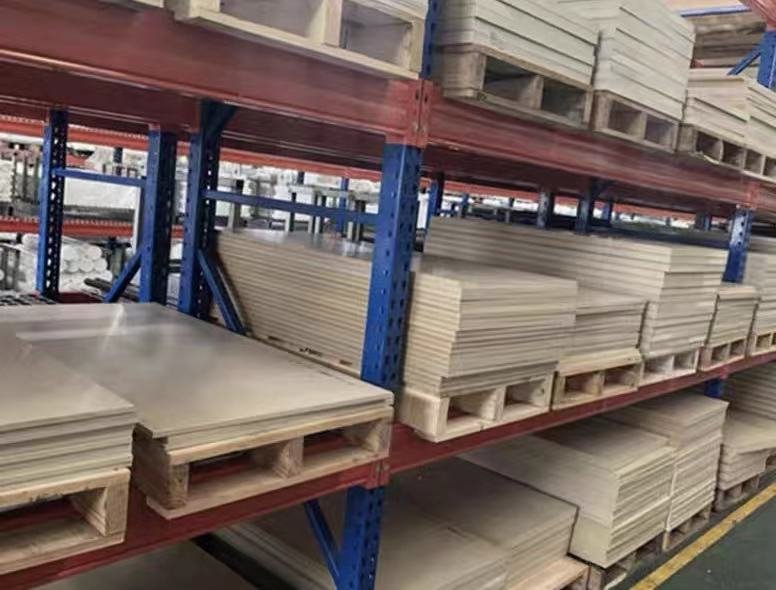
PEEK sheets for reusable medical devices

Cost-Effectiveness and Longevity of PEEK in Reusable Medical Devices

Extended Lifespan Due to Durability

One of the most significant advantages of using PEEK sheets in reusable medical devices is their remarkable durability. PEEK material is engineered to withstand the high levels of mechanical stress and wear that surgical tools and diagnostic equipment undergo in daily use. Its resistance to fatigue and deformation ensures that devices made from PEEK plastic sheets maintain their performance over long periods, even with frequent usage. This durability reduces the need for replacements and repairs, leading to substantial cost savings for hospitals and clinics over time. Learn more about the durability of PEEK-based medical tools at durable PEEK materials in healthcare.

Resistance to Wear and Tear

Another critical factor in the cost-effectiveness of PEEK sheets is their resistance to wear. Medical devices, particularly those that are reused, such as surgical instruments and diagnostic tools, are subject to extensive handling and repeated sterilization cycles. PEEK plastic retains its mechanical properties and structural integrity, even after exposure to high temperatures, steam sterilization, and harsh chemical disinfectants. This wear resistance makes PEEK an ideal material for devices that need to function reliably over long periods without degradation. For additional insights on PEEK’s wear resistance, visit wear-resistant PEEK for medical devices.

Economic Benefits of Reusability

PEEK sheets offer long-term economic benefits due to their reusability in medical settings. Although the initial cost of PEEK-based devices may be higher than those made from standard materials, the extended lifespan and reduced need for replacement or repairs result in lower overall costs. Hospitals and healthcare providers benefit from fewer disruptions to their operations, as PEEK medical instruments can be sterilized and reused multiple times without losing effectiveness. This cost-effectiveness is particularly valuable for high-demand environments like operating rooms, where device performance and reliability are critical. For more details on the economic benefits of PEEK in healthcare, check out cost-saving advantages of PEEK materials.

Lower Environmental Impact

The reusability of PEEK medical devices also contributes to a lower environmental impact. By opting for PEEK sheets, healthcare providers can reduce their reliance on disposable tools, cutting down on medical waste. Reusable PEEK devices not only last longer but also require fewer resources to manufacture and replace over time. This sustainable approach aligns with the growing trend in healthcare toward more environmentally friendly practices. Learn more about the environmental benefits of reusable PEEK materials at sustainable PEEK solutions in medical devices.

Operational Savings and Improved Efficiency

Using PEEK sheets in reusable medical devices also leads to operational savings. Devices made from PEEK material require fewer replacements, which translates to reduced downtime in medical facilities. Surgical teams and diagnostic labs can rely on PEEK-based tools to function consistently, minimizing delays caused by equipment failure. The longevity and resistance to degradation of PEEK plastic sheets ensure that healthcare professionals can work more efficiently, saving both time and money. Explore more about the operational benefits of PEEK in healthcare at PEEK longevity in surgical instruments.

By integrating PEEK sheets into reusable medical devices, healthcare providers can achieve significant cost savings, improve operational efficiency, and contribute to more sustainable medical practices.
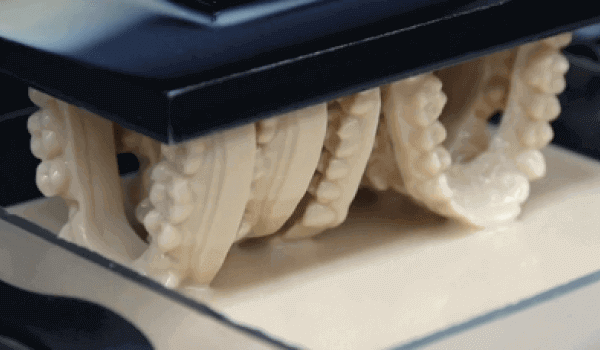
PEEK sheets into reusable medical devices

Frequently Asked Questions (FAQs) about PEEK Sheets in Medical and Pharmaceutical Applications

1. What are the primary benefits of using PEEK sheets in medical devices?

Answer: PEEK sheets are highly valued in medical device manufacturing due to their biocompatibility, chemical resistance, and thermal stability. These properties make them ideal for implantable devices, surgical tools, and pharmaceutical processing equipment, where sterilization and durability are critical.

2. How does PEEK compare to metals for implantable medical devices?

Answer: Unlike metals, PEEK plastic sheets offer radiolucency, meaning they don’t interfere with medical imaging like X-rays and MRIs. PEEK also has a closer elasticity to human bone, reducing stress shielding and promoting better healing outcomes in spinal and orthopedic implants.

3. What thickness of PEEK sheets should be used for surgical tools?

Answer: The appropriate PEEK sheet thickness depends on the specific tool. 1mm PEEK sheets are often used for fine, delicate instruments, while 2mm or 3mm PEEK sheets provide more strength for load-bearing components like orthopedic screws and spinal implants.

4. Why is PEEK preferred in pharmaceutical processing equipment?

Answer: PEEK material is highly resistant to harsh chemicals and can withstand repeated sterilization at high temperatures, such as in autoclaving. This ensures contamination-free processing environments and extends the longevity of the equipment, making it a cost-effective choice for biopharmaceutical manufacturing.

5. How does 3D printing with PEEK improve medical implant customization?

Answer: 3D printing with PEEK allows for the production of patient-specific implants, such as cranial or orthopedic implants, tailored precisely to a patient’s anatomy. This technology results in better fitting implants and improved outcomes in complex medical procedures.

Frequently Asked Questions about BeePlastic Customization Services

6. Does BeePlastic provide sample customization?

Answer: Yes, BeePlastic can undertake any customization, including sample customization and batch customization. Whether you need a small sample to test or a large-scale production run, BeePlastic has the capability to meet your needs.

7. What file formats does BeePlastic accept for custom orders?

Answer: BeePlastic accepts a wide variety of file formats, including PDF and CAD files. This flexibility ensures that you can submit your designs in the format that works best for you.

8. Is there a minimum order quantity (MOQ) for custom projects?

Answer: No, BeePlastic does not have a minimum order quantity (MOQ). Whether you need a single custom part or a large batch, BeePlastic can accommodate your request.

9. What is the typical production cycle for custom orders?

Answer: The production cycle depends on the size and complexity of the order. BeePlastic will communicate with you in real time about the progress of your project and ensure it is completed as quickly as possible.

10. Does BeePlastic offer free samples?

Answer: Yes, BeePlastic provides free samples for custom orders. However, the customer is responsible for the shipping costs. This allows you to evaluate the product before committing to a larger production run.

Incorporating PEEK sheets into medical and pharmaceutical applications offers numerous advantages, from their biocompatibility and chemical resistance to their ability to withstand high temperatures and repeated sterilization. These properties make PEEK plastic an ideal choice for implantable devices, surgical instruments, and pharmaceutical processing equipment. By selecting the appropriate PEEK sheet thickness and utilizing modern techniques like 3D printing, manufacturers can create highly customized, durable, and cost-effective solutions tailored to specific medical needs. For those seeking reliable, long-lasting materials for critical healthcare applications, PEEK sheets provide unparalleled performance and adaptability.

🎉🎉🎉Limited Time Offer Use code: QR4GNY08SHVR at checkout and enjoy a special discount on your entire order! 👉 PEEK plastic

PEEK sheets into medical and pharmaceutical applications

Get in touch with our experts today! If you have any questions or need more information on customizing PEEK materials, fill out the contact form at the bottom of the page. We’re here to support your next project with top-quality, tailored solutions.

Leave a comment


Please note, comments must be approved before they are published


Custom Plastic Fabrication

Send your drawing, material and quantity for review

🔧
Precision Machining
CNC milling & turning
✂️
Cutting & Engraving
Laser & waterjet cutting
🏭
Forming & Molding
Thermoforming & injection
🔗
Joining & Assembly
Welding & bonding
📐
Design & Prototyping
CAD design & samples

General

HDPE

PP

PVC

ABS

Engineering

POM

Nylon

PC

PMMA

High-Performance

PEEK

PEI

PTFE

Composites

FR-4

G10

Flexible

TPU

Silicone

Why Choose BeePlastic?

🎯
Perfect Fit
Custom specs eliminate adaptation needs
⚡
Clear Lead Times
Lead time confirmed with every quote
💰
Volume Pricing
Volume pricing available on bulk orders
🤝
Expert Support
Free engineering consultation included
📋
Submit
→
🔍
Review
→
💵
Quote
→
✅
Production
→
📦
Deliver

Request a Quote

Share your project details, selected material and quantity on our quote page. You can add a file link or use the email drawing route shown there.


Request Quote

Industries: Automotive • Medical • Food • Lab • Semiconductor

beeplastic@beeplastic.com


What is Bakelite Made Of? Uncovering the Science Behind Bakelite Rods and Sheets

custom Bakelite rods

Bakelite, the world’s first synthetic plastic, revolutionized industries with its unique combination of durability, electrical insulation, and high-temperature resistance. But what exactly is Bakelite made of, and why does it remain essential in modern manufacturing? In this post, I dive deep into the composition and properties of Bakelite rods and sheets, crafted from phenolic resin. I explain how the Bakelite material is formed through the polymerization of phenol and formaldehyde, creating a thermosetting plastic known for its mechanical strength and versatility.

🎉🎉🎉Limited Time Offer Use code: QR4GNY08SHVR at checkout and enjoy a special discount on your entire order! 👉 Bakelite plastic

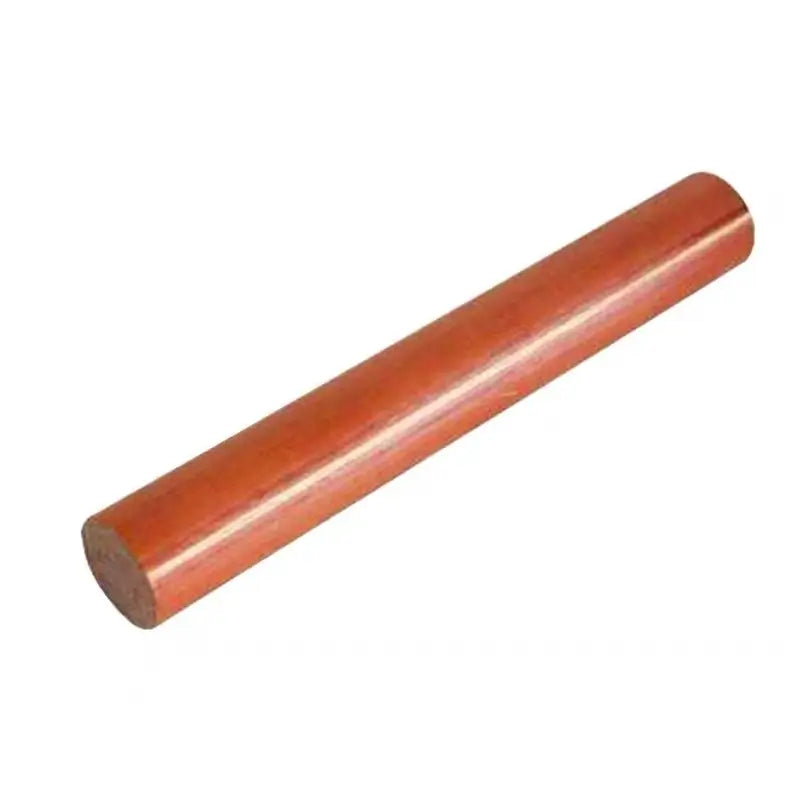
Bakelite rods and sheets

From its use in electrical insulation rods to custom Bakelite rods designed for industrial applications, Bakelite’s heat resistance and reliability are unmatched. Whether you’re curious about fabric Bakelite rods or the differences between Bakelite rods and sheets, this guide covers it all. Explore how Bakelite serves industries from electronics to automotive with its phenolic rod applications and discover why it remains a top choice for manufacturers globally.

The Chemical Composition of Bakelite

Bakelite is a polymer made by combining phenol and formaldehyde in a controlled process. This reaction forms a thermosetting plastic, which, once cured, cannot be melted or reshaped. This unique composition makes Bakelite material ideal for applications requiring durability, heat resistance, and electrical insulation.

How Phenol and Formaldehyde React

The polymerization of phenol and formaldehyde involves a condensation reaction where water is eliminated as the two components bind. In an acidic or basic medium, this reaction yields intermediate products, which eventually polymerize into a solid structure. The result is phenolic resin, the key component of Bakelite rods.

Thermosetting Properties of Bakelite

Once formed, Bakelite undergoes a curing process, making it a thermosetting polymer. Unlike thermoplastics, which can be remelted and reshaped, Bakelite retains its rigid structure even at high temperatures. This characteristic is essential for applications such as high-temperature resistant rods and electrical insulation rods, where material stability is crucial.

The Role of Fillers in Enhancing Bakelite

To further improve its mechanical strength, Bakelite rods often include fillers like cotton fabric or wood flour. These fillers not only enhance the rigidity but also allow the material to be molded into different shapes and forms, such as cotton cloth Bakelite rods or fabric Bakelite rods, which are used in heavy-duty industrial settings.

Phenolic Resin and Bakelite Applications

The phenolic resin rod created through this process is highly versatile. It finds its applications in various industries due to its insulating properties and ability to withstand harsh conditions. Whether used in custom Bakelite rods for specialized parts or as a Bakelite sheet for large-scale industrial purposes, the material’s resilience makes it indispensable.

This structure ensures that Bakelite continues to serve as a foundational material in electrical, automotive, and industrial applications.

Properties of Bakelite: Heat Resistance and Insulation

Bakelite stands out due to its exceptional heat resistance and electrical insulation capabilities, making it a material of choice for many high-demand industrial applications. These properties make Bakelite rods ideal for use in environments where high temperatures and electrical conductivity must be managed effectively.

Bakelite rods

Heat Resistance of Bakelite

One of the most remarkable features of Bakelite material is its ability to withstand high temperatures without deforming or losing its structural integrity. Bakelite rods, especially high-temperature resistant rods, are used in industries where components are exposed to extreme heat. This includes applications such as automotive parts, furnace insulation, and brake linings, where sustained exposure to high temperatures would degrade less resilient materials. Thanks to its thermosetting properties, Bakelite retains its rigidity even at temperatures exceeding 150°C, ensuring that it maintains both form and functionality in demanding environments.

Electrical Insulation Properties

The electrical insulation capabilities of Bakelite are equally impressive, making it invaluable in sectors where preventing electrical conduction is critical. Its low electrical conductivity ensures that Bakelite rods serve as ideal electrical insulation rods in transformers, switches, and other electronic devices that require high dielectric strength. The material’s ability to prevent current leakage helps improve both the safety and efficiency of electrical systems, protecting components from short circuits and electrical fires.

Industrial Applications of Heat-Resistant and Insulating Bakelite

Given these outstanding properties, Bakelite rods are extensively used in a variety of industrial applications. The heat resistance of Bakelite makes it a natural fit for high-temperature resistant rods in the automotive, aerospace, and electrical industries, while its insulation properties ensure its continued use in circuit boards, insulators, and high-frequency electronics. The material’s durability and reliability in these harsh environments allow it to outperform many alternative materials that would degrade under similar conditions.

Customization of Bakelite for Specialized Applications

In addition to its standard uses, Bakelite can be customized to fit the specific needs of various industries. For example, cotton cloth Bakelite rods and fabric Bakelite rods are tailored to meet the requirements of high-stress mechanical environments where both mechanical strength and insulation are essential. These customized phenolic resin rods offer additional versatility and functionality, making Bakelite a foundational material for heavy-duty equipment and electrical insulation components.

Through its combination of heat resistance and electrical insulating properties, Bakelite continues to be a critical material in many industrial sectors, ensuring the durability and safety of essential components across various applications.

Industrial Applications of Bakelite Rods

Bakelite rods are fundamental in several industries, from automotive to electronics, thanks to their exceptional mechanical strength, electrical insulation, and heat-resistant properties. Their durability and versatility make them indispensable in critical components that must withstand demanding environments. Let’s explore how Bakelite rods serve these industries.

Automotive Industry: High-Performance Components

In the automotive industry, Bakelite rods are integral to components that endure high heat and mechanical stress. Their heat-resistant nature makes them ideal for manufacturing brake pads and clutch plates. The material’s mechanical strength ensures that these components withstand repeated stress, delivering consistent performance over long periods. Moreover, Bakelite provides the stability needed for distributor caps, ensuring reliable electrical distribution within an engine’s ignition system.

Bakelite rods are also used in various insulation components in vehicles, such as ignition housings and insulation pads. These parts must resist high temperatures and provide dependable insulation in both electrical and mechanical applications, a role that Bakelite fulfills with ease.

Bakelite rods are integral to components

Electronics and Electrical Insulation

Bakelite’s electrical insulation properties make it a go-to material in the electronics sector. Bakelite rods are commonly found in switches, transformers, and electrical insulators where they prevent current leakage and enhance safety. In high-frequency electronics, phenolic rods made from Bakelite material are used to maintain signal integrity, thanks to their low dielectric loss. This ensures that electrical systems operate efficiently without interference or degradation.

Moreover, electrical insulation rods made from Bakelite are used in critical systems that demand long-lasting performance in harsh environments. The material’s ability to resist high temperatures without deforming or compromising its insulating properties is crucial for maintaining the safety and effectiveness of electrical infrastructure.

Heavy Machinery and Industrial Equipment

In the world of heavy machinery, Bakelite rods offer a combination of strength and insulation that few other materials can match. Their use in gear wheels, bushes, and rollers ensures that these components maintain their structural integrity under high loads. Bakelite’s mechanical strength and dimensional stability also make it ideal for producing machine parts that must resist wear and tear over extended periods of use.

Additionally, Bakelite rods find applications in industrial machinery that require both heat resistance and electrical insulation. Whether in motor components or thermal insulators, Bakelite’s durability ensures that these machines continue to function optimally even in extreme conditions.

Customization for Specialized Applications

One of the greatest advantages of Bakelite rods is their adaptability for specialized applications. Custom Bakelite rods can be tailored to meet specific requirements in industries such as electronics and aerospace, where precision and durability are paramount. Additionally, cotton cloth Bakelite rods and fabric Bakelite rods offer enhanced mechanical strength for use in environments where high stress and extreme conditions are present.

This customization allows Bakelite to be utilized in a broad range of applications, from precision electronics to heavy-duty industrial components, further solidifying its place as a versatile material in modern manufacturing.

Differences Between Bakelite Rods and Sheets

Bakelite rods and Bakelite sheets are two versatile forms of the same phenolic resin-based material, but they serve different purposes in various industries. Their structural and functional differences make them suitable for distinct applications, ranging from heavy machinery to electrical insulation.

Structural Differences

Bakelite rods are cylindrical in shape and come in a variety of diameters, making them ideal for use in applications that require high mechanical strength and precise machining. They are often reinforced with materials like cotton fabric to create fabric Bakelite rods, which are designed to withstand heavy loads and extreme mechanical stress. This reinforcement enhances the rod’s durability, making it perfect for industrial components such as gears, bearings, and rollers.

On the other hand, Bakelite sheets are flat and can be produced in different thicknesses, from thin, flexible layers to robust slabs. These sheets are often used in large-scale applications where heat resistance and electrical insulation are required, such as in switchboards and circuit boards. Their flat structure allows them to be cut or shaped into panels or parts that can insulate or protect large surfaces from heat and electrical currents.Bakelite sheets

Functional Differences

While Bakelite rods excel in applications where rotational or mechanical forces are present, Bakelite sheets are more suited for stationary or surface-based applications. Bakelite rods are commonly used in machinery to manufacture parts like bushes, spacers, and insulation rods. Their cylindrical structure makes them ideal for components that rotate or experience dynamic forces, as the rod’s shape distributes stress evenly across the surface, enhancing durability.

In contrast, Bakelite sheets provide excellent coverage for insulating large areas in electrical and industrial applications. They are often used as protective barriers in high-voltage environments, where they prevent electrical currents from causing damage to nearby components. The smooth surface of these sheets allows for easy cutting and fitting into various shapes and sizes, making them ideal for custom applications like electrical panels, insulation barriers, and automotive dashboard panels.

Applications of Fabric Bakelite Rods

Fabric Bakelite rods, reinforced with cotton cloth or other materials, are specifically designed for heavy-duty industrial applications where both mechanical strength and insulation properties are critical. These rods are frequently used in high-stress environments like manufacturing plants and power stations, where machinery parts must endure extreme conditions while maintaining their shape and performance. The fabric reinforcement ensures that the Bakelite rod does not crack or wear under pressure, making it a reliable choice for high-load bearings, gear wheels, and thermal insulators.

Choosing Between Bakelite Rods and Sheets

The choice between Bakelite rods and Bakelite sheets depends largely on the specific requirements of the application. For rotational components, high-temperature insulation, or applications requiring strong mechanical resistance, Bakelite rods are often the preferred option. However, when broad coverage or surface insulation is needed, Bakelite sheets provide the ideal solution due to their flat and versatile structure.

By understanding the structural and functional differences between these two forms of Bakelite, industries can optimize their use of this phenolic material to meet their unique needs, ensuring both durability and efficiency across a range of applications.

Customization Options for Bakelite Rods

One of the standout qualities of Bakelite rods is their adaptability for custom applications. These rods can be manufactured in various sizes, compositions, and reinforced forms, such as cotton cloth Bakelite rods, to meet the specific demands of industries ranging from automotive to electronics. Customization ensures that Bakelite material retains its flexibility in serving a wide array of industrial applications.

Custom Sizes for Specific Industrial Needs

Bakelite rods are available in a wide range of diameters and lengths, making it possible to create custom Bakelite rods that precisely match the requirements of each project. These sizes can range from small, thin rods for delicate electrical components to thick, robust rods used in heavy machinery. The ability to customize dimensions allows manufacturers to cater to industries that need components to fit specific machinery or electrical systems.

For instance, small-diameter Bakelite rods are commonly used in the electronics industry, where precise insulation for compact devices is necessary. On the other hand, large-diameter rods are preferred for mechanical applications, where high mechanical strength and heat resistance are essential, such as in the manufacturing of bearings, bushes, and rollers.

Customized Compositions: Cotton Cloth Bakelite Rods

Cotton cloth Bakelite rods, also known as fabric Bakelite rods, are an excellent example of how Bakelite can be customized to enhance specific properties like mechanical strength and impact resistance. These rods are reinforced with layers of cotton fabric that are impregnated with phenolic resin, creating a material that combines the toughness of fabric with the durability of phenolic resin.

This customization is especially valuable in industries like aerospace and automotive, where components must endure both mechanical stress and high temperatures. Fabric Bakelite rods are designed to perform well under heavy loads, making them ideal for high-stress environments such as industrial equipment and high-load bearings. The fabric reinforcement also improves the rod’s resistance to wear and abrasion, ensuring a longer lifespan even in demanding conditions.

Application-Specific Customization

The customization options for Bakelite rods extend beyond size and composition. Custom Bakelite rods can be tailored with specific features to suit a wide range of industrial environments. For instance, industries that operate in high-humidity conditions may opt for water-resistant Bakelite rods, while those in electrical engineering might require rods with enhanced dielectric properties.

These custom features allow Bakelite rods to serve specialized roles in sectors such as telecommunications, where they are used in insulating rods for high-voltage lines, or in automotive engineering, where they function as thermal insulators for parts exposed to extreme heat. Each customization enhances the rod’s performance, ensuring it can meet the unique challenges posed by the specific application.

Versatility and Customization for Heavy-Duty Applications

For heavy-duty applications, custom Bakelite rods can be manufactured to include additional reinforcements or specific treatment processes that improve their resilience under stress. These custom treatments can enhance the heat resistance, chemical resistance, and mechanical properties of the rods, making them suitable for use in high-temperature and chemical-laden environments such as factories, power plants, and manufacturing facilities.

Custom Bakelite rods can also be produced to fit the precise requirements of machinery parts, such as gears, pulleys, and roller components. By tailoring the rods to fit unique specifications, manufacturers can ensure that they deliver the exact balance of strength, durability, and insulation needed for long-term performance in critical equipment.

This adaptability makes Bakelite a highly versatile material for custom industrial solutions. The combination of its thermosetting properties, mechanical strength, and insulating capabilities allows for virtually endless customization options to meet the needs of various sectors.

Why Bakelite Remains a Key Material in Modern Manufacturing

Bakelite, despite being one of the earliest synthetic plastics, continues to play a crucial role in modern manufacturing. Its unique combination of mechanical strength, cost-effectiveness, and versatility makes it an indispensable material across various industries, from electronics to automotive and heavy machinery.

Mechanical Strength and Durability

One of the primary reasons Bakelite material remains relevant is its high mechanical strength. Once cured, Bakelite becomes a thermosetting polymer, meaning it cannot be melted or reshaped, which provides excellent stability and durability under mechanical stress. Bakelite rods are used in industries where structural integrity and resistance to wear are essential. These rods are particularly valuable in manufacturing parts like gears, bearings, and bushes, where prolonged exposure to high loads and stress is expected.

Phenolic resin rods, often made from Bakelite, exhibit remarkable resistance to abrasion and impact, ensuring a long service life even in high-stress environments such as heavy machinery and industrial plants. This level of durability allows manufacturers to rely on Bakelite for parts that must endure constant use without frequent replacement.

Cost-Effectiveness

Bakelite’s cost-effectiveness is another factor contributing to its continued use in manufacturing. While more modern materials have emerged, Bakelite rods and sheets remain an affordable option for industries that need a reliable material for insulation and mechanical applications. Bakelite material offers excellent value for money, as it combines thermal resistance, electrical insulation, and mechanical strength at a lower cost compared to more specialized materials.

This cost advantage is particularly evident in large-scale applications where manufacturers require high volumes of material without compromising quality. For example, Bakelite sheets are often used in automotive parts, switchboards, and thermal insulators, all of which benefit from the material’s cost-efficiency.

Versatility Across Industries

The versatility of Bakelite is a major reason why it continues to be relevant in modern manufacturing. The material is used in a wide range of applications due to its ability to be molded into various shapes and forms. Custom Bakelite rods can be produced to meet specific industry requirements, whether they are used in electrical insulation, automotive components, or machinery parts.

In the electronics industry, for example, Bakelite rods serve as key components in transformers, insulators, and switches due to their excellent electrical insulation properties. In the automotive industry, Bakelite is favored for parts that need to resist both mechanical stress and high temperatures, such as brake pads and clutch plates.

The material’s adaptability extends to its ability to incorporate various reinforcements like cotton cloth in fabric Bakelite rods, which are used in environments where both mechanical strength and insulation are critical.

Heat and Electrical Resistance

Bakelite’s resistance to heat and electrical insulation properties further cement its position in industries where components are exposed to high temperatures and electrical currents. Its thermosetting nature ensures that Bakelite rods do not deform under high temperatures, making them ideal for use in furnace insulation, electrical panels, and high-temperature machinery.

The material’s low electrical conductivity also makes it indispensable for electrical insulation rods, which are used in critical systems that require dielectric properties to prevent electrical shorts and ensure the safety of components in high-voltage environments.

Through its balance of properties, Bakelite remains a key material in modern manufacturing, offering both durability and versatility at an affordable cost.

Bakelite’s resistance to heat and electrical insulation properties

Common Questions About Bakelite Rods and BeePlastics Customization Services

  1. What is a Bakelite Rod and What is it Made Of?
    A Bakelite rod is a type of synthetic plastic made from the polymerization of phenol and formaldehyde. This process produces a thermosetting resin that becomes rigid after curing. Bakelite rods are known for their mechanical strength, heat resistance, and electrical insulation properties, making them ideal for industrial and electrical applications.

  2. What Are the Common Applications of Bakelite Rods?
    Bakelite rods are widely used in industries like automotive, electronics, and heavy machinery. Their high mechanical strength makes them suitable for components like brake pads, gears, and bearings, while their electrical insulation properties are perfect for use in switches, insulators, and transformers.

  3. Can Bakelite Rods Be Customized for Specific Industrial Needs?
    Yes, BeePlastics offers extensive customization options for Bakelite rods. We can produce custom Bakelite rods in various sizes, diameters, and compositions, including cotton cloth Bakelite rods and fabric Bakelite rods, which are tailored for high-stress industrial applications. Our customization services can handle both sample customization and batch production based on your project needs.

  4. Does BeePlastics Offer Sample Customization for Bakelite Rods?
    Absolutely! BeePlastics supports sample customization for all our Bakelite products. Whether you’re exploring specific dimensions or testing for mechanical strength, we can create custom samples to meet your specifications. We provide the samples free of charge, with the customer only responsible for shipping costs.

  5. What File Formats Does BeePlastics Accept for Customization?
    At BeePlastics, we accept a wide range of file formats to streamline the customization process, including PDF, CAD, and other common engineering and design formats. This flexibility allows us to accurately interpret your designs and produce custom Bakelite rods that meet your exact requirements.

  6. Is There a Minimum Order Quantity (MOQ) for Custom Bakelite Rods?
    No, BeePlastics does not require a minimum order quantity (MOQ) for any of our custom products. Whether you need a single Bakelite rod sample or a full batch production, we can accommodate your order size, making us an ideal partner for both small and large projects.

  7. How Long Does It Take to Produce Custom Bakelite Rods?
    The production cycle for custom Bakelite rods varies depending on the order volume and complexity of the design. However, at BeePlastics, we maintain real-time communication with clients regarding the production progress, ensuring transparency and timely delivery. Simple orders typically have shorter lead times, while more complex projects may require additional processing.

  8. Can I Request Custom Compositions for My Bakelite Rods?
    Yes, we offer the ability to tailor the composition of Bakelite rods to your specific needs. For example, we can produce cotton cloth Bakelite rods or fabric Bakelite rods that are enhanced for greater mechanical strength and impact resistance, making them suitable for demanding applications like gear wheels and thermal insulators.

  9. What Industries Use Custom Bakelite Rods?
    Custom Bakelite rods are used across various industries, including electronics, automotive, aerospace, and heavy machinery. They are ideal for components that require heat resistance, electrical insulation, and mechanical durability, such as electrical panels, ignition housings, and machinery parts.

  10. Does BeePlastics Provide Free Samples for Testing?
    Yes, BeePlastics provides free samples of our custom Bakelite rods for testing purposes. We believe in ensuring that our products meet your specifications before proceeding with larger orders. The samples are free, with only the shipping cost covered by the customer.

As we’ve explored, Bakelite rods remain a foundational material in modern industries due to their mechanical strength, heat resistance, and electrical insulation properties. Whether used in automotive, electronics, or machinery, Bakelite’s versatility ensures it continues to be a key player in manufacturing. With the ability to create custom Bakelite rods tailored to specific industrial needs, BeePlastics offers a wide range of solutions, from sample customization to batch production. This adaptability, combined with cost-effectiveness and durability, makes Bakelite rods indispensable in today’s manufacturing landscape. Whether you need a product to withstand high temperatures or provide electrical insulation, Bakelite remains a trusted material that meets the challenges of modern industry head-on.

🎉🎉🎉Limited Time Offer Use code: QR4GNY08SHVR at checkout and enjoy a special discount on your entire order! 👉 Bakelite plastic
Bakelite rods
Looking for a trusted source for high-quality Bakelite materials? Reach out by filling in the form below, and explore our full collection of Bakelite rods and sheets at BeePlastics: Shop Bakelite Plastics. Let’s bring your custom project to life! 

Leave a comment


Please note, comments must be approved before they are published


Custom Plastic Fabrication

Send your drawing, material and quantity for review

🔧
Precision Machining
CNC milling & turning
✂️
Cutting & Engraving
Laser & waterjet cutting
🏭
Forming & Molding
Thermoforming & injection
🔗
Joining & Assembly
Welding & bonding
📐
Design & Prototyping
CAD design & samples

General

HDPE

PP

PVC

ABS

Engineering

POM

Nylon

PC

PMMA

High-Performance

PEEK

PEI

PTFE

Composites

FR-4

G10

Flexible

TPU

Silicone

Why Choose BeePlastic?

🎯
Perfect Fit
Custom specs eliminate adaptation needs
⚡
Clear Lead Times
Lead time confirmed with every quote
💰
Volume Pricing
Volume pricing available on bulk orders
🤝
Expert Support
Free engineering consultation included
📋
Submit
→
🔍
Review
→
💵
Quote
→
✅
Production
→
📦
Deliver

Request a Quote

Share your project details, selected material and quantity on our quote page. You can add a file link or use the email drawing route shown there.


Request Quote

Industries: Automotive • Medical • Food • Lab • Semiconductor

beeplastic@beeplastic.com


Phenolic Rods vs. Bakelite Rods: What You Need to Know About This Heat-Resistant Material

industrial Bakelite rods

If you’re looking for a versatile, heat-resistant solution for industrial or electrical applications, you’ve likely come across both Bakelite rods and Phenolic rods. But what are the key differences between these materials, and which one is better suited for your needs? In this blog, I’ll dive deep into the properties of Bakelite and phenolic resin rods, exploring their mechanical strength, high-temperature resistance, and electrical insulation capabilities. I’ll also discuss Bakelite rod applications and how they stack up against custom phenolic rods when it comes to durability and versatility. From industrial Bakelite rods used in transformers to

fabric Bakelite rods

in precision engineering, this guide will help you make an informed decision. By the end, you’ll understand why these materials continue to dominate insulation rod markets across various industries.

🎉🎉🎉Limited Time Offer Use code: QR4GNY08SHVR at checkout and enjoy a special discount on your entire order! 👉 Bakelite plastic

Understanding the Composition of Phenolic and Bakelite Rods

The Base Material: Phenolic Resin

At the core of both Phenolic rods and Bakelite rods is phenolic resin, a type of thermosetting plastic known for its excellent heat resistance and durability. Phenolic resins are created through a chemical reaction between phenol and formaldehyde, forming a material that cannot melt or deform after it has been set. This makes it a perfect material for industrial applications requiring high-temperature resistant rods.

The Role of Fillers in Bakelite Rods

While both Bakelite and Phenolic rods share a similar base material, the distinction lies in the fillers used in Bakelite rods. Bakelite typically incorporates fillers such as cotton cloth or wood flour, which are pressed into the resin under high pressure and heat. These cotton cloth Bakelite rods offer greater mechanical strength, making them more suited for structural applications where added durability is essential. The inclusion of fillers not only improves the strength of Bakelite rods but also enhances their insulating properties, making them suitable for electrical insulation rod applications.

Mechanical Strength of Bakelite vs. Phenolic Rods

When comparing Phenolic rods to Bakelite rods, the key difference comes down to the filler content. While phenolic resin rods possess excellent high-temperature resistance and dimensional stability, they are typically less rigid than Bakelite rods, which are reinforced with fillers like fabric or wood. This added rigidity makes Bakelite rods particularly well-suited for applications that demand mechanical strength rods, such as industrial machinery and high-pressure electrical components.

Phenolic Rods in High-Temperature Applications

Phenolic rods, on the other hand, offer versatility and are widely used for electrical insulation and industrial applications. With a higher heat resistance and lower thermal expansion compared to other plastics, they are ideal for environments that require a heat-resistant Bakelite alternative. These rods are often used in electrical components, bearings, and bushings, where their insulation properties and mechanical performance shine under extreme conditions.

Choosing the Right Material for Your Application

If you’re deciding between Phenolic rods and Bakelite rods, consider your specific application needs. For electrical insulation rod uses or projects requiring high mechanical strength, Bakelite rods are a robust choice, thanks to their filler-reinforced structure. On the other hand, Phenolic rods provide a more flexible solution for applications where high-temperature resistance and dimensional stability are critical but don’t require the added rigidity provided by fillers.

Customization Options for Industrial Applications

For those seeking custom Bakelite rods, manufacturers often offer a variety of options, including different sizes, lengths, and filler materials. These custom Bakelite rods are tailored to meet specific industrial requirements, making them highly versatile for various uses, from insulating electrical circuits to supporting high-temperature industrial machinery.

In understanding the properties of Bakelite and phenolic resin, it becomes clear that each material offers unique advantages depending on the application’s demands. Whether you’re looking for a phenolic resin rod with superior heat resistance or a Bakelite rod enhanced with fillers for extra mechanical strength, both options have proven to be valuable in industrial Bakelite rod applications.

properties of Bakelite and phenolic resin

Key Properties: Heat Resistance and Electrical Insulation

The Heat Resistance of Bakelite

When it comes to heat resistance, Bakelite rods are widely recognized for their ability to withstand high temperatures without warping or losing their structural integrity. This makes Bakelite the preferred choice for applications in environments where heat-resistant materials are essential. The unique structure of Bakelite material, which incorporates phenolic resins combined with fillers like cotton cloth or wood, significantly enhances its resistance to heat.

Bakelite can endure temperatures up to 130°C, making it an ideal material for electrical insulation rod applications in industries like automotive and electrical engineering. Additionally, Bakelite’s non-conductive nature ensures that it remains stable even in high-temperature environments, providing heat resistance while also maintaining its insulation properties.

Electrical Insulation Capabilities of Bakelite

One of the standout features of Bakelite is its excellent electrical insulation. As a non-conductive material, Bakelite is often used in the manufacturing of electrical components, such as switches, sockets, and insulation boards. This quality is a result of its phenolic resin base, which creates a barrier against electrical currents. This property, coupled with its heat resistance, makes Bakelite rods highly desirable in high-temperature electrical insulation applications, where both thermal stability and insulation are critical.

Phenolic Rods: Balancing Heat Resistance and Strength

Phenolic rods, like Bakelite, also exhibit high heat resistance, but they excel in providing a balanced combination of mechanical strength and dimensional stability under high-temperature conditions. The phenolic resin used in these rods ensures they can handle extreme heat while retaining their form. Unlike Bakelite, which includes fillers to boost mechanical strength, Phenolic rods are generally used in applications that require materials to endure high temperatures without compromising on dimensional stability.

Phenolic rods are often the material of choice for industrial applications such as bearings, bushings, and electrical components that need to maintain their structural integrity at elevated temperatures. Their heat-resistant properties make them ideal for use in equipment that generates heat or operates in high-temperature environments, such as transformers and electric motors.

Comparing the Heat-Resistant Properties of Bakelite and Phenolic Rods

While both Bakelite rods and Phenolic rods offer significant heat resistance, their applications differ based on the specific needs of the project. Bakelite, with its filler-enhanced structure, tends to have higher mechanical strength, making it ideal for industrial machinery where both heat and pressure are constant factors. In contrast, Phenolic rods offer superior dimensional stability, which is crucial for applications where maintaining exact measurements and shapes is critical despite high temperatures.

Electrical Insulation: Which is More Effective?

In terms of electrical insulation, Bakelite rods are the clear winner. The non-conductive properties of Bakelite material make it particularly effective in environments where electrical insulation is paramount, such as in switchgears or electrical distribution systems. However, Phenolic rods also offer good insulation and are frequently used in applications requiring both electrical insulation and mechanical durability. These rods are especially useful in high-voltage electrical equipment where dimensional stability is as important as insulation.

By comparing these heat-resistant materials, it becomes clear that Bakelite rods are preferable for electrical insulation applications requiring mechanical strength, while Phenolic rods offer a more balanced solution for high-temperature industrial uses. Whether you’re looking for custom Bakelite rods or industrial-grade Phenolic rods, understanding their key properties helps in selecting the right material for your needs.

custom Bakelite rods

al Insulation and Mechanical Strength

Bakelite Rods in Electrical Insulation

Bakelite rods have long been a staple in the electrical industry due to their excellent insulating properties and resistance to high temperatures. Their non-conductive nature makes them an ideal material for components such as switches, sockets, and insulation boards. In fact, Bakelite was historically one of the first materials used to insulate early electrical devices. Today, it remains a top choice for electrical insulation rods in power distribution systems and transformers. Because Bakelite material is resistant to heat, it can operate safely in high-voltage environments without losing its structural integrity, making it an indispensable material for protecting sensitive electrical components from overheating or electrical faults.

Additionally, custom Bakelite rods can be designed to meet specific insulation requirements, allowing industries to tailor their applications for maximum safety and efficiency. Industries that deal with high-temperature resistant rods continue to rely on Bakelite’s unique properties to meet stringent safety standards.

Phenolic Rods in Industrial Applications

While Bakelite rods excel in electrical insulation, Phenolic rods are known for their mechanical strength and versatility in industrial applications. Due to the properties of phenolic resin, these rods maintain their shape and durability even when exposed to high temperatures. This makes them a common choice for structural components such as bearings, bushings, and gears in heavy machinery.

Phenolic rods provide superior mechanical strength rods in applications requiring materials that can withstand significant wear and tear. Their use in industrial applications ranges from mechanical spacers in equipment to support structures for large-scale industrial projects. Phenolic rods can also be machined easily, allowing for precise customization in manufacturing processes. The use of fabric Bakelite rods, made with cotton cloth fillers, adds even greater mechanical resilience, making them suitable for demanding mechanical applications where impact resistance is crucial.

Phenolic and Bakelite in Automotive Components

Both Bakelite and Phenolic rods play a critical role in the automotive industry. For example, Bakelite rods are often used in the ignition systems and distributor caps of older vehicles due to their non-conductive and heat-resistant properties. Phenolic rods, on the other hand, are used in engine components, where they provide thermal stability and resist wear from friction. The mechanical strength of phenolic resin rods ensures that they can endure the constant pressure and heat within automotive engines, making them a trusted material for parts that demand long-lasting durability.

Circuit Boards and Electronic Applications

Another important application of both Bakelite and Phenolic rods is in the production of printed circuit boards (PCBs) and other electronic devices. Phenolic resin rods are frequently used as substrates for PCBs because of their dimensional stability and ability to provide insulation for electronic circuits. They ensure that electrical insulation remains intact even under high-voltage conditions. Bakelite sheets are also widely employed in electrical insulators for these devices, preventing electrical currents from damaging sensitive components.

This dual-use of Bakelite and Phenolic materials in electronic insulation highlights their importance in modern technology, particularly in industries where heat resistance and electrical insulation are of paramount importance. Whether it’s through custom Bakelite rods for transformers or industrial phenolic rods for high-voltage applications, these materials continue to provide critical solutions across the electrical and mechanical sectors.

Comparing Durability: Phenolic Rods vs. Bakelite Rods

Impact Resistance and Chemical Durability of Phenolic Rods

One of the key advantages of Phenolic rods is their impressive impact resistance and chemical durability. The phenolic resin used in these rods makes them highly resistant to various forms of wear and tear, making them suitable for applications in harsh industrial environments. Whether exposed to chemical agents or physical impacts, phenolic rods maintain their structural integrity. This makes them a preferred material for use in heavy-duty mechanical components such as bushings, gears, and bearings.

Phenolic materials are particularly well-known for their ability to resist chemical corrosion, making them ideal for use in chemical processing plants and oil refineries. Their non-reactive nature allows them to function well even when exposed to acidic or alkaline environments. This durability extends the lifespan of components made from phenolic resin rods, reducing the need for frequent replacements.

High-Pressure and High-Temperature Performance of Bakelite Rods

While phenolic rods excel in terms of impact resistance, Bakelite rods are specifically designed to withstand high-pressure and high-temperature environments. The unique combination of phenolic resin and reinforcing fillers such as cotton cloth or wood flour gives Bakelite rods an edge in applications where thermal stability and mechanical strength are crucial. This makes them a top choice for industrial machinery components that operate under constant stress, such as transformers and high-voltage electrical systems.

Bakelite rods offer superior thermal resistance, allowing them to retain their shape and properties even in environments exceeding 130°C. This makes them indispensable in applications where both heat resistance and dimensional stability are non-negotiable. The ability of Bakelite material to perform under such extreme conditions has made it the go-to choice for electrical insulation rods, especially in industries like automotive and aviation.

Comparing the Long-Term Durability of Phenolic and Bakelite Rods

When comparing the long-term durability of Phenolic rods and Bakelite rods, it’s essential to consider the specific environment in which each material will be used. Phenolic rods, with their strong chemical resistance and impact strength, are ideal for applications that require mechanical durability in corrosive or physically demanding environments. Their ability to withstand repeated stress without cracking or degrading makes them a reliable option for heavy machinery and industrial applications.

On the other hand, Bakelite rods are unmatched when it comes to high-temperature and high-pressure applications. The fillers used in Bakelite enhance its structural integrity, allowing it to endure the stress and heat generated in high-voltage electrical components and industrial machines. These rods are often used in environments where temperature fluctuations and electrical currents could otherwise degrade other materials.

Mechanical Applications: Phenolic vs. Bakelite

In mechanical applications, phenolic rods are frequently chosen for their superior wear resistance and machinability. They are commonly used in precision parts like gears and rollers, where both impact resistance and the ability to maintain fine tolerances are crucial. The low friction of phenolic rods makes them suitable for bearings and other components subjected to constant motion.

On the other hand, Bakelite rods excel in applications where high-pressure resistance and thermal stability are critical. These rods are ideal for insulating parts in transformers, motors, and other electrical equipment. The combination of mechanical strength and heat resistance makes Bakelite rods indispensable in applications where failure could result in significant operational risks.

Both phenolic resin rods and Bakelite rods provide unique advantages depending on the specific demands of the application. Whether you need increased impact resistance or thermal stability, understanding the strengths of each material will help you make an informed decision for your industrial or electrical projects.

Customization Options for Industrial Applications

Tailoring the Size and Thickness of Bakelite and Phenolic Rods

One of the standout features of both Bakelite rods and Phenolic rods is the wide range of customization options available to meet specific industrial needs. Manufacturers offer rods in various sizes and thicknesses, allowing businesses to tailor the material for highly specialized applications. Bakelite rods, for instance, are available in diameters ranging from as small as 8mm to larger custom diameters exceeding 200mm. This makes them adaptable for both fine precision applications, such as circuit boards, and heavy-duty uses in industrial machinery where durability is key.

Phenolic rods are similarly available in a wide range of sizes, with thicknesses that can be adjusted based on the required application. These rods are frequently used in industries that demand high-temperature resistance and mechanical strength, such as automotive manufacturing and electrical insulation. The ability to customize both size and thickness ensures that phenolic resin rods can be seamlessly integrated into custom machinery and complex industrial systems.

Specialized Applications of Custom Bakelite and Phenolic Rods

Beyond basic size and thickness customization, both Bakelite and Phenolic rods can be further tailored for specialized industrial applications. For example, custom Bakelite rods are frequently used in transformers, motors, and switchgears, where precise dimensions and superior insulating properties are crucial. These rods are often machined to exacting specifications, ensuring they fit seamlessly into high-performance electrical systems.

On the other hand, Phenolic rods are commonly customized for high-wear components such as gears, rollers, and bushings. Their mechanical strength and ability to withstand friction and chemical exposure make them ideal for environments that experience heavy loads and constant movement. Industries such as aerospace, oil and gas, and manufacturing often require these customized rods to ensure the longevity and efficiency of their machinery.

Material Enhancements for Increased Performance

Customization doesn’t stop at size or shape; both Bakelite and Phenolic rods can be enhanced with different fillers or coatings to improve their performance in specific environments. Bakelite rods often feature cotton cloth fillers, which increase their mechanical strength and make them more resistant to wear and abrasion. This type of customization is particularly useful in applications that demand durability and high-pressure resistance, such as industrial insulation and mechanical spacers.

In contrast, Phenolic rods can be enhanced with graphite, glass fibers, or mineral fillers, giving them additional resistance to chemicals and high temperatures. These modifications make phenolic resin rods an excellent choice for chemical processing plants, refineries, and other industrial settings where exposure to harsh chemicals and extreme heat is a constant challenge. By selecting the right combination of fillers, businesses can ensure that their custom phenolic rods deliver maximum performance in the toughest environments.

Phenolic rods can be enhanced with graphite, glass fibers

The Importance of Precision Machining for Custom Rods

Both Bakelite and Phenolic rods are highly machinable, which allows for further customization after the initial manufacturing process. Precision machining can be used to adjust the diameter, length, or threading of rods to suit the specific needs of electrical insulation or mechanical components. This flexibility ensures that the rods meet exact specifications, whether they are used in industrial equipment, high-voltage systems, or automotive parts.

Custom machining also allows for the creation of intricate parts, such as bushings or gears, which are critical in high-performance systems. This level of customization ensures that custom Bakelite rods and phenolic resin rods can be tailored to suit the specific demands of high-precision machinery in industries ranging from electronics to heavy manufacturing.

Selecting the Right Material for Your Custom Applications

Ultimately, choosing between custom Bakelite rods and Phenolic rods depends on the specific needs of your application. Bakelite rods are the go-to material for applications requiring heat resistance and electrical insulation, while phenolic resin rods excel in environments that demand chemical durability and mechanical strength. By working with manufacturers to select the right size, thickness, and material enhancements, businesses can ensure that their custom rods deliver reliable performance and longevity in even the most demanding industrial environments.

Whether you’re looking for customized Bakelite rods for electrical insulation or phenolic resin rods for mechanical components, understanding the customization options available will allow you to choose the best material for your specific needs.

Why Choose Bakelite or Phenolic Rods for Heat-Resistant Applications?

Evaluating Heat Resistance: Bakelite vs. Phenolic Rods

When it comes to heat-resistant applications, both Bakelite rods and Phenolic rods offer excellent thermal stability. However, choosing between the two depends on the specific requirements of your project. Bakelite rods are well-known for their ability to withstand high temperatures without deforming or losing structural integrity, making them ideal for electrical insulation applications where heat resistance is paramount.

For applications that operate in extreme heat, such as transformers or industrial furnaces, Bakelite material proves reliable due to its high resistance to thermal breakdown. On the other hand, Phenolic rods offer comparable heat-resistant properties but also provide enhanced mechanical strength, which makes them a better fit for applications that involve both high heat and mechanical stress, such as engine components or aerospace parts.

Machinability and Customization Options

In addition to heat resistance, machinability is another critical factor when selecting between Bakelite and Phenolic rods. Phenolic rods are highly machinable, allowing for precision cutting and shaping into complex parts like gears, bushings, and rollers. If your project involves custom machining or the need for parts with intricate geometries, Phenolic resin rods are likely to be the better choice.

Meanwhile, Bakelite rods are also machinable but tend to be used in applications where thermal resistance and dimensional stability take precedence over complex shaping. Custom Bakelite rods can be molded into specific shapes for electrical insulation components, making them highly versatile for customized electrical parts like switches, sockets, and insulators. When selecting a material for your application, consider whether you need the superior machinability of Phenolic rods or the high-heat endurance and dimensional stability of Bakelite.

Electrical Insulation: Bakelite for High-Voltage Applications

If electrical insulation is a key requirement for your project, Bakelite rods should be your go-to material. Bakelite was one of the first materials used for electrical insulators, thanks to its exceptional non-conductive properties and resistance to both heat and electrical currents. Custom Bakelite rods are widely used in high-voltage electrical equipment, from power distribution systems to transformers, where electrical insulation and thermal resistance are critical.

Although Phenolic rods also provide electrical insulation, Bakelite’s historical use and proven reliability make it the preferred choice in applications where high voltage and thermal stability are required. Whether it’s insulating high-voltage circuits or protecting sensitive electrical components, Bakelite rods ensure long-term performance in demanding electrical environments.

Mechanical Strength: Phenolic Rods for Heavy-Duty Applications

For applications that require a combination of heat resistance and mechanical strength, Phenolic rods are a superior choice. Phenolic resin is known for its impact resistance and toughness, making it ideal for heavy-duty industrial applications like machinery components, bearings, and structural parts. The phenolic material can endure not only high temperatures but also mechanical stresses, providing durability in environments that experience wear and tear.

If your project involves mechanical components that operate under high pressure or constant motion, Phenolic rods are likely the better option. Their tensile strength and ability to resist chemical exposure make them well-suited for use in chemical processing plants, refineries, and automotive parts.

Selecting the Right Material Based on Application

Ultimately, the decision between Bakelite and Phenolic rods should be based on your application’s specific needs. If you prioritize heat resistance and electrical insulation, especially in high-voltage systems, Bakelite rods will deliver the performance required. On the other hand, if your project demands mechanical strength, machinability, and chemical resistance, Phenolic rods are a better choice for industrial applications where durability and precision are key.

By understanding the unique properties of both Bakelite and Phenolic rods, you can select the best material to ensure longevity and performance in even the most demanding heat-resistant applications.

Bakelite and Phenolic rods

Frequently Asked Questions About Bakelite and Phenolic Rods, Including Beeplastics Customization Services

1. What is the difference between Bakelite and Phenolic rods?

Answer: Bakelite rods and Phenolic rods are both made from phenolic resin, but Bakelite often includes fillers like cotton cloth or wood to enhance mechanical strength. Bakelite rods are primarily used for electrical insulation due to their non-conductive and heat-resistant properties. Phenolic rods, on the other hand, offer increased impact resistance and chemical durability, making them ideal for heavy-duty mechanical applications.

2. Where are Bakelite rods commonly used?

Answer: Bakelite rods are widely used in electrical insulation for components such as switches, sockets, and transformers. Their heat resistance and non-conductive nature make them perfect for high-voltage applications. They are also found in automotive and industrial machinery, where high-temperature stability is required.

3. Why are Phenolic rods preferred for industrial applications?

Answer: Phenolic rods are often preferred for industrial applications due to their excellent mechanical strength, impact resistance, and ability to withstand high temperatures. They are commonly used in bearings, gears, and bushings, where wear resistance and dimensional stability are critical. Additionally, Phenolic rods resist chemical corrosion, making them ideal for chemical processing plants and refineries.

4. Can Bakelite or Phenolic rods be customized for specific applications?

Answer: Yes, both Bakelite and Phenolic rods can be customized for specific applications. Beeplastics offers customization services where you can request custom sizes, diameters, and thicknesses to fit your industrial needs. Whether you need high-precision parts for electrical insulation or mechanical strength components, these rods can be tailored to your exact specifications.

5. Does Beeplastics offer sample customization for Bakelite or Phenolic rods?

Answer: Yes, Beeplastics can handle sample customization as well as batch customization for Bakelite and Phenolic rods. Whether you are prototyping or placing a large order, Beeplastics can accommodate your needs with tailored solutions. This service allows you to test the material before committing to full-scale production.

6. What file formats does Beeplastics accept for custom designs?

Answer: Beeplastics accepts a wide range of file formats for custom rod designs, including PDF, CAD, and other industry-standard formats. This flexibility ensures that your customizations are as precise and accurate as possible. You can upload your design directly, and Beeplastics will work with you to manufacture the rods to your specifications.

7. Is there a minimum order quantity (MOQ) when ordering custom rods from Beeplastics?

Answer: No, there is no minimum order quantity (MOQ) at Beeplastics. Whether you need a single custom Bakelite rod for a specific application or a large batch of phenolic rods for industrial use, Beeplastics can meet your requirements. This flexibility makes it easy to order exactly what you need, regardless of the size of your project.

8. How long is the production cycle for custom Bakelite or Phenolic rods?

Answer: The production cycle for custom rods at Beeplastics depends on the order volume and the complexity of the design. However, Beeplastics provides real-time communication on production progress to keep you updated on your order’s status. This ensures that your project stays on track and that you receive your custom rods within the expected timeframe.

9. Does Beeplastics provide free samples of custom Bakelite or Phenolic rods?

Answer: Yes, Beeplastics offers free samples for custom Bakelite and Phenolic rods. Customers are only responsible for shipping costs, while the sample itself is provided free of charge. This allows you to evaluate the material and design before committing to a larger production run.

10. What are the most common applications for customized Bakelite and Phenolic rods?

Answer: Customized Bakelite rods are commonly used in electrical insulation applications, such as switchboards, transformers, and motors. They are also found in automotive components that require high heat resistance. Phenolic rods are frequently customized for mechanical applications, such as bearings, gears, and rollers, where wear resistance and chemical durability are important.

These FAQs cover the most common questions about Bakelite rods, Phenolic rods, and Beeplastics’ customization services, helping you make informed decisions for your projects.

When deciding between Bakelite rods and Phenolic rods for your heat-resistant applications, it’s essential to consider the specific demands of your project. Bakelite rods offer unmatched electrical insulation and thermal stability, making them the ideal choice for high-voltage electrical systems. On the other hand, Phenolic rods excel in mechanical strength and chemical resistance, making them perfect for industrial applications that require both durability and precision. By understanding the unique properties of each material and working with Beeplastics’ customization services, you can confidently choose the best solution to meet your specific needs, ensuring optimal performance and longevity in even the most demanding environments.

Bakelite rods and Phenolic rods

🎉🎉🎉Limited Time Offer Use code: QR4GNY08SHVR at checkout and enjoy a special discount on your entire order! 👉 Bakelite plastic

Get started now! Whether you’re looking for custom Bakelite rods or need more information about our products, fill out the contact form below. Be sure to visit our Bakelite products page here to browse through our high-quality materials! 

Leave a comment


Please note, comments must be approved before they are published


Custom Plastic Fabrication

Send your drawing, material and quantity for review

🔧
Precision Machining
CNC milling & turning
✂️
Cutting & Engraving
Laser & waterjet cutting
🏭
Forming & Molding
Thermoforming & injection
🔗
Joining & Assembly
Welding & bonding
📐
Design & Prototyping
CAD design & samples

General

HDPE

PP

PVC

ABS

Engineering

POM

Nylon

PC

PMMA

High-Performance

PEEK

PEI

PTFE

Composites

FR-4

G10

Flexible

TPU

Silicone

Why Choose BeePlastic?

🎯
Perfect Fit
Custom specs eliminate adaptation needs
⚡
Clear Lead Times
Lead time confirmed with every quote
💰
Volume Pricing
Volume pricing available on bulk orders
🤝
Expert Support
Free engineering consultation included
📋
Submit
→
🔍
Review
→
💵
Quote
→
✅
Production
→
📦
Deliver

Request a Quote

Share your project details, selected material and quantity on our quote page. You can add a file link or use the email drawing route shown there.


Request Quote

Industries: Automotive • Medical • Food • Lab • Semiconductor

beeplastic@beeplastic.com


Bakelite Rod Properties: Why It’s the Go-To Electrical Insulation Rod

phenolic resin rods

When it comes to industrial materials, few offer the durability, versatility, and insulation properties of Bakelite rod. This blog explores why Bakelite, often known as phenolic rod, remains a top choice for electrical insulation and high-temperature applications. We’ll uncover what Bakelite is made of, focusing on its unique combination of phenolic resin and cotton fabric, and explain how this Bakelite material offers exceptional mechanical strength and resistance to heat. Learn about the critical role Bakelite rods play in industries requiring electrical insulation, their use in industrial machinery, and how custom Bakelite rod applications are tailored for specific needs. Whether you’re looking for heat-resistant Bakelite for transformers or fabric Bakelite rods for machinery, this guide will help you understand the key Bakelite properties that make it indispensable in modern engineering. Discover why the insulation rod is not just a material of the past, but a go-to solution in high-stress environments today.

🎉🎉🎉Limited Time Offer Use code: QR4GNY08SHVR at checkout and enjoy a special discount on your entire order! 👉 Bakelite plastic

Bakelite rod

The Composition of Bakelite: What Makes It Ideal for Electrical Insulation

Bakelite is a pioneering material in the world of synthetic plastics, specifically designed to meet the high demands of electrical insulation. Composed mainly of phenolic resin, it offers exceptional dielectric strength, which makes it a preferred choice for insulating electrical systems. This unique composition, formed through the chemical reaction between phenol and formaldehyde, creates a robust and stable material capable of withstanding extreme electrical and thermal stresses. Its ability to resist current flow makes Bakelite rods highly effective in environments where electrical insulation is critical.

How Phenolic Resin Provides Superior Electrical Insulation

The heart of Bakelite’s effectiveness in electrical insulation is its phenolic resin structure. The polymerization of phenol and formaldehyde results in a thermosetting plastic that maintains its rigid form even under high temperatures. This cross-linked polymer network prevents the conduction of electricity, a key reason why Bakelite rods are widely used in high-voltage applications. Unlike other materials that may soften or degrade under heat, phenolic resin keeps Bakelite rods stable and safe in demanding electrical environments.

Heat Resistance and Dielectric Properties of Bakelite Rods

Another important factor that contributes to Bakelite’s electrical insulation is its heat-resistant properties. Bakelite rods can withstand temperatures up to 150°C without losing their structural integrity, making them ideal for use in high-temperature resistant rods and applications that experience thermal cycling. This high-temperature resistance is essential for ensuring long-term reliability in electrical components like transformers, motor housings, and switchgear. The combination of phenolic resin and fabric Bakelite further enhances these properties, allowing for a versatile solution in various industrial Bakelite rod applications.

Mechanical Strength and Durability in Industrial Applications

Beyond its electrical insulation capabilities, Bakelite material is known for its mechanical strength. The rigid and durable nature of Bakelite rods makes them resistant to physical stresses, which is crucial in applications where both electrical insulation and mechanical support are needed. This is why custom Bakelite rods are commonly used in automotive, aerospace, and heavy machinery industries. Their ability to provide both insulation and structural support sets Bakelite rods apart from other materials like fiberglass or polycarbonate, especially in industrial applications.

Customization of Bakelite Rods for Specific Electrical Needs

One of the significant advantages of Bakelite rods is their customizability. Manufacturers can tailor Bakelite rods to meet specific size, shape, and insulation requirements, making them ideal for a range of Bakelite rod applications. Whether it’s for cotton cloth Bakelite rods or phenolic resin rods, the flexibility of this material allows for precision in design, ensuring optimal performance in electrical insulation rods and other industrial uses.

Why Bakelite Remains a Top Choice for Electrical Insulation

Despite the development of newer insulating materials, Bakelite rods continue to be a top choice due to their unique combination of electrical insulation, heat resistance, and mechanical strength. The Bakelite properties of high dielectric strength and thermal stability make it indispensable in many industries, from electrical systems to industrial machinery. With its proven track record and the ability to be customized, Bakelite remains an essential material for those seeking reliable and durable insulation solutions.

Bakelite properties

Heat Resistance and Durability: Key Properties of Bakelite Rods

One of the defining characteristics of Bakelite rods is their impressive heat resistance. As a phenolic resin material, Bakelite can endure extreme temperatures without losing its structural integrity. This property is especially critical for applications in high-voltage systems, where thermal stability is essential to prevent overheating and ensure reliable operation. The heat-resistant Bakelite material provides unparalleled performance in industries that require components to withstand constant exposure to high temperatures.

How Bakelite Withstands Extreme Temperatures

Unlike many thermoplastics that soften or deform when exposed to heat, Bakelite rods maintain their rigid form even in harsh thermal environments. This is due to the material’s thermosetting properties, which ensure that once Bakelite has been set, it cannot melt or reshape. This makes Bakelite ideal for applications in high-temperature resistant rods, particularly in industrial Bakelite rod uses, where components are often subjected to fluctuating temperatures. This thermal stability not only extends the lifespan of Bakelite products but also ensures consistent performance under stress.

Applications in High-Voltage Systems

In high-voltage electrical systems, temperature fluctuations are common, and materials used in such environments must resist heat while maintaining their electrical insulation properties. Bakelite rods, with their combination of mechanical strength and heat resistance, are widely used in components like transformers, switchgear, and motor housings. These systems generate significant heat, and the Bakelite material’s thermal stability ensures that it can handle these conditions without degradation. Its ability to function in high-stress environments makes it a go-to solution for electrical insulation rods and other critical industrial parts.

Durability in Harsh Industrial Environments

Beyond heat resistance, Bakelite rods are known for their durability in demanding industrial applications. The phenolic resin and fabric Bakelite combination makes these rods resistant not only to high temperatures but also to wear, chemicals, and other environmental factors. This durability ensures that Bakelite rods are a reliable choice for industrial Bakelite rod applications, including heavy machinery, electrical components, and automotive parts. Whether used as cotton cloth Bakelite rods or custom Bakelite rods, their ability to withstand harsh conditions without losing effectiveness is one of the key reasons they are so widely utilized in modern industries.

Why Heat Resistance Is Crucial for Electrical Insulation

Electrical insulation materials must not only resist electrical currents but also withstand the heat generated by those currents. Bakelite’s high dielectric strength and heat resistance make it a perfect fit for insulating parts in high-voltage systems. The material ensures that electrical components remain safe and operational, reducing the risk of overheating or electrical failure. This combination of electrical insulation and thermal durability is why Bakelite rods continue to be favored in critical applications requiring long-term performance and safety.

By offering both heat-resistant and durable solutions, Bakelite provides industries with a material that can stand up to the most challenging environments, ensuring safety, efficiency, and reliability across a range of applications.

Mechanical Strength of Bakelite Rods in Industrial Applications

Bakelite rods are renowned for their impressive mechanical strength, a property that allows them to endure significant physical stress in demanding industrial applications. Whether used in machinery components or automotive parts, the high strength and dimensional stability of Bakelite rods make them indispensable in modern industries. This subtopic focuses on why Bakelite is favored for its durability and ability to resist wear and tear under harsh conditions.

Bakelite rods are renowned for their impressive mechanical strength

The Role of Mechanical Strength in Bakelite’s Performance

One of the standout features of Bakelite rods is their ability to withstand mechanical stress without cracking or deforming. This is largely due to the phenolic resin structure, which creates a thermosetting polymer with high compressive and tensile strength. Unlike other materials that may become brittle or degrade under repeated stress, Bakelite maintains its integrity even when subjected to continuous force. This makes it the perfect material for industrial Bakelite rods used in heavy-duty applications like gears, bearings, and rollers.

Bakelite in Machinery Components

In machinery applications, Bakelite rods are used in parts that need to be both strong and durable. Bakelite’s wear resistance ensures that these components can handle the friction and pressure that occur during machine operation. For example, cotton cloth Bakelite rods are often utilized in manufacturing gears and bushings, where mechanical strength is crucial for long-term performance. The ability of Bakelite to endure high loads and physical impact, while retaining its structural integrity, makes it an ideal material for high-stress environments in industrial machinery.

Durability in Automotive Components

In the automotive industry, Bakelite rods are often used in engine components due to their heat resistance and mechanical durability. Parts like distributor caps and ignition housings are made from Bakelite because it resists wear and tear caused by constant vibration and heat exposure. The mechanical strength of Bakelite rods ensures that these critical components can withstand the intense physical demands of an automotive engine, preventing failure and extending the lifespan of the parts. This durability makes Bakelite a trusted material in automotive manufacturing.

Resistance to Wear and Tear in Industrial Use

Another key factor that sets Bakelite rods apart is their exceptional wear resistance. In industries where components are exposed to friction, impact, or abrasion, Bakelite rods stand out for their ability to resist degradation over time. This resistance to wear and tear ensures that Bakelite components maintain their functionality, even in high-wear applications like industrial conveyor systems or motor components. The phenolic resin used in Bakelite rods creates a surface that can withstand constant use without losing strength, making it ideal for heavy-duty machinery.

Why Bakelite Is Still a Preferred Material for Industrial Strength

Despite the introduction of newer materials, Bakelite rods remain a preferred choice for industries requiring a combination of mechanical strength, heat resistance, and electrical insulation. Their ability to endure physical stress, resist chemical corrosion, and maintain dimensional stability under tough conditions ensures that Bakelite rods continue to be widely used in various industrial applications. From custom Bakelite rods for specialized machinery to phenolic rods for heavy-duty use, Bakelite’s strength remains unmatched in many sectors.

Bakelite vs. Other Insulating Materials: Why It Remains a Top Choice

When comparing Bakelite rods to other insulating materials like fiberglass or modern synthetics, it becomes evident that Bakelite continues to hold a prominent place in industrial and electrical applications. This is primarily due to its unique balance of cost-effectiveness, ease of fabrication, and superior insulating properties. Despite advances in material science, Bakelite remains a preferred choice for manufacturers and engineers.

Bakelite rods

Cost-Effectiveness of Bakelite vs. Fiberglass and Newer Synthetics

One of the key reasons Bakelite is still widely used is its cost-effectiveness. While newer materials such as polyimides and PEEK offer excellent thermal and electrical insulation properties, their significantly higher costs make them impractical for many industrial applications. Fiberglass, another common insulating material, is also more expensive than Bakelite when considering large-scale production. Additionally, fiberglass often requires more complex handling and processing, which increases manufacturing costs. In contrast, Bakelite rods provide an affordable solution without compromising on thermal stability or insulating efficiency.

Ease of Fabrication: Bakelite’s Advantage

Bakelite rods are known for their ease of fabrication, making them ideal for a variety of industrial uses. Compared to fiberglass, which can be difficult to cut and shape due to its fibrous structure, Bakelite is easier to mold into complex shapes and sizes. This not only simplifies the manufacturing process but also reduces production time, allowing for more efficient customization of Bakelite rods for specific applications. The material’s thermosetting properties mean that once it is molded, it maintains its shape and strength, even under high temperatures and pressures.

Superior Insulating Properties of Bakelite

When it comes to electrical insulation, Bakelite consistently outperforms many other materials. Its high dielectric strength ensures that it can withstand significant electrical stress without breaking down, making it a reliable option for electrical insulation rods. While fiberglass also provides good insulation, it can be prone to moisture absorption, which degrades its insulating properties over time. Bakelite, on the other hand, has low water absorption and maintains its insulating capabilities even in humid environments. Furthermore, the phenolic resin in Bakelite rods offers both heat resistance and mechanical strength, making it a versatile solution for high-voltage applications such as transformers, switchgear, and motor housings.

Comparing Durability: Bakelite vs. Modern Synthetics

Bakelite continues to be valued for its durability in demanding environments. Compared to modern materials like PEEK or polycarbonate, which may offer marginal improvements in thermal resistance, Bakelite’s mechanical strength makes it a robust choice for applications where components are subjected to both physical stress and electrical currents. Moreover, Bakelite rods resist chemical corrosion and wear, which ensures their longevity in industrial settings. While newer synthetics have their place, their high costs and specific use cases often make them less desirable compared to the cost-efficient and durable Bakelite rods.

Bakelite’s Role in Custom Industrial Applications

Another reason Bakelite remains a top choice is its flexibility in customization. Manufacturers can produce custom Bakelite rods tailored to meet the exact needs of a specific application. This adaptability, combined with Bakelite’s low cost, high mechanical strength, and thermal durability, positions it as a go-to material in industries ranging from automotive to electronics and heavy machinery. Whether it’s for cotton cloth Bakelite rods or fabric Bakelite rods, the material’s versatility ensures it can fulfill a wide range of requirements.

Why Bakelite Remains the Preferred Choice for Electrical Insulation

While there are many new insulating materials available today, Bakelite’s combination of affordability, strength, and reliability continues to make it a preferred choice in many industries. Its superior insulating properties, ease of customization, and resistance to wear and tear provide unmatched performance in both high-voltage systems and mechanical applications. Whether compared to fiberglass or newer synthetics, Bakelite rods maintain their market position as a cost-effective and efficient solution for a wide range of industrial applications.

Custom Bakelite Rods: Tailoring Solutions for Specific Industrial Needs

Custom Bakelite rods offer unmatched flexibility for industries that require precise solutions for electrical insulation, mechanical strength, and heat resistance. Whether used in motor housings, transformer components, or other critical machinery, Bakelite can be customized to fit exact specifications, ensuring optimal performance across various applications.

The Versatility of Bakelite in Industrial Applications

One of the greatest advantages of Bakelite rods is their ability to be tailored to meet the unique demands of different industries. From electrical insulation rods used in high-voltage systems to phenolic rods designed for mechanical applications, Bakelite’s customization allows manufacturers to specify the size, shape, and material properties to suit specific tasks. For example, in motor housings, custom Bakelite rods can be fabricated to ensure a perfect fit while providing heat resistance and durability under stress.

Customizing Size and Shape for Specialized Components

Bakelite rods can be produced in various diameters and lengths, making them suitable for everything from small electrical insulators to large industrial machinery parts. The ability to specify the exact size allows manufacturers to optimize Bakelite applications for maximum efficiency. For instance, transformer components often require custom Bakelite rods that provide both electrical insulation and thermal stability. These rods can be molded to precise dimensions, ensuring they fit seamlessly into complex systems while maintaining their structural integrity.

Material Customization: Phenolic Resin and Fabric Options

Another aspect of custom Bakelite rod production is the selection of materials. Phenolic resin rods, which offer superior insulation properties, can be combined with materials like cotton cloth or other fabrics to enhance mechanical strength. This versatility allows for the creation of fabric Bakelite rods, which are highly durable and can withstand high-temperature environments. By adjusting the resin and fabric combination, manufacturers can create Bakelite rods that are optimized for specific industrial needs, from heat-resistant applications to those requiring increased mechanical durability.

Custom Bakelite Rods for Electrical Insulation

When it comes to electrical insulation, custom Bakelite rods are invaluable. These rods are widely used in switchgear, transformers, and other electrical systems where dielectric strength is crucial. By customizing the Bakelite material to meet exact insulation requirements, manufacturers can create solutions that prevent electrical currents from passing through, ensuring safety and efficiency in high-stress environments. Furthermore, custom Bakelite rods can be designed to resist moisture and chemicals, making them suitable for outdoor or high-humidity applications where insulation performance must remain stable over time.

Tailored Solutions for Heat Resistance and Mechanical Strength

In industries where both heat resistance and mechanical strength are essential, custom Bakelite rods offer the perfect solution. For example, motor housings and automotive components require materials that can endure high temperatures and continuous mechanical stress. By customizing Bakelite rods for these applications, manufacturers ensure that the components not only fit perfectly but also perform reliably under extreme conditions. The ability to tailor Bakelite rods to provide both heat resistance and structural support gives them a distinct advantage over other materials, such as fiberglass or modern plastics.

Why Custom Bakelite Rods Are a Preferred Solution

The ability to customize Bakelite rods to meet exact specifications—whether for size, shape, or material composition—makes them a preferred choice for industries ranging from automotive to electrical manufacturing. The versatility and cost-effectiveness of custom Bakelite solutions ensure that they remain a go-to material for a wide range of applications, from insulation rods to heavy-duty industrial parts.

customize Bakelite rods

Key Applications of Bakelite Rods: Electrical and Mechanical Uses

Bakelite rods have a wide range of applications across both electrical and mechanical industries, thanks to their unique properties like electrical insulation, mechanical strength, and heat resistance. From switchboards to automotive components, Bakelite continues to be an essential material for industries requiring both durability and safety. Let’s explore how Bakelite rods are used in real-world settings to provide superior performance under tough conditions.

Electrical Applications: Bakelite in Switchboards and Transformers

In electrical systems, Bakelite rods play a critical role due to their excellent dielectric strength. One of the most common uses is in switchboards, where Bakelite material acts as an insulator, ensuring that electrical components are properly shielded from currents. The electrical insulation properties of Bakelite rods make them highly effective at preventing electrical shorts and arc faults, which are essential for maintaining the safety and functionality of electrical systems.

Another important application of Bakelite rods is in transformers. These electrical devices require robust insulation to prevent current leakage and maintain operational efficiency. Bakelite rods are used to insulate the windings and coils inside transformers, helping to reduce the risk of electrical failures caused by overheating or electrical interference. Their thermal stability ensures that they can operate efficiently in high-voltage environments, where temperatures can fluctuate widely.

Bakelite in Automotive Components: Durability and Heat Resistance

In the automotive industry, Bakelite rods are frequently used for parts that need to withstand high temperatures and mechanical stress. For example, distributor caps, ignition housings, and spark plug connectors are often made from Bakelite because of its heat resistance and durability. These components are exposed to extreme heat and vibration during vehicle operation, and Bakelite’s mechanical strength ensures that they remain functional over time without succumbing to wear and tear.

Another key use of Bakelite rods in automobiles is in motor housings. Motors generate significant heat, and materials that cannot withstand these conditions may degrade over time, leading to mechanical failure. Custom Bakelite rods are tailored to fit into motor housings to provide both insulation and thermal protection, ensuring the motor’s longevity and reliability.

Mechanical Applications: Heavy-Duty Machinery and Equipment

In addition to their role in electrical systems, Bakelite rods are widely used in heavy-duty industrial machinery. Their high mechanical strength allows them to be used in gears, bearings, and bushings, which require materials that can resist friction, impact, and wear over long periods. Cotton cloth Bakelite rods are particularly valued for these applications because of their enhanced durability and resistance to chemical corrosion.

Bakelite’s wear resistance makes it ideal for components that undergo constant mechanical stress in manufacturing plants and heavy equipment. For instance, in industrial conveyor systems, Bakelite rods are used in rollers and guides, ensuring smooth operation even in environments where high-speed movement and heavy loads are involved.

Heat Resistance in High-Temperature Environments

One of the most important features of Bakelite rods is their heat resistance, which allows them to be used in applications that involve extreme temperatures. In both electrical and mechanical industries, components need to remain stable and functional even when exposed to high heat. Bakelite’s thermal stability ensures that it does not soften or lose its shape when exposed to heat, making it a reliable choice for high-temperature environments.

In industrial furnaces, Bakelite rods are used as insulating barriers to protect equipment from heat damage. Their high-temperature resistant properties also make them ideal for engine components that need to withstand continuous thermal cycling.

Why Bakelite Remains a Preferred Choice in Various Industries

The versatility of Bakelite rods across both electrical and mechanical applications is a testament to their enduring value. From custom Bakelite rods used in automotive parts to phenolic resin rods designed for electrical insulation, Bakelite continues to offer a cost-effective and durable solution for industries that require materials capable of performing under harsh conditions.

Bakelite rods

Common Questions About Bakelite Rods and Beeplastic Customization Services

1. What is a Bakelite Rod and What is It Made Of?

Answer: A Bakelite rod is a cylindrical piece made from phenolic resin, which is a type of thermosetting plastic. It is created by polymerizing phenol and formaldehyde, resulting in a material that offers high electrical insulation, mechanical strength, and heat resistance. This makes Bakelite rods ideal for use in industrial and electrical applications such as transformers, motor housings, and switchboards.

2. What Are the Main Applications of Bakelite Rods?

Answer: Bakelite rods are widely used in both electrical and mechanical industries. They are commonly found in switchboards, transformers, motor housings, and automotive components like distributor caps and ignition housings. Due to their high dielectric strength and mechanical durability, Bakelite rods are ideal for applications where heat resistance and electrical insulation are crucial.

3. How Does Beeplastic Handle Customization of Bakelite Rods?

Answer: At Beeplastic, we offer comprehensive customization services for Bakelite rods. Whether you need sample customization or batch production, we can tailor the product to meet your specific requirements. Our team works with you to create custom Bakelite rods in various sizes, shapes, and properties that align with your application needs.

4. Can Beeplastic Handle Different File Formats for Customization Requests?

Answer: Yes, Beeplastic accepts a variety of file formats to streamline the customization process. We can work with PDF, CAD, and other common file formats. Simply provide us with the technical specifications or drawings, and we’ll ensure that the final product matches your exact requirements.

5. Does Beeplastic Have a Minimum Order Quantity (MOQ) for Custom Bakelite Rods?

Answer: No, Beeplastic does not have a minimum MOQ for custom Bakelite rods. Whether you need a single sample or a large batch production, we can accommodate your order. This flexibility allows us to support both small businesses and large-scale industrial clients.

6. What Is the Production Timeline for Custom Bakelite Rods?

Answer: The production timeline for custom Bakelite rods depends on the quantity of the order and the complexity of the process. For more intricate designs or large batches, the production cycle may take longer. However, Beeplastic will keep you updated with real-time communication about the progress of your order to ensure timely delivery.

7. Does Beeplastic Offer Free Samples of Custom Bakelite Rods?

Answer: Yes, Beeplastic provides free samples of custom Bakelite rods. The only cost to the customer is the shipping fee. This allows you to evaluate the material and its properties before committing to a larger order, ensuring it meets your specific needs.

8. What Are the Key Advantages of Using Bakelite Rods?

Answer: Bakelite rods offer several key advantages:

  • High electrical insulation properties
  • Excellent heat resistance, making them ideal for high-temperature environments
  • Durability and mechanical strength, which allows them to withstand physical stress
  • Cost-effectiveness, especially when compared to newer insulating materials like polyimides or PEEK

9. Can Beeplastic Customize Bakelite Rods for Specific Electrical Insulation Needs?

Answer: Yes, Beeplastic specializes in customizing Bakelite rods for specific electrical insulation needs. Whether it’s for switchgear, transformers, or other high-voltage applications, we can produce custom Bakelite rods that offer both thermal stability and insulation to suit your unique requirements.

10. How Can I Place an Order for Custom Bakelite Rods at Beeplastic?

Answer: Placing an order with Beeplastic is simple. You can contact us directly through our website or provide your technical drawings and specifications via email. We’ll collaborate with you to finalize the design and production details, ensuring that the custom Bakelite rods meet your exact needs.

Incorporating Bakelite rods into your industrial or electrical systems offers a reliable, cost-effective solution that combines mechanical strength, heat resistance, and superior electrical insulation. Whether you’re customizing for transformer components, motor housings, or automotive parts, the versatility of custom Bakelite rods ensures they can meet the most demanding requirements. With the ability to withstand high temperatures and maintain their structural integrity under stress, Bakelite remains a top choice for industries that prioritize both durability and performance. By leveraging Beeplastic’s comprehensive customization services, you can create tailored solutions that enhance the efficiency and safety of your operations.

custom Bakelite rods

🎉🎉🎉Limited Time Offer Use code: QR4GNY08SHVR at checkout and enjoy a special discount on your entire order! 👉 Bakelite plastic

Ready to customize your Bakelite rods for your specific needs? Fill out the contact form below, and let’s discuss how we can tailor our Bakelite solutions to your exact specifications. Whether it’s for electrical insulation or industrial applications, we’ve got you covered. Explore more Bakelite products here. 

Leave a comment


Please note, comments must be approved before they are published


Custom Plastic Fabrication

Send your drawing, material and quantity for review

🔧
Precision Machining
CNC milling & turning
✂️
Cutting & Engraving
Laser & waterjet cutting
🏭
Forming & Molding
Thermoforming & injection
🔗
Joining & Assembly
Welding & bonding
📐
Design & Prototyping
CAD design & samples

General

HDPE

PP

PVC

ABS

Engineering

POM

Nylon

PC

PMMA

High-Performance

PEEK

PEI

PTFE

Composites

FR-4

G10

Flexible

TPU

Silicone

Why Choose BeePlastic?

🎯
Perfect Fit
Custom specs eliminate adaptation needs
⚡
Clear Lead Times
Lead time confirmed with every quote
💰
Volume Pricing
Volume pricing available on bulk orders
🤝
Expert Support
Free engineering consultation included
📋
Submit
→
🔍
Review
→
💵
Quote
→
✅
Production
→
📦
Deliver

Request a Quote

Share your project details, selected material and quantity on our quote page. You can add a file link or use the email drawing route shown there.


Request Quote

Industries: Automotive • Medical • Food • Lab • Semiconductor

beeplastic@beeplastic.com


Bakelite Rod Explained: Discover Its Insulation, Strength, and Industrial Uses

Bakelite rod applications

Understanding the Versatility of Bakelite Rods: Insulation, Strength, and Industrial Applications

In the world of industrial materials, Bakelite rods stand out for their unique properties and wide range of applications. But what exactly is a Bakelite rod? This post dives deep into the composition of phenolic rods, answering questions like “what is Bakelite made of?” and highlighting the many benefits of Bakelite material in electrical and mechanical industries. Known for its high electrical insulation and high-temperature resistance, Bakelite rods are essential in heavy-duty environments like transformers, motors, and industrial machinery.

🎉🎉🎉Limited Time Offer Use code: QR4GNY08SHVR at checkout and enjoy a special discount on your entire order! 👉Bakelite Plastics

Bakelite rods

From its mechanical strength to its role as a heat-resistant material, the versatility of custom Bakelite rods—including fabric Bakelite rods and cotton cloth Bakelite rods—makes them indispensable in manufacturing. Whether you need an industrial Bakelite rod for insulation or precision components, this guide covers everything, from Bakelite sheet to specialized Bakelite rod applications. Dive in to discover how these robust materials continue to be the go-to solution for modern industries.

What is Bakelite Made Of?

Bakelite is created through a chemical reaction between phenol and formaldehyde, two compounds that, when combined and heated, form a hard and durable material. This process, called polymerization, results in a thermosetting polymer that is both heat-resistant and non-conductive. Bakelite’s structure prevents it from being melted and reshaped after curing, which makes it ideal for high-performance applications requiring longevity and resistance to wear.

The Role of Phenol-Formaldehyde Resin

At the heart of Bakelite material is phenolic resin, a type of plastic that is not only mechanically strong but also highly resistant to heat and chemicals. The resin’s molecular structure ensures that once it hardens, it remains stable under extreme conditions. This stability is what makes Bakelite a top choice for high-temperature resistant rods used in electrical insulation and other demanding environments.

Thermosetting Properties of Bakelite

One of the defining characteristics of Bakelite rods is their thermosetting properties. Unlike thermoplastics, which can be reshaped with heat, Bakelite retains its form once set. This makes it highly suitable for applications that require components to withstand continuous exposure to heat without deforming or losing mechanical integrity. Phenolic resin rods and Bakelite rods are thus invaluable in industries where heat-resistant Bakelite is essential, such as automotive and electrical manufacturing.

Industrial Importance of Bakelite

The creation of Bakelite rods revolutionized industries, providing a material that could perform under stress while maintaining excellent electrical insulation properties. This innovation was crucial in developing components like insulation rods, phenolic resin rods, and custom Bakelite rods, which are still widely used in today’s industrial and mechanical fields.

Whether in the form of Bakelite sheets, fabric Bakelite rods, or cotton cloth Bakelite rods, this versatile material remains a cornerstone in applications requiring mechanical strength and durability.

Learn more about how Bakelite has shaped modern industrial applications in our comprehensive guide on its properties and uses.

Phenolic and Bakelite Rods: Key Differences

Bakelite rods and phenolic rods are often mentioned together due to their similarities, but there are key differences that set them apart in specific industrial applications. Both are derived from phenolic resin, which provides excellent mechanical strength and electrical insulation. However, their distinct manufacturing processes and material compositions give them unique properties, making each suitable for different uses.

Bakelite rods and phenolic rods

What Are Phenolic Rods?

Phenolic rods are made by impregnating layers of materials like paper, fabric, or fiberglass with phenolic resin, followed by curing under heat and pressure. This creates a strong, durable material that is resistant to chemicals, moisture, and high temperatures. Phenolic rods are often used in high-stress environments that require excellent heat resistance and electrical insulation, such as electrical switchgear, circuit boards, and mechanical gears.

The versatility of phenolic resin rods makes them a common choice in industries where mechanical strength and dielectric properties are crucial. Their composition allows for the creation of components that can withstand extreme conditions without compromising performance.

Understanding Bakelite Rods

Bakelite rods, on the other hand, are a specific type of phenolic rod, often referred to as the original phenol-formaldehyde resin material. Bakelite was the first synthetic plastic, and it shares many of the properties of phenolic rods, such as high-temperature resistance and excellent electrical insulation. What sets Bakelite apart is its historical significance and its extensive use in early electrical and automotive industries.

Bakelite rods are known for their durability and ability to resist deformation under heat, making them an ideal material for applications in electrical insulation, automotive parts, and industrial machinery. These rods are frequently used in the production of electrical insulation rods, heat-resistant Bakelite components, and custom Bakelite rods for specialized industrial needs.

Key Differences Between Phenolic and Bakelite Rods

While both phenolic rods and Bakelite rods offer similar benefits, there are notable differences in their composition and applications:

  • Material Composition: Phenolic rods can be made from various base materials like paper, fabric, or fiberglass, which are impregnated with phenolic resin. Bakelite rods are typically composed of a specific phenol-formaldehyde resin, making them unique in their structure.

  • Historical Usage: Bakelite was the first synthetic plastic, widely used in early 20th-century industries. Phenolic rods, while similar, have a broader range of base materials and are more commonly used in modern industrial applications.

  • Customizability: Custom Bakelite rods are often tailored for specific uses in the automotive and electronics industries, while phenolic rods can be customized for a wider range of applications, from electrical insulation to mechanical components.

Applications in Industrial Settings

Both Bakelite rods and phenolic rods are crucial in industries requiring mechanical strength and insulation properties. Phenolic rods are commonly found in electrical equipment, switchgears, and transformers, where their high-temperature resistance ensures consistent performance. Bakelite rods, with their historical significance and robust properties, are often used in electrical insulation rods, mechanical parts, and heat-resistant Bakelite components for automotive and industrial machinery.

Explore our range of Bakelite rods and phenolic resin rods for your next industrial application.

Bakelite rods and phenolic rods

The Insulation Power of Bakelite Rods

Bakelite rods have long been a trusted material for electrical insulation, known for their ability to maintain performance even under high-stress conditions. Their impressive dielectric strength allows them to effectively prevent electrical conduction, making them ideal for use in high-voltage applications where safety and reliability are paramount.

Why Bakelite Rods Are Preferred for Electrical Insulation

The primary reason Bakelite rods are so effective as electrical insulation rods is their ability to withstand extreme conditions, particularly high temperatures and voltage surges. These rods possess high dielectric strength, which means they can resist the flow of electrical current even when exposed to high voltages. This makes them essential in electrical systems where preventing short circuits and electrical failures is critical.

Explore more about Bakelite rod insulation properties and its applications in industrial systems.

High Dielectric Strength and Voltage Resistance

The dielectric strength of Bakelite rods is what enables them to serve as effective insulation rods in a variety of industries. Their molecular structure resists electrical breakdown, ensuring that they maintain their insulation capabilities even under high-voltage stress. This is particularly important in industries such as electronics and automotive, where safety standards require materials that can protect sensitive components from electrical interference.

Bakelite material, made from phenol-formaldehyde resin, offers excellent resistance to both heat and electricity, which are critical factors in the success of these rods in insulating applications.

Applications in the Electronics and Automotive Industries

In the electronics industry, Bakelite rods are used extensively in the manufacture of electrical components like circuit boards, switches, and transformers. These rods help to protect the integrity of electrical systems by preventing unwanted electrical conduction and minimizing the risk of short circuits. Their ability to handle high temperatures without losing structural integrity also makes them invaluable in environments where heat is a constant factor.

In the automotive industry, Bakelite rods are often used in ignition systems, distributor caps, and other electrical components that require both mechanical strength and electrical insulation. These parts must be able to endure the high temperatures and electrical stresses of daily vehicle operation, and Bakelite’s heat resistance ensures that these components remain reliable over time.

Learn about phenolic rods and why they are an essential choice for high-performance electrical insulation.

Heat Resistance and Electrical Safety

Beyond their electrical properties, Bakelite rods are highly valued for their heat resistance. This makes them a natural fit for applications where both thermal stability and electrical safety are needed. In environments such as power plants, factories, or automotive systems, electrical components must operate without the risk of overheating or electrical fires, and Bakelite rods provide the necessary insulation to achieve this.

The combination of high-temperature resistance and dielectric strength makes Bakelite rods a versatile choice across a wide range of industries. Their role in heat-resistant Bakelite components continues to be critical as industries look for reliable materials to improve safety and performance.

Bakelite rods are highly valued for their heat resistance

Custom Bakelite Rods for Specialized Insulation Needs

For industries that require specific insulation solutions, custom Bakelite rods offer a tailored approach. These rods can be manufactured to meet exacting specifications, providing insulation in specialized components such as transformer coils, generator windings, and switchboards. Whether in the form of fabric Bakelite rods or cotton cloth Bakelite rods, this material can be customized to suit the most demanding insulation applications.

Discover how custom Bakelite rods can improve the efficiency and safety of your electrical systems.

Applications of Bakelite Rods in High-Temperature Environments

Bakelite rods are highly valued for their ability to perform reliably in high-temperature environments, making them a go-to material in industries where components are regularly exposed to extreme heat. The unique properties of Bakelite material, especially its heat resistance, allow it to retain strength and structural integrity even under conditions that would compromise other materials.

High-Temperature Resistance of Bakelite

One of the most important characteristics of Bakelite rods is their capacity to withstand intense heat without deforming or losing mechanical strength. Made from phenol-formaldehyde resin, Bakelite can endure temperatures up to 250°C, making it a critical component in high-heat applications such as transformers, motors, and heavy machinery. Its thermosetting properties ensure that once cured, Bakelite does not soften or melt when exposed to elevated temperatures.

In high-stress environments, where both mechanical strength and electrical insulation are crucial, Bakelite rods serve as reliable solutions for maintaining performance. This makes them indispensable in systems where heat-resistant Bakelite parts are essential.

Explore the benefits of Bakelite rod in high-temperature industrial applications.

Bakelite in Transformers and Motors

Transformers and motors are among the most common applications where Bakelite rods are used due to their ability to provide insulation while withstanding high operating temperatures. Transformers generate a significant amount of heat during power transmission, and components made from Bakelite help ensure that the system remains insulated and safe. Similarly, in electric motors, Bakelite serves as insulation rods to protect sensitive parts from both electrical currents and excessive heat.

Bakelite’s electrical insulation properties allow it to resist electrical breakdown, ensuring the safety and longevity of transformers and motors in industrial settings. The material’s high resistance to temperature fluctuations ensures that these systems operate efficiently without the risk of electrical shorts or mechanical failure.

Bakelite’s electrical insulation properties

Automotive Applications: Brake Pads and Distributor Caps

In the automotive industry, Bakelite rods play an integral role in high-temperature components like brake pads and distributor caps. Brake pads, for instance, experience extreme frictional heat during braking. Bakelite’s heat resistance allows these components to maintain their durability and performance over time, preventing excessive wear or degradation due to heat. The high mechanical strength of Bakelite ensures that brake pads can endure repeated pressure and friction without cracking.

Distributor caps, essential for the ignition system of a vehicle, must also resist high temperatures to ensure reliable performance. Bakelite’s ability to handle both electrical stress and thermal loads makes it an ideal material for these components. As a heat-resistant Bakelite rod, it prevents electrical failure in high-voltage ignition systems, ensuring safe and reliable operation even under demanding conditions.

Learn more about the advantages of phenolic resin rods in automotive applications.

Heavy Machinery and Industrial Equipment

In heavy machinery and other industrial equipment, Bakelite rods are frequently used in parts that experience significant thermal and mechanical stress. Components such as insulation rods and phenolic resin rods are essential for ensuring that industrial systems run smoothly, even in the face of extreme heat generated by machinery.

The high-temperature resistance and mechanical durability of Bakelite make it a trusted material in industries like manufacturing, mining, and construction, where equipment must operate continuously under challenging conditions. Custom Bakelite rods are often tailored to meet the specific needs of these industries, ensuring that they can withstand the rigors of heavy-duty operations.

Discover how custom Bakelite rods can improve the performance and safety of industrial machinery.

Customization Options: Fabric and Cotton Cloth Bakelite Rods

Bakelite rods, especially fabric Bakelite rods and cotton cloth Bakelite rods, offer a high degree of customization to meet specific industrial needs. These rods are known for their outstanding mechanical strength, insulation properties, and ability to be tailored in terms of size, shape, and color. Customizing Bakelite material ensures that industries receive the exact components required for demanding applications.

Tailored Mechanical and Insulation Needs

Both fabric Bakelite rods and cotton cloth Bakelite rods are made by impregnating layers of fabric with phenolic resin and then subjecting them to high temperatures and pressure. This process results in rods that are highly resistant to heat, chemicals, and electrical currents. The added benefit of these materials is their ability to be tailored to specific mechanical and insulation needs, making them invaluable in sectors such as automotive, electronics, and heavy machinery.

For applications requiring high mechanical strength, custom Bakelite rods can be designed to provide superior durability, ensuring that components like gears, bushings, and insulators maintain structural integrity even in harsh environments. Similarly, their electrical insulation properties make them ideal for high-voltage systems, where safety and reliability are crucial.

Learn more about how fabric Bakelite rods can enhance mechanical performance in industrial settings.

fabric Bakelite rods

Customization in Size and Shape

One of the key advantages of custom Bakelite rods is their flexibility in terms of size and shape. Whether industries require small, intricate components or larger rods for heavy-duty applications, Bakelite rods can be manufactured to precise specifications. This customization ensures that they meet the specific requirements of the equipment or system they are intended for.

For example, cotton cloth Bakelite rods are commonly used in electrical equipment like switchgears and transformers, where exact dimensions are needed for proper fit and function. By offering a wide range of diameters, from small rods for delicate components to larger rods for industrial machinery, custom Bakelite rods provide the versatility needed to serve various industries.

Explore how custom Bakelite rod sizes can improve your industrial equipment performance.

Customization in Color and Aesthetic Requirements

In addition to functional customizations, Bakelite rods can also be tailored in terms of color to meet aesthetic or specific industry needs. For instance, fabric Bakelite rods often come in shades of brown, red, or black, depending on the type of phenolic resin and fabric used during production. These color options not only add visual appeal but can also serve practical purposes, such as identifying components by their specific functions or safety ratings.

Certain industries, such as consumer electronics and automotive, benefit from the aesthetic customization of Bakelite rods, which can be incorporated into visible components like dashboards or control panels.

Discover the aesthetic customization options for Bakelite rods in consumer and industrial applications.

Versatility Across Industries

The versatility of custom Bakelite rods extends across multiple industries. From automotive to electrical applications, these rods are tailored to meet the specific demands of modern machinery. Their ability to withstand high temperatures and mechanical stress ensures their continued relevance in industries where durability and performance are paramount.

For electrical insulation, fabric Bakelite rods and cotton cloth Bakelite rods provide superior protection in high-voltage environments, making them indispensable in power generation and distribution systems.

Learn more about the diverse applications of custom Bakelite rods in industrial and electrical systems.

custom Bakelite rods in industrial and electrical systems

Industrial Bakelite Rods: A Solution for Strength and Durability

Industrial Bakelite rods are widely regarded for their exceptional mechanical strength and durability, making them an indispensable material in numerous heavy-duty applications. These rods, made from phenol-formaldehyde resin, exhibit high resistance to wear, corrosion, and chemicals, which allows them to maintain their integrity even in the most demanding industrial environments.

Mechanical Strength and Longevity

The primary advantage of Bakelite rods in industrial settings is their outstanding mechanical strength. Unlike thermoplastics, Bakelite is a thermosetting polymer, meaning it hardens permanently during the manufacturing process and retains its structure even under extreme pressure or heat. This property is essential in industries like manufacturing and construction, where components must withstand continuous stress without degrading over time.

The ability of industrial Bakelite rods to maintain strength under mechanical loads ensures they remain durable in the face of wear, reducing the need for frequent replacements. This reliability is particularly valuable in applications such as gears, bearings, and insulation parts, where long-term performance is critical.

Explore more about Bakelite’s mechanical strength in industrial applications.

Resistance to Wear and Corrosion

Another key benefit of Bakelite rods is their high resistance to wear and tear, which is a vital characteristic for components that are subject to constant friction. Whether used in machinery parts or moving components, Bakelite’s ability to resist abrasion helps extend the lifespan of these parts, making it a cost-effective solution in the long run.

Additionally, Bakelite rods are highly resistant to corrosion, making them suitable for use in environments where exposure to moisture, chemicals, or corrosive substances would degrade other materials. This property makes industrial Bakelite rods ideal for applications in chemical processing, marine equipment, and outdoor machinery, where corrosion could otherwise be a significant issue.

Learn about how Bakelite rods can protect machinery from corrosion in harsh environments.

Chemical Resistance for Industrial Applications

In many industrial settings, materials must resist exposure to harsh chemicals and solvents. Bakelite rods, known for their excellent chemical resistance, are often used in industries like chemical processing and oil and gas. Their ability to withstand chemicals without degrading ensures that they can be used in environments where chemical exposure is a constant risk.

For example, industrial Bakelite rods are commonly used in chemical tanks, valve seats, and piping systems, where they help prevent leaks and maintain the integrity of equipment. Their resistance to chemical attack also makes them a preferred material for equipment that must handle caustic or corrosive liquids.

Find out more about Bakelite rod applications in the chemical processing industry.

Long-Lasting Durability in Harsh Environments

The durability of Bakelite rods is further enhanced by their ability to perform in extreme temperatures. Whether in high-heat environments or extreme cold, Bakelite maintains its structural integrity, making it a versatile material for use in industrial furnaces, boilers, and power plants. Its combination of heat resistance and chemical stability ensures that industrial Bakelite rods continue to provide reliable performance, even in the most challenging conditions.

This makes custom Bakelite rods a valuable asset in industries that demand long-lasting, reliable materials that can withstand harsh environmental factors without compromising performance.

Discover the benefits of custom Bakelite rods for your specific industrial needs.

custom Bakelite rods

Common Questions About Bakelite Rods and BeePlastic’s Customization Services

Here are 10 frequently asked questions (FAQs) related to Bakelite rods, their applications, and BeePlastic’s customization services:


1. What is a Bakelite Rod Used For?

Answer: Bakelite rods are commonly used in industries requiring strong electrical insulation and high-temperature resistance. They are primarily found in electrical components like transformers, motors, and circuit breakers. Additionally, they are used in automotive parts such as brake pads and distributor caps, due to their ability to withstand high heat without deforming.


2. How Are Phenolic Rods Different From Bakelite Rods?

Answer: While Bakelite rods are a type of phenolic rod, they are specifically made from phenol-formaldehyde resin, which was the first synthetic plastic. Phenolic rods, in general, can be made with other materials like paper or fabric impregnated with phenolic resin. Both types offer excellent mechanical strength and electrical insulation, but Bakelite is often used for more specialized historical and industrial applications.


3. What Are the Customization Options for Bakelite Rods at BeePlastic?

Answer: At BeePlastic, we offer extensive customization options for Bakelite rods, including adjustments to size, shape, and color based on your specific requirements. Whether you need fabric Bakelite rods or cotton cloth Bakelite rods, we can tailor them to meet your mechanical and insulation needs. Customization is available for both sample and batch orders.


4. What File Formats Does BeePlastic Accept for Custom Orders?

Answer: BeePlastic accepts a variety of file formats for custom orders, ensuring seamless collaboration. You can submit your designs in formats such as PDF, CAD, and other industry-standard formats to ensure precise specifications for your custom Bakelite rods or other plastic components.


5. Is There a Minimum Order Quantity (MOQ) for Custom Orders?

Answer: No, BeePlastic does not have a minimum order quantity (MOQ) for custom orders. Whether you need a single Bakelite rod for prototyping or a large batch for mass production, we are happy to accommodate your needs. This flexibility is especially useful for clients requiring customized samples before full production.


6. How Long Is the Production Cycle for Custom Bakelite Rods?

Answer: The production cycle for custom Bakelite rods depends on the order volume and the complexity of the design. Rest assured, BeePlastic communicates in real-time regarding production progress, ensuring you are informed at every stage. Customization timelines vary but are handled efficiently to meet your deadlines.


7. Can I Request Samples Before Placing a Bulk Order?

Answer: Yes, BeePlastic provides free samples for customers to evaluate before placing bulk orders. Customers only need to cover the shipping costs for sample delivery. This ensures that you are fully satisfied with the quality and specifications of your Bakelite rods before committing to larger quantities.


8. What Makes Bakelite Ideal for High-Temperature Environments?

Answer: Bakelite is highly valued for its heat resistance, which allows it to perform reliably in high-temperature environments such as transformers, motors, and automotive applications. Its ability to withstand temperatures up to 250°C without deforming makes it indispensable for industries requiring robust thermal insulation.


9. Can BeePlastic Manufacture Custom Bakelite Rods for Specific Industrial Applications?

Answer: Absolutely! BeePlastic specializes in producing custom Bakelite rods tailored to the specific requirements of various industries, including automotive, electrical, and heavy machinery. Whether you need insulation rods or components that require high mechanical strength, we can design solutions to meet your exact specifications.


10. How Durable Are Bakelite Rods Compared to Other Plastics?

Answer: Bakelite rods are known for their exceptional durability, particularly in environments exposed to wear, chemicals, and heat. Unlike other plastics, Bakelite does not melt when exposed to high temperatures, making it ideal for long-lasting industrial applications. Its mechanical strength and resistance to degradation ensure reliable performance over extended periods.


Bakelite rods have earned their place as essential components in various industries, thanks to their mechanical strength, electrical insulation, and high-temperature resistance. Whether it’s in automotive parts, electrical systems, or heavy machinery, their versatility and durability make them the material of choice for applications that require long-lasting performance under extreme conditions. With the ability to customize Bakelite rods to meet specific industrial needs, from size and shape to color, BeePlastic offers tailored solutions to ensure that your products meet the highest standards. Embracing Bakelite material is more than just a choice—it’s a commitment to quality, safety, and reliability across your operations.

Bakelite Plastics
🎉🎉🎉Limited Time Offer Use code: QR4GNY08SHVR at checkout and enjoy a special discount on your entire order! 👉Bakelite Plastics

Looking for a custom Bakelite solution? Visit our product page at Bakelite Plastics to browse our collection, or fill out the form below to get in touch with our specialists for personalized assistance on your order!

Leave a comment


Please note, comments must be approved before they are published


Custom Plastic Fabrication

Send your drawing, material and quantity for review

🔧
Precision Machining
CNC milling & turning
✂️
Cutting & Engraving
Laser & waterjet cutting
🏭
Forming & Molding
Thermoforming & injection
🔗
Joining & Assembly
Welding & bonding
📐
Design & Prototyping
CAD design & samples

General

HDPE

PP

PVC

ABS

Engineering

POM

Nylon

PC

PMMA

High-Performance

PEEK

PEI

PTFE

Composites

FR-4

G10

Flexible

TPU

Silicone

Why Choose BeePlastic?

🎯
Perfect Fit
Custom specs eliminate adaptation needs
⚡
Clear Lead Times
Lead time confirmed with every quote
💰
Volume Pricing
Volume pricing available on bulk orders
🤝
Expert Support
Free engineering consultation included
📋
Submit
→
🔍
Review
→
💵
Quote
→
✅
Production
→
📦
Deliver

Request a Quote

Share your project details, selected material and quantity on our quote page. You can add a file link or use the email drawing route shown there.


Request Quote

Industries: Automotive • Medical • Food • Lab • Semiconductor

beeplastic@beeplastic.com


Polyurethane Plastic: Understanding PU Material, Its Structure, and Applications

Polyurethane Plastic

Polyurethane (PU) is one of the most versatile plastic materials available today, known for its incredible flexibility, durability, and wide range of applications. Whether you’re exploring rigid PU plastic sheets for structural components, or polyurethane coatings for industrial protection, this material offers solutions for various industries.

In this blog, I’ll break down the key properties of PU material, its unique chemical structure, and the reasons behind its widespread use. From its impressive hardness and density to its role in custom custom polyurethane products, you’ll understand why polyurethane applications continue to expand. Plus, I’ll compare polyurethane vs. polypropylene and explain how manufacturers customize PU plastic material for different uses.

🟩 Order Industrial-Grade PU Sheets and Rods with Confidence

BeePlastic offers durable polyurethane sheets and hollow rods ideal for impact-resistant, abrasion-resistant, and custom-mold applications.

  • ✅ Smooth Surface Finish & Precision Quality
  • ✅ Multiple Sizes Available (Thickness: 1mm – 100mm+)
  • ✅ Ships with Free Standard Delivery

🎉 Limited Time Offer: Use code QR4GNY08SHVR at checkout for a special discount!

Shop PU Board & Rods Now 👉

Polyurethane (PU) as a Plastic Material

Polyurethane (PU) is widely recognized for its exceptional versatility and resilience. Classified as a thermosetting plastic, it undergoes a chemical reaction during its manufacturing process that creates a permanent bond, making it resistant to melting or reshaping. This characteristic gives PU material a distinct advantage in industrial applications where long-term durability and resistance to harsh conditions are crucial.

What Makes Polyurethane (PU) Unique?

Polyurethane plastic can be produced in both flexible and rigid forms, allowing it to meet a broad spectrum of industrial requirements. Whether used for cushioning applications in its foam form or as rigid sheets for structural components, the adaptability of PU is unmatched.

Durability and Resistance to Wear

One of the standout features of PU plastic material is its high resistance to abrasion and wear. This makes it a preferred choice for machinery components, automotive parts, and other products that need to endure prolonged exposure to friction or harsh environments.

Chemical and Environmental Resistance

Polyurethane material is also highly resistant to chemicals, oils, and solvents, which further broadens its applications. In industries where exposure to such elements is frequent, PU products provide a reliable and long-lasting solution.

500x500mm polyurethane shim sheet (19.7 x 19.7 inches) – full size display

Applications of Polyurethane in Various Industries

The ability to tailor the properties of PU material makes it suitable for a wide range of applications. Flexible polyurethane foam is commonly used in automotive seating, furniture, and insulation, while rigid polyurethane sheets and coatings are often found in construction, flooring, and protective equipment.

Flexibility in Customization

The flexibility of polyurethane allows manufacturers to adjust its hardness, density, and other mechanical properties to meet specific industry needs. Whether it’s used for soft, cushioning materials or hard, load-bearing components, custom polyurethane products are essential across numerous sectors.

Why Choose Polyurethane Over Other Plastics?

In comparison to other materials like polypropylene, polyurethane offers greater mechanical strength, thermal stability, and chemical resistance. This makes it an ideal material for industries requiring products that can withstand both environmental stress and high-performance demands.

PU Plastic Sheets and Rods: Key Features and Customization Options

PU plastic sheets and PU rods are highly versatile materials used across various industries due to their customizable properties. From their thickness to hardness levels, polyurethane (PU) plastic can be tailored to meet specific industrial requirements, offering both flexibility for dynamic applications and rigidity for heavy-duty use.

Thickness Variations in PU Plastic Sheets and Rods

The thickness of PU plastic sheets is an important factor when determining their use in different applications. Thinner polyurethane sheets are typically employed in situations requiring flexibility, such as gaskets, seals, and liners. These thinner sheets conform to surfaces easily, making them ideal for applications where the material needs to adapt to irregular shapes.

On the other hand, thicker PU plastic sheets provide enhanced rigidity and are used in more demanding environments, such as machinery guards, protective pads, and heavy-duty flooring. The added thickness increases the material’s ability to absorb impact and resist wear, which is why thick PU sheets are favored for industrial settings involving heavy machinery or frequent mechanical stress.

Flexible Applications for Dynamic Industries

For industries requiring materials that can withstand constant movement and stress, thin polyurethane sheets offer the perfect balance of elasticity and durability. In automotive and construction industries, thinner PU rods and sheets are commonly used in dynamic components such as vibration dampeners and shock absorbers. Their ability to flex and return to shape without losing integrity ensures longevity in applications where traditional materials would degrade quickly.

Custom molded polyurethane products in various colors and shapes

Hardness Levels and Customization

PU plastic can be produced in a wide range of hardness levels, measured using the Shore A and Shore D scales. This flexibility in hardness allows polyurethane rods and sheets to be customized for specific uses, from soft, flexible materials to extremely rigid structures.

Soft PU Plastic for Cushioning

Soft polyurethane sheets with lower hardness levels (measured on the Shore A scale) are used in applications where cushioning and flexibility are critical. For example, in seals, gaskets, and pads, soft PU provides the necessary compression and resilience to absorb energy while maintaining a tight seal. Flexible PU sheets are often found in the automotive and furniture industries, where comfort and durability are priorities.

Rigid PU for Structural Applications

At the other end of the spectrum, rigid polyurethane sheets with higher Shore D hardness ratings are used in structural applications that demand high strength and impact resistance. These rigid PU rods and sheets are commonly found in industrial equipment, machine parts, and protective coverings. Their toughness and durability make them ideal for applications where long-term performance is necessary, such as in heavy-duty flooring or machinery components.

Customization Options for PU Sheets and Rods

The ability to tailor PU plastic material to specific needs is one of the reasons it is so widely used across industries. Manufacturers can adjust the thickness, hardness, and density of PU plastic to meet the unique demands of different sectors. Whether you’re looking for a high-density polyurethane sheet for structural integrity or a soft PU rod for shock absorption, customization is key to maximizing the material’s effectiveness.

Adaptability in Various Industries

Industries such as aerospace, marine, and automotive all rely on custom polyurethane products to meet their specific needs. For instance, high-density PU foam is commonly used for marine flotation devices due to its water resistance and durability, while automotive components benefit from the impact resistance of rigid PU sheets.

By tailoring the chemical structure and physical properties of polyurethane sheets and rods, manufacturers can create materials that perform exceptionally well under diverse conditions, making PU plastic one of the most versatile materials in the market today.

Comparing Polyurethane and Polypropylene

Polypropylene production line - comparison of plastic materials

Polyurethane (PU) and polypropylene (PP) are two commonly used plastic materials in various industrial applications. While both offer benefits in terms of durability and flexibility, PU plastic often outperforms polypropylene in industries that demand longevity, environmental resistance, and chemical durability. Understanding the differences between these materials can help determine which is best suited for specific applications.

Durability: Polyurethane vs. Polypropylene

Superior Strength and Longevity of Polyurethane

Polyurethane is widely regarded for its high durability and resistance to wear. It is a thermosetting polymer, which means that once it is formed, it cannot be melted or reshaped. This inherent property provides long-lasting durability in industrial settings, making PU plastic ideal for applications that require heavy-duty performance. Products like PU plastic sheets and PU rods maintain their integrity even under constant mechanical stress, which is why polyurethane is often preferred in applications involving machinery components, industrial flooring, and heavy equipment.

In contrast, polypropylene is a thermoplastic material, meaning it can be melted and reformed. While this feature is useful for molding and recycling, polypropylene tends to break down more quickly when exposed to harsh conditions, particularly in applications involving high wear and abrasion. Polypropylene is more likely to suffer from cracks or fractures over time, especially in outdoor applications where exposure to UV light and temperature fluctuations is frequent.

Flexibility: PU Offers Greater Versatility

In terms of flexibility, polyurethane outperforms polypropylene. PU plastic material can be engineered to offer a wide range of flexibility options, from soft, flexible forms to rigid, durable structures. This adaptability allows polyurethane to be used in both dynamic applications that require frequent movement, such as shock absorbers and vibration dampeners, as well as in more structural roles, such as rigid foam panels used in insulation.

Polypropylene, while flexible, tends to be more brittle in colder environments and can crack under pressure or impact. Its lower flexibility compared to polyurethane makes it less suitable for applications requiring elasticity and long-term stress endurance.

Chemical Resistance: PU Excels in Harsh Environments

Chemical resistance is another critical factor that distinguishes polyurethane from polypropylene. PU coatings and PU plastic sheets are highly resistant to a wide range of chemicals, oils, and solvents, making polyurethane a reliable choice for industries like chemical processing, automotive, and oil and gas. The chemical resistance of polyurethane ensures that equipment and components last longer in environments where exposure to corrosive substances is common.

On the other hand, polypropylene also offers good chemical resistance but tends to degrade when exposed to certain solvents and acids. While it performs well in less aggressive environments, polypropylene may not be the best option for industrial settings where continuous exposure to harsh chemicals is unavoidable.

Applications: Why Polyurethane is Preferred in Industrial Settings

Polyurethane for Industrial and Heavy-Duty Uses

Given its durability, flexibility, and chemical resistance, polyurethane plastic is frequently chosen for industrial applications that require materials to withstand tough conditions. PU material offers a wide range of solutions for industries that prioritize longevity and performance.

For example, in automotive applications, polyurethane is often used for suspension bushings, engine mounts, and seals, where its ability to resist wear and withstand exposure to chemicals makes it a superior choice. Similarly, PU coatings are commonly applied to industrial machinery and flooring, where they protect against abrasion and corrosion.

Polypropylene for Lightweight and Cost-Effective Applications

While polypropylene is not as durable or flexible as polyurethane, it is often chosen for lightweight and cost-effective applications where longevity is not the primary concern. PP plastic is commonly found in consumer goods, packaging, and disposable items. Its ability to be molded easily into different shapes and its resistance to water and chemicals in less aggressive environments make it a viable option for products with shorter life cycles.

For instance, polypropylene is widely used in food containers, storage bins, and outdoor furniture, where cost efficiency and recyclability are key factors.

Customization and Adaptability

Both polyurethane and polypropylene can be customized for specific uses, but PU plastic offers greater versatility in terms of formulation. The ability to adjust density, hardness, and flexibility in PU products allows for more tailored solutions in demanding industries. In contrast, polypropylene is more limited in terms of hardness and rigidity, making it less adaptable to applications requiring specific performance characteristics.

By understanding the strengths of polyurethane over polypropylene, particularly in terms of durability, flexibility, and chemical resistance, it’s clear why PU plastic is often preferred for industrial applications that require long-term reliability.

Applications of Polyurethane Plastic in Various Industries

Polyurethane (PU) has become an indispensable material in numerous industries due to its unique combination of durability, flexibility, and resistance to various environmental factors. Its adaptability allows for extensive use across sectors such as construction, automotive, marine, electrical, and textiles, making it ideal for demanding environments that require high performance and reliability.

Structural Uses of Polyurethane in Construction

In addition to its role in insulation, polyurethane plastic sheets and PU rods are utilized as structural components in the construction sector. Their strength and rigidity make them suitable for reinforcing concrete and composite materials. The lightweight yet durable properties of PU plastic material reduce the overall weight of structural elements without compromising on strength, making it a preferred choice for modern construction applications.

Automotive Industry: Bushings, Seals, and Noise Dampening

Polyurethane in Automotive Components

The automotive industry relies heavily on polyurethane plastic for its ability to endure mechanical stress while maintaining flexibility. Polyurethane bushings are commonly used in suspension systems, where their ability to absorb shock and reduce noise is critical for improving vehicle performance and passenger comfort. The toughness of PU material allows these bushings to withstand prolonged exposure to wear, vibration, and chemical exposure without degrading.

🔧 Need Custom PU Parts for Specialized Applications?

We provide custom CNC machining, die-cutting, pouring, and milling of PU components tailored to your specific performance needs.

  • 📩 Get a Fast Quote: Simply upload your drawings to our engineers.
  • 🔷 Tolerance Control & Precise Color Matching.
  • 🔷 No MOQ: Custom Hardness from Shore A to D.

✨ Special Offer: Use code QR4GNY08SHVR to enjoy a discount on your order!

Submit Your Project Specs 👉

Electrical Industry: Insulation and Potting Compounds

PU for Electrical Insulation

Polyurethane is also widely used in the electrical industry due to its excellent dielectric properties. PU coatings and potting compounds are used to insulate electrical components and protect them from environmental factors such as moisture, heat, and chemicals. In applications where electrical equipment must be safeguarded against short circuits or physical damage, polyurethane insulation provides a reliable and long-lasting solution.

Potting and Encapsulation

For more delicate electrical systems, polyurethane potting compounds are employed to encapsulate electronic circuits and prevent damage from external forces. These compounds shield sensitive components from vibration, shock, and thermal fluctuations, which can otherwise lead to malfunctions or shortened lifespans of electronic devices.

Polyurethane’s Versatility Across Multiple Industries

The adaptability of polyurethane plastic allows it to serve a broad range of industries, from construction to automotive, marine, electrical, and textile applications. Its unique combination of durability, chemical resistance, and flexibility ensures that PU material remains a key component in many demanding environments, providing solutions that enhance performance, reduce costs, and extend the lifespan of products and structures.

Environmental Considerations and Recycling of Polyurethane

Close-up view of polyurethane sheet surface clarity

As industries increasingly focus on sustainability, the recyclability of polyurethane (PU) has come to the forefront of discussions. While polyurethane plastic has long been valued for its durability and versatility, its environmental impact has raised concerns. However, emerging recycling technologies and innovative production methods are making PU material more sustainable. These advancements allow industries like automotive and construction to reduce waste while maintaining the high performance of polyurethane products.

Recycling Methods for Polyurethane

Mechanical Recycling of Polyurethane

One of the most common methods for recycling polyurethane is mechanical recycling. In this process, PU foam and plastic materials are shredded into small pieces and then reprocessed into new products. This process, while relatively straightforward, is limited by the degradation of polyurethane’s mechanical properties after each recycling cycle.

For rigid polyurethane, mechanical recycling is used to create new building materials, including insulation panels. These products help to reduce the carbon footprint of new construction projects, making the recycling process highly valuable in the construction industry.

Chemical Recycling: Breaking Down Polyurethane to Its Base Components

Chemical recycling is a more advanced process that involves breaking down polyurethane into its base components, such as polyols and isocyanates. These components can then be used to create new polyurethane products. This method offers greater potential for producing high-quality recycled polyurethane while maintaining the material’s original performance properties.

Chemical recycling of PU materials is still being developed, but it holds promise for industries seeking to reduce waste without sacrificing material quality. Innovations in this area could revolutionize polyurethane recycling, making it easier to recycle large amounts of industrial PU waste.

Emerging Technologies for Sustainable Polyurethane Production

Bio-Based Polyurethane: A Renewable Alternative

One of the most exciting advancements in polyurethane production is the development of bio-based polyurethane, which uses renewable resources like plant oils instead of petroleum-based products. This reduces the reliance on fossil fuels and lowers the overall carbon emissions associated with PU manufacturing. Bio-based polyurethane also maintains the same performance characteristics as traditional polyurethane, making it a viable option for industries looking to improve their environmental impact.

Closed-Loop Recycling Systems for PU

Closed-loop recycling systems for polyurethane are becoming more common as industries look to minimize waste. In a closed-loop system, PU waste generated during manufacturing is collected, reprocessed, and reused to create new polyurethane products. This system helps reduce the need for raw materials and cuts down on industrial waste, making PU production more sustainable.

The development of these technologies marks a significant step forward in reducing the environmental impact of polyurethane while maintaining its critical role in industrial applications. Polyurethane’s recyclability and the shift toward more sustainable production methods ensure that it will continue to be a valuable material for the automotive, construction, and manufacturing industries.

Assortment of polyurethane products and sheets

Frequently Asked Questions (FAQs) About Polyurethane Plastic and BeePlastic Customization Services

Here are some common questions related to polyurethane plastic and customization services provided by BeePlastic:

1. What is polyurethane plastic, and how is it used?

Polyurethane plastic is a versatile material used in industries like automotive, construction, furniture, and electronics. It can be rigid or flexible, making it ideal for products like bushings, seals, and coatings. Its properties, such as durability, flexibility, and chemical resistance, make it suitable for both light and heavy-duty applications.

2. Can BeePlastic customize polyurethane products to specific requirements?

Yes, BeePlastic specializes in customizing polyurethane products to fit your exact specifications. We handle sample customization and batch production based on your project needs. Whether you require specific sizes, shapes, or hardness levels, we are equipped to meet your custom polyurethane requirements.

3. What file formats do BeePlastic accept for design and customization?

We accept a wide range of file formats to streamline the customization process. You can send your design files in PDF, CAD, or other commonly used formats. This flexibility ensures that your designs are accurately translated into the final product.

4. Is there a minimum order quantity (MOQ) required for polyurethane product orders?

No, BeePlastic does not have a minimum order quantity (MOQ). Whether you need a single sample or a large batch, we are ready to accommodate your production needs without any limitations on the order size.

5. What is the typical production cycle for custom polyurethane products?

The production cycle at BeePlastic depends on factors such as the size of the order and the complexity of the manufacturing process. We ensure real-time communication about production progress, keeping you informed every step of the way. This helps us maintain transparency and meet delivery timelines efficiently.

6. Does BeePlastic offer free samples for polyurethane products?

Yes, we offer free samples of our polyurethane products. However, customers are responsible for the shipping costs. This gives you an opportunity to test our products before placing a larger order.

7. Can BeePlastic customize polyurethane products for specific industries like automotive or construction?

Absolutely. We have extensive experience customizing polyurethane products for various industries, including automotive, construction, marine, and more. From PU bushings to insulation sheets, we tailor our materials to fit the unique demands of each sector.

8. How durable are polyurethane products compared to other plastics like polypropylene?

Polyurethane is known for its superior durability, especially in harsh environments. Compared to polypropylene, PU plastic offers better resistance to chemical exposure, temperature fluctuations, and mechanical stress, making it a preferred choice for industrial applications requiring longevity.

9. What are the environmental considerations of using polyurethane plastic, and can it be recycled?

Polyurethane plastic is recyclable through both mechanical and chemical recycling processes. At BeePlastic, we are committed to sustainability and can provide insights into the recyclability of your custom polyurethane products, especially for industries looking to reduce waste.

10. How can I request a customized quote for my polyurethane project?

To request a quote, simply provide us with your design specifications, including the material type, dimensions, and quantity needed. You can submit this information through our website or by sending us the details in PDF or CAD format. We will assess your requirements and provide a detailed quote that includes production timelines and costs.

These questions provide insight into polyurethane plastic as well as BeePlastic’s customization capabilities, helping clients understand the full range of services and benefits available to them.

In the ever-evolving world of industrial materials, polyurethane plastic continues to stand out for its remarkable versatility, durability, and adaptability across various industries. From automotive bushings and construction insulation to customized solutions, PU material proves to be an essential component in meeting the demands of modern manufacturing. With BeePlastic’s extensive experience in customization, offering tailored polyurethane products for specific needs—without minimum order requirements—businesses can benefit from sustainable, high-performance materials that drive both efficiency and innovation in their fields.

PU material

Looking for durable, customizable polyurethane products?

Fill out our form to get a free consultation, or browse our extensive range of PU sheets and rods below to see how BeePlastic can meet your needs.

Explore PU Collection Get a Custom Quote

Leave a comment


Please note, comments must be approved before they are published


Custom Plastic Fabrication

Send your drawing, material and quantity for review

🔧
Precision Machining
CNC milling & turning
✂️
Cutting & Engraving
Laser & waterjet cutting
🏭
Forming & Molding
Thermoforming & injection
🔗
Joining & Assembly
Welding & bonding
📐
Design & Prototyping
CAD design & samples

General

HDPE

PP

PVC

ABS

Engineering

POM

Nylon

PC

PMMA

High-Performance

PEEK

PEI

PTFE

Composites

FR-4

G10

Flexible

TPU

Silicone

Why Choose BeePlastic?

🎯
Perfect Fit
Custom specs eliminate adaptation needs
⚡
Clear Lead Times
Lead time confirmed with every quote
💰
Volume Pricing
Volume pricing available on bulk orders
🤝
Expert Support
Free engineering consultation included
📋
Submit
→
🔍
Review
→
💵
Quote
→
✅
Production
→
📦
Deliver

Request a Quote

Share your project details, selected material and quantity on our quote page. You can add a file link or use the email drawing route shown there.


Request Quote

Industries: Automotive • Medical • Food • Lab • Semiconductor

beeplastic@beeplastic.com


What is a Bakelite Rod? A Complete Guide to Phenolic Rods and Their Applications

Bakelite rod

Curious about Bakelite rods and their unique properties? This comprehensive guide explores everything you need to know about Bakelite rods—from their composition to their versatile applications. Made from phenolic resin, Bakelite is a high-performance material prized for its mechanical strength, electrical insulation, and high-temperature resistance. In this post, we’ll cover what Bakelite is made of, how it’s used in industrial settings, and why it’s the go-to choice for electrical insulation rods and mechanical components.

Discover how custom Bakelite rods are tailored for specific needs, and learn about their widespread applications in industries like electronics, automotive, and machinery. Whether you’re working with fabric Bakelite rods, cotton cloth Bakelite rods, or simply curious about its properties, this guide has you covered. Dive into the world of Bakelite and see why it remains a staple in industrial and electrical engineering.

🚀 Limited Time Offer Use code: QR4GNY08SHVR at checkout for a special discount on your entire order!
custom Bakelite rods

Composition and Properties of Bakelite Rod

Bakelite rods are highly regarded for their outstanding durability, heat resistance, and electrical insulation properties. These rods are crafted from phenolic resin, a thermosetting polymer that forms a rigid, durable structure when heated. As a material, Bakelite is a synthetic plastic derived from phenol and formaldehyde, which polymerizes to create its renowned strength and versatility in demanding environments.

What is Bakelite Made Of?

The main component of Bakelite material is phenolic resin, a compound resulting from the chemical reaction between phenol and formaldehyde. This resin is heat-resistant, making Bakelite rods perfect for applications that require high-temperature endurance. Additionally, phenolic resin rods exhibit exceptional electrical insulation, which is why they are often used in electronic components and electrical equipment. This makes Bakelite ideal for environments where mechanical strength and heat resistance are crucial.

Phenolic Bakelite Rods (50-100mm)

High-performance rods widely used for gears, structural parts, and insulation. Available with standard worldwide shipping.

View Product →

Phenolic Bakelite Rods Product

Key Properties of Bakelite Rods

Bakelite rods boast several key characteristics that set them apart from other materials:

  • Heat Resistance: These rods can endure temperatures as high as 250°C without deforming, making them suitable for high-temperature industrial applications.
  • Electrical Insulation: The non-conductive nature of Bakelite material makes it ideal for insulating electrical components, helping prevent current leakage and short circuits.
  • Mechanical Strength: Bakelite rods are highly durable, able to withstand mechanical stress and provide long-lasting structural integrity in a variety of applications.

These properties make Bakelite rods a versatile choice for numerous industries, including electronics, automotive, and heavy machinery.

Applications of Bakelite Rods in Electrical Insulation

Industrial Bakelite rod used in high-temperature transformer application

Bakelite rods are essential in modern industries that require robust electrical insulation. The unique combination of heat resistance and mechanical strength makes them indispensable for applications such as transformers, motors, and other high-voltage equipment. Let’s explore how these electrical insulation rods function across various sectors and why they continue to be a preferred choice.

Electrical Insulation in High-Voltage Equipment

One of the primary applications of Bakelite rods is in high-voltage electrical equipment. These rods provide superior insulation by preventing electrical currents from traveling along unintended paths. This is crucial in transformers and other high-voltage devices, where the risk of electrical leakage is high. The heat-resistant Bakelite material ensures that the rods can withstand the intense heat generated during electrical operations, maintaining their structural integrity even in extreme conditions.

The ability to endure high temperatures makes Bakelite rods an ideal choice for high-temperature resistant rod applications. They provide consistent performance without softening or losing insulation properties, which is vital for ensuring the safe operation of electrical systems.

Use in Transformers and Motors

In transformers, Bakelite rods act as spacers and insulation barriers that keep different electrical components apart, reducing the risk of short circuits. The non-conductive nature of Bakelite material helps in maintaining the efficiency of transformers by minimizing electrical losses. Additionally, in motors, electrical insulation rods made of Bakelite help protect the windings and other components from heat and electrical stress. Motors, which often operate in harsh conditions, benefit from the high-temperature resistance of Bakelite, ensuring durability and longevity in the toughest environments.

Durability in Industrial Environments

The use of heat resistant Bakelite in industrial environments goes beyond just electrical applications. These rods are often employed in equipment that experiences both mechanical and thermal stress. For example, in heavy machinery, Bakelite provides both insulation and structural support, making it ideal for use in motors, turbines, and control panels. Its mechanical strength allows it to handle vibrations and other physical forces, while its electrical insulation properties prevent damage to sensitive components.

Bakelite’s ability to resist both high temperatures and electrical currents ensures safety and reliability, which is why it’s such a trusted material in high-voltage equipment across various industries. Whether in power distribution systems or in the manufacturing of electrical devices, Bakelite rods provide an efficient, cost-effective solution for insulation needs.

Through these applications, Bakelite rods have become a staple in electrical insulation, particularly in high-voltage and high-temperature environments. Their versatility and reliability ensure that they continue to be a top choice in both industrial and electrical engineering settings.

Why Bakelite Rods Are Perfect for High-Temperature Environments

Bakelite rods are engineered to withstand some of the harshest conditions, particularly in high-temperature environments. Their unique properties make them ideal for critical applications in industries such as automotive, industrial machinery, and electronics. Let’s dive deeper into why Bakelite rods excel in such demanding conditions.

Heat Resistance and Durability

The core strength of Bakelite rods lies in their exceptional heat resistance. As a high-temperature resistant rod, Bakelite can withstand temperatures of up to 250°C without deforming or losing its structural integrity. This property makes it invaluable for applications where both mechanical and thermal stresses are prevalent. For instance, in automotive engines, heat resistant Bakelite is used in components like distributor caps and insulation pads, where it must endure continuous exposure to high temperatures without melting or breaking down.

In industrial machinery, Bakelite rods maintain their performance even in prolonged, high-heat operations, making them a crucial material for environments where heat and friction are constant factors. Their ability to endure without softening or warping ensures the smooth functioning of equipment and reduces the need for frequent replacements.

Applications in Automotive and Electronics

In the automotive sector, industrial Bakelite rods are used in various high-heat components, such as brake pads and ignition housings. Brake pads, for example, need to withstand extreme heat generated by friction without losing their mechanical properties. Bakelite rods provide both the mechanical strength and heat resistance required for these demanding applications. Similarly, in electronics, heat resistant Bakelite is used in high-voltage components and insulation, preventing overheating and maintaining electrical integrity.

The electronics industry, in particular, values Bakelite for its non-conductive and high-temperature resistant properties. Whether it’s in circuit boards or as insulation material for electronic devices, Bakelite rods offer a reliable solution for keeping components safe from both heat and electrical interference.

Industrial Machinery and High-Pressure Environments

In the realm of industrial machinery, Bakelite rods shine due to their resilience under high pressure and temperature. Machines that operate at high speeds generate significant heat, and the materials used in them must be able to resist both thermal and mechanical wear. Industrial Bakelite rods not only resist deformation under high temperatures but also provide exceptional mechanical stability, making them ideal for components like gears, bushings, and spacers.

The non-conductive properties of Bakelite also prevent electrical interference in industrial settings, ensuring safe and uninterrupted machine operation. This combination of heat resistance and mechanical durability makes Bakelite rods a popular choice for engineers and manufacturers alike.

Long-Term Stability in Harsh Conditions

Another major advantage of Bakelite rods is their long-term stability. Unlike other materials that may degrade over time when exposed to high temperatures and pressure, Bakelite maintains its properties, ensuring longevity and performance in harsh environments. This is particularly crucial in industries where equipment is expected to perform under challenging conditions without frequent maintenance or part replacement.

This long-term thermal stability and mechanical strength make Bakelite rods essential in sectors like power generation, manufacturing, and heavy-duty industrial applications.

Bakelite rods, with their combination of heat resistance, durability, and electrical insulation, continue to be the material of choice for high-temperature environments in various industries, from automotive to electronics. Their proven performance in maintaining structural integrity under extreme conditions ensures their ongoing importance in modern engineering solutions.

fabric Bakelite rods for mechanical applications

Mechanical Strength and Durability: The Versatility of Bakelite Rods

Bakelite rods are renowned for their exceptional mechanical strength, making them ideal for a wide range of heavy-duty applications. Whether used in industrial machinery, automotive components, or electrical systems, these rods offer durability and reliability under high stress. Let’s explore the versatility of Bakelite rods and why their mechanical strength is crucial in various industries.

Superior Mechanical Strength for Industrial Applications

One of the standout qualities of Bakelite rods is their impressive mechanical strength. This property allows them to withstand substantial pressure and stress without deforming or breaking, making them ideal for use in demanding industrial settings. Mechanical strength rods are often employed in the manufacturing of gears, bearings, and bushings, where durability and resilience are critical for smooth and efficient machine operations. Their resistance to wear and tear means that Bakelite rod applications are well-suited for machinery that operates under constant pressure or heavy loads.

The ability to maintain structural integrity over long periods under intense mechanical stress sets Bakelite rods apart from other materials. This makes them the preferred choice for industries that require components to last without frequent replacements.

Versatility in Custom Components

Bakelite rods highly durable and strong

Another significant advantage of Bakelite rods is their ability to be easily machined and shaped into custom Bakelite rods. This versatility allows manufacturers to produce components that meet specific industrial requirements, whether it’s for unique sizes or specialized uses. Custom Bakelite rods are commonly used in applications like washers and spacers, where precise dimensions and mechanical durability are essential for ensuring proper functionality in machinery.

Thanks to the ease with which Bakelite can be molded, these rods can be tailored to fit complex machine configurations, making them a go-to material for engineers who require adaptability and strength in their designs. From custom gears to high-performance industrial bearings, Bakelite rods offer the flexibility to meet various engineering challenges.

Durability in Harsh Conditions

Durability is a key feature of Bakelite rods, especially when exposed to harsh environmental conditions. In industrial environments where components are regularly subjected to high temperatures, mechanical vibrations, or corrosive substances, Bakelite rods maintain their mechanical strength and performance. This makes them ideal for use in heavy-duty machinery, automotive parts, and electrical equipment that requires both structural durability and long-lasting reliability.

Unlike other materials that may degrade over time due to mechanical fatigue or environmental factors, Bakelite rods remain stable and efficient, contributing to the longevity of the equipment in which they are installed. Their abrasion resistance and ability to withstand high mechanical loads ensure that they remain an integral part of industrial systems, even under constant use.

Applications in High-Stress Environments

The ability of Bakelite rods to perform under high stress makes them suitable for applications in industries that deal with significant mechanical forces. In automotive manufacturing, for example, mechanical strength rods are used in brake systems, gears, and engine components where both durability and precision are critical. Similarly, in industrial machinery, Bakelite rod applications extend to conveyor systems, turbines, and large-scale manufacturing equipment, where the rods act as crucial components for ensuring stability and smooth operation.

The combination of mechanical strength, versatility, and long-lasting durability ensures that Bakelite rods remain a reliable solution for engineers and manufacturers across various sectors. Their ability to handle heavy loads, resist wear, and be customized for specific industrial needs further enhances their value in high-stress applications.

Comparing Bakelite Rods with Phenolic Rods: What’s the Difference?

While Bakelite rods and phenolic rods are often used interchangeably in various industries, they are not exactly the same. Both materials share similar qualities, such as excellent electrical insulation and mechanical strength, but there are distinctions that set them apart. Understanding these differences can help you choose the right material for specific applications, particularly in insulation and mechanical settings.

The Composition of Bakelite Rods vs. Phenolic Rods

Bakelite rods are a specific type of phenolic rod, created using phenolic resin, which is derived from the chemical reaction between phenol and formaldehyde. What makes Bakelite rods stand out is their durability and ability to handle high temperatures. They have historically been used in electrical applications due to their heat-resistant and non-conductive properties.

On the other hand, phenolic rods can be made from different combinations of phenolic resin and reinforcing materials like fabric or paper. This variation affects the rods’ mechanical and thermal properties. Phenolic rods can be classified based on their reinforcement, such as cotton cloth Bakelite rods or fabric Bakelite rods, each providing specific advantages in different industrial applications.

Orange Bakelite Plate (3-100mm)

Looking for sheet material instead? Our orange phenolic bakelite plates are perfect for electrical switchboards and fixtures.

View Plate Details →

Orange Phenolic Bakelite Plate Product

Mechanical Strength and Durability

When it comes to mechanical strength, both Bakelite rods and phenolic rods perform well under stress. However, fabric Bakelite rods tend to offer higher mechanical durability because of the added layers of fabric reinforcement. This makes them ideal for heavy-duty mechanical applications such as gears, bearings, and washers where both wear resistance and strength are essential.

Phenolic rods, particularly those reinforced with cotton fabric, exhibit excellent impact resistance and dimensional stability, making them suitable for more customized applications. For example, cotton cloth Bakelite rods are commonly used in applications where toughness and machinability are critical, such as in mechanical parts that experience high friction or heavy loads.

Electrical Insulation Properties

phenolic resin rods

Both Bakelite rods and phenolic rods are renowned for their exceptional electrical insulation properties. However, Bakelite rods are often preferred in high-voltage environments due to their superior ability to withstand extreme heat without losing their insulating qualities. Phenolic rods, especially those reinforced with fabric, offer good insulation as well but may not perform as well as Bakelite rods in extremely high-temperature environments.

For electrical insulation applications where the material must also handle mechanical stress, fabric Bakelite rods are often the material of choice. These rods combine the heat resistance of phenolic resin with the additional strength provided by the fabric layers, making them suitable for electrical components that also require mechanical resilience.

Applications in Industry

The choice between Bakelite rods and other phenolic rods largely depends on the specific application. Bakelite rods are commonly used in high-temperature environments, such as transformers, motors, and other electrical components that require insulation and thermal stability. They are also frequently used in the automotive industry for parts like distributor caps and ignition housings.

In contrast, phenolic rods, particularly cotton cloth Bakelite rods, are more versatile when it comes to machinability and customization. They are often used in situations where parts need to be shaped or machined to specific dimensions, such as bushings, spacers, or custom mechanical components. The added fabric layers provide a balance between strength and flexibility, making phenolic rods suitable for a broader range of industrial applications.

While both Bakelite rods and phenolic rods offer excellent insulation and mechanical properties, the decision on which to use depends on the specific needs of your application. Bakelite rods excel in high-temperature and high-voltage environments, while fabric Bakelite rods and cotton cloth Bakelite rods offer more customization options and greater mechanical durability.

Customizing Bakelite Rods for Industrial Use

Bakelite rods have long been favored in industrial settings due to their impressive combination of mechanical strength, heat resistance, and electrical insulation properties. However, one of the most significant advantages of industrial Bakelite rods is their ability to be customized to meet specific requirements. Let’s explore the customization options available for Bakelite rods, from sizes and shapes to tailored uses in various industries.

Custom Sizes and Dimensions for Bakelite Rods

One of the key features of a custom Bakelite rod is the ability to manufacture it in a wide range of sizes. Industries often require Bakelite rods in specific diameters and lengths to suit particular machinery or applications. Whether it’s for small precision components like washers and spacers, or larger industrial parts like bearings and gears, manufacturers can produce Bakelite rods in the exact dimensions needed.

For industries such as automotive or heavy machinery, custom sizes are critical for ensuring the parts fit seamlessly into the equipment, reducing downtime and enhancing performance. With the proper machining, Bakelite rods can be customized to fit very specific tolerances, making them ideal for precision engineering projects.

Shaping Bakelite Rods for Specific Applications

Bakelite phenolic resin custom machining for electrical insulation and heat-resistant parts

Beyond just size, custom Bakelite rods can be shaped into a variety of forms depending on the application’s needs. Bakelite, known for its machinability, can be molded and shaped with relative ease, whether it’s to create intricate designs or more functional shapes for industrial components. Industrial Bakelite rods can be turned into insulation rods, gears, bushings, or even more complex shapes used in transformers and electric motors.

The ability to customize Bakelite rods into specialized shapes allows for enhanced versatility in industries like electronics, where insulation and space constraints require precise component shapes. This flexibility ensures that the Bakelite material not only serves its function but also fits perfectly within the system’s architecture.

Uses of Custom Bakelite Rods in Specific Industries

Custom Bakelite rods are used extensively across multiple industries due to their customizable properties. In the automotive industry, these rods are often used in high-heat components such as brake pads and ignition systems. The rods’ heat resistance ensures that they maintain structural integrity even in the most extreme temperature conditions, while their customizable shapes allow them to be tailored for specific vehicle models.

In electrical applications, Bakelite insulation rods are often used to protect sensitive components from electrical interference. Their electrical insulation properties make them a go-to choice for manufacturers working with high-voltage equipment. Custom rods can be designed to fit specific electrical systems, ensuring safety and performance.

The machinery industry also takes full advantage of custom Bakelite rods for creating durable and reliable components. Whether it’s for reducing friction in gears or providing stability in bearings, Bakelite rods can be shaped and sized to withstand high mechanical stress and friction. This allows machinery to run smoothly and reduces the wear and tear on metal parts.

Benefits of Customizing Bakelite Rods

custom Bakelite rods

The ability to produce custom Bakelite rods tailored to specific industrial needs offers several key benefits. Firstly, customization ensures that the rods can meet precise mechanical and thermal requirements of different applications. By adjusting the size and shape, industrial Bakelite rods can perform optimally, increasing the efficiency of machines or devices they are used in.

Moreover, customizing Bakelite rods can enhance their cost-effectiveness. By ensuring that the rods are perfectly suited to their specific function, industries can avoid costly mistakes or the need for frequent replacements. Custom designs also improve the longevity of the components, ensuring that they perform well under the rigors of industrial use.

Customization allows for Bakelite rods to be highly versatile, meeting the exact needs of industries ranging from automotive to electronics to heavy machinery, further solidifying their role as a crucial material in modern industrial applications.

Frequently Asked Questions about Bakelite Rod Customization and BeePlastic Services

1. Can BeePlastic customize Bakelite rods for specific industrial needs?

Yes, BeePlastic specializes in customizing Bakelite rods for a wide range of industrial applications. Whether you need specific sizes, shapes, or materials, BeePlastic can manufacture custom Bakelite rods based on your unique requirements. We handle both sample customization and batch orders, ensuring the perfect fit for your project.

2. What file formats does BeePlastic accept for custom designs?

BeePlastic accepts a variety of file formats to ensure easy customization. We can work with files such as PDF, CAD, and other commonly used design formats. Simply submit your design files in the format that works best for you, and we will ensure your custom Bakelite rod is produced to your exact specifications.

3. Is there a minimum order quantity (MOQ) for custom Bakelite rods?

No, BeePlastic does not enforce a minimum order quantity (MOQ) for custom orders. Whether you need a single Bakelite rod for testing or a large batch for industrial production, we are here to accommodate your needs. We believe in providing flexible solutions, regardless of order size.

4. What is the typical production cycle for custom Bakelite rod orders?

The production cycle at BeePlastic depends on the complexity and volume of the order. For custom orders, the lead time may vary based on factors such as design intricacy and material availability. Rest assured, we communicate real-time updates on the production progress and keep you informed at every stage.

5. Can I get a sample of my custom Bakelite rod before placing a full order?

Yes, BeePlastic provides free samples for custom Bakelite rods. You are only responsible for the shipping costs, and we will cover the cost of producing the sample. This way, you can evaluate the product before proceeding with larger orders.

6. What are the typical uses of custom Bakelite rods?

Custom Bakelite rods are versatile and can be used in a variety of industries, including automotive, electrical insulation, and industrial machinery. They are particularly valuable in applications requiring high mechanical strength, heat resistance, and electrical insulation. Whether you need gears, bearings, or insulation components, BeePlastic can tailor the rods to your needs.

7. How do I submit a custom design for my Bakelite rod order?

Submitting a design is easy. You can upload your files (in PDF, CAD, or another supported format) directly through our website or email them to us. Once we receive your specifications, we will review them and get in touch with any questions to ensure a perfect final product.

8. How does BeePlastic ensure the quality of custom Bakelite rods?

BeePlastic follows strict quality control processes for all custom Bakelite rod orders. We use high-grade Bakelite materials and advanced machining techniques to ensure the rods meet your exact specifications. Our team conducts thorough inspections at each production stage to guarantee the highest standards of quality.

9. How do I track the production status of my custom order?

Once your order is placed, BeePlastic will provide real-time updates on the production status. You will receive regular notifications regarding production progress, any potential delays, and estimated shipping dates, allowing you to plan accordingly.

10. Does BeePlastic offer support for large-scale custom orders?

Close-up of orange bakelite 3025 surface texture and finish quality

Yes, BeePlastic is fully equipped to handle large-scale custom orders for Bakelite rods and other products. We can accommodate bulk orders while maintaining strict quality control and timely delivery. Whether you need a large quantity of standardized rods or specialized components, we are here to meet your needs.

Bakelite rods offer a unique combination of mechanical strength, heat resistance, and electrical insulation, making them indispensable in a wide range of industrial applications. Whether you need custom solutions for automotive, electrical, or machinery use, the ability to tailor Bakelite rods to specific dimensions and designs adds unmatched versatility. With options for both small and large-scale orders, BeePlastic ensures that your custom Bakelite rods are produced to the highest standards of quality and durability. From gears and bearings to insulation rods, these rods are built to perform in even the most demanding environments. If you’re looking for a reliable, high-performance material for your industrial needs, Bakelite rods are the perfect choice.

Let’s bring your custom Bakelite rod project to life!

Submit your details for a free quote, or browse our standard inventory. Our experts are ready to guide you.

Leave a comment


Please note, comments must be approved before they are published


Custom Plastic Fabrication

Send your drawing, material and quantity for review

🔧
Precision Machining
CNC milling & turning
✂️
Cutting & Engraving
Laser & waterjet cutting
🏭
Forming & Molding
Thermoforming & injection
🔗
Joining & Assembly
Welding & bonding
📐
Design & Prototyping
CAD design & samples

General

HDPE

PP

PVC

ABS

Engineering

POM

Nylon

PC

PMMA

High-Performance

PEEK

PEI

PTFE

Composites

FR-4

G10

Flexible

TPU

Silicone

Why Choose BeePlastic?

🎯
Perfect Fit
Custom specs eliminate adaptation needs
⚡
Clear Lead Times
Lead time confirmed with every quote
💰
Volume Pricing
Volume pricing available on bulk orders
🤝
Expert Support
Free engineering consultation included
📋
Submit
→
🔍
Review
→
💵
Quote
→
✅
Production
→
📦
Deliver

Request a Quote

Share your project details, selected material and quantity on our quote page. You can add a file link or use the email drawing route shown there.


Request Quote

Industries: Automotive • Medical • Food • Lab • Semiconductor

beeplastic@beeplastic.com


What is PU Plastic Material? Discover the Properties and Uses of Polyurethane

Customizing polyurethane plastic

Discover the versatility and strength of PU plastic material, also known as polyurethane, in this comprehensive guide. Polyurethane is a resilient and flexible material used across various industries, from construction to automotive. We’ll explore the chemical structure of PU material, highlighting its unique blend of density, hardness, and flexibility. Learn how polyurethane foam provides superior insulation and cushioning, while polyurethane coatings enhance the durability of products in high-wear environments. We’ll also compare polyurethane plastic with other materials, such as polypropylene, to help you make informed decisions for your next project. Whether you’re interested in custom polyurethane products or need insight into PU plastic sheets for your application, this post covers everything you need to know about this adaptable material. If you’re looking for a trusted PU plastic supplier, you’ll find valuable information here too.

🎉🎉🎉Limited Time Offer Use code: QR4GNY08SHVR at checkout and enjoy a special discount on your entire order! 👉PU board

PU plastic material

Understanding the Chemical Structure of PU Plastic Material

Polyurethane (PU) is renowned for its exceptional versatility and durability, which stem directly from its distinctive chemical structure. This plastic material is synthesized through a reaction between a polyol and an isocyanate, forming what is known in the chemistry world as a polymer. This process, known as polymerization, involves the linking of these molecules in long chains, giving PU its characteristic strength and elasticity.

The Role of Polyols and Isocyanates

Polyols are types of alcohols that contain multiple hydroxyl groups, which contribute to the flexibility of the material. On the other hand, isocyanates are highly reactive chemicals that provide the hardness and rigidity necessary for durable polyurethane. The proportion and type of each component can be varied to produce polyurethanes with specific properties tailored to different applications, ranging from soft foam in upholstered furniture to rigid insulation panels.

How Polymerization Influences PU Properties

During polymerization, the molecular weight and cross-linking density of the polyurethane can be controlled to fine-tune its properties. High cross-linking density typically leads to tougher and more heat-resistant materials, while lower cross-linking results in materials with greater flexibility and resilience. This manipulation at the molecular level allows manufacturers to exploit polyurethane in diverse industries such as automotive, construction, and textiles.

Polyurethane’s Structural Diversity

The versatility of polyurethane also extends to its forms; it can be engineered into foams, elastomers, or solid plastics. Each form utilizes different catalysts and additives to achieve the desired physical and chemical characteristics, such as increased impact resistance, thermal stability, and chemical resistance. These modifications make polyurethane an ideal choice for a myriad of applications, highlighting its role as a critical material in modern manufacturing.

By understanding the chemical foundations of polyurethane, manufacturers and engineers can continue to innovate and expand its applications, ensuring that PU remains a key material in both current and future technologies. The exploration of polyurethane’s molecular structure is more than just academic—it’s a gateway to new advancements in material science.

The Versatility of Polyurethane in Industrial Applications

Polyurethane (PU) has become a vital material across various industries due to its durability, flexibility, and ability to be tailored to meet specific requirements. From automotive to construction and manufacturing, polyurethane’s customizable properties make it a go-to solution for critical applications.

Polyurethane in the Construction Sector

In the construction industry, polyurethane plastic is widely used for insulation and structural applications. PU foam material, specifically high-density polyurethane foam, is a top choice for building insulation due to its excellent thermal properties. This material helps reduce energy consumption by minimizing heat transfer, which is especially important in energy-efficient buildings.

Polyurethane’s chemical resistance and weather-resistant properties make it an ideal material for roof coatings, sealants, and adhesives. These products help protect buildings from moisture, UV rays, and extreme weather conditions, contributing to the longevity of construction materials. Additionally, polyurethane sheets are often used in flooring, offering both durability and aesthetic appeal.

Manufacturing with Polyurethane: Endless Possibilities

In manufacturing, the adaptability of polyurethane has led to its use in a wide range of applications, from machinery parts to molds and custom products. Manufacturers frequently opt for structural polyurethane due to its ability to be molded into complex shapes while retaining its strength. This makes PU plastic material an ideal candidate for producing gaskets, rollers, and machine guards, which need to withstand constant wear and tear.

Custom polyurethane products are also extensively used in molding processes. The flexibility of PU material plastic allows for the creation of intricate designs without compromising on durability, making it highly sought after in tooling and prototype development. Additionally, polyurethane resins are a critical component in casting and adhesive applications, further showcasing the material’s versatility in industrial settings.

Why Polyurethane is a Preferred Choice

What sets polyurethane apart from other materials, such as polypropylene, is its ability to be fine-tuned to meet specific requirements. Whether manufacturers need a rigid, impact-resistant part or a soft, flexible material, polyurethane plastic can be engineered to meet those needs. The density, hardness, and chemical structure of polyurethane are customizable, making it an invaluable material in industries where performance and durability are paramount.

For industries looking for a durable, flexible, and reliable material, polyurethane offers an unparalleled range of applications and benefits. Its adaptability ensures it remains a preferred choice for engineers and manufacturers across a variety of sectors.

polyurethane plastic

PU Plastic vs. Polypropylene: Which One is Right for Your Project?

When choosing between PU plastic (polyurethane) and polypropylene, understanding their distinct properties is crucial for selecting the right material for your project. Both materials are highly valued in industrial applications, but they differ significantly in their flexibility, chemical resistance, and overall suitability for various applications.

Flexibility: Polyurethane’s Advantage

One of the primary differences between polyurethane plastic and polypropylene lies in their flexibility. PU material is highly elastic, allowing it to stretch and return to its original shape without deforming, making it an ideal choice for applications requiring shock absorption or cushioning. Polyurethane foam is frequently used in products such as seat cushions, insoles, and flexible gaskets, where comfort and durability are essential.

On the other hand, polypropylene is much more rigid, offering limited flexibility. While this rigidity can be advantageous in applications where a firm structure is needed, such as plastic containers or automotive components, it is not suitable for products that need to flex or absorb impacts consistently over time.

Chemical Resistance: Polypropylene for Harsh Environments

When it comes to chemical resistance, polypropylene often outperforms polyurethane. Polypropylene is highly resistant to a wide range of acids, alkalis, and organic solvents, making it a preferred choice for applications in chemical processing or laboratory environments where exposure to corrosive substances is common. Its resistance to moisture and chemicals also makes it ideal for water pipes, storage tanks, and medical equipment.

While polyurethane also offers good chemical resistance, it is more prone to degradation when exposed to certain chemicals over time, especially in environments involving strong acids or solvents. However, polyurethane coatings and sealants are often used to protect surfaces in less chemically aggressive environments, providing a balance between durability and chemical resistance.

Application Suitability: Which is the Better Fit?

Polyurethane for Flexible and Resilient Applications

Polyurethane plastic shines in applications requiring both flexibility and resilience. It can be tailored to specific hardness levels, making it a versatile choice for everything from high-density polyurethane foam to rigid structural components. Its ability to absorb vibrations, resist wear and tear, and withstand mechanical stress makes it ideal for parts like wheels, rollers, and suspension components in the automotive and manufacturing industries.

When it comes to engineering solutions that need durability and flexibility, polyurethane plastic is often the preferred choice. Custom polyurethane products are frequently used in industries that require molded parts with high tolerance for mechanical forces.

Polypropylene for Lightweight and Cost-Effective Solutions

Polypropylene, on the other hand, is often selected for applications that demand a lightweight and cost-effective material. Its low density makes it ideal for packaging materials, storage containers, and disposable items like medical syringes or laboratory test tubes. In industries where weight and budget are significant factors, polypropylene offers an affordable alternative without compromising on strength.

Furthermore, polypropylene’s high melting point allows it to be used in applications requiring exposure to elevated temperatures, such as hot water pipes or automotive parts exposed to engine heat. Its resistance to fatigue and bending over time also makes it a reliable material for hinged or moving parts.

Durability and Hardness: Tailoring to Application Needs

Polyurethane offers a wide range of hardness levels—from soft, spongy foams to rigid, structural plastics—making it highly versatile. This adaptability enables engineers to design custom polyurethane products that meet the exact requirements of their projects. Polypropylene, while durable, cannot match this level of customization in terms of hardness or flexibility.

Cost Considerations: Polypropylene’s Edge

While both materials offer significant advantages, polypropylene generally has a cost advantage over polyurethane. For projects where cost is a primary consideration, and the application does not require the high level of flexibility or customization that polyurethane provides, polypropylene becomes the more economical choice.

Choosing the right material depends largely on the specific requirements of the application. Whether you need the flexibility and resilience of polyurethane or the chemical resistance and cost-effectiveness of polypropylene, understanding these key differences will help ensure that your project is a success.

polypropylene material

Key Properties of PU Plastic: Density, Hardness, and Flexibility

Polyurethane (PU plastic) is a highly versatile material that can be customized to meet the specific needs of various industries. Its density, hardness, and flexibility are among the most important characteristics that determine its performance in different applications. Understanding these properties is key to optimizing the use of PU material in industrial and commercial products.

Density of PU Plastic: A Wide Range for Versatility

One of the most defining properties of polyurethane is its density, which can range from soft, low-density foams to rigid, high-density materials. Low-density polyurethane foams are widely used in applications like cushioning for furniture and automotive seating, where comfort and light weight are crucial. These flexible polyurethane foams offer excellent shock absorption and durability, making them a popular choice for comfort-based applications.

On the other hand, high-density polyurethane sheets and blocks are used in structural components where strength and wear resistance are required. The ability to customize the density allows manufacturers to create products tailored to specific weight and durability needs, making PU plastic material suitable for a variety of uses—from lightweight insulation to heavy-duty industrial parts.

Hardness: Tailoring PU for Durability

Hardness is another critical factor that makes polyurethane plastic stand out in industrial applications. Measured on the Shore A or Shore D scale, the hardness of polyurethane can vary significantly depending on its formulation. Soft PU materials, which fall lower on the Shore scale, are often used in products like gaskets, seals, and elastomeric coatings where flexibility and compression set resistance are needed. These softer PU products are ideal for dynamic environments where the material must compress and return to its original form without losing its integrity.

Conversely, rigid PU materials with higher hardness ratings are used in components that require durability and resistance to impact or abrasion. For example, polyurethane coatings applied to industrial floors or equipment are designed to withstand harsh environments, protecting surfaces from chemical spills, heavy loads, and abrasion.

Flexibility: The Key to PU’s Adaptability

One of the most notable characteristics of polyurethane plastic is its flexibility. PU material can be engineered to retain elasticity while offering exceptional resistance to tearing, making it ideal for dynamic applications. Flexible polyurethane sheets are widely used in industries that require materials to endure repeated movement and stress without deforming. This flexibility, combined with its resilience, ensures that PU performs well in applications such as automotive bushings, shock absorbers, and noise-dampening components.

Additionally, polyurethane’s flexibility extends to its temperature tolerance. It remains flexible even at low temperatures, which is an important feature for industries operating in cold environments. This adaptability allows polyurethane products to be used in everything from refrigeration systems to outdoor construction materials.

polyurethane’s flexibility

Customization of PU Properties for Industrial Needs

The ability to fine-tune the density, hardness, and flexibility of PU plastic material makes it one of the most adaptable materials in modern manufacturing. Manufacturers can produce custom polyurethane products with the exact specifications needed for any given application, from soft foam padding to rigid machine parts. By altering the ratio of polyols and isocyanates during the production process, PU suppliers can offer a wide range of polyurethane resins tailored for different industries.

Whether it’s used for structural polyurethane components or flexible coatings, polyurethane’s unique properties make it indispensable in a wide array of industrial applications. The adaptability of PU plastic allows for endless customization, ensuring that manufacturers can select the right balance of properties for their specific needs.

By understanding and optimizing the density, hardness, and flexibility of polyurethane material, industries can leverage its full potential to create durable, high-performance products.

Customizing Polyurethane Sheets and Products: What Are Your Options?

Polyurethane (PU) is a versatile material that can be tailored to meet the specific needs of various industries. Whether you’re working with PU sheets or PU rods, customization is key to optimizing the material’s properties for particular applications. The ability to adjust parameters like thickness, hardness, and moldability makes polyurethane plastic an ideal choice for diverse uses, from industrial machinery to construction.

Customizing Thickness for Different Applications

One of the most significant ways to customize PU plastic sheets is by adjusting their thickness. The thickness of a sheet directly impacts its durability, flexibility, and load-bearing capacity. For example, thicker polyurethane sheets are used in heavy-duty applications, such as machine guards, protective pads, and industrial flooring, where greater resistance to impact and wear is necessary.

On the other hand, thinner PU sheets are often employed in applications requiring flexibility, such as gaskets, seals, and liners. In these scenarios, the reduced thickness allows for easier installation and conformation to irregular surfaces, while still providing the resilience and chemical resistance that polyurethane is known for.

When selecting the right thickness, it’s essential to balance the need for flexibility and strength based on the specific demands of the application. Polyurethane’s ability to be manufactured in various thicknesses, from thin films to heavy sheets, provides extensive design flexibility for engineers and manufacturers.

thinner PU sheets

Hardness Customization: From Soft to Rigid Polyurethane

The hardness of polyurethane plastic is another critical factor that can be customized to suit different environments. Polyurethane hardness is measured on the Shore scale, with Shore A representing softer materials and Shore D used for harder, more rigid varieties.

  • Soft polyurethane (Shore A): Soft PU sheets and rods are ideal for cushioning, vibration dampening, and sealing applications. They offer high elasticity and can absorb significant mechanical shock, making them perfect for use in automotive suspension bushings, vibration mounts, and flexible couplings.

  • Hard polyurethane (Shore D): On the other end of the spectrum, rigid polyurethane is used in applications requiring abrasion resistance and structural integrity. Hard PU sheets can be found in wear pads, rollers, and conveyor belts, where the material needs to withstand repetitive friction and mechanical stress without losing its shape or effectiveness.

The ability to fine-tune the hardness of PU plastic means manufacturers can create custom products with the ideal balance of flexibility and strength. This customization is essential in industries like manufacturing, mining, and construction, where conditions vary widely, and materials must be highly specialized to perform optimally.

Moldability: Creating Complex Shapes with PU Plastic

One of the standout properties of polyurethane plastic is its moldability. Unlike many other materials, PU plastic can be shaped into complex geometries with ease. This property is invaluable for industries requiring precision components, such as automotive or medical device manufacturing.

PU rods and sheets can be cast or molded into highly intricate parts, from custom seals and gaskets to machined components that fit specific design requirements. The material’s ability to flow into tight spaces and take on detailed shapes means it’s often used for producing parts with complex internal structures or intricate surface textures.

Additionally, custom polyurethane products can be molded with additives to enhance properties such as chemical resistance, UV stability, or flame retardancy, making them suitable for specialized environments like chemical processing plants, outdoor construction, or fire safety equipment.

Color Customization and Surface Finishes

Beyond physical properties like hardness and thickness, polyurethane can also be customized in terms of color and surface finish. Color customization is often used to match specific branding needs or to indicate the application of a particular product in industrial settings. For instance, colored PU sheets are frequently used in construction zones or manufacturing facilities to differentiate materials and improve safety.

Additionally, surface finishes can be tailored to create smoother or textured surfaces depending on the application. A smooth polyurethane sheet might be required for gliding components or protective surfaces, while a textured finish could enhance grip in handrails or anti-slip flooring.

Custom Polyurethane Products for Industry-Specific Solutions

PU plastic suppliers can offer custom solutions tailored to the specific demands of industries such as oil and gas, mining, aerospace, and transportation. By combining various customizations—such as thickness, hardness, shape, and additive properties—polyurethane manufacturers can deliver high-performance products designed to thrive in the most demanding environments.

Whether you’re working on a project that requires flexible polyurethane sheets, rigid PU rods, or custom-molded components, the adaptability of PU plastic material makes it a top choice for both performance and longevity across a range of industries.

flexible polyurethane sheets

Frequently Asked Questions About Customization at BeePlastics

Here’s a comprehensive list of the most common questions customers ask about customizing polyurethane products and other materials with BeePlastics. These questions cover everything from file formats to production timelines and sample customization.


1. Can BeePlastics handle custom polyurethane orders, including both small batches and large-scale production?

Yes, BeePlastics offers full customization services, regardless of order size. Whether you need a single prototype or a bulk order of custom polyurethane products, we can manage the entire process. Sample customization is also available to ensure the product meets your requirements before scaling up production.


2. What types of file formats do you accept for custom design submissions?

We accept a variety of file formats to make the customization process as smooth as possible. You can submit your designs in PDF, CAD, or other compatible file formats. Our team will review the files and ensure they are optimized for production, whether it’s for polyurethane sheets, rods, or any other material.


3. Is there a minimum order quantity (MOQ) required for customization at BeePlastics?

No, BeePlastics has no minimum MOQ for custom orders. We believe in flexibility, so whether you’re ordering a single unit or hundreds, we are ready to accommodate your needs. This makes it easy for customers to order prototypes or test products without the pressure of large-volume commitments.


4. How does the production timeline work for custom orders?

The production timeline depends on the quantity and complexity of your order. Once the order is placed, we will assess the project and provide you with an estimated timeline. Our team will communicate with you in real time throughout the production process, ensuring that you stay informed about the progress and delivery schedule.


5. Can I request a sample before placing a large order?

Yes, BeePlastics supports the provision of free samples so you can assess the product quality before placing a larger order. However, please note that while the sample itself is free, customers are responsible for covering shipping costs. This is a great option for ensuring the material meets your specifications before scaling up production.


6. What customization options are available for polyurethane sheets and rods?

At BeePlastics, you can customize your polyurethane sheets and rods in terms of thickness, hardness, color, and size. Additionally, we offer molding and cutting services to create complex shapes and tailored designs based on your project’s requirements. If you have specific needs for additives, finishes, or surface textures, we can accommodate those as well.


7. How can I track the progress of my custom order?

Once your order is in production, we will provide you with real-time updates on its progress. BeePlastics is committed to keeping customers informed throughout the production cycle. You will receive notifications regarding the manufacturing status, any potential delays, and expected delivery dates.


8. What industries does BeePlastics serve with custom polyurethane products?

BeePlastics serves a wide range of industries, including automotive, construction, manufacturing, medical, and electronics. Our custom polyurethane products are designed to meet the unique demands of each sector, whether it’s for insulation, shock absorption, or chemical resistance.


9. Can BeePlastics customize other materials besides polyurethane?

Yes, in addition to polyurethane, BeePlastics can customize a variety of other materials such as ABS, PVC, PEEK, nylon, and more. We offer the same flexibility in design and production for these materials, ensuring that your project requirements are met regardless of the material chosen.


10. What if I need help designing my product? Does BeePlastics offer design support?

Yes, if you need assistance with product design, our team of engineers and design experts can help refine your concept and ensure that it’s optimized for production. Whether you need adjustments for performance or cost-efficiency, we’ll work with you to create the ideal custom solution.


These FAQs should provide a clear understanding of BeePlastics’ customization process and options for polyurethane and other plastic materials. Whether you’re interested in a small prototype or large-scale production, BeePlastics offers the flexibility and support needed for a successful project.

Final Thoughts on Customizing Polyurethane Plastic Products

Customizing polyurethane plastic opens up a world of possibilities for various industries, from automotive to construction and beyond. With the ability to adjust critical factors such as thickness, hardness, and moldability, PU materials offer unmatched versatility and performance. Whether you’re looking for durable polyurethane sheets, flexible rods, or specialized coatings, tailoring these products to your specific requirements ensures you get the best results for your project. At BeePlastics, customization is not just an option—it’s a solution designed to meet the diverse needs of today’s demanding industries.

Customizing polyurethane plastic

🎉🎉🎉Limited Time Offer Use code: QR4GNY08SHVR at checkout and enjoy a special discount on your entire order! 👉PU board

Ready to take your project to the next level? Fill out the contact form below, and let BeePlastics help you customize the perfect polyurethane products for your needs. For more details on available options, explore our full selection of PU plastic sheets and rods here. 

Leave a comment


Please note, comments must be approved before they are published


Custom Plastic Fabrication

Send your drawing, material and quantity for review

🔧
Precision Machining
CNC milling & turning
✂️
Cutting & Engraving
Laser & waterjet cutting
🏭
Forming & Molding
Thermoforming & injection
🔗
Joining & Assembly
Welding & bonding
📐
Design & Prototyping
CAD design & samples

General

HDPE

PP

PVC

ABS

Engineering

POM

Nylon

PC

PMMA

High-Performance

PEEK

PEI

PTFE

Composites

FR-4

G10

Flexible

TPU

Silicone

Why Choose BeePlastic?

🎯
Perfect Fit
Custom specs eliminate adaptation needs
⚡
Clear Lead Times
Lead time confirmed with every quote
💰
Volume Pricing
Volume pricing available on bulk orders
🤝
Expert Support
Free engineering consultation included
📋
Submit
→
🔍
Review
→
💵
Quote
→
✅
Production
→
📦
Deliver

Request a Quote

Share your project details, selected material and quantity on our quote page. You can add a file link or use the email drawing route shown there.


Request Quote

Industries: Automotive • Medical • Food • Lab • Semiconductor

beeplastic@beeplastic.com


Is Teflon Hard or Soft? Exploring the Physical Properties of Teflon Material

Teflon material properties

When considering Teflon material, a common question arises: is Teflon hard or soft? In this comprehensive guide, we delve into the physical properties of PTFE (Polytetrafluoroethylene), commonly known as Teflon. Discover what makes Teflon material stand out in various industries by comparing PTFE material vs Teflon. We’ll explore the weights and measures including hardness and softness of this versatile plastic, covering essential details like Teflon material properties, PTFE hardness, and Teflon softness.

Learn how PTFE physical properties make it the material of choice for high-performance applications. Whether you’re wondering what material is Teflon or need insights on Teflon hardness vs softness, this article covers all the crucial aspects of Teflon PTFE material properties.

🎉 Limited Time Offer: Use code QR4GNY08SHVR at checkout to enjoy a special discount on your entire order! Shop PTFE Plastic Now 👉

Understanding Teflon Material: What Makes PTFE Unique

carbon-filled PTFE

Teflon material, commonly referred to by its chemical name Polytetrafluoroethylene (PTFE), is one of the most versatile plastics in the world. This synthetic fluoropolymer is prized for its remarkable non-stick properties and resistance to extreme temperatures. When exploring what material is Teflon, it’s essential to recognize that PTFE is known for its chemical resistance, low friction, and durability, making it a go-to choice for industries ranging from automotive to food processing.

Properties of Teflon Material: Chemical and Thermal Resistance

One of the standout properties of Teflon material is its extraordinary resistance to chemicals. PTFE can withstand exposure to a wide range of corrosive substances, which is why it’s used extensively in applications like chemical processing and lab equipment. In addition, PTFE material remains stable across a broad temperature range, performing well in both high-heat and cryogenic environments. The ability to handle temperatures from -328°F to 500°F makes it an exceptional material for seals, gaskets, and industrial machinery.

What Material is Teflon Made From?

The question often arises, what material is Teflon made from? PTFE, the core component of Teflon, is derived from the polymerization of tetrafluoroethylene. This process creates a material that is resistant to nearly all chemicals, making it one of the most durable plastics available. Because of this, PTFE material is not only used for its non-stick surface but also for its chemical inertness, ensuring it doesn’t react with other substances in harsh environments.

PTFE Physical Properties: Hardness and Flexibility

When discussing Teflon physical properties, one must consider its unique balance between hardness and flexibility. Although Teflon material is relatively soft compared to other engineering plastics, its PTFE hardness can be adjusted with fillers like glass or carbon to meet specific application requirements. This combination of properties makes it ideal for components like bearings, seals, and sliding parts, where low friction is crucial.

Why Choose Teflon for Your Application?

Whether you need material for industrial seals, food-safe surfaces, or high-performance machinery, Teflon material properties offer unmatched durability and flexibility. With its low friction, PTFE hardness, and resistance to chemicals and temperature extremes, it’s clear why Teflon remains a top choice for demanding applications across various sectors.

ptfe hardness and elasticity

Is Teflon Hard or Soft? Understanding the Physical Properties of PTFE

When exploring Teflon material, one of the most common questions is whether Teflon is hard or soft. The answer depends on its specific formulation and the particular PTFE physical properties. PTFE, or Polytetrafluoroethylene, is a flexible material with some unique characteristics, balancing softness with a certain level of hardness depending on the grade and its intended application.

PTFE physical properties

Is Teflon Hard?

At its core, Teflon material is not considered a hard plastic when compared to other engineering materials like Nylon or PEEK. On the Shore D hardness scale, virgin PTFE typically scores between 50-60, which places it on the softer end of the scale for industrial plastics. When thinking is Teflon hard, the answer is relative—PTFE has enough structural integrity to perform well in applications like seals, gaskets, and bearings, but it remains softer than materials designed for heavy loads.

Plastic Material Shore D Hardness Characteristics
Virgin PTFE (Teflon) 50 – 60 Soft, high chemical resistance, low friction
Filled PTFE (Glass/Carbon) 60 – 70 Increased hardness, wear resistance
Nylon (PA6) 70 – 85 Hard, tough, good mechanical strength
PEEK 85 – 90 Very hard, high temperature performance

What Factors Affect PTFE Hardness?

Several factors can influence the hardness of PTFE. One common method is by incorporating fillers like glass or carbon to create filled PTFE grades. These additives significantly increase the ptfe material hardness, making the plastic stiffer and more durable. Filled grades are typically used when Teflon hardness is required for applications that involve high wear or need added strength, such as bearings or bushings.

PTFE Sheet Cut to Size

PTFE Sheet & Plate (Cut-to-Size)

High Temperature Resistant Boards

Buy Sheets

PTFE Rod Bar

PTFE Rod & Bar (Machinable)

Chemical Resistant Round Bars

Buy Rods

Is Teflon Soft?

Although Teflon material is known for being soft, its softness comes with great benefits, particularly in applications where flexibility is crucial. If you’re wondering is Teflon soft, you’ll find that PTFE is relatively soft compared to other plastics, which allows it to be used in dynamic applications where elasticity and flexibility are key. Its low friction properties, combined with this softness, make it ideal for parts that need to move or slide smoothly, such as sliding bearings or machined plastic parts.

How Does PTFE’s Flexibility Affect Performance?

One of the standout ptfe physical properties is its ability to retain flexibility over a wide range of temperatures. This means that PTFE material maintains its shape and elasticity in both high-heat environments and at low temperatures, making it highly versatile. Its flexibility also ensures that Teflon can absorb shocks and stresses without cracking, which is why it’s frequently used in chemical processing and industrial machinery.

PTFE Hardness vs Softness: The Balance

When considering the properties of Teflon material, it’s essential to recognize the balance between hardness and softness. While virgin PTFE remains soft and flexible, filled PTFE grades offer a higher degree of hardness for applications that demand more strength. This versatility in Teflon material properties allows it to be customized to meet the specific needs of different industries, from food processing to automotive components.

Teflon Material Properties: Hardness and Applications

When considering Teflon material properties, one key aspect is its hardness, which plays a crucial role in determining its suitability for various applications. PTFE hardness is typically on the softer side compared to other industrial plastics, but it can be modified with fillers to meet specific demands. Whether you’re working with virgin PTFE or filled PTFE, understanding the nuances of teflon hardness can help you select the right material for your application.

Teflon material properties

What is PTFE Hardness?

PTFE hardness is generally measured using the Shore D scale, where virgin PTFE ranks around 50-60. This makes Teflon a relatively soft material compared to other engineering plastics like Acetal or Nylon. However, this inherent softness provides PTFE with unique advantages, such as flexibility and low friction, making it ideal for parts that need to move or flex under pressure.

When comparing ptfe hardness to other materials, it’s important to note that Teflon material can withstand high temperatures and maintain its structure, even though it may not be as hard as some alternatives. This balance between hardness and flexibility makes it a preferred choice in many industries.

How Does PTFE Hardness Impact Applications?

The relatively low teflon hardness allows it to be used in applications where low friction is essential. Components like bearings, bushings, and sliding surfaces often use virgin PTFE because it can glide smoothly over other materials without causing excessive wear.

However, for applications that require more rigidity or strength, filled PTFE grades offer a solution. By adding fillers like glass or carbon, manufacturers can increase the hardness and wear resistance of PTFE material. This makes it more suitable for heavy-duty applications, such as high-performance bearings or seals in automotive and aerospace industries.

PTFE in Industrial Applications

In industrial settings, the combination of softness and hardness in Teflon material is especially valuable. For example, in chemical processing plants, PTFE gaskets and seals are used because the material can handle extreme chemical resistance while maintaining enough hardness to provide a reliable seal. In these cases, the balance between ptfe hardness and elasticity ensures that the material performs well even under high pressure or fluctuating temperatures.

Customizing PTFE Hardness for Specific Uses

One of the key advantages of Teflon material is its ability to be customized to fit specific applications. By modifying the teflon hardness with different fillers, you can tailor PTFE to meet the exact needs of your project. For example, glass-filled PTFE is ideal for applications where high compressive strength and dimensional stability are required, while carbon-filled PTFE is often used in environments that require enhanced wear resistance.

Polytetrafluoroethylene (PTFE)

When determining which type of PTFE to use, consider the balance between hardness and other ptfe physical properties like friction, chemical resistance, and temperature tolerance. This will help you choose the right grade of Teflon material for your specific application.

Common Applications for Hard PTFE Grades

The Advantages of Teflon’s Softness and Hardness in Different Industries

The versatility of Teflon material comes from its unique combination of softness and hardness, which allows it to perform well across various industries. The balance between ptfe material hardness and Teflon material properties gives manufacturers the flexibility to use PTFE in applications ranging from automotive to food processing.

Teflon’s Softness: The Key to Flexibility

The inherent softness of virgin PTFE is one of its most valuable properties, especially in industries that require materials to bend, flex, or withstand dynamic movement. For example, in aerospace and automotive applications, Teflon’s softness enables it to act as an excellent sealing material, adjusting to pressure changes while maintaining its integrity.

The ability to flex without breaking makes Teflon material ideal for gaskets and seals used in machinery, where movement and vibration are constant. The low friction of PTFE also contributes to its softness, ensuring that parts can glide smoothly without causing damage to other components. This combination of softness and durability is particularly beneficial in chemical processing plants, where PTFE is used to prevent leaks in piping systems while withstanding the aggressive nature of chemicals.

Soft PTFE in the Medical and Food Industries

In the medical and food processing industries, PTFE’s softness is especially advantageous. Teflon material properties ensure that it is safe for contact with food and non-reactive with chemicals used in sterilization processes. Its softness allows it to form tight seals in equipment like pumps and valves, ensuring hygiene and safety.

Teflon plastic material

Teflon’s Hardness: Enhanced Durability with Fillers

While virgin PTFE is relatively soft, the addition of fillers like glass or carbon increases ptfe material hardness and makes it suitable for more demanding applications. This enhanced hardness extends the lifespan of components in high-wear environments such as industrial machinery and automotive parts.

Hard PTFE in Heavy-Duty Applications

In heavy-duty industries like aerospace, automotive, and manufacturing, filled PTFE is used to create components that need to withstand high mechanical stress. Teflon hardness in these settings ensures that parts like bearings, bushings, and seals maintain their structure and performance even in high-temperature or high-pressure environments.

For example, glass-filled PTFE is commonly used in bearings due to its ability to handle heavy loads and its resistance to wear. Similarly, carbon-filled PTFE provides enhanced wear resistance, making it suitable for applications like valve seats and seals in oil and gas industries.

The Balance of Softness and Hardness in PTFE for Custom Applications

The versatility of Teflon material lies in its ability to be customized. Manufacturers can balance the softness and hardness of PTFE by adjusting the formulation to suit specific industry needs. For example, in pharmaceutical manufacturing, where flexibility and cleanliness are paramount, soft PTFE is used to maintain product safety and compliance with health standards. On the other hand, hard PTFE is chosen for industrial sealing applications where compressive strength and durability are critical.

Comparing Teflon with Other Plastics: What Makes PTFE Unique?

Teflon film

Teflon material (PTFE) stands out among industrial plastics for its unique combination of properties. When compared to other engineering plastics such as Nylon, PEEK, and Polycarbonate, PTFE exhibits characteristics that make it indispensable in a wide range of applications. Its balance of hardness, softness, and chemical resistance sets it apart, allowing it to thrive in environments where other materials may fall short.

How Does PTFE Compare to Other Engineering Plastics?

When evaluating the properties of Teflon material, it’s clear that PTFE has distinct advantages, particularly in its chemical resistance and thermal stability. While Nylon and PEEK are also strong, high-performance plastics, they cannot match PTFE‘s ability to withstand extreme temperatures and corrosive chemicals. This makes Teflon the material of choice in industries such as chemical processing, aerospace, and pharmaceuticals, where harsh environments are common.

Another standout feature of PTFE is its low coefficient of friction. Plastics like Acetal and Polycarbonate offer good wear resistance, but Teflon’s non-stick properties make it exceptional for use in applications where materials must glide over surfaces with minimal resistance. This is why PTFE is often used in sliding bearings, gaskets, and seals, where friction must be minimized to prevent wear.

PTFE Hardness vs Other Plastics

When comparing Teflon hardness to other plastics, it’s important to note that PTFE is generally softer than materials like Acetal and PEEK. On the Shore D hardness scale, Teflon material ranks between 50-60, while Nylon and PEEK often exceed 80. This relative softness, however, gives PTFE its flexibility and adaptability, making it ideal for dynamic sealing and gasket applications where movement and pressure changes are frequent.

While virgin PTFE is soft, filled PTFE grades—such as glass-filled or carbon-filled PTFE—can be customized to match or even exceed the hardness of other engineering plastics. This makes Teflon suitable for more demanding wear-resistant applications, allowing it to perform in high-stress environments where harder plastics are needed.

PTFE’s Temperature and Chemical Resistance: A Key Differentiator

One of the most significant properties of Teflon material is its exceptional temperature resistance. PTFE can operate at temperatures ranging from -328°F to 500°F, far exceeding the thermal limits of plastics like Polypropylene and ABS. This high-temperature performance makes PTFE ideal for heat exchangers, gaskets, and valve seats, where thermal stability is critical.

In terms of chemical resistance, PTFE outperforms nearly all other plastics. While PEEK and Nylon offer good resistance to some chemicals, Teflon material is virtually impervious to almost all industrial solvents and corrosive substances. This makes it the material of choice in chemical processing and laboratory equipment, where exposure to aggressive chemicals is common.

Teflon PTFE material properties

The Unique Flexibility of PTFE Compared to Other Plastics

Another key factor that sets Teflon apart is its flexibility. While plastics like PEEK and Acetal are valued for their rigidity, PTFE’s softness and flexibility allow it to excel in applications requiring elasticity and compliance. This flexibility is especially beneficial in sealing applications, where Teflon can adjust to changes in pressure and temperature without losing its sealing capability.

Why Choose PTFE Over Other Plastics?

When comparing ptfe material hardness and Teflon material properties to other engineering plastics, the decision ultimately depends on the application. For industries requiring low friction, chemical resistance, and high temperature tolerance, Teflon material is often the superior choice. Its ability to be customized with fillers also makes it a versatile option for applications that demand increased hardness or wear resistance.

Frequently Asked Questions About Teflon Material and BeePlastics Customization

1. Can BeePlastics undertake custom orders for Teflon (PTFE) material?

Yes, BeePlastics can undertake any customization of Teflon (PTFE) material, whether for sample production or batch customization. We work with clients across various industries and tailor solutions to their specific needs.

2. What file formats does BeePlastics accept for custom Teflon projects?

We accept a variety of file formats, including PDF, CAD, DXF, and other industry-standard formats. Our team can work with your provided designs or help refine them for manufacturing precision.

3. Is there a minimum order quantity (MOQ) for custom Teflon products at BeePlastics?

No, there is no minimum order quantity (MOQ) at BeePlastics. Whether you need a single prototype or a large production run, we are ready to accommodate your requirements.

4. How long does the production cycle take for custom Teflon orders?

The production cycle depends on the complexity of the project and the quantity of the order. For example, smaller, simpler orders may take less time, while larger and more complex customizations will naturally take longer. We ensure real-time communication with clients to keep them updated on the progress.

5. Does BeePlastics offer free samples of Teflon material?

Yes, we offer free samples of Teflon material. However, customers are responsible for the shipping costs associated with the sample. This allows you to evaluate the material before committing to a full order.

6. Can BeePlastics customize Teflon materials for specific industrial applications?

Absolutely. We specialize in customizing Teflon materials for a wide range of industries, including chemical processing, aerospace, food, and pharmaceuticals. Our team can adjust the PTFE hardness, thickness, and fillers to meet your exact specifications.

7. How does BeePlastics ensure quality control during production?

At BeePlastics, we follow strict quality control measures throughout the production process. We use advanced equipment to ensure that every custom piece meets industry standards and your specific design requirements.

8. Can I modify my order after placing it with BeePlastics?

Yes, depending on the stage of production, BeePlastics allows clients to make modifications to their orders. We recommend communicating any changes as early as possible to minimize delays and ensure we meet your expectations.

9. What industries does BeePlastics cater to with customized Teflon products?

We serve a variety of industries, including automotive, aerospace, food processing, medical devices, and chemical processing. Teflon material‘s versatility makes it ideal for applications requiring chemical resistance, low friction, and high-temperature tolerance.

10. How can I track the progress of my custom Teflon order?

At BeePlastics, we maintain real-time communication with clients throughout the entire production cycle. We will update you regularly on the status of your order and notify you when the production is complete or if any changes occur.

Whether you’re exploring Teflon material for its softness, hardness, or versatile properties, it’s clear that PTFE offers unmatched performance across industries. Its unique balance between flexibility and durability makes it the material of choice for everything from seals and gaskets to bearings and industrial components. By understanding how Teflon compares to other plastics and how it can be customized to suit specific needs, you can confidently choose the right grade of PTFE for your application, ensuring long-lasting and efficient performance in even the most demanding environments.

Teflon medical clips

Looking for High-Performance Plastic Solutions?

Get high-quality PTFE sheets, rods, and custom CNC machined parts delivered globally.

Get a Free Quote Now

Use discount code QR4GNY08SHVR inside your cart.

Leave a comment


Please note, comments must be approved before they are published


Custom Plastic Fabrication

Send your drawing, material and quantity for review

🔧
Precision Machining
CNC milling & turning
✂️
Cutting & Engraving
Laser & waterjet cutting
🏭
Forming & Molding
Thermoforming & injection
🔗
Joining & Assembly
Welding & bonding
📐
Design & Prototyping
CAD design & samples

General

HDPE

PP

PVC

ABS

Engineering

POM

Nylon

PC

PMMA

High-Performance

PEEK

PEI

PTFE

Composites

FR-4

G10

Flexible

TPU

Silicone

Why Choose BeePlastic?

🎯
Perfect Fit
Custom specs eliminate adaptation needs
⚡
Clear Lead Times
Lead time confirmed with every quote
💰
Volume Pricing
Volume pricing available on bulk orders
🤝
Expert Support
Free engineering consultation included
📋
Submit
→
🔍
Review
→
💵
Quote
→
✅
Production
→
📦
Deliver

Request a Quote

Share your project details, selected material and quantity on our quote page. You can add a file link or use the email drawing route shown there.


Request Quote

Industries: Automotive • Medical • Food • Lab • Semiconductor

beeplastic@beeplastic.com


PU Plastic vs. Rubber: Which Material Reigns Supreme?

Polyurethane Plastic

When it comes to choosing between PU plastic and rubber, understanding the differences is crucial for making the right decision. This comprehensive guide delves into the key properties of polyurethane—from its durability and flexibility to its chemical resistance—comparing them directly with the strengths of rubber. Whether you’re curious about the benefits of PU foam versus rubber foam, or you need to know how polyurethane sheets stack up against rubber sheets in industrial applications, this article covers it all. Discover which material offers better cost-effectiveness and sustainability in long-term projects, and find out why PU plastic might just be the superior choice. Explore the meaning behind PU and polyurethane, and learn how these materials impact various industries today. 

🎉 Limited Time Offer 🎉
Use code: QR4GNY08SHVR at checkout.
Enjoy a special discount on your entire order! 👉 Shop PU board

PU plastic rods and sheets

Understanding PU Plastic: Composition and Key Properties

key properties of PU plastic

What is Polyurethane (PU Plastic)?

Polyurethane, commonly known as PU plastic, is a unique and versatile polymer that stands out in the world of materials due to its wide range of applications. Unlike some other plastics, PU plastic is not a single material but a class of polymers that are formed by reacting diisocyanates with polyols. This chemical reaction allows manufacturers to tailor the properties of polyurethane to meet specific requirements, making it an essential material in many industries.

The Chemical Structure of PU Plastic

The structure of polyurethane is what gives it its remarkable properties. At its core, PU plastic is composed of repeating units that include urethane groups, which are formed through the reaction mentioned earlier. These urethane groups contribute to the material’s flexibility, durability, and resistance to various environmental factors. The ability to adjust the ratio of diisocyanates to polyols allows manufacturers to create PU plastics with varying levels of hardness, elasticity, and chemical resistance, catering to a wide array of applications.

Key Properties of PU Plastic

PU plastic is renowned for its durability, flexibility, and resistance to abrasion, chemicals, and impact. These properties make it an excellent choice for products that need to withstand harsh conditions while maintaining performance. For example, PU foam is widely used in cushioning and insulation because of its ability to retain its shape and provide consistent support. Additionally, polyurethane sheets are often chosen for industrial applications due to their resistance to wear and tear, ensuring longevity in demanding environments.

Why Choose PU Plastic?

When considering materials for a project, it’s essential to understand what PU plastic offers compared to other options. Its flexibility means it can be molded into various shapes and forms, making it ideal for custom applications. Furthermore, its chemical resistance ensures that products made from polyurethane can withstand exposure to oils, solvents, and other harsh chemicals without degrading. This makes PU plastic a top choice for industries ranging from automotive to construction, where reliability and performance are paramount.

By exploring the composition and key properties of PU plastic, it becomes clear why this material is so widely used and valued. Whether you need a material that is durable, flexible, or resistant to chemicals, polyurethane provides a solution that meets these demands and more.

Rubber vs. Polyurethane: A Detailed Comparison of Material Strengths

Performance Feature Polyurethane (PU) Rubber
Abrasion Resistance Superior (Lasts longer in wear applications) Good
Chemical Resistance Excellent (Resists oils, solvents, grease) Varies (Can swell or degrade)
Load Bearing Capacity High Moderate
Elasticity Adjustable Hardness High Natural Elasticity

Understanding Tensile Strength in Rubber and Polyurethane

Tensile strength is a critical factor when evaluating materials like rubber and polyurethane. Rubber is renowned for its high tensile strength, which allows it to withstand significant stretching forces without breaking. This property makes rubber an ideal choice for applications that require flexibility and durability, such as in automotive tires, seals, and gaskets.

On the other hand, polyurethane also exhibits impressive tensile strength, though it is typically tailored to specific applications. While polyurethane might not stretch as much as rubber, it compensates with its ability to resist tearing and abrasion under stress. This makes polyurethane particularly suitable for situations where materials are exposed to continuous mechanical wear, such as in industrial conveyor belts and heavy-duty wheels.

Comparing Elasticity: Rubber’s Flexibility vs. Polyurethane’s Adaptability

Elasticity refers to a material’s ability to return to its original shape after being deformed. Rubber is highly elastic, making it ideal for products that need to endure repeated deformation, such as elastic bands and vibration dampers. The natural flexibility of rubber allows it to absorb shocks and vibrations efficiently, which is why it is commonly used in automotive and aerospace industries.

Polyurethane, while not as inherently elastic as rubber, offers a different type of flexibility. Polyurethane’s adaptability comes from its ability to be formulated with varying levels of hardness and elasticity, depending on the specific requirements. For instance, polyurethane foam can be engineered to provide cushioning similar to rubber but with added benefits such as chemical resistance and longer lifespan. This adaptability makes polyurethane a versatile choice for a wide range of applications, from furniture padding to insulation materials.

Impact Resistance: Rubber’s Resilience vs. Polyurethane’s Toughness

When it comes to impact resistance, both rubber and polyurethane have their strengths. Rubber is known for its resilience, meaning it can absorb and disperse energy from impacts without suffering significant damage. This property is why rubber is frequently used in shock absorbers, protective coatings, and sports equipment.

Polyurethane, however, offers a different kind of toughness. It combines a degree of flexibility with high resistance to tearing and puncture, making it suitable for applications where both durability and impact resistance are essential. Polyurethane coatings, for example, are often applied to surfaces that require protection from both mechanical impacts and harsh environmental conditions. Additionally, polyurethane is less likely to crack under extreme conditions, which is why it is often used in industrial linings and wear-resistant parts.

Material Performance in Different Applications

The choice between rubber and polyurethane often comes down to the specific demands of the application. Rubber is typically favored for its elasticity and ability to return to its original shape after deformation, making it ideal for dynamic applications like tires, seals, and gaskets. In contrast, polyurethane is selected for its customizable properties and its ability to withstand mechanical wear, impacts, and harsh chemicals, making it the preferred choice for industrial components, protective coatings, and heavy-duty wheels.

Each material brings its own set of advantages, and understanding the strengths of rubber and polyurethane helps in making the right decision for specific use cases. By assessing the tensile strength, elasticity, and impact resistance of both materials, you can determine which material is best suited for your particular needs.

polyurethane vs rubber impact resistance visualization

Polyurethane Sheets vs. Rubber Sheets: Choosing the Right Material for Industrial Use

polyurethane rods and sheets

The Versatility of Polyurethane Sheets in Industrial Applications

Polyurethane sheets are highly valued in industrial settings due to their remarkable versatility and durability. These sheets are widely used in manufacturing processes where abrasion resistance and impact resistance are crucial. For example, in conveyor belts and machine parts, polyurethane sheets provide a robust solution that can withstand continuous wear and tear without compromising performance.

Another key advantage of polyurethane sheets is their chemical resistance. In environments where exposure to oils, solvents, or other harsh chemicals is common, polyurethane proves to be an excellent choice. This resistance ensures that the material maintains its integrity over time, making it ideal for use in automotive and chemical processing industries where reliability is essential.

PU Rods Durable Flexible

PU Rods: Durable & Flexible

Durable, flexible, and abrasion-resistant polyurethane rods for engineering.

Shop Now

Custom CNC Plastic Machining

Custom CNC Machining

Professional Cut-to-size and CNC machining services with NO MOQ.

Get a Free Quote

The Strengths of Rubber Sheets in Industrial Use

Rubber sheets are renowned for their elasticity and resilience, which makes them suitable for a wide range of industrial applications. These sheets are often used in situations where flexibility and the ability to absorb shocks and vibrations are required. For instance, rubber sheets are commonly employed in gaskets, seals, and vibration dampening pads, where they provide effective cushioning and protect machinery from damage.

One of the standout features of rubber sheets is their natural resistance to extreme temperatures and weather conditions. This makes rubber a preferred material in outdoor applications and industries where exposure to heat, cold, or moisture is inevitable. Additionally, rubber sheets offer excellent compression resistance, which means they can withstand heavy loads without losing their shape or functionality, making them ideal for construction and heavy machinery applications.

Key Factors to Consider When Choosing Between Polyurethane and Rubber Sheets

When deciding between polyurethane sheets and rubber sheets for industrial use, several factors should be taken into account. One of the primary considerations is the environmental conditions the material will face. For example, if the application involves exposure to chemicals or requires a material that can resist abrasion, polyurethane may be the better choice. Its superior chemical resistance and ability to withstand mechanical wear make it ideal for demanding industrial environments.

On the other hand, if flexibility and the ability to handle vibrations are more critical, rubber sheets may offer the advantages needed. Rubber‘s elasticity and ability to recover quickly from compression make it well-suited for applications that require frequent movement or where the material will be under constant stress.

Another crucial factor is the cost-effectiveness of the material in the long term. While polyurethane sheets may have a higher initial cost, their durability and low maintenance requirements can result in significant savings over time, especially in applications where replacement costs and downtime are a concern. Conversely, rubber sheets may be more cost-effective for applications that require short-term solutions or where frequent replacements are expected due to the nature of the environment.

Applications in Manufacturing, Automotive, and Construction

In the manufacturing industry, both polyurethane and rubber sheets are used extensively, but for different purposes. Polyurethane sheets are often chosen for their wear resistance and ability to handle repetitive tasks without degrading, such as in cutting surfaces or protective linings. Meanwhile, rubber sheets are preferred in applications that involve sealing or dampening vibrations, such as in machine mounting or equipment isolation.

In the automotive industry, polyurethane is favored for its ability to maintain performance in the presence of oils and chemicals, making it ideal for bushings, seals, and gaskets. Rubber, however, is often used for tires, hoses, and belts due to its flexibility and resistance to environmental factors.

For construction applications, rubber sheets are commonly used for roofing and waterproofing due to their excellent weather resistance and ability to form tight seals. Polyurethane sheets, on the other hand, are often used in insulation and protective coatings where thermal resistance and durability are crucial.

By carefully considering the specific requirements of the application, you can determine whether polyurethane or rubber sheets will provide the best performance, ensuring the longevity and efficiency of your industrial projects.

Environmental Impact: Is Polyurethane More Sustainable Than Rubber?

rubber material

Assessing the Production Process of Polyurethane and Rubber

The environmental impact of both polyurethane and rubber begins with their production processes. Polyurethane is a synthetic material derived from petrochemicals, which involves the extraction and processing of fossil fuels. This production process is energy-intensive and contributes to greenhouse gas emissions, raising concerns about the sustainability of PU plastic.

Rubber, on the other hand, can be produced either naturally or synthetically. Natural rubber is harvested from the sap of rubber trees, which is a renewable resource. However, the cultivation of rubber trees often leads to deforestation and biodiversity loss, which are significant environmental issues. Synthetic rubber is also derived from petrochemicals, similar to polyurethane, and shares many of the same environmental challenges, including high energy consumption and carbon emissions during production.

Recyclability and Biodegradability of Polyurethane vs. Rubber

When it comes to recyclability, polyurethane presents certain challenges. Although it can be recycled, the process is often complex and not widely implemented. Polyurethane is typically downcycled into lower-value products rather than being fully recycled into new PU plastic products. This limitation reduces the material’s overall sustainability and increases its ecological footprint.

Rubber, particularly natural rubber, has a more favorable profile in terms of biodegradability. Over time, natural rubber can break down in the environment, reducing its long-term impact. However, synthetic rubber does not biodegrade as effectively and can persist in the environment for many years. The recyclability of rubber depends on its type and composition; for example, tires made from synthetic rubber are notoriously difficult to recycle and often end up in landfills, contributing to environmental pollution.

The Ecological Footprint of Polyurethane and Rubber

The ecological footprint of both polyurethane and rubber extends beyond their production and disposal. Polyurethane products, due to their durability and resistance to degradation, contribute to long-term waste accumulation in landfills if not properly managed. Additionally, the breakdown of polyurethane in the environment can release harmful chemicals, further impacting ecosystems.

Rubber also has a significant ecological footprint, particularly in the form of microplastics. Synthetic rubber products, such as tires, contribute to the growing problem of microplastic pollution when they degrade. These tiny particles can enter waterways and have harmful effects on aquatic life. However, natural rubber has a smaller ecological footprint due to its renewable nature and biodegradability, but its environmental benefits are offset by the negative impacts of deforestation and habitat loss.

Balancing Performance with Environmental Responsibility

When choosing between polyurethane and rubber, it’s important to balance the performance benefits of each material with their environmental impacts. Polyurethane offers exceptional durability and versatility, making it a valuable material for many applications. However, its environmental drawbacks, particularly in terms of recyclability and ecological impact, must be carefully considered.

Rubber, while offering better biodegradability in its natural form, also presents significant environmental challenges, especially when synthetic versions are used. The choice between PU plastic and rubber should therefore take into account not only the specific needs of the application but also the broader environmental implications of each material.

Cost-Effectiveness: PU Plastic vs. Rubber in Long-Term Applications

Initial Costs: Comparing PU Plastic and Rubber

When evaluating the cost-effectiveness of materials like PU plastic and rubber, the initial purchase price is often a primary consideration. Generally, rubber tends to have a lower upfront cost compared to polyurethane. This makes rubber an attractive option for applications where budget constraints are a significant concern or where the material will be used in less demanding environments.

However, it’s important to consider that the lower initial cost of rubber might come with trade-offs in terms of durability and longevity. On the other hand, PU plastic typically commands a higher initial price, but this cost is often justified by its superior durability and versatility in various applications. For projects that demand high performance and long-lasting materials, the initial investment in PU plastic may offer greater value over time.

Durability and Maintenance: Longevity of PU Plastic vs. Rubber

Durability is a crucial factor in determining the cost-effectiveness of materials over the long term. Polyurethane, known for its exceptional resistance to abrasion, impact, and chemical exposure, often outperforms rubber in harsh or demanding environments. This durability translates into less frequent replacements and lower maintenance costs, making PU plastic a more cost-effective choice for long-term applications.

Rubber, while also durable, is generally more susceptible to wear and tear, especially in environments where it is exposed to chemicals, oils, or extreme temperatures. This can lead to higher maintenance requirements and more frequent replacements, which can increase the overall cost of using rubber in the long run. In industries where reliability and minimal downtime are critical, the higher durability of PU plastic can provide significant cost savings over time.

Long-Term Value: Weighing the Benefits of PU Plastic Against Rubber

When assessing long-term value, it’s important to look beyond just the initial purchase price and consider the total cost of ownership, which includes factors like durability, maintenance, and replacement frequency. PU plastic may require a higher upfront investment, but its long lifespan and low maintenance costs often make it more cost-effective for applications where longevity is essential.

For example, in industries such as manufacturing, automotive, and construction, where materials are subjected to constant stress and harsh conditions, the resilience of polyurethane can lead to fewer interruptions and lower overall costs. In contrast, rubber may be more economical for short-term projects or for applications where the material is not exposed to particularly challenging conditions.

polyurethane details

Making the Right Choice for Your Application

Choosing between PU plastic and rubber ultimately depends on the specific requirements of your application. If initial cost is the primary concern and the application does not demand extreme durability, rubber might be the more economical choice. However, if long-term performance and reduced maintenance are priorities, investing in polyurethane could offer better value for money over the lifespan of the product.

In applications where durability, chemical resistance, and impact resistance are critical, PU plastic provides a cost-effective solution that minimizes the need for frequent replacements and reduces downtime, offering substantial savings in the long run. By carefully considering these factors, you can make an informed decision that aligns with both your budget and performance needs.

Frequently Asked Questions about Polyurethane (PU) Plastic and BeePlastics Customization

1. What is PU Plastic, and how is it different from other materials?

Answer: PU plastic, or polyurethane, is a versatile polymer known for its flexibility, durability, and resistance to abrasion and chemicals. Unlike other plastics, PU can be tailored to have varying levels of hardness and elasticity, making it suitable for a wide range of applications, from cushioning and insulation to industrial parts and coatings.

2. Can BeePlastics customize polyurethane products according to my specifications?

Answer: Yes, BeePlastics can undertake any level of customization, whether it’s for sample customization or batch production. Our team works closely with you to ensure that the final product meets your exact specifications, regardless of the complexity or scale of your project.

3. What file formats does BeePlastics accept for customization projects?

Answer: BeePlastics accepts a variety of file formats, including PDF and CAD files. This flexibility allows us to work seamlessly with your designs and ensure that the final product is precisely what you envisioned.

4. Is there a minimum order quantity (MOQ) required for custom polyurethane products?

Answer: No, there is no minimum order quantity (MOQ) required at BeePlastics. We understand that every project is unique, so whether you need a single prototype or a large production run, we can accommodate your needs.

Close-up view of polyurethane sheet surface clarity

5. How long does the production cycle take for custom polyurethane products?

Answer: The production cycle at BeePlastics depends on the quantity and complexity of the order. We tailor the production timeline to each project and provide real-time updates on the progress to ensure transparency and timely delivery.

6. Does BeePlastics offer samples for custom polyurethane products?

Answer: Yes, BeePlastics supports the provision of samples. We believe in allowing our customers to see and feel the quality of our products before committing to a larger order. The sample is free of charge, with the only cost being the shipping, which is the customer’s responsibility.

7. What are the common applications of PU plastic in industrial settings?

Answer: PU plastic is commonly used in industrial applications such as conveyor belts, machine parts, seals, and protective coatings. Its resistance to abrasion, impact, and chemicals makes it an ideal choice for demanding environments where durability and performance are crucial.

8. How does polyurethane compare to rubber in terms of environmental impact?

Answer: Polyurethane and rubber both have environmental impacts, but they differ in several ways. Polyurethane is more durable and often requires less frequent replacement, reducing waste over time. However, it is less biodegradable than natural rubber. BeePlastics focuses on providing sustainable solutions by offering recyclable PU materials and minimizing waste in production.

9. What factors should I consider when choosing between PU plastic and rubber for my project?

Answer: When choosing between PU plastic and rubber, consider factors such as the operating environment, the need for chemical resistance, durability requirements, and cost. PU plastic generally offers superior resistance to chemicals and abrasion, making it suitable for long-term applications in harsh environments, while rubber is often chosen for its elasticity and lower initial cost.

10. How can I place an order for custom polyurethane products with BeePlastics?

Answer: Placing an order with BeePlastics is straightforward. You can contact our sales team with your project specifications and file formats, and we will guide you through the process. Whether you need a sample or a full production run, we ensure that the entire process is smooth and transparent, with real-time updates on production progress.


As you consider the best material for your specific needs, it’s clear that both PU plastic and rubber offer distinct advantages depending on the application. PU plastic stands out for its exceptional durability, chemical resistance, and ability to be customized to precise specifications, making it an ideal choice for long-term, high-performance applications. On the other hand, rubber provides excellent flexibility and cost-effectiveness for projects where these qualities are paramount. By weighing the cost-effectiveness, environmental impact, and performance characteristics of each material, you can make an informed decision that aligns with your project’s requirements and sustainability goals.

Ready to explore how PU plastic can enhance your next project? Fill out the contact form below to get personalized advice from our experts. Or, if you’re ready to take the next step, jump over to our PU Plastic Sheets & Rods Collection and discover the materials that will bring your vision to life. 

PU Plastic Sheets & Rods Collection

🎉 Limited Time Offer 🎉
Use code: QR4GNY08SHVR at checkout.
Enjoy a special discount on your entire order! 👉 Shop PU board

Leave a comment


Please note, comments must be approved before they are published


Custom Plastic Fabrication

Send your drawing, material and quantity for review

🔧
Precision Machining
CNC milling & turning
✂️
Cutting & Engraving
Laser & waterjet cutting
🏭
Forming & Molding
Thermoforming & injection
🔗
Joining & Assembly
Welding & bonding
📐
Design & Prototyping
CAD design & samples

General

HDPE

PP

PVC

ABS

Engineering

POM

Nylon

PC

PMMA

High-Performance

PEEK

PEI

PTFE

Composites

FR-4

G10

Flexible

TPU

Silicone

Why Choose BeePlastic?

🎯
Perfect Fit
Custom specs eliminate adaptation needs
⚡
Clear Lead Times
Lead time confirmed with every quote
💰
Volume Pricing
Volume pricing available on bulk orders
🤝
Expert Support
Free engineering consultation included
📋
Submit
→
🔍
Review
→
💵
Quote
→
✅
Production
→
📦
Deliver

Request a Quote

Share your project details, selected material and quantity on our quote page. You can add a file link or use the email drawing route shown there.


Request Quote

Industries: Automotive • Medical • Food • Lab • Semiconductor

beeplastic@beeplastic.com