Acrylic Bending Explained: How to Bend Acrylic Sheets Without Breaking

acrylic shaping

Acrylic bending is a versatile and essential technique for both DIY enthusiasts and professionals alike. In this guide, I’ll take you through the key steps involved in acrylic bending, focusing on ensuring safety and precision. From mastering temperature control to using the best acrylic shaping tools, you’ll learn how to achieve clean, accurate bends without breaking the material. We’ll explore different techniques like heat bending and thermoforming acrylic, while also covering common challenges such as bending acrylic without breaking. Whether you’re working on a simple DIY project or handling complex custom bending solutions, this guide offers tips on choosing the right tools, including acrylic benders and strip heaters. You’ll also find two real-world case studies on custom acrylic bending projects that showcase the practical application of these techniques.

🎉 Limited Time Offer

Use code: QR4GNY08SHVR at checkout and enjoy a special discount on your entire order!

👉 Shop Acrylic Plastic

custom acrylic bending projects

Summary of Topics Covered:

  1. Basics of Acrylic Bending: Key principles of bending acrylic, including common methods like heat bending and cold bending.
  2. Safety in Acrylic Bending: How to avoid breaking acrylic by following crucial safety tips.
  3. Essential Tools for Precision: A guide to choosing the best acrylic shaping tools, including portable strip heaters and acrylic benders.
  4. DIY Acrylic Bending at Home: Step-by-step instructions for bending acrylic at home using accessible tools like heat guns.
  5. Advanced Techniques used in Fabrication: How to use advanced methods like precision acrylic bending.
  6. Case Studies: Two custom projects showcasing acrylic heat bending and precision bending.

The Basics of Acrylic Bending

Acrylic bending is a fundamental technique used to shape acrylic sheets into various forms while maintaining their strength and clarity. The method chosen for bending depends on the thickness of the material and the desired level of precision. Mastering different acrylic bending techniques ensures that the material bends cleanly and retains its structural integrity. Whether you’re working on a DIY project or a more complex professional application, understanding these techniques is essential for achieving quality results.

1. Thermoforming Acrylic Sheets

Thermoforming acrylic is one of the most commonly used methods for creating bends in acrylic sheets. This process involves heating the entire sheet until it becomes pliable and then shaping it over a mold. Thermoforming is ideal for projects requiring large, smooth curves, such as signage, retail displays, and architectural features. When using this method, controlling the temperature is critical to prevent issues like bubbling or scorching, which can occur if the material overheats. Tools like portable strip heaters or industrial ovens help achieve even heating across the sheet.
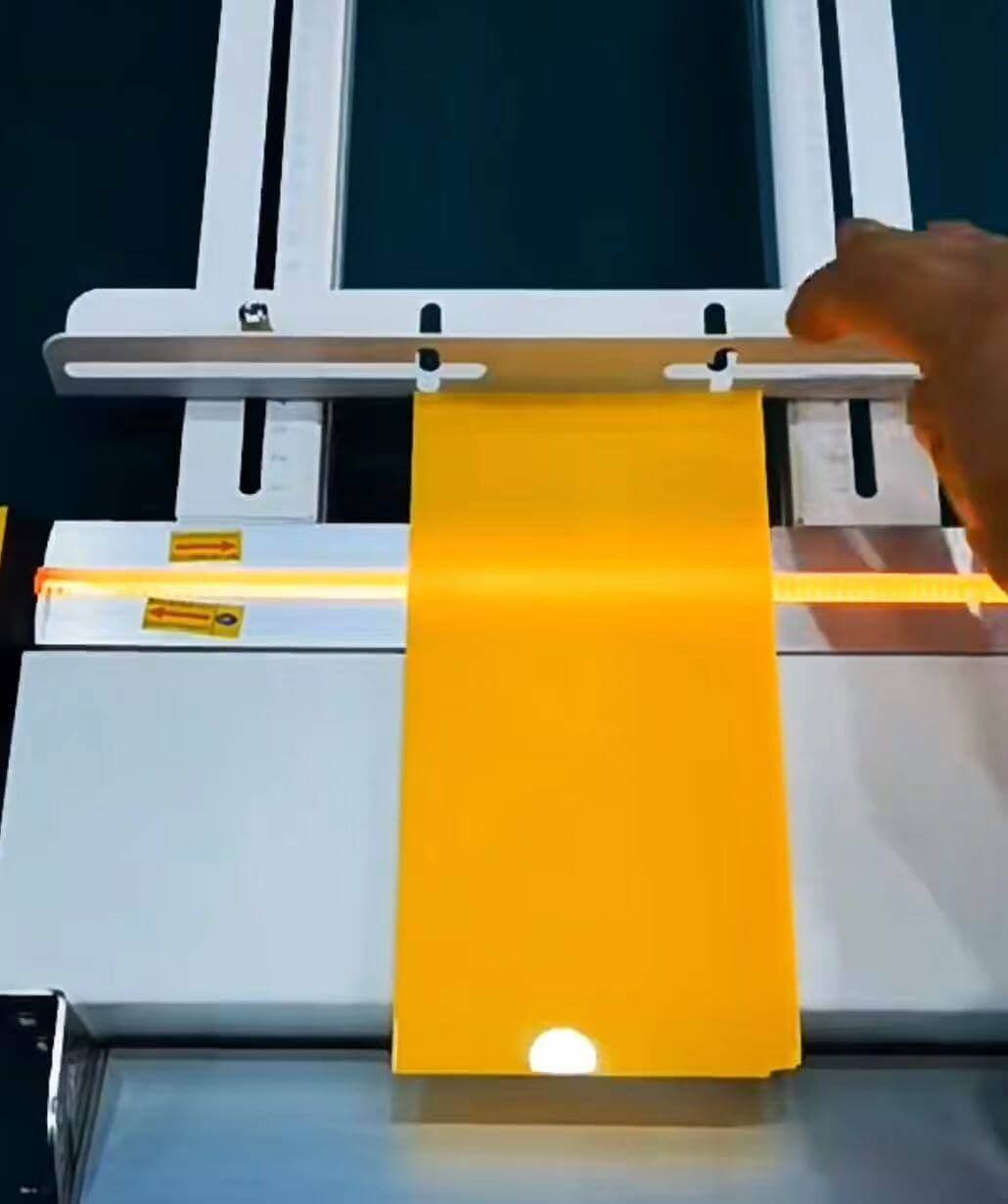
heat bending acrylic

Applying focused heat for precision bends

2. Heat Bending Acrylic

For projects that require more precise or localized bends, heat bending is often the preferred method. In this technique, only the section of the acrylic that needs bending is heated. Tools like heat guns, strip heaters, or specialized acrylic benders are commonly used to focus heat on the exact area to be bent. This method is particularly useful when working with smaller sheets or when bends need to be made at tight angles. To avoid breaking the acrylic, it’s essential to maintain proper temperature control during the process, ensuring that the material is heated evenly without becoming too brittle.

3. Cold Bending Acrylic Sheets

Cold bending is another technique often used for thinner acrylic sheets. Unlike heat bending, this method doesn’t require heating the material. Instead, the acrylic is bent manually or with the aid of a mechanical tool. Cold bending is typically employed for applications where sharp angles are needed, and the sheets are thin enough to bend without applying heat. However, it’s important to note that cold bending is not suitable for thicker sheets, as it can cause the material to crack or break.

Choosing the Right Technique

Selecting the appropriate bending method depends on the specific needs of your project. For intricate designs or tight curves, heat bending offers the control needed for precise results. On the other hand, thermoforming is perfect for larger projects that require smooth, continuous bends. Additionally, when working with thin acrylic, cold bending can be an effective, quick solution. Understanding how each of these techniques works ensures you can choose the best approach for your project and avoid common mistakes like breaking or distorting the material.
✨ Recommended for DIY

2mm Black Acrylic Sheets (Low MOQ)

The perfect starter material for heat bending. High contrast, easy to form, and available in custom cuts.

View Product →

Safety in Acrylic Bending: Avoiding Breakage

Bending acrylic requires not only skill but also a strong focus on safety. Without proper precautions, the risk of bending acrylic without breaking can become challenging, especially if you are handling heat sources or working with sharp tools. By following essential safety tips for bending acrylic, you can prevent injuries and ensure the acrylic maintains its strength and clarity.

The Importance of Heat Management

When bending acrylic, controlling the heat is critical to preventing both injury and material damage. Overheating can cause acrylic sheets to warp, bubble, or even crack. Uneven heating, in particular, can lead to weak spots in the material, which might result in snapping during the bending process. Always ensure you use appropriate acrylic shaping tools and temperature control devices, such as strip heaters or heat guns, to maintain consistent heat throughout the process.

Safety in plastic bending also involves positioning yourself and your tools correctly. Always direct heat away from yourself and make sure your workspace is free from flammable materials. Using a heat gun for DIY acrylic bending projects is convenient, but it’s important to keep a safe distance from the sheet to avoid overheating a specific spot.

Wearing Protective Equipment

Using protective equipment is vital for anyone engaged in acrylic bending projects. Even for simple DIY tasks, always wear safety glasses to shield your eyes from any flying debris or sharp edges. Gloves can protect your hands from the heated material, as well as from the sharp edges of the acrylic sheet during bending. Additionally, consider using heat-resistant pads or clamps to handle the material, which can prevent burns when adjusting hot acrylic sheets.

Avoiding Common Mistakes That Lead to Breakage

One of the most frequent mistakes made during acrylic bending is applying uneven heat. This can result in localized overheating, which weakens the acrylic and increases the risk of cracks. Another common error is trying to force the bend before the material is pliable. Patience is key—always wait until the acrylic is soft enough to bend smoothly without resistance.

To avoid bending acrylic without breaking, focus on distributing heat evenly across the sheet. Use strip heaters for larger areas or heat guns for more precise applications. Also, make sure you are familiar with the specific temperature limits of the acrylic you’re working with, as different thicknesses and grades of acrylic can have varying heat tolerances.

Practical Safety Tips for Bending Acrylic

To ensure a safe and successful project, always follow these practical safety tips:

  • Preheat your acrylic shaping tools to avoid abrupt temperature changes.
  • Maintain a consistent distance between the heat source and the acrylic sheet to prevent overheating.
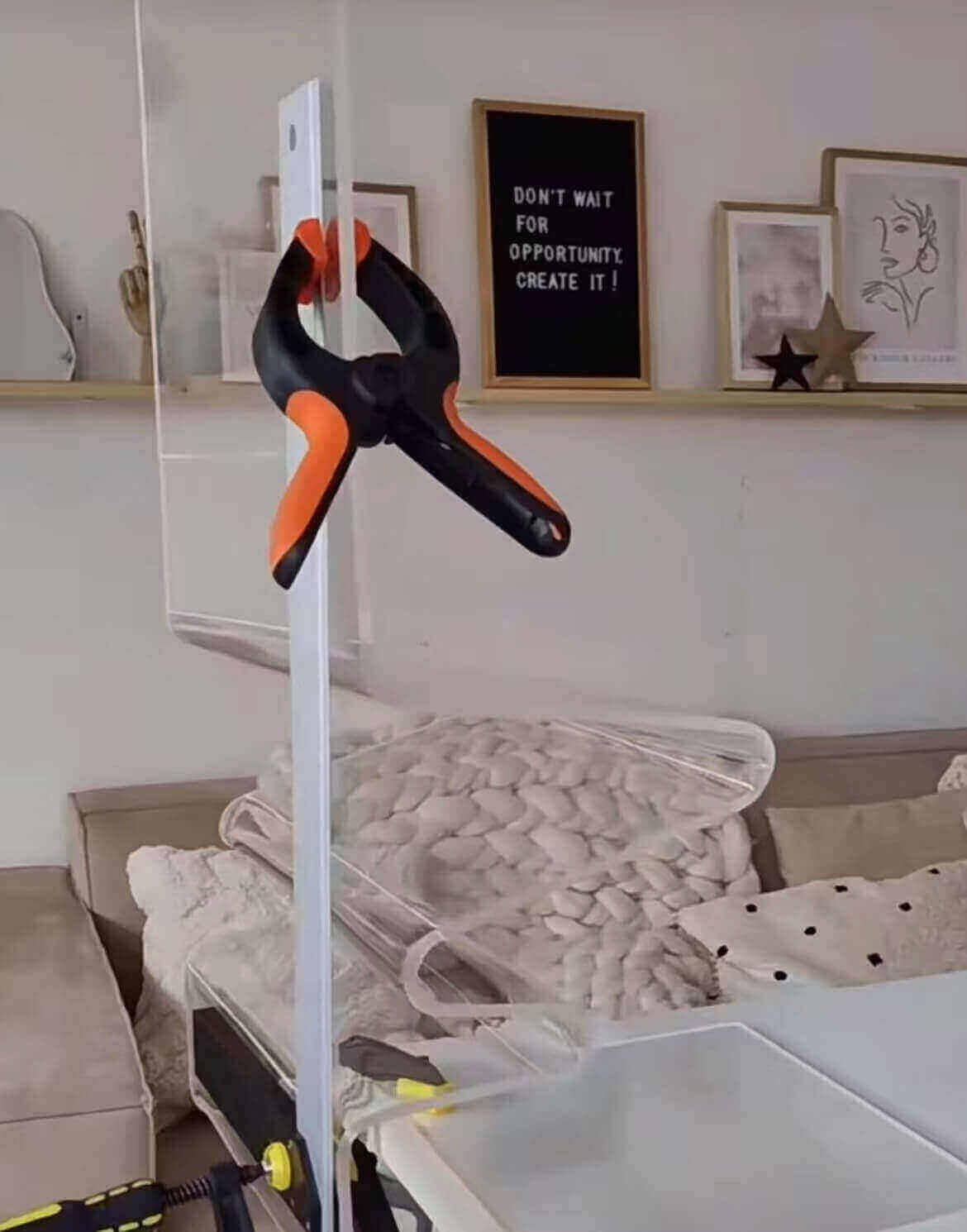
  • Use clamps to hold the acrylic in place while bending, reducing the risk of slipping or uneven pressure.
  • When using portable strip heaters, always test the temperature before applying it to the acrylic to avoid sudden heat surges.

By applying these safety tips for bending acrylic, you can reduce the chances of injury and avoid damaging the material, ensuring clean, professional results for your project.

Essential Tools for Precision Bending

Achieving clean and precise bends in acrylic requires the right combination of tools. Whether you are working on a DIY project or a large-scale professional application, choosing the correct acrylic shaping tools is essential for success. Different projects require different tools based on the size, complexity, and type of acrylic you are working with.

Acrylic Benders for Professional Bends

An acrylic bender is a versatile tool that delivers high-quality, precise bends by applying controlled heat to the sheet. This tool is perfect for complex projects that demand accuracy, such as crafting curved display cases, furniture, or intricate retail fixtures. Acrylic benders are available in both manual and automatic forms, with some models offering adjustable settings to control the heat and bending angle.

If you’re working on more advanced custom acrylic bending projects, an acrylic bender will give you the precision and consistency needed for professional results. The adjustable settings allow you to fine-tune the heat and angle, ensuring that each bend is smooth and exact.
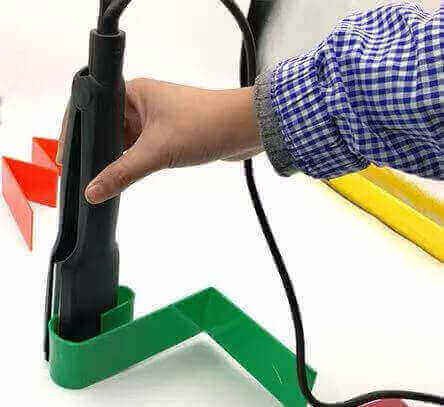
Plywood bending and jigs

Using Portable Strip Heaters for Large Sheets

For projects that involve bending larger acrylic sheets, portable strip heaters are among the best tools for bending acrylic. These heaters are designed to heat a narrow line of acrylic, making them ideal for creating long, straight bends. Portable strip heaters are often used in the production of acrylic furniture, signage, and other large installations, where uniform bends across wide surfaces are required.

When selecting a portable strip heater, it’s important to consider the thickness of the acrylic and the length of the bend. Thicker sheets require higher heat levels and longer heating times, so be sure to choose a strip heater with adjustable temperature controls to match your specific needs.

Heat Guns for DIY Acrylic Bending

A heat gun is an accessible and effective tool for DIY acrylic bending, especially for small projects or when precision is needed in a specific area. Heat guns offer flexibility and control, allowing you to direct heat exactly where it’s needed. This tool is particularly useful for tight bends and smaller acrylic pieces, making it a popular choice for hobbyists and small-scale fabricators.

When using a heat gun, be mindful of the distance between the gun and the acrylic sheet to avoid overheating a particular spot. Heat guns typically offer adjustable heat settings, which is crucial for achieving the desired bend without damaging the material.

Custom Jigs for Controlled Bending

For intricate or repetitive bends, custom jigs are essential. A jig acts as a mold or guide, helping you bend acrylic consistently and accurately. These tools are particularly useful when you’re working on complex designs or need to ensure uniformity across multiple pieces. Custom jigs can be made from wood, metal, or other heat-resistant materials and are often paired with portable strip heaters or acrylic benders for controlled, precise results.

When creating a custom jig, ensure it matches the exact specifications of the bend you need. A well-designed jig will not only make the bending process easier but will also reduce the risk of errors or inconsistent results.

Choosing the Right Tools for Your Project

Selecting the best tool depends on the size, complexity, and material thickness of your project. For large sheets or long bends, a portable strip heater is often the most efficient option. If you’re working on a smaller project or need to bend specific sections of acrylic, a heat gun provides flexibility and control. For highly complex or precision-based projects, an acrylic bender combined with a custom jig will offer the most accurate results.

By understanding the various acrylic shaping tools available and knowing when to use them, you can achieve precise, professional bends tailored to your project needs.

🛠 We Bend It. You Save Time.

Need exact angles, polished edges, and consistent results? Let us handle the bending for you.

✔ Line bending, thermoforming, CNC pre-cut
✔ MOQ from 1 pc, sample runs available
✔ Ships in 3–7 working days
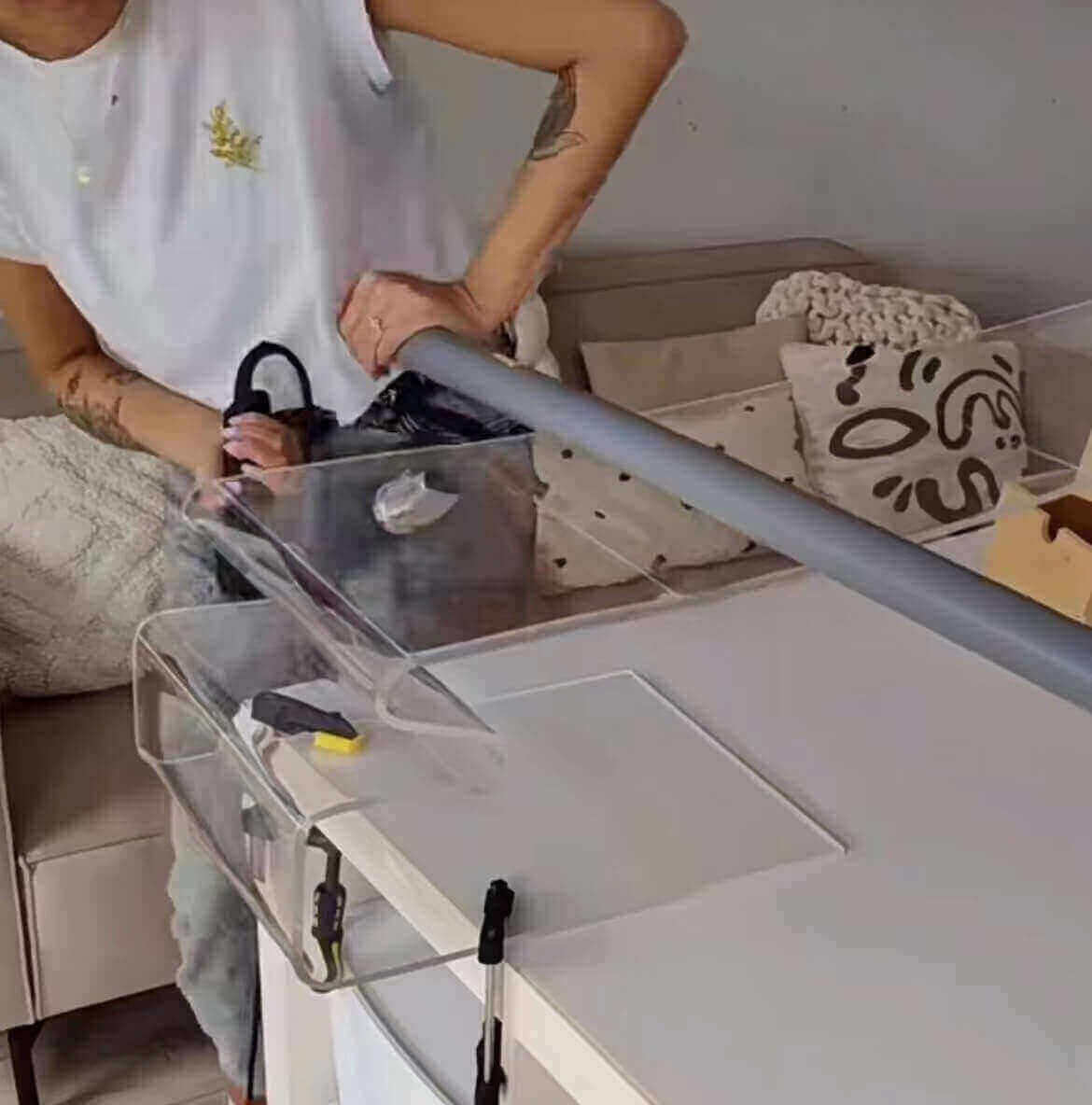
Custom acrylic bending service

DIY Acrylic Bending at Home: Step-by-Step Guide

Bending acrylic at home can be both rewarding and cost-effective, especially for small projects. With the right tools and techniques, you can achieve professional-looking results. In this guide, I’ll walk you through the process of DIY acrylic bending using accessible tools like heat guns and homemade jigs. Whether you’re looking to create custom shelves, display cases, or decorative pieces, the steps outlined here will help you bend acrylic at home with ease.

Preparing Your Workspace

Before you start bending acrylic, it’s crucial to set up a clean and safe workspace. Ensure that your work area is free of clutter and that you have access to proper ventilation, especially when working with heated tools. You’ll also need to gather your tools, including a heat gun, clamps, and a homemade jig. If you’re attempting cold bending acrylic, make sure the sheet is thin enough to bend without heat. For thicker sheets, you’ll need to apply heat to make the material pliable.

DIY acrylic bending requires patience and precision, so taking the time to prepare your workspace will help avoid mistakes later on.

Step-by-Step Process with a Heat Gun

  1. Mark the Bend Line: Begin by measuring and marking the line where you want to bend the acrylic. Use a ruler or straight edge to ensure accuracy. It’s important that the bend line is clear, as this will guide your heating process.

  2. Clamp the Acrylic Sheet: Secure the acrylic sheet in place using clamps. Make sure the area that you’ll be bending is positioned over the edge of your work surface or jig. This will allow you to manipulate the sheet easily once it’s heated.

  3. Heat the Acrylic: Using a heat gun, apply heat evenly along the bend line. Keep the heat gun moving in a steady back-and-forth motion to prevent overheating any one spot. The goal is to soften the acrylic without causing bubbles or burning. The amount of time required will depend on the thickness of the sheet—thicker sheets will take longer to heat.

  4. Bend the Acrylic: Once the acrylic is soft and pliable, gently apply pressure to create the bend. If you’re using a jig, press the acrylic against the mold to achieve the desired angle. For freehand bends, take care to bend the material slowly to avoid cracks or uneven bends.

  5. Hold Until Cooled: After achieving the desired shape, hold the acrylic in place until it cools and hardens. This process can take a few minutes, but it’s important not to rush it. Premature movement can distort the bend.

Clamps and strips to fix

Proper clamping prevents warping

Tips for Avoiding Common Pitfalls

When attempting bending acrylic with a heat gun, there are several common pitfalls that can be easily avoided with proper technique:

  • Uneven Heating: One of the most frequent issues in DIY acrylic bending is applying heat unevenly, leading to warping or bubbling. Always move the heat gun consistently across the bend line and avoid lingering in one spot for too long.

  • Overheating: Overheating the acrylic can cause it to burn or lose clarity. If you notice discoloration or bubbling, stop and let the acrylic cool slightly before continuing.

  • Inaccurate Bends: To ensure precise bends, always use a jig or guide whenever possible. Freehand bending is more prone to errors, especially when working with thicker sheets. A simple homemade jig made from wood or heat-resistant material can provide the support needed for accurate bends.

Cold Bending Acrylic: When and How to Use It

Cold bending acrylic is an alternative method that doesn’t require heat, but it’s only suitable for very thin sheets. If you’re working with acrylic that’s less than 1/8 inch thick, you can attempt cold bending by simply applying pressure to the sheet until it forms the desired shape. This method is best for projects like small models or thin decorative items. However, for thicker sheets, cold bending will likely result in cracks, so heat bending remains the preferred technique for most projects.

By following these steps and tips, you’ll be able to successfully bend acrylic at home using simple tools and techniques.

Advanced Techniques for Custom Acrylic Bending Projects

Acrylic Shelf

For more complex custom acrylic bending projects, advanced techniques and specialized equipment are essential to achieve precise results. Whether you’re working on intricate architectural designs or sophisticated retail displays, mastering these advanced methods allows you to create complex shapes with accuracy and consistency. By using professional tools like strip heaters and exploring techniques such as slot bending and multi-point bending, you can tackle high-precision projects with confidence.

Slot Bending for Precision

Slot bending is one of the most effective methods for creating sharp, precise bends in thicker acrylic sheets. In this technique, a thin slot is cut into the acrylic along the desired bend line, reducing the thickness of the material at that point. This allows the acrylic to bend more easily without applying excessive heat or force, which is particularly useful for complex projects that require tight bends or angled joints.

Slot bending is ideal for custom bending solutions where accuracy is critical, such as in custom acrylic bending projects for furniture design or intricate signage. It allows the material to bend sharply without the risk of cracking or breaking. Once the bend is completed, the slot can be filled with adhesive or left open, depending on the design requirements.

Using Strip Heaters for Custom Bends

Strip heaters are a key tool for creating long, straight bends in acrylic. Unlike other methods that heat a broad area of the sheet, strip heaters apply heat to a narrow line, allowing for precise, controlled bends. This is especially useful for projects requiring high levels of detail, such as bending acrylic for display cases, retail shelving, or architectural installations.

When using a strip heater for heat bending acrylic, it’s important to adjust the heat according to the thickness of the sheet. Thicker sheets will require more time to heat, while thinner sheets may soften quickly. By carefully monitoring the temperature and timing, you can bend acrylic with precision and avoid issues such as warping or uneven bends.

Multi-Point Bending for Complex Shapes

For more intricate shapes, multi-point bending is an advanced technique that involves applying heat and pressure at multiple points along the acrylic sheet. This method is used when simple straight bends aren’t sufficient, and more complex curves or angles are needed. Multi-point bending is commonly used in custom acrylic bending projects that require unique, three-dimensional shapes, such as in the creation of modern lighting fixtures or decorative panels.

This technique often requires specialized jigs or molds to ensure each point of the acrylic is bent accurately. By controlling the heat and pressure at several points simultaneously, you can achieve precise, complex bends that would be difficult to create using simpler methods.

Precision in Custom Acrylic Bending

Achieving precision in custom acrylic bending requires a combination of the right tools and the right technique. Custom bending solutions often involve the use of both slot bending and strip heaters for projects that demand accuracy and attention to detail. When working on complex shapes, it’s essential to use jigs or molds to guide the bends, ensuring that each angle and curve is consistent across the entire sheet.

Whether you’re crafting display cases, architectural elements, or intricate furniture designs, advanced acrylic bending techniques like multi-point bending allow for unparalleled control over the final product. These methods ensure that your custom acrylic bending projects are completed to the highest standards of precision and quality.
🏆 Featured Finished Product

Clear Acrylic Wall Shelf (U/L Shape)

Too hard to bend yourself? Check out our ready-made, precision-bent shelves for sleek home storage.

Buy Now →

Case Study: Custom Acrylic Bending for Two Unique Projects

In this section, I’ll take you through two distinct projects that highlight the versatility of custom acrylic bending. Each project posed unique challenges, requiring a combination of precision acrylic bending techniques and specialized tools. These examples demonstrate how custom bending solutions can be tailored to meet specific client needs, from retail displays to architectural installations.

Retail Display Project: Sleek and Space-Saving Design

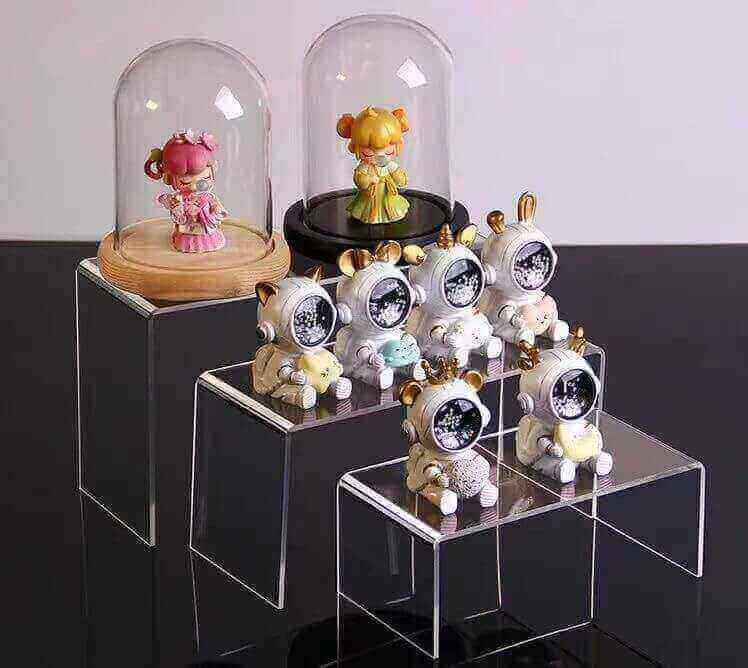
A well-known retail brand approached me with a request to create a series of custom bent acrylic displays that would not only showcase their products but also enhance the store’s overall aesthetic. The design team envisioned sleek, curved display shelves that would optimize space while maintaining a clean, modern look. The challenge was to ensure that the bends were smooth and consistent, without compromising the clarity of the acrylic.

The Process

To achieve this, I used strip heaters for precise, even heat distribution across the bend lines. The strip heaters allowed me to soften the acrylic just enough to form the desired curves while maintaining the material’s strength and clarity. I worked closely with the design team, testing different bend angles to ensure that the displays would not only look good but also function well in the store environment.

The final product was a series of striking, curved display shelves that seamlessly integrated into the retail space. The use of precision acrylic bending techniques ensured that the shelves maintained their clean lines, enhancing the brand’s modern aesthetic. The displays became a focal point in the store, attracting customer attention and elevating the overall shopping experience.

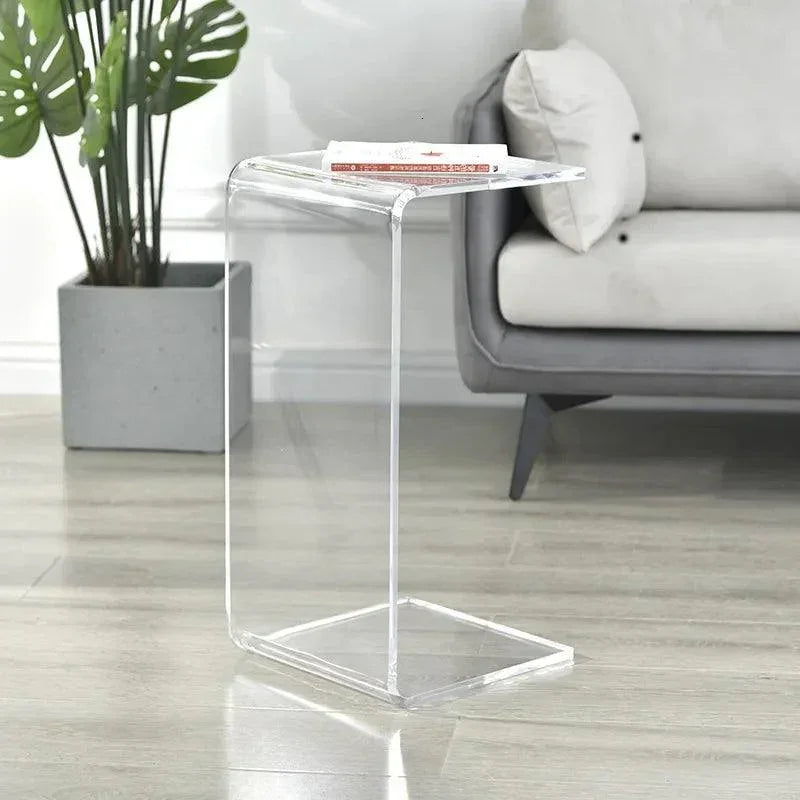
Acrylic Coffee Table Custom Bent

Architectural Installation Project: Intricate Multi-Angled Bends

For a more complex project, an architecture firm reached out to me for assistance with a custom acrylic lighting fixture. This fixture required intricate, multi-angled bends to create a geometric design that would serve as the centerpiece of a contemporary building’s interior. The challenge here was the precision required to ensure that the bends aligned perfectly with the lighting system’s structure.

The Process

To achieve these intricate bends, I combined several acrylic shaping tools with heat bending techniques. Using strip heaters for the larger bends and heat guns for more delicate areas, I was able to control the exact points of heat application. The most challenging part of the process was ensuring that each angle of the bend was perfectly aligned, as even a small misalignment would compromise the installation’s overall design.

After multiple trials and adjustments, I succeeded in creating the desired geometric shapes. The sheets were molded to fit seamlessly into the building’s design, and the final lighting fixture became a stunning focal point in the interior space. This project showcased the versatility of acrylic heat bending and the importance of precise craftsmanship in custom bending solutions.

Both of these projects highlight the power of custom acrylic bending in transforming ordinary materials into extraordinary designs. From retail displays to architectural installations, the possibilities are endless when you have the right techniques and tools.

The Importance of Precision in Acrylic Bending

Precision is the cornerstone of any successful acrylic bending project. Whether you’re working on a DIY project or a large-scale professional installation, the ability to achieve exact, clean bends is essential to producing a high-quality result. Mastering the various acrylic bending techniques, such as heat bending, thermoforming, and cold bending, allows you to take full advantage of the material’s versatility, creating smooth curves or sharp angles depending on the needs of your project.

Precision in Custom Projects

When it comes to custom acrylic bending, precision becomes even more important. These projects often require intricate designs, complex bends, and exact measurements to ensure that the finished product meets the client’s specifications. Using tools like strip heaters, acrylic benders, and custom jigs can help you achieve the level of precision required to bring these designs to life.

For example, in custom acrylic bending projects such as retail displays or architectural fixtures, even the slightest miscalculation in the bend angle can lead to problems with fit or function. This is why it’s critical to not only have the right tools but also to understand how to control temperature and pressure during the bending process.
Bending parts with precision

Elevating DIY and Professional Results

Whether you’re an experienced professional or tackling a DIY acrylic bending project at home, the ability to bend acrylic with precision is what sets your work apart. With practice and attention to detail, you can achieve results that rival those produced by commercial fabricators. Understanding how to choose the right acrylic shaping tools and techniques, such as using a heat gun for localized bends or a strip heater for longer, uniform bends, is essential for consistent results.

For professionals, mastering these custom bending solutions enables you to take on more complex and demanding projects. From multi-angled bends in architectural designs to sleek curves in retail displays, the ability to precisely control the bending process opens up new possibilities in design and functionality.

Continuous Improvement and Mastery

Achieving precision acrylic bending isn’t something that happens overnight—it takes time, practice, and a willingness to experiment with different techniques. Each project presents its own set of challenges, whether it’s managing temperature control for thicker sheets or ensuring the correct bend radius for more intricate designs. By continually refining your skills and learning from each project, you can develop the mastery required to handle even the most complex custom acrylic bending projects.

Precision in acrylic bending not only improves the visual appeal of your work but also ensures the durability and functionality of the final product.

Frequently Asked Questions: Acrylic Bending

1. Can BeePlastics handle custom acrylic bending projects? ▾

Yes, BeePlastics specializes in custom acrylic bending projects. Whether you need a single sample or a large batch, we offer full customization, including complex bends and unique shapes to meet your specific requirements. We work closely with clients to ensure the final product matches their exact vision.

2. What file formats does BeePlastics accept for custom designs? ▾

We accept a wide range of file formats to facilitate smooth customization. Common formats include PDF, CAD, and other technical drawings, which help us understand your project’s requirements. If you have any specific format needs, feel free to reach out to ensure compatibility.

3. Is there a minimum order quantity (MOQ) for custom projects? ▾

No, there is no minimum order quantity (MOQ) at BeePlastics. Whether you need a single prototype or a large production run, we can accommodate your needs. We understand that projects come in all sizes and are here to support both small and large-scale orders.

4. How does BeePlastics manage production timelines for custom acrylic bending projects? ▾

Our production timelines depend on the complexity and size of the order. We take into account the bending techniques required and the overall intricacy of the project. We’ll communicate the production timeline with you upfront and provide real-time updates throughout the process to ensure transparency and meet deadlines.

5. Can BeePlastics provide samples for custom acrylic bending? ▾

Yes, BeePlastics is happy to provide free samples for custom acrylic bending projects. Clients are only responsible for the shipping costs. This allows you to see the quality and precision of our work before placing a larger order.

6. What are the key factors that affect the complexity of acrylic bending projects? ▾

Several factors can affect the complexity of an acrylic bending project, including the thickness of the acrylic, the required bend radius, and the intricacy of the shape. Projects with tighter curves or multi-angled bends generally require more specialized equipment and techniques, but we are equipped to handle all levels of complexity.

7. Can BeePlastics handle large batch orders for acrylic bending? ▾

Yes, BeePlastics is fully equipped to handle large batch orders. We use advanced equipment and streamlined processes to ensure that we can deliver large quantities while maintaining consistency and precision in every piece.

8. What is the best way to submit a custom design for an acrylic bending project? ▾

To submit a custom design, you can send us your drawings in PDF, CAD, or other supported formats via email or through our contact page. We will review your design, discuss any necessary adjustments, and provide a quote based on your specific needs.

9. How does BeePlastics ensure precision in custom acrylic bending? ▾

At BeePlastics, we use state-of-the-art acrylic shaping tools and methods like heat bending and thermoforming to achieve precise results. Our team of experts ensures that each bend is performed with accuracy, using temperature controls and specialized jigs to maintain consistency and quality across all products.

10. Does BeePlastics offer real-time communication during production? ▾

Yes, we pride ourselves on maintaining open lines of communication with our clients. During the production cycle, we provide real-time updates on your order’s progress. This ensures that you are always informed and that any necessary adjustments can be made quickly to meet your expectations.

These FAQs cover the most common questions about custom acrylic bending and BeePlastics’ unique approach to customization.

Mastering acrylic bending is a valuable skill that opens up endless possibilities for both DIY enthusiasts and professionals. By understanding the different techniques, using the right acrylic shaping tools, and prioritizing precision and safety, you can transform simple acrylic sheets into complex, custom designs. Whether you’re working on small-scale DIY projects or large custom bending solutions, the right approach can elevate your work to a professional level. With the expertise and customization services available at BeePlastics, any project can be brought to life, from intricate retail displays to sophisticated architectural installations.

Acrylic table custom made

Ready to bring your custom acrylic bending project to life?

Fill out the contact form below, and let’s start shaping your vision. For more details on our comprehensive services, check out our Acrylic Fabrication Services page.

Or use code QR4GNY08SHVR to save on standard sheets!

Shop Standard Materials

Leave a comment


Please note, comments must be approved before they are published


Custom Plastic Fabrication

Send your drawing, material and quantity for review

🔧
Precision Machining
CNC milling & turning
✂️
Cutting & Engraving
Laser & waterjet cutting
🏭
Forming & Molding
Thermoforming & injection
🔗
Joining & Assembly
Welding & bonding
📐
Design & Prototyping
CAD design & samples

General

HDPE

PP

PVC

ABS

Engineering

POM

Nylon

PC

PMMA

High-Performance

PEEK

PEI

PTFE

Composites

FR-4

G10

Flexible

TPU

Silicone

Why Choose BeePlastic?

🎯
Perfect Fit
Custom specs eliminate adaptation needs
⚡
Clear Lead Times
Lead time confirmed with every quote
💰
Volume Pricing
Volume pricing available on bulk orders
🤝
Expert Support
Free engineering consultation included
📋
Submit
→
🔍
Review
→
💵
Quote
→
✅
Production
→
📦
Deliver

Request a Quote

Share your project details, selected material and quantity on our quote page. You can add a file link or use the email drawing route shown there.


Request Quote

Industries: Automotive • Medical • Food • Lab • Semiconductor

beeplastic@beeplastic.com


Can You Bend Acrylic? Exploring the Art of Plastic Fabrication

custom acrylic displays

Can You Bend Acrylic? Exploring the Art of Plastic Fabrication

Yes, acrylic bending is not only possible but highly versatile! In this guide, I explore how to transform acrylic sheets into custom shapes using various techniques. From bending acrylic without breaking to ensuring safety in plastic bending, this post covers the most effective methods, whether you’re a DIY enthusiast or a professional. You’ll learn how to use acrylic shaping tools, maintain temperature control in bending, and avoid common mistakes. I also dive into the details of using portable strip heaters for home projects and more advanced approaches like thermoforming acrylic for precise, professional results. Lastly, the post features two real-life cases of custom acrylic bending projects—demonstrating how acrylic heat bending can be used in creative and practical applications.

🎉🎉🎉Limited Time Offer Use code: QR4GNY08SHVR at checkout and enjoy a special discount on your entire order! 👉 Acrylic plastic

custom acrylic bending projects

Blog Post Summary:

  1. Introduction to Acrylic Bending – Why bending acrylic is essential in plastic fabrication and its broad applications.
  2. Safety Tips for Acrylic Bending – Key safety tips for bending acrylic and avoiding common pitfalls.
  3. Essential Tools for Acrylic Bending – A look at acrylic shaping tools, heater strips, and other crucial equipment.
  4. DIY Acrylic Bending Techniques – Step-by-step methods for bending acrylic at home with basic tools like portable strip heaters and heat guns.
  5. Precision Bending Techniques – How professionals use thermoforming and heat bending to create flawless bends.
  6. Case Studies of Custom Acrylic Bending Projects – Two real-world examples that illustrate the possibilities of custom acrylic bending projects.

Introduction to Acrylic Bending: Why It’s the Preferred Choice

Acrylic bending is a versatile and efficient method for shaping acrylic sheets into custom designs, making it an ideal choice across multiple industries. From creating sleek signage to crafting intricate architectural features, the possibilities of acrylic bending are endless, offering both practical and aesthetic benefits.

Flexibility in Custom Acrylic Designs

One of the greatest advantages of acrylic bending is its flexibility when it comes to custom design projects. Whether you’re working on retail displays, art installations, or decorative panels, the ability to mold acrylic sheets to fit unique design requirements sets this material apart. Using tools such as acrylic shaping tools and strip heaters, precise bends can be achieved, allowing for intricate designs without compromising the material’s integrity.

Acrylic Bending for Signage Solutions

In the signage industry, acrylic bending is highly sought after due to its durability, lightweight nature, and aesthetic appeal. Acrylic is frequently used for both indoor and outdoor signage because it can be bent into creative shapes while maintaining a sleek, modern appearance. Its weather resistance and ability to be easily installed make it a preferred material in this industry.

Advanced Bending Techniques in Architecture

In architectural applications, the use of bent acrylic allows designers to create innovative shapes and structures that wouldn’t be possible with traditional materials. Acrylic bending techniques are used to create curved walls, custom lighting elements, and other architectural features that are both functional and visually striking.

Essential Tools for Precision Acrylic Bending

Achieving accurate bends requires the use of specific tools and techniques. Portable strip heaters, heat guns, and thermoforming machines allow for precise temperature control, which is essential for bending acrylic without breaking. Understanding how to apply heat evenly is key to maintaining the clarity and strength of the material during the bending process.

Acrylic Bending in DIY and Professional Projects

Whether you’re a DIY enthusiast or a professional, acrylic bending offers endless opportunities for creativity. From small DIY projects like home decor to large-scale architectural designs, learning how to properly bend acrylic can unlock new design possibilities. Using the right tools and techniques ensures that you can achieve professional results, even at home.

acrylic bending

Safety First: Key Tips for Safe Acrylic Bending

Working with heated acrylic requires careful attention to safety in plastic bending. Failing to take proper precautions can result in cracked or warped acrylic, and worse, personal injury. To ensure a safe and successful project, it’s essential to understand the right techniques and tools when handling acrylic sheets.

Understanding the Risks of Acrylic Bending

When acrylic is heated, it becomes more pliable, but it also becomes more vulnerable to breaking or warping if the heat is applied unevenly. Tools like strip heaters and heat guns must be used with precision to avoid accidents. Acrylic can become extremely hot during the bending process, and without proper temperature control, both the material and the user can be at risk.

Importance of Temperature Control

One of the key elements of safe acrylic bending is managing temperature control. Using tools like portable strip heaters or heat guns allows you to apply the right amount of heat to the acrylic sheet. However, it’s crucial to maintain an even heat distribution across the entire bend. An uneven application of heat can cause the acrylic to crack or bubble. Be sure to monitor the temperature closely, and avoid overheating the material.

Handling Heat Guns and Strip Heaters

Both heat guns and strip heaters are essential tools for acrylic bending, but each comes with its own safety considerations. When using a heat gun, make sure to direct the airflow evenly across the acrylic surface. Keep the gun moving to prevent scorching or overheating. When using a strip heater, ensure that the acrylic is properly positioned to avoid uneven heating or warping along the bend line.

Protective Gear for Acrylic Bending

Just as important as the tools you use are the protective gear you wear during the bending process. Always use heat-resistant gloves and safety goggles when working with heated acrylic. This protects you from accidental burns or exposure to harmful fumes that may be emitted from the material during heating. Ensure your workspace is well-ventilated to avoid inhaling any hazardous fumes.

Avoiding Breakage During the Bending Process

Another key aspect of safety in plastic bending is preventing the material from breaking during or after bending. This often happens when the acrylic is cooled too quickly or not heated evenly. To avoid bending acrylic without breaking, take your time and allow the acrylic to cool down naturally. Rushing the process can lead to cracks forming, especially in thicker sheets.

Common Mistakes to Avoid

When working with acrylic, some common mistakes can lead to accidents or damaged material. Overheating the material, applying uneven pressure, and improper tool usage are the most frequent errors. Always follow the manufacturer’s guidelines for your tools and ensure that your workspace is set up for safe acrylic bending.

acrylic bending

Tools of the Trade: Best Equipment for Precision Acrylic Bending

Achieving precise and clean bends in acrylic requires the right acrylic shaping tools. Whether you’re working on a DIY project at home or a professional fabrication task, using the correct tools can make all the difference. Here’s a breakdown of the essential tools for acrylic bending and how they help ensure accuracy.

Acrylic Shaping Tools for Clean Bends

Acrylic shaping tools are the foundation of any successful acrylic bending project. These tools allow you to manipulate the material with precision, ensuring smooth and even bends without damaging the acrylic. Whether you’re creating tight curves or gentle slopes, selecting the right tools is key to achieving professional results.

Portable Strip Heaters

For both home and professional use, portable strip heaters are among the most efficient tools for acrylic bending. Strip heaters apply heat directly to a focused area of the acrylic, allowing you to create precise bends along a straight line. This is especially useful for making clean, angular bends without warping the surrounding material.

When using a strip heater, ensure that the heat is evenly distributed across the area you’re bending. Portable strip heaters are available in different sizes, making them versatile for a wide range of projects, from small DIY acrylic bending tasks to large-scale production.

Acrylic Benders for Professional Projects

For more advanced projects, acrylic benders are often the tool of choice. These machines are designed to heat acrylic sheets uniformly, allowing for precise bends in various shapes and sizes. Acrylic benders are particularly useful when you need to bend thicker sheets or work on complex designs that require tight control over temperature and bending angles.

Professional acrylic benders come in various configurations, from manual to automated machines. While acrylic benders can be more costly than basic tools like heat guns or strip heaters, they are ideal for commercial or industrial applications where precision and repeatability are critical.

Heat Guns: A Flexible Tool for Home and Small Projects

Heat guns are a popular choice for smaller projects or when you’re looking to create more fluid, organic shapes in acrylic sheets. Bending acrylic with a heat gun offers flexibility since you can move the heat gun across the material to heat larger areas evenly or focus on specific spots for intricate curves.

When using a heat gun, it’s important to keep the tool moving to prevent overheating or burning the acrylic. For best results, start with a lower heat setting and gradually increase the temperature to avoid scorching the material.

Choosing the Right Tool for Your Project

Selecting the right tool depends on the specifics of your project, including the thickness of the acrylic, the complexity of the design, and whether you’re working on a DIY acrylic bending task or a professional job. Strip heaters are excellent for straight, clean bends, while heat guns offer flexibility for more organic shapes. Acrylic benders provide precise control for larger or more intricate projects.

Additional Tools for Precision

Aside from the main bending tools, there are additional acrylic shaping tools that can enhance your results. Clamps, jigs, and thermoforming molds can help hold the acrylic in place while it cools, ensuring that your bends remain accurate and the material retains its strength.

acrylic shaping tools

DIY Acrylic Bending at Home: Simple Techniques for Success

Bending acrylic at home can be an exciting and rewarding project. With the right tools and safety precautions, you can create customized designs for home décor, crafts, and more. This section will guide you through simple, beginner-friendly techniques to help you achieve clean, precise bends using heat guns and strip heaters.

Step 1: Gather the Right Tools and Materials

Before you start, make sure you have the right equipment. The most common tools for bending acrylic at home include:

  • Heat guns
  • Portable strip heaters
  • Clamps to hold the acrylic in place
  • Protective gloves and safety goggles

You will also need a flat work surface and acrylic sheets suitable for bending. Be sure to choose the correct thickness for your project, as thicker sheets will require more heat and time to bend.

Step 2: Prepare the Acrylic Sheet

Once you have gathered your tools, it’s time to prepare the acrylic sheet. Begin by measuring and marking the area where you want the bend. This ensures precision when you apply heat. Make sure to remove any protective film from the acrylic, as this can melt and affect the final result.

Using a ruler or straight edge will help you create clean lines, particularly if you’re aiming for straight, angular bends.

Step 3: Use a Heat Gun for Flexible Bending

If you’re working on a smaller or more flexible project, a heat gun is an excellent tool to start with. Heat guns offer more control when heating larger areas of the acrylic and are ideal for creating smooth, organic curves. Here’s how to use a heat gun effectively:

  1. Set the heat gun to a low temperature to start and gradually increase the heat.
  2. Hold the heat gun about 6 inches from the acrylic and move it steadily across the marked bend line.
  3. Once the acrylic starts to soften, gently bend it along the line, using a clamp to hold the acrylic in place if necessary.

Keep the heat gun moving to avoid overheating or scorching the material.

Step 4: Use a Strip Heater for Clean, Straight Bends

For straight, clean bends, a portable strip heater is the preferred tool. Strip heaters apply heat directly along a narrow strip of acrylic, making them ideal for creating angular bends with sharp lines. To bend acrylic with a strip heater:

  1. Place the acrylic sheet over the strip heater, aligning the marked bend line with the heat source.
  2. Allow the acrylic to heat evenly across the bend line for about 5 to 10 minutes, depending on the thickness of the material.
  3. Once the acrylic becomes pliable, carefully bend it to the desired angle, using clamps or a straight edge to guide the bend.

This method ensures crisp, clean bends, perfect for DIY acrylic bending projects like display cases or frames.

Step 5: Cooling and Finalizing the Bend

Once you’ve achieved your desired bend, it’s important to let the acrylic cool naturally. Avoid rushing this process, as rapidly cooling the material can cause cracks or warping. If you’re using clamps or jigs to hold the acrylic in place, leave them on until the sheet has fully cooled and solidified in its new shape.

For thicker sheets, you may need to use additional cooling techniques to ensure the bend holds its form.

additional cooling techniques

DIY Acrylic Bending Projects for Beginners

With your newfound skills, you can tackle various DIY acrylic bending projects that are both creative and practical. Some beginner-friendly ideas include:

  • Custom picture frames with bent acrylic edges
  • Acrylic desk organizers bent into custom shapes
  • Home décor projects, like acrylic shelves or display cases

These simple projects are great ways to practice bending acrylic and expand your skills for future, more complex designs.

Case Study: Custom Acrylic Bending Projects for Real Customers

Customer 1: Retail Display Project

Background

I was approached by a high-end fashion retailer with a request for custom acrylic display stands. They were launching a new accessory line and needed something that was not only sleek and modern but also durable enough to hold their products securely. The retailer emphasized the importance of a design that would enhance the presentation of their luxury items while remaining minimalistic and stylish.

The display stands needed to complement the store’s aesthetic and give prominence to the accessories without distracting from them. Acrylic was the ideal material because of its clarity, lightweight strength, and ability to be shaped into custom designs.

The Challenge

The retailer wanted the display stands to feature multiple, precise bends that would create an elegant, wave-like effect. However, bending acrylic to achieve such curves, while maintaining the material’s strength, was a challenge. The key was to ensure that the bends did not compromise the structural integrity of the acrylic, as the stands needed to support the weight of various accessories.

Additionally, the stands had to maintain their clarity and smooth finish throughout the bending process. Any cracking, warping, or discoloration could reduce the visual appeal and negatively impact the display.

The Process

After carefully considering the retailer’s requirements, I recommended using strip heaters for controlled acrylic heat bending. This method allowed me to apply heat precisely to the areas that required bending, ensuring that the material remained strong and visually clear.

I began by measuring the acrylic sheets and marking the lines where the bends would occur. Using the strip heaters, I slowly heated the acrylic along the bend lines, making sure the temperature was evenly distributed. This controlled approach allowed me to gradually bend the acrylic without causing any damage.

During the process, I frequently checked the clarity of the material to ensure that it wasn’t being affected by the heat. The wave-like effect required smooth, flowing bends, which I achieved by using jigs to guide the shape of the acrylic while it was still malleable.

Fine-Tuning the Design

Once the bends were made, I carefully cooled the acrylic to lock in the shape. After the acrylic had cooled, I polished the surface to remove any minor scratches or imperfections, ensuring that the display stands had a high-gloss finish that matched the retailer’s sleek aesthetic. I also tested the stands for durability by placing various accessories on them to ensure that they could withstand regular use in a busy retail environment.

The Result

The final result exceeded the retailer’s expectations. The custom acrylic display stands perfectly showcased their new accessory line, with the elegant wave-like design drawing attention to the products without overpowering them. The stands were sturdy, durable, and visually appealing, enhancing the overall look of the store.

The retailer was especially pleased with the clarity and smoothness of the acrylic, which added a high-end, luxury feel to the display. The precise acrylic bends gave the displays a unique look that set them apart from standard retail fixtures, and the project was a great success.

precise acrylic bends

Customer 2: Custom Lighting Fixtures

Background

A local architect reached out to me for assistance with a unique project—an avant-garde lighting installation for a corporate lobby. The goal was to create bent acrylic panels that could seamlessly integrate with the light fixtures and enhance the overall ambiance of the space. The architect envisioned a design where the acrylic panels would reflect light beautifully, adding an artistic touch to the corporate setting while maintaining a professional, modern look.

The architect wanted something that stood out visually but also worked in harmony with the existing lighting setup. Acrylic was the perfect material due to its translucent properties, allowing light to pass through while still bending in the desired shapes to create a dynamic, fluid effect.

The Challenge

The primary challenge of this project was ensuring that the large acrylic panels could be bent with precision and seamlessly attached to the lighting fixtures. Each panel required custom bends that would not only shape the light but also ensure that the material didn’t break or warp under the heat of the bulbs. Given the size of the sheets, achieving consistent bends across the entire surface was crucial to the success of the installation.

Additionally, the bends needed to allow light to diffuse properly, creating the desired visual effect without causing shadows or uneven light distribution. The project’s complexity lay in balancing aesthetics with functionality while working with large acrylic sheets.

Addressing the Complexity of Large Acrylic Sheets

Working with larger acrylic panels always presents additional challenges, particularly when it comes to maintaining even heat distribution across such a wide surface. The architect’s vision called for a continuous flow in the panels, meaning any imperfections in the bends could compromise the visual impact.

The Process

To ensure precise results, I utilized large portable strip heaters that allowed me to apply heat slowly and evenly across the length of the acrylic sheets. By gradually heating the material, I was able to avoid any sudden temperature spikes that could have led to cracking or warping.

I worked closely with the architect to adjust the bends as we tested different angles and light settings, ensuring that the panels reflected the light as intended. This collaborative approach allowed us to fine-tune the bends for optimal light diffusion, resulting in a harmonious blend of form and function.

The use of custom bending solutions allowed for flexible design changes throughout the process. I measured the panels multiple times during the bending process to ensure that each one fit perfectly with the light source, avoiding any gaps or misalignments.

Light Testing and Adjustments

Throughout the process, we continuously tested how the bent acrylic panels interacted with the light fixtures. By using light diffusers and reflective surfaces, I was able to guide the acrylic into the perfect curves that would amplify the light while maintaining clarity.

We experimented with different bending angles, refining the curvature of each panel to ensure that the light spread evenly across the lobby space. This required precision in both the heating process and the bending itself, as even small deviations could impact the final lighting effect.

The Result

The finished installation was breathtaking. The bent acrylic panels transformed the corporate lobby into a modern, visually stunning space. The smooth, curved surfaces of the acrylic allowed light to reflect beautifully, creating a warm, welcoming environment without sacrificing the sleek, professional look that the architect had envisioned.

The architect was thrilled with how the acrylic bending contributed to the overall aesthetic, praising the craftsmanship and the attention to detail throughout the project. The installation not only enhanced the architectural design of the lobby but also became a focal point for visitors, making a lasting impression.

Ready to Start Your Custom Acrylic Bending Project?

Transform your ideas into reality with our expert acrylic fabrication services. Whether you need custom bent acrylic panels or high-quality displays, we can help you achieve stunning results. Fill out the contact form below to get started, or explore more about our acrylic fabrication services on this page. [https://www.beeplastic.com/pages/acrylic-fabrication-services]

custom bent acrylic panels

Frequently Asked Questions about BeePlastics Customization Services

1. Can BeePlastics handle both sample customization and batch customization?
Yes, BeePlastics can undertake any level of customization, including sample customization for small projects and batch customization for larger orders. We cater to your specific needs, ensuring precise results regardless of order size.

2. What file formats does BeePlastics accept for custom designs?
We accept a wide range of file formats, including PDF and CAD. These formats help us accurately interpret your designs for custom acrylic bending or other fabrication services. Feel free to contact us if you have another format in mind.

3. Is there a minimum order quantity (MOQ) for custom orders at BeePlastics?
No, we do not enforce a minimum order quantity (MOQ). Whether you need a single customized piece or a large production run, we’re ready to fulfill your order without limitations on quantity.

4. How long does it take for my custom acrylic project to be completed?
The production cycle depends on the size of your order and the complexity of the process involved. Rest assured, we will keep you informed of the progress in real time throughout the production process, ensuring timely updates and transparency.

5. Can I request a sample before placing a larger order?
Yes, we offer free samples to help you assess the quality and design before moving forward with a larger project. You’ll only need to cover the shipping costs, and we’ll take care of the rest.

6. Does BeePlastics offer design support for custom projects?
Absolutely! If you need assistance fine-tuning your design, our team of experts is here to help. Whether it’s providing insights on acrylic bending techniques or recommending the best acrylic shaping tools, we’ll ensure your project is designed for success.

7. What is the communication process like during production?
We prioritize open communication with our clients. Throughout the production process, you’ll receive real-time updates on your order’s status. Our team ensures that you are always informed of any changes or milestones in your project.

8. What industries does BeePlastics serve with its customization services?
BeePlastics provides custom solutions across multiple industries, including retail, architecture, manufacturing, and creative arts. Whether you need custom displays, lighting panels, or decorative pieces, we have the expertise to deliver top-quality results.

9. How precise is BeePlastics’ customization process?
We use state-of-the-art equipment and custom bending solutions to ensure precision and accuracy in every project. Whether you need simple bends or complex forms, our equipment and expertise guarantee a flawless finish.

10. Can BeePlastics work with large acrylic sheets?
Yes, we specialize in handling projects with both small and large acrylic sheets. No matter the size of the sheet, we ensure even heating, precise bending, and high-quality finishes to meet your specifications.

custom acrylic displays

Whether you’re looking to create custom acrylic displays, artistic lighting installations, or any other unique project, acrylic bending offers endless possibilities. With the right tools and techniques, you can achieve precise, professional results that meet both aesthetic and functional needs. By working with experienced professionals like BeePlastics, you ensure that every bend, cut, and design element is executed to perfection. From custom bending solutions to real-time updates on production progress, we are here to help bring your vision to life. Ready to start your project? Contact us today to discuss your ideas and learn more about our acrylic fabrication services.

🎉🎉🎉Limited Time Offer Use code: QR4GNY08SHVR at checkout and enjoy a special discount on your entire order! 👉 Acrylic plastic

Leave a comment


Please note, comments must be approved before they are published


Custom Plastic Fabrication

Send your drawing, material and quantity for review

🔧
Precision Machining
CNC milling & turning
✂️
Cutting & Engraving
Laser & waterjet cutting
🏭
Forming & Molding
Thermoforming & injection
🔗
Joining & Assembly
Welding & bonding
📐
Design & Prototyping
CAD design & samples

General

HDPE

PP

PVC

ABS

Engineering

POM

Nylon

PC

PMMA

High-Performance

PEEK

PEI

PTFE

Composites

FR-4

G10

Flexible

TPU

Silicone

Why Choose BeePlastic?

🎯
Perfect Fit
Custom specs eliminate adaptation needs
⚡
Clear Lead Times
Lead time confirmed with every quote
💰
Volume Pricing
Volume pricing available on bulk orders
🤝
Expert Support
Free engineering consultation included
📋
Submit
→
🔍
Review
→
💵
Quote
→
✅
Production
→
📦
Deliver

Request a Quote

Share your project details, selected material and quantity on our quote page. You can add a file link or use the email drawing route shown there.


Request Quote

Industries: Automotive • Medical • Food • Lab • Semiconductor

beeplastic@beeplastic.com


What Are the Uses of Polyoxymethylene? Exploring POM Applications in Automotive, Electronics, and More

Black POM gears

Curious about the many polyoxymethylene uses across various industries? This high-performance plastic, also known as POM, is renowned for its mechanical strength, dimensional stability, and low friction properties, making it a go-to material in sectors like automotive, electronics, and medical devices. From CNC machined POM parts for precision applications to FDA-compliant POM in food processing, the possibilities are endless. Whether you’re looking for acetal plastic, delrin plastic, or specialized acetal copolymer components, POM offers exceptional chemical resistance and wear resistance, even in demanding environments. Learn how POM powers automotive gears, enhances consumer electronics, and supports complex systems like conveyor systems and food processing equipment. Discover its uses in everything from medical devices to self-lubricating plastic parts with superior thermal stability and electrical insulation.

🎉🎉🎉Limited Time Offer Use code: QR4GNY08SHVR at checkout and enjoy a special discount on your entire order! 👉 POM plasticc

polyoxymethylene uses

Blog Summary:

  • Introduction to Polyoxymethylene (POM): Overview of POM applications and key properties.
  • Automotive Applications: Focus on POM in automotive gears, bearings, and precision parts.
  • POM in Consumer Electronics: Discuss the use of POM in buttons, sliders, and connectors.
  • FDA-Compliant POM: How POM is essential in food processing equipment and related industries.
  • Medical Devices: The role of CNC machined POM in healthcare technology.
  • Case Study: Customized POM parts using CNC machining for a specific client project.

Polyoxymethylene (POM) and Its Key Properties

Polyoxymethylene (POM), also known as acetal plastic or polyacetal, is a highly versatile engineering thermoplastic that excels in mechanical strength, dimensional stability, and low friction. Its unique properties make it indispensable in industries such as automotive, electronics, and medical devices. Whether it’s for precision parts, FDA-compliant food processing equipment, or self-lubricating components, POM plastic plays a critical role in a variety of demanding applications.

The Mechanical Strength of POM

One of the standout qualities of POM is its exceptional mechanical strength. This material can withstand significant stress and load without deformation, making it ideal for applications such as automotive gears and conveyor systems. Parts made from CNC machined POM are known for their durability and rigidity, ensuring they perform reliably even in high-stress environments. These properties make POM a top choice for components that require long-lasting performance under heavy loads.

Dimensional Stability in Precision Applications

A key advantage of POM is its excellent dimensional stability. Unlike other materials, POM maintains its shape and size across a wide range of temperatures and humidity levels. This property is especially important in industries like consumer electronics and medical devices, where precision is essential. Components like connectors and sliders are often made from acetal homopolymer or acetal copolymer due to their ability to maintain tight tolerances, even in challenging conditions.

Low Friction and Wear Resistance

Another critical feature of POM is its low friction and high wear resistance. These characteristics make it the material of choice for moving parts like bearings, bushings, and gears. Self-lubricating grades of POM further enhance its performance in applications where parts must operate with minimal external lubrication. Whether in medical devices or automotive components, POM plastic ensures smooth operation and reduces maintenance costs due to its ability to minimize wear and friction over time.

Chemical Resistance and FDA Compliance

POM exhibits excellent chemical resistance, making it suitable for use in environments exposed to fuels, solvents, and other corrosive substances. This makes it ideal for food processing equipment and medical tools that require frequent sterilization and exposure to harsh chemicals. Some grades of POM are FDA-compliant, making them suitable for direct contact with food and pharmaceuticals.

Thermal Stability and Electrical Insulation

POM also offers remarkable thermal stability, allowing it to withstand both high and low temperatures without significant degradation. This, coupled with its strong electrical insulation properties, makes POM an excellent choice for electrical components such as housings, insulators, and terminals. Its ability to resist heat and insulate against electrical currents enhances its versatility in electronics and other high-tech industries.

These properties together make polyoxymethylene (POM) a versatile and valuable material across a wide range of industrial applications.

polyoxymethylene (POM)

POM in Automotive Applications: Gears, Bearings, and Beyond

Polyoxymethylene (POM) plays a crucial role in the automotive industry, especially in precision parts like gears, bearings, and other critical components. Its unique combination of wear resistance, chemical resistance, and dimensional stability makes it ideal for these demanding applications. Whether it’s for CNC machined POM gears or injection molded POM parts, this material ensures longevity and efficiency in automotive systems.

The Importance of POM in Automotive Gears

One of the most common uses of POM in automotive applications is in gears. Automotive gears are subjected to constant stress, high loads, and friction. POM’s low friction and high mechanical strength enable these gears to function smoothly while reducing wear and tear over time. Unlike metals, POM gears do not require extensive lubrication, which helps in reducing maintenance costs. Furthermore, CNC machined POM allows for precise gear production, ensuring that gears fit perfectly into complex automotive systems.

Bearings and Bushings: Reducing Friction with POM

Bearings and bushings are critical for reducing friction between moving parts in vehicles. POM’s self-lubricating properties make it an ideal material for bearings and bushings. These components need to withstand constant motion while maintaining low friction and dimensional accuracy. With POM, bearings can operate smoothly for extended periods without the need for frequent lubrication. This is especially important in high-precision applications where tolerance and consistency are vital. The ability to create injection molded POM bearings ensures mass production with excellent quality control.

Chemical Resistance for Under-the-Hood Components

POM excels in chemical resistance, making it suitable for under-the-hood components that come into contact with oils, fuels, and other automotive fluids. Parts like fuel system components and valve assemblies benefit from POM’s ability to withstand harsh chemical environments without degrading. This resistance to corrosive elements ensures that POM components retain their mechanical properties over time, contributing to the reliability of the vehicle.

Injection Molding POM for High-Volume Production

The injection molding process allows for the mass production of POM components, making it ideal for large-scale automotive manufacturing. Injection molded POM can be used to create everything from door handles to fuel system components with consistent quality and precision. This manufacturing method also supports the creation of complex geometries, making POM a versatile material in the automotive sector.

By leveraging POM’s unique properties, the automotive industry continues to benefit from this versatile material in terms of performance, reliability, and cost-effectiveness.

POM’s unique properties

Polyoxymethylene in Consumer Electronics

In the fast-paced world of consumer electronics, polyoxymethylene (POM) plays an essential role in the creation of precise, reliable components. Its unique combination of low friction and dimensional stability makes it the ideal material for various parts such as connectors, buttons, and sliders. As devices become smaller and more complex, POM plastic continues to be a critical material for delivering both functionality and durability.

The Role of POM in Connectors

POM plastic is widely used in consumer electronics for connectors, where dimensional accuracy and low friction are key. These connectors must withstand frequent plugging and unplugging without losing their precision fit. Due to POM’s high dimensional stability, connectors retain their shape and function even after repeated use. Whether it’s for charging cables, USB ports, or other connection points, acetal copolymer ensures that POM components provide a long-lasting, reliable connection in electronic devices.

POM in Buttons and Switches

POM’s low friction properties are particularly useful in the manufacturing of buttons and switches. In consumer electronics, smooth and consistent tactile feedback is crucial. POM buttons provide that exact feel, allowing for easy movement without sticking or excessive wear over time. Whether it’s in a remote control, keyboard, or gaming controller, POM plastic ensures that buttons offer consistent performance with minimal maintenance. The material’s resistance to wear and tear also enhances the longevity of these components.

Sliders and Moving Parts in Electronics

The low friction and self-lubricating properties of POM plastic make it ideal for sliders and other moving components found in many modern electronic devices. These parts need to move smoothly without generating excessive heat or wearing out quickly, making POM the perfect material for such applications. Acetal copolymer is often used to create these precision parts, ensuring that they glide effortlessly during use, whether in camera mechanisms or smartphone components.

Dimensional Stability in Miniature Components

As consumer electronics continue to shrink in size, the need for materials that offer excellent dimensional stability becomes more important than ever. POM maintains its dimensions even when subjected to varying temperatures and environmental conditions, making it a top choice for miniature components. From tiny connectors to intricate moving parts, POM plastic ensures that electronics perform reliably, even under extreme conditions.

Why POM is the Preferred Choice in Electronics Manufacturing

The combination of wear resistance, dimensional stability, and low friction makes POM plastic a preferred choice for the intricate parts found in consumer electronics. Its ability to maintain performance over time, coupled with its ease of manufacturing, ensures that POM will continue to be integral in creating the next generation of electronic devices.

By choosing acetal copolymer and POM plastic, manufacturers ensure that their electronic components are reliable, durable, and perfectly suited for modern demands.

POM plastic

FDA-Compliant POM for Food Processing Equipment

In the food industry, safety and hygiene standards are critical, and FDA-compliant POM stands out as an ideal material for food processing equipment. Its unique properties, including chemical resistance and low moisture absorption, make it an essential component in machinery that handles food products. From conveyor systems to cutting tools, POM plastic ensures that food processing remains efficient, safe, and contamination-free.

The Importance of FDA-Compliant POM

FDA-compliant POM is a specialized grade of polyoxymethylene that meets the stringent safety requirements for food contact applications. It is designed to withstand exposure to food, water, and cleaning agents without compromising its integrity. This ensures that components made from POM do not leach harmful substances into food products, maintaining both safety and quality. Its chemical resistance also allows for frequent cleaning with strong disinfectants, which is crucial in maintaining a hygienic environment in food processing plants.

Chemical Resistance in Food Processing Applications

Food processing environments often involve exposure to harsh cleaning agents and chemicals. FDA-compliant POM exhibits superior chemical resistance, making it ideal for use in machinery that requires regular cleaning and sanitization. Components like gears, bushings, and rollers made from POM plastic can withstand constant contact with oils, acids, and cleaning solutions without degrading. This not only prolongs the life of the equipment but also reduces the risk of contamination from worn-out parts.

Low Moisture Absorption for Hygienic Processing

A key advantage of POM plastic in food processing is its low moisture absorption. In environments where moisture is constantly present, such as in conveyor systems or cutting surfaces, materials that absorb water can quickly degrade, warp, or harbor bacteria. POM, however, remains unaffected by moisture, maintaining its shape and properties over time. This ensures that equipment stays functional and sanitary, even in the most demanding environments.

Applications of POM in Food Processing Equipment

FDA-compliant POM is widely used in a variety of food processing equipment. Conveyor systems that transport food products rely on POM components for their durability and resistance to both wear and chemicals. Additionally, POM gears and rollers keep the machinery running smoothly, while cutting tools and other moving parts benefit from POM’s wear resistance and hygienic properties. Whether it’s in large-scale industrial settings or smaller food production facilities, POM plastic plays a vital role in ensuring efficient and safe food handling.

Why POM is a Preferred Material in Food Processing

The combination of FDA compliance, low moisture absorption, and chemical resistance makes POM plastic an invaluable material in food processing. It ensures that equipment operates reliably and hygienically, reducing downtime and contamination risks. For manufacturers and processors looking for durable, food-safe materials, POM remains one of the best choices available.

By choosing FDA-compliant POM, food processors can guarantee both the safety of their products and the longevity of their equipment.

FDA-compliant POM

CNC Machined POM for Medical Devices

Polyoxymethylene (POM) has become an invaluable material in the production of medical devices due to its unique combination of biocompatibility, mechanical strength, and dimensional stability. With the help of CNC machining, manufacturers can create precise and custom POM parts tailored to meet the strict demands of the medical industry. From surgical tools to implantable components, CNC machined POM offers a reliable solution for high-performance medical applications.

Precision and Accuracy in CNC Machined Medical Devices

One of the major advantages of using CNC machined POM in the medical field is its ability to produce precision parts with incredible accuracy. CNC machining enables the creation of complex geometries that would be difficult or impossible to achieve with other manufacturing methods. Medical devices often require parts with tight tolerances to ensure their effectiveness and safety, making machinable plastic like POM the ideal material. Components such as surgical instruments, orthopedic devices, and diagnostic tools benefit from the precision and repeatability that CNC machined POM provides..

Biocompatibility and Safety in Medical Applications

POM plastic is widely recognized for its biocompatibility, making it suitable for applications that require direct contact with the human body. Medical devices such as implantable components, catheter parts, and drug delivery systems rely on materials that are non-toxic and safe for patients. FDA-compliant grades of POM ensure that the material meets stringent medical standards, while CNC machining allows for the customization of each part to meet specific requirements. This combination of biocompatibility and customization makes POM a popular choice for many medical applications.

Mechanical Strength and Durability in Medical Devices

POM’s mechanical strength is another reason why it is favored in the production of medical devices. CNC machined POM parts can withstand significant stress and use, making them ideal for devices that need to endure repetitive motion or high levels of force. Surgical tools, for example, require components that not only provide precision but can also resist wear and tear over time. POM plastic, with its self-lubricating properties, ensures that devices function smoothly and with minimal friction, extending the lifespan of the equipment.

Customization of Medical Devices with CNC Machining

The ability to create custom POM parts through CNC machining is a game-changer for the medical industry. Devices can be designed to meet the unique needs of each patient, ensuring better outcomes. From prosthetics to orthopedic devices, CNC machined POM allows for the production of tailored solutions that deliver both precision and comfort. Additionally, the dimensional stability of POM plastic ensures that these devices maintain their form and function over time, even under harsh conditions like sterilization or repeated use.

Why POM is Essential in Medical Device Manufacturing

The combination of biocompatibility, mechanical strength, and precision machining makes POM plastic an essential material in the world of medical devices. Its ability to be easily machined into custom parts ensures that each device meets the high standards required by the medical field. As technology advances, CNC machined POM will continue to play a vital role in the development of safer, more effective medical solutions.

CNC machined POM

Customized Polyoxymethylene Parts and CNC Processing Services (Case Study)

When one of our clients in the industrial machinery sector faced the challenge of sourcing specialized components for their heavy-duty equipment, we knew that CNC machined polyoxymethylene (POM) would be the ideal solution. Their existing components, made from metal, had worn down quickly due to constant exposure to friction and fluctuating temperatures. They needed custom polyoxymethylene parts that could withstand harsh operating conditions while maintaining high precision and durability.

The Client’s Challenge: Durability and Precision Under Extreme Conditions

The client’s machinery operated in a high-temperature environment, and the existing parts suffered from significant wear due to the heat and friction. Not only did this lead to frequent breakdowns, but it also created inefficiencies in their production line. They needed a material that offered thermal stability, wear resistance, and low friction, without compromising on the precision required for their machinery to function smoothly.

The CNC Machining Process: Creating a Tailored Solution

After assessing the client’s requirements, we recommended CNC machined POM as the perfect material for the job. POM plastic was selected for its high stiffness and dimensional stability, ensuring that the new parts would maintain their shape and performance, even under high stress and temperatures. Using our advanced CNC machining technology, we crafted precision parts with exact tolerances, designed specifically to meet the client’s unique specifications.

The custom polyoxymethylene parts were produced with intricate details that required precision machining only achievable through CNC processing. The parts were tested for performance and durability, ensuring they could withstand the harsh environment in which the machinery operated.

The Outcome: Enhanced Performance and Reduced Maintenance

The result was a set of customized POM components that far exceeded the client’s expectations. Thanks to POM’s thermal stability and self-lubricating properties, the new parts reduced friction and wear, even in extreme heat. This not only increased the lifespan of the machinery but also significantly reduced downtime due to maintenance. The machinable plastic ensured that every component fit perfectly, improving the overall efficiency of the client’s operations.

With the new CNC machined POM parts in place, the client reported smoother machine operations, less frequent part replacements, and an overall increase in productivity. The switch to polyoxymethylene not only solved their immediate problem but also provided a long-term solution that delivered reliable performance and cost savings.

Discover how CNC machined POM can improve the durability of your industrial machinery.

Why POM and CNC Machining Are a Winning Combination

This case highlights the importance of selecting the right material and the benefits of customization through CNC machining. Polyoxymethylene offers the perfect balance of thermal stability, high stiffness, and wear resistance, making it the ideal choice for industrial applications. When combined with precision CNC machining, it provides a tailored solution that enhances performance, extends part life, and reduces costs in demanding industrial environments.

Looking for precision-machined POM parts? Fill out the contact form below to discuss your project with our team. Check out our custom POM plastic solutions here, browse our extensive selection of POM plastic sheets and rods here, or view our manufacturing capabilities here.

POM plastic sheets and rods

Frequently Asked Questions About Polyoxymethylene (POM) and Customization Services at BeePlastics

1. Can BeePlastics handle custom polyoxymethylene (POM) parts for both small and large orders?

Yes, BeePlastics can undertake any type of customization, from sample customization for prototypes to batch customization for large orders. Whether you need a single custom part or high-volume production, we have the capability to meet your needs.

2. What file formats does BeePlastics accept for custom designs?

We accept a wide range of file formats to ensure flexibility in design. These include PDF, CAD, and many others. Our team works closely with customers to ensure all files are properly aligned with production specifications.

3. Is there a minimum order quantity (MOQ) for custom parts at BeePlastics?

No, there is no minimum MOQ at BeePlastics. We support both small-scale and large-scale orders, allowing flexibility for all types of projects, whether it’s a prototype or full production run.

4. How does BeePlastics manage the production timeline for custom POM parts?

The production cycle is based on the size of the order and the complexity of the customization process. We will communicate the production progress with you in real time, ensuring transparency and keeping you updated on your project status.

5. Can I get a sample before placing a bulk order?

Yes, BeePlastics provides free samples for your review. However, customers are responsible for the shipping costs. This way, you can verify the quality of our materials and craftsmanship before committing to a larger order.

6. What types of POM parts does BeePlastics typically manufacture?

We specialize in a wide range of POM parts, including precision gears, bearings, sliders, and more. We can customize any part to meet the specific needs of your project using CNC machining and other advanced techniques.

7. What are the benefits of using POM plastic in custom manufacturing?

Polyoxymethylene (POM) is highly valued for its mechanical strength, wear resistance, and low friction properties. This makes it ideal for precision components in industries such as automotive, electronics, and food processing.

8. How can I ensure my custom part design is compatible with BeePlastics’ production capabilities?

Our expert team reviews all submitted files, such as CAD and PDF, to ensure that your design is fully compatible with our manufacturing capabilities. We will also provide feedback and suggestions for optimizing the design for production.

9. What industries does BeePlastics serve with custom POM parts?

BeePlastics serves a variety of industries, including automotive, medical devices, consumer electronics, food processing equipment, and more. We offer tailored customization services to fit the unique needs of each sector.

10. How does BeePlastics ensure the quality of custom-manufactured parts?

Quality is our top priority. We use high-precision CNC machining and conduct thorough quality checks during and after production. In addition, we offer free samples to ensure the final product meets your expectations before scaling up production.

This FAQ section provides clear, concise answers to the most common inquiries, ensuring customers feel informed and confident in choosing BeePlastics for their POM customization needs.

POM customization needs

🎉🎉🎉Limited Time Offer Use code: QR4GNY08SHVR at checkout and enjoy a special discount on your entire order! 👉 POM plasticc

At BeePlastics, polyoxymethylene (POM) plays a vital role in delivering high-quality, customized solutions across a range of industries, from automotive to medical devices and consumer electronics. With the precision of CNC machining, we create durable and reliable POM parts that meet the most demanding requirements, whether you’re looking for custom components or large-scale production. Our commitment to FDA-compliant materials, chemical resistance, and low friction solutions ensures that your project will be built to last. Explore our custom POM plastic solutions today, or get in touch with our team to discuss how we can bring your vision to life with precision POM parts tailored to your needs.

Leave a comment


Please note, comments must be approved before they are published


Custom Plastic Fabrication

Send your drawing, material and quantity for review

🔧
Precision Machining
CNC milling & turning
✂️
Cutting & Engraving
Laser & waterjet cutting
🏭
Forming & Molding
Thermoforming & injection
🔗
Joining & Assembly
Welding & bonding
📐
Design & Prototyping
CAD design & samples

General

HDPE

PP

PVC

ABS

Engineering

POM

Nylon

PC

PMMA

High-Performance

PEEK

PEI

PTFE

Composites

FR-4

G10

Flexible

TPU

Silicone

Why Choose BeePlastic?

🎯
Perfect Fit
Custom specs eliminate adaptation needs
⚡
Clear Lead Times
Lead time confirmed with every quote
💰
Volume Pricing
Volume pricing available on bulk orders
🤝
Expert Support
Free engineering consultation included
📋
Submit
→
🔍
Review
→
💵
Quote
→
✅
Production
→
📦
Deliver

Request a Quote

Share your project details, selected material and quantity on our quote page. You can add a file link or use the email drawing route shown there.


Request Quote

Industries: Automotive • Medical • Food • Lab • Semiconductor

beeplastic@beeplastic.com


How is UHMWPE Processed? A Guide to Precision Machining and Fabrication

black UHMWPE parts

If you’ve ever wondered how UHMWPE processing parts are created with precision, this guide will walk you through the process step-by-step. Ultra-high molecular weight polyethylene (UHMWPE) is renowned for its wear resistance, high impact strength, and chemical resistance, making it a go-to material in various industrial applications. From custom UHMWPE machining to the comparison of UHMWPE vs HDPE, I’ll cover everything you need to know about UHMWPE fabrication. You’ll learn how CNC machining ensures precision parts, including UHMW polyethylene strips, and why UHMWPE plastic is ideal for creating wear-resistant and high-impact parts. With real-life case studies on how custom UHMWPE parts have solved complex industrial challenges, this guide is your ultimate resource on uhmwpe processing and its applications in industrial and high-performance settings.

🎉🎉🎉Limited Time Offer Use code: QR4GNY08SHVR at checkout and enjoy a special discount on your entire order! 👉 UHMWPE plastic


Blog Overview:

  1. Understanding UHMWPE Properties and Industrial Applications
  2. Custom Machining: From Concept to Precision UHMWPE Parts
  3. Comparing UHMWPE vs HDPE: Key Differences in Machining
  4. CNC Machining of UHMWPE: Process and Benefits
  5. UHMWPE Processing Case Studies: Wear Strips and Precision Parts
  6. Why UHMWPE Is Ideal for High-Impact and Wear-Resistant Parts

What is UHMWPE?

Ultra-high molecular weight polyethylene (UHMWPE) is a specialized form of polyethylene plastic renowned for its exceptional wear resistance and high-impact strength. This robust material is crucial in various industrial applications, thriving in environments that challenge most conventional materials due to intense friction, abrasion, or chemical exposure.

Key Properties of UHMWPE

Exceptional Wear Resistance

One of UHMWPE’s standout features is its extremely low friction coefficient, which significantly enhances its wear resistance. This property is particularly beneficial in applications where parts are subject to continuous physical contact, making UHMWPE an ideal choice for components like gears, bearings, and sliders that require minimal wear over extended periods.

High-Impact Strength and Durability

UHMWPE exhibits superior impact resistance, even at very low temperatures, which prevents cracking and breaking under harsh conditions. This characteristic is crucial for safety gear, ballistic protection, and machinery parts in the mining and defense industries where material failure can result in severe consequences.

Applications in Industry

UHMWPE is not just limited to its mechanical properties; its chemical resistance makes it suitable for use in the chemical processing industry where materials must withstand corrosive substances. UHMWPE is also FDA approved for contact with food, making it an excellent choice for food processing equipment.

Machining and Fabrication of UHMWPE

Given its toughness and resilience, UHMWPE requires advanced CNC machining techniques to shape and customize it according to specific industrial needs. The process of custom UHMWPE machining involves precise control and expertise to maintain the integrity of the material while achieving the desired specifications.

By focusing on these detailed aspects, we can better understand why UHMWPE is so valued across different sectors and how its unique properties contribute to its wide range of applications.

Custom Machining UHMWPE: From Concept to Precision Parts

Custom machining UHMWPE requires a high degree of precision and expertise, especially when dealing with the material’s unique properties such as high-impact resistance, low friction, and wear resistance. By utilizing CNC machining, manufacturers can transform raw UHMWPE plastic into highly customized parts that meet the specific needs of industries like medical, automotive, and packaging. The process begins with detailed planning and moves through several critical stages to ensure quality results.

The Role of CAD Designs in Custom Machining

The foundation of any custom UHMWPE part is a well-thought-out CAD design. During this stage, engineers create detailed computer-aided designs that outline the precise specifications for the final product. This step is crucial for industries that rely on high-performance parts, such as medical equipment manufacturers who require UHMWPE precision parts for prosthetics and implants. Precise CAD modeling ensures that every aspect of the part is accounted for, minimizing errors during the actual machining process.

CNC Machining of UHMWPE: Precision and Versatility

Once the design is finalized, the CNC machining process begins. CNC (Computer Numerical Control) allows for high-precision cuts and intricate details that would be nearly impossible to achieve manually. This is particularly important when creating wear-resistant UHMWPE precision parts, where maintaining exact tolerances is critical. The CNC machining process uses specialized tools to carve and shape UHMWPE into the required forms, making it possible to produce anything from simple bushings to complex medical components. The material’s inherent low friction coefficient ensures smooth movement in mechanical systems, further enhancing its versatility in industries such as automotive and packaging.

Challenges in Machining UHMWPE

Despite its advantages, machining UHMWPE does present certain challenges. For one, the material’s high toughness can make it difficult to machine at high speeds, often requiring slower feed rates and careful tool selection to avoid surface imperfections. Additionally, UHMWPE tends to expand when heated, which makes precision control during CNC machining even more critical. However, with the right techniques and equipment, these challenges can be overcome, resulting in highly durable, custom UHMWPE parts that are tailored to meet even the most demanding requirements.

Applications of Custom UHMWPE Parts

The applications for custom UHMWPE parts are vast and varied. In the medical industry, UHMWPE is a key material for prosthetic joints and other implants due to its biocompatibility and wear resistance. In the automotive sector, it is used to create lightweight, durable parts that reduce friction and improve fuel efficiency. The packaging industry also benefits from UHMWPE through the use of wear-resistant strips and conveyor belt components that can handle continuous, high-speed movement without degrading.

The Future of UHMWPE Machining

As industries continue to push the boundaries of what materials can achieve, the demand for custom UHMWPE machining will only grow. The material’s unique combination of durability, chemical resistance, and impact strength makes it a staple for high-performance applications. With advancements in CNC technology, the precision and efficiency of UHMWPE fabrication will continue to improve, offering even more possibilities for creating wear-resistant parts that meet the evolving needs of various industries.

UHMWPE fabrication

Comparing UHMWPE and HDPE: What Sets Them Apart in Machining?

When it comes to polyethylene plastics, both ultra-high molecular weight polyethylene (UHMWPE) and high-density polyethylene (HDPE) are widely recognized for their durability and versatility. However, while these two materials share some similarities, they differ significantly in terms of their material properties and how they perform under custom machining processes. Understanding these differences is crucial when choosing between UHMWPE and HDPE for specific applications.

Material Properties: UHMWPE vs. HDPE

Durability and Impact Resistance

UHMWPE is known for its exceptional impact resistance, making it ideal for applications that require high-impact parts. Whether in industrial machinery or ballistic protection, UHMWPE plastic can withstand significant force without cracking or breaking, even at low temperatures. This makes it a preferred choice for parts subjected to heavy loads and extreme conditions.

On the other hand, HDPE—while still a durable material—does not offer the same level of impact resistance. It is better suited for environments where lightweight and cost-effective solutions are required. For instance, HDPE is commonly used in pipe systems, storage containers, and chemical tanks where high-impact resistance is not the primary concern.

Wear Resistance and Friction

UHMWPE stands out for its superior wear resistance due to its low coefficient of friction. This property allows UHMWPE polyethylene to excel in applications where constant movement and friction are factors, such as conveyor belt systems, gears, and sliding parts. The wear-resistant nature of UHMWPE also reduces the need for frequent maintenance, making it a highly cost-efficient material in the long term.

In contrast, HDPE has a higher coefficient of friction, which limits its effectiveness in applications involving constant wear. While HDPE can still be machined for low-stress parts, it doesn’t provide the same long-lasting performance that UHMWPE offers in high-friction environments.

Machining Differences Between UHMWPE and HDPE

Custom Machining of UHMWPE

Custom machining UHMWPE requires specialized techniques due to its toughness and tendency to expand under heat. Machining UHMWPE involves slower feed rates and precision tooling to ensure the material maintains its dimensional stability during the process. However, once machined, UHMWPE precision parts offer unmatched performance in high-impact and wear-prone applications.

Custom Machining of HDPE

By contrast, HDPE is easier to machine and can be processed at higher speeds without the risk of thermal expansion affecting the final product. HDPE parts are typically machined for applications where the material’s lightweight properties and chemical resistance are more critical than its impact strength or wear resistance. This makes HDPE ideal for projects requiring fast production and cost savings.

Custom machining UHMWPE

Applications: Where UHMWPE and HDPE Are Used

Industrial Applications of UHMWPE

The unique properties of UHMWPE plastic make it a go-to material for industrial applications requiring wear-resistant, high-impact parts. Whether in food processing, mining, or automotive industries, UHMWPE is frequently used for custom parts like bushings, rollers, and sliding pads where durability and low friction are essential.

Industrial Applications of HDPE

While HDPE is less durable than UHMWPE, it remains a valuable material for light-duty applications. HDPE is commonly found in pipe fittings, storage tanks, and plastic bottles, where its lightweight and chemical-resistant properties provide an effective and affordable solution. Additionally, HDPE is widely used in packaging and container manufacturing due to its ease of processing and low production costs.

The Role of UHMWPE in Industrial Applications

Ultra-high molecular weight polyethylene (UHMWPE) is a material of choice in numerous industrial applications due to its low friction, high-impact resistance, and exceptional durability. These properties make UHMWPE plastic indispensable for industries where components face high wear, extreme conditions, and constant use. Let’s explore some of the key areas where custom UHMWPE parts are solving critical challenges across industries.

UHMWPE in Conveyor Systems

One of the most prominent industrial applications of UHMWPE is in conveyor systems. UHMWPE’s low friction and wear-resistant nature allow conveyor components, such as wear strips and guide rails, to handle constant movement without degrading over time. This makes it an ideal material for industries like food processing, packaging, and logistics, where conveyor systems must operate efficiently and reliably.

UHMWPE’s low friction and wear-resistant

Case Example: Custom UHMWPE Wear Strips

A logistics company facing frequent breakdowns due to the rapid wear of its conveyor system components turned to custom UHMWPE wear strips. The wear-resistant UHMWPE strips reduced friction and minimized maintenance, resulting in a significant increase in system uptime and operational efficiency. The custom UHMWPE parts extended the lifespan of the conveyor system by handling high-speed operations with ease.

Medical Devices and UHMWPE

In the medical field, UHMWPE plastic has become a preferred material for prosthetics, implants, and other medical devices due to its biocompatibility and high-impact strength. For example, UHMWPE precision parts are widely used in joint replacements because they provide long-lasting wear resistance in the human body. Additionally, custom UHMWPE machining allows for the precise crafting of medical-grade components that require exact specifications for patient safety and comfort.

Case Example: UHMWPE in Prosthetic Joints

A medical device manufacturer needed custom UHMWPE parts for a new line of prosthetic knee joints. The impact resistance and low wear properties of UHMWPE allowed the company to create a joint replacement that offered patients a longer-lasting, more reliable solution. The custom UHMWPE fabrication process ensured that each joint was precisely machined to meet the stringent demands of biomedical engineering.

Packaging Industry and UHMWPE

UHMW polyethylene plastic is also heavily utilized in the packaging industry where machinery operates at high speeds and requires low friction to prevent damage to products. Custom UHMWPE components like guides and sliders ensure that packaging systems run smoothly, reducing the risk of product mishandling or system malfunctions.

Case Example: UHMWPE Sliders for High-Speed Packaging

A packaging company experiencing frequent equipment downtime due to high friction between components turned to UHMWPE sliders. The low-friction coefficient of UHMWPE enabled the machinery to run at higher speeds without wear, resulting in fewer interruptions and increased production efficiency. The custom UHMWPE parts were tailored to the machine’s unique requirements, enhancing its performance in a high-demand environment.

The Versatility of UHMWPE in Various Industries

Beyond these specific examples, UHMWPE industrial applications span across industries as diverse as mining, automotive, and chemical processing. Its ability to withstand harsh chemicals, resist extreme impacts, and minimize wear makes it the go-to material for long-lasting parts that perform under demanding conditions.

From custom UHMWPE machining to its wear-resistant properties, the role of UHMWPE in industries that require durability and reliability continues to expand as new challenges arise.

Black and white UHMWPE rods in various diameters and lengths

How CNC Machining Creates Custom UHMWPE Parts for Various Industries

CNC machining plays a crucial role in transforming ultra-high molecular weight polyethylene (UHMWPE) into highly customized parts that serve a wide range of industries. By using advanced precision machining techniques, manufacturers can create UHMWPE custom parts that are specifically designed to meet the stringent requirements of industries like medical, automotive, packaging, and mining. The ability to machine UHMWPE plastic into durable, wear-resistant components makes it an indispensable process in modern manufacturing.

The CNC Machining Process for UHMWPE

CAD Design and Precision Planning

Before the actual machining process begins, creating a detailed CAD (Computer-Aided Design) model is essential. This model acts as the blueprint for the CNC machining process, ensuring that the final UHMWPE parts meet exact specifications. The digital design allows for precise measurements, which are critical when manufacturing components that will operate in high-impact or high-friction environments. This step is especially vital for industries that rely on UHMWPE custom parts with complex shapes or intricate features.

CNC Machining Techniques

The machining of UHMWPE plastic involves using specialized tools and techniques to achieve the desired shape, size, and functionality. Given the material’s low friction coefficient and high toughness, UHMWPE requires slower machining speeds and specific cutting tools to prevent surface imperfections. CNC machines use multi-axis operations to carve out precise UHMWPE parts, ensuring high-quality results with minimal waste.

Precision CNC machining allows for the creation of complex UHMWPE components that can withstand harsh industrial conditions, including parts like bearings, rollers, and gears. These parts often require tight tolerances to ensure they fit perfectly within larger systems.

Quality Control in UHMWPE Machining

Tolerances and Accuracy

Maintaining tight tolerances is one of the most critical aspects of CNC machining UHMWPE. The material’s toughness can lead to dimensional changes if not machined properly, so constant monitoring and quality control are vital throughout the process. During machining, the tools and machinery are regularly checked for accuracy to ensure that each UHMWPE part matches the design specifications outlined in the CAD model.

Post-Machining Inspection

After the CNC machining process is complete, post-machining inspections are conducted to check for dimensional accuracy, surface quality, and material integrity. This stage ensures that the custom UHMWPE parts meet the quality standards required by the industries they serve. Quality control checks help verify that the parts will perform as expected in real-world applications, whether they are used in high-wear environments or precision medical devices.

Industries Benefiting from CNC Machining of UHMWPE

Automotive Industry

In the automotive sector, CNC-machined UHMWPE parts are often used in components like bushings, seals, and sliding pads, where low friction and high-impact resistance are crucial. The automotive industry benefits from custom UHMWPE machining because it produces lightweight yet durable parts that enhance vehicle efficiency and reduce maintenance needs.

Medical Industry

The medical field relies on UHMWPE precision parts for critical components in prosthetics, implants, and medical devices. CNC machining allows for the creation of custom-shaped UHMWPE parts that provide high levels of biocompatibility and wear resistance. This makes UHMWPE a top choice for applications such as joint replacements and surgical tools.

Packaging Industry

In the packaging industry, high-speed equipment requires durable, low-friction components to operate efficiently. CNC-machined UHMWPE parts, such as guides, rollers, and sliders, play a key role in ensuring smooth operations in packaging lines. The ability of UHMWPE to withstand wear while maintaining low friction makes it an ideal material for high-demand applications in this sector.

Versatility of UHMWPE CNC Machining Across Industries

The ability to CNC machine UHMWPE into custom parts is invaluable for a broad spectrum of industries. From wear-resistant components in mining equipment to precision parts in medical devices, UHMWPE is a versatile material that can be customized to meet the exact requirements of any application. The combination of precision machining and UHMWPE’s unique properties ensures that it remains a leading material for high-performance parts in both industrial and commercial settings.

Case Studies: Custom UHMWPE Processing Parts for Industrial Solutions

In this section, I will walk you through two real-life examples of how custom UHMWPE processing parts have helped industrial clients solve complex challenges. By leveraging CNC machining services and the unique properties of ultra-high molecular weight polyethylene (UHMWPE), these projects highlight the material’s versatility and durability in demanding environments.

Case Study 1: Custom UHMWPE Wear Strips for a Conveyor System

The Challenge

A large food processing company was facing significant issues with its conveyor system. The wear strips that lined the conveyor were made of HDPE, which, although functional, wore out quickly due to constant friction and exposure to cleaning chemicals. These failures led to frequent production stoppages and high maintenance costs. The company needed a solution that could withstand both the abrasive forces of the conveyor system and the harsh chemicals used for sanitation.

The Solution

After discussing their needs in detail, I collaborated with the company’s engineers to design custom UHMWPE wear strips. Using CNC machining, we created high-precision strips that met the exact dimensions required to fit their existing system. UHMWPE’s wear resistance and low friction coefficient made it the ideal material to reduce the damage caused by friction. Additionally, UHMWPE has excellent chemical resistance, which ensured that the parts could endure daily cleaning without degrading.

The CNC machining process was crucial for maintaining tight tolerances, allowing the strips to fit seamlessly into the conveyor system. We designed the parts with long-lasting performance in mind, ensuring they could handle both the constant mechanical wear and the chemical exposure.

The Outcome

The newly installed UHMWPE wear strips reduced the company’s maintenance needs dramatically. The conveyor system’s operational life was extended by 50%, as the parts were able to withstand higher levels of wear without breaking down. This improvement translated into fewer production stoppages and significantly reduced maintenance costs, leading to increased overall efficiency for the company.

Case Study 2: High-Impact UHMWPE Precision Parts for an Agricultural Equipment Manufacturer

The Challenge

An agricultural equipment manufacturer approached me with a problem: their harvesting machinery was frequently breaking down due to impact damage from rocks and debris in the fields. The original parts, made of standard plastics, could not handle the stress of the high-impact environment, leading to frequent equipment failure and costly downtime. The manufacturer needed a durable solution that could not only withstand physical impacts but also offer a longer lifespan in tough working conditions.

The Solution

I worked with the manufacturer to develop custom UHMWPE precision parts specifically designed for their machinery. UHMWPE was selected due to its high impact resistance and durability. The material’s ability to resist cracking under stress made it the perfect choice for this demanding application.

Using CNC machining, we crafted precision components that matched the manufacturer’s exact specifications. The CNC process ensured each part was built to fit perfectly within the machinery, maintaining tight tolerances that were critical for smooth operation. The result was a set of custom UHMWPE parts that not only absorbed impact better than the previous materials but also lasted significantly longer in the field.

The Outcome

The custom UHMWPE parts improved the durability of the manufacturer’s machinery, reducing downtime by 30%. This increase in uptime led to more productive harvesting seasons and a noticeable decrease in maintenance and repair costs. The high-impact resistance of the UHMWPE components allowed the equipment to operate under harsher conditions without failure, ensuring a reliable performance throughout the harvesting cycle.

uhmwpe sheets

Frequently Asked Questions (FAQs) About UHMWPE Processing and Customization at BeePlastics

Here is a comprehensive list of the 10 most common questions and answers related to UHMWPE processing and customization services provided by BeePlastics.


1. What customization options does BeePlastics offer?

BeePlastics provides complete customization services, including both sample customization and batch customization. Whether you need a prototype or large-scale production, we can accommodate your requirements with UHMWPE processing parts designed specifically for your application.


2. What file formats can BeePlastics accept for custom parts?

We accept a variety of file formats, including commonly used formats like PDF, CAD, and other digital drawings that provide precise specifications for custom parts. This flexibility ensures that you can share your designs without hassle, no matter your preferred software or format.


3. Is there a minimum order quantity (MOQ) for custom UHMWPE parts?

No, there is no minimum order quantity (MOQ) at BeePlastics. Whether you need a single custom part or a large production run, we can fulfill your order. Our flexible approach allows businesses of all sizes to access custom UHMWPE processing parts.


4. How long does it take to produce custom UHMWPE parts?

The production cycle depends on the volume of the order and the complexity of the machining process. We ensure real-time communication with customers, keeping you updated on the production progress so that you can plan accordingly. Lead times are optimized to meet your deadlines without compromising quality.


5. Can I request a sample of the custom UHMWPE part before placing a larger order?

Yes, we offer free samples to all customers, with only the shipping costs being the customer’s responsibility. This allows you to verify the quality and design of the custom UHMWPE part before committing to a larger order, giving you confidence in the final product.


6. What industries can benefit from custom UHMWPE parts provided by BeePlastics?

BeePlastics serves a wide range of industries including food processing, automotive, medical devices, packaging, and mining. Our custom UHMWPE parts are designed for durability, wear resistance, and high-impact applications, making them ideal for industries that require long-lasting performance.


7. How does BeePlastics ensure the quality of custom-machined UHMWPE parts?

We utilize advanced CNC machining techniques and implement stringent quality control measures at every stage of production. Each custom UHMWPE part is checked for dimensional accuracy, surface quality, and performance standards to ensure that it meets your exact specifications.


8. Can BeePlastics handle large-scale orders for custom UHMWPE parts?

Yes, BeePlastics is fully equipped to manage large-scale production runs, regardless of the complexity of the project. Our advanced facilities allow us to handle orders for thousands of parts while maintaining precision and high-quality standards.


9. What are the benefits of using UHMWPE for custom parts?

UHMWPE offers several benefits, including low friction, high-impact resistance, chemical resistance, and wear resistance. This makes it an ideal material for producing custom parts that need to endure harsh environments or heavy-duty industrial applications.


10. How do I place a custom order with BeePlastics?

To place a custom order with BeePlastics, simply contact us via our website or email. Provide your specifications, upload your design files (in PDF, CAD, or other formats), and we will work with you to determine the best machining process and timeline for your order. We also offer real-time production updates to keep you informed every step of the way.


UHMWPE products

Ready to Get Started on Your Custom UHMWPE Project?

If you’re looking for custom UHMWPE parts tailored to your specific needs, fill out the contact form below and let our experts guide you through the process. For more details, jump to our custom UHMWPE sheets and rods page custom UHMWPE sheets and rods, explore our range of UHMWPE products, or check out our manufacturing capabilities manufacturing capabilities to see how we can meet your needs.

🎉🎉🎉Limited Time Offer Use code: QR4GNY08SHVR at checkout and enjoy a special discount on your entire order! 👉 UHMWPE plastic

Leave a comment


Please note, comments must be approved before they are published


Custom Plastic Fabrication

Send your drawing, material and quantity for review

🔧
Precision Machining
CNC milling & turning
✂️
Cutting & Engraving
Laser & waterjet cutting
🏭
Forming & Molding
Thermoforming & injection
🔗
Joining & Assembly
Welding & bonding
📐
Design & Prototyping
CAD design & samples

General

HDPE

PP

PVC

ABS

Engineering

POM

Nylon

PC

PMMA

High-Performance

PEEK

PEI

PTFE

Composites

FR-4

G10

Flexible

TPU

Silicone

Why Choose BeePlastic?

🎯
Perfect Fit
Custom specs eliminate adaptation needs
⚡
Clear Lead Times
Lead time confirmed with every quote
💰
Volume Pricing
Volume pricing available on bulk orders
🤝
Expert Support
Free engineering consultation included
📋
Submit
→
🔍
Review
→
💵
Quote
→
✅
Production
→
📦
Deliver

Request a Quote

Share your project details, selected material and quantity on our quote page. You can add a file link or use the email drawing route shown there.


Request Quote

Industries: Automotive • Medical • Food • Lab • Semiconductor

beeplastic@beeplastic.com


Mastering Acrylic Bending: Tips and Techniques for Precision

custom acrylic bending

Acrylic bending is a versatile and essential technique for both DIY enthusiasts and professionals alike. In this guide, I’ll take you through the key steps involved in acrylic bending, focusing on ensuring safety and precision. From mastering temperature control to using the best acrylic shaping tools, you’ll learn how to achieve clean, accurate bends without breaking the material. We’ll explore different techniques like heat bending and thermoforming acrylic, while also covering common challenges such as bending acrylic without breaking. Whether you’re working on a simple DIY project or handling complex custom bending solutions, this guide offers tips on choosing the right tools, including acrylic benders and strip heaters. You’ll also find two real-world case studies on custom acrylic bending projects that showcase the practical application of these techniques.

🎉 Limited Time Offer

Use code: QR4GNY08SHVR at checkout and enjoy a special discount on your entire order!

👉 Shop Acrylic Plastic

custom acrylic bending projects

Summary of Topics Covered:

  1. Basics of Acrylic Bending: Key principles of bending acrylic, including common methods like heat bending and cold bending.
  2. Safety in Acrylic Bending: How to avoid breaking acrylic by following crucial safety tips.
  3. Essential Tools for Precision: A guide to choosing the best acrylic shaping tools, including portable strip heaters and acrylic benders.
  4. DIY Acrylic Bending at Home: Step-by-step instructions for bending acrylic at home using accessible tools like heat guns.
  5. Advanced Techniques for Custom Projects: How to use advanced methods like precision acrylic bending for complex custom projects.
  6. Case Studies: Two custom projects showcasing acrylic heat bending and precision bending for retail and architectural designs.

The Basics of Acrylic Bending

Acrylic bending is a fundamental technique used to shape acrylic sheets into various forms while maintaining their strength and clarity. The method chosen for bending depends on the thickness of the material and the desired level of precision. Mastering different acrylic bending techniques ensures that the material bends cleanly and retains its structural integrity. Whether you’re working on a DIY project or a more complex professional application, understanding these techniques is essential for achieving quality results.

Thermoforming Acrylic Sheets

Thermoforming acrylic is one of the most commonly used methods for creating bends in acrylic sheets. This process involves heating the entire sheet until it becomes pliable and then shaping it over a mold. Thermoforming is ideal for projects requiring large, smooth curves, such as signage, retail displays, and architectural features. When using this method, controlling the temperature is critical to prevent issues like bubbling or scorching, which can occur if the material overheats. Tools like portable strip heaters or industrial ovens help achieve even heating across the sheet.

heat bending acrylic

Precise heat bending in action

Heat Bending Acrylic

For projects that require more precise or localized bends, heat bending is often the preferred method. In this technique, only the section of the acrylic that needs bending is heated. Tools like heat guns, strip heaters, or specialized acrylic benders are commonly used to focus heat on the exact area to be bent. This method is particularly useful when working with smaller sheets or when bends need to be made at tight angles. To avoid breaking the acrylic, it’s essential to maintain proper temperature control during the process, ensuring that the material is heated evenly without becoming too brittle.

Cold Bending Acrylic Sheets

Cold bending is another technique often used for thinner acrylic sheets. Unlike heat bending, this method doesn’t require heating the material. Instead, the acrylic is bent manually or with the aid of a mechanical tool. Cold bending is typically employed for applications where sharp angles are needed, and the sheets are thin enough to bend without applying heat. However, it’s important to note that cold bending is not suitable for thicker sheets, as it can cause the material to crack or break.

Choosing the Right Technique for Your Project

Selecting the appropriate bending method depends on the specific needs of your project. For intricate designs or tight curves, heat bending offers the control needed for precise results. On the other hand, thermoforming is perfect for larger projects that require smooth, continuous bends. Additionally, when working with thin acrylic, cold bending can be an effective, quick solution. Understanding how each of these techniques works ensures you can choose the best approach for your project and avoid common mistakes like breaking or distorting the material.

✨ Perfect for DIY Projects

2mm Black Acrylic Sheets (Ideal for Heat Bending)

Want smooth, accurate bends? Start with our high-quality extruded acrylic sheets, cut to your size.

View Product →

Safety in Acrylic Bending: Avoiding Breakage and Injury

Bending acrylic requires not only skill but also a strong focus on safety. Without proper precautions, the risk of bending acrylic without breaking can become challenging, especially if you are handling heat sources or working with sharp tools. By following essential safety tips for bending acrylic, you can prevent injuries and ensure the acrylic maintains its strength and clarity.

The Importance of Heat Management

When bending acrylic, controlling the heat is critical to preventing both injury and material damage. Overheating can cause acrylic sheets to warp, bubble, or even crack. Uneven heating, in particular, can lead to weak spots in the material, which might result in snapping during the bending process. Always ensure you use appropriate acrylic shaping tools and temperature control devices, such as strip heaters or heat guns, to maintain consistent heat throughout the process.

Safety in plastic bending also involves positioning yourself and your tools correctly. Always direct heat away from yourself and make sure your workspace is free from flammable materials. Using a heat gun for DIY acrylic bending projects is convenient, but it’s important to keep a safe distance from the sheet to avoid overheating a specific spot.

Wearing Protective Equipment

Using protective equipment is vital for anyone engaged in acrylic bending projects. Even for simple DIY tasks, always wear safety glasses to shield your eyes from any flying debris or sharp edges. Gloves can protect your hands from the heated material, as well as from the sharp edges of the acrylic sheet during bending. Additionally, consider using heat-resistant pads or clamps to handle the material, which can prevent burns when adjusting hot acrylic sheets.

Avoiding Common Mistakes That Lead to Breakage

One of the most frequent mistakes made during acrylic bending is applying uneven heat. This can result in localized overheating, which weakens the acrylic and increases the risk of cracks. Another common error is trying to force the bend before the material is pliable. Patience is key—always wait until the acrylic is soft enough to bend smoothly without resistance.

To avoid bending acrylic without breaking, focus on distributing heat evenly across the sheet. Use strip heaters for larger areas or heat guns for more precise applications. Also, make sure you are familiar with the specific temperature limits of the acrylic you’re working with, as different thicknesses and grades of acrylic can have varying heat tolerances.

Practical Safety Tips for Bending Acrylic

To ensure a safe and successful project, always follow these practical safety tips:

  • Preheat your acrylic shaping tools to avoid abrupt temperature changes.
  • Maintain a consistent distance between the heat source and the acrylic sheet to prevent overheating.
  • Use clamps to hold the acrylic in place while bending, reducing the risk of slipping or uneven pressure.
  • When using portable strip heaters, always test the temperature before applying it to the acrylic to avoid sudden heat surges.

By applying these safety tips for bending acrylic, you can reduce the chances of injury and avoid damaging the material, ensuring clean, professional results for your project.

Essential Tools for Precision Bending

Achieving clean and precise bends in acrylic requires the right combination of tools. Whether you are working on a DIY project or a large-scale professional application, choosing the correct acrylic shaping tools is essential for success. Different projects require different tools based on the size, complexity, and type of acrylic you are working with.

Acrylic Benders for Professional Bends

An acrylic bender is a versatile tool that delivers high-quality, precise bends by applying controlled heat to the sheet. This tool is perfect for complex projects that demand accuracy, such as crafting curved display cases, furniture, or intricate retail fixtures. Acrylic benders are available in both manual and automatic forms, with some models offering adjustable settings to control the heat and bending angle.

If you’re working on more advanced custom acrylic bending projects, an acrylic bender will give you the precision and consistency needed for professional results. The adjustable settings allow you to fine-tune the heat and angle, ensuring that each bend is smooth and exact.

Plywood bending and jigs

Using Portable Strip Heaters for Large Sheets

For projects that involve bending larger acrylic sheets, portable strip heaters are among the best tools for bending acrylic. These heaters are designed to heat a narrow line of acrylic, making them ideal for creating long, straight bends. Portable strip heaters are often used in the production of acrylic furniture, signage, and other large installations, where uniform bends across wide surfaces are required.

When selecting a portable strip heater, it’s important to consider the thickness of the acrylic and the length of the bend. Thicker sheets require higher heat levels and longer heating times, so be sure to choose a strip heater with adjustable temperature controls to match your specific needs.

Heat Guns for DIY Acrylic Bending

A heat gun is an accessible and effective tool for DIY acrylic bending, especially for small projects or when precision is needed in a specific area. Heat guns offer flexibility and control, allowing you to direct heat exactly where it’s needed. This tool is particularly useful for tight bends and smaller acrylic pieces, making it a popular choice for hobbyists and small-scale fabricators.

When using a heat gun, be mindful of the distance between the gun and the acrylic sheet to avoid overheating a particular spot. Heat guns typically offer adjustable heat settings, which is crucial for achieving the desired bend without damaging the material.

Custom Jigs for Controlled Bending

For intricate or repetitive bends, custom jigs are essential. A jig acts as a mold or guide, helping you bend acrylic consistently and accurately. These tools are particularly useful when you’re working on complex designs or need to ensure uniformity across multiple pieces. Custom jigs can be made from wood, metal, or other heat-resistant materials and are often paired with portable strip heaters or acrylic benders for controlled, precise results.

When creating a custom jig, ensure it matches the exact specifications of the bend you need. A well-designed jig will not only make the bending process easier but will also reduce the risk of errors or inconsistent results.

Choosing the Right Tools for Your Project

Selecting the best tool depends on the size, complexity, and material thickness of your project. For large sheets or long bends, a portable strip heater is often the most efficient option. If you’re working on a smaller project or need to bend specific sections of acrylic, a heat gun provides flexibility and control. For highly complex or precision-based projects, an acrylic bender combined with a custom jig will offer the most accurate results.

By understanding the various acrylic shaping tools available and knowing when to use them, you can achieve precise, professional bends tailored to your project needs.

🛠 We Bend It. You Save Time.

Need exact angles, polished edges, and consistent results? Let us handle the bending for you.
✔ Line bending, thermoforming, CNC pre-cut
✔ MOQ from 1 pc, sample runs available
✔ Ships in 3–7 working days

Custom acrylic bending service

DIY Acrylic Bending at Home: Step-by-Step Guide

Bending acrylic at home can be both rewarding and cost-effective, especially for small projects. With the right tools and techniques, you can achieve professional-looking results. In this guide, I’ll walk you through the process of DIY acrylic bending using accessible tools like heat guns and homemade jigs. Whether you’re looking to create custom shelves, display cases, or decorative pieces, the steps outlined here will help you bend acrylic at home with ease.

Preparing Your Workspace for Acrylic Bending

Before you start bending acrylic, it’s crucial to set up a clean and safe workspace. Ensure that your work area is free of clutter and that you have access to proper ventilation, especially when working with heated tools. You’ll also need to gather your tools, including a heat gun, clamps, and a homemade jig. If you’re attempting cold bending acrylic, make sure the sheet is thin enough to bend without heat. For thicker sheets, you’ll need to apply heat to make the material pliable.

DIY acrylic bending requires patience and precision, so taking the time to prepare your workspace will help avoid mistakes later on.

Step-by-Step Process for Bending Acrylic with a Heat Gun

  1. Mark the Bend Line: Begin by measuring and marking the line where you want to bend the acrylic. Use a ruler or straight edge to ensure accuracy. It’s important that the bend line is clear, as this will guide your heating process.

  2. Clamp the Acrylic Sheet: Secure the acrylic sheet in place using clamps. Make sure the area that you’ll be bending is positioned over the edge of your work surface or jig. This will allow you to manipulate the sheet easily once it’s heated.

  3. Heat the Acrylic: Using a heat gun, apply heat evenly along the bend line. Keep the heat gun moving in a steady back-and-forth motion to prevent overheating any one spot. The goal is to soften the acrylic without causing bubbles or burning. The amount of time required will depend on the thickness of the sheet—thicker sheets will take longer to heat.

  4. Bend the Acrylic: Once the acrylic is soft and pliable, gently apply pressure to create the bend. If you’re using a jig, press the acrylic against the mold to achieve the desired angle. For freehand bends, take care to bend the material slowly to avoid cracks or uneven bends.

  5. Hold Until Cooled: After achieving the desired shape, hold the acrylic in place until it cools and hardens. This process can take a few minutes, but it’s important not to rush it. Premature movement can distort the bend.

Clamps and strips to fix

Clamp correctly to prevent warping

Tips for Avoiding Common Pitfalls in DIY Acrylic Bending

When attempting bending acrylic with a heat gun, there are several common pitfalls that can be easily avoided with proper technique:

  • Uneven Heating: One of the most frequent issues in DIY acrylic bending is applying heat unevenly, leading to warping or bubbling. Always move the heat gun consistently across the bend line and avoid lingering in one spot for too long.

  • Overheating: Overheating the acrylic can cause it to burn or lose clarity. If you notice discoloration or bubbling, stop and let the acrylic cool slightly before continuing.

  • Inaccurate Bends: To ensure precise bends, always use a jig or guide whenever possible. Freehand bending is more prone to errors, especially when working with thicker sheets. A simple homemade jig made from wood or heat-resistant material can provide the support needed for accurate bends.

Cold Bending Acrylic: When and How to Use It

Cold bending acrylic is an alternative method that doesn’t require heat, but it’s only suitable for very thin sheets. If you’re working with acrylic that’s less than 1/8 inch thick, you can attempt cold bending by simply applying pressure to the sheet until it forms the desired shape. This method is best for projects like small models or thin decorative items. However, for thicker sheets, cold bending will likely result in cracks, so heat bending remains the preferred technique for most projects.

By following these steps and tips, you’ll be able to successfully bend acrylic at home using simple tools and techniques.

Advanced Techniques for Custom Acrylic Bending Projects

Acrylic Shelf

For more complex custom acrylic bending projects, advanced techniques and specialized equipment are essential to achieve precise results. Whether you’re working on intricate architectural designs or sophisticated retail displays, mastering these advanced methods allows you to create complex shapes with accuracy and consistency. By using professional tools like strip heaters and exploring techniques such as slot bending and multi-point bending, you can tackle high-precision projects with confidence.

Slot Bending for Precision

Slot bending is one of the most effective methods for creating sharp, precise bends in thicker acrylic sheets. In this technique, a thin slot is cut into the acrylic along the desired bend line, reducing the thickness of the material at that point. This allows the acrylic to bend more easily without applying excessive heat or force, which is particularly useful for complex projects that require tight bends or angled joints.

Slot bending is ideal for custom bending solutions where accuracy is critical, such as in custom acrylic bending projects for furniture design or intricate signage. It allows the material to bend sharply without the risk of cracking or breaking. Once the bend is completed, the slot can be filled with adhesive or left open, depending on the design requirements.

Using Strip Heaters for Custom Bends

Strip heaters are a key tool for creating long, straight bends in acrylic. Unlike other methods that heat a broad area of the sheet, strip heaters apply heat to a narrow line, allowing for precise, controlled bends. This is especially useful for projects requiring high levels of detail, such as bending acrylic for display cases, retail shelving, or architectural installations.

When using a strip heater for heat bending acrylic, it’s important to adjust the heat according to the thickness of the sheet. Thicker sheets will require more time to heat, while thinner sheets may soften quickly. By carefully monitoring the temperature and timing, you can bend acrylic with precision and avoid issues such as warping or uneven bends.

Multi-Point Bending for Complex Shapes

For more intricate shapes, multi-point bending is an advanced technique that involves applying heat and pressure at multiple points along the acrylic sheet. This method is used when simple straight bends aren’t sufficient, and more complex curves or angles are needed. Multi-point bending is commonly used in custom acrylic bending projects that require unique, three-dimensional shapes, such as in the creation of modern lighting fixtures or decorative panels.

This technique often requires specialized jigs or molds to ensure each point of the acrylic is bent accurately. By controlling the heat and pressure at several points simultaneously, you can achieve precise, complex bends that would be difficult to create using simpler methods.

Precision in Custom Acrylic Bending

Achieving precision in custom acrylic bending requires a combination of the right tools and the right technique. Custom bending solutions often involve the use of both slot bending and strip heaters for projects that demand accuracy and attention to detail. When working on complex shapes, it’s essential to use jigs or molds to guide the bends, ensuring that each angle and curve is consistent across the entire sheet.

Whether you’re crafting display cases, architectural elements, or intricate furniture designs, advanced acrylic bending techniques like multi-point bending allow for unparalleled control over the final product. These methods ensure that your custom acrylic bending projects are completed to the highest standards of precision and quality.

🏆 Featured Product

Clear Acrylic Wall Shelf (U/L Shape)

Too hard to bend yourself? Check out our ready-made, precision-bent shelves for sleek home storage.

Buy Now →

Case Study: Custom Acrylic Bending for Two Unique Projects

In this section, I’ll take you through two distinct projects that highlight the versatility of custom acrylic bending. Each project posed unique challenges, requiring a combination of precision acrylic bending techniques and specialized tools. These examples demonstrate how custom bending solutions can be tailored to meet specific client needs, from retail displays to architectural installations.

Retail Display Project: Sleek and Space-Saving Design

A well-known retail brand approached me with a request to create a series of custom bent acrylic displays that would not only showcase their products but also enhance the store’s overall aesthetic. The design team envisioned sleek, curved display shelves that would optimize space while maintaining a clean, modern look. The challenge was to ensure that the bends were smooth and consistent, without compromising the clarity of the acrylic.

The Process

To achieve this, I used strip heaters for precise, even heat distribution across the bend lines. The strip heaters allowed me to soften the acrylic just enough to form the desired curves while maintaining the material’s strength and clarity. I worked closely with the design team, testing different bend angles to ensure that the displays would not only look good but also function well in the store environment.

The final product was a series of striking, curved display shelves that seamlessly integrated into the retail space. The use of precision acrylic bending techniques ensured that the shelves maintained their clean lines, enhancing the brand’s modern aesthetic. The displays became a focal point in the store, attracting customer attention and elevating the overall shopping experience.

Acrylic Coffee Table Custom Bent

Architectural Installation Project: Intricate Multi-Angled Bends

For a more complex project, an architecture firm reached out to me for assistance with a custom acrylic lighting fixture. This fixture required intricate, multi-angled bends to create a geometric design that would serve as the centerpiece of a contemporary building’s interior. The challenge here was the precision required to ensure that the bends aligned perfectly with the lighting system’s structure.

The Process

To achieve these intricate bends, I combined several acrylic shaping tools with heat bending techniques. Using strip heaters for the larger bends and heat guns for more delicate areas, I was able to control the exact points of heat application. The most challenging part of the process was ensuring that each angle of the bend was perfectly aligned, as even a small misalignment would compromise the installation’s overall design.

After multiple trials and adjustments, I succeeded in creating the desired geometric shapes. The sheets were molded to fit seamlessly into the building’s design, and the final lighting fixture became a stunning focal point in the interior space. This project showcased the versatility of acrylic heat bending and the importance of precise craftsmanship in custom bending solutions.

Both of these projects highlight the power of custom acrylic bending in transforming ordinary materials into extraordinary designs. From retail displays to architectural installations, the possibilities are endless when you have the right techniques and tools.

The Importance of Precision in Acrylic Bending

Precision is the cornerstone of any successful acrylic bending project. Whether you’re working on a DIY project or a large-scale professional installation, the ability to achieve exact, clean bends is essential to producing a high-quality result. Mastering the various acrylic bending techniques, such as heat bending, thermoforming, and cold bending, allows you to take full advantage of the material’s versatility, creating smooth curves or sharp angles depending on the needs of your project.

Precision in Custom Projects

When it comes to custom acrylic bending, precision becomes even more important. These projects often require intricate designs, complex bends, and exact measurements to ensure that the finished product meets the client’s specifications. Using tools like strip heaters, acrylic benders, and custom jigs can help you achieve the level of precision required to bring these designs to life.

For example, in custom acrylic bending projects such as retail displays or architectural fixtures, even the slightest miscalculation in the bend angle can lead to problems with fit or function. This is why it’s critical to not only have the right tools but also to understand how to control temperature and pressure during the bending process.

Bending parts with precision

Elevating DIY and Professional Results

Whether you’re an experienced professional or tackling a DIY acrylic bending project at home, the ability to bend acrylic with precision is what sets your work apart. With practice and attention to detail, you can achieve results that rival those produced by commercial fabricators. Understanding how to choose the right acrylic shaping tools and techniques, such as using a heat gun for localized bends or a strip heater for longer, uniform bends, is essential for consistent results.

For professionals, mastering these custom bending solutions enables you to take on more complex and demanding projects. From multi-angled bends in architectural designs to sleek curves in retail displays, the ability to precisely control the bending process opens up new possibilities in design and functionality.

Continuous Improvement and Mastery

Achieving precision acrylic bending isn’t something that happens overnight—it takes time, practice, and a willingness to experiment with different techniques. Each project presents its own set of challenges, whether it’s managing temperature control for thicker sheets or ensuring the correct bend radius for more intricate designs. By continually refining your skills and learning from each project, you can develop the mastery required to handle even the most complex custom acrylic bending projects.

Precision in acrylic bending not only improves the visual appeal of your work but also ensures the durability and functionality of the final product.

Frequently Asked Questions: Acrylic Bending and BeePlastics Customization

1. Can BeePlastics handle custom acrylic bending projects? ▾

Yes, BeePlastics specializes in custom acrylic bending projects. Whether you need a single sample or a large batch, we offer full customization, including complex bends and unique shapes to meet your specific requirements. We work closely with clients to ensure the final product matches their exact vision.

2. What file formats does BeePlastics accept for custom designs? ▾

We accept a wide range of file formats to facilitate smooth customization. Common formats include PDF, CAD, and other technical drawings, which help us understand your project’s requirements. If you have any specific format needs, feel free to reach out to ensure compatibility.

3. Is there a minimum order quantity (MOQ) for custom projects? ▾

No, there is no minimum order quantity (MOQ) at BeePlastics. Whether you need a single prototype or a large production run, we can accommodate your needs. We understand that projects come in all sizes and are here to support both small and large-scale orders.

4. How does BeePlastics manage production timelines for custom acrylic bending projects? ▾

Our production timelines depend on the complexity and size of the order. We take into account the bending techniques required and the overall intricacy of the project. We’ll communicate the production timeline with you upfront and provide real-time updates throughout the process to ensure transparency and meet deadlines.

5. Can BeePlastics provide samples for custom acrylic bending? ▾

Yes, BeePlastics is happy to provide free samples for custom acrylic bending projects. Clients are only responsible for the shipping costs. This allows you to see the quality and precision of our work before placing a larger order.

6. What are the key factors that affect the complexity of acrylic bending projects? ▾

Several factors can affect the complexity of an acrylic bending project, including the thickness of the acrylic, the required bend radius, and the intricacy of the shape. Projects with tighter curves or multi-angled bends generally require more specialized equipment and techniques, but we are equipped to handle all levels of complexity.

7. Can BeePlastics handle large batch orders for acrylic bending? ▾

Yes, BeePlastics is fully equipped to handle large batch orders. We use advanced equipment and streamlined processes to ensure that we can deliver large quantities while maintaining consistency and precision in every piece.

8. What is the best way to submit a custom design for an acrylic bending project? ▾

To submit a custom design, you can send us your drawings in PDF, CAD, or other supported formats via email or through our contact page. We will review your design, discuss any necessary adjustments, and provide a quote based on your specific needs.

9. How does BeePlastics ensure precision in custom acrylic bending? ▾

At BeePlastics, we use state-of-the-art acrylic shaping tools and methods like heat bending and thermoforming to achieve precise results. Our team of experts ensures that each bend is performed with accuracy, using temperature controls and specialized jigs to maintain consistency and quality across all products.

10. Does BeePlastics offer real-time communication during production? ▾

Yes, we pride ourselves on maintaining open lines of communication with our clients. During the production cycle, we provide real-time updates on your order’s progress. This ensures that you are always informed and that any necessary adjustments can be made quickly to meet your expectations.

These FAQs cover the most common questions about custom acrylic bending and BeePlastics’ unique approach to customization.

Mastering acrylic bending is a valuable skill that opens up endless possibilities for both DIY enthusiasts and professionals. By understanding the different techniques, using the right acrylic shaping tools, and prioritizing precision and safety, you can transform simple acrylic sheets into complex, custom designs. Whether you’re working on small-scale DIY projects or large custom bending solutions, the right approach can elevate your work to a professional level. With the expertise and customization services available at BeePlastics, any project can be brought to life, from intricate retail displays to sophisticated architectural installations.

Acrylic table custom made

Ready to bring your custom acrylic bending project to life?

Fill out the contact form below, and let’s start shaping your vision. For more details on our comprehensive services, check out our Acrylic Fabrication Services page.

Or use code QR4GNY08SHVR to save on standard sheets!

Shop Standard Materials

Leave a comment


Please note, comments must be approved before they are published


Custom Plastic Fabrication

Send your drawing, material and quantity for review

🔧
Precision Machining
CNC milling & turning
✂️
Cutting & Engraving
Laser & waterjet cutting
🏭
Forming & Molding
Thermoforming & injection
🔗
Joining & Assembly
Welding & bonding
📐
Design & Prototyping
CAD design & samples

General

HDPE

PP

PVC

ABS

Engineering

POM

Nylon

PC

PMMA

High-Performance

PEEK

PEI

PTFE

Composites

FR-4

G10

Flexible

TPU

Silicone

Why Choose BeePlastic?

🎯
Perfect Fit
Custom specs eliminate adaptation needs
⚡
Clear Lead Times
Lead time confirmed with every quote
💰
Volume Pricing
Volume pricing available on bulk orders
🤝
Expert Support
Free engineering consultation included
📋
Submit
→
🔍
Review
→
💵
Quote
→
✅
Production
→
📦
Deliver

Request a Quote

Share your project details, selected material and quantity on our quote page. You can add a file link or use the email drawing route shown there.


Request Quote

Industries: Automotive • Medical • Food • Lab • Semiconductor

beeplastic@beeplastic.com


PU Plastic Explained: Key Features, Flexibility, and Why It’s a Top Choice

Polyurethane (PU) plastic

Polyurethane (PU) is one of the most versatile plastic materials available today, known for its incredible flexibility, durability, and wide range of applications. Whether you’re exploring rigid PU plastic sheets for structural components, or polyurethane coatings for industrial protection, this material offers solutions for various industries.
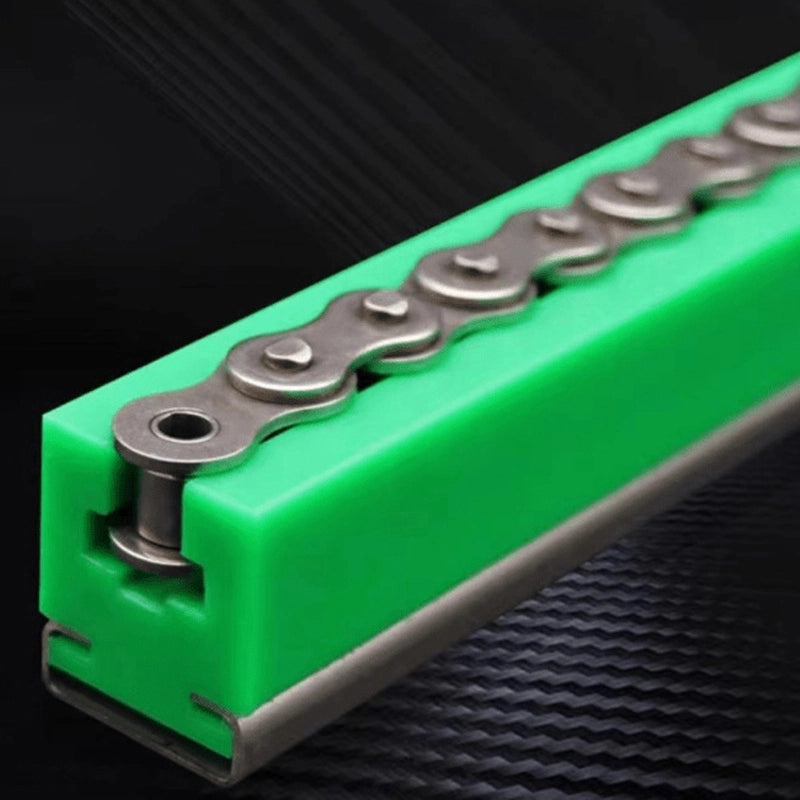
In this blog, I’ll break down the key properties of PU material, its unique chemical structure, and the reasons behind its widespread use. From its impressive hardness and density to its role in custom custom polyurethane products, you’ll understand why polyurethane applications continue to expand. Plus, I’ll compare polyurethane vs. polypropylene and explain how manufacturers customize PU plastic material for different uses.

🟩 Order Industrial-Grade PU Sheets and Rods with Confidence

BeePlastic offers durable polyurethane sheets and hollow rods ideal for impact-resistant, abrasion-resistant, and custom-mold applications.

  • ✅ Smooth Surface Finish & Precision Quality
  • ✅ Multiple Sizes Available (Thickness: 1mm – 100mm+)
  • ✅ Ships with Free Standard Delivery

🎉 Limited Time Offer: Use code QR4GNY08SHVR at checkout for a special discount!

Shop PU Board & Rods Now 👉

Polyurethane (PU) as a Plastic Material

Polyurethane (PU) is widely recognized for its exceptional versatility and resilience. Classified as a thermosetting plastic, it undergoes a chemical reaction during its manufacturing process that creates a permanent bond, making it resistant to melting or reshaping. This characteristic gives PU material a distinct advantage in industrial applications where long-term durability and resistance to harsh conditions are crucial.

What Makes Polyurethane (PU) Unique?

Polyurethane plastic can be produced in both flexible and rigid forms, allowing it to meet a broad spectrum of industrial requirements. Whether used for cushioning applications in its foam form or as rigid sheets for structural components, the adaptability of PU is unmatched.

Durability and Resistance to Wear

One of the standout features of PU plastic material is its high resistance to abrasion and wear. This makes it a preferred choice for machinery components, automotive parts, and other products that need to endure prolonged exposure to friction or harsh environments.

Chemical and Environmental Resistance

Polyurethane material is also highly resistant to chemicals, oils, and solvents, which further broadens its applications. In industries where exposure to such elements is frequent, PU products provide a reliable and long-lasting solution.

500x500mm polyurethane shim sheet (19.7 x 19.7 inches) – full size display

Applications of Polyurethane in Various Industries

The ability to tailor the properties of PU material makes it suitable for a wide range of applications. Flexible polyurethane foam is commonly used in automotive seating, furniture, and insulation, while rigid polyurethane sheets and coatings are often found in construction, flooring, and protective equipment.

Flexibility in Customization

The flexibility of polyurethane allows manufacturers to adjust its hardness, density, and other mechanical properties to meet specific industry needs. Whether it’s used for soft, cushioning materials or hard, load-bearing components, custom polyurethane products are essential across numerous sectors.

Why Choose Polyurethane Over Other Plastics?

In comparison to other materials like polypropylene, polyurethane offers greater mechanical strength, thermal stability, and chemical resistance. This makes it an ideal material for industries requiring products that can withstand both environmental stress and high-performance demands.

PU Plastic Sheets and Rods: Key Features and Customization Options

PU plastic sheets and PU rods are highly versatile materials used across various industries due to their customizable properties. From their thickness to hardness levels, polyurethane (PU) plastic can be tailored to meet specific industrial requirements, offering both flexibility for dynamic applications and rigidity for heavy-duty use.

Thickness Variations in PU Plastic Sheets and Rods

The thickness of PU plastic sheets is an important factor when determining their use in different applications. Thinner polyurethane sheets are typically employed in situations requiring flexibility, such as gaskets, seals, and liners. These thinner sheets conform to surfaces easily, making them ideal for applications where the material needs to adapt to irregular shapes.

On the other hand, thicker PU plastic sheets provide enhanced rigidity and are used in more demanding environments, such as machinery guards, protective pads, and heavy-duty flooring. The added thickness increases the material’s ability to absorb impact and resist wear, which is why thick PU sheets are favored for industrial settings involving heavy machinery or frequent mechanical stress.

Flexible Applications for Dynamic Industries

For industries requiring materials that can withstand constant movement and stress, thin polyurethane sheets offer the perfect balance of elasticity and durability. In automotive and construction industries, thinner PU rods and sheets are commonly used in dynamic components such as vibration dampeners and shock absorbers. Their ability to flex and return to shape without losing integrity ensures longevity in applications where traditional materials would degrade quickly.

Custom molded polyurethane products in various colors and shapes

Hardness Levels and Customization

PU plastic can be produced in a wide range of hardness levels, measured using the Shore A and Shore D scales. This flexibility in hardness allows polyurethane rods and sheets to be customized for specific uses, from soft, flexible materials to extremely rigid structures.

Soft PU Plastic for Cushioning

Soft polyurethane sheets with lower hardness levels (measured on the Shore A scale) are used in applications where cushioning and flexibility are critical. For example, in seals, gaskets, and pads, soft PU provides the necessary compression and resilience to absorb energy while maintaining a tight seal. Flexible PU sheets are often found in the automotive and furniture industries, where comfort and durability are priorities.

Rigid PU for Structural Applications

At the other end of the spectrum, rigid polyurethane sheets with higher Shore D hardness ratings are used in structural applications that demand high strength and impact resistance. These rigid PU rods and sheets are commonly found in industrial equipment, machine parts, and protective coverings. Their toughness and durability make them ideal for applications where long-term performance is necessary, such as in heavy-duty flooring or machinery components.

Customization Options for PU Sheets and Rods

The ability to tailor PU plastic material to specific needs is one of the reasons it is so widely used across industries. Manufacturers can adjust the thickness, hardness, and density of PU plastic to meet the unique demands of different sectors. Whether you’re looking for a high-density polyurethane sheet for structural integrity or a soft PU rod for shock absorption, customization is key to maximizing the material’s effectiveness.

Adaptability in Various Industries

Industries such as aerospace, marine, and automotive all rely on custom polyurethane products to meet their specific needs. For instance, high-density PU foam is commonly used for marine flotation devices due to its water resistance and durability, while automotive components benefit from the impact resistance of rigid PU sheets.

By tailoring the chemical structure and physical properties of polyurethane sheets and rods, manufacturers can create materials that perform exceptionally well under diverse conditions, making PU plastic one of the most versatile materials in the market today.

Comparing Polyurethane and Polypropylene

Polypropylene production line - comparison of plastic materials

Polyurethane (PU) and polypropylene (PP) are two commonly used plastic materials in various industrial applications. While both offer benefits in terms of durability and flexibility, PU plastic often outperforms polypropylene in industries that demand longevity, environmental resistance, and chemical durability. Understanding the differences between these materials can help determine which is best suited for specific applications.

Durability: Polyurethane vs. Polypropylene

Superior Strength and Longevity of Polyurethane

Polyurethane is widely regarded for its high durability and resistance to wear. It is a thermosetting polymer, which means that once it is formed, it cannot be melted or reshaped. This inherent property provides long-lasting durability in industrial settings, making PU plastic ideal for applications that require heavy-duty performance. Products like PU plastic sheets and PU rods maintain their integrity even under constant mechanical stress, which is why polyurethane is often preferred in applications involving machinery components, industrial flooring, and heavy equipment.

In contrast, polypropylene is a thermoplastic material, meaning it can be melted and reformed. While this feature is useful for molding and recycling, polypropylene tends to break down more quickly when exposed to harsh conditions, particularly in applications involving high wear and abrasion. Polypropylene is more likely to suffer from cracks or fractures over time, especially in outdoor applications where exposure to UV light and temperature fluctuations is frequent.

Flexibility: PU Offers Greater Versatility

In terms of flexibility, polyurethane outperforms polypropylene. PU plastic material can be engineered to offer a wide range of flexibility options, from soft, flexible forms to rigid, durable structures. This adaptability allows polyurethane to be used in both dynamic applications that require frequent movement, such as shock absorbers and vibration dampeners, as well as in more structural roles, such as rigid foam panels used in insulation.

Polypropylene, while flexible, tends to be more brittle in colder environments and can crack under pressure or impact. Its lower flexibility compared to polyurethane makes it less suitable for applications requiring elasticity and long-term stress endurance.

Chemical Resistance: PU Excels in Harsh Environments

Chemical resistance is another critical factor that distinguishes polyurethane from polypropylene. PU coatings and PU plastic sheets are highly resistant to a wide range of chemicals, oils, and solvents, making polyurethane a reliable choice for industries like chemical processing, automotive, and oil and gas. The chemical resistance of polyurethane ensures that equipment and components last longer in environments where exposure to corrosive substances is common.

On the other hand, polypropylene also offers good chemical resistance but tends to degrade when exposed to certain solvents and acids. While it performs well in less aggressive environments, polypropylene may not be the best option for industrial settings where continuous exposure to harsh chemicals is unavoidable.

Applications: Why Polyurethane is Preferred in Industrial Settings

Polyurethane for Industrial and Heavy-Duty Uses

Given its durability, flexibility, and chemical resistance, polyurethane plastic is frequently chosen for industrial applications that require materials to withstand tough conditions. PU material offers a wide range of solutions for industries that prioritize longevity and performance.

For example, in automotive applications, polyurethane is often used for suspension bushings, engine mounts, and seals, where its ability to resist wear and withstand exposure to chemicals makes it a superior choice. Similarly, PU coatings are commonly applied to industrial machinery and flooring, where they protect against abrasion and corrosion.

Polypropylene for Lightweight and Cost-Effective Applications

While polypropylene is not as durable or flexible as polyurethane, it is often chosen for lightweight and cost-effective applications where longevity is not the primary concern. PP plastic is commonly found in consumer goods, packaging, and disposable items. Its ability to be molded easily into different shapes and its resistance to water and chemicals in less aggressive environments make it a viable option for products with shorter life cycles.

For instance, polypropylene is widely used in food containers, storage bins, and outdoor furniture, where cost efficiency and recyclability are key factors.

Customization and Adaptability

Both polyurethane and polypropylene can be customized for specific uses, but PU plastic offers greater versatility in terms of formulation. The ability to adjust density, hardness, and flexibility in PU products allows for more tailored solutions in demanding industries. In contrast, polypropylene is more limited in terms of hardness and rigidity, making it less adaptable to applications requiring specific performance characteristics.

By understanding the strengths of polyurethane over polypropylene, particularly in terms of durability, flexibility, and chemical resistance, it’s clear why PU plastic is often preferred for industrial applications that require long-term reliability.

Applications of Polyurethane Plastic in Various Industries

Polyurethane (PU) has become an indispensable material in numerous industries due to its unique combination of durability, flexibility, and resistance to various environmental factors. Its adaptability allows for extensive use across sectors such as construction, automotive, marine, electrical, and textiles, making it ideal for demanding environments that require high performance and reliability.

Structural Uses of Polyurethane in Construction

In addition to its role in insulation, polyurethane plastic sheets and PU rods are utilized as structural components in the construction sector. Their strength and rigidity make them suitable for reinforcing concrete and composite materials. The lightweight yet durable properties of PU plastic material reduce the overall weight of structural elements without compromising on strength, making it a preferred choice for modern construction applications.

Automotive Industry: Bushings, Seals, and Noise Dampening

Polyurethane in Automotive Components

The automotive industry relies heavily on polyurethane plastic for its ability to endure mechanical stress while maintaining flexibility. Polyurethane bushings are commonly used in suspension systems, where their ability to absorb shock and reduce noise is critical for improving vehicle performance and passenger comfort. The toughness of PU material allows these bushings to withstand prolonged exposure to wear, vibration, and chemical exposure without degrading.

🔧 Need Custom PU Parts for Specialized Applications?

We provide custom CNC machining, die-cutting, pouring, and milling of PU components tailored to your specific performance needs.

  • 📩 Get a Fast Quote: Simply upload your drawings to our engineers.
  • 🔷 Tolerance Control & Precise Color Matching.
  • 🔷 No MOQ: Custom Hardness from Shore A to D.

✨ Special Offer: Use code QR4GNY08SHVR to enjoy a discount on your order!

Submit Your Project Specs 👉

Electrical Industry: Insulation and Potting Compounds

PU for Electrical Insulation

Polyurethane is also widely used in the electrical industry due to its excellent dielectric properties. PU coatings and potting compounds are used to insulate electrical components and protect them from environmental factors such as moisture, heat, and chemicals. In applications where electrical equipment must be safeguarded against short circuits or physical damage, polyurethane insulation provides a reliable and long-lasting solution.

Potting and Encapsulation

For more delicate electrical systems, polyurethane potting compounds are employed to encapsulate electronic circuits and prevent damage from external forces. These compounds shield sensitive components from vibration, shock, and thermal fluctuations, which can otherwise lead to malfunctions or shortened lifespans of electronic devices.

Polyurethane’s Versatility Across Multiple Industries

The adaptability of polyurethane plastic allows it to serve a broad range of industries, from construction to automotive, marine, electrical, and textile applications. Its unique combination of durability, chemical resistance, and flexibility ensures that PU material remains a key component in many demanding environments, providing solutions that enhance performance, reduce costs, and extend the lifespan of products and structures.

Environmental Considerations and Recycling of Polyurethane

Close-up view of polyurethane sheet surface clarity

As industries increasingly focus on sustainability, the recyclability of polyurethane (PU) has come to the forefront of discussions. While polyurethane plastic has long been valued for its durability and versatility, its environmental impact has raised concerns. However, emerging recycling technologies and innovative production methods are making PU material more sustainable. These advancements allow industries like automotive and construction to reduce waste while maintaining the high performance of polyurethane products.

Recycling Methods for Polyurethane

Mechanical Recycling of Polyurethane

One of the most common methods for recycling polyurethane is mechanical recycling. In this process, PU foam and plastic materials are shredded into small pieces and then reprocessed into new products. This process, while relatively straightforward, is limited by the degradation of polyurethane’s mechanical properties after each recycling cycle.

For rigid polyurethane, mechanical recycling is used to create new building materials, including insulation panels. These products help to reduce the carbon footprint of new construction projects, making the recycling process highly valuable in the construction industry.

Chemical Recycling: Breaking Down Polyurethane to Its Base Components

Chemical recycling is a more advanced process that involves breaking down polyurethane into its base components, such as polyols and isocyanates. These components can then be used to create new polyurethane products. This method offers greater potential for producing high-quality recycled polyurethane while maintaining the material’s original performance properties.

Chemical recycling of PU materials is still being developed, but it holds promise for industries seeking to reduce waste without sacrificing material quality. Innovations in this area could revolutionize polyurethane recycling, making it easier to recycle large amounts of industrial PU waste.

Emerging Technologies for Sustainable Polyurethane Production

Bio-Based Polyurethane: A Renewable Alternative

One of the most exciting advancements in polyurethane production is the development of bio-based polyurethane, which uses renewable resources like plant oils instead of petroleum-based products. This reduces the reliance on fossil fuels and lowers the overall carbon emissions associated with PU manufacturing. Bio-based polyurethane also maintains the same performance characteristics as traditional polyurethane, making it a viable option for industries looking to improve their environmental impact.

Closed-Loop Recycling Systems for PU

Closed-loop recycling systems for polyurethane are becoming more common as industries look to minimize waste. In a closed-loop system, PU waste generated during manufacturing is collected, reprocessed, and reused to create new polyurethane products. This system helps reduce the need for raw materials and cuts down on industrial waste, making PU production more sustainable.

The development of these technologies marks a significant step forward in reducing the environmental impact of polyurethane while maintaining its critical role in industrial applications. Polyurethane’s recyclability and the shift toward more sustainable production methods ensure that it will continue to be a valuable material for the automotive, construction, and manufacturing industries.

Assortment of polyurethane products and sheets

Frequently Asked Questions (FAQs) About Polyurethane Plastic and BeePlastic Customization Services

Here are some common questions related to polyurethane plastic and customization services provided by BeePlastic:

1. What is polyurethane plastic, and how is it used?

Polyurethane plastic is a versatile material used in industries like automotive, construction, furniture, and electronics. It can be rigid or flexible, making it ideal for products like bushings, seals, and coatings. Its properties, such as durability, flexibility, and chemical resistance, make it suitable for both light and heavy-duty applications.

2. Can BeePlastic customize polyurethane products to specific requirements?

Yes, BeePlastic specializes in customizing polyurethane products to fit your exact specifications. We handle sample customization and batch production based on your project needs. Whether you require specific sizes, shapes, or hardness levels, we are equipped to meet your custom polyurethane requirements.

3. What file formats do BeePlastic accept for design and customization?

We accept a wide range of file formats to streamline the customization process. You can send your design files in PDF, CAD, or other commonly used formats. This flexibility ensures that your designs are accurately translated into the final product.

4. Is there a minimum order quantity (MOQ) required for polyurethane product orders?

No, BeePlastic does not have a minimum order quantity (MOQ). Whether you need a single sample or a large batch, we are ready to accommodate your production needs without any limitations on the order size.

5. What is the typical production cycle for custom polyurethane products?

The production cycle at BeePlastic depends on factors such as the size of the order and the complexity of the manufacturing process. We ensure real-time communication about production progress, keeping you informed every step of the way. This helps us maintain transparency and meet delivery timelines efficiently.

6. Does BeePlastic offer free samples for polyurethane products?

Yes, we offer free samples of our polyurethane products. However, customers are responsible for the shipping costs. This gives you an opportunity to test our products before placing a larger order.

7. Can BeePlastic customize polyurethane products for specific industries like automotive or construction?

Absolutely. We have extensive experience customizing polyurethane products for various industries, including automotive, construction, marine, and more. From PU bushings to insulation sheets, we tailor our materials to fit the unique demands of each sector.

8. How durable are polyurethane products compared to other plastics like polypropylene?

Polyurethane is known for its superior durability, especially in harsh environments. Compared to polypropylene, PU plastic offers better resistance to chemical exposure, temperature fluctuations, and mechanical stress, making it a preferred choice for industrial applications requiring longevity.

9. What are the environmental considerations of using polyurethane plastic, and can it be recycled?

Polyurethane plastic is recyclable through both mechanical and chemical recycling processes. At BeePlastic, we are committed to sustainability and can provide insights into the recyclability of your custom polyurethane products, especially for industries looking to reduce waste.

10. How can I request a customized quote for my polyurethane project?

To request a quote, simply provide us with your design specifications, including the material type, dimensions, and quantity needed. You can submit this information through our website or by sending us the details in PDF or CAD format. We will assess your requirements and provide a detailed quote that includes production timelines and costs.

These questions provide insight into polyurethane plastic as well as BeePlastic’s customization capabilities, helping clients understand the full range of services and benefits available to them.

In the ever-evolving world of industrial materials, polyurethane plastic continues to stand out for its remarkable versatility, durability, and adaptability across various industries. From automotive bushings and construction insulation to customized solutions, PU material proves to be an essential component in meeting the demands of modern manufacturing. With BeePlastic’s extensive experience in customization, offering tailored polyurethane products for specific needs—without minimum order requirements—businesses can benefit from sustainable, high-performance materials that drive both efficiency and innovation in their fields.

PU material

Looking for durable, customizable polyurethane products?

Fill out our form to get a free consultation, or browse our extensive range of PU sheets and rods below to see how BeePlastic can meet your needs.

Explore PU Collection Get a Custom Quote

Leave a comment


Please note, comments must be approved before they are published


Custom Plastic Fabrication

Send your drawing, material and quantity for review

🔧
Precision Machining
CNC milling & turning
✂️
Cutting & Engraving
Laser & waterjet cutting
🏭
Forming & Molding
Thermoforming & injection
🔗
Joining & Assembly
Welding & bonding
📐
Design & Prototyping
CAD design & samples

General

HDPE

PP

PVC

ABS

Engineering

POM

Nylon

PC

PMMA

High-Performance

PEEK

PEI

PTFE

Composites

FR-4

G10

Flexible

TPU

Silicone

Why Choose BeePlastic?

🎯
Perfect Fit
Custom specs eliminate adaptation needs
⚡
Clear Lead Times
Lead time confirmed with every quote
💰
Volume Pricing
Volume pricing available on bulk orders
🤝
Expert Support
Free engineering consultation included
📋
Submit
→
🔍
Review
→
💵
Quote
→
✅
Production
→
📦
Deliver

Request a Quote

Share your project details, selected material and quantity on our quote page. You can add a file link or use the email drawing route shown there.


Request Quote

Industries: Automotive • Medical • Food • Lab • Semiconductor

beeplastic@beeplastic.com


Exploring G10 and FR4: Applications, Properties, and Uses in Electronics

FR4 and G10 fiberglass epoxy sheets

G10 and FR4 are two of the most widely used glass epoxy laminates in various industries, but how do they differ? In this blog, I’ll take you through the key differences in G10 vs FR4, focusing on G10 mechanical strength and FR4’s flame retardant properties. Whether you’re working with FR4 printed circuit boards or need high-temperature insulation, understanding these materials is crucial. I’ll explain how FR4’s electrical insulation laminate is ideal for electronics, while G10 is perfect for mechanical parts. From moisture resistance to thermal stability, these materials excel in aerospace and industrial applications. You’ll also learn about CNC machining G10 and CNC machining FR4, which ensures precision in creating durable, dielectric components. Whether you’re choosing for FR4 applications in electronics or G10 applications in heavy-duty industries, this post covers it all.

glass epoxy laminates

🎉🎉🎉Limited Time Offer Use code: QR4GNY08SHVR at checkout and enjoy a special discount on your entire order! 👉 FR4 fiberglass plastic

What Are G10 and FR4? Understanding Glass Epoxy Laminates

G10 and FR4 are two of the most widely used glass epoxy laminates, prized for their mechanical strength, electrical insulation, and moisture resistance. Both materials are essential in electronics, aerospace, and other high-performance industries. However, the key difference between them lies in their flame retardancy—FR4 is flame retardant, while G10 is not.

Composition of G10 and FR4

Both G10 and FR4 are made by reinforcing epoxy resin with woven glass fabric, which creates a robust and highly durable material. This glass cloth is embedded in epoxy resin through a high-pressure and high-temperature process, resulting in fiberglass composite sheets that exhibit strong dimensional stability.

G10 was originally developed as a mechanical strength laminate, making it ideal for mechanical applications that require high impact resistance and excellent wear properties. Meanwhile, FR4 evolved from G10 to meet flame resistance standards, adding brominated chemicals to make it comply with the UL 94V-0 rating.

Structural Similarities and Differences Between G10 and FR4

While G10 and FR4 share a similar base composition of glass-reinforced epoxy laminate, FR4 stands out because of its flame retardant properties. The addition of a flame-retardant additive to FR4 makes it suitable for applications where fire resistance is critical, such as in printed circuit boards (PCBs) for electronics.

On the other hand, G10 maintains high mechanical strength, making it the go-to choice for applications that don’t require flame resistance. It is often used in knife handles, aerospace components, and electrical insulation in non-flame-sensitive environments.

Core Properties of G10 and FR4

Mechanical Strength

Both G10 and FR4 provide high mechanical strength and are capable of withstanding impact, vibration, and extreme conditions. However, G10 is particularly noted for its toughness, making it ideal for high-wear environments like military and industrial applications.

Dielectric Properties

The dielectric strength of FR4 and G10 makes them perfect for electrical insulation applications. While both materials excel in electrical insulation, FR4 is preferred for applications where flame retardancy is essential, particularly in electronics and high-voltage devices.

Moisture Resistance

One of the standout features of both G10 and FR4 is their low moisture absorption, which allows them to maintain their electrical and mechanical properties even in high-humidity environments. This makes these laminates particularly useful in aerospace and marine applications, where exposure to moisture is frequent.

Understanding the similarities and differences between G10 and FR4 is crucial when selecting the right material for your project, particularly when flame resistance or mechanical durability is a key requirement.

glass epoxy laminates

G10 vs FR4: Key Differences in Electrical Insulation and Flame Resistance

When comparing G10 and FR4, it’s essential to consider both their electrical insulation properties and flame resistance capabilities. These two laminates are often used interchangeably in industries requiring strong electrical insulation, but the introduction of flame-retardant FR4 created a clear distinction, especially in applications that involve high temperatures or fire hazards.

Electrical Insulation Properties of G10 and FR4

Both G10 and FR4 are excellent electrical insulators, making them popular choices for applications where dielectric strength is essential. These materials can effectively prevent the flow of electric current, which is why they are used extensively in electronics, electrical enclosures, and insulation laminates.

However, FR4 takes the lead in environments where high voltage and thermal stability are critical. It’s specifically designed to provide reliable insulation even at higher temperatures, which is a common requirement in the PCB (Printed Circuit Board) industry. Thanks to its dielectric properties, FR4 excels in maintaining consistent performance under varying conditions of heat and humidity, ensuring long-term reliability in sensitive electronics.

FR4 is the industry standard for printed circuit boards, offering electrical insulation laminate properties that help reduce the risk of short circuits, fires, and electrical failure. Its stability in high-voltage environments makes it indispensable for electronic devices that require continuous operation under stressful conditions.

FR4’s Flame Resistance (UL 94V-0)

One of the standout features of FR4 is its flame retardant capabilities. The UL 94V-0 rating certifies that FR4 is able to self-extinguish when exposed to flames, making it a fire-resistant material that is highly sought after in environments with fire hazards. This characteristic makes FR4 essential in the electronics industry, where flame resistance is a non-negotiable requirement.

In contrast, G10 lacks this flame retardant additive and is not suited for applications that involve significant fire risks. Instead, G10 is better for mechanical applications that require durability and high impact resistance. While FR4 is favored for PCBs and other electrical components that face flame exposure, G10 is used in non-flame-sensitive applications where high strength is the priority.

Where G10 Excels: Mechanical Strength in Non-Flame-Sensitive Applications

Although G10 doesn’t offer flame resistance, it boasts superior mechanical strength, making it ideal for high-wear environments. It has been the material of choice in aerospace and mechanical industries, where components need to withstand extreme stress and high-impact environments. G10 is commonly used in knife handles, tooling parts, and mechanical insulators, where strength and durability outweigh the need for flame resistance.

G10 retains excellent dimensional stability, even under extreme conditions. Its high impact resistance makes it valuable for industries like military equipment and aerospace, where structural integrity and shock resistance are crucial. Moreover, G10 offers flexibility in CNC machining, allowing it to be shaped into complex components while maintaining its strength and durability.

By understanding the specific differences between G10 and FR4, especially in terms of electrical insulation and flame resistance, you can make an informed decision about which material best suits your project’s requirements. Whether it’s FR4 for fire-sensitive electronics or G10 for mechanical durability, these two materials offer unique advantages tailored to specific industrial needs.

Applications of G10 and FR4 in Electronics and Aerospace

Both G10 and FR4 are highly versatile glass epoxy laminates with distinct applications in electronics and aerospace. While FR4 is primarily known for its role in printed circuit boards (PCBs), G10 excels in more mechanical-heavy industries like aerospace and military equipment. The choice between these two materials often comes down to flame resistance, mechanical strength, and thermal stability, depending on the specific application.

G10 in Aerospace: High Mechanical Strength and Durability

In the aerospace industry, G10 is a favored material because of its high mechanical strength and impact resistance. It is widely used in the fabrication of aircraft components, structural parts, and high-wear parts that need to withstand extreme conditions.

G10 is highly valued for its dimensional stability, which allows it to maintain its integrity even under stressful conditions like high-speed impacts or constant vibrations. The material’s low moisture absorption also makes it ideal for applications where exposure to humidity and extreme temperatures is a factor, such as in aircraft interiors or fuselage components. Aerospace engineers often use CNC machining G10 to fabricate highly complex parts that require precise dimensions and mechanical strength.

glass epoxy laminates

FR4 in Electronics: The Backbone of PCB Manufacturing

On the other hand, FR4 plays a critical role in electronics, particularly in PCB manufacturing. Due to its flame retardant properties (certified by UL 94V-0), FR4 is the material of choice for printed circuit boards, which are found in virtually all electronic devices, from smartphones to industrial control systems.

The dielectric properties of FR4 make it an ideal electrical insulation laminate, preventing the risk of short circuits and electrical failure in devices that require constant operation. Moreover, FR4’s thermal stability ensures that it can endure high temperatures generated by electronic components, making it a reliable material for long-term use in high-performance electronics.

Relevance of High-Temperature Insulation in Aerospace and Electronics

Both G10 and FR4 are known for their high-temperature insulation properties, which are crucial in their respective industries. In electronics, the ability to resist heat is vital in preventing overheating in PCB components. FR4‘s thermal stability allows it to perform consistently under high temperatures, making it indispensable for high-voltage applications and power electronics.

In the aerospace sector, where aircraft parts can be exposed to extreme thermal environments, G10 provides excellent insulation and mechanical stability at high temperatures. It’s commonly used in thermal shielding components and structural parts that require both insulation and strength.

Moisture Resistance in Critical Applications

Moisture resistance is another critical factor in the use of G10 and FR4 in electronics and aerospace. FR4, with its excellent moisture-resistant properties, is favored for PCBs and electrical insulation in environments where humidity could compromise performance. This makes FR4 particularly effective in outdoor electronics or devices exposed to moisture.

Similarly, G10‘s low moisture absorption makes it suitable for aerospace applications, especially in parts that are exposed to high-altitude environments where condensation can occur. Its ability to maintain mechanical strength and insulating properties under moist conditions ensures that G10 remains durable and reliable in critical aerospace components.

Both G10 and FR4 are indispensable in their respective fields, and understanding their thermal stability, moisture resistance, and mechanical strength is key to selecting the right material for demanding electronics and aerospace applications.

The Role of CNC Machining in Shaping G10 and FR4

In high-precision industries, the use of CNC machining has revolutionized the way materials like G10 and FR4 are shaped into specialized components. Both glass epoxy laminates are prized for their durability and unique properties, making them ideal for electronics, aerospace, and industrial applications. The ability to precisely machine these materials ensures they meet the exacting standards of these industries.

CNC Machining Enhances G10 and FR4 Usability

CNC machining (Computer Numerical Control) allows for precise cutting, drilling, and shaping of G10 and FR4 materials to meet specific industrial requirements. This precision is critical in industries where tight tolerances and complex geometries are necessary.

G10 and FR4 can be notoriously difficult to machine manually due to their hardness and abrasiveness, but CNC machining overcomes these challenges by using advanced tools that ensure smooth cuts and perfectly accurate dimensions. Whether it’s machining FR4 for printed circuit boards (PCBs) or CNC machining G10 for mechanical strength parts, the results are consistently reliable with minimal waste.

FR-4 and G-10 epoxy glass materials known for their exceptional mechanical strength, electrical insulation, and dimensional stability.

CNC Machining FR4 for Electrical Insulation Components

One of the most common applications of CNC machining is in shaping FR4 electrical insulation laminate for PCBs and other electrical components. FR4‘s flame resistance and electrical insulating properties make it the perfect material for high-voltage applications. By using CNC machining, manufacturers can produce customized FR4 parts that fit the exact needs of electronics manufacturers.

The high dielectric strength and thermal stability of FR4 are critical in ensuring that components perform consistently, even under high heat and electrical stress. With CNC machining, FR4 sheets can be turned into intricate parts, such as PCB bases, terminal strips, and switchboard components, with extreme accuracy. The precision of CNC machining ensures that these parts maintain their insulating properties and meet the strict safety standards required for electronics and electrical equipment.

CNC Machining G10 for Mechanical Strength Parts

While FR4 is commonly associated with electrical insulation, G10 is preferred for mechanical strength applications. The rigidity and impact resistance of G10 make it ideal for structural parts in industries such as aerospace, military, and industrial manufacturing. When CNC machined, G10 can be precisely shaped into parts that withstand high mechanical loads, vibrations, and impact forces.

CNC machining G10 allows for the creation of mechanical parts like knife handles, jigs, fixtures, and support structures. The high dimensional stability of G10 ensures that even in high-wear environments, the parts remain reliable and resistant to environmental factors such as humidity and chemical exposure. The versatility of G10 means it can be machined into both large structural components and small precision parts that require intricate detailing.

Advanced Capabilities of CNC Machining for G10 and FR4

The advanced capabilities of modern CNC machining equipment make it possible to shape G10 and FR4 into components with complex geometries, such as holes, slots, and angles, with consistent precision. CNC machines are equipped with multi-axis systems that allow for the simultaneous cutting of complex shapes without the need for additional manual intervention. This is particularly useful when machining FR4 for multi-layer PCBs or G10 for complex aerospace components.

CNC machining ensures that tolerances are maintained throughout the manufacturing process, which is critical for industries like electronics and aerospace, where even the smallest variations in part dimensions can lead to system failures. Additionally, CNC machining offers rapid prototyping capabilities, enabling manufacturers to quickly produce and test custom parts made from G10 and FR4 before moving into full production.

Through CNC machining, both G10 and FR4 can be transformed into high-performance components that meet the specific requirements of their respective industries, ensuring reliability, durability, and performance in even the most demanding applications.

High-Temperature Insulation and Moisture Resistance in G10 and FR4

Both G10 and FR4 excel in environments where thermal stability and moisture resistance are critical. These glass-reinforced epoxy laminates are designed to maintain their structural integrity and insulating properties even under extreme temperatures and humid conditions. This makes them ideal for applications in electronics, aerospace, and other high-performance industries where high-temperature insulation and moisture resistance are essential.

Thermal Stability in G10 and FR4

The thermal stability of both G10 and FR4 allows them to function in environments with high temperatures without degrading or losing their mechanical properties. In electronics, where components like printed circuit boards (PCBs) need to operate consistently under intense heat, FR4 provides excellent high-temperature insulation, maintaining its performance even when exposed to continuous heat.

FR4 is particularly well-suited for high-temperature applications because of its UL 94V-0 flame retardant rating, meaning it can withstand and even self-extinguish in the presence of flames. This makes FR4 a preferred choice in high-voltage electrical systems and power electronics, where both thermal stability and fire resistance are critical.

While G10 does not offer the same flame retardant properties as FR4, it remains highly effective in high-temperature environments. G10 is often used in aerospace applications, where heat resistance and mechanical strength are essential for parts exposed to friction and extreme heat. Its dimensional stability ensures that G10 components retain their shape and performance under varying temperature conditions.

A robust G-10 mechanical part, highlighting its use for high-strength, wear-resistant applications like custom tooling, jigs, and durable knife handles.

High-Temperature Insulation for Critical Applications

Both G10 and FR4 exhibit superior insulating properties, making them reliable materials for thermal shielding and high-temperature insulation. In aerospace, G10 is commonly used for thermal insulators and structural parts that need to withstand extreme heat without losing their mechanical integrity. Its ability to maintain dimensional stability under heat and mechanical stress makes G10 an ideal material for high-performance environments.

On the other hand, FR4 is more widely used in electronics and electrical insulation applications due to its excellent heat resistance and flame-retardant properties. FR4 is the material of choice in PCBs, where high-temperature insulation is required to prevent heat-related failures in electronic devices. The material’s ability to handle thermal cycling—repeated exposure to high and low temperatures—makes it indispensable in environments where heat dissipation is crucial.

Moisture Resistance: Durability in Humid Environments

Both G10 and FR4 are designed to perform well in humid environments due to their low moisture absorption. In applications where exposure to moisture is a concern, such as marine or outdoor electrical systems, these materials ensure that components remain durable and insulating properties stay intact.

Moisture resistance is particularly important for FR4, which is often used in electronics that operate in high-humidity environments. FR4’s low water absorption prevents it from degrading when exposed to moisture, ensuring that electrical insulation remains effective in moisture-rich environments like power stations or outdoor transformers. Similarly, G10‘s water resistance allows it to be used in aerospace and marine environments, where condensation and humidity could otherwise impact the performance of components.

Performance in Extreme Conditions

When exposed to extreme conditions, both G10 and FR4 exhibit excellent durability and insulating performance. G10 is commonly used in applications that face mechanical wear and thermal cycling, where its heat resistance and impact strength are vital. FR4, on the other hand, stands out in environments where flame resistance and high-temperature insulation are required, particularly in electronics that need to function reliably under continuous thermal stress.

Both materials are essential in ensuring long-term reliability in electronics, aerospace, and marine applications where thermal insulation and moisture resistance are critical for performance.

Choosing Between G10 and FR4 for Industrial and Electronic Applications

When selecting the right laminate for your project, it’s essential to weigh the differences between G10 and FR4 based on your specific needs. Both materials are glass-reinforced epoxy laminates, but their properties make them more suited to distinct applications. By considering factors such as dielectric properties, flame resistance, and mechanical strength, you can make an informed decision about whether G10 or FR4 is the right choice for your industry.

Dielectric Properties: Electrical Insulation for Sensitive Electronics

Dielectric properties are a critical consideration when choosing between G10 and FR4, especially in applications where electrical insulation is paramount. Both materials provide excellent dielectric strength, but FR4 stands out as the preferred choice for printed circuit boards (PCBs) and other electrical components due to its ability to maintain consistent insulation even under high-voltage conditions.

FR4 is renowned for its dielectric properties, which prevent electrical current from traveling through the material, making it ideal for electronics. In contrast, G10 offers similar electrical insulation but lacks the flame retardant qualities of FR4. This makes FR4 more suitable for high-voltage or high-temperature applications, especially where safety and fire resistance are critical.

When working with high-performance electronics, FR4 is the go-to material because of its superior electrical insulation. However, G10 remains an excellent alternative in situations where flame resistance is not a requirement, but mechanical durability is.

FR4 is renowned for its dielectric properties

Flame Resistance: Fire Safety in Electronics and High-Temperature Applications

Flame resistance is another major factor to consider when selecting between G10 and FR4. FR4 is designed with a flame retardant additive and meets the UL 94V-0 standard, which means it can self-extinguish when exposed to flames. This property makes FR4 ideal for electronic applications, where components are at risk of overheating or being exposed to high temperatures.

FR4’s flame retardancy makes it the top choice for printed circuit boards and electrical insulation in power electronics, automotive electronics, and industrial control systems. Its ability to prevent electrical fires ensures that components made from FR4 can function reliably in high-stress environments, such as power stations or industrial automation systems.

On the other hand, G10 does not offer flame retardancy, making it less suitable for applications where fire hazards are present. However, its mechanical strength makes it a preferred choice for non-flame-sensitive environments like aerospace, military equipment, and heavy-duty industrial applications.

Mechanical Strength: Durability for High-Stress Industrial Applications

When it comes to mechanical strength, G10 surpasses FR4 due to its superior impact resistance and dimensional stability. G10 is widely used in industries that require tough, durable materials, such as aerospace, marine applications, and military components.

G10 is particularly valued for its rigidity and ability to withstand mechanical wear. It is commonly used in applications where parts are subject to constant vibration, impact, or stress, such as structural components, jigs, and fixtures. Additionally, CNC machining G10 allows for the creation of highly detailed, durable parts that retain their shape and functionality even in extreme conditions.

While FR4 also provides mechanical strength, its primary strength lies in its electrical insulation and fire resistance. It is not designed for high-impact environments like G10, making it less suitable for mechanical parts that require extreme durability.

Making the Right Choice: Industry-Specific Applications

In electronics, FR4 is the clear choice due to its flame resistance and superior dielectric properties, making it the industry standard for PCBs and other high-voltage applications. If your project involves high-temperature insulation or requires materials with flame retardant properties, FR4 should be your first consideration.

For mechanical applications where flame resistance is not required, G10 is the ideal choice. Its high mechanical strength, impact resistance, and dimensional stability make it a versatile option for industries like aerospace, military, and heavy machinery. Whether it’s for structural supports or high-impact components, G10 excels in demanding environments.

By understanding the specific requirements of your industry and weighing the dielectric properties, flame resistance, and mechanical strength of G10 and FR4, you can select the best material for your next project.

A custom CNC-machined green FR-4 test fixture designed for securing a printed circuit board (PCB) during a high-temperature soldering process.

Frequently Asked Questions: G10 vs FR4 and Customization at BeePlastic


1. What is the main difference between G10 and FR4?

G10 and FR4 are both glass-reinforced epoxy laminates, but the key difference is that FR4 contains a flame-retardant additive and is UL 94V-0 rated, making it suitable for high-temperature environments and printed circuit boards. G10 lacks this flame retardancy, making it ideal for mechanical applications where flame resistance isn’t necessary.

2. Which material should I choose for high-temperature applications?

For applications that involve high temperatures or where fire resistance is critical, FR4 is the better option due to its UL 94V-0 flame-retardant rating. However, if your project requires mechanical strength but not flame resistance, G10 is a good choice.

3. Can I use G10 for printed circuit boards (PCBs)?

While G10 has excellent mechanical strength and electrical insulation, FR4 is the industry standard for PCBs because of its flame retardant properties. If fire safety is a concern, FR4 is the recommended material.

4. How does BeePlastic handle customization requests for G10 and FR4 materials?

BeePlastic offers customization services for both G10 and FR4 materials, including sample customization and batch production. We can accommodate unique project requirements, from precise CNC machining to specialized thicknesses and sizes. Whether you need parts for electronics or industrial applications, we can customize according to your specifications.

5. What file formats does BeePlastic accept for custom orders?

BeePlastic accepts a variety of file formats, including PDF and CAD, ensuring flexibility in the design and production process. Whether you have detailed blueprints or basic sketches, we can work with your files to create the right product for your needs.

6. Is there a minimum order quantity (MOQ) for custom orders at BeePlastic?

There is no minimum order quantity (MOQ) at BeePlastic. Whether you need a single sample or a large production run, we are happy to meet your needs. This makes us an ideal partner for both prototyping and full-scale production.

7. How does BeePlastic manage the production cycle for custom orders?

The production cycle at BeePlastic depends on the order volume and the complexity of the project. We provide real-time updates on the production progress, ensuring that you are kept informed throughout the entire process. This transparency helps you manage deadlines and expectations effectively.

8. Does BeePlastic provide free samples for G10 and FR4 materials?

Yes, BeePlastic offers free samples of both G10 and FR4 materials. Customers are only responsible for the shipping costs. This allows you to evaluate the material before placing a large order, ensuring that it meets your project requirements.

9. What industries commonly use G10 and FR4 materials?

FR4 is widely used in electronics, particularly for PCBs, electrical insulation, and high-voltage applications. G10 is more commonly found in aerospace, military, and industrial applications where mechanical strength and impact resistance are critical.

10. Can BeePlastic handle large-scale orders for G10 and FR4?

Yes, BeePlastic has the capacity to handle large-scale orders for both G10 and FR4 materials. Whether you need parts for a massive industrial project or continuous PCB production, we can deliver in the required quantities while maintaining the highest standards of quality.

FR4 and G10 fiberglass epoxy sheets

Ready to take the next step?

🎉🎉🎉Limited Time Offer Use code: QR4GNY08SHVR at checkout and enjoy a special discount on your entire order! 👉 FR4 fiberglass plastic

Fill out the contact form below to discuss your custom G10 and FR4 needs, and let BeePlastic’s experts guide you to the perfect solution. Need materials now? Jump over to our full collection of FR4 and G10 fiberglass epoxy sheets and find exactly what you’re looking for! 

Leave a comment


Please note, comments must be approved before they are published


Custom Plastic Fabrication

Send your drawing, material and quantity for review

🔧
Precision Machining
CNC milling & turning
✂️
Cutting & Engraving
Laser & waterjet cutting
🏭
Forming & Molding
Thermoforming & injection
🔗
Joining & Assembly
Welding & bonding
📐
Design & Prototyping
CAD design & samples

General

HDPE

PP

PVC

ABS

Engineering

POM

Nylon

PC

PMMA

High-Performance

PEEK

PEI

PTFE

Composites

FR-4

G10

Flexible

TPU

Silicone

Why Choose BeePlastic?

🎯
Perfect Fit
Custom specs eliminate adaptation needs
⚡
Clear Lead Times
Lead time confirmed with every quote
💰
Volume Pricing
Volume pricing available on bulk orders
🤝
Expert Support
Free engineering consultation included
📋
Submit
→
🔍
Review
→
💵
Quote
→
✅
Production
→
📦
Deliver

Request a Quote

Share your project details, selected material and quantity on our quote page. You can add a file link or use the email drawing route shown there.


Request Quote

Industries: Automotive • Medical • Food • Lab • Semiconductor

beeplastic@beeplastic.com


G10 Mechanical Strength vs FR4 Flame Resistance: A Complete Guide

G10 for mechanical parts or FR4 for electronic insulation

When it comes to glass epoxy laminates, G10 and FR4 stand out for their unique properties and industrial applications. In this comprehensive guide, I’ll break down the key differences between G10 vs FR4, exploring how their strengths make them ideal for specific uses. G10’s mechanical strength makes it a top choice for aerospace and industrial components, while FR4’s flame resistance, rated UL 94V-0, is essential for printed circuit boards (PCBs) and electrical insulation. Both materials excel in high-temperature insulation and moisture resistance, but which one should you choose for your project? Whether you need CNC machining G10 for mechanical parts or FR4 applications in electronics, this guide will cover everything from thermal stability to dielectric properties, ensuring you pick the right material for the job.

🎉🎉🎉Limited Time Offer Use code: QR4GNY08SHVR at checkout and enjoy a special discount on your entire order! 👉 FR4 fiberglass plastic

A durable G-10 structural component designed for cryogenic applications, maintaining its mechanical strength and non-brittle properties at extremely low temperatures.


G10 vs FR4: A Comparison of Glass Epoxy Laminates

When selecting between G10 and FR4, it’s critical to understand their differences. These materials are widely used across industries due to their high strength and excellent electrical insulation properties. However, their compositions and specific properties make each one ideal for different applications. Below, I’ll break down the mechanical performance, flame resistance, and material composition of G10 and FR4 to help you decide which is best for your needs.

Composition of G10 and FR4

Both G10 and FR4 are glass epoxy laminates, which means they consist of a woven glass cloth embedded in epoxy resin. This composition gives them their high mechanical strength and dimensional stability. However, the key difference lies in the additives used in the resin. FR4 contains a flame retardant additive, typically bromine, which makes it compliant with UL 94V-0 standards. This flame retardancy is what separates FR4 from G10, as G10 lacks this feature.

Explore our range of glass epoxy laminates for more details.

Mechanical Performance of G10

G10 is well-known for its mechanical strength and rigidity. It is commonly used in industries like aerospace and marine engineering, where structural integrity is paramount. The material is resistant to wear and can endure high stress without losing its shape or properties. This makes G10 a popular choice for mechanical applications such as knife handles, tooling, and support structures.

CNC machining G10 is straightforward, allowing for precise cuts and customizations. This flexibility adds to G10’s appeal, especially for applications requiring high durability.

Flame Resistance of FR4

Where G10 excels in mechanical strength, FR4 stands out for its flame retardant properties. The flame retardancy of FR4, certified by UL 94V-0, makes it the go-to material for electronic applications like printed circuit boards (PCBs). FR4 is crucial in environments where high temperatures and fire safety are concerns. This material can withstand thermal stress while maintaining its electrical insulation capabilities, making it ideal for electrical insulation laminate products.

Discover our flame retardant FR4 options for PCB applications.

Applications of G10 and FR4

The differences in mechanical strength and flame resistance between G10 and FR4 naturally lead to varied applications. G10 applications are primarily mechanical, where its durability and strength are crucial. This includes its use in aerospace, marine parts, and high-performance tools. On the other hand, FR4 applications are focused on electronics, particularly in high-temperature insulation environments, such as printed circuit boards and other electronic components.

Check out our detailed guide on FR4 applications and how they benefit electronics manufacturing.

FR4 applications in electronics

High-Temperature Insulation and Moisture Resistance

Both G10 and FR4 perform well in high-temperature environments, though FR4 is better suited for thermal stability due to its flame resistance. Both materials have low moisture absorption, which makes them ideal for humid conditions. However, in environments where fire resistance is critical, FR4 is the preferred material.

Learn more about the high-temperature insulation properties of G10 and FR4.


CNC Machining of G10 and FR4

When it comes to machining, both G10 and FR4 are easily CNC machined. Their rigidity and dimensional stability allow for precise cuts and configurations, making them perfect for custom designs in electronic and mechanical applications. While G10 is often used in CNC machining for mechanical parts, FR4 is frequently used in the electronics industry due to its superior flame resistance.

Find out how CNC machining G10 and CNC machining FR4 can improve your projects.

These distinctions between G10 and FR4 highlight how their unique properties make them suitable for different industrial needs. Understanding these differences will help you select the right material for your specific project.

Mechanical Strength of G10: Why It’s Ideal for Industrial Applications

The Superior Mechanical Strength of G10

One of the key reasons G10 is so widely used in various industries is its exceptional mechanical strength. As a glass epoxy laminate, G10 consists of layers of woven glass fabric bonded with epoxy resin, which gives it superior rigidity and durability. This unique combination results in a material that can withstand significant tensile and compressive forces without compromising its structure. Because of its high strength-to-weight ratio, G10 is frequently employed in high-stress environments where mechanical performance is critical.

Explore our collection of G10 sheets for your high-performance applications.

Applications in Aerospace

In the aerospace industry, G10 is a favored material due to its ability to endure extreme stress without deformation. Components made from G10 are often used in aircraft interiors, insulating parts, and structural components where lightweight durability is essential. Its high mechanical strength ensures that it can withstand the constant mechanical forces exerted during flight operations and maintain dimensional stability at high altitudes.

Aerospace engineers rely on G10 components for their ability to withstand demanding operational conditions.

Marine Industry Applications

G10 is also highly valued in the marine industry because of its corrosion resistance and strength in moist and humid environments. G10’s low water absorption makes it particularly suited for marine applications, such as boat hulls, decking, and machinery components that need to withstand saltwater exposure and constant wear. Moreover, its resistance to deformation under load ensures long-term reliability, even in high-stress applications like rigging components and marine insulation.

Learn more about G10’s marine applications and how it can improve performance in sea environments.

Mechanical Components in High-Stress Environments

Beyond aerospace and marine applications, G10 is used in various mechanical industries where strength and reliability are non-negotiable. Its toughness and resistance to wear make it the perfect choice for machinery components, high-impact tooling, and heavy-duty insulators. Whether in industrial manufacturing or high-performance tools, G10 stands up to repeated mechanical stresses, providing consistent performance over time. Its ability to be easily CNC machined further enhances its versatility, allowing manufacturers to create precision components tailored to specific needs.

Consider CNC machining G10 for custom, high-performance industrial components.

High-Temperature Performance

In high-stress industrial settings, G10 must often perform in elevated temperatures without losing its mechanical properties. Fortunately, G10’s thermal stability allows it to maintain its structural integrity even in high-temperature environments. This makes it suitable for electrical insulation applications where heat resistance is critical, such as in transformers, switchgear, and high-power industrial equipment.

Discover how G10’s thermal stability can benefit your high-temperature applications.

FR-4 and G-10 epoxy glass materials known for their exceptional mechanical strength, electrical insulation, and dimensional stability.

Flame Retardant FR4: The Key to Safe Printed Circuit Boards

Understanding FR4’s Flame Resistance

FR4 is widely recognized for its flame retardant properties, which are critical in industries that prioritize fire safety. As a glass epoxy laminate, FR4 contains bromine additives that provide it with a self-extinguishing capability. This feature is measured by the UL 94V-0 certification, a stringent standard for flame resistance. Materials that meet this certification must be able to withstand direct flame exposure and self-extinguish within 10 seconds, ensuring that they do not contribute to the spread of fire. This makes FR4 a go-to material for electronic insulation and printed circuit boards (PCBs), where fire hazards are a constant concern.

Explore our range of UL 94V-0 certified FR4 materials to enhance fire safety in your projects.

FR4’s Critical Role in Printed Circuit Boards (PCBs)

In the world of electronics manufacturing, FR4 is indispensable for printed circuit boards (PCBs). PCBs are the backbone of nearly all electronic devices, from computers to smartphones. These boards must endure high temperatures during operation, and the materials used must not only resist heat but also ensure electrical insulation. This is where FR4 excels. Its flame retardancy protects the circuitry from potential overheating and fire hazards, making it the preferred material in high-temperature environments.

For more information on FR4’s role in PCBs, check out our in-depth guide.

High-Temperature Applications of FR4

FR4 is particularly valued in high-temperature applications because it remains stable under thermal stress. This characteristic makes it ideal for electronics that operate in demanding environments, such as automotive electronics, aerospace control systems, and industrial machinery. FR4’s flame retardancy not only ensures safety but also enhances the durability of the electronics, protecting sensitive components from the risks of thermal damage.

See how FR4 materials can protect your high-temperature electronics from fire risks.

Electrical Insulation Properties

Beyond its flame resistance, FR4 also boasts excellent electrical insulation properties, making it indispensable in the electronics sector. The material’s low water absorption ensures that its dielectric properties remain stable even in humid environments, adding another layer of protection to sensitive electronic circuits. Its dimensional stability under thermal stress further ensures that FR4 maintains its insulation properties in fluctuating temperatures, making it ideal for power distribution systems, transformers, and switchgear.

Learn more about FR4’s electrical insulation properties and how they can benefit your next project.

FR4 in High-Risk Electronic Components

FR4 is frequently used in critical electronic components where fire safety is a concern. Its ability to self-extinguish upon exposure to flames makes it ideal for power supply units, motor controllers, and battery management systems. In these applications, the materials must resist short circuits and overheating, both of which can lead to fire. By utilizing FR4, manufacturers ensure that these components are safer, reducing the risk of fire-related failures.

Discover how FR4 materials can improve fire safety in high-risk electronics.

FR4

High-Temperature Insulation: G10 and FR4 Performance Under Heat

When it comes to high-temperature insulation, both G10 and FR4 are widely used in industrial applications due to their ability to withstand extreme heat. However, there are key differences in their thermal stability, especially when moisture or humidity is introduced into the environment. Understanding how these materials perform under heat can help you choose the right one for your project.

G10’s Thermal Stability

G10, a glass epoxy laminate, is known for its high mechanical strength and rigidity, even in high-temperature environments. While G10 does not possess the flame retardant properties of FR4, it is still highly effective as a thermal insulator. G10 can maintain its structural integrity in temperatures reaching up to 140°C (284°F). This makes it suitable for aerospace and marine applications, where it often encounters elevated temperatures without compromising its mechanical performance.

Learn more about G10’s thermal properties for your next high-stress application.

FR4’s Thermal Performance and Flame Retardancy

Where G10 excels in mechanical strength, FR4 stands out for its flame retardancy and thermal stability. FR4 is designed to withstand higher temperatures while providing self-extinguishing properties under fire. Certified to UL 94V-0, FR4 can perform in environments that reach up to 180°C (356°F), maintaining its electrical insulation properties while ensuring flame resistance.

FR4’s combination of thermal stability and flame resistance makes it the preferred choice in high-temperature electronic environments, such as printed circuit boards (PCBs), transformers, and high-voltage insulation. In these applications, FR4 not only prevents the spread of fire but also protects sensitive electronic components from thermal damage.

Check out our FR4 products for enhanced thermal insulation and fire safety.

Moisture and Humidity Performance of G10 and FR4

Both G10 and FR4 offer excellent moisture resistance, making them suitable for environments where humidity is a factor. G10’s low water absorption ensures that it maintains its dimensional stability even in humid conditions. This characteristic is particularly beneficial in marine and outdoor applications, where the material is exposed to moisture without losing its insulating properties.

On the other hand, FR4 not only retains its moisture resistance but also maintains electrical insulation even in damp environments. This is why FR4 is preferred in electronics and power distribution systems, where humidity can affect insulation performance. Whether used in industrial machinery or electrical enclosures, FR4’s ability to withstand moisture ensures that it continues to perform reliably in challenging conditions.

Explore our guide to FR4 applications in humid and high-temperature environments.

Choosing Between G10 and FR4 for High-Temperature Applications

The choice between G10 and FR4 for high-temperature insulation largely depends on the specific requirements of the application. If flame resistance and high-temperature tolerance are priorities, FR4 is the better choice due to its UL 94V-0 rating and ability to operate safely in electronic and high-voltage environments. For applications that demand mechanical strength in high-stress and moisture-prone conditions, G10 is more suitable.

Decide between G10 and FR4 for your next project based on their thermal performance and insulation properties.

Applications of G10 and FR4 in Aerospace and Electronics

Both G10 and FR4 play critical roles in aerospace and electronics due to their unique properties. While G10 is valued for its mechanical strength and durability in high-stress environments, FR4 is prized for its flame resistance and electrical insulation properties, making it a staple in printed circuit boards (PCBs) and other electronic components. Understanding the specific applications of each material helps in selecting the right one for the appropriate industrial use.

G10 in Aerospace Applications

In the aerospace industry, G10 is highly sought after for its exceptional mechanical strength and dimensional stability. This material is capable of withstanding extreme stress and vibration, which are common in aerospace applications. The glass epoxy laminate structure of G10 provides both rigidity and impact resistance, making it ideal for structural components such as insulating brackets, mounting systems, and reinforcement parts in aircraft interiors.

Moreover, G10’s low moisture absorption and thermal stability make it suitable for environments where temperature fluctuations and humidity are constant factors. G10 maintains its mechanical integrity even in harsh conditions, which is critical in the aerospace industry, where material failure is not an option. Additionally, G10 components can be precisely fabricated using CNC machining, allowing for high customization in aerospace designs.

Explore our range of G10 aerospace components for high-performance applications.

G10 components

FR4 in Electronics

FR4 is the standard material for printed circuit boards (PCBs) due to its flame retardant properties and excellent electrical insulation. Certified under UL 94V-0, FR4 can withstand high temperatures while maintaining its insulating properties, making it indispensable in electronics manufacturing. The use of FR4 in PCBs ensures that electronic circuits are protected from overheating, short circuits, and other risks associated with high-temperature environments.

Aside from PCBs, FR4 is used in a wide variety of electrical components, including transformers, power supply units, and relays. Its low water absorption and high dielectric strength also make it perfect for high-voltage insulation in electrical systems, where maintaining electrical stability is paramount.

Check out our selection of FR4 materials for reliable electrical insulation in electronics.

Why Mechanical Strength Matters in Aerospace

The extreme conditions in aerospace applications demand materials that can handle intense mechanical stress and vibrations. G10’s superior strength comes from its glass fiber reinforcement, which provides a unique balance of tensile and compressive strength. This makes G10 ideal for structural components that need to bear heavy loads without flexing or breaking under pressure. In particular, aerospace engineers use G10 for airframe components, interior panels, and mounting systems that must resist wear and impact during flight operations.

Learn more about G10 applications in structural and high-stress aerospace environments.

The Importance of Flame Retardancy in Electronics

In contrast, FR4 is crucial for fire safety in electronics. Its flame retardancy prevents fires from spreading within electrical systems, especially in densely packed circuit boards. As electronic devices continue to become more compact and powerful, the heat generated by their components increases, raising the risk of thermal damage. FR4 mitigates this risk by offering high-temperature insulation and self-extinguishing properties, ensuring that electronic circuits remain protected.

For this reason, FR4 is the preferred material in telecommunications, industrial control systems, and consumer electronics that require stringent fire safety standards.

Discover our full range of FR4 solutions for electronic manufacturing.

G10 and FR4: A Perfect Balance in High-Performance Applications

When considering aerospace and electronics applications, G10 and FR4 offer distinct advantages. G10’s mechanical strength and durability make it the best choice for high-stress environments, while FR4’s flame resistance and electrical insulation make it indispensable in electronic systems. Both materials can be CNC machined for precise customization, ensuring they meet the exact needs of each industry.

Find out how G10 and FR4 can enhance your next aerospace or electronics project.

These insights into the applications of G10 and FR4 demonstrate their critical roles in modern technology, helping manufacturers achieve the perfect balance between mechanical performance and safety.

G10 and FR4

CNC Machining G10 and FR4: Which Material Is Easier to Machine?

When it comes to CNC machining, both G10 and FR4 are frequently used in industrial and electronic components due to their versatility and mechanical strength. However, the ease of machining these materials varies because of their distinct properties. Understanding the differences between G10 and FR4 in the CNC machining process can help manufacturers select the right material for their specific needs.

G10 Machinability: Rigidity and Precision

G10 is a highly rigid glass epoxy laminate that offers exceptional mechanical strength. Its rigidity is both a benefit and a challenge in the CNC machining process. While the material provides excellent dimensional stability and strength, its hardness can cause tool wear during extended machining operations. CNC tools must be highly durable and equipped with diamond-coated or carbide-tipped blades to handle the abrasive nature of G10.

Despite this, CNC machining G10 results in precisely shaped components that retain their integrity in high-stress environmentsFR-4 G10 Fiberglass Epoxy Sheets | Durable G10 Material & Laminates – beeplastic. This is particularly useful in industries such as aerospace and marine applications, where tough, reliable parts are necessary. However, due to its high rigidity, G10 machining requires careful control of the feed rate and cutting speed to avoid chipping or delamination of the material.

Explore our advanced CNC machining services for G10 parts with tight tolerances.

FR4 Machinability: Ease and Efficiency

Compared to G10, FR4 is generally considered easier to machine. Although both materials share similar compositions (glass cloth reinforced with epoxy resin), FR4 is slightly less rigid due to the addition of flame retardant additives. This makes FR4 less prone to tool wear during the CNC machining process, allowing for smoother cutting and milling.

CNC machining FR4 is commonly done for printed circuit boards (PCBs), electrical enclosures, and other electronic components. The material’s ability to withstand high temperatures while maintaining dimensional accuracy makes it an ideal candidate for complex electronic assemblies. Additionally, FR4’s flame retardancy makes it a safer option when machining parts for high-temperature environments.

Check out how our CNC machining capabilities can streamline the production of FR4 electronic components.

Comparing Rigidity and Machining Techniques

The primary difference between G10 and FR4 in terms of machining lies in their rigidity and how this affects the CNC process. G10’s higher rigidity often results in more tool wear and slower machining times, whereas FR4’s slightly softer nature makes it easier to machine with standard CNC tools.

For complex designs that require high precision, G10 can provide superior results if the CNC process is carefully managed. On the other hand, FR4 is preferred when time efficiency and ease of machining are the main priorities. Both materials can be laser cut or milled to produce intricate components, but G10 may require more advanced machining techniques due to its hardness.

Learn more about the differences between G10 vs FR4 in industrial machining applications.

CNC Machining for Industrial and Electronic Components

Whether you’re machining G10 for mechanical parts or FR4 for electronic insulation, the CNC process ensures high-precision results. Both materials can be milled, cut, or engraved to exact specifications, making them ideal for use in industrial machinery, electronics, and aerospace applications. However, selecting the right material depends on the specific needs of your project, including durability, flame resistance, and machining complexity.

Explore our expert CNC machining services for high-quality G10 and FR4 components.

Final Thoughts on G10 vs FR4 in CNC Machining

When comparing the CNC machinability of G10 and FR4, each material presents its own set of advantages and challenges. G10’s rigidity makes it highly durable but more difficult to machine, while FR4’s flame retardancy and ease of cutting make it a preferred choice for electronic applications. Understanding these differences ensures that the material chosen will meet the specific demands of the project, whether it’s for high-temperature environments or high-stress mechanical applications.

For more details on which material is right for your project, explore our in-depth guides on G10 and FR4 applications in CNC machining.

These expanded paragraphs provide a detailed comparison of CNC machining G10 and FR4, highlighting the advantages and challenges of each material in various industries.

CNC machining G10 and FR4

Frequently Asked Questions about G10, FR4, and BeePlastics Customization

1. What are the main differences between G10 and FR4?

2. Can BeePlastics customize G10 and FR4 components?

  • Yes, BeePlastics can undertake any form of customization, including both sample customization and batch customization. Whether you need a small quantity for prototyping or a large volume for full-scale production, BeePlastics can handle your project efficiently.

3. What file formats does BeePlastics accept for custom orders?

  • BeePlastics accepts a variety of file formats, including PDF, CAD, and other standard design formats. This flexibility allows you to provide detailed technical drawings and designs for precise customizations.

4. Is there a minimum order quantity (MOQ) for custom orders?

  • No, there is no minimum MOQ at BeePlastics. Whether you need a single part for testing or a large batch for mass production, we can accommodate your order without restrictions on quantity.

5. How long does the production cycle take for custom G10 and FR4 parts?

6. Does BeePlastics provide free samples for G10 and FR4 materials?

  • Yes, BeePlastics offers free samples for customers to evaluate. The only cost involved is the shipping fee, which the customer is responsible for. This allows you to test our materials without a significant upfront investment.

7. What applications are G10 and FR4 typically used for?

8. Can BeePlastics machine G10 and FR4 using CNC technology?

  • Yes, BeePlastics offers CNC machining services for both G10 and FR4. We can machine precise parts to meet your specifications, whether for industrial components or electronic insulation.

9. Is G10 or FR4 better for high-temperature insulation?

10. How does BeePlastics ensure quality during the customization process?

  • BeePlastics maintains strict quality control throughout the customization process. We provide regular updates on production progress, perform rigorous inspections, and ensure that all materials meet industry standards for strength, insulation, and flame retardancy.

These FAQs provide insights into G10, FR4, and the customization services offered by BeePlastics, addressing both technical and production-related concerns. Let me know if you’d like more details on any of these points!

When deciding between G10 and FR4, understanding their unique properties is crucial for making the right choice for your specific application. G10 excels in mechanical strength, making it ideal for aerospace, marine, and industrial environments that require high durability. On the other hand, FR4’s flame retardant properties and electrical insulation make it the go-to material for electronics, especially in printed circuit boards (PCBs) and other high-temperature environments. Whether you need custom CNC machining or flexible production cycles, BeePlastics offers tailored solutions to meet the demands of your project. Let us help you select the perfect material for your needs and ensure the success of your next high-performance application.

FR4’s flame retardant properties and electrical insulation

🎉🎉🎉Limited Time Offer Use code: QR4GNY08SHVR at checkout and enjoy a special discount on your entire order! 👉 FR4 fiberglass plastic

Need customized G10 or FR4 components? We offer tailored solutions with no minimum order quantity! Fill out the contact form below for a consultation, or explore our range of G10 and FR4 fiberglass epoxy sheets here and start your project today!

Leave a comment


Please note, comments must be approved before they are published


Custom Plastic Fabrication

Send your drawing, material and quantity for review

🔧
Precision Machining
CNC milling & turning
✂️
Cutting & Engraving
Laser & waterjet cutting
🏭
Forming & Molding
Thermoforming & injection
🔗
Joining & Assembly
Welding & bonding
📐
Design & Prototyping
CAD design & samples

General

HDPE

PP

PVC

ABS

Engineering

POM

Nylon

PC

PMMA

High-Performance

PEEK

PEI

PTFE

Composites

FR-4

G10

Flexible

TPU

Silicone

Why Choose BeePlastic?

🎯
Perfect Fit
Custom specs eliminate adaptation needs
⚡
Clear Lead Times
Lead time confirmed with every quote
💰
Volume Pricing
Volume pricing available on bulk orders
🤝
Expert Support
Free engineering consultation included
📋
Submit
→
🔍
Review
→
💵
Quote
→
✅
Production
→
📦
Deliver

Request a Quote

Share your project details, selected material and quantity on our quote page. You can add a file link or use the email drawing route shown there.


Request Quote

Industries: Automotive • Medical • Food • Lab • Semiconductor

beeplastic@beeplastic.com


Flame Retardant FR4 vs G10: Key Differences in Industrial Laminates

glass epoxy laminates

“Flame Retardant FR4 vs G10: Key Differences in Industrial Laminates” dives into the unique characteristics and practical applications of G10 and FR4, two widely used glass epoxy laminates. While both materials boast excellent mechanical strength and electrical insulation, the flame-resistant nature of FR4 sets it apart in high-temperature environments, especially in printed circuit boards (PCBs).

G10, on the other hand, excels in aerospace and industrial applications requiring durable, high-strength components. In this article, you’ll explore the dielectric properties, moisture resistance, and thermal stability of both laminates, comparing their performance across various sectors. Whether you’re looking into CNC machining G10 for mechanical parts or FR4’s UL 94V-0 rating for electronics, this guide helps you decide which material is best suited for your next project. Discover how these fiberglass composites perform under pressure and why they dominate the world of industrial laminates.

Feature G10 (Garolite) FR4 (Flame Retardant)
Identity Profile Standard Grade Epoxy Glass Fire Retardant Epoxy Glass
Flame Resistance Standard (Not Self-Extinguishing) UL 94 V-0 (Self-Extinguishing)
Mechanical Strength Excellent (Best for structural) Very High (Slightly less than G10)
Typical Application Structural Parts, Jigs, Fixtures PCBs, Electrical Insulation

glass epoxy laminates structure comparison

Understanding G10 vs FR4: Composition and Structure

When exploring the differences between G10 and FR4, it’s crucial to delve into their compositions. Both materials are categorized under glass epoxy laminates, which means they are composed of layers of fiberglass mesh bound together with epoxy resin. This combination provides high strength and durability, making them suitable for a wide range of applications.

FR4 stands out because it includes a flame retardant additive, typically bromine, which provides essential fire resistance. This attribute is particularly valuable in electrical applications where safety standards such as UL 94V-0 are required. The presence of this flame retardant makes FR4 the preferred material in industries where fire hazards are a concern, such as in the manufacturing of printed circuit boards (PCBs) and electronic insulators.

On the other hand, G10 does not contain these flame retardant properties, but it excels in environments where thermal insulation and mechanical strength are prioritized over fire resistance. Its robustness makes it ideal for use in aerospace, marine, and automotive applications, where durability under stress is crucial.

Both materials boast excellent dielectric properties, making them excellent choices for electrical insulation. However, the choice between G10 and FR4 ultimately depends on the specific requirements of the application, particularly regarding the need for flame retardancy.

By understanding the distinct features of these two glass epoxy laminates, you can make more informed decisions for your projects, ensuring safety, efficiency, and cost-effectiveness. The key differences in their chemical composition underscore the importance of selecting the right material for the right application.

Mechanical Strength: G10’s Toughness vs FR4’s Fire Safety

G10 and FR4 both offer impressive strength, but each excels in different areas based on their intended applications. G10 mechanical strength is renowned for its durability and toughness, making it an excellent choice for aerospace components and industrial parts. G10 can withstand high levels of mechanical stress and is often used in environments where structural integrity is critical. Its fiberglass-reinforced epoxy laminate composition provides exceptional tensile and compressive strength, allowing it to perform under pressure without warping or breaking.

G10 in High-Stress Environments

In industries like aerospace and manufacturing, G10 is favored because of its ability to maintain mechanical properties under extreme conditions. The mechanical strength laminate is commonly used for jigs, fixtures, and precision parts that require dimensional stability and resilience. Whether it’s supporting heavy machinery or enduring the high-impact forces of aerospace applications, G10 consistently performs as a reliable industrial laminate.

G10’s ability to resist moisture also contributes to its durability

G10’s ability to resist moisture also contributes to its durability. It offers excellent moisture resistance, which is vital in applications that expose materials to humid or wet conditions. This characteristic helps maintain its mechanical strength even in challenging environments.

FR4’s Flame Resistance and Mechanical Properties

While FR4 shares many of G10’s structural characteristics, it sacrifices a small degree of mechanical strength for enhanced flame resistance. FR4 includes a flame retardant additive (typically bromine), making it compliant with UL 94V-0 standards. This level of flame resistance is essential for industries like electronics, where FR4 printed circuit boards (PCBs) require fire safety without compromising their electrical insulation.

Though FR4 may not be as strong as G10 in terms of mechanical properties, it is still a robust material for applications that involve heat and fire risks. It performs reliably in electrical insulation and high-temperature settings, making it a staple in electronics manufacturing. The slight reduction in mechanical strength is outweighed by the critical need for flame resistance in these applications.

Choosing Between G10 and FR4 for Your Project

If your project demands high tensile strength and toughness, G10 is the ideal choice, particularly in aerospace or industrial applications. On the other hand, if fire safety is a priority, especially in electronics, FR4 provides the necessary flame retardancy while still offering substantial mechanical integrity. The trade-off between mechanical strength and fire safety depends on the specific requirements of your project.

Flame Retardant Properties: Why FR4 Is the Go-To for High-Temperature Applications

When it comes to materials used in high-heat environments, FR4 stands out due to its exceptional flame retardant properties. This material’s ability to withstand high temperatures while providing critical fire safety makes it the industry standard for a range of applications, particularly in electronics. The inclusion of a flame retardant additive, typically bromine, allows FR4 to meet the stringent UL 94V-0 rating, signifying that the material can self-extinguish in the event of combustion.

FR4’s epoxy resin binder and glass fabric reinforcement

The Importance of UL 94V-0 Flame Retardant Rating

The UL 94V-0 rating is a key feature that defines flame retardant FR4. This certification is crucial in applications where fire hazards are a concern, particularly in the electronics industry. Products with a UL 94V-0 rating are designed to prevent the spread of fire by extinguishing flames quickly, a property that is essential in high-temperature insulation environments.

In industries where printed circuit boards (PCBs) are used, FR4 is the preferred material because of its fire safety capabilities. FR4 printed circuit boards are designed to endure high temperatures without warping or losing structural integrity, all while preventing the risk of fire. This makes FR4 indispensable in devices like computers, communication systems, and other sensitive electronic equipment.

FR4 in High-Temperature Environments

In flame-sensitive environments, FR4 performs far better than G10, which lacks the same flame retardant properties. FR4’s epoxy resin binder and glass fabric reinforcement allow it to maintain its insulating and mechanical properties even when exposed to elevated temperatures. It is common to see FR4 used in power transformers, relay switches, and other electrical components where safety and thermal stability are paramount.

This ability to resist combustion is why FR4 is a go-to material for manufacturers of industrial laminates that need both mechanical strength and high-temperature resistance. The flame resistance of FR4 ensures that it performs reliably in electronics where thermal stability and fire safety cannot be compromised.

Why FR4 is Preferred Over G10 for High-Heat Applications

While G10 offers superior mechanical strength, it lacks the flame retardant properties necessary for high-temperature insulation. FR4 is specifically engineered to handle extreme heat while still maintaining its electrical insulation and dielectric properties, making it indispensable in flame-sensitive applications like power distribution systems and aerospace electronics.

FR4’s combination of fire resistance, high-temperature performance, and excellent electrical insulation makes it the material of choice for manufacturers who prioritize safety in high-heat applications.

Applications: Where to Use G10 and FR4 in Industrial and Electrical Settings

FR-4 and G-10 epoxy glass materials known for their exceptional mechanical strength

Both G10 and FR4 excel in their respective applications due to their unique properties, but their differences play a key role in determining which material is best suited for particular industries. Let’s explore where each material thrives in industrial and electrical settings.

G10 Applications in Aerospace, Mechanical Parts, and Industrial Fixtures

G10 is widely used in high-stress environments, particularly in industries like aerospace, mechanical engineering, and industrial manufacturing. This material’s outstanding mechanical strength and durability make it ideal for parts and components that must withstand significant force or load without deforming.

In the aerospace industry, G10 is commonly found in structural supports, jigs, and fixtures due to its high tensile strength and moisture resistance. These qualities ensure that G10 remains stable even in high-humidity environments, making it an essential industrial laminate for aircraft and spacecraft parts.

In mechanical applications, G10 is often used in bearings, insulators, and high-strength fixtures. Its dielectric properties and toughness also make it a reliable choice for electromechanical devices. G10’s ability to be CNC machined with precision adds to its versatility, allowing manufacturers to create custom parts that meet exact specifications.

Additionally, G10 finds use in marine and automotive applications due to its resistance to corrosion, moisture, and heat, making it a durable material in high-stress industrial settings.

FR4 Applications in Electronics and Printed Circuit Boards (PCBs)

On the other hand, FR4 is heavily utilized in the electronics industry, primarily for printed circuit boards (PCBs). The reason FR4 is so indispensable in electronics is its flame retardant properties, which are crucial in preventing fire hazards in sensitive equipment. FR4 has a UL 94V-0 rating, meaning it can self-extinguish in the event of combustion, making it the go-to material for high-temperature environments.

FR4 is found in a wide range of electronic components, from relay switches and power transformers to communication systems and computer motherboards. Its superior thermal stability and electrical insulation properties ensure that it remains effective in high-voltage and high-heat applications.

The dielectric properties of FR4 make it highly reliable for insulating circuit boards while maintaining the structural integrity required to support various electronic components. Its ability to perform well in humid and moist environments further adds to its value in electronics manufacturing.

Comparing G10 and FR4 in Industrial and Electrical Settings

While G10 is favored in mechanical applications that demand toughness and resilience, FR4 dominates the electronics industry due to its fire safety and high-temperature insulation. G10 is more often used in aerospace, marine, and industrial settings, while FR4 is critical in the manufacturing of PCBs, power systems, and other electrical insulation needs.

Moisture Resistance and Dielectric Properties: A Comparison of G10 and FR4

A robust custom FR-4 insulating barrier for high-voltage busbars

Both G10 and FR4 are highly regarded for their excellent moisture resistance and dielectric properties, which make them ideal for applications in industrial and electrical insulation. However, the two materials offer slightly different performance levels when exposed to extreme environments. Understanding these differences is critical when deciding which material to use in specific conditions.

Moisture Resistance in Humid Environments

One of the key features of both G10 and FR4 is their ability to resist moisture absorption. This is particularly important in applications where the material may be exposed to humid or wet environments. The fiberglass reinforcement combined with the epoxy resin provides a strong barrier against water, ensuring that neither material warps, swells, nor loses its structural integrity under moisture.

G10 is frequently used in industries where mechanical strength is prioritized, such as marine or aerospace applications. In these environments, moisture resistance is essential to maintain the material’s toughness and longevity. Due to its composition, G10 offers reliable performance in high-humidity conditions, making it an excellent choice for mechanical parts and insulation in marine and outdoor settings.

On the other hand, FR4 offers a similar level of moisture resistance, but it outperforms G10 in environments where high-voltage insulation is also required. While both materials resist water, FR4 is favored for applications like printed circuit boards (PCBs) and other electrical components that need to maintain electrical integrity in wet or humid environments. Its superior flame resistance further enhances its suitability for high-stress, high-heat applications where moisture and fire hazards coexist.

Dielectric Properties and Electrical Insulation Performance

In terms of dielectric properties, both G10 and FR4 exhibit excellent electrical insulation capabilities, but FR4 holds an edge due to its superior performance in high-voltage applications. The dielectric strength of FR4 allows it to withstand higher voltages without breaking down, which is why it is the preferred material in industries like electronics, telecommunications, and high-power electrical systems.

For example, FR4 is the standard material used in printed circuit boards (PCBs), where its dielectric properties ensure that electrical signals remain insulated and stable even in high-temperature conditions. The flame retardant characteristic of FR4, paired with its ability to provide high-voltage insulation, makes it indispensable in sensitive electronic equipment that demands both fire safety and electrical performance.

G10, while also offering excellent electrical insulation, is more suited to lower voltage applications where mechanical strength is more critical than electrical performance. G10 is commonly used in mechanical parts, insulators, and fixtures that still require dielectric properties but do not face the same extreme electrical conditions as FR4.

Conclusion on Moisture Resistance and Dielectric Performance

Both G10 and FR4 perform exceptionally well in humid conditions, offering solid moisture resistance and maintaining their integrity over time. However, FR4 stands out as the better option for high-voltage electrical insulation and high-temperature environments, making it the material of choice in electronics and power systems. For applications requiring a combination of mechanical strength and moisture resistance without high-voltage demands, G10 offers excellent durability and toughness.

CNC Machining for G10 and FR4: Precision Cutting and Fabrication

FR4 CNC Machining

Both G10 and FR4 are versatile materials that lend themselves well to CNC machining, offering a range of benefits for custom fabrication. As fiberglass epoxy laminates, these materials combine durability with precision, making them ideal for industries that require exact specifications and reliable performance. Let’s explore the CNC machining process for both G10 and FR4, and why they are popular choices for a variety of custom applications.

Precision Machining of G10: Strength and Versatility

CNC machining G10 allows for highly precise cutting, milling, and drilling, making it perfect for producing complex mechanical parts. Due to its high mechanical strength, G10 is commonly used in industries such as aerospace, marine, and industrial manufacturing. These sectors require parts that can endure high stress, and CNC machining ensures that the material maintains its structural integrity while achieving the exact dimensions needed for specific applications.

The fiberglass reinforcement in G10 gives it an edge when it comes to machining tolerances. Despite its hardness, CNC machines can process G10 efficiently, producing sheets, rods, and custom parts with dimensional accuracy. Additionally, G10’s moisture resistance and dielectric properties make it ideal for electromechanical applications where precise insulation components are needed.

CNC Machining FR4: Custom Fabrication for Electronics

CNC machining FR4 follows a similar process to G10, but with a particular focus on electronic components. FR4, known for its flame retardant properties, is heavily used in the fabrication of printed circuit boards (PCBs) and other high-temperature electrical insulators. Precision is critical in these applications, as even the slightest deviation could affect electrical performance.

Due to its UL 94V-0 flame rating, FR4 must be machined with care to avoid damage to the material during cutting or drilling. The epoxy resin and fiberglass layers provide excellent thermal stability, ensuring that parts retain their shape and function even when subjected to extreme heat. CNC machining ensures that FR4 sheets and components meet tight tolerances, which is essential for the manufacturing of PCBs and other sensitive electronic devices.

Why G10 and FR4 Are Ideal for CNC Machining

The primary reason G10 and FR4 are favored for CNC machining is their ability to maintain dimensional stability even after extensive processing. Both materials offer high mechanical strength and resistance to wear, which makes them suitable for precision machining. Whether you’re fabricating custom fixtures, insulators, or high-strength laminates, CNC machining delivers consistent results across all applications.

Additionally, the ability to CNC machine G10 and CNC machine FR4 into intricate designs and shapes means these materials can be adapted to a wide range of industries. From aerospace and electronics to industrial manufacturing, fiberglass epoxy laminates like G10 and FR4 provide both flexibility and durability in machining processes.

By leveraging the precision and customization that CNC machining offers, manufacturers can ensure that G10 and FR4 meet the exact requirements of complex projects, while still maintaining their key properties such as moisture resistance, dielectric strength, and thermal stability.

Common Questions and Answers About G10 vs FR4 and Customization Options at BeePlastics

1. What is the difference between G10 and FR4?
G10 and FR4 are both types of glass epoxy laminates, but the key difference is that FR4 contains a flame retardant additive, typically bromine, giving it a UL 94V-0 flame resistance rating. This makes FR4 more suitable for high-temperature applications such as printed circuit boards (PCBs), while G10 is often used in mechanical applications like aerospace and industrial parts due to its superior mechanical strength.
2. What are the typical applications for G10 and FR4?
G10 is primarily used in aerospace, marine, and mechanical components, where mechanical strength and moisture resistance are crucial. FR4, on the other hand, is essential in electronics, particularly in PCBs, where its flame retardant properties ensure safety in high-temperature environments.
3. Can BeePlastics customize G10 and FR4 parts?
Yes, at BeePlastics, we specialize in customizing G10 and FR4 products according to your project needs. We can handle both sample customization and batch customization, ensuring that the material fits your exact specifications.
4. What file formats does BeePlastics accept for custom orders?
BeePlastics accepts a wide range of file formats for custom orders, including PDF and CAD files. This flexibility allows us to accommodate detailed designs and ensure accuracy in the final product.
5. Is there a minimum order quantity (MOQ) at BeePlastics?
No, at BeePlastics, there is no minimum order quantity (MOQ). Whether you need a single prototype or a large production run, we can accommodate orders of any size.
6. How long does production take for custom G10 or FR4 parts?
The production cycle at BeePlastics depends on the order volume and the complexity of the design. We provide real-time updates on production progress, ensuring you are informed throughout the process.
7. Does BeePlastics provide free samples?
Yes, we offer free samples of G10 and FR4 materials. Customers only need to cover the shipping costs. This allows you to evaluate the material before committing to a larger order.
8. How do G10 and FR4 perform in humid conditions?
Both G10 and FR4 offer excellent moisture resistance, making them ideal for use in humid environments. However, FR4 excels in electrical insulation under these conditions, particularly in high-voltage applications.
9. What is the dielectric strength of FR4 compared to G10?
FR4 has superior dielectric strength compared to G10, making it ideal for high-voltage electrical insulation. This is why FR4 is the material of choice for PCBs and other electronic components that require stable dielectric properties in high-temperature environments.
10. Can BeePlastics provide CNC machining services for custom G10 and FR4 parts?
Absolutely! BeePlastics offers CNC machining services for both G10 and FR4 materials. Our CNC cutting technology ensures precision fabrication, allowing us to create custom parts that meet the exact dimensions and tolerances of your project.

When deciding between G10 and FR4 for your next project, it’s crucial to consider the specific needs of your application. G10 offers unmatched mechanical strength and durability, making it ideal for aerospace, marine, and industrial uses. On the other hand, FR4 excels in electrical insulation and flame resistance, which is why it dominates the electronics industry, particularly in the production of printed circuit boards (PCBs). Both materials are versatile, offering strong moisture resistance and can be precision cut through CNC machining for custom parts. Ultimately, the decision between G10 and FR4 hinges on whether mechanical toughness or fire safety is your top priority.

G-10 structural component for cryogenic applications

🔥 Limited Time Offer
Use the code below at checkout to enjoy a special discount on your FR4/G10 order!
QR4GNY08SHVR Shop FR4 & G10 Now

Have questions or need a quote? Contact us today using the form below! Our team is ready to assist with your custom CNC machining and material needs, ensuring your project gets the best quality G10 or FR4. Don’t wait—let’s bring your ideas to life!

Leave a comment


Please note, comments must be approved before they are published


Custom Plastic Fabrication

Send your drawing, material and quantity for review

🔧
Precision Machining
CNC milling & turning
✂️
Cutting & Engraving
Laser & waterjet cutting
🏭
Forming & Molding
Thermoforming & injection
🔗
Joining & Assembly
Welding & bonding
📐
Design & Prototyping
CAD design & samples

General

HDPE

PP

PVC

ABS

Engineering

POM

Nylon

PC

PMMA

High-Performance

PEEK

PEI

PTFE

Composites

FR-4

G10

Flexible

TPU

Silicone

Why Choose BeePlastic?

🎯
Perfect Fit
Custom specs eliminate adaptation needs
⚡
Clear Lead Times
Lead time confirmed with every quote
💰
Volume Pricing
Volume pricing available on bulk orders
🤝
Expert Support
Free engineering consultation included
📋
Submit
→
🔍
Review
→
💵
Quote
→
✅
Production
→
📦
Deliver

Request a Quote

Share your project details, selected material and quantity on our quote page. You can add a file link or use the email drawing route shown there.


Request Quote

Industries: Automotive • Medical • Food • Lab • Semiconductor

beeplastic@beeplastic.com


G10 vs FR4: Which Glass Epoxy Laminate Is Right for Your Project?

epoxy plate

Choosing the right glass epoxy laminate for your project can be challenging, especially when deciding between G10 vs FR4. Both materials offer excellent performance, but each has specific strengths. G10 is known for its superior mechanical strength, making it ideal for industrial applications and high-stress environments like aerospace. On the other hand, FR4 is widely used in electronics, particularly in printed circuit boards (PCBs), due to its flame retardant properties and UL 94V-0 certification. This blog post explores the differences between G10 and FR4, covering topics such as high-temperature insulation, moisture resistance, and dielectric properties. Whether you need CNC machining for G10 or FR4, understanding their applications can help you make an informed decision. Discover how these fiberglass epoxy laminates perform under pressure and which one is best for your specific project needs. 

🎉🎉🎉Limited Time Offer Use code: QR4GNY08SHVR at checkout and enjoy a special discount on your entire order! 👉 FR4 fiberglass plastic

CNC machining for G10 or FR4

The Composition and Structure of G10 and FR4 Laminates

Understanding the makeup of G10 and FR4 glass epoxy laminates is essential for selecting the right material for specific applications. Both materials are composed of epoxy resin and fiberglass cloth, but they differ significantly in their properties and uses due to the inclusion of flame retardant additives in FR4.

Core Materials of G10 and FR4

Both G10 and FR4 are constructed from woven fiberglass cloth impregnated with an epoxy resin binder. This combination is then cured under pressure and heat to form a rigid, durable laminate that exhibits excellent mechanical and electrical properties.

Significance of Epoxy Resin and Fiberglass

The use of epoxy resin in both G10 and FR4 ensures excellent bonding strength and contributes to the material’s moisture resistance and electrical insulation properties. The fiberglass cloth provides structural strength, enhancing the laminate’s tensile and compressive strengths.

UL 94V-0 Flame Retardant Standards

The UL 94V-0 standard is critical for materials used in electronic applications where fire resistance is a safety requirement. FR4’s compliance with this standard ensures that it can safely be used in the manufacture of electronic devices, including high-power electrical insulators and PCBs.

By understanding these fundamental differences, engineers and designers can make informed decisions when choosing between G10 and FR4 for their specific applications, ensuring optimal performance and compliance with safety standards.

G10 vs FR4: Comparing Mechanical Strength and Durability

When comparing G10 and FR4, it’s essential to understand how these materials differ in terms of mechanical strength and durability. Both materials are renowned for their resilience, but they excel in different areas depending on their intended applications. Let’s explore the specific characteristics of each and how they perform under stress.

Mechanical Strength of G10

G10 is often chosen for applications that demand high mechanical strength and toughness. It is composed of epoxy resin and fiberglass cloth, which gives it exceptional tensile strength and compression resistance. This makes G10 ideal for aerospace components, industrial insulation, and machinery parts, where materials must withstand high stress, impact, and wear over time.

One of the key advantages of G10 is its ability to perform in high-temperature environments without degrading, making it suitable for use in industries that require thermal stability. Additionally, its moisture resistance ensures that it maintains its structural integrity even in humid or wet conditions.

epoxy resin

Durability and Fire Resistance of FR4

While FR4 shares much of G10’s structural strength, it offers a unique advantage in fire resistance. FR4 is designed with a flame retardant additive that allows it to meet the stringent UL 94V-0 standard. This flame retardancy makes FR4 a safer option in electronic applications, particularly in the manufacturing of printed circuit boards (PCBs) and other electrical insulation components.

Although FR4 has slightly lower mechanical toughness compared to G10, its balanced strength and fire resistance make it highly durable in environments where flame resistance is a crucial factor. It performs well in high-temperature applications, and its electrical insulation capabilities ensure safe and reliable operation in electronics and power systems.


Choosing the Right Material for Your Application

If your project requires mechanical strength above all else, particularly for aerospace or heavy-duty industrial equipment, G10 is the preferred choice due to its tensile strength and durability under stress. However, if fire resistance and electrical insulation are critical, such as in PCBs or electronic devices, FR4 is the better option due to its UL 94V-0 certification and balanced durability.

Flame Retardancy: Why FR4 Is the Preferred Choice for Electronics

When it comes to flame retardant materials in electronic applications, FR4 is the go-to choice due to its outstanding fire-resistant properties. Designed to meet the highest safety standards, FR4 is widely used in printed circuit boards (PCBs) and other high-temperature environments where fire hazards are a concern. Its ability to self-extinguish and prevent flame propagation makes it a critical material in ensuring the safety and functionality of electronic devices.

What Makes FR4 Flame Retardant?

The key to FR4’s flame retardancy lies in the brominated epoxy resin used in its construction. This additive provides fire resistance, allowing the material to withstand extreme temperatures without catching fire. FR4’s ability to resist combustion distinguishes it from other laminates, such as G10, which lacks this flame-retardant feature.

By embedding flame retardant additives into the epoxy resin matrix, FR4 can effectively slow down or halt the spread of flames, ensuring that it complies with strict safety standards. This makes it ideal for use in electronics, where the risk of overheating or short circuits is ever-present.


The Importance of UL 94V-0 Certification

One of the most critical factors that sets FR4 apart from other materials, such as G10, is its UL 94V-0 certification. This standard, established by Underwriters Laboratories (UL), is used to classify plastics according to their flame-retardant properties. For a material to achieve UL 94V-0 status, it must self-extinguish within 10 seconds of exposure to flame and must not emit flaming particles or create secondary ignition.

This certification is particularly important for electronic components, as it ensures that materials like FR4 can prevent the spread of fire in high-temperature environments. The UL 94V-0 standard is a safety benchmark for electrical insulators and PCBs, where even a small spark could result in catastrophic damage if not contained.

FR4

Why FR4 is Ideal for Printed Circuit Boards (PCBs)

The use of FR4 in PCBs is widespread because of its flame-resistant properties and excellent electrical insulation. In addition to its fire retardancy, FR4 offers a low coefficient of thermal expansion, meaning that it remains stable in high-temperature applications. This is essential for printed circuit boards, which must operate in environments that may generate significant heat during use.

Unlike G10, which is more suited for mechanical applications, FR4 is optimized for electrical insulation and flame resistance. This makes it the preferred material for electronics, particularly in power supplies, transformers, and switching devices, where fire safety is paramount.


Comparing FR4 to G10 for High-Temperature Applications

While G10 offers impressive mechanical strength, it does not provide the same level of fire resistance as FR4. This limits G10’s applicability in situations where fire hazards or electrical faults could pose a significant risk. On the other hand, FR4’s flame retardant nature and UL 94V-0 certification make it an indispensable material in high-temperature electronic applications.

By selecting FR4 over G10 for PCBs and electrical insulators, engineers and manufacturers can ensure a higher level of fire safety while maintaining the required electrical performance.

Applications of G10 in Aerospace and Industrial Manufacturing

G10 is an exceptionally versatile material widely used in aerospace, marine, and industrial manufacturing due to its impressive mechanical strength, high-temperature insulation, and moisture resistance. These qualities make G10 ideal for applications where materials must endure extreme conditions and maintain structural integrity. Let’s explore some of the most common and critical use cases for G10 in these high-stress environments.

G10 in Aerospace Applications

In the aerospace industry, materials must be able to withstand extreme temperatures, high pressure, and mechanical stress. G10 excels in these conditions due to its unique composition of fiberglass cloth and epoxy resin. Its high-temperature insulation properties allow it to maintain performance even in elevated temperature environments, making it suitable for components like insulators, structural supports, and machinery parts used in aircraft and spacecraft.

  • Thermal stability is a key factor in aerospace applications, and G10 provides excellent heat resistance, preventing deformation or breakdown in high-temperature areas. For example, G10 is often used as thermal insulation in areas where components are exposed to high heat from engines or atmospheric re-entry.

G10 in Marine and Subsea Engineering

In marine environments, materials are constantly exposed to moisture and saltwater, both of which can degrade many industrial materials over time. G10’s moisture resistance ensures it performs reliably in underwater applications, where it is commonly used for hull components, insulators, and structural elements in submarines and ships.

Its corrosion resistance is another factor that makes G10 ideal for marine applications. The fiberglass and epoxy resin combination in G10 prevents water from penetrating the material, offering long-term durability in harsh marine conditions. This quality is vital in mechanical parts that require long-lasting structural integrity in moisture-rich environments, such as pumps and valve components used in offshore platforms and subsea equipment.


High-Temperature Insulation in Industrial Manufacturing

Industrial manufacturing often involves high-heat processes, where materials like G10 excel due to their high-temperature resistance. In applications such as furnace linings, heat shields, and thermal insulators, G10’s dielectric properties and ability to maintain strength in extreme temperatures are crucial.

This material is also highly suitable for CNC machining, allowing manufacturers to create precise parts with minimal dimensional changes due to heat. CNC machining G10 results in precision components for use in industrial equipment, power transformers, and insulators in high-stress environments. Additionally, G10’s mechanical strength ensures the durability of these components under constant pressure and wear.


Electrical Insulation and Dielectric Properties

G10’s dielectric properties are another reason it’s widely used in industrial manufacturing and aerospace. Its ability to provide electrical insulation under high voltages makes it ideal for electronic devices and power systems. Whether used as insulation boards or protective components in electrical panels, G10 ensures the safe operation of electrical systems in high-voltage industrial environments.

Moreover, G10’s low moisture absorption means that it retains its insulating properties even in humid conditions, making it the material of choice for high-voltage insulators in outdoor and industrial power systems.


G10 in High-Stress Mechanical Applications

In high-stress environments, G10 is often used for machinery parts, structural supports, and jigs. The fiberglass and epoxy resin structure provides high tensile strength, allowing components to withstand heavy loads and constant mechanical pressure. This makes it ideal for parts that experience vibration, friction, and mechanical wear in industrial equipment, conveyor systems, and manufacturing machinery.

Because G10 offers both mechanical strength and durability, it can withstand extreme stress while maintaining its structural integrity over time, reducing the need for frequent replacements and repairs.


By leveraging G10’s high-performance characteristics, industries like aerospace, marine, and manufacturing can produce stronger, more reliable components that perform well even under extreme conditions. Whether it’s thermal insulation, moisture resistance, or mechanical durability, G10 remains an indispensable material for these demanding sectors.

G10’s high-performance characteristics

FR4 in Electronics: The Backbone of Printed Circuit Boards

FR4 is widely regarded as the backbone material for printed circuit boards (PCBs) due to its unique combination of electrical insulation, thermal stability, and moisture resistance. These characteristics make FR4 the perfect choice for high-voltage and high-temperature environments where reliability and safety are paramount.

Electrical Insulation Properties of FR4

At the heart of FR4’s popularity in electronics is its exceptional electrical insulation. Composed of fiberglass cloth and epoxy resin, FR4 offers a high dielectric strength, making it the material of choice for PCBs and other electronic components that require strong insulation to prevent electrical shorts.

The dielectric properties of FR4 ensure that it can handle high-voltage environments without losing its insulating capabilities, which is critical for ensuring the safe operation of electronic circuits. In power supplies and transformers, where high voltage and current flow are a concern, FR4 prevents electrical interference and safeguards the system against malfunctions.


Thermal Stability in High-Temperature Environments

Another critical reason FR4 is favored in electronics is its ability to maintain thermal stability in high-temperature environments. When electronic devices are in operation, they often generate significant heat, and materials like FR4 are specifically designed to resist this heat without degrading.

The epoxy resin in FR4 allows it to withstand temperatures up to 140°C (284°F), making it suitable for PCB manufacturing and other electronics that need to function in high-heat settings. Unlike some other materials that may warp or break down under extreme temperatures, FR4 maintains its structural integrity, ensuring long-term performance and reliability.


Moisture Resistance in Sensitive Electronic Components

In many electronic devices, exposure to moisture can be a significant problem, leading to corrosion, short circuits, and even total system failure. FR4 stands out due to its low water absorption rate, which ensures that it remains stable and effective even in humid environments.

Whether used in outdoor electronics, marine applications, or high-humidity industrial settings, FR4 retains its insulating properties and continues to protect sensitive electronic circuits. The fiberglass construction enhances FR4’s moisture resistance, making it highly durable and able to perform even when exposed to adverse environmental conditions.


The Role of FR4 in Printed Circuit Boards (PCBs)

The rigidity and versatility of FR4 make it the perfect material for the substrate layers in PCBs. These printed circuit boards form the foundation of nearly all modern electronics, from consumer gadgets to industrial machinery. The thermal resistance and electrical insulation properties of FR4 allow for the intricate design of multi-layer PCBs, enabling the manufacture of complex electronics that can withstand high power outputs and continuous operation.

With FR4’s flame retardant nature, certified under UL 94V-0, it also ensures that any risks of overheating or short circuits leading to fire are minimized, providing a critical safety feature in high-performance electronics.

CNC Machining G10 and FR4: Precision in Industrial Applications

Both G10 and FR4 are highly sought after in industrial settings due to their unique combination of mechanical strength, dimensional stability, and machinability. These materials are widely used in CNC machining processes, allowing manufacturers to create precise components for a variety of industries. Despite their differences in flame retardancy, both materials maintain their structural integrity under intense machining conditions, making them reliable choices for industrial applications.

Machinability of G10: Toughness for Mechanical Parts

G10 is known for its high mechanical strength and toughness, making it a preferred material for precision machining. When processed using CNC machines, G10 maintains its dimensional stability, meaning it does not warp or lose its shape under high-pressure or high-temperature conditions. This is particularly important in aerospace, automotive, and military applications, where G10 components are expected to perform under extreme stress.

One of the advantages of CNC machining G10 is its ability to produce intricate designs without compromising the material’s integrity. The fiberglass cloth and epoxy resin structure provide a durable base, allowing for tight tolerances in parts like jigs, fixtures, and insulators. Additionally, G10’s moisture resistance ensures that machined parts can be used in wet or humid environments, making it ideal for marine applications.


FR4 and CNC Machining: Electrical Insulation with Precision

While FR4 shares many of G10’s mechanical qualities, its flame retardant properties make it a better choice for electrical insulation components. When CNC machining FR4, the material maintains its dimensional stability even under intense heat, which is essential for components used in high-temperature environments like printed circuit boards (PCBs) and electrical transformers.

During the CNC machining process, FR4 holds up well against the wear and tear of cutting and drilling. Its UL 94V-0 certification ensures that even after machining, FR4 retains its flame-resistant properties, making it a crucial material for electronics manufacturing. Machined FR4 components are used in high-voltage insulation, PCB substrates, and electronic enclosures, where electrical safety is a top priority.


Maintaining Dimensional Stability in Machined Parts

Both G10 and FR4 exhibit exceptional dimensional stability when machined, meaning that the components produced maintain their exact measurements over time. This is critical in precision industries like aerospace and electronics, where even the smallest deviation can lead to system failures. The fiberglass and epoxy resin matrix in both materials ensures that machined parts remain rigid and reliable, even when exposed to high pressure or extreme temperatures.

Moreover, CNC machining allows for the creation of custom parts with intricate designs, such as insulators, brackets, and bushings, that can withstand mechanical stress and environmental factors like moisture and heat. Whether it’s for mechanical strength or electrical insulation, CNC machining provides the precision needed to manufacture high-performance components from both G10 and FR4.


Applications of CNC Machined G10 and FR4 Components

Due to their versatility and precision, CNC machined G10 and FR4 components are used across a wide range of industries. G10 finds applications in military-grade equipment, automotive parts, and aerospace components, where mechanical strength and durability are crucial. Meanwhile, FR4 is indispensable in electronics, particularly in PCBs, switches, and transformers, where its flame retardancy and electrical insulation properties are needed.

By utilizing CNC machining technology, manufacturers can produce high-quality, custom components from both G10 and FR4, ensuring precise tolerances, long-lasting performance, and resistance to environmental stressors.

Common Questions and Answers about G10 and FR4 Materials and BeePlastic’s Customization Services

Here’s a comprehensive list of the most common questions and answers related to G10 and FR4 materials, as well as BeePlastic’s customization options. This guide will help address typical inquiries, making it easier for customers to understand the materials and services provided by BeePlastic.


1. What is the difference between G10 and FR4?

G10 and FR4 are both glass epoxy laminates, but the key difference lies in flame resistance. FR4 contains a flame-retardant additive and is UL 94V-0 certified, making it ideal for printed circuit boards (PCBs) and other high-temperature or flame-sensitive applications. G10, on the other hand, lacks this flame retardant but excels in mechanical strength, making it suitable for aerospace and industrial applications where flame retardancy is not required.


2. What are the typical applications of G10?

G10 is commonly used in industries that require high mechanical strength and durability, such as aerospace, marine, and military applications. It is ideal for components like insulators, structural supports, and machinery parts, especially in high-stress environments where toughness is critical.


3. Why is FR4 preferred for printed circuit boards (PCBs)?

FR4 is favored for PCBs due to its flame retardant properties, thermal stability, and excellent electrical insulation. It provides UL 94V-0 fire resistance, which ensures that the material can self-extinguish in the event of overheating, making it a safe and reliable choice for electronics.


4. Can BeePlastic customize G10 and FR4 components?

Yes, BeePlastic can handle a wide range of customization options for G10 and FR4 materials, including sample customization and batch customization. Whether you need specific dimensions, thicknesses, or shapes, we can work with your requirements to create tailored solutions for your project.


5. What file formats does BeePlastic accept for customization?

BeePlastic accepts a variety of file formats for customization, including PDF, CAD, and other standard design formats. This allows you to provide precise specifications for the custom parts you need, ensuring the final product meets your expectations.


6. Is there a minimum order quantity (MOQ) for custom orders?

No, there is no minimum order quantity (MOQ) at BeePlastic. Whether you need a single prototype or a large batch of products, we can accommodate your order, making us an ideal partner for both small and large-scale production.


7. How long is the production cycle for customized orders?

The production cycle for customized orders depends on the order volume and the complexity of the design. At BeePlastic, we ensure real-time communication with clients about production progress, so you are always up-to-date on the status of your order.


8. Does BeePlastic provide samples?

Yes, BeePlastic supports the provision of free samples for customized orders. The samples are free of charge, but customers are responsible for shipping costs. This allows you to evaluate the material and quality before placing a full order.


9. Can FR4 and G10 be CNC machined?

Yes, both G10 and FR4 are highly machinable materials. CNC machining can be used to create precise parts with tight tolerances. BeePlastic specializes in CNC machining, providing components for industries that require high accuracy, such as aerospace and electronics.


10. What industries benefit most from G10 and FR4 materials?

Industries such as electronics, aerospace, marine, and industrial manufacturing benefit from the use of G10 and FR4 materials. FR4 is widely used in electrical insulation and PCBs, while G10 is preferred in mechanical applications where strength and durability are key.


These FAQs cover the most common inquiries regarding the use of G10 and FR4 materials as well as BeePlastic’s customization capabilities. Feel free to contact BeePlastic for further details or to discuss specific project needs!

When selecting between G10 and FR4, it’s essential to consider the specific demands of your project. G10 offers superior mechanical strength and is ideal for applications in aerospace, marine, and industrial sectors that require high durability. On the other hand, FR4 is the preferred choice for electronics, especially in printed circuit boards (PCBs), due to its flame retardant properties and electrical insulation capabilities. By understanding the unique properties of these glass epoxy laminates, you can ensure that your components perform reliably, even under extreme conditions. Whether you’re focusing on thermal stability, moisture resistance, or machinability, both materials offer solutions that cater to a wide range of industrial and electronic applications.

rigidity and versatility of FR4

🎉🎉🎉Limited Time Offer Use code: QR4GNY08SHVR at checkout and enjoy a special discount on your entire order! 👉 FR4 fiberglass plastic

Need custom parts with precision and strength? We offer sample customization and batch production with no MOQ! Contact us today by filling out the form below or explore our G10 and FR4 products here. Let us help you find the perfect material for your project! 

Leave a comment


Please note, comments must be approved before they are published


Custom Plastic Fabrication

Send your drawing, material and quantity for review

🔧
Precision Machining
CNC milling & turning
✂️
Cutting & Engraving
Laser & waterjet cutting
🏭
Forming & Molding
Thermoforming & injection
🔗
Joining & Assembly
Welding & bonding
📐
Design & Prototyping
CAD design & samples

General

HDPE

PP

PVC

ABS

Engineering

POM

Nylon

PC

PMMA

High-Performance

PEEK

PEI

PTFE

Composites

FR-4

G10

Flexible

TPU

Silicone

Why Choose BeePlastic?

🎯
Perfect Fit
Custom specs eliminate adaptation needs
⚡
Clear Lead Times
Lead time confirmed with every quote
💰
Volume Pricing
Volume pricing available on bulk orders
🤝
Expert Support
Free engineering consultation included
📋
Submit
→
🔍
Review
→
💵
Quote
→
✅
Production
→
📦
Deliver

Request a Quote

Share your project details, selected material and quantity on our quote page. You can add a file link or use the email drawing route shown there.


Request Quote

Industries: Automotive • Medical • Food • Lab • Semiconductor

beeplastic@beeplastic.com